Gaming

Home Gaming Page 23

Abyssus Confirmed For Xbox And PlayStation – Underwater FPS To Finally Surface On Console | TheXboxHub

0
Abyssus Confirmed For Xbox And PlayStation – Underwater FPS To Finally Surface On Console | TheXboxHub


Abyssus Confirmed For Xbox And PlayStation – Underwater FPS To Finally Surface On Console | TheXboxHub

The chaotic underwater shooter Abyssus is preparing to dive onto consoles.

After building a strong following on PC with thousands of “Very Positive” reviews on Steam, the brinepunk roguelike FPS from DoubleMoose and The Arcade Crew is officially heading to Xbox Series X|S and PlayStation 5 later this summer.

The console debut won’t arrive quietly either. Alongside the new versions, the game will launch with a major free 1.3 content update, expanding the underwater adventure with new areas, enemies, blessings and full crossplay support across all platforms.

For console players who’ve yet to experience the fast-paced action beneath the waves, this will be the most complete version of Abyssus yet.

At A Glance

Game: Abyssus

Developer: DoubleMoose

Publisher: The Arcade Crew

Platforms: Xbox Series X|S, PlayStation 5, PC (Steam)

Genre: Roguelike co-op first-person shooter

Players: Solo or 1-4 player co-op

Console Release: Summer 2026

Major Update: Free 1.3 update launching alongside consoles

Key Feature: Crossplay across all platforms

Abyssus Makes The Jump To Consoles

Originally released on PC, Abyssus has carved out a reputation as a frantic roguelike co-op FPS set in a mysterious underwater world.

Now that experience is expanding to Xbox Series X|S and PlayStation 5, allowing console players to finally step into the role of a Brinehunter; elite explorers diving into the ocean depths to uncover the secrets of a long-lost civilisation.

The premise begins with a mission to investigate a strange electromagnetic signal on the ocean floor. What starts as an expedition quickly spirals into survival as players discover an ancient sunken city filled with hostile forces and corrupted creatures.

And the only way out? Going deeper.

A Massive Free Update Arrives Alongside The Console Release

Console players will be jumping in at a great time, as the upcoming 1.3 update significantly expands the world of Abyssus.

This free update introduces:

A brand-new God bringing fresh blessings and abilities

Additional blessings for existing Gods

A new playable area with enemies and bosses

New room objectives to keep each run unpredictable

A revamped skill tree and improved matchmaking

Full crossplay support across PC and consoles

New sea shanties to accompany your underwater battles

Combined, these additions aim to make every run through the depths feel different while improving the multiplayer experience for squads exploring together.

Chaotic Co-Op Action Beneath The Waves

At its core, Abyssus is designed around fast-paced cooperative gameplay.

Players can tackle the adventure solo or team up in 1-4 player co-op, navigating underwater ruins while battling waves of enemies armed with ancient technology powered by mysterious “brine” energy.

Weapons play a major role in the action. From plasma launchers to revolver-style energy weapons, players can customise their loadouts through a huge range of upgrades and modifiers.

The numbers are impressive too…

8 core weapons

48 weapon mods

150+ blessings

40 equippable charms

124 forge modifications

A Deep Dive Worth Taking?

Roguelike shooters continue to evolve, but Abyssus seemingly stands out thanks to its unusual setting and relentless pace.

The mix of cooperative combat, unpredictable runs and deep customisation has already won over a PC audience, and the upcoming console launch, complete with a major free update and crossplay support, should make the underwater action accessible to a much wider crowd.

When Abyssus surfaces on Xbox Series X|S and PlayStation 5 this summer, expect plenty of players ready to dive headfirst into its chaotic brinepunk depths.

And if you’re on PlayStation, a physical PlayStation 5 edition of Abyssus has also been announced. This boxed version will include all currently released cosmetic DLC, giving collectors and fans the chance to grab a complete version of the game when it arrives later this summer.


Source link

Q*Bert – An Arcade classic is coming to the Amstrad CPC Plus, with a beta now available!

0
Q*Bert – An Arcade classic is coming to the Amstrad CPC Plus, with a beta now available!


In 1982 Gottlieb released a very famous game that had an orange character with a long snout as a nose, it just had to be the isometric arcade game with puzzle elements of ‘ Q*Bert ‘. It was so popular in fact it appeared on many systems such as the Atari 2600 and the C64 with a cameo appearance in Wreck-It Ralph. So why is this charming Arcade game appearing on IndieRetroNews? Well, Chris Perver is working on an Amstrad CPC Plus version that takes advantage of its advanced capabilities!

Here’s the latest “Q*bert was programmed by Gottlieb in 1982. The arcade game inspired a plethora of ports to many home computers in the early 80s, including several clones for the Amstrad CPC. Despite this, there has never been a version for the Amstrad Plus machines that takes advantage of its advanced capabilities. I hope to be able to release a faithful rendition of the game for the Amstrad Plus platform.”

Proposed features

Graphically as close as possible to the arcade version as the Amstrad allowsMulticoloured hardware spritesAll the original game mechanics, levels and sprites to be recreatedHopefully Q*bert’s speech to be recreated by synthesis softwareRedefinable keysJoystick enabled menu and scoreboard controls for GX4000Cartridge version, floppy disc and cassette version

Links :1) Website


Source link

NVIDIA Virtualizes Game Development With RTX PRO Server

0
NVIDIA Virtualizes Game Development With RTX PRO Server


Game development teams are working across larger worlds, more complex pipelines and more distributed teams than ever. At the same time, many studios still rely on fixed, desk-bound GPU hardware for critical production work.

At the Game Developers Conference (GDC) this week in San Francisco, NVIDIA is showcasing a new approach to bring together disparate workflows using virtualized game development on NVIDIA RTX PRO Servers, powered by NVIDIA RTX PRO 6000 Blackwell Server Edition GPUs and NVIDIA vGPU software.

With the RTX PRO Server, studios can centralize and virtualize core workflows across creative, engineering, AI research and quality assurance (QA) — all on shared GPU infrastructure in the data center. 

This enables teams to maintain the responsiveness and visual fidelity they expect from workstation-class systems while improving infrastructure utilization, scalability, data security and operational consistency across teams and locations.

Simplifying Complex Workflows

As game development studios scale, hardware can often sit underutilized in one location while other teams wait to access it for production work. QA capacity is hard to expand quickly. Over time, workstation hardware, drivers and tools diverge, making bugs harder to reproduce. AI workloads are often isolated on separate infrastructure, creating more operational overhead. 

The NVIDIA RTX PRO Server helps studios move from workstation-by-workstation scaling to centralized GPU infrastructure. Studios can pool resources, allocate performance by workload and support parallel development, testing and AI workflows without expanding physical workstation sprawl.

Centralized GPU infrastructure enables studios to run AI training, simulation and game automation workloads overnight, then dynamically reallocate the same resources to interactive development during the day, improving overall utilization and reducing idle capacity.

The NVIDIA RTX PRO Server supports virtualized workflows for 3D graphics and AI across the game development lifecycle for:

Artists: Providing virtual RTX workstations for traditional 3D and generative AI content-creation workflows.
Developers: Powering consistent, high-performance engineering environments for coding and 3D development.
AI researchers: Offering large-memory GPU profiles for fine-tuning, inference and AI agents.
QA teams: Enabling scalable game validation and performance testing using the same NVIDIA Blackwell architecture used by GeForce RTX 50 Series GPUs.

This allows studios to support multiple teams — including across sites and contractors — on one common GPU platform, improving collaboration and reducing debugging issues that can arise from disparate hardware.

Supporting AI and Engineering on Shared Infrastructure

AI is becoming a core part of everyday game development, spanning coding, content creation, testing and live operations. As these workflows expand, studios need infrastructure that can support AI alongside traditional graphics workloads without introducing separate, siloed systems.

With the RTX PRO Server, studios can support coding agents, internal model experimentation and AI-assisted production workflows without spinning up a separate AI stack for every team.

The NVIDIA RTX PRO 6000 Blackwell Server Edition GPU features a massive 96GB memory buffer, enabling developers to run multiple demanding applications simultaneously while supporting AI inference on larger models directly alongside real-time graphics workflows.

NVIDIA Multi-Instance GPU (MIG) technology partitions a single GPU into isolated instances with dedicated memory, compute and cache resources. Combined with NVIDIA vGPU software, MIG can help studios securely allocate GPU capacity across users and workloads. In combined MIG and vGPU configurations, a single RTX PRO 6000 Blackwell Server Edition GPU can support up to 48 concurrent users, maximizing utilization while maintaining performance isolation.

Enterprise-Ready Deployment for Game Studios

NVIDIA RTX PRO Servers are designed for enterprise-grade data-center operations. Studios can deploy virtual workstations on RTX PRO Servers via NVIDIA vGPU on supported hypervisor and remote workstation platforms.

That means RTX PRO Servers can fit into studios’ existing infrastructure and IT practices, rather than requiring one-off deployments.

Major game publishers already use NVIDIA vGPU technology to scale centralized development infrastructure and improve efficiency at studio scale.

Learn more about the NVIDIA RTX PRO Server.

See these workflows live by joining NVIDIA’s booth 1426 at GDC or attending NVIDIA GTC, running March 16-19 in San Jose, California. 

See notice regarding software product information.


Source link

EA confirms layoffs for Battlefield Studios, even with Battlefield 6’s record sales | TheSixthAxis

EA confirms layoffs for Battlefield Studios, even with Battlefield 6’s record sales | TheSixthAxis


EA are making redundancies at the combined Battlefield Studios teams, including members of DICE, Criterion, Ripple Effect and Motive Studios.

IGN reports that individuals are being informed of a “realignment” across the studios, affecting various teams, though all four studios will remain open. We hope those affected are able to find new work soon.

The scale of the layoffs is unknown, but in a statement to IGN, an EA spokesperson said, “We’ve made select changes within our Battlefield organization to better align our teams around what matters most to our community. Battlefield remains one of our biggest priorities, and we’re continuing to invest in the franchise, guided by player feedback and insights from Battlefield Labs.”

All of this is despite Battlefield 6 really striking a chord with shooter fans last year, setting records for the series in terms of sales and enjoying a much more favourable reception than Black Ops 7.

However, the game’s performance and community sentiments haven’t been quite so rosy since then. Even at launch, it was widely accepted that the single player campaign is weak, and that the game was lacking in the kinds of large scale maps that the series was previously known for.

While DICE has made adjustments to the game, fairly quickly reducing the Challenges grind, but they ended up delaying Season 2 by a month, and even then have said that they’re unable to produce more than two maps per season. I can’t imagine that layoffs are going to improve the company output, EA…

In that time, the player count has dropped – per SteamDB, the Steam headcount peaked at 750,000 concurrent around launch, but now tends to hover around 60-70,000. Lifetime user reviews of the game have also slid down to ‘Mixed’ on Steam, with general dissatisfaction at post-launch support.

We would have hoped that the starting sales and success might have bought Battlefield Studios more leeway, but there’s also nothing to say that a “realignment” wasn’t going to take place at this time anyway. The peaks and troughs of hiring and layoffs have plagued game studios for decades, and while live services have helped to shift that somewhat, it hasn’t always.

Whatever the underlying reason, the thousands upon thousands of layoffs we’ve seen the last few years have been awful to see. With EA set to be bought up by the Saudi PIF, I guess they’ve got a reputation to maintain.

Source: IGN


Source link

10 Best Adventure Games Still Stuck on Older Systems

10 Best Adventure Games Still Stuck on Older Systems


It could be said that one of the main purposes of gaming as a hobby is to take you on adventures you may otherwise be unable to experience. That’s why adventure games are one of the bedrock game genres, to the point that a statistical majority of all games could probably be categorized as one to some extent. Unfortunately, with such a massive breadth of games, some are naturally going to slip through the cracks of history, becoming unreachable to us like a dropped quarter in a storm drain.

Related

10 PS2 Games That Never Got Remastered, but Desperately Deserve One

There are so many excellent PS2 games that deserve to return with the remaster treatment.

Many adventure games have managed to successfully resurface in the modern age via remakes, remasters, and digital collections, demand for which is powered largely by fan demand and developer/publisher interest. Even with these revival efforts, some games have yet to make a comeback, remaining trapped on the forgotten corpses of their original systems and platforms. Perhaps, by shining a light on these precious games, we could at least get the rusted wheels of the industry turning and start on the path toward reviving them.

10

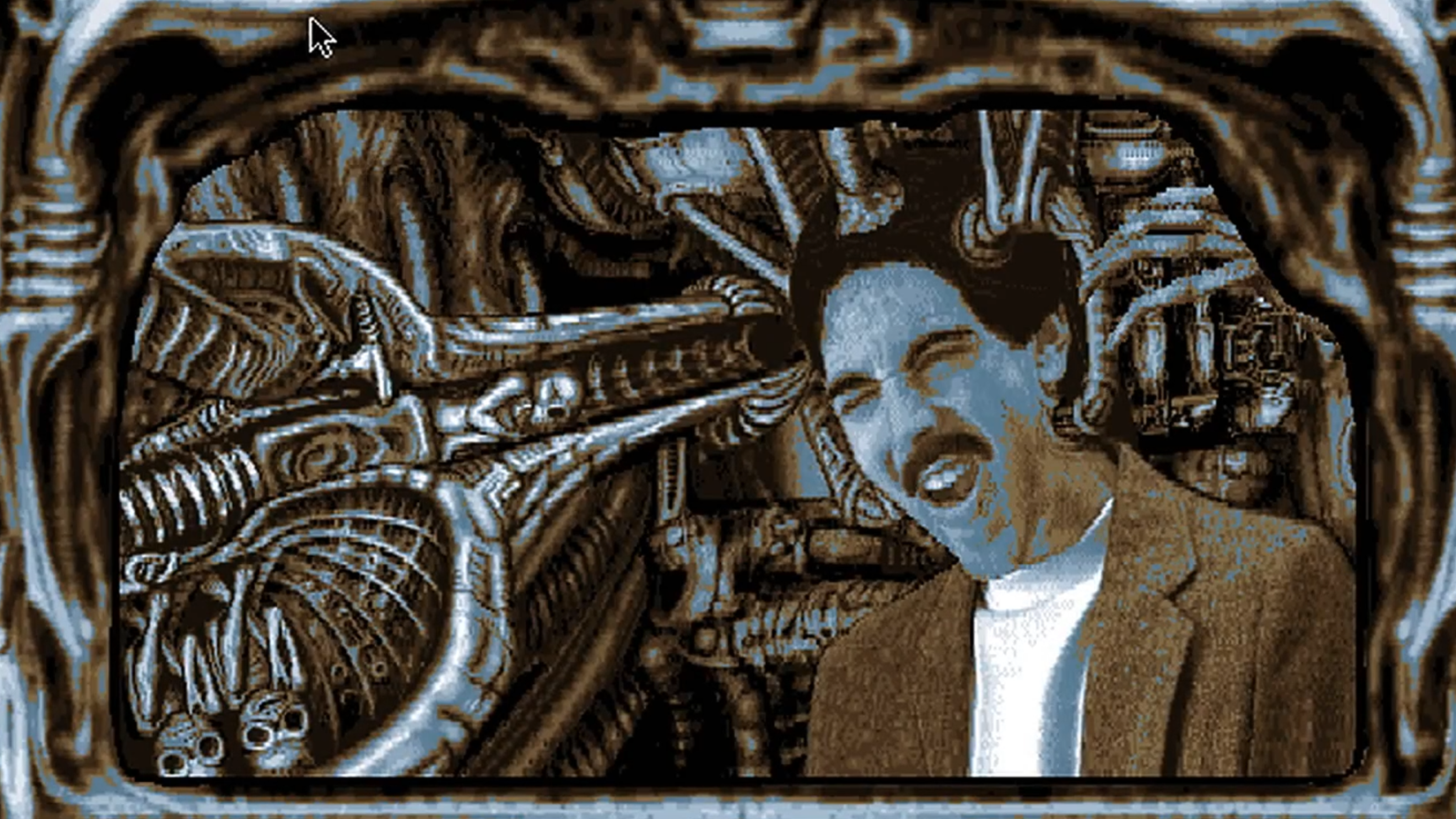
Dark Seed

Mike Dawson, Ace Detective

Dark Seed intro cutscene

In the olden days of PC gaming, an “adventure game” specifically referred to point-and-click adventures like King’s Quest or Monkey Island. There were a lot of games of this nature released throughout the 90s, with one particular cult classic being the original Dark Seed, released for MS-DOS in 1992.

Dark Seed follows Mike Dawson, a novelist who, after buying an old manor, has a nightmare about horrific extradimensional beings implanting an alien egg into his skull. He’s on a time limit to solve this supernatural mystery and defeat the invaders before his head pops like a water balloon, taking humanity with him. The game features art by the late H. R. Giger, giving it its distinctly unsettling, biomechanical aesthetic.

The game’s writing and voice acting is a bit on the cheesy side, but the creepy vibes are the real deal, especially when the art and animation get uncomfortably detailed. Unfortunately, its developer and publisher, CyberDreams, went defunct almost 30 years ago, so I can’t even begin to guess who to turn to for a port.

9

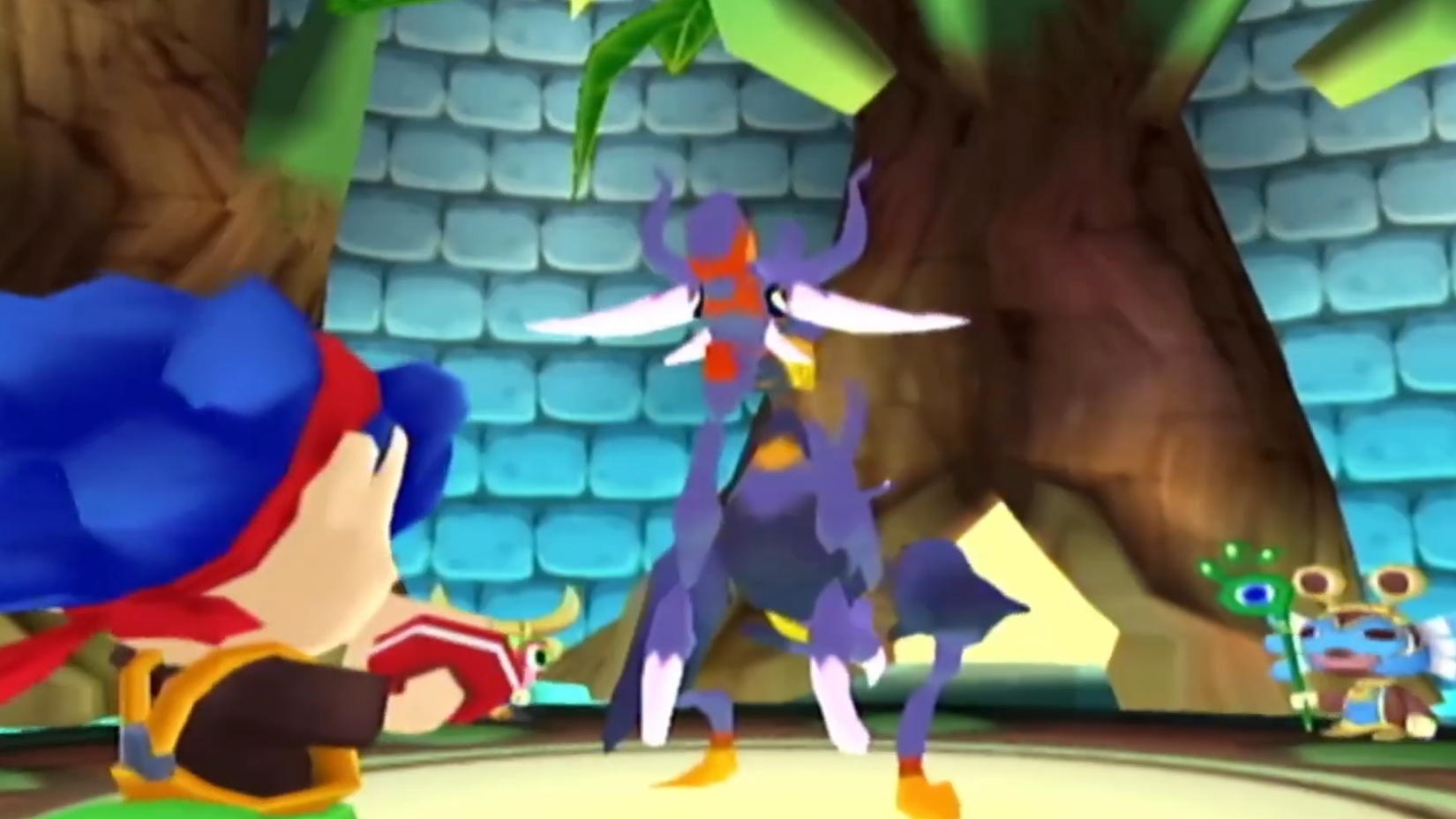
Amazing Island

Make-A-Monster Workshop

Amazing Island monster

When PokéMania rocked the world in the 90s, everyone and anyone began looking for any possible angle they could tackle the partner monster concept. This led to a lot of similar creature-collecting RPGs, but one little GameCube game, Amazing Island, decided to take things in a slightly different direction.

In Amazing Island, you can create a monster buddy of your own entirely from scratch, drawing its proportions and body parts with your controller, then tacking on accessories like claws, wings, and eyes, and customizing its voice and body color. That monster is then used to compete in a series of Mario Party-esque challenges, such as skipping over water or smashing stone pillars. The further you progress in the adventure, the more bits and bops you unlock for making new monsters.

Admittedly, Amazing Island didn’t knock anyone’s socks off critically, but I have an old soft spot for it as one of my favorite recurring Blockbuster rentals. It’s the kind of game that, if it can’t make a comeback itself, and it probably won’t, I could easily see an indie game inheriting its spirit.

8

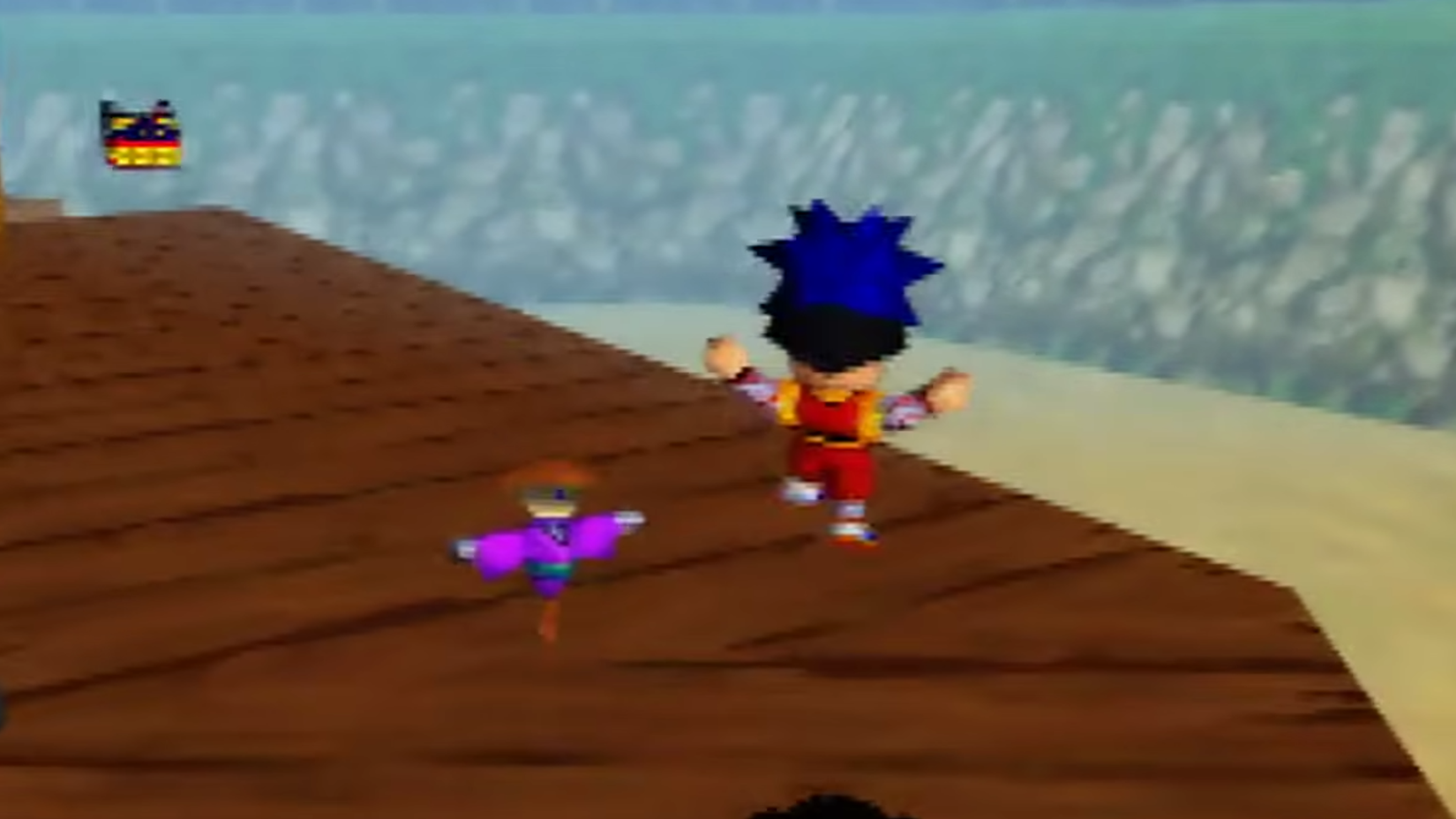
Mystical Ninja Starring Goemon

Ninjas and Robots are a Great Combo

Mystical Ninja starring Goemon gameplay

The friendly ninja Goemon was one of Konami’s first mascots, making numerous appearances throughout the SNES days in the Ganbare Goemon series, known in the west as Mystical Ninja. On the N64, Goemon got two games, both of which actually managed to make their way westward. These games were the sidescrolling Goemon’s Great Adventure, and the more open-ended Mystical Ninja Starring Goemon.

Unlike Great Adventure, which is a slightly more straightforward sidescrolling platformer, Mystical Ninja is a full 3D adventure with towns and dungeons to explore, kind of like a diet Zelda. You have several playable characters to choose from, each with their own unique abilities for combat and exploration. Each major dungeon is capped off by a boss fight, following which may be an additional encounter against a giant enemy, which you battle in the equally gigantic clockwork robot, Goemon Impact, which also has its own theme song.

Sadly, Konami hasn’t paid much attention to any of Goemon’s games lately, so I don’t know how willing it’d be to fork over the cash for a remaster. I think both Mystical Ninja and Great Adventure would be great candidates for Switch Online’s N64 library, though.

7

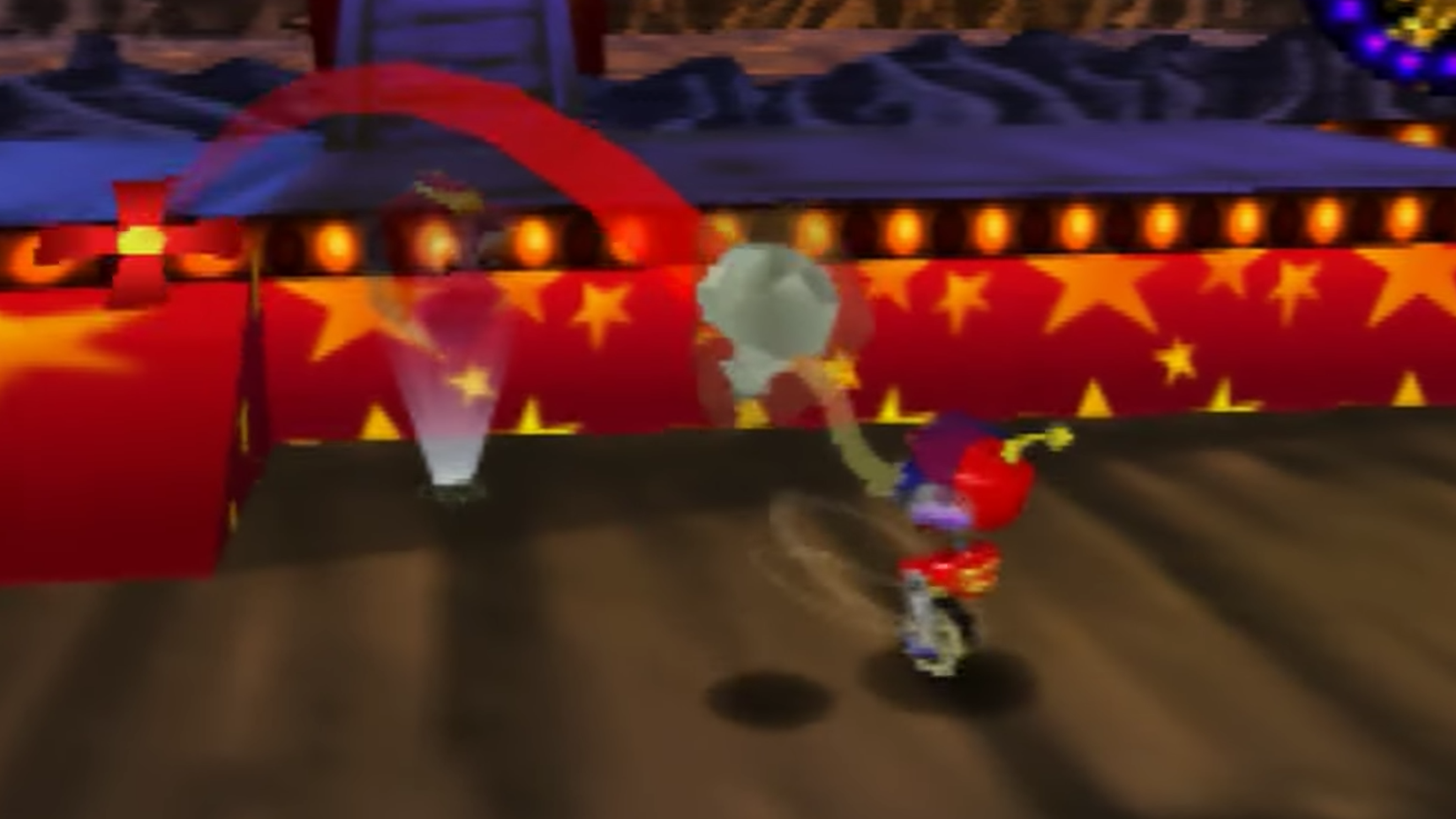
Rocket: Robot on Wheels

Baby’s First Physics Platformer

Rocket Robot on Wheels gameplay

Around the late 90s, games started experimenting more with semi-realistic physics engines. The most prominent example of this is, of course, Half-Life, but over on the console side of things, there was another interesting effort, and from a source you may not expect. That game was Rocket: Robot on Wheels, released in 1999 for the N64 by Sucker Punch.

Rocket is a 3D collect-a-thon platformer adventure starring the titular robot as he visits the many attractions in a futuristic, malfunctioning theme park to restore their functions and depose the park’s mascot gone mad. The game is built largely around physics puzzles and interactions, with Rocket’s primary ability being a tractor beam that can pick up and throw small objects like crates and bombs. It’s not exactly cutting-edge by today’s standards, but it was charming for its time, not to mention distinctly colorful and creative in its visuals.

Sucker Punch doesn’t seem to like acknowledging its more cartoony productions like Rocket and the Sly Cooper games these days, focusing on more serious IPs like Ghost of Tsushima. If we wanted a remake or remaster, we’d probably have to turn to the game’s publisher, Ubisoft, and the odds of that panning out feel… slim.

6

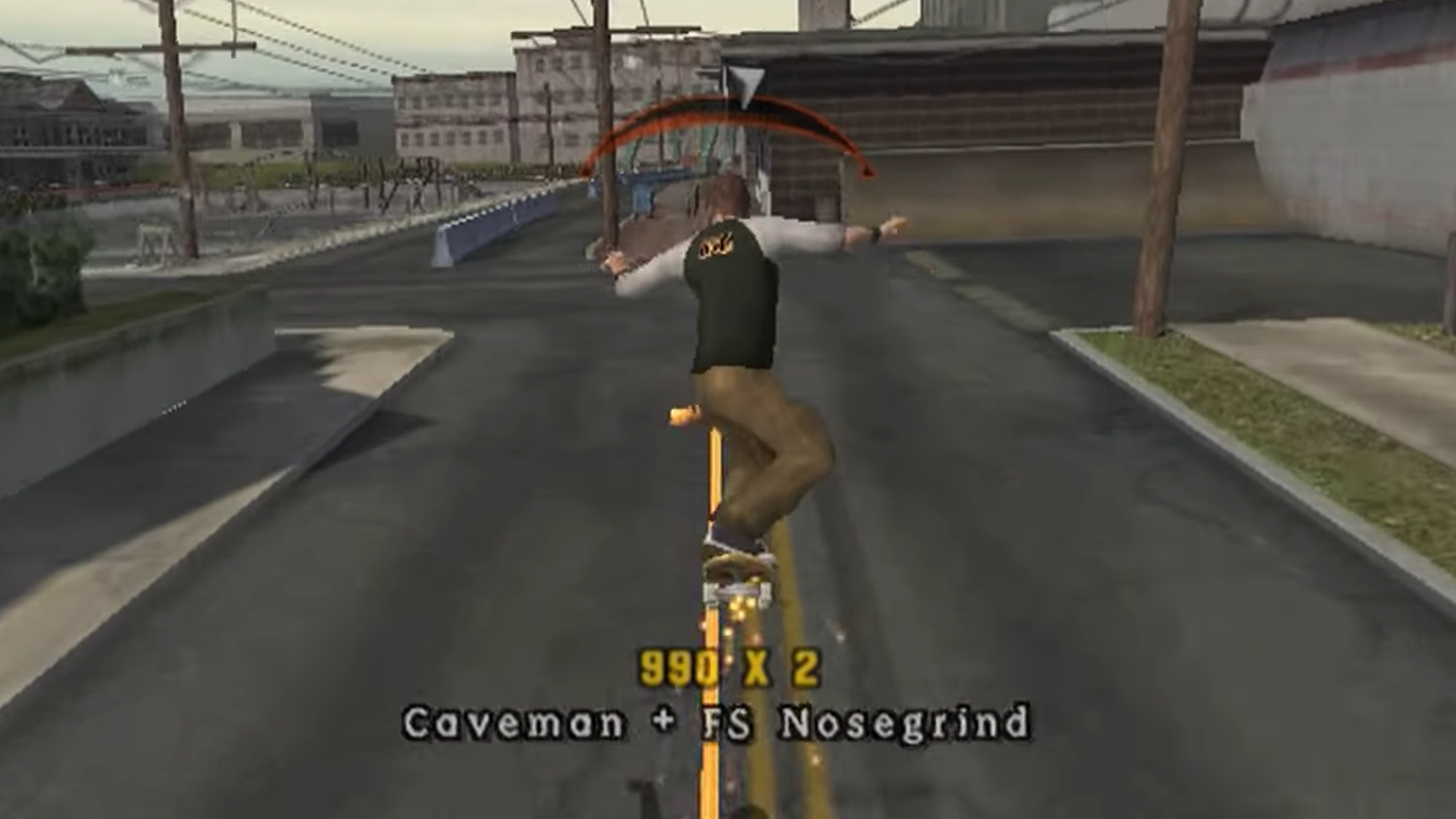
Tony Hawk’s Underground

Somehow, this is Eric Sparrow’s Fault

Tony Hawk's Underground gameplay

The vast majority of the Tony Hawk’s Pro Skater games are straight-up arcade-style affairs. You drop into an open map, you skate within the allotted time, and then you stop. The first major departure from this came to us in the form of Tony Hawk’s Underground, released for GameCube, PS2, and Xbox in 2003.

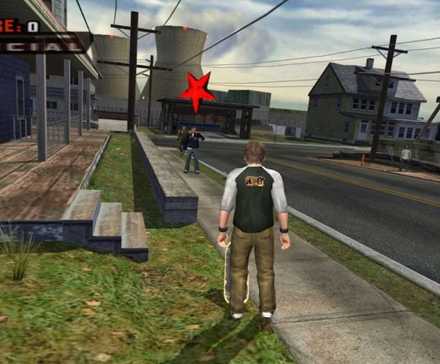
Underground has all the same basic skateboarding mechanics as its predecessors, but rather than being arcade-style, it’s a full skateboarding adventure. You can hop off your board and explore the various towns and cities you find yourself in, completing missions and uncovering secret areas as you progress the overarching story of becoming a skating legend while battling your nemesis, Eric Sparrow. Curse you, Eric Sparrow.

New Jersey open world gameplay in Tony Hawk's Underground.

Related

Tony Hawk Doubles Down On His Love For Tony Hawk’s Underground, Remake Sadly Still Not Confirmed

Fans of the Tony Hawk’s Underground series just had a collective heart attack, with Tony Hawk making yet another cheeky reference to the classic game.

As the Tony Hawk remakes have worked their way through the numbered entries, Underground would be the next logical choice, as the original is otherwise unplayable. At the time of writing, there haven’t been any commitments from Activision, although Tony Hawk himself has gone on record that he would personally like to see Underground get the remake treatment.

5

Ultimate Spider-Man

Save (or Devour) New York

Ultimate Spider-Man Spider-Man

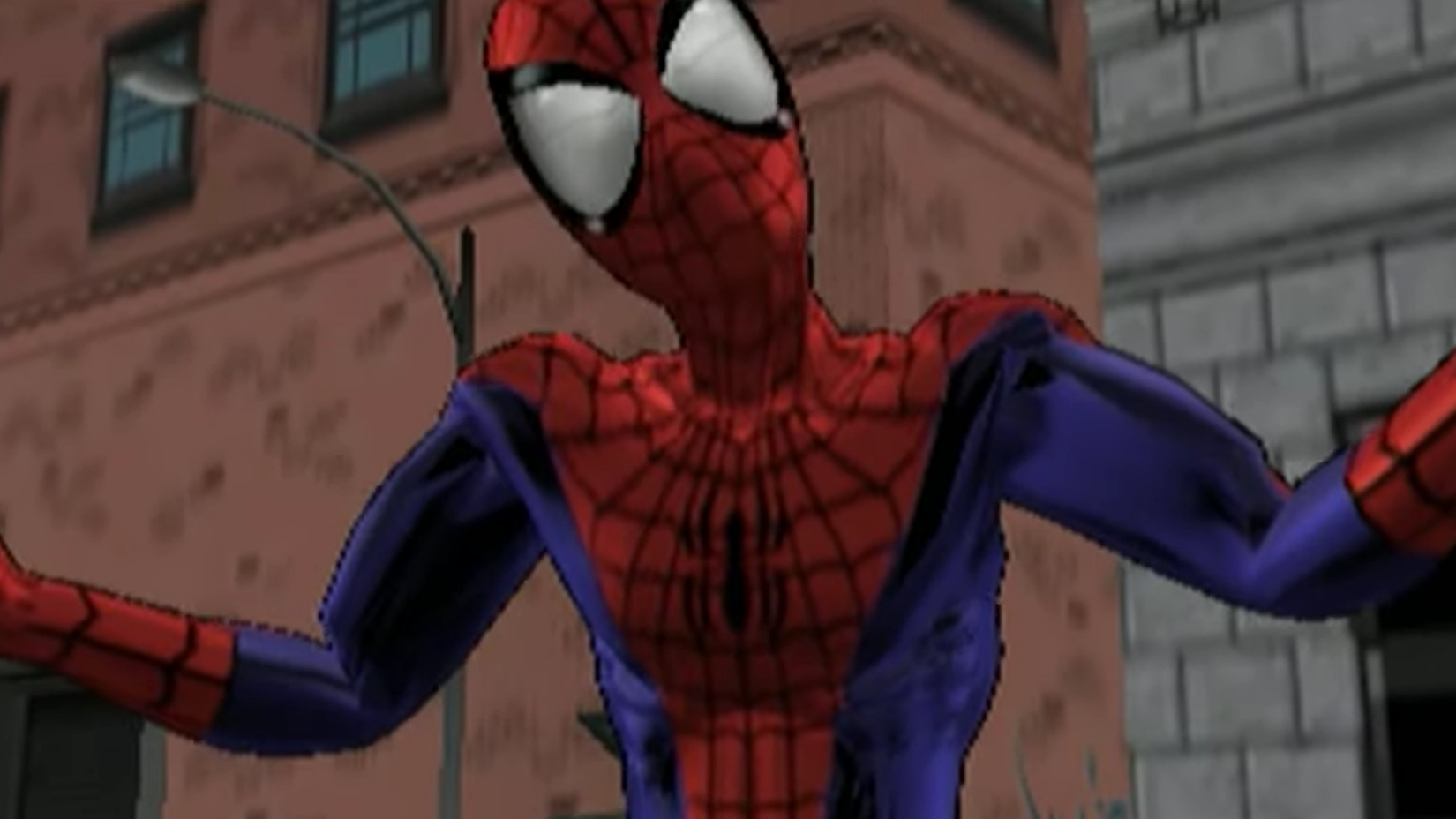
Just about every major video game console has had its own take on Spider-Man, either as a linear action game or, in the later generations, open-world adventures. There were quite a few of the latter category during the sixth console generation, though one of the only ones that wasn’t based on one of the Sam Raimi movies was Ultimate Spider-Man, released in 2005 for PS2, GameCube, and Xbox.

Ultimate Spider-Man, based on the comic series of the same name, tells a two-pronged story of Peter Parker’s daily exploits as Spider-Man and Eddie Brock’s nightly hunts as Venom. At regular intervals, the game switches perspectives between these two characters, both of which have their own objectives and side missions to pursue in the open world. Web-head has all of his usual tricks and powers at his disposal, while Venom can perform soaring leaps and feed on bystanders to refill his constantly-draining health.

When it comes to asking for ports or remasters, Marvel games are a particularly thorny path, as they’re often a tangled mess of copyrights and IP permissions. Activision had the publisher slot back in the day, but at least to my knowledge, it doesn’t have any fingers in that particular pie anymore, leaving the matter up in the air.

4

The Incredible Hulk: Ultimate Destruction

Bring Back the Car Gloves

Incredible Hulk Ultimate Destruction gameplay

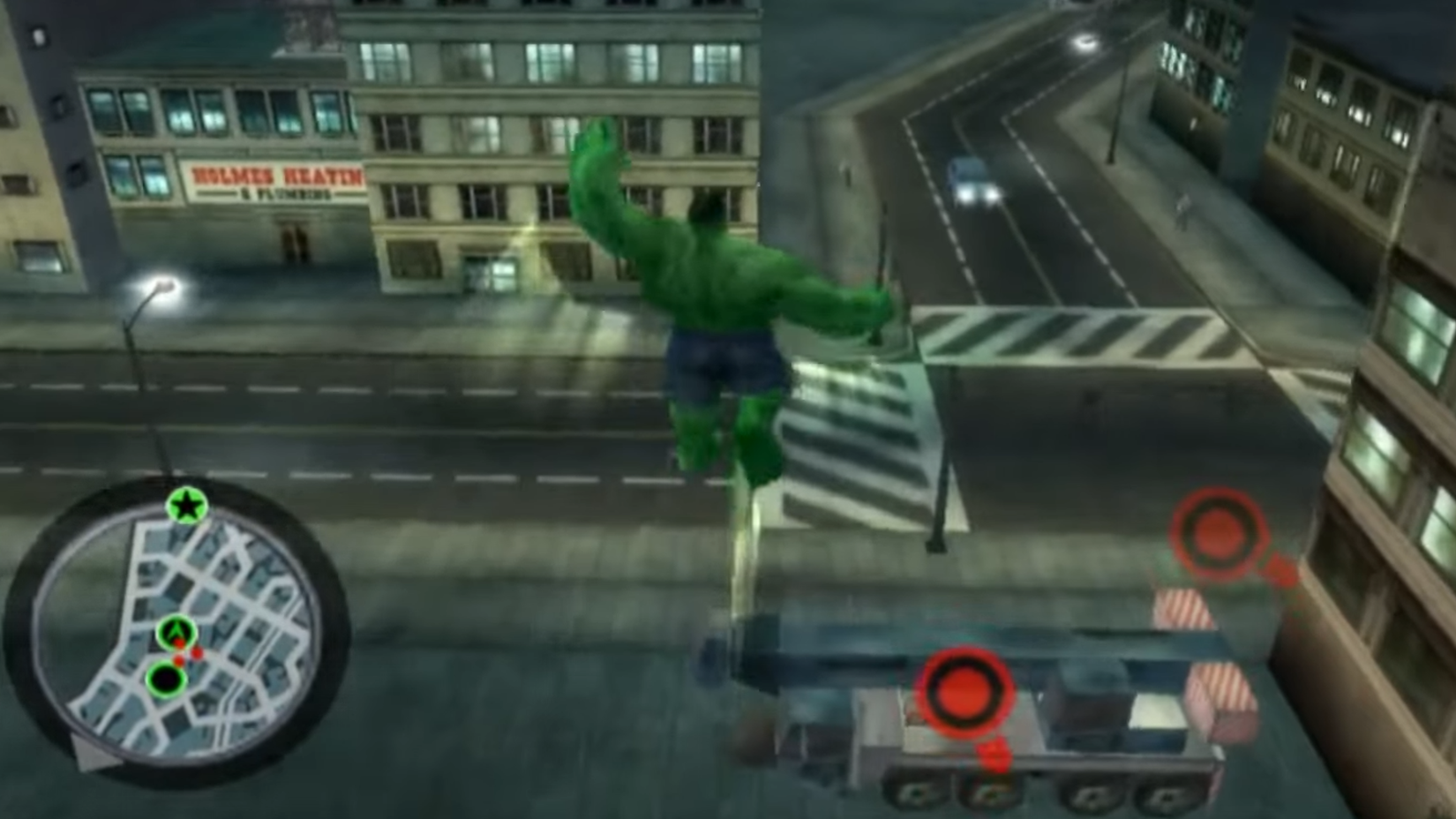
As open-world sandbox games were the style of the sixth generation, everyone and their grandma was getting one, including any other Marvel superhero that could theoretically handle one. Compared to Spidey, The Hulk hadn’t had nearly as much love in the gaming sphere, but one of his best showings came about in 2005 with The Incredible Hulk: Ultimate Destruction.

Ultimate Destruction was another sandbox adventure, albeit one tuned specifically to Hulk’s particular specialties, i.e. breaking lots of stuff. With his immense strength, Hulk can leap across massive swaths of the open world, crushing soldiers, buildings, and cars with his meatloaf fists. There are missions and side missions to pursue, of course, but you’re just as welcome to bum around and cause trouble. Both give you XP to unlock bigger and better abilities, including the game’s signature mechanic, having Hulk tear a car in half and using it as a pair of metal boxing gloves.

If there’s any hope of a remaster of this game, the ball is once again squarely in Marvel’s court. Vivendi Universal handled publishing originally, but it was absorbed by Activision in the Activision Blizzard merger, so presumably, it’d have first dibs, but only if Marvel deigns to offer them.

3

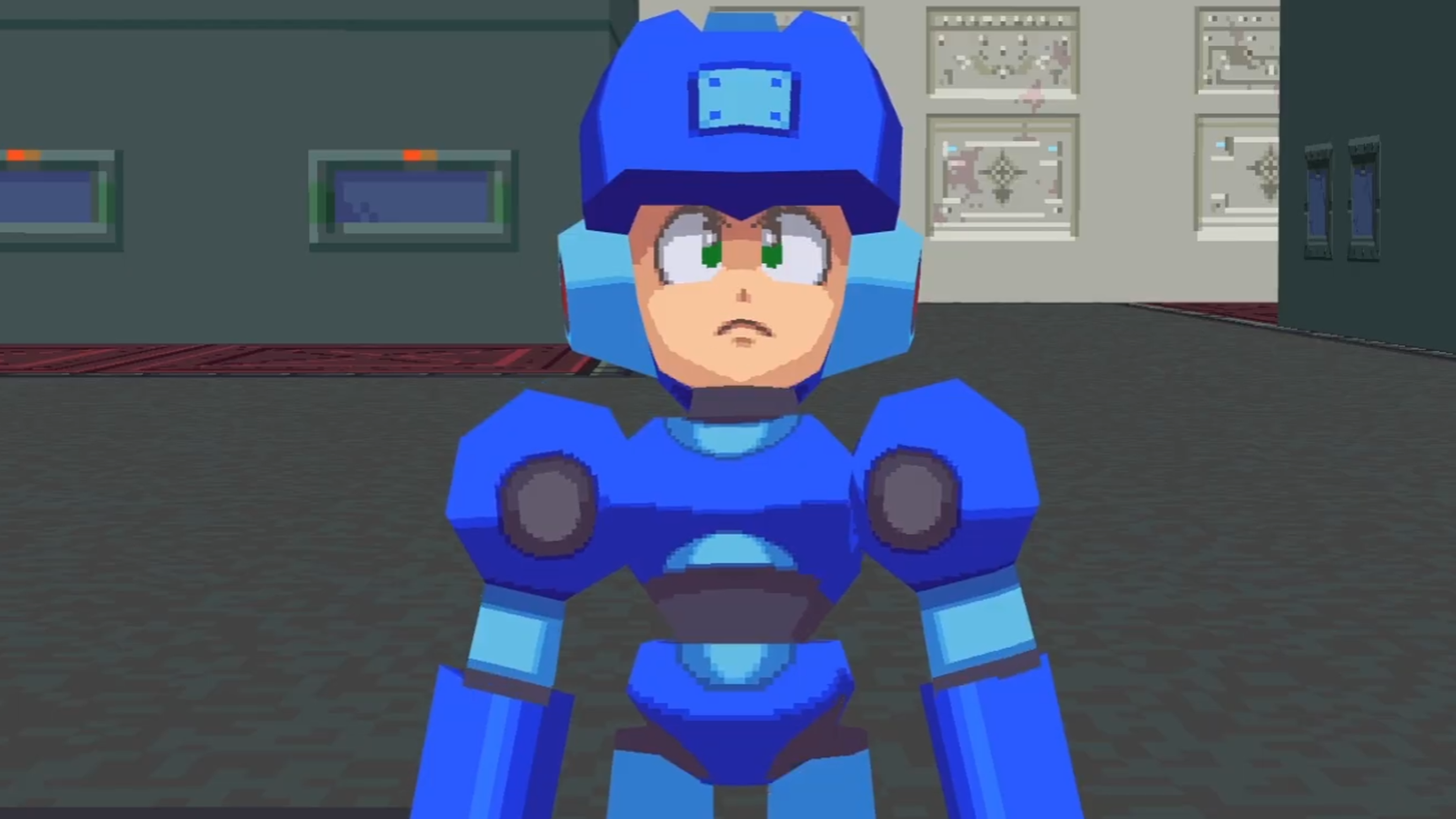
Mega Man Legends

Why, Capcom, Why

Mega Man Legends Mega Man Volnutt

In recent years, Capcom has been gradually restoring access to the greater spectrum of Mega Man titles, mostly through connections. He is supposed to be its mascot, after all, so it’s only right. Even with these efforts, though, there’s a particular subset of Mega Man that’s gone largely disregarded, that of Mega Man Legends.

Originally released on the PS1 and N64, Mega Man Legends was a full 3D adventure, featuring both large, explorable towns and labyrinthine dungeons full of hostile robots. It was a surprisingly dense game for its time, with lots of hidden sidequests and collectables like power-up items and swappable weapons. It also had a very lovable cast of characters, who even had voice acting!

While Legends is a cult classic, it’s treated as a bit of a black sheep by Capcom. It got one sequel and one spin-off, and has largely been abandoned since then aside from some cameos in fighting games. There have been some rumblings about a new Legends collection, but at the time of writing, rumblings is all they are.

2

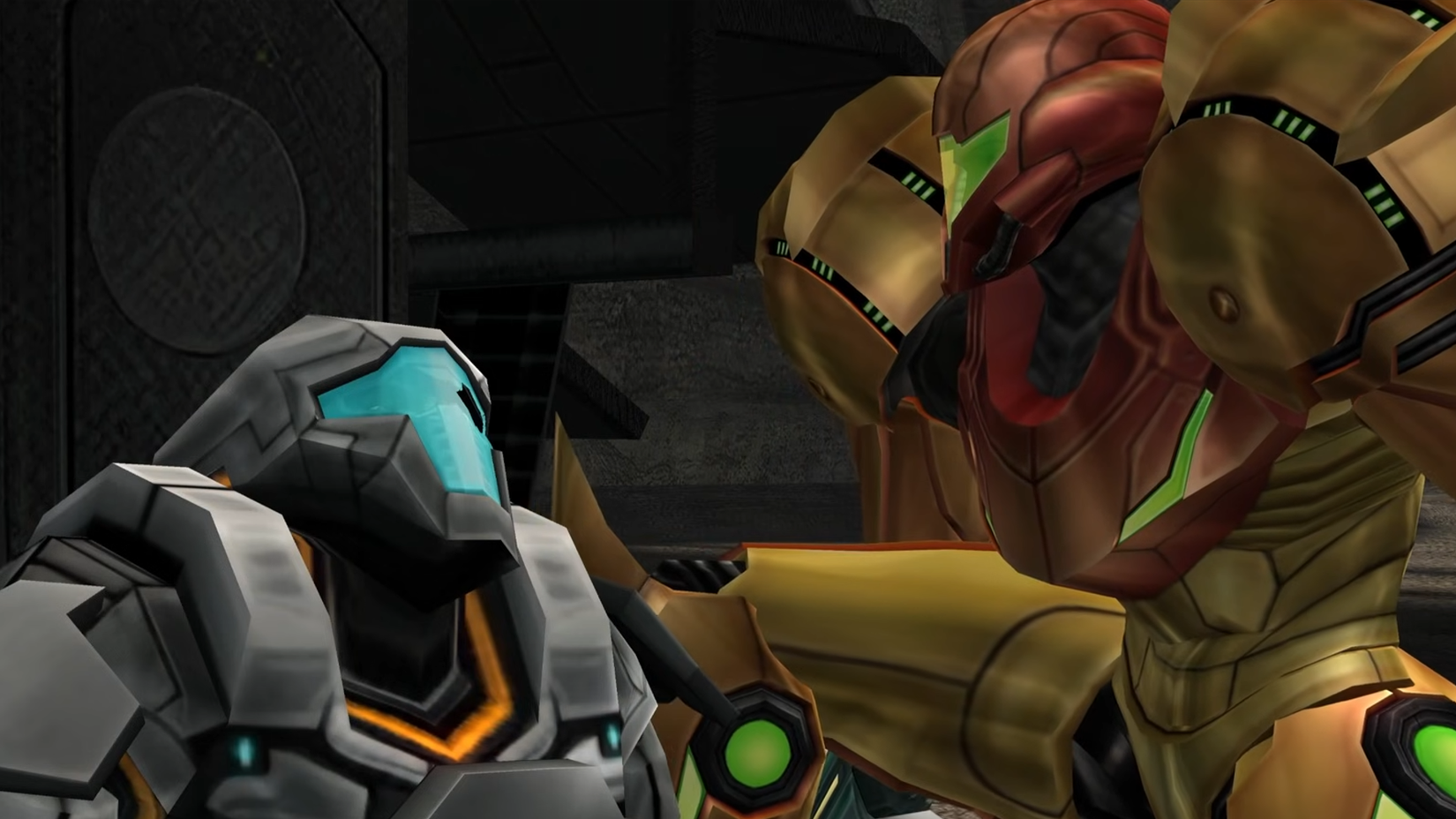
Metroid Prime 2: Echoes

The Interest is There, Nintendo

Metroid Prime 2 Samus and soldier

It’s no secret that when it comes to software preservation, Nintendo has a bit of a… spotty track record. If we’re lucky, we get retro games on its various digital distribution systems or libraries, but if they aren’t available there, Nintendo would rather you not play them any other way. That’s rather frustrating, because there are a lot of classic adventure games from Nintendo’s own stable that remain inaccessible, such as Metroid Prime 2: Echoes on the GameCube.

A direct follow-up to the previous Prime, Prime 2 built on the 3D action-adventure principles established in that game, while adding the extra wrinkle of dual-world gameplay. Samus regularly has to hop between the light and dark iterations of the planet, braving the latter’s caustic atmosphere to find pockets of safety. It was a cool way to broaden the scope of the game’s world without overbloating it.

With the release of Metroid Prime Remastered, there is a spark of hope that Prime 2 (and Prime 3, for that matter) will get the same treatment at some point. Until that happens, and unless it’s added to the Switch Online GameCube library, we’re outta luck.

1

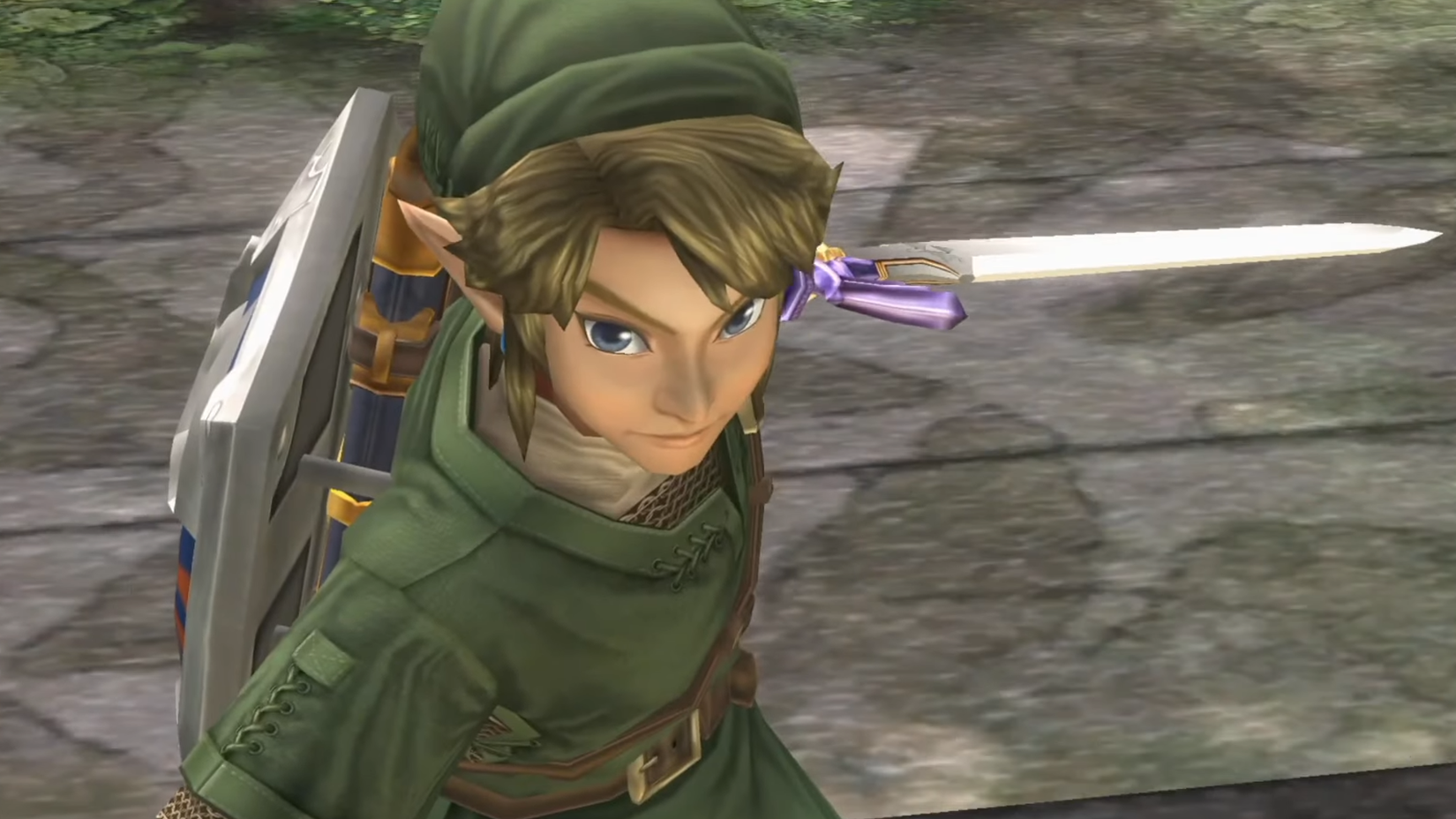
The Legend of Zelda: Twilight Princess

On Three Systems, All Dead

Twilight Princess Link

Speaking of Nintendo games, the company has done a relatively better job of preserving access to titles in the Legend of Zelda series, either through remasters, ports, or additions to digital libraries. However, for some reason, there’s a distinctive hole in the Zelda pantheon, right between Majora’s Mask and Skyward Sword: The Legend of Zelda: Twilight Princess.

Not unlike Metroid Prime 2, Twilight Princess also dabbled in dual-world gameplay; in the light world, Link is his usual self, solving puzzles and beating baddies with an assortment of items. In the dark, Twilight realm, he transforms into a wolf, using his enhanced agility and senses instead of items, while his partner Midna snarks away on his back.

Twilight Princess was originally released on the GameCube and Wii, then got an HD port on the Wii U. If I were to hazard a guess, someone at Nintendo doesn’t want to sink any more money into remastering a game that technically already had a remaster, even if said remaster is no longer available. Ergo, we’re just going to have to hope for an addition to the GameCube library.

Action games

Next

9 Best Action Games Still Stuck on Older Systems

The only thing these games can’t punch their way out of is their dead consoles.


Source link

SiN Reloaded from Nightdive Studios arrives this year and there’s a new trailer

SiN Reloaded from Nightdive Studios arrives this year and there’s a new trailer


Nightdive Studios have announced today that SiN Reloaded will release this year, and there’s a new trailer available to watch right now.

Originally released back in 1998 and set in a near-future dystopian world, SiN: Reloaded puts you in control of security consultant Colonel John R. Blade as you take on the seductively evil Doctor Elexis Sinclaire. When Elexis, CEO of SinTEK Industries, begins injecting the streets with a DNA-altering drug, it’s time to reassess the laws of morality by facing off against Elexis’ unholy army of genetically-engineered mutants. Plus this release comes with the remastered visuals, modern controls and the Wages of SiN extra mission pack.

See the new trailer below:

Highlight Features:

Play the original SiN and the SiN: Wages of Sin mission pack, optimized using the KEX Engine.
Beautifully remastered graphics with HD textures and models (up to) 4K resolution at 144 FPS, anti-aliasing, and upgraded 2D screens and menu art.
Overhauled control schemes and modernized UI for gamepads and M&K.
Improved maps throughout the game.
Swap between remastered visuals and the original SiN Gold version.
Brand-new achievements.
Higher resolution Zak Belika tracks mixed/engineered by Chris Mock.
A vault filled with exclusive, behind-the-scenes material.

Platform: ⚛ Proton / Wine

Article taken from GamingOnLinux.com.


Source link

22 years later, Altered Carbon’s creator returns to the detective noir genre with a dark twist on World War I

22 years later, Altered Carbon’s creator returns to the detective noir genre with a dark twist on World War I


Richard K. Morgan is best known for his 2002 Philip K. Dick Award-winning debut novel Altered Carbon, a hardboiled detective cyberpunk story that was adapted into a visually stunning Netflix series in 2018. Along with continuing the story of Takeshi Kovacs in two more books and a pair of graphic novels, Morgan also penned Black Widow comics and wrote for the first-person shooters Crysis 2 and Syndicate. Now he’s returning to the hardboiled genre mashup with the standalone novel No Man’s Land, which follows a World War I veteran trying to find a baby stolen by the fae.

In No Man’s Land, the ancient and monstrous Huldu ended the Great War by covering much of Britain in a dark forest. Duncan Silver works to recover babies who have been stolen by the Huldu and replaced with changelings. But his latest case pits him against a thousand-year-old Huldu who will force Silver to confront his own past while entangling him in a complicated power struggle. It’s a story that feels like it could be great on screen as a sort of fusion of Carnival Row and Perry Mason.

Ahead of the book’s release on March 24, Del Ray offered Polygon an exclusive excerpt from No Man’s Land:


Image: Del Ray

Garner rang Irene Rush’s old landlord from the pay phone in the White Mare’s public bar. He offered money. It seemed to do the trick.

“An hour,” he told Duncan. “He’ll send someone to let us in. It’s close; we can walk it from here in a quarter of that.”

“You say why we wanted to see it?”

Garner stared at him. “Don’t be daft.”

An hour later, past sundown but with plenty of residual light in the sky, they stood waiting outside Number 17 Tegg’s Road. It was part of a modest Victorian terraced row in red brick, set back a little from the road behind waist-high iron railings and gates for the short paths up to each door. Tall sash windows looked out over the road from the first floor, gave views into fairly spacious front rooms at ground level. Soft curl of smoke from chimney pots, homely odor of it on the evening air. Duncan saw fires in fireplaces, lamps already lit against the promise of evening, cozy rooms. In one, a well-dressed middle-aged man sat and dozed over a book. In another, a young mother played with two toddlers on the rug. In sharp contrast, the windows of Number 17 were shuttered, nothing to see behind the glass but white-painted wood panels locked across.

“Odd they haven’t rented it since,” Duncan mused.

“Not necessarily. Lot of lost jobs around here the last year or so. Money’s tight, and they say it’s going to get a lot worse before it gets better.”

“Aye, might be that.”

Garner caught his tone. “Tha think different?”

“I don’t think anything yet. Oh, look—here we go.”

A taxi had come puttering to a halt just ahead of them in the smoky, early evening light. The rear door opened and a small, gray-whiskered man in a suit bustled out clutching a satchel. He introduced himself as Simon Wilkins, agent for the owner, opened the gate to seventeen and led the way up the path. At the door, he wrestled a large key ring out of his satchel and worked his way round it until he found the right key.

“Most irregular, this,” he insisted in a slightly high-pitched voice, which, combined with his painfully unfashionable mutton chops, put Duncan in mind of comic characters out of Dickens. “We really would expect to see references before . . .”

“Got thy references for thee right here,” said Garner impassively, handing over one of Duncan’s ten-shilling notes. “I was told that’d be acceptable.”

“Oh, yes,” Wilkins sniffed. “Mr. Carruthers made himself very clear on the amount.”

He made a show of unfolding and turning the note over, though the green and brown print was visible at a glance, marking it out pretty clearly as 1918 issue and perfectly legal tender. Duncan cleared his throat, shifted impatiently. Wilkins looked his way, flinched as their gazes met. He stuffed the note away and got on with opening the front door.

Inside, the house offered a short no-nonsense hallway, staircase straight up on the right, doors off ahead and to the left.

“As you can see, it’s spacious living over two floors,” Wilkins exaggerated and threw the switch by the door. A feeble bulb glowed to life inside a small stained glass lampshade over their heads “Fully electrified. Comes fully furnished, too, though I believe there’s space in one of the bedrooms for—”

Duncan shouldered past him and up the stairs. Sudden gooseflesh along the inside of his arms. Whisper of something unquiet, up there waiting for him.

“I say . . .”

Garner slid in behind Duncan, turned to block Wilkins on the threshold. Duncan heard him talking in uncharacteristically plummy tones.

“My client’s in the way of being a bit peculiar about these things, Mr. Wilkins. He’d rather form his own impressions alone, if that’s all reet with thee. It’s a habit of his. Perhaps tha could wait for us down here while he gets a feel for the property.”

Wilkins coughing, muttering, “Irregular, highly irregular,” but by then, Duncan was up on the short landing, looking at another set of closed doors, listening to the stillness in the dark and dusty air. He found a light switch, flicked it, and watched more feeble light spring

up in lamps along the wall. He felt the trace again. It wasn’t much—if it was four or five months old, he was honestly surprised it was there at all—but he could feel the slight rise in his pulse as he cast about and—

This room.

He opened the door. Stepped into a darkened bedchamber.

Soft loom of furniture under dust sheets, the faintest filter of light through cracks in and around the shutters closed across the window. Bare boards underfoot, a threadbare Persian-style rug laid across the center of the floor, most of it under what looked, under its sheet, like

a brass-frame double bed. The small fire grate in the far wall was dead and cold.

By the shuttered window, a basketweave rocking chair, uncovered. He looked at it and felt every hair on his nape stand up.

Something was sat there, grinning at him—

Ah, there you are, Duncan, so glad you came. We’ve been waiting for you . . .

Death and the Forest, right there, woven together in some nightmare embrace of bones and pale dead tree limbs, spilled and lolling in the embrace of the chair. A worm-eaten grayish skull crowned and grown through with ivy and thorns, a mossy rib cage hung with more of the same. Skeletal fingers gripped the arms of the chair, as if the thing was poised to rise and greet him in some parody of manners it had been told must be honored—What a pleasure to have you here finally!—and the twig-dry grip of those fingers around his own. The eager grin

of the skull. So much to talk about, so many, many things to show you . . .

A Huldu claim spell—marking territory, the way a wolf might raise its hind leg and piss on a tree. A vortex of disturbance in the order of things, chaos peeping through. Magic laid down like a proclamation nailed to a forest oak. I was here. I did this. Witness, if you dare.

A Huldu claim spell—marking territory, the way a wolf might raise its hind leg and piss on a tree. A vortex of disturbance in the order of things, chaos peeping through. Magic laid down like a proclamation nailed to a forest oak. I was here. I did this. Witness, if you dare.

High-pitched Faerie voices calling him from beyond—Duncan, Duncan, come to us, Duncan . . .

Something behind him.

It reached out and touched him lightly on the shoulder blade. He whipped around in the darkened room, fists clenched.

“Duncan!” Garner, backing rapidly off, hands raised. “Come back, lad! Get a grip!”

He swallowed, grunted. Nodded jerkily. Garner lowered his hands, but not all the way. Duncan stood aside a little, gestured at the rocking chair.

“Can you see that?” he asked tightly.

“Not clearly, no.” Garner grim faced, hands still partway to the instinctive guard. “But I know it’s there. I can feel that much.”

The thing in the chair seemed to shrug. It rustled, it grinned. The shadowed empty eye sockets in the skull dragged at Duncan’s gaze. He felt like someone off the Titanic, flailing desperately against the suck of icy waters as the big ship plunged into the depths and tried to bring him with it . . .

Duncan, Duncan, come to us, Duncan . . .

“Are tha all reet, lad?”

Garner’s voice, too faint, coming from too far away. He clung to it like a piece of driftwood, drew a deep breath and shut out the vision in the rocking chair.

It’s just a fucking chair, Duncan. All right?

As if huffily disappointed, the thing seemed to shrug again, fold in on itself in whispers and wavering resolution he had to blink to focus on, a cold wind moaning, a hole in something through which the core of the apparition flowed, and then nothing much at all but a musty green odor that hung in the air and a kind of floating dust that sparkled briefly and then went out.

It’s just a fucking chair.

It is now.

But he knew that a little over four or five months ago, some Huldu of rank had sat in that same chair with unhuman immortal patience, watching Irene Rush and her daughter sleep together in the big brass frame bed, perhaps night after night, for who could tell how long. And then, at some point—maybe that night, maybe a few nights later—that same Huldu had risen unhurriedly, cast a casual glamour, taken the sleeping child from its mother, left a changeling in its place, and slipped away with its prize into the Forest.

Duncan knew these things with the same conviction he knew that the men he’d killed in France and Flanders were still dead.

And with the knowledge came the same icy, murderous rage he’d used to kill those men, the same rage he carried unslaked into the Forest with him, as ever, time and again, to unleash there in the woody gloom like some savage chemical flare.

“Tha’re sure about this, lad?”

“A trace that strong?” Duncan unrolled the oilskin gun wrap on the bed in his low-ceilinged room under the eaves at the inn. The McCulloch gleamed up at him in the low light. “A trace still hanging around like that, better than four months after the fact? You got any idea what it takes to leave that kind of imprint in our world? Had to be high-caste Huldu. No one else gives off magic like that. This fucker’s a thousand years old, at least.”

“One for the trophy hall, eh?”

Duncan took the trench gun from its retaining loops. “That isn’t what I meant.”

“Is it not?”

“I’m not being paid to kill Huldu. Not unless they get in my way.” He opened the ammo pouch on the wrap, scooped out a handful of Crumley & Kegg’s small grape cartridges. Fed them one by one into the McCulloch’s loading port. “What they pay me to do is bring back the weans. For that I need a trail. And a high-caste Huldu passing through the Forest with a human child in tow is going to leave a lot of trace. Local Fae will talk about it, the Haunts will talk about it, Christ, even the fucking trees will talk about it.”

“And tha think they’ll talk to thee?”

The McCulloch went one better than the American combat shotgun models it’d been copied from. It was built for a seven-shell load.

Duncan fed in the final cartridge and laid the gun back down. He looked at Garner.

“The Fae? It’s not like I’m going to give them a choice. You ever see what iron filings will do to a Huldu’s eyes?”

The other man broke gaze, looked away, as if Duncan was suddenly somehow too bright to stare at directly. Duncan snorted.

“Oh, come off it, Garner! Don’t get prissy on me. You choked one of these fuckers to death with your bare hands not so long ago. I bet they still stand you drinks on that story.”

“That was him or me, lad. I took no pleasure in it, then or now.”

“You think I take pleasure in these things?”

Garner said nothing.

Duncan sighed. “Look, it probably won’t come to that anyway. I can get the trees to talk to me most of the time. The Haunts are trickier; they like to play games, but you can usually work around that, too. It’s not like torturing Huldu is my preferred option. It’s just . . . it might come to that, is all. And if it does?” Duncan shrugged. “Well, I’m not squeamish about it.”

“Aye, I’ve heard that.”

Silence stretched in the cramped bedchamber. Garner would not look away. Duncan nodded. Started to lay out Crumley & Kegg’s Fae-fucker bombs on the oilskin.

“Tell you a story,” he said quietly as he worked. “Back in the summer of ’16, I went out as part of a reconnaissance party at Delville Wood. We got pinned down there in a bombed-out sap, and we were still there when the German counteroffensive kicked off. We were low on ammo already, ran through what was left pretty fucking fast, and they just kept coming, so it was down to bayonets and whatever else you could grab. Fucking mud everywhere from days of rain and the artillery, men slipping and sliding in it as they fought. Screaming, bloody chaos—”

“I don’t need to hear thy bloody war stories, lad.” Something abruptly broken off in Garner’s voice. Duncan raised a pacifying hand.

“This won’t take a minute. I’m not trying to bore you.”

They’d never talked about Garner’s loss, and he didn’t want to start now. What it must have done to the other man, to take his son back from the Huldu, to bring him home safe, bundled up in his arms, and then to lose him sixteen years later to a poster of a mustachioed

fuckwit in a field marshal’s cap over the mawkish plea Your Country Needs You.

Duncan held down the old rage. He drew a long breath.

“So like I said—bayonets and whatever else you could grab. What

I could grab was a signal pistol, and when this big fucking Fritz came

over the top and down at me bayonet first, I shot him in the belly with

it, pretty much point blank.”

Garner grunted. “Guess that stopped him well enough.”

“Aye, worked a treat. Flare went right into his guts, buried itself there. Killed him.” Duncan’s face twitched with the memory. “Eventually.”

Silence again in the small, homely room. Beyond the attic window, above the Forest skyline, a fading glow as the last light of evening drained down to amber dregs.

“You want to know what that sounds like?” Duncan asked. “A grown man screaming for his life as a flare burns his insides out? Slithering around in the mud and rain, tearing at the wound with both hands, trying to dig it out with his fingers as they scorch? You want to know what it smells like?”

Garner shook his head, wordless.

“That’s right, you don’t.” Duncan finished laying out the Kegg bombs, stared down at them for a long moment. “And you know the thing about that Fritz? He was a total stranger, probably a husband and father, a man who never did anything to me.”

“Apart from come at thee with a bayonet.”

“You know what I mean. He was just a man, slapped with a uniform that said he had to kill me, or I him. Seven years later, I close my eyes and I can still smell him burning to death. I can still hear and smell what I did to that man.” Duncan swung his gaze on Garner. “So if you think it should bother me in some way, working my way through a handful of these Fae fucks one scream at a time to get Mimi Rush back to her mother, well, that ship has sailed. Now, I’m going to the Forest. You’re welcome to sit this one out. Not sure I could afford to pay you enough to come along anyway.”

Garner nodded at the window. “It’s getting dark out there.”

“Aye, but it’s a good moon. Clear skies, still mild. Come on, it’s as perfect a woodsman’s night as you’ll get this time of year.”

“Daylight would be better.”

“Not for me, it wouldn’t.”

Garner gave him a come-off-it look. “Forest is a quieter place during the day. A safer place, and tha know it.”

“Aye. Which makes getting the answers I want a harder, slower slog.” Duncan found his rings in another pouch on the oilskin wrap, dug them out. “That’s no use to me, Garner. The evidence says Mimi Rush has been gone at least four months. If I don’t act fast, the trail is going to be cold. Look, you don’t have to come. I’ll understand if you don’t. But I’m not wasting any more time.”

Garner stood for a moment, watching him slip on the rings in silence. Duncan finished, flexed his fingers a little, and glanced at the other man. Garner nodded.

“I’ve a short-barrel Woodward’s over-and-under in the cart,” he said gruffly. “I’ll get it.”

If you buy something from a Polygon link, Valnet Inc. may earn a commission. See our ethics statement.



Source link

A Crusade To Erase Obscure Japanese Game Cookie Finally Ends

A Crusade To Erase Obscure Japanese Game Cookie Finally Ends


This week, the Video Game History Foundation announced a very peculiar, very particular victory. Cookie’s Bustle, an extremely rare and surreal ‘90s Japanese PC game, has been liberated. If you have never heard of Cookie’s Bustle, there’s a good reason. For years someone has committed themselves to erasing every shred of Bustle’s presence online through copyright claims, despite having no ownership over the game.

Since 2022, an individual known as Brandon White, under the company Graceware, has unleashed swarms of copyright claims at any online material relating to the game Cookie’s Bustle. Many first took notice when these claims resulted in the disappearance of several posts from the cult ephemerist YouTuber ClassicsOfGame, leaving pockmarks in their elegant, numbered catalogue. The strikes extended well beyond YouTube, it turned out, with DMCA claims circulating against Twitch streams, fan art, ROM sites and even Discord posts. Whoever Brandon White is, they seemed less like someone protecting intellectual property and more like someone trying to erase it from existence.

This strange behavior came to the Video Game History Foundation’s own door. Though rare, a physical copy of the game was donated to the Foundation. The page they made to display this treasured acquisition? That got hit with a copyright strike too, piercing the web host for their archive’s web portal.

“Although Graceware’s actions against us were incredibly disruptive, we saw this as an opportunity to get to the bottom of what was happening,” writes Phil Salvador, the VGHF’s library director.

The lengthy post goes on to explain how the VGHF went on the offensive, uncovering the network of non-scrupulous firms and copyright services that White was using to launch this campaign. White had put up a smokescreen of sorts to use resources from the Association for UK Interactive Entertainment (Ukie), despite having no evidence of ownership of Cookie’s Bustle and even misspelling his own company as Gracewear in the Ukie membership.

Even if White was using automated copyright services like Web Capio to attack Bustle, the VGHF knew a confrontation with Ukie would cut him off at the pass. When the archive and entry for Cookie’s Bustle reemerged, Ukie was unable to prompt the VGHF’s host from dropping them a second time, so Ukie’s Mumith Ali reached out to the Foundation directly. It was an opportunity to call White’s bluff, with the Foundation telling Ali to reach out to Graceware to provide proof they had any claim to the original game’s creation. They could not.

The VGHF’s closing of this chapter has solved a lot of “how”s but not a lot of “why”s. The creator of Cookie’s Bustle is still unknown, making it orphaned (though not public domain). We know enough about Brandon White to say they are not the creator of Cookie’s Bustle, but we’re still left baffled as to why anyone would devote so much energy into its erasure.

For now, Cookie is free. YouTube account ClassicsOfGame triumphantly reposted the missing videos. Cookie can be shown, streamed, and appreciated. Cookie is free to dance. Dance and be happy, Cookie.


Source link

You Can Now Preorder A Court Of Thorns And Roses Books 6 & 7

You Can Now Preorder A Court Of Thorns And Roses Books 6 & 7


Author Sara J. Maas’ wildly popular fantasy romance saga, A Court of Thorns and Roses, is getting two new entries this upcoming fall and winter–and you can already pre-order them. The as-yet-untitled Book Six launches October 27 and is available to preorder for $22, while Book Seven (which is also awaiting its final title reveal) drops January 12, 2027, and you can preorder it for $27. Note that final cover arts for both books have not yet been revealed either. Alongside the two new entries, you can also score the full A Court of Thorns and Roses Books 1-5 boxed set at a reduced price from Amazon, perfect for getting caught up on the steamy story so far.

The series began with A Court of Thorns and Roses, which hit store shelves in 2015 but gained massive popularity on TikTok during the first wave of the COVID-19 Pandemic in 2020. The series blends romance with high fantasy and court drama, weaving together a story of ancient magic, rival fae courts, ever-shifting alliances, and soulmates bound together by powerful magic. It also gets pretty hot and heavy.

Sign up for GameSpot’s Weekly Deals Newsletter:

Continue Reading at GameSpot


Source link

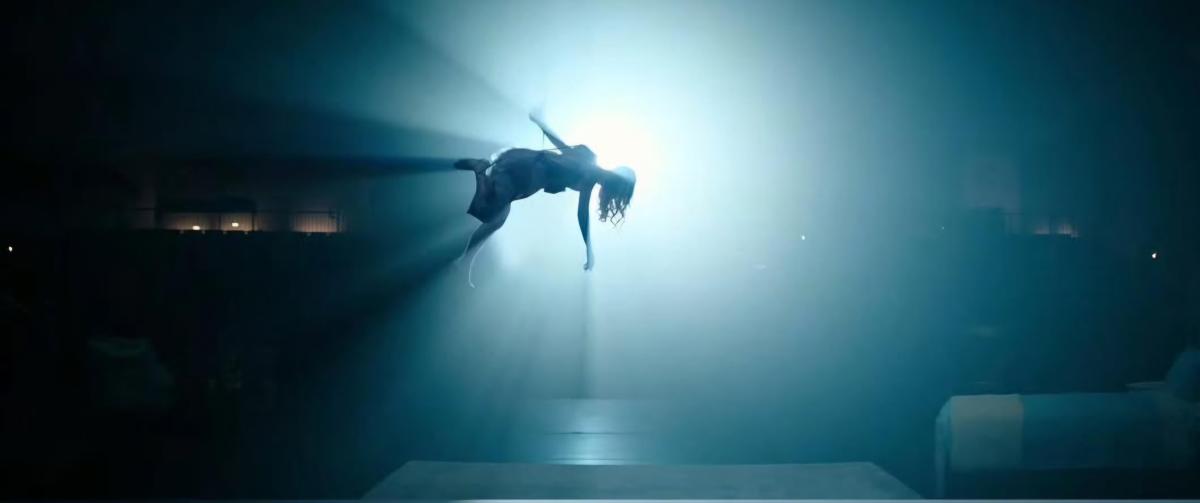
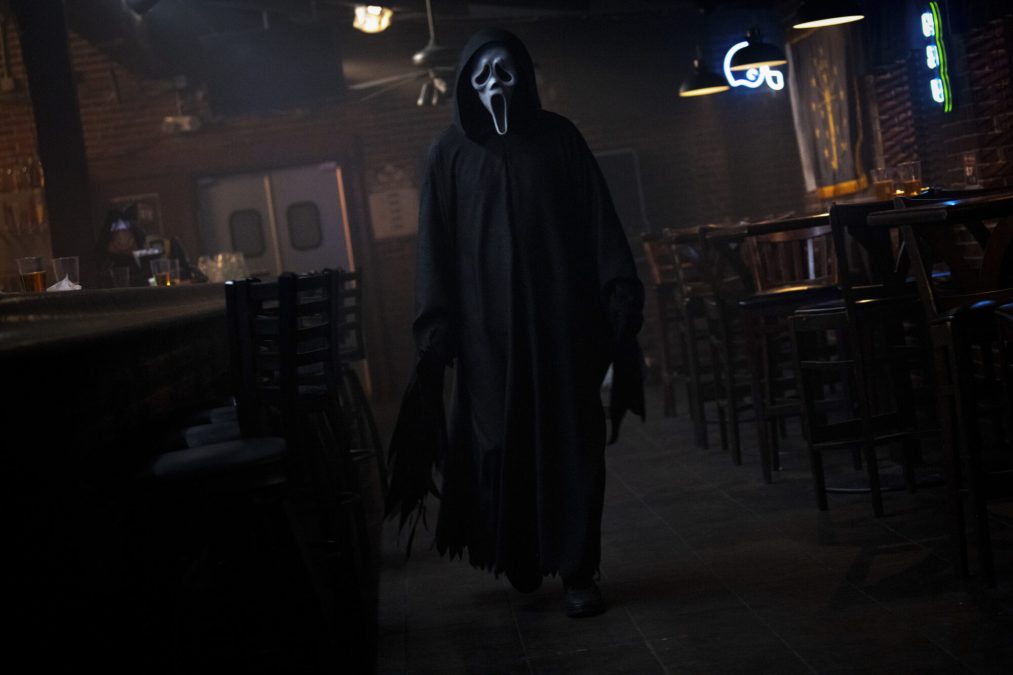
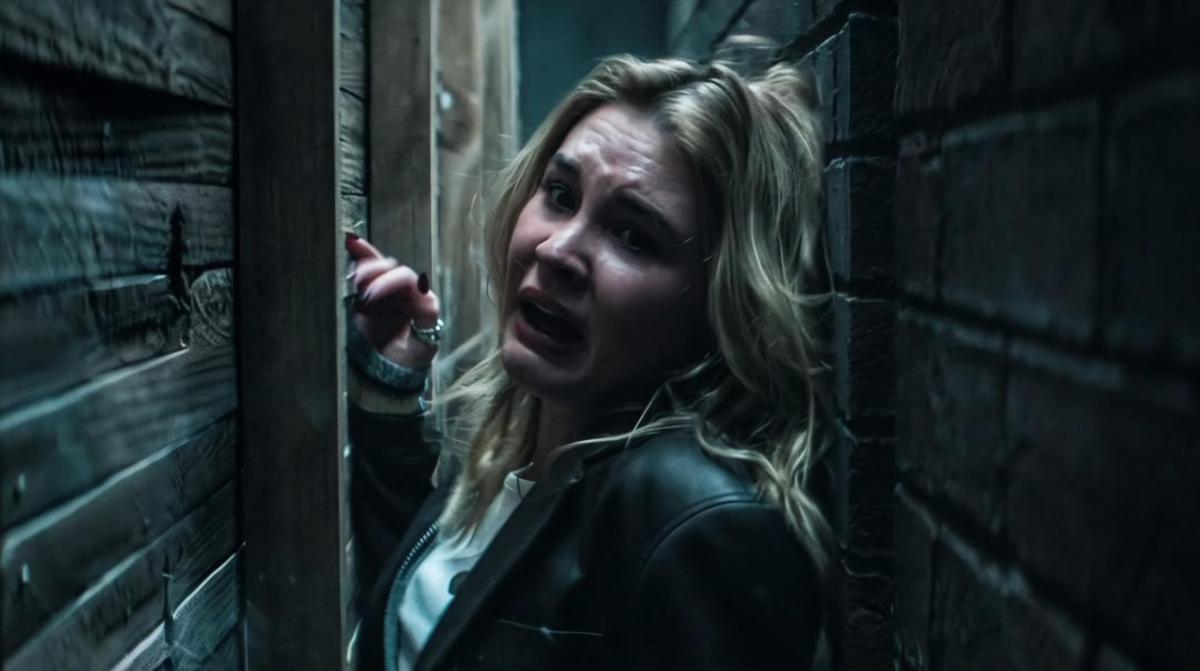
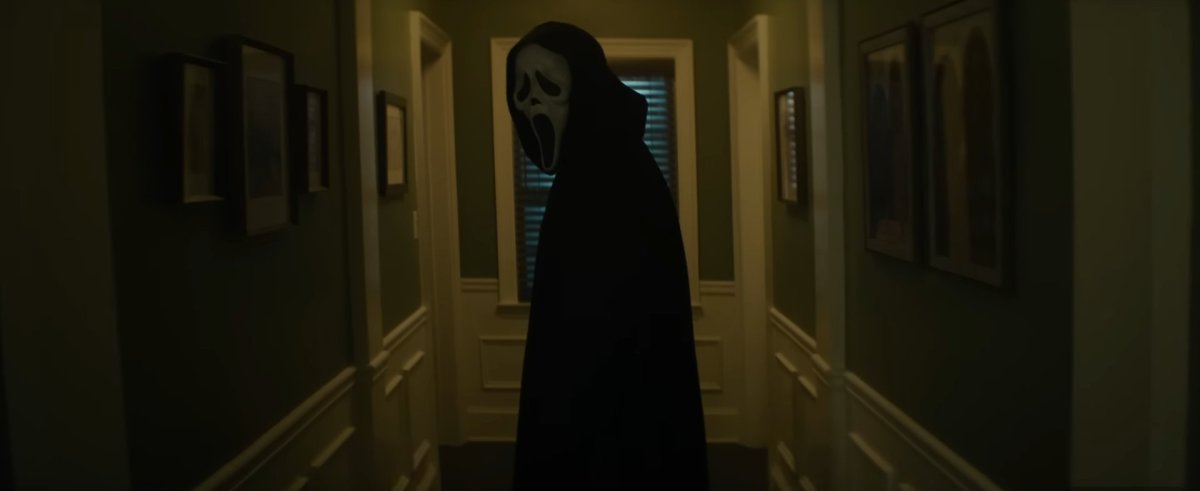
Scream 7 Spoiler Review – It’s Just Stab At This Point

Scream 7 Spoiler Review – It’s Just Stab At This Point


Sometimes it’s fun to change gear and write about something else for a change, and Scream holds a special place in my dark heart. Like so many other people, Scream is the movie that got me into horror. I picked up the original three movies in Asda on a whim, and it sparked a love for the genre. Since then, I’ve seen every movie multiple times, so Scream 7 was an exciting prospect for me, even despite the many controversies leading up to its release.

There was a time when the Scream series felt untouchable. Ever since Scream hit cinemas and gleefully tore apart the rules of slasher movies, the franchise has managed to walk a clever tightrope. It was both a horror series and a commentary on horror series. It was a slasher series where the characters were gleefully aware of horror movie conventions, and yet it itself was something of a generic slasher series.

Even when the films stumbled—looking at you, Scream 3—they still had ideas. They tried things. Sometimes those things worked, sometimes they absolutely did not, but at least they felt like someone was swinging for the fences. Well, slashing at the victims, at any rate.

Scream 7 is strange because it doesn’t really swing at all. It’s like a lazy Ghostface, idly jogging after a victim and occasionally taking a swipe with all the passion of someone contemplating even more fucking jogging. My distaste of jogging might be bleeding through here.

The movie isn’t terrible. It’s competently made, occasionally entertaining, and even has a couple of interesting ideas floating around. But for the first time in the series, it feels completely content to simply exist as another slasher sequel. And when a franchise built on self-awareness stops having anything to say, you start to realise just how ordinary it really is.

Image credit: Paramount

Right from the start, Scream 7 leans hard into nostalgia. The original Woodsboro house has been turned into an Airbnb for anyone with a fascination for the Stab movies or Sidney’s traumatic past, old faces pop up here and there, and the film is packed with little nods to earlier entries. The movie almost invites you to sit there pointing at the screen like Leonardo DiCaprio. “Hey, I remember that!” When the original murder house is burned down, it’s almost like the film is saying it wants to burn the past. But it isn’t. It wants to live in the past, to revel in it, to embrace the safety of what came before even as Scream 6 finally started to move the franchise forward into a world without Sidney.

In theory, the film is actually aware of this. There’s an idea floating around in the background about nostalgia and how people obsess over the past. The series has always liked poking at the media culture surrounding horror, so examining the way audiences cling to the original Scream could have been interesting.

The problem is that the movie also can’t stop indulging in that nostalgia itself. It wants to comment on the phenomenon while simultaneously using it as a selling point. It’s a bit like complaining about junk food while eating a family-sized bag of crisps.

Image Credit: Paramount

Still, one piece of nostalgia actually works surprisingly well. The film teases the return of Stu Macher, the original Ghostface accomplice, once again played by Matthew Lillard.

Considering the internet has spent about twenty years insisting Stu somehow survived a television being dropped on his head, you might expect the film to drag that mystery out for a while, right?

Instead, Scream 7 gets it out of the way fairly quickly. Stu pops up early on, appearing via video call to Sidney and immediately reminding us why he’s still the most memorable Ghostface alongside Billy Loomis.

A reminder here: this is a spoiler-filled review, so Stu isn’t secretly alive. The killer is simply using AI-generated footage and manipulated recordings to make it appear like he is. It’s all part of a plan to mess with Sidney Prescott and drag her back into the nightmare she thought she’d escaped.

Honestly, I kind of appreciate that the movie doesn’t waste much time pretending Stu is really back. Bringing him back for real would have been opening a door that Scream should probably avoid. When death starts becoming optional, that’s fine for certain types of story, but I’m not sure I want Scream to step through that door.

Image Credit: Paramount

What I mean by pretending is that while the movie doesn’t confirm it’s AI until closer to the end, it’s like the script never really tries to sell the audience on Stu being alive. It makes it obvious. He only ever appears via phone call, never in person. Multiple characters openly talk about it probably being a trick or AI, and both Sidney and the returning Gale Weathers are never convinced that it’s really him.

This way the film gets its nostalgia hit without completely snapping the logic of the original movie in half. And even in this limited form, Matthew Lillard still manages to inject some manic energy into the character. Which is impressive considering he basically phoned the performance in. Literally.

The AI angle itself is actually a decent idea. The series has always reflected the technology of its time. The original Scream leaned into the terror of anonymous phone calls, while Scream 4 explored internet fame and livestream culture. Using AI manipulation and deepfakes as the next step feels like a natural progression. In a modern setting, how would people abuse AI? What horrors could be inflicted by virtually raising the dead?

Image Credit: Paramount

Unfortunately, Scream 7 doesn’t really do anything with the concept. AI exists purely as a plot device to justify fake videos and creepy voice recordings. The movie never actually explores the idea or comments on it in any meaningful way. It just sort of shrugs and says, “AI did it.” For a series all about meta-commentary, it sure doesn’t have much to say.

It also doesn’t make a whole lot of sense if you think about it too hard. Somehow the killer has enough footage of Stu to create convincing AI-generated appearances decades after his death. It’s one of those moments where you can almost hear the script waving its hands in the air while hoping nobody asks too many questions. Bluntly, it’s somebody throwing AI into the script who doesn’t understand it, but does know it’s the top topic.

Still, even with those issues, the Stu stuff is probably the most entertaining thread running through the film. Which unfortunately makes the actual Ghostface reveal feel even more underwhelming.

The main killer turns out to be Jessica Bowden, Sid’s neighbour who developed a parasocial obsession with Sidney after reading her book. In her mind, Sidney isn’t just a survivor—she’s a personal hero, almost like a celebrity figure who helped her through a dark time. When Sidney disappears from the public spotlight, Jessica can’t handle it.

Image Credit: Paramount

Her solution is… interesting, if a bit ridiculous. She plans to murder Sidney in front of her daughter in order to create a new traumatised survivor. Essentially a twisted attempt to manufacture a “Sidney 2.0”.

It’s not the worst idea on paper. Parasocial relationships and celebrity obsession are definitely things the series could explore. Hell, we touched on it a little with Scream 4 when Sid’s own niece wanted some of that celebrity status. The problem is that the movie never really develops the idea beyond that basic explanation. The character has no meaningful connection to Sidney beyond admiration, which makes the reveal feel oddly distant compared to some previous Ghostface motivations.

Her accomplice, an AI expert whose name I can’t even remember, doesn’t fare much better. His reveal lands with all the dramatic impact of someone reading out a Wi-Fi password. I genuinely had to Google his name (it’s Marco, apparently) and could tell you nothing else about him, except that Gale Weathers, a supposed journalist, should have been a bit more suspicious about a mental asylum employee gleefully handing out information like it’s a public bloody library.

For a series famous for memorable killer reveals, this one is shockingly bland. I think it’s genuinely the worst Ghostface reveal. The number one, of course, being Doofy Gilmore in Scary Movie.

Image Credit: Parmount

One genuinely interesting idea arrives when a third Ghostface gets taken out midway through the film, a first for the series. Normally the killers survive until the final act so they can do their dramatic reveals and monologue a little bit while conveniently giving our heroes time to get their shit together. So seeing one of them get abruptly killed should shake up the formula and create the sense that the plan is falling apart.

It’s a fun concept, but the execution is a little weird. The character is portrayed as a genuinely intimidating Ghostface just minutes earlier, hiding in the attic and stalking his prey. It’s actually a fun sequence, including a cool wall-stabbing scene as Sid and her daughter attempt to escape the house.

But then he suddenly gets taken out in a fairly unceremonious fashion by an arriving Gale Weathers in an SUV. The idea itself is solid, but the moment doesn’t quite land the way it probably should have. That was probably the idea, though—to shock the audience with his sudden demise. I was expecting him to have disappeared when they go to check the body, but nope, he’s dead.

This sudden life-deletion service via delivery driver, AKA Gale, also heralds the arrival of the twins from Scream 5 and Scream 6, who have now decided to go into the content business for… er, reasons. Mindy and Chad are actually pretty fun returns, even if they don’t actually have much to do in the movie outside of what is now a running joke about them getting stabbed or sliced every movie and still surviving. Uncle Randy would be proud. Well, not so proud of Mindy, who has still yet to successfully guess a killer’s identity.

Image Credit: Paramount

The supporting cast doesn’t help matters much either. One of the strengths of the earlier films was the friend group dynamic. You needed a colourful set of suspects and victims because the entire movie revolves around the mystery of who Ghostface might be.

Here, most of the secondary characters barely register. In fact, I realised a few days after watching the film that I couldn’t remember the names of most of them. That’s not a great sign. Hell, one of them is just constantly referred to as the creepy kid, although I do appreciate him getting the most colourful kill in the entire movie.

They’re basically corpses who just haven’t died yet. Not that unusual for a slasher movie, I suppose, but that lack of memorable characters makes the mystery aspect feel weaker than usual. If you don’t care about the suspects, the reveal doesn’t carry much weight. Of course, it wouldn’t have mattered anyway since the killer was never part of that circle.

Image Credit: Paramount

Perhaps the strangest thing about Scream 7, though, is its deliberate step away from the kind of meta-commentary that defined the series. Apparently this was intentional, which makes it an even more baffling decision.

The whole identity of the franchise was built around that idea. The original Scream wasn’t just a slasher movie—it was a slasher movie that analysed the genre itself. Without that layer, the series becomes exactly what it once parodied: a long-running horror franchise that keeps dragging itself back from the grave.

Now with added nostalgia, except the nostalgia is for itself because it has been around for so long.

That’s the weird paradox the film finds itself in. It still references horror culture and its own history, but it doesn’t really have anything new to say about it. That’s the problem when your franchise becomes big enough to be the meta it was trying to be meta about.

Image Credit: Paramount

At least Neve Campbell remains reliably good as Sidney Prescott. She still brings a grounded intensity to the role, and it’s easy to see why the filmmakers hit the emergency button and brought her back into the spotlight. And I have to admit that as much as I’m poking fun on the reliance on nostalgia, it warms my heart to see Sid back on screen, being a badass. At this point, any Ghostface going after is just choosing death by Sid.

The film also introduces Sidney’s daughter, Tatum, who actually ends up being one of the more interesting characters in the movie. The divide between her and her mother feels very artificial, relying on Sid not wanting to discuss her trauma, but I can just about buy into it. And I appreciate the idea that by trying to shield her from the horrors, Sid has actually left Tatum unprepared for a Ghostface assault.

If the series continues, Tatum could probably carry the franchise just fine. Which ironically makes the decision to drag Sidney back into the centre of the story feel even more like a panic move.

Point is, I’m down with Tatum taking over the role of Final Girl, albeit with one major caveat: if that’s the plan, Ghostface needs to kill Sidney. Without some convoluted way to keep her out of the script, any story involving Tatum being terrorised by a new Ghostface would naturally draw Sidney in, because she would never willingly let her daughter face that horror alone.

My answer? Kill Sidney in the opening. And then have Tatum go after Ghostface. It could make for a fun dynamic shift, where the Ghostface only cared about Sidney and had no interest in Tatum, but the killing sends Tatum down a path of revenge. It could make for an interesting dynamic, and murdering Sid might be the kick in the crotch the series needs at this point. Or it might piss off the fanbase to the point they abandon Scream entirely.

In Conclusion…


Rating: 2.5 out of 5.

In the end, Scream 7 isn’t a terrible movie. It has a couple of clever ideas and a few entertaining moments. But those ideas never go anywhere interesting, and the film seems strangely unwilling to push itself in any real direction.

Even the messiest entry in the franchise, Scream 3, at least tried to do something different. It swung big and missed a few times, but it had heart. It embodied Ghostface in a lot of ways—full of murderous intent, but prone to tripping over its own robe or stumbling down some stairs.
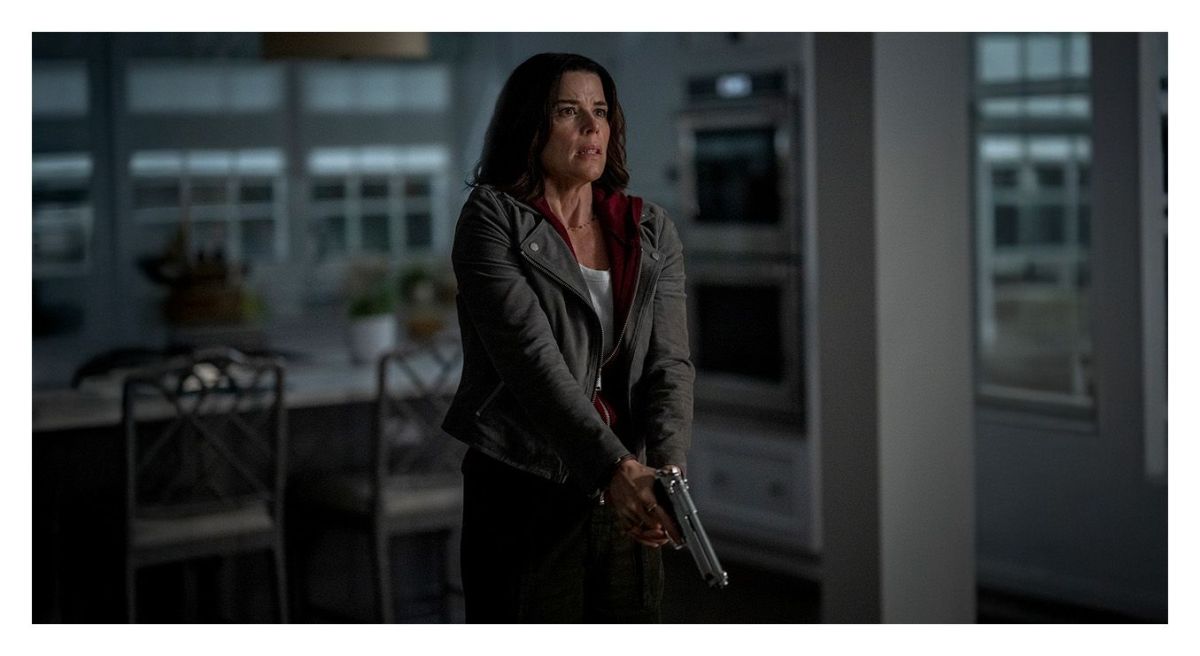
Scream 7 doesn’t fail because it’s incompetent. It fails because it’s perfectly content to be fine. Just a slasher sequel.
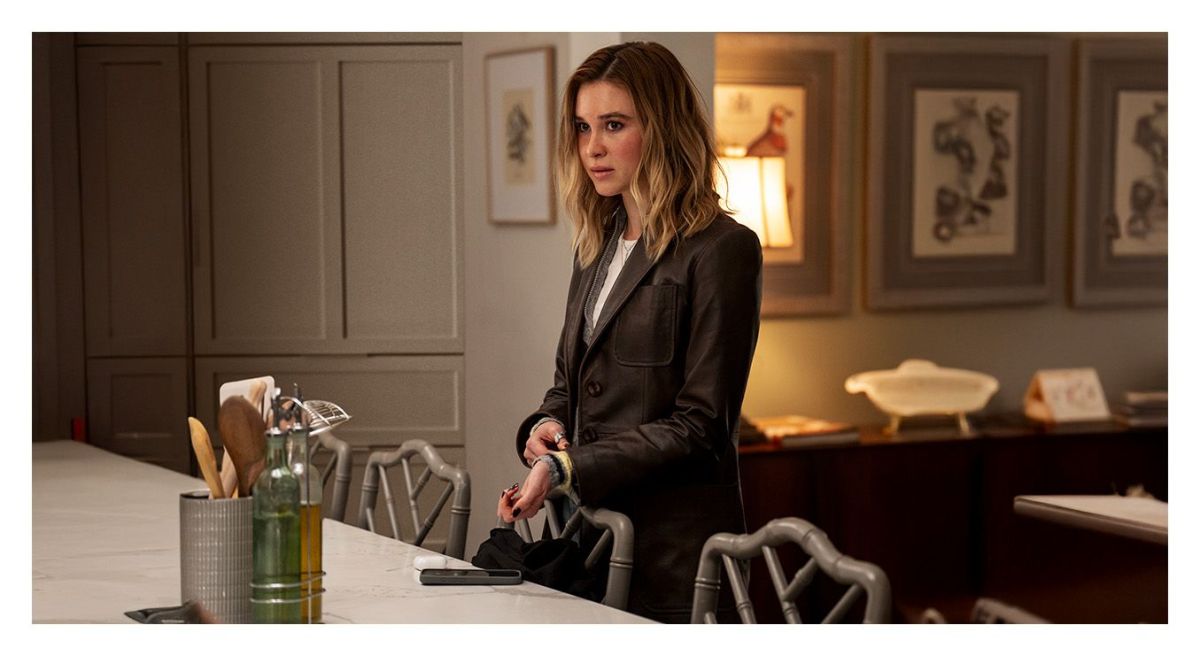
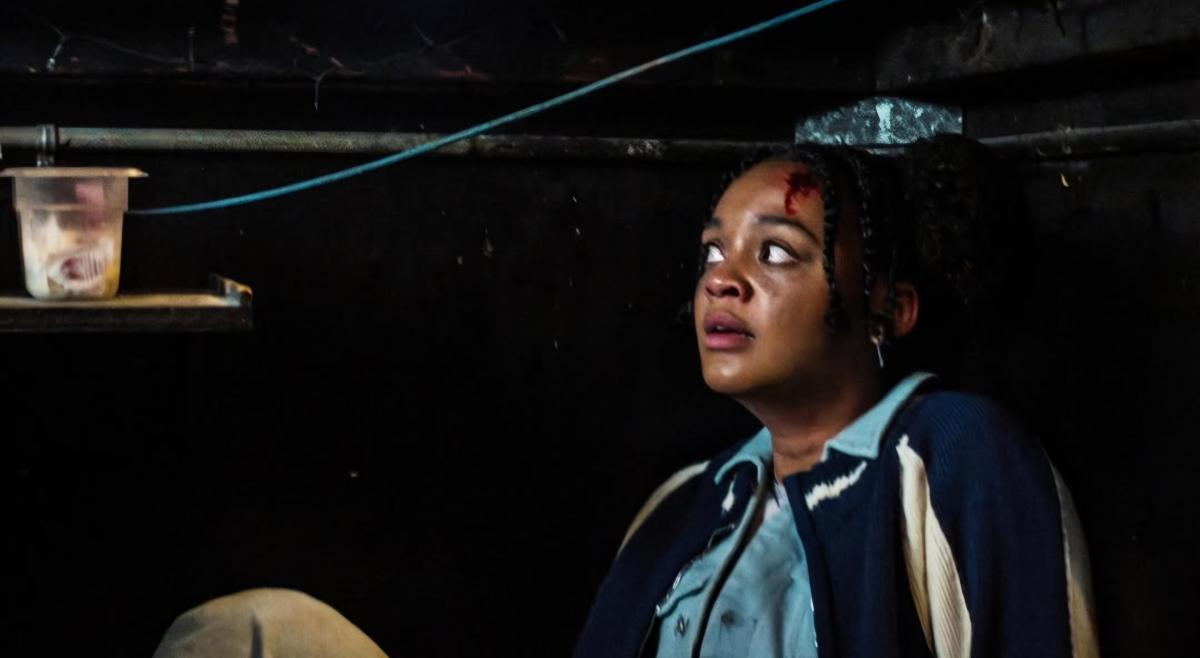
And for a series that once made its name by reinventing the slasher genre, “fine” might be the most disappointing outcome of all.

Dear reader, if you’re still here, thanks for reading and letting me talk about something other than videogames for a minute. If you’d like to see a Scream ranking, let me know!


Source link

Popular Posts

My Favorites

Bitcoin Soars to Record $109,486 High After U.S.–China Tariff Truce

In a significant market rebound following the de-escalation of the U.S.-China tariff dispute, Bitcoin has surged to a fresh all-time high of $109,486....