Couture

Home Couture

Montblanc Showcases its Next Chapter in Travel for Fall/Winter 2026

Montblanc Showcases its Next Chapter in Travel for Fall/Winter 2026


Weaving craftsmanship, travel and writing into a refined idea of a traveller, Montblanc’s Fall Winter 2026 Leather Collection pursues a new kind of movement for the everyday writer. Whether you are travelling abroad or working from a cafe, the maison’s latest creations have established the idea that today’s luxury companion should move as effortlessly as its owner.

That idea is conveyed through the Writing Traveller line, where fluidity meets ease. Joined by new compact crossbody bags in red oak or black Sartorial leather, the collection sees the return of the briefcase — now crafted in corteccia sfumato leather and refined black grain leather. Reinforcing the maison’s belief that creativity can happen anywhere, each piece features thoughtfully organised compartments for writing essentials.

Softness is also the key to this season’s leather collection, with the maison reinterpreting its signature Extreme pattern in supple smooth calfskin, while introducing lightweight, water-repellent technical fabric across the Panorama Crossbody and Belt Bag. The Suede offerings of the Montblanc Envelope Horizontal Tote echo the same philosophy, providing compartments for specific essentials in a softer silhouette, shaping their bold identity in comfort and practicality without compromising the brand’s refined craftsmanship.

That unique blend of compact design with softness and practicality is further enhanced through the Montblanc Paper Capsule, where pliable silk calf leather can be folded and packed away for travelling. For a touch of flourish, the collection also features envelope-inspired leather goods and playful charms, proving that function and personality can coexist.

Even Montblanc’s Art of the Desk collection follows this idea. Rather than separating work from travel, the maison extends its warm colour palette and refined craftsmanship across desk accessories and stationery, creating a seamless lifestyle that follows its owner from the workspace to a weekend getaway.

Montblanc captures a broader evolution in luxury design through this collection. As modern lifestyles become increasingly fluid, the maison is proving that today’s most desirable accessories are no longer made for one moment or one destination, but that they’re made for every journey.

This story first appeared on Men’s Folio SG.

For more on the latest in luxury fashion and style reads, click here


Source link

Louis Vuitton Bag Price Guide: Where can you buy an LV for less?

Louis Vuitton Bag Price Guide: Where can you buy an LV for less?


Buying a Louis Vuitton bag may have been on your agenda/wishlist for many years. Each time you are about to act, you realize the price has moved further up. Besides, there’s never a Black Friday markdown on a Neverfull tote, no clearance rack for a Speedy handbag. So if you are wondering if there is any way you can buy a Louis Vuitton bag for less in 2026, the short answer is yes, you can, but not in the traditional sense. The “discount” will come once you have enlightened yourself about the LV bag’s pricing, timing, and the right place to shop for it globally.

Before we get into the numbers, it helps to understand why these bags command such prices in the first place — our guide to Most Popular Louis Vuitton Bags 2026: 10 Iconic LV Bags Worth Investing In breaks down the craftsmanship, heritage, and exclusivity behind the brand’s appeal. That same exclusivity is exactly what’s driving 2026’s pricing strategy, with recent hikes ranging from roughly 2% on entry canvas styles to as much as 5.7% on leather-led pieces like the Low Key Cabas MM. Here’s what actually changed, what it means for your wallet, and where the real savings are in 2026.

How Louis Vuitton Bag Prices Went Up in May 2026?

Unlike prior rounds that touched leather goods and accessories broadly, this increase — Louis Vuitton’s second US adjustment since 2025 — landed on May 27, 2026, and was aimed squarely at handbags: the Speedy, Alma, Neverfull, Noé, Keepall, OnTheGo, and Pochette Métis families, along with newer leather-led silhouettes like the Low Key collection. Here’s exactly what moved, in dollars and percentages, comparing prices before August 2025 to the new May 2026 figures.

How Much Does a Louis Vuitton Speedy Cost in 2026?

Louis Vuitton Black Monogram Multi-color Speedy 45 Handbag in Good Condition

The Louis Vuitton Speedy is the bag that started it all, still the brand’s most recognizable shape, and got the gentlest treatment of any core line this round.

Style
Aug 2025 Price
May 2026 Price
Increase
%

Nano Speedy
$1,920
$1,960
+$40
2.1%

Speedy Bandoulière 25
$1,940
$1,980
+$40
2.1%

Speedy Bandoulière 30
$1,980
$2,040
+$60
3.0%

Speedy Bandoulière 35
$2,090
$2,150
+$60
2.9%

Speedy Bandoulière 40
$2,160
$2,220
+$40
2.8%

Louis Vuitton Speedy Bandouliere 30 Blue Denim Satchel Bag in Good Condition
Louis Vuitton Speedy Bandoulière 30 Blue Denim Satchel Bag in Good Condition

The LV Speedy is also the easiest style to make an evidence-based case for buying pre-owned or holding onto: a Bandoulière 30 bought new for $1,640 in 2022 is worth roughly $2,040 today at retail, a 24.4% increase in four years, well ahead of most savings accounts and in line with how The Luxury Closet, PurseBop and Fashionphile, all track it as one of LV’s steadier “handbag math” performers.

How Much Does a Louis Vuitton Neverfull Cost in 2026?

Neverfull is still the best-selling tote in the lineup, and the one most shoppers searching “Louis Vuitton tote bag price” are actually looking for.

Louis Vuitton Limited Edition Stephen Sprouse Graffiti Neverfull GM Fuchsia Canvas Bag in Good Condition

Style
Aug 2025 Price
May 2026 Price
Increase
%

Neverfull PM
$2,100
$2,160
+$60
2.9%

Neverfull MM
$2,170
$2,240
+$70
3.2%

Neverfull GM
$2,240
$2,310
+$70
3.1%

Louis Vuitton Boulogne PM Black Monogram Empreinte Leather Shoulder Bag

Worth knowing if you’re shopping resale: in 2023, viral rumors claimed the Neverfull was being discontinued entirely — that turned out to be false. What actually happened is Louis Vuitton moved the classic Monogram, Damier, and Empreinte Neverfull to an in-store-only, order-and-collect model rather than an open online sale, partly to curb the flood of counterfeits the style attracts. It’s still in active production today (as the current retail prices above confirm), just harder to walk in and buy on the spot.

Louis Vuitton LV Garden Neverfull MM Metallic Silver Floral Monogram Canvas Bag in Good Condition

That reduced everyday availability is part of why pre-owned Neverfull MM listings have held firm — commonly $900–$1,500 for excellent-condition pieces — making resale a genuinely faster way to get one than joining a boutique waitlist.

If you want to be sure the bag is authentic, the following blog can be your guide: How to Spot a Fake Neverfull

How Much Does a Louis Vuitton Alma Cost in 2026?

Louis Vuitton’s Alma is a structured, top-handle option that plays the same “everyday classic” role as the Speedy but with a different silhouette.

Pre-Loved Louis Vuitton Monogram Alma Bag Into Bag Shoulder Bag Monogram Rouge in Good Condition

Style
Aug 2025 Price
May 2026 Price
Increase
%

Alma BB
$1,940
$2,000
+$60
3.1%

Alma PM
$2,090
$2,150
+$60
2.9%

Alma PM (Epi leather)
$2,850
$2,940
+$90
3.2%

Pre-Owned Louis Vuitton Alma PM Orange Epi Leather Bag in Good Condition

The Louis Vuitton Alma bag is a heritage icon, and with a structured silhouette, it is easy to maintain and holds its value well.

How Much Does a Louis Vuitton Noé Cost in 2026?

Louis Vuitton Noe Nano Monogram Canvas Bag in Good Condition
Louis Vuitton Noé Nano Monogram Canvas Bag in Good Condition

LV’s original drawstring bucket bag, the Noé, is one of the oldest continuously produced styles in the house’s history and saw some of the steepest percentage increases of any canvas line this round.

Style
Aug 2025 Price
May 2026 Price
Increase
%

Nano Noé
$1,750
$1,800
+$50
2.9%

Noé BB
$1,840
$1,900
+$60
3.3%

Petit Noé
$1,890
$1,950
+$60
3.2%

Noé
$1,950
$2,010
+$60
3.1%


How much do Louis Vuitton Travel and Everyday Leather Styles Cost in 2026?

Keepall (LV’s signature duffel), OnTheGo, Palm Springs, and Pochette Métis all moved together in the 2–3% band, which is typical for the brand’s more “workhorse” leather-adjacent pieces.

Style
Aug 2025 Price
May 2026 Price
Increase
%

Keepall Bandoulière 45
$2,570
$2,650
+$80
3.0%

Keepall Bandoulière 50
$2,630
$2,710
+$80
3.0%

Keepall Bandoulière 55
$2,700
$2,780
+$80
3.0%

OnTheGo MM
$3,300
$3,400
+$100
3.0%

OnTheGo GM
$3,450
$3,550
+$100
2.9%

Palm Springs Backpack Mini
$2,690
$2,770
+$80
3.0%

Palm Springs Backpack MM
$2,980
$3,050
+$70
2.3%

Pochette Métis
$2,760
$2,840
+$80
2.9%

How Much Does Keepall Bandoulière 45 Cost in 2026?

Louis Vuitton Keepall Bandouliere 45 Brown Monogram Canvas Leather Travel Bag in Good Condition

Retail rose from $2,570 to $2,650 (+3.0%) in May 2026 — one of LV’s oldest designs (dating to 1930), valued more for heritage and travel practicality than fast resale turnover.

How Much Does a Louis Vuitton OnTheGo GM Cost in 2026?

Louis Vuitton OnTheGo GM Brown Monogram Canvas Tote Bag in Good Condition

Now $3,550 after a 2.9% increase in May 2026 — launched in 2019, it’s become one of LV’s top-selling totes for work-to-travel versatility, though its resale track record is still young next to true classics.

How Much Does Louis Vuitton Palm Springs Mini Cost in 2026:

Louis Vuitton Brown PVC Palm Springs Mini Backpack in Good Condition

Rose from $2,690 to $2,770 (+3.0%) in May 2026 — a 2016 launch that became a streetwear favorite for its compact size, though it holds value less reliably than LV’s monogram canvas classics.

How Much Does Palm Springs MM Cost in 2026?

Louis Vuitton Palm Springs MM Monogram Canvas Brown Backpack Bag in Good Condition.

Rose from $2,980 to $3,050 (+2.3%) in May 2026 — the larger, more practical sibling to the Mini, with a smaller price jump this round but the same weaker resale footing next to true classics.

How Much Does a Pochette Métis Cost in 2026:

Louis Vuitton Pochette Metis By The Pool White Giant Monogram Canvas Bag

Climbed from $2,760 to $2,840 (+2.9%) in May 2026 — a perennially waitlisted design since the early 2010s, and that built-in scarcity makes it one of the stronger resale performers among LV’s newer styles.

LV CarryAll, Loop & Other Leather-Forward Styles Prices

These pieces sit slightly outside the “core classics,” but they’ve actually had a rougher couple of years than the Neverfull or Speedy — the CarryAll in particular has been hit twice.

Louis Vuitton CarryAll MM Tourterelle Monogram Giant Empreinte Leather Hobo in Good Condition

Style
Aug 2025 Price
May 2026 Price
Increase
%

CarryAll PM
$2,859
$2,940
+$81
2.8%

CarryAll MM
$2,960
$3,050
+$90
3.1%

Loop
$2,540
$2,620
+$80
3.1%

Loop Hobo
$3,050
$3,150
+$100
3.3%

Multi Pochette Accessoires
$2,840
$2,930
+$90
3.2%

The CarryAll is worth calling out specifically: it jumped $230–240 (8.6–9.4%) in April 2025 on top of a $100 increase in 2024, before this latest May 2026 bump — a roughly $400+ cumulative increase in about two years, well above the pace of the canvas classics.

LV’s Real Outliers: Prices of Low Key and Leather-Led Lines

Louis Vuitton Low Key Hobo PM Black Grained Calfskin Leather Shoulder Bag in Good Condition

This is where the “5.7%” figure comes from, and it’s worth flagging clearly because it skews the average if you’re not looking style-by-style. The newer, leather-heavy Low Key collection took the biggest hits of the entire round:

Style
Aug 2025 Price
May 2026 Price
Increase
%

Mini Shopper Tote
$3,900
$4,100
+$200
5.1%

Low Key Cookie MM
$3,500
$3,650
+$150
4.3%

Low Key Cabas MM
$4,400
$4,650
+$250
5.7%

Express PM
$4,200
$4,350
+$150
3.6%

Noé BB (Epi leather)
$2,990
$3,100
+$110
3.7%

Noé MM (Epi leather)
$3,350
$3,450
+$100
3.0%

The takeaway: if you’re shopping the classic canvas monogram bags — Neverfull, Speedy, Alma, Noé — you’re looking at a consistent, predictable 2–3.3% bump. It’s the newer leather-forward pieces where LV is testing meaningfully higher price elasticity.

Louis Vuitton Price Increase Trend (2013–2026): A few Statistics

This is not a one-time price spike but part of a long-term pricing trend
Louis Vuitton prices remained relatively stable in the early 2010s
Price growth accelerated between 2013 and 2019, averaging around 7% annually
2020 saw an exceptional surge, with single-year increases ranging from 18% to 30%
This sharp jump was largely driven by pandemic disruptions and currency fluctuations
Since then, pricing has stabilized into a more consistent 2–6% annual increase pattern
2025 alone had two separate US price hikes (April and August)
The May 2026 increase continues this steady upward trajectory
External factors also played a role:

New EU tariffs in 2025 led to a sharp US price adjustment in August
This is why August 2025 serves as the pricing baseline in comparisons

Market context matters:

LVMH reported just 1% organic growth in Q1 2026
Its Fashion & Leather Goods division declined by 2%

Price increases are now happening in a softer luxury market, unlike previous years
Recent hikes are considered more controlled compared to the aggressive increases of 2022–2023
It remains uncertain whether another US price increase will happen in 2026
A second round is possible, given that 2025 followed a similar pattern

Best Country to Buy Louis Vuitton in 2026: Why LV Bag Prices Differ Worldwide

Louis Vuitton sets a global reference price and adjusts it locally for currency, VAT, and import duty — but the gap between regions can still be a few hundred dollars on the same bag.

Europe

It is generally the most forgiving place to buy new. Eurozone countries share the same base price, and VAT ranges from about 19–25% depending on the country, most of which non-EU tourists can reclaim (Greece and Finland have among the highest refundable rates at up to 25%). After refunds, popular styles like the Neverfull or Speedy are often hundreds of dollars cheaper than in the US, even before you factor in exchange rates.

Best option if you’re already traveling, less so if you’re booking a trip just to shop, in which case you have the travel and hotel fare to add, too.

Japan

Japan competes closely with Europe. Tourists get an instant 10% consumption-tax refund at the register (no waiting for a card refund like in the EU), and when the yen is weak — as it has been through much of 2026 — Japan can edge out France by a small margin. The tipping point tends to sit around ¥150 to the dollar; above that, Japan tends to win, below it, France does.

One major advantage: a highly developed resale market, where pre-owned Louis Vuitton bags are often in excellent condition
Great destination for both new and vintage finds

The US

The USA carries the highest sticker prices of the major markets, plus state sales tax (7–10%+, no refund), and no VAT-style reclaim mechanism exists. The upside: no flights required, and the US has the deepest and most liquid resale market, which is where most of the real savings live for American buyers.

Dubai/UAE

The UAE offers a 5% VAT refund for tourists and strong availability, but base prices sit close to US levels, so total savings after refund are modest. That said, it can offer strong availability and a luxury shopping experience.

Dubai is home to a robust resale market, with trusted and authentic resale platforms such as The Luxury Closet offering a curated collection of pre-owned LV bags at great deals and discounts.

A word of caution: Exchange rates move daily, VAT refund processing fees eat into the reclaim (you rarely get the full statutory rate back), and travel costs can easily wipe out a $150–300 price gap. If a trip isn’t already planned, treat cross-border arbitrage as a nice-to-have, not the main strategy.

Case Study: Louis Vuitton NeverFull MM

The Neverfull MM remains Louis Vuitton’s most popular tote. Here’s how the classic Monogram canvas version is priced across key global cities as of July 2026, including realistic after-refund costs for tourists:

City / Market

Local Retail Price

Approx. USD Equivalent

After-Refund Effective Price (USD)

Notes

United States
$2,240
$2,240
$2,240
No refund available

Paris / France
€1,550
~$1,767
~$1,550–$1,590
~12% net VAT reclaim typical for non-EU tourists after fees

Luxembourg
€1,550
~$1,767
~$1,580–$1,620
Lower VAT reclaim rate than many EU peers

Hungary
€1,550
~$1,767
~$1,520–$1,560
Higher statutory VAT often yields stronger net refund

United Kingdom (London)
£1,430–£1,460
~$1,850–$1,890
~$1,850–$1,890
No VAT refund for non-UK visitors

Japan (Tokyo)
¥277,200
~$1,695
~$1,525
Full 10% consumption tax refunded instantly at register

Hong Kong
HK$16,800–HK$17,100
~$2,150–$2,190
~$2,150–$2,190
No sales tax

Singapore
S$2,700–S$2,850
~$2,050–$2,160
~$1,950–$2,050
GST refund possible for tourists (varies)

Australia
AUD 3,200
~$2,100
~$2,100
GST included; limited tourist refund options

Dubai / UAE
8,150 AED (VAT included)
~$2,219
~$2,110
5% VAT refundable for tourists

After VAT/GST refunds, Japan and several European countries (particularly Hungary and France) currently offer the strongest effective pricing on a brand-new Neverfull MM. The US, UK, Hong Kong, Singapore, Australia, and Dubai sit higher — which is why authenticated pre-owned remains the smartest route for many buyers seeking meaningful savings.

Key takeaways from the table:

Eurozone countries (Paris, Luxembourg, Hungary, etc.) share the identical €1,550 sticker price. The real difference for tourists is the VAT refund percentage and how smoothly the reclaim process works.
Japan currently offers one of the strongest effective prices after the instant tax refund.
The UK sits higher than continental Europe because of the post-Brexit loss of VAT refunds for visitors.
Hong Kong, Singapore, Australia, and Dubai cluster closer to (or above) US levels once currency is converted.

A word of caution on any of this: exchange rates move daily, VAT refund processing fees eat into the reclaim (you rarely get the full statutory rate back), and travel costs can easily wipe out a $150–300 price gap. If a trip isn’t already planned, treat cross-border arbitrage as a nice-to-have, not the main strategy.


So, Where is a Louis Vuitton Bag Cheapest in 2026?

Cheapest new Louis Vuitton bags → Europe (after VAT refund)
Best mix of price + resale → Japan
Best for pre-owned deals → United States
Least savings → UAE (unless you are buying pre-owned)

Buying Pre-Owned Louis Vuitton Bags, Totes & Purses: The Smartest Way to Save in 2026

Retail price increases only apply to items Louis Vuitton is currently selling new. They don’t touch the secondary market, where prices for LV bags, totes, and handbags are set by supply, demand, and condition — not by LVMH’s pricing committee. That decoupling is exactly why resale becomes more attractive every time retail goes up.

Authenticated pre-owned Louis Vuitton bags typically sell for 30–60% below current retail, depending on condition, rarity, and whether the style is discontinued. A Neverfull MM in excellent condition, for instance, regularly changes hands well under $1,500 — sometimes closer to $700–1,000 depending on canvas condition — versus $2,240 new. Classic, high-liquidity styles like the Neverfull, Speedy, and Alma tend to hold value best and are also the easiest to resell later if your taste changes.

How to Buy Louis Vuitton in 2026: A Smart Buying Guide for Maximum Value

If you want a brand-new bag and can travel: Europe (especially with a VAT refund) or Japan (with the yen still soft) will generally beat US retail, but only decisively if you’re already going. Book boutique appointments ahead of time — popular styles do sell out, and Paris flagship stores can have real wait times.

If you want a new bag without traveling: buy from the official LV boutique or website. You get the full warranty, but you’ll pay the highest all-in price of any channel, and there’s no way around it — Louis Vuitton doesn’t discount.

If value matters more than “brand new”: pre-owned is the strongest lever available in 2026. You get the same bag, the same warranty-eligible construction, at 30–60% off, and classics like the Neverfull and Speedy show minimal cosmetic aging with reasonable care. This is also the only channel where retail price hikes work in your favor — every increase widens the gap between new and pre-loved. The Luxury Closet and Fashionphile are solid options as both platforms specialize in authentication, which matters enormously in a category where convincing counterfeits are common.

Timing: LV typically adjusts US prices once or twice a year, with recent increases landing in spring (this year, May 27). Buying before an anticipated hike — or shortly after one, once pre-owned listings catch up to the new retail baseline — is both a reasonable approach; there’s no reliably “discounted” calendar window.

Quick Answers

Does Louis Vuitton ever go on sale?

No. LV maintains strict global pricing and does not run promotional discounts, even during off-season sale periods that other luxury brands participate in. Any “discount” comes from region, tax refunds, or the resale market.

Is Louis Vuitton a good investment?

Select classics (Neverfull, Speedy, Capucines) have shown steady appreciation — the Capucines rose roughly 45% between 2012 and 2025 — but LV doesn’t appreciate as aggressively or consistently as Hermès or Chanel. Think of it as value retention with occasional upside, not a guaranteed return. For a closer look at which specific styles make the cut, see The 10 Most Coveted Louis Vuitton Bags in 2026 & What Makes Them Iconic.

Is Louis Vuitton cheaper in Europe than in the US?

Yes, Louis Vuitton bags are often cheaper in Europe due to lower base pricing and VAT refunds for tourists, which can reduce the final cost significantly.

Which Louis Vuitton bag holds value the best?

Classic styles like the Speedy, Neverfull, and Alma tend to retain value well, especially in monogram canvas.

Where is Louis Vuitton cheapest right now?

As of mid-2026, Europe and Japan are running close, with the US consistently the most expensive major market. Pre-owned undercuts all of them.

How often does Louis Vuitton increase prices?

Louis Vuitton typically increases prices once or twice a year, depending on market conditions and demand.

Why did Louis Vuitton raise prices again in 2026?

LV cited rising production costs; several trackers also connect the timing to 2025’s EU tariff changes and general input-cost inflation across the luxury sector. The May 2026 round focused on handbags specifically, following two separate US adjustments in 2025.

What is the cheapest Louis Vuitton bag in 2026?

Entry-level canvas pieces like the Pochette Accessoires or Nano Speedy are typically among the most affordable options.

Is Louis Vuitton cheaper in Dubai than the US or Europe?

Not usually. A Neverfull MM retails around 8,150 AED (~$2,219) in Dubai, close to the $2,240 US price and higher than the €1,550 (~$1,550–1,590 after refund) Paris price. Dubai’s main advantage is the shopping experience and selection, not the sticker price.

Does Louis Vuitton offer a tax refund for tourists in the UAE?

Yes. The UAE refunds 5% VAT to eligible tourists through the official Tax Refund for Tourists Scheme at points of exit like Dubai International Airport, though the refund is smaller than the 19–25% VAT rates reclaimable in parts of Europe.

Where is the best place to buy Louis Vuitton in Dubai?

The main boutiques are at The Dubai Mall, Mall of the Emirates, and Dubai Mall Fashion Avenue, all carrying the full current collection. Prices are set globally in AED and don’t vary by mall within the city. For pre-loved options, you can explore trusted online platforms such as The Luxury Closet.

Is buying pre-owned Louis Vuitton common in Dubai and the UAE?

Yes, Dubai has an active pre-owned luxury market, with authenticated platforms, such as The Luxury Closet, offering Louis Vuitton bags at 30–60% below current retail, similar to the discount range seen in the US and Europe.

Does Louis Vuitton go on sale in Dubai?

No. Like everywhere else, Louis Vuitton doesn’t run promotional discounts or seasonal sales in the UAE. Any savings come from VAT refunds or the resale market, not retail markdowns.

How much is a Louis Vuitton Neverfull in Dubai in AED?

As of mid-2026, the Neverfull MM in Monogram canvas retails for approximately 8,150 AED including VAT.

Can I sell my Louis Vuitton bag online?

Yes. Platforms like The Luxury Closet let you sell Louis Vuitton bags entirely online, handling authentication, photography, and buyer matching on your behalf — a more secure route than peer-to-peer marketplaces, where authentication disputes and payment scams are more common.

How can I sell my Louis Vuitton bag in the UAE?

The most straightforward option is through an authenticated resale platform rather than a private sale or consignment store. The Luxury Closet, a UAE-based platform, offers a dedicated Louis Vuitton selling service — you submit your bag’s details, get it authenticated and appraised, and receive an offer without needing to find a buyer yourself.

P.S. Prices, VAT rates, and exchange rates shift regularly — treat the figures above as a 2026 snapshot of what you’ll actually pay for LV bags, totes, handbags, and purses rather than a live price list, and confirm current pricing directly with Louis Vuitton or your resale platform of choice before purchasing.

Be Practical, Choose Sustainable, Pay Less, Buy Authenticated Pre-Owned @ The Luxury Closet

Louis Vuitton x Yayoi Kusama Noe Painted Dots Monogram Canvas Bucket Bag in Excellent Condition

The Luxury Closet is genuinely useful when you want to buy an LV bag for less. It curates authenticated pre-owned Louis Vuitton totes, Speedys, and handbags with condition reports and transparent pricing, so you’re not gambling on a marketplace listing with no verification.

Citations

. May 2026 US price increase (all bag-family tables)

PurseBop — “Louis Vuitton US Price Increase 2026” — https://www.pursebop.com/louis-vuitton-us-price-increase-2026/
FASHIONPHILE Academy — “Haute off the Press: 2026 Louis Vuitton Price Increase” — https://blog.fashionphile.com/haute-of-the-press-2026-louis-vuitton-price-increase/

2. 2025 price history (Aug 2025 baseline, CarryAll’s cumulative hikes, Alma BB Epi’s 21.8% jump)

FASHIONPHILE Academy — “Louis Vuitton Raises Its Prices (Again)” — https://blog.fashionphile.com/louis-vuitton-raises-its-prices-again/
WWD — “Louis Vuitton Has Increased Handbag Prices by 4% in the U.S.” — https://wwd.com/business-news/financial/louis-vuitton-price-increase-tariffs-us-1237101613/
PurseBop — “Louis Vuitton Global Price Increase 2025” — https://www.pursebop.com/louis-vuitton-europe-price-increase-2025/

3. LVMH Q1 2026 earnings context (1% organic growth, Fashion & Leather Goods -2%)

Cited within the PurseBop May 2026 article (source #1 above)

4. Speedy 30 investment stat (24.4% four-year return)

FASHIONPHILE Academy, same “Haute off the Press” article (source #1)

5. Capucines appreciation stat (45% rise, $5,150→$7,450, 2012–2025)

Bragmybag — “Louis Vuitton Bag Price Guide” — https://www.bragmybag.com/louis-vuitton-bag-prices/

6. VAT refund rates (Greece/Finland 25%, France 20%, Hungary/Croatia higher-VAT-higher-refund)

Bragmybag, same price guide (source #5)
Bragmybag — “Where To Find Highest Tax-refund For Louis Vuitton Bag?” — https://www.bragmybag.com/where-to-find-highest-tax-refund-for-louis-vuitton-bag/
Award Cracker — “VAT Refund for Luxury Shoppers in Europe” — https://awardcracker.com/vat-refund-for-luxury-shoppers-in-europe/

7. Neverfull “discontinuation” rumor — debunked, moved to waitlist model

PurseBlog — “Is The Louis Vuitton Neverfull Being Discontinued?” — https://www.purseblog.com/louis-vuitton/louis-vuitton-neverfull-discontinued/
FifthAvenueGirl — “How to Buy the Louis Vuitton Neverfull in 2026” — https://fifthavenuegirl.com/buying-guide-louis-vuitton-neverfull/

8. Neverfull MM global city price table

Official Louis Vuitton regional sites (louisvuitton.com — France/EU, Japan, Australia, UAE/Middle East product pages), per your original sourcing
FifthAvenueGirl, same May 2026 guide as #7 (independently confirms France, UK, Hong Kong, Australia figures)
PurseBop, source #1 (confirms the US figure)


Source link

The appeal of the utility/fishing vest

The appeal of the utility/fishing vest


The appeal of the utility/fishing vest

Wednesday, July 29th 2026

Share

Subscribe
0 Comments
Add to favourites
||- Begin Content -||
My utility vest, worn simply

Fishing vests, or utility vests, are a really useful piece of clothing when the weather’s warmer, and not necessarily as weird as you might think. 

I’ve learnt this myself over the past couple of years in wearing the one pictured – a fairly simple vintage vest from LL Bean. I was a little unsure at first, as mostly I’d seen them worn by the likes of Jamie Ferguson or James Harvey-Kelly, both photographers and both often wearing them when shooting. 

But how unusual it looks depends a lot on the style of the vest, I find, and on what else you wear with it. 

Jamie in his, which he wrote about here
Nick Walter of Horatio – a stylish (and lovely) man but doesn’t encourage me to think it’s my style

The styles of vests run a wide spectrum between fussy and pretty straightforward. Fishing models in particular often have dozens of pockets, some of them impractically small, and things like a fluffy piece of wool on the chest to hold lures or flies. 

Hunting vests are often a bit simpler, with fewer, bigger pockets on the front, but still unusual features like a very large pocket on the rear, for that fowl you just shot. The simplest models are often referred to as more general ‘utility’ vests. 

Quite a fussy style
A simpler model
The most straightforward

The other significant way in which vests vary is the collar. 

A lot of traditional vests were worn with collared shirts, and could be expected to sit under a larger jacket. They therefore had no collar at all, like a waistcoat. 

The problem with this is that it’s not that flattering on a lot of guys with just a T-shirt underneath – like wearing a low-collar crewneck over a tee. That’s certainly the case with me. 

So I like a collar, either a full one like the vest pictured on me, or a small crescent-shaped collar on the back, as shown below. It’s a small addition but makes a big difference to how it looks with a T-shirt.

No collar
A half collar (at the back)
A full collar

Now, how to wear them. A fishing/utility vest is a little unusual – perhaps very trad, perhaps these days a little street – but a lot of the effect comes from whether they’re worn with a flannel shirt and cords, or a skate tee and cargo trousers. 

Or just a regular T-shirt and jeans, as here.

Even then, black jeans and cordovan loafers look different from blue jeans and boat shoes, as in my two outfits. I wear both, but the black jeans are always going to look a little more modern, a little more urban (below).

There is a tendency among men to look at a piece of clothing in isolation, rather than consider it in context in an outfit. It’s related to the urge to copy an entire outfit from a lookbook, rather than just take one or two elements. 

I know people do this because it’s simpler and more predictable, but I’d encourage them to have a little fun and be experimental. Most personal style comes through this kind of experimentation. 

The vest looks quite different with black jeans to blue
Length is often an issue – I like them to hit mid-seat if possible

Hopefully the thing that needs the least explanation about a utility vest is how practical it can be. 

Even a simple style like my one has 15 pockets, with two zippered ones. You can carry around a phone, wallet, headphones, sunglasses, sun cream, cap, pen and keys, and still have seven pockets left. 

It’s also cooler than a full jacket would be, and is often made more so with vents, mesh or some similar ventilation mechanism. They’re very useful; it’s why old guys love them. 

Six pockets on one side alone
Zipped pocket on the inside left

OK, so let’s assume I’ve convinced you of the style and practicality of one of these – or at least picking up a cheap second-hand one and giving it a go. Which would you get?

First of all I’d suggest a few tips on what to consider:

Think about how much detail and what collar you want, as per the examples above.
Look carefully at the chest and length measurements: vests’ practicality means they can be pretty wide, and pretty short. If they are wide, something to cinch the body in is helpful.
Cotton is nicer than anything synthetic, in my view, because vests look particularly nice when they age, and you don’t need a particularly light weight or quick drying fabric.
If in doubt, go simpler, and that includes the beige pictured as the simplest colour. Darker ones like navy or black might seem easier, but this should be the default in summer.

There are quite a few modern versions out there, from classic-menswear brands to more streetwear-orientated ones. Coherence does a high-quality one, for example, as you’d expect. Drake’s does unusual colours as their ‘safari vest’. Sirplus, at the cheaper end, does a very sober utility vest and Barbour always has a few. 

On the more fashion side, ALD has done a few interesting ones in recent years and currently has a fun madras version. Kenzo has quite a cool ‘workwear gilet’ and Universal Works is good for easy, simple designs.

With blue jeans, an old cap and the PS boat shoes
The inside, with mesh panels to keep warm skin away from fabric

The best ones are usually vintage on eBay though, from LL Bean, Eddie Bauer and the like. They’re cheap, made to last, and often have good character already. 

When searching on eBay, try using broad terms, searching patiently and looking internationally – there are far more in the US than elsewhere for example.

Sellers might not always know what they have, so it’s useful to try as many keywords as possible – use a comma inside parentheses to act as an ‘or’, for instance “(fishing, hunting, utility) vest” will bring up listings for vests that also have one of those keywords. 

For brands, look up the likes of LL Bean, Eddie Bauer, Columbia or Orvis. Despite being quite fashionable, old vests remain a bit niche, so unlike vintage denim or military jackets, there’s plenty of availability and prices are cheap. More fashion brands like Ralph Lauren or even Tommy Hilfiger also have good ones, but less reliably. 

A few we found today: 

Orvis ($10, XL)
LL Bean ($30, L)
LL Bean in stone ($24, XL)
LL Bean in military green ($42, M)
Columbia with a good number of pockets (£30, L)
Beige Levi’s (£63, S)
Vintage Ralph in military cargo ($199, XL)

<!–

–>


Source link

What Fits in Popular Designer Bag Sizes? Practical Shopping Notes

What Fits in Popular Designer Bag Sizes? Practical Shopping Notes


Bag size labels are only useful when they connect to what you actually carry: phone, wallet, keys, glasses, makeup, tablet, or travel extras. When comparing authenticated pre-owned pieces on Couture USA, the practical question is not just whether a bag is beautiful, but whether it fits your routine, care tolerance, and budget. Start with a clear checklist so the photos, dimensions, return window, and condition notes have a job before a tempting listing takes over.

Louis Vuitton Koala Wallet from Couture USA. Product photos can help you check shape, scale, material, and visible wear before comparing current listings.

Quick buyer takeaway

Bag size labels are only useful when they connect to what you actually carry: phone, wallet, keys, glasses, makeup, tablet, or travel extras. The right shortlist should make the piece easier to use, not just easier to admire.

Couture USA offers authenticated pre-owned luxury, free shipping, and a 14-day return policy. Those details matter because a pre-owned bag decision depends on trust, condition clarity, and whether the item can be evaluated calmly once it arrives.

What to check before you shortlist

Before comparing prices, make sure the listing answers the practical questions a careful buyer would ask in person. Strong listings make condition visible rather than asking you to infer it from a polished first photo.

Listed width, height, and depth.
Opening style and interior compartments.
Phone and wallet fit.
Whether rigid structure limits usable space.

How to compare the options

Use the same comparison frame for every candidate. That keeps a rare color, famous logo, or tempting markdown from overpowering the details that determine whether you will actually carry the piece.

Shopping situation
What usually matters most
How to confirm it

Mini or small bag
best for essentials and evening wear
Compare photos, dimensions, condition notes, and policy details before checkout.

Medium bag
best for daily carry when shape still matters
Compare photos, dimensions, condition notes, and policy details before checkout.

Large tote or travel piece
best for work, flights, and larger accessories
Compare photos, dimensions, condition notes, and policy details before checkout.

Photo and condition details that deserve extra attention

Zoom in on contact points: corners, strap edges, handles, bases, closures, zipper pulls, and interiors. These areas show how a piece was used and whether the written condition notes match the visual evidence.

For general designer bag browsing, compare the whole category first, then narrow by designer once the daily job is clear. Couture USA’s collection pages make it easier to move between Louis Vuitton, Chanel, Hermes, and the broader designer bag collection.

Before checkout: score the piece like a buyer

Give the listing a simple pass-fail review before you let scarcity or a markdown decide for you. A strong candidate should satisfy the practical job, show the wear clearly, and leave you with no major unanswered questions about authenticity, returns, fit, or care.

Use case: the piece solves the main reason you started shopping, whether that is daily carry, work, travel, gifting, or a polished evening option.

Condition: the visible wear matches the written notes and falls within what you will still enjoy using.

Fit: dimensions, strap drop, closure, and capacity work with your body, wardrobe, and essentials.

Confidence: authentication language, return policy, and seller detail are clear enough for the price level.

Common mistakes to avoid

Judging capacity from width alone.
Forgetting a sunglasses case or key pouch.
Choosing a narrow opening that makes daily access frustrating.

A pre-owned piece can still be an excellent buy with visible wear, but the wear should be understood before checkout. The goal is not perfection; it is alignment between price, condition, use case, and expectations.

Where to browse next on Couture USA

Use these checks before moving into the live inventory pages that match your intent. Start broad if you are comparing designers; go directly to the brand collection if you already know the house you want.

FAQs

Should I measure my essentials before shopping?

Yes. Measure or stack the items you carry most often, then compare those items to the listing dimensions and opening style.

Why can two bags with similar dimensions fit differently?

Structure, lining, pockets, flap depth, and opening width all affect usable capacity.


Source link

Cotton suit from Luca Museo: Review

Cotton suit from Luca Museo: Review


Cotton suit from Luca Museo: Review

Monday, July 27th 2026
Share

Subscribe
5 Comments
Add to favourites
||- Begin Content -||

This cotton suit from Luca Museo has been through a few ups and downs, and even now I don’t think it’s quite right. 

The first suit the Korean tailors made me, covered here, was a great fit and an interesting style, larger on the body than anything I’d had before. I’ve come to like it, while also feeling it’s not quite my core style. 

The guys said they could make something slimmer and less roomy, so we decided to try that last year. They certainly reduced the drape and fullness through the body, but took it a little too far. The shoulders remained fairly wide – as wide as any other tailor I’ve used – but the body was surprisingly close.

We had had one fitting as well, so I was going to cover the suit at that point, particularly as it was the tail end of summer. This was August 2025, and we shot it in Zurich at the beginning of September (below), when we were in the city for a reader event with Trunk

The suit when first received, tight in the armpit and waist
Nice shape to it in the back though

Most of the fit was not bad at all – the hard things like the balance and the collar fit were solid. Throughout, the Luca Museo team have been good at this, in common with other Korean tailors such as Assisi and B&Tailor

But style wise the suit was an odd combination, and the trousers were also a little too slim to be comfortable. 

We arranged another fitting in January this year, at Pitti, and I received the suit a couple of months later. While the jacket had been improved, the trousers were strange – let out a lot in the hem, but still tight in the fork and seat. I had to have them adjusted locally before they were wearable. 

My old Caliendo cotton in the same material
The cotton aged very well

My idea for the suit had been that it would be an update to the Elia Caliendo one I had made 10 years ago, and sadly no longer fits (above). Those lightweight cottons make for wonderful summer suits, particularly in earthy colours, and are a nice alternative to classic linen. 

While the style of Luca Museo would be rather different to the soft, rounded cut of Neapolitan Caliendo, I was hoping that the extended shoulder would add some elegance without sacrificing the lightweight feel. A little like a Roman suit, perhaps, with lightness suited to the heat but a little more classicism in the silhouette.

I think I was right in that this would have been a nice style, but the Luca Museo suit still feels like a slightly odd combination of cuts, and while I will wear it, I think it was a mistake to try and get the tailor to change their normal style. 

The Museo suit straight on, quite slim in the waist and a little short
Side profile of my suit, with a fairly wide leg

Of course this is a mistake I’ve made in the past and even written about to try and hammer home to myself – ‘Let the tailor cut his style’ – but here I wasn’t asking for anything radical, just a slightly slimmer fit than the distinctly large one of the first suit. 

Like many things with commissioning bespoke, the problem probably comes down to communication, and having a suit made that is the style you can see around you – hanging up, on the tailors themselves – is one form of communication: you see a style of suit, you get it made to your shape in a material you pick. 

Verbal communication becomes more important when you want to diverge from this, and here it was lacking. The language skills of the Luca Museo team aren’t bad, but they aren’t perfect, and communication is also not just about language but the willingness to ask questions, to make a situation awkward by double-checking things. 

General communication isn’t something the team have been great at either, for example in letting me know when a suit will be ready, or when they will be visiting. This isn’t helped by the fact that they are represented by Hong Kong shop Coller, and it’s not always clear who is in charge. (I asked for clarification on this and it’s detailed at the end.)

Manish’s tweed suit from Luca Museo

If the style of Luca Museo works for you, and you can get ready, consistent access, then they remain a great option. They’re reasonably priced and as I said, are great technically. 

Our colleague Manish had a great suit made for him (above), which certainly suits him, and he’s having another made currently. He covered his first suit (and compared it to mine) here

But otherwise I would proceed with caution. I have told all this to the Coller team, of course, as we always do – there is no desire to gazump anyone – and they seem to have understood. 

More than anything else, I hope we can help emerging tailors find the most effective way to become successful in the long term, because that’s how bespoke businesses are built. When bespoke is running well, it really is the most rewarding and beautiful way of buying clothing. But it’s not an easy business to establish.

The material is still lovely in the heat, and natural without a tie
The PS boat shoes and Trunk tote

Bespoke cotton suit from Korean tailors Luca Museo, via Hong Kong store Coller. Cloth: Holland & Sherry 9oz cotton, 276009. Price $3800.

Coller’s founder Jaden Chan is also the overseas director for Luca Museo, which can cause confusion. Coller is based in Hong Kong and also has its own tailoring lines, with production in Hong Kong, Korea and Japan. Luca Museo contributes the Korean part of that production. Coller tailoring is divided into Red and Black lines, with the red being more in-house and the black done directly by the artisans in those countries. 

Other clothes in the main outfit:

White linen shirt by D’Avino
Vintage tan leather belt
PS boat shoes
Ichizawa Hanpu tote, via Trunk
EB Meyrowitz sunglasses

<!–

–>


Source link

How Much on Average Does a Custom Sport Coat Cost in NYC?

How Much on Average Does a Custom Sport Coat Cost in NYC?


A well-fitted sport coat changes how you carry yourself. Off-the-rack options rarely account for your individual proportions, chest, shoulders, and arms, so many New Yorkers turn to custom tailoring. But what’s that actually going to run you? The answer hinges on several factors, and the range is wider than most people assume.

This article breaks down real price ranges for custom sport coats in NYC, explains what drives those numbers, and helps you figure out what you’re paying for at each level.

What You’ll Pay for a Custom Sport Coat in NYC

What it costs to commission a custom sport coat in NYC comes down to fabric choice, construction method, and the tailoring house you select. Entry-level options start in the USD 800 to USD 1,100 range and typically rely on machine-made construction with a limited fabric selection. Most professionals and event clients land in the mid-range tier, where prices run from USD 1,095 to USD 2,000, and you gain a broader fabric library, proper basting fittings, and measurements taken by skilled tailors rather than salespeople; you can design custom sport coat here within that range. At the top of the market, fully bespoke coats with hand-sewn construction from elite Italian or English mills can reach USD 4,000 or more.

Entry-Level Custom: USD 800 to USD 1,100

This tier covers made-to-measure programs, not true bespoke tailoring. A tailor takes your measurements and applies them to an existing block pattern. The adjustments are real. Construction is mostly machine-based, though. You’ll see fewer fittings, a narrower range of fabrics, and faster turnaround. For someone new to custom tailoring, it’s a reasonable starting point; the fit will beat off-the-rack, but the garment won’t have the structured feel or longevity of higher-tier work. Fabrics at this level are typically domestic or lower-grade imports. If budget’s your main constraint and you want a sport coat that simply fits your body better, this tier gets the job done without pushing you toward mid-range spending.

Mid-Range Custom: USD 1,095 to USD 2,500

Most NYC professionals land here, and it’s also where the biggest quality jump happens. Tailors at this level work from individual patterns cut to your measurements, not a modified block. Fabric options open considerably; you’ll access Italian mills like Zegna and Loro Piana, as well as English houses like Dormeuil. You typically go through two or more fittings, including a basted fitting where the coat is loosely assembled so the tailor can check drape, balance, and proportion before final construction. At Alan David, custom sport coats start at USD 1,095, and first-time buyers receive a USD 100 discount, which puts a genuinely well-made garment within reach for clients who haven’t bought bespoke before. Turnaround runs four to five weeks; rush options are available for tighter timelines.

High-End Bespoke: USD 2,500 and Above

The garment is built entirely by hand from a pattern drafted for your body at this tier. Nothing gets borrowed from a block. Hand-basted shoulders, hand-stitched lapels, and construction methods taking weeks of skilled labor all factor into the price. Fabrics available here, such as Oxxford Clothing’s exclusive American-made collection, can’t be found off-the-rack anywhere. The coat’s internal structure is shaped to your posture, not a standard posture assumed during pattern creation. This level suits clients who wear sport coats regularly, attend high-profile events, or simply want a garment lasting decades with proper care. It’s not about status; it’s about a coat that behaves like part of your body.

The Biggest Factors Behind the Price Difference

Price variation across NYC tailoring houses isn’t random. Several elements influence costs up or down, and understanding which ones matter most helps you decide smarter.

Fabric Selection and Mill Origin

Fabric is often the single largest cost variable. A sport coat cut from domestic fabric or a mid-grade import sits at a very different price point than one cut from Zegna’s finest wool or a Loro Piana cashmere blend. Italian and English mills charge more; their weaving processes are slower, fiber quality is tighter, and the cloth behaves differently under a needle. A heavier English tweed from Dormeuil, for instance, drapes with structure you simply can’t replicate in a budget fabric. Most quality tailoring houses offer hundreds of fabric options across multiple price tiers, so you’re not locked in at one level. You can get a bespoke-constructed coat in a mid-grade fabric and save considerably on the total price without sacrificing the fit or the construction quality beneath the cloth.

Construction Method: Hand vs. Machine

The difference between hand-sewn and machine-sewn isn’t always visible to the eye; you feel it, though. Hand-stitched canvas construction, where a floating canvas is tacked through the chest piece by hand, allows the coat to mold to your body over time. A fused or machine-sewn front tends to stiffen; in some cases, it separates from the outer fabric after repeated dry cleaning. Hand-basted shoulders and hand-finished button holes add hours of labor to the build. That labor cost is real, which is why hand-sewn coats command a higher price. For a sport coat you’ll wear often and keep for years, hand-sewn is the better long-term investment. For a coat you’ll wear a handful of times, mid-range machine construction works fine.

The Tailoring House and Its Skill

Where you go matters as much as what you order. A tailoring house with master cutters, in-house tailors, and a structured fitting process produces different results than a shop outsourcing construction to an off-site facility. NYC has both. Houses that’ve operated for decades, with tailors trained under experienced mentors, carry deep knowledge that translates directly into fit quality and finishing. The basted fitting is one clear marker; if a tailor doesn’t offer it, the coat is built to measurements alone, with no mid-process opportunity to correct drape issues. A good fitting process costs time and adds overhead, reflected in price.

Rush Orders and Timeline Costs in NYC

Standard turnaround for a custom sport coat in NYC runs four to five weeks. That includes pattern creation, a basted fitting, adjustments, and final construction. Rush orders, typically completed in eight to ten days, are available at most serious tailoring houses but carry an additional fee. Expect to pay roughly 20 to 30 percent more for rush service. If you have a wedding, a board presentation, or a formal event with a fixed date, factor the timeline into your planning well in advance. Most tailors recommend booking at least six weeks out for a first-time custom order, since the initial consultation and measurement session takes time and the basted fitting needs scheduling. Rush service is useful; the best results come from orders that aren’t compressed.

Is a Custom Sport Coat Worth the Cost in NYC?

If you’ve spent money on off-the-rack sport coats needing alterations to fit even close to right, you already know the answer. A properly fitted custom coat eliminates common fit problems: too much fabric across the back, shoulders extending past your actual shoulder line, sleeves ending in the wrong place. Those problems don’t exist when the pattern is built for your specific measurements. Over a decade, a well-made custom sport coat you wear regularly costs less per wear than a series of cheaper coats that never quite fit. The upfront number looks larger, but the math shifts over time.

Conclusion

Custom sport coat prices in NYC span a real range, from around USD 800 for entry-level made-to-measure to USD 4,000 or more for fully hand-sewn bespoke. The mid-range tier between USD 1,095 and USD 2,500 is where most clients find the right balance of quality, fit, and value. Fabric choice, construction method, and the skill of the tailoring house influence most of the price difference. If you’re still wondering how much on average a custom sport coat costs in NYC and whether it’s worth it, the honest answer is yes, provided you choose a house that takes measurements properly, offers basted fittings, and stands behind its work.

For more on the latest in luxury fashion and style reads, click here.


Source link

Announcing Our Newest Lesson: Drafting a V-Neck Knit Top – 2 variations – University of Fashion Blog

Announcing Our Newest Lesson: Drafting a V-Neck Knit Top – 2 variations – University of Fashion Blog


The newest lesson in our Cut & Sew knit drafting series, Drafting a V-neck Knit Top – 2 Variations. (Image credit: University of Fashion).

A V neckline creates a bold, angular break at the top of the garment, bossily redirecting the eye straight down the center front and tricking it into seeing a longer neck and torso than higher necklines like crew, scoop, or square ever will—basically the visual equivalent of standing a little taller without having to enter tense diplomatic talks with your shoe collection.

This lesson new lesson is your backstage pass to drafting a V‑neck knit top in two flavors: one sleek, clean-finished V, and one snazzy mitered V-neckband for when you’re feeling extra sporty.

Reading the V-Neck Sketch

V neck knit top image

Planning the V-neckline: neck drop and distance away from the neck. (Image credit: University of Fashion).

You’ll use the fashion sketches like a GPS, zeroing in on details such as how deep the front V drops and exactly how far the neckline scoots in from the shoulder/neck intersection.

Reading the V-Neck with Band Sketch


v neck with band finish

Planning the V-neckline with neck & armhole band finish. (Image credit: University of Fashion).

When you graduate to the V-neckline with a neck and armhole band finish, you’re basically signing up for a tiny knit-fabric science experiment. You still have to plot your neck drop and the distance from the base of the neck like a responsible pattern engineer, but now there’s extra drama: how wide should those neck and armhole bands be, and are they going to behave nicely or stretch out like overcooked spaghetti the minute you stitch them down?

Stretching the neckband a bit as you guide it along the neckline draft. Stretching the neckband a bit as it is guided along the neckline draft. (Image credit: University of Fashion)

To create the pattern neck & armhole band you must cut a trial band whose length equals the total of your front and back neckline, measured on the cross grain, and whose height is double your desired finished neckband width, cut on the length grain. Then fold the band in half and stretch that brave little test band along the drafted neckline, and reduce the band so that the band is a wee bit smaller than the paper draft. You’ll do the same for the armhole band. This helps stabilize the neckline and armhole and provides a clean finish.

Drafting a V‑neck knit top in two irresistible flavors—one smooth and sophisticated, the other boasting a snazzy mitered neckband—is basically your VIP all-access pass to the secret world of cut & sew knits. Think of it as fashion’s version of discovering the magician’s trick… but with fabric, not rabbits.


Source link

Chanel’s acquisition of Charvet should be welcomed

Chanel’s acquisition of Charvet should be welcomed


Chanel’s acquisition of Charvet should be welcomed

Friday, July 24th 2026
Share

Subscribe
6 Comments
Add to favourites
||- Begin Content -||

On July 2nd, Chanel announced its acquisition of the storied shirtmaker Charvet. Despite Chanel’s assurances that it was not planning to expand the company or change production, many expressed horror at the takeover. Here, columnist RJ de Mans gives his view.

By RJ de Mans.*

Chanel’s recent acquisition of the shirtmaker Charvet doesn’t mean the tragic death of another independent artisan, much as that might fit a common narrative. Rather, it’s Charvet’s best hope for a future. Unusually among luxury groups, Chanel has a track record of carefully nurturing the select brands it acquires. My hunch, based on fashion’s – and the fashion business’s – winds in recent years, is that Charvet could benefit from Chanel’s protection. 

I have cause to take this news personally, having been a greedy customer of Charvet’s bespoke shirtmaking, tailoring and tiemaking, along with its other blandishments, over the last 20 years. Others, when they learnt of the acquisition, probably felt a twinge of worried possessiveness: Charvet is unique in many ways, and they wanted to add their own memories of the house to its long and widely-trumpeted history. 

On entry Charvet is seductive, hushed and exotic. 

Delicate items in vast ranges of colours overwhelm: ties in extravagant jewel-toned weaves, suede mule slippers, sumptuous dressing gowns in cashmeres or loud silk prints, and the myriad fabrics of its hallowed cloth floor, Charvet’s sanctum sanctorum. 

I wrote in my book that the cloth room alone is reason to use Charvet. Bolts of thousands of different colours, weaves and patterns of cotton, linen, and silk allow a customer to see, compare, and find inspiration like nowhere else. 

Simon and Jean-Claude Colban of Charvet

Charvet’s family ownership seemed like an element of its Frenchness. Charles De Gaulle legendarily brokered its sale (to the Colban family, its last owners) to keep it French, like a piece of national heritage. 

At the time, six or seven decades ago, Charvet’s Place Vendôme neighborhood was home to many gentlemen’s bespoke makers: the hatters Gélot, the bootmakers Hellstern, the Paris shop of London’s Edouard & Butler. Today, however, Charvet is a rare independent holdout next door to the flagships of brands belonging to one or other of the luxury conglomerates: Richemont (Cartier, Van Cleef, Buccellati), LVMH (Tiffany, Chaumet) or Kering (Boucheron).  

Many luxurious flagships like this are operated at a loss as branding endeavours. Licences (perfumes, eyewear, diffusion or outlet lines) or wholesale actually support the business. But Charvet’s wholesale business (mostly ready-to-wear shirts and ties) is in a very limited number of specialty shops. 

Ties used to be a moneymaker for luxury brands, being much more accessibly priced than shirts or shoes, and not needing different sizes. While its ties are unmistakably Charvet and a signature item of the house, I can’t help but suspect Charvet’s ties have been affected by the general trend of the suit with open-necked shirt becoming the de facto business uniform. 

To Charvet’s credit, it doesn’t do licensed or diffusion lines: its ready-to-wear shirts are made very similarly to the bespoke, by the same people in Charvet’s own facility in the Indre, a former industrial region of France. And its perfume is much harder to find than its shirts, so airport duty-frees are not shoring up Charvet’s bottom line.

All of this contributes to Charvet’s image of integrity. It suggests a different world of quality open to those in the know. 

Charvet’s bespoke shirtmaking – only available in Paris – may still be a large part of its business. Some ‘big fish’ customers – titans of finance and the like – may order dozens of shirts a year. However, normal mortals like you and I have to overcome the polite but firm resistance of its staff. They try to steer would-be bespeakers to Charvet’s stock special offer, priced almost as high as its bespoke while requiring much less pattern manipulation.

I encountered the same sort of resistance to bespoke at the recently closed Hilditch & Key Paris, Chanel’s actual historic supplier for prototype shirts. H&K Paris furnished Chanel for decades in addition to making elaborate personal shirts for Chanel’s designer, Karl Lagerfeld. Over the years, his thousands of orders had probably kept Hilditch & Key Paris open. 

I used to wonder why Chanel hadn’t just bought that shop outright. Hilditch & Key Paris closed in 2024, five years after Karl passed away. The French sub-contractor that had made H&K Paris’s bespoke closed around the same time. 

Sketches by Karl Lagerfeld to Hilditch & Key

Fears of Chanel bringing the same ‘industrial’ approach to Charvet’s make as that of its quilted leather purses seem overblown.

In France, Charvet is subject to quite a bit of inverted snobbery for its prices and its intentional mythos. The handful of other independent shirtmakers in Paris sometimes criticise it for things like having machine-made buttonholes on its very expensive bespoke shirts, and for an alleged assembly-line approach to shirtmaking. 

While craft is a significant part of its brand, Charvet doesn’t hide that its bespoke shirts are almost completely machine-made – but are better and more durably made than other shirts I’ve owned. 

Chanel’s group company is called Paraffection – loosely translated, “out of love”. 

That name supports Chanel’s narrative that it acquires companies to ensure the survival of its high-craft suppliers: the custom shoemaker Massaro, the Scottish cashmere knitter Barrie (and just recently the cashmere yarn spinner Todd & Duncan), the hatters Michel, and a number of small specialist companies providing embroidery, feathers, trimmings, and other essentials to its couture. 

To my knowledge, Chanel keeps production of its signature garments in France, and it seems to treat its acquired brands with respect: it had Edward Green make a gorgeous though short-lived ready-to-wear line for Massaro, and raised Barrie’s profile with a tastefully discreet boutique. 

Jacob Elordi in a white poplin shirt from Chanel (by Charvet) SS26

Charvet was a natural choice for Chanel, having what Hilditch & Key Paris did not, despite the latter’s long history with Chanel. Charvet has – particularly to foreigners – a quintessential Frenchness. 

And Charvet has its own workrooms, meaning it can actually still make prototypes for Chanel’s couture or the occasional high-profile collaboration to set people talking, like the recent catwalk model it made for Chanel designer Matthieu Blazy. 

Will Chanel maintain what is quintessentially Charvet? The incomparable cloth room, the beautifully fragile ties, and the splashy dressing gowns are indissociable from Charvet’s identity. I think they will remain, an essence of Charvet like its rare perfume bottles. 

Will Chanel leave Charvet’s secret and forgotten corners, where surprising things can still be found, undisturbed? Time will tell. Chanel has bought Charvet, and Chanel has bought Charvet time. 

*The pen name for the author, a PS reader and frequent forum contributor

<!–

–>


Source link

How to Transition Your Wardrobe from Summer to Fall | Outfit & Layering Guide – The Luxury Closet

How to Transition Your Wardrobe from Summer to Fall | Outfit & Layering Guide – The Luxury Closet


Pre-Owned Luxury Fashion for the Summer-to-Fall Transition

There’s a stretch of a few weeks every year when the wardrobe doesn’t quite match the calendar. The afternoons are still warm, the evenings are hinting towards fall, and the pieces that carried you through summer- dresses, tees, and light shirts- suddenly feel out of place. The instinct is to put them away and start fresh. Don’t. This is where transitional dressing comes in. Instead of packing everything away, the practical and more sustainable move is to learn how to transition your wardrobe from summer to fall with effortless layering and versatile summer-to-fall outfits.

The Right Layering Ideas For Fall 2026

Fall 2026 makes this a particularly good year to try it. Two threads are running through the season’s collections that are, conveniently, both about addition rather than replacement. The first is a return to sharp tailoring: structured blazers, satin lapels, and tuxedo-style jackets worn over softer pieces rather than in place of them. The second is what’s being called romantic maximalism, a swing back toward bows, lace, and visible drama after several seasons of pared-back minimalism. Neither trend asks you to buy an entirely new wardrobe. Both ask what you’re layering around the pieces you already have, whether that’s a dress, a T-shirt and jeans, or a shirt and skirt.

Miu Miu Black Wool Blend Blouson Jacket XS in good condition

At The Luxury Closet, we’ve been fielding more requests lately for pre-loved women’s jackets and blazers for sale. Trench coats and statement accessories from Valentino, Dior, Balmain, and Saint Laurent are exactly the kind of pieces that do this layering work well across dresses, tees, and everything in between. Below is how we’d approach it, section by section.

5 Transitional Outfit Ideas for Summer to Fall 2026

1. Slip Dress + Blazer + Ankle Boots

This is the definitive summer-to-fall transitional outfit, balancing lightness with structure. A silk or satin slip dress keeps the look breathable for warm days, while a tailored blazer adds instant polish for cooler evenings.

Styling tips:

Prada Black Logo Print Floral Lace Slip Midi Dress S
Prada Black Logo Print Floral Lace Slip Midi Dress S in Good Condition
Roberto Cavalli Light Orange Abstract Print Satin Regular Fit Blazer S in Excellent Condition
Giuseppe Zanotti White Quilted Leather Ankle Boots Size 38 in Pristine Condition

Opt for a midi slip dress in neutral tones (black, ivory, champagne). Layer with an oversized or structured blazer in camel, chocolate brown, or black. Finish with leather ankle boots (Chelsea or pointed toe) in burgundy or taupe. Add sheer tights as temperatures drop. Keep accessories minimal—gold hoops, a slim belt, and a crossbody bag.

2. Graphic Tee + Skirt + Jacket + Block Heels/ Sneakers

A polished take on smart casual fall outfits, this look blends relaxed summer staples with sharp tailoring. The graphic tee outfit keeps it current, while structured layers elevate it.

Styling tips:

Choose a cotton graphic tee (vintage prints or minimal logos) and pair with a straight, A-Line, or paneled skirt in lightweight denim, wool, or blends. Add a structured blazer in olive, beige, or burgundy. Complete with block heels or heeled mules for comfort and height. Layer a lightweight turtleneck underneath as it cools.

Gucci White Mad Cookies Print Cotton Crew Neck T-Shirt XS in Good Condition
Armani Collezioni Multicolor Textured Crepe Long Sleeve Blazer in Good Condition
Gucci Black Denim Horsebit Detail Midi Skirt M in Excellent Condition

3. Floral Midi Dress + Trench Coat + Ankle Boots + Structured Bag

Florals don’t disappear in fall; they deepen. This is a key transitional dress outfit, pairing a floral midi dress with a lightweight trench coat for effortless layering.

Styling tips:

Look for a floral lace slip dress in black, burgundy, mustard, or forest green.

Off-White Green Floral Print Satin Flounced Slip Dress M
Golden Goose Beige Poplin Drawstring Lola Trench Coat S in Good Condition

Layer with a classic trench coat (beige, khaki, or suede finish). Swap sandals for pumps or ankle boots. Add a structured leather handbag (tote or satchel) and subtle gold jewelry. Introduce tights and knee-high boots later in the season.

4. Button-Down Shirt + Denim Jacket + Straight-Leg Jeans + Loafers/Sneakers

A refined version of casual fall outfits, this look leans into timeless denim styling with updated proportions.

Styling tips:

Emporio Armani Lime Green Cotton Button Down Shirt M in Good Condition
Gucci Blue Bird Applique Denim Studded Jacket M in Good Condition
Saint Laurent Paris Blue Denim Straight Leg Jeans S/Waist 26" in Good Condition
Saint Laurent Paris Blue Denim Straight Leg Jeans S/Waist 26″ in Good Condition

Start with a crisp button-down shirt (cotton or chambray), layer with a denim jacket (cropped or oversized), and pair with straight-leg jeans in a medium or dark wash. Ground the look with chunky loafers or lug-sole styles. Add a leather belt and crossbody bag for structure.

5. Cotton Shirt Dress + Shrug + Statement Earrings + Covered Shoes

An effortless transitional wardrobe staple, the cotton shirt dress outfit moves seamlessly from warm afternoons to cooler evenings with minimal styling effort.

Styling tips:

Max Mara Leisure Grey/Blue Polka Dot Cotton Button Down Shirt Dress L in Good Condition
M Missoni Blue Patterned Knit Shawl Collar Shrug M in Good Condition

Choose a midi or knee-length shirt dress in white, soft pastels, or subtle stripes. Pair with knee-high boots (leather or suede) for instant fall structure. Add statement earrings to elevate the look. Belt for a defined silhouette or wear loose for an oversized feel. Layer with a cardigan or light jacket if needed.

Fall 2026 Jacket Trends: Blazers, Tweed, Bombers, and Denim

If you don’t want a full wardrobe overhaul, just make one change this season: invest in a jacket. Fall’s tailoring revival pairs deliberately against softer fabrics, which means the same jacket can transform a dress, a tee-and-jeans combo, or a shirt-and-skirt look in three completely different ways.

Blazer:

Saint Laurent Black Wool Sleeveless Distressed Vest M in Excellent Condition

The blazer does the most work for the least effort. A pre-loved Saint Laurent blazer worn open over a slip dress or over a simple tee and tailored trousers reads instantly polished, and because well-made blazers are built to outlast a single trend cycle, it’s a piece that keeps earning its place long after this particular styling formula has moved on

Saint Laurent Paris Black Wool and Lace Trim Cropped Jacket M

If bold color is more your register than neutral tailoring, Balmain’s double-breasted blazers make the case for treating the jacket itself as the statement piece, exactly the kind of layer that carries the rest of this list’s more subdued formulas somewhere louder.

Balmain Neon Yellow Wool Double Breasted Button Front Blazer M in Pristine Condition

If power dressing is the mood you’re after, we broke down an entire wardrobe built around this kind of tailoring in our Miranda Priestly-style guide, which is worth a look if you want the full editorial version.

Check out Miranda Priestley's style from Devil Wears Prada in its Pre-Loved Version.
Check out Miranda Priestley’s style from Devil Wears Prada in its Pre-Loved Version.
Chanel Salmon Boucle Zipped Up Wool Women's Jacket L
Chanel Salmon Boucle Zipped Up Wool Women’s Jacket L

Tweed Jackets:

Versace Black Tweed Long Sleeve Cropped Jacket S in Good Condition

Tweed jackets offer a softer, more classic alternative to the blazer’s sharp lines, and work particularly well over dresses and skirts rather than casual bottoms. Structured but not stiff, a tweed jacket carries the season’s tailoring mood without the tuxedo-dressing edge

Valentino Black Tropical Intarsia Knitted Bomber Jacket L in Good Condition

Bomber and Denim Jackets:

Pre-owned bomber jackets and denim jackets are the casual end of this lineup, and the more natural partner for tees and jeans than for dresses. Both have roots in early-2000s street style.

Miu Miu Black Denim Long Sleeve Zip Up Jacket S in Pristine Condition

If that throwback aesthetic appeals to you, we’ve rounded up fifteen of the season’s most iconic looks in our Y2K fashion guide. For fall 2026 specifically, though, the cleaner move is a well-cut denim jacket layered over a simple tee, left open, with the sleeves pushed up.

Statement Coats for Fall 2026: How to Style the Most Versatile Layer

For cooler evenings and anything formal, a well-cut coat can transform an outfit more completely than almost any other single piece. A Dior trench or wool coat worn over a lighter dress or over a shirt and trousers adds both warmth and movement and leans naturally into the season’s romantic maximalism, lace, soft draping, and ruffled hems, without you needing to buy any of those details separately.
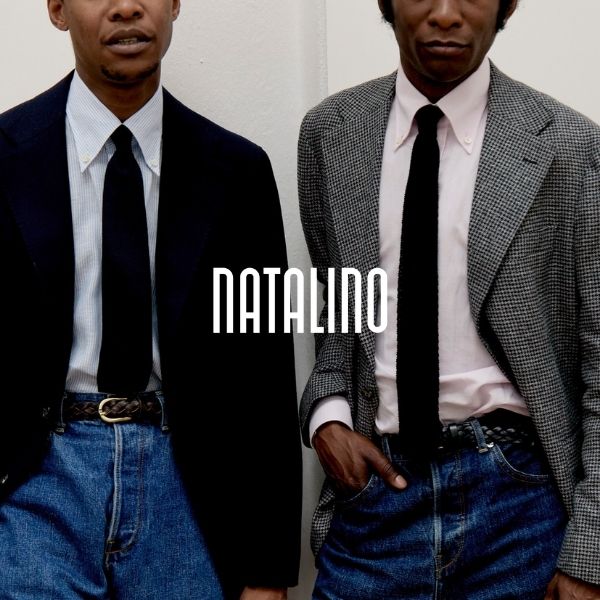
Christian Dior Blue/Black Textured Fur Astrakhan Mid Length Coat M

Outerwear tends to be one of the more resilient categories on the resale market, since a coat’s construction, lining, shoulder structure, and fabric weight hold up better than more directional pieces often do. The styling trick worth remembering: wear the coat open rather than buttoned. Let whatever’s underneath show through. It reads as intentional layering rather than simply being cold.

Styling Accessories for Fall’s Romantic Maximalism Trend

Not every outfit needs an outer layer to feel seasonally appropriate. Accessories can do the same job on their own, which is worth knowing for the days that are still genuinely warm.

Valentino Chunky Vlogo Gold Tone Chain Link Bracelet
Valentino Chunky Vlogo Gold Tone Chain Link Bracelet in Excellent Condition

Romantic maximalism shows up just as easily through jewelry and bags as through clothing: bold earrings, a textured or structured handbag, and a hairpiece with real presence. Pre-loved Valentino and Dior accessories suit this particularly well, since both houses put real craftsmanship into their hardware and hand-finishing.

Jimmy Choo Black Gradient Julia/S Oversized Sunglasses in Good Condition

If your accessory taste leans more toward Y2K specifically, a baguette bag, a chunky choker, oversized sunglasses- that’s a legitimate variation on this same trend, and we cover those pieces in more depth in the Y2K guide linked above.
Fendi Baguette Medium 2Way Purple FF Embossed Leather Shoulder Bag in Good Condition

Whichever direction you take it, pick one piece to be the focal point and keep everything else quiet around it. The moment you add a second statement piece, the look stops feeling curated and starts feeling cluttered.

How to Layer Clothes for Fall: Tees, Shirts & Lightweight Layers

Dresses aren’t the only pieces that need a fall strategy. Tees and shirts, the backbone of most everyday wardrobes, follow a slightly different layering logic, since the goal is usually to build an outfit up from a base layer rather than to dress a single piece down.

Pre-Loved Hermes Purple Printed Short Sleeve T-Shirt L in Excellent Condition
Pre-Owned Ralph Lauren Purple Label Navy Blue Open Cropped Blazer M in Pristine Condition
Pre-Owned Elisabetta Franchi Beige Crepe Single Breasted Blazer M in Excellent Condition
Pre-loved Class By Roberto Cavalli White Crepe Crop Cardigan M in Good Condition

A simple tee works as a base layer under an open shirt, a blazer, or a bomber, and proportions matter more here than with a dress. A fitted or slightly cropped tee tucked into higher-waisted jeans or a skirt gives a jacket room to add its own shape on top, whereas an already oversized tee under an oversized jacket tends to lose the outfit’s silhouette entirely. Button-down shirts work well both on their own, buttoned low and tucked, and as a layering piece over a tank or tee, left open with the sleeves rolled. You can also opt for a cropped cardigan. Paired with jeans, trousers, or a skirt, either approach carries a tee or shirt through the same temperature swings a dress needs to handle.

Boss By Hugo Boss Black Wool Blend Jabina Slim-Fit Blazer S in Excellent Condition
Hermès Silk Scarf in Excellent Condition

A scarf in silk or wool can complete the look beautifully.

Boots, Tights/Leggings, and Footwear Swaps for Fall

Pre-Owned Elie Saab Nude Mesh Rhinestone Detail Sheer Tights S in Excellent Condition
Chanel Purple Metallic Lurex Knit High Waisted Leggings S in Good Pre-Owned Condition
Chanel Purple Metallic Lurex Knit High-Waisted Leggings S in Good Pre-Owned Condition
Pre-Loved Prada Size 39 Brown Suede Square Toe Ankle Length Boots in Good Condition

This is the lowest-effort, lowest-cost way to shift any outfit, dress, or otherwise, into fall, and it’s worth not underestimating simply because it’s simple. Swapping sandals for ankle or knee-high boots, and adding opaque tights under a dress or skirt, changes the seasonal read of an outfit more than almost anything else you could layer on top.

Fabric and color contrast both matter here. Lightweight cotton, linen, or silk against the denser texture of boots and tights reads as an intentional styling choice rather than an afterthought, and richer, warmer tones- burgundy, camel, olive- tend to flatter a wider range of summer palettes than defaulting to black.

Pre-Loved Koral Black Sheer Lurex Mesh Trim Jersey Leggings L in Pristine Condition

If you want the fuller picture of which shades are actually defining the season, we put together a complete breakdown in our 2026 color trends guide.

Fall 2026 Transitional Dressing: A Style Guide

Temperature
Outfit Formula
Key Pieces
Footwear

Still warm (25°C+)
T-shirt, jeans, jacket tied at the waist
Cotton tee, denim jacket
Sneakers or block heels

Mild, cooling evenings
Slip dress with a blazer layered on top
Slip dress, Saint Laurent blazer
Ankle boots

Cooler days
Shirt and skirt with tights
Button-down shirt, midi skirt
Knee-high boots

Cool evenings, formal
Dress or trousers with a statement coat
Dior coat, evening accessories
Heeled boots or pumps

Indoor AC, warm outside (GCC-specific)
Light layers that work open or closed
Cashmere-blend blazer, tee, or shirt
Loafers or block heels

8 Transitional Dressing Mistakes to Avoid in Fall 2026

A handful of missteps often show up in transitional dressing that are worth naming directly.

8 Transitional Dressing Mistakes to Avoid When Preparing For Fall

Layering too heavily on days that are still genuinely warm; lighter pieces almost always read better than heavier ones early in the season.
Pairing an ultra-light dress with an overly heavy coat, which can throw off an outfit’s proportions rather than balancing it.
Stacking two oversized pieces, an oversized tee under an oversized jacket, tends to swallow the silhouette entirely rather than reading as intentional volume.
Defaulting to all-black or richer fall tones generally does more for the colors in an existing summer wardrobe than head-to-toe neutrals.
Ignoring the proportion between a tucked top and a structured bottom, a fitted tee or shirt gives a jacket room to add shape; an untucked, loose top instead competes with it.
Holding onto sandals too long into cooler evenings rather than making the footwear swap early is usually the first sign that an outfit reads as summer rather than fall.
Pairing two fabrics with no textural contrast, a lightweight dress or tee against an equally lightweight layer tends to look flat rather than seasonal.
Choosing outerwear for temperature alone without accounting for a genuinely warm climate, a heavy coat that only works indoors is a poor investment if you’re dressing for the GCC’s shift between air-conditioned interiors and warm outdoor air.

Frequently Asked Questions

When should you start dressing for fall?

There’s no fixed date; it depends on your climate, but most transitional dressing advice recommends introducing layers gradually as soon as evenings start to cool, rather than waiting for a full seasonal shift. In much of the GCC, that shift tends to be more gradual and later than in cooler climates, which is exactly why lighter layering pieces matter more here than heavy ones.

How do you transition your summer wardrobe into fall?

The key to a seamless summer-to-fall wardrobe transition is layering and thoughtful swaps. Add transitional outerwear like a lightweight blazer or denim jacket, and replace open-toe sandals with ankle boots, loafers, or closed-toe shoes for a more seasonally appropriate look.

Pre-Loved Alice + Olivia Mint Satin Harmony Drape Slip Midi Dress S in Good Condition

Keep wearing lightweight favorites, such as satin slip dresses or midi dresses—by pairing them with structured layers and textured fabrics. Investing in pre-loved designer clothing is also a smart way to source fall wardrobe essentials while supporting a more sustainable fashion approach.

How do you layer clothes for transitional weather?

Start with a base layer, a dress, a tee, or a shirt, and build outward with one structured piece, a blazer, jacket, or coat, that can be worn open or closed depending on the temperature. The goal is a layer you can add or remove without changing the whole outfit, not a fixed, all-or-nothing look.

What fabrics work best for fall layering?

Lightweight wool, cashmere blends, and structured cotton tend to work best for transitional weather, since they add warmth without the bulk of heavier winter fabrics. This matters even more in warmer climates, where a piece needs to work across a wider temperature range in a single day.

Can you wear slip dresses in the fall?

Yes. A slip dress is one of the easier pieces to carry into fall, since it pairs well with a blazer or coat on top and tights and boots underneath, without needing any other changes.

Are pre-loved designer pieces from Valentino, Dior, and Saint Laurent worth it?

Generally, yes. Well-constructed pieces from these houses tend to hold their resale value better than more trend-driven brands, largely because the tailoring and materials are built to last beyond a single season. Exact resale figures vary by piece, condition, and rarity, so it’s worth checking current listings for a realistic price comparison.

What works best for GCC transitional weather?

Lighter cashmere blends and structured jackets that can be worn open outdoors and layered indoors tend to work better than heavier coats, given how much of the season is spent moving between air-conditioned interiors and still-warm outdoor air.

The Wardrobe You Already Have Is the Starting Point

The most useful fall wardrobe update isn’t usually a new one. It’s a handful of well-chosen layering pieces that let the clothes you already own keep working, whether that’s a dress, a favorite tee, or a shirt you reach for constantly. A Pre-Owned Dior blazer, Saint Laurent coat, or Valentino jacket can carry a dozen different pieces through the season, which tends to be a better outcome, financially and otherwise, than replacing them individually.

Browse the full 2026 summer dresses collection at The Luxury Closet, and build your fall layers from there. And once temperatures really drop and you’re reaching for longer silhouettes, we’ve got a dedicated guide to styling long dresses through full winter as the natural next step.


Source link

Are Jacques Marie Mage sunglasses any good?

Are Jacques Marie Mage sunglasses any good?


Are Jacques Marie Mage sunglasses any good?

Wednesday, July 22nd 2026
Share

Subscribe
7 Comments
Add to favourites
||- Begin Content -||
The author’s JMM glasses, worn with a vintage jungle jacket

The short answer to this question is yes; but a better answer considers value through design work and scarcity rather than just quality, and whether you actually want to wear slightly flashier sunglasses. 

Let’s start with quality. With eyewear, quality comes down to a handful of things: acetate, hinges, the way the hinges are attached, smooth finishing and lenses. 

Most people use the same acetate suppliers (Mazzuccheli, Takiron), same hinges (OBE) and run the pins all the way through the arms (so they can be repaired and replaced). Some of these, like the hinges, are easy details to watch out for. Finishing and in-store fitting are more subtle. 

But a lot of the time, cheap sunglasses just feel cheap – mostly the use of less expensive acetates, which make them seem flimsy and brittle. A pair of glasses from a high-street brand can feel as if it’s just waiting to be snapped in half.

This is one of the slightly misleading things about Jacques Marie Mage (JMM) glasses. Because they use noticeably thicker frames, people talk about how substantial and well made they feel. But it’s just more acetate. 

The Zephirin model from JMM, in colour ‘Tokyo’

Still, JMM ticks all of those quality points, and adds niche ones like developing its own hinges. These are very well-made glasses, unlike designer brands you might pick up in your local optician, many of which are famously made by one company, Luxottica. 

However, the JMM glasses I have been wearing the past few months – the Zephirin in Tokyo colour, pictured above – were £830. What can justify that price?

Well, partly a few things you don’t want to pay for. When we visited the JMM store in Hollywood in the spring, most of it was taken up by a massive distressed-metal horse leaping over half of a similarly distressed-metal car. There was a velvet rope and a waiting area. 

The glasses themselves also come with a lot of packaging – all beautiful, and more tasteful than the horse, but it is the kind of thing you keep on top of a shelf for a while, just because you feel you paid for it. 

The Sycamore-Hollywood ‘gallery’
JMM packaging

Part of the price does account for some things that elevate JMM glasses and make them genuinely special, however.

The way you usually make money in sunglasses is to make one or two popular styles and then mass produce them for years. The worst way to do it is to make lots and lots of designs, all interesting in different ways, and make many of them in limited editions. 

This is the JMM business model. And while you may say it’s just another money-making strategy – because it creates hype that means everyone wants the limited pairs and will overpay for them – it’s definitely the harder way to do it. The glasses have to be genuinely desirable.

The frames themselves also include lots of details that make them complicated, unusual and time-consuming to make. Perhaps unnecessarily so. 

On mine, for example, the arms are made of two layers of acetate – a tortoiseshell one and a clear one – that makes the arms a subtly brighter, more translucent colour than the fronts. It also enables them to have a clear section that wraps around the ears, but makes the arm look more like a straight line. 

There are several of these details, all small and perhaps, as I said, unnecessary. But you can’t argue they’re not putting the work into the product. 

The two layers of acetate on the arms

Design-wise, the frames are also consistently interesting. I spoke to a couple of friends and vintage collectors in eyewear, and they all had reservations about the brand, but also all praised the sophistication of the designs. 

As one of them put it: “It’s not easy to create so many designs that relate to classic pieces, but also all have real personality of their own.” 

The problem with the designs is, for me, that they’re often quite bold and for that reason don’t suit many people. The frames are thick, often oversized, and sometimes come with eye-catching details on the arms. 

When I visited the London store (which I should say, is nicer than LA and has some very knowledgeable staff) there were only two frames that really worked for me, and this Zephirin was easily the best.  

Whether you like the brand or not, this will probably be the biggest stumbling block for most readers, given their natural tendency towards understated style. 

Zephirin from the front

The dramatic designs also create another problem – the kind of person that wears JMM. 

Basile Khadiry, who runs the Beige store in Paris, was an early exponent of JMM. But he stopped carrying them after a while, saying in a recent interview with us: “They’re well made, but they became something flashy, worn by a certain kind of person.”

Because the glasses are a bit flashy they attract people who dress that way – and also, I find, those who collect glasses, and watches, who want a new pair every season and want them as a form of status symbol*.

It probably reveals how much of a snob I am, but this is honestly my biggest problem with JMM – not the price or the shops, but the association with someone that consumes fashion in a much more ostentatious and hype-driven way than I do. 

Since I’ve been wearing my Zephirin pair on Permanent Style, a lot of people have asked what I think of them – are they any good?

The answer is yes, they are good, and actually not bad value given all the things that go into them. But that doesn’t necessarily mean they’re for you, exciting as they may seem. 

I really like my pair, but there was no other model that suited me, and they wouldn’t be the first pair of sunglasses I’d buy. I’d always get a more classic pair first, and I’m always going to wear them more. 

My JMMs are a nice way to add a little bit of interest to an outfit when I feel it needs it – to push it a little flashier on the fuddy-flashy scale, perhaps. In the same way as you’d add pattern or a pop of colour to an outfit that’s otherwise quite plain. 

I also wouldn’t rule out getting another pair – if there’s another design that really suits me – because I genuinely enjoy and value them. But I know they’ll never be my default; it’s just not my style. 

*There’s an interesting side topic here about why sunglasses have become such a collectable item. It might be because watches are a little played out, or perhaps because outfits today are otherwise quite plain and tonal.

<!–

–>


Source link

Popular Posts

My Favorites

Marvel Rivals is offering exclusive Daredevil skin for limited time –...

0
You can trust VideoGamer. Our team of gaming experts spend hours testing and reviewing the latest games, to ensure you're reading the most...

What is 3Commas?