Gaming

Home Gaming Page 216

DYNASTY WARRIORS: ORIGINS Review | TheXboxHub

0
DYNASTY WARRIORS: ORIGINS Review | TheXboxHub


Return to the Three Kingdoms

Dynasty Warriors, from KOEI TECMO, has been a flagship series for the developers for a long time now. The first game in the series, a one-on-one fighter in the same vein as Virtua Fighter, was released way back in 1997. Yet the game we probably know best in this day and age as a Dynasty Warriors game was that of Dynasty Warriors 2 in the west. 

What this attempt to pad out the opening is leading to is the release of the latest entry in the series, DYNASTY WARRIORS: ORIGINS. Going back to the beginning, the game is touted as “A new version of the Three Kingdoms from the perspective of an original protagonist” and this pretty much sums up what the game is about. So, get a firm grip on your weapon, it’s time to explore some massive battlefields. 

Dynasty Warriors Origins Review 1
Taking it back to the Origins of Dynasty Warriors

A Nameless Hero’s Journey

The story of DYNASTY WARRIORS: ORIGINS is somewhat cliched, to say the least. We play as a nameless hero, not because we are shy or modest, but because we have no memories. I mean, an amnesia storyline is among the most original of the year, isn’t it? Luckily, while we may not know our name or where we come from, we definitely know one end of a pointy bit of metal from the other, and are soon pressed into service as a warrior. From there comes the opportunity to meet and greet a variety of characters, some of whom you’ll remember from earlier games, all before taking on the most massive of tasks – to try and bring peace to the land. What could possibly go wrong? 

One thing to mention at this point is that the character conversations that take place can all have a bearing on the bonds that we forge, so much so that they could even influence the story’s end…

Immersive Battles and Stunning Effects

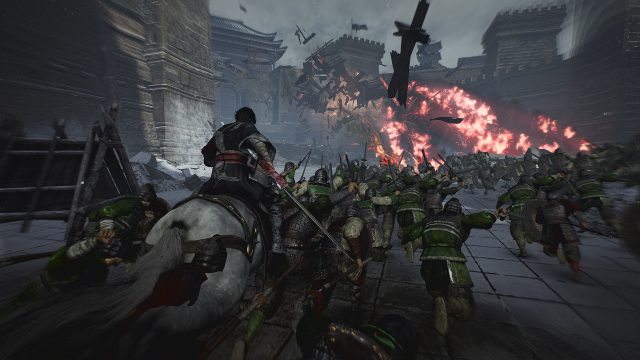
The presentation of the Dynasty Warrior games has always been pretty good, with a host of enemies on the screen at once, all baying for your blood. And you’ll be pleased to hear that nothing has changed in Origins. The battlefields make up roughly 50% of the game, and thankfully the draw distances and amount of foes on the screen are both very impressive. On the other screen that we spend a lot of time on, a world map, the distance shown is again very good. 

Enemies wise and Origins treats us to a mixed bunch. Yes, there is a good amount of cookie cutter cannon fodder to wade through, but the officers we have to take down are nicely varied, each requiring different tactics to beat. And the special effects that are unleashed alongside the special moves are deeply impressive, as is the slow-mo intro to the Musou attacks, which are always exciting to watch. 

Equally as good is the sound, with fully voiced cutscenes very well done, as is the music. But it’s the battle sounds which excel, complemented by detailed character chat that plays out when we are fighting, explaining who needs help and who is doing well. The cutscenes are well scripted and look great, and all in all the presentation of the game is absolutely bang on. 

Dynasty Warriors Origins Review 2Dynasty Warriors Origins Review 2
Great battles unfold…

Hack and Slash Your Way to Peace

But we must speak about how DYNASTY WARRIORS: ORIGINS plays and if you have played any of the previous games in the series you will know exactly what is going on here. 

The task is to go bringing peace to the world of the Three Kingdoms, one battlefield at a time, each of those which come with its own rules. They largely revolve around defeating huge numbers of foot soldiers, then taking out the officers who lead them, all before rinsing and repeating until the day is won. 

Mastering the Art of War

To aid in matters are our allies, and while we are free to range the battlefield as we will, we do have to protect our allies, often finding them facing a desperate battle, left to assist. Luckily, wandering up to an ally on the field of battle will heal them, all before heading off to the next objective. 

With my ultra cynical games reviewer head on, I’d say that the action found in DYNASTY WARRIORS: ORIGINS can get a bit samey, quite grindy. And each battle has a recommended level; it’s safe to say that trying to attempt one that you aren’t prepared for is a surefire way to lose, mostly as the AI takes no prisoners. However, the more of Dynasty Warriors: Origins you play, the more you’ll get used to the various systems at play and it’s here where things begin to make sense. 

One of the things you’ll enjoy with DYNASTY WARRIORS: ORIGINS will be the various methods of fighting, as well as the wide variety of weapons that are available for use. Each weapon has a skill level associated with it, and the more you use them the better you get, and this is really good fun. Switching from a pair of gauntlets, through to massive spears and staffs, means there is a lot to get to grips with. Learning the timings of the parries with each subset of weapons is another thing that you must master, and all in all, the combat side of things is very good fun indeed. 
Dynasty Warriors Origins Review 3Dynasty Warriors Origins Review 3
Take charge

Exploring the World Map and Forging Bonds

When you aren’t engaged in battle, there are a lot of things to do and find on the world map; so much so that you can wander around to your heart’s content. There are old coins to find that can be traded for useful items, there are natural resources to find, there are full scale battles and skirmishes to complete; all in addition to finding people that we have met.

You’ll want to get involved in everything too, as increasing your bond with certain allies provides missions to achieve, feats if you will, on the battlefield. These ensure you’ll use weapons that may not usually be considered and are a good introduction to new ways of fighting. 

A Worthy Addition to the Dynasty Warriors Legacy?

DYNASTY WARRIORS: ORIGINS is a well worked game, with a lot of content to go at. You’ll find hours of fighting just by following the main storyline, yet while it is possible to do this, the real joy of the game comes from wandering around, talking to people and taking on additional missions. The storyline is strong too, and so if Dynasty Warriors is your bag, Origins will be seen as an easy sell. Even if you are new to proceedings, this is a good place to start.

A Nameless Hero’s Journey: DYNASTY WARRIORS: ORIGINS Tells a New Tale – https://www.thexboxhub.com/a-nameless-heros-journey-dynasty-warriors-origins-tells-a-new-tale/

Buy DYNASTY WARRIORS: ORIGINS on Xbox – https://www.xbox.com/en-GB/games/store/dynasty-warriors-origins/9NH9GCTSC1SV/0017

Grab the Deluxe Edition – https://www.xbox.com/en-GB/games/store/dynasty-warriors-origins-digital-deluxe-edition/9MVPFWHXX29X/0017

Or take home a physical version of DYNASTY WARRIORS: ORIGINS – https://amzn.to/3DO1kCC



Source link

Enhancing Engagement: The Evolution of Digital Customer Experiences

The digital landscape is constantly evolving, reshaping how businesses interact with their customers. As technology advances, so do the expectations of consumers, who seek seamless, personalized, and engaging experiences online. This article explores the evolution of digital customer experiences, focusing on the shift in consumer needs, innovations driving interaction, and strategies to enhance engagement.

Understanding the Shift in Digital Customer Needs

The digital age has transformed customer expectations, with immediacy and convenience at the forefront. Today’s consumers expect instantaneous access to information and services, making speed and efficiency crucial for businesses aiming to meet these demands. This shift is largely driven by the widespread adoption of smartphones and the internet, which have conditioned users to expect quick and easy solutions at their fingertips.

Personalization has become another vital aspect of digital customer experiences. As customers become more accustomed to tailored content and recommendations, businesses must leverage data to create personalized interactions. This involves understanding customer preferences and behavior to deliver relevant and engaging content, ultimately fostering a deeper connection with the audience.

With an increasing number of digital touchpoints, consistency across channels has gained importance. Customers expect a seamless experience whether they interact with a brand via its website, social media, or mobile app. This requires businesses to integrate their digital platforms, ensuring a cohesive and unified customer journey that enhances satisfaction and loyalty.

Security and privacy concerns have also emerged as significant factors influencing digital customer needs. As data breaches and cyber threats become more prevalent, consumers are more cautious about sharing their personal information. Businesses must prioritize data protection, implementing robust security measures to build trust and reassure customers that their data is safe.

The rise of social media has further altered customer expectations, shifting the focus towards engagement and interaction. Customers now expect brands to be active on social platforms, responding promptly to inquiries and feedback. This two-way communication channel offers businesses an opportunity to engage with their audience in real-time, fostering a sense of community and brand loyalty.

Finally, the growing demand for ethical and sustainable practices is shaping digital customer needs. Consumers are increasingly seeking brands that align with their values, emphasizing the importance of transparency and corporate responsibility. Businesses that effectively communicate their commitment to social and environmental causes can enhance customer loyalty and differentiate themselves in a competitive market.

Key Innovations Driving Customer Interaction Forward

Artificial intelligence (AI) has emerged as a pivotal innovation in enhancing digital customer experiences. AI-powered chatbots and virtual assistants are revolutionizing customer service by providing instant support and assistance. These tools can handle a variety of inquiries, freeing up human resources and offering a more efficient and personalized customer experience.

Augmented reality (AR) and virtual reality (VR) are transforming how customers interact with products and services online. These technologies allow businesses to offer immersive experiences, enabling customers to visualize products in real-life settings or explore virtual environments. This not only enhances engagement but also aids in the decision-making process, bridging the gap between physical and digital shopping experiences.

Predictive analytics is another key innovation driving customer interaction forward. By analyzing customer data, businesses can anticipate needs and preferences, delivering personalized recommendations and offers. This proactive approach not only enhances customer satisfaction but also increases conversion rates and builds long-term loyalty by addressing customer desires before they are explicitly expressed.

Voice technology is reshaping how customers interact with digital platforms. With the rise of smart speakers and voice-activated assistants, businesses are developing voice-optimized content and services. This technology offers a hands-free, convenient way for customers to engage with brands, making it essential for companies to adapt their digital strategies to include voice search and commands.

The integration of the Internet of Things (IoT) is enhancing customer interactions by creating connected ecosystems. IoT devices collect and share data, enabling businesses to offer personalized and contextually relevant experiences. For example, smart home devices can provide tailored product recommendations based on usage patterns, enhancing customer convenience and engagement.

Blockchain technology, though often associated with cryptocurrencies, is also impacting digital customer experiences. Its decentralized and transparent nature offers potential solutions for enhancing security and trust in online transactions. By ensuring data integrity and protecting customer information, blockchain can foster a more secure and reliable digital environment, ultimately enhancing customer confidence and engagement.

Strategies to Elevate Digital Engagement Experiences

To elevate digital engagement, businesses must focus on creating seamless and intuitive user experiences. This involves optimizing website and app design to ensure easy navigation and accessibility. By prioritizing user-friendly interfaces, businesses can reduce friction and encourage prolonged interaction, leading to higher engagement and satisfaction.

Leveraging data-driven insights is crucial for enhancing digital engagement. By analyzing customer behavior and preferences, businesses can tailor their content and offers to meet specific needs. This personalized approach not only captures customer attention but also fosters a deeper connection, encouraging repeat interactions and building brand loyalty.

Interactive content is a powerful tool for boosting digital engagement. Quizzes, polls, and interactive videos invite users to actively participate, creating a dynamic and engaging experience. This not only captures attention but also encourages social sharing, expanding brand reach and attracting new audiences.

Community building is another effective strategy for enhancing digital engagement. By creating online communities or forums, businesses can facilitate interactions among customers, fostering a sense of belonging and loyalty. These platforms also provide valuable insights into customer needs and preferences, allowing businesses to refine their strategies and offerings.

Gamification is a popular technique for increasing digital engagement. By incorporating game-like elements such as rewards, challenges, and leaderboards, businesses can motivate customers to engage more frequently and for longer periods. This approach taps into the natural human desire for achievement and competition, enhancing customer experience and satisfaction.

Finally, businesses must prioritize ongoing evaluation and adaptation of their digital engagement strategies. The digital landscape is continuously evolving, and staying ahead requires regular assessment of customer feedback and industry trends. By remaining agile and responsive to changes, businesses can ensure their digital experiences remain relevant and engaging, ultimately driving customer satisfaction and loyalty.

As digital customer experiences continue to evolve, businesses must adapt to meet the shifting needs and expectations of their audience. By embracing key innovations and implementing effective strategies, companies can enhance engagement and foster lasting relationships with their customers. In this rapidly changing landscape, staying attuned to consumer needs and technological advancements will be critical for success in delivering exceptional digital experiences.

Marvel Rivals reaches new all-time peak player count after Season 1 release

0
Marvel Rivals reaches new all-time peak player count after Season 1 release


You can trust VideoGamer. Our team of gaming experts spend hours testing and reviewing the latest games, to ensure you’re reading the most comprehensive guide possible. Rest assured, all imagery and advice is unique and original. Check out how we test and review games here

Since its explosive debut in late 2024, Marvel Rivals has rapidly cemented its status as a powerhouse in the gaming landscape, merging the cherished Marvel universe with intense team-based hero shooters. The game’s launch was nothing short of explosive, attracting an impressive 10 million players within a mere 72 hours.

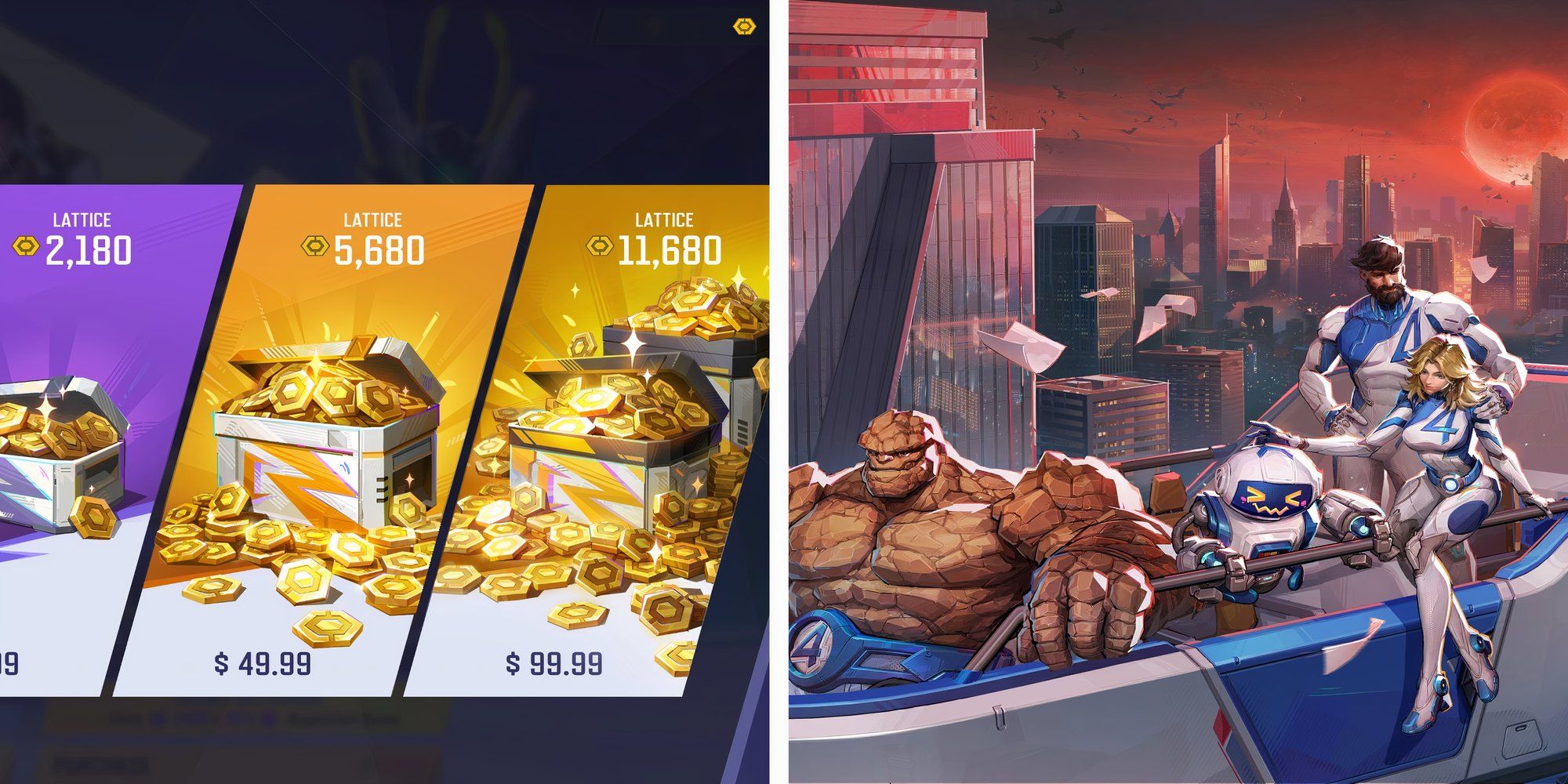
But with the recent launch of Season 1, Eternal Night Falls, Marvel Rivals has not just maintained its momentum but has taken it to new heights. This season brings an exciting array of new content, featuring heroes from the Fantastic Four, fresh maps like Midtown and Sanctum Sanctorum, and several nerfs and buffs, enabling players to rework character combinations and strategies.

The addition of these elements has breathed new life into the game, attracting fresh players, and just days after the Season 1 update, Marvel Rivals has achieved another remarkable milestone.

Marvel Rivals Season 1 spikes active player count to record high

Hitting an unprecedented peak active player count of over 644,269 concurrent players on Steam, as per SteamDB, Marvel Rivals has hit a significant high point in its popularity.

Not just that, according to the Chinese website Gamelook, projections for the game were leaked and a revenue indicated a robust $54.5 million expected from Steam, with an additional $27.2 million anticipated from PlayStation 5, and a modest $2.7 million from Xbox Series S|X.

Steam Marvel Rivals player count
Marvel Rivals reached at an all-time peak player count with Season 1 release. Image by SteamDB.

With its presence on the Epic Games Store and its dedicated PC client, Game Look estimates that total earnings outside of China have reached approximately $100 million. The inclusion of projected earnings from the Chinese version of the game brings the total revenue to a staggering $136 million. If the game maintains its current momentum, it has the potential to evolve into a franchise that could rake in over $1 billion annually.

Players who have been loving Season 1 so far turned in praises for the game, where one said, “This the best game out there right now.” Another chimed in, “This game deserves 2 million active players.” A third user wrote, “Beautiful, 100% deserved. This is probably the only PVP game that has managed to hook me this hard in the last few years.”

Furthermore, Season 1 has also made headlines since NetEase Games removed mods from the game that allowed players earlier to change character skins into bizarre characters and pop culture icons.


marvel rivals cover image showing marvel characters line upmarvel rivals cover image showing marvel characters line up

Marvel Rivals


Platform(s):
macOS, PC, PlayStation 5, Xbox Series S, Xbox Series X


Genre(s):
Fighting, Shooter


Source link

How Technology is Transforming Couture Fashion

Couture fashion, long revered for its meticulous craftsmanship and exclusivity, is undergoing a significant transformation with the infusion of cutting-edge technology. From the initial design stages to the personalized experiences offered to consumers, technology is reshaping the way couture fashion is conceived, produced, and consumed. This article delves into three major areas where technology is making a profound impact: digital design, fabric innovations, and artificial intelligence in personalized fashion. Each of these areas highlights how the age-old industry is adapting to the demands and possibilities of the 21st century.

The Rise of Digital Design in Couture Fashion

In recent years, digital design has emerged as a powerful tool in the couture fashion industry, revolutionizing how designers conceptualize and present their creations. The use of 3D modeling software allows designers to visualize garments in a virtual space, providing unprecedented freedom to experiment with shapes, textures, and colors without the constraints of physical materials. This shift not only accelerates the design process but also opens up new avenues for creativity that were previously unimaginable.

Virtual reality (VR) and augmented reality (AR) are further enhancing the design process by offering immersive experiences that bridge the gap between imagination and reality. Designers can now walk through a digital showroom, examining their creations from every angle and making real-time adjustments. This technology is particularly beneficial for collaboration, as designers can share their virtual designs with teams and clients around the world, receiving instant feedback and making necessary modifications.

The integration of digital design tools has also expanded the potential for customization in couture fashion. Designers can create bespoke pieces tailored to individual clients’ preferences with greater precision and efficiency. Digital tools enable the visualization of custom alterations, ensuring that the final product aligns perfectly with the client’s vision. This personalization is becoming increasingly important in an industry where exclusivity and uniqueness are paramount.

Moreover, digital design has democratized access to couture fashion, allowing emerging designers to compete on a more level playing field. With lower barriers to entry, talented individuals can showcase their work to a global audience through digital platforms, gaining recognition and opportunities that were once reserved for established fashion houses. This shift is fostering a more diverse and inclusive fashion landscape.

Despite the advantages, the rise of digital design in couture fashion does not come without challenges. The industry must navigate issues related to intellectual property, as digital designs can be easily copied and distributed. Additionally, there is a risk of losing the tactile experience that is integral to couture, as virtual representations cannot fully capture the nuances of texture and movement.

In conclusion, digital design is reshaping couture fashion by enhancing creativity, enabling collaboration, and expanding customization. As technology continues to evolve, it will be fascinating to see how designers balance the benefits of digital innovation with the traditional elements that define couture fashion.

Innovations in Fabric Technology and Sustainability

Fabric technology is at the forefront of the couture fashion revolution, introducing materials that are not only innovative but also sustainable. One of the most exciting developments is the creation of smart textiles that integrate technology into the very fabric of the garment. These textiles can change color, regulate temperature, or even monitor the wearer’s health, adding a new dimension to couture fashion that goes beyond aesthetic appeal.

Sustainability is a crucial consideration in modern couture fashion, and technological advancements in fabric production are addressing this need. The development of eco-friendly materials, such as bio-fabricated leather and plant-based fibers, is reducing the environmental impact traditionally associated with the fashion industry. These sustainable alternatives are being embraced by designers who are committed to reducing their carbon footprint while maintaining the luxurious quality expected in couture fashion.

Recycling and upcycling are also gaining traction in the couture world, thanks to technology that allows for the innovative reuse of materials. Advanced recycling techniques can transform textile waste into new, high-quality fabrics, offering designers the opportunity to create stunning pieces with a reduced environmental impact. This approach not only promotes sustainability but also challenges designers to think creatively about the lifecycle of their creations.

Nanotechnology is playing a significant role in fabric innovation, offering enhancements that were once the stuff of science fiction. By manipulating materials at the molecular level, designers can create fabrics that are stain-resistant, water-repellent, or even self-cleaning. These functionalities add value to couture garments, making them more practical for everyday wear without compromising on elegance and style.

The intersection of technology and fabric is also facilitating greater transparency and traceability in the fashion supply chain. With the use of blockchain technology, consumers can track the journey of a garment from raw material to finished product, ensuring ethical and sustainable practices are upheld throughout the process. This transparency is increasingly important to consumers who are conscious of the environmental and social impact of their fashion choices.

In summary, innovations in fabric technology are transforming couture fashion by introducing smart textiles, sustainable materials, and enhanced functionalities. These advancements are not only elevating the aesthetic and practical aspects of couture garments but also aligning the industry with the growing demand for sustainability and ethical practices.

The Role of AI in Personalized Fashion Experiences

Artificial intelligence (AI) is playing a pivotal role in creating personalized fashion experiences, particularly in the realm of couture fashion. By analyzing vast amounts of data, AI can offer insights into consumer preferences, enabling designers to create garments that resonate with individual tastes and lifestyles. This data-driven approach is revolutionizing the way couture fashion is tailored to meet the unique needs of each client.

AI-powered recommendation systems are becoming increasingly sophisticated, offering personalized style suggestions based on a user’s past purchases, browsing history, and even social media activity. These systems can predict trends and preferences with remarkable accuracy, allowing designers to anticipate what their clients will desire before they even know it themselves. This level of personalization enhances the exclusivity and allure of couture fashion.

Virtual fitting rooms, powered by AI, are transforming the shopping experience by allowing clients to try on garments without ever stepping foot in a boutique. Using advanced algorithms, these virtual fitting rooms can simulate how a garment will look and fit on an individual, taking into account their body shape and size. This technology not only enhances convenience but also ensures a perfect fit, a hallmark of couture fashion.

AI is also playing a crucial role in the design process itself, offering tools that assist designers in creating innovative and unique pieces. Generative design algorithms can propose new patterns and styles, providing designers with a source of inspiration and enabling them to push the boundaries of traditional couture fashion. This collaboration between human creativity and artificial intelligence is resulting in groundbreaking designs that captivate and inspire.

Moreover, AI is facilitating greater inclusivity in couture fashion by offering solutions for adaptive clothing. By analyzing data on diverse body types and mobility needs, AI can assist designers in creating garments that are not only fashionable but also accessible to individuals with disabilities. This approach aligns with the growing demand for inclusivity and diversity in the fashion industry.

In conclusion, AI is revolutionizing personalized fashion experiences in couture by offering data-driven insights, enhancing the shopping experience, and inspiring innovative designs. As AI technology continues to advance, it will undoubtedly play an even greater role in shaping the future of couture fashion, making it more personalized, inclusive, and attuned to the desires of consumers.

The integration of technology into couture fashion is transforming an industry that has long been defined by tradition and exclusivity. Digital design, fabric innovations, and AI-driven personalization are reshaping the way couture is created, experienced, and consumed. These technological advancements are not only enhancing creativity and efficiency but also addressing the growing demands for sustainability, inclusivity, and personalization. As technology continues to evolve, the couture fashion industry will undoubtedly embrace new possibilities, ensuring that it remains a dynamic and relevant force in the world of fashion. The future of couture is one where tradition and innovation coexist, offering endless opportunities for designers and consumers alike.

Exploring the Evolution of Modern Fashion & Couture

Fashion, a dynamic and ever-evolving form of expression, has undergone significant transformations over the years. From the opulent designs of the past to the minimalist trends of the present, the world of fashion and couture continues to captivate and inspire. This article seeks to explore the evolution of modern fashion and couture by tracing the roots of contemporary trends, examining the transformation of couture through the decades, and identifying the influences that shape today’s fashion landscape.

Tracing the Roots of Modern Fashion Trends

The history of modern fashion trends can be traced back to the late 19th and early 20th centuries, a period marked by the industrial revolution and significant social change. During this time, fashion began to shift from the elaborate and heavily adorned styles of the Victorian era to more practical and accessible designs. The rise of department stores and advancements in textile manufacturing facilitated the mass production of clothing, making fashion accessible to a broader audience. This democratization of fashion laid the groundwork for the trends that would follow in the 20th century.

The 1920s, often referred to as the "Roaring Twenties," marked a significant turning point in fashion history. This decade saw the emergence of flapper dresses, shorter hemlines, and a departure from the restrictive corsets of the past. The fashion of the 1920s reflected the changing roles of women in society, as they gained more independence and began to challenge traditional norms. Designers like Coco Chanel played a pivotal role in shaping the fashion of this era, introducing styles that emphasized comfort and simplicity.

As the world moved into the 1950s and 1960s, fashion continued to evolve, influenced by cultural and social shifts. The post-war era saw the rise of iconic fashion houses such as Dior and Givenchy, which brought about the "New Look" characterized by cinched waists and full skirts. This period also witnessed the emergence of youth culture and the influence of music on fashion trends. The 1960s, in particular, were marked by bold colors, geometric patterns, and the rise of mod fashion, reflecting the spirit of experimentation and rebellion.

The 1970s and 1980s introduced a diverse range of fashion trends, from the bohemian styles of the hippie movement to the bold and extravagant designs of the disco era. The influence of music and pop culture became even more pronounced during these decades, with artists like David Bowie and Madonna setting trends that were emulated by their fans. The fashion industry also began to embrace a more global perspective, drawing inspiration from different cultures and incorporating diverse elements into mainstream designs.

The 1990s and early 2000s saw the rise of minimalism and the impact of technology on fashion. The grunge movement, characterized by its laid-back and androgynous style, gained popularity in the 1990s, challenging the excess of the previous decade. The advent of the internet and digital media also transformed the way fashion was consumed and disseminated, leading to the rise of fast fashion and the democratization of style. Designers began to experiment with new materials and techniques, pushing the boundaries of traditional fashion.

Today, modern fashion trends continue to be shaped by a myriad of factors, including technology, sustainability, and inclusivity. The influence of social media and the rise of influencers have democratized fashion even further, allowing individuals to express their unique styles and preferences. As society becomes more conscious of environmental and ethical issues, the fashion industry is also evolving to embrace sustainable practices and promote diversity and inclusivity in its designs.

The Transformation of Couture Through Decades

Couture, the pinnacle of high fashion, has undergone a remarkable transformation over the decades, reflecting the changing tastes and values of society. In the early 20th century, couture was synonymous with exclusivity and luxury, with designers like Charles Frederick Worth and Paul Poiret setting the standard for opulent and meticulously crafted garments. Couture was a symbol of status and wealth, accessible only to the elite, and characterized by intricate detailing and bespoke tailoring.

The 1920s and 1930s marked a shift in couture, as designers began to embrace more modern and functional styles. Influential figures like Coco Chanel and Elsa Schiaparelli revolutionized couture by introducing designs that emphasized comfort and simplicity. Chanel’s use of jersey fabric and her iconic little black dress challenged traditional notions of luxury, while Schiaparelli’s avant-garde creations pushed the boundaries of fashion with their surrealist influences and bold colors.

The post-war era of the 1950s and 1960s saw a resurgence of glamour and elegance in couture, with designers like Christian Dior and Yves Saint Laurent leading the way. Dior’s "New Look," with its nipped-in waists and full skirts, redefined femininity and brought a sense of opulence back to couture. Yves Saint Laurent’s introduction of the tuxedo suit for women challenged gender norms and showcased the evolving role of women in society. This period also saw the rise of ready-to-wear collections, which made high fashion more accessible to a wider audience.

The 1970s and 1980s were characterized by a diverse range of couture styles, from the bohemian influences of designers like Yves Saint Laurent to the extravagant and theatrical creations of Jean-Paul Gaultier. The fashion world became more globalized, with designers drawing inspiration from different cultures and incorporating diverse elements into their collections. The 1980s, in particular, were marked by bold and extravagant designs, reflecting the excess and opulence of the era.

The 1990s and early 2000s brought about a shift towards minimalism and experimentation in couture. Designers like Alexander McQueen and John Galliano pushed the boundaries of traditional couture with their avant-garde and often controversial creations. The influence of technology and digital media also began to make its mark on couture, with designers experimenting with new materials and techniques to create innovative and cutting-edge designs.

In today’s fashion landscape, couture continues to evolve, embracing sustainability, inclusivity, and technology. Designers are increasingly incorporating sustainable practices and ethical considerations into their creations, reflecting the growing awareness of environmental and social issues. The rise of digital technology has also transformed the way couture is created and consumed, with virtual fashion shows and digital garments becoming more prevalent. As couture continues to adapt to the changing world, it remains a testament to the creativity and innovation of the fashion industry.

Influences Shaping Today’s Fashion Landscape

The contemporary fashion landscape is shaped by a multitude of influences, ranging from cultural and social factors to technological advancements and environmental concerns. One of the most significant influences on today’s fashion is the rise of digital technology and the internet. The proliferation of social media platforms has democratized fashion, allowing individuals to showcase their unique styles and preferences to a global audience. Influencers and fashion bloggers have become key players in the industry, shaping trends and driving consumer behavior.

Sustainability and ethical considerations have also become major influences in the fashion industry, as society becomes more conscious of environmental and social issues. The demand for sustainable and ethically produced clothing has led to the rise of eco-friendly fashion brands and the adoption of sustainable practices by established designers. The concept of "slow fashion" is gaining traction, encouraging consumers to invest in high-quality, timeless pieces rather than fast fashion trends that contribute to environmental degradation.

Cultural diversity and inclusivity are increasingly shaping the fashion landscape, as designers and brands seek to reflect the diverse and multicultural nature of society. The fashion industry is embracing diversity in its designs, models, and campaigns, promoting a more inclusive and representative image. This shift towards inclusivity is also reflected in the growing popularity of gender-neutral and size-inclusive fashion, challenging traditional norms and redefining beauty standards.

The influence of technology extends beyond digital media, as innovations in materials and production techniques continue to impact the fashion industry. Designers are experimenting with new textiles, such as biodegradable fabrics and smart textiles that incorporate technology into clothing. 3D printing and other advanced manufacturing techniques are also transforming the way garments are produced, offering new possibilities for customization and sustainability.

The impact of global events and cultural movements cannot be overlooked when examining the influences shaping today’s fashion landscape. The COVID-19 pandemic, for example, has had a profound effect on the fashion industry, leading to a shift towards comfort and practicality in design. Remote work and virtual events have influenced the way people dress, with loungewear and athleisure gaining popularity as people prioritize comfort and functionality in their clothing choices.

Finally, the fashion industry continues to be influenced by historical and cultural references, as designers draw inspiration from past eras and diverse cultures. The blending of traditional craftsmanship with modern design elements creates a rich tapestry of styles that reflect the interconnectedness of the global fashion community. As the world becomes more interconnected, the exchange of ideas and influences across cultures will continue to shape the evolution of fashion in the years to come.

The evolution of modern fashion and couture is a testament to the dynamic and ever-changing nature of the industry. As we have seen, fashion trends and couture have undergone significant transformations over the decades, influenced by cultural, social, technological, and environmental factors. Today’s fashion landscape is shaped by a diverse range of influences, from the rise of digital technology and sustainability to the growing emphasis on inclusivity and cultural diversity. As we look to the future, it is clear that fashion will continue to evolve and adapt, reflecting the values and aspirations of society.

Exploring Emerging Trends in Digital Design and Art

In the ever-evolving landscape of digital design and art, staying ahead of emerging trends is crucial for artists, designers, and technologists alike. The digital realm continues to expand, offering new tools, platforms, and methodologies that redefine how we create and experience art. This article delves into three key areas where digital design and art are witnessing groundbreaking changes: innovations in digital design techniques, the rise of interactive and immersive art forms, and the intricate fusion of technology with creativity.

Unveiling Innovations in Digital Design Techniques

The digital design world is undergoing a transformation, driven by cutting-edge innovations that are reshaping how artists conceptualize and execute their ideas. One significant development is the advent of generative design, which utilizes algorithms to automatically generate complex structures and forms. This approach not only accelerates the design process but also opens up new possibilities for creativity by allowing designers to explore a vast array of design permutations that would be impossible to conceive manually.

Another groundbreaking technique gaining traction is the use of artificial intelligence (AI) in art creation. AI-powered tools such as DeepArt and RunwayML enable artists to leverage machine learning algorithms to create unique and intricate artworks. These tools can analyze vast datasets and generate artistic outputs that mimic specific styles or even create entirely new aesthetics. This has given rise to a new genre of digital art, where human creativity is augmented by the computational power of AI.

Virtual reality (VR) and augmented reality (AR) are also playing pivotal roles in digital design, providing designers with immersive environments to experiment and create. VR allows designers to step inside their creations, offering a 360-degree perspective that enhances spatial awareness and design accuracy. AR, on the other hand, overlays digital elements onto the real world, enabling designers to visualize and interact with their designs in real-time, blurring the lines between the digital and physical realms.

The integration of 3D printing technology with digital design software is another trend worth noting. This combination allows designers to bring their digital creations to life with unprecedented precision and detail. The ability to rapidly prototype and iterate on designs in the physical world is revolutionizing industries ranging from fashion to architecture, where bespoke and intricate designs can be produced on-demand.

Moreover, the use of parametric design is gaining prominence. This technique involves the use of algorithms to define a range of design parameters, which can then be adjusted to produce variations of a design. Parametric design empowers designers to experiment with complex geometries and optimize their creations for functionality and aesthetics, making it a valuable tool in architecture and product design.

Lastly, there is a growing trend towards sustainable design practices in the digital realm. Designers are increasingly leveraging digital tools to minimize waste, optimize resource use, and create environmentally friendly products. This shift towards sustainability is not only a response to global environmental challenges but also a testament to the adaptability and forward-thinking nature of the digital design community.

The Rise of Interactive and Immersive Art Forms

The art world is witnessing a profound transformation as interactive and immersive art forms gain prominence, captivating audiences with their dynamic and engaging experiences. At the forefront of this trend is the use of virtual reality (VR) to create immersive art installations. Artists are harnessing the power of VR to transport viewers into entirely new worlds, where they can interact with the environment and become active participants in the artistic narrative.

Augmented reality (AR) is another tool that artists are using to create interactive experiences. By overlaying digital elements onto the physical world, AR art installations invite audiences to engage with art in new and exciting ways. From interactive street murals to AR-enhanced exhibitions, this technology is expanding the boundaries of how art is perceived and experienced.

Interactive installations that utilize motion sensors and touch technology are also gaining popularity. These installations encourage audience participation, transforming passive viewers into active contributors. By incorporating elements such as gesture recognition and touch interfaces, artists are creating dynamic pieces that respond to the presence and actions of the audience, fostering a deeper connection between the artwork and its viewers.

The rise of digital art collectives and online platforms is further propelling the trend of interactive and immersive art. These platforms provide artists with the tools and resources to collaborate and showcase their work to a global audience. By leveraging the internet and digital media, artists can create interactive experiences that transcend geographical boundaries, reaching wider and more diverse audiences.

Projection mapping is another technique that is revolutionizing the way art is experienced. By projecting digital images onto physical surfaces, artists can transform ordinary spaces into immersive environments that captivate and engage viewers. This technique is being used in a variety of settings, from large-scale public art installations to intimate gallery exhibitions, offering audiences a unique and immersive visual experience.

Finally, the use of sound and music in interactive art is creating multisensory experiences that engage audiences on multiple levels. By integrating audio elements into their work, artists can evoke emotions and create an atmosphere that enhances the visual experience. This fusion of sound and visual art is paving the way for new forms of artistic expression that resonate with audiences in profound and memorable ways.

Navigating the Fusion of Technology and Creativity

The fusion of technology and creativity is reshaping the landscape of digital design and art, leading to the emergence of new forms of expression and innovation. This intersection is characterized by the seamless integration of digital tools into the creative process, enabling artists and designers to push the boundaries of what is possible.

One of the most significant aspects of this fusion is the democratization of art and design tools. With the proliferation of affordable software and devices, artists and designers now have access to powerful tools that were once reserved for large studios and corporations. This accessibility has leveled the playing field, allowing independent creators to compete and collaborate on a global scale.

The rise of open-source software and collaborative platforms is further facilitating the fusion of technology and creativity. Artists and designers can now share their work, collaborate on projects, and contribute to the development of new tools and technologies. This spirit of collaboration is driving innovation and fostering a sense of community within the digital design and art world.

The use of data and analytics is also playing a crucial role in this fusion. By analyzing data on audience engagement and preferences, artists and designers can tailor their work to better meet the needs and desires of their audience. This data-driven approach is enabling creators to make more informed decisions and produce work that resonates with their audience on a deeper level.

Moreover, the integration of technology into the creative process is giving rise to new forms of art that challenge traditional notions of authorship and originality. The use of algorithms and AI in art creation raises questions about the role of the artist and the nature of creativity. This ongoing dialogue is prompting artists to explore new ways of working and to redefine their relationship with technology.

Finally, the fusion of technology and creativity is leading to the emergence of hybrid art forms that combine elements of traditional and digital media. Artists are experimenting with new materials and techniques, blending digital and physical elements to create innovative and thought-provoking works. This experimentation is leading to the development of new genres and styles that reflect the complexities and possibilities of the digital age.

As we navigate the ever-changing world of digital design and art, it is clear that the boundaries between technology and creativity are becoming increasingly blurred. From innovative design techniques to immersive art forms, and the fusion of technology with creativity, these emerging trends are reshaping the way we create, experience, and understand art. As artists and designers continue to explore these new frontiers, the future of digital design and art promises to be as dynamic and exciting as the technologies that drive it.

Latest Marvel Rivals Datamine Reveals Your Favorite X-Men Could Be Joining The Roster Soon

0
Latest Marvel Rivals Datamine Reveals Your Favorite X-Men Could Be Joining The Roster Soon


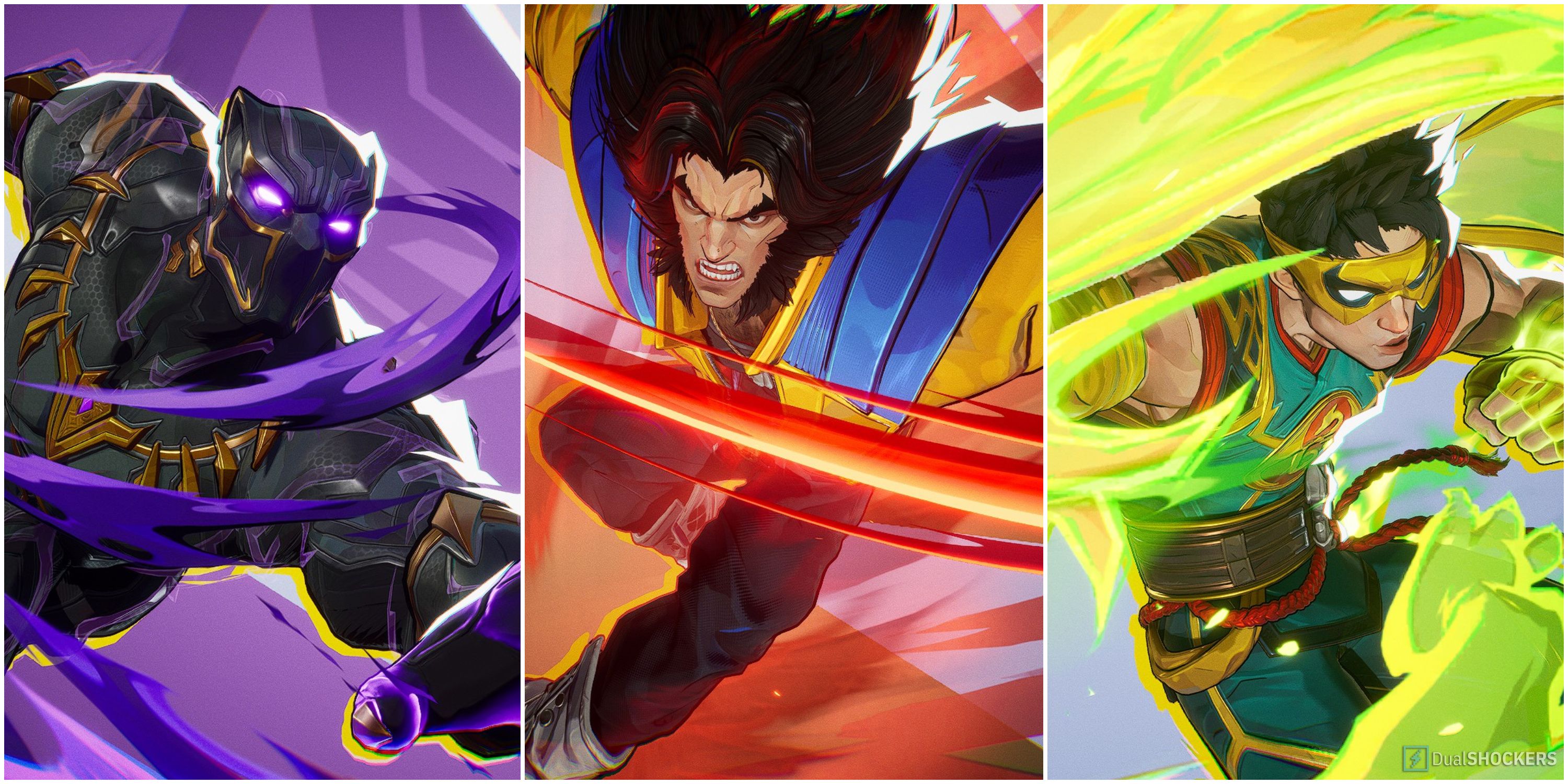
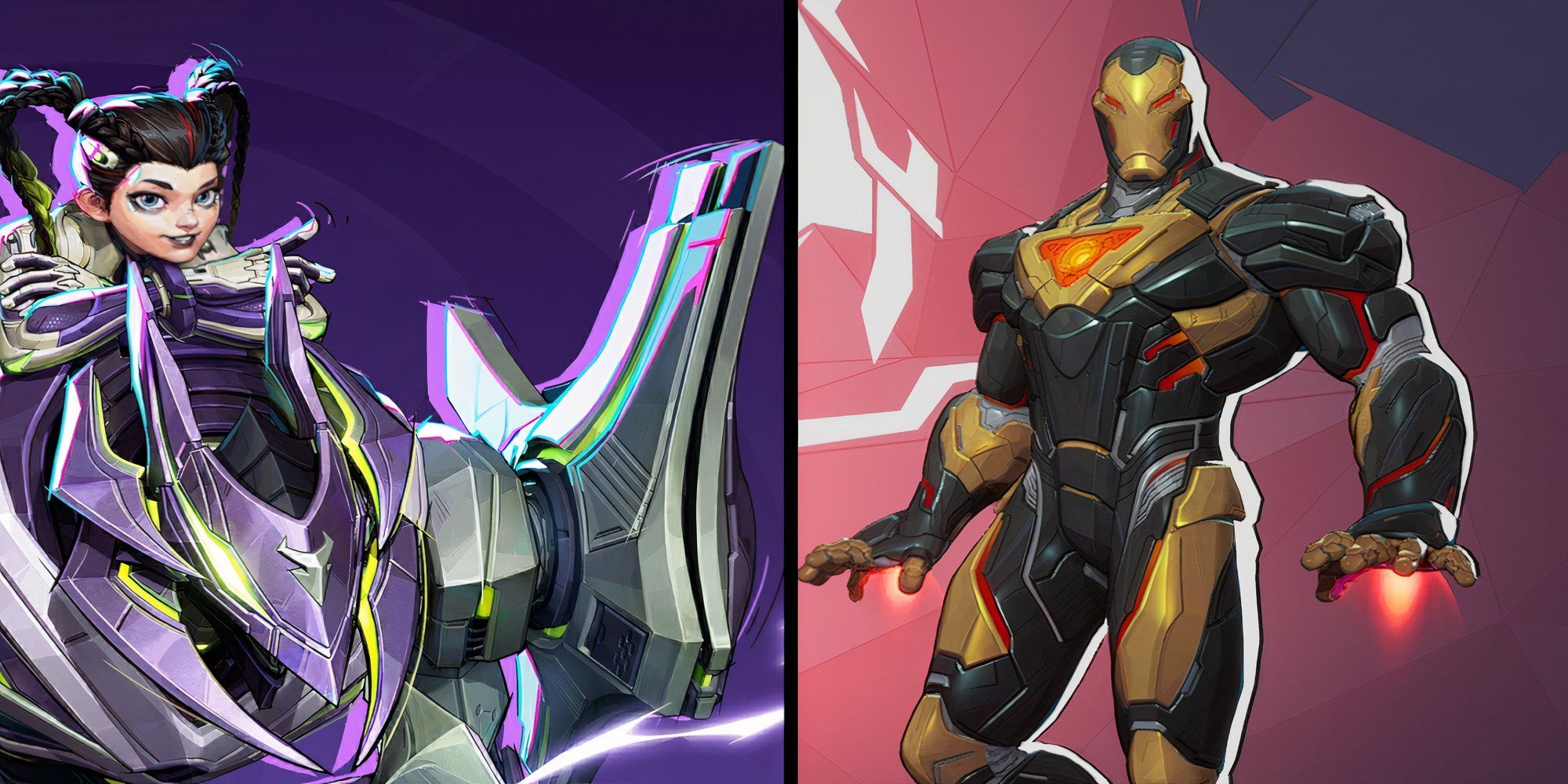
It is easy to say that Marvel Rivals has taken the gaming world by storm, and the recent launch of Season 1 is here to stir it up some more as it brings a new map, new heroes, and, most importantly, new leaks.

A data leaker has revealed how more beloved characters, such as Professor X and Colossus, both members of the popular X-Men group within the Marvel universe, could possibly be heading to join the roaster of the heroes soon in the game.

It was also revealed that Jia Jing, Paste Pot Pete, and Locus, who happen to be some of the less popular characters of the said universe, could be making their way to the game soon as well.

Related

Marvel Rivals: How To Get Free Units

Units are the universal currency across the galaxy and you can earn them in a variety of ways in Marvel Rivals.

With Professor X at the forefront, the telepathic leader of the X-Men, and Colossus, the indestructible mutant with a heart of gold. Their addition to Marvel Rivals would mark a significant expansion of Marvel Rivals’ list of heroes, bringing in fan-favorite mutants who have long been a part of the X-Men Comic Book series and Cinematic Universe.

Professor X and Colossus’s Possible Roles And Abilities In Marvel Rivals

The said dataleaker also revealed how Professor X is going to be a support agent (Duelists), while Colossus, as one would expect, will be a tank agent (Vanguards) instead.

Related

Marvel Rivals: All Currencies Explained

Currency can be used in a variety of ways in Marvel Rivals, but there are several different types players need to be aware of.

Professor X’s telepathic abilities make him the perfect candidate to become a hero in the roaster that manipulates opponents or bolsters allies in unique ways.

On the other hand, Colossus’s superhuman strength and metallic skin make him the perfect Vanguard in the long list of characters already available in the game, making him ideal for players who like to play recklessly and deal damage while tanking all the attacks carried out by the enemy.

Related

Marvel Rivals: 10 Best Melee Characters

If you want to get into a proper fistfight in Marvel Rivals, you’ll want characters like Iron Fist or Wolverine.

The X-Men have always been a cornerstone of the Marvel Universe, with a rich history and a roster of characters beloved by fans worldwide. Right now, the latest heroes introduced in Rivals are Mr. Fantastic and Invisible Woman, with The Thing and Human Torch on their way as well.

It is important to note that while the files suggest these characters are being developed, there’s no guarantee they will make it into the game anytime soon—or at all. For now, fans can dive into the new content Season 1 has to offer while keeping their fingers crossed for an official announcement in the future.

Next

Marvel Rivals: All Free Skins & How To Unlock Them

Everyone loves free content and Marvel Rivals offers several unique skins for no cost at all.


Source link

How to Get Common Club Rush in Disney Dreamlight Valley

0
How to Get Common Club Rush in Disney Dreamlight Valley


The Storybook Vale expansion of Disney Dreamlight Valley offers several new crafting recipes that players can craft for various purposes including completing the quests. These new crafting recipes are crafted with the new crafting materials which are also introduced with the expansion. One of the new crafting materials is Common Club Rush. Players will have to get Common Club Rush for several expansion quests along with friendship quests for the new characters and many other crafting recipes. This guide will help you get the Common Club Rush in Disney Dreamlight Valley.

How to Get Common Club Rush in Disney Dreamlight Valley

Common Club Rush is one of the new crafting materials in Disney Dreamlight Valley that is exclusive to the Storybook Vale expansion. Players will have to travel to the Storybook Vale world to find the Mussel on the ground in one of its biomes. There are three biomes of Storybook Vale and the Mussel is only available in the Everafter biome.

The Everafter is the second/third biome that players will get to explore as they progress through the main story of expansion. During The Wolf of the Wilds quest, players will get to unlock the Everafter biome for 2,000 Story Magic. Once there, start looking on the ground to find Mussel. Similar to most seafood and herbs, you can easily see them appearing on the ground.

Moreover, the Mussel appears in all four areas of the Everafter biome. So, as you make further progress and unlock new areas, you can find it appearing on the ground.

Use of Common Club Rush

Common Club Rush is a crafting material exclusive to the Storybook Vale expansion. Players will need it to craft various recipes like Green Bind Couch, Orange Bind Couch, and more. Moreover, players can also sell it for 45 Star Coins at Goofy’s Stall.


Source link

Don’t think of Better Man as a music biopic — it’s a must-see fantasy spectacle

0
Don’t think of Better Man as a music biopic — it’s a must-see fantasy spectacle


For American audiences, at least, the movie musical Better Man is a fairly hard sell. It’s an odd-sounding project — a music biopic with the leading man replaced by a CG chimp, built around the career of an international superstar and former boy-band member who’s never really broken through in the States. Americans don’t share the rest of the world’s fascination with pop singer Robbie Williams, in spite of his 14 chart-topping albums, regular presence in U.K. tabloids, and cheeky, viral-friendly music videos. (Note: 107 million views on that video alone, and it isn’t even close to his most-viewed hit, “Angels.”) So the idea of a biopic might not have any instant appeal for U.S. viewers, even with that “ape protagonist” gimmick adding some intrigue.

But while the movie is drawn from Williams’ life, it’s still better to think of it as a fantasy feature. Director Michael Gracey previously turned P.T. Barnum’s career into the rousing, ultra-popular musical movie The Greatest Showman, while glossing over or revising most of the reality of Barnum’s life and work. While Better Man comes closer to the truth about Williams’ history, it similarly plays with image and emotion over facts, particularly when it comes to the music. Just as Gracey replaces Williams with an ape for a variety of reasons (more on that in a bit), he fictionalizes and broadens his subject’s story. More significantly, though, he tells the story through fantasy sequences so bold, expressive, and visually startling that the effects dominate the movie.

Image: Paramount Pictures/Everett Collection

Actor Jonno Davies plays Williams throughout the movie for mo-cap purposes, as he grows up as a swaggering, attention-hungry showoff in a tense working-class household. He gets his first shot of national fame as a teenager, when producer Nigel Martin-Smith (Damon Herriman) picks him for manufactured boy band Take That, which rockets to massive success. (Time later described the fandom around the band as “the 90s’ version of Beatlemania.”)

The usual behind-the-scenes drama follows: depression, substance abuse, arrogance and alienation, a bottoming-out, a recovery and revival. But the basic beats don’t matter as much as the way Gracey depicts them, through bravura sequences where Williams and his cohorts travel through a spinning, mutating fantasy version of London’s Regent Street, or with zombie-like hordes of paparazzi attacking Williams underwater, in a set-piece straight out of Aquaman’s Trench fight.

Better Man is openly constructed more around Williams’ emotional experience of his life than around a sober reconstruction of its events: Presumably he never actually fought 110,000 versions of himself in a gory, over-the-top battle royale set to “Let Me Entertain You.” If nothing else, timeline nitpickers may break out in hives over the way music from throughout Williams’ career is used to represent emotional moments from entirely different parts of his history. But the full-throated fantasy approach lets Gracey escape the usual queasy questions about fidelity to truth in a biopic. When your leading man is an ape operating in a human world, how could anyone miss that the approach is more about image and sensation than about factual precision?

That central conceit, of Robbie Williams as a monkey-man among humans, gives Gracey a lot of extra visual appeal, but it also serves as a potent metaphor. He and Williams have given different reasons for the approach: In the film itself, Williams just says he’s always seen himself as “a little less evolved” than other people. In other interviews, Gracey has talked about wanting to distance the audience from reality so they’ll better accept the unreality of a musical, or about simply needing a gimmick to avoid making just another samey biopic.

And ahead of the movie’s release, Williams and Gracey released a video clip where they offer a completely different reason: Gracey says he was inspired by Williams griping about “being dragged up on stage to perform like a monkey,” and he decided to make that idea literal and tangible.

But aside from those justifications, presenting Better Man’s subject as a literal animal, a different creature from everyone around him, lets Gracey lean on the themes of Williams’ alienation and sense of separation. Whether the barrier is his bottomless hunger for attention, the way he struggles with drugs and alcohol while his boy-band peers seem physically and emotionally healthier, the way his fame distances him from his family and former friends, or just the way he constantly yearns for approval from a father who’s busy chasing his own form of fame, Williams is set apart from the world. Framing the movie around the most self-deprecating, instinct-driven version of his self-image underlines the point in every shot, without the need for exposition.

And there’s a destructive, animalistic side to the ape image as well. Wētā FX, the effects house behind the Planet of the Apes movies, gives Williams an expressive and believable chimp face and a detailed chimp pelt, but keeps his body language and physical form largely human. Still, there’s an atavistic danger to Williams’ angry or fearful moments on the screen, as he beats his chest or bares his fangs. In those moments, he feels far more dangerous to those around him, and far less in control, than any human character.

All of that, plus the ambitiously wild musical sequences, leaves Better Man as a spectacle movie worthy of sharing multiplexes and audiences with Wicked. It’s seemingly designed more for fans of immersive, Wētā-centric fantasy worlds like the Planet of the Apes or Lord of the Rings movies than it’s aimed at fans of pop music history — or even of Williams himself. (Netflix has a four-part documentary on Williams’ life and career for those looking for a more factually driven approach.) By the end, viewers may be curious to learn more about Williams as a performer and personality, or to dig deeper into his discography.

But the Better Man experience is more akin to watching a standout Bollywood musical or a Baz Luhrmann spectacular like Moulin Rouge! than to watching an episode of Behind the Music. Most musicals translate emotion into song. This one takes that a step further, translating emotion into a daring central gimmick. It’s experimental and explosive. Even for those with no investment in Williams’ work or previous knowledge of his career, it’s worth the watch just to see how Gracey fills the screen with energy and verve, with mesmerizing staging designed to overwhelm the audience’s senses and ensure that they walk out singing.

Better Man is in theaters now.


Source link

Super Star Wars – Holiday Special unofficially arrives on the Commodore Amiga as a port from the Sega Mega Drive

0
Super Star Wars – Holiday Special unofficially arrives on the Commodore Amiga as a port from the Sega Mega Drive


Although I’m personally not a fan of Star Wars (I blame my Ex :p). I’ve just found out through Earok however, that not only did the SEGA Mega Drive and Genesis get a new homebrew release called ‘Super Star Wars Holiday Special’. Which is an unofficial game from the cult-classic SNES Super Star Wars series, and loosely based on the outrageous The Star Wars Holiday Special from 1978. But as of today you can download the Commodore Amiga version, that’s been ported over as the first public beta by Earok.

Sega Mega Drive version by Master Linkuei

Amiga Version by Earok

Here’s the latest from Earok. “I’m very pleased to post a port of Master Linkuei’s recent Mega Drive game to the Amiga. This is the first public beta, while it is complete it hasn’t been broadly tested. Please let me know if you find any bugs or have other suggestions for improvements. Except for one or two short tracks, music is currently CD only. I’m very proud to get this one out the door – this is the first time a Mega-Drive-First Scorpion game has received an Amiga port. Hopefully there’ll be a tonne more in future”.

Requirements:

AGA, CD32 Pad. Music is CD32 only. 020/2MB chip minimum. 030 or Fast RAM recommended but not required.

Public Beta 1 DownloadsCD32 (stock) ISO – https://mega.nz/file/d2YAESLb#G6UrMa…Z0N2djn1KkkcE8LHA – https://mega.nz/file/Uv42TTTJ#z803aR…1TpuEVj4QJLg6U


Source link

Popular Posts

My Favorites

Adam Driver’s ‘Star Wars’ Film Gets New Update From ‘Disappointed’ Director

0
Director Steven Soderbergh is finally breaking his silence on “The Hunt for Ben Solo.” The project was officially announced by Adam Driver last year....