Gaming

Home Gaming Page 215

Exploring the Intersection of AI and Design Innovation
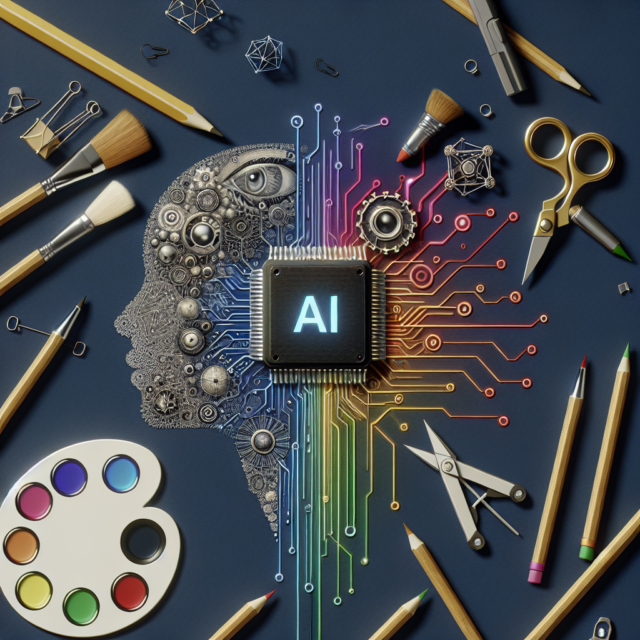
In the rapidly evolving world of design, the integration of artificial intelligence (AI) is becoming an increasingly significant force. This intersection of AI and design innovation is not only reshaping traditional practices but also opening up new realms of creative possibilities. As AI continues to mature, it is essential to explore how it is influencing design methodologies, transforming creative landscapes, and bridging the gap between creativity and technology. This article delves into these topics, providing insights into the transformative power of AI in the design industry.

Unveiling the Role of AI in Modern Design Practices

The role of AI in modern design practices is multifaceted, offering a range of tools that enhance efficiency and creativity. Traditionally, design was a labor-intensive process that required extensive manual effort and time. However, with the advent of AI, designers can now automate repetitive tasks such as resizing images, adjusting layouts, or generating color palettes. This automation allows designers to focus more on the creative aspects of their work, thus enhancing productivity and innovation.

AI’s ability to analyze vast amounts of data is another key factor in its integration into design practices. By processing and interpreting data from various sources, AI can provide valuable insights into consumer preferences and market trends. This data-driven approach enables designers to make informed decisions, ensuring that their creations are not only aesthetically pleasing but also relevant and impactful in the market.

Moreover, AI-powered tools are revolutionizing the prototyping and testing phases of design. With AI, designers can simulate and iterate their designs rapidly, receiving instant feedback on potential improvements. This capability reduces the time and cost associated with traditional prototyping methods, allowing for more experimentation and refinement.

Another significant contribution of AI is its role in personalization. By leveraging machine learning algorithms, AI can tailor design elements to meet individual user preferences. This personalization enhances user experience, making products more engaging and relevant to each user, which is particularly valuable in fields like web design and digital marketing.

AI is also fostering collaboration within design teams by facilitating communication and idea sharing. Tools embedded with AI can analyze team interactions and suggest ways to improve workflow and collaboration. This integration helps create a more cohesive and efficient design process, where team members can leverage AI insights to enhance their creative output.

Finally, AI is pushing the boundaries of what is possible in design by enabling the creation of entirely new forms and styles. Generative design, for example, uses AI algorithms to explore a multitude of design possibilities, producing innovative solutions that might not have been conceived by human designers alone. This capability is opening up new avenues for creativity and innovation in the design world.

How AI is Transforming Creative Design Landscapes

AI is transformative in the creative design landscape, redefining how designers conceptualize and execute their ideas. One of the most profound impacts of AI is its ability to democratize design, making advanced tools and techniques accessible to a broader audience. Designers of all skill levels can now utilize AI-driven software to create sophisticated designs without requiring extensive technical expertise.

In the realm of graphic design, AI is enabling the automation of complex tasks such as vectorization, image enhancement, and even the generation of original artwork. This automation frees designers from technical constraints, allowing them to focus on the artistic aspects of their projects. AI tools can now generate design elements like logos or layouts, which designers can then refine, providing a foundation upon which creativity can flourish.

AI’s influence extends to the field of architecture, where it is used to optimize building designs for sustainability and efficiency. By analyzing environmental data and simulating various design scenarios, AI can suggest architectural solutions that minimize energy consumption and maximize space utilization. This approach not only enhances the functionality of architectural designs but also contributes to the creation of environmentally conscious buildings.

In fashion design, AI is being used to predict trends and assist in the creation of innovative textiles. By analyzing fashion data and consumer behavior, AI can identify emerging patterns and styles, providing designers with insights that inform their creative decisions. Additionally, AI-powered tools can assist in fabric design by generating unique patterns and textures, pushing the boundaries of textile innovation.

The field of industrial design is also benefiting from AI’s capabilities. AI algorithms can optimize product designs for functionality and manufacturability, ensuring that products are not only aesthetically pleasing but also practical and cost-effective to produce. This optimization process helps designers create products that meet both consumer needs and production constraints.

AI’s role in transforming creative landscapes is perhaps most evident in its ability to inspire new forms of artistic expression. AI-generated art, music, and literature are challenging traditional notions of creativity, prompting a reevaluation of the relationship between human and machine in the creative process. By collaborating with AI, artists and designers are exploring new creative territories and redefining the boundaries of art and design.

Bridging Creativity and Technology Through AI Design

The integration of AI in design is bridging the gap between creativity and technology, fostering a new era of innovation. This synergy is evident in the way AI enhances the creative process by providing designers with tools that augment their capabilities. For instance, AI can suggest design variations based on initial concepts, offering inspiration and expanding the creative possibilities available to designers.

AI’s ability to process and analyze data is a crucial component in bridging creativity and technology. By offering insights into user behavior and preferences, AI empowers designers to create personalized experiences that resonate with audiences. This data-driven approach ensures that the creative output is not only imaginative but also aligned with user expectations and needs.

Furthermore, AI is facilitating interdisciplinary collaboration between designers and technologists. By providing a common platform for communication and idea sharing, AI fosters a collaborative environment where diverse expertise can converge. This collaboration leads to the development of innovative solutions that leverage both creative and technical strengths.

The role of AI in bridging creativity and technology is also evident in its impact on education and skill development. AI-powered tools are being used to teach design principles and techniques, making design education more accessible and interactive. By providing real-time feedback and personalized learning experiences, AI is helping aspiring designers develop the skills needed to thrive in a technology-driven design landscape.

AI’s influence in bridging creativity and technology is further highlighted by its role in enhancing user interaction and experience. By enabling the creation of adaptive and responsive designs, AI ensures that user interfaces are intuitive and engaging. This focus on user-centric design enhances the overall experience, making technology more accessible and enjoyable for users.

Finally, AI is fostering a culture of experimentation and innovation in the design industry. By providing designers with the tools to explore new ideas and test unconventional concepts, AI encourages a mindset of exploration and creativity. This culture of innovation is essential for pushing the boundaries of design and technology, ensuring that the industry continues to evolve and adapt to the changing needs of society.

As AI continues to evolve, its impact on design innovation will only grow more profound. By unveiling new roles in modern design practices, transforming creative landscapes, and bridging the divide between creativity and technology, AI is reshaping the design industry in unprecedented ways. The integration of AI in design is not just about enhancing efficiency or productivity; it is about expanding the horizons of what is possible. As designers and technologists continue to collaborate, the future of design will be marked by a harmonious blend of human creativity and machine intelligence, leading to innovative solutions that address the complex challenges of the modern world.
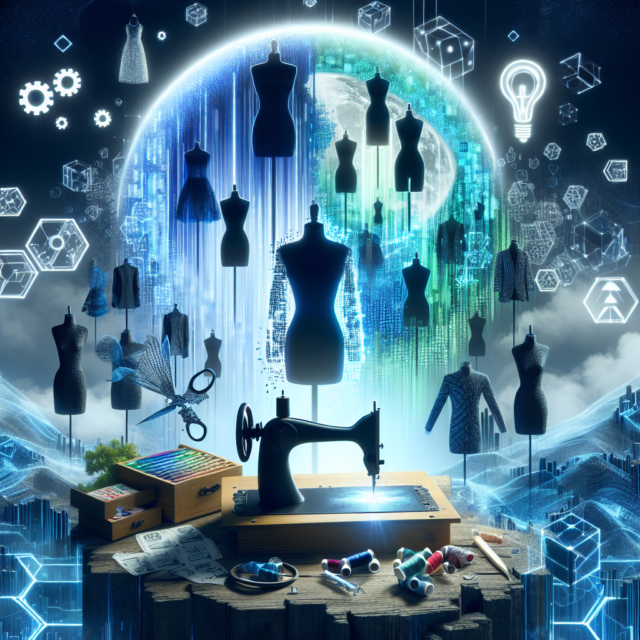
Exploring Emerging Trends in the World of Digital Fashion

Exploring Emerging Trends in the World of Digital Fashion

The landscape of fashion is undergoing a transformative shift as the digital realm increasingly intertwines with traditional garment creation and presentation. As technology advances, it opens up new avenues for creativity, sustainability, and consumer engagement. The world of digital fashion is rapidly evolving, driven by virtual garments, innovative fashion technologies, and a focus on sustainable practices. This article delves into these emerging trends, exploring how they are reshaping the fashion industry.

The Rise of Virtual Garments and Digital Runways

Virtual garments have emerged as a groundbreaking trend in the fashion industry, offering designers and consumers a new realm of possibilities. Unlike traditional clothing, virtual garments exist solely in the digital space, allowing for endless creativity without the constraints of physical materials. Designers can experiment with bold colors, intricate patterns, and avant-garde silhouettes without worrying about production costs or material waste. As a result, virtual garments are becoming a playground for innovation and self-expression.

The rise of digital runways is another significant development, revolutionizing the way fashion shows are conducted. These virtual platforms allow designers to showcase their collections to a global audience without the need for physical venues. Digital runways offer an immersive experience, often incorporating augmented reality and 3D animation to bring the garments to life. This shift not only democratizes access to fashion shows but also reduces the carbon footprint associated with traditional fashion events.

One of the key benefits of virtual garments is their ability to transcend the limitations of the physical world. Consumers can try on digital clothing through augmented reality apps, allowing them to visualize how a garment would look without actually wearing it. This technology enhances the online shopping experience, providing a more accurate representation of fit and style. As a result, virtual garments are becoming an essential tool for e-commerce platforms aiming to reduce return rates and increase customer satisfaction.

Digital fashion also offers a unique opportunity for personalization. Virtual garments can be customized to meet individual preferences, allowing consumers to create one-of-a-kind pieces that reflect their personal style. This level of customization fosters a deeper connection between consumers and brands, as it empowers individuals to become co-creators in the design process. As digital fashion continues to evolve, personalization is expected to become a driving force behind consumer engagement.

The proliferation of virtual garments is reshaping the concept of ownership in the fashion industry. Digital garments can be bought, sold, and traded in virtual marketplaces, creating a new economy around digital fashion assets. This shift challenges traditional notions of ownership and value, as consumers invest in garments that exist only in the digital realm. As virtual garments gain popularity, they are likely to become a staple in the wardrobes of digital natives and fashion-forward individuals.

Ultimately, the rise of virtual garments and digital runways is a testament to the fashion industry’s adaptability and willingness to embrace change. As technology continues to advance, these trends are expected to become integral components of the fashion ecosystem, offering new opportunities for creativity, accessibility, and sustainability.

Innovations in Fashion Tech and Virtual Reality

The integration of fashion and technology is paving the way for unprecedented innovations that are reshaping the industry. One of the most notable advancements is the use of virtual reality (VR) to create immersive fashion experiences. VR technology allows designers to craft virtual environments where consumers can explore collections in a fully immersive setting. This not only enhances the shopping experience but also provides a new platform for storytelling and brand engagement.

Virtual reality is being leveraged to revolutionize fashion design and prototyping. Designers can use VR tools to create three-dimensional models of garments, enabling them to visualize and modify designs in real-time. This technology streamlines the design process, reducing the time and resources required for physical prototyping. By eliminating the need for multiple physical samples, VR contributes to more sustainable design practices and accelerates the path from concept to production.

Augmented reality (AR) is another technological innovation that is transforming the fashion industry. AR applications allow consumers to superimpose digital garments onto their real-world surroundings, providing a unique way to experience fashion. This technology is particularly valuable for online shopping, as it enables consumers to see how garments will look on them before making a purchase. AR enhances the decision-making process, reducing uncertainty and increasing consumer confidence.

3D printing is another groundbreaking technology that is making waves in the fashion industry. This innovative manufacturing method allows designers to create complex and intricate garments that would be impossible to produce using traditional techniques. 3D printing offers a high degree of precision and customization, enabling the creation of bespoke pieces tailored to individual preferences. As the technology becomes more accessible, it is expected to play a significant role in the future of fashion production.

The use of artificial intelligence (AI) in fashion is also on the rise, offering new possibilities for data-driven design and personalization. AI algorithms can analyze consumer preferences and trends, providing designers with valuable insights into customer behavior. This data-driven approach allows for more targeted and efficient design processes, resulting in collections that resonate with consumers on a deeper level. AI is also being used to optimize supply chain operations, reducing waste and improving sustainability.

As fashion tech and virtual reality continue to evolve, they are poised to revolutionize the industry in ways that were once unimaginable. These innovations not only enhance the consumer experience but also offer new opportunities for creativity, efficiency, and sustainability. As the boundaries between fashion and technology continue to blur, the future of the industry looks increasingly digital and interconnected.

Sustainability and the Future of Digital Fashion

Sustainability is a growing concern in the fashion industry, and digital fashion offers promising solutions to address environmental challenges. By shifting towards virtual garments and digital production methods, the industry can significantly reduce its carbon footprint. Digital fashion eliminates the need for physical materials, water, and energy-intensive production processes, making it a more sustainable alternative to traditional garment manufacturing.

One of the key advantages of digital fashion is its potential to minimize waste. Traditional fashion production often results in excess inventory and unsold garments, contributing to environmental pollution. In contrast, digital fashion allows for on-demand production, where garments are created only when there is a confirmed order. This approach reduces the risk of overproduction and ensures that resources are used more efficiently.

The rise of digital fashion also presents an opportunity to rethink the concept of fashion seasons. Traditional fashion operates on a seasonal cycle, leading to a constant demand for new collections and contributing to a culture of fast fashion. Digital fashion allows for a more flexible approach, enabling designers to release new designs at any time without the constraints of physical production schedules. This shift encourages consumers to value quality and creativity over quantity, promoting a more sustainable consumption pattern.

Virtual fashion shows and digital runways contribute to sustainability by reducing the environmental impact of traditional fashion events. These virtual platforms eliminate the need for travel, physical venues, and large-scale productions, resulting in a smaller carbon footprint. By embracing digital formats, the fashion industry can continue to engage with global audiences while prioritizing environmental responsibility.

The adoption of digital fashion also encourages a circular economy model, where garments can be reused, repurposed, and recycled in the digital realm. Virtual garments can be easily modified and updated, allowing consumers to refresh their digital wardrobes without generating physical waste. This approach aligns with the principles of circularity, promoting a more sustainable and resource-efficient fashion ecosystem.

As the fashion industry continues to grapple with sustainability challenges, digital fashion offers a compelling vision for the future. By embracing virtual garments, innovative technologies, and sustainable practices, the industry can pave the way for a more environmentally conscious and responsible future. As digital fashion gains momentum, it is poised to become a driving force in the quest for a more sustainable and equitable fashion industry.

The world of digital fashion is rapidly evolving, driven by technological advancements and a growing emphasis on sustainability. Virtual garments, innovative fashion tech, and digital runways are reshaping the industry, offering new opportunities for creativity, accessibility, and environmental responsibility. As the fashion landscape continues to evolve, digital fashion is set to play an increasingly important role in shaping the future of the industry. By embracing these emerging trends, the fashion world can unlock new possibilities and chart a path towards a more innovative and sustainable future.

Intel and NVIDIA drivers holding back a public SteamOS release, Valve not trying to compete with Windows

0
Intel and NVIDIA drivers holding back a public SteamOS release, Valve not trying to compete with Windows


During CES, Valve developer Pierre-Loup Griffais spoke to Frandroid about SteamOS, Steam Deck and more and there’s some interesting bits in there about the future. In case you missed it recently Valve announced a public beta of SteamOS is coming as ‘SteamOS expands beyond Steam Deck’.

The interview on Frandroid is in French, but here’s some Google-translated info for you. On the subject of SteamOS for everyone, it appears that issues with both Intel and NVIDIA drivers are part of what’s holding up the release:

One of the promises was to release SteamOS for everyone, how difficult is it to release it now?


“I think there are a couple of factors. One is that on some platforms, the support is still very basic. Intel, it works a little bit better than before, but our driver teams and Intel are working on it. NVIDIA, the integration of open source drivers is still pretty nascent. There’s still a lot of work to be done on that side… So it’s a little bit complicated to say that we’re going to release this version when most people wouldn’t have a good experience.”


“And then there’s the ease of installation. We had an installer for SteamOS 2, but here we started with the Steam Deck so everything came straight out of the box, so the process right now is basic. Unlike some community alternatives that add this layer of installation that accompanies users. We haven’t done that yet.”


“It’s just a matter of priorities.”

So it’s all in progress and they’re working on it together with various driver teams. Eventually the situation should be solved.

Anyone who uses NVIDIA on desktop Linux will know how badly Steam Big Picture Mode currently works, so this is not exactly a big surprise to me. When I switched over to an AMD GPU, it was like a night and day difference.

As for the upcoming Legion Go S that will use SteamOS, an interesting note here is that Valve / Lenovo will be using the open source tool Input Plumber:

Are the works of Bazzite, ChimeraOS, Nobara also profitable for you?


“Sometimes yes. A lot of their work is integration, where they use things that the community has developed to create a much more streamlined installation and support experience than our development trees. But there are also quite a few components that are originally developed by the community that we use. For example, on the Legion Go S, we use a component called Input Plumber to manage the controller.”


“We’re not too interested in inventing our own sauce [sic]. If something is already done and meets our standards of performance and functionality, we use it.”

If you’re hoping that SteamOS is going to be the Windows-killer that other news sites keep reporting on, Valve have much calmer words to say about that:

Back in the Windows 8 days, Gabe Newell accused Microsoft of killing the PC ecosystem. Is SteamOS the Windows killer developed by Valve?


“I don’t think the goal is to have a certain market share, or to push users away from Windows. If a user has a good experience on Windows, there’s no problem. I think it’s interesting to develop a system that has different goals and priorities, and if it becomes a good alternative for a typical desktop user, that’s great. It gives them choice. But it’s not a goal in itself to convert users who already have a good experience.”

Valve are also leaving the door open for a future Steam Machine:

Are Steam Machines still in sight, or are portables your priority?


“Right now, we’re focused on handhelds. But as our work expands our ability to work on other platforms and have a good experience in different form factors… We’ve already done a lot to make these consoles connectable to screens, connectable to a controller…”


“We’re not there yet to give priority to a Steam Machine. But in collaboration or internally, it’s an open door to the future.”

So in other words, they’re just focused on providing a good experience for their own Steam ecosystem. Users moving over if they see it works better for them is nice to have, but they’re not trying to directly compete against Windows completely (yet…).

You can also follow the interviewer on their YouTube channel.

Article taken from GamingOnLinux.com.


Source link

10 Games That Laugh At Your Failures

0
10 Games That Laugh At Your Failures


Whether you fail a task, get yourself killed, or just end up in some nonspecific fail state, it’s generally an unpleasant experience to get some manner of game over.

This is especially true if you’ve been working toward a lengthy goal like a hard boss fight or an achievement.

Related

11 Games That Make Failure Fun

Losing always sucks, but some games make it suck a little less.

Most games are content to let the failure speak for itself, but for some, that’s not quite enough. Some games need to give you a little kick on the way out.

This typically manifests as passive-aggressive comments or outright mockery at your expense, the very definition of “adding insult to injury.”

10 Duck Hunt

The Original Gaming Jerk

The dog laughs in Duck Hunt

Perhaps one of the most infamous examples of games passive-aggressively jabbing you dates all the way back to 1984’s Duck Hunt for the NES.

If you’ve been in the gaming sphere long enough, you know it: whenever you miss a duck, your canine hunting companion will stick up out of the grass, snickering at your failure.

The dog is so universally reviled, he’s been the subject of angry memes and flash cartoons for decades now.

Interestingly, in the arcade spinoff Vs. Duck Hunt, you can actually shoot the dog, giving him a comical soot-covered face. He’ll walk by on crutches, shouting at you to shoot the ducks, not him.

9 Space Quest

The Narrator Does Not Like You

Space Quest III Death screen

Sierra pioneered the adage of “save early, save often” for its games because, in just about all of them, you were never more than one click from a sudden, violent death.

In most Sierra games, these spoke for themselves, but in the Space Quest series, the narrator felt the need to chime in.

In every single Space Quest game, any death you experience would be accompanied by a snarky quip from the narrator. These included asking you why you bothered to get out of bed that morning, reminding you to use your radar to avoid obvious collisions, and others.

In the event the narrator didn’t have a quip about your specific means of death, he’d just congratulate you on playing the game and inform you that your performance had been “a real hoot.”

8 Batman: Arkham Asylum

Sassed On Your Deathbed

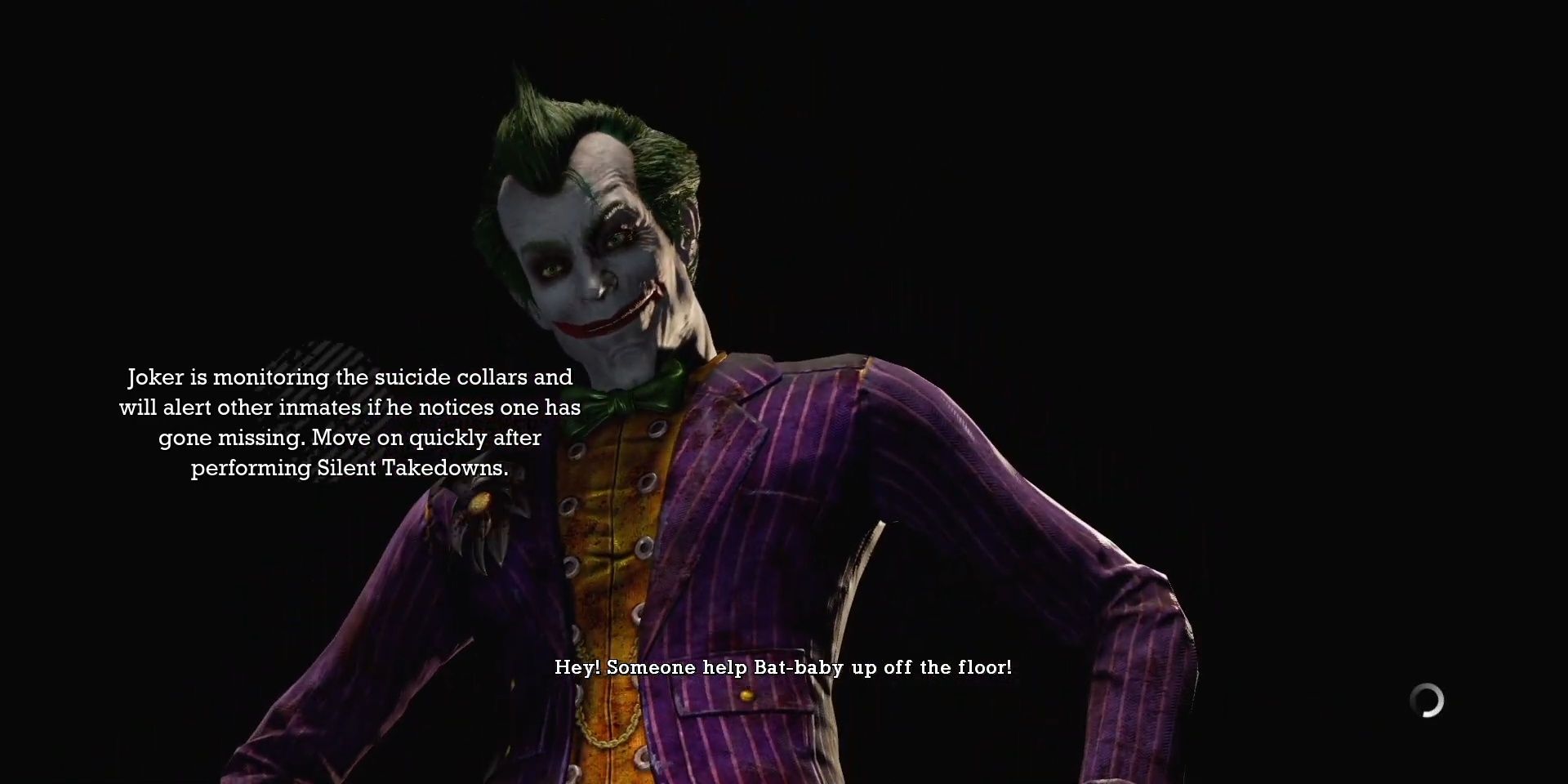
Joker death screen in Batman: Arkham Asylum

Within the setting of Batman, it’s not particularly common for his many villains to have him definitively at their mercy. They’ve probably thought for years about what they’d say, and in Batman: Arkham Asylum, they finally get to say it.

Whenever you’re defeated, you’re treated to a brief cutscene of the current most threatening villain standing over Batman’s body and gloating.

Joker and Harley crack jokes, Killer Croc eats you, Scarecrow waxes philosophical about fear, and so on.

In the DLC missions where you play as Joker, you get to see this from the other side. Batman and Cash admonish you before hauling you back to your cell.

7 Total Distortion

A Song Before You Go

Guitar Warrior death screen in Total Distortion

1995’s Total Distortion is an exceptionally weird game, taking place in a dimension powered by music and rock iconography.

Naturally, as the game’s central theme, music plays a large role in just about every aspect, up to and including your sudden death.

No matter how you end up blowing it, your death is immediately followed by a unique splash screen, as well as a frustratingly catchy song about your recent demise.

You get this same song in every death scenario, though if you specifically die to one of the Guitar Warriors, the Warrior will flap his mouth to sing along.

6 Team Fortress 2

Every Merc Has Something To Say

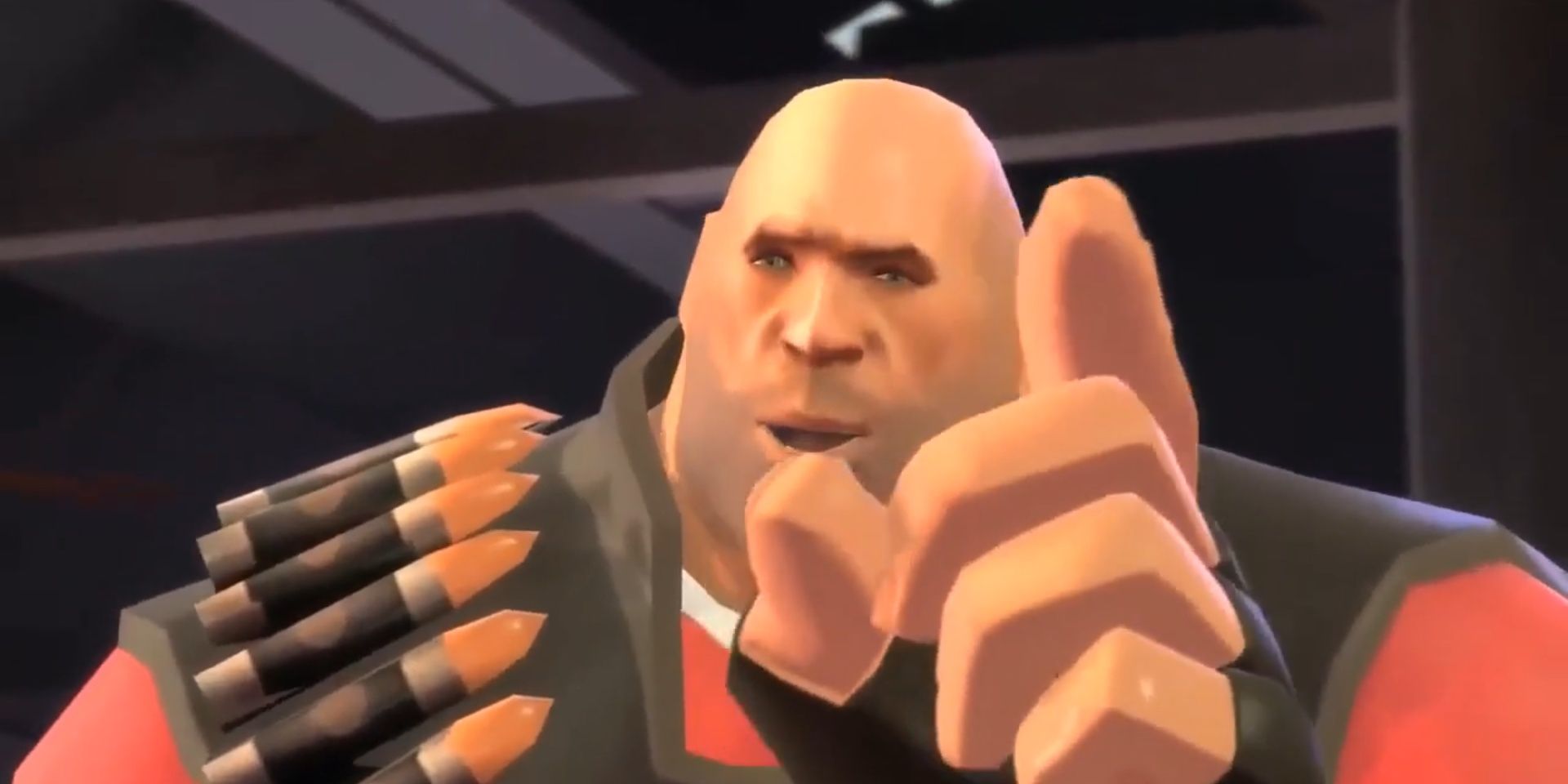
Heavy laughs in the Team Fortress 2 Meet the Heavy video

The nine mercenaries that make up the classes of Team Fortress 2 are all rather… off-kilter gents. They take pride in what they do and aren’t afraid to yuk it up a bit when they succeed.

Every class has unique callouts that play when they kill other characters, some with additional callouts based on what they have equipped.

As an extra bit of frustration for players, being repeatedly killed by the same player incurs the notorious Domination theme, which also has unique callouts from every class.

It’s a delightful thing to inflict on someone else, but absolutely infuriating to be on the receiving end of.

5 Borderlands 2

Passive-Aggressive Marketing

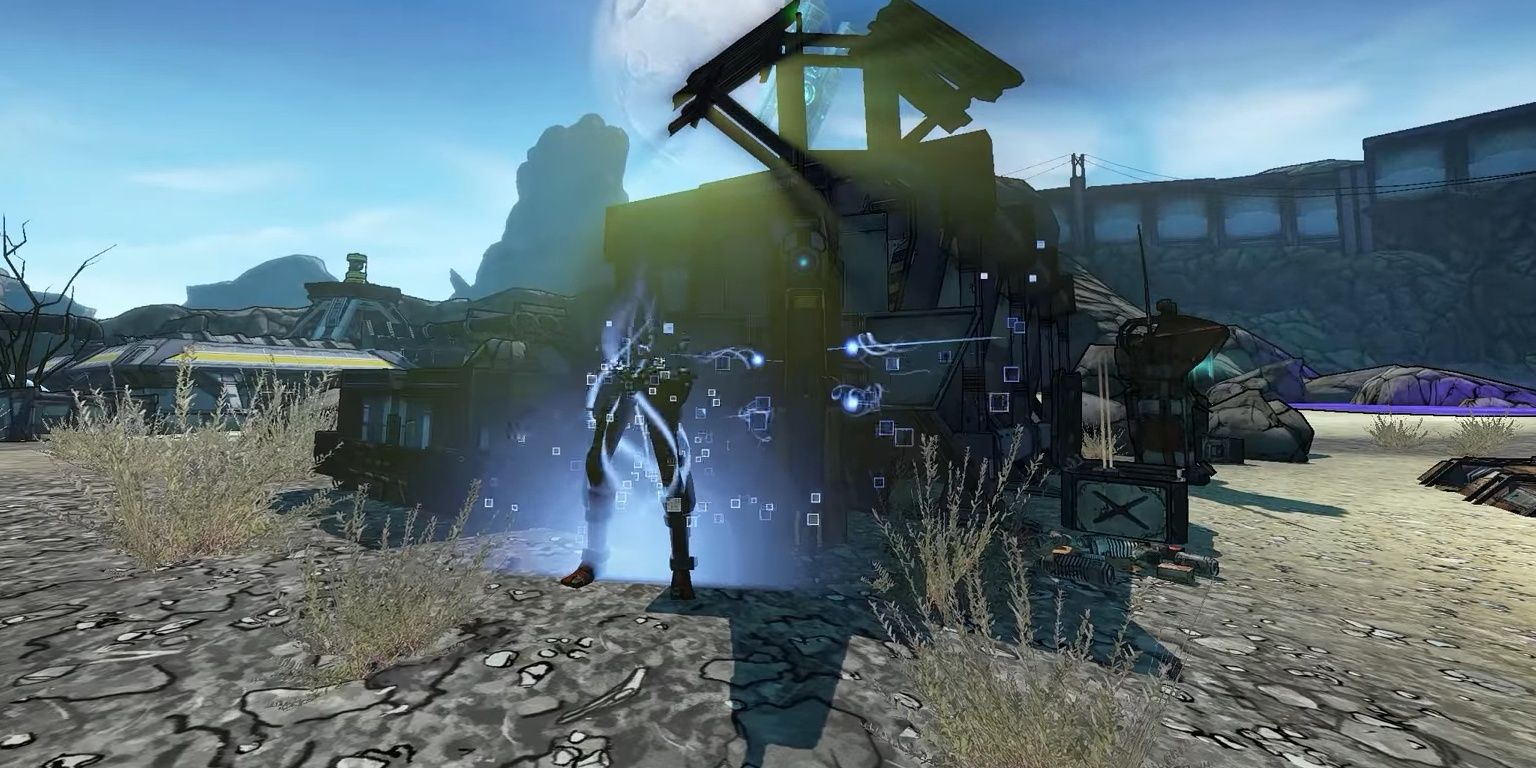
Reviving at the New-U station in Borderlands 2

In Borderlands 2, the surface of Pandora is dotted with convenient New-U stations. Whenever you’re killed, they’ll reconstruct your body for a fee.

Of course, these stations are owned by the Hyperion Corporation, which hates you and everything you stand for, even if it’s happy to take your money.

Related

Every Borderlands Game, Ranked

The popular looter shooter franchise is great despite having some weak points.

As such, whenever you’re revived, the device’s automated voice will provide a passive-aggressive comment. These include bits like, “The Hyperion corporation is sure none of that was your fault” or “thank you, please die again.”

It’s annoying, but it’s the only resurrection biz in town, unfortunately.

4 Quantum Conundrum

Think Of The Things You’ll Never Do

Game over screen in Quantum Conundrum

The protagonist of Quantum Conundrum is just a 12-year-old boy. Needless to say, he hasn’t really seen much of life yet, and if he falls, gets crushed, or dies in some other silly way while searching for his uncle, he won’t see much of anything.

This is why, when you die in Quantum Conundrum, you’re greeted with one of a long list of Things You Will Never Experience.

This includes both positive things like finding true love or getting your first chest hair and negative things like defaulting on a mortgage or wearing sweatpants for four weeks straight.

Some are more direct insults, like “not peaking at ten” and “not failing.”

3 Hades

Hypnos Is Just Trying To Help

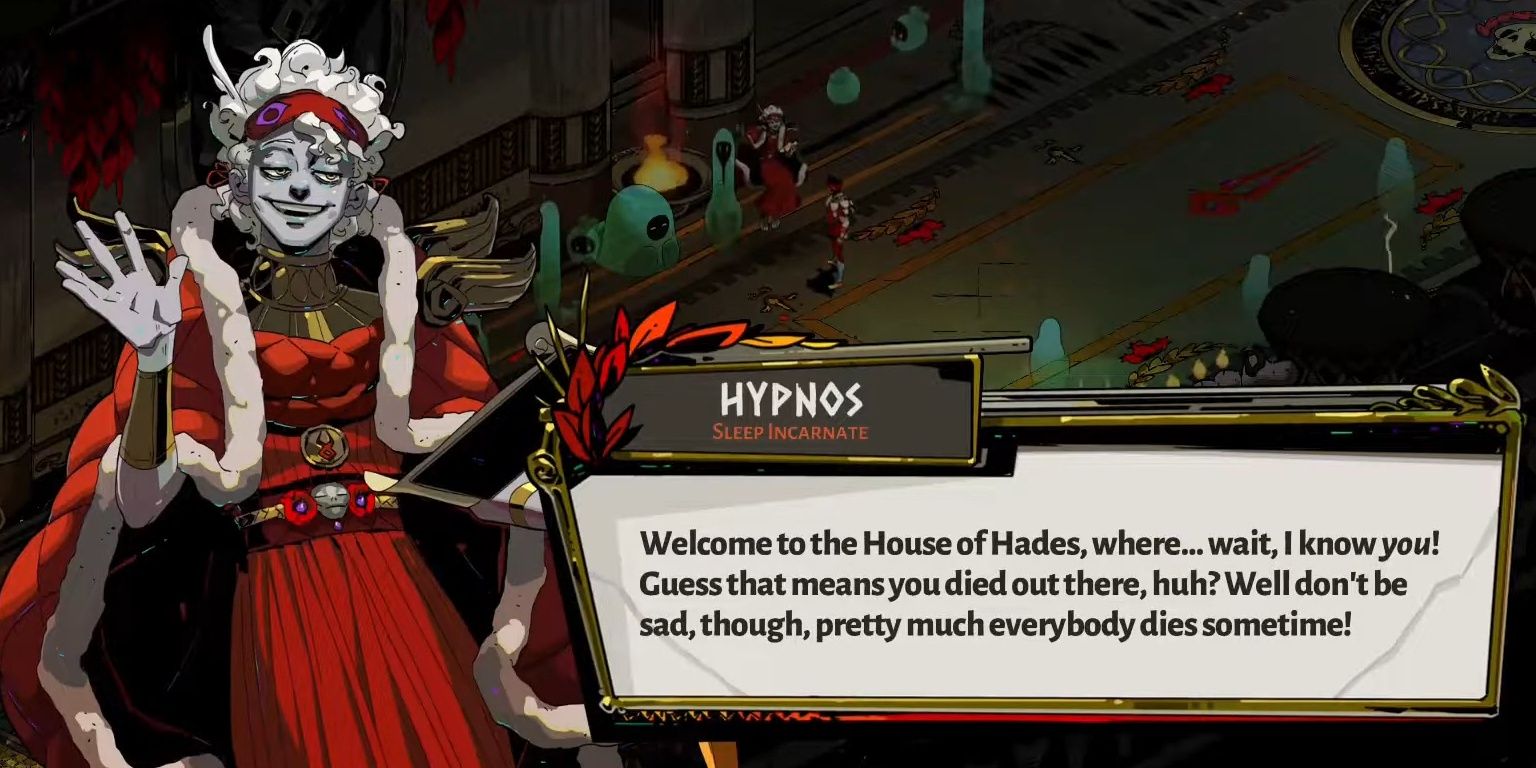
Hypnos greets Zagreus in Hades

Death is a regular part of life in the realm of Hades, including the way you ended up expiring. This is why, whenever Zagreus is killed, he’s greeted at the House of Hades by Hypnos.

Hypnos’ list tells him what killed you, and he’ll offer some half-baked advice on how not to get killed next time. He’s not trying to be passive-aggressive; he’s just really tired and overworked and doesn’t think about the things he says.

Amusingly, even after you finish the game’s story, there’s still plenty of jabs at your expense. Whenever you successfully make it to the surface, the narrator informs you that Zagreus will be unceremoniously killed in a silly way, like walking off a cliff or being run over by a chariot.

2 Cuphead

Insulted With Rhymes And Puns

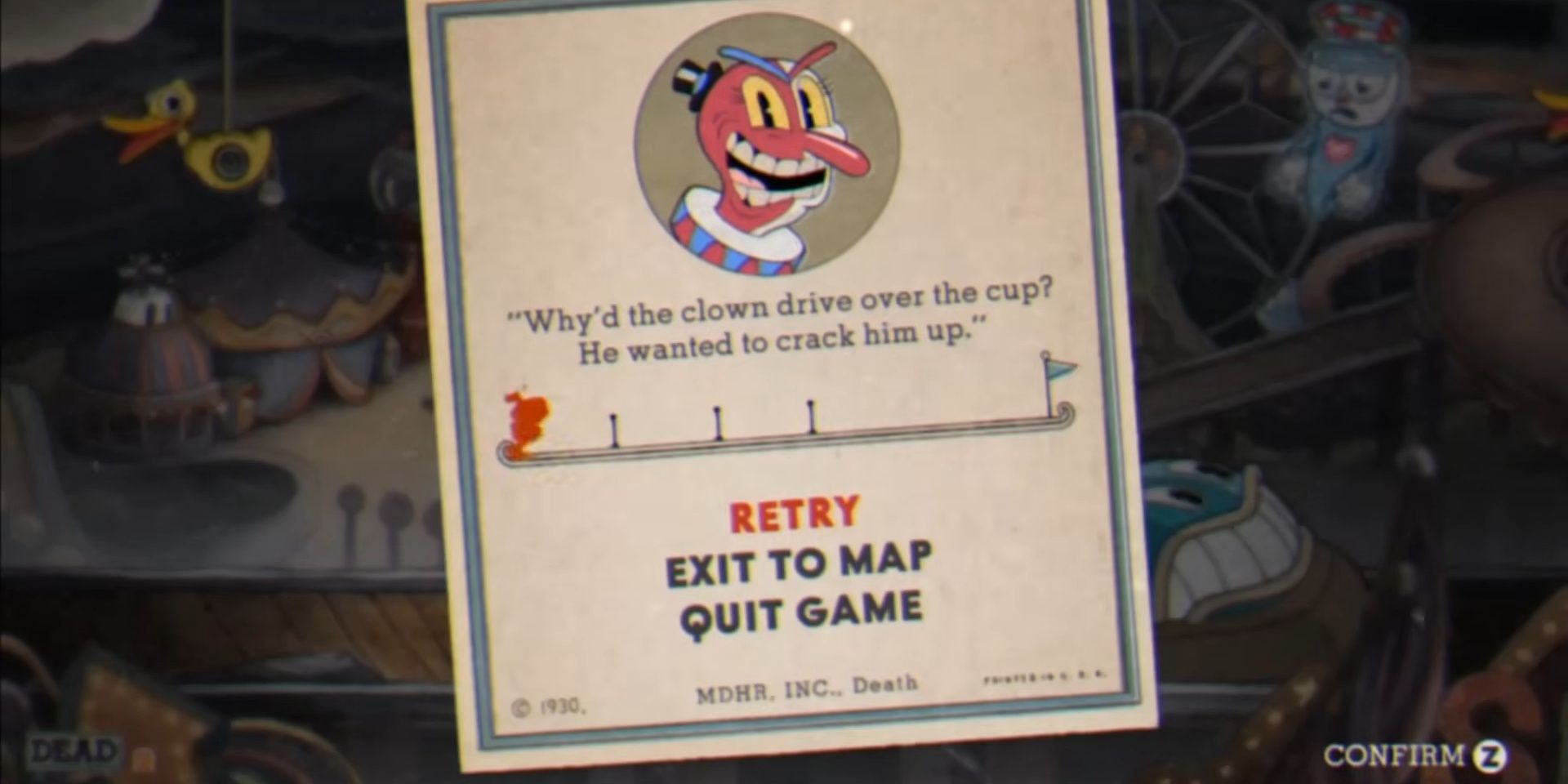
Beppi the Clown game over screen in Cuphead

The various bosses you battle in Cuphead are not fond of the porcelain brothers. It makes sense; you’re there to beat them up and claim their souls on behalf of the Devil, after all.

Whenever Cuphead, Mugman, and/or Ms. Chalice are defeated, you’ll get a splash screen of the boss making a snarky comment.

Not only do they give you a good jab for your failure, but most of these quips are rhymes and/or puns, which is extra-insulting.

As an additional layer, every boss has several of these quips available, one for each of their combat phases. Even if you make it past a phase that’s been giving you trouble, they’ve still got more insults locked and loaded.

1 Elden Ring

“Put These Foolish Ambitions To Rest”

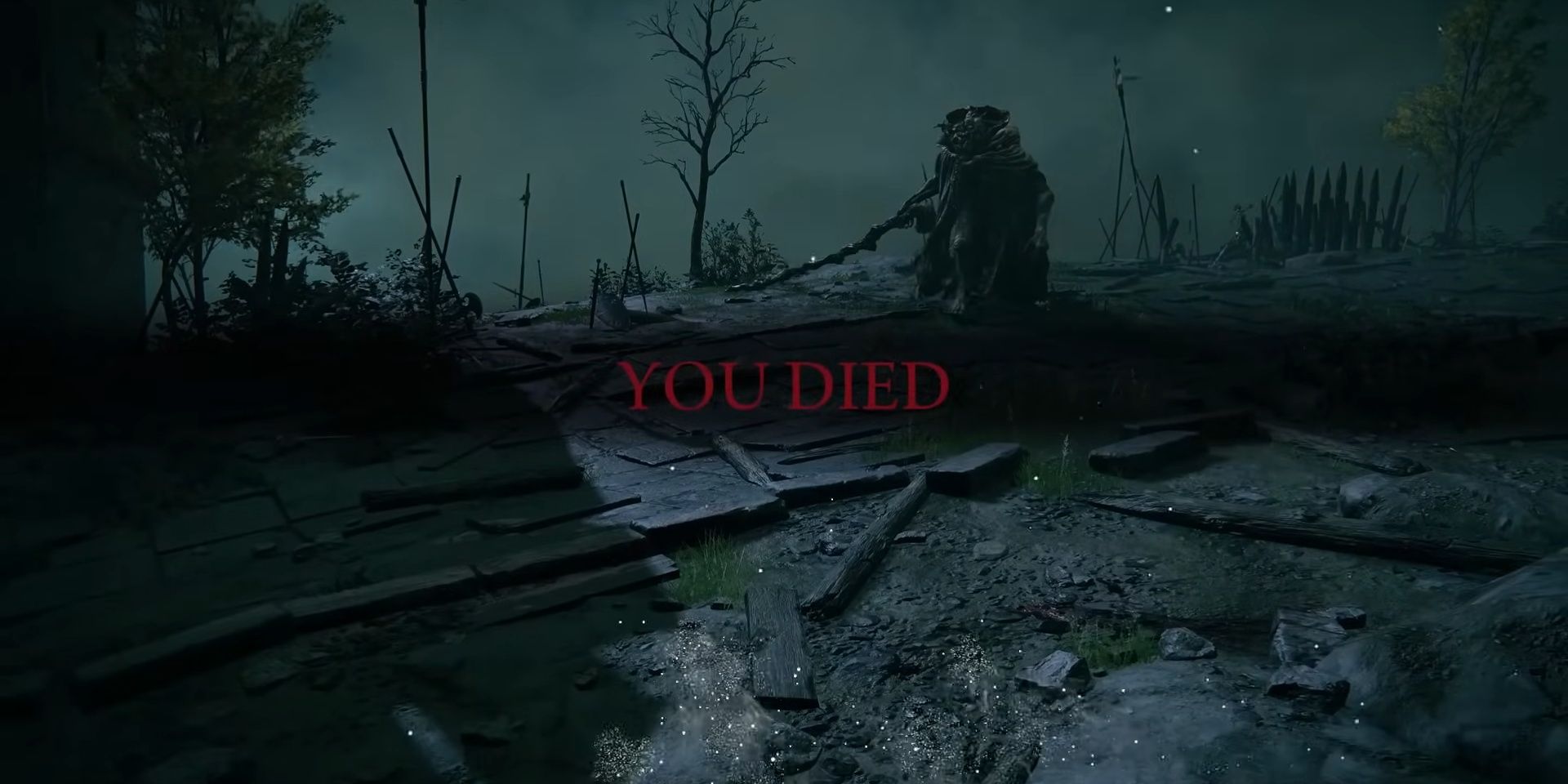
Dying to Margit in Elden Ring

The majority of residents and creatures in The Lands Between of Elden Ring are barely sapient, let alone capable of speech. As such, when you die in this game, it usually goes without comment.

The exception to this is when you die against one of the game’s major boss encounters, usually one of the Great Rune holders.

Whenever the bosses kill you, they’ll add a little jab at your expense. Godrick will tell you you’re not even fit to graft, Messmer drops a blanket insult on all Tarnished, and Melania will merely state her name and title (which has an implication that she’s way out of your league).

Next

10 Best Game Over Screens In Gaming

Even though they may be disturbing, creepy, or scary, you’ve got to admit, Game Over screens are a nice touch.


Source link

The Corrupted is the intimate TTRPG version of The Last Of Us

0
The Corrupted is the intimate TTRPG version of The Last Of Us


We tend to imagine the hardest part of surviving a zombie apocalypse would be, well, the zombies. But as properties like The Last Of Us, The Walking Dead, and Navaar Jackson’s tabletop role-playing game The Corrupted show us, it’s actually other people.

While there are other games that tackle the zombie trope, like Free League’s licensed RPG for The Walking Dead and D&D’s Domains of Dread, the scale of the problems in The Corrupted are brought down to an interpersonal level — making them arguably more devastating. An intimate game about a small group of survivors, The Corrupted uses a familiar base d20 system and adds in mechanics that highlight the difficulties of adjusting to the new normal of a post-fall world with people you don’t even know.

While there are combat mechanics for high intensity moments, the main thrust of the game is the emotional toll the apocalypse takes on this small group. Resource management heightens the survival element of The Corrupted, as food, water, and other tools like bullets are tracked over time.

The base abilities for the game include Empathy, Intellect, Judgement, Brawn, Agility, and Vitality — with nearly all of those featured during out-of-combat play. Failed rolls don’t simply prevent players from achieving their goals, they also actively cause Stress and a unique “compromised” condition which elevates the stakes of any conflict. Unresolved Stress then compiles into conflicts.

The conflict system mechanically represents tensions that arise from the literal stress and trauma of not only survival, but of existing alongside other people. Those mechanics impact how player characters relate to each other as well as themselves, providing opportunities for conflict to arise between players as the outside world throws an unending series of obstacles at them.

For those interested in seeing just how emotionally devastating this game can be, Jackson produced Ties That Bind. A slice-of-life zombie apocalypse actual play of The Corrupted, Ties That Bind features Jackson alongside award-winning actual play performers Hamnah Shahid and Josephine Kim. The stunningly edited audio AP weaves between the day to day life of three survivors as they deal with the interpersonal and ethical complications of figuring out what comes after the apocalypse, with the lives they led before the pathogen tore through the United States.


Source link

Path Of Exile 2: Best Ascendancy To Pick For Each Class

0
Path Of Exile 2: Best Ascendancy To Pick For Each Class


GameSpot may receive revenue from affiliate and advertising partnerships for sharing this content and from purchases through links.


Source link

Assassin’s Creed: Black Flag Remake Spotted Again, Includes Gameplay Tweaks

0
Assassin’s Creed: Black Flag Remake Spotted Again, Includes Gameplay Tweaks


An Assassin’s Creed: Black Flag remake has been spotted sailing the high seas of a Ubisoft game designer’s LinkedIn page, seemingly all but officially confirming that assassin/pirate Edward Kenway is returning.

MP1ST got the scoop, noticing that a Ubisoft game designer had listed Assassin’s Creed: Black Flag Remake (2024) on their profile. In a crazy twist, it’s the very same developer who also listed the Elder Scrolls 4: Oblivion remake.

Somewhat oddly, MP1ST did not include a screenshot of the Elder Scrolls remake information when they broke the story, but this time they have included a screenshot of the person’s page including both Black Flag and Oblivion.

Apparently, the developer has since wiped their profile.

According to MP1ST, the page included a few details about the Black Flag remake. First, the game is being rebuilt on Ubisoft’s upgraded Anvil Engine. This is actually the same engine the Assassin’s Creed series has used since day 1, but at this point it is heavily changed.

On top of that, the remake will allegedly feature “new systems.” Wildlife ecosystems and combat were specifically referenced.

We already knew Ubisoft is working on at least one Assassin’s Creed remake as the company’s own CEO Yves Guillemot outright confirmed it last year.

“Firstly, players can be excited about some remakes, which will allow us to revisit some of the games we’ve created in the past and modernize them; there are worlds in some of our older Assassin’s Creed games that are still extremely rich.” spouted the CEO in an open letter addressing the company’s portfolio. “Secondly, to answer your question, there will be plenty of experience variety. The goal is to have Assassin’s Creed games come out more regularly, but not for it to be the same experience every year. There are a lot of good things to come, including Assassin’s Creed Hexe, which we’ve announced, which is going to be a very different game from Assassin’s Creed Shadows. We’re going to surprise people, I think”

Insider Gaming previously reported that the Black Flag remake was scheduled for a November 2025 release, and considering writer Tom Henderson seems to have some strong sources inside the company that information was likely solid. However, they also noted at the time that Assassin’s Creed: Shadows’ delay may have changed these plans. Since then, Shadows has been delayed yet again, perhaps pushing Black Flag even further back.


Source link

21 Grams of Soul for the Amstrad CPC by Altanerus Dog

0
21 Grams of Soul for the Amstrad CPC by Altanerus Dog


Anyone who has owned an Amstrad CPC growing up would probably have come across Amsoft published titles such as Roland on the Ropes, Oh Mummy, Harrier Attack, Roland in the Caves and my personal favourite, Tombstowne. Well if you fancy playing a game that looks like it was released by Amsoft, then come and check out Altanerus Dog’s latest Amstrad CPC release of ’21 Grams of Soul’. An Arcade game in which playing as the soul of Jocob recently deceased, you must escape the psychiatric hospital Dauer!

And here’s the latest about the game. “You embody the soul of Jocob Still recently deceased, intern of the psychiatric hospital Dauer located on a small remote island. You must manage to leave the place within a maximum period of 1 hour, overcoming all obstacles, always avoiding darkness, vermin, or any black object. You can only interact with electricity, so you’ll need to operate certain switches to make it easier for officials to open doors or turn on lights. On your way, the recovery of four wandering souls is required, which will provide you with the necessary strength to arrive at the sea and find the light”.

Links :1) Source


Source link

“F**k no” – Avengers: Secret Wars’ writer on his initial reaction when asked to come back to the MCU with the Russo brothers

0
“F**k no” – Avengers: Secret Wars’ writer on his initial reaction when asked to come back to the MCU with the Russo brothers


The Russo brothers coming back to the MCU is obviously a big thing, but it turns out for them and their writing partner it wasn’t an immediate yes.


Last year, Marvel clearly made the call that it needed some familiar hands on deck to steer its slightly sinking ship. So, it brought back the Russo brothers to direct Avengers: Secret Wars and Doomsday alongside Robert Downey Jr. as a presumed alternate universe Doctor Doom. It’s a weak choice, if you ask me, and really highlights Marvel’s creative insecurity, but hey ho what’s done is done. As it turns out, though, the Russo brothers didn’t come back right away, and speaking to Empire they alongside Avengers: Endgame (and other Russo brothers projects) screenwriters Stephen McFeely and Christopher Markus explained what brought them back to the MCU.

Manage cookie settings


“Endgame was the end, and it took a little time for us to begin to think about it as something other than an end,” Anthony Russo said to Empire. “We’re very close with Kevin [Feige] and Lou [D’Esposito, Marvel Studios’ Co-President] and the entire Marvel team and we’ve had conversations through the years. We’ve talked about a lot of ideas. Really what happened was, we ended up stumbling upon an idea that activated all of us. You couldn’t see it coming until it came, and once it came it was like, ‘Well, that’s a story we need to tell.'”


McFeely wasn’t on board even after Joe thought about how Secret Wars might work as an Avengers movie, with Joe explaining, “I remember calling Steve and said, ‘Hey, crazy idea. What do you think if we all go back and do Secret Wars?’ You were like, ‘f**k no. Absolutely not.’ And then you hung up. And the next morning at 7.30 you called and were like, ‘alright, I have an idea.'”


Whether that idea pays off for audiences or not is still the big question, and considering Doomsday isn’t out until next year, and Secret Wars is out in 2027, you’ve still got a while to wait too.


Source link

Why A Major Tennis Tournament Looks Like Wii Sports On YouTube

0
Why A Major Tennis Tournament Looks Like Wii Sports On YouTube


Screenshot: Australian Open / Kotaku

The Australian Open, the first big professional tennis tournament of 2025, is happening right now in Melbourne. But depending on where you live or whether you have access to cable or not, it’s very possible that you can’t easily or freely watch matches. Don’t worry, the Australian Open has a solution and it looks a lot like a video game.

A recent trend in sport broadcasting has been the use of motion capture and AI tech to recreate a live game digitally in real time. We’ve seen Homer Simpson and the rest of his family recently play an NFL game on Disney+. Similarly, the NHL had a match featuring Bugs Bunny and other Looney Tunes stars. Many times, these gimmicks are just a way to inject some IP into a sports event and maybe bring in new or younger viewers. But, because these oddball broadcasts use digital avatars to recreate the actual sporting event, they do provide people with a real-time way to watch said event without actually showing any footage of it. And that means you don’t have to deal with pesky broadcast rights. That leads us to what’s happening in Australia.

According to tennis reporter Bastien Fachan, that’s why matches of the Australian Open are currently being streamed online in what looks like Wii Sports Tennis. (It’s not actually Wii Sports, to be clear. Just looks like it.)

The Australian Open, which began on January 6, has been broadcasting matches on its YouTube channel using digital, video game-like avatars. These digital recreations aren’t perfect—sometimes the real audio from the match doesn’t sync up, and other times I’ve spotted the virtual athletes breaking in odd ways that remind me of watching people play Kinect.

But when it works—and that’s more often than not—it provides a strange but effective way to watch a tennis match in real time on YouTube regardless of where you live or what network owns the broadcast rights. I’m not entirely sure why all the avatars have such large heads and the balls are so big, perhaps it’s to make it all seem more video-game-y and thus you won’t mind so much when stuff breaks, or maybe it’s just to make it easier to follow.

Either way, I’ve watched more tennis today than I have in a long time, so it also has the added bonus of making some non-tennis fans like me more likely to watch some of the sport.

You can find all the digital matches online here on the Australian Open’s YouTube channel under the “Live” Tab. Enjoy watching digital people play tennis, and make sure to read the comments in which random tennis fans arrive to watch a match and discover this bizarre video game simulation instead.

Image for article titled Why A Major Tennis Tournament Looks Like Wii Sports On YouTube

Screenshot: Kotaku / YouTube

Image for article titled Why A Major Tennis Tournament Looks Like Wii Sports On YouTube

Screenshot: Kotaku / YouTube

Image for article titled Why A Major Tennis Tournament Looks Like Wii Sports On YouTube

Screenshot: Kotaku / YouTube


Source link

Popular Posts

My Favorites