A new token has joined the list of token standards in the cryptocurrency world: BRC-20. Inspired by the ERC-20 token standard of the Ethereum (ETH) blockchain, BRC-20 offers a wide range of functions. Thanks to the Ordinals protocol, BRC-20 makes it possible to mint tokens on the Bitcoin (BTC) blockchain.
In this article, we will take a closer look at what the BRC-20 standard does and discuss its origins.
What is BRC-20?
BRC-20 is a token standard based on the Ordinals protocol that enables the creation of NFTs on the Bitcoin network. Although it is inspired by the ERC-20 standard, BRC-20 does not use smart contracts like ERC-20 or other Ethereum standards. Instead, BRC-20 allows users to store a script on the Bitcoin blockchain and bind tokens to individual satoshis.
Each satoshi is then assigned a unique number, turning them into non-fungible tokens similar to NFTs. These uniquely numbered satoshis are referred to as ordinals. In the BRC-20 system, ordinals replace the smart contracts found in ERC-20 and its derivatives.
What Does BRC-20 Do?
So, what exactly does BRC-20 do, and why is it important? The answer lies in the inherent security of the Bitcoin blockchain. Many blockchain experts agree that Bitcoin is the most secure network, and its track record speaks for itself—Bitcoin has never been hacked.
With its unique structure, BRC-20 paves the way for developers to create fungible tokens on the Bitcoin blockchain. Already, many BRC-20 tokens have been created, with a significant number of them being meme tokens.
How is BRC-20 Different from ERC-20?
The main difference between BRC-20 and ERC-20 is that, unlike ERC-20, the BRC-20 standard does not rely on smart contract technology. Instead, it operates based on the Bitcoin Ordinals protocol, which makes it less complex but also more limited compared to standards that utilize smart contracts.
How Did BRC-20 Come About?
The BRC-20 token standard was created and published on March 8, 2023, by a programmer using the pseudonym Domo. Initially, it was conceived as an experiment to enable the issuance of fungible tokens on Bitcoin.
The first BRC-20 token was Ordinals (ORDI), which, like BTC, has a maximum supply of 21 million. The ORDI token quickly gained popularity, achieving a market cap of over $180 million at the time of writing.
Domo, the creator of BRC-20, remains active on Twitter under the handle @domodata. As both a blockchain analyst and a key figure in the Bitcoin and BRC-20 community, Domo continues to engage with enthusiasts and developers alike.
By leveraging the robust security of the Bitcoin blockchain and the innovative Ordinals protocol, BRC-20 has opened new avenues for creating and trading fungible tokens. Whether you are a developer or an enthusiast in the cryptocurrency space, understanding BRC-20 is essential as it continues to shape the future of digital tokens.
Follow us on TWITTER (X) and be instantly informed about the latest developments…
Learn-to-earn is a business model that allows users to earn cryptocurrency rewards by learning about blockchain technology, crypto, and related topics. Inspired by the play-to-earn and move-to-earn models, this approach rewards users with digital tokens for engaging with educational content.
In play-to-earn games, players earn cryptocurrency by playing games, while move-to-earn platforms incentivize physical activity with crypto rewards. Similarly, learn-to-earn platforms reward users with cryptocurrency for completing lessons, watching videos, or reading tutorials related to the crypto industry.
Different learn-to-earn programs implement this model in various ways, but the process is generally simple:
Engage with Educational Content: Users are typically asked to watch tutorials or read informative guides.
Complete Quizzes: Short quizzes assess how much you have learned.
Earn Rewards: Based on your quiz results, you receive cryptocurrency rewards.
Platform Membership: To earn these rewards, you usually need to register on the platform or connect your cryptocurrency wallet.
This model is especially popular among platforms looking to drive traffic, such as cryptocurrency exchanges and DeFi applications. Users can immediately transact with the cryptocurrency they earn, and various crypto projects leverage this model to educate and attract new users.
The number of platforms offering learn-to-earn programs is growing every day. Among the most notable are EarnCrypto, Earnathon, and the DeFi platform Cake.
EarnCrypto
EarnCrypto is one of the fastest-growing learn-to-earn platforms. Here, users can educate themselves about cryptocurrency and blockchain technology through comprehensive text and video guides. To earn cryptocurrency, users complete various tasks such as:
Watching entertaining videos
Taking surveys
Downloading and testing crypto applications
Upon completing these tasks, users receive token and coin rewards.
Earnathon
Earnathon offers a wide range of cryptocurrency courses that cover the fast-growing blockchain and crypto industry. Its learn-to-earn model involves collaboration with cryptocurrency projects, which use the platform to educate users about their native tokens. In return, users are rewarded with these tokens, deepening their understanding of the crypto ecosystem.
Cake
As one of the leading DeFi platforms, Cake attracts users with its engaging learn-to-earn program. By completing main courses available on Cake‘s course page, users can earn cryptocurrency rewards, enhancing their knowledge while benefiting financially.
By integrating educational content with reward incentives, the learn-to-earn model not only increases user engagement but also spreads awareness about cryptocurrency and blockchain technology. Whether you’re new to the crypto space or looking to expand your knowledge, learn-to-earn platforms offer a rewarding way to learn and earn simultaneously.
You May Also Like
Follow us on TWITTER (X) and be instantly informed about the latest developments…
The concept of move-to-earn is rapidly gaining popularity, allowing users to earn cryptocurrencies simply by walking, jogging, or engaging in other physical activities. These blockchain-based applications reward users for their movements, making fitness both fun and profitable.
So, what are the best apps to make money by walking? First, let’s explore the move-to-earn concept before diving into the top apps.
What is Move-to-Earn?
Inspired by play-to-earn, the move-to-earn model refers to apps that provide crypto rewards for real-world physical activities. These platforms encourage users to engage in activities like walking and running, turning everyday movement into a source of income.
Unlike play-to-earn games, move-to-earn platforms do not require users to be online constantly. You can earn by walking without even picking up your phone, as these apps track movement using GPS and location services.
However, it’s important to note that some move-to-earn apps require an initial investment. For example, Stepn, the first major move-to-earn app launched in 2021, requires users to purchase an NFT sneaker before they can start earning cryptocurrency rewards for walking.
Would you like to explore the top move-to-earn apps? Let’s take a look at the most popular options available today! 🚀
What are the apps to make money by walking?
If you’re intrigued by the move-to-earn concept and want to start earning cryptocurrency by walking, here are some of the most popular move-to-earn apps you can explore.
1. Stepn
Launched in September 2021, Stepn is the first and largest move-to-earn app, boasting over 800,000 daily active users. To start using Stepn, users must purchase an NFT sneaker. The app rewards movement with GMT, its native token built on the Solana (SOL) blockchain.
Users can enhance their earnings by upgrading their NFT sneakers or equipping them with additional items to increase crypto rewards.
2. Step
A direct competitor to Stepn, Step offers a different approach by not requiring NFT purchases. Instead, users need to hold at least 22,000 Step tokens in their wallet to be eligible for crypto rewards. Once they meet this requirement, they can start earning by walking at least 4,000 steps per day.
3. Sweatcoin
Sweatcoin is a move-to-earn app that does not require NFTs or initial investments. Users can start earning cryptocurrency immediately after signing up.
The app syncs with your phone’s motion detectors and compatible services like Apple Health, tracking steps to reward users with Sweatcoins. These can be converted into the platform’s native token, SWEAT, or spent on exclusive deals with partnered brands.
4. Calo Run
Calo Run operates similarly to Stepn, allowing users to earn cryptocurrency by walking after purchasing an NFT sneaker. Since each NFT sneaker has a limited durability, users may need to upgrade them periodically or buy replacements.
For those who prefer not to invest in NFTs, Calo Run offers a rental system, enabling users to lease NFT sneakers instead of purchasing them.
The platform features two BNB Chain-based cryptocurrencies:
CALO – Governance token
FIT – Utility token
Users can earn crypto rewards in two modes:
Solo Mode – Walk alone to earn rewards
Team Mode – Participate in challenges with others
By choosing either mode, users can maximize their earnings while staying active.
5. Genopets
Genopets brings a gamified move-to-earn experience, similar to Pokémon GO. Instead of just walking, players capture, train, and battle NFT creatures known as Genopets.
However, unlike traditional mobile games, users must physically explore the real world to find opponents, tokens, and upgrades, making Genopets a highly interactive move-to-earn experience.
The Solana-based game features two tokens:
GENE – Governance token
KI – In-game currency
With its unique gameplay mechanics, Genopets stands out as one of the most entertaining and engaging move-to-earn projects.
You May Also Like
Follow us on TWITTER (X) and be instantly informed about the latest developments…
Published: February 11, 2025 at 6:00 pm Updated: February 11, 2025 at 7:46 am
To improve your local-language experience, sometimes we employ an auto-translation plugin. Please note auto-translation may not be accurate, so read original article for precise information.
AI crypto tokens are emerging as the next major trend, with under-the-radar projects positioning themselves for explosive growth in 2025. Among these, WallitIQ (WLTQ), SingularityNet (AGIX), LightChainAI (LCAI), and Mind of PEPE are standing out as the top AI crypto tokens, each bringing groundbreaking innovations to the crypto market.
WallitIQ (WLTQ): The Future Of AI-Driven Crypto Trading
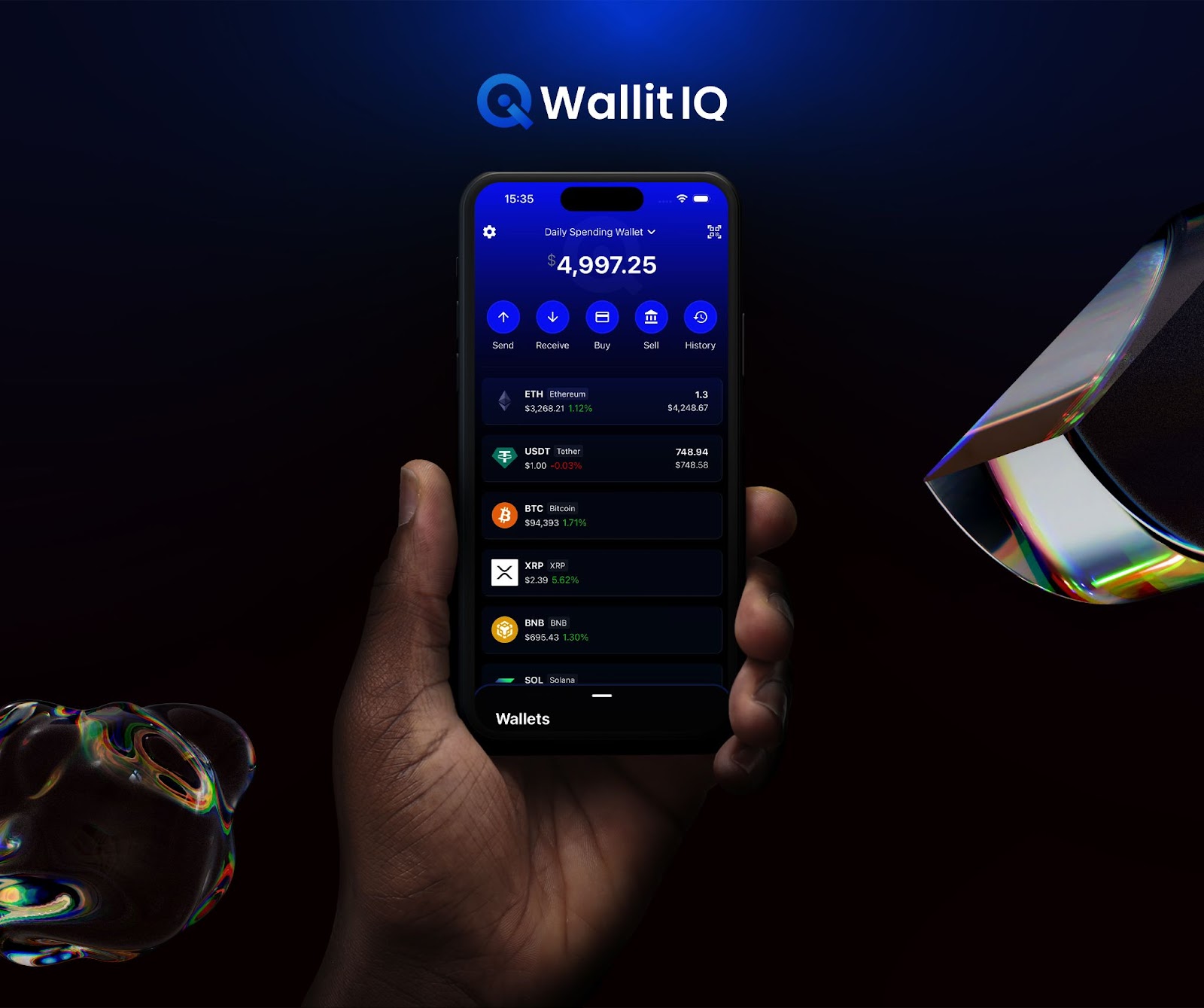
The WallitIQ (WLTQ) platform is setting a new standard in AI crypto by integrating artificial intelligence and blockchain technology to create a secure and intelligent ecosystem. The platform uses AI-driven predictive analytics to help investors maximize profits while providing ironclad security for their digital assets.
The WallitIQ (WLTQ) native AI-powered token offers immense utility, making it one of the most valuable assets in the AI crypto space. Investors can stake the tokens and enjoy an incredible 180% APY, participate in governance decisions, and enjoy discounted transaction fees. Analysts are projecting a 15,000% surge in the token’s price, making it one of the most promising cryptos of 2025.
With its CoinMarketCap listing, SolidProof smart contract audit, affirming its authenticity, and an MVP Crypto Wallet Management Mobile App, the platform is setting the gold standard in DeFi utility. The app offers real-time market insights, sentiment analysis, and biometric authentication for improved security. This innovative tool will benefit users, allowing them to simulate wallet transactions, track live prices, and manage crypto assets easily.
The token’s presale presents the ultimate chance for investors to secure life-changing gains. At an affordable price of just $0.0420, a 15,000% rally could see early investors multiplying their capital dramatically. Early investors could benefit from this AI token’s increasing value and transform a $1,000 investment today into $150,000, while a $10,000 investment could bring in $1.5 million in profits.
Time is running out to secure WallitIQ (WLTQ) tokens before the upcoming launch of its beta platform and the presale ends. With its AI-driven trading strategies, this unique AI token’s value is headed skyward; this is the moment to take action.
SingularityNet: The AI Powerhouse Of Decentralized Intelligence
SingularityNet (AGIX) is a pioneer in the AI crypto space, offering a decentralized marketplace for AI services. SingularityNet (AGIX) allows developers to monetize their AI algorithms through blockchain-based smart contracts, revolutionizing the AI economy.
The SingularityNet (AGIX) platform is attracting global interest with companies integrating its AI solutions across various industries. As AI adoption accelerates, SingularityNet’s native AGIX token is expected to skyrocket in value. Analysts predict that SingularityNet (AGIX) will be a key player in the AI-driven crypto boom of 2025.
LightChainAI (LCAI): Blockchain For Maximum Speed
LightChainAI (LCAI) is another game-changer in AI crypto, offering an ultra-fast blockchain for AI-driven applications. Traditional blockchains often struggle with scalability, but LightChainAI’s (LCAI) architecture allows near-instant transactions and unparalleled efficiency.
LightChainAI’s (LCAI) consensus mechanism amplifies security and performance, making it an attractive option for developers building next-generation decentralized applications. As the demand for AI crypto solutions grows, LightChainAI’s (LCAI) adoption is expected to skyrocket, which means LightChainAI (LCAI) will be positioned as a top-performing AI token in the coming bull run.
Mind of PEPE: AI-Powered Meme Coin With Smart Utility
Mind of PEPE combines the power of AI and meme culture, creating a unique hybrid between entertainment and utility. While many meme coins lack real-world use cases, Mind of PEPE builds on AI algorithms to improve trading strategies, detect market trends, and boost community engagement.
Mind of PEPE takes advantage of AI-powered trading bots and decentralized decision-making mechanisms. Mind of PEPE is disrupting the meme coin space. As investors seek profitable opportunities in AI crypto, Mind of PEPE’s viral appeal and cutting-edge technology make it a strong contender for exponential gains in 2025.
Conclusion: AI Crypto Is The Future, And These Tokens Are Leading The Way
The AI crypto revolution is here, and all of WallitIQ (WLTQ), SingularityNet (AGIX), LightChainAI (LCAI), and Mind of PEPE are at the forefront of this seismic shift. As AI technology continues to reshape the crypto landscape, these under-the-radar AI tokens are poised for massive growth.
However, the WallitIQ (WLTQ) token stands out as the top pick, offering investors a rare opportunity to get in early before its inevitable 15,000% surge. With its AI-driven predictive analytics, unmatched security features, and lucrative staking rewards, this token is primed to become one of the most valuable AI crypto assets in the next bull run. Now is the time to act before it’s too late.
In line with the Trust Project guidelines, please note that the information provided on this page is not intended to be and should not be interpreted as legal, tax, investment, financial, or any other form of advice. It is important to only invest what you can afford to lose and to seek independent financial advice if you have any doubts. For further information, we suggest referring to the terms and conditions as well as the help and support pages provided by the issuer or advertiser. MetaversePost is committed to accurate, unbiased reporting, but market conditions are subject to change without notice.
About The Author
Gregory, a digital nomad hailing from Poland, is not only a financial analyst but also a valuable contributor to various online magazines. With a wealth of experience in the financial industry, his insights and expertise have earned him recognition in numerous publications. Utilising his spare time effectively, Gregory is currently dedicated to writing a book about cryptocurrency and blockchain.
More articles
Gregory, a digital nomad hailing from Poland, is not only a financial analyst but also a valuable contributor to various online magazines. With a wealth of experience in the financial industry, his insights and expertise have earned him recognition in numerous publications. Utilising his spare time effectively, Gregory is currently dedicated to writing a book about cryptocurrency and blockchain.
Published: February 11, 2025 at 11:17 am Updated: February 11, 2025 at 11:17 am
by Ana
Edited and fact-checked:
February 11, 2025 at 11:17 am
To improve your local-language experience, sometimes we employ an auto-translation plugin. Please note auto-translation may not be accurate, so read original article for precise information.
In Brief
Trump’s trade war, with new tariffs, has triggered volatility in global markets and crypto, raising inflation risks. This protectionism could drive economic contraction, with potential recessions in key economies, including the U.S.
Over the last few months, the crypto industry has been celebrating an evident pro-crypto shift in the U.S. regulatory space. The optimism is well founded – the SEC has already vowed to lower crypto enforcements, and earlier last month, White House released its crypto executive order to establish regulatory clarity.
Under Trump’s terms, the Securities Exchange Commission has also implemented SAB 122, which is said to pave the way for crypto adoption. There’s also a strong push towards a Bitcoin reserve – not just in the U.S. but globally.
Despite this optimism, the past week has made it abundantly clear that crypto is now more vulnerable to macroeconomic factors than ever before. On the day that President Trump announced tariffs on China, Canada, and Mexico, the crypto market lost $2 billion according to Coinglass data.
Some experts indicate that original liquidations exceeded $10 billion – far worse than the liquidations during the FTX fallout. Factors including “buy the rumour, sell the news,” might have been at play for the crypto market according to the Nansen report.
At the moment, there is a brief pause on the tariff implementation, as Trump has agreed to postpone Canada and Mexico tariffs by a month. If implemented, these tariffs may heighten the risk of inflation.
Tariffs as a Catalyst for Economic Contraction
Tariffs function as a tax on imported goods. Their intended purpose is to protect domestic industries by making foreign products relatively more expensive. However, this protectionism comes at a cost. When tariffs drive up the prices of goods, consumers tend to reduce their spending.
Consumer spending drives approximately 68% of the U.S. GDP, so any sustained reduction in consumption can push overall economic activity below the threshold necessary to avoid a recession.
Also, employment on all sides would take a big hit. The 25% tariffs discussed could result in a 0.25% job loss in the U.S. The impact would be much bigger for the other sides, with both Canada and Mexico projected to see up to 3% job losses.
The imposition of these tariffs could have severe spillover effects. Deutsche Bank analysts have also argued that sustained tariffs against Canada and Mexico—two of the United States’ largest trading partners—will be “far larger in economic magnitude” than the repercussions of Brexit on the United Kingdom.
The Trade War Escalation and Its Broader Impact
Many stakeholders anticipated that these moves would hurt international trade flows, increase production costs, and drive up prices across the board. As domestic and international companies scramble to adjust supply chains, the uncertainty that accompanies such policy shifts can further depress economic activity.
Last week, crypto markets witnessed the volatility induced by these policies. When Trump agreed to postpone Canada and Mexico tariffs by a month, Bitcoin’s price recovered from $92,000 to over $100,000.
However, the relief was short-lived when China retaliated with its own set of tariffs, and the cryptocurrency’s price retracted to around $96,000 within hours. This rapid on-off dynamic highlights how sensitive markets have become to tariff-related news.
Inflation Risks and Federal Reserve Dilemma
Federal Reserve officials have also voiced concerns about the inflationary potential of large-scale tariffs. While they have stopped short of explicitly linking these policies to their forthcoming monetary policy decisions, the warnings are significant.
Earlier Chicago Fed President Austan Goolsbee voiced out a number of supply chain threats regarding the implementation of tariffs. Tariffs raise import costs, and as these costs are passed on to consumers, inflation then accelerates.
This scenario is worrisome, given that inflation erodes real incomes and can exacerbate recessionary pressures by reducing overall consumer spending. The Fed’s dilemma is acute.
On one hand, the central bank seeks to control inflation by tightening monetary policy.
However, an overly aggressive stance on interest rates could compound the negative effects of tariff-induced economic slowdowns.
Gold Remains the Primary Safe-Haven Asset
Amid these trade tensions, Bitcoin has held up relatively well compared to altcoins. It has acted as a safe haven asset in the crypto space while altcoins have seen dramatic declines. According to data from The Kobeissi Letter, gold reached an all-time high on February 3.
The rally in gold prices reflects investors’ instinct to seek refuge amid heightened market volatility and inflationary pressures. The dynamics behind this shift are rather simple. As tariffs push up consumer prices and undermine global trade, investors have become wary of the long-term economic outlook.
With the risk of recession and the possibility of further monetary tightening, gold’s relative stability makes it an attractive asset.
Conclusion
The coming weeks will prove decisive. If the U.S. continues down this path of aggressive tariff imposition without achieving meaningful trade concessions, we may very well see heightened inflation and sustained market volatility.
At the same time, we could anticipate the onset of recession in key partner economies. Policymakers—and investors alike—must recognize that the costs of trade protectionism extend far beyond the immediate sphere of international commerce.
Ultimately, while some may argue that these tariffs could eventually force a renegotiation of trade terms, the evidence suggests that the risk of recession—and the attendant damage to consumer confidence and global liquidity—is too great to ignore.
Disclaimer
In line with the Trust Project guidelines, please note that the information provided on this page is not intended to be and should not be interpreted as legal, tax, investment, financial, or any other form of advice. It is important to only invest what you can afford to lose and to seek independent financial advice if you have any doubts. For further information, we suggest referring to the terms and conditions as well as the help and support pages provided by the issuer or advertiser. MetaversePost is committed to accurate, unbiased reporting, but market conditions are subject to change without notice.
About The Author
Agne is a seasoned executive and Head of Growth at WeFi, specializing in crypto, DeFi, and fintech strategy. With over seven years in the crypto industry and a decade in consulting, she brings deep expertise in blockchain ecosystems, exchanges, DeFi protocols, and regulations. Her strategic approach combines investment analysis, risk assessment, and business development to drive sustainable growth. Agne is also an active contributor to the Web3 community, regularly speaking at global conferences like Devcon, ETH Denver, and Ethereum Rio, leveraging her vast network to shape the future of decentralized finance.
More articles
Agne is a seasoned executive and Head of Growth at WeFi, specializing in crypto, DeFi, and fintech strategy. With over seven years in the crypto industry and a decade in consulting, she brings deep expertise in blockchain ecosystems, exchanges, DeFi protocols, and regulations. Her strategic approach combines investment analysis, risk assessment, and business development to drive sustainable growth. Agne is also an active contributor to the Web3 community, regularly speaking at global conferences like Devcon, ETH Denver, and Ethereum Rio, leveraging her vast network to shape the future of decentralized finance.
The blockchain-based play-to-earn (P2E) model has revolutionized the gaming industry, transforming it from a one-sided economy—where only game companies profited—to a more inclusive system where players can earn cryptocurrency while playing.
Before P2E, players had to pay to own games and often faced pay-to-win (P2W) mechanics, where those who spent more money gained a competitive advantage. The emergence of Bitcoin (BTC) in 2009 and the Ethereum (ETH) blockchain in 2015 paved the way for decentralized applications (dApps) and NFT-based games, leading to the rise of play-to-earn gaming.
In this list, we explore the top 15 play-to-earn projects to follow in 2025.
What is Play-to-Earn (P2E)?
Play-to-earn (P2E) refers to a gaming model where players can earn cryptocurrency rewards while playing blockchain-based games. Typically, players make an initial investment by purchasing NFT assets, which they then use to complete in-game challenges. These challenges reward them with crypto tokens or NFTs, which can later be traded or sold for real-world value.
Top 15 Play-to-Earn Games in 2025
1.Bomb Crypto
The GameFi sector continues to expand, with new blockchain-based games entering the market. Here are the best P2E games that you should follow in 2025:
Bomb Crypto is a play-to-earn (P2E) game built on the BNB Chain (BNB). In this action-packed blockchain game, players control a team of cyborg bombers, programmed to search for BCOIN tokens while battling various monsters along the way.
As players progress, they can collect and earn BCOIN tokens, which can later be converted into fiat currency, making Bomb Crypto not only an engaging game but also a potential source of real-world income.
With its exciting gameplay mechanics and blockchain integration, Bomb Crypto remains one of the notable GameFi projects in the BNB Chain ecosystem. 🚀
2.Splinterlands
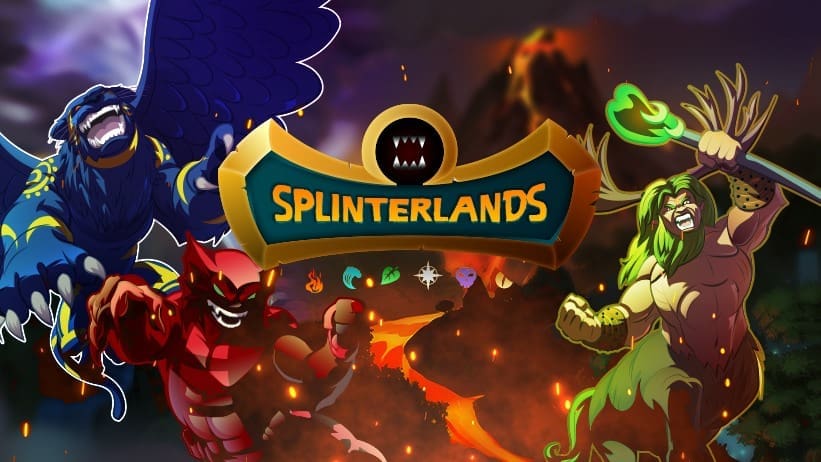
Splinterlands is a play-to-earn (P2E) card game that follows in the footsteps of popular titles like Gwent and Hearthstone. Built on blockchain technology, Splinterlands allows players to construct custom decks from a pool of 500+ NFT-based cards and compete in strategic battles.
Players who win challenges are rewarded with SPS tokens, the platform’s native cryptocurrency. Additionally, Splinterlands NFTs can be bought, sold, and traded, offering players multiple ways to earn.
Beyond gameplay, SPS tokens also serve as governance tokens, enabling holders to participate in decision-making processes within the Splinterlands ecosystem.
With its engaging strategy mechanics and reward-based system, Splinterlands remains one of the most successful blockchain card games in the GameFi space. 🚀
3.Upland
Upland is a blockchain-based real estate trading game where players can buy, sell, and trade virtual properties mapped to real-world locations. As an Upland player, you can own digital property in your favorite city, such as Istanbul, and build your own online real estate empire.
Beyond property ownership, players can also act as collectors and traders, earning income from their in-game ventures. The platform operates using the UPX token, which is built on the EOS blockchain. While UPX tokens cannot be directly converted into fiat currency, players can still generate real-world income by selling their NFT-based properties for US dollars.
With its innovative approach to virtual real estate and metaverse economy, Upland remains one of the most promising play-to-earn (P2E) games in the GameFi sector. 🚀
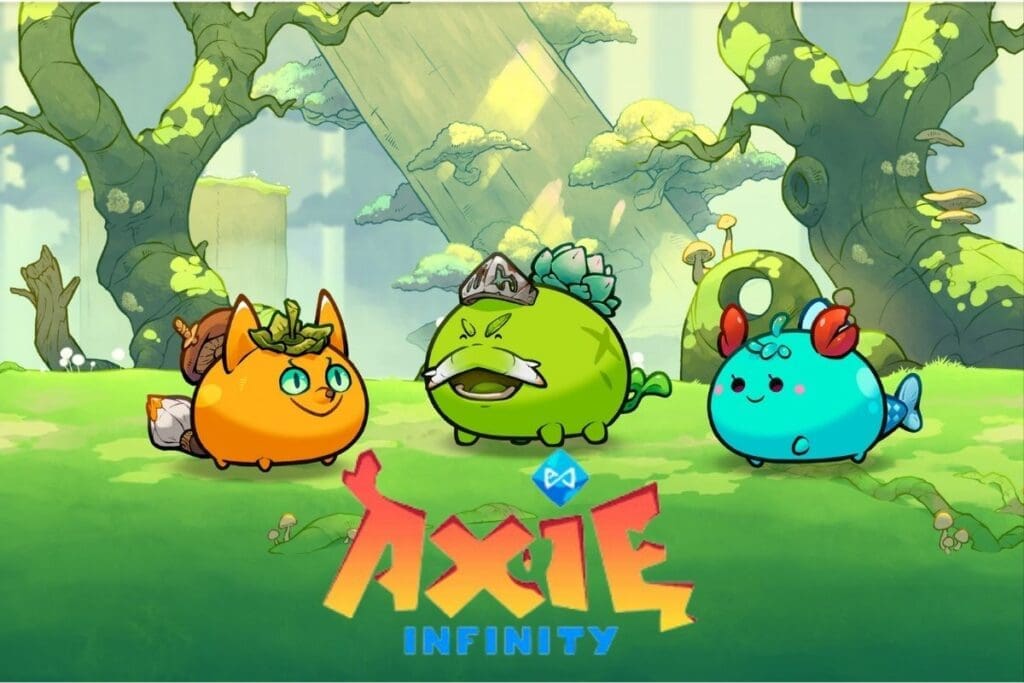
Axie Infinity (AXS) is one of the first and most influential play-to-earn (P2E) games, drawing inspiration from Pokémon. In this blockchain-based game, players collect, evolve, and battle with adorable NFT creatures called Axies.
Winning battles and completing challenges rewards players with Smooth Love Potion (SLP) tokens, which can be traded or sold. Additionally, players can earn income by selling their Axie NFTs on the marketplace.
Axie Infinity operates on a dual-token system:
SLP token: Used as the in-game currency and earned through battles.
AXS token: The governance token, allowing holders to participate in decision-making for the platform’s development.
With its strong community, NFT marketplace, and P2E mechanics, Axie Infinity remains one of the most successful blockchain games in the GameFi ecosystem. 🚀
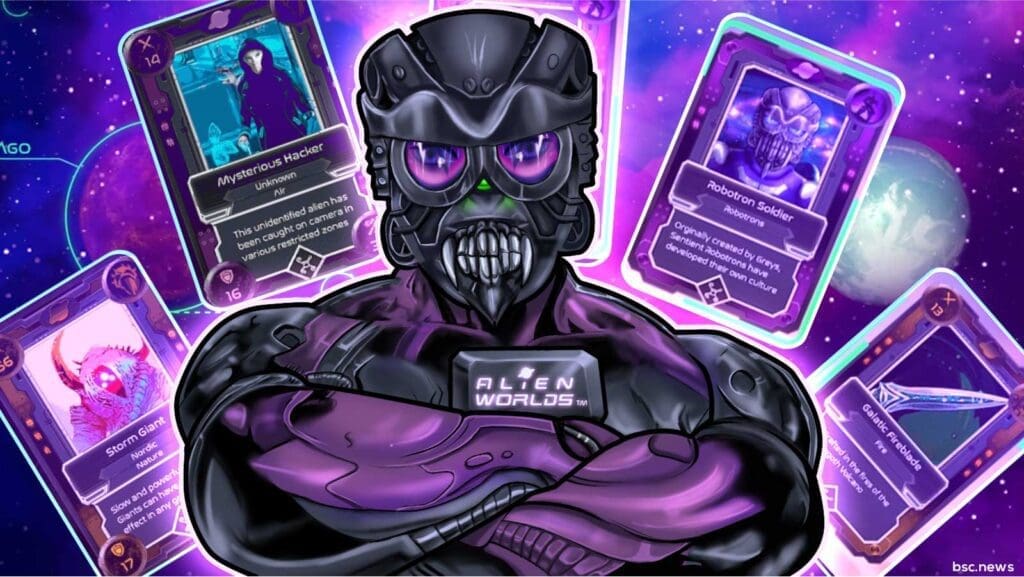
Alien Worlds (TLM) is one of the most popular NFT-based play-to-earn (P2E) games, offering players a space-themed metaverse experience. In Alien Worlds, players mine Trillium (TLM) tokens on various planets using NFT-based mining tools.
The amount of TLM tokens or NFTs a player earns depends on the quality of their mining equipment. These rewards can then be sold, traded, or used in-game. Players can also complete tasks and missions to earn additional TLM tokens or exclusive NFTs.
What makes Alien Worlds unique is its decentralized governance system (DAO), where users manage planets by staking TLM tokens. This governance model allows players to influence the game’s economy and decision-making. Additionally, TLM tokens can be converted into fiat money, making Alien Worlds a profitable and engaging GameFi project. 🚀
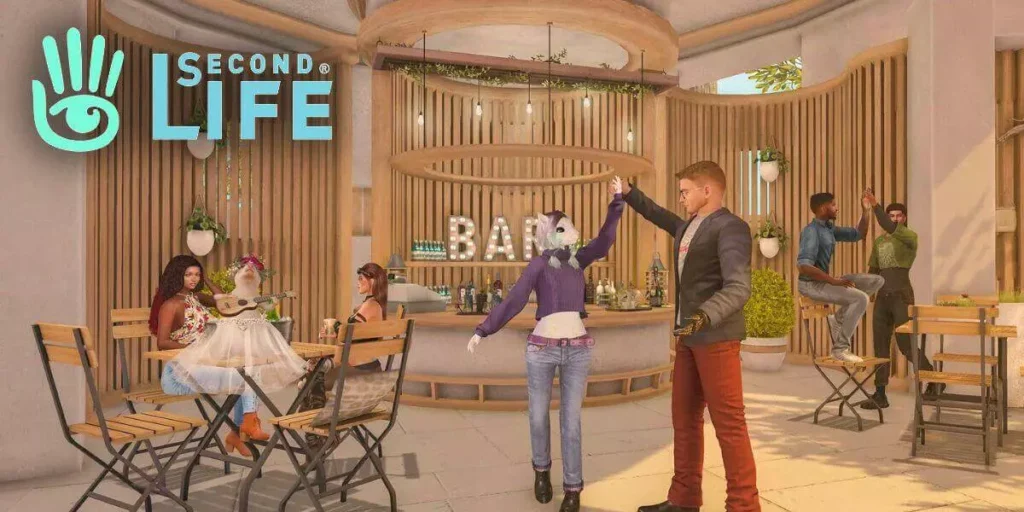
Second Life is a three-dimensional virtual world where every avatar represents a real person, and the entire environment is shaped by its inhabitants. Unlike traditional games, Second Life offers an immersive digital society with endless opportunities, similar to the real world.
Players, known as residents, can explore and engage in various virtual experiences, including:
Music clubs and concerts
Role-playing communities
Cinemas, art galleries, and theaters
Virtual real estate and businesses
Earning in Second Life
As one of the most established metaverse projects, Second Life provides numerous ways to generate income:
Creating and selling NFT-based assets (clothing, accessories, or virtual real estate)
Building and monetizing entertainment venues (cinemas, theme parks, or event spaces)
Offering services (graphic design, programming, or event planning)
Trading virtual land and in-game assets
With its player-driven economy, Second Life continues to be a pioneering metaverse platform, allowing users to monetize their creativity in a virtual economy that mirrors the real world. 🚀
Decentraland (MANA) is one of the top play-to-earn (P2E) metaverse platforms, offering a fully decentralized virtual world where players can buy, sell, and develop land in the form of NFTs.
How Decentraland Works
On Decentraland, players can:
Purchase virtual land (LAND) as NFTs and develop custom structures.
Create interactive experiences, games, and events.
Monetize their LAND by selling NFT assets or charging entry fees for events.
All transactions on the platform are conducted using MANA, an ERC-20-based token and one of the most popular play-to-earn cryptocurrencies.
Growing Popularity and Corporate Adoption
Since its launch in 2017, Decentraland has attracted a large and continuously growing user base. The platform has also gained the attention of major global brands, including Atari, which has built virtual spaces and gaming experiences within the Decentraland metaverse.
With its expanding ecosystem, NFT marketplace, and play-to-earn mechanics, Decentraland remains a pioneering force in the GameFi and metaverse sectors. 🚀
Illuvium is an Ethereum (ETH)-based play-to-earn (P2E) game that has quickly become one of the fastest-growing blockchain games. As an open-world role-playing game (RPG), Illuvium is considered the first AAA-quality blockchain game, setting new standards in GameFi.
Gameplay and Earning Opportunities
In Illuvium, players explore a vast open-world environment, capturing and training NFT creatures called Illuvials. Players can:
Compete in battles and tournaments to earn NFT rewards.
Stake or sell their assets in the in-game marketplace.
Trade NFTs and digital assets for cryptocurrency.
With high-quality graphics, immersive gameplay, and blockchain integration, Illuvium stands out as one of the most promising P2E blockchain games, attracting both gamers and crypto investors. 🚀
Yield Guild Games (YGG) is a decentralized autonomous organization (DAO) that focuses on investing in NFTs for play-to-earn (P2E) games, helping to create a thriving metaverse economy. Unlike traditional P2E projects, YGG serves as a community-driven platform that connects gamers, investors, and blockchain enthusiasts.
How Yield Guild Games Works
YGG DAO is an open-source protocol governed by smart contracts, ensuring transparent and automated asset management.
The ecosystem includes SubDAOs, each managing assets for a specific play-to-earn game.
Players can borrow, trade, or sell NFTs to maximize their earnings.
Earning Opportunities in YGG
Through Yield Guild Games, users can:
Earn passive income by renting or selling NFT assets.
Participate in P2E games while benefiting from community support.
Engage in a global network of players competing for in-game rewards.
As one of the most innovative DAO-driven gaming guilds, YGG continues to shape the future of GameFi, offering financial opportunities for players in the metaverse economy. 🚀
DeFi Kingdoms is a play-to-earn (P2E) game that seamlessly integrates GameFi with decentralized finance (DeFi). Unlike most P2E projects, DeFi Kingdoms offers a complete DeFi ecosystem, featuring:
A decentralized exchange (DEX) for token swaps.
Liquidity pool (LP) opportunities for earning passive income.
An NFT marketplace where players can trade in-game assets.
Gameplay and Earning Opportunities
In DeFi Kingdoms, players use programmable NFT Heroes to:
Complete various missions and quests to earn rewards.
Stake and farm tokens to grow their in-game economy.
Buy, sell, and trade in-game assets for cryptocurrency.
With its unique combination of DeFi mechanics and blockchain gaming, DeFi Kingdoms stands out as one of the best play-to-earn projects to follow in 2025, offering both financial incentives and an engaging gameplay experience. 🚀
11.Silks
Silks is a play-to-earn (P2E) game that merges horse racing with the metaverse, creating a unique blockchain gaming experience. Unlike traditional P2E games, Silks acts as a bridge between reality and the digital world, integrating real-world horse racing data with NFT ownership.
When a real-life horse linked to a Silks NFT wins a race, the owner is rewarded with $STT tokens, the game’s native cryptocurrency.
Earning and Racing in Silks
Players can:
Buy, trade, and own virtual horses as NFTs
Race their Silks horses against others on digital racetracks
Earn $STT rewards based on real-world horse racing results
As one of the fastest-growing play-to-earn games of 2025, Silks is revolutionizing the metaverse gaming space by introducing real-world sports dynamics into blockchain gaming. 🚀
Axie Infinity (AXS) is one of the oldest and most influential blockchain games, yet it remains one of the most popular play-to-earn (P2E) titles. With a continuously growing player base, Axie Infinity has solidified its place as a leading GameFi project.
How Axie Infinity Works
Inspired by Pokémon and Tamagotchi, Axie Infinity allows players to:
Collect, evolve, and battle Axies, which are NFT-based creatures.
Earn cryptocurrency rewards by participating in battles and challenges.
Trade Axie NFTs on the marketplace for AXS or SLP tokens.
AXS and SLP: Dual-Token Model
AXS token: Used for governance and staking, making it one of the most valuable gaming tokens.
SLP token: Earned through battles and used as the in-game currency.
Since its launch in 2018, Axie Infinity has built a massive community and remains a dominant force in blockchain gaming. As one of the most successful P2E projects, it continues to shape the future of GameFi and NFT-based gaming. 🚀
13.The Sandbox
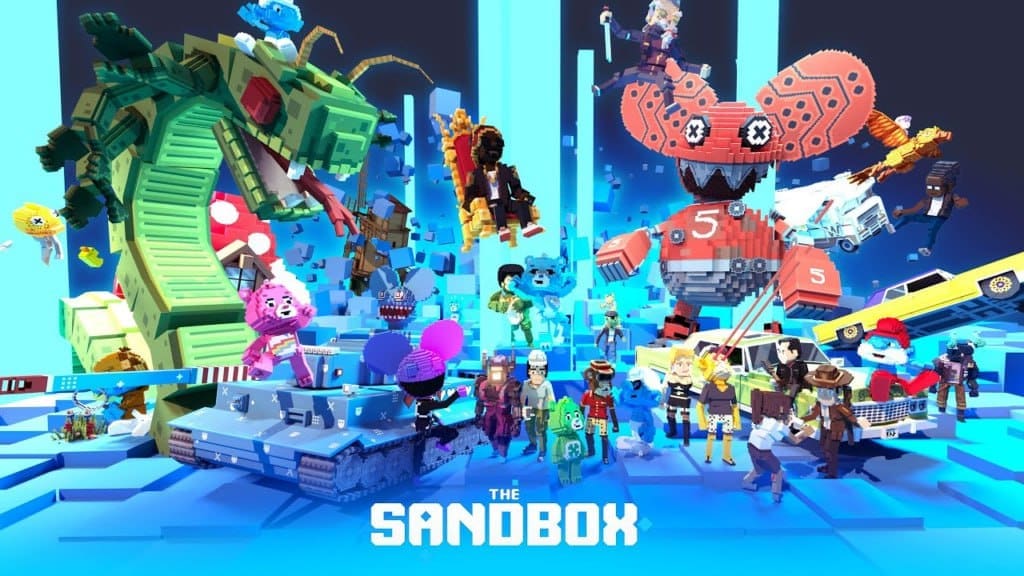
Just like Axie Infinity, The Sandbox (SAND) is one of the most established play-to-earn (P2E) games and a pioneering metaverse platform. Developed by Pixowl, The Sandbox allows players to buy, sell, and develop virtual land as NFTs, creating an interactive and customizable digital world.
How The Sandbox Works
Players can:
Purchase and trade LAND NFTs, which represent virtual real estate.
Create and monetize content, games, and experiences within their land.
Earn cryptocurrency income by selling assets or charging participation fees.
The SAND Token
The SAND token is the native cryptocurrency of The Sandbox and one of the most valuable metaverse tokens. It is used for:
Buying and selling virtual land and in-game assets.
Governance participation and staking rewards.
Facilitating transactions within the platform.
With its strong community, NFT-based economy, and expansive digital world, The Sandbox continues to be a major player in the GameFi and metaverse sectors. 🚀
14.Splinterlands
Splinterlands is one of the most popular NFT-based card games, first launched in 2021. As a play-to-earn (P2E) strategy game, it allows players to build custom decks, compete in battles, and earn cryptocurrency rewards.
How Splinterlands Works
Each NFT card represents a unique warrior with special attributes.
Players create strategic decks to challenge opponents.
The winner of each battle is rewarded with cryptocurrency.
Why Splinterlands is a Must-Follow in 2025
One of the top play-to-earn card games in the GameFi ecosystem.
Players can trade and sell NFT cards in the marketplace.
Growing community and continuous game development.
With its engaging gameplay, blockchain integration, and strong player base, Splinterlands remains a leading P2E project to watch in 2025. 🚀
15.Lucky Block
Lucky Block is one of the top play-to-earn (P2E) blockchain games, operating on the BNB Chain (BNB). Unlike traditional P2E games, Lucky Block focuses on a lottery-style reward system, giving players a chance to win a daily jackpot.
How Lucky Block Works
Players can purchase daily raffle tickets for around $5.
Winners receive their rewards in LBLOCK, the game’s native token.
Lucky Block NFT holders gain exclusive entry into separate daily prize draws, doubling their chances of winning.
Key Features of Lucky Block
Daily jackpot draws with cryptocurrency payouts.
A variety of prize draws for digital and physical items.
Strong GameFi ecosystem, with potential expansions into DeFi and NFT rewards.
As one of the most innovative play-to-earn projects, Lucky Block continues to be a must-follow game in the blockchain lottery and P2E space. 🚀
You May Also Like
Follow us on TWITTER (X) and be instantly informed about the latest developments…
Blockchain-based metaverse games have gained immense popularity in recent years, with Decentraland (MANA) being one of the most well-known platforms. Like many metaverse games, Decentraland follows a play-to-earn (P2E) model, allowing players to generate income while engaging with the virtual world.
The most common way to make money in Decentraland is by buying and selling NFT land and items. However, there are several lesser-known ways to earn MANA tokens and build wealth within the Decentraland metaverse.
In this guide, we’ll briefly introduce Decentraland and then explore five unique ways to make money while playing the game.
What is Decentraland?
Decentraland (MANA) is a blockchain-based metaverse running on the Ethereum (ETH) blockchain. It is a virtual world where thousands of users can interact, explore, and create content. The platform consists of 90,601 parcels of land, known as LAND, which can be bought, sold, and traded as NFTs. All LAND transactions are conducted using Decentraland’s native ERC-20 token, MANA.
Players can use their LAND to build structures, games, and experiences, which can then be monetized in various ways.
5 Ways to Make Money in Decentraland
Many blockchain-based metaverse games provide different ways to earn income, and Decentraland (MANA) is no exception. While the most obvious method is selling NFTs, there are several alternative ways to make money on this platform.
Below, we have compiled five unique ways to earn MANA tokens by playing Decentraland.
1. Become a Casino Host
As a metaverse platform, Decentraland (MANA) offers users the opportunity to create an alternate life in its digital world. One of the most interesting jobs in Decentraland is working as a casino host.
Within Decentraland, there is a virtual casino called Decentral Games, where players can gamble using cryptocurrencies. The casino employs real users as hosts, and you can be one of them. Your responsibilities as a casino host include:
Interacting with casino players
Assisting new users
Managing Decentral Games’ Telegram group
Hosting at a Decentral Games casino can generate hundreds or even thousands of dollars per month. However, this job requires commitment and regular engagement, much like a real-world job.
2. Invest in a Casino
Another profitable yet lesser-known method of making money in Decentraland is becoming a casino investor.
In Decentraland casinos, assets such as blackjack, roulette, and poker tables are sold as NFTs. By purchasing one of these gaming tables, you own a share of the casino and earn a 30% commission on the revenue generated from that table.
This form of passive income allows you to earn money without actively working, making it a great option for long-term investors.
3. Become a Fashion Designer
If you have 3D design skills, you can become a decentralized fashion designer in Decentraland.
On metaverse platforms, users customize their avatars with NFT-based clothing and accessories. As a fashion designer, you can create and sell wearable NFTs such as:
Clothing items
Shoes and accessories
Costumes and special designs
These NFT outfits can be sold in Decentraland’s NFT marketplace for MANA tokens. However, keep in mind that minting NFTs on the Ethereum blockchain comes with gas fees, which can be expensive.
4. Organize Events for Profit
One of the most lucrative ways to earn MANA in Decentraland is by hosting metaverse events.
Many virtual events take place on Decentraland’s LAND parcels, including concerts, gaming competitions, and treasure hunts. You can monetize these events by charging entry fees.
For example, if you host a treasure hunt event with an entry fee of $10 and 200 players participate, the total revenue would be $2,000. Typically, 30% of the revenue goes to the event organizer, while the remaining 70% is distributed as prizes to the winners.
This method can be highly profitable, especially if you create engaging and well-promoted events.
5. Work as a Freelancer in the Metaverse
If you’re a freelancer, Decentraland offers plenty of opportunities to find decentralized jobs.
For example, if a user wants to host an exhibition on their LAND, they might hire a graphic designer to create promotional materials. Other freelance job opportunities in Decentraland include:
3D modeling and asset creation
Graphic design for advertisements
Event planning and promotion
Marketing and social media management
You can easily find Decentraland-related freelance jobs by joining Discord servers and Telegram groups dedicated to the platform.
The Decentraland metaverse provides numerous opportunities for players to earn MANA tokens and create a sustainable digital income. While buying and selling NFT LAND is the most well-known method, there are several alternative ways to monetize your time on the platform.
Whether you choose to become a casino host, invest in a casino, design NFTs, organize events, or work as a freelancer, Decentraland offers a diverse range of income streams for users looking to profit from the metaverse economy.
As the GameFi industry continues to expand, Decentraland (MANA) remains one of the leading platforms in the blockchain gaming ecosystem. If you’re looking for a way to earn money while exploring a virtual world, Decentraland might be the perfect place to start! 🚀
You May Also Like
Follow us on TWITTER (X) and be instantly informed about the latest developments…
One of the most talked-about topics in the blockchain and cryptocurrency industry today is GameFi. This revolutionary concept merges decentralized finance (DeFi) with the gaming industry, allowing not only game developers but also players to earn income from games.
In this article, we’ll explore what GameFi is, how the play-to-earn model works, and highlight some of the best gaming coins in the industry.
What is GameFi?
In its simplest form, GameFi refers to blockchain-based games built on a play-to-earn model. Unlike traditional gaming, where only developers and companies profit, GameFi enables players to earn cryptocurrencies while playing.
Additionally, many GameFi platforms integrate NFT technology, allowing players to own in-game assets securely. These assets can be bought, sold, and traded as NFTs, creating a real gaming economy powered by blockchain technology.
Some of the most well-known metaverse games, such as Axie Infinity (AXS), Decentraland (MANA), and The Sandbox (SAND), have significantly expanded the GameFi ecosystem. Projects like Enjin Coin (ENJ) are also fostering an ecosystem where multiple blockchain games are interconnected. Even traditional games like Minecraft are entering the GameFi space, enabling players to convert in-game assets into NFTs with blockchain projects like ENJ.
Play-to-Earn (P2E) Model
A core component of GameFi is the play-to-earn (P2E) model.
Before the P2E era, the gaming economy was entirely one-sided—developers earned revenue from games, while players paid to play. This led to the rise of the pay-to-win (P2W) model, where players had to spend real money to acquire better in-game items and advance faster.
The P2E model has transformed this economy into a multi-directional one. Now, players can earn cryptocurrency rewards simply by playing. Earnings come in the form of:
In-game tokens distributed as rewards.
NFT-based assets that players can buy, sell, and trade.
This shift has created a sustainable gaming economy, where both developers and players benefit.
Best GameFi Coins: A List of Top Gaming Cryptocurrencies
The cryptocurrencies that power GameFi platforms are called game tokens or GameFi coins. These tokens support the P2E model and also serve as governance tokens, allowing users to participate in decision-making within their respective ecosystems.
Here are some of the leading gaming coins in the industry:
1. Axie Infinity (AXS)
Axie Infinity (AXS) is one of the most popular and longest-running blockchain games. Inspired by classic games like Pokémon and Tamagotchi, Axie Infinity was developed by Sky Mavis in 2018.
In the game, players collect and evolve NFT creatures called Axies, which they can then use in battles to earn rewards.
Axie Infinity has two primary tokens:
Smooth Love Potion (SLP): Used as an in-game reward.
AXS: The governance token that allows holders to vote on ecosystem decisions.
2. Decentraland (MANA)
Decentraland (MANA) is a blockchain-based metaverse game developed by Ari Meilich and Esteban Ordano. The virtual world consists of 90,601 parcels of land, which can be purchased as NFTs using the MANA token.
Players can develop custom content and applications on their virtual land, while all transactions within Decentraland are conducted using MANA, an ERC-20-based gaming coin.
3. The Sandbox (SAND)
The Sandbox (SAND), developed by Pixowl, is another metaverse game similar to Decentraland. Players can purchase virtual land as NFTs and use various tools to build their own worlds.
All transactions in The Sandbox are conducted using SAND, which operates on the ERC-20 standard.
4. Alien Worlds (TLM)
Launched in 2020 by Swiss-based developer Dacoco, Alien Worlds (TLM) is a space-themed NFT mining game. Players attempt to mine Trilium (TLM) tokens using NFT-based mining equipment.
The TLM token functions as both a governance token and a utility token, making it a significant asset within the GameFi ecosystem.
5. My Neighbor Alice (ALICE)
My Neighbor Alice (ALICE) is a farming-themed metaverse game built on the Chromia (CHR) blockchain. Players can acquire virtual land, farm resources, and engage in a social gaming experience.
The ALICE token, based on the ERC-20 standard, serves as both the governance and utility token for the platform.
6. Chromia (CHR)
Developing GameFi applications requires high scalability, and Chromia (CHR) aims to solve this issue. Chromia provides a blockchain infrastructure specifically designed to support GameFi projects.
My Neighbor Alice (ALICE) is one of the best-known GameFi projects developed using Chromia’s technology.
The CHR token, launched in 2019, is used for transaction fees within the Chromia network.
7. Enjin Coin (ENJ)
Enjin (ENJ) is a blockchain gaming platform that allows developers to create and manage virtual assets on the Ethereum (ETH) blockchain. It supports ERC-20, ERC-721, and ERC-1155 smart contracts.
As a leading gaming coin, ENJ functions as a common currency for various games and applications integrated with the Enjin platform.
The GameFi industry is transforming gaming by integrating blockchain, NFTs, and cryptocurrencies into interactive virtual worlds. With the rise of the play-to-earn model, players are no longer just consumers but also active participants in a decentralized gaming economy.
With major projects like Axie Infinity, Decentraland, The Sandbox, and Enjin Coin leading the charge, GameFi is shaping the future of gaming—one where users can earn, trade, and own their digital assets like never before.
If you’re interested in blockchain gaming, these top GameFi coins are definitely worth keeping an eye on.
You May Also Like
Follow us on TWITTER (X) and be instantly informed about the latest developments…
Decentraland (MANA) is one of the most popular metaverse platforms, offering a 3D, decentralized virtual world built on the Ethereum blockchain. The platform consists of 90,601 parcels of virtual land, where users can purchase plots as NFTs through its ERC-20-based token, MANA. These virtual lands, known as LAND, allow users to create structures, experiences, and even games.
Beyond individual users, major companies such as Atari have invested in LAND, utilizing the space to develop interactive content and virtual exhibitions. With an ever-growing user base, Decentraland continues to evolve as a vast digital universe full of possibilities.
What’s Next for Decentraland?
Decentraland to Host the First Metaverse Embassy
Governments, corporations, and organizations worldwide are making their way into the metaverse. A groundbreaking development in this space is the initiative by the Caribbean nation of Barbados, which signed an agreement with Decentraland in November 2021 to establish the world’s first metaverse embassy.
Being a crypto-friendly nation, Barbados planned to officially open its virtual embassy in January 2022. This embassy would provide digital diplomatic services, including e-visas and other official transactions, bridging the gap between the virtual and real worlds.
This move marks a significant step toward the metaverse’s real-world applications, making Decentraland a key player in the integration of digital and physical governance.
Royalties for Decentraland NFT Creators
Previously, creators who designed wearable NFTs for Decentraland avatars had to pay a 2.5% commission from their initial sale to the Decentraland DAO. Additionally, when an NFT was resold, the new owner had to pay a similar commission—without any benefit to the original creator.
This system has now changed. Moving forward:
Commissions from primary sales will continue to be directed to the DAO.
Commissions from secondary sales will now be sent directly to the original NFT creator.
This change is expected to boost NFT creation and encourage more unique wearable NFTs within Decentraland, increasing opportunities for digital artists and developers.
A More Realistic Virtual World Experience
While Decentraland might not yet rival photorealistic visuals, it is making strides in improving its in-world mechanics. One major enhancement in this area is the introduction of a dynamic sky system, which affects lighting, shadows, and color schemes throughout the virtual environment.
This feature ensures that all players experience the same sky and lighting conditions, creating a more unified and immersive atmosphere. However, users still have the option to disable the dynamic sky and choose their preferred time of day.
Announced in late 2021, this feature aligns with Decentraland’s broader vision of creating a more interactive and immersive virtual world.
Decentraland Expands VR Capabilities
In December 2021, a DAO vote approved support for Byldr, an application compatible with major VR platforms such as Oculus Quest and HoloLens 2.
Byldr aims to:
Simplify 3D design for users with little or no coding experience.
Provide a new toolset for Decentraland NFT creators, making it easier to develop digital assets.
This expansion of VR support further solidifies Decentraland’s position as a leading metaverse platform, bridging the gap between virtual reality and blockchain-powered digital spaces.
As Decentraland continues to evolve, its innovations—from virtual embassies to NFT royalties and VR integration—demonstrate its commitment to creating a more immersive, accessible, and economically rewarding metaverse. With ongoing developments, Decentraland remains a pioneer in shaping the future of digital worlds.
You May Also Like
Follow us on TWITTER (X) and be instantly informed about the latest developments…
When it comes to immersive metaverse platforms, Decentraland (MANA) immediately stands out. This innovative 3D virtual world is decentralized and powered by the Ethereum (ETH) blockchain, boasting 90,601 parcels that users can explore and develop. Accessible directly via your browser, Decentraland (MANA) offers an exceptional experience where users can purchase NFT land—known as LAND—using the MANA token, and then build a variety of structures, games, or exhibitions.
Below, we highlight five innovative and captivating structures you should check out in the Decentraland (MANA) universe.
1. MetaZone Tower: The First Decentraland App Store
MetaZone Tower is the first app store to launch within the Decentraland (MANA) ecosystem, quickly attracting significant attention from users. Located at coordinates 61,-27, this LAND parcel allows landowners to purchase digital content—referred to as Meta—which they can deploy on their property. Visitors to MetaZone Tower enjoy a variety of arcade games and other engaging metaverse experiences.
2. Chateau Satoshi: A Premier Metaverse Casino
Experience the excitement at Chateau Satoshi, a lively casino developed by Decentraland Games. Located at -76.77, this casino features an art deco architectural style and offers popular games such as slots, blackjack, and roulette, all played with the MANA token. Even if gambling isn’t your thing, the vibrant atmosphere and unique design make Chateau Satoshi a must-see landmark in the metaverse.
3. Museum District: The Blockchain-Based Museum Experience
Step into the Museum District, home to the world’s first blockchain-based museums and art galleries within the Decentraland (MANA) universe. Situated at coordinates 13.75, this district features a blend of modern structures and buildings inspired by Ancient Greek architecture. Inside, visitors can admire artworks from renowned NFT artists, seamlessly merging traditional art with cutting-edge blockchain technology.
4. Boba Building: Minimalist Architecture with Maximum Impact
The Boba Building is an intriguing structure on Decentraland (MANA), constructed on a 1×3 LAND parcel. This six-story building, which includes a terrace, houses an art gallery on its first floor and also features casino games for pure entertainment. Located at 104,-21, the Boba Building is a testament to how minimalist design can create an impressive and multifaceted space within the metaverse.
5. Tomb Chaser: An Immersive Maze Game
For those who enjoy interactive adventures, Tomb Chaser is a must-visit destination. In this chase game, players follow a ghost through a labyrinthine temple filled with obstacles to discover a hidden treasure. Located at 67,-132, the main building of Tomb Chaser is designed with influences from Chinese architecture, offering a unique blend of gameplay and artistic design in the Decentraland (MANA) universe.
What Is the Purpose of Decentraland (MANA)?
Decentraland (MANA) serves as a comprehensive metaverse platform that empowers users to create, explore, and monetize their own virtual environments. Whether you’re building games, hosting art exhibitions, or developing interactive experiences, this platform provides the tools and marketplace to shape your own virtual world on digital LAND using the MANA token.
Who Owns Decentraland (MANA)?
Decentraland (MANA) was founded in 2015 by Argentine entrepreneurs Ari Meilich and Esteban Ordano. Their pioneering vision has transformed the platform into a dynamic, user-owned virtual world that continues to evolve and expand within the metaverse.
By exploring these five remarkable structures, you can experience firsthand how Decentraland (MANA) is revolutionizing digital interaction in the metaverse. Enjoy your journey through this cutting-edge virtual landscape!
Follow us on TWITTER (X) and be instantly informed about the latest developments…