Published: May 14, 2025 at 11:00 am Updated: May 14, 2025 at 6:44 am
by Ana
Edited and fact-checked:
May 14, 2025 at 11:00 am
To improve your local-language experience, sometimes we employ an auto-translation plugin. Please note auto-translation may not be accurate, so read original article for precise information.
In Brief
Aurora Labs has launched Aurora Blocks, a six-week incubator offering $250,000 to support five teams building EVM-compatible Virtual Chains on NEAR.
Network of Virtual Chains, Aurora Labs introduced a new initiative focused on supporting early-stage blockchain development. The company has announced the launch of Aurora Blocks, a six-week incubator program aimed at accelerating the creation of EVM-compatible Virtual Chains within the NEAR ecosystem. The initiative is set to offer financial support totaling $250,000, which will be distributed among five selected teams. In addition to funding, participants will gain access to technical guidance, strategic business advice, and resources to support their go-to-market efforts.
“We’re building the future of on-chain ecosystems – one Virtual Chain at a time,” said Alex Shevchenko, CEO of Aurora Labs, in a written statement. “This incubator is about more than funding; we’re giving teams the infrastructure, guidance, and momentum they need to launch real products, attract users, and scale. Aurora Blocks is what allows us to turn bold ideas into reality,” he added.
Aurora Blocks is structured to provide early-stage blockchain teams with direct access to a consortium of established Web3 organizations specializing in areas such as infrastructure, security, funding, and user growth. Participating entities include Lemniscap, NEAR, CV VC, MarketAcross, Hacken, Cookie DAO, Peanut.Trade, AuditOne, Aleph Cloud, Cere Network, Billions Network, and Mobula.io. These collaborators are expected to engage through mentorship sessions, technical support, and strategic guidance throughout the six-week incubator.
The program focuses on facilitating the development of Virtual Chains within key emerging sectors such as AI-integrated finance (AI/DeFAI), decentralized finance (DeFi), Bitcoin Layer 2 ecosystems, real-world asset tokenization (RWA), and decentralized physical infrastructure networks (DePIN). This effort forms part of Aurora’s long-term strategy to support the launch of 1,000 Virtual Chains during 2025, with the incubator positioned as a core mechanism for translating early-stage concepts into operational blockchain networks.
Aurora Labs Opens Applications For Aurora Blocks Incubator, Offering Funding And Full-Stack Support
Applications for participation in the Aurora Blocks incubator are currently being accepted through May 28th, via the official portal at aurorablocks.dev. Following an initial evaluation process, five selected teams will receive early-stage capital along with access to advanced development tools, code security assessments, legal resources, and technical mentorship.
The incubator concludes with a Demo Day scheduled for July 23rd, during which participating teams will present their Virtual Chains to an audience that includes potential investors and members of the NEAR ecosystem. The initiative places emphasis on team performance, user engagement potential, and long-term project sustainability.
Aurora Blocks is structured to support the development of Ethereum-compatible chains built on the NEAR protocol. By offering an integrated framework that combines scalability, affordability, and compatibility, the program is intended to assist founders in deploying functional blockchain products that are technically sound and positioned for market adoption.
Disclaimer
In line with the Trust Project guidelines, please note that the information provided on this page is not intended to be and should not be interpreted as legal, tax, investment, financial, or any other form of advice. It is important to only invest what you can afford to lose and to seek independent financial advice if you have any doubts. For further information, we suggest referring to the terms and conditions as well as the help and support pages provided by the issuer or advertiser. MetaversePost is committed to accurate, unbiased reporting, but market conditions are subject to change without notice.
About The Author
Alisa, a dedicated journalist at the MPost, specializes in cryptocurrency, zero-knowledge proofs, investments, and the expansive realm of Web3. With a keen eye for emerging trends and technologies, she delivers comprehensive coverage to inform and engage readers in the ever-evolving landscape of digital finance.
More articles
Alisa Davidson
Alisa, a dedicated journalist at the MPost, specializes in cryptocurrency, zero-knowledge proofs, investments, and the expansive realm of Web3. With a keen eye for emerging trends and technologies, she delivers comprehensive coverage to inform and engage readers in the ever-evolving landscape of digital finance.
Brave has incorporated Cardano into its native wallet, enabling straightforward ADA transfers and swaps. By adding Cardano to its existing lineup, Brave continues to explore ways to support user privacy and a range of decentralized options.
Brave reinforces its place as a one-stop hub for Web3 by bringing ADA functionality to a massive user base. At the same time, Cardano continues its push to “fix broken windows” and accelerate ecosystem growth.
Key Takeaways
Cardano integration in Brave Wallet brings native ADA and token support without third-party extensions.
Users can now participate in Cardano’s on-chain governance directly through Brave Wallet.
The move is part of Cardano’s broader “fixing broken windows” campaign to accelerate ecosystem growth.
What Is the Cardano Integration in Brave Wallet?
The integration of Cardano into Brave Wallet, announced on May 12, 2025, signifies a pivotal update in the Web3 landscape. Brave—a browser known for championing user privacy and crypto-native tools—has incorporated full Cardano blockchain support into its native wallet.
Users can now:
Send, receive, and swap ADA and Cardano-native tokens (CNTs),
Manage assets like NIGHT directly in the Brave Wallet,
Participate in decentralized governance on Cardano.
This update makes Cardano the latest addition to Brave Wallet’s growing multichain portfolio, joining Ethereum and Solana. It reinforces Brave’s goal of offering an all-in-one platform for Web3 interaction.
How to Use Cardano in Brave Wallet
To take advantage of this update, users only need to access the Brave Wallet embedded within the Brave browser. Here’s how it works:
Access the Brave Wallet: Open Brave and click on the wallet icon in the toolbar.
Add a Cardano Account: Select “Add Account” and choose Cardano from the list of supported networks.
Send/Receive ADA or CNTs: Use your Cardano address to transact with ADA or other tokens like NIGHT.
Swap ADA and Cardano-native tokens directly within the Cardano network. While Brave Wallet supports multichain access to Ethereum and Solana, cross-chain swaps involving Cardano are not currently available.
Vote on Governance Proposals: Participate in Cardano’s on-chain governance by accessing voting features inside the wallet interface.
No third-party plugins or extensions are necessary, streamlining the user experience and eliminating added security risks.
Why This Matters: Use Cases and Ecosystem Impact
Brave’s Cardano integration opens several compelling use cases and boosts ecosystem accessibility:
1. Cardano dApps at Your Fingertips
By integrating Cardano natively, Brave effectively becomes a gateway to Cardano’s dApp scene. Whether it’s DeFi, NFTs, or other blockchain-based applications, you’ll be able to explore them without leaving your browser.
2. Enhanced Privacy
Brave is known for shielding users from unwanted tracking, and Cardano’s upcoming Midnight sidechain aims to introduce privacy-focused contracts. Together, they could redefine what private transactions and secure dApp interactions look like.
3. A Community-Driven Ecosystem
Cardano’s decentralized governance model empowers individual users to help direct project development. With Brave making governance accessible, anyone can now cast a vote on proposals—potentially increasing community input.
Charles Hoskinson, Cardano’s founder, emphasized this collaboration as a long-delayed yet vital piece of the broader “fixing broken windows” initiative. He said in a tweet: “The Brave announcement is the first in a series that will come out throughout the Summer and Fall that I term the fixing broken windows deals that originated from Midnight negotiations.”
FAQs
How does the Brave Wallet support Cardano tokens?
Brave Wallet now allows direct management of ADA and Cardano-native tokens like NIGHT, with features for sending, receiving, and swapping.
Is this integration safe to use?
Yes. Brave’s native wallet is integrated into the browser, eliminating the need for third-party extensions, which reduces potential security vulnerabilities.
Can I participate in Cardano governance using Brave?
Absolutely. The wallet supports on-chain governance tools, enabling users to vote on proposals within the Cardano ecosystem.
Does this affect Brave Wallet’s support for Ethereum and Solana?
No. The update expands Brave Wallet’s multichain capabilities. Users can still use Ethereum and Solana assets.
What’s coming next for this integration?
More partnerships and tools are expected throughout Summer and Fall 2025, including deeper privacy integration through Midnight and possibly new privacy-preserving stablecoins.
Conclusion
The Cardano integration in Brave Wallet is more than a technical upgrade—it represents a convergence of two privacy-driven Web3 platforms working to decentralise control and empower users.
With over 85 million people using Brave, adding Cardano’s functionalities offers a smoother path into decentralised finance, governance, and privacy innovations.
Spot Bitcoin ETFs continued to attract investor interest, recording net inflows for the fourth straight trading day. On May 12, a total of $5.09 million was added across various spot Bitcoin ETF products, highlighting ongoing confidence in Bitcoin as a digital asset investment vehicle.
Among the ETFs, BlackRock’s iShares Bitcoin Trust (IBIT) stood out, receiving the largest single-day net inflow of approximately $69.41 million. This strong interest in IBIT indicates that institutional and retail investors continue to favor this fund as a reliable gateway to Bitcoin exposure.
However, not all Bitcoin ETFs saw gains. The Grayscale Bitcoin Trust (GBTC), which has experienced steady outflows since its conversion to a spot ETF, recorded a net outflow of $32.93 million on the same day. Despite this, the overall net flow remained positive thanks to strong performance from other issuers.
In stark contrast, spot Ethereum ETFs faced a negative trend. The nine Ethereum-based ETFs registered a combined net outflow of $17.58 million, with none reporting any net inflows. This lack of demand signals a short-term hesitation among investors when it comes to Ethereum-related products, possibly influenced by broader market sentiment or pending U.S. regulatory decisions.
The ongoing divergence between Bitcoin and Ethereum ETF flows suggests that Bitcoin continues to be perceived as the more stable and dominant crypto asset in the institutional investment landscape. Market watchers will now be focusing on whether Ethereum ETFs can recover momentum and attract capital inflows in the coming weeks, especially with the potential approval of U.S.-listed spot Ethereum ETFs still uncertain.
You Might Also Like;
Follow us on TWITTER (X) and be instantly informed about the latest developments…
We’ve compiled a list of 7 free AI-powered email tools that help you create professional and personalized messages in minutes. Artificial intelligence no longer just chats — now it’s your assistant when writing emails. If you’re dealing with dozens of emails daily and finding it hard to dedicate time to each one, you’re not alone. Fortunately, there are now powerful AI tools that make this process much easier — and many of them are completely free.
These tools can adjust your writing tone based on the recipient, helping you craft emails that are either more formal or friendly. Thanks to these apps, you no longer need to spend time crafting each sentence from scratch. Below, we’ve gathered the best free AI email tools that can speed up your workflow and make your communication more effective.
✅ Free AI Email Tools You Can Use Today
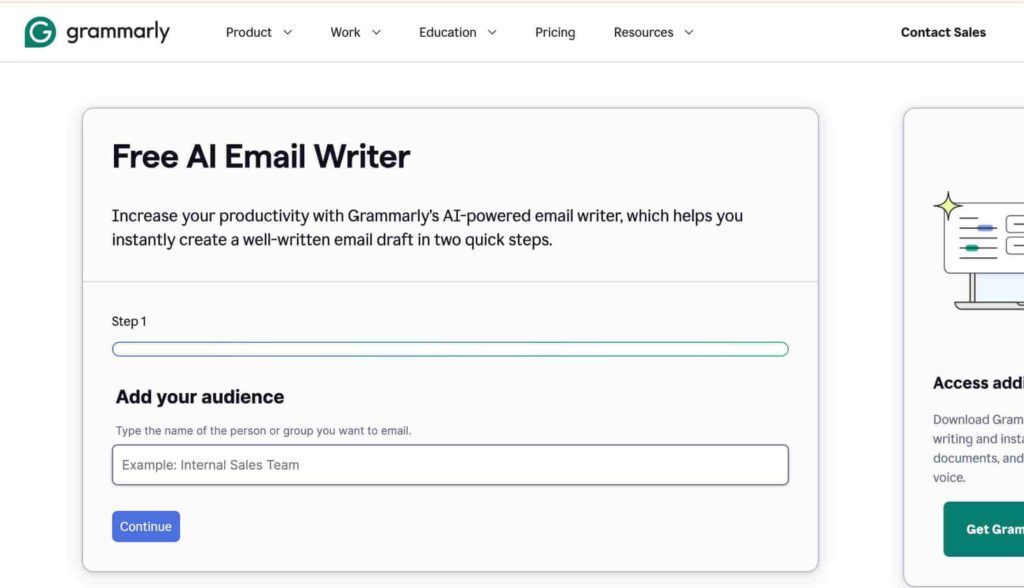
1.Grammarly
Grammarly’s AI-powered email assistant is ideal for those who don’t want to waste time writing emails. With just a few steps, you can generate a compelling email draft. Whether you’re studying or working under pressure, Grammarly can significantly reduce the time spent on emails.
Features: Grammar correction, tone suggestions, real-time feedback, AI email generator
Pricing: Free plan available. Premium starts at $12/month.
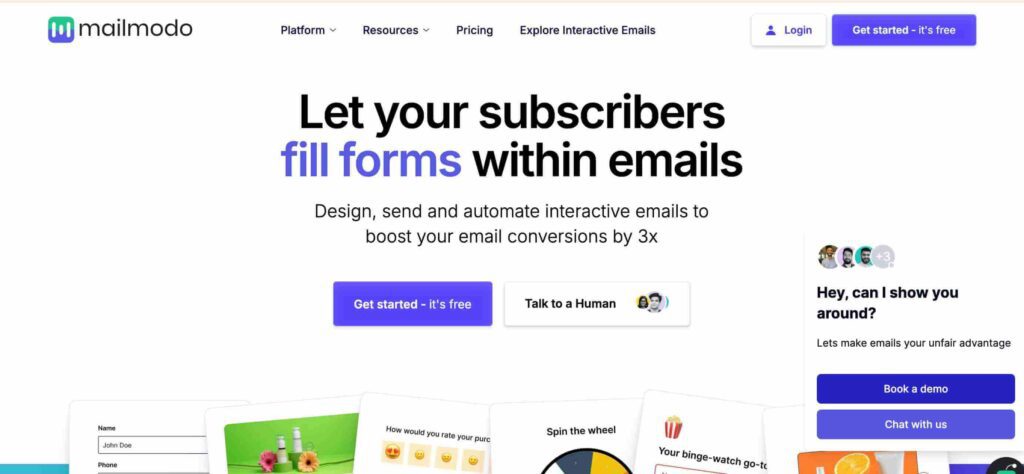
2.Mailmodo
Mailmodo helps you draft emails quickly by entering basic information like the subject, target audience, and tone. You can customize the number of paragraphs, writing style (formal or casual), and even decide whether to use emojis.
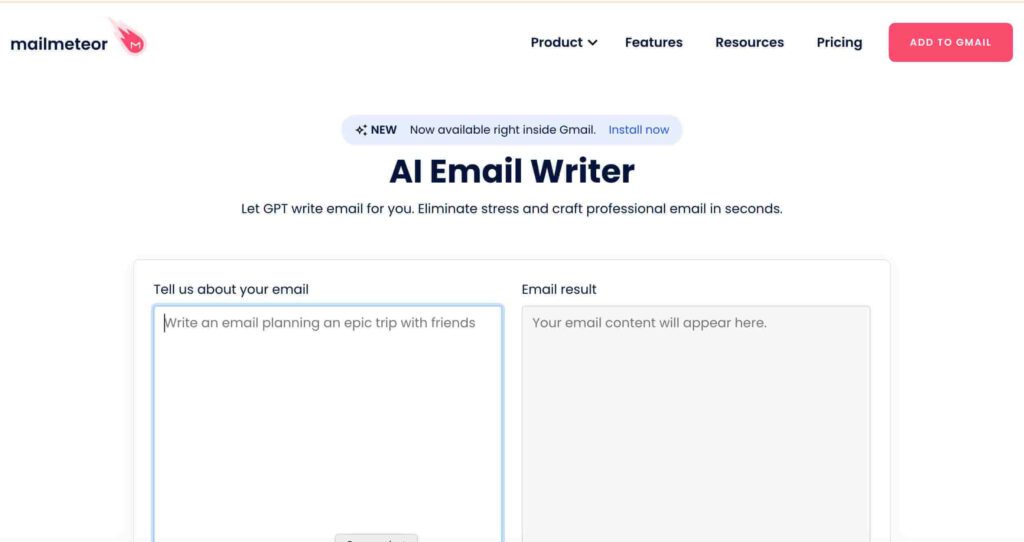
Mailmeteor allows you to create email drafts within minutes by following simple prompts. You can generate multiple versions of the same message, making it easy to tailor emails for different audiences — for example, classmates and professors.
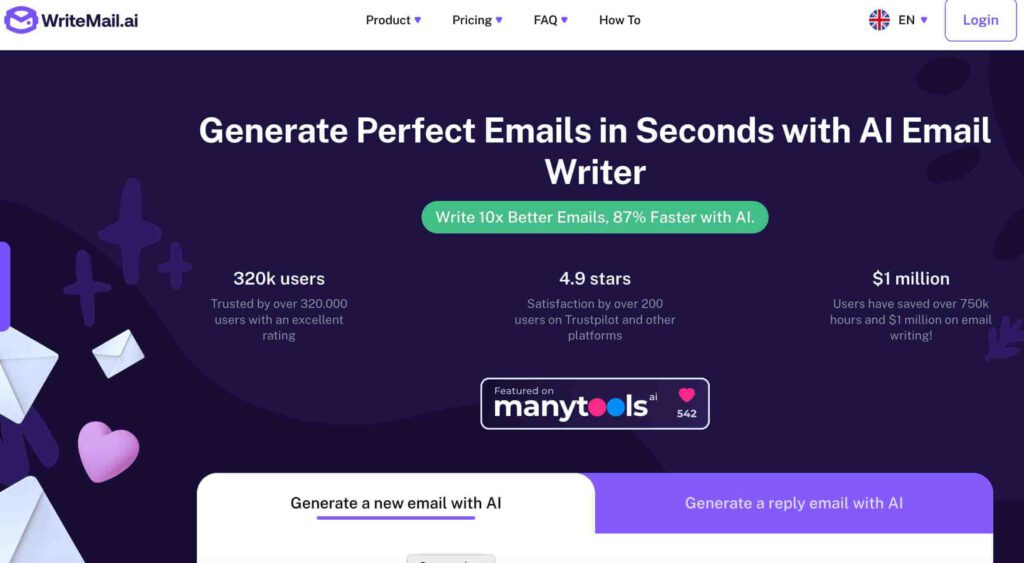
WriteMail.ai provides real-time analysis while writing your email and offers suggestions for tone, structure, and clarity. This ensures consistency across all types of correspondence, from formal academic emails to casual group messages.
Features: Real-time suggestions, multi-language support, tone consistency
Ideal for: Erasmus programs, internship applications, international projects
Pricing: Free usage option available.
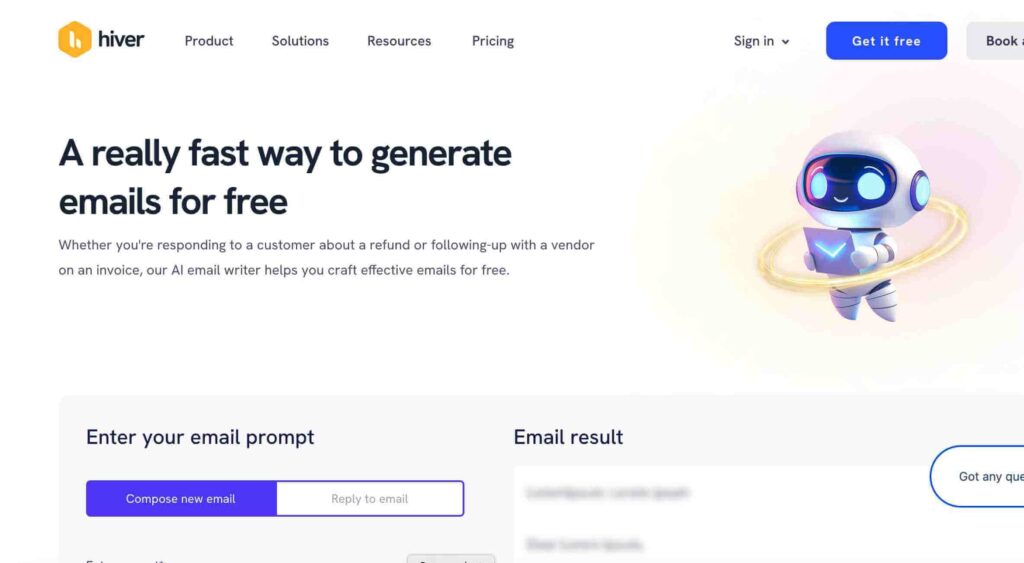
5.Hiver
Hiver suggests multiple email drafts based on the selected type and purpose of the email. You can then choose the most relevant draft and make minor adjustments according to your needs.
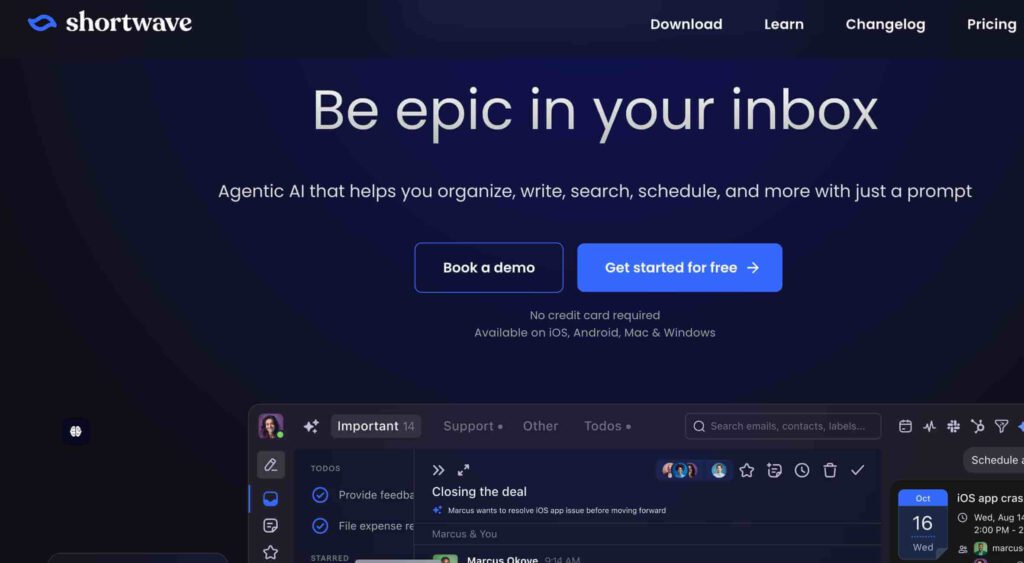
Built on Gmail, Shortwave offers features like AI-powered replies, content summarization, and natural language event scheduling. The “Magic Stars” feature gives you direct access to the AI assistant.
Pricing: Free plan available. Premium starts at $8.50/month.
7.Gemini (Google)
Integrated with Gmail, Gemini offers smart suggestions for starting conversations and follow-up messages. To use Gemini, you need a Google Workspace subscription and the Gemini extension.
Usage: Click the Gemini icon on the top-right corner of Gmail’s web version to open the AI panel
Pricing: Free trial available. Google Workspace required.
What Is an AI-Powered Email Tool?
An AI email tool is software that automatically generates email drafts based on defined prompts. These tools optimize writing style, tone, and content structure, making communication more efficient.
Benefits of Using AI Email Tools
Save time by automating repetitive writing tasks
Improve tone and professionalism in messages
Reduce spelling and grammar errors
Get personalized and context-aware responses
Increase efficiency in daily communication
📌 Where Can You Use AI Email Tools?
AI email generators can be used in various settings, including:
Work-related correspondence
School/university communication
Customer service responses
Marketing campaigns
Follow-ups and introductions
These tools help streamline the entire email creation process, whether you’re starting a message from scratch or responding to an existing one.
You Might Also Like;
Follow us on TWITTER (X) and be instantly informed about the latest developments…
Work is changing. Imagine a workday where AI seamlessly integrates into every task, transforming the way we operate. This is not a distant future; it’s happening now with Microsoft 365 Copilot. Recently, I’ve been to Microsoft 365 Community Conference and listened to keynotes and sessions about what’s next such as Microsoft’s new M365 Copilot app, and it feels like walking into an AI-powered worklife. The old-fashioned routine of bouncing between apps is giving way to something different: an “AI-first” environment where the AI itself is the work surface – the canvas, instead of being a tool. Let’s explore what it means to work in an AI-first era, and in the age of AI Agents. We are co-creators with AI.
We’ve heard “everyone” proclaim the dawn of a new AI era, but what does that mean for us? And for how we work? We are transitioning from the traditional method of launching separate apps for each task to a more integrated approach where AI agents orchestrate work across various applications and other AI agents. I heard it described it well: “We’re entering the agentic era, where Copilot and AI agents become the front door to work, not apps.”. Your intent becomes more important than the app or what interface you use. If I need a project update or a draft presentation in the (near) future, I don’t manually gather files and open PowerPoint; I tell the AI (Copilot) what I need, and it will figure it out using information from inside and outside of the organization. For example, if I need a project update, I simply ask Copilot, ‘Give me the latest project update,’ and it compiles the necessary information from emails, documents, and other sources.
This is a fundamental shift in the mindset. Thinking first about how AI could help me with this task.
At Microsoft 365 Community Conference it was mentioned that the new Copilot app will be generally available at Microsoft Build , which is happening next week! Attending Build online is free, so I recommend registering to it.
Copilot is becoming more as a “canvas” or “work surface” – from brainstorming new ideas to analyzing data – and all that happens in conversation with an AI.
Copilot has truly become the UI for AI — and for me, it’s the scaffolding for my workday.
Satya Nadella recently
The new Microsoft 365 Copilot App: Your New Front Door to WorkCopilot NotebooksCopilot PagesFrom Knowledge Worker to “Agent Boss”Teams of the FutureConclusion: Already Working with the AIRead more & Source references:
So, what the new App is – or will be? It is the evolution of the prior Office/Microsoft 365 home portal that has been reimagined as an intelligent front door to your work that connects Copilot Chat, Search, Create, Pages, Notebooks and apps. Currently the new Microsoft 365 Copilot app is in the limited private preview, and I have had an honor to be included in it. I can’t share any details under NDA, only what’s publicly available. But as I am writing this article, you know I am thrilled about the new AI First approach.
What else is coming to Copilot soon, are memory, personalization and AI Search. Copilot will learn how you work and begins to understand needs and preferences through interactions, such as chats, job profile, custom instructions and so on. This will make the interaction feel much more personal and less like one-off Q&As or like chatting with a bot. Over time, it should start feeling like Copilot understands my work patterns, my team, and the content that matters to me.
The result is that Copilot knows my context – who I am, what projects I’ve been working on, upcoming meetings on my calendar – and I can just ask it to help with whatever I need. Need a briefing on yesterday’s meetings? A draft of the agenda and background information for the next meeting with a client? To find that information (like a slide deck) buried in OneDrive? I simply tell what I need, and Copilot pulls together the answers and content. It’s like having a personal assistant who’s instantly familiar with all my work context and content.
The new AI Search
Another big news is multimodality – the ability to use voice and vision, not just text. Notebooks will have an audio summary, for example. Have you played with snapping a picture of a document, and then using Copilot to intelligently extract the text or information from it? We’re just at the beginning of these capabilities, but already I’ve found that speaking or showing something to AI can be more natural and efficient than typing a long prompt. We can expect to see more and more multimodal interactions as part of Copilot’s evolution.
We are getting closer to the time, where it begins to feel like the Copilot turns the entire Microsoft 365 suite into a single cohesive workspace – one with AI in the center. I hope this means that I won’t be hunting through folders and apps; I just direct Copilot and agents to collect and bring the pieces together for me. This hints at why Microsoft calls Copilot “your everyday AI companion” – it’s aiming to be the new starting point for work. The journey there won’t be happening right away, but in steps. This gives people time to adapt to the (rapid) change, but organizations should be already walking on their AI road.
Create will utilize the GPT-4o model image creation capabilities, but it isn’t the only thing you can do in Create. You can also create videos from PowerPoint documents, as an example.
There are also other new capabilities coming to the Copilot app. Researcher and Analyst agents, People/skills, and various others. I will be touching those another time, except that I am really looking forward for trying out Researcher and Analyst agents to see what they can do to help me.
This is a very interesting upcoming feature, as Notebooks are part of the new Microsoft 365 Copilot app these are still at private preview – but should be out at Microsoft Build next week! Copilot Notebooks will be like smart scratch books collecting notes, links and content. If the Copilot app is the front door to your work, a Copilot Notebook is like a dedicated room where a specific personal project or topic lives. Copilot Notebooks are AI-powered and focused on the content that matters to your task at hand. In notebooks you can gather all your relevant resources – documents, chats, meeting notes, links, etc – related to a topic in one place (like a scratch book). It is not a snapshot, as notebooks are “constantly scanning your source material to update in real time as your data evolves”, this meaning that as documents and files content are updated, they stay up to date for Copilot and you to work on. I’ve used ChatGPT Projects to organize a information to projects: I added the docs, some links, a few pdfs, and images. With all that context loaded in, AI essentially “exists” or “lives” in that project (notebook) with me, always available to answer questions or generate content using just the project’s materials.
The magic of Notebooks is how Copilot’s assistance in it becomes highly focused. Because it’s grounded on the content you’ve added, it can answer incredibly specific questions and draw connections that would take time to compile manually. You could ask, “Copilot, what are the key issues and unclear requirements in this project?” and it will scan through the notebook’s references to find open issues or unclear requirements and then summarize them. It’s like AI intelligence on tap: having a project analyst always on call. You can include an agenda and ask Copilot to draft a status update presentation – it will pull out points from the spec and recent emails to outline the slides, all within the notebook context. Because the notebook content stays up-to-date, it becomes a living project hub. I can imagine using notebooks to assist me with blog writing in the future: collecting information, giving custom instructions, working with Copilot adding content to Pages.
I am looking forward getting my hands on Copilot Notebooks in real life (not just watching sessions and reading articles of it) and hope that I will experience less time wrangling documents and status updates, and more time thinking – with AI doing the tedious collation and analysis in the background. Having used similar tools in the past (ChatGPT projects for example), I am excited to see how Copilot Notebooks will reduce the time spent on document management and allow me to focus more on strategic thinking.
During M365Conf sessions it was mentioned that notebooks will be personal in the beginning, but in the future it will be possible to share notebook with colleagues. Contents in notebook (like documents, Copilot Pages) can be shared with others or collected in from Teams and other places.
Notebooks are powered by Microsoft Loop, and they are stored in user’s personal container in SharePoint Embedded. You can think of it as a second OneDrive for user containing Copilot Pages, Notebooks, and personal Loop pages. This is naturally something that needs to be taken care of during the exit-process.
While Notebooks will shine for projects / research / tasks / knowledge collections, Copilot Pages are the way to collaborate with AI and colleagues together, live. Microsoft built Copilot Pages on their Loop platform (which is all about flexible, shareable content), and it can be called a “canvas for multiplayer AI collaboration.” In practice, a Copilot Page is like a rich document where you and your teammates can all contribute in real time. You use Copilot to collect information and then add findings to a Copilot Page for further editing.
From a technical standpoint, Copilot Pages are Loop files ( Pages) , which means they’re fluid, shareable objects. You can send a Copilot-generated Page into a Teams message as a live component, for example. Pages themselves can be shared with just a link – colleagues can pop in instantly and start working. Copilot Pages fast, fluid, and fun too.
Copilot is starting to reshape our roles at work. Microsoft’s 2025 Work Trend Index report introduced the term “agent boss” to capture a new aspect of many jobs. In the future, human employees will act as “agent bosses,” overseeing AI workforces like they manage people today. That might sound buzzwordy, but consider what’s already happening: I can already coordinate a handful of AI agents – one drafting content, another analyzing data, another monitoring for new information. It has gone from just doing the work myself to directing a team of AIs to do parts of it for me. We all will need to manage and be bosses of agents.
Microsoft’s Work Trend Index 2025
We’re already seeing hints of this “agent boss” dynamic. We are assigning tasks to Copilot: “summarize these notes,” “draft a reply to this email,” “summarize my inbox for anything from the client and flag it.” I’m not abdicating my work – I’m guiding the AI, checking its output, and giving feedback (much like you would with a junior human assistant). Someone from Microsoft said: “Working with agents is like onboarding a new team member — you don’t micromanage, but you need informed trust.” That rings true; I’ve learned when to trust AI to handle something vs. when to step in and correct or refine. In a sense, everyone is becoming a manager of AI helpers.
In Frontier Firms (A company powered by intelligence on tap, human-agent teams, and a new role for everyone: agent boss.), even entry-level employees are managers from day one – because they’re managing AI. Your value lies not just in what you can do yourself, but in how well you can direct AI to achieve an outcome.
Microsoft’s Work Trend Index 2025
Becoming an agent boss means new skills and responsibilities. Prompting, verifying AI outputs, understanding where the AI might go wrong – these are now part of the job. The Work Trend Index data shows leaders are aware of this: 51% of managers say AI training or upskilling will become a key responsibility for their teams within five years. In Microsoft’s study, 83% of global leaders believe AI will let employees take on more complex, strategic work earlier in their careers. Being an effective “agent boss” could become as important as being a good people manager.
Microsoft’s Work Trend Index 2025
All these AI collaborators are also changing how we organize teams and projects. Traditionally, companies have rigid org charts based on departments and roles. But when AI can provide on-demand expertise, those walls start to break down – even in traditional organizations. The Work Trend Index posits that the usual org chart may be replaced by a “Work Chart” – a dynamic, outcome-driven model where teams form around specific goals, powered by whatever mix of humans and AI agents are needed. It’s a bit like how film crews assemble for a movie and disband when it’s done. In this new model, if I have a business problem to solve, I might quickly spin up a small team of a few colleagues plus a set of AI agents (for research, analysis, copywriting, etc.), tackle the goal, then move on to the next. The “Work Chart” is fluid – less about hierarchy, more about harnessing the right expertise (human or AI) at the right time.
One practical concept from this is the “human–agent ratio.” Managers will soon have to think about how many AI agents should be working per human on a given task, and vice versa. Too few agents, and you might be underusing AI and leaving productivity gains on the table. Too many agents per person, and you risk overwhelming the human’s ability to supervise them, leading to errors or burnout. Finding the right balance is going to be a new managerial skill set.
Microsoft’s Work Trend Index 2025
Frontier Firms treat AI as “intelligence on tap.”. They can scale up AI usage wherever it brings value, almost like adding cloud servers in a data center. This gives Frontier Firms agility to meet demanding changes.
Crucially, none of this means humans would be less important – if anything, we become more important. When people have AI to shoulder the move work to, they can focus on higher-value activities. For example, one finding was that employees use AI for its 24/7 availability, speed, and endless ideas. I use Copilot to do the tedious stuff or spark initial ideas, but I still rely on colleagues for nuanced feedback and final decisions. AI hasn’t decreased my collaboration with teammates – if anything Copilot often gives us more to discuss and refine. It’s augmenting, not replacing, the human element.
Living through this shift to AI-first work is both exciting and a can be dizzying. On one hand, I’m routinely delighted by what Copilot can do. On the other hand, it’s a new responsibility – I’m an “agent boss” now, accountable for what my AI helpers produce. This balance of empowerment and responsibility is the new normal that we’re all learning. Like any tool, Copilot can be misused or underused, but when you hit that sweet spot where it handles the grind and you apply the insight, it feels like flying.
The Copilot app and its Notebooks and Pages are giving us a glimpse of how work will function in the near future. It’s not a flashy vision of robots (no Mr Data or R2D2 yet) replacing humans; it’s more nuanced and frankly more interesting: humans and AI working together in a shared digital space.
We bring the direction, the critical thinking, the empathy; the AI brings the speed, the scale, and the “long memory” of everything in the cloud.
Already, my day feels different. I start work by conversing with an AI about my priorities. I collaborate on documents that have sections written by Copilot and sections written by me or my team, all mixed together. I delegate small tasks to an agent so I can focus on bigger questions. This was hardly imaginable a couple years ago, and now it’s real and tangible. I used AI to help me get started with a blog article, like this one, and then edit it further. I use AI to add new chapters, to rewrite some existing ones, ask it to review the whole document and suggest changes. AI is there 24/7. I also asked some people to review this, to gain their insights that are out of the box.
The challenge and opportunity now is to embrace this AI canvas thoughtfully – to reshape our habits, workflows, and skills around it so that it truly makes work better.
For enterprise decision-makers and knowledge workers reading this: the AI-first era is here. The upcoming Copilot app and Copilot Pages are one example of how our work surface is transforming. It’s early days, yes, but jump in, experiment, and start envisioning how your “work chart” might look when it includes AI assistants in every project. The organizations that figure this out – the Frontier Firms – are already pulling ahead. This technology can amplify human potential when guided correctly.
If you need a guide on this Future Work journey, reach out to me and let’s get you there!
Legion is launching an IDO on June 12, 2025 that aims to merge gaming, NFTs, and DeFi in one platform. This article dives into the project’s features, tokenomics (including a chart), leadership team, tech stack, potential price growth, and how to join the IDO.
Key Takeaways
Legion’s ecosystem spans a Play-and-Earn GameFi hub, NFT marketplace, and crypto wallet in one super app.
The IDO seeks to raise $500,000, beginning with an initial market cap of $582,000.
Tokenomics show a total supply of 1,000,000,000 LEGION with structured vesting for various stakeholders.
A Certik-audited approach demonstrates strong security and transparency.
The core team specializes in blockchain development and mobile applications, integrating Ethereum smart contracts for a global user base.
What Is Legion, IDO, GameFi, and Play-and-Earn?
Legion is a blockchain-based platform that merges GameFi and Play-and-Earn elements. The idea is simple: individuals engage with fun, skill-based games and receive real value for their participation. Whether it’s NFT drops or staking rewards, Legion focuses on accessible features in a single application.
“GameFi” stands for gamified finance. It typically involves token rewards, NFT-based collectibles, and interactive gameplay aligned with decentralized finance. Legion’s IDO allows early supporters to buy LEGION tokens and potentially benefit from future growth.
Understanding Legion’s Tokenomics
Before you invest, see how Legion’s tokens are structured. The chart below shows the main allocations and vesting:
Category
% Allocation
Vesting Details
Seed
4%
5% TGE unlock, 1 month cliff, 7 months vesting
Private
17.5%
10% TGE unlock, 1 month cliff, 7 months vesting
KOL Round
5%
15% TGE unlock, 4 months vesting
Public
9.5%
15% TGE unlock, 4 months vesting
Airdrop
5%
0% TGE unlock, 1 week vesting
Liquidity & MM
6%
50% TGE unlock, 1 month vesting
Ecosystem Growth
9.33%
0% TGE unlock, 1 month cliff, 13 months vesting
Advisors
5%
0% TGE unlock, 6 months cliff, 12 months vesting
Council, Team
20%
0% TGE unlock, 6 months cliff, 48 months vesting
LV DAO Treasury
18.67%
0% TGE unlock, 6 months cliff, 48 months vesting
Legion uses the Ethereum network (ERC-20 standard) to deploy its token. The project intends to create a broad distribution, with 78,500,000 LEGION circulating immediately after the IDO. The careful release schedule helps maintain steady market liquidity and aims to keep excessive short-term selling in check.
Potential Price Growth
While exact pricing is speculative and influenced by demand, some factors supporting Legion’s growth outlook include:
Global Community: Over 4 million app downloads deliver an established user base.
Active Product Development: Regular game launches, NFT drops, and ecosystem updates.
Vesting Strategy: Helps prevent extreme volatility by pacing token releases.
How to Participate in the Legion IDO
Below is a quick rundown of what to do if you plan to buy LEGION:
Set Up an ERC-20 Wallet: Metamask or similar wallets support LEGION purchases.
Keep Ethereum Ready: You’ll need ETH for buying LEGION and paying network fees.
Monitor Official Updates: Stick to Legion’s verified channels for IDO dates or any changes.
Join on Launch Day: On June 12, 2025, access the Legion Launchpad through the super app or any official partner platform.
Early participants gain the advantage of acquiring LEGION tokens at IDO pricing, which may be lower than post-listing prices.
Real-World Examples and Use Cases
Legion’s offerings span multiple areas of digital asset engagement:
Arcadia Game Hub: Home to META LEGIONS and THE PANTHER MAZE. Skilled players can win crypto or NFTs in competitive matches.
NFT Marketplace and Drops: Mint, buy, or sell unique digital items, and take part in special NFT release events.
DeFi Staking: Users stake their LEGION tokens or NFTs for rewards. Longer staking and rarer NFTs can lead to enhanced yields.
Referral Programs: An invite-based incentive system boosts community growth and user collaboration.
These functions help sustain interest in LEGION, as gamers, crypto enthusiasts, and NFT collectors find various ways to gain value from the platform.
Team and Technology Stack
Legion’s core team consists of blockchain engineers, mobile developers, and product strategists who share a vision for accessible crypto-powered gaming. They have collaborated with more than 50 investors, suggesting alignment with recognized players in blockchain finance.
Technical Foundation
Smart Contracts: Built on Ethereum (ERC-20), with planned expansions to integrate with the app’s features and NFT marketplace.
Mobile Development: The Legion super app runs on iOS and Android, leveraging frameworks that connect with web3 libraries.
Security Audits: Completed audits by Certik and other entities to maintain a high standard of safety.
Legion’s cross-platform expertise in mobile apps, token launches and NFT technology puts us in a great position to support user growth and ecosystem development.
Frequently Asked Questions
Below are common queries related to Legion’s IDO and overall ecosystem:
Q: What is the total supply of LEGION tokens?
A: 1,000,000,000 LEGION tokens on the Ethereum network (ERC-20).
Q: How secure is the platform?
A: The platform has been audited by Certik.
Q: Can I earn rewards in multiple ways?
A: Yes. You can stake tokens, play games for crypto prizes and earn referral bonuses.
Q: What’s the fundraising goal for the IDO?
A: The team intends to raise $500,000, with an initial market cap set at $582,000.
Q: When does the IDO go live?
A: The IDO goes live on June 12, 2025. Keep an eye on Legion’s official channels for updates.
Conclusion
Legion’s IDO lets you play games, trade NFTs and stake DeFi all in one place. Tokenomics is structured and vested for balanced growth. Security and 4+ million downloads suggest a bright future for both gamers and crypto enthusiasts. Stay informed through official channels, check the vesting and be ready to buy on launch day.
Published: May 13, 2025 at 10:40 am Updated: May 13, 2025 at 10:01 am
by Ana
Edited and fact-checked:
May 13, 2025 at 10:40 am
To improve your local-language experience, sometimes we employ an auto-translation plugin. Please note auto-translation may not be accurate, so read original article for precise information.
In Brief
Charles Hoskinson announced that Cardano is preparing a private stablecoin that protects user privacy while staying compliant with regulation. This would be the first of its kind, offering cash-level confidentiality with selective data sharing for legal use.
Cardano (a blockchain project launched by Charles Hoskinson) may become the first to launch a private stablecoin that combines transaction privacy with legal transparency. The plan was outlined by Cardano co-founder Charles Hoskinson during a podcast hosted by eToro. He described a system that protects users’ right to privacy while offering regulators access to data in case of illegal activity.
“Maybe people don’t want a stablecoin where every purchase they make is forever tracked by everyone,” said Hoskinson. According to him, the solution lies in a stablecoin that offers selective information sharing — data would remain private by default, but could be unlocked if legally required.
🎙️ This week on Conversations with Leaders: @Sam_North_07 interviews @Cardano founder @IOHK_Charles on the future of crypto, AI, and blockchain’s role in TradFi 💼📈
🏦 Institutions are evolving, and so is the industry…
🎧 Full episode available on all major streaming…
— eToro (@eToro) May 9, 2025
The idea positions Cardano in a unique space between privacy-focused crypto and compliant digital finance. If launched, such a stablecoin could challenge the existing structure of the stablecoin market and offer a middle ground between complete transparency and total anonymity.
Privacy Meets Regulation: A Model Not Yet Seen in Stablecoins
Stablecoins have become essential in decentralized finance. According to DeFiLlama, the total market cap of stablecoins stood at nearly $243 billion at the time of writing. On Cardano, current stablecoins have a combined value of $31.47 million, but none of them include privacy functions. That’s the gap Hoskinson wants to address.
While privacy is often called a core value in the crypto community, the legal world has a different view. Regulatory agencies have shown increasing resistance toward anonymous digital assets. The European Union, for example, plans to ban exchanges from dealing with private cryptocurrencies like Monero and Zcash starting July 2027. These coins have already been delisted from several platforms due to concerns about money laundering.
Major players have responded to that pressure. In early 2024, Binance flagged Monero (XMR) and Zcash (ZEC) as high-risk tokens. One month later, it suspended financial operations involving XMR. ZEC remains under review through a user voting process. Meanwhile, Binance introduced Vote to List and Vote to Delist in March 2025, aiming to give the community more control over token decisions.
Other exchanges are also acting. In June 2024, Kraken stopped supporting Monero in Ireland and Belgium. Regulatory heat is clearly reshaping the market, making it harder for privacy coins to maintain liquidity or survive long term.
That’s what sets Cardano’s proposal apart. Hoskinson isn’t promoting a fully anonymous coin. He envisions a new kind of stablecoin — one that allows regulators access to information when truly needed, such as in investigations related to terrorism financing or criminal activity.
Regulators are increasingly aware that blocking privacy outright doesn’t stop illicit activity — it just pushes it underground. That’s why a privacy model with selective disclosure could be a more realistic path forward. Instead of treating all privacy as a threat, it gives governments a tool that works within legal frameworks, while still respecting user rights. For crypto projects, this balance may become a survival requirement rather than a feature.
“It’s possible to keep privacy while still meeting the law,” said Hoskinson. The model he described uses selective disclosure, meaning information stays private by default, but can be revealed under legal processes.
Lessons From Zcash and the Need for a Different Approach
Some earlier projects tried similar ideas. Firo and Zcash explored ways to let exchanges work with private coins, including features like whitelisted addresses. These attempts failed to satisfy regulators and caused liquidity to fall sharply. Without a working model that balances both privacy and compliance, those projects struggled to gain trust or survive in the long term.
Hoskinson seems to have learned from those outcomes. His approach is built around giving regulators just enough access, without giving up privacy altogether. That means building smart contracts or tools that allow information to be shared only in specific legal cases — not made public or exposed to third parties by default.
This concept goes beyond technical engineering. It’s about creating a new kind of digital money that respects both personal freedom and government oversight. If Cardano succeeds, it could set a new standard for the way stablecoins work in regulated environments.
The importance of this move is even greater considering current events in the U.S. In recent months, the proposed GENIUS Act, a bill meant to regulate stablecoins, failed to pass in the Senate. Lawmakers from the Democratic Party raised concerns about consumer safety and financial stability, slowing the bill’s progress. This creates uncertainty in the U.S. market — a space where a Cardano-based private stablecoin might find strong demand among users looking for alternatives.
Dark stablecoins are likely to emerge in the future.#Bitcoin was created by the cypherpunk community to be censorship-resistant and belongs to no one, making it impossible to control.
Stablecoins, however, act as a bridge between the internet and the real world, so they need…
— Ki Young Ju (@ki_young_ju) May 11, 2025
At the same time, more developers are starting to think about what comes next. CryptoQuant CEO Ki Young Ju recently predicted the rise of “dark stablecoins” — digital assets that avoid state control completely. While Hoskinson’s plan doesn’t go that far, it shows that a new phase of stablecoin design is coming. And Cardano wants to lead it.
What Comes Next: A Stablecoin Built for Both Users and Lawmakers
The stablecoin market is clearly entering a new stage. Projects now face pressure from two sides: users want privacy, but governments want transparency. Solving both needs at once isn’t easy — but it may be possible. Cardano’s design suggests a structure where identity and transaction data are protected unless unlocked through clear legal channels.
Unlike fully transparent stablecoins like USDT or USDC, this model would treat financial data like physical cash. That means day-to-day use would remain private — no open blockchain logs for everyone to see — but records could be accessed when required by law. This isn’t full anonymity. It’s programmable privacy, tied to clear rules and access permissions.
If built correctly, this stablecoin could avoid the weaknesses of privacy coins while still protecting users from mass surveillance. It could also avoid being delisted from exchanges, something that has severely hurt tokens like XMR.
It’s too early to say how regulators will react. Some may welcome the compromise. Others may still push for stricter rules. But the idea itself adds something new to the conversation — a third path between unregulated anonymity and total transparency.
This new type of stablecoin could also reshape how regulators approach crypto. Instead of fighting full anonymity or demanding full transparency, they might begin to support middle-ground solutions. If Cardano succeeds, it could encourage other projects to adopt similar models — with private-by-default systems that still respect law enforcement needs. That could open the door to more responsible innovation, especially in regions where strict rules have slowed crypto adoption.
Disclaimer
In line with the Trust Project guidelines, please note that the information provided on this page is not intended to be and should not be interpreted as legal, tax, investment, financial, or any other form of advice. It is important to only invest what you can afford to lose and to seek independent financial advice if you have any doubts. For further information, we suggest referring to the terms and conditions as well as the help and support pages provided by the issuer or advertiser. MetaversePost is committed to accurate, unbiased reporting, but market conditions are subject to change without notice.
About The Author
Alisa, a dedicated journalist at the MPost, specializes in cryptocurrency, zero-knowledge proofs, investments, and the expansive realm of Web3. With a keen eye for emerging trends and technologies, she delivers comprehensive coverage to inform and engage readers in the ever-evolving landscape of digital finance.
More articles
Alisa Davidson
Alisa, a dedicated journalist at the MPost, specializes in cryptocurrency, zero-knowledge proofs, investments, and the expansive realm of Web3. With a keen eye for emerging trends and technologies, she delivers comprehensive coverage to inform and engage readers in the ever-evolving landscape of digital finance.
Known for its widely popular NFT collection and viral digital toy line, Pudgy Penguins is now expanding into gaming with Pengu Clash, a fast-paced multiplayer experience inside Telegram. Built on the TON blockchain, Pengu Clash is designed for quick pick-up-and-play sessions—no crypto experience required—and rewards players purely on skill.
Key Takeaways
Pengu Clash is a new Telegram mini-app game created by Pudgy Penguins, featuring real-time challenges in Football, Bomber, and Darts.
Built on the TON blockchain, it taps into Telegram’s massive user base to bring casual users into Web3 gaming.
The game uses a skill-first Play2Win model, where rewards are earned through gameplay, not purchases or chance.
Developed using the Elympics engine, a real-time gaming infrastructure that enables low-latency matches and scalable tournaments.
With over 350,000 pre-registrations, Pengu Clash is gaining strong traction within the Pudgy Penguins ecosystem.
What Is Pengu Clash?
Pengu Clash is a fast-action multiplayer game developed by Pudgy Penguins on the TON blockchain. Accessible directly through Telegram as a mini-app, the game allows players to lead teams of digital penguins through engaging mini-games, like Football, Darts, and Bomber—in short, competitive matches. Designed for fun and replayability, it requires no upfront crypto knowledge.
Pengu Clash follows a Play2Win model, ensuring rewards are earned through skill and consistency.
Source Pengu Clash
How to Play Pengu Clash on Telegram
Getting started is fast and beginner-friendly—perfect for those new to crypto or Telegram games.
Step 1: Sign Up
Pre-registration began on May 9, 2025, via the official Pengu Clash Telegram channel. It’s still open for early access and updates.
Step 2: Launch the Game
No downloads required. Just open the Pengu Clash mini-app directly within any Telegram chat.
Step 3: Customise Your Team
Choose and personalise your squad of “Pengus” with an unlockable “outfit”, accessories, and gear to suit your style.
Step 4: Compete in Mini-Games
Dive into dynamic rounds of Football, Darts, or Bomber. Each game is short, strategic, and designed for replayability.
Step 5: Win and Collect Rewards
Climb the leaderboard and earn tokens by showcasing your skills. NFT perks and exclusive in-game items are coming soon.
Pengu Clash in Action
The launch of Pengu Clash is another expansion for Pudgy Penguins into a broader interactive ecosystem:
Mainstream Web3 Gateway: By embedding the game in Telegram, it lowers the barrier to entry for Web3 newcomers across the globe.
Community-Powered Growth: 350,000+ pre-registrations highlight strong organic interest and community backing.
High-Performance Infrastructure: Powered by Elympics, a Web3 gaming engine that ensures real-time responsiveness and supports larger-scale multiplayer tournaments.
Final Thoughts
Pengu Clash brings something different to the table—it’s easy to jump into, runs right inside Telegram, and focuses on fun, skill-based play instead of pay-to-win mechanics.
It’s a fresh start for Pudgy Penguins as they branch out into gaming, and with more titles on the way, like Pudgy Party and Pudgy World, it’s real momentum building. Whether it catches on long-term will come down to how players connect with it, but for now, it’s an interesting move in the Web3 space.
Frequently Asked Questions (FAQ)
Is Pengu Clash free to play?
Yes. There are no upfront costs, no NFTs required, and no pay-to-win mechanics. All players compete on equal footing.
Do I need a crypto wallet to play?
No wallet is required to start playing. However, players who want to claim token rewards or access advanced features may need one in future updates.
Can I earn real rewards?
Yes. Players can earn tokens based on performance in matches and tournaments.
Artificial intelligence has become one of the most powerful tools for increasing productivity and automating repetitive tasks in the modern workplace.
By using the right tools and strategies, you can streamline your workflow and make the most of your time. In this article, we’ve compiled practical suggestions to help you integrate AI into your professional life and improve time management.
Automate Routine Tasks
Instead of spending time on repetitive tasks, use AI tools to automate them:
Use the “Smart Reply” feature in email applications to send automatic responses to high volumes of emails without effort.
Tools like Zapier allow you to customize and automate entire workflows, saving valuable time.
Automate Time Management
AI-powered calendar tools offer great support for managing your schedule:
These tools can automatically optimize your meetings and daily activities, helping you use your free time more effectively.
AI task management platforms allow you to categorize and prioritize tasks more easily.
Simplify Data Analysis and Decision-Making
AI-powered analytics tools can analyze large data sets in seconds, making your decision-making processes faster and more efficient.
Use tools like Tableau or Power BI to interpret sales and performance data.
Tools such as BigML or H2O.ai help you make trend predictions relevant to your industry.
Accelerate Content Creation
An online presence is essential in nearly every profession today. With AI tools, you can produce creative and engaging content more quickly:
Use ChatGPT and other language-based AI tools to create blog posts or social media content.
Generate visuals rapidly with design tools like Canva AI or DALL·E, reducing the need for manual design work.
Automate Customer Service
Provide 24/7 customer support with AI chatbots:
Tools like Zendesk or Intercom allow you to implement responsive bots that can handle user queries in real time.
Platforms such as Five9 or LivePerson help set up AI-powered call centers for larger-scale support.
Automate Meeting Notes and Conversations
One of the most helpful AI features is the ability to record and summarize meetings automatically:
Use apps like Otter.ai or Fireflies.ai to transcribe and summarize voice or video meetings.
Use summarization tools like SummarizeBot or ChatGPT to quickly generate summaries of long documents or notes.
Artificial intelligence is revolutionizing how we work — not by replacing humans, but by enhancing their capacity to focus on meaningful, strategic tasks. By implementing the right tools, you can reduce your workload, improve accuracy, and stay ahead in your career.
Follow us on TWITTER (X) and be instantly informed about the latest developments…
Artificial intelligence is now a part of every aspect of our lives. When used correctly, it can both accelerate your workflow and boost your creativity. While many fear that AI will dominate future job markets, it’s also likely to create new professions.
The key is to view these tools as assistants, not replacements, and to continue focusing on your core expertise. In this article, we’ll explore jobs you can do with AI that enhance your productivity and expand your opportunities.
1. Content Creation and Editing
AI tools can quickly generate keywords, attention-grabbing headlines, and draft paragraphs on almost any topic.
For instance, you can ask ChatGPT or another AI tool for a title like “10 Tips for Sustainable Fashion” and then shape your article flow based on its suggestions.
You can also use grammar and proofreading tools to polish your writing. This significantly shortens content creation time and increases overall quality.
2. Chatbots and Virtual Assistants
You can design chatbots for platforms like WhatsApp, Facebook Messenger, or business websites, and define commonly asked questions with their ideal responses.
With tools like Dialogflow or Microsoft Bot Framework, you can script interactions and continuously improve the bot by correcting errors or updating its database.
The competition in this space is still low, making it a great opportunity for newcomers.
3. Data Analysis and Reporting
Even data analysts now use AI because it makes it much easier to interpret and summarize large datasets.
With Python-based AI libraries, or visualization tools like Power BI and Tableau, you can deliver clear, visual data insights. Many freelancing platforms offer jobs focused purely on data analysis and reporting.
4. E-Commerce and Product Recommendations
This area leans toward coding and software, but with AI, even non-programmers can build powerful solutions.
For example, by using customer behavior data such as past purchases or cart activity, you can build a recommendation engine using TensorFlow or scikit-learn.
You could create a system that suggests: “Customers who bought this also viewed…” – a strategy that can increase conversion rates by 10–15%, even for small businesses.
5. Language Services and Translation
AI-powered translation tools can now translate entire documents, not just text blocks.
Your job? Polish the output to ensure it fits the cultural context and reads naturally. That means checking for tone, style, and idiomatic expressions. Human editing still plays a critical role in delivering high-quality translations.
6. Education and Consulting
You can design training modules for individuals or businesses who want to learn how to use artificial intelligence, from basic to advanced levels.
As you gain expertise in one of the job areas listed here, you can begin to offer online workshops, consultations, or even write tutorials. For example, you might teach a client how to build and train their own AI chatbot for their website.
7. Creative Projects and Design
With tools like Midjourney, DALL·E, ChatGPT, and Canva AI, you can easily generate design drafts.
If you also know some basic image editing, you can enhance these drafts using Adobe Photoshop or Figma for a more professional look.
You can then use your work for social media branding, logo design, or to create weekly menus and visuals for restaurants. Platforms like Fiverr and Upwork are full of such freelance AI design opportunities.
These are just a few examples of what you can do with artificial intelligence, but the possibilities are endless. The more creatively and effectively you use these tools, the more opportunities you can create for yourself.
AI can help enhance your work quality and enable you to launch entirely new projects from scratch. Whether you’re a freelancer, entrepreneur, or student, there’s never been a better time to embrace AI and explore its potential in your career.
You Might Also Like;
Follow us on TWITTER (X) and be instantly informed about the latest developments…
Jina Code Embeddings 1.5B represents a breakthrough in code understanding technology. This model transforms how developers search through codebases, retrieve relevant code snippets,...