Metaverse

Home Metaverse Page 163

Top 30 Play-to-Earn Blockchain Games (2025) | Earn Real Tokens

Top 30 Play-to-Earn Blockchain Games (2025) | Earn Real Tokens


In 2025, the play-to-earn landscape continues to explode with blockchain titles that reward players with real-world value. Whether you’re a seasoned gamer or new to the ecosystem, these 30 games—numbered for easy navigation—offer engaging mechanics, rich NFT integration, and the chance to earn tokens while you play. Token values fluctuate, so your actual earnings may rise or fall with market conditions, but the potential remains compelling.

Launched on Ethereum and now powered by Polygon, Aavegotchi fuses DeFi staking with adorable pixel ghost pets. Stake GHST tokens to summon and customize your “gotchi,” send them on quests, and acquire land parcels. Seasonal events keep gameplay fresh, while a bustling marketplace lets you trade items and NFTs.Earnings potential: $5–$15/day in GHST rewards.

A turn-based JRPG on Solana, Aurory boasts anime-style graphics and a deep storyline. Collect and train Nyan heroes for PvE and PvP, earning AURY tokens. Regular NFT drops and limited-time events add collectibility.Earnings potential: $2–$8/day in AURY.

A cornerstone title on Ronin (Ethereum sidechain), Axie Infinity lets you breed, battle, and trade Axie creature NFTs. Earn Smooth Love Potion (SLP) and Axie Infinity Shards (AXS) through PvP battles and land gameplay.Earnings potential: $5–$15/day in SLP + small AXS.

4. Big Time

An action RPG on Ethereum, Big Time sends players on time-traveling adventures. Craft weapons, defeat bosses, and team up in raids to earn BIG tokens. Season passes unlock exclusive gear and multipliers.Earnings potential: $1–$5/day in BIG.

5. Blankos Block Party

Built on EOS, Blankos merges sandbox creation with mini-games. Collect, customize, and trade vinyl-inspired Blanko NFTs, then earn BLANKO tokens by completing weekly missions. A creator marketplace lets level designers monetize their work.Earnings potential: $3–$10/day in BLANKO.

6. Chainmonsters

Inspired by creature-collection, Chainmonsters on Flow has you capture elemental Chainmons, enhance them, and battle in PvP arenas. Open-world exploration and upcoming guild raids boost FLOW token rewards.Earnings potential: $3–$10/day in FLOW + rare NFTs.

7. Chumbi Valley

On Polygon, Chumbi Valley blends farm simulation with monster raising. Tend crops, raise Chumbi creatures, and compete in tournaments for RADI tokens. Seasonal leaderboards add competition.Earnings potential: $1–$3/day in RADI.

8. CityStates Medieval

A grand strategy on Ethereum, CityStates Medieval tasks you with building an online empire. Gather resources, craft equipment, and trade to earn CST tokens through weekly tournaments.Earnings potential: $2–$7/day in CST.

9. Cradles: Origin of Species

Set in a post-apocalyptic world on Cronos, Cradles lets you terraform planets and create ecosystems. Stake CRAD tokens to unlock new species and governance roles.Earnings potential: $1–$4/day in CRAD.

10. CryoWar

An arena combat title on Solana, CryoWar features hero NFTs and fast-paced matches. Wager CWAR tokens on battles and claim bonus pools for top performers.Earnings potential: $2–$6/day in CWAR.

11. CryptoMotors

A racing game on Polygon, CryptoMotors lets you mint car NFTs, upgrade vehicles, and compete for CMOT tokens.Earnings potential: $2–$8/day in CMOT.

12. Decimated

A Solana-based survival shooter, Decimated pits you against players and AI. Loot resources, build bases, and earn DEC tokens via PvP bounties.Earnings potential: $3–$10/day in DEC.

13. Doctor Who: Worlds Apart

A digital card game on Ethereum, featuring iconic characters and TARDIS-themed NFTs. Climb ranked ladders to earn WHOVIAN tokens.Earnings potential: $1–$4/day in WHOVIAN.

14. Dungeon Universe

An MMORPG on Enjin, Dungeon Universe challenges you to clear dungeons for loot and DUN tokens. Craft weapons from monster drops and trade them.Earnings potential: $2–$6/day in DUN.

15. Ember Sword

On Immutable X, Ember Sword is a land-based MMORPG. Choose your path as warrior, trader, or crafter. Earn EMBER tokens through quests, arena battles, and territory control.Earnings potential: $1–$5/day in EMBER.

16. The Fabled

An action RPG on Avalanche, The Fabled lets you conquer realms, defeat bosses, and trade gear for FBL tokens. Seasonal events introduce limited NFTs.Earnings potential: $2–$6/day in FBL.

17. Farsite

An open-world space economy on Ethereum from the MegaCryptoPolis team. Mine asteroids, craft starships, and trade goods to earn FST tokens.Earnings potential: $1–$4/day in FST.

A football management game on Immutable X, Footium treats every player and club as an NFT. Train your squad, compete in leagues, and earn FTM tokens.Earnings potential: $2–$8/day in FTM.

19. Galaxy Fight Club

A 3v3 MOBA on Solana, requiring hero NFTs to enter. Fast matches reward GCOIN tokens; tournaments pay more.Earnings potential: $1–$3/day in GCOIN.

On Solana, Genopets merges pet raising with move-to-earn. Convert steps into XP to evolve Genopets and earn KI tokens. Habitat NFTs unlock multipliers.Earnings potential: $3–$10/day in KI.

21. Guild of Guardians

A mobile RPG on Immutable X. Assemble hero NFTs to clear dungeons, earning GOG tokens and legendary loot for trade.Earnings potential: $2–$7/day in GOG.

22. Hash Rush

A strategy game on NEAR. Stake RUSH tokens to unlock NFT heroes and battle in PvP or solo campaigns.Earnings potential: $1–$5/day in RUSH.
A high-fidelity open-world RPG on Immutable X. Hunt elemental Illuvials—each an NFT—to earn ILV tokens. Arena battles yield top rewards.Earnings potential: $5–$20/day in ILV.

24. Last Expedition

From Call of Duty veterans, this Ethereum FPS survival shooter lets you secure outposts, complete missions, and earn EXP tokens.Earnings potential: $2–$6/day in EXP.

25. Legacy

By Peter Molyneux’s studio on Gala Games, Legacy lets you build businesses, craft items, and trade LGYC tokens.Earnings potential: $1–$3/day in LGYC.

26. MetaLands

A shooter on BSC & Polygon. Clan bonuses for Shelter NFT holders, crafting weapons, and selling terrain NFTs for MTL tokens.Earnings potential: $2–$7/day in MTL.

27. MetaSoccer

A football scouting game on Ethereum. Discover talent, train players, and sell star NFTs for MSU tokens.Earnings potential: $1–$4/day in MSU.

28. MetaStrike

A competitive shooter on Polygon. Complete missions and design maps to earn MST tokens.Earnings potential: $2–$8/day in MST.

29. Mirandus

A fantasy world on Gala Games where you own regions as NFTs. Run businesses, explore quests, and earn MIRA tokens.Earnings potential: $3–$10/day in MIRA.

A sandbox RPG on BSC. Invest in farms and shops to earn MIST tokens. Crafting and guild events boost yields.Earnings potential: $1–$5/day in MIST.

Dive into these blockchain titles and turn your gameplay into real-world earnings in 2025!

You Might Also Like;

Follow us on TWITTER (X) and be instantly informed about the latest developments…

Copy URL


Source link

7 Free AI-Powered Apps to Monitor Your Health – Metaverseplanet

7 Free AI-Powered Apps to Monitor Your Health – Metaverseplanet


AI-driven health apps are no longer just a technological novelty—they’ve become essential tools for transforming our daily lives. Thanks to smartphone sensors and machine learning, it’s now possible to track everything from heart rate to sleep quality in real time. Monitoring your health has never been easier.

Below, you’ll find 7 free AI-powered health apps that not only collect data but also deliver personalized feedback and encourage healthier habits.

1. HealthifyMe

HealthifyMe leverages AI to simplify nutritional tracking. Simply photograph your meal or scan a product label, and the app automatically logs calories and macronutrients. You can even scan photos from your gallery to populate your food diary.

Features:

Photo-based meal logging with automatic calorie & nutrient analysis

AI coach “Ria” for personalized diet and exercise guidance

Integration of sleep and workout data for holistic health insights

Support for weight management, workout planning, and meal planning

Available on iOS, Android, and web

Pricing:

Free: Basic calorie & nutrient tracking

Premium: Subscription unlocks advanced meal plans, deeper analytics, and 1-on-1 coaching

2. Ada

Ada is an AI-powered symptom checker that helps you understand potential health conditions. Built with medical expertise, Ada compares your reported symptoms against a vast clinical database to generate personalized health assessments.

Features:

Interactive AI doctor that asks targeted questions

Analysis against 18,000+ medical data points

Multilingual support for global accessibility

Clear guidance on when to seek professional care

Pricing:

Free: Full access to symptom assessments and recommendations

3. Welltory

Welltory uses your heart rate data to gauge daily stress and energy levels. By analyzing variations over time, it provides visuals that help you understand how your body responds to sleep, activity, and daily routines.

Features:

Heart rate variability (HRV) analytics for stress & energy insights

Sleep duration & quality analysis, including restorative sleep metrics

Manual blood pressure logging with trend visualization

Workout recommendations based on real-time heart rate zones

Daily personalized tips powered by AI algorithms

Pricing:

Free Starter: Basic HRV charts & daily metrics

Paid Plans: Advanced analytics, unlimited measurements, and deeper insights

4. Buoy Health

Buoy Health is an AI-driven symptom analyzer that predicts possible causes of your ailments. After you describe your symptoms, Buoy compares them against a massive medical library to suggest likely conditions and next steps.

Features:

Symptom checker covering common (e.g., cold, headache) to complex issues

AI comparison against 18,000+ medical cases and articles

Guidance on when to self-care versus seek professional help

Simple, conversational interface

Pricing:

Free: Unlimited symptom assessments

5. Sleep Cycle

Sleep Cycle tracks your sleep duration and quality by recording your movements and sounds. Using your phone’s accelerometer and microphone, it identifies sleep phases and wakes you at the optimal moment within a 10–90-minute window.

Features:

Automatic sleep phase detection via movement & sound analysis

Snore and breathing pattern recording

Smart alarm ensuring you wake during light sleep

Detailed sleep quality reports powered by AI algorithms

Pricing:

Free: Basic sleep tracking & smart alarm

6. Healthily

Healthily offers a broad range of self-care tools and personalized health plans. From exercise routines to mood trackers, it integrates seamlessly with other health platforms like Apple Health to give you one central dashboard.

Features:

28-day plans for exercise, sleep hygiene, mood, and nutrition

Comprehensive health library with expert-reviewed articles

Symptom checker and direct links to professional advice

Integration with Apple Health and other data sources

Pricing:

Free Plan: Full access to self-care guides and symptom checks

7. HeartScan

HeartScan focuses exclusively on heart health, using your phone’s camera and sensors to measure pulse and heart rate without touching any devices. Its AI algorithms analyze seismocardiography (SCG) signals to deliver insights on stress, fatigue, and cardiac performance.

Features:

Contactless pulse measurement via phone camera & sensors

SCG-based analysis for advanced heart rhythm insights

AI-driven feedback on stress levels and heart performance

Simple interface for daily heart monitoring

Pricing:

Free: Unlimited heart rate measurements & basic reports

FAQs

What do AI-powered health apps do?AI-enabled health apps analyze biometric data—such as heart rate, sleep patterns, stress markers, and nutrition—to deliver personalized recommendations that make it easier to maintain a healthy lifestyle.

How do AI apps track sleep?They use your phone’s accelerometer and microphone to monitor movement and sound throughout the night, classifying sleep phases (light, deep, REM) and determining sleep quality. AI then suggests ways to improve your rest.

What are the advantages of AI health tracking?By harnessing big data, these apps can detect health trends early, offer customized feedback, and help you make data-driven lifestyle changes—often before symptoms become serious.

You Might Also Like;

Follow us on TWITTER (X) and be instantly informed about the latest developments…

Copy URL


Source link

Mercuryo Is Quietly Powering the Next Generation of Crypto Payments

Mercuryo Is Quietly Powering the Next Generation of Crypto Payments


In Brief

Mercuryo is positioning itself as a major player in the Web3 payment space.

Mercuryo Is Quietly Powering the Next Generation of Crypto Payments

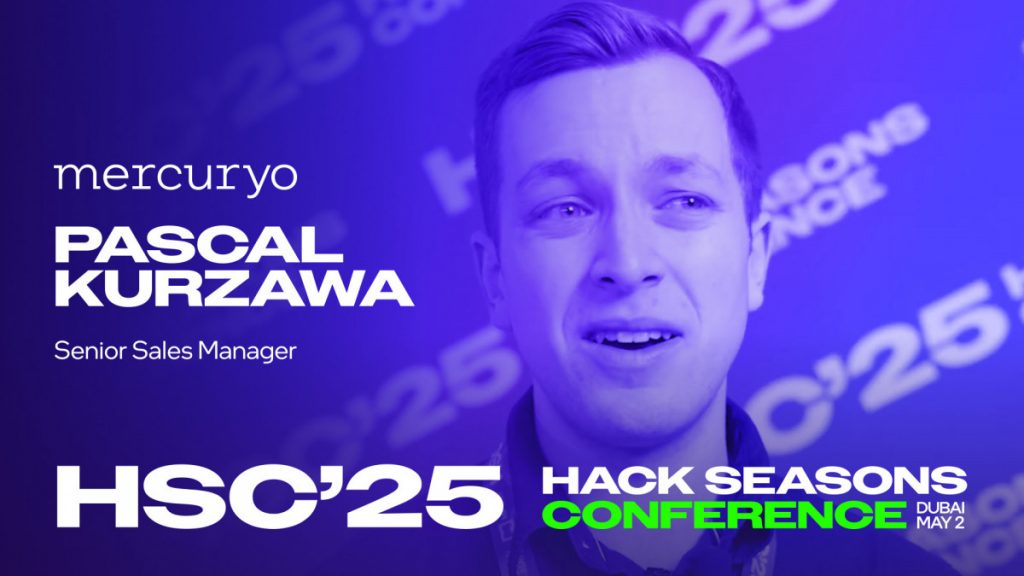
In a recent conversation, Pascal Kurzawa, Senior Sales Manager at Mercuryo, shared how the company is positioning itself as a major player in the Web3 payment space, pushing the market further.

A Global On/Off-Ramp Powerhouse

Mercuryo has built one of the most comprehensive on-off-ramp infrastructures in the crypto space today. Operating in over 150 countries, it allows users to buy and sell crypto through a wide range of payment methods, including credit/debit cards, Apple Pay, Google Pay, RevolutPay, and more.

“In the end, we just want users to top up their wallets with crypto easily — no friction, no complexity,” Pascal explained.

Users can buy virtually any token directly from their wallets, and Mercuryo’s tech is embedded in some of the most widely-used platforms in Web3 — including MetaMask, Trust Wallet, and now Wallet — where it even enables near-zero-fee on-ramps in select regions.

Recurring Investments and Spending Crypto Like Cash

Mercuryo isn’t just about buying crypto — it’s about using it, too. One standout feature is DCA (Dollar Cost Averaging), which lets users set up recurring crypto purchases to smooth out market volatility. However, the real head-turner is their crypto debit card program, which was built in partnership with Mastercard.

“We’re one of the first on-ramp companies offering white-label crypto cards,” Pascal noted. “Users can spend their USDC, Solana — whatever they’ve got — just like regular money.”

A recent high-profile example is Mercuryo’s partnership with Ledger, which allows users to create a Ledger-branded Mastercard that draws directly from their crypto holdings. It’s crypto made spendable instantly.

Building for the Long Term: No Fees, More Perks

Mercuryo is also rethinking the economics of crypto cards. Unlike other providers who charge upfront issuance fees, Mercuryo is aiming for zero-fee card issuance, with added benefits down the line. Think cashbacks, premium card tiers (like plastic or metal), and potential perks like airport lounge access — similar to what users expect from fintechs like Revolut.

“Users don’t just want a card. They want value. We’re building a card program that gives them reasons to keep using it,” Pascal said.

Disclaimer

In line with the Trust Project guidelines, please note that the information provided on this page is not intended to be and should not be interpreted as legal, tax, investment, financial, or any other form of advice. It is important to only invest what you can afford to lose and to seek independent financial advice if you have any doubts. For further information, we suggest referring to the terms and conditions as well as the help and support pages provided by the issuer or advertiser. MetaversePost is committed to accurate, unbiased reporting, but market conditions are subject to change without notice.

About The Author


Victoria is a writer on a variety of technology topics including Web3.0, AI and cryptocurrencies. Her extensive experience allows her to write insightful articles for the wider audience.

More articles


Victoria d’Este


Victoria is a writer on a variety of technology topics including Web3.0, AI and cryptocurrencies. Her extensive experience allows her to write insightful articles for the wider audience.


Source link

Crypto’s Future: KuCoin’s Oliver Stauber Stresses Trust and Tech at 2025 HODL Summit | NFT News Today

Crypto’s Future: KuCoin’s Oliver Stauber Stresses Trust and Tech at 2025 HODL Summit | NFT News Today


KuCoin, one of the world’s most recognized cryptocurrency exchanges, shared its vision for a secure and innovative digital asset future during the HODL Summit 2025 in Dubai. Speaking on a leadership panel, KuCoin EU CEO Oliver Stauber emphasized that trust and security are no longer aspirational but foundational to sustainable industry growth.

Key Highlights

Oliver Stauber spotlighted trust and innovation as the pillars of crypto’s next chapter.

KuCoin rebuilt its technical infrastructure to improve scalability, reliability, and asset protection.

The platform holds ISO 27001:2022 and SOC 2 Type II certifications, validated by regular third-party Proof of Reserves audits.

KuCoin launched a $2 billion Trust Project to raise industry-wide standards.

With five regulatory licenses, the company plans to launch in Europe and Australia by the end of 2025.

Reinforcing Trust Amid Industry Challenges

During a session titled “Crypto’s Trust Crisis,” Oliver Stauber joined executives from Bitget and Binance to explore how the industry is rebuilding user confidence in the wake of high-profile breaches and tightening regulations.

“When Lehman Brothers collapsed, trust among banks evaporated, leading to years of suffering for clients and the broader economy,” Stauber said. “In contrast, when hacks occur in crypto, industry leaders collaborate swiftly. This unity ensures no user or the market as a whole suffers long-term damage, fostering trust from both users and the market.”

Since its founding in 2017, KuCoin has prioritized user-centric innovation. Today, it serves more than 40 million users across over 200 countries. Its platform spans a range of services including crypto trading, wallets, payments, AI-powered bots, plus wealth management tools.

Security and Scalability at the Core

“Innovation drives growth, but trust secures the future,” Stauber stated. “Security is the bedrock of KuCoin’s operations, paired with sustainable growth as our guiding principle.”

Staying true to that belief, KuCoin has completely revamped its infrastructure to keep up with growing global demand. These updates aim to improve system performance and also include stronger safeguards for user assets.

KuCoin’s ISO 27001:2022 and SOC 2 Type II certifications highlight its dedication to international security standards. Meanwhile, independent audits confirm its 100% Proof of Reserves.

The $2 Billion Trust Project and Global Strategy

To raise the bar for industry practices, KuCoin recently unveiled its $2 billion Trust Project. The initiative focuses on transparency tools, regulatory alignment, and security innovation.

“Exchanges are the backbone of crypto’s future, built on transparency and trust. Our ISO 27001:2022 certification is a testament to our unwavering commitment to security,” Stauber asserted.

With five global regulatory licenses, KuCoin is preparing to launch fully compliant operations in Europe and Australia by late 2025. These moves are also expected to accelerate the adoption of the KuCoin Token (KCS), creating new value opportunities for the exchange’s global community.

Global Recognition of Leadership

In 2024, KuCoin was named one of the “Best Crypto Apps & Exchanges” by Forbes and included in the Hurun Global Unicorn Index’s “Top 50 Global Unicorns.” These recognitions validate the company’s continued commitment to innovation, compliance, and user empowerment.

From the stage of the HODL Summit 2025, Oliver Stauber conveyed not just optimism—but resolve. His message: KuCoin is building a crypto ecosystem where trust, security, and innovation are integral to every transaction.


Source link

Binance Celebrates 15th Anniversary Of Bitcoin Pizza Day With $5M BTC Giveaway

Binance Celebrates 15th Anniversary Of Bitcoin Pizza Day With M BTC Giveaway


In Brief

Commemorating the first-ever crypto transaction, Binance’s campaign includes the biggest BTC rewards pool ever launched by a CEX, meetups around the world, social channel activities, and a livestream with Binance leaders.

Binance Celebrates 15th Anniversary Of Bitcoin Pizza Day With $5M BTC Giveaway

Cryptocurrency exchange Binance announced the launch of a global initiative to commemorate the 15th anniversary of Bitcoin Pizza Day, featuring a $5 million BTC rewards pool. According to the platform, this represents the largest Bitcoin giveaway ever conducted by a centralized exchange. The campaign honors the widely recognized transaction that took place on May 22nd, 2010, when Laszlo Hanyecz used 10,000 BTC—then valued at approximately $40—to purchase two pizzas, marking one of the earliest examples of Bitcoin being used as a medium of exchange in the real economy.

“From two pizzas to a global financial movement, crypto’s journey has been nothing short of extraordinary — and our community has been the driving force behind it,” said Rachel Conlan, Chief Marketing Officer at Binance, in a written statement. “This year, we’re marking Bitcoin Pizza Day with the biggest BTC referral giveaway in history — $5 million worth — alongside over 26 local meetups and social activations. It’s our way of honoring how far we’ve come while inviting millions more into the crypto world,” she added.

Running from May 15th to May 28th, 2025, the campaign allows participants to refer others to the Binance platform using a limited-time referral link. In recognition of Bitcoin’s early transaction history, BTC was selected as the reward asset, with a maximum reward of $40 allocated per referral pair. Both the referring user and the invited user can receive a Pizza Box reward valued at up to $20 in BTC. The top referrers in the campaign may qualify for additional BTC token voucher rewards of up to $5,000 each. With a total prize pool of $5 million in BTC, the initiative is positioned as Binance’s most extensive reward-based onboarding campaign to date. 

Alongside the promotion, Binance is hosting themed community events in multiple global locations, including cities in Asia, Europe, South America, and Africa. Activities range from branded pizza truck appearances in Almaty and Johannesburg to in-person meetups in cities such as Dubai, Bordeaux, and Buenos Aires. These gatherings are set to feature educational and community-oriented programming, with complimentary pizza and promotional giveaways. 

Complementary digital engagement includes a series of interactive initiatives across online and social media platforms, such as a global social contest highlighting users’ first cryptocurrency transactions and gamified activities across Telegram, Discord, and WhatsApp. On Binance Square, a Level Up campaign for new users and a #BinancePizza challenge will offer participants the opportunity to earn from a BNB prize pool valued at $6,000 by sharing verified cryptocurrency trade activity using the Trade Sharing tool. 

On May 22nd, Binance executives are expected to join the broader community for a livestream event, discussing Bitcoin’s development, the role of Pizza Day in cryptocurrency culture, and broader trends shaping the digital asset landscape.

Disclaimer

In line with the Trust Project guidelines, please note that the information provided on this page is not intended to be and should not be interpreted as legal, tax, investment, financial, or any other form of advice. It is important to only invest what you can afford to lose and to seek independent financial advice if you have any doubts. For further information, we suggest referring to the terms and conditions as well as the help and support pages provided by the issuer or advertiser. MetaversePost is committed to accurate, unbiased reporting, but market conditions are subject to change without notice.

About The Author


Alisa, a dedicated journalist at the MPost, specializes in cryptocurrency, zero-knowledge proofs, investments, and the expansive realm of Web3. With a keen eye for emerging trends and technologies, she delivers comprehensive coverage to inform and engage readers in the ever-evolving landscape of digital finance.

More articles


Alisa Davidson


Alisa, a dedicated journalist at the MPost, specializes in cryptocurrency, zero-knowledge proofs, investments, and the expansive realm of Web3. With a keen eye for emerging trends and technologies, she delivers comprehensive coverage to inform and engage readers in the ever-evolving landscape of digital finance.


More articles


Source link

7 Free AI-Powered Resume Builders That Make CV Creation Easier Than Ever

7 Free AI-Powered Resume Builders That Make CV Creation Easier Than Ever


Crafting a compelling CV is no longer just about listing experience—it’s a strategic part of job hunting. In a world where automated systems screen candidates before a human ever reads their resume, standing out is critical. Fortunately, AI-powered CV tools now offer an easier, faster, and more intelligent way to create and tailor resumes.

Forget spending hours starting from scratch or customizing your CV for every job posting. With the help of artificial intelligence, you can build polished resumes, write optimized cover letters, and tailor applications in minutes. Below are 7 of the best free AI resume builders that help job seekers save time and boost their chances of getting hired.

1.Canva – AI Resume Builder with Personalization Tools

Canva’s AI-powered CV generator helps you create stunning, professional resumes in just a few steps. After uploading your existing resume and job description, Canva’s AI analyzes the content and generates a customized, well-structured CV and cover letter.

Key AI Features:

Personalized CV and cover letter creation

Smart layout and design suggestions

Job description alignment

Pricing:

✅ Free plan available

Premium design elements available via Canva Pro starting at $12.99/month

2.Resume.io – Fast and Structured Resume Creation

Resume.io offers a large collection of ATS-friendly templates and AI-powered suggestions, helping users build effective resumes in minutes. It’s designed for clarity and impact, featuring pre-written phrases, job-specific prompts, and layout guidance.

Key AI Features:

Pre-filled sentences based on job title

Automated summaries

Smart formatting tools

Pricing:

✅ Free plan available (with limitations)

Full access for $24.95/month (includes unlimited resume downloads and extra templates)

3.Kickresume – CV and Cover Letter Generator Using GPT-4

Kickresume stands out for its simplicity and powerful integration with OpenAI’s GPT-4. It enables fast generation of both resumes and cover letters with coherent design and content alignment. Ideal for those who want an AI-assisted draft instantly.

Key AI Features:

AI-powered content generator

Matching resume and cover letter creation

User-friendly editing and layout tools

Pricing:

✅ Free plan available

Premium starts from $5/month

4.Rezi – Job-Specific Resume Tailoring with AI Keywords

Rezi focuses on tailoring resumes for specific job listings. You can upload an existing resume or start from scratch—Rezi’s AI identifies and integrates the right keywords for applicant tracking systems (ATS).

Key AI Features:

Job-specific keyword matching

Instant resume + cover letter generation

Unlimited draft creation with the free plan

Pricing:

✅ Free plan with unlimited drafts

Pro version available for $29/month

5.Resume Worded – Resume Scoring and AI-Based Feedback

Unlike others, Resume Worded is geared towards improving existing resumes. Its AI engine analyzes your content for clarity, tone, and impact, offering detailed feedback to optimize your chances of getting shortlisted.

Key AI Features:

AI Resume Checker for keyword relevance

Grammar and clarity suggestions

Instant improvement tips based on recruiter preferences

Pricing:

✅ Free version with resume scoring

Full features with $19/year premium upgrade

6.Enhancv – Creative CV Design Meets Smart Structuring

Enhancv is a favorite among creatives. It combines visually rich templates with AI guidance to help users express their personality and experience more effectively. It includes ATS compatibility analysis and grammar correction tools.

Key AI Features:

Sentence rewriting and word alternatives

Storytelling-focused layout

20+ creative templates and visual elements

Pricing:

✅ Free plan available (limited features)

Pro plan costs $11.66 for 3 months

7.Teal – AI Resume Builder with Job Tracking Tools

Teal is more than a CV builder—it’s a job search assistant. With its AI-enhanced tools, you can match resumes to job descriptions, highlight key achievements, and even manage applications in a centralized dashboard.

Key AI Features:

Keyword scanner

Impact-focused bullet point generator

Application tracker dashboard

Pricing:

✅ Free plan includes 11 templates and AI suggestions

Paid plan starts at $9/month

✅ Conclusion: Let AI Do the Heavy Lifting in Your Job Hunt

Creating the perfect resume no longer requires hours of manual editing or professional design tools. These free AI-powered resume builders not only save time but also help you stand out in a competitive job market.

Whether you’re a recent graduate, a seasoned professional, or a freelancer pivoting careers, using the right tool can make all the difference. Let AI streamline your CV process—because your time is better spent preparing for interviews than formatting your experience.

You Might Also Like;

Follow us on TWITTER (X) and be instantly informed about the latest developments…

Copy URL


Source link

Fashion Shows in the Metaverse Era

Fashion Shows in the Metaverse Era


Whether it’s Alexander McQueen’s iconic No.13 or Plato’s Atlantis collection, Gucci’s legendary Fall/Winter 1995 show, or Maison Margiela’s unforgettable 2024 couture presentation, some fashion shows have etched themselves into our collective memory. Chanel’s elaborate Grand Palais settings or Hussein Chalayan’s culturally rich, historically inspired narratives transport us to otherworldly realms season after season. These moments are more than visual spectacles—they are cultural references that continue to influence the zeitgeist and shape the future of fashion.

But fashion, as ever, is in a constant state of transformation.

Today, there are over 150 fashion weeks held globally. Flagship events like New York Fashion Week host more than 300 shows annually, while the average fashion week features around 50. That totals over 7,500 fashion shows per year—a staggering number that inevitably raises a critical question:Where are fashion shows heading in an age where every moment is instantly broadcasted to the world?Are they shifting into digital experiences, or will they continue to exist in their traditional forms?

A Century of Fashion Shows: From Silent Elegance to Global Spectacle

How the Metaverse Is Revolutionizing the Fashion Industry

Fashion shows began in earnest in the 1910s when Paul Poiret transformed presentations into social events. Until the 1950s, shows were held in salons, where models glided silently past the audience, the only sounds being the rustle of fabric and whispered model names. Often, their grand skirts would tip over champagne glasses or ashtrays in the cramped spaces.

By the mid-century, the narrative changed. Fashion entered a more professional realm—luxury retailers discovered the marketing power of frequent, prestigious shows. The 1960s saw the rise of ready-to-wear fashion and dynamic presentations driven by designers like Mary Quant, turning runways into stages for the modern woman’s energy and freedom.

In the 1980s, Thierry Mugler and Gianni Versace elevated fashion shows to theatrical extravaganzas, merging fashion with pop culture in dazzling, arena-style events.

The 1990s and 2000s: Fashion Goes Global

In the decades that followed, fashion became a global phenomenon. Houses like Fendi staged shows on the Great Wall of China, Chanel turned Grand Palais into a cathedral of creativity, and Dior blurred the lines between dream and reality in its storytelling.

Meanwhile, the rise of social media began to reshape the industry entirely. What was once reserved for elite audiences could now reach millions of viewers instantly on platforms like Instagram, TikTok, and YouTube. A show wasn’t just a performance anymore—it was a shareable, viral event. Likes, comments, and shares began influencing how success was measured.

Today, digital engagement is as important as physical attendance, with brands focusing on lasting online impressions and maximizing reach across platforms.

The Pandemic as a Digital Turning Point

The COVID-19 pandemic accelerated this digital shift. With physical shows canceled, fashion turned to virtual spaces for survival. Livestreams, interactive digital shows, and virtual presentations became the new norm.

Creative adaptations like Moschino’s puppet runway or Maison Margiela’s cinematic presentation revealed the artistic potential of digital formats. These weren’t just contingency plans—they were reimaginings of how fashion could be expressed.

Post-pandemic, fashion shows have evolved into hybrid experiences, combining physical presence with the unlimited reach of digital platforms.

The Rise of Immersive Fashion

Fashion is entering a new era—one that transcends clothing and catwalks to deliver multi-dimensional storytelling. The aim is no longer just to showcase a collection, but to immerse the viewer in a sensory journey.

For example, Balenciaga has developed an app compatible with Apple Vision Pro, offering 4K resolution runway footage, interactive lookbooks, and mixed reality experiences. Imagine watching an Alaïa show from your living room, feeling as though you’re in the front row, examining each fabric texture in stunning clarity.

As a result, venue design is also transforming. Grand halls and historic buildings may give way to limitless virtual landscapes. Picture Louis Vuitton presenting a collection on a Martian backdrop, or Dior unveiling a dreamlike universe that morphs in real time with each model’s step. These scenarios combine art, technology, and narrative to deliver deeply immersive storytelling.

A Lifeline for Independent Designers

As economic pressures mount globally, digital fashion shows have become a promising alternative for emerging designers and small brands.Traditional shows are expensive and logistically complex. Even renowned designers like Dilara Fındıkoğlu have had to cancel shows due to high production costs.

Digital platforms lower these barriers. With tools like VR (Virtual Reality) and AR (Augmented Reality), young creatives can present visionary collections to global audiences without the burden of physical venue costs. Platforms such as ShowStudio and Instagram Live have become launchpads for new talent, offering freedom from traditional constraints.

The Counter-Trend: The Return to Presence

Despite the digital boom, some brands are pushing back.The Row, known for its minimalist luxury, has enforced a strict no-phone policy at recent shows to encourage mindful presence. Similarly, during his tenure at Bottega Veneta, Daniel Lee famously deleted the brand’s social media accounts, inviting speculation on how fashion can exist outside the algorithm.

These approaches create a kind of digital detox, allowing attendees to truly experience the garments and atmosphere. They invite us to question whether screens can ever replace the electricity of being there, in the moment, as the lights dim and the first model steps out.

A Question of Balance: Digital vs. Physical

As fashion embraces digital freedom, the question remains—can virtual experiences recreate the iconic moments of past decades? Can they replace the thrill of seeing Naomi, Linda, and Christy strut down a runway, or the goosebumps of attending a Karl Lagerfeld spectacle at Grand Palais?

Digital shows allow for global participation and endless creativity, but can they replicate the communal spirit, the shared breathlessness of a live audience?

Traditional fashion shows have long combined art, community, and live storytelling in a way that’s hard to reproduce virtually. Whether or not digital formats can capture that deep emotional resonance remains to be seen.

Conclusion: The Future Is Hybrid

a white hoodie with a dinosaur on it

Fashion shows are no longer confined to runways or screens—they are evolving into cross-platform experiences. Whether you’re donning a VR headset at home or sitting in the front row at Grand Palais, the goal is the same: to feel the story, not just see the clothes.

The future may lie in finding the balance—between the tactile richness of the physical world and the infinite potential of the digital one. Whichever path fashion takes, one thing is certain: the show must go on—everywhere.

You Might Also Like;

Follow us on TWITTER (X) and be instantly informed about the latest developments…

Copy URL


Source link

ChatGPT’s New Model GPT-4.1 Released: Here Are All the Details!

ChatGPT’s New Model GPT-4.1 Released: Here Are All the Details!


OpenAI has officially announced the release of its latest AI model, GPT-4.1, now available to paid ChatGPT users following high demand. Starting today, ChatGPT Plus subscribers can access GPT-4.1 by going to the ChatGPT interface and selecting it from the model selector in the top-left corner.

According to OpenAI’s statement, ChatGPT Plus, Pro, and Team subscribers can now access GPT-4.1 via the “More models” option in the model picker menu. As for Enterprise and Edu users, access to GPT-4.1 will roll out in the coming weeks.

✅ Current Access Levels:

User TierGPT-4.1 AvailabilityFreeLimited (GPT-4.1 mini as backup)Plus✅ Available nowPro✅ Available nowTeam✅ Available nowEnterpriseComing soonEducation (Edu)Coming soon

🆓 What’s New for Free Users?

There’s also a notable change for free-tier users. The GPT-4o mini has now been replaced with GPT-4.1 mini as an alternative model. However, GPT-4o will remain the default model for free users. When usage limits are reached, the system will automatically switch to GPT-4.1 mini, ensuring continued access to AI features without interruption.

What’s Special About GPT-4.1?

When OpenAI first introduced GPT-4.1 last month, the model was described as “a major step forward in practical AI applications.” Designed to meet the growing demands of developers and advanced users, GPT-4.1 is particularly strong in:

Coding and software development

Data analysis and chart generation

Understanding and summarizing long texts

Advanced reasoning and logic

Building intelligent agent systems

These capabilities make GPT-4.1 a powerful tool for both casual users and professionals looking to push the boundaries of what AI can do in daily workflows, research, and business applications.

💡 Extra Highlights & Features of GPT-4.1

FeatureDescriptionImproved Context UnderstandingBetter handling of complex and lengthy promptsMore Accurate Code GenerationImproved support for multiple programming languagesHigher Reliability in Math & Reasoning TasksBetter consistency in structured problem solvingBetter Integration for Custom GPTsEnhanced performance in ChatGPT’s custom botsFaster Response TimesCompared to GPT-4 Turbo, with improved latency in usage

💳 Pricing Overview

ChatGPT Plus: $20/month

ChatGPT Pro: $50/month (includes priority access, faster response, and API credits)

Team & Enterprise: Custom pricing based on organization size and usage needs

Free users don’t need to subscribe to benefit from GPT-4.1 mini support when available.

🔚 Final Thoughts

The release of GPT-4.1 represents a significant milestone in OpenAI’s roadmap. With enhanced practical use cases, deeper reasoning, and powerful developer tools, it aims to deliver better performance than any previous version. Whether you’re writing code, summarizing documents, or developing AI agents, GPT-4.1 is set to redefine productivity.

Want to try it? If you’re a Plus, Pro, or Team subscriber, just open ChatGPT and switch to GPT-4.1 today!

You Might Also Like;

ChatGPT’s New Model GPT-4.1 Released: Here Are All the Details!
Gemini AI Comes to Android Auto, Wear OS, Google TV & XR Devices
ChatGPT May Soon Offer a Lifetime Subscription

This content was originally published on %ChatGPT’s New Model GPT-4.1 Released: Here Are All the Details!% by YourSiteName.


Source link

Free AI-Powered Photo Editing Apps You Can Use Today – Metaverseplanet.net

Free AI-Powered Photo Editing Apps You Can Use Today – Metaverseplanet.net


Editing photos has become easier than ever thanks to artificial intelligence (AI) tools. In this article, we explore the best free AI photo editing apps you can use to enhance and transform your images—even without any prior design skills.

Thanks to advances in AI technology, users can now edit photos exactly the way they want with just a few clicks. So, what are the best AI tools you can use to edit photos for free?

Below, we’ve listed some of the top AI-powered photo editing applications that allow free use. If you’re looking for ways to edit your images without paying a dime, you’re in the right place.

1.Pixlr

Pixlr is one of the most popular free photo editors on the web. It offers a wide range of AI-supported features, such as background remover, AI-powered cutout tools, smart resize, and object removal.

You can save three images for free per day, but you can bypass this limit by using an incognito browser tab, allowing virtually unlimited usage.

AI Features:

Background remover

One-click filters and retouch

AI cutout tool

Object eraser

Pricing:

Free version available

Paid plans start from $1.99/month for premium tools and ad-free experience

2.Google Photos

While originally intended as a backup tool, Google Photos now offers several AI editing features such as Magic Editor, Magic Eraser, and enhancements for brightness and sharpness—all for free.

AI Features:

Magic Editor for one-tap enhancements

Magic Eraser for removing background or objects

Auto adjustments for lighting and colors

Pricing:

Free for all users

Google One subscription needed for some advanced features on Pixel or other Android devices

3.Remini

Remini is widely known for enhancing image quality. While it doesn’t focus heavily on editing like others, it excels in photo restoration, portrait enhancement, and even video improvement using AI.

AI Features:

Photo upscaling and sharpening

Enhance blurry portraits

Improve video quality

AI image generation

Pricing:

Free version with limited daily credits

Subscription starts from $4.99/week for unlimited use

4.Fotor

Fotor is available on Android, iOS, and Web, and provides one of the most intuitive AI photo editing experiences. It includes tools like AI background removal, photo enhancer, and AI image generator.

AI Features:

AI background remover

AI photo enhancer

AI image generator

Social media templates

Pricing:

Free plan includes most tools (with watermark)

Pro starts at $3.33/month

Pro+ from $7.49/month for advanced access

5.Canva

Canva is a favorite among non-designers and professionals alike. Known primarily for its design templates, Canva also includes powerful AI photo editing features, especially under its Magic Studio umbrella.

AI Features:

Magic Edit to add or remove objects

Background remover

AI text-to-image

AI presentation maker

Pricing:

Free for most tools

Pro plan starts at $12.99/month for advanced features

6.Lensa AI

Lensa AI offers extensive editing tools that allow users to fine-tune their portraits and selfies. It includes filters, object removal, avatar creation, and more.

AI Features:

AI avatar creator

Face retouching

Object and background removal

Artistic filters and effects

Pricing:

Free trial available

Subscription starts from $3.99/week or $19.99/year

7.Photoroom

Ideal for e-commerce and content creators, Photoroom focuses on product image editing with AI. It allows users to remove/change backgrounds, enhance image quality, and even generate virtual human models for product showcasing.

AI Features:

Background remover and changer

Smart resize and expand canvas

Text-to-image AI

Product shot generator

Pricing:

Free version includes watermark

Pro plan at $9.99/month

8.Adobe Photoshop (7-Day Free Trial)

No list is complete without Adobe Photoshop, the industry leader in photo editing. While it’s a paid tool, Adobe offers a 7-day free trial, giving access to all its AI-powered tools, including Generative Fill.

AI Features:

Generative Fill (text-to-image within images)

Smart Object Removal

Neural Filters

AI sky replacement

Content-aware fills

Pricing:

Free 7-day trial

Monthly plan starts at $22.99/month

We’ve explored some of the best free AI photo editing tools available in 2025. Whether you’re a beginner or a seasoned editor, these tools help you create stunning visuals effortlessly, thanks to the power of artificial intelligence. If you have any favorite AI photo editors not listed here, feel free to share them in the comments!

You Might Also Like;

Follow us on TWITTER (X) and be instantly informed about the latest developments…

Copy URL


Source link

How Will Layer 3 Change the Future of Blockchain Gaming? | NFT News Today

How Will Layer 3 Change the Future of Blockchain Gaming? | NFT News Today


Layer 3 protocols are designed to fix many of the performance issues that plague the blockchain gaming space. With increased scalability, speed and flexibility, they open up possibilities that could reshape our gaming experiences.

Key Takeaways

Layer 3 is considered the next milestone for blockchain gaming due to better scalability and user-centric features.

It leverages advanced interoperability, connecting multiple chains for seamless in-game transactions.

Recursion-based scaling delivers compressed proofs, reducing fees while increasing speeds.

Application-specific customization helps game creators set unique parameters for tokens, fees, and gameplay.

Leading Layer 3 protocols include zkSync Hyperchains, and Arbitrum Orbit, each offering innovative solutions.

What Is Layer 3 in Blockchain Gaming?

Layer 3 is often referred to as the “application or customization layer” in the blockchain stack. It builds on top of the base layer (Layer 1) and the scaling layer (Layer 2) to provide extra functionality and specialized frameworks for projects such as blockchain gaming.

Some indie game developers mention that the ease of customizing their own Layer 3 environment saves time and energy. They appreciate being able to fine-tune everything from tokenomics to game logic within a single environment. Community testers have also noted fewer slowdowns when high numbers of users join a game simultaneously.

Key benefits of Layer 3 for gaming include:

Enhanced interoperability: Facilitating communication across multiple blockchains to reduce siloed ecosystems.

Recursive scaling: The ability to bundle and compress transactions to reduce costs and increase speed.

Specialized environments: Allowing game developers to configure every detail of their chain for unique gameplay features.

These elements can greatly benefit blockchain gaming by delivering faster transaction times, lower fees, and more flexible infrastructure.

Comparing Layer 1, Layer 2, and Layer 3

Below is a concise overview that highlights the main differences:

Aspect

Layer 1 (Base)

Layer 2 (Scalability)

Layer 3 (Application & Customization)

Primary Focus

Core security, consensus, and decentralization

Off-chain transaction processing to enhance speed and reduce fees

Specialized frameworks, cross-chain communication, and advanced customization

Examples

Bitcoin, Ethereum

Rollups (e.g., Optimistic, ZK), Sidechains, State Channels

Orbs, zkSync Hyperchains, Arbitrum Orbit, Appchains

Scalability Approach

Processes transactions on-chain with limited throughput

Processes transactions off-chain or in batches, then settles on Layer 1

Uses recursive proofs and extra compression for additional speed and efficiency

Fees

Generally higher due to on-chain computation

Reduced fees by offloading much of the workload

Further reduced fees by performing execution and batching at an additional layer

Use Cases

Core settlement, global digital currency

Fast payments, simpler dApps needing speed and cost efficiency

Fully customizable environments for gaming, finance, and other specialized applications

Some users have remarked that once you see how well Layer 3 optimizes fees, it’s hard to go back. Speed and cost savings seem to be the biggest crowd-pleasers in gaming communities looking to incorporate on-chain mechanics.

Practical How-To: Onboarding Into Layer 3 Gaming

Below is a step-by-step outline to help game developers and players make the most of Layer 3 technologies:

Select a Suitable Platform

Choose a Layer 3 solution that fits your needs. Projects like zkSync Hyperchains, or Arbitrum Orbit cater to different use cases. Developers often compare user feedback and performance benchmarks before settling on a platform.

Set Up Developer Tools or Wallets

Use official developer kits and wallets provided by Layer 3 protocols. This ensures smooth integration of their features, including cross-chain transfers and lower fees. Early adopters appreciate the user guides and community forums which can speed up the learning curve.

Test and Deploy Smart Contracts

Experiment in a sandbox environment to confirm that your in-game mechanics function properly. Once tested, deploy smart contracts that can leverage advanced Layer 3 features such as recursive proofs or custom token economics. Several indie studios have praised how straightforward it is to execute large volumes of transaction logic without crippling gas fees.

Launch the Game and User Onboarding

Introduce simple interfaces. Provide tutorials or guides within your gaming platform to help new users grasp how Layer 3 works without getting lost in technical details. Some community members emphasize that a well-designed onboarding process is key to retaining players on any new blockchain solution.

Stay Informed on Upgrades

Layer 3 is still evolving, so monitor protocol updates. Adopting new improvements early can keep your project at the forefront of blockchain gaming advancements. A few developers have likened it to staying updated on traditional game engine releases—they believe new features often translate into a more compelling user experience.

Real-World Use Cases and Examples

Layer 3 solutions are steadily gaining momentum in gaming. Developers and players alike share anecdotal evidence of smoother gameplay and cheaper transactions:

zkSync Hyperchains

zkSync Hyperchains are a next-generation scaling solution developed by zkSync, designed to enable hyperscalability, interoperability, and customization within the Ethereum ecosystem. They are built using the open-source ZK Stack framework, allowing developers to launch their own sovereign ZK-powered chains called Hyperchains-that can function as Layer 3 networks.

Arbitrum Orbit

Arbitrum Orbit is a framework developed by Offchain Labs that enables developers to create highly customizable Layer 3 (L3) blockchains within the Arbitrum ecosystem. Orbit chains can settle to Ethereum (as L2s) or to existing Arbitrum L2s (as L3s), offering flexibility, scalability, and a wide range of customization options for game developers.

Appchains

Appchains are application-specific blockchains designed to optimize every aspect of their architecture for a particular use case. They offer superior scalability, performance, and customizability compared to general-purpose blockchains, making them an increasingly popular solution for gaming developers.

Frequently Asked Questions (FAQ)

1. How does Layer 3 improve blockchain gaming performance?

Layer 3 applies extra compression and off-chain execution on top of Layer 2. This streamlines network traffic, accelerates transactions, and lowers costs, which significantly enhances gaming speed and user experience. Gamers often describe it as finally feeling “responsive” compared to previous on-chain games.

2. Are Layer 3 gaming projects secure?

They inherit security from underlying layers—Layer 1 and Layer 2. However, each extra layer introduces new considerations. Audits and rigorous testing are vital to maintain a secure gaming environment.

3. Can Layer 3 gaming solutions connect multiple blockchains?

Yes. Interoperability is a key feature of Layer 3. It allows seamless communication between different chains which improves asset movement and user engagement in multi-chain gaming platforms.

4. Why is onboarding crucial in blockchain gaming?

User adoption often hinges on a smooth onboarding process. Streamlined approaches—like intuitive wallets and easy tutorials—help players jump into gaming without wrestling with technical obstacles.

5. Will Layer 3 protocols replace Layer 2?

They act more as an extension than a replacement. Layer 3 depends on Layer 2 innovations for many of its capabilities, but it adds specialized frameworks and advanced scalability for projects that need more customization.

Summary

Layer 3 provides a forward-thinking step for the blockchain stack. t solves the scalability and interoperability issues by introducing a special application layer that is particularly relevant for gaming. By reducing fees, speeding up transactions and offering custom features, Layer 3 opens up blockchain adoption to more people.

As more projects embrace Layer 3, it is poised to shape blockchain gaming’s future and fulfil the demand for interactive, cost-effective environments.


Source link

Popular Posts

My Favorites