As I was packing for our recent trip to LA, it occurred to me that this would probably be the least tailoring I had ever brought on a work trip.
We were mostly seeing casual brands and vintage shops, and even our magazine launch at Buck Mason wouldn’t necessarily be smart. They’re inherently a casual brand after all, and it’s always good to dress for the people and place so a suit and tie wouldn’t have been right.
In the end, therefore, I took only one tailored jacket and pair of trousers. And given my mild obsession for getting the most out of the minimum number of clothes, both of those had to go with other things too.
The jacket I chose was my double-breasted linen from Ciardi, which is casual enough to go with both blue and black jeans, as well as the tailored trousers I took, which were dark-brown high twists from Trunk.
That’s the jacket with blue jeans above. The jacket was only worn with the brown tailored trousers once, but I smartened that up with a cream silk shirt, black shoes and a black belt. With those accessories and the overall high-contrast palette it felt smart enough for a cocktail at Sunset Tower (to pick an example at random…).
The trousers were a fairly smart choice, but they still partnered happily with something like a PS cream linen overshirt (above).
As with the tailored outfit mentioned, I deliberately smartened that up to complement the trousers – so above it’s a knitted tee rather than a regular one, and black loafers rather than something more casual.
But let’s go back to the beginning. As I usually do when planning these trips, I started with the trousers. Having decided these would be the blue jeans, black jeans and brown high-twists, I then turned to jackets. The cream linen jacket went with all three, as did the cream linen overshirt.
Next was my ever-reliable jungle jacket, which would go with both pairs of jeans and was such a reliable travel piece – so many pockets, plus a fit that goes over everything yet still looks good with just a T-shirt.
That’s the layout on the bed below. You can imagine me laying down the trousers in the middle, and then adding the other bits around them.
At the top of this article you can see a way I wore the jungle jacket one day – with black jeans and a black knitted T-shirt (Rubato). The light-tint sunglasses in that outfit are a good example of using an accessory to make an otherwise pretty functional outfit more interesting (they’re from Jacque Marie Mage, the Zephirin model).
Having a few things like this on a trip is really useful – scarves and hats fall into the same category. The sunglasses in the other shots are less unusual (from EB Meyrowitz). They’re still great, but not necessarily the first thing that gets your attention.
I’ll review the Jacques Marie Mage at a later date by the way. It’s hopefully interesting given how much they’re expanding at the moment, and indeed how popular sunglasses as a whole are becoming as a male fashion accessory.
At the last minute, I added the PS Linen Harrington to this packing list, as it’s light and didn’t take up much room. I had hesitated about taking it, as it’s not the best colour with blue jeans and wouldn’t have been great with the tailored trousers either.
But it was very nice to wear – as you can see in the outfit above, one evening on Redondo Beach before we had dinner with Yuki Matsuda. The tobacco-suede overshirt is not pictured in any of these outfits, but was very useful, being pretty a good smart/casual crossover piece, matching with all the trousers, and as mentioned recently, being quite an LA piece.
The shoes also had a late addition. I initially had my Alden black full-strap loafers, Superga tennis shoes, and PS boat shoes, which felt like a nice range and also versatile. But when I got to the end of the packing and found I had space, the black City-Mocs were added too.
They were added primarily for comfort – as a back-up if any other shoes were giving me trouble. It’s a nice thing to have if, for example, you have been out all day, your feet are aching, and you want to change into something different to go down to dinner.
The shirts and T-shirts were mostly neutrals – white, black, plus the universally useful blue denim. Those are knitted black and white T-shirts shown under the jungle jacket and suede overshirt, with regular versions stacked lower down.
Knits were similarly tonal, shorts in beige and swimming shorts in tobacco. The only other pieces not shown here are a couple of caps, some PS chinos and a denim overshirt – basically an oversized chambray.
Large, lightweight shirts like this are really useful on summer trips, because they can function essentially as casual jackets (particularly with a couple of chest pockets) and can be worn on their own to the beach or the pool.
In the outfit above I’m wearing one (from Jack Fort, size small!) and it feels like a very LA look – lots of denim, very laidback, but also a little fashiony because of the matching.
The last outfit image I have is the one above, with PS chinos in beige and a black Finest Polo. Interesting how much more dressed up the chinos feel when you put them with black.
I think that’s it. Any questions please let me know, but most clothes should be linked to or familiar to most people. Hopefully that provides some inspiration for you during your summer jaunts.
Photography: Kentaro Minato, or PS
Related posts
The vibe of the summer: Lucas’s moodboard S/S 2025
May 21st 2025 – 67 Comments
Read More
The new Linen Overshirt in India
April 11th 2025 – 143 Comments
Read More
A casual Summer capsule
July 7th 2021 – 210 Comments
Read More
<!–
Subscribe to this post
You can follow the discussion on A casual travel wardrobe: What I wore in LA by entering your email address in the box below. You will then receive an email every time a new comment is added. These will also contain a link to a page where you can stop the alerts, and remove all of your related data from the site.
Longchamp has introduced its globally travelling retail pop-up, the Green Concept Boutique, to Raffles City Singapore. Marking its sixth international stop, this limited-time installation translates the heritage of the French maison into an immersive, experiential space. The boutique is open to the public until 15 September 2026, offering visitors a dedicated environment focused on brand storytelling and exclusive products.
A Visual Identity Rooted in Brand Heritage
The design of the Raffles City installation relies entirely on a strategic palette of greens, a colour that has served as a core identifier for Longchamp since its founding. Rather than acting as a standard retail backdrop, the space utilises an interplay of two distinct tones to communicate the evolution of the brand. A luminous light green is used to represent modern creative energy, while a contrasting deep heritage green anchors the space to represent the historic elegance of the fashion house. This monochromatic approach transforms the high-traffic shopping district into a distinct, unconventional environment meant to engage visitors intuitively.
Curated Leather and City-Exclusive Collections
Central to the Singapore installation is the release of the limited-edition city-exclusive Le Pliage du Monde bag. The Le Pliage line itself is famous worldwide for its lightweight, foldable nylon design inspired by Japanese origami, making it one of the most recognisable silhouettes in luxury casual wear. This specific iteration features localised branding created exclusively for this pop-up series, available only in a few selected cities around the world.
Beyond this location-specific release, the boutique also showcases pieces from Longchamp’s core permanent collections. This includes the Le Roseau line, a collection defined by its structured leather silhouettes and signature bamboo-shaped toggle closures. Visitors can also explore the contemporary Looong collection, a range that plays with elongated proportions and modern graphic sensibilities. By presenting these diverse design directions together, the space displays how the maison balances structured heritage leatherwork with everyday functional luxury.
Experiential Retail in a Historic District
The arrival of the pop-up at Raffles City places the installation at a major intersection of contemporary lifestyle and local history in Singapore. This placement aligns with Longchamp’s broader shift toward experimental retail — an industry strategy that prioritises consumer interaction and memorable physical environments over traditional transactional shopping. By creating a space that emphasises discovery and visual dialogue, the fashion house aims to build deeper connections with both long-standing collections and new audiences who are unfamiliar with the brand’s historic roots.
For more on the latest in luxury fashion and style reads, click here.
Everyday luxury has long come with unwritten rules. Jewelry is often removed before workouts, packed away before travel, and reserved for occasions considered important enough to warrant it. Gold Club Jewelry House was founded on a different belief: jewelry should fit naturally into everyday life rather than wait for the right moment to be worn.Founded by Shannon Hudson in Northwest Arkansas, Gold Club serves women whose schedules rarely fit into neat categories. Work, family responsibilities, travel, fitness, and social commitments often overlap throughout the day, creating a lifestyle where convenience matters as much as style. The company’s philosophy, “Jewelry You Can Play In,” reflects a belief that jewelry should move with women through those experiences rather than remain separate from them.
Gold Club describes this idea as performance luxury. The concept is rooted in the view that luxury should have a meaningful place in daily routines. Rather than being reserved for occasional wear, jewelry becomes part of a woman’s everyday experience, accompanying her through the moments that make up modern life.
During its first year, Gold Club generated approximately $1.5 million in revenue, with roughly 45 percent of customers returning to purchase again. Its signature LustraFlex™ collection has been adopted by the women’s sports teams at the University of Arkansas and TCU, with a Wimbledon collaboration set to be announced soon. Early traction has come from Northwest Arkansas, South Florida, Southern California, Virginia and Texas, where many customers balance demanding schedules, active lifestyles, and frequent travel.
A Lifestyle Jewelry House, Not Just a Brand
Gold Club is building a modern jewelry house, with a direct-to-consumer business it plans to keep growing. The business operates through two connected divisions that support different moments in a customer’s life while remaining tied to the same philosophy.
Gold Club Everyday offers semi-fine jewelry made with 14k gold-filled metals and natural gemstones. Among its signature products is the proprietary LustraFlex™ bracelet, a clasp-free flexible bracelet created for women who prefer jewelry that remains part of their routine from morning to evening.
Gold Club Reserve serves the fine jewelry side of the business. Through a collection designed by founder, Shannon Hudson and a private concierge process, clients work directly with expert designers on engagement rings, wedding bands, graduation rings, heirloom pieces, and custom jewelry. The experience is structured around personal guidance and long-term relationships rather than a traditional showroom transaction.
Together, the two divisions allow Gold Club to accompany customers through different stages of life. A customer may begin with an everyday bracelet and later return for engagement jewelry, wedding bands, or heirloom pieces, creating continuity across both everyday purchases and milestone moments.
The New Luxury Customer Is Already Moving
Gold Club’s growth reflects changing expectations among many luxury consumers. Modern life often requires women to move between professional responsibilities, family obligations, recreation, travel, and social events within the same day. Many are seeking products that fit naturally into those transitions without requiring constant attention or adjustment.
The company believes jewelry should support the modern woman’s lifestyle. Customers are increasingly looking for pieces that feel polished without feeling restrictive and meaningful without being limited to formal occasions. They want jewelry that remains relevant whether they are playing sports, heading to a pilates class, traveling, working through a day of meetings, spending time with family, or out for a girls’ night.
Product decisions throughout the collection reflect that thinking. Gold Club offers its bracelets in four sizes, including an XS 5.75-inch option for smaller wrists, a size that remains uncommon among many luxury jewelry brands. The choice reflects attention to wearability and comfort for a broader range of customers.
Built for Women Who Do Not Pause Their Lives
Many of Gold Club’s customers are not looking for jewelry that comes with instructions. They are looking for pieces that fit naturally into routines that already feel full. A bracelet worn to a morning workout may remain on through lunch, meetings, travel, and dinner. Jewelry becomes part of daily life rather than something that requires planning around it.
That perspective sits at the foundation of the company’s broader vision. Gold Club is focused on making luxury more compatible with the realities of modern schedules while preserving the qualities that make jewelry meaningful. The goal is not to change the significance of jewelry, but to make it easier for women to enjoy it more often.
The everyday claim has a material foundation. The pieces are sweat-proof and tarnish-resistant, built to hold their finish through workouts and a full day of wear. Under FTC rules, jewelry labeled gold-filled must contain at least 5 percent gold by weight; Gold Club’s pieces are produced at 7 percent. By comparison, gold-plated jewelry often sells at a similar price point but contains only about 0.01 percent gold. That layer is thinner than a strand of hair and tends to wear away within months.
The Future of Performance Luxury
Gold Club’s long-term plans reflect its belief that consumer expectations around jewelry continue to change. Gold Club continues to expand its national e-commerce presence while actively pursuing partnerships with brands, properties, clubs, athletes, and organizations that align with its values of quality, movement, and modern luxury. Through thoughtfully curated collaborations, the company is building a growing network of partners and clients who share a passion for elevated experiences and meaningful connection.
Underlying those efforts is a straightforward idea: many consumers want luxury products that remain present throughout their daily experiences rather than appearing only during special occasions. Gold Club has built its business around that belief, designing jewelry for modern lives, pieces that complement everything from everyday moments to life’s most meaningful occasions.
Whether performance luxury becomes a broader category remains to be seen. Gold Club’s early results, however, suggest there is growing interest in jewelry that fits naturally into modern routines. Rather than asking women to adapt their lives around their jewelry, the company is building its business around the belief that jewelry should adapt to the way women already live.
The fascination of buying second hand (and how to do it)
Wednesday, June 10th 2026
Share
Share this post
Subscribe
1 Comment
Add to favourites
||- Begin Content -||
The author in two of his favourite second-hand purchases, detailed below
By Erik Ostling.
Since most of my wardrobe is second hand, Simon recently asked if I wanted to write something about used clothing and buying vintage.
I smiled when he asked because most people who are genuinely good at finding second hand rarely want to explain how they do it. Every time I’ve asked a vintage dealer how they manage to find all their good things, they usually change the subject.
Buying and selling vintage is not my livelihood, which makes me slightly less protective about sharing a few things I’ve learned along the way. But frankly, success is usually less about secret knowledge than persistence. I’ll share my thoughts today on why I buy second hand, where to look and what to look for, and in between some photos of what I’ve found over the years.
Missoni mocs from the Navigli market in Milan, €80. For years now, this is more or less the only kind of shoe I wear in summer. It started with a hand-sewn pair of Northlands I found for €20Workwear jacket made for Bergdorf Goodman by Ascot, €50. Look at those beautifully rounded, riveted pockets
The end point of style
I started buying second hand online in the early 2000s. I had little money and wanted cool things that didn’t exist in Stockholm. Being an early adopter of mobile internet unlocked a completely new world, especially when it came to placing bids for Evisu jeans and Arc’teryx jackets on Ebay. That’s probably where the seed was planted.
Once I started earning more money, I spent nearly a decade buying new ready-to-wear pieces and, later, MTO. Then I took a senior role at a luxury online retailer, which came with a £25,000 annual clothing allowance. Oddly enough, that more or less killed my interest in buying new clothes (apart from a few pairs of John Lobb Antibes and Edward Green Dovers…)
I think the reason was that once things that had been difficult to afford became easy, they stopped feeling interesting. What became interesting instead was finding things that only exist once, which I believe is where most people with a deep interest in clothing eventually end up.
Trying on a handmade 1970s chalkstripe suit by Paul Stuart, €70. I could never have guessed that I would like slightly flared trousersWhat over the years has become my favourite jacket. Bought in Stockholm for €30. Very few companies today dare to take the risk of making such bold colours. Second hand has definitely made me appreciate colour more
There are really only two ways to do that. One is expensive and one slightly less so. The first is bespoke – asking a tailor to make something completely unique for you. The other is buying things second hand.
The interesting thing is that bespoke and vintage represent two completely different forms of ‘one of a kind’. Bespoke is complete control, while second hand is discovery.
A great vintage garment can surprise you. You find proportions, fabrics, details and patina you would never have imagined yourself. A big part of the pleasure is discovering something you would not have designed on your own.
The quality of things made before the explosion of fashion brands is also difficult to ignore. Most of the time the prices of second hand are much lower, the fabrics better (due to less stress on cotton crops and the sheep) and the craftsmanship more careful than most of what is produced today.
I can’t even imagine paying what a new pair of crocodile loafers would cost today. These were €49 in my local bulk-stock shopI had owned two vintage Brooks Brothers jackets from the 1960s, one in wool flannel and one in camel hair, before finding this one earlier this year for €39. Totally unstructured, single vent, and with the best pattern matching across pockets and sleeves I have ever seen
Where to look
When it comes to physical second-hand shopping, I tend to think of four categories: markets, charity shops, bulk-stock resale stores, and highly curated boutiques or archives with hand-picked selections. The difference between them is mainly labour and price. The less work you want to do yourself, the more expensive things become.
Personally, I find markets, charity shops and bulk shops the most interesting, because I enjoy the search itself. Hand-picked stores can be particularly expensive because the owner often has a personal relation to every garment. I regularly think I could find most things much cheaper myself if I put the effort in, but I do try to support these stores when I find something truly unique, because they often have a fantastic eye and are a great source of inspiration.
If you also like the hunt, finding the stores with the best selection is not rocket science. If you travel to countries with an old upper class and a strong tailoring tradition, just go to wealthy neighbourhoods, find the weekend markets and local charities, and start digging.
A Schott flight jacket with incredible patina. This one was “expensive” at €200. Not a hefty investment if you want to find out whether you’re a leather-jacket kind of guy or not. And when buying something like this, you will get your money back reselling itAnother item I would never have guessed I would love. Polo Country by Ralph Lauren, €65 from a bulk-stock store in Gothenburg
Wealthy people tend to buy better clothes, and donating to charity is common behaviour. I used to find shirts in charity shops in Chelsea and Kensington that still had the dry-cleaning tags attached. To be honest, I think taking the time to clean garments before giving them away to charity is a good metaphor for how to behave in life.
When starting to search in your local city, visit as many of the shops as possible, then narrow them down to those with the greatest potential. Then, visit them often enough to learn the assortment – you will quickly notice the new arrivals, and visits will be quick.
Build relationships, ask how often and when new deliveries arrive. Give them your number and bring them something nice when they help you find something you want. Pastries are always appreciated.
How to find a great jacket amongst hundreds of bad ones? They are almost always hanging with the sleeves out. This one was made in Bergamo and found at a random street market in Milan. €3Hanging on a rail outside a shop in Brooklyn, New York. I guess nobody checked the label inside because the price tag simply said “Cashmere? $100”. It fit as though it had been made for me
What to look for
The problem with charity shops is the noise. You have to be comfortable with the cognitive overload of endless bad things. It’s necessary to develop an eye for quickly identifying the exceptional pieces hidden between everything else.
When I search through rails, I’m using my hands a lot. I constantly touch fabrics and look for natural fibres – linen, wool, cotton, cashmere, silk. With jackets, I squeeze the shoulder first to feel the construction. They are usually hung sleeves out, so even just looking at buttons and buttonholes on the sleeves is a good trick. Next is lifting out the jacket to look at the lapel: unfortunately most jackets are ruled out immediately because the lapels are wrong.
Suits are difficult because they are usually separated during sorting. Trousers go with trousers, jackets with jackets. You need to identify the lonely suit jacket pretending to be a sports coat.
Most of the casual trousers I wear are second-hand Polo from the 1990s. There are so many of them around in beautiful colours with lovely patina. These were €45The gingerbread teddy coat. Made in 1949 by Aquascutum’s bespoke atelier for a hotel owner. I bought it at a market in Milan from his granddaughter for €200
Coats are probably the easiest second-hand purchase of all. There are still lots of beautiful wool coats floating around for very little money. Raglan shoulders are generally more forgiving in fit than tailored jackets. I find five good coats (if not more) for every one sports jacket.
I also buy lots of trousers from the 80’s, as they have great drape and generous fits, which makes them easy to alter – up to one or two sizes.
The greatest thing second hand has taught me is to look for potential rather than perfection. Once I find something interesting, I calculate the cost of alterations in my head – a good relationship with a skilled tailor is essential. If the fabric is good enough it might be worth changing the shoulders, even if the alteration is double the price of the jacket.
J.Press tweed sport coat found in a charity shop on King’s Road, London. £35Brioni for Bergdorf Goodman, found in a charity shop on King’s Road, London. £125
My final advice is to already think about the person who might own the garment after you. I always ask my tailor not to cut away unnecessary fabric, to keep sleeve and trouser length folded inwards when possible, and to preserve seam allowances for future alterations.
Second hand has gradually made me stop thinking of myself as the owner of garments, and more as their temporary caretaker. If you haven’t already, I encourage you to start looking. And eventually, when somebody asks how you manage to find all these nice things, you can simply smile and answer:
“The more I look, the luckier I get.”
Hand-knitted intarsia by Lord & Taylor. I’ve never seen anything quite like it before, and it’s my favourite jumper. €29Details to watch out for: The origin
A few stores with hand picked curation I like:
Hornets – London Crowley Vintage – New York A Marchesan – Stockholm Safari 3 – Tokyo Rudolf Beaufays – Hamburg Tartan Vintage – Florence Cavalli e Nastri (mens) – Milan Brut Archives – Paris
Areas worth visiting
The areas around Pimlico/Chelsea/South Kensington in London serve a good proxy for wealthy neighborhoods with many charity shops. I use Google maps and visit as many as I can, but as with all of ths it really is hit and miss.
Regularly recurring street markets
Navigli market – Milano Portobello road/ Ladbroke Grove market – London Porte Vanves market – Paris
Related posts
The fascination of buying second hand (and how to do it)
June 10th 2026 – 1 Comment
Read More
LA menswear: People and clothes, in that order
June 8th 2026 – 31 Comments
Read More
Stoffa the designer Part 2: The clothes
June 5th 2026 – 30 Comments
Read More
<!–
Subscribe to this post
You can follow the discussion on The fascination of buying second hand (and how to do it) by entering your email address in the box below. You will then receive an email every time a new comment is added. These will also contain a link to a page where you can stop the alerts, and remove all of your related data from the site.
Luxury evening fashion is evolving toward a more understated and wearable form of elegance. Instead of dramatic, heavily embellished gowns dominating collections, many women are now drawn toward luxury designer dresses that feel refined, modern, and versatile enough to work across multiple occasions.
The Shift Toward Wearable Evening Fashion
Traditional eveningwear often prioritized dramatic silhouettes and statement detailing. Modern luxury fashion is taking a more minimalist approach.
Today’s eveningwear trends emphasize:
Elegant tailoring
Fluid movement and soft draping
Monochromatic styling
Understated sophistication
This creates a more timeless and versatile interpretation of formal fashion.
Why Minimalism Defines Modern Luxury
Quiet luxury continues shaping women’s fashion by focusing on craftsmanship rather than obvious branding.
Consumers increasingly prefer:
Premium fabrics
Tailoring and fit
Simplicity and proportion
Neutral palettes with subtle texture
Designer dresses naturally fit within this aesthetic because they rely on silhouette and construction rather than excessive embellishment.
The Importance of Fabric and Movement
Fabric quality plays a central role in luxury eveningwear.
High-end collections frequently use:
Silk satin for fluid elegance
Structured crepe for modern tailoring
Lightweight fabrics that move naturally
These materials create dresses that feel sophisticated without becoming restrictive.
Styling Evening Dresses in a Modern Way
Today’s styling trends favor restraint and balance over heavy accessorizing.
Popular combinations include:
Structured outerwear layered over softer silhouettes
Minimal heels or sleek boots
Delicate jewelry and monochromatic accessories
This approach keeps eveningwear elegant while maintaining wearability.
Seasonal Eveningwear Trends
Current runway collections continue introducing subtle updates through:
Deep burgundy and chocolate tones during colder seasons
Soft metallics and neutral shades during spring and summer
Relaxed silhouettes inspired by resort fashion
These trends maintain freshness while preserving timeless appeal.
Why Women Prefer Versatile Luxury Pieces
Luxury consumers increasingly value clothing that transitions across events and settings rather than purely occasion-specific fashion.
Designer dresses often work for:
Evening dinners and events
Luxury travel
Seasonal celebrations
Elevated daytime styling
This flexibility makes them strong long-term investments.
Luxury designer dresses perfectly represent this movement, offering refined elegance and versatility in silhouettes that feel modern, feminine, and consistently wearable across seasons.
For more on the latest in luxury fashion and style reads, click here.
The right face cream is the quietest luxury a man owns. No one sees the jar, but everyone notices the result: skin that looks rested, firm, and completely unbothered by travel, shaving, and time.
This is the definitive shortlist for men who want the absolute best formula on the shelf and demand clean performance without heavy buildup. Pursuitist evaluated the market’s leading prestige moisturizers on texture, structural delivery, heritage, and how they respond to real male skin. These are the verdicts that matter for 2026.
1. Augustinus Bader The Cream
Best Overall Luxury Face Moisturizer
Augustinus Bader The Cream is the gold standard for men who want a singular, high-performance daily product. It is lightweight, fragrance-free, and leaves a crisp finish that works seamlessly under sunscreen or right after a close shave.
The Science: The formulation runs on TFC8 (Trigger Factor Complex), a proprietary blend of amino acids, high-grade vitamins, and synthesized molecules that supports the skin’s natural renewal process rather than just masking dryness.
The Heritage: Professor Augustinus Bader is a world-renowned German stem cell scientist who spent decades developing a medical wound gel for burn patients. He launched the consumer skincare brand in 2018 partly to fund that ongoing clinical research.
Why Pursuitist Recommends: It provides elite, results-driven cellular care without an overly complicated or perfumed routine. It absorbs beautifully and balances normal, combination, and blemish-prone skin equally well.
Price Tier: ~ $290 for 50 ml
Consider: Men with severely dry skin may prefer The Rich Cream, while those in humid climates or with consistently oily skin should look to The Light Cream.
2. Sisley Paris Sisleÿum for Men
Best Comprehensive Anti-Aging Pick
Sisleÿum for Men is engineered specifically for the practical realities of male skin—directly targeting shaving stress, dehydration, and environmental fatigue. It firms, targets fine lines, and doubles as an exceptional, instantly calming aftershave step.
The Science: Built on advanced phyto-cosmetology (the integration of botanical actives and essential oils), the formula centers on a newly refined anti-stress complex using White Willow leaf extract, Java Tea, and Sisley’s proprietary West African plant extract, Phyt’active of Kinkeliba, to mitigate redness.
The Heritage: Sisley remains an ultra-exclusive, family-owned French luxury house founded in 1976 by Count Hubert d’Ornano. It treats men’s specific physiological skin needs with rare structural depth.
Why Pursuitist Recommends: No other classic heritage house builds a dedicated men’s line this robustly. It balances a completely matte, non-greasy finish with genuine skin-barrier repair.
Price Tier: ~ $370 for 50 ml
Consider: It is available in two distinct textures: an ultra-fresh gel-cream for normal/combination skin and a richer cream version for dry skin.
3. La Mer The Moisturizing Soft Cream
Best for Deep Hydration & Classic Prestige
For the man who wants visible comfort, rich skin-barrier protection, and the unmistakable lineage of skincare’s most famous brand, the Soft Cream is the ultimate choice. It offers the legendary plush cushion of the original Crème de la Mer but in a weightless, whipped texture suited for daily wear.
The Science: Every jar is infused with Miracle Broth, a deeply fermented, nutrient-dense sea kelp extract that stabilizes, floods cells with moisture, and rapidly reduces signs of irritation.
The Heritage: Aerospace physicist Dr. Max Huber developed the original formula to heal skin burns suffered in a laboratory accident, launching a legendary luxury standard that was later acquired and elevated by Estée Lauder.
Why Pursuitist Recommends: It provides unparalleled overnight recovery for dry, travel-weary, or weathered skin, leaving a healthy, completely rested finish without the heavy, wax-like layer of the original balm formula.
Price Tier: ~ $380 for 50 ml
Consider: The formula contains La Mer’s signature heritage fragrance, which may not suit ultra-reactive or fragrance-sensitive skin types.
4. La Prairie Skin Caviar Luxe Cream
The Ultimate Ultra-Prestige Splurge
La Prairie’s Skin Caviar Luxe Cream is the definitive masterpiece in the premium category—a Swiss icon housed in a signature cobalt-blue jar that lifts and firms through advanced cellular science. This is the cream of choice when performance is paramount and budget is not a variable.
The Science: Driven by the brand’s remastered Caviar Premier and Caviar Micro-Nutrients, this formula actively targets skin elasticity, re-contouring the appearance of the jawline and restoring cellular density.
The Heritage: The lineage traces directly to Clinique La Prairie in Montreux, Switzerland, where Dr. Paul Niehans pioneered revolutionary cellular therapy in the early twentieth century. Its modern Exclusive Cellular Complex remains a closely guarded industry secret.
Why Pursuitist Recommends: For the man who collects the absolute finest of everything, this is the trophy on the shelf. It delivers an immediate, visible firmness and an exceptionally refined sensorial experience.
Price Tier: ~ $600 for 50 ml
Consider: It features a traditional, rich texture that demands a intentional morning and evening application ritual.
5. Boy de Chanel Fortifying Gel Moisturizer
Best Lightweight Gel for Matte Perfection
Boy de Chanel Fortifying Gel Moisturizer is an ultra-fresh, entirely non-greasy hydrator that focuses on protective skin defense and a completely invisible, velvet-matte finish.
The Science: Infused with highly concentrated, moisture-binding hyaluronic acid and antioxidant-heavy Costa Rican green coffee extract to shield the skin from urban pollution and daily oxidation.
The Heritage: Launched as the anchor of Chanel’s premier men’s grooming collection, honoring Gabrielle Chanel’s defining philosophy: “Beauty is not a matter of gender; it is a matter of style.”
Why Pursuitist Recommends: It is the ultimate antidote to oily or combination skin that hates traditional cream textures. It absorbs instantly, eliminates mid-day T-zone shine, and works flawlessly right after trimming or shaving.
Price Tier: ~ $80 for 50 ml
Consider: This is a highly fluid, protective gel; men dealing with severe flaking or intense winter dryness will want to scale up to La Mer or Sisley.
At a Glance: Luxury Men’s Moisturizers Compared
Product
Standout Quality
Texture
Finish
Best Suited For
Boy de ChanelFortifying Gel
Oil control & weightless hydration
Crisp, cooling gel
Velvet-Matte
Oily skin, warm climates, invisible daily wear
The Pursuitist Final Word
A luxury moisturizer is a deliberate daily investment that pays off over years of effortless resilience. For the man seeking a modern, scientifically superior option that handles texture and hydration cleanly, Augustinus Bader The Cream is the absolute benchmark. If your skin requires profound moisture and structural barrier protection, La Mer The Moisturizing Soft Cream provides the perfect morning and evening ritual. Select the texture that honors how you live, apply it consistently, and let the results speak for themselves.
Frequently Asked Questions
What is the best luxury face moisturizer for men?
For an all-around option that delivers anti-aging, structural texture improvement, and lightweight hydration without thickness, Augustinus Bader The Cream leads the market. For a richer, deeply comforting treatment optimized specifically for skin facing heavy shaving stress, Sisley Paris Sisleÿum for Men is the premier choice.
Are men’s and women’s luxury moisturizers actually different?
Biologically, male skin is often thicker, oilier, and undergoes regular micro-trauma from shaving razor blades. Products like Sisleÿum for Men and Boy de Chanel are specifically engineered to address these structural traits, ensuring fast absorption with a completely matte or velvet-matte finish. However, genderless luxury formulas like Augustinus Bader and La Mer operate based on fundamental cellular health and are highly effective for men.
Is an expensive premium face cream worth the investment?
Prestige moisturizers earn their price placement through the sheer purity and concentration of active botanical or synthesized ingredients, clinical delivery technologies (such as Bader’s TFC8 complex), and incredibly refined aesthetic cosmetic processing that removes heavy, pore-clogging fillers. Over a standard cellular turnaround cycle of four to six weeks, the visible optimization of skin elasticity, tone, and post-shave recovery justifies the entry point.
How should men apply a luxury face moisturizer?
Always apply your chosen formula to clean, freshly washed skin morning and evening. Disperse a dime-sized amount onto your fingertips, rub lightly to warm the product (crucial for activating ingredients like La Mer’s Miracle Broth), and smooth gently upward and outward across the face and neck. Avoid dragging down on the skin, and use any excess product to soothe the sensitive area right along the collar line.
BECOME A PURSUITIST VIP!
Sign up for our Free Insider Enewsletter. Get exclusive access. No ads, ever!Rated ⭐⭐⭐⭐⭐ from Forbes, The New York Times & The Wall Street Journal.
Christopher Parr
Christopher Parr, is the Editor and Chief Content Creator for Pursuitist, and a contributing writer to USA Today, Business Insider — and the on-air host of Travel Tuesday on Live at 4 CBS. He is an award-winning luxury marketing veteran, writer, a frequent speaker at luxury and interactive marketing conferences and a pioneer in web publishing. Named a “Top 10 Luxury Travel Blogger” by USA Today, Parr has also been selected as the official winner in Luxury Lifestyle Awards’ list of the “Top 50 Best Luxury Influencers and Bloggers in the World.”
For Armando Kraenzlin, regional vice president and general manager, Four Seasons Resort Maldives at Landaa Giraavaru, a luxury resort in the Maldives is more than just a place to vacation. His properties, which also include Four Seasons Maldives Kuda Huraa, are doubling down on wellness and personal balance following a global pandemic.
He sees a tropical vacation as a place to rejuvenate, learn something new and explore a new culture. Here’s what he has to say about the current state of luxury travel in the island nation and how Four Seasons stands out from the crowd.
What is one recent change on property that most excites you?
One development I am especially pleased with is the Maldives Summer Camp, which we host across both Kuda Huraa and Landaa Giraavaru resorts every year from mid-July to the end of August.
We created it because we were seeing a real shift in how families travel. Parents still want the beauty and ease of the Maldives, of course, but they also want their children to do something meaningful with their time here. Not in a classroom way, but in a way that feels active, engaging and memorable.
This year, we have brought together people from very different worlds: football with Arne Friedrich, Casey Stoney, Steve Sidwell and Jill Scott; martial arts with Angela Lee Pucci, Bruno Pucci, Leo Vieira, Guo Jing and Hurssh Verma; and conservation and adventure with Craig Foster, Ash Dykes and Dr. Phil Hosegood.
Once guests are here, the intention is for it not to feel like a formal camp, but something that becomes part of the rhythm of the holiday. A child might learn a new football drill in the morning, join a conservation session in the afternoon or hear from someone who has spent much of their life studying the ocean. Parents can take part in some moments, step back for others and watch their children connect with the island in a different way.
What we hope it adds is more variety, more substance and more shared conversation for families, without making the holiday feel overly scheduled. That balance is important to us.
Tell us about the new AyurMa and PraMā programming.
What makes AyurMa interesting is that it goes well beyond the traditional idea of a spa. It brings together Ayurveda, yoga therapy, naturopathy, diagnostics, emotional wellbeing, nutrition, and planetary wellbeing in one place, so guests can approach wellness from several angles rather than through a single treatment.
PraMā is one element we believe will continue to resonate strongly because it gives guests a clearer starting point. It is our personalized health screening and diagnostic experience, designed to help guests better understand their physical, emotional and lifestyle needs before beginning a more tailored wellbeing journey. Many people arrive knowing they want to feel better, but they do not always know where to begin. PraMā helps bring structure to that conversation.
We are also seeing strong interest in Panchakarma, particularly from guests who are ready to stay longer and commit to a deeper reset. It is one of Ayurveda’s most established detoxification and rejuvenation programs, and at AyurMa it is approached with careful personalization and medical supervision. It is not a quick fix, which is precisely why it appeals to guests looking for something more meaningful.
Increasingly, people are coming to us not only for rest, but for sleep support, emotional balance, renewed energy and a better understanding of how to care for themselves after they leave the island. That is where AyurMa has become especially relevant.
What are some of the newest features added on property?
One newer experience I am very fond of is our Vietnamese treetop dining experience, Tales from the Treetop Table. It brings together several things that feel very Landaa: food, nature, culture and a sense of discovery.
The experience begins in our gardens, where guests forage fresh herbs, microgreens and mushrooms alongside our Vietnamese gardeners and chefs. Many of these ingredients are grown here on the island, so there is a real zero-mile quality to it. From there, guests continue to the Tree House for lunch, served high among the canopy.
What I like about it is that it is not just a dining experience. Our Vietnamese team members are sharing flavors and traditions from home, while also showing guests how much of the meal begins right here in Landaa’s gardens. It connects cuisine with conservation in a very natural way, because when guests see where ingredients come from, they better understand the care behind them.
What is the most popular room type? And who books it?
We are seeing growing demand for larger, multi-room accommodation, which reflects a broader shift in how our guests are traveling. Many return guests are now coming back with family members and friends, which is very encouraging for us. It means Landaa Giraavaru has become part of their shared story, not just a place they visited once.
That is also why we renovated our Landaa Estate and added an additional bedroom, transforming it into a four-bedroom residence. The decision was very intentional. Guests are traveling in larger groups, staying longer, and looking for residences that allow them to be together without compromising privacy, comfort or a sense of personal space.
Families and multi-generational travelers are naturally drawn to these larger villas because they offer both the intimacy of a private home and the full experience of a resort. Parents, grandparents, children and friends can gather for meals, spend time by the beach and pool, and then retreat into their own spaces when they want a quieter rhythm.
We see the same desire for togetherness and privacy at Four Seasons Private Island Maldives at Voavah, which offers seven bedrooms across an entire private island. For some guests, that is the ultimate expression of what they are looking for: one island, one group and complete freedom to shape the experience around their own pace.
How does geopolitics affect resort destinations that rely on airlift via the Middle East. Does this mean travelers may find better deals?
The Maldives is a global destination, so we are naturally affected by what happens across major air corridors, particularly through the Middle East. When there is uncertainty, the most important thing is to stay practical and close to our partners.
We work with airline partners, travel advisors and guests to understand the situation and help make the journey feel as smooth and reassuring as possible. Guests still want to travel, but they are making decisions with more care. They want flexibility, clear communication and confidence that once they arrive, everything will feel easy.
There may be periods where travelers find more attractive travel windows or value-added offers, especially outside peak season. For us, the focus is not on discounting the experience, but on giving guests the right reasons and reassurance to travel when the time feels right.
Your local hospitality school is globally recognized. How does it help you as a general manager in serving your guests?
The apprenticeship program is one of the most meaningful initiatives Four Seasons Maldives has created. Over 25 years, it has helped more than 1,000 young Maldivians build careers in hospitality, and many have gone on to become leaders within our resorts and beyond.
From a general manager’s perspective, it has a very direct impact on the guest experience. Hospitality is always stronger when it is rooted in place. When guests are welcomed, guided and cared for by Maldivians who have grown through the program, they experience the destination through local knowledge, confidence, and pride.
The moments that stay with me are often very simple. A guest meets a young employee, learns that he or she began as an apprentice and then realizes that the person now helping shape their stay is part of a much larger story of education and opportunity. It adds another layer to the guest experience, because the service is no longer just polished. It is personal, local and connected to the future of the destination.
Van Cleef & Arpels Vintage Alhambra 10 motifs 18k Yellow Gold Necklace in Pristine Condition
Imagine a single Van Cleef & Arpels piece commanding six- or even seven-figure sums at auction, not just any high jewelry, but designs that continue to captivate collectors decades after creation. In 2025 alone, Sotheby’s Geneva saw four exceptional Van Cleef & Arpels jewels achieve a combined total exceeding CHF 3.488 million, while a Mystery-Set Ruby and Diamond Brooch sold in December 2025 for $721,800, underscoring the robust resale value of Van Cleef & Arpels jewels.
Van Cleef & Arpels Agate Magic Alhambra Necklace in Excellent Condition
Van Cleef & Arpels’ iconic status, exemplified by the beloved Alhambra collection with its lucky four-leaf clover motif, has earned it a reputation for some of the strongest resale performance in fine jewelry. On the secondary market, Alhambra pieces have historically averaged 70–86% of their original retail price, with many retaining or exceeding their value in strong markets. Meanwhile, retail price increases of up to 20% for malachite classics between 2023 and 2025 have increased the relative value of previously purchased pieces. So, the Van Cleef & Arpels resale value is for real.
Or are these just casual claims? Does Van Cleef & Arpels appreciate in value? What exactly drives this performance? And how can you buy or sell smartly to maximize returns? In this complete 2026 resale guide, we break it all down with data, collection insights, key factors, and practical tips.
What the Auction Houses Say
The broader 2026 auction calendar makes one thing clear: collector demand for Van Cleef & Arpels is not softening; it is deepening.
Phillips Geneva Jewels Auction VI: The coral, chrysoprase, and diamond “Zip” necklace-bracelet sold for $793,346 (CHF 619,600) — above high estimate, confirming sustained collector appetite for transformable, heritage pieces. Christie’s New York (June 2026): Featuring a significant nine-piece Van Cleef & Arpels collection including signed emerald and diamond pieces. Christie’s London (June 2026): Included notable signed VCA pieces during their premier London Jewels sale, contributing to a £9 million total for the auction. Sotheby’s Geneva & New York (Spring 2026): Featured classic designs from the famed Rose de Noël collection, coloured-diamond rings, and historic Mystery Set pieces. All-time benchmark: A Van Cleef & Arpels diamond “Tie” necklace achieved $3.6 million at auction — placing it among the most valuable jewelry lots of recent years.
For buyers and sellers on the secondary market, these results matter: they set a confidence floor. When auction houses are actively curating dedicated Van Cleef & Arpels lots and achieving above-estimate results, it signals that collector demand is not softening; it is deepening.
So now you know, these figures aren’t anecdotal but a prelude to serious investment strategies.
Why Van Cleef & Arpels Resale Value Outperforms Most Luxury Jewelry
Van Cleef & Arpels’ position on the resale market is the result of a specific combination of brand discipline, design permanence, and deliberate scarcity that very few jewelry houses have managed to sustain.
Unmatched brand heritage:
Founded in Paris in 1906, Van Cleef & Arpels invented the Mystery Set — a proprietary stone-setting technique so technically demanding it remains virtually unreplicated. That Heritage isn’t decorative; it translates directly into collector conviction and secondary market premiums that generic luxury brands cannot match.
The four-leaf clover Alhambra motif, launched in 1968, is one of the most recognized jewelry icons in the world. It accounts for 62% of Van Cleef & Arpels’ secondary market volume — meaning demand is concentrated, deep, and remarkably liquid. Pieces built around a single enduring icon rarely depreciate; they tend to appreciate as the icon ages into cultural permanence.
Strict distribution control:
Van Cleef & Arpels does not sell through third-party retailers or online marketplaces. Every piece must be purchased through an official boutique or the brand’s own website. In the UAE, that means the Dubai Mall and Mall of the Emirates boutiques are the only authorized points of sale. This supply scarcity is a structural support for resale pricing that most luxury brands have abandoned in pursuit of volume.
Active heritage investment:
A brand that invests in its own history signals permanence to collectors, and permanence supports resale value. In 2026, Van Cleef & Arpels is running two major boutique exhibitions simultaneously: “Van Cleef & Arpels in Geneva: The Story Continues” (June 4 – October 10, 2026), showcasing over 80 pieces drawn from private and Heritage collections at its Quai de la Poste location, and “Welcome to Van Cleef & Arpels’ World” at its Zurich boutique, highlighting over a century of technical and creative innovation. Exhibitions of this scale are not marketing exercises — they are institutional statements about the Maison’s confidence in its own legacy.
Consistent retail price increases:
In April 2025, Van Cleef & Arpels raised retail prices by an average of 4.8% in the United States and 5.1% in Europe — with malachite pieces in some cases rising by up to 14% in a single adjustment. Over the 2023–2025 period, cumulative price increases on popular Alhambra models exceeded 20%. Every retail price increase raises the relative value of pieces already in circulation.
Proven secondary market outperformance:
Van Cleef & Arpels reliably retains 60–80% of retail value across its core collections, with the most coveted Alhambra pieces — particularly malachite and vintage examples — frequently reaching or exceeding 100% of their original retail price. A 20-motif Vintage Alhambra necklace with pavé diamonds sold at Sotheby’s in April 2025 for approximately $126,000. Mystery Set pieces and signed high jewelry have sold at major auction houses for multiples of their original prices. These are not outliers; they reflect a sustained collector market that shows no sign of softening.
How it compares to rivals:
Cartier’s core collections (Love Bracelet, Juste un Clou) offer stronger liquidity due to broader name recognition. Tiffany & Co. pieces are more accessible but typically retain 50–70% of their value. David Yurman falls between 40% and 48%.
What distinguishes Van Cleef & Arpels is appreciation potential: while Cartier holds value reliably, Van Cleef pieces — particularly vintage and limited Alhambra — have more documented cases of selling above retail, driven by a dedicated collector base willing to pay premiums for rarity.
If you also own Cartier pieces, our Cartier resale value guide breaks down the Love Bracelet, Trinity Ring, and Juste un Clou in the same detail
Collection-by-Collection Breakdown
Vintage Alhambra
Van Cleef & Arpels Vintage Alhambra Malachite 18k Yellow Gold 5 Motif Station Bracelet
The Vintage Alhambra is the heart of the house and the strongest performer on the resale market. The single-motif pendant and the 20-motif necklace are the two most actively traded formats. Malachite has seen the most aggressive appreciation — rising 20% at retail between 2023 and 2025 — with secondary market prices tracking closely. Mother-of-pearl, the most accessible entry point, has risen 16.6% over the same period. Guilloché enamel pieces are up 17.3%.
In 2026, Van Cleef & Arpels has continued refreshing the line with transformable 15-motif necklaces, reversible rings, and striking new blue agate and guilloché combinations — keeping the collection culturally current without diluting its heritage appeal. For resale buyers, this sustained design activity signals that collector demand will remain strong. For investors, the 20-motif malachite necklace is widely considered the strongest individual piece in the entire collection for long-term value. Original boxes, certificates, and receipts add 10–15% to resale value.
Best version to buy for resale: 20-motif necklace in malachite or mother-of-pearl.
Magic Alhambra
Van Cleef & Arpels Magic Alhambra 18K Rose Gold Carnelian Necklace
The Magic Alhambra offers the same iconic four-leaf clover motif in a more fluid, irregular format — motifs of varying sizes set on supple chains. It appeals to buyers who want the Alhambra aesthetic with a more contemporary feel. On the resale market, it performs slightly below the Vintage line due to a narrower collector base, but it still reliably holds 75–85% of retail value. Long necklaces and bracelets are the most liquid formats.
Best version to buy for resale: Long necklace, mixed stones.
Sweet Alhambra
Van Cleef & Arpels Effeuillage Sweet Alhambra 18K Yellow Gold, Mother of Pearl Earrings
The Sweet Alhambra — a smaller, more delicate interpretation of the clover motif — is the entry point to the collection and one of the most consistently strong resale performers. In favorable market conditions, Sweet Alhambra bracelets have reached or exceeded their original retail price on the secondary market. This is driven by high demand from younger buyers entering the Van Cleef & Arpels universe at lower price points, combined with Van Cleef’s deliberately constrained supply and, as a result, limited boutique availability.
Van Cleef & Arpels 18K White Gold Sweet Alhambra Diamond Single Motif Station BraceletBest version to buy for resale: Bracelet or pendant with a mother-of-pearl or clover motif.
Perlée
Van Cleef & Arpels Perlée Clover Diamond 18k White Gold Large Model Ring 56
Launched in 2008, the Perlée collection draws on Van Cleef & Arpels’ 1920s pearl-motif heritage, rendered in beaded 18k gold rings, bracelets, and necklaces. It is the second-largest revenue driver for the house, accounting for 12% of sales. In 2026, Van Cleef & Arpels significantly expanded the Perlée line with new three-row rings and layered pieces in yellow, rose, and white gold, now adorned with diamonds and vibrant gemstones—a deliberate move to broaden the collection’s breadth and appeal to a wider collector base. On the resale market, Perlée pieces typically retain 50–70% of retail value. Plain yellow gold versions are the most liquid format; diamond-set pieces command more at resale but take longer to find the right buyer. Rose gold performs slightly less well than yellow gold across all Van Cleef & Arpels collections.
Van Cleef & Arpels Perlée Clover Extra Small 18K Yellow Gold Bracelet
Best version to buy for resale: The Perlée Signature ring or bracelet in yellow gold.
What Affects Van Cleef & Arpels’ Resale Value
Stone choice.
No single factor moves the needle more on Van Cleef & Arpels resale value than the stone. Malachite is the top performer — therarity of high-quality malachite is a documented driver of price appreciation. Mother-of-pearl is the most liquid. Onyx pieces, particularly vintage examples, have appreciated approximately 75% since 2020. Guilloché enamel holds well. Diamonds add intrinsic value when GIA-certified; pavé settings without certification are harder to value at resale.
Vintage vs. contemporary:
Van Cleef & Arpels Vintage Alhambra 20 Motif Mother of Pearl Long Necklace
Vintage Van Cleef & Arpels pieces from the 1970s and 1980s — particularly Mystery Set bracelets and early Alhambra necklaces — now sell at auction for two to three times their original prices. If you come across a well-preserved vintage piece with provenance documentation, it is almost always worth more than a comparable contemporary piece.
Completeness of papers and packaging:
An original box, certificate of authenticity, and receipt can add 10–15% to the resale value. Without paperwork, authenticating Van Cleef & Arpels is harder for buyers, which lowers offers. Always retain the full set — branded pouch, box, certificate, receipt, and any service records.
High Jewelry and Mystery Set pieces:
Iconic Magic Set Image Courtesy: Van Cleef & Arpels
One-of-a-kind vintage pieces, Mystery Set items — where stones appear to float with no visible metal — and signed high jewelry pieces occupy an entirely different tier. These can appreciate well beyond their original retail values at major auction houses. A vintage Mystery Set bracelet at Christie’s New York in November 2025 sold for 310% of its estimate. If you own a piece in this category, aspecialist auction is the right route, not a resale platform.
Format and wearability:
Necklaces and bracelets are the most liquid formats. Earrings take longer to sell because the purchase is bilateral — buyers need a matching pair in identical condition, which narrows the pool. Rings are size-dependent, which limits the buyer audience for non-standard sizes.
Condition:
Van Cleef & Arpels Vintage Alhambra 10 motifs 18k Yellow Gold Necklace in Pristine Condition
Light surface wear on gold is normal and does not significantly affect value. However, chipped or scratched stones — particularly malachite, which is relatively soft — substantially reduce resale quotes. Store pieces in their original pouches and avoid contact with harsh surfaces.
Where you sell:
Specialist luxury resale platforms like The Luxury Closet and myGemma connect your piece with a global pool of verified buyers and handle authentication, which is particularly important for Van Cleef & Arpels given the prevalence of high-quality fakes on unverified platforms. The Luxury Closet is especially well-positioned for UAE and Middle East-based sellers, offering regional expertise alongside access to an international buyer base. Always get at least two valuations before committing.
FAQ Van Cleef & Arpels Resale Value
Do Van Cleef & Arpels pieces have resale value?
Yes — and at a level that places it among the strongest performers in all of fine jewelry. VCA reliably retains 60–80% of retail value across core collections, with the most coveted Alhambra pieces regularly reaching 85% or above. Vintage, limited, and Mystery Set pieces have sold at auction for well above their original retail prices.
Does Van Cleef hold its value?
Consistently, and in the right pieces, appreciatively. The Vintage Alhambra collection retains 70–85% of retail on average, with malachite and rare editions exceeding retail entirely. The combination of strict supply controls, annual retail price increases of 4–5%, and strong collector demand provides structural support for resale pricing that few brands can match.
Is Van Cleef & Arpels worth it?
If you’re buying a piece you love and would wear, the resale performance makes the case even stronger. Unlike most luxury purchases, a Van Cleef & Arpels Alhambra piece is unlikely to leave you significantly out of pocket if circumstances change. The right pieces, such as a second-hand Van Cleef bracelet or second-hand Van Cleef earrings from the Alhambra collection, have outperformed traditional assets on a risk-adjusted basis.
Does Van Cleef hold its value compared to Cartier?
Both brands hold value exceptionally well, but in different ways. Cartier offers higher liquidity — pieces sell faster to a broader pool of buyers. Van Cleef & Arpels offers greater appreciation potential, particularly in vintage and limited Alhambra pieces, driven by a more dedicated collector base willing to pay premiums. For pure resale speed, Cartier. For upside potential, Van Cleef & Arpels.
Is Van Cleef and Arpels real gold?
Yes. All Van Cleef & Arpels jewelry in the Alhambra and Perlée collections is crafted in 18k gold — yellow, white, or rose — which carries intrinsic commodity value beneath the brand premium. The gold content is hallmarked on every piece and is part of the authentication verification process.
What are Van Cleef and Arpels’ resale rates? What to expect on the second-hand market?
Current secondary market rates vary by collection and stone. Vintage Alhambra pieces in malachite or mother-of-pearl are trading at 70–85% of current retail, with exceptional examples exceeding retail. Sweet Alhambra bracelets approach or reach 100% in strong market conditions. Magic Alhambra and Perlée pieces typically trade at 50–70% of retail, depending on condition, completeness, and stone type. You can find great deals on Van Cleef & Arpels’ pieces on trusted resale platforms.
Is a second-hand/pre-owned Van Cleef Alhambra worth buying?
Second-hand Van Cleef Alhambra is often the smartest way to buy. Pre-owned Alhambra pieces in good condition, with original papers and packaging, offer access to a piece that will cost more new — and has already demonstrated its ability to hold value. Buying pre-owned on a verified platform like The Luxury Closet eliminates authentication risk and ensures a fair price in the secondary market.
Can you resell Van Cleef and Arpels?
Yes. There is a highly active global secondary market for Van Cleef & Arpels, with the Alhambra collection leading the way. Specialist platforms, auction houses, and luxury resellers all actively trade VCA pieces. The UAE market in particular is strong, driven by the regional boutique presence at Dubai Mall and Mall of the Emirates, which creates a steady local supply of authentic pieces entering the pre-owned market.
Where can I sell my Van Cleef Jewelry?
The Luxury Closet, headquartered in Dubai, is the most established specialist luxury resale platform in the UAE for selling your Van Cleef & Arpels jewelry. It combines regional convenience with a global buyer base, professional authentication, and competitive valuations. For the best return, get valuations from The Luxury Closet and another platform before making a decision.
Ready to Find Out What Your Van Cleef & Arpels Piece is Worth?
Whether it’s a Vintage Alhambra necklace, a Perlée ring, or a Sweet Alhambra bracelet you’ve loved for years — your piece likely holds more value than you think. Get a free, no-obligation valuation from The Luxury Closet and find out exactly where you stand.
[Get My Free Van Cleef & Arpels Valuation →]
Your Favorite Van Cleef & Arpels Piece is Waiting at The Luxury Closet
Van Cleef & Arpels Magic Alhambra Mother of Pearl 18k Yellow Gold 16 Motif Station Onyx Necklace
Some pieces stop you in your tracks. A Vintage Alhambra necklace in malachite, its deep green catching the light. A Perlée bracelet stacked with intention. A Sweet Alhambra pendant that’s been on someone’s wishlist for years — now available, authenticated, and ready to become yours.
At The Luxury Closet, every Van Cleef & Arpels piece is verified, curated, and priced with secondary-market intelligence that only a specialist can provide. No waitlists. No inflated retail markups. Just the pieces you’ve always wanted, at prices that reflect the real market — not the boutique.
Every Van Cleef & Arpels piece that arrives at The Luxury Closet carries a story. And the best stories are the ones waiting to continue.
[Explore Van Cleef & Arpels at The Luxury Closet →]
Los Angeles isn’t necessarily the first place you think of when it comes to menswear. There are a handful of good shops – Mohawk, Ghiaia, Denim Doctors – but it probably wouldn’t feature in a top list of destination cities when there’s London, Tokyo, New York and several across Europe.
Yet there are deep menswear roots. California is the origin of denim, after all, and much associated workwear. Western clothing has always been here, and this is where it became mainstream. Sportswear, too, was arguably invented in California, when off-duty fashion first developed after the second world war.
Then there are subcultures like surfing, skateboarding and motorbiking, all of which developed in California and had an outsized influence on the world of menswear. There aren’t many influences left in fact, outside the military and tailoring.
The Permanent Style team spent a great week in Los Angeles recently, speaking to dozens of people about these things – vintage dealers and costume designers, craftsmen and menswear designers. I think it was probably the most productive trip we’ve ever done.
Lunch with CodyIt’s like they captured me in a smoothie
Early on, we identified some key themes.
Vintage, for example, has always been significant. It’s closer to the spirit of the way clothes are developed in LA than the more fashion-oriented approach in New York. There’s a reason the famous Rose Bowl flea market is here, and the higher-end event Inspiration, both of which were on the week we visited.
We managed to interview some great people such as Bob Melet and Zip Stevenson.
Then there’s Hollywood, which has an influence on local fashion, pulls from the vintage scene, and feeds into local makers. We talked to Mark Bridges (Oscar winner for Phantom Thread) and Jenny Eagan (Knives Out and others), and heard in Anto Shirts quite how film budgets match to bespoke shirts.
Redondo beachLucas and Yuki
LA is by far the biggest centre for clothing manufacturing in the US, and it’s how a lot of brands get started here – doing a lot of sampling because the workshops are so accessible. Our best visit in that regard was Lady White, who have always made such a big thing about local production, especially the dye houses.
And on retail side, we looked particularly at personal shopping. It’s a huge part of the way menswear works here – tailoring brands said up to half of their sales go through personal shoppers.
In fact, in LA it seems a bit of a flex to have a personal shopper, whereas in most of Europe you can’t help feeling it would be a bit of an embarrassment – as in, don’t you know how to dress yourself?
High-level team meetingBack lot at Buck Mason
How about LA style? Well a friend of ours, usefully, had just moved to LA from New York, and was in the process of adapting and observing the way friends and colleagues dressed.
“The weather is the most obvious thing,” he said. “You have more sun and milder weather year round – fewer extremes. That makes things quite relaxed and easy, helped by the fact you’re rarely walking anywhere.
“But there’s also something grander than that – the city is open, you have these big skies. It’s a particularly stark contrast to New York, which is so built up and vertical.
“If I had to capture it in one piece of clothing, I’d say I wear 90% blue jeans here, where I wore 90% black jeans in New York. Blue denim feels more natural, laid back and lighter. A T-shirt and jeans feels not just easy but appropriate.”
When we asked a shop manager friend of ours, he picked a different garment – the suede overshirt. “We sell more of that type of garment here than anywhere else, by miles,” he said. “And it makes sense – an LA guy wants a bit of luxury, a bit of cool, but also wants to be super comfortable and relaxed. Suede does that rather than leather, and an overshirt better than a jacket.”
The celebrity wall at Anto shirtsMenswear advertising
Man, it’s so fun exploring these things. When you travel and interview people, every conversation becomes about what the city’s like, because you’re seeing it for the first time. It’s about where people live and why, where they hang out, whether you’d ever want to live there. It’s the same when people come to London.
I didn’t think I’d like LA at all. I’m a cultural European at heart – I like old cities, old culture, exploring on two feet. LA is the opposite of all that.
But the longer we were there, and the more we saw different parts, the more it grew on me. Reyner Banham, who I’ve been reading, calls it the first post-urban civilisation. Aldous Huxley said the city is “nineteen suburbs in search of a metropolis”.
However you put it, the point is don’t think of it in the same way as a normal, centred city. If you just saw Hollywood and Downtown you’d have a very different impression from if you spent your time in Pasadena or Venice Beach. The problem is that if you’re a tourist, Hollywood and Downtown might actually be where you focus.
Manish looks suaveHiking in Runyon Canyon
Of course, I’d love to hear about all this from readers in LA, although we also spoke to scores of them while we there, at various events and just in the street.
And of course it’s the people that make everything. Yuki from Yuketen conducting an impromptu photo shoot on Redondo Beach. Dan, Wyatt and Max from the Buck Mason design team showing us exactly 27 different types of chambray shirt. Cody Wellema taking us to where his hat shop used to be, but also the brand new (and incredible) restaurant next door, Betsy’s.
It’s about the people, then about the clothes. OK they’re a close second.
I bought a great, knackered old Lee Storm Rider at Rose Bowl. I got some shorts at Buck Mason that I’ve been living in. I ordered a hand-knitted cardigan from Chamula that is definitely not right for the weather, but is sitting proudly in my room as a souvenir.
Over the coming weeks there will be two or three short LA articles on PS, but the main substance is being saved for the magazine in the autumn. It’s going to be very cool.
Thank you to everyone who generously hosted us and put up with us, from all of us. We’re already talking about when we can come back.
The Charlie Chaplin table at Musso & Frank’s
Related posts
LA menswear: People and clothes, in that order
June 8th 2026 – 10 Comments
Read More
Stoffa the designer Part 2: The clothes
June 5th 2026 – 30 Comments
Read More
The style of Tintin and Hergé
June 3rd 2026 – 38 Comments
Read More
<!–
Subscribe to this post
You can follow the discussion on LA menswear: People and clothes, in that order by entering your email address in the box below. You will then receive an email every time a new comment is added. These will also contain a link to a page where you can stop the alerts, and remove all of your related data from the site.
The Four Seasons Resort Maldives at Kuda Huraa is one of the nation’s most popular, and rightfully so. Like most in the island nation, the success for guests relies more on just the natural setting and blue sea, but also the people.
Didier Jardin, general manager, Four Seasons Resort Maldives at Kuda Huraa, explains how his team works to constantly refresh what is on offer while delighting repeat guests with surprises. He also shares his take on how world affairs can affect tourism in an instant.
What is one change in the past year that most excites you for guests?
It has to be our beachfront accommodations, particularly the new Sunrise and Sunset Beach Villas with Pool categories, alongside the introduction of the Three-bedroom Kuda Estate category.
Kuda Huraa has always had a very distinct spirit. It feels intimate, warm and deeply connected to the character of a Maldivian village. With this latest evolution, the intention was not to change that personality, but to make the experience more relevant to how guests are traveling today. Guests are staying longer, traveling more often with multi-generational family members, and looking for spaces that feel private.
The Sunrise and Sunset Beach Villas with Pool have gone through a thorough overhaul, with brighter interiors, a softer contemporary palette, larger pools, expanded outdoor living areas, and a stronger connection to the beach and lagoon. The idea was to create villas that feel more residential and relaxed.
The Three-bedroom Kuda Estate takes that further. It was designed for families and multi-generational travelers who want the joy of being together, but with enough space for everyone to have their own rhythm. It gives guests a true home on the island.
For me, the most successful improvements are the ones guests feel instinctively. More space, better flow, greater privacy and that wonderful sense that everything has been considered without feeling overly designed.
Alongside this, we continue to strengthen experiences around surfing, marine discovery, family programming and dining. Kuda Huraa is small in scale, but very rich in personality. That is part of its charm.
What is ŪRJĀ Naturopathy Island?
What excites me most about ŪRJĀ Naturopathy Island is that it gives guests a very approachable way into wellness. It is not about telling people how to overhaul their lives overnight. It is about helping them feel better in a way that feels intuitive, personal and deeply restorative.
These naturopathy-led consultations and therapies will resonate strongly, especially with guests who arrive tired, overstimulated or simply in need of recalibration. There is something very powerful about stepping onto a private island dedicated entirely to well-being, surrounded by the rhythm of the ocean, and being guided by practitioners who look at the body as a whole.
What is the most popular room type? And who books it?
Our villas with pools remain among the most popular categories, and for good reason. They capture what guests love most about Kuda Huraa: privacy, ease and that immediate connection to the water or the beach.
The Water Villas with Pool are especially iconic. Guests love the sense of being suspended over the lagoon, with the pool accessed directly from the room’s bay windows. There is something wonderfully effortless about waking up, opening the windows and stepping straight into your private pool with the ocean just beyond. It feels playful, romantic and very Kuda Huraa.
At the same time, our newly renovated Sunrise and Sunset Beach Villas with Pool have become a real favorite, particularly with returning guests. Many of them know the island very well, so when they return and see how the villas have been refreshed, they immediately feel the difference. The new interiors feel brighter and more contemporary, the outdoor spaces are more generous and the connection to the beach feels even more natural.
Couples often gravitate towards the Water Villas with Pool for that classic Maldivian romance, while families and repeat guests love the Beach Villas for their space, comfort and easy access to the sand. For multi-generational travelers or guests staying longer, the Three-bedroom Kuda Estate offers something even more residential.
Geopolitics has affected resorts that rely on airlift via the Middle East. How are you navigating that, and will there be discounts?
The Maldives has always been a remarkably resilient destination, but air connectivity is certainly something we watch very carefully. Many of our guests travel through the Middle East, so when there are disruptions or uncertainty, our role is to stay close to our partners, remain flexible, and support guests with clear, calm guidance.
At Kuda Huraa, we are fortunate to have a very loyal guest base, many of whom return year after year. That said, guests are looking for stronger value without compromising on quality. There may be moments when travelers find more compelling offers, particularly outside peak periods, but we see this less as discounting and more as giving guests a better reason to travel now.
For us, the focus remains on trust. Guests want to know that when they arrive, everything will feel effortless. That is where Four Seasons truly matters.
The hospitality school you created for local students is globally recognized. How does it help you as a general manager in serving your guests?
The apprenticeship program is one of the things we are most proud of, because it is not simply a recruitment initiative. It is a long-term investment in people, in the destination and in the future of Maldivian hospitality.
As a general manager, it is incredibly valuable because our guests do not only come to the Maldives for beautiful views. They come for human connection. When young Maldivians are given the training, confidence and opportunity to grow into guest-facing roles, the experience becomes more authentic. Guests feel the place through the people.
Some of the most moving moments happen when former apprentices welcome guests back years later, now as supervisors, managers, chefs, marine biologists or senior team members. There is a wonderful pride in that interaction. It shows guests that their holiday is part of a much bigger story: one of opportunity, continuity and local talent shaping the future of this industry.



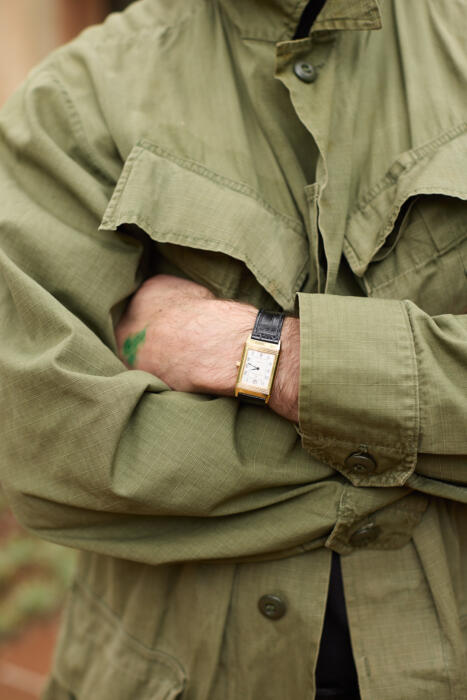
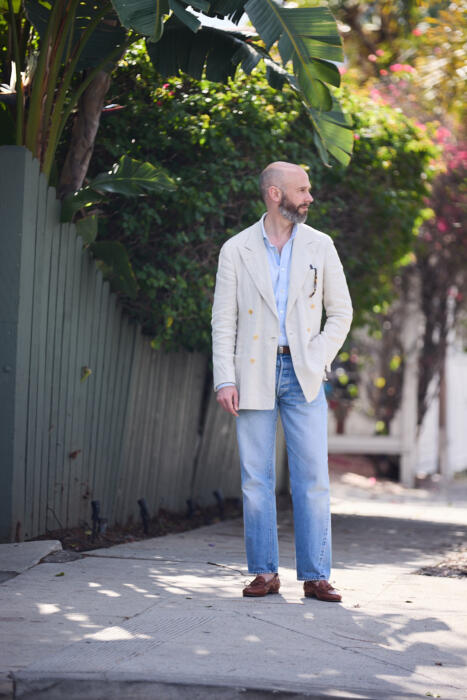
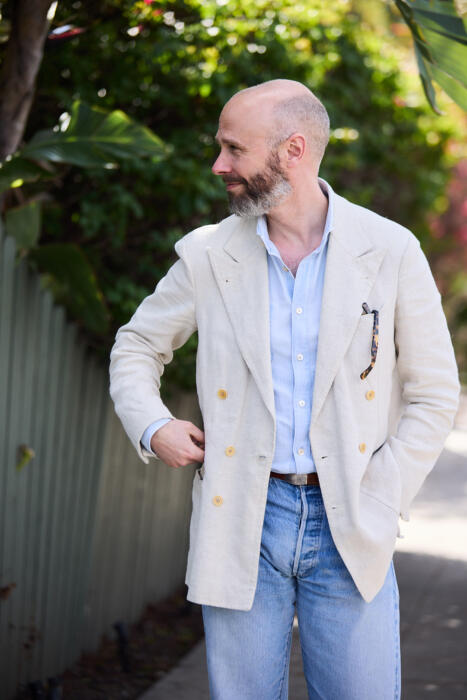
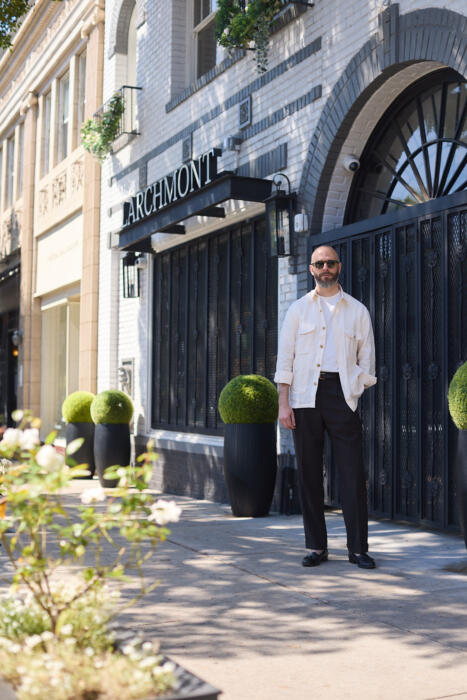
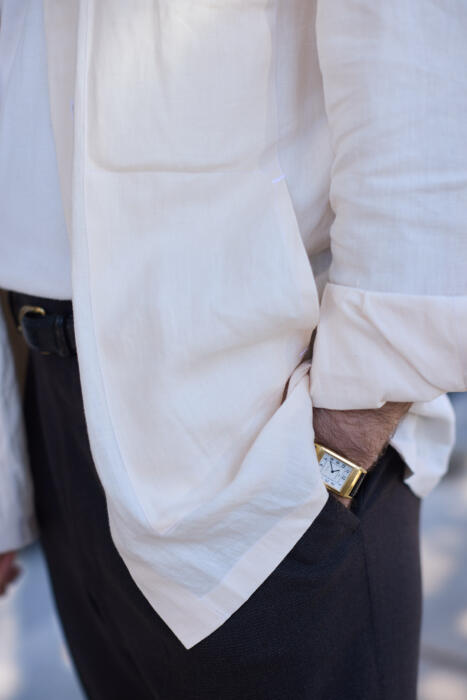
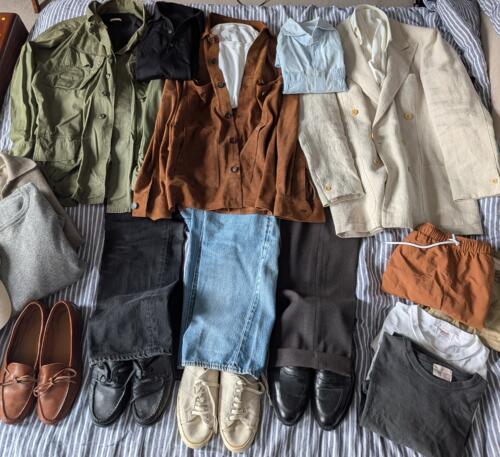
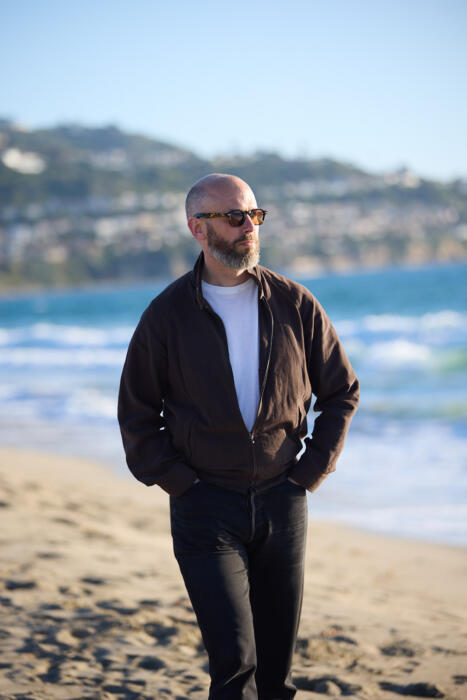
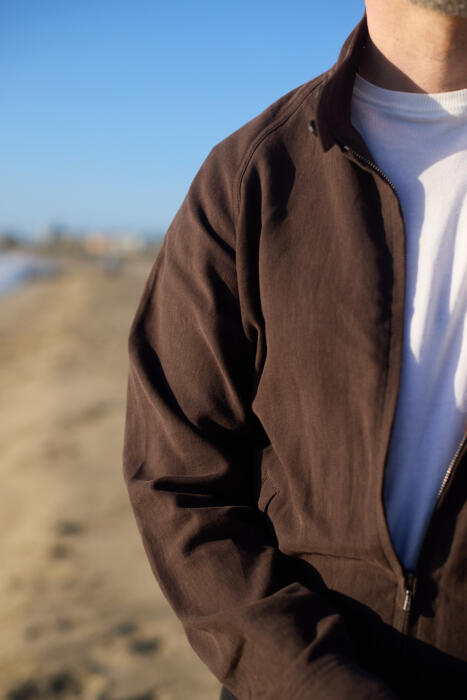
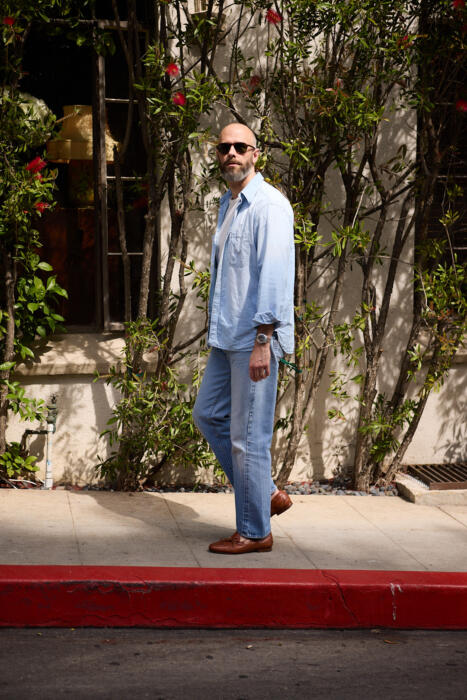
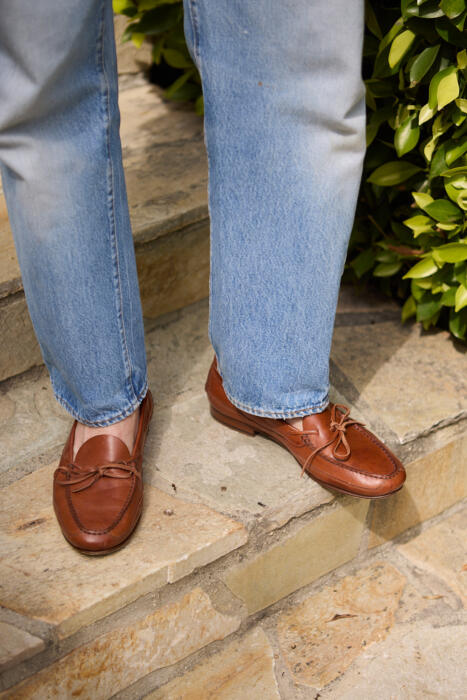
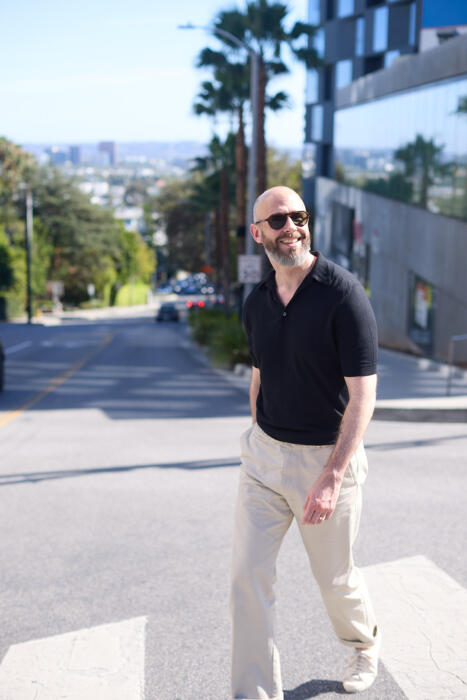
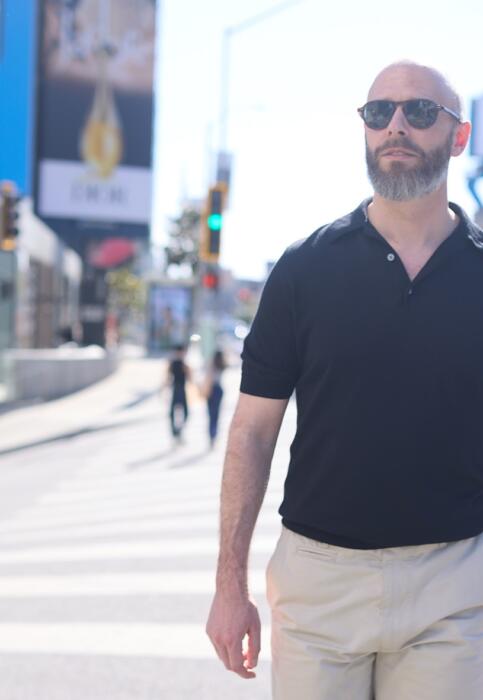
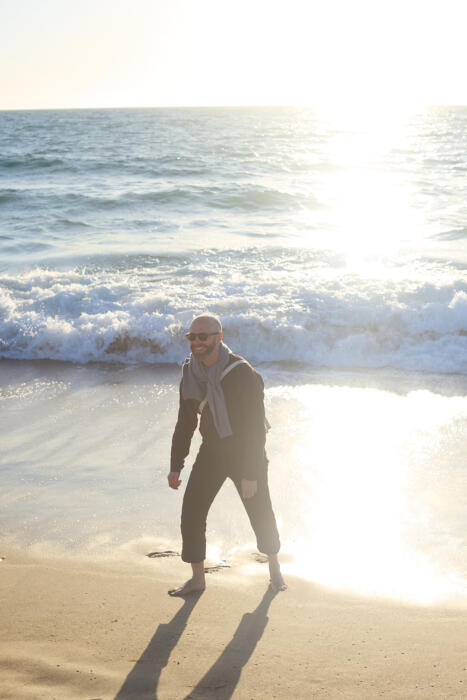








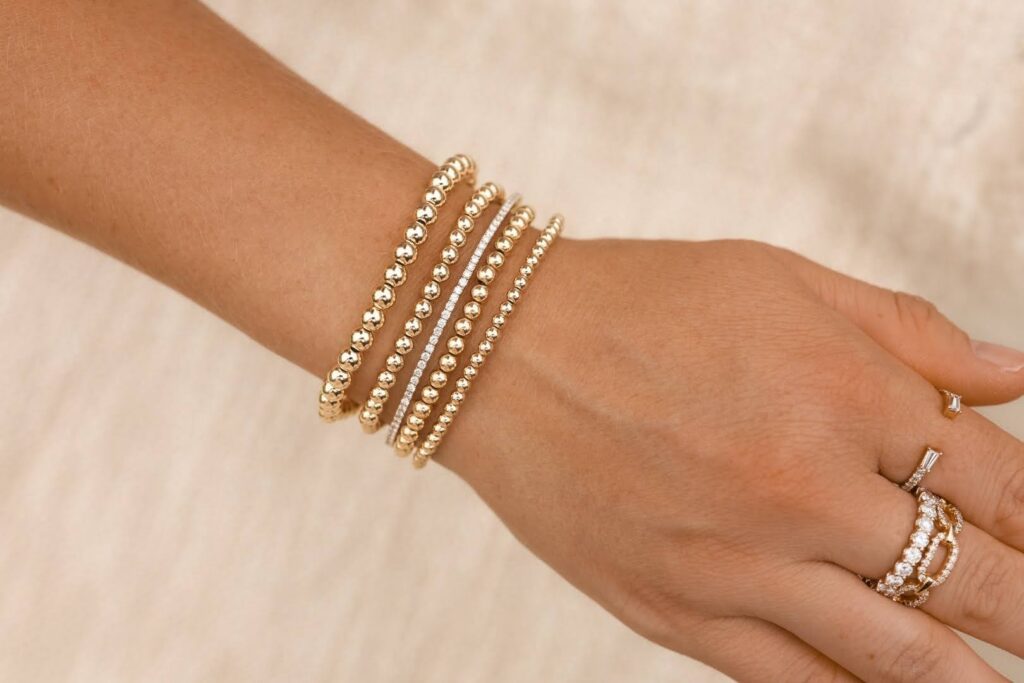
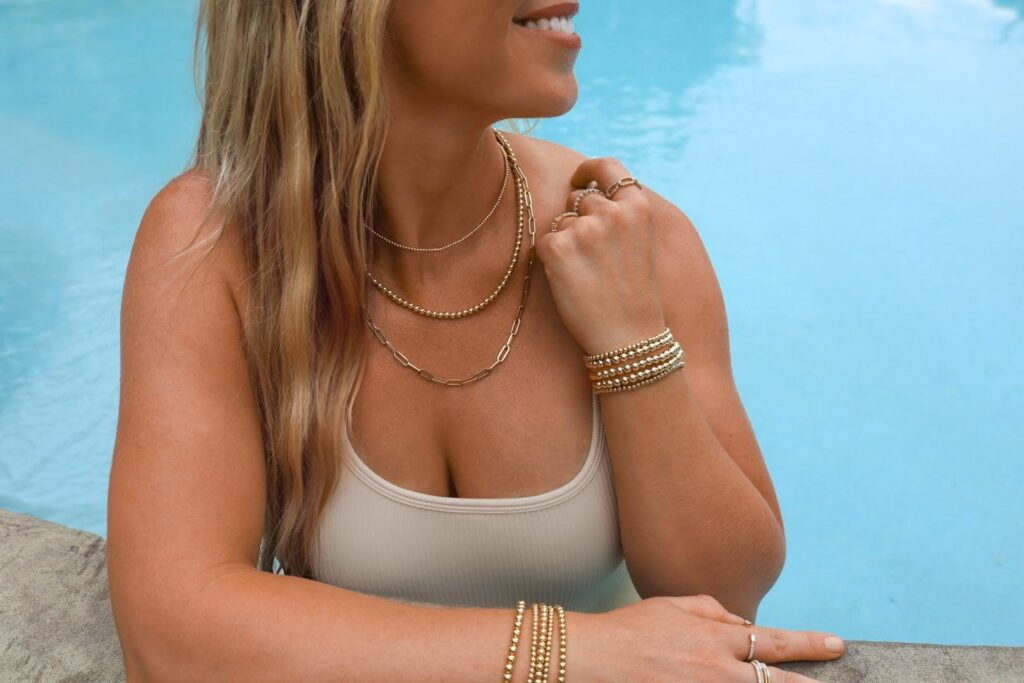

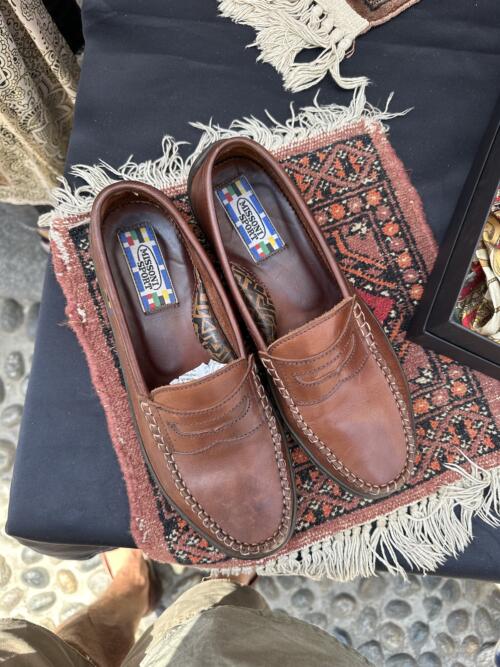
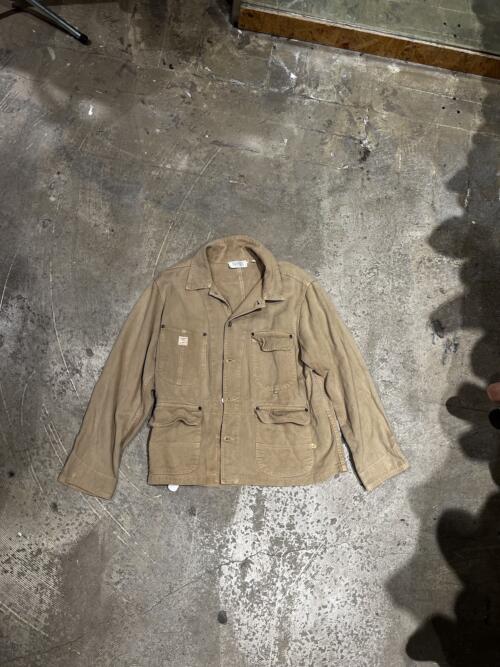
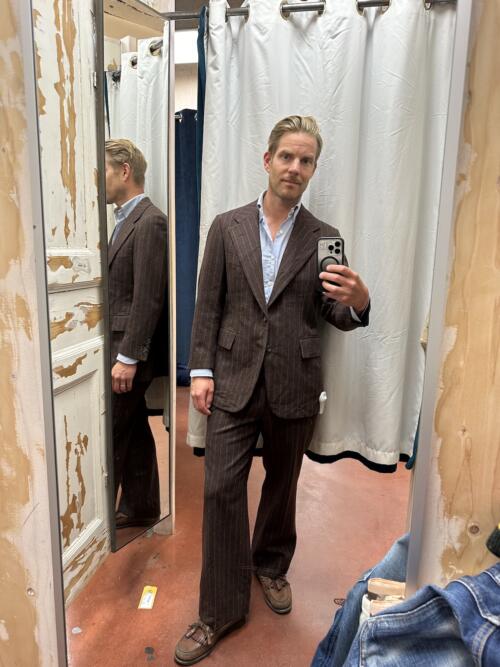
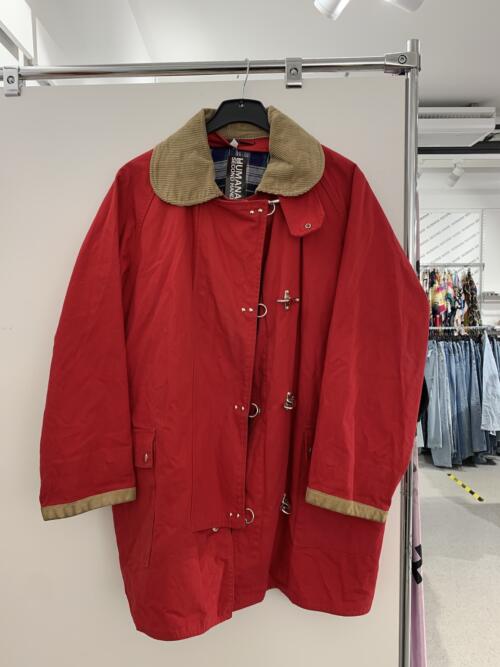
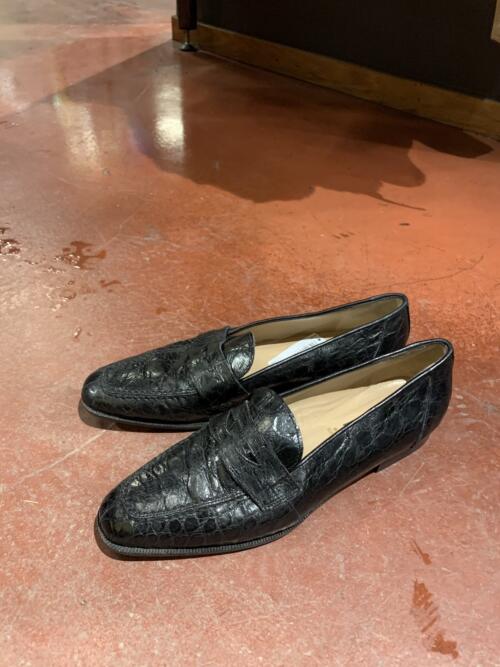
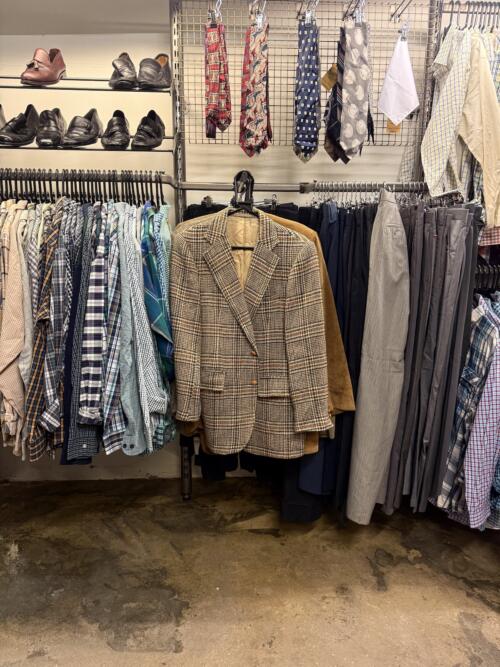
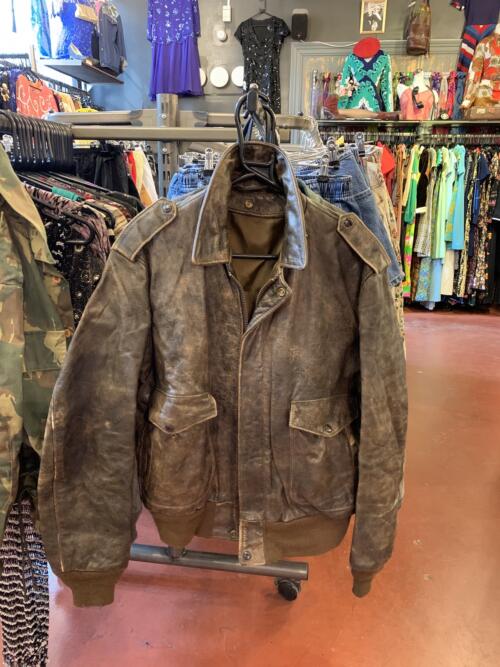
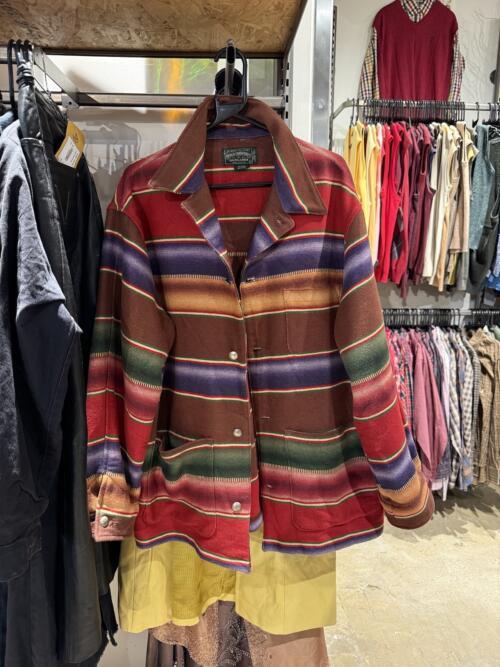
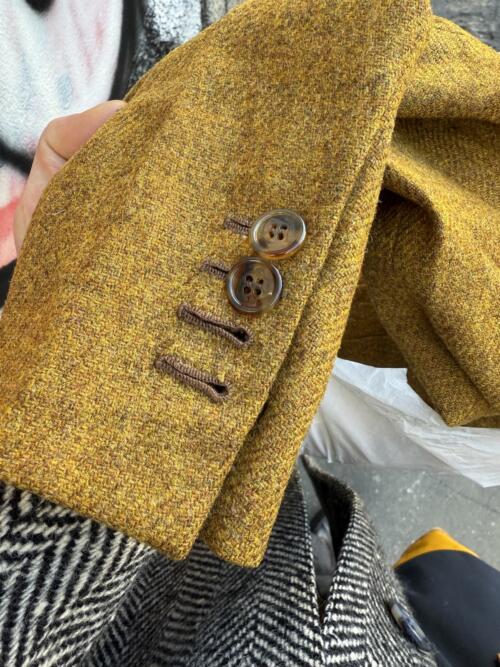
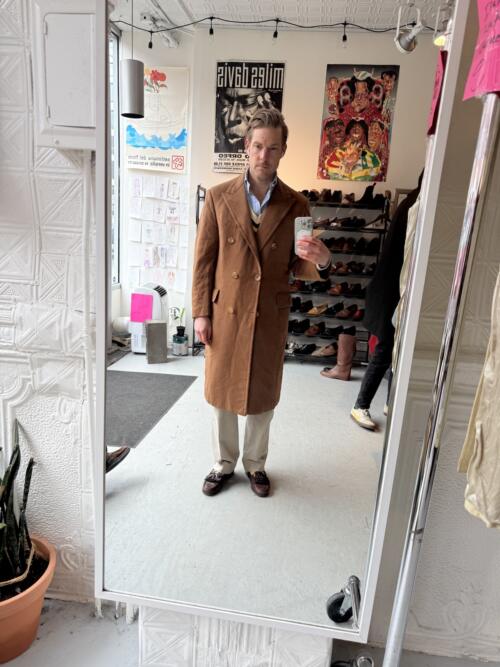
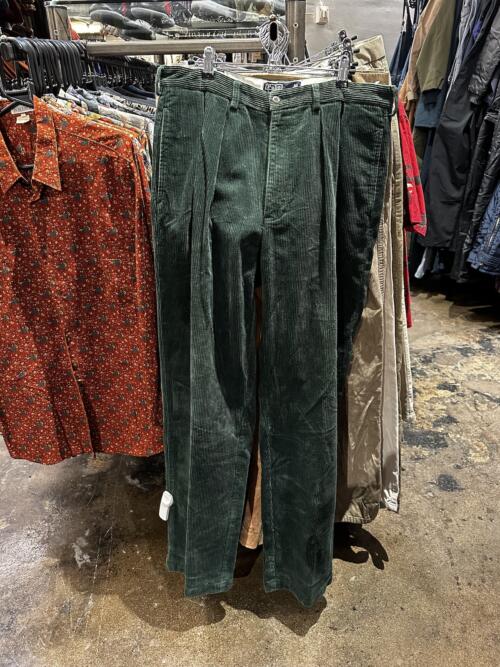
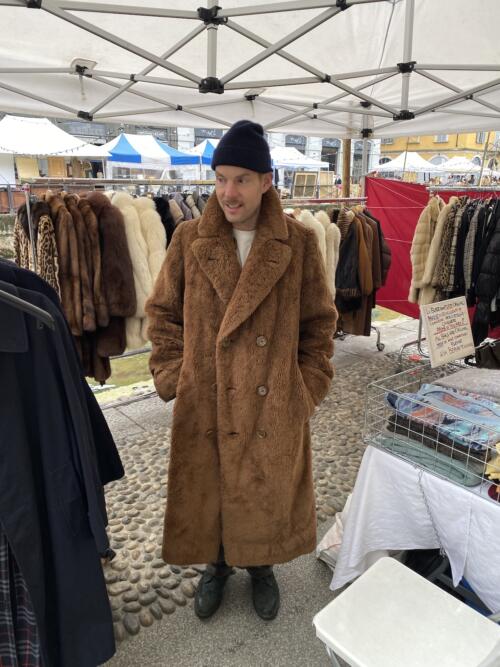
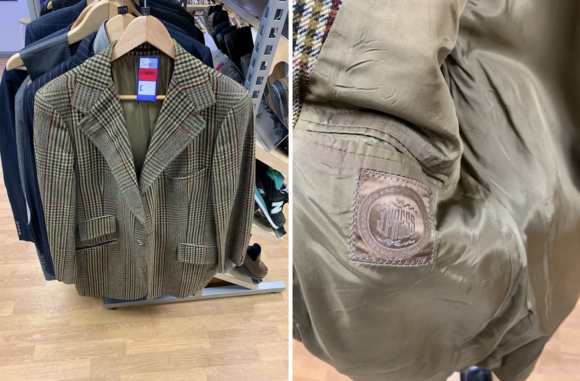
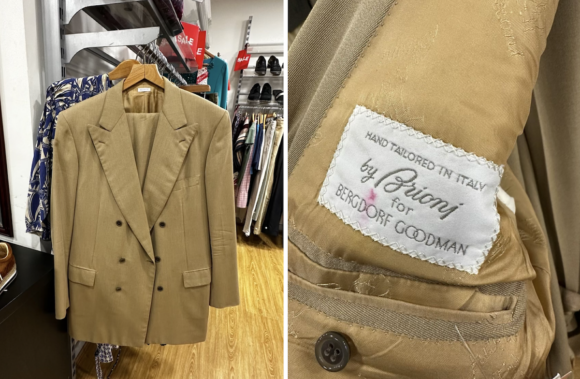
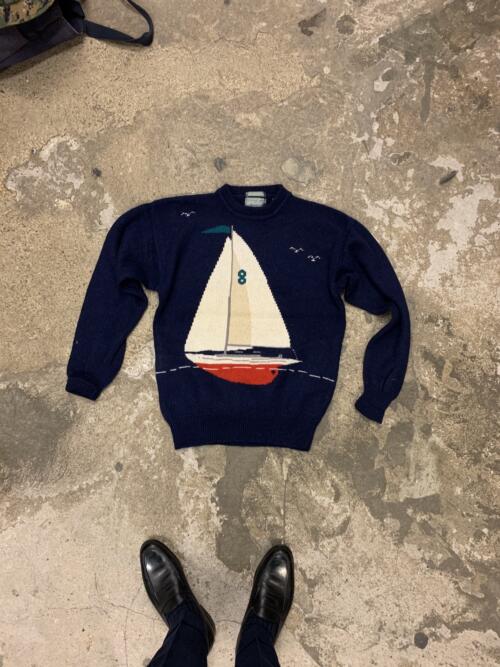
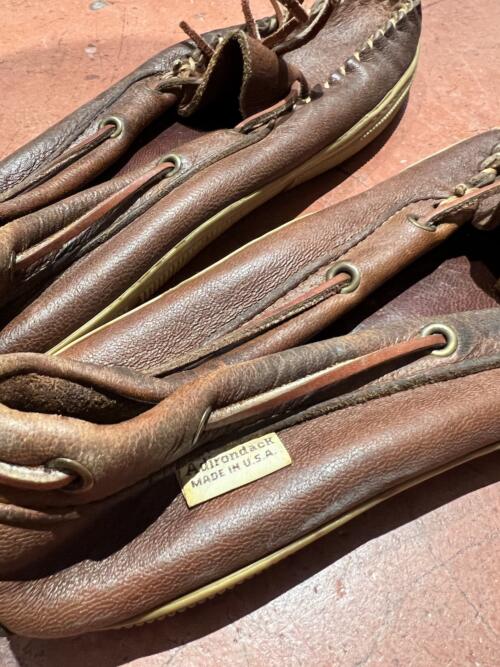
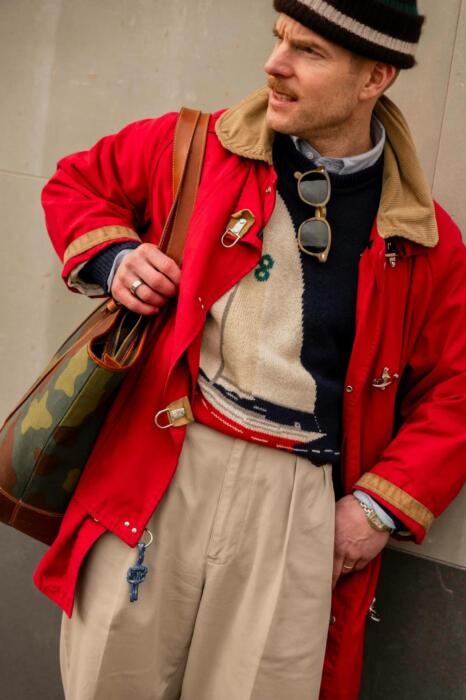


 One development I am especially pleased with is the Maldives Summer Camp, which we host across both Kuda Huraa and Landaa Giraavaru resorts every year from mid-July to the end of August.
 This year, we have brought together people from very different worlds: football with Arne Friedrich, Casey Stoney, Steve Sidwell and Jill Scott; martial arts with Angela Lee Pucci, Bruno Pucci, Leo Vieira, Guo Jing and Hurssh Verma; and conservation and adventure with Craig Foster, Ash Dykes and Dr. Phil Hosegood.
 Once guests are here, the intention is for it not to feel like a formal camp, but something that becomes part of the rhythm of the holiday. A child might learn a new football drill in the morning, join a conservation session in the afternoon or hear from someone who has spent much of their life studying the ocean. Parents can take part in some moments, step back for others and watch their children connect with the island in a different way.
 What we hope it adds is more variety, more substance and more shared conversation for families, without making the holiday feel overly scheduled. That balance is important to us.
 What makes AyurMa interesting is that it goes well beyond the traditional idea of a spa. It brings together Ayurveda, yoga therapy, naturopathy, diagnostics, emotional wellbeing, nutrition, and planetary wellbeing in one place, so guests can approach wellness from several angles rather than through a single treatment.
 PraMā is one element we believe will continue to resonate strongly because it gives guests a clearer starting point. It is our personalized health screening and diagnostic experience, designed to help guests better understand their physical, emotional and lifestyle needs before beginning a more tailored wellbeing journey. Many people arrive knowing they want to feel better, but they do not always know where to begin. PraMā helps bring structure to that conversation.
 We are also seeing strong interest in Panchakarma, particularly from guests who are ready to stay longer and commit to a deeper reset. It is one of Ayurveda’s most established detoxification and rejuvenation programs, and at AyurMa it is approached with careful personalization and medical supervision. It is not a quick fix, which is precisely why it appeals to guests looking for something more meaningful.
 Increasingly, people are coming to us not only for rest, but for sleep support, emotional balance, renewed energy and a better understanding of how to care for themselves after they leave the island. That is where AyurMa has become especially relevant.
 One newer experience I am very fond of is our Vietnamese treetop dining experience, Tales from the Treetop Table. It brings together several things that feel very Landaa: food, nature, culture and a sense of discovery.
 What I like about it is that it is not just a dining experience. Our Vietnamese team members are sharing flavors and traditions from home, while also showing guests how much of the meal begins right here in Landaa’s gardens. It connects cuisine with conservation in a very natural way, because when guests see where ingredients come from, they better understand the care behind them.
 We are seeing growing demand for larger, multi-room accommodation, which reflects a broader shift in how our guests are traveling. Many return guests are now coming back with family members and friends, which is very encouraging for us. It means Landaa Giraavaru has become part of their shared story, not just a place they visited once.
 Families and multi-generational travelers are naturally drawn to these larger villas because they offer both the intimacy of a private home and the full experience of a resort. Parents, grandparents, children and friends can gather for meals, spend time by the beach and pool, and then retreat into their own spaces when they want a quieter rhythm.
 We see the same desire for togetherness and privacy at Four Seasons Private Island Maldives at Voavah, which offers seven bedrooms across an entire private island. For some guests, that is the ultimate expression of what they are looking for: one island, one group and complete freedom to shape the experience around their own pace.
 The Maldives is a global destination, so we are naturally affected by what happens across major air corridors, particularly through the Middle East. When there is uncertainty, the most important thing is to stay practical and close to our partners.
 We work with airline partners, travel advisors and guests to understand the situation and help make the journey feel as smooth and reassuring as possible. Guests still want to travel, but they are making decisions with more care. They want flexibility, clear communication and confidence that once they arrive, everything will feel easy.
 There may be periods where travelers find more attractive travel windows or value-added offers, especially outside peak season. For us, the focus is not on discounting the experience, but on giving guests the right reasons and reassurance to travel when the time feels right.
 The apprenticeship program is one of the most meaningful initiatives Four Seasons Maldives has created. Over 25 years, it has helped more than 1,000 young Maldivians build careers in hospitality, and many have gone on to become leaders within our resorts and beyond.
 From a general manager’s perspective, it has a very direct impact on the guest experience. Hospitality is always stronger when it is rooted in place. When guests are welcomed, guided and cared for by Maldivians who have grown through the program, they experience the destination through local knowledge, confidence, and pride.
 The moments that stay with me are often very simple. A guest meets a young employee, learns that he or she began as an apprentice and then realizes that the person now helping shape their stay is part of a much larger story of education and opportunity. It adds another layer to the guest experience, because the service is no longer just polished. It is personal, local and connected to the future of the destination.


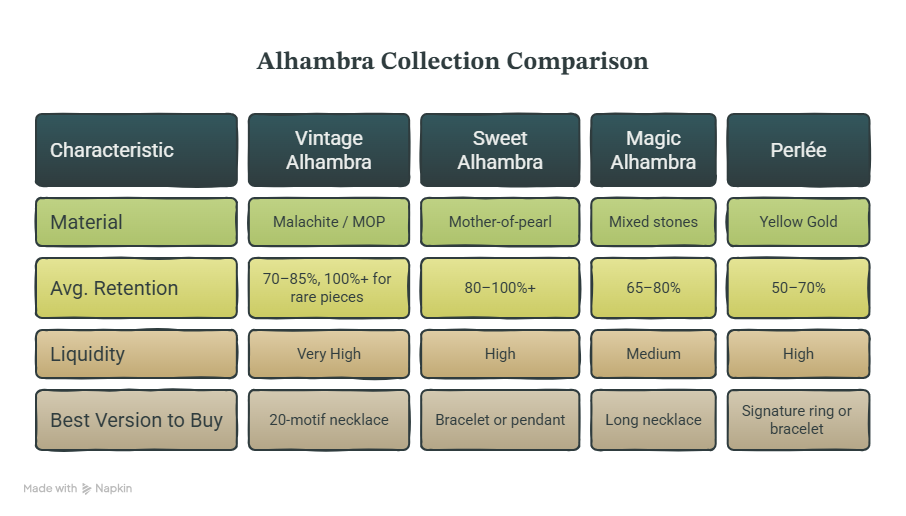
 Mother-of-pearl is the most liquid. Onyx pieces, particularly vintage examples, have appreciated approximately 75% since 2020. Guilloché enamel holds well. Diamonds add intrinsic value when GIA-certified; pavé settings without certification are harder to value at resale.

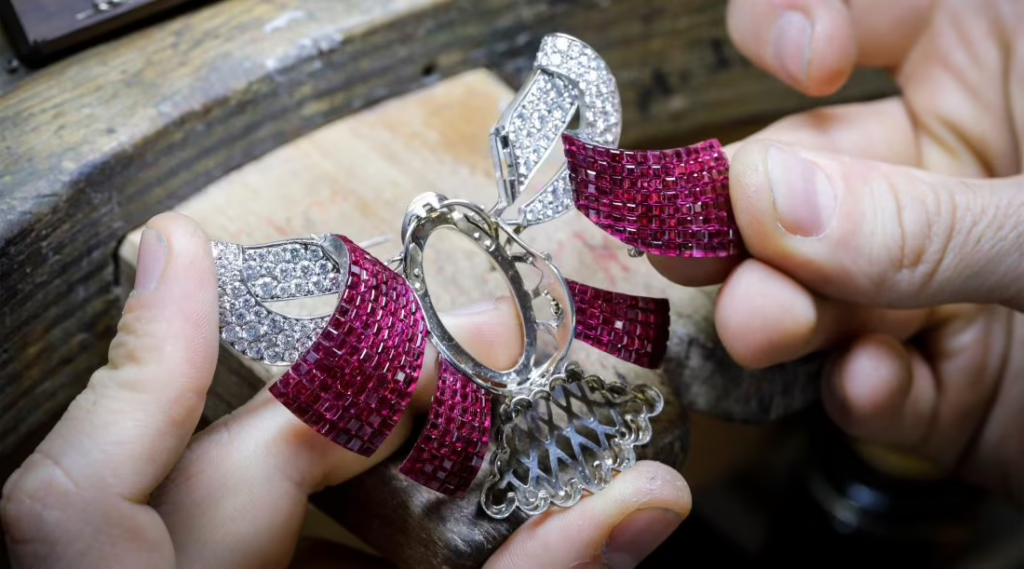
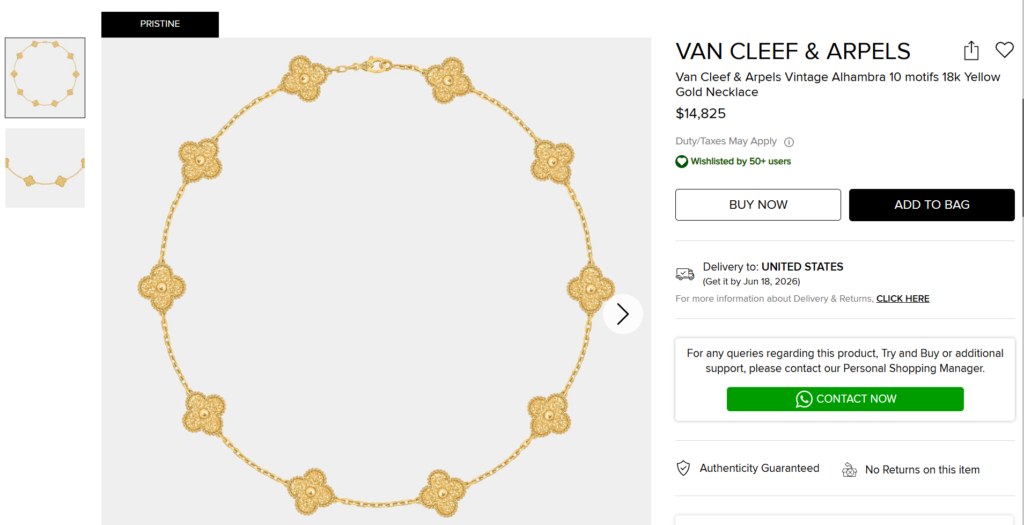


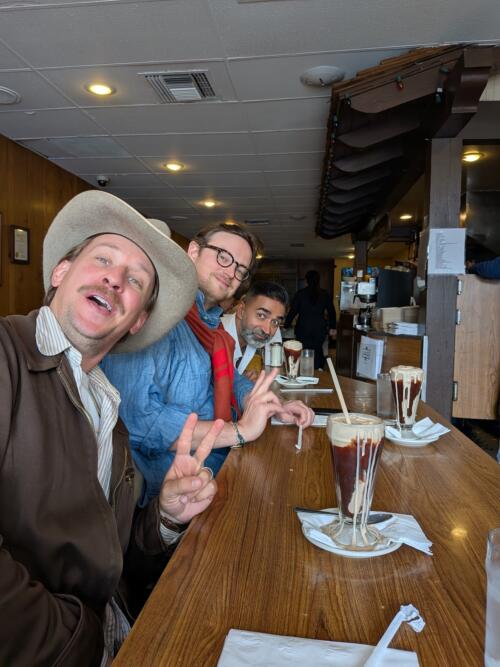

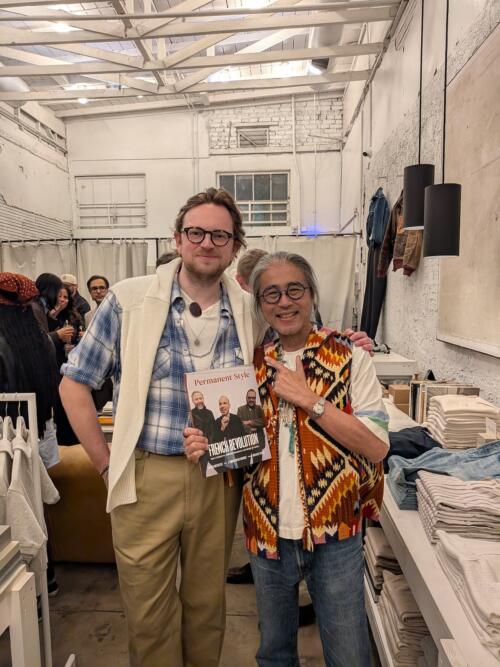
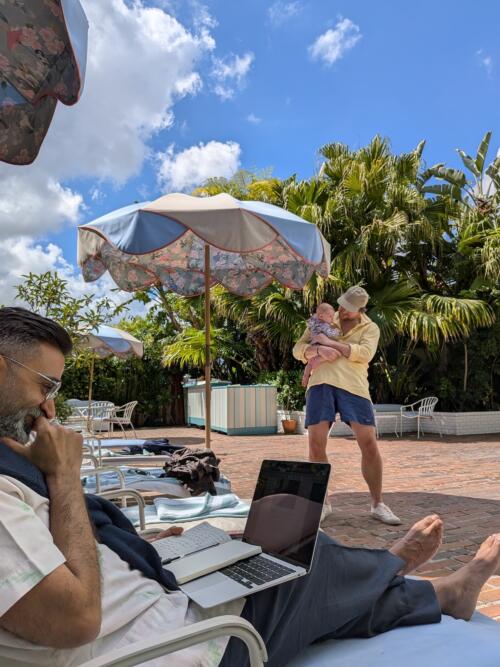
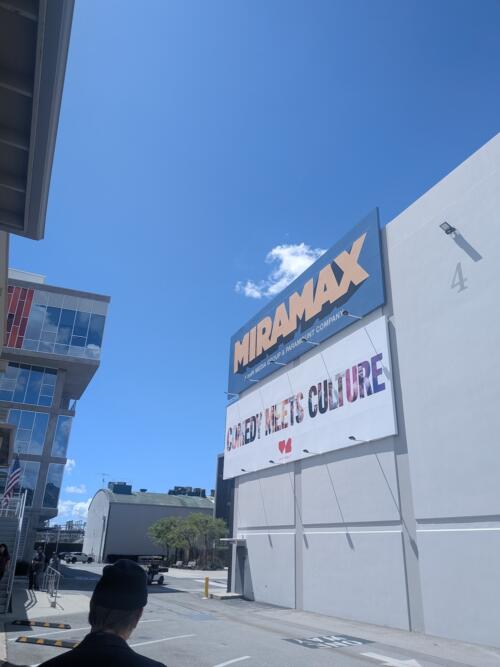
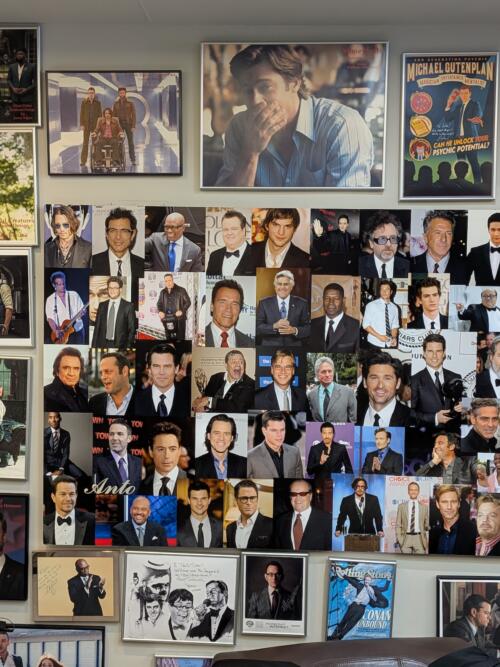
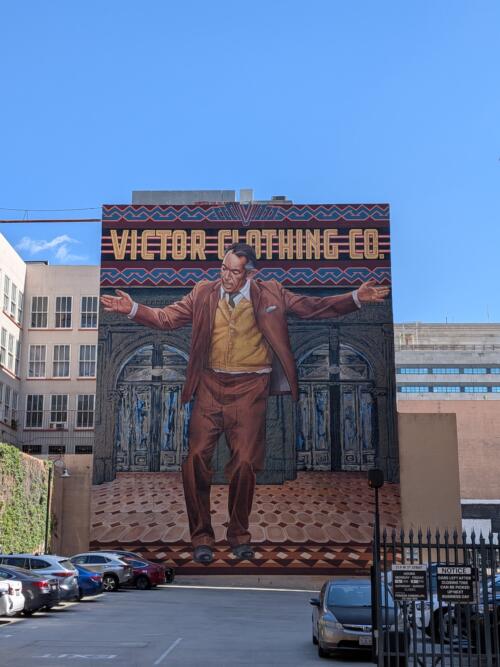
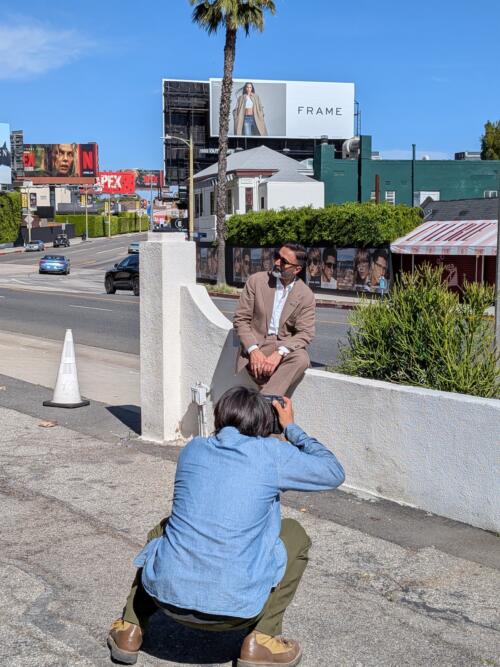

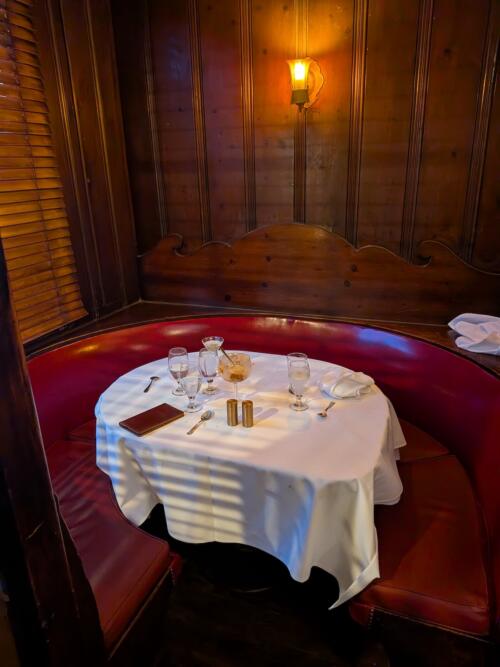

 Kuda Huraa has always had a very distinct spirit. It feels intimate, warm and deeply connected to the character of a Maldivian village. With this latest evolution, the intention was not to change that personality, but to make the experience more relevant to how guests are traveling today. Guests are staying longer, traveling more often with multi-generational family members, and looking for spaces that feel private.
 The Three-bedroom Kuda Estate takes that further. It was designed for families and multi-generational travelers who want the joy of being together, but with enough space for everyone to have their own rhythm. It gives guests a true home on the island.
 What excites me most about ŪRJĀ Naturopathy Island is that it gives guests a very approachable way into wellness. It is not about telling people how to overhaul their lives overnight. It is about helping them feel better in a way that feels intuitive, personal and deeply restorative.
 These naturopathy-led consultations and therapies will resonate strongly, especially with guests who arrive tired, overstimulated or simply in need of recalibration. There is something very powerful about stepping onto a private island dedicated entirely to well-being, surrounded by the rhythm of the ocean, and being guided by practitioners who look at the body as a whole.
 Our villas with pools remain among the most popular categories, and for good reason. They capture what guests love most about Kuda Huraa: privacy, ease and that immediate connection to the water or the beach.
 At the same time, our newly renovated Sunrise and Sunset Beach Villas with Pool have become a real favorite, particularly with returning guests. Many of them know the island very well, so when they return and see how the villas have been refreshed, they immediately feel the difference. The new interiors feel brighter and more contemporary, the outdoor spaces are more generous and the connection to the beach feels even more natural.
 Couples often gravitate towards the Water Villas with Pool for that classic Maldivian romance, while families and repeat guests love the Beach Villas for their space, comfort and easy access to the sand. For multi-generational travelers or guests staying longer, the Three-bedroom Kuda Estate offers something even more residential.
 The Maldives has always been a remarkably resilient destination, but air connectivity is certainly something we watch very carefully. Many of our guests travel through the Middle East, so when there are disruptions or uncertainty, our role is to stay close to our partners, remain flexible, and support guests with clear, calm guidance.
 At Kuda Huraa, we are fortunate to have a very loyal guest base, many of whom return year after year. That said, guests are looking for stronger value without compromising on quality. There may be moments when travelers find more compelling offers, particularly outside peak periods, but we see this less as discounting and more as giving guests a better reason to travel now.
 The apprenticeship program is one of the things we are most proud of, because it is not simply a recruitment initiative. It is a long-term investment in people, in the destination and in the future of Maldivian hospitality.
 As a general manager, it is incredibly valuable because our guests do not only come to the Maldives for beautiful views. They come for human connection. When young Maldivians are given the training, confidence and opportunity to grow into guest-facing roles, the experience becomes more authentic. Guests feel the place through the people.
 Some of the most moving moments happen when former apprentices welcome guests back years later, now as supervisors, managers, chefs, marine biologists or senior team members. There is a wonderful pride in that interaction. It shows guests that their holiday is part of a much bigger story: one of opportunity, continuity and local talent shaping the future of this industry.