Couture

Home Couture Page 7

Announcing Our Newest Lesson: Draping a Princess Panel Sundress with Handkerchief Hem – University of Fashion Blog

Announcing Our Newest Lesson: Draping a Princess Panel Sundress with Handkerchief Hem – University of Fashion Blog


UoF’s newest advanced draping lesson: Draping a Princess Panel Sundress with Handkerchief Hem (Image credit: University of Fashion).

Get ready for some pint-sized fashion magic! Our newest lesson, “Draping a Princess Panel Sundress with Handkerchief Hem,” is full of surprises—starting with the fact that we’re working on a half-scale dress form. We’ll be turning our mini masterpiece into a lively black-and-white check fabric that practically screams “picnic chic.” Perfect for a sunny day—or just for showing off your draping skills.

Working Half Scalehalf scale and full scale dress forms

Full scale and half scale dress forms. (Image credit: University of Fashion).

In this lesson, you’ll get acquainted with the delightful world of half-scale draping—meaning your dress form is literally half the size of the real deal. Think of it as your fashion lab’s fun-sized version: less fabric, faster results, and zero guilt about creative experiments gone wild.

Madalaine Vionnet draping half scale

Madeleine Vionnet draping on a half scale dress form. (Image credit: Sewing: Beginner Techniques, University of Fashion, Laurence King Publishing).

And you’ll be in good company! The legendary Madeleine Vionnet—queen of the bias cut and all things drape—was known to perfect her genius designs on half-scale forms before committing to the full-size masterpiece.

SundressFashionSketch+HeroShotIllustration-miguelangelreyesart.


Princess Panel Sundress with Handkerchief Hem illustration (Image credit: Miguel Angel Reyes for University of Fashion).

Before you even touch a dress form, you’ve got to crack the designer’s code — that mysterious sketch full of promise and proportions. Think of it as fashion detective work: studying how wide the sweep should be, where those flirty handkerchief points should drop, and making sure the sundress doesn’t end up a sundisaster. All this sleuthing happens before a single piece of muslin meets the mannequin.

Style Taping Design Lines

style taping the dress form

Style-taping the dress’s style lines. (Image credit: University of Fashion).

Next up… style tape time! This is where you play fashion cartographer — mapping out the landscape of your design. You’ll mark out where those straps and that neckline will actually live (because guessing never ends well), pinpoint the princess seams like royal boundaries, and stake your claim at hip level. Only once your tape lines are perfect can the draping magic officially begin.

Draped sundress front and backFront and back sundress:  draped and notches marked on all pattern parts. (Image credit: University of Fashion).

Once the dress has been draped, marked, and trued, and key notches added to all the sundress parts and panels, it’s time to place it back on the dress form to check the fit, before cutting it out in the fabric of your choice. In this case we chose a black and white check.

sundress cut out in black & white check

Front & Back of Princess Panel Sundress with Handkerchief Hem. (Image credit: University of Fashion).

Now it’s showtime! As that checkered fabric comes to life on your half-scale form, you’ll see how every princess seam, playful hemline, and clever bias cut turns theory into pure design magic. By mastering draping at half scale, you’re not just saving fabric—you’re sharpening your creative instincts, building confidence, and learning to think like a true couturier. So, step back, admire your miniature masterpiece, and get ready to scale up your newfound skills to full-size glamour. After all, every great designer starts small—literally.


Source link

Ralph Lauren styling – and the price of time

Ralph Lauren styling – and the price of time


Ralph Lauren styling – and the price of time

Friday, March 20th 2026
Share

Subscribe
10 Comments
||- Begin Content -||
The private, top floor of Bond St

A couple of weeks ago I was asked by Ralph Lauren to do some styling work in London. During an evening for high-net-worth individuals in the Bond Street store, I presented a short talk about separates, materials and formality, using pieces from the collection on a model. 

It was an enjoyable and rather interesting experience, and got me thinking about time in particular. 

All the people I spoke to at the event knew Ralph Lauren, but several had never been into the store. Not having the time was the most common reason they gave, but a few said they just shopped very little. 


The invitation

When we’re younger, we’re usually time-rich and cash-poor. That balance gradually switches as we get older (with the randomiser of children thrown in at some point) and our priorities change.

That dynamic is part of the reason a younger guy might be baffled by someone buying clothes they don’t think are worth it – effectively paying for an expensive shop, expensive staff, expensive marketing.

But if you’re someone with very little time, informed and stylish staff are incredibly valuable. More valuable, even, than the clothes themselves, because without them you may well buy the wrong thing, the wrong size, or not find how to wear it and so not enjoy doing so. How well the clothes were made is barely relevant.

To an extent that goes for marketing too. Lookbooks and social media can be helpful in suggesting ways for customers to put outfits together – using the particular clothes they already own or like. We all know how much we learn about style by trying and trying, experimenting and experimenting. Not everyone has that time. 


The event in mid-flow
The Martini bar

I’ve spoken to a few personal shoppers and stylists recently, and they all said they’d seen an uptick in interest, often because people aren’t getting the advice they used to from shops. 

This is something that’s come up in the consultancy I do with readers too – so even those that read Permanent Style find the same thing. 

I think in the next few years we’ll see more brands move in this direction – a little like Saman Amel have done with their service. Brands are seeing that customers are willing to pay for more personalised treatment, as good service in general gets rarer. 

Aside from these musings, I really enjoyed working with the Ralph team and the current collections. There’s nothing like seeing a brand from the inside to make you appreciate the clothes differently. 


Brown and grey, casual
Brown and grey, formal

For example, as a consumer I usually focus on individual items, rather than seeing the collection as a whole. Partly this is because most brands I know don’t do big collections, but also because I’m more focused on whether a particular piece works for me. 

Seeing the way the RL collections are presented internally made me appreciate the way the themes for each collection are put together, particularly around colour.

The Purple Label Pre-Spring collection we were mostly working with, for example, was divided into two main sections: a brown and grey story, followed by navy and champagne. 

The brown and grey made sense for coming out of winter, with a lot of cashmere, suede and flannel (above). 

Navy and champagne (below) was equally tonal, but what I found interesting here was the tones used – always similar ones with quite a lot of yellowness (‘champagne’) rather than anything brighter or browner. 


Navy and champagne (not white, or cream)
Champagne suit, with navy knit

Seeing the looks all lined up also made me realise how much the impact of Purple Label is built around severely restricting the colour range, with either the jacket and knit, or knit and trouser, often being the same colour. 

Those two themes transitioned into a smaller ‘sage’ one at the end, where that distinctive Ralph shade of green was mixed with purer white, and burgundy added as an accent.


Sage, with a burgundy knit
And the same, in a different combination

It really made you consider the thought that goes into each mini-collection – and I say mini, because a couple of weeks later Pre-Spring has been supplemented by Spring proper, which is a whole other colour story. 

My highlight there is the different ways RL mixes beige with black – for eveningwear, with leather jackets and with overshirts (below). 

Thank you to everyone that attended the event, and to Violet, Jonathan, Matthew and everyone else at RL for putting it together. 


Black blazer and beige/tan trousers
Black overshirt and shorts, and beige/tan knit


<!–

–>


Source link

Most Expensive Baggy Jeans in the World in 2026

Most Expensive Baggy Jeans in the World in 2026


March 19, 2026

Baggy jeans have come back strong in the last few years. Once linked mostly to 1990s hip-hop style and street clothes, they are now a big part of fancy fashion lines and designer outfits. From big shapes shown on runways to high-quality homemade denim items, baggy jeans have changed into a sign of status. In 2026, fancy fashion makers and high-end denim brands are making very costly types of this comfy look mixing skill work rare stuff and designer charm.

Even though a lot of loose jeans out there can cost from ₹2,000 to ₹20,000, the fancy part is a whole other tale. Top makers make special denim items that might be worth thousands or maybe even hundreds of thousands of dollars. These costs are often backed by small runs, nice materials, hand-made touches incorrect and fine stones along with one-of-a-kind style methods. 

Some very pricey jeans made have hit amazing costs. For example, the well-known Secret Circus jeans are priced at near $1.3 million, mostly since diamonds are stuck in their back pockets. Likewise, Dussault Apparel made worn-out denim jeans costing about $250,000, filled with diamonds, ruby and gold details. 

Today, fancy brand names like Gucci, Dolce & Gabbana and Roberto Cavalli, along with high-end denim brands have also brought out baggy or loose-fit styles that mix comfort with a rich look. Even modern designer names such as Acne Studios and Dsquared2 offer baggy jeans sold at high prices because of their skillful work and stylish identity.

In this blog we look at the priciest baggy jeans in the world in 2026, with great rare fancy items and top jeans brands that shape the fancy clothes market.

Top 15 Most Expensive Baggy Jeans in the World (2026)

1. Secret Circus Diamond Jeans

Secret Circus Diamond Jeans

Price: $1.3 Million

The Secret Circus Diamond Jeans are often thought to be the priciest jeans ever made. Worth about $1.3 million, these unique denim items mix style and fancy jewelry. What makes these jeans so costly is the real diamonds set into the back pockets, making them one of rarest denim things in the world. 

Each part of these jeans is made to show uniqueness and luxury. Skilled workers put the diamonds in carefully, making sure that the accessories improve the look without hurting the denim’s shape. Even though they were first made as a fancy item instead of something to wear every day, they stand for the best sign of designer skill and richness. In the fancy clothes world, Secret Circus jeans show how denim can be changed into a prized art work. Their exorbitant price tag and small quantity make them one of a kind luxury denim items ever made.

2. Dussault Apparel Thrashed Denim Jeans

Dussault Apparel Thrashed Denim Jeans

Price: $250,000

Dussault Apparel’s Thrashed Denim Pants are another case of high-end luxury in the denim world. With a cost of ͏about $250,000, these pants are meant for top collectors who value both skill and uniqueness. The making process is very tricky, needing over ten washing and roughing methods before the last design is done. 

What really makes these jeans special is the use of valuable stuff. The look shows diamonds, rubies and big bits of 18-karat white or rose gold, with a unique chain style. Every part is placed well in the denim making the clothing a fancy luxury item. 

These pants also show the rise of mixing casual styles with fancy design. The torn and loose look gives them a daring vibe, while the use of gems and gold lifts them into a whole new price range. For fans of fancy clothes, these pants stand for one of the bravest examples of high-end denim changes.

3. Levi Strauss 1800s Vintage 501 Jeans

Levi Strauss 1800s Vintage 501 Jeans

Price: $60,000

Old denim can at times be just as worthwhile as new fancy clothes and the Levi Strauss 501 pants from the late 1800’s is a great example. A rare pair of these old pants sold for about $60,000 making them one of the most valuable old denim things ever found.

These jeans are very important since they show the start of making denim. Levi Strauss had a big part in bringing tough work jeans and the 501 style became one of the most famous denim graphics around. Since few old pairs from the 1800s still are here, collectors will pay huge sums to have them. 

Even if they were first made for useful job clothes, their soft shape and strong cloth inspired many new baggy jeans styles. Now, old Levi’s jeans are seen as both style treasures and precious collector’s items that show the past of denim fashion.

4. Escada Couture Jeans

Escada Couture Jeans

Price: $10,000

Escada is famous for making fancy clothes that join rich materials with smart design. Their special denim line shows the same idea with some pairs costing near $10,000. These jeans are made using top fabrics and fine details that lift them much higher than usual denim. 

Escada fancy jeans often show off pretty details like stitching, gems, shiny bits and special colors. The name puts a lot of care into making sure every item looks neat and smart. A bunch of their jean styles also have loose shapes just like baggy jeans which brings ease while still looking nice. 

Since Escada works in the fine cloth area, their jeans are often made in small numbers. This uniqueness makes them more wanted by style lovers who seek something special and classy. Escada fancy jeans show how high-end fashion brands can change normal denim into nice highlight pieces. 

5. APO Jeans Custom Denim

APO Jeans Custom Denim

Price: $4,000

APO Jeans are well-known for giving special-made high-end denim, letting shoppers make their jeans based on their own likes. The cost for these jeans can hit about $4,000, depending on the stuff used, choices to customize and detail chosen. 

The special thing about APO Jeans is their personal way. Shoppers can pick the cloth, color, sewing, pocket look and even add custom designs or fancy bits. This method makes sure that each pair fits to the right size and style wishes of a buyer. 

Fancy jean lovers often like this kind of custom work because it makes a really special piece of clothing. Loose shapes are very liked by APO buyers who want comfy but chic jeans. Since each pair is made by hand and created just for the buyer, APO jeans show the best mix of uniqueness, skill and fancy style. 

6. Gucci Luxury Denim Jeans

Gucci Luxury Denim

Price: $3,000+

Gucci is a top name in fancy clothes around the world and its jean collection͏s show the brand’s brave and clever style. Gucci loose jeans can often be $3,000 or higher based on the style and amount of detail. 

These pants often have special Gucci parts like stitched logos, old-style washes, bright patches and bold prints. The name usually takes ideas from past styles and mixes it with today’s streetwear looks making unique big denim designs. 

Gucci loose jeans are very liked by stars and style setters who enjoy bold items. The brand’s reputation for innovation and high-quality craftsmanship makes its denim highly desirable in the luxury fashion market. Wearing Gucci denim is not just about comfort, it is also a reflection of style, prestige and individuality.

7. Dolce & Gabbana Premium Denim Jeans

Dolce & Gabbana Premium Denim

Price: $1,200+

Dolce & Gabbana is famous for its flashy and fancy clothing styles and its jeans are no different. The brand makes high-quality pants that often cost more than $1,200 especially when they have special decorations or rare designs.

Dolce & Gabbana loose jeans often have special parts like stitched designs, shiny things, logo pieces and creative tears. The brand’s Italian making makes sure that each pair is carefully made with good materials.

These pants are very liked by people who love bold fancy looks. The loose fit and eye-catching details help them work for trendy streetwear styles as well as chic outfits. Dolce & Gabbana’s denim lines show how luxury brands can mix old-style sewing with modern fashion trends.

8. Roberto Cavalli Embellished Denim Jeans

Roberto Cavalli Embellished Denim

Price: $1,200+

Roberto Cavalli is well-known for fancy and bold clothing styles and the brand’s jeans often show this unique look. Cavalli jeans can be more than $1,200, mostly when they have detailed decorations or fancy materials.

Lots of Roberto Cavalli loose jeans have fun details like animal designs, shiny spots, sparkles or stitched patterns. These parts make strong fashion items that catch the eye. The brand likes to try with feel and looks to give its denim a special style.

Roberto Cavalli jeans are liked by stars and stylish folks who like bold clothes. Their loose shapes also make them comfy but still feel f͏ancy.

9. Dsquared2 Designer Baggy Jeans

Dsquared2 Designer Baggy Jeans

Price: $1,000+

Dsquared2 is known for mixing fancy style with street looks. The brand’s jeans often have big or loose shapes that show today’s city fashion trends. Many Dsquared2 pants cost more than $1,000; especially limited-edition designs.

The name is well-known for its fun rips, bright colors and cool bits like paint spots, torn jeans and special sew styles. These parts make Dsquared2 jeans stand out with a different free spirit look.

Loose jeans from Dsquared2 are really liked by young people who want to wear stylish and comfy clothes. The brand mixes good quality work with street style vibes, making its denim not just trendy but also sought after.

10. Acne Studios Loose-Fit Designer Jeans

Acne Studios Loose-Fit Designer Jeans

Price: $900+

Acne Studios is a Swedish clothing name famous for its simple style in fancy wear. The brand’s jeans line has some big and loose pants that show off ease, good make and new look.

Acne Studios pants are usually priced in the fancy designer range, sometimes going over $900 or more based on the style. The brand aims at high-quality materials and careful sewing to make comfy yet smart denim.

Unlike fancy and decorated jeans, Acne Studios makes simple styles with clear shapes, small logos and plain colors. This calm way draws in fashion lovers who like soft luxury more than bright designs. Their baggy jeans are very liked because they mix a comfy feel with a nice Scandinavian look.

11. AGOLDE Premium Baggy Jeans

AGOLDE Premium Baggy Jeans

Price: $600+

AGOLDE is a top-notch jean brand that has gotten quite popular in the last few years. Famous for its fresh shapes and fine materials, AGOLDE makes cool loose jeans that attract both everyday users and style lovers.

These jeans usually cost about $600 or higher, based on the group and cloth quality. AGOLDE pays attention to being green and careful in how it makes things which also adds to the brand’s high place.

Their loose pants often show old-fashioned colors, easy shapes and strong cotton cloth. The looks are plain but smart, making them simple to add to daily clothes. AGOLDE has done well in making a name for creating good denim that finds a mix of ease, style and today’s fashion trends.

12. Earnest Sewn Custom Fit Jeans

Earnest Sewn Custom Fit Jeans

Price: $1,000

Earnest Sewn is a high-end jeans brand known for its care in making and special design. The brand sells made-to-order jeans that can cost about $1,000. This depends on how much you change them and what kind of fabric you pick.

Every set of Earnest Sewn jeans is made with care to give a nice fit. Buyers can pick from various cloths, colors and details to make a one-of-a-kind item made just for their likes.

Loose jeans are one of the known picks for shoppers who like easy fits. Since the jeans are built with care and good stuff, they give great strength and ease. Earnest Sewn shows how custom work can raise denim into a fancy item.

13. 7 For All Mankind Luxury Denim

7 For All Mankind Luxury Denim

Price: $298+

7͏ For All Mankind is a well-known high-end jean brand in the world. The brand helped make fancy jeans popular in the early 2000’s and still makes good denim today.

Their pants usually cost about $298 or bigger but special sets and work together can be priced more. The brand cares about ease, new clothes and now style.

Looser and easy-fit styles from 7 For All Mankind have gotten more and more liked as fashion moves to bigger shapes. The brand’s focus on cloth tech keeps the jeans comfy while they keep their form. This mix of good quality and style has made 7 For All Mankind a choice for rich denim fans.

14. Courrèges Hammer Baggy Jeans

Courrèges Hammer Baggy Jeans

Price: ₹50,000+

Courrèges is a French clothing name known for its futuristic looks and new styles. Lately, the brand has brought in modern denim items like cool baggy jeans that show both ease and rich feel.

Courrèges Hammer loose jeans often have strong design, nice materials and simple details. These pants are made to make a unique shape that mixes loose style with new fashion parts.

Since the brand works in the fancy area, these denim items cost more than normal jeans. Their simple look and smart build make them nice to style lovers who like trendy but fine clothing.

15. Our Legacy Third Cut Baggy Jeans

Our Legacy Third Cut Baggy Jeans

Price: ₹35,000+

Our Legacy is a Nordic clothing brand that has got world fame for its simple and fine designs. The label’s Third Cut loose jeans are some of its top denim items. 

These pants show an easy shape, high-quality cotton fabric and thought-out colors that make them look like old styles. The baggy fit gives both coziness and a new city style. 

Our Legacy looks at skill and small design points more than big branding or decorations. This way makes their jeans nice to people who like simple luxury. The Third Cut baggy jeans have turned into a top choice for style lovers who seek trendy denim that feels both new and classic. 

Why Are Some Baggy Jeans So Expensive?

Baggy jeans might look plain at first sight but some styles have really high prices. In the fancy clothing world, the price of loose jeans is shaped by a few things like fabric, skill in making them, brand name and rarity. These parts change regular denim into top-notch fashion items that attract collectors and fans of style. 

One of the big reasons baggy jeans can be costly is the quality of stuff used. ͏Fancy denim brands often use nice fabrics like top cotton or Japanese selvedge denim which are known for their strength and soft feel. These materials are made using special weaving methods that make the denim tougher, cozier and last longer than normal mass-made jeans. Because these raw things cost more, the end product costs more too. 

One big thing is skill and making methods. Fancy baggy jeans often need tricky making steps. Creators might use several washing ways, hand wearing out, sewing on designs or careful stitching to get a special style. In lots of cases, these details are made by skilled workers instead of machines that do it all alone. This level of skill needs time expertise and care which really makes the total price go up.  

Brand worth and designer name also have a big part in cost. Fancy clothing brands are known for their history, style and sway in the fashion scene. When buyers get designer loose jeans, they aren’t just buying fabric but also the fame and image tied to the brand. Limited-time sets or display items from famous designers can ask for much higher costs because of their rarity. 

In the end, small making and being rare make some baggy jeans worth more. Lots of fancy brands make a few amounts of their jeans to keep them special and wanted. When there is little supply and a lot of demand, the costs go up by itself.

Overall, costly loose jeans show a mix of fine materials, careful work, brand names and being one-of-a-kind which all make their higher cost in the fancy clothes world reasonable.

Are Expensive Baggy Jeans Worth the Investment?

Are Expensive Baggy Jeans Worth the Investment

Fancy baggy jeans often have big price tags which makes a lot of shoppers think if they are really worth the cost. The answer mostly depends on what you care about in style— goodness, how long they last, name fame or special look. While pricey loose jeans might feel dear at first, they usually offer some good points that can make the high cost okay. 

One of the big reasons fancy baggy jeans are seen as a smart buy is their better cloth quality. Top denim brands often use top-notch fabrics like selvedge or organic cotton denim, which last longer and feel nicer than regular materials found in less expensive jeans. These fabrics not only feel good on your skin but also keep their form and shape over time.

One more key point is skill and making. Fancy jeans often have special ways of being made that include strong sewing, precise cutting of shapes and finished by hand parts. Some high-quality denim items may go through many steps in making them, ensuring strength and care for small points that regular jeans don’t usually have. 

Costly loose jeans also give a better fit and ease. Fancy brands spend lots on design study to make styles that match different body shapes and offer a nicer look. Due to the careful sewing and new cloth tech, those jeans often feel more comfy for long times of use. 

Also, big baggy jeans often have name value and specialness. Lots of fancy clothing brands make a few pairs or one-of-a-kind styles, making their jeans more wanted and easy to collect. Shoppers are not just getting denim but also the image, art and history tied to the brand. 

Still, costly baggy jeans are not needed for all. For daily wear, av͏erage-priced denim can give the same ease and use at a lower cost. But for fashion fans, collectors or people who care about lasting quality and designer looks, fancy baggy jeans can sure be a good buy. 

How to Style Luxury Baggy Jeans

How to Style Luxury Baggy Jeans

Fancy baggy jeans are now a big fashion craze, mixing ease with fancy style. Their comfy shape makes them handy and simple to add to various looks, whether you like laid-back street styles or a more neat appearance. The trick to wearing fancy loose jeans is matching their baggy fit with well-fitted or strong items to make a stylish and new outfit.

A common way to dress baggy jeans is with clothes that are like street style. Match your fancy baggy pants with a big hoodie, cool T-shirt or a comfy sweater for an easy but stylish look. Putting on some nice sneakers and simple accessories can lift the outfit while keeping it cozy. This style is very liked by young fashion fans and famous people who enjoy chill, easy outfits.

For a smart-casual look, you can mix loose jeans with more set pieces. A nice blazer or snug jacket over a plain shirt or roll neck can quickly make the outfit seem fancier. This difference between the comfy denim and the firm top layer makes a balanced and chic outfit good for casual meet-ups, dinners or fashion events.

One more nice way to dress up fancy baggy jeans is by making a simple, fancy look. Match the jeans with a plain white or light-colored shirt, an expensive leather belt and classic loafers or boot’s. This easy but classy mix shows off the quality and style of the denim while keeping the whole outfit smart.

Things like hats and bags also have a big part in how you style loose jeans. Cool shades, fancy belts and nice watches can lift the whole feel without making it too much. Since bag͏gy jeans are already a strong fashion choice it’s good to keep things like accessories even and planned out.

In the end, fancy loose jeans give you many ways to style. If you like a chill street style or a smart designer look, these flexible denim items can help you make cool outfits that mix comfort with new luxury

Conclusion

The growth of big shapes and streetwear-like clothes has made baggy jeans one of the most popular denim styles in recent years. In 2026, loose jeans are not just casual closet items, they have turned into fancy fashion statements welcomed by designers, stars and fashion fans around the globe. The priciest baggy jeans show how denim, once seen as simple work clothes, has changed into a top-tier fashion type that mixes skill, uniqueness and daring design.

From super fancy items like Secret Circus Diamond Jeans and Dussault Apparel’s jeweled denim to top designer pieces from brands like Gucci, Dsquared2 and Acne Studios, the market for nice baggy jeans keeps growing. These jeans often have great details, rare fabrics, detailed stitching and few made that make them sought after by collectors and fashion fans. In a lot of cases buyers are not just paying for the clothing itself but also for the name and skill tied to the brand.

One more thing why fancy loose jeans have become popular is their many uses. Even with their comfy shape, they can be put together in lots of ways from everyday street wear looks to stylish fashion styles.

In the end, the costliest baggy jeans in the world show a great mix of ease, fashion creativity and uniqueness. While not all folks might spend lots of money on fancy denim, these high-end items show what is possible in the clothing world. Whether put on for looks, rank or worth as a collection piece, luxury baggy jeans keep showing that denim can be both comfy and very classy.

FAQ

FAQ

What are the most expensive baggy jeans in the world?

A few of the costliest jeans are Secret Circus Diamond Jeans ($1.3 million) and Dussault Apparel Thrashed Denim ($250,000)

Why are luxury baggy jeans so expensive?

They often have nice cloth, made by hand, brand names from famous designers and sometimes valuable stuff like diamonds or gold.

Which luxury brands make baggy jeans?

Names like Gucci, Dsquared2, Acne Studios and AGOLDE give fancy loose jeans.

Are baggy jeans still in fashion in 2026?

Brands like Jacob Cohën, PT Torino, Incotex Blue Division and Brunello Cucinelli offer jeans with similar luxury craftsmanship and refined aesthetics. Yes, baggy pants stay a big style trend, mainly in casual wear and fancy brand lines.


Source link

The (20) bespoke shoemakers I have known

The (20) bespoke shoemakers I have known


The Ugolini workshop in Florence

This article was originally written in 2014, then updated in 2021, and is now freshly updated for 2026. It feels like a good time to do so – I have four new shoemakers to add, but no plans to try new ones soon.

I also feel more positive about bespoke shoemaking in general. Looking back on my early shoes, the experience was patchy and the fit rarely better than ready-to-wear. The product was often beautiful, but the fit let them down. 

In the past five years, I’ve had a second pair from Yohei Fukuda, which have been just as good as the first. I’ve had a good pair from Seiji McCarthy. And I’ve had an excellent experience with Canons, which is particularly useful given they’re in London and so more accessible. 

Here are the 20 shoemakers I have tried, now divided into sections for those I would recommend, those with significant caveats, and the brands that are more akin to made to measure. 

Please note that when these posts are updated, the historic comments are carried across from one update to the next. So some of the comments below date back to 2014. You can change the order from oldest to newest, if you want to see the most recent comments.

This are partner articles to this including the ‘Tailors I have known’, which does something similar but with 61 bespoke tailors. There is also one on shirtmakers (21) here, and one on made-to-measure. 


The wall of lasts at Canons in London

TOP RECOMMENDATIONS

Canons

I have had one pair of bespoke oxfords from Canons so far, but they were the most comfortable bespoke shoes I’ve ever had. Elegant and well made, but roomy without being loose, I was impressed and we are now working on a loafer. 

Canons are based in North London but grew out of Foster & Son when it was on Jermyn Street. The Foster & Son name is being re-used, but more on accessories and ready-made shoes that will be constructed in Northampton. 

The Canons team – led by owner Simon Bolzoni – is also one of the most forward-thinking I’ve come across, both in terms of production techniques and managing the business. They give me hope for bespoke shoemaking as a whole, as well as their particular business.


My Yohei Fukuda oxfords

Yohei Fukuda

I now have two pairs of oxfords from Yohei, with the first pair five years old, and they have been very good. The shape is sharp, even chiselled, but they are more comfortable than any ready-to-wear oxford on me (that might not seem like a big claim, but trust me it can be, at least on a first pair of bespoke). 

With the first pair that Yohei made, we didn’t even have a fitting as I only met him once in Japan. The second pair involved a fitting, and the fit improved, as you would expect. 

I would highly recommend Yohei, especially for this slightly sharper style of shoe.


Seiji McCarthy cutting open my trial shoes

Seiji McCarthy

Seiji is a Japanese/American living in Tokyo, and is particularly known for making bespoke shoes in an American style – classic penny loafers, longwings and so on. He made me a pair of cordovan loafers inspired by Alden full straps, and they have been great. Not quite as good a fit as Canons, perhaps, but very close and it’s usually harder to get a perfect fit in a loafer. 

Seiji is a smaller operation than either of the two above, and has had some problems meeting demand in recent years. But he does offer a made-to-order programme that could work well for some people, with minimal changes to fit of the shoe but the same excellent make.


Finished Roberto Ugolini boots

ALSO RECOMMENDED

Roberto Ugolini

Roberto made me a pair of suede boots, a process made easier by the fact that although he is based in Florence, I visit there twice a year for Pitti. (He also travels to New York, but not London.)

The fit was good, which was a relief because one or two friends had had issues. Partly I feel this might be a matter of experience – being able to tell a shoemaker how you want a shoe to fit is an underestimated part of the process, and one that may have been a reason my experiences with shoes from Stefano Bemer and Gaziano & Girling, for example, were not as good.


Masaru’s shoes, with little issues around the joints

Masaru Okuyama

Masaru Okuyama is a Japanese shoemaker, based in Hong Kong. He made me the dark-brown oxfords shown above (a recurring style, but it is the one I wear the most). They were superbly made, and I think reflect at a broader level the excellence that Japanese shoemakers have brought to the industry – whether working in Hong Kong, Italy or England. 

The fit was also good. Not the best, but then a first pair of bespoke often isn’t – something that I think should put off most readers that are unsure about committing the time and money. The last was also a little long and there was a bit too much room in the vamp, both of which I would have changed had I commissioned a second pair.


My second pair of Stefano Bemer

Stefano Bemer

I am rather emotional about my Stefano Bemer shoes, given I was measured and the first pair ordered from Stefano, before he passed away. I had three pairs in total: tan oxfords, tobacco-suede oxfords and hatchgrain oxfords (above). 

The fit of the first pair was quite good, but we did have issues with the in-step and the way the elongated toe-cap bent the vamp. These was looked at on the second pair, which were better. And the third demonstrated a way that bespoke can be more accessible – they were partly machine made, on my bespoke last, under the ‘Blue bespoke’ offering from Bemer. 

Overall I’d say there was a tendency to make the shoes too tight, which has affected how much I wear them today, but as noted this is a communication issue as much as an execution one.


The Templeman shoes with hand-sewn apron or ‘lake’

Nicholas Templeman

Nicholas Templeman is an ex-John Lobb shoemaker, and his approach is best thought of as grounded in that tradition, with a slightly wider appreciation of styles elsewhere. 

He made me a pair of grained derbys with a beautiful chain stitch around the apron (above). The fit was good, and comfortable immediately. I also liked the subtle styling, with no work lacking in the waist or heel, but less extreme shape than some other makers. 

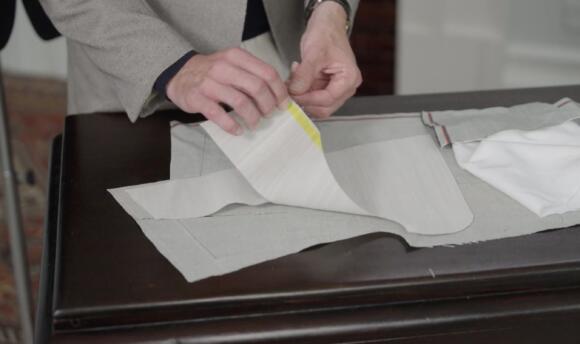
The facings needed to be tweaked a couple of times, to get them to line up better when laced on my foot. In retrospect the style was also a mistake – a pretty elongated shoe in a casual material. But that’s the customer’s responsibility – the only thing the maker could do better generally is have more styles available to see before ordering. 

Nick has now moved from the UK to Vancouver, Canada.


My G&G shoes on a regular G&G adelaide style

Gaziano & Girling

I had three pairs of bespoke from Tony, Dean and co – a seamless slip-on in hatchgrain leather, an oxford adelaide (pictured above) and a suede slip-on (below). The adelaides were made in the wrong colour originally, and were subsequently patinated to the dark-brown you can see here.

Those shoes are among my best-fitting bespoke. But it helped that the style is quite a standard G&G one – this was not starting from scratch on a new design. The seamless loafers were beautiful, and one of my favourite pairs from a style point of view. But the fit was trickier, and I eventually had to give those away. More on the suede slip-ons below. 

As a side note, I would recommend the made-to-order service from G&G, which is often all a customer needs to get an improved fit.


A fitting for the Daniel Wegan slip-ons

OTHERS

Daniel Wegan / Catella

These suede slip-ons were made while Daniel Wegan was at Gaziano & Girling, and they are Gaziano & Girling shoes. However, Daniel made a new last for them, as well as making and fitting them throughout. So now that Daniel is set up on his own, they do provide some experience of his service as well. 

The loafers were probably the most beautiful in terms of the sole and heel work I’ve had, with a thin sculpted waist and pitched heel. The shape was also very elegant. The fit wasn’t the best though, and despite a couple of tries at stretching them to fix that, I no longer wear them.


Cleverley double-monks – not quite the style intended

Cleverley

I had three pairs of bespoke shoes made with Cleverley – brown cap-toes, black imitation brogues and Russian-reindeer monk straps (above). The process of making them was covered in detail, over 13 posts, so there is no lack of information on them.

However, I had a few issues with the fit of the first couple of pairs, specifically around the outside joints and my little toe. This was mitigated with stretching, but they still weren’t the best fit. I only have the black ones now, and mostly because they are beautifully made. I wear the Yohei Fukudas far more, because they’re a better fit. 

The advice on style could also have been better, with the monk straps, for example, not made in the more casual last shape I had requested.


The shape of the Savoia shoes

Stivaleria Savoia

Savoia is a Milanese shoemaker, and an old, storied one. ‘Stivaleria’ means bootmaker, and the company was founded by the makers of boots for the Savoia, or Savoy, cavalry. They have changed ownership over the years, however, and now focus more on ready-made and clothing more generally.

The shoes that Savoia made me (above) were OK in the fit, but lacked something in the style. This wasn’t just the absence of bespoke touches like fine waists or heels; Lobb and others do that too. It was more the fact that the shoes looked like old-fashioned and perhaps even characterless. I do like rounder, wider shoes often (such as Aldens) but these weren’t to my taste from a style point of view.


Carreducker’s nicely designed boots

Carreducker

Carreducker are the absolutely lovely Deborah and James, based in London, who make bespoke shoes but also spend a lot of time teaching shoemaking and other general leather-working classes. (They taught me here, quite how hard it is to do saddle stitching!)

They made me a pair of bespoke boots, with the specific aim of developing a bespoke system that could work remotely – measuring and fitting done at home with the help of James over video link – and be cheaper because of some elements stitched by machine. 

The result was pretty good, though a little roomier than I had anticipated and the finishing not quite at the level of the other top shoemakers here.


My first pair of Saint Crispin’s

SEMI-BESPOKE / MADE TO MEASURE

Saint Crispin’s

We’re now into semi-bespoke. Saint Crispin’s do offer a bespoke service, but it’s not one used that much. They are better known for a handmade shoe made on an adjusted last – so without multiple fittings – and being cheaper as a result.  

I have had two pairs of shoes and two pairs of boots made, with the first being the wing-tips shown above. The make of the shoes has been fantastic, and I couldn’t recommend that more highly, given the price. However, there have been issues with the fit, with the two boots working out a lot better than the two pairs of shoes. The latter have both needed to be relasted, but still weren’t as good.

However if the fit can work for you, it’s the first thing I’d recommend to a reader looking to upgrade on RTW, but not sure about bespoke.


Semi-bespoke from Petru & Claymoor

Petru & Claymoor

I put Petru & Claymoor here in the list, because they also make in Romania, like Saint Crispin’s, and are similar in style as well. The shoes above were made for me during lockdown, and so measured and fitted remotely. They do offer full bespoke, but I include the shoes in more of a semi-bespoke section for that reason.

The shoes were very well made, although rather stiff. They also fitted well, which was impressive given the remote process. But that lack of direct communication probably affected the style, as they were made particularly wide in the joints, creating a wide shoe that I didn’t like so much the style of.


The beautiful but not so well-fitting Rivoltas

Rivolta

Rivolta are based in Milan. Their inclusion here should be heavily qualified by the fact that I had boots made by them 16 years ago, and I’m told their process has changed since then. 

They used an electronic foot-scanning machine to make a last for me, which was then made into (beautifully crafted) suede boots. Unfortunately the scanning process didn’t work perfectly, and they didn’t fit. They were subsequently remade, and much improved, but still didn’t work out in the long term. 

Interestingly, there was a bit of a vogue for these machines back then, with old brand Lodger using one too. And this resurfaces all the time – it never seems to help much, but clearly the makers continue to pitch it.


The patinated, very Italian Santonis

 Santoni

I’m not a particular fan of the Santoni style of shoe. But I was interested in trying out the service when it was offered – as part of work for a mainstream magazine years ago – because it’s always interesting to see how bigger brands handle a bespoke type of service. 

The shoes were nice, but I think more like an extension of the ready-to-wear, so semi-bespoke or made to measure. So although a new last was made, the fit around the arch and heel was not that precise. And that goes for the make too: the welt and sole were hand-sewn, but the look is still very much of a RTW Santoni shoe.


A lovely tan, these Tim Little chelseas

Tim Little

The Tim Little brand (at Grenson) used to offer a little-discussed bespoke service, with Tim doing the consultation in his shop and the measuring and pattern-making being done by Tony Botterill. The key attraction was the price, which back in 2014 when I had my boots made, was £1950 for the first pair and £900 thereafter (once the last was done).

Tim was upfront from the beginning that the shoes would have none of the delicacies of top bespoke – the shaped waists, pitched heels and so on. But they would be hand-sewn on a bespoke last. And that delivered, in that the fit was good (after an initial fitting where I couldn’t get the boots on!).

However, the materials are still at a Grenson level, and I feel like this is a bit of a mismatch. I wouldn’t use the service again, preferring decent-fitting higher-quality RTW, or an adjusted last from the likes of Saint Crispin’s, if I wanted something cheaper.


Colouring the Foster & Son oxfords

INCOMPLETE / HISTORIC

Foster & Son (old business)

I had a pair of dark-brown oxfords made with Foster & Son years ago (above), but given the shop is now closed and the team very different at Canons, who took over the business, it’s no longer that relevant. The fit of them was OK, but there were issues with the finish, where the heavily patination began to quickly flake off. 

Norman Vilalta

Norman is one of my favourite people in the world – a wonderful person and a great craftsman. We started a project to make a bespoke pair of boots years ago (below), and did get to the fitting stage, in waste leather, but couldn’t agree on a style. Perhaps because I had in mind something more traditionally English, and not so much what Norman normally makes. 

Calzoleria Carlino

I tried making a bespoke pair of shoes with Calzoleria Carlino, the Italian maker based in Sassuolo, Modena, in a process that was done remotely during Covid. Riccardo was very attentive and the fit shoes that were delivered were pretty good for remote, with discomfort only across the folds of the toes. However, that issue with the fit and the style not being quite what I wanted meant that I didn’t wear them.


A fitting shoe for the Vilalta boots that never were


Source link

Tramarossa Jeans Review : Jeans Similar To Tramarossa

Tramarossa Jeans Review : Jeans Similar To Tramarossa


March 17, 2026

When it comes to fancy jeans, few names meet the skills, rarity and new style like Tramarossa. Known for its Italian roots, careful details and personal feel; Tramarossa has made a spot among jean lovers who care about quality over popular styles. This review of Tramarossa jeans looks at what makes the brand stand out and also points out jeans like Tramarossa for people looking for similar fancy denim funs.

Fancy denim is not only about how it fits— it’s also about the cloth, details, ease and tales. Tramarossa shows all these parts, making it a classy choice to normal high-end jeans. But are Tramarossa jeans worth the money and which brands have charm? Let’s look closer.

What Is Tramarossa Known For?

What Is Tramarossa Known For

Tramarossa is a fancy jean brand from Italy, based in the old Veneto area, which is famous for making good denim fabric. The brand is known well for its handmade style, care for details and simple luxury look.

One of Tramarossa’s unique traits is making it personal. Many jeans come with changeable initials, letting people add their touch to their pair— this part boosts uniqueness and skillful work. Mixed with top-notch Japanese and Italian denim cloth, Tramarossa jeans are made to feel as fancy as they appear. 

Tramarossa Jeans Review: Fit, Fabric & Feel

Tramarossa Jeans Review

In any true Tramarossa jeans review, the fit and comfort get top focus. Tramarossa has a choice of nice shapes, like slim, regular and tapered fits. These are made to look good without feeling tight making them good for both casual and smart-casual looks. 

Fabric Quality

Tramarossa uses good quality bendable denim from top factories. The cloth feels nice right away but holds its form over time. Unlike factory-made denim, Tramarossa jeans get better with age – they show style without changing shape. 

Comfort & Wearability

Thanks to new bend skills, Tramarossa jeans give great ease for all-day use. They hit a rare mix— firm enough for smart looks, yet loose enough for daily wear. 

Craftsmanship & Detailing

From hand-made edges to neat colors and soft signs, the skill is clear. The signs are few, which͏ attracts folks who like calm richness more than noisy names. 

Are Tramarossa Jeans Worth the Price?

Tramarossa pants are surely in the fancy group. But, the cost shows more than just the name. You’re paying for: 

Italian craftsmanshipPremium fabric sourcingLimited productionPersonalized detailing

For folks who care about lasting wear, size and smart style; this Tramarossa jeans check would surely say yes – they are worth the spend.

That said, fancy jeans are a personal pick and some buyers might want choices that give quality and look at other price points.

Jeans Similar to Tramarossa: Best Alternatives

Jeans Similar to Tramarossa

If you like Tramarossa’s way of thinking but want to look at similar choices, here are some fancy denim brands that have the same ideas about work, fabric goodness and simple design.

1. Jacob Cohën

Often looked at with Tramarossa, Jacob Cohën is one more Italian high-end denim brand known for nice Japanese denim, fine fits and soft luxury details. It draws in the same crowd that likes style over fads. 

2. PT Torino Denim

PT Torino gives Italian-made jeans with a custom fit. Though a bit more modern in style, the quality, fit exactness and fabric selection show it as a good option for Tramarossa lovers. 

3. Brunello Cucinelli

For people who seek very fancy jeans, Brunello Cucinelli gives pants that focus on skillful making, good production and classic style. These jeans are more about soft luxury and go nicely with fancier clothes. 

4. Incotex Blue Division

Incotex’s jeans range mixes stylish cuts with relaxed denim. The sizes are exact and the build quality is great, making them perfect for people who like Tramarossa’s classy style. 

5. Citizens of Humanity (Luxury Segment)

Though not from Italy, some top lines by Citizens of Humanity have great cloth quality and simple style. They are an easier choice that still keeps a fancy feel. 

Tramarossa vs Similar Luxury Denim Brands

Tramarossa vs Similar Luxury Denim Brands

When you look at it, Tramarossa is special for its personal touch and old-school making. Other choices might have cooler styles or a bit cheaper prices but not many can match Tramarossa’s mix of uniqueness and quiet style. 

In this Tramarossa jeans look, it’s clear that Tramarossa is liked most by:

Men who prefer refined, European stylingBuyers who value craftsmanship over logosThose seeking jeans that transition from casual to semi-formal

If you care about personal touch and Italian background, Tramarossa is hard to top!

Styling Tramarossa Jeans

Styling Tramarossa Jeans

One of the big pluses of Tramarossa jeans is how you can use them in many ways. They go well with: 

Tailored blazers and loafersFine-knit sweaters and leather shoesCasual shirts and premium sneakers

This changeability adds to their lasting worth, making them good for many events instead of just fads.

Final Verdict: Tramarossa Jeans Review

In closing this Tramarossa jeans look, Tramarossa is the top of fancy denim for people who like skill, ease and simple style. The brand’s focus on good fabrics, unique touches and classic shapes makes its high price make sense.   

Though there are a number of good jeans like Tramarossa, few get the same mix of Italian background and new style. If you’re putting money into denim that will stay in fashion for years and feel great each time you͏ put it on—Tramarossa is a solid choice. For folks looking at other choices, names like Jacob Cohën, PT Torino and Incotex give good options. But Tramarossa still shines as a model in the fancy jeans area. 

FAQs: Tramarossa Jeans Review

FAQs

1. Are Tramarossa jeans true to size?

Yes, Tramarossa jeans generally fit true to size, but the fit may vary slightly depending on the style and cut.


2. Why are Tramarossa jeans expensive?

They are priced high due to Italian craftsmanship, premium denim fabrics, limited production and personalized detailing.


3. Are Tramarossa jeans suitable for everyday wear?

Yes, thanks to their comfort, durability and refined design, Tramarossa jeans work well for both daily wear and smart-casual occasions.


4. Which brands are most similar to Tramarossa jeans?

Brands like Jacob Cohën, PT Torino, Incotex Blue Division and Brunello Cucinelli offer jeans with similar luxury craftsmanship and refined aesthetics.


Source link

The Antwerp Six: A Window Towards the Possible

The Antwerp Six: A Window Towards the Possible


The Antwerp Six: A Window Towards the Possible

Share

Subscribe
3 Comments
Monday, March 16th 2026
||- Begin Content -||

By Bent Van Looy

Growing up in Antwerp tends to warp one’s views on fashion.

This has little to do with the droves of puffer-jacketed shoppers you see on the weekend, dragging themselves from the Groenplaats, central Antwerp, towards the majestic Centraal Station, where they will take their trains back to suburbia, carrying plastic bags stuffed with purchases from Primark and Zara.

One could blame Antwerp’s glorious Golden Century (the sixteenth, if you must know), when the city amassed enormous wealth, trading, among other things, the finest fabrics and woven cloths in the world.

But no, the reason we Antwerpians grow up with the idea that high fashion is as commonplace as bus stops or pigeon droppings is the Royal Academy of Fine Arts – a crumbling hodgepodge of historic buildings in the heart of town, where many an aspiring artist has walked under the arch marking the boundary between the overgrown sculpture garden inside the Academy and the world at large. 

In 1886, a young hopeful was spotted on his way out, having been turned away by the traditionalist academic powers that be. His name was Vincent Van Gogh.

A century later, six graduates of the recently established fashion department passed through the very same arch, albeit less defeated. Having finished four years of training, this small group of young men and women were ready to spread their wings and conquer the world.

It’s 1986, and the talented bunch have decided to exhibit their work at the British Designer Show in London. Because their names – Ann Demeulemeester, Dirk Van Saene, Marina Yee, Dries Van Noten, Walter Van Beirendonck and Dirk Bikkembergs (above, left to right) – proved to be tongue-twisters, their work appears under the moniker ‘The Antwerp Six’. They, and more precisely their groundbreaking ideas and designs, became a sensation.

Ever since, fashion students from all over the world have flocked to The Six’s alma mater, hoping to soak up some of its magic fashion juice. They can be spotted, on their way to school, like shimmering goldfish in an ocean of cod. I often stopped to stare at them when I was growing up on the streets of Antwerp in the mid-nineties.

Dressed in avant-garde designer clothes or insane combinations of vintage and outlandish, often asymmetrical creations of their own, these fashion students blew my mind in the way they dared to stand out in a crowd. They, like the Antwerp Six and some of the amazing designers who followed in their footsteps, threw open a window towards the possible for me.

But, when we think of what we see on the runway of, let’s say, a Dries Van Noten men’s show, we tend to forget that a lot of what’s on display (the splendour, the drama, the explosions of colour) is firmly rooted in the codes and methods of traditional tailoring.

Van Noten (who I interviewed in 2017, above) grew up in a menswear family. His grandfather started out as a tourneur (someone who takes apart second-hand garments, then restores and re-sells them), before producing his own fabrics and opening up a men’s clothing shop in Antwerp, a business that was eventually taken over and expanded by Dries’ father, Hubert. Van Noten Couture, as their Kammenstraat store was called, sold fairly classic fare like Zegna or Ferragamo.

As a young boy, Dries (Dries, Raf, Ralph — we all seem to be on a first-name basis with these guys) often accompanied his parents on buying trips to Italy, where he absorbed the intricacies of the trade in the showrooms of Milan and Florence.

Unsatisfied with the prospects of a traditional career and a straight-laced continuation of tradition, Dries flourished at the Academy. Inspired by art, craft and the eccentric audacity of his fellow students, he emerged as someone who didn’t see these traditions and techniques as the end goal, but as a means to an end.

To what end? To explore the things that moved and inspired him. Yes, Van Noten and the rest of the Six learned the ropes within the walls of the Academy, but they also discovered that these traits were there to be used, sometimes abused, to be stretched out and slapped back together.

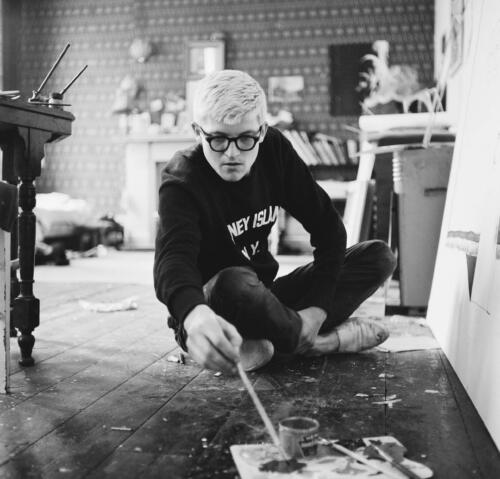
Their imagination took us on a journey through art history, just look at Dries Van Noten’s S/S 2001 collection, a colourful and very stripey evocation of David Hockney (above); and literature, see Ann Demeulemeester’s S/S 07 show, a moody homage to the poetry of Rimbaud; or even more abstract notions like Walter Van Beirendonck’s darkly optimistic jousting with cartoon imagery, tribal elements and the codes of BDSM.

Sounds crazy? Perhaps. Mr Van Noten would likely be the first to downplay my lofty theorising; of the six, he is perhaps the one who is rooted most firmly in the commercial reality that spawned him. As he said in an interview with The Talks: “We don’t make couture; we make prêt-à-porter. And I’m very strict with that.”

A passion for solid, wearable pieces, cut for the ages, shines through in everything Dries does.

I remember seeing him standing in front of MoMu in Antwerp, waiting for his 2015 Inspirations exhibition to open, and being struck by the elegant simplicity of his personal style: a navy merino sweater and wide but slightly tapered chinos on top of white tennis shoes. Over the years he has refined his look – rooted in British country chic and Ivy (like the oversized chequered blazer he wore in the Antwerp Six promo pictures in 1986) – to reflect sobriety and timeless elegance. 

That veneration of tradition also featured heavily in Van Noten’s 17 F/W men’s show, where the logos and labels of Fox Brothers, Lovat and Marling & Evans were enlarged and emblazoned on sweaters and the linings of jackets, paying homage to the companies that had supplied him with materials over the decades.

Whatever the theme of the dream may be, the vocabulary of classic tailoring serves as a beacon in any collection of the Antwerp Six, bobbing to the surface now and again to guide us through the rough seas of the designers’ wildest imagination.

Take the suit above from one of Van Noten’s last collections (S/S 24) before he retired in June 2024. Long considered a master of colour, his combination of biscuity brown with a deep wine red is chic and accessible. And the cloth will appeal to most PS readers: a slubby, silken herringbone that bears a striking resemblance to the cloth of one of Simon’s more popular jackets.

Even someone as futuristic and out there as Walter Van Beirendonck understands the architecture of a classic suit. I was once gifted one of his blazers to wear while I performed on stage; tartan cloth with a structured shoulder – I could’ve sworn it had been cut by a Savile Row tailor, if it weren’t for the portholes in the front, back and sleeves.

Outlandish? Sure. I chose to see them as peepholes into the playful soul of their creator. Or indeed: windows towards the possible.

Bent Van Looy is an Antwerp-based writer, artist and musician.

The Antwerp Six 40th anniversary retrospective opens in Antwerp’s MoMu on March 28th.

<!–

–>


Source link

Leading the Change: Women Shaping a Sustainable Fashion Future – University of Fashion Blog

Leading the Change: Women Shaping a Sustainable Fashion Future – University of Fashion Blog


The 2026 Women’s History Month theme, “Leading the Change: Women Shaping a Sustainable Future,” provides a timely framework for examining women’s leadership within the global fashion industry. Fashion, one of the world’s most resource‑intensive sectors, has become a key site for sustainable innovation. Increasingly, women designers, educators, and entrepreneurs are driving transformative practices that integrate environmental stewardship, economic equity, and cultural preservation into fashion’s future.

South Asia Women Leading the Charge for a Sustainable Fashion Future

Image of Ananya Patel artist at weaving loomArtist Darshani Patel of Thread Revival Collective, weaves together jute, wool, and other organic fibers, on a large loom. She then shapes these woven pieces into organic creations that evoke natural forms and unique textures. (Image credit: heartfullness.org)

In South Asia, Ananya Patel of India’s Thread Revival Collective integrates environmental and economic sustainability by training rural women, like Darshini Patel, to transform discarded textiles into marketable goods. Her enterprise bridges the informal economy with global fashion markets, demonstrating how circular production systems can align with poverty alleviation and women’s empowerment. Patel’s organization provides living wages and skills development, contributing to both gender equity and resource conservation.

Collectively, these examples highlight a growing paradigm in which women redefine leadership through relational, community‑centered models rather than hierarchical structures. Their work embodies ecofeminist principles that link the care of people and planet, challenging patriarchal and extractive systems long embedded in industrial fashion.

Immigrant Women in the United States Drive Sustainability

Designer Maria TorresMaria Torres, creator of the fast-growing immigrant-owned sustainable fashion boutique — Marian Style. (Image credit: Latinfashionweek.com)

Maria Torres, a Salvadorian‑American designer based in Los Angeles, approaches sustainability through material innovation and collaborative supply chains. Her collections utilize plant‑based alternatives such as cactus leather and organic cotton sourced from women’s cooperatives in Oaxaca. This model exemplifies sustainable economics, redistributing value along the supply chain while reducing dependence on petroleum-based synthetics. Torres’s work also foregrounds the intersectionality of sustainability, recognizing that environmental accountability cannot be separated from social justice and labor equity.

American & European Matriarch’s of Fashion’s Sustainable Movement

Designers Eileen Fisher, Mara Hoffman and Stella McCartney

Early adopters of the sustainable movement in fashion: Eileen Fisher, Mara Hoffman and Stella McCartney. (Image credit: Vogue.com)

In the U.S., sustainable design has evolved from a niche pursuit to a powerful movement shaped largely by women innovators. Designers such as Eileen Fisher pioneered circular fashion systems, extending the life of garments through repair and resale programs. Her model inspired many of us to question not only how our products are made but what happens to them after purchase. Similarly, Mara Hoffman’s commitment to transparency and regenerative fibers has shown that sustainability can coexist with commercial viability and aesthetic excellence. For emerging American designers, these examples offered both blueprint and challenge: to design garments that meet ethical, environmental, and emotional needs simultaneously.

University of Fashion’s Female Contributors to Fashion Sustainability

University of Fashion series on sustainable designUoF’s Sustainable Design Series taught by Noor Bchara (Image credit: University of Fashion)

The University of Fashion has long demonstrated leadership in advancing the discipline’s commitment to sustainability through its comprehensive collection of instructional lessons led by distinguished fashion educators. Among these experts is Noor Bchara, founder of the Upcycle Design School and a recognized authority in sustainable fashion practices. Bchara has developed three foundational courses for the University of Fashion: Introduction to Sustainable Design, Sustainable Materials for Fashion Design, and Designing, Producing, and Marketing a Sustainable Collection—each designed to equip emerging designers with the knowledge and methodologies essential for responsible creative practice.

In addition to her pedagogical contributions, Bchara is an Alumna of the Arts Envoy Program, through which she collaborates with the U.S. Department of State to promote upcycling and circular design principles internationally. Her expertise is widely recognized, as evidenced by her frequent lectures at major art and fashion institutions and her participation in prominent global industry events.

Images of University of Fashion's sustainable lessons

Kromagnon was born in 2012 when Kristen Loung toured several textile factories in France and Italy with fellow FIT students. She began researching sustainable fabrics and practices through a scientific lens informed by her Pre-Med background at NYU. Applying an analytical approach, she examined the environmental trade-offs of various materials, discovering that even sustainably sourced fabrics often require extensive chemical processing. Her investigation culminated in a deep understanding of sustainable textile production, enabling her to source ethically aligned suppliers and manufacturers, insights that laid the foundation for Kromagnon, a brand dedicated to responsible and innovative fashion design.

Love is Mighty was a New York based luxury footwear and accessories brand committed to sustainability, Artisanal Craftsmanship and Cruelty-Free fashion. Monisha Raja, Founder and Creative Director, is a graduate of Parsons School of Design and the recipient of the P.E.T.A. Fashion Award for her dedication to Animals and Fashion. The company was dedicated to creating products that showcased an exceptional combination of modern design, innovation and ancient mastery, through collaborations with semi-nomadic tribes of the world.

Parron Allen, while not a female designer, he is worth mentioning here. Parron’s design practice embodies a harmonious dialogue between whimsy and functionality, articulating a distinctly contemporary aesthetic voice. Through his work, he reclaims the practice of upcycling as a cultural and ancestral homage to his Mississippi roots, transforming fabric remnants, discarded textiles, and thrifted garments into inventive, narrative-driven collections. Before establishing his eponymous brand in 2021, Parron Allen pursued formal design studies in both the United States and the United Kingdom and refined his technical and creative expertise at notable fashion houses including Vera Wang, Ellen Tracy, and Rebecca Taylor.

Eco Textiles is taught by Carol Brathwaite who served as an Adjunct Instructor at New York City College of Technology (City Tech), where she taught courses in textiles and fashion marketing. Drawing on over ten years of experience as a Senior Technician in Con Edison’s Chemical and Environmental Laboratory in New York, her lesson examines key innovations and contemporary developments in sustainable textile production and associated best practices and addresses ongoing efforts to reduce the environmental impact of textile manufacture, use and disposal, and considers the prospective trajectory of the global fashion industry as it continues to evolve toward greater ecological responsibility and awareness.

From South Asia to the United States and Europe, women are redefining what it means to lead in fashion by merging creativity with conscience. Their work advances a model of sustainability that values people as much as the planet, one rooted in equity, education, and cultural continuity. Whether training rural artisans, developing next‑generation materials, or teaching the next wave of designers, these leaders are weaving a new narrative of fashion that is circular, ethical, and inclusive. Collectively, they embody the ethos of Women’s History Month 2026: not simply participating in change, but leading it, stitch by stitch, community by community.


Source link

The Women Who Built Luxury: Founders, Visionaries

The Women Who Built Luxury: Founders, Visionaries


When we think of fashion, the image that often comes to mind is a stylishly dressed woman. Luxury fashion, after all, has long been created to cater to the tastes and aspirations of high-society ladies.

Yet despite women making up the majority of luxury fashion consumers, only a small percentage of the world’s major luxury houses were originally founded by them. But their overall influence has been phenomenal. 

Influence of Women on Luxury Fashion

Female visionaries have profoundly shaped the industry, from pioneering founders who built iconic maisons to transformative designers and executives who redefined existing brands. Across more than a century of fashion history, women have introduced revolutionary silhouettes, forged artistic collaborations, championed sustainability, and expanded the cultural meaning of luxury.

From trailblazing founders to visionary creative directors and powerful executives, women have influenced luxury fashion at every level of the industry.

luxury-women-chanel-used-handbags-p1309050-012.avif (2000×2000)

In celebration of International Women’s Day 2026, it is time to spotlight the women who helped define luxury fashion on their own terms. From historic pioneers like Coco Chanel, Jeanne Lanvin, and Elsa Schiaparelli, who introduced practicality and surrealism into couture, to modern designers like Stella McCartney, who are redefining sustainable luxury, women have continually expanded the boundaries of what fashion can represent. Alongside these creators, contemporary leaders are guiding global fashion houses with strategic vision and cultural insight. Together, their stories reveal how female creativity, entrepreneurship, and leadership continue to transform the luxury industry. 


Luxury Brands Founded by Women: 10 Visionary Designers Who Shaped Fashion

Chanel – The House That Redefined Modern Elegance

Origins

The French couturier and fashion designer Gabrielle 'Coco' Chanel (1883-1971). (Photo by © Hulton-Deutsch Collection/CORBIS/Corbis via Getty Images)
The French couturier and fashion designer Gabrielle ‘Coco’ Chanel (1883-1971). (Photo by © Hulton-Deutsch Collection/CORBIS/Corbis via Getty Images)

Gabrielle “Coco” Chanel (1883–1971) launched her millinery in 1910, evolving it into a full-fledged empire that, after World War I. It freed women from corsets and restrictive norms, offering comfort and practicality. Her vision of casual chic, menswear-inspired pieces, and versatile elegance became a symbol of liberated femininity. Chanel became one of the most enduring luxury brands founded by women. She is the only fashion designer on Time magazine’s list of the 100 most influential people of the 20th century. 

Turning Point 

One of Chanel’s most significant business decisions came in 1925, when she partnered with Pierre Wertheimer to establish Parfums Chanel, the company that would commercialize Chanel No. 5 globally. That partnership ultimately shaped the brand’s ownership structure, which remains privately controlled by the Wertheimer family today.

Iconic Creations

Chanel Black Short Sleeve Dress
Chanel Black Quilted Leather Classic 2.55 Reissue 226 Double Flap Pearl Chain Bag

The little black dress (1926); Chanel No. 5 perfume (1921); the 2.55 quilted flap bag (1955) with chain strap; classic tweed suit.

Today

More than a century after its founding, Chanel remains one of the most influential luxury houses in the world. Privately owned by the Wertheimer family, the brand continues to dominate the global luxury market with its iconic tweed suits, quilted handbags, and timeless fragrances.

In December 2021, Chanel appointed Leena Nair as Global CEO, marking a new chapter in the historic maison’s leadership.

Creatively, the house entered a period of transition in June 2024 when long-time collaborator Virginie Viard stepped down as artistic director after five years in the role and nearly three decades with the company. Viard succeeded Karl Lagerfeld in 2019, maintaining Chanel’s signature aesthetic while introducing a softer, more contemporary interpretation of the brand’s heritage.

Following her departure, Matthieu Blazy, formerly Bottega Veneta’s creative director, was appointed as Chanel’s creative director. His debut collection for the house in October 2025 signaled the beginning of a new creative era for the iconic maison.


Chloé – The Birthplace of Effortless Parisian Luxury

Origins

Gabrielle “Gaby” Aghion founded Chloé in 1952, introducing accessible prêt-à-porter luxury with romantic, effortless designs that contrasted traditional couture. She is credited with coining and popularizing the concept of high-fashion ready-to-wear, making luxury more democratic. Her contributions were celebrated in the 2023–2024 Jewish Museum exhibition “Mood of the Moment: Gaby Aghion and the House of Chloé.”
Interesting Fact 

In the 1960s and 70s, Chloé became a launchpad for legendary designers, including Karl Lagerfeld, helping define the modern idea of luxury ready-to-wear.

Iconic Creations

Chloé Woody Small Beige/Black Canvas and Leather Tote
Chloe Black Calf Leather Marcie Small Hobo Bag
Chloe Drew Medium Black/Beige Leather and Python Shoulder Bag
Chloe Blue Chiffon Pleated Ruffle Maxi Dress

Paddington padlock bag; Marcie suede hobo; Drew bag; flowing chiffon dresses with lace and ruffles.

Today

Chemena Kamali’s creative direction continues to energize the house in 2026, with Richemont-backed growth and recent Winter and Fall collections that emphasize sustainable romanticism, folk influences, and effortless femininity.


Vivienne Westwood – The Punk Revolutionary of Fashion

Origins

Dame Vivienne Westwood (1941–2022) debuted in 1971, blending punk rebellion with historical tailoring and advocacy for human rights and climate issues. She was appointed Dame Commander of the Order of the British Empire (DBE) in 2006 for services to British fashion, won British Fashion Designer of the Year three times (1990, 1991, 2006), and received the Leonardo da Vinci Lifetime Achievement Award (2021).

Turning Point

Westwood’s 1976 “Anarchy in the UK” collection helped define the punk movement’s visual identity, transforming underground rebellion into global fashion.

Iconic Creations

Vivienne Westwood Black Croc Embossed Leather Crossbody Bag
Vivienne Westwood Anglomania Black/Gold Jersey Midi Dress

Corset designs; orb logo jewelry; tartan punk pieces; safety-pin jewelry.

Today

Andreas Kronthaler remains the driving force (Creative Director since Vivienne’s passing in 2022). He’s presenting Fall/Winter 2026 collections (e.g., theatrical, chaotic shows in Paris in March 2026) while maintaining the activist and punk heritage through reissues. The brand operates independently.


Schiaparelli – Couture’s Surrealist Visionary

Origins

Image Source: https://www.dailyartmagazine.com/elsa-schiaparelli-art/
Image Source: dailyartmagazine[DOT]com/elsa-schiaparelli-art/

Elsa Schiaparelli (1890–1973) launched in 1927, drawing on Dada and surrealism (e.g., collaborations with Dalí) to create provocative, artistic luxury until 1954; revived in 2013. She was the first female fashion designer featured on the cover of Time magazine (1934) and the first European to receive the Neiman Marcus Award for distinguished service in fashion.

Interesting Fact

Schiaparelli famously introduced the color “Shocking Pink” in 1937, naming it after her fragrance Shocking. The vibrant color became one of the most recognizable signatures in fashion Origins. Her 1937 Lobster Dress, created with Salvador Dalí, remains one of the most famous surrealist garments ever produced.

Iconic Creations

Shocking pink, Lobster dress, Surrealist jewelry

Lobster Dress Image Courtesy: https://x.com/womensart1/status/1659438105022062593
Lobster Dress Image Courtesy: x[DOT].com/womensart1/status/1659438105022062593

Today

Daniel Roseberry is still Creative Director (since 2019). He’s leading recent collections like Fall/Winter 2026 (“The Sphynx”) with surreal innovations and red-carpet dominance. Brand under Tod’s Group ownership.
Madame Grès – The Sculptor of Couture

Origins

Madame Grès, Image Source: Getty Images

Germaine Émilie Krebs, known as Madame Grès, founded the House of Grès in 1942. Renowned for her extraordinary draping techniques, she created sculptural gowns inspired by classical Greek statues, earning a reputation as one of the greatest couturiers of the 20th century.

Fashion Innovation

Madame Grès became famous for gowns made from yards of silk jersey, meticulously pleated and draped by hand. Her designs celebrated the natural female form and were widely regarded as masterpieces of couture craftsmanship.

Iconic Creations

Image Credit: https://drapingsociety.com/
Image Credit: drapingsociety[DOT]com/

Greek-inspired draped gowns; sculptural silk jersey dresses.

Today

Though the original house eventually closed, Madame Grès remains one of couture’s most revered pioneers, influencing generations of designers who view draping as an art form.


Lanvin – Parisian Elegance from Fashion’s Oldest Couture House

Origins

(lanvin.com)

Jeanne Lanvin (1867–1946) began in 1889 with mother-daughter dressing, pioneering Art Deco elegance, perfumes (such as Arpège), and a full empire, including lingerie and furs, and was known for her brilliant eye for color (“Lanvin Blue”). She received France’s highest civilian honor, Knight of the Legion of Honour, in 1926.

Jeanne Lanvin was also among the first designers to build a true lifestyle brand, expanding into perfumes, menswear, and home décor decades before it became standard practice in luxury fashion.

Interesting Fact

Lanvin’s iconic logo, a mother and daughter holding hands, was inspired by Jeanne Lanvin’s close relationship with her daughter, Marguerite. The image was originally created for a 1920s invitation to a Lanvin ball and later became the house’s official emblem.

Iconic Creations

Lanvin Green Crepe Draped Mini Dress
Lanvin Dark Brown Leather Flap Shoulder Bag

Robe de style, Arpège parfum, slips en soie à motifs de perles.

Today

Under Artistic Director Peter Copping (appointed 2024), Lanvin emphasizes revival through couture craftsmanship, archival research, and Parisian refinement in 2026, with recent collections reimagining Jeanne Lanvin’s legacy.


Fendi – Roman Craftsmanship and the Legacy of Fur and Leather

Origins

Adele Fendi; Image Source: https://luxuryandvintagemadrid.wordpress.com/
Image Source: luxuryandvintagemadrid[DOT]wordpress[DOT]com

Adele “Adda” Fendi co-founded the company in 1925; her vision and family’s expansion built the iconic fur/leather legacy, emphasizing Roman craftsmanship (e.g., the Selleria collection) and handmade techniques that became foundational to the brand’s global success.
Turning Point

In 1965, the brand began collaborating with Karl Lagerfeld, who introduced the iconic double-F logo (“Fun Fur”) and helped transform Fendi into a global luxury powerhouse.
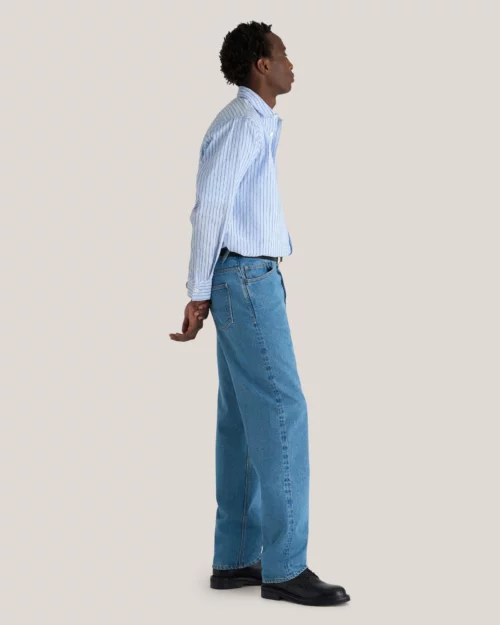
The Fendi Baguette became a cultural phenomenon in the late 1990s after appearing on the television series Sex and the City, helping turn it into one of the most recognizable luxury accessories ever created.

Iconic Creations

Fendi Baguette Multi-Pocket Convertible Green Nylon Bag
Fendi Peekaboo Iseeu Girl Inlay Small Light Blue/Multicolor Leather Top Handle Bag

Baguette bag, FF monogram, Peekaboo satchel.

Today

Following Kim Jones’s departure as Artistic Director in October 2024, Fendi continues Roman innovation under LVMH, with Silvia Venturini Fendi leading accessories, men’s, and children’s lines. A new creative structure is expected, maintaining focus on heritage fur, leather, and iconic bags.


Céline – The Origins of Quiet Luxury

Origins

Image Credit: https://in.pinterest.com/
Image Credit: in.pinterest[DOT]com

Céline Vipiana started in 1945 with made-to-measure children’s shoes, expanding into refined leather goods, bags, and ready-to-wear. She introduced the iconic Blazon Chaine logo (inspired by the Arc de Triomphe) and opened a factory in Florence to maintain high standards of craftsmanship.

Interesting Fact

The Triomphe logo, today one of the house’s most recognizable emblems, was inspired by the chains

surrounding the Arc de Triomphe in Paris.

Iconic Creations

Celine Brown Teen Canvas and Calfskin Triomphe Crossbody
Celine Brown Canvas Triumph Ava Hobo Bag

Luggage tote, Triomphe canvas, Ava bag.

Today

Séverine Merle has been Chief Executive Officer since April 2017. Michael Rider, since 2025. serves as Creative Director (following Hedi Slimane’s departure in October 2024), presenting well-received collections that blend modern tailoring with Céline’s quiet luxury heritage.

Diane von Furstenberg – The Woman Behind the Wrap Dress Revolution

Origins

Image Source:https://en.wikipedia.org
.Image Source:en.wikipedia[DOT]org

Diane von Furstenberg founded her eponymous brand (DVF) in 1972 in New York City after relocating from Europe, where she presented her first collection of jersey dresses and began building her ready-to-wear line. In 1974, she introduced the wrap dress—a knitted jersey design that wrapped around the body and tied at the waist—becoming one of the most iconic garments in fashion history. The brand helped define 1970s women’s fashion by combining elegance, independence, and practicality. Beyond design, she has played a major role in fashion leadership as chairwoman of the Council of Fashion Designers of America (CFDA) from 2006 to 2019. She remains a champion of female empowerment through philanthropy and mentorship. Though she stepped back in the 1980s to found a publishing house, she relaunched DVF in 1997, expanding into accessories and lifestyle products.

Turning Point

By 1976, millions of wrap dresses had been sold, earning von Furstenberg a Newsweek cover and making her a global fashion name. The wrap dress quickly became a cultural symbol of female independence during the 1970s feminist movement.

Iconic Creations

Diane Von Furstenberg Multicolour Colour Block Crepe Wrap Dress
Diane Von Furstenberg Multicoloured Colour Block Crepe Wrap Dress
Diane Von Furstenberg Navy Blue Lurex Knit Evelyn Wrap Dress

Wrap Dress (the timeless, versatile jersey piece that symbolizes confidence and femininity).

Today

In 2026, DVF continues as a vibrant global luxury lifestyle brand with bold prints, ready-to-wear, and accessories. Recent highlights include a strategic European wholesale expansion through a partnership with Brama Group (starting Fall 2026), new collections evoking the Italian spirit (e.g., Fall 2026 “La Serenissima”), and collaborations with Estée Lauder Beauty. Nathan Jenden serves as Chief Design Officer (returned in 2025), with Graziano de Boni as CEO (since 2024), driving evolution while honoring the founder’s empowering ethos.


Stella McCartney – The Pioneer of Sustainable Luxury

Origins

Image Source:: https://en.wikipedia.org/wiki/Stella_McCartney
Image Source: en.wikipedia[DOT]org/wiki/Stella_McCartney

Founded in 2001 with a no-fur/no-leather commitment, rooted in sustainability. McCartney has been awarded the OBE (2013) and CBE (2022) for services to fashion and sustainability, multiple British Designer of the Year honors, and accolades such as Green Designer of the Year (2008).

Interesting Fact

When Stella McCartney launched her brand in 2001, it became one of the first luxury fashion houses to commit entirely to a no-fur, no-leather policy.

Fashion Innovation

Stella McCartney has collaborated with material innovators to develop alternatives to leather and fur, including partnerships with companies exploring bio-fabricated materials and mushroom-based leather substitutes.

Iconic Creations

Stella McCartney Falabella Metallic Green Shimmering Faux Suede Belt Bag


Stella Mc Cartney Beige Tailored Blazer
Stella McCartney Beige Tailored Blazer


Stella McCartney X Adidas Grey /Blue Pattered Jersey Top & Leggings Active Wear Set


Stella McCartney stella logo Black Faux Leather Totes Bag
Stella McCartney Stella logo Black Faux Leather Tote Bag

Falabella faux-leather bag; tailored blazers; eco-activewear; vegan leather handbags.

Today

Independent leader in sustainable luxury (repurchased LVMH stake in 2025), Stella McCartney continues ethical innovation in 2026, recently honored as Chevalier de la Légion d’Honneur for contributions to fashion and sustainability.


Tory Burch – American Preppy Chic with a Purpose

Origins

Image Source: https://en.wikipedia.org/wiki/Tory_Burch
Image Source: en.wikipedia[DOT]org/wiki/Tory_Burch

Tory Burch launched in 2004, blending accessibility with aspirational style and founding the Tory Burch Foundation to support women entrepreneurs (providing access to capital, education, and resources). She has won the CFDA Accessories Designer of the Year award (2008), been named to Forbes’ lists of powerful women, and received multiple rising-star and launch awards.

Interesting Fact

Her debut collection famously sold out at Bergdorf Goodman on the day it launched, immediately establishing Tory Burch as a major new American luxury brand.

Iconic Creations

Tory Burch Reva Size 40.5 Beige/Brown Leather Raffia Ballet Flats

Tory Burch Reva Size 40.5 Beige/Brown Leather Raffia Ballet Flats

Tory Burch Monogram T Embossed Black/Off White Leather Contrast Tote
Tory Burch Miller cloud Size 36 Cream Patent Leather Thong Sandals
Tory Burch Miller Cloud Size 36 Cream Patent Leather Thong Sandals

Reva ballet flats, double-T totes, Miller cloud sandals.

Today

Tory Burch remains Executive Chairman and Chief Creative Officer. No dedicated creative director; she leads design. The recent executive appointment of Joëlle Grunberg as President has strengthened North American operations (November 2025). The foundation and empowerment focus is strong in 2026.


Luxury Brands Transformed by Women: Visionary Leaders Who Redefined Icons

Only a small percentage of major luxury houses were originally founded by women, yet many of fashion’s most influential moments have been driven by female designers. These visionaries redefined eras, aesthetics, and commercial success through bold creativity and strategic leadership.

Many major houses gained their modern identity through female creative direction:

Prada

Image Credit: https://www.gettyimages.in/
Image Credit: gettyimages[DOT]in
Miu Miu Black Matelassé Leather Crystals Buckle Chain Clutch

Transformed by Miuccia Prada (who took over the family business in 1978 and founded Miu Miu in 1993) with intellectual minimalism, conceptual edge, and innovative fabrics that turned a leather-goods company into a global fashion powerhouse.

Gucci

Gucci Brown Small GG Supreme Flora Ophidia Dome Crossbody

Transformed by Frida Giannini (creative director 2006–2015), who revived heritage codes like the Flora motif, infused softer femininity and boho-chic glamour, drove massive accessories growth, and championed philanthropy (e.g., Gucci Museum opening and film preservation initiatives).

Dior

Dior Off White Cotton "We Should All Be Feminists" T-Shirt
Dior Off White Cotton “We Should All Be Feminists” T-Shirt

Led by Maria Grazia Chiuri (creative director, womenswear 2016–2025), who brought overt feminist messaging, “We Should All Be Feminists” T-shirts, and empowered, inclusive designs—shifting the house toward bold social commentary while honoring its couture roots.

Pucci

Emilio Pucci Multicolour Printed Jersey Belted Mini Dress
Emilio Pucci Multicoloured Printed Jersey Belted Mini Dress

Founded by Emilio Pucci, yes—but the brand was rebuilt and creatively defined by women, especially Laudomia Pucci (his daughter) and later female creative directors who helped revive the house.

Burberry

Burberry Pink Crepe Trench Coat

Revitalized by Angela Ahrendts (CEO 2006–2014), who globalized the brand through digital innovation, trench-coat heritage elevation, and strong e-commerce growth—turning Burberry into a modern British luxury leader before her move to Apple.

Jimmy Choo

Jimmy Choo Purple Patent Leather Metal Logo Waist Belt
Jimmy Choo Black/Silver Mirrored Andie/S Round Sunglasses

Globalized by Tamara Mellon (co-founder, 1996; built empire until 2011), who transformed a bespoke shoe brand into an international accessories powerhouse with celebrity appeal, red-carpet dominance, and commercial scalability.

Alexander McQueen

Alexander McQueen Navy Blue Denim Contrast Stitch Suit


Alexander McQueen Black Patterned Silk Knit Midi Skirt

Shaped by Sarah Burton (creative director 2010–2023), who preserved Lee McQueen’s dramatic DNA while adding romantic elegance and impeccable tailoring—most notably designing Kate Middleton’s 2011 royal wedding gown, which cemented the house’s cultural status before Burton’s departure and move to Givenchy in 2025.

Céline

Celine Luggage Mini Beige Leather Tote

Revolutionized by Phoebe Philo (creative director 2008–2018), who introduced refined minimalism, architectural silhouettes, and the iconic Luggage Tote that defined “sophisticated luxury” and intellectual chic for a generation. Her influence endures in 2026, with archival demand and echoes in the brand’s current evolution under Michael Rider.

These women not only elevated heritage labels but also set benchmarks for empowerment, innovation, and relevance, proving the lasting impact of female leadership in luxury fashion.

Women Leading the World’s Biggest Luxury Houses Today

While female designers have shaped the aesthetics of luxury fashion, a new generation of women is also influencing the global strategy and leadership of major fashion houses. From CEOs to creative directors, these leaders are redefining how luxury brands operate in an era of digital innovation, sustainability, and global expansion.

Leena Nair – Global CEO of Chanel

Appointed in December 2021, with her role beginning in January 2022, Leena Nair became one of the most prominent women leading a global luxury house. Before joining Chanel, she spent nearly three decades at Unilever, where she rose to the position of Chief Human Resources Officer.

At Chanel, Nair has brought a people-first leadership philosophy to the historic maison, emphasizing sustainability, craftsmanship, and long-term brand stewardship. Under her leadership, the company has also strengthened its global presence and expanded social initiatives through Fondation Chanel, including a $100 million annual commitment to support gender equality and climate resilience.

Her appointment reflects a broader shift within the luxury industry toward more diverse and modern leadership at the highest levels.


Francesca Bellettini – Deputy CEO of Kering

Francesca Bellettini is one of the most influential executives in luxury fashion today. After successfully transforming Saint Laurent into one of the fastest-growing brands in the industry during her tenure as CEO, she was promoted to Deputy CEO of Kering.

Her strategic leadership continues to shape the future of the group’s major luxury houses, including Gucci, Balenciaga, and Bottega Veneta.


Delphine Arnault – CEO of Dior

As the daughter of Bernard Arnault, Delphine Arnault grew up in the world of luxury fashion. After playing a key role in developing brands across the LVMH portfolio, she became CEO of Dior in 2023.

Arnault has focused on strengthening Dior’s heritage while expanding its global appeal, particularly among younger luxury consumers.


Emerging Modern Icons: Rising Women-Founded Luxury Brands in 2026

Contemporary female-founded luxury brands build on pioneers’ legacies with sustainability, minimalism, and bold creativity:

Carolina Herrera – Timeless Bold Elegance

CH Carolina Herrera Black Guipure Lace Flared Midi Dress

Founded in 1981 by Carolina Herrera, known for voluminous gowns and fragrances.

Gabriela Hearst – Sustainable, Traceable Luxury

Gabriela Hearst Beige Virgin Wool Plaid Print Trench Coat

Launched in 2015, carbon-neutral designs with Uruguayan heritage.

The Row – Stealth Wealth Minimalism

Olsen twins’ 2006 line: anonymous, high-quality essentials.

Iconic products: 

Staud – Playful, Versatile Contemporary

Staud White Sequin Embellished Long Sleeve Midi Dress

Founded in 2015 in LA, beaded bags and midi dresses for modern lifestyles.


FAQs: Luxury Brands Founded by Women

Which luxury fashion brands were founded by women?

Some of the most influential luxury brands founded by women include Chanel, Chloé, Lanvin, Schiaparelli, Stella McCartney, Carolina Herrera, and Tory Burch. These designers built globally recognized fashion houses and introduced groundbreaking ideas that changed how women dress.

Who was the first woman to create a major luxury fashion brand?

One of the earliest female founders in luxury fashion was Jeanne Lanvin, who launched Lanvin in 1889. Her designs for women and children became hugely popular, and Lanvin remains the oldest continuously operating French fashion house today.

Are there many female founders in luxury fashion?

Historically, relatively few major luxury fashion houses were founded by women. However, female designers such as Gabrielle Chanel, Elsa Schiaparelli, and Vivienne Westwood broke barriers and proved that women could lead global fashion movements.

Which luxury brands are currently led by women?

Female designers or executives, including Chanel, Prada, Dior, and Chloé, currently lead several major luxury houses. Women today hold some of the most influential creative roles in fashion.

Which female designers transformed existing luxury brands?

Some female designers dramatically reshaped the identity of major fashion houses. Miuccia Prada modernized Prada, Phoebe Philo revolutionized Céline, and Maria Grazia Chiuri brought feminist messaging to Dior.


A Lasting Legacy of the Women Who Shaped Luxury Fashion

From founders who built iconic maisons to creative visionaries who transformed established houses and executives guiding global luxury brands today, women have played a defining role in shaping the fashion industry.

More than creating beautiful garments, they challenged conventions, influenced culture, and reimagined what luxury could represent. Their creativity, resilience, and entrepreneurial spirit demonstrate that women possess not only an instinctive understanding of fashion but also the leadership and vision required to redefine the industry.

Today, that legacy continues through designers and executives who are guiding luxury fashion into new territories, from sustainability and ethical craftsmanship to global cultural relevance. Together, these founders, innovators, and leaders prove that the past, present, and future of luxury fashion have their reins in soft yet strong hands.

CH Carolina Herrera White Eyelet Lace Belted Maxi Dress
Pre-Owned CH Carolina Herrera White Eyelet Lace Belted Maxi Dress

Many of their enduring creations, from iconic handbags and statement jewelry to classic ready-to-wear and accessories, continue to circulate through the luxury resale market, allowing new generations of collectors and fashion enthusiasts to experience these designs firsthand. Platforms like The Luxury Closet, a leading destination for authenticated pre-owned luxury, help keep these iconic pieces in circulation while connecting collectors with some of fashion’s most celebrated creations.

As luxury fashion evolves, the influence of these pioneering women continues to remind the world that great style and great leadership never go out of fashion.


Source link

25 Best Alexander McQueen Shoes for Men – Top Styles Ranked

25 Best Alexander McQueen Shoes for Men – Top Styles Ranked


March 13, 2026

In the realm of fancy men’s clothes, shoes often shape the first look and not many names catch eyes like Alexander McQueen. Known for its bold ideas, neat cuts and unique shapes, the brand has turned men’s footwear into cultural symbols. From the well-known big sneakers to finely made dress shoes and eye-catching boots, McQueen shoes stand at the crossroads of high style and daily comfort.

What makes Alexander McQueen shoes really attractive to today’s men is their skill to mix strong design with use. These aren’t just shoes for show, they fit well into everyday closets. Whether worn with smart pants, easy jeans or modern casual wear, McQueen shoes lift outfits without seeming out of place. This special flexibility is why searches for the best Alexander Mcqueen shoes keep going up among stylish buyers.

Another key part is skill. High-quality leathers, strong bottoms, careful building and focus on details make sure that each pair feels as fine as it looks. Even though the brand is famous for its bold style, comfort and long-lasting are never traded off. This mix of eye-catching design and useful luxury makes Alexander McQueen shoes a smart buy for men who care about both style and use.

In this well-made guide we list the 25 best Alexander McQueen shoes for men, looking at each type based on popularity, use, comfort, looks and long-term worth. Whether you’re getting your first pair or adding to a current nice shoe collection this list shows the styles that really represent the brand and should have a spot in every modern man’s wardrobe.

Why Alexander McQueen Shoes Are So Popular Among Men

Why Alexander McQueen Shoes Are So Popular Among Men

The worldwide fame of Alexander McQueen shoes for guys is not by chance. Made to push limits while still keeping fine work, shoes from Alexander McQueen have turned into a mark of today’s luxury for men who care about being unique, good quality and flexible. One of the main reasons for their broad charm is the brand’s skill in making bold shoes that you can wear every day. 

A key p͏art is the look of design. The easily seen big sneaker has turned into a style symbol, making Alexander McQueen different from usual fancy shoe brands. Its large shapes, neat lines and high-quality leather build hit just the right mix between modern street wear and timeless grace. This unique style lets men show off their fashion without needing loud signs or too much branding.

One more cause of their fame is flexibility. The top Alexander McQueen shoes move smoothly between events, matching just as easily with laid-back jeans as they do with neat pants or stylish suits. This ability attracts today’s guys, who want shoes that fit in many places without losing style. Not many fancy brands join casual and smart looks as well as Alexander McQueen. 

Artisan skill also holds a big part. Each set is made with good materials, from soft cow skin to strong rubber bottoms, ensuring ease and lasting use. Men more often see luxury buys as long-term helps and McQueen shoes give on strength while keeping their look over the years.  

At last, cultural impact and world sight have made the brand’s place firm. Often used by famous people, artists and style leaders, Alexander McQueen shoes hold great dream value. Mixed with their lasting charm and steady design, this makes them a pick for men wanting shoes that feel daring, luxurious and truly modern.

In short, Alexander McQueen shoes mean a lot because they give more than style— they bring boldness, skill and a modern look in every step.

25 Best Alexander McQueen Shoes for Men (Ranked)

1. Oversized Leather Sneakers (White)

Oversized Leather Sneakers

The most famous McQueen shoe ever. With a big shape, soft cow skin and large rubber bottom, these sneakers are the brand’s mark. They go well with jeans, dress pants and even suits. 

2. Oversized Sneakers with Black Heel Tab

A small change from the old, this style brings difference and grace. Perfect for guys who want the famous look with a clearer point. 

3. Oversized Sneakers with Transparent Sole

New and trendy, the clear bottom gives a new spin to the brand’s top-selling style while keeping ease and flexibility.

4. Oversized Sneakers with Logo Heel

Great for logo fans, this pair brings name style without being too much. It makes it one of the best Alexander McQueen shoes for statement dress. 

5. Oversized Suede Sneakers

Softer and more rough than leather, suede types give a fancy easy look good for smart-easy clothes.

6. Court Trainer Sneakers

Thinner and less showy than the big line, Court Trainers are great for simple folks who still want McQueen style.

7. Larry Sneakers

Larry Sneakers

Sporty, smooth and light, Larry shoes are great for dail͏y use and attract guys who like a neater look.

8. Hybrid Sneakers

Mixing active parts with fancy touches, these mixed shoes are great for modern street style fans.

9. Oversized Sneakers with Metallic Heel

A strong update with shiny bits, great for guys who like shoes that stand out without too much.

10. Oversized Sneakers with Seasonal Colour Accents

Scarce shades make these a top pick for gatherers and style-savvy shoppers.

11. Chunky Runner Sneakers

A new choice for big shoes, these sporty pairs add fun to fancy looks.

12. Low-Top Leather Sneakers

Old and smart, these shoes fit well with neat outfits and dressy-casual styles.

13. High-Top Sneakers

Great for adding fun to easy clothes, high-tops give both ease and big looks.

14. Leather Slip-On Sneakers

Small, smooth and handy, great for guys who like simple comfort but still want some class.

15. Canvas Sneakers

Canvas Sneakers

Easy and calm, cloth types give a time-of-year choice to hide looks.

16. Leather Chelsea Boots

An ageless must-have lifted with McQueen’s keen style. These boots move easily from day to night. 

17. Lace-Up Leather Boots

Strong but neat, tied-up shoes add style to cold weather clothes and smart coats.

18. Military-Inspired Boots

Strong, well-built and tough— great for guys who like shoes with style and flair.

19. Chunky Sole Boots

With big bottoms, these shoes show the style of the brand’s large sneakers but ready for winter.

20. Suede Chelsea Boots

Softer and more nice than leather, suede types are great for smart casual wear.

21. Leather Derby Shoes

Old-style shoes made new with small McQueen touches, great for work or night time outfits.  

22. Leather Oxford Shoes

Clean, smooth and well made, Oxfords are good for men who want a simple kind of luxury.

23. Monk Strap Shoes

Monk Strap Shoes

Smart and unique, monk straps give a nice choice to usual lace-up shoes.

24. Loafers with Chunky Sole

A new style of old loafers, mixing ease with strong look. 

25. Minimal Leather Dress Shoes

Smooth and not old, these shoes wrap up the list of the top Alexander McQueen shoes for men who like soft style.

How to Style the Best Alexander McQueen Shoes

Putting on the best Alexander Mcqueen shoes is all about finding a balance between eye-catching looks and simple elegance. These shoes are famous for their striking shapes and high-quality making, designed to lift even plain outfits, making them surprisingly easy to wear for daily use as well as special events. 

For easy outfits, big Alexander McQueen shoes are the best choice. Match simple white or black styles with narrow jeans, a comfy T-shirt and a nice jacket for a neat but trendy look. For a more up-to-date street style, wear them with short pants, loose hoodies or simple sweatshirts. The thick sole brings some flair; thus keep the rest of the outfit plain and fitting well for balance. 

When putting on smart-casual clothes, Alexander McQueen shoes really stand out. Big sneakers go well with nice pants, knit tops or clean shirts, giving a polished choice to usual dress shoes. This blend of fancy and casual pieces makes a new feel that’s great for meals, trips or workplaces where ideas flow. Neutral colors like white beige and black are very usable for these places. 

For formal or semi-formal events, McQueen’s leather shoes and boots are great buys. Chelsea boots or lace-up leather boots look nice with smart suits, wool pants and long coats adding some style without being too much. For work or night wear use classic black or dark brown leather types for a neat touch. 

The trick to making the best Alexander M͏cQueen shoes stand out is by letting the shoes be the main focus. Keep clothing simple, neat and carefully put together. When done right, McQueen shoes turn into more than just extra pieces, they shape your whole appearance with boldness and fresh style.

Are Alexander McQueen Shoes Worth the Investment?

Are Alexander McQueen Shoes Worth the Investment

Putting money in fancy shoes often makes people wonder, is it really worth it? When talking about the best alexander mcqueen shoes, many smart men say yes and here’s why.

To start, Alexander McQueen shoes give a one-of-a-kind mix of special style and lasting skill. The name has changed how we see fancy shoes by mixing strong shapes with top-notch stuff. Whether it’s the easy-to-spot big sneakers, smooth dress shoes or firm boots, McQueens footwear says something while not losing usefulness.  

This skill to often make a look that seems new and classic is a main reason these shoes keep their worth — in style and money. Unlike lots of trendy brands, McQueen doesn’t follow seasonal trends. Instead, the brand’s classic styles mostly in its sneaker range have turned into must-have items for stylish men around the world. These shoes switch easily from laid-back street looks to dressed-up smart-casual wear, giving you flexibility that makes the cost worth it. This ability means you get not just a pair of shoes but also a many-season, many-occasion investment.

One more important thing is lasting power. Made with strong leathers, tough bottoms and careful building, the top Alexander McQueen shoes are made to endure. With the right care they keep their shape and look for much longer than cheaper choices. This long life makes them not just better for the earth but also smarter choices over time. 

At last, the resale value has a role. Lots of McQueen types, especially rare one͏s or famous shapes, have good needs in the second market; this makes their money grow even more. 

If you care about style, good make, ease and lasting use. Alexander McQueen shoes deserve its price and have a spot in a chosen fancy closet. 

Final Thoughts

Picking the right fancy shoes is more than just chasing fads, it’s about putting money into things that show your style and give good value over time. The top Alexander Mcqueen shoes do this well. They mix striking looks, high-quality materials and great work to make shoes that feel both modern and classic. 

What makes Alexander McQueen stand out in the high-end shoe area is its steadiness. While a lot of brands play around with quick trends, McQueen makes shoes that stay in style year after year. The big sneaker, for instance, has gone beyond trends to be called a modern classic, while the brand’s boots and dress shoes still draw men who like smooth style with a twist. This mix means that each buy gives great use in easygoing, semi-formal and even formal places. 

From a worth view, McQueen shoes show why they cost what they do with their long wear, ease and good brand value. With right care, these shoes can stay for years making them a good buy for a put together closet. Many styles also keep their charm in the selling market which adds to their buy value. 

In the end, the finest Alexander McQueen shoes are for guys who feel sure about their style picks and value fashion as a way to show themselves. Whether you lean towards bold sneakers, nice leather boots or simple dress shoes, the brand has choices that mix uniqueness with class.

By choosing from the looks listed in this guide, you’re not just getting shoes, you’re putting money into good design, modern fancy and lasting style. For guys wanting footwear that pops out without losing class; Alexander McQueen is still a top pick. 

FAQs About Alexander McQueen Shoes for Men

FAQs

Are Alexander McQueen shoes comfortable for daily wear?

Yes, many Alexander McQueen shoes, mainly the big sneakers are made with soft bottoms and strong build, making them comfy for long daily use once well broken in.

Do Alexander McQueen shoes run true to size?

Usually, Alexander McQueen shoes are just right in size. But, big sneakers can seem a bit tight at first because of the firm leather. Lots of people like to get half a size bigger if they have wider feet.

How do you care for Alexander McQueen shoes?

To keep their look, wipe leather shoes often with a gentle cloth. Stay away from too much wetness and put them in dust bags. Using shoe trees and getting them cleaned by pros can really make them last longe͏r.

Are Alexander McQueen shoes a good investment?

Sure, the top Alexander Mcqueen shoes give great worth through tough build, classic look and strong brand charm. Well-liked styles also keep high resale needs.

Which Alexander McQueen shoes are most popular among men?

Big leather shoes stay the best liked kind next to Chelsea boots and simple leather trainers, because of their use and special look.


Source link

Which colour of linen do I want?

Which colour of linen do I want?


Which colour of linen do I want?

Friday, March 13th 2026

Share

Subscribe
21 Comments
||- Begin Content -||

At this time of year, I’m often asked what linen suit, jacket or trouser a reader should get. Their eyes are turning to summer, and often an event that will involve summer tailoring. 

We’ve written about the appeal of linen in general before, and about the different linen bunches in detail – both in the Guide to Cloth. But the question people ask most often is a very simple one: what’s the right colour?

So here’s my breakdown of what colours to consider and why – for trousers, suits and jackets. As this is PS, it’s all done in a very logical order. 


Trousers in Harrison’s Mersolair 28306

Light or dark?

The first question to ask yourself is, do you want a linen piece that is light in colour, because that’s part of the appeal, because it’s meant to be a glorious reflection of the sun – or, is it more about coolness and subtlety, and something darker would therefore be better. 

I find readers usually have one or the other in their mind already, and it’s good to articulate it. The two are quite distinct, and separating them is a quick way to cut down the choices. 


Suit in dark-brown linen, W Bill 61354
Trousers in a dark-olive, Maison Hellard MH/PS

If dark: start with brown and green

Linen is, in general, best suited to earthy colours like brown and green, rather than more formal business colours such as navy or grey. Linen is an absorbent fibre and takes colour very well, plus its natural texture and slubbiness (as well as, of course, creasing) give it an inherently rustic feel that suits these colours. 

So if you want a dark linen suit or trouser, I’d look at dark browns and olivey greens first. Above are two examples of mine: a dark-brown linen suit from Edward Sexton, whose trousers I also wear very often in the summer; and an olive-green pair of trousers from Whitcomb & Shaftesbury. 


Armoury suit in taupe linen, W Bill 61360 is close
Whitcomb & Shaftesbury trousers in beige linen, Solbiati NS21026

If light: go for beige or taupe, not cream

I still hear it said that a cream-linen suit is a wardrobe staple. Well, I’ve tried that twice and a real cream suit is a hard thing to wear. It’s very bright and showy. If you do want a linen suit along these lines, don’t get white or cream – get off-white, beige or a pale taupe. They’re a lot easier. 

Using the W Bill ‘Fine Irish Linens’ book as an example, you definitely don’t want white (61370) as it will look cheap. Cream (61369) is better but is quite rich, perhaps OK in a pair of trousers but striking as a suit. The slightly darker cream (61364) is better still, but my favourite is a slightly grey biscuity linen like the Mersolair pictured higher up, or the Solbiati beige above. 

Also, I once saw a beautiful Anderson & Sheppard suit made for King Charles waiting for alteration – and that was in W Bill 61361, which is almost a pale grey. It’s been on my mind ever since.

You might even call that colour a light taupe, and taupe is a good colour to consider for something that’s between light and dark. My Armoury suit shown above, for example, is a kind of taupe, and it’s proved very wearable. 

Taupe is a mixture of brown and grey, with the brown itself varying a little as browns do. The important thing is that mixing it with grey makes it a muted, more neutral colour – and avoiding strong colour is really the cornerstone of this whole first set of recommendations. 

The cloth I used for my suit is no longer available, but W Bill 61360 looks quite close to me. Manish’s beautiful ‘cappuccino’ colour of the Art du Lin cloth is also a good example here – one exclusive to the Anthology. 


Textured jacket in Mildmay linen from Maison Hellard
Jacket in heavy, slubby linen from de Le Cuona

But what if it’s a jacket?

These recommendations apply to all linen garments, but especially to suits and trousers. As with everything from tweeds to high-twists, jackets are a little different.

First, pale linen jackets are much easier to pull off than suits. A cream linen jacket can be worn in lots of ways, as illustrated here. Also as Manish has discussed here, light jackets with dark trousers are often easier for guys these days than the more traditional dark jacket and light trouser. 

Jackets also benefit from a little more texture, pattern or colour. My Salino linen jacket (above top) is most suited to a jacket rather than suit or trousers, because of its texture (it’s Mildmay linen from Hellard). Maison Hellard is particularly good at textures and patterns – as you can see from their Heures Bleus collection

The other advantage of a linen jacket with clear pattern or pronounced texture is that it makes it easier to wear plain linen trousers with it – as I am also doing in that outfit with the Hellard jacket. 


Orange linen suit from de Le Cuona
Ciardi tobacco suit in W Bill WB 61355

Strong colour is nice, on occasion

Because linen takes colour so well, you often see strongly coloured linen jackets (the Holland & Sherry range is particularly good on this). The problem with strong colours is twofold: they look best in bright weather and they’re very memorable – you only have to wear a bright green jacket two or three times and you become the guy that wears ‘that’ jacket. 

Still, if you spend a lot of time in Palm Beach or you already have the others bases covered, bright colours can fun. My orange jacket from Anderson & Sheppard above is lovely, even though it only gets worn two or three times a year. Manish has a nice dusty pink.

I’d also put tobacco-brown linens in this category. A tobacco-linen suit is a very chic thing to wear, but it is fairly strong. I wear mine (also above) as a suit mostly in places like Italy. In the UK I’m more likely to wear the two halves separately. 


Ready-made Decorum jacket in a cotton/linen mix
Anderson & Sheppard jacket in a much brighter blue

Blue rather than navy 

The reason navy doesn’t usually look great in linen is that it quickly looks dusty and old – very different to how the same colour looks in a worsted business suit. There are exceptions, however. 

One is the specialist bunch Art du Lin from Solbiati, which has a matte, almost suede-like surface texture. This looks better in navy I find, though still great in the leading colours such as beige or dark brown (see image at the top of article)

The other exception is that if you push the navy into more of a mid-blue, without getting too bright, it can be versatile in the same way that denim is. Above, in the first image Manish is wearing a jacket in a cotton/linen mix from Decorum, but a blue like W Bill 61380 isn’t far off. This is much more wearable than my brighter blue, above that. 


Cifonelli jacket in black Solbiati S04050
Gieves & Hawkes suit in Solbiati green (no longer available)

Other colours: Black, green, grey

There’s a reason some of these other colours haven’t come up until now, but they do have their place. Black, for example, can be a nice evening-wear option in linen, and can even work as a blazer alternative when it’s paired with other murky colours (above, by Cifonelli). It can also make useful trousers if you wear quite a lot of neutral colours. 

Stronger greens, as opposed to muddy olive, can be nice in the same way many linen colours can be, if you like stronger colour and you know how to combine it with things like cream and grey in order in order to tone it down, when you want to. I’d put my Solbiati green above also in that category, because it’s such an unusual colour.

Grey linen I’ve also found tricky. I do have one pair and I think they do look chic in the summer with something like a dark-navy knitted polo shirt and soft black loafer. But as with these other colours, it’s just quite limiting. 


Casatlantic trousers in black linen/cotton
Manish’s ‘cappuccino’ colour of Art du Lin from The Anthology
Manish in New & Lingwood pink-linen Art du Lin
<!–

–>


Source link

Popular Posts

My Favorites