University of Fashion offers 92 different sewing lessons from beginner to advanced. (Image credit: University of Fashion)
In an era dominated by fast fashion and disposable clothing, an unexpected shift is underway: sewing is back in style. Once considered a fading skill, the art of stitching, mending, and tailoring garments is experiencing a meaningful revival—both as a creative pursuit and as a viable, in-demand career path.
A June 7 article in The Wall Street Journal, “Vanishing Trade of Tailoring Revives,” highlights just how significant this resurgence has become. Tailors are now in such short supply that Nordstrom has partnered with the Fashion Institute of Technology to support a training program in custom alterations and tailoring. The demand is striking, the program received 190 applications for just 15 spots when it launched last fall.
The Data
Bureau of Labor Statistics Chart by State 2023
According to the Bureau of Labor Statistics, there were approximately 18,500 tailors in the United States in 2024, representing nearly a 30 percent decline over the past decade. This shortage has hindered efforts to revive domestic apparel manufacturing and made it increasingly difficult for retailers such as Nordstrom, Men’s Wearhouse, and Jos. A. Bank to fill alterations roles. Dry cleaners are also struggling to find skilled professionals to meet customer demand.
Federal data shows that the annual wage for a dressmaker/tailor/custom sewer is between $22,000 – $60,000 based on skill level and location. However, with demand outpacing supply, skilled professionals are increasingly able to command higher wages and steady work in a growing market.
At the heart of this trend is a growing awareness of sustainability. Consumers are increasingly questioning the environmental cost of mass-produced clothing and are turning toward more responsible practices. Learning how to sew empowers individuals to extend the life of their garments, reduce waste, and make thoughtful choices about what they wear. Instead of discarding a beloved piece, people are choosing to repair, alter, or reinvent it—skills that lie at the core of sewing expertise.
AI Job Displacement leads to Sewing Careers
An excerpt from University of Fashion’s lesson, Pressing Tools & Techniques. (Image credit: University of Fashion)
As artificial intelligence reshapes the workforce and displaces certain jobs, new opportunities are beginning to surface. One notable shift is in the growing demand for tailoring services, fueled in part by the rise of GLP-1 weight loss medications and the resulting need for garment alterations. At the same time, more consumers are embracing resale fashion and choosing to modify existing pieces rather than replace them—creating fresh momentum and relevance for skilled tailors.
University of Fashion’s 9-part menswear tailoring series. (Image credit: University of Fashion)
Where to Find Training?
Once a staple of high school education, home economics often served as a gateway to careers in tailoring, dressmaking, and fashion design. As these programs disappeared from school curricula and more women entered the corporate workforce, opportunities to learn sewing and garment construction in traditional classrooms declined significantly.
In response, a number of organizations have stepped in to fill this educational gap. The University of Fashion, founded in 2008, is the first and largest online fashion education platform with 550 video lessons, taught by industry professionals. Of the 500 lessons, 92 of the lessons are sewing specific and nine focus exclusively on menswear. Their lessons equip students with practical skills, enabling them to earn certificates, confidently enter the workforce and/or start their own fashion brand or bespoke/alterations business.
American Tailors & Sewing Association (ATSA) is based in Columbia, South Carolina, and focuses on establishing industry standards and providing professional development for tailors, alterations specialists, and garment construction professionals.
Association of Sewing & Design Professionals (ASDP) is based in Grandville, Michigan and supports people who sew or design professionally, offering education, certification, and networking for sewing and fashion-related careers.
American Sewing Guild (ASG) is a national nonprofit organization for people who enjoy sewing, with local chapters, online classes, and events focused on advancing sewing as both an art and a life skill.
Time to Put Out Your Shingle?
Available on Etsy: a personalized tailor shop hanging sign. (Image credit: Etsy)
Once seen as niche or old-fashioned professions, these roles are now essential in a fashion landscape that values customization and longevity. From hemming trousers to reshaping vintage finds, skilled professionals are in high demand. Bridal wear, in particular, continues to rely heavily on expert alteration specialists, while everyday consumers increasingly seek personalized fits that off-the-rack clothing simply cannot provide.
Ultimately, the return of sewing is more than a trend—it is a reflection of changing values. As consumers prioritize sustainability, individuality, and quality, the demand for skilled sewing professionals will only continue to grow. Whether pursued as a hobby or a career, learning to sew is no longer just a practical skill—it is a powerful statement about the future of fashion.
Cartier Juste Un Clou Diamond 18k White Gold Bangle Bracelet 15
If you’ve ever asked, “Does Cartier jewelry have resale value?” the answer is yes, but it depends heavily on which piece you own, its condition, and how the market has shifted since you bought it. Cartier sits in a rare category of luxury goods that genuinely retain a significant portion of their original retail price, sometimes even appreciating over time.
That’s not just anecdotal, and we’ll get into the numbers below. In 2026, Richemont, the Swiss luxury group that owns Cartier, reported double-digit sales growth and a valuation near $123 billion, outpacing fashion and accessories rivals as demand for fine jewelry proved more resilient than almost any other luxury category.
This guide breaks down exactly why Cartier holds its value, which collections perform best on the resale market, and what factors can make or break your return.
Why Cartier Resale Value is Stronger Than Its Contemporaries
Cartier Love 18K Yellow Gold Diamond Small Bracelet in Excellent Condition
Cartier’s resale value isn’t an accident, but the result of over 170 years of deliberate brand-building, supply control, and design consistency.
Brand heritage and cultural cachet:
Cartier is one of the few jewelers that have maintained their status as a “jeweler of kings” without diluting their prestige through overexpansion. That cultural weight translates directly into sustained buyer demand on the secondary market.
Iconic, timeless designs:
The Love Bracelet, Trinity Ring, and Juste un Clou are not trend-driven pieces. They have remained essentially unchanged for decades, which means there is no “old season” problem — a Love Bracelet from 2005 and one from 2024 are largely interchangeable to buyers.
Controlled production:
Cartier does not flood the market. Limited availability keeps demand high and prevents the value crash that affects mass-market luxury goods.
High-quality precious metals:
Every piece in the core collections is made in 18k gold — yellow, white, or rose — which has intrinsic commodity value as a floor beneath the brand premium.
Proven market outperformance — right now:
In May 2026, Richemont — the Swiss luxury group that owns Cartier — reported annual sales of €22.4 billion ($26 billion) for the year ended March 2026, up 11% at constant exchange rates, with net profit surging 27% to €3.5 billion. Its jewelry division, led by Cartier and Van Cleef & Arpels, grew 14% and delivered an operating margin of 30.5% — the most powerful profit engine inside the group. Richemont’s market valuation is now approaching $123 billion, having more than doubled over the past five years, outpacing much of the broader luxury sector as fashion and accessories brands face consumer pullback. For Cartier buyers, this matters: the parent company’s financial strength and market dominance directly bolster confidence in the secondary market and in the brand’s long-term value.
Routine retail price increases:
Cartier raises its retail prices by approximately 2–3% annually. This matters enormously for resale: a Love Bracelet bought three years ago at a lower retail price becomes more attractive on the secondary market as the new retail price climbs. Older pieces that originally cost a fraction of today’s retail have, in some cases, significantly appreciated in absolute value.
How it compares to rivals:
Cartier Love 18k Yellow Gold Classic Model Bracelet
Van Cleef & Arpels retains value at a comparable rate but has a narrower collector base, which means pieces take longer to sell. Bvlgari and Tiffany typically fall within the 50–70% retention range for most pieces, respectable but meaningfully below Cartier’s core collections. Hermès jewelry holds well among dedicated collectors but sees far less secondary market activity, limiting real-world liquidity. What separates Cartier is the combination of retention rate and liquidity, the ability to sell quickly at a strong price, not just hold value on paper.
Global secondary market:
Platforms like myGemma, Vestiaire Collective, The Luxury Closet, and specialist pre-owned jewelers actively trade Cartier pieces, giving sellers genuine liquidity and competitive pricing.
Cartier Love 18K Yellow Gold Diamond Small Bracelet in Excellent Condition
The Love Bracelet is Cartier’s strongest performer in the resale market, with an average retention rate of 85–95% of its retail value. The classic 4-screw yellow gold version without diamonds is the most liquid — buyers specifically seek it out, and it is the easiest to authenticate and sell quickly. Diamond-pavé versions and limited editions can command premiums above retail in strong markets, but they are harder to move. The screwdriver mechanism is both a practical and emotional lock-in that has kept this piece culturally relevant since 1969.
Best version to buy for resale: Classic 4-screw, yellow gold, no diamonds.
Juste un Clou Resale Value
Cartier Juste Un Clou 18K White Gold Bracelet 16
Designed by Aldo Cipullo in 1971 and relaunched by Cartier in 2012, the Juste un Clou (French for “just a nail”) is a bent nail rendered in 18k gold. Its resale retention frequently exceeds 90% — making it arguably the strongest performer on a percentage basis — driven by strong recognition among younger buyers. The standard-gauge bangle in yellow gold is the workhorse of this collection. Thinner versions and white gold sell slightly slower.
Cartier Juste Un Clou 18k Yellow Gold Classic Model Bracelet 17
Best version to buy for resale: Standard-gauge yellow gold bracelet.
Trinity Ring Resale Value
Cartier Trinity 18k Three Tone Gold 7 Band Rolling Ring Size 61
The Trinity Ring — three interlocking bands in yellow, white, and rose gold — is one of Cartier’s oldest icons, dating back to 1924. It retains 70–85% of its retail value and has high liquidity. Because it comes in ring, bracelet, necklace, and earring formats, the market is broad. The classic ring band is the most traded format. Versions with diamonds retain less predictably.
Cartier Trinity Ring 18k Rose Gold Band Ring Size 48
Best version to buy for resale: Classic tri-gold band.
Panthère Resale Value
Cartier Panthere de Cartier 18K Yellow Gold Emerald Onyx Tassel Necklace in Excellent Condition
The Panthère de Cartier collection — featuring the house’s iconic panther motif — has a 70–80% retention rate and medium liquidity. It has a more defined collector audience than the Love or Trinity, which means it takes longer to sell. However, vintage Panthère pieces with original stones (particularly the onyx-and-emerald-eyed panther brooches and rings) have been appreciating as collector demand grows. Modern pieces are more accessible but less distinctive to serious buyers.
Cartier Panthere De Cartier Head Multi Gemstones 18k White Gold Ring Size 54
Best version to buy for resale: Vintage pieces with original stones.
Love Ring Resale Value
Cartier Love Diamond 18k Rose Gold Solitaire Ring Size 51
Often overlooked in favor of its bracelet sibling, the Love Ring holds its own, with 75–85% retention and high liquidity. It is a more accessible entry point to the Love collection at a lower retail price, which means more buyers — and faster sales. The classic yellow-gold band is the most sought-after style.
Best version to buy for resale: Classic yellow gold band.
Cartier Resale Value Comparative Analysis
If you’re wondering how to tell whether your pre-owned Cartier jewelry is authentic, read our guide to buying authenticated pre-owned Cartier jewelry.
What Affects Cartier Jewelry Resale Value
Even within the same collection, two identical-looking pieces can sell for very different prices. Here’s what moves the needle:
Condition:
Cartier Love Diamond 18k Rose Gold Necklace in Excellent Condition
Surface scratches on gold are normal and often polish out, but deep dents, bent structures, or broken mechanisms significantly reduce value. A Love Bracelet or necklace in unworn condition with box and papers will always command a premium.
Original box, papers (certificate of authenticity), receipt, and screwdriver (for Love pieces) can add 10–15% to the resale price. Many buyers specifically filter for “full set” listings.
Gold type:
Cartier Juste Un Clou Diamonds 18k Rose Gold Classic Model Ring Size 57
Yellow gold consistently outperforms white and rose gold on the resale market across all Cartier collections. White gold may require rhodium re-plating, which adds to buyer costs and reduces demand.
The brand premium (and brand tax):
A meaningful portion of every Cartier retail price covers craftsmanship, heritage, and the trademark itself — what resale specialists call the “brand tax.” On the secondary market, you do not fully recoup this premium. That said, Cartier’s brand tax is lower than most luxury goods categories: a 70–90% retention rate compares very favorably to, say, a luxury handbag or a car.
Diamonds and stone quality:
Cartier Love 4 Diamonds 18k Yellow Gold Bracelet 16
This one cuts both ways. Plain gold pieces (especially the classic Love Bracelet) sell faster and to a broader audience. However, pieces set with high-quality, GIA-certified diamonds carry a higher baseline resale value because the stones themselves have independently verifiable worth. The nuance: pavé or factory-set diamonds without certification are harder to value and often drag down resale prices, while significant stones with GIA papers add a measurable floor. If diamonds are part of your purchase, certification matters enormously at resale.
Size:
For the Love Bracelet, sizes 16–19 are the most common and easiest to sell. Very small (under 16) or very large (over 21) sizes take longer to find buyers.
Market timing:
Gold spot prices influence perceived value. When gold prices rise, buyers feel more confident purchasing gold jewelry at higher secondhand prices. The resale market also has seasonal peaks around Christmas and Valentine’s Day.
Where you sell:
This has an outsized impact. Specialist luxury resale platforms like The Luxury Closet and myGemma connect your piece with a global pool of verified buyers, offer professional authentication, and tend to maximize return through competitive pricing. The Luxury Closet, in particular, is well-positioned for sellers in the UAE and the wider Middle East, combining regional reach with an international buyer base. Auction houses work well for rarer or vintage pieces. General peer-to-peer platforms (eBay, Facebook Marketplace) carry lower fees but also lower buyer trust, which depresses offers. Always use a verified, authenticated platform, and get at least two quotes before accepting an offer.
FAQ: Cartier Jewelry Resale Value
Does Cartier jewelry hold its value?
Yes. Cartier is one of the few jewelry brands that reliably retains 70–95% of retail value, depending on the piece. Core collections like the Love Bracelet and Juste un Clou are among the strongest performers in the entire luxury jewelry category.
Does Cartier jewelry have resale value?
Absolutely. There is an active, global secondary market for Cartier pieces. Specialist resellers, auction houses, and peer-to-peer platforms all facilitate Cartier sales at competitive prices. Pieces in good condition with original packaging sell quickly.
Does Cartier have resale value compared to other luxury jewelry brands?
Cartier compares favorably to most competitors. Van Cleef & Arpels and Buccellati also hold their value well, but Cartier benefits from broader name recognition and a larger pool of buyers globally, which significantly improves liquidity.
Does a Cartier bracelet have resale value?
The Love Bracelet in particular is one of the most resaleable luxury items on the market, full stop — not just in jewelry. Expect 85–95% retention for a classic yellow gold version with papers and box.
What is the best Cartier piece for resale?
The classic yellow gold Love Bracelet (4-screw, no diamonds) is the gold standard for resale. It has the highest retention rate, the deepest buyer pool, and the fastest average time to sale of any Cartier piece.
Does Cartier hold its value better than gold bullion?
In terms of price appreciation alone, gold bullion tracks the gold spot price more directly. However, Cartier pieces benefit from an additional brand premium — meaning they can retain value even when gold prices dip, and appreciate faster when gold prices rise. For most buyers, the aesthetic and emotional value is a bonus on top of the financial case.
Should I buy Cartier as an investment?
Cartier jewelry should not be purchased primarily as a financial investment — no jewelry should be. However, if you plan to buy a luxury piece anyway, Cartier’s resale retention means you are not making a purely depreciating purchase. With the right piece, in good condition, you may recover most of your spend if you decide to sell. The annual 2–3% retail price increases also mean that older pieces become relatively more attractive on the secondary market over time — a dynamic that traditional assets don’t offer alongside wearability.
Do Cartier prices increase over time?
Yes. Cartier raises retail prices by approximately 2–3% annually across its core collections. This steady inflation in retail prices helps support the pre-owned market: as new prices climb, older pieces bought at lower prices maintain or increase their secondary-market value in relative terms. It is one of the reasons vintage Love Bracelets from the 1980s and 1990s have appreciated significantly in absolute value.
Does Cartier jewelry hold its value in the UAE?
Yes, and the UAE is one of the strongest regional markets for Cartier resale globally. Dubai, in particular, has a highly active pre-owned luxury jewelry market, driven by a large, affluent expatriate population, a strong gold culture, and year-round tourist footfall. The UAE’s tax-free retail environment also means Cartier pieces are often purchased here at lower prices than in Europe or the US, which can improve the margin between purchase price and resale return.
Where can I sell Cartier jewelry in Dubai?
Dubai has a growing ecosystem of pre-owned luxury platforms and dealers. The Gold Souk in Deira is a traditional route, though prices there reflect commodity value more than brand premium. For better returns, specialist luxury resale platforms like The Luxury Closet, headquartered in Dubai and with regional expertise and a global buyer base, will typically offer far more competitive quotes than commodity dealers. That way, you can sell your Cartier jewelry in Dubai without any hassle.
Is buying pre-owned Cartier in Dubai worth it?
It’s one of the smartest ways to buy. Pre-owned Cartier in Dubai combines two advantages in one: the UAE’s tax-free retail environment means even new pieces are priced lower than in the UK or Europe, and the pre-owned market adds a further layer of value, giving you access to authenticated, sought-after pieces like the Love Bracelet or Juste un Clou at significantly below current retail. The Luxury Closet, based in Dubai, is purpose-built for exactly this: a curated selection of verified Cartier pieces available to buyers in the UAE and internationally, with the authentication and trust that the secondary market demands. For buyers, it means owning a genuine Cartier piece at a price that already includes the brand premium. For future resale, that lower cost basis means more room on your return.
Can I sell my Cartier jewelry online?
Online specialist platforms expose your piece to a global pool of authenticated buyers rather than limiting you to local demand. The process is straightforward: submit photos and details, receive a valuation, ship the piece with insurance, and get paid upon authentication. Platforms like The Luxury Closet, myGemma, and Vestiaire Collective are among the most established. The Luxury Closet is particularly well-suited for UAE-based sellers, offering local convenience without sacrificing access to international buyers. Before committing, compare at least two offers; valuations can vary by 10–15% between platforms depending on current buyer demand for your specific piece and size.
Your Favorite Cartier Jewelry Piece is Waiting at The Luxury Closet
Some pieces find you. A Love Bracelet in exactly the right size. A vintage Panthère ring with its original stones intact. A Juste un Clou bangle in the yellow gold you’ve always wanted, at a fraction of the retail price. Yes, you can find yourself dazzled with Cartier rings for women, Cartier pendants, and bracelets
At The Luxury Closet, every Cartier piece is authenticated, curated, and ready to wear — not sitting in a vault, not locked behind a waitlist. Whether you’re buying your first Cartier or adding to a collection you’ve spent years building, the secondary market is where the best stories begin.
Every piece on The Luxury Closet has already proven something: it was worth buying, worth keeping, and worth passing on. That’s not just resale. That’s legacy.
[Explore Cartier at The Luxury Closet →]
Want to Find Out What Your Cartier Is Worth?
Whether you own a Love Bracelet, a Trinity Ring, or a vintage Panthère, your piece likely holds more value than you think. Get a free, no-obligation valuation from a verified luxury resale specialist. It takes minutes and gives you a real number to work with.
Friday, June 5th 2026Tags: CoatsJacketsKnitwearShirtsStoffa
Share
Share this post
Subscribe
14 Comments
Add to favourites
||- Begin Content -||
Last week, I wrote about why Stoffa is my favourite designer brand. They’re a designer to the extent that they create less-classic garments, and are design (particularly fabric) led. Yet they also have many of the characteristics that we value on Permanent Style, such as quality, craft and authenticity.
That was more of an opinion piece. Today I’m going into more product detail, using a try-on session I had with Agyesh (Madan) and Nick (Ragosta) to talk about what makes a few pieces special, and also revealing about Stoffa.
I hope you find it a useful extension, and nice geeky detail for all you product lovers. Note that the pieces are deliberately from a range of seasons, so some of them aren’t currently online (I’ve linked to the ones that are). But the ones that aren’t are available made to order.
Long-sleeve camp shirt
Taupe wool/silk/linen
This piece is a good example, for me, of the use of made to measure at Stoffa. I love the style of this shirt, and the unique material, but when I tried it on the length was too short and the body too A-line. This is often the case on roomier shirts, as I’m slimmer than average for my chest size, and taller.
Unlike elsewhere, however, I could have one made to measure and add both a little bit to the length and take in the body. Interestingly, Nick said people actually sometimes have these shortened, because they want a bigger look – they go up a size or two for that really loose, 90s style, but don’t want the length down to their knees.
It’s also interesting that made to measure is being used here not to achieve precision – as you generally do with tailoring – but to create a different style, a different expression of the piece.
Suede popover
Fig suede
This popover is most useful as an illustration of what constitutes Stoffa style. But the materials are revealing too.
Regular readers will know I have an Hermes popover that I adore. But despite its orange colour, that piece is more classic than this Stoffa version. The Stoffa piece has a larger collar, a deeper opening, no buttons and a blousier fit, combining to make it showier/sexier/more expressive.
That style goes across the Stoffa range (the knit polos are similar – bigger opening, no buttons) and it’s something you shouldn’t really try and change with made to measure (a mistake I talked about in part one). But it doesn’t mean other pieces won’t be for you – I might not wear the popover, but I would wear the polo for instance, or the shirts, which also have a bigger collar.
On materials, our conversation revealed a lot of the work and thought process that goes into these. “We wanted the lining to be soft enough to wear against the skin, but also slippy enough to get on and off easily,” said Nick. “You want it breathable, so it doesn’t get too sweaty, and also not too heavy; you can’t use yarn of 200g or more as it ruins the point of having lightweight suede. It took a while to find the right one, but we got there.”
Most brands would just pick a standard lining (I know, I’ve been in those conversations) and they certainly wouldn’t use a wool/silk for the ribbing.
Double breasted shirt jacket
Chocolate tropical wool
As you’d expect, this is one I found particularly interesting because it was closest to tailoring. Talking to Nick and Agyesh about it, however, they emphasised the shirt side of things, as well as how materials can make two very different versions.
“We call it a shirt jacket deliberately,” said Nick. “Yes it’s shown in an elegant way, but it’s not that idea you have in your head of a tailored jacket. It has no side panel, no darts, and is completely unlined. It’s made like a shirt.”
And yet, this is the first thing I’d want to have made to measure, because the style is as complicated as a jacket – the length, the volume, where the waist sits. A shirt is an easy thing to tweak remotely, but a jacket is more complicated. Apparently most agree, because most of these shirt-jackets are ordered MTM, in store.
The second point was that the design is done that way to fully express certain fabrics. A wool is picked because it’s soft and fluffy, whereas a particular wool/silk is chosen because it’s slippy and has a lot of lustre. A lot of the point of the garment is about the fabric, which is not the way round we’re used to thinking about things.
This is actually a problem I know readers have when they commission things such as overshirts from tailors. They use tailoring materials, because that’s what’s available, but those materials are not always suited to something completely unstructured. It’s an area where design-led brands are nearly always better.
Raglan coat
Anthracite silk/cotton/linen
If a coat isn’t that warm, and it isn’t waterproof, what’s the point? I know it’s a question that readers think (and ask) fairly frequently. The answer I think, as with this coat, is style. During in-between seasons, some people prefer a three-quarter length piece like a field jacket, while others prefer something longer.
In fact, London is the kind of place where an in-between coat is most useful – where it can be cold in the morning but warm in the afternoon; where you often have to layer; where there is more likely to be brief showers than the storms you get in New York. This week has been rather like that in London actually.
It was also interesting talking to Agyesh about waterproofing, as it’s a nuanced topic that often just gets reduced to ‘Is it waterproof?’. He doesn’t use treatments, but he picks materials that are more water resistant – it makes a big difference if the material is a tighter weave, a slightly brushed finish, wool rather than cotton and so on. Those kinds of things mean the water doesn’t penetrate the material instantly, and so create natural resistance.
Lastly, I don’t own any of the current pieces above, but I do have several I wear a lot, so for greater context those are:
Spread collar shirt in cotton/silk slub (sand with ivory)
Available MTO, or in other models/colours
U-neck vest in cashmere (walnut)
Currently available in cottonbut not cashmere
Field blouson in wool/hemp (sand)
Available made to measure in different materials
Hooded sweatshirt in cotton terry (bone)
No longer offered
They are all pictured below. If anyone has any other questions about these or other pieces, let me know and I can try to answer from this experience, or push them onto Nick and Agyesh.
Related posts
Luxury chore coats compared
December 16th 2022 – 146 Comments
Read More
Review: Stoffa ribbed polo (and vintage knitwear cuts)
March 17th 2021 – 65 Comments
Read More
Introducing: The PS Bridge Coat
October 31st 2018 – 345 Comments
Read More
<!–
Subscribe to this post
You can follow the discussion on Stoffa the designer Part 2: The clothes by entering your email address in the box below. You will then receive an email every time a new comment is added. These will also contain a link to a page where you can stop the alerts, and remove all of your related data from the site.
I could be wrong, but I doubt many PS readers could pull off a pair of tobacco knickerbockers. God knows, at some perilous point in my personal style journey I tried (and failed, of course). Come to think of it, I only know one guy who can: my friend Tintin.
From his early travels to the USSR and America, the tirelessly optimistic reporter for Le Petit Vingtième donned a generously cut pair of turd catchers (as they are called in Flemish). Somehow, he managed to make them look like a sensible garment, worn with a white shirt and a light blue crewneck sweater.
Add a pair of white knee-high socks and simple brown oxfords (I imagine them to be a pair of suede Aldens), and you’ve got yourself a unique and recognisable uniform.
But our hero is also known to switch up his rigid dress code. I love him in The Blue Lotus, for example, where he stuffs a short-sleeved yellow shirt into the plus-fours (above), which, in the next panel, he wears with a striped red tie – without a jacket.
The latter is the type of look his creator, Georges Remi, better known as Hergé (his initials GR said in reverse), could rock like no other.
Remi (above) grew up in a well-to-do Brussels bourgeois family in the early 20th century. Like many boys in his milieu, he passed through a clear progression of dress: long gowns as a baby, shorts and shirts as a child, knickerbockers at school, and bespoke tailoring thereafter.
His family’s proximity to high society – brushing shoulders with aristocrats and dignitaries – left a lasting mark on how Hergé dressed throughout his life.
His clothes aren’t loud or showy – in fact, quite the opposite. I love old photographs of the man himself at work in his studio, wearing a simple white ironed dress shirt and a clipped tie, sleeves rolled up for the task at hand.
The choice of the tie, the clip, the belted worn-in chinos, and a discreet Swiss watch show a man who absolutely knew his clothes. And that love and knowledge shone through on every page of the Tintin canon, where every character is dressed with love and care, except for Snowy, that is, who – like most dogs – operates in the nude.
It’s miraculous how Remi, in his characteristic ligne claire style manages to communicate the intricate codes of clothing with a single, flat layer of watercolour.
Check patterns, like Tintin’s cowboy shirt in Tintin in America, are just that, simple checks made with a ruler (above). Another artist would’ve tried to show his mastership by letting the pattern flow with the fabric of the shirt. Hergé, instead, gives us a hint. Our mind does the rest.
And, no matter how minor the role, everyone is carefully outfitted in clothes that befit their station in society – from baron to bootlegger, mobster to marine biologist.
Take crime kingpin Al Capone (below) in a double-breasted suit, trousers pressed and tapered, wearing a bejewelled tie on a pink shirt with a white contrast collar, accompanied by a crony in a sloppier blue suit and an ill-balanced, tiny bow tie.
There’s a world of difference in status there, explained through the cut and style of tailoring – no words required.
Indeed, Hergé’s love of tailoring is evident throughout the Tintin books. He drew a host of characters – gangsters, ambassadors, and occasionally even Tintin himself – in suits, especially brown ones.
The omnipresence of brown tailoring in the world of Tintin probably has a lot to do with the times, with many of the comics written in the 1940s and 50s.
There’s Tintin’s suit jacket in Temple of the Sun, in the same hue and cloth of the knickerbockers – cinched in the back to signal ruggedness and utility (above). The shirt collar and fish-mouth lapels on the jacket look very Parisian, and different from what contemporaries in London or New York would have worn.
Tintin mostly wore brown with a white shirt and a black tie (an unfailingly classic combination), whereas Hergé clearly had fun taking his side characters shopping, combining the brown suits with shirts, ties, roll necks and scarves in much stronger colours.
But Hergé also had a keen eye for casual clothes and workwear. Consider Captain Haddock, in his signature navy knit turtleneck sweater (below) – a look he only briefly ditches for overly loud tailoring in The Seven Crystal Balls (betraying that the Captain may be out of his depth, sartorially).
And even though Tintin clearly favours his uniform, he doesn’t mind throwing a few francs at high quality outerwear when the need arises. Before going to Tibet, to comb the Himalayas in search of his lost friend Chang, our hero must’ve had the presence of mind to go shopping for a sturdy mountaineering anorak at Nigel Cabourn or Stone Island (above).
Often rugged and definitely casual, Tintin is known to wear all kinds of parkas and ponchos on the right occasion. And when at home in Belgium, he goes for a stroll with Haddock in a cool Valstarino-style suede bomber.
And I can’t not mention the long khaki raincoat Tintin wears on the cover of King Ottokar’s Sceptre, which I like to imagine him buying from Cohérence (above).
It’s a well-worn, very simple A-line model, and flutters beautifully behind its wearer on his many adventures. This coat always made an impression on me as a kid and symbolises the point where well-cut tailored clothes meet adventure and dynamism.
After looking for Tintin’s raincoat for most of my life, I managed to score an Italian coat from the forties that resembles it in vintage shop ‘Ub’ in Florence. I couldn’t believe my luck.
Hergé’s own style softened over time. Though his later years were marked by personal struggles, his clothes grew more relaxed.
In photographs from his sixties, he embodies a kind of quiet luxury: scarves and foulards replace stiff collars, suede jackets and odd trousers take over from formal suits (above). It’s the wardrobe of a man at ease – curious, adaptable, and in step with his time.
So to, in his final adventure published in the mid-1970s, Tintin and the Picaros, our hero proves to be susceptible to trends and discards his trusty knickerbockers for a slightly flared pair of slacks (below) as he stomps through the San Theodoros jungle, never to be seen again.
Related posts
The vibe of the summer: Lucas’s moodboard S/S 2025
May 21st 2025 – 67 Comments
Read More
The style of King Charles: Top-level classic menswear
September 25th 2023 – 186 Comments
Read More
Richard Burke: Style hero
November 5th 2021 – 81 Comments
Read More
<!–
Subscribe to this post
You can follow the discussion on The style of Tintin and Hergé by entering your email address in the box below. You will then receive an email every time a new comment is added. These will also contain a link to a page where you can stop the alerts, and remove all of your related data from the site.
When talking about fancy flying watches, Breitling is still one of the best-known names in the world of Swiss watchmaking. Famous for its strong timers, pilot-watch history and clever designs, Breitling has made a solid name with collectors and fans of posh watches. While the brand is often linked to tough sports watches and flying tools, Breitling also makes very high-end pieces that͏ show off fine metals; diamonds; special editions and hard features.
In 2026, the market for fancy luxury watches keeps growing and Breitling’s best creations have become very wanted by collectors all over the world. The priciest Breitling watch models aren’t just timepieces, they are signs of status, good engineering and fine craft. Many of these watches are made in small amounts and have special features, movements, rare materials and historical importance.
Breitling’s fancy sets have well-known lines like the Navitimer, Premier, Super Chronomat, Bentley versions and professional flying watches. Some types look at smart timing features while others focus on costly gems, gold build or old-style uniqueness. These watches are very popular with true collectors who value both action and luxury.
One reason why costly Breitling watches shine in the fancy watch market is their special character. Unlike style-based high-end brands, Breitling mixes sporty look with skillful exactness, making timepieces that seem manly bold and brave. Even the brand’s priciest models keep their well-known flying-inspired nature.
In this blog, we will look at the 10 priciest Breitling watch styles in 2026. From one-of-a-kind pieces to diamond-filled fancy timers these watches show the best of Breitling work and specialness.
1. Breitling Bentley Mulliner Tourbillon
The Breitling Bentley Mulliner Tourbillon is one of the top-notch and smart watches ever made by Breitling. Made during the fancy link between Breitling and Bentley Motors, this amazing watch mixes car ideas with fine Swiss watchmaking skill. The look shows the grace and class tied to Bentley’s custom-made luxury cars but keeps Breitling’s strong flight-inspired style.
One of the coolest parts of this watch is the tourbillon thing, a very tricky mechanical part made to make it more accurate by fighting against gravity’s effect on the movement. Tourbillon watches are seen as some of the top successes in clock making since they need a lot of care and skill to make. Breitling’s ͏way of doing the tourbillon gives a big fancy feel to the watch.
The case is made in 18k pink gold or white gold, which gives the watch a strong and rich look on the wrist. Fancy dial designs inspired by Bentley cars make it look even nicer. Many types also have hand-made textures, fine leather bands and clear backs that let people see the movement inside.
People who collect like this watch not just for its smart design but also for its unusual nature. Small amounts made it very hard to get, mostly in perfect shape.
In the fancy collector world, rare Breitling Bentley Mulliner Tourbillon models can ask very high costs due to their rareness and link to two famous luxury brands.
The mix of car comfort, Swiss design, fine stuff and watch skill makes this one of the priciest Breitling watches in the world for 2026.
2. Breitling for Bentley Flying B J28362
The watch is one of the most special and fine pieces ever made by Breitling. Unlike the brand’s usual big pilot watches and stopwatches, the Flying B set has a smart rectangular shape taken from the famous Bentley Flying B hood ornament. This quickly gives the watch a unique character in Breitling’s fancy range.
The watch is made for collectors who like fine luxury more than just sporty looks. Made in valuable metals like white gold and rose gold, the Flying B mixes fancy finishing with smart Sw͏iss design. Some rare versions also have diamond-set edges and gem details that really boost exclusivity and cost.
The face work is very nice, showing fine patterns, neat hour marks and smooth surfaces that show Breitling’s skill. The parts inside the watch are also smart, giving steady automatic use with high quality finish.
What makes the Flying B very rare for collectors is its scarceness and unique style. Since Breitling is mostly linked with plane timers, the square fancy look of the Flying B shows a different and fancier part in the brand’s past.
The clock also gives great ease even with its fancy look. The bent shell rests well on the arm, while the top-notch leather band adds to the classy touch. A lot of gatherers see a Flying B as one of the most overlooked smart-end Breitling clocks ever made. In 2026, few Breitling for Bentley Flying B watches are very sought after due to they’re special nature, luxury stuff and one of a kind style.
The Breitling Navitimer Cosmonaute Platinum Version shows the best change of one of Breitling’s famous flying watches. The Navitimer is a well-known watch in pilot world but the platinum version lifts the model into ultra luxury timekeeping.
This time piece holds great past value because the first Cosmonaute was made for space man Scott Carpenter during NASA’s Mercury program. It became the first Swiss wristwatch to be used in space making it an important part of aviation and space study history.
The silver case really boosts the uniqueness of the watch. Silver is one of the rare and fancy metals used in making watches because of its weight, strength and high worth. The watch has a special slide-rule edge, which lets pilots and plane fans do different sums. This handy feature is still one of the main traits of the Navitimer line.
The face on the platinum version is very clear, often showing deep colors, shiny marks and top-notch timer designs. Bre͏itling’s own timer movement makes sure of great accuracy and trustworthiness while keeping the flight spirit that made the Navitimer well-known.
People like this watch a lot since it brings together different kinds of respect – flying past, space story, fine metal build and few made specialness. Not many Breitling watches give the same mix of old value and nice making. In 2026, the Breitling Navitimer Cosmonaute Platinum Edition is still one of the brand’s most sought after and costly watches.
4. Breitling Premier B21 Chronograph Tourbillon
The Breitling Premier B21 Chronograph Tourbillon is one of the finest and smart watches in Breitling’s new collection. Unlike some of Breitling’s tough plane tools, the Premier B21 has a nice design, great watch-making skills and fancy features.
The watch has a spinning cage, which is seen as one of the best skills in making watches. The open turning part you can see on the face shows the skill involved in making the movement. Making a spinning cage needs great care and lots of hand work, this raises the watch’s cost a lot.
The box is often made of 18k red gold, making the watch look fancy and nice. The smooth finish, clever chronograph design and well-balanced face make it seem more polished than Breitling’s sporty sets.
One of the best parts of the Premier B21 is the display back, which lets fans see the fine work on movement and how it works. The gator skin band makes the fancy feel and formal look of the watch even better.
This design is very pleasing to gatherers who like old Swiss watch-making but still seek the strong character linked with Breitling. It does a good job of mixing tricky detail with classic fancy looks. Due to its small making, valuable metal build and smart working parts the Breitling Premier B21 Chronograph Tourbillon stays one of the costliest Breitling watches out there in 2026.
5. Breitling Super Chronomat 44 Four-Year Calendar
The Breitling Super Chronomat 44 Four-Year Calendar is one of the more skillfully made fancy sport watches in Breitling’s set. It mixes Breitling’s well-known strong sport-watch style with smart calendar fea͏tures that take it up from a usual stopwatch.
The watch has a four-year date system with moon phase and timer functions, which makes it one of the more advanced Breitling watches for daily luxury use. These parts need very tricky moving design and lots of watch making skills.
The Super Chronomat group is known for its big case, strong look and bold wrist feel. This model makes that fancy style even more with gold cases, shiny bezel parts and diamond versions found in some editions.
The face is nicely made, showing several small dials, moonphase shows, shiny marks and smooth edges. Even with the tricky design, the look stays quite clear and even.
Collectors like the watch since it mixes usefulness with luxury. The four-year calendar feature is very helpful and the timer functions keep Breitling’s sporty style. One big plus is its usefulness. The watch seems fancy and special but it still keeps the strength and sporty touch you expect from Breitling. This lets owners wear it in both casual and formal settings.
In 2026, shiny metal and diamond watches of the Breitling Super Chronomat 44 Four-Year Calendar still stay as one of the brand’s prici͏est and sought-after fancy sports watches.
6. Breitling Emergency Night Mission
The Breitling Emergency Night Mission is one of the most clever and high-tech fancy watches ever made. Unlike regular fancy watches that care mostly about looks and skill, the Emergency Night Mission was made with real-life help features.
The watch has a built-in two-frequency emergency signal light that can send out signals to rescue teams in bad situations. This great feature makes it one of the few fancy watches in the world for real survival use.
Made from light titanium and Breitlight stuff, the Emergency Night Mission mixes strong with nice to wear even though it is big. The tough army-style look shows off its work-ready use.
The face has clear numbers, big hands and useful timer features made for pilots, explorers and helpers. Breitling built the watch to work well in tough places making it very interesting for collectors who like smart designs.
One of the reasons this clock gets such big prices is the hard work of putting emergency sender tech into a fancy Swiss watch. The skill needed is very unique and not common in the watch world.
Gatherers also like the Emergency Night Task, as it shows Breitling’s main character more than nearly any other timepiece – brave, clever, flight-related and useful. In 2026, the Breitling Emergency Night Mission is still one of a kind and costly Breitling watches because of its smart tech, small number, and fun luxury charm.
7. Breitling Navitimer 806 1959 Re-Edition in Gold
The Breitling Navitimer 806 1959 Re-Edition in Gold is a wish watch for old plane fans and rich lovers too. This type truly copies the look of the first 1959 Navitimer but adds new movement tech and fancy-metal uniqueness.
The watch holds the golden time of flying-inspired clocks with its old-style face, slide-rule ring, and standard shape. Breitling took a good look at past examples to make sure it’s real, making the redo well-liked by collectors.
The gold building lifts the watch way past a plain old remake. The fine metal case gives the Navitimer a much richer and grand feeling while still keeping the look of an old pilot-watch.
Collectors really like to care for small things. The old Breitling sign, classic face layout, and nicely aged-like design bits make a real old-time feel while keeping new trust and strength.
Inside the watch, Breitling uses a new self-made movement that gives better accuracy and action than old ones. This lets collectors enjoy the classic design without giving up on modern use.
The small making numbers also help a lot to the watch’s uniqueness and worth. Old-style fancy watches keep doing well in the buyer market, mainly types with big past meaning.
In 2026 the Breitling Navitimer 806 1959 Re-Edition in Gold was one of the most wanted and costly Breitling old-style watches ever made.
8. Breitling Chronomat B01 42 Red Gold
The Breitling Chronomat B01 42 Red Gold is one of the bolder fancy sports watches in Breitling’s new collection. With a whole red-gold case and band, this watch mixes strong wrist look with top-quality Swiss making and quick-reaction timer design.
The Chronomat group has been a main line of Breitling for a long time, first made for top flying experts. Through the years, it changed into a fancy sport watch known for its rider-tab rim, its joined band and strong look.
The red-gold type really boosts the specialness and fancy touch of the watch. The warm gold shades make a bold look that quickly catches the eye on the wrist but still keeps Breitling’s tough sports-watch style
Inside the watch is Breitling’s well-liked B01 timekeeping tool, known for its trustworthiness, long battery life and great accuracy. The to͏ol has become one of Breitling’s best skills in past years.
The face has shiny small dials, bright markers and fine details that give it more style and charm. Even with its fancy look, the watch is still very useful and strong for daily use.
Collectors like the Chronomat B01 42 Red Gold cause it nicely mixes sporty boldness with fancy style. It calls out to buyers who want a showy sports watch but do not give up Swiss skill. In 2026, the all-gold Breitling Chronomat is still one of the priciest and best-known fancy sports watches in the brand’s range.
The Breitling Avenger Hurricane 50mm Special Edition is one of the toughest and most fierce watches ever made by Breitling. Made with looks from the military and big sizes, this watch shows Breitling’s boldest take on fancy flying usefulness.
The big 50mm case quickly makes the watch stand out on the wrist. But, in spite of its size, the watch is still easy to wear because of a Breitlight build – that is a special super-light material from Breitling which is much lighter than a titanium.
The tough look has big numbers, military-style details and clear stopwatch features. Each part of the watch seems made for hard use and long life. Co͏llectors like the Avenger Hurricane since it really shows Breitling’s daring character. Unlike simple fancy watches, this one is meant to be loud, big and eye-catching.
The action inside a watch is COSC-approved for timekeeping exactness, making sure it works well even with the tough sports-watch look. Breitling also gives the watch good water proofing and a strong build that’s right for hard places.
Rare-made watches make the Avenger Hurricane even more special. Big luxury timepieces that look like military gear keep being popular with collectors, mainly those who like different styles.
In 2026, the Breitling Avenger Hurricane 50mm Limited Edition remains one of the brand’s most expensive and distinctive sports watches, admired for its innovation, boldness and tactical luxury styling.
10. Breitling Galactic Unitime SleekT
The Breitling Galactic Unitime SleekT is one of the fanciest ͏travel watches in Breitling’s group. Mixing world-time use with nice style, this watch attracts many international travelers, business people, and collectors who like useful features.
The best part of the watch is its world-time feature, which lets users check many time zones at once. This ability helps people who travel a lot and like flying to keep up with different places.
The look of the Galactic Unitime SleekT is much neater than Breitling’s tough pilot watches. The case has shiny surfaces, nice shapes and fancy finishing that make it better for both work and dressy outfits.
Fancy types of the watch have diamond rings, shiny metal build, and pearly faces that really boost its specialness and nice look. These features make the watch very liked by folks looking for a fancier Breitling timepiece.
The dial setup is very clear but works well, showing worldwide cities and time-zone signs in a nice looking way. Breitling’s design makes sure that the tricky world-time tool stays simple to understand and use.
Gatherers like the Galactic Unitime SleekT because it mixes smart tech with simple luxury. It gives you use of a travel watch but keeps the high craft expected from Breitling. In 2026, strange diamond and gold kinds of the Breitling Galactic Unitime SleekT will remain one of the costliest Breitling watches because of its tricky design, style, and small supply.
Why Are Breitling Watches So Expensive?
Breitling timepieces are costly due to their mix of Swiss skill, smart design, fine materials and a rich history in flight watch making. For many years, Breitling has been seen as one of the top fancy sport watch brands on the globe; mainly famous for making very useful stopwatches and pilot timepieces. The brand’s fame for accuracy and strength is a big part in its high prices.
One big reason Breitling watches cost a lot is their movement quality. Many Breitling models have COSC-certified chronometer movements; this means the watches meet tough Swiss accuracy rules. The brand also makes top-quality in-house calibers like the Breitling B01 movement which gives great reliability, power reserve and chronograph performance. Making and producing such movements needs lots of skill and raises making costs a lot.
Breitling also uses top-notch stuff like strong steel, light metal, black stone, gold, shiny silver, clear glass and nice leather bands. Special models sometimes have sparkly stones and fancy metals.
One big reason is past and skill. Breit͏ling has strong ties to flying history and is known for its famous pilot watches like Navitimer. Lots of collectors like the brand due to its link with flying experts, army pilots, and luxury culture that loves adventure.
Also, Breitling watches need careful putting together and tough checking steps to make sure they last long and are exact. Some fancy models have tricky parts like tourbillons, never-ending calendars, moonphase shows, and world-time tools; these take skilled watchmaking know-how.
In the end, being special adds a lot to Breitling prices. Few items made, people wanting them and a strong brand name makes some Breitling watches very valuable in the fancy market.
Are Expensive Breitling Watches Worth Buying?
Costly Breitling watches can really be good for buyers, fans, and people who like fine things that enjoy high-quality Swiss watch making. Breitling has made a solid name around the world through airplane-inspired style, skillful accuracy and tough timer-making work which makes its top-end watches well thought of in the fancy market.
One main reason costly Breitling watches are great to think about is their top-notch build. The brand uses high-quality stuff like titanium, stainless steel, gold, platinum, ceramic, sapphire glass and fine leather bands. Mixed with COSC-certified timekeeping parts and smart in-house designs like the Breitling B01 these watches give amazing trustworthiness, correctness and lasting strength.
Breitling also shines because of its special identity. Different from many fancy brands that mainly care about dress watches, Breitling focuses on daring flight and sports watches with a strong look on the wrist. Models like Navitimer, Chronomat and Avenger group have turned into icons among collectors for their techy look and deep history.
One more key thing is being special and collectable. Rare Breitling watches, gold or silver models, and tricky timepieces often keep strong need among collectors. Some hard-to-find Breitling models can even go up in value over time; especially old or stopped editions.
Costly Breitling timepieces are also handy fine buys for folks who truly like to wear their watches often. Lots of types are made for work use, trips, flying and adventurous ways of life, giving both use and rich charm.
Yet, if they are good to buy really hinges on what you like. Shoppers who enjoy big sports clocks, plane history and smart timers will probably see great worth in Breitling. For people looking for loud luxury with solid skill and uniqueness, costly Breitling watches still stay a fantastic buy in 2026.
How to Choose the Right Luxury Breitling Watch
Picking the best Breitling watch relies on your taste, how you live, what you can spend and what you want to collect. Breitling has many fancy watches, like pilot timers and water watches to stylish dress models. Knowing what you want from the watch is the first step for making a good buy.
One of the key things to think about is a watch group. If you like flying history and famous pilot watches, t͏he Navitimer bunch is one of Breitling’s best picks. Its slide-rule edge and timer features make it great for people who enjoy tricky watch styles. Shoppers wanting tough sport watches might pick the Avenger or Chronomat groups, which have strong looks and good strength. For classy daily luxury, the Premier group gives a more polished and old-school look.
Case size is another big thing to think about. Breitling watches have bigger cases and a strong look on the wrist but some sets now give more comfy sizes for daily wear. Trying out different case sizes can help find what feels best on your wrist.
Kind of movement also matters when picking a fancy Breitling watch. Many top models have Breitling’s B01 movement, known for its exactness, trustiness and great stopwatch skills. Buyers who want special features might look at watches with world-time functions, moonphase displays or tourbillons.
Choice of stuff matters too. Steel kinds give sporty use but gold or platinum types offer a more special and fancy look. Watches made in a few numbers might also have better value for collectors as time goes on.
At last, folks need to think about how long a watch can be used and their own style. A Breitling timepiece must show who you are and feel nice in your everyday life. Whether it’s sporty, fancy or related to flying the right Breitling has to seem useful and classic for many years ahead.
Conclusion
Breitling has set itself as one of the best known names in the world of fancy sports watches. While the brand is well-known for its flying history and strong stopwatch designs, its priciest watches show that Breitling can also make very rare and elegant luxury timepieces. In 2026, the brand still draws in collectors and fans who like technical new ideas, a strong look on the wrist, and top Swiss making.
The costliest Breitling clocks stand for more than fancy items. They mix smart buildings, exact time-keeping parts, valuable stuff and rare editions that attract big collectors. Timepieces like the Navitimer Platinum Edition; Bentley Tourbillon and Premier B21 Chronograph show how the brand can connect usefulness with top-notch style.
One of Breitling’s top strengths is its special identity. Unlike a lot of old luxury watch makers that pay close attention to dress watches, Breitling makes strong, manly and adventure-focused timepieces that really catch the eye. This one-of-a-kind style has helped the brand keep a faithful group among flight lovers, sports watch collectors and luxury buyers who want something more tough and skilled.
Costly Breitling timepieces can also keep their worth for a long time because of their skill, scarcity and demand from buyers. Special models and fancy metal versions are especially wanted in the high-end watch market.
In the end, Breitling is a great pick for folks who like high-quali͏ty fancy watches that have a rich history and unique character. If you are buying a hard-to-find collector’s item or getting an everyday watch with special features, Breitling offers a powerful combination of style, engineering and exclusivity that continues to stand out in the luxury watch industry.
FAQs
Which is the most expensive Breitling watch?
The Breitling Bentley Mulliner Tourbillon is among the most expensive Breitling watches ever made.
Are Breitling watches considered luxury?
Yes, Breitling is a respected Swiss luxury watch brand known for aviation-inspired timepieces.
Why are Breitling watches expensive?
They feature Swiss craftsmanship, premium materials, in-house movements and advanced complications.
Does Breitling hold value?
Certain limited-edition Breitling watches maintain strong collector demand and resale value.
Which Breitling collection is most popular?
The Navitimer collection is Breitling’s most iconic and popular watch series.
Monday, June 1st 2026Tags: Black tieDugdaleMaximilian Mogg
Share
Share this post
Subscribe
55 Comments
Add to favourites
||- Begin Content -||
I recently had this tuxedo made by the German tailoring brand Maximilian Mogg, while Max was visiting London for the appointments he runs at Richard Gelding on North Audley Street.
I was interested in having something from Max both because I know readers will be interested, and because I myself admired Max’s distinctive approach to tailoring – its traditional square shoulders, longer jackets, wide trousers. In fact, maybe that’s the same reason; I’m a reader too, and I wanted to know what it would be like.
So would a Mogg suit make me ‘smexy’? (A portmanteau Max uses, combining ‘smart’ and ‘sexy’)
Overall I think Max (and it was Max each time, in person) did a good job on the fit, which is among the best of the made to measure I’ve had. But I’m a little unsure on the style, which turned out less dramatic than I had expected.
The jacket is well balanced, with a good sleeve pitch and quite a clean back. There is a touch of wrinkling on the shoulder line where my shoulder rotates forwards, and a little bit of gaping at the back of the neck, but both are minor. Max and I actually went back and forth on whether to tighten the neck at all, and it wouldn’t be a hard thing to tweak in the future.
The trousers are higher and wider than I would usually have (on the natural waist, hem 23cm) but I really like them with something this formal and dressy. The fit and leg line are great, and both the trousers and jacket are very comfortable.
As regards fit, bear in mind that the best comparison for a suit like this is not handmade bespoke (which has so much more time and freedom to perfect the fit) but other MTM, and even then not the high-end ones with hand-padded chests and lapels.
The make on a Mogg suit is actually at a slightly lower level than most of the MTM we’ve covered over the years. It’s fully canvassed but has fewer hand details and a collar attached by machine. And that’s reflected in the price – a suit bought in the EU starts at €1800 (£1560).
There is a list of my favourite MTM tailors here by the way, which Mogg will now be added to.
In terms of style, the jacket has a padded, roped shoulder, a wide lapel, and a relatively high buttoning point (17½ inches from the shoulder seam). And when I say relative, I mean relative to particular bespoke tailors – you can see in this article that it is the same height as Ferdinando Caraceni for example, but the other tailors are all lower.
The aspect of the Mogg dinner jacket that stands out most is the lapel shape, as it is wide, bellied (curved) and relatively short (determined by the buttoning point). This is always a big factor, but particularly so on a dinner jacket where the lapel is usually in a contrasting material.
I should make it clear that while Max and I talked about the style of the suit in detail, I always erred towards his house style in order to use this piece to illustrate the kind of look the brand favours.
While Max is slimmer than me, we are a similar height and this is the style he wears and readers will have seen on him online. I even tried on the jacket he was wearing at the first fitting to get an idea of the cut, as it was so similar.
The only significant change Max makes on his suits is to give some flare to the trousers.
So if the style is standard, why does it feel less dramatic – less styled – than I expected? (Above, some images of Max online.)
I asked Max this, and he said he gets it a lot. In contrast to someone like Husbands, the shape is actually not that unusual, especially if you’ve had English tailoring, with its structured shoulders and longer jackets.
Of course, being less unusual is in many ways a good thing. It means a Mogg suit will appeal to and work for more people, and there are very few MTM brands out there offering structured tailoring. The vast majority is shorter, rounder, softer – more southern Italian.
Personally, I was looking for something more styled though – an unusual piece to sit alongside my tailoring from Ciardi or Assisi – and it’s why I went for a dinner suit. As a personal thing I might also have gone for a lower buttoning point, now I see the look of those rounded lapels on me. Similarly wide lapels from Edward Sexton or Chittleborough & Morgan seem to have worked on me better when they have dropped lower. And the Caraceni ones were straighter.
On the flip side, I really like the overall proportions of the jacket and trousers, with the broader shoulders being balanced by the length of the jacket, and the wider trouser feeling both relaxed and elegant on me.
The shirt and the bow tie are also Maximilian Mogg, by the way, so there is that element of his style included.
The shirt is marcella on the body and collar, with a very light voile back. I like the collar shape a lot (slightly more pointed, slightly longer) but I think in retrospect I would have had a plain front, not studs, as with this cut of jacket only one stud shows.
The bow tie is their house style, which is single ended. One end has the regular bow shape, the other is just a line of material (see image above). This makes it rather easier to tie, although the downside is the bow is thinner, not as full.
The material for the tux was black barathea from Dugdale (420g/m, 3110). The facing on the lapels and elsewhere is grosgrain silk, but a lighter weight Italian one. I think I probably prefer the English I have had in the past, as it has more texture. That’s not for everyone though.
The shoes are velvet opera pumps from Baudoin & Lange; the cufflinks are old PS ones.
The price of the dinner suit was €2750; made to measure suits generally from Maximilan Mogg start at €1800 for those sold in the EU and €2500 for those sold outside. The ones outside include all shipping, duties and taxes.
There is also a bespoke level of make, which starts at €5500 and €6700 for EU and non-EU.
Maximilan Mogg has a store in Berlin, and staff in London, Cologne and New York that do appointments in other stories – in London at Richard Gelding for instance. They currently hold regular trunk shows in Zurich, Vienna, Paris, Hamburg and Los Angeles.
Related posts
La Bowtique made-to-measure: Review
December 30th 2024 – 63 Comments
Read More
Cocktail attire: An argument for a new type of evening wear
December 31st 2021 – 120 Comments
Read More
Huntsman dinner: The reader outfits
January 26th 2017 – 37 Comments
Read More
<!–
Subscribe to this post
You can follow the discussion on Maximilian Mogg made-to-measure black tie: Review by entering your email address in the box below. You will then receive an email every time a new comment is added. These will also contain a link to a page where you can stop the alerts, and remove all of your related data from the site.
By a luxury jewelry authentication specialist |May 2026
There is a particular thrill in buying authentic pre-owned Cartier jewelry; imagine holding a Cartier Love bracelet that was clasped onto someone’s wrist in Paris in 1972. The weight of 18-karat gold. The hypnotic precision of those Phillips-head screws. The faint ghost of a serial number, hand-engraved by a craftsman in the La Chaux-de-Fonds atelier, details that no counterfeit has ever truly replicated.
Cartier Panthere De Cartier Diamond Emerald & Onyx 18k White Gold Pendant Necklace in Excellent Condition
The pre-owned Cartier market in 2026 is both a treasure trove and a minefield. Authenticated pieces sell within hours on top resale platforms. Sophisticated fakes, meanwhile, have evolved to the point where even experienced buyers can be deceived without knowing exactly what to look for. Time to deep-dive into expert luxury jewelry authentication, whether you’re chasing your first Love ring or sourcing a rare Panthère de Cartier necklace for a serious collection.
Why Cartier Dominates the Pre-Owned Luxury Jewelry Market
Cartier Juste Un Clou 18K White Gold Ring EU 49
Cartier’s 175-year lineage isn’t marketing copy; it’s the reason genuine pieces hold their value and often appreciate. Founded in Paris in 1847 by Louis-François Cartier, the maison became the official jeweler to nineteen royal courts by the early twentieth century. That heritage translates directly into the resale market: Cartier is consistently one of the top three most-searched luxury jewelry brands globally, and certain pieces, original screw Love bracelets, vintage Panthère clips, Art Deco mystery-set rings, command premiums that rival those of fine art at auction.
According to Research and Markets, the global secondhand luxury market has grown at a remarkable pace, valued at US$34.39 billion in 2023 and projected to reach US$60.55 billion by 2029. Within that expansion, pre-owned Cartier fine jewelry is among the strongest performers: retail prices have climbed steadily, waitlists for new pieces are common, and the brand’s long-term equity is unmatched in its category. For informed buyers, the resale market offers genuine access to iconic designs at meaningful savings.
Key reasons the secondary market for Cartier thrives:
Discontinuation cycles: Cartier regularly retires or redesigns collections. Pre-2012 Love bracelets have a different screw-head profile than current production; collectors specifically seek them.
Investment resilience: Solid gold pieces track closely with metal prices as a floor, while iconic designs add a significant desirability premium above spot value.
Craftsmanship inaccessibility: High Jewelry (Haute Joaillerie) pieces, mystery-set sapphire brooches, Tutti Frutti gem-carved cuffs rarely appear in boutiques at all. The resale market is often the only market.
Emotional provenance: A piece with a documented history, an engraved date, an original 1960s box, and papers carries an intangible value that new retail simply cannot offer.
Why Authentication Becomes Essential For Pre-Owned Cartier?
Cartier Ecrou De Cartier 18k Rose Gold Bracelet Size 20
The same conditions that make authenticated pre-owned Cartier jewelry attractive have made it the most aggressively counterfeited fine jewelry category in the world.
The scale is not abstract. In a single U.S. Customs and Border Protection operation in Louisville, authorities seized over $25.3 million worth of counterfeit Cartier and Van Cleef & Arpels jewelry.
A separate interception yielded more than 1,000 fake Cartier bracelets with an estimated retail value of $14.1 million. Globally, counterfeit luxury goods cost governments an estimated $174 billion annually in lost taxes and duties. Richemont, Cartier’s parent company, continues to work directly with enforcement authorities to dismantle counterfeit supply chains, including a major operation in Shanghai that recovered more than $7.1 million worth of counterfeit Cartier pieces.
Modern counterfeits are no longer the obvious fakes of two decades ago. Today’s copies replicate correct weights, plausible hallmark placement, and convincing surface finishes. The difference between a genuine piece and a sophisticated replica lies in details that require specialized knowledge to see: the precise depth of a screw channel, the specific font weight of a serial engraving, the fluid resistance of a Trinity band in motion.
This guide gives you that knowledge. What follows is a collection-by-collection authentication framework, a practical hallmark reference, a guide to documentation red flags, and a sourcing tier breakdown, everything needed to buy authenticated pre-owned Cartier jewelry in 2026.
The Seven Cartier Collections Most Sought in Resale, and What Authenticators Actually Check
1. Love Collection (1969–Present)
Cartier Love 18k Yellow Gold Classic Model Bracelet 16
Aldo Cipullo designed the Love bracelet for Cartier New York in 1969 as a literal lock of devotion; it requires a proprietary screwdriver to open and close. This backstory is now inseparable from its authentication.
Cartier Love Diamond 18k Rose Gold Solitaire Ring Size 51
How to Authenticate Cartier’s Love Bracelet:
Screw symmetry and depth: On genuine pieces, all screws are machined to identical depth, sit perfectly flush when tightened, and rotate with a smooth, consistent resistance. Counterfeits frequently show uneven screw slots, wobbling, or screws that sit proud of the surface.
Interior finishing: Turn the bracelet over and look inside. Authentic Love bracelets have a mirror-polished interior with rounded edges that feel completely smooth against the wrist. Fakes often show tool marks, flat unpolished interiors, or sharp edges.
Hallmarks:Cartier Love 18K Rose Gold Size 16 Bracelet Size: L750 (18k gold), the French eagle head assay mark (for pieces sold in France), and the Cartier signature should be engraved on the inner surface near the hinge — not stamped, engraved, with consistent font depth and spacing. The accompanying Cartier certificate can be a great cross-examination tool.
Hinge mechanism: The hinge should open and close with a positive, spring-loaded click. Loose, wobbly, or silent hinges are a serious red flag.
Serial number format: Post-2000 pieces carry a seven-character alphanumeric serial. Pre-1990s pieces may have different formats. Cross-reference against any accompanying certificate.
Era-specific details: Pre-2012 Love bracelets have a slightly different oval profile and a flat-head screw variant. Knowing the production era of the piece you’re examining is essential.
Common red flag:
Many high-quality fakes now use real gold-plated brass with correct weight — never skip professional XRF (X-ray fluorescence) metal analysis for high-value purchases.
2. Trinity de Cartier (1924–Present)
Cartier Trinity De Cartier Large 18K Yellow, White, and Rose Gold Diamonds Necklace
Louis Cartier designed the Trinity ring in 1924 for poet and socialite Jean Cocteau. Three interlocking bands, rose gold (love), yellow gold (fidelity), and white gold (friendship), that move independently but cannot separate. It is one of the most copied Cartier designs in existence.
How to Authenticate Cartier’s Trinity Collection:
Cartier Trinity 18K Yellow, Rose, White Gold Diamond Earrings
Band movement: The three bands must glide over each other with silky, frictionless motion. They should sit flush and stack perfectly, with no lateral wobble or catching. Poor fakes feel stiff or gritty; better fakes feel loose.
Solder points: Examine where the bands join at the sides. Authentic Trinity rings show invisible, seamless soldering. Any visible solder line, rough join, or discoloration is a concern.
Metal tone consistency: Each band should be a distinctly different hue, not just a surface treatment. Authentic rose gold has a consistent warm tone through the metal; fake rose gold plating on yellow gold typically looks slightly orange and shows wear at the edges.
Hallmark placement: Marks appear on the shank of each individual band, not just one. Vintage pieces (pre-1970s) carry French workshop maker’s marks, the Langlois workshop (a lozenge with “L”) and, later, Hamard Vitau marks, which are historically accurate.
Weight: A genuine 18k gold Trinity ring in size 52 should weigh approximately 7–9 grams, depending on band width. Lightweight pieces merit immediate suspicion.
3. Juste un Clou (1971 Original; Relaunched 2012)
Aldo Cipullo’s nail concept, a bent nail rendered in gold and wrapped around the wrist, is simultaneously one of Cartier’s most brilliant and most counterfeited designs. The 2012 relaunch created a critical authentication checkpoint.
Cartier Juste Un Clou Diamond 18k Yellow Gold Pendant NecklaceCartier Juste Un Clou 18k Rose Gold Small Model Bracelet 15
How to Authenticate Cartier’s Juste un Clou Collection:
Clasp generation: This is the single most important identifier. Pre-relaunch pieces (and fakes copying the originals) have a keyhole-shaped clasp. Post-2012 production uses a rounded button clasp. If the era of the piece doesn’t match its clasp, something is wrong.
Nail geometry: The curved “nail” shape has a specific profile; it tapers correctly, maintains consistent thickness, and the “head” of the nail sits at the correct angle to the “shaft.” Many fakes have nail heads that are too flat, too thick, or incorrectly angled.
Interior engraving: “CARTIER” appears on the interior, with correct font weight and depth. The serial number should be present and correctly formatted for the production year.
Cartier Juste Un Clou 18k Yellow Gold Classic Model Bracelet 17 in Excellent Condition
Metal thickness and weight: Genuine JUC bracelets have substantial metal presence. Thin, light, or flexible nail sections indicate base metal construction.
4. Panthère de Cartier
Cartier Panthere De Cartier Head Multi Gemstones 18k White Gold Ring Size 54
The Panthère, Cartier’s panther, has been the maison’s totemic motif since the 1910s, when Jeanne Toussaint (nicknamed “La Panthère” by Louis Cartier) began influencing its designs. Authentic Panthère pieces are among the highest-value items in the Cartier resale market, with vintage brooches regularly achieving five- to six-figure sums at major auction houses.
How To Authenticate Cartier’s Panthère Collection:
Cartier Panthere de Cartier 18K Yellow Gold Emerald Onyx Tassel Necklace in Excellent Condition
Spot engraving:
On high-quality pieces, the panther’s spots are hand-engraved, each one slightly individual under magnification, with naturalistic variation in depth and angle. Machine-stamped fakes show perfectly uniform, mechanical spots.
Eye stones:
Authentic Panthère pieces use calibré-cut onyx for spots and either emerald or sapphire for eyes (depending on era and line). The stones should be flush-set, with no gaps, glue residue, or uneven bezel edges. Examine under a 10x loupe.
Articulation:
Larger Panthère pieces, full-figure brooches, and articulated bracelets should move fluidly and hold their three-dimensional form. Rigid or floppy articulation, or a flat profile that should be dimensional, suggests non-authentic construction.
Signature placement:
On brooches, “CARTIER” typically appears engraved on the reverse, accompanied by maker’s marks appropriate to the piece’s era. The font should be elegant, consistent, and deeply cut.
Documentation for high-value pieces:
Significant Panthère heirlooms should ideally carry auction provenance, insurance records, or Cartier service history. Pieces that have passed through major auction houses (Christie’s, Sotheby’s, Bonhams) carry their cataloging as documentation.
5. Cartier D’Amour (2014–Present)
Cartier D’amour 18K White Gold Diamond Halo Pendant Necklace
Launched in 2014, the Cartier D’Amour collection is defined by a single, quietly radical idea: a hidden message, engraved inside the band, accessible only to the wearer, using a slender golden needle that comes with the piece. It is, in every sense, jewelry with a secret. That secret is also its most important authentication marker.
The collection spans rings, bracelets, and necklaces, all built around a slim, refined silhouette with a single diamond, typically a brilliant-cut, bezel-set stone, that serves as the piece’s understated focal point. Its appeal skews younger than the Love or Trinity, attracting buyers drawn to minimalism with meaning. In the resale market, it’s one of the more accessible entry points to authenticated Cartier fine jewelry, which also makes it a target for counterfeiters.
How to Authenticate Cartier’s D’Amour Collection:
The hidden engraving channel
Cartier d’Amour Pink Sapphire 18k Rose Gold Bracelet in Excellent Condition
This is the defining feature and the hardest element for fakers to replicate correctly. On genuine D’Amour pieces, there is a precisely machined interior channel running along the inside of the band, wide and deep enough for the golden needle to trace. The channel walls are smooth and perfectly uniform. Counterfeits frequently exhibit a shallow groove, a rough interior finish, or a channel that is either too wide or too narrow for the authentic needle.
The golden needle:
Authentic D’Amour pieces are sold with a proprietary Cartier golden needle — a slender, pen-like tool in Cartier-branded packaging. In the resale market, the needle may or may not be present, but its absence at an unusually low price is a flag. If the needle is present, verify the Cartier branding on the needle itself and its case.
Diamond setting quality:
The single diamond should be bezel-set with precise, even metalwork — no gaps between the stone girdle and the bezel, no visible glue, and a table that sits flush with the top of the setting. The stone itself should show brilliance consistent with Cartier’s stated minimum quality grades.
Band profile and dimensions:
The D’Amour band has a specific, slim profile — typically 1.8mm wide for the ring — with a slightly rounded exterior and a flat, polished interior. Bands that are thicker, heavier, or more oval in cross-section than they should be warrant scrutiny. Weigh against documented specs for the model and size.
Hallmarks and serial number:
Expect 750, the Cartier signature, and a serial number engraved inside the band in the correct format for a post-2014 piece. Given the slim band width, hallmarks should be compact yet crisp and deeply cut—not faint or blurry.
Clasp on bracelet variants:
D’Amour bracelet clasps should provide a positive, secure click and match the finish of the rest of the piece. The hinge point of the clasp should be invisible when the clasp is closed.
Common red flag:
The D’Amour’s minimalist design means there are fewer visual elements to fake well, but that cuts both ways. Copies of this collection often look convincing at a glance. The interior channel quality and hallmark precision are the most reliable differentiators; always examine both under magnification.
6. Amulette de Cartier (2015–Present)
Cartier Amulette De Cartier Malachite Diamond 18K Rose Gold Pendant Necklace
Launched in 2015, the Amulette de Cartier is built around one of jewelry’s oldest forms — the talisman. A circular disc, typically set with a single cabochon gemstone (onyx, malachite, lapis lazuli, or turquoise) and edged in 18k gold, suspended from a delicate chain with a distinctive bail. The design is deceptively simple, which is precisely what makes it a target for convincing fakes. In the resale market, the Amulette holds approximately 93% of its retail value — one of the strongest retention figures in the Cartier portfolio — driven by its accessible price point, strong recognisability, and consistent demand among younger buyers.
The Amulette’s authentication challenge is different from collections like the Love or JUC: there are fewer moving parts to examine, so each element carries more weight. Precision in the disc, the stone, and the bail is everything.
How to Authenticate the Amulette de Cartier
Cartier Amulette De Cartier Onyx Diamond 18k Rose Gold XS Model Bracelet
The disc edge and proportions:
The circular disc has a specific diameter and a precisely defined gold border width. On genuine pieces, the gold rim is uniform in thickness all the way around — no variation, no thinning on one side. Counterfeits frequently show an uneven rim, a disc that is slightly oval rather than perfectly circular, or a border that is too wide or too narrow relative to the stone. Measure with calipers if in doubt; Cartier’s production tolerances are tight.
Cabochon stone quality and setting:
The gemstone should be a true cabochon — smoothly domed, with no flat spots, surface pitting, or grinding marks visible under magnification. The bezel setting that holds it should be flush and even, with the stone sitting squarely centered in the disc. Gaps between the stone edge and the bezel, visible adhesive, or a stone that rocks when pressed are all immediate red flags. Cartier uses carefully selected stones; color should be rich and consistent, not patchy or pale.
The bail construction:
This is the most commonly misrepresented element on fake Amulette pieces. On genuine Cartier Amulettes, the bail — the gold loop attaching the disc to the chain — is a specific teardrop or rounded form, cleanly soldered to the reverse of the disc with no visible join line. The bail should be solid, not hollow, and have the same high-polish finish as the disc face. Thin, hollow, or visibly soldered bails indicate non-authentic construction.
Chain quality:
The Amulette chain is fine but substantial — it should lie flat, have consistent link sizing, and show no kinking or stretching. The clasp should function with a clean, positive action. Genuine Cartier chains have a specific weight and drape; very lightweight or stiff chains are a concern.
Reverse engraving:
On the reverse of the disc, “CARTIER” should be engraved in the correct font — clean, with consistent depth and proper spacing. The serial number also appears here, in the post-2015 alphanumeric format. Under magnification, both engravings should be crisp with no ragged edges or shallow lettering. The reverse surface should be mirror-polished to match the front.
Hallmarks:
Expect 750 (18k gold) and, on pieces sold through French retail channels, the eagle head assay mark. These typically appear on the bail or the disc reverse near the chain attachment point. Given the small surface area, hallmarks are compact — but should still be fully legible and sharply struck under a loupe.
Size variants:
The Amulette is available in XS, small, and large. Verify that the piece dimensions are consistent with the stated size. A disc presented as “large” that measures as a small dimension suggests either misrepresentation or a replica made with incorrect tooling.
Common red flag:
Amulette fakes most frequently fail during the bail and stone-setting. A bail that looks slightly too large, too flat, or shows any solder line on the visible face, combined with a cabochon that sits unevenly in its bezel, is a strong indicator of a non-authentic piece — even if the disc proportions and engravings look convincing at first glance.
7. High Jewelry and Vintage Heirloom Pieces
This category requires the most specialized knowledge and carries the highest risk and reward. It includes:
Art Deco pieces (1910s–1930s): Geometric platinum settings, calibré-cut colored gems, onyx-and-diamond combinations. Authentic examples show hand-cut stones with slight irregularities; perfect uniformity can indicate later reproduction.
Cartier Inde Mysterieuse 18K White Gold Amethyst Ring EU 51
Tutti Frutti (1920s–1930s): Cartier’s iconic Indian-inspired carved ruby, sapphire, and emerald pieces. Genuine carved stones show hand-carving tool marks under magnification; cast or molded imitations have a different surface texture.
Mystery Settings: Cartier’s proprietary “invisible” setting technique, in which stones appear to float without visible prongs, relies on a hidden rail system of remarkable complexity. Genuine mystery-set pieces are extraordinarily difficult to fake convincingly; any “mystery set” piece at an unusually low price should be treated with extreme skepticism.
For any piece in this category, independent appraisal by a GIA-certified gemologist and, for antique pieces, a specialist in estate jewelry is not optional; it is essential.
How to Read Cartier Hallmarks: A Practical Reference When Buying Pre-Owned Cartier
Cartier Maillon Panthere Diamonds 18k White Gold Ring 52
When you buy authentic pre-owned Cartier jewelry look for layered hallmark systems that reveal both authenticity and production history. Here’s what to look for:
Hallmark
Meaning
Location
750
18-karat gold (75% pure)
Inner surface, near signature
Eagle head (French assay)
Confirmed 18k gold, sold in France
Inner surface
CARTIER signature
Brand engraving
Inner band or reverse
Serial number
Unique piece identifier
Near signature or clasp
Maker’s mark lozenge
Historic workshop mark (pre-1970s)
Near hallmarks
PT950 / PT850
Platinum purity marks
Inner surface, platinum pieces
Vintage vs. modern hallmark expectations:
Pre-1970s French pieces: Expect maker’s workshop lozenge marks alongside the Cartier signature and eagle head.
1970s–1990s: Signatures become more standardized; serial number formats vary.
Post-2000: Clean, consistent alphanumeric serials; hallmarks are crisply machine-engraved.
Any hallmark that appears stamped (rather than engraved), shallow, blurry under magnification, or inconsistent in font with verified examples warrants immediate scrutiny.
Cartier Certificates and Documentation: What’s Real, What Isn’t
Cartier Love 18K Rose Gold Size 16 Bracelet
A Cartier Certificate of Authenticity is supporting evidence — not proof. This distinction is critical.
What a genuine Cartier certificate contains:
The piece’s full description, metal, and gemstone specifications
A serial number that exactly matches the engraving on the piece
High-quality embossed Cartier branding with correct typography
For diamond pieces: individual stone grades (cut, clarity, color, carat) consistent with GIA standards
A common fake certificate tells:
Mismatched serial number (most common giveaway)
Low-resolution printing on standard paper stock
Incorrect Cartier logo proportions or font weights
Generic gemological descriptions that don’t specify stone grades
For vintage pieces without certificates:
A detailed third-party authentication report from a reputable gemological laboratory (GIA, IGI, or a luxury-specialist firm) functions as the modern equivalent, for insurance, estate, and resale purposes. Maintain high-resolution photographs of all hallmarks and engravings.
Can Cartier replace a certificate?
For relatively recent purchases with a registered serial number, Cartier boutiques may verify and issue replacement documentation during a service appointment. For vintage pieces, this is rarely possible — third-party authentication is the standard.
Where to Source Authenticated Cartier Jewelry: A Tiered Guide
Cartier Small Model Diamond 18k Yellow Gold Juste Un Clou Bracelet Size 15 cm
Tier 1: Established auction houses
Christie’s, Sotheby’s, Bonhams, and Phillips all employ in-house jewelry specialists and conduct their own authentication before sale. Auction provenance is the gold standard. Premiums are higher (buyer’s premium typically 15–26%), but the verification rigor is unmatched for significant pieces.
Tier 2: Specialist pre-owned luxury retailers
Platforms and retailers with dedicated in-house authentication teams — including specialists like The Luxury Closet, Vestiaire Collective (with Expert Authentication), and Worthy — offer physical multi-point inspection before listing. Always confirm what their authentication process actually involves before purchasing.
Tier 3: Vetted estate sales and private collectors
Higher potential for exceptional finds and negotiated pricing; higher risk. Always require independent third-party authentication before completing any transaction. Never rely solely on the seller’s assurances, however convincing.
Tier 4: General online marketplaces
The highest-risk category. Even platforms with authentication programs have inconsistent outcomes. If you purchase through a general marketplace, budget for professional post-purchase authentication and purchase only from sellers with extensive verified transaction histories.
Regardless of source, always request:
High-resolution photographs of all hallmarks, serial numbers, and mechanisms
Weight documentation (in grams)
Provenance history where available
Seller’s return or dispute policy in writing
Cartier Juste Un Clou Small 18K Yellow Gold Diamond Ring EU 48
Modern Authentication Technology: What’s Available in 2026
The tools available to buyers and authenticators have advanced considerably:
XRF (X-ray fluorescence) analysis: Non-destructive metal composition testing that confirms gold purity and detects plating on base metals. Now available at many jewelry appraisers and specialist authentication services. Cost: typically $50–$150 per piece.
Digital hallmark databases: Cartier’s internal records, while not publicly accessible, can be cross-referenced during boutique service visits. Third-party authentication services maintain proprietary databases of verified serial number formats by era.
Blockchain provenance certificates: Emerging but not yet standardized in the Cartier resale ecosystem. Some specialist resellers are beginning to issue blockchain-backed ownership certificates alongside physical authentication reports.
Gemological laboratory reports: For diamond-set pieces, a GIA laboratory report on the primary stone(s) provides independent verification of stone quality and, crucially, confirms whether stones match the documentation.
Red Flags Summary: When to Walk Away
Regardless of how compelling the deal appears, the following should trigger either a walk-away or mandatory independent authentication before any funds change hands:
Price significantly below the current market rate for authenticated equivalents
Seller reluctant to provide high-resolution hallmark photographs
Lightweight feel is inconsistent with solid gold construction
Blurry, shallow, or inconsistent engravings under magnification
Certificate serial number that doesn’t match the piece engraving
Mechanisms (hinges, clasps, screw function) that feel imprecise or loose
“Authentic guaranteed” claims without documentation or authentication reports
Unusual urgency from the seller to complete the transaction
Frequently Asked Questions
Is pre-owned Cartier jewelry worth buying?
Yes — provided it is properly authenticated. Pre-owned Cartier pieces in excellent condition typically retail at 20–40% below boutique prices while retaining the same craftsmanship, hallmarks, and long-term value. Certain discontinued or vintage pieces are only available through the resale market.
How do I know if my Cartier bracelet is real?
Start with the hallmarks: look for “750,” the French eagle-head assay mark, and the “CARTIER” signature, engraved (not stamped), on the interior surface. Check the serial number format against the production era. Assess weight, mechanism precision, and interior finishing quality. For definitive confirmation, XRF metal analysis and professional authentication are the gold standard.
Does Cartier verify pre-owned pieces?
Cartier boutiques will service and inspect pieces brought in, and may confirm serial numbers during that process. However, Cartier does not offer a formal public authentication service for pre-owned purchases. For resale purposes, independent gemological authentication remains the reliable route.
What is the most counterfeited Cartier piece?
The Love bracelet is the most frequently counterfeited Cartier piece globally, due to its iconic status and wide price range. The Trinity ring and Juste un Clou bracelet are also heavily copied. Counterfeits of all three have grown increasingly sophisticated in recent years.
Can I get a replacement Cartier certificate?
For pieces purchased relatively recently with a registered serial number, Cartier boutiques may issue replacement documentation during a servicing visit. For vintage pieces, a detailed third-party authentication report from a GIA-certified gemologist or specialist luxury authenticator serves as the accepted equivalent.
What should pre-owned Cartier jewelry cost?
Pricing varies significantly by collection, metal, condition, and year of manufacture. As a general guide: pre-owned Love bracelets in 18k yellow gold range from approximately $4,500–$8,000 depending on size and condition; Trinity rings from $600–$2,500; JUC bracelets from $4,000–$7,500. Panthère pieces and High Jewelry items vary too widely to generalize — auction records are the most reliable pricing reference.
Time To Buy Cartier in the Resale Market With Confidence
Cartier Love Diamond Paved Ceramic 18k White Gold Bangle Bracelet 16
The pre-owned Cartier market rewards patience and knowledge in equal measure. A Love bracelet bought from a reputable, authenticated source at 20–30% below retail retains the piece’s full intrinsic and emotional value, and in many cases, the documented history of a pre-owned piece adds to it.
The key principle is that authentication is not a box-checking exercise. It is a layered process of physical examination, documentation verification, and, for significant pieces, independent expert opinion. No single hallmark, certificate, or seller guarantee is sufficient on its own.
Invest in knowledge before you invest in jewelry. Understand the specific era and production details of the piece you’re pursuing. Use the tools available in 2026, gemological labs, XRF analysis, and specialist authenticators. And when a deal feels too good to be true in this market, it almost invariably is.
The right authenticated Cartier piece, acquired correctly, is a possession that outlasts trends, retains value, and carries history forward. It is worth doing properly.
If you’re ready to start your search, The Luxury Closet offers a curated selection of authenticated Cartier jewelry, every piece physically inspected, hallmark-verified, and serial-number checked by in-house specialists before it reaches you. It’s the kind of rigorous, multi-point process this guide describes, built into every single listing.
For high-value acquisitions, always consult a GIA-certified gemologist or specialist luxury jewelry authenticator. Authentication standards and market values are subject to change.
Friday, May 29th 2026Tags: Shoesanglo-italiandoekJM WestonkedsLoro Pianawakouwa
Share
Share this post
Subscribe
2 Comments
Add to favourites
||- Begin Content -||
The author in his shoes
By Tony Sylvester.
Last week, I cracked out some books off the shelf and had a delve into the history of the canvas sneaker, and its place in the summer wardrobe. This was a little continuation of a broader look at Riviera style that Simon and I both tackled a couple of summers ago.
This time, I thought I would take a gander at some of the offerings on the market, plus favourites from my own shoe rack.
Japan has its own tradition of canvas and vulcanised rubber shoemaking, based in Kurume, going back to the Taisho era (1912-26) where rapid industrialisation created a need for sturdier footwear and the mechanisation to fulfil it.
The MoonStar Company started making jika-tabi – split toe cotton workbooks on a rubber sole during this time, and still manufacture the Moonstar, Shoes Like Pottery and Doek brands.
The Doek oxford
The Moonstar Gym Classic offers a similar silhouette to the all white tennis shoes you see in the Laurence Fellows illustrations from the 30s – sleek, plain and understated. A solid bankable model, but rather stuck in that ‘old-timey’ look in my opinion.
Perhaps the more all-round and less era-specific answer would be the Doek Oxford. As the name suggests, a clear descendent of the CVO, the more rounded last and appearance lends a broader appeal.
I’ve always admired the way the Beige Habilleur chaps will mix them with their tailoring from Justo Gimeno and Ring Jacket.
Sperry x Beams Plus ‘Mil-Spec’
Speaking of the CVO, Sperry has produced this model since its introduction in the mid 30s. The modern iteration is a totally adequate and reasonably priced version they call the ‘CVO reissue’, which they claim is based on their 1970s version. The overall quality and looks match the price tag of £65, I have tried them and I must confess comfort was largely absent.
Much more appealing is the Sperry x Beams Plus ‘Mil-Spec’ CVO which harks back to that US Navy connection we mentioned in the last piece.
Priced a little more in line with the current Moonstar offerings, the cotton uppers are heavier duty, and the insoles more cushioned and the foxing a little thicker. The colourways reflect the military pedigree.
Klein Blue Wakouwas
For my money, Wakouwas from Anatomica offer the best modern take on the Sperry Top Sider CVO, basing their shape on Alden’s infamous ‘Modified’ Last. Much has been written about about the last, and it makes total sense to employ it here, as it was developed for US Naval dress shoes in the 1940s, thus echoing the CVO’s martial heritage.
My favourites are a lurid International Klein Blue upper on black sole. They used to be made by the Asahi company in Japan, another Kurume-based manufacturer with a long pedigree – they are the same parent company as Bridgestone Tyres, although production has moved away to other parts of Asia.
Some wearers have noted a shift downward in quality following the move, something I have not detected myself. Asahi themselves offer a made-in-Japan alternative under their own banner at a slightly more reasonable price point, but I have yet to try ‘em.
Fennica’s ‘Duke’ plimsoll
Also in my collection, but with allusions toward Edward Windsor’s shoe rack, are Fennica’s ‘Duke’ plimsoll designed by Terry Ellis back in the 2010s.
Manufactured by Moonstar, they take the basic shape of the Vans Authentic deck shoe – itself another CVO descendent, but mimic the colourway of Windsor’s extensive collection as pictured in the last article – a rich mustardy tan on orange red sole.
The foxing is double wrapped around the sole, and silver proud eyelets complete the homage. Instead of the traditional ‘siped’ sole, they have the waffle sole that the Van Doran company developed in 1966, another innovation in search of traction – this time taken up by skaters rather than yachtsmen.
The Duke of Windsor in CVOs
Next up a brace of Keds reissues from Mark McNairy from 2012. Named ‘Boosters” after a 50s rename of the Yeoman we discussed at length last time around.
These are pretty precise recreations of the era, based on the photographs and illustrations I’ve seen. Woven hessian canvas in navy and tan on red crepe soles with silver eyelets.
Originally supplied with white flat laces, I swapped those out for tonal round ones, more in keeping with the originals, I believe. Despite their unwavering accuracy, I prefer Fennica’s interpretation I think, there’s something more creative to them.
JM Weston 38 Tennis
And lastly, the fanciest of the bunch are the JM Weston 38 Tennis reissues. These came directly from a photo in French menswear magazine Adam in 1938, first posted on instagram by the ever informative Kerloazdiary.
Weston seemed to have built their new ones directly from the photo, complete with leather lined canvas uppers, stitched in rubber soles with a uniquely straight vamp seam to the side of the upper. These lads are pricy to be sure, but do have the added bonus of being resoleable by the factory.
I got the all black upper on black sole as a sort of summer formal stand in. A real pint of difference to the others in my rotation.
Ralph Lauren campaign image featuring CVOs with tailoring
For styling tips, I never stray far from that David Niven image or indeed that quote from Geoffrey Wolff’s 1990 novel we opened with. Something about linen and flannel atop canvas and rubber has an eternal appeal.
Just ask Ralph Lauren, whose Bruce Weber shot lookbooks of the 80s and 90s are chock full of excellent references taking in seersucker, madras, flannels and linens. A masterclass in all honesty.
Further Ralph Lauren imagery
*Note from Simon: I have experience with two recent releases, to add to Tony’s excellent summary. Loro Piana have a CVO that is very well made and comfortable, but has a higher wrap on the foxing that I think spoils the shape somewhat. I have also tried the Anglo-Italian model, which is more similar to the Weston in being leather-lined and stitched – and on a different sole to the rest. The silhouette is great, but personally I like the lightness and unlined nature of other canvas shoes. My favourite canvas shoe overall is the Superga 1925 reissue (currently only available on the Italian website).
Shoes in wet weather: The best ways to prevent rain damage
April 20th 2020 – 147 Comments
Read More
Japanese shoemakers: Yohei Fukuda, Marquess, Yuki Shirahama
November 28th 2016 – 33 Comments
Read More
<!–
Subscribe to this post
You can follow the discussion on The CVO canvas shoe: Part two, the brands by entering your email address in the box below. You will then receive an email every time a new comment is added. These will also contain a link to a page where you can stop the alerts, and remove all of your related data from the site.
When it comes to Swiss fancy timepieces, few match-ups are as valued as Breitling and Omega. Both names have years of watch-making skill, well-known styles and devoted fans around the globe. Whether you’re getting your first fancy watch or adding to a big collection, choosing between Breitling vs Omega can be tough because both brands give great work, accuracy and history.
The talk about “Breitling and Omega” is now more important in 2026 as the fancy watch market grows worldwide. Omega is known for its links to NASA, the Olympics and James Bond; while Breitling is praised for its flight-themed watches and strong styles. Even if both brands are in the same high-end group, their designs, ideas, movements, looks and who they aim at are really different.
Omega is seen as a more flexible and skillful name, giving stylish sports watches and high-tech Master Chronom͏eter parts. Breitling, however, is famous for big pilot watches, bold looks on the wrist and ties to flying. Picking one or the other relies mainly on your way of life; style likes and what you think is most important in a fancy watch.
In this full expert look, we will compare Breitling and Omega in many areas like history, skill, moving tech, style, strength, selling value, cost and how easy they are to collect. We will also look at famous designs like the Omega Speedmaster and Breitling Navitimer and the Omega Seamaster with the Breitling Superocean. If you are trying to pick which fancy watch brand should have a spot in your group, this clear guide will help you make the good choice.
Brand History and Heritage
Omega Heritage
Omega started in 1848 in Switzerland and has turned into one of the most important names in watch-making. The brand is well-known for making the first watch worn on the moon, the famous Speedmaster Professional. Omega also acts as the official timekeeper for Olympic Games and has a long link with the James Bond series.
Omega’s name is built on͏ exactness, new ideas and flexibility. Groups like the Speedmaster, Seamaster, Constellation and De Ville have turned into lasting favorites in a luxury watch world.
Breitling Heritage
Breitling began in 1884 and soon got known for flying watches and timers. The name has strong ties to flight past and helped make wrist timers common for pilots. Types like the Navitimer turned into key tools for flyers because of their slide-rule use.
Breitling’s name stays closely linked to fun, flying and exactness. Series like the Navitimer, Chronomat, Avenger and Superocean show the brand’s brave look
Design Philosophy: Breitling vs Omega
One of the largest gaps between Breitling and Omega is in their look style.
Omega Design Style
Omega timepieces mostly aim for nice style and flexibility. Their faces are often simpler, more even and easy to put on every day. Even casual ranges like the Seamaster keep neat shapes and smooth looks.
This changeableness is a reason Omega likes more people.
Breitling Design Style
Breitling clocks are braver and more tool-based. Lots of Breitling types have:
Large casesBusy dialsAviation slide rulesStrong wrist presenceRugged aesthetics
The Navitimer, for instance, pops out right away because of its smart dial setup and pilot-watch look. Breitling styles often seem more active and stronger than Omega’s neat look.
Movement Technology and Accuracy
Omega Movements
Omega has put a lot of money into new ways of moving over the last 20 years. The brand’s Co-Axial escape technology cuts down on friction, which makes it more accurate and lasts longer. Omega also makes Master Chronometer-certified movements that are checked for how precise they are and how well they stand up to magnets.
Lots of Omega timepieces stand up to magnetic fields as high as 15,000 gauss which makes them one of the most clever fancy watches you can find right now.
Breitling makes great timekeeping parts that are checked for accuracy. The name used to depend a lot on ETA-based models but now it uses more of its own parts like the Breitling B01.
The Breitling B01 gear is really liked for:
High precisionLong power reserveReliable chronograph performance
Breitling puts more care on time-measuring tools and flying time gadgets than Omega’s wider tech change plan.
Winner: Omega
Omega often comes first in change, resist magnetism and whole skill improvement.
Craftsmanship and Build Quality
Both names give great Swiss skill but their way of working is a bit different.
Omega emphasizes:
Fine polishingElegant finishingRefined bracelet constructionLuxurious detailing
Breitling focuses on:
Rugged durabilityTool-watch engineeringThick casesTechnical construction
Gatherers often cheer for Omega for giving a bit more smooth touch while Breitling does well in a tough sporty look.
Omega Speedmaster vs Breitling Navitimer
This is a well-known fancy watch comparison in the timepiece world.
Omega Speedmaster
The Speedmaster Pro “Moonwatch” is famous for its NASA space past and classic͏ look. It gives:
Many gatherers think the Seamaster is a bit more useful and tricksier.
Comfort and Wearability
Omega watches are usually easier to wear every day due to their even shapes and thinner designs.
Breitling watches often feel bigger and bulkier on the wrist. While a lot of buyers enjoy this strong look, some people think Omega is more comfy for using it every day over a long time.
Best for Daily Wear: Omega
Best for Bold Wrist Presence: Breitling
Pricing Comparison
Both names fight in the same fancy cost areas.
Omega Pricing
Entry-level luxury models: $5,000–$7,000Speedmaster and Seamaster models: $7,000–$12,000+Precious metal models: Significantly higher
Breitling Pricing
Entry-level models: $4,500–$6,500Navitimer and Chronomat collections: $7,000–$11,000+Limited editions: Higher pricing
In general, Breitling can at times give a bit more worth at the store while Omega usually does better over time in resale areas.
Resale Value and Collectability
Omega usually has better resale worth and wider collector wish, mainly for:
The Speedmaster is one of the safest fancy timepiece buys besides a Rolex.
Breitling’s resale prices have gone up a lot in the last few years, mainly after the brand got a fresh look under CEO Georges Kern. But, Omega still stands out with better collector value and strength in the secondhand market.
Winner: Omega
Which Brand Is More Luxurious?
Both Omega and Breitling are real fancy watch names but Omega is often seen as a bit more important because:
NASA associationOlympic partnershipJames Bond connectionStronger movement innovationWider global recognition
Breitling, yet, has a smaller fan base that cares about flying and strong watch looks.
Who Should Buy Omega?
Omega is great for folks who want a fancy watch that mixes classic style, tech improvement and daily use. Omega watches are really good for people searching for a smooth timepiece that can change easily between work places, casual outfits and special events.
First time fancy watch buyers often pick Omega since the brand gives a great mix of old story, good quality and long-lasting worth. Sets like Speedmaster and Seamaster are known around the world and stay cool year after year making them good buys for new collectors.
Omega is also great for folks who enjoy smart watch making tech. The brand’s Master Chronometer moves, Co-Axial escape tech and anti-magnetic features make Omega one of the most clever Swiss watch brands in the world.
People and simple style lovers are really attracted to Omega due to its nice and easy design. Unlike big heavy sport watches, most Omega styles have smooth shapes and fine looks that fit for everyday wear.
The name is also great for gatherers who like past and famous stories. Omega’s link with NASA, the Moon landing, the Games and the James Bond series gives its clocks big cultural meaning.
Overall, Omega is good for p͏eople who want a fancy watch with rich history, flexible style, modern tech and great long-lasting value. It’s one of the safest and more trusted picks in the luxury watch market.
Who Should Buy Breitling?
Breitling is great for watch fans who like brave designs, flight history and fancy sporty looks. Unlike simple dress watches, Breitling pieces are made to catch eyes on the wrist. Their big cases, clear chronograph faces and tough build attract mainly buyers who enjoy skillful and manly watch styles.
Breitling is a great pick for people who love flying because the brand has strong links to pilot watches and timer inventions. Sets like Navitimer and Avenger are very liked by fans who enjoy flying-style use and tool-like looks.
The brand also works well for people who like bigger watches with a strong wrist look. Many Breitling styles have big case sizes, thick rings and very detailed faces that catch the eye right away. Shoppers who like fancy sporty watches instead of quiet style often move toward Breitling.
People who love fun and busy workers might also like Breitling since lots of their watches are made for strength and good use. Dive watches such as the Superocean and tough timers are made for games, travel and outside life styles.
Breitling is a good choice for skilled watch lovers who have classic fancy watches and seek something more special and different. While names like Omega or Rolex look a lot at variety, Breitling gives more style-focused designs with a one-of-a-kind flying theme. In general, Breitling is great for buyers who like strong fancy sport watches, timer features, flying past and big wrist look more than simple daily style.
Final Verdict
The talk between Breitling and Omega really ends up being about what you like, how you live, and what matters most to you in a fine watch. Both brands show great Swiss skill and have rich pasts and great watch making, making either choice a good buy for true watch fans.
If you are seeking a fancy watch that gives flexibility, fine looks and modern movement tech, Omega usually has the advantage. Sets like the Speedmaster and Seamaster mix classic style with new ideas, including Master Chronometer stamp and great anti-magnetic ability. Omega watches also often keep better resale value and have wider global fame due to their link with NASA, the Olympics and James Bond movies.
On the flip side, Breitling shines in strong sport watches and flying-themed stopwatches. The brand’s character is closely linked to pilot watches, practical use and tough manly looks. Watches like the Navitimer and Chronomat offer a big look on the wrist and special style that attract especially to plane lovers and collectors who like bigger, sportier timepieces.
From a look point of view, Omega watches are often simpler to wear every day due to their even sizes and nice adaptation. Breitling watches create a bolder visual mark and are more fitting for shoppers who like strong luxury sport looks.
When it comes to how people see the market, Omega is seen as a bit fancier because of its new ideas, past successes and bigger fan base. But Breitling is still one of the top fancy sports watch names around and gives great quality, skill in making things and uniqueness.
In the end, there is no bad pick in the Breitling and Omega matchup. Omega is great for classic style and fine details while Breitling is best for flashy plane-style luxury and sporty vibe.
FAQs
Which is better, Breitling or Omega?
Omega is often thought of as more flexible and skilled, while Breitling shines in plane timers and strong sport watches.
Does Omega hold value better than Breitling?
Yes, Omega watches often have better selling prices, especially the Speedmaster kind.
Is Breitling more expensive than Omega?
Cost is similar, but a few Breitling stopwatches can be a bit pricier.
Which watch is more accurate, Breitling or Omega?
Both are very precise but Omega’s Master Chronometer tech gives better anti-magnet power.
Is Breitling a luxury brand?
Yes, Breitling is a well-known Swiss fancy watch brand loved for plane-inspired watches.
Which is more popular, Omega or Breitling?
Omega mostly has wider world fame thanks to its Moonwatch and James Bond story.
Nice jewels have always been a mark of class, rank and long-lasting style. Wristbands are still one of the most liked add-ons in the globe. From well-known gold bands to diamond-adorned big items, maker wristbands have turned into need-have things that lift any outfit with ease. In 2026 the need for fancy jewelry keeps going up as fashion fans put money in goods that mix skill, tradition and long-term worth.
In all the types of adornments, well-liked maker wristbands have a special spot because they are easy-going, stylish and simple to wear each day. Whether you pile them for a neat layered look or put on one by itself as an eye-catching piece, fancy bracelets can quickly shift both casual and dressy outfits. Through the years, some famous bracelet designs have turned into worldwide signs of high-end fashion.
Fancy homes like Cartier, Tiffany & Co., Van Cleef & Arpels, Hermès and Bvlgari have made some of the most famous luxury bracelet sets in fashion history. These bracelets are not just liked for their looks; they’re also loved for their unique-ness, high-quality stuff and lasting charm.
The fame of fancy bracelets has also risen due to star culture and social media impact. Stars, influencers and style lovers often show off stylish bracelets in their daily looks, making them very wanted all over the world. A lot of these well-known bracelets are now seen as valuable jewelry since their worth and need keep going up with time.
In this blog we will look at the top liked designer bracelets of all time in 2026. From classic items to new favorite luxury pieces these bracelets show the͏ best of high-end jewelry skill and famous style.
1. Cartier Love Bracelet
The Cartier Love Bracelet is surely one of the most famous and loved fancy bands ever made. It came out in the 1970’s, this band has changed into a global sign of wealth, love and timeless beauty.
Made with the special screw pattern, the Love Bracelet is meant to show forever promise and link. Its simple but fancy look makes it good for daily use while still keeping a rich style.
Ready in yellow gold, white gold, rose gold and with diamonds the Love Bracelet stays one of the most wanted fancy jewelry items in 2026. Stars and style leaders from around the globe keep wearing it, often helping to keep its famous name.
The wristband’s lasting look makes sure that it never goes out of fashion, making it a liked buy for fancy jewel gathers.
2. Tiffany T Bracelet
The Tiffany T Band from Tiffany and Co. is one of the most known modern fancy bands in the world It shows the famous “T” design, this band stands for simple, classy and today’s style.
The neat and simple look makes the Tiffany T Bracelet great for casual and formal wear. It’s available in many styles like gold, diamond and pave designs, letting buyers pick bas͏ed on their own taste.
One cause for its big fame is its use. The bracelet looks nice when put on by itself but also stacks well with clocks and other fine jewelry pieces. In 2026, a Tiffany T Bracelet is very liked by young fancy buyers who favor simple but famous designer gems.
3. Van Cleef & Arpels Alhambra Bracelet
The Alhambra Ring by Van Cleef & Arpels is a really pretty and timeless nice ring. It takes its idea from the four-leaf clover, this ring stands for luck harmony and good vibes.
Its special clover forms made in things like mother of pearl, malachite, onyx and diamond makes it easy to see all around the world. The soft and lady-like look has stayed trendy for many years. Style fans like the Alhambra Bracelet as it blends fancy with easy charm. It can simply go well with both old and new clothes.
In 2026, the Alhambra Bracelet still rules fancy jewelry trends for its famous past and never-en͏ding charm.
4. Hermès Clic H Bracelet
The Hermès Clic H Bracelet is one of the more popular fancy arm accessories for daily luxury style. With the famous “H” clasp sign, the bracelet mixes Parisian chicness with new simple design.
Famed for its shiny coat and smooth metal build, the Clic H Bracelet comes in many shades and styles. This range lets style lovers gather several items and pile them up in fun ways.
One cause for its fame is its light and handy style. Unlike bulky jewelry items, the Clic H Bracelet is comfy enough for everyday use but still gives a fancy look. In 2026, the wristband is still a top choice for style fans and rich people who like quiet grace.
5. Bvlgari Serpenti Bracelet
The Serpenti Wristband from Bvlgari is one of the boldest and more well-known fashion wristbands in the world. Inspired by snake shape, this wristband stands for change, power and strength.͏
Its twisted shape around the arm makes a bold and fancy look. Made of gold, rocks and nice stones, the Serpenti Bracelet shows great Italian skill.
Well-known folks often put on Serpenti gems at red carpet and style shows, which makes it more liked around the world. The bracelet’s shape is very easy to see and super fancy. In 2026, a Serpenti Bracelet is still one of the most famous nice bracelets in rich clothes.
6. Cartier Juste un Clou Bracelet
Another famous thing from Cartier is the Juste un Clou Bracelet. It gets ideas from a plain nail, this bracelet changes a common item into a fancy style choice.
The bracelet’s new and sharp look is very liked by young buyers who want current fancy jewelry. Its smooth round shape goes nicely on the wrist but keeps a strong character.
Out there in many gold looks and diamond kinds, the Juste un Clou Bracelet goes well with other Cartier pieces of jewelry. Its mix of simplicity and art has made it one of the more liked designer bracelets around the world in 2026.
7. Chanel Coco Crush Bracelet
The Coco Crush Wristband by Chanel shows new French fancy with lasting grace. With Chanel’s famous stitched style that comes from the well-known bags, the wristband blends class with a fresh look.
The band is made in light gold, yellow gold or white gold. Some types have diamonds for more sparkle. Style fans like the Coco Crush Wristband for its neat and simple look.
Unlike big loud jewelry, this wristband pays attention to quiet quality and fine making. In 2026, Coco Crush bling stays very trendy with rich buyers who like simple beauty.
8. Dior Rose des Vents Bracelet
The Rose des Vents Bracelet from Dior has turned into a top choice for fancy jewelry fans because of its nice and womanly look.
Using ideas from Christian Dior’s star sign, the bracelet shows coin-like shapes made in gold, gems and bright stones. The nice look makes it great for stacking with other bracelets.
Its light look and sign can make it very liked by young buyers who care about fashion. The Rose des Vents Bracelet sticks to trend worldwide in 2026 due to it͏s simple charm and many styles.
9. Louis Vuitton LV Volt Bracelet
The LV Volt Band by Louis Vuitton shows new fancy jewelry with a strong modern twist. With stylish LV letters added into the look, this band mixes name-tagging with high-class style.
The bracelet is made of good gold with diamond types for a fancier look. Its shape gives it a smooth and new feel. Style lovers like the bracelet since it feels young, cool, and simple to wear.
It goes great with both laid-back fancy clothes and dressy night outfits. In 2026, the LV Volt Bracelet is still one of the well-known new design bracelets in the world.
10. Gucci Interlocking G Bracelet
The Interlocking G Bracelet from Gucci is one of the brand’s more popular jewelry types. With the famous interlocking GG sign, the bracelet shows Gucci’s strong style.
This bracelet comes in soft silver, gold-like colors and chain styles. It looks good on both guys and gals. Its handy look works well for daily wear.
One cause for its fame is its strong sign presence mixed with new street wear style. Young buyers really like Gucci jewels for their stylish and trendy look. The Interlocking G Wristband is still one of the top-selling fancy wristbands in the world in 2026.
Why Are Designer Bracelets So Popular?
Stylish bracelets have turned into a desired fancy item in the fashion world since they mix classic beauty, high-quality work and known brand name. Unlike regular jewelry, fancy bracelets are often seen as items worth keeping for a long time that carry both feelings and money value. In 2026 the liking of stylish bracelets keeps getting bigger as more buyers choose handy accessories that can lift their daily looks with ease.
One of the largest causes for the fame of fancy bracelets is their use. These bracelets can be used with laid-back clothes, work attire, night dresses or even old-s͏tyle wear. Whether piled up together for a stylish layered view or worn alone as statement bits they quickly add style and richness to any outfit.
One more key point is brand history. Fancy shops like Cartier, Tiffany & Co. and Van Cleef & Arpels are famous for years of skillful work and classic jewelry styles. Having a bracelet from these brands shows specialness, position and good taste.
Famous people power and social media fads has also added a lot to the growing wish for well-liked designer bracelets. Stars, influencers and style icons often show off fancy bracelets in their daily looks making them very desired among fashion fans around the world.
Designer bands are also liked because lots of them have classic looks that don’t fade with time. Famous items like a Cartier Love Band or the Alhambra Band stay in style every year making them good high-end buys.
Lastly, fancy bands often hold personal value. A lot of folks buy them to mark big times, anniversaries, wins or unique moments which makes them heartwarming in addition to being stylish items.
How to Choose the Right Designer Bracelet
Choosing the right designer wristband means looking for a blend of your style, comfort, how you use it and worth as time goes by. With many fancy jewelry choices in 2026, picking the perfect bracelet might look tough; especially when you’re spending cash on expensive designs. But knowing some main details can make the choice easier and more enjoyable.
The first thing to think of is your own way. Some people like simple and nice jewels, while others enjoy loud statement piece’s. If you enjoy quiet luxury, bracelets like a Tiffany T or the Hermès Clic H have clean and smart designs good for everyday use. On the flip side, if you like flashy jewelry options such as Bvlgari Serpenti Bracelets give a more bold and fancy look.
Picking the right stuff is just as key when picking a style bracelet. Gold bands give lasting charm and flexibility but diamond or stone bands bring more fancy and sparkle. Rose gold has turned very liked in recent years since of its fresh and womanly look while white gold gives a smooth new style.
One big thing is comfort and fit. Some bracelets are light and good for daily wear while others are more heavy and best for special times. Shoppers should pick a bracelet that feels nice, it goes with how they live.
Flexibility must also be thought about before buying. Plain shades and simple styles are simpler to match with various clothes and other jewels. Lasting bracelets usually stay stylish for many years, making them better choices for the future.
At last, being real is very important when buying fancy jewelry. Buying from official shops or trusted luxury sellers makes sure that the bracelet is true and keeps its worth as time goes by. A designer bracelet ain’t just a style item; it often is a long-lasting investment piece which shows personal taste, luxury and timeless look.
Are Designer Bracelets Worth the Investment?
Designer bands are often seen as more than just style items, because they mix luxury, skill and lasting worth. In 2026, many fashion lovers and jewelry gatherers see fancy bracelets as smart b͏uy pieces due to their timeless charm and high market need. Unlike quick-fashion gems that soon lose their worth and quality, designer bands are made with top materials like gold, diamonds, platinum and precious stones making them strong and long-lasting.
One of the main reasons why fancy wristbands are good to buy is their never-ending style. Well-known pieces such as the Cartier Love Ring or the Van Cleef & Arpels Alhambra Ring have remained popular for lots of years and still top in fancy jewelry types. Their classic design helps them stay in fashion no matter how trends shift, which means buyers can wear them for years without worrying about them becoming out of style.
One more key point is resale worth. Some fancy bracelets keep a very strong need in the resale market, especially special editions or well-known designs from big brands. A few items even go up in worth as time goes by due to brand fame, scarcity and rising shop prices. This makes designer bracelets nice not just for style fans but also for gatherers.
Maker bands also give feelings that regular gems often miss. Lots of folks buy fancy bands to mark big times, birthdays, wins or special days in life. With the passing time these items turn into dear mementos that keep personal thoughts besides money value.
At last, fancy wristbands lift one’s look with ease. Whether used alone or with other gems, they quickly add style and class to any outfit. For folks who like old styles and nice jobs, getting a stylish bracelet can be both a wise and unique pick.
Best Ways to Style Designer Bracelets in 2026
In 2026, nice rings have changed into big style things that can quickly improve both daily and fancy outfits. Fancy jewels are now more useful than before, allowing fashion fans to play with stacking, mixing metals and combining old pieces with new looks. Whether you like simple beauty or bold fashion signals, a designer ring can help make a neat and smart look easy.
One of the biggest jewelry trends in 2026 is stack bracelets. Style fans are joining several bracelets to make a layered fancy look. Things like Cartier Love Bracelet, Hermès Clic H and Tiffany T bracelets often pile up with watch bangles or diamond bracelets for a stylish and one-of-a-kind look. Mixing textures and sizes adds depth to the whole look without making the jewelry feel too much.
Simple style still stays very liked. Lots of folks now like to wear one nice bracelet as a key item for daily fancy. A smooth gold or diamond bracelet with plain clothes can make a neat and lasting look good for work, brunch trips or night events.
Mixing metal is another big trend that keeps the fancy jewelry style. In the past, folks often stayed away from putting yellow gold, white g͏old and rose gold together. But now, new styles take on this difference, letting bracelets in different looks match each other well.
Designer bangles also match really well with fitted coats, single-color clothes, big shirts, frocks and fancy casual wear. They can quickly move from day time relaxed looks to stylish night outfits.
In the end, the trick to dressing up fancy bracelets is finding a good mix and having self-assurance. Be it stacked boldly or put on by itself, stylish bracelets bring class, character and lasting charm to any closet in 2026.
Conclusion
Nice bracelets keep to be one of the most lasting and wanted fancy items in the fashion world. In 2026, their appeal is bigger than ever as style lovers more and more put money into gems that mix grace, usefulness and lasting worth. From well-known old favorites like Cartier Love Bracelet to new hits such as Tiffany T and Bvlgari Serpenti sets; these bracelets have turned into signs of luxury; smartness and personal taste.
One of the large reasons for the long charm of famous designer bangles is their skill to fit each style. Whether a person likes simple daily jewelry or strong show pieces, fancy bracelets can easily boost any dress.
One of the main reasons for the long-lasting charm of well-known designer bracelets is how they fit with every style. If a person likes simple daily jewelry or bright standout pieces, fancy bracelets can easily make any outfit look better. Their mix-and-match quality makes them good for laid-back looks, work outfits, nightwear and even special events. Unlike cheap fashion pieces, designer bracelets use high-quality materials and great skill in making, helping them stay trendy for a long time.
One more key part is the feelings and money worth linked to fancy jewelry. Lots of brand-name bracelets are bought to mark big events, birthdays, successes or special times in life. For this reason, they often turn into dear treasures that hold emotional value along with their nice look.
Some well-known bracelet styles also keep high resale needs, making them appealing long-term investment items. Famous people’s power, online sharing sites and changing fancy clothing styles have boosted the world’s wish for fancy wristbands. Style fans aroun͏d the globe keep liking these items for their lasting charm and easy to spot look.
In the end, the finest designer bangles are those which show uniqueness, self-assurance and personal style. Whether you pick a smooth simple look or a strong eye-catching bangle, investing in fancy jewelry is about more than just trends – it’s about having a lasting piece that can stay trendy and worth for many years.
FAQs
Which is the most popular designer bracelet?
The Cartier Love Band is seen as the top famous designer band in the world.
Are designer bracelets worth buying?
Sure, lots of maker bands give a lasting look and good sell back worth.
Which designer bracelet is best for daily wear?
The Hermès Clic H and Tiffany T bands are nice for daily wear.
Why are luxury bracelets expensive?
They use fine stuff, skilled work and well-known brand names.
Which designer bracelets are trending in 2026?
Cartier Love, Alhambra, Serpenti, Coco Crush and LV Volt bracelets are popular in 2026.



 Association of Sewing & Design Professionals (ASDP) is based in Grandville, Michigan and supports people who sew or design professionally, offering education, certification, and networking for sewing and fashion-related careers.
 Available on Etsy: a personalized tailor shop hanging sign. (Image credit: Etsy)

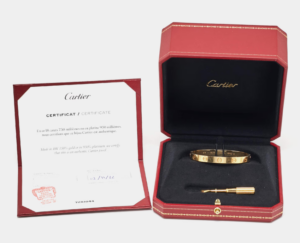


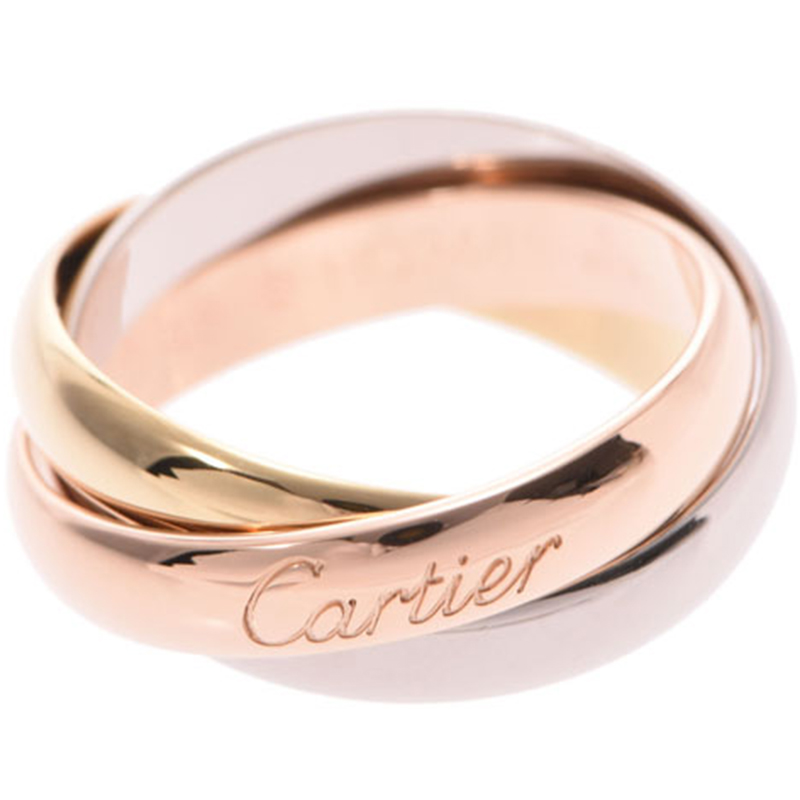


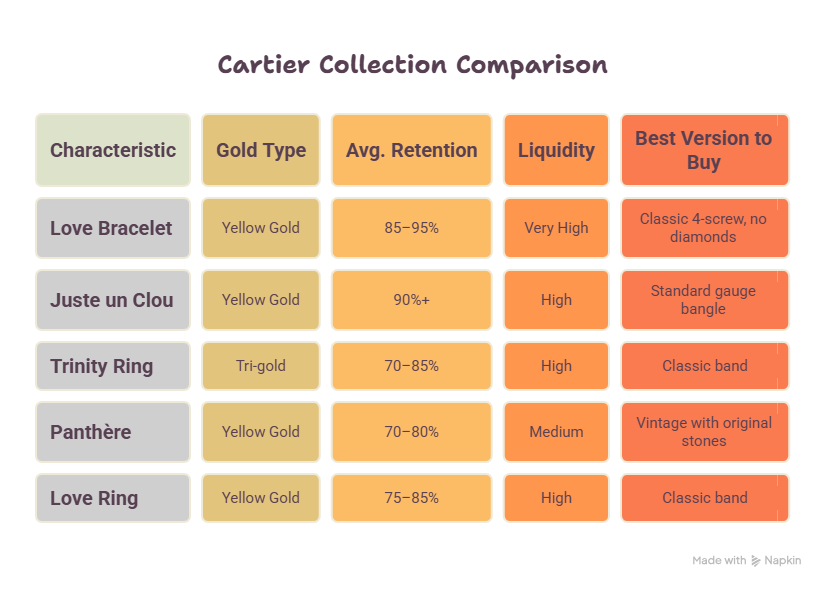
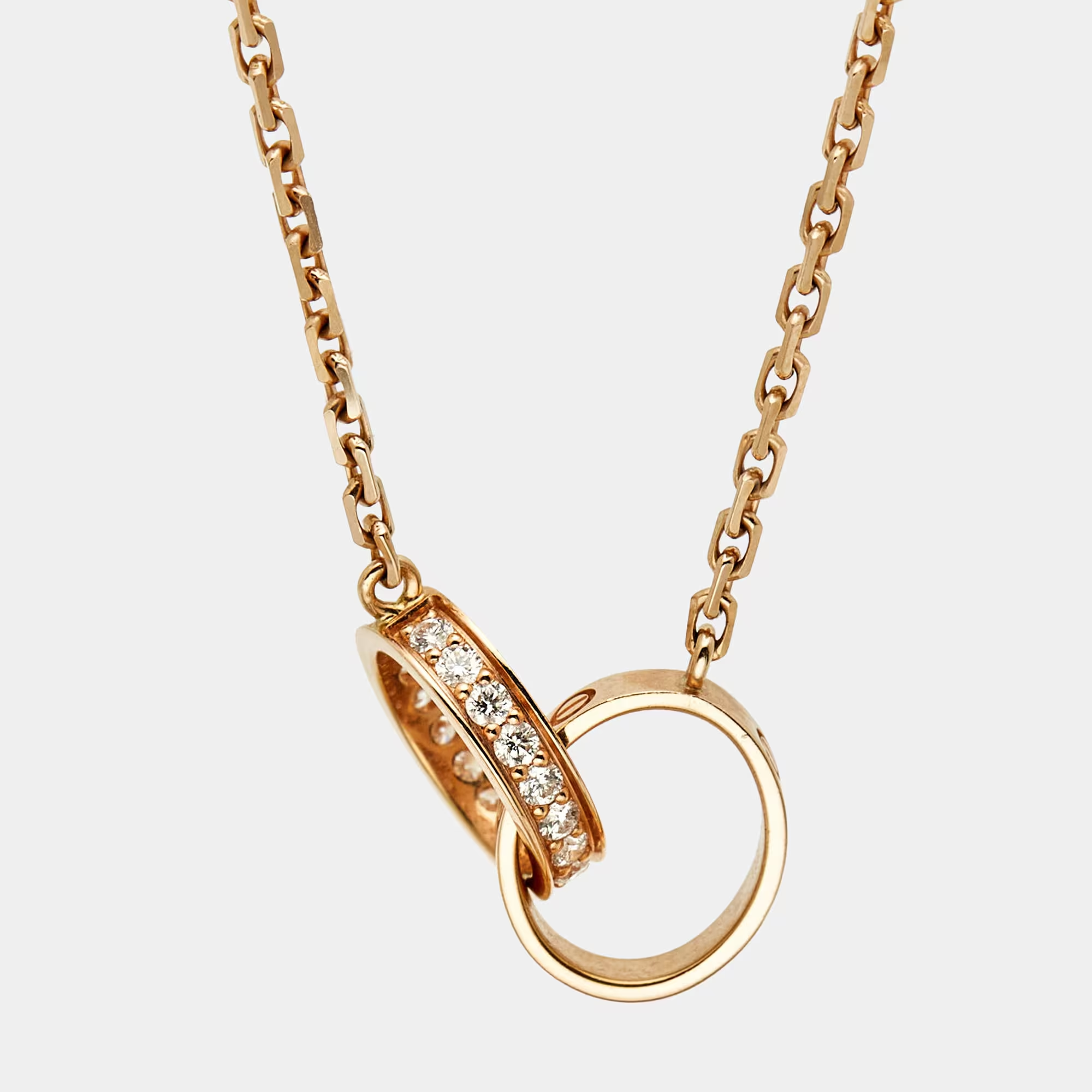


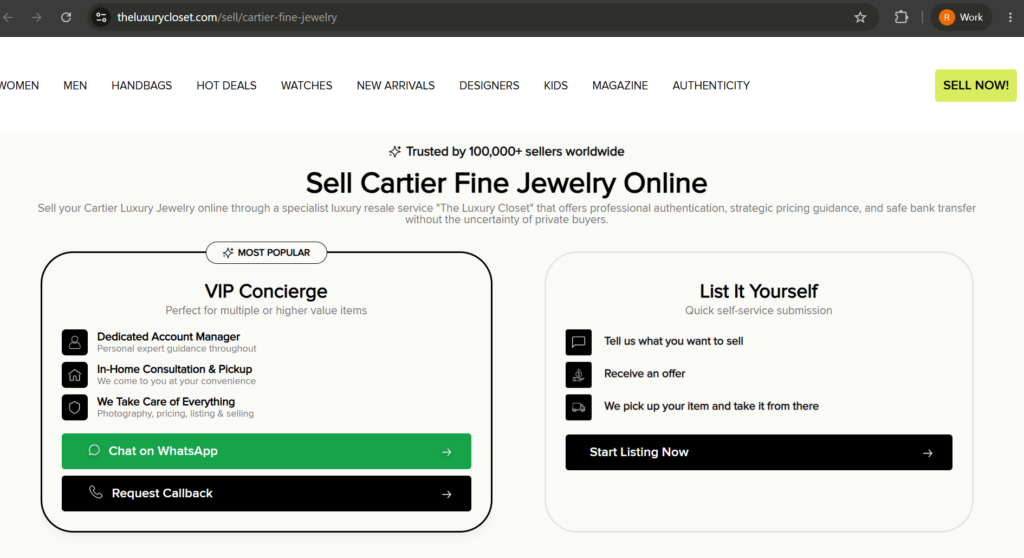

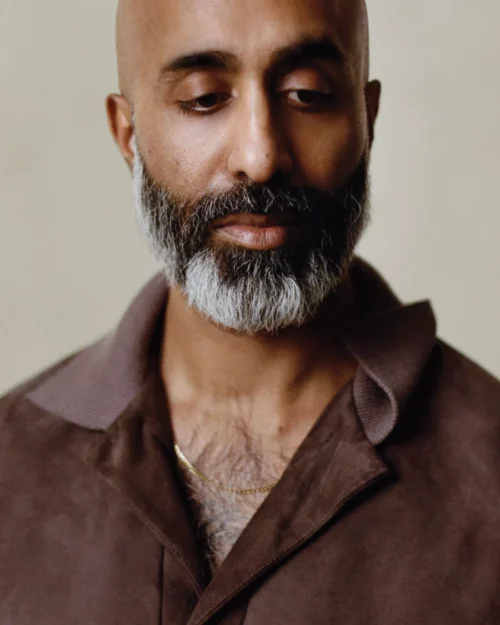
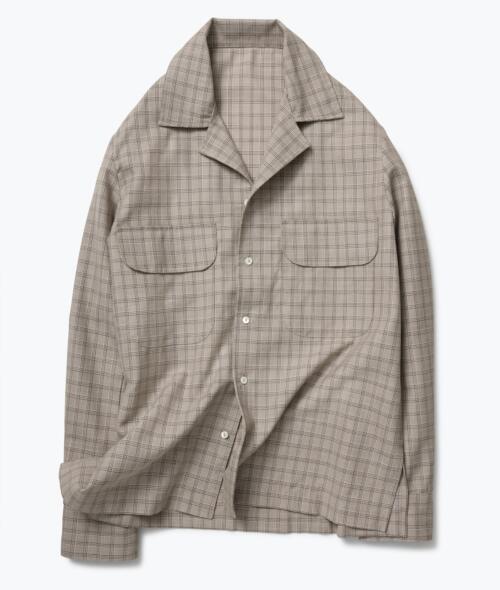
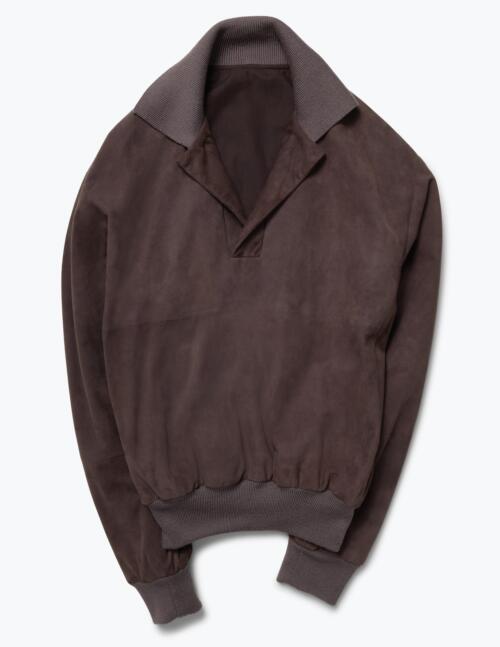
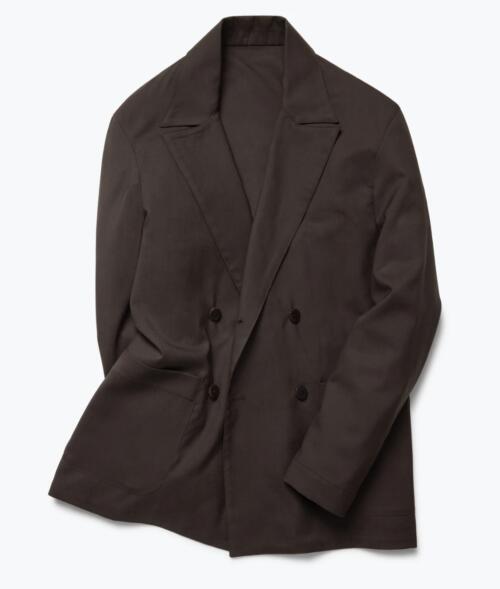
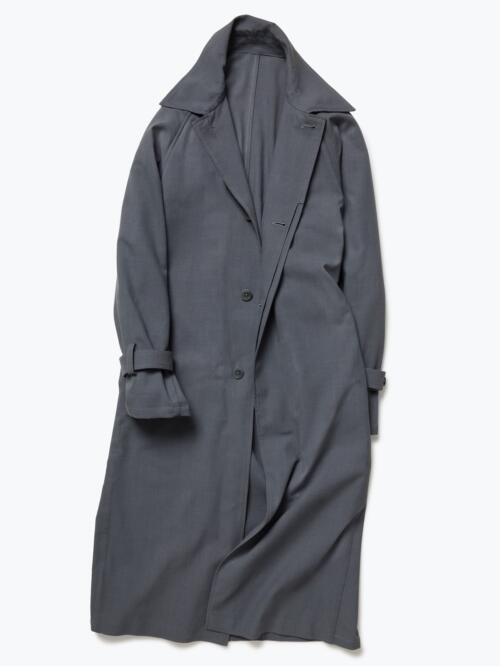
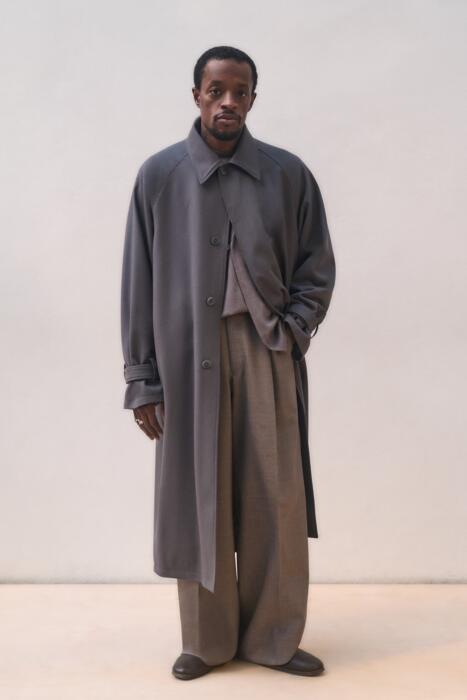
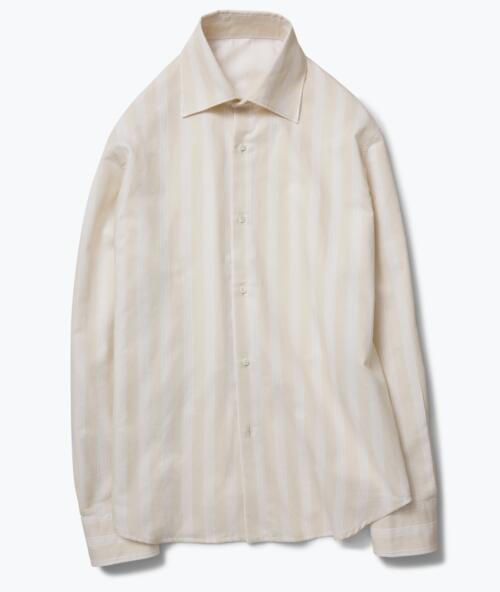
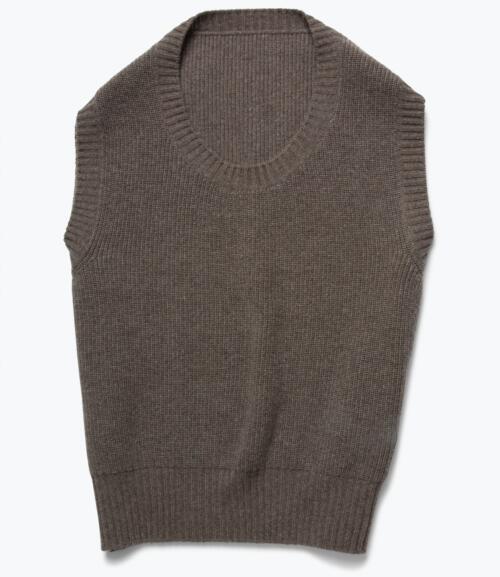
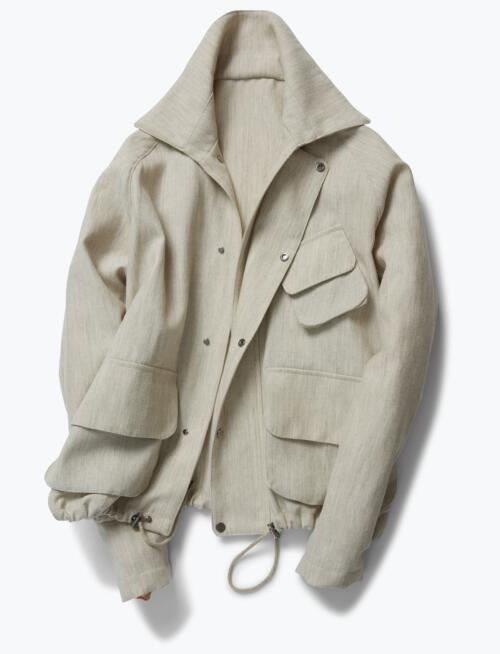
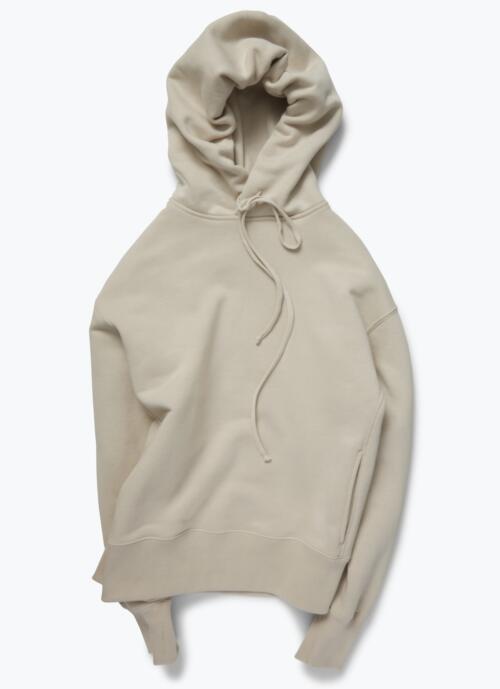
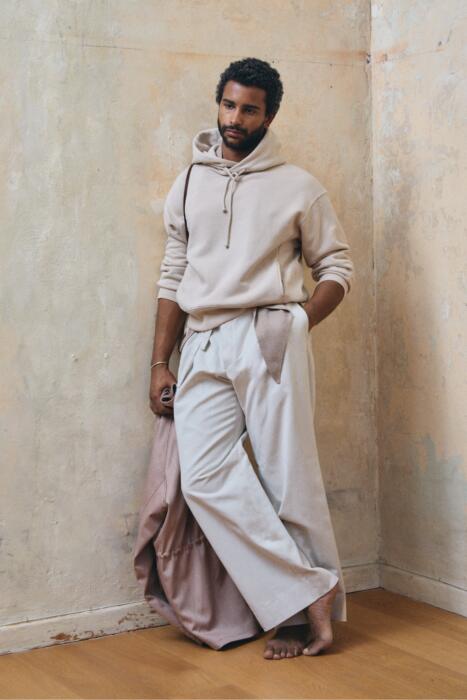








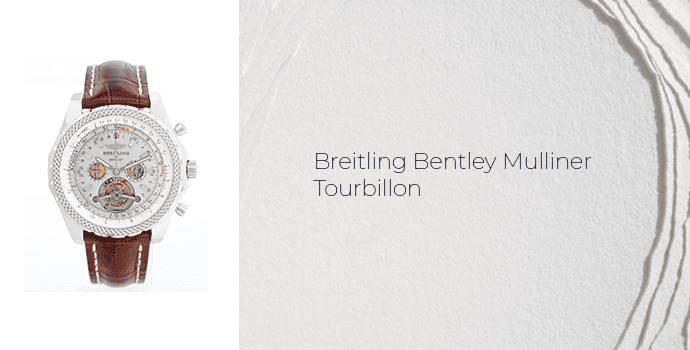
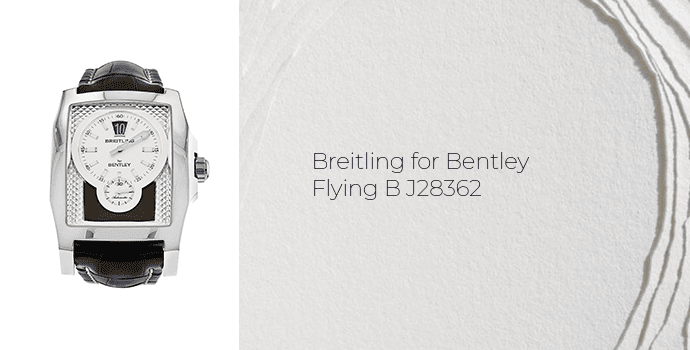
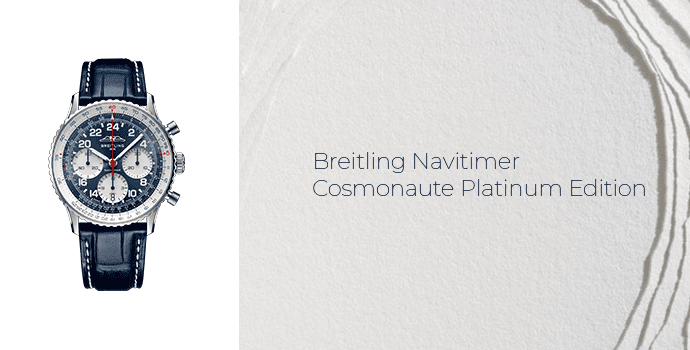
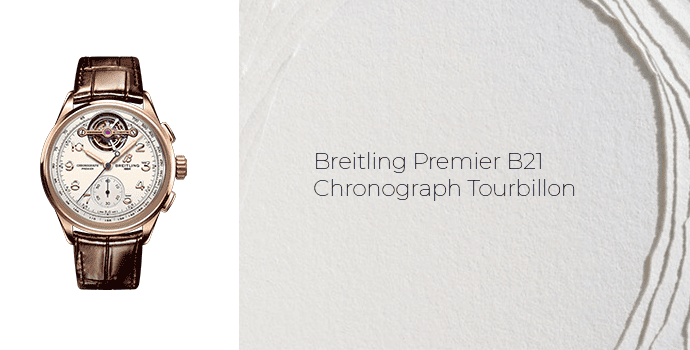
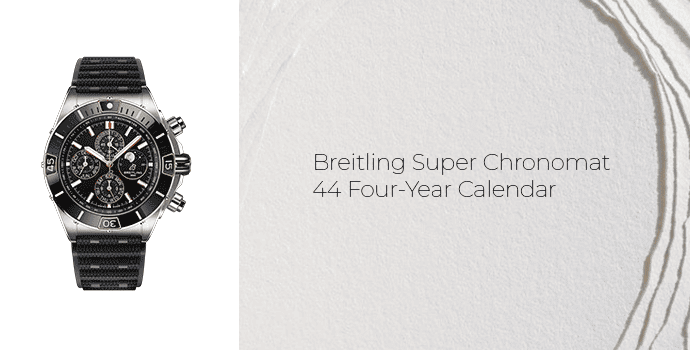

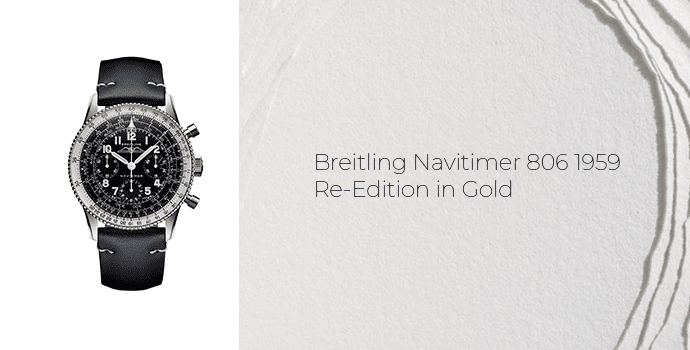
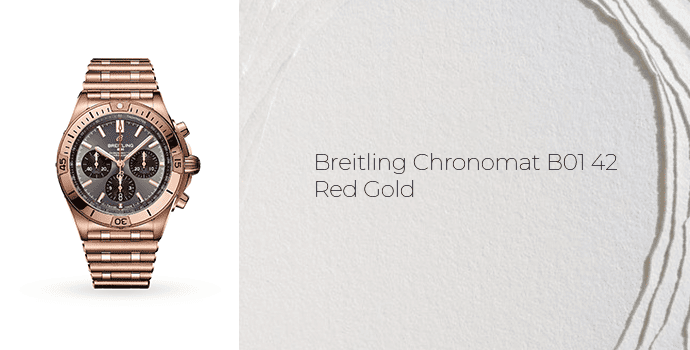
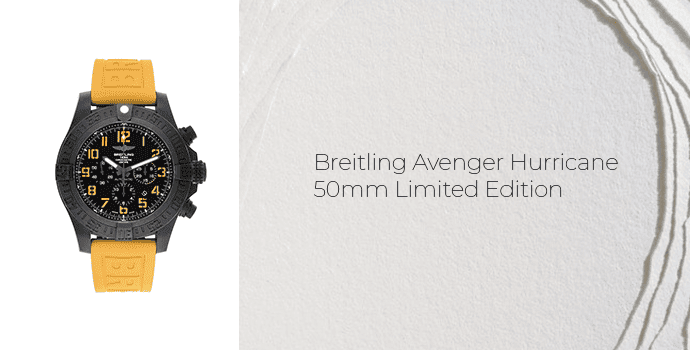

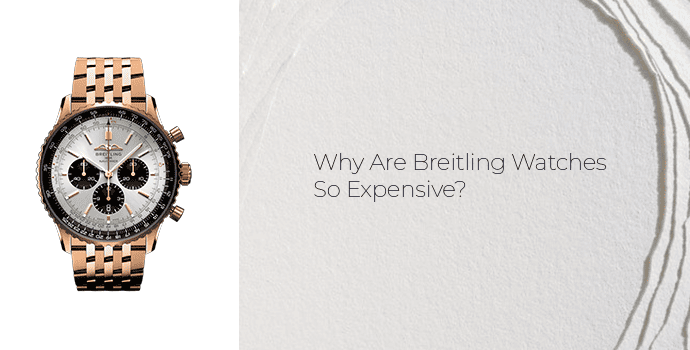
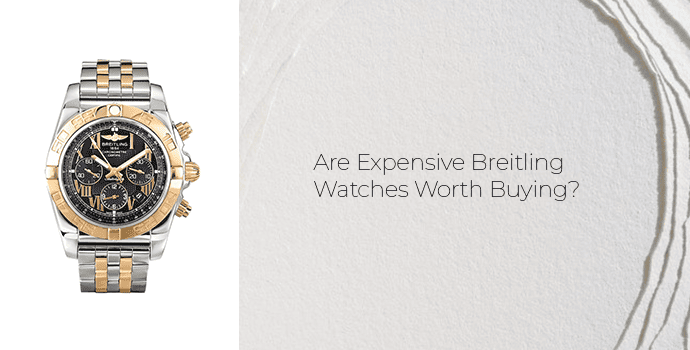
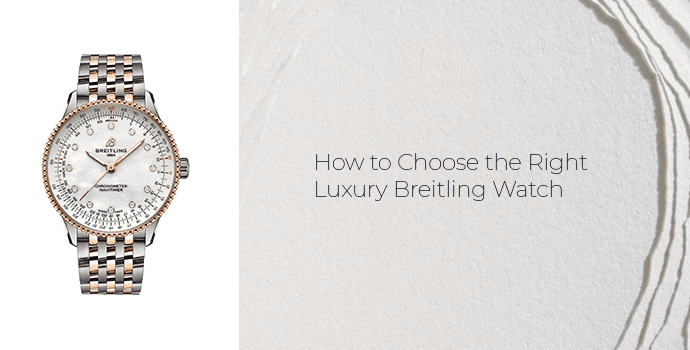


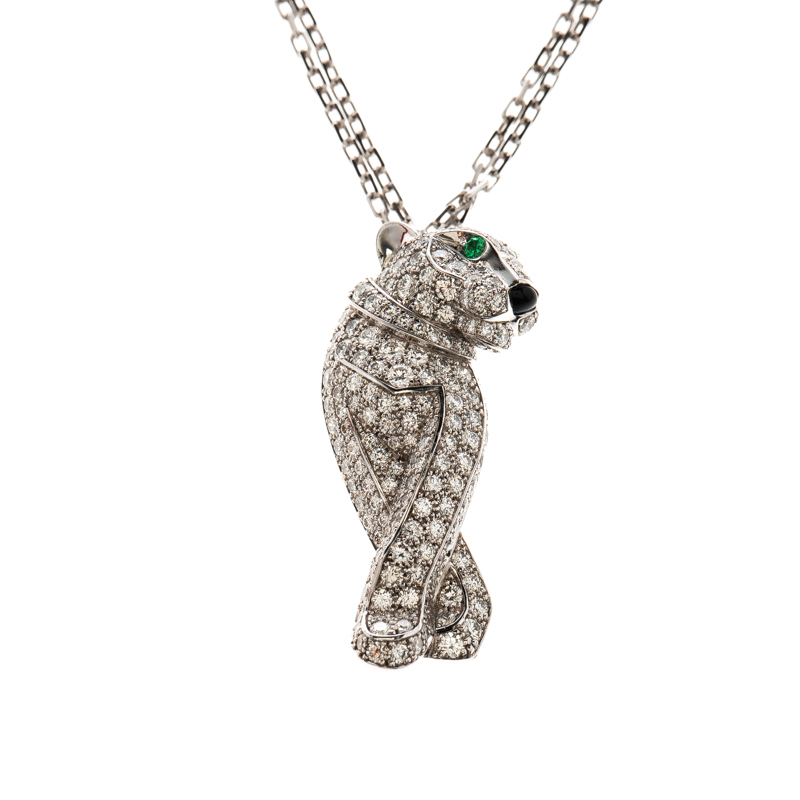


 Cartier Love 18K Rose Gold Size 16 Bracelet Size: L750 (18k gold), the French eagle head assay mark (for pieces sold in France), and the Cartier signature should be engraved on the inner surface near the hinge — not stamped, engraved, with consistent font depth and spacing. The accompanying Cartier certificate can be a great cross-examination tool.


 For diamond-set pieces, a GIA laboratory report on the primary stone(s) provides independent verification of stone quality and, crucially, confirms whether stones match the documentation.