Arts

Home Arts Page 69

The Fusion of Art and Innovation: Spotlight on Cutting-Edge Tech Installations
0


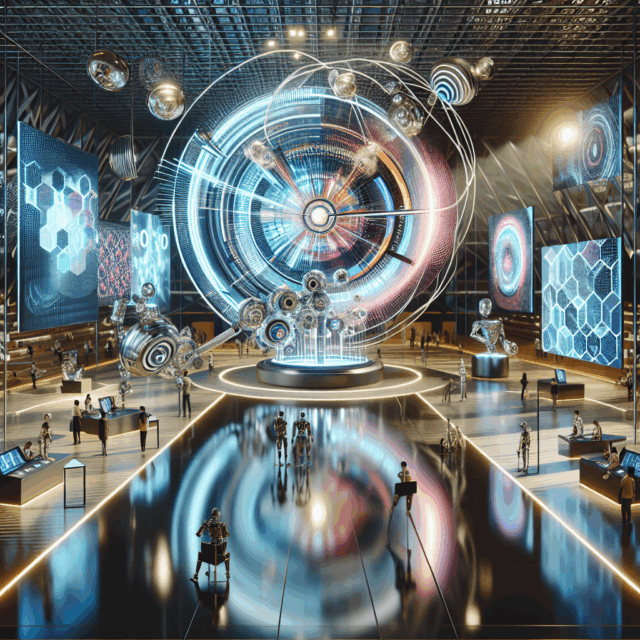
In an age where technology permeates every aspect of our lives, the intersection of art and innovation has never been more compelling. As artists embrace cutting-edge technologies, the art world is witnessing a transformation that not only challenges traditional perceptions of creativity but also redefines the audience’s experience. This article explores the fascinating realm of tech installations, highlighting key examples of how technology and art converge to create immersive and thought-provoking experiences.

The Rise of Tech Installations

Tech installations have gained immense popularity over the past decade, giving rise to a genre that combines visual artistry with interactive technology. These installations often employ augmented reality (AR), virtual reality (VR), artificial intelligence (AI), and robotics, encouraging viewers to engage with art in dynamic and unprecedented ways. By leveraging innovative tools, artists can evoke emotion, provoke thought, and even challenge societal norms.

Immersive Environments

One of the most significant trends in contemporary art is the creation of immersive environments that blur the line between viewer and artwork. Projects like Yayoi Kusama’s "Infinity Mirror Rooms" and teamLab’s "Borderless" rely on digital technology to transport visitors into surreal, multi-sensory experiences. Participants are enveloped in vibrant lights, shifting patterns, and continuously evolving visuals that respond to their movements, fostering a sense of connection to the artwork—an experience that would be impossible through traditional mediums.

Artificial Intelligence as a Collaborator

Artificial intelligence is pushing the boundaries of artistic creation. Artists are using AI algorithms to generate artwork, compose music, and even write poetry. For instance, Refik Anadol employs machine learning to turn vast data sets into mesmerizing visual narratives, exploring the idea of "data painting." By integrating AI into his work, Anadol invites viewers to contemplate the relationship between technology and creativity, sparking discussions about authorship and the future of art.

Interactive Narratives

Interactive narratives are another exciting facet of tech installations. Artists like Jonathan Harris have developed platforms that allow audiences to influence the artwork’s direction through their interactions. In "We Feel Fine," Harris created a project that aggregates and visualizes human emotions shared online. By engaging with such works, art-goers become active participants, influencing outcomes and experiencing art in a way that echoes the digital dialogue of our times.

The Role of VR and AR

Virtual and augmented reality technologies are fundamentally reshaping how art is consumed. VR can transport viewers to entirely different worlds, as seen in projects like "The Night Cafe," which invites participants into a fully immersive reimagining of Vincent van Gogh’s famous painting. On the other hand, AR applications, such as those created by artists like Ryoji Ikeda, overlay digital information onto the physical world, inviting audiences to engage with art in both a tangible and virtual context.

Challenges and Critiques

While the fusion of art and technology brings exhilarating innovations, it also raises important questions. Critics argue that an over-reliance on technology can diminish the emotional depth traditionally associated with art. Additionally, issues surrounding accessibility and the digital divide must be considered. As captivating as these tech installations are, the barriers to technology can limit participation and appreciation to privileged groups.

Conclusion

The fusion of art and innovation through cutting-edge tech installations presents a rich landscape for exploration and creativity. By embracing new technologies, artists are not only expanding the possibilities of what art can be, but they are also engaging audiences in revolutionary ways. As this genre continues to evolve, it promises to challenge our perceptions, provoke our imaginations, and inspire a deeper understanding of the intricate relationship between art and technology. In exploring this fusion, we embark on a journey that could redefine not only how we view art but also how we perceive our increasingly digital world.
From Code to Canvas: A Dive Into Generative Art Tools for Beginners

0


Generative art, where artwork is created through algorithms and code, has transformed the way artists express their creativity. With advancements in technology, beginners now have access to a slew of user-friendly tools. This article explores various generative art tools, how to get started, and tips to unleash your creativity.

Understanding Generative Art

Generative art involves using algorithms that generate artwork based on specific parameters. Rather than manually creating every element, artists can utilize code to produce unique visuals. This innovative approach merges art with science, allowing each piece to develop organically based on rules defined by the artist.

Essential Tools for Beginners

Several tools have emerged, making generative art accessible to novice creators:

1. Processing

Overview:
Processing is a flexible software sketchbook built for the electronic arts. It’s based on Java and offers a simple syntax that makes coding accessible for all creative minds.

Getting Started:

  • Installation: Download from the Processing website.
  • Basics: Start with simple sketches and gradually incorporate more complex elements like color and movement.

Community & Resources: Processing boasts a vibrant community, with plenty of tutorials and forums to help beginners.

2. p5.js

Overview:
A JavaScript library that brings the Processing environment to the web. Perfect for artists who want to display their work online.

Getting Started:

  • Installation: Use an online editor like the p5.js web editor for immediate access.
  • Basics: Begin with simple shapes and interactions, learning to manipulate color and size over time.

Community & Resources: Similar to Processing, the p5.js community is robust, providing ample educational materials.

3. OpenFrameworks

Overview:
An open-source C++ toolkit designed for creative coding. It’s a bit more complex but grants artists immense flexibility.

Getting Started:

  • Installation: Requires a more involved setup process, which can be found in the documentation on OpenFrameworks’ website.
  • Basics: Dive into projects that interest you, focusing on exploring 2D and 3D visuals.

Community & Resources: A dedicated community, numerous forums, and workshops encourage beginner exploration.

4. TouchDesigner

Overview:
A visual programming environment designed for real-time interactive multimedia content. Great for installations and performances.

Getting Started:

  • Installation: Download from the TouchDesigner website.
  • Basics: Explore simple node-based operations to create and manipulate graphics.

Community & Resources: TouchDesigner has a diverse community and numerous tutorials on YouTube.

5. Artbreeder

Overview:
A web-based platform that employs machine learning to allow users to create and mix images. It’s an excellent starting point for those who may not want to code.

Getting Started:

  • Access: Simply sign up on Artbreeder’s website.
  • Basics: Experiment with blending images and styles to create unique compositions.

Community & Resources: The Artbreeder community regularly shares creations and techniques, making it easy for beginners to find inspiration.

Tips for Getting Started

  1. Start Simple:
    Begin with basic shapes and slowly integrate complexity. Understand foundational concepts before tackling advanced techniques.

  2. Explore Tutorials:
    Utilize online resources, video tutorials, and community forums. Many platforms offer free lessons and projects.

  3. Join Communities:
    Engage with fellow artists and coders. Whether on social media or specific forums, sharing your work can provide valuable feedback and inspiration.

  4. Experiment:
    The beauty of generative art lies in its unpredictability. Don’t be afraid to experiment with parameters and introduce randomization into your code.

  5. Document Your Journey:
    Keep a creative journal or blog detailing your artistic evolution. It helps track your progress and serves as a reference for future projects.

Conclusion

Generative art offers a fascinating blend of creativity and technology, making it an exciting field for beginners. With tools like Processing, p5.js, and others, anyone can embark on this innovative journey. Begin with simple projects, explore the vast resources available, and most importantly, enjoy the process of turning code into captivating visual forms. Your canvas awaits!

From Canvas to Code: The Rise of Interactive Digital Installations

0


In recent years, the evolution of art has seen a profound transformation, moving from traditional canvases to expansive digital realms. Interactive digital installations, a fusion of technology and creativity, are at the forefront of this shift. These immersive experiences engage audiences in ways that traditional art forms never could, utilizing code and interactivity to create dynamic environments that blur the lines between the observer and the artwork.

The Evolution of Art

Historically, art has been confined to static forms: paintings, sculptures, and prints. While these mediums have achieved immense cultural significance, they lack the capacity for interaction. With the advent of digital technology, a new era of art began to emerge. The introduction of computers and software into the creative process allowed artists to experiment with new forms, resulting in an art movement rich with possibilities.

Pioneering Digital Installations

In the late 20th and early 21st centuries, pioneers like Nam June Paik and Jenny Holzer began exploring the use of video and electronic displays as art forms. These early experiments laid the groundwork for the interactive installations we see today. Artists began integrating sensor technology, robotics, and artificial intelligence, transforming passive viewing into active engagement.

Key Characteristics of Interactive Digital Installations

  1. Interactivity: Unlike traditional art forms, interactive installations invite viewers to become participants. This can involve movement, touch, or even voice activation, creating a personal experience that varies from one visitor to another.

  2. Immersion: Many digital installations use augmented reality (AR) and virtual reality (VR) to immerse audiences in entirely new worlds. Through these technologies, viewers can step into an environment that engages multiple senses, often invoking strong emotional responses.

  3. Real-Time Feedback: The use of sensors and software allows for real-time interaction, where participants’ actions can directly influence the artwork. This creates a dialogue between the viewer and the installation, enhancing the depth of the experience.

  4. Collaboration: Digital installations often require collaboration between artists, programmers, and engineers. This multidisciplinary approach not only enriches the creative process but also fosters a community of innovation.

The Cultural Impact of Interactive Digital Art

The rise of interactive digital installations has marked a significant shift in how art is perceived and engaged with in the contemporary world. Art is no longer a solitary experience confined to galleries and museums; it is now more accessible and inclusive, reaching diverse audiences.

Democratization of Art

The digital nature of these installations often allows for broader accessibility. Unlike traditional art, which may be limited to physical locations, digital works can reach global audiences through virtual exhibitions and social media platforms. This democratization broadens the dialogue surrounding art, enabling a wider range of perspectives and interpretations.

Challenging Traditional Norms

Interactive installations challenge notions of authorship, ownership, and value in art. With the ability for viewers to influence the artwork, the question of who is the "artist" becomes complex. Additionally, the code underlying these installations often emphasizes open-source principles, inviting further exploration and modification by others.

Engagement and Social Reflection

Many contemporary digital artists use their work to engage with pressing social issues, such as climate change or social justice. Interactive installations can prompt reflection and discussion among participants, using technology to convey messages that resonate on a personal level.

The Future of Interactive Digital Installations

As technology continues to advance, the potential for interactive digital installations seems limitless. Emerging technologies like artificial intelligence, machine learning, and blockchain will likely play integral roles in shaping the future of this art form.

Artificial Intelligence and Machine Learning

The incorporation of AI can lead to artworks that learn and evolve over time, adapting to user interactions in unpredictable ways. These innovations could deepen the interactivity of installations, creating unique experiences tailored to individual viewers.

Blockchain and Digital Ownership

With the recognition of digital art, notions of ownership and authenticity are shifting. Blockchain technology has opened up discussions about how digital installations can be bought, sold, and owned, potentially leading to a new economy for artists.

Conclusion

From canvas to code, the rise of interactive digital installations represents a significant evolution in the art world. By merging technology with creativity, artists are redefining the boundaries of what art can be. As these installations continue to evolve, they promise to enhance the ways we connect with art, each other, and the world around us. The future holds exciting possibilities, as creativity and technology intertwine to inspire new generations of artists and audiences alike.

From Inspiration to Creation: AI Tools Shaping Today’s Digital Art Scene

0


In recent years, the digital art scene has evolved dramatically, largely fueled by advances in artificial intelligence (AI). Originally perceived as a mere tool for enhancing human creativity, AI has transformed into a robust collaborator, enabling artists to explore new realms of imagination and expression. From generating unique visual styles to automating repetitive tasks, AI tools are redefining how art is created and perceived in the digital age. This article delves into the various aspects of AI’s role in modern art, showcasing how these technologies inspire creativity and foster innovative artistic expressions.

The Evolution of AI in Art

The journey of AI in art can be traced back to the early days of computer-generated imagery (CGI), where artists relied on algorithms to create visual effects. However, the last decade has seen revolutionary advancements in machine learning and neural networks, allowing AI to learn patterns, styles, and even emotional undertones. Tools like DeepArt, StyleGAN, and DALL-E have enabled artists to generate intricate designs with minimal input, blurring the lines between artist and algorithm.

Inspiration: AI as a Muse

Many artists now turn to AI for inspiration in their creative process. By inputting specific parameters or themes, artists can generate a multitude of variations that spark new ideas. For instance, an artist might upload a collection of their own works into an AI model, which then generates new styles or compositions based on their unique aesthetic. This interaction can lead to breakthroughs that might not have occurred through traditional methods, expanding the horizons of artistic possibilities.

Moreover, AI tools can analyze vast databases of existing art, provided valuable insights into color palettes, composition, and trends. By leveraging these analytics, artists remain attuned to contemporary movements and historical influences, ultimately enriching their work.

Creation: AI as a Collaborator

The creative process is often tedious, involving countless hours of refinement and iteration. AI tools can alleviate much of this burden by automating repetitive tasks, allowing artists to focus on the more nuanced aspects of their work. Applications like Runway ML provide artists with user-friendly interfaces to manipulate AI-generated content seamlessly.

For instance, AI can assist in background generation, character design, or even texturing, enabling artists to explore different visual narratives without getting bogged down in technicalities. This collaborative dynamic has resulted in a surge of innovative projects in fields ranging from video games to graphic novels, where AI plays an integral role in shaping the final piece.

Ethical Considerations and Creative Ownership

As AI tools become more prevalent, they raise important questions about authorship and the value of human creativity. Who owns the rights to a piece of art generated by AI? Is it the artist who input the parameters, or the developer of the AI? This debate continues to unfold, prompting artists, ethicists, and technologists to consider the implications of AI in creative fields.

Some argue that AI, while capable of producing stunning visuals, lacks the emotional depth and intentionality that human artists bring to their work. This perspective emphasizes that AI should be viewed as a supplementary tool rather than a replacement, highlighting the irreplaceable human touch in artistic expression.

The Future of AI in Digital Art

As AI technology continues to advance, its role in the digital art scene will undoubtedly evolve. We can expect more sophisticated tools that allow for greater customization and personalization, enabling artists to mold the AI to their unique vision. Collaborative platforms may emerge, where artists and AI coexist in a shared creative space, producing works that blur the lines between human and machine artistry.

Furthermore, the democratization of AI tools is likely to open up artistic avenues for a broader audience. Aspiring artists who may lack traditional skills can leverage AI to express their creativity, fostering a more inclusive art community.

Conclusion

AI tools are redefining the landscape of contemporary art, turning inspiration into tangible creation through collaborative processes. While they prompt essential discussions about creativity, ownership, and ethics, the potential for innovation is vast. As artists harness these technologies, the dialogue surrounding human-artifice relationships will continue to inspire both creators and audiences alike, forging a new era of digital artistry marked by endless possibilities. In this brave new world, imagination truly knows no bounds.

From AI Creations to Virtual Reality: The Evolving Landscape of Tech Art in 2025

0


The intersection of technology and art has always been a fertile ground for innovation. As we delve into 2025, the landscape of tech art is transforming at an unprecedented pace, driven by advancements in artificial intelligence, virtual reality (VR), and a host of new digital tools. This article explores the evolving nature of tech art, highlighting key trends and emerging mediums that are redefining artistic expression in our digital-centric world.

The Rise of AI-Generated Art

AI has rapidly evolved into a creative partner, allowing artists to explore new boundaries. In 2025, tools such as generative adversarial networks (GANs) and neural networks are no longer just experimental; they are mainstream in the artistic community. Artists harness AI to create intricate works, blurring the line between human creativity and machine-generated output.

AI tools can analyze vast datasets of existing artwork, learning stylistic nuances, color palettes, and composition techniques. Artists can input parameters or style references, resulting in personalized creations that still retain a unique human touch. This collaborative approach encourages artists to re-imagine the creative process, using AI not just as a tool but as an essential partner in their work.

Immersive Virtual Reality Experiences

Virtual reality has matured significantly since its inception. By 2025, VR art installations have become an integral part of galleries and exhibitions worldwide. Artists use VR headsets to immerse audiences in three-dimensional, interactive environments. These spaces can evoke emotions and provide experiences unattainable in the traditional art world.

Exhibitions such as “The Ether” invite participants to explore dreamscapes crafted by leading tech artists. Within these digital realms, viewers can interact with artwork—reshaping it or even contributing to it. This interactivity fosters a deeper emotional connection to the art form, breaking down the passive observer role traditionally associated with galleries.

The Evolution of Mixed Reality

Alongside VR, mixed reality (MR) is redefining how art is experienced. By merging physical and digital realms, MR offers a unique canvas for artists. Innovative platforms allow artists to project digital art onto real-world objects, enabling viewers to engage with artworks in novel ways.

In 2025, museums employ MR to enhance traditional exhibits. Visitors might see an ancient sculpture accompanied by interactive animations that narrate its history. This approach not only augments the educational aspect of art but also makes it more accessible and engaging for diverse audiences.

Blockchain and Digital Ownership

The rise of non-fungible tokens (NFTs) has significantly impacted how digital art is bought, sold, and valued. By 2025, blockchain technology has established a more transparent art market, allowing artists to retain ownership of their work and ensure fair compensation. Artists can encode royalties directly into their NFTs, ensuring they benefit from future sales.

This digital shift redefines ownership in the art world. Collectors no longer just own a physical piece; they possess a slice of digital history, connected through blockchain verification. Decentralized platforms have democratized the art market to include emerging artists who gain visibility alongside established names, fostering a broader spectrum of artistic voices.

Sustainability and Tech Art

As the world confronts pressing environmental challenges, sustainability has become a focal point in artistic creation. By 2025, many artists prioritize eco-friendly practices, exploring materials and processes that minimize environmental impact. This includes using recyclable materials for physical installations, while digital artists often lean towards platforms that prioritize energy-efficient technologies.

Various initiatives celebrate eco-art, often incorporating augmented reality elements. For instance, installations may visualize the impact of climate change using dynamic projections, inviting viewers to interpret and interact with the data in real time.

Conclusion

The landscape of tech art in 2025 is a testament to the creativity and resourcefulness of artists embracing new technologies. From AI-generated masterpieces to immersive virtual realms and sustainable practices, the evolution of tech art reflects a dynamic interplay between innovation and artistic expression. As we move forward, the myriad possibilities in technology will continue to shape how we perceive, create, and interact with art, making this an exhilarating era for creators and audiences alike.

2025’s Leading Bitcoin Cloud Mining Platform for Beginners & Professional Miners

0
2025’s Leading Bitcoin Cloud Mining Platform for Beginners & Professional Miners


As artificial intelligence and blockchain technology continue to converge in 2025, Bitcoin mining is undergoing a major transformation. According to CoinWarz, the global Bitcoin network has surpassed 1,124 EH/s in total hash rate—making traditional physical mining increasingly inaccessible due to rising hardware costs, power consumption, and complex maintenance requirements.

For individual investors, this high-cost, high-technical-barrier model is no longer sustainable. In contrast, cloud mining—especially mobile-friendly cloud mining—has emerged as the most appealing alternative, enabling users to participate in efficient mining using nothing more than a smartphone.

Riding this wave of innovation, Miningcoop has quickly become one of the most popular cloud mining platforms in 2025. With its AI-driven hashrate routing system, fixed daily income model, and global accessibility, it’s the go-to choice for both newcomers and experienced crypto miners.

Why Cloud Mining Is the Right Way to Invest in Crypto in 2025

Traditional mining with ASIC rigs demands high upfront investment, continuous electricity costs, and 24/7 technical oversight. For most individuals, this is neither practical nor efficient. Cloud mining eliminates these burdens:

No need to purchase mining hardware or build a mining facilityNo risk of hardware depreciation or failureOne-click setup to begin earning from global high-yield mining pools

Miningcoop leverages powerful AI algorithms to connect users to the most profitable mining pools worldwide in real-time. Regardless of market fluctuations, daily payouts are guaranteed—offering a truly passive income experience.

How to Earn Up to $4,400 in Daily Crypto Income with Miningcoop

Miningcoop’s standout feature is its proprietary AI-based hashrate routing system, which continuously analyzes market conditions, electricity rates, and network demand to allocate user resources to the most profitable pools.

Unlike traditional mining models that depend heavily on coin price fluctuations, Miningcoop offers fixed daily returns and 100% capital refund at contract maturity, making it safer for investors of all experience levels.

Standout Mining Plans as of June 2025:

Miner ModelPrice (USD)TermDaily ProfitTotal ProfitDaily ROIiPollo V1 Ultra$2001 day$8.00$8.004.00%Goldshell Mini-DOGE III$5002 days$16.00$32.003.20%Antminer L7$3,8005 days$157.70$788.504.15%Antminer S21$8,0006 days$372.00$2,232.004.65%Bitdeer A2 Pro Hyd$30,8005 days$1,848.00$9,240.006.00%Antminer S21e XP Hyd$55,0002 days$4,400.00$8,800.008.00%

All plans guarantee 100% capital refund, stable daily profits, and support withdrawals in BTC, DOGE, or USDT.

Exclusive Welcome Bonus for New Users

Sign up at Miningcoop.com now to receive a $100 cloud mining trial bonus—no credit card required, no identity verification. Start mining instantly with zero entry barriers.

FAQ – Frequently Asked Questions

Q1: Is Miningcoop legal and safe?A: Yes. Miningcoop operates with legal licenses in multiple countries and employs enterprise-grade encryption, hot/cold wallet segregation, and 24/7 security monitoring. All mining contracts are transparent, verifiable, and settled daily—eliminating risks like equipment failure or power outages common in traditional mining.

Q2: Are the profits really stable? Will price volatility affect earnings?A: No. Miningcoop uses AI-powered hashrate distribution to ensure consistent earnings even during price dips. This fixed-income model makes it ideal for passive investors seeking long-term, predictable returns.

Q3: Do I need to buy or operate mining hardware?A: Absolutely not. Miningcoop offers a fully cloud-based mining solution—no hardware purchases, no facility setup, and zero maintenance required. Just log in and start earning.

Q4: Which countries and regions are supported?A: Miningcoop is a globally available, regulation-compliant platform supporting users in the U.S., Canada, Australia, Germany, UK, Japan, Singapore, South Korea, and more.

Q5: Which cryptocurrencies can I mine?A: Currently, Miningcoop supports Bitcoin (BTC) and Dogecoin (DOGE), with plans to expand into Ethereum (ETH), Litecoin (LTC), and other major coins.

Q6: How can I verify my earnings? Is it transparent?A: Yes. All profits are automatically settled daily and can be viewed in real-time via your account dashboard. Miningcoop also undergoes regular third-party audits to ensure full transparency and data integrity.

Q7: Is Miningcoop beginner-friendly?A: Absolutely. The platform features a clean, intuitive UI with full Chinese and English support. No technical background is required. New users can start mining in just three simple steps.

How to Start with Miningcoop in 3 Simple Steps:

Visit Miningcoop.com and claim your $100 bonusSign up instantly without credit card or KYC barriers. Choose the AI cloud mining contract that suits your needsFlexible plans for BTC and DOGE—ideal for all levels. Launch your smart cloud miner with one clickStart earning daily crypto returns, fully automated and withdrawal-ready.

Final Thoughts: Why Miningcoop Is the Leading Cloud Mining Platform of 2025

As the crypto ecosystem matures, cloud mining stands out as a sustainable passive income model. Miningcoop leads the space with:

AI-driven hashrate allocation + global mining pool integrationFixed daily profits + refundable capitalZero hardware cost, low barrier to entryMulti-crypto support for diverse portfoliosFully regulated, globally trusted platform

Whether you’re a complete beginner or an experienced investor seeking stable returns, Miningcoop delivers a secure, high-yield, and effortless way to mine crypto in 2025.


Source link

BAYC Teases Samurai-Themed Artwork, Sparking Speculations

0
BAYC Teases Samurai-Themed Artwork, Sparking Speculations


Bored Ape Yacht Club (BAYC) has recently released an image featuring its mascot in samurai-style art. The image shows Curtis holding a flaming katana, with Japanese katakana spelling out the project’s name, whilst Jimmy the Monkey looms above the BAYC clubhouse.

The post, shared on Wednesday via the official BAYC X account, provided no context or further commentary but its sudden release prompted a wave of identical reposts from community members, raising questions about its significance.

Yuga Labs has not confirmed whether the image is connected to a new product, event, or creative direction. However, a casual remark by Yuga Labs CEO Greg Solano hinted at community interest in potential merchandise, though no such plans have been announced.

Key Insights

BAYC teases new artwork showing mascot Curtis with a flaming sword and Japanese scriptThe post coincides with other unrelated updates from BAYC, including a governance vote and moreYuga Labs has not confirmed whether the artwork is linked to an upcoming project

BAYC Teases Samurai-Themed Artwork, Sparking Speculations Source: Greg Solano

What do we know so far?

On June 18, the Bored Ape Yacht Club posted a stylised image featuring several of its recurring characters. The scene shows Curtis, the project’s primary mascot, wielding a flaming katana in front of the clubhouse, whilst “Bored Ape Yacht Club” appears in Japanese katakana. Jimmy the Monkey, another central character in the BAYC universe, is shown in the background above the structure.

The post was made without supporting explanation and no links or follow-up statements have been published by the official BAYC or Yuga Labs accounts. However, Yuga Labs CEO Greg Solano has remarked separately that a “limited edition BAYC katana would slap,” though no further plans were confirmed.

There is no current indication that the image is promotional or tied to a specific campaign.

BAYC Teases Samurai-Themed Artwork, Sparking Speculations
BAYC Teases Samurai-Themed Artwork, Sparking Speculations Source: Bored Ape Yacht Club

What’s new with Bored Ape Yacht Club?

Whilst the meaning of the artwork remains unclear, BAYC has been active on multiple unrelated fronts:

Governance Vote: The ApeCoin DAO is currently voting on AIP-596, a proposal by Solano to shut down the DAO and transfer its assets to a new entity called ApeCo. Over 20 million $Ape has already been cast and voting closes on June 26.Telegram Sticker Pack: BAYC has also announced an upcoming sticker drop via Telegram. The pack will contain digital collectibles with in-app emote functionality.Merchandise Plans: Solano also confirmed that an “always-on” online merchandise store is in development to allow BAYC members to purchase branded items year-round. However, no launch date has been announced.

As of now, there is no indication that the recently released artwork is connected to these developments as there had been no formal announcements, and no timeline provided for further updates.

The Bored Ape Yacht Club has previously used visual releases to introduce campaigns or projects, but without confirmation, it remains unclear whether this latest post is part of a larger initiative.


Source link

Digital Canvas: Exploring the Rise of Tech Art in Modern Galleries

0


In the evolving landscape of the art world, a significant transformation is underway. Traditional art forms are increasingly joined by digital art, catalyzing a shift in how we perceive creativity and expression. The rise of technology-driven art—often referred to as "tech art"—is influencing modern galleries and reshaping the cultural dialogue around art itself. This article explores the impact of digital canvases, the diverse forms of tech art, and the new opportunities and challenges they present.

The Digital Revolution in Art

The advent of digital technology has democratized art, allowing creators from various backgrounds to express their visions without the constraints of traditional mediums. Tools like graphic design software, 3D modeling programs, and virtual reality (VR) have expanded the possibilities for artists, enabling them to create immersive experiences that engage viewers like never before.

From Pixels to Paintings

Digital art encompasses a wide range of styles and formats. Artists now create illustrations, animations, and interactive installations that challenge the conventional boundaries of artistic expression. These works can take forms such as:

  • Digital Illustrations: Traditional techniques are used in innovative ways, utilizing software to produce stunning illustrations that can be easily shared and reproduced.
  • Animations: Moving images offer a dynamic alternative to still art, enabling narratives that captivate audiences.
  • 3D Art: With the rise of 3D printing and modeling, artists can create intricate sculptures that were once unimaginable.
  • Virtual and Augmented Reality: Immersive experiences transport viewers into digital worlds, engaging them on multiple sensory levels.

Tech Art in Modern Galleries

As tech art gains popularity, galleries are increasingly adapting to showcase these innovative works. The traditional white-walled gallery space is evolving into vibrant ecosystems where technology and artistry converge. Exhibitions often include interactive displays, where viewers can engage with art through touch or movement, turning passive observation into an active experience.

Notable Exhibitions and Installations

Several modern galleries have embraced tech art, organizing exhibitions that reflect this trend:

  • TeamLab Borderless (Tokyo): This digital art museum allows visitors to interact with the artwork, creating a unique experience each time they visit.
  • Digital Art Biennale (Various cities): These events celebrate the fusion of technology and art on a global scale, featuring artists who push the boundaries of creativity.

These spaces challenge preconceived notions of what art can be, fostering dialogues that explore the relationship between technology, society, and artistry.

Challenges and Criticism

Despite the excitement surrounding tech art, it faces several challenges. Critics argue that digital art can lack the emotional weight of traditional mediums. The reproducibility of digital works raises questions about authenticity and ownership—issues that have become even more pertinent with the emergence of NFTs (non-fungible tokens).

Furthermore, the rapid pace of technological advancement can make it difficult for galleries to keep up, often requiring continuous investment in new tools and infrastructure.

The Future of Tech Art

As technology progresses, so too will the possibilities for artists. The integration of artificial intelligence, machine learning, and blockchain technology is likely to pave new paths for creativity. Collaborative works that blend the skills of artists and programmers may become commonplace, creating multidimensional narratives that delve into the human experience.

Moreover, as the line between digital and physical art blurs, mainstream acceptance of tech art is likely to grow. It will challenge more traditional perceptions of artistic merit, inviting broader audiences into the conversation.

Conclusion

The rise of tech art in modern galleries signals a transformative era for the art world. By embracing digital canvases, artists and institutions are reshaping cultural expressions and inviting audiences to engage with art in novel ways. As we venture further into this digital age, the ongoing relationship between technology and creativity promises to enrich our understanding of art, inviting us to explore the limitless possibilities that lie ahead.

Future of AI-Powered NFTs: Beyond Static Art

0
Future of AI-Powered NFTs: Beyond Static Art


The NFT market is constantly transforming: initially, its objects were simple digital images; today, investors demonstrate the greatest interest in complex digital objects with their unique behavior, interactivity, and personalization capabilities. That is, instead of tokenized JPEG files, today’s NFTs have features that can change over time, for example, under specific user actions or external conditions. And this is where artificial intelligence comes into play.

By the way, if you are interested in implementing a solution at the intersection of AI and NFTs, consider Nexchain, whose crypto presale of NEX tokens has already begun.

The Role of AI in the Creation of Interactive, Evolving NFTs

AI is the technology that underlies the new generation of NFTs. First, artificial intelligence (i.e., generative models such as GAN, Diffusion, and LLM) can independently generate objects, be it audio, video, images, or text.

Secondly, AI is capable of learning, which means that objects created with its help can adapt over time to the user’s preferences/behavior, or context of use.

And, of course, we shouldn’t forget about interactivity, since AI integrated into NFTs can make them “alive” and interact with the user through verbal and non-verbal contact.

All these opportunities provided by artificial intelligence take NFTs beyond trivial collectibles, forming “living” digital organisms from them.

Why Can Nexchain Become the Basis for AI-Based NFTs?

The Nexchain platform with NEX tokens provides its users with a lot of next-gen NFT utilities for creating, training, and launching AI-powered NFTs. This is ensured by the presence of AI modules in the blockchain, which, together with their intellectual capabilities, provide enhanced security and privacy.

Also, creators of NFT with artificial intelligence can take advantage of dynamic smart contracts with the help of Nexchain, which offers the ability to change the behavior of NFTs either according to previously defined rules or through machine learning.

Finally, there is an API and SDK for developers, which means that they will not have to waste time on complex integrations of neural network models, implementation of data management methods, and introduction of YAN in metaverses and game engines.

If we add unlimited scalability to the above advantages (the Nexchain blockchain is capable of processing thousands of interactions per second), it becomes clear that this platform can become a reliable foundation for creating a full-fledged ecosystem of smart and self-learning NFTs.

Examples: AI Characters, Trainable NFTs, and Gamified Collections

Now, let’s look at specific examples of the joint implementation of AI and NFT concepts.

AI characters. Essentially, these are NFT characters equipped with neural network logic based on LLM or multimodal models. They are capable of conducting dialogues, changing their behavior based on the context, and even remembering and learning from interactions. Their standard “habitat” is metaverses and RPG games. However, they can also have the format of digital assistants, virtual partners, or even avatars of their owners.Learnable NFTs. This type of non-fungible token progresses over time, adapting its behavior, appearance, and/or functionality. The trigger for these changes can be previous use cases or decisions made. The most trivial example of such an NFT is a kind of next-gen Tamagotchi that interacts with its owners and adapts to their behavior.Gamified collections. AI also allows digital artists to create entire collections of intelligent NFTs instead of static ones. Their owners can upgrade each element of their collection, open new levels, and receive rewards for participation. All these features of evolving digital collectibles stimulate user engagement and increase their value on the secondary market.

How Artists and Collectors Use AI-Enhanced NFT

With AI-NFT tools, creators get the opportunity to both create and produce high-tech art solutions, such as creatives that respond to the emotional state of the viewer (this can be done through a camera and sentiment analysis), generative collections (in such collections, each copy depends on the current data/history of the owner), personalized NFTs that come to life when interacted with.

All this makes the modern NFT market more diverse and attracts new audiences of potential investors.

Conclusion

AI NFTs 2025 is not just a technological trend, but an innovative approach to their creation. Thus, AI-based NFTs allow them to become smart and sensitive to the emotions of their users. AI also expands the possibilities for artists, since now, the idea and creativity are more important that the ability to create real art by hand. If you are interested in building dynamic NFT platforms for NFTs, consider Nexchain NFT tools – they might be the perfect base for it. As for investors, be sure to check out the crypto presale of NEX tokens – it has already started!


Source link

Still Waiting for XRP Price to Rise? He Made Thousands of Dollars with GMO Miner

0
Still Waiting for XRP Price to Rise? He Made Thousands of Dollars with GMO Miner


Are you still looking forward to XRP soaring and doubling one day? In fact, more and more visionary investors have quietly turned to a more stable path of value-added. In the context of the current market volatility, XRP holders have joined the cloud mining platform GMO Miner, and through this model, they have steadily achieved a passive income of up to $8,000 per day in just a few weeks. They don’t need to watch day and night, nor do they have to bear the pressure of drastic fluctuations in market prices. They only need to convert idle assets into cloud computing power to easily establish a cash flow system with stable daily income.

Let XRP Realize Its High-Yield Potential

Although XRP itself cannot be mined directly, through platforms such as GMO Miner, users can rent computing power to mine mainstream currencies such as Bitcoin, Litecoin, Dogecoin, etc. The system will automatically convert the mining income into XRP, thereby building an efficient and robust passive income system, truly realizing the “static appreciation” of assets.

It Only Takes Three Steps to Start the GMO Miner Passive Income Plan:

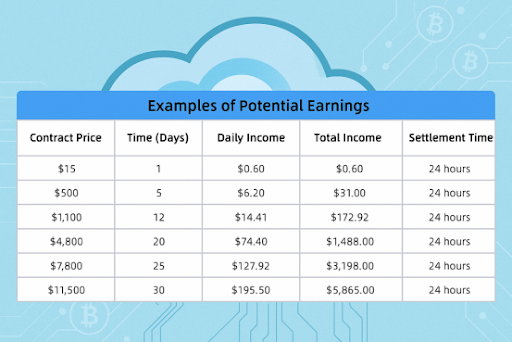
Free registration: Use your email address to create an account, enjoy a $15 registration bonus, and earn $0.6 per day through trial contracts;

Flexible contract selection: Choose cloud mining contracts of different terms and sizes based on your personal financial situation and return expectations;

Enjoy stable returns:

It Only Takes Three Steps to Start the GMO Miner Passive Income Plan:

For more contract details, please visit the platform official website

Why Choose GMO Miner?

Smart mining system: The platform introduces AI technology to achieve full process automation from computing power allocation to mining machine operation and income settlement, and the income is credited on time every day;

Driven by green and clean energy: Use renewable energy such as hydropower and wind power to reduce energy consumption and actively respond to the global trend of sustainable development;

Multi-currency support, flexible withdrawal: Support mining and settlement of mainstream currencies includes ETH, BTC, DOGE, XRP, etc., with a minimum withdrawal of only US$100, and compatible with multiple chains such as TRC20/ERC20;

Global service system: The platform supports 11 languages, covers more than 100 countries, and provides 7×24-hour technical support all day.

Safety and compliance guarantee, truly worry-free

Fund security: 95% of user assets are stored in cold wallets, and multiple encryption protection is provided by McAfee® and Cloudflare® technology to resist hacker intrusion in all directions;

Formal qualification certification: The platform holds a British financial license and a US MSB financial services certification, and user funds are supervised by HSBC. The platform has achieved zero-accident stable operation for three consecutive years.

Summary

In the context of digital asset investment becoming more mature and returning to stability, GMO Miner has opened up a safe, efficient and sustainable way for XRP users to grow their wealth. Whether you are a novice in blockchain or an experienced veteran, you can easily participate in cloud mining to allow your assets to continue to increase in value in the “backstage” and achieve the ideal state of growing daily income.

Join GMO Miner now and grasp your long-term value path.

Official website entrance: https://gmominer.com

Email: [email protected]


Source link

Popular Posts

My Favorites