Arts

Home Arts Page 70

Exploring the New Frontier: How Digital Media is Redefining Artistic Expression
0


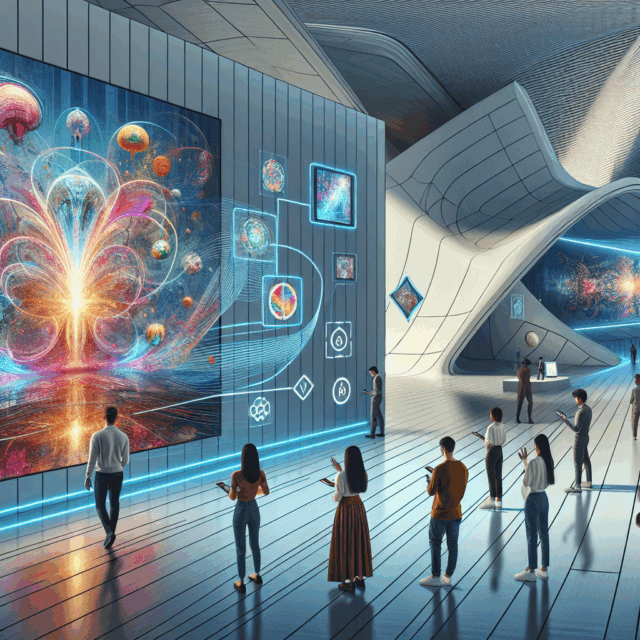
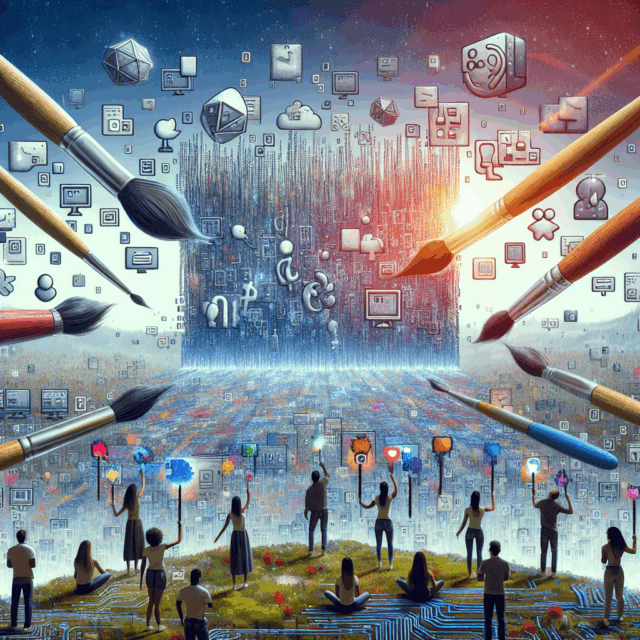
In an era where technology permeates every aspect of our lives, the artistic landscape is undergoing a seismic shift. Digital media is not merely an extension of traditional art forms; it is fundamentally redefining how we create, experience, and engage with art. From virtual reality (VR) installations to interactive multimedia performances, artists are exploring new frontiers that challenge our perceptions and broaden the scope of artistic expression. This article delves into the myriad ways digital media is transforming the art world.

The Democratization of Art

One of the most profound impacts of digital media is its ability to democratize art. The barriers traditionally separating artists from audiences and creators from consumers have diminished significantly. With platforms like Instagram, TikTok, and DeviantArt, aspiring artists can showcase their work to a global audience without the need for galleries or established industry connections. This shift not only allows for diverse voices to emerge but also encourages experimentation and collaboration across geographic and cultural boundaries.

Interactivity and Audience Engagement

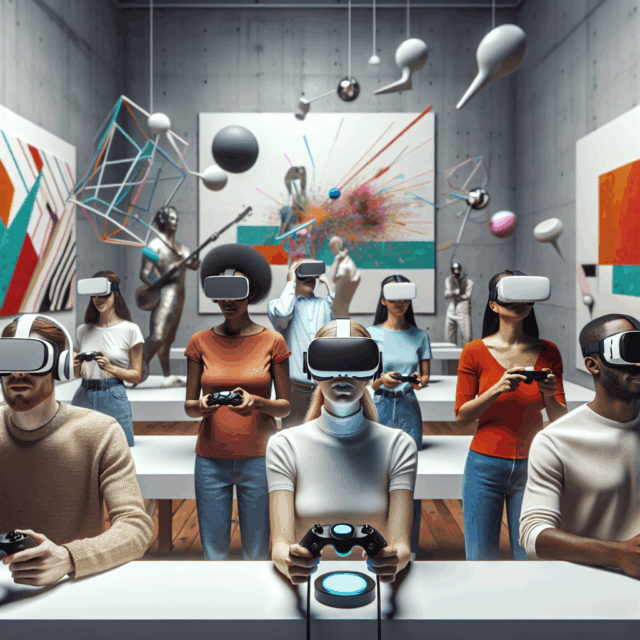
Digital media invites audiences to engage with art in unprecedented ways. Interactive installations—those utilizing touchscreens, sensors, and even augmented reality—encourage viewers to become active participants rather than passive observers. This interactivity transforms the viewing experience, allowing individuals to influence outcomes or narratives. For instance, immersive VR exhibitions let participants step into virtual worlds, feeling a sense of agency that traditional art forms often lack.

New Mediums and Techniques

Emerging technologies such as 3D printing, motion capture, and artificial intelligence are redefining the mediums available to artists. Graphic artists now harness software like Adobe Creative Suite or OpenCanvas to manipulate images with unparalleled precision, while musicians collaborate online through platforms like Soundtrap or Splice. Artists are also turning to AI as a co-creator, using algorithms to generate visuals or music that challenge conventional definitions of authorship. Innovations like these not only expand artistic possibilities but also provoke questions about creativity and originality.

Challenges of Authenticity and Ownership

As digital art gains prominence, it brings with it challenges related to authenticity and ownership. The ease with which digital works can be copied and shared raises concerns about copyright infringement. Additionally, the rise of non-fungible tokens (NFTs) has sparked debates about the nature of ownership in a digital age. Artists must navigate this new terrain, seeking balance between the benefits of widespread distribution and the protection of their intellectual property.

The Role of Social Media

Social media has become an integral part of the artistic ecosystem. Artists use these platforms not only to showcase their work but also to build communities around shared interests and concerns. Hashtags and online challenges can amplify visibility, fostering connections among artists and audiences. Furthermore, social media democratizes art criticism; everyone can contribute their perspectives and insights, leading to richer discussions and fostering an inclusive dialogue about art.

The Future of Artistic Expression

Looking ahead, digital media will continue to shape the landscape of artistic expression. As technologies evolve, artists will push boundaries, exploring the emotional and conceptual depths of new mediums. We can anticipate more collaborations between artists and technologists, resulting in innovative works that challenge societal norms and provoke thought.

Moreover, as art becomes increasingly virtual, the definition of what constitutes "place" will expand. Virtual galleries and online exhibitions may create new forms of artistic communities, transcending physical limitations and offering fresh venues for expression. The future promises to be vibrant, dynamic, and ever-evolving—a testament to the ingenuity of human creativity.

Conclusion

Digital media is not merely a tool for artists; it is an enabler of new modes of thinking, feeling, and connecting. By redefining artistic expression, it challenges our notions of creativity, authorship, and community. As we continue to navigate this digital frontier, the art world is set to flourish in ways we can only begin to imagine, ensuring that artistic expression remains a vital part of the human experience. The journey is just beginning, and the possibilities are boundless.

Ripple USD (RLUSD) Stablecoin: Forging a Path for Institutional Digital Finance

0
Ripple USD (RLUSD) Stablecoin: Forging a Path for Institutional Digital Finance


Ripple’s strategic focus on stablecoins is a significant part of its vision to bridge traditional finance with blockchain technology, aiming to establish the XRP Ledger (XRPL) as a leading platform for institutional digital finance. This involves not only launching its own stablecoin but also fostering a robust ecosystem for other fiat-backed digital currencies.

Ripple USD Stablecoin: RLUSD

Ripple has launched its institutional-grade stablecoin, RLUSD, a pivotal element in its strategy to facilitate seamless digital asset transactions for regulated entities.

What is RLUSD?

RLUSD is designed to maintain a fixed 1:1 value with the U.S. Dollar, offering a stable digital representation of dollar-denominated assets. It is initially minted on both the XRP Ledger and Ethereum blockchains, ensuring broad accessibility. 

A key differentiator for RLUSD is its robust regulatory oversight by the New York Department of Financial Services (NYDFS), a highly respected regulator known for its strict standards. 

This regulation mandates transparent reserve attestations, providing a high level of assurance and trust for institutional users. The stablecoin’s value is underpinned by a carefully managed portfolio of real-world, low-risk, and liquid assets. This is encompassing U.S. dollar deposits, short-term U.S. treasuries, and cash equivalents. This comprehensive backing ensures its reliable and direct redeemability for physical dollars.

For more: XRP Deep Dive: A Comprehensive Analysis of Ripple Effect

What is RLUSD?

Source: Ripple

RLUSD Performance and Efficiency

RLUSD transactions are characterized by exceptional speed, typically confirming within 3-5 seconds, and incur ultra-low fees, approximately $0.0002 per transaction. The stablecoin also boasts high scalability, capable of processing over 1,500 transactions per second. This efficiency is crucial for high-volume institutional use cases.  

RLUSD Use Cases and Market Presence

RLUSD is optimized for a variety of critical functions within the digital finance ecosystem:

Cross-Border Payments: It provides reliable access to digital dollars for global value transfer, enhancing the efficiency of Ripple’s existing payment network, which serves hundreds of institutional customers across over 50 countries.Everyday Transactions: RLUSD offers a stable and reliable method for daily transactions, serving as an alternative to traditional cash or cards.On/Off-Ramping: For institutions, RLUSD simplifies the process of converting fiat to crypto (on-ramping) and vice-versa (off-ramping), acting as a trusted entry point into blockchain technology.Collateral and DeFi Integrations: It can be used as collateral for tokenized assets on the XRPL and integrated into various Decentralized Finance (DeFi) applications on both XRPL and Ethereum for trading, yield farming, staking, and loans.

RLUSD Use Cases and Market PresenceRLUSD Use Cases and Market Presence

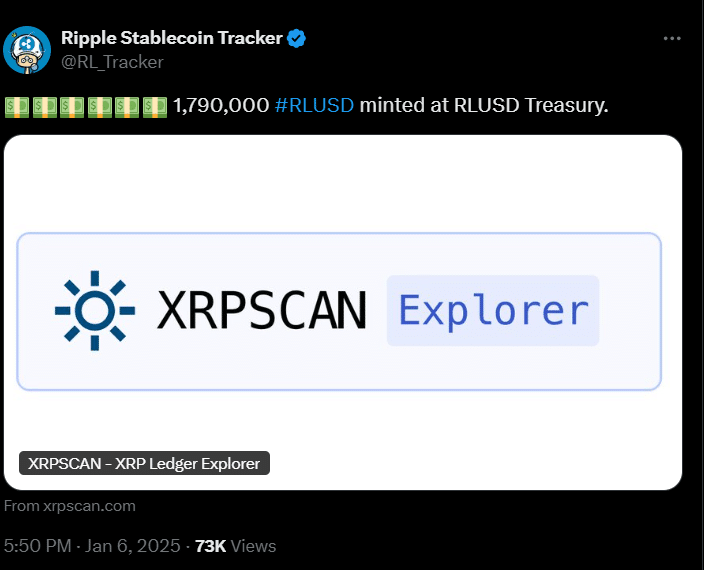
Ripple mints 1.79 million RLUSD tokens

As of recent data, RLUSD recorded a volume of $500 million in Q2 and holds a market capitalization of approximately $294 million. Notably, a significant surge occurred in January, with RLUSD experiencing a remarkable 2000% growth in trading volume, indicating rapid adoption and increasing market activity.

XRPL as a Growing Stablecoin Hub

Beyond its proprietary RLUSD, Ripple is actively cultivating the XRP Ledger into a vibrant hub for a diverse range of fiat-backed stablecoins, attracting various issuers due to its unique architecture and capabilities.

Diverse Stablecoin Offerings

The XRPL is witnessing a growing influx of fiat-backed stablecoins. Notably, USDC, issued by Circle, has debuted on the XRP Ledger, significantly expanding its utility across decentralized finance and cross-border payments. 

This integration provides developers, institutions, and users direct access to the second-largest dollar-pegged stablecoin on Ripple’s layer-1 network. Other stablecoins now live on the XRPL include XSGD (Singapore dollar-backed by Straitsx) and EURØP (euro-denominated by Schuman Financial).  

“Compliance-First Architecture”

A key factor attracting stablecoin issuers to the XRPL is its inherent “compliance-first architecture”. This design philosophy prioritizes regulatory adherence, making it highly appealing for issuers seeking scalable infrastructure that meets real-world utility and regulatory requirements.  

Technical Integration Mechanisms

The XRPL offers several technical features that facilitate seamless stablecoin integration and functionality:

XRP as a Bridge Asset: As the XRP Ledger’s native digital asset, XRP plays a vital role. It powers fast settlement and ensures efficient liquidity for cross-currency transactions by acting as a bridge. The XRPL’s integrated decentralized exchange (DEX) further leverages XRP, notably through an automatic bridging feature that streamlines stablecoin transfers.  Trust Lines: The XRPL utilizes “trust lines,” which are structures for holding tokens. These enforce rules to prevent unwanted token holdings and allow issuers to set limits for stablecoin transfers.Authorized Trust Lines: This feature enables issuers to create tokens that can only be held by accounts they specifically authorize, enhancing control and compliance for regulated assets.Clawback Feature: An optional feature allows issuers to reclaim misused assets, such as stolen funds, providing an additional layer of security and control crucial for institutional use cases.Automated Market Makers (AMMs): The XRPL’s DEX includes AMMs, which are smart contracts that provide liquidity for token swaps, further enhancing the stablecoin trading environment.

Ripple Stablecoin: Strategic Importance and Future Outlook

The expansion of the stablecoin ecosystem on the XRP Ledger sits central to Ripple’s broader vision. This strategic move targets institutional digital finance. By offering regulated, transparent, and institutionally friendly stablecoin solutions, Ripple aims to accelerate adoption. This includes banks, fintech firms, and institutional investors. Notably, major financial institutions like Bank of America (BofA) have already shown heightened interest in Ripple’s stablecoin project. This indicates significant potential for future volume if fully adopted. Ultimately, this focus differentiates Ripple in a crowded market.

Aligning with Ripple’s 2025 Roadmap

Furthermore, this initiative aligns perfectly with Ripple’s ambitious 2025 roadmap. That plan focuses on building a comprehensive institutional DeFi ecosystem on the XRP Ledger. Plans include integrating RLUSD and real-world assets (RWAs) into institutional lending options. This supports a more mature and stable DeFi environment. Consequently, this strategic pivot aims to capture a broader segment of the financial market. It caters to the sophisticated needs of regulated institutions, offering tools for capital management, asset tokenization, and compliant DeFi participation.

Fueling Cross-Border Payments

Stablecoins are crucial for Ripple’s long-term goal. They aim to transform cross-border payments. By providing stable digital representations of fiat currencies, they enhance efficiency and reduce friction in Ripple’s payment network. In fact, Ripple’s CEO, Brad Garlinghouse, has articulated an ambitious vision. He believes XRP can capture a significant share of SWIFT’s cross-border payment volume. He reportedly stated that XRP could account for 14% of SWIFT’s total transaction volume within five years. Therefore, broader stablecoin adoption is essential to fuel these global payment ambitions. It provides the necessary liquidity and stability for large-scale international transfers.

Competitive Advantage Through Compliance

Ripple’s strategic emphasis on regulatory compliance provides a significant competitive advantage. This is clearly demonstrated by RLUSD’s NYDFS regulation and the XRPL’s “compliance-first architecture.” Moreover, this proactive approach to regulation allows Ripple to bridge the gap between legacy systems and blockchain technology more effectively than many competitors. It positions Ripple as an enabler of modernization rather than a pure disruptor. Ultimately, this pragmatic choice makes Ripple’s solutions inherently more appealing and adaptable for traditional financial institutions operating within stringent regulatory frameworks.

For more: Trading with Free Crypto Signals in Evening Trader Channel


Source link

The Rise of Virtual Reality: Transforming Art into Immersive Experiences

0


As technology advances, so too does our understanding and appreciation of art. One of the most significant developments in recent years is the rise of Virtual Reality (VR), which is transforming the way both artists and audiences experience art. No longer confined to the walls of galleries or museums, art is stepping into the digital realm, offering immersive experiences that engage the senses and provoke thought.

The Emergence of Virtual Reality in Art

Virtual Reality, a technology that creates simulated experiences through computer-generated environments, has opened new avenues for artists. This evolution started gaining traction in the late 20th century but has surged in popularity thanks to advancements in technology and the accessibility of VR headsets. Today, artists from various disciplines are experimenting with VR to create unique, interactive pieces that challenge traditional notions of art.

Artists Pioneering VR Art

Several pioneering artists are at the forefront of this revolution. Notable figures like Marina Abramović have begun incorporating VR into their work, creating pieces that allow viewers to participate in the experience rather than merely observe. Abramović’s “The Life” immerses participants in a deeply personal exploration that transcends physical boundaries.

Another influential artist is Jon Rafman, who uses VR to explore themes of technology and its impact on the human experience. His work often juxtaposes reality with digital landscapes, inviting viewers to reflect on their own relationship with technology.

Creating Immersion: The Experience

One of the most compelling aspects of VR is its ability to create a sense of presence. Unlike traditional art forms, VR allows users to step into an entirely different world. Visitors can walk through a virtual gallery, interact with sculptures, or even become part of the artwork itself. This level of interaction fosters a personal connection between the audience and the art—one that is often lacking in conventional settings.

Emotional Resonance and Introspection

VR art experiences are not just visually stunning; they also evoke deep emotional responses. For instance, VR installations like "Tree" by Marshmallow Laser Feast allow participants to embody the perspective of a tree, experiencing the passage of time and the intricacies of nature like never before. Such experiences encourage introspection and a reevaluation of our relationship with the environment.

The Role of Technology and Accessibility

The rise of affordable VR devices, like the Oculus Quest and HTC Vive, has democratized access to this art form. Now, artists can share their work with a global audience beyond the confines of physical spaces. Online platforms, such as Viveport and Oculus Gallery, are emerging, providing artists the opportunity to showcase their VR art to a wider public. This shift not only enhances visibility but also encourages collaboration between artists across the world.

Challenges Ahead

Despite its potential, the integration of VR in the art world isn’t without challenges. Technical issues, such as hardware limitations and the need for specific skills to create immersive experiences, can be barriers. Additionally, the ephemeral nature of digital art raises questions about preservation and ownership. How can we ensure that these experiences remain accessible and relevant in the future?

The Future of VR Art

As technology continues to evolve, the future of VR in the art world looks promising. We can expect more immersive storytelling experiences that blur the lines between reality and digital art, creating new dialogues around contemporary issues. Furthermore, VR might integrate with AI and machine learning, further transforming how art is created and experienced.

Conclusion

The rise of Virtual Reality is reshaping the landscape of art, making it more immersive and interactive than ever before. As artists experiment with this medium, audiences are encouraged to engage with art in new and meaningful ways. This transformation holds the potential not only to enhance our appreciation of art but also to foster a deeper understanding of ourselves and the ever-changing world around us. As we stand on the cusp of this exciting frontier, the possibilities for VR art are limitless.

Virtual Visions: The Rise of Augmented Reality in Contemporary Art

0


In recent years, the realm of contemporary art has undergone a dynamic transformation, largely fueled by technological advancements. Among these, augmented reality (AR) has emerged as a groundbreaking medium that bridges the gap between physical and digital worlds, allowing artists to create immersive experiences that challenge traditional perceptions of art. This article explores the rise of augmented reality in contemporary art, examining its significance, applications, and implications for both artists and audiences.

Understanding Augmented Reality

Augmented reality is the integration of digital information—such as images, sounds, or GPS data—with the physical world, enhancing the user’s experience of their environment. Unlike virtual reality, which immerses users in a completely digital realm, AR overlays digital elements onto the real world, enabling a hybrid experience that resonates deeply with human interaction.

Tools like smartphones, tablets, and AR glasses have made this technology accessible, allowing artists to engage with audiences in innovative ways. From interactive exhibitions to location-based installations, AR is revolutionizing how art is created, presented, and experienced.

The Evolution of AR in Art

AR’s journey into the art world began with early experiments by pioneering artists and technologists. In the late 20th century, artists like Jaron Lanier and his Virtuality Group began exploring the intersection of technology and art. However, it wasn’t until smartphone technology became widespread in the 2010s that AR gained momentum.

One of the significant milestones in this evolution was the debut of apps like Pokémon GO in 2016, which exemplified the potential for AR to engage the public in interactive experiences. Artists swiftly recognized the potential for similar applications in their work, leading to a surge of AR projects within galleries, public spaces, and online platforms.

Key Figures and Projects

Several prominent contemporary artists have embraced augmented reality as a core aspect of their practice. For instance, Kara Walker, known for her powerful commentary on race and identity, has utilized AR to create immersive environments that invite viewers to interact with her narratives in new ways. Similarly, Rafaël Rozendaal has developed web-based artworks that utilize AR features to enhance viewers’ experiences, blurring the lines between the digital and physical realms.

Projects like the AR-enhanced exhibitions at the Whitney Museum of American Art and the CCA Wattis Institute have showcased how institutions can leverage technology to attract a broader audience. These exhibitions allow viewers to use their smartphones to unlock additional layers of content, creating a more engaging and informative experience.

Implications for Artists and Audiences

The rise of AR in contemporary art has profound implications for both artists and audiences. For artists, AR offers new tools for creativity, enabling them to express ideas and concepts that might be difficult to convey through traditional media. It allows for interactive storytelling and the potential for artworks that evolve in real time based on audience interaction.

For audiences, AR transforms the act of viewing art into an active experience. Instead of passively observing, viewers become participants who can influence the artwork and its narrative. This shift democratizes art consumption, fostering a deeper connection between the artwork and its audience.

Challenges and Considerations

Despite its potential, the integration of augmented reality in art is not without challenges. Issues of accessibility arise, as not all audiences have access to the necessary technology. Additionally, the temporary nature of AR experiences raises questions about permanence and the authenticity of digital artworks.

Moreover, as AR continues to evolve, artists must navigate the complexities of copyright, ownership, and the implications of digital reproduction in a world where art can be easily shared and altered.

The Future of AR in Contemporary Art

As technology continues to advance, the future of augmented reality in contemporary art is poised for even greater exploration and experimentation. Enhanced AR capabilities, such as artificial intelligence and improved graphics, will open new avenues for artists to expand their creative horizons.

The ongoing dialogue between technology and art will surely spark innovative collaborations, blending the imaginative potentials of both fields. As AR becomes more ingrained in the fabric of contemporary art, it will redefine the parameters of artistic expression, creating a richer, more complex understanding of what art can be in a rapidly changing world.

Conclusion

The rise of augmented reality in contemporary art represents a paradigm shift that challenges traditional notions of creativity and audience engagement. As artists harness this powerful technology to create immersive experiences, audiences are invited to interact with and interpret art in increasingly dynamic ways. The melding of the digital and physical worlds in art not only enhances the experience but also prompts us to reflect on the very nature of creativity in the 21st century. With the promise of continued innovation, the future of augmented reality in contemporary art is bright, offering endless possibilities for artistic expression.

From Pixels to Profits: The Rise of NFT Art in the Digital Age

0


In the ever-evolving landscape of technology and creativity, one phenomenon has captured the imagination of both artists and investors alike: Non-Fungible Tokens (NFTs). This digital revolution has transformed how we conceive art, ownership, and profitability, effectively bringing traditional art commerce into the blockchain era. This article delves into the rise of NFT art and its implications for the art community and the economy at large.

Understanding NFTs

At its core, a Non-Fungible Token is a unique digital asset that represents ownership of a specific item or piece of content, securely recorded on a blockchain. Unlike cryptocurrencies like Bitcoin or Ethereum, which are fungible and can be exchanged for one another, NFTs are indivisible and irreplicable, giving them significant value. They can represent anything from digital artwork and music to virtual real estate and in-game assets, but they are particularly popular in the art world.

The Surge of Digital Art

The onset of the digital age has brought about a significant shift in how art is created and consumed. While traditional forms of art, such as painting or sculpture, have long been revered, digital art has emerged as a legitimate medium. With the rise of high-speed internet and sophisticated software tools, digital artists can create breathtaking pieces that can be easily shared and distributed.

Despite this, digital art has struggled to command the same respect and monetary value as traditional art forms due to issues of ownership and authenticity. This is where NFTs come into play, providing a solution for artists and collectors alike.

Empowering Artists and Creators

One of the most transformative aspects of NFTs is their ability to empower artists. By minting their digital creations as NFTs, artists can assert ownership and sell their work directly to consumers without the need for intermediaries such as galleries or auction houses. This not only maximizes their potential profits but also allows for complete creative control.

Moreover, NFTs can incorporate smart contracts—self-executing contracts with terms directly written into code. This means artists can earn royalties every time their work is resold, creating a steady income stream that was often unavailable in traditional art sales. As a result, many emerging artists are finding financial success in ways previously unheard of.

The Impact on Collectors

For collectors, NFTs present a new frontier for investment. Owning an NFT means having a verified piece of digital art that can appreciate in value over time. The ability to showcase this art in virtual galleries or even within the metaverse adds a layer of desirability for collectors who crave exclusivity.

However, the NFT market is also rife with speculation. Some early adopters have made headlines with multimillion-dollar sales, leading to concerns about market volatility and the sustainability of these valuations. Investors are often urged to conduct thorough research before diving into this nascent market.

Environmental Concerns

Despite the allure of NFTs, the technology has faced significant criticism, particularly regarding its environmental impact. The majority of NFTs are minted on Ethereum, which has historically relied on energy-intensive proof-of-work protocols. This has led to debates about the carbon footprint of blockchain technology in general.

In response, many in the crypto community are exploring more sustainable alternatives, including Ethereum’s shift to proof-of-stake and the emergence of eco-friendly blockchains. These solutions aim to create a more responsible framework for the flourishing NFT ecosystem.

Looking Forward

The future of NFT art seems promising, with several trends emerging. We’re witnessing collaborations between traditional artists and digital creators, the integration of augmented reality in showcasing art, and even the rise of community-centered NFT projects. As more individuals and institutions recognize the value of digital assets, the market is likely to expand even further.

Furthermore, mainstream platforms like Twitter and Instagram are exploring ways to integrate NFTs into their services, signaling a shift toward widespread acceptance of digital ownership.

Conclusion

The rise of NFT art exemplifies a seismic shift in the intersection of technology, creativity, and commerce. While challenges such as environmental concerns and market volatility remain, the potential for innovation and empowerment in the artistic community is undeniable. As we navigate this digital age, the narrative around art is transforming—from mere pixels on a screen to tangible profits for creators and collectors alike. Whether you’re an artist, collector, or simply curious about this trend, understanding NFTs and their implications may be key to navigating the new world of art in the digital age.

Quid Miner Turns Eco-Friendly Mining into $3,577/Day

0
Quid Miner Turns Eco-Friendly Mining into ,577/Day


In recent years, the world’s attention to climate change has continued to deepen, and clean energy is gradually replacing traditional fossil fuels and becoming a new driving force for the development of various industries. The widespread use of renewable energy such as solar energy, wind energy, and hydropower has not only changed the energy structure, but also driven the development of more green industries. As a representative of high-energy consumption fields, cryptocurrency mining is also undergoing a green transformation.

More and more mining farms are connected to clean energy networks, using solar energy or idle electricity to significantly reduce operating costs and carbon emissions. Cloud mining platform Quid Miner is a typical example of this. Relying on distributed green data centers, it provides users with an environmentally friendly, efficient, and low-threshold way to increase the value of encrypted assets.

In today’s fast-paced and volatile market environment, cloud mining provides investors with a more worry-free option – no technical background is required, and there is no need to purchase equipment. Just select a contract and you can automatically start mining and get stable income every day. For this reason, more and more investors are turning from cryptocurrency speculation to this more stable method.

What is Cloud Mining?

Cloud mining is a way to participate in cryptocurrency mining without having to buy mining machines or maintain the equipment yourself. Users only need to select a contract, and the platform will automatically complete the mining through a remote data center and distribute the proceeds daily. For novices, this model saves time and effort; for long-term investors, it is a more stable passive income option. Simply put, cloud mining is like “outsourcing” mining and waiting for the proceeds to arrive.

Simple operation, suitable for everyone

Quid Miner simplifies cloud mining to the extreme, and it is easy to get started without a technical background. The platform interface is intuitive and user-friendly, very suitable for novices. For many people, ease and peace of mind have become the most effective way to make money. As an industry pioneer, Quid Miner has more than 200 mines and more than 1 million devices around the world, all powered by clean energy. With stable returns and security guarantees, it has won the trust of more than 5 million users.

Daily income, truly realizing passive income

Quid Miner provides flexible contract options, with clear and transparent daily returns of up to $5,000 or more. No operation or waiting is required. You can easily make digital assets generate returns continuously.

Safety, compliance, green and sustainable

Since its establishment, the platform has always adhered to compliance operations, focusing on fund security and user experience. All mines use green energy such as solar energy and wind energy to achieve carbon neutrality. It can make money without harming the environment, making investment more valuable.

Quid Miner Platform Highlights:

⦁ Sign up and get a bonus: New users can get a $15 welcome bonus, and you can also receive $0.6 for daily login.⦁ No equipment required, start mining immediately: You don’t need to buy a mining machine, you can mine BTC, XRP, ETH, DOGE, LTC, SOL, USDT, USDC and other mainstream cryptocurrencies, which are fully managed by global data centers.⦁ Green mining, carbon neutral operation: The platform is driven by 100% renewable energy (solar and wind energy), achieving both environmental protection and profit.⦁ Transparent income and flexible withdrawal: Daily income is automatically distributed, supports multiple cryptocurrency settlements, and USDC can be quickly transferred to the account.⦁ Generous referral rewards: Invite friends to register to get a 4.5% reward, up to $10,000.⦁ Simple interface: The good user interface allows both novice and experienced users to quickly get started and start mining easily.⦁ No hidden fees: The platform pricing is transparent, there is no service fee, no management fee, to maximize your income.⦁ 24/7 technical support: McAfee® and Cloudflare® security, equipped with a 24/7 online expert team to ensure your user experience.

How to Get Started with Quid Miner and Begin Earning:

Step 1: Register an account Quid Miner provides a simple registration process, all it takes is entering your email and setting up an account to get started. Once signed up, users can begin mining Bitcoin and various other digital currencies right away.

Step 2: Select and buy a mining package. At present, Quid Miner provides several contract options at different price points, including plans valued at $100, $500, and $2,500,  each offers distinct ROI potential and predefined contract durations. You can boost your passive earnings by choosing from the following investment plans:

Choose the right contract to start passive income:

Investment AmountContract durationDaily RebateTotal Proceeds at Maturity$ 1002 daysUSD 4100$+8$$5007 daysUSD 6500$+42$$ 2 7 0018 daysUSD 35.372700$+637$$1000030 daysUSD 15510000$+5735$$5000040 daysUSD 89050000$+39825$

To explore additional details about available contracts, go to the official Quid Miner website: https://quid miner.com/

Summarize:

If you are looking for a simple and stable way to increase your crypto assets, Quid Miner is a good choice. Once you select a contract, the system will automatically mine for you, and your daily income will be automatically credited to your account. You don’t need a technical background or spend too much time.

Quid Miner hopes to make it easy for everyone to participate in the digital economy, regardless of location or threshold. We have served more than 180 countries around the world and won the trust of more than 5 million users.

In the future, we will continue to use green energy and technology to bring users more reliable ways to make money.

Start now and put your crypto assets into motion.


Source link

Miningcoop – Leading AI Crypto Mining Platform of 2025 | Mine BTC & DOGE Daily

0
Miningcoop – Leading AI Crypto Mining Platform of 2025 | Mine BTC & DOGE Daily


Using AI-powered cloud mining tools, you can earn up to $4,400 daily. In 2025, with the deep integration of AI and blockchain technologies, AI crypto mining platforms have become a new trend in digital asset investment. More and more users are looking for a low-threshold way to mine BTC and DOGE daily without needing mining hardware or technical knowledge.

Miningcoop offers a cloud mining solution that completely simplifies the traditional crypto mining process. Users do not need to buy mining machines, configure computing power, or even understand complex hashing algorithms. Just select a contract via mobile device or web, and start mining with one click. The platform uses an AI intelligent scheduling system that automatically allocates computing power to the most profitable coins and mining pools, maximizing mining efficiency and helping users achieve efficient, stable, and sustainable daily crypto income.

How to Invest $100,000 in Miningcoop to Achieve Diversified Passive Crypto Income

Miningcoop is a global leading AI crypto mining platform focused on maximizing user profits through intelligent scheduling technology. The system dynamically allocates computing power to the most profitable mining pools and major coins (such as Bitcoin and Dogecoin) based on real-time market data, allowing users to enjoy efficient and stable mining income without hardware or technical background.

The platform currently offers various flexible high-yield mining contract plans and provides a $100 new user registration bonus to help users quickly get started with low entry barriers.

Sample Investment Portfolio for $100,000 (June 2025 Example):

Contract NameQuantityUnit Price (USD)Contract PeriodDaily Income (USD)Total Daily Income (USD)Antminer L7 9.5 GH/s3$3,8005 days$157.7 × 3$2,365.50Bitdeer SealMiner A2 Pro Hyd 500 TH/s1$30,8005 days$1,848.00$9,240.00Bitmain Antminer S21e XP Hyd 3U 860 TH/s1$55,0002 days$4,400.00$8,800.00 Total Investment: $100,000 Estimated Daily Total Profit: $6,721.00

Each package features automated principal returns and consistent daily earnings, regardless of market conditions.

Click to visit Miningcoop.com and get a free $100 bonus!

Miningcoop Cloud Mining Future & Leading Advantages

With the rapid development of cloud mining technology, Miningcoop, leveraging its excellent AI computing power scheduling technology and user experience, stands firm as the leading AI crypto mining platform of 2025. Despite market volatility and risks, Miningcoop has established itself as an industry leader through continuous innovation and deep understanding of user needs.

How to Easily Start Free Mining with Miningcoop

Miningcoop supports mobile devices and requires no complicated setup, allowing you to start smart mining anytime, anywhere:

Visit miningcoop.com Quickly register with your email or phone number Claim a $100 new user free bonus and choose a suitable mining contract plan Monitor daily mining income in real-time and withdraw funds anytime Principal is automatically refunded at contract maturity, with options to reinvest or withdraw profits

Even beginners with zero experience can easily enjoy stable passive crypto income through Miningcoop.

Conclusion: Start Your Smart Mining New Era and Build a Crypto Investment Portfolio

In today’s fast-changing crypto market, wise investment is not just about chasing price swings, but seeking efficient and sustainable asset appreciation. Miningcoop redefines mining profits and investment efficiency through its leading AI computing power scheduling system, flexible contract plans, and eco-friendly mining model.

For individuals and professional investors looking to convert $100,000 or more into stable passive income, Miningcoop offers a transparent, secure, low-threshold, and intelligent digital asset investment platform.

Register with Miningcoop now and start your daily passive income journey of $6,721.00!


Source link

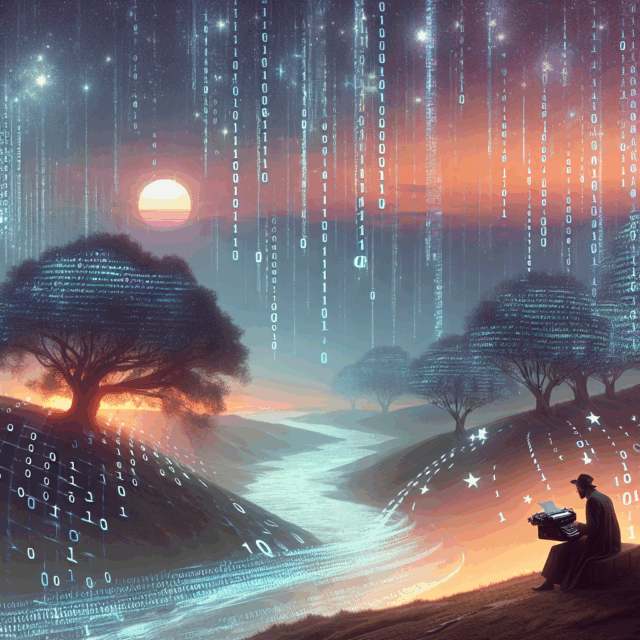
Pixels and Poetry: Exploring the Fusion of Code and Creativity

0


In an era where technology permeates every aspect of our lives, the intersection of art and code offers a rich canvas for innovation. The fusion of pixels and poetry exemplifies how digital artistry can harmonize with literary expression, blurring the lines between traditional forms of creativity and modern technological approaches. This article delves into the emerging realm of digital poetry, its impact on artistic expression, and the ways in which coding elevates the poetic experience.

The Digital Canvas

Digital art has taken many forms, from digital painting to video installations. Poetry, too, has adapted to this evolving landscape. With the advent of programming languages and creative software tools, poets now have the ability to manipulate text in visually engaging ways. Platforms like Twine, Processing, and even HTML enable poets to create immersive, interactive experiences that challenge conventional reading. The interplay of code allows for dynamic presentations where words come alive, transforming static text into a lively narrative.

Visual Poetry: More than Words

Visual poetry is a significant subset of this fusion, where the arrangement and presentation of words contribute to the meaning and emotional impact of the piece. Such poems have traditionally been designed on paper, but digital tools open new avenues for exploration.

Imagine a piece where words morph and shift on the screen, reacting to user input or environmental data. A digital poem could change in real-time, influenced by elements such as the time of day, weather conditions, or even user interactions. This innovation generates an evolving dialogue between technology and artistic expression, shifting the role of the audience from passive reader to active participant.

Code as a Creative Medium

At the heart of this artistic revolution lies code. Programming is not solely a technical skill; it is also a creative medium that permits expression in unique and powerful ways. Just as a paintbrush can convey emotions through strokes, code can articulate feelings through algorithms and logic.

For instance, poets can leverage generative algorithms to produce unique text compositions, exploring the randomness of words or phrases. This technique invites unpredictability, allowing for surprising juxtapositions and bold creative choices. The integration of natural language processing (NLP) technologies can further enhance this experience, generating responses or creating new poetry based on an input prompt.

Collaborative Creativity

The overlap of pixels and poetry is not just an individual effort. Online platforms increasingly enable collaboration among poets, coders, and artists. Initiatives like Hackathons and creative coding workshops encourage interdisciplinary collaboration, fostering a community that thrives on shared creativity.

Creative partnerships can result in stunning pieces that might not be possible within the confines of a single discipline. By working together, artists can explore novel ways to combine language, visuals, and sound, resulting in rich multimedia experiences that engage the senses.

Challenges and Considerations

While the fusion of code and creativity opens exciting possibilities, it also presents challenges. Digital literacy remains a barrier for many poets who may not be familiar with programming languages. The learning curve can be daunting, but numerous resources and communities are emerging to bridge this gap.

Moreover, the ephemeral nature of digital art raises questions about preservation and access. What does it mean for a poem to exist solely online? As technology evolves, how can we ensure that these digital chapbooks and installations remain accessible to future generations?

The Future of Pixels and Poetry

The integration of pixels and poetry is still in its infancy, but its potential is vast. As technology continues to evolve, so too will the possibilities for artistic expression. The fusion of code and creativity will inevitably lead to new forms of storytelling, interactive experiences, and challenging narratives that reflect our digital age.

As we embrace this fusion, we must also celebrate the diverse voices contributing to this rich landscape. The marriage of art and technology provides a unique platform for self-expression, catalyzing fresh dialogues about identity, culture, and the human experience.

In this ever-evolving landscape of digital creativity, the pixels will continue to dance, and the poetry will resonate, capturing the complexity of our shared digital existence. Through this synthesis, we witness not just the transformation of poetic form, but a redefinition of what it means to create in the modern world.

Interactive Art: How Technology is Transforming the Gallery Experience

0


Introduction

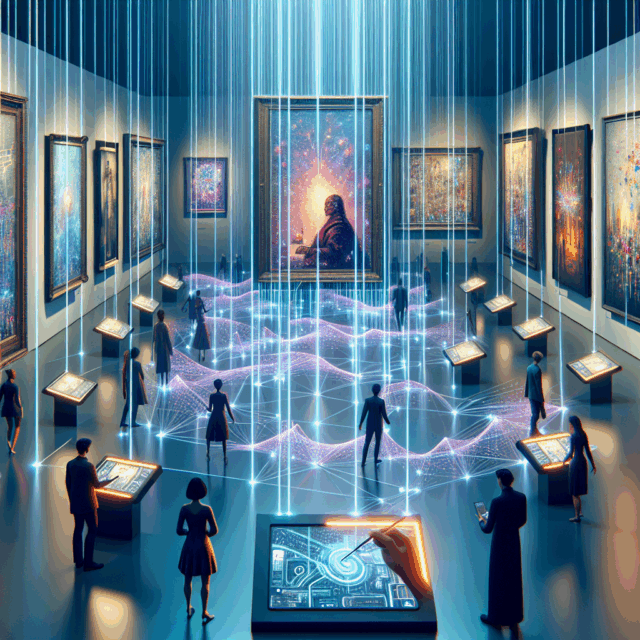
Interactive art has emerged as a dynamic intersection of creativity and technology, reshaping the way audiences engage with artworks. As galleries and museums adopt innovative technologies, traditional art viewing transforms into immersive experiences that foster participation, reflection, and dialogue. This article explores the impact of technology on interactive art, highlighting its benefits in the gallery experience and the growing trend of audience involvement.

Understanding Interactive Art

Interactive art refers to works that require audience participation, utilizing technology to create a two-way dialogue between the viewer and the artwork. This can encompass a wide range of mediums, including digital installations, augmented reality (AR), virtual reality (VR), and responsive environments. By shifting attention from passive observation to active engagement, interactive art invites viewers to become co-creators in the artistic process.

The Role of Technology

1. Digital Installations

Digital technology has introduced new forms of expression for artists. Multimedia installations can bring together video, sound, and sculpture, allowing for immersive narratives that engage the senses. For instance, large-scale projections can transform gallery walls into dynamic landscapes that change in response to viewer movements, creating a unique experience for each visitor.

2. Augmented and Virtual Reality

AR and VR have revolutionized the way we experience art. Through AR applications, museum-goers can enhance their visit by interacting with artworks via smartphones or tablets, unlocking additional layers of information or visual interpretations. VR allows users to step into entirely virtual worlds, providing environments that are otherwise inaccessible, such as historical sites or the artist’s studio.

3. Responsive Environments

Interactive art often positions viewers within responsive environments. Using sensors and data analysis, these installations react to audience behaviors—such as movement, sound, or even heart rates—creating a feedback loop that alters the artwork in real time. This not only personalizes the experience but also deepens the emotional connection to the art.

Benefits of Interactive Art in Galleries

1. Enhanced Engagement

Interactive art encourages active participation, immediately engaging visitors in a way that traditional art often does not. This heightened engagement can lead to deeper understanding and appreciation of the artwork and its themes.

2. Accessibility

Technology can make art more accessible. Multi-sensory experiences can cater to diverse audiences, including those with disabilities. For example, tactile interactive elements can provide blind or visually impaired visitors with the opportunity to "feel" the artwork.

3. Community Building

Interactive installations often encourage collaboration and dialogue among participants. Group interactions around a piece facilitate community connection within the gallery space, fostering discussions and new perspectives on the artwork.

Challenges and Considerations

Despite the many advantages, there are challenges that come with integrating technology into art experiences:

  1. Sustainability and Maintenance: Digital installations require continual updates and maintenance, posing financial and logistical challenges for galleries.

  2. Digital Divide: Not all audiences have equal access to technology. Ensuring that digital engagement tools are inclusive remains a priority.

  3. Authenticity: The immersive nature of interactive art can blur the lines between art and entertainment, raising questions about the authenticity of artistic intent in such experiences.

Conclusion

Interactive art is redefining the gallery experience, transforming it into a participatory space where technology and creativity merge. As galleries continue to embrace these innovations, audiences are invited to partake in deeper, more meaningful engagements with art. While challenges remain, the potential of interactive art to foster connection, dialogue, and understanding promises a vibrant future for the art world, one where every visitor can find their unique part in the narrative.

The Future of Art: How Generative Tools are Transforming Creativity

0


The art world is undergoing a transformative shift, thanks to the advent of generative tools. These innovations combine technology and creativity in unprecedented ways, challenging traditional notions of authorship, skill, and the very definition of art itself. As we look towards the future, it’s essential to explore how these tools are reshaping artistic expression.

What Are Generative Tools?

Generative tools encompass a variety of technologies that enable artists to create, design, or manipulate art through algorithms, artificial intelligence, and machine learning. From software applications that facilitate digital drawing to algorithms that create complex visual patterns, generative tools allow artists to engage in a dialogue with their own work, often resulting in unexpected and unique outcomes.

The Role of AI in Art

Artificial Intelligence (AI) has emerged as one of the primary drivers behind generative tools. Programs like OpenAI’s DALL-E and Google’s DeepDream have gained prominence for their ability to produce visuals based on text prompts or existing images. These AI models learn from vast datasets, allowing them to generate artworks that reflect a blend of different styles and influences.

Artists are now using AI not only as a creative partner but also as a source of inspiration. Instead of merely executing their vision, artists employ AI to explore new territories, pushing the boundaries of what is artistically possible. This partnership between human creativity and machine learning is fostering an environment rich with innovative expressions.

Democratizing Art Creation

One of the most significant changes brought about by generative tools is the democratization of art. Historically, creating art required specialized skills and training, often limiting participation to a select few. Today, with user-friendly generative tools, a broader audience can engage in artistic creation without necessarily having formal training.

Platforms like Artbreeder and Runway ML allow users to experiment with generative art easily. This open-access model encourages creativity among novices and experienced artists alike, fostering a more inclusive art community where diverse voices can share their visions.

New Forms of Artistic Expression

As generative tools evolve, they are enabling entirely new forms of artistic expression. Traditional mediums such as painting and sculpture now coexist with digital art forms, including interactive installations and virtual reality experiences.

For example, artists are using generative algorithms to create immersive environments that respond to the audience’s movements or emotions, enhancing viewer engagement. Additionally, generative music, created through algorithms that synthesize notes and rhythms, has emerged as a captivating new genre, challenging conventional definitions of music.

Ethical Considerations

With the rise of generative tools also comes ethical consideration. Questions regarding authorship, originality, and authenticity are becoming increasingly complex. If a piece of art is created collaboratively by an artist and an AI, who holds the rights? As generative AI continues to learn from existing works, concerns about copyright infringement and the potential replication of styles also arise.

Moreover, the ease of creating art through generative means could lead to an oversaturation of content, diluting the value of artistic expression. Artists and critics are now tasked with navigating these ethical dilemmas, ensuring that innovation does not come at the expense of artistic integrity.

The Future of Artistic Collaboration

Moving forward, the relationship between artists and technology will likely become even more collaborative. Artists are expected to develop a shared consciousness with generative tools, leveraging technology to enhance their creative processes rather than replace them.

Emerging tools may allow for real-time collaboration among artists across the globe, fostering a culture of sharing and co-creation. These tools can enable cross-disciplinary projects, merging visual art with music, storytelling, and performance, leading to fresh, multi-sensory experiences.

Conclusion

The future of art is undeniably intertwined with generative tools that are redefining creativity. As artists embrace these technologies, they are unlocking new forms of expression, democratizing art creation, and engaging audiences in novel ways. While challenges and ethical concerns persist, the dialogue between traditional artistry and technological innovation has the potential to enrich the cultural landscape for generations to come.

As we look ahead, one thing remains certain: the ongoing evolution of art will reflect not just human creativity but the dynamic relationship between humanity and technology. The canvas of the future is broader than ever, inviting everyone to participate in the journey of artistic exploration.

Popular Posts

My Favorites

Wall Street Sentiment Flashes Euphoria as Crypto Stalls – Decrypt

0
In brief BofA’s risk-love indicator hit 1.4, its highest in 13 months, signaling bullish extremes. Bitcoin and Ethereum remain flat over the past week despite...