Arts

Home Arts Page 66

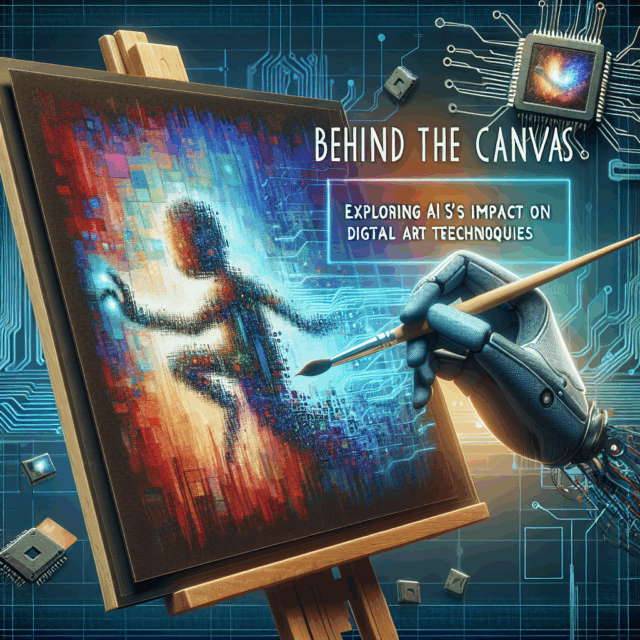
Behind the Canvas: Exploring AI’s Impact on Digital Art Techniques

0


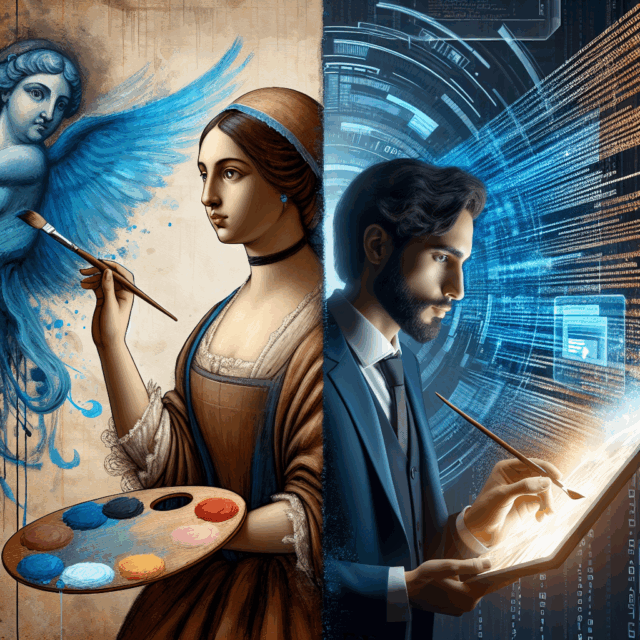
The fusion of technology and creativity has always shaped the evolution of art. Today, one of the most transformative forces in the art world is artificial intelligence (AI). With its ability to analyze vast datasets, learn patterns, and even create original works, AI is not just a tool but a collaborator for artists. This article delves into how AI is reshaping digital art techniques, enhancing creativity, and prompting new conversations about authorship, originality, and the future of artistic expression.

The Rise of AI in Art Creation

AI applications in art have proliferated, with tools like DeepArt, DALL-E, and Artbreeder leading the charge. These platforms use neural networks and machine learning algorithms to generate unique artworks, assisting artists in various ways, from idea generation to complex image rendering. For example:

  • Generative Art: Algorithms generate artwork by interpreting various inputs. Artists can set parameters—color schemes, styles, and forms—allowing for endless possibilities and variations. This process often leads to unexpected results that can inspire further artistic exploration.

  • Style Transfer: Tools that can take an existing image and apply the stylistic elements of another work enable artists to experiment with visual aesthetics. This technique allows for the merging of classic art styles with contemporary themes, bridging time periods in ways previously unimaginable.

Enhancing Traditional Techniques

While AI offers novel methods for creating art, it also serves as an enhancement for traditional digital techniques. With its capabilities, artists can:

  • Streamline Workflows: AI tools can automate repetitive tasks, such as color correction or pattern generation. This efficiency allows artists to focus more on the conceptual aspects of their work rather than tedious technicalities.

  • Real-Time Feedback: AI can analyze compositions and offer suggestions for improvement, helping artists refine their pieces in real-time. This feedback can come in various forms, from color recommendations to composition enhancements.

  • Augmented Creativity: AI can inspire new ideas and facilitate brainstorming. By presenting artists with combinations they might not have considered, AI expands the boundaries of creative thinking and encourages innovative approaches to art-making.

Ethical and Philosophical Considerations

The integration of AI into the art world raises important ethical and philosophical questions. Who owns the art created by AI? If an artist uses an AI tool to generate a piece, is the work still fundamentally theirs? These considerations challenge traditional notions of authorship and originality.

Moreover, as AI systems learn from vast datasets, they often incorporate styles and elements derived from existing artworks. This can inadvertently lead to concerns regarding copyright infringement and the potential erosion of individual artist identities. As artists and technologists navigate these complexities, they are redefining what it means to create art in an age dominated by digital technology.

AI-Co-Creation: The Future of Art

Looking ahead, the relationship between AI and artists is poised to evolve into a collaborative partnership rather than a simple tool-user dynamic. As AI becomes more sophisticated, we may see the emergence of artworks that combine human ingenuity with algorithmic efficiency. This co-creation could lead to:

  • Interactive Installations: Artworks that change based on viewer interaction or data inputs will allow for personalized experiences tailored to individual interpretations.

  • Collaborative Art Events: Artists from different backgrounds can come together to create in real-time with AI, showcasing a blend of human emotion and machine learning that reflects the complexities of contemporary society.

  • New Art Disciplines: The further incorporation of AI could lead to entirely new forms of artistry, expanding the definitions of art in our global lexicon.

Conclusion

The intersection of AI and digital art techniques opens up a world of possibilities, reshaping not just how art is created but also how it is experienced and understood. As artists harness the power of AI, they invite us to rethink creativity in the digital age. The future of art is not just about what can be created but about how we as a society engage, interpret, and value these new forms of expression. As we navigate this exciting frontier, one thing remains clear: the canvas is broader and more dynamic than ever before.

Best NFT Gambling Platforms for Real Money Games in 2025

0
Best NFT Gambling Platforms for Real Money Games in 2025


NFTs have come a long way from being just flashy collectibles. These days, the same technology is quietly transforming online gambling, changing how players bet, how fast they get paid, and how they interact with crypto casinos.

You might not receive an NFT every time you place a wager, but the best NFT gambling sites still capture the benefits behind the trend: faster crypto payouts, smoother wallet integration, and fewer hoops to jump through.

Ignition is our top choice, with a strong lineup of real money games and crypto-friendly bonuses that actually deliver. But it’s just one of several platforms we’ve tested and rated.

Whether you’re here for speed, privacy, or just a better way to play, we’ve got the top NFT-aligned online casinos worth checking out.

Best NFT Gambling Sites

Ignition: Best overallSlots of Vegas: $2,500 welcome bonusSuper Slots: 1,200+ online slotsSlots.lv: Biggest jackpotsBovada: Amazing sportsbookCafe Casino: Generous reload bonusesBetOnline: Fast payoutsLucky Red Casino: Great for mobile playersBlack Lotus: 24/7 customer supportWild Casino: Top pick for table games

Want to find out more about what these sites have to offer? Keep reading for our mini reviews of the best NFT gambling platforms.

1. Ignition – Best NFT Gambling Platform Overall

Ignition Casino US

Pros:

Up to $3,000 welcome bonusFast crypto payouts500+ real money gamesAmazing poker sectionMobile-friendly casino

Cons:

Design could use an updateBonuses are poker-heavy

Ignition sits comfortably at the top of the best NFT online casinos list because it does everything right. You get fast crypto withdrawals, a stacked gaming library, poker tables open 24/7, and a clean interface.

Casino Games Selection: 4.8/5

You’ll find over 500 real money games here, from slot machines and blackjack to crypto poker tables. The slot section includes titles like Reels & Wheels, A Night With Cleo, and Golden Buffalo, all with solid graphics.

There’s also a nice spread of traditional table games like single-deck blackjack, Tri-Card Poker, and roulette. They also offer live dealer games powered by Visionary iGaming, which means smooth streaming and charming dealers.

Payment Methods: 4.9/5

This crypto casino supports Bitcoin, Ethereum, Bitcoin Cash, Litecoin, USDT, and a few others. If your preferred crypto isn’t supported, they also offer MatchPay.

Deposits start at $10 for most coins, and crypto withdrawals are usually processed in 1-2 hours. However, Bitcoin payouts can take longer, so options like Bitcoin Cash and Litecoin are faster choices.

You can also deposit using credit and debit cards like Visa and Mastercard. Just note that fiat deposits start at $20, and withdrawals typically take 3-5 business days via check or bank wire.

Casino Bonuses & Promotions: 4.9/5

Ignition offers a generous welcome package of up to $3,000 when you deposit with crypto. You’ll get a 150% match up to $1,500 for casino funds and another 150% up to $1,500 for poker.

The casino bonus is issued instantly after your first deposit, but you’ll need to complete the 25x wagering requirements before withdrawing your wins.

The poker bonus works a bit differently. It unlocks gradually as you earn Ignition Miles over 30 days. For every 30 Ignition Miles earned in poker, $1 is released into your account. You can earn these by playing hands at cash tables or joining tourneys.

2. Slots of Vegas – Best Bonuses of All NFT Gambling Platforms

Slots of Vegas Casino USSlots of Vegas Casino US

Pros:

250% welcome bonus up to $2,500Various reload bonusesJackpot slots with high payout potential300+ casino games24/7 customer support

Cons:

Design could be betterLimited table games library

Looking for the most generous bonuses online? Then make sure to take a look at Slots of Vegas – it features an up to $2,500 welcome package, exciting reload promos, and more.

Casino Games Selection: 4.75/5

With just over 300 games, it’s not the biggest gaming library around, but it delivers where it counts. The slots come from RealTime Gaming, so you’ll see popular titles like Bubble Bubble 3, Cash Bandits 2, and Aztec’s Millions.

There are also table games, including a few blackjack variations, European roulette, and Tri-Card Poker. Live casino games aren’t available, which might be a dealbreaker for some, but if you’re here for spinning reels and big multipliers, it holds up.

Payment Methods: 4.9/5

Slots of Vegas supports multiple cryptocurrencies, including Bitcoin, Litecoin, Ethereum, Bitcoin Cash, Dash, and Tether. They also support Changelly for deposits, which allows over 500 cryptocurrencies.

Deposits start at $30, and crypto payouts typically land in your wallet within 1-3 business days. For faster withdrawals, using CoinDraw can get you your funds the same day.

You can use Visa, Mastercard, and Discover for fiat deposits. Withdrawals for non-crypto users are processed via bank transfer or check, usually taking 7-10 days.

Casino Bonuses & Promotions: 5/5

The real reason this NFT gambling site stands out? Bonuses. New players can claim a 250% match up to $2,500 using the code WILD250, available on any deposit of $30 or more.

It applies to popular slots, keno, bingo, and scratch card games. The bonus comes with a 10x wagering requirement and no max cashout.

There are also rotating promotions with free spins, reload bonuses, and the occasional no-deposit bonus code if you check in regularly. It’s one of the few gambling sites where promo codes actually feel worth using.

3. Super Slots – Best NFT Gambling Site for Slots

Super Slots Casino USSuper Slots Casino US

Pros:

Over 1,200 slotsPlay popular titles like Sweet Bonanza300 free spins welcome bonusPlenty of bonus-eligible gamesFun selection of crash games

Cons:

Limited bonusesDesign could be better

If you’re into online slot games, Super Slots is a no-brainer. The place is stacked with over 1,200 titles, including fan favorites like Sweet Bonanza, plus plenty of high-volatility NFT games and bonus-packed reels. Let’s take a closer look at it.

Casino Games Selection: 5/5

We were very happy to find many of the fan favorites at Super Slots, such as Sweet Bonanza, Money Train 2, and Starburst.

They also offer crash games, including various fun and unique titles like Punt, Astrochimp, and Triple Cash Crash.

Don’t skip the live dealers, too, as it’s powered by leading software providers like Fresh Deck Studios. They have 70+ tables covering live table games like blackjack, roulette, lottery games, and baccarat.

Payment Methods: 4.9/5

This crypto casino accepts Bitcoin, Ethereum, Litecoin, Bitcoin Cash, Ripple, Stellar, and USDT. Deposits and withdrawals start at $20, and crypto payouts generally clear in 24-48 hours.

Need more options aside from cryptocurrencies? This crypto casino also supports credit and debit cards like Visa, Mastercard, Discover, and Amex. The minimum deposit is $25, but for options like Money Order, it’s $300.

Casino Bonuses & Promotions: 4.7/5

The welcome deal delivers 300 free spins, and you’ll get 30 spins daily over 10 days. So, spins only for this one, no match cash bonus. It’s a solid play if slots are your thing, as these contribute 100% to the wagering.

There are also regular promos tied to new game releases and weekend reloads. Plus, crash game fans can earn leaderboard bonuses and free spin drops based on performance.

4. Slots.lv – Biggest Jackpots of All NFT Gambling Sites

Slots.lv Casino USSlots.lv Casino US

Pros:

$3,000 welcome bonus + 30 free spinsNo login required for demo playPlay Hot Drop Jackpots30+ live dealer gamesExciting reload bonuses

Cons:

Could use more gamesCustomer support is sometimes slow

Slots.lv has been in the game since 2013, and it’s still going strong for one big reason: it’s home to some of the best jackpot games out there.

Casino Games Selection: 4.8/5

One thing that sets Slots.lv apart is their Hot Drop Jackpots. These are timed jackpot slot games that must pay out by the hour, day, or when a certain amount is hit. Some featured Hot Drop titles include 777 Deluxe, Golden Buffalo, and Leprechaun’s Golden Trail.

Aside from that, you’ve got regular jackpot slots like 10 Times Vegas and Gold Rush Gus, plus a full lineup of traditional games to match every mood.

They’ve also got a decent mix of table games like blackjack, roulette, and baccarat, along with 30+ live dealer games that run smoothly on both desktop and mobile.

Payment Methods: 4.8/5

Slots.lv supports major cryptos: Bitcoin, Litecoin, Ethereum, Bitcoin Cash, and Dogecoin. This is also one of those NFT casinos that accept MatchPay, so you can still use less popular cryptocurrencies here.

Deposits start at just $20 and are confirmed almost instantly. Withdrawals usually clear within 24 hours, and some payout options like Bitcoin Cash process within the hour.

For those using fiat currencies, the site accepts credit and debit cards like Visa, Mastercard, and Discover with a $25 minimum. Withdrawal options include bank wire or check.

Casino Bonuses & Promotions: 4.7/5

New users can claim a 200% match bonus up to $3,000 plus 30 free spins on Golden Buffalo. If you deposit with Fiat, you can get up to a $2,000 welcome bonus instead.

We do think they could have more bonus options, but it at least pays to be loyal here. Regular players can earn points for more rewards, or refer friends to get extra perks.

5. Bovada – Best NFT Gambling Site for Sports Betting

Bovada Casino USABovada Casino USA

Pros:

100 free spins welcome bonusUp to $250 in free betsFull sportsbook and racebookSupports 10+ cryptocurrencies1,000+ casino games

Cons:

Could use bigger bonusesDesign is not the best

Last but not least, we have Bovada, the best sports betting NFT site we could find.

Casino Games Selection: 4.8/5

Bovada offers one of the most well-rounded game libraries among NFT gambling platforms. There are over 1,200 slot machines, including hits like Gold Nugget Rush, Rise of Olympus, and Megacrush.

Aside from slots, the site has hundreds of classic casino games like blackjack, roulette, and craps, plus a full live dealer lineup with multiple versions of baccarat, blackjack, and Super 6.

What truly sets it apart, though, is the amazing sports betting section. It covers over 25 sports, featuring thousands of daily betting markets.

Payment Methods: 4.8/5

As a crypto casino, Bovada supports Bitcoin, Bitcoin Cash, Trump Meme, and many more cryptocurrencies. Deposits and withdrawals start at around $20. However, withdrawals through Shiba Inu require at least $50, and $200 for Ethereum.

Bovada guarantees same-day payouts, and crypto is likely your best bet for that. They also have a helpful Crypto Tutorial page if you’re new to digital coins.

Fiat players can use Visa, Mastercard, Bank Wire, or Money Order. USD deposits begin at $25. However, if you’ll be sending Money Orders to deposit, it should be at least $300.

Casino Bonuses & Promotions: 4.7/5

Bovada’s main draw is its welcome bonus, where new players can get up to $250 in free bets, plus 100 free spins on their first deposit. It’s great if you’re into sports betting but also want some free spins for the casino section. Best part? You don’t have to worry about any wagering requirements!

How We Ranked the Best NFT Gambling Platforms

Casino Games

We prioritized NFT gambling platforms with a wide mix of real money gambling games, including slots, live dealer tables, and classic table games like blackjack and roulette.

Bitcoin casinos like Super Slots and Bovada scored high here because you can switch between spinning reels, betting on virtual football, or sitting at a crypto poker table without skipping a beat.

Crypto Payments

Most NFT casinos lean into crypto. We looked for casinos that not only accept major coins like Bitcoin, Ethereum, and Litecoin, but also offer decent withdrawal speed, low minimums, and same-day payouts when possible.

Bonuses & Promotions

A welcome bonus is nice, but what happens after that? We chose NFT gambling platforms that deliver consistent reloads, free spins, cashback deals, or player perks like loyalty points and tournament entries.

User-Friendliness

If the site’s a mess to navigate or the mobile layout’s glitchy, it doesn’t matter how many favorite games it offers. We stuck with NFT casinos that load fast, work well on mobile, and let you find what you’re looking for in a few taps.

Customer Support

We also tested customer support. And of course, they shouldn’t just exist. They should actually be helpful. Live chat that ghosts you? Not a good look.

What is an NFT Gambling Platform?

An NFT casino is a type of crypto casino that leans into Web3 technology. They’re about crypto wallets, probably fair games, and fast crypto payments. So, these aren’t just about owning cartoon NFTs or trading collectibles.

Instead, they run like advanced versions of traditional online casinos, where you can play slots, live dealer games, or casino table games with digital currency.

In practice, NFT casinos work by letting you connect your wallet, deposit crypto, and start to play games immediately with no lengthy ID checks. The focus is on speed, privacy, and transparent gaming features.

Benefits of Playing at an NFT Casino

So, why should you play casino games at NFT casinos? Here are the main advantages:

Crypto Integration: Many traditional betting sites require bank transfers or card payouts. In NFT casinos, you connect a crypto wallet and manage funds instantly. If you want access to free spins or slots, you’re not waiting days for verification.Built-in Transparency Tools: A lot of these platforms use provably fair games, which let players verify each spin or card draw using blockchain hashes. That builds trust, especially in newer online gambling platforms.Flexible Game-Driven Rewards: Instead of locking you into complex wagering rules, NFT casinos often reward play directly, like paying out tournament points, earning cashback in crypto, or offering free bets along with traditional casino games.

What to Look for in an NFT Gambling Site

NFT casinos can be just as safe as traditional ones – sometimes even safer, depending on how they’re built. But not every crypto gambling site is automatically legit. So, if you’re checking out new NFT casinos, keep these in mind:

Smart Wallet Integration: Look for platforms that let you connect wallets like MetaMask or Trust Wallet without broken redirects or confusing steps. If not, they should support crypto directly or options like Changelly and CoinDraw.Clear Bonus Terms: A better NFT gambling site will offer bonuses in crypto and let you wager them on your preferred games without weird exclusions. Terms should be transparent, especially around free spins and bonus rounds.Regular Game Updates: A casino worth your time should keep its game library updated. If it hasn’t added any new slots, dice games, or live tables in months, it’s likely outdated elsewhere, too.

The Importance of Playing at a Licensed NFT Casino

Licensed NFT casinos are held accountable by regulators like the Curaçao Gaming Control Board. That means they’re required to follow payout protocols, store user funds securely, and offer a fair gaming experience.

Unlicensed sites can disappear with your crypto. A licensed one at least gives you a trail, a complaint process, and rules they’re supposed to follow, even in the fast-moving world of NFT online gambling.

Provably Fair Games and How They Work

Provably fair games let you verify that each result (like a slot spin or card draw) was truly random and not manipulated. Here’s how they work in simple terms:

Before the game starts, the casino creates a secret code (called a server seed) and hides it. At the same time, you (the player) contribute your own code (called a client seed). This happens automatically behind the scenes when you play.

These two codes are combined with a random number (called a nonce) to generate your result. After the round ends, the casino reveals its secret code so you can check it using any online hash tool.

Best NFT Gambling Sites – FAQs

Can You Wager Real Money at NFT Casinos?

Yes, you can wager real money at NFT casinos, but it’s usually in the form of cryptocurrency like Bitcoin or Ethereum.

Many of the best NFT casinos support crypto deposits and convert your funds into in-game chips or balances for casino games and sports betting.

Are NFT Casinos Legit?

Yes, NFT casinos are legit, especially those licensed by regulators or verified by players.

Look for platforms that offer provably fair games, transparent payout policies, and responsible gambling tools to ensure a secure gaming environment.

What Games Can I Play at NFT Casino Sites?

At the best NFT gambling sites, you can play a wide range of casino games like slots, live dealer games, crash games, and classic table games such as blackjack and roulette. Many also include crypto games and esports betting for more variety.

What Is the Best NFT Gambling Platform?

The best NFT casino site right now is Ignition, thanks to its strong mix of casino games, fast crypto payouts, and poker and sports betting features. Other top NFT gambling platforms like Super Slots, Bovada, and Slots.lv are also solid options, depending on what you’re into.

How To Get Started at the Top NFT Online Gambling Sites

Getting started on NFT online gambling sites is easier than most people think. The sign-up process is usually quick and nearly the same across platforms. Here’s how to register and play at our top pick, Ignition Casino:

Step 1: Create Your Casino Account

Visit Ignition’s homepage and click “Join”Enter your details, including email address, full name, and mobile numberChoose a secure password and set up your player nickname

Step 2: Verify Your Casino Account

You’ll receive a one-time code via SMS from Ignition.Enter the code on the site to finish verifying your casino account.

Step 3: Make Your First Deposit and Start Playing

Pick your preferred deposit method, either a crypto wallet or a cardFollow the instructions to complete your first depositOnce the funds are in, browse the game lobby and start playing games

Comparing the 5 Best NFT Casino Sites

Ignition: It’s the all-around champ for NFT gamblers who want solid poker rooms, smooth payouts, and casino classics. The welcome deal gives you up to $3,000 across poker and casino bonuses with low wagering requirements.Slots of Vegas: Known for generous bonuses, this site constantly rolls out match promos and free spins. New players can get a 250% slots bonus worth up to $2,500 using a promo code.Super Slots: This crypto casino is perfect for slots fans, with over 1,200 online slots, including hits like Sweet Bonanza. The welcome bonus gives 300 free spins spread over 10 days.Slots.lv: Best known for its Hot Drop Jackpots, this site is great if you’re into time-based jackpots and daily wins. New customers can enjoy a $3,000 welcome package.Bovada: Our top choice for sports bettors who also enjoy casino games. You can choose between 100 free spins or get up to $250 in free sports bets when you sign up.

Tips for Playing Games at NFT Gambling Sites

Winning at NFT casinos isn’t just about luck. It’s also about playing smarter. Most players jump in thinking fast crypto payouts or flashy slots will do all the work, but there’s more to getting the most out of these platforms. Here are a few under-the-radar tips to keep in mind:

Test Payout Speed with Small Wins First: Before going big, try cashing out a small win. It shows how reliable the crypto withdrawals really are and how fast they can accommodate your crypto wallet.Play Tournaments During Off-Peak Hours: Less competition often means better chances of scoring leaderboard rewards or crypto cashback perks. This is especially if the casino rewards consistent play.Switch Between Game Types to Stretch Wagering: Mixing slot machines, crash titles, and casino table games that count toward bonus terms helps avoid burnout and keeps you engaged while clearing wagering requirements.Bookmark the Provably Fair Checker: If the site offers provably fair games, use the checker. It’s one of the few tools that lets you verify fairness on your own.

Ready to Join the Best NFT Gambling Platforms?

Choosing the right crypto casino isn’t about hype. It’s about smooth gameplay, on-time payouts, and games that don’t drain your bankroll. That’s why playing at the best NFT gambling sites makes a real difference.

Ignition remains our top pick overall. It’s reliable, offers a strong game mix, and delivers better crypto rewards than most. Still, the other options on this list are legit too, and worth exploring depending on what you’re after.

Good luck out there, and always gamble responsibly!



Source link

Immersive Experiences: How Tech Art is Redefining Creativity in 2025

0


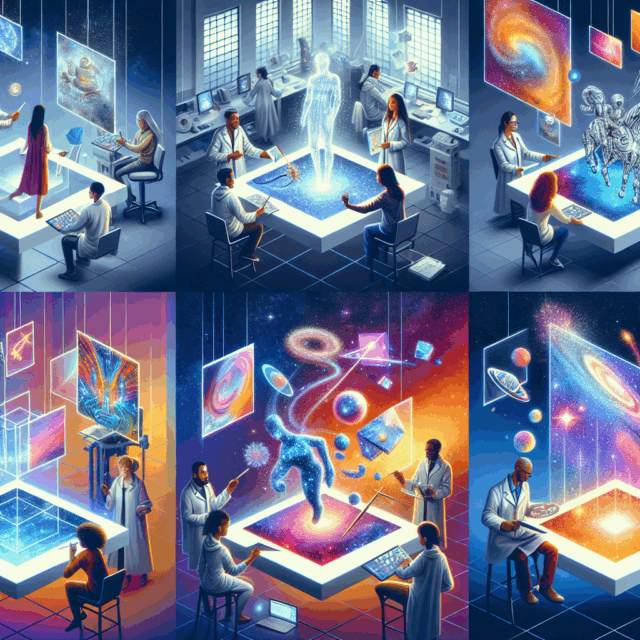
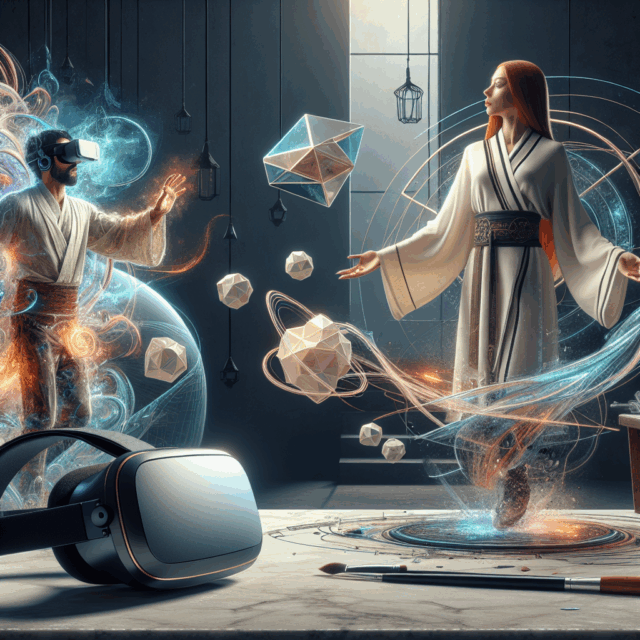
As we step into 2025, the landscape of creativity has significantly transformed, driven by the synergistic fusion of technology and art. Immersive experiences have transcended traditional boundaries, allowing artists to engage audiences in profound, multi-sensory ways. This article explores how innovations in technology—particularly virtual reality (VR), augmented reality (AR), artificial intelligence (AI), and interactive installations—are redefining what it means to create and experience art in our contemporary era.

The Rise of Immersive Art

Immersive art has rapidly gained popularity over the past several years. Unlike conventional forms of art which can often be passive experiences, immersive experiences invite viewers to actively participate in the artistic narrative. Today, exhibitions are not merely a collection of paintings or sculptures, but entire environments that transport visitors into alternate realities where they become part of the artwork.

Technology’s Role in Artistic Expression

Virtual Reality and Augmented Reality

Virtual reality has revolutionized the way we interact with art. By donning VR headsets, individuals can step inside 3D worlds created by artists. Imagine wandering through a digital forest where each tree is a reflection of the artist’s emotional state. Similarly, augmented reality applications allow users to overlay digital art onto physical spaces, bridging the gap between reality and imagination. Such experiences not only engage audiences but also challenge traditional perceptions of space, context, and interactivity.

Artificial Intelligence

AI is also making strides in the art world. Algorithms can analyze vast amounts of artistic data and generate unique works or assist human artists in their creative processes. In 2025, AI-hybrid art studios are becoming commonplace, where human creativity and machine learning collaborate seamlessly. Artists can experiment with AI to create works that evolve over time, reflecting trends, emotions, or even social movements.

Blurring the Lines: Audience as Creator

One of the most exciting aspects of immersive experiences is the shift in the role of the audience—from mere spectators to active participants. In 2025, interactive installations have become a trend where audience input directly influences the artwork. For example, an installation might change based on viewer movements or emotional responses tracked through facial recognition.

Community and Collaboration

The immersive art scene has also fostered a sense of community. Collaborative projects, whether local or global, allow artists and audiences to co-create experiences and share their interpretations. This democratization of art encourages diverse voices and promotes inclusivity, inviting everyone to partake in the creative process.

The Virtual Gallery: Accessibility and Innovation

As we move deeper into 2025, virtual galleries have become fundamental in making art more accessible. No longer are the treasures of creativity confined to physical spaces. Through virtual reality platforms, audiences from around the globe can explore exhibitions that they may have otherwise never had the opportunity to see. This not only brings art to remote communities but also encourages cultural exchange and understanding.

The Future of Tech Art

Looking ahead, tech art is set to evolve even further. Concepts like haptic technology—allowing tactile interaction with digital surfaces—promise to create even more immersive experiences. The emergence of the metaverse as a platform for creativity will likely reshape the way we think about ownership and authenticity in art.

Ethical Considerations

However, with innovation comes responsibility. The integration of AI and technology in art raises ethical questions about originality, copyright, and the essence of human creativity. As we continue to embrace these advancements, artists, technologists, and policymakers must navigate these complexities to ensure a future where creativity flourishes responsibly.

Conclusion

In 2025, immersive experiences crafted through the lens of technology are redefining creativity and challenging our understanding of art. By inviting participation, enhancing accessibility, and fostering collaboration, tech art is not only transforming the artistic landscape but also enriching the human experience. As we continue to explore this exciting frontier, one thing remains clear: the fusion of art and technology is an ever-evolving journey that holds infinite possibilities.

As we stand on the brink of this new era, the only question left is: what will our collective imagination conjure up next?

Virtual Reality Meets Creativity: Immersive Experiences in Tech Art

0


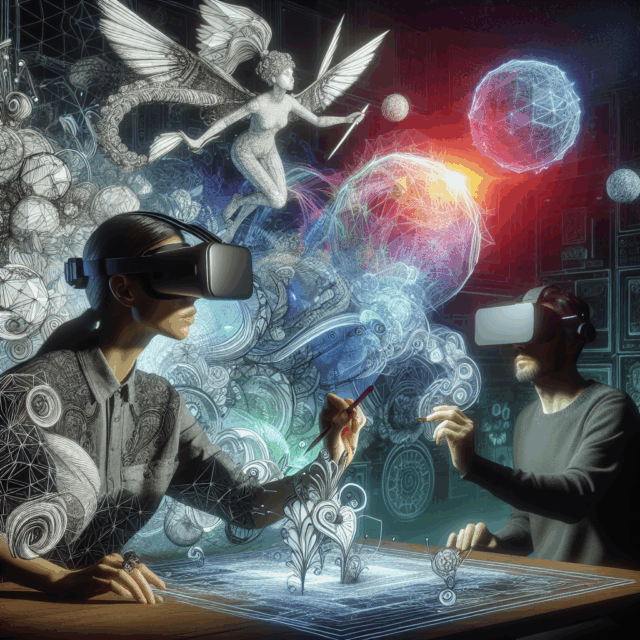
Virtual Reality (VR) has revolutionized the way we engage with technology and art, merging the boundaries between physical and digital realms. This innovative medium has enabled artists and creators to craft immersive experiences that captivate, inspire, and provoke thought. Let’s explore how VR intersects with creativity, reshaping the landscape of tech art.

The Evolution of Tech Art

Tech art has evolved from simple digital illustrations to complex interactive environments that engage audiences on multiple sensory levels. With advancements in VR technology, artists are no longer confined to traditional canvases or screens. Instead, they can create entire worlds that transport users to fantastical landscapes or thought-provoking scenarios.

Historical Context

The concept of immersive art isn’t new; installations and performance art have long challenged conventional viewing methods. However, VR adds a new dimension by allowing audiences to step inside the artwork, influencing their experiences and emotional reactions. Notable early examples include “The Cave” installations of the late 1990s, which used VR technology to create immersive, interactive environments.

The Creative Process in VR

Artists employing VR technology have unique opportunities to explore new dimensions of creativity. Here’s how the creative process is transforming:

1. Spatial Awareness and Interaction

VR allows artists to think in three dimensions, shaping their work within a virtual space. They can manipulate virtual objects and narratives in real-time, fostering a deeper connection between the creator and the creation. This process encourages experimentation, as artists can visualize and revise their ideas without the constraints of physical materials.

2. Collaboration Across Disciplines

The integration of VR in art has bolstered collaboration among technologists, designers, musicians, and writers. This interdisciplinary approach not only broadens the artistic palette but also enhances the overall impact of the work. Artists can combine visual art with soundscapes and interactive elements to create holistic experiences that resonate on multiple levels.

3. Audience Engagement and Participation

Unlike traditional art where viewer engagement is often passive, VR invites active participation. Audiences can explore, manipulate, and even alter the experience, leading to personalized interactions. This shift has significant implications for how stories are told in art, as users become co-creators, shaping narratives based on their movements and choices.

Notable Projects in VR Art

Several groundbreaking projects highlight the potential of VR in tech art:

1. "The Night Cafe"

Inspired by Vincent van Gogh’s "The Night Cafe," this VR experience places users inside an interactive interpretation of the beloved painting. Participants can explore the environment, interact with objects, and immerse themselves in van Gogh’s world, providing a unique perspective on art history.

2. "Tilt Brush" by Google

This VR painting application allows artists to create in a 3D space. With tools that enable the use of colors, textures, and even animations, artists can bring their visions to life in ways that were previously unimaginable, pushing the limits of creativity.

3. "Tree" by Jonathan Hagard

In "Tree," users grow their own virtual tree, affecting the environment around it. The experience highlights the relationship between nature and human impact, creating an emotional connection that is both poignant and engaging.

Challenges and Considerations

Despite its potential, the integration of VR in art also presents challenges. The technology can be expensive and requires significant resources for development. Moreover, the immersive nature of VR can induce feelings of discomfort or disorientation in some users, raising questions about accessibility.

Ethical Considerations

As artists explore new narratives through VR, ethical considerations arise, particularly in terms of representation and inclusivity. Artists are tasked with ensuring that their experiences resonate with diverse audiences while challenging societal norms and narratives.

The Future of VR in Tech Art

The future of VR in tech art is promising, with advancements in technology making these immersive experiences more accessible. As VR headsets become increasingly user-friendly and affordable, more artists will explore this medium.

Moreover, the rise of the metaverse presents unique opportunities for collaboration and exhibitions, allowing artists to reach global audiences. Virtual galleries are already becoming commonplace, where artists can showcase their work to millions without geographical constraints.

Conclusion

As Virtual Reality continues to evolve, its intersection with creativity offers abundant possibilities. Immersive experiences in tech art enable new forms of expression, challenge traditional storytelling, and create lasting impact. The fusion of technology and art not only transforms how we create but also how we experience and engage with the world around us. In this new frontier, the only limit is our imagination.

Best Sui Gaming and NFT Ecosystem

0
Best Sui Gaming and NFT Ecosystem


Sui’s architectural design enables truly dynamic NFTs. Furthermore, it powers highly interactive gaming experiences. This is achieved through parallel transaction execution and near-instant finality.

Moreover, user-centric features are a core focus. These include the native Kiosk for robust royalty enforcement. Additionally, ZK Login simplifies user onboarding. Collectively, these underscore Sui’s commitment to both creators and mainstream users.

Finally, substantial funding from prominent venture capitalists validates institutional confidence. A proactive strategy for developer and community engagement is also in place. Ultimately, this aims to cultivate sustained growth and widespread adoption.

Prominent Sui NFT Marketplaces

The Sui NFT ecosystem shows consistent growth. By January 28, 2024, the blockchain held a record 52.3 million NFTs. Indeed, over 57,000 collections are listed across its top marketplaces.

By March 2025, TradePort and BlueMove emerged as the most active and reliable marketplaces. This indicates a natural market consolidation. Consequently, many earlier platforms deprecated due to unsustainable models or lacking support. Therefore, rapid innovation must be coupled with robust business models and strong backing for sustainability.

For more: Sui’s DeFi Ecosystem: Rapid Growth and Strategic Positioning

Prominent Sui NFT Marketplaces

Source: SuiVision

Key marketplaces within the Sui ecosystem include:

TradePort: This platform is a leading multi-chain NFT marketplace. Specifically, it extends support beyond Sui to include Stacks and NEAR. It offers advanced analytics, real-time price tracking, and comprehensive portfolio management tools. Consequently, it suits high-volume traders focused on price fluctuations and market trends.

BlueMove: Initially popular on Aptos, BlueMove has also become a prominent community-driven NFT marketplace for Sui. It distinguishes itself with 0% listing fees, user incentives, and governance rewards. Furthermore, BlueMove caters to NFT collectors and creators. It offers robust search and filter tools, along with a strong launchpad and creator toolset for minting new collections.

Clutchy: Positioned as the primary NFT marketplace for Web3 gaming assets on Sui, Clutchy provides an NFT launchpad. It also offers gaming collectibles and a dedicated platform for trading in-game items. Notably, its strategic partnerships with multiple Sui-based GameFi projects underscore its specialization in the gaming sector.

Sui Gallery: As one of the first NFT marketplaces to launch on the Sui blockchain, Sui Gallery has amassed over 30,000 users. It is recognized as a creator-friendly platform. Additionally, it offers zero listing fees, an intuitive user interface, and a streamlined NFT minting tool.

KeepSake: This marketplace specializes in NFT-powered gaming and digital collectibles. It facilitates the trading of in-game items, avatars, and metaverse assets. Importantly, it features a royalty enforcement system. This ensures fair revenue distribution for creators.

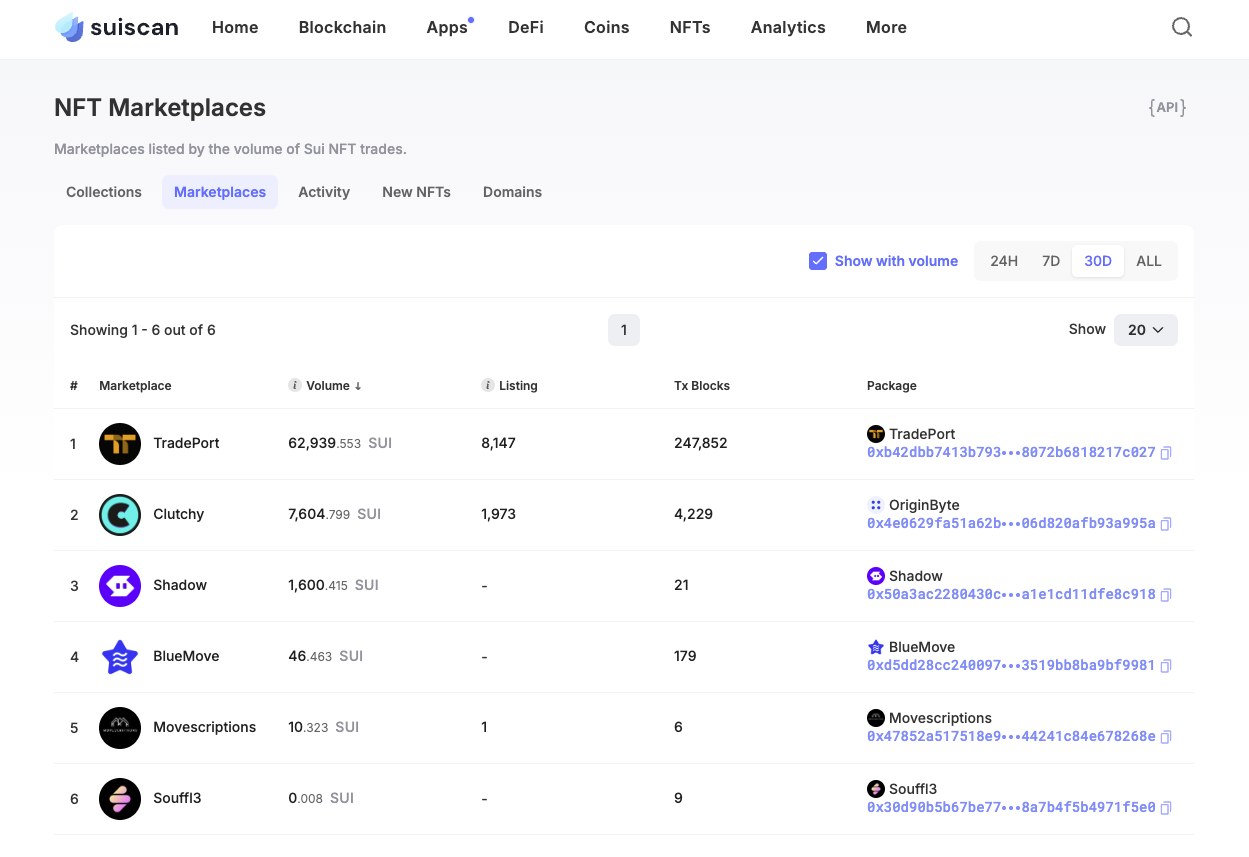
Prominent Sui NFT MarketplacesProminent Sui NFT Marketplaces

Source: Suiscan

Typical functionalities observed across effective Sui marketplaces include comprehensive NFT showcases, dynamic selling and bidding systems, advanced search and filter options, robust creator tools (including minting and royalty management), API integration for dApp connectivity, secure wallet connections, user profiles, and detailed transaction history. 

The specialization observed across these platforms, such as Clutchy’s focus on gaming or TradePort’s emphasis on trading, indicates a maturing ecosystem where platforms are carving out specific niches rather than attempting to be all-encompassing, providing tailored experiences to distinct user segments.  

Table: Top Sui NFT Marketplaces (as of March 2025)

MarketplaceChains SupportedPrimary FocusKey FeaturesTradePortSui, Aptos, NEAR, Stacks  Trading and Analytics  Advanced analytics, real-time price tracking, portfolio management, multi-chain support  BlueMoveSui, Aptos  Collecting and Creating  0% listing fees, user incentives, governance rewards, robust search/filter, launchpad/creator tools  ClutchySui  Web3 Gaming Assets  NFT launchpad, gaming collectibles, in-game item trading, GameFi project partnerships  Sui GallerySui  Creator-Friendly  Zero listing fees, intuitive UI, NFT minting tool, early blue-chip projects  KeepSakeSui  NFT-Powered Gaming & Digital Collectibles  Trading in-game items/avatars, royalty enforcement, membership rewards  

Top Sui NFT Collections

As of February 2025, several NFT collections have gained prominence within the Sui ecosystem, showcasing the platform’s unique capabilities.  

Notable collections include Fuddies, Prime Machin, DeSui Labs, and SuiFrens, which encompasses the Capy, Bullshark, and Narwhal collections. Each of these collections exhibits distinct characteristics that highlight Sui’s strengths.  

Fuddies: This collection was among the first Sui NFTs launched, appearing within 24 hours of the mainnet’s debut in May 2023. It is recognized for its unique digital art and strong community engagement, establishing an early presence and brand identity on the blockchain.  Prime Machin: This collection notably leverages Sui’s dynamic NFT capabilities, allowing holders to transform their black and white pieces into color by spending KOTO tokens. It stands out as the first Profile Picture (PFP) collection on Sui to store hand-drawn raster art on-chain at 4K resolution, achieving this at significantly lower costs compared to other blockchains, being 100x cheaper than Solana and 1,000x cheaper than Ethereum. The prominence of collections like Prime Machin, which exploit dynamic NFTs and cost-effective on-chain 4K art storage, demonstrates how early projects are capitalizing on Sui’s unique technical advantages to create innovative NFT experiences. This indicates that Sui is attracting creators who seek to push the boundaries of NFT functionality beyond static images.  DeSui Labs: A highly popular collection that has evolved into its own mini-marketplace, DeSui Labs is known for cultivating a “creative betting community” on Sui.  SuiFrens (Capy, Bullshark, and Narwhal): These are iconic collections whose characters are designed to narrate the story of key architectural components and the infinite scalability of the Sui blockchain. Their intrinsic link to Sui’s core identity further emphasizes the platform’s ability to foster projects deeply integrated with its technological narrative.  

Top Sui NFT CollectionsTop Sui NFT Collections

Source: Suiscan

Sui’s Impact on the NFT Landscape

Dynamic NFTs and Composability

On the Sui blockchain, every digital asset is an object. Consequently, all objects are considered NFTs. This foundational design enables a revolutionary approach: NFTs are inherently dynamic. Their attributes and metadata can be securely updated on-chain over time.

Specifically, this allows NFTs to evolve based on user interaction, gameplay, or external conditions. It moves beyond the static “picture on a blockchain” model. For example, a character NFT can level up after a game victory. A weapon NFT might acquire new attributes upon completing quests. Ultimately, this fosters deeper engagement and personalization. It drives broader adoption of NFTs as functional digital property.

Moreover, Sui’s architecture facilitates unprecedented NFT composability. This uses dynamic fields, letting one object contain others. Therefore, developers can seamlessly build upon existing projects. They can also integrate third-party assets. This fosters a collaborative and expansive digital ecosystem.

True Ownership and Asset Management

On the Sui blockchain, every digital asset is inherently an object; consequently, all objects are considered NFTs. This foundational design enables a revolutionary approach to non-fungible tokens: they are inherently dynamic. Specifically, their attributes and metadata can be securely updated on-chain over time.

This capability allows for NFTs that evolve based on user interaction, gameplay progression, or external conditions. Thus, it moves beyond the static “picture on a blockchain” model. For instance, a character NFT can gain new powers or level up after a game victory. Alternatively, a weapon NFT might acquire experience points or aesthetic upgrades upon completing quests. This fosters deeper engagement and personalization.

Furthermore, Sui’s architecture facilitates unprecedented levels of NFT composability. This is achieved through the use of dynamic fields, allowing one object to contain others. Ultimately, this means developers can seamlessly build upon existing projects and integrate third-party assets. This fosters a collaborative and expansive digital ecosystem.

Regarding soulbound assets, Sui also supports these non-transferable NFTs. They are permanently bound to a specific address, rendering them undeletable. Therefore, this feature is ideal for assets where transferability is undesirable, such as game season passes, loyalty accrual items, or identification assets granting specific in-game privileges.

True Ownership and Asset ManagementTrue Ownership and Asset Management

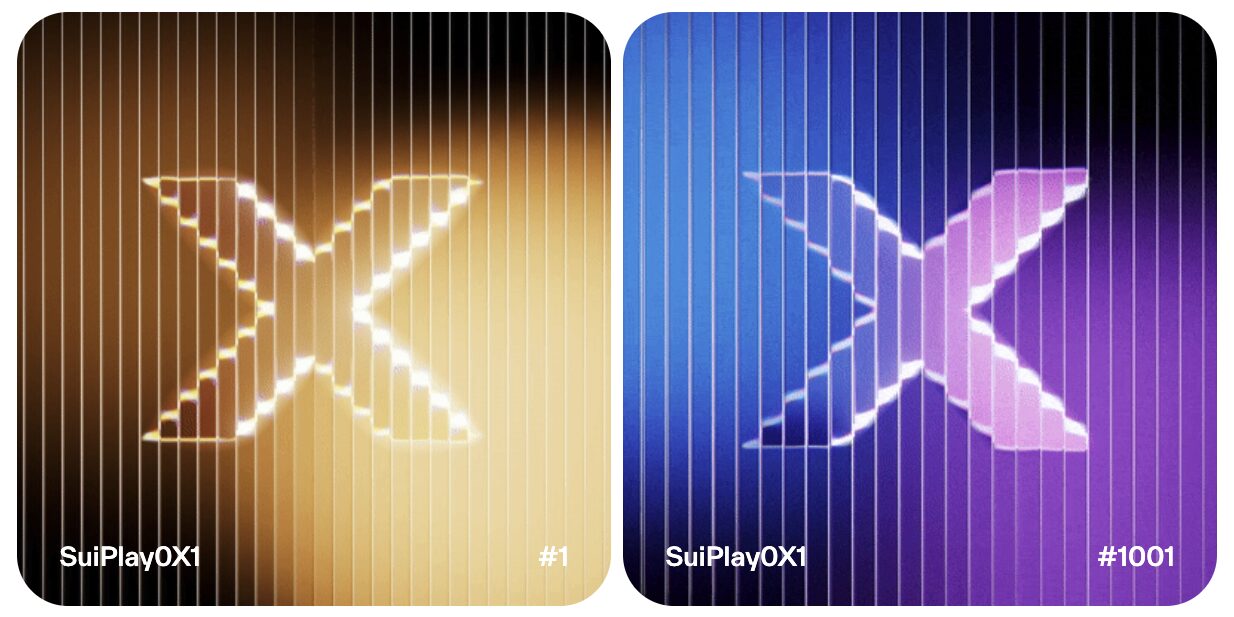
SuiPlay0X1 NFTs

Sui’s Role in Web3 Gaming

Prominent Games on Sui

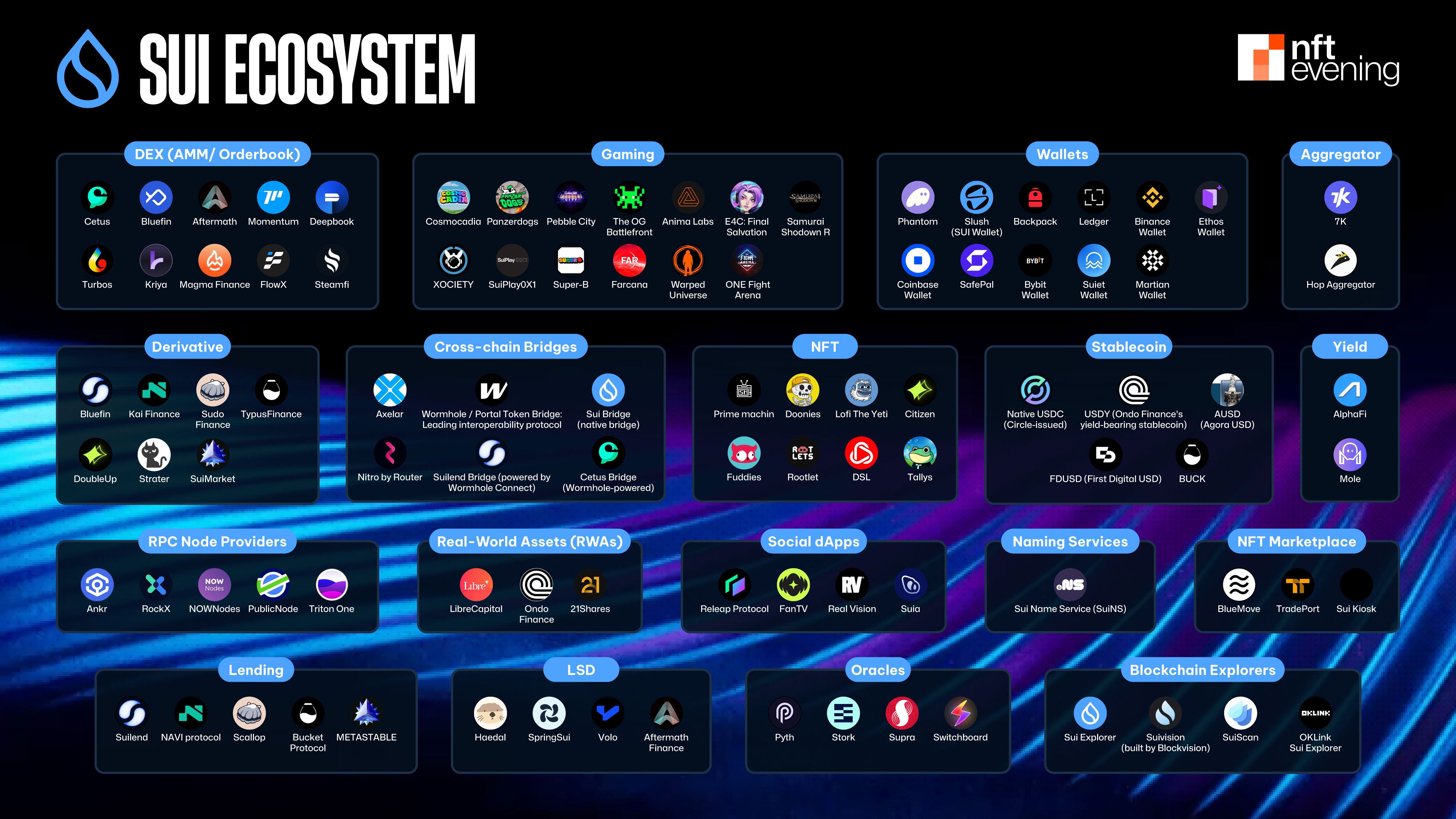
Sui’s robust ecosystem attracts diverse game genres. These range from fast-paced shooters and strategic brawlers to complex MOBAs and creative builders. Clearly, this demonstrates the platform’s versatility for various gaming experiences.

Indeed, prominent games like ONE Fight Arena (an official ONE Championship title) and Samurai Shodown R (a classic SNK IP) are already on Sui. Furthermore, partnerships with studios like EVR Studio (for Super-B) and NDUS Interactive (for XOCIETY) exist. Collaborations with major brands, such as Adidas (for XOCIETY), are also notable. Collectively, these indicate a strategic focus: attracting established gaming IPs and experienced development teams.

True Ownership and Asset Management True Ownership and Asset Management

This approach is crucial for bridging the gap between niche Web3 gaming and mainstream adoption, leveraging existing fanbases and proven development expertise to expand the ecosystem’s reach.  

Table: Prominent Games Built on Sui Blockchain

Game TitleGenreKey GameplayBlockchain IntegrationNotable Features/PartnershipsXOCIETYPOP Shooter, RPGExtraction-based, PvP/PvEEarn/trade/own in-game NFTs, governance token (XCS)Adidas NFT collection collaboration  Super-BGaming Theme Park3D graphics, 12+ game modesNFT and user-generated content via Walrus storage  Partnership with EVR Studio  Farcana3rd Person ShooterMultiplayer, team hero abilityUnspecified in snippetsCutting-edge  PanzerdogsTank BrawlerPvE and PvP combat, tank customizationEarn/trade/upgrade in-game assets as NFTs  Action-packed  E4C: Final SalvationMobile MOBATeam-based, tactical arenasEarn in-game currency, collectible NFTs (heroes, weapons)  Bridges Web2 and Web3  Samurai Shodown RFighting GameWeapon-based combatAdapted for Web3  Classic SNK IP, adapted for SuiPlay0x1  BushiThird-Person ShooterFast-paced, movement-centric combatEarn in-game assets as NFTs  Skill-based  


Enhancing In-Game Economies and Player Ownership

Sui significantly advances Web3 gaming by ensuring true player ownership of in-game assets and currency. Crucially, items earned or purchased are verifiable blockchain NFTs. They are stored securely in personal wallets, not on centralized servers. This encompasses all in-game elements, from objects and battle passes to skins and loot boxes.

Furthermore, players can authenticate the rarity and uniqueness of their digital items. Sui’s efficient object-centric model enables seamless buying, selling, and exchanging. These transactions occur on open, decentralized marketplaces, featuring minimal friction and low fees. Ultimately, this direct control redefines the player-game relationship, fostering true participation.

Enhancing In-Game Economies and Player OwnershipEnhancing In-Game Economies and Player Ownership

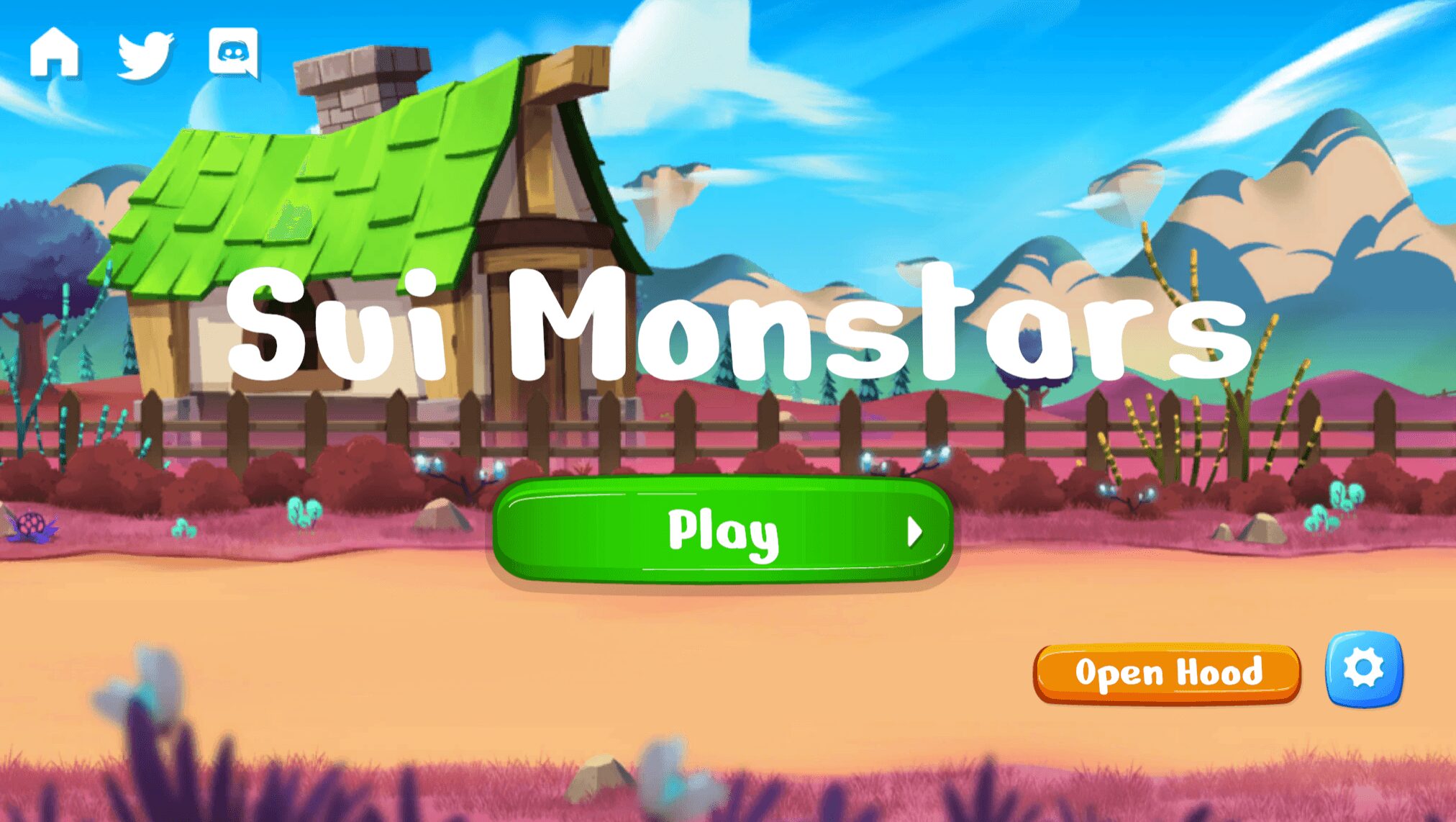
Pre-alpha prototypes of Sui gaming testing

Sui’s dynamic NFTs allow game assets to evolve with gameplay, enhancing engagement. Characters can level up, or weapons gain new attributes, for instance. Moreover, its token architecture supports robust play-and-earn models. NFTs here hold real-world value, potentially transforming gaming into a viable career path.

Furthermore, Sui simplifies player governance, enabling transparent community voting on game changes. These features collectively empower players as active participants and owners, fulfilling a core Web3 gaming promise.

Performance for Gaming

Sui targets high-performance, low-cost real-world applications, particularly gaming. Its foundation includes parallel execution and the Mysticeti consensus mechanism. Consequently, Sui delivers near-instant finality and ultra-low latency. This is crucial for seamless real-time in-game interactions, since “lag kills immersion.”

Furthermore, this efficiency allows Sui to process thousands of transactions per second. Costs are near-zero, which is vital for gaming. Thus, it ensures real-time updates to ownership, asset status, and in-game attributes. This eliminates cumbersome workarounds.

Ultimately, Sui’s design directly overcomes historical scalability and performance limitations. These issues previously hindered mainstream Web3 gaming adoption. Therefore, Sui is positioned as a robust technical foundation for the next generation of interactive titles.

For more: Sui Deep Dive: A Comprehensive Analysis

SuiPlay0x1 Handheld Console

Furthermore, the SuiPlay0x1 natively supports games built on Sui. Additionally, it works with established libraries like Steam and Epic Games. This integration bridges Web3 gaming with mainstream adoption. It offers a familiar experience while seamlessly adding blockchain features. Beta testing for about 250 consoles was planned for May 2025. Subsequently, a full launch targets a wider audience. This blends traditional gaming with blockchain.

binance-logo-2binance-logo-2

Moreover, developing a dedicated console shows Sui’s bold vertical integration strategy. This move aims to control the user experience. Consequently, it bypasses friction on existing platforms and directly brings mainstream gamers into the Sui ecosystem. It highlights a long-term commitment to Web3 gaming. Sui wants to create a native, frictionless environment. Here, players can experience true digital ownership and dynamic in-game economies. This hardware investment distinguishes Sui from many other blockchain projects. Indeed, it underscores its strategic dedication to gaming.

Looking forward, Sui’s architectural optimizations for high-frequency applications, combined with user-centric features like ZK Login and hardware initiatives such as SuiPlay0x1, suggest strong potential. These efforts could drive mainstream Web3 adoption. However, the platform must navigate intense market competition and adoption hurdles. Nevertheless, its foundational design and strategic ecosystem development position it as a key innovator for digital asset ownership and interactive entertainment.


Source link

Virtual Reality and Art: A New Dimension of Creative Possibilities

0


Virtual Reality (VR) has revolutionized multiple sectors, but its impact on the world of art is particularly profound. With its immersive capabilities, VR paves the way for artists to explore uncharted territories and engage audiences in experiential ways that traditional media cannot replicate.

1. The Evolution of Artistic Expression

Art has continuously evolved through various epochs, from the cave paintings of prehistoric times to the installation art of contemporary galleries. As technology advances, each new medium expands the boundaries of creativity. Virtual Reality represents a significant leap forward. Artists can now create three-dimensional spaces that engage multiple senses, enabling audiences to interact with and experience art in immersive environments.

2. Immersive Experiences

Traditional artworks can be static, often requiring observers to engage with them from a distance. However, VR allows for full immersion, enabling viewers to step inside and move around a digital artwork. This interaction transforms passive observation into active participation. For example, through VR, users can explore an entire art installation, walk through dynamic landscapes, or even alter aspects of the environment based on their actions.

Case Study: "The Night Cafe"

One notable example is "The Night Cafe," a VR recreation of Vincent van Gogh’s famous painting. This project invites users to navigate through the space, interact with objects, and experience the world in a way that feels like stepping into a painting. Such projects provide a novel platform for storytelling and emotional connection in art.

3. New Creative Tools

VR offers unique tools that can expand how artists create. Software like Tilt Brush and Quill allows artists to paint and sculpt in a three-dimensional space, creating works that defy gravity and traditional constraints. These tools enable the exploration of new dimensions and forms, allowing artists to realize their visions in ways previously thought impossible.

The Role of Collaboration

Collaborative projects often flourish in VR environments, where multiple creators can contribute to a shared virtual space in real-time. This can lead to multidisciplinary works that incorporate elements of performance, music, and visual art, further enriching the creative landscape.

4. Audience Engagement and Accessibility

VR democratizes access to art. Museums and galleries can offer virtual tours, allowing people worldwide to experience their collections without geographical barriers. This accessibility broadens the audience base and encourages diverse participation in the art community.

Educational Opportunities

Moreover, VR offers innovative educational tools. Institutions can create immersive learning experiences that teach art history, techniques, and the creative process in engaging ways. For instance, students can observe the layering techniques of masters like Monet, or experiment with digital sculpture without needing traditional materials.

5. Challenges and Considerations

While the possibilities are exciting, challenges remain. Not all artists possess the technical skills to use VR tools, and the cost of equipment can be prohibitive. Additionally, there are ongoing discussions about the impact of VR on the art market and issues related to copyright, ownership, and the authenticity of digital art.

A Balancing Act

Balancing innovation with accessibility will be crucial as VR continues to grow within the art world. By providing training and resources, institutions can help ensure that a wider range of artists can participate in this new medium.

6. The Future of VR in Art

As technology continues to advance, the potential of VR in art will only expand. The incorporation of artificial intelligence, augmented reality, and improved haptics holds the promise of even more interactive experiences that blur the lines between digital and physical art.

Conclusion

Virtual Reality is not just another tool for artists; it is a transformative medium that offers unprecedented avenues for exploration, expression, and engagement. By embracing this technological revolution, artists can create immersive, dynamic works that challenge perceptions and redefine the very nature of art. As we move into this new dimension, the art world stands on the brink of endless possibilities.

Art in the Age of Algorithms: The Future of Creative Expression

0


In an era dominated by technology, algorithms have begun to influence every facet of our lives, from how we consume information to how we connect with each other. One of the most intriguing developments in this landscape is the intersection of art and algorithms, which is transforming the way creative expression unfolds. This article explores how algorithms are reshaping the artistic landscape and what the future may hold for creators and audiences alike.

The Rise of Algorithm-Driven Art

Artificial intelligence (AI) and algorithmic programming have entered the realm of art, leading to the creation of pieces that blend human creativity with machine learning. Artists are now using code as a medium, generating works that are both innovative and reflective of our digital age. From generative art, which utilizes algorithms to create new, unique designs, to fully-fledged AI artworks, technology is enabling unprecedented forms of creative expression.

Case Studies in Algorithmic Art

  1. Generative Art: Artists like Casey Reas and Joshua Davis use algorithms to produce visually fascinating pieces that can change in real-time or even generate infinite variations. This art form challenges traditional notions of originality and ownership, as each piece is often a unique byproduct of its algorithm.

  2. AI-Generated Visuals: Programs such as DALL-E and Midjourney allow users to input simple text prompts, which the AI then translates into complex images. This democratizes art creation, enabling anyone with a concept to become an artist, albeit with a machine’s assistance.

  3. Music and Sound: AI is also making waves in the music industry. Algorithms can analyze patterns in existing songs and create compositions that mimic or innovate on these patterns. The collaboration between human musicians and AI prompts questions about authorship and emotional connection in music.

The Impact on Artists and Audiences

The integration of algorithms into the art-making process has profound implications for both creators and consumers of art.

For Artists

  • Collaboration: Artists can now partner with algorithms to expand their creative horizons. This partnership allows for the exploration of new techniques and styles that may not have been possible through traditional mediums alone.

  • Accessibility: Tools powered by AI make art more accessible, allowing those without traditional training to create visually compelling pieces. This democratization encourages a wider range of voices and perspectives in the art world.

  • Conceptual Challenges: Traditional definitions of art are challenged as algorithmic creations raise questions about authorship and authenticity. If an algorithm generates a piece of art, who is the true artist—the programmer, the user, or the machine?

For Audiences

  • Interactivity: Algorithmic art often involves audience interaction, challenging the passive experience of viewing art. Interactive installations and digital experiences allow audiences to engage with art in dynamic ways, altering their understanding of artistic expression.

  • Personalization: With algorithms, art can be tailored to personal preferences. Customized experiences based on data analysis create a more intimate relationship between the viewer and the artwork, leading to deeper emotional connections.

Ethical Considerations

Despite the transformative potential of algorithmic art, challenges arise concerning ethics and accountability. Issues surrounding copyright, data privacy, and representation must be addressed as AI-generated art becomes more prevalent. The potential for bias in algorithms can also lead to a homogenization of creative output—raising concerns that art may lose its diversity and cultural relevance.

The Future of Creative Expression

As we move further into the age of algorithms, the future of creative expression is both exciting and uncertain. The blending of art and technology offers boundless opportunities for innovation, yet it also prompts critical reflections on what it means to be an artist and a consumer of art.

  • Future Collaborations: We can expect to see more artists embracing AI and algorithm-driven tools, leading to a new wave of hybrid art forms that merge technology with traditional practices.

  • Cultural Shifts: As algorithmic art gains recognition, audiences may come to value and appreciate the unique properties of algorithmically generated works, potentially shifting cultural perceptions of creativity itself.

  • Sustainability and Responsibility: The art community will need to address the environmental implications of technology use in art-making, focusing on sustainable practices that honor both the planet and the artistic process.

In conclusion, the intersection of art and algorithms represents a profound evolution in creative expression. As artists and audiences navigate this new landscape, the potential for innovation is limitless, heralding a future where technology and humanity coalesce in the realm of artistic endeavor. The journey forward will require us to embrace new ideas, confront ethical dilemmas, and celebrate the diverse tapestry of human expression that continues to enrich our world.

Sahara AI (SAHARA) will be Listed on Binance HODLer Airdrops

0
Sahara AI (SAHARA) will be Listed on Binance HODLer Airdrops


After the launch of Newton Protocol (NEWT), Binance has introduced Sahara AI (SAHARA) on their Airdrop Program for BNB stakers.

Token Listing Details

BNB Locking in Simple Earn or On-Chain Yield Products Period: 2025-06-18 00:00 (UTC) to 2025-06-21 23:59 (UTC)Spot market listing date: 2025-06-26 12:00 (UTC)Available trading pairs: USDT, USDC, FDUSD, BNB and TRYHODLer Airdrops Rewards: 125,000,000 SAHARA (1.25% of total supply)

binance-logo-2

SAHARA Tokenomics

Token Name: Sahara AI (SAHARA)Genesis Total Token Supply: 10,000,000,000 SAHARAMax Token Supply: 10,000,000,000 SAHARAHODLer Airdrops Token Rewards: 125,000,000 SAHARA (1.25% of total token supply)Circulating Supply upon Listing on Binance: 2,040,000,000 SAHARA (20.40% of total token supply)Smart Contract/Network Details: 0xFDFfB411C4A70AA7C95D5C981a6Fb4Da867e1111 (BNB Chain); 0xFDFfB411C4A70AA7C95D5C981a6Fb4Da867e1111 (Ethereum)

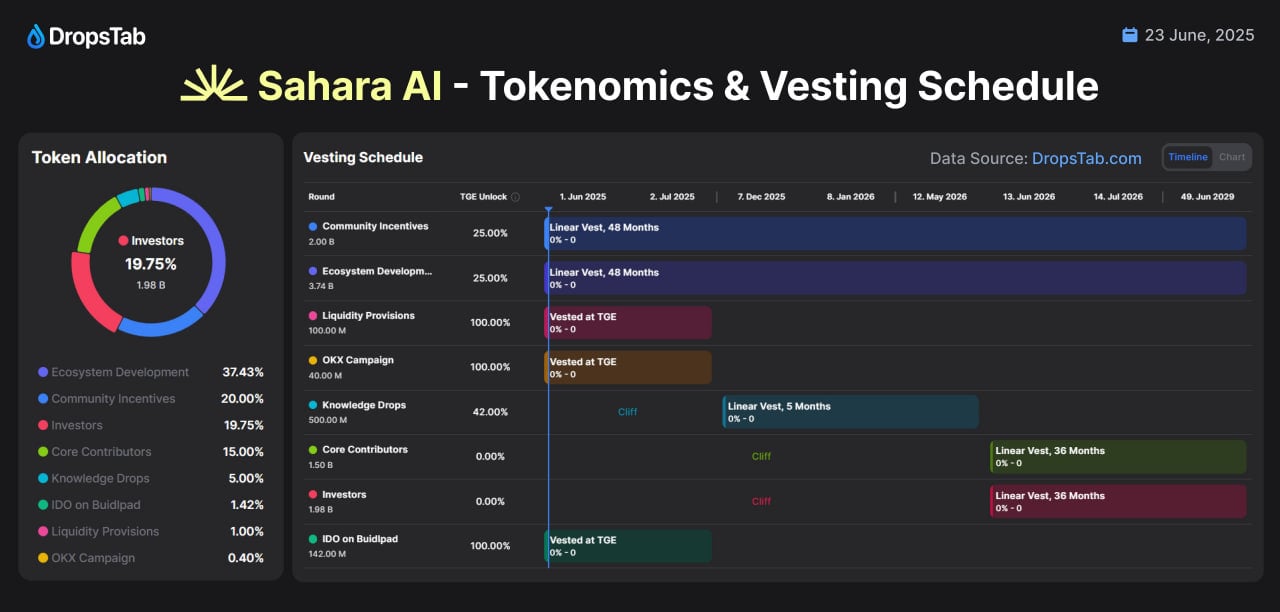
SAHARA TokenomicsSAHARA Tokenomics

Source: DropsTab

About Sahara AI

Sahara AI (SAHARA) is a decentralized AI blockchain platform that democratizes artificial intelligence development, deployment, and monetization. By leveraging blockchain technology, it creates a transparent, secure, and private environment where individuals, developers, and businesses can collaborate while retaining control over their data and intellectual property. The platform fosters a collaborative economy, ensuring fair compensation for all participants and breaking away from the centralized control of traditional AI systems.

Learn more: What is Sahara AI?

A key feature is its decentralized AI ecosystem, which enables a permissionless, trustless environment. Unlike platforms dominated by tech giants, Sahara AI allows anyone to engage in AI development, from data annotation to model creation. This inclusivity empowers global participation in AI innovation.Sahara AI also prioritizes sovereignty and provenance, using blockchain-based protocols to guarantee verifiable ownership and traceability of contributions. This ensures secure management of AI assets like datasets, models, and agents, protecting intellectual property.

The platform’s collaborative economy rewards contributors—data providers, annotators, reviewers, and developers—through mechanisms like usage fees, royalties, and Sahara Points. This inclusive system incentivizes participation and fairly distributes value, making Sahara AI a pioneering force in equitable AI development.

Project’s Social Accounts


Source link

Leading Cloud Mining in 2025 to Earn $1,000+ Passive Income: Mine with MiningCoop

0
Leading Cloud Mining in 2025 to Earn ,000+ Passive Income: Mine with MiningCoop


As the crypto market enters a new growth cycle in 2025, more and more users are seeking low-risk, high-return ways to earn daily income through cryptocurrencies like Bitcoin (BTC) and Dogecoin (DOGE)—without purchasing expensive mining hardware or learning complex blockchain technology.One of the most convenient and profitable solutions this year is cloud mining, and MiningCoop stands out as the standout choice for those pursuing passive crypto income. Using the most lucrative Bitcoin mining app of 2025, you can earn $5,100 daily with stable returns that are unaffected by market volatility—all from the comfort of your home.

What is Cloud Mining? Why is it Gaining Popularity in 2025?

Cloud mining allows users to rent computing power from remote data centers and earn cryptocurrencies without owning or maintaining any physical mining equipment. With rising electricity costs and hardware prices, cloud mining in 2025 has become a smarter and more environmentally friendly mining method.

Why Choose MiningCoop as the Leading Cloud Mining Platform in 2025?

MiningCoop is a UK-registered cloud mining platform that integrates cutting-edge artificial intelligence technology with green energy systems, offering high-yield contracts and supporting the mining of mainstream cryptocurrencies like Bitcoin, Dogecoin, and Litecoin.

Advantages of MiningCoop:

Up to $5,100 daily income based on premium mining machine plans$100 free cloud mining bonus for new usersAI-optimized mining nodes for maximum efficiencyNo hardware maintenance required—operate easily via phone or computer100% principal return guaranteed after contract expirationFully automated system with real-time earnings dashboardLegitimate and secure with official registration certification

Leading MiningCoop Mining Contracts Performing in 2025:

Visit Miningcoop.com to claim your free $100 mining bonus

Is MiningCoop Safe and Legal?MiningCoop strictly complies with UK business regulations and maintains transparent contract terms. It supports two-factor authentication, encrypted transactions, and 24/7 customer service to protect users’ assets.Long-tail keywords: Is cloud mining legal in 2025?Related keywords: UK-licensed mining farms, cloud mining legality, safest crypto income

Real User Experience: Earning Passive Income with Zero Technical Skills

A user from Texas shared:“I have no technical background, but after less than 48 hours with MiningCoop, I earned over $300. No hardware, no stress, purely passive income straight into my wallet.”

How to Start Mining BTC and DOGE with MiningCoop in 2025?

If you’ve ever wondered, “Can I really earn $1,000+ from cloud mining?” — the answer is yes, and it’s easier than ever.Getting started takes just 5 minutes:

Download the MiningCoop app (available on Android and iOS) Register an account and receive a $100 free bonus Choose a mining contract that fits your budget and goals Start mining with one click—no setup or coding needed Monitor daily earnings and withdraw to your personal crypto wallet

Final Thoughts — Why MiningCoop is the Ideal Choice for Crypto Mining Platforms in 2025

MiningCoop combines advanced AI mining algorithms with 100% green renewable energy to provide investors with secure, transparent, and high-yield cloud mining services for Bitcoin (BTC), Ethereum (ETH), Litecoin (LTC), Dogecoin (DOGE), and Binance Coin (BNB).Register with MiningCoop now, claim your $100 new user bonus, and start a risk-free mining experience! With innovative technology, efficient computing power, and sustainable green energy, MiningCoop is the most trusted cloud mining platform in 2025, helping you effortlessly grow your digital assets.


Source link

Polemos Partners with Guinevere Capital on Gaming Monetisation

0
Polemos Partners with Guinevere Capital on Gaming Monetisation


Web3 company Polemos has announced a partnership with Guinevere Capital to explore new ways of monetising audiences and managing in-game digital assets.

The joint effort is expected to focus on supporting game publishers, developers, and platforms seeking to incorporate blockchain-based tools into their existing ecosystems.

Guinevere Capital brings experience from managing and advising esports projects tied to major titles such as League of Legends and Rocket League, whilst Polemos contributes blockchain asset management capabilities through its Forge platform.

Key Insights

Polemos and Guinevere Capital partner to develop monetisation and engagement tools for gamingFocus areas include asset management, player engagement, and blockchain adoption in traditional gamingPolemos’ Forge platform will be integrated with Guinevere’s gaming and esports network

Polemos Partners with Guinevere Capital on Gaming Monetisation Source: Polemos

What is Polemos?

Polemos is a web3 infrastructure company focused on supporting blockchain gaming. Its core offerings include asset management tools, onboarding systems for players, and audience engagement infrastructure. The company’s goal is to help developers and studios incorporate blockchain functionality into games without significantly altering the user experience.

A central component of its offering is the Forge platform, a toolset designed to support in-game digital asset handling and reward systems for players.

Polemos recently launched the $PLMS token, which will serve as both a utility and governance asset within its ecosystem. The token supports platform services such as incentives and asset tracking, and was listed on MEXC and Uniswap as of June 23.

Polemos Partners with Guinevere Capital on Gaming Monetisation
Polemos Partners with Guinevere Capital on Gaming Monetisation Source: Polemos

What is Guinevere Capital?

Guinevere Capital is an investment and advisory firm founded in 2016, with operations focused on esports and competitive gaming.

The company has invested in and managed projects across Oceania, Europe, and the Middle East, and has worked with titles including League of Legends, Valorant, Rocket League, and others.

Its portfolio includes ventures such as GiantX, Perion, iTero, and Skybox, along with infrastructure projects tied to team development and league operations. Guinevere Capital also brings operational experience in managing esports teams and working within the Riot Games and Activision Blizzard ecosystems.

Polemos Partners with Guinevere Capital on Gaming Monetisation
Polemos Partners with Guinevere Capital on Gaming Monetisation Source: Polemos

What can we expect from this partnership?

The collaboration between Polemos and Guinevere Capital is expected to focus on integrating blockchain-based infrastructure with existing web2 gaming ecosystems. The companies say their efforts will concentrate on helping publishers and studios adopt tools that support monetisation and digital asset management.

Guinevere Capital’s role involves advising on and extending the reach of these tools to existing game titles and esports structures. Polemos will provide the technical infrastructure via its Forge platform, along with support through its $PLMS token.

The move reflects a broader trend of web3 companies seeking alignment with traditional gaming firms to expand functionality and audience engagement.


Source link

Popular Posts

My Favorites