Arts

Home Arts Page 65

Swiss-Regulated Bitcoin Cloud Mining App Supports Seamless Multi-Crypto Mining

0
Swiss-Regulated Bitcoin Cloud Mining App Supports Seamless Multi-Crypto Mining


Switzerland is known as one of the world’s most crypto-friendly countries, promoting a policy of technological neutrality and regulatory inclusiveness. The Swiss Financial Market Supervisory Authority (FINMA) classifies crypto assets like Bitcoin as assets (private wealth), not legal tender or securities. MiningToken, an emerging crypto mining platform, has seen strong development and support in Switzerland. Likewise, the globally renowned mining pool platform NiceHash announced in 2024 that it would move its headquarters to Zug, Switzerland. The key reason is that transparent and compliant mining operations can benefit from policy support in Switzerland.

From an energy perspective, 75% of Switzerland’s electricity comes from nuclear and hydropower. Switzerland not only allows mining but integrates it into the green economy through renewable energy and smart grid systems. This makes Switzerland an ideal country for the mining industry and has fostered the growth of many excellent mining-related companies.

What is MiningToken?

MiningToken is a comprehensive cloud mining platform with robust technical capabilities, claiming to operate with 100% green energy. In fact, platforms using 100% green energy are not uncommon. For instance, Alpine Mining established a green mining farm in the Swiss town of Gondo as early as 2017. MiningToken takes it further by integrating mining farms across nine countries worldwide. These farms leverage local advantages to utilize cost-effective, clean energy, significantly reducing electricity costs.

Meanwhile, MiningToken uses advanced AI technology and has developed a new type of miner based on Antminer. In collaboration with nine major mining pools, it has built a global cloud computing network, enabling anyone to mine through cloud computing.

How Does the MiningToken Cloud Mining App Support Mobile Mining?

This year, MiningToken launched a cloud mining app that supports mining of major cryptocurrencies such as Bitcoin, Dogecoin, and Litecoin. Users do not need to purchase mining equipment—the platform provides all hardware support. With AI-powered computational resource allocation and intelligent controls, users can participate in mining using only their smartphones. Simply submit your order, with no extra operations needed.

For new users, MiningToken offers a $100 registration bonus to help them start mining with no barriers. MiningToken is actively expanding its platform influence with the goal of providing more convenient services to miners worldwide.

Overview of the Nine Major Mining Farms and Plans:

Cloud Miner NameCountryEnergy TypeContract AmountContract DurationDaily ROIKey AdvantagesNorway Hydro 100THNorwayHydropower$1001 day1.5%95%+ renewable electricity; stable grid; naturally cool climateUruguay Wind 600THUruguayWind Power$2002 days3.0%40%+ wind power share; 90%+ renewable energy; green data policySweden Wind 1.4PHSwedenWind Power$6005 days2.9%Low electricity prices; political stability; green tech supportCanada Hydro 3.6PHCanadaHydropower$1,4005 days3.1%Among the world’s lowest electricity costs ($0.03/kWh); ideal for scalingUruguay Hybrid 11.2PHUruguayWind + Solar$3,9005 days3.5%Diversified clean grid; stable supply; sustainability policiesParaguay Hydro 32PHParaguayHydropower$8,9005 days4.0%World-class Itaipu Dam; extremely low electricity cost; export-drivenIceland Geo 68PHIcelandGeothermal$17,8003 days5.0%Geothermal + hydropower; natural cooling; blockchain-friendly policiesBhutan Hydro 152PHBhutanHydropower$38,9001 day6.6%State-led hydropower; Bitdeer partnership; green export strategyEl Salvador Geo 85PHEl SalvadorGeothermal$78,9001 day8.0%“Volcano mining” initiative; world’s first Bitcoin-legal-tender country

Conclusion: From Switzerland to a Global Green Mining Network

MiningToken is more than just a platform offering computing power. It is building a next-generation mining infrastructure driven by green energy, AI technology, and global computing resources. From Switzerland to the world, MiningToken is advancing crypto mining from “high energy consumption” to “high efficiency” through visionary planning and a practical business model.

To learn more about this trusted cloud mining platform, visit the MiningToken official website:🌐 www.miningtoken.com  

Telegram Channel: https://t.me/MiningTokenTG Official Email: [email protected]


Source link

NFTs and the Art World: A Game Changer or Just a Trend?

0


Introduction

The emergence of Non-Fungible Tokens (NFTs) has created a seismic shift in many industries, but perhaps none more so than the art world. Since their ascendance, NFTs have sparked a heating debate: are they a revolutionary force in art or just a fleeting trend? This article delves into the impact of NFTs on the art landscape, examining their benefits, challenges, and future implications.

Understanding NFTs

At their core, NFTs are digital tokens representing ownership of unique items, secured on a blockchain. Unlike cryptocurrencies like Bitcoin, which are interchangeable and fungible, NFTs are unique and cannot be replicated. This quality makes them particularly appealing for art, where originality is paramount.

NFTs can represent anything from digital artwork and music to virtual real estate and collectibles, allowing creators to tokenize their work and sell it in new ways. Buyers obtain proof of ownership, creating a sense of exclusivity that has attracted artists and collectors alike.

The Rise of NFTs in the Art World

Democratization of Art

NFTs have democratized access to art, allowing a broader range of artists to showcase and sell their work. With platforms like OpenSea, Rarible, and Foundation, artists no longer need to rely solely on galleries or auction houses to reach potential buyers. Emerging artists can gain visibility, allowing new voices and perspectives to flourish in the art scene.

New Revenue Streams

The NFT space offers artists unprecedented ways to monetize their work. Traditionally, artists receive a one-time payment for their art. With NFTs, artists can program royalties into the contracts, ensuring they receive a percentage of future sales. This model empowers artists economically, creating a continuous income stream as their work appreciates over time.

Authenticity and Provenance

One of the primary concerns in the art world is authenticity. Counterfeiting has plagued galleries for centuries. NFTs provide a clear solution by verifying ownership and provenance on the blockchain. This transparency fosters trust between artists and collectors, potentially transforming how artwork is bought and sold.

Challenges and Criticisms

Despite the potential, the NFT landscape is not without its challenges and criticisms:

Environmental Concerns

The blockchain technology underpinning NFTs, particularly Ethereum, has drawn criticism for its high energy consumption. The minting process requires substantial computational power, leading to a significant carbon footprint. Although efforts are being made to transition to more sustainable technologies, the environmental impact remains a concern.

Speculative Bubble

Critics argue that the current hype surrounding NFTs resembles a speculative bubble. The astronomical prices some digital artworks have fetched raise questions about the sustainability of the market. Many fear that the rush to invest in NFTs could lead to a crash, disadvantaging artists and collectors alike.

Accessibility and Digital Divide

While NFTs can democratize art, they also risk creating a new form of exclusivity. The technology and platforms may alienate less tech-savvy artists and buyers, creating a divide between those who understand and can access NFTs and those who cannot. Additionally, the reliance on cryptocurrencies may pose barriers to entry for many aspiring collectors.

The Future of NFTs in the Art World

The future of NFTs in the art world is still unfolding, and several trends may shape their trajectory:

  1. Hybrid Models: As the technology matures, hybrid models combining traditional and digital art markets may emerge, facilitating broader acceptance of NFTs.

  2. Sustainability Initiatives: Ongoing efforts to create eco-friendly blockchains could mitigate environmental concerns, making NFTs more appealing to conscious consumers.

  3. Integration with Physical Art: Upcoming innovations may lead to NFTs that represent ownership or authenticity of physical artworks, bridging the gap between the digital and physical realms.

  4. Regulatory Developments: As the NFT market matures, regulations may emerge to protect both artists and collectors, helping formalize and stabilize the market.

Conclusion

NFTs represent a significant shift in how art is created, bought, and sold, offering both opportunities and challenges that will shape the future of the art world. Whether they are a temporary trend or a lasting change remains to be seen. As artists, collectors, and the market continue to adapt, the narrative around NFTs will likely evolve, presenting exciting possibilities for a new era in art. Through this transformation, one thing is clear: the dialogue around art, ownership, and creativity is more vibrant than ever.

Doodles Tease ‘Collide is Coming’, New Era Arriving Soon?

0
Doodles Tease ‘Collide is Coming’, New Era Arriving Soon?


Popular NFT collection Doodles have posted a cryptic tweet stating “the collide is coming”, generating much speculation on what’s next for the brand.

The tweet includes an image of Hap – in all of his vibrant glory – being grabbed by an astronaut from a darker, more monotone world that has a face that was first introduced with the announcement of the $DOOD token in December 2024.

Further details have yet to be shared – though with Doodles NFTs at a floor price below 1 ETH, and with $DOOD currently sitting at a market cap of just over $17 million USD, holders may hope that this incoming news provides a boost to the ecosystem at large.

Key Insights

Doodles have posted a cryptic tweet, stating that “the collide is coming”The tweet includes an image of Hap being grabbed by an astronaut, with a face first seen upon the $DOOD token announcement in December 2024This could hint at major upcoming news, and the beginning of a new era for the Doodles brandSince December 2024, Doodles have dipped from 4 ETH to less than 1 ETHSince its May 2025 debut, $DOOD has fallen from a $65 million USD market cap to just $17 million USD

Doodles Collide - Cryptic Tweet Source: @doodles on X

What is Doodles?

Doodles is a 10,000-piece NFT avatar collection which debuted on Ethereum in October 2021.

One of the biggest NFT collections of the late 2021 NFT boom, Doodles has grown into one of the most high-profile NFT collections in the world. June 2022 saw Pharrell Williams announced as Chief Brand Officer, enshrining their culture-focused future, whilst the January 2023 acquisition of award-winning animation studio Golden Wolf put the collective talent of an industry powerhouse behind the fast-growing brand.

Brand partnerships following, with the likes of Crocs, Casio G-SHOCK, Adidas, AriZona and many more lining up to partner with Doodles. 2024 saw the launch of Doodles Records, the release of animated film Dullsville and the Doodleverse, and a landmark partnership with McDonalds with branded McCafe coffee cups.

2025 has been a tougher year for Doodles. Founder Burnt Toast became Doodles CEO in January 2025, followed by the reveal of AI-based media protocol DreamNet in March 2025, and the long-awaited launch of the $DOOD token in May 2025. Since December 2024, the Doodles floor price has slid from 4 ETH to below 1 ETH, and since its debut in May 2025, the $DOOD token has fallen from a market cap of $65 million USD to $17 million USD.

Doodles Collide - NFT Floor Price
Doodles Collide - NFT Floor Price Source: NFT Price Floor

What is the Doodles ‘collide’?

The tweet posted from the official Doodles X is the only information we have in our hands, so speculation is rife.

Outside of a recent Telegram Sticker Pack release, which dropped on June 17, Doodles and Burnt Toast have been largely quiet on major news. The image included alongside the teaser tweet would appear to suggest a mix between the new and old, a deeper integration between the Doodles brand and the $DOOD token, or perhaps an update pertaining to DreamNet – but these are just guesses at this stage.

Whatever the outcome, with Doodles on a downswing so far this year, both their team and their holders will be hoping that their next headline can move the brand in the right direction.


Source link

The Future of Creativity: How Coders are Shaping Digital Art

0


In an age where technology and art intersect like never before, the role of coders in shaping the landscape of digital art has never been more pivotal. As creative barriers dissolve, the fusion of programming and artistry is not merely changing how art is created; it is redefining what art can be.

The Convergence of Code and Creativity

Traditionally, art was seen as a domain of emotional expression, while coding was viewed as a logical, analytical pursuit. However, the emergence of digital platforms has blurred these boundaries, allowing for a new form of expression that combines both technical skill and artistic vision. Artists now wield code as a brush, crafting intricate visuals, interactive installations, and immersive environments that captivate audiences in novel ways.

Generative Art: Code as a Creative Tool

One of the most exciting developments in digital art is generative art, where artists use algorithms to create visuals that can change and evolve. Tools like Processing, p5.js, and TouchDesigner have made it possible for artists to programmatically generate images and animations. This approach embraces randomness and complexity, resulting in artworks that are unique and often unpredictable.

Generative art showcases how code can transcend traditional artistic methods. For instance, renowned artist Casey Reas co-created Processing, a programming platform designed specifically for artists. His work illustrates how intertwining coding principles with artistic intent can lead to innovative outcomes, elevating both mediums.

Interactivity and Immersion

Digital art also allows for interactivity—an area where coding particularly shines. Artists are creating pieces that respond to viewers, changing elements based on audience engagement. This interactive dimension transforms passive observation into active participation, creating a dynamic dialogue between the artwork and its audience.

Virtual reality (VR) and augmented reality (AR) further enhance this interactivity. Artists like Jon Noorlander and Jennifer Steinkamp are employing these technologies to create immersive experiences that challenge viewers’ perceptions of space and reality. Coding becomes the backbone of these experiences, allowing for fluid transitions, responsive environments, and multi-sensory engagement.

AI and Machine Learning: New Artistic Collaborators

Artificial intelligence (AI) is another frontier where coders are revolutionizing digital art. Through machine learning algorithms, artists can collaborate with AI systems to create artworks that are both innovative and unexpected. Platforms like DeepArt and DALL-E allow users to generate artworks from text inputs, effectively democratizing the creation process.

Notable projects include Refik Anadol’s "Machine Hallucinations," which employed AI to analyze vast datasets of images, creating mesmerizing visual narratives. This approach raises intriguing questions about the nature of creativity and authorship, challenging traditional notions of the artist’s role and opening debates about the implications of AI in artistic creation.

The Role of Community and Open Source

The digital art landscape is also characterized by a heightened sense of community. Open-source tools and platforms empower artists and coders to share their work, collaborate, and inspire one another. Online platforms such as GitHub and creative coding forums foster a culture of sharing and learning, enabling artists to build upon each other’s innovations.

This collaborative spirit is further highlighted in projects like “The Coding Train,” led by Daniel Shiffman, which provides coding tutorials specifically tailored for artists and creatives. Such initiatives help nurture a new generation of artists who confidently navigate both creative processes and programming challenges.

Challenges and Ethical Considerations

While the fusion of art and code offers numerous opportunities, it also presents challenges. Questions surrounding originality, copyright, and the role of human creativity are becoming increasingly important as digital art evolves. Additionally, as algorithms become more ingrained in the creative process, concerns about bias in AI-generated art can lead to discussions about the ethical implications of technology in creativity.

Artists and coders must navigate these complexities as they push boundaries and explore new territories. The future of creativity relies not only on technological advancements but also on thoughtful engagement with these pressing issues.

Conclusion: A New Creative Era

The future of creativity is undeniably intertwined with coding and technology. As artists continue to explore the limitless possibilities offered by digital mediums, the role of coders in shaping the narrative of digital art will only grow. This partnership between code and creativity is fostering innovative approaches, challenging traditional definitions of art, and exciting a global audience.

In this new creative era, the canvas is not just a physical surface but a digital realm where imagination knows no bounds. As we forge ahead, the collaboration between coders and artists promises to unlock extraordinary possibilities, transforming our understanding of creativity itself.

Immersive Experiences: The Rise of Virtual Reality in Art Installations

0


Virtual reality (VR) is more than just a technological novelty; it has emerged as a transformative medium in the world of art, revolutionizing how artists express their ideas and how audiences interact with those ideas. The rise of VR in art installations presents an opportunity for immersion, allowing viewers to engage with artwork in unprecedented ways.

The Evolution of Virtual Reality in Art

Traditionally, art installations were confined to physical spaces, inviting viewers to experience art through observation. However, VR has transcended these limitations, enabling artists to create entirely new worlds that can be explored and interacted with. This shift began gaining momentum in the early 21st century, as advancements in technology made VR more accessible and affordable.

The introduction of high-quality VR headsets, like the Oculus Rift and HTC Vive, combined with powerful software platforms, has allowed artists to push the boundaries of their practice. From interactive sculptures to fully immersive environments, the possibilities are virtually limitless.

Enhancing the Artistic Experience

The primary appeal of VR lies in its ability to create immersive experiences that engage multiple senses. Unlike traditional art forms, VR installations can incorporate sound, movement, and tactile feedback, allowing audiences to be part of the narrative rather than passive observers.

1. Storytelling and Narrative Depth

VR’s storytelling capabilities allow artists to craft compelling narratives that unfold in 360 degrees. Viewers can walk through these narratives, shaping their experience based on their choices and movements. For instance, artists like Marina Abramović have explored this immersion in pieces where participants navigate their emotions through virtual environments.

2. Interactivity and Agency

Interactivity is a key component of VR art installations. Viewers are not mere spectators; they become active participants. This shift in agency fosters a deeper emotional connection between the audience and the artwork. For example, the VR experience "Tree," designed by the artist Megan Ellis, allows users to embody a tree’s perspective, offering them insights into ecological issues.

Case Studies: Pioneering VR Art Installations

Several artists and institutions have embraced VR as a medium for innovative expression:

1. The Night Cafe

Inspired by Vincent van Gogh, this immersive VR experience transports users into the painter’s iconic café. Visitors can explore the vibrant colors and the painter’s distinctive brushstrokes, allowing them to feel like they are part of the artwork itself.

2. VR Exhibitions by TeamLab

The Japanese art collective TeamLab is known for its immersive installations that blend digital projections with physical spaces. Their VR experiences invite users to enter a fluid world where nature, art, and technology merge, encouraging them to engage with the interactive aspects of the installation.

Challenges and Considerations

While the rise of VR in art brings exciting opportunities, it also comes with challenges. One of the foremost concerns is accessibility. Not everyone has access to VR technology, which could limit the reach of these installations. Furthermore, the physical sensation of VR can induce discomfort or motion sickness in some users, potentially detracting from the experience.

The Future of VR in Art

The future of virtual reality in art installations is bright, with continuous advancements in technology paving the way for more innovative experiences. As artists and institutions experiment with VR, we can expect to see a growing intersection of art, technology, and social engagement. Collaborations with other disciplines, such as gaming and performance art, will also contribute to this evolution, creating hybrid forms of expression that redefine what art can be.

Conclusion

Virtual reality has ushered in a new era of immersive experiences in art installations, enabling artists to create transformative environments that engage audiences on multiple levels. As this technology continues to evolve, it offers exciting possibilities for storytelling, interactivity, and emotional engagement, promising to reshape the landscape of contemporary art for years to come. The intersection of art and VR is not just a trend; it’s a glimpse into the future of artistic expression.

Creating Beauty with Algorithms: A Guide to Generative Art Tools

0


Generative art is an innovative movement that harnesses the power of algorithms to create aesthetically pleasing visuals. By blending art and technology, creators push the boundaries of traditional art forms, generating pieces that are not only beautiful but also dynamic and complex. This guide will explore the world of generative art and the tools available for artists and enthusiasts alike.

What is Generative Art?

Generative art refers to art created through autonomous systems. Artists write algorithms that generate artwork based on predefined rules or parameters, resulting in creations that are often unexpected and unique. This process can incorporate elements of randomness, making each output distinctive, even from the same source code.

Key Characteristics:

  1. Algorithmic Foundation: The creation process is rooted in code and mathematical principles.
  2. Interactivity: Many generative artworks evolve based on viewer interactions or environmental changes.
  3. Emphasis on Process: The journey of making the art is often as significant as the final piece itself.

Benefits of Generative Art

  • Infinite Possibilities: One algorithm can produce countless variations, offering an expansive canvas for creativity.
  • Precision and Complexity: Algorithms can execute intricate designs that might be challenging to achieve manually.
  • Cross-Disciplinary: Integrates concepts from mathematics, computer science, and traditional art forms.

Popular Generative Art Tools

  1. Processing

    • Overview: Created by Ben Fry and Casey Reas, Processing is a flexible software sketchbook and a language for learning how to code within the context of the visual arts.
    • Key Features: Simple syntax, a robust community, and extensive libraries make it accessible for beginners.
    • Use Cases: Animation, data visualization, and interactive installations.

  2. p5.js

    • Overview: A JavaScript library that makes coding accessible for artists, designers, educators, and beginners.
    • Key Features: An open-source library that extends the capabilities of Processing to the web.
    • Use Cases: Web-based interactive art, educational tools, and creative coding.

  3. TouchDesigner

    • Overview: A node-based visual programming language for real-time interactive multimedia content.
    • Key Features: Perfect for live visuals and installations, offering extensive capabilities for real-time media manipulation.
    • Use Cases: VJing, interactive visuals for performances, and immersive installations.

  4. Max/MSP

    • Overview: A visual programming language for music and multimedia that allows users to build their software for sound and visuals.
    • Key Features: Strong sound processing capabilities combined with visual elements, enabling holistic art experiences.
    • Use Cases: Sound installations, interactive art, and audiovisual performances.

  5. ShaderToy

    • Overview: A community and tool that allows users to create and share shader-based generative art.
    • Key Features: Real-time rendering and community sharing enable collaboration and innovation.
    • Use Cases: Visual art, games, and interactive media.

Exploring Algorithms and Techniques

To create stunning generative art, artists often use a variety of algorithms and techniques:

  • Fractals: Patterns that repeat at every scale, creating intricate and beautiful designs.
  • Cellular Automata: Mathematical models for complex systems featuring simple rules that yield sophisticated results.
  • Particle Systems: Simulations of a large number of entities, resulting in natural phenomena like smoke, fire, or flocking behavior.
  • Machine Learning: AI algorithms that can generate artworks based on learned styles or patterns, expanding the creative toolkit for artists.

Conclusion

Generative art is a captivating blend of technology and creativity, offering a fresh lens through which to view the world. With tools like Processing, p5.js, and TouchDesigner, artists can explore new horizons, producing work that is both mesmerizing and thought-provoking. As technology continues to evolve, the potential for innovative artistic expression will only grow, making it an exciting domain for anyone interested in the intersection of art and algorithms.

Get Started Today!

Whether you’re an aspiring artist or a seasoned creator, the world of generative art awaits. Dive into these tools, experiment with algorithms, and let your imagination run wild. In this digital age, the canvas is limitless—embrace the beauty of creation with algorithms today!

Immersive Experiences: The Intersection of Art and Augmented Reality

0


In a world where technology continues to evolve at breathtaking speed, the intersection of art and augmented reality (AR) is creating immersive experiences that challenge traditional perceptions of creativity and engagement. As artists explore new mediums and audiences seek deeper connections with art, augmented reality provides innovative tools that enhance and redefine our understanding of artistic expression.

The Evolution of Augmented Reality in Art

Augmented reality, which overlays digital content onto the physical world through devices like smartphones and AR glasses, has revolutionized how we interact with visual culture. Initially, AR applications were primarily used in gaming and advertising. However, artists recognized its potential to transform the viewer’s experience, creating works that extend beyond the canvas or sculpture.

Notable AR Art Projects

Several pioneering artists have embraced AR to elevate their work. For instance, Kara Walker, renowned for her provocative representations of race and gender, utilized AR to provide deeper context to her installations. Visitors could scan QR codes at her exhibitions to unveil additional digital layers, including animations and audio commentaries, enriching their understanding of her provocative themes.

Similarly, Jeff Koons integrated AR into his iconic balloon animals. When viewed through a specific app, these sculptures reveal hidden digital elements, adding an interactive layer that mesmerizes audiences. This blending of tangible and virtual art allows viewers to engage with the pieces on multiple levels.

Enhanced Viewer Interaction

One of the most compelling aspects of AR in art is the amplified interactivity it offers. Traditional art often engages viewers in a passive manner—standing back to admire a painting or sculptural form. In contrast, AR invites active participation. Viewers can manipulate digital aspects of an artwork, contributing to its interpretation and meaning.

For example, the Museum of Modern Art (MoMA) in New York recently launched an AR feature that lets visitors see an artwork’s history through their smartphones. By pointing their devices at specific pieces, they can view past exhibitions, artist interviews, and behind-the-scenes insights into the creative process. This level of engagement enriches the overall experience, fostering a deeper connection between the viewer and the artist.

Bridging Distance and Accessibility

In times of global crisis, such as the COVID-19 pandemic, AR has also played a crucial role in making art more accessible. Virtual exhibitions have surged, allowing people from around the world to experience artworks they might never reach in person. Artists have found creative solutions to present their work remotely, creating AR experiences that can be accessed from the comfort of home.

Companies like Kunstmatrix and Artivive have developed platforms that enable artists and galleries to host virtual exhibitions using AR technology. Viewers can navigate through these online spaces, interacting with artworks as if they were physically present. This democratization of art access not only fosters inclusivity but also amplifies the reach of artists’ voices and messages.

Challenges and Considerations

Despite the excitement surrounding AR in the art world, several challenges persist. The digital divide remains a significant hurdle: not everyone has access to the devices necessary to experience AR fully. Additionally, artists must grapple with designing experiences that maintain artistic integrity while leveraging the potential of technology. Striking the right balance between artistic vision and technological execution is crucial to ensure that the essence of the artwork remains intact.

Moreover, the ephemeral nature of digital art poses questions about preservation and ownership. As AR experiences can be easily updated or altered, the criteria for archiving and curating these works are still being defined.

The Future of Immersive Art Experiences

As technology continues to advance, the future of immersive art experiences appears boundless. Developments in artificial intelligence, virtual reality, and interactive installations will further enhance the interplay between physical and digital realms. The potential for collaboration between artists and technologists is noteworthy, leading to innovative projects that could redefine how we experience art.

The intersection of art and augmented reality not only enhances the way we create and perceive art but also reimagines the role of the audience in the artistic process. As we move forward, the dialogue around these transformative experiences will likely influence the evolution of both creative expression and technological advancement, shaping a new era of immersive art that invites everyone to participate.

In conclusion, immersive experiences at the crossroads of art and augmented reality represent a vibrant frontier of creativity. With each technological innovation, artists have the opportunity to expand their narratives and bridge the gap between diverse audiences, fostering a richer, more connected world where art transcends its traditional boundaries.

Web3 Social Apps Explained: Why ZE23 Is Leading the SocialFi Revolution

0
Web3 Social Apps Explained: Why ZE23 Is Leading the SocialFi Revolution


As blockchain transforms the way we think about finance and ownership, a new type of platform is gaining traction: Web3 social applications. One of the most talked-about cryptocurrency presale initiatives in this arena is ZE23, a SocialFi super software built on Solana.

Unlike existing platforms, which take your time and offer you nothing in return, ZE23 compensates users with Z3 tokens for every second of involvement.

If you’re searching for the popular crypto presale to purchase right now, ZE23 stands out with real-world value and a clear mission: convert attention into cash.

What Are Web 3 Social Apps?

Web3 social applications are platforms based on decentralized networks that provide users control over their data, content, and timeline.

They differ from Web2 platforms in several respects. Rather than depending on advertisements and algorithms, these applications actively compensate users for their contributions and involvement.

In Web3, you are more than simply a user; you are a stakeholder. This transition is resulting in a new internet paradigm in which participation is linked to tangible benefits.

SocialFi, or Social Finance, is a component of Web3 that combines community interaction and decentralized revenue. And this is precisely where ZE23 is making its impact.

The Problem With Web2 Social Media Platforms

Web2 social media platforms, such as TikTok, Instagram, and YouTube, are free to use but have hidden costs. These platforms rely on your attention and data, which they sell for big revenues.

To get money, creators must rely on commercial partnerships or battle opaque algorithms. Most users, who account for the majority of the activity, receive nothing at all.

Everything is centralized. You don’t have control over your material. You do not receive a piece of the revenue. And you have no influence over how your information is utilized.

This system is outdated. A new paradigm is required—one in which the value you generate online returns to you. That is where presale crypto currencies such as ZE23 are changing the game.

About ZE23 And How It Solves Problems With Web2 Socials

ZE23 is a Web3 SocialFi app that gives control back to consumers and producers.

It employs a Time Mining mechanism that pays every second of involvement with Z3 tokens, whether you’re viewing, commenting, or contributing content.

These tokens are used in the app for various purposes, including promoting posts, making withdrawals, purchasing ads, and even establishing your own creator token.

The ZE23 AI Algorithm core innovation shares earnings fairly—50% to fans, 40% to creators, and 10% to the platform. It helps everyone earn money by engaging with content. This makes the platform fun, rewarding, and easy to use for both Web2 and Web3 users.

Its tokenomics are meticulously planned, with a restricted supply, deflationary buybacks, and a vesting scheme that ensures long-term value. This makes Z3 more than simply a reward; it’s the driving force behind a completely new content economy.

Final Words: ZE23 Leads the SocialFi Crypto Presale List

Web3 is rapidly expanding, but ZE23 stands out by addressing a genuine, relevant problem: the unequal nature of social networking.

ZE23 is more than a fad since it rewards people for their time and provides methods for monetizing their attention. It’s a functioning strategy that’s already gaining traction among individuals wishing to acquire presale cryptocurrency.

ZE23 is one of the few big crypto presales in 2025 that has a solid product-market fit.

If you’re looking for fresh crypto token presales that offer value beyond speculation, ZE23 should lead your list.


Source link

Earn Passive Income Through VNBTC’s Next-Gen Crypto Cloud Mining Solution

0
Earn Passive Income Through VNBTC’s Next-Gen Crypto Cloud Mining Solution


As the search for the ideal passive income opportunities advances, companies like VNBTC are changing the game, promising as much as $52,500 per month in potential passive income.  Being one of the leading Bitcoin and Dogecoin cloud mining platforms, VNBTC has proven its reliability in providing consistent daily crypto earnings for its users for the past 6 years.

Crypto mining, specifically Bitcoin mining, has been known for its complexity and insanely high cost required to start. But VNBTC has made it affordable and accessible by leasing hash power through contracts that cost as little as $100. As such, investors can now start earning crypto rewards with modest investments through cloud mining contracts. Even better, VNBTC manages all the mining activities, making it 100% passive for users.

Why Bitcoin & Dogecoin Cloud Mining?

Despite the current crypto market downtrend, investors at all levels, including whales and institutional investors, seem to be in accumulation mode. Bitcoin and Dogecoin are receiving the most attention. In a recent report,  Nakamoto Holdings was said to have raised over $51 million toward acquiring Bitcoins for its reserve. The funds being raised in less than 72 hours indicate the growing interest in Bitcoin accumulation.

According to BitcoinTreasuries.NET, over 27 US organizations acquired Bitcoin as part of their treasuries in the past month. If these companies’ actions are anything to go by, now is the perfect time to acquire Bitcoins.

As one of the coins with spot ETF awaiting SEC approval, Dogecoin sees a possibility of intense future activity from institutional investors. Dogecoin, being the world’s first meme coin has an impressive community support, including the tech giant Elon Musk. It’s no surprise millions of individuals are looking for Dogecoin cloud mining opportunities to boost their holdings.

Fortunately, VNBTC is providing a low barrier to entry into the crypto market, helping investors accumulate Bitcoin and Dogecoin. 

Earn BTC & DOGE Through Cloud Mining with VNBTC 

In 2025, VNBTC is revolutionizing how investors earn crypto.  Currently, the platform offers Next-Gen cloud mining solutions, helping over 20 million global users earn BTC and DOGE every day without owning a Bitcoin mining machine or managing mining activities. 

VNBTC owns over 250 mining farms spread globally across different countries including Canada and Iceland.  These mining farms are optimized through emerging technologies like AI and 100% use of more affordable renewable energy sources. By maximizing efficiency, VNBTC achieves high profitability margin, which In turn allows them to offer very high ROI on the cloud mining contracts.

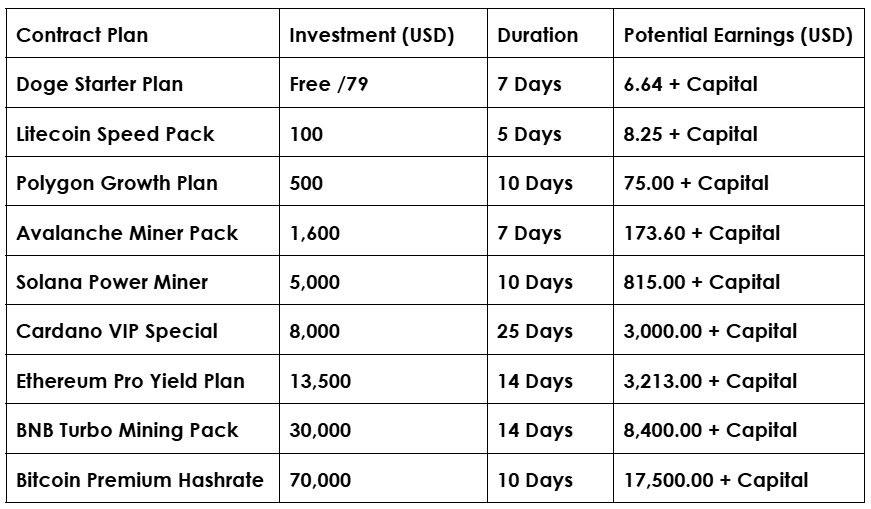
The paid cloud mining contracts start from $100 to the highest, Bitcoin cloud mining contract, which costs $70,000. But, you can also join and start earning without spending a dime: VNBTC offers a $79 registration bonus, used to purchase its first Dogecoin cloud mining contract. 

Comprehensive view of VNBTC Cloud Mining Contracts:

Comprehensive view of VNBTC Cloud Mining Contracts:

How to Start Earning Bitcoin & Dogecoin Today:

Bitcoin and Dogecoin cloud mining is currently the easiest way to join the crypto market and start earning stable passive income. The process is simple:

Step 1: Go to the VNBTC website and click ‘Register

Step 2: Once redirected to the sign-up page, add the required information, which takes less than 3 minutes. 

Step 3: Once registered, you receive $79, which you can use to explore the Dogecoin cloud mining contract.

Step 4: Fund your account and purchase a cloud mining contract to earn more per day.

Step 5: Watch your earnings grow.

Step 6: Withdraw profits and capital at the end of the contract duration or reinvest to continue earning crypto. 

Tip: Join VNBTC’s bounty program or affiliate to earn extra passive income.

Conclusion

Whether you’re looking to build a consistent and stable passive income stream or want a hedge against inflation, VNBTC is the answer. Certified by the FCA and headquartered in the UK,  the platform provides a safe and secure platform, helping participants benefit from mining popular Cryptocurrencies. 

Start earning steady crypto profits today. Join the VNBTC Cloud Mining Movement. 


Source link

Sahara AI Price Prediction: SAHARA Price Forecast at TGE

0
Sahara AI Price Prediction: SAHARA Price Forecast at TGE


Sahara AI is the next AI narrative project listed on Binance. Backed by the well-known YZI Labs (ex Binance Labs), Polychain Capital, and Pantera Capital, with a total capital raised of $51.5M.

For such a popular project, what is the price prediction of the SAHARA token? Explore this article for details.

Learn more: Sahara AI (SAHARA) will be Listed on Binance HODLer Airdrops

Sahara AI: Decentralizing Intelligence with Fair Economics

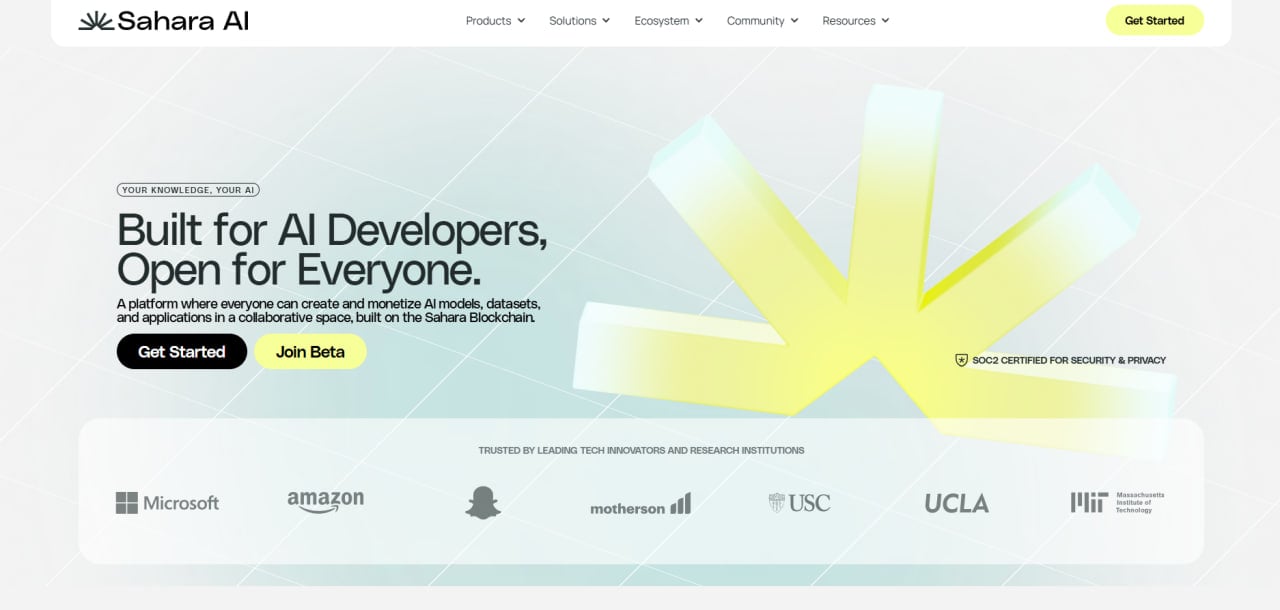
Sahara AI is a pioneering decentralized AI blockchain that aims to change the artificial intelligence development and monetization in Web3. It directly challenges the centralized parties often captured in the AI industry by building an open, equitable, and collaborative ecosystem where all participants are fairly compensated for their contributions.

Instead of depending on tech giants and centralized cloud providers, Sahara AI leverages blockchain technology to create a secure, transparent, and distributed infrastructure for AI models and data. It marks a future where individuals, small businesses, and enterprises can meaningfully participate in AI development while maintaining ownership of their intellectual property.
Sahara AI: Decentralizing Intelligence with Fair Economics

Source: Sahara AI

binance-logo-2binance-logo-2

Sahara AI Core Features and Technological Highlights

Sahara AI stands as a foundation at the intersection of artificial intelligence and blockchain technology, designed to decentralize AI. Here are some of the Sahara AI’s core features and technological highlights:

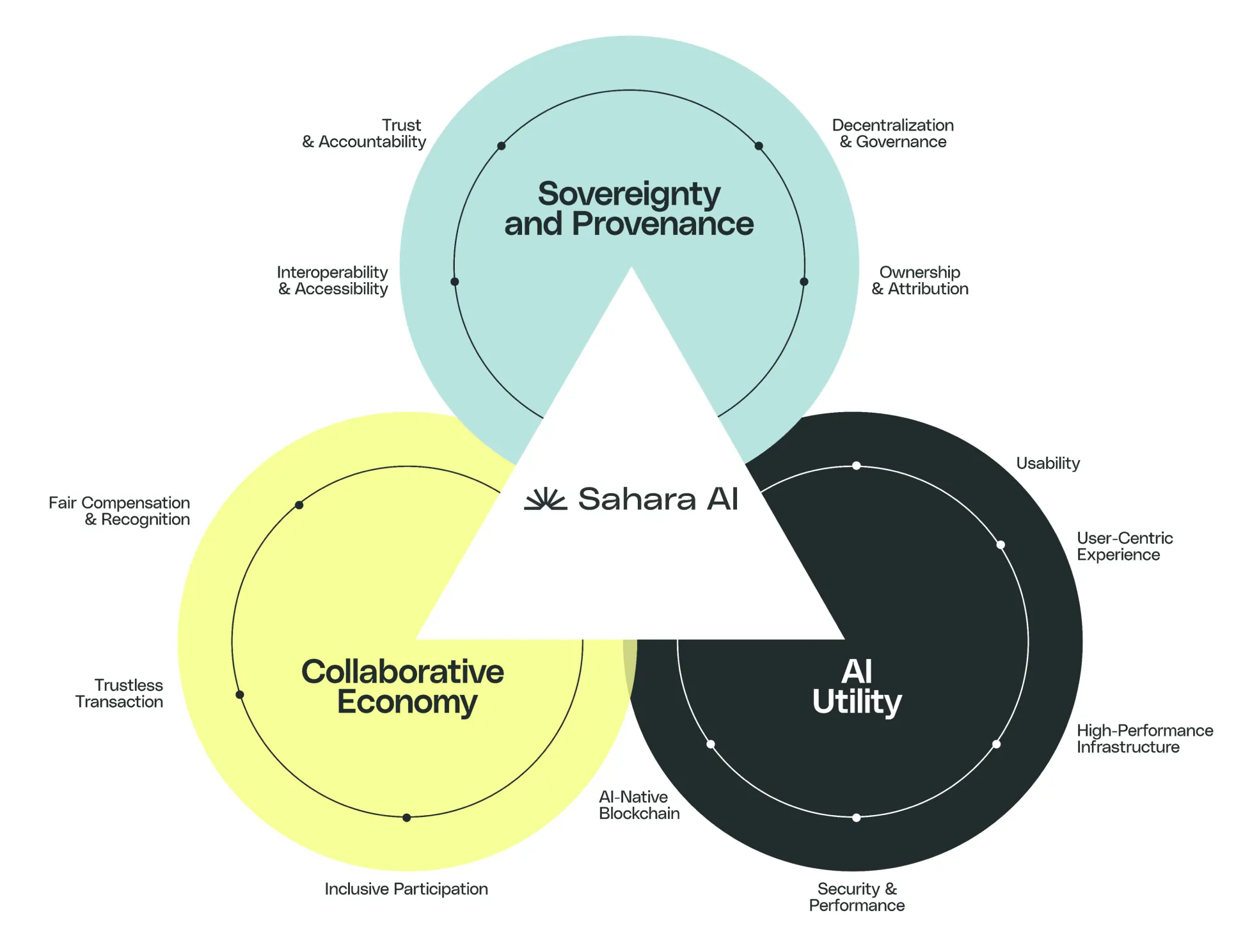
Decentralized AI Infrastructure: Sahara AI provides a blockchain-focused ecosystem, promoting a decentralized AI ownership model, protecting data, and fairly distributing monetization among all participants.Sovereignty and Provenance: Through its blockchain, Sahara guarantees verifiable ownership and the ability to discover all AI assets, including datasets, models, and agents. This immutable record protects creators’ rights and enables transparent attribution.AI Utility: Sahara provides an end-to-end ecosystem of tools for the entire AI lifecycle. This includes:Data Services Platform (DSP): Enables crowdsourced data collection, labeling, and annotation, allowing contributors to earn rewards for data provided.AI Developer Platform: Offers a full-stack development environment for building, testing, and deploying AI models and agents, supporting both technical users with SDKs/APIs and non-technical users with no-code/low-code solutions.AI Marketplace: A decentralized hub for users to trade AI assets.
Sahara AI Core Features and Technological HighlightsSahara AI Core Features and Technological Highlights

Source: Sahara AI

Collaborative Economy and Fair Attribution: Sahara AI fosters a system where everybody who contributes, whether by providing data, developing models, or supplying compute resources, is rewarded. This is achieved through mechanisms such as usage fees, royalties, and the SAHARA token.Privacy-Preserving Security: It integrates various privacy-enhancing techniques, including zero-knowledge proofs, homomorphic encryption, and differential privacy, to ensure user data remains secure and private during AI training and inference.AI-Native Blockchain: Sahara features a complex four-layer architecture built on a customized AI-native blockchain with precompiles that optimize for AI operations, combining on-chain transparency with off-chain performance.Personalized AI Agents (Knowledge Agents): These semi-autonomous AI models can manage tasks, operate the ecosystem, and interact on behalf of users, customizable with proprietary data.

Sahara AI Tokenomics (SAHARA)

The SAHARA token is the native utility and governance token of the Sahara AI ecosystem, with a total supply of 10 billion SAHARA tokens. This tokenomics is designed to incentivize participation, facilitate transactions, and enable decentralized governance.

Utility and Core Functions of SAHARA

The SAHARA token is pivotal to each layer of the Sahara AI ecosystem, serving multiple crucial functions:

Payments for AI Services: SAHARA is the medium of exchange within the network. Users will need SAHARA tokens to access AI models, utilize datasets for training, consume computational power for inference, and license various AI applications available on the platform’s AI Marketplace.Incentives and Rewards for Contributors: A core tenet of Sahara AI is fair compensation for all participants. SAHARA tokens are distributed as rewards to individuals and entities that contribute to the ecosystem’s growth and operation. This includes:Data Providers: Rewarded for contributing datasets to the Data Services Platform.Model Developers: Earn SAHARA for building, training, and deploying innovative AI models.Node Operators / Compute Providers: Compensated for supplying the computational resources necessary for AI training and inference.Validators: Earn rewards for securing the network and verifying the integrity of AI operations.Staking for Network Security: SAHARA holders can stake their tokens to secure the underlying blockchain. This staking mechanism, integral to the network’s consensus, allows participants to contribute to the platform’s security and earn rewards in return.Governance: Sahara AI transition towards a Decentralized Autonomous Organization (DAO) model. SAHARA token holders will gain governance rights, enabling holder voting for critical proposals, main upgrades, resource distribution, and the future strategic direction of the ecosystem. Access and Licensing: The token facilitates the licensing and access protocols for various AI assets within the ecosystem, ensuring that intellectual property is respected and monetized transparently.
Utility and Core Functions of SAHARAUtility and Core Functions of SAHARA

Source: Sahara AI

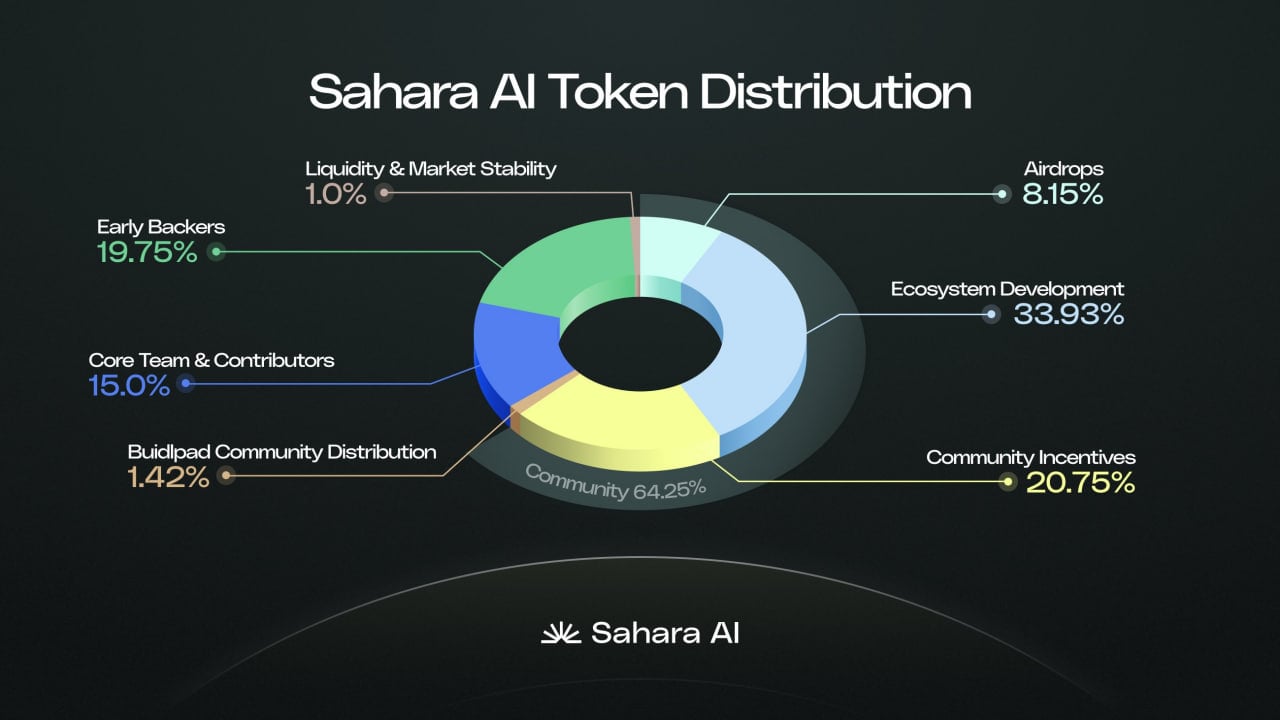
SAHARA Token Distribution

The SAHARA token distribution is planned to ensure long-term sustainability of the protocol, broad adoption, and equitable incentives for all stakeholders. While distributed percentages can vary slightly based on final announcements, general allocations often look like this:

Community Incentives (~20.75%)Team & Advisors (~15%)Early Investors & Backers (~19.75%)Ecosystem Growth (~33.93%)Liquidity (~1%)Airdrops (~8.15%)Buildpad Community Distribution (~1.42%)

SAHARA Price Comparison

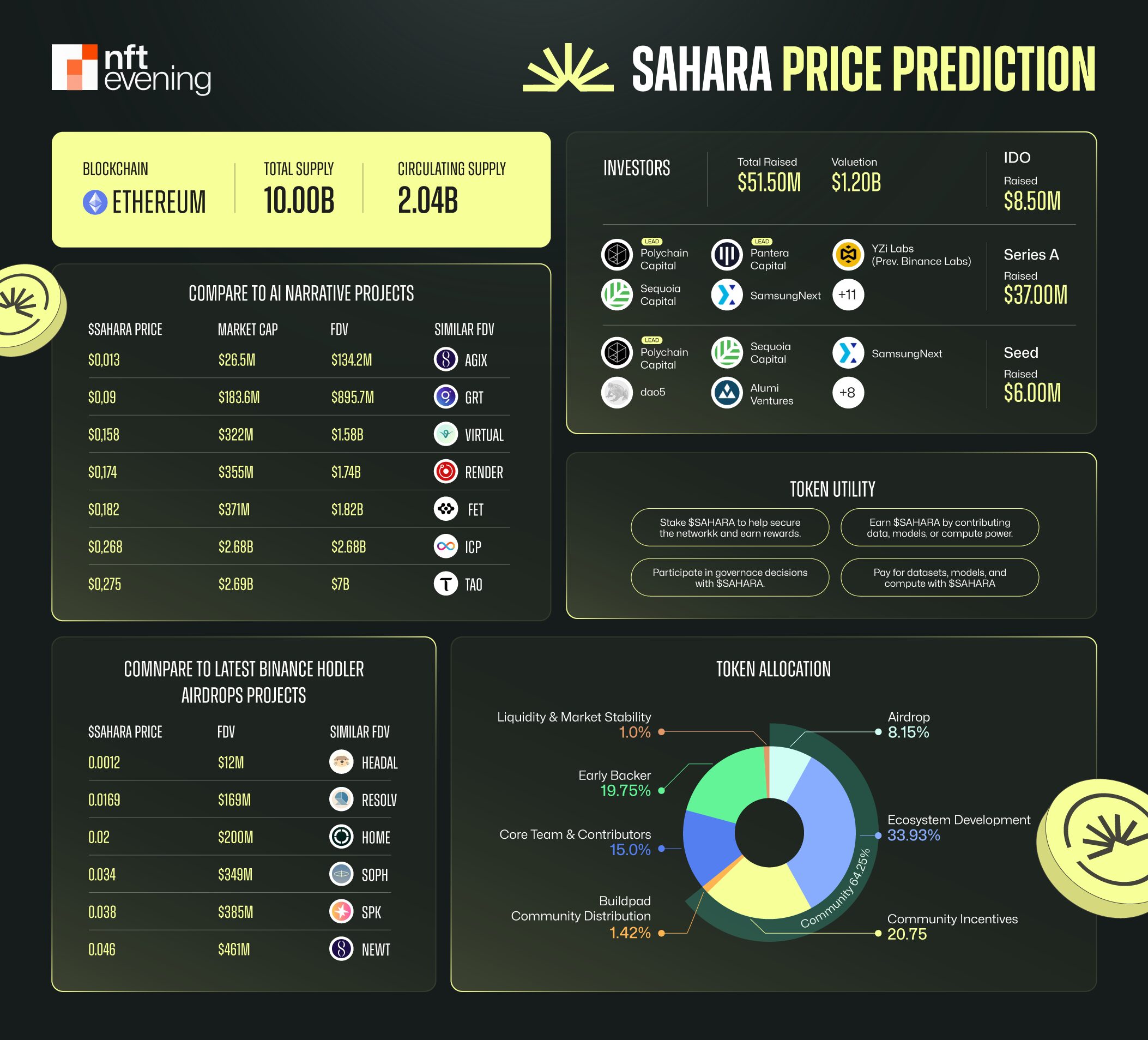
As a high-profile project backed by major investment funds, Sahara AI is likely to launch at a relatively high listing price at its Token Generation Event (TGE). When compared to other projects within the AI segment, it is uncommon for a well-regarded project to have a fully diluted valuation (FDV) of less than $1 billion at launch.

However, reaching an FDV above $2 billion appears unlikely—especially when benchmarked against established projects such as NEAR and TAO. Should Sahara AI attain such a valuation at TGE, it could face intense sell-off pressure shortly afterward.
SAHARA Price ComparisonSAHARA Price Comparison

SAHARA Price Comparison

Sahara Ai vs Virtual Protocol

Virtual Protocol VIRTUAL currently has an FDV of approximately $1.58 billion, but its FDV at TGE was only around $550 million. Importantly, Virtual launched during the peak of the AI Agent trend, allowing it to capitalize on that wave of market enthusiasm. This favorable timing contributed significantly to its rapid value growth. In contrast, Sahara is launching in a market environment characterized by uncertainty and skepticism.

Learn more: How to Stake Virtual Protocol?

Moreover, investor attention is increasingly shifting toward Bitcoin (BTC), with relatively less focus on altcoins and newer crypto assets. Given this backdrop, if Sahara were to debut with an FDV similar to Virtual’s current level (~$1.58B), the token could experience a sharp price decline within the first one to two months post-launch.

Sahara AI vs Kaito AI

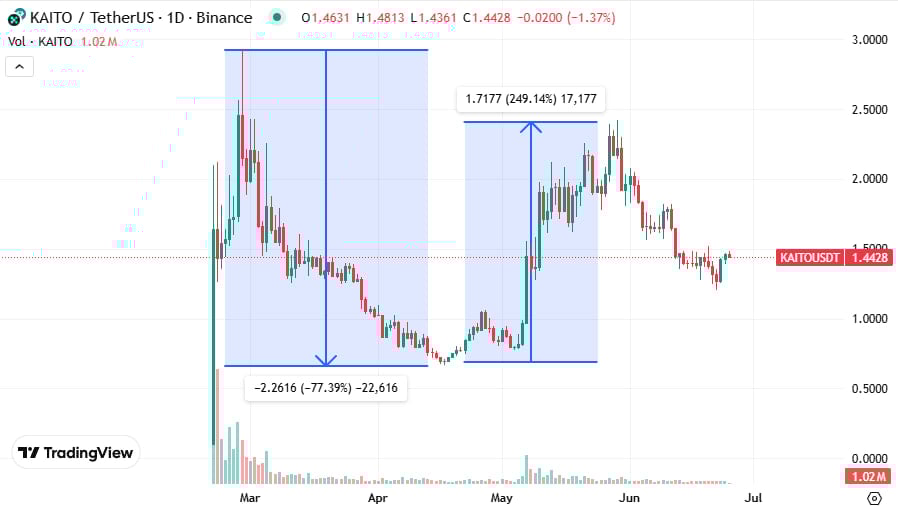
Kaito AI KAITO, with a current FDV of around $1.45 billion and a TGE FDV of approximately $1.61 billion, offers a more stable case. Kaito AI gained traction as a backend infrastructure for airdrop campaigns across a wide range of projects. This real-world utility boosted demand and contributed to the token’s resilience—KAITO did not undergo a significant drop and recovered quickly after initial corrections.

On the other hand, Sahara AI’s platform serves a more niche and selective user base, which raises questions about the essential demand for its services and the long-term necessity of the project.
Sahara AI vs Kaito AISahara AI vs Kaito AI

Kaito AI quickly recovered due to its high-value token utilities

Sahara Ai vs other Binance HODLer Airdrops projects

binance-logo-2binance-logo-2

Recent projects launched through the Binance HODLer Airdrops program—such as HAEDAL, NEWT, RESOLV, HOME, SOPH, and SPK—have all experienced significant price declines immediately following their Token Generation Events (TGE).

Given this pattern, SAHARA is unlikely to be an exception and will likely face substantial selling pressure from airdrop recipients upon launch.

SAHARA Price Prediction

Based on the above comparisons and an analysis of Sahara AI’s underlying technology, the project is likely to launch at a price range of approximately $0.14 to $0.17, corresponding to an FDV of $1.4 billion to $1.7 billion at TGE. Following this initial listing, SAHARA may experience a temporary price correction. Therefore, we advise investors to closely monitor the price trajectory and wait for a clear accumulation zone before making any investment decisions.



Source link

Popular Posts

My Favorites

The Biggest Bitcoin and Crypto Treasury Plays of 2025 – Decrypt

0
In brief Corporate crypto treasuries scaled rapidly in 2025 as firms across sectors copied Strategy’s model, raising billions to buy Bitcoin, Ethereum, and Solana. Strategy,...