Arts

Home Arts Page 62

Beyond Traditional Techniques: Discovering the Power of Generative Art Tools

0


In recent years, the art world has witnessed a transformative shift, propelled by advancements in technology and the emergence of generative art. This innovative form of artistic expression not only expands creative possibilities but also challenges the very definition of what art can be. Generative art tools have democratized the creation process, allowing both seasoned artists and newcomers to explore new dimensions of creativity.

Understanding Generative Art

Generative art refers to works that are largely created through autonomous systems, algorithms, or processes. This can involve computer code, mathematical models, or other rule-based systems to generate artworks. Unlike traditional art forms, where the artist’s hand is dominant, generative art emphasizes the role of the system in the creation process, leading to unique outcomes often impossible to replicate.

Key Characteristics

  1. Algorithmic Foundations: At the core of generative art lies algorithms. Artists use programming languages such as Processing or JavaScript to develop instructions that guide the creation of visual forms.

  2. Interactivity: Many generative art pieces invite audience interaction. Viewers might influence the piece in real-time, making the art experience dynamic and participatory.

  3. Randomness and Emergence: Incorporating elements of randomness allows for surprising outcomes. This unpredictability often leads to emergent properties, where the whole becomes greater than the sum of its parts.

The Evolution of Generative Tools

Historically, generative art was primarily the domain of computer scientists and mathematicians. However, the rise of user-friendly software and platforms has broadened access. Below are some notable generative art tools that have revolutionized the field:

1. Processing

Processing has been a pioneer in the generative art movement. This open-source programming language and environment allows artists to create visuals easily. Its concise syntax makes it accessible to beginners, while its depth offers seasoned artists room for complexity.

2. OpenFrameworks

OpenFrameworks is another powerful toolkit that facilitates creative coding. It provides a C++ library for interactive and generative projects, catering to artists who want a deeper dive into coding and graphics programming.

3. TouchDesigner

TouchDesigner is a node-based visual programming language tailored for real-time interactive multimedia content. It’s often used in installations and live performances, allowing artists to manipulate visuals, sound, and interactivity seamlessly.

4. P5.js

P5.js is a JavaScript library that simplifies creating graphics and interactive content for the web. It’s inspired by Processing, making it great for web artists who want to share their generative works online.

5. Artbreeder

Artbreeder is a collaborative platform that allows users to create and modify images using machine learning. It merges the styles of different images, enabling artists to explore unique aesthetic combinations in an intuitive way.

The Implications of Generative Art

The rise of generative art tools brings several societal and philosophical implications:

1. Creativity and Accessibility

Generative art democratizes creativity. Individuals without formal artistic training can create stunning visual works simply by understanding basic algorithmic principles. This opens doors for a more diverse range of voices in the art world.

2. The Role of the Artist

Generative art encourages new perspectives on authorship and originality. As artists embrace algorithmic processes, discussions about the role of the creator versus the machine become prominent. Who owns the art—the artist, the algorithm, or both?

3. Environmental Impact

Generative art also provides a unique platform for addressing environmental concerns. Artists use algorithms to visualize complex data about climate change, biodiversity, and other vital issues, thereby fostering awareness through creativity.

Conclusion

Generative art tools have transformed the landscape of artistic creation, empowering a new generation of artists to explore the interplay between technology and creativity. As we move beyond traditional techniques, the art world embraces a future rich with possibilities. The journey of generative art is just beginning, and its potential to inspire, challenge, and disrupt is immense. Embracing these tools invites everyone to partake in an ever-evolving dialogue between human creativity and artificial intelligence, redefining our collective experience of art.

Beyond the Frame: How Interactive Tech is Redefining Artistic Expression

0


In an age where technology permeates every aspect of our lives, the art world is undergoing a radical transformation. Interactive technology is not just augmenting traditional forms of artistic expression; it is fundamentally redefining what art can be. This article explores the impact of interactive tech on creativity, audience engagement, and the very essence of art itself.

The Intersection of Art and Technology

Historically, art has evolved alongside advancements in technology. From the invention of oil paints to the advent of photography and digital media, each technological milestone has opened new avenues for artistic expression. Today, we stand at the forefront of a new revolution where interactive technology is shaping an immersive landscape.

Artists are increasingly employing tools such as virtual reality (VR), augmented reality (AR), and artificial intelligence (AI) to create works that invite viewers into a participatory relationship. No longer passive observers, audiences are becoming co-creators, blurring the lines between art and life.

Immersive Experiences

One of the most notable trends in interactive art is the use of immersive environments crafted with VR and AR. Artists like Marina Abramović have pushed the boundaries of performance art by leveraging these technologies to place viewers directly into the narrative. Exhibitions such as "The Night Cafe,” a VR experience based on Vincent van Gogh’s paintings, allow users to step inside the artist’s mind and interact with a three-dimensional world of color and emotion.

Similarly, AR applications transform public spaces into digital canvases. Projects like the "AR Museum" encourage audiences to engage with their surroundings, providing layers of meaning that change based on individual interactions. The merging of physical and digital realms opens exciting possibilities for storytelling and emotional connection.

Algorithmic Art and AI

As artificial intelligence becomes increasingly sophisticated, its role in the creative process has evolved. Artists are using algorithms to generate pieces that reflect, reinterpret, or even surpass human creativity. AI-generated artworks challenge traditional notions of authorship and creativity. For instance, works like "Edmond de Belamy," created by the Paris-based collective Obvious, showcase how AI can produce portraits that are both recognizable and thought-provoking.

Furthermore, artists are using machine learning to analyze trends in art, music, and social media, creating a feedback loop that influences their work in real-time. This symbiotic relationship enhances the creative process, leading to innovative and even unpredictable outcomes.

Enhanced Audience Engagement

Interactive technology fosters a more profound level of engagement between the artwork and its audience. In installations where viewers can manipulate elements of the art, the experience becomes highly personal. Projects like “The Obliteration Room” by Yayoi Kusama invite participants to contribute to the work, transforming a stark white room into a burst of color and creativity through their interaction.

Gamification is another exciting facet of interactive art, encouraging audiences to participate actively. Artworks can evolve based on viewer input, creating a community-driven approach that reflects collective creativity. This democratization of art challenges the elitist perceptions often associated with the art world, making it inclusive and accessible.

The Future of Artistic Expression

As we move forward, the potential of interactive technology in art is boundless. The merging of robotics, biotechnology, and digital art will pave the way for new forms of expression that we can only begin to imagine. While challenges, such as the digital divide and the question of authenticity, exist, the benefits of interactive tech are undeniable.

Not only does this technology allow artists to explore uncharted territories, but it also empowers audiences to engage at deeper emotional levels, forging connections that transcend traditional barriers. As a result, art becomes a living, breathing dialogue—an ever-evolving narrative shaped by both creators and viewers.

Conclusion

Interactive technology is redefining artistic expression in profound ways. By transforming the roles of both artists and audiences, it challenges traditional notions of what art can be. As creators harness the power of VR, AR, AI, and other interactive tools, we find ourselves entering a new era of creativity, where the frame expands infinitely—beyond the canvas, beyond the gallery, into a vibrant, participatory realm. The future of art is not just to be seen or heard; it beckons to be engaged with, experienced, and, most importantly, created collaboratively.

Pioneering Digital Expression: The Future of Art with AI

0


Introduction

The intersection of technology and art has long sparked innovation, but recent advancements in artificial intelligence (AI) are setting the stage for an unprecedented era of digital expression. As AI technologies evolve, they offer artists new tools, perspectives, and methods of creation, reshaping the landscape of art as we know it. This convergence not only expands the boundaries of artistic expression but also invites a reevaluation of creativity, authorship, and the role of the artist in society.

The Emergence of AI in Art

AI in art is not merely a futuristic concept; it is a burgeoning reality. From AI-generated paintings and digital installations to music and literature, algorithms are now capable of producing artworks that challenge traditional notions of creativity. Notable projects, such as Google’s DeepDream and OpenAI’s DALL-E, demonstrate the capacity of AI to generate visual content that mimics human creativity. These tools transform the process of art-making, allowing creators to explore new dimensions in their work.

Democratization of Art Creation

One of the most significant impacts of AI on the art world is the democratization of artistic expression. Traditional barriers—such as technical skill and access to resources—are lowered as AI tools become accessible to a broader audience. Platforms like Artbreeder and Runway ML enable individuals with limited artistic training to produce visually compelling works, opening up new avenues for non-traditional artists. This shift not only diversifies the voices in the art community but also fosters a more inclusive environment for creativity.

Collaboration Between Human and Machine

The relationship between artists and AI can be seen as a collaboration rather than a replacement. Many artists utilize AI as a partner in the creative process, treating it as a tool to enhance their work rather than a substitute for it. This synergy allows for exploration beyond the constraints of human capability, resulting in innovative artworks that reflect the interplay between human intention and machine learning. For example, artist Refik Anadol employs AI algorithms to transform data into immersive installations, blending technology and creativity in groundbreaking ways.

Redefining Creativity and Authorship

As AI-generated artworks gain recognition, questions surrounding creativity and authorship come to the forefront. Who is the true creator: the algorithm or the human who guided it? This dilemma challenges the conventional understanding of authorship and sparks philosophical debates about the nature of creativity itself. Some argue that AI-generated art lacks the emotional depth and intentionality inherent in human creation, while others contend that the collaboration between humans and machines can produce unique emotional experiences.

The Future of Art in the Age of AI

Looking ahead, the future of art is poised for transformation. AI is expected to continue influencing artistic practices, leading to new genres and forms of expression. Immersive experiences incorporating virtual reality, augmented reality, and generative art will likely become mainstream, offering audiences novel ways to engage with art.

Furthermore, ethical considerations surrounding AI-generated art will become increasingly important. Issues of copyright, ownership, and cultural appropriation must be addressed to ensure that artists are protected in this new landscape. As AI evolves, so too must our frameworks for understanding and regulating its impact on the art world.

Conclusion

Pioneering digital expression through AI marks a transformative chapter in the history of art. As barriers dissolve and new forms of creativity emerge, the potential for innovation appears limitless. The collaboration between human and machine promises to redefine what it means to be an artist, offering fresh perspectives on creativity, authorship, and the essence of art itself. As we venture into this uncharted territory, the future of art, rich with possibility, beckons us to embrace the unknown.

Augmented Reality and Beyond: The Future of Tech Art in 2025

0

Augmented Reality and Beyond: The Future of Tech Art in 2025

As we approach 2025, the landscape of art and technology is undergoing a transformative evolution. Emerging technologies, particularly Augmented Reality (AR), are redefining how we create, experience, and interact with art. This article explores the future of tech art, focusing on the pivotal role of AR and projecting what lies ahead.

The Rise of Augmented Reality

Augmented Reality, which overlays digital content onto the real world, has made remarkable strides in the last few years. With advancements in hardware like AR glasses and mobile devices, artists can now create experiences that blend the physical and digital realms. By 2025, AR is expected to become an integral part of artistic practice and appreciation. It will allow artists to craft immersive experiences that engage audiences in new ways.

Art Disruption

In 2025, traditional art forms will face disruption as AR transforms how we interact with artworks. Imagine visiting a gallery where viewing a painting triggers an animated story that enhances the narrative behind the work. This immersive storytelling not only brings static images to life but also invites viewers to participate in shaping their experience. Artists can embed layers of meaning, interactions, and even sounds, offering a multi-sensory experience that surpasses the limitations of physical art.

Shifting Paradigms: Virtual Public Spaces

As public art and installations evolve, AR will redefine public spaces. With the increasing popularity of AR art, urban environments may soon become dynamic canvases. Street art might blend with digital overlays, creating a dialogue between the physical and digital worlds. Local artists could use AR to highlight cultural narratives, historical events, or social issues, fostering community engagement in unprecedented ways.

By 2025, museums and galleries may also embrace AR to create virtual exhibitions. Remote visitors could experience exhibitions in their own spaces, breaking geographical barriers and democratizing access to art. This shift will challenge traditional notions of ownership and accessibility in the art world.

Artificial Intelligence and Co-Creation

In addition to AR, Artificial Intelligence (AI) will play a significant role in shaping tech art by 2025. AI algorithms will assist artists in creating new works, enabling them to explore styles and techniques that might not have been possible otherwise. Artists could collaborate with AI systems, using machine learning to analyze their styles, generate unique variations, or even suggest new mediums.

This co-creation process could lead to an explosion of innovative artistic expressions, blurring the lines between human creativity and machine intelligence. The ethical implications of AI in art will spark crucial conversations around authorship and originality, raising questions about what it means to create in a tech-infused world.

Art Market Evolution

As AR and AI technologies proliferate, the art market will also experience seismic shifts. Digital art, particularly in AR formats, will gain recognition alongside traditional forms. Non-fungible tokens (NFTs) will pave the way for artists to sell AR experiences as unique assets, allowing them to monetize their work in unprecedented ways.

Moreover, virtual galleries will emerge as platforms for showcasing AR art, enabling artists to reach global audiences. By 2025, owning a piece of digital art that can be experienced through AR may become as prestigious as having an original painting. This evolving market will attract not only traditional art collectors but also tech-savvy investors seeking to engage with the future.

Engaging Communities

The democratization of art through technology will facilitate community engagement in 2025. Local artists may leverage AR to create participatory experiences, inviting communities to contribute to artworks or installations. This shift will foster a sense of ownership and connection between artists and their audiences, emphasizing collaboration over individualism.

Moreover, educational institutions may incorporate AR into their curricula, enabling students to explore art-making in innovative ways. By integrating technology into artistic education, we can nurture a new generation of creators who fluently blend art and tech.

Conclusion: Embracing the Future

The convergence of Augmented Reality, Artificial Intelligence, and community engagement signifies a bright future for tech art in 2025. As these technologies redefine our understanding of creativity and engagement, artists will find themselves at the forefront of this revolution, pushing the boundaries of expression.

Embracing the future means not just adapting to new tools but also reimagining what art can accomplish. The potential for immersive, participatory, and community-driven experiences is boundless. As we stand on the brink of this new era, the fusion of art and technology promises to be as transformative as it is inspiring. The future of tech art is not just about blending the digital with the physical; it is about creating experiences that resonate, challenge, and connect us all.

Tech-Infused Art: Exploring Innovations in Digital Creativity

0


In an era where technology permeates every aspect of our lives, it’s no surprise that the art world is undergoing a dramatic transformation. From virtual reality (VR) installations to algorithm-generated masterpieces, the fusion of technology and creativity is giving rise to a new movement: Tech-Infused Art. This article explores the innovative methods, tools, and philosophies shaping the landscape of digital creativity.

The Intersection of Art and Technology

Art has always been a reflection of society, capturing the zeitgeist of its time. The current landscape is no different. As digital technologies evolve, artists are finding new ways to express their visions. This partnership has birthed various forms of tech-infused art, including:

  • Digital Paintings: Artists utilize software like Adobe Photoshop or Procreate to create stunning visuals that blur the lines between traditional and digital art.
  • Generative Art: Using algorithms and code, artists create evolving works that can sometimes surprise even the creator.
  • Interactive Installations: Exhibitions that engage audiences through touch or movement, often enhanced by technologies like motion sensors and augmented reality (AR).

Tools and Technologies Shaping Digital Creativity

The toolkit available to today’s artists is expansive and ever-changing. Here’s a look at some key technologies driving the evolution of tech-infused art:

  1. Virtual and Augmented Reality: Platforms like Oculus Rift and Microsoft HoloLens allow artists to create immersive experiences. Viewers can step into a digital world, interacting with art in ways that were previously unimaginable.

  2. Artificial Intelligence: AI is being used to generate patterns, enhance images, and even create entire pieces of art. Tools like DeepArt and DALL-E open conversations about authorship and the role of the artist in the creative process.

  3. 3D Printing: This technology enables artists to transform digital designs into tangible sculptures. It allows for intricate designs that would be challenging to achieve through traditional sculpting methods.

  4. Blockchain and NFTs: Non-fungible tokens have revolutionized the way art is bought and sold. Artists can tokenize their work, providing proof of ownership and authenticity while also opening new revenue streams.

The Impact on Artistic Expression

Tech-infused art is not just about new tools; it also redefines the very notion of creativity. Here are some ways in which technology influences artistic expression:

  • Accessibility: Digital tools lower the barriers to entry. Aspiring artists no longer need access to expensive materials or studios; they can create on their laptops or tablets from anywhere.

  • Collaboration: Technology fosters collaboration across disciplines. Artists can work alongside programmers, engineers, and designers, leading to innovative projects that combine multiple skill sets.

  • Global Reach: Digital art can be shared instantly online, allowing artists to reach global audiences without the constraints of physical galleries. This democratizes art, breaking down geographical and economic barriers.

Challenges and Criticisms

While the integration of technology in art presents exciting possibilities, it also comes with challenges:

  • Authenticity: The rise of AI-generated art has sparked debates over what constitutes "real" art and whether human touch is necessary for authenticity.

  • Over-saturation: The accessibility of digital tools can lead to an overwhelming amount of content, making it difficult for individual artists to stand out.

  • Monetization: Questions about how artists can fairly monetize their digital creations continue to drive discussions within the art community.

Looking Ahead

The future of tech-infused art is as bright as it is unpredictable. As technology continues to evolve, artists will find new mediums and methods to express their visions. Collaborations between artists and technologists will likely yield innovative forms of art that challenge our understanding of creativity.

In this thrilling confluence of creativity and technology, one thing is clear: the art world is changing. As boundaries dissolve and new possibilities emerge, the dialogue surrounding art, technology, and their intersections will only continue to deepen, fueling a vibrant and dynamic ecosystem of digital creativity.

Conclusion

Tech-infused art represents a thrilling frontier, where creativity knows no limits. By harnessing technology, artists are not only redefining their own practice but also challenging audiences to reconsider what art can be. As we move forward, embracing this fusion of art and technology promises to unveil a future rich with innovation and inspiration.

Chainlink Momentum Wavers, XRP ETF Spikes, BlockDAG Drops 100M BDAG in Airdrop

0
Chainlink Momentum Wavers, XRP ETF Spikes, BlockDAG Drops 100M BDAG in Airdrop


Momentum drives attention in crypto, and each project builds it differently. XRP is attracting interest through speculation around a potential ETF and growing legal clarity. Chainlink, on the other hand, is holding its ground near key support as traders watch for shifts in price direction. 

BlockDAG takes a more practical approach, rewarding developers for deploying smart contracts on its EVM-compatible testnet. This activity-based model not only strengthens the network but also offers real value to participants. With incentives tied to usage and a presale offering significant ROI potential, BlockDAG positions itself as a strong candidate among the leading crypto investment opportunities today.

Build Smart Contracts, Earn BDAG 

BlockDAG is turning its testnet into a builder’s playground with real incentives. Specifically, developers can now earn BDAG tokens by deploying smart contracts directly on its EVM-compatible testnet. Importantly, this initiative isn’t just about testing for bugs, it’s a reward system for developers who engage with the core of the ecosystem. By doing so, they validate performance and experiment with contract logic, contributing to real infrastructure readiness while earning token-based compensation for their efforts.

Moreover, with full EVM support, developers can use familiar tools to deploy, test, and optimize dApps before mainnet launch. The airdrop quest system tracks these contributions and pays out BDAG tokens to those who complete development-focused tasks. As a result, it’s a practical, hands-on way to join a network early, not just by holding tokens, but by building on it.

Build Smart Contracts, Earn BDAG 

Meanwhile, BlockDAG’s presale stats underscore strong momentum. So far, it has raised $322 million and has sold over 22.4 billion coins. The ongoing presale has reached batch 29, with the token offered at only $0.0080—enhancing the opportunity for high returns. In celebration of the GLOBAL LAUNCH, buyers can make three BDAG acquisitions at this rate, and for each extra BDAG bought, $0.0017 will be released, following the same structure as batch 1, until August 11. 

For that reason, developers seeking the standout crypto investment with real-world utility may find BlockDAG stands out. The project isn’t asking for hype, it’s offering tools, rewards, and access for those ready to build. Ultimately, smart contracts aren’t just testnet code here, they’re the foundation of a growing ecosystem, and BlockDAG is paying builders to help shape it.

ETF Speculation and Legal Clarity Boost Confidence Around XRP

Ripple’s XRP is once again drawing attention as developments around an ETF and court proceedings renew interest in the project. Notably, speculation around a potential XRP ETF has grown stronger following a recent filing from Grayscale, adding fuel to discussions about broader institutional acceptance. For many, the possibility of such a financial product signals a step toward increased credibility and access within regulated markets.

Simultaneously, ongoing legal proceedings with the SEC continue to move in a direction that provides XRP with more clarity. A recent court document highlights that key decisions are reinforcing Ripple’s position, giving participants greater confidence in the regulatory foundation supporting the project. 

ETF Speculation and Legal Clarity Boost Confidence Around XRPETF Speculation and Legal Clarity Boost Confidence Around XRP

As a result, these shifts are sparking renewed attention from both retail users and developers, who view XRP’s settlement speed and utility in cross-border finance as a technical advantage. Consequently, as interest grows, so does XRP’s role in discussions about the popular crypto investment built on proven utility. 

Chainlink at a Crossroads: Momentum Testing Resistance and Support 

Chainlink’s recent price movement reveals a period of tension between resistance and support levels. Recently, after flirting with the $15.77 resistance zone, LINK has retreated toward a critical support near $14.25 on its current chart. This pattern highlights growing uncertainty as buyers and sellers await a decisive move.

Chainlink at a Crossroads: Momentum Testing Resistance and Support Chainlink at a Crossroads: Momentum Testing Resistance and Support 

In this context, the keyword chainlink price momentum captures the setup perfectly. Currently, trading volume has steadied, but a push above the resistance could ignite fresh momentum. On the other hand, a drop below that $14.25 threshold would signal further downside pressure. Therefore, this delicate balance makes the next shift in momentum crucial for on-chain traders and technical analysts alike. 

Utility, Momentum, and Incentives Define What’s Next in Crypto

While XRP benefits from increased regulatory visibility and Chainlink tests technical boundaries, BlockDAG is drawing strength from user-driven engagement. Its decision to reward developers for deploying smart contracts highlights a focus on function over speculation. This structure encourages builders to interact with real blockchain tools, helping validate the system before mainnet.

At the same time, the presale’s strong performance and ongoing reward system make it more than a passive investment. For those evaluating the leading crypto investment based on activity, access, and potential returns, BlockDAG stands out as a network growing through actual participation.

Presale: https://purchase.blockdag.network

Website: https://blockdag.network

Telegram: https://t.me/blockDAGnetworkOfficial

Discord: https://discord.gg/Q7BxghMVyu 


Source link

Liquidity Provider (LP) Tokens: What They Are, How They Work

0
Liquidity Provider (LP) Tokens: What They Are, How They Work


In decentralized finance (DeFi), liquidity is the fuel that makes everything else possible, from token trading to interest rates. Liquidity provider (LP) tokens represent your unique share of these critical pools of funds. They let you earn a slice of the trading fee pie as well as protocol incentives, just by becoming a crypto liquidity provider.

However, while LP tokens can generate relatively attractive yields, they can also expose you to unique risks like impermanent loss and smart-contract vulnerabilities. That’s why, in this guide, we’re going to go over everything you need to know about liquidity provider tokens. We’ll cover their pros and cons, look at how they’re the foundation for much of DeFi, and how you can use them for various yield-farming strategies.

What are Liquidity Provider (LP) Tokens?

When you deposit a pair of cryptocurrency assets, or a basket of crypto assets, into the overall liquidity pool for a decentralized exchange, you receive liquidity provider tokens as your on-chain receipts for that deposit.

These LP tokens track your deposit balance and automatically accrue fees generated by each trade in the pool. As traders swap tokens, a percentage of each swap fee is added to the pool, increasing its total value.

Benefits 

The holder gets a share of trading fees every time someone swaps tokens in the pool.Staked in farming contracts to accumulate further rewards.Act as collateral on lending platforms to borrow against your pool share without withdrawing liquidity.Allow individual contributions in decisions for other protocols.

Risks 

Bugs or exploits in the pool’s code can lead to partial or total loss of deposited assets.Sudden large withdrawals by other LPs can reduce the pool’s depth, increasing slippage and diminishing fee income.Governance votes or fee-structure updates may alter your expected returns or lock-up conditions without prior notice.

Who are Liquidity Providers?

Liquidity providers are anyone who has locked crypto liquidity on-chain, including automated market makers, bots, institutional investors, and individuals. By depositing token trading pairs for underlying assets, like Ether, they create the capital needed to let AMMs execute swaps without specific order books. In return for this initial DEX offering, liquidity providers earn LP tokens.

How do LP Tokens Work?

When you supply assets to a DeFi pool, the protocol issues LP tokens as proof of your stake. So, if you deposit ETH and DAI tokens into a Uniswap V3 pool, LP tokens proportional to your share of total liquidity will be minted for you. As traders continue to swap and trade assets, they pay transaction fees, which are automatically added to the pool’s reserves.

When it comes to how the tokens actually work, they are typically ERC-20 or similar smart-contract-capable protocol. It records your channel in the pool, calculates your entitlement upon withdrawal. Withdrawing means you burn your tokens, destroying them and distributing the assets, plus accumulated fees.

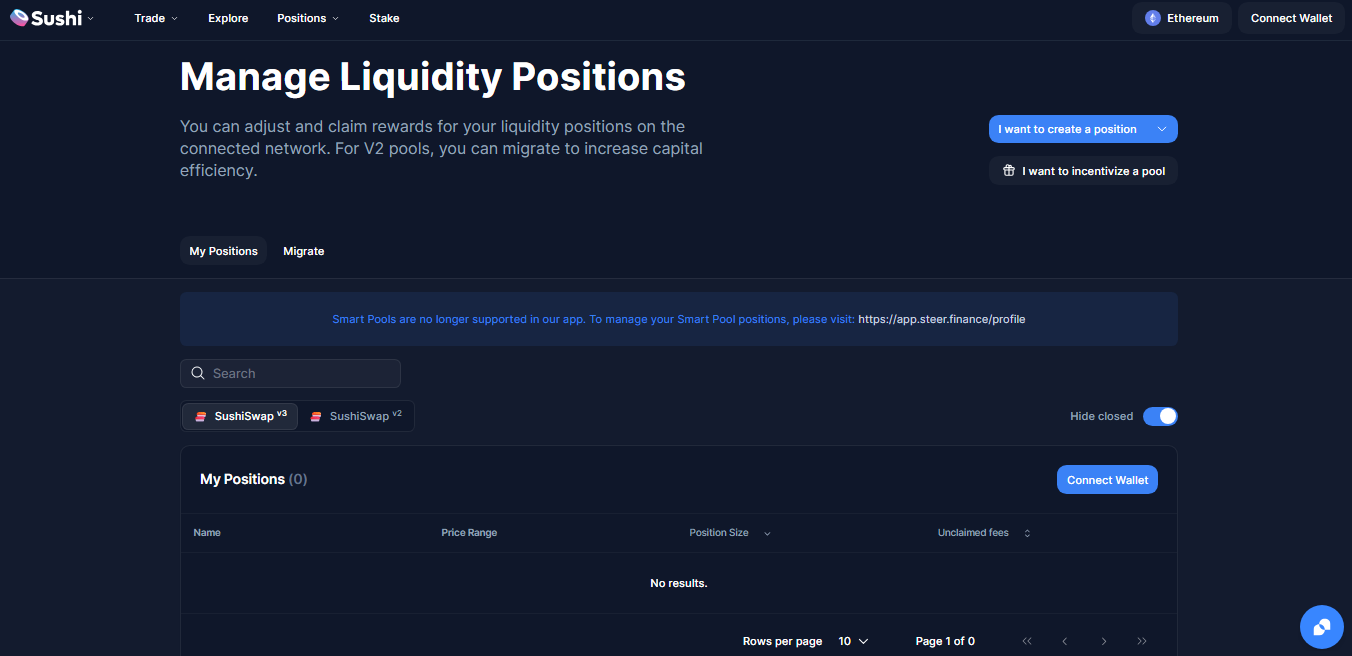
Beyond basic fee capture, LP tokens can be staked in “farms” on platforms like SushiSwap or PancakeSwap to earn additional rewards: governance tokens, boosted fee shares, or yield incentives. Some protocols require them as collateral for lending or options strategies, enhancing capital efficiency.

How do LP Tokens Work?

Source: Sushi.com

Throughout the entire process, LP tokens stay transferable, tradeable, and composable across all of DeFi, unlocking layers of utility far beyond mere liquidity receipts.

The Role of Liquidity Provider Tokens in DeFi

Liquidity provider tokens are one of the most integral building blocks for decentralized exchanges and DeFi lending. They are a proportionate representation of your participation in the overall liquidity pool. This means they are a permissionless trading channel that does not require any formal order books.

By converting deposited crypto assets into LP tokens, liquidity protocols create fungible receipts that automatically accrue fees, can be removed, staked, or even used as collateral. The biggest takeaway is that the tokenization of this liquidity highly democratizes the market and makes it possible for anyone to add more liquidity and earn from ecosystem growth.

Yield Farming with LP Tokens

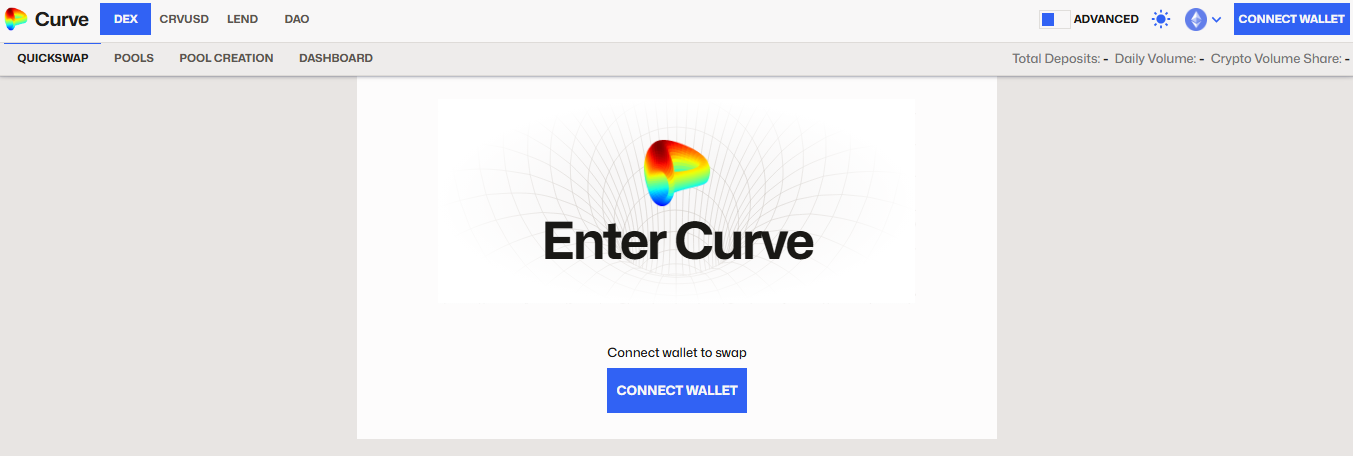
Yield farming amplifies LP returns by staking LP tokens in dedicated farms. Platforms like SushiSwap, PancakeSwap, and Curve reward staked LP tokens with native governance tokens, bonus fees, or staking APR boosts.

Yield Farming with LP TokensYield Farming with LP Tokens

Source: Curve.finance

Farmers must monitor reward rates, impermanent loss risk, and vesting schedules to optimize net yields. This composability allows you to layer multiple incentives, like trading fees on top of token rewards, creating more opportunities for passive income generation.

Use Cases for LP Tokens

Liquidity provider tokens unlock a diverse set of DeFi applications. Take a look.

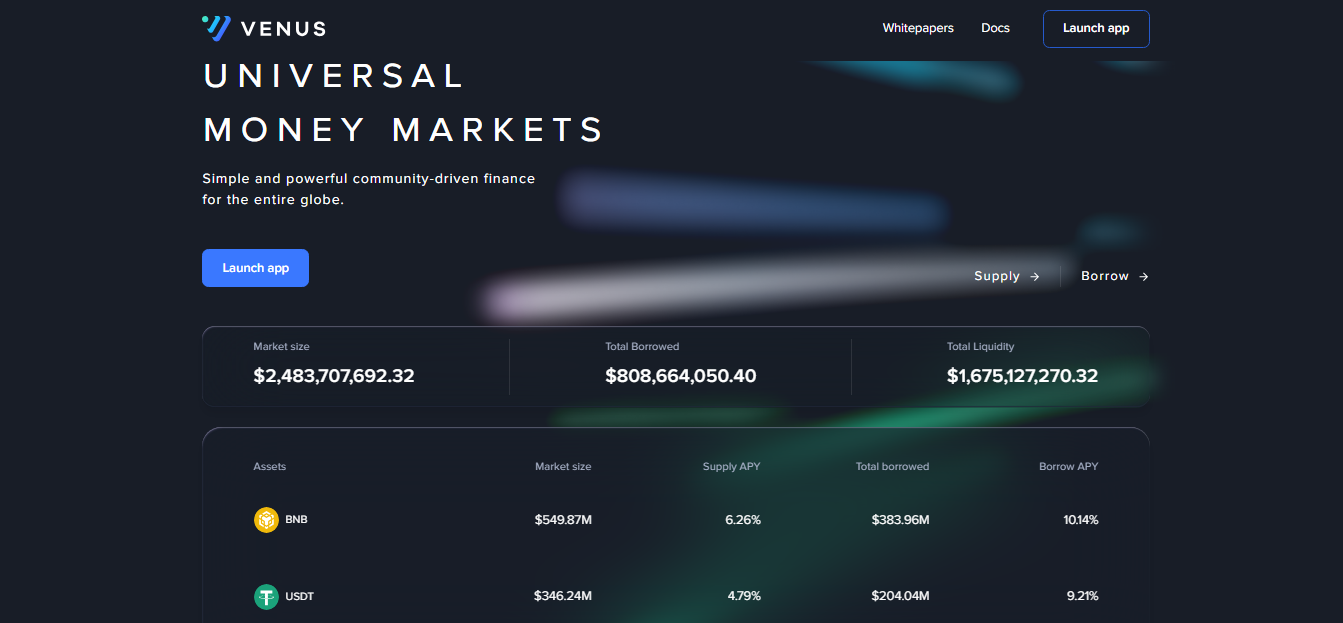
Fee Income: LPs earn a portion of the transaction fees accumulated by automated market makers during swaps or while executing trades in the pool.Yield Farming: Staking LP tokens with farming contracts can earn additional governance tokens or incentives.Collateral for Loans: Platforms like Venus accept LP tokens as collateral, like any other tokens, letting you borrow against your pool tokens without withdrawing liquidity.

Use Cases for LP TokensUse Cases for LP Tokens

Source: Venus.io

Synthetic Asset Minting: Protocols like Synthetix require LP tokens or equivalent collateral to mint synthetic assets pegged to real-world instruments.Governance Participation: Holding LP tokens often confers voting rights in DAO proposals, giving liquidity providers complete control over protocol-level decisions.

Conclusion

Liquidity provider tokens help create consistent liquidity pools, the cornerstone of DeFi, and transform asset holdings into a more dynamic, fee-generating position. By supplying working capital to automated market makers, liquidity providers earn a portion of trading fees, governance incentives, and even unlock leverage with simplified collateralized borrowing or yield farming.

While impermanent loss and the inherent risks of smart contracts demand attention to detail and careful strategizing, LP tokens empower users to contribute to the liquidity backbone that supports decentralized exchanges and all of DeFi. As protocols evolve, liquidity pool tokens will continue driving innovation through synthetic assets, cross-chain functionality, and effortless DAO governance.

FAQs

What is LP in crypto?

LP stands for liquidity provider. In crypto, it refers to users who supply token pairs to DeFi pools and receive LP tokens in return, representing their share of pool assets and accrued fees.

What does LP mean in trading?

In trading, LP indicates the entity that ensures market liquidity. For on-chain AMMs, individual LPs or automated entities deposit assets so traders can swap without centralized order books.

What does it mean to burn LP tokens?

Redeem your underlying pool share. The protocol destroys (“burns”) your LP tokens and returns your deposited assets plus any accumulated fees, minus adjustments for price shifts.

How to redeem LP tokens?

Navigate to the pool’s “remove liquidity” interface on the DeFi platform, input the amount of LP tokens you wish to burn. Then, confirm the transaction to withdraw your proportional share of assets and fees.

Who is the largest crypto liquidity provider?

Centralized exchanges like Binance and major AMMs such as Uniswap are among the largest liquidity providers by volume. On-chain, protocols like Curve Finance and Balancer also rank highly, aggregating vast capital from individual LPs.


Source link

7 Best Crypto Options Trading Platforms in 2025

0
7 Best Crypto Options Trading Platforms in 2025


Crypto options trading is becoming more popular among traders who want flexible ways to profit in any market condition. Unlike regular buying and selling (spot trading), options let you plan your moves ahead and manage risk better. You don’t need to buy the actual crypto. Instead, you get the right to trade it later at a set price.

In this guide, we will review the 7 best crypto options trading platforms. We will also explain what options trading is, how to choose the best exchange, and the risks and benefits of trading crypto options.

List of the Top Crypto Options Trading Platforms

We have reviewed over 30 different best crypto options exchanges based on their fees, supported coins, options types, user interface, and more. Here is our list of the 7 best crypto exchanges for options trading:

Binance: Overall best Bitcoin options trading platformBybit: Best for flexible expiry options and portfolio marginOKX: Best for beginners using the simple options interfaceDeribit: Best for deep liquidity and advanced options toolsHTX: Best for both European and American-style optionsStryke: Best decentralized platform for short-term optionsDelta Exchange: Best crypto options trading app

Best Crypto Options Platform Comparison

PlatformOption TypesSupported CoinsOptions Trading FeesMax LeverageBinanceEuropean-styleBTC, ETH, SOL, XRP, BNB, DOGE0.03% per trade

0.015% exercise fee

125xBybitEuropean-styleBTC, ETH, SOL0.02% maker

0.3% taker

0.015% delivery fee

100xOKXEuropean-styleBTC, ETH0.03% maker/taker100xDeribitEuropean-styleBTC, ETH, SOL, MATIC, XRP, PAXG0.03% maker/taker

(Capped at 12.5% of option price)

50xHTXEuropean & American-styleBTC, ETH0.02% maker/taker125xStrykeEuropean & American-styleWETH, WBTC, ARB, $BRETT, $BOOP3-4% of options premium

+1% auto-exercise fee

100xDelta ExchangeEuropean-styleBTC, ETH0.03% per trade100x

Top Crypto Options Trading Platforms & Apps

1. Binance: Overall best Bitcoin options trading platform

Binance: Overall best Bitcoin options trading platform

Binance is one of the largest cryptocurrency exchanges globally, serving over 250 million users since its launch in 2017. It’s the best crypto options trading platform due to its high liquidity and extensive features. Binance supports options trading for major cryptocurrencies like Bitcoin (BTC), Ethereum (ETH), Binance Coin (BNB), XRP, Dogecoin (DOGE), and Solana (SOL). Its options are European-style, and they settle in USDT.

Traders can choose from various strike prices and expiration dates, ranging from daily to monthly. The platform’s interface suits both new and experienced traders. Beginners find it straightforward to use, while advanced users appreciate tools like TradingView charts, diverse order types, and detailed options data, including volume and implied volatility.

Binance offers competitive fees, charging 0.03% for trading and 0.015% for exercising options. Holding BNB can lower fees further. The platform also provides up to 125x leverage on perpetual futures contracts. Security is a strong focus, with measures like two-factor authentication, cold storage, and the Secure Asset Fund for Users (SAFU) to safeguard funds in extreme scenarios.

TypeSupported CoinsOptions Trading FeesMaximum LeverageEuropean-styleBTC, ETH, SOL, XRP, BNB, and DOGE0.03% per trade125x

binance-logo-2binance-logo-2

2. Bybit: Best for flexible expiry options and portfolio margin

Binance: Overall best Bitcoin options trading platformBinance: Overall best Bitcoin options trading platform

Bybit is another best crypto options trading platforms in the world with high trading volume. It offers European-style options, meaning you can only exercise them at expiration. It supports options for Bitcoin (BTC), Ethereum (ETH), and Solana (SOL), all settled in USDT. Bybit provides a wide range of expiration dates – daily, bi-daily, weekly, bi-weekly, monthly, bi-monthly, and quarterly.

For beginners, Bybit’s “Easy Options” interface simplifies trading with clear tools like “Option Explore,” while “Option Pro” caters to pros with detailed option chains and multi-leg orders. The platform also offers a demo trading mode, letting you practice strategies without risking real money. Plus, Bybit’s portfolio margin feature is a game-changer, letting traders use their entire portfolio to reduce margin requirements and boost capital efficiency.

Bybit’s not available in the U.S. due to regulations, but it operates in over 180 countries. It also supports spot trading, futures, and perpetual contracts. The platform’s fees are straightforward and low. Makers and takers pay as little as 0.01% to 0.03%, depending on trading volume, with a delivery fee of 0.015% and a possible 0.2% liquidation fee.

TypeSupported CoinsOptions Trading FeesMaximum LeverageEuropean-styleBTC, ETH, and SOL0.02% maker and 0.3% taker100x

bybit-logo-whitebybit-logo-white

3. OKX: Best for beginners using the simple options interface

OKX: Best for beginners using the simple options interfaceOKX: Best for beginners using the simple options interface

OKX is a top crypto exchange that’s great for options trading, especially if you’re looking for a platform that’s easy to use and secure. Founded in 2017 and rebranded from OKEx in 2022, OKX operates globally and is also available in the U.S. When it comes to options trading, OKX focuses on Bitcoin (BTC) and Ethereum (ETH), offering European-style options.

Their “Simple Options” feature is a standout, guiding new traders through the process with clear language and no confusing terms. You pick a coin pair like BTC/USD or ETH/USD, predict if the price will go up or down, and set a target amount. For experienced traders, the “Pro” mode offers advanced tools to dive deeper into strategies.

OKX provides real-time data, detailed charts, and a clean trading dashboard that helps in quick decision-making. The platform also shows the option Greeks, order book depth, and price trends clearly. This makes it easy to plan and manage risk. If you need help with strategy, there are tools to create spreads and complex options positions. You can also read an in-depth guide on how OKX is safe to learn about its security measures.

TypeSupported CoinsOptions Trading FeesMaximum LeverageEuropean-styleBTC and ETH0.03% maker/taker100x

OKX Review 2024: Trading Features, Fees, and SecurityOKX Review 2024: Trading Features, Fees, and Security

4. Deribit: Best for deep liquidity and advanced options tools

Deribit: Best for deep liquidity and advanced options toolsDeribit: Best for deep liquidity and advanced options tools

Deribit is a crypto exchange focused on options trading. It is known for offering Bitcoin and Ethereum options. It holds a major share of the global crypto options market, with about 80% for Bitcoin and 90% for Ethereum. In 2025, Coinbase bought Deribit for $2.9 billion, making it part of a trusted brand with plans to grow globally. But it’s still not available in the U.S. due to regulations.

It offers European-style options, meaning you can only exercise them at expiry. You can trade options on Bitcoin, Ethereum, Solana, XRP, MATIC, and gold (PAXG). Traders can use up to 50x leverage, which suits experienced users but is risky for new ones. Deposits are accepted in Bitcoin, Ethereum, USDC, and USDT, with options settled in the asset’s coin.

The platform provides tools like the Option Wizard. This tool helps you choose the best option strategy based on your price prediction. You need to input your expected price, timeframe, and risk level, and the wizard suggests a strategy. Deribit also offers a free options course and a test platform for practicing with fake funds, no KYC required.

TypeSupported CoinsOptions Trading FeesMaximum LeverageEuropean-styleBTC, ETH, SOL, MATIC, XRP, and PAXG0.03% maker/taker (Capped at 12.5% of the options price)50x

5. HTX: Best for both European and American-style options

HTX: Best for both European and American-style optionsHTX: Best for both European and American-style options

HTX, formerly Huobi Global, is a Seychelles-based crypto exchange started in 2013, serving over 50 million users with a daily trading volume above $2 billion. It’s a top platform for crypto options trading due to its user-friendly features and variety. 

HTX simplifies options trading, especially for beginners, with at-the-money options where the strike price equals the asset’s current price. This skips complex price-setting. It offers American standalone options, European option spreads, and OTC options. American options allow custom strike prices and can be exercised anytime before expiration, giving flexibility and liquidity. European spreads are more structured, while OTC options suit professionals like institutions for custom hedging or leverage.

HTX supports options for Bitcoin and Ethereum only. Its TradingView integration lets you trade options without switching platforms. It enforces Know-Your-Customer (KYC) and Anti-Money Laundering (AML) policies to comply with regulatory requirements. The platform employs security measures such as two-factor authentication and cold storage for most user funds. HTX is not available to users in certain countries, including the United States, due to regulatory restrictions.

TypeSupported CoinsOptions Trading FeesMaximum LeverageEuropean-style and American-styleBTC and ETH0.02% maker/taker125x

htx logohtx logo

6. Stryke: Best decentralized platform for short-term options

Stryke: Best decentralized platform for short-term optionsStryke: Best decentralized platform for short-term options

Stryke is a decentralized crypto options trading platform built on Arbitrum, evolving from Dopex to focus on advanced options products. You can trade options on various tokens like WETH, WBTC, ARB, and memecoins such as $BRETT and $BOOP. Stryke supports both European and American-style options. 

The platform uses a system called CLAMM (Concentrated Liquidity Automated Market Maker). This system helps in managing liquidity efficiently. It ensures that option buyers can find sellers easily, and vice versa. This setup aims to reduce losses for option writers and increase gains for buyers.

Stryke offers short-term options with expiration times of 1, 2, 12, and 24 hours. This feature allows you to take advantage of quick market movements. You can also use the Limit Exercise feature to automate your trades. By setting a target price, your option will be exercised automatically when the market reaches that price. The platform charges a fee of 3%-4% of the option premium at the time of purchase. If you use the auto-exercise feature, an additional fee of 1% of the profit (PNL) is applied upon exercise.

TypeSupported CoinsOptions Trading FeesMaximum LeverageEuropean-style and American-styleWETH, WBTC, ARB, and moreUp to 4%100x

7. Delta Exchange: Best crypto options trading app

Delta Exchange: Best crypto options trading appDelta Exchange: Best crypto options trading app

Delta Exchange is a top choice for crypto options trading, especially for traders in India and beyond. It offers European-style call and put options on Bitcoin and Ethereum, settled in USDT globally and INR for Indian users. 

You can trade with flexible expiries – daily, weekly, monthly, or quarterly. The platform also has unique products like MOVE (straddle) contracts for betting on price volatility and option spread contracts (call and put spreads) for lower fees and better margin efficiency.

Security is solid, with multi-factor authentication and cold wallet storage for funds. Delta also offers a mock trading mode for beginners to practice without risking money, and its robo-trading feature lets you automate strategies.

TypeSupported CoinsOptions Trading FeesMaximum LeverageEuropean-styleBTC and ETH0.03% per trade100x

How to Choose The Best Crypto Options Trading Platform?

1. Security

Security is critical when selecting the best crypto options trading platform due to the risk of hacks and theft. Look for platforms with robust security measures. Two-factor authentication (2FA) adds an extra layer of protection by requiring a second verification step, such as a code sent to your phone. Cold storage, where funds are kept offline, reduces the risk of hacking. Encryption protects your data from being intercepted. 

Platforms like Binance have a Secure Asset Fund for Users (SAFU) to cover losses in extreme cases. Check the platform’s history for past security breaches and how they were handled. Deribit, for example, has no major breaches, which is a positive sign. A platform with a history of unresolved security issues should be avoided.

2. Trading Fees

Trading fees directly impact your profitability, especially for frequent traders. Platforms charge fees differently, often based on whether you’re a maker (adding liquidity) or a taker (removing liquidity). 

For example, Deribit charges 0.03% for both makers and takers, while OKX uses a tiered fee structure based on trading volume or token holdings. Additional fees, such as withdrawal or exercise fees, can apply. Bybit, for instance, charges a 0.015% delivery fee and a 0.2% liquidation fee. High fees can erode profits, particularly for small trades. Compare fee structures to find a platform that aligns with your trading volume and budget.

3. Payment Methods

The ability to deposit and withdraw funds easily is essential. Some best options trading platforms accept fiat currencies like USD or EUR through bank transfers, credit cards, or services like PayPal, while others only accept cryptocurrencies. 

Also, be aware of conversion or gas fees when transferring cryptocurrencies, as these can add up. Coinbase simplifies fiat deposits but may not offer options trading in all regions. Choose a platform that supports your preferred payment method to minimize costs and complexity.

4. Available Cryptocurrencies

Not all platforms offer the same coins for options trading. Some only allow Bitcoin or Ethereum. Others give access to more coins like Solana, BNB, XRP, and more. If you want to trade options on different coins, choose a platform that has a wide list of supported assets.

Having more crypto assets gives you more trading choices. It also helps reduce risk because you don’t have to depend on just one coin. You can spread your trades over different assets. This is useful when one coin is too volatile. So always check the list of supported cryptocurrencies before you open your account.

5. Customer Support

Customer support should not be ignored. Problems can happen at any time – during deposits, withdrawals, or trades. You need a support team that answers quickly and gives clear help. Some platforms only use email, and replies can take hours or even days. Others offer 24/7 live chat, which is much faster.

Check if the platform has a help center or FAQ page. Read reviews online to see if users are happy with the support team. If many people complain about slow or unhelpful replies, you should be careful. Good customer support can save you time and money, especially during urgent situations. Choose a platform that gives support when you need it.

6. Accessibility

Some options platforms don’t work in certain countries. You should check if the platform is available where you live. Even if the website opens, that doesn’t mean it’s legal to use it in your area. They block users from specific regions because of local rules.

If the exchange is not allowed in your country, your account might get banned later. That means you could lose access to your funds. So before signing up, read the terms and check the list of supported countries. You should always use a platform that follows local rules and works legally in your region.

7. User Interface & Trading Tools

The user interface should be simple and easy to understand. If the platform is too complicated, you may make mistakes while placing trades. A clean dashboard with all the important tools helps you stay focused. You should be able to check prices, view charts, and place trades without getting confused.

Good platforms also offer trading tools like price alerts, technical indicators, and profit/loss calculators. These tools help you plan your trades better. Some platforms even have mobile apps, so you can trade while on the move. Try using the demo version if available. It will help you understand how the platform works before you trade with real money.

8. Liquidity of Crypto Assets

Liquidity means how easy it is to buy or sell an asset without changing its price too much. If a platform has low liquidity, it means fewer people are trading there. You might have to wait longer to complete trades. Also, you may get worse prices than expected.

High liquidity means faster trades and better prices. You should also check the trading volume of the assets you plan to trade. This information is often shown on the trading screen. If the volume is low, it’s better to avoid trading that asset. Always choose platforms with high liquidity for smoother trading.

9. Regulatory Compliance

Before choosing any platform, always check if it is regulated. A regulated platform must follow certain rules. These rules help protect your money and personal information. Platforms that have licenses from trusted authorities are usually safer. Some well-known regulators include the U.S. SEC, UK FCA, and Singapore MAS.

Unregulated platforms can shut down at any time. You may lose your funds and have no legal way to recover them. So, always go with a platform that clearly shows its license on the website. It’s better to stay away from platforms that hide this information or give vague answers.

10. Reputation

Lastly, check the platform’s reputation. You can find this by reading reviews on trusted websites or forums. Pay attention to what users say about customer support, fees, and withdrawal issues. A few bad reviews are normal, but too many complaints should be a red flag.

You can also check if the platform has been in the news for the wrong reasons. If there were a big hack or lawsuit, think twice before joining. Pick a platform that has been around for a while and has a clean history. A strong reputation usually means the platform takes its users seriously.

What is Crypto Options Trading?

Crypto options trading involves buying and selling contracts that give you the right, but not the obligation, to buy or sell a cryptocurrency at a specific price within a set timeframe. Think of it like a bet on where the price of a crypto, like Bitcoin or Ethereum, will go. 

There are two main types: a call option lets you buy if you think the price will rise, and a put option lets you sell if you expect it to drop. These contracts have an expiration date and a strike price, which is the price at which you can buy or sell. You also need to pay a premium for this flexibility, like an insurance fee.

How Does Crypto Option Trading Work?

Crypto options trading lets you trade contracts based on cryptocurrency prices. Here’s how it works: you buy a contract, either a call (to buy) or a put (to sell), which gives you the right to trade a crypto at a set price (strike price) before the contract expires. You pay a premium for this contract, like a fee. 

For example, if you think Bitcoin’s price will rise, you buy a call option. If Bitcoin hits your strike price before expiration, you can buy it cheaper and sell at the market price for a profit. If not, you lose only the premium.

Crypto Options Trading Vs. Traditional Options Trading

Crypto Options TradingTraditional Options TradingUnderlying AssetCryptocurrencies like Bitcoin, Ethereum, etc.Stocks, commodities, indices, or currencies (e.g., Apple stock, gold, S&P 500).Market Hours24/7, as crypto markets never close.Limited to stock exchange hours (e.g., 9:30 AM–4:00 PM EST for U.S. markets).VolatilityHighLowerRegulationLightly regulated or unregulated in many regionsHeavily regulated by bodies like the SEC or CFTCAccessibilityAvailable on crypto exchanges (e.g., Binance, Deribit) with lower barriers to entryRequires brokerage accounts with stricter requirements (e.g., margin accounts)LiquidityLower liquidityHigher liquidityRisk ProfileHigher risk due to crypto’s volatility and less regulationModerate risk, mitigated by regulation and more predictable marketsTechnologyRelies on blockchain and crypto exchanges, prone to hacks or technical issuesOperates on established financial systems with robust infrastructure

Why Trade Crypto Options?

Crypto options trading is appealing for several reasons. First, it offers flexibility, you can profit whether crypto prices rise or fall without owning the actual coins. Second, it’s a way to hedge. If you hold crypto, options can protect against price crashes, acting like insurance.

Third, the potential for high returns is huge due to crypto’s volatility. A small price move can yield big profits if your prediction is right. Plus, you only risk the premium paid, not your entire investment, unlike spot trading. The 24/7 crypto market means you can trade anytime, unlike stocks. It’s also accessible – many platforms don’t require huge capital to start.

Types of Cryptocurrency Options

1. Call Options vs. Put Options

A call option gives you the right to buy a cryptocurrency, like Bitcoin or Ethereum, at a specific price, called the strike price, before or on the expiration date. Traders use call options when they believe the crypto’s price will rise. 

For instance, if Bitcoin is trading at $40,000 and you buy a call option with a $42,000 strike price for a $500 premium, you can buy Bitcoin at $42,000 if it climbs to, say, $45,000, earning a profit after covering the premium. If the price doesn’t go above $42,000, you only lose the $500 premium, not the entire asset value.

On the other hand, a put option gives you the right to sell a cryptocurrency at the strike price before or on the expiration date. You’d choose a put if you expect the price to fall.

The main difference lies in their direction: calls bet on price increases, while puts bet on price decreases. Both limit losses to the premium paid, making them less risky than owning crypto outright, but they require accurate predictions in the volatile crypto market.

2. American Options vs. European Options

An American option allows you to buy or sell the underlying crypto, like Bitcoin, at the strike price any time before or on the expiration date. This flexibility is valuable in the fast-moving crypto market, where prices can spike or crash suddenly.

For example, if you hold an American call option for Bitcoin and the price surges two weeks before expiration, you can exercise it early to lock in profits, rather than waiting and risking a price drop. However, this freedom comes at a cost – American options typically have higher premiums because they offer more control.

In contrast, a European option restricts you to exercising the contract only on the expiration date, not before. This limitation makes European options less flexible, but they’re often cheaper.

3. Futures Trading vs. Options Trading

In crypto futures trading, you agree to buy or sell a cryptocurrency, like Bitcoin, at a set price on a specific future date, and you’re obligated to follow through regardless of the market price at that time.

Conversely, options trading gives you the right, but not the obligation, to buy or sell a crypto at a set price before or on the expiration date, and you need to pay a premium for this choice.

Futures TradingOptions TradingObligationMust buy/sell at set price on expiration.Right to buy/sell, not requiredRiskHigh, losses can exceed the investment.Low, losses capped at premiumFlexibilityFixed terms, no choice at expiration.Can choose to exercise or notCostMargin deposit, no premiumUpfront premium paidProfitUnlimited, but high loss riskProfit minus premium, capped loss

4. Binary Options

Binary options are a unique and simpler type of option, often called “all-or-nothing” options. With a Binary Option, you bet on whether the price of a cryptocurrency will be above or below a certain level at a specific time. There’s no strike price or exercising the option like in Call or Put Options. Instead, you predict the price direction.

For example, you might bet $100 that Bitcoin’s price will be above $50,000 in one week. If you’re right, you get a fixed payout, like $180, regardless of how much higher the price is. If you’re wrong, you lose your $100. The payout and loss are fixed, making Binary Options easy to understand but risky because you either win a set amount or lose your entire investment.

Benefits and Risks of Crypto Options Trading

Benefits of Crypto Options Trading

High Profit Potential: Crypto options trading allows traders to make large profits with a small initial investment. By buying options, you can control a larger amount of cryptocurrency without owning it, which can lead to big gains if the market moves in your favor.Flexibility in Strategies: Options trading offers many strategies, like buying calls, puts, or spreads, to match different market conditions. Traders can profit whether the market goes up, down, or stays flat, depending on the strategy they choose.Limited Loss Risk: When you buy crypto options, your maximum loss is limited to the premium you paid for the option. Unlike owning cryptocurrency directly, where you could lose your entire investment if the price crashes, options trading caps your downside.Leverage Without Borrowing: Options provide leverage, meaning you can control a large amount of crypto with a small amount of money.Access to 24/7 Markets: Crypto markets operate 24/7, and options trading platforms often follow this schedule. This allows traders to react to market changes at any time, unlike traditional stock markets with set hours.

Risks of Crypto Options Trading

High Volatility in Crypto Markets: Cryptocurrencies are known for rapid price swings, which can make options trading risky. Sudden market changes can lead to options expiring worthless or causing unexpected losses.Time Decay of Options: Options lose value as they approach their expiration date, even if the market doesn’t move. This “time decay” can erode the value of an option, especially if the market remains flat.Liquidity Issues in Crypto Options Markets: Some crypto options markets have low trading volume, making it hard to buy or sell options at desired prices. This lack of liquidity can lead to wider bid-ask spreads, increasing trading costs.

How to Start Trading Crypto Options?

Step 1: Pick a Trading Platform

First, you’ll need a platform to trade on. Not all crypto exchanges offer options trading, so you’ll want one that does, like Deribit, Bybit, or Binance (if it’s available in your area). 

Look for a platform that’s user-friendly, has decent fees, and feels trustworthy. Most platforms let you start with a small amount, so you don’t need to go all-in right away. Just make sure the platform works in your country and has good security.

Step 2: Create an Account and Complete KYC

Once you’ve picked a platform, sign up for an account. It’s usually straightforward, just enter your email, set a password, and you’re in. Most platforms require KYC (Know Your Customer) to verify your identity. This means uploading a photo ID, like a passport or driver’s license, and sometimes a selfie or proof of address.

Step 3: Deposit Funds

Now it’s time to add money to your account. Most platforms let you deposit crypto (like Bitcoin or Ethereum) or fiat (like USD) via bank transfer, card, or other methods. Check the platform’s deposit options and fees, some charge more than others. 

Start with a small amount you’re comfortable with, especially if you’re new. For example, deposit $50 or 0.001 BTC to test the waters. Make sure you double-check the wallet address when transferring crypto, one typo can mean lost funds. Once the money’s in, you’re set to trade.

Step 4: Start Options Trading in Crypto

Before jumping in, learn the basics of options. A call option bets the price will rise; a put option bets it’ll drop. Many platforms offer demo accounts, so practice there first with fake money to get the hang of it. When you’re ready, start with a small trade on a familiar crypto like Bitcoin.

Cryptocurrency Options Trading Fees

Premium Fees

A premium fee is the cost you pay to buy an options contract in cryptocurrency trading. When you purchase a call option or a put option, the seller of the option charges you this fee.

The premium depends on factors like the crypto’s current price, the strike price (the set price in the contract), and how long the option lasts. For example, if you buy a Bitcoin call option, you might pay a $100 premium upfront. This fee is non-refundable, even if you don’t use the option.

Withdrawal Fees

Withdrawal fees are charged when you transfer your cryptocurrency or cash out of a trading platform to your personal wallet or bank account. Each platform sets its own fee, which can vary depending on the cryptocurrency (like Bitcoin or Ethereum) or the payment method (like bank transfer). For instance, withdrawing Bitcoin might cost a small amount of BTC to cover network costs.

Transaction Fees

Transaction fees are costs you pay every time you make a trade, such as buying or selling an options contract. These fees are usually a small percentage of the trade’s value or a fixed amount per trade. For example, a platform might charge $1 per trade or 0.2% of the trade size. Some platforms charge fees for both the buyer and seller, while others only charge one side.

Inactivity Fees

Inactivity fees are charged by some platforms if you don’t trade or use your account for a long time, like several months or a year. The platform might deduct a small amount from your account balance to keep it active.

Spread Costs

Spread costs refer to the difference between the price you can buy an options contract for (the ask price) and the price you can sell it for (the bid price). This difference is how some platforms make money. For example, if a Bitcoin option has a bid price of $100 and an ask price of $105, the $5 spread is the cost you indirectly pay when trading.

Top 5 Crypto Options Trading Strategies

1. Covered Call

A covered call strategy is holding a cryptocurrency, like Bitcoin, and selling a call option on the same asset.

Thus, if the price of the cryptocurrency at expiration is still less than the strike price, then the option becomes worthless, and the seller retains the premium and the cryptocurrency. If it is more than the strike price, then the seller might have to sell the cryptocurrency at the strike price, but still gets the premium. 

2. Protective Collar

A protective collar is a risk-management strategy used by investors holding a cryptocurrency, such as Ethereum, who want to protect against potential price declines. This strategy involves purchasing a put option

In order to balance the put option premium, the investor sells a call option with a higher strike price, which allows another party to buy the cryptocurrency if the price goes up considerably. The proceeds from selling the call option partly pay for the cost of the put option. This strategy caps potential losses if the price of the cryptocurrency decreases while also limiting gains if the price goes up considerably.

3. Married Put

The married put strategy is holding an asset, for instance, Bitcoin, and at the same time acquiring a put option for the same value of the asset.

If the price appreciates, the investor profits from the appreciation minus the premium paid. If the price depreciates, the put option enables the investor to sell at the strike price, capping losses.

4. Bull Call Spread

A bull call spread is a strategy for investors who expect a moderate increase in a cryptocurrency’s price. It involves buying a call option with a lower strike price and selling another call option with a higher strike price, both with the same expiration date. The premium received from selling the higher-strike call option reduces the cost of purchasing the lower-strike call option. 

If the cryptocurrency’s price rises to or beyond the higher strike price, the investor profits from the difference between the two strike prices, minus the net premium paid.

5. Long Straddle

A long straddle is an investment setup where traders acquire both a call and a put option for the same asset, using matching strike prices and expiration dates. This approach is designed to capitalize on strong price shifts in either direction. If the price of the cryptocurrency increases significantly, the call option earns profit; if it decreases significantly, the put option earns profit.

But the investor has to pay premiums on both options, and if the price does not move, both options will expire worthless, and the investor will lose the premiums. This is most appropriate during times of anticipated high volatility, like during key market events or news releases.

Conclusion

In a nutshell, choosing the best crypto options trading platform gives you more ways to manage risk and make profits in any market. It’s different from regular spot trading and needs more strategy. If you want the best platform, Binance and Bybit are top choices. They offer strong tools, low fees, and good support for both new and advanced traders.

Other good options trading platforms like OKX, HTX, and Delta Exchange also give you solid options with clear features. If you prefer decentralized trading, Stryke is worth a try.

FAQs

Where is the best place to trade crypto options?

The best places to trade crypto options are Binance and Bybit. Binance is best for overall features, high liquidity, and low fees. It supports top coins and offers advanced tools. Bybit is also great, especially for flexible expiry choices and an easy interface. It has both beginner and pro trading modes.

Where to trade crypto options in the US?

Crypto options trading is not available in the U.S. Options trading in the US is heavily restricted due to stringent regulatory requirements, particularly from the Securities and Exchange Commission (SEC) and the Commodity Futures Trading Commission (CFTC). Also, a possible best crypto exchange in the U.S. is Coinbase, which recently acquired Deribit. It may expand crypto options services for U.S. users soon.

Can you trade options for crypto?

Yes, you can trade options for cryptocurrencies. Crypto options let you bet on price movements without buying the actual coin. You can choose a strike price and expiration date. At expiration, the option can be exercised based on the market price. Two main types exist: call options (buy rights) and put options (sell rights).

Best crypto options exchanges for beginners?

For beginners, the best crypto options exchanges are Bybit, OKX, and HTX. Bybit has an “Easy Options” mode with a simple layout and demo trading. OKX offers a “Simple Options” feature with step-by-step instructions. HTX helps with at-the-money options and a user-friendly interface.

What’s the difference between spot trading vs. options trading?

In spot trading, you buy or sell cryptocurrencies instantly at current market prices. You own the asset directly and can withdraw or hold it. In options trading, you don’t own the asset. Instead, you buy a contract that gives you the right (not obligation) to buy or sell at a set price later. 

Spot trading is simple and good for long-term holding. Options trading is more complex and used for speculation, risk control, or leverage.

What is an option premium?

An option premium is the cost you pay to buy an option contract. It’s the price of the right to trade an asset at a set strike price in the future. This fee depends on factors like market price, volatility, expiration time, and demand. The premium is paid upfront when you open the position. And, you won’t get it back unless your option becomes profitable.



Source link

Art in the Age of Algorithms: How AI is Shaping Creative Processes

0


In recent years, the intersection of art and technology has grown increasingly intricate, leading to a revolutionary era in creative expression. At the forefront of this transformation is artificial intelligence (AI), which is reshaping how we understand, create, and interact with art. The implications of this shift are profound, affecting artists, audiences, and the very definition of creativity itself.

The Rise of AI in Creative Fields

Artificial intelligence, once a niche area of computer science, has seeped into various dimensions of our daily lives and industries. In the realm of art, AI applications range from generative design in architecture to automated music composition. Technologies such as machine learning and neural networks allow computers to analyze vast datasets of artwork, music, and literature to create new forms of expression that challenge traditional notions of authorship and originality.

Generative Art

One of the most exciting manifestations of AI’s influence is generative art. Programs like OpenAI’s DALL-E and Google’s DeepDream have garnered significant attention for their ability to produce stunning visuals based on input parameters. These tools can create new images by learning from existing artwork, blending styles, and generating unique results that may surpass human capabilities.

Generative art does not just replicate past styles; it pushes boundaries and invites viewers to engage with new forms of expression. Each piece created by these algorithms can evoke emotions and provoke thought, similar to traditional art. However, the question arises: can a machine truly be "creative," or is it merely recombining existing concepts?

AI-Enhanced Music

Music is another area where algorithms are making waves. AI platforms like AIVA (Artificial Intelligence Virtual Artist) and Amper Music are enabling musicians to collaborate with machines, producing compositions that span various genres. By analyzing existing music and understanding patterns, these AI systems can generate original scores tailored to specific moods or contexts.

The collaboration of musicians with AI raises intriguing questions about artistry and creativity. While humans remain integral to the creative process—providing input, direction, and emotion—the role of AI as a collaborator is becoming increasingly significant. This fusion challenges the conventional artist-audience relationship, offering listeners a new dimension of interaction.

The Impact on Artists and Audiences

As AI tools become more accessible, the landscape for artists is evolving. Emerging artists now have means to experiment and create without the constraints of traditional methods. Platforms that utilize AI allow users to access sophisticated creative tools that were once reserved for well-funded studios or experienced professionals. This democratization of art-making can lead to an explosion of creativity, allowing diverse voices to emerge.

However, this shift also poses challenges. The creative industry grapples with questions of authorship and ownership. If an AI creates a piece of art, who holds the rights? The programmer, the user, or the AI itself? Legal systems globally are still catching up to these developments, creating a complex landscape for artists trying to navigate these uncharted waters.

Changing the Audience Experience

The way audiences experience art is also transformed. Interactive installations powered by AI engage viewers in ways traditional art cannot. For instance, artworks that adjust and evolve based on viewer interaction invite participation and create a dialogue between the observer and the artwork itself. The boundaries between the creator and the audience blur, leading to a more immersive experience that fosters deeper connections with the art.

The Ethical Considerations

As we embrace the potential of AI in art, ethical considerations cannot be overlooked. The use of AI in creative processes raises concerns about plagiarism and the potential for cultural appropriation. When algorithms are trained on existing works, they run the risk of unintentionally replicating styles or content that may belong to specific cultural narratives.

Moreover, as machines learn from human creativity, questions about the devaluation of human artistry arise. Will the art created by AI overshadow human efforts, or will it coexist as a complementary form of expression? The answer may lie in recognizing and celebrating the distinct qualities of both human and machine-generated art.

Conclusion

Art in the age of algorithms presents a thrilling frontier for creative expression, reshaping our understanding of artistry, collaboration, and authorship. While there are challenges and ethical dilemmas to navigate, the rise of AI in the creative process invites a rich dialogue about the future of art in an increasingly digital world.

As technology and creativity continue to converge, we find ourselves at the brink of new artistic horizons—where imagination and innovation blend seamlessly, and where the definition of art expands to include not just human hands, but also the algorithms that interpret and recreate our world. The future of art is bound to be as diverse and dynamic as the human experience itself, enriched by the contributions of AI and the creative minds that wield it.

Blockchain and Creativity: The Future of Authenticity in Digital Art

0


In recent years, the intersection of blockchain technology and digital art has sparked a revolution in the creative landscape. As artists, collectors, and tech enthusiasts explore the implications of this emerging technology, they uncover new possibilities for authenticity, ownership, and community engagement. This article delves into the transformative impact of blockchain on digital art, examining how it addresses long-standing issues of authenticity and value in the digital realm.

Understanding Blockchain

Blockchain is a decentralized, distributed ledger technology that allows for secure and transparent record-keeping. Originally developed to support cryptocurrencies like Bitcoin, it has evolved into a versatile framework applicable across various industries, including art. Each transaction or piece of information on a blockchain is stored in "blocks" and is immutable, meaning once recorded, it cannot be altered or deleted. This feature provides an unparalleled level of security and trust, making it ideal for verifying ownership and provenance in the art world.

The Rise of NFTs

At the forefront of the blockchain-art intersection is the concept of Non-Fungible Tokens (NFTs). NFTs are unique digital assets verified using blockchain technology, representing ownership of a specific item or piece of content. Unlike cryptocurrencies such as Bitcoin, which are interchangeable, each NFT has distinct characteristics and value. This uniqueness enables artists to tokenize their works, creating verifiable ownership that can be bought, sold, and traded on various platforms.

Authenticity in Digital Art

Traditionally, digital art has struggled with issues of authenticity and ownership. Copying and duplicating files is effortless, making it challenging for artists to assert their rights and receive fair compensation. With NFTs, artists can mint their works on a blockchain, providing irrefutable proof of ownership. This verification allows collectors to invest in digital art with confidence, knowing they own an original piece signed by the creator.

Empowering Artists and Creators

Blockchain technology has democratized access to the art market, enabling artists to reach global audiences without the need for intermediaries such as galleries and auction houses. This empowerment allows creators to retain more control over their work and finances. Smart contracts—self-executing contracts with the terms of the agreement directly written into code—further enhance this model by ensuring that artists receive royalties on secondary sales. As a result, artists can benefit from the appreciation in their work’s value as collectors sell and trade NFTs over time.

Community and Collaboration

Blockchain’s transparent nature fosters community engagement and collaboration among artists and collectors. Platforms like Foundation and OpenSea allow creators to connect directly with supporters, build networks, and engage in collaborative projects. This shift enhances the traditional art world, where artists often work in isolation, by encouraging a more vibrant, interconnected creative ecosystem.

Challenges and Considerations

Despite its potential, the blockchain-art landscape faces challenges. Environmental concerns have arisen regarding the energy consumption of blockchain networks, particularly those that rely on proof-of-work systems. Additionally, the speculative nature of NFTs has led to price volatility, raising questions about long-term value and sustainability. Moreover, issues of copyright and appropriation in digital art remain unresolved, necessitating continued dialogue and innovation.

The Future of Authenticity in Digital Art

As blockchain technology evolves, its influence on digital art will likely deepen. Innovations in scalability, energy efficiency, and adaptability will enhance the user experience and expand opportunities for artists and collectors alike. The integration of augmented reality and virtual reality with blockchain could provide immersive experiences, redefining how we engage with art. Furthermore, the ongoing development of regulatory frameworks will be crucial in shaping the future of this dynamic intersection.

Conclusion

Blockchain technology is poised to revolutionize the digital art world, offering new solutions for authenticity and ownership while empowering artists and fostering community. As creators explore the potential of NFTs and other blockchain-based innovations, we stand on the brink of a transformative era in art, where the digital landscape holds immense promise for creativity, collaboration, and authenticity. The future is now, and the canvas is digital.

Popular Posts

My Favorites

How to Buy Bitcoin for NFT Investments

0
Bitcoin is a key player in the NFT market, providing a stable currency for transactions. Simplifying the purchase process can enhance your investment...