Arts

Home Arts Page 61

The Future of Art: Embracing the Challenges of Digital Innovation
The Future of Art: Embracing the Challenges of Digital Innovation

As we stand on the brink of a new era in artistic creation and consumption, the intersection of art and technology is reshaping the creative landscape. Digital innovation presents an array of both challenges and opportunities that are transforming how artists express themselves, how audiences engage with art, and how the art market operates. This article explores the future of art in the context of digital innovation and the implications that come with it.

The Rise of Digital Art Forms

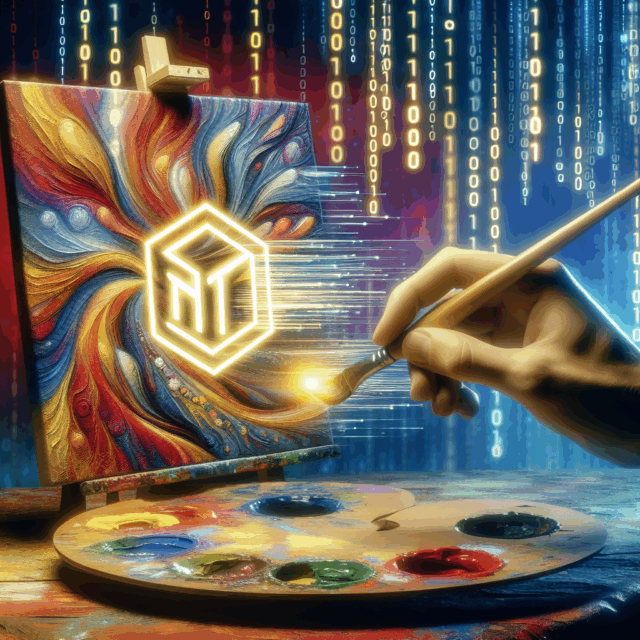
Digital art has evolved from a niche practice to a dominant force within the art world. Artists now wield tools such as graphic design software, 3D modeling, virtual reality (VR), and augmented reality (AR) to create immersive and interactive experiences. The accessibility of these tools has not only democratized the creation of art but has also expanded the notion of what art can be. For example, works that exist purely in digital spaces—such as NFTs (non-fungible tokens)—challenge traditional notions of ownership and authenticity.

The Democratization of Creation

One of the most significant impacts of digital innovation is the democratization of art creation. Platforms like Instagram, TikTok, and specialized art websites allow artists to bypass traditional gatekeepers, such as galleries and museums, reaching audiences directly. This shift has empowered a new generation of artists to emerge, often leveraging social media algorithms to increase their visibility. As a result, the art world is becoming more inclusive, showcasing diverse voices that may have previously gone unheard.

Challenges of Attribution and Authenticity

With new forms of art come new challenges in attribution and authenticity. In a digital environment, reproducing art is effortless, making it challenging to establish originality. The rise of NFTs is one response to this dilemma, providing a way to authenticate digital art and offer a unique ownership experience. However, the concept of digital ownership is still evolving, as questions about the environmental impact of blockchain technologies and the long-term viability of NFTs linger.

The Evolution of Audience Engagement

Digital innovation profoundly affects how audiences interact with art. Virtual exhibitions and online galleries have become commonplace, especially in the wake of global events like the COVID-19 pandemic. These technologies have broadened access to art for individuals who may have been geographically or financially barred from traditional venues. Moreover, immersive experiences like AR allow audiences to engage with art in dynamic ways, fostering a deeper connection to the work.

Monetization in the Digital Age

The traditional art market is undergoing a significant transformation as digital art becomes mainstream. Artists are exploring alternative monetization strategies, from selling digital prints and limited-edition NFTs to crowdfunding projects through platforms like Patreon. This shift is allowing creators to cultivate sustainable careers while diversifying their income streams. However, artists must remain vigilant about the changes in copyright laws and how they affect their ability to profit from their work.

The Role of Technology in Artistic Expression

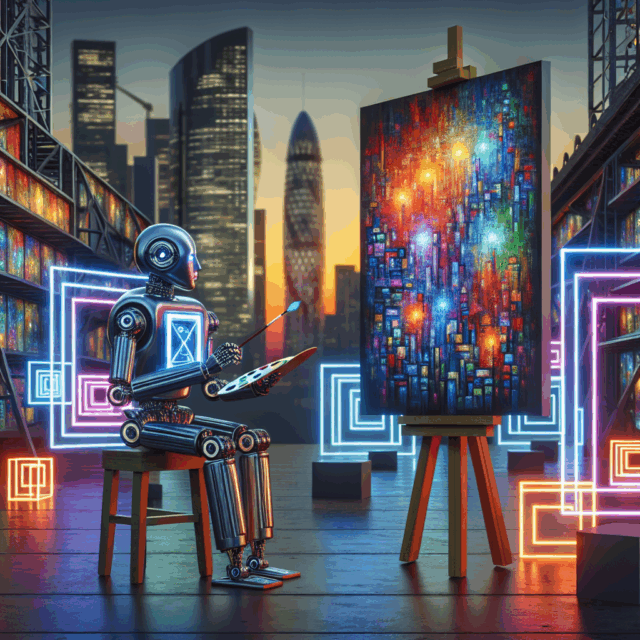
As technology continues to advance, it offers artists new mediums and methods to express their visions. AI-generated art, for instance, is challenging the very definition of creativity by questioning whether machines can be true creators. Collaborations between artists and AI are becoming increasingly common, leading to works that blend human insight and computational capabilities. This merger invites an ongoing dialogue about the nature of creativity and the role of the artist in the digital epoch.

Conclusion: A Future of Possibilities

The future of art is undoubtedly intertwined with digital innovation. While the landscape is rife with challenges—from questions of authenticity and ownership to evolving audience expectations—there are also vast opportunities for growth and exploration. As artists continue to push boundaries, they redefine their mediums, engage more people, and create new economic models for art.

In embracing these challenges, the art world stands to benefit from a richer tapestry of voices and ideas, ultimately leading to a more inclusive and dynamic cultural landscape. The horizon looks bright for artists willing to adapt and innovate within this digital framework. As we navigate these exciting times, one thing remains clear: digital innovation will continue to influence the future of art in ways we are only beginning to understand.

Is Earning $2,567 Daily Real? A Quick Guide to Mining Bitcoin with MiningToken

Is Earning ,567 Daily Real? A Quick Guide to Mining Bitcoin with MiningToken


As a rising crypto mining platform based in Switzerland, MiningToken has recently attracted significant attention. The platform offers an enticing promotion: a $100 welcome bonus for every new user and access to cloud mining contracts with guaranteed returns. After personally testing the platform, the author shares real results and provides a step-by-step guide for mining Bitcoin efficiently.

What Is Cloud Mining?

Cloud mining allows users to earn cryptocurrency by renting mining power from a data center, without needing to buy or maintain physical hardware. With MiningToken, all operations are handled by the platform—powered by green energy and managed by AI—which eliminates high electricity costs, technical setup, or maintenance. It’s a future-proof mining solution that’s eco-friendly, accessible, and beginner-friendly.

How to Claim the $100 Registration Bonus?

MiningToken allows users to register with just an email address. The process is simple, taking only 1–2 minutes, and the site works seamlessly on both desktop and mobile.

Steps to register:

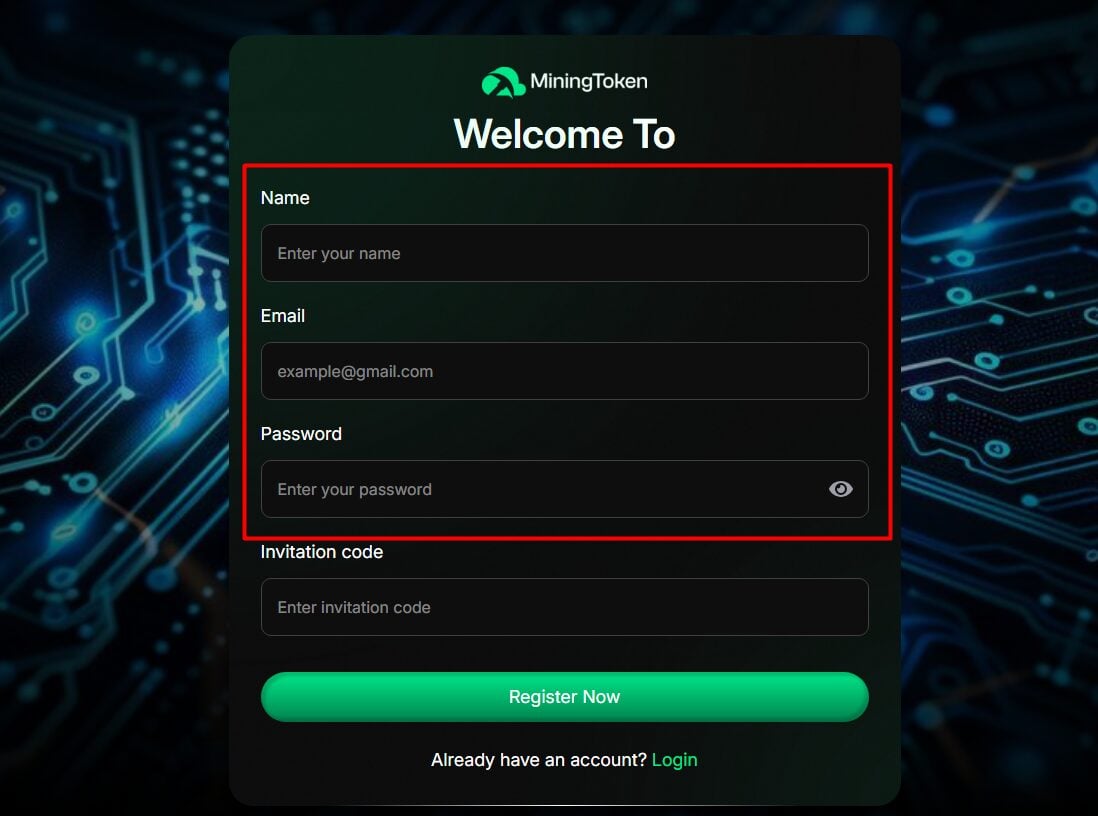
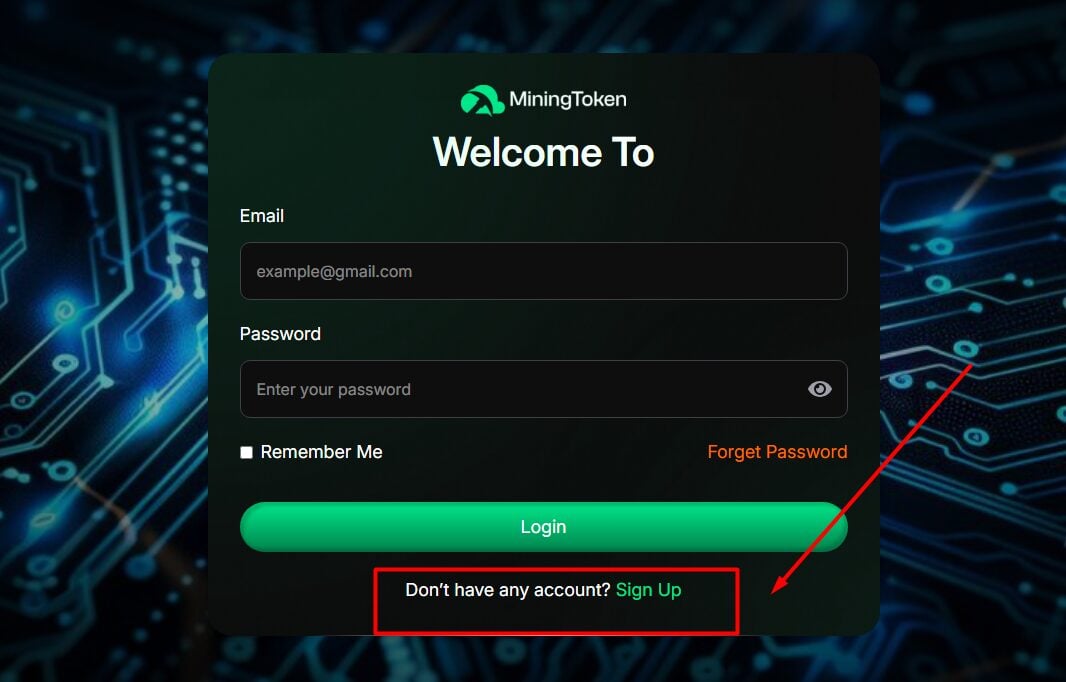
1. Go to the login page and click “Sign Up” below the login window.

Go to the login page and click “Sign Up” below the login window.

2. Enter a username (real name not required), your email, and set a password.

Enter a username (real name not required), your email, and set a password.Enter a username (real name not required), your email, and set a password.

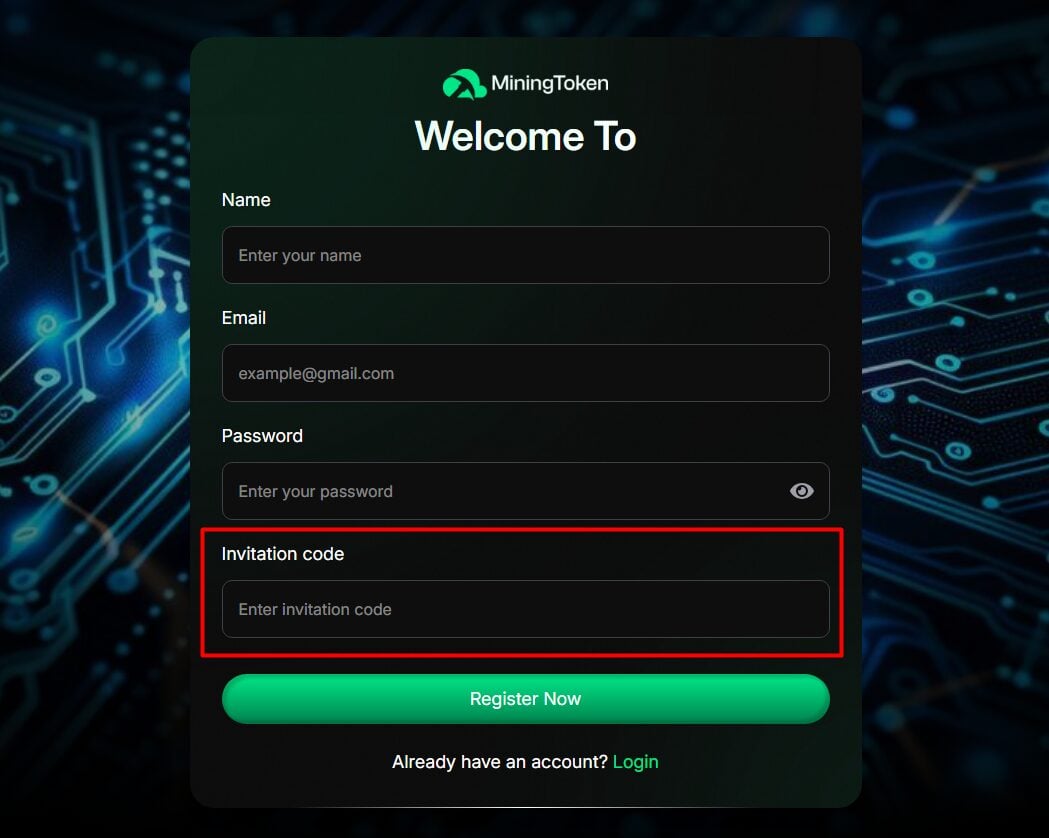
3. Input an invitation code if you have one—this field is optional.

Input an invitation code if you have one—this field is optional.Input an invitation code if you have one—this field is optional.

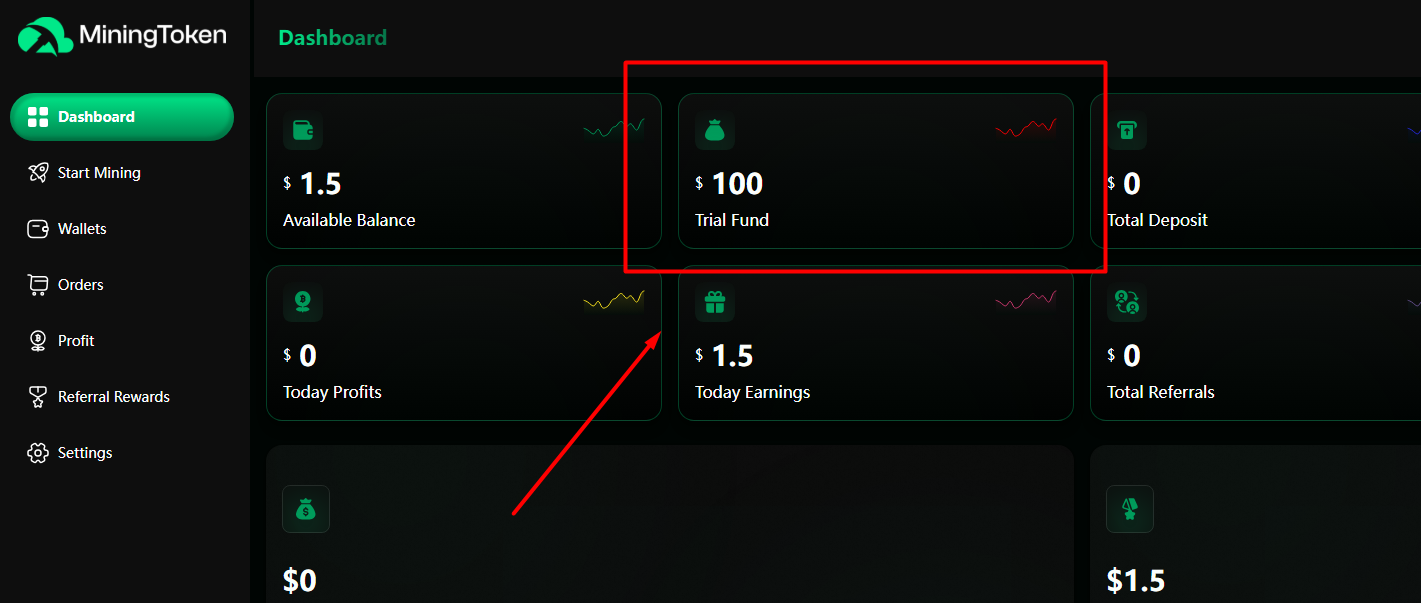
4. After registration, you’ll be redirected to the dashboard where a $100 trial balance is automatically credited.

After registration, you'll be redirected to the dashboard where a $100 trial balance is automatically credited.After registration, you'll be redirected to the dashboard where a $100 trial balance is automatically credited.

💬 FAQ: About the Free Bonus

Is the $100 bonus real? Yes, it’s a trial credit that allows you to purchase a $100 cloud mining contract. The profits generated from the contract are real and withdrawable.

Can the $100 itself be withdrawn? No. The trial credit cannot be withdrawn directly, but the profits earned from it can be accumulated and cashed out once they meet the minimum withdrawal threshold.

How to Earn $2,567 Daily?

To reach $2,567 per day, you can choose high-yield contracts or combine multiple contracts to scale your earnings.

Example:

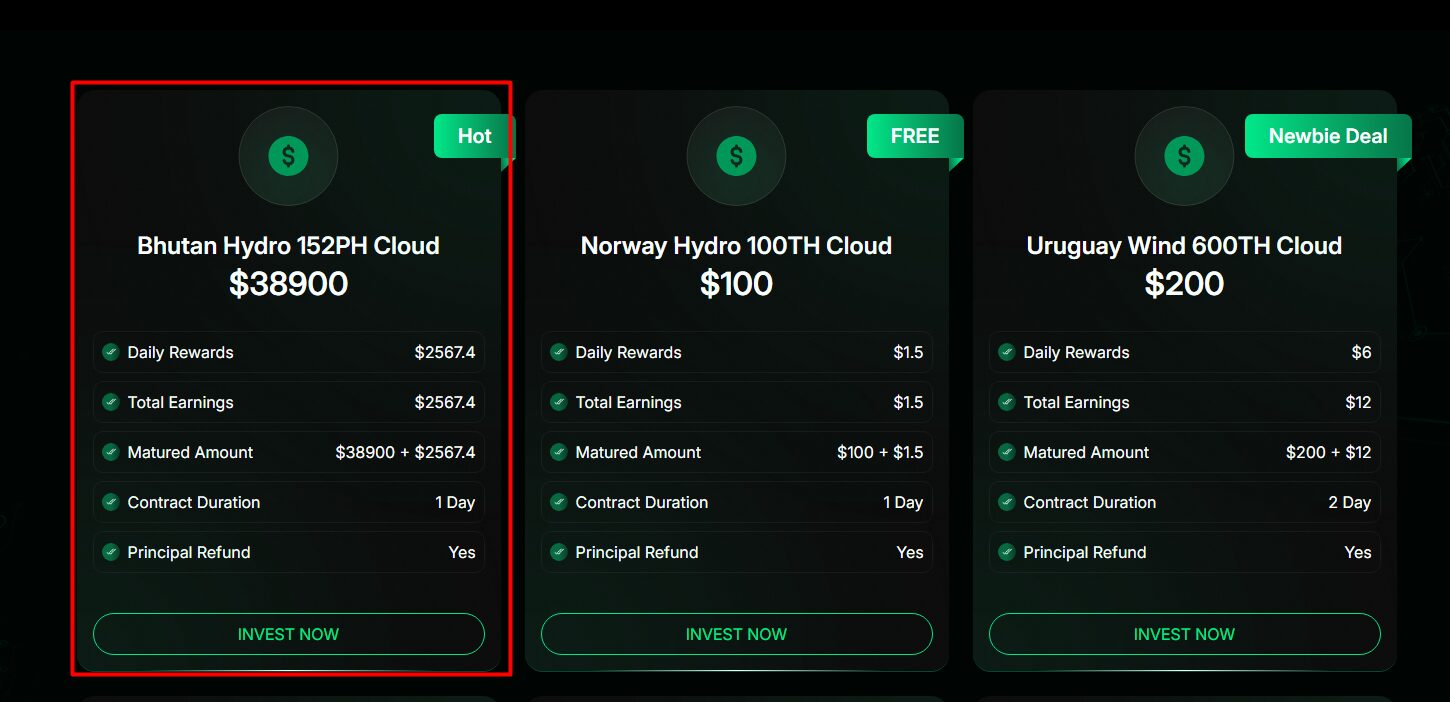
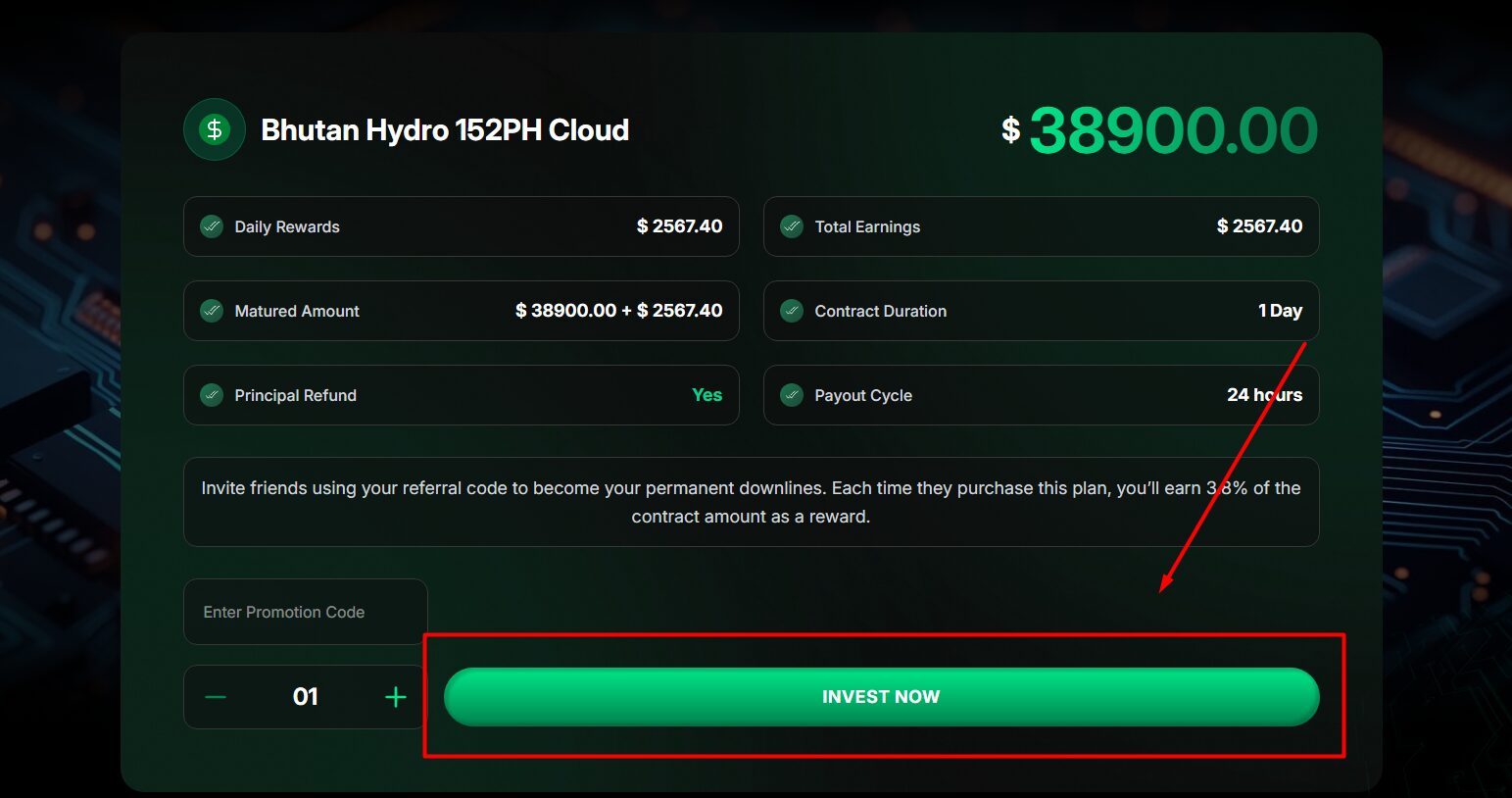
Visit the “Mining Plans” page and locate the “Bhutan Hydro 152PH Cloud” plan, currently on promotion.

Visit the “Mining Plans” page and locate the “Bhutan Hydro 152PH Cloud” plan, currently on promotion.Visit the “Mining Plans” page and locate the “Bhutan Hydro 152PH Cloud” plan, currently on promotion.

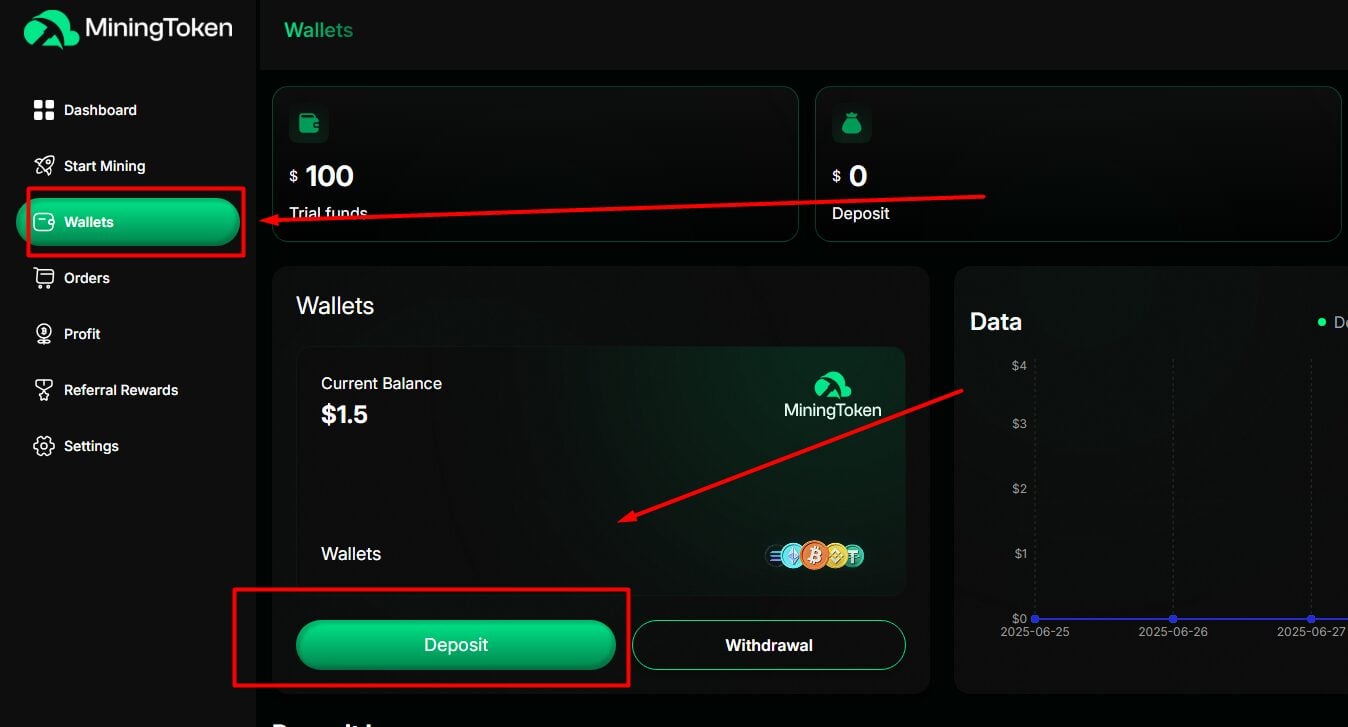
2. Make sure your account has enough balance. Use the wallet section in the dashboard to deposit funds.

Make sure your account has enough balance. Use the wallet section in the dashboard to deposit funds.Make sure your account has enough balance. Use the wallet section in the dashboard to deposit funds.

3. Click “Invest Now” to confirm your purchase.

Click “Invest Now” to confirm your purchase.Click “Invest Now” to confirm your purchase.

💬 FAQ: How Cloud Mining Contracts Work

How does the contract generate profit? Once purchased, the contract begins generating fixed daily profits every 24 hours. At the end of the contract period, the full principal is returned, and users can either reinvest or withdraw.

Are there limits on how many contracts I can purchase? Currently, no restrictions apply. You may purchase multiple contracts at once or mix different plans to diversify your returns.

What Is MiningToken? Is It Safe?

MiningToken is a Switzerland-registered cloud mining platform that emphasizes transparency, sustainability, and user protection. It operates across several global mining sites powered by hydro, wind, and geothermal energy.

The platform is designed for users of all levels, offering:

No hardware or technical knowledge requiredFixed daily payouts with capital returnAI-optimized hashpower distributionNo hidden fees and multilingual customer support

All contracts and user funds are securely managed, and withdrawals are processed reliably.

⚠️ Things to Consider When Mining Bitcoin

Start small to test the platform before scaling your investment.Evaluate contract terms carefully—look at ROI, duration, and lock-in periods.Monitor your earnings daily and set realistic expectations.Use a valid email and secure your account with a strong password.Contact support if you encounter delays or issues—they offer 24/7 assistance.

Conclusion

Is earning $2,567 daily possible? With MiningToken, yes—especially when choosing the right contracts and strategy.

This platform has redefined cloud mining:

No expensive machinesNo setup requiredNo electricity bills Just smart, daily crypto earnings powered by AI and clean energy.

Whether you’re a beginner or seasoned miner, MiningToken offers one of the most accessible ways to mine Bitcoin in 2025. Ready to get started? Sign up today and claim your $100 bonus.

👉 Visit MiningToken.com to Start Mining


Source link

Fusing Reality and Innovation: The Evolution of Tech-Driven Art


In our increasingly digitized world, the line between art and technology has blurred, giving rise to a new era of creativity known as tech-driven art. This genre encompasses a range of practices, from digital installations and interactive exhibits to augmented reality (AR) and virtual reality (VR) experiences. As technologies evolve, so too does the way we conceptualize and interact with art, reflecting society’s aspirations, challenges, and transformations.

The Historical Context

The journey of tech-driven art can be traced back to the emergence of digital technologies in the late 20th century. Early pioneers like Nam June Paik pushed the boundaries of traditional media by incorporating video and electronic components into their installations. At the same time, artists began experimenting with computer graphics, laying the groundwork for what would later flourish into a broad spectrum of digital art practices.

The Digital Revolution

The advent of the internet in the 1990s marked a significant turning point. Artists gained unprecedented access to global audiences and collaborative platforms, allowing them to create and share their work in ways that were previously unimaginable. The rise of social media fostered new forms of artistic expression, giving birth to movements such as net art, which explores the internet as both a medium and a conceptual space.

The Intersection of Art and Technology

Artistic expression today involves a multitude of technologies, from 3D printing and machine learning to big data and blockchain. Each new tool expands the artist’s creative repertoire, enabling innovative works that challenge traditional forms and engage audiences in unique ways. Here are some key areas where technology has profoundly influenced artistic practice:

1. Augmented and Virtual Reality

AR and VR have revolutionized the art experience, allowing viewers to immerse themselves in alternate realities. Artists like Marina Abramović have utilized VR to explore themes of presence and intimacy, offering participants a chance to engage with art on a deeply personal level. These technologies invite us to rethink our relationship with the physical world and consider new dimensions of space and perception.

2. Interactive Installations

Interactive art installations encourage audience participation, transforming passive observers into active co-creators. Artists like Rafael Lozano-Hemmer use sensors and algorithms to create responsive environments where audience movements and actions influence the artwork. This dynamic interaction fosters a deeper connection between the audience and the work, emphasizing the notion of art as an evolving dialogue rather than a static display.

3. Algorithmic Art

With the rise of artificial intelligence, artists are now harnessing algorithms to create paintings, music, and even poetry. What was once a purely human endeavor is being augmented or even wholly created by machines. Artists such as Refik Anadol explore the possibilities of AI-generated artworks that capture the complexities of data and memory. This genre questions authorship and originality, challenging our conventional understanding of creativity.

4. Blockchain and Digital Ownership

The blockchain revolution has introduced the concept of digital ownership through non-fungible tokens (NFTs). This technology allows artists to sell digital works as unique entities, fundamentally altering the way art is bought, sold, and appreciated. Emerging artists can gain recognition and financial support without traditional gatekeepers, democratizing the art market and providing new avenues for innovation.

The Societal Impact of Tech-Driven Art

As tech-driven art continues to evolve, it reflects broader societal changes and addresses pressing issues. From environmental concerns to social justice, artists are using technology to provoke discourse and inspire action. For instance, projects like Olafur Eliasson’s "Ice Watch" highlight climate change, using digital media to engage audiences in urgent conversations about our planet’s future.

Bridging the Gap

Moreover, the integration of technology in art is bridging gaps between diverse communities. Virtual exhibitions and online art platforms allow artists from underrepresented backgrounds to reach global audiences, creating a more inclusive art world. This democratization of art facilitates cross-cultural dialogues, enriching the artistic landscape.

Conclusion

The evolution of tech-driven art embodies the fusion of reality and innovation, challenging our perceptions and redefining creativity in the 21st century. As technology continues to advance, artists will undoubtedly discover new methods of expression that push the boundaries of imagination and explore our collective human experience. In this interplay between art and technology, we find not only new forms but also new meanings, inviting us to reflect on the world we inhabit and the futures we can create together.

FCA-Certified VNBTC Rolls Out Cloud Mining Plan, Attracting Crypto Enthusiasts

FCA-Certified VNBTC Rolls Out Cloud Mining Plan, Attracting Crypto Enthusiasts


Traditionally, cryptocurrency mining has demanded hefty capital outlays, intricate technical know‑how, and massive energy consumption. But a wave of innovative platforms is breaking down these barriers, most notably, the new Dogecoin cloud mining contract launched by FCA‑certified VNBTC.

In late June 2025, VNBTC, a UK‑regulated crypto mining provider, introduced a free Dogecoin cloud mining plan, awarding users with up to $79 in DOGE credits. This is without any hardware investment or up‑front fee. Operating across Europe, the US, and over 100 countries under Financial Conduct Authority (FCA) compliance, VNBTC delivers daily payouts and an AI‑powered, renewable‑energy‑backed mining infrastructure, democratizing access to meme coin mining.

This platform is reshaping the cloud mining landscape, offering general crypto enthusiasts an unprecedented way to participate in Dogecoin mining.

Features of VNBTC Cloud Mining

For the past 6 years, VNBTC has built a reputation as a reliable, secure, and profitable cloud mining site. For individuals seeking a way to earn crypto from mining, VNBTC is lowering the barrier with affordable cloud mining contracts and a passive process. The platform’s key features include:

$79 welcome bonus for the free Dogecoin cloud mining contract and advanced contracts to mine 8 other cryptocurrencies. 

AI‑Powered, Green‑Energy Optimization:- Contracts are powered by AI that dynamically optimizes hash power across globally distributed, renewable-energy-backed data centers, maximizing efficiency and cutting resource waste.

High Uptime with Real‑Time Monitoring- VNBTC’s institutional-grade infrastructure comes with 24/7 monitoring, and encryption to ensure uninterrupted mining and secure earnings.

Bank‑Grade Security: Encryption, Cold Wallets, MFA- With multi-layer encryption, multi-factor authentication, and offline cold wallet storage, VNBTC safeguards user funds and data to the highest standard.

Dashboard for transparent monitoring of Daily crypto earnings: Daily earnings are displayed on an easy to use dashboard allowing users to monitor easily.

Multi‑Coin Support- Beyond Dogecoin, VNBTC now supports Bitcoin, Ethereum, and up to nine cryptocurrencies across its flexible contracts 

VNBTC Bounty and Affiliate Program: Earn lucrative referral bonuses from a two-tiered affiliate system with 3% commission for level 1 and 1.8% for level 2. With the bounty program, create simple social media content to earn USDT.

Earn Crypto with VNBTC’s Free Dogecoin Cloud Mining Plan

Now could be the perfect time to start exploring cloud mining at no risk, with VNBTC’s free plan. Follow the 3 simple steps:

Step 1: Go to VNBTC’s official website to register and get credited the $79 bonus.

Step 2: Purchase the starter Dogecoin cloud mining plan

Step 3: Earn profits in the next 24 hours.

Individuals seeking higher returns beyond the free Dogecoin cloud mining plan can fund their accounts to purchase any of the advanced cloud mining contracts:

VNBTC Leads With the Largest User Base In the Cloud Mining Industry. Here’s Why:

Ease of access: In just 3 steps anyone can start earning crypto from VNBTC. Including those starting with $0.

High profitability: With AI-driven mining processes and the use of affordable energy sources, VNBTC manages the highest mining profit margin. So far users can earn up to $17,500 on the Bitcoin cloud mining contract.

Stress-Free Experience: VNBTC handles all the mining and management activities. As such users can avoid the hassle by simply purchasing a contract and watching the daily crypto profit rewards grow.

Final Thoughts

VNBTC’s daily payouts, flexible contract model, and high-level security position it among the leading cloud mining platforms in 2025. Whether you’re a crypto newcomer or an expert investor, VNBTC offers an attractive route to passive income through cryptocurrency mining. It may well be one of the defining cloud mining platforms of 2025. 

Sign up today and begin your journey to financial freedom.


Source link

Free Bitcoin & Crypto Cloud Mining in 2025 — Earn $5,100 Daily BTC, DOGE Legally

Free Bitcoin & Crypto Cloud Mining in 2025 — Earn ,100 Daily BTC, DOGE Legally


As the cryptocurrency market enters a new bull cycle in 2025, more and more investors are looking for low-barrier mining options that require no technical expertise or hardware investment. Cloud Mining has emerged as the new, legal pathway to passive crypto income. Among many platforms, MiningCoop stands out as one of the most trusted free cloud mining platforms, offering diversified mining options for popular cryptocurrencies including Bitcoin (BTC), Dogecoin (DOGE), Litecoin (LTC), and Ripple (XRP).

Cloud Mining vs. Traditional Mining: Why Smart Cloud Mining Is the Future of Crypto Investment

Unlike traditional mining—which requires expensive equipment, electricity, and maintenance—cloud mining only requires a smartphone or computer. Users can remotely allocate hash power and participate in mainstream crypto mining directly through the platform. MiningCoop uses global green energy data centers and AI-powered hash rate scheduling systems to optimize mining efficiency and reduce energy consumption, delivering more stable and eco-friendly returns.

How to Earn Up to $5,100 Per Day Legally with MiningCoop’s Global Green Cloud Mining Platform

With MiningCoop’s fully compliant cloud mining service, users can start mining Bitcoin (BTC), Ethereum (ETH), Dogecoin (DOGE), and more—without buying any hardware or having prior knowledge. Thanks to flexible contract options, automated daily profit settlements, and expected annual returns of up to 9%, MiningCoop is quickly becoming the preferred platform for passive income among global investors. Choose the right plan and start earning up to $5,100 per day—legally, securely, and sustainably.

Start mining in just 4 simple steps:

Visit the official website: miningcoop.com Register and instantly receive a $100 free mining contract Track daily earnings and upgrade hash power anytime Invite friends to earn additional commission and double your returns

More High-Yield, Low-Barrier Mining Contracts

All contracts on MiningCoop are fully automated. With just a tap, users can activate a mining plan, monitor daily earnings, and withdraw profits anytime. Once a contract expires, the principal is fully refunded, allowing users to reinvest and benefit from compound returns.

�� Visit MiningCoop today to start your secure and stable crypto passive income journey!

What Users Are Saying:

“I used to think crypto mining was complicated, but with MiningCoop, it’s so easy. I can see my earnings increase every single day.”Emma, Germany

“One reason I chose MiningCoop is the support for XRP and LTC mining. Now I receive passive income every day—it’s absolutely worth it.”Rajiv, India

Why Choose MiningCoop Over Other Platforms?

MiningCoop is not just a cloud mining provider—it’s a comprehensive ecosystem combining intelligent hash rate management, renewable energy use, and global regulatory compliance. Key advantages include:

Free Mining Plan – $100 Hash Power Bonus for New UsersSimply sign up and instantly receive a $100 mining contract. No upfront cost, and your mining earnings begin on day one. Supports Popular Cryptocurrencies: BTC, DOGE, LTC, XRPChoose to mine high-potential coins based on your strategy and market trends to maximize ROI. Daily Earnings Up to $5,100With high-tier mining contracts and flexible investment options, users can earn up to $5,100 in daily passive income. Legally Compliant & Globally TrustedHeadquartered in London, UK, MiningCoop operates under multiple regulatory jurisdictions, including the UK, US, Singapore, and the UAE. All earnings are transparent and trackable.

Final Word — MiningCoop: The Most Trusted Cloud Mining Platform for Bitcoin and Altcoins in 2025

MiningCoop is reshaping the global passive income landscape by combining AI-powered automation, green energy infrastructure, and diversified cloud mining contracts. Whether you’re looking to grow your Bitcoin holdings or diversify with Ethereum (ETH), Dogecoin (DOGE), Litecoin (LTC), or Ripple (XRP), MiningCoop offers a legal, low-barrier, high-reward solution for every level of investor.

With the post-halving BTC surge in 2025 and the increasing demand for stable crypto returns, MiningCoop has emerged as the most profitable, secure, and beginner-friendly cloud mining platform. Backed by international licenses, automated daily profit settlement, up to 9% annualized fixed return, and a $100 signup bonus, MiningCoop is your gateway to long-term, sustainable crypto wealth.

Click Miningcoop.com to get your $100 free hash power bonus and start mining today!


Source link

From Brush Strokes to Code: The Evolution of Artistic Techniques in AR and VR


Art has always been a reflective medium, evolving alongside technological advancements and cultural shifts. In recent years, the rise of Augmented Reality (AR) and Virtual Reality (VR) has marked a transformative period in the realm of artistic expression. This article explores how traditional artistic techniques have migrated into digital environments, reshaping the way artists create and audiences experience art.

The Foundation: Traditional Techniques

Historically, artists have relied on physical mediums—oil paints, watercolors, pastels, and clay—to bring their visions to life. Techniques such as brush strokes, layering, and perspective have defined art movements through the centuries. The tactile nature of these traditional forms allowed artists to connect intimately with their materials and audiences.

Nonetheless, as society embraced innovation, artists began experimenting with new mediums. The advent of digital art in the late 20th century set the groundwork for future explorations in AR and VR.

The Dawn of Digital Art

Digital art emerged as a significant form of expression, providing tools such as graphic tablets and software like Adobe Photoshop. Artists were no longer limited by their physical environments; they could manipulate colors and textures with just a few clicks. This evolution democratized art-making, enabling emerging artists to experiment without the constraints of traditional materials.

The integration of 3D modeling software, like Blender and ZBrush, added another dimension to digital artistry. Artists could create intricate sculptures and environments that were virtual yet felt real.

The Leap to Augmented Reality (AR)

As smartphones and AR technology proliferated, artists found new avenues for creativity. AR overlays digital images onto the physical world through mobile applications and smart glasses, bridging the gap between real and digital experiences. This medium allows artists to enhance their works with interactive elements, movement, and additional layers of meaning.

One notable example is the work of digital artists like Kaho Abe, who creates AR experiences that respond to viewer interactions. By merging physical and digital realms, AR challenges the traditional notion of a static art piece, inviting audiences to become active participants in the artwork.

Techniques in AR

  1. Layering and Transparency: Artists use layers to transcend the limitations of physical canvases. Transparent overlays can reveal hidden narratives or features.

  2. Interactive Elements: By incorporating touch or motion sensors, AR artworks become dynamic and personalized. Viewers can manipulate the experience, making art fluid rather than fixed.

  3. Site-Specific Works: Artists can design AR experiences anchored in specific locations, creating context-driven narratives that resonate with local history or culture.

The Immersive World of Virtual Reality (VR)

VR takes the concept of art even further, immersing audiences in entirely digital environments. Users can explore three-dimensional worlds crafted by artists, experiencing artworks from inside out. This immersive engagement redefines the relationship between the viewer and the art, allowing for profound emotional connections.

Techniques in VR

  1. 3D Sculpting: Tools like Oculus Medium and Quill enable artists to create intricate sculptures in a virtual landscape, akin to traditional clay modeling but with limitless possibilities.

  2. Spatial Narratives: Artists can craft narratives that unfold spatially, allowing viewers to walk through the story. This technique blurs the lines between storytelling and visualization, enhancing emotional impact.

  3. Social Interactivity: Artists are also exploring multi-user environments where viewers can collaborate or interact with one another within the VR space, creating a communal experience of art-making.

Challenges and Considerations

Despite the abundant opportunities in AR and VR, artists face several challenges. The technical skills required to master these tools can be daunting. Moreover, the rapid pace of technological change can make equipment and software quickly obsolete.

Ethical considerations also arise, especially regarding accessibility and representation. Is this technology only accessible to a privileged few? Are the digital realms created reflective of diverse cultures and narratives?

Conclusion

The evolution of artistic techniques from brush strokes to code signifies not just a shift in tools, but a profound transformation in how art is conceived, created, and experienced. AR and VR invite artists to explore new dimensions of creativity, enabling immersive experiences that redefine the viewer’s role in art.

As we move forward, the blend of tradition and innovation will continue to enrich the art world, opening doors to endless possibilities. The future of art promises to be as vibrant, complex, and dynamic as the technologies that drive it.

The Intersection of Tradition and Technology: NFT Art in 2023


The art world is no stranger to innovation. From the Renaissance to Abstract Expressionism, each era has marked a pivotal transformation in how art is created, consumed, and valued. However, the advent of Non-Fungible Tokens (NFTs) in recent years signals an unprecedented leap into a digital frontier that is reshaping the entire landscape of art. As we delve into 2023, the intersection of tradition and technology in NFT art offers a compelling narrative about the future of creativity and ownership.

Understanding NFTs

Non-Fungible Tokens are unique digital assets verified using blockchain technology. Unlike cryptocurrencies, which are interchangeable, NFTs represent ownership of a specific digital item—be it art, music, or even tweets—making them singular in nature. This uniqueness grants artists new avenues to monetize their work, while collectors benefit from verifiable ownership and provenance.

Bridging the Gap: Tradition Meets Technology

Revitalizing Traditional Art Forms

In 2023, museums and galleries begin to explore the synthesis of traditional art with digital formats. Artists often blend classic techniques with digital tools, creating hybrid works that resonate with diverse audiences. For instance, painters might integrate augmented reality (AR) elements into their canvases, allowing viewers to interact with the artwork via their smartphones. This convergence of mediums not only attracts younger audiences but also rejuvenates interest in art forms that have existed for centuries.

Expanding Access

NFT art is democratizing the art market. Traditionally, the artwork of established artists commanded exorbitant prices, limiting access to a select few collectors. However, NFT marketplaces enable emerging artists to reach a global audience, selling works at prices that vary widely. This inclusivity fosters a more diverse art scene, where anyone can discover and collect works from all over the globe.

Preserving Cultural Heritage

NFTs can also help in the preservation of cultural heritage. Many indigenous and traditional artists are turning to NFTs to share their art and stories securely and ethically. By creating digital twins of cultural artifacts, they not only preserve their heritage but also ensure that they are compensated for the usage of their cultural symbols and works in the digital space.

Challenges and Critiques

Despite its promise, the NFT art market faces significant challenges. Environmental concerns regarding blockchain technology and its carbon footprint are at the forefront. Many platforms are working to transition to more sustainable methods, but it remains a pressing issue for conscious creators and collectors.

Additionally, the NFT space is rife with scams and copyright infringements. Ensuring authenticity and protecting artists’ rights are fundamental challenges that the industry continues to confront.

The Role of Community

Community has become a central theme in the NFT landscape. Many artists are leveraging social media platforms to build loyal followings and engage directly with their collectors. Online communities and virtual reality spaces facilitate these interactions, creating a sense of belonging and investment in an artist’s journey. This grassroots approach contrasts with the traditional auction model, where buyers often operate in isolation.

The Future of NFT Art

As we move further into 2023, the future of NFT art looks promising yet uncertain. Major art institutions are now cautiously entering the space with exhibitions dedicated to NFT art, signaling a broader acceptance of digital formats within traditional art circles. This evolution reflects a growing acknowledgment that art need not adhere strictly to historical norms to possess value and significance.

A New Frontier for Collaboration

Collaboration among artists, technologists, and brands is likely to drive the next wave of innovation. As the lines between digital content and authentic experience blur, new interdisciplinary projects will arise. We may soon see interactive pieces that respond to viewers’ emotions or installations that incorporate AI in real-time to adapt and evolve.

Conclusion

In 2023, the intersection of tradition and technology within the NFT art space reveals an exciting yet complex narrative. It holds the potential to redefine art ownership, access, and engagement. As artists continue to carve out unique identities in this realm, the challenge remains to navigate the complexities while celebrating the rich heritage that art embodies. The fusion of artistic tradition and digital innovation not only enriches the tapestry of global art but also invites a broader audience to partake in its evolution. The future is indeed bright for NFT art, as creativity flourishes at the nexus of the past and the future.

Interactive Aesthetics: Engaging Audiences Through Creative Coding


In a world where digital engagement is paramount, the potential for creative coding to enhance user experiences has never been more significant. Interactive aesthetics represent a fusion of art, technology, and user engagement, allowing creators to craft immersive experiences that resonate on multiple levels. This article explores the essence of interactive aesthetics, its applications, and the impact of creative coding on audience engagement.

Understanding Interactive Aesthetics

Interactive aesthetics refer to the artistic qualities that emerge when digital art becomes responsive to user input. Unlike traditional art forms, which often rely on passive observation, interactive art invites audiences to participate actively. This participatory element transforms viewers into users, creating a dialogue between the artwork and the audience.

Key Components

  1. User Engagement: At its core, interactive aesthetics seek to captivate and involve users. This engagement can range from simple interactions, like clicking or scrolling, to complex environments where users navigate through 3D spaces or influence narrative outcomes.

  2. Dynamic Feedback: Effective interactive art provides immediate, responsive feedback to user actions. This can manifest through visual changes, sound alterations, or even narrative shifts. The feedback loop creates a sense of agency, allowing users to feel their input is meaningful.

  3. Multisensory Experiences: Innovative use of sound, visuals, and even haptic feedback enriches the interactive experience. By appealing to different senses, creators can elicit a broader emotional response, making the experience more memorable.

The Role of Creative Coding

Creative coding is the practice of using programming as a medium for artistic expression. Unlike conventional software development, where the aim is functional usability, creative coding prioritizes aesthetics and experience. Here’s how creative coding enhances interactive aesthetics:

1. Accessibility of Tools: Platforms like Processing, p5.js, and openFrameworks offer user-friendly environments for artists and designers to experiment with code. These tools lower barriers to entry, enabling creators from diverse backgrounds to participate in the digital art space.

2. Algorithmic Art: Creative coding allows for the generation of dynamic art through algorithms. Artists can create patterns, visuals, and behaviors that evolve based on user input or randomization, leading to unique experiences with each interaction.

3. Interactivity: With coding, creators can design complex interactions that respond to external data inputs, such as sensors, social media feeds, or user-generated content. This enables a layered, ever-changing artistic landscape.

Applications of Interactive Aesthetics

1. Digital Installations: Art galleries and museums increasingly use interactive installations to engage visitors. For instance, immersive exhibits might allow attendees to manipulate visuals projecting on walls or even influence soundscapes based on their movements.

2. Games: Video games are prime examples of interactive art, merging storytelling, visual artistry, and user agency. Through creative coding, game developers can craft environments that respond to player choices, creating a narrative that is uniquely shaped by the user.

3. Web Art: The internet serves as a canvas for numerous interactive artworks. Websites that allow users to create, navigate, or modify art demonstrate the potential of web technology in fostering interactive experiences. These pieces often blur the line between creator and audience.

4. Education: Interactive aesthetics can transform educational experiences by making learning more engaging. Through gaming elements, AR applications, or interactive simulations, students can explore complex subjects dynamically.

The Impact on Audience Engagement

Interactive aesthetics, driven by creative coding, have notably shifted how audiences engage with digital art. The participatory nature fosters a deeper connection, with users becoming co-creators rather than passive observers.

Emotional Resonance

The immediacy and personal connection offered by interactive experiences evoke emotional responses that traditional art may not achieve. When audiences influence outcomes, they form stronger attachments, making these encounters especially impactful.

Community Building

Interactive art often encourages community involvement, whether through collaborative experiences or user-generated content. This shared interaction fosters networks of engagement, as participants collectively express creativity and share experiences.

A New Paradigm of Art

As interactive aesthetics grow in popularity, the definition of art itself is expanding. No longer confined to static forms, art is becoming a fluid, ever-evolving dialogue between creator, medium, and audience.

Conclusion

Interactive aesthetics, enriched by creative coding, are redefining how audiences experience art in the digital age. By integrating user participation, dynamic feedback, and multisensory aspects, creators can craft engaging, memorable experiences that resonate deeply. As technology continues to evolve, so too will the possibilities for creative coding in the world of interactive aesthetics, paving the way for a new era of artistic expression and engagement. Whether in galleries, on screens, or in games, the synergy of technology and creativity promises to captivate and inspire audiences around the globe.

Art Meets Automation: The Impact of AI on Creative Installations

0


In an age where technology permeates every facet of our lives, the intersection of art and automation is not merely a trend but a profound transformation reshaping creative expression. The incorporation of artificial intelligence (AI) into artistic installations has opened new avenues for creativity, challenging traditional notions of authorship, creativity, and the role of the artist.

The Emergence of AI in Art

Artificial intelligence has made significant strides in its capacity to process data, recognize patterns, and generate outcomes that mimic human expression. Artists are increasingly collaborating with technology, utilizing AI algorithms to generate visual art, compose music, and create immersive experiences. This phenomenon raises intriguing questions about the nature of creativity. Can a machine truly be creative, or is it merely emulating human creativity based on patterns and inputs?

Generative Art

Generative art, where algorithms create visual art, is a prime example of this fusion. Programs like DALL-E and DeepArt use neural networks to analyze existing artworks and generate new pieces based on learned styles and subjects. Artists like Refik Anadol and Sofia Crespo have embraced these tools to create stunning installations that reflect the chaotic beauty of algorithms interacting with artistic concepts.

Interactive Installations

AI also enables interactive installations that respond to viewers in real-time. For example, installations might utilize computer vision to analyze the emotions of participants, changing visual elements, sounds, or even the narrative according to their reactions. The immersive environments can create a dialogue between the viewer and the artwork, making the experience deeply personal and unique.

Redefining the Role of the Artist

The integration of AI in artistic creation necessitates a reevaluation of the artist’s role. Traditionally, artists have been seen as the sole creators of their works, responsible for every brushstroke, note, or line of code. However, in a world where AI can generate complete artworks, the artist’s role shifts from creator to curator and facilitator. They become collaborators with machines, guiding and refining outputs to align with their vision.

This evolution is not without controversy. Many traditionalists argue that art created by algorithms lacks the emotional depth and intent that human artists imbue in their work. However, proponents argue that the use of AI introduces new forms of expression, allowing artists to explore uncharted territories. The layering of human creativity with machine-learning capabilities can lead to outcomes that neither could achieve alone.

Ethical Considerations

As AI continues to influence creative practices, ethical considerations arise around originality and ownership. Who owns artwork created by an algorithm? Is it the artist, the programmer, or the AI itself? The lines of authorship are blurred, leading to debates regarding copyright and intellectual property in the digital age.

Furthermore, reliance on AI raises concerns about the potential commodification of art. With algorithms generating art at scale, the very nature of uniqueness and exclusivity in art could be challenged. Artists and institutions must navigate these dilemmas as they embrace AI technologies.

The Future of AI in Creative Installations

Looking ahead, the future of AI in art and creative installations promises even greater integration and innovation. As AI technology evolves, so too does the potential for richer, more complex interactions in artistic experiences. We may witness the emergence of entirely new genres of art that fuse physical and digital realms, blurring the boundaries of perception and reality.

Additionally, with advancements in machine learning and neural networks, the capability of AI to understand and generate nuanced artistic expressions is likely to grow, leading to even more sophisticated collaborations between humans and machines.

Conclusion

The intersection of art and automation represents a dynamic fusion reshaping how we perceive creativity and artistic expression. As AI continues to stir the creative pot, artists and technologists alike are invited to explore unimaginable possibilities, challenging us to reconsider our definitions of art and imagination. As we embrace this brave new world of creativity, one thing remains certain: art and AI are partners in an ongoing dialogue—one that will forever change the landscape of artistic expression.

XRP Price Holds Strong & BNB Slips, BlockDAG Reloads $0.0016 for a Massive ROI!

0
XRP Price Holds Strong & BNB Slips, BlockDAG Reloads alt=


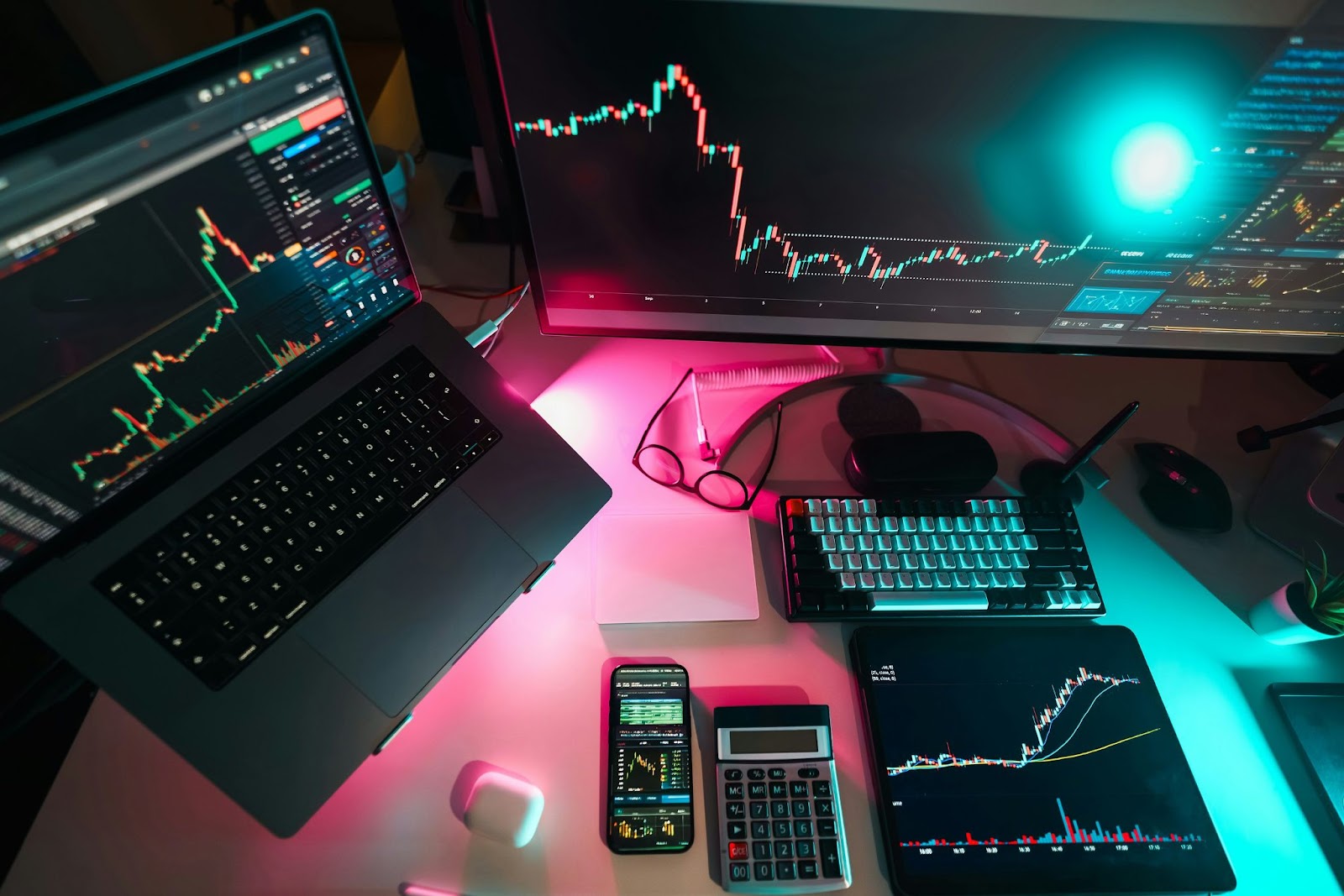
XRP price today is holding strong above key support, and Binance Coin (BNB) market outlook is showing cracks in developer momentum. Each tells a different story, yet they share the same backdrop: a market where sideways movement is testing patience.

Is this the calm before something bigger? BlockDAG (BDAG) brings a jolt of energy into that mix with its new GLOBAL LAUNCH release offer. Crypto buyers now have one last chance to grab BDAG at a price that was long gone: $0.0016 and make huge ROI at launch. Buyers are unlocking this offer, pushing the presale to $325.4 million. Is this the newest leading decentralized crypto in the market?

Stagnation Concerns Surface in Binance Coin Market Outlook

The Binance Coin (BNB) market outlook reflects a growing disconnect between stable price action and declining developer engagement. Recent data shows an 85% drop in smart contract activity, raising concerns about long-term sustainability. The Binance Coin market outlook also highlights a lack of growth outside DeFi, with minimal traction in gaming, NFTs, or other sectors. 

Stagnation Concerns Surface in Binance Coin Market Outlook

Technical indicators remain neutral, showing little momentum in either direction. While derivatives interest holds steady, the Binance Coin market outlook is weighed down by shrinking on-chain development. Without a broader range of activity, the platform risks further stagnation despite short-term market calm.

Resistance Levels Take Shape in XRP Price Today

The XRP price today reflects a modest pullback after reaching a high of $2.2191. Despite minor dips, XRP remains above $2.180 and the 100-hourly SMA, keeping near-term momentum intact. The XRP price today shows consolidation just below key resistance at $2.220, with potential upside targets at $2.250 and $2.320. 

Resistance Levels Take Shape in XRP Price TodayResistance Levels Take Shape in XRP Price Today

Technical indicators, including a rising MACD and RSI above 50, suggest ongoing strength. However, the XRP price today could face renewed pressure if it drops below $2.1450. Traders are watching the $2.220 level closely, as a clear move above it may shift the XRP price today toward higher targets.

BlockDAG’s GLOBAL LAUNCH Release Offer Unlocks $0.0016 Built for Returns

BlockDAG just rewrote its playbook with a rule that flips standard presale logic. As part of GLOBAL LAUNCH release, buyers can now get BDAG at $0.0016; a price long gone from earlier batches. This kind of price is usually reserved for early entries. 

It’s a tiered trigger designed to reshape how people interact with a late-stage presale. The difference is sharp. From $0.0016 to BlockDAG’s confirmed $0.05 launch price, the return potential stands huge. 

BlockDAG has shown strong growth and returns since its beginning. Early buyers have already seen gains of 2660% from Batch 1 to Batch 29. But this new buying offer brings fresh potential to the table for those who missed out on joining this crypto presale early. But there’s a catch. The opportunity is only available for the next six weeks, after which the offer will end on August 11. 

BlockDAG’s GLOBAL LAUNCH release Offer Unlocks $0.0016 Built for ReturnsBlockDAG’s GLOBAL LAUNCH release Offer Unlocks $0.0016 Built for Returns

So far, over $325.4 million has flowed into the project, and 23.4 billion coins have already been claimed across 29 presale batches. That kind of traction normally leads to higher barriers, not hidden discounts. By flipping that narrative, BlockDAG injects energy back into a presale that’s nearly at the finish line.

It’s a challenge designed for serious participants. The structure doesn’t reward one-off purchases. It rewards those stepping up during the final stretch. As the new offer kicks in, this model could push new volume while giving committed buyers access to a pricing tier that most thought was gone for good.

Leading Decentralized Crypto Moves: One Clear Winner in Sight

When it comes down to it, XRP shows resilience near support, and the Binance Coin (BNB) market outlook holds steady despite slowing development. Both show strength, yet neither carries the upside punch seen in BlockDAG. 

Its GLOBAL LAUNCH release flips late-stage logic, unlocking $0.0016 access for those interested and missed the chance. That reopens a pricing window many thought was long gone. 

With more than $325.4 million raised and 23.4 billion coins sold in 29 presale batches, momentum keeps climbing. While others hover in holding patterns, BlockDAG accelerates. The offer ends August 11, closing what may be the final opening before the full price gap hits.

Top Decentralized Crypto Moves: One Clear Winner in SightTop Decentralized Crypto Moves: One Clear Winner in Sight

Presale: https://purchase.blockdag.network

Website: https://blockdag.network

Telegram: https://t.me/blockDAGnetworkOfficial

Discord: https://discord.gg/Q7BxghMVyu


Source link

Popular Posts

My Favorites

AI Helped Researchers Block a Virus Before Infection Began – Decrypt

0
In brief Researchers identified a key molecular interaction that viruses rely on to enter cells and disrupted it in lab experiments. The work used AI...