Arts

Home Arts Page 60

Art in a New Dimension: How Immersive Experiences are Changing Audience Perception
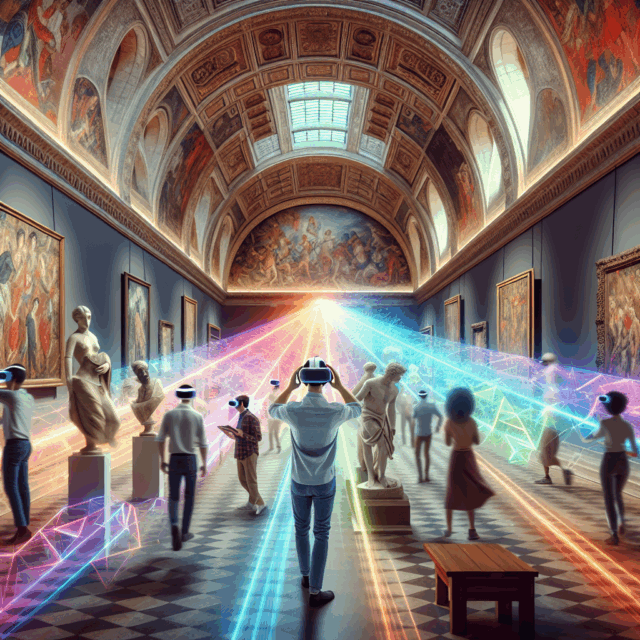

The world of art is undergoing a paradigm shift. Traditionally confined to canvases, sculptures, and galleries, art is transcending its boundaries and entering a new dimension through immersive experiences. Innovations in technology, particularly virtual and augmented reality, have given rise to forms of art that engage audiences in ways never before imagined. This article explores how these immersive experiences are reshaping audience perception and redefining the relationship between viewers and art.

The Rise of Immersive Art

Immersive art experiences flood visitors with sensory stimulation, breaking the barriers between the artwork and the audience. Popularized by installations like Van Gogh Alive and teamLab’s Borderless, these experiences turn viewers into participants. Digital projections, soundscapes, and interactive elements transform static works into dynamic environments that envelop the visitor.

Transformative Engagement

Immersive art allows individuals to connect emotionally and intellectually with the piece. Instead of merely observing, audiences become part of the narrative. This deepened connection fosters a more profound understanding of the themes and concepts presented, ultimately transforming the viewer’s experience from passive to active.

For example, at exhibitions like Meow Wolf’s House of Eternal Return, visitors navigate through a fantastical world where rooms morph into different realms, each telling its own story. The act of exploration itself encourages audiences to form personal narratives, leading to varied interpretations that enrich the overall experience.

Impact on Perception and Interpretation

New Narratives

Immersive art often revisits historical events, social issues, or cultural phenomena, allowing for multiple interpretations. By placing audiences within the narrative, these experiences highlight varying perspectives, encouraging discussions around identity, society, and existence. When confronted with complex topics, viewers are prompted to reflect on their beliefs and experiences, nurturing empathy and understanding.

Take, for instance, the digital art installation "The Night Café," based on Vincent van Gogh’s famous painting. The audience can wander through a 3D representation of the artist’s world, providing insight into his thoughts and feelings. This not only enhances appreciation for the original work but also instills a sense of intimacy with the artist’s struggles and triumphs.

A Shift in Artistic Authority

The traditional view of the artist as the sole creator is challenged within immersive experiences. In these interactive environments, the audience plays a crucial role in determining the outcome. Visitors can influence the atmosphere, sound, and even the storyline within the space, fostering a collaborative spirit. Some critics argue that this shift diminishes the artist’s authority, while others contend it enriches the artistic dialogue by allowing for communal creativity.

Broadening Accessibility

Immersive experiences have democratized art, allowing broader audiences to engage with and appreciate artistic expressions. Barriers to entry, such as physical constraints of traditional galleries, are eliminated. By engaging diverse communities in interactive spaces, artists create inclusive environments where everyone can explore and interpret art, regardless of background or prior knowledge.

The Technology Behind Immersion

Behind this revolution lies cutting-edge technology. Virtual reality (VR), augmented reality (AR), and interactive installations are becoming increasingly accessible, enabling artists to push creative boundaries. These tools allow for real-time engagement, making it feasible for artists to explore vast narratives and complex themes in vivid detail.

Platforms like Unity and Unreal Engine are now common in the development of immersive experiences, allowing artists to create emotive landscapes that enhance storytelling. As these technologies advance, so too does their ability to create deeper connections between art and audience.

The Future of Immersive Art

As society grapples with rapid technological changes and complex issues, immersive art offers a refuge—a space for reflection, connection, and conversation. The continued evolution of these experiences promises to challenge perceptions and open new dimensions for artistic exploration.

Art institutions and galleries are increasingly embracing these formats, recognizing their potential to attract new audiences while providing fresh contexts for traditional works. Exhibitions are likely to expand beyond visual elements, integrating performance art and live interactions, thus cultivating a holistic approach to creativity.

Conclusion

Immersive art experiences redefine not just how we perceive art but also what we consider art. By erasing lines between creator and audience, immersive art fosters new dialogues that can heal, inspire, and provoke thought. As this new dimension continues to unfold, it invites us all to step inside and explore with open minds and hearts, further enriching the world of artistic expression. Ultimately, this transformation underscores a profound truth: art is not static; it is alive, evolving, and deeply intertwined with the human experience.

MapleStory Universe to Launch Web and Mobile Apps by 2026

MapleStory Universe to Launch Web and Mobile Apps by 2026


Nexpace, the web3 division of Nexon, is planning to launch more than a dozen applications linked to the MapleStory Universe ecosystem by early 2026. These upcoming tools are designed to give players access to parts of the game—such as character growth, item management, and questing—without needing to open the full PC client.

The new apps will be available via web browsers and mobile devices, allowing users to carry out tasks from outside the main game. The goal is to make the platform more accessible to players who have limited time or cannot always use a desktop setup.

Due later this year, the first application will support item enhancement directly from a browser.

Key Insights

Over a dozen apps connected to MapleStory Universe are planned for release by early 2026
First app launching by late July or August, focused on item enhancement via web browser
These apps will allow players to progress characters, manage items, and complete tasks
A developer hub will also be available by late 2025 to support third-party app contributions
$NXPC token rewards will be distributed to contributors, with 80% of the supply allocated

MapleStory Universe to Launch Web and Mobile Apps by 2026
Source: MapleStory Universe

What updates are coming to MapleStory Universe ?

Following the launch of MapleStory N in May 2025, Nexpace has begun expanding the game’s structure beyond the PC client. The game itself integrates blockchain elements, including NFT-based items and a native token ($NXPC), and operates on a custom Layer 1 network built on Avalanche.

Whilst the core gameplay remains on desktop, Nexpace has confirmed that it is building a series of companion applications that will connect directly to player accounts. These apps are intended to simplify how players engage with the game and will include tools for quests, trading, progression, and even gameplay delegation—where one player can pay another to complete routine tasks.

Nexpace said that the expansion is partly driven by the habits of long-time fans who now have less time for extended gaming sessions. According to the company, these apps will let players stay involved in the game world in shorter intervals, without needing to download large clients or be tied to a desktop.

MapleStory Universe to Launch Web and Mobile Apps by 2026
Source: MapleStory Universe

When can we expect these apps?

The first of these new applications is expected to go live between late July and early August, beginning with item enhancement features accessible through a web browser.

Nexpace has stated that more than 12 such applications are in various stages of development. In addition to in-house tools, the company is encouraging external developers to build their own apps through its public API system. The company plans to distribute 80% of the $NXPC token supply to developers, artists, and other contributors to the ecosystem.

Currently, official integration requires approval via a Nexpace-issued API key, but a permissionless developer hub is expected by the end of 2025.

Want more? Connect with NFT Plazas

Join the Weekly Newsletter
Join our Telegram
Follow us on X
Like us on Facebook

*All investment/financial opinions expressed by NFT Plazas are from the personal research and experience of our site moderators and are intended as educational material only. Individuals are required to fully research any product prior to making any kind of investment.

The post MapleStory Universe to Launch Web and Mobile Apps by 2026 appeared first on NFT Plazas.


Source link

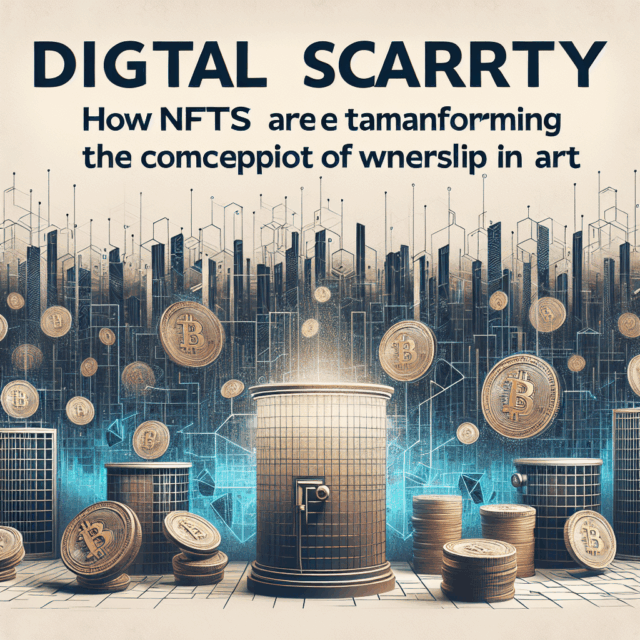
Digital Scarcity: How NFTs are Transforming the Concept of Ownership in Art


In recent years, the art world has witnessed a seismic shift due to the advent of Non-Fungible Tokens (NFTs). These digital assets have not only captured the attention of collectors and investors but have also transformed the very concept of ownership in art. By creating a form of digital scarcity, NFTs challenge traditional notions of authenticity, provenance, and value in the art market.

Understanding NFTs

At its core, an NFT is a digital token that represents ownership of a unique item or piece of content, often art, music, or video. Unlike cryptocurrencies like Bitcoin or Ethereum, which are fungible and can be exchanged one-to-one, NFTs are unique and cannot be replicated. Each NFT is stored on a blockchain, which is a decentralized ledger that ensures transparency and immutability.

This technology allows artists to tokenize their creations, enabling them to assign value and ownership in a way that was previously impossible in the digital realm. For instance, an artist can sell a digital painting as an NFT, ensuring that even though an image can be easily copied and shared, the ownership and provenance of the original remains secure and traceable.

The Emergence of Digital Scarcity

Before NFTs, digital art was often viewed as “infinitely reproducible,” leading to issues regarding ownership and value. Artists could share their work online, but the lack of a tangible proof of ownership limited their ability to monetize their creations effectively. With NFTs, a concept known as "digital scarcity" emerges. Simply put, NFTs allow for the creation of limited editions and exclusive ownership in a digital format, similar to how traditional artists might create a limited number of prints.

This scarcity fundamentally transforms the economics of art. Buyers are no longer just purchasing a mere digital file; they are investing in a recognized asset that holds intrinsic value. The ability to prove ownership through blockchain technology enhances buyer confidence, making the market more accessible and appealing.

Redefining Ownership and Value

The rise of NFTs brings about a crucial rethinking of what ownership means in the art world. Traditional ownership often involves physical possession and tangible assets, while NFT ownership exists in a digital landscape. This shift raises important questions: What constitutes "ownership" when it comes to digital art? Is possessing an NFT enough to confer exclusive rights, or does it merely grant limited access?

Some argue that NFTs democratize art ownership, allowing more individuals to participate in the art market and invest in pieces that resonate with them. Artists, too, gain more control over their work, as they can set their own terms for sales and royalties. This empowerment has led to the emergence of new revenue streams, where creators can earn royalties from secondary sales, ensuring they benefit from the continuing value of their work.

Challenges and Criticism

Despite the excitement surrounding NFTs, the space is not without its challenges and criticisms. The environmental impact of blockchain technology, particularly proof-of-work systems, has raised concerns over energy consumption. Additionally, the speculative nature of NFT investing has led to questions about market sustainability and the potential for bubble-like scenarios.

Moreover, issues surrounding copyright and intellectual property rights remain prevalent. As artists tokenize their work, the line between ownership and licensing can become blurred, leading to disputes over rights and usage.

The Future of NFTs in Art

As the technology matures, and with ongoing discussions regarding sustainability and ethical practices, the future of NFTs in the art world appears vibrant yet uncertain. Innovations such as eco-friendly blockchain solutions may alleviate some environmental concerns, and the establishment of clearer regulations could enhance the legitimacy and security of NFT transactions.

Moreover, as mainstream platforms recognize the potential of NFTs, we may see an increased integration of digital art in galleries and exhibitions, further solidifying its place in the broader art ecosystem.

Conclusion

NFTs are revolutionizing the concept of ownership in art, instilling a sense of digital scarcity that transforms how artists and collectors interact with one another. By enabling unique ownership through blockchain technology, NFTs provide new opportunities for monetization, democratization, and creative expression in the digital age. While challenges remain, the evolving landscape of NFTs hints at a future where digital art can thrive alongside traditional mediums, paving the way for a more inclusive and innovative art world.

Visualizing Data: Turning Code into Captivating Artworks


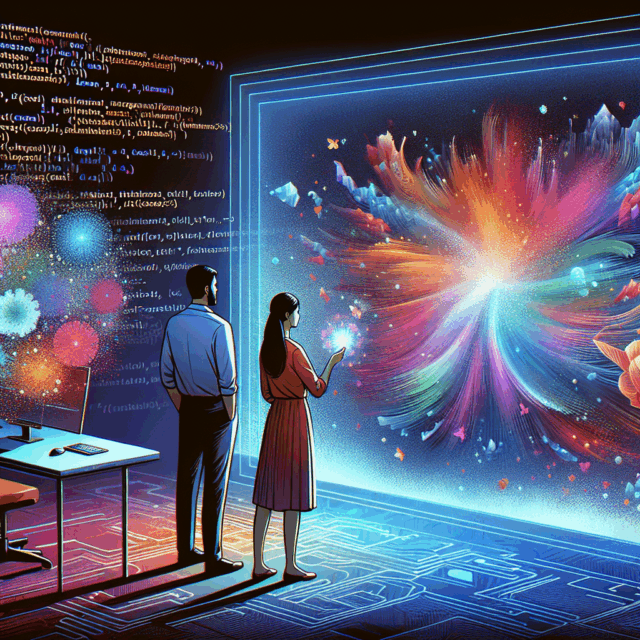
In an age driven by data, where numbers can often tell compelling stories, the art of data visualization has emerged as both a science and an aesthetic discipline. Data visualization transforms raw data into graphical formats that can be easily understood and appreciated, transforming the mundane into the magnificent. This article explores the intersection of code and creativity, showing how technologists and artists alike use programming to create captivating works of art that communicate complex information.

The Science of Data Visualization

At its core, data visualization is about making data accessible and understandable. The significance of data becomes evident when it’s presented in various visual forms—charts, graphs, and infographics—that allow observers to grasp insights quickly. Effective visualization helps to identify patterns, trends, and correlations within datasets that might otherwise go unnoticed.

Key Principles in Data Visualization

  1. Clarity: A good visualization should convey the intended message without ambiguity. Clarity is achieved through thoughtful design choices, such as color schemes, typography, and layout.

  2. Relevance: Visualizations should prioritize information that is most pertinent to the story you’re telling. Irrelevant details can distract and confuse the audience.

  3. Aesthetics: While utility is paramount, the beauty of the visualization can significantly enhance user engagement. This includes harmony in color usage, shapes, and overall composition.

The Artistic Aspect of Data Visualization

Data visualization isn’t merely about conveying facts; it can also be a form of artistic expression. Artists are increasingly leveraging datasets to create visually stunning pieces that invite viewers to interpret information through an emotional lens.

Code as a Creative Medium

Through programming languages like Python, R, and JavaScript, artists turn data into mesmerizing visual displays. Libraries such as D3.js, Datashader, and Matplotlib allow users to manipulate data in innovative ways, producing everything from interactive experiences to stunning static images.

Case Study: The “Data-Driven” Art Movement

A notable example is the "data-driven" art movement, where artists use datasets as the basis for their creations. One famous project, "Wind Map" by Fernanda Viégas and Martin Wattenberg, visualizes real-time wind data across the United States, producing a beautiful, flowing representation of the wind’s direction and speed. This work not only serves an aesthetic purpose but also deepens our understanding of weather patterns.

Programming Tools and Techniques

To create captivating data visualizations, artists and developers rely on various tools and libraries. Here are some popular options:

  1. D3.js: This powerful JavaScript library enables the creation of dynamic, interactive visualizations in web browsers.

  2. Processing: Often used in the visual arts community, Processing is a flexible software sketchbook that allows for the easy creation of images, animations, and interactions.

  3. Tableau & Power BI: While these are more traditional business intelligence tools, they also allow for considerable creativity and design in displaying data visually.

  4. p5.js: A JavaScript library that makes coding accessible for artists, p5.js encourages creators to express themselves visually.

Bridging the Gap Between Science and Art

The convergence of science and art in data visualization presents unique opportunities for interdisciplinary collaboration. Scientists and artists can work together to convey complex scientific concepts in visually engaging ways, making research more accessible to the general public. This collaboration supports not just better understanding of scientific data but also raises awareness of critical global issues, from climate change to health crises.

Conclusion

As we continue to navigate a world increasingly defined by data, the ability to visualize that data transforms mundane information into captivating artistry. The blending of code and creativity in data visualization not only serves practical and aesthetic purposes but also enhances our understanding of the world. By continuing to explore new methods and technologies, we can unlock the full potential of data, bridging the gap between numbers and narratives, facts and feelings. In doing so, we turn code into captivating artworks, enriching our collective experience of information in the digital age.

Augmented Reality Art: Bridging the Gap Between Digital and Physical Worlds


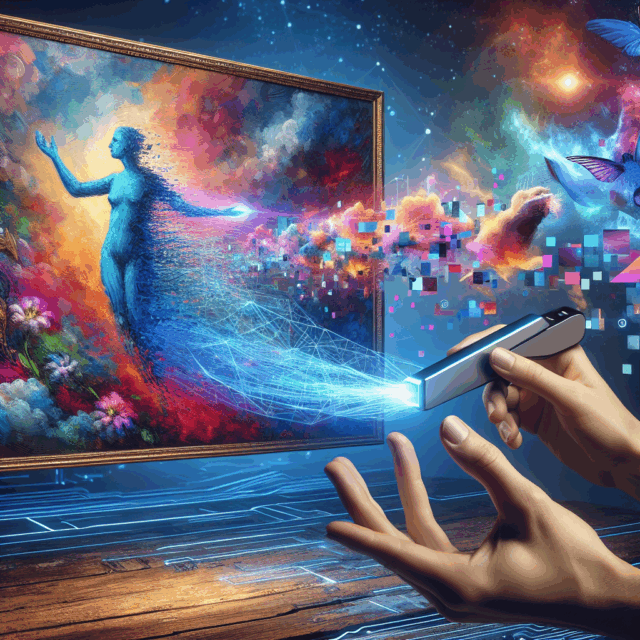
In recent years, the art world has seen a rapid transformation with the rise of augmented reality (AR). This technology, which superimposes digital information onto the physical environment, is creating a new medium that merges the tangible and the virtual. By doing so, augmented reality art is not only changing how we experience artwork, but also challenging our perceptions of space, interaction, and creativity.

The Emergence of Augmented Reality in Art

Augmented reality has its roots in technological advancements aimed at enhancing user experiences across various fields, including gaming, education, and marketing. However, its most intriguing application is arguably in the realm of art. Artists are now utilizing AR to introduce layers of context, narrative, and interactivity to their work.

Pioneers in this field, like Marina Abramović and Kira Jolliffe, have begun to experiment with AR to expand their artistic visions. For instance, Abramović, known for her performance art, has created projects that encourage viewers not merely to observe but to engage with the art on a deeper level. The incorporation of AR allows spectators to interact with digital representations of the artist’s thoughts and emotions, adding a new dimension to the experience.

Creating New Narratives

One of the most captivating aspects of augmented reality art is its ability to create new narratives. By integrating digital elements—animations, audio, or other multimedia—artists can craft stories that unfold in real-time as viewers engage with the artwork. This interactive experience enhances the narrative, offering layers of interpretation that go beyond the static nature of traditional mediums.

For example, an installation that might appear as a simple mural can transform into a dynamic story when viewed through an AR application. As viewers approach the wall, they might see additional characters and animations appear, effectively turning a two-dimensional image into a living scene.

Changing Interaction and Engagement

Traditional art often requires passive observation; however, AR art encourages active participation. Viewers are not just consumers but collaborators within the artwork. They might be asked to respond, touch, or even move to different locations to unlock elements of the piece. This shift from passive to active engagement can deepen emotional responses, allowing audiences to connect with art on a personal level.

Furthermore, AR can democratize art by allowing it to be experienced in diverse locations. A mural in a city square can come alive for someone halfway across the world through a mobile app, fostering a global community of art lovers who can share and discuss their experiences online.

Overcoming Physical Limitations

Physical constraints have often limited the reach and experience of art. AR transcends these boundaries, making art accessible to broader audiences. Public installations can extend their life and impact far beyond their physical form, as digital representations can exist indefinitely in the online realm. This accessibility opens up art to new audiences, allowing people who may not have the opportunity to visit galleries or exhibitions to interact with artwork in unique and engaging ways.

The Future of Augmented Reality in Art

As technology continues to advance, the potential for augmented reality in art will expand even further. Virtual reality (VR) and spatial computing technologies may soon make it possible to blend the digital and physical worlds in ways we cannot yet imagine. Artists will likely explore new forms of storytelling and interaction, pushing the boundaries of creativity.

However, this evolution brings challenges, particularly regarding copyright and the ownership of digital art. As augmented reality becomes more mainstream, these issues will need to be addressed to protect both the artists and their creations.

Conclusion

Augmented reality art represents a profound shift in the art landscape, inviting us to reevaluate our relationship with creativity and technology. By bridging the gap between the digital and physical worlds, it fosters deeper engagement, encourages new narratives, and breaks down barriers to access. As we look to the future, AR is set to become a powerful tool for artists aiming to redefine the boundaries of expression, leading to an exciting era of artistic possibilities.

Mastering Chaos: How to Use Generative Art Tools to Create Stunning Works


Introduction

Generative art has emerged as a fascinating domain that blends technology and creativity, allowing artists to create stunning works through algorithms and coding. This convergence of tech and art reflects the duality of chaos and order, resulting in pieces that are both mesmerizing and complex. In this article, we’ll explore how to leverage generative art tools to transform randomness into captivating visuals.

Understanding Generative Art

Generative art refers to artwork created using autonomous systems, often involving algorithms that facilitate unpredictable outcomes. This form of art embraces the chaos inherent in computer-generated processes, offering artists new ways to express their creativity. The central idea is that while artists create the rules and parameters, the resulting imagery is often surprising and uncontrollable.

The Role of Chaos

Chaos in generative art is not merely disorder; it serves as a catalyst for originality. By allowing random elements to participate in the creative process, artists can explore compositions they might not have considered. This interplay between intention and unpredictability leads to a fresh perspective, where the final piece might embody unexpected beauty.

Essential Generative Art Tools

Several tools enable artists to dive into the world of generative art. Here are some popular options:

1. Processing

Processing is a flexible software sketchbook and a language for learning how to code within the context of the visual arts. It provides a user-friendly interface that allows artists to create visuals through simple code snippets effortlessly.

  • Use Cases: Draw shapes, create animations, and generate complex visualizations based on algorithms.

2. p5.js

A JavaScript library that brings the Processing experience to the web, p5.js is ideal for developing interactive visual content. Its emphasis on accessibility allows artists with little programming background to start generating art right away.

  • Use Cases: Build interactive visual projects, integrate live data sources, and develop web-based art installations.

3. OpenFrameworks

OpenFrameworks is an open-source C++ toolkit designed for creative coding. It’s more complex but offers greater flexibility and power, making it ideal for large-scale projects.

  • Use Cases: Create immersive installations, work on advanced visual effects, or develop art pieces that intertwine with sound and multimedia.

4. TouchDesigner

TouchDesigner is another powerful tool, perfect for creating real-time interactive graphics and multimedia content. This node-based visual programming language enables artists to explore a wide array of possibilities.

  • Use Cases: Develop live performances, visual installations, and generative visuals in real-time.

Steps to Create Your Generative Masterpiece

  1. Define Your Concept:
    Start with a clear vision of what you want to create. Are you illustrating nature’s chaos, exploring abstract concepts, or integrating user interaction? Set your intention.

  2. Select Your Tool:
    Choose a generative art tool that aligns with your skill set and project goals. If you’re a beginner, Processing or p5.js can be excellent starting points.

  3. Understand Algorithms:
    Familiarize yourself with fundamental algorithms like Perlin noise, fractals, or L-systems. These can help guide your creative process and yield beautiful results.

  4. Experiment with Parameters:
    Play with variables in your code. Adjust colors, shapes, movements, and other parameters to see how they affect your art. Embrace randomness; sometimes, the best outcomes are unplanned.

  5. Iterate and Refine:
    Don’t be afraid to revisit and adjust your code. Generative art thrives on iteration. Each tweak can lead to new discoveries, gradually refining your vision into a stunning piece.

  6. Present Your Work:
    Think about how to showcase your generative masterpiece. Whether it’s online, in a gallery, or as part of an immersive installation, presentation can significantly enhance the viewer’s experience.

Conclusion

Generative art represents the exquisite dance between chaos and control, providing artists with innovative tools to express their creativity. By mastering generative art tools and embracing the unpredictable nature of creativity, you can transform arbitrary processes into stunning visual narratives. So, unleash your inner artist, experiment boldly, and let chaos guide you to new artistic heights!

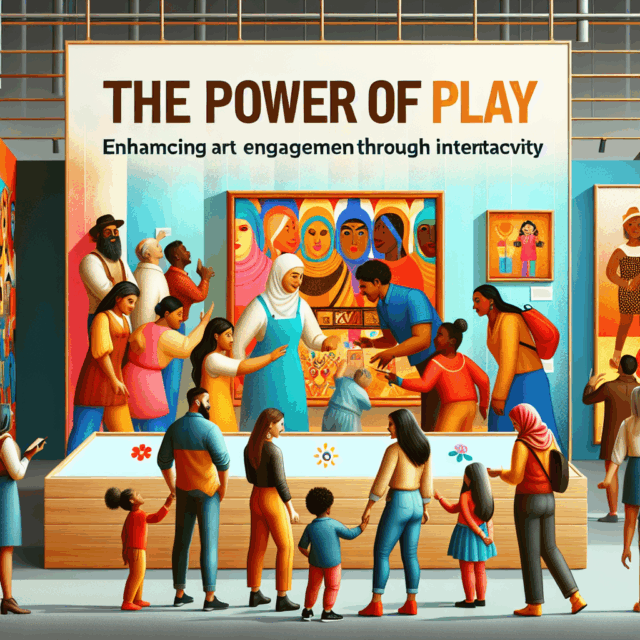
The Power of Play: Enhancing Art Engagement Through Interactivity


In the digital age, where attention spans are dwindling and information overload is the norm, finding innovative ways to engage audiences is more crucial than ever, particularly in the arts. One of the most compelling avenues for enhancing art engagement is through interactivity—the concept of play. By incorporating playful elements into art experiences, museums, galleries, and artists can not only attract diverse audiences but also foster a deeper, more meaningful connection with art.

The Intersection of Art and Play

Play is a fundamental human experience. It is a vital aspect of learning, creativity, and socialization. When applied to art, play transforms passive observation into active participation. This shift from viewer to participant can enhance emotional connections to the artwork, making art more approachable and relatable.

Interactive art engages all the senses, encouraging viewers to explore artworks in ways that traditional viewing does not permit. Examples range from immersive installations that allow visitors to walk through and interact with physical environments to digital experiences that invite users to manipulate elements on a screen.

Benefits of Interactive Art Engagement

1. Fostering Creativity

Interactivity in art encourages individuals to express themselves creatively. When viewers are invited to contribute their ideas or manipulate the artwork, it promotes an atmosphere of collaboration and experimentation. This can lead to spontaneous moments of creativity that enhance the overall experience.

2. Enhancing Critical Thinking

Interactive experiences challenge viewers to think critically about art. They must engage with the concepts and intentions behind a piece, fostering a deeper understanding of the artist’s message. Open-ended questions and choices can spark dialogue and reflection, enriching the viewer’s experience.

3. Catering to Diverse Audiences

Playful and interactive elements can attract a wider audience, including children, families, and those who may not usually engage with traditional art forms. This accessibility helps demystify art, making it inclusive and inviting for everyone. The blend of fun and education can turn a visit to an art space into a memorable experience.

Examples of Interactivity in Art

1. Interactive Installations

Many contemporary artists create installations that invite viewer participation. Take the works of Olafur Eliasson, for example, where installations like "The Weather Project" allow viewers to exist within an artist-created atmosphere, prompting them to reflect on the relationship between nature and human experience.

2. Digital Art Platforms

With the rise of technology, digital art platforms offer new avenues for interactivity. Applications that let users modify artwork, or websites that function like virtual galleries with interactive components, have opened the door for audiences to engage with art in novel ways.

3. Gamification in Exhibitions

Gamifying an art experience can enhance engagement. Museums can create scavenger hunts or challenges that encourage visitors to explore various areas of a gallery, rewarding them for discovering hidden details or learning about specific artworks.

Conclusion

The power of play in enhancing art engagement transcends traditional viewing experiences. By emphasizing interactivity, art spaces can transform how audiences connect with art, facilitating creativity, critical thinking, and inclusivity. As the art world continues to evolve, embracing playful engagement will be vital in ensuring that art remains a relevant and enriching experience for all. Through the integration of these elements, artists and institutions can harness the transformative power of play to invite everyone into the beautiful and complex world of art.

Ethics and Aesthetics: The Debate Over AI-Generated Art


Introduction

The emergence of artificial intelligence (AI) has revolutionized numerous fields, not least of which is the realm of creative arts. AI-generated art raises profound questions regarding its perception, authenticity, and ethical implications. This article explores the ongoing debate over AI’s role in art, delving into the intersections of ethics and aesthetics.

The Rise of AI in Art

AI tools, such as generative adversarial networks (GANs) and deep learning algorithms, have enabled machines to create artworks that frequently blur the lines between human and machine-generated creativity. Projects like OpenAI’s DALL-E and Google’s DeepDream have captivated audiences, showcasing AI’s potential to produce stunning visual art and even literature.

Aesthetic Concerns

Quality and Intent

One of the primary aesthetic questions surrounding AI-generated art is whether it can meet the same standards of quality as human-made art. Traditional art is marked by the intent and emotional depth of the creator. Critics argue that AI lacks personal experiences and emotional engagement, which are pivotal in art-making.

Conversely, supporters contend that aesthetics can be subjective and that AI can generate art that resonates with viewers on a superficial but still compelling level. The question arises: can an artwork be considered beautiful if it lacks human intentionality?

The Role of the Artist

The role of the artist has evolved with the advent of AI in art. Some artists are increasingly treating AI as a collaborative tool. In this sense, human curators guide and refine the artistic output of machines. The debate thus shifts from whether AI can create art to what it means to be an artist in an age where collaboration with machines is common.

Ethical Implications

Ownership and Copyright

One of the most contentious ethical issues is the question of ownership and copyright in AI-generated art. When an artwork is produced by an AI, who holds the rights? The creator of the algorithm, the user who prompted the AI, or the AI itself? The current legal frameworks are often ill-equipped to handle such complexities, leading to calls for clearer guidelines and regulations.

Market Impact

The proliferation of AI-generated art disrupts traditional art markets, raising concerns about the devaluation of human-made works. As AI-generated pieces gain popularity and market share, the livelihoods of countless artists could be at risk. This situation prompts ethical considerations about supporting human artists and fostering genuine creativity versus mass-produced algorithms.

Accessibility and Democratization

On the flip side, AI-generated art can democratize creativity. By providing tools for those who might not have traditional artistic skills, AI allows broader participation in the artistic process. The question becomes whether this democratization is genuinely empowering or simply commodifying art in a new, potentially exploitative manner.

Cultural Context

Different cultures approach the concept of art and creativity distinctively. In cultures that value artistic expression as a deeply human endeavor, AI’s intrusion into this sphere may be met with skepticism or resistance. However, in others, the blending of technology and art may be embraced as a natural evolution.

Conclusion

The debate over AI-generated art encompasses complex aesthetic and ethical dimensions that invite reflection on what art means in a rapidly evolving digital landscape. As AI continues to influence the creative process, society must grapple with questions of ownership, value, and the essence of artistry itself. Rather than presenting a clear resolution, this discussion encourages dialogue about the nature of creativity, the role of technology, and the ethical responsibility of artists and consumers alike. As we navigate the intersection of ethics and aesthetics, it becomes increasingly important to consider what kind of future we want for art in an AI-driven world.

Sustainable Tech Art: Merging Eco-Consciousness with Innovation in 2025


In 2025, the intersection of technology, art, and sustainability is more vibrant than ever, giving rise to a movement known as "Sustainable Tech Art." This innovative fusion reflects a growing commitment toward ecological stewardship while celebrating creativity and cutting-edge technology. Artists, engineers, and environmentalists converge to create works that not only captivate the senses but also inspire dialogue about our planet’s future.

The Rise of Eco-Consciousness

As climate change, pollution, and resource depletion become increasingly pressing global issues, there is an urgent need for solutions that balance creativity with environmental responsibility. Sustainable Tech Art emerges as a response to this need, using art to engage audiences and raise awareness about the importance of preserving our planet.

In the last few years, this genre has gained momentum, attracting a diverse range of influencers from various sectors. Artists are not only creating aesthetically pleasing works but also incorporating eco-friendly materials, renewable energy sources, and digital technologies such as AI and VR in their projects.

Innovation through Collaboration

One of the defining characteristics of Sustainable Tech Art is collaboration. Artists are working hand-in-hand with scientists, engineers, and environmental activists to push the boundaries of what art can achieve. In 2025, we see community-driven projects, multi-disciplinary initiatives, and hybrid creations that challenge traditional art forms.

For instance, installations that convert kinetic energy into visual displays or sculptures made from reclaimed materials not only serve as artistic expressions but also demonstrate sustainable engineering practices. Such collaborations highlight the potential for art to serve as a catalyst for change, raising awareness and inspiring action in viewers.

Key Trends Shaping Sustainable Tech Art

1. Biomimicry and Nature-Inspired Design

Artists are drawing inspiration from nature, implementing biomimicry techniques that mimic natural processes. Projects like self-watering gardens or installations that absorb CO2 not only serve aesthetic purposes but also contribute positively to local ecosystems.

2. Digital Art and Augmented Reality

As technology continues to evolve, artists are leveraging digital platforms for eco-conscious storytelling. Augmented reality (AR) is becoming a popular medium, allowing viewers to experience environmental narratives that educate and inspire action without the need for physical materials.

3. Interactive Installations

Interactivity is a crucial component of Sustainable Tech Art. Installations that respond to audience participation, like those powered by solar energy or those that use motion sensors to adapt their displays, create immersive experiences that engage viewers on multiple levels.

4. Upcycled Materials

A growing trend in Sustainable Tech Art is the use of upcycled materials. Artists are creatively repurposing discarded items like plastics, electronics, and textiles to produce visually stunning works that highlight the importance of waste reduction and recycling.

Cultural Impact and Community Engagement

The impact of Sustainable Tech Art goes beyond aesthetics; it fosters community engagement and dialogue. Many artists are using their platforms to educate the public about sustainability issues, often collaborating with local organizations to address specific environmental challenges in their communities.

Exhibitions and workshops centered around Sustainable Tech Art serve as venues for knowledge exchange, bringing together a diverse audience—artists, scientists, students, and activists. These gatherings cultivate a sense of community and shared responsibility toward the environment, encouraging attendees to rethink their relationship with art and nature.

Looking Ahead: The Future of Sustainable Tech Art

As we look to the future, the potential for Sustainable Tech Art will only expand. With advancements in technology, greater awareness of environmental issues, and a collective push toward a sustainable future, this art form is poised to redefine how we perceive creativity.

Governments, cultural institutions, and private organizations are beginning to recognize the importance of supporting sustainable practices in art. Grants, awards, and residencies focusing on eco-friendly projects are increasingly common, encouraging artists to explore innovative avenues while making a positive impact.

In conclusion, Sustainable Tech Art stands as a testament to the power of creativity in the face of environmental challenges. By merging eco-consciousness with innovation, artists are not only reshaping the art world but also fostering a movement that inspires us to protect and cherish our planet. As we move forward, it becomes clear that art has a pivotal role in shaping a sustainable future, and the possibilities are limited only by our imagination.

Interactive Art: Engaging Audiences in the Digital Age


As we move deeper into the 21st century, the art world finds itself undergoing a profound transformation. Traditional forms of artistic expression, while enduring, are increasingly challenged by new media and technology, opening the doors to interactive art. This innovative genre not only invites viewers to engage actively but also redefines the relationship between art, artist, and audience in the digital age.

What is Interactive Art?

Interactive art is a genre that encourages participation, engagement, and interaction from its audience. Unlike passive forms of art, where the viewer sits back and observes, interactive art requires observers to be involved in the creation or interpretation of the work. This can take many forms, from digital installations and virtual reality experiences to augmented reality (AR) and even participatory performances.

In essence, interactive art embraces collaboration. It blurs the line between creator and consumer, allowing audiences to influence the final outcome of the artwork. This collaborative spirit fosters a deeper emotional connection between the audience and the work, making art not just something to behold but something to be experienced and shaped.

The Role of Technology

Technology has been a game-changer in the realm of interactive art. Digital tools and platforms have expanded the possibilities for artists, enabling them to reach audiences in innovative ways. Virtual reality and AR, for example, allow users to immerse themselves in an imaginative world, transforming the viewing experience into an adventure where the viewer becomes part of the narrative.

Moreover, social media platforms have further democratized the access to art. Artists can now showcase their work to a global audience, inviting instant feedback and participation. This instantaneous interaction can significantly affect the evolution of an artwork, as artists respond to audience reactions in real time.

Noteworthy Examples

Several contemporary artists have pushed the boundaries of interactive art:

  1. TeamLab: This Japanese collective uses digital technology in immersive installations that react to the movements of their viewers. Their exhibitions, like "Borderless," allow participants to step into a living, moving world of art where their presence alters the environment.

  2. Yoko Ono’s "Wish Tree": In this ongoing project, participants are invited to write their wishes on pieces of paper and hang them on a tree. This simple act transforms the work into a mosaic of human desires, making the audience an integral part of the artwork.

  3. Rafael Lozano-Hemmer: Known for his interactive installations that harness technology, such as "33 Questions per Minute," where viewers engage with a rapid-fire video that challenges their perceptions of language and communication.

The Community Aspect

One of the most important aspects of interactive art is its ability to foster community. Many interactive art projects are designed to be collaborative, encouraging social interaction and dialogue among participants. Workshops, community events, and public installations create spaces where individuals can come together to explore their creativity and share experiences.

This sense of community engagement is vital, particularly in an age where digital interactions can sometimes feel isolating. Interactive art breaks down those barriers, emphasizing the importance of shared experiences in making art more accessible and meaningful.

The Future of Interactive Art

As technology continues to evolve, so too will interactive art. Innovations in artificial intelligence, machine learning, and immersive technologies will undoubtedly shape new artistic expressions. The future holds exciting potential for artists to further engage and captivate audiences, creating experiences that are more personal and interactive than ever before.

The rise of user-generated content will also play a significant role. As platforms become more interactive, audiences will increasingly expect to participate in and contribute to the art they consume. This shift could lead to new forms of creativity, blurring the boundaries of authorship and inviting collaboration at unprecedented levels.

Conclusion

Interactive art represents a dynamic shift in the relationship between artist and audience, redefining how we experience art in the digital age. It invites participation, fosters community, and utilizes technology to create immersive experiences that captivate and engage. As we navigate this exciting frontier, it’s clear that the future of art lies not only in how it is created but in how it is shared and experienced—together.

Popular Posts

My Favorites