Arts

Home Arts Page 59

Creative Coding Communities: Collaborating Through Digital Art
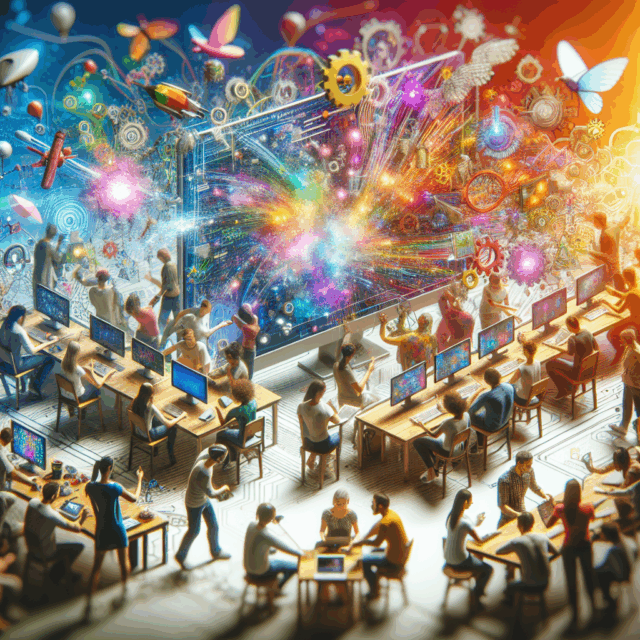

In a world increasingly shaped by technology, creative coding has emerged as an exciting intersection of art, design, and programming. This burgeoning field not only allows artists to produce unique works but also fosters a sense of community among creators. Let’s delve into the significance of creative coding communities and how they facilitate collaboration through digital art.

The Essence of Creative Coding

Creative coding is the practice of using programming languages to create visual art, interactive installations, and innovative designs. Unlike traditional coding, which often aims for functionality, creative coding prioritizes aesthetic experience and expression. Artists can manipulate algorithms, data, and technology to create immersive environments and dynamic visualizations.

Building a Community

One of the most remarkable aspects of creative coding is the sense of community it cultivates among artists, developers, and enthusiasts. This community is often built around online platforms, forums, and social media, where individuals from diverse backgrounds come together to share their work, exchange ideas, and support each other’s artistic endeavors.

Online Platforms

Platforms such as GitHub, openFrameworks, Processing, and p5.js have become digital meeting grounds for creative coders. These tools provide not only the coding framework but also the community necessary for growth. Users can share code snippets, collaborate on projects, and even participate in challenges that push their creative boundaries.

Events and Workshops

Hackathons, workshops, and meetups play a crucial role in consolidating these communities. Events such as the annual Creative Coding Meetup or various local coding festivals allow participants to showcase their work, engage in friendly competition, and learn from each other. These gatherings create a supportive network where individuals can share their challenges and triumphs, breeding an environment of continuous learning.

Collaboration Through Projects

Collaboration is a cornerstone of creative coding communities. Artists frequently join forces to create multimedia installations, interactive art exhibits, and generative artworks. Such projects can blend various disciplines—like visual arts, music, and computer science—resulting in rich, multi-dimensional experiences.

Open Source Contributions

Open source projects have revolutionized collaboration in creative coding. Artists can contribute to existing projects, improving tools that benefit the community at large. This collaboration allows for rapid iteration and innovation, as diverse perspectives lead to unique solutions. Furthermore, sharing code and resources helps democratize access to digital art-making, empowering more individuals to explore their creativity.

Cross-disciplinary Collaborations

Creative coding communities are often hubs for cross-disciplinary collaboration. Artists partner with scientists, educators, and technologists to create projects that explore the boundaries of their respective fields. This synergy can yield impactful artworks that address social issues, enhance educational experiences, or push the limits of visual representation.

Educational Aspects

Education plays a significant role in fostering creative coding communities. Many community members are passionate about teaching and mentoring others. Online courses, tutorials, and community-driven workshops offer newcomers the opportunity to learn coding and artistic skills in tandem. By demystifying programming, these educational resources inspire more artists to engage with technology creatively.

Community Mentorship

Mentorship is another vital component. Experienced coders often take individuals under their wing, sharing knowledge and guiding them through the intricacies of both art and code. These interactions foster a sense of belonging and encourage novices to take risks in their creative endeavors.

The Impact of Digital Art

Digital art, born from the collaborative efforts of creative coding communities, has made a significant impact on the wider art world. Galleries increasingly display digital installations, and exhibitions often feature interactive pieces that invite viewer engagement. This shift reflects a growing recognition of digital art’s importance and its role in contemporary discussions around culture and technology.

Conclusion

Creative coding communities represent a vibrant tapestry of collaboration, innovation, and artistic expression. By coming together, individuals can share their knowledge, inspire one another, and push the boundaries of what is possible in digital art. As technology continues to evolve, these communities will remain at the forefront, shaping the future of art through creativity and collaboration. In embracing this collective spirit, we not only enrich our own artistic journeys but also contribute to a broader cultural dialogue that celebrates the intersection of creativity and technology.
Sculpting with Circuits: Innovative Uses of Tech in Modern Art

Sculpting with Circuits: Innovative Uses of Tech in Modern Art

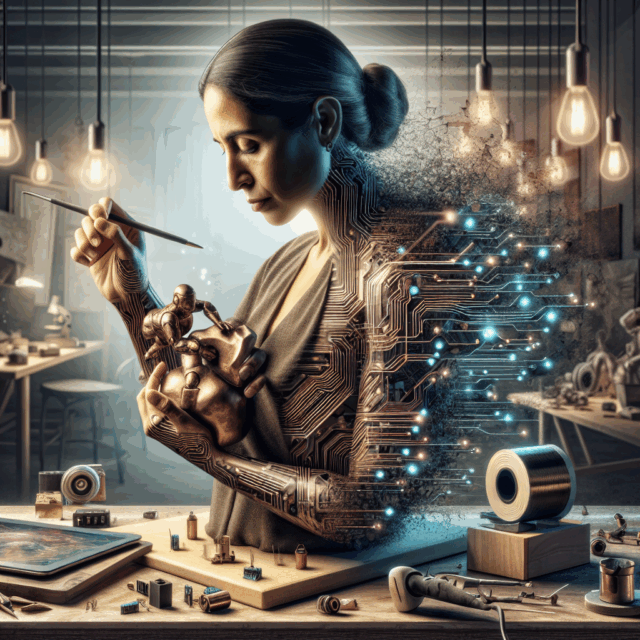
In the ever-evolving landscape of modern art, the intersection of technology and creativity has birthed a new wave of artistic expression: circuit sculpting. This fusion of traditional sculptural techniques with electronics not only challenges perceptions of art but also invites audiences to engage with art in interactive and dynamic ways.

The Concept of Circuit Sculpting

At its core, circuit sculpting combines physical materials—such as metal, wood, and plastic—with electronic components like sensors, LEDs, and microcontrollers. This approach allows artists to create three-dimensional works that can respond to environmental stimuli, making them not just aesthetically appealing but also functionally engaging.

Artists leverage coding and circuit design to construct installations that can change color, produce sound, or even move in response to the viewer’s presence. This interplay between physical art and digital technology creates an immersive experience that traditional sculpture often lacks.

Pioneering Artists

Several contemporary artists have made significant contributions to the field of circuit sculpting, blending art, science, and engineering in innovative ways.

  • Manfred Mohr: An early pioneer of algorithmic art, Mohr creates stunning visual patterns generated by algorithms. His works often involve interactive elements that respond to viewer inputs, transforming the gallery experience into an engaging dialogue between the observer and the observed.

  • Natalie J. J. Koren: Known for her intricate electronic sculptures, Koren incorporates elements like light and motion. Her pieces often investigate themes of nature and technology, highlighting the interplay between organic forms and synthetic materials.

  • Diana Eng: Blurring the lines between fashion, art, and technology, Eng’s wearable circuits serve as both sculpture and functional clothing. Her work challenges traditional notions of textiles and asks viewers to consider how technology can redefine physical forms.

Techniques and Materials

The materials utilized in circuit sculpting can range from traditional sculptural media to electronic components. Common techniques include:

  • 3D Printing: Artists often employ 3D printing technologies to create intricate forms that would be difficult or impossible to achieve through conventional sculpting methods. The designs can be customized to accommodate embedded electronic components.

  • Arduino and Raspberry Pi: These microcontrollers serve as the brain behind many interactive artworks. Artists can program these devices to control lights, sounds, and movements, allowing for an expansive range of creative possibilities.

  • Wearable Technology: Integrating circuits into everyday items transforms them into sculptural pieces that interact with the body and the environment. This approach elevates functional objects into the realm of art.

The Audience Experience

One of the most compelling aspects of circuit sculpting is its ability to create a participatory experience for viewers. Audiences are often invited to interact with the artwork, influencing its behavior and exploring how their presence alters the piece.

This shift from passive viewing to active participation fosters a deeper connection between the observer and the artwork. It also encourages dialogue about the role of technology in our lives, prompting reflections on how digital advancements shape our understanding and appreciation of art.

Challenges and Considerations

While the integration of technology into art brings exciting possibilities, it also poses unique challenges. Artists must navigate issues of sustainability and the potential for obsolescence in tech-driven works. Additionally, the technical knowledge required to create such artworks can be daunting, making access to materials and education an important consideration in the field.

Conclusion

Sculpting with circuits embodies the spirit of innovation that defines contemporary art, pushing boundaries and reshaping the dialogue between creator and audience. As technology continues to advance, so too will the capabilities of circuit sculpting, offering endless opportunities for exploration and expression. This blend of art and technology not only enriches the artistic landscape but also prepares us for a future where these two realms coexist harmoniously, redefining our experience of both art and the world around us.

Navigating the Universe of Generative Art: Essential Tools for Every Artist


Generative art represents a fascinating intersection of creativity and technology, where artists use algorithms and code to create visually stunning pieces. This digital medium has grown immensely, empowering artists to explore new dimensions of creativity. For those looking to dive into generative art, understanding the essential tools is key. Here’s a comprehensive guide to help you navigate this exciting universe.

Understanding Generative Art

Before delving into tools, it’s crucial to grasp what generative art is. At its core, generative art involves using algorithms and automated processes to produce art. This can include everything from simple patterns to intricate 3D models. The final outcome can often be unpredictable, reflecting the inherent randomness introduced by the algorithms.

Essential Tools for Generative Artists

1. Programming Languages

a. Processing

Processing is a flexible software sketchbook and a language for learning how to code within the context of the visual arts. It’s highly popular among generative artists due to its simplicity and expansive community support. Its extensive libraries allow for various artistic expressions, from 2D images to 3D visuals.

b. P5.js

A JavaScript library based on Processing, P5.js brings generative art to the web. With its user-friendly interface, P5.js allows artists to create interactive web-based artworks. This tool is perfect for those wanting to share their creations online.

2. Visual Programming Tools

a. TouchDesigner

This node-based visual programming language is widely used in interactive installations and live performances. TouchDesigner allows artists to develop immersive generative visuals that respond to user input in real-time. Its versatility makes it a popular choice for multimedia artists.

b. Max/MSP

Max is another visual programming environment, ideal for musicians and visual artists alike. In addition to creating generative visuals, it also facilitates the integration of sound, enabling artists to design multisensory experiences.

3. 3D Modeling Software

a. Blender

Blender is an open-source 3D modeling tool that includes functionalities for procedural generation, animation, and rendering. Its versatility allows generative artists to explore 3D forms and create complex structures driven by algorithms.

b. Houdini

Known for its powerful generative capabilities, Houdini is a favorite among professional artists in film and video games. It allows for procedural generation at an advanced level, enabling artists to manipulate vast amounts of data to create intricate designs.

4. Generative Art Platforms

a. Artbreeder

Artbreeder is an online platform that enables artists to collaborate and blend images through a generative process. Users can manipulate aspects of the images using simple sliders, leading to unique and unforeseen outcomes.

b. Runway ML

Runway ML offers a suite of machine learning tools for creatives. Artists can experiment with styles, generate images, and even manipulate video content using the latest AI technologies, making it a valuable asset for exploring generative concepts.

5. Color and Texture Generators

a. Coolors

Coolors is a color scheme generator that can assist artists in creating appealing palettes. It allows for the exploration of various color combinations, crucial for setting the mood and tone in generative art pieces.

b. Texture Generators (e.g., Substance Designer)

Texture is vital in generative art, particularly in 3D environments. Tools like Substance Designer allow artists to create intricate textures through procedural methods that can be seamlessly integrated into generative projects.

Collaborations and Communities

Joining communities can significantly enhance your generative art journey. Platforms like Reddit, Discord, and online forums offer spaces for artists to share their work, seek feedback, and collaborate. Participate in hackathons or workshops dedicated to generative art to expand your skills and network with other creators.

Conclusion

Navigating the universe of generative art can seem daunting, but equipping yourself with the right tools can significantly enhance your creative journey. From programming languages and visual tools to platforms tailored for collaboration, the options are vast. Embrace the unpredictability of generative art, and let your creativity flourish in this exciting digital frontier. Whether you’re a novice or an established artist, the world of generative art awaits your unique contributions.

Creating Connections: The Evolution of Audience Participation in Art


Art has always been a reflection of society, capturing the ethos of its time while also provoking thought and discussion. In recent decades, a significant evolution has taken place in the relationship between art and its audience, particularly through the lens of audience participation. This shift has transformed not just how art is created but also how it is experienced, fostering a deeper connection between artists and viewers.

Historical Context

Historically, art was often seen as the domain of the elite, with viewers adopting a passive role in experiencing works confined to galleries and museums. Traditional forms such as painting, sculpture, and even theater offered limited interaction, often relegating the audience to a mere observer position. However, these norms began to shift in the mid-20th century with movements like Dadaism and Fluxus, which challenged conventional boundaries and encouraged audience engagement.

The Rise of the Avant-Garde

The avant-garde artists of the 20th century, including Marcel Duchamp and Yoko Ono, began experimenting with the idea of art as an interactive experience. Duchamp’s "Fountain," a ready-made piece, and Ono’s participatory performances invited viewers to question the very definition of art. This laid the groundwork for future generations of artists to explore the dynamic between their work and the audience, signaling the beginning of a more interactive era.

The Interactive Turn: The 1990s and Beyond

The 1990s marked a pivotal moment in the evolution of audience participation with the rise of installation art and multimedia projects. Artists like Olafur Eliasson and Yayoi Kusama created immersive environments that invited viewers to engage physically and emotionally with their work. Eliasson’s "Weather Project," displayed in London’s Tate Modern, transformed the Turbine Hall into a reflective space, allowing visitors to bask in a simulated sun as they contemplated their own presence within the artwork.

Technology’s Impact on Engagement

The advent of digital technology further revolutionized audience participation. Interactive installations and digital art allowed viewers to not only observe but also influence the art itself. Artists began incorporating elements like virtual reality, augmented reality, and social media into their projects, enabling viewers to become co-creators. For instance, the interactive app associated with a piece by teamLab invites users to influence the digital landscape, merging art and technology in a seamless exchange.

Social Practice: Art as a Community Engagement Tool

In recent years, the concept of social practice has emerged, emphasizing the role of art in fostering dialogue and community engagement. Artists like Theaster Gates and Tania Bruguera have utilized their work to address social issues and empower communities. Through workshops, public performances, and collaborative projects, they invite participants to engage with art in meaningful ways that extend beyond the gallery walls, creating a participatory culture that emphasizes collective experience.

Case Studies in Community Participation

In 2014, Theaster Gates established the "Dorchester Projects," which transformed vacant properties in Chicago into cultural spaces. By involving local residents in the creative process, Gates not only revitalized a community but also fostered a sense of ownership and pride in the artistic endeavors.

Similarly, Tania Bruguera’s "Tatlin’s Whisper" invited participants to engage in a live performance that explored themes of freedom of speech and political activism. By encouraging direct involvement, she extended the reach of her work into the realm of social change, turning art into a platform for dialogue.

The Benefits of Audience Participation

The evolution of audience participation in art has numerous benefits:

  1. Deeper Connections: By actively engaging with art, audiences develop a stronger emotional bond, leading to a more profound appreciation of the work.

  2. Empowerment: Participation empowers individuals, giving them a voice and a stake in the creative process.

  3. Diverse Perspectives: Collaborative efforts enrich the artistic dialogue, incorporating a variety of perspectives and experiences.

  4. Accessibility: Engaging the audience can make art more approachable and relevant to a broader demographic, breaking down barriers to entry.

Conclusion

The evolution of audience participation in art reflects broader societal shifts towards inclusivity and interactivity. As we move forward, the relationship between art and its audience will continue to evolve, driven by technological innovations and a desire for communal engagement. Artists today wield the power to create connections that transcend the confines of traditional art forms, inviting audiences into a shared experience that enriches both the individual and the collective. By transforming the passive viewer into an active participant, art not only reflects society but also helps to shape it, fostering connections that resonate far beyond the canvas.

AI-Assisted Creativity: How Digital Artists are Leveraging Technology


The intersection of art and technology has always thrived on innovation, and in recent years, the rise of artificial intelligence (AI) has marked a significant shift in the creative landscape. Digital artists are increasingly integrating AI tools into their workflows, transforming the ways they conceive, create, and present their art. This article explores how AI is reshaping creative expression and the opportunities it presents for artists.

The Rise of AI in Art

AI technologies have advanced remarkably, enabling machines to grasp and generate complex visual patterns. Tools such as generative adversarial networks (GANs) and neural networks allow artists to create unique pieces that blend various styles and aesthetics. These technologies aren’t replacing artists; instead, they serve as collaborators, expanding the creative possibilities available to human creators.

Generative Art: A New Frontier

Generative art is a prominent example of AI-assisted creativity. By inputting parameters and feeding algorithms vast datasets of images, artists can generate artwork that is often unexpected and exhilarating. Programs like DALL-E and Midjourney have popularized the creation of unique images from textual prompts, allowing artists to explore visual concepts rapidly and iterate on them easily. For instance, an artist can experiment with different styles by simply adjusting the parameters or descriptions they provide to the AI.

Personalized Creative Process

AI tools can learn an artist’s preferences and styles over time, tailoring suggestions and generating pieces that reflect individual aesthetics. This personalization can streamline the creative process, enabling artists to focus on ideation and refinement rather than repetitive tasks. Software like Adobe Sensei enhances user experience by automating mundane tasks, allowing creators to reclaim valuable time for experimentation.

Collaboration with AI as Co-Creator

Many artists view AI not just as a tool but as a co-creator. Collaborative projects between humans and machines can yield fresh perspectives and innovative results. Artists like Refik Anadol and Mario Klingemann have gained recognition for their work that merges human intuition with machine learning processes. Such collaborations highlight a new paradigm where creativity is a shared experience, enhancing artistic expression rather than diminishing it.

Challenges and Ethical Considerations

The integration of AI into the creative field does raise important questions, particularly concerning authorship and copyright. As the lines between human and machine-generated content blur, discussions around intellectual property are more relevant than ever. Who owns the rights to a piece created with AI? And how should we value human creativity compared to machine-generated art?

Moreover, there is a concern that reliance on AI tools might stifle originality. While technology can inspire and augment creativity, a dependency on AI for artistic output may lead to homogenization of styles and concepts.

The Future of AI-Assisted Creativity

The future of AI in art appears bright, with evolving tools and technologies set to enhance artistic capabilities. As AI becomes more sophisticated, we can expect to see even more nuanced collaborations that challenge traditional notions of artistry. Artists may also leverage AI to explore complex themes, societal issues, and emotions in ways previously unattainable.

Community and Education

As artists adopt these technologies, communities are also forming around AI-assisted creativity. Online platforms, forums, and workshops encourage collaboration and the sharing of techniques, allowing artists to learn from one another. Educational institutions are beginning to integrate AI into their curriculums, preparing the next generation of artists to navigate and innovate within this evolving digital landscape.

Conclusion

AI-assisted creativity is transforming the artistic process, providing digital artists with unprecedented tools for exploration and innovation. While the collaboration between humans and machines presents challenges, it also opens up a world of possibilities. Ultimately, AI serves not as a replacement for human artistry but as an exciting partner in the ongoing evolution of creative expression. As this technology continues to develop, the future of digital art promises to be as diverse and dynamic as the artists who embrace it.

The Major Crypto Stories So Far in 2025

The Major Crypto Stories So Far in 2025


In recent years, Crypto has taken the whole world by storm. Seemingly overnight, the world became obsessed with using cryptocurrency, with everyone looking to incorporate it into their websites. Now, midway through 2025, cryptocurrency has, to no surprise, been at the forefront of everyone’s attention as it continues to make headlines and be the main talking point. 

A variety of industries, ranging from retail to gaming, now accept crypto payments as a legitimate form of payment. The casino industry, in particular, has seen a number of online providers begin to accept cryptocurrencies such as Bitcoin as a form of payment. Some casinos also allow players to redeem any winnings in crypto. There are also other options for players who wish to pay with a more traditional payment method, like BonusFinder CA offers online casino real money options to players. 

No matter where you go, you’d be hard pressed to find somewhere that doesn’t accept crypto as a form of payment. In this article, we’ll be taking a look at the major crypto stories so far in 2025 and what impact they’ve had on the crypto world. 

Trump-Era Crypto Surge

Former President Trump’s re-election has reinvigorated U.S. crypto policy. Under his influence and through White House crypto czar David Sacks, regulators have moved to clear hurdles: the SEC task force was formed, several major lawsuits were halted, and crypto-friendly executive orders were issued (including establishing a Strategic Bitcoin Reserve).

A pivotal event was the “memecoin dinner” at Trump National Golf Club, where leading Trump token funders mingled with senior officials, a mix hailed by supporters but criticized by some lawmakers as corrupt. Still, this coincides with broader legislative momentum with stablecoin and ETF bills advancing in Congress.

UK’s Move On Crypto ETPs

The UK’s Financial Conduct Authority (FCA) is reviewing its current ban on retail access to crypto ETPs. This would bring the UK more in line with other countries such as Germany, Switzerland and the US. By doing this, they’re allowing for a wider range of opportunities for investors from around the globe. 

Whilst these changes wouldn’t make the UK a global Crypto hub, it would be beneficial to the UK economy as it would attract a significant number of new and hungry investors which previously wouldn’t have had a chance to invest in this market in the UK.

Whilst these changes won’t be enough to put the UK at the head of the Crypto tree, it will certainly help push them in the right direction. 

Bybit Breach: Largest Crypto Hack Ever

In February 2025, the Dubai-based company Bybit completed a routine bitcoin transfer for the eye-watering sum of 401,000 ETH, which equates to roughly $1.4 billion. During the transfer, it was intercepted by hackers and moved into a separate wallet held by the fraudsters. 

In an attempt to recover the funds, they offered a reward for anyone able to recover these funds for them, with a prize of up to $140 million. Following numerous different approaches, the company managed to eventually obtain around 88% of the stolen crypto, with the remaining 12% being lost to both law enforcement and the rest never being recovered. 

The aftermath of this scandal was widespread and worldwide, with numerous different companies of all sizes pulling out their currencies as a precaution due to the fear that this could also happen to them.

As you can imagine, this had huge implications for the prices of these cryptocurrencies as billions were withdrawn over the space of just a few days. 

With more robust safety precautions being put in place, the market eventually returned to a relatively normal state following the event; however, it has left a rather sour taste in the mouths of large crypto currencies and it’s a reminder no matter how big you are, you’re still susceptible to a fraud attack.

The May Bitcoin Surge

In May 2025, Bitcoin, along with a number of different cryptocurrencies, surged in price and rocketed to some of the highest values in years, with Bitcoin getting close to $112,000 at one point. With a number of different factors impacting this, such as a few named on this list, the price of these currencies theoretically continues to increase throughout the year. 

Only time will tell if they continue to thrive, and unless another major scandal happens, there’s no reason why they can’t continue to grow. 

With Crypto being at its most popular in years, it’s no surprise to see it doing so well and at its highest value in a long time. Each year it always seems to have its ups and downs, and 2025 appears to be no different. With numerous different big news stories, new laws, and regulatory changes, there’s no way of telling what will happen next in the world of Crypto.

Throughout the next 6 months, everyone’s eyes will surely be on what’s next for the world of Crypto and what it has in store for us. No longer just a side thought, Crypto is here to stay and is one of the main powerhouses of the financial world.


Source link

Collaborative Creations: How Artists and Technologists Are Shaping 2025


As we venture into 2025, the synergy between artists and technologists continues to redefine creative landscapes across various disciplines. This collaboration is reshaping not just how art is created but also how it is experienced, shared, and consumed. From virtual and augmented reality to blockchain and AI, innovative technologies are empowering artists to push the boundaries of their craft, resulting in a vibrant, interactive, and inclusive future.

The Evolution of Artistic Collaboration

The intersection of art and technology is not new; however, the rapid advancement in digital tools and platforms has accelerated collaborative efforts to unforeseen levels. Artists now have access to sophisticated software and hardware that allow for experimentation and co-creation in ways that were previously unimaginable.

For instance, digital painting software paired with high-resolution screens enables artists to collaborate in real time, regardless of geographic barriers. This kind of partnership fosters a dynamic exchange of ideas, encouraging diverse perspectives and enriching the final artwork.

The Impact of Virtual and Augmented Reality

One of the most transformative tools in the artist-technologist collaboration toolkit is Virtual Reality (VR) and Augmented Reality (AR). In 2025, we can expect to see immersive installations that invite audiences to engage with art in revolutionary ways. These technologies enable the creation of 3D environments that can be accessed anywhere, empowering artists to design experiential narratives.

For example, museums and galleries are increasingly hosting VR exhibitions where visitors can walk through virtual worlds, engage with the artwork, and even interact with the artists through digital avatars. This level of interactivity not only enhances engagement but also democratizes the experience of art, making it accessible to a broader audience.

AI in Artistic Creation

Artificial Intelligence (AI) is another game-changer in collaborative creations. Artists are increasingly using AI tools to generate music, visual art, and even literature. This partnership results in unique works that blur the lines between human and machine creativity.

By leveraging machine learning algorithms, artists can explore new forms of creativity that incorporate patterns and styles not easily identified by the human eye or brain. Think of AI assisting in composing music that reacts to audience emotions or creating visual art based on data-driven insights about societal trends. This melding of art and AI not only expands creative possibilities but also raises questions about authorship and originality in the digital age.

Blockchain and the Art Market

The rise of blockchain technology has opened new avenues for artists and technologists to collaborate, especially concerning ownership and distribution. In 2025, we see a significant shift in how art is valued and sold, predominantly through Non-Fungible Tokens (NFTs). Artists can now authenticate their work, receive royalties from secondary sales, and engage directly with their audience without the traditional gatekeepers of the art market.

For technologists, this offers opportunities to create platforms that facilitate these transactions and enhance the user experience. The collaboration between artists and technologists in this sphere not only empowers independent creators but also fosters a more transparent and equitable art market.

Building Inclusive Communities

Another significant aspect of collaboration is the focus on inclusivity. As artists and technologists work together, they are increasingly mindful of representing diverse voices and narratives. Initiatives that combine art and technology are being launched to give underrepresented communities a platform for creative expression, addressing social issues, and fostering empathy.

For instance, workshops that teach coding and digital art techniques in underserved neighborhoods are on the rise. Such initiatives encourage collaboration, providing tools for individuals to express their unique perspectives and stories while learning valuable technological skills.

The Future of Collaborative Creations

As we look ahead, the potential for collaborative creations continues to grow. The rise of the metaverse, where virtual interactions become everyday experiences, will further amplify this collaboration. Artists and technologists will build virtual spaces that cater to diverse needs, from art galleries to concert venues, all offering interactive and memorable experiences.

Moreover, with the perpetual evolution of technology, we can anticipate new tools that facilitate communication and creativity in ways we have yet to imagine. The future promises a landscape where boundaries between disciplines blur, empowering cross-cultural collaborations that resonate on a global scale.

Conclusion

In 2025, the collaboration between artists and technologists is not just a trend; it’s a powerful movement shaping the future of creativity and innovation. Together, they are revolutionizing how art is created, experienced, and valued, promoting inclusivity, democratization, and emotional connection. As they explore these uncharted territories, the synergy between art and technology will continue to inspire us, challenge our perceptions, and enrich our lives.

From Bitcoin to Brushstrokes: The Intersection of Cryptocurrency and Art


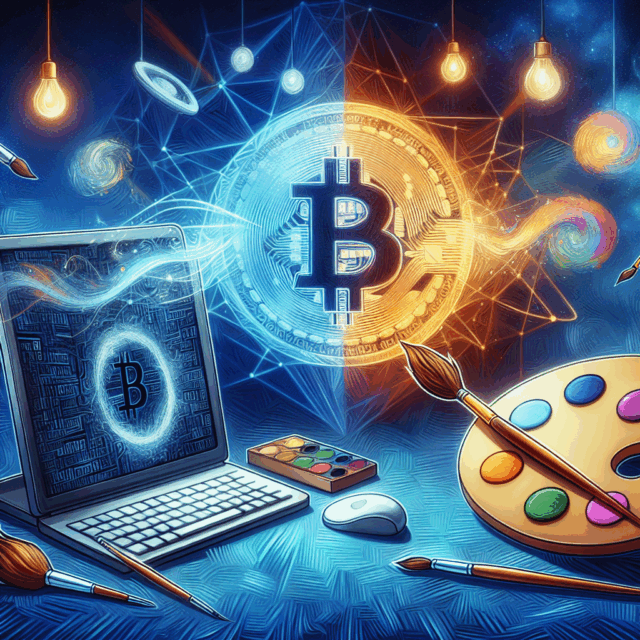
In the rapidly evolving landscape of the digital age, two seemingly disparate worlds are crossing paths: cryptocurrency and art. As technology advances, artists and collectors are increasingly exploring this crossroads, reshaping how art is created, sold, and experienced. This intersection not only reflects a new wave of digital innovation but also poses fundamental questions about the nature of art itself.

The Rise of Cryptocurrency

Cryptocurrency, led by Bitcoin’s meteoric rise, has gained significant traction since its inception in 2009. Initially viewed as a speculative investment, cryptocurrencies are now embedded in the fabric of financial systems worldwide. The decentralization, transparency, and security they offer have attracted diverse sectors, including art. The blockchain technology behind cryptocurrencies provides a verifiable ledger of ownership, revolutionizing how we think about provenance and authenticity in art.

Digital Art and NFTs: A New Canvas

The emergence of Non-Fungible Tokens (NFTs) has become the most visible manifestation of the collaboration between cryptocurrency and art. Unlike traditional currencies, NFTs are unique digital assets that represent ownership of a specific item, making them ideal for art. Artists can now mint their works as NFTs, allowing them to sell directly to collectors while retaining a connection to their creations.

Artists Embracing NFTs

Prominent artists like Beeple and Pak have made headlines, selling digital artworks for millions of dollars. These sales have not only raised awareness of the possibilities within digital art but have also sparked debates about the value and longevity of such works. For many artists, NFTs represent a democratization of the art market, enabling emerging creators to bypass traditional galleries and reach a global audience.

The Impact on Traditional Art

The infiltration of cryptocurrency and NFTs in the art scene has also affected traditional forms of art. Many established galleries are now incorporating NFTs into their exhibitions, showcasing a blend of physical and digital artworks. This hybrid approach allows artists to experiment with new mediums while offering collectors more options for investment.

The Role of Smart Contracts

One of the most significant advantages of merging cryptocurrency with art is the implementation of smart contracts. These self-executing contracts facilitate transactions automatically, ensuring that artists receive royalties each time their work is resold. This model contrasts sharply with traditional art markets, where artists often see little financial benefit after the initial sale. By using blockchain technology, artists can ensure ongoing compensation, fostering a sustainable ecosystem.

Challenges and Critiques

While the intersection of cryptocurrency and art presents exciting opportunities, it is not without challenges. The environmental impact of cryptocurrency mining, particularly for energy-intensive platforms like Ethereum, has drawn criticism from environmentalists and artists alike. Additionally, the speculative nature of NFTs raises questions about the authenticity of value. Are these digital artworks genuinely valuable, or are they mere bubbles fueled by hype?

The Future of Art and Cryptocurrency

As the dialogue between art and cryptocurrency continues to evolve, it is clear that this intersection will shape the future of both industries. Emerging technologies, including augmented reality and virtual reality, could redefine how we experience art, creating immersive environments that exist alongside physical spaces.

Expanding Access to Art

Furthermore, the globalization of the art market enabled by cryptocurrency can democratize access. Artists from underrepresented regions can showcase their work without the constraints of geographic limitations, engaging with a broader audience. Collectors, too, may find new avenues to explore diverse artistic expressions.

Conclusion

The convergence of cryptocurrency and art is a testament to humanity’s ever-evolving relationship with creativity and technology. As we navigate this uncharted territory, we must remain open to new possibilities while critically examining the implications of these changes. Whether through the lens of an NFT or a traditional brushstroke on canvas, the world of art is undergoing a transformation driven by the innovations of the digital age. Embracing this shift offers the potential for a richer, more inclusive art world, where creativity knows no bounds.

Social Media as an Art Gallery: How Platforms are Transforming Artistic Exposure


In the digital age, social media has emerged as a transformative force for many industries, and the art world is no exception. This shift has fundamentally altered how artists create, share, and monetize their work, democratizing access to art and fostering a new kind of public engagement. Social media platforms have become contemporary art galleries, showcasing a diverse array of visual works to global audiences.

The Democratization of Art

Traditionally, the art world has been characterized by gatekeeping: galleries, museums, and curators wielded considerable power over what art was seen and celebrated. However, with the advent of social media, this paradigm has shifted dramatically. Platforms such as Instagram, Pinterest, and TikTok allow artists to upload their work directly to audiences, bypassing traditional constraints. This democratization has not only given rise to a rich tapestry of artistic styles—from street art to digital illustrations—but has also amplified underrepresented voices in the art community.

Global Reach and Increased Exposure

One of the defining features of social media is its ability to connect people across geographical boundaries. An artist in Nairobi can gain followers in New York or Tokyo, expanding their reach far beyond local galleries. This global exposure is unprecedented; artists no longer need to rely solely on physical spaces to showcase their work.

Hashtags, shares, and likes can propel an unknown artist into the limelight overnight, as audiences become more eager to discover new creators. For example, the #art hashtag on Instagram has amassed millions of posts, creating a vast online gallery where users can browse and discover new artists effortlessly.

Interactive Engagement

Social media not only allows artists to showcase their work but also fosters interaction between creators and audiences. Comment sections, direct messaging, and live streams facilitate direct communication, enabling artists to receive immediate feedback, engage in discussions with fans, and build communities around their work. This interactivity transforms art from a static consumption experience into a dynamic conversation, allowing for a more personal connection between artists and their audience.

Moreover, platforms like TikTok have popularized art challenges, inviting users to participate in trends that encourage creativity and collaboration. These interactive elements allow artists to explore innovative methods of engagement, enhancing their visibility and reach.

Monetization Opportunities

As social media continues to redefine the art landscape, it also opens doors for monetization. Many artists are now leveraging these platforms to sell their artwork directly to consumers through features like Instagram Shopping or artist profiles on platforms like Etsy. Crowdfunding through platforms like Patreon allows artists to cultivate a dedicated following while securing financial support without the need for traditional galleries.

Moreover, collaborations with brands for sponsored content can also be lucrative, enabling artists to use their platforms as a source of income while maintaining their creative freedom.

Challenges and Considerations

Despite the vast opportunities that social media presents, artists also face challenges in this new landscape. The algorithms that govern visibility can be unpredictable, often favoring those who already have significant followings. Additionally, the sheer volume of content can make it difficult for individual works to stand out.

Copyright issues are another concern; the ease of sharing content raises questions about ownership and attribution. As artists navigate this evolving space, understanding these complexities becomes increasingly important.

Conclusion

Social media has thus become a vibrant art gallery that defies conventional boundaries, inviting artists and audiences to engage in new, meaningful ways. While the platform presents challenges, its potential for democratization, increased exposure, interactive engagement, and monetization cannot be understated. As the art world continues to evolve in the digital age, social media will undoubtedly play a pivotal role in shaping the future of artistic expression and community engagement.

In this ever-changing landscape, one thing is clear: the art world has become more accessible and diverse, and social media is at the forefront of this transformation.

The Future Canvas: How Augmented Reality is Changing Artistic Expression


Introduction

In recent years, the intersection of technology and art has opened new avenues for creativity, with augmented reality (AR) emerging as a transformative force in artistic expression. This groundbreaking technology allows artists to blend the physical and digital worlds, creating interactive experiences that engage audiences in unprecedented ways. As we explore the implications of AR on art, we see a future where creativity knows no bounds.

What is Augmented Reality?

Augmented reality is a technology that overlays digital information—images, animations, or sounds—onto the real world through devices like smartphones, tablets, or AR glasses. This differs from virtual reality (VR), which immerses users in a completely digital environment. With AR, the physical surroundings remain visible, enhanced by digitally rendered elements that can interact with the user’s environment.

The Evolution of Artistic Expression

Historically, art has evolved through various mediums—from traditional painting and sculpture to photography and film. Each advancement has expanded the boundaries of creativity. Today, AR adds another layer to this evolution, enabling artists to transcend the limits of canvas and sculpture by integrating the viewer’s experience into their work.

Interactive Installations

One of the key ways AR is impacting artistic expression is through interactive installations. Artists can now create works that encourage audience participation. For instance, visitors to an art exhibit might scan a QR code to reveal digital layers that change based on their movements or interactions. By engaging the audience directly, these works become dynamic narratives rather than static images, allowing for personalized experiences that can shift with each viewer.

Site-Specific Augmentation

AR also allows for site-specific artwork, where artists can use the existing environment as a canvas. Imagine walking through a city and seeing historical figures animated on the very streets they once walked. This not only enhances public spaces but also provides context and a narrative that deepens the viewer’s understanding of the location’s history. Artists like Kira Bursky have already begun to explore this potential, creating AR experiences that weave together stories from the past with the present.

New Mediums for Creation

AR offers artists innovative tools for creation. Applications like Adobe Aero and Artivive empower creators to design AR experiences without exhaustive technical knowledge. These platforms enable artists to create digital layers that enhance their physical artworks, transforming a simple painting into a 3D experience with animated elements.

Moreover, digital artists can create entirely new visual languages, exploring concepts that may have been challenging to convey through traditional media. For instance, 3D modeling combined with AR can bring abstract concepts to life, making them accessible and engaging for all audiences.

The Role of Collaboration

The collaborative potential of AR is also significant. Artists can work with technologists, designers, and developers to produce collective works that would be practically impossible in a traditional setting. This interdisciplinary approach not only broadens the scope of artistic expression but also encourages dialogue between different fields, resulting in richer, multifaceted works.

Accessibility and Outreach

Finally, AR democratizes art by making it more accessible. Through mobile devices, users can engage with art from anywhere in the world—no longer tethered to physical galleries or museums. This shift not only broadens the audience but also introduces art to communities that may otherwise lack access to cultural experiences. Projects like “The Museum of Other Realities” explore this potential by creating virtual spaces where users can experience AR art without geographical limitations.

Challenges and Considerations

While the future of AR in art is promising, it is not without challenges. Issues related to technology access, intellectual property, and the ephemeral nature of digital art present hurdles. Additionally, as AR blurs the lines between the digital and physical realms, ethical considerations regarding representation and authorship arise, compelling artists and audiences alike to grapple with new questions around the authenticity of artistic expression.

Conclusion

As augmented reality continues to develop, it promises to redefine how we experience and create art. By merging the physical and digital worlds, artists have an expansive new canvas, transforming not only their artistic practices but also how audiences engage with their work. The future of art may very well lie in our ability to imagine and create in this augmented space, where every viewer can become a participant and every art piece holds the potential for infinite reinterpretation. In this new era of creativity, the future truly becomes a canvas for all.

Popular Posts

My Favorites