Arts

Home Arts Page 58

Interactive Narratives: The Role of Technology in Storytelling Through Art

Introduction

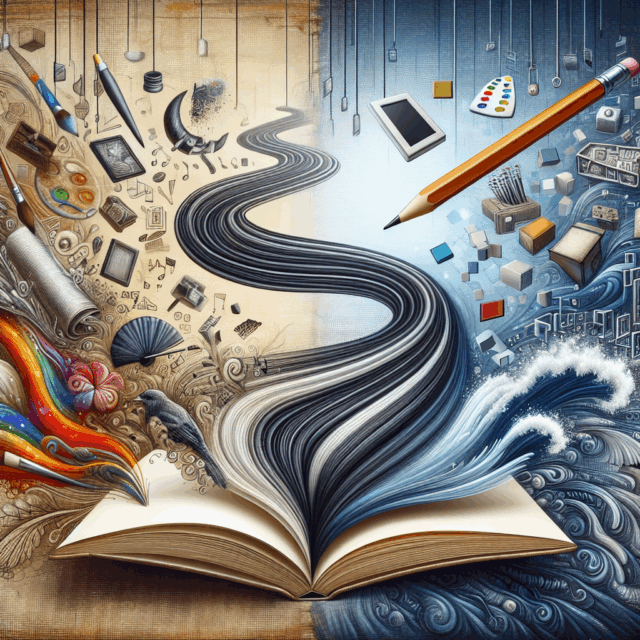
In the digital age, storytelling has transcended traditional boundaries, giving rise to a captivating genre known as interactive narratives. These narratives blend technology and artistry, creating immersive experiences that invite audience participation and foster emotional connections. As storytelling evolves, the interplay between technology and art is reshaping how stories are told and experienced, allowing for a more dynamic engagement that traditional methods cannot offer.

The Evolution of Storytelling

Historically, storytelling has served as a means of preserving culture, conveying morals, and entertaining. From oral traditions to the written word, each advancement marked a shift in how stories were shared and experienced. With the advent of film, television, and eventually the internet, new forms of narrative emerged. However, interactive narratives take this evolution to a new level, enabling audiences to influence the direction and outcome of a story.

Defining Interactive Narratives

At the heart of interactive narratives is choice. Unlike linear storytelling, where the audience passively consumes content, interactive narratives allow individuals to make decisions that shape the storyline. This form of storytelling spans various mediums, including video games, web-based experiences, virtual and augmented reality environments, and even interactive installations in galleries and museums.

Characteristics of Interactive Narratives

  1. User Agency: The most distinctive feature is the ability for users to make choices that affect the plot and character development.

  2. Multiple Endings: Stories often have various outcomes, rewarding exploration and engagement.

  3. Immersive Environments: Technological advances enable the creation of richly detailed worlds, allowing users to explore and interact with the narrative space.

  4. Multisensory Experiences: Interactive narratives may combine visuals, sounds, and tactile feedback to create a comprehensive storytelling experience.

Technology as a Storytelling Tool

1. Video Games

Video games are perhaps the most prominent example of interactive narratives. Titles like The Last of Us and Life is Strange illustrate how player choice can shape emotional arcs and character relationships. Advances in artificial intelligence, game design, and graphics have made these stories more immersive, allowing players to connect with characters on a deeper level.

2. Virtual Reality (VR)

Virtual reality takes immersion to unprecedented heights, placing users directly within the narrative. Projects like Half + Half and The Invisible Hours allow players to experience stories from new perspectives, enhancing emotional engagement. In VR, the physical act of "being there" bolsters the sense of agency and presence.

3. Augmented Reality (AR)

AR merges the real world with digital elements, creating unique interactive narratives. Applications like Pokémon GO transform environments into storytelling canvases, inviting users to participate in quests that blend fiction with reality. This technique fosters community interactions and encourages exploration.

4. Interactive Installations

Museums and galleries increasingly utilize technology to create interactive exhibits. These installations facilitate a personal connection to art and narratives, such as the immersive experiences offered by Meow Wolf, which blend visual art and storytelling through interactivity.

The Role of Art in Interactive Narratives

Art serves as a fundamental component of interactive narratives, providing the aesthetic and emotional underpinnings that enrich the experience. Artists utilize visual design, music, and narrative structures to create compelling interactive stories. The combination of artistic expression and technology results in innovative storytelling forms, enabling creators to push boundaries and explore complex themes and emotions.

Challenges and Considerations

While the integration of technology in storytelling offers exciting possibilities, it also presents challenges. Content creators must ensure that the user experience is intuitive; otherwise, excessive complexity can detract from engagement. Additionally, ethical considerations surrounding user data privacy and design decisions that lead to manipulation require careful navigation.

Conclusion

Interactive narratives represent a thrilling frontier in the realm of storytelling, where technology and art converge to create impactful experiences. By allowing audiences to engage with stories as active participants, these narratives foster deeper connections and understanding. As technology continues to advance, the potential for innovation in storytelling is boundless, promising a future ripe with creative possibilities. As we embrace these new forms of narratives, we are reminded that the essence of storytelling—connecting us, conveying emotions, and exploring the human experience—remains timeless, regardless of the medium.
Art in the Age of AI: Top Generative Tools Transforming the Creative Landscape


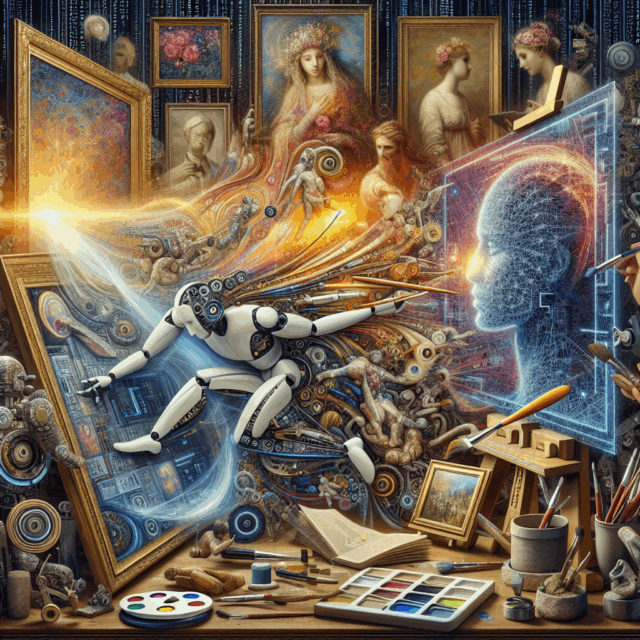
The intersection of art and technology has always been a fertile ground for innovation, but recent advancements in artificial intelligence (AI) have revolutionized the creative landscape. From generating intricate images to composing symphonies, AI-motivated tools are reshaping how artists create, enabling new forms of expression and democratizing the creative process. Here’s a look at some of the most influential generative tools that are changing the art world.

A New Era of Creativity

Generative art combines algorithms with human creativity, allowing artists to explore uncharted territories. These AI-driven tools enable a broader audience to engage in artistic endeavors, often requiring minimal technical skill. As machine learning and deep learning technologies advance, they enable more sophisticated interactions, resulting in diverse artistic outputs.

1. DALL-E 2

OpenAI’s DALL-E 2 has become one of the most talked-about generative tools for creating visual art. This advanced AI model can generate images from textual descriptions, enabling users to visualize concepts that may be difficult to express traditionally. Artists, designers, and marketers are using DALL-E 2 to brainstorm ideas, create unique visuals, and enhance their portfolios. Its ease of use democratizes access to high-quality creative content, allowing anyone with a creative spark to generate stunning images.

2. Midjourney

Midjourney is another innovative AI tool that specializes in generating high-quality imagery based on text prompts. With its unique style and community-driven approach, Midjourney has gained popularity among artists seeking to experiment with visual aesthetics. Its ability to produce surrealist and dreamlike images has inspired many to push the boundaries of traditional art, resulting in collaborations between human creativity and machine learning.

3. Artbreeder

Artbreeder focuses on collaborative art creation and relies on a user-friendly interface that allows individuals to blend images and styles. By manipulating genes that control various aspects of images—such as color, shape, and style—artists can create unique pieces that evolve organically. This platform fosters a sense of community, encouraging users to share and remix each other’s work, which leads to a vibrant, collaborative artistic practice.

4. Runway ML

Runway ML serves as a bridge between machine learning and creative professionals, offering tools for video and image manipulation. It allows users to apply generative techniques like style transfer, video effects, and even text-to-image generation. Artists and filmmakers can enhance their projects with cutting-edge technology, reducing the barrier to entry for those who may lack extensive technical backgrounds in digital media.

5. DeepArt

DeepArt employs neural networks to transform photos into artwork resembling various styles, such as cubism or impressionism. Users can upload their images and choose from a range of styles to apply, effectively turning their photographs into unique artistic pieces. This tool allows artists to explore different styles and experiment without having to master every technique involved in traditional painting.

6. AIVA

AIVA (Artificial Intelligence Virtual Artist) focuses on music composition, leveraging deep learning to create original musical pieces. AIVA can compose symphonies, soundtracks, and songs in different genres, providing musicians with a tool to inspire their creativity or collaborate with AI-generated compositions. This convergence of AI and music has sparked discussions about authorship and creativity in music production.

The Ethical Landscape

As AI takes a more prominent role in the art world, it raises important ethical questions. Issues of authorship, the role of human creativity, and the implications of using AI-generated works in commercial contexts are at the forefront of discussions among artists, ethicists, and technologists. The balance between leveraging AI for inspiration while maintaining the integrity of human artistic expression is a ongoing dialogue that shapes the future of this evolving landscape.

Conclusion

Art in the age of AI is an exciting new frontier, where creativity knows no bounds. Generative tools like DALL-E 2, Midjourney, Artbreeder, Runway ML, DeepArt, and AIVA have redefined the possibilities of artistic expression. As these technologies continue to evolve, they offer unprecedented opportunities for collaboration between human artists and their digital counterparts, redefining what it means to be a creator in our increasingly digital world. The future of art is not just about humans or machines; it’s a synthesis of both, opening doors to limitless creativity and inspiration.

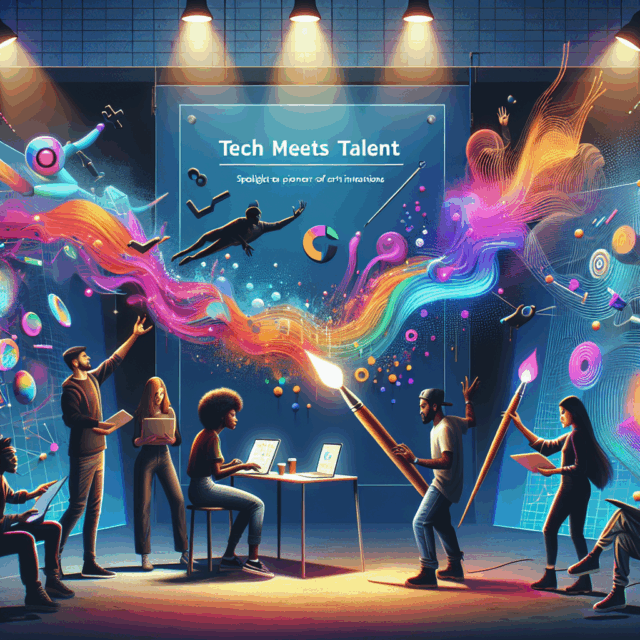
Tech Meets Talent: Spotlight on Pioneers of Interactive Art Innovations


In a rapidly-evolving digital age, the intersection of technology and artistic expression has never been more dynamic. Interactive art, a genre that invites audience participation and engagement, serves as a captivating illustration of this fusion. From immersive installations to augmented reality experiences, a new wave of artists, technologists, and designers are pioneering innovations that challenge traditional boundaries and redefine creativity. This article spotlights some key figures leading the charge in interactive art, showcasing their groundbreaking work and the impact they have on both the art world and beyond.

The Visionaries of Interactive Art

1. TeamLab: Bridging Nature and Technology

Originating in Japan, the collective TeamLab has garnered international acclaim for its stunning digital installations that fuse art, technology, and nature. Known for their immersive exhibitions, such as "Borderless," TeamLab transforms physical spaces into interactive landscapes, where viewers can influence the environment around them through movement and touch. The experience is a seamless blend of art and technology, where participants feel connected to the world in a unique, real-time interplay.

2. Ryoji Ikeda: Exploring the Aesthetics of Data

Japanese artist Ryoji Ikeda is at the forefront of using data as an artistic medium. His work challenges viewers to perceive the unseen: the sheer volume and beauty hidden within digital and scientific data. Through installations like “data.scan” and “test pattern,” Ikeda invites the audience into a sensory experience, allowing them to interact with the numerical world that typically remains invisible. By transforming raw data into immersive audiovisual experiences, Ikeda not only elevates the aesthetic potential of data but also provokes deeper reflections on the nature of information in our lives.

3. Neri Oxman: The Intersection of Nature and Technology

Architect and designer Neri Oxman is renowned for her work in materials science, where she employs cutting-edge technology to create living installations. Her approach, termed "Material Ecology," advocates for designs that draw inspiration from biological processes. At the intersection of art, science, and design, Oxman’s projects often invite interactive engagement, allowing users to witness the transformation and evolution of materials in real-time. Her work not only stimulates curiosity but also prompts conversations about sustainability and the future of our built environment.

4. Marina Abramović: The Pioneer of Performance and Immersive Art

While primarily known for her pioneering role in performance art, Marina Abramović has revolutionized the interactive experience by inviting audiences to engage with her works on a personal level. Her recent piece, “The 7 Deaths of Maria Callas,” combines elements of opera and performance to create an immersive narrative where viewers are encouraged to emotionally connect with the themes presented. By breaking down the barrier between artist and audience, Abramović has redefined the participatory structure of art.

Innovative Technologies Enhancing the Experience

1. Augmented Reality (AR) and Virtual Reality (VR)

Technologies like AR and VR have dramatically transformed how audiences interact with art. Artists can create immersive worlds that allow viewers to experience narratives in a deeply personal way. For instance, apps that utilize AR can overlay digital images onto real-world environments, making exhibitions more vibrant and interactive. These technologies not only enhance engagement but also democratize art by making it accessible to a wider audience.

2. Artificial Intelligence (AI)

AI is increasingly becoming a collaborator in the creative process. Artists are using algorithms to generate unique pieces of art, creating an entirely new genre that combines human creativity with machine learning. This partnership raises questions about authorship and creativity, opening up exciting avenues for discussion and exploration in the art community.

3. Biometric Technology

Some interactive art pioneers are exploring biometric technology to engage viewers on a physiological level. By integrating sensors that respond to heart rates, brainwaves, or even movements, installations can adapt and transform based on the audience’s emotional state. This level of intimacy not only creates a unique experience for each participant but also deepens our understanding of the relationship between art and human emotions.

Conclusion

The pioneers of interactive art are not merely creating experiences; they are challenging us to reconsider the role of technology in our lives and the ways we connect with art. By inviting participation and engagement, they bridge the gap between creator and viewer, transforming art from a passive observation into an immersive journey. As artists continue to innovate at the intersection of technology and talent, the possibilities for interactive art are boundless, promising to shape not only the future of artistic expression but also our collective experience of the world.

Breaking Boundaries: The Artistic Possibilities of AI in Digital Art


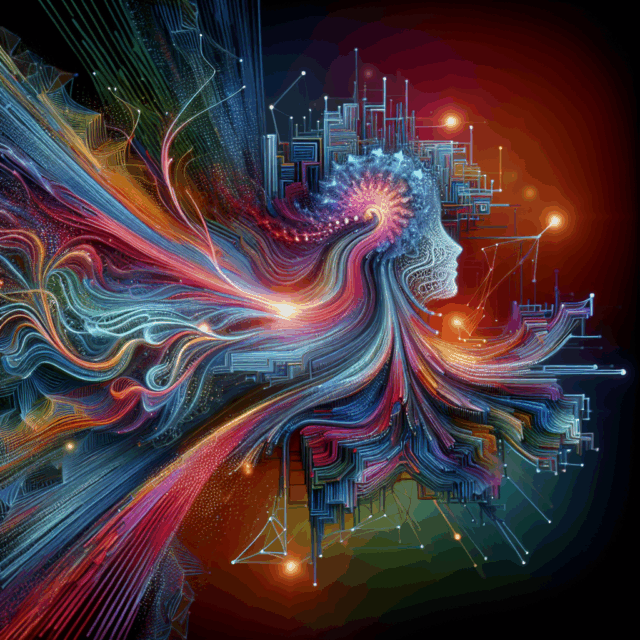
In recent years, the intersection of artificial intelligence (AI) and digital art has sparked a revolution, redefining creativity and expanding the horizons of artistic expression. This fusion not only challenges traditional notions of artistry but also opens up a realm of possibilities that was once the stuff of science fiction. As we explore the artistic potential of AI in digital art, we delve into how it breaks boundaries, fuels innovation, and reimagines the creative landscape.

The Evolution of AI in Art

Historically, art has been a profoundly human endeavor. Creators have relied on their skills, emotions, and unique perspectives to convey messages and evoke feelings. However, with the advent of AI algorithms—capable of processing vast amounts of information and learning patterns—artists now have a new tool at their disposal.

AI’s capability to analyze styles, themes, and techniques has led to the development of a range of applications, from image generation to creative writing. Tools such as DeepArt, Artbreeder, and DALL-E have empowered artists to experiment with forms and concepts that challenge the limitations of human imagination.

Expanding Creative Horizons

AI opens the door to boundless creativity, enabling artists to explore uncharted territories in their work. By employing machine learning algorithms, these tools can generate artworks that blend various styles, merge different eras, or create entirely new aesthetics. For instance:

  • Style Transfer: Using neural networks, artists can apply the style of famous painters to their images, creating novel compositions that are both original and reminiscent of classic art.

  • Generative Art: Artists can program AI to generate intricate designs or abstract pieces based on specific inputs, leading to artworks that evolve in ways the artist may not have anticipated.

  • Interactive Installations: AI allows for the creation of dynamic art installations that respond to viewers, making art a participatory experience.

Redefining Authorship and Collaboration

AI challenges the very notion of authorship in art. When a piece is conceived in collaboration with an algorithm, who is the true creator—the artist, the AI, or both? This question invites discussions about the nature of creativity and originality.

Artists are leveraging AI as a collaborative partner rather than a replacement. For instance, renowned artist Refik Anadol employs AI algorithms to create data-driven installations that explore the intersection of humans, machines, and the environments we inhabit. This collaboration enriches the artistic process, encouraging innovation and experimentation.

Addressing Concerns and Critiques

Despite the excitement surrounding AI in art, there are valid critiques and concerns. Issues of copyright, authenticity, and the potential devaluation of human artistry are prevalent in discussions within the artistic community. As AI becomes more integrated into the creative process, ensuring ethical practices and addressing these dilemmas will be crucial.

Artists must also be mindful of the biases inherent in training data, as these systems can inadvertently reproduce societal stereotypes. Promoting diversity and incorporating varied perspectives in AI training could enhance the inclusive potential of AI-generated art.

The Future of AI in Digital Art

As technology continues to advance, the possibilities for AI in the realm of digital art are limitless. We may see more immersive experiences, such as virtual reality and augmented reality art forms that combine AI-generated visuals with interactive narratives. Collaborations between AI and traditional art forms are also likely to flourish, further blurring the lines between disciplines.

In conclusion, the fusion of AI and digital art is breaking boundaries, fostering new dimensions of creativity and expression. As artists embrace this technology, they are not merely adopting tools but are entering a dialogue with machines, exploring what it means to create in a digital age. The future holds a promise of artistic collaboration that excites and inspires, inviting us to rethink the essence of art itself.

The Rise of NFTs 2.0: What’s Next for Digital Art in 2025


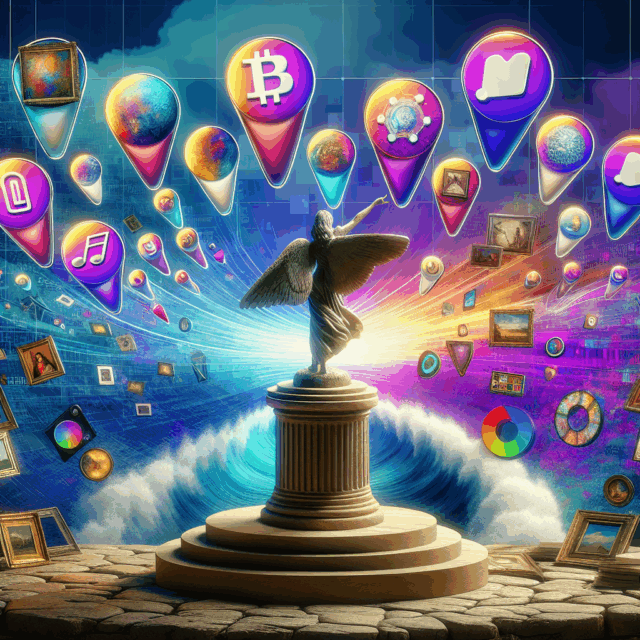
As digital art continues to evolve, so does the technology that supports it. In recent years, Non-Fungible Tokens (NFTs) have taken the art world by storm, offering creators a new platform to monetize their work while providing collectors with a unique way to own and trade digital assets. However, as we head toward 2025, we are witnessing the emergence of NFTs 2.0, which promises to revolutionize the landscape even further. This article explores the factors driving this evolution and what we can expect for digital art in the near future.

The Evolution of NFTs: From Hype to Utility

Initially, NFTs were met with a mix of excitement and skepticism. The unique characteristics of NFTs enabled artists to sell their digital artwork directly to consumers, fostering a direct relationship and higher profit margins. Early adopters like Beeple and Grimes made headlines with auction prices reaching into the millions, capturing the public’s imagination.

However, as the market matured, so did the demand for functionality and utility in NFTs. NFTs 1.0 were often criticized for high energy consumption and lack of interoperability between various blockchain platforms. As artists, collectors, and investors sought more sustainable and versatile options, the foundation for NFTs 2.0 began to form.

Key Features of NFTs 2.0

1. Interoperability

One of the foremost advancements expected in NFTs 2.0 is better interoperability. With multiple blockchain ecosystems competing for dominance, a fragmented marketplace has made it difficult for NFTs to operate seamlessly across platforms. Future developments will prioritize cross-chain functionality, allowing artists and collectors to utilize their digital assets on various blockchain networks without restrictions.

2. Enhanced Utility

Beyond mere ownership, NFTs 2.0 will focus on providing functional benefits. This includes features like royalties for artists on secondary sales, unlockable content, and integration with virtual experiences like metaverses. Artists will not only create digital art but also provide collectors with added value, such as exclusive access to physical events, merchandise, and collaborations.

3. Sustainability

Environmental concerns surrounding blockchain technology have heightened awareness around the energy consumption of minting and trading NFTs. The move towards more sustainable solutions, like proof-of-stake blockchains, will be crucial in attracting a broader audience while aligning with the growing eco-conscious values of consumers.

4. Fractional Ownership

Fractional ownership of NFTs will enable more people to invest in high-value digital art. By allowing multiple investors to own a portion of a digital asset, access to the art market will widen, democratizing ownership and enabling a new wave of collectors. This approach will also provide liquidity options for art investments that were previously absorbed into long-term holds.

5. Integration with Augmented and Virtual Reality

The potential for NFTs 2.0 lies in their integration with augmented reality (AR) and virtual reality (VR). Artists will be able to create immersive experiences that extend beyond traditional digital canvases. Imagine walking through a virtual gallery where each piece is an NFT that offers a unique experience—beyond just visual aesthetics.

What’s Next for Digital Art in 2025?

1. Broader Acceptance and Mainstream Adoption

By 2025, the art world will likely witness a broader acceptance of digital art and NFTs. Major galleries and institutions will integrate digital art into their offerings, presenting it alongside traditional works. This shift will further legitimize NFTs as a valuable art form.

2. Evolution of Artists’ Roles

Artists will assume expanded roles beyond mere creators. They will become curators, community builders, and advocates for their work in various formats—both physical and digital. As the NFT ecosystem grows, artists will also engage more directly with their audiences.

3. Regulations and Standards

As the NFT space matures, so will the need for regulatory frameworks to protect artists and collectors. Standards for authenticity and ownership will be established, focusing on the rights of creators. These regulations will make the marketplace more reliable and secure for investors.

4. The Rise of Digital Art Collecting Communities

Collectors will form more tight-knit communities around the art they own, encouraging collaborative projects and sharing of digital assets. Social media platforms and marketplaces will promote these communities, creating a culture of support and growth among artists and collectors alike.

Conclusion

As we look towards 2025, NFTs 2.0 heralds a new era not just for artists but for the art world as a whole. Interoperability, enhanced utility, sustainability, fractional ownership, and integration with AR and VR are set to redefine how digital art is created, traded, and experienced. The journey from novelty to necessity is underway, and the future promises to be as vibrant and dynamic as the art it supports. With innovation at the helm, the rise of NFTs 2.0 will fundamentally reshape the landscape of digital art, beckoning an exciting new chapter.

Augmented Reality: Redefining Art Experiences in Real-Time


In recent years, augmented reality (AR) has emerged as a transformative technology, reshaping various industries, including education, gaming, and retail. One of the most fascinating areas where AR is making a significant impact is in the realm of art. By merging the physical world with digital overlays, AR offers a new lens through which we can experience and interact with art, redefining how we perceive creativity and expression.

The Essence of Augmented Reality in Art

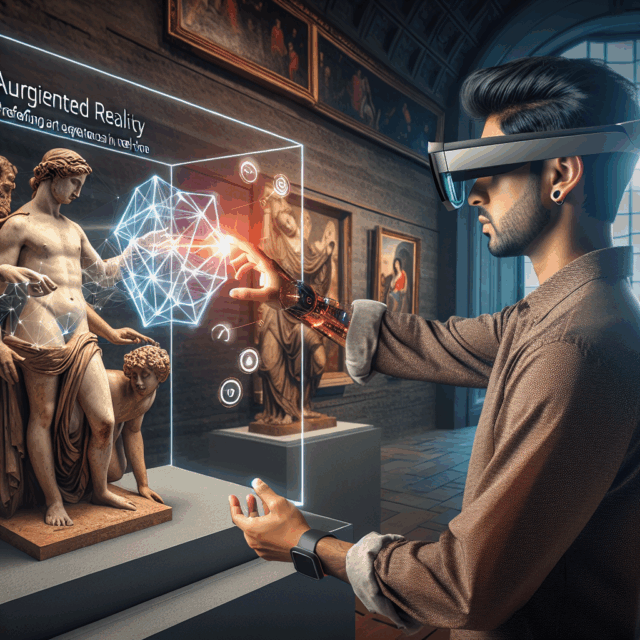
Augmented reality enhances the real world by layering digital information on top of it, allowing users to engage with both environments simultaneously. In the art world, this means that a simple painting on a wall can spring to life through an AR application, revealing hidden layers, animations, and additional narratives that enhance the viewer’s experience. Artists are beginning to explore this technology as a medium in its own right, pushing the boundaries of traditional art forms.

Creating Immersive Experiences

AR offers artists unparalleled opportunities to craft immersive experiences. For example, installations can incorporate sound, video, and digital interactions that are triggered by an observer’s movement or engagement. Museums and galleries are at the forefront of adopting AR technology to create visitor-friendly experiences.

Case Study: The Van Gogh Museum

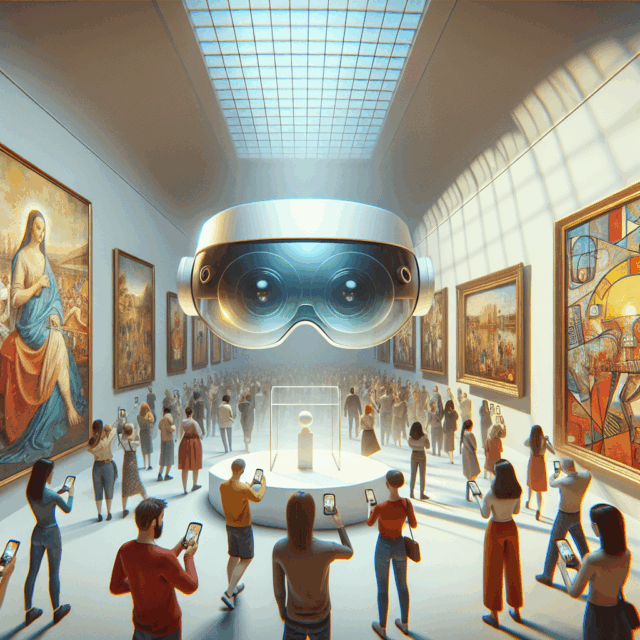
The Van Gogh Museum in Amsterdam utilizes AR to enrich its exhibits. Visitors can use their smartphones to view additional content alongside Van Gogh’s masterpieces. For instance, they can see sketches, animations of the painting process, or even hear Van Gogh’s letters read aloud, giving a multi-faceted understanding of the artist and his work. This approach not only educates the audience but creates a more personal connection to the artwork.

Enhancing Accessibility

One of the most significant advantages of AR in the art world is its potential to make art more accessible. Traditional exhibitions often require physical presence, which can be limiting for individuals who are unable to visit due to geographical or physical constraints. With AR applications, art can be virtually transported to anyone’s device, allowing for remote visits that would have been impossible otherwise.

Online Art Exhibitions

Artists and institutions have increasingly turned to AR to recreate exhibitions online. Digital AR galleries allow viewers from across the globe to experience shows as if they were physically present. This democratization of art not only broadens audience reach but also cultivates a new appreciation for diverse art forms and cultural expressions.

Interactive Storytelling

AR fosters a unique form of storytelling where viewers are not just passive observers but active participants. As users interact with the artwork, they can uncover stories and insights that deepen their understanding and engagement.

Example: "The Night Fisherman" By Notable Artists

"The Night Fisherman," an AR experience by a collective of artists, guides users through the narrative of a fisherman’s life. As users point their devices at specific parts of the installation, different layers of the story come to life—animations of the fishing process, environmental sounds, and interviews with local fishermen. This interactive engagement transforms a standard art piece into a rich, narrative journey.

Future Prospects

As technology continues to evolve, the future of AR in art looks promising. Innovations such as improved AR glasses and advancements in 5G connectivity will break down barriers, allowing for more seamless and interactive experiences. Artists are likely to experiment even further, blending virtual and physical art forms to create hybrid works that challenge the definition of art itself.

Community Engagement and Co-Creation

Future AR art experiences may also encourage community engagement and co-creation. Imagine a public space where anyone can contribute to a digital mural viewed through AR, fostering a sense of community ownership and interaction with local art.

Conclusion

Augmented reality is not merely a technological trend; it is a powerful tool that is reshaping the way we experience art. By merging the digital and physical worlds, AR offers dynamic, immersive, and accessible ways to engage with creativity and expression. As artists and institutions continue to embrace this technology, the future of art experiences promises to be more vibrant, interactive, and inclusive than ever before. Whether you’re a seasoned art lover or a casual observer, AR opens the door to a new dimension of appreciation, inviting everyone to explore the endless possibilities of artistic innovation.

Bridging the Gap: The Role of Digital Media in Art Education


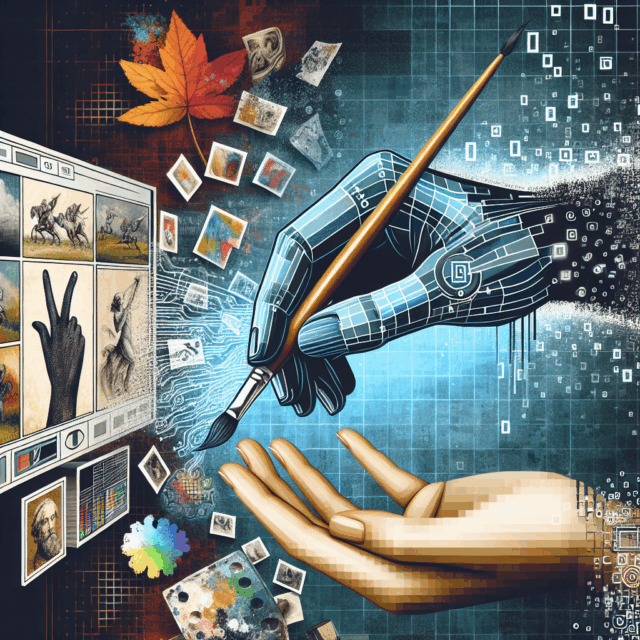
In an age where digital media pervades every aspect of our lives, its impact on education, particularly in art, has become increasingly transformative. As classrooms embrace technology, educators are challenged—and inspired—to integrate digital media into their curricula, creating new avenues for creative expression and collaboration. This article explores the multifaceted role of digital media in art education, highlighting its potential to bridge gaps, enhance learning experiences, and foster a deeper appreciation for art.

The Changing Landscape of Art Education

Traditional art education has often relied on physical mediums and face-to-face interactions. However, the rise of digital tools has revolutionized how students engage with art. From graphic design software to online galleries, digital media offers diverse platforms for exploration and expression. This shift not only accommodates different learning styles but also aligns with students’ digital-native experiences.

Enhancing Accessibility

One of the most significant advantages of digital media in art education is its ability to make art more accessible. Students from various backgrounds can access a wealth of resources online, including tutorials, virtual museum tours, and art history lectures. This democratization of information allows individuals who may not have access to traditional art education resources—such as art supplies, studios, or experienced mentors—to explore their creativity and develop their skills.

Additionally, digital platforms enable students to share their work with a global audience. Social media, online portfolios, and collaborative platforms allow budding artists to receive feedback and encouragement, fostering a sense of community and belonging that is often crucial in the development of one’s artistic identity.

Fostering Creativity and Innovation

Digital media encourages experimentation and innovation in art education. Students can easily manipulate, remix, and combine various digital tools to create unique pieces of art. For example, graphic design applications enable users to explore typography, color theory, and layout in ways that traditional mediums may not allow. As they become comfortable using these tools, students can push the boundaries of their creativity, harnessing the capabilities of technology to produce standout work.

Moreover, the use of digital media encourages interdisciplinary learning. By integrating concepts from fields such as photography, animation, and coding, art educators can inspire students to think outside the box and explore new methodologies. This kind of innovative thinking is essential not only in art but in solving broader societal challenges as well.

Promoting Collaboration and Communication

Digital media facilitates collaboration among students, teachers, and even artists around the world. Online platforms can host collaborative projects where students work together on a single artwork or engage in peer critiques. This interaction promotes vital communication skills and provides opportunities for students to learn from one another’s perspectives and cultural backgrounds.

Virtual classrooms and online forums can also connect students with established artists for mentorship and portfolio reviews. These opportunities not only enhance learning but also provide a lifeline to professional art networks, paving the way for future careers in creative fields.

Preparing for the Future

As the art world continues to evolve alongside technological advancements, it is crucial for art education to prepare students for the careers of tomorrow. Proficiency in digital tools is increasingly important in various professions, including graphic design, advertising, game design, and multimedia production. By incorporating digital media into art education, educators can equip students with essential skills that will serve them in their future endeavors.

Conclusion

The integration of digital media in art education holds immense potential for bridging gaps—between disciplines, communities, and creative expressions. As educators continue to explore innovative approaches to teaching, it is vital to recognize the value of digital tools in fostering accessibility, creativity, collaboration, and future readiness. By embracing these technologies, art education can not only adapt to contemporary demands but also thrive, nurturing the next generation of artists who can navigate and contribute to an increasingly digital world.

Creating in Code: The Emergence of Software as a Medium for Artists

Creating in Code: The Emergence of Software as a Medium for Artists

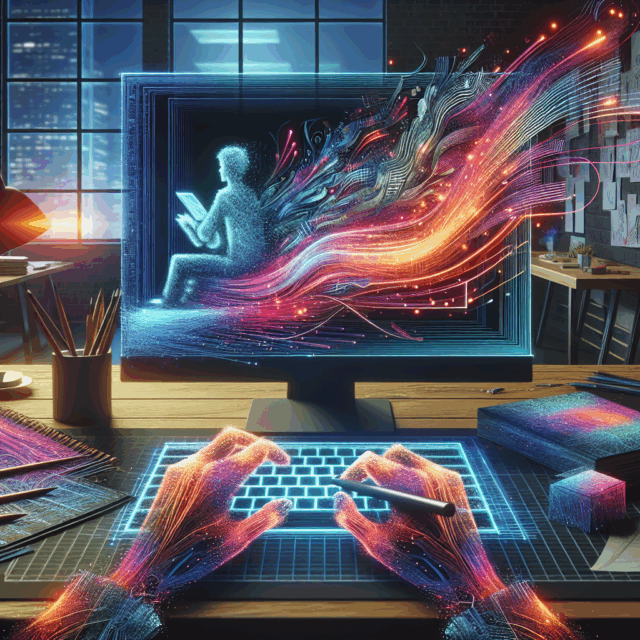
In a world increasingly defined by technology, the fusion of art and software development is transforming the landscape of creative expression. Artists are embracing code not just as a tool for creation, but as a medium in itself, challenging traditional boundaries and exploring new territories of imagination. This article delves into how software is becoming a vital canvas for artists and the implications of this shift.

1. The Intersection of Art and Technology

Historically, artists have employed various mediums—painting, sculpture, photography, and performance art—to convey their visions. The advent of digital technology has introduced a new dimension: software. As more artists harness programming languages and coding platforms, art is evolving into a multi-faceted discipline that encapsulates dynamic, interactive experiences. This evolution allows for an unprecedented interaction between creators and audiences, blurring the lines between the maker and the observer.

2. Breaking Down Barriers

One of the significant advantages of using software as an artistic medium is its accessibility. Open-source platforms and coding communities—such as Processing, p5.js, and Unity—are democratizing the tools of art-making. These resources enable artists from diverse backgrounds, including those without formal training in technology, to engage in computational art. This accessibility not only expands the artist’s toolkit but also fosters community collaboration, allowing creators to share knowledge, techniques, and critiques effectively.

3. Defining New Aesthetics

The aesthetics of software art diverge from traditional forms, characterized by algorithmic processes and the manipulation of code. Artists like Casey Reas, co-founder of Processing, and Golan Levin create works that reflect the essence of code itself. By embracing parameters, data, and feedback loops, they produce artwork that evolves in real-time, offering viewers a glimpse into the computational thought process behind the piece.

One notable example is the work of Rafael Lozano-Hemmer, whose interactive installations utilize data to explore themes of identity, surveillance, and interaction. His pieces invite audiences to engage actively, reflecting the fluidity and interactivity that code can bring to the artistic experience.

4. The Role of Interactivity

Interactivity is perhaps the most transformative aspect of software as an artistic medium. Unlike traditional art forms, which typically offer a singular, static experience, software-driven art can respond to users’ actions and inputs. This engagement fosters a participatory culture, where viewers become co-creators, influencing the outcome of their experience. The potential for real-time feedback and user customization elevates the artistic encounter, making it personal and unique.

As exemplified by installations like “The Obliteration Room” by Yayoi Kusama, where participants are given stickers to place around a stark white room, interactive pieces underscore the notion that art can be a collaborative endeavor, further connecting individuals through shared experiences.

5. Challenges and Considerations

Despite the exciting possibilities, the integration of software in art presents its own set of challenges. As technology evolves rapidly, artists must continuously adapt to new tools and languages. Additionally, there exists a tension between the artistic expression and technical proficiency—finding the balance between artistry and the often complex coding involved is essential yet challenging.

Furthermore, the ephemerality of digital art raises questions about permanence and preservation. Ensuring that digital artworks can be viewed long after their creation necessitates careful consideration in terms of storage, display, and accessibility.

6. The Future of Art in Code

Looking ahead, the potential for software as an artistic medium seems limitless. With advancements in artificial intelligence, virtual reality, and augmented reality, new forms of expression will continue to emerge. Artists are beginning to experiment with generative AI to create artworks that challenge authorship and originality, pushing the boundaries of what it means to be an artist in the digital era.

Collaborative platforms and social networks also offer fertile ground for artists to showcase their code-driven works, facilitating global connections and dialogues. As more creative professionals venture into coding, the art world will likely witness a rich convergence of disciplines, leading to innovative concepts and forms that are yet to be imagined.

Conclusion

The emergence of software as a medium for artists signifies a profound transformation in the creative landscape. By embracing code, artists are redefining traditional practices, fostering interactivity, and challenging concepts of authorship and collaboration. As technology continues to advance, the realm of art—powered by code—promises to evolve in ways that enrich human experience and understanding, paving the way for a new era of creative innovation.

Bridging Worlds: The Role of AR in Connecting Artists and Viewers


As technology continues to evolve, so too does the landscape of artistic expression. One of the most exciting advancements in this realm is augmented reality (AR), which offers artists innovative tools to connect with their audiences. By blending digital content with the physical world, AR has not only redefined how art is created but also how it is experienced. This article explores the transformative role of AR in bridging the gap between artists and viewers.

The Rise of Augmented Reality in Art

Augmented reality, a technology that overlays digital information onto the real world, has rapidly gained traction in various fields. In the art world, AR has emerged as a powerful medium, enabling artists to extend their creative boundaries. Projects like the "AR Art Walks" in major cities allow visitors to engage with virtual installations that interact with real-world environments. Artists can create immersive experiences that engage the senses, inviting spectators to step into alternate realities.

Enhancing Viewer Engagement

AR has fundamentally changed how viewers interact with art. Traditional physical exhibitions often limit the scope of engagement, but AR breaks these barriers. By using smartphones or AR glasses, users can access additional information about the artwork, witness animations, or even participate in interactive installations. This multi-layered approach not only enhances understanding but also fosters a deeper emotional connection with the piece.

Immersive Storytelling

One of the compelling aspects of AR is its capacity to transform storytelling within art. For instance, an artist can use AR to narrate the inspiration behind their work, providing context that might otherwise remain unexplored. Imagine standing in front of a painting and scanning it with a device to unlock a video of the artist discussing their creative process. This immediacy makes the experience richer and more personal.

Democratizing Art Access

AR technology also has the potential to democratize access to art. Through apps and platforms that utilize AR, artworks can be experienced by a global audience without the constraints of physical space. Virtual exhibitions can allow anyone with an internet connection to explore galleries and installations from their homes. This shift not only increases the visibility of emerging artists but also expands the reach of established ones, creating a more inclusive art world.

Challenges and Considerations

While the integration of AR in art presents myriad opportunities, it is not without its challenges. Technical limitations, such as the need for smartphones or tablets, can create barriers for some audiences. Moreover, the ephemeral nature of digital content raises questions about preservation and ownership. Artists must navigate these complexities while finding ways to keep their work accessible and engaging.

Ethical Concerns

Additionally, issues surrounding the commercialization of AR art, data privacy, and digital copyrights need consideration. As artists embrace AR, they must also ensure that their work remains authentic and true to their vision while being displayed in digital formats.

Future Implications

The future of AR in the art world is bright. As the technology progresses and becomes more affordable, we can anticipate more artists adopting AR tools. Collaboration between technologists and artists will likely yield increasingly sophisticated experiences, offering viewers more profound connections with art. As AR continues to evolve, it may redefine the roles of the artist and the viewer, transforming spectators into active participants in an ongoing narrative.

Conclusion

In conclusion, augmented reality is a groundbreaking tool that bridges the worlds of artists and viewers, creating dynamic, interactive experiences that resonate on multiple levels. By enhancing viewer engagement, democratizing access to art, and offering new forms of storytelling, AR invites a reimagining of the art experience. As both artists and audiences embrace this technology, we can expect a vibrant shift in how art is created, shared, and experienced—ultimately fostering a deeper connection between the creator and the beholder. In this exploration of new realities, AR not only enriches art but also transcends the boundaries of imagination, inviting us all to participate in a collective journey of discovery.

Behind the Code: Exploring the Blockchain Technology Powering NFT Art


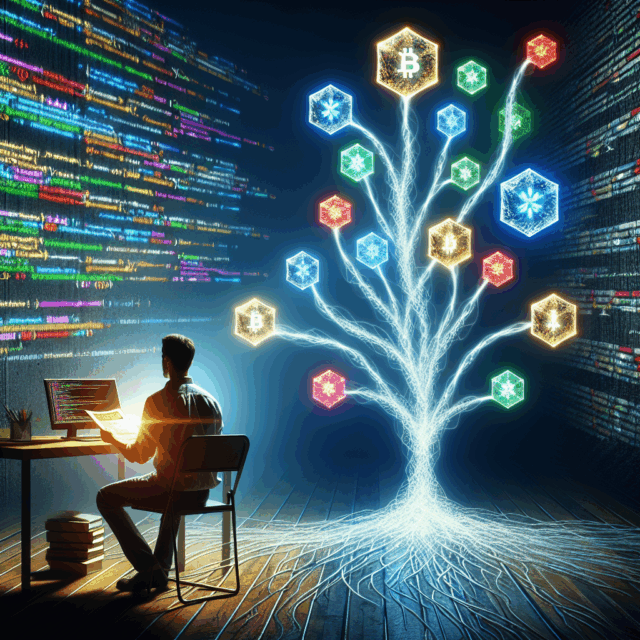
In recent years, the emergence of non-fungible tokens (NFTs) has revolutionized the digital art landscape, creating new avenues for artists and collectors alike. At the core of this transformation lies blockchain technology, a decentralized and transparent system that uniquely verifies and preserves digital assets. This article delves into how blockchain empowers NFT art, ensuring authenticity, ownership, and a new economy for creative expression.

Understanding NFTs

Non-fungible tokens (NFTs) are digital assets that represent ownership of unique items, ranging from artwork and music to virtual real estate and tweets. Unlike cryptocurrencies like Bitcoin, which are fungible and can be exchanged for one another, each NFT possesses distinct properties and cannot be replaced. This uniqueness is what makes NFTs particularly compelling for artists and collectors.

The Role of Blockchain Technology

What is Blockchain?

At its simplest, blockchain is a decentralized digital ledger that records transactions across multiple computers. Each block in the chain contains a list of transactions that are linked together in chronological order. This structure ensures that once a block is added, it cannot be altered without consensus from the network, making blockchain immutable and secure.

Verifying Ownership and Authenticity

When an artist creates an NFT, they essentially mint it on a blockchain, most commonly Ethereum. The NFT’s metadata – including details about the art piece, its creator, and transaction history – is recorded on the blockchain. This process provides a transparent and tamper-proof proof of ownership:

  • Authenticity: Artists can prove the originality of their work by associating it with an NFT, which is verified by the blockchain.
  • Provenance: The transaction history can show previous owners and sales, enhancing the artwork’s value.

This level of transparency is particularly important in the art world, which has long struggled with issues of forgery and provenance.

Smart Contracts: Automating Transactions

NFTs operate using smart contracts, which are self-executing contracts with the agreement directly written into code. These contracts automate the terms of the agreement between buyer and seller, ensuring that:

  • Royalties: Artists can receive a percentage of sales every time their work is resold, enabling continued financial benefit from their art.
  • Conditions: Terms can be established for use or licensing, creating new revenue streams.

Decentralization and Accessibility

One of the most significant benefits of blockchain technology is its decentralized nature. This means that no single entity controls the platform, allowing for a democratized art market.

  • Global Reach: Artists can reach a worldwide audience without the need for traditional galleries or intermediaries.
  • Lower Barriers to Entry: More creators can participate in the art market, diversifying the types of art available.

The Environmental Impact

While blockchain technology offers numerous benefits, it is not without its challenges. The energy consumption associated with some blockchain networks, particularly proof-of-work systems like Ethereum, has raised concerns about the environmental impact of NFTs.

In response, many projects are exploring solutions, such as transitioning to proof-of-stake systems or utilizing layer-2 solutions, which promise to significantly reduce energy usage.

Conclusion

Blockchain technology is the backbone of the NFT art movement, providing a secure, transparent, and accessible platform for creators and collectors. By ensuring authenticity, enabling royalty payments, and decentralizing the art market, blockchain is empowering artists to thrive in a digital landscape. As the technology matures and addresses its environmental challenges, the potential for NFTs in the art world—and beyond—appear to be limitless.

In a rapidly evolving cultural landscape, one thing is certain: the intersection of art and technology will continue to inspire innovation and reshape our understanding of ownership and value in the digital age.

Popular Posts

My Favorites

Lamborghini and Animoca Brands to Launch Web3 Hub for Digital Car...

0
1Lamborghini and Animoca Brands have provided more details about their collaboration announced in August. The two companies will work together to launch a...