Arts

Home Arts Page 57

Feel free to mix and match elements from these suggestions for your specific audience or context!

In an increasingly diverse and segmented world, tailoring content to specific audiences has never been more vital. Understanding that your audience isn’t monolithic opens up the opportunity to mix and match various elements to create engaging and relevant content. Here’s how you can effectively customize your message to resonate with various elements of your audience.

Understanding Your Audience

The first step in crafting tailored content is having a clear understanding of who your audience is. This includes demographic factors such as age, gender, location, and socio-economic background, as well as psychographic factors like interests, lifestyles, and values. A well-rounded profile will help inform what elements of your content might resonate most.

Create Personas

Developing personas based on audience research can be an effective way to visualize and understand different segments. For example, if your audience consists of both busy professionals and students, consider how each group’s preferences and schedules differ. This clarity can guide the mixing and matching of content elements.

Mixing Content Types

  1. Visual Elements:

    • Combine infographics, videos, and images to cater to visual learners.
    • Use high-quality visuals to break up text, drawing in those who may skim before reading thoroughly.

  2. Text Formats:

    • Mix articles, listicles, and blogs to cater to varying reading preferences.
    • For instance, a blog post could break into a list format for busy readers while providing in-depth information for those who prefer detailed articles.

  3. Storytelling:

    • Incorporate narratives or case studies to engage audiences emotionally.
    • Use testimonials or personal anecdotes to build trust and relatability.

  4. Interactive Components:

    • Polls, quizzes, and interactive infographics can greatly enhance engagement.
    • These elements allow the audience to become active participants, which can foster a deeper connection to the content.

Tailoring the Tone and Language

Adjusting your tone and language can have a significant impact on how your content is received. For instance, a more formal tone may be appropriate for a corporate audience, while a casual tone may resonate better with younger audiences.

  • Formal vs. Informal: Consider using industry jargon and data for a professional audience, while opting for a more conversational tone for general consumers.

  • Inclusive Language: Use language that is accessible and inclusive to all audience segments, ensuring that you do not alienate any group.

Leveraging Technology

The digital landscape offers countless tools that can help you customize your content effectively:

  • Analytics: Use data tools to track audience engagement and preferences, allowing you to continuously adjust your content strategy.

  • A/B Testing: Experiment with different formats and styles to see which resonates best with your audience segments.

  • Social Media Platforms: Different platforms attract different demographics. Tailor your content according to the conventions of each platform—more professional for LinkedIn, more casual for TikTok.

Conclusion

The key to successful content creation lies in your ability to mix and match various elements to suit your specific audience. By understanding your audience in-depth, experimenting with different content types and formats, and leveraging technology, you can create content that not only captures attention but also fosters engagement and loyalty.

In a world brimming with content, those who can customize their messages will not only stand out but will also create meaningful connections with their audience. So get creative, be adaptable, and remember: there’s no one-size-fits-all solution in effective communication!
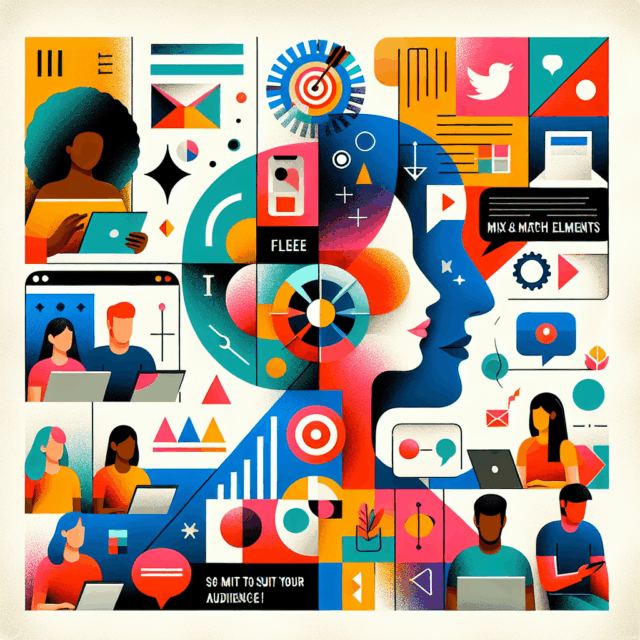
Feel free to mix and match elements or modify them to suit your audience!


In today’s diverse and rapidly changing landscape, the ability to mix, match, and modify elements within your content is not just a creative exercise; it’s a necessary skill. This practice enhances engagement and ensures that your message resonates with a wide array of audiences. Whether you’re a marketer, educator, or content creator, this guide will explore how to effectively tailor your content to meet the needs and preferences of your audience.

Understanding Your Audience

Before you begin mixing and matching elements, it’s crucial to understand your audience. Who are they? What are their interests, demographics, and pain points? Conduct audience research through surveys, social media insights, and analytical tools to gather this information. Knowing your audience will inform your choices and enhance relevance.

Segmentation: The First Step to Customization

Segment your audience based on characteristics such as age, location, preferences, and behaviors. This allows for more personalized content. For example, if you run a fashion blog, you may create separate content for teenagers, young adults, and older individuals. By addressing each group’s unique interests, you can better engage them and satisfy their specific needs.

Elements to Mix and Match

1. Content Types

Different audiences prefer different formats. Utilize a variety of content types such as:

  • Blogs and Articles: In-depth analysis for those who seek knowledge.
  • Infographics: Visual learners appreciate data presented in an easily digestible format.
  • Videos and Podcasts: Great for auditory and visual learners who prefer dynamic content.

By mixing these formats, you cater to diverse learning styles and preferences, enhancing the overall experience.

2. Tone and Style

Adjust your tone and style based on the audience’s expectations. A professional tone may work best for corporate clients, while a more casual tone can resonate with a younger audience. For example:

  • Formal: "We are pleased to announce the launch of our latest product."
  • Informal: "Guess what? We’ve just dropped something awesome!"

Adapting your tone not only personalizes your message but also fosters a sense of connection with your audience.

3. Topics and Themes

While it’s essential to maintain core themes that define your brand, don’t hesitate to branch out. Mix current trends or relevant news within your niche to keep your content fresh and engaging. For instance, a fitness brand could incorporate topics like mental health, nutrition tips, or seasonal workouts.

4. Visual Elements

Visuals play a critical role in capturing attention. Mix and match images, colors, and layouts that align with your audience’s preferences. Experiment with:

  • Color Schemes: Different colors evoke different emotions. Tailoring your palette can significantly influence audience perception.
  • Graphics and Illustrations: Use custom illustrations or icons to enhance brand identity and connect with your audience.

Tailoring Content for Maximum Impact

1. Interactive Elements

Consider integrating interactive quizzes, polls, or surveys. These not only engage your audience but provide you with invaluable insights regarding their preferences, allowing for further customization.

2. Feedback and Iteration

Once your content is live, actively seek feedback. Use analytics to assess how different elements perform. Are there certain formats or topics that resonate more than others? Use this data to iterate on your content strategy continually.

3. Call to Action (CTA) Variability

Different audiences may respond better to specific calls to action. Experiment with varying CTAs across different segments. For example, a more analytical audience may prefer “Learn More” while a casual audience might resonate with “Join the Fun!”

Conclusion

The ability to mix and match elements of your content is a powerful tool for enhancing engagement and resonance with your audience. By understanding their preferences and creatively mixing different types of content, tones, and visuals, you can tailor your message to fit each unique demographic. Remember, the key is to remain adaptable and responsive to feedback, ensuring that you continually meet the evolving needs of your audience. Embrace the art of customization, and watch your engagement soar!

Feel free to adjust these to better fit the focus of your article!

Sure! I’ll provide an article framework which you can modify as needed. Let’s focus on the theme of "Flexibility and Adaptability in Life."


Embracing Change: The Power of Flexibility and Adaptability

Introduction

In today’s fast-paced world, the ability to be flexible and adaptable is more essential than ever. With rapid technological advancements, shifting societal norms, and varying personal circumstances, we often find ourselves in unpredictable environments. This article explores the importance of flexibility and adaptability in both personal and professional realms, offering strategies to cultivate these indispensable traits.

The Importance of Flexibility

Flexibility allows us to navigate life’s uncertainties with resilience and grace. It fosters a mindset that welcomes change rather than resists it. Key benefits include:

  1. Enhanced Problem Solving

    Flexibility encourages creative thinking. When faced with obstacles, those who are adaptable are more likely to devise innovative solutions.

  2. Improved Relationships

    Being flexible in interpersonal relationships means being open to different perspectives and approaches. This openness creates a nurturing environment for communication and understanding.

  3. Better Stress Management

    Embracing change reduces the anxiety often associated with rigid plans. Adaptable individuals can pivot when necessary, maintaining their emotional well-being.

The Role of Adaptability

Adaptability goes hand in hand with flexibility. It refers to the ability to adjust to new conditions effectively. Here are some advantages of adaptability:

  1. Career Advancement

    In the workplace, adaptability is a valuable asset. Employers seek individuals who can thrive in changing environments, making adaptability crucial for career growth.

  2. Personal Growth

    Embracing new experiences, whether it’s learning a new skill or moving to a new city, can significantly contribute to personal development. Adapting to change can expose us to new opportunities and ways of thinking.

  3. Resilience

    Adaptable individuals tend to bounce back from setbacks more quickly. Their ability to accept change allows them to view failures as learning opportunities rather than insurmountable challenges.

Strategies to Cultivate Flexibility and Adaptability

  1. Mindfulness Practices

    Incorporating mindfulness techniques, such as meditation and journaling, can help individuals become more aware of their thoughts and reactions, making them more open to change.

  2. Continuous Learning

    Pursuing lifelong learning, whether through formal education or self-study, can enhance one’s adaptability. The more knowledge and skills you acquire, the easier it is to adjust to new situations.

  3. Seeking Feedback

    Regularly asking for constructive feedback can help individuals understand their strengths and areas for improvement, making it easier to adapt their approaches.

  4. Setting Realistic Expectations

    Understanding that change is a constant can help set realistic expectations in both personal and professional journeys. This mindset reduces the pressure to stick to rigid plans.

Conclusion

Flexibility and adaptability are essential skills in today’s unpredictable world. By embracing change and cultivating a mindset that welcomes new experiences, we can improve our problem-solving abilities, enhance our relationships, and foster resilience. Adapting doesn’t mean compromising our values; rather, it empowers us to navigate life’s challenges with confidence and grace. Start today by incorporating small changes into your routine, and watch as your capacity for adaptability flourishes.


Feel free to adjust any sections to better fit your goals or specific audience!

Pushing Boundaries: Emerging Tech Art Trends Transforming the Creative World in 2025


As we step into 2025, the intersection of technology and art continues to redefine creative expression. The evolving landscape is marked by innovative tools, novel mediums, and immersive experiences that challenge traditional notions of artistry. Here are key trends that are transforming the creative world.

1. Artificial Intelligence as Co-Creator

AI has shifted from being a tool for artists to a collaborative partner. Programs like OpenAI’s DALL-E and other generative models empower artists to create stunning visual compositions. By providing artists with the ability to explore vast possibilities—whether through AI-generated imagery or automated assistance in writing poetry—creativity now knows no bounds. Artists are pairing their vision with AI’s capabilities, leading to unique, hybrid forms of art that reflect a dialogue between human and machine.

2. Augmented and Virtual Reality Experiences

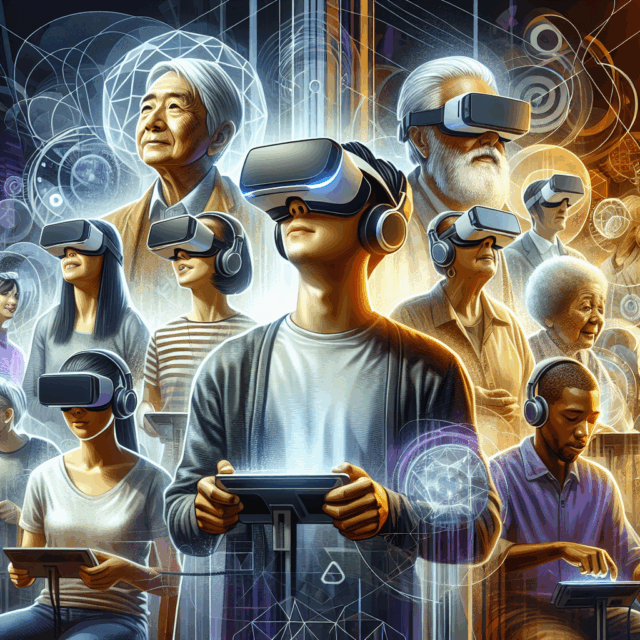
The rise of augmented reality (AR) and virtual reality (VR) technologies is blurring the lines between physical and digital art. Artists can now craft immersive environments that invite audiences to step inside their works. Galleries are evolving, with virtual exhibitions allowing viewers from around the globe to engage with exhibits as if they were physically present. This democratization of art access fosters broader participation and new perspectives, enriching the overall cultural dialogue.

3. Blockchain and NFTs: Transforming Ownership and Authenticity

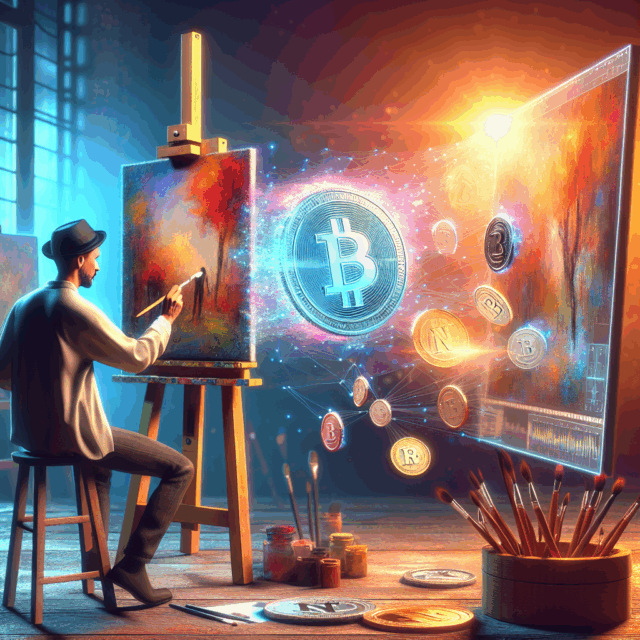
The emergence of blockchain technology and non-fungible tokens (NFTs) continues to revolutionize the concept of ownership in the art world. Artists are empowered to tokenize their work, ensuring authenticity and provenance while receiving royalties with every resale. In 2025, we see mainstream acceptance of NFTs, not just as digital collectibles but as integral components of the art market. This shift is paving the way for new economic models and supporting emerging artists who might otherwise struggle to find their footing.

4. Biodesign and Living Art

Art in 2025 increasingly incorporates elements of biodesign, where living organisms and biological materials are utilized to create dynamic installations. From algae-based artworks to living sculptures made of responsive plants, artists are embracing sustainability and the ecological narrative. This trend challenges viewers to consider humanity’s relationship with nature and the impact of technology on our environment.

5. Interactive and Participatory Art

In the contemporary art scene, passivity is being replaced by interactivity. Artists are developing projects that invite audience participation, blurring the line between creator and viewer. These interactive pieces often utilize sensors, responsive technology, or community involvement, fostering a sense of ownership among participants. This trend not only engages audiences but also encourages dialogue and collective creativity.

6. Data as Art

Data visualization evolves into an art form as artists mine complex datasets to create compelling and visually arresting pieces. By transforming raw data into aesthetic experiences, artists comment on social issues, climate change, and human behavior. This trend highlights an important dialogue about interpretation, merging analytics with emotional resonance, and pushing the boundaries of how we understand and engage with information.

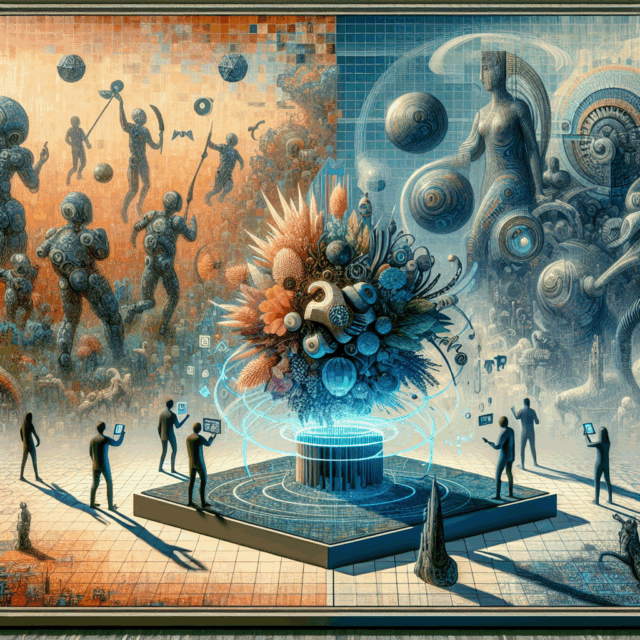
7. The Rise of Digital Immersive Installations

Digital art installations are moving beyond screens, becoming multifaceted experiences that engage all the senses. Utilizing projections, soundscapes, and tactile elements, these works transform spaces into interactive realms. As technology becomes more accessible, artists are experimenting with immersive installations that challenge viewers to navigate and interact with their surroundings.

Conclusion

As we navigate the transformative artistic landscape of 2025, the integration of technology pushes creative boundaries, encouraging an ongoing dialogue between artists, their works, and audiences. The embrace of AI, AR/VR, blockchain, biodesign, interactive engagement, data, and immersive installations promises a vibrant future for the arts—one where innovation and expression flourish in tandem. This dynamic evolution invites not just admiration but deep reflection on the role of creativity in a rapidly changing world. The art of the future is a collaborative canvas, ripe for exploration and discovery.

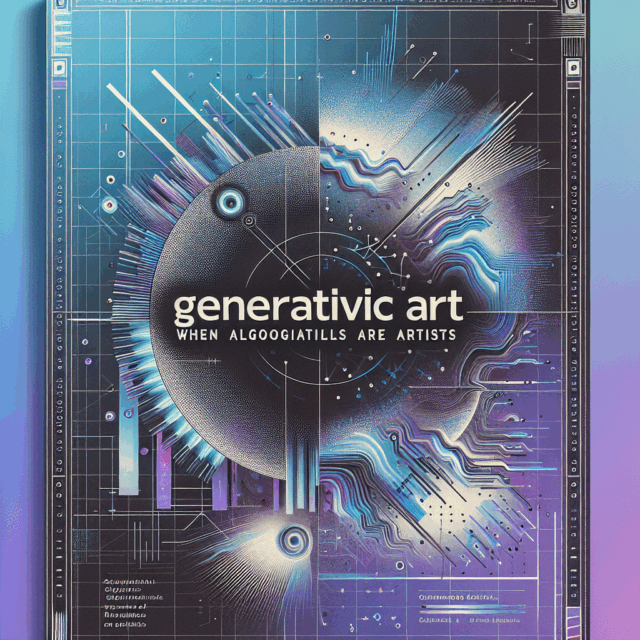
Generative Art: When Algorithms Become Artists


In the ever-evolving landscape of art, a groundbreaking form has emerged that blurs the lines between creativity and computation: generative art. This innovative discipline harnesses algorithms and computational processes to create unique artworks, challenging our traditional notions of authorship, creativity, and aesthetic value.

What is Generative Art?

Generative art refers to pieces that are created using autonomous systems, typically algorithms or computer programs, which can generate visuals, sounds, or other forms of art. Unlike traditional art, where an artist crafts a piece from start to finish, generative art involves setting rules and parameters within which the artwork is created. This blend of artistic intent and computational logic allows for an endless variety of outcomes.

The Process

  1. Algorithm Design: At the heart of generative art is the algorithm itself—a set of instructions or rules designed by the artist. These can be as simple as mathematical formulas or as complex as artificial intelligence models.

  2. Randomness and Variability: Many generative artists embrace randomness, allowing chance to influence the final output. This can lead to unexpected and sometimes serendipitous results, giving each piece a unique quality.

  3. Interactivity: Some generative artworks allow viewer interaction, meaning the audience can influence the final outcome in real time, further enhancing the dynamic nature of the work.

Historical Context

Generative art isn’t a novel concept. Its roots can be traced back to the early 20th century, with pioneers like Vladimir B. Propp and Frieder Nake, who first began exploring the intersection of art and computer science. However, it gained significant traction in the 1960s and 70s with artists like Harold Cohen, who developed AARON, a computer program capable of creating art autonomously.

As technology evolved, so did generative art. The advent of personal computers in the 1980s made this form more accessible. With the rise of the internet in the 1990s, artists began to share their work globally, leading to collaborative projects and the formation of online communities dedicated to generative art.

Contemporary Generative Art

Today, generative art is a thriving field, enriched by advancements in technology. Artists now utilize powerful programming languages like Processing and p5.js, as well as machine learning and data visualization techniques. Notable contemporary generative artists include:

  • Casey Reas: Co-creator of Processing, Reas’s work often explores the interplay between software and physical spaces.
  • Memo Akten: A pioneer in merging machine learning with visual art, Akten creates pieces that evolve through viewer interaction.
  • Rafael Lozano-Hemmer: Known for his large-scale interactive installations, Lozano-Hemmer’s work incorporates real-time data to create immersive experiences.

The Role of the Artist

The rise of generative art raises intriguing questions about the role of the artist. In traditional art forms, the artist is the sole creator, but in generative art, much of the creative process is entrusted to algorithms. This shift invites discussions about authorship and the nature of creativity.

Can an algorithm be considered an artist? While some may argue that it merely executes the artist’s instructions, others contend that the algorithm’s ability to create unexpected results endows it with a degree of creativity. Moreover, as AI technology advances, the lines between human and machine creativity become increasingly blurred.

The Future of Generative Art

As we look ahead, the future of generative art promises exciting possibilities. Increasingly sophisticated algorithms, coupled with advancements in virtual and augmented reality, will likely push the boundaries of this art form. Artists are experimenting with immersive environments, allowing viewers to become part of the artwork in ways previously unimaginable.

Furthermore, the integration of generative art in commercial applications—such as advertising, design, and entertainment—continues to grow. Brands are recognizing the potential of generative aesthetics to engage audiences and create unique experiences, further propelling the genre into mainstream culture.

Conclusion

Generative art represents a fascinating intersection of technology and creativity, challenging our perceptions of the artist’s role and the definition of art itself. As algorithms continue to evolve, they are not just tools; they are collaborators in the creative process. In this brave new world, the question is not just about whether machines can create art, but rather, what new dimensions of art and creativity we can explore together. As we embrace the possibilities of generative art, we find ourselves at the forefront of a revolution that invites us to rethink the very nature of what it means to be an artist.

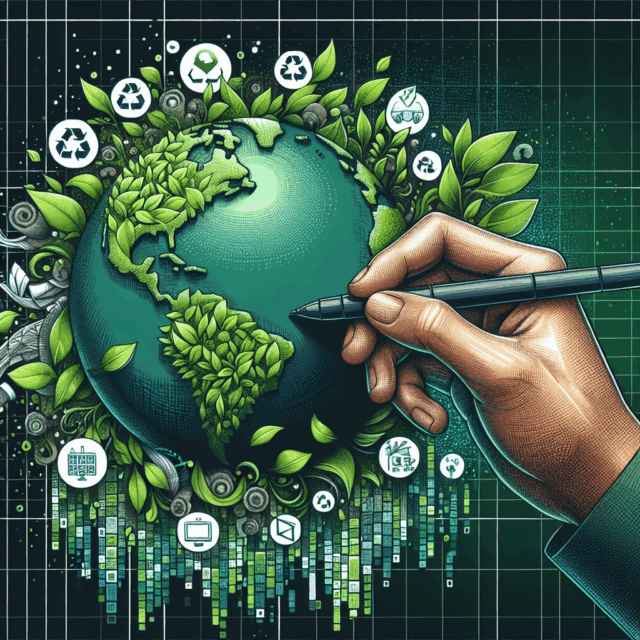
“Sustainability and Digital Art: Eco-Friendly Practices in Creation and Distribution”


In an era where environmental concerns are reaching critical points, the integration of sustainability within the arts is becoming increasingly significant. Digital art, leveraging technology’s vast potential, offers unique opportunities for artists to create and distribute their work sustainably. This article explores eco-friendly practices in the creation and distribution of digital art, highlighting how artists can contribute to a greener future while expanding their creative horizons.

The Intersection of Digital Art and Sustainability

Digital art refers to any artistic work created using digital technology. With its rise in popularity, particularly in the last few decades, digital art has revolutionized the traditional art landscape. Unlike physical artworks that often require extensive resources for materials and transportation, digital art can be produced, shared, and preserved with significantly lower ecological footprints.

Eco-Friendly Creation Practices

  1. Reducing Material Waste
    Digital artists inherently minimize waste compared to their traditional counterparts. They no longer require canvases, paints, or other physical materials that contribute to environmental degradation. By using software tools, they can experiment and create infinitely without the logistical constraints of physical supplies.

  2. Energy-Efficient Hardware
    The choice of hardware plays a crucial role in sustainable digital art practices. Artists can invest in energy-efficient devices or use older hardware for longer, thereby reducing electronic waste. Additionally, choosing to work on laptops instead of desktop computers can cut down overall energy consumption.

  3. Utilizing Eco-Friendly Software
    Many software programs focus on sustainability by offering cloud-based solutions that optimize energy use. Artists can also explore open-source programs that reduce dependency on commercial software, thereby supporting a more sustainable digital ecosystem.

Sustainable Distribution Methods

  1. Digital Galleries and Platforms
    The online showcase of art eliminates the need for physical galleries, cutting down on the carbon footprint associated with transporting artworks. Artists can use platforms like DeviantArt, Behance, or even social media to share their work globally from the comfort of home.

  2. Print on Demand and Eco-Printing Solutions
    For artists who want to offer physical prints, print-on-demand services provide a sustainable alternative to mass production, reducing inventory waste. Many companies now offer eco-friendly printing options, using recycled materials and non-toxic inks.

  3. Carbon-Neutral Distribution
    Whether through art sales or online exhibitions, digital transactions can challenge conventional emissions associated with shipping physical artworks. Artists and curators can partner with carbon-neutral shipping providers to offset emissions generated from transporting products.

Community Engagement and Education

Promoting sustainable practices within the digital art community is paramount. Artists can participate in or initiate workshops focused on eco-friendly digital art techniques, share resources on sustainable practices through blogs or social media, and engage with audiences about the importance of sustainability in art.

Participating in Green Initiatives

Many art events and festivals are establishing eco-friendly initiatives. By participating, digital artists can showcase their commitment to sustainability and inspire others to consider their environmental impact. Collaborations with environmental organizations can also amplify these efforts, creating a cohesive push towards a sustainable future in the arts.

The Role of Art in Advocacy

Digital art has a powerful voice in advocating for sustainability. Artists can address climate change, environmental activism, and social responsibility through their work. By incorporating themes that prompt awareness and discussion, digital artworks can become catalysts for change, inspiring viewers to adopt sustainable practices in their own lives.

Conclusion

As technology continues to intertwine with creative expression, the potential for digital art to pioneer sustainable practices is immense. By prioritizing eco-friendly methods in creation and distribution, artists can reduce their ecological footprints while enriching the cultural landscape. In embracing sustainability, the digital art community not only diversifies its practices but also contributes to the global effort of creating a healthier planet for future generations. Embracing these eco-friendly practices can transform digital art from a reflection of contemporary culture to an active agent for environmental change.

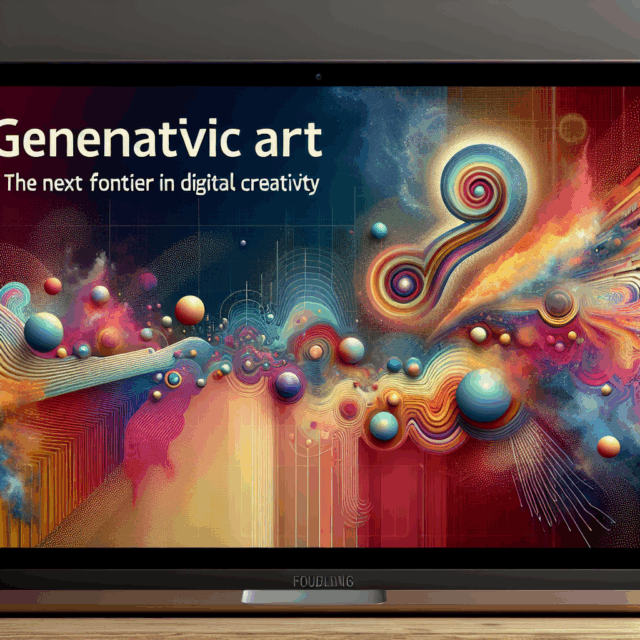
Generative Art: The Next Frontier in Digital Creativity


In the ever-evolving landscape of digital art, generative art stands out as a revolutionary form of creativity that combines technology and imagination. This unique genre transcends traditional artistic boundaries, offering both artists and audiences new ways to engage with art. As we delve into the world of generative art, we uncover its origins, its techniques, and the implications it holds for the future of creativity.

What is Generative Art?

Generative art is created using autonomous systems, typically algorithms or computer codes, that generate unique artworks based on defined parameters. Unlike traditional art forms, where an artist directly applies their skill and intention to produce a piece, generative art relies on predefined rules to create endless variations. This method introduces a collaborative dynamic between human creativity and machine learning.

The concept of generative art is not new; its roots can be traced back to the 1960s when artists like Frieder Nake and Harold Cohen began experimenting with computer-generated images. However, it is in recent years, with the rise of advanced technology and software, that generative art has gained mainstream acceptance and recognition.

Techniques and Tools

Generative art is powered by a variety of technologies, ranging from simple algorithms to complex machine learning models. Here are some popular techniques and tools used in the creation of generative artworks:

  1. Algorithmic Design: Artists use coding languages such as Processing, p5.js, and OpenFrameworks to create rules that dictate how shapes, colors, and forms interact. By adjusting variables, they can extract myriad artworks from a single algorithm.

  2. Fractals and Mathematical Patterns: Many generative artists draw inspiration from mathematical principles, employing fractals and other complex patterns to create visually striking compositions.

  3. Artificial Intelligence: Machine learning and neural networks have opened new avenues for generative art. Tools like DeepDream, GANs (Generative Adversarial Networks), and DALL-E allow artists to produce astonishing images that reflect learned patterns from vast datasets.

  4. Interactive Installations: Artists are also blending generative art with interactive technology, allowing viewers to influence the outcome of a piece in real time. This creates a dynamic and immersive experience, blurring the lines between creator and audience.

The Impact on the Art World

Generative art challenges traditional notions of authorship and creativity. In a world where algorithms can produce art, questions arise: Who is the true artist—the programmer, the algorithm, or the user? This democratization of creativity has led to diverse expressions and innovative collaborations, reshaping the art market and leading to new artistic movements.

Moreover, generative art has found a place in various sectors, including design, architecture, and gaming. Its applications are vast and continue to expand as more artists embrace the potential of technology. Many generative artworks have been showcased in galleries and museums, affirming their status as legitimate artistic endeavors.

The Future of Generative Art

As technology advances, so too will the possibilities of generative art. The rise of virtual and augmented reality offers exciting opportunities for artists to create immersive environments that evolve and adapt to the viewer’s interactions. Additionally, advancements in artificial intelligence could lead to even more sophisticated creations that challenge our understanding of art and creativity.

While generative art may still be considered niche compared to traditional mediums, its growth signals a broader acceptance of technology in the creative process. As the boundaries between human and machine blur, generative art will likely play a crucial role in shaping the future of digital creativity.

Conclusion

Generative art embodies the intersection of creativity and technology, presenting both challenges and opportunities for artists and audiences alike. As this genre continues to evolve, it invites us to reconsider our definitions of art, authorship, and creativity in an increasingly digital world. Embracing generative art not only opens up new frontiers but also enriches our understanding of what it means to create and appreciate art in the modern age. The future of art is here, and it is dynamic, unpredictable, and utterly fascinating.

The Art of Interaction: Engaging Audiences Through Virtual Reality Installations


In an era defined by rapid technological advancements, Virtual Reality (VR) installations have emerged as a transformative medium for engaging audiences. Blending art, technology, and storytelling, VR offers immersive experiences that captivate participants in ways traditional art forms cannot. From museums and galleries to public spaces and interactive exhibitions, the integration of VR is reshaping how audiences interact with art and each other.

The Evolution of Virtual Reality in Art

While the concept of virtual reality dates back to the mid-20th century, it has gained traction in the art world over the last two decades. The evolution from rudimentary simulations to sophisticated immersive environments has opened new frontiers for artists and curators. Early implementations were often gimmicky, but today’s VR installations are meticulously crafted works of art that leverage cutting-edge technology to enhance human experience.

Creating Immersive Experiences

Narrative-Driven Art

A significant aspect of engaging audiences through VR is the power of narrative. Artists now have the ability to create rich, multi-layered narratives that unfold in real-time. In a VR installation, participants can step into a story, making choices that influence their journey. This interactive storytelling format fosters a deeper emotional connection compared to passive viewing. For instance, works such as "The Night Cafe" allow participants to explore the immersive recreation of Vincent van Gogh’s famous painting, making the viewer an active participant in the narrative of art history.

Sensory Engagement

Virtual reality stimulates multiple senses, offering a unique layer of engagement. Artists can design environments that engage sight, sound, and even touch. Dynamic soundscapes enhance visual elements, creating a cohesive and immersive experience. Installations like "Tree" by Marshmallow Laser Feast invite users to embody a tree in a lifelike ecosystem, stimulating both auditory and visual senses, thereby elevating the audience’s empathetic understanding of nature.

Fostering Community and Collaboration

Shared Experiences

VR installations also foster communal interactions, allowing participants to share experiences in real-time. Multi-user VR formats enable groups to explore installations together, breaking the traditional solitary consumption of art. This collaborative experience can enhance social connections, as participants share reactions and interpretations, creating a dialogue around the art.

Artist-Audience Interaction

Additionally, VR offers new opportunities for interaction between artists and audiences. Live events, where artists guide participants through their installations, help establish a direct connection. This format humanizes the art-making process, allowing viewers to relate to the artist’s vision and intentions, making the experience richer and more personal.

Challenges and Considerations

Despite its potential, the integration of VR in art comes with challenges. Accessibility remains a crucial concern. Not every audience member may have the means to experience VR, and installations need to take into account different abilities and perspectives. Additionally, the technology itself can be a barrier; the complexity of VR devices may deter participation. Artists and curators must prioritize inclusivity, ensuring that experiences are accessible to a broad range of audiences.

The Future of VR in Interactive Art

As VR technology continues to advance, the possibilities for artistic expression become limitless. Future installations may integrate AI, enabling more personalized experiences that adapt to individual users. Mixed-reality installations that combine both the virtual and physical worlds could further revolutionize how we interact with art.

Moreover, as society places increasing value on experiential learning, VR art installations can serve as educational tools, allowing users to explore histories, cultures, and concepts in an engaging way. Museums and educational institutions are beginning to embrace this potential, creating opportunities for augmented learning experiences.

Conclusion

The art of interaction through virtual reality installations transcends mere entertainment; it offers profound opportunities for connection, understanding, and engagement. By pushing the boundaries of traditional art forms and fostering immersive experiences, artists are not only creating new ways to experience art but also inviting audiences to partake in the creation of meaning. As VR technology evolves, the future of art and audience engagement promises to be as immersive as it is transformative. Through this innovative medium, the dialogue between art and audience is no longer one-sided—it has become a vivid, interactive conversation in a boundless virtual landscape.

Artist Spotlight: How Creatives are Leveraging NFTs for Financial Independence


In recent years, Non-Fungible Tokens (NFTs) have revolutionized the art world, offering a new dynamic for artists and creators to monetize their work. Defined as unique digital assets that verify ownership using blockchain technology, NFTs represent a paradigm shift in how art is created, sold, and distributed. This article delves into how artists are utilizing NFTs to achieve financial independence, the challenges they face, and the innovative strategies they employ.

Understanding NFTs in the Art World

NFTs allow artists to tokenize their digital work, creating a one-of-a-kind asset that can be bought and sold on various online marketplaces. Unlike traditional art, which can be easily replicated, the blockchain verifies the originality and ownership of each NFT, giving buyers confidence in their investment. Artists can sell various forms of digital art, including illustrations, music, videos, and even virtual real estate.

Financial Independence: A New Path for Creatives

Direct Sales and Commissions

One of the most significant advantages of NFTs is that artists can sell their creations directly to consumers, bypassing galleries and auction houses. This direct sales model allows artists to retain a more substantial portion of their earnings. Additionally, through smart contracts, artists can earn royalties on secondary sales, ensuring they benefit from the appreciation of their work over time.

Diversifying Income Streams

Many artists are now leveraging NFTs to diversify their income. Rather than relying solely on traditional sales, they can create limited editions of their work, exclusive access to behind-the-scenes content, or collaborations with other artists. This diversification not only increases revenue potential but also empowers artists to cultivate a loyal fan base.

Global Reach

The NFT marketplace is inherently global, allowing artists to reach audiences far beyond their local communities. This accessibility enhances an artist’s visibility and opens up opportunities for collaboration with international brands, musicians, and other creatives. By embracing NFTs, artists can tap into a global economy that was previously out of reach.

Challenges in the NFT Space

Despite the advantages, the NFT landscape also presents challenges. The initial setup costs, including minting fees and platform commissions, can be prohibitive for emerging artists. Additionally, the environmental impact of blockchain technology raises ethical concerns for many creators. Artists must weigh these factors and plan their entry into the NFT space carefully.

Success Stories: Artists Making Waves

Beeple

One of the most famous success stories in the NFT world is artist Beeple, whose digital collage "Everydays: The First 5000 Days" sold for a staggering $69 million at Christie’s auction house. This sale not only catapulted Beeple to fame but also demonstrated the financial potential of NFTs for digital artists globally.

Pak

Another influential artist, Pak, has made headlines with innovative approaches to selling NFTs. Through projects like "The Merge," Pak redefined how art can be experienced by allowing collectors to acquire "mass" that could then be merged into their unique pieces. Pak’s work has sold for millions, showcasing the boundless creativity in the NFT space.

Conclusion: The Future of Art and Financial Independence

As the digital landscape continues to evolve, NFTs represent a transformative opportunity for artists seeking financial independence. With the ability to sell directly to collectors, earn royalties, and access a global market, creatives are finding new ways to sustain their livelihoods. However, as the NFT ecosystem matures, ethical considerations regarding environmental impact and market volatility must be addressed.

The future of art in the NFT arena is bright, and it invites artists to explore new horizons. By embracing this innovative technology, creatives have the potential not only to carve out a sustainable financial path but also to redefine what art means in the digital age. As we move forward, the question remains: how will you leverage NFTs to shape your own creative journey?

Code as Canvas: Transforming Algorithms into Art Installations


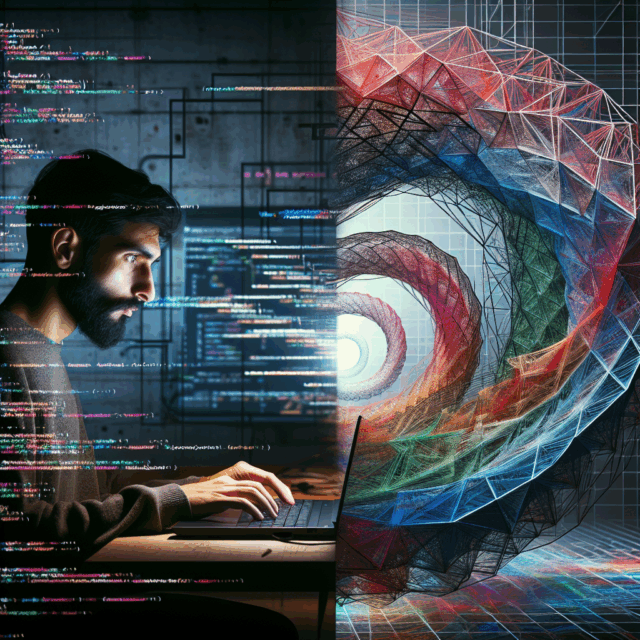
In a rapidly evolving digital landscape, the convergence of technology and art is creating a vibrant new genre: algorithmic art. This innovative approach is rooted in the idea of using code as a medium, where algorithms are not just a set of instructions but also the building blocks of creativity. The intersection of programming and visual expression is challenging traditional notions of art, inviting audiences to engage with aesthetics in entirely new ways.

The Birth of Algorithmic Art

Algorithmic art, or generative art, emerged in the mid-20th century as artists began to leverage computer technologies in their creative processes. Pioneers like Frieder Nake, Harold Cohen, and Vera Molnar experimented with mathematical patterns and programmable systems to generate unique artistic works. Today, the advent of advanced software, artificial intelligence, and interactive technologies has propelled this genre into the limelight, as artists explore the endless possibilities that code can offer.

Algorithms as Creative Tools

At its core, algorithmic art relies on coding languages such as Processing, p5.js, and Python to create visual representations of data and processes. Artists write algorithms that dictate how shapes, colors, and forms interact, allowing the computer to generate artwork autonomously or in response to user inputs. This process raises intriguing questions about authorship and creativity. Do artists lose control over their creations, or do they gain a collaborator in the form of a computer?

Case Studies in Algorithmic Art

  1. Casey Reas: Co-creator of Processing, Reas has become renowned for his work that emphasizes the poetic potential of algorithms. His pieces often invite viewers to explore the aesthetics embedded in the generative processes, making the act of observation an integral part of the experience.

  2. Refik Anadol: By using machine learning and data visualization, Anadol transforms vast datasets into mesmerizing visual installations. His works, such as "Infinity Room," dynamically change and evolve, creating immersive environments that blur the line between art and experience.

  3. Zach Lieberman: Known for his interactive installations, Lieberman’s work often incorporates physical movements captured by sensors that influence the visual output on screens. This interplay between the physical and digital realms creates a participatory dimension that engages audiences in unexpected ways.

Installation Art Through the Lens of Code

Art installations powered by algorithms transcend traditional boundaries by integrating multiple forms of media—video, sound, sculpture, and more. These installations often transform spaces, allowing audiences to step into a world where art is not just observed but experienced. Spaces can be altered in real-time based on the interactions or movements of the audience, making every visit a unique encounter.

Immersive Experiences

Some installations utilize augmented reality (AR) and virtual reality (VR) to create surreal environments where algorithms dictate the experience. Visitors might don VR headsets to explore a fully digital landscape that evolves based on their actions, offering a profound sense of agency and immersion. The result is a dialogue between the viewer and the artwork, where the boundaries of creation and perception dissolve.

The Future of Algorithmic Art

As technology advances, the possibilities for algorithmic art will only expand. The integration of artificial intelligence raises exciting prospects; machines can learn from existing artworks and develop new styles. Furthermore, social networks and blockchain technology are disrupting traditional pathways for artists, allowing them to reach audiences globally and even monetize their creations through NFTs.

Ethical and Philosophical Considerations

However, this new frontier also brings along ethical considerations. Questions about originality, ownership, and the role of the artist starkly emerge. If a machine creates art, who is the true creator? As artists navigate these complex territories, the dialogue around the nature of creativity continues to evolve.

Conclusion

Code as canvas symbolizes a transformative moment in the art world, where algorithms act as creative powerhouses. The interplay between technology and art invites a broader audience to appreciate the intricacies of code while redefining our understanding of creative expression. As artists continue to experiment with these new digital mediums, the future of algorithmic art promises to be as dynamic and varied as the algorithms that fuel it. In this electronic renaissance, the canvas has expanded far beyond traditional boundaries, inviting us all to explore the art of computation.

Popular Posts

My Favorites

Top NFT Collections – December 24, 2024 | NFT CULTURE |...

0
Top NFT Collections (Last 24h) Here are the hottest NFT Collections of the day. Rank Name Volume Transactions Chains URL 1 Azuki 934.09 ETH 68 ethereum View 2 Azuki Elementals 551.50 ETH 300 ethereum View 3 Pudgy Penguins 410.95 ETH 23 ethereum View 4 BEANZ Official 235.23 ETH 308 ethereum View 5 Lil Pudgys 210.42 ETH 108 ethereum View 6 Doodles 189.40...