Arts

Home Arts Page 56

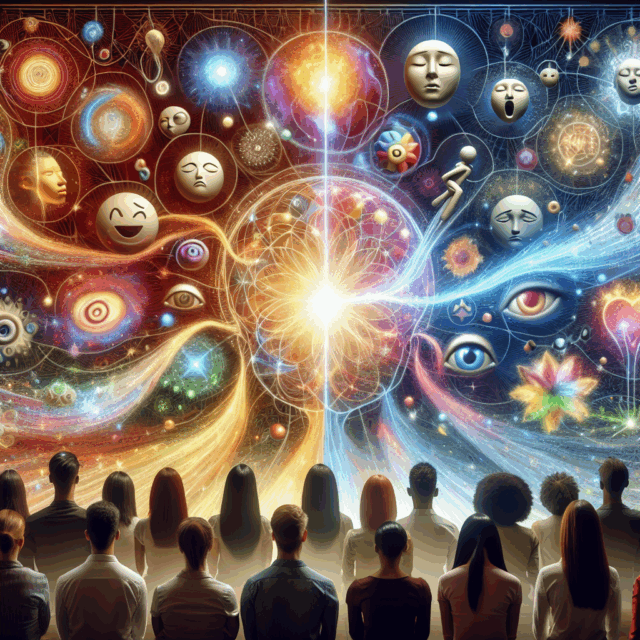
The Emotional Connection: Understanding Audience Engagement in Digital Art
0


In the rapidly evolving landscape of digital art, the fundamental principle of audience engagement remains paramount. Artists, curators, and institutions are increasingly aware that the emotional connection they foster with audiences can elevate art from mere visuals to transformative experiences. This article explores the concept of emotional engagement in digital art, examining its significance, mechanisms, and the strategies artists can employ to deepen this connection.

The Significance of Emotional Connection

Art has always had the power to evoke feelings. When it comes to digital art—encompassing everything from 3D animations to interactive installations—the emotional connection becomes vital for several reasons:

  1. Memorability: Art that resonates emotionally tends to linger in the viewer’s mind. This memorability can drive further exploration and interaction with the artist’s work.

  2. Community Building: Emotional engagement can foster a sense of community. When audiences feel connected, they are more likely to share their experiences, whether through social media or in person, helping cultivate a dedicated following.

  3. Behavioral Influence: Emotional experiences can drive action, leading to increased support for the artist, such as purchasing artwork, attending exhibitions, or advocating for social causes represented in the art.

Mechanisms of Emotional Engagement

Understanding how digital art engages audiences emotionally requires exploring the elements that contribute to this connection:

1. Storytelling

Digital art thrives on narrative. Whether through rich visual storytelling or interactive experiences that invite audiences to participate, narratives create a pathway for emotional engagement. Artists can use storytelling to address personal experiences, societal issues, or abstract concepts that resonate with viewers’ emotions.

2. Interactivity

One of the defining characteristics of digital art is its ability to be interactive. This interactivity goes beyond mere manipulation of visuals; it allows viewers to influence the art itself. By giving audiences agency, artists can create a deeper sense of involvement, making the experience not just about observation but participation.

3. Sensory Elements

Digital art can engage multiple senses, enhancing emotional impact. Elements like sound, movement, and even haptic feedback can evoke deep emotional responses. For example, soundscapes can amplify the mood of a visual piece, creating a multilayered experience that resonates more powerfully.

4. Accessibility and Inclusivity

Digital platforms allow artists to reach broader audiences, breaking geographical and socio-economic barriers. By creating inclusive art that speaks to diverse experiences and backgrounds, artists can foster a sense of belonging, enhancing emotional engagement.

Strategies for Deepening Emotional Connection

To foster a deeper emotional connection with audiences, digital artists can incorporate several strategies:

1. Authenticity

Authenticity in expression and theme creates trust and relatability. Artists should reflect their passions, experiences, and beliefs while maintaining sincerity in their work. This authenticity resonates with audiences, leading to a more profound emotional connection.

2. Engaging with the Audience

Direct engagement—be it through social media, virtual exhibitions, or interactive installations—allows artists to establish a dialogue with their audience. Sharing insights about the creative process or encouraging audience feedback can create a collaborative atmosphere where viewers feel valued.

3. Iterative Feedback

Digital art benefits from the possibility of rapid iteration. Artists can gather feedback from audiences, enabling them to refine their work in response to emotional reactions. This kind of responsiveness not only enhances the art but also promotes a sense of co-creation.

4. Thematic Relevance

Creating art that reflects current social issues or emotional experiences relevant to audiences can enhance engagement. By addressing themes like mental health, identity, or environmental concerns, artists can tap into collective emotions, creating a shared space for dialogue and reflection.

Conclusion

In the realm of digital art, forging an emotional connection with audiences is not only beneficial but essential. By employing storytelling, interactivity, sensory engagement, and authenticity, artists can create experiences that resonate deeply with viewers. As the digital landscape continues to evolve, the importance of emotional engagement remains steadfast, proving that art, in any form, is ultimately about the connections we forge with one another. Through understanding and harnessing this emotional power, digital artists can transform their work into impactful journeys that resonate well beyond the screen.
Augmented Reality in Art: Transforming How We Experience Creativity

0


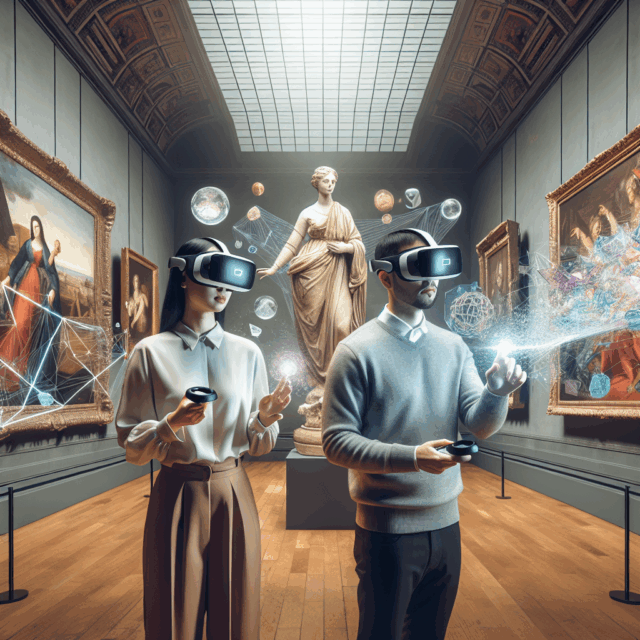
As technology continues to evolve, the intersection of art and digital innovation is transforming how we create, experience, and understand artistic expression. One of the most groundbreaking advancements is Augmented Reality (AR), which enhances the physical world with digital overlays, reshaping the artistic landscape. This article explores how AR is revolutionizing the art world, enhancing creativity, and changing audience engagement.

Understanding Augmented Reality

Augmented Reality involves superimposing digital information—images, sounds, or other sensory enhancements—onto the real world, typically through devices like smartphones or AR glasses. Unlike Virtual Reality (VR), which immerses users in a completely digital environment, AR enriches reality, allowing users to interact with both physical and digital elements.

The Artistic Landscape Transformed

1. Expanding Creative Boundaries

AR provides artists with new tools to express their creativity. Traditional mediums like painting or sculpture can be enhanced with digital elements, enabling artists to layer visual experiences. Creators such as Refik Anadol and teamLab utilize AR to blend physical installations with digital projections, resulting in dynamic pieces that respond to viewer interaction or environmental factors.

For instance, in teamLab’s exhibitions, visitors can immerse themselves in environments where the artwork changes based on their movements, creating a personal and unique experience for each audience member.

2. Interactivity and User Engagement

In an era where interactivity is paramount, AR allows audiences to engage with art in novel ways. Applications designed for smartphones can guide viewers through galleries, offering additional information or allowing users to manipulate digital elements tied to specific artworks. This not only enriches the viewing experience but also fosters a deeper connection between the audience and the art.

The “Layered Reality” app, for instance, enables users to point their devices at a painting to see historical context, artist interviews, or even virtual animations tied to the artwork, thereby breathing new life into static images.

3. Democratization of Art

AR has the potential to democratize access to art. With smartphone apps, anyone can experience art installations or exhibitions without the need for a physical presence. Artists can create AR experiences that can be accessed globally, breaking down geographical barriers. For example, street artists have begun using AR to augment their works, allowing anyone with a smartphone to experience their creations regardless of location.

The use of AR in public spaces, such as parks or city streets, further amplifies this effect, inviting the public to interact with art in everyday settings.

Challenges and Considerations

While the integration of AR in the art world offers numerous benefits, it also raises questions regarding authenticity, copyright, and the experience of traditional art forms.

1. Authenticity and Ownership

As digital artworks become more integrated with physical spaces, issues regarding ownership and authenticity arise. How do we value an artwork that exists solely in a digital format? Can an augmented piece be considered original if anyone can access and reproduce it?

2. Accessibility and Technology Gap

Despite its potential for democratization, access to AR depends on technology, which may exclude certain demographics. Bridging this technological gap remains a vital challenge to ensure that all communities benefit from AR in art.

The Future of Augmented Reality in Art

As AR technology continues to advance, the future looks bright for its integration into the artistic realm. Collaborations between tech companies and artists are expected to yield innovative experiences that blend creativity and technology further. Future developments may include more sophisticated AR displays that interact with the environment or the incorporation of AI, leading to adaptive artwork that evolves based on viewer interaction.

Conclusion

Augmented Reality stands at the forefront of a transformative movement in art, offering new avenues for creativity, interactivity, and access. As artists continue to harness this technology, the art world is poised for an explosion of inventive expression that will redefine how we engage with creativity. In a society increasingly driven by technology, AR serves as a reminder of art’s enduring ability to inspire, provoke, and connect us with the world around us.

Feel free to modify any of these to better fit your specific angle!

0


Sure! Let’s talk about the concept of “Feel Free to Modify.” This phrase invites creativity and personalization across various contexts. Below is an article exploring its significance, applications, and benefits.

### Embracing Creativity: The Power of “Feel Free to Modify”

In a world increasingly driven by innovation and personal expression, the phrase “feel free to modify” serves as a powerful encouragement to embrace creativity and adaptability. Whether in art, technology, education, or everyday life, this invitation to alter and personalize can lead to extraordinary outcomes.

#### The Significance of Modification

Modification is not just about changing something for the sake of change; it’s about tailoring ideas, tools, or experiences to fit individual needs and preferences. When we modify something, we transform it from a one-size-fits-all solution into something that resonates personally. This can foster a sense of ownership and satisfaction, whether you are customizing a project, a recipe, or a piece of artwork.

##### Creative Expression

In the realm of art and design, modification allows artists to experiment and express their unique style. The famous saying, “Good artists borrow; great artists steal,” underscores the idea that inspiration often comes from adapting existing ideas. By modifying artworks, musicians can create remixes, and writers can reimagine narratives, leading to new interpretations and innovations.

##### Technological Adaptability

In technology, open-source software exemplifies the beauty of modification. Platforms like Linux invite users to tweak the code to meet their specific needs. This collaborative approach not only enhances functionality but also builds communities centered around sharing knowledge and resources. When users feel empowered to modify, they can innovate beyond what was originally imagined.

#### Educational Impact

In education, the notion of modification encourages teachers and students alike to personalize learning experiences. Educators who adapt curricula to cater to different learning styles and interests can significantly enhance engagement and retention. Students who modify their learning pathways are more likely to develop a deeper understanding and connection with the material.

##### Example of Tailoring Education

For instance, consider a student struggling with traditional math problems. If a teacher encourages them to modify the problems into a real-world scenario they are passionate about, such as sports statistics, the student is more likely to engage and succeed.

#### Practical Applications in Daily Life

On a day-to-day basis, the principle of “feel free to modify” can enhance personal projects, from cooking dinner to planning a vacation. Recipes can be tweaked based on dietary restrictions or the ingredients you have on hand. Travel itineraries can be altered to include spontaneous adventures, making journeys more memorable. This approach encourages flexibility, creativity, and enjoyment in the mundane aspects of life.

#### Fostering a Culture of Modification

For organizations, fostering a culture that encourages modification can lead to innovation and improvement. Encouraging feedback and suggestions from employees leads to more effective practices and a stronger sense of community. When people feel their input is valued, they are more likely to engage fully and contribute to the organization’s success.

### Conclusion: The Freedom to Create

The invitation to “feel free to modify” is more than just a phrase; it is a celebration of creativity, adaptability, and personal empowerment. Whether in art, technology, education, or daily life, embracing modification allows us to innovate, engage deeper, and create more meaningful experiences. So next time you encounter a project or idea, remember: the ability to modify is not just encouraged; it can be transformative.

Feel free to adapt any section of this article to better fit your specific angle or purpose!

Art Beyond Boundaries: The Role of Digital Media in Cultural Exchange

0


In an increasingly interconnected world, digital media has emerged as a powerful catalyst for cultural exchange. It transcends geographical, linguistic, and socio-political boundaries, allowing artists and audiences to connect in ways that were previously unimaginable. This article explores how digital media facilitates cultural exchange, promotes diversity, and has transformed the art world.

The Evolution of Cultural Exchange

Cultural exchange has existed for centuries, primarily through trade, travel, and migration. However, the advent of digital technology has revolutionized this exchange. Platforms such as social media, online galleries, and virtual reality have enabled artists from diverse backgrounds to share their work and narratives globally, creating a rich tapestry of cultural dialogues.

Breaking Geographic Barriers

Digital media effectively eliminates geographical constraints. Artists in remote villages can showcase their work alongside those from major urban centers. For instance, platforms like Instagram and Behance allow artists, regardless of their location, to reach a global audience. This democratization of art means that cultural expressions that might have previously remained localized can now flourish on the world stage.

Language and Accessibility

Traditionally, language has posed challenges in cultural exchange. Digital media addresses this issue through translation tools and visual storytelling. A painting or a photograph communicates emotions and ideas that may bypass linguistic barriers altogether. Additionally, visually-driven platforms like Pinterest and TikTok prioritize imagery over text, further enhancing accessibility for diverse audiences.

Collaborative Art Projects

Digital media fosters collaboration across cultures, leading to innovative artistic projects. Initiatives like the "Global Art Project" allow artists from different countries to collaborate on digital artworks, reflecting their unique backgrounds while creating something new and cohesive. These collaborations not only enrich the artists’ experiences but also promote a greater understanding of cultural nuances.

Museums and Virtual Exhibitions

The COVID-19 pandemic accelerated the shift to digital platforms, pushing museums and galleries to offer virtual exhibitions. Institutions such as The Louvre and The British Museum have expanded their reach by providing online access to their collections. This accessibility allows people from various backgrounds to experience art and culture that they might never interact with in person, thereby enhancing global appreciation of diverse heritages.

The Impact of Social Media

Social media platforms play a pivotal role in the dissemination of cultural narratives. Artists use hashtags, live streams, and stories to engage audiences, share their processes, and explore themes relevant to their cultures. Social media not only enables artists to gain recognition but also provides platforms for dialogue, where cultural stories can be shared, discussed, and celebrated.

Raising Awareness and Advocacy

Digital media has also become a platform for advocacy. Artists can utilize their work to address social issues, raise awareness about crises, and mobilize support for various causes. Campaigns that highlight human rights, environmental challenges, or cultural preservation efforts often gain traction through viral social media posts, sparking conversations that cross cultural and national boundaries.

Challenges and Ethical Considerations

While digital media facilitates cultural exchange, it also comes with challenges. Issues of cultural appropriation and misrepresentation can arise when dominant cultures adopt elements from marginalized ones without proper context or respect. Art, in the digital age, raises questions about ownership and authenticity, necessitating a dialogue about ethics and responsibility in cultural sharing.

The Role of Education

Education becomes crucial in navigating these challenges. Artists and audiences alike must be equipped with cultural literacy skills to appreciate the nuances of artistic expressions. Online courses and workshops can foster a greater understanding of how culture shapes art and vice versa, promoting respectful engagement and collaboration.

Conclusion

Digital media has undeniably transformed the landscape of cultural exchange in the art world. By breaking down barriers, promoting accessibility, and facilitating collaboration, it has allowed for a richer and more diverse cultural dialogue. As we continue to navigate the complexities of globalization and cultural representation, it is essential to approach these exchanges with respect, openness, and a commitment to ethical practices. Ultimately, art beyond boundaries offers a glimpse into the shared human experience, fostering connections that enrich us all.

Capturing the Future: How Tech Art Reflects Our Digital Lives

0

Capturing the Future: How Tech Art Reflects Our Digital Lives

In an age where technology permeates every facet of our existence, the intersection of art and technology has yielded a vibrant subfield known as tech art. This genre reflects our digital lives, serving as both a mirror and a lens through which we can explore and understand our evolving relationship with technology. From installation artworks and interactive experiences to digital canvases and multimedia performances, tech art engages us in profound and often thought-provoking ways.

The Evolution of Tech Art

Tech art has roots in several movements, including Dadaism, Futurism, and even the early days of digital computing. Artists have long sought to capture the complexities of their environment, and as our world has grown increasingly digital, so too has the vocabulary of art. The advent of computers in art-making processes opened up new horizons, allowing for experimentation with algorithms, code, and digital media.

Today, tech art incorporates a wide array of tools including augmented reality (AR), virtual reality (VR), artificial intelligence (AI), and interactive installations. The spectrum is broad, encompassing everything from generative art — where algorithms autonomously create pieces — to social media-based installations that question identity and authenticity in a digital age.

Reflecting Digital Culture

At its core, tech art addresses the essence of human experience within a technological framework. Consider the works of artists like Rafael Lazano-Hemmer, whose interactive installations prompt viewer engagement and reflect on themes of surveillance, privacy, and human connection. His projects cleverly expose the often-invisible mechanisms of our digital lives, inviting us to consider how technology both connects us and distances us from our shared humanity.

Similarly, the works of teamLab — a collective of artists and engineers — use immersive environments to explore nature and identity in the digital era. Their installations transform public spaces into interactive art experiences, enabling participants to shape the digital landscape with their movements. This blurring of boundaries between the viewer and the artwork serves as a powerful reminder of our agency in a technology-driven world.

The Role of AI in Creativity

Artificial intelligence has emerged as a revolutionary force in tech art, challenging traditional notions of authorship and creativity. Artists increasingly collaborate with AI algorithms, resulting in captivating pieces that question what it means to be an artist. For instance, projects like "Edmond de Belamy," a portrait generated by a neural network, challenge the viewer to confront the role of the artist in a world where machines can create.

Such AI-driven artworks invite discussions about the ethical implications of technology, including issues of bias and ownership in algorithmic processes. They echo broader concerns about the future of work and creativity in a landscape where automation plays an ever-greater role.

The Future of Tech Art

As technology continues to evolve, so too will the potential for artistic expression. Up-and-coming mediums such as blockchain technology are already influencing the art world, most notably through non-fungible tokens (NFTs). These digital certificates validate ownership of digital artworks, creating a new marketplace that disrupts traditional art economics and raises questions about value, originality, and preservation.

Moreover, as tech art becomes increasingly accessible through platforms like social media and online galleries, a diverse array of voices can contribute to this dynamic conversation. This democratization of art fosters innovation, inviting artists from various backgrounds to explore and represent their unique perspectives on our digital existence.

Conclusion

Tech art stands as a testament to our times, capturing both the beauty and complexity of living in a digital world. By reflecting our experiences, challenges, and aspirations, it encourages us to engage with technology not just as consumers, but as participants in a collective future. As we continue to navigate an ever-evolving technological landscape, the role of tech art will remain vital in fostering dialogue and understanding surrounding the implications of our digital lives. It is a medium that not only reflects the future but actively participates in shaping it.

The Global Art Market: How Digital Platforms are Changing Accessibility

0


In recent years, the global art market has undergone a significant transformation, propelled by technological advancements and the rise of digital platforms. These changes are not just reshaping how art is bought and sold, but they are also democratizing access to art, making it more inclusive and approachable to a wider audience. This article explores the implications of digital platforms on the accessibility of the art market and the broader cultural landscape.

The Shift from Traditional to Digital

Historically, the art market was characterized by galleries, auctions, and exhibitions, often elitist in nature. Access to art was limited to those with connections, substantial financial resources, or geographic proximity to major art hubs. However, the emergence of digital platforms has disrupted this traditional model, enabling artists, collectors, and enthusiasts to engage with art in new ways.

Online Marketplaces

Platforms like Artsy, Saatchi Art, and Paddle8 have transformed how artworks are presented and purchased. Artists can showcase their work without needing a traditional gallery representation, allowing for a more diverse range of voices to enter the market. Moreover, online marketplaces often feature artworks at various price points, making it possible for collectors with different budgets to make purchases.

Virtual Exhibitions and Tours

Digital technology has also facilitated the creation of virtual exhibitions. Galleries and museums have adapted to the pandemic by offering virtual tours and online viewings. This not only allows art enthusiasts to experience artworks from the comfort of their homes but also expands the audience reach far beyond the physical constraints of a location. Visitors from around the globe can engage with exhibitions that they might not have been able to attend in person.

Social Media Influence

Social media platforms, particularly Instagram, have become vital tools for artists to share their work and connect with potential buyers. Artists can build their brands and engage with a community of followers who appreciate their art. This direct interaction reduces the dependency on traditional gatekeepers and allows for a more personal connection between artists and audiences.

Democratizing Art Access

The implications of increased accessibility through digital platforms are profound:

Inclusivity of Diverse Voices

Digital platforms have created space for emerging artists and underrepresented demographics to showcase their work. This inclusivity enriches the art landscape, fostering new narratives and perspectives that reflect a more diverse world.

Affordability and Accessibility

With the rise of online sales, artworks can be found at various price points, making art more affordable. Pay-as-you-go schemes and installment payments have also gained popularity, allowing collectors to invest in art gradually rather than through upfront purchases.

Education and Resources

Many digital platforms not only serve as marketplaces but also provide educational resources about art. Websites and social media channels offer insights into art history, techniques, and artist backgrounds. This educational component enhances public appreciation for art and encourages more people to participate in the art market.

Challenges and Considerations

While the digital transformation of the art market has many benefits, it is not without challenges. The proliferation of online platforms has led to concerns about quality and authenticity. Additionally, the sheer volume of artworks available online can be overwhelming, making it challenging for buyers to sift through and find meaningful pieces.

Moreover, while accessibility has increased, issues like digital literacy still pose barriers for some potential buyers and artists, particularly in regions with limited internet access.

Conclusion

The digital revolution is changing the landscape of the global art market, creating new opportunities for engagement, education, and inclusivity. As these platforms continue to evolve, they hold the potential to further break down barriers that have historically excluded many from the art world. By embracing the possibilities offered by digital technology, we may witness a more vibrant and diverse art community that is accessible to everyone, regardless of their background or location. This shift not only enriches the market but also deepens our collective cultural narrative, reflecting the dynamic, interconnected world we live in today.

Let me know if you need more options or variations!

0

Exploring Options and Variations: A Path to Clarity and Better Decision-Making

In our fast-paced world, the need for choices is more prevalent than ever. Whether in daily life, business, or personal endeavors, the abundance of options can lead to both opportunities and confusion. The phrase "Let me know if you need more options or variations!" resonates deeply in this context, prompting us to explore the importance of having alternatives and the impact it can have on decision-making.

The Importance of Options

  1. Empowerment in Decision-Making: Having multiple options allows individuals to feel empowered. When faced with a choice, knowing that there are various paths available promotes confidence and ownership over decisions. It encourages active participation in shaping one’s future.

  2. Enhanced Creativity: Options lead to creative problem-solving. When people explore different variations of a concept or solution, they engage in innovative thinking. This exploration can often lead to breakthroughs that might not have occurred with a single, linear approach.

  3. Adaptability and Resilience: In a world characterized by constant change, flexibility is key. By considering multiple options, individuals and organizations can adapt more rapidly to unexpected challenges or shifts in circumstances.

  4. Tailored Solutions: Different scenarios, preferences, and needs call for unique solutions. Offering options ensures that individuals can find choices that resonate with their specific goals and values, leading to higher satisfaction.

The Risks of Too Many Options

While having a variety of options can be beneficial, it can also lead to analysis paralysis. When confronted with too many choices, individuals may struggle to make a decision, fearing they may choose incorrectly. The phenomenon known as the “paradox of choice” highlights this issue, suggesting that an overload of options can ultimately hinder happiness and satisfaction.

Strategies for Effective Decision-Making

  1. Limit the Choices: When offering options, it can be helpful to limit the number of choices presented. This approach helps reduce overwhelm and allows for clearer decision-making.

  2. Establish Criteria: Before exploring options, defining criteria for what constitutes a good choice can streamline the decision-making process. This could involve considering factors such as cost, value, time, and personal alignment with goals.

  3. Seek Feedback: Engaging others in the decision-making process can provide new perspectives. Sharing options with trusted advisors or team members can reveal insights that might not have been immediately considered.

  4. Embrace Imperfection: Acknowledging that no single choice is without flaws can ease the pressure of making the "perfect" decision. Understanding that every option comes with its own set of pros and cons can create a more balanced outlook.

  5. Reflect on Past Decisions: Learning from past experiences can provide valuable insights. Reflecting on what has worked (or not) can guide current decision-making and help identify which options may be the most viable.

Conclusion

The invitation to "let me know if you need more options or variations" serves as a reminder of the power and potential of choices. By embracing this approach thoughtfully, we can enhance our decision-making capabilities, harnessing the benefits of multiple options while minimizing the drawbacks. In doing so, we can navigate life’s complexities with confidence and clarity, ultimately paving the way for greater satisfaction and success.

The New Renaissance: Artists Who are Pioneering Tech Art

0


In the age of digital innovation, a new wave of artists is emerging, reshaping the landscape of creativity and expression. This movement, often dubbed the "New Renaissance," is defined by a fusion of traditional artistry and modern technology. These pioneering artists are breaking boundaries, exploring new mediums, and redefining what it means to be an artist in the 21st century.

The Intersection of Art and Technology

Historically, the Renaissance was marked by a profound transformation in artistic techniques and subject matter, juxtaposed with advances in science and philosophy. Similarly, today’s tech artists are leveraging digital tools and technologies—such as artificial intelligence (AI), virtual reality (VR), and augmented reality (AR)—to create art that engages viewers in unprecedented ways.

Furthermore, these artists are not just using technology as a tool; they are deeply integrating it into their creative processes, allowing it to influence their work’s themes and concepts.

Key Pioneers of Tech Art

1. Refik Anadol

Refik Anadol is a prominent figure in the realm of data-driven art. Utilizing AI and machine learning, he transforms datasets into immersive visualizations. His works, often displayed as large-scale installations, challenge our perceptions of space and time. For instance, his project “Archive Dreaming” reimagines the future of architecture through the lens of data, allowing viewers to experience curated digital narratives.

2. Casey Reas

As one of the co-founders of Processing, a flexible software sketchbook and a language for learning how to code within the context of the visual arts, Casey Reas combines art and programming. His generative artwork experiments create unique pieces that evolve over time, highlighting the balance between randomness and structure in art. Reas’s work brings attention to the aesthetic possibilities of algorithms, opening up new avenues for expression.

3. TeamLab

This Tokyo-based collective is revolutionizing the way people interact with art. TeamLab’s immersive installations often incorporate light, sound, and digital technology to create participatory experiences. Their works blur the lines between the digital and physical realms, inviting viewers to engage dynamically. One of their well-known installations, "Borderless," allows visitors to step into a world where digital artworks respond to their movements, creating a uniquely personalized encounter.

4. Jennifer Steinkamp

Known for her immersive video installations, Jennifer Steinkamp uses animation to explore the relationship between nature and technology. Her works often reflect on themes of transience and transformation, combining digital media with landscapes and botanical imagery. By melding the organic with the digital, Steinkamp invites viewers to reconsider their connection to both nature and technology.

5. Mario Klingemann

A pioneer in the field of neural networks and AI art, Mario Klingemann uses machine learning to create mesmerizing visuals that challenge the concept of authorship in art. Through his work, he explores how algorithms can learn and generate new creative outputs. His pieces often serve as reflections on the nature of creativity, identity, and the role of technology in the artistic process.

The Cultural Impact of Tech Art

Tech art is not just a new form of artistic expression; it’s also a commentary on contemporary society. As artists harness technology, they address pressing issues such as data privacy, artificial intelligence ethics, and the impact of digital culture on human identity. This intersection of art and technology fosters critical discussions about our rapidly evolving world, pushing audiences to reflect on the implications of these advancements.

The Future of Art in a Digital Age

The New Renaissance represents both a challenge and an opportunity for the art world. As traditional galleries and institutions grapple with the implications of digital art, innovative artists are experimenting freely, often bypassing conventional exhibition spaces. The rise of NFTs (non-fungible tokens) is further transforming the art market, providing artists with new platforms to sell and distribute their work.

In conclusion, the pioneers of tech art are reshaping the boundaries of artistic expression. As technology continues to evolve, so will the possibilities for artistic innovation, forging a path toward a future where creativity is boundless. The New Renaissance invites us to not only witness this transformation but to engage with and reflect on the multitude of perspectives it brings to our contemporary experience.

Interactive Art Installations: Merging Digital Media with Audience Engagement

0


In an era marked by rapid technological advancements, the art world is undergoing a transformative shift. Interactive art installations have emerged as a dynamic fusion of digital media and audience engagement, creating immersive experiences that challenge traditional notions of artistry and spectator involvement. This article explores the evolution, significance, and future prospects of interactive art installations.

The Evolution of Interactive Art

Interactive art is not a new concept; it dates back to the mid-20th century when artists began exploring how to break the proverbial "fourth wall." Early pioneers like Nam June Paik utilized television screens and video technology to engage audiences in ways that were revolutionary for their time. However, with the advent of digital media, the possibilities for interactivity have expanded exponentially.

Today’s interactive installations often incorporate augmented reality (AR), virtual reality (VR), and real-time data processing, allowing audiences to play an active role in shaping the artistic narrative. These experiences can transport viewers into alternate realities or allow them to manipulate visual elements directly, forging a personal connection to the artwork.

Key Features of Interactive Art Installations

  1. Audience Participation: At the heart of interactive art is the belief that the audience is not just a passive observer but an active participant. Many installations are designed to change or evolve based on audience interactions, whether through digital input, movement, or even emotional responses.

  2. Technological Integration: Modern interactive art installations often leverage advanced technologies such as sensors, projection mapping, and machine learning. These tools allow artists to create responsive environments that react in real-time to audience actions, blurring the boundaries between creator and viewer.

  3. Multisensory Experiences: By engaging multiple senses—sight, sound, touch, and sometimes even smell—interactive installations create richer experiences. For example, installations can combine visual elements with soundscapes or tactile feedback, enhancing the emotional impact and enabling deeper engagement.

Examples of Notable Interactive Installations

  1. TeamLab’s “Borderless”: This installation in Tokyo seamlessly merges art and technology. Visitors interact with digital projections that change in response to their movements, effectively placing them within a living artwork that continuously evolves.

  2. Random International’s “Rain Room”: In this groundbreaking installation, visitors walk through a room where it rains, but sensors allow for the area directly around them to remain dry. This relationship between the individual and the installation creates an intimate dialogue about nature, technology, and control.

  3. Yayoi Kusama’s “Infinity Mirror Rooms”: While primarily a visual spectacle, these installations invite viewers to capture their reflections in infinite patterns, creating a shared yet personal experience that emphasizes the relationship between viewer and artwork.

The Significance of Engagement

The interactive nature of these installations serves several critical purposes:

  • Democratization of Art: By inviting participation, interactive art installations break down elitist barriers traditionally associated with art. They encourage individuals from diverse backgrounds to engage and interpret the artwork in their unique ways.

  • Fostering Community: Many interactive installations create communal experiences. As audiences engage with the art together, they share emotions and perspectives, fostering social connections and collective reflections.

  • Introspection and Self-Discovery: The engaging nature of interactive art often encourages introspection. Viewers may find themselves reflecting on their actions, emotions, and relationships with the artwork and each other.

The Future of Interactive Art Installations

As technology continues to advance, the possibilities for interactive art are virtually limitless. The rise of AI, machine learning, and wearable tech suggests an exciting future where installations can adapt not just to physical movement but to emotional and cognitive responses as well. This evolution may lead to more personalized art experiences, where installations evolve into unique expressions tailored to each participant.

Moreover, as remote and hybrid experiences become more commonplace, there’s potential for interactive art to reach broader audiences beyond physical locations. Virtual installations could offer immersive experiences that engage users worldwide, redefining the concept of a gallery visit.

Conclusion

Interactive art installations represent a significant shift in how audiences engage with art. By merging digital media with active participation, these installations challenge traditional boundaries and encourage new forms of expression. As technology continues to evolve, the intersection of art, audience engagement, and digital media promises to create increasingly profound and transformative experiences in the art world. Whether through immersive environments or participatory elements, interactive installations invite us to think critically about our relationship with art, technology, and each other.

Feel free to mix and match or adapt these ideas to suit your article’s focus!

0

Creative Compilation: Mixing and Matching Ideas for Your Perfect Article

In the world of writing, blending diverse ideas can lead to innovative and captivating articles. Whether you’re a seasoned writer or just dipping your toes into the writing pool, the art of mixing and matching concepts can elevate your work to new heights. This article delves into various strategies for assembling unique articles that resonate with your audience.

1. Start with a Central Theme

Begin by establishing a central theme or topic. This acts as your anchor, allowing you to explore varied ideas while maintaining coherence. For instance, if your theme is "sustainable living," you can explore topics such as minimalism, renewable energy, and ethical consumption.

2. Brainstorm Diverse Ideas

Don’t hesitate to think outside the box when brainstorming. Gather a list of ideas related to your theme. Utilize techniques like mind mapping or free writing to generate a broad spectrum of concepts. You could include personal anecdotes, expert interviews, statistical data, or contrasting viewpoints.

3. Create Sections

Once you have your ideas, organize them into sections. Each section can focus on a specific aspect of your central theme. If you’re writing about “sustainable living,” for example, you could have sections dedicated to:

  • Minimalism: Discuss the benefits of decluttering and living with less.
  • Energy Sources: Examine solar power, wind energy, and other renewable options.
  • Ethical Brands: Highlight companies that prioritize sustainability in their products.

4. Use Analogies and Metaphors

Injecting creativity into your writing can make it more engaging. Use analogies and metaphors to illustrate complex ideas. For instance, describe the journey of adopting a sustainable lifestyle as a “river that meanders through various landscapes,” representing the challenges and discoveries along the way.

5. Combine Different Perspectives

Incorporating varied perspectives can enrich your article. Interview experts or individuals with unique experiences related to your theme. This can lead to a balanced portrayal of the topic, allowing readers to see different sides. In our "sustainable living" article, you might include:

  • An environmental scientist discussing the importance of renewable energy.
  • A minimalist lifestyle blogger sharing practical tips for decluttering.

6. Incorporate Statistics and Facts

Adding credible data can bolster your arguments and provide readers with concrete information. Use statistics to highlight trends or changes related to your theme. For example, citing research on the reduction of waste by adopting minimalism can provide a solid case for your argument.

7. End with a Call to Action

Conclude your article with a compelling call to action. Encourage your readers to apply what they’ve learned or to explore further. Whether it’s adopting a minimalist mindset or researching local renewable energy options, motivate your readers to take tangible steps toward engaging with your theme.

8. Edit for Cohesion

Finally, as you weave together your varied ideas, ensure that they flow seamlessly. Edit your article to eliminate any redundancy and enhance clarity. Each section should transition smoothly into the next, reinforcing the central theme while showcasing the diverse ideas you’ve compiled.

Conclusion

Mixing and matching ideas is not just a writing technique; it’s a creative process that can lead to vibrant, engaging articles. By employing these strategies, you can craft a compelling narrative that informs, inspires, and resonates with your audience. Remember, the beauty of writing lies in its versatility—so feel free to adapt these ideas to suit your unique focus, and watch your articles come alive!

Popular Posts

My Favorites