Arts

Home Arts Page 28

Bitfinex Referral Code December 2025: GKxkFSQqW (Trading Fee Discount)

0
Bitfinex Referral Code December 2025: GKxkFSQqW (Trading Fee Discount)


Want to save on trading fees and earn rewards while using Bitfinex? If yes, a Bitfinex referral code is your key to unlocking fee rebates and exclusive perks on the platform. It is also your gateway to earning compensation payments and boosting your trading experience.

In this article, we’ll provide valuable insights into a Bitfinex referral code and how to use it to maximize profits.

Bitfinex logo

What is the Bitfinex Referral Code?

Crypto exchangeBitfinexReferral code“GKxkFSQqW”New user bonus6% trading fee rebateAffiliate rewards38% trading fee discountKnow Your Customer (KYC)Mandatory

The Bitfinex referral code or link is a distinct identifier that enables you to invite others to join Bitfinex. It is also called the Bitfinex promo code or invitation code. When somebody creates a Bitfinex account using your unique referral link, you’ll both get fee discounts and other benefits. 

By using the Bitfinex referral code “GKxkFSQqW” to sign up, you’ll get a 6% fee discount as a welcome bonus. If you’re a referrer, you can earn up to 38% fee rebates and special privileges as referral rewards.

Bitfinex Sign-Up Bonus and Rewards

The Bitfinex exchange offers a 6% trading fee discount to new users who sign up using the promo code “GKxkFSQqW”. Additionally, they can unlock a passive income stream by joining the affiliate program. Once you become an affiliate, you’re entitled to the following rewards:

Commissions

The Bitfinex affiliate program rewards referrers based on a three-tier referral system. This means that you’ll earn compensation payments from both your referrals (members) and the users whom your referrals invite. 

Member connection levelCommissionDirect referral18%1st level6%2nd level2%

However, affiliates’ commissions and members’ rebates decrease every second in a straight-line manner. Simply put, these rewards are reduced by 0.5% at the end of every thirty days.

Multipliers

Bitfinex MultipliersBitfinex Multipliers

Commission multipliers enable traders to earn additional income and gain exclusive advantages. However, you can qualify for these multipliers only if your referrals fulfil certain criteria. 

Account verification (up to 1.44x): If you complete the Basic Plus, Intermediate, or Full KYC verification level, you’ll get a 1.2x multiplier. If one of your members’ accounts is verified to Basic Plus level or higher, you’ll receive an additional 1.2x.UNUS SED LEO holdings (up to 1.5x): You can qualify for this multiplier based on one of your members’ 30-day average holding of UNUS SED LEO tokens. 30-day Average HoldingMultiplier>500 USDT LEO equivalent1.1x>5,000 USDT LEO equivalent1.2x>50,000 USDT LEO equivalent1.5x

Developers rewards

You can get developer rewards by integrating Bitfinex’s APIs into your platform, products, and trading tools. You’ll receive a 5% fee discount on each trade placed via the API integrations. Unlike referral commissions, this rebate doesn’t reduce over time. Moreover, you can earn both affiliate and developer rewards, provided your referees use the API-integrated products.

How to use the Bitfinex Referral Code?

Step 1: Sign up on Bitfinex with a referral code

How to use the Bitfinex Referral Code?How to use the Bitfinex Referral Code?

Visit the official website of Bitfinex or download its mobile app. Click the “sign-up” button in the upper right corner of the home page to go to the registration portal. 

Create a new account using your email. Specify a username, password, and your country of residence. Tick the “I have a referral code” checkbox, and enter the Bitfinex promo code “GKxkFSQqW”. Now, click the “sign up” tab.

Bitfinex logoBitfinex logo

Step 2: Complete two-factor authentication (2FA)

Enable two-factor authentication for your Bitfinex account using the Google Authenticator app. You’ll also get a unique confirmation link in your email. Click the link to activate your new account.

Step 3: Complete KYC verification

The Bitfinex exchange offers four KYC levels: Basic access, Basic Plus, Intermediate, and Full. Basic Access is a view-only mode. Therefore, your new account needs to be verified at least to the Basic Plus level. To do so, furnish your basic details like email, phone number, and residential address. Submit two government-issued identity documents with your photo, like a passport, driving license, etc. Lastly, submit a selfie to confirm your identity. 

For a Full verification, furnish a valid address proof and your bank statements as well. Additionally, sign a declaration that confirms the accuracy of your KYC details. Once the Bitfinex team reviews and approves your account, you can start trading.

Step 4: Monitor your performance

Track your earnings and referees via your affiliate dashboard. As the dashboard displays only your referees’ nicknames, you can monitor live stats without compromising security or privacy.

Bitfinex Affiliate Program

Bitfinex Affiliate ProgramBitfinex Affiliate Program

The Bitfinex affiliate program is specially designed to help Bitfinex users generate passive income through their referees’ trading activities. It aims to build a community of crypto traders who benefit from each other.

Currently, the program enables affiliates to earn up to three levels of connections within their referral network. You can earn up to 38% fee discounts, including referral commissions, multipliers, and developer rewards. Conversely, traders who register using your promo code receive a 6% fee discount.

How do I get a referral code for Bitfinex?

Here are the 4 simple steps to get your referral code and link:

Log in to your Bitfinex account → Navigate to “Affiliate Program” on your dashboardClick “Get referral link” under the “Refer a friend” section to create your promo codeAdd a custom label on the code to track different campaigns (optional)Share your code to friends, followers, communities, or fellow crypto investors

You can share the same code and link with many people, or create new ones for better management.

Each time your referees trade or utilize margin funding, you’ll earn a percentage of their fees as compensation payment. As your referral network grows, your commissions will increase.

Is Bitfinex a Good Exchange?

Bitfinex is one of the oldest cryptocurrency exchanges globally. Established in 2012, Bitfinex is known for its deep liquidity and robust crypto trading infrastructure. It is also touted as the original Bitcoin exchange. 

Key Features

Security: Bitfinex has implemented security measures like 2FA, U2F security key, withdrawal whitelisting, multi-signature cold wallets, and PGP email encryption. Soft staking: Bitfinex allows traders to stake their cryptocurrencies and earn rewards of up to 6.5% annually. Spot trading: With Bitfinex, you can trade 100+ coins and 250+ spot pairs. Moreover, the exchange supports multiple order types.Margin trading: You can trade with a leverage of up to 10x by borrowing funds at competitive rates on Bitfinex’s peer-to-peer platform. Perpetual contracts: Bitfinex offers 60+ perpetual contracts with flexible leverage and advanced risk management tools for experienced traders. Futures and options: Bitfinex allows traders to hedge risks and take advantage of market movements by trading crypto futures and options.Crypto loans: Traders can borrow funds at competitive rates against their crypto assets with customizable loan terms through Bitfinex’s P2P financing platform. 

Bitfinex logoBitfinex logo

Conclusion

When you sign up using the Bitfinex promo code “GKxkFSQqW,” you’ll get a 6% fee rebate. You’ll also gain access to special promotions, such as trading competitions and exclusive events. Additionally, you can join the affiliate program to receive up to 38% fee discounts and other rewards.

However, before you register on the Bitfinex platform, it is essential to understand its features. You must also know how to take advantage of the promo code to maximize your profits. 

FAQs

Does Bitfinex have a referral bonus?

Bitfinex offers a referral bonus in the form of trading fee discounts. You can get up to a 38% fee rebate based on your referees’ activities, commission multipliers, and incentives.

Can Americans use Bitfinex?

US residents are not able to open a Bitfinex account. They are strictly prohibited from using any of the services offered by the exchange.

Where to find the Bitfinex promo code?

You can create your unique Bitfinex referral links through your account dashboard. To receive the sign-up bonus, you can use promo codes from existing users, reputable crypto sites, community forums, social media, or influencers.


Source link

LUNC and LUNA Climb as Market Awaits Do Kwon Sentencing – NFT Plazas

0
LUNC and LUNA Climb as Market Awaits Do Kwon Sentencing – NFT Plazas


Luna Classic (LUNC) and Terra Coin (LUNA) is back in focus as traders brace for the sentencing of Terra founder Do Kwon. The token has traded with heightened volatility, and the latest rebound reflects renewed speculation around one of the most closely watched legal cases in the crypto industry.

LUNC & LUNA Rises Ahead of Do Kwon’s Court Ruling

Traders increased their positions as speculation returned to the Terra ecosystem. Market data from several exchanges shows higher spot volume, especially from retail-focused platforms in Asia.

The token rose even as most large-cap assets traded sideways. Analysts say the move reflects a typical pattern around major legal events. Short-term traders often attempt to capture volatility when new information is expected.

Despite the rise, liquidity remains weak compared to earlier cycles. Order books show thin depth on both sides, which makes LUNC sensitive to sudden swings. Several analysts warned that a single large order can shift price quickly during these conditions.

Sentiment has also improved online. Social trackers recorded a clear jump in Terra-related mentions. Most conversations focused on the court decision and its possible impact on the long-dormant ecosystem. However, researchers note that the increase came mostly from short-term traders rather than long-standing community members.

Legal Pressure Builds as Sentencing Nears

The sentencing is shaping up to be one of the most important moments since Terra collapsed in 2022. Regulators have spent years reviewing the fallout from UST’s implosion and the losses that followed. Do Kwon now faces allegations involving market manipulation along with multiple violations of financial laws.

Legal experts say the sentencing could influence how courts handle future crypto cases. Regulators worldwide have increased their scrutiny of algorithmic stablecoins and high-risk token models. Terra’s collapse remains one of the largest failures in the sector, and the outcome of this case may shape future enforcement priorities.

Learn more: Top 10 Best Play-to-Earn Crypto Games in 2025

Some investors believe a clear ruling could help close a long chapter of uncertainty. Others fear the opposite. A harsh decision may trigger renewed pressure on assets tied to the Terra ecosystem. Market analysts stress that sentiment will likely move quickly once the verdict is released.

EventStatusExtradition EffortsCompletedCourt HearingsFinal stageSentencingPendingCivil InvestigationsOngoing in multiple regions

Legal Timeline Overview

The legal timeline has stretched longer than many expected. Each new development has triggered waves of speculation around LUNC. The coming decision is viewed as the final major milestone for this case.

Short-Term Rally vs Long-Term Reality

LUNC’s latest jump mirrors a pattern the market has seen many times before. The token often reacts to headlines tied to Terra or Do Kwon. Analysts warn that these moves rarely reflect real progress on the network.

The project still lacks a clear roadmap. Developer work is scattered across small teams. Supply remains a major problem despite repeated burn efforts. Liquidity is thin on most exchanges, and institutional interest is almost nonexistent.

Learn more: NFTPlazas’s Beginner Guide – How to Buy a Token

Short-term traders may find openings in LUNC’s sharp intraday moves, but long-term holders still face a difficult outlook. Analysts note that most of LUNC’s activity is driven by sentiment rather than real adoption. Even so, the latest jump shows Terra still holds cultural weight in the market. The community remains vocal, and the token can attract sudden bursts of volume during otherwise quiet sessions. This pattern helps explain why LUNC can rally quickly even when its fundamentals do not show major improvement.

LUNC’s current rebound is tied largely to speculation around Do Kwon’s upcoming sentencing. Traders expect volatility and are positioning ahead of the court decision. The move has lifted prices in the short term, but the rally is fragile and rests on shifting expectations. Once the ruling is issued, market direction may change fast, and both upside and downside swings remain possible. The next phase will depend less on hype and more on how traders react to the legal outcome.


Source link

MyCryptoParadise Confirms 2026 Presence on Telegram & YouTube

0
MyCryptoParadise Confirms 2026 Presence on Telegram & YouTube


MyCryptoParadise, A Leading Crypto Signals Provider, Confirms Its Continued Presence And Commitment To Users On Telegram And YouTube in 2026

Rumours have been circulating on social media suggesting that the ParadiseTeam might discontinue its free crypto market insights and analysis. The whispers claimed they would only maintain their paid service, “ParadiseFamilyVIP,” for a select few long-term clients, sharing personal trade setups along with professional trading strategy and tactics.

However, NFTPlazas News secured exclusive information from a team member confirming these rumours are false. MyCryptoParadise will continue to offer all its services—both paid and free—in 2026, with no plans for cessation “until they die.”

Links to MyCryptoParadise Telegram channels and memberships are available on their website: MyCryptoParadise.com

Their YouTube analysis can be found on their channel: www.youtube.com/@MyCryptoParadise


Source link

Best Meme Coins 2025: Top Picks for the New Crypto Year – NFT Plazas

0
Best Meme Coins 2025: Top Picks for the New Crypto Year – NFT Plazas


Have you ever wondered which of the best meme coins could become the next big meme coin in 2025? We know how fast this market moves and how tough it can be to separate real potential from hype. When you understand which projects are gaining real traction, you become a more confident investor who can spot opportunities before the crowd. 

In this guide, we discuss the benefits, risks, and key factors that shape the future of meme coins so you can make smarter decisions. You’ll see which tokens stand out, what drives their value, and how to navigate this fast-moving space with clarity. Stick with us as we break down the top picks worth watching in the crypto space.

binance-logo-6219389_1280

Top 10 Best Meme Coins to Buy in 2025

Before we look at the top picks, let’s take a quick moment to set the stage. If you’re exploring the best meme coins to invest in, you want clear guidance that helps you focus on projects with real momentum instead of noise. We’ve studied how these tokens moved through past cycles, how community engagement shaped their growth, and which platforms make it easy for you to get started. If you ever need a place to buy these tokens safely, checking the best exchanges to buy meme coins is always a smart move.

1. Dogecoin (DOGE)

Dogecoin (DOGE)Dogecoin (DOGE)

Dogecoin launched in 2013 and remains one of the most recognizable meme coins. DOGE trades around $0.150 with a market cap near $22.8 billion and strong daily trading volume, which has supported periods of significant growth over multiple market cycles. That level of liquidity gives you easier entries and exits compared with most newer tokens. Dogecoin’s long history and consistent community activity help it stay relevant in a market that changes quickly. If you want exposure to a well established project with deep market support, DOGE continues to be one of the top meme coins list contenders.

Dogecoin keeps a steady momentum because traders trust its long track record. You still get meaningful movement during market shifts without the extreme unpredictability newer tokens bring. If you prefer a meme coin that holds value through different cycles, DOGE remains one of the best meme coins to buy heading into 2025.

2. Shiba Inu (SHIB)

Shiba Inu (SHIB)Shiba Inu (SHIB)

Shiba Inu launched in 2020 and quickly grew into one of the largest meme coin communities. SHIB trades around $0.0000090 with a market cap of nearly $5.19 billion, giving it enough size and liquidity to remain active in the market. The project continues expanding its ecosystem, which helps give SHIB more long term potential. 

Its developers continue improving the network and tools, and understanding how different ecosystems grow, such as learning what is solana, helps you see how SHIB aims to build a similar foundation for long term relevance. Shiba Inu benefits from a large following and ongoing updates that support its long term goals. If you want a meme coin backed by steady growth and community energy, SHIB fits that interest well.

 3. Pepe (PEPE)

Pepe (PEPE)Pepe (PEPE)

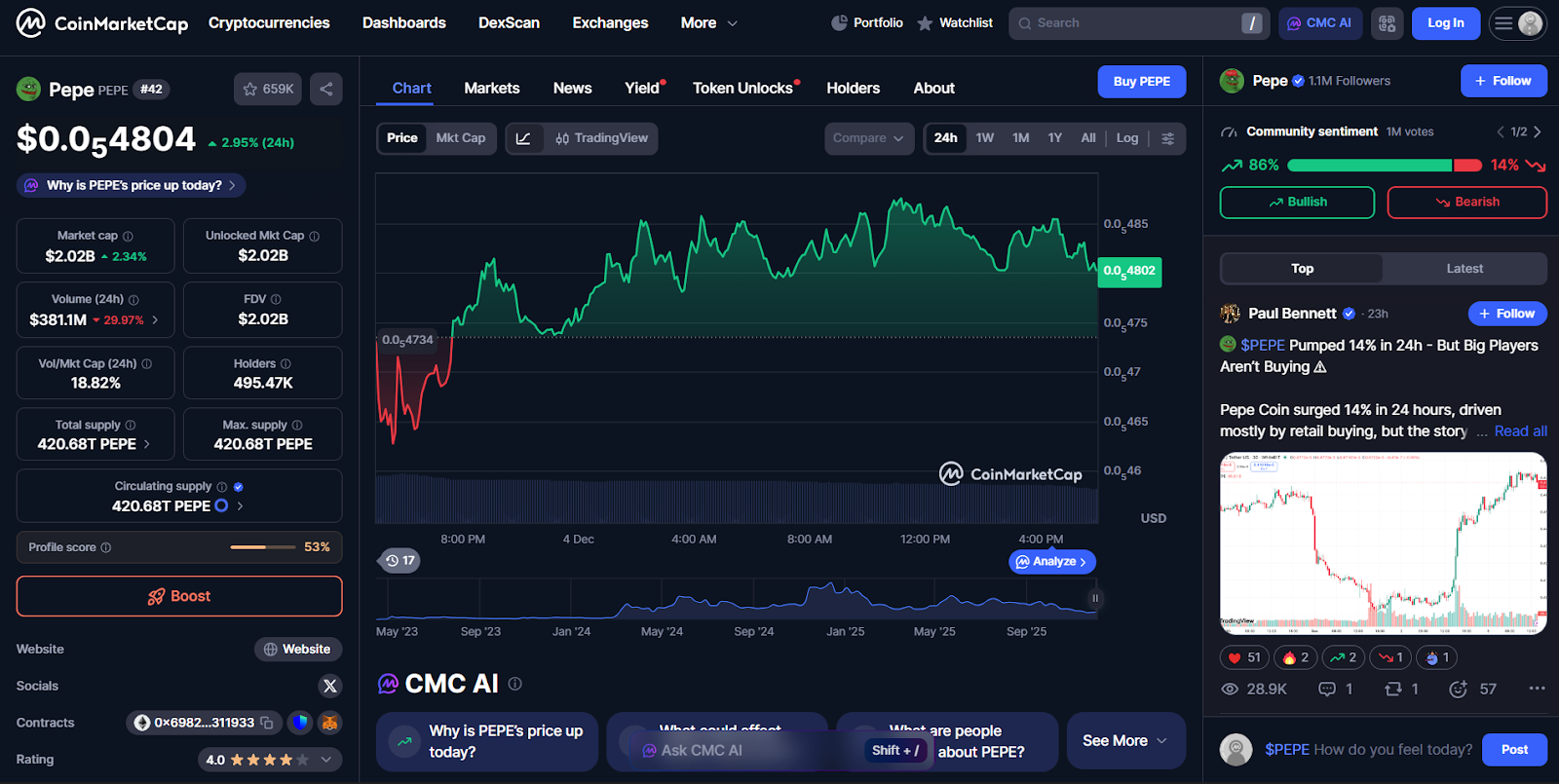
Pepe launched in 2023 and became one of the fastest climbing meme coins in recent cycles. The token is known for heavy trading activity and rapid price swings, attracting traders who enjoy fast markets. PEPE often sees strong volume, which helps maintain liquidity during volatile conditions. If you want exposure to high energy projects, PEPE can be appealing.

Pepe thrives on internet culture and active community participation. Its price performance shows how quickly attention can move in the meme coin sector. If you’re comfortable with higher risk and want a token that moves sharply during market spikes, PEPE remains a next big meme coin candidate for 2025.

4. MemeCore (M)

MemeCore (M)MemeCore (M)

MemeCore is a newer project that launched in 2024 and focuses on building a structured ecosystem around meme themed products. The token gained early attention from traders looking for fresh opportunities. Its initial growth shows that the community is watching how the project develops as it expands its reach.

MemeCore’s position as an emerging asset means higher risk, but also more room for early growth. If you enjoy researching new tokens and spotting smaller projects that could scale, MemeCore is one to keep on your radar for 2025. Its early traction suggests potential if the team continues to deliver updates, and taking time to understand broader crypto concepts, such as what is bitcon can help you see how early stage projects fit into the wider market.

5. OFFICIAL TRUMP (TRUMP)

OFFICIAL TRUMP (TRUMP)OFFICIAL TRUMP (TRUMP)

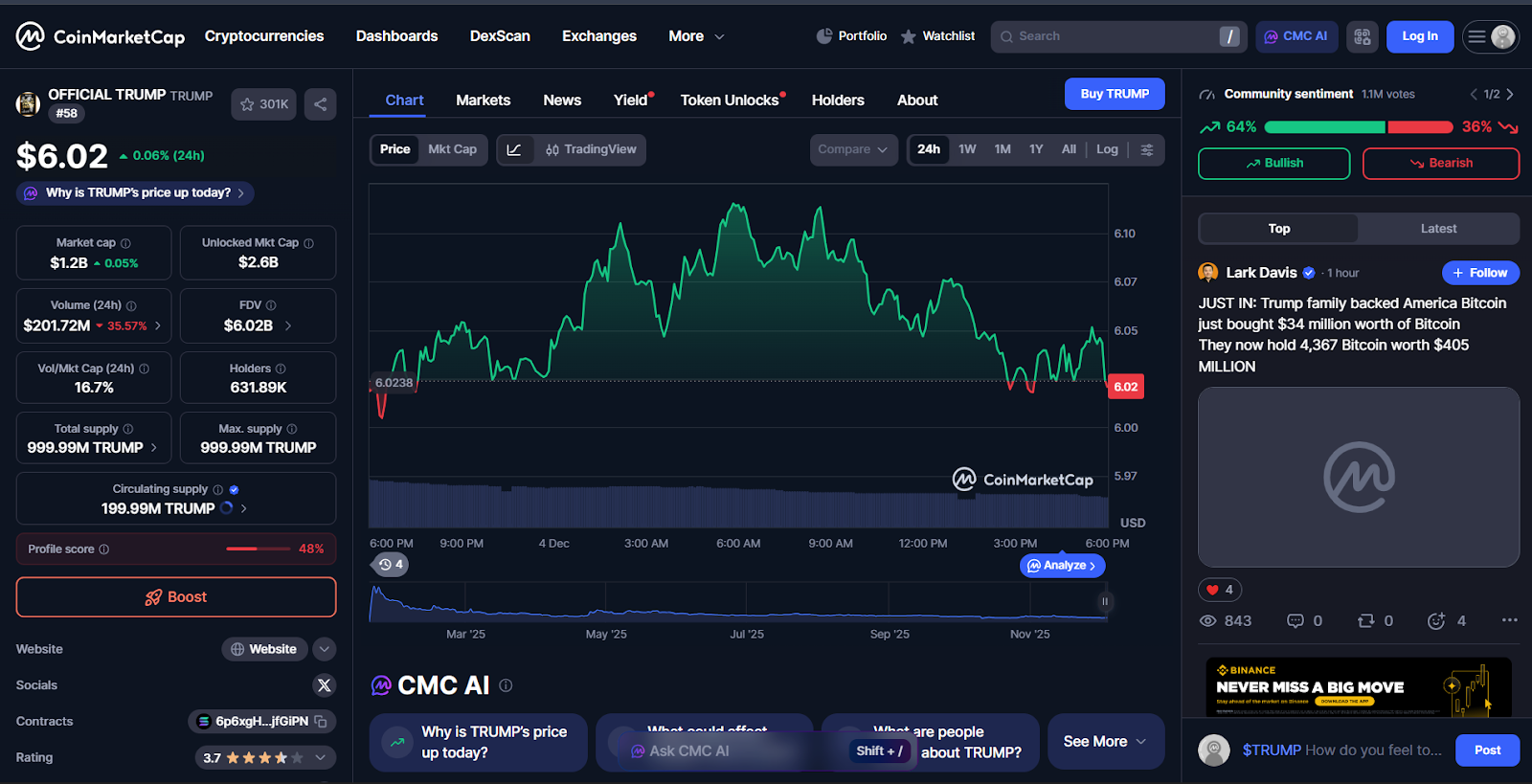
OFFICIAL TRUMP launched in 2023 and saw strong interest because of its cultural and political theme. This became evident among early buyers, who were drawn to its strong narrative. The token often reacts to news cycles, which brings in traders who follow social sentiment. Its community activity helps maintain steady trading levels, keeping TRUMP visible among meme coins that move with headlines.

TRUMP’s price action shows significant volatility, which creates opportunities for short term traders. If you monitor social trends closely and want exposure to a narrative-driven asset, TRUMP can be a high risk, high reward choice in 2025.

binance-logo-6219389_1280binance-logo-6219389_1280

6. Pump.fun (PUMP)

Pump.fun (PUMP)Pump.fun (PUMP)

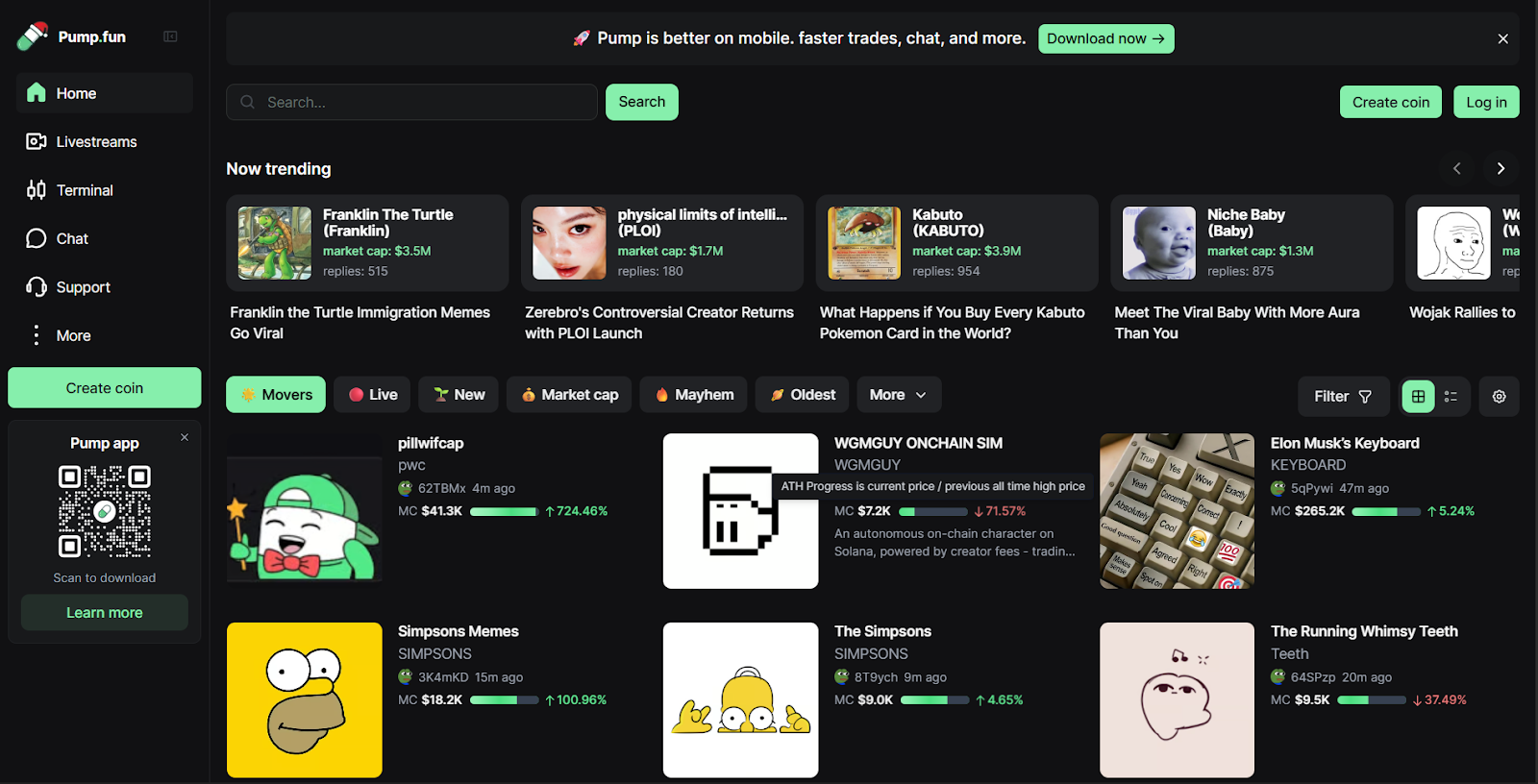
Pump.fun launched in 2024 and became a popular meme coin because of its connection to a platform known for rapid meme coin creation powered by smart contracts. PUMP benefits from attention that flows through new token launches and community activity around them. This steady stream of interest helps PUMP stay relevant among traders who follow fast moving markets.

Pump.fun appeals to you if you like discovering early projects and tracking new memes as they appear. The token’s performance often aligns with the activity of the broader launch platform, making it a lively option for traders who enjoy quick shifts. If you want access to emerging meme trends, PUMP can be worth watching.

7. Bonk (BONK)

Bonk (BONK)Bonk (BONK)

Bonk launched in late 2022 on the Solana network and quickly grew into one of the best meme coins to buy as 2025 approaches. BONK trades around $0.0000099 with a market capitalization near $819 million and strong daily volume. Its community backed launch and wide adoption across Solana’s DeFi, different NFT marketplaces, and social apps helped Bonk build real momentum.

BONK’s growth across the Solana ecosystem makes it a strong candidate for the next big meme coin. If you want exposure to a token supported by active users and real integrations, BONK offers a combination of community strength and ecosystem relevance that stands out this year.

8. Pudgy Penguins (PENGU)

Pudgy Penguins (PENGU)Pudgy Penguins (PENGU)

Pudgy Penguins entered the meme coin market after gaining traction as a well known NFT brand. The PENGU token benefits from a community that extends beyond crypto trading into collectibles, merchandise, and digital culture. Its growth has picked up as more traders look for tokens connected to established communities.

PENGU appeals to anyone who likes projects that blend NFTs with token utility. The brand recognition helps the token gain visibility in a crowded market. Its developers keep improving the network, which helps traders follow areas like the best NFT to buy and understand how meme ecosystems evolve.

9. SPX6900 (SPX)

SPX6900 (SPX)SPX6900 (SPX)

SPX6900 launched in 2024 on the Solana network and became one of the strongest performers among newer meme coins. SPX gained attention because of its active community, sharp price moves, and rising trading volume. Its quick rise placed it among the tokens many traders watch for potential 2025 performance.

SPX appeals to you if you like discovering early stage Solana tokens with strong community energy. The project still carries early stage risk, but its fast adoption and growing liquidity make it a token worth paying attention to as the market heads into the new year.

10. Floki Inu (FLOKI)

Floki Inu (FLOKI)Floki Inu (FLOKI)

Floki Inu launched in 2021 and continues to hold a solid place among meme tokens, drawing inspiration from popular culture that resonates strongly with online communities. FLOKI trades around $0.000048 with a market cap of nearly $458 million and daily volume above $60 million. These numbers keep FLOKI active in the market and give you easier access compared with lower volume tokens.

Floki’s team continues promoting development and community growth, which helps keep the project relevant. If you want a meme coin that sits between older giants like DOGE and newer launches like SPX, FLOKI offers a balanced middle ground as one of the better performing meme coin projects.

What Are Meme Coins?

Meme coins are cryptocurrencies inspired by online jokes, viral images, or internet memes culture rather than technical innovation or utility. They become the most popular meme coins when large communities gather around them, create buzz on social platforms, and build momentum through shared interests. Many meme coins grow quickly because traders follow trends and look for tokens that can move fast during market excitement driven by speculative trading.

Most meme coins have simple foundations, which means their value comes from community support rather than advanced features. This is why traders often watch for early signs of the next big meme coin, paying attention to projects that gain strong traction online. When you understand how communities behave and how attention shifts, you’ll have an easier time deciding which meme coins align with your goals.

Why Are Meme Coins So Popular?

If you’ve been exploring the best meme coins to invest in, you’ve probably noticed how fast these tokens gain attention and how quickly some have gained popularity across online communities. Their growth often comes from community energy, viral trends, and the chance to catch the next big meme coin before it takes off. Once you understand what makes meme coins appealing, it becomes easier to recognize which ones stand out from the crowd.

Low Entry Cost

Meme coins attract many traders because they’re inexpensive and easy to buy. You can start with a small amount of money and still hold thousands or even millions of tokens. This low entry point makes meme coins feel accessible and exciting, especially when you compare them to higher priced assets.

Community Driven Hype

Strong online communities help meme coins grow quickly. Social platforms play a big role, since memes spread fast and bring new people into the conversation. When a meme takes off, interest in the related token increases, which can lead to noticeable price movement.

High Volatility and Fast Movement

Meme coins move quickly because traders look for high reward opportunities. Their volatility creates moments when prices climb rapidly as attention builds. This fast movement keeps many traders engaged and encourages them to follow trends closely.

Easy to Join and Easy to Share

Meme coins are simple to understand. You don’t need deep technical knowledge to follow them, which helps more people feel comfortable joining in. Sharing jokes, memes, and updates keeps the community active, which often leads to even more interest and trading activity.

Benefits and Risk of Investing in Meme Coins

Before you decide whether meme coins fit your goals, it helps to understand what they can offer and where the risks appear, as many lack intrinsic value. Keeping both sides in mind makes it easier to invest responsibly and avoid unnecessary mistakes.

Benefits of Meme Coins

Low Cost and Easy Access. Meme coins usually have low prices, which makes them simple to buy even if you are starting with a small amount of money. This gives beginners a way to explore the crypto market without needing a large upfront investment.Potential for Fast Gains. Your meme coins can rise quickly when interest builds. Sudden community activity or viral trends often lead to sharp price increases. Traders who enter early during these moments sometimes see significant short term gains.Strong Community Support. Meme coins grow when communities stay active. Social engagement can keep a token visible and create steady buying interest. Many traders enjoy being part of these groups, which adds energy and momentum around certain coins.

Risks of Meme Coins

High Volatility and Sharp Price Drops.  Meme coins can lose value quickly when hype slows down. Prices change faster than most traditional assets, which increases the chance of losing money if the market turns against you. This volatility is one of the main risks highlighted by financial analysts.Limited Utility or Real Value. Most meme coins do not offer meaningful use cases or deep technical development. Their price mainly depends on community attention. When interest fades, the value usually drops. This makes meme coins unpredictable compared with projects that offer real utility.Market Manipulation and Scams. Meme coins can attract pump and dump schemes or misleading promotions. Some projects launch without transparency, and large holders can influence prices. This creates a risk for anyone who buys without researching the token’s structure or team.Emotional Trading and FOMO. Because meme coins move fast, many people buy based on fear of missing out instead of clear planning. This emotional trading can lead to poor decisions, especially in a highly volatile market.

How to Choose the Best Meme Coin to Invest In

Choosing the best meme coin to invest in requires more than following hype or reacting to social trends. Meme coins move quickly, and knowing what to look for gives you a better chance of identifying tokens with stronger potential. Below are five key factors that help you evaluate meme coins with more clarity and confidence.

1. Strong and Active Community

A meme coin’s strength often depends on its community. When thousands of people talk about a token, share updates, and show consistent involvement across social platforms, that activity builds momentum. A strong community helps keep a coin visible, which can bring in new traders and support steady buying interest. Look at how often the project appears in conversations, how active the social pages are, and whether the community continues to grow. A reliable, engaged group of users can help a meme coin maintain relevance even during slower market conditions.

2. Market Liquidity and Trading Volume

Liquidity is an important factor when choosing a meme coin because it affects how easily you can buy or sell your tokens. High trading volume means there are enough buyers and sellers to support smooth transactions. Low liquidity can make it difficult to exit a position during market drops, which increases risk. Checking daily volume and market activity gives you a clearer view of a token’s stability. A meme coin with consistent liquidity has a better chance of holding value during market shifts and attracting long term interest.

3. Real Ecosystem Growth

Even though meme coins are rooted in internet culture, some have real ecosystems that create long term potential. Look at whether the project is expanding into new areas such as decentralized apps, gaming, NFTs, or social platforms. Coins that continue releasing updates, building tools, or forming partnerships show more promise than those that rely only on hype. If a meme coin adds features that support daily use or community rewards, it becomes more attractive to traders who want more than speculation. Ecosystem growth helps a token stay relevant beyond the initial surge of excitement.

4. Transparent Tokenomics

Understanding tokenomics helps you see how a meme coin manages supply and distribution. Look at the total supply, how many tokens are in circulation, and whether the project uses methods such as burning or rewards to shape long term value. Transparent tokenomics give you insight into how the project plans to create stability and prevent large holders from controlling too much of the supply. When a token has clear rules and fair distribution, it reduces the risk of sudden price manipulation. This makes the coin more reliable for traders who want a balanced risk profile.

5. Team Activity and Long Term Vision

A meme coin’s development team plays a major role in its future. An active team that communicates clearly, publishes updates, and supports the community increases confidence in the project. Look at how often the team interacts with the community, how transparent they are about new features, and whether they have a plan for growth. Even meme projects benefit from having a roadmap or long term direction. When the team shows commitment and delivers improvements, the token is more likely to attract traders looking for stronger long term potential.

How to Buy Meme Coins

Buying meme coins is a simple process once you understand the steps. You do not need advanced technical skills, but it helps to know how each stage works so you can buy safely and avoid common mistakes. Some traders also choose a no-KYC crypto exchange when they want faster access to certain tokens, especially newer meme coins. Here are the steps you can follow.

Step 1: Choose a Reliable Exchange

Start by picking a trusted crypto exchange that supports the meme coin you want to buy. Popular exchanges list major tokens like DOGE, SHIB, and PEPE, while newer meme coins often appear on smaller platforms or decentralized exchanges. Choose an exchange with strong security, clear fees, and good liquidity so you can trade smoothly.

binance-logo-6219389_1280binance-logo-6219389_1280

Step 2: Create and Verify Your Account

If you use a centralized exchange, you need to set up an account and complete verification. This step confirms your identity and helps the platform keep your funds secure. Verification is usually quick and only needs basic information. Once the account is active, you can move to funding it.

Step 3: Deposit Funds

Add money to your account through a bank transfer, card payment, or supported digital method. Many exchanges let you deposit in your local currency. Make sure the exchange you use accepts the payment method you prefer. Once your funds arrive, you can start trading.

Step 4: Buy Your Meme Coin

Search for the meme coin you want on the exchange and choose how much you want to buy. You can place a market order if you want to complete the purchase immediately, or a limit order if you want to set a specific price. After confirming your order, the coins will appear in your account.

Step 5: Store Your Coins Safely

You can keep your tokens in the exchange wallet, but many traders prefer using a private wallet for extra security. A private wallet gives you more control over your assets because only you hold the keys. Choose a wallet that supports the network your meme coin is built on and keep your backup phrases in a safe place.

Key Factors to Consider Before Trading Meme Coins

Trading meme coins can be rewarding, but it also requires careful attention to the factors that influence their price and long term stability. Understanding these points helps you trade with more confidence and avoid common mistakes.

Understand the Volatility

Meme coins move faster than most other crypto assets because their value relies heavily on trends and community attention. A coin can double in price when a viral post or celebrity mentions it, but the same coin can fall just as quickly when interest fades. For example, PEPE had days where it surged on social buzz, then dropped sharply after that excitement cooled. If you decide to trade meme coins, be prepared for sudden swings and only use money you can afford to lose.

Check Liquidity Levels

Liquidity tells you how easily you can buy or sell a coin without affecting its price. Established tokens like DOGE or SHIB usually have high volume, which gives you smoother trades. Newer meme coins often have lower liquidity, meaning your buy or sell order might move the price more than expected. This can lead to slippage, especially on smaller or newly launched tokens. Always check daily trading volume before entering a trade.

Research the Community and Hype Cycle

A meme coin’s strength often depends on its community. Large, active communities help push visibility, share updates, and keep the token relevant. For instance, Bonk gained traction because the Solana meme coins community supported it across NFT and DeFi projects. On the other hand, many small meme coins disappear when the community loses interest. Check social channels to see whether the community is growing, stable, or slowing down. This helps you avoid buying into a coin near the end of its hype cycle.

Know the Tokenomics

Tokenomics explains how a coin works behind the scenes. Look at the total supply, how many tokens are in circulation, and whether the team controls a large portion. Projects with unclear supply structures can lead to sudden price drops if big holders sell their positions. In contrast, coins with fair launches or community airdrops often feel more balanced. For example, Bonk gained early trust because it launched through a wide airdrop instead of giving most tokens to private investors.

Understand Your Trading Strategy

Choosing how you plan to trade makes a big difference. Short term traders focus on quick moves caused by news or spikes in interest. Long term holders look for meme coins with stronger ecosystems or consistent community support. DOGE and SHIB often appeal to longer term traders because they have established communities, while newer tokens like SPX or PUMP attract people who prefer fast, high energy markets. Decide whether you want quick trades or slower, more patient positions before entering the market.

Conclusion

Meme coins continue to attract attention because they mix community energy, fast movement, and the potential for strong returns. If you want to explore this part of the market, the key is to stay informed and approach each project with a clear plan. Understanding factors such as liquidity, tokenomics, community strength, ecosystem growth, and your own trading goals helps you avoid rushed decisions and choose meme coins that make sense for your situation.

When you combine research with patience, you reduce your risk and increase your chances of finding opportunities that fit your goals. Meme coins can offer exciting moments, but thoughtful decisions are what keep you on track as the market shifts.

FAQs

Are meme coins a good investment?

Whether meme coins are a good investment depends on your goals and risk tolerance. Meme coins can rise quickly, but they can also fall just as fast because they depend heavily on community interest. If you are comfortable with higher risk and only invest what you can afford to lose, meme coins can play a small role in a diversified portfolio strategy.

What are the best meme coins to buy right now?

The best meme coins to buy right now depend on what you are looking for. Established tokens like Dogecoin, Shiba Inu, and Floki offer stronger liquidity, while newer coins such as Bonk, SPX6900, and MemeCore can appeal to traders seeking faster movement. Choosing the right coin depends on your risk level and whether you prefer stability or early stage opportunities.

Where is the best place to buy meme coins?

The best place to buy meme coins is a reliable crypto exchange that lists the native token you want. Popular exchanges support well known coins like DOGE, SHIB, and PEPE. Newer coins often appear on decentralized exchanges, which let you trade directly from your wallet. The right platform depends on the specific meme coin you plan to buy.

What is the best platform to trade meme coins?

The best platform to trade meme coins is one that offers strong security, good liquidity, and low trading fees. Centralized exchanges work well for major meme coins because they offer smoother transactions. Decentralized exchanges can be better for newer tokens that are not listed elsewhere. Your choice depends on the type of meme coin you want to trade.

What factors influence the price of meme coins?

The factors that influence the price of meme coins include community activity, market sentiment, trading volume, token supply, and social media trends. News, influencers, and online discussions also play a big role. Because meme coins rely more on attention than utility, shifts in interest often cause quick changes in price.


Source link

Historic Bitcoin Supply Shock Post-FOMC Lows – NFT Plazas

0
Historic Bitcoin Supply Shock Post-FOMC Lows – NFT Plazas


The Federal Reserve’s anticipated 25 basis point Fed rate cut failed to dramatically sway the Bitcoin price. The rate cut initially caused a momentary spike in volatility, driving BTC toward $89,000. However, Bitcoin rapidly recovered, cementing its position in the $90K – $93K consolidation range.

Although the market’s sideways movement tested the patience of short-term traders, analytics confirm a significant shift toward market stabilization. Downward pressure on Bitcoin is fading; the second wave of post-FOMC selling proved markedly weaker, indicating a strong base is now forming.

Bitcoin Sees Historic On-chain Supply Shock

The most bullish factor is the extreme conviction visible in on-chain activity, signaling an impending Bitcoin Supply Shock. Long-term investors are aggressively removing coins from exchanges: Binance withdrawals hit their highest transaction level since May 2018, confirming a strong HODLing strategy and a massive shift to self-custody. At the same time, BTC deposits, which generally indicate the necessary fuel for selling, plummeted to an 8-year low.

Bitcoin Sees Historic On-chain Supply Shock

Bitcoin saw historically huge on-chain withdrawals. – Source: CryptoQuant

In other words, these historic on-chain trends, where participants actively remove supply and new selling pressure vanishes, are classic supply shock behavior. This move has pushed the total exchange balance of Bitcoin to a critical low of approximately 2.76 million BTC, continuing a year-long trend where 403,000 BTC left exchanges.

Bitcoin Sees Historic On-chain Supply ShockBitcoin Sees Historic On-chain Supply Shock

BTC depositing transactions have also dropped for months. – Source: CryptoQuant

Macro Supports, Altcoins Struggle

Global macro conditions provided a supportive backdrop for Bitcoin. One of the typical inverse indicators for Bitcoin, namely the Dollar Index (DXY), sold off post-Fed, has reached its weakest point since mid-October. This DXY bearish trend generally benefits risk assets. Technical signals are confirming the potential for a move higher; the Bitcoin MACD histogram, set for a medium-to-long-term view, remains on the verge of a positive cross above zero, which would signal renewed bullish momentum.

In stark contrast, altcoins lagged severely. Assets like Cardano (ADA) and Avalanche (AVAX) declined 12% – 14%, which highlights selective investor focus on Bitcoin stability during transitional macro periods.

Disappointing ETF Flows Vanish

In addition, the primary risk factor cited in earlier analyses, disappointing ETF flows, has evaporated. Institutional demand has witnessed a material and continuous recovery in the crypto market as of early December, culminating in the sector logging its most significant net-positive week since October. Within only one single week, the influx nearly matches the entire cumulative inflows reported for the final four weeks of November, indicating a sharp revival of institutional appetite. For instance, the U.S. Bitcoin ETFs attracted $223.5 million in a single session.

With this major headwind removed, the technical BTC breakout becomes highly probable. A sustained move above the bearish trendline confirms the end of the downtrend. Bitcoin’s next major $108K resistance zone, defined by key moving averages, is the immediate target.

Bitcoin Waits For Next Targets & Risks

Strongly bullish sentiment now characterizes the revised market outlook, primarily fueled by the combination of historic supply removal and resurgent institutional buying. Analysts are confidently setting the major resistance zone near the 200-day Exponential Moving Average (EMA) at $108,000 as the primary target, expecting the initial $97,000 target to clear quickly.

Analytics firm Swissblock noted the downward pressure on Bitcoin is losing steam, with the market stabilizing. The firm added, “The second selling wave is weaker than the first, and selling pressure is not intensifying,” suggesting that while signs of stabilization exist, confirmation is still pending. According to Swissblock, the market still needs the Risk Index to drop below 25 and a reclaim of structural levels before definitively calling a bottom.

Market focus is shifting away from simple Fed decisions. The new market drivers shift toward U.S. crypto regulation and emerging scarcity dynamics, making supply constraints the dominant long-term narrative.


Source link

How to Buy Crypto: A Complete Guide for Beginners in 2025 – NFT Plazas

0
How to Buy Crypto: A Complete Guide for Beginners in 2025 – NFT Plazas


Planning to invest in crypto? Looking for a detailed guide to get started in the crypto space? If so, you’re on the correct page. Cryptocurrencies are virtual currencies that leverage blockchain networks and cryptography to secure, verify, and record transactions. Bitcoin is the pioneer cryptocurrency and the largest by market cap, while all other cryptocurrencies are collectively known as altcoins.

From choosing a trustworthy platform to storing your crypto securely, our guide provides a step-by-step breakdown of the buying process. We’ll also run you through different payment methods and common mistakes to avoid while purchasing virtual currencies.

How to Buy Crypto: A Step-by-Step Guide

Step 1: Choose a Crypto Exchange

Choose a Crypto Exchange

Based on your preferences, select an appropriate platform for buying, selling, and trading crypto. As exchanges differ widely in their features, fees, security, and rewards, comparing multiple platforms is key to making informed choices. Traders can choose from three types of platforms for buying cryptocurrencies.

Centralized exchanges

They’re crypto platforms that enable users to buy and sell digital currencies. They serve as third-party intermediaries, facilitating cryptocurrency transactions between buyers and sellers. 

Apart from a quick buy/sell crypto functionality, popular CEXs, like Binance, Bybit, and MEXC, enable derivatives trading as well. Additionally, they offer advanced tools, staking products, and early access to new cryptocurrencies. 

Moreover, they have a transparent fee structure, clearly stating the maker and taker charges across VIP tiers. 

Regarding security, most CEXs have implemented robust safety features like two-factor authentication (2FA), withdrawal whitelists, cold storage, and anti-phishing codes.

In general, choose a reputable platform that features among the top 20 centralized exchanges by trading volumes. 

binance-logo-6219389_1280binance-logo-6219389_1280

Decentralized exchanges

They’re permissionless platforms that facilitate peer-to-peer trading of crypto in a non-custodial and decentralized manner. They utilize smart contracts to determine cryptocurrency prices and execute transactions, eliminating the need for order books and intermediaries. 

However, DEXs are more conducive for advanced traders as they require in-depth technical knowledge and understanding of decentralized protocols. Examples of well-known decentralized platforms include PancakeSwap, Uniswap, and Orca.

Brokerage services

If you want to build a diversified portfolio, comprising a good mix of traditional and crypto assets, consider online brokers. They enable you to buy/sell cryptocurrencies and a diverse range of conventional instruments like stocks, ETFs, and index options. However, they provide a limited coin selection and lack advanced features like automated bots, making them less suitable for seasoned traders. Robinhood, Webull, and eToro are examples of top crypto brokers.

etoro-1etoro-1

Step 2: Set Up a Crypto Wallet

Whether you choose a CEX, DEX, or brokerage firm, you must set up a best crypto wallet to transact and store cryptocurrencies. Blockchain wallets can be categorized into the following types:

Hot wallets

They’re device-agnostic online wallets that help you send, receive, transfer, store, and manage your digital assets in a single place. However, since these wallets are connected to the internet, they’re susceptible to cyber threats. Hence, you should keep only minimal amounts of cryptocurrency required for immediate transactions in hot wallets. Examples of popular hot wallets include Metamask, Phantom, and Trust Wallet.

Cold wallets

They’re offline wallets or physical hardware that aren’t connected to the internet. As they aren’t exposed to online hacking risks, they offer enhanced security. Therefore, cold wallets are ideal for storing private keys. However, they can’t be used for conducting transactions and are prone to physical damage or mutilation. The most sought-after hardware wallets for storing crypto are Trezor and Ledger.

Step 3: Fund Your Account

Fund Your AccountFund Your Account

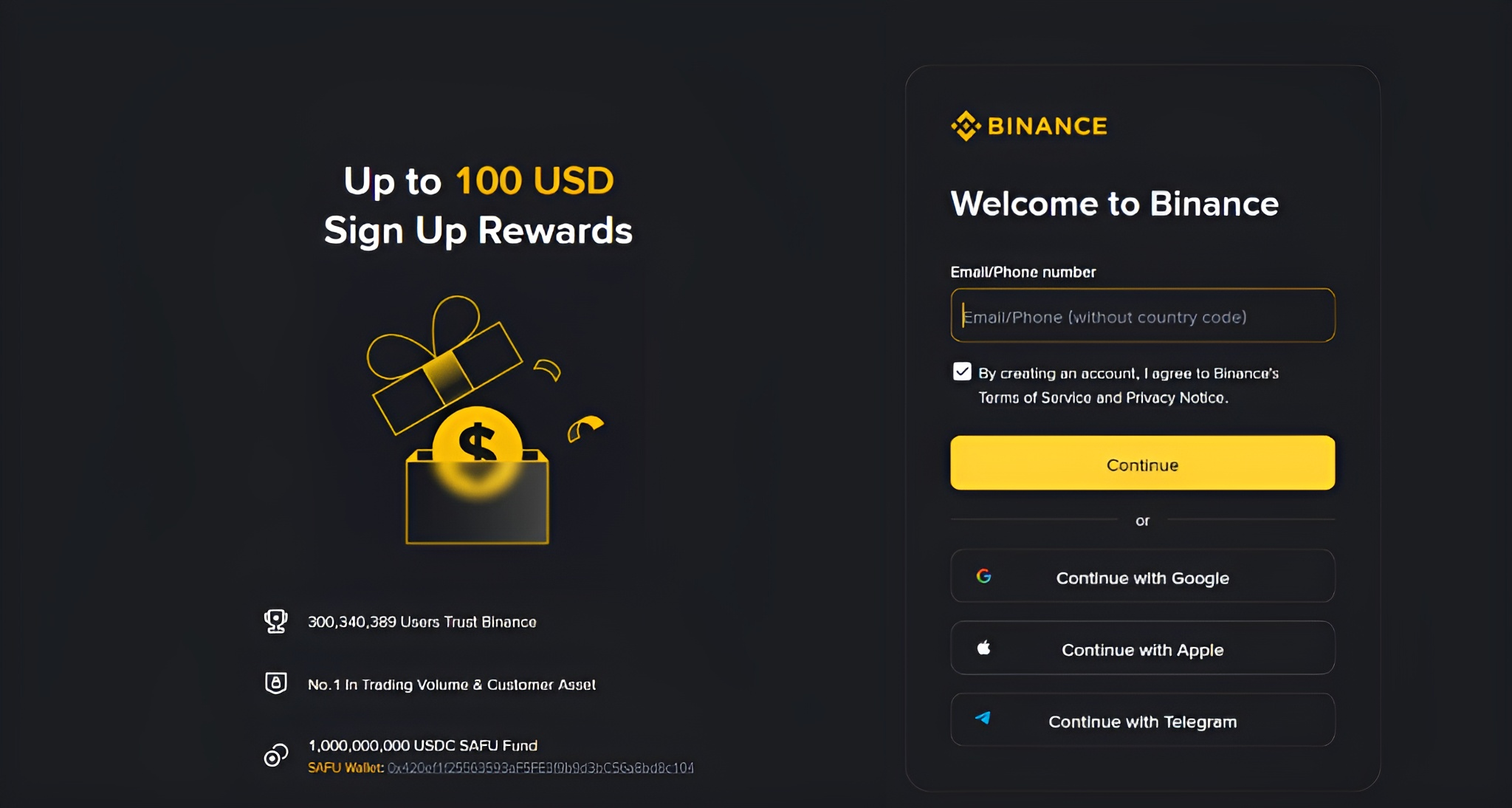
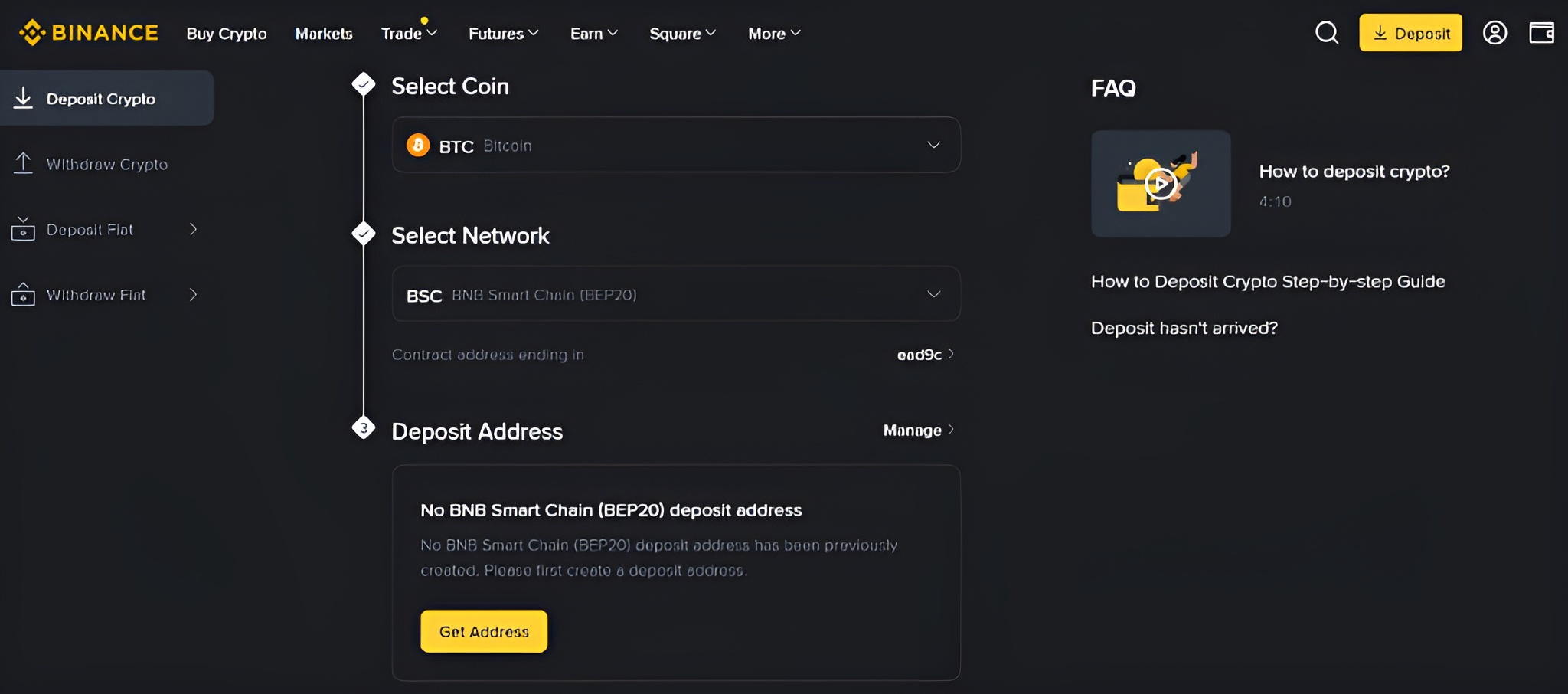
Once you register on an exchange and complete the identity verification process, you need to deposit funds to start trading. If you already own cryptocurrencies, you can transfer them to your exchange account from an external digital wallet. 

Fund Your AccountFund Your Account

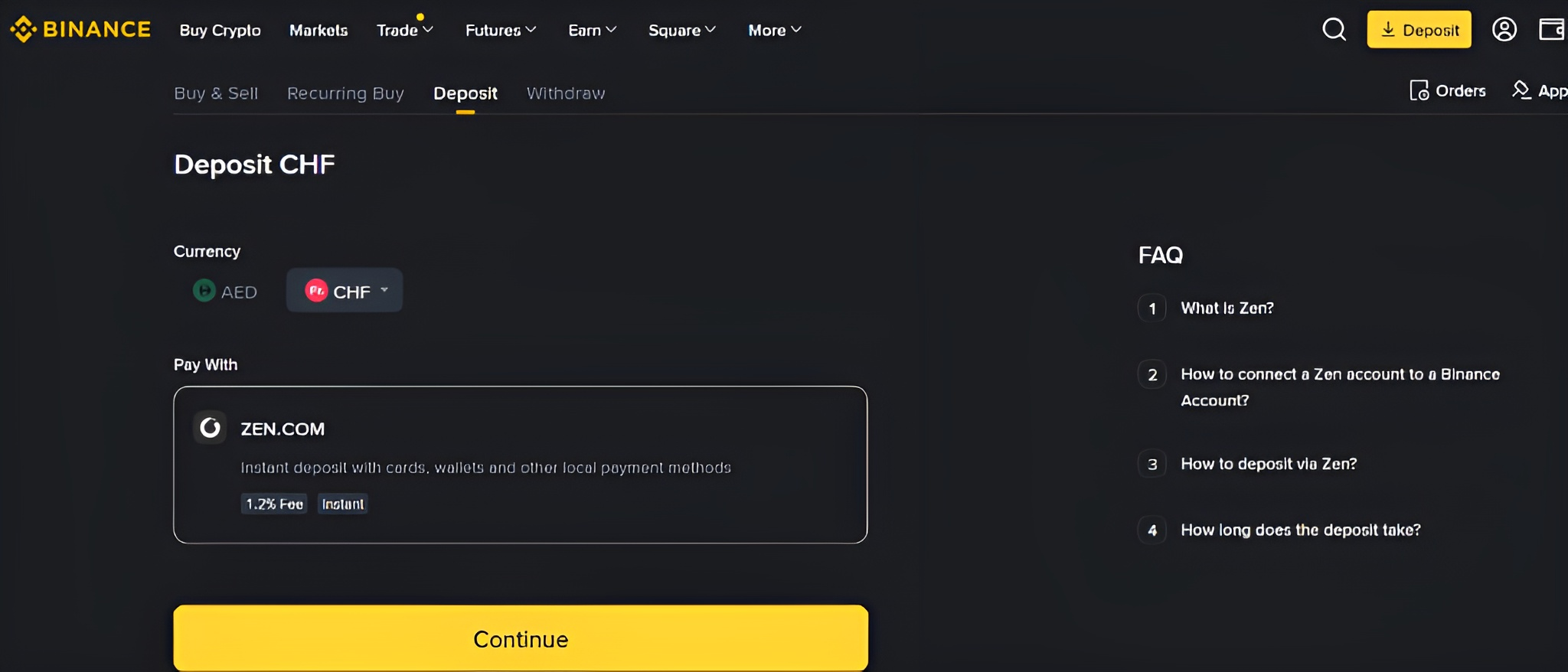
If you’re a first-time crypto buyer, you can deposit fiat currencies in your exchange wallet. Many platforms support fiat on-ramps, enabling you to buy crypto using traditional currencies like the US Dollar and the Euro.

To make fiat or crypto deposits, you can choose any of the supported payment methods. These include wire transfers, debit/credit cards, Google/Apple/Samsung Pay, and third-party channels like Skrill, Neteller, Wise, MoonPay, etc.

But before signing up, ensure the chosen platform offers the fiat-to-crypto or crypto-to-crypto pairs you’re seeking. Not all fiat or digital currencies can be traded for one another on all online platforms. 

Step 4: Place Your Order and Buy Crypto

After funding your account, you can place a buy order for any cryptocurrency of your choice.

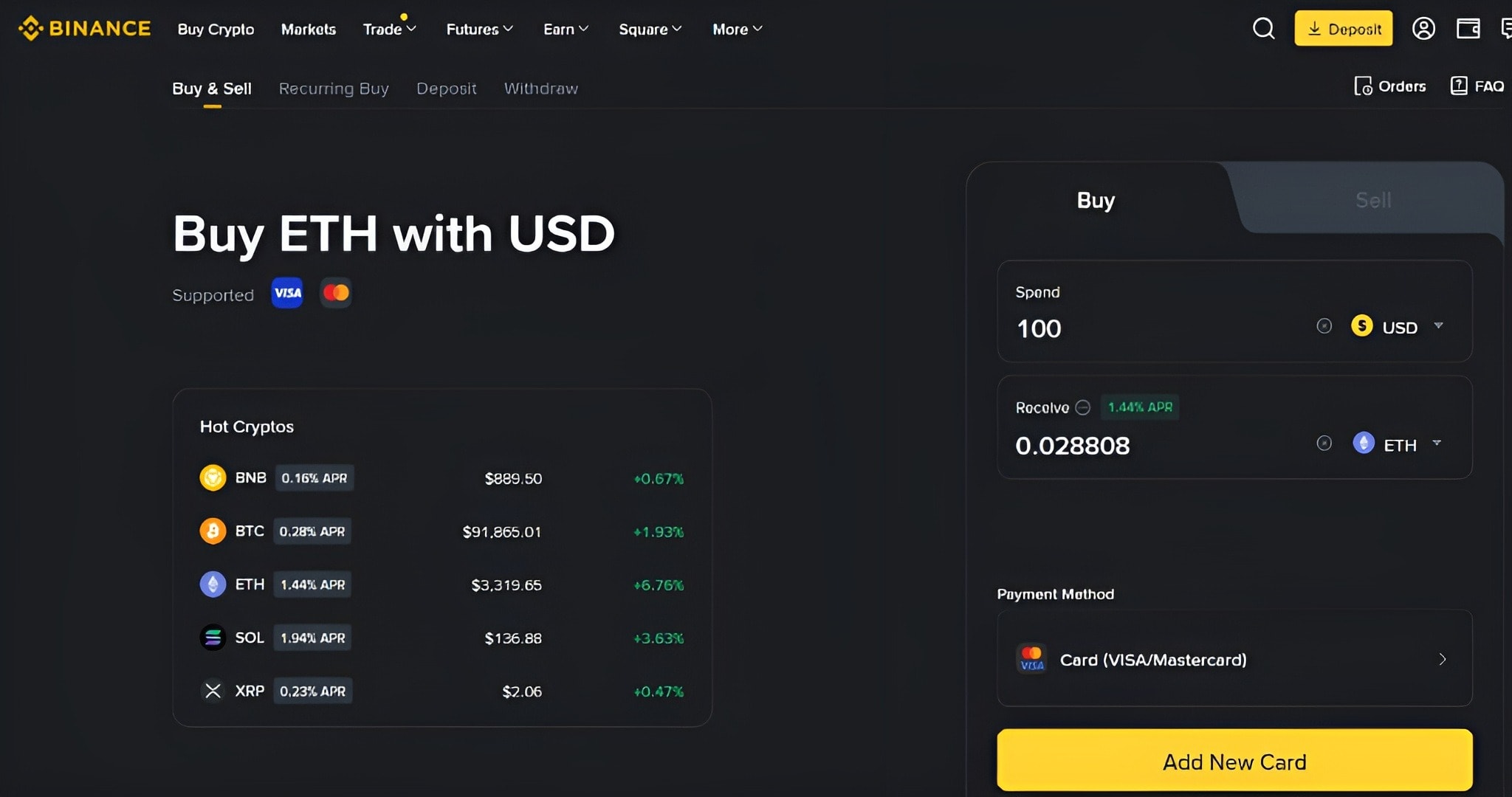
Most platforms offer a quick buy/sell feature, where you simply need to enter the spending and receiving currencies. You must also specify the quantity you want to buy and the payment option. Once you fill up these details, click the “Buy” button. 

The crypto will be credited to your exchange wallet within no time, provided the transaction is completed successfully. If you buy cryptocurrencies on a DEX, it’ll be credited to your linked wallet directly. 

Additionally, users need to incur transaction fees while buying and selling cryptocurrencies in the spot market. You must pay maker fees when you place a limit order. Your buy order will be filled only if the cryptocurrency’s price reaches your desired price or lower. Conversely, you must pay taker fees when you place a market order. Your buy order will be filled at the best available price, which could be higher/lower than your specified price. 

Generally, as your trade volumes increase, your transaction fees decrease. Plus, the greater the liquidity of a platform, the faster your market orders are filled at competitive prices, and vice versa. Even if you submit a limit order, your transaction will be executed promptly at specific prices on highly liquid platforms.

Step 5: Store Your Crypto Safely

While many CEXs like Coinbase offer custodial and transfer services, storing your crypto on an exchange has some disadvantages. If the platform is hacked or someone gets hold of your login credentials, your crypto may be stolen. On-platform storage is ideal only for users who want to participate in reward programs or stake/trade their cryptocurrencies immediately. 

For all other purposes, crypto wallets are a more secure option for storing cryptocurrencies. Moreover, they’re self-custody wallets, meaning you’ve full control over your private keys and assets.

Private keys prove ownership of crypto assets and are necessary for conducting transactions. If they’re lost/compromised, you’ll lose access to your crypto. Therefore, preserve your seed phrases and private keys in cold storage/wallets, as they’re less prone to online hacks. 

If you aren’t confident of managing assets yourself or have minimal knowledge of cybersecurity, choose brokerage firms for storing/trading crypto. Additionally, instead of storing your cryptocurrencies, you can stake/lend them to earn attractive APRs. However, both staking and lending entail significant risks. If the platform closes or crashes, you’ll lose your locked-up assets.

Different Methods to Buy Cryptocurrency

1. Buying Crypto with Credit Card or Debit Card

Buying Crypto with Credit Card or Debit CardBuying Crypto with Credit Card or Debit Card

Major crypto exchanges and third-party providers like MoonPay allow you to buy cryptocurrencies using a Visa/Mastercard debit or credit card. It is a faster and more convenient method than bank/wire transfers for purchasing digital assets. You can also save your card details in payment settings for future transactions once you complete KYC verification.

However, card transactions may entail hidden costs such as chargebacks, conversion fees, and processing fees. If you use a credit card, you’ll incur higher fees as cash advances are treated as debt, triggering interest.

Additionally, you should understand your credit or debit card’s terms, conditions, and policies regarding crypto transactions. While some issuing banks block or flag crypto buys outright, others impose stricter limits and excessive fees. 

You also need to select a crypto platform that accepts your card. The availability of a payment option also varies across locations. Once you finish the necessary checks, enter the crypto you want to buy and specify the amount in fiat. Select a credit/debit card as the payment method and click the “Buy” button. The crypto will reflect in your exchange account within minutes. From there, you can transfer your assets to your crypto wallet.

2. Buying Crypto with Bank Transfer

To purchase crypto via bank transfers, you must first complete ID verification and link your bank account. Then, you need to deposit a supported fiat currency into your exchange account using local/international methods like SEPA, SWIFT, FAST, etc. Once done, you can use the funds to buy digital assets. Fee-wise, bank transfers are usually cheaper than other payment methods. 

3. Peer-to-Peer Crypto Exchanges

Peer-to-peer platforms enable you to buy cryptocurrencies directly from other traders. Typically, they’re decentralized, permissionless, non-custodial, and non-KYC platforms, where assets are directly credited to your connected wallet. 

At no point in time, P2P platforms hold your assets. To ensure transaction security, they lock crypto in escrow accounts till both parties confirm payment. They’re best suited for experienced traders looking for enhanced anonymity and privacy. Bisq is a top-notch P2P network for trading Bitcoin, while LocalCoinSwap is an excellent peer-to-peer marketplace for buying/selling Ethereum.

Many CEXs, like Bitget and BingX, also offer P2P marketplaces. Unlike standalone peer-to-peer platforms, they mandate identity verification and have powerful security features. They provide deeper liquidity and a larger number of payment options, minimizing risks. 

However, P2P transactions carry inherent risks, regardless of the type of platform you choose. They’re highly prone to security threats such as phishing scams, chargeback fraud, fake payment proofs, or man-in-the-middle attacks. 

Common Mistakes to Avoid When Buying Crypto

Lack of research: Never follow the recommendations of fellow traders or experts blindly. You should also avoid investing in trending coins without doing your own research. Analyze every project thoroughly. Understand its vision, mission, core features, pros, cons, technology, team, and community strength before putting your money into it. Investing without researching is akin to gambling and can lead to significant losses.Falling for hypes, fake news, and scams: Social media platforms are inundated with news, messages, or discussions, projecting numerous low-quality tokens as the next big thing. Many of these cryptocurrencies carry no real worth or may be a pump-and-dump scheme in disguise. Hence, stick to well-established cryptocurrencies like Bitcoin, Solana, or Ethereum, especially if you’re a newbie. Avoid suspicious links, shady websites, and unverified news sources.Keeping funds in exchange wallets: Crypto exchanges aren’t hack-proof. Many leading platforms, including Binance, have fallen prey to major security breaches that resulted in significant losses. Hence, you should never leave your crypto holdings on exchanges and transfer them preferably into a cold storage/wallet.Emotional investments: Avoid buying crypto during market upturns due to fear of missing out (FOMO). Similarly, don’t panic-sell during pullbacks. Emotional decisions without in-depth market research often result in substantial losses. No or limited learning: Before you invest in crypto, you should have a good grasp of how smart contracts, encryption mechanisms, and blockchain technology work. You should also understand at least the basics of cryptocurrencies, decentralized finance, and trading strategies. Constant learning is the key to making gains from cryptocurrency investments.Assuming excessive risk: Overextending yourself financially by investing more than you can afford to lose is a big NO-NO. Additionally, you must use leverage prudently, preferably not more than 5x, especially if you’re a newcomer. Besides, you should avoid taking loans and always set stop losses when trading.

Should You Invest in Cryptocurrency?

Crypto investing involves risks as cryptocurrencies are a highly volatile asset class. They’re vulnerable to price manipulations, scams, and cyber threats. 

Moreover, the global crypto market is plagued by regulatory uncertainties. While some countries, like El Salvador, have adopted Bitcoin as legal tender, others, such as China, have imposed bans or restrictions on its use. Also, crypto tax policies are ambiguous across regions. Many crypto platforms are also facing regulatory compliance issues in multiple jurisdictions. 

Overall, crypto investments are not backed by central banks or government authorities like the Federal Deposit Insurance Corporation. You’ll also have no legal recourse in the event of any mishap. Hence, only those who have a high risk tolerance should trade crypto. Beginners must invest a minor portion of their total savings and refrain from transacting large amounts till they gain expertise.

Conclusion

Cryptocurrency markets are highly volatile. Hence, thorough research and understanding of crypto concepts and market volatilities are essential. You must always compare the fees, features, and reward rates offered by different platforms while prioritizing security and regulatory compliance. You should also use reliable payment methods and safeguard your confidential data. 

If you’re a beginner, start with small amounts as you hone your investing skills. For enhanced efficiency, you can even use virtual assistants to conduct in-depth research and compile reports.

In essence, by staying abreast of crypto market events, learning continuously, and evaluating risks, you can maximize your earnings. 

FAQs

What is the best way to buy crypto?

There is no single best way to buy cryptocurrencies. However, it is better to make purchases via reputable and licensed platforms like Binance, Coinbase, KuCoin, and OKX. They possess robust security features like 2FA, cold storage, withdrawal whitelists, proof-of-reserves, and a protection fund to safeguard user assets. They also have a transparent fee structure, multiple payment options, a long track record, and advanced features. Thus, they’re suitable for both beginners and professional traders alike.

Can I buy crypto with my bank account?

Yes. Popular exchanges like Bitget, MEXC, and Kraken allow you to buy Bitcoin and other cryptocurrencies using bank accounts. However, you must check whether the chosen platform offers this payment option in your jurisdiction. 

How do I know if I’m buying crypto safely?

Choose renowned platforms with potent security measures like withdrawal allowlisting, multi-factor authentication, and an insurance fund to buy/sell cryptocurrencies. Also, access the exchange from the official website or mobile app only to minimize fraud and phishing risks. Once cryptocurrencies are credited to your exchange account, move them into secure offline wallets to protect them from cyber attacks.

Can I buy cryptocurrencies without an exchange?

You can purchase crypto via online brokers licensed by reputable organizations like the New York State Department of Financial Services. You can also buy cryptocurrencies using your credit/debit card from Bitcoin automated teller machines (ATMs). Additionally, you can explore P2P platforms like Peach Bitcoin. If you want to make cryptocurrency transfers or purchases in just a few taps, consider mobile payment services like Cash App.


Source link

15 Best No KYC Crypto Exchanges for 2025 – NFT Plazas

0
15 Best No KYC Crypto Exchanges for 2025 – NFT Plazas


Are you seeking the best no-KYC crypto exchanges for trading anonymously? If so, you’re exactly where you need to be. KYC is the abbreviation for Know Your Customer. It is a regulatory and security process conducted by businesses, financial institutions, and crypto platforms to verify customers’ identities (IDs). By using a non-KYC exchange, users can trade crypto without revealing their ID and personal details.

In this article, we’ll provide valuable insights into the top-notch crypto exchanges for trading digital assets without KYC. We’ll also walk you through their pros and cons.

Top Non KYC Crypto Exchanges Compared

Crypto exchangeSupported coinsTrading pairsRegistered usersGlobal coverageSpotDerivativesBinance441+1,646+671+280M+100+ countriesMEXC4,000+ 2,500+1,181+40M+170+ countriesBingX1,000+ 1,113+790+20M+160+ countriesBybit1o00+ 652+876+79M+241+ countriesKuCoin1,000+1,258+573+40M+200+ countriesWEEX1,700+687+918+6.2M+130+ countriesOKX350+699+478+100+ countriesPrimeXBT136+1M+150+ countriesChangelly1,000+10M+200+ countriesUniswap1,110+7.26M+185+ countriesdYdX241+180+ countriesHodl HodlOnly BTC300,000+194+ countriesSwapRocket2,000+150,000+180+ countriesCoinEx1,300+1,521+269+10M+200+ countriesPancakeSwap809+ 143M+Worldwide

15 Best No KYC Crypto Exchange Reviewed & Ranked in 2025

1. Binance
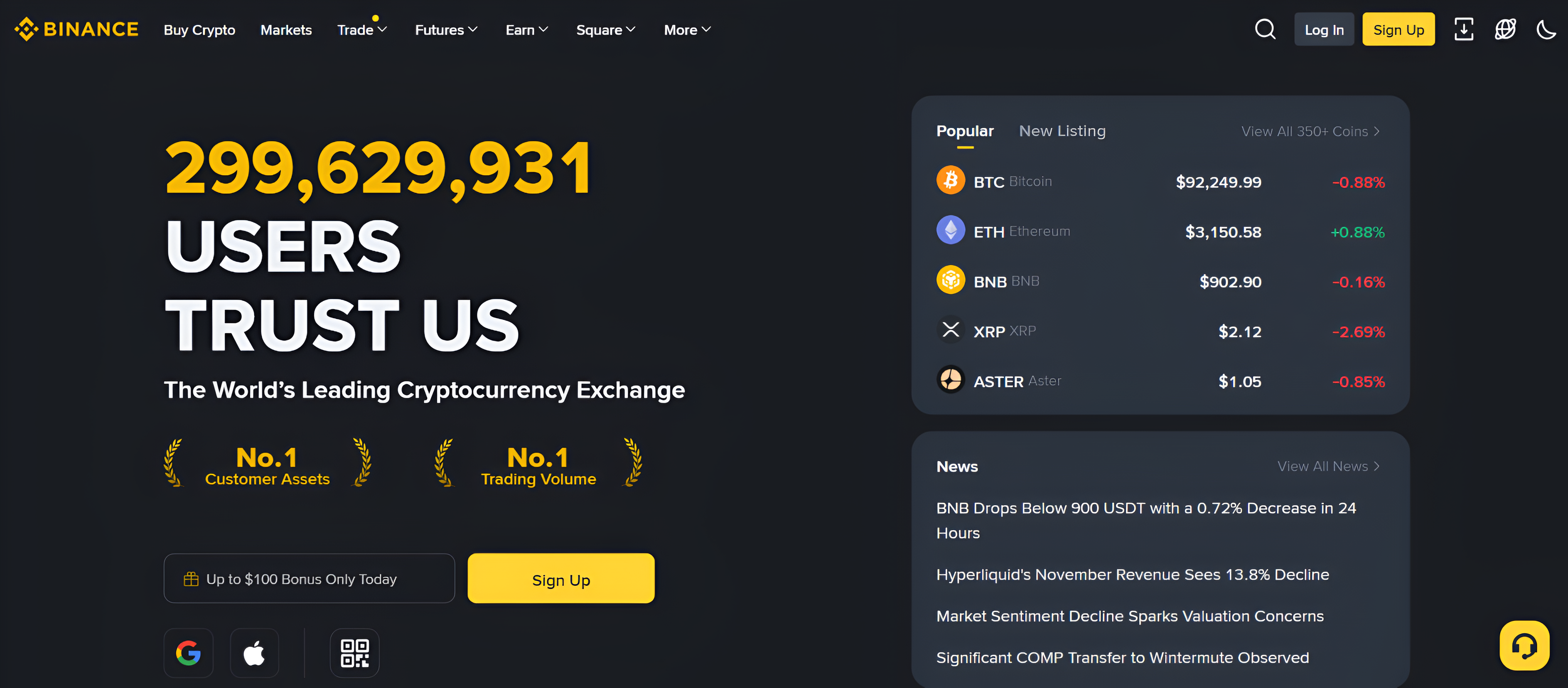
Binance - No KYC Crypto Exchanges

Binance is the largest cryptocurrency exchange by trading volumes and customer assets. It is also the most sought-after platform for spot, margin, futures, options, block, and P2P trading. If you want to explore limited functionalities without completing identity verification, Binance is the best crypto trading platforms. As an unverified user, you can also withdraw up to 0.06 BTC daily.

Presently, Binance offers four KYC levels: Basic, Intermediate, Advanced, and Corporate. Depending on your KYC level, you’ll get daily fiat limits of up to $2 million. You’ll also get daily crypto withdrawal limits of up to 8M USDT and unlimited deposits/P2P transaction limits. 

Additionally, Binance has set up the Secure Asset Fund for Users (SAFU), valued at $1 billion. It has also implemented other security features like biometric passkeys, 2FA, anti-phishing code, and cold storage. Lastly, the exchange charges low fees, starting from 0.1% for spot trading. 

Pros

Cons

Deep liquidity.800+ payment options.Sophisticated matching engine and advanced tools.Up to 150x leverage on select futures pairs.Powerful security measures, including SAFU, cold wallets, and multi-factor authentication.Extensive learning library via Binance Academy.Competitive fees and 25% rebates for BNB holders.Multiple trading features and staking services.Dealing with regulatory challenges in multiple countries, including France, Australia, and the US.Limited coin selection and features offered by Binance US.Has faced major security breaches.

binance-logo-6219389_1280binance-logo-6219389_1280

2. MEXC

MEXC - No KYC Crypto ExchangeMEXC - No KYC Crypto Exchange

MEXC is a reputable non-KYC crypto exchange, known for its low trading fees, memecoin gems, and extensive token selection. It enables peer-to-peer (P2P), spot, margin, pre-market, perpetual futures, grid, demo, and copy trading. It also offers Earn products to help you generate passive income from your idle crypto assets.

Currently, MEXC offers three KYC verification levels: Unverified, Primary KYC, and Advanced KYC. The exchange allows users to make unlimited cryptocurrency deposits, regardless of their identity verification status. Unverified users can withdraw crypto up to 10 BTC per day, engage in spot/futures trading, and access platform events. 

However, you must complete primary KYC to unlock a higher daily withdrawal limit of 80 BTC. To access MEXC’s full suite of features, you need to complete advanced KYC. Once verified, you can withdraw up to 200 BTC and trade up to $20,000 per day. 

Regarding trading costs, MEXC doesn’t charge maker fees on spot transactions, while the taker fee is 0.05%. For trading derivatives, MEXC imposes maker and taker fees of 0.01% and 0.04%, respectively. Eligible users may get a 20% MX deduction or a 50% MX holder discount. 

Pros

Cons

Multiple trading and staking options.Very low fees.Top liquid altcoin exchange.Offers up to 500x leverage.Provides early access to promising memecoin projects.Robust security features, including a $100M guardian fund and a futures insurance fund to protect traders against platform issues and market volatilities.Only limited features are accessible to unverified users.Most features, including fiat trading, require advanced KYC verification.Provides no or restricted services in many countries, including the US, Singapore, and Japan.

MEXC_square_logo-removebg-previewMEXC_square_logo-removebg-preview

3. BingX

BingX - No KYC Crypto ExchangeBingX - No KYC Crypto Exchange

BingX is a well-known no-KYC crypto exchange, especially for social trading. It also enables spot, margin, signal, and contract trading. Other notable offerings from BingX include Launchhub and staking products like Simple Earn, Shark Fin, and Dual Investment. It has three KYC levels: Unverified, Basic KYC, and Advanced KYC. 

Whether you’re an unverified or basic KYC-verified user, you can’t withdraw crypto over 20,000 USDT within 24 hours. To use other services, including trading, fiat on/off ramping, unlimited deposits, and Launchpad, you must complete advanced ID verification. By doing so, you’ll also unlock a higher daily withdrawal limit of 5,000,000 USDT.

Moreover, BingX charges competitive fees. It follows a tier-based structure, where your trading costs decrease as your volumes increase. For regular users (VIP0), the exchange levies a 0.1% maker and taker fee for spot trading. For perpetuals trading, BingX charges 0.02% for makers and 0.05% for takers.

Pros

Cons

Provides leverage of up to 125x on select futures pairs.Best copy trading exchange with 17K+ elite traders. Automated bots such as spot/futures grid and spot infinity grid. Powerful security measures like two-factor authentication (2FA), withdrawal whitelists, and proof-of-reserves. Maintains a Shield Fund, currently valued at $132.21M, to secure users against platform-related challenges.Streamlined KYC procedure with Sumsub as partner.Only withdrawals up to 20,000 USDT per day are allowed for unverified or basic KYC-verified traders.Unavailable in specific jurisdictions, including the US, the UK, and Mainland China.

2023-crypto-exchange-bingx-new-logo-design2023-crypto-exchange-bingx-new-logo-design

4. Bybit

Bybit - No KYC Crypto ExchangeBybit - No KYC Crypto Exchange

Bybit often features among the top three centralized exchanges by trading volumes. It is also the best no-KYC crypto exchange for newcomers who want to explore a platform without completing KYC. From futures and options trading to staking products and advanced trading tools, Bybit offers a diverse range of features. It also supports copy trading, enabling you to replicate expert strategies. 

At present, the platform offers four KYC levels: Non-KYC, Standard, Advanced/Pro, and Business. Non-KYC accounts can withdraw crypto up to $20,000 daily and up to $100,000 monthly. However, the exchange reserves the right to request identity details at any time, especially if you intend to withdraw crypto frequently. To access any other feature, you must complete KYC at least to the Standard level. 

Pros

Cons

Leverage of up to 10x for spot trades and up to 500x on futures trades. 20+ advanced tools like pre-built bots, AI-powered trading, TradingView integration, Position Builder, and Alpha.Detailed learning resources.Competitive fee structure, including 25% discounts for MNT holders. Strong security measures like 2FA, fund password, anti-phishing code, withdrawal address locks, passkeys, and multisig cold storage.Complex interface for beginners.Doesn’t provide services in excluded jurisdictions such as the US, UK, Canada, and Singapore.Faced a major security breach in February 2025, resulting in a loss of $160 million.

bybit-logo-whitebybit-logo-white

5. KuCoin

KuCoin - No KYC Crypto ExchangeKuCoin - No KYC Crypto Exchange

KuCoin is a versatile crypto exchange, recognized for providing early access to crypto gems. With multiple trading options like spot, margin, derivatives, and copy trading, KuCoin caters to both new and experienced traders. Additionally, the exchange offers many balanced, advanced, and specialized passive income products.

For safeguarding user funds, KuCoin has implemented cutting-edge security measures, including DDoS protection, data encryption, proof-of-reserves, and withdrawal anti-tampering.

Without KYC verification, the platform allows you to withdraw up to 30,000 USDT daily. However, you must verify your identity to access other features.

Pros

Cons

Numerous trading and staking options.Facilitates leveraged token trading.Supports 100+ payment methods and 30+ fiat currencies.Economical fees, starting from 0.1% for spot trading.Doesn’t serve users based in restricted locations, including the US, Thailand, and Singapore.Except for daily withdrawal limits of up to 30K USDT, users can’t access any other products/services without KYC. 

Kucoin-logoKucoin-logo

6. WEEX

WEEX - No KYC Crypto ExchangeWEEX - No KYC Crypto Exchange

Weex is one of the few crypto exchanges that doesn’t enforce mandatory KYC. Hence, you can trade, deposit, or withdraw cryptocurrencies without completing identity verification. A notable aspect of Weex is that unverified users can engage in both spot and futures trading, and withdraw up to 10,000 USDT daily. 

If you want to enjoy higher withdrawal limits of 1,000,000 USDT daily, you must complete the KYC process. Verified users also gain access to Weex’s premium features and advanced security measures.

Lastly, WEEX imposes a 0.1% maker and taker fee for trading major spot pairs. For most futures pairs, it levies a 0.02% maker and 0.08% taker fees. 

Pros

Cons

User-friendly interface.The core deposit and trading features are made fully available to non-KYC users. Competitive fees.Beginner-friendly.Zero-fee peer-to-peer platform.Robust security, including a 1,000 BTC insurance fund, 2FA, proof-of-reserves, session management, and withdrawal allowlisting.Unverified users can get only standard security and restricted access to fiat trading.Minimum order value for futures trades is high, around  0.001 BTC.The taker fee for derivatives trading is higher than most exchanges. Doesn’t operate in the US, Canada, North Korea, or sanctioned jurisdictions.

WEEXWEEX

7. OKX

OKX - No KYC Crypto ExchangeOKX - No KYC Crypto Exchange

OKX is a top-ranked crypto exchange, offering spot, derivatives, and leveraged trading along with Earn products. As per the latest KYC policy updates, unverified users can navigate the platform, access educational resources/price charts, and get basic customer support. They cannot deposit, trade, withdraw, stake, earn passive income, lend crypto, or engage in API trading. 

In short, all the core features are inaccessible. Thus, you must complete at least Basic verification, if not the Advanced KYC level.

While OKX imposes varying trading charges across locations, its transaction fees are overall competitive. A standout aspect of the exchange is OKX Protect. It includes security measures like 24/7 threat detectors, multi-layer crypto wallet security, proof-of-reserves, and AI surveillance.

Pros

Cons

Deep liquidity.Suitable for beginners.Clean interface.Secure hot wallet design, risk management audits, and emergency protocols for private key management.TradingView integration.Audited by reputable firms like Hacken, Certik, and Slowmist.Not all features are accessible in all jurisdictions.Core features are unavailable for non-KYC users.

0710421007104210

8. PrimeXBT

PrimeXBT - No KYC Crypto ExchangePrimeXBT - No KYC Crypto Exchange

PrimeXBT is a licensed, non-KYC exchange that enables users to trade 100+ contracts for differences (CFDs) from 0.1 pips. These include CFDs on shares, stock indices, crypto, forex, and commodities. Besides, it facilitates cryptocurrency futures trading, instant crypto purchases, and copy trading.

While unverified users can start trading on PrimeXBT, their daily crypto withdrawal limit is capped at $20,000 USDT. Plus, they can make deposits of only up to $2,000 per day. If you complete identity verification, you’ll get higher deposit and withdrawal limits. You can also make deposits using bank cards and withdrawals via fiat methods.

Pros

Cons

Customizable trading interface.In-depth educational guides, expert insights, price charts, and market research.Instant currency swaps and withdrawals.Provides leverage of up to 2,000x.Ultra-low fees starting from 0%.Potent security measures, including a compensation fund of up to $20,000 per client, negative balance protection, cold storage, and 2FA.The mobile app often experiences delays in order processing. Doesn’t serve customers based in the US, Japan, Canada, and many other countries.Limited coin selection and futures trading pairs. 

9. Changelly
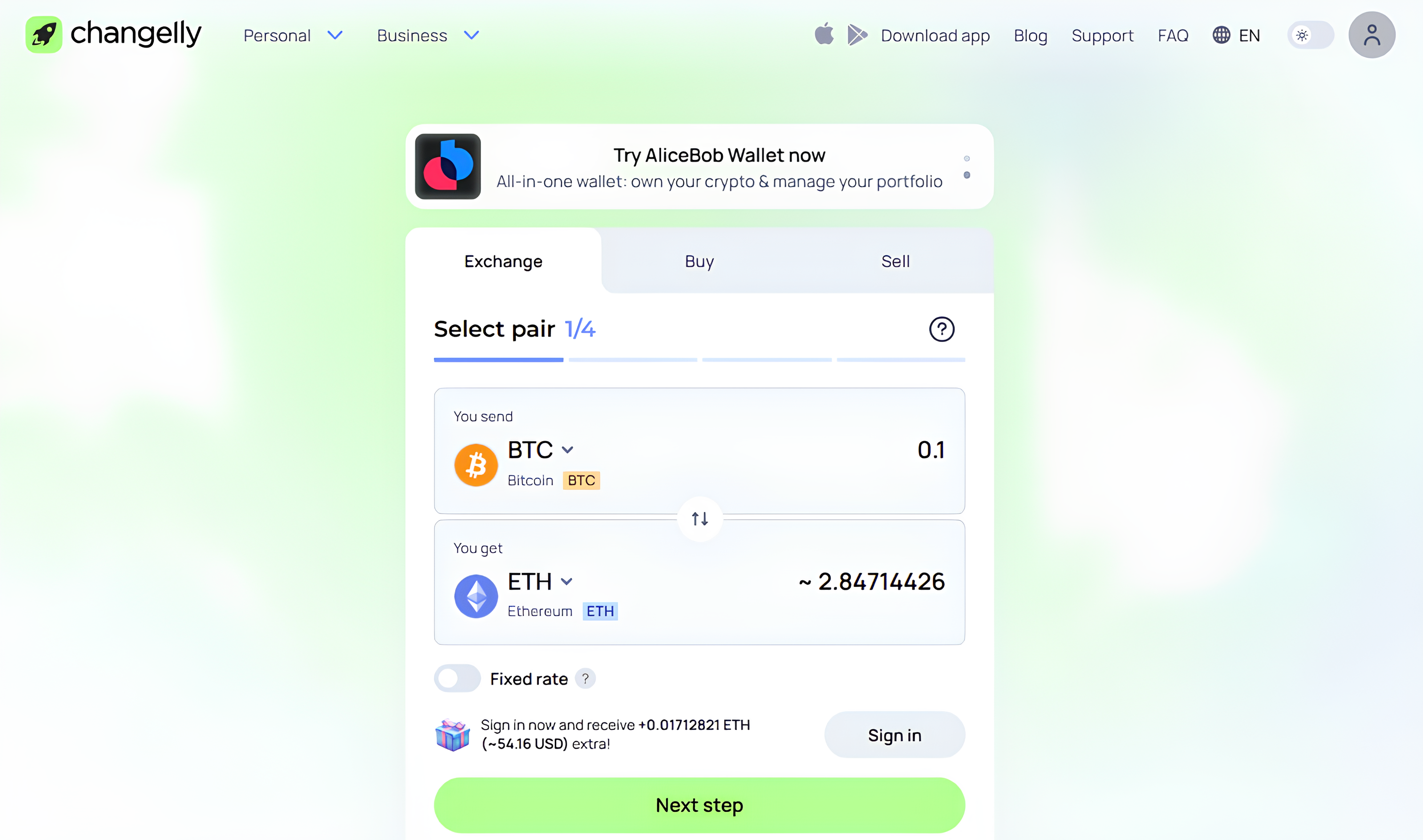
Changelly - No KYC Crypto ExchangeChangelly - No KYC Crypto Exchange

Changelly is an instant crypto exchange that enables buying/selling of 1,000+ digital assets at the best exchange rates. It has collaborated with 20+ crypto platforms to deliver competitive rates. It is also known for its average transaction processing speed of 5-40 minutes and secure handling of customer assets. Instead of storing/holding your funds, Changelly directly sends the swapped cryptocurrencies to your wallet.

Presently, the exchange offers three KYC verification levels: Starter, Trader, and Pro. You’ll automatically become a starter once you finish your registration process. You can withdraw up to 1 Bitcoin every day and up to 5 BTC monthly. When you upgrade to Trader, you’ll get higher daily and monthly withdrawal limits of 50 BTC and 500 BTC, respectively. However, if you want to enjoy unlimited withdrawals, you must become a Pro.

Pros

Cons

Speedy transactions.Competitive exchange rates.High daily withdrawal limit of 1 BTC for unverified users.Supports 185+ blockchains and 100+ fiat currencies.Non-custodial exchange.Partner network of 600+ companies.Offers flexible APIs for customizing payment options.Only Trader and Pro-verified users can access the exchange’s full suite of services, including enhanced security.A high markup fee of 0.25% on token swaps. 

10. Uniswap
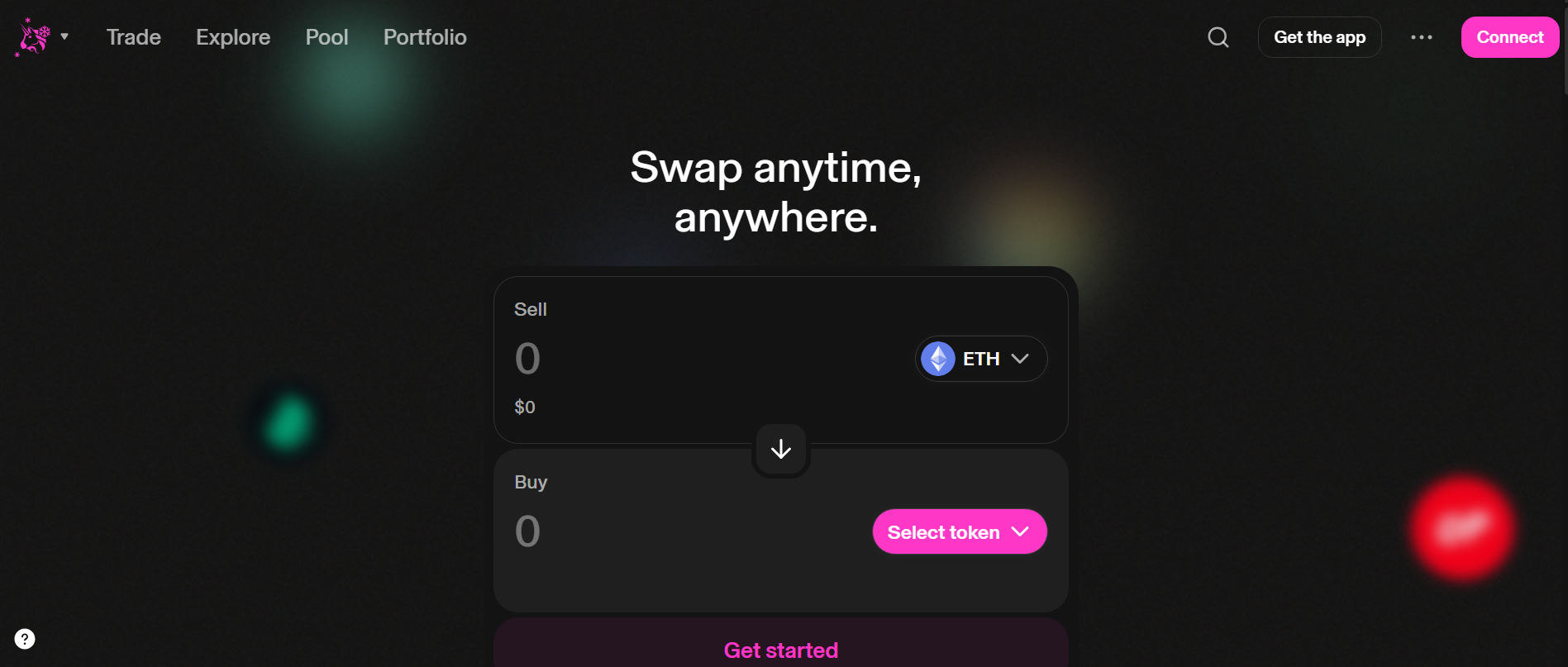
Uniswap - No KYC Crypto ExchangeUniswap - No KYC Crypto Exchange

Uniswap is a renowned decentralized exchange, built on top of the Ethereum blockchain. It leverages the Automated Market Maker (AMM) model to facilitate peer-to-peer trading of cryptocurrencies. It doesn’t require KYC verification and enables you to trade crypto by directly connecting your wallet to its user interface. However, if you buy crypto using third-party providers, ID verification is mandatory.

Moreover, Uniswap is the largest permissionless exchange for trading 1,000+ tokens across 16+ blockchains. Furthermore, the platform offers liquidity pools, eliminating the need for order books or intermediary infrastructure for trading ERC-20 tokens. You can also become a liquidity provider by depositing designated tokens into these pools and earn rewards. 

Pros

Cons

Total Value Locked of $3.3 billion and all-time volumes of $3.3 trillion.Facilitates decentralized trading of ERC-20 tokens.Doesn’t require KYC.Deep liquidity.MEV protection.Implemented security measures like bug bounty programs and regular smart contract code reviews. Flat fee of 0.3% for swapping tokens.Users based in OFAC-sanctioned nations like North Korea, Syria, and Iran can’t access Uniswap.

11. dYdX
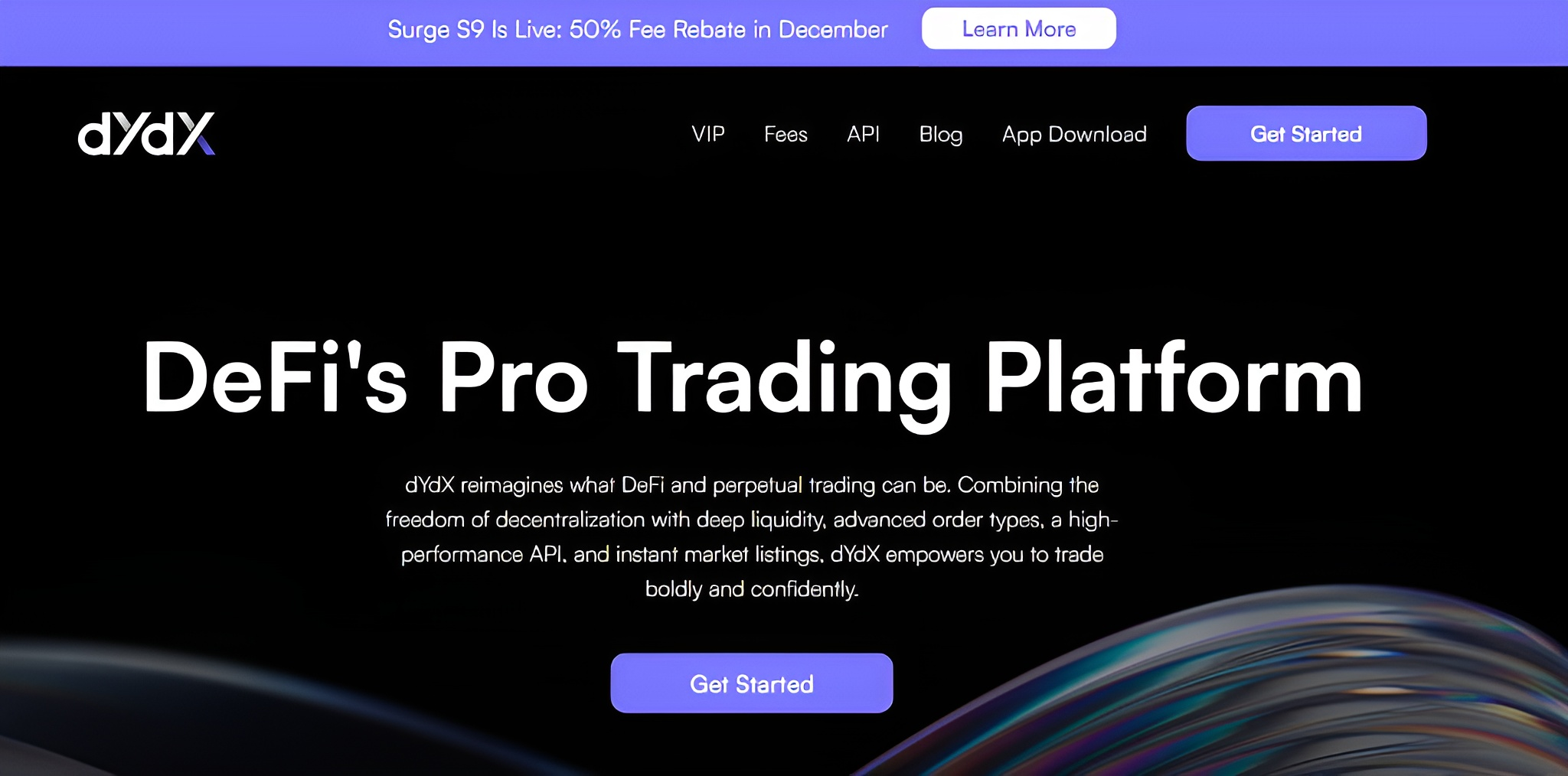
dYdX - No KYC Crypto ExchangedYdX - No KYC Crypto Exchange

dYdX is another dominant DeFi protocol and non-KYC crypto exchange, offering a decentralized infrastructure for trading perpetual contracts. You can start trading on the platform by simply connecting a compatible wallet. Currently, the exchange supports numerous wallets, including Metamask, Ledger, Coinbase, and all WalletConnect-enabled wallets. 

You can also trade across 220+ markets and use a leverage of up to 50x for specific coin pairs. Furthermore, dYdX charges nominal fees for perpetuals trading: 0.01% for makers and 0.05% for takers. Based on the amount of DYDX tokens you stake, you can receive up to 50% rebates.

Pros

Cons

Low fees.Comprehensive liquidity.Supports advanced order types.Offers professional-grade tools and ultra-fast market listings.Instant deposits from $10 across Ethereum, Polygon, Avalanche, Base, Arbitrum, and Optimism.High-performance trading platform.Standalone and open-source dYdX blockchain based on the Cosmos SDK.More suitable for advanced traders.Accepts only USDC as collateral.Unavailable in the US and Canada.

12. Hodl Hodl
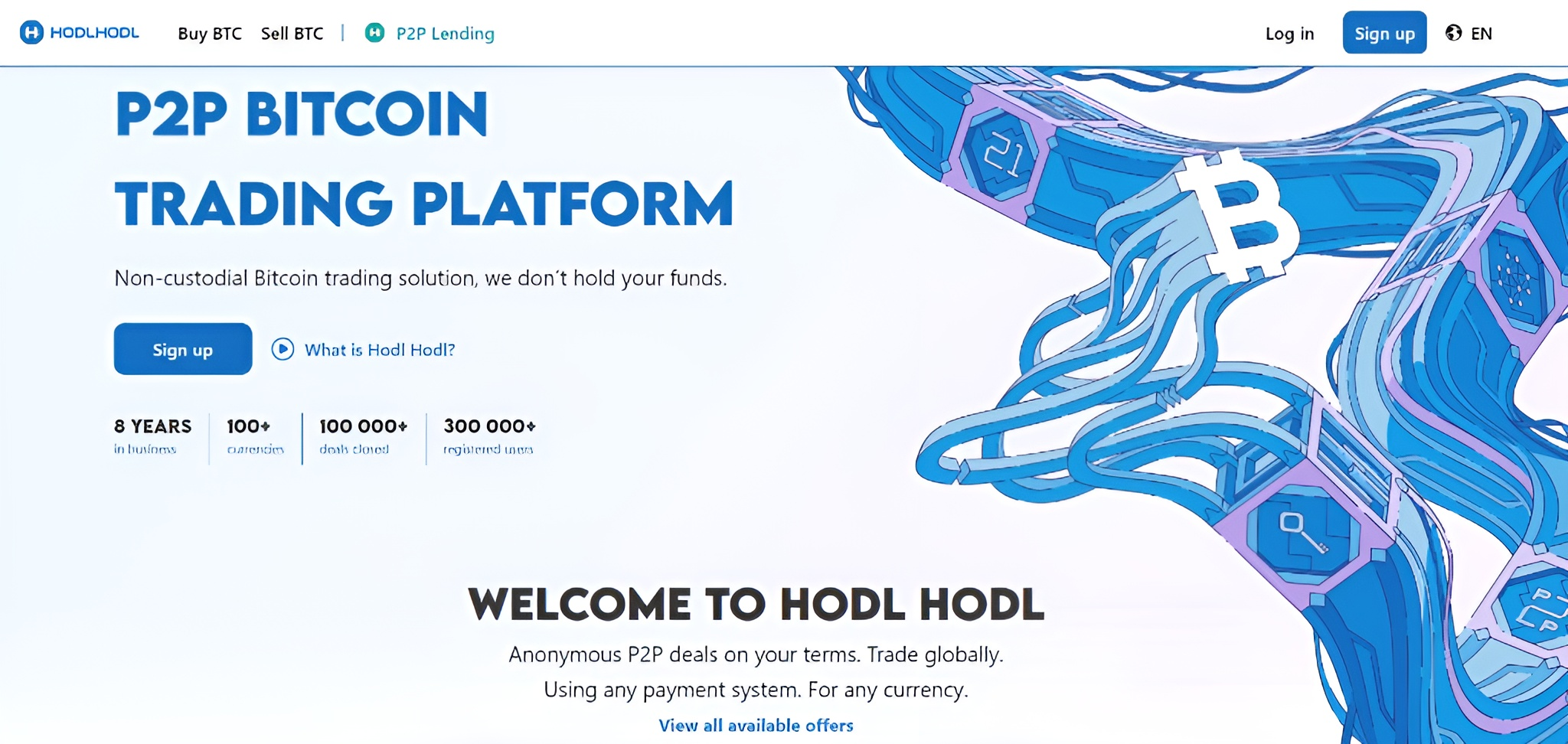
Hodl Hodl - No KYC Crypto ExchangeHodl Hodl - No KYC Crypto Exchange

If you’re seeking a non-KYC exchange for engaging in peer-to-peer trading of Bitcoin, Hodl Hodl is the best. Rather than holding user funds, the platform generates a unique multisignature escrow address for each contract created by buyers and sellers. The seller deposits the required BTC amount in the escrow account. As soon as the buyer makes the payment, the seller releases the Bitcoins into the buyer’s wallet. This way, the platform minimizes trading time and the possibility of theft of customer assets.

Additionally, Hodl Hodl is a non-custodial solution. Therefore, you control the keys to the funds stored in the escrow account. Since the platform doesn’t hold Bitcoin or fiat money, it is not subject to tedious compliance norms. Lastly, you can create an account with just an email address. 

Pros

Cons

No ID verification needed.Global P2P trading platform for buying Bitcoin.Ensures security through self-custody escrow accounts and multisig contracts.Nominal fees of up to 0.5% per trade.Supports 100+ payment methods.Supports Bitcoin only.Doesn’t allow account registration using phone, Google ID, Apple ID, or Telegram.Caps the number of contracts, offers, and trading volumes allowed for a single transaction.No mobile app.

13. SwapRocketSwapRocket - No KYC Crypto ExchangeSwapRocket - No KYC Crypto Exchange
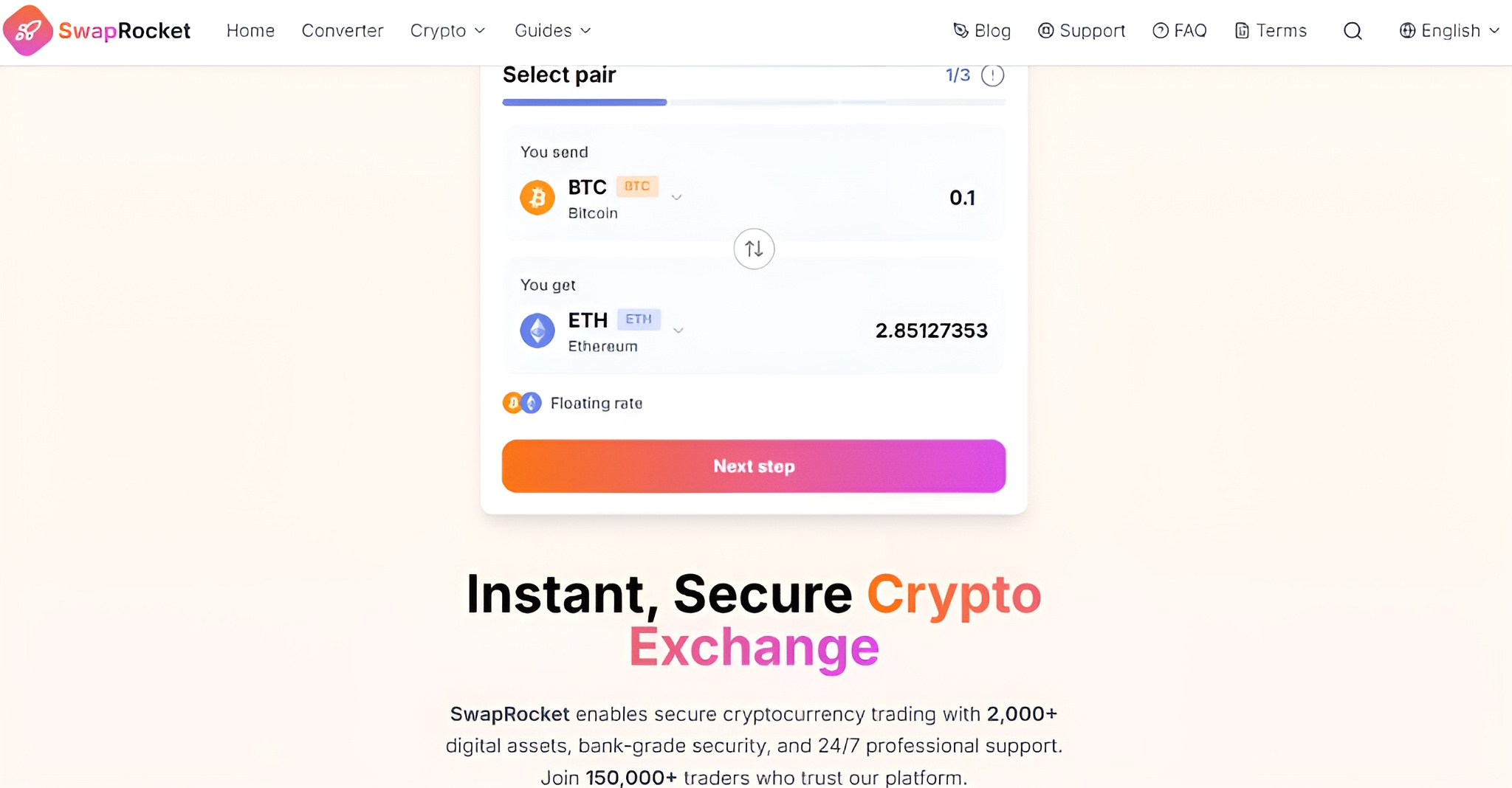
Swaprocket is a non-custodial decentralized exchange that helps users swap fiat currencies and cryptocurrencies at competitive conversion rates. It is also a privacy-focused non-KYC exchange, and doesn’t require users to sign up before they start trading. 

To provide users with the best exchange rates, SwapRocket has partnered with 20+ crypto platforms. Its Converter uses real-time market data from top cryptocurrency exchanges to offer accurate rates. 

Additionally, the exchange processes every transaction within 5-40 minutes, helping users take advantage of market opportunities. It doesn’t store your funds or assets. Instead, they’re credited to your wallet address directly. 

Pros

Cons

Fast transactions.Transparent pricing.Supports 8+ blockchains.Allows you to buy crypto using 30+ fiat currencies. Detailed guides for buying, selling, and exchanging cryptocurrencies.Industry-leading transaction encryption and biometric security.Web-based interface that can be accessed via most browsers.Investment simulator to estimate your potential returns before investing.Identity verification is necessary for executing high-value transactions.The mobile and desktop apps are in the testing/development phase.

14. CoinEx
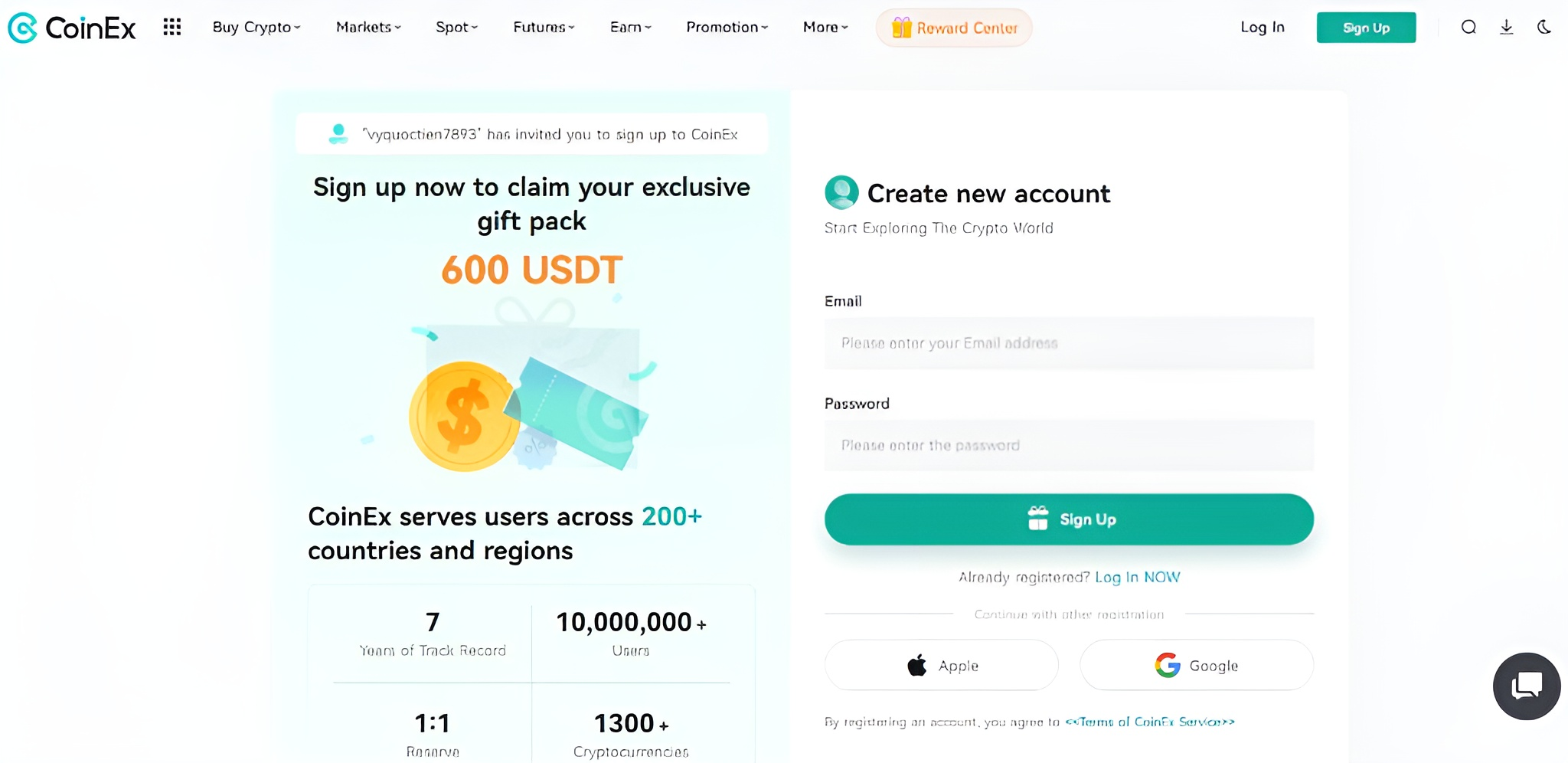
CoinEx - No KYC Crypto ExchangeCoinEx - No KYC Crypto Exchange

Users who are looking for a no-KYC exchange that facilitates basic crypto trading without KYC approval can check out CoinEx. It is also an excellent platform for earning trending tokens through mining. Additionally, it helps you earn passive income from Earn products like Fixed Savings, Flexible Savings, Staking, AMM, and Dual Investment.

Since CoinEx is a privacy-oriented exchange, KYC is optional. As a non-verified user, you can withdraw up to $10,000 daily and browse the platform’s features. 

From a security standpoint, CoinEx has implemented robust asset safety measures. These include 2FA, 100% reserves, cold storage, risk alerts, and multiple withdrawal confirmations. 

Lastly, the exchange charges modest fees, starting from 0.2% for spot transactions. If you hold CET tokens, you’ll receive a 20% discount (0.16%). For regular users, the stablecoin and regular AMM market rates are 0.1% and 0.3%, respectively. At the non-VIP level, futures fees are 0.03% for makers and 0.05% for takers.

Pros

Cons

Integrated OneSwap DEX to mint and trade NFTs.Publishes detailed market data, insights, and trend analysis.Simple user interface.Suitable for newcomers.Facilitates buying/selling of crypto through institutions.High-performance matching engine.No fiat on-ramp/off-ramp.No trading bots or deep order book analytics.Delays in crypto withdrawals.Closed US operations in 2023 and faces regulatory issues in some countries, like India.Complex fee structure.

15. PancakeSwap
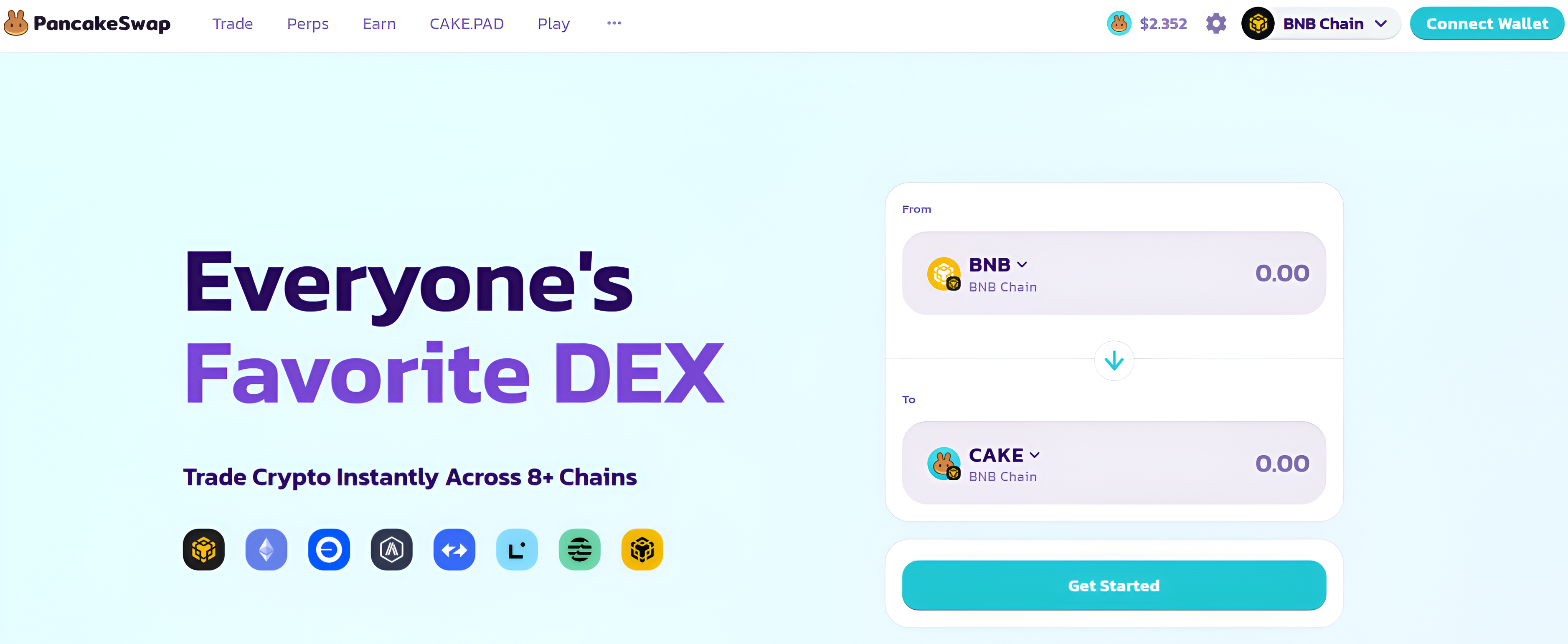
PancakeSwap - No KYC Crypto ExchangePancakeSwap - No KYC Crypto Exchange

PancakeSwap is the largest DEX by trading volumes globally. It is also the most popular decentralized trading platform on the Binance Smart Chain for swapping cryptocurrencies without KYC verification. In fact, you don’t even need to furnish personal details for trading perpetuals or gaining early access to new tokens. You can begin crypto trading by connecting a compatible non-custodial wallet like Trust Wallet, Solflare, and Metamask.

Pros

Cons

Supports various BEP-20 tokens and 8+ blockchains.Customizable fee rates.Multiple investment opportunities, including lottery, prediction markets, syrup pools, and yield farming.Adjusts slippage as per market conditions.Provides MEV Guard to protect users’ exchange transactions from sandwich attacks and frontrunning.Nominal fees of 0.25% for V2 pools and between 0.1% – 1% for V3 pools.Newcomers may find the platform complex and overwhelming.Charges a flat execution fee apart from trading charges for perpetual contracts. 

What is KYC in crypto?

KYC refers to the user identity verification process conducted by crypto trading platforms, especially centralized exchanges. By verifying their identities, users help these exchanges comply with global anti-money laundering and countering the financing of terrorism laws. 

ID verification also helps both you and the exchanges to adhere to crypto tax policies. Additionally, KYC exists to safeguard user accounts from misuse, fraud risks, and identity theft. In case you lose/misplace your login credentials, account recovery becomes easier if you’re KYC-verified. 

Many exchanges offer enhanced security, higher withdrawal limits, and access to their full suite of features only to verified users. They also mandate identity verification for users who want to participate in reward tasks, exclusive events, and referral/affiliate programs.

What Are Non-KYC Crypto Exchanges?

Non-KYC crypto exchanges are platforms that have flexible identity verification policies. They allow you to use their features, products, and services without KYC approval. 

While the number of centralized exchanges that don’t require user IDs is declining, many enable non-verified customers to access basic features. These include spot markets, educational resources, price charts, and low withdrawal limits. 

Conversely, decentralized exchanges don’t require KYC validation, as they don’t store or manage user funds. Every asset you purchase is directly credited to your connected crypto wallet. Simply put, DEXs facilitate peer-to-peer interactions between buyers’ and sellers’ wallets using smart contracts or escrow accounts. Hence, they’re best-suited for active traders who want to execute anonymous transactions. 

How to Buy Crypto Without KYC?

Select a no-KYC crypto exchange: Choose a suitable platform to buy crypto based on your needs. It should support the cryptocurrencies or token pairs you want to trade. It should also allow you to access your preferred features without KYC.Create an account: Sign up on the chosen exchange. Most platforms allow you to register with just an email address or phone number. To finish the registration process, specify your location, generate a secure password, and verify your e-mail/phone number.Fund your account: After signing up, you need to deposit funds to begin trading. Based on the platform’s rules, you can make crypto or fiat deposits into your account.Commence trading: Once your account has a sufficient balance, you can start trading. Many no-KYC exchanges allow only spot trading for unverified users. Review the platform’s terms and conditions: Non-KYC crypto exchanges enable unverified customers to access only limited features and lower withdrawal limits. Additionally, you may not be allowed to use fiat payment options for buying crypto. Understanding the terms and conditions beforehand will help you select the right payment method for buying crypto.

Benefits of Using Anonymous Non-KYC Exchanges

Privacy and anonymity: A no-KYC crypto exchange enables users to trade digital assets without sharing their personal data with third parties. It helps users protect their identity from data leaks, government surveillance, and hackers. Quick onboarding: Most exchanges complete KYC procedures within 24-48 hours after you submit your documents. Till then, you can’t start trading on the exchange and may miss out on potential market opportunities. Non-KYC exchanges allow you to trade immediately after registering.Better accessibility: Non-KYC platforms, especially decentralized exchanges, are beneficial for users based in jurisdictions with poor banking/government infrastructure. Anonymous exchanges lower barriers to crypto trading, enabling users worldwide to grow their wealth in a KYC-free manner.Minimal data misuse: Since you don’t share personal information like name, photo, address, or contact number, third parties can’t misuse your sensitive data.

Risks of Using No KYC Crypto Exchanges

Legal implications: Many non-KYC exchanges don’t possess the required licenses to operate in various jurisdictions. They may be functioning in a legal grey area, and hence, if any untoward event occurs, you won’t have legal recourse to recover your lossesLow liquidity: No-KYC exchanges are usually small, often lacking order book depth and liquidity. Your buy/sell orders won’t get executed quickly, and you may lose out on profitable opportunities. Illiquid exchanges are often plagued by issues related to failed orders, price manipulations, lower user trust, and high slippage.Illegal activities and scams: No-KYC crypto exchanges could be scams in disguise that lure people into investing their money. These exchanges can also be hotbeds for raising finances for illegal activities. 

Criteria for Choosing a Reliable No KYC Crypto Exchange

Payment Methods

Choose a no-KYC exchange that supports multiple global and local payment methods, including bank transfers, third-party gateways, credit cards, etc. Flexible payment options help you send, receive, deposit, and withdraw funds seamlessly.

Trading Fees

The lower the trading charges, the higher your earnings. Moreover, the non-KYC exchange you select should clearly disclose its fee structure, including maker, taker, deposit, and withdrawal fees. Usually, reputable platforms don’t charge fees for crypto deposits and offer attractive discounts to native token holders. 

Trading Volume and Liquidity

Deep liquidity coupled with high trading volumes ensures tighter spreads and speedy order executions, minimizing slippage. Conversely, poor liquidity leads to delayed/failed transactions and increases transaction costs for bulk orders. Generally, the top non-KYC crypto exchanges offer profound liquidity across most coin pairs.

Trading Tools and Features

Advanced features and tools like automated bots, technical indicators, multiple order types, etc., boost your trading experience. They also promote more efficient trading. 

How to Use No KYC Crypto Exchanges Safely?

Choose reputable non-KYC crypto exchanges like Bybit, PancakeSwap, and Bingx with strong security, transparent pricing, and liquidity.Double-check website links and URLs to avoid getting trapped in phishing scams.If you’re using a centralized exchange, avoid keeping large amounts in your exchange wallet. Use non-custodial exchanges like SwapRocket, as these platforms directly send your assets to the linked wallet address.Enable security features in your crypto wallets and store your private keys and seed phrases offline.Safekeep your crypto assets in cold wallets like Trezor, Ledger, etc. 

Are Non-KYC Exchanges Legal?

Non-KYC exchanges that are licensed by recognized bodies to operate in your jurisdiction are legal. As many countries are formulating stricter KYC, anti-money laundering, and crypto tax laws, regulatory compliance has become daunting for no-KYC exchanges. 

Non-compliant exchanges can be seized, restricted, or blocked by governments at any time, leaving your funds trapped. For example, popular exchanges like Binance Global, CoinEX, and Bittrex shut down US operations due to regulatory hurdles. Thus, opt for authorized exchanges that adhere to local and global cryptocurrency laws. 

Conclusion

No-KYC exchanges help users interact with various platform features and trade cryptocurrencies without ID verification. While KYC limits your anonymity, KYC exists to enhance regulatory compliance and user security. Thus, many exchanges require KYC to let you unlock all their features. Overall, staying informed and using safe non-custodial wallets is imperative to trade smarter while balancing security with privacy.

FAQs

What is the best no KYC crypto exchange in 2025?

MEXC is the best centralized platform, while PancakeSwap is the top decentralized exchange for trading without KYC. For instant token swaps, Changelly is commendable. If you want to buy Bitcoin KYC-free, Hodl Hodl and Peach Bitcoin are the best peer-to-peer exchanges.

Will the government crack down on non-KYC exchanges?

Many governments are enforcing stringent KYC, anti-money laundering, and crypto tax laws to curtail illegal activities and terrorism financing. Therefore, governments may crack down on no-KYC crypto exchanges, forcing them to cease operations.

Are all non-KYC exchanges safe?

Not all non-KYC crypto exchanges are safe. While they offer enhanced privacy and anonymity, they tend to carry higher risks. Lack of regulatory oversight makes them more vulnerable to cyber threats. 

Can I trade crypto anonymously without KYC?

You can trade cryptocurrencies anonymously without identity verification on no-KYC exchanges like PrimeXBT, CoinEx, etc. However, not all exchanges may allow users to trade derivatives without KYC. You can only use basic features like spot trading or cryptocurrency swapping.

Do no-KYC exchanges have withdrawal limits?

Most centralized exchanges like Binance, KuCoin, Weex, etc., offer lower withdrawal limits to unverified users. Conversely, DEXs like Pancakeswap allow traders to withdraw 100% of their staked assets/liquidity tokens in one go.



Source link

The Leading Crypto Exchanges To Buy USDT

0
The Leading Crypto Exchanges To Buy USDT


Tether (USDT) remains one of the most popular stablecoins in the market. Its availability on several blockchain networks makes it suitable for different needs. Whether you want to buy TRC20 USD Tether for lower fees or exchange tokens for compatibility with a specific platform, choosing the right exchange is key. Below are the leading platforms that provide simple and secure access to USD Tether across various networks.

LetsExchange

LetsExchange is a reliable service that supports over 5,000 cryptocurrencies and 300+ blockchain networks. One of its strongest features is the ability to switch between USD Tether formats easily. You can buy TRC20 USDT in a few clicks with no account setup required.

The platform also enables seamless cross-chain swaps. Users who want to convert coins and tokens can complete the transaction quickly using the built-in bridge. LetsExchange works without custody, meaning you keep full control over your funds. With automatic AML checks and deep liquidity, it’s a solid choice for anyone looking to manage stablecoins efficiently.

Binance

Binance is a very well known exchange. It offers these tokens in multiple formats, including ERC20, TRC20, and BEP20. You can fund your wallet through bank cards, peer-to-peer transfers, or third-party providers. Its internal bridge allows users to transfer stablecoins between networks, including USDT TRC20 to BEP20.

The exchange’s advanced wallet and trading system make it suitable for both new users and professional traders. While account verification is needed, Binance supports high limits and fast processing for all types of transactions.

KuCoin

KuCoin is a well-known crypto exchange that supports a wide range of tokens and blockchain standards. It allows users to buy TRC20 USDT using several payment methods, including bank transfers and cards through integrated fiat gateways.

Once purchased, KuCoin users can send their USDT to other networks or convert USDT TRC20 to BEP20 using supported wallet routes or via third-party services connected to their account. KuCoin is useful for traders looking for low-cost stablecoin transfers.

OKX

OKX has become a go-to platform for stablecoin users looking for fast and flexible transactions. The platform supports direct purchases of USDT on various chains. If you need to buy TRC20 USDT, OKX provides reliable options through its web and mobile apps.

It also offers swap services between blockchain formats, including USDT TRC20 to BEP20, either within the app or through integration with external bridge solutions. The overall experience is smooth, and customer support is responsive when assistance is needed.

Gate.io

Gate.io supports a wide list of digital assets and enables cross-chain transactions through its wallet services. You can buy TRC20 USDT or select another format based on your needs. The platform works well for users interested in transferring stablecoins between different networks or using them across DeFi platforms.

Its interface might be more technical than some beginner-focused platforms, but the range of features makes up for it. Trading USDT between blockchains is fast and secure, giving users the ability to handle formats like USDT TRC20 to BEP20 effortlessly.

Summary

Stablecoins like USDT have become essential for traders, investors, and blockchain users. The ability to buy TRC20 USDT or convert it to other formats, such as USDT TRC20 to BEP20 gives users flexibility when dealing with transaction fees, compatibility, or speed.

Among all platforms, LetsExchange stands out for simplicity, speed, and convenience. It’s absolutely suitable for users willing to swap coins across many networks.


Source link

How to Make Money With NFT in 2025 – NFT Plazas

0
How to Make Money With NFT in 2025 – NFT Plazas


How to make money with NFT assets in 2025 demands a strategic approach to digital ownership. You need clear steps that show where profit comes from and how trading NFT space works. The space moves fast, so you need simple actions that help you avoid losses and spot real opportunities. 

Many buyers look for quick gains, but steady methods often lead to stronger results. We break down the benefits and risks of NFT investments to allow you to invest with confidence. Keep reading to learn approaches that help you stay ahead of other traders and reduce risk as you build your NFT income.

What is an NFT and How Does It Work?

What is an NFT and How Does It Work?

You need a clear NFT overview before you focus on NFT profit or NFT trading strategies. An NFT is a unique digital item stored on a blockchain. If you want a simple breakdown of what an NFT actually is, this guide helps you understand how these assets work. A blockchain is a public list of transactions spread across many computers, and it keeps a clear record of who owns what. Each NFT has its own identity, so no two items are the same.

You will see NFTs linked to art, music, videos, collectibles, game items, domain names, and membership passes. When you buy an NFT, you get a digital certificate that shows you own that item. This certificate gives you control over where the item goes next. You can hold it, sell it, or trade it. The value depends on demand, rarity, creator reputation, and real use inside a project or community.

How Do NFTs Work?

NFTs work through simple steps that connect your wallet, the blockchain, and the item you buy. A wallet is a digital tool that holds your keys. These keys prove you own your items. When you buy an NFT, your wallet sends a request to the blockchain. The blockchain updates the record and shows you as the new owner. You get full control of the item once the update is complete.

Each NFT has a unique ID. This ID links to the digital item and its full history. You can see the date of creation, the creator address, and every sale. This helps you judge real demand before you think about NFT profit or trading NFT for short term gains. Many traders study past NFT sales, price swings, and community activity before they act. This helps them avoid poor decisions and focus on items with stronger demand.

Here is a quick breakdown of the process:

Minting: This is how an NFT is created. Digital files are converted into crypto collections or digital assets recorded on the blockchain.Ownership: When you buy an NFT, you get ownership rights. This doesn’t necessarily mean you own the copyright to the image, but you own the specific token that proves the asset belongs to you.Smart Contracts: These are self-executing contracts with the terms of the agreement directly written into code. They manage the transferability and verify the ownership of the NFT.

6 Ways to Make Money with NFTs in 2025

The big question remains: are NFTs still profitable in 2025? The answer is yes, but the methods for achieving NFT profit have changed. Gone are the days of blind luck. Today’s market rewards strategy, research, and a clear understanding of where value comes from. If you’re serious about learning how to make money with NFT assets, you need to know which methods work. Here are six proven strategies for you to consider.

1. Create and Sell Your Own NFT Art

The most direct way to earn is by creating and selling your own unique work. If you’re an artist, musician, or any type of content creator, you can turn your digital creations into NFTs. This process, called minting, lists your asset on a blockchain and makes it available for sale. You get paid for the initial sale and can also program royalties into the smart contract. This means you’ll get a percentage of the sale price every time your NFT is resold. It’s a great way to build a brand and generate an ongoing income stream from your creative work.

2. Invest in NFT Collections

Invest in NFT CollectionsInvest in NFT Collections

For those who prefer collecting to creating, investing in NFT collections offers another path. This involves buying NFTs from established or promising collections with the expectation that their value will rise. Think of popular series like CryptoPunks or Bored Ape Yacht Club. Success here depends on identifying collections with strong communities, clear roadmaps, and genuine utility. You need to do your research, understand rarity traits, and monitor market trends to make informed decisions. It’s similar to investing in traditional art, but in a digital format.

3. Selling NFTs You Get from Playing NFT Games

The play-to-earn (P2E) gaming sector is a growing field. In these games, you can earn in-game items like characters, weapons, or land as NFTs. These aren’t just for show; they have real value. You can use them to improve your gameplay or sell them to other players on a marketplace. Some players focus entirely on earning these assets through skilled gameplay and then selling them for a profit. It’s a way to turn your gaming time into a source of income.

4. Trade NFTs on Secondary Markets

Trade NFTs on Secondary MarketsTrade NFTs on Secondary Markets

Trading NFT assets is one of the most common methods for making money. The core idea is simple, you buy an asset at a lower price and sell it for a higher one. This requires an understanding of how to buy and sell NFTs effectively. You’ll need to analyze market data, track trading volumes, and spot trends. Many traders look for undervalued assets or flip newly minted NFTs for a quick profit. This strategy is active and requires you to stay engaged with the market by using top-rated NFT platforms to track activity and find opportunities.

5. Earn Passive Income through NFT Staking

Earn Passive Income through NFT StakingEarn Passive Income through NFT Staking

NFT staking lets you earn rewards without selling your assets. It involves locking your NFTs in a smart contract on a specific platform. In return, you receive rewards, usually in the form of the platform’s native cryptocurrency. This is an excellent way to generate passive income from the NFTs you already own. Not all collections offer staking, so you’ll want to look for NFT projects where this utility is a key feature. It allows your assets to work for you while you hold them.

6. Investing in Virtual Land and Metaverse Assets

Investing in Virtual Land and Metaverse AssetsInvesting in Virtual Land and Metaverse Assets

The metaverse is a digital universe where users can interact, and virtual real estate is becoming a significant asset class within it. Platforms like Decentraland and The Sandbox allow you to buy plots of digital land as NFTs. You can develop this land by building virtual stores, galleries, or event spaces, and then rent it out or sell it for a profit. As more people and brands enter the metaverse, the value of prime virtual locations is expected to increase, making it a compelling long-term investment.

Benefits of Investing in NFTs

Before looking at each benefit, it helps to understand why more buyers keep asking are NFTs still profitable in 2025. Profit depends on strong projects, clear utility, and smart timing. With the right approach, several advantages make NFTs a useful part of a balanced digital strategy.

Access to Early Growth Markets. Investing in NFTs places you in markets that expand through community demand, creator consistency, and real use. Early buyers often secure lower entry prices. This becomes important when you want clear answers about are NFTs still profitable, because early positions tend to deliver stronger results than late entries.Clear Ownership and Easy Verification. NFT ownership is recorded on a blockchain. Many assets run on Ethereum, and reviewing Ethereum basics helps you understand how these records stay secure. Each item has a full history. Clear tracking builds trust and supports long term stability.Multiple Ways to Earn Income. NFTs provide several income paths. Staking rewards create steady returns. Virtual assets offer rental income. Game items can be sold for profit. Royalties from art add ongoing earnings. These options create flexibility and help you stay active in the market even when trading slows.Strong Community Networks. Active communities help support project value. When members stay engaged, interest remains steady, and demand grows naturally. Consistent community activity reduces sudden drops and encourages long term holding.Real Utility and Access. NFTs often provide access to events, private groups, tools, or digital spaces. Utility creates value beyond trading. This matters during slow periods because your asset continues to offer benefits even when resale prices move sideways.Flexible Investment Strategies. NFTs support several strategies. Some people focus on rare items for long term appreciation. Others prefer staking or gaming assets for a steady income. Flexibility helps you build an approach that fits your budget and risk level. A strong strategy gives you clearer answers about whether NFTs remain profitable for your goals.

Risks of Investing in NFTs

Before moving deeper into the market, you need a clear view of the challenges that come with NFT investing. These risks help you shape stronger decisions and improve the way you approach buying, holding, and any future NFT selling strategies.

High Market Volatility. NFT prices move fast. Values rise when demand grows, then fall when interest slows. This volatility makes profit unpredictable. A project that looks strong today can weaken quickly if the community loses interest or if new competitors appear. Careful timing matters.Limited Liquidity. Some NFTs take time to sell. Even when the market is active, not every item has steady buyers. A rare piece might sit on the market for weeks before someone makes an offer. This slow movement creates pressure if you want quick returns or need funds during a downturn.Project Failure or Abandonment. Projects sometimes lose direction or stop delivering updates. When a team becomes inactive, the value of its NFTs often drops. Strong research, community activity, and clear communication help lower this risk, but it never disappears entirely.Overpricing and Hype Cycles. Hype pushes buyers into items with inflated prices. When the excitement fades, values fall back to realistic levels. Many beginners buy at peak pricing and struggle to recover losses later. Structured buying plans help reduce impulsive decisions.Security Threats. NFT investing depends on secure wallets and safe platforms. Scams, phishing messages, and fake marketplace links remain common threats. One mistake can result in losing access to your assets. Following trusted steps for buying NFTs safely helps reduce these risks and strengthens your long term security. 

Conclusion

NFT investing offers real opportunities, but strong results depend on clear strategy and realistic expectations. Some assets grow through community demand and useful features. Others lose value when interest fades. The answer to are NFTs still profitable depends on the projects you choose, the timing of your moves, and how well you manage risk. A steady plan, research, and careful budgeting matter more than hype.

Long term success comes from understanding how to buy and sell NFTs with discipline, choosing NFT platforms with strong security, and avoiding rushed decisions. NFTs work best when treated as part of a balanced approach rather than a quick path to fast gains. If you stay patient, review project updates, and focus on assets with real utility, you improve your chances of building stable results. NFTs remain a developing market, and thoughtful steps make the biggest difference.

FAQs

Are NFTs still profitable?

Yes, NFTs are still profitable in 2025, but success requires more strategy than it used to. Profitability now depends on factors like the project’s utility, the strength of its community, and overall market trends. The days of random projects bringing huge returns are mostly over, but there are still many opportunities for informed investors to see significant gains.
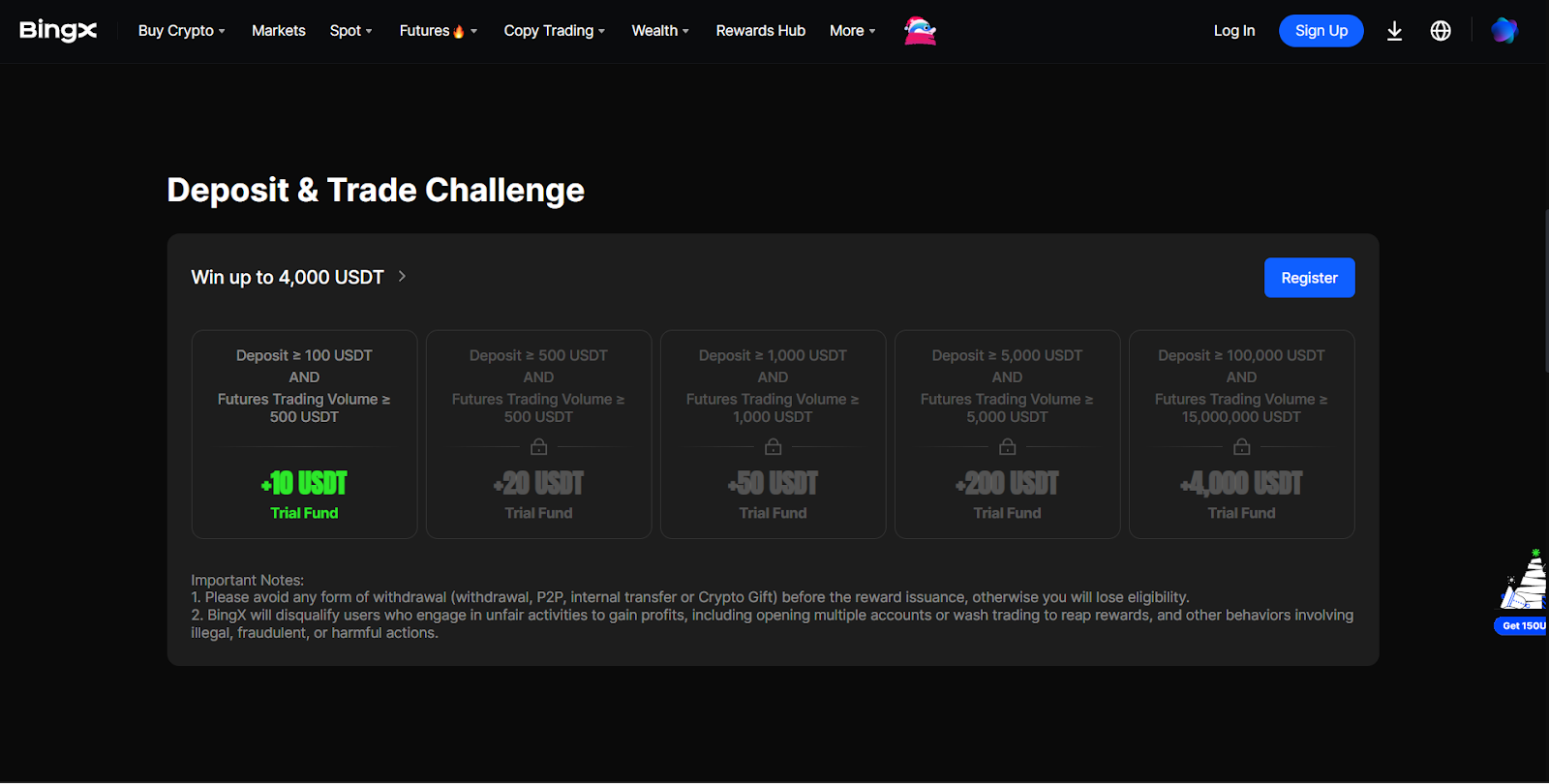
Can you actually make money on NFT?

You can definitely make money on NFTs through several methods. These include creating and selling your own NFT art, trading NFTs on secondary markets, investing in promising collections for long-term growth, earning them in play games and earn, or staking them for passive income. Each method requires a different level of effort and knowledge, but all offer pathways to profit.

How to start NFTs as a beginner?

To start with NFTs as a beginner, you should first set up a cryptocurrency wallet, like MetaMask, and buy some crypto, typically Ethereum (ETH), on an exchange. Next, you can explore NFT marketplaces like OpenSea or Rarible to browse collections. We recommend starting with a small budget and researching projects thoroughly before buying your first NFT. Focus on learning about the market before making large investments.

Can I convert NFT to real money?

Yes, you can convert an NFT to real money. The process involves selling your NFT on a marketplace for cryptocurrency. Once the sale is complete and the crypto is in your wallet, you can transfer it to a cryptocurrency exchange. From the exchange, you can sell the cryptocurrency for fiat currency (like USD, EUR, etc.) and withdraw it to your bank account.

How to create an NFT for free?

You can create an NFT for free using a method called “lazy minting” on certain blockchains and marketplaces, such as Polygon on OpenSea. Lazy minting allows you to list your NFT for sale without paying any upfront gas fees. The fees are only paid by the buyer once the item is sold, making it a risk-free way for creators to get started.

What does it cost to sell an NFT?

The cost to sell an NFT can vary. If you used lazy minting to create it, the buyer covers the minting fee. However, marketplaces charge a service fee, which is typically a percentage of the final sale price. Additionally, if you set creator royalties, a percentage of the resale price will go to the original artist. Always check the fee structure of the marketplace you’re using.


Source link

Popular Posts

My Favorites

Chelsea Handler Roasts Justin Baldoni And Blake Lively’s Legal Feud 

0
Chelsea Handler’s remarks alluded to the ongoing legal battle that began in December, when "Gossip Girl" alum Blake Lively accused Justin Baldoni of...