Arts

Home Arts Page 24

Brevis (BREV) Will Be Listed on Binance HODLer Airdrops!

0
Brevis (BREV) Will Be Listed on Binance HODLer Airdrops!


In a continued effort to incentivize the BNB community, Binance has officially introduced Brevis (BREV) as the newest project to join its HODLer Airdrops ecosystem. This inclusion reflects the exchange’s broader strategy of fostering critical Web3 infrastructure layers.

Functioning as a verifiable computing protocol, Brevis addresses the complexities of processing extensive data loads while preserving decentralized integrity. Participants who meet the criteria will receive their BREV token distributions directly into their Spot Wallets ahead of the scheduled trading launch.

Listing Details

Listing date: Set for January 6, 2026, at 14:00 (UTC).Available trading pairs: Confirmed pairs include BREV/BNB, BREV/USDC, BREV/USDT and BREV/TRY.BNB Lock for Airdrop period: Recorded between Dec 17, 2025 (00:00 UTC) and Dec 19, 2025 (23:59 UTC).HODLer Airdrops Rewards: 15,000,000 BREV (Representing 1.5% of the total genesis supply).

binance-logo-2

BREV Token Details

Token Name: BREVTotal Supply (genesis): 1,000,000,000 (1 Billion) BREV.Circulating Supply (upon listing): 250,000,000 BREV (25% of total supply) 

About Brevis

About BrevisAbout Brevis

About Brevis – Source: Brevis

Brevis positions itself not merely as a scaling solution but as an “Infinite Compute Layer.” It is engineered to shatter the tradeoff between computational complexity and decentralized transparency.

Learn more: Trade Brevis on Binance – NFTevening Full Review

Brevis does not constrain dApps to simplistic on chain logic or risky off chain processing. Instead, it deploys a hybrid architecture powered by Zero Knowledge (ZK) technology. This ecosystem operates on two core technical pillars:

Pico zkVM (High Velocity ZK Virtual Machine): A modular solution for universal computation, specifically optimized for real time proof generation. Pico zkVM is robust enough to verify Ethereum blocks in mere seconds, delivering performance metrics that significantly outpace competitors and paving the way for low latency applications.ZK Coprocessor: Functioning as an “extended brain” for smart contracts, this technology allows protocols to query and analyze vast amounts of historical on chain data without incurring prohibitive gas costs. This is the key enabler for next-generation, data driven dApps, such as DEXs with dynamic VIP fee structures or decentralized loyalty programs (already utilized by major protocols like PancakeSwap and Linea).

The entire platform is orchestrated by ProverNet, a decentralized marketplace where nodes compete to generate computational proofs. Within this model, the BREV token acts as the economic lifeblood, serving both as the currency for settling proof requests and as staking collateral to ensure network security.


Source link

How to Use Crypto Safely While Gaming Online

0
How to Use Crypto Safely While Gaming Online


Key Takeaways:

Crypto gaming has grown to a $24.4 billion market in 2025, but security threats remain a major concern.Using blockchain-based payment methods offers faster transactions, but requires understanding wallet security.Enabling two-factor authentication and using hardware wallets can protect your digital assets.Stick to licensed gaming platforms with proven security measures and transparent operations.Regularly update passwords and never share private keys with anyone.

Playing games with crypto has become huge. What started small is now a giant industry. Crypto is faster and cheaper than regular fiat money, and you also get more privacy. That’s why gamers love it. But there are risks you need to know about.

What Is Crypto Gaming

Crypto gaming is simple. It includes normal casino games and special games where you own what you win. People use different cryptos, apart from Bitcoin, which is the most popular; but there’s also Ethereum, Solana, and others.

Solana (SOL) has become more common in gaming because it is fast and has low fees. Many platforms support SOL to reduce delays when players add or withdraw funds. Some of the best Solana casinos also depend on the network’s ability to stay stable when many users are active at the same time, which helps reduce congestion during busy periods. This makes Solana suitable for gaming environments where steady performance is important.

In 2025, the number of people playing blockchain games reached 102 million. That’s 72% more than 2024. New sites keep opening, and systems are getting better. But not all of them make players’ safety their priority, and it’s important to know which ones are good.

Setting Up Secure Wallets

Your crypto wallet is like your bank account, but it’s digital, and keeping it safe is super important. There are different types.

Hot wallets connect to the internet. They’re easy to use but more prone to hacks. Cold wallets stay offline. They’re the safest for storing crypto you’re not using, especially big amounts. Smart users keep most of their crypto in cold wallets and only move small amounts to hot wallets when needed.

When you create a wallet, you get a recovery phrase, which is usually 12 or 24 words. Write these words on paper and put the paper somewhere safe. This is the only way to get your money back if something breaks. Don’t save it on your phone or computer; hackers often look for that.

Hardware wallets are in the middle. You plug them into your computer when you need them, but your keys stay offline the rest of the time. They cost $50 to $200, and it’s completely worth it if you have a lot of money in crypto.

Choosing Safe Gaming Platforms

Not all crypto gaming sites are safe. Some follow rules while others just want your money.

Good sites have licenses, which can be seen at the bottom of their homepage. Curacao and Malta give out most crypto casino gaming licenses. They make sure sites play fair, and players should avoid sites without a license.

Also, look for a padlock in your browser’s address bar. That means the site uses SSL encryption that keeps your info safe.

Reviews are also very important when picking crypto gaming sites. Read what other players have to say about the name on App Store, Reddit, and other social media platforms. If the bad reviews outweigh the good, avoid those sites.

Two-Factor Authentication

Two-factor authentication (2FA) is extra protection. If someone steals your password, they still can’t get in without the second code. It’s easy and really works.

Most crypto sites work with Google Authenticator or Authy. These apps make codes that change every 30 seconds, so it’s difficult for hackers to get through. It takes less than 5 minutes to set up 2FA. You scan a QR code with the app, and when you log into the site, you type your password and the code from the app. This stops almost every hack. Your phone can also use your fingerprint or face. Many wallet apps have this now.

Managing Private Keys and Passwords

Your private keys are everything, and if someone has access to them, they automatically have your crypto. No bank can help you if something goes wrong, and that’s why people say “not your keys, not your crypto.”

Never give your keys to anyone. Real sites never ask for them, support never asks, and if someone asks, they’re probably trying to steal from you.

Use different passwords for every site and make them strong. At least 12 characters, mix letters, numbers, and symbols. Password managers help in making hard passwords that you’ll remember.

Change passwords every few months, and if you notice any suspicious activity on your account, change them right away. Research shows that over  81% of data breaches are caused by weak or stolen passwords, making regular updates critical for security.

Understanding Blockchain Transaction Security

Blockchain is secure, but you need to understand it. Once you send crypto, you can’t undo it; there’s no customer service to call.

Always check the address before sending crypto. One wrong letter means the money goes to the wrong place. It’s advisable to copy and paste addresses. Don’t type them. After pasting, check the first and last few characters to ensure they match.

Fees change based on how busy the network is. If a lot of people are using it, fees go up. Check fees before sending big amounts, and some sites let you pay lower fees if you can wait.

Recognizing and Avoiding Scams

Blockchain gaming made $21.6 billion in 2025. It could hit $328.4 billion by 2030 based on current growth projections. Hacks, scams, and security breaches cost the sector more than $2.2 billion in the first half of 2025, showing just how much financial exposure users and platforms face if security isn’t taken seriously.

If a site looks too good to be true, then it probably is. Any site saying you can double your crypto in a week is a red flag. Real gaming has risks, and honest sites communicate that to their users.

Fake support is everywhere. On Twitter and Telegram, scammers pretend to be support. They message people with problems, offer to help, then ask for keys. Real support will never message users first, and they’ll never ask for sensitive information.

Pump-and-dump scams are also common. Scammers hype worthless tokens on social media, often using influential people in the space. People buy them, scammers sell everything, and the price crashes. Buyers lose money, and there’s no one to hold accountable for that loss.

Phishing emails are also a thing. These emails have official logos and branding. They say your account is in danger, and they want you to click and give info. If you receive any email like this, always go and search for the site’s official website to see if the URL and email address are the same in the email you received. If it looks suspicious, delete and report the email.

Monitoring Account Activity

Check your account often. Every few days, look at your transactions, spot problems early, and save yourself some money. Turn on alerts too. Most sites will email or text you when someone logs in or moves money.

Check what devices are connected to your account. Many sites show this, and if you see devices you don’t know, change your password immediately and check recent transactions to ensure everything is still secure.

Save everything. Download statements and screenshot deposits and withdrawals. This helps if you need proof later. It also helps track your gaming expenses for taxes.

Set limits before you play and stick to them. Many sites have tools for this to make responsible gaming easier.

Stay Updated

Staying updated in this space will save you a lot because crypto changes fast. New scams appear all the time. New protections and rules, too. Follow crypto security news, websites, and social media pages that share info about new threats.

Update your wallet software. New versions fix security breaches and old versions are often easier to hack. Don’t ignore notifications about new wallet updates.

Join crypto communities on Reddit, Discord, or Telegram. People share experiences and warn about scams and bad sites. Learn from their mistakes and ask questions when confused.

Get security newsletters if you’re serious. Some groups send emails about new crypto threats, and information like this could save you money.

Dealing With Security Breaches

Hacks happen even when you’ve been extra careful. If you think your account is being compromised, act immediately by changing your password. Reset 2FA, and contact the right support. Move your crypto if you still can and get it to a safe wallet you control. Don’t leave it on the site, you can move it back later if everything’s fine.

Report it to the police or the fraud department. File a report even if you think they won’t do anything. Your report might help catch scammers, and it creates a record, too.

It’s also important to figure out what went wrong so you can avoid it in the future and share it with your peers to help them avoid falling victim.

Last Words

Crypto gaming has real benefits. It’s faster than banks, has lower fees, offers more privacy, and the technology keeps improving. But security is largely on the user, although the platforms have their own role to play.

Security isn’t a one-time thing; it’s continuous. Check accounts regularly, update software, and watch out for scams. Nothing is 100% secure. That’s why you layer protections. Secure wallets. Good sites. 2FA. Strong passwords. Stay informed. Each layer makes stealing harder.

Crypto gaming will keep growing with more people joining every day. It’s important to learn how to secure yourself now.

Take your time with crypto gaming. Don’t rush because you’re excited or see others winning; it’s easy to fall into scams this way. Ask questions when confused or unsure. Crypto communities help newcomers who want to learn, and there are no irrelevant questions when protecting money.

Never risk more than you can lose, and this applies to any gaming at all. Gaming should be fun, not stressful, and it shouldn’t hurt your bills or savings. Set limits before playing and stick to them.

Frequently Asked Questions (FAQ)

Q: Is crypto gaming legal? 

A: Depends on where you live. Some places allow it. Others don’t. Check local laws first. Laws can differ between states in the same country.

Q: What’s the safest crypto for gaming? 

A: No single “safest” one. Bitcoin’s been around the longest. Ethereum and Solana have benefits like speed and low fees. Pick based on what sites offer and what you need. Some people like stablecoins because the value doesn’t jump around.

Q: How much crypto should be in my gaming account? 

A: Only what you’re using soon. Like when you’re carrying cash, you wouldn’t carry your whole bank account. Keep the rest in your crypto wallet or cold storage. Move it only when needed; this limits damage if the site gets hacked.

Q: Can I get crypto back if sent to the wrong address? 

A: No. Blockchain transactions are final. No undo button. That’s why you check addresses three times before sending. One wrong character? Gone forever.

Q: Are crypto sites safer than regular casinos? 

A: Not automatically. Both can be safe or risky, if just depends on the site. Crypto has tech advantages. But sites can still have bad security. Look for licenses and reviews either way.

Q: How do I know a site is legit? 

A: Check for the license at the homepage’s bottom. Read reviews on Reddit and forums. See the padlock in the browser for SSL. Research how long they’ve operated. Something feels off? Trust your gut. Find another site.

Q: What if I got scammed?

A: Write everything down. Dates, times, amounts, messages. Screenshot everything. Report to the site, police, and fraud departments. Change all passwords. Move remaining funds to a safe wallet. Learn from it so it doesn’t happen again.

Q: Do I pay taxes on wins? 

A: Depends on the country. Some countries tax crypto wins as income or gambling wins. Some have special crypto rules. Keep transaction records and talk to a tax expert who knows crypto. Laws are still changing in many places.



Source link

USDT Anchors Venezuela’s Post-Maduro Oil Trade – NFT Plazas

0
USDT Anchors Venezuela’s Post-Maduro Oil Trade – NFT Plazas


Global markets are digesting a wave of geopolitical shocks, from renewed conflict in Eastern Europe to rising tensions across Latin America. In this environment, Venezuela’s political rupture following the arrest of Nicolás Maduro is sending ripples far beyond Caracas. One of the clearest signals is not found in diplomacy or military headlines, but in payments. USDT is quietly strengthening its position as a core settlement tool in Venezuela’s oil trade.

Global Uncertainty Reshapes Energy Flows

The past weeks have underscored how fragile global energy logistics remain. Disruptions in shipping lanes, sanctions enforcement, and leadership changes often do not stop oil from moving, but they complicate how it gets paid for. Energy traders increasingly focus on settlement risk rather than supply risk.

Venezuela finds itself caught between overlapping strains. Long-standing sanctions have cut the country off from much of the global banking system, and the latest political turmoil has made counterparties even more cautious.

Traders say payments routed through traditional banks now face longer delays, as correspondent institutions tighten checks or step back altogether. In response, market participants are falling back on tools that work regardless of local institutions.

Why USDT Keeps Oil Deals Alive

Stablecoins are not new to Venezuela’s oil trade, but their role is expanding. USDT stands out because of its liquidity and acceptance. Traders describe it as “the only instrument everyone agrees on” when banks hesitate or freeze transfers.

Why USDT Keeps Oil Deals Alive

The logic is simple. Oil cargoes still need payment. Refiners and middlemen want speed and predictability. USDT allows near-instant settlement, reduces exposure to blocked accounts, and avoids multi-day clearing delays. In volatile moments, those features matter more than ideology or innovation.

One trader involved in Latin American crude flows noted that stablecoins now function like an informal clearing system. They bridge gaps when formal rails fail. After Maduro’s arrest, that bridge has become more heavily used.

Learn more: Market Cap Analysis by NFTPlazas

Political Shock Accelerates A Quiet Shift

Maduro’s detention has not halted production overnight, but it has blurred authority. Questions over who signs contracts, who controls accounts, and which obligations remain valid have multiplied. In such conditions, counterparties look for settlement methods that sit outside domestic control.

USDT has become a practical alternative. It bypasses local banks and can be accessed through international exchanges and OTC desks. While some deals still require stablecoins to be converted into cash at a later stage, the first leg of settlement is increasingly taking place on-chain.

FactorBefore arrestAfter arrestBank transfersSlow, restrictedMore delays, higher riskSanctions exposureHighHigher due to uncertaintyStablecoin useCommon but selectiveExpanding and normalizedPreferred assetUSD, euroUSDT dominates

Oil settlements at a glance

This shift does not signal confidence in crypto markets. It reflects a lack of alternatives.

Risks Behind The Convenience

Analysts warn that reliance on USDT carries its own risks. Regulatory scrutiny remains a constant threat. Any change in stablecoin oversight or issuer policy could disrupt flows overnight. There is also concentration risk, since most settlements lean on a single asset.

Transparency remains a sticking point. Stablecoin settlements often leave fewer visible traces, which could complicate oversight for future governments and international counterparts. Even if a post-Maduro administration moves to restore conventional payment channels, shifting traders back may not be straightforward.

Many market participants view the current setup as a stopgap, but one that could outlive the crisis itself. Once a payment method proves fast and dependable, it tends to stick, particularly when it fills gaps that traditional systems have struggled to close.

Learn more the efficient of Binance Wallet in crypto adoption – NFTPlazas

What This Means Beyond Venezuela

The broader implication reaches beyond one country. USDT’s growing role in oil settlements highlights how digital dollars now serve as shock absorbers in global trade. They step in when politics disrupt finance.

For the crypto industry, this reinforces a familiar theme. Stablecoins gain relevance not during booms, but during stress. Their value lies in function, not narrative.

To sum up, Maduro’s arrest has reshaped Venezuela’s political landscape, but it has also sharpened an economic reality. As long as uncertainty clouds banks and contracts, USDT will remain central to how Venezuelan oil gets paid for. In times of upheaval, the most reliable systems are often the least visible.


Source link

BlockDAG’s $441M Presale About to End on January 26 as ETH Calms

0
BlockDAG’s 1M Presale About to End on January 26 as ETH Calms


Signals across the crypto market are beginning to change, but each project is responding differently. Ethereum appears to be finding balance after a long period of selling, prompting traders to watch closely to see if support can remain firm and help steady sentiment.

Avalanche, however, shows a contrasting picture. Despite ongoing expansion updates, its price charts continue to reflect caution. Attention is now centered on whether long-term fundamentals can overcome current technical pressure.

At the same time, BlockDAG (BDAG) is gaining attention for reasons beyond short-term price movement. Its presale has already raised over $441 million, with more than 312,000 holders involved and only around 3.5 billion coins remaining. With the presale set to finish on 26th January and a limited-time presale price of $0.003 still available in the final stage, market makers are increasingly discussing how BlockDAG’s first days of trading could shape up as this closing window narrows.

Ethereum Update Shows Early Balance as Selling Slows

The Ethereum price prediction has returned to focus as market indicators show early signs of stability. Binance Net Taker Volume has shifted sharply from heavy selling toward a more neutral balance. This change suggests buyers are starting to re-enter the market instead of exiting quickly. Some large holders share this view, noting that Ethereum may have already set a base after weeks of steady accumulation.

From a technical view, ETH has been holding near the $3,100 level after failing to move past resistance around $3,470. This keeps the Ethereum price prediction in a neutral zone rather than signaling strength. Momentum indicators are no longer deeply oversold, but they still lack the strength needed to confirm a clear trend change.

Ethereum Update Shows Early Balance as Selling Slows

For now, ETH remains one of the leading crypto coins traders are watching closely, as holding current support could help stabilize market confidence. Until resistance is reclaimed, the Ethereum price prediction continues to suggest sideways movement instead of a sharp breakout.

Avalanche Update Balances Growth News With Weak Price Signals

Avalanche recently drew attention after launching a new DLT Foundation in Abu Dhabi, aimed at supporting partnerships and wider adoption. While this move adds long-term credibility, the Avalanche price continues to reflect near-term caution. AVAX is trading well below previous highs, with indicators showing cooling momentum rather than a recovery.

Weekly charts point to higher volatility, with Bollinger Bands expanding and support forming near lower levels. The RSI is close to oversold territory but has yet to confirm a rebound. Analysts note that the Avalanche price remains within a broader downward channel, meaning any recovery would require a clear break above resistance.

Avalanche Update Balances Growth News With Weak Price SignalsAvalanche Update Balances Growth News With Weak Price Signals

Even with short-term pressure, Avalanche remains one of the leading crypto coins linked to broader ecosystem growth themes. For now, price behavior suggests patience is needed as the market waits for stronger confirmation before any shift in direction.

Market Signals Point to a $0.30–$0.40 Entry Zone for BlockDAG

Market makers are indicating that BlockDAG could begin trading between $0.38 and $0.43 once it enters the market. This outlook comes even though the official listing reference price is set at $0.05. The estimate is not based on that reference figure. Instead, it reflects expected order book strength, pre-arranged liquidity, and how limited presale supply may react once trading begins.

This distinction matters. A listing price serves only as an initial benchmark. It helps define early trading rules but does not determine the first executed trade. The actual opening price is formed during the exchange auction process. If buying interest exceeds available supply near the reference level, the clearing price adjusts upward. Based on current conditions, market makers believe that level could settle closer to the $0.40 range.

At this level, BDAG would begin trading roughly 7.6x to 8.6x above the reference price. The supply structure itself does not change. Only the balance between buyers and the limited number of coins entering circulation does. Market makers point to three core drivers behind this view: strong presale demand, a restricted initial float, and liquidity already allocated for day-one trading.

Current presale figures support this outlook. BlockDAG has raised over $441 million, with a significant portion of participation occurring below $0.01. The presale is now in its final stage, with a confirmed finish date of 26th January. For a limited time, BDAG is still available at a presale price of $0.003, highlighting how narrow the remaining entry window has become.

Market Signals Point to a $0.30–$0.40 Entry Zone for BlockDAGMarket Signals Point to a $0.30–$0.40 Entry Zone for BlockDAG

If this projected opening range holds, early presale participants could see gains in the 3,000% to 4,000% range. Similar early price behavior has been observed during the initial market entries of Layer 1 networks such as Solana and Avalanche.

How the Leading Crypto Coins Are Ending the Week

Ethereum and Avalanche are moving through different phases of adjustment. The Ethereum price prediction currently points toward consolidation, as buying activity has reduced selling pressure but has not yet pushed prices above key resistance levels.

Avalanche, on the other hand, remains constrained by technical weakness. Expansion updates have not yet translated into a clear shift in the Avalanche price trend. For both assets, short-term direction still depends on confirmation from price structure rather than narrative alone.

BlockDAG is approaching the end of its presale, with over $441 million raised and a confirmed finish date of 26th January. With a limited-time presale price of $0.003 still available in the final stage, attention is now focused on how supply limits, available liquidity, and demand may interact once trading begins. Market makers continue to point toward a possible $0.30 to $0.40 opening range.

As Ethereum and Avalanche continue working through consolidation, BlockDAG’s defined timeline and tightening supply place it clearly among the leading crypto coins being watched for their next significant move.

How the Top Crypto Coins Are Ending the WeekHow the Top Crypto Coins Are Ending the Week

Presale: https://purchase.blockdag.network

Website: https://blockdag.network

Telegram: https://t.me/blockDAGnetworkOfficial

Discord: https://discord.gg/Q7BxghMVyu


Source link

AI + Web3 Accelerated Integration: Arc Miner Offers Users The Opportunity To Earn

0
AI + Web3 Accelerated Integration: Arc Miner Offers Users The Opportunity To Earn


Against the backdrop of the accelerating evolution of the global digital economy, the deep integration of Artificial Intelligence (AI) and Web3 is becoming a crucial engine driving the upgrade of the blockchain industry. Recently, Arc Miner, a next-generation smart cloud mining platform, officially announced the completion of its technological upgrade. With AI computing power scheduling and a Web3 decentralized architecture at its core, it fully ushers in a new era of intelligent, automated, and inclusive cloud mining, providing global users with efficient, stable, and sustainable digital asset return solutions.

Traditional mining has long faced problems such as low computing power utilization, high energy consumption, and large fluctuations in returns. Arc Miner, by introducing an AI intelligent algorithm engine, achieves real-time analysis and dynamic allocation of global computing power resources. It can automatically optimize mining strategies based on market conditions, network difficulty, and energy costs, significantly improving the return on unit computing power.
According to official data, with the combined support of high-performance computing clusters and AI-powered intelligent scheduling, existing users of the platform can achieve daily earnings of up to $50,000 within a specific period, making it a highly competitive and preferred solution in the current cloud mining field.

What is Arc Miner?

Arc Miner is a global cloud mining platform that allows users to easily participate in cryptocurrency mining via the internet, without needing to purchase mining rigs, manage equipment, or bear electricity and maintenance costs.

How it works: Arc Miner essentially abstracts the traditional “mining hardware + data center + computing power resources” into an online contract product:

Users register and select a mining contract. The platform remotely allocates mining computing power to users and runs the mining rigs in the background. Daily earnings are settled and returned to the user according to the contract.

Example of a mining contract:

⦁【Trial Contract】Invest $100 for 2 days, principal + profit = $107.4.

⦁【AnexMiner ET4】Invest $500, term 6 days, principal + profit = $540.5.

⦁【BitcoinMiner T21】Invest $2,500 for 20 days, principal + profit = $3,225.

⦁【SealMiner A2 Pro Air】Invest $5,000 for 30 days, principal + profit = $7,280.

⦁【AnexMiner ET5】Invest $10,000 for 40 days, principal + profit = $16,560.

⦁【AntMiner HK5】Invest $50,000 for 45 days, principal + profit = $94,100.

Arc Miner Key Features:

No need to purchase mining rigs or perform technical maintenance:

Users do not need to build or maintain their own mining rigs. All computing power is provided and managed remotely by Arc Miner in its data centers.

Supports Multiple Cryptocurrencies:

Supports hashrate purchases and profit settlement for cryptocurrencies such as BTC, ETH, XRP, DOGE, SOL, USDT, USDC, and other mainstream tokens.

Daily Settlement, Transparent Returns: Profits are settled daily, allowing users to view and withdraw their earnings in real time. Green Energy Driven: The platform utilizes renewable energy sources such as wind, hydro, and solar power to power its data centers, enhancing environmental friendliness. AI and Automation Strategies: The Arc Miner platform leverages AI to optimize mining strategies, achieving more efficient profit distribution. Global Operations: The platform has served over 7 million users in more than 100 countries/regions.

Conclusion: 

If you are looking for ways to increase passive income, Arc Miner is a great option. Arc Miner can assist you in increasing your crypto wealth in “autopilot” mode with little time investment. Passive income is the goal of every trader and investor, and Arc Miner can help you maximize your passive income potential more easily than ever before.

Contact us: [email protected]

Download the app to track your earnings anytime.


Source link

Dragonfly’s 2026 Crypto Outlook: Bitcoin, Wallets, and DeFi Shifts – NFT Plazas

0
Dragonfly’s 2026 Crypto Outlook: Bitcoin, Wallets, and DeFi Shifts – NFT Plazas


As crypto markets look beyond short-term volatility, Dragonfly Capital is turning its focus to 2026. In a wide-ranging outlook, the firm’s leadership highlights Bitcoin’s evolving market structure, rising competition from Big Tech wallets, and a more selective future for decentralized finance. The message is clear: the next phase of crypto growth will reward fundamentals over hype.

Bitcoin’s Price Outlook and a Changing Market Structure

Bitcoin remains at the center of Dragonfly’s 2026 thesis, though not for the reasons seen in previous cycles. Qureshi believes the asset can trade above $150,000 within the next two years, but he does not expect it to dominate the market in the same way it once did.

Bitcoin’s appeal as a neutral, scarce asset has strengthened amid macro uncertainty, particularly as regulatory clarity improves across major jurisdictions. Bitcoin’s share of total crypto market capitalization may decline. That shift would not signal weakness. Instead, the shift points to growth in other parts of the ecosystem. Investment is moving toward stablecoins, settlement rails, and blockchain-based financial infrastructure rather than new base-layer bets.

Learn more: Stablecoin – A Full Utilization Guide

Stablecoins play a central role in this evolution. According to Dragonfly’s analysis, supply could grow sharply into 2026 as banks, fintech firms, and cross-border payment providers adopt blockchain rails. Even modest growth rates would translate into hundreds of billions of dollars in on-chain liquidity.

Asked about privacy as a major theme, Qureshi demurred. “I think privacy is going to be a laggard,” he wrote. “Zcash will likely do well because people want to believe, and there will be some adoption of private transactions on Arc, Tempo, etc.” Still, he returned to his overarching frame: “I predict mostly people will keep doing things in 2026 the way they’ve already been doing them.”

At press time, the total crypto market cap stood at $3.07 trillion.

Bitcoin’s Price Outlook and a Changing Market Structure

Big Tech Wallets and the Next Phase of Corporate Adoption

One of Qureshi’s more closely followed views centers on Big Tech’s role in crypto’s next phase. He expects at least one large technology firm to launch or acquire a crypto wallet by 2026, with a focus on payments, custody, or digital identity rather than trading.

For platforms with global user bases, wallets offer flexibility without exposure. They can enable cross-border payments, identity verification, loyalty programs, or programmable transactions, all without issuing a token or running a public blockchain.

That distinction is critical. Earlier attempts by large technology firms to roll out their own digital currencies frequently stalled under regulatory pressure. Crypto wallets, however, face fewer hurdles. They sit more comfortably within existing financial rules and tend to draw far less scrutiny from regulators.

Learn more: An Introduction to Hardware Wallet by NFTPlazas 

Enterprise blockchain adoption is also advancing, though largely outside public attention. Many corporations are experimenting with permissioned or hybrid systems that connect to public blockchains for settlement or verification. Advances in rollups and modular architectures have lowered integration costs.

Why Fintech-Backed Blockchains Hit a Ceiling

Despite rising corporate interest in blockchain, new Layer 1 networks launched by fintech firms face structural limits. The issue is not performance or engineering. It is positioning.

Blockchains branded or controlled by a single company struggle to present themselves as neutral infrastructure. Developers are often reluctant to build on networks where governance, incentives, or strategic direction remain under the control of a single corporate sponsor. 

When neutrality is questioned, ecosystems can struggle to attract outside participation. Without strong composability or sustained third-party demand, fintech-backed blockchains risk becoming inward-looking platforms, limited to a narrow range of predefined use cases rather than open financial infrastructure. Growth can be steady, but it is usually capped.

A More Disciplined Crypto Market

Dragonfly’s 2026 outlook points to a market that looks increasingly familiar to traditional finance. Speculation still exists, but it no longer defines the entire cycle. Infrastructure, compliance, and capital efficiency now matter more.

ThemeExpected DirectionBitcoin PriceAbove $150,000, driven by institutionsBitcoin DominanceGradual decline as ecosystem expandsStablecoin SupplyStrong growth from payments and bankingBig Tech EntryWallets and infrastructure, not new tokensNew Fintech L1sLimited adoption versus established chainsEnterprise BlockchainHybrid and permissioned models expand

Key Themes Shaping Crypto into 2026

Bitcoin remains central, though its role has evolved. It anchors value while other sectors absorb growth. Big Tech enters quietly, through wallets and tooling rather than bold currency launches. New blockchains face higher barriers, while established networks strengthen their position.


Source link

BlockDAG’s $441M Presale Nears January 26 Deadline With +1,566% ROI

0
BlockDAG’s 1M Presale Nears January 26 Deadline With +1,566% ROI


The crypto market is showing a clear divide between assets stuck in neutral and projects focused on solving real limits. Ethereum price today is trading in the $3,000 to $3,300 range and continues to stall, even after whales accumulated nearly $2.4 billion worth of ETH. Dogecoin price today looks weaker, down 7 percent at $0.001142, with selling pressure staying strong and little buying interest visible.

At the same time, BlockDAG (BDAG) is drawing growing market attention. The network processes transactions in a way most traditional blockchains cannot, by handling multiple blocks at the same time, while others process blocks one by one.

With the presale hitting $441 million and set to finish on 26th January, the window for early access to this multi-block network is narrowing quickly. For a limited time, BDAG is still available at a presale price of $0.003, and with a confirmed launch price of $0.05, this represents a +1,566% ROI difference that is intensifying focus. As participants shift away from slower and congested networks, BlockDAG’s structure continues to draw attention as the leading crypto to buy today before this final window closes.

Ethereum Faces Mixed Signals Despite Strong Accumulation

Ethereum price today remains locked between $3,000 and $3,300, caught between positive fundamentals and weak price action. Whales and large institutions have purchased more than $2.4 billion worth of ETH over the past month. At the same time, the amount of Ethereum held on exchanges has dropped to record lows, a sign that many holders are choosing to keep their coins rather than sell.

Still, the Ethereum price today continues to face resistance. The price has failed to move above $3,330, and technical charts show conflicting signals. Analysts suggest there is only about a 20 percent chance of an upward move in the near term. Sideways movement or a mild pullback appears more likely for now.

Ethereum Faces Mixed Signals Despite Strong Accumulation

For anyone evaluating the leading crypto to buy today, Ethereum may need additional time to show a clear direction. Watching whether it breaks above $3,330 or slips below $3,050 could offer stronger clues about its next move.

Dogecoin Price Today Remains Under Heavy Pressure

Dogecoin price today has fallen by 7 percent and is trading near $0.001142, showing broad weakness across technical measures. The price sits below all major moving averages, signaling that both short-term and long-term trends remain pointed downward. Sellers continue to dominate, and the coin recently touched near its daily low.

Indicators suggest a challenging setup. Dogecoin price today shows limited buying support, with most signals staying bearish or neutral. Although some metrics indicate oversold conditions, buyers have not stepped in to lift the price. Current expectations place Dogecoin within a range of $0.001106 to $0.001298 over the coming days.

Dogecoin Price Today Remains Under Heavy PressureDogecoin Price Today Remains Under Heavy Pressure

Analysts see limited upside in the short term, making further downside a real risk. Anyone searching for the leading crypto to buy today may want to wait until clearer signs of renewed buying interest appear before acting.

BlockDAG Presale Moves Quickly Toward Its January Deadline

BlockDAG is drawing strong attention as its presale enters the closing phase. The project has raised over $441 million, and the presale is confirmed to finish on 26th January. With only 3.5 billion coins remaining and the timeline tightening, activity is accelerating as participants move to secure access before exchange trading begins. For those searching for the popular crypto to buy today, BlockDAG is increasingly viewed as a final-stage presale opportunity.

This growing interest is closely tied to BlockDAG’s core design. Traditional blockchains, such as Bitcoin, process transactions one block at a time. In contrast, BlockDAG uses a Directed Acyclic Graph structure, allowing multiple blocks to be processed simultaneously. It works like opening multiple checkout counters instead of forcing all transactions through a single line.

This parallel structure gives BlockDAG a clear speed advantage. The network currently processes 10 blocks per second and is built to scale beyond 100 blocks over time. This approach directly addresses one of crypto’s long-standing challenges by balancing speed, security, and decentralization within a single framework.

BlockDAG is currently in Batch 34, and for a limited time only, access is available at a reduced presale price of $0.003. The project has already attracted more than 312,000 holders, over 3.5 million active X1 app users, and more than 20,000 mining rigs sold worldwide, showing strong early participation across multiple user groups.

BlockDAG Presale Moves Quickly Toward Its January DeadlineBlockDAG Presale Moves Quickly Toward Its January Deadline

With the presale nearing its 26th January close, urgency continues to build. A limited-time price of $0.003 paired with a confirmed launch price of $0.05 creates a +1,566% ROI difference that many are watching closely. As the remaining window narrows and no extensions are expected, BlockDAG’s mix of advanced technology, clear adoption metrics, and a fixed deadline explains why it remains in focus as the big crypto to buy today before presale access ends.

Closing Market Perspective

The wider crypto market appears to be at a pause point. Ethereum price today still needs time to confirm its next direction, while Dogecoin price today continues to slide without strong buying support returning.

As Ethereum waits and Dogecoin weakens, BlockDAG continues processing multiple blocks at once, directly addressing the speed limits that slow older networks. The presale has already raised over $441 million and is now moving toward its confirmed finish on 26th January. With only 3.5 billion coins remaining and a limited-time presale price of $0.003 still available, access to early pricing is becoming increasingly restricted.

For those searching for the leading crypto to buy today, BlockDAG’s multi-block structure and its rapidly closing presale window offer a clearly defined entry point before pricing conditions change permanently.

Closing Market PerspectiveClosing Market Perspective

Presale: https://purchase.blockdag.network

Website: https://blockdag.network

Telegram: https://t.me/blockDAGnetworkOfficial

Discord: https://discord.gg/Q7BxghMVyu


Source link

Market Cap in Crypto Explained: What It Means and Why It Matters – NFT Plazas

0
Market Cap in Crypto Explained: What It Means and Why It Matters – NFT Plazas


You may be asking yourself, what is market cap in crypto, before you become an investor. Before you invest, you need the knowledge of market capitalization as this informs your understanding of a cryptocurrency’s value, its potential, and its place in the market.

In this article, we aim to provide a comprehensive guide to understanding market cap in crypto, including how it’s calculated, its importance in investing, and the different types of cryptocurrencies by market cap. Keep reading to uncover the details and make informed investment decisions. 

What Is Market Cap in Crypto?

Market cap in crypto is the total value of all units of a cryptocurrency that are currently in circulation. To get that value, you multiply the current price of one coin or token by how many are freely available to trade on the market. This gives you a snapshot of how big a cryptocurrency is overall, not just the price of a single unit. 

When you ask what does market cap mean in crypto, you’re really asking how we measure the size and relative importance of a digital currency compared with others. Market cap helps you see whether a coin is a major player with wide adoption and visibility, or a smaller project that might behave very differently in terms of price swings and investor interest.

This metric goes beyond just the sticker price. For example, a coin with a low price could still have a large market cap if there are a lot of coins in circulation. That’s why what is cryptocurrency market capitalization matters more than price alone when you’re looking at the overall scale of a crypto asset.

How Is Market Cap Calculated?

How Is Market Cap Calculated?

Market cap, or market capitalization, is a straightforward calculation that helps you understand the total value of a cryptocurrency. It’s determined by multiplying the current price of a single coin by the total number of coins in circulation.

For example, if a cryptocurrency is priced at $5 per coin and has 10 million coins in circulation, its market cap would be $50 million. This market cap calculation provides a snapshot of the cryptocurrency’s size and significance in the market.

It’s important to note that market cap is calculated using the circulating supply of coins, not the total or maximum supply. Circulating supply refers to the coins actively available in the market, while total supply includes all coins ever created, and maximum supply represents the absolute limit of coins that can exist.

When evaluating cryptocurrencies, consider these additional factors alongside current market cap:

Trading Volume: Indicates the level of activity and liquidity of a cryptocurrency. Higher trading volume often means easier buying and selling without significant price changes.Project Fundamentals: Refers to the purpose, technology, and team behind the cryptocurrency. Strong fundamentals suggest long-term potential and reliability.Market Trends: Reflects the overall sentiment and direction of the cryptocurrency market. Positive trends can boost confidence, while negative trends may signal caution.Volatility: Measures how much the price of a cryptocurrency fluctuates. High volatility can mean higher risk but also greater potential rewards.

Why Is Market Cap Important in Crypto Investing?

When we look at cryptocurrency by market cap, we’re trying to understand value, risk, and long-term potential before making a move. Market cap gives you a clearer way to judge a cryptocurrency’s position in the market and how it might behave over time. Here are reasons why market cap is important in crypto investing:

1. Shows a Crypto’s Market Position

Market cap is the main metric used to rank cryptocurrencies, which makes it easier for you to see who leads the market and who is still emerging. A good example is Ethereum cryptocurrency valuation. Ethereum is a blockchain network that supports smart contracts and decentralized apps, and its high market cap places it just behind Bitcoin. That ranking reflects strong adoption, trust, and influence across the crypto space, not just hype or price movement.

2. Helps You Understand Risk Levels

Market cap also gives you a practical way to think about risk. Large-cap cryptocurrencies tend to be more stable because they have deeper liquidity and broader adoption. Smaller market caps can move faster in either direction, which means higher potential rewards but also sharper losses. By using current crypto market cap as a guide, you can choose digital assets that match how much volatility you’re comfortable with.

3. Gives Insight Into Liquidity

Liquidity matters more than many people realize, and market cap plays a big role here. Cryptocurrencies with higher market caps usually have more active trading, making it easier for you to buy or sell without causing major price swings. This flexibility can be important when markets move quickly and timing matters.

4. Makes Comparing Cryptocurrencies Easier

Market cap allows fair comparisons between different cryptocurrencies, even when their prices look nothing alike. Comparing a $1 billion market cap project to a $10 billion one immediately tells you about their relative size, adoption, and market presence. This helps you build a more balanced approach instead of guessing based on price alone.

5. Signals Long-Term Potential

A strong market cap often reflects long-term confidence in a cryptocurrency. Projects with sustained high market caps usually have real use cases, active communities, and continued development. While market cap alone doesn’t guarantee success, it does help you spot cryptocurrencies that the market believes can grow and endure over time.

Types of Crypto by Market Cap

Understanding the different crypto by market cap categories is essential for evaluating cryptocurrencies and their potential. These categories help you assess the size, stability, and risk associated with various cryptocurrencies. Let’s explore the four main types:

Large-Cap Cryptocurrencies (Over $10B Market Cap)

Large-cap cryptocurrencies such as Bitcoin and Ethereum are the giants of the crypto world. These assets dominate the market due to their widespread adoption, strong liquidity, and established use cases. Their high market cap reflects investor confidence and stability, making them less volatile compared to smaller cryptocurrencies. However, their growth potential may be slower as they are already well-established.

Mid-Cap Cryptocurrencies ($1B – $10B Market Cap)

Mid-cap cryptocurrencies represent a balance between growth potential and risk. These assets, like Solana or Polkadot, are often in the growth phase, with innovative technologies or applications driving their adoption. While they carry more risk than large-cap assets, they also offer opportunities for significant returns as they gain traction in the market.

Small-Cap Cryptocurrencies (Under $1B Market Cap)

Small-cap cryptocurrencies are newer or niche projects with lower adoption and liquidity. These assets are highly volatile, and their prices can fluctuate dramatically based on market sentiment or news. For investors willing to take on higher risk, small-cap cryptocurrencies can offer substantial rewards if the projects succeed.

Micro-Cap Cryptocurrencies (Under $100M Market Cap)

Micro-cap cryptocurrencies are the riskiest category, often representing experimental or early-stage projects. These assets have minimal liquidity and are highly susceptible to price manipulation. While they may have the potential for explosive growth, they also carry the highest risk of failure.

Market Cap vs Other Crypto Metric

Crypto MetricDefinitionWhat It MeasuresPurposeMarket CapTotal value of a cryptocurrency (Price × Circulating Supply).Measures the size and market position of a cryptocurrency.Indicates stability, risk level, and market dominance.Trading VolumeTotal value of a cryptocurrency traded within a specific time frame.Reflects liquidity and market activity.High trading volume suggests ease of buying/selling and strong market interest.Total Value Locked (TVL)Total value of assets locked in decentralized finance (DeFi) protocols.Measures the adoption and usage of DeFi platforms.High TVL indicates trust in the platform and its potential for growth.Circulating SupplyNumber of coins currently available in the market.Helps calculate market cap and assess scarcity.A lower supply can drive higher prices if demand increases.Fully Diluted Market CapMarket cap assuming all possible coins are in circulation.Projects the potential future value of a cryptocurrency.Highlights the impact of future coin releases on price and valuation.Price VolatilityDegree of price fluctuation over time.Indicates the risk and potential reward of investing in a cryptocurrency.High volatility can lead to significant gains or losses.Adoption RateNumber of users or transactions on a blockchain network.Measures the growth and real-world usage of a cryptocurrency.Higher adoption rates suggest long-term viability and increased demand.Hash RateTotal computational power used to mine and secure a cryptocurrency network.Reflects the security and decentralization of proof-of-work cryptocurrencies.A higher hash rate indicates a more secure and robust network.

Limitations of Market Cap in Crypto

Market cap can be helpful, but it has clear limits that matter when you rely on it too heavily. One major issue is that market cap assumes the current price applies equally to all coins in circulation. In reality, not every coin can be sold at that price at the same time. This means market cap can sometimes exaggerate a project’s true value, especially during hype-driven rallies.

Another limitation is that market cap doesn’t reflect liquidity or trading activity. A cryptocurrency can show a large market cap while having low trading volume, making it hard to buy or sell without affecting the price. This is where many misunderstand how market cap affects crypto price. Price can move sharply even when market cap looks impressive, particularly if only a small portion of coins are actively traded.

Finally, market cap does not reflect real utility or long-term fundamentals. Shiba Inu reached a high market cap largely due to speculation and viral momentum rather than strong use cases or adoption. This highlights why market cap should never be used on its own and must be paired with other metrics to get a more accurate picture of a crypto’s true value.

How Does Market Capitalization Affect Crypto Investment Strategies?

Market capitalization plays a pivotal role in shaping crypto investment strategies by providing insights into the size, stability, and potential of a cryptocurrency. For instance, large-cap cryptocurrencies like Bitcoin and Ethereum are often considered safer investments due to their established market presence and lower volatility. These assets are ideal for investors seeking long-term stability and gradual growth.

Mid-cap cryptocurrencies, on the other hand, offer a balance between risk and reward. These assets are typically in their growth phase, with innovative technologies or applications driving their adoption. Investors looking for moderate risk with the potential for significant returns may find mid-cap cryptocurrencies appealing.

Small-cap and micro-cap cryptocurrencies cater to high-risk, high-reward strategies. These assets are often newer or niche projects with lower liquidity and higher volatility. While they carry the potential for explosive growth, they also come with a greater risk of failure. Understanding market capitalization helps investors diversify their portfolios and align their strategies with their risk tolerance and financial goals.

Top Cryptocurrencies by Market Cap

Bitcoin (BTC): $458 billionEthereum (ETH): $216 billionTether (USDT): $66 billionUSD Coin (USDC): $54 billionBinance Coin (BNB): $52 billionRipple (XRP): $18 billionCardano (ADA): $18 billionBinance USD (BUSD): $18 billionSolana (SOL): $15 billionPolkadot (DOT): $10 billion

Conclusion

Market cap is a critical metric for evaluating the value, stability, and growth potential of cryptocurrencies. While it highlights market position and risk, other factors such as liquidity, adoption, and project fundamentals must also be considered. A comprehensive approach to analyzing cryptocurrencies ensures a deeper understanding of their true potential and market dynamics.

FAQs

What is a good market cap for a crypto project?

A good market cap for a crypto project depends on its goals and stage. Large-cap projects (over $10B) indicate stability, while small-cap projects (under $1B) may offer higher growth potential but carry more risk.

Is a higher market cap always better?

A higher market cap is not always better. It reflects size and stability but doesn’t guarantee growth or utility. Other factors, like adoption and technology should also be considered.

Can market cap be manipulated?

Yes, market cap can be manipulated through artificial price inflation or low liquidity, especially in small-cap cryptocurrencies.

What’s the difference between market cap and volume?

The difference between market cap and volume is that market cap measures total value (price × circulating supply), while volume tracks the value of trades within a specific period.


Source link

Predict.fun Airdrop Guide: How to Earn Points and Qualify (2026) – NFT Plazas

0
Predict.fun Airdrop Guide: How to Earn Points and Qualify (2026) – NFT Plazas


Predict.fun is revolutionizing decentralized prediction markets by solving the “Idle Capital Problem” through a unique yield-bearing architecture. Backed by YZi Labs and led by the former Binance Head of Research, the dApp allows users to earn passive interest on their stakes while betting on market outcomes.

This step-by-step guide explores how to maximize your returns through its official Points Farming Campaign.

Learn more: dApps Definition – NFTPlazas Research

What is Predict.fun?

What is Predict.fun?

What is Predict.fun?

Predict.fun serves as a high-velocity prediction protocol built natively on the BNB Chain. While platforms like Polymarket dominated the headlines during the 2024 election cycle, they suffered from a fundamental flaw: capital inefficiency. When you place a bet on a traditional prediction market, your capital sits idle in a smart contract for weeks or months. You lose the opportunity to earn yield on those assets while waiting for the outcome.

Predict.fun solves this “Idle Capital Problem” through a revolutionary yield-bearing architecture. When you commit funds to a prediction, the protocol does not just hold the money. It routes the underlying liquidity into verified yield-generating protocols, which means your capital works for you in two ways simultaneously:

You earn a payout if your prediction proves correct.You accumulate passive interest on your initial stake regardless of the market outcome.

To qualify for the upcoming airdrop, follow the step-by-step instructions in the Predict.fun Airdrop Guide section below for further information.

Backers and Growth

Predict.fun carries significant “smart money” credentials, operating with a focus on institutional-grade liquidity and retail-friendly UI. As of late 2025, it manages over $11 million in Total Value Locked (TVL) and $100 million in Notion Volume, according to the analyst @datadashboards on Dune.

Predict.fun secured strategic funding from YZi Labs (a firm with deep historical ties to early-stage Binance Labs incubations). While the team keeps the exact valuation of the latest round confidential, on-chain data and treasury movements suggest a capitalization in the tens of millions of dollars.

The project carries an exceptional level of industry credibility due to its leadership. Dingalingts, the former Head of Research at Binance and the mastermind behind the creation of PancakeSwap, founded Predict.fun.

On December 4, 2025, Binance founder Changpeng Zhao (CZ) spotlighted the project on X. Although he labeled it a “non-endorsement,” the association with an ex-Binance founder triggered a massive influx of retail liquidity.

Backers and GrowthBackers and Growth

Predict.fun is available on Binance Wallet. Source: Predict.fun on X.

Predict.fun Points Program

Predict.fun launched its official Points Farming Campaign on December 16, 2025, acting as the primary mechanism for its future token distribution, rewarding users based on activity, accuracy, and advocacy.

The protocol rewarded historical on-chain activity at launch. If you have historically used any of the following platforms, the protocol likely assigned you Reserved Points:

High trading volume on Polymarket, Limitless, or Opinion.Active meme-coin trading on BNB Chain.Historical participation in Aster contract trading.

Fundamentally, Predict.fun employs a dynamic reward system where every $1 USD of trading volume generates a base point value, amplified by a 1.5x multiplier for maintaining a three-day winning streak and a potent 2x multiplier for providing liquidity to high-uncertainty markets.

Predict.fun Airdrop Guide

To qualify for the upcoming token generation event (TGE), you must convert your “Reserved” points into “Active” points by following these steps:

Step 1: Activate Your Wallet

Predict.fun Airdrop GuidePredict.fun Airdrop Guide

Visit Predict.fun HERE, sign up, and connect a compatible Web3 wallet.

Learn more: Crypto Wallet – Everything about Setting Up a Wallet

If the system detects your historical volume on other platforms, you will see a “Reserved Points” balance immediately. To unlock these, you must complete tasks including creating a profile, depositing $10, tweeting your referral link, verifying your account, and executing trades.

Predict.fun Airdrop GuidePredict.fun Airdrop Guide

Predict.fun Airdrop Guide

Step 2: Execute High-Precision Trades

To maximize your earning potential, do not just create volume. Focus on these core strategies that signal you are a real user rather than a bot, ensuring your activity qualifies for the highest tier of rewards:

Place Limit Orders: Acting as a Market Maker (MM) is highly rewarded.Hold Positions: Avoid instant churn; holding your positions longer increases your reward weight and prevents “sybil” flagging.Maintain a Good Win Rate: Accuracy acts as a multiplier, significantly boosting your total points accumulation over time.Positive PnL: Aim for a PnL of $100+ to prove you are a serious, strategic trader on the platform.Be Early: Trading in the first few weeks allows you to capture “OG” status and climb the leaderboard faster.

Step 3: The Referral Engine

Predict.fun uses a structured referral model that rewards users for growing the network. When your invited peers execute trades, you receive a 10% commission on their total point earnings without reducing the rewards of your invitees.

To further incentivize high-performance networking, the protocol awards exclusive “Point Boost” NFTs to the most successful referrers on the global leaderboard, providing long-term multipliers for your airdrop allocation.

FAQ

What Is Predict.fun?

Predict.fun is a high-velocity prediction protocol built on the BNB Chain that allows users to bet on market outcomes. It solves the “Idle Capital Problem” by generating yield on staked funds through protocols like Venus while those funds are simultaneously used for betting.

How Do I Get Eligible For Predict.fun Airdrops?

To be eligible for Predict.fun airdrop, you must be active on the platform. Visit Predict.fun HERE, sign up, and connect your Web3 wallet. Predict.fun will reward users based on their activity, accuracy, and advocacy.

Who Is Behind Predict.fun?

Dingalingts, the former Head of Research at Binance and creator of PancakeSwap, founded the project. YZi Labs backs the platform, which has also gained public attention from Binance founder CZ.

How Do I Unlock My Reserved Points?

You must convert Reserved Points from past activity on other platforms into Active points by completing specific steps. Simply connect your wallet, deposit at least $10, and verify your account via social media. These tasks confirm your eligibility for the eventual airdrop.


Source link

What Is Staking Crypto? A Beginner’s Guide

0
What Is Staking Crypto? A Beginner’s Guide


When you properly understand what is staking crypto, you can confidently make smarter decisions about how you grow your digital assets. Staking has become a core part of the crypto space because it gives you a way to earn rewards while staying involved in how blockchain networks run. As more people look beyond trading, interest has expanded into areas like bitcoin staking, even among beginners who want long term participation rather than short-term moves. In your journey with crypto, staking represents a shift toward earning through contribution, not speculation.

In this article, we discuss how staking works at a high level, the different ways you can stake crypto, the benefits and risks involved, and how to get started step by step. We also highlight common mistakes that can cost you rewards or limit your flexibility. If you want a clear foundation to help you decide whether staking aligns with your goals, continue reading.

What Is Staking Crypto?

What Is Staking Crypto?

Staking crypto gives you a way to participate in blockchain networks while earning rewards for your involvement. Instead of relying on constant buying and selling, you lock up your assets to support how certain networks stay secure and process activity. When you stake crypto, you commit your coins to the system, which allows the network to function smoothly and remain trustworthy. In return, you get rewards that reflect your contribution and commitment.

From your perspective, staking feels similar to putting money into an interest earning account, but with more responsibility and control. You decide which network to support, how long to commit your assets, and how actively you want to manage the process. Some networks require you to stake coin directly, while others let you participate through pools or platforms that simplify the experience. This flexibility explains why staking continues to grow among beginners and experienced crypto users alike.

Proof of Stake (PoS)

Proof of Stake, commonly called PoS, is the system that makes staking possible. Networks using this model choose participants to validate activity based on how much crypto they commit and how long they keep it staked. The more you stake, the more influence you can have, although many networks balance this to keep things fair.

PoS focuses on efficiency and accessibility. It uses far less energy than older systems and opens the door for everyday users to take part without specialized hardware. Ethereum staking follows this model, which marked a major shift toward a more energy conscious and community driven approach to securing a blockchain.

Proof of Work (PoW)

Proof of Work, or PoW, uses a very different approach. Instead of staking assets, participants compete to solve complex problems using computing power. This process secures the network, but it demands significant energy and equipment, which limits participation for many people.

PoW played a major role in shaping early crypto networks, but it does not support staking in the way PoS does. You cannot earn staking rewards through PoW systems because they rely on computational effort rather than committed assets. Understanding this difference helps you see why staking only applies to specific cryptocurrencies and why newer networks continue to move toward PoS models.

How Does Staking Crypto Work?

Staking crypto is a process where you lock up your cryptocurrency to actively support a blockchain network. This involves validating transactions, maintaining the network’s security, and ensuring its smooth operation. In return for your contribution, you earn staking rewards, which are typically distributed in the same cryptocurrency you’ve staked. This makes staking an attractive option for growing your holdings while playing a vital role in the blockchain ecosystem.

Unlike Proof of Work, which relies on miners solving complex mathematical problems using significant computational power, staking operates on the Proof of Stake mechanism. This system selects validators based on the amount of cryptocurrency they stake, rather than their ability to solve problems. This approach is not only more energy-efficient but also allows for faster transaction processing. For instance, Solana – a popular blockchain platform, uses Proof of Stake to achieve high-speed and low-cost transactions. 

When you stake your crypto, you can do so through various methods. Some prefer staking directly through a dedicated wallet, while others join staking pools to combine resources and increase their chances of earning rewards. Additionally, many exchanges offer staking services, simplifying the process for beginners. Regardless of the method, staking provides a practical way to grow your assets while contributing to the network’s overall health and efficiency.

Benefits and Risks of Staking on Crypto Platforms

Staking meaning on crypto platforms offers a unique opportunity to grow your digital assets while supporting blockchain networks. However, like any investment, it comes with its own set of advantages and challenges. Here are the benefits and risks you should consider before you stake your coins.

Benefits

Earn Passive Income. Staking allows you to earn rewards without selling your assets. Whether you’re using cryptocurrency exchanges or dedicated wallets, staking provides a steady way to grow your holdings over time.Strengthen Blockchain Networks. When you stake, you actively contribute to the security and efficiency of the network. This is especially true for staking pools, where participants combine resources to validate transactions and maintain the blockchain.Energy Efficiency. Unlike mining, staking is far less resource-intensive. Crypto staking platforms that use Proof of Stake are designed to be environmentally friendly, making them a sustainable choice for blockchain investors.Accessibility. Staking is straightforward and doesn’t require expensive equipment. Many platforms, including exchanges, offer user-friendly options to get started, making it accessible to both beginners and experienced users.

Risks

Market Volatility. The value of assets you stake may change considerably over time. Even as rewards are earned, a sudden drop in the cryptocurrency’s value could offset your gains.Lock-Up Periods. Some platforms require you to lock your assets for a specific period. During this time, you won’t be able to access or trade your staked coins, which could be a drawback in volatile markets.Validator Risks. If you’re staking through a validator or pool, their performance directly impacts your rewards. Poorly managed validators could lead to penalties or reduced earnings. Understanding these benefits and risks will help you make informed decisions about staking and maximize your potential rewards.

Which Cryptocurrencies Can Be Staked?

Staking has become a popular way to grow your crypto holdings while supporting blockchain networks. Many cryptocurrencies now allow you to stake coins, offering rewards in return for your participation. Below is a list of some of the most commonly staked cryptocurrencies:

Ethereum (ETH)Solana (SOL)Cardano (ADA)Polkadot (DOT)Avalanche (AVAX)Tezos (XTZ)Cosmos (ATOM)Algorand (ALGO)Tron (TRX)Binance Coin (BNB)

Crypto Staking Options

Once you understand how staking works, the next step involves choosing the option that fits your goals, experience level, and available resources. Each option comes with trade offs around effort, flexibility, and potential staking rewards, so it helps to know what to expect before you commit your assets. Here are the staking options: 

1. Solo Staking

Solo staking gives you full control over your crypto and how you participate in the network. You run your own setup and stake directly without relying on a third party. This option appeals to users who want independence and are comfortable managing technical requirements. While solo staking can increase your sense of ownership, it also demands time, reliable systems, and enough funds to meet network minimums.

2. Staking Pool

A staking pool lets you combine your crypto with other users to increase the chances of earning rewards. Rather than staking alone, you contribute to a shared pool that handles validation on behalf of the group. Rewards are then split based on each participant’s contribution. This option lowers entry barriers and works well if you want consistent returns without managing everything yourself.

3. Delegated Staking

Delegated staking allows you to keep ownership of your crypto while assigning validation duties to a trusted participant. You choose a validator and delegate your stake to them, which helps secure the network and generate returns. This option suits users who want involvement without running their own setup. Careful validator selection matters since performance and reliability affect outcomes.

4. Exchange Staking

Exchange staking offers a simple way to get started through platforms that already manage the technical side. You stake your crypto directly within an exchange account and earn rewards without extra setup. Many beginners explore this route and choose the best crypto staking platform to avoid complexities. The trade off comes with reduced control and reliance on the exchange’s policies.

Exchange StakingExchange Staking

5. Staking-as-a-Service

Staking as a service provides professional management for users who want a hands off approach. These providers handle setup, maintenance, and monitoring while you retain ownership of your crypto. This option works well for people who value convenience and stability over direct involvement. Service fees apply, so you’ll want to weigh cost against saved time and effort.

6. Liquid Staking

Liquid staking gives you flexibility by allowing you to stake your crypto while still keeping access to its value. When you stake, you receive a token that represents your staked assets, which you can use in other parts of the crypto ecosystem. This option appeals to users who want to earn rewards without locking up their funds. Interest in liquid staking has grown alongside conversations about bitcoin staking, even though availability depends on the network and platform.

How to Start Staking Crypto

Getting started with staking is a straightforward process that allows you to grow your assets while supporting blockchain networks. Whether you’re new to staking or looking to refine your approach, follow these steps to start staking:

Step 1: Select a Cryptocurrency

Start by selecting a crypto that offers staking, such as Ethereum, Solana, or Cardano. Research the staking requirements and potential rewards for each to find the best fit for your goals.

Step 2: Choose Your Staking Method

Decide how you want to stake your coins. Options include staking directly through a dedicated wallet, using an exchange or joining a staking pool. Each method has its own benefits, so select one that aligns with your preferences and resources.

Step 3: Set Up Your Staking

Set up your crypto wallet to securely store your assets. If you’re using a staking pool or exchange, follow their specific instructions to delegate your coins. Ensure you understand any lock-up periods or fees associated with the platform.

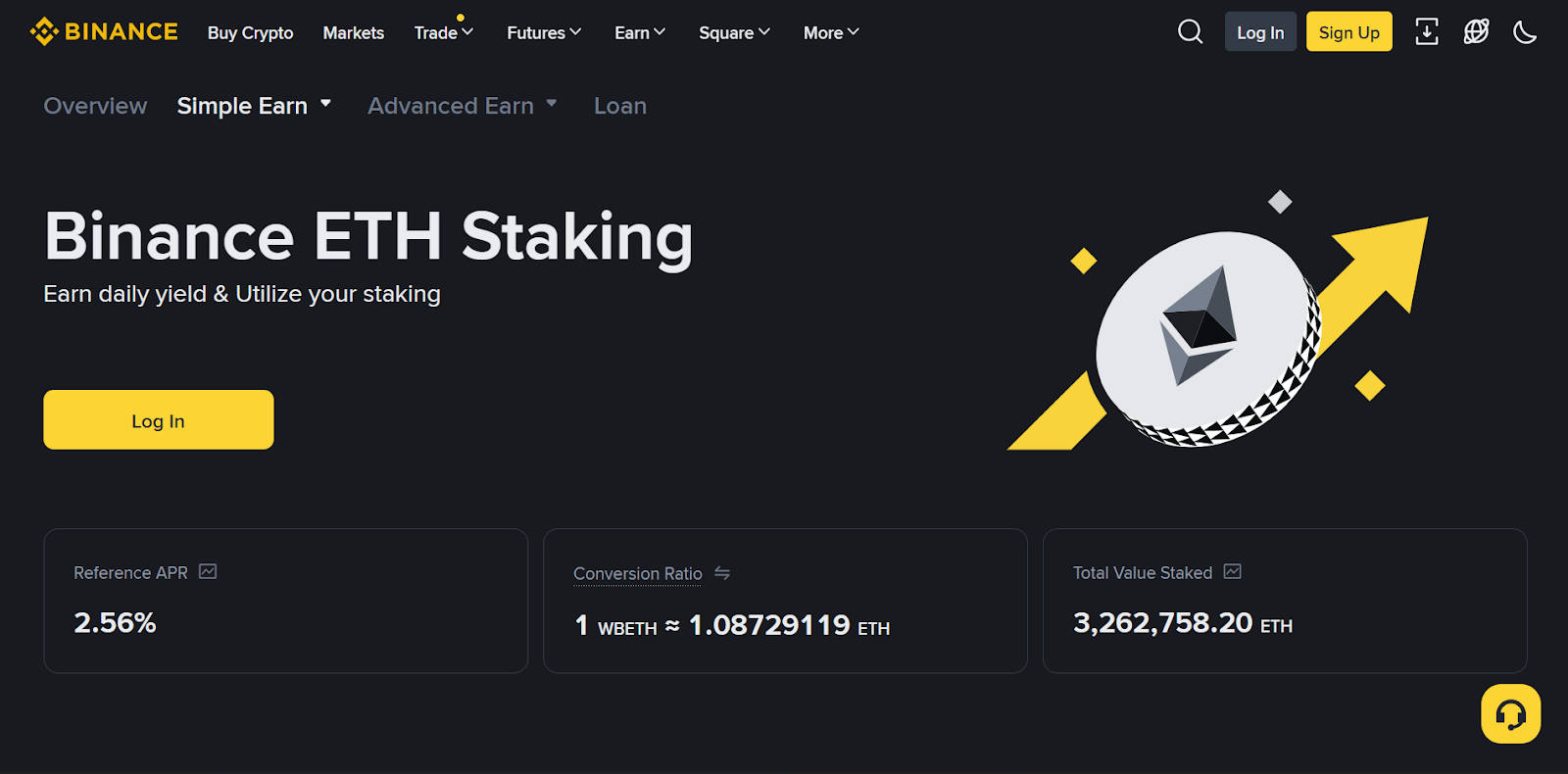
binance-walletbinance-wallet

Step 4: Earn Rewards

Once your staking is active, you’ll start earning rewards based on your contribution to the network. Monitor your staking progress regularly and stay informed about any updates or changes to the platform.

Common Crypto Staking Mistakes to Avoid

Staking can be a rewarding way to grow your cryptocurrency holdings, but it’s important to avoid common pitfalls. Here are some mistakes to watch out for:

Not Researching the Platform. Using unreliable platforms or validators can lead to poor rewards or even loss of funds.Ignoring Lock-Up Periods. Overlooking lock-up terms can leave you unable to access your assets when you need them.Staking Without Diversification. Putting all your assets into one cryptocurrency or validator increases your risk.Choosing Unreliable Validators. Validators with poor performance or high slashing rates can reduce your rewards.Overlooking Fees. High fees from staking pools or exchanges can eat into your earnings.Failing to Monitor Your Staking. Neglecting to check your staking progress can result in missed opportunities or issues.

Conclusion

Staking crypto offers a practical way to grow your assets while supporting blockchain networks. It provides rewards and promotes network security, but it also comes with risks like market volatility and lock-up periods. Evaluate your goals, research platforms, and understand the staking process before committing. Diversify your investments and monitor your staking progress to minimize risks. With careful planning, staking can be a valuable addition to your cryptocurrency strategy.

FAQs

Is staking crypto a good idea?

Staking crypto can be a good idea if you’re looking to earn passive income while contributing to the security of blockchain networks. It’s essential to evaluate your financial goals, research reliable platforms, and understand the risks involved, such as market volatility and lock-up periods.

How much can I make staking crypto?

How much you can make staking crypto depends on the cryptocurrency you stake, the platform you use, and the staking method you choose. Rewards are typically calculated as a percentage of your staked assets and can vary widely. Researching reward rates and fees will help you estimate potential earnings.

Can I lose my crypto if I stake it?

You can lose your crypto if you stake it with unreliable platforms or validators. Risks include slashing penalties for validator misconduct, platform failures, or a significant drop in the value of the assets you staked. Picking reliable platforms and diversifying your staking can help mitigate these risks.

Can I stake Bitcoin (BTC)?

You cannot stake Bitcoin (BTC) because it operates on a Proof of Work mechanism, which relies on mining rather than staking. If you’re interested in staking, consider cryptocurrencies like Ethereum, Solana, or Cardano that use Proof of Stake.

What happens if I stop staking?

If you stop staking, your assets are no longer locked, and you will stop earning rewards. Depending on the platform or staking method, there may be a waiting or unbonding period before you can access your coins. This period can range from a few days to several weeks, so it’s important to plan accordingly.

Is staking safe for beginners?

Staking can be safe for beginners if you use trusted platforms and start with a small amount to minimize risk. Beginners should research the staking process, understand the terms and conditions of the platform, and be aware of potential risks like slashing penalties or market volatility. Starting with user-friendly platforms or cryptocurrency exchanges that offer staking services can make the process easier and more secure.


Source link

Popular Posts

My Favorites

Engage the Copilot in Viva Engage!

0
Did you know that you can use Copilot in Viva Engage to create more engaging posts, and get personalized suggestions how to improve...