Arts

Home Arts Page 121

Exploring Emerging Trends in the Digital Art World
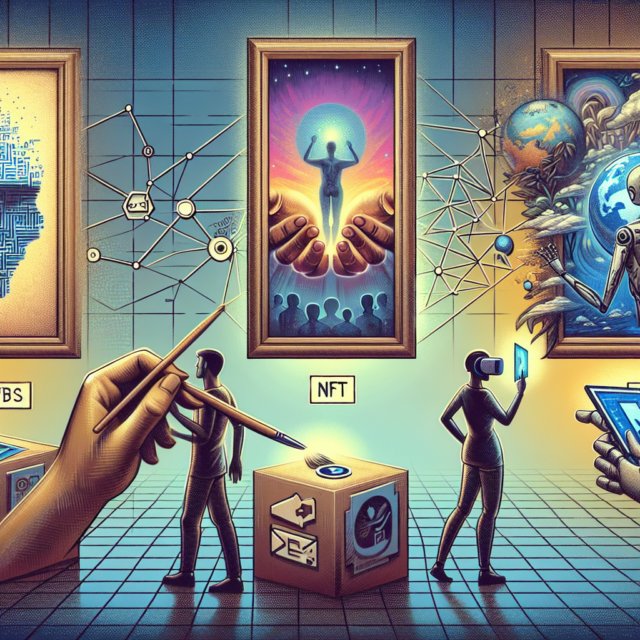
The digital art world is in the throes of a dynamic evolution, driven by technological advancements and changing consumer preferences. As digital platforms expand, artists are finding new ways to express themselves and reach audiences. This article explores three emerging trends that are reshaping the digital art landscape: the rise of NFTs, the integration of virtual reality, and the use of artificial intelligence in creating art. These innovations are not only transforming how art is created and consumed but also redefining the concept of ownership and creativity in the digital age.

The Rise of NFTs: Transforming Digital Ownership

Non-fungible tokens (NFTs) have taken the digital art world by storm, offering a revolutionary way to own and trade art. Unlike traditional digital files, NFTs are unique tokens that represent ownership of a specific piece of digital content. This means that even though a digital artwork can be copied, the NFT associated with it cannot, providing a record of ownership and authenticity on a blockchain. This innovation has opened up new revenue streams for artists, enabling them to sell their digital creations directly to collectors without intermediaries.

The NFT market has grown exponentially, with high-profile sales capturing headlines and driving interest. Artists who were previously confined to the limitations of physical galleries now have access to a global marketplace. This democratization of art sales allows artists from diverse backgrounds to gain visibility and monetize their work. However, the market’s volatility and environmental concerns related to blockchain technology pose challenges that need to be addressed.

NFTs have also sparked discussions about the value of digital art. Critics argue that the speculative nature of the NFT market inflates prices and detracts from the art itself. Yet, supporters believe that NFTs empower artists by providing them with new tools for engagement and expression. The ability to program royalties into NFTs ensures that artists continue to benefit from the resale of their work, addressing long-standing issues of artist compensation in the traditional art world.

In addition to individual artists, established institutions are beginning to explore NFTs. Museums and galleries are experimenting with digital exhibitions and NFT auctions, recognizing the potential to reach younger, tech-savvy audiences. This shift is prompting a reevaluation of how art is curated and presented, blending the physical and digital realms in innovative ways.

While NFTs offer exciting possibilities, they also raise questions about digital preservation and long-term ownership. The longevity of digital art is tied to the stability of the platforms and technologies that support it. As the digital art world continues to evolve, ensuring the sustainability and security of NFTs will be crucial for their lasting impact.

Ultimately, NFTs represent a significant shift in how art is perceived and valued. By providing a mechanism for digital ownership, they challenge traditional notions of art collection and distribution. As artists and collectors navigate this new landscape, the ongoing dialogue around NFTs will shape the future of digital art.

Virtual Reality: A New Canvas for Digital Artists

Virtual reality (VR) is emerging as a transformative force in the digital art world, offering artists a new medium to explore and create immersive experiences. Unlike traditional digital art forms, VR allows artists to craft three-dimensional environments that viewers can interact with, providing a sense of presence and engagement that is unparalleled. This new canvas challenges artists to think beyond the two-dimensional space and consider how audiences will experience their work in a virtual setting.

Artists are leveraging VR technology to push the boundaries of storytelling and expression. By creating virtual worlds, they can transport viewers to imaginative landscapes, explore abstract concepts, and evoke emotions in ways that static images cannot. This immersive quality of VR art is attracting a diverse range of creators, from traditional painters and sculptors to digital designers and game developers, all eager to experiment with this cutting-edge medium.

The interactive nature of VR art presents unique opportunities for audience engagement. Viewers can navigate through virtual spaces, interact with elements, and even influence the outcome of the artwork. This participatory aspect transforms the viewer from a passive observer to an active participant, creating a more personalized and memorable experience. As a result, artists are exploring new ways to involve audiences in the creative process, fostering a deeper connection between the artwork and its viewers.

Despite its potential, VR art faces challenges related to accessibility and technology adoption. High-quality VR experiences require specialized equipment and technical expertise, which can be barriers for both artists and audiences. However, as VR technology becomes more affordable and widespread, these obstacles are likely to diminish, paving the way for broader adoption of VR art.

The integration of VR into the art world is also prompting changes in how art is exhibited and consumed. Virtual galleries and online platforms are emerging as spaces for showcasing VR art, allowing artists to reach global audiences without the constraints of physical locations. This shift is expanding the possibilities for collaboration and cross-cultural exchange, as artists and audiences from different parts of the world can connect and share experiences in a virtual environment.

As VR continues to evolve, it promises to redefine the landscape of digital art. By offering a new dimension of creativity and interaction, VR is not only expanding the possibilities for artists but also transforming how audiences experience and appreciate art. The ongoing exploration of VR as a medium will undoubtedly lead to new innovations and insights, shaping the future of artistic expression in the digital age.

AI in Art: Bridging Technology and Creativity

Artificial intelligence (AI) is playing an increasingly prominent role in the digital art world, offering new tools and possibilities for creative expression. AI algorithms can analyze vast amounts of data, recognize patterns, and generate content, enabling artists to experiment with new techniques and styles. This fusion of technology and creativity is leading to the emergence of AI-generated art, which challenges traditional notions of authorship and artistic creation.

AI art is created through a collaborative process between artists and machines. Artists input data and parameters into AI systems, which then generate visual outputs based on the given criteria. This process allows for the exploration of complex patterns and forms that might be difficult or impossible to achieve manually. As a result, AI is not only a tool for creation but also a source of inspiration, offering artists new perspectives and ideas.

The use of AI in art raises intriguing questions about the nature of creativity and the role of the artist. While AI can produce technically proficient art, the emotional and conceptual depth of these works often depends on the artist’s input and interpretation. This dynamic relationship between human and machine highlights the importance of the artist’s vision and intent in shaping the final artwork.

AI-generated art is gaining recognition and acceptance in the art world, with exhibitions and auctions featuring works created with the assistance of AI. These events are sparking discussions about the value and originality of AI art, as well as its place within the broader art historical context. As AI technology continues to advance, it is likely that AI art will become an increasingly significant part of the digital art landscape.

However, the integration of AI into the art world also presents challenges. Issues related to copyright, ownership, and ethical considerations must be addressed as AI art becomes more prevalent. Ensuring that artists retain control over their creations and receive appropriate recognition and compensation will be crucial for the sustainable development of AI art.

In conclusion, AI is bridging the gap between technology and creativity, offering new possibilities for artistic expression and exploration. By challenging traditional boundaries and expanding the definition of art, AI is reshaping the digital art world and opening up new avenues for artists to explore. As artists and technologists continue to collaborate and innovate, the future of AI art holds exciting potential for both creators and audiences.

The digital art world is undergoing a profound transformation, driven by the emergence of NFTs, virtual reality, and artificial intelligence. These trends are not only changing how art is created and consumed but also redefining the very nature of creativity and ownership. As artists and audiences navigate this evolving landscape, the continued exploration and integration of these technologies will shape the future of digital art. By embracing these innovations, the art world can expand its horizons, foster new forms of expression, and connect with audiences in ways previously unimaginable. The journey into this new era of digital art is just beginning, promising endless possibilities for creativity and discovery.
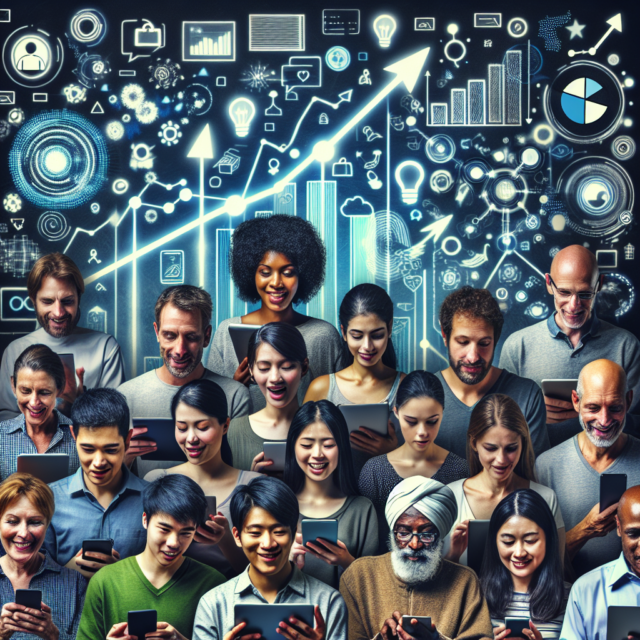
Exploring the Rise and Impact of AI in Digital Art

In recent years, the intersection of artificial intelligence (AI) and digital art has sparked a revolutionary transformation, redefining the boundaries of creativity and expression. This dynamic fusion of technology and artistry has not only expanded the toolkit available to artists but has also challenged traditional notions of authorship and originality. As AI continues to evolve, its influence on digital art becomes increasingly profound, offering both exciting possibilities and complex ethical dilemmas. This article delves into the evolution of AI in digital art, explores key innovations shaping AI-driven artistic creation, and evaluates the societal impact of AI on artistry.

Understanding the Evolution of AI in Digital Art

The journey of AI in digital art traces back to the mid-20th century when computer scientists and artists began exploring the potential of machines in creative processes. Early experiments, such as those by Harold Cohen with his AARON program, laid the groundwork for AI’s role in art. These initial endeavors were characterized by rule-based systems that could execute simple, predefined tasks to create art. Though rudimentary, they showcased the potential for computers to participate in artistic creation.

As technology advanced, so did the sophistication of AI algorithms. The advent of machine learning and neural networks in the late 20th and early 21st centuries marked a significant turning point. These technologies enabled computers to learn from vast datasets, allowing them to generate art that was increasingly complex and nuanced. Artists and researchers began to harness these capabilities to produce works that were not only technically impressive but also emotionally resonant, blurring the lines between human and machine creativity.

The proliferation of digital tools and platforms further accelerated the evolution of AI in digital art. Software like Adobe Photoshop and Corel Painter integrated AI features, empowering artists to experiment with new styles and techniques. Meanwhile, open-source platforms such as DeepArt and RunwayML democratized access to AI-powered art creation, enabling artists of all skill levels to explore this new frontier. This democratization has played a crucial role in the widespread adoption and acceptance of AI in the art world.

In recent years, AI-generated art has gained significant attention and recognition, both in mainstream media and within the art community. High-profile events, such as the auction of AI-generated artworks at prestigious auction houses like Christie’s, have underscored the growing legitimacy of AI as a creative force. These events have sparked debates about the nature of creativity and the role of the artist in an age where machines can produce works that rival those of humans.

Despite its rapid evolution, the integration of AI in digital art has not been without controversy. Critics argue that AI-generated art lacks the intentionality and emotional depth inherent in human-created works. Others raise concerns about the potential for AI to perpetuate biases present in training data, leading to art that may unintentionally reinforce stereotypes or exclude marginalized perspectives. These challenges highlight the need for ongoing dialogue and ethical considerations as AI continues to shape the landscape of digital art.

Looking ahead, the evolution of AI in digital art is likely to continue at an accelerated pace. As AI algorithms become more sophisticated and capable of understanding and replicating human emotions and expressions, the potential for collaboration between humans and machines in artistic endeavors will expand. This evolution promises to redefine not only the tools and techniques available to artists but also the very essence of what it means to be an artist in the digital age.

Key Innovations Shaping AI-Driven Artistic Creation

One of the most significant innovations in AI-driven artistic creation is the development of Generative Adversarial Networks (GANs). Introduced by Ian Goodfellow and his colleagues in 2014, GANs consist of two neural networks—the generator and the discriminator—that work in tandem to create new, original content. The generator produces images, while the discriminator evaluates them against real data, refining the output until it resembles authentic art. This technique has enabled the creation of highly realistic and unique artworks, pushing the boundaries of what AI can achieve.

Another transformative innovation is style transfer, a process that allows AI to apply the style of one image to another. This technique gained popularity with the advent of deep learning and convolutional neural networks, offering artists a powerful tool to experiment with different artistic styles. By analyzing the unique features of a particular style, AI can recreate its essence in a new context, enabling artists to merge classical techniques with modern imagery in unprecedented ways.

AI-driven artistic creation has also been shaped by advances in natural language processing (NLP). By understanding and interpreting textual input, AI systems can generate visual content based on written descriptions or prompts. This capability has opened up new possibilities for storytelling and narrative-driven art, allowing artists to explore the interplay between words and images in novel and imaginative ways. NLP-powered tools have also facilitated collaborative art projects, where multiple participants can contribute to the creation of a single piece through text inputs.

The rise of AI-generated music and soundscapes represents another key innovation in the field. Algorithms like OpenAI’s Jukebox and Google’s Magenta have demonstrated the ability to compose music in various styles and genres, often indistinguishable from human-created compositions. This development has expanded the toolkit available to digital artists, allowing them to integrate AI-generated audio into multimedia projects, creating immersive and multisensory experiences.

AI’s ability to analyze and process vast amounts of data has also given rise to data-driven art. By visualizing complex datasets in creative and aesthetically pleasing ways, artists can use AI to uncover hidden patterns and insights, transforming raw information into compelling narratives. This approach has gained traction in fields such as data journalism and scientific visualization, where the fusion of art and data offers new perspectives on pressing global issues.

Finally, the integration of AI into augmented reality (AR) and virtual reality (VR) environments has revolutionized the way art is experienced and interacted with. AI-powered AR and VR applications allow artists to create immersive, interactive installations that respond to the viewer’s presence and actions. This innovation has not only expanded the possibilities for artistic expression but has also redefined the relationship between the artist, the artwork, and the audience, offering new avenues for engagement and participation.

Evaluating the Societal Impact of AI on Artistry

The rise of AI in digital art has sparked a reevaluation of traditional concepts of authorship and ownership. In a world where machines can autonomously generate art, questions arise about who holds the rights to these creations. This challenge has significant implications for artists, collectors, and legal systems, prompting the need for new frameworks to address issues of intellectual property and copyright in the age of AI-generated art.

AI’s impact on the art market is another area of societal concern. The ability of AI to produce high-quality art at scale has the potential to disrupt traditional art economies, challenging the value and uniqueness of human-created works. While some view this as a democratization of art, others fear it may devalue the labor and skill of human artists, leading to a homogenization of artistic expression and a loss of diversity in the art world.

The integration of AI in digital art also raises ethical questions about bias and representation. AI systems are trained on existing datasets, which may contain biases that are then reflected in the art they produce. This has led to concerns about the perpetuation of stereotypes and the exclusion of marginalized voices in AI-generated art. Addressing these issues requires a concerted effort to ensure diverse and inclusive training data, as well as ongoing scrutiny of AI algorithms and their outputs.

On the positive side, AI’s role in digital art has the potential to democratize access to artistic creation. By providing powerful tools that lower the barriers to entry, AI enables a wider range of individuals to engage in art-making, fostering inclusivity and creativity. This democratization has the potential to enrich the cultural landscape, introducing new perspectives and ideas that may otherwise remain unexplored.

AI’s impact on education and art appreciation is another significant societal consideration. As AI becomes more integrated into artistic processes, educational institutions face the challenge of adapting curricula to equip students with the skills needed to navigate this new landscape. Additionally, AI-generated art offers new opportunities for art appreciation and critique, encouraging audiences to engage with art in novel ways and fostering a deeper understanding of the interplay between technology and creativity.

Ultimately, the societal impact of AI on artistry is complex and multifaceted, posing both challenges and opportunities. As AI continues to evolve and permeate the art world, ongoing dialogue and collaboration between artists, technologists, policymakers, and the public will be essential to harness its potential while addressing its ethical and societal implications. By navigating these complexities, society can ensure that AI serves as a tool for empowerment and innovation, enriching the artistic experience for all.

The rise of AI in digital art presents a confluence of technological advancement and creative exploration, offering unprecedented opportunities for artistic expression and innovation. As AI continues to shape the landscape of digital art, it challenges us to reconsider the nature of creativity, authorship, and the role of technology in our cultural lives. By embracing the possibilities while addressing the ethical and societal challenges, we can harness the transformative potential of AI to enrich the world of art, creating a future where human and machine creativity coexist and thrive in harmony.

Enhancing Engagement Through Digital Customer Experiences

In today’s digital age, businesses are increasingly focusing on enhancing customer engagement through digital platforms. As the online marketplace grows more competitive, companies must adapt to the evolving expectations of tech-savvy consumers. Digital customer experiences, therefore, play a crucial role in building lasting relationships and fostering brand loyalty. This article delves into the dynamics of digital customer engagement, explores strategies to boost online interactions, and discusses methods to measure the success of these initiatives.

Understanding Digital Customer Engagement Dynamics

Digital customer engagement refers to the ways in which businesses interact with their customers through online platforms. This engagement can take many forms, from social media interactions to personalized email campaigns. Understanding the dynamics of digital engagement is essential for businesses aiming to create effective strategies that resonate with their audience. The digital landscape is constantly evolving, driven by technological advancements and changing consumer preferences, making it crucial for companies to stay informed and adaptable.

One of the core dynamics of digital customer engagement is the shift from traditional push marketing to a more interactive approach. Consumers today expect brands to engage with them in meaningful ways, providing value beyond the mere promotion of products or services. This shift requires businesses to listen actively to their customers and respond to their needs and preferences in real-time. By fostering a two-way communication channel, companies can build trust and loyalty with their audience.

Another key aspect of digital engagement dynamics is personalization. With the vast amount of data available, businesses can tailor their interactions to meet the specific needs and preferences of individual customers. Personalization can range from recommending products based on past purchases to delivering content that aligns with a customer’s interests. This level of customization helps create a more relevant and engaging experience for users, which can significantly enhance customer satisfaction.

The rise of mobile technology has also influenced digital customer engagement dynamics. With more consumers accessing online content through smartphones and tablets, businesses must ensure that their digital experiences are optimized for mobile devices. This includes responsive website design, mobile-friendly content, and easy navigation. By catering to the mobile audience, companies can reach a broader customer base and enhance engagement.

Social media platforms play a pivotal role in digital customer engagement. These platforms offer businesses the opportunity to connect with customers on a more personal level, fostering community and dialogue. Through social media, companies can share updates, gather feedback, and address customer concerns promptly. The immediacy and accessibility of social media make it a powerful tool for enhancing digital engagement.

Finally, understanding the dynamics of digital customer engagement involves recognizing the importance of analytics and data-driven decision-making. By analyzing customer behavior and preferences, businesses can gain valuable insights into what drives engagement and how to optimize their strategies. This data-centric approach allows companies to make informed decisions that enhance the overall digital customer experience.

Strategies for Boosting Customer Interaction Online

To boost customer interaction online, businesses must implement strategies that focus on creating meaningful and engaging experiences for their audience. One effective approach is to leverage content marketing. By providing valuable and relevant content, companies can capture the attention of their audience and encourage them to interact with the brand. This can include blog posts, videos, infographics, and other forms of content that resonate with the target audience.

Another strategy is to utilize social media platforms to their fullest potential. Social media offers a unique opportunity for businesses to engage with customers in real-time and on a personal level. By actively participating in conversations, responding to comments, and sharing user-generated content, companies can foster a sense of community and encourage customer interaction. Additionally, hosting live events, such as webinars or Q&A sessions, can further enhance engagement on these platforms.

Gamification is a powerful tool for boosting online customer interaction. By incorporating game-like elements into the digital experience, businesses can make interactions more enjoyable and rewarding for customers. This can include offering points, badges, or rewards for completing certain actions or engaging with the brand. Gamification not only increases engagement but also encourages repeat interactions, as customers are motivated by the prospect of earning rewards.

Personalization remains a key strategy for enhancing customer interaction online. By tailoring the digital experience to meet individual customer preferences, businesses can create more meaningful interactions. This can involve recommending products based on past behavior, sending personalized email campaigns, or offering customized content. Personalization helps to create a more relevant and engaging experience, which can lead to increased interaction and customer satisfaction.

Incorporating interactive elements into the digital experience can also boost customer interaction. This can include features such as quizzes, polls, or interactive videos that encourage active participation from users. Interactive content not only captures the attention of the audience but also encourages them to engage with the brand on a deeper level. By making the experience more interactive, businesses can increase customer interaction and create a more memorable experience.

Lastly, ensuring a seamless and user-friendly digital experience is essential for boosting customer interaction. This involves optimizing website design, improving navigation, and ensuring fast loading times. A positive user experience minimizes friction and encourages customers to spend more time interacting with the brand. By prioritizing usability, businesses can create a digital environment that fosters engagement and encourages repeat visits.

Measuring Success in Digital Customer Experiences

Measuring the success of digital customer experiences is crucial for understanding the effectiveness of engagement strategies and making informed decisions for future improvements. One of the primary metrics for evaluating success is customer satisfaction. This can be assessed through surveys, feedback forms, or online reviews, providing valuable insights into how customers perceive their digital interactions with the brand.

Another important metric is the level of customer engagement itself. This can be measured through various indicators, such as website traffic, social media interactions, and email open rates. By analyzing these metrics, businesses can gauge the extent to which customers are interacting with their brand online. High levels of engagement typically indicate successful digital experiences that resonate with the audience.

Conversion rates are also a key measure of success in digital customer experiences. This refers to the percentage of users who take a desired action, such as making a purchase, signing up for a newsletter, or downloading content. By tracking conversion rates, businesses can assess the effectiveness of their digital strategies in driving customer actions and achieving business objectives.

Retention rates provide insights into the long-term success of digital customer experiences. This metric measures the percentage of customers who continue to engage with the brand over time. High retention rates indicate that customers are satisfied with their digital experiences and are likely to remain loyal to the brand. By focusing on retention, businesses can build lasting relationships with their customers and enhance overall engagement.

Customer lifetime value (CLV) is another important metric for measuring success in digital customer experiences. CLV estimates the total revenue a business can expect from a customer throughout their relationship with the brand. By analyzing CLV, companies can determine the long-term value of their digital engagement efforts and identify opportunities for growth. A higher CLV indicates successful digital experiences that drive customer loyalty and repeat business.

Finally, businesses can measure success by analyzing the return on investment (ROI) of their digital engagement strategies. This involves comparing the costs associated with digital initiatives to the revenue generated from these efforts. A positive ROI indicates that the digital strategies are effective in driving business growth and enhancing customer engagement. By regularly assessing ROI, companies can optimize their digital experiences and allocate resources more effectively.

Enhancing engagement through digital customer experiences is a multifaceted endeavor that requires a deep understanding of customer dynamics, strategic implementation, and ongoing evaluation. By embracing the shift toward interactive and personalized interactions, businesses can create meaningful digital experiences that resonate with their audience. Through the use of data analytics, businesses can continuously refine their strategies to ensure they effectively meet the needs of their customers. Ultimately, successful digital engagement leads to increased customer satisfaction, loyalty, and business growth in an increasingly digital world.

Lotte Group Chooses Arbitrum Blockchain for its Metaverse “Caliverse” – Cryptoflies News

0
Lotte Group Chooses Arbitrum Blockchain for its Metaverse “Caliverse” – Cryptoflies News


3

Lotte Group, a South Korean conglomerate, announced at CES 2025 that it has selected the Arbitrum blockchain to power its metaverse platform, “Lotte Caliverse.”

Lotte Caliverse is a virtual world built using Epic Games’ Unreal Engine 5. The platform allows users to explore a digital city, shop with real-world delivery options, play games, and engage with content in a more immersive way — replicating the feeling of being physically present. 

The platform will feature well-known brands such as Givenchy, MCM, 7-Eleven, and even the music festival “Tomorrowland.” 

Steven Goldfeder, CEO of Arbitrum’s development team, emphasized that the blockchain will offer efficient and seamless performance for the metaverse, ensuring users have a smooth experience. 

This collaboration highlights Lotte’s continued focus on its virtual projects. The company introduced a prototype of its metaverse at CES 2023 in Las Vegas. Soon after, it announced a partnership with KT Alpha, a subsidiary of Korea Telecom, one of South Korea’s leading telecom providers, to incorporate virtual reality (VR) content into Caliverse.

You Might Be Interested In

Despite its push into the metaverse, Lotte’s recent history with blockchain technology has been mixed. In June last year, the company shut down its NFT platform after two years, citing declining sales and challenges in the broader industry. This decision followed similar moves by companies like Starbucks and GameStop.


Source link

Top NFT Collections – January 8, 2025 | NFT CULTURE | NFT News | Web3 Culture | NFTs & Crypto Art

0
Top NFT Collections – January 8, 2025 | NFT CULTURE | NFT News | Web3 Culture | NFTs & Crypto Art


Top NFT Collections (Last 24h)

Here are the hottest NFT Collections of the day.

Rank

Name
Volume
Transactions
Chains
URL

1

Pudgy Penguins
1,095.78 ETH
39
ethereum
View

2
Lil Pudgys
Lil Pudgys
814.80 ETH
283
ethereum
View

3
Azuki
Azuki
478.23 ETH
36
ethereum
View

4
CryptoPunks
CryptoPunks
323.52 ETH
5
ethereum
View

5
Mad Lads
Mad Lads
0.00 ETH
49
solana
View

6
Bored Ape Yacht Club
238.69 ETH
14
ethereum
View

7
Doodles
Doodles
217.71 ETH
44
ethereum
View

8
Azuki Elementals
Azuki Elementals
213.02 ETH
127
ethereum
View

9
BEANZ Official
BEANZ Official
109.31 ETH
129
ethereum
View

10
Pudgy Rods
Pudgy Rods
102.19 ETH
74
ethereum
View

The post Top NFT Collections – January 8, 2025 appeared first on NFT CULTURE.


Source link

Exploring Digital Trends in Modern Fashion and Art

In the rapidly evolving world of fashion and art, digital trends are reshaping how we perceive and interact with creativity. The fusion of technology with artistic expression is creating new opportunities and challenges, redefining traditional boundaries and opening up new avenues for innovation. This article delves into the dynamic intersection of technology and creative expression, explores innovations reshaping the fashion and art landscape, and examines how digital platforms are becoming a new canvas for artistic vision.

The Intersection of Technology and Creative Expression

The convergence of technology and creative expression is a transformative force in both fashion and art. As digital tools become more sophisticated, artists and designers are leveraging these advancements to push the boundaries of their crafts. From virtual reality to 3D printing, technology is enabling creators to experiment with new forms and materials, leading to a renaissance of innovation. This intersection is fostering a dynamic environment where traditional techniques meet cutting-edge technology, resulting in unique and compelling works.

In the realm of fashion, technology is revolutionizing design processes and consumer experiences. Designers are now using computer-aided design (CAD) software to create intricate patterns and prototypes, allowing for greater precision and creativity. Additionally, wearable technology is blending fashion with functionality, offering consumers garments that not only look stylish but also provide practical benefits. This fusion of fashion and technology is creating a new paradigm where clothing is not just about aesthetics but also about enhancing the quality of life.

Art, too, is experiencing a digital transformation. Digital art forms, such as generative art and digital painting, are gaining popularity as artists experiment with algorithms and software to create visually stunning pieces. This new medium provides artists with the freedom to explore concepts that were previously unattainable, leading to the emergence of entirely new genres. The accessibility of digital tools has democratized art creation, allowing a broader range of voices to contribute to the cultural landscape.

Technology is also transforming how art and fashion are consumed. Augmented reality (AR) and virtual reality (VR) experiences are allowing audiences to engage with works in immersive and interactive ways. Museums and galleries are adopting these technologies to create virtual exhibitions, making art more accessible to a global audience. Similarly, fashion brands are using AR to enhance the shopping experience, allowing customers to virtually try on clothes before making a purchase.

The intersection of technology and creative expression is not without its challenges. As digital tools become more prevalent, questions about authenticity, originality, and ownership are arising. The ease with which digital works can be reproduced and distributed has led to debates about intellectual property rights and the value of digital art. These challenges underscore the need for new frameworks and regulations to protect creators and ensure the integrity of their work.

Despite these challenges, the fusion of technology and creative expression presents exciting possibilities for the future of art and fashion. As technology continues to evolve, it will undoubtedly inspire new forms of creativity and innovation. The potential for collaboration between technologists and artists is vast, offering the promise of even more groundbreaking work that challenges and inspires.

Innovations Reshaping the Fashion and Art Landscape

The fashion and art industries are undergoing significant transformations driven by technological innovations. One of the most notable advancements is the rise of 3D printing, which is revolutionizing how garments and art pieces are created. In fashion, 3D printing is allowing designers to produce intricate designs that were once impossible to achieve with traditional manufacturing methods. This technology enables rapid prototyping and customization, providing designers with the flexibility to experiment and innovate without the constraints of conventional production.

In the art world, 3D printing is opening up new possibilities for sculptors and installation artists. Artists can now create complex structures with precision and ease, using a variety of materials that were previously inaccessible. This innovation is not only expanding the range of artistic expression but also reducing the environmental impact of art production by minimizing waste. As 3D printing technology continues to advance, it is poised to play an increasingly significant role in both fashion and art.

Another innovation reshaping the fashion and art landscape is the use of artificial intelligence (AI). In fashion, AI is being used to analyze consumer trends and preferences, enabling brands to tailor their collections to meet the demands of their audiences. AI-powered algorithms are also being used to create unique designs, offering a new level of creativity and personalization. In art, AI is being used to generate artworks, challenging traditional notions of authorship and creativity. These AI-generated pieces are sparking conversations about the role of technology in the creative process and the definition of art.

Sustainability is another key trend driving innovation in fashion and art. As consumers become more environmentally conscious, designers and artists are seeking sustainable solutions to reduce their ecological footprint. In fashion, this has led to the development of eco-friendly materials and production methods, such as biodegradable fabrics and zero-waste design. In art, sustainability is inspiring the use of recycled materials and environmentally friendly practices. This shift towards sustainability is not only addressing environmental concerns but also fostering a culture of innovation and responsibility.

The rise of digital fashion is also reshaping the industry. Digital fashion involves the creation of virtual garments that can be worn in digital environments, such as social media and video games. This trend is gaining traction as consumers increasingly seek unique and customizable digital experiences. Digital fashion offers a sustainable alternative to traditional fashion, as it eliminates the need for physical production and reduces waste. This innovation is challenging conventional notions of fashion and opening up new opportunities for creativity and self-expression.

Finally, blockchain technology is making waves in the art world. Blockchain provides a secure and transparent way to verify the provenance and ownership of digital artworks, addressing concerns about authenticity and intellectual property. This technology is enabling the creation of digital art marketplaces, where artists can sell their works directly to collectors without the need for intermediaries. Blockchain is also facilitating the rise of non-fungible tokens (NFTs), which are revolutionizing the way digital art is bought and sold. These innovations are reshaping the art market and offering new opportunities for artists to monetize their work.

Digital Platforms: A New Canvas for Artistic Vision

Digital platforms are emerging as a new canvas for artistic vision, offering creators unprecedented opportunities to share their work with a global audience. Social media platforms, such as Instagram and TikTok, have become essential tools for artists and designers to showcase their creations and connect with fans. These platforms enable creators to reach a wider audience than ever before, breaking down geographical barriers and democratizing access to art and fashion.

The rise of online marketplaces is also providing artists and designers with new avenues to sell their work. Platforms like Etsy and Redbubble allow creators to reach consumers directly, bypassing traditional retail channels. This direct-to-consumer model is empowering artists and designers to take control of their careers and build their brands independently. Online marketplaces are also fostering a sense of community among creators, providing a space for collaboration and support.

Digital platforms are not only changing how art and fashion are distributed but also how they are created. Collaborative tools and software are enabling artists and designers to work together in real-time, regardless of their physical location. This has led to the emergence of global creative networks, where ideas and inspiration are exchanged freely. These digital collaborations are resulting in innovative and boundary-pushing works that blend diverse perspectives and skills.

Virtual and augmented reality platforms are offering new ways for audiences to engage with art and fashion. Virtual reality art galleries and fashion shows are providing immersive experiences that transport viewers into the world of the creator. These platforms are offering a new level of interactivity, allowing audiences to explore and interact with works in ways that were previously impossible. This shift towards digital experiences is not only enhancing audience engagement but also expanding the possibilities for artistic expression.

The integration of digital platforms into the creative process is also leading to the rise of new artistic forms. Digital art, video art, and interactive installations are becoming increasingly popular as artists experiment with the possibilities offered by technology. These new forms are challenging traditional definitions of art and pushing the boundaries of what is possible. Digital platforms are providing artists with the tools and space to explore these new forms, leading to a dynamic and evolving creative landscape.

As digital platforms continue to evolve, they will undoubtedly play an even greater role in shaping the future of fashion and art. The accessibility and connectivity offered by these platforms are empowering creators to experiment, collaborate, and innovate like never before. As technology continues to advance, digital platforms will remain a vital component of the creative process, offering new opportunities for artistic vision and expression.

The digital revolution is fundamentally transforming the worlds of fashion and art. As technology continues to evolve, it is providing creators with new tools and platforms to express their vision and connect with audiences. While these advancements present challenges, they also offer exciting opportunities for innovation and collaboration. The intersection of technology and creative expression is reshaping traditional boundaries and paving the way for a new era of creativity. As we continue to explore these digital trends, the future of fashion and art holds limitless potential for growth and transformation.

Reddit Collectible Avatars Head Exits, Sparking Doubts Among NFT Holders – Cryptoflies News

0
Reddit Collectible Avatars Head Exits, Sparking Doubts Among NFT Holders – Cryptoflies News


3

The head of Reddit Collectible Avatars — the platform’s main non-fungible token (NFT) initiative — has stepped down, leaving questions about the project’s future.  

Bianca Wyler, who led the project, announced her departure in a LinkedIn post, writing, “Today marks the end of an incredible chapter in my career as my role at Reddit has come to a close.”  

The announcement has raised concerns among NFT holders about the project’s direction. Many are questioning the long-term value of their NFTs and whether the initiative might face a shutdown.  

These worries are not groundless. In July, Reddit revealed plans to end its “Collectible Expressions,” animated versions of its NFT avatars. 

Around the same time, the company introduced a new lead for Collectible Avatars, stating they would “invest more time into the community” and hinted at “some thrilling new updates and plans to share.”  

You Might Be Interested In

Reddit’s Collectible Avatars launched in 2022, allowing users to purchase blockchain-based profile pictures minted on the Polygon blockchain. 

Over the years, Reddit expanded its offerings with limited-edition NFTs, often collaborating with external organizations. For instance, in 2023, Reddit partnered with the NFL to release Super Bowl LVII-themed avatars. It also introduced a fourth generation of NFT avatars inspired by the Cool Cats series.  

Data from Dune Analytics shows that Reddit’s NFT initiative has achieved some milestones, with over 33 million holders and more than 37 million mints. 

While this highlights its early success, the project has experienced a decline in activity over the past two years, further fueling concerns about its sustainability.


Source link

Galxe Earndrop: Simplifying Airdrops, Maximizing Rewards

0
Galxe Earndrop: Simplifying Airdrops, Maximizing Rewards


Claiming tokens from new projects can feel like a chore. You have to find official claim pages, worry about scams, and hope the process actually works. Galxe Earndrop aims to fix these problems by giving you a central platform where you can view and collect multiple airdrops without the usual hassle.

Traditional Airdrops: Why They Can Be Tricky

Most airdrops ask you to visit specific websites, fill out forms, or interact with complex smart contracts. When you’re dealing with many different projects, that routine quickly gets tiring. You might miss deadlines or click on a risky link.

On top of that, if the project’s website isn’t well-tested, you could run into bugs or even lose your tokens. Galxe’s newest feature, Earndrop, was designed to offer a simpler way to participate in token distributions.

What Makes Earndrop Different?

Galxe Earndrop keeps everything in one place, so users don’t have to bounce around multiple sites or track down various claim links. Simply connect your wallet, and you’ll see which projects are running airdrops for which you qualify. This saves you time and helps you stay organized.

Thanks to Galxe’s history of building Web3 solutions, Earndrop has been set up to be especially user-friendly. Rather than showing you complicated workflows, the platform guides you through each claim.

Source Galxe

Security also gets an upgrade. Earndrop uses Galxe’s Sybil prevention methods to keep bots from taking extra tokens. Only real users can claim, so you won’t have to worry that a few scammers will drain the rewards pool.

Galxe says their infrastructure ensures accuracy and eliminates the bugs often seen in token claim processes.

Join the XRP Earndrop

To celebrate Earndrop’s launch, Galxe partnered with XRP for a special event, putting 400,000 XRP up for grabs. Starting January 6, 2025, you can visit the XRP Earndrop page, connect your wallet, and check if you’re eligible. If you qualify, claiming is a quick process that lets you see Earndrop’s interface in action.

More Earndrops on the Way

The XRP event is only the beginning. Earndrop will soon feature projects like Solayer, Diam, Jambo, and SlamNet, each with its own distribution campaign. This gives you easy access to a range of new tokens in one central location. You won’t have to spend time verifying new websites or digging around for different claim pages; it’s all in the same place.

Earndrop is powered by the same ecosystem that supports Galxe’s Passport, Score, and other solutions designed to keep digital identities secure. The platform also runs on Gravity, a Layer 1 blockchain that confirms transactions quickly and aims to prevent network slowdowns.

Final Thoughts

If you’re tired of the traditional airdrop process, Galxe Earndrop could be a great alternative. It combines security, simplicity, and transparency to help you take part in a range of token distributions without the usual stress. Whether you’re new to crypto or a seasoned trader, this platform aims to make getting involved in airdrops safe and convenient.

Editor’s note: Written with the assistance of AI – Edited and fact-checked by Jason Newey.

Jason Newey

Jason Newey is a seasoned journalist specializing in NFTs, the Metaverse, and Web3 technologies. With a background in digital media and blockchain technology, he adeptly translates complex concepts into engaging, informative articles.

View all posts


Source link

NFT Scams to Avoid: Top Red Flags and How to Protect Your Digital Assets

0
NFT Scams to Avoid: Top Red Flags and How to Protect Your Digital Assets


Non-fungible tokens (NFTs) have changed the game for digital ownership. They provide a means to verify ownership of various digital items, including art and virtual real estate. However, as NFTs gain popularity, scammers are finding new ways to trick both newbies and seasoned collectors. That’s why knowing NFT scams to avoid is more important than ever.

In this article we’ll cover why NFTs are vulnerable to fraud, the most common scams, real world examples and practical tips to keep your digital wallet safe. By the end you’ll have a clear map of red flags, best practices and the confidence to navigate the NFT market without getting scammed.

Why NFTs Are Vulnerable to Scams

No Regulation

One of the main reasons scams thrive in the NFT space is the lack of central oversight. Traditional financial markets have rules, NFTs have none. While this decentralization brings freedom and innovation, it also brings opportunities for criminals. Without enforcement, it’s easier for scammers to create fake projects, manipulate prices and disappear with investors’ money.

Key Takeaway:

Any new NFT project should be treated with healthy doubt. Just because something is on the blockchain doesn’t mean it’s trustworthy.

Rapid Growth and Hype

The NFT market is growing at an insane pace. As more people hear about record-breaking sales of digital art or metaverse land, the fear of missing out (FOMO) can override caution. When collectors rush in, they sometimes overlook the red flags – anonymous founders, copycat websites, and inflated promises. This frenzy gives scammers the perfect opportunity to launch fake collections or claim their new platform will be “the next big thing”.

Key Takeaway:

Slowing down to do proper research is crucial especially in a market that’s all about speculation and hype.

NFT Scams

Knowing the common tactics can help you not get scammed. Below are the most common scams in the NFT space.

Fake NFT Projects

Scammers create copycat collections posing as well-known brands or independent artists. They might copy the artwork of established NFT creators or use names very similar to real projects. These fake listings can be on reputable marketplaces and fool buyers into buying worthless tokens.

How to avoid it

Verify: Check the creator’s social media (Twitter, Discord, Instagram) and official links.

Look for verified badges: Established marketplaces have verification checks for reputable collections.

Rug Pulls

A rug pull is when project creators disappear with a collection after raising funds, leaving buyers with worthless NFTs. This happens with projects that promise new features, future expansions or exclusive benefits and then vanish once they’ve sold enough tokens.

How to Avoid It

Research the team: Is the founder doxxed (i.e. has publicly shared their identity)?

Check the development milestones: If the roadmap is too good to be true with no proven track record, be cautious.

Phishing

Phishing is when scammers impersonate legitimate platforms or individuals to get your login credentials or seed phrase. They’ll send you DMs on Discord or Twitter to “beta test” a new feature. The link will take you to a cloned website where you’ll unknowingly give away sensitive info.

How to Avoid It

Bookmark official sites: Instead of clicking random links, access marketplaces like OpenSea or LooksRare via your own bookmarks.

Never share your seed phrase: No project or service will ever ask for this.

Pump-and-Dump

In a pump-and-dump, influencers or anonymous whales buy in bulk or promote an NFT to artificially inflate its price. Once the price goes up and unsuspecting buyers jump in, they sell their tokens and the price crashes.

How to Avoid It

Monitor trading volume: If you see a sudden and unexplained spike in sales, be cautious.

Research community sentiment: Is there real supporters or is the hype from a few loud voices?

Giveaway & Airdrop Scams

Free NFTs are tempting but scam giveaways are everywhere. Scammers will announce “limited airdrops” that require you to connect your wallet to a suspicious website. Once connected, they can drain your funds or get your private data.

How to Avoid It

Verify official accounts: Is the giveaway from an established project or influencer?

Be cautious with wallet connections: If it feels off, don’t interact with the contract.

Red Flags and Warning Signs

Knowing the red flags can reduce your chances of getting scammed. Keep an eye out for:

Unrealistic Roadmaps or Promises

Overly ambitious statements like “We will disrupt every industry on Day 1” or “Guaranteed 10x returns” are red flags. Some projects write fluff descriptions without practical steps or timelines.

What to Look For

Vague goals: If the roadmap has big words but no details, do more research.

No team credentials: Projects need transparent leadership to be trusted.

Anonymous or Unverified Team

A project that doesn’t show who’s behind it should make you suspicious. While pseudonymity exists in crypto, serious projects usually share LinkedIn, Twitter or GitHub profiles to establish credibility.

What to Look For

LinkedIn or personal websites: Team members with a real track record are safer.

Past projects or partnerships: Credible connections can be a sign of authenticity.

All Hype, No Substance

If you see a campaign with fancy ads, influencer promotions and non-stop social media posts—but no actual development or community engagement—bail.

What to Look For

Overkill marketing: Excessive marketing is often a substitute for a lack of product.

Neglected whitepaper or Discord channel: If the foundation is half-baked, it’s a red flag.

A live and transparent community is a big plus for a project. Be wary of NFT projects that don’t answer tough questions or delete negative comments.

What to Look For

Discord or Telegram analytics: Is the conversation organic or just spam?

Q&A sessions: Real teams welcome questions about risks, development challenges and timelines.

Protective Measures & Best Practices

Now that you know the common scams and red flags, let’s get into practical ways to keep your NFTs safe.

Do Your Own Research (DYOR)

It’s a phrase you hear often in crypto and for good reason. Research increases your chances of spotting bad projects before you invest.

Tips for Researching

Cross-check social channels: Check a project’s announcements on Twitter, Discord and Reddit. Are the details the same everywhere?

Use blockchain scanners: Tools like Etherscan or Polygonscan show transaction history and smart contracts.

Use Secure Wallets and Strong Passwords

Whether you use MetaMask or a hardware wallet like Ledger or Trezor, security settings matter. Always enable 2FA when possible and create unique passwords for each platform.

Best Practices

Write down seed phrases offline: Never store them unencrypted on your computer or phone.

Update wallet software: Patches often fix vulnerabilities that hackers can exploit.

Check Smart Contracts

Before minting or buying an NFT, check the smart contract address on a blockchain explorer to make sure it’s real. Some projects also get third-party audits from companies like CertiK or Hacken.

How to Use This

Compare addresses: Make sure the contract on the official website matches the one on Etherscan (or other explorers).

Search for known scams: Community-driven platforms sometimes mark suspicious contracts.

Watch Out for Direct Messages (DMs)

It’s a rule of thumb in NFT and crypto communities: No real project will ask for your private info via DM. If someone claiming to be an admin reaches out first, be extremely cautious.

Practical Tips

Adjust privacy settings: On Discord or Telegram, disable the option to receive messages from strangers.

Forward suspicious messages to moderators: They can confirm if the sender is actually part of the team.

Real-World NFT Scams

Seeing real-life examples can make it more real. Here are two.

Case Study: The Rug Pull

An NFT collection promised to send out monthly airdrops and “in-game utility” to holders. Social media went wild and the mint sold out fast. Two weeks later the project’s official channels went dark. The founders’ Twitter accounts disappeared and the website was deleted. Buyers realized the tokens were worthless and the project’s wallet was empty.

Moral of the story:

Transparency is key. If a team won’t reveal who they are or how they plan to achieve their goals, be cautious.

Case Study: Phishing Through a Fake Website

A collector clicked on what they thought was an official announcement link for a “new feature” on a popular NFT marketplace. The site looked exactly like the real one but asked for the user’s seed phrase “for verification”. The collector obliged and within minutes their entire wallet – including NFTs – was emptied.

Moral of the story:

Never give out your private keys or seed phrase no matter how legit a site looks. Always check the URL by spelling and domain extension.

Industry Insights and Opinions

Influencer Take

Several NFT influencers stress that community due diligence is the best defense against scams. They advise buyers and collectors to join Discord servers, ask hard questions and see how the team responds. A defensive tone from devs or dismissive answers are red flags.

When projects go sour, it’s usually community members who spot the issues first. Entire Discord channels and Twitter Spaces are dedicated to dissecting new launches, sharing experiences, and flagging potential problems. Join these conversations to protect yourself. If multiple people are reporting the same red flags, you should probably stay away.

Conclusion

NFTs offer amazing opportunities for digital ownership, creativity and even gaming. But the same qualities that make them exciting – their newness and decentralization – also attract scammers looking for a quick score. By knowing the most common NFT scams to avoid, spotting the warning signs and following best practices, you can navigate this wild and crazy space with confidence.

In a Nutshell:

Stay informed: Knowledge is your best defense.

Practice solid security: Use reputable wallets, never give out seed phrases and verify domain names before connecting.

Do your due diligence: Research team backgrounds, project roadmaps and community transparency.

Trust your gut: If it feels off, pause and reassess.

And remember, no method is foolproof. Scammers adapt, so staying up to date with new tactics is part of being an informed collector. If you want to stay informed about the latest NFT security updates and project reviews, consider joining our newsletter or following our social media channels. By being a cautious and educated community, we all contribute to a healthier and more trustworthy NFT space.

Editor’s note: This article was written with the assistance of AI. Edited and fact-checked by Owen Skelton.

Owen Skelton

Owen Skelton is an experienced journalist and editor with a passion for delivering insightful and engaging content. As Editor-in-Chief, he leads a talented team of writers and editors to create compelling stories that inform and inspire.

View all posts


Source link

Top NFT Collections – January 7, 2025 | NFT CULTURE | NFT News | Web3 Culture | NFTs & Crypto Art

0
Top NFT Collections – January 7, 2025 | NFT CULTURE | NFT News | Web3 Culture | NFTs & Crypto Art


Top NFT Collections (Last 24h)

Here are the hottest NFT Collections of the day.

Rank

Name
Volume
Transactions
Chains
URL

1

Pudgy Penguins
1,721.51 ETH
66
ethereum
View

2
Lil Pudgys
Lil Pudgys
949.90 ETH
343
ethereum
View

3
Mad Lads
Mad Lads
0.00 ETH
77
solana
View

4
Azuki
Azuki
357.45 ETH
29
ethereum
View

5
Azuki Elementals
Azuki Elementals
253.38 ETH
112
ethereum
View

6
CryptoDickbutts S3
CryptoDickbutts S3
202.14 ETH
115
ethereum
View

7
Bored Ape Yacht Club
197.36 ETH
12
ethereum
View

8
CryptoPunks
CryptoPunks
179.19 ETH
4
ethereum
View

9
Jirasan
Jirasan
168.68 ETH
187
ethereum
View

10
Doodles
Doodles
134.02 ETH
26
ethereum
View

The post Top NFT Collections – January 7, 2025 appeared first on NFT CULTURE.


Source link

Popular Posts

My Favorites

Celeb Colorist Bianca Hillier’s Summer Hair Inspo Is the Olsen Twins

0
Color your life with good hair! Celebrity colorist Bianca Hillier sat down with ET to share the hues you should be trying out...