Arts

Home Arts Page 119

The Ultimate Guide to NFT Token Standards: ERC-721, ERC-1155, and ERC-998 Explained

0
The Ultimate Guide to NFT Token Standards: ERC-721, ERC-1155, and ERC-998 Explained


NFTs have gone mainstream in the last few years, with everything from digital art to collectibles and in-game items selling for millions of dollars. But the real magic behind NFTs is the technology that powers them: NFT token standards. In this post, we’ll break down what these standards are, why they’re important and how to choose the right one for your project or collection. Whether you’re new to crypto or already have some experience, this straightforward guide will help you understand NFT token standards without getting lost in technical details.

Introduction

The rise of NFTs has changed the way we think about digital assets. Once upon a time, we talked about cryptocurrencies like Bitcoin or Ethereum, mainly as ways to send money digitally. But then came NFTs—unique tokens that represent ownership of something specific, like a piece of art, a video clip or an item in a video game. Suddenly, digital items could be truly one of a kind.

To truly get a handle on NFTs, it’s important to understand the token standards that power them. A token standard is a kind of rulebook that tells the blockchain how a token should behave, including how it’s created and transferred and how it stores its unique data. Without consistent standards, you’d have a messy jumble of incompatible digital tokens. Thanks to these standardized rules, blockchains can handle NFTs smoothly, opening the doors for marketplaces, games, and collectibles galore.

Importance of Token Standards

Think of token standards as the foundation on which all NFT marketplaces, games, and apps are built. These standards ensure that NFTs work well across different platforms and wallets. They also help keep costs and errors in check because developers don’t need to reinvent the wheel every time they create a new token.

Most NFTs today live on the Ethereum blockchain, which introduced the concept of smart contracts—self-executing agreements that automatically handle token transfers and ownership. Smart contracts rely on well-defined token standards to make sure NFTs work as intended.

What Are NFT Token Standards?

A token standard is basically a set of instructions that define how a specific type of digital token behaves on a blockchain. Imagine if every new car brand used different parts that couldn’t fit on roads or interact with gas stations. That would be chaos, right? Similarly, blockchains need common sets of rules so tokens can be recognized, bought, sold, and transferred seamlessly.

The Role of Ethereum in NFTs

While there are multiple blockchains out there—such as Tezos, Flow, and others—Ethereum is the most popular for NFTs. Ethereum uses smart contracts (think: programmable digital agreements) that follow certain rules. These rules are spelled out in “ERC” proposals. “ERC” stands for Ethereum Request for Comments. Each ERC proposal creates a blueprint for how tokens should function, ensuring that different projects can talk to each other without confusion.

ERC-721

ERC-721 is the token standard that started the NFT craze. Before ERC-721, most tokens were “fungible,” meaning every token was identical to another (like how one dollar is the same as any other dollar). ERC-721 introduced non-fungible tokens, where each token has its own personality and data. This uniqueness allows NFTs to represent specific items such as:

Digital art and collectibles (e.g., CryptoKitties).

Rare in-game assets like a sword or magical item.

Limited-edition records or event tickets.

In simple terms, ERC-721 means each token is one-of-a-kind and can’t be swapped evenly for another token. Think of it like trading cards—trading a rare baseball card for a common one doesn’t make sense, because they have different values and attributes.

Key Features of ERC-721

Uniqueness: Every token is distinguishable from another.

Single Ownership: One token belongs to one address at a time.

Broad Adoption: Most early NFTs (like CryptoKitties) used ERC-721.

ERC-1155

ERC-1155 is sometimes called the “multi-token standard.” With ERC-721, you have to deploy a separate smart contract for every single token type (for example, each new art collection). This can become expensive and slow. ERC-1155 allows you to store both fungible and non-fungible tokens under one contract. That’s like having a single vending machine that can dispense both cans of soda (fungible) and collectible figurines (non-fungible).

So if you’re creating a video game with many weapons, potions, and rare items, you can handle all of them with one ERC-1155 contract. This also helps reduce gas fees (transaction costs on the blockchain) because you can batch transfer multiple tokens at once, instead of sending them one by one.

Key Features of ERC-1155

Efficiency: Manage multiple token types using one contract.

Cost Savings: Batch transactions lower transaction fees.

Flexibility: Support both fungible (identical) and non-fungible (unique) tokens.

ERC-998 (Composable NFTs)

ERC-998 introduces the concept of composable NFTs, which means an NFT can own other NFTs (and even some fungible tokens). Picture a digital character that has its own inventory of items—a sword (another NFT), a shield (yet another NFT), and maybe some in-game currency. Instead of storing those items separately, you can bundle them under the character. When you sell or transfer the character, all attached items go with it.

This idea can unlock complex structures. Imagine a piece of virtual real estate that includes a house, furniture, and a collection of artwork on the walls. With ERC-998, you could buy or sell that entire property (and all its furnishings) in a single transaction.

Key Features of ERC-998

Ownership Hierarchy: An NFT can hold other NFTs or tokens.

Simplified Transfers: Easily buy or sell bundled assets as a single package.

Greater Possibilities: Perfect for games, virtual worlds, and layered ownership.

Other Emerging Standards

While Ethereum dominates the conversation, other blockchains have their own versions of NFT standards. A few examples:

FA2 on Tezos: Allows for the creation of multiple assets (like ERC-1155) but on the Tezos blockchain.

EIP-2309: An Ethereum proposal for minting and transferring large batches of NFTs efficiently.

Flow FT/NFT Standards: Created by Dapper Labs (the team behind NBA Top Shot), Flow is optimized for high-volume NFT trading and user-friendly experiences.
Key Differences Among NFT Token Standards

ERC-721 vs. ERC-1155

Ownership Model:

ERC-721 focuses on one-of-a-kind items, each living in its own smart contract or collection contract.

ERC-1155 lets you handle multiple items in a single contract, whether they’re rare or common.

Gas Costs:

With ERC-721, you might have more transactions (and more fees) if you have a large number of items.

ERC-1155 reduces fees by batching transfers and minting multiple tokens together.

Ideal Use Cases:

ERC-721 is perfect for single, unique items, such as rare artworks.

ERC-1155 shines in gaming environments with many different types of items.

ERC-1155 vs. ERC-998

Asset Structure:

ERC-1155 primarily focuses on holding different assets in one smart contract.

ERC-998 focuses on the idea of NFTs owning other NFTs or tokens, creating a hierarchy.

Scalability and Interoperability:

ERC-1155 excels at issuing large volumes of both fungible and non-fungible tokens.

ERC-998 introduces composability, which opens the door for more complex ownership structures.

Niche Fits:

ERC-1155 is widely used in gaming (e.g., you have 100 swords and 50 potions in one contract).

ERC-998 is suited for layered assets (e.g., a character that owns multiple NFTs like a sword, shield, or pet).

Strategic Considerations

Picking the right standard often comes down to what you’re trying to achieve:

Simplicity: If you only need to launch a few unique items, ERC-721 might be enough.

Multiple Items: If your project involves large collections or different asset types (some fungible, some unique), ERC-1155 is a good fit.

Complex Ownership: If you want your NFTs to contain or own other assets, consider ERC-998.

Functions and Use Cases in Detail

Gaming and Metaverse Applications

Video games and virtual worlds (often called metaverses) benefit enormously from NFTs. In a game, you might have thousands of items—some common, others incredibly rare. Instead of each item needing its own contract (which can be tedious and expensive), you can bundle them using ERC-1155. For more complex games where characters and vehicles each own multiple accessories, ERC-998 can be a game-changer.

Example: In a futuristic racing game, you might have a digital car (an ERC-998 NFT). That car could include special wheels and an engine upgrade (both separate NFTs) and in-game currency tokens for fuel (fungible tokens). Selling the car transfers everything inside it to the new owner.

Art and Collectibles

Artists and collectors were among the first to embrace NFTs. ERC-721 is still the go-to choice for many art projects because each artwork is completely unique. However, artists who want to release a series of 1,000 prints might prefer ERC-1155 to mint them all efficiently and keep transaction costs lower.

Example: A photographer wants to sell 10 numbered copies of their latest masterpiece. Instead of launching 10 separate ERC-721 tokens, they can create a single ERC-1155 contract with 10 identical NFTs. This reduces complexity and fees.

Real-World Asset Tokenization

“Tokenization” means taking real-world items (like property, patents, or certificates) and representing them as digital tokens on a blockchain. This might sound futuristic, but it’s already happening. Imagine you own an apartment building. You could mint an ERC-998 NFT that represents the building, and within that NFT, you could bundle each apartment as separate ERC-721 tokens, or even fractional tokens representing shares in each apartment.

Why do this? Because it streamlines buying, selling, and managing partial ownership. In theory, you could click a few buttons and transfer ownership of an entire building, or just a slice of it. Real estate transactions that once took months could become much faster.

How to Choose the Right NFT Token Standard

Developer Perspective

Project Scope: How many tokens do you plan to create? Is it a small art collection or a large-scale game?

Smart Contract Complexity: Are you comfortable writing and auditing more advanced contracts like ERC-998, or would something simpler like ERC-721 be better?

Gas Costs and Efficiency: If you anticipate minting and transferring a lot of assets, ERC-1155 might save you money in the long run.

Ecosystem Support: Look for good documentation and community examples. ERC-721 and ERC-1155 have robust developer support, while ERC-998 is less common but steadily growing.

Investor and Collector Perspective

Scarcity and Liquidity: ERC-721 can offer more perceived rarity since each piece is truly unique.

Resale Value: The token standard might influence how easily you can trade items on different NFT marketplaces.

Interoperability: ERC-1155 can work nicely on certain platforms that handle batch trades. ERC-998 might be more niche but offers innovative use cases.

Best Practices

Start Simple: If you’re new, consider using established standards like ERC-721 or ERC-1155 with well-documented examples.

Plan for Growth: Even if you start simple, think about whether you’ll want advanced features later.

Test Before You Launch: Use test networks (like Ethereum’s Goerli testnet) to confirm your contracts work as intended.
Future of NFT Token Standards

NFT technology is evolving faster than ever. Developers are exploring “dynamic NFTs” that can change based on external conditions (for example, weather data or sports results) and “cross-chain NFTs” that can hop between different blockchains. New token standards that allow for more composability, interoperability, and advanced features are likely on the horizon.

Potential Challenges

Regulation: As NFTs continue to gain mainstream attention, governments and regulatory bodies are taking a closer look. This could affect how NFTs are traded, taxed, or licensed.

Technical Complexity: While standards simplify things, bridging multiple blockchains isn’t always smooth. Developers will need to work on solutions that unify different networks without creating chaos.

Sustainability: Blockchains can consume a lot of energy. Many are moving toward more eco-friendly systems, but it remains a concern for the future of NFTs and cryptocurrencies.

Conclusion and Summary

Recap of Key Points

NFT token standards like ERC-721, ERC-1155, and ERC-998 define how NFTs work under the hood.

ERC-721 introduced the idea of unique, non-fungible tokens, making it ideal for one-of-a-kind art and collectibles.

ERC-1155 allows you to manage both fungible (identical) and non-fungible (unique) tokens in the same smart contract, perfect for gaming and batch minting.

ERC-998 makes it possible for NFTs to own other NFTs, opening up complex ownership and layered assets.

Final Takeaways

Choosing the right NFT token standard depends on your goals. If you want to create a single precious artwork, start with ERC-721. If you need to handle large collections or gaming items, ERC-1155 saves time and money. If your project involves entire ecosystems of assets nested within one another, ERC-998 might be your best friend. Each standard has its own benefits and understanding them is key to getting the most out of the NFT space.

Next Steps

If you’re a developer, head to the Ethereum docs or check out open-source repos on GitHub. If you’re an investor or collector, check out projects using different standards and see which ones you like. Keep an eye on emerging standards on Tezos and Flow as the NFT world moves fast.

No matter where your NFT journey takes you, remember that token standards aren’t just technical stuff. They’re the foundation of the whole digital collectibles, virtual real estate, etc. universe.

Editor’s note: This article was written with the assistance of AI. Edited and fact-checked by Owen Skelton.

Owen Skelton

Owen Skelton is an experienced journalist and editor with a passion for delivering insightful and engaging content. As Editor-in-Chief, he leads a talented team of writers and editors to create compelling stories that inform and inspire.

View all posts


Source link

Indian Railways to Issue NFT Tickets for MahaKumbh Mela Travelers – Cryptoflies News

0
Indian Railways to Issue NFT Tickets for MahaKumbh Mela Travelers – Cryptoflies News


2

Indian Railways will issue non-fungible token (NFT) train tickets for passengers traveling to the MahaKumbh Mela, a significant Hindu festival held every 12 years.

The initiative is being carried out in partnership with Chaincode Consulting, a blockchain firm that will lead the project, and NFTtrace, a platform for real-world assets and traceability that will handle ticket issuance and verification through a dedicated online portal.

Passengers traveling to the MahaKumbh Mela will receive their tickets as NFTs minted on the Polygon blockchain. 

These tickets will serve as digital keepsakes for travelers. The dedicated portal promotes the initiative, stating, “Own your Mahakumbh Mela experience perpetually with NFTs.”

Portal by NFTtrace for MahaKumbh Mela NFT train tickets

This move is part of Indian Railways’ ongoing efforts to integrate blockchain technology into its services. 

You Might Be Interested In

In a similar effort, the Indian Railway Catering and Tourism Corporation (IRCTC) announced plans last year to offer NFT-based train tickets for Holi, a widely celebrated Hindu festival known for its colors, love, and spring themes.

Overall, the use of NFTs has been gaining traction in India. For example, in October 2023, Club Mahindra, a brand under Mahindra Holidays & Resorts India Limited, launched an NFT collection inspired by India’s top resorts. These NFTs were based on iconic paintings by artists like Van Gogh, Munch, and Da Vinci.


Source link

NFT/Tokens Gainers of the Week (6 Jan – 12 Jan)

0
NFT/Tokens Gainers of the Week (6 Jan – 12 Jan)


This week’s NFT and token markets brought unexpected winners despite pockets of uncertainty. Certain Solana and Ethereum collections made gains in floor prices, while a few crypto tokens saw eye-popping jumps exceeding 100%. Whether you’re a day trader or a long-term collector, these standout performances highlight how quickly trends can shift. We’ll spotlight top-gaining NFTs, examine three digital assets riding notable tailwinds, and wrap up with key insights for the days ahead.

Biggest NFT Gainers

FOMO v1.38 Mages

FOMO v1.38 Mages reemerged on Solana with strong momentum, boasting a roughly 94.7% gain over the last week according to the data snapshot. This rare set of 360 minted Mages has a floor price holding near 164 SOL, representing more than $30,000 per piece. Many fans attribute the collection’s success to both its scarcity and its lore-driven marketing, which leans on nostalgia for fantasy role-playing games. 

Although the daily trading volume remains modest, dedicated collectors see potential in the Mages’ storyline updates, minted expansions, and rumored cross-collection collaborations on Solana. Because only four unique owners currently exist, even a handful of new buyers can shift price metrics significantly, underlining both the exclusivity and risk in these lightly traded NFTs.

PX Quest

PX Quest rocketed to a 91.6% weekly jump in floor price, reflecting surging community enthusiasm. Based on Ethereum, this gamified NFT project merges classic pixel-art aesthetics with real-time progression mechanics. Adventurers hold the main PX Quest NFTs, and those who want added perks can acquire PXQuest Adventurer tokens for specialized in-game privileges. The dual-token system has fueled speculation, as NFT holders anticipate expansions to the game’s storyline and playable quests. 

Active Discord channels and Twitter reveals maintain the hype, with new items teased regularly. Critics note that the project’s liquidity remains shallow compared to bigger names, raising potential concerns if early flippers exit en masse. Still, current data suggests a fervent user base that sees long-term engagement.

PX Quest

Kaito Genesis

Kaito Genesis soared by over 90% in floor price, capturing a market cap near 11,000 ETH and a floor surpassing 7 ETH. The collection ties to the broader Kaito protocol, which aims to deliver AI-driven analytics and curated alpha for professional crypto investors. Each Kaito Genesis NFT grants holders specialized benefits, from exclusive newsletters to real-time data feeds. The robust rally partly stems from the excitement around artificial intelligence integrations across the crypto sector, a niche that many expect to flourish as more funds pivot to AI-driven strategies. 

While the NFT’s base supply is moderate, newly minted expansions or rumored airdrops could further anchor the collection’s value. Skeptics point out that Kaito’s reliance on AI hype demands consistent tech milestones to sustain price.

Kaito Genesis

Biggest Crypto Gainers

Robonomics

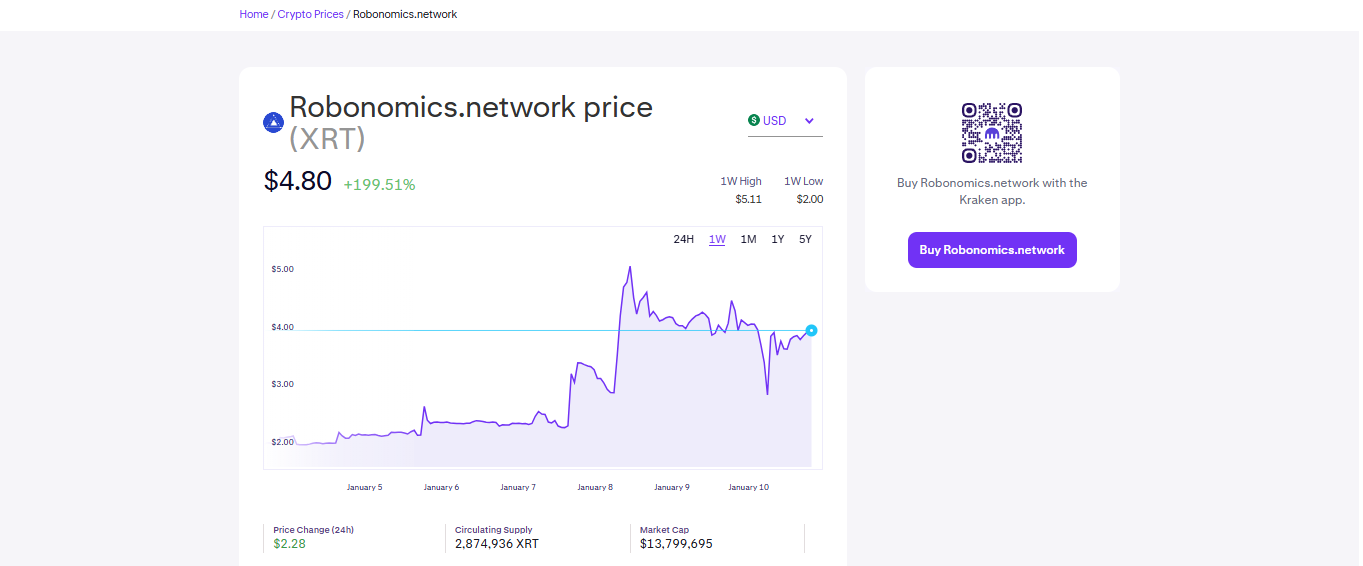
Robonomics (XRT) achieved an impressive weekly leap of around 103%, pushing its market cap close to $12 million. The project weaves together IoT services, complex robotics, and blockchain-based transactions, aiming to unify human-to-robot communications in a decentralized network.

XRT is integral for launching drones, hosting environmental sensors, and powering NFT-based creative robotics like Gaka-Chu. Community enthusiasm hinges on XRT’s real-world potential, exemplified by the Distributed Sky initiative, which uses Ethereum or Polkadot-based parachains to coordinate drone flights. Its inclusion on a few user-friendly exchanges, plus incremental listings on DeFi protocols, boosted adoption. 

While the technology’s viability remains a work in progress, believers see long-term value in bridging robotics with trustless smart contracts.

Robonomics

Doland Tremp

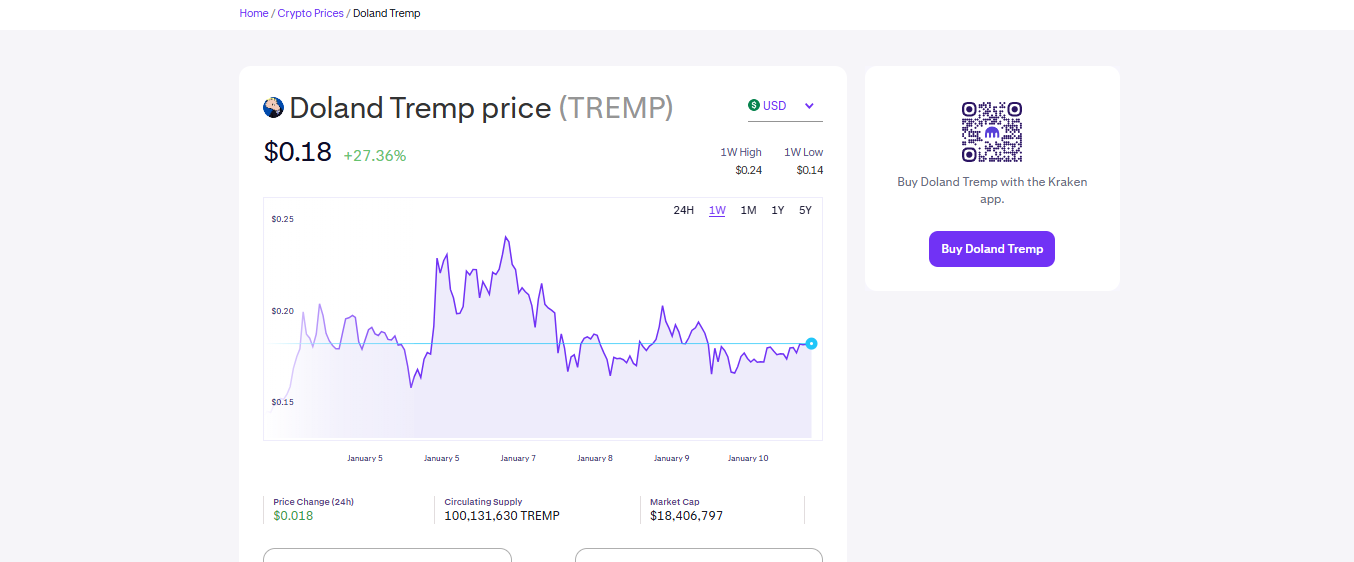
Doland Tremp (TREMP) soared by nearly 30% in the past week, capturing meme-coin aficionados on the Solana network. The token satirizes Donald Trump, paralleling other political-themed meme coins like BODEN. Powered by the speed and low fees of Solana, TREMP fosters comedic commentary on politics and crypto while fueling a vocally active community that generates countless parodies and viral memes. 

A not-insignificant portion of the project’s hype hinges on the coin’s novelty as a politically charged meme item. Critics question its sustainability, as some prior political meme coins struggled once the initial novelty wore off. Nonetheless, TREMP’s success underscores the cultural synergy between internet humor and token speculation, especially if the community continues to churn out shareable content.

Doland Tremp

Layer3

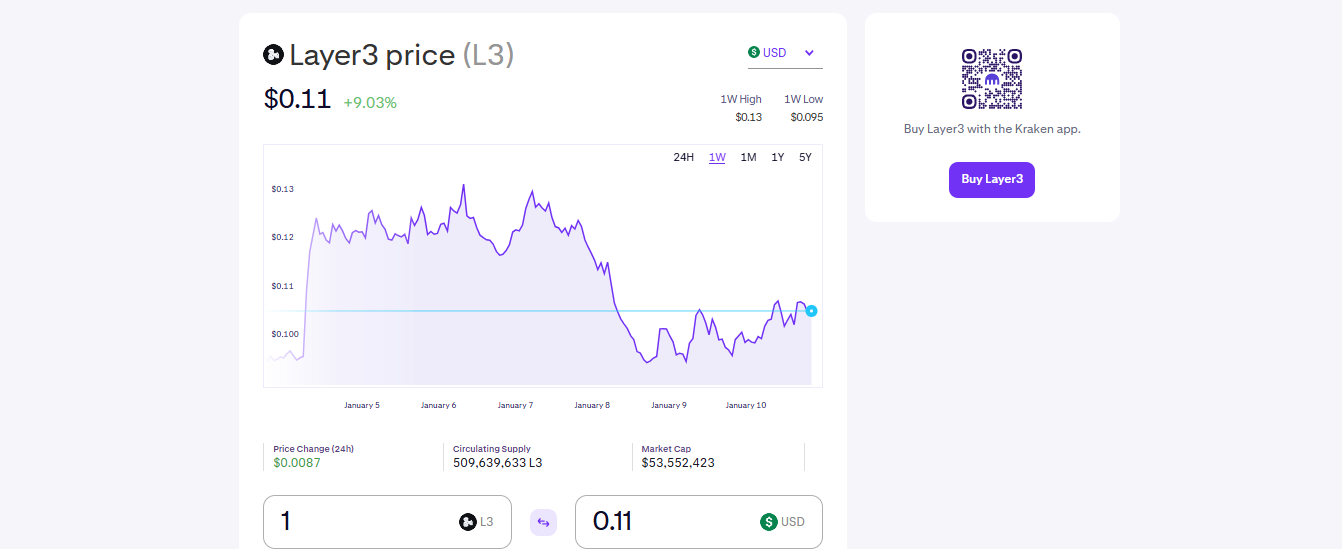
Layer3 (L3) advanced by about 11.5%, supported by robust tokenomics and an expanding set of utility-driven incentives known as Layered Staking. The L3 Foundation, with a total supply of 3.33 billion tokens, envisions an “attention layer” that transforms user engagement into a liquid market commodity. By staking L3, participants earn passive yield and activity-based multipliers, which reward consistent usage of partner dApps or completion of on-chain quests. 

Some analysts liken the approach to “gamified token staking,” bridging DeFi, NFTs, and community governance. So far, the multi-chain presence (Ethereum, Solana, and future expansions) plus an enthusiastic airdrop schedule have piqued interest. Long-term success hinges on maintaining active usage, sustainable rewards, and forging deeper alliances with established protocols.

Layer3

A Closer Look at the Big Picture

These top gainers highlight the market’s inherent weirdness, where advanced robotics tokens and meme-driven projects can rally side-by-side. The NFT winners suggest that niche narratives—whether based on fantasy adventures, pixel art gaming, or AI-based analytics—can still attract collectors seeking story and utility beyond simple flip potential. 

Meanwhile, the token side ranges from real-world robotics solutions to comedic politics to a dynamic rewards-based ecosystem. This broad spectrum of catalysts underscores how fundamentals, hype, and supportive communities each have roles in driving asset appreciation.

However, all these gains come in a context where crypto remains volatile. A single protocol hiccup or shift in overall market sentiment can rapidly reverse fortunes. Observers must track ongoing developer updates, liquidity conditions, and social engagement metrics to gauge whether newly minted interest has genuine staying power. Not only that but other overshadowed altcoins or NFT collections may be poised for breakouts if positive headlines or influencer endorsements arise.

Wrapping Up

From fantasy-themed NFT expansions to bold new tokens bridging humor or high-tech use cases, this week’s winners exemplify the crypto sphere’s constant evolution. Niche collections and innovative staking strategies show that profits can emerge anywhere, yet the sector’s rapid pace demands careful research. Keep a close eye on liquidity, developer transparency, and actual user engagement when considering new investments. By staying informed and flexible, you can better seize the week’s next big opportunity.


Source link

Top NFT Collections – January 13, 2025 | NFT CULTURE | NFT News | Web3 Culture | NFTs & Crypto Art

0
Top NFT Collections – January 13, 2025 | NFT CULTURE | NFT News | Web3 Culture | NFTs & Crypto Art


Top NFT Collections (Last 24h)

Here are the hottest NFT Collections of the day.

Rank

Name
Volume
Transactions
Chains
URL

1

Azuki
3,498.72 ETH
249
ethereum
View

2
Top NFT Collections – January 12, 2025 | NFT CULTURE | NFT News | Web3 Culture | NFTs & Crypto Art
Azuki Elementals
1,222.54 ETH
612
ethereum
View

3
Pudgy Penguins
Pudgy Penguins
732.94 ETH
31
ethereum
View

4
BEANZ Official
BEANZ Official
565.51 ETH
595
ethereum
View

5
Lil Pudgys
Lil Pudgys
264.42 ETH
103
ethereum
View

6
Creepz by OVERLORD
Creepz by OVERLORD
163.77 ETH
52
ethereum
View

7
Doodles
Doodles
156.33 ETH
37
ethereum
View

8
Bored Ape Yacht Club
127.75 ETH
8
ethereum
View

9
Azuki Elemental Beans
109.07 ETH
35
ethereum
View

10
Cat2025
Cat2025
101.97 ETH
440
polygon
View

The post Top NFT Collections – January 13, 2025 appeared first on NFT CULTURE.


Source link

Fashion and Shows Unite to Craft Innovative Experiences

Fashion and performance art have long shared a symbiotic relationship, each drawing inspiration and influence from the other. In recent years, this relationship has evolved into a dynamic partnership that seeks to create innovative experiences for audiences worldwide. By blending the worlds of fashion and performance art, designers and artists are breaking traditional boundaries and crafting immersive events that captivate the senses and challenge conventional perceptions. This article delves into how fashion and shows are uniting to create these groundbreaking experiences, exploring the seamless integration of art forms, the transformation of runway shows, and the power of collaboration.

Bridging Fashion and Performance Art Seamlessly

The intersection of fashion and performance art has always been a fertile ground for creativity, with each discipline borrowing elements from the other to enhance their own narratives. This seamless integration is now more pronounced than ever, as designers and artists collaborate to create experiences that blur the lines between clothing and performance. By incorporating elements of theater, dance, and visual art into their shows, fashion designers are able to convey stories and emotions that extend beyond the fabric and stitches of their garments.

One of the key ways fashion and performance art are bridging their respective fields is through the use of innovative staging and choreography. Runway shows are no longer just about models walking in a straight line; instead, they are becoming theatrical performances in their own right. Designers are working with choreographers to create dynamic movements that highlight the fluidity and form of their designs, allowing garments to come alive on stage. This not only enhances the visual impact of the show but also adds a new layer of meaning to the collection.

Additionally, the incorporation of multimedia elements such as video projections, soundscapes, and interactive installations further blurs the boundaries between fashion and performance art. These elements create a multisensory experience that engages audiences on multiple levels, drawing them into the world of the designer’s vision. By using technology as a tool for storytelling, fashion shows are transformed into immersive environments where the audience becomes an active participant rather than a passive observer.

The collaboration between fashion designers and performance artists also opens up new avenues for exploring themes and concepts that are relevant to contemporary society. By addressing issues such as identity, gender, and sustainability through their work, these creators are able to challenge societal norms and provoke thought and discussion. This not only elevates the fashion show to an art form but also makes it a platform for social commentary and change.

Furthermore, the seamless integration of fashion and performance art allows for a greater diversity of voices and perspectives to be represented on the runway. By collaborating with artists from different backgrounds and disciplines, designers can incorporate a wide range of cultural influences and styles into their work. This not only enriches the fashion show experience but also reflects the multicultural and interconnected world we live in today.

Ultimately, the seamless bridging of fashion and performance art is a testament to the power of creativity and collaboration. By transcending the limitations of their respective fields, designers and artists are able to craft experiences that are greater than the sum of their parts, leaving a lasting impact on audiences and pushing the boundaries of what fashion can be.

Transforming Runway Shows into Immersive Events

The traditional runway show, once a straightforward presentation of a designer’s latest collection, has undergone a dramatic transformation in recent years. No longer confined to the linear catwalk, these events have evolved into immersive experiences that engage audiences in new and exciting ways. By reimagining the format and structure of the runway show, designers are able to create a more intimate and interactive experience that resonates with audiences on a deeper level.

One of the primary ways designers are transforming runway shows is by choosing unconventional venues and settings. Rather than sticking to traditional fashion week locations, designers are opting for spaces that complement and enhance the theme of their collections. From abandoned warehouses to lush gardens, these unique settings add an element of surprise and intrigue, drawing audiences into the world of the designer’s imagination.

In addition to innovative venues, designers are also experimenting with the pacing and flow of their shows. By incorporating elements such as live music, spoken word, and dance, they are able to create a more dynamic and engaging experience. These performances not only add to the overall atmosphere of the event but also serve to highlight the themes and concepts behind the collection, providing audiences with a deeper understanding of the designer’s vision.

The use of technology is another key factor in the transformation of runway shows into immersive events. Virtual and augmented reality, for example, allow designers to create digital environments that complement their physical shows. By providing audiences with VR headsets or AR apps, they can offer a unique and personalized experience that extends beyond the confines of the venue. This not only enhances the visual impact of the show but also allows for a greater degree of interactivity and engagement.

Moreover, the transformation of runway shows into immersive events is also a reflection of the changing nature of the fashion industry itself. With the rise of social media and digital platforms, designers are increasingly looking for ways to engage with a global audience. By creating experiences that are both visually stunning and emotionally resonant, they are able to capture the attention of a wider audience and create a lasting impression.

The shift towards immersive runway shows also highlights the importance of storytelling in fashion. By crafting a narrative around their collections, designers are able to connect with audiences on a more personal level. This not only adds depth and meaning to the garments themselves but also creates a more memorable and impactful experience for those in attendance.

Ultimately, the transformation of runway shows into immersive events is a testament to the creativity and innovation of the fashion industry. By pushing the boundaries of traditional formats and embracing new technologies, designers are able to create experiences that are both captivating and thought-provoking, leaving a lasting impression on audiences and setting the stage for the future of fashion.

Crafting Unique Experiences Through Collaboration

Collaboration has always been at the heart of the fashion industry, with designers working alongside models, photographers, and other creatives to bring their visions to life. However, in recent years, the scope of collaboration has expanded to include a wider range of disciplines and perspectives. By joining forces with artists, musicians, and performers, designers are able to craft unique experiences that transcend the boundaries of traditional fashion shows.

One of the key benefits of collaboration is the ability to draw on a diverse range of skills and expertise. By working with artists from different fields, designers can incorporate new techniques and ideas into their work, resulting in a more dynamic and multifaceted experience. This not only enhances the overall quality of the show but also allows for a greater degree of experimentation and innovation.

Collaboration also provides an opportunity for designers to explore new themes and concepts that may not be possible within the confines of their own discipline. By partnering with artists who specialize in areas such as performance, visual art, or technology, designers can create experiences that challenge traditional notions of fashion and push the boundaries of what is possible. This not only elevates the fashion show to an art form but also allows for a more meaningful and impactful experience for audiences.

Moreover, collaboration fosters a sense of community and connection within the fashion industry. By working together towards a common goal, designers and artists are able to build relationships and networks that can lead to future collaborations and opportunities. This not only benefits the individuals involved but also contributes to the overall growth and development of the industry as a whole.

The collaborative nature of these experiences also reflects the interconnectedness of the modern world. By bringing together artists from different backgrounds and disciplines, designers are able to create experiences that are reflective of the diverse and multicultural society we live in today. This not only enriches the fashion show experience but also promotes a greater understanding and appreciation of different cultures and perspectives.

Ultimately, the power of collaboration lies in its ability to bring together different voices and perspectives to create something truly unique and innovative. By working together, designers and artists are able to craft experiences that are greater than the sum of their parts, leaving a lasting impact on audiences and setting the stage for the future of fashion.

The fusion of fashion and performance art, the transformation of runway shows into immersive events, and the power of collaboration are redefining the landscape of the fashion industry. As designers and artists continue to push the boundaries of creativity and innovation, they are crafting experiences that captivate audiences and challenge traditional notions of what fashion can be. These groundbreaking experiences not only elevate the fashion show to an art form but also serve as a platform for social commentary and change. As the industry continues to evolve, the possibilities for creating unique and impactful experiences are endless, paving the way for a new era of fashion that is both inclusive and boundary-breaking.

Exploring the Intersection of Fashion, Art, and Tech

In the modern world, the boundaries between distinct creative fields are increasingly blurred, creating an amalgamation that is as complex as it is fascinating. Among these intersections, the convergence of fashion, art, and technology stands out as particularly dynamic. This triadic relationship not only transforms how we perceive clothing but also redefines aesthetic values and the very process of design. As we delve into this intricate interplay, it becomes evident that the synthesis of fashion, art, and technology is reshaping the cultural and creative landscape.

The Confluence of Creativity: Fashion Meets Art

Fashion and art have long shared a symbiotic relationship, each influencing and inspiring the other. Historically, fashion designers have drawn inspiration from art movements, incorporating elements from paintings, sculptures, and other art forms into their collections. This cross-pollination has resulted in garments that are not just functional but also serve as canvases for artistic expression. From the bold strokes of Impressionism to the abstract forms of Cubism, art has provided fashion with a rich tapestry of ideas to explore.

The collaboration between fashion designers and artists has often led to groundbreaking work that challenges traditional boundaries. For instance, Elsa Schiaparelli’s partnership with surrealist artist Salvador Dalí in the 1930s produced iconic pieces like the Lobster Dress, which melded the whimsical and the wearable. Such collaborations highlight how art can infuse fashion with a narrative depth, transforming clothing into a storytelling medium.

In contemporary times, fashion houses continue to engage with artists to create limited edition pieces that elevate clothing to the status of art. These collaborations are not merely about aesthetics but also about pushing the limits of creativity. By integrating artistic techniques and concepts, designers can experiment with form, texture, and color in ways that transcend conventional fashion norms.

Museums and galleries have increasingly recognized the artistic merit of fashion, hosting exhibitions that celebrate the creative fusion of these two fields. Shows like "Alexander McQueen: Savage Beauty" and "Christian Dior: Designer of Dreams" have drawn record crowds, underscoring the public’s fascination with fashion as an art form. These exhibitions offer a platform for fashion to be appreciated in the same context as traditional art, blurring the lines between the two disciplines further.

Moreover, fashion itself has become a subject of artistic exploration. Contemporary artists often use clothing and textiles as mediums, questioning issues of identity, culture, and consumerism. By reinterpreting fashion through an artistic lens, they challenge viewers to reconsider their perceptions of both art and fashion, thus fostering a deeper dialogue between the two.

Ultimately, the intersection of fashion and art is a testament to the limitless possibilities of human creativity. This confluence not only enriches both fields but also offers new avenues for expression and innovation, reflecting the ever-evolving nature of culture and society.

Technological Innovations Transforming Fashion

The infusion of technology into fashion has revolutionized the industry, introducing new tools and processes that redefine how clothing is designed, produced, and consumed. One of the most significant technological advancements is the advent of digital design software, which allows designers to create intricate patterns and prototypes with unprecedented precision. This shift from manual to digital has streamlined the design process, enabling rapid experimentation and iteration.

3D printing technology has emerged as another transformative force in fashion. It allows designers to create complex, customized garments that would be impossible to produce using traditional methods. By utilizing materials ranging from plastics to metals, 3D printing opens up new possibilities for texture, form, and functionality in fashion design. This innovation not only democratizes the production process but also paves the way for sustainable practices by minimizing waste.

Wearable technology represents a growing intersection of fashion and tech, with garments that incorporate electronic components to enhance functionality. From smart fabrics that monitor health metrics to clothing with built-in connectivity features, wearables are redefining the role of fashion in daily life. These innovations highlight the potential for clothing to become an interactive medium, offering consumers new ways to engage with their garments.

The rise of virtual and augmented reality has also impacted the fashion industry, particularly in retail and marketing. Virtual fashion shows and digital fitting rooms provide immersive experiences that allow consumers to engage with collections in novel ways. These technologies not only enhance customer interaction but also offer sustainable alternatives to traditional fashion events and shopping experiences.

Blockchain technology is another innovation that is beginning to influence fashion, particularly in terms of supply chain transparency and authentication. By providing a secure and immutable record of a garment’s production journey, blockchain can enhance consumer trust and combat issues like counterfeiting. This technology empowers consumers to make informed choices, aligning with the growing demand for ethical and sustainable fashion.

As technology continues to evolve, it will undoubtedly introduce even more radical changes to the fashion industry. The ongoing dialogue between fashion and technology offers exciting opportunities for innovation, ensuring that fashion remains a dynamic and forward-thinking field.

Art and Technology: Shaping Future Fashion Trends

The intersection of art and technology is poised to shape the future of fashion in profound ways, influencing both aesthetic trends and the very process of fashion design. As digital art becomes increasingly mainstream, it provides a new palette for designers to draw from, merging traditional artistic techniques with cutting-edge technology. This fusion creates a hybrid aesthetic that is both futuristic and rooted in artistic tradition.

Artificial intelligence (AI) is one of the most promising technologies impacting fashion trends. By analyzing vast amounts of data, AI can predict consumer preferences and emerging trends, providing designers with valuable insights. This data-driven approach enables the creation of collections that resonate with audiences while pushing creative boundaries. AI also facilitates personalized fashion experiences, offering bespoke recommendations that align with individual tastes and lifestyles.

The concept of digital fashion is gaining traction, with designers creating virtual garments that exist solely in the digital realm. These pieces, often crafted with the same attention to detail as physical garments, challenge traditional notions of fashion and ownership. Digital fashion offers a sustainable alternative to fast fashion, reducing the environmental impact associated with garment production and disposal.

Artistic influences continue to play a crucial role in shaping fashion trends, with designers drawing inspiration from diverse cultural and historical sources. The integration of technology allows for the reinterpretation of these influences in innovative ways, resulting in collections that are both contemporary and timeless. By leveraging technology, designers can explore new forms of artistic expression, pushing the boundaries of what is possible in fashion.

Sustainability is an increasingly important consideration in fashion, with art and technology offering potential solutions to environmental challenges. Designers are experimenting with eco-friendly materials and processes, often drawing on artistic principles to create aesthetically pleasing yet sustainable garments. Technology facilitates this shift by enabling the development of new materials and production techniques that minimize waste and resource consumption.

As we look to the future, the confluence of art and technology in fashion promises to drive innovation and creativity. This intersection will not only influence aesthetic trends but also redefine the role of fashion in society, offering new ways to express identity and engage with the world. The ongoing dialogue between these fields ensures that fashion remains a vibrant and evolving form of cultural expression.

The intersection of fashion, art, and technology is a dynamic and evolving space that continues to push the boundaries of creativity and innovation. As these fields converge, they redefine not only how we perceive fashion but also how we interact with it. This fusion offers exciting opportunities for designers, artists, and technologists to collaborate and explore new frontiers, ensuring that fashion remains a relevant and integral part of our cultural landscape. As we move forward, the ongoing dialogue between fashion, art, and technology promises to inspire future generations and shape the way we experience the world.

Paris Saint-Germain Enters the Metaverse with Virtual Experience on Roblox – Cryptoflies News

0
Paris Saint-Germain Enters the Metaverse with Virtual Experience on Roblox – Cryptoflies News


2

Paris Saint-Germain (PSG), the professional football club from Paris, France, has launched a new experience in the metaverse.

The virtual experience, named “PSG OBBY,” is hosted on Roblox and created in collaboration with game development studio The Gang. 

It offers users a gaming experience across two levels. Players can win weekly rewards, including free user-generated content (UGC) items, and participate in interactive surveys to share their opinions about the PSG world.

The “Paris Saint-Germain OBBY” became available on January 10 and will run for four weeks.

Fabien Allègre, Chief Brand Officer at PSG, shared, “This initiative is the start of a new adventure on Roblox, and we are excited to receive the users’ feedback about this project, which goes hand-in-hand with the launch of our new collection.”

You Might Be Interested In

This isn’t PSG’s first venture into the Web3 space. In 2022, the club released a non-fungible token (NFT) to celebrate Lionel Messi’s seventh Ballon d’Or. The NFT, titled “Ballon d’Or #7,” captured the moment Messi debuted for PSG and won his seventh Ballon d’Or. It featured exclusive video and animations.

PSG also teamed up with Crypto.com in 2023 for a series of NFT posters using artificial intelligence. These collectibles were released after each match, offering rewards to collectors who completed the series.


Source link

Top NFT Collections – January 12, 2025 | NFT CULTURE | NFT News | Web3 Culture | NFTs & Crypto Art

0
Top NFT Collections – January 12, 2025 | NFT CULTURE | NFT News | Web3 Culture | NFTs & Crypto Art


Top NFT Collections (Last 24h)

Here are the hottest NFT Collections of the day.

Rank

Name
Volume
Transactions
Chains
URL

1

Azuki Elementals
188.79 ETH
102
ethereum
View

2
Pudgy Penguins
Pudgy Penguins
175.82 ETH
7
ethereum
View

3
Lil Pudgys
Lil Pudgys
155.41 ETH
56
ethereum
View

4
Top NFT Collections – January 13, 2025 | NFT CULTURE | NFT News | Web3 Culture | NFTs & Crypto Art
Azuki
154.97 ETH
12
ethereum
View

5
Doodles
Doodles
123.69 ETH
28
ethereum
View

6
Milady Maker
Milady Maker
107.78 ETH
30
ethereum
View

7
Bored Ape Yacht Club
94.33 ETH
6
ethereum
View

8
BEANZ Official
BEANZ Official
89.68 ETH
110
ethereum
View

9
CryptoPunks
CryptoPunks
80.00 ETH
2
ethereum
View

10
Age of Dino - Dinosty
Age of Dino – Dinosty
76.77 ETH
253
ethereum
View

The post Top NFT Collections – January 12, 2025 appeared first on NFT CULTURE.


Source link

Future Trends for Couture and High-End Fashion Brands

The world of couture and high-end fashion is perpetually evolving, driven by innovative designs, groundbreaking technology, and shifting consumer preferences. As we look to the future, several key trends are poised to reshape the industry, each offering unique opportunities and challenges. In this article, we explore three major trends: the embrace of sustainability, the rise of digital fashion experiences, and the increasing demand for customization. These trends not only reflect the changing landscape of fashion but also highlight the dynamic interplay between tradition and modernity that defines haute couture.

Embracing Sustainability in Couture Fashion

Sustainability is no longer a mere buzzword; it has become an integral part of the fashion industry’s narrative, particularly within the realm of couture. High-end fashion brands are increasingly recognizing the importance of sustainable practices, not only to meet the growing consumer demand for ethically produced garments but also to ensure the longevity of their own business models. This shift is reflected in the sourcing of eco-friendly materials, such as organic cotton, recycled polyester, and innovative fabrics made from renewable resources.

Another significant aspect of sustainability in couture fashion is the emphasis on craftsmanship and quality. By creating garments that are designed to last, luxury brands are countering the fast fashion trend and encouraging consumers to invest in pieces that transcend seasonal trends. This approach not only reduces waste but also reinforces the value of traditional artisanal skills, which are at the heart of couture fashion.

Moreover, many high-end fashion houses are adopting circular fashion principles, which focus on the lifecycle of a garment. This includes initiatives such as offering repair services, take-back schemes, and upcycling programs, which aim to extend the life of couture pieces and minimize their environmental impact. By integrating these practices, luxury brands are redefining the concept of exclusivity to include sustainability as a key component.

Transparency is another crucial element in the sustainability journey of couture fashion. As consumers become more informed and conscientious about their purchasing decisions, they demand greater transparency from brands regarding their supply chains, production processes, and environmental impact. In response, many high-end fashion houses are providing detailed information about the origins of their materials and the ethical standards they adhere to, fostering trust and loyalty among their clientele.

Collaboration is also playing a pivotal role in advancing sustainability in couture fashion. Brands are partnering with environmental organizations, tech companies, and other stakeholders to develop innovative solutions that address the industry’s environmental challenges. These collaborations not only drive technological advancements but also create a sense of shared responsibility and collective action towards a more sustainable future.

Ultimately, the embrace of sustainability in couture fashion represents a paradigm shift that goes beyond mere compliance with environmental standards. It signifies a commitment to redefining luxury in a way that harmonizes elegance with ecological responsibility, setting a precedent for the entire fashion industry.

The Rise of Digital Fashion Experiences

The digital revolution is transforming every aspect of our lives, and the world of couture and high-end fashion is no exception. As technology continues to advance, digital fashion experiences are becoming an increasingly important part of the luxury fashion landscape. From virtual fashion shows to augmented reality (AR) fitting rooms, these innovations are reshaping how brands engage with their audiences and present their creations.

Virtual fashion shows have emerged as a compelling alternative to traditional runway events, offering brands the opportunity to reach a global audience without the logistical challenges and environmental impact of physical shows. These digital events often feature immersive experiences, such as 360-degree views and interactive elements, that allow viewers to explore collections in unprecedented detail. By embracing virtual shows, high-end fashion brands are not only expanding their reach but also showcasing their creativity in new and exciting ways.

Augmented reality and virtual reality (VR) technologies are also making waves in the world of couture fashion, particularly in the realm of customer engagement. AR fitting rooms, for example, enable customers to virtually try on garments from the comfort of their homes, offering a personalized shopping experience that blends convenience with cutting-edge technology. Similarly, VR experiences can transport customers to virtual showrooms or fashion exhibitions, creating immersive environments that enhance brand storytelling and customer engagement.

Digital fashion experiences are not limited to consumer-facing applications; they are also transforming the design and production processes within high-end fashion brands. Advanced software tools and digital design platforms are enabling designers to experiment with new concepts and iterate on their creations more efficiently. This digital-first approach not only accelerates the design process but also reduces waste by minimizing the need for physical prototypes.

The rise of digital fashion experiences is also fostering greater inclusivity within the industry. By leveraging digital platforms, luxury brands can reach diverse audiences that may not have access to traditional fashion events or retail spaces. This democratization of fashion allows brands to connect with a broader range of consumers, fostering a sense of community and inclusivity that aligns with contemporary social values.

As digital fashion experiences continue to evolve, they are likely to become an integral part of the high-end fashion ecosystem, complementing physical retail and events rather than replacing them entirely. This hybrid approach reflects the industry’s adaptability and willingness to embrace new technologies while preserving the essence of couture fashion.

In conclusion, the rise of digital fashion experiences represents a transformative shift that is redefining how high-end fashion brands interact with their audiences and create value. By integrating digital innovations into their strategies, luxury brands are not only enhancing their customer experiences but also paving the way for a more dynamic and interconnected fashion landscape.

Customization: The New Luxury Frontier

In an era where personalization is paramount, customization is emerging as a defining trend in the world of couture and high-end fashion. As consumers increasingly seek unique and meaningful experiences, luxury brands are responding by offering bespoke services that allow individuals to tailor garments to their personal tastes and preferences. This shift towards customization is redefining the concept of luxury, emphasizing individuality and exclusivity.

Customization in couture fashion can take many forms, ranging from made-to-measure services to personalized embellishments and monogramming. By offering these bespoke options, high-end fashion brands are catering to the desires of discerning clients who value craftsmanship and attention to detail. This personalized approach not only enhances the customer experience but also reinforces the brand’s commitment to quality and innovation.

The rise of digital technology has further accelerated the trend towards customization, enabling brands to offer more sophisticated and accessible personalized services. Online platforms and digital tools allow customers to visualize and customize their garments in real-time, selecting fabrics, colors, and design elements to create a truly bespoke piece. This seamless integration of technology and craftsmanship is elevating the customization experience to new heights.

Customization is also extending beyond individual garments to encompass entire collections and brand experiences. Some luxury fashion houses are creating capsule collections that allow customers to mix and match pieces, offering a curated yet customizable wardrobe. Additionally, brands are leveraging data analytics and artificial intelligence to anticipate customer preferences and offer personalized recommendations, enhancing the overall shopping experience.

The trend towards customization is not only reshaping the relationship between luxury brands and their customers but also challenging traditional notions of exclusivity. By offering personalized services, high-end fashion houses are democratizing luxury, making it more accessible to a wider audience while maintaining the allure of exclusivity. This shift reflects a broader cultural movement towards individuality and self-expression.

In essence, customization represents a new frontier in the world of couture fashion, where the fusion of tradition and innovation creates a unique value proposition. As high-end fashion brands continue to explore this trend, they are redefining luxury to encompass not just the product itself but the personalized journey that accompanies it.

The future of couture and high-end fashion is being shaped by a confluence of trends that reflect the industry’s adaptability and forward-thinking approach. As sustainability becomes a cornerstone of luxury fashion, brands are redefining exclusivity to include ecological responsibility. The rise of digital fashion experiences is transforming how brands engage with their audiences, offering immersive and inclusive interactions. Meanwhile, customization is emerging as a new luxury frontier, where individuality and personalization take center stage. Together, these trends are paving the way for a more dynamic, sustainable, and personalized fashion landscape, setting the stage for a new era of couture innovation.

Exploring the Intersection of Technology and Art

In the ever-evolving landscape of the 21st century, the intersection of technology and art has emerged as a vibrant frontier. This convergence is not merely about integrating digital tools into traditional art forms but is a profound transformation influencing how art is conceived, created, and consumed. As we delve into this fascinating interplay, we explore how technological advances have shaped the evolution of art, the transformative impact of digital tools on artistic expression, and how artists are embracing these new technologies to bridge the gap between traditional and contemporary practices.

The Evolution of Art Through Technological Advances

The evolution of art has always been intrinsically linked to technological advances. From the invention of the camera obscura, which revolutionized the way artists approached perspective, to the development of oil paints in the Renaissance, technology has continually provided artists with new tools and mediums. Each technological leap has opened up new possibilities, allowing artists to explore and express ideas in innovative ways. These advancements have not only broadened the scope of what is possible within art but have also influenced the thematic content, with artists often using their work to comment on the technological changes of their time.

In the 19th century, the invention of photography marked a significant turning point. It challenged traditional notions of representation and freed painters from the confines of realism, paving the way for movements such as Impressionism and later, Abstract Expressionism. Photography itself evolved into an art form, with the camera becoming a tool for both documentation and artistic exploration. As technology advanced, so did the capabilities of photographers, leading to the development of new techniques and styles.

The 20th century witnessed an explosion of technological innovations that further transformed the art world. The advent of film and video introduced new dimensions of time and motion, allowing artists to experiment with narrative and non-linear storytelling. The rise of digital technology in the latter part of the century brought about the birth of digital art, where pixels replaced paint, and computers became canvases. This digital revolution democratized art-making, enabling a wider range of people to create and share their work.

As we moved into the 21st century, the pace of technological change accelerated, leading to the emergence of new art forms such as virtual reality (VR) and augmented reality (AR). These technologies have expanded the boundaries of artistic practice, offering immersive experiences that challenge traditional perceptions of space and reality. Artists are now able to create entire worlds that viewers can explore, blurring the lines between the physical and digital realms.

Despite these advances, the relationship between technology and art is not without tension. Some critics argue that the proliferation of digital tools has led to a devaluation of traditional skills and craftsmanship. However, others see it as a natural progression, where technology serves as a new set of tools for artists to master and incorporate into their practice. Ultimately, the evolution of art through technological advances is a testament to the adaptability and resilience of artistic expression.

The continuous interplay between technology and art ensures that the evolution is ongoing. As new technologies emerge, artists will undoubtedly find innovative ways to incorporate them into their work, pushing the boundaries of what is possible and redefining the very nature of art itself.

How Digital Tools are Transforming Artistic Expression

Digital tools have radically transformed artistic expression, offering artists unprecedented flexibility and possibilities. Graphic design software such as Adobe Photoshop and Illustrator have become staples for artists, allowing them to manipulate images, create complex compositions, and experiment with color and form in ways that were previously unimaginable. These tools have democratized the creative process, enabling artists to produce high-quality work with minimal resources and share it with a global audience via the internet.

The rise of social media platforms has also played a crucial role in transforming artistic expression. Artists can now reach audiences worldwide, bypassing traditional gatekeepers such as galleries and art institutions. This newfound accessibility has led to the rise of digital art communities, where artists can collaborate, share ideas, and gain inspiration from one another. Social media has also given rise to new forms of art, such as memes and digital storytelling, which reflect the dynamic and rapidly changing nature of the digital landscape.

3D modeling and printing technologies have added another layer of depth to artistic expression. Artists can now create intricate sculptures and installations with precision and ease, pushing the boundaries of what is possible in the physical realm. These technologies have also allowed for the exploration of new materials and forms, enabling artists to experiment with concepts such as sustainability and interactivity in their work.

Virtual reality (VR) and augmented reality (AR) are also transforming artistic expression by offering immersive experiences that engage viewers in entirely new ways. Artists can create interactive environments that challenge traditional notions of space and time, inviting viewers to participate in the creation and interpretation of the work. This shift from passive observation to active engagement has opened up new possibilities for storytelling and experiential art.

The integration of artificial intelligence (AI) into the creative process has further expanded the horizons of artistic expression. Artists are now using AI algorithms to generate music, images, and even poetry, blurring the lines between human and machine creativity. This collaboration between artists and technology has given rise to new forms of art that challenge our understanding of authorship and originality.

Despite the transformative impact of digital tools on artistic expression, there are concerns about their implications for the art world. Issues such as copyright, digital preservation, and the digital divide pose challenges that need to be addressed. However, the potential for digital tools to enhance and expand artistic expression is undeniable, offering artists new ways to engage with their audiences and explore the depths of their creativity.

Bridging the Gap: Artists Embracing New Technologies

Artists are increasingly embracing new technologies to bridge the gap between traditional and contemporary practices. This fusion of old and new is evident across various art forms, as artists seek to integrate technology into their work while maintaining a connection to their artistic roots. This approach not only preserves the rich history of traditional art forms but also enriches them with new perspectives and possibilities.

In the realm of visual arts, painters are using digital tools to enhance their traditional techniques. For example, some artists use tablets and styluses to create digital sketches before transferring their ideas to canvas. Others combine digital printing with traditional painting, creating mixed-media works that blur the lines between the digital and physical worlds. This hybrid approach allows artists to explore new textures, colors, and forms, expanding the possibilities of their practice.

Musicians are also embracing new technologies to enhance their creative process. Electronic music production software, such as Ableton Live and Logic Pro, has become integral to the creation of contemporary music, allowing artists to experiment with sound in innovative ways. Musicians are using technology to blend traditional instruments with electronic sounds, creating unique compositions that push the boundaries of genre and style.

In the world of performance art, technology is being used to create immersive experiences that engage audiences in new ways. Dancers and choreographers are incorporating motion capture technology and projection mapping into their performances, creating dynamic visuals that interact with the performers’ movements. This fusion of technology and performance art challenges traditional notions of space and time, offering audiences a multisensory experience that transcends the limitations of the physical stage.

The field of literature is also witnessing a transformation as authors explore the possibilities of digital storytelling. Interactive narratives, hypertext fiction, and e-books are just a few examples of how writers are using technology to engage readers in new ways. These digital formats offer readers a more active role in the storytelling process, allowing them to explore multiple perspectives and plotlines within a single work.

Despite the enthusiasm for new technologies, some artists remain cautious about their impact on the art world. Concerns about the loss of traditional skills and the potential for technology to overshadow the human element of creativity are valid considerations. However, many artists view technology as a tool that can enhance, rather than replace, traditional practices, providing new opportunities for exploration and innovation.

Ultimately, the integration of new technologies into artistic practice is not about replacing the old with the new but about finding a balance that honors the past while embracing the future. By bridging the gap between tradition and innovation, artists are creating a dynamic and diverse art landscape that reflects the complexities of our modern world.

As we navigate the intersection of technology and art, we find ourselves in a unique position to witness the unfolding of a new artistic era. The evolution of art through technological advances, the transformative power of digital tools, and the efforts of artists to bridge the gap between traditional and contemporary practices all point to a future where creativity knows no bounds. This dynamic interplay between art and technology not only enriches our cultural landscape but also challenges us to rethink our perceptions of creativity, authorship, and the role of technology in our lives. As artists continue to explore this intersection, they will undoubtedly discover new ways to express the human experience, ensuring that art remains a vital and evolving force in our ever-changing world.

Popular Posts

My Favorites