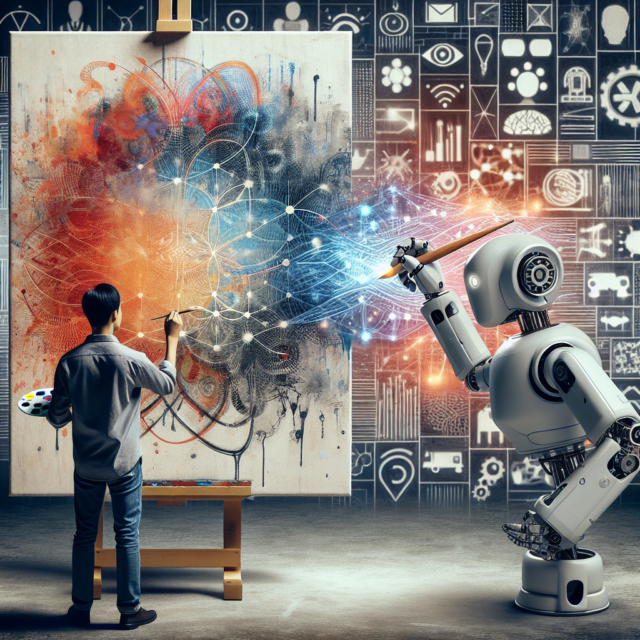
Arts

Home Arts Page 112

Top NFT Collections – February 4, 2025

0
Top NFT Collections – February 4, 2025


Top NFT Collections (Last 24h)

Here are the hottest NFT Collections of the day.

Rank

Name
Volume
Transactions
Chains
URL

1

Pudgy Penguins
1,677.01 ETH
157
ethereum
View

2
CryptoPunks
CryptoPunks
483.93 ETH
11
ethereum
View

3
Lil Pudgys
Lil Pudgys
463.84 ETH
426
ethereum
View

4
Azuki
Azuki
461.21 ETH
147
ethereum
View

5
Fluid VaultFluid Vault
Fluid Vault
400.14 ETH
2
ethereum
View

6
Uniswap v4 Positions NFT
373.93 ETH
9
ethereum
View

7
Bored Ape Yacht Club
319.61 ETH
24
ethereum
View

8
Milady Maker
Milady Maker
301.85 ETH
65
ethereum
View

9
Doodles
Doodles
190.24 ETH
48
ethereum
View

10
Mutant Ape Yacht Club
182.16 ETH
86
ethereum
View


Source link

Crypto Prices Recover Following Temporary Tariff Pause

0
Crypto Prices Recover Following Temporary Tariff Pause


Crypto Markets Rebound After Tariff Pause Announcement

Crypto markets saw a sharp rebound after US President Donald Trump decided to pause proposed tariffs on Canada and Mexico. This temporary hold followed a phone call between Trump and Canadian Prime Minister Justin Trudeau. The decision brought relief to traders and investors who had been bracing for the impact of higher trade barriers.

In a statement on X, Trudeau confirmed that the 25% tariffs would be on hold for at least 30 days. Canada plans to strengthen coordination with the US through a $1.3 billion border plan. This includes appointing a Fentanyl czar, labeling cartels as terrorist organizations, and increasing security with helicopters and additional personnel at the US-Canada border.

Mexico also secured a one-month pause on tariffs. President Claudia Sheinbaum stated that the US and Mexico reached several agreements focused on security and trade. Both nations will start working on these issues immediately, with a commitment to reinforce their shared land border.

Uncertainty Remains with Trump’s Comments

Despite these announcements, Trump told Bloomberg TV that the US and Mexico haven’t finalized an agreement on tariffs. He indicated that tariffs could still take effect, adding some uncertainty to the situation.

While tariffs on Canada and Mexico are paused, the 10% tariff imposed on China remains active. According to the Wall Street Journal, China is prepared to negotiate. Sources suggest that China’s initial offer includes reviving the Phase 1 trade deal from 2020, which required Beijing to boost US exports by $200 billion over two years.

Source: CNN

On the crypto-based prediction platform Polymarket, bettors give Trump a 24% chance of removing tariffs on Mexico before March. The odds for Canada’s tariff removal stand at 22%, while China’s chances are much lower at 9%.

Crypto prices had dropped sharply a day before the announcements, following Trump’s initial tariff threats. Estimates suggested around $10 billion in capital was liquidated from the markets. However, the latest updates from world leaders have reversed this trend.

Bitcoin and Ether Show Strong Recovery

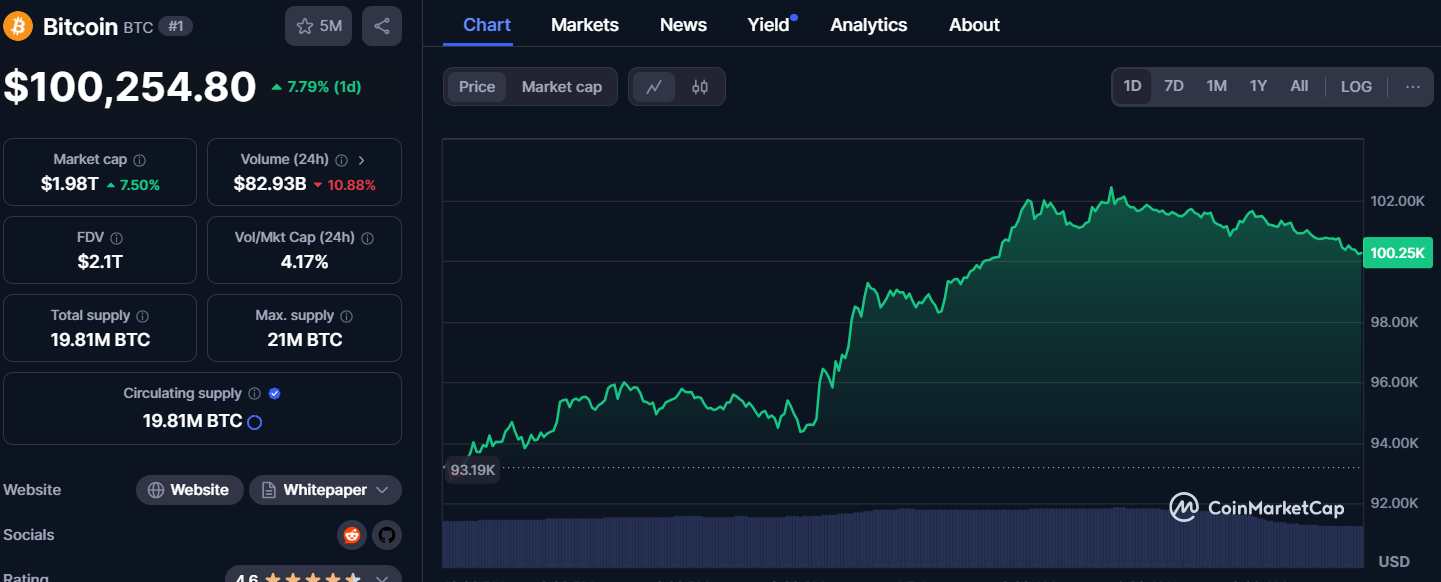
CoinMarketCap data shows that Bitcoin has risen above $100,000, hitting $101,731 after falling to $92,000 the day before. Ether bounced back as well, rising from $2,451 to $2,880. This demonstrates the investor’s newfound faith in the cryptocurrency market.

Bitcoin and Ether Show Strong Recovery

Source: CoinMarketCap

The investor attitude indicator, the Crypto Fear & Greed Index, has changed dramatically. It scored 72 out of 100, crossing the line from fear to greed. This change reflects growing optimism among traders following the recent policy updates.


Source link

Exploring the Future of Personal Shopping Online

The digital landscape of retail has undergone a profound transformation over the past two decades. Online shopping, once a novel concept, is now a staple of modern consumerism. As we look towards the future, the focus is increasingly on personalization—tailoring the shopping experience to meet individual preferences and needs. This article delves into the evolution of personalized online shopping, the emerging technologies driving this change, and the challenges and opportunities that lie ahead for digital retail.

The Evolution of Personalized Online Shopping

Personalized online shopping has come a long way from its early days, where recommendations were based on rudimentary algorithms. Initially, personalization was limited to simple suggestions based on past purchases or frequently bought items. As technology evolved, so did the complexity and accuracy of these systems, moving towards more sophisticated models that consider a user’s browsing history, location, and even social media activity.

The introduction of big data analytics marked a significant milestone in personalization. Retailers began leveraging vast amounts of data to gain insights into consumer behavior, enabling them to create more targeted marketing strategies. This shift allowed for a more customized shopping experience, with recommendations that felt intuitive and relevant to the consumer’s needs and preferences.

Another key development was the rise of AI and machine learning in e-commerce. These technologies enabled a deeper understanding of customer preferences, allowing for dynamic personalization that adapts in real-time. This meant that personalization was no longer static but could evolve alongside the consumer’s changing tastes and behaviors.

Subscription services and curated shopping experiences have also played a pivotal role in the evolution of personalized online shopping. These models offer consumers a tailored selection of products based on their preferences, often with the assistance of AI-driven curation. This approach not only enhances the shopping experience but also fosters brand loyalty by creating a sense of exclusivity and personal connection.

Social media platforms have increasingly influenced personalized shopping by serving as a bridge between retailers and consumers. Platforms like Instagram and Pinterest have become integral in shaping shopping habits, offering personalized ads and shoppable posts that cater to individual interests. This integration of social media and e-commerce has blurred the lines between browsing and buying, making the shopping experience more seamless and personal.

Finally, the evolution of personalized online shopping has been driven by the demand for convenience and efficiency. Consumers now expect a shopping experience that is not only tailored to their preferences but also frictionless and time-saving. This demand has pushed retailers to continuously innovate and refine their personalization strategies to meet the ever-evolving expectations of the modern consumer.

Emerging Technologies Shaping the Experience

Artificial Intelligence (AI) and machine learning are at the forefront of the technological advancements shaping personalized online shopping. These technologies enable retailers to analyze consumer data with unprecedented precision, allowing for highly targeted recommendations and a more engaging shopping experience. AI-powered chatbots and virtual assistants further enhance personalization by providing real-time customer support and tailored product suggestions.

Augmented Reality (AR) and Virtual Reality (VR) are revolutionizing the way consumers interact with products online. AR applications allow shoppers to visualize products in their own environment, such as trying on clothes virtually or seeing how furniture looks in their home. This immersive experience bridges the gap between physical and digital shopping, providing a level of personalization that was previously unattainable.

Blockchain technology is emerging as a tool for enhancing transparency and trust in online shopping. By providing a secure and immutable record of transactions, blockchain can help ensure product authenticity and traceability. This technology also has the potential to enhance personalization by securely storing and managing consumer data, allowing for more accurate and trustworthy recommendations.

The Internet of Things (IoT) is another technology that is shaping the future of personalized shopping. IoT devices, such as smart home assistants and wearable tech, collect valuable data on consumer habits and preferences. This data can be used to deliver personalized shopping experiences, such as automatic reordering of household items or tailored fashion recommendations based on daily activity levels.

Voice commerce is gaining traction as a new channel for personalized shopping. With the proliferation of smart speakers and voice-activated assistants, consumers can now make purchases using voice commands. This hands-free shopping experience is not only convenient but also allows for a more personalized interaction, as voice assistants can learn and adapt to the user’s preferences over time.

Finally, advancements in data analytics and predictive modeling are enabling more refined personalization strategies. By analyzing patterns in consumer behavior, retailers can anticipate future needs and preferences, offering personalized promotions and recommendations before the consumer even realizes they need them. This proactive approach to personalization is set to redefine the online shopping experience, making it more intuitive and aligned with individual expectations.

Challenges and Opportunities in Digital Retail

Despite the advancements in personalized online shopping, several challenges remain. Data privacy concerns are at the forefront, as consumers become increasingly aware of how their personal information is used. Retailers must navigate the delicate balance between offering personalized experiences and respecting consumer privacy, ensuring compliance with regulations such as GDPR and CCPA.

The complexity of integrating new technologies into existing systems presents another challenge. Retailers must invest in infrastructure and expertise to effectively implement AI, AR, and other emerging technologies. This can be a significant barrier for smaller businesses, which may lack the resources to compete with larger, tech-savvy competitors.

Consumer trust is another critical challenge in digital retail. With the rise of fake reviews and counterfeit products, building and maintaining trust is more important than ever. Retailers must prioritize transparency and authenticity in their personalization strategies to foster consumer confidence and loyalty.

On the opportunity side, the rise of mobile commerce presents a significant growth area for personalized shopping. With more consumers shopping via mobile devices, retailers have the chance to create seamless, personalized experiences that cater to on-the-go lifestyles. Mobile apps and responsive websites can offer tailored recommendations and promotions, enhancing the shopping experience and driving engagement.

The global reach of online shopping offers retailers the opportunity to tap into new markets and demographics. By leveraging data and insights, retailers can tailor their offerings to meet the unique preferences and needs of consumers in different regions. This localization of personalization can help retailers expand their customer base and increase market share.

Finally, the future of personalized online shopping presents an opportunity for retailers to differentiate themselves in a crowded marketplace. By offering unique and tailored shopping experiences, retailers can stand out from competitors and build lasting relationships with consumers. As technology continues to evolve, the possibilities for personalization are endless, paving the way for a new era of digital retail.

The future of personal shopping online is poised for transformative change, driven by technological advancements and evolving consumer expectations. As retailers navigate the challenges and opportunities of digital retail, the focus will remain on delivering personalized experiences that resonate with individual consumers. By embracing emerging technologies and prioritizing transparency and trust, retailers can create a shopping experience that is not only convenient and efficient but also deeply personal and engaging. As we look ahead, the potential for innovation in personalized online shopping is limitless, promising a future where the digital shopping experience is more intuitive, immersive, and aligned with the needs of each consumer.

Exploring the Evolution and Impact of AI-Generated Art

Artificial Intelligence (AI) has permeated numerous facets of human life, reshaping industries and reimagining possibilities. One of the most intriguing developments is the intersection of AI and art, where algorithms and neural networks are now creators alongside humans. This convergence raises questions about creativity, authorship, and the future of art. In this article, we delve into the evolution of AI-generated art, its transformative effects on the art world, and its broader implications for society.

The Emergence of AI in Artistic Creation

AI’s entry into the realm of artistic creation is a relatively recent phenomenon, spurred by advancements in machine learning and computer vision. Initially, AI’s role in art was more supportive, assisting artists with tasks such as image recognition and enhancement. As AI technologies evolved, they began to take on more creative roles, generating original pieces of art that challenge traditional notions of authorship and creativity. The development of algorithms capable of learning from vast datasets of artistic works has enabled AI to produce art that mimics human styles or creates entirely new ones.

The emergence of AI in art can be traced back to early experiments with computer-generated graphics in the mid-20th century. Artists and technologists began to explore the potential of computers to create visual art, leading to the development of generative art techniques. These early efforts laid the groundwork for the sophisticated AI models we see today, which can autonomously generate complex artworks. The advent of deep learning and neural networks has been particularly transformative, allowing AI systems to analyze and recreate artistic styles with remarkable accuracy.

AI’s capabilities in artistic creation have been further enhanced by the availability of large datasets and increased computational power. These resources allow AI to learn from a diverse array of artistic styles and techniques, resulting in more nuanced and sophisticated outputs. As a result, AI-generated art has gained recognition in prestigious art venues, challenging traditional boundaries and sparking debates about the nature of creativity and the role of the artist.

One of the most significant milestones in AI-generated art was the sale of an AI-created artwork at auction for a substantial sum. This event marked a shift in the perception of AI art, elevating it from a technological novelty to a legitimate form of artistic expression. It also highlighted the potential for AI-generated art to disrupt the traditional art market, as collectors and galleries begin to explore the value and uniqueness of AI-created works.

Despite its growing prominence, AI-generated art has faced criticism and skepticism from some quarters. Detractors argue that AI lacks the emotional depth and intentionality that characterize human creativity, and that AI-generated art is merely a reflection of the data it is trained on. However, proponents contend that AI brings a new dimension to art, offering novel perspectives and expanding the possibilities of creative expression.

The emergence of AI in artistic creation raises profound questions about the nature of art and creativity. As AI continues to evolve, it challenges us to reconsider our definitions of art and the role of the artist. It also prompts us to explore new ways of collaborating with technology, as artists and AI systems work together to push the boundaries of creative expression.

Transformations in Art Through AI Technology

AI technology has brought about significant transformations in the art world, altering how art is created, perceived, and distributed. One of the most notable changes is the democratization of art creation, as AI tools become more accessible to a wider range of artists. With AI-driven platforms and applications, artists without formal training can experiment with complex techniques and produce professional-quality artworks, broadening the scope of artistic expression.

AI has also enabled new forms of interactive and immersive art experiences. Artists are using AI to create dynamic installations that respond to viewer interactions, incorporating elements such as sound, movement, and real-time data. These experiences blur the line between creator and audience, inviting viewers to become active participants in the artistic process. As a result, art becomes a collaborative and evolving experience, shaped by both human and machine input.

The integration of AI in art has led to the exploration of new aesthetic possibilities. AI algorithms can generate patterns, shapes, and colors that are difficult or impossible for humans to conceive, resulting in unique and innovative artworks. This has inspired artists to experiment with hybrid forms of art, combining traditional techniques with AI-generated elements to create pieces that reflect the intersection of human and machine creativity.

AI’s impact on the art world extends to the realm of art curation and critique. AI-driven analytics tools can assess artworks based on various criteria, providing insights into artistic trends and preferences. These tools can assist curators in selecting and organizing exhibits, as well as offer new perspectives on the interpretation of art. However, the use of AI in this context raises questions about the objectivity and subjectivity of art evaluation, and the extent to which machines can truly understand or appreciate art.

The rise of AI-generated art has also prompted discussions about intellectual property and authorship. As AI becomes more involved in the creative process, questions arise about who owns the rights to AI-generated works. Legal frameworks are still evolving to address these issues, as stakeholders grapple with the implications of AI’s growing role in art creation. These discussions highlight the need for new models of collaboration and compensation in the art world, as artists, technologists, and AI systems work together to create innovative works.

AI technology has transformed not only the creation of art but also its distribution and consumption. Digital platforms and online marketplaces have made it easier for artists to share and sell their AI-generated works, reaching global audiences with unprecedented speed. This shift has disrupted traditional art markets, challenging established norms and opening up new opportunities for artists and collectors alike. As AI continues to evolve, it will likely further reshape the art world, driving innovation and inspiring new forms of creative expression.

Understanding AI’s Influence on Art and Society

AI’s influence on art and society is multifaceted, touching on cultural, ethical, and philosophical dimensions. Culturally, AI-generated art reflects the growing intersection of technology and creativity, challenging traditional boundaries and encouraging dialogue about the role of machines in human expression. This dialogue is essential as society navigates the implications of AI’s increasing presence in creative fields, prompting us to rethink our understanding of art and its impact on culture.

Ethically, the rise of AI-generated art raises questions about the role of machines in creative processes and the potential consequences of AI’s involvement in art. Issues such as bias in AI algorithms, the devaluation of human creativity, and the potential for AI to produce harmful or controversial content are central to discussions about the ethical implications of AI-generated art. Addressing these concerns requires a nuanced understanding of AI’s capabilities and limitations, as well as a commitment to responsible and transparent AI practices.

Philosophically, AI-generated art challenges our notions of creativity and authorship, prompting us to reconsider what it means to be an artist in the age of AI. As AI systems become more adept at producing art, they blur the line between human and machine creativity, raising questions about the nature of inspiration and the role of the artist. These philosophical inquiries encourage us to explore new frameworks for understanding creativity, as we grapple with the implications of AI’s growing role in artistic expression.

AI’s influence on society extends beyond the art world, shaping broader conversations about the relationship between humans and machines. As AI-generated art becomes more prevalent, it serves as a catalyst for discussions about the potential of AI to augment human capabilities and enhance our understanding of the world. These discussions are crucial as society navigates the challenges and opportunities presented by AI, encouraging us to consider how technology can be harnessed for the greater good.

In education, AI-generated art offers new opportunities for learning and exploration. By exposing students to AI-driven creative processes, educators can foster an appreciation for the intersection of art and technology, encouraging students to think critically about the role of AI in society. This interdisciplinary approach can inspire a new generation of artists and technologists, equipping them with the skills and knowledge needed to navigate a rapidly changing world.

The impact of AI-generated art on society is a dynamic and evolving phenomenon, reflecting the broader shifts occurring as technology becomes increasingly integrated into our lives. As AI continues to shape the art world and society at large, it challenges us to reconsider our definitions of creativity and expression, and to explore new possibilities for collaboration and innovation. By engaging with these questions, we can better understand the transformative potential of AI and its implications for the future of art and society.

The evolution of AI-generated art marks a significant chapter in the history of artistic expression, as technology and creativity converge in unprecedented ways. From its emergence as a novel tool for artistic creation to its transformative impact on the art world and society, AI has redefined our understanding of art and its possibilities. As we continue to explore the implications of AI’s growing role in creative fields, we are challenged to reconsider traditional notions of creativity, authorship, and the relationship between humans and machines. Ultimately, AI-generated art invites us to embrace new forms of expression and collaboration, as we navigate the complexities of a rapidly changing world.

Exploring the Evolution and Impact of Digital Art

Digital art, once a niche field, has burgeoned into a dynamic and influential component of the contemporary art scene. Its evolution mirrors the rapid technological advancements of the digital age, reshaping how art is created, perceived, and consumed. This article delves into the journey of digital art, examining its rise, the technological innovations that have shaped it, and its impact on modern creative industries.

The Rise and Transformation of Digital Art

Digital art’s emergence can be traced back to the 1960s when artists began experimenting with computers as tools for creation. Initially, these digital artworks were simple and often viewed as mere extensions of traditional art forms. However, as technology evolved, so did the capabilities and complexity of digital art, leading to its recognition as a legitimate and distinct art form. This transformation was marked by the increasing use of software and digital tools, enabling artists to explore new possibilities and push the boundaries of creativity.

The democratization of technology in the late 20th century played a pivotal role in the rise of digital art. As personal computers and graphic software became more accessible, a new generation of artists emerged, unencumbered by the limitations of traditional media. This accessibility allowed for a more diverse range of artistic expressions and fostered a vibrant online community where artists could share and collaborate on digital projects.

The internet has been instrumental in the proliferation of digital art, providing a platform for artists to showcase their work to a global audience. Online galleries, social media, and digital marketplaces have expanded the reach of digital artists, allowing them to connect with audiences and collectors worldwide. This global exposure has not only increased the visibility of digital art but also sparked discussions about its role and value in the broader art world.

Digital art has also undergone a significant transformation in terms of its aesthetic and thematic scope. Initially focused on abstract and experimental forms, digital art now encompasses a wide range of styles and subjects, from hyperrealistic digital paintings to interactive installations. This diversity reflects the versatility of digital tools and the artists’ ability to adapt and innovate within the digital realm.

The evolution of digital art has challenged conventional notions of authorship and ownership. The ease of reproduction and distribution has led to debates about intellectual property and the commodification of digital works. These discussions have prompted artists, collectors, and institutions to reconsider how digital art is valued and preserved, leading to new models for distribution and ownership.

As digital art continues to evolve, it is increasingly being integrated into traditional art institutions. Museums and galleries are recognizing the significance of digital art, dedicating exhibitions and collections to its exploration. This institutional acceptance marks a critical step in the ongoing transformation and legitimization of digital art as a vital part of the contemporary art landscape.

Technological Advancements Shaping Digital Art

The development of sophisticated software and hardware has been a driving force behind the evolution of digital art. Programs like Adobe Photoshop and Illustrator have become staples for digital artists, providing powerful tools for creating and manipulating images. These programs have continually evolved, incorporating features such as layers, filters, and 3D capabilities that offer artists unprecedented control over their work.

The advent of digital tablets and styluses has revolutionized the way artists interact with their digital canvases. Devices like the Wacom tablet and Apple’s iPad Pro, coupled with applications such as Procreate, have made digital drawing and painting more intuitive and natural. These tools mimic the tactile experience of traditional media while offering the flexibility and precision of digital technology.

Virtual reality (VR) and augmented reality (AR) have opened new dimensions for digital art, allowing artists to create immersive and interactive experiences. VR platforms enable artists to construct three-dimensional environments that viewers can explore, while AR applications overlay digital elements onto the physical world. These technologies have expanded the possibilities for storytelling and engagement, offering audiences a more participatory role in the art experience.

Artificial intelligence (AI) has emerged as a transformative force in digital art, enabling the creation of works that challenge human creativity. AI algorithms can generate art based on specific parameters or learn from existing artworks to produce novel compositions. This collaboration between human and machine raises intriguing questions about the nature of creativity and the role of the artist in the digital age.

Blockchain technology and non-fungible tokens (NFTs) have introduced a new paradigm for digital art ownership and distribution. NFTs provide a mechanism for verifying the authenticity and provenance of digital artworks, addressing concerns about reproduction and piracy. This technology has opened new avenues for artists to monetize their work and has sparked a surge of interest and investment in the digital art market.

The continuous evolution of technology ensures that digital art remains a dynamic and ever-changing field. As new tools and platforms emerge, artists are constantly exploring innovative ways to express their ideas and engage with audiences. This ongoing technological advancement promises to shape the future of digital art in ways that are as yet unforeseen.

Digital Art’s Influence on Modern Creative Industries

Digital art has significantly impacted the entertainment industry, particularly in film, animation, and video games. The ability to create detailed digital environments and characters has revolutionized visual storytelling, allowing for more immersive and visually stunning experiences. Digital artists play a crucial role in conceptualizing and executing the visual elements that define these media.

In the realm of advertising and marketing, digital art has become an essential tool for creating compelling and engaging content. Brands leverage digital art to craft visually striking campaigns that capture the attention of consumers. The flexibility of digital tools allows for rapid iteration and adaptation, enabling marketers to respond to trends and audience feedback in real-time.

The fashion industry has also embraced digital art, using it to design and visualize clothing and accessories. Digital tools enable designers to experiment with patterns, textures, and colors in a virtual space before committing to physical production. This capability not only streamlines the design process but also fosters innovation by allowing designers to push creative boundaries without the constraints of traditional methods.

Digital art has transformed the publishing industry, particularly in the realm of graphic novels and digital comics. Artists and writers can collaborate seamlessly across digital platforms, producing content that is both visually and narratively rich. The digital format allows for interactive elements, such as animations and sound, enhancing the reader’s experience and offering new storytelling possibilities.

The music industry has seen the influence of digital art in the creation of album covers, music videos, and stage designs. Digital artists collaborate with musicians to craft visual identities that complement and enhance the auditory experience. The integration of digital art in live performances, through projections and interactive installations, has redefined the concept of the concert experience.

As digital art continues to permeate various creative industries, it fosters cross-disciplinary collaborations and innovations. Artists, technologists, and creatives from different fields come together to explore new possibilities and redefine the boundaries of their respective disciplines. This synergy not only enriches the artistic landscape but also drives the evolution of creative industries as a whole.

Digital art stands at the intersection of technology and creativity, embodying the spirit of innovation that characterizes the modern era. Its evolution from a niche pursuit to a mainstream artistic expression reflects the transformative power of digital tools and platforms. As digital art continues to influence and reshape creative industries, it challenges artists and audiences to reconsider the possibilities of art in the digital age. The journey of digital art is far from over, promising new developments and opportunities for exploration in the years to come.

Enhancing Engagement Through Digital Customer Experiences

In today’s fast-paced digital landscape, businesses are increasingly focusing on enhancing customer engagement through digital experiences. As consumers spend more time online, the need for seamless, interactive, and personalized digital interactions has never been more critical. This article delves into the dynamics of digital customer engagement, explores strategic approaches to boost online interactions, and examines how businesses can measure the impact of these enhanced digital experiences.

Understanding Digital Customer Engagement Dynamics

Digital customer engagement refers to the myriad ways in which businesses interact with their customers through digital channels. This can include websites, social media platforms, mobile apps, email, and more. Understanding the dynamics of digital engagement involves recognizing the various touchpoints where customers interact with a brand and how these interactions can be optimized for better engagement. In the digital realm, customer expectations are high, and they seek not just products or services but memorable experiences that are convenient, personalized, and consistent across all platforms.

The shift to digital has transformed how businesses communicate with their customers. Traditional face-to-face interactions have been supplemented or even replaced by digital communication, necessitating a deeper understanding of digital behavior. Customers today are empowered with information and choices, making it crucial for businesses to engage them effectively to build loyalty and drive conversions. This dynamic nature of digital engagement requires businesses to be agile, responsive, and in tune with the evolving needs and preferences of their audience.

Personalization is a cornerstone of digital customer engagement. By leveraging data analytics, businesses can gain insights into customer preferences and behaviors, allowing them to tailor their interactions and offerings. This level of personalization not only enhances the customer experience but also fosters a sense of connection and loyalty. However, businesses must balance personalization with privacy concerns, ensuring they maintain customer trust while providing relevant and meaningful interactions.

Another critical aspect of digital engagement is the user experience (UX). A seamless, intuitive, and aesthetically pleasing digital environment can significantly enhance engagement. Businesses must focus on optimizing their digital platforms to ensure easy navigation, quick loading times, and mobile responsiveness. A poor UX can lead to frustration and disengagement, driving customers to competitors. Therefore, investing in UX design is essential for retaining customer attention and fostering long-term engagement.

Social media has become a vital tool for digital engagement. It offers businesses a platform to interact with customers in real-time, gather feedback, and build communities. By actively engaging on social media, businesses can humanize their brand, create meaningful connections, and enhance customer loyalty. Additionally, social media analytics provide valuable insights into customer sentiment and engagement levels, helping businesses refine their strategies.

Finally, the dynamics of digital customer engagement are continually evolving with technological advancements. Innovations such as artificial intelligence (AI), augmented reality (AR), and chatbots are transforming how businesses engage with their customers. These technologies offer new opportunities for personalization, interactivity, and efficiency, making it imperative for businesses to stay abreast of trends and integrate relevant technologies into their digital engagement strategies.

Key Strategies for Boosting Online Interaction

To boost online interaction, businesses must first ensure that their digital platforms are user-friendly and accessible. This involves optimizing websites for both desktop and mobile devices, as well as ensuring that navigation is intuitive and content is easy to find. A seamless digital experience encourages users to spend more time on a platform, increasing the likelihood of interaction and engagement. Regularly updating and refreshing content can also keep users engaged and returning for more.

Content marketing is a powerful strategy for enhancing digital engagement. By creating valuable, relevant, and consistent content, businesses can attract and retain a clearly defined audience. Blog posts, videos, infographics, and interactive content such as quizzes and polls can engage users and encourage them to interact with the brand. High-quality content not only drives engagement but also establishes the brand as a thought leader in its industry, building credibility and trust with the audience.

Leveraging social media platforms is another effective strategy for boosting online interaction. Businesses can use social media to engage with customers in real-time, respond to inquiries, and participate in conversations. Hosting live events, webinars, or Q&A sessions on social media can also enhance interaction by providing a platform for direct communication. Additionally, user-generated content campaigns can encourage customers to share their experiences with the brand, fostering a sense of community and belonging.

Implementing a robust email marketing strategy can also drive digital engagement. Personalized email campaigns that cater to individual customer preferences can increase open rates and encourage interaction. Offering exclusive content, promotions, or discounts through email can incentivize customers to engage with the brand. Additionally, segmenting the email list based on customer behavior and preferences ensures that the content is relevant and targeted, further enhancing engagement.

Gamification is an innovative strategy that can significantly boost online interaction. By incorporating game-like elements such as points, badges, and leaderboards into digital platforms, businesses can create engaging and rewarding experiences for users. Gamification taps into the competitive and achievement-oriented nature of humans, encouraging them to interact more frequently and for longer durations. This strategy can also enhance customer loyalty by offering rewards for continued engagement.

Finally, businesses must continuously measure and analyze their digital engagement efforts to refine their strategies. Using analytics tools, businesses can track key performance indicators (KPIs) such as click-through rates, conversion rates, and engagement metrics. These insights can help identify which strategies are effective and which need improvement, allowing businesses to optimize their digital engagement efforts for maximum impact.

Measuring the Impact of Enhanced Digital Experiences

Measuring the impact of enhanced digital experiences is crucial for understanding the effectiveness of engagement strategies and making informed decisions. One of the primary metrics to track is customer satisfaction, which can be gauged through surveys, feedback forms, and Net Promoter Scores (NPS). High levels of customer satisfaction indicate that digital experiences are meeting or exceeding customer expectations, leading to increased loyalty and retention.

Another important metric is the customer engagement rate, which measures the level of interaction customers have with digital content. This can include likes, shares, comments, and time spent on a website or app. A high engagement rate signifies that customers find the content valuable and are willing to interact with it. By analyzing engagement rates, businesses can identify which types of content or platforms resonate most with their audience and adjust their strategies accordingly.

Conversion rates are a key indicator of the effectiveness of digital engagement efforts. This metric measures the percentage of users who take a desired action, such as making a purchase, signing up for a newsletter, or filling out a contact form. A high conversion rate suggests that digital experiences are effectively guiding users through the customer journey and prompting them to take action. Businesses can use A/B testing and other optimization techniques to improve conversion rates and enhance digital experiences.

Customer retention rates are also essential for measuring the impact of digital experiences. Retention rates indicate the percentage of customers who continue to engage with a brand over time. High retention rates suggest that digital experiences are fostering loyalty and long-term relationships with customers. By tracking retention rates, businesses can identify areas for improvement and implement strategies to enhance customer loyalty and satisfaction.

Return on investment (ROI) is a critical metric for evaluating the financial impact of enhanced digital experiences. By comparing the costs associated with digital engagement efforts to the revenue generated, businesses can assess the profitability of their strategies. A positive ROI indicates that digital experiences are driving revenue growth and providing value to the business. By analyzing ROI, businesses can allocate resources more effectively and prioritize initiatives that deliver the greatest impact.

Finally, tracking brand sentiment is essential for understanding the overall impact of digital experiences on brand perception. Sentiment analysis tools can analyze customer reviews, social media mentions, and other forms of feedback to gauge public perception of the brand. Positive sentiment suggests that digital experiences are enhancing the brand’s reputation and fostering positive associations. By monitoring brand sentiment, businesses can identify potential issues and address them proactively to maintain a positive brand image.

Enhancing engagement through digital customer experiences is a multifaceted endeavor that requires a deep understanding of customer dynamics, strategic planning, and continuous measurement. By optimizing digital touchpoints, personalizing interactions, and leveraging innovative technologies, businesses can create memorable experiences that resonate with their audience. Measuring the impact of these efforts is crucial for refining strategies and ensuring that digital experiences drive meaningful engagement and business growth. As the digital landscape continues to evolve, businesses must remain agile and responsive to meet the ever-changing expectations of their customers.

ZED RUN to Sunset with Final Event, $100K ZED Tokens Up for Grabs

0
ZED RUN to Sunset with Final Event, 0K ZED Tokens Up for Grabs


Popular web3 digital horse racing platform ZED RUN will officially close on February 28.

After several years of offering players the opportunity to race, breed, and trade digital horses using NFTs, the platform will hold its final event, the Sunset Stakes, to mark the end of its operations.

This event, taking place from February 24 to February 26, 2025, will offer a $100,000 ZED token prize pool in an Open Class 1 tournament, giving players one last chance to compete before the platform transitions to its successor, ZED Champions.

ZED RUN to Sunset with Final Event, $100K ZED Tokens Up for Grabs Source: ZED Champions

What is Sunset Stakes?

The Sunset Stakes will be the last major event hosted by ZED RUN, taking place over three days from February 24 to February 26.

This tournament will feature an Open Class 1 format, with a $100,000 ZED token prize pool up for grabs. Players will have the opportunity to compete against the top horses in the game, with the event serving as the final showcase of ZED RUN’s capabilities. Leading up to the Sunset Stakes, players can participate in weekly seasons of tournaments, with XP multipliers designed to help horses level up for the event.

In the weeks preceding the Sunset Stakes, ZED RUN will host a series of weekly Maidens and Sit & Go races, designed to increase player engagement and help horses rise through the ranks. These events will offer both paid and free options, and participants will be able to accumulate valuable engagement points and experience boosts, giving them an edge in the final tournament.

ZED RUN to Sunset with Final Event, $100K ZED Tokens Up for Grabs
ZED RUN to Sunset with Final Event, $100K ZED Tokens Up for Grabs Source: ZED Champions

What’s next to ZED RUN?

Following ZED RUN’s closure on February 28, the platform will transition to ZED Champions, promising a new digital horse racing experience.

Players will have the opportunity to claim rewards and trade assets through a dedicated claims site, which will remain open for about one month after ZED RUN’s shutdown. During this time, players can also access the open beta of ZED Champions, where they can race with a test stable and participate in early testing of the new game.

Once the claim site closes, ZED Champions will officially launch, and the horses and assets held by players in ZED RUN will be transferred to the new platform allowing players to continue participating in the digital racing ecosystem under the new ZED Champions brand. As the transition happens, players will be able to engage with new features and improvements, with the promise of continued development in 2025.


Source link

Top NFT Collections – February 3, 2025

0
Top NFT Collections – February 3, 2025


Top NFT Collections (Last 24h)

Here are the hottest NFT Collections of the day.

Rank

Name
Volume
Transactions
Chains
URL

1

Pudgy Penguins
1,176.29 ETH
117
ethereum
View

2
Lil Pudgys
Lil Pudgys
407.85 ETH
406
ethereum
View

3
Azuki
Azuki
366.94 ETH
112
ethereum
View

4
Bored Ape Yacht Club
396.90 ETH
32
ethereum
View

5
Milady Maker
Milady Maker
258.57 ETH
57
ethereum
View

6
Doodles
Doodles
237.74 ETH
64
ethereum
View

7
CryptoPunks
CryptoPunks
240.47 ETH
6
ethereum
View

8
Mutant Ape Yacht Club
148.49 ETH
73
ethereum
View

9
Kaito Genesis
Kaito Genesis
144.07 ETH
27
ethereum
View

10
Azuki Elementals
Azuki Elementals
128.17 ETH
352
ethereum
View


Source link

Top NFT Collections – February 2, 2025

0
Top NFT Collections – February 2, 2025


Top NFT Collections (Last 24h)

Here are the hottest NFT Collections of the day.

Rank

Name
Volume
Transactions
Chains
URL

1

Pudgy Penguins
704.01 ETH
63
ethereum
View

2
Azuki
Azuki
353.40 ETH
97
ethereum
View

3
Milady Maker
Milady Maker
302.85 ETH
62
ethereum
View

4
Lil Pudgys
Lil Pudgys
276.17 ETH
247
ethereum
View

5
CryptoPunks
CryptoPunks
198.00 ETH
4
ethereum
View

6
Doodles
Doodles
194.51 ETH
48
ethereum
View

7
Bored Ape Yacht Club
163.77 ETH
13
ethereum
View

8
Kaito Genesis
Kaito Genesis
155.44 ETH
27
ethereum
View

9
Mutant Ape Yacht Club
127.90 ETH
59
ethereum
View

10
Redacted Remilio Babies
98.81 ETH
96
ethereum
View


Source link

Coin vs Token: What are the Key Differences?

0
Coin vs Token: What are the Key Differences?


Coin vs token often appears in crypto discussions, yet many newcomers struggle to see why the distinction matters. Both refer to digital assets, but they operate in different ways and fulfill distinct roles in the blockchain ecosystem. Coins typically function as native currencies on their own blockchain, while tokens rely on existing platforms to expand use cases like governance, gaming, or finance.

Understanding whether an asset is a coin or a token helps you gauge its potential value, flexibility, and risk profile. In this article, we’ll clarify what each term means, break down the key advantages and types, and compare them in a head-to-head look at their structural and functional contrasts. Knowing the difference between coins and tokens can guide you when evaluating market opportunities or deciding which assets fit your needs, whether you’re looking to pay transaction fees, fuel decentralized applications, or represent a piece of real-world value.

What is a Coin?

A coin in the crypto world is typically a digital currency with its own dedicated blockchain. Bitcoin is the most notable example, operating on the Bitcoin blockchain with a well-defined process for creating and validating new blocks. Other well-known coins include Ethereum, Litecoin, and Bitcoin Cash. These, and other digital assets often serve as the primary medium of exchange or store of value within their respective ecosystems and can also be used to pay transaction fees, just like physical coins.

Benefits of Coin

Native Blockchain Control: When a coin runs on its own network, developers and the community have more freedom to guide updates, manage transaction speeds, and shape governance rules.
Security: Coins often draw large mining or staking communities, helping to secure the entire system against attacks or manipulation.
Established Brand: Leading coins like Bitcoin have a track record, recognized by traders and institutions worldwide. This brand recognition can create more trust and liquidity.

Types of coins

Payment Coins

Bitcoin and Litecoin function primarily as mediums of exchange and digital money, facilitating everyday transactions or cross-border transfers.

Privacy Coins

Assets such as Monero or Zcash are crypto coins that incorporate special privacy features that mask transaction details, appealing to individuals who prioritize anonymity.

Stablecoins

Pegged to external references, such as a fiat currency like the U.S. dollar, stablecoins reduce volatility. Examples include USDC or DAI, vital for traders seeking quick, stable conversions in crypto markets.

Popular Coins

Bitcoin (BTC): The Bitcoin blockchain is the original cryptocurrency, known for its decentralized nature and limited supply.

Ethereum (ETH): Although Ethereum is evolving into a platform for tokens and smart contracts, ETH remains its core coin, paying for gas fees.

Ethereum (ETH)

Bitcoin Cash (BCH): A result of a Bitcoin fork aimed at larger block sizes and faster transactions. It shares Bitcoin’s ethos but pursues greater scalability.

Bitcoin Cash (BCH)

Litecoin (LTC): Created as a faster, lighter version of Bitcoin, often seen as a testbed for new virtual currency features.
Litecoin (LTC)

Other Popular Coins: Additional networks like Ripple’s XRP or Tron’s TRX are also considered cryptocurrency coins, each intending to tackle unique challenges in global payments or application development.

What Is a Token?

A token is a digital asset created on an existing blockchain network rather than requiring its own dedicated network. Unlike a coin, which typically operates as the primary currency of a chain, a token can represent nearly anything: from utility or governance rights to physical assets or even digital art. Tokens rely on the underlying blockchain’s security and consensus mechanisms, meaning they inherit certain benefits (like network stability or speed) but must adhere to the host blockchain platform protocol’s technical parameters. This model allows for quick deployment of new projects, lower development overhead, and more versatility in how assets and services are offered.

Benefits of tokens

Fast Deployment: Creating crypto tokens is more straightforward than building an entire blockchain from scratch. Developers can use established platforms (like Ethereum) to launch tokens within hours.
Wider Adoption: Tokens tap into robust, existing communities and developer ecosystems. They can immediately benefit from wallets, decentralized exchanges, and other infrastructure already designed for that blockchain.
Flexible Use Cases: Tokens can embody anything from share-like security tokens to specialized utility tokens for dApps. The diverse range of functionalities fuels constant innovation.
Shared Security: Since cryptocurrency tokens rely on a proven network’s consensus, they don’t need separate miners or validators, which can reduce overall security risks and overhead.

Types of tokens

Utility Tokens

Provide access or features within a particular ecosystem. For instance, a gaming dApp might issue a token that lets players buy virtual items.

Security Tokens

These token transactions digitally represent ownership in real-world financial instruments such as stocks or bonds, subjecting them to stricter regulatory frameworks.

Governance Tokens

Tokens issued for governance grant holders the right to vote on protocol changes, funding proposals, or developmental priorities. They shape decentralized projects without a central authority.

Non-Fungible Tokens (NFTs)

Unique tokens that represent singular assets like digital art, collectibles, or in-game items. Each NFT has distinct metadata making it non-interchangeable.

Popular Tokens

Chainlink (LINK): A leading oracle token bridging off-chain data (like price feeds) with on-chain smart contracts, vital for DeFi protocols seeking reliable information.

Chainlink (LINK)

Uniswap (UNI): Issued by the popular decentralized exchange, UNI grants governance power over protocol fee structures and upgrades. UNI holders can also propose new features or community grants.
Uniswap (UNI)

ApeCoin (APE): A governance and utility token tied to the broader Bored Ape Yacht Club ecosystem, used for voting, exclusive events, and certain digital marketplaces.

ApeCoin (APE)

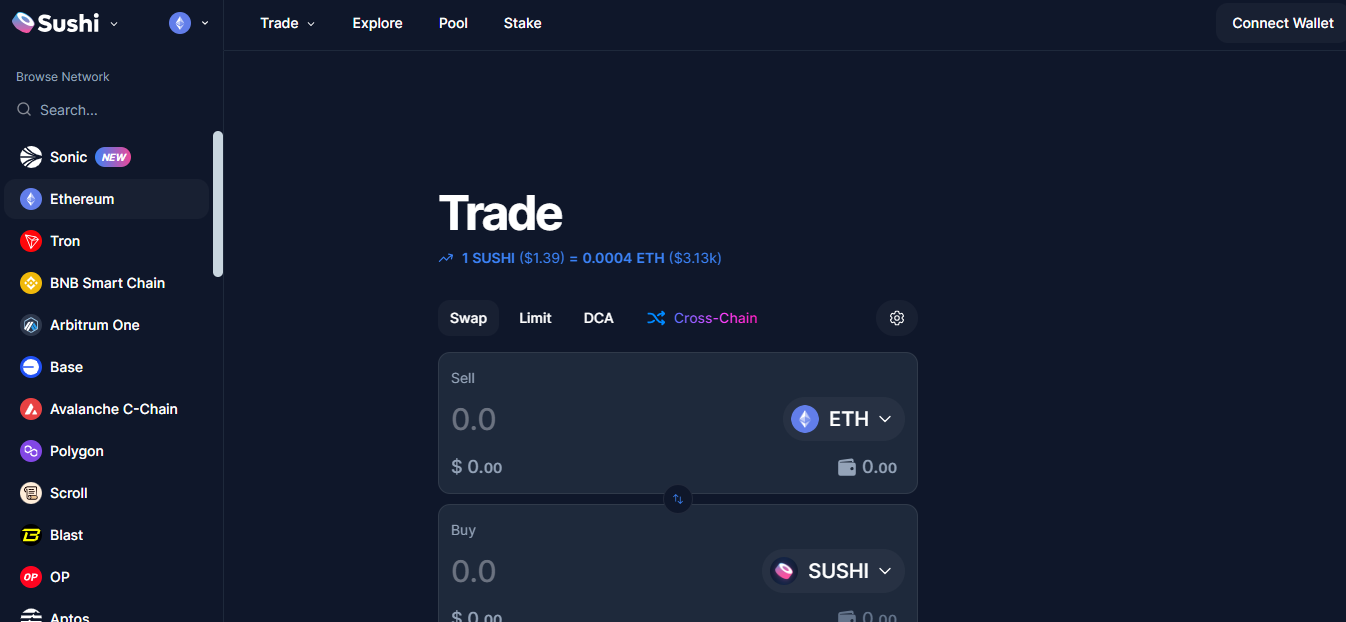
SushiSwap (SUSHI): A DeFi token awarding holders a share of swap fees on the SushiSwap DEX, balancing utility with partial governance rights over treasury decisions.
SushiSwap (SUSHI)

Coins vs Tokens: The Main Differences

Coin
Token

Structure
Resides on its own blockchain, handling transactions natively, like Bitcoin or Litecoin.
Relies on an existing blockchain (like Ethereum), inheriting that network’s security or weaknesses.

Purpose
Often serves as a medium of exchange or store of value, fueling the blockchain’s operations.
Typically grants specialized functions (such as governance or utility) within a dApp or ecosystem.

Decentralization
Maintained through miners or stakers on its proprietary network, distributing control.
Dependent on the host chain’s consensus and security; decentralization varies by project.

Interoperability
Usually confined to bridging/wrapping to operate on other chains, or using external solutions.
Tightly integrated with the underlying platform, adopting standard protocols, like with ERC-20.

Use Case
Supports fundamental blockchain tasks—payment currency, transaction fees, and network rewards.
Offers utility, such as access to features, staking rewards, governance rights, or asset representation.

Structure

Coins have their own native blockchain and run independently, and process transactions through their underlying consensus mechanism. In contrast, tokens rely on an existing chain, such as the Ethereum network, for their ledger and security.

This means coins often require more extensive development and upkeep—like maintaining miners or validators—while tokens use established infrastructure to launch faster with lower costs.

Because tokens share a host chain’s storage and validation, they do not need an exclusive node network. Instead, they inherit the resilience of whichever protocol underlies them.

Purpose

Coins typically serve as a primary medium of exchange, paying transaction fees or rewarding block validators. Their main function might be digital currency (like Bitcoin) or fueling the blockchain’s operations (like Ether on Ethereum).

Tokens, however, take on multiple roles: some represent governance privileges, others reflect staking or yield in DeFi, and still others operate as stable units tied to external assets. While coin usage often focuses on payments or collateral, buying tokens can unlock specialized features—like getting special or limited in-game items or managing voting rights.

Decentralization

A coin’s decentralization level depends on its network’s size, the distribution of validators or miners, and whether a small group controls development. Bitcoin’s widely dispersed mining activities exemplify strong decentralization, while certain smaller coin projects are more centralized in practice.

Tokens exist on top of these blockchains, so their decentralization depends partly on the host chain and partly on how the token’s smart contract is governed. If a single project team manages most of the token supply or upgrading rights, then it may lead to reduced decentralization for that token’s ecosystem.

Interoperability

Coins often stay confined to their own chain unless wrapped or bridged to other networks.

For instance, “wrapped Bitcoin” (WBTC) uses Ethereum-based tokens to represent BTC in DeFi. Tokens, by design, frequently plug into the host chain’s broader ecosystem. If a token is ERC-20 on Ethereum, it can interact with any dApp, wallet, or layer-2 solution that supports that standard.

This flexibility fosters synergy across DeFi platforms, DEXs, and NFT marketplaces. Still, cross-chain interoperability can grow complicated if tokens span multiple networks.

Use case

Coins provide simple payment methods, store-of-value functions, or blockchain fuel (like gas on Ethereum). Their limited supply or core usage can drive market demand, especially as network activity intensifies.

Tokens serve distinct roles within an app’s or protocol’s micro-economy, governance tokens can dictate upgrades, while utility tokens let holders stake, access premium features, or earn fees.

Each approach suits different ends: coins often emphasize global transactions or robust store-of-value narratives, whereas tokens cover niche expansions like gaming, social media, or specialized DeFi frameworks on top of an existing blockchain.

Conclusion

Having a solid, working knowledge of the differences between a coin on its own blockchain and a token built on an existing network is critical for any crypto enthusiast. Coins frequently serve as digital currencies or gas for their blockchain’s operations, while tokens often power specialized utilities, governance, or application-specific features.

Before making investment decisions, ensure you’ve considered each asset’s underlying network security, practicality, and user adoption. By understanding this distinction in the coin vs. token conversation, you’ll navigate the dynamic crypto landscape more confidently and spot the opportunities that best fit your long-term investment goals.



Source link

Popular Posts

My Favorites

Latest Marvel Rivals Patch Notes released for brand-new update with zero...

0
You can trust VideoGamer. Our team of gaming experts spend hours testing and reviewing the latest games, to ensure you're reading the most...