Arts

Home Arts Page 111

METAVISIO NFT Collection Sells Out, Ranking First on OpenSea

0
METAVISIO NFT Collection Sells Out, Ranking First on OpenSea


French electronic consumer brand METAVISIO — THOMSON Computing recently launched its first NFT collection as part of its web3 laptop initiative in partnership with io.finnet named ‘Metavisio.’

The collection consisted of 1,500 collectibles sold out in under five seconds during Phase 2 of its release and quickly rose to the number one spot on OpenSea for Base. A total of 1,052 NFTs were claimed through guaranteed spots by members of popular crypto communities such as Memeland, CyberKongz, Mocaverse, and DeGods.

Following the sellout, these NFTs are now trading with the floor price currently sitting at 0.0035 ETH.

METAVISIO NFT Collection Sells Out, Ranking First on OpenSea Source: Metavisio

What is Metavisio?

Metavisio is a new web3-enabled laptop developed by METAVISIO, a brand under THOMSON Computing.

“Metavisio will combine traditional computing power with blockchain-native features, including integrated cold storage wallets and a proprietary web3 operating system,” said Stephan Français, CEO and founder of Metavisio — THOMSON Computing.

This laptop integrates blockchain-native features such as a cold storage wallet for secure cryptocurrency management, aiming to reduce reliance on centralised exchanges, supporting assets like Bitcoin, Ethereum, and more. It supports dApps and comes with a proprietary operating system designed to bridge conventional computing with web3 technology.

Scheduled for release in Q2 2025, the Metavisio laptop will offer decentralised functionality, a THOMSON Computing wallet, and enhanced security with private satellite internet.

METAVISIO NFT Collection Sells Out, Ranking First on OpenSea
METAVISIO NFT Collection Sells Out, Ranking First on OpenSea Source: Metavisio

What are the benefits to holding a Metavisio NFT?

Holders of the Metavisio NFT collection are entitled to several exclusive benefits including access to cryptocurrency-based rewards, ongoing token airdrops, and a 5% discount on various products at THOMSON Computing stores worldwide including Thomson NEO laptop series and tablets.

Additionally, NFT holders will be eligible for prizes, including the chance to win the first web3 laptops and exclusive raffles featuring a $20,000 prize pool of electronics.

Beyond retail benefits, the NFTs also unlock long-term utility by granting access to enhanced CPU and GPU computing power, positioning holders for further advantages within METAVISIO’s evolving web3 ecosystem.

Learn more: https://thomsoncomputing.in/


Source link

Top NFT Collections – February 6, 2025

0
Top NFT Collections – February 6, 2025


Top NFT Collections (Last 24h)

Here are the hottest NFT Collections of the day.

Rank

Name
Volume
Transactions
Chains
URL

1

Bit Bears by Berachain
809.46 ETH
113
ethereum
View

2
Azuki
Azuki
521.04 ETH
149
ethereum
View

3
The Band Bears
The Band Bears
392.76 ETH
30
ethereum
View

4
Top NFT Collections – February 5, 2025
Pudgy Penguins
300.01 ETH
28
ethereum
View

5
Milady Maker
Milady Maker
268.91 ETH
57
ethereum
View

6
The Baby Bears
The Baby Bears
267.69 ETH
10
ethereum
View

7
Honey Comb
Honey Comb
213.23 ETH
767
ethereum
View

8
Azuki Elementals
Azuki Elementals
211.88 ETH
705
ethereum
View

9
CryptoPunks
CryptoPunks
211.14 ETH
5
ethereum
View

10
Bond Bears
Bond Bears
203.73 ETH
2
ethereum
View


Source link

NFT Collectibles Market 2025: Future Trends, Expert Predictions, and Investment Insights | NFT News Today

0
NFT Collectibles Market 2025: Future Trends, Expert Predictions, and Investment Insights | NFT News Today


The world of digital collectibles is entering a pivotal phase in 2025. After the explosive hype of 2021 and a rollercoaster of booms and busts, the NFT collectibles market 2025 is maturing into a more nuanced landscape. Enthusiasts and investors alike are asking: What’s next for NFT collectibles? In this in-depth exploration, we analyze market trends, share expert opinions, look at data-driven projections, and highlight emerging use cases and notable projects shaping the future of digital collectibles. Whether you’re an NFT aficionado or a curious investor, these insights will help you navigate the evolving NFT investment trends of 2025.

Market Trends in NFT Collectibles for 2025

From Hype to a Mature Ecosystem: The NFT market has transformed significantly since its 2021 peak. Trading volumes skyrocketed to a record $57 billion in 2022, only to cool off by 76% in 2024 as the initial frenzy subsided​. In fact, 2024 marked the worst year for NFTs since 2020, with trading volumes down 19% year-over-year and sales counts down 18%​. This downturn signaled the end of the “wild west” era of speculative flipping and the beginning of a more measured, utility-driven market. Projects built purely on hype have largely fizzled out, while those offering real value to holders (through utility, community, or revenue) are taking center stage​. As OpenSea CEO Devin Finzer observes, “The days of just pure collectible NFTs, without some sort of interesting layer on top of that, are certainly over”​. In 2025, collectors are increasingly gravitating toward NFTs that confer tangible perks – from exclusive access and rewards to governance rights – rather than buying tokens of just a digital image.

Gradual but Growing Adoption: Despite the cooling from peak hype, NFTs continue to attract new users, albeit at a steadier pace. The global base of NFT users is expected to reach about 11.6 million in 2025, up from roughly 10.2 million in 2023​. That’s still only ~0.35% of the world population​, highlighting how much room there is for growth as awareness spreads. Notably, younger generations lead the way – around 5% of adults aged 18–34 owned an NFT as of 2024, compared to just 1% of those over 55​. This suggests a rising wave of digital-native collectors entering the market. Major brands are also helping drive mainstream exposure. According to one industry report, “growing interest in NFTs among major brands” is an accelerating trend. In the past year, we’ve seen fashion labels, sports leagues, and even fast-food chains minting NFTs for promotions or customer engagement. By 2025, owning a digital collectible could be nearly as common as following a brand on social media, as companies integrate NFTs into loyalty programs and marketing campaigns.

Regulatory Clarity on the Horizon: The regulatory landscape for NFTs, once a gray area, is beginning to take shape. In 2024, regulators started paying closer attention to the booming NFT sector. Notably, the U.S. SEC sent a warning (Wells notice) to OpenSea in late 2024, suggesting it viewed certain NFT offerings as unregistered securities. This kind of scrutiny, while unnerving to some, is pushing the industry toward clearer guidelines. By 2025, many governments are expected to introduce specific regulations for NFTs, especially as these tokens represent higher-value assets like real estate, luxury goods, and high-end collectibles. While tighter rules might initially slow the market, they could ultimately legitimize NFTs in the eyes of traditional investors. Clearer ownership rights, anti-fraud measures, and tax guidance can reduce uncertainty for big players who have sat on the sidelines. Europe, for instance, has hinted at including NFTs in broader crypto asset frameworks, and countries in Asia are exploring licensing for NFT marketplaces. Overall, a well-regulated NFT ecosystem in 2025 may attract more institutional capital, bringing a new level of stability and credibility.

Technological Advancements and Lower Barriers: Hand-in-hand with regulation, technology is addressing many early criticisms of NFTs. The environmental concerns that once plagued NFTs – remember the uproar over energy-intensive proof-of-work minting – have been largely mitigated by blockchain upgrades. Ethereum’s long-awaited merge to proof-of-stake in 2022 slashed its energy usage by over 99%, making minting and trading NFTs far more eco-friendly. By 2025, creating an NFT could be “as easy and cheap as sending an email”, predicts NFT analyst Thomas Bacon, which will encourage broader adoption and quiet some critics​. Transaction costs are dropping thanks to Layer-2 scaling solutions and more efficient blockchains. For example, Polygon, Solana, and others now allow minting NFTs with negligible fees, enabling affordable mass-market collectibles. We’re also seeing more user-friendly platforms and wallets that simplify the onboarding process for newcomers. This means a casual fan can buy a digital collectible (say, a limited-edition music track or a game item) without needing deep crypto knowledge. These tech improvements – from better scalability and interoperability to smoother user experiences – are converging to make 2025’s NFT market more accessible than ever.

Sustainability and Long-Term Value: A key trend in 2025 is the focus on sustainability, both environmental and economic. Projects are keen to show they can thrive for the long haul. Many NFT creators now attach ongoing benefits to ownership, like royalty sharing, airdrops, or exclusive access, ensuring that value accrues over time rather than hinging on speculative resale. We also see NFT marketplaces implementing royalty standards to support creators, and communities funding their treasuries for continuous development. In other words, NFTs are increasingly treated not as get-rich-quick lottery tickets but as memberships or assets that provide experiences and utility. This shift is likely to shape a healthier market dynamic going forward. As one tech publication noted, by 2025 “utility-driven NFTs will dominate the market, focusing on providing tangible benefits rather than serving as mere digital collectibles.”​ In summary, the NFT collectibles sector is evolving: it’s becoming more stable, utility-focused, and integrated into mainstream tech and finance, even as it remains on the cutting edge of digital culture.

Expert Opinions: What Industry Leaders Say

With the NFT market at a crossroads, industry experts and creators are offering their visions for the future. Devin Finzer, co-founder and CEO of OpenSea (the largest NFT marketplace), believes the evolutionary path for NFTs lies in offering real utility. “The days of just pure collectible NFTs…are certainly over,” Finzer remarked, underscoring that successful projects now layer in perks like access, community tokens, or gaming elements on top of the collectible itself. In his view, 2025 will reward projects that give holders a stake in a larger experience – whether that’s a game, a club, or a brand ecosystem – rather than NFTs that exist solely as tradable JPEGs. This sentiment is echoed by many creators. Frank DeGods, the creator of the DeGods collection, explained in a late-2024 panel that his team is expanding beyond the traditional model by introducing a DeGods fungible token, aiming to offer more liquidity and benefits to the community. Likewise, Luca Netz, CEO of Pudgy Penguins, emphasizes the unique value of NFTs in fostering strong communities and identities, something he argues can’t be replicated by other crypto assets or memes​. Their message is clear: NFTs must keep innovating to stay relevant, and community-centric features are key to longevity.

While builders stress utility, some analysts and investors remain bullish on the broader NFT market trajectory. Yat Siu, the co-founder of major crypto venture firm Animoca Brands, is one such optimist. He predicts a resurgence in NFT demand in 2025, potentially even a new all-time high for the market. In a January 2025 interview, Siu highlighted several catalysts for this anticipated boom: a more crypto-friendly regulatory environment (he points to optimism that pro-innovation policies could emerge in the U.S.) and the integration of AI technologies with NFTs​. The latter is particularly intriguing – AI-generated content and AI-driven collectibles could become a trend, blurring the lines between human and machine-created art. Siu isn’t alone in his optimism; executives at investment firm VanEck have also suggested that the NFT market is poised for a strong rebound in the coming year​. Their stance is that the current lull is more of a consolidation before the next innovation-driven expansion, rather than a permanent decline.

On the flip side, there are skeptical voices that urge caution. Some traditional art market experts and wealth managers note that ultra-rich collectors have been slow to embrace NFTs, viewing them as a fad that has yet to prove enduring value. A UBS art market analyst recently pointed out that many wealthy patrons remain on the sidelines, preferring tangible art over “the NFT fad” – though this was more a commentary on taste than a data-driven prediction. Still, even skeptics concede that the technology behind NFTs (secure digital provenance and ownership) is likely here to stay, even if the form and fads of collectibles change. The consensus among industry leaders is that NFTs in 2025 will neither crash to zero nor return to irrational exuberance; instead, they will settle into a new normal. This new normal involves NFTs as a staple of the digital economy – used in gaming, art, memberships, and beyond – but with a more discerning audience that values quality over quantity. As Tiffany Huang, a product lead who spoke at an NFT conference, put it: “We expect a return to smaller, more exclusive collections and deeper integrations of NFTs with real-world products and experiences.”​ In short, experts envision a future where NFTs are widespread yet more grounded, innovative yet practical.

Statistical Projections and Market Forecasts

What do the numbers say about the NFT collectibles market in 2025? Forecasts vary, but most analysts project significant growth ahead – albeit from a lower base after the recent pullback. According to a report by The Business Research Company, the global NFT market size is on track to grow from about $43 billion in 2024 to $61 billion in 2025, a leap of roughly 41.6% in one year​. This suggests that even after the cooling of the past two years, robust growth may resume as utility and mainstream adoption increase. Looking further out, the same analysis forecasts the NFT market to reach a staggering $247 billion by 2029, indicating confidence in a long-term compounded expansion​. Another market intelligence firm, Technavio, similarly estimates strong momentum: they project the NFT sector to increase by $84 billion from 2025 to 2029, growing at a ~30% compound annual growth rate through that period​. If these trajectories hold true, the latter half of the decade could see the NFT space several times larger than its 2021 peak, in terms of market value.

Drilling down into segments, collectibles remain a driving force within those numbers. NFTs originally gained fame through digital art and collectibles, and demand in those categories continues to grow. One forecast expects the collectibles segment (which includes things like profile-picture NFTs, trading card NFTs, and virtual memorabilia) to expand steadily as a subset of the overall market. For example, the sports NFT niche is forecast to grow at about 26% CAGR from 2024 to 2031, reaching an estimated $8 billion by 2031 (up from $1.5B in 2023)​. This points to sustained enthusiasm for sports-themed digital collectibles and suggests that by 2025 we will already see noticeable growth in that arena. Likewise, gaming-related NFTs are expected to contribute heavily to volume – their affordability and utility (in-game use) drive a high number of transactions. In 2024, gaming NFTs “clearly dominated” in terms of total sales count among NFT collections​, and that trend is likely to continue into 2025, with gaming and metaverse items forming a large chunk of NFT trade activity.

However, not every projection is rosy. Some researchers caution that short-term headwinds could still put a dent in NFT market growth for 2025. For instance, Statista market data (presented via CryptoPresales.com) indicates that NFT marketplace revenues might actually decline by 11% in 2025, falling by about $75 million year-over-year​. If NFT platforms earned roughly $684 million in 2024, a dip of 11% would mark the second-largest drop in NFT market history (after the sharp fall in 2023). This more pessimistic outlook attributes the slump to waning speculative trading, an overhang of unsold low-quality projects, and lingering environmental criticism for older chains​. It essentially argues that after a dead-cat bounce in 2024, the NFT market could face another contraction before truly finding its footing. While this is a minority view, it underscores an important point: the 2025 NFT market remains at the mercy of external factors. Macroeconomic conditions (e.g. a crypto bear market or recession) could temper growth, and regulatory actions or security issues could momentarily shake confidence. The divergence in forecasts – one scenario predicting vigorous growth, another foreseeing a short-term slump – highlights the uncertainty in this still-emerging field.

In weighing these projections, a likely middle-ground emerges. It’s plausible that we’ll see moderate growth in 2025 – not as meteoric as 2021, but positive compared to 2024 – as new use cases and users steadily come onboard. Much will depend on whether the NFT industry can convert the current buzz around utility and enterprise adoption into actual volume and value. If major brands launch successful NFT-driven campaigns, if a hit blockchain game brings millions of players into NFTs, or if favourable laws pass in key markets, then 2025’s numbers could surprise the upside. On the other hand, if the economy falters or crypto speculation shifts elsewhere, the NFT market could stay relatively flat for another year. For now, data-driven optimism slightly outweighs pessimism. As investors, it’s wise to keep an eye on the data – both on-chain metrics like transaction volumes and off-chain signals like venture funding into NFT startups – to gauge which way 2025 ultimately leans.
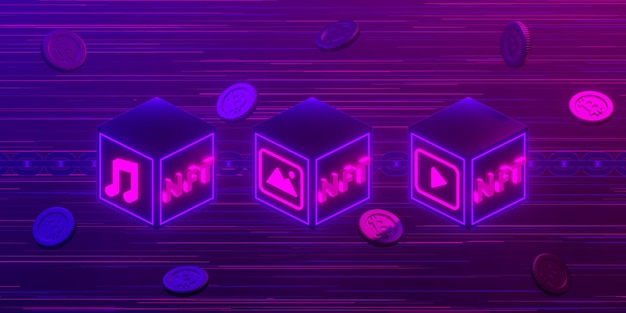
3d rendering concept NFT or non fungible token blockchain technology and cryptocurrency

Emerging Use Cases for NFT Collectibles

One of the most exciting aspects of the NFT collectibles sector is how it’s continually branching into new use cases beyond digital art. In 2025, NFTs are not one-trick ponies; they’re proving their utility across entertainment, sports, gaming, and even real-world asset ownership. Here are some of the key emerging (or expanding) use cases for NFT collectibles:

Gaming Assets and Virtual Worlds: Gaming is arguably the frontier where NFTs shine brightest. In-game items – characters, skins, weapons, virtual land – are being turned into NFTs, giving players true ownership of their digital possessions. This means an item won in one game could potentially be traded or used in another or sold on an open marketplace for real value. “NFT gaming assets could create a more cohesive experience across platforms,” notes F-Prime Capital analyst Nisha Rangarajan​

, envisioning a future where, for example, a skin purchased in Fortnite could be carried over to Roblox or Minecraft. By 2025, several major game developers are exploring such interoperability. Even if full cross-game usage is still rare, the concept of play-to-earn has gained traction: games like Gods Unchained and Axie Infinity pioneered allowing players to earn or trade NFT items, and this model is expanding. In fact, gaming-related NFTs led all categories in number of sales in 2024​

, thanks to high-volume trading of collectibles like trading cards and in-game loot. As the metaverse vision grows, expect NFTs to serve as deeds to virtual real estate, tickets to online events, and the building blocks of user-generated game content. For gamers and metaverse enthusiasts, NFT collectibles are unlocking new ways to play, earn, and connect.

Sports Memorabilia and Fan Engagement: Sports NFTs have exploded in popularity and will continue to evolve in 2025. These digital collectibles capture iconic moments (via video highlights) or represent player cards, much like traditional trading cards but with verifiable scarcity and provenance. The NBA set the template with NBA Top Shot in 2021, and since then we’ve seen NFL, MLB, FIFA, and Formula 1 all jump into the NFT arena. Platforms like Sorare have taken sports NFTs further by combining them with fantasy gaming – users collect player card NFTs and use them in fantasy football leagues, blending collecting with interactive competition. Sorare’s model has proven successful and uniquely engaging, making it one of the top NFT projects globally​. By 2025, sports NFTs are not just about owning a highlight; they often come with perks like VIP access to players, exclusive merchandise, or voting rights in club decisions. Fan tokens (a related concept) issued by soccer clubs and others grant fans influence and special rewards. The sports NFT market is forecast to grow steadily (26% annually through 2031)​, reflecting how these collectibles resonate with a global fanbase. We’re likely to see more innovative uses, such as NFTs as season tickets or membership passes. For example, an NFT could serve as your season ticket to a team’s games, with the owner able to resell it on secondary markets if they can’t attend – something far more flexible than traditional tickets. In summary, NFTs are revolutionizing sports memorabilia, making it interactive and immediate in a way that physical collectibles could never be.

Music and Entertainment Collectibles: Another burgeoning use case for NFTs is in music, film, and pop culture. Musicians and artists are exploring NFTs as a new medium to distribute content and engage with fans. We’ve seen bands release entire albums as NFTs (often bundled with artwork and behind-the-scenes content), and individual songs sold as limited digital collectibles. These music NFTs can confer perks like a share of streaming royalties or access to meet-and-greets, effectively turning fans into stakeholders. While still niche in 2024, by 2025 more mainstream musicians are expected to jump on this trend as a way to monetize without intermediaries. Imagine owning an NFT that not only gives you a high-quality track and cover art, but also a tiny percentage of the song’s revenue – making you an investor in your favorite artist’s success. Similarly, in the film and TV industry, studios have begun releasing NFTs tied to popular franchises (e.g. character trading cards, exclusive posters, or props scanned into 3D). These serve both as collectibles and as keys to unlock fan experiences. For instance, an NFT ticket stub might let you access bonus scenes or director’s commentary online. Even celebrities are launching personal NFT collections, offering items like autographed digital memorabilia or access tokens to virtual events. In 2025, expect entertainment NFTs to further blur the line between fan collectibles and experiential access. They are becoming the modern equivalent of autographs and limited-edition merchandise – but often with added interactive value.

Real-World Assets and New Domains: Perhaps one of the most groundbreaking developments is the tokenization of real-world assets into NFTs. A few years ago this idea sounded far-fetched, but it’s increasingly real. Real estate, luxury goods, and one-of-a-kind physical collectibles are starting to be represented by NFTs on blockchain. For example, fractions of a rare sports car or a piece of fine art can be sold as NFTs, allowing collectors to own a share of an asset that would be prohibitively expensive otherwise​. By 2025, platforms for fractional ownership via NFTs are more robust – you might buy 1/100th of a famous painting as an NFT and trade that fraction freely. Even property developers have begun piloting NFT-based property deeds in some jurisdictions, which could eventually streamline real estate transactions (though widespread adoption is likely years away). Another domain is identity and credentials: NFTs are being tested as digital diplomas, certificates, or tickets. Attending a big concert or festival in 2025 might come with an NFT ticket that doubles as a collectible (perhaps featuring unique art or footage from the event) and also acts as proof of attendance for your digital collection. This is similar to POAPs (proof of attendance tokens) which gained popularity in crypto events. Metaverse fashion is yet another niche – brands like Nike and Adidas have issued NFT sneakers and apparel that your avatar can wear in virtual worlds, merging the fashion collectible world with NFTs. The common thread across all these emerging uses is that NFTs are expanding beyond pure art into functional assets. As we progress through 2025, the term “NFT collectibles” encompasses a broad array of items: not just artwork and profile pictures, but also game items, sports moments, music tracks, virtual land, tickets, and more. This diversification of use cases is a sign of a maturing market – one that is integrating into many aspects of both digital and physical life.

Investor Insights: Navigating NFT Investment in 2025

If you’re considering investing in NFT collectibles in 2025, it’s crucial to adapt to the market’s new realities. The get-rich-quick days have waned, but there are still abundant opportunities for those who approach wisely. Here are key strategies and considerations for NFT investors in 2025:

1. Focus on Quality and Utility: Successful investors now zero in on NFT projects with strong fundamentals. Before buying, do your due diligence on the team, community, and roadmap of a project. Is the development team reputable and active? Is there a passionate community or fanbase driving demand? Does the NFT come with any utility (like access to events, game functionality, or a revenue share)? These factors can make or break an NFT’s long-term value. As a rule of thumb, the best NFT investments tend to be those that offer something beyond mere rarity. For example, collections like Bored Ape Yacht Club and Pudgy Penguins have thriving communities and deliver ongoing perks to holders, which helps sustain their value​. When evaluating an NFT, consider its market value and trading volume (is there steady demand in the market?), the level of community engagement (active Discord/Twitter communities are a good sign), and any additional perks or utility that come with ownership​. By focusing on these fundamentals, you increase your chances of picking NFTs that can weather market ups and downs. In short, treat an NFT like you would a startup or a work of art: invest in it because you believe in its creative or utility value, not just because you hope to flip it to a greater fool.

2. Diversify Across Categories: The NFT space is diverse, spanning art, collectibles, gaming, sports, and more. Savvy investors often diversify their NFT portfolio across multiple niches. This way, you’re not overexposed to a single trend. For instance, you might hold some blue-chip art NFTs (e.g. a CryptoPunk or Art Blocks piece), some gaming NFTs (land or items in a popular game), and some sports or music NFTs. Different sectors can perform differently; if the art market cools, perhaps gaming NFTs are heating up, etc. Also, consider spreading investments across different blockchains. Ethereum NFTs dominate, but ecosystems on Solana, Polygon, and others are growing too, sometimes offering lower entry prices and unique communities. However, don’t spread yourself too thin – only invest in sectors you’ve researched and have conviction in. 2025 might also see the rise of NFT index funds or ETFs (if regulators approve them), which could allow a single investment to give exposure to a basket of top NFTs. While such instruments are still nascent, keep an eye out, as they can simplify diversification.

3. Be Mindful of Market Timing and Liquidity: The NFT market remains highly volatile and cyclical. Prices can swing dramatically with shifts in sentiment. For example, overall NFT sales volumes plunged nearly 70% from the peak of 2021 to late 2022​, illustrating how quickly values can drop when hype fades. It’s important to manage expectations for returns. Not every NFT will shoot “to the moon” – in fact, most won’t. A realistic approach is to identify a target timeframe and exit strategy for each investment. Are you collecting for the long term, hoping the item becomes a coveted vintage in 5-10 years? Or are you looking to capitalize on a shorter-term catalyst (like an upcoming game release or a famous new artist dropping a collection)? Your approach will differ accordingly. Also, remember that NFTs are illiquid relative to stocks or crypto – finding a buyer at your desired price can take time. It’s wise to avoid over-leveraging or putting in money you might need on short notice. Some investors set stop-loss rules or closely monitor floor prices so they can act if the market turns. Others take a dollar-cost averaging approach in NFTs, gradually building positions rather than all at once. And as always: never invest more than you can afford to lose, because this is still a speculative asset class at heart.

4. Watch Out for Risks and Scams: Investing in NFTs comes with a unique set of risks that you must navigate. Security and fraud is a major concern – 2024 saw over $430 million lost to crypto scams, hacks, and NFT frauds. Scam artists might try to trick you with fake collections, phishing links for your wallet, or pyramid-scheme NFT projects. Always use official links and double-verify authenticity (for example, check if an NFT collection is verified on major marketplaces). Regulatory risk is also present: laws around NFTs and crypto are evolving, and changes could impact your investments. There’s a possibility that certain NFTs (especially those with profit-sharing or that resemble stock shares in a project) could be labeled securities. If that happens, those NFTs might face trading restrictions or require extra legal steps to buy/sell​. It’s wise to stay informed about legal developments in your country. High transaction costs can eat into profits as well – on Ethereum, gas fees can spike during network congestion (though solutions are improving). This means if you’re flipping low-value NFTs, a hefty fee could wipe out your margin. Illiquidity and pricing transparency are issues too: an NFT’s “market price” can be fuzzy if trades are infrequent, and you may not be able to sell exactly when you want to. Given these risks, prudent investors take steps to mitigate them: using hardware wallets for security, staying skeptical of too-good-to-be-true offers, and keeping a portion of their portfolio in more liquid assets as backup.

5. Long-Term Vision and Value: Finally, successful NFT investing in 2025 often means having a long-term mindset. While quick flips still occur (and a hot mint can sometimes 5x in a week), the core value in NFTs tends to reveal itself over a longer horizon. Think of historically significant projects (CryptoPunks, early Art Blocks) – their true valuations became clear years after release. If you believe an NFT represents a culturally significant moment or a cornerstone of a future ecosystem (like a key item in a game or an early collectible from a now-major brand), holding it could yield outsized returns down the road. Some NFTs might also generate passive income – for example, virtual land NFTs that allow you to rent them, or NFTs that pay you royalties from a platform’s revenue. These can be considered for a sort of “yield” in your portfolio. Keep in mind that as the market matures, expected returns may normalize. The 100x gains of early 2021 were exceptional and tied to a hype cycle. Going forward, returns might look more like those in traditional art or venture investing – still attractive, but requiring patience and discernment. Being early to identify trends is key: those who spotted the profile-picture (PFP) craze early made fortunes; in 2025, the next big trend might be something like AI-generated collectibles or metaverse real estate. Pay attention to where users are flocking and what new types of NFTs are gaining traction. By staying agile and informed, you can capitalize on these shifts. But above all, invest in NFTs you genuinely appreciate or believe in. The market can be irrational longer than you can stay solvent, as the saying goes – so it helps if you actually enjoy the art or utility you’re holding, in case you end up holding it longer than intended.

Notable NFT Projects to Watch in 2025

As the NFT collectible space grows, certain projects stand out as trendsetters and bellwethers for the market. Here are some top NFT projects expected to make an impact in 2025, each for different reasons:

Bored Ape Yacht Club (BAYC) – The blue-chip PFP with a club mentality. BAYC remains one of the most prominent NFT collections in the world. Its 10,000 cartoon ape NFTs, launched in 2021 by Yuga Labs, have become synonymous with NFT culture. More than just collectibles, owning a Bored Ape grants entry into an exclusive community (the “Yacht Club”) with real-world meetups, merch, and collaborations. BAYC holders received lucrative airdrops like the ApeCoin cryptocurrency and pieces of the Otherside metaverse land, showcasing Yuga Labs’ strategy of expanding the Ape universe. In 2025, BAYC is expected to continue leading the market – it’s often the barometer for NFT investor sentiment. The project’s roadmap includes the full launch of the Otherside metaverse, an ambitious virtual world where Apes and other NFT characters will interact. If Otherside takes off, it could drive a new wave of demand for BAYC and its affiliated collections. Even without that, BAYC’s cultural cachet (boosted by celebrity owners and brand deals) and its strong community give it staying power. Analysts frequently cite BAYC as a top NFT investment for its “artistic value and strong community,” which have driven substantial price appreciation to date​. Keep an eye on anything Yuga Labs does – their moves often set the trend for the wider market.

CryptoPunks – The OG digital collectibles. CryptoPunks, launched by Larva Labs in 2017, are the original NFT profile picture collection and have a legendary status. Consisting of 10,000 8-bit-style punk characters, they were among the first NFTs on Ethereum, and their historical significance underpins their value. Many consider a Punk as the ultimate crypto collectible trophy – they’ve been auctioned at Christie’s and owned by celebrities. In 2022, Yuga Labs (of BAYC fame) acquired the CryptoPunks IP, and since then they’ve pledged to keep Punks as a kind of digital art heritage item (with Yuga giving full commercial rights to Punk owners). Going into 2025, CryptoPunks are expected to hold their elite status. They don’t have roadmaps or utility drops; their value is in being the first and in their enduring influence. Think of CryptoPunks like fine art or vintage Rolexes of the NFT world – scarce, iconic, and less about flashy innovation. For investors, Punks are a bet on NFTs as a whole: if the NFT ecosystem thrives long-term, these “historical artifacts” could become even more coveted. Already, BAYC and CryptoPunks are frequently mentioned in the same breath as the top two NFT collections to buy and hold​. Their floor prices in 2025 will be a fascinating indicator of how much the market values provenance and legacy.

Pudgy Penguins – Community-driven and bridging into the physical world. Pudgy Penguins started in 2021 as a fun, feel-good PFP collection of 8,888 cartoon penguins. After some early drama, the project saw a renaissance under new leadership (Luca Netz) who took over in 2022. Since then, Pudgy Penguins has built one of the friendliest and most resilient communities in NFTs. What makes Pudgy Penguins notable heading into 2025 is their focus on brand building and multimedia expansion. They’ve turned the cute penguin characters into a recognizable brand, even launching physical Pudgy Penguin toys and books, effectively connecting NFTs to real-world products. Additionally, Pudgy Penguins introduced their own community-driven token ($PENGU) in late 2024, part of a trend of NFT projects launching native tokens​. They are also exploring their own layer-2 blockchain to support the ecosystem​. These moves aim to add value for holders and entrench Pudgy Penguins as more than just a profile picture. Many industry observers cite Pudgy Penguins as a project to watch because of its innovative approach to IP utilization and community empowerment. In a market where community is king, the Penguins have that in spades – and they’re leveraging it to create a Disney-like brand from the ground up. If they succeed, it could set a template for other NFT communities to follow.

Azuki – Anime-inspired collectibles with an expanding universe. Azuki is a collection of 10,000 anime-style avatar NFTs that burst onto the scene in early 2022. It quickly garnered a passionate following, especially among collectors who appreciate its slick art inspired by Japanese anime and streetwear culture. Azuki is known for its emphasis on storytelling and lore – the team envisions Azuki as characters in a wider narrative (think comics, animation, games). In 2023, Azuki faced a setback due to a controversial secondary drop, but its core community (the “Garden”) remains strong and the project continues to innovate. By 2025, Azuki aims to be a multiverse of anime-themed NFT content. They have already hinted at developing a proprietary blockchain or scaling solution (dubbed “city in the clouds”) to support their ecosystem​. In late 2024, Azuki also launched a native token ($ANIME), following the trend of NFT projects providing a fungible token to their community​. These moves signal that Azuki is building infrastructure for longevity – a sign that it wants to be around for the long haul. Collectors and analysts often include Azuki in the list of top NFT projects due to its high sales volumes and devoted fanbase​. It’s carving out a niche as the premier anime NFT brand. If in 2025 we start seeing Azuki characters in web comics, or its token integrated into partner platforms, that will confirm its growing cultural footprint.

Sorare – Fantasy sports meets NFTs. Sorare is quite different from the other names on this list, but it’s a heavyweight in its domain. It’s a platform for fantasy sports (originating with soccer and now including MLB baseball and NBA basketball) where the player cards are NFTs. Users buy, sell, and trade digital cards of athletes – for example, a limited edition card of soccer star Kylian Mbappé or basketball phenom Luka Dončić – and then assemble teams to compete in fantasy leagues for prizes. By combining a game with true ownership, Sorare has created one of the most compelling use cases for NFTs in sports. As of 2024, Sorare had partnered with hundreds of clubs and leagues worldwide, and its user base was rapidly growing among sports fans who might not have otherwise interacted with NFTs. In 2025, Sorare is expected to further expand its sports offerings and global reach. They are continuously adding new leagues (recently including tournaments for women’s sports and more national leagues) which will bring new collectors into the fold. Sorare’s success illustrates a key trend: NFTs can thrive when they tap into existing passionate communities (in this case, sports fandom) and offer them something novel. Investment-wise, individual Sorare cards have fetched eye-watering prices (a unique 1-of-1 Erling Haaland card sold for over $600k worth of Ether in 2022, for instance). But beyond individual card value, Sorare’s entire marketplace is one of the most active in NFTs. The project is often highlighted as one of the best NFT investments in the sports category, praised for its unique blend of collectibles and fantasy gameplay​. If you’re bullish on sports NFTs, Sorare is essentially leading that pack and likely will continue to define the space in 2025.

These projects – BAYC, CryptoPunks, Pudgy Penguins, Azuki, Sorare – are by no means the only important ones, but they each represent a facet of the NFT world (prestige PFPs, historical art, community-focused brands, anime culture, and sports gaming respectively). Other notable mentions include Doodles (a colorful PFP collection with entertainment ambitions), Art Blocks (the premier platform for generative art NFTs, which could see a renaissance as digital art gains broader recognition), and gaming/metaverse projects like Otherside, Sandbox, or Decentraland which tie NFTs to virtual world experiences. Additionally, keep an eye on innovations like Bitcoin Ordinals (NFT-like assets on the Bitcoin blockchain) which emerged in 2023 – they hint at a future where NFTs aren’t confined to Ethereum or even the term “NFT” as we know it. The NFT collectibles market in 2025 will be shaped in large part by how these notable projects perform and how they continue to engage their communities. They are the trendsetters pushing the envelope of what NFTs can do.

Conclusion: The Future of Digital Collectibles

By all indications, the future of digital collectibles in 2025 and beyond is bright, though it may unfold differently than the recent past. The NFT market is transitioning from a speculative sprint to a marathon of innovation and integration. Collectibles are no longer just quirky digital art pieces; they are tickets, game assets, status symbols, community memberships, and investment vehicles. This year will likely see NFTs further entwined with mainstream culture – from sports fans trading tokens of their favorite plays, to gamers grinding for NFT loot, to concert-goers holding NFT tickets as lasting mementos. For NFT enthusiasts, 2025 offers a landscape rich with creativity: augmented reality art, metaverse fashion, and AI-generated collectibles are expanding what an “NFT” can be. For investors, the market is simultaneously more challenging and more promising: the easy arbitrage of 2021 is gone, but in its place lies a field of projects with real substance and the potential for sustainable growth.

In navigating this space, a balanced perspective is key. The hype waves will come and go (and no doubt, NFTs will trend on Twitter again with either exuberance or eulogies). But underneath, the foundational progress – in technology, regulation, and adoption – is steadily pushing the NFT collectibles market toward maturity. Remember that just as not every baseball card or comic book becomes valuable, not every NFT will stand the test of time. However, the underlying concept of verifiable digital ownership is here to stay, and it’s transforming how we interact with media and value the digital world. As 2025 unfolds, keep an eye on the convergence of trends: more traditional businesses entering the NFT arena, more seamless user experiences, and perhaps new killer apps (could NFT-based gaming or social media go truly viral? it’s possible). The year’s predictions may not all come true to the letter, but they paint a picture of a field that’s dynamic and resilient.

In summary, the NFT collectibles market of 2025 is evolving – marked by maturation of trends, insightful input from industry leaders, data-backed growth forecasts, and an ever-widening array of use cases. Whether you’re collecting for passion or investing for profit, there’s never been a more intriguing time to be involved in the world of NFTs. The digital collectibles journey is just beginning, and 2025 is set to be an important chapter in that story. By staying informed and engaged (and perhaps with a bit of luck and timing), enthusiasts and investors alike can find their footing and thrive in the future of digital collectibles. The landscape may shift, but one thing is certain: the concept of owning and cherishing unique digital assets is not a passing fad – it’s a paradigm shift in how we ascribe value in an increasingly digital age. Welcome to the next era of NFTs, where the only limit to what they can become is the imagination of creators and the support of their communities.



Source link

Berachain ($BERA) will be listed on Binance

0
Berachain ($BERA) will be listed on Binance


Berachain Mainnet Launch: February 6, 2025

Binance, one of the leading cryptocurrency exchanges, is thrilled to introduce the seventh project featured on its HODLer Airdrops Page – Berachain (BERA). 

This marks an important milestone for Berachain as a Layer-1 (L1) blockchain. This launch signals the beginning of a new chapter, bringing fresh opportunities for users and developers in the crypto space.

Eligibility for Airdrop:

Users who have subscribed their BNB to Binance’s Simple Earn products between January 22, 2025, at 00:00 UTC and January 26, 2025, at 23:59 UTC are set to receive the BERA token airdrop.

Token Listing Details:

Following the airdrop, Binance will list Berachain (BERA) for trading starting from February 6, 2025, at 13:00 UTC. The token will be available to trade against several pairs including BTC, USDT, USDC, BNB, FDUSD, and TRY. 

The “seed tag” will be applied to BERA, indicating its newness and potential risk associated with early-stage projects.

BERA Tokenomics:

Token Name: Berachain (BERA)
Genesis Total Token Supply: 500,000,000 BERA
Max Token Supply: Non-capped, with a 10% yearly inflationary rate based on emission type.
HODLer Airdrops Token Rewards: A total of 10,000,000 BERA, representing 2% of the genesis supply, will be distributed.
Marketing Allocation: An additional 5,000,000 BERA will be allocated for marketing campaigns, to be distributed in batches 12 months post-listing. Specific details for these campaigns will be announced separately.
Circulating Supply at Listing: 107,480,000 BERA, which is 21.50% of the genesis total token supply.

About Berachain

A Layer-1 blockchain called Berachain was constructed with the Cosmos SDK. It is very compatible with the Ethereum Virtual Machine (EVM), which makes it easier to create decentralized applications (dApps). Proof of Liquidity (POL), a revolutionary consensus technique used by the blockchain, provides a fresh take on network security and liquidity enhancement.

Users stake tokens through third-party service providers on the majority of blockchains that employ Proof of Stake (PoS).  Berachain’s POL works differently. Users must choose between staking with a validator to secure the network or providing liquidity to core DeFi protocols. This approach helps solve two major issues: liquidity and network decentralization. By merging security with liquidity incentives, POL fosters a more balanced ecosystem.

Massive Liquidity Before Launch

Before the mainnet launch, Berachain raised over $3.32 billion in liquidity. This was possible through the Boyco Vault program, which allows users to lock assets like ETH and WBTC in exchange for BERA airdrops. The success of this program highlights the strong interest and confidence from the crypto community.

Berachain’s full tokenomics will be revealed on February 5, 2025, right before the TGE. This detailed breakdown will give insights into the distribution, utility, and future plans for Berachain’s tokens. Stay tuned for more updates as Berachain steps into the next phase of its journey.


Source link

Top NFT Collections – February 5, 2025

0
Top NFT Collections – February 5, 2025


Top NFT Collections (Last 24h)

Here are the hottest NFT Collections of the day.

Rank

Name
Volume
Transactions
Chains
URL

1

Pudgy Penguins
388.97 ETH
37
ethereum
View

2
CryptoPunks
CryptoPunks
382.52 ETH
7
ethereum
View

3
Uniswap v4 Positions NFT
320.46 ETH
13
ethereum
View

4
Azuki
Azuki
310.39 ETH
97
ethereum
View

5
Milady Maker
Milady Maker
173.02 ETH
35
ethereum
View

6
Lil Pudgys
Lil Pudgys
137.18 ETH
123
ethereum
View

7
Mutant Ape Yacht Club
124.17 ETH
56
ethereum
View

8
The Band Bears
The Band Bears
114.67 ETH
10
ethereum
View

9
Top NFT Collections – February 6, 2025
Bit Bears by Berachain
106.89 ETH
17
ethereum
View

10
Kaito Genesis
Kaito Genesis
96.21 ETH
15
ethereum
View


Source link

Exploring Sustainability in the World of Digital Art

In recent years, the world of digital art has burgeoned into a vibrant sphere of creativity and innovation. As artists increasingly harness technology to create and share their work, questions surrounding sustainability have emerged. The digital realm, often perceived as an intangible and limitless space, is now under scrutiny for its environmental and ethical implications. This article delves into the concept of sustainability within digital art, examining the environmental impact of digital creations and highlighting innovations that drive sustainable practices.

Understanding Sustainability in Digital Art

Sustainability in digital art encompasses a range of practices and considerations that aim to minimize environmental impact while promoting ethical and responsible creation. At its core, sustainability involves the conscious use of resources, a commitment to reducing carbon footprints, and fostering an inclusive and equitable digital landscape. As digital art continues to evolve, artists and platforms are increasingly aware of the need to balance creativity with ecological responsibility.

Digital art, by its nature, is less resource-intensive than traditional forms that require physical materials such as paints, canvases, and sculptures. However, sustainability in digital art is not solely about material usage. It also involves addressing the energy consumption associated with creating, storing, and sharing digital works. As data centers and servers power the digital world, they contribute significantly to energy use and carbon emissions, prompting a re-evaluation of digital art’s sustainability.

The role of digital platforms is crucial in shaping sustainable practices. As gatekeepers of the digital art marketplace, platforms like NFT marketplaces and digital galleries have the potential to influence artist behavior and consumer choices. By implementing green policies and promoting sustainable practices, these platforms can lead the way in fostering a more sustainable digital art ecosystem.

Education and awareness are fundamental to advancing sustainability in digital art. Artists and consumers alike need to be informed about the environmental impacts of their digital activities and the ways in which they can mitigate these effects. Workshops, seminars, and online resources can play a pivotal role in disseminating knowledge and encouraging sustainable practices within the digital art community.

Collaboration is another key component of sustainability in digital art. By working together, artists, technologists, and environmentalists can develop innovative solutions that address the ecological challenges posed by digital creation. Collaborative efforts can lead to the development of more efficient technologies, sustainable platforms, and a supportive network that champions ecological responsibility.

Ultimately, understanding sustainability in digital art is about recognizing the interconnectedness of all digital activities and their impact on the environment. It involves a commitment to continuous learning, adaptation, and innovation in pursuit of a digital art world that respects and preserves our planet’s resources.

The Environmental Impact of Digital Creations

Digital art, while often seen as a more environmentally friendly alternative to traditional art forms, still carries a significant environmental footprint. The creation, storage, and dissemination of digital artworks require substantial energy consumption, primarily driven by the infrastructure that supports the internet and digital technologies. Data centers, which house the servers that store and process digital information, are major energy consumers and contribute to carbon emissions on a global scale.

The use of blockchain technology in the digital art world, particularly in the realm of non-fungible tokens (NFTs), has further amplified concerns about environmental impact. The process of minting and trading NFTs involves complex cryptographic calculations, known as mining, which are energy-intensive. Critics argue that the carbon footprint of NFTs is disproportionately high, raising ethical questions about the sustainability of this burgeoning market.

In addition to energy consumption, the environmental impact of digital art is also linked to electronic waste. As technology advances, devices used for creating and viewing digital art quickly become obsolete, contributing to the growing problem of e-waste. The disposal of electronic devices poses significant environmental challenges, as they contain hazardous materials that can leach into the environment if not properly managed.

Efforts to mitigate the environmental impact of digital creations are gaining momentum. Artists are exploring alternative blockchain technologies that are less energy-intensive, such as proof-of-stake mechanisms, which offer a more sustainable approach to NFT transactions. Additionally, some artists are choosing to offset their carbon footprint by investing in renewable energy projects or purchasing carbon credits.

The environmental impact of digital art is not solely the responsibility of artists. Collectors, platforms, and consumers also play a role in driving demand for sustainable practices. By prioritizing eco-friendly platforms and supporting artists who are committed to sustainability, the digital art community can collectively work towards reducing its environmental footprint.

Addressing the environmental impact of digital creations requires a holistic approach that considers the entire lifecycle of digital artworks, from creation to consumption. By adopting sustainable practices and technologies, the digital art world can continue to thrive while minimizing its impact on the planet.

Innovations Driving Sustainable Digital Practices

In the quest for sustainability, digital artists and technologists are pioneering a range of innovations aimed at reducing the environmental impact of digital art. One of the most promising developments is the adoption of energy-efficient blockchain technologies. These innovations, such as proof-of-stake and layer-2 solutions, significantly reduce the energy required for transactions, offering a more sustainable alternative to traditional proof-of-work systems.

Another area of innovation is the development of eco-friendly digital art platforms. These platforms prioritize sustainability by implementing green policies, such as using renewable energy sources for data centers, optimizing server efficiency, and encouraging artists to adopt sustainable practices. By providing a marketplace for digital art that aligns with ecological values, these platforms are setting a new standard for sustainability in the digital art world.

Artists themselves are also at the forefront of driving sustainable practices. Many are exploring new mediums and techniques that minimize resource use and energy consumption. For instance, generative art, which uses algorithms to create visuals, can be produced with minimal energy input compared to traditional digital art methods. Artists are also experimenting with virtual reality and augmented reality as sustainable alternatives to physical exhibitions, reducing the need for travel and physical infrastructure.

Collaboration between artists, technologists, and environmental organizations is fostering a culture of innovation in sustainable digital practices. By sharing knowledge and resources, these collaborations are leading to the development of new tools and techniques that enhance the sustainability of digital art. Initiatives such as hackathons and collaborative projects are providing a platform for creative solutions to emerge.

Education and advocacy are essential in driving the adoption of sustainable digital practices. By raising awareness about the environmental impact of digital art and promoting sustainable alternatives, artists and organizations can influence consumer behavior and encourage the industry to prioritize sustainability. Educational campaigns, workshops, and online resources play a crucial role in equipping artists and consumers with the knowledge needed to make informed decisions.

The future of digital art lies in its ability to innovate and adapt to the challenges of sustainability. By embracing new technologies, fostering collaboration, and prioritizing education, the digital art community can lead the way in creating a more sustainable and environmentally conscious future for art in the digital age.

As the digital art world continues to expand, so too does the imperative for sustainable practices. By understanding the environmental impact of digital creations and embracing innovations that drive sustainability, the digital art community can rise to the challenge of creating a more responsible and eco-friendly future. Through collaboration, education, and technological advancement, artists, platforms, and consumers have the opportunity to shape a digital art landscape that not only inspires creativity but also safeguards the planet for future generations.

Exploring the Intersection of Technology and Art

In the modern era, the landscape of art has been dramatically reshaped by the rapid advancements in technology. This intersection of technology and art is not just a fleeting trend but a profound transformation that is redefining how art is created, perceived, and experienced. As digital innovation continues to permeate every aspect of our lives, artists are increasingly embracing new tools and techniques, pushing the boundaries of creativity and expression. This article delves into the dynamic fusion of creativity and digital innovation, explores how technology is transforming artistic expression, and examines how artists are bridging the gap by embracing new tools.

The Fusion of Creativity and Digital Innovation

The fusion of creativity and digital innovation marks a significant shift in the art world, offering unprecedented opportunities for artists to explore new dimensions of expression. Digital tools such as graphic design software, virtual reality, and augmented reality have opened up a plethora of possibilities, enabling artists to create works that were previously unimaginable. This convergence has led to the emergence of digital art as a recognized and respected art form, blurring the lines between traditional and contemporary practices.

Moreover, this fusion has democratized the creation and distribution of art. With the advent of digital platforms, artists can now share their work with a global audience without the need for traditional galleries or exhibitions. This accessibility has not only expanded the reach of art but also fostered a diverse and inclusive artistic community where voices from different backgrounds and cultures can be heard and appreciated.

The integration of technology into art has also led to the development of new genres and forms. Interactive installations, for instance, invite viewers to engage with art in a participatory manner, transforming them from passive observers to active participants. Similarly, digital sculptures and 3D-printed artworks challenge traditional notions of form and materiality, offering new ways to experience and interpret art.

Furthermore, the fusion of creativity and digital innovation has facilitated collaborations between artists and technologists. These interdisciplinary partnerships have sparked innovative projects that merge artistic vision with technical expertise, resulting in groundbreaking works that push the boundaries of both fields. This collaborative spirit is fostering a vibrant ecosystem where art and technology coalesce to create something entirely new and exciting.

As technology continues to evolve, artists are increasingly experimenting with artificial intelligence and machine learning to create art. These tools offer new possibilities for generative art, where algorithms and data sets are used to produce unique and intricate patterns, compositions, and forms. This exploration of AI in art challenges traditional notions of authorship and creativity, prompting discussions about the role of the artist in the digital age.

In conclusion, the fusion of creativity and digital innovation is not just a meeting of two worlds but a symbiotic relationship that is driving the evolution of art. As artists continue to explore and experiment with new technologies, the boundaries of what is considered art will continue to expand, leading to exciting and uncharted territories.

How Technology is Transforming Artistic Expression

Technology is transforming artistic expression in profound ways, allowing artists to explore new mediums and techniques that were previously inaccessible. Digital painting, for example, has revolutionized the way artists create visual art, offering a versatile and dynamic canvas that can be manipulated with precision and ease. This digital approach not only enhances the creative process but also enables artists to experiment with colors, textures, and forms in ways that traditional mediums cannot.

Virtual reality (VR) and augmented reality (AR) are also playing a pivotal role in transforming artistic expression. These immersive technologies allow artists to create and present their work in three-dimensional spaces, offering viewers an interactive and engaging experience. VR and AR have the potential to transport audiences to entirely new worlds, blurring the line between reality and imagination, and providing a platform for artists to tell stories in innovative and captivating ways.

Moreover, technology is enabling artists to incorporate elements of time and motion into their work. Video art and digital animation, for instance, allow artists to convey narratives and emotions through moving images, adding a dynamic layer to traditional art forms. This integration of motion and interactivity invites viewers to engage with the artwork on a deeper level, creating a more immersive and impactful experience.

The rise of digital platforms and social media has also transformed the way art is shared and consumed. Artists now have the ability to reach a global audience with just a few clicks, breaking down geographical and cultural barriers. This digital connectivity has not only increased the visibility of artists but also facilitated cross-cultural exchanges and collaborations, enriching the global art scene with diverse perspectives and ideas.

Additionally, technology is challenging conventional notions of originality and authenticity in art. The ability to easily reproduce and manipulate digital works raises questions about the value and ownership of art in the digital age. This shift is prompting artists and audiences alike to reconsider the significance of the physical object in an increasingly digital world.

In summary, technology is not just a tool for artistic expression but a catalyst for change that is reshaping the very nature of art. As artists continue to explore the possibilities offered by digital innovation, the art world will undoubtedly witness new forms of expression and storytelling that challenge and inspire.

Bridging the Gap: Artists Embrace New Tools

Artists are increasingly embracing new tools to bridge the gap between traditional and digital art forms, blending old techniques with new technologies to create hybrid works that are both innovative and rooted in tradition. This approach allows artists to honor the past while exploring the future, creating a dialogue between different artistic practices and perspectives.

One way artists are bridging this gap is by incorporating digital tools into traditional mediums. For instance, painters are using digital tablets to sketch their ideas before transferring them to canvas, allowing for greater precision and flexibility in the creative process. Similarly, sculptors are utilizing 3D modeling software to design and test their concepts before bringing them to life in physical form, combining the tactile qualities of traditional sculpture with the precision of digital technology.

Artists are also leveraging technology to reinterpret and reimagine historical art forms. Digital restoration techniques, for example, enable artists to reconstruct and preserve ancient artworks, providing new insights into the artistic practices of the past. This fusion of old and new techniques not only enhances our understanding of art history but also inspires contemporary artists to experiment with new ways of creating and experiencing art.

In addition to blending traditional and digital practices, artists are exploring new tools to expand their creative horizons. Artificial intelligence, for instance, is being used to generate unique compositions and patterns, offering artists a new source of inspiration and collaboration. This exploration of AI in art challenges traditional notions of creativity and authorship, prompting artists to reconsider their role in the creative process.

Furthermore, artists are embracing new tools to engage with audiences in innovative ways. Interactive installations and digital performances invite viewers to participate in the artistic experience, creating a sense of connection and engagement that transcends traditional boundaries. This participatory approach not only enhances the viewer’s experience but also encourages artists to explore new ways of storytelling and expression.

In conclusion, artists are not just adopting new tools for the sake of novelty but are thoughtfully integrating them into their practice to create meaningful and impactful work. By bridging the gap between traditional and digital art forms, artists are opening up new possibilities for creativity and expression, paving the way for a more inclusive and dynamic art world.

The intersection of technology and art is a dynamic and ever-evolving landscape that is reshaping the way we create, experience, and understand art. As technology continues to advance, artists are embracing new tools and techniques to push the boundaries of creativity and expression, leading to the emergence of new art forms and genres. This fusion of creativity and digital innovation is not only transforming artistic expression but also fostering a more inclusive and interconnected global art community. As we look to the future, the possibilities for art and technology are limitless, offering exciting opportunities for artists and audiences alike to explore and engage with the world in new and meaningful ways.

Crafting a Brand Identity Through Digital Presence

In today’s hyper-connected world, a brand’s digital presence is crucial for establishing its identity and engaging with a broader audience. The digital realm offers unprecedented opportunities for brands to communicate their values, mission, and story, but it also presents challenges in maintaining authenticity and consistency. Crafting a brand identity through digital presence requires a strategic approach that aligns with the brand’s core values while leveraging the dynamic nature of online platforms. This article delves into the essential components of brand identity, strategies for building a digital presence, and the importance of integrating brand values into online platforms.

Understanding the Core of Brand Identity

Brand identity is the essence of what a brand stands for and how it communicates its values and personality to the world. It encompasses elements such as the brand’s mission, vision, values, voice, and visual elements like logos and color schemes. At its core, brand identity is about creating a cohesive and authentic image that resonates with the target audience. It’s not just about aesthetics; it’s about conveying a story and a set of values that the audience can connect with emotionally.

A strong brand identity serves as a foundation for all marketing efforts. It helps differentiate a brand from its competitors and builds trust and loyalty among consumers. When a brand’s identity is clear and consistent, it becomes easier for consumers to remember and recognize it, which is crucial in a crowded marketplace. Understanding the core of brand identity involves a deep dive into the brand’s purpose and the unique value it offers to its audience.

The process of defining a brand identity often begins with introspection and research. Brands need to understand their target audience, market trends, and competitive landscape to develop an identity that is both relevant and distinctive. This involves identifying the brand’s unique selling propositions (USPs) and the emotional benefits it offers to consumers. By aligning these elements with the brand’s mission and values, a coherent identity begins to take shape.

Visual elements are a significant part of brand identity, but they must be supported by a strong narrative. The story a brand tells about itself should be reflected in every aspect of its identity, from its logo and website design to its social media presence and customer interactions. Consistency across these elements helps reinforce the brand’s message and ensures that it is perceived as trustworthy and reliable.

Brand identity also evolves over time as the brand grows and the market changes. It’s important for brands to remain flexible and open to change while staying true to their core values. This adaptability allows brands to remain relevant and maintain a strong connection with their audience. Regularly revisiting and refining the brand identity can help ensure it continues to align with the brand’s goals and the expectations of its audience.

Ultimately, understanding the core of brand identity is about creating a clear and compelling narrative that resonates with the audience and guides all brand communications. It’s the foundation upon which a successful digital presence is built, allowing brands to effectively engage with their audience and foster long-term relationships.

Strategies for Building a Digital Presence

Building a digital presence involves a strategic approach that leverages various online platforms to reach and engage with the target audience. One of the first steps in this process is defining the brand’s digital goals. These goals might include increasing brand awareness, driving website traffic, generating leads, or enhancing customer engagement. Clear objectives provide direction and help measure the success of digital initiatives.

Once the goals are established, brands need to identify the most appropriate digital channels for reaching their audience. This could include a mix of social media platforms, a company website, email marketing, and online advertising. Each channel serves a different purpose and offers unique opportunities for engagement. For example, social media is excellent for building community and fostering direct interaction, while a website serves as a hub for comprehensive information about the brand.

Content plays a crucial role in building a digital presence. Creating high-quality, relevant, and engaging content helps attract and retain the audience’s attention. This content should reflect the brand’s identity and values while addressing the needs and interests of the target audience. Regularly updating content and staying current with industry trends can help maintain audience interest and encourage repeated visits.

Search engine optimization (SEO) is another essential strategy for enhancing digital presence. By optimizing website content for search engines, brands can improve their visibility and attract organic traffic. This involves using relevant keywords, creating valuable content, and ensuring the website is user-friendly and technically sound. A strong SEO strategy can significantly increase a brand’s online reach and accessibility.

Engagement is key to building a strong digital presence. Brands should actively interact with their audience through comments, direct messages, and social media posts. This interaction not only builds relationships but also provides valuable insights into audience preferences and behaviors. Listening to the audience and responding to their feedback can help refine digital strategies and improve overall brand perception.

Finally, analytics and performance measurement are critical components of a successful digital strategy. By tracking key performance indicators (KPIs) such as website traffic, social media engagement, and conversion rates, brands can assess the effectiveness of their digital efforts. This data-driven approach allows for continuous improvement and optimization of digital strategies, ensuring they align with the brand’s goals and audience expectations.

Integrating Brand Values into Online Platforms

Integrating brand values into online platforms is essential for ensuring that a brand’s digital presence is authentic and consistent. Brand values are the guiding principles that shape the brand’s actions and communications. When these values are clearly reflected in the brand’s digital presence, they help build trust and loyalty among the audience.

One way to integrate brand values into online platforms is through consistent messaging. Whether it’s a social media post, a blog article, or a video, the content should align with the brand’s values and convey a coherent message. This consistency helps reinforce the brand’s identity and ensures that the audience receives a unified experience across all touchpoints.

Visual elements also play a significant role in communicating brand values. The design of a website, the imagery used in social media posts, and the overall aesthetic of digital content should reflect the brand’s personality and values. This visual consistency helps create a recognizable image that resonates with the audience and differentiates the brand from its competitors.

Storytelling is a powerful tool for integrating brand values into online platforms. By sharing stories that illustrate the brand’s values and mission, brands can create an emotional connection with their audience. This could involve highlighting customer success stories, showcasing behind-the-scenes content, or sharing the brand’s journey and milestones. Authentic storytelling helps humanize the brand and fosters a deeper connection with the audience.

User-generated content (UGC) is another effective way to integrate brand values into digital platforms. Encouraging customers to share their experiences and stories related to the brand can amplify its values and extend its reach. UGC not only builds community and engagement but also provides social proof that reinforces the brand’s credibility and trustworthiness.

Finally, integrating brand values into online platforms requires ongoing commitment and adaptability. As the digital landscape evolves and consumer expectations change, brands must remain true to their core values while being open to new ways of expressing them. Regularly reviewing and updating digital content and strategies ensures that the brand remains relevant and aligned with its values.

Crafting a brand identity through digital presence is a multifaceted process that requires a deep understanding of the brand’s core values, strategic planning, and consistent execution. By defining a clear brand identity, employing effective digital strategies, and integrating brand values into online platforms, brands can create a compelling and authentic digital presence that resonates with their audience. As the digital landscape continues to evolve, maintaining a strong and consistent brand identity will be crucial for building lasting relationships with consumers and achieving long-term success.

Inside B3: A New Frontier for On-Chain Gaming | NFT News Today

0
Inside B3: A New Frontier for On-Chain Gaming | NFT News Today


B3 is a fresh face in the world of blockchain gaming. Built on Base—a layer-2 network on Ethereum—B3 aims to go even further by creating a “layer-3” environment explicitly designed for on-chain gaming.

This extra layer is meant to give players faster, cheaper transactions while offering game developers a more efficient platform on which to build.

Key Features & Technology

A layer-2 network typically allows faster and cheaper transactions compared to using the Ethereum mainnet directly. B3 takes this concept one step further by focusing its block space exclusively on gaming. That means speed, cost efficiency, and scalability tailored to the unique demands of interactive and often resource-intensive games. B3 stands out thanks to several core features designed to make on-chain gaming more accessible and rewarding.

Dedicated App Chains (Gamechains)

Game studios can launch their own Gamechain on B3. A Gamechain is a dedicated chain offering cheap, fast, and secure transactions specifically for gaming. This approach has already attracted over 6 million players and more than 80 games to the network, showcasing the strong demand for specialized blockchain technology in gaming.

B3 Superchain

B3 describes its broader ecosystem as a “gaming superchain.” The idea is that each Gamechain connects back to B3, allowing studios to enjoy dedicated blockspace while still benefiting from the security and reliability of Ethereum, via Base. More than five new Gamechains are set to launch soon, backed by top studios and major brands eager to explore on-chain gaming.

Basement.fun for Players

If you’re looking for a quick way to find all the action, check out basement.fun. This platform serves as the “front page” of on-chain gaming on B3. From there, you can discover which games are available, learn about upcoming titles, and dive directly into whatever interests you.

Points Programs: BP and XP

Leading up to the token launch, B3 has introduced two points programs: BP (Builder Points) and XP (Experience Points). Both reward community members who contribute to or play within the ecosystem. It’s a straightforward way to get involved early, earn some recognition, and help shape the future of Web3 gaming.

The B3 Token: Utility & Incentives

Although the B3 Token itself is not yet live, its planned utility is already generating interest.

Core Uses

Game creators will be able to use B3 to publish and launch new titles. In many blockchain ecosystems, publishing means staking or spending the native token to get your app recognized by the network. Here, staking B3 allows you to support games you believe in, while “publisher rewards” offer a return on that support.

There’s also a referral rewards system designed to reward players who introduce their friends or communities to a new B3-based Gamechain.

Exposure to New Tokens

By holding B3, you get indirect exposure to the many different tokens that might spring up as part of each Gamechain. You also benefit from any growth in the main B3 ecosystem and its infrastructure partners. Essentially, if the network sees rapid expansion, B3 holders stand to gain in various ways.

Incentivizing Growth

The goal behind B3’s token design is to make sure everyone involved has a reason to help the ecosystem grow. Developers are motivated to keep creating great content, players can earn rewards by exploring new games and bringing in friends, and publishers have an opportunity to stake B3 and gain a share in the success of the titles they support.

Setting Up B3 in Your Wallet

If you’re new to cryptocurrencies, “wallets” are simply apps or browser extensions that let you store and send tokens. B3 is an EVM-compatible chain, which means it works with wallets like Coinbase Wallet and MetaMask—both of which are user-friendly.

Step-by-Step Configuration

Open Coinbase Wallet or MetaMask and look for the “Settings” option.

Go to “Networks” and select the option to add a custom network.

Enter the B3 Mainnet information.

Roadmap & Future Outlook

B3’s upcoming milestones revolve around the official launch of its token and the continued rollout of new Gamechains. The developers have hinted at potential airdrops or public sales once the token goes live, although no firm dates have been announced yet.

Whether you’re a player or a game studio, you’ll want to keep an eye on these developments. Over the long term, B3 aims to become the top layer-3 solution for on-chain gaming worldwide.

The platform also has room to expand into other blockchain-based entertainment areas, such as NFTs and digital collectibles. Because the token has yet to launch, there’s a sense of being early in the grand scheme of things. That early-bird position could be advantageous if you believe in the future of on-chain gaming.

Editor’s note: Written with the assistance of AI – Edited and fact-checked by Jason Newey.


Source link

Meta Reports $4.97 Billion Loss, CTO Calls 2025 a Make-or-Break Year – Cryptoflies News

0
Meta Reports .97 Billion Loss, CTO Calls 2025 a Make-or-Break Year – Cryptoflies News


1

Meta’s Reality Labs division has reported another multi-billion-dollar loss as it continues to develop virtual and augmented reality technologies for its metaverse vision.  

According to a recent report, the company disclosed a $4.97 billion operating loss, despite generating $1.1 billion in sales.  

Following the announcement, Business Insider revealed an internal memo from Meta’s CTO, Andrew “Boz” Bosworth, addressed to employees. 

In the memo, Bosworth described 2025 as a crucial year for the company’s metaverse strategy. “This year likely determines whether this entire effort will go down as the work of visionaries or a legendary misadventure,” he stated.  

Meta has been pushing its metaverse ambitions since rebranding from Facebook in 2021. The company has invested heavily in technologies like its Meta Quest VR headsets and “Orion” augmented reality glasses. However, sales have struggled to gain momentum.  

You Might Be Interested In

In 2023, Reality Labs reported a $4.5 billion loss during the second quarter. Despite generating over $1 billion in sales in the fourth quarter, the division still faced a $4.65 billion operating loss. 

The VR market presented additional challenges, with a nearly 40% decline in headset sales by the end of that year.  

In response to mounting losses, Meta restructured Reality Labs in June 2024, splitting it into two units: Metaverse and Wearables. This reorganization led to leadership cuts, marking the most significant structural change since 2020.  

The company has also made strategic adjustments to refocus its efforts. One notable decision was the discontinuation of its Workplace app.  


Source link

Popular Posts

My Favorites

Elevating Virtual Commerce with Advanced Behavioral Insights

0
In the ever-evolving landscape of digital commerce, the line between physical and virtual continues to blur. As brands navigate this hybrid reality, understanding...