Arts

Home Arts Page 113

APR vs. APY: What’s the Difference?

0
APR vs. APY: What’s the Difference?


APR and APY might look quite similar, but they measure different things. Knowing what they mean can help you make better financial choices, especially in the context of cryptocurrency.

What is APR?

APR, or Annual Percentage Rate, is the amount it costs to borrow money over a year. In crypto, it’s commonly used for loans or staking rewards. It’s just the interest rate alone, but it doesn’t factor compounding into APR.

For instance, if you borrow a crypto loan of $1,000 with a 10% APR, you will have to pay $100 in interest after one year. That is without additional fees or compounding.

In DeFi, APR often gets applied to borrowing or lending tokens. If you’re lending out stablecoin with an APR of 5%, in a year’s time, that’s 5% of principal. But remember, APR does not consider how often you get paid or how reinvesting those payments can grow your returns.

What affects your APR?

Many things can determine your APR, for example:

Credit Score: If you have a good credit score, you’ll get a low APR, but if you have a bad credit score, you might get a high APR.
Loan Type: Various loans carry different APRs. For instance, a mortgage will have a lower APR compared to a credit card.
Lender: For the same type of loan, various banks or lenders may provide different APRs.
Loan amount and term: The amount you borrow and how long you take to repay it can change the APR. So, shorter loans may have lower APRs.
Market Rates: If interest rates in the economy increase, your APR may increase.
Down Payment: The more significant the down payment, the better the APR given by the lender.

APR vs. Interest rate

APR and interest rates are similar but not the same. The interest rate is the base rate, while APR includes fees. For example, if you take a crypto loan with a 5% interest rate and a 2% platform fee, the APR becomes 7%. APR helps borrowers understand the total cost of borrowing.

What is APY?

APY, or Annual Percentage Yield, will measure how much you earn on your savings or investment, with the compounding interest. Compounding occurs when the interest you are earning is added to your original amount and then that total earns interest on it. In crypto, compounding may happen daily, weekly, or monthly depending on a given platform.

For example, if you deposited $1,000 in cryptocurrency into a savings account with a 5% APY, compounded monthly, you’ll earn a bit above $50 for a year. This is because every month, your earnings are added to your balance, raising the amount that future interest gets computed on. 

APY vs. interest rate

The interest rate only reflects the simple annual return, whereas APY takes into account compounding. For instance, a 10% APY with monthly compounding will be slightly higher than a 10% annual interest rate. That is why APY is more useful for understanding actual returns.

APR vs. APY: What is the difference?

APR (Annual Percentage Rate)
APY (Annual Percentage Yield)

Definition
Measures the annual cost of borrowing or return on investment, excluding compounding
Measures the annual return on investment, including compounding

Compounding
No
Yes

Usage in Crypto
Loans and staking rewards
Yield farming, staking, and savings.

Calculation
Simple interest over a year
Compound interest over a year, considering the frequency of compounding

Impact on Costs/Returns
Straightforward estimate of costs or returns
More accurate representation of returns with compounding

Example (Borrowing)
Borrow $1,000 at 10% APR, and pay $100 in interest in one year
Borrow $1,000 at 10% APY, and pay slightly more due to compounding

Example (Saving)
Stake $1,000 at 10% APR, and earn $100 in one year
Stake $1,000 at 10% APY, and earn slightly more due to compounding

Relevance
Better for understanding borrowing costs
Better for understanding investment growth

Example

Here’s an example to understand the difference between APR and APY:

Borrowing: If you take a $1,000 crypto loan at a 12% APR, you’ll owe $120 in interest after a year. However, if compounding is applied monthly, and the rate is expressed as APY, your total cost could be closer to $126.
Saving: If you deposit $5,000 in a staking pool offering a 12% APY with monthly compounding, your returns will exceed $600 due to the added effect of compounding.

The Borrower’s Perspective

The annual percentage rate (APR) is the most important figure to pay attention to when borrowing. It’s the figure that lets you see what the average baseline cost of a loan is. For example, if you borrowed 5,000 USD in stablecoins at an APR of 12%, you know that, assuming there isn’t compounding, you’ll have $600 in interest owed after one year.

However, borrowing in crypto is not that simple. Although APR gives a simple picture, many platforms apply compounding, which makes the actual cost higher than the quoted APR. In such cases, the effective interest rate is more similar to the APY. Borrowers need to carefully look at loan agreements for terms like “compounding frequency” or “effective rate” to avoid surprises.

Additionally, crypto lending markets are influenced by the volatility and liquidity of the assets involved. If you are borrowing highly volatile cryptocurrencies, the platform may adjust rates dynamically. APR in such scenarios might shift, leading to variable borrowing costs. Borrowers need to monitor these changes and plan repayments accordingly to avoid higher-than-expected costs.

There are also platform-specific fees that can greatly add to the APR. The APRs on some decentralized finance platforms include these fees, while on others, they appear separately. The difference makes comparison across platforms difficult but is necessary for an accurate cost of borrowing estimate.

The Saver’s Perspective

Annual percentage yield (APY) is much more relevant to the saver or investor, as it indicates how much more your money will grow with account compound interest. This aspect is especially crucial for cryptocurrency, because staking, yield farming, or liquidity provision usually involves relatively frequent compounding. The greater the compounding frequency, the higher the actual returns would be.

For instance, if you are staking $10,000 in a DeFi pool with an APY of 10% that compounds daily, your returns would be more than the simple $1,000 that a 10% APR would give you. Instead, your compounded returns could grow to $1,051 or more, depending on the compounding frequency. In longer periods, this difference is even more apparent, making APY a better indicator of real growth.

The compounding frequency, platform reliability, and stability of the tokens should be at the forefront when comparing APYs for savers. Platforms that compound daily or weekly tend to give better returns compared to those that compound monthly or annually.

APR vs. APY: Which is better?

Neither APR nor APY is inherently better; it depends on your goal. If you’re borrowing, focus on the APR to understand the base cost. If you’re saving or investing, look at the APY to see how much your money can grow with compounding.

Some liquidity pairs offer huge yields in decentralized exchanges (DEX), especially in meme coins, because of:

Liquidity and Slippage: New or less popular pairs may offer higher yields to attract liquidity providers and reduce slippage.
Scarcity: Limited token supply can increase demand, leading to better yields for liquidity providers.

For example, if you’re lending out a stablecoin on a DeFi platform, an APY of 8% with daily compounding will yield more than an APR of 8%. But if you’re taking a loan, a lower APR is more favorable as it means less interest to pay.

Cryptocurrency protocols also use APR and APY in many ways. For instance:

Liquidity Pools in DEXs: Platforms like Raydium, Uniswap, and Sushiswap reward liquidity providers with APR. The rewards often include transaction fees and bonus tokens.
Staking in CEXs: Centralized exchanges like Binance show staking rewards in APR. However, you can enable auto-savings on Binance, where your rewards are automatically added to your balance, effectively turning APR into APY.

Cryptocurrency protocols also use APR and APY in many ways

In DEX like Raydium, adding liquidity in Memecoin pairs can be beneficial from incredibly high APR, but high risk in return

Conclusion

In a nutshell, understanding the difference between APR and APY is crucial. APR is ideal for estimating borrowing costs, while APY is better for understanding investment growth. Both metrics are essential for making informed financial decisions. Always compare these rates carefully, read the terms, and choose what aligns with your financial goals.

FAQs

Is it better to earn APR or APY?

It’s generally better to earn APY than APR if you want to grow your money. APY includes the effect of compound interest, which means you earn interest on both the money you deposit and the interest you’ve already earned. This helps your money grow faster. 

The APR, on the other hand only indicates how much interest you pay or earn that does not count on compound interest. So if you are saving money, APY is usually better because it will give you a higher return over time.

What is a good APR rate?

A good APR rate depends on what you are borrowing for. If it’s a credit card, then a good APR is usually 15% to 20%, but some people can get lower APRs if they have excellent credit scores. 

Mortgages have good APRs under 4% to 5%. Crypto lending APRs are around 10%. The lower the APR, the lesser interest you will pay overtime. Always shop around and compare what rates are from which lenders to get a good deal.

What is 5% APY in APR?

To convert 5% APY into APR, first understand the meaning of compounding in APY and the lack of compounding in APR. 5% APY is nearly equivalent to around 4.88% APR, as calculated based on compounding interest frequencies.

This is because the more often interest is compounded, the higher the APY will be compared to the APR. You can use the formula to figure out the true APR, but, in general, for the same rate, APY will be higher than APR.

Can APR and APY rates change?

Yes, the APR and APY rates may differ. Your APR will vary based on whether your lender offering a variable-rate loan or your interest rate increases or lowers with market changes.

Your APY may also vary if the bank changes the interest rate offered, or if they change how often they compound interest. It’s important to check your rates regularly to see if they have changed and to make sure you’re still getting a good deal.

What’s the difference between an interest rate and APY on a CD?

The interest rate on a CD (Certificate of Deposit) shows how much you will earn in interest over the year, but it doesn’t include the effect of compounding. Instead, APY shows how much you will make in one year if the interest is compounded, meaning you earn interest on both your deposit and the interest added.

So, APY refers to a clearer picture of how much your investment will grow. If your CD compounds interest more frequently, the APY will be higher than the interest rate.

The post APR vs. APY: What’s the Difference? appeared first on NFT Evening.



Source link

Top NFT Collections – February 1, 2025

0
Top NFT Collections – February 1, 2025


Top NFT Collections (Last 24h)

Here are the hottest NFT Collections of the day.

Rank

Name
Volume
Transactions
Chains
URL

1

Azuki
586.80 ETH
167
ethereum
View

2
Top NFT Collections – January 31, 2025
Pudgy Penguins
565.94 ETH
47
ethereum
View

3
Milady Maker
Milady Maker
349.12 ETH
68
ethereum
View

4
Lil Pudgys
Lil Pudgys
302.26 ETH
263
ethereum
View

5
CryptoPunks
CryptoPunks
251.50 ETH
3
ethereum
View

6
Azuki Elementals
Azuki Elementals
142.89 ETH
368
ethereum
View

7
Autoglyphs
Autoglyphs
102.50 ETH
1
ethereum
View

8
Doodles
Doodles
104.81 ETH
24
ethereum
View

9
Redacted Remilio Babies
76.66 ETH
78
ethereum
View

10
Mutant Ape Yacht Club
69.11 ETH
31
ethereum
View


Source link

Digital Product Passports Explained: The Potential of NFTs in Sustainability

0
Digital Product Passports Explained: The Potential of NFTs in Sustainability


Europe is on a mission to become more sustainable, and part of that push includes reducing carbon emissions under the European Green Deal. This ambitious strategy aims to reduce pollution and shift the economy toward cleaner resources. This plan is at the heart of measures targeting better product design, efficient resource usage, and improved recycling practices.

According to the Digital Product Passports: A Blockchain-based Perspective report, one of the European Union’s latest ideas for making this happen is the concept of Digital Product Passports (DPPs).

These passports are designed to promote transparency, encourage the responsible use of resources, and help consumers make more informed choices. In this article, we’ll explore how DPPs work and focus on how NFTs can bring transparency and trust to these digital records.

What are Digital Product Passports?

Digital Product Passports, or DPPs, keep track of everything that happens to a product, starting from the moment its raw materials are extracted all the way through manufacturing, shipping, and even recycling. Think of a DPP as a digital file that follows an item through its entire “life,” storing key information such as ingredients, environmental impacts, and repair opportunities.

This system is part of the Ecodesign for Sustainable Products Regulation (ESPR), which pushes manufacturers to design goods with minimal waste and carbon emissions. Another important driver is the Circular Economy Action Plan (CEAP). Both ESPR and CEAP encourage businesses to design products in a way that lets them be reused, repurposed, or recycled—rather than tossed aside.

So, what are the big benefits of DPPs?

Transparency: They let people see a product’s sustainability details, like its carbon footprint or whether it uses recycled materials.

Circularity: They highlight how easy a product is to repair or recycle, giving products a longer life and reducing waste.

Regulatory Compliance: They help companies stay aligned with new EU rules on cutting emissions and managing resources wisely.

Why NFTs?

NFTs, or Non-Fungible Tokens, have gained attention mostly for digital art sales. But their usefulness goes beyond collectibles. Essentially, an NFT is a unique digital certificate that lives on a blockchain. No two NFTs are the same, which makes them excellent for proving that a particular item is one-of-a-kind.

In the world of Digital Product Passports, NFTs can act as digital twins. Imagine a one-to-one digital version of a physical product—like a car part, a battery, or a piece of clothing. Once an NFT is connected to that real-world product, it’s incredibly hard to tamper with the history logged on the blockchain.

This characteristic, called immutability, is key. Blockchains store data in a way that’s permanent, so once something is recorded, it’s nearly impossible to modify it without leaving a trace. On top of that, NFTs can update in real-time to reflect changes in ownership, product repairs, or where and how it gets recycled.

NFT Benefits for Digital Product Passports

Verifiable Proof of Provenance

One of the biggest perks of using NFTs for DPPs is being able to trace a product’s origin. The Digital Product Passports: A Blockchain-based Perspective report describes how certain projects create an NFT for each unit of material to confirm exactly where it was mined and how it moved through the supply chain.

Accountability & Trust

Because a blockchain is shared among many computers (a decentralized ledger), the data it holds isn’t controlled by a single authority. This structure helps build trust: everyone with access can see records of who updated what, and when. That transparency reduces the chance of sneaky alterations or fraud.

Secure Ownership & Transfer

In real life, products often change hands. Maybe you sell your phone or give away a handbag. In an NFT-based DPP system, the transfer of ownership can be instantly documented. The NFT’s transaction history can show who owned it before, making secondhand markets more trustworthy.

Hybrid Privacy Approaches

Not everything can live in plain view on a public blockchain—especially sensitive or competitive data. So, some NFT systems use methods like zero-knowledge proofs (a fancy way of proving you know something without revealing the actual data) or selective disclosure (only revealing parts of the data). This ensures sensitive information stays private while still allowing enough transparency to maintain trust.

Real-World Examples of DPPs using Blockchain Tech

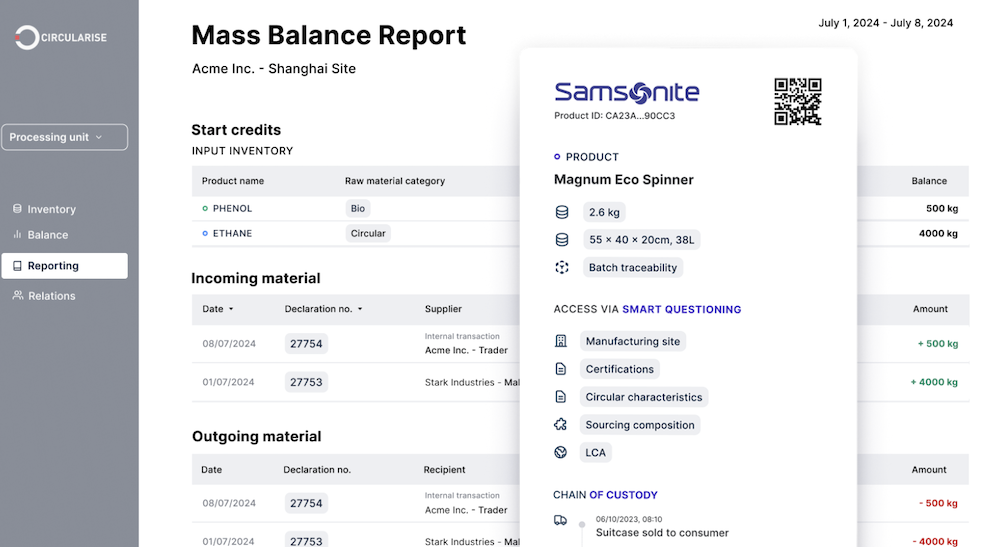
Circularise

Focus: Builds blockchain-based supply chain solutions that let manufacturers and recyclers see detailed information about materials. Each product or component is assigned a unique token containing real-time data about its material composition and environmental impact. They are working on using NFTs, decentralized identifiers (DIDs), and verifiable credentials (VCs) to enhance the functionality of DPPs.

Other Industry Pilots

Battery Pass & nChain: These rely on private or permissioned blockchains, where only approved members can add or view data. This can be useful for meeting strict EU battery regulations.

Spherity emphasises DIDs and verifiable credentials VCs. These tools help verify the identity of whoever’s logging data in the NFT-based passport.

Source Circularise

Challenges & Limitations of NFTs for DPPs

Regulatory Acceptance & Interoperability

Some EU rules might require a QR code on every product, which isn’t the same as an NFT. So, companies need to figure out how to align their NFT approach with official regulations. Different blockchain systems must also work together; otherwise, data could become scattered and incompatible.

NFTs vs. Batch-Level Traceability

NFTs are fantastic for tracking individual items, but they have limits when you want to represent batches of identical products or materials. Technically, you can track multiple units with a single NFT, but that risks “double spending” (using the same token to represent more than the actual amount).

Data Privacy Concerns

European privacy laws (like GDPR) restrict how personal or sensitive information is handled. Simply putting everything “on-chain” might conflict with these rules. That’s why many projects are moving to “hybrid” models, storing some data securely off-chain while keeping ownership records on the blockchain.

User Adoption & Market Skepticism

NFTs became famous for digital art speculation, leading some people to think they’re just hype. Educating manufacturers, consumers, and regulators on how NFTs can actually solve real problems is crucial.

Looking Ahead: The Future of NFTs in DPPs

DPPs may soon combine with other cutting-edge ideas—like IoT sensors that send real-time info on a product’s condition, or AI that sifts through data for insights. NFTs could become smarter too, automatically updating when sensors detect changes (say, a battery’s charge level or wear-and-tear on a machine part).

It’s not just about the EU. Other regions might adopt similar rules to monitor raw material sourcing or limit counterfeit goods. That’s why companies embracing NFT-based DPPs now might gain a competitive edge globally.

The future of product transparency looks bright, but also complex. The Digital Product Passports: A Blockchain-based Perspective report highlights how NFTs tackle core challenges in Digital Product Passports—like ensuring authenticity and tracking ownership—while introducing new considerations around data privacy and cost.

Still, NFTs remain a powerful tool for building transparent, trustworthy product histories. Whether tracing ethically mined cobalt or verifying the recycled content in clothing, NFTs allow all parties to see and trust the same set of facts.

Editor’s note: Written with the assistance of AI – Edited and fact-checked by Jason Newey.

Jason Newey

Jason Newey is a seasoned journalist specializing in NFTs, the Metaverse, and Web3 technologies. With a background in digital media and blockchain technology, he adeptly translates complex concepts into engaging, informative articles.

View all posts


Source link

Top NFT Collections – January 31, 2025

0
Top NFT Collections – January 31, 2025


Top NFT Collections (Last 24h)

Here are the hottest NFT Collections of the day.

Rank

Name
Volume
Transactions
Chains
URL

1

Pudgy Penguins
759.90 ETH
67
ethereum
View

2
Top NFT Collections – February 1, 2025
Azuki
435.61 ETH
116
ethereum
View

3
Lil Pudgys
Lil Pudgys
356.78 ETH
306
ethereum
View

4
Bored Ape Yacht Club
216.93 ETH
16
ethereum
View

5
Milady Maker
Milady Maker
189.08 ETH
38
ethereum
View

6
CryptoPunks
CryptoPunks
128.49 ETH
3
ethereum
View

7
Bit Bears by Berachain
122.02 ETH
18
ethereum
View

8
Azuki Elementals
Azuki Elementals
120.95 ETH
324
ethereum
View

9
The Band Bears
The Band Bears
91.17 ETH
8
ethereum
View

10
Doodles
Doodles
81.10 ETH
18
ethereum
View


Source link

Top 5 Gaming Blockchains Ranked by Market Cap in 2025

0
Top 5 Gaming Blockchains Ranked by Market Cap in 2025


Ever wondered why blockchain gaming is blowing up right now? You might have heard terms like “play-to-earn” and “NFTs” frequently but are unsure which platforms are truly worth exploring. As someone who’s been following this space for a while, I’ve seen a few gaming-focused blockchains popping up in conversations, Discord chats, and Twitter threads. In this article, we’ll take a relaxed yet thorough look at the top five by market cap, see where each one shines, and point out any trade-offs you might want to consider.

Why Compare Gaming Blockchains in the First Place?

Before diving in, it helps to know why comparing these blockchains is important. Each one takes a slightly different approach to things like transaction fees, security, scalability, and community support. If you’re a developer, you’re probably curious about the best platform for building your next game. If you’re an investor, you might be hunting for a network with a strong growth story. And if you’re just a gamer who wants to actually own your digital items, you’ll need to choose a blockchain that feels both reliable and user-friendly.

Immutable X (IMX) – $1.98 Billion Market Cap

Where IMX Excels

Immutable X was built to solve a big pain point for anyone who’s tried to buy or sell NFTs on Ethereum: gas fees. By leveraging a ZK-rollup approach (a fancy term for bundling lots of transactions off-chain, then securing them on Ethereum), IMX manages to offer near-instant trades without outrageous fees. If you’re into NFT-heavy games or big secondary marketplaces, this might be your dream come true.

Why People Love It

No Gas Fees on Trades: You can buy, sell, or transfer NFTs freely without watching your wallet balance disappear into gas costs.

Speedy Transactions: Nobody wants to wait around for confirmations. IMX is quick.

Friendly Developer Tools: Thanks to user-friendly APIs, developers don’t have to be blockchain wizards to integrate it into their games.

Things to Keep in Mind

Since it’s built on Ethereum, competition from other Layer-2 solutions is fierce. Projects like Arbitrum, Optimism, and Polygon all target similar pain points, although IMX focuses heavily on gaming and NFTs.

Ronin (RON) – $947 Million Market Cap

Why Ronin Matters

Ronin made headlines as the custom sidechain for Axie Infinity, one of the first massively popular play-to-earn games. By switching from Ethereum’s mainnet to their own sidechain, Sky Mavis (Axie Infinity’s creator) brought down transaction fees and sped up in-game actions drastically.

Key Highlights

Axie Infinity Integration: Ronin’s entire reputation started with Axie, so if you’re bullish on Axie’s continued success, Ronin might be part of that story.

Low Fees: Compared to mainnet Ethereum, transactions here are cheap and quick.

Validator Model: They use Proof-of-Authority, which is efficient but somewhat more centralized.

Potential Downsides

The biggest question for Ronin is whether it can expand successfully beyond Axie Infinity. If more P2E titles join the ecosystem, that’s great, but it’s still somewhat early.

BEAM – $837 Million Market Cap

A Privacy-Focused Option

Unlike most gaming blockchains that tout speed or cheap transactions, BEAM is all about privacy. This network uses Mimblewimble technology (yes, it’s named after a Harry Potter curse), which allows it to keep transactions confidential without bloating the blockchain. While BEAM wasn’t originally built exclusively for gaming, its privacy features could appeal to developers who need confidential in-game asset transfers or other specialized use cases.

Why You Might Consider BEAM

Privacy Galore: If you’re worried about your moves being tracked on-chain, BEAM’s confidentiality is a big plus.

Scriptless Contracts: This approach allows for DeFi and NFT integrations while keeping them under wraps.

Dedicated Community: Privacy-centric projects often boast loyal fans who stick around for the long haul.

Watch-Outs

Regulatory hurdles are real for privacy coins. Depending on where you live, this might become a headache. Also, fewer mainstream gaming projects focus on privacy, so BEAM’s adoption could be slower.

PRIME – $573 Million Market Cap

The DeFi-Gaming Bridge

PRIME is designed to mesh decentralized finance (DeFi) with gaming in a more seamless way. Imagine being able to stake tokens from within a game’s interface or offering players yield-farming rewards as they complete missions—those are the sorts of use cases PRIME is going after.

Standout Features

Blending DeFi and Gaming: It’s not just about NFTs; it’s also about letting players earn interest or rewards through staking, liquidity pools, and more.

Developer-Friendly Tools: PRIME provides ready-made modules for crafting NFT marketplaces or in-game economies with DeFi components.

Rewards for Holding and Participating: There’s an emphasis on staking, which means long-term holders could see benefits beyond price appreciation.

Potential Hurdles

Merging DeFi and gaming might be too complex for newcomers. For traditional gamers, advanced DeFi tools can be confusing, so user education is key.

WEMIX – $307 Million Market Cap

A Gaming Giant’s Entry into Blockchain

WEMIX comes from Wemade, a South Korean gaming company with a long track record of hit titles. Their blockchain aims to offer an easy onboarding experience for both developers and players, with the ultimate goal of bringing mainstream audiences into the blockchain world.

What Makes WEMIX Unique

Enterprise-Level Infrastructure: Wemade is no stranger to running successful online games. They know how to handle scale.

User-Friendly Wallets: Gamers who’ve never touched crypto before might find it easier to jump in here.

Cross-Game Ecosystem: WEMIX tokens can be used across multiple titles, which adds a layer of interoperability that some blockchains lack.

Drawbacks to Consider

While Wemade is big in Asia, it’s still working on capturing a larger global audience. Competition from other gaming blockchains is stiff, especially in North America and Europe.

Feature Comparison Chart

Below is a concise comparison of the top features and market focus for each blockchain:

BlockchainMarket CapPrimary Use CaseTransaction FeesScalabilityKey AdvantageImmutable X (IMX)$1.98BNFT trading & gamingZero gas feesHigh (ZK-rollups)Robust NFT infrastructureRonin (RON)$947MP2E sidechainVery lowHigh (Sidechain)Direct integration with Axie InfinityBEAM$837MPrivacy & ConfidentialityModerate (PoW)MediumMimblewimble privacy techPRIME$573MDeFi-Gaming HybridLow-ModerateHigh (Hybrid approach)Bridges DeFi with gamingWEMIX$307MEnterprise-grade gamingLow-ModerateHigh (Hybrid PoS)Backed by a major gaming company (Wemade)

Tokenomics Comparison Chart

Here is an overview of how each token functions within its respective ecosystem:

BlockchainToken UtilityStaking/RewardsEcosystem Growth StrategyIMXGovernance, fee paymentYes, via staking poolsPartnerships with major game studios & NFT marketplacesRONGovernance, transaction feesYes, limited to validatorsFocus on P2E expansions & bridging solutionsBEAMMedium of exchange, privacy featuresMining rewards (PoW), future staking plansPrivacy-focused partnerships & confidential DeFiPRIMEGovernance, DeFi bridgingYes, yield farming & stakingIntegrations with DeFi solutions & NFT marketplacesWEMIXIn-game currency, governance, paymentsYes, via node operationsTraditional gaming partnerships & cross-game token usage

Future Outlook

It’s no secret that blockchain gaming is still in its early stages. New titles are launching every day, and existing platforms continue to refine their tools and marketing. As these networks mature, we’ll likely see:

Better Onboarding: The easier it becomes for players to dive into blockchain games (without wrestling with private keys, for example), the bigger the audience gets.

Cross-Chain Compatibility: Bridging assets from one chain to another is already happening, and this trend should continue.

Regulatory Scrutiny: The line between gaming, investing, and gambling can be blurry. Don’t be surprised if regulations ramp up, especially around tokens and NFTs.

Final Thoughts

Choosing the “right” gaming blockchain doesn’t have to be stressful. Each of these platforms has its unique twist—whether it’s privacy, a DeFi-gaming fusion, or a proven record with existing hits like Axie Infinity. If you’re a developer, consider which chain has the best tools, lowest transaction costs, and most community support for your project. If you’re an investor or gamer, think where the most interesting games and dev ecosystems are forming.

Hope that helped. Build, play or invest in one of these ecosystems? Just remember to do your own research and be safe out there – blockchain is full of opportunity but never risk-free.

Disclaimer:

All the information here is meant for educational purposes. Always consult with a financial advisor or do your own in-depth research before making any decisions related to cryptocurrency investments or blockchain development.

Editor’s note: This article was written with the assistance of AI. Edited and fact-checked by Owen Skelton.

Owen Skelton

Owen Skelton is an experienced journalist and editor with a passion for delivering insightful and engaging content. As Editor-in-Chief, he leads a talented team of writers and editors to create compelling stories that inform and inspire.

View all posts


Source link

Exploring Digital Innovations in Fashion and Art

The worlds of fashion and art have always been intertwined, each influencing and inspiring the other. As digital technology continues to evolve at a rapid pace, it is reshaping these industries in unprecedented ways. From virtual reality runways to digital art installations, the fusion of creativity and technology is creating new possibilities and experiences. This article explores how digital innovations are transforming fashion and art, examining their intersection, artistic expressions in the digital era, and the cutting-edge innovations that are shaping the future.

The Intersection of Fashion and Digital Technology

Digital technology is revolutionizing the fashion industry, creating new opportunities for designers and consumers alike. Through the use of advanced software, designers can now create intricate patterns and designs with remarkable precision. This shift not only enhances creativity but also reduces waste by allowing for more efficient production processes. With digital tools, the fashion industry is moving towards a more sustainable future, where innovation and environmental consciousness go hand in hand.

The rise of e-commerce platforms has transformed the way fashion is consumed. Consumers can now access a global marketplace from the comfort of their homes, exploring diverse styles and trends with just a few clicks. This digital shift has democratized fashion, allowing emerging designers to reach a broader audience without the need for a physical storefront. As a result, the industry is witnessing a surge in unique and diverse fashion offerings that cater to a wide range of tastes and preferences.

Virtual and augmented reality are also making their mark on fashion. Virtual fashion shows and digital fitting rooms offer consumers immersive experiences that were once unimaginable. These technologies allow fashion enthusiasts to engage with brands in new and exciting ways, from attending virtual runway shows to trying on clothes in a digital environment. This blend of fashion and technology is enhancing the consumer experience, making it more interactive and personalized.

Social media platforms have become crucial channels for fashion brands to engage with their audience. Influencers and bloggers leverage these platforms to showcase the latest trends, creating a dynamic and ever-evolving fashion landscape. Digital technology enables brands to connect with consumers on a personal level, fostering a sense of community and loyalty. Through social media, fashion becomes a shared experience, where individuals can express their unique styles and inspirations.

The integration of artificial intelligence (AI) is another significant development in the fashion industry. AI-driven algorithms analyze consumer preferences and trends, allowing brands to tailor their offerings to meet the demands of their audience. This technology aids in predicting fashion trends, optimizing supply chains, and enhancing customer service. As AI continues to advance, it is poised to play an even more critical role in shaping the future of fashion.

In conclusion, the intersection of fashion and digital technology is reshaping the industry in profound ways. From sustainable design practices to immersive virtual experiences, the fusion of these two worlds is creating a dynamic and innovative landscape. As technology continues to evolve, the possibilities for fashion are limitless, promising a future where creativity and technology harmoniously coexist.

Artistic Expressions in the Digital Age

The digital age has ushered in a new era of artistic expression, where traditional boundaries are continually being challenged and redefined. Artists are now leveraging digital tools to create works that are both innovative and reflective of contemporary society. With the advent of digital art, creators can experiment with new mediums, pushing the limits of their imagination and expanding the possibilities of artistic expression.

One of the most significant impacts of digital technology on art is the democratization of creativity. Digital platforms have provided artists with unprecedented access to audiences worldwide, allowing them to share their work with a global community. This shift has empowered artists from diverse backgrounds to showcase their talents and gain recognition, fostering a more inclusive and diverse art world.

Digital art forms, such as digital painting, 3D modeling, and virtual reality installations, offer artists new avenues for exploration. These mediums allow for the creation of immersive and interactive experiences that engage audiences in unique ways. Artists can now create environments that transcend the physical world, inviting viewers to explore and interact with their creations in a digital realm.

The rise of non-fungible tokens (NFTs) has further transformed the art landscape, offering artists new opportunities for monetization and ownership. NFTs provide a way to authenticate digital artworks, allowing artists to sell their creations as unique, collectible items. This technology has opened up new revenue streams for artists and has sparked a digital art revolution, attracting both traditional and digital artists to explore this new frontier.

Collaboration has become a hallmark of the digital art scene. Artists are increasingly working together across disciplines, merging technology and creativity to produce groundbreaking works. These collaborations often result in innovative projects that challenge conventional notions of art, blending elements of music, film, and interactive media to create multisensory experiences.

In conclusion, the digital age has revolutionized artistic expression, enabling artists to push the boundaries of creativity and reach global audiences. Through digital tools and platforms, artists can explore new mediums, collaborate across disciplines, and engage with audiences in innovative ways. As technology continues to evolve, the future of art promises to be even more dynamic and inclusive, where creativity knows no bounds.

Innovations Shaping the Future of Fashion and Art

The future of fashion and art is being shaped by a host of innovative technologies that promise to redefine the way we create, consume, and experience these industries. One of the most promising developments is the use of blockchain technology, which is enhancing transparency and security in the fashion supply chain. By providing a verifiable record of a garment’s journey from production to sale, blockchain is fostering trust and accountability in an industry often criticized for its lack of transparency.

In the realm of art, artificial intelligence is opening up new possibilities for creativity and collaboration. AI-powered tools are enabling artists to explore new styles and techniques, generating works that are both innovative and reflective of the digital age. These tools are also facilitating collaborations between artists and machines, resulting in unique and thought-provoking pieces that challenge traditional notions of authorship and creativity.

Sustainability is a key focus for both fashion and art, with digital innovations playing a crucial role in promoting eco-friendly practices. In fashion, 3D printing is revolutionizing the production process, allowing designers to create garments with minimal waste. This technology enables the creation of intricate designs that would be impossible to achieve through traditional methods, offering a more sustainable alternative to mass production.

The rise of virtual and augmented reality is transforming the way we experience fashion and art. Virtual reality fashion shows offer immersive experiences that transcend the limitations of physical space, allowing designers to showcase their collections to a global audience. Similarly, augmented reality art installations provide interactive experiences that engage viewers in new and exciting ways, blurring the lines between the physical and digital worlds.

The integration of wearable technology is another innovation shaping the future of fashion. Smart fabrics and garments equipped with sensors are enabling new forms of expression and functionality, from clothing that changes color in response to environmental stimuli to accessories that track fitness and health metrics. These innovations are redefining the relationship between fashion and technology, offering new possibilities for personalization and self-expression.

In conclusion, the future of fashion and art is being shaped by a confluence of digital innovations that are redefining the boundaries of creativity and experience. From blockchain and AI to virtual reality and wearable technology, these advancements promise to transform the way we engage with fashion and art, offering new possibilities for sustainability, collaboration, and personalization. As these technologies continue to evolve, the future holds exciting potential for both industries, heralding a new era of creativity and innovation.

The digital revolution is transforming the worlds of fashion and art, offering new tools and platforms for creativity and expression. As we explore the intersection of these industries with digital technology, it is clear that the possibilities are endless. From sustainable practices and immersive experiences to innovative collaborations and new revenue streams, the fusion of fashion and art with digital technology is creating a dynamic and inclusive landscape. As we look to the future, the continued evolution of technology promises to push the boundaries of creativity even further, heralding a new era of innovation and inspiration.

Abstract Chain Explained: Bridging Web2 and Web3

0
Abstract Chain Explained: Bridging Web2 and Web3


Blockchain technology has come a long way, yet it still feels intimidating to many. That’s where Abstract Web3, having just launched its mainnet, enters the scene. Built as an Ethereum Layer 2 (L2) solution, Abstract could bring blockchain into the mainstream by focusing on ease of use. Think of it as the missing bridge between traditional online experiences—often called Web2—and the more advanced but sometimes confusing world of Web3.

In this article, we’ll look at Abstract’s backstory, examine its technical foundations, explore its features, and discuss real-world applications. We’ll also share simple steps for getting started and consider how Abstract might reshape the future of consumer-facing crypto.

The Genesis of Abstract

Crypto adoption has often been stunted by high transaction fees, complicated onboarding steps, and clunky user interfaces. Abstract aims to simplify all of that. By offering a smoother experience, it hopes to attract a broader audience and unlock the full potential of Web3—no specialized knowledge or technical hoops required.

Who Is Behind Abstract?

Abstract is a project from Igloo Inc., best known for its Pudgy Penguins NFT collection and related memecoin. The team includes celebrated Web3 developers like Cygaar, 0xbeans, and StinkyPablo. Co-inventors Michael Lee, Luca Netz, and Lorenzo Melendez envisioned a blockchain that’s approachable for both crypto enthusiasts and total newcomers.

In June 2024, Igloo Inc. announced an $11 million fundraise led by Founders Fund, with additional support from 1kx and Fenbushi Capital.

Igloo Inc. saw how popular Pudgy Penguins became among everyday people, and recognized a need to create a user-friendly chain. Their mission is to help more people experience the benefits of crypto by focusing on simplicity, speed, and cultural relevance.

Source Abstract

Technical Foundations of Abstract

To keep things efficient, Abstract uses Zero-Knowledge (ZK) rollups under the hood. Imagine packing lots of items into one box so you can ship them all at once. ZK rollups do something similar with transactions, helping reduce congestion and fees.

Abstract also runs on the ZKsync Stack, giving it top-tier speed and security. On top of that, it’s EVM-compatible, meaning most Ethereum apps can move over without heavy rewriting—a big plus for developers eager to reach new users.

Since it’s a Layer 2 solution on Ethereum, Abstract taps into the main network’s tried-and-true safety.

Key Features and User-Centric Design

Account Abstraction for User-Friendly Wallets

Account abstraction allows wallets to function as smart contracts with extra perks. Instead of fumbling with long seed phrases, users can log in using an email or social account, recover lost credentials more easily, and even enable passkey support, similar to modern passwordless methods.

The Portal: Abstract’s “Digital Theme Park of Fun”

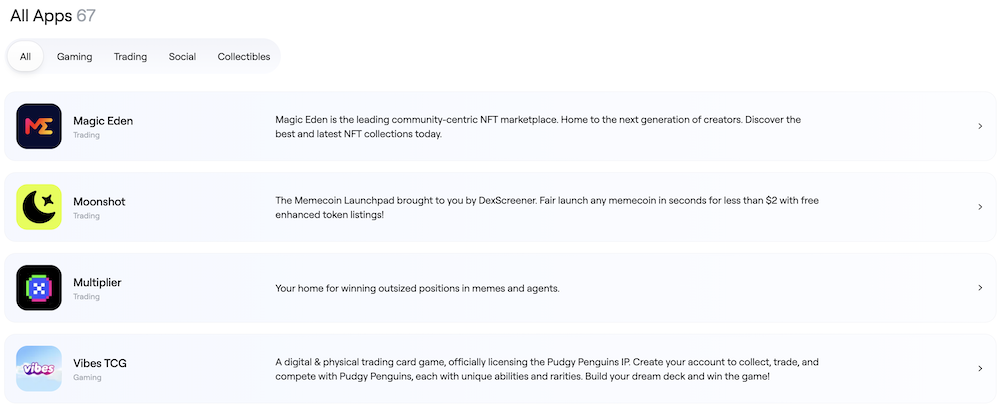
At the heart of Abstract is The Portal, a curated hub of over 100 onchain apps designed for casual users. Sign up with an email address, and you’re ready to explore gaming, social platforms, and more—all without wrestling with confusing interfaces.

Easy Onboarding and Familiar UX

Abstract borrows the smooth design principles from popular websites, so everything feels pretty intuitive. This approach helps newcomers stick around instead of running away the moment they hit a technical roadblock.

App Discoverability & Ecosystem Curation

The Portal organizes apps by category, popularity, and user reviews. That means you won’t waste hours sifting through obscure listings. It’s all about guiding you to the best of what’s on offer.

Panoramic Governance

Abstract introduces a governance model called “Panoramic Governance,” which incentivizes active voting and rewards protocols that contribute the most value. By sharing fees with voters and letting them decide which projects receive additional support, Abstract aligns developer and consumer interests and fosters a more engaged community.

Reward System (XP)

Abstract plans to reward users, builders, and creators with “XP” (experience points) for on-chain activity. Over time, XP may unlock perks, levels, or even potential token benefits—fostering a game-like sense of progress for active participants.

Source Abstract

Focus on Community, Culture, and Mainstream Adoption

Abstract targets consumer crypto, defined by three stages of spending—discretionary, necessary, and essential. The first wave includes entertainment, gaming, and social dApps that draw users in through fun and familiarity.

Similar to how Pudgy Penguins built a vibrant following, Abstract invests in cultural relevance. Communities naturally form around shared interests, memes, and social experiences, which fuels faster growth.

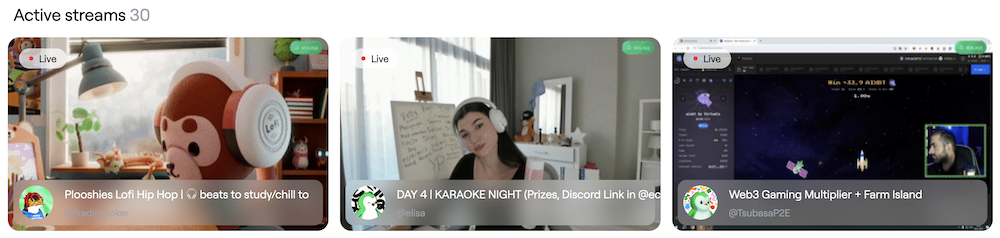
Abstract also supports live streaming, so creators can connect directly with audiences. This interactive twist makes blockchain feel more like a social hub than a complicated database.

Real-World Use Cases and Early Successes

Gaming, NFTs, and Social dApps

From online games to NFTs, Abstract hosts projects that blend real ownership with entertaining experiences. These dApps highlight how crypto can boost engagement without complicated interfaces.

Some early partners include RealGo, a treasure-hunt-based discovery game, and Duper—a blend of poker and strategy. Onchain Heroes, an idle RPG, is also expected to leverage Abstract’s low fees and fast transactions.

Alongside gaming and social products, Abstract will integrate with Magic Eden for NFT trading. Moreover, brands can integrate loyalty programs or digital collectibles, introducing Web3 to everyday life in a way that feels natural.

Decentralized Finance (DeFi) Expansions

While the focus is on consumer products, DeFi projects can also join Abstract for lower fees and improved accessibility. This synergy benefits both culture-driven apps and financial tools.

Source Abstract

How To Get Started With Abstract

Creating Your Abstract Global Wallet

Simply visit The Portal, enter your email, and let Abstract generate a wallet. Thanks to account abstraction, you won’t have to memorize complex recovery phrases.

Once inside, explore the curated list of dApps. Check ratings, join live streams, or play games—no specialized knowledge is required.

Abstract will expand. Keep an eye on upcoming features, fresh partnerships, and community events to stay updated on its evolving ecosystem.

Editor’s note: Written with the assistance of AI – Edited and fact-checked by Jason Newey.

Jason Newey

Jason Newey is a seasoned journalist specializing in NFTs, the Metaverse, and Web3 technologies. With a background in digital media and blockchain technology, he adeptly translates complex concepts into engaging, informative articles.

View all posts


Source link

B3 Gaming Chain to Launch its Native Token, Coming Soon

0
B3 Gaming Chain to Launch its Native Token, Coming Soon


B3, a Layer-3 gaming chain built on Ethereum’s Layer-2 network Base, has announced plans to launch its native token designed to play a central role in its efforts to expand its ecosystem.

Developed by a team of former Coinbase employees, B3 is designed to provide a more affordable and efficient platform for on-chain gaming, offering faster and cheaper transactions than Ethereum’s mainnet.

The token is intended to serve as an incentive for developers and players, with more details expected to be revealed soon.

What is B3? Source: B3

What is B3?

B3 is a gaming-focused blockchain platform built on Ethereum’s Base network.

Launched in August 2024, the platform aims to reduce transaction costs and improve efficiency for gaming applications by leveraging Ethereum’s underlying security whilst offering faster transaction times. B3 focuses on supporting game developers and players by creating an ecosystem tailored specifically to the needs of on-chain gaming, making it easier for game studios and developers to adopt the platform.

Since its mainnet launch, B3 has grown rapidly, attracting over 6 million players and more than 80 games.

B3 Gaming Chain on Base to Launch its Native Token
B3 Gaming Chain on Base to Launch its Native Token Source: B3

What else can we expect from the project?

In addition to the token launch, B3 has several upcoming initiatives aimed at expanding its ecosystem.

The platform is preparing to launch over five new gamechains in the coming months, adding new gaming experiences and content to the network. These gamechains will help broaden the scope of what B3 offers to its users and developers.

B3 has also introduced two reward systems, BP and XP, designed to incentivise players and developers who contribute to the ecosystem. These points can be redeemed for the $B3 token once it is launched, though specific conversion rates have not been disclosed.

Further, B3 launched its gaming arcade, BSMNT (also known as “Basement”), in August 2024, featuring a variety of mini-games. The arcade has attracted developers like Parallel Studios, who plans to release its 3D shooter title Project Tau Ceti on the B3 platform.


Source link

Japanese E-Commerce Mercari Launches NFT Marketplace – Cryptoflies News

0
Japanese E-Commerce Mercari Launches NFT Marketplace – Cryptoflies News


1

Japanese e-commerce platform Mercari has introduced its own non-fungible token (NFT) marketplace, “Mercari NFT.” 

The new platform allows users to buy and sell popular NFTs already listed on OpenSea. Currently, the marketplace features a range of collections, including anime-based digital assets.

Mercari NFT integrates with the Mercari e-commerce platform, allowing users to use their sales balance to purchase NFTs without needing a crypto wallet or creating a new account.

Looking ahead, Mercari has plans to collaborate with businesses and intellectual property (IP) holders in Japan and abroad. The company aims to issue and sell NFTs featuring trading cards, art, and entertainment-related content.

This launch coincides with a challenging period for the NFT market. According to a recent DappRadar report, the NFT market has experienced sharp declines in 2024. Trading volumes and sales have dropped to their lowest levels since 2020. 

You Might Be Interested In

Factors contributing to this downturn include regulatory uncertainty and increased scrutiny from authorities.

In recent months, the U.S. Securities and Exchange Commission (SEC) has ramped up enforcement actions within the NFT space. 

In September, the SEC issued a Wells notice to the NFT project CyberKongz, alleging securities law violations related to token use in blockchain gaming. 

Other notable cases include a Wells notice sent to OpenSea in August and another to Immutable in November, potentially linked to its IMX token.

These actions have sparked calls for clearer regulations. Two artists filed a lawsuit against the SEC in July, seeking clarification on whether NFTs should be treated as securities. Meanwhile, the Digital Chamber, a U.S. blockchain advocacy group, has urged Congress to classify certain NFTs as consumer goods rather than securities.


Source link

How to Create a Web3 Game Using Unity: A Step-by-Step Guide

0
How to Create a Web3 Game Using Unity: A Step-by-Step Guide


I remember the first time I stumbled across the concept of blockchain gaming. The idea that players could truly own their in-game assets and trade them freely felt like a breath of fresh air. Web3 games, which rely on decentralized technology, bring a lot of excitement to the gaming world. Not only can you create new revenue streams, but you can also give power back to your players through real ownership of digital items.

In this guide, I’ll walk you through the basics of building a Web3 game using Unity. Even if you’re completely new to blockchain, don’t worry—I’ll explain every complex term in plain language. By the end, you’ll have a solid grasp of how to integrate blockchain functionality into a Unity project, how to write and deploy smart contracts, and how to get your game ready for launch.

Understanding Web3 and Decentralized Gaming

Web3 refers to the next generation of the internet, where platforms and applications run on decentralized networks rather than being controlled by a single authority. Instead of all your data and actions relying on a big corporation, Web3 relies on blockchains. Blockchains are essentially digital ledgers that record transactions in a permanent, secure way.

Key Concepts for Blockchain-Based Games

Tokens and NFTs

In blockchain gaming, you can have tokens (fungible assets like cryptocurrencies) and NFTs (non-fungible tokens that represent unique items).

NFTs are perfect for game assets such as skins, characters, or collectibles because each NFT can be truly unique.

Smart Contracts

Think of a smart contract like a self-executing agreement. It’s a piece of code on the blockchain that runs automatically when certain conditions are met.

In a Web3 game, smart contracts handle things like minting NFTs, transferring in-game currency, or verifying player ownership.

Player-Driven Economies

Since NFTs and tokens can be traded freely, a Web3 game often develops its own economy, where players can buy, sell, or trade assets.

This opens up interesting possibilities, like letting players earn real value from their in-game achievements.

Prerequisites for Web3 Game Development

Technical Skills

Unity Basics

You should be comfortable with the Unity interface and have a basic understanding of C# scripting. If you’ve ever built a simple 2D or 3D game in Unity, you’re good to go.

Basic Blockchain Knowledge

It helps to know what a blockchain is, how wallets work, and the difference between mainnet (real network) and testnet (for testing). Don’t worry if you’re not an expert—this guide covers the essentials.

Solidity for Ethereum

Solidity is the programming language most used for writing smart contracts on Ethereum and similar blockchains. You don’t need to be a pro, but a basic understanding will help.

Required Tools and Software

Unity Editor (preferably the latest LTS version).

Blockchain Wallet like MetaMask. This will let you test in-game transactions.

Node.js and npm are used to compile and deploy smart contracts.

Smart Contract Development Environment such as Hardhat, Truffle, or Remix.

Setting Up Your Development Environment

Installing Unity and Project Configuration

If you don’t have Unity yet, go to the Unity download page and download the latest. Once downloaded:

Create a new project in Unity or open an existing one.

Organize your folders for scripts, assets, and scenes.

Consider using Git or another version control tool, especially if you plan to work with a team.

Blockchain SDK Integration

To make your life easier, you’ll want an SDK (Software Development Kit) that helps Unity talk to a blockchain. Some popular options include:

Web3Unity: A library specifically for Unity that simplifies wallet connections and contract calls.

Moralis: Offers a range of features, including NFT management and user authentication.

Installation typically involves downloading a .unitypackage file or importing a custom package. After importing, set your environment variables or API keys (if required).

Connecting a Wallet (MetaMask or Others)

Install MetaMask on your web browser and create an account.

Switch to a test network like Goerli or Sepolia to avoid spending real money while learning.

Add some test ETH to your wallet using a faucet (a site that gives you free test tokens).

Link Your Wallet to Unity using your chosen SDK. This usually involves a function call that opens MetaMask in the browser or within a WebGL build.

Creating and Deploying Smart Contracts

Smart Contract Design

For a basic Web3 game, you might want an NFT smart contract that represents your in-game items. Here’s a simple blueprint:

NFT Contract (ERC-721):

mintItem(address to, string memory tokenURI): Function to create a new NFT.

transferFrom(address from, address to, uint256 tokenId): Function to transfer an NFT player

Compilation and Deployment

Let’s say you use Hardhat for an easier setup:

Install Hardhat:

npm install –save-dev hardhat
npx hardhat init

Configure your networks in hardhat.config.js for your chosen testnet.

Compile your contract:

npx hardhat compile

Deploy to a testnet:

npx hardhat run scripts/deploy.js –network goerli

Verify your contract on a block explorer like Etherscan by providing your contract’s source code or using automated verification tools.

Contract Interaction from Unity

Once your contract is live on a test network, your Unity game can call its functions. For example, if you’re using the Web3Unity SDK, you might:

using Web3Unity;

public class NFTMinter : MonoBehaviour

{

    public void MintNewItem()

    {

        string contractAddress = “0x123…”; // Your deployed contract address

        string functionName = “mintItem”;

        // Additional parameters such as the recipient address and tokenURI

        Web3.CallContractFunction(contractAddress, functionName, callback: OnMintSuccess);

    }

    private void OnMintSuccess(string txHash)

    {

        Debug.Log(“Mint Successful! Transaction Hash: ” + txHash);

    }

}

Remember to include error handling. For instance, if a user runs out of test ETH or loses connection, your game should gracefully notify them and retry if needed.

Building the Game Mechanics

In-Game Assets and Economy

Design Your Assets: Whether you’re creating 2D sprites or 3D models, keep them well-organized in Unity’s Project window.

Link Assets to NFTs: Each NFT might correspond to an item in your game, like a sword or a special skin. You’ll typically store a token URI that points to the asset’s metadata (like an image file or a description).

Player Progression and Rewards

NFT Integration: You can reward players with new NFTs when they achieve milestones, like beating a boss or completing a quest.

Smart Contract Rewards: If your game has an in-game token, you can distribute it via a contract function that checks if the player meets certain conditions.

Multiplayer Functionality (Optional)

Client-Server vs. Peer-to-Peer: Traditional multiplayer uses a central server. Fully decentralized gaming tries to eliminate that dependency, but it can be more complex.

Game State Synchronization: If you want real-time gameplay, be mindful of latency. Blockchain transactions take time to confirm, so fast-paced features are often handled off-chain, with the blockchain used for final settlement.

Frontend and User Interface (UI) Considerations

Designing a User-Friendly UI

Wallet Connection Prompts: Show a simple “Connect Wallet” button. When clicked, the user sees a MetaMask popup.

Transaction Confirmation: Always let players know how much gas (transaction fee) they’ll pay. Provide status updates like “Transaction Submitted” and “Transaction Confirmed.”

Managing Performance and Scalability

Off-Chain vs. On-Chain: Not everything in your game needs to be on the blockchain. Save on-chain transactions for moments that require true ownership or trustless verification.

Reducing Gas Costs: Consider layer 2 solutions (like Polygon or Arbitrum), which are networks designed to handle transactions more cheaply and quickly.

Testing and Debugging

Unit Testing Smart Contracts

Use testing frameworks like Mocha and Chai (in Truffle or Hardhat).

Test Each Function: For instance, confirm that only certain addresses can mint NFTs, or that players can’t transfer someone else’s token.

Playtesting in Unity

Common Scenarios: Test what happens if a wallet gets disconnected mid-transaction or if the user lacks enough test ETH.

Logs and Error Messages: Use Unity’s console to spot where things might break. Detailed logs can save you hours of headaches.

Deployment and Launch

Mainnet Deployment

When you’re confident in your build and have done thorough testing:

Audit Your Smart Contracts: Security is paramount. Even a small bug can lead to big losses in a decentralized environment.

Obtain ETH (or the native token of your chosen blockchain) to pay for gas fees.

Deploy by updating your Hardhat or Truffle config to point to mainnet.

Marketing and Community Building

Social Media: Share teaser trailers or gameplay videos on Twitter, Reddit, and LinkedIn.

Discord and Telegram: Set up a community channel where players can ask questions, report bugs, and share feedback.

NFT/Token Sales: If your game includes collectible NFTs, a presale can help fund further development and reward early adopters.

Post-Launch Maintenance

Ongoing Smart Contract Updates

Version Control: Keep your code in a repository like GitHub.

Upgrade Path: If your contract design allows upgradability (through proxy contracts or modular architecture), plan how to release updates without disrupting existing NFTs or tokens.

10.2 Analytics and Growth

Tracking Metrics: Daily active users, NFT trading volume, new wallets per day.

Iterative Improvements: New features, expansions or cross-chain integrations to keep the game fresh and attract new players.

Best Practices and Tips

Security First: Always be careful with your contract code. One vulnerability can be a disaster.

Scalability: Use layer 2 or sidechains if you anticipate a lot of transactions.

Focus on Fun: The blockchain aspect should enhance gameplay—not overshadow it. If your game isn’t enjoyable, players won’t stay just because it’s decentralized.

Frequently Asked Questions (FAQs)

Is Unity the best engine for Web3 games?

Unity is a great choice because it’s beginner-friendly and has a huge community. Other engines like Unreal are also popular, but if you’re new, Unity’s learning curve is generally smoother.

Do I need advanced blockchain knowledge to start?

No. You can begin with the basics and pick up skills as you go. There are plenty of tutorials, communities, and SDKs to help.

Are there ready-made frameworks to speed up development?

Yes. Moralis, Web3Unity, and similar platforms offer pre-built functions for NFT minting, wallet connections, and more. This can save you from reinventing the wheel.

How do I handle transaction fees (gas)?

You can minimize gas costs by using layer 2 networks like Polygon, which offer faster and cheaper transactions. Also, design your contracts so they require fewer on-chain operations.

How do I ensure my game’s smart contracts are secure?

Conduct audits, write tests, and get reviews from community experts. Re-entrancy attacks, integer overflows, and permission issues are common pitfalls.

Conclusion

You made it! You now know the basics of creating a Web3 game with Unity. We went through setting up Unity, integrating a blockchain SDK, writing and deploying smart contracts and deploying your game to the world. Remember, the heart of any game is the player experience. Blockchain is cool, but it should enhance the gameplay not distract from it.

If you’re feeling inspired, I encourage you to start small. Try making a simple prototype where players can mint a single NFT that represents a collectible item. Once you’ve nailed the basics, you can expand your project into something truly unique.

14. Additional Resources

Feel free to explore these links to gain more insights and join communities of like-minded developers. Good luck on your journey into Web3 game development!

Editor’s note: This article was written with the assistance of AI. Edited and fact-checked by Owen Skelton.

Owen Skelton

Owen Skelton is an experienced journalist and editor with a passion for delivering insightful and engaging content. As Editor-in-Chief, he leads a talented team of writers and editors to create compelling stories that inform and inspire.

View all posts


Source link

Popular Posts

My Favorites

Technology In Fashion Design

The intersection of technology and fashion design has transformed the way we perceive and create clothing. This fusion has introduced innovative methods, materials, and...