Home Blog Page 73

BONK DAO Loses $20 Million After Attacker Buys Governance Vote to Drain Treasury – NFT Plazas

BONK DAO Loses  Million After Attacker Buys Governance Vote to Drain Treasury – NFT Plazas


A governance exploit has cost the BonkDAO treasury an estimated $20 million, after an attacker spent roughly $4.4 million acquiring enough BONK tokens to push through a malicious proposal that automatically transferred the funds to a wallet under their control.

The incident, which unfolded over the course of a week and culminated early Monday, has reignited debate over whether onchain governance — long pitched as a transparent, community-driven alternative to centralized control — is fundamentally vulnerable to anyone willing to pay for a temporary majority.

How the Attack Unfolded

The scheme began on June 30, when an anonymous wallet submitted a proposal titled “BIP #76 – Sowellian BonkDAO” to the project’s onchain governance platform. On its surface, the proposal read like a reform pitch, promising to “rebuild from the ashes, monetize holdings, stop the bleeding,” and install new governance members. Buried within it, however, was a single operative instruction: transfer roughly 4.426 trillion BONK tokens — the entire contents of the treasury — to a wallet ending in “JHvQ.”

To pass, the proposal needed “yes” votes equal to at least 1% of BONK’s total supply, the quorum threshold set by the DAO’s rules. Over July 4 and 5, a separate wallet methodically acquired exactly that amount, spending about $4.4 million buying BONK on the exchanges Bybit and Binance, with some reports indicating additional tokens were borrowed through DeFi lending platforms, according to onchain analytics firm Lookonchain.

When the vote closed, only seven wallets had participated — against more than 18,000 total DAO members — a turnout of just 2.9%. The proposal cleared quorum by a razor-thin margin: 882.38 billion BONK in favor against an 879.95 billion threshold, almost exactly matching the stake the attacker had spent days assembling. Effectively, the “99.9% yes” result represented a single actor voting in agreement with itself.

How the Attack Unfolded

How the Attack Unfolded

The Drain and the Aftermath

Once the proposal passed, the transfer executed automatically, moving roughly $20 million worth of BONK out of the treasury and into the attacker’s wallet. According to blockchain intelligence firm Chainalysis, about $188,000 was sent to a centralized exchange within hours, likely an attempt to begin cashing out, while the remaining roughly $19 million was moved to a multisignature wallet requiring multiple approvals to access.

Just over an hour after the drain, the attacker began selling off the BONK tokens originally purchased to manipulate the vote, offloading about $5.3 million worth — while retaining the stolen treasury holdings.

BonkDAO confirmed the attack publicly, describing it as a malicious governance proposal and stating it had identified the exchange wallets used to accumulate voting power ahead of the proposal. “During the investigation, BonkDAO identified the exchange wallets used to purchase BONK ahead of the proposal,” the project posted on X, adding that law enforcement had been notified and that it continues working with exchanges, bridges, and the Solana Foundation to trace and potentially recover funds.

BonkDAO confirmed the attack publiclyBonkDAO confirmed the attack publicly

BonkDAO confirmed the attack publicly

In response, South Korean exchange Upbit and U.S.-based Kraken both suspended deposits and withdrawals of BONK, with Upbit citing “user protection measures following the circumstances of a security incident.”

Market Impact

BONK, once a top-100 token by market capitalization, fell roughly 7% in the 24 hours following disclosure of the attack, trading around $0.0000043 — a level roughly 93% below its all-time high of $0.000058. Some reporting places the decline closer to 10%, reflecting differences in the exact measurement window as the story developed throughout the day.

BONK Price Performance on 07/7/2026 (Source: CoinMarketCap)BONK Price Performance on 07/7/2026 (Source: CoinMarketCap)

BONK Price Performance on 07/7/2026 (Source: CoinMarketCap)

A Legitimate Attack

What sets the BonkDAO incident apart from typical DeFi exploits is that no code was broken and no private keys were stolen. Every action — the token purchases, the proposal submission, the vote, and the payout — was a valid, rule-following transaction on Solana. That has fueled a familiar argument within crypto circles over whether the episode constitutes theft or simply a ruthless but technically permitted use of a DAO’s own governance mechanics.

BonkDAO and blockchain analytics firms have characterized the episode as an attack, a framing reinforced by the involvement of law enforcement. Critics within the community have also pointed to a broader governance failure: the proposal sat visible on BonkDAO’s platform for nearly six days with minimal scrutiny before the vote concluded and the transfer executed as programmed.

The underlying lesson, analysts note, is structural. Any treasury governed by a system where voting power can simply be purchased is only as secure as the cost of assembling a controlling stake — and in this case, that cost was a fraction of the treasury’s value. With $4.4 million in capital, the attacker walked away having netted roughly $20 million, minus whatever portion is eventually recovered or frozen by exchanges and investigators.

BonkDAO has not yet detailed a formal remediation plan for preventing similar governance capture in the future, though its coordination with the Solana Foundation and multiple exchanges suggests recovery efforts remain active as of this writing.


Source link

Christopher Nolan cast Lupita Nyong’o in The Odyssey and broke his biggest rule

Christopher Nolan cast Lupita Nyong’o in The Odyssey and broke his biggest rule


Christopher Nolan’s The Odyssey is full of daring casting choices. Robert Pattinson takes on a new type of villain as Antinous, a suitor scheming to marry Odysseus’s wife. Tom Holland takes a break from his Spider-Man duties for his biggest non-Marvel movie yet. Uncut Gems director and the voice of Bowser Jr., Benny Safdie, plays the formidable Greek warrior king Agamemnon. But the Odyssey casting choice that’s drawn the most attention (and debate) is, without question, Lupita Nyong’o as both Helen of Troy and her twin sister Clytemnestra.

On the surface, this is a silly controversy barely worth wading into. In Greek mythology, Helen is known as the most beautiful woman in the world. And Nyong’o is — just do a Google image search if you need any confirmation of how she’s up to the task. However, Nolan still made a surprising choice when he cast the Black Panther star.

In an interview with Polygon, Nyong’o recalls the moment Nolan offered her the role.

“Well, he said — and this was extremely flattering — that he was desperate for me to play the role, and when he was writing, he had me in mind for it, which is unusual for him,” Nyong’o says.


Image: Polygon

That last bit is very out of character for Nolan, who famously writes each new movie script without any actors in mind. In a 2023 interview, the filmmaker explained his process.

“When I am writing scripts, I try to be very disciplined and not think about actors,” he said. “If you are writing to an actor, you are imagining things they have already done. It is very important to write the character in a pure way.”

Even for Oppenheimer, which starred Nolan’s longtime friend and collaborator Cillian Murphy, it wasn’t until after he’d finished the script that the director looked at a picture of the scientist and realized he was a dead ringer for Murphy.

So why break his own rule for The Odyssey? Nolan told Nyong’o back when he first offered the role suggests it may have more to do with her tremendous acting talent than her undeniable beauty.

“He explained to me that the large idea that he was looking into in this film is the cost of war,” Nyong’o recalls. “So the fact that all we know about Helen is that she was the most beautiful tells us that there’s so much we have failed to consider — or to ask about — behind that face. As a woman, behind that face is a lived experience. How does she feel about everything that’s going on in her name? So it was about really taking the spotlight away from her face and getting a chance to glimpse beyond that to who she might be.”

The Odyssey releases in theaters on July 17.


Source link

Ctrl Wallet to Fully Shut Down by August 3, Deletes Mobile Apps Early

Ctrl Wallet to Fully Shut Down by August 3, Deletes Mobile Apps Early


Key Highlights

Ctrl Wallet will permanently shut down services on August 3, 2026, ending transfers, swaps, and dApp access.

Users can move assets to another wallet or export recovery phrases before the August 3 shutdown deadline.

Ctrl Wallet features will remain available until August 2, after which only recovery phrase exports continue.

Ctrl Wallet, a prominent multi-chain self-custody cryptocurrency wallet supporting over 2,500 blockchains, will permanently shut down on August 3, 2026. The platform is ending all in-app services and urging users to move their assets or back up their recovery phrases before the final deadline.

In an official announcement, the company announced on Monday that users will be able to send, receive, swap tokens, and interact with decentralized applications (dApps) only until August 2. Beginning August 3, the wallet will enter an export-only mode, allowing users to access and export their recovery phrases but disabling all other functionality.

Security exploit triggers sudden sunset

The abrupt wind-down is a direct response to a significant security vulnerability discovered on June 23, 2026. The exploit specifically targeted a subset of Cardano-related hot wallets, occurring alongside broader vulnerability issues impacting ecosystem integrations linked to SecondFi and Emurgo.

Rather than attempting a patch to rebuild infrastructure and restore standard services, the development team made the sudden decision to permanently decommission the platform. Because of this immediate wind-down, Ctrl Wallet has already been removed from the Apple App Store, Google Play Store, and browser extension marketplaces as of July 7, blocking any new user downloads. Existing users who already have the mobile application or browser extension installed can continue using the wallet normally until August 2. New users, however, can no longer download the application from official stores.

After August 3, users will still be able to open the installed application solely to reveal and export their recovery phrase, though Ctrl Wallet said it cannot guarantee how long the app will remain accessible on users’ devices.

What users should do

Ctrl Wallet said users have two options to maintain access to their crypto holdings.

The company recommends exporting the wallet’s 12-word or 24-word recovery phrase and importing it into another compatible self-custody wallet such as MetaMask, Trust Wallet, or Phantom. 

Alternatively, users can manually transfer their cryptocurrencies and NFTs to another wallet or a centralized exchange before August 3.

The wallet stressed that assets themselves are not being lost because they remain on their respective blockchains. However, users who fail to back up their recovery phrases or transfer funds risk permanently losing access if the Ctrl Wallet application later becomes inaccessible on their devices.

User safety advisory

Alongside the shutdown announcement, Ctrl Wallet warned users about potential scams attempting to exploit the closure. The company highlighted that there is no CTRL token, migration token, compensation program, or airdrop tied to the shutdown. It cautioned users to ignore anyone claiming to offer migration rewards or refunds in exchange for connecting wallets or revealing recovery phrases.

Ctrl Wallet also reiterated that it will never contact users privately to request recovery phrases or private keys through email, Discord, Telegram, X, or any other platform.

Also Read: Moonwell Alerts Users on Moonbeam Network Shutdown


Disclaimer: The information researched and reported by The Crypto Times is for informational purposes only and is not a substitute for professional financial advice. Investing in crypto assets involves significant risk due to market volatility. Always Do Your Own Research (DYOR) and consult with a qualified Financial Advisor before making any investment decisions.


Source link

River Raid+ An upcoming, sped up remake of the classic retro shooter for the ZX Spectrum by thealfest

River Raid+ An upcoming, sped up remake of the classic retro shooter for the ZX Spectrum by thealfest


ZX Spectrum owners if you feel a little left out worry not, as I’ve just found out through Saberman that Activision’s 1980’s River Raid, which was one of the most legendary scrolling shooters for the ZX Spectrum 48K, has been unofficially re-released as a teased River Raid+. An upcoming, enhanced remake of the classic retro shooter for the ZX Spectrum. While the engine sound is ear bleedingly terrible and can be disabled with POKE 52160,0, it does however feature a significant performance boost (~70% faster) with fixed and cleaned-up sprites.

The original game was designed by industry pioneer Carol Shaw—widely recognized as one of the world’s first female video game developers—the game was converted for the Spectrum by Software Conversions Ltd. It quickly became a fan favorite for its simple, highly addictive mechanics.  In River Raid, players pilot a fighter jet over the treacherous “River of No Return”. The core objective is to advance behind enemy lines by destroying strategic bridges that mark the completion of each vertical scrolling level. Just make sure to pick up and not destroy fuel depots to refuel, and to shoot or dodge ships, helicopters, oncoming jets, land tanks, and observation balloons!

Links :1) Source  ( Development is currently on hold, but you can still download it )


Source link

The Fashion and Lifestyle Brands Backing Football’s Biggest Stars

The Fashion and Lifestyle Brands Backing Football’s Biggest Stars


The FIFA World Cup has always been the ultimate stage for athletic legacy, but today, the battle for global dominance is being fought just as fiercely in the commercial arena. As the tournament captivates billions of onlookers worldwide, top football players are transcending their roles as mere athletes to become the world’s most powerful brand ambassadors. Armed with undeniable reach and cultural influence, stars like Lionel Messi, Cristiano Ronaldo, and Kylian Mbappé are no longer restricted to traditional sportswear deals. Today, icons like Jude Bellingham are reshaping luxury fashion with Louis Vuitton, while next-generation talents like Rafael Leão bridge the gap between elite sports and youth culture.

Kylian Mbappé, France

France’s Kylian Mbappé evolved from a teenage prodigy into a global icon. He has carried the World Cup trophy and achieved many astonishing feats in the football industry before hitting his prime. Beyond the field, Mbappé holds a tight portfolio of brand endorsements. As their brand ambassador, he fronts Kim Jones’ tailored men’s collection as well as their Sauvage fragrance line, allowing him to give the brand a clean-cut image that resonates with younger audiences.

There is also Hublot, the luxury Swiss watch brand’s identity relies on precision timing and craftsmanship and those traits align with Mbappe’s play style on the field. Joining them in 2018, he became one of the rare active players to represent the house – placing him alongside the legendary Pele.

Besides luxury brands, his endorsement extends out to more lifestyle-driven brands such as Oakley. Known for disruptive, high-performance tech in the industry, these aligns with Mbappé’s values as an active professional playing athlete.

Jude Bellingham, England

Jude Bellingham is one of the next generational footballers, having secured major club trophies and played for clubs like Real Madrid and Borussia Dortmund. His influence has triggered an explosion in his commercial marketability — making him the center-piece of massive global campaigns.

Bellingham’s personal style aligns with Pharrell Williams’ vision for Louis Vuitton, earning him a spot as a brand ambassador, or “Friend of the House.” His global appeal and achievements have made him a central figure in their menswear campaigns, particularly featuring Pharrell Williams’ collections. Then there is SKIMS. With its expansion into menswear, Bellingham became a brand ambassador due to his massive global popularity, performance at the UEFA Euro 2024 Championships, and youthful appeal. Choosing Bellingham allows SKIMS to solidify its presence in the men’s fashion industry and appeal to a broader demographic.

Outside of fashion brands, Bellingham is also partnered with the men’s grooming brand, Onside, as their ambassador. Designed for an active lifestyle and athletic performance, he represents the “skin in motion” narrative. As one of the key representatives of the new generation of football, Bellingham is also signed with Adidas, being the main face of the Predator boot line and has released his own signature clothing line under Adidas Originals called the JB collection —which launched in summer 2024 and features 1970s-inspired capsules.

Cristiano Ronaldo, Portugal

One of the most widely known and influential footballers globally, Cristiano Ronaldo has been dominating the sport on the field for more than two decades, amassing over 900 official career goals, 32 senior club trophies, and 5 Ballon d’Or awards.

Ronaldo represents a lifetime ambassador role with Nike, signing a contract that is on the same tier as LeBron James. Aside from his presence on the field that serves as a direct translation for Nike’s performance gear, he possesses a massive and unparalleled reach and his immense influence and marketability have proven to directly boost global sales.

Another key partnership to note is with Jacob & Co. What started out as a standard brand endorsement has evolved into a 20-year-long friendship with the founder, Jacob Arabo. Both are recognized as self-made powerhouses through their shared discipline and determination. Ronaldo was an avid collector of the brand’s timepieces before becoming their first male ambassador in 2013; to honor his most iconic on-field moments, timepieces like the “Flight of CR7” and “Heart of CR7” were designed specifically with that purpose.

Aside from external brand deals, Ronaldo has built his own business-lifestyle empire named CR7, which is a combination of his initials and iconic jersey number. Launched in 2013, his brand has grown and expanded into various industries and markets, including fashion, fragrance, wellness tech, and luxury hospitality. A few notable examples include the CR7 Fitness Gym by Crunch, the Pestana CR7 hotel chain, and his own signature line, CR7 Fragrances.

Lionel Messi, Argentina

Famed for leading Argentina to the 2022 FIFA World Cup title, Lionel Messi is a global icon who has built a legendary play style on the field, where his name carries more weight than anything else. His core partnership is with Adidas, signed in 2006, which later evolved into a lifetime contract in 2017. Because both parties value a dedication to performance and a family-oriented ethos, this allows Adidas to build a consistent story around his legacy. From custom F50 boots to lifestyle apparel, the brand treats Messi as its golden child.

Following his joint campaign with Cristiano Ronaldo for Louis Vuitton’s “Victory is a State of Mind” advertisement before the 2022 World Cup that went viral and became widely celebrated — Messi became the face of Louis Vuitton’s “Horizons Never End” luggage campaign in 2023, stepping up as the brand ambassador for their travel and fashion lines. Similar to Adidas, Louis Vuitton’s values and aesthetics align with Messi’s family-oriented, clean, and sleek traits.

Messi’s influence doesn’t stop there; he is also a brand ambassador and collaborative partner for the Swiss luxury watch brand, Jacob & Co. Having co-produced multiple high-end timepieces, the most notable is the Epic X Chrono Messi limited series, which features design elements honoring Messi’s Argentine heritage, his jersey number, and a personalized “M” initial logo.

Outside of standard brand endorsements, Messi turned his personal passion for fragrances into his entry ticket into the beauty market: Messi Fragrance. Instead of signing on simply to be the face of an established brand, Messi chose to partner with Game On Product Group and renowned perfumer Frank Voelkl. Together, they launched scents that reflect exactly who Messi is, making them accessible to fans worldwide.

Vinicius Junior, Brazil

Vinicius Junior is famed for his incredible pace and match-winning performances for Real Madrid and Brazil’s national team. Beyond sports, he is also known to be an outspoken figure who speaks up against racism in football, leading to his nomination as a UNESCO Goodwill Ambassador.

Nike serves as his longest-running partnership, though there was a minor dispute in the midst of their partnership, it was resolved and a long-term extension was signed — allowing Vinicius Junior to be one of the faces of the brand alongside Kylian Mbappé. He frequently wears the low-cut Nike Vapor 17 cleats and has actively collaborated on exclusive signature colorways.

Another brand built on the same values as Vinicius Junior is HUGO BOSS, where he serves as a global ambassador and the main face for their BOSS Bottled Beyond Fragrance campaign alongside actor Bradley Cooper and musician Maluma—highlighting that success is built on confidence and peer empowerment. Vinicius Junior has also headlined major global campaigns for Apple, with the recent one featuring the AirPods Pro 3—timed to coincide with the opening of the 2026 FIFA World Cup and meant to highlight the Active Noise Cancellation features.

Rafael Leão, Portugal

While known for being a key member of the Portugal national team and a dominant presence as a left winger, he is also recognized for his creative pursuits as a hip-hop artist under the moniker Way 45. Rafael Leão serves as a prominent ambassador for Off-White. While Off-White is the official style and culture curator for AC Milan, he is also the club’s star player and the one who bridges the worlds of high fashion, youth culture, and professional football — Rafael Leão fully embodies the demographic that Off-White is seeking to appeal to, as he is active in the streetwear scene and even runs his own apparel line called, “Son is Son.”

Despite not being an official ambassador for Prada and Gucci, Rafael Leão frequently models for both luxury fashion houses. Taking inspiration from his dad’s love for fashion, he grew up viewing fashion as an extension of his identity. Playing for AC Milan allowed him to immerse himself in one of the fashion capitals of the world—using Milan Fashion Week as a runway for his personal aesthetics.

For more on the latest fashion and style reads, click here.


Source link

Sporting Events Have Become Fashion’s Biggest Marketing Tool

Sporting Events Have Become Fashion’s Biggest Marketing Tool


Photo: Maharishi

The sports and fashion industry have always been closely intertwined, with talented athletes sporting fashion’s biggest names at worldwide sports events. The powerful relationship is now more evident than ever, with numerous luxury brands ensuring the star power of the athletes through ambassadorships, brand deals and collaborations. The infiltration of pop culture in sports is likely due to social media’s intense presence and influence and the rise of sports documentaries. These outlets give fans an insight into the athlete’s personal lives, showing us more than their athletic prowess but as relatable human beings. This real-life perspective generates a more extensive fan base and strengthens loyalty in an existing population of supporters. This is how professional athletes gain influence over that of an A-list celebrity, a brilliant marketing tool for brands and an excellent opportunity to reach a targeted audience, which will then translate into higher revenue.

In addition to the undeniable influence of the athletes themselves, major sports events like the Olympics, World Cup, Superbowl, Premiere League and Grand Prix — among many others — have massive global viewership. Furthermore, these highly publicised events are perfect opportunities for brands to catch the eyes of the public and to spot rising stars in the sporting hemisphere. These big-scale events present brands with a vast advertising opportunity, given that there is a correlation between highly-anticipated events and outstanding viewership. This provides brands with a powerful markting tool that has potential to generate significantly more revenue.

Read more: The Importance of The Olympic Team Uniforms and The Designers Who Make Them

Athlete ambassadors

Social media is always on the lookout for the next big thing. Thus, brands honing in on the rising talents of the sporting world is an effective tool to market their creations and garner attention. The beauty of sports’ rising stars is that the market for them is less competitive, and they possess massive potential to draw the public’s eye to the next generation of sports stars. Italian fashion house Gucci executed this flawlessly, partnering with Italian tennis player Jannik Sinner. The then-22-year-old became the first player in Wimbledon’s 146-year history to sport a luxury logo bag, the custom duffel bag appeared in the House’s classic monogram print and a unique blue and yellow colourway embellished with the player’s embroidered name. The partnership had proven successful, reaching viral status, followed by his first grand slam win at the Australian Open a few months later. He was sporting a Gucci duffel and pictured with the prestigious trophy in a Gucci get-up. Furthermore, Gucci’s clever investment in young talent Jannik Sinner resulted in significant media coverage, lots more engagement, and millions of tennis fans’ seeing their product.

Read more: Palaces, Superyachts and Chauffeurs: How UHNWIs Will Watch the 2024 Paris Olympics

Exclusive partnerships

Photo: Adidas

Football is the world’s most popular sport, boasting valuable athletes and a massive community of fans. It also has a highly successful pull — with the 2022 World Cup boasting a whopping 1.5 billion viewership, as revealed by FIFA. Football has explicitly cross-demographic appeal, reaching audiences of all ages, genders and socioeconomic backgrounds. The athletes’ influence in this sport is undeniable; thus, marketing potential is through the roof. Numerous streetwear brands have honed in on this advantage, collaborating with football teams to create exclusive kits. Appropriately, much of the sport’s culture is heavily influenced by streetwear, with its fundamental characteristics involving sportswear elements and youth culture.

Examples can be seen with the renowned football team Arsenal and Maharishi. The collaboration with London-based streetwear brand Maharishi and London club Arsenal organically unite, given that they both boast rich heritage rooted in London. This move was advantageous for Maharishi — well-known for being a cult London streetwear label — now had the ability to reach the club’s worldwide fan base, increasing brand awareness worldwide and possibly entry into new markets overseas. In addition to an expanded audience, factors like strategic logo placement, social media posts and exclusivity work in tandem to create the ideal marketing machine. For instance, when a high-profile athlete puts on a jersey, an audience can instantly be swayed; in a match, their star power lends credibility and influence, allowing a brand to gain prime exposure in addition to strategically placing logos to ensure constant brand visibility.

Read more: A Deep Dive into Fashion’s Penchant for Controversial Creations

It is also worth noting that celebrities are frequently spotted at significant sporting events, driving up media attention and buzz. The intermingling between these influential figures is typically heavily publicised on social media by fans, social media teams and the figures themselves, garnering tons of engagement and clicks. Celebrities may also be drawn to the exclusivity of it all — like a stadium box, courtside seats or in an F1 paddock club — where attendance may be status and publicity-forward; celebrities are likely to come dressed to the nines. In these instances, celebrities’ ensembles for these events have prompted a trend of glamour in these sporting events, with fans anticipating what NBA courtside outfits or Formula 1 grid walk outfits they will see and who will be wearing them. Thus, using the combined influence of celebrities and athletes, brands are able to have broad visibility and market their products to the public in a more organic way that still increases brand awareness.

A recent example would be Tommy Hilfiger at the recent Formula 1 Miami Grand Prix, official outfitter of the Mercedes-AMG PETRONAS F1 team. The brand was worn on the likes of drivers Lewis Hamilton, George Russell and supermodel Kendall Jenner. Furthermore, while not overtly pushing logos or promoting a specific product, the brand cleverly used the significant star power to raise media attention and brand awareness. The intermingling of the drivers and the model was essentially only posted through Tommy Hilfiger’s social media, posting updates as well as a “Hot Laps” video, a common occurrence in the sport that tends to get significant engagement. Here, the Miami Grand Prix was used as a huge marketing tool for the brand to gain credibility, media engagement and brand awareness through a strategic appearance of a celebrity.

All things considered, the current unwavering presence of social media, celebrity culture, and the idolisation of professional athletes provide a reliable outlet for brands to use sporting events with massive viewership as a marketing tool. The strategic use of these events amplifies a brand’s image, raises brand awareness, and engages a large audience to increase sales and revenue. With the ever-growing and ever-changing state of the sports industry, the influence of athletes in fashion will only get more significant in its ability to influence and promote a brand. Thus, there is huge potential in investing in the sports industry as a marketing tool. Its profound cultural impact allows brands not just to reach an expanded audience but also to foster a lasting relationship with consumers, based on the association and credability an athlete can provide.

For more on the latest fashion and style reads, click here.


Source link

AI Diaries: Weekly AI News and Updates (July 7, 2026) | Metaverse Planet

AI Diaries: Weekly AI News and Updates (July 7, 2026) | Metaverse Planet


I’ve been staring at my screen all week, and honestly, the sheer volume of AI developments right now is enough to make anyone’s head spin. I’m Ugu, and welcome back to our weekly deep dive. We aren’t just going to list off press releases here—we are going to unpack what these massive technological shifts actually mean for you, for me, and for the digital landscape we are building.

This week, we saw everything from governments unbanning restricted AI models to serious warnings about a catastrophic “Chernobyl” event in the tech sector. Let’s cut through the noise and look at the real stories shaping our future.

The Big Story: Anthropic’s Restricted Models Are Back Online

Remember when Anthropic’s Mythos 5 and Fable 5 models were pulled because they were deemed “too dangerous in the wrong hands”? Well, the US government has officially lifted the access restrictions on these advanced models.

When I first read this, it felt like a plot point from a sci-fi novel. We are now living in an era where software algorithms are treated with the same regulatory caution as classified military tech.

What changed? The previously “watered-down” versions are now operating with fewer constraints.My take: While innovation needs breathing room, the back-and-forth on safety regulations shows that governing bodies are completely guessing. They are trying to regulate a moving target. The return of Mythos 5 is great for developers needing raw power, but it definitely raises the stakes for AI security.

The “Chernobyl of AI” Warning

Speaking of stakes, a joint conference featuring top AI researchers from the US and China dropped a massive reality check this week. MIT computer scientist Stephen Casper voiced one of the industry’s darkest fears: the risk of an “AI Chernobyl.”

Researchers are terrified that unchecked development could lead to a catastrophic failure resulting in massive loss of life.

The real danger: It’s not just about the immediate tragedy. A disaster of that scale would permanently destroy public trust in artificial intelligence.The historical parallel: Just as the 1986 Chernobyl disaster crippled the nuclear energy sector for decades, a massive AI failure could freeze technological progress overnight. I think we often get so caught up in the hype of new tools that we forget these systems are soon going to be integrated into our power grids, traffic networks, and healthcare systems. We need this paranoia to keep developers honest.

Meet “U1”: The Humanoid Companion Reading Your Stress

Chinese robotics company UBTech just launched the U1, a robot they are calling the “world’s first mass-produced, full-sized, ultra-realistic humanoid.”

Here is where it gets incredibly Black Mirror. The U1 doesn’t just walk and talk; it has realistic skin, customizable facial features, and can detect if you are stressed or tired to offer supportive conversation.

The Price Tag: The base model costs around $17,600 (119,800 yuan), while the “Ultra” version will set you back an eye-watering $145,700 (990,000 yuan).My thoughts: I love the idea of robotic assistants for medication reminders and daily chores. But a machine analyzing my micro-expressions to cheer me up? That feels highly intrusive. Still, the fact that this is mass-produced and available for purchase right now proves that the robotics timeline is accelerating faster than we predicted.

OpenAI Ventures into Hardware: The Codex Micro

We’ve all been waiting for the secret AI device Sam Altman and Jony Ive have been cooking up. But OpenAI’s first official piece of hardware is… a macro keyboard.

Designed in collaboration with Work Louder, the Codex Micro launches on July 15th. It’s a square-shaped, physical interface built specifically for OpenAI’s coding tool, Codex.

Why it matters: It shows OpenAI wants to build tactile bridges to their software. As a creator, having physical shortcut keys for complex AI prompts or code generation is a massive workflow upgrade. It’s a niche product, but a very smart ecosystem play.

Google’s Android Halo: AI Gets a UI Upgrade

Google is finally fixing one of the biggest problems with mobile AI: transparency. They shared new details on Android Halo, a dedicated space in the Android status bar.

How it works: When Gemini or other AI agents are running complex tasks in the background, Android Halo will show you exactly what they are doing.The benefit: You won’t have to wonder if the AI froze or if it’s secretly draining your battery. It can ask for your feedback mid-task. I’ve always hated “black box” background apps, so giving AI a visible heartbeat on our phones is a massive win for user experience.

Cloudflare Changes the Rules of Web Scraping

If you own a website, this is the most important news of the week. Cloudflare is shifting the power dynamic between content creators and AI data scrapers.

Starting September 15th, sites using Cloudflare will automatically block AI bots from scraping pages that contain ads.

The new control panel: Publishers can lift the ban, keep it, or monitor exactly which AI companies are crawling their site.The monetization angle: More importantly, Cloudflare is giving webmasters tools to see if these AI bots are actually sending traffic back to the site. If they aren’t, you can block them or demand payment. I’ve been saying for months that the era of free data scraping is over. As a content creator, I am thrilled to finally see infrastructure-level pushback against unauthorized data harvesting.

The Tool Drop: What Launched This Week?

I always try to test out the new tools dropping so you don’t have to. Here is the rapid-fire breakdown of what hit the market:

Claude Sonnet 5: Anthropic released a new autonomous model. They claim it hits Opus 4.8 performance levels but at a fraction of the cost.Claude Science: A dedicated workspace for scientists. It merges literature reviews, data analysis, and high-performance computing.Meta’s “Pocket”: Quietly launched in select countries, this app lets you build mini-games using AI prompts.Brain2Qwerty v2 (Meta): This one blew my mind. It’s a brain-computer interface using MEG tech to turn your brain’s magnetic fields into real-time text. Typing by thinking is literally here.Gmail Live: Google is rolling out voice search for Gmail powered by Gemini. You can finally just yell, “Find that invoice from last Tuesday!”Nano Banana Lite: Google’s generative model got a highly efficient, faster upgrade.

Industry Whispers & Drama

To wrap things up, the corporate side of AI was just as chaotic:

The Energy Crisis: A new KAIST report confirmed our worst fears: AI agents consume 136 times more energy than standard chatbots. Amazon’s data centers just hit record-breaking carbon emissions. We are trading the climate for computing power.Meta’s Comeback: Meta is claiming their upcoming “Watermelon” model finally matches OpenAI’s GPT-5.5.Altman’s Bold Move: Facing massive backlash over AI investments, OpenAI CEO Sam Altman proposed transferring a portion of the company’s shares to the state for public benefit. Is it a PR stunt or a genuine attempt at wealth redistribution? Time will tell.

Final Thoughts

Looking at the sheer scale of this week’s updates, from energy-hungry data centers to mind-reading typing interfaces, I can’t help but feel we are walking on a tightrope. The tech is miraculous, but the foundational cracks—energy usage, data theft, and safety risks—are getting harder to ignore.

I’ve shared my takes, but I want to hear yours: If you could afford the $145,000 U1 humanoid robot today, would you actually let it live in your house and read your emotions, or is that a privacy line you refuse to cross?

Drop your thoughts below. Until next time, keep exploring.

You Might Also Like;


Source link

The Death of Physical Gaming: The Brutal Math Behind the Digital Monopoly | Metaverse Planet

The Death of Physical Gaming: The Brutal Math Behind the Digital Monopoly | Metaverse Planet


I’ve been collecting video games since I was a kid. There is a specific nostalgia in holding a physical case, flipping through a game manual, and lining up those plastic spines on a bookshelf. But if you’ve been paying attention to the industry over the last few days, you already know that the era of physical media is facing a brutal, unceremonious end.

When Sony confirmed that starting January 2028, all new PlayStation games will be exclusively digital, it sent shockwaves through the community. Xbox is reportedly quietly preparing to follow suit. While players are understandably furious about losing ownership of their discs, a definitive new financial breakdown reveals the cold, hard truth: this wasn’t driven by user habits. It’s about pure, unadulterated profit.

Let’s look past the corporate PR and break down the insane economic reality that made the death of the game disc completely inevitable.

The $70 Breakdown: Where Your Money Actually Goes

To understand why the giants are abandoning retail, we have to look at the math behind a standard $70 first-party game (a game developed directly by Sony, Microsoft, or Nintendo).

Industry analyst Dr. Serkan Toto, CEO of KantanGames, recently published a financial breakdown that exposes the staggering bleeding of cash involved in shipping physical plastic across the globe.

The Physical Costs

When you buy a physical disc at a retail store, that $70 pie gets sliced up immediately:

Manufacturing & Packaging: Printing Blu-ray discs, manufacturing plastic cases, and printing cover art.Logistics & Distribution: Shipping heavy boxes from factories to cargo ships, warehouses, and eventually to store shelves.The Retailer Cut: Stores like GameStop or Best Buy take a massive chunk of the retail price just for giving the game shelf space.

By the time everyone gets paid, the publisher only keeps about $45.50 from a $70 physical sale. The remaining $24.50 is completely swallowed by the friction of the physical world.

The Digital Clean Sweep

Now, let’s look at what happens when you buy that exact same game on the PlayStation Store, Xbox Marketplace, or Nintendo eShop.

Because these companies own the digital storefronts, they don’t have to pay a 30% platform commission to a third party. There are no discs to press, no boxes to pack, and no trucks to fuel.

Total Revenue Kept: A whopping $70.00.The Profit Jump: This represents a staggering 54% increase in profit per copy sold.

When I saw these numbers, everything clicked. No board of directors or CFO is going to look at a 54% profit margin gap and say, “Yeah, let’s keep making discs because collectors like how they look on shelves.” The financial incentive to kill physical media is simply too massive to ignore.

The Illusion of Ownership and the Digital Lock-In

From a business perspective, the digital shift is a masterclass in ecosystem control. When physical discs disappear, the secondary market dies with them.

No More Used Games: You can’t resell a digital license. You can’t lend it to a friend. You can’t buy a used copy for half price three months after launch.Total Price Control: Without physical retailers competing on price or clearing out old inventory, platform holders gain absolute control over game pricing. If Sony wants a game to stay $70 for two years, it will stay $70.

I find this shift incredibly bittersweet. On one hand, eliminating global plastic production and shipping logistics is a massive win for efficiency and environmental footprints. On the other hand, we are transitioning from owning our entertainment to merely renting licenses that can be revoked or altered at the whim of a cloud server.

What This Means for the Future of Hardware

The ripples of this 54% profit gap are going to reshape the hardware we buy. The January 2028 deadline for PlayStation tells us exactly what the next generation of consoles will look like.

We can completely expect the next iteration of hardware to ditch disc drives entirely. This will likely lower manufacturing costs for the consoles themselves, making entry points cheaper for consumers, while quietly locking everyone into a digital-only ecosystem where the platform holder captures every single cent of revenue.

The era of the physical game archive is ending, replaced by the supreme efficiency of the digital store. It’s cleaner, it’s vastly more profitable, but it leaves the consumer entirely at the mercy of corporate servers.

I’m definitely going to hold onto my existing physical collection a little tighter tonight. But I want to know where you stand on this corporate transition: Are you willing to completely accept an all-digital future if it means faster load times and potentially cheaper console hardware, or will you actively stop buying new games once the option for physical discs is completely gone?

Let’s talk in the comments.

You Might Also Like;


Source link

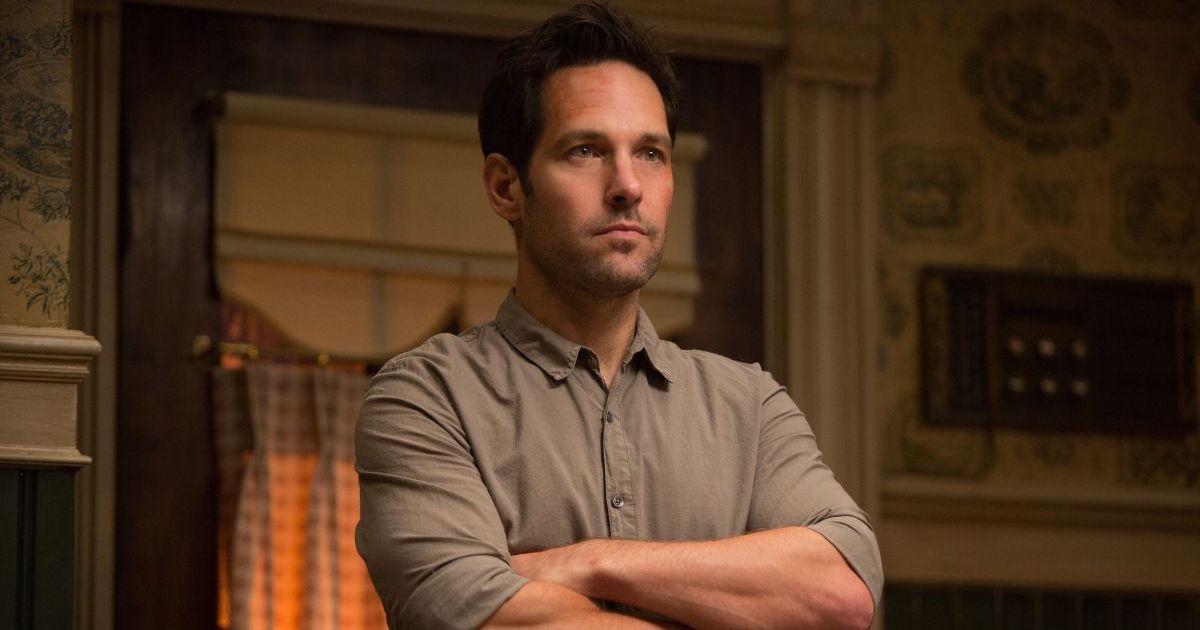
Paul Rudd net worth | MarkMeets Media

    0
    Paul Rudd net worth | MarkMeets Media


    As fans remain captivated by the charm and wit of Paul Rudd, curiosity about his financial achievements continues to grow. The question frequently arises: What is Paul Rudd’s net worth today? His remarkable journey in Hollywood, spanning various genres and captivating audiences worldwide, has undoubtedly contributed to his impressive financial standing.

    In this article, we’ll explore all facets of Paul Rudd’s net worth, including his earnings from acting, writing, producing, and his ventures outside of the entertainment industry.

    Understanding Paul Rudd’s Wealth

    What is Paul Rudd’s Net Worth

    Paul Rudd’s net worth is estimated to be around $70 million. This considerable wealth reflects not only his successful acting career but also his involvement in various creative projects and entrepreneurial pursuits.

    Rudd’s net worth can be attributed to several income streams. He has earned significant remuneration from his performances in blockbuster films, television series, and theater productions. Additionally, Rudd has ventured into writing and producing, which further enhances his overall financial status. Furthermore, his co-ownership of a confectionery shop contributes another layer to the diversified portfolio that constitutes Paul Rudd’s net worth.

    Earnings Breakdown: A Multidimensional Career

    Paul Rudd’s substantial net worth is largely a product of his diverse career in entertainment. Let’s delve deeper into how different aspects of his professional life contribute to his wealth.

    Acting: The Core of His Income

    First and foremost, Paul Rudd’s primary source of income comes from his acting career. He has showcased his talents in numerous films and television shows over the years, and this has played a pivotal role in building his financial foundation.

    In the realm of acting, Rudd is best known for his iconic role as Scott Lang, or Ant-Man, in the Marvel Cinematic Universe. His ability to blend humor with heroic qualities has made him a fan favorite, leading to significant box office success. For instance, during the filming of the original Ant-Man, Rudd reportedly earned a hefty sum of $300,000. Subsequent appearances in other Marvel films likely increased that figure substantially, especially given the franchise’s monumental success.

    Aside from Marvel, Rudd has starred in several hit movies that have further buoyed his earnings. Notable films include:

    The 40-Year-Old Virgin
    This Is 40
    Ghostbusters: Afterlife
    Ghostbusters: Frozen Empire
    The Anchorman series

    Each of these projects not only showcased Rudd’s impressive range but also contributed to his growing net worth.

    Writing: Crafting Stories with Impact

    Apart from acting, Rudd has also made notable contributions to scriptwriting, which has added another stream of income to his financial portfolio. He co-wrote several popular films, including Ant-Man, Ant-Man and the Wasp, and Role Models. Additionally, he penned an episode for the cult classic comedy series Party Down. Writing credits bring not only residual income but also showcase Rudd’s versatility within the entertainment industry.

    The experience from his writing endeavors has allowed Rudd to hone his storytelling skills, which further enriches his performances as an actor.

    Producing: Behind the Scenes

    Paul Rudd has ventured into producing as well, further diversifying his career in the film industry. As a producer, he has either executive produced or produced several projects, such as:

    The Ten
    Wanderlust
    Living with Yourself

    These productions not only reflect his interests as a creator but also add another substantial source of income, enhancing Paul Rudd’s net worth significantly over the years.

    Co-Creator of Party Down

    Rudd’s involvement in Party Down highlights another dimension of his creative endeavors. As a co-creator of this comedy series alongside John Enbom, Rob Thomas, and Dan Etheridge, Rudd played an instrumental role in bringing the show’s unique premise to life. The series has garnered a loyal fan base and critical acclaim, showcasing Rudd’s knack for recognizing and nurturing comedic talent.

    The success of Party Down exemplifies how Rudd’s creativity extends beyond acting, contributing further to his net worth. The show’s reboots and continued popularity keep it in the public eye, possibly generating residual income for Rudd.

    Samuel’s Sweet Shop: A Sweet Venture

    In an unexpected twist to Paul Rudd’s net worth narrative, he co-owns Samuel’s Sweet Shop, a charming confectionery located in New York. His partnership with actor Jeffrey Dean Morgan reflects a commitment to community and friendship, especially considering that they saved the shop from closing after the previous owner — a close friend of Rudd’s — passed away.

    This venture is unique because while it contributes to Rudd’s overall net worth, it also provides a meaningful connection to his community. The story behind Samuel’s Sweet Shop is a reminder that Rudd’s character goes beyond the silver screen, reinforcing the idea that successful individuals can also invest in their communities.

    The Evolution of Paul Rudd’s Career and Financial Success

    Early Life and Career Beginnings

    Rudd’s journey to achieving his remarkable net worth began with significant roles in theater and television. He gained early recognition from shows like Friends, where he played Mike Hannigan, Phoebe Buffay’s love interest. His bubbly personality and comedic timing quickly endeared him to audiences, setting the stage for a flourishing film career.

    As Rudd evolved from supporting roles to leading man status, his ability to straddle the line between comedy and drama captured the attention of the film industry. His participation in several successful films opened the door to numerous high-profile projects, significantly increasing his salary and, naturally, Paul Rudd’s net worth.

    Current Projects: Continuing the Climb

    Paul Rudd continues to solidify his status as one of Hollywood’s most beloved actors. Recent works, such as Ghostbusters: Frozen Empire, have shown not only his enduring popularity but also his adaptability in portraying various characters across genres. Rudd’s presence in ongoing franchises ensures a steady stream of income, maintaining his successful career trajectory.

    Final Thoughts: The Value of Paul Rudd’s Brand

    The Charisma Factor

    In the realm of entertainment, Paul Rudd’s appeal goes far beyond his financial assets. His vibrant personality, combined with his acting prowess and engaging on-screen performances, contribute to his overall brand. Rudd has effortlessly built a reputation as a relatable and charming figure in Hollywood, endearing him to fans and colleagues alike.

    Even beyond monetary gains, his endeavors reflect a commitment to authenticity, creativity, and community service, factors that resonate with audiences and further solidify his legacy as an actor and entrepreneur.

    The Future of Paul Rudd’s Net Worth

    As we look ahead, it is likely that Paul Rudd’s net worth will continue to grow due to his ongoing involvement in dynamic projects. Whether through acting, writing, producing, or his entrepreneurial spirit, Rudd’s ability to adapt to changing times will likely keep him in a favorable financial position.

    Furthermore, with the entertainment industry continually evolving, Rudd’s diversified approaches to storytelling—combined with his ability to leverage his popularity—ensures he will remain a noteworthy figure in the landscape of Hollywood for years to come.

    In conclusion, Paul Rudd’s net worth showcases not only the financial success he has achieved through various ventures but also his significant contributions to the world of entertainment. His multifaceted career, characterized by creativity and passion, inspires both aspiring actors and established professionals alike.

    Author Profile

    Web Desk


    Source link

    Vitalik Buterin Outlines Lean Ethereum Path for Lighter Consensus, Validator Privacy

    Vitalik Buterin Outlines Lean Ethereum Path for Lighter Consensus, Validator Privacy


    On July 6, 2026, Vitalik Buterin published further details on the “Lean Ethereum” direction in a new series of updates to the Ethereum community, following recent discussions between researchers and client teams. The proposal focuses on making the consensus layer lighter, easier to upgrade, and more aligned with long-term goals such as privacy and post-quantum security. Although it is not yet a finalized hard fork, this content indicates that Ethereum is expanding its L1 roadmap to reduce protocol complexity over the coming years.

    What Happened

    On July 6, 2026, Buterin shared an updated strawmap of Ethereum L1, stating that this document follows recent discussions among Ethereum researchers in Berlin and client teams in Svalbard. The strawmap places Lean Ethereum on a multi-year trajectory, with long-term goals including a fast L1, a post-quantum L1, and a private L1.

    In a follow-up update, Buterin dove deeper into the consensus branch of the roadmap, questioning how Lean Ethereum could become “aggressively more lean” while adding stronger validator privacy. The document titled “The Extremely Lean Chain” subsequently presented design directions for a lighter consensus chain, where Ethereum reduces the amount of data that must be maintained directly within the protocol and relies more heavily on cryptographic proofs.

    Nevertheless, this remains a research proposal, not an announcement of a finalized hard fork deployment or protocol changes. This series of updates indicates that Lean Ethereum is being concretized from a long-term vision of a leaner, more private, and quantum-resistant L1 into technical directions that can be discussed, verified, and later introduced into the standardization process by the Ethereum community.

    Inside The Proposal

    Buterin targets a core part of the beacon chain: the amount of data the protocol must maintain for each validator. Currently, each validator in the consensus state is attached to multiple data fields, ranging from a 48-byte public key, 32-byte withdrawal credentials, and an 8-byte active balance to slashed status and epoch milestones related to activation, exit, and withdrawal. As the validator count grows, this state makes epoch processing heavier, especially if Ethereum wants to move toward few-slot or single-slot finality.

    The “extremely lean” design proposes reducing the per-validator state to a 1-byte effective balance and a 5-byte pubkey index. The remaining data would be handled using proofs: validators monitor their own necessary data, prove whether they participated or did not participate in an attestation, calculate their new balance, and then submit that proof to the protocol.

    In the initial description, Buterin used a one-day cycle for the balance update proof. Validators submitting proofs late would not be instantly slashed or excluded, but they cannot continue to attest until the update is complete. He also suggested that a one-hour cycle is the lower bound in terms of cost, while one day is a more conservative choice.

    At a scale of 1 million validators, Buterin estimates the bitfield to be only around 128 kB, and the effective-balance tree around 1 MB. According to him, these structures can be proven using STARKs, but the proofs still need to be aggregated to avoid creating too much overhead for the protocol.

    Privacy And Post-Quantum Angle

    In addition to state reduction, Buterin’s proposal integrates validator privacy into the core design. In the next phase, the active validator registry could become a separate structure on a day-by-day basis. Validators would use a fresh pubkey every day, causing identities to be periodically re-anonymized rather than being tracked long-term through a fixed public key.

    This design also aims to use ZK-STARKs so validators can prove their connection to a previous state without exposing their entire history. According to Buterin, this model could allow a validator identity to “re-randomize each day,” where only the validator itself knows the link between the old and new identity.

    This proposal aligns with the post-quantum direction of Lean Ethereum. In an Ethereum Foundation blog post from July 2025, Justin Drake described Lean Ethereum as a 10-year vision that places hash-based cryptography at the center. The new strawmap also includes “post-quantum L1” and “private L1” among the long-term goals for Ethereum L1.

    Roadmap Context

    The strawmap on strawmap.org is maintained by EF Architecture and is described as a “strawman L1 roadmap,” not an official roadmap adopted by the entire Ethereum ecosystem. This document serves as a coordination tool for researchers, client developers, and governance participants, with a vision extending to the end of the decade.

    Ethereum L1 strawmap

    Ethereum L1 strawmap. Source: Vitalik Buterin

    According to ethereum.org, the closest upcoming upgrades, Glamsterdam and Hegotá, are both in the development phase, expected in H2 2026. Glamsterdam is currently tied to goals such as enshrined proposer-builder separation and block-level access lists. In the strawmap, longer-term upgrade directions are divided into three layers: consensus layer, data layer, and execution layer.

    Lean Ethereum is therefore not a single upgrade, but a cluster of technical directions for L1. Lean consensus focuses on finality and a lighter beacon chain; lean data relates to data availability and blobs, while lean execution aims for an execution environment that is more friendly to proving while maintaining continuity with the EVM ecosystem.

    What Comes Next

    Buterin’s proposals will need to be researched, critiqued, and refined by the Ethereum community before they can enter the standardization process. Open questions include the actual proof costs for small validators, the ability to aggregate proofs at scale, the impact of validator anonymity on measuring decentralization, and how to handle slashing in a model where pubkeys change daily.

    If The Merge in 2022 transitioned Ethereum from proof-of-work to proof-of-stake, Lean Ethereum focuses on a different layer of change: making L1 lighter, easier to verify, more private, and readier for post-quantum cryptography. The next steps will likely unfold through research discussions, EIPs, client implementations, testnets, and, finally, a hard fork.


    Source link

    Popular Posts

    My Favorites

    Exploring Sustainability in the World of Digital Art

    Explore the intersection of technology and eco-friendly practices in digital art, focusing on sustainability's role in shaping a responsible art future.