Home Blog Page 1259

Exploring Emerging Opportunities in the Web3 Landscape
The digital landscape is evolving at an unprecedented pace, with Web3 emerging as the next transformative phase of the internet. Moving beyond the centralized paradigms of Web 2.0, Web3 promises a decentralized, user-centric experience that empowers individuals and redefines how we interact with digital content, data, and assets. This article delves into the foundational aspects of Web3 technology, highlights the key innovations shaping its ecosystem, and explores the burgeoning investment opportunities that it offers.

Understanding the Foundations of Web3 Technology

Web3, often referred to as the decentralized web, represents a paradigm shift from the traditional internet architecture. At its core, Web3 is built on blockchain technology, which enables decentralized networks that operate without the need for a central authority. This decentralization ensures that data ownership and privacy are returned to the users, eliminating the need for intermediaries. The blockchain’s immutable and transparent nature lays the groundwork for trustless interactions, which are crucial for the development of decentralized applications (dApps).

Smart contracts are another fundamental component of Web3 technology. These self-executing contracts with the terms of the agreement directly written into code allow for automated, trustless transactions and processes. By removing the need for intermediaries, smart contracts reduce costs and increase efficiency across various industries, from finance to supply chain management. Their ability to facilitate complex agreements in a secure and transparent manner is a cornerstone of the Web3 ecosystem.

Decentralized identities (DIDs) are also a key aspect of Web3, providing users with control over their personal data and digital identities. Unlike traditional systems where identity information is stored and managed by centralized entities, DIDs allow users to create and manage their identity on the blockchain. This not only enhances privacy but also reduces the risk of identity theft and fraud. Through DIDs, Web3 aims to establish a more secure and user-centric digital identity framework.

Interoperability is a significant challenge and opportunity within the Web3 landscape. As multiple blockchain networks emerge, the ability for these systems to communicate and interact seamlessly becomes crucial. Interoperability protocols are being developed to enable cross-chain transactions and data sharing, fostering a more connected and efficient decentralized ecosystem. This capability is essential for the growth and adoption of Web3 technologies, ensuring that users and developers can leverage the full potential of different blockchain platforms.

The decentralized nature of Web3 also requires a shift in governance models. Decentralized Autonomous Organizations (DAOs) are emerging as novel governance structures that enable community-driven decision-making. DAOs operate on blockchain technology, allowing stakeholders to vote on proposals and changes in a transparent and democratic manner. This model empowers users to have a direct say in the development and management of projects, fostering a sense of ownership and participation.

Finally, the transition to Web3 is supported by the advancement of web technologies such as IPFS (InterPlanetary File System) and decentralized storage solutions. These technologies enable efficient and secure data storage and retrieval, which are essential for the operation of dApps and other Web3 services. By decentralizing the web’s infrastructure, these technologies ensure that data remains accessible and resilient, even in the face of network failures or censorship attempts.

Key Innovations Shaping the Web3 Ecosystem

The Web3 ecosystem is witnessing a surge of innovations that are reshaping how we interact with digital environments. One of the most prominent developments is the emergence of decentralized finance (DeFi). DeFi leverages blockchain technology to recreate and enhance traditional financial services, such as lending, borrowing, and trading, in a decentralized manner. By removing intermediaries, DeFi platforms offer users greater control over their assets, as well as increased transparency and accessibility.

Non-fungible tokens (NFTs) have also become a significant force within the Web3 landscape. NFTs represent unique digital assets that can be bought, sold, and traded on blockchain networks. They have gained immense popularity in the fields of art, music, gaming, and beyond, providing creators with new ways to monetize their work and engage with audiences. The ability to prove ownership and authenticity of digital items through NFTs is driving new forms of digital interaction and commerce.

The development of decentralized social networks is another key innovation in the Web3 arena. These platforms aim to address the privacy and censorship issues prevalent in traditional social media by giving users control over their data and content. Decentralized social networks operate on blockchain technology, ensuring that user information is not stored or controlled by a single entity. This approach fosters a more open and user-centric social media experience.

Web3 gaming is emerging as a dynamic sector, integrating blockchain features like NFTs and cryptocurrencies into gaming environments. This integration allows players to own their in-game assets, trade them with others, and even earn real-world value. Web3 gaming not only provides new revenue streams for developers but also enhances player engagement and community building, as gamers can participate in decentralized economies and governance within their favorite games.

Privacy-enhancing technologies are also playing a pivotal role in shaping the Web3 ecosystem. As users become more aware of data privacy concerns, solutions like zero-knowledge proofs and privacy-preserving protocols are gaining traction. These technologies allow for secure and private transactions and interactions on the blockchain, without revealing unnecessary information. By prioritizing privacy, Web3 aims to build a more secure and trustworthy digital environment.

Finally, the concept of the metaverse is gaining momentum within the Web3 landscape. The metaverse represents a collective virtual shared space, created by the convergence of virtually enhanced physical reality and physically persistent virtual reality. This digital realm leverages blockchain technology to create immersive experiences where users can interact, create, and transact in a decentralized manner. The integration of Web3 principles into the metaverse holds the potential to redefine digital experiences and economies on a global scale.

Navigating Investment Opportunities in Web3

The rapid growth of the Web3 ecosystem presents a myriad of investment opportunities for those looking to capitalize on the decentralization wave. One of the primary areas of interest is in blockchain infrastructure projects that enable the development and deployment of decentralized applications. Investing in platforms that offer robust scalability, interoperability, and security features can provide significant returns as the demand for Web3 solutions continues to rise.

DeFi platforms also offer lucrative investment prospects. With traditional financial systems increasingly integrating with decentralized solutions, investing in DeFi projects can yield substantial gains. These platforms often provide innovative financial products, such as yield farming and liquidity mining, which offer attractive returns on investment. However, investors should be mindful of the risks associated with the volatility and regulatory uncertainties in the DeFi space.

NFTs present another exciting avenue for investment. As digital collectibles and assets gain popularity, investing in NFT marketplaces and platforms can offer significant growth potential. Additionally, identifying and acquiring undervalued NFTs with strong provenance and demand can result in profitable outcomes. The NFT market, however, is still in its nascent stages, and investors should conduct thorough research to navigate its complexities and risks effectively.

The rise of DAOs offers unique investment opportunities as well. By participating in DAOs, investors can have a direct influence on project governance and decision-making processes. Investing in DAO tokens allows stakeholders to vote on key proposals and potentially benefit from the success of the projects they support. This participatory investment model aligns with the community-driven ethos of Web3, fostering a sense of ownership and collaboration.

Venture capital firms are increasingly focusing on Web3 startups, recognizing the potential for disruptive innovation in this space. Early-stage investments in Web3 companies developing cutting-edge technologies, such as decentralized identity solutions, privacy-enhancing protocols, and blockchain-based gaming platforms, can yield substantial returns. Strategic partnerships and collaborations with established players in the industry can also enhance the growth prospects of these startups.

Finally, as the Web3 landscape evolves, regulatory considerations will play a crucial role in shaping investment strategies. Investors need to stay informed about regulatory developments and adapt their approaches accordingly. Engaging with legal and compliance experts can help navigate the complex regulatory environment and mitigate potential risks. By staying ahead of regulatory changes, investors can position themselves to capitalize on the long-term opportunities presented by the Web3 revolution.

The Web3 landscape is brimming with potential, offering a transformative vision of a decentralized internet that empowers users and fosters innovation. By understanding the foundational technologies, recognizing key innovations, and navigating the investment landscape, individuals and businesses can seize the opportunities that Web3 presents. As this new era of the internet unfolds, staying informed and adaptable will be key to harnessing the full potential of the Web3 ecosystem and shaping the future of digital interactions.

Exploring Web3 Innovations in Design, Art, and Fashion

The dawn of Web3 technology is heralding a new era of innovation across various creative industries, including design, art, and fashion. By leveraging decentralized networks, blockchain, and smart contracts, Web3 is transforming how creators and consumers interact with digital content. This article explores how Web3 is reshaping creative design, elevating modern art, and redefining the fashion industry.

Unveiling Web3: Transformations in Creative Design

Web3 is revolutionizing creative design by introducing decentralized platforms that empower designers to own and monetize their work without intermediaries. Through blockchain technology, designers can create, share, and sell their digital designs directly to consumers, ensuring authenticity and provenance. This decentralization is fostering a more sustainable and equitable ecosystem for designers worldwide.

Smart contracts, a cornerstone of Web3, are automating transactions and licensing agreements in the design industry. These self-executing contracts ensure that designers are fairly compensated for their work, reducing the risk of copyright infringement and ensuring transparency in creative transactions. This innovative approach is streamlining processes and fostering trust between designers and clients.

The integration of NFTs (non-fungible tokens) into the design realm is also transforming how digital assets are valued and exchanged. Designers can mint their creations as NFTs, allowing for unique ownership and scarcity, which can drive demand and increase the value of digital designs. This shift is opening up new revenue streams and possibilities for creative professionals.

Web3 is also fostering collaboration and community-driven design initiatives. Decentralized Autonomous Organizations (DAOs) are enabling designers to collectively manage projects and resources, democratizing decision-making processes. This collaborative approach is breaking down traditional barriers and encouraging a more inclusive and diverse design landscape.

Moreover, Web3 technologies are facilitating the integration of virtual and augmented reality in design processes. Designers can create immersive and interactive experiences that engage users in novel ways. This blend of digital and physical realms is pushing the boundaries of creativity and redefining the possibilities of design.

As Web3 continues to evolve, its impact on creative design is expected to grow exponentially. By embracing these innovations, designers are not only enhancing their craft but also contributing to a more open and interconnected digital future.

Artistic Expressions: Web3’s Impact on Modern Art

Web3 is profoundly influencing modern art by reshaping how art is created, distributed, and appreciated. Blockchain technology is providing artists with new tools to authenticate and sell their work, eliminating traditional gatekeepers and empowering artists to connect directly with their audience.

The rise of NFTs has been a game-changer for artists, offering a novel way to monetize digital art. By tokenizing their work, artists can ensure that each piece is unique and verifiable, creating a new market for digital collectibles. This shift is not only enhancing the value of digital art but also attracting a new generation of art collectors.

Web3 is also democratizing access to art, allowing artists from diverse backgrounds to showcase their work on global platforms. Decentralized art marketplaces are providing artists with the opportunity to reach wider audiences, breaking down geographical and economic barriers. This inclusivity is enriching the art world with diverse perspectives and voices.

Moreover, Web3 is fostering innovative artistic collaborations through DAOs, where artists can co-create and share resources. These decentralized collectives are enabling artists to experiment with new mediums and techniques, pushing the boundaries of traditional art forms. This collaborative spirit is driving a renaissance in contemporary art practices.

The integration of virtual reality and augmented reality in art is another significant development driven by Web3. Artists are exploring immersive environments to create interactive art experiences that engage audiences in unprecedented ways. This fusion of technology and creativity is expanding the possibilities of artistic expression and challenging conventional notions of art.

As Web3 technologies continue to evolve, their impact on modern art is expected to deepen. Artists who embrace these innovations are not only enhancing their creative processes but also contributing to a more dynamic and interconnected art ecosystem.

Fashion Forward: How Web3 is Redefining Style

Web3 is ushering in a new era for the fashion industry by introducing decentralized technologies that are transforming how fashion is designed, produced, and consumed. Blockchain technology is enabling fashion brands to ensure transparency and traceability in their supply chains, fostering ethical and sustainable practices.

NFTs are playing a pivotal role in the fashion world by offering designers a new way to create and sell digital fashion items. These digital garments and accessories can be worn in virtual environments, opening up new avenues for fashion expression in the metaverse. This shift is attracting fashion enthusiasts and collectors to invest in unique digital fashion pieces.

Web3 is also driving innovation in fashion design through the use of smart contracts. Designers can create limited-edition collections with automated royalty payments, ensuring that they receive fair compensation for their work. This transparency is fostering trust between designers and consumers and encouraging creativity in fashion design.

The rise of virtual fashion shows and digital fashion weeks, powered by Web3 technologies, is redefining how fashion is presented and experienced. These virtual events are enabling designers to reach global audiences without the constraints of physical locations, democratizing access to fashion and reducing environmental impact.

Decentralized fashion platforms are empowering consumers to co-create and customize fashion items, fostering a more personalized and interactive fashion experience. This participatory approach is challenging traditional fashion norms and encouraging a more inclusive and diverse fashion culture.

As Web3 continues to shape the fashion industry, its impact on style and design is expected to grow. By embracing these innovations, fashion designers and brands are not only enhancing their creative processes but also contributing to a more sustainable and interconnected fashion ecosystem.

The advent of Web3 technology is driving transformative changes across the creative industries of design, art, and fashion. By leveraging decentralized networks and blockchain, creators are finding new ways to express themselves, reach audiences, and monetize their work. As these innovations continue to evolve, they hold the promise of a more open, inclusive, and interconnected future for the creative world. Embracing Web3 is not just about adopting new technologies but also about reimagining the possibilities of creativity in the digital age.

Exploring Recent Innovations in the Metaverse Realm

The metaverse has rapidly evolved from a speculative concept to a burgeoning digital frontier, captivating the imagination of technologists, businesses, and consumers alike. As a convergence of virtual reality, augmented reality, and the internet, the metaverse represents a new paradigm in how we interact with digital environments. This exploration delves into recent innovations that are propelling the metaverse forward, examining transformative technologies and contemplating the future landscape of these immersive digital realities.

Unveiling Cutting-Edge Advances in the Metaverse

In recent years, the metaverse has witnessed a surge of innovation, propelled by advances in technology and a growing interest from both consumers and enterprises. One of the most notable developments is the enhancement of virtual reality (VR) hardware. Companies like Meta (formerly Facebook), HTC, and Sony have introduced more sophisticated VR headsets with improved resolution, field of view, and wireless capabilities, providing users with more immersive and comfortable experiences.

Augmented reality (AR) is also making significant strides, with devices such as the Microsoft HoloLens and Apple’s rumored AR glasses promising to blend digital and physical worlds seamlessly. These devices are not only becoming more powerful but also more accessible, which is crucial for the widespread adoption of AR technology. The integration of AR into everyday devices like smartphones further accelerates its penetration into the mainstream market.

Beyond hardware, software advancements are playing a pivotal role in the evolution of the metaverse. Developers are leveraging artificial intelligence (AI) to create more dynamic and responsive virtual environments. AI-driven avatars and non-player characters (NPCs) can now interact with users in more realistic and meaningful ways, enhancing the overall experience within virtual worlds.

Blockchain technology is another cornerstone of recent metaverse innovations. It enables the creation of decentralized virtual economies where users can own, trade, and monetize digital assets securely. Platforms like Decentraland and The Sandbox are pioneering these blockchain-based environments, offering users unprecedented control over their digital possessions and identities.

Interoperability is emerging as a key focus for metaverse development, with efforts to create seamless transitions and interactions between different virtual worlds. Initiatives like the Metaverse Standards Forum are working towards establishing common protocols and standards, which would allow users to move their digital assets and identities across various platforms without friction.

Finally, the rise of social and collaborative experiences within the metaverse cannot be overlooked. Virtual concerts, meetings, and events are becoming commonplace, with platforms such as VRChat and AltspaceVR offering spaces for social interaction and collaboration. These experiences are not only transforming how we connect with others but also how we work and play in digital environments.

Transformative Technologies Shaping Virtual Worlds

At the heart of the metaverse’s evolution are transformative technologies that are reshaping virtual worlds. Virtual reality is at the forefront, with its ability to immerse users in entirely digital environments. The latest VR headsets are equipped with advanced sensors and tracking systems, allowing for precise movement and interaction within these spaces. This technology is crucial for applications ranging from gaming to virtual tourism and education.

Augmented reality, on the other hand, overlays digital information onto the real world, providing a unique blend of physical and digital experiences. AR is becoming increasingly sophisticated, with developments in spatial mapping and object recognition. These advancements enable users to interact with digital content in a more intuitive and natural manner, opening up new possibilities for industries such as retail, healthcare, and entertainment.

Artificial intelligence is another transformative force in the metaverse, driving smarter and more adaptive virtual environments. AI algorithms can analyze user behavior and preferences to tailor experiences in real-time, creating personalized and engaging interactions. Moreover, AI is essential for the development of virtual assistants and chatbots that can facilitate communication and navigation within these digital realms.

Blockchain technology underpins the economic infrastructure of the metaverse, enabling secure and transparent transactions. It facilitates the creation of non-fungible tokens (NFTs), which represent ownership of unique digital assets. This has given rise to a new digital economy where creators can monetize their work directly and users can invest in virtual real estate, art, and other collectibles.

Cloud computing plays a vital role in supporting the metaverse by providing the necessary computational power and storage capabilities. As virtual worlds become more complex, the demand for scalable and efficient cloud solutions increases. Cloud-based platforms enable real-time rendering and processing of vast amounts of data, ensuring smooth and uninterrupted experiences for users.

Finally, 5G technology is revolutionizing connectivity within the metaverse. With its high-speed, low-latency networks, 5G enables seamless streaming of high-quality content and supports the real-time interactions required for immersive experiences. This connectivity is essential for enabling large-scale virtual events and fostering global collaboration within digital environments.

Navigating the Future Landscape of Digital Realities

As we look to the future, the landscape of digital realities is poised to undergo significant transformations, driven by ongoing innovations in the metaverse. One of the major trends is the increasing convergence of virtual and physical worlds. This hybrid reality will enable users to seamlessly transition between digital and real environments, enhancing both personal and professional experiences.

The concept of the metaverse as a persistent, shared virtual space is gaining traction, with tech giants and startups alike investing in creating interconnected ecosystems. These platforms aim to offer users a cohesive experience where digital identities, assets, and interactions are unified across various applications and environments.

The democratization of content creation is another anticipated development, as tools for building virtual worlds become more accessible. This will empower a broader range of creators, from individuals to small businesses, to contribute to the metaverse, fostering diversity and innovation in digital content and experiences.

Privacy and security are critical considerations as the metaverse evolves. Ensuring user data protection and creating safe virtual environments are paramount to building trust and encouraging adoption. As such, developers and policymakers are working towards establishing robust frameworks and regulations to safeguard users within these digital spaces.

The rise of digital economies within the metaverse presents both opportunities and challenges. While the potential for new business models and revenue streams is immense, issues such as market volatility and digital asset regulation need to be addressed. Balancing innovation with stability will be key to sustaining growth in these virtual economies.

Finally, the metaverse holds the potential to redefine social interactions and community building. As people increasingly engage in virtual spaces, new forms of communication and collaboration will emerge. These interactions will not only reshape personal relationships but also influence cultural and societal norms, leading to a reimagined digital society.

The metaverse stands at the cusp of a transformative era, driven by rapid technological advancements and a growing interest in digital realities. As we navigate this new frontier, the innovations unfolding within the metaverse promise to reshape how we interact, work, and play in virtual environments. While challenges remain, the potential for creative expression, economic opportunity, and global connectivity is boundless. As the metaverse continues to evolve, it invites us to reimagine the possibilities of digital existence and explore the uncharted territories of this immersive digital realm.

Exploring Cutting-Edge Innovations in Web3 Technology

As the digital landscape continues to evolve, Web3 technology emerges as a revolutionary force poised to redefine the internet as we know it. Building upon the decentralized ethos of blockchain, Web3 promises a more open, secure, and user-centric online experience. This article delves into the intricate world of Web3, exploring its core principles, the pivotal role of blockchain in its innovations, and the transformative applications of decentralized systems. By examining these elements, we aim to provide a comprehensive understanding of how Web3 technology is shaping the future of the internet.

Unveiling the Core Principles of Web3 Technology

Web3 technology is underpinned by a set of core principles that distinguish it from its predecessors. At its heart is decentralization, a concept that seeks to distribute control away from centralized authorities and into the hands of individual users. This shift aims to create a more equitable internet where data sovereignty and personal privacy are prioritized. By leveraging peer-to-peer networks and cryptographic protocols, Web3 aspires to eliminate the need for intermediaries, thereby enhancing security and reducing the potential for censorship or manipulation.

Another fundamental principle of Web3 technology is transparency. In contrast to the opaque nature of Web2, where data is often controlled and monetized by a few powerful entities, Web3 encourages open access to information. This transparency is achieved through distributed ledger technologies, which ensure that all transactions and interactions are recorded on a public, immutable ledger. Such transparency not only fosters trust among users but also enables greater accountability and auditability, essential for a fair digital ecosystem.

Interoperability is also a key tenet of Web3. As the digital world becomes increasingly fragmented, the ability for different systems and platforms to seamlessly communicate and interact is paramount. Web3 aims to break down these silos by establishing open standards and protocols that facilitate cross-platform compatibility. This interconnectedness allows for a more fluid and dynamic internet, where users can move freely between applications and services without friction or dependency on centralized gatekeepers.

User empowerment is another driving force behind Web3 technology. In the current digital paradigm, users often relinquish control over their data and digital identities in exchange for access to services. Web3 seeks to reverse this trend by providing individuals with the tools to manage and monetize their own data. Through self-sovereign identities and decentralized applications (dApps), users gain ownership and control over their digital footprint, fostering a more balanced and user-centric online experience.

Finally, Web3 technology emphasizes sustainability and resilience. As concerns about the environmental impact of digital infrastructure grow, Web3 advocates for more efficient and eco-friendly solutions. By utilizing decentralized networks that optimize resource usage and energy consumption, Web3 aims to reduce the carbon footprint of the internet. Additionally, the decentralized nature of Web3 makes it inherently more resilient to attacks and failures, as there is no single point of failure that can be exploited or compromised.

The Role of Blockchain in Web3 Innovations

Blockchain technology is the backbone of Web3 innovations, providing the foundational infrastructure necessary for decentralization and trust. At its core, blockchain is a distributed ledger that records transactions across a network of computers in a secure and transparent manner. This technology ensures that once data is recorded, it cannot be altered or deleted, thus creating a permanent and tamper-proof record. This immutability is crucial for establishing trust in a decentralized environment where traditional intermediaries are absent.

Smart contracts are one of the most significant blockchain innovations driving Web3. These self-executing contracts with the terms of the agreement directly written into code allow for automated and trustless transactions. By eliminating the need for third-party verification, smart contracts reduce costs and increase efficiency, enabling a wide range of decentralized applications. From decentralized finance (DeFi) to supply chain management, smart contracts are revolutionizing industries by streamlining processes and enhancing transparency.

Another critical aspect of blockchain in Web3 is the concept of tokenization. By representing assets as digital tokens on a blockchain, Web3 enables fractional ownership, liquidity, and transferability of assets that were previously illiquid or indivisible. This democratization of asset ownership opens new opportunities for investment and participation in the digital economy. Whether it’s non-fungible tokens (NFTs) representing digital art or tokenized real estate, blockchain facilitates the seamless exchange and management of digital assets.

Blockchain also plays a vital role in enhancing security within the Web3 ecosystem. The decentralized nature of blockchain networks makes them inherently more secure than centralized systems, which are vulnerable to single points of failure and attacks. Additionally, the cryptographic algorithms used in blockchain ensure data integrity and privacy, protecting users from fraud and unauthorized access. As cyber threats continue to evolve, blockchain’s robust security framework is indispensable for safeguarding the digital landscape.

Consensus mechanisms are another essential component of blockchain’s role in Web3. These protocols, such as Proof of Work (PoW) and Proof of Stake (PoS), determine how transactions are validated and added to the blockchain. By achieving consensus among network participants, these mechanisms ensure the reliability and accuracy of the blockchain. As Web3 continues to expand, innovative consensus algorithms are being developed to improve scalability, energy efficiency, and inclusivity, further advancing the capabilities of decentralized systems.

Finally, blockchain fosters community-driven governance models that align with the decentralized ethos of Web3. Through decentralized autonomous organizations (DAOs), stakeholders can participate in decision-making processes, influencing the direction and development of projects. This collective governance ensures that platforms remain aligned with the interests of their users, promoting a more democratic and transparent digital ecosystem. By empowering communities to take an active role in shaping the future, blockchain is at the forefront of Web3 innovations.

Transformative Applications of Decentralized Systems

Decentralized systems are at the core of Web3’s transformative potential, offering new ways to interact, transact, and collaborate online. One of the most prominent applications is decentralized finance (DeFi), which seeks to recreate traditional financial systems without the need for intermediaries. By leveraging blockchain and smart contracts, DeFi platforms offer services such as lending, borrowing, and trading with increased transparency, accessibility, and efficiency. This democratization of finance empowers individuals worldwide to participate in the global economy, regardless of their geographic or socioeconomic status.

Decentralized applications (dApps) are another critical innovation enabled by Web3. Unlike traditional applications that rely on centralized servers, dApps operate on decentralized networks, providing users with greater control over their data and interactions. These applications span various sectors, including social media, gaming, and supply chain management, offering novel solutions to longstanding challenges. For example, decentralized social media platforms prioritize user privacy and content ownership, while blockchain-based games introduce new economic models and digital asset ownership.

The rise of non-fungible tokens (NFTs) represents a significant shift in how digital content is created, owned, and monetized. NFTs are unique digital assets stored on a blockchain, allowing creators to tokenize art, music, and other forms of media. This innovation empowers artists and creators by providing new revenue streams and enabling direct engagement with their audiences. Additionally, NFTs facilitate provenance and authenticity verification, addressing issues such as counterfeiting and intellectual property theft in the digital realm.

Web3 technology is also transforming supply chain management by enhancing transparency and traceability. Through blockchain, companies can create immutable records of every transaction and movement of goods, from raw materials to finished products. This visibility helps eliminate inefficiencies, reduce fraud, and ensure ethical sourcing practices. By providing consumers with verifiable information about the origin and journey of products, Web3 fosters trust and accountability, aligning with growing demands for sustainable and responsible business practices.

Decentralized identity solutions are another groundbreaking application of Web3, offering new ways to manage and secure personal information. In a world where data breaches and identity theft are prevalent, decentralized identity systems provide individuals with control over their digital identities. By utilizing blockchain and cryptographic techniques, users can authenticate themselves without revealing unnecessary personal data, enhancing privacy and security. This innovation has the potential to revolutionize sectors such as healthcare, finance, and online services, where identity verification is crucial.

Finally, Web3 technology is paving the way for new forms of collaboration and governance through decentralized autonomous organizations (DAOs). These community-driven entities operate on blockchain, enabling participants to collectively make decisions and manage resources. DAOs leverage smart contracts to automate processes and ensure transparency, allowing for efficient and democratic governance. From funding open-source projects to managing decentralized networks, DAOs exemplify the collaborative spirit of Web3, empowering individuals to contribute to and shape the future of digital ecosystems.

As we explore the cutting-edge innovations in Web3 technology, it becomes evident that this paradigm shift is more than just a technological evolution; it represents a fundamental reimagining of how we interact with the digital world. By embracing decentralization, transparency, and user empowerment, Web3 is poised to address many of the challenges that have plagued the internet in its current form. From blockchain’s foundational role to the transformative applications of decentralized systems, Web3 technology offers a glimpse into a more equitable, secure, and interconnected future. As this new era unfolds, it will be crucial for stakeholders across industries to collaborate and adapt, ensuring that the promise of Web3 is realized for the benefit of all.

Exploring Web3: The Future of the Decentralized Web

In recent years, the internet has undergone profound transformations, evolving from a static repository of information to an interactive platform that connects billions of people globally. Now, we stand on the brink of another monumental shift with the emergence of Web3, the decentralized web. Promising to redefine our digital interactions, Web3 is set to enhance privacy, security, and user control. This article delves into the foundational aspects of Web3 technology, highlights the key innovations propelling it forward, and examines the potential impacts it may have on digital ecosystems.

Understanding the Foundations of Web3 Technology

Web3, often referred to as the decentralized web, represents the next generation of internet technology. Unlike its predecessors, Web3 aims to decentralize control away from centralized entities like tech giants, redistributing power to individual users. This shift is facilitated by blockchain technology, which underpins Web3’s architecture. Blockchains offer a distributed ledger system that ensures transparency, immutability, and security, essential characteristics for a decentralized network.

At the core of Web3 is the principle of decentralization. By removing intermediaries, Web3 allows for peer-to-peer interactions, enabling users to engage directly without relying on central servers or authorities. This approach not only enhances privacy but also reduces the risk of data breaches, censorship, and manipulation, addressing some of the significant concerns associated with the traditional web.

Smart contracts are another fundamental component of Web3. These self-executing contracts with the terms of the agreement directly written into code allow for automated and trustless transactions. By eliminating the need for third-party facilitators, smart contracts streamline processes and reduce costs, offering a more efficient and transparent alternative to conventional agreements.

Decentralized applications or dApps are a crucial element of the Web3 ecosystem. Unlike traditional applications that rely on centralized servers, dApps operate on blockchain networks, offering enhanced security and user control. Users can interact with dApps without the need for intermediaries, ensuring a more private and secure experience. This shift towards decentralized applications represents a significant departure from the current web paradigm.

Another foundational aspect of Web3 is the concept of digital identity. In Web3, users can maintain control over their digital identities, deciding what information to share and with whom. This contrasts sharply with the current web, where user data is often collected and monetized by centralized platforms. Web3’s approach to digital identity empowers users, giving them greater control over their online presence and privacy.

Finally, the development of decentralized finance (DeFi) is a testament to the transformative potential of Web3 technology. DeFi leverages blockchain technology to recreate and enhance traditional financial systems, offering services like lending, borrowing, and trading without the need for centralized institutions. This democratization of financial services exemplifies the broader ethos of Web3, which seeks to create a more equitable and accessible digital landscape.

Key Innovations Driving the Decentralized Web

Several key innovations are driving the evolution of Web3, each contributing to the realization of a decentralized internet. One such innovation is the development of advanced consensus mechanisms. While early blockchains like Bitcoin rely on energy-intensive proof-of-work systems, newer platforms are adopting more efficient methods like proof-of-stake, which reduce energy consumption and increase scalability without compromising security.

Interoperability is another critical innovation propelling Web3 forward. As multiple blockchain networks emerge, ensuring they can communicate and interact seamlessly is vital. Innovations in cross-chain technology are enabling different blockchains to share information and value, creating a more interconnected and cohesive ecosystem. This interoperability is essential for the widespread adoption and success of Web3 initiatives.

Decentralized storage solutions are also fundamental to the growth of Web3. Traditional cloud storage services are centralized, posing risks of data loss and censorship. Web3 introduces decentralized storage networks like IPFS (InterPlanetary File System) and Filecoin, which distribute data across multiple nodes, enhancing security, redundancy, and access speed. This shift towards decentralized storage is crucial for building a resilient and censorship-resistant web.

The emergence of decentralized autonomous organizations (DAOs) represents a significant innovation in governance models within the Web3 space. DAOs operate on blockchain technology, allowing for transparent and democratic decision-making processes. By enabling communities to govern themselves without centralized leadership, DAOs offer a novel approach to organizational management, aligning with the decentralized ethos of Web3.

Privacy-enhancing technologies are also at the forefront of Web3 innovations. As privacy concerns continue to grow, Web3 is pioneering new methods to protect user data and identities. Techniques like zero-knowledge proofs and homomorphic encryption allow for secure transactions and interactions without revealing sensitive information. These technologies are pivotal in establishing trust and security in a decentralized environment.

Finally, tokenization is a transformative innovation driving Web3. By converting real-world assets into digital tokens on the blockchain, Web3 enables fractional ownership, increased liquidity, and broader access to investment opportunities. Tokenization has the potential to revolutionize various industries, from real estate to art, democratizing access and creating new economic models within the decentralized web.

Potential Impacts of Web3 on Digital Ecosystems

The advent of Web3 is poised to have profound impacts on digital ecosystems, reshaping how we interact with technology and each other. One of the most significant changes is the shift in power dynamics. By decentralizing control, Web3 empowers users, giving them greater autonomy over their data and digital interactions. This redistribution of power challenges the dominance of centralized platforms, fostering a more equitable digital landscape.
Web3’s impact on data privacy and security is another critical consideration. With decentralized systems, users have greater control over their personal information, reducing the risks associated with data breaches and unauthorized access. This enhanced privacy and security could lead to increased trust in digital interactions, encouraging more people to engage with online platforms and services.

The economic implications of Web3 are also noteworthy. By enabling decentralized finance and tokenization, Web3 opens up new avenues for economic participation and innovation. Individuals can access financial services without traditional barriers, and businesses can explore new models of ownership and value exchange. This democratization of finance has the potential to drive economic growth and inclusion on a global scale.

Web3 is also likely to transform the way we consume and share digital content. With decentralized platforms, content creators can bypass traditional gatekeepers, reaching audiences directly and retaining more control over their work. This shift could lead to a more diverse and vibrant digital content ecosystem, where creators are fairly compensated, and users have access to a wider range of content.

The educational landscape may also be impacted by Web3. Decentralized learning platforms can offer more accessible and personalized education experiences, breaking down geographical and financial barriers. By leveraging blockchain technology, these platforms can provide verifiable and tamper-proof credentials, enhancing the credibility and portability of educational achievements.

Finally, Web3’s emphasis on community-driven governance through DAOs could influence how communities organize and make decisions. By fostering a culture of transparency and collaboration, DAOs have the potential to inspire new forms of social and political engagement, empowering individuals to have a more active role in shaping the digital and physical environments they inhabit.

As we stand on the precipice of the Web3 era, the potential for a more decentralized and user-centric internet is both exciting and challenging. While Web3 promises to address many of the issues inherent in the current web, it also presents new questions and complexities that will need to be navigated. As technology continues to evolve, the realization of Web3’s full potential will depend on collaboration, innovation, and a shared commitment to creating a more equitable and sustainable digital future. Whether Web3 will fundamentally transform the internet as we know it remains to be seen, but its foundations and innovations offer a compelling vision of what the future might hold.

Influencer Dora Moono Nyambe Dead at 32

    0
    Influencer Dora Moono Nyambe Dead at 32


    Dora Moono Nyambe
    Courtesy of Dora Moono Nyambe/Instagram

    Humanitarian and social media personality Dora Moono Nyambe died at the age of 32.

    “It is with a heavy hearth that we announce the sudden departure of our beloved Dora,” a Friday, December 27, statement shared via Nyambe’s Instagram read. “She will be remembered as a loved mother, heroine, peace philanthropist and an extraordinary woman.”

    Nyambe primarily worked as a humanitarian and educator in the village, helping to provide food and shelter to youth residents. She also documented her work via YouTube, Instagram and TikTok, garnering over 4 million followers.

    A teacher who worked with Nyambe’s organization confirmed her death in a TikTok video shared earlier this week.

    Most Shocking TikTok Star Deaths

    Related: Most Shocking TikTok Star Deaths: Taylor Rousseau Grigg and More

    Taylor Rousseau Grigg and Kyle Marisa Roth’s deaths shook the TikTok community — and broke the hearts of their fans. Grigg died in October 2024 at the age of 25 after battling undisclosed medical issues. Her husband, Cameron Grigg, announced her death via social media, revealing she’d been “in and out of the hospital since […]

    “I am officially announcing the loss of my beloved CEO, director, manager and founder of Footprints of Hope School, who died on Wednesday, 25th of December 2024,” she said. “Our sister will be buried here in Mapapa at Footprints of Hope School. … Thank you so much for everything.”

    Nyambe’s funeral will be held at the Mapapa Village in Mukushi, Zambia, on Monday, December 30.

    Influencer and Humanitarian Dora Moono Nyambe Suddenly Died at 32

    Dora Moono Nyambe
    Courtesy of Dora Moono Nyambe/Instagram

    “The burial of the late Dora Moono Nyambe, which was initially scheduled for an earlier date, has been moved to Monday afternoon due to some unforeseen challenges,” a Saturday, December 28, statement read. “We sincerely apologize for any inconvenience this may cause and appreciate your understanding during this difficult time.”

    The note continued, “We would like to extend our heartfelt gratitude to everyone who has come forward to support us, whether financially or in other forms. Your kindness and generosity have been a source of great comfort and strength for the family during this period.”

    Celebrity-Deaths-of-2024-Stars-We-Lost-This-Year-01-2024

    Related: Celebrity Deaths of 2024: Stars We Lost This Year

    Hollywood mourned many celebrities in 2024. Speed Racer star Christian Oliver (born Christian Klepser) died at the age of 51 during a fatal plane crash on January 5. Oliver was traveling home from a Caribbean vacation with his two daughters — Madita and Annik, whom he shared with wife Jessica Klepser — on January 4. […]

    A cause of death for Nyambe has not been publicly shared.

    Nyambe previously moved to Zambia to start a boarding school through her Footprints of Hope nonprofit.

    “I came to Mapapa Village while waiting for my visa to be approved. I needed to renew my visa to visit. This is [my friend’s] village,” she said in an October Instagram video. “When I came here I saw that there were a lot of kids getting [sexually assaulted], there were a lot of kids that had babies; just a lot of bad things happening. … I decided to stay.”

     Nyambe built four schools to house over 500 children.

    “That is why I keep on getting more kids,” she added. “I know it’s very confusing saying, ‘Let me turn this kid away’ or ‘I can’t house you’ or ‘I can’t do this.’ It’s very difficult for me because there’s a lot of kids in the village, but I don’t have the resources for that.”


    Source link

    How to Cook Lightning Bolt in Disney Dreamlight Valley

    0
    How to Cook Lightning Bolt in Disney Dreamlight Valley


    Lightning Bolt is one of the 5-star Appetizer Meals added with the Storybook Vale expansion. Players can make this meal for themselves to restore energy or gift it to villagers to increase their Friendship Level. However, this recipe is exclusive to the owners of the expansion. This guide will help you cook a Lightning Bolt in Disney Dreamlight Valley.

    Required Ingredients to Make Lightning Bolt in Disney Dreamlight Valley

    Players can make a Lightning Bolt appetizer meal with the following ingredients.

    1x Stygian Mudskipper

    1x Lamprey

    1x Lightning Spice

    1x Lightning Spice

    1x Any Sweet

    Stygian Mudskipper is a seafood that you can get by fishing in the Gold Ripples in the Mythopia (Storybook Vale) biome. Using an elixir or potion on the fishing rod will increase the chances of catching the Stygian Mudskipper. You can get Lamprey by fishing in the Gold Ripples in the Everafter biome. Again, use the potion to increase the chances of catching Lamprey. The Lightning Spice grows wild on the ground in all the areas within the Mythopia biome. You can harvest Lightning Spice from the ground.

    For the final ingredient, you can use any sweet ingredient. A few of the easiest sweet ingredients to get are Vanilla, Sugarcane, and Cocoa Beans.

    How to Cook Lightning Bolt in Disney Dreamlight Valley

    After gathering all the ingredients for the Lightning Bolt, go to any Cooking Station to start making it. Go to any cooking station in the Valley/Eternity Isle and interact with it. After that, put the ingredients into the Cooking Pot individually and then select the “Start Cooking” option to cook the Lightning Bolt Appetizer Meal.

    Use of Lightning Bolt

    Players can choose to eat the Lightning Bolt to restore 5,000 Energy, gift it to another villager to increase their Friendship Level or sell it to Goofy for 5,038 Star Coins.


    Source link

    Inside The Serial Killer’s Wife star Shobna Gulati’s love life – from Emmerdale star romance, toyboy 17 years her junior and being ‘bitter and twisted’

      0
      Inside The Serial Killer’s Wife star Shobna Gulati’s love life – from Emmerdale star romance, toyboy 17 years her junior and being ‘bitter and twisted’


      Shobna Gulati is a TV legend – but it’s fair to say her love life hasn’t exactly been plain sailing…

      The actress has appeared in everything from Dinnerladies and Coronation Street to the drama series, The Serial Killer’s Wife – which airs on Saturday (December 28).

      But away from the TV shows has had a rather dramatic love life.

      But which soap star did she date? And why did Shobna call it quits on her toyboy romance? Keep on reading to find out…

      The actress has had a wild love life (Credit: YouTube)

      Shobna Gulati on ‘failed’ marriage

      Shobna married architect Anshu Srivastava in 1990 – but the marriage only lasted four years.

      When the pair were separated, Shobna got pregnant by another man – and gave birth to a son, Akshay Gulati, in 1994. Shobna then raised her child with her mother’s help.

      “For the structures I was born within, my pregnancy was out of the ordinary because my marriage had failed,” Shobna revealed in 2020 to OK.

      “This put a lot of pressure on my mum within the wider community. She was a widow as well [Shobna’s father died when she was 18]. From the dawn of time, women have had the mark of sin, so my ‘mistake’ was considered in some quarters to be shameful.”

      Shobna’s romance with Emmerdale star

      Shobna struck up a romance with fellow soap star Gary Turner in 1999. Gary played Carlos Diaz on Emmerdale – making his debut in 2000.

      In 2003, Shobna and Gary called it quits.

      Discussing their break-up, Shobna later said: “Every relationship break is difficult, but we were friends before being a couple and friendship is always there.”

      Shobna and her ex boyfriend smiling

      The actress struck up a romance a runner from This Morning (Credit: SplashNews.com)

      Shobna Gulati and toyboy 17 years her junior

      In 2013, Shona made the headlines when she struck up a romance with Anthony Brown, who was 17 years younger.

      Shobna, who was 46 at the time, and runner Anthony, then 30, met on the set of This Morning. Talking about their romance, Shobna revealed to Hello that she “felt it was different”.

      She explained: “It was a gut instinct and I’ve decided to listen to it and give it a go.

      “I didn’t even think about the age gap – we see each other every week without fail and we are having a great time; we fit together nicely.

      “I had gone off men, but then he turned up in my life and he was jolly. He is fun and it’s a lovely relationship – he takes me out of my stupid seriousness and sensitivity – he’s good for me.”

      Shobna and her ex boyfriend kissing

      Shobna ultimately ended things (Credit: SplashNews.com)

      Shobna Gulati on split from Anthony

      However, the Corrie star ended things after 10 months with her toyboy due to rows and “feeling like his mum”.

      Speaking to The Sun she said: “The age factor has played a part. The problems emerged over time, the longer we were together.”

      Shobna also shared that although Anthony got on well with her then 18-year-old son, it was when the pair were together that Shobna realised that their relationship was less equal.

      “Sometimes when they were on the couch joking about something on the internet and I was in the kitchen making dinner I did feel like Anthony’s mum as well. I told him it was hard for me because I wanted to be acting like a girlfriend,” she added to the publication.

      ‘I’ve been bitter and twisted’ says Shobna

      In 2021, Shobna opened up about her attitude towards love, realising it has been quite negative. Appearing on White Wine Question Time, the star revealed the revelation came when she was writing a book about her late mum — Remember Me? Discovering My Mother As She Lost Her Memory.

      “I saw myself for the first time — because to examine somebody else, you need to examine yourself,” she said.

      The TV star added: “I think for the first time – maybe it’s just getting older – but I feel like I can look inside out and outside in. I’ve been a bit bitter and twisted about love, but love can conquer all.”

      Watch Shobna in The Serial Killer’s Wife on Saturday (December 28) at 9pm on Channel 5.

      Read more: Beat the Chasers star Paul Sinha reveals secret date with Corrie’s Shobna Gulati

      YouTube video player

      So what do you think of this story? You can leave us a comment on our Facebook page @EntertainmentDailyFix and let us know.


      Source link

      Crypto and AI Hardware That Turned Heads in 2024 – Decrypt

      0
      Crypto and AI Hardware That Turned Heads in 2024 – Decrypt


      From pocket AI assistants to humanoid robots, this year’s hardware innovations showcase the growing convergence of artificial intelligence, crypto, and consumer tech.

      Despite concerns that the AI boom could lead to more toxic waste materials by 2030, more and more products are being introduced. The hardware landscape has transformed dramatically, with companies large and small rushing to bring AI out of the cloud and into consumers’ hands.

      Meanwhile, crypto hardware continues to cater to its users, with manufacturers learning hard lessons about pricing and practicality.

      This year’s standout products paint a picture of an industry in transition, where success hinges not just on technological innovation but also the sweet spot between a product’s capability and accessibility.

      In no particular order, we’ve rounded up seven devices that captured attention in 2024—and in some cases, redefined their categories entirely.

      Rabbit R1

      Rabbit R1. Image: Rabbit

      In a year dominated by AI hardware launches, the Rabbit R1 emerged as a standout or even a front-runner. Priced at an accessible $199, this pocket-sized AI assistant has earned praise for delivering where others stumbled.

      The device’s “Large Action Model” technology allows it to control other apps with impressive speed—most responses come within 1.5 to 2 seconds, according to tech reviewer Lewis Hilsenteger of Unbox Therapy.

      “What the hardware represents is an opportunity to get people excited in a new input method, which is no longer touch-based and no longer app-based,” Hilsenteger noted in his video review.

      The R1’s success shows some contrast to more expensive competitors, suggesting that in the nascent AI hardware market, affordability and practicality could trump premium positioning.

      Humane AI Pin

      Man wearing a hoodie with a Humane AI Pin.
      Image: Humane

      If the Rabbit R1 represents AI hardware’s potential, then the Humane AI Pin serves as a cautionary tale about the perils of overpromising and under-delivering. Despite backing from tech industry luminaries and a sleek design, the $699 device—plus a $24 monthly subscription—faced brutal reviews following its launch.

      “Should you buy this thing? That one’s easy. Nope. Nuh-uh. No way,” wrote David Pierce in The Verge’s scathing review. Critics pointed to slow performance, limited functionality, and a constant need for internet connectivity.

      The pin’s reception has become a learning moment for the industry, highlighting the gap between AI’s promise and its current practical limitations.

      Figure 02 Humanoid Robot

      The Figure 02. Image: Figure AI
      The Figure 02. Image: Figure AI

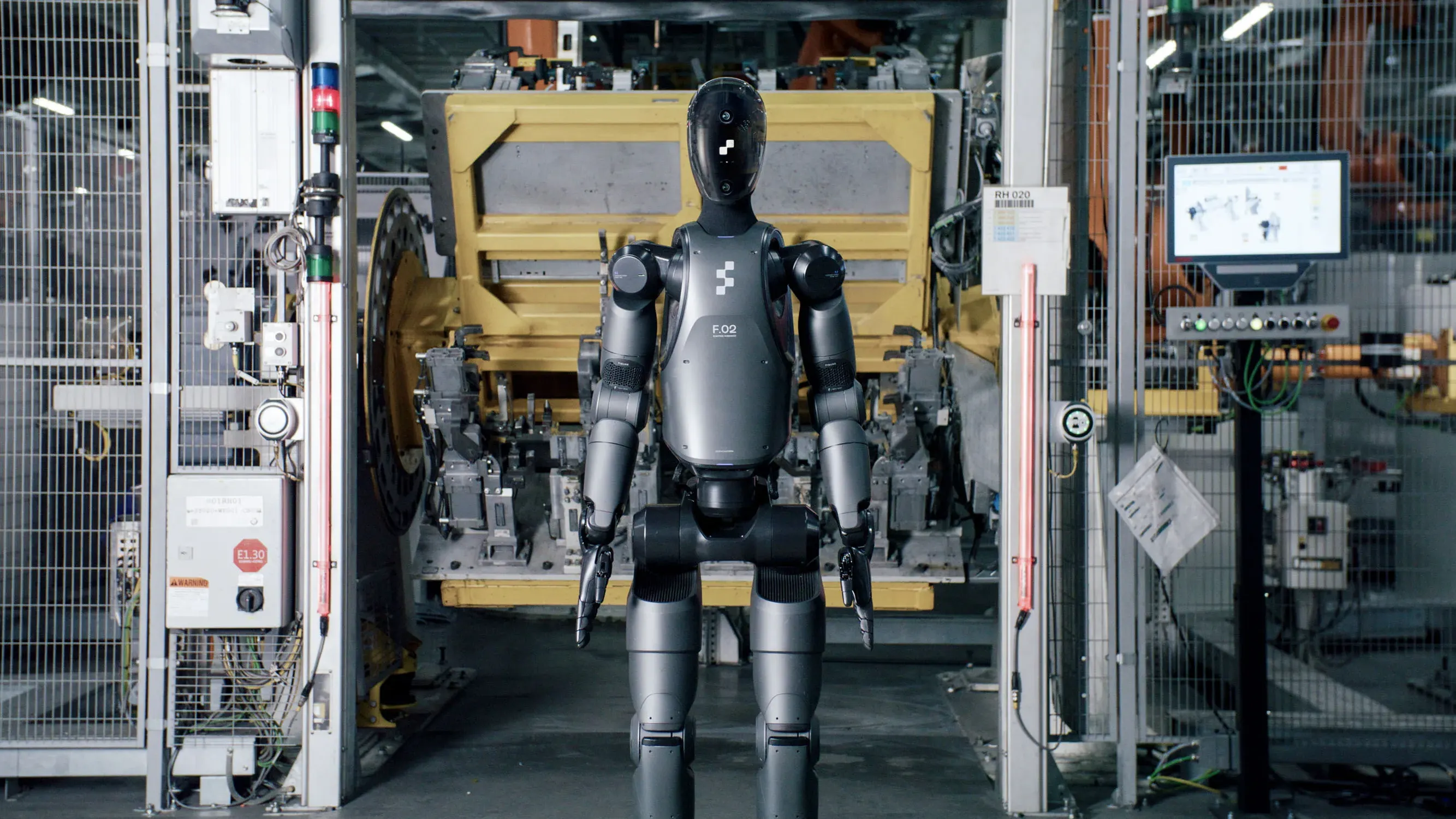
      While consumer AI grabbed headlines, Figure AI quietly advanced the state of the art in humanoid robotics with its Figure 02. The robot’s enhanced AI system and improved computer vision are powered by six AI-enabled RGB cameras, alongside other advancements in hardware.

      The company’s partnership with OpenAI brings advanced language and visual processing capabilities to the platform.

      “These robots can eliminate the need for unsafe and undesirable jobs—ultimately allowing us to live happier, more purposeful lives,” said Figure AI founder Brett Adcock.

      With a $2.6 billion valuation and backing from tech giants like Microsoft and Nvidia, Figure 02 signals that the age of practical humanoid robots might be closer than we think.

      Solana Seeker

      Solana Seeker. Image: Solana Mobile

      Following the unexpected success of its Saga smartphone, Solana Mobile is doubling down with the Seeker. Revealed this year and set to release in 2025, the $500 device has already secured 140,000 pre-orders, suggesting a strong market appetite for crypto-native mobile devices.

      The Seeker promises significant improvements over its predecessor, including upgraded cameras (108-megapixel and 32-megapixel sensors), enhanced battery life, and what Solana Mobile General Manager Emmett Hollyer calls “a meaningful step up” in processing power.

      “Of course, it will be a rewards magnet,” Hollyer told Decrypt, referencing the airdrop appeal that helped the Saga sell out in late 2023. “But it also is going to open some one-of-a-kind experience doors that I think will be new to Seeker versus Saga.”

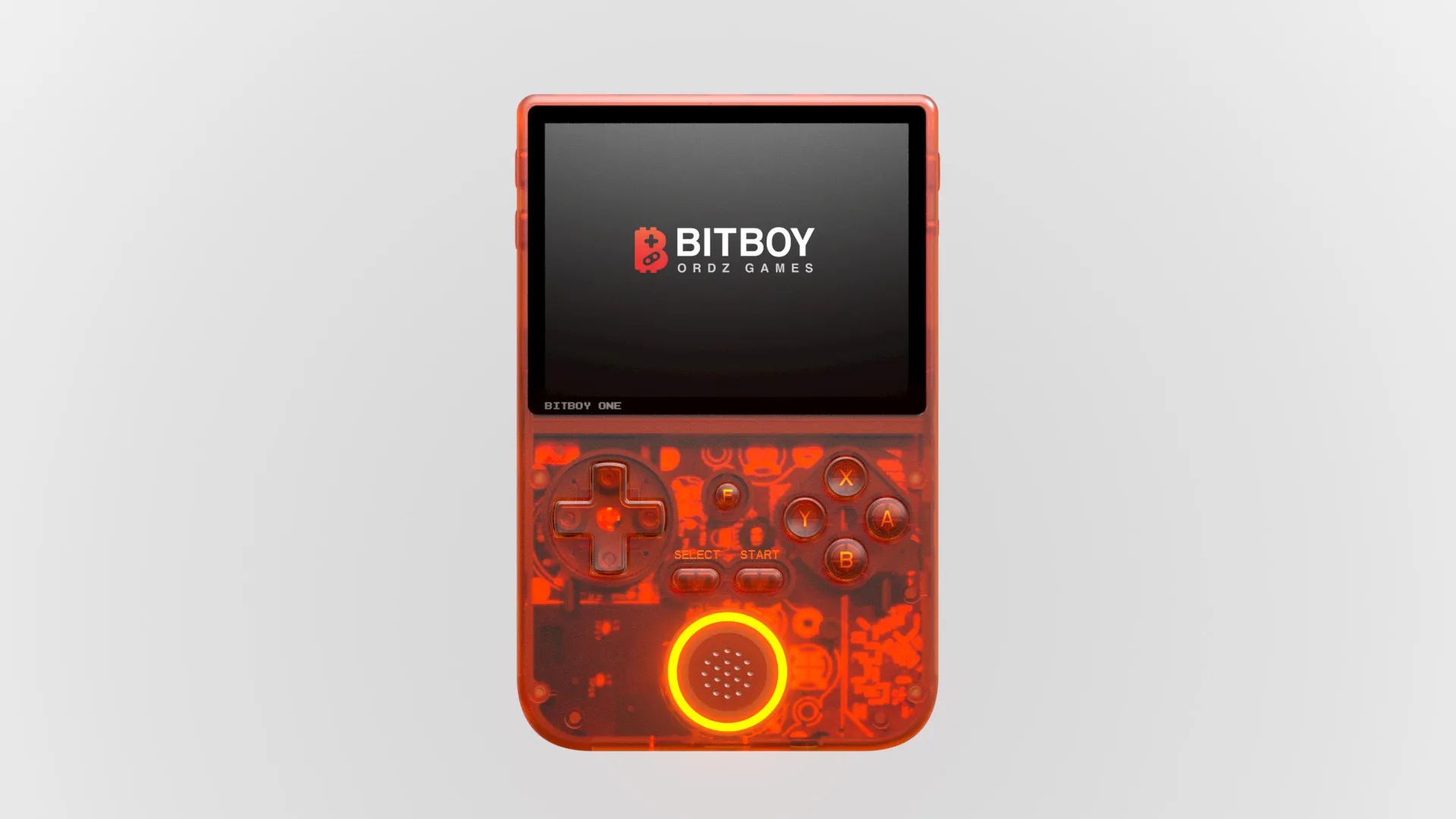
      BitBoy One Gaming Handheld

      The BitBoy One gaming handheld
      The BitBoy One gaming handheld. Image: Ordz Games

      Bridging the worlds of retro gaming and crypto, the BitBoy One represents a novel approach to hardware wallets. This $500 device combines gaming capabilities with Bitcoin storage and DePIN mining features, wrapped in a nostalgic, Game Boy-inspired design.

      While its processing power limits it to PlayStation-era games and earlier, the device’s multi-functionality could appeal to crypto enthusiasts looking for more engagement than traditional hardware wallets offer.

      We also wrote about other crypto gaming handhelds that made waves this year, and the burgeoning space looks exciting as 2025 approaches. The BitBoy One recently started shipping, and Decrypt is currently testing it out—stay tuned for more coverage in the new year.

      Nakamoto Chronograph

      Franck Muller’s Nakamoto Chronograph. Image: Franck Muller

      Luxury watchmaker Franck Muller’s limited edition Nakamoto Chronograph brings high-end horology to the crypto world. We didn’t write about this timepiece, but one of Decrypt’s writers had the chance to try it on at Token2049 in Singapore earlier this year.

      Limited to just 100 pieces, the carbon fiber timepiece features the manufacturer’s signature Vanguard shape and sophisticated Swiss automatic movement. Inside its 45mm case, the Chronograph showcases Muller’s signature craftsmanship with its FM 0800 Swiss automatic movement, which provides a 42-hour power reserve. The watch is also water-resistant to 30 meters.

      The carbon fiber construction and scratch-resistant sapphire crystal protect the intricate mechanics, while the black alligator leather strap and double-fold clasp provide the elegance required for a true collector’s piece.

      “Satoshi Nakamoto ingeniously intertwined technical, economic, and legal complexities to design Bitcoin,” the watchmaker said, comparing the Bitcoin creator to Muller’s propensity for “timeless” symbols of elegance and innovation.

      The watch’s tribute to Bitcoin’s anonymous creator extends beyond its name, with design elements referencing blockchain technology and crypto culture.

      While its price point—valued at a whopping $54,600—places it firmly in the luxury category, the Chronograph represents the growing mainstream acceptance of crypto culture in more traditional domains.

      AirMoney Degn

      AirMoney Degn. Image: AirMoney

      As decentralized physical infrastructure networks or DePINs gained traction this year, some projects were quick to capitalize on the trend: AirMoney’s Degn device comes in claiming to be the first hardware wallet specifically designed for this emerging ecosystem.

      The device combines traditional wallet security with active network participation features, including built-in node operation capabilities and physical controls for trading. The project positions its device as “purpose-built” for crypto engagement, similar to how a Kindle is explicitly designed for reading.

      Its most striking feature is its physical interface: a tactile knob for adjusting trading leverage, and OLED buttons that provide haptic feedback during transactions. The design philosophy prioritizes tangible interaction with digital assets, marking a departure from the purely screen-based interfaces common to most crypto hardware.

      This focused approach could set a new standard for crypto hardware, moving beyond simple storage to more active ecosystem participation.

      Edited by Sebastian Sinclair and Andrew Hayward

      Generally Intelligent Newsletter

      A weekly AI journey narrated by Gen, a generative AI model.


      Source link

      Heartlight – A Spectrum port/remake of a Polish Boulder Dash clone

      0
      Heartlight – A Spectrum port/remake of a Polish Boulder Dash clone


      If you remember playing xLand Games Boulder Dash clone of ‘Heartlight’, a game which was released way back in 1991 to 1993 for the Atari 8bit, Amiga and PC, then you are going to like this latest news story that’s just been sent to us. As we’ve been told that Ralf has made available the ZX Spectrum port remake of, yes you guessed it, ‘Heartlight’. A new game in which the creator has kindly shared with the community as a Christmas gift. In light of this news, we’ve got some more info from the developer as well as a gameplay video.

      Here’s what the developer says about Heartlight via the Spectrum Computing forums. “Some time ago I decided to make a Spectrum port/remake of the game called Heartlight. It was quite well known in Poland in its time (I’m from there, you know? ) and even got an international release. Has anyone here heard of it? It’s a clone of Boulder Dash with several twists, more focused on puzzles than action. All the gameplay happens on single screen and there is no scrolling. The early levels are rather easy, then it becomes harder. My Spectrum version was 95% complete for 3 years or so and gathering dust on my hard drive until I made the final touches recently and released it today”.

      Links :1) Source 


      Source link

      Popular Posts

      My Favorites

      How To Transfer Saved Games From Ps5 To Ps5 Pro

      0
      Transferring saved games from a PS5 to a PS5 Pro is essential for gamers upgrading to Sony’s latest console. The process preserves your...