Home Blog Page 1260

Taylor Swift and Travis Kelce Wear Matching Outfits to NYC Dinner

    0
    Taylor Swift and Travis Kelce Wear Matching Outfits to NYC Dinner


    Taylor Swift and Travis Kelce are enjoying their respective breaks … dressing up for a dinner in the Big Apple with a couple of their famous pals.

    The singer-songwriter and her footballing beau hit up BondST Restaurant — a celeb hotspot in NYC — Friday night … going for a long, four-hour meal.

    Play video content

    BACKGRID

    Check out the pics … the two walked into BondST in matching khaki, accented with black — perfectly coordinated as they walked into the restaurant.

    The two met up with Taylor’s longtime producing partner Jack Antonoff and his actress wife Margaret Qualley — who were photographed leaving the restaurant … Antonoff walking quite a few steps in front of Qualley.

    Play video content

    travis kelce

    TMZ.com

    It’s been a big week for Kelce … who broke the Kansas City Chiefs’ record for most receiving touchdowns with a score against the Pittsburgh Steelers on Wednesday.

    Swift liked K.C.’s post about the accomplishment … though she didn’t make it to the game earlier this week.

    Because of Travis’ unconventional schedule, he and Taylor are going to have a significant amount of time together — his next game isn’t until January 5 — and, the Chiefs have already locked up the #1 playoff spot in the AFC, so he technically doesn’t even need to play in the final game of the season.

    Kansas City also has a home-field advantage through the playoffs … and, Taylor seems to love the suite at Arrowhead — so keep your eyes out for her through January and maybe even into February if the Chiefs make it to the Super Bowl again.

    taylor swift travis kelce backgrid s

    For now though, Taylor and Travis can enjoy the brisk New York air … trying out different matching outfit combos too!


    Source link

    Everything we know about Scarlett Moffatt’s wedding – date, son Jude’s role and secretly eloping to Vegas

      0
      Everything we know about Scarlett Moffatt’s wedding – date, son Jude’s role and secretly eloping to Vegas


      Scarlett Moffatt is engaged to partner Scott Dobinson – but what have they said about their wedding plans?

      Reality star Scarlett – who is on The Weakest Link on Saturday (December 28) – got engaged to Scott back in November 2023. The pair are proud parents to a son, Jude – born in June last year.

      But what is the date of her wedding? And does she plan to change her last name? Keep on reading to find out…

      The reality star is engaged to her partner Scott (Credit: SplashNews.com)

      Scarlett Moffatt teases wedding date with partner

      Scarlett shared to The Mirror earlier this month that she hasn’t planned for the wedding fully yet. But once Christmas is done, she items to focus fully on the big day.

      She promised she would sort it as “otherwise I don’t think it’s going to happen because we’re so laid back”.

      And when quizzed about a date, Scarlett said: “It’s probably going to be in 2026.”

      Scarlett Moffatt and partner almost tied the knot in Vegas

      What’s more, it turns out Scarlett and partner Scott even flew out to Vegas and attempted to tie the knot.

      At the time, her parents took baby Jude to Ibiza for the weekend, so Scarlett and Scott headed to Vegas. Scarlett even packed a white dress.

      “Because I was like, ‘will we?’. And then when we got there we were both like, actually, we really want our family around us, so we didn’t end up doing it but I actually did take an outfit.”

      Scarlett Moffatt on son Jude’s role at wedding

      A proud mama to son Jude, Scarlett plans to involve her little boy in the big day.

      “I need my family there, Scott needs his family there. We have a small circle of friends, but they’re like family as well and I just think they’re the people that matter. Now that we have Jude, I’m like, I want him to be in the wedding pictures even though he won’t remember it, we’ll remember him there,” Scarlett said.

      Scarlett on changing her name

      Gogglebox star Scarlett also shared that she plans to change her last name too.

      She said: “I really want to have the same last name as my little boy and make that commitment to Scott but then [when I got to Vegas] I was like no, this [a wedding] just doesn’t feel right.”

      Watch Scarlett Moffatt on The Weakest Link on Saturday (December 28) at 7:30pm on BBC One.

      Read more: Scott Mills’ idyllic Barcelona wedding with Rylan Clark, Scarlett Moffatt and Zoe Ball in attendance

      YouTube video player

      So what do you think of this story? You can leave us a comment on our Facebook page @EntertainmentDailyFix and let us know.


      Source link

      Bold and the Beautiful: Luna Beats Herself to a Bloody Pulp to Reel-In Bill?

        0
        Bold and the Beautiful: Luna Beats Herself to a Bloody Pulp to Reel-In Bill?


        Bold and the Beautiful spoilers have Bill Spencer visiting Luna Nozawa at the jail again, but this time she appears badly beaten on the CBS soap. So, the publishing magnate wants to know how this happened. Next, Luna tells her story. But you can’t help but wonder if she tells the truth or spins a story to lure Bill into her web of deceit.

        Bold and the Beautiful: Luna Nozawa is a Mess

        Bold and the Beautiful has Bill Spencer (Don Diamont) drawn to Luna Nozawa (Lisa Yamada) for some reason. It is not a romantic urge that keeps him from severing ties. But for some reason, he relates to something about Luna.

        Unlike the Spencer patriarch’s outlook on this relationship, Luna attempted to lure him in for a lover. But he saw himself as a father figure to her.

        So, after previously making passes at him, she now spins a case for him to rescue her from a life in prison. But is she appealing to the father in him, or attempting to entice him for romance?

        Bold and the Beautiful: Bill Spencer (Don Diamont) - Luna Nozawa (Lisa Yamada)
        B&B | CBS

        Last week on Bold and the Beautiful, the wayward intern entered the visiting room at the jail. A clue emerged that Bill already pulled some strings.

        The guard said she heard from his buddy that he was to have alone time with this prisoner. So, someone was breaking a rule for him.

        Then Luna Nozawa swept her hair to one side with her hand. This exposed some nasty-looking bruises and cuts on her face. And, of course, this works, as Bill Spencer becomes concerned.

        So, did she do this herself, or pay another inmate to do it to her, to entice Bill to feel sorry for her? Or is she a target of others behind those bars?

        B&B Spoilers: Bill Spencer Bored?

        Bold and the Beautiful spoilers have Bill Spencer staying in touch with Luna Nozawa, as he reads her letters and then visits her in jail. It seems obvious what Luna is after by beckoning him to visit. She is desperate and begs him to get her out of there.

        B&B fans wonder how Bill Spencer can still have anything to do with Luna Nozawa. He can’t be bored and have nothing else to do. On Friday’s cliffhanger episode, he sat through their visit with her pleading for help.

        So far, Bill shows no indication that he plans to help Luna Nozawa, so what is up with these bizarre visits? This is Bold and the Beautiful, so they may script Bill as the guy who pulls some strings to get Luna released.

        In real-life, anyone who killed two men and then became caught in the act of attempting to kill her cousin’s wife would likely have no chance of seeing the outside world again. But that wasn’t all, to top it off, she framed her mother for the murders. So where is B&B planning for Bill to go with these visits to Luna Nozawa?

        Bold and the Beautiful: Bill’s Infatuation with Luna – Fan Theories

        Bold and the Beautiful fans suggest maybe Bill Spencer learns he is Luna Nozawa’s father. Fans are no longer surprised by a DNA test switch, after the number of times it has been done on this soap for one person or another. So, maybe Bill somehow learns he is Luna’s father. This would explain why B&B keeps Bill hanging in there with Luna and looking troubled when doing so.
        Another theory suggests that Bill Spencer is still in love with Luna’s mother. So maybe these fleeting visits to Luna are Bill just trying to figure out what kind of woman could spawn such a monster. Although other fans think that theory runs too deep for Bill, analyzing relationships is not his forte.
        It could be as simple as Bill Spencer seeing Luna Nozawa as a victim of her upbringing. So maybe he wants to help her get a second chance by pulling some strings on the CBS soap.

        Head back to Soap Dirt for the latest Bold and the Beautiful spoilers.


        Source link

        Pioneering Progress: Crypto.com, Bitget, and Others Redefining the Tech Landscape

        0
        Pioneering Progress: Crypto.com, Bitget, and Others Redefining the Tech Landscape


        In Brief

        Major players like Crypto.com and Bitget are driving innovation across finance, gaming, and blockchain, reshaping how we interact with technology.

        Pioneering Progress: Crypto.com, Bitget, and Others Redefining the Tech Landscape

        In this week’s updates, we take a look at many developments, from revolutionizing token trading and AI-powered finance to creating seamless Web3 gaming experiences. 

        Major players like Crypto.com, Bitget, and Circle of Games are not just advancing the digital economy but reshaping how we interact with technology. 

        As these pioneers push boundaries, their collaborations promise to redefine the future of finance, gaming, and beyond, creating a new era where the lines between the digital and physical worlds blur in exciting ways.

        Bitget & Fiat24 Offer Crypto PayFi Solutions

        Bitget, a leading name in the cryptocurrency space, has joined forces with Swiss fintech innovator Fiat24 to push the boundaries of crypto payment solutions. The partnership aims to create seamless integration between digital assets and traditional financial systems, focusing on Ethereum (ETH), Bitget Token (BGB), and USD Coin (USDC).

        Bitget’s existing services, like Bitget Pay for instant low-cost crypto payments and the globally accepted Bitget Card for converting crypto to fiat, have laid a strong foundation. Fiat24 complements this with its blockchain-based banking platform, offering users in over 65 countries Swiss offshore accounts and Mastercard debit cards, enhancing transparency and user ownership.

        Together, the two companies envision reshaping financial accessibility. Bitget plans to make crypto payments a mainstream reality, while Fiat24’s infrastructure ensures secure and user-friendly transactions. 

        Gracy Chen, Bitget’s CEO, highlighted the partnership as a key step toward empowering users worldwide, particularly those without access to traditional banking with crypto-enabled financial solutions.

        This collaboration represents a significant step in advancing PayFi technologies, signaling a future where digital currencies play a central role in everyday financial activities. By driving innovation and adoption, Bitget and Fiat24 aim to bring crypto closer to becoming a universal financial tool.

        COG’s Web3 Gaming Partnership

        At the Global Game Show in Dubai, Circle of Games (COG) unveiled their web3-powered gaming platform, marking a significant advancement in casual gaming innovation. The platform integrates blockchain technology with user-friendly gameplay, providing an accessible experience for both blockchain novices and gaming enthusiasts.

        Key industry players, including Nazara Technologies and The Hashgraph Group, back this groundbreaking initiative. The platform premiered with six games, including popular titles like Chess and Ludo-Classic, showcasing how blockchain can be seamlessly integrated without overwhelming users. 

        By early 2025, COG aims to extend its offers to 10 games, seeking to grab a bigger audience with various interests. Leveraging the Hedera blockchain, the platform now has 500,000 active users and is putting its sights on 25 million worldwide users over the next two years.

        With its launch in Dubai, COG is targeting rapid expansion across the MENA region, including Saudi Arabia, Egypt, and Turkey, as part of its ambitious plan to attract millions of players by 2027. 

        CEO Rabilal Thapa highlighted the company’s vision to make blockchain technology accessible while enhancing gaming experiences. As gaming continues to evolve, COG is leading the charge in bridging traditional gameplay with the decentralized world of web3.

        bitgrit & BTSE to Debut the BGR Token

        Japan-based AI innovator bitgrit has joined forces with global cryptocurrency exchange BTSE to debut its BGR token, marking a pivotal step in blending artificial intelligence and blockchain. This strategic partnership positions bitgrit to extend its global reach while empowering users with secure, efficient access to the BGR token.

        In addition to providing a trading platform, the token’s listing on BTSE raises its profile among global investors. With careful preparation, bitgrit hopes to make BGR available to a wide range of people all over the world by integrating it into BTSE’s ecosystem. Creating practical applications that bridge the gap between cutting-edge technology and daily usage is bitgrit’s larger aim, and this milestone is in line with that.

        By using BTSE’s vast network to promote adoption, the cooperation also opens the door for bitgrit to increase its market presence. The BGR token is the backbone of bitgrit’s ecosystem, which aims to bring together investors, data scientists, and developers to unleash AI’s full potential.

        Bitgrit and BTSE are collaborating to redefine technology’s role in producing transformational, global solutions by merging AI and blockchain. Their goal is to develop a decentralized economy that promotes innovation and sustainable growth.

        The partnership between Formula 1 and Crypto.com, which started in 2021, has been extended until 2030. The two groups’ shared goals of increasing participation from fans and education about the bitcoin market are highlighted by this renewal.

        Formula 1 has attracted a massive worldwide audience since the relationship began, with a total of 1.5 billion TV watchers, 750 million fans, and 96 million followers on social media. At the same time, Crypto.com has become the undisputed leader in the cryptocurrency sector, with a user base of over 100 million people worldwide.

        As part of the prolonged deal, Crypto.com will place an emphasis on providing unique fan experiences and activations at different Grands Prix, including visible branding throughout important races. The new agreement ensures that Crypto.com, which has been present at the Formula 1 Crypto.com Miami Grand Prix from its inception in 2022, will maintain its status as the Official Title Partner of the event.

        Optimistic about the future of cryptocurrencies and the partnership’s possibilities, Steven Kalifowitz, Chief Marketing Officer of Crypto.com, highlighted the significance of Formula 1 in increasing the brand’s worldwide visibility. This revitalization is in line with Crypto.com’s lofty goals for 2025, which is when the firm plans to establish itself as the go-to spot for all things related to digital money and cryptocurrency.

        Crypto.com is the clear market leader in bitcoin services, and they just started the Crypto.com Custody Trust Company, a trust company based in the United States. This change makes it possible for the company to provide safe asset holding services to qualifying institutions and customers in the US and Canada.

        In the following weeks, digital assets for consumers in these locations will be effortlessly moved to the new platform. Crypto.com guaranteed users they would maintain uninterrupted access to their accounts and money during the transition and will be kept updated every step of the way.

        “This is a landmark move,” said Kris Marszalek, co-founder and CEO of Crypto.com. He emphasized the platform’s continuous efforts to improve services and grow its presence in these crucial areas and said it reinforced the company’s trust in the North American crypto environment.

        In a separate announcement, Crypto.com revealed a partnership with Deutsche Bank to support corporate banking operations in Singapore, Australia, and Hong Kong. This collaboration aims to improve operational efficiency while laying a strong foundation for further expansion.

        Karl Mohan, Crypto.com’s General Manager for APAC and MEA, emphasized that teaming up with a renowned financial institution underscores Crypto.com’s focus on security, compliance, and global growth.

        Disclaimer

        In line with the Trust Project guidelines, please note that the information provided on this page is not intended to be and should not be interpreted as legal, tax, investment, financial, or any other form of advice. It is important to only invest what you can afford to lose and to seek independent financial advice if you have any doubts. For further information, we suggest referring to the terms and conditions as well as the help and support pages provided by the issuer or advertiser. MetaversePost is committed to accurate, unbiased reporting, but market conditions are subject to change without notice.

        About The Author


        Victoria is a writer on a variety of technology topics including Web3.0, AI and cryptocurrencies. Her extensive experience allows her to write insightful articles for the wider audience.

        More articles


        Victoria d’Este


        Victoria is a writer on a variety of technology topics including Web3.0, AI and cryptocurrencies. Her extensive experience allows her to write insightful articles for the wider audience.


        Source link

        Exploring the Evolution and Impact of Digital Art

          0

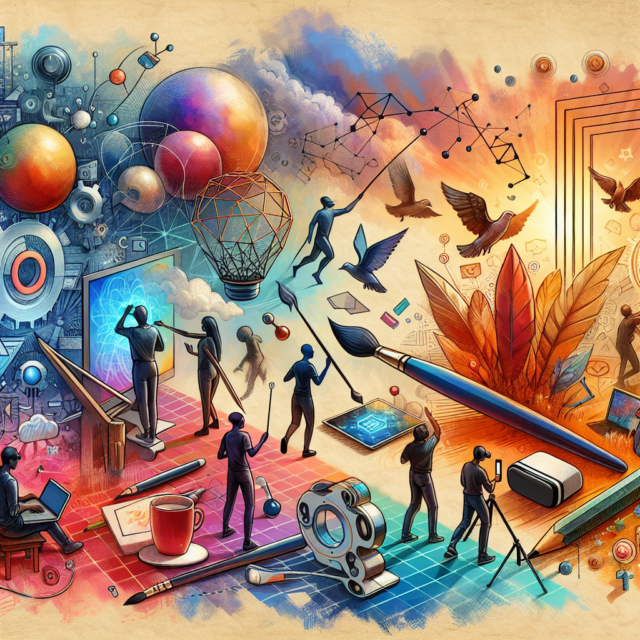
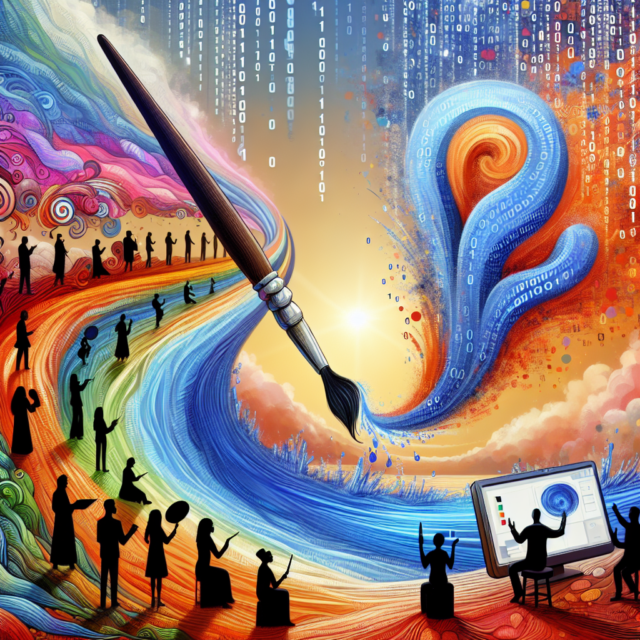
          Digital art, a term that encompasses a wide array of artistic practices and outputs, represents a fascinating intersection of technology and creativity. As we navigate through the 21st century, digital art has become an integral part of both the art world and our daily lives, influencing everything from graphic design and advertising to virtual reality and video games. This article delves into the evolution and impact of digital art, exploring its origins, the technological advancements that have shaped it, and its cultural significance in contemporary society.

          Tracing the Roots: The Birth of Digital Art

          The origins of digital art can be traced back to the mid-20th century, a period marked by rapid technological advancements and a burgeoning interest in the potential of computers. In the late 1960s, artists like Frieder Nake, Harold Cohen, and Vera Molnar began experimenting with computer-generated art, using early programming languages to create abstract forms and patterns. These pioneers paved the way for a new form of artistic expression that would challenge traditional notions of art and creativity.

          During the 1970s and 1980s, digital art continued to evolve alongside emerging technologies. The introduction of personal computers and graphic software like Adobe Illustrator and Photoshop democratized digital art, making it more accessible to artists worldwide. This era also saw the rise of video art and digital installations, with artists like Nam June Paik and Jenny Holzer exploring the potential of electronic media to convey complex messages and emotions.

          As digital art gained momentum, it began to blur the boundaries between art and technology. The use of algorithms and code became a common practice, allowing artists to create dynamic, interactive pieces that responded to viewer input or environmental changes. This shift not only expanded the possibilities of artistic expression but also raised questions about authorship and the role of technology in the creative process.

          The 1990s marked a significant turning point for digital art, as the internet emerged as a new platform for artistic experimentation and dissemination. Online galleries and virtual exhibitions provided artists with unprecedented opportunities to reach global audiences, while the rise of digital photography and video further expanded the scope of digital art. This period also saw the emergence of net art, a genre that explores the unique characteristics of the internet as a medium for artistic creation.

          Despite initial skepticism from the traditional art world, digital art gradually gained recognition and legitimacy. Major museums and galleries began to incorporate digital works into their collections, and dedicated festivals and conferences emerged to celebrate and promote digital art. This growing acceptance reflected a broader cultural shift towards embracing technology as an integral part of contemporary life and creativity.

          Today, digital art is a diverse and dynamic field that encompasses a wide range of practices and genres. From generative art and virtual reality installations to digital illustration and 3D modeling, digital art continues to push the boundaries of what is possible, challenging our perceptions of art and creativity in the digital age.

          Technological Advances Shaping Digital Creativity

          The evolution of digital art is intrinsically linked to the technological advancements that have shaped its development. One of the most significant innovations has been the advent of powerful graphic processing units (GPUs), which have revolutionized the way artists create and render digital works. These high-performance processors enable artists to work with complex 3D models and detailed textures, producing stunningly realistic images and animations.

          The rise of artificial intelligence (AI) has also had a profound impact on digital art, offering new tools and techniques for artistic creation. AI algorithms can analyze vast amounts of data, generating unique patterns, compositions, and styles that artists can incorporate into their work. This collaboration between human creativity and machine learning has opened up new possibilities for artistic expression, challenging traditional notions of authorship and originality.

          Virtual reality (VR) and augmented reality (AR) technologies have further expanded the horizons of digital art, allowing artists to create immersive, interactive experiences that engage viewers in novel ways. These technologies enable artists to construct entire virtual worlds, where audiences can explore and interact with the artwork in real-time. This shift towards experiential art has transformed the viewer’s role from passive observer to active participant, reshaping the way we experience and interpret art.

          The proliferation of digital tools and software has also democratized the creation of digital art, making it more accessible to artists of all skill levels. User-friendly applications like Procreate, Blender, and Unity empower artists to experiment with digital techniques, while online tutorials and communities provide valuable resources and support. This accessibility has led to a surge in digital art production, with creators from diverse backgrounds contributing to the vibrant digital art scene.

          The development of blockchain technology and non-fungible tokens (NFTs) has introduced a new paradigm for digital art ownership and distribution. NFTs allow artists to tokenize their digital works, creating unique, verifiable assets that can be bought, sold, and traded on decentralized platforms. This innovation has not only provided artists with new revenue streams but has also sparked debates about the value and authenticity of digital art in the age of digital reproduction.

          As technology continues to evolve, so too will the tools and techniques available to digital artists. Emerging technologies like quantum computing, neural interfaces, and synthetic biology hold the potential to further transform digital art, offering unprecedented opportunities for creative exploration and innovation. As we look to the future, the relationship between art and technology will undoubtedly continue to evolve, shaping the way we create, experience, and understand art in the digital age.

          The Cultural Impact of Digital Art in Modern Society

          Digital art has had a profound cultural impact, influencing the way we perceive and engage with art in contemporary society. One of the most significant effects has been the democratization of art, as digital platforms provide artists with new avenues for sharing their work with global audiences. Social media, online galleries, and virtual exhibitions allow artists to reach diverse communities, fostering cross-cultural exchanges and collaborations that transcend geographical boundaries.

          The rise of digital art has also challenged traditional notions of art ownership and value. The ability to easily reproduce and distribute digital works has led to debates about the authenticity and worth of digital art, prompting a reevaluation of what constitutes art in the digital age. This shift has encouraged artists and collectors to explore new models of ownership and value, such as NFTs, which offer a novel approach to buying, selling, and trading digital art.

          In addition to reshaping the art market, digital art has also influenced popular culture and media. From video games and movies to advertising and fashion, digital art has become an integral part of our visual landscape, shaping the aesthetics and narratives that define contemporary culture. This pervasive influence highlights the growing importance of digital art as a cultural force, capable of shaping societal values and trends.

          Digital art has also played a crucial role in social and political movements, providing artists with a powerful platform for activism and advocacy. Through digital media, artists can address pressing issues such as climate change, social justice, and human rights, using their work to raise awareness and inspire action. This intersection of art and activism underscores the potential of digital art to effect meaningful change in society.

          The accessibility and versatility of digital art have also led to its integration into various educational and therapeutic contexts. Digital art programs and workshops offer individuals the opportunity to develop creative skills and express themselves in new ways, while digital art therapy has emerged as a valuable tool for mental health and well-being. These applications demonstrate the potential of digital art to enrich lives and foster personal growth.

          As digital art continues to evolve, its cultural impact will likely expand and deepen, influencing not only the art world but also the broader society. By challenging traditional boundaries and embracing new technologies, digital art has the power to transform the way we create, experience, and understand art, shaping the cultural landscape of the future.

          Digital art stands as a testament to the boundless possibilities that arise when creativity meets technology. From its humble beginnings in the mid-20th century to its current status as a dynamic force in the art world, digital art has continually pushed the boundaries of artistic expression and innovation. As technology continues to advance, digital art will undoubtedly evolve, offering new opportunities for artists to explore and challenge the conventions of art. In doing so, digital art will continue to shape our cultural landscape, influencing the way we perceive and engage with the world around us.

          Exploring the Impact and Evolution of AI-Generated Art

          Exploring the Impact and Evolution of AI-Generated Art

          In recent years, artificial intelligence (AI) has made significant inroads into numerous sectors, transforming how we work, live, and create. Among its many applications, AI’s role in art has garnered considerable attention, sparking both enthusiasm and debate. As we delve deeper into this intersection of technology and creativity, it becomes essential to explore the impact and evolution of AI-generated art. This article examines the rise of AI in the artistic landscape, its role in modern creativity, and potential future trends in AI-generated artistic expression.

          The Rise of AI in the Artistic Landscape

          The advent of AI in the artistic realm marks a significant shift in how art is conceptualized and produced. Initially, AI’s presence in art was met with skepticism, as traditionalists questioned the authenticity and originality of machine-created pieces. However, as AI technology advanced, it began to find its footing within the broader artistic community. Early examples of AI-generated art, such as the works produced by Harold Cohen’s AARON in the 1970s, demonstrated the potential for machines to contribute creatively, even if the results were rudimentary by today’s standards.

          AI’s growing influence in art can be attributed to several technological advancements. Machine learning algorithms, particularly those involving deep learning and neural networks, have enabled AI systems to analyze vast datasets of art. By understanding patterns, styles, and techniques from diverse artists and eras, AI can generate new art pieces that exhibit both innovation and homage to existing art forms. This capability has led to a surge in AI-generated artworks, pushing the boundaries of what is traditionally considered art.

          As AI technology continued to evolve, so too did its integration into various artistic disciplines. From digital paintings to music composition and even literature, AI has become an invaluable tool for artists seeking to expand their creative horizons. The proliferation of AI art platforms like DeepArt and Runway ML has democratized access to AI tools, allowing artists of all skill levels to experiment with machine-generated creativity. This democratization has played a crucial role in AI’s rise within the artistic landscape, fostering a community that embraces technological innovation.

          Moreover, AI’s presence in art has sparked a dialogue about the nature of creativity and authorship. While some argue that AI-generated art lacks the emotional depth and intentionality of human-created works, others contend that it opens up new possibilities for artistic expression. By challenging conventional notions of art, AI has prompted both creators and audiences to reconsider what it means to be an artist in the digital age. This ongoing debate underscores the transformative impact of AI on the artistic landscape.

          The rise of AI in art has also been fueled by collaborations between artists and technologists. By working together, these two groups have been able to leverage AI’s capabilities to create groundbreaking artworks that push the boundaries of creativity. These collaborations have not only produced stunning visual and auditory experiences but have also fostered a deeper understanding of how human creativity can be augmented by machine intelligence. As these partnerships continue to evolve, they promise to further solidify AI’s role in the artistic world.

          Finally, the commercial success of AI-generated art has contributed to its rise in prominence. High-profile sales, such as the auction of the AI-generated portrait "Edmond de Belamy" for $432,500 at Christie’s in 2018, have captured the public’s imagination and demonstrated the market’s appetite for this new form of art. Such successes have encouraged both established and emerging artists to explore AI’s potential, ensuring its continued growth and influence within the artistic landscape.

          Understanding AI’s Role in Modern Creativity

          To comprehend AI’s role in modern creativity, it is essential to recognize its function as both a tool and a collaborator. As a tool, AI provides artists with innovative means to enhance their creative processes. By automating tedious tasks like image rendering or color correction, AI allows artists to focus on the conceptual aspects of their work. This shift not only increases efficiency but also encourages experimentation, as artists can quickly iterate and refine their ideas using AI’s computational power.

          Beyond automation, AI serves as a creative collaborator, introducing an element of unpredictability and novelty into the artistic process. By generating unique patterns, forms, and concepts, AI can inspire artists to venture into uncharted creative territories. This symbiotic relationship between human and machine creativity has led to the emergence of hybrid art forms that blend human intuition with algorithmic precision. As a result, artists are able to explore new aesthetic possibilities that were previously unimaginable.

          AI’s influence on creativity extends beyond visual arts to encompass music, literature, and other creative domains. In music, AI algorithms can compose original pieces or assist musicians in exploring new harmonies and rhythms. Similarly, in literature, AI can generate text or suggest plot developments, providing writers with fresh perspectives and ideas. These applications highlight AI’s versatility as a creative partner, capable of enhancing artistic expression across multiple disciplines.

          However, AI’s role in creativity is not without controversy. Critics argue that AI-generated art lacks the emotional depth and intentionality that characterize human creativity. They contend that art is inherently a human endeavor, rooted in personal experiences and emotions that machines cannot replicate. While these concerns are valid, proponents of AI-generated art argue that it represents a new form of creativity, one that challenges traditional notions and expands the boundaries of artistic expression.

          The integration of AI into the creative process also raises questions about authorship and ownership. When a machine contributes to the creation of an artwork, determining who holds the rights to that piece becomes complex. Some artists view AI as an extension of their creative capabilities, while others see it as a co-creator deserving of recognition. As AI continues to play a more prominent role in art, these questions will become increasingly relevant, prompting a reevaluation of intellectual property laws and artistic collaboration.

          Ultimately, AI’s role in modern creativity is multifaceted, encompassing both practical and philosophical dimensions. By serving as a tool, collaborator, and catalyst for innovation, AI has the potential to redefine what it means to be creative in the 21st century. As artists continue to embrace this technology, they will undoubtedly uncover new ways to harness its power, further blurring the line between human and machine creativity.

          Future Trends in AI-Generated Artistic Expression

          As AI technology continues to evolve, several trends are likely to shape the future of AI-generated artistic expression. One such trend is the increasing personalization of AI-generated art. Advances in machine learning algorithms will enable AI systems to tailor their outputs to individual preferences and tastes, creating artworks that resonate on a personal level. This customization will allow for more meaningful interactions between audiences and AI-generated art, enhancing the overall artistic experience.

          Another trend is the integration of AI-generated art into virtual and augmented reality environments. As VR and AR technologies become more sophisticated, they offer new platforms for artists to explore immersive and interactive art forms. AI-generated content can populate these virtual spaces, creating dynamic and evolving artworks that respond to user interactions. This convergence of AI and immersive technologies promises to transform how art is experienced, making it more engaging and participatory.

          Collaboration between AI and artists is also expected to deepen, leading to more complex and nuanced artworks. As artists become more adept at working with AI, they will be able to leverage its capabilities to explore new creative directions. This collaboration will likely result in the emergence of new artistic genres and styles that reflect the unique contributions of both human and machine creativity. Such developments will further blur the boundaries between traditional and digital art forms.

          Ethical considerations will play a significant role in the future of AI-generated art. As AI systems become more autonomous and capable of creating art independently, questions about artistic responsibility and accountability will arise. Artists and technologists will need to navigate these ethical challenges, ensuring that AI-generated art is created and used in ways that respect cultural and societal values. This ethical discourse will shape the development and deployment of AI in the arts, guiding its evolution in a responsible manner.

          The commercial landscape of AI-generated art is also poised for growth. As AI continues to gain acceptance within the art market, new business models and opportunities will emerge. Artists may explore collaborations with tech companies to create AI-driven art installations or digital experiences. Additionally, AI-generated art could become a staple in the burgeoning NFT (non-fungible token) market, providing artists with new revenue streams and ways to engage with collectors.

          Finally, AI’s role in art education will likely expand, as educational institutions incorporate AI tools into their curricula. By teaching students how to work with AI, educators can prepare the next generation of artists to navigate the evolving creative landscape. This integration of AI into art education will foster a new breed of artists who are comfortable collaborating with technology, ensuring that AI-generated art continues to evolve and thrive in the future.

          The interplay between AI and art is a testament to the transformative power of technology in the creative realm. As AI continues to evolve, it promises to reshape the artistic landscape in ways both anticipated and unforeseen. By understanding AI’s current role and future potential in art, we can appreciate the profound impact it has on creativity and expression. As artists and technologists continue to collaborate, the boundaries of artistic possibility will expand, ushering in a new era of innovation and exploration. In this ever-evolving landscape, AI-generated art serves as a reminder that creativity knows no bounds, and the fusion of human and machine ingenuity holds endless potential for artistic expression.

          Exploring the Evolution and Impact of Digital Art

          Digital art has rapidly evolved from a niche interest to a significant cultural and economic force. This transformation has been driven by technological advancements and changing societal attitudes towards art and creativity. In this article, we delve into the history, technological evolution, and societal impacts of digital art, providing a comprehensive overview of its journey from inception to present-day prominence.

          Tracing the Roots of Digital Artistry

          Digital art’s origins can be traced back to the 1960s when artists and computer scientists began experimenting with computers to create art. During this period, pioneers like Frieder Nake and Harold Cohen explored the potential of algorithms and computer programming in generating visual art. These early experiments laid the foundation for a new form of artistic expression, challenging traditional notions of art-making.

          As technology advanced, so did the tools and techniques available to digital artists. The introduction of personal computers in the 1980s democratized access to digital art creation, allowing a broader range of artists to explore and innovate. Software like Adobe Photoshop, introduced in 1988, revolutionized the way artists approached digital creation, offering unprecedented control and flexibility.

          The 1990s witnessed a significant shift as the internet emerged as a new platform for showcasing and distributing digital art. Artists could now share their work with a global audience, breaking down geographical barriers and fostering a vibrant online art community. This period also saw the rise of digital installations and multimedia art, further expanding the scope and impact of digital art.

          Throughout the early 2000s, digital art continued to gain legitimacy within the art world. Major galleries and museums began to exhibit digital works, recognizing their artistic value and cultural significance. This era also saw the emergence of digital art collectives and collaborative projects, highlighting the community-driven nature of this evolving art form.

          In recent years, digital art has experienced exponential growth, fueled by advancements in technology such as virtual reality, augmented reality, and blockchain. These innovations have opened new possibilities for artistic expression and ownership, allowing artists to create immersive experiences and secure their work through digital certificates of authenticity.

          Today, digital art is a vibrant and diverse field encompassing a wide range of styles and mediums. From digital painting and animation to interactive installations and virtual reality experiences, digital artists continue to push the boundaries of what is possible, challenging our perceptions of art and creativity.

          Digital Art: A Canvas Transformed by Technology

          The transformation of digital art is closely tied to technological advancements that have expanded the possibilities of artistic creation. With each new development, artists have been able to explore new mediums, techniques, and concepts, redefining what art can be in the digital age.

          One of the most significant technological influences on digital art is the rise of software and tools specifically designed for artistic creation. Programs like Adobe Illustrator and Corel Painter have provided artists with a digital canvas that mimics traditional painting and drawing techniques, while also offering unique features that are impossible to achieve with physical media.

          The proliferation of digital devices, such as tablets and smartphones, has further democratized access to digital art creation. These devices, equipped with powerful processors and high-resolution screens, allow artists to create and edit artwork on the go, making the process more accessible and convenient than ever before.

          Advancements in 3D modeling and animation software have also had a profound impact on digital art, enabling artists to create complex, lifelike representations of objects and characters. This has opened up new possibilities for storytelling and visual communication, allowing artists to create immersive worlds and experiences.

          Virtual reality (VR) and augmented reality (AR) have introduced entirely new dimensions to digital art, offering artists the ability to create interactive and immersive experiences that engage audiences in novel ways. These technologies have expanded the definition of digital art, blurring the lines between the digital and physical worlds and challenging our understanding of art and reality.

          Blockchain technology has emerged as a transformative force in the digital art world, particularly with the advent of non-fungible tokens (NFTs). This innovation allows artists to tokenize their work, providing a new way to authenticate and monetize digital creations. NFTs have sparked a global conversation about the value and ownership of digital art, highlighting the ongoing evolution of the art market in the digital age.

          The Societal Influence of Digital Art Evolution

          The evolution of digital art has had a profound impact on society, influencing how we create, consume, and perceive art. As digital art has gained prominence, it has challenged traditional notions of artistic value and legitimacy, prompting a reevaluation of what constitutes art in the modern era.

          Digital art has democratized artistic expression, providing individuals from diverse backgrounds with the tools and platforms to share their creativity with a global audience. This inclusivity has fostered a more diverse and representative art world, amplifying voices and perspectives that were previously marginalized or overlooked.

          The rise of digital art has also influenced the way we consume art, with online platforms and social media playing a significant role in art discovery and appreciation. These platforms have made art more accessible to the general public, allowing people to engage with and support artists directly, without the need for intermediaries like galleries or auction houses.

          Digital art has also played a role in shaping cultural and social discourse, often serving as a medium for commentary and critique on contemporary issues. Artists use digital platforms to address topics such as climate change, social justice, and technological ethics, leveraging their art to raise awareness and inspire action.

          The integration of digital art into education has transformed the way art is taught and learned, providing students with new tools and techniques to explore their creativity. Digital art programs and workshops have become increasingly popular, equipping the next generation of artists with the skills needed to thrive in a digital world.

          As digital art continues to evolve, it will undoubtedly shape the future of artistic expression and cultural engagement. By challenging conventions and embracing innovation, digital art has established itself as a vital and dynamic component of the contemporary art landscape, influencing how we understand and interact with the world around us.

          The journey of digital art from its nascent stages to its current status as a major cultural and economic force is a testament to the transformative power of technology and creativity. As digital art continues to evolve, it will undoubtedly push the boundaries of artistic expression, shaping our cultural landscape and influencing how we perceive and interact with art. By tracing its roots, exploring its technological advancements, and examining its societal impacts, we gain a deeper understanding of digital art’s significance and potential in the modern world.

          Exploring Emerging Trends in the Digital Art World

          The digital art world is experiencing a dynamic evolution, driven by rapid technological advancements and innovative artistic expressions. As artists continue to explore new mediums and platforms, the landscape of digital art is being reshaped, offering fresh opportunities and challenges. This article delves into the emerging trends in digital art, focusing on recent innovations, the interplay between technology and art, and the transformative impact of non-fungible tokens (NFTs) on digital creativity.

          Unveiling the Latest Innovations in Digital Art

          The digital art sphere is a hotbed of innovation, where artists are constantly experimenting with new tools and techniques. One of the most exciting developments is the integration of artificial intelligence (AI) in art creation. Artists are utilizing AI algorithms to generate unique patterns, compositions, and even entire artworks. This collaboration between human creativity and machine learning is pushing the boundaries of what is possible in art, offering new perspectives and styles that were previously unimaginable.

          Virtual reality (VR) and augmented reality (AR) are also making significant strides in the digital

          Exploring the Intersection of Art and Technology

          In the modern era, the convergence of art and technology has revolutionized the way we perceive and create art. This intersection has not only redefined traditional boundaries but has also opened up new avenues for expression and innovation. As digital tools become increasingly sophisticated, artists and technologists are collaborating to explore uncharted territories, leading to a dynamic and evolving landscape. This article delves into the evolving relationship between art and technology, the innovations that are bridging creativity with digital tools, and the collaborative future that artists and technologists are shaping together.

          The Evolving Landscape of Art and Technology

          The relationship between art and technology has been a dynamic one, evolving significantly over the decades. In the past, artists primarily relied on traditional mediums such as paint, canvas, and sculpture to express their creativity. However, with the advent of digital technology, new forms of artistic expression have emerged, challenging and expanding the definition of art itself. From digital painting to virtual reality installations, artists are now able to explore dimensions that were previously inaccessible.

          The digital age has democratized the art world, providing artists with unprecedented access to tools and platforms that were once reserved for the privileged few. Social media, for instance, allows artists to share their work with a global audience, bypassing traditional gatekeepers like galleries and museums. This has led to a more inclusive art scene where diverse voices and perspectives can be heard and celebrated.

          Technology has also influenced the way art is consumed and experienced. Interactive installations and augmented reality experiences invite audiences to engage with art in ways that were unimaginable a few decades ago. This shift from passive viewing to active participation has transformed the audience’s role from mere spectators to co-creators, fostering a more immersive and personal connection with art.

          Moreover, the integration of artificial intelligence and machine learning into the art-making process has sparked both curiosity and controversy. While some purists argue that these technologies undermine the authenticity of art, others believe they offer exciting new possibilities for creativity. Artists are now able to collaborate with algorithms to generate unique works that push the boundaries of human imagination.

          Despite these advancements, the marriage of art and technology is not without its challenges. Ethical considerations, such as copyright issues and the commodification of digital art, continue to spark debate. Additionally, the rapid pace of technological change means that artists must constantly adapt to new tools and trends, a task that can be both daunting and exhilarating.

          Ultimately, the evolving landscape of art and technology is a testament to the boundless potential of human creativity. As artists continue to experiment with new tools and mediums, they pave the way for future innovations that will further blur the lines between the physical and digital worlds.

          Innovations Bridging Creativity and Digital Tools

          The fusion of creativity and digital tools has resulted in a plethora of innovations that are reshaping the art world. One of the most significant developments is the rise of digital art, which encompasses a wide range of practices including digital painting, graphic design, and 3D modeling. These digital mediums allow artists to experiment with colors, textures, and forms in ways that are not possible with traditional materials.

          Virtual reality (VR) and augmented reality (AR) are also at the forefront of this technological revolution, offering new dimensions for artistic expression. VR allows artists to create immersive environments that transport viewers to alternate realities, while AR overlays digital elements onto the physical world, enhancing the viewer’s experience. These technologies are being used not only in galleries and exhibitions but also in industries such as gaming and film, where they open up new possibilities for storytelling.
          Generative art, which involves the use of algorithms to create art autonomously, is another groundbreaking innovation. By collaborating with machines, artists can explore complex patterns and forms that challenge conventional notions of authorship and creativity. This genre of art raises intriguing questions about the role of the artist and the nature of creativity itself.

          Blockchain technology is also making waves in the art world, particularly through the advent of non-fungible tokens (NFTs). NFTs provide a way to authenticate and sell digital art, addressing long-standing issues of provenance and ownership. This has created new opportunities for artists to monetize their work and connect with collectors, although it has also sparked debates about the environmental impact and speculative nature of the NFT market.

          The integration of artificial intelligence (AI) into the art-making process is another area of innovation. AI can be used to analyze vast amounts of data to identify trends and patterns, which artists can then incorporate into their work. Some artists are even using AI to generate entire compositions, blurring the line between human and machine creativity.

          Finally, the use of data visualization in art is gaining traction as a way to represent complex information in a visually engaging manner. Artists are using data to create works that comment on social, political, and environmental issues, offering new perspectives and insights. This intersection of art and data science is expanding the possibilities for both fields, leading to innovative collaborations and projects.

          Artists and Technologists: A Collaborative Future

          The collaboration between artists and technologists is paving the way for a future where creativity and technology are seamlessly intertwined. This partnership is essential for pushing the boundaries of what is possible in both fields, as each brings unique skills and perspectives to the table. Artists provide the creative vision and conceptual depth, while technologists offer the technical expertise and innovative tools necessary to bring these visions to life.

          One of the most promising aspects of this collaboration is the potential for interdisciplinary projects that combine art, science, and technology. These projects can lead to groundbreaking discoveries and innovations, as they encourage participants to think outside the box and explore new ideas. Such collaborations are already taking place in fields like bio-art, where artists and scientists work together to create living artworks using biological materials.

          Educational institutions and organizations are recognizing the importance of fostering collaboration between artists and technologists. Many universities now offer programs that integrate art and technology, providing students with the skills and knowledge needed to thrive in this rapidly evolving landscape. Workshops, residencies, and hackathons are also being organized to bring together artists and technologists, facilitating the exchange of ideas and the development of new projects.

          The rise of creative coding is another example of how artists and technologists are working together to create innovative works. By using programming languages as a medium, artists can create interactive installations, generative art, and digital performances. This approach encourages experimentation and collaboration, as artists often work closely with technologists to develop custom software and tools.

          As technology continues to advance, the possibilities for collaboration between artists and technologists will only increase. Emerging technologies such as quantum computing, biotechnology, and advanced robotics offer new opportunities for creative exploration and innovation. By working together, artists and technologists can harness the power of these tools to create works that challenge, inspire, and transform.

          In conclusion, the collaborative future of art and technology holds immense potential for both fields. By embracing the possibilities offered by digital tools and technological advancements, artists and technologists can continue to push the boundaries of creativity and innovation. This partnership is not only reshaping the art world but also offering new ways to engage with and understand the world around us.

          The intersection of art and technology is a dynamic and ever-evolving landscape that continues to push the boundaries of creativity and innovation. As digital tools become more sophisticated and accessible, artists and technologists are collaborating to explore new possibilities, leading to groundbreaking innovations and projects. This partnership is reshaping the art world, offering new ways to engage with and experience art. As we look to the future, the collaboration between artists and technologists holds immense potential for both fields, paving the way for a creative and technologically advanced world.

          Enhancing Digital Customer Experiences in Modern Markets

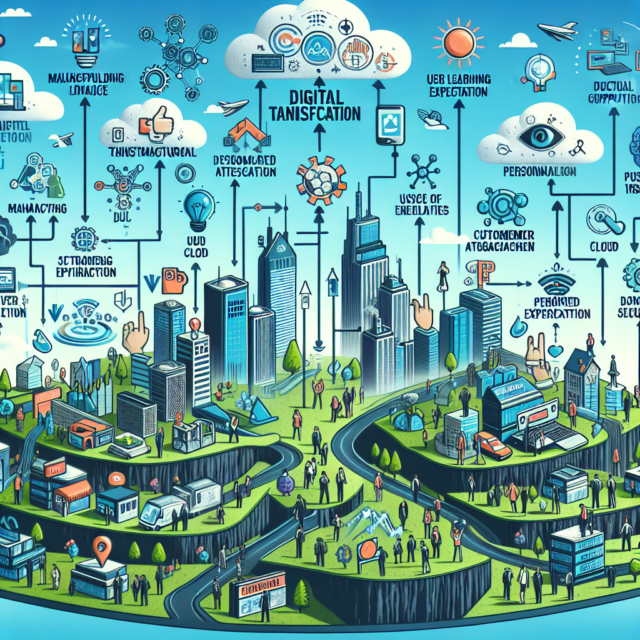
          In today’s rapidly evolving digital age, businesses across all sectors are recognizing the imperative need to enhance their digital customer experiences. As technology continues to advance and consumer expectations rise, companies must adapt to remain competitive. This article delves into the intricacies of the digital customer landscape, identifies key elements necessary for creating seamless digital interactions, and explores strategies to improve customer interactions in modern markets.

          Understanding the Digital Customer Landscape

          The digital customer landscape has transformed significantly over the past decade, driven by the proliferation of smartphones, the internet, and social media. Today’s consumers are more connected and informed than ever before, with access to a wealth of information at their fingertips. This accessibility has shifted the power dynamics, placing more control in the hands of the consumer and compelling businesses to adapt their strategies accordingly. Understanding this shift is crucial for companies aiming to thrive in the digital space.

          One of the defining characteristics of the digital customer landscape is the expectation for instant gratification. Customers now expect quick responses, seamless transactions, and personalized experiences. This has been fueled by the rise of e-commerce giants and tech companies that have set high standards for customer service and convenience. As a result, businesses must ensure they can meet or exceed these expectations to maintain customer loyalty and satisfaction.

          The digital customer is also more discerning and selective in their interactions with brands. With countless options available, consumers are more likely to research and compare products and services before making a purchase. This means that businesses need to not only offer high-quality products but also create compelling digital experiences that capture and retain customer interest. Understanding customer preferences, behaviors, and pain points is essential for developing effective digital strategies.

          Another important aspect of the digital customer landscape is the increased emphasis on transparency and trust. In an era where data privacy concerns are paramount, customers demand that businesses handle their personal information responsibly. Companies that prioritize data security and clearly communicate their privacy policies are more likely to build trust and foster long-term relationships with their customers. This requires a commitment to ethical practices and transparent communication.

          Moreover, the rise of social media has fundamentally changed how customers interact with brands. Platforms like Instagram, Twitter, and Facebook have become powerful tools for customer engagement and feedback. Businesses that leverage social media effectively can gain valuable insights into customer preferences and sentiment, allowing them to tailor their offerings and improve customer experiences. Active engagement on these platforms is crucial for building brand loyalty and staying relevant in the digital age.

          Finally, the digital customer landscape is characterized by an ever-increasing demand for personalization. Customers expect brands to understand their individual needs and preferences, and to offer tailored experiences that resonate with them. This requires businesses to invest in data analytics and customer relationship management systems to gather and analyze customer data effectively. By doing so, companies can create personalized marketing campaigns, product recommendations, and customer support experiences that enhance overall satisfaction and loyalty.

          Key Elements of a Seamless Digital Experience

          Creating a seamless digital experience requires a comprehensive understanding of the various touchpoints that customers interact with throughout their journey. One of the most critical elements is a user-friendly website or mobile app. A well-designed interface that is intuitive and easy to navigate can significantly enhance the customer experience. This includes clear calls-to-action, fast loading times, and a responsive design that adapts to different devices and screen sizes.

          Another key element is efficient and reliable customer support. In the digital landscape, customers expect quick resolutions to their queries and issues. Implementing live chat features, chatbots, and self-service options can help address customer concerns promptly and efficiently. Additionally, providing multiple channels for customer support, such as email, social media, and phone, ensures that customers can reach out in their preferred method, enhancing overall satisfaction.

          Personalization is also a crucial component of a seamless digital experience. By leveraging data analytics and artificial intelligence, businesses can offer personalized recommendations, content, and promotions to individual customers. This not only enhances the customer experience but also increases the likelihood of conversion and repeat business. Personalized experiences make customers feel valued and understood, fostering a deeper connection with the brand.

          Security and privacy are paramount in creating a seamless digital experience. Customers need to feel confident that their personal information is protected when interacting with a brand online. Implementing robust security measures, such as encryption and two-factor authentication, can help safeguard customer data. Additionally, being transparent about data collection practices and obtaining explicit consent for data usage builds trust and reassures customers.

          Consistency across all digital channels is another important element. Whether a customer is interacting with a brand via a website, mobile app, social media, or email, the experience should be cohesive and aligned with the brand’s identity. Consistent messaging, design, and tone of voice create a unified experience that reinforces the brand’s values and enhances customer trust. This requires effective coordination and collaboration across different departments within the organization.

          Lastly, seamless integration with third-party platforms and services can enhance the digital customer experience. For example, integrating with popular payment gateways or offering seamless social media login options can simplify the purchasing process and reduce friction. Collaborating with partners to provide complementary services or products can also add value to the customer experience. These integrations should be carefully chosen and implemented to ensure they align with the brand’s goals and enhance the overall customer journey.

          Strategies for Improving Customer Interactions

          To improve customer interactions in the digital realm, businesses must adopt a customer-centric approach. One effective strategy is to actively seek and act upon customer feedback. By implementing surveys, feedback forms, and social media listening tools, companies can gather valuable insights into customer preferences and pain points. This information can then be used to refine products, services, and digital experiences, ultimately enhancing customer satisfaction and loyalty.

          Another strategy is to leverage data analytics to gain a deeper understanding of customer behavior and preferences. By analyzing customer data, businesses can identify trends, predict future needs, and tailor their offerings accordingly. This data-driven approach allows for more targeted marketing campaigns, personalized recommendations, and optimized customer journeys. Investing in advanced analytics tools and hiring skilled data analysts can significantly enhance a company’s ability to make informed decisions and improve customer interactions.

          Investing in employee training and development is also crucial for improving customer interactions. Frontline employees who interact directly with customers should be equipped with the skills and knowledge necessary to provide exceptional service. This includes training on effective communication, problem-solving, and empathy. Empowering employees to make decisions and resolve issues independently can lead to more positive customer interactions and increased satisfaction.

          Utilizing technology to automate repetitive tasks can free up resources and allow employees to focus on more meaningful customer interactions. Automation tools such as chatbots, CRM systems, and workflow automation can streamline processes and improve efficiency. However, it’s important to strike a balance between automation and human touch, as customers still value personalized and empathetic interactions. Businesses should identify areas where automation can enhance efficiency without compromising the quality of customer interactions.

          Building strong relationships with customers is another effective strategy for improving interactions. This can be achieved through loyalty programs, personalized communication, and proactive engagement. By rewarding loyal customers and providing exclusive offers, businesses can foster a sense of appreciation and strengthen the bond with their customer base. Regular communication through personalized emails, newsletters, and social media interactions keeps customers informed and engaged, enhancing their overall experience.

          Finally, businesses should continuously monitor and evaluate their digital customer experiences to identify areas for improvement. This involves tracking key performance indicators (KPIs) such as customer satisfaction, retention rates, and net promoter scores. Regularly reviewing these metrics allows businesses to identify trends and make data-driven decisions to enhance customer interactions. Additionally, staying informed about industry trends and emerging technologies can provide valuable insights and opportunities for innovation in the digital customer experience.

          Enhancing digital customer experiences is no longer a luxury but a necessity for businesses operating in modern markets. By understanding the digital customer landscape, identifying key elements of a seamless experience, and implementing effective strategies for improvement, companies can create meaningful and lasting connections with their customers. As technology continues to evolve, businesses must remain agile and adaptive to meet the ever-changing expectations of digital consumers. By prioritizing customer-centricity and leveraging data-driven insights, companies can not only survive but thrive in the competitive digital landscape.

          Popular Posts

          My Favorites

          What Is a Seed Phrase and Why Is It Important? –...

          0
          A seed phrase is a string of 12-24 words that serves as a master key for a non-custodial or self-custody cryptocurrency wallet. It...