Home Blog Page 1258

Promising RWA Tokens Poised for Massive Growth by 2025 | Web3Wire

0
Promising RWA Tokens Poised for Massive Growth by 2025 | Web3Wire


“`html

In the rapidly evolving world of cryptocurrency, Real World Asset (RWA) tokens are gaining significant attention. These tokens represent a bridge between the tangible and the digital, enabling investors to tokenize physical assets such as real estate, commodities, and even intellectual property. As we move towards 2025, certain RWA tokens show promising potential for massive growth. In this article, we’ll delve into the top RWA tokens with the possibility of 1000x returns.

Understanding RWA Tokens

Before diving into specific tokens, it’s crucial to understand what RWA tokens are and why they hold such potential. Real World Asset (RWA) tokens are digital assets backed by tangible items. By tokenizing physical assets, investors gain increased liquidity and accessibility, paving the way for broader participation in markets traditionally limited to high-net-worth individuals.

Advantages of RWA tokens include:

Liquidity: Fractional ownership allows for more fluid market entry and exit.Transparency: Blockchain technology ensures clear and immutable records.Accessibility: More investors can participate without requiring large capital upfront.Efficiency: Automated transactions through smart contracts reduce processing time and costs.

Top RWA Tokens to Watch

The landscape of RWA tokens is vast, but a select few have been highlighted for their potential to deliver exceptional returns. Let’s explore these standout tokens:

1. Element Protocol (ELM)

The Element Protocol is revolutionizing DeFi by enabling users to access fixed and high-yield fixed income through tokenized yield strategies. Its focus is on yield-bearing assets, which ensures steady, predictable returns. With its innovative technology and promising partnership integrations, ELM is gaining traction as a robust RWA token of the future.

2. Centrifuge (CFG)

Centrifuge, a name synonymous with bridging DeFi and RWA, is an Ethereum-based protocol aimed at financing real-world assets. It facilitates the decentralization of paper-based financial assets by creating a liquidity market for real-world collateral. CFG’s potential lies in its goal of opening access to institutional-grade investments for a broader audience.

3. RealT (REALT)

RealT is transforming the real estate industry by tokenizing properties, allowing small-scale investors to hold fractional ownership. Investors are rewarded with rental income proportional to their investment, offering a unique avenue for passive income. RealT’s focus on accessible real estate investments positions it well for significant growth.

4. Securitize (SECT)

Securitize converts real-world securities into digital tokens using blockchain technology. This approach simplifies the issuance, management, and liquidity of traditional securities. By offering regulatory-compliant solutions, Securitize aims to broaden access to a wider range of assets, making it a formidable player in the RWA space.

5. Harbor (HBR)

Harbor is a platform that streamlines the process of issuing, managing, and trading tokenized securities. By providing tools and services that enhance compliance, transparency, and liquidity, Harbor is positioning itself as a leader in the RWA domain. Its focus on regulatory alignment is particularly appealing to institutional and traditional investors.

Why RWA Tokens Are Set for Growth

There are several factors driving the anticipated growth of RWA tokens:

Increased Adoption: As more investors recognize the benefits of tokenizing real assets, demand for RWAs will likely surge.Regulatory Clarity: As regulatory frameworks become clearer, it will be easier for investors to engage with tokenized assets.Advancements in Technology: Ongoing improvements in blockchain technology will enhance the efficacy and attractiveness of RWA tokens.DeFi Integration: The seamless integration with DeFi platforms will bolster the utility and appeal of RWA tokens.

Potential Challenges

While RWA tokens have significant potential, there are challenges that could impact their growth:

Regulatory Hurdles: Navigating the global regulatory landscape remains a complex task.Market Volatility: The crypto market’s inherent volatility may deter some traditional investors.Technology Risks: As with any tech-driven market, the risk of technological failure or breaches exists.

Conclusion: A Promising Future

The realm of RWA tokens is ripe with opportunity, as they hold the promise of transforming how we invest in real-world assets. By leveraging blockchain technology, RWA tokens offer a unique blend of security, transparency, and efficiency, making them an attractive option for a diverse range of investors.

As we look towards 2025, the five tokens discussed – Element Protocol, Centrifuge, RealT, Securitize, and Harbor – are positioned not only to revolutionize their respective industries but also to deliver potentially massive returns. While challenges remain, the innovative solutions and benefits RWA tokens bring to the table make them a compelling investment opportunity.

Stay informed and consider these tokens when evaluating your investment strategy in the burgeoning field of digital assets backed by tangible resources.

“`

About Web3Wire Web3Wire – Information, news, press releases, events and research articles about Web3, Metaverse, Blockchain, Artificial Intelligence, Cryptocurrencies, Decentralized Finance, NFTs and Gaming. Visit Web3Wire for Web3 News and Events, Block3Wire for the latest Blockchain news and Meta3Wire to stay updated with Metaverse News.
License Image Republish


Source link

Top NFT Collections – December 29, 2024 | NFT CULTURE | NFT News | Web3 Culture | NFTs & Crypto Art

0
Top NFT Collections – December 29, 2024 | NFT CULTURE | NFT News | Web3 Culture | NFTs & Crypto Art


Top NFT Collections (Last 24h)

Here are the hottest NFT Collections of the day.

Rank

Name
Volume
Transactions
Chains
URL

1

Azuki
999.84 ETH
76
ethereum
View

2
Azuki Elementals
Azuki Elementals
545.23 ETH
250
ethereum
View

3
2049 // Reflections
2049 // Reflections
375.58 ETH
771
ethereum
View

4
Lil Pudgys
Lil Pudgys
297.05 ETH
115
ethereum
View

5
Pudgy Penguins
Pudgy Penguins
246.52 ETH
11
ethereum
View

6
BEANZ Official
BEANZ Official
228.96 ETH
239
ethereum
View

7
Sappy Seals
Sappy Seals
172.20 ETH
114
ethereum
View

8
Bong Bears
Bong Bears
135.00 ETH
1
ethereum
View

9
Doodles
Doodles
132.40 ETH
22
ethereum
View

10
Mutant Ape Yacht Club
119.86 ETH
38
ethereum
View

The post Top NFT Collections – December 29, 2024 appeared first on NFT CULTURE.


Source link

Exploring Digital Trends in Modern Fashion and Art

In the ever-evolving landscape of modern fashion and art, digital trends are reshaping how designers and artists conceptualize, create, and present their work. From virtual runways to AI-generated artworks, the digital realm is becoming an essential part of the creative process. This article delves into the intersection of technology with fashion design, the influence of digital art on contemporary aesthetics, and the emerging trends in collaborations between fashion and art. Through these explorations, we aim to understand how digital innovations are redefining the boundaries of creativity and expression in these fields.

The Intersection of Technology and Fashion Design

The convergence of technology and fashion design marks a transformative era in the industry. One of the most significant developments is the use of 3D printing in garment production. Designers are now able to create intricate patterns and structures that were previously impossible with traditional methods. This technology not only allows for customization and precision but also reduces waste by using materials more efficiently.

Augmented Reality (AR) and Virtual Reality (VR) are also making waves in fashion design. Brands are utilizing these technologies to create immersive shopping experiences, where customers can try on clothes virtually before making a purchase. This innovation not only enhances the consumer experience but also expands the reach of fashion brands beyond physical stores, making fashion more accessible globally.

Wearable technology is another fascinating intersection of fashion and technology. Designers are incorporating smart textiles and electronic components into clothing, creating garments that can monitor health metrics, change color, or even charge electronic devices. This fusion of fashion and functionality is opening new avenues for designers to explore the utility of clothing beyond aesthetics.

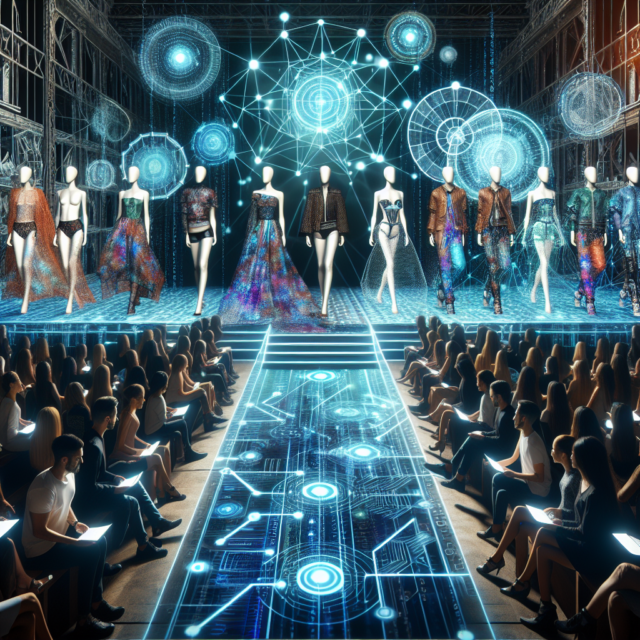
Digital fashion shows have emerged as a response to the limitations imposed by the global pandemic, allowing designers to showcase their collections to a worldwide audience without the constraints of physical space. These virtual runways are often enhanced with digital effects and animations, offering a unique visual experience that transcends traditional fashion shows.

Artificial Intelligence (AI) is revolutionizing the design process by assisting designers in trend forecasting, fabric selection, and even generating initial design concepts. AI algorithms can analyze vast amounts of data to predict upcoming fashion trends, giving designers a competitive edge in the fast-paced industry.

Finally, blockchain technology is being explored to enhance transparency and traceability in the fashion supply chain. By using blockchain, brands can ensure the authenticity of their products and provide consumers with information about the origin and ethical aspects of their purchases, fostering a more sustainable and responsible fashion industry.

Digital Art’s Influence on Contemporary Aesthetics

Digital art is reshaping contemporary aesthetics by introducing new forms of expression and redefining the boundaries of traditional art. One of the most impactful aspects of digital art is its accessibility. Artists from around the world can now create and share their work online, reaching a global audience without the need for physical galleries or exhibitions.

The rise of Non-Fungible Tokens (NFTs) has revolutionized the art world by providing digital artists with a platform to sell and authenticate their work. NFTs have created a new market for digital art, where ownership and provenance are secured through blockchain technology. This has not only increased the value of digital art but also legitimized it as a serious art form.

Digital art also allows for experimentation with new mediums and techniques that are not possible with traditional art forms. Artists can use software to create complex animations, interactive installations, and virtual reality experiences that engage viewers in novel ways. This has led to a dynamic and ever-changing landscape of contemporary art.

Collaborations between digital artists and fashion designers are becoming more common, resulting in innovative designs that blur the lines between art and fashion. Digital prints, augmented reality garments, and virtual fashion shows are just a few examples of how digital art is influencing fashion aesthetics.

The internet and social media platforms have become crucial for digital artists to showcase their work and connect with audiences. Platforms like Instagram and Behance provide artists with the tools to build an online presence and engage with a community of art enthusiasts and collectors.

Moreover, digital art is challenging the traditional notions of art ownership and exhibition. Virtual galleries and online auctions are becoming more popular, allowing art collectors to acquire and display digital art in new ways. This shift is democratizing the art world and making it more inclusive for both artists and collectors.

Emerging Trends in Fashion and Art Collaborations

The fusion of fashion and art is not a new concept, but digital trends are giving rise to innovative collaborations that push creative boundaries. One emerging trend is the use of digital platforms to facilitate collaborations between artists and fashion brands. These platforms enable artists to contribute their unique aesthetics to fashion collections, resulting in limited-edition pieces that are both wearable and collectible.

Virtual fashion shows are another trend that highlights the collaboration between fashion and digital artists. Designers are partnering with digital artists to create completely virtual collections that are showcased in immersive digital environments. These collaborations allow for creative freedom and experimentation, resulting in visually stunning presentations that captivate audiences worldwide.

Augmented reality is being used to enhance fashion collections with interactive elements. Artists and designers are working together to create AR experiences that bring garments to life, allowing consumers to interact with fashion pieces in new and engaging ways. This trend not only enhances the consumer experience but also adds a layer of storytelling to fashion collections.

Fashion brands are increasingly collaborating with digital artists to create unique marketing campaigns that stand out in the saturated digital landscape. These collaborations often involve the creation of digital art pieces, animations, or virtual installations that capture the essence of the brand and resonate with consumers.

The rise of NFTs has also paved the way for collaborations between fashion designers and digital artists. Brands are exploring the use of NFTs to offer exclusive digital fashion items or experiences, creating a new market for fashion collectors and enthusiasts. These collaborations are not only innovative but also open up new revenue streams for both artists and brands.

Finally, sustainability is becoming a key focus in fashion and art collaborations. Digital technologies are enabling designers and artists to explore sustainable practices, such as virtual sampling and digital-only collections, which reduce waste and environmental impact. These collaborations are setting a precedent for a more sustainable future in the fashion and art industries.

As digital trends continue to evolve, the fashion and art industries are poised to embrace new possibilities that challenge conventional norms and redefine creative expression. The intersection of technology with fashion design is leading to innovative approaches that enhance both functionality and aesthetics. Digital art is reshaping contemporary aesthetics by providing artists with new tools and platforms to express their creativity. Meanwhile, collaborations between fashion and art are opening up new avenues for innovation and sustainability. As we move forward, the synergy between digital trends and creative industries will undoubtedly continue to inspire and transform the way we perceive and engage with fashion and art.

Global Fashion Week: Highlights and Trends Unveiled

Global Fashion Week has once again dazzled audiences worldwide, showcasing a variety of styles, innovative designs, and sustainable practices that are shaping the future of fashion. As the curtains close on this year’s events, we delve into the emerging styles that captivated the runways, spotlight the designers whose creativity and innovation stood out, and explore the growing movement towards sustainable fashion.

Emerging Styles Captivating the Runways

This year’s Global Fashion Week was a testament to the ever-evolving nature of style, with designers pushing the boundaries of creativity. One of the most prominent styles that captured attention was the resurgence of 1980s-inspired power dressing. Oversized blazers, bold shoulder pads, and vibrant colors made a strong comeback, embodying a sense of empowerment and confidence.

Another trend that took the runways by storm was the romantic revival of Victorian-inspired fashion. Designers embraced intricate lace fabrics, high necklines, and billowing sleeves, offering a modern twist on classic elegance. This style exuded a sense of nostalgia while remaining relevant to contemporary fashion sensibilities.

The influence of streetwear continued to permeate high fashion, with an emphasis on comfort and individuality. Athleisure pieces, such as oversized hoodies and joggers, were seamlessly integrated into more traditional ensembles, highlighting a blend of casual and sophisticated elements. This trend reflects a shift towards versatile and adaptable wardrobes.

Prints and patterns also played a significant role in this year’s fashion displays. From bold animal prints to abstract geometric designs, designers experimented with a variety of motifs to create visually striking pieces. This trend speaks to the industry’s ongoing fascination with bold statements and visual storytelling through clothing.

Minimalism was not left behind, as clean lines and monochromatic palettes offered a stark contrast to the more extravagant styles. This approach emphasized the beauty of simplicity and craftsmanship, allowing the quality of materials and tailoring to take center stage. Such styles cater to those who appreciate understated elegance.

Finally, the fusion of technology and fashion was evident in the incorporation of innovative textiles and smart clothing. Designers experimented with fabrics that change color with temperature variation and garments equipped with health-monitoring capabilities. This trend highlights the industry’s commitment to integrating functionality with style, paving the way for a futuristic wardrobe.

Designers Spotlight: Innovation and Creativity

In the midst of a vibrant Global Fashion Week, several designers stood out for their exceptional innovation and creativity. Among them was the visionary designer Amina Khan, who captivated audiences with her collection inspired by the fluidity of water. Her use of iridescent fabrics and flowing silhouettes created a mesmerizing visual experience, leaving an indelible mark on the event.

Renowned for his avant-garde approach, designer Marco Lin pushed the envelope with his exploration of digital fashion. By incorporating augmented reality elements into his designs, Lin challenged the conventional boundaries of fashion presentation. His show was not just a display of clothing, but a multisensory experience that engaged audiences in new and exciting ways.

Emerging designer Sofia Chen made waves with her collection that celebrated cultural diversity. Drawing inspiration from her multicultural background, Chen seamlessly blended traditional motifs with contemporary designs. Her work was a testament to the power of fashion as a medium for storytelling and cultural exchange.

Veteran designer Elio Moretti showcased his mastery of tailoring with a collection that redefined classic menswear. By experimenting with asymmetrical cuts and unexpected fabric combinations, Moretti breathed new life into traditional suits and outerwear. His innovative approach resonated with those seeking a modern twist on timeless styles.

Sustainability took center stage in the work of designer Mia Patel, who presented a collection crafted entirely from recycled materials. Patel’s commitment to eco-friendly fashion was evident in her use of upcycled fabrics, demonstrating that style and sustainability can coexist harmoniously. Her work was a highlight of the week, inspiring others to consider the environmental impact of their creations.

Finally, the collaborative efforts of design duo Lucas and Emma showcased the power of teamwork in the fashion industry. Their collection, characterized by bold colors and playful patterns, was a celebration of creativity and unity. By combining their unique perspectives, Lucas and Emma created a collection that was greater than the sum of its parts, leaving a lasting impression on the audience.

Sustainable Fashion: A Growing Global Movement

Sustainable fashion emerged as a dominant theme during Global Fashion Week, reflecting a growing awareness of the industry’s environmental impact. Designers across the globe showcased collections that prioritized eco-friendly materials and ethical production practices. This movement signifies a shift towards a more responsible and conscious approach to fashion.

One of the key trends in sustainable fashion was the use of organic and biodegradable fabrics. Designers embraced materials like organic cotton, hemp, and bamboo, which offer a lower environmental footprint compared to conventional textiles. This focus on sustainable sourcing highlights the industry’s commitment to reducing its ecological impact.

Circular fashion also gained traction, with an emphasis on designing for longevity and reducing waste. Many designers showcased pieces that were versatile and timeless, encouraging consumers to invest in quality over quantity. This approach not only reduces the demand for fast fashion but also promotes a more mindful consumption pattern.

Innovative recycling techniques were at the forefront of sustainable collections, with designers repurposing discarded materials into new creations. From transforming plastic waste into avant-garde garments to using leftover fabric scraps, these initiatives demonstrated the potential of creativity in addressing environmental challenges.

Transparency in the supply chain was another focal point, as designers and brands sought to provide consumers with information about the origins of their clothing. By highlighting ethical labor practices and sustainable sourcing, the industry is moving towards a model that values accountability and consumer trust.

Collaborations between designers and environmental organizations further underscored the commitment to sustainability. These partnerships aim to raise awareness and drive change within the industry, promoting practices that prioritize the planet and its resources. Such collaborations are essential in fostering a collective effort towards a more sustainable future.

Overall, the emphasis on sustainable fashion during Global Fashion Week reflects a broader cultural shift towards environmental consciousness. As the industry continues to evolve, the integration of sustainable practices is likely to become a standard rather than an exception, paving the way for a more sustainable and ethical fashion landscape.

Global Fashion Week has once again proven to be a powerful platform for showcasing the latest trends, innovative designs, and sustainable practices. As the fashion world continues to evolve, these highlights and trends serve as a testament to the industry’s creativity and adaptability. From emerging styles captivating the runways to designers pushing the boundaries of innovation, and the growing global movement towards sustainability, the future of fashion looks promising and inspiring. As we look forward to the next season, the lessons and inspirations from this year’s events will undoubtedly shape the industry’s trajectory.

Exploring This Week’s Key Trends in Fashion

This week in fashion, the spotlight is on a dynamic blend of colors, textures, and visionary designers who are shaping the sartorial landscape. As the seasons change, so do the key trends that influence wardrobes and runways alike. From fresh color palettes and innovative materials to the creative minds driving these trends, we delve into the elements defining the fashion world right now.

Unveiling the Latest Color Palettes and Patterns

Color continues to be a powerful tool in fashion, setting the mood and tone for collections. This week, designers are embracing a spectrum of hues that evoke both nostalgia and modernity. Earthy tones like terracotta and olive green are making a strong comeback, reminiscent of 1970s fashion but with a contemporary twist. These colors are being paired with unexpected shades like vibrant fuchsia and electric blue, creating a striking visual contrast that commands attention.

Patterns are equally pivotal in defining the current fashion narrative. Abstract prints are taking center stage, with designers drawing inspiration from art movements such as Cubism and Surrealism. These patterns break away from tradition, offering a fresh perspective that challenges the conventional. Meanwhile, classic patterns like gingham and plaid are being reimagined, with oversized checks and bold color combinations breathing new life into these timeless designs.

Monochrome palettes are also seeing a resurgence, particularly in minimalist collections. Black and white are being used to create sleek, sophisticated looks that emphasize clean lines and architectural silhouettes. This trend is a nod to the enduring appeal of simplicity in fashion, where less is often more. The monochrome approach is being elevated with the use of varied textures, adding depth and interest to otherwise straightforward ensembles.

Pastel colors are not to be overlooked, as they continue to be a favorite among designers aiming for a softer, more romantic aesthetic. Shades of lavender, mint, and blush pink are being used across a variety of garments, from tailored suits to flowing dresses. These gentle hues offer a sense of calm and serenity, providing a counterbalance to the more vibrant colors seen elsewhere in fashion.

The use of metallics is another notable trend, with gold, silver, and bronze being incorporated into both daywear and eveningwear. Metallic fabrics and embellishments add a touch of glamour and sophistication, catching the light and drawing the eye. This trend is particularly popular in accessories, where metallic shoes and bags add a luxurious finish to any outfit.

Finally, gradient and ombre effects are gaining traction, with colors seamlessly blending into one another to create a harmonious yet dynamic look. This technique is being applied to everything from casual wear to high fashion, offering a versatile option for those looking to make a subtle yet impactful statement.

Innovative Textures and Materials Making Waves

Texture is playing a significant role in this week’s fashion trends, with designers experimenting with a wide range of materials to create unique tactile experiences. Velvet, with its plush and luxurious feel, is making a strong appearance in both clothing and accessories. This fabric is being used in rich, jewel-toned colors, adding an opulent touch to any ensemble.

Sustainable materials are also at the forefront, as eco-consciousness continues to influence fashion. Designers are increasingly turning to organic cotton, recycled polyester, and innovative new materials like mushroom leather and pineapple fiber. These sustainable options are not only environmentally friendly but also offer unique textures that set them apart from traditional fabrics.

Sheer fabrics are another trend capturing attention, with designers using them to create ethereal, layered looks. Chiffon, tulle, and organza are being used to add volume and movement, often paired with solid underlayers for a striking contrast. This trend is particularly popular in eveningwear, where sheer overlays add an element of mystery and allure.

Quilted materials are gaining popularity, especially in outerwear. This trend, inspired by classic quilting techniques, offers both warmth and style. Quilted coats and jackets are being seen in a variety of colors and patterns, providing a cozy yet chic option for colder weather. The texture of quilting adds depth and interest, elevating simple silhouettes.

Leather continues to be a staple in fashion, but this week it’s all about unexpected applications. Designers are incorporating leather into garments like dresses and skirts, moving beyond traditional jackets and pants. This material is being used in soft, supple forms that drape beautifully, offering a modern twist on a classic fabric.

Knits are also making waves, with intricate patterns and chunky textures taking the spotlight. From oversized sweaters to knitted accessories, this trend offers comfort and style in equal measure. Designers are playing with scale and proportion, creating statement pieces that stand out while providing warmth and coziness.

Influential Designers Shaping Current Fashion Trends

At the heart of these trends are the designers whose creative visions are leading the charge. This week, several influential figures are making headlines with their innovative approaches and fresh perspectives. One such designer is Jonathan Anderson, whose work with both his eponymous label and Loewe is redefining modern luxury. Anderson’s use of bold colors and avant-garde shapes challenges conventional fashion norms, making him a key player in the industry.

Another designer shaping the current landscape is Marine Serre, known for her commitment to sustainability and forward-thinking designs. Serre’s collections often incorporate upcycled materials and feature her signature crescent moon motif, which has become iconic in the fashion world. Her ability to blend sustainability with cutting-edge design sets her apart as a leader in the eco-fashion movement.

Alessandro Michele of Gucci continues to be a driving force, with his eclectic and maximalist approach resonating with fashion enthusiasts worldwide. Michele’s ability to blend historical references with contemporary aesthetics creates a unique narrative that is both nostalgic and groundbreaking. His influence can be seen in the resurgence of bold patterns and vibrant colors across the fashion spectrum.

Virgil Abloh’s impact on fashion remains significant, particularly through his work with Off-White and Louis Vuitton. Abloh’s designs often blur the lines between streetwear and high fashion, appealing to a broad audience and redefining luxury. His innovative use of materials and focus on inclusivity and diversity continue to inspire the industry.

Emerging designers are also making their mark, with names like Nensi Dojaka and Peter Do gaining recognition for their fresh perspectives. Dojaka’s delicate, lingerie-inspired pieces have captivated audiences, while Do’s minimalist yet sophisticated designs offer a modern take on tailored fashion. These designers represent the next generation of talent, bringing new ideas and energy to the fashion world.

Lastly, the influence of digital fashion designers cannot be overlooked. As technology continues to advance, designers like Auroboros and The Fabricant are pushing the boundaries of what fashion can be. Their work in virtual fashion spaces offers a glimpse into the future, where digital and physical realms converge to create new possibilities for self-expression and creativity.

In conclusion, this week’s fashion trends highlight a vibrant mix of colors, textures, and visionary designers who are reshaping the industry. The interplay between tradition and innovation is evident in the diverse palettes and materials being explored, while influential designers continue to push boundaries and inspire change. As fashion evolves, these trends offer a glimpse into the future of style, where creativity knows no bounds and sustainability plays a pivotal role.

Fashion’s Future: Merging Shows with Immersive Experiences

    0

    Fashion has always been an industry that thrives on innovation and creativity. As the world becomes increasingly digital, the intersection of fashion and technology is opening new avenues for designers, brands, and consumers alike. From virtual reality runways to interactive shopping experiences, the future of fashion is poised to be both immersive and transformative. This article delves into how technology is reshaping the fashion landscape, the impact of immersive experiences on traditional runway shows, and what the future holds for fashion presentations.

    Exploring the Intersection of Fashion and Technology

    The fashion industry is witnessing a paradigm shift as technology becomes an integral part of creative expression and consumer engagement. Designers are now leveraging advanced technologies such as artificial intelligence, augmented reality, and 3D printing to push the boundaries of what is possible. AI-driven design tools are allowing creators to experiment with new patterns and materials, resulting in garments that are both innovative and sustainable. Augmented reality, on the other hand, is enhancing the way consumers interact with fashion, offering virtual try-ons and personalized styling advice.

    Moreover, technology is not only influencing the design process but also transforming how fashion is marketed and sold. Social media platforms, powered by sophisticated algorithms, enable brands to reach a wider audience and create personalized experiences. Influencers and digital fashion shows have become crucial components of marketing strategies, allowing brands to connect with consumers in real-time. Additionally, e-commerce has been revolutionized by technology, with AI-enhanced search engines and chatbots providing seamless shopping experiences.

    The rise of digital fashion is another testament to the growing intersection of fashion and technology. Virtual clothing collections, which exist only in the digital realm, are gaining popularity among environmentally conscious consumers. These digital garments can be worn in virtual worlds or on social media platforms, reducing the need for physical production and offering a sustainable alternative to fast fashion.

    Furthermore, blockchain technology is being adopted to ensure transparency and traceability in the fashion supply chain. By providing a secure and immutable record of a garment’s journey from production to purchase, blockchain helps combat counterfeiting and promotes ethical practices. Consumers are increasingly demanding to know the origins of their clothing, and technology is providing the tools to meet these expectations.

    In addition to enhancing consumer experiences, technology is also playing a significant role in addressing environmental challenges within the fashion industry. Innovations such as waterless dyeing techniques, fabric recycling, and bio-fabrication are being developed to reduce the industry’s carbon footprint. By embracing these technologies, the fashion industry can move towards a more sustainable and responsible future.

    As technology continues to evolve, the possibilities for its application in fashion are virtually limitless. From virtual reality fashion shows to AI-generated design concepts, the integration of technology into fashion is poised to redefine the industry. As we continue to explore this intersection, it is clear that technology will play a pivotal role in shaping the future of fashion.

    How Immersive Experiences Are Transforming Runways

    The traditional runway show, once the pinnacle of fashion presentations, is undergoing a radical transformation as designers and brands embrace immersive experiences. By incorporating technology such as virtual reality (VR), augmented reality (AR), and mixed reality (MR), fashion shows are becoming multi-sensory spectacles that engage audiences in new and exciting ways. These technologies allow for the creation of dynamic environments where the boundaries of physical and digital worlds blur, offering attendees a more engaging and memorable experience.

    Virtual reality is revolutionizing the way fashion shows are conducted by allowing designers to create fully immersive environments that transport audiences to another world. Through VR headsets, attendees can experience a 360-degree view of the runway, giving them a front-row seat from anywhere in the world. This technology not only democratizes access to fashion shows but also allows designers to experiment with innovative storytelling techniques.

    Augmented reality, meanwhile, is enhancing the physical runway experience by overlaying digital elements onto the real world. Designers can use AR to add interactive features to their shows, such as virtual garments that appear to float around models or digital backgrounds that change in real-time. This technology allows for a more dynamic presentation and offers audiences a unique opportunity to interact with the collection in a way that was previously impossible.

    Mixed reality takes the concept of immersive fashion shows a step further by combining elements of both VR and AR. This technology allows for the creation of hybrid environments where digital and physical elements coexist seamlessly. For example, models can walk down a physical runway while interacting with digital objects that only appear through MR headsets. This creates a captivating experience that challenges traditional notions of fashion presentations.

    In addition to enhancing the visual aspects of fashion shows, immersive technologies are also being used to create personalized experiences for attendees. Through the use of data analytics and AI, designers can tailor the show to individual preferences, offering personalized content and recommendations. This level of customization not only enhances the viewer’s experience but also provides valuable insights for brands looking to connect with their audience on a deeper level.

    The integration of immersive experiences into fashion shows is not only transforming the way collections are presented but also redefining the relationship between designers and their audiences. By creating interactive and engaging experiences, designers can foster a deeper connection with their audience, turning passive viewers into active participants. This shift in dynamic is paving the way for a new era of fashion presentations that are both innovative and inclusive.

    The Future of Fashion Shows: A New Era Unveiled

    As the fashion industry continues to embrace technology, the future of fashion shows is poised to enter a new era where immersive experiences are the norm rather than the exception. The traditional runway model is evolving to accommodate the changing demands of consumers who seek more engaging and interactive experiences. In this new era, fashion shows will become platforms for storytelling, creativity, and innovation, offering designers the opportunity to showcase their collections in unprecedented ways.

    One of the key trends shaping the future of fashion shows is the rise of digital and virtual presentations. As the world becomes increasingly connected, brands are exploring new ways to reach global audiences through online platforms. Virtual fashion shows, which can be streamed live or viewed on-demand, offer greater accessibility and convenience for both designers and consumers. This shift towards digital presentations is also being driven by the need for sustainability, as virtual shows reduce the environmental impact associated with traditional runway events.

    In addition to virtual shows, the future of fashion presentations will likely see a greater emphasis on personalized and interactive experiences. With advancements in AI and data analytics, brands can tailor their shows to individual preferences, offering personalized content and recommendations. This level of customization not only enhances the viewer’s experience but also provides valuable insights for designers looking to connect with their audience on a deeper level.

    Moreover, the integration of social media and digital platforms into fashion shows is set to play a significant role in shaping their future. Platforms like Instagram, TikTok, and YouTube are becoming essential tools for brands to engage with their audience and create buzz around their collections. By leveraging the power of social media, designers can reach a wider audience and create a sense of community around their brand.

    The future of fashion shows will also be characterized by a greater focus on sustainability and ethical practices. As consumers become more conscious of the environmental impact of fashion, brands are being challenged to find more sustainable ways to present their collections. This may involve the use of eco-friendly materials, digital garments, and virtual presentations that reduce the need for physical production and travel.

    As we look to the future, it is clear that fashion shows are on the brink of a new era where technology and creativity converge to create immersive and engaging experiences. By embracing these changes, the fashion industry can continue to captivate audiences while addressing the challenges of a rapidly changing world.

    The fusion of fashion and technology is transforming the industry in ways that were once unimaginable. As designers and brands continue to explore the possibilities of immersive experiences, the future of fashion shows promises to be more dynamic, inclusive, and sustainable. By embracing technology, the fashion industry is not only redefining the way collections are presented but also paving the way for a new era of creativity and innovation. As we move forward, it will be exciting to see how these trends shape the future of fashion and the experiences of those who engage with it.

    Latest Developments and Highlights from Couture Shows

    Couture Week is a biannual spectacle that showcases the pinnacle of fashion artistry and innovation. This year’s shows were no exception, with designers from around the globe gathering to present their latest collections. From emerging trends that are set to influence the fashion landscape to boundary-pushing designs that challenge conventional norms, Couture Week offered a feast for the eyes and an inspiration for the senses. In this article, we delve into the standout moments and emerging trends from the latest couture presentations.

    Emerging Trends from Couture Week Unveiled

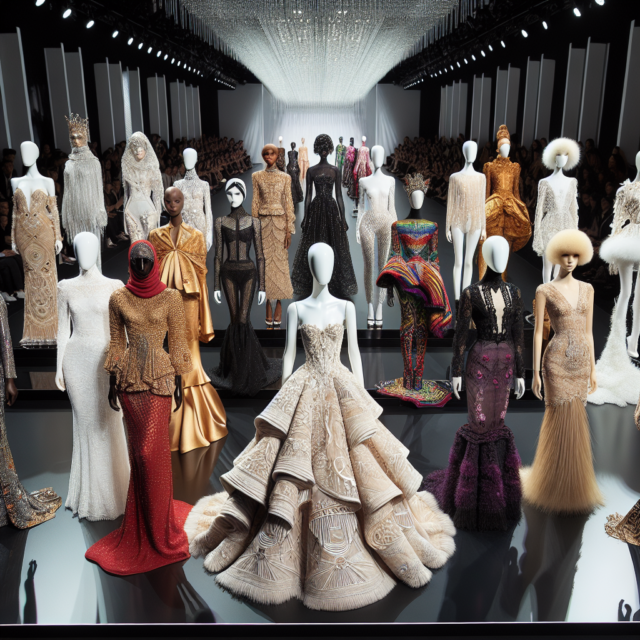
    The latest Couture Week was a treasure trove of emerging trends that are set to redefine the fashion narrative for the upcoming seasons. One of the most striking trends was the resurgence of opulent embellishments. Designers embraced maximalism, adorning their creations with lavish embroidery, sequins, and intricate beadwork, creating garments that shimmered with every movement. This return to extravagance marks a departure from the minimalist aesthetics that have dominated recent years.

    Sustainability took center stage, with several designers incorporating eco-friendly materials and ethical practices into their collections. This shift towards mindful fashion was evident in the use of recycled fabrics, organic textiles, and innovative materials like biodegradable sequins. The emphasis on sustainability reflects a growing awareness within the industry, highlighting a commitment to reducing its environmental impact.

    Another notable trend was the exploration of gender fluidity in fashion. Designers blurred the lines between traditional menswear and womenswear, presenting collections that celebrated androgyny and inclusivity. Silhouettes were reimagined, with tailored suits and flowing gowns being presented in unisex forms, emphasizing the fluid nature of modern fashion.

    Bold color palettes were a defining feature of this season’s couture shows. Vibrant hues such as electric blue, fiery red, and neon green dominated the runways, injecting a sense of energy and optimism into the collections. These daring color choices were often paired with unexpected combinations, showcasing the designers’ fearless approach to color theory.

    The influence of technology was evident in several collections, with designers experimenting with digital prints, 3D-printed accessories, and garments that incorporated smart textiles. This fusion of fashion and technology not only showcased innovation but also hinted at the future possibilities of couture design, where digital and physical realms converge.

    The revival of vintage motifs also made a significant impact on the runway. Designers drew inspiration from past decades, reinterpreting classic styles with a contemporary twist. From 1920s flapper dresses to 1980s power suits, these nostalgic references were modernized with fresh silhouettes and innovative fabrics, bridging the gap between past and present.

    Designers Push Boundaries with Innovative Designs

    Couture Week is synonymous with pushing the boundaries of design, and this season’s shows were a testament to the creative prowess of the designers involved. One standout collection featured garments that transformed as models walked the runway. Using hidden mechanisms and layered fabrics, these designs morphed in shape and color, captivating audiences with their dynamic nature and the seamless integration of movement into fashion.

    Another designer made waves with an avant-garde collection inspired by architectural forms. Dresses with sharp angles and sculptural silhouettes challenged traditional notions of garment construction. These pieces, resembling wearable art, highlighted the fluid relationship between fashion and architecture, inviting viewers to reconsider clothing as a form of spatial expression.

    In a bold exploration of texture, several designers incorporated unconventional materials such as metal mesh, plastic, and even paper into their creations. These unexpected choices added depth and intrigue to the collections, inviting tactile engagement and offering a fresh perspective on materiality in fashion design.

    The use of augmented reality (AR) in runway presentations was another groundbreaking development. One designer integrated AR technology into their show, allowing attendees to experience additional visual layers through their smartphones. This interactive element not only enhanced the viewing experience but also demonstrated the potential for technology to transform traditional fashion showcases.

    Designers also experimented with scale, presenting oversized silhouettes that played with proportions and challenged conventional ideas of fit and form. These voluminous creations, ranging from ballooning skirts to exaggerated sleeves, emphasized fashion as a medium of self-expression and individuality.

    Finally, the integration of cultural narratives added depth and richness to the collections. Designers drew from diverse cultural heritages, incorporating traditional techniques and motifs into their modern designs. This celebration of global culture not only enriched the visual storytelling of the collections but also underscored the importance of inclusivity and representation in the fashion industry.

    Stunning Highlights Captured from the Runway

    The runway at Couture Week was a dazzling spectacle, with each show offering its own unique highlights. One unforgettable moment was the unveiling of a gown adorned with thousands of hand-sewn crystals. As the model walked, the dress caught the light, creating a mesmerizing display of sparkle and elegance that left the audience in awe.

    In another show, a designer created a dramatic finale with a series of garments that featured cascading layers of tulle in a rainbow of colors. The ethereal effect was akin to watching clouds float across the sky, captivating the audience with its dreamlike beauty and showcasing the designer’s mastery of fabric manipulation.

    A standout performance was delivered by a designer who incorporated live music into their presentation. Models walked to the rhythm of a live orchestra, creating a multisensory experience that elevated the fashion on display. This fusion of music and fashion underscored the emotional impact of the runway show, creating a memorable and immersive experience for attendees.

    The use of unconventional venues also added to the allure of Couture Week. One designer chose a historic cathedral as the backdrop for their show, with the grandeur of the setting complementing the opulence of the collection. This choice of venue not only elevated the presentation but also created a dialogue between fashion and architecture.

    A designer’s exploration of narrative storytelling through fashion was another highlight. Models moved through the runway in a choreographed sequence that told a cohesive story, blurring the lines between fashion show and theatrical performance. This innovative approach engaged the audience on a deeper level, transforming the runway into a stage for storytelling.

    Lastly, the inclusion of diverse models was a significant highlight of this season’s couture shows. Designers embraced models of different ages, sizes, and ethnicities, reflecting a more inclusive and realistic representation of beauty. This commitment to diversity not only enriched the visual tapestry of the runway but also sent a powerful message about the evolving standards of the fashion industry.

    Couture Week once again proved to be a platform for innovation, creativity, and expression. From emerging trends that set the tone for future fashion directions to designers pushing the boundaries of what’s possible, the shows offered a glimpse into the artistry and vision that define haute couture. The stunning highlights captured from the runway served as a testament to the transformative power of fashion, celebrating its ability to inspire, challenge, and delight. As the curtains close on this season’s couture presentations, the fashion world eagerly anticipates the ripple effects these groundbreaking shows will have on the industry at large.

    Comprehensive Update on Recent Global Fashion Shows

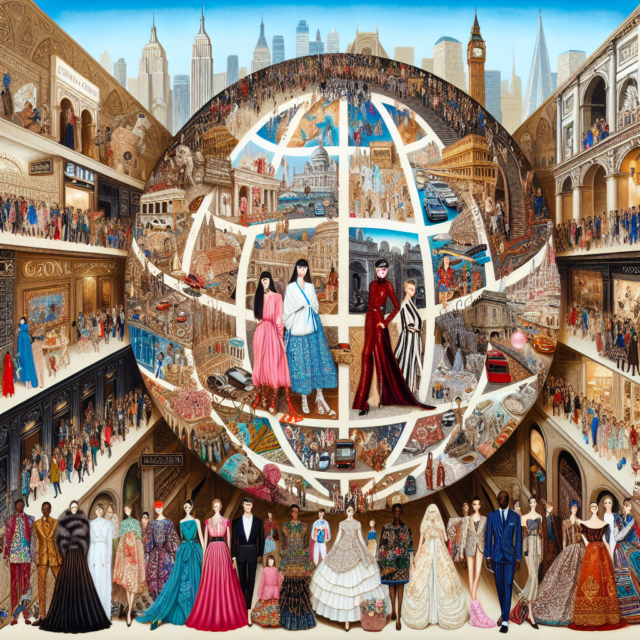
    The world of fashion is a vibrant tapestry of creativity, culture, and innovation, constantly evolving with each new season. Recent global fashion shows have once again dazzled audiences with their blend of traditional craftsmanship and avant-garde designs. From the iconic runways of Paris to the bustling fashion weeks in New York, Milan, and London, the latest collections have showcased a myriad of styles and trends. In this comprehensive update, we explore the highlights from major global fashion events, emerging trends and designers to watch, and the innovative styles captivating the runways.

    Highlights from Major Global Fashion Events

    The Paris Fashion Week, a hallmark of elegance and sophistication, unveiled collections that paid homage to classic French chic while pushing the boundaries of modern design. Notable houses like Chanel and Dior presented collections that were both a nod to their storied pasts and a step into the future. Chanel’s show, held at the Grand Palais, was an opulent affair, featuring a set inspired by the streets of Paris. Models walked in tweed suits and ethereal dresses that captured the essence of timeless Parisian style.

    Meanwhile, Milan Fashion Week was a celebration of Italian craftsmanship and bold design. Gucci’s imaginative showcase was a standout, featuring a blend of vintage aesthetics with contemporary twists. Alessandro Michele’s vision for Gucci combined vibrant colors and eclectic patterns, creating a sensory overload that was both nostalgic and forward-thinking. Prada’s collection, on the other hand, emphasized minimalism and sustainability, with pieces crafted from recycled materials.

    London Fashion Week brought a wave of youthful energy and experimental designs. Burberry’s show was a fusion of traditional British tailoring with streetwear influences. Under the creative direction of Ricardo Tisci, the collection featured oversized trench coats, plaid patterns, and bold accessories. Emerging designers also made their mark, with innovative presentations that challenged conventional fashion norms.

    New York Fashion Week, renowned for its eclectic mix of designers, did not disappoint. The event was marked by a diverse range of collections, from Tom Ford’s glamorous evening wear to Marc Jacobs’ theatrical presentation. A highlight was the emphasis on inclusivity, with several designers featuring models of various sizes, ages, and ethnic backgrounds, reflecting a broader shift towards diversity in the fashion industry.

    Tokyo Fashion Week offered a glimpse into the future of fashion with its avant-garde designs and tech-inspired collections. Japanese designers showcased their unique ability to blend tradition with modernity. Brands like Issey Miyake and Yohji Yamamoto presented collections that were both philosophical and practical, exploring themes of nature, technology, and human interaction.

    Finally, the Copenhagen Fashion Week stood out for its commitment to sustainability. The event highlighted eco-friendly practices and featured collections that prioritized ethical production methods. Designers like Ganni and Stine Goya emphasized the importance of sustainability without compromising on style, presenting garments that were both chic and environmentally conscious.

    Emerging Trends and Designers to Watch

    One of the most prominent trends emerging from recent fashion shows is the resurgence of maximalism. After years of minimalist dominance, designers are embracing bold patterns, vibrant colors, and extravagant silhouettes. This shift towards maximalism was evident in collections from Gucci, Versace, and Dolce & Gabbana, where layers of fabric, intricate embroidery, and statement accessories took center stage.

    Sustainability continues to be a pivotal trend, with designers and brands increasingly focusing on eco-friendly practices. Collections featuring recycled materials, organic fabrics, and zero-waste patterns were prevalent across global fashion events. Stella McCartney and Gabriela Hearst were among the designers leading the charge, showcasing how sustainability can be seamlessly integrated into high fashion.

    The influence of streetwear remains strong, with many designers incorporating casual, urban elements into their collections. Oversized silhouettes, graphic prints, and sportswear-inspired pieces were common on the runways. This trend reflects the ongoing blurring of lines between high fashion and everyday wear, making fashion more accessible to a wider audience.

    Emerging designers are also making waves with their innovative approaches and fresh perspectives. Names like Marine Serre, known for her futuristic designs and upcycled materials, and Kenneth Ize, celebrated for his vibrant use of Nigerian textiles, are gaining recognition for their unique contributions to the fashion industry. These designers are not only redefining aesthetics but also challenging traditional narratives within fashion.

    Gender-fluid fashion is another trend gaining momentum, with collections that transcend traditional gender norms. Designers such as Telfar and Harris Reed are at the forefront of this movement, creating pieces that are versatile and inclusive. This trend is a reflection of the evolving societal attitudes towards gender and identity.

    Technology-driven fashion is also emerging as a significant trend, with designers exploring the use of digital prints, smart textiles, and interactive garments. The integration of technology in fashion is opening new possibilities for customization, functionality, and sustainability, paving the way for a future where fashion is not only about aesthetics but also about innovation and adaptability.

    Innovative Styles Captivating the Runways

    One of the most striking styles captivating the runways is the fusion of traditional craftsmanship with modern technology. Designers are exploring the intersection of hand-crafted techniques and digital innovations, resulting in garments that are both intricate and futuristic. This blend of old and new is evident in collections featuring 3D-printed fabrics, laser-cut patterns, and digitally designed prints.

    The revival of historical fashion elements is also gaining traction, with designers drawing inspiration from past eras to create contemporary pieces. Victorian collars, flapper dresses, and ’70s-inspired silhouettes have been reimagined with a modern twist, showcasing the timeless appeal of these styles. This nostalgic approach not only celebrates fashion history but also offers a fresh perspective on classic designs.

    Another innovative style is the emphasis on texture and material experimentation. Designers are pushing the boundaries of what fabrics can do, incorporating unexpected materials like latex, neoprene, and metallics into their collections. These tactile elements add depth and dimension to garments, creating visually striking pieces that challenge conventional perceptions of fashion.

    The concept of modular fashion is also gaining popularity, with designers creating garments that can be easily transformed or customized by the wearer. This approach not only promotes sustainability by encouraging longer garment lifespans but also empowers consumers to express their individuality through fashion. Brands like Moncler and A-Cold-Wall* have embraced this trend, offering pieces that can be reconfigured in multiple ways.

    Artistic collaborations have become a defining feature of recent fashion shows, with designers partnering with artists, musicians, and filmmakers to create immersive fashion experiences. These collaborations blur the lines between fashion and other creative disciplines, resulting in collections that are as much about artistic expression as they are about clothing. Notable collaborations include Louis Vuitton’s partnership with contemporary artists and Balenciaga’s collaboration with digital artists for virtual runway shows.

    Finally, the integration of cultural narratives into fashion is an innovative style that has captured attention. Designers are increasingly using their collections to tell stories and address social issues, drawing inspiration from their cultural heritage or global events. This narrative-driven approach not only adds depth to fashion but also resonates with audiences, making fashion a powerful medium for communication and change.

    As the curtain falls on the latest season of global fashion shows, the industry is left buzzing with new ideas and inspirations. From the resurgence of maximalism to the integration of technology and sustainability, these events have highlighted the dynamic nature of fashion and its ability to adapt and evolve. Emerging designers are challenging norms and pushing boundaries, while established houses continue to innovate and captivate audiences. As we look forward to the next season, one thing is certain: the world of fashion will continue to be a stage for creativity, expression, and transformation.

    Global Fashion Weeks: Today’s Highlights and Trends

      0

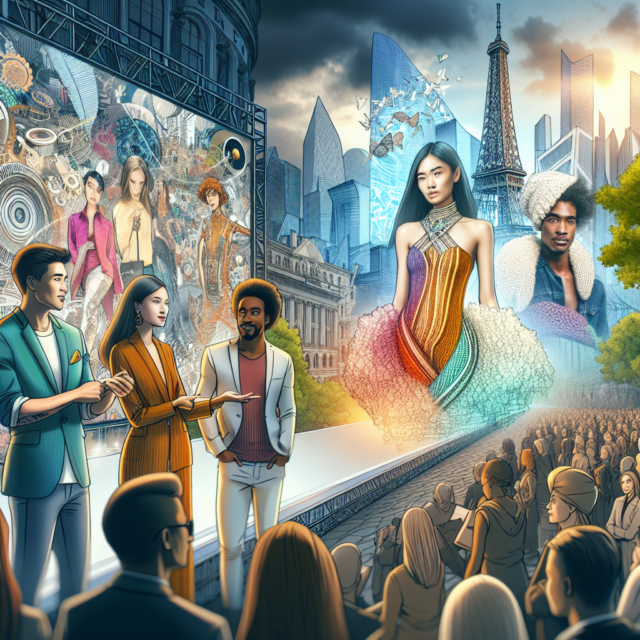
      Fashion weeks across the globe serve as the ultimate platform for designers to showcase their creativity, set trends, and redefine the fashion landscape. From Paris to New York, these events not only dictate what will be in vogue but also reflect the cultural zeitgeist. This article delves into the latest highlights and trends emerging from these iconic fashion weeks, spotlighting groundbreaking designers and the innovative materials they are embracing to shape the future of style.

      Emerging Trends from Paris to New York

      Fashion weeks in Paris and New York have long been the epicenters of style and innovation, setting the stage for global trends. This year, both cities have witnessed a resurgence of bold colors and eclectic patterns. Designers are moving away from minimalism, embracing maximalist aesthetics that celebrate individuality and self-expression. Vibrant hues like electric blue, fiery red, and sunshine yellow dominate the runways, offering a kaleidoscope of options for the fashion-forward.

      In addition to color, silhouettes have taken a dramatic turn. Oversized, voluminous shapes are making a strong comeback, with billowy dresses, wide-leg trousers, and exaggerated sleeves becoming must-haves for the upcoming season. These bold silhouettes not only make a statement but also provide a sense of comfort and ease, reflecting a shift towards more relaxed yet impactful fashion.

      Accessories are also playing a pivotal role in this year’s fashion narrative. Chunky jewelry, oversized hats, and statement bags are being paired with both casual and formal attire, indicating a move towards bolder, more daring accessory choices. This trend highlights the importance of accessories in transforming an outfit and making a personal style statement.

      Streetwear continues to influence high fashion, with designers incorporating elements like hoodies, sneakers, and graphic tees into their collections. This blend of high and low fashion is indicative of the ongoing democratization of style, where luxury is no longer defined by exclusivity but by creativity and accessibility.

      Sustainability is another key trend, with many designers focusing on eco-friendly practices. From using recycled materials to promoting slow fashion, the industry is becoming increasingly aware of its environmental impact. This shift is not just a trend but a movement towards a more conscious and responsible fashion industry.

      Finally, gender-fluid fashion is gaining momentum, with many designers presenting collections that blur the lines between traditional male and female attire. This trend reflects a broader cultural shift towards inclusivity and acceptance, where fashion becomes a means of self-expression beyond gender norms.

      Designers Redefining Modern Fashion

      The fashion weeks of today are showcasing a new wave of designers who are not afraid to challenge conventions and redefine modern fashion. In Paris, emerging talents like Marine Serre and Jacquemus are capturing attention with their innovative approaches. Serre’s fusion of futuristic and traditional elements creates a unique aesthetic, while Jacquemus’ minimalist yet playful designs continue to captivate audiences.

      In New York, designers like Christopher John Rogers and Telfar Clemens are leading the charge in redefining modern fashion. Rogers’ use of bold colors and dramatic silhouettes has made him a standout figure, while Telfar’s inclusive, accessible designs have redefined luxury fashion, earning him a cult following.

      These designers are not just creating clothes; they are creating narratives. Their collections often tell stories that resonate with audiences, whether it’s through exploring cultural heritage or addressing social issues. This narrative-driven approach is redefining what it means to be a designer in today’s fashion world.

      Collaboration is another hallmark of modern fashion design. Designers are increasingly partnering with artists, musicians, and even other brands to create unique, multidimensional collections. These collaborations often result in unexpected and exciting fashion moments that push the boundaries of creativity.

      Technology is also playing a crucial role in the evolution of modern fashion. Designers are leveraging digital tools to create virtual fashion shows, interactive experiences, and even digital garments. This integration of technology is not only enhancing the creative process but also making fashion more accessible to a global audience.

      Finally, these designers are redefining modern fashion by prioritizing inclusivity and diversity. By casting diverse models and creating collections that cater to a wide range of body types and identities, they are making fashion more inclusive and reflective of the world we live in today.

      Innovative Fabrics and Sustainable Styles

      The focus on innovative fabrics and sustainable styles is more pronounced than ever in the fashion weeks of today. Designers are exploring new materials that are not only aesthetically pleasing but also environmentally friendly. From biodegradable textiles to fabrics made from recycled plastics, the emphasis is on creating fashion that is both beautiful and sustainable.

      One of the most talked-about innovations is the use of bio-fabricated materials. These materials, which are grown in labs using natural processes, offer a sustainable alternative to traditional textiles. Designers are experimenting with bio-fabrics to create garments that are not only eco-friendly but also uniquely textured and visually striking.

      Recycled materials are also gaining traction, with many designers incorporating them into their collections. From denim made from recycled cotton to accessories crafted from repurposed metals, the use of recycled materials is becoming a hallmark of sustainable fashion. This trend not only reduces waste but also adds a unique story to each piece.

      In addition to innovative fabrics, designers are adopting sustainable practices in their production processes. This includes using natural dyes, reducing water consumption, and implementing zero-waste patterns. By prioritizing sustainability, designers are not only reducing their environmental impact but also setting a new standard for the industry.

      The rise of sustainable styles is also influencing consumer behavior. As more designers embrace sustainability, consumers are becoming more aware and selective about their fashion choices. This shift towards conscious consumerism is driving demand for sustainable and ethically produced fashion.

      Finally, the emphasis on sustainability is inspiring designers to create timeless pieces that transcend seasonal trends. By focusing on quality and longevity, designers are encouraging consumers to invest in pieces that can be worn and cherished for years, promoting a more sustainable approach to fashion consumption.

      As global fashion weeks continue to evolve, they serve as a reflection of the industry’s dynamic nature and its ability to adapt to changing times. From emerging trends and groundbreaking designers to innovative fabrics and sustainable styles, the highlights of these fashion weeks offer a glimpse into the future of fashion. As the industry moves towards a more inclusive, creative, and sustainable future, it is clear that fashion will continue to be a powerful medium for self-expression and cultural commentary.

      Exploring MVFW: A New Era in Digital Fashion Shows

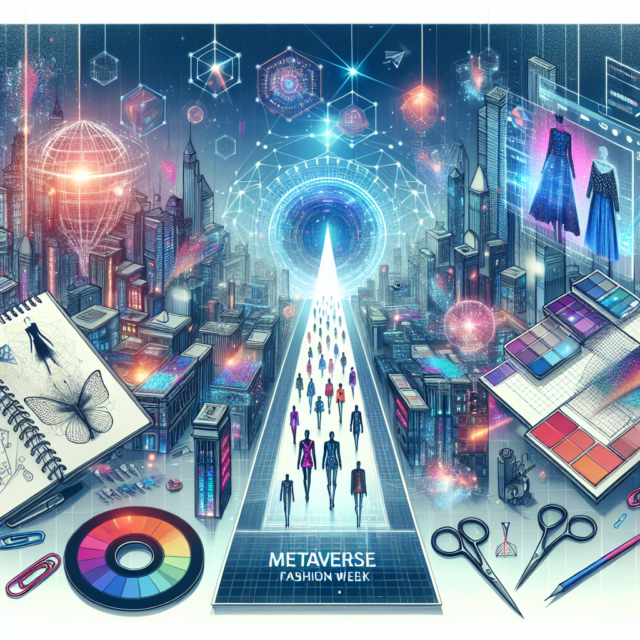
      In the rapidly evolving world of fashion, where trends shift as swiftly as the seasons, the intersection of technology and fashion has ushered in a groundbreaking transformation. The Metaverse Fashion Week (MVFW) is at the forefront of this digital revolution, redefining the way fashion shows are conceptualized, presented, and experienced. This article delves into the intricacies of MVFW, exploring its technological underpinnings and its profound impact on the broader fashion industry.

      Introduction to MVFW: A Digital Fashion Revolution

      In recent years, the fashion industry has witnessed a seismic shift with the advent of digital technologies. The Metaverse Fashion Week (MVFW) has emerged as a pivotal event in this transformation, offering a virtual platform that transcends the limitations of traditional fashion shows. Unlike conventional runway events, MVFW takes place entirely in the digital realm, offering a fully immersive experience that is accessible to a global audience. This new format not only democratizes access to fashion but also allows designers to push the boundaries of creativity in ways previously unimaginable.

      The origins of MVFW can be traced back to the growing popularity of virtual spaces and digital interactions. As consumers increasingly engage with brands through online platforms, the fashion industry has had to adapt to these changing dynamics. MVFW represents a response to this shift, providing a space where fashion enthusiasts, designers, and brands can converge without the constraints of physical location. This virtual fashion week is not just a temporary trend but a glimpse into the future of fashion showcases.

      One of the most compelling aspects of MVFW is its ability to create a sense of community and inclusivity. In traditional fashion weeks, access is often limited to industry insiders and celebrities. In contrast, MVFW opens its virtual doors to anyone with an internet connection, allowing a diverse range of individuals to participate and engage with the latest fashion trends. This inclusivity is a testament to the transformative power of digital platforms in breaking down barriers and fostering a more connected global community.

      MVFW also provides a unique opportunity for emerging designers to showcase their talent on an international stage. In a traditional setting, securing a spot in a major fashion week can be both costly and competitive. However, the digital nature of MVFW levels the playing field, enabling new and upcoming designers to present their collections alongside established names. This democratization of fashion not only promotes diversity but also encourages innovation and experimentation within the industry.

      Furthermore, MVFW challenges the conventional notions of fashion by embracing sustainability and ethical practices. The digital format significantly reduces the environmental impact associated with physical fashion shows, such as travel, waste, and resource consumption. This shift towards more sustainable practices aligns with the growing consumer demand for environmentally conscious fashion, positioning MVFW as a trailblazer in promoting responsible industry practices.

      As the concept of MVFW continues to evolve, it is clear that this digital fashion revolution is here to stay. While it may not completely replace traditional fashion shows, MVFW offers a complementary platform that enhances the overall fashion experience. By bridging the gap between technology and creativity, MVFW is setting the stage for a new era in fashion, where innovation knows no bounds.

      The Technological Backbone of MVFW Shows

      The success of MVFW hinges on a sophisticated technological infrastructure that enables seamless virtual experiences. At the core of this digital fashion revolution is the use of advanced virtual reality (VR) and augmented reality (AR) technologies. These tools allow designers to create immersive environments and interactive elements that captivate audiences and bring their collections to life in unprecedented ways. Through VR headsets or even standard web browsers, viewers can explore intricate 3D fashion worlds, interact with digital garments, and witness fashion shows from any angle.

      Blockchain technology plays a crucial role in the technological backbone of MVFW. By leveraging blockchain, designers can ensure the authenticity and provenance of digital fashion items, addressing issues of copyright and intellectual property. This technology also facilitates the creation and trading of non-fungible tokens (NFTs), which have become a popular medium for buying and selling digital fashion pieces. NFTs offer a new revenue stream for designers, allowing them to monetize their digital creations and engage with a tech-savvy audience.

      The integration of artificial intelligence (AI) further enhances the MVFW experience by personalizing interactions and providing data-driven insights. AI algorithms can analyze viewer preferences, enabling designers to tailor their presentations and marketing strategies to better resonate with their audience. Additionally, AI-driven tools can assist in the design process itself, offering suggestions for patterns, colors, and styles based on current trends and consumer feedback. This fusion of creativity and technology empowers designers to push the boundaries of innovation.

      Cloud computing is another critical component that supports the scalability and accessibility of MVFW. By hosting virtual fashion shows on cloud platforms, organizers can ensure that the events are accessible to a global audience without the limitations of physical infrastructure. This scalability allows for a virtually unlimited number of participants, ensuring that MVFW can accommodate the growing interest in digital fashion experiences. Moreover, cloud-based solutions provide the flexibility to adapt and evolve the platform as technology advances.

      The use of social media and live streaming platforms further amplifies the reach and impact of MVFW. By leveraging these channels, fashion brands and designers can engage with audiences in real-time, fostering a sense of immediacy and connection. Social media platforms also serve as a valuable marketing tool, allowing brands to reach a wider audience and generate buzz around their collections. The interactive nature of these platforms encourages viewer participation, making the fashion experience more dynamic and engaging.

      As technology continues to evolve, the potential for MVFW to innovate and redefine the fashion landscape is boundless. From virtual fitting rooms to AI-driven fashion assistants, the possibilities are endless. The technological backbone of MVFW not only enhances the current fashion experience but also sets the stage for future advancements that will continue to blur the lines between the physical and digital worlds. This convergence of fashion and technology is paving the way for a new era of creativity and accessibility.

      MVFW’s Impact on the Fashion Industry Landscape

      The advent of MVFW has had a profound impact on the fashion industry, reshaping its landscape in multiple ways. One of the most significant changes is the shift in consumer behavior and expectations. As audiences become more accustomed to virtual fashion experiences, there is an increasing demand for innovative and interactive presentations. This shift challenges traditional fashion brands to adapt their strategies and embrace digital technologies to remain relevant in a competitive market.

      MVFW has also influenced the way fashion brands approach marketing and engagement. With the rise of digital platforms, brands can reach a global audience with unprecedented ease. This has led to a reevaluation of marketing strategies, with an increased focus on digital content, social media presence, and influencer collaborations. The ability to connect with consumers in real-time and gather valuable data insights allows brands to tailor their offerings and build stronger relationships with their audience.

      The digital nature of MVFW has opened up new opportunities for collaboration and cross-industry partnerships. Fashion brands are increasingly partnering with tech companies, gaming platforms, and digital artists to create unique and immersive experiences. These collaborations not only enhance the fashion experience but also introduce fashion to new audiences and markets. The convergence of fashion, technology, and entertainment is creating a dynamic ecosystem that fosters innovation and creativity.

      MVFW has also sparked conversations around sustainability and ethical practices in the fashion industry. The digital format significantly reduces the environmental impact associated with traditional fashion shows, aligning with the growing consumer demand for eco-friendly practices. This shift towards sustainability is encouraging brands to rethink their production processes and adopt more responsible approaches. By championing sustainable practices, MVFW is influencing the industry to prioritize environmental and social responsibility.

      The rise of digital fashion through MVFW is also challenging traditional notions of ownership and consumption. With the introduction of digital fashion items and NFTs, consumers are exploring new ways to express their style and identity. This shift is prompting a reevaluation of the concept of fashion ownership, as digital garments offer versatile and customizable options. The ability to own and trade virtual fashion pieces is reshaping consumer perceptions and opening up new avenues for self-expression.

      As MVFW continues to evolve, its impact on the fashion industry is likely to grow. The digital revolution it represents is not just a trend but a fundamental shift that is redefining the way fashion is created, consumed, and experienced. By embracing technology and innovation, MVFW is setting a new standard for the fashion industry, one that is more inclusive, sustainable, and dynamic. The future of fashion lies at the intersection of creativity and technology, and MVFW is leading the way.

      The emergence of MVFW marks a pivotal moment in the fashion industry’s evolution, highlighting the transformative power of digital innovation. As we navigate this new era of fashion, the possibilities for creativity, inclusivity, and sustainability are boundless. MVFW not only challenges traditional norms but also sets a precedent for the future of fashion shows. As technology continues to advance, the fusion of fashion and the digital world will undoubtedly lead to even greater innovations, redefining the fashion landscape for generations to come.

      Popular Posts

      My Favorites

      Sister Wives: Aspyn Surfaces on Local TV News Pregnant – Shocker...

      Hey Sister Wives fans, let’s talk about Kody and Christine’s oldest child, Aspyn Brown Thompson, who recently stunned local news viewers when she...