Home Blog Page 1232

Exploring Emerging Opportunities in the Web3 Ecosystem
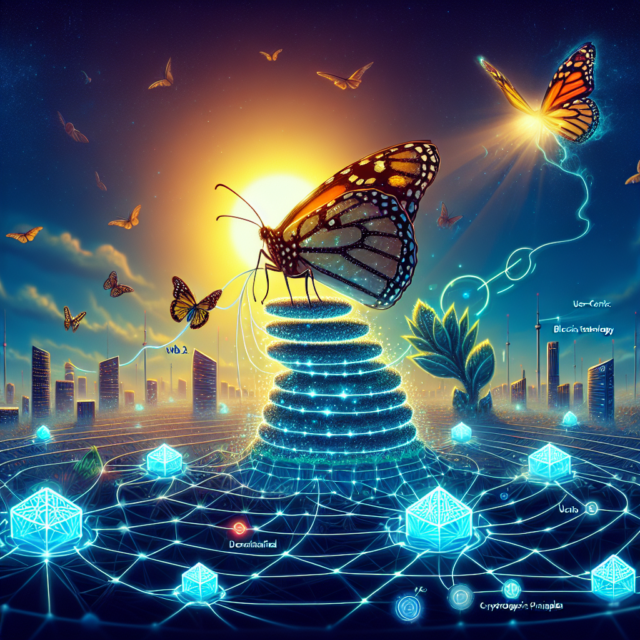
The digital landscape is undergoing a profound transformation with the evolution of Web3, the next iteration of the internet. Unlike its predecessors, Web3 promises a decentralized, user-centric web, powered by blockchain technology and cryptographic principles. This shift is set to redefine how we interact with digital platforms, offering new avenues for innovation and opportunity. In this article, we delve into the foundational elements of the Web3 ecosystem, explore the key technologies driving its growth, and identify emerging opportunities within this rapidly expanding market.

Understanding the Foundations of the Web3 Ecosystem

The Web3 ecosystem is built on the principles of decentralization, transparency, and user empowerment. Unlike the centralized Web2, where a few tech giants control vast amounts of data and digital infrastructure, Web3 seeks to distribute control and ownership across a network of participants. This decentralization is achieved through blockchain technology, which ensures that data is stored across multiple nodes, making it more secure and less susceptible to manipulation.

Central to the Web3 ecosystem is the concept of smart contracts. These self-executing contracts with the terms of the agreement directly written into code enable trustless transactions and automate processes without the need for intermediaries. This not only reduces costs but also increases efficiency and reliability, paving the way for a wide range of applications across various industries.

Decentralized finance (DeFi) is one of the most prominent applications of Web3, revolutionizing traditional finance by offering decentralized alternatives to banking, lending, and investing. By eliminating intermediaries, DeFi platforms provide users with more control over their assets, greater transparency, and potentially higher returns. This democratization of finance is a key pillar of the Web3 ecosystem, highlighting its potential to disrupt established industries.

Another foundational element of Web3 is the concept of digital identity. In a decentralized web, users can maintain control over their personal data through self-sovereign identities, which allow them to selectively share information without relying on centralized authorities. This approach not only enhances privacy but also empowers users to manage their digital footprint more effectively.

The Web3 ecosystem also emphasizes the importance of community and collaboration. Decentralized autonomous organizations (DAOs) exemplify this by enabling groups to make decisions collectively, without centralized leadership. DAOs operate on blockchain protocols, allowing members to propose, vote on, and implement changes democratically. This model fosters innovation and inclusivity, aligning with the core values of Web3.

Finally, the Web3 ecosystem is underpinned by a strong focus on interoperability. As numerous blockchain networks and platforms emerge, the ability to seamlessly interact and exchange data across these systems becomes crucial. Interoperability ensures that Web3 applications can function cohesively, unlocking new possibilities for innovation and collaboration.

Key Technologies Driving Web3 Innovation Forward

Blockchain technology is the backbone of the Web3 ecosystem, providing a secure and immutable ledger for recording transactions. Its decentralized nature ensures that no single entity has control over the entire network, enhancing transparency and reducing the risk of fraud. As blockchain technology matures, its scalability and efficiency continue to improve, making it more accessible for mainstream adoption.

Cryptographic advancements play a crucial role in Web3 innovation, ensuring data privacy and security. Zero-knowledge proofs, for instance, allow users to verify information without revealing the underlying data. This technology has significant implications for privacy-preserving applications, enabling secure transactions and interactions in a decentralized environment.

Non-fungible tokens (NFTs) have emerged as a groundbreaking innovation within the Web3 ecosystem, transforming the way we perceive ownership and value in the digital realm. NFTs represent unique digital assets that can be bought, sold, and traded on blockchain networks. Their applications span art, music, gaming, and beyond, offering new opportunities for creators and consumers alike.

Interoperability protocols are another key technology driving Web3 forward. These protocols enable different blockchain networks to communicate and share data, fostering collaboration and innovation across the ecosystem. By breaking down silos, interoperability enhances the functionality and utility of Web3 applications, paving the way for more seamless user experiences.

Decentralized storage solutions are essential for the Web3 ecosystem, addressing the limitations of traditional cloud storage by distributing data across a network of nodes. This approach enhances data security and privacy while reducing reliance on centralized providers. Projects like IPFS and Filecoin exemplify the potential of decentralized storage, offering scalable and resilient solutions for the Web3 era.

Finally, the integration of artificial intelligence (AI) with Web3 technologies holds promise for further innovation. AI can enhance data analysis, automate decision-making processes, and improve user experiences within decentralized applications. As AI and Web3 technologies converge, new possibilities for intelligent, autonomous systems emerge, driving the next wave of digital transformation.

Identifying Emerging Opportunities in Web3 Markets

The Web3 ecosystem presents a myriad of opportunities for entrepreneurs, developers, and investors alike. One of the most promising areas is decentralized finance (DeFi), which continues to grow rapidly, offering innovative financial products and services. From decentralized exchanges to lending platforms, DeFi is reshaping the financial landscape, attracting both retail and institutional participants.

The NFT market is another burgeoning opportunity within the Web3 space. As artists, musicians, and content creators explore the potential of tokenizing their work, new revenue streams and business models are emerging. The ability to prove ownership and provenance of digital assets through NFTs opens up novel possibilities for creators and collectors, driving growth in the digital economy.

Gaming is poised to be a major beneficiary of Web3 technologies, with blockchain-based games offering new incentives and experiences for players. Play-to-earn models, where players earn cryptocurrency by participating in games, are gaining traction, creating new economic opportunities and reshaping the gaming industry. This convergence of gaming and blockchain is set to unlock new levels of engagement and monetization.

Social media is another area ripe for disruption by Web3. Decentralized social platforms offer users greater control over their data and content, challenging the dominance of traditional social media giants. By leveraging blockchain technology, these platforms can provide more transparent and equitable models for content creation and distribution, empowering users and fostering community-driven networks.

The rise of DAOs presents opportunities for new organizational structures and governance models. As more projects and communities embrace decentralized decision-making, DAOs offer a blueprint for more democratic and inclusive organizations. This trend is likely to extend beyond the Web3 ecosystem, influencing how businesses and institutions operate in the future.

Finally, the intersection of Web3 and sustainability presents a compelling opportunity for innovation. Blockchain technology can enhance transparency and traceability in supply chains, promoting more sustainable practices. Additionally, Web3 platforms can facilitate the tokenization of carbon credits and other environmental assets, enabling new markets for sustainability initiatives and fostering positive environmental impact.

The Web3 ecosystem is rapidly evolving, driven by technological advancements and a growing desire for decentralization and user empowerment. As we explore the foundations, key technologies, and emerging opportunities within this space, it becomes clear that Web3 has the potential to redefine industries and create new paradigms for interaction and value exchange. While challenges remain, the promise of a more open, equitable, and innovative digital landscape is compelling, inviting stakeholders from all sectors to participate in shaping the future of the internet. As the Web3 revolution unfolds, those who embrace its possibilities stand to benefit from the transformative changes it heralds.
Exploring Web3 Innovations in Design, Art, and Fashion

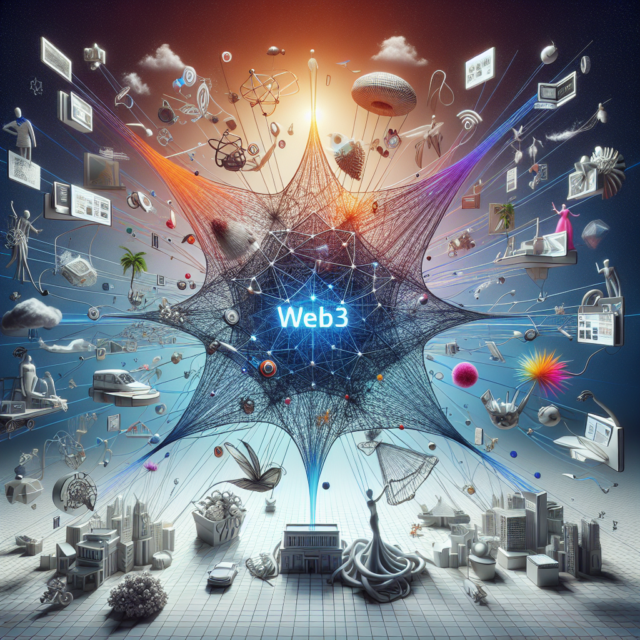
The advent of Web3 technologies has sparked a revolution across various industries, bringing about transformative changes that are reshaping traditional paradigms. Among these, design, art, and fashion stand out as sectors experiencing profound innovation driven by decentralized technologies. This article delves into how Web3 is influencing these creative domains, exploring the nuances of modern design practices, the fusion of blockchain with artistic expression, and the evolution of fashion through decentralized platforms.

Unraveling Web3’s Impact on Modern Design Practices

Web3 technologies are redefining modern design practices by introducing new tools and methodologies that prioritize decentralization, transparency, and user empowerment. At the core of this transformation is the concept of decentralized networks, which allow designers to collaborate and share resources without relying on centralized entities. This shift is fostering a more inclusive and participatory design environment, where creativity can thrive free from traditional constraints.

One of the most significant innovations in design brought about by Web3 is the rise of decentralized design platforms. These platforms enable creators to connect directly with their audience, reducing the barriers to entry and democratizing access to design tools. By leveraging blockchain technology, these platforms ensure the authenticity and provenance of digital designs, providing designers with new ways to monetize their work through tokenization and smart contracts.

Moreover, Web3 is facilitating the emergence of immersive design experiences through technologies such as virtual and augmented reality (VR/AR). These technologies are being integrated into decentralized networks, allowing designers to create and share 3D models and environments in a more interactive and engaging manner. This intersection of Web3 and immersive technologies is opening up new possibilities for experiential design, where users can interact with digital creations in unprecedented ways.

The concept of digital ownership is also being revolutionized by Web3, particularly through non-fungible tokens (NFTs). NFTs are enabling designers to tokenize their creations, ensuring that they retain control over their intellectual property and receive fair compensation for their work. This development is empowering designers to explore new business models and revenue streams, further enhancing their creative autonomy.

In addition, Web3 is promoting sustainability in design practices by encouraging the use of decentralized systems that reduce resource consumption and waste. By facilitating peer-to-peer sharing and collaboration, Web3 technologies are helping designers create more sustainable products and solutions. This focus on sustainability is becoming increasingly important as the design industry seeks to address the environmental challenges of the modern world.

Finally, the impact of Web3 on design is also evident in the rise of community-driven projects. These projects leverage the power of decentralized networks to bring together designers, developers, and users in the creation of collective works. This collaborative approach is fostering a sense of community and shared purpose, driving innovation and creativity in design practices.

The Intersection of Blockchain and Artistic Expression

Blockchain technology is revolutionizing the art world by providing artists with new avenues for expression and engagement. At the heart of this transformation is the ability of blockchain to offer a secure and transparent platform for the creation, distribution, and sale of art. This is enabling artists to reach global audiences and establish direct connections with collectors, bypassing traditional intermediaries.

One of the most notable innovations in this space is the advent of NFTs, which have become a powerful tool for artists looking to authenticate and monetize their digital creations. NFTs allow artists to tokenize their work, providing a verifiable record of ownership and provenance. This is not only enhancing the value of digital art but also opening up new possibilities for artistic expression in the digital realm.

Moreover, blockchain is fostering new forms of collaboration and co-creation among artists. Decentralized platforms and DAOs (Decentralized Autonomous Organizations) are enabling artists to work together on collective projects, share resources, and participate in decision-making processes. This collaborative approach is breaking down traditional barriers and encouraging a more inclusive and diverse art community.

The transparency and immutability of blockchain technology are also transforming the way art is curated and exhibited. Digital galleries and virtual exhibitions are leveraging blockchain to showcase art in innovative ways, providing artists with a global stage to display their work. This is democratizing access to art, allowing audiences from around the world to experience and appreciate diverse forms of artistic expression.

Furthermore, blockchain is empowering artists to explore new business models and revenue streams. Through the use of smart contracts, artists can receive royalties from secondary sales of their work, ensuring that they are fairly compensated as their creations gain value over time. This is providing artists with greater financial security and encouraging them to experiment with new and innovative forms of art.

Finally, the intersection of blockchain and art is also fostering a greater emphasis on community and engagement. Artists are using blockchain to build communities around their work, creating interactive experiences that invite audiences to participate in the creative process. This is transforming the relationship between artists and their audiences, making art a more dynamic and participatory experience.

Fashion’s Evolution Through Decentralized Technologies

The fashion industry is undergoing a significant transformation driven by the rise of decentralized technologies. Web3 is enabling new forms of creativity and collaboration in fashion, challenging traditional norms and opening up new possibilities for designers, brands, and consumers alike. This evolution is characterized by a shift towards more transparent, inclusive, and sustainable practices.

One of the key innovations in fashion brought about by Web3 is the rise of digital fashion and virtual garments. Designers are leveraging blockchain and NFTs to create digital clothing that can be worn in virtual environments, such as video games and social media platforms. This is not only providing designers with new creative opportunities but also allowing consumers to express themselves in digital spaces.

Decentralized platforms are also enabling more collaborative and participatory fashion experiences. Brands and designers are using these platforms to engage with their audiences and co-create collections, leveraging the power of the crowd to drive innovation. This collaborative approach is fostering a sense of community and shared ownership, transforming the way fashion is created and consumed.

Moreover, Web3 is promoting greater transparency and accountability in the fashion industry. Blockchain technology is being used to track and verify the supply chain, ensuring that products are ethically and sustainably sourced. This is providing consumers with greater visibility into the origins of their clothing and empowering them to make more informed purchasing decisions.

The use of smart contracts is also revolutionizing the way fashion is bought and sold. These contracts enable secure and transparent transactions, reducing the need for intermediaries and ensuring that designers and brands receive fair compensation for their work. This is fostering a more equitable and efficient fashion ecosystem, where creators and consumers can interact directly.

In addition, Web3 is encouraging more sustainable practices in fashion by promoting the use of digital and virtual solutions. By reducing the need for physical production and distribution, digital fashion is minimizing the environmental impact of the industry. This focus on sustainability is becoming increasingly important as consumers demand more responsible and eco-friendly fashion options.

Finally, the evolution of fashion through decentralized technologies is also fostering greater inclusivity and diversity. Web3 is enabling designers from diverse backgrounds to showcase their work on a global stage, reaching audiences that were previously inaccessible. This is encouraging a more diverse and vibrant fashion industry, where creativity and innovation can flourish.

The integration of Web3 technologies into design, art, and fashion is heralding a new era of creativity and innovation. By embracing decentralization, transparency, and user empowerment, these sectors are breaking free from traditional constraints and exploring new possibilities for expression and collaboration. As the influence of Web3 continues to grow, it is clear that its impact on these creative domains will only deepen, reshaping the way we think about and engage with design, art, and fashion.

Exploring Recent Innovations in the Metaverse World

The metaverse, a blend of the physical and digital worlds, is rapidly evolving into a space where virtual experiences are becoming increasingly immersive and transformative. As this digital frontier expands, recent innovations are pushing the boundaries of what is possible, offering new opportunities for interaction, commerce, and entertainment. This article delves into some of the cutting-edge technologies fueling the metaverse, the transformative experiences they enable, and the pivotal roles played by artificial intelligence and blockchain in this burgeoning ecosystem.

Unveiling Cutting-Edge Technologies in the Metaverse

The metaverse is a dynamic environment, constantly being reshaped by technological advancements. Among the most exciting innovations are advancements in virtual reality (VR) and augmented reality (AR) technologies. These tools have significantly improved in terms of resolution, latency, and user comfort, allowing for more seamless and realistic user experiences. Headsets are becoming lighter and more affordable, making them accessible to a broader audience, while haptic feedback devices are enhancing the sense of touch, adding a new dimension to virtual interactions.

Another significant development is the integration of spatial computing, which combines VR, AR, and mixed reality (MR) to create a more immersive environment. Spatial computing allows users to interact with digital objects as if they were part of the physical world, blurring the lines between reality and simulation. This technology is being harnessed across various sectors, from gaming and entertainment to education and healthcare, enabling new forms of engagement and interaction.

The emergence of 5G technology is also playing a crucial role in the development of the metaverse. With its high-speed, low-latency capabilities, 5G enables more complex and data-intensive applications to function smoothly, allowing for real-time interactions in virtual environments. This connectivity boost is crucial for supporting the growing demand for high-quality, interactive experiences that are central to the metaverse.

Cloud computing and edge computing are other critical technologies that are facilitating the metaverse’s growth. By distributing data processing closer to the source of data generation, these technologies reduce latency and increase the efficiency of data management. This is particularly important for supporting the vast amounts of data generated by metaverse applications, ensuring that users can access and interact with virtual environments without interruptions.

Interoperability standards are being developed to ensure that different metaverse platforms can communicate and work together seamlessly. This is essential for creating a cohesive metaverse experience, where users can move between different virtual worlds without losing their digital assets or identities. Efforts to establish common protocols and frameworks are ongoing, with industry leaders collaborating to define the future of the metaverse.

Lastly, digital twin technology is gaining traction within the metaverse. By creating virtual replicas of physical objects and environments, digital twins allow for detailed simulations and analyses, providing insights that can be applied in the real world. This technology has applications in urban planning, manufacturing, and even personal health, offering new ways to visualize and interact with data in the metaverse.

Transformative Experiences Shaping Virtual Realities

As the metaverse continues to evolve, it is transforming the way we experience digital content and interact with others. One of the most significant changes is the rise of social VR platforms, where users can meet, interact, and collaborate in shared virtual spaces. These platforms are redefining social interactions, allowing people to connect across distances in a more engaging and personal way than traditional video calls.

Virtual events and conferences are becoming more sophisticated, leveraging the immersive capabilities of the metaverse to create experiences that closely mimic real-world gatherings. From concerts and art exhibitions to business conferences and trade shows, these events offer participants a unique opportunity to engage with content and other attendees in a fully interactive environment, breaking down geographical barriers and opening up new possibilities for global collaboration.

The gaming industry is also experiencing a transformation, with the metaverse offering new ways to engage players. Games are becoming more than just entertainment; they are evolving into social hubs and platforms for creativity and self-expression. Players can create and customize their avatars, build and share their virtual spaces, and even monetize their creations, blurring the lines between player and creator and fostering a new economy within the gaming world.

In the realm of education, the metaverse is creating immersive learning experiences that engage students in ways traditional methods cannot. Virtual classrooms and laboratories allow for interactive, hands-on learning, where students can explore complex concepts in a controlled and safe environment. This approach is particularly beneficial for subjects like science and history, where simulations can provide deeper insights and understanding.

The metaverse is also impacting mental health and therapy, offering new tools for treatment and support. Virtual environments can be used to create safe spaces for individuals to confront and manage their mental health challenges, providing exposure therapy and mindfulness exercises in a controlled setting. These virtual interventions can be tailored to individual needs, offering a personalized approach to mental health care.

Lastly, the rise of virtual commerce is reshaping the way we shop and conduct business. Virtual storefronts and marketplaces allow users to browse and purchase goods in a 3D environment, often with the ability to personalize and try on products before buying. This shift is not only changing consumer behavior but also encouraging brands to rethink their strategies and embrace the opportunities offered by the metaverse.

The Role of AI and Blockchain in Metaverse Evolution

Artificial intelligence (AI) is a driving force behind the metaverse, enabling more personalized and adaptive experiences. AI algorithms can analyze user behavior and preferences to tailor content and interactions, creating a more engaging and immersive environment. This personalization extends to virtual assistants and NPCs (non-player characters), which are becoming more sophisticated and responsive, enhancing the overall user experience.

AI is also playing a crucial role in content creation within the metaverse. Machine learning algorithms can generate realistic landscapes, objects, and even characters, reducing the time and resources required for virtual world-building. This capability is democratizing content creation, allowing more users to contribute to the metaverse and expanding the diversity of experiences available.

Blockchain technology is another cornerstone of the metaverse, providing the infrastructure needed for secure and transparent transactions. With blockchain, users can own and trade digital assets, such as virtual real estate, art, and collectibles, with confidence in their authenticity and provenance. This decentralized approach is fostering a new digital economy, where creators and consumers can interact directly without intermediaries.

Smart contracts, powered by blockchain, are automating transactions and agreements within the metaverse, ensuring that they are executed fairly and transparently. These contracts can be used to facilitate everything from virtual land sales to in-game purchases, streamlining processes and reducing the potential for disputes and fraud.

Decentralized identity solutions are emerging as a critical component of the metaverse, allowing users to maintain control over their personal data and digital identities. Blockchain-based identity systems enable users to verify their identity across different platforms without revealing sensitive information, enhancing privacy and security in virtual environments.

Lastly, the synergy between AI and blockchain is opening up new possibilities for the metaverse. AI can optimize blockchain operations, making them more efficient and scalable, while blockchain can provide a secure and transparent framework for AI applications. This combination is paving the way for more advanced and reliable metaverse experiences, setting the stage for future innovations.

The metaverse is on the brink of becoming a mainstream digital ecosystem, driven by rapid technological advancements and innovative applications. As cutting-edge technologies continue to evolve, they are reshaping how we interact with digital environments and each other, creating new opportunities and challenges. The integration of AI and blockchain is further enhancing these experiences, providing a robust foundation for the future of the metaverse. As we continue to explore this digital frontier, the possibilities for innovation and transformation are virtually limitless, promising a new era of immersive and interconnected experiences.

Exploring Digital Trends in Modern Fashion and Art

In the rapidly evolving world of fashion and art, digital trends are reshaping how we perceive and interact with creativity. The fusion of technology with artistic expression is creating new opportunities and challenges, redefining traditional boundaries and opening up new avenues for innovation. This article delves into the dynamic intersection of technology and creative expression, explores innovations reshaping the fashion and art landscape, and examines how digital platforms are becoming a new canvas for artistic vision.

The Intersection of Technology and Creative Expression

The convergence of technology and creative expression is a transformative force in both fashion and art. As digital tools become more sophisticated, artists and designers are leveraging these advancements to push the boundaries of their crafts. From virtual reality to 3D printing, technology is enabling creators to experiment with new forms and materials, leading to a renaissance of innovation. This intersection is fostering a dynamic environment where traditional techniques meet cutting-edge technology, resulting in unique and compelling works.

In the realm of fashion, technology is revolutionizing design processes and consumer experiences. Designers are now using computer-aided design (CAD) software to create intricate patterns and prototypes, allowing for greater precision and creativity. Additionally, wearable technology is blending fashion with functionality, offering consumers garments that not only look stylish but also provide practical benefits. This fusion of fashion and technology is creating a new paradigm where clothing is not just about aesthetics but also about enhancing the quality of life.

Art, too, is experiencing a digital transformation. Digital art forms, such as generative art and digital painting, are gaining popularity as artists experiment with algorithms and software to create visually stunning pieces. This new medium provides artists with the freedom to explore concepts that were previously unattainable, leading to the emergence of entirely new genres. The accessibility of digital tools has democratized art creation, allowing a broader range of voices to contribute to the cultural landscape.

Technology is also transforming how art and fashion are consumed. Augmented reality (AR) and virtual reality (VR) experiences are allowing audiences to engage with works in immersive and interactive ways. Museums and galleries are adopting these technologies to create virtual exhibitions, making art more accessible to a global audience. Similarly, fashion brands are using AR to enhance the shopping experience, allowing customers to virtually try on clothes before making a purchase.

The intersection of technology and creative expression is not without its challenges. As digital tools become more prevalent, questions about authenticity, originality, and ownership are arising. The ease with which digital works can be reproduced and distributed has led to debates about intellectual property rights and the value of digital art. These challenges underscore the need for new frameworks and regulations to protect creators and ensure the integrity of their work.

Despite these challenges, the fusion of technology and creative expression presents exciting possibilities for the future of art and fashion. As technology continues to evolve, it will undoubtedly inspire new forms of creativity and innovation. The potential for collaboration between technologists and artists is vast, offering the promise of even more groundbreaking work that challenges and inspires.

Innovations Reshaping the Fashion and Art Landscape

The fashion and art industries are undergoing significant transformations driven by technological innovations. One of the most notable advancements is the rise of 3D printing, which is revolutionizing how garments and art pieces are created. In fashion, 3D printing is allowing designers to produce intricate designs that were once impossible to achieve with traditional manufacturing methods. This technology enables rapid prototyping and customization, providing designers with the flexibility to experiment and innovate without the constraints of conventional production.

In the art world, 3D printing is opening up new possibilities for sculptors and installation artists. Artists can now create complex structures with precision and ease, using a variety of materials that were previously inaccessible. This innovation is not only expanding the range of artistic expression but also reducing the environmental impact of art production by minimizing waste. As 3D printing technology continues to advance, it is poised to play an increasingly significant role in both fashion and art.

Another innovation reshaping the fashion and art landscape is the use of artificial intelligence (AI). In fashion, AI is being used to analyze consumer trends and preferences, enabling brands to tailor their collections to meet the demands of their audiences. AI-powered algorithms are also being used to create unique designs, offering a new level of creativity and personalization. In art, AI is being used to generate artworks, challenging traditional notions of authorship and creativity. These AI-generated pieces are sparking conversations about the role of technology in the creative process and the definition of art.

Sustainability is another key trend driving innovation in fashion and art. As consumers become more environmentally conscious, designers and artists are seeking sustainable solutions to reduce their ecological footprint. In fashion, this has led to the development of eco-friendly materials and production methods, such as biodegradable fabrics and zero-waste design. In art, sustainability is inspiring the use of recycled materials and environmentally friendly practices. This shift towards sustainability is not only addressing environmental concerns but also fostering a culture of innovation and responsibility.

The rise of digital fashion is also reshaping the industry. Digital fashion involves the creation of virtual garments that can be worn in digital environments, such as social media and video games. This trend is gaining traction as consumers increasingly seek unique and customizable digital experiences. Digital fashion offers a sustainable alternative to traditional fashion, as it eliminates the need for physical production and reduces waste. This innovation is challenging conventional notions of fashion and opening up new opportunities for creativity and self-expression.

Finally, blockchain technology is making waves in the art world. Blockchain provides a secure and transparent way to verify the provenance and ownership of digital artworks, addressing concerns about authenticity and intellectual property. This technology is enabling the creation of digital art marketplaces, where artists can sell their works directly to collectors without the need for intermediaries. Blockchain is also facilitating the rise of non-fungible tokens (NFTs), which are revolutionizing the way digital art is bought and sold. These innovations are reshaping the art market and offering new opportunities for artists to monetize their work.

Digital Platforms: A New Canvas for Artistic Vision

Digital platforms are emerging as a new canvas for artistic vision, offering creators unprecedented opportunities to share their work with a global audience. Social media platforms, such as Instagram and TikTok, have become essential tools for artists and designers to showcase their creations and connect with fans. These platforms enable creators to reach a wider audience than ever before, breaking down geographical barriers and democratizing access to art and fashion.

The rise of online marketplaces is also providing artists and designers with new avenues to sell their work. Platforms like Etsy and Redbubble allow creators to reach consumers directly, bypassing traditional retail channels. This direct-to-consumer model is empowering artists and designers to take control of their careers and build their brands independently. Online marketplaces are also fostering a sense of community among creators, providing a space for collaboration and support.

Digital platforms are not only changing how art and fashion are distributed but also how they are created. Collaborative tools and software are enabling artists and designers to work together in real-time, regardless of their physical location. This has led to the emergence of global creative networks, where ideas and inspiration are exchanged freely. These digital collaborations are resulting in innovative and boundary-pushing works that blend diverse perspectives and skills.

Virtual and augmented reality platforms are offering new ways for audiences to engage with art and fashion. Virtual reality art galleries and fashion shows are providing immersive experiences that transport viewers into the world of the creator. These platforms are offering a new level of interactivity, allowing audiences to explore and interact with works in ways that were previously impossible. This shift towards digital experiences is not only enhancing audience engagement but also expanding the possibilities for artistic expression.

The integration of digital platforms into the creative process is also leading to the rise of new artistic forms. Digital art, video art, and interactive installations are becoming increasingly popular as artists experiment with the possibilities offered by technology. These new forms are challenging traditional definitions of art and pushing the boundaries of what is possible. Digital platforms are providing artists with the tools and space to explore these new forms, leading to a dynamic and evolving creative landscape.

As digital platforms continue to evolve, they will undoubtedly play an even greater role in shaping the future of fashion and art. The accessibility and connectivity offered by these platforms are empowering creators to experiment, collaborate, and innovate like never before. As technology continues to advance, digital platforms will remain a vital component of the creative process, offering new opportunities for artistic vision and expression.

The digital revolution is fundamentally transforming the worlds of fashion and art. As technology continues to evolve, it is providing creators with new tools and platforms to express their vision and connect with audiences. While these advancements present challenges, they also offer exciting opportunities for innovation and collaboration. The intersection of technology and creative expression is reshaping traditional boundaries and paving the way for a new era of creativity. As we continue to explore these digital trends, the future of fashion and art holds limitless potential for growth and transformation.

Exploring Cutting-Edge Innovations in the Web3 Ecosystem

The emergence of Web3 technologies marks a pivotal evolution in the digital world, promising to transform the way we interact with the internet. As a decentralized and user-centric iteration of the web, Web3 is poised to redefine digital ownership, privacy, and governance. This article delves into the cutting-edge innovations within the Web3 ecosystem, exploring transformative technologies, the future of decentralized platforms, and the innovations reshaping the digital landscape.

Unveiling Transformative Web3 Technologies

The Web3 ecosystem introduces a suite of transformative technologies that are set to revolutionize the digital space. At the forefront is blockchain technology, which underpins the decentralized nature of Web3. By facilitating secure and transparent transactions without the need for intermediaries, blockchain empowers users with greater control over their digital assets and data. This technology is the foundation for a range of applications, from decentralized finance (DeFi) to non-fungible tokens (NFTs), each offering unique opportunities for innovation.

Smart contracts are another cornerstone of Web3, automating and enforcing agreements without human intervention. These self-executing contracts operate on blockchain networks, ensuring that transactions are reliable and tamper-proof. By eliminating the need for intermediaries, smart contracts reduce costs and increase efficiency, paving the way for new business models and applications in various sectors, including finance, supply chain, and real estate.

Decentralized autonomous organizations (DAOs) represent a novel approach to governance, leveraging blockchain technology to facilitate collective decision-making. DAOs operate through smart contracts, allowing stakeholders to vote on proposals and manage resources without centralized control. This decentralized governance model is reshaping how organizations operate, promoting transparency, inclusivity, and democratization in decision-making processes.

Interoperability protocols are crucial in the Web3 landscape, enabling different blockchain networks to communicate and share data seamlessly. These protocols are essential for creating a cohesive ecosystem where users can transfer assets and information across multiple platforms without friction. By fostering interoperability, Web3 technologies enhance the user experience and expand the potential for cross-platform innovation.

Privacy-preserving technologies are gaining traction within the Web3 ecosystem, addressing growing concerns about data security and user privacy. These technologies, including zero-knowledge proofs and homomorphic encryption, allow users to verify information without revealing sensitive data. By prioritizing privacy, Web3 empowers individuals to maintain control over their personal information while participating in digital activities.

Lastly, oracles play a vital role in connecting blockchain networks to real-world data. These third-party services provide smart contracts with external information, enabling them to execute based on real-world events. Oracles are instrumental in expanding the functionality of decentralized applications (dApps), allowing them to interact with data from various sources, including financial markets, weather conditions, and more.

Navigating the Future of Decentralized Platforms

As Web3 technologies continue to evolve, decentralized platforms are becoming increasingly prominent in the digital landscape. These platforms, built on blockchain technology, prioritize user autonomy and data ownership, challenging the centralized models that dominate today’s internet. By decentralizing control, these platforms offer users greater transparency and security, fostering trust in digital interactions.

Decentralized finance (DeFi) is a prime example of the transformative potential of decentralized platforms. By eliminating intermediaries in financial transactions, DeFi platforms offer users greater access to financial services, including lending, borrowing, and trading. The rapid growth of DeFi is reshaping traditional financial systems, offering more inclusive and efficient alternatives to conventional banking.

Social networks are also undergoing a transformation with the rise of decentralized platforms. These networks empower users to own and control their data, reducing the influence of centralized entities over user-generated content. By fostering a more equitable digital environment, decentralized social networks promote free expression and protect user privacy, addressing many of the concerns associated with traditional social media platforms.

Decentralized marketplaces are redefining e-commerce by enabling peer-to-peer transactions without intermediaries. These platforms leverage blockchain technology to facilitate secure and transparent exchanges, offering users greater control over their transactions. By eliminating middlemen, decentralized marketplaces reduce costs and increase efficiency, providing a more direct and personalized shopping experience.

The gaming industry is also experiencing a shift towards decentralization, with blockchain-based games offering new opportunities for player engagement and monetization. These games integrate NFTs to represent in-game assets, allowing players to truly own and trade their digital items. This new model of gaming not only enhances player experiences but also creates new revenue streams for developers and players alike.

Decentralized platforms are not without challenges, including scalability, regulatory compliance, and user adoption. As these platforms continue to develop, addressing these challenges will be crucial to realizing their full potential. Innovations in layer 2 solutions, regulatory frameworks, and user-friendly interfaces are essential for navigating the future of decentralized platforms and ensuring their widespread adoption.

The future of decentralized platforms is bright, with ongoing innovations promising to further disrupt traditional industries and redefine digital interactions. As these platforms continue to mature, they hold the potential to create a more equitable, transparent, and user-centric digital ecosystem, aligning with the core principles of Web3.

Innovations Reshaping the Digital Landscape

The Web3 ecosystem is reshaping the digital landscape through a series of groundbreaking innovations that extend beyond traditional applications. One such innovation is the concept of the metaverse, a virtual universe that merges physical and digital realities. Powered by blockchain technology and NFTs, the metaverse offers immersive experiences where users can interact, create, and transact in a decentralized environment. This new digital frontier is poised to revolutionize social interactions, commerce, and entertainment.

Tokenization is another innovation transforming how we perceive and manage assets. By converting physical and digital assets into tokens on a blockchain, tokenization enables fractional ownership and greater liquidity. This process democratizes access to investment opportunities, allowing individuals to invest in assets such as real estate, art, and commodities with ease and flexibility.

Web3 technologies are also driving advancements in digital identity solutions, addressing the growing need for secure and verifiable online identities. Decentralized identity systems enable users to control their digital identities, reducing reliance on centralized authorities. By leveraging blockchain technology, these systems offer enhanced security and privacy, empowering individuals to manage their personal information in a decentralized manner.

Supply chain management is undergoing a transformation with the integration of blockchain technology. By providing a transparent and immutable record of transactions, blockchain enhances traceability and accountability throughout the supply chain. This innovation improves efficiency, reduces fraud, and promotes sustainability, offering significant benefits to industries such as agriculture, manufacturing, and logistics.

Web3 is also fostering innovation in content creation and distribution. Decentralized platforms enable creators to monetize their work directly, bypassing traditional intermediaries. This new model empowers artists, writers, and musicians to retain control over their creations, ensuring fair compensation and fostering a more diverse and vibrant digital content ecosystem.

Lastly, the integration of artificial intelligence (AI) with Web3 technologies is unlocking new possibilities for automation and data analysis. By combining AI with blockchain, developers can create intelligent dApps that offer personalized user experiences and predictive insights. This synergy between AI and Web3 is poised to drive further innovation across various sectors, from healthcare to finance.

The Web3 ecosystem is at the forefront of a digital revolution, driven by transformative technologies and innovations that are reshaping the digital landscape. As decentralized platforms gain traction and new applications emerge, the potential for Web3 to create a more equitable and user-centric internet is immense. By embracing these cutting-edge innovations, we stand on the brink of a new era of digital interaction, where transparency, privacy, and user empowerment are paramount. As we navigate this evolving ecosystem, the future of the internet promises to be more decentralized, inclusive, and innovative than ever before.

Exploring Web3: The Next Evolution of the Internet

The digital landscape is constantly evolving, and the latest buzzword capturing the tech world’s attention is "Web3." As the successor to Web2, which revolutionized the internet with social media and e-commerce, Web3 promises to redefine the online experience through decentralization, blockchain technology, and enhanced user control. This article delves into the intricacies of Web3, exploring its foundational principles, key features, and the potential impact it may have on the internet as we know it.

Understanding the Basics of Web3 Technology

Web3, often referred to as the decentralized web, is an ambitious vision to create a more open, transparent, and user-centric internet. At its core, Web3 aims to move away from the centralized control of Web2, where a few large corporations dominate the digital ecosystem. Instead, it leverages blockchain technology to enable peer-to-peer interactions without the need for intermediaries. This shift promises to give users more control over their data and online identities.

The foundation of Web3 is built on blockchain, a distributed ledger technology that ensures transparency and immutability of data. Unlike traditional databases, blockchain stores information in a decentralized manner, making it resistant to censorship and data breaches. This technology underpins cryptocurrencies like Bitcoin and Ethereum, which are often seen as the financial backbone of Web3. Smart contracts, self-executing contracts with the terms of the agreement directly written into code, are another crucial component, enabling automated and trustless transactions.

Decentralized applications, or dApps, are a key feature of Web3, offering services similar to traditional applications but without centralized control. These applications run on blockchain networks, utilizing smart contracts to operate autonomously. By eliminating intermediaries, dApps aim to provide more equitable access to services and reduce costs for users. This decentralization extends to data storage as well, with solutions like decentralized storage networks ensuring that user data is distributed across multiple nodes, enhancing security and privacy.

Web3 also introduces new concepts such as decentralized finance (DeFi) and non-fungible tokens (NFTs). DeFi aims to recreate traditional financial systems like banking and lending on the blockchain, offering users greater access to financial services without relying on traditional institutions. NFTs, on the other hand, represent unique digital assets that can be owned and traded on the blockchain, opening new avenues for digital ownership and commerce.

Interoperability is another cornerstone of Web3, focusing on the seamless interaction between different blockchain networks. This feature is essential for the ecosystem’s growth, as it allows users to transfer assets and data across platforms without friction. Protocols like Polkadot and Cosmos are paving the way for a more interconnected blockchain universe, promoting collaboration and innovation across the space.

Finally, Web3 emphasizes user empowerment and data sovereignty. By utilizing decentralized identities and cryptographic keys, users can manage their digital identities and control who has access to their personal information. This shift towards user-centricity challenges the traditional data economy, where user data is often monetized without explicit consent.

Key Features Driving Web3’s Evolution

Decentralization is at the heart of Web3, challenging the centralized model that has dominated the internet since its inception. By distributing control across a network of nodes rather than concentrating it in the hands of a few entities, Web3 promotes transparency and reduces the risk of single points of failure. This decentralized architecture is crucial for fostering trust and innovation in the digital space, as it empowers users to interact directly with one another without relying on intermediaries.

Blockchain technology is a driving force behind Web3, providing the infrastructure needed for a decentralized internet. Its ability to create an immutable ledger of transactions ensures that data remains tamper-proof and transparent. This feature is particularly valuable in areas like supply chain management, voting systems, and digital identity verification, where transparency and security are paramount. As blockchain technology continues to mature, its applications in Web3 are expected to expand, further solidifying its role in the ecosystem.

Smart contracts are another pivotal feature propelling Web3 forward. These self-executing contracts automate processes by encoding the terms of an agreement directly into code. By removing the need for intermediaries, smart contracts streamline transactions, reduce costs, and minimize the potential for human error. They are being utilized in various sectors, from real estate and insurance to gaming and entertainment, highlighting their versatility and potential for widespread adoption.

Interoperability is essential for the growth and sustainability of Web3, enabling different blockchain networks to communicate and interact seamlessly. This feature ensures that users can move assets and data across platforms without facing compatibility issues. Projects like Polkadot, Cosmos, and Chainlink are spearheading efforts to create a cohesive and interconnected blockchain ecosystem, fostering collaboration and innovation across the space.

Decentralized finance (DeFi) is revolutionizing the financial sector by providing an alternative to traditional banking systems. By leveraging blockchain technology, DeFi platforms offer services like lending, borrowing, and trading without the need for banks or financial intermediaries. This democratization of finance has the potential to increase access to financial services for underbanked populations and stimulate economic growth. As DeFi continues to evolve, it is likely to play a significant role in shaping the future of Web3.

Non-fungible tokens (NFTs) are reshaping the concept of digital ownership, allowing individuals to own and trade unique digital assets on the blockchain. From digital art and collectibles to virtual real estate and music, NFTs have opened new avenues for creators and consumers alike. By providing a verifiable and immutable record of ownership, NFTs ensure that creators are fairly compensated for their work, while offering consumers a new way to engage with digital content. As the NFT market continues to grow, it is poised to become a key component of the Web3 ecosystem.

Potential Impacts of Web3 on the Internet

The rise of Web3 has the potential to redefine the internet by shifting power from centralized entities to individual users. This shift promises to enhance user autonomy, allowing individuals to have greater control over their data, digital identities, and online interactions. As users become more empowered, the traditional data economy, where companies monetize user data without explicit consent, may be challenged, leading to a more equitable distribution of value.

Web3’s emphasis on decentralization could lead to a more resilient and secure internet. By distributing control across a network of nodes, Web3 reduces the risk of single points of failure and enhances the system’s overall robustness. This decentralization is particularly valuable in combating censorship and ensuring the free flow of information, as it becomes more difficult for any single entity to control or manipulate the network.

The integration of blockchain technology into Web3 could transform various industries by providing greater transparency and security. Sectors like supply chain management, healthcare, and finance stand to benefit from blockchain’s ability to create immutable records of transactions, reducing fraud and enhancing trust. As more industries adopt blockchain solutions, the potential for innovation and efficiency gains is significant, paving the way for a more transparent and accountable digital economy.

Web3’s focus on interoperability could lead to a more interconnected and collaborative digital ecosystem. By enabling seamless interaction between different blockchain networks, Web3 fosters a spirit of collaboration and innovation, encouraging the development of new applications and services. This interconnectedness could also lead to the creation of new business models and revenue streams, as companies leverage cross-chain capabilities to reach a broader audience.

The rise of decentralized finance (DeFi) has the potential to democratize access to financial services, offering an alternative to traditional banking systems. By eliminating intermediaries and leveraging blockchain technology, DeFi platforms provide users with greater access to financial services, regardless of their geographic location or socioeconomic status. This democratization of finance could lead to increased financial inclusion and stimulate economic growth, particularly in underbanked regions.

Finally, the proliferation of non-fungible tokens (NFTs) is reshaping the concept of ownership in the digital age. By providing a verifiable and immutable record of ownership, NFTs empower creators and consumers alike, enabling new forms of digital commerce and interaction. As the NFT market continues to expand, it is likely to play a significant role in shaping the future of the internet, offering new opportunities for creators and consumers to engage with digital content in innovative ways.

Web3 represents a bold vision for the future of the internet, promising to transform the digital landscape through decentralization, blockchain technology, and user empowerment. While the full impact of Web3 remains to be seen, its potential to redefine the way we interact with the internet is undeniable. As the technology continues to evolve, it will be crucial for stakeholders across the ecosystem to collaborate and innovate, ensuring that Web3 fulfills its promise of creating a more open, transparent, and equitable digital world.

Dead by Daylight Unveils Horror Legend Junji Ito’s Collection

0
Dead by Daylight Unveils Horror Legend Junji Ito’s Collection


Summary

Dead by Daylight launched 8 outfits inspired by Junji Ito, blending dark atmosphere with his horror style. The collaboration includes 2 legendary and 6 very rare skins, paying homage to Ito’s twisted characters. Exclusive audio adds depth to the experience, solidifying the game as a global horror option.

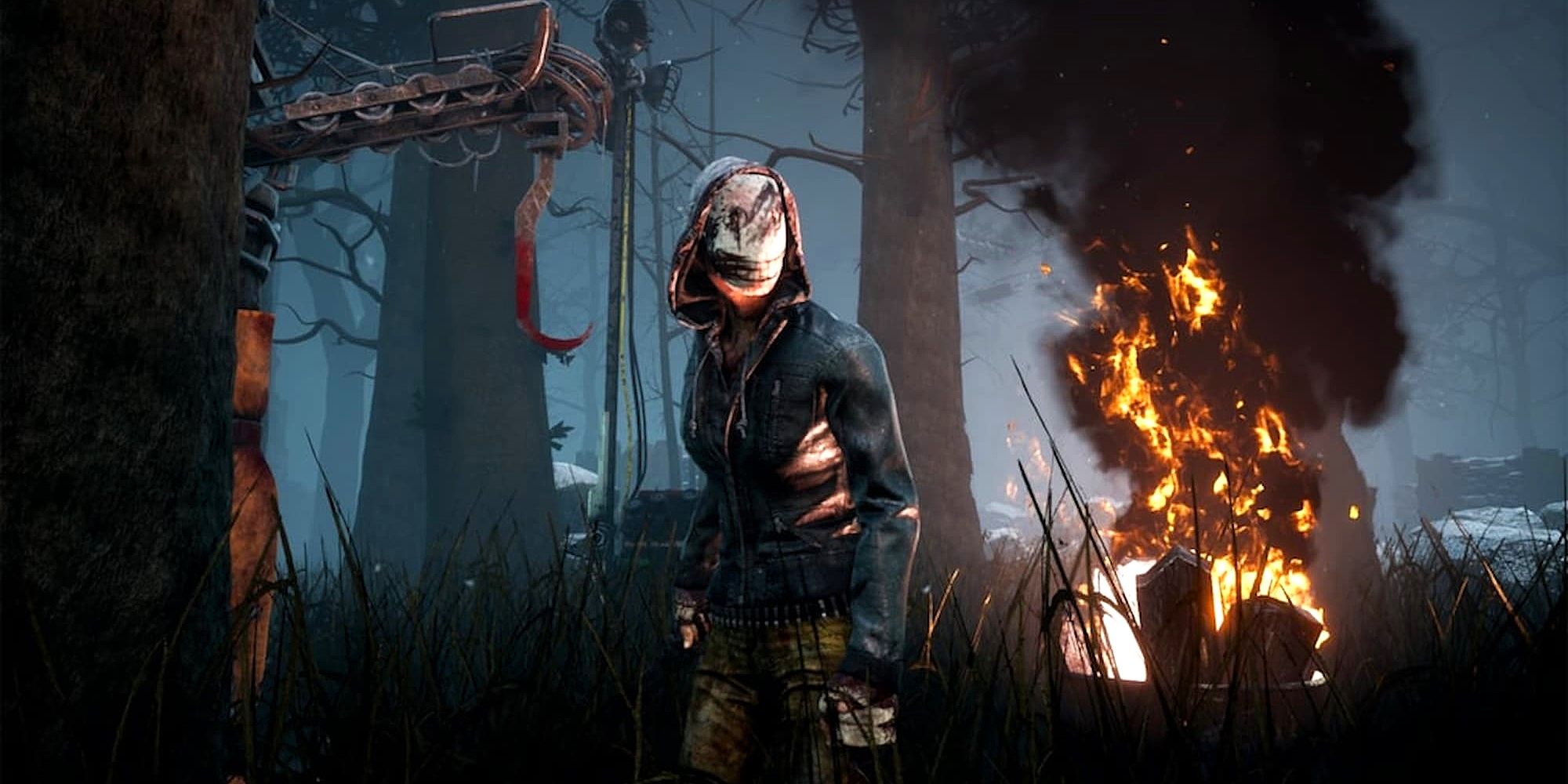
Behavior Interactive’s Dead by Daylight officially launched eight outfits inspired by the legendary horror manga artist Junji Ito. This collaboration offers you a chance to explore the eerie world that blends the game’s dark atmosphere and Ito’s brand of horror.

The crossover is live now, and it features various cosmetics that pay homage to Junji Ito’s twisted characters. These cosmetics also demonstrate his storytelling prowess, introducing unnerving visions into Dead by Daylight’s infamous fog.

Related

Dead By Deadlight Cross Progression Guide

Don’t lose your progress!

Dead By Daylight Junji Ito Crossover

Legion in Dead by Daylight

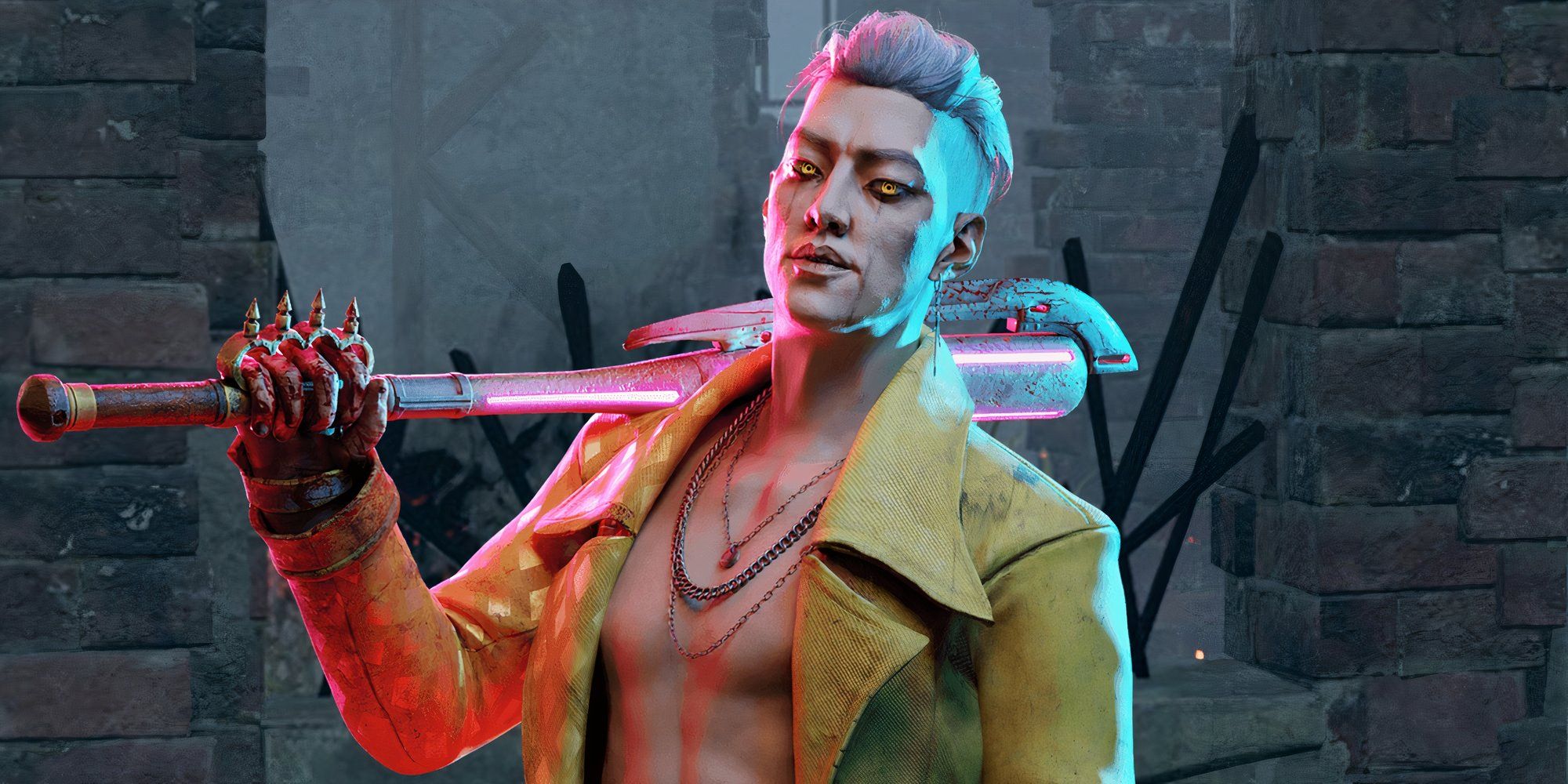
The eight outfits introduced in the latest Dead by Daylight crossover comprise two legendary ones and six very rare skins. The two legendary gears include Miss Fuchi, inspired by the chilling model from Fashion Model and Rumors. The second is Tomie Kawakami, who brings the immortal succubus’ haunting beauty and supernatural aura to life.

The six very rare Junji Ito costumes in this partnership include Hikizuri’s Dark Past, the Long Dream-inspired Tsukiko’s Uniform, and Soichi’s party clothes, complete with a sinister grin and nails. Fog walkers can also utilize haunting imagery and Ito’s theme of fragmented identity in the Half Spirits Torments assigned to The Dredge. Kate Denson also clads the puppet’s troubled ballet that evokes the Marionette Mansion’s grotesque manipulation.

Lastly, Yun-Jin Lee is assigned the Terumi’s Fame outfit, inspired by Ito’s perspective of fame and vanity. You can purchase each of these skins for approximately 1080 Auric Cells each, which translates to about $10.

Related

Dead By Daylight Community Wants The Trickster To Be Kill Switched After Epilepsy Concerns

Dead By Daylight studio Behaviour Interactive said the devs were “not able to find anything reproducible”.

The Junji Ito Touch in Dead by Daylight

Best PvP Horror Games, 3 image collage with screenshost of, Dead by Daylight, Texas Chainsaw Massacre, White Noise 2

Junji Ito is known for works like The Enigma of Amigara Fault and Uzumaki, combining grotesque imagery with psychological terror. His incorporation into the fog of terror taps into his influence in the horror genre and draws more enthusiasts into the game’s player base.

In addition to the new skins, this collaboration includes exclusive audio, particularly for the two legendary outfits. For example, Miss Fuchi’s collection features an eerie soundscape that amplifies her predatory aura, while Tomie’s attire reflects her manipulative nature with unsettling whispers.

Behavior Interactive’s latest collab seeks to solidify Dead by Daylight’s position as the go-to option for global horror experiences. Other notable collaborations over the years introduced legends like Sadako, Freddy Krueger, and Michael Myers in the game’s fog.

Dead by Daylight is available on PS4, PS5, Xbox Series X/S, Switch, PC, Stadia, and mobile.

Next

Until Dawn Movie Won’t Follow The Game, But Will Feature A New Story

The Until Dawn movie will have one character in the game appear in it, but aside from that, will feature a new plot and characters.


Source link

SCS Unveils Revolutionary Treadmill With Powertouch Technology And Announces Partnership With Jillian Michaels At CES 2025 | Web3Wire

0
SCS Unveils Revolutionary Treadmill With Powertouch Technology And Announces Partnership With Jillian Michaels At CES 2025 | Web3Wire


Unveiling Next-Generation Fitness Technology and an Exciting New Partnership, SCS Introduces Innovative Products from Its Wellness and Fitness BrandsImage: https://www.abnewswire.com/upload/2025/01/2c177c20525a58047a7c1997ca1d5c86.jpg

Allen, Texas – January 7, 2025 – SCS – Make Life Easy [https://makelifeeasy.shop/], a leader in cutting-edge fitness and wellness technology, is thrilled to announce the launch of its latest innovations at CES 2025 [https://www.ces.tech/]. At the forefront of these exciting new products is the LifeTrend Trademark AT3 Walk and Work Treadmill with PowerTouch Technology, a game-changing fitness solution designed to elevate the home workout experience. Adding to the excitement, SCS is proud to introduce Jillian Michaels [https://www.instagram.com/jillianmichaels/], the renowned personal trainer, television personality, and best-selling author, as its official Brand Ambassador for LifeTrend Trademark , a brand under the SCS family of products.

The LifeTrend Trademark Wellness System from SCS revolutionizes fitness, wellness, and recovery with innovative products designed to enhance one’s lifestyle:

* The AT3 treadmill adapts to one’s daily routine, offering features like a device holder and a full-length mirror for guided workouts via the Jillian Michaels Fitness App or other fitness apps.* The near zero EMF sauna provides a relaxing, detoxifying experience free from unnecessary EMF exposure.* The dual-core premium massage chair delivers customizable, spa-quality massages at home.* The multi-function cold plunge and hot soak tub support muscle recovery and relaxation.

Together, the LifeTrend Trademark Wellness System creates a comprehensive wellness routine to help achieve balance and live one’s best life.

Introducing the LifeTrend Trademark AT3 with PowerTouch Technology

The LifeTrend Trademark AT3 Treadmill combines a sleek, space-saving design with advanced features that cater to fitness enthusiasts of all levels. Engineered for ultimate convenience, the LifeTrend Trademark AT3 Treadmill transforms working and working out into a seamless experience with its integrated foldable desk. Whether catching up on tasks or breaking a sweat, the desk adapts effortlessly to one’s needs. When it’s time to prioritize fitness, the desktop folds away neatly, allowing one to be fully immersed in the workout. With just the press of a button, the treadmill automatically folds up into a slim, space-saving design that fits beautifully into any space, ensuring the space remains uncluttered and functional. Additionally, when the AT3 is folded up, it transforms into a fitness mirror with a built-in device holder to be able to perform isometric workouts and yoga. This revolutionary treadmill is set to redefine home fitness with its versatility, convenience, and cutting-edge technology.

Key Features of the LifeTrend AT3:

* Whisper-Quiet Brushless Motor: Ensures smooth and powerful performance for walking, jogging, or running.* Dual-Mode Functionality: Walking/workstation mode (0.6-3.7 MPH) and running/treadmill mode (0.6-9 MPH).* Innovative Display: 5-window LED display and full-color speed dial interface showing time, speed, distance, calories, incline, pulse, and steps.* Advanced Programming: Features 13 preset programs, 3 user settings, and 3 heart rate control programs.* PowerTouch Folding Technology with Built-in Infrared Sensor For Convenience & Safety: Patented slimline folding design for effortless setup and storage.* Integrated Bluetooth Technology: Compatible with popular fitness apps like Zwift Trademark , Kinomap Trademark , and Snailcle Trademark , with built-in speakers for an immersive workout experience.* Power Incline: Adjusts seamlessly up to 6% for enhanced and versatile workout experience.* Built-In Thumb Pulse Sensors + Bluetooth Heart Rate Receiver: Conveniently monitor one’s heart rate with integrated thumb pulse sensors for real-time feedback during the workout.* Voice Control: Hands-free operation with commands like “Hi AT3,” “fold down,” “fold up,” and “start treadmill.”* Enhanced Convenience: Wireless charging platform, USB/USB-C charging ports, and an integrated fitness mirror with a smart device holder.

LifeTrend Partners with Jillian Michaels

“We are delighted to partner with Jillian Michaels, whose dedication to fitness and empowering others perfectly aligns with the spirit of LifeTrend products,” said Mike Dolder, CEO of SCS. Recognized for her motivating and relatable approach, Jillian will spotlight the transformative potential of LifeTrend’s innovative products to her global audience. Through her influential social media platforms, she will share exclusive promotions and insights, helping to make cutting-edge fitness solutions accessible to more individuals.

Visitors at CES 2025 will have the opportunity to experience live demonstrations and explore how the AT3 can transform their fitness routines.

Delegates will be able to view additional products alongside LifeTrend Trademark , as SCS will showcase groundbreaking brands highlighting cutting-edge products and technologies for 2025. Featured innovations include the Sierra Combo Spa-a two-in-one system combining a three-person hot tub and a one-person cold tub, allowing seamless transitions without temperature change delays. Additional highlights include the LifeTrend Trademark Dual Core Recovery Massage Chair, and other state-of-the-art offerings from the LifeTrend Trademark and Lifesmart Trademark lines.

Join SCS and their fitness and wellness brands at CES 2025

SCS – Make Life Easy invites attendees to visit their multiple booths at CES 2025 to experience the AT3 Treadmill and other exciting product launches. Learn how SCS is committed to innovation, wellness and shaping the future of fitness, wellness, and recovery technology.

* LifeSmart / LifeTrend – SNAILCLE / Sunlink: Venetian Expo 55732* WalkingPad / Kingsmith Fitness: Venetian Expo 55435* LifeTrend & LifeSmart Massage Chairs – AIWORKS / Nitetronic: Venetian Expo 55523

For more information, visit https://makelifeeasy.com/ or https://makelifeeasy.shop/

About SCS – Make Life Easy:

SCS – Make Life Easy [https://makelifeeasy.com/] is dedicated to empowering individuals to achieve their health and fitness goals through cutting-edge technology and innovative design. With a commitment to quality, functionality, and accessibility, SCS continues to lead the industry in creating products that inspire and transform lives.

EDITOR’S NOTE: For more information about SCS-Make Life Easy and to arrange to speak with acompany spokesperson, please contact Nancy Trent or Pamela Wadler at 212-966-0024 or pam@trentandcompany.com

Media ContactCompany Name: Trent & Company, Inc.??Contact Person: Nancy Trent/ Pamela WadlerEmail:Send Email [https://www.abnewswire.com/email_contact_us.php?pr=scs-unveils-revolutionary-treadmill-with-powertouch-technology-and-announces-partnership-with-jillian-michaels-at-ces-2025]Phone: 212-966-0024Country: United StatesWebsite: https://makelifeeasy.com/

This release was published on openPR.

About Web3Wire Web3Wire – Information, news, press releases, events and research articles about Web3, Metaverse, Blockchain, Artificial Intelligence, Cryptocurrencies, Decentralized Finance, NFTs and Gaming. Visit Web3Wire for Web3 News and Events, Block3Wire for the latest Blockchain news and Meta3Wire to stay updated with Metaverse News.


Source link

Godkiller: Balance boasts a pantheon of Actual Play dieties

0
Godkiller: Balance boasts a pantheon of Actual Play dieties


The gods are dying. More specifically, they’re being killed. The world is on the other side of the cataclysmic Great Divine War, losing its magic as it waits for a prophesied savior. But that’s not this story. This is the story before that. The story of Ever and Rake, two Godkillers lost in their own grief as they try to find answers in a world that offers none — until they find each other.

This is the story of Godkiller: Balance. First premiering in August 2024, Godkiller: Balance is a prestige drama actual play podcast that explores how we cope with grief, often to our own detriment. The limited series features a pantheon of guest performers to play the gods themselves, including Brennan Lee Mulligan, Matt Mercer, Arabia Iyengar, Anjali Bhimani, Luis Carazo, and Christian Navarro. While these big names bring some of the most emotionally resonant performances of their actual play career to the table, the heart of the series lies with its three core cast members: Gina Susanna as Ever, Jannes Wessels as Rake, and Em Carlson as everyone else.

Over the course of 20 episodes, audiences listen to the parallel journeys of the tender-hearted, obsessively driven Ever and the cynically numb Rake. Ever, searching for a cure to the disease that took her father-figure, and Rake, obediently following the violent whims of his divine mother, find mirror images of themselves in one another as they discover that chasing redemption can either save us or destroy us.

A cast member of BlackwaterDND’s main campaign, Wessels’ portrayal of Rake’s tortured submission evokes Theon Greyjoy’s Reek from Game of Thrones. Susanna, an up-and-coming performer in the actual play space, offers a nuanced range of hope and despair in her performance as Ever, cycling from tender, gentle love to bottomless despair with a level of craftsmanship that allows her to hold her own alongside titans of the actual play medium.

Facilitating the series is BlackwaterDND cast member Carlson, who wields faer experience as a mental health professional as both a shield and a sword, creating space for some of the most emotionally powerful role-playing I’ve encountered as an actual play critic. Carlson’s editing and sound design, though subtle, supports the cast by balancing gameplay with performance while leaving room for the heartbreaking silences in between.

This series is not for everyone, though. Godkiller, a holypunk dark fantasy game designed by Connie Chang of Transplaner renown, is not a high-paced, action-packed comedy vehicle. The series takes its time developing these arcs, reveling in the weight of the world it has built — though you will be rewarded if you slow down enough to hold that weight with it. It doesn’t shy away from navigating the reality of its chosen theme, weaving emotional abuse, substance use, and derealization into its narrative web (with corresponding content warnings before each episode).

Though Balance is technically a prequel to BlackwaterDND’s previous series Godkiller: Oblivion, the series doesn’t require any previous knowledge of the world — though viewers of BlackwaterDND’s main campaign will find easter eggs from the shared universe. As of this writing, 10 of the 20 installment limited series have premiered, meaning there is plenty of time to catch up as the series moves into its second act.

Episodes of Godkiller: Balance premiere biweekly on BlackwaterDND, or wherever podcasts are found.


Source link

Bold and the Beautiful: Luna’s Old Age Plan in Place?

    0
    Bold and the Beautiful: Luna’s Old Age Plan in Place?


    Bold and the Beautiful has Luna Nozawa looking at a life in limbo, although her surroundings scream luxury, she can’t remain under house arrest forever in the Spencer mansion on this CBS soap. But Bill Spencer seems to have something up his sleeve to give Luna another chance at life without incarceration.

    Bold and the Beautiful: Luna Nozawa’s Life Under House Arrest

    Bold and the Beautiful started the new year with Luna Nozawa (Lisa Yamada) landing in the home of Bill Spencer (Don Diamont). Her host comes with deep pockets and powerful connections. So, that is how she got there.

    Bold and the Beautiful Prediction: Luna Nozawa (Lisa Yamada)
    B&B | CBS

    But, despite rescuing Luna from a life behind bars, Bill has to know she can’t just grow into old age while still being his houseguest. Bold and Beautiful never disclosed her sentence length.

    All we know is that Bill told Luna she would be spending the rest of her sentence under house arrest at his place. But she killed two people and was on the verge of killing another one when she was captured. So, it’s likely Luna is looking at a long stretch.

    Still, no matter how much time she needs to spend incarcerated, it has to be longer than most folks would want to entertain a houseguest. And a secret one at that, as she cannot be seen by anyone but her host.

    B&B: Bill Spencer Plans for Luna’s Longevity

    Bold and the Beautiful fans know Bill Spencer didn’t get to where he is today without planning his next move. So, he likely had something in mind for the future when bringing Luna Nozawa back into his life.

    He can’t possibly spend years hiding her. This would put a damper on his lifestyle. He already encountered a problem, and Luna just arrived. His houseguest made a noise, which caused him to usher Will Spencer (Crew Morrow) and Electra Forrester (Laneya Grace) out of the house before she was discovered.

    Bold and the Beautiful: Bill Spencer (Don Diamont) - Luna Nozawa (Lisa Yamada)Bold and the Beautiful: Bill Spencer (Don Diamont) - Luna Nozawa (Lisa Yamada)
    B&B | CBS

    Will asked his father about that noise, but his dad changed the subject and showed them the door.

    Will also wanted to know why his father was so eager for them to leave when he brought his new girlfriend to meet him. So, Luna making that noise already caused Bill Spencer an uneasy moment.

    Bold and the Beautiful: Freedom One Day?

    Bold and the Beautiful may save Luna Nozawa from a life of incarceration after what Bill hinted at this week. He said he had more plans for Luna. He tells her the plan is to “take you under my wing and help you fly”.

    Furthermore, he also plans to do the things for her that no one did for him when he was younger. Not only that, but he explains that some smarts and luck kept him out of jail. Now he wants to help her with her life… but how?

    This is Bold and Beautiful, so just about anything can happen. Does he fake her death and then send her across the ocean to live? That’s probably unlikely.

    There are not too many real-world options for Bill to do this, but B&B often takes liberties and stretches things a bit. Still, the publishing icon has something in mind for Luna Nozawa so she can one day live a good life.

    B&B: Can Luna Behave?

    Bold and the Beautiful will undoubtedly find a way out of the Spencer mansion for Luna. But it might not be the way her host planned. If she gets restless, she may start sneaking off in the dead of night.

    It shouldn’t take her long to figure out how to remove her ankle monitor. This likely happens before the Spencer patriarch can do much good for her under his wing.

    Once she is out and about without anyone knowing, maybe she dabbles in some evil deeds. So, she may still be headed for a life of crime. But for the B&B fans, Luna Nozawa living her sentence out in the Spencer mansion sounds too problematic.

    Bill Spencer will need to stave off visitors for good. Will has a bedroom in the mansion, so how does his dad keep him from an overnight visit?

    But either way, it is likely a ticket to freedom will come her way. But from what direction is anybody’s guess? Will she hold the course and do what her host expects, or will she become a creature of the night?

    Maybe she will secretly wreak havoc against those she believes did her wrong, like her mother, Poppy Nozawa (Romy Park). Plus, in the past, she said that her aunt, Li Finnegan (Naomi Matsuda), stood by and did nothing to help her.

    So, the canvas is blank for where they take Luna next.  But one thing is for sure, this living situation makes no sense to many B&B fans of this CBS soap.

    Head back to Soap Dirt for the latest Bold and the Beautiful spoilers.


    Source link

    Popular Posts

    My Favorites

    Shania Twain Drops Bombshell: ‘Touched Inappropriately So Many Times’

    Country music superstar Shania Twain recently revealed that a desire to become a bodybuilder stemmed from the trauma of being "touched inappropriately so...