Home Blog Page 1231

Top NFT Collections – January 8, 2025 | NFT CULTURE | NFT News | Web3 Culture | NFTs & Crypto Art

0
Top NFT Collections – January 8, 2025 | NFT CULTURE | NFT News | Web3 Culture | NFTs & Crypto Art


Top NFT Collections (Last 24h)

Here are the hottest NFT Collections of the day.

Rank

Name
Volume
Transactions
Chains
URL

1

Pudgy Penguins
1,095.78 ETH
39
ethereum
View

2
Lil Pudgys
Lil Pudgys
814.80 ETH
283
ethereum
View

3
Azuki
Azuki
478.23 ETH
36
ethereum
View

4
CryptoPunks
CryptoPunks
323.52 ETH
5
ethereum
View

5
Mad Lads
Mad Lads
0.00 ETH
49
solana
View

6
Bored Ape Yacht Club
238.69 ETH
14
ethereum
View

7
Doodles
Doodles
217.71 ETH
44
ethereum
View

8
Azuki Elementals
Azuki Elementals
213.02 ETH
127
ethereum
View

9
BEANZ Official
BEANZ Official
109.31 ETH
129
ethereum
View

10
Pudgy Rods
Pudgy Rods
102.19 ETH
74
ethereum
View

The post Top NFT Collections – January 8, 2025 appeared first on NFT CULTURE.


Source link

Machines, Not Humans to Drive Crypto’s Mass Adoption? – Decrypt

0
Machines, Not Humans to Drive Crypto’s Mass Adoption? – Decrypt


Fresh off of NVIDIA’s groundbreaking announcements on AI at CES 2025 on Tuesday, the crypto industry is abuzz with ideas. Observers see a radical shift emerging in crypto: the next wave of users might not be human at all.

Leading crypto builders and investors are predicting a future where AI agents, not people, dominate blockchain networks—but they’re split on how we’ll get there and what it means for everyone else.

“We will see a billion agents onchain before we see a billion humans onchain,” predicts Twitter user Evan, an ecosystem lead at Monad and former McKinsey analyst. “Crypto has inherently unfriendly UX for human users. Agents do not care about this friction.”

The predictions come amid a surge in AI agent development for crypto, with platforms like Virtuals already generating $60 million in revenue.

Crypto’s latest meta has also seen certain assets from projects such as AI16z skyrocket, following demand for AI agent tokens.

Haseeb Qureshi, managing partner at Dragonfly Capital, points to changes in accessibility, where “instead of having to raise millions of dollars,” developers could “launch an application with $10,000 of AI cloud compute.”

This democratizes who can build and deploy blockchain apps and could “lead to an on-chain renaissance,” Qureshi claims.

But the implications extend beyond just cost efficiency.

Raising ethical concerns about authentication and trust in digital interactions, Qureshi predicts that “chatbots will start hiding that they are AIs” and “pass as humans.”

Qureshi claims that most current “AI agents” in crypto aren’t what they’re supposed to be, at least in their current versions. “These things are not really agents. These are chatbots with meme coins attached,” notes Qureshi.

Crypto and AI go hand in hand

In September last year, Delphi Labs, a project focusing on Web3 protocol R&D, published a thesis on how AI could impact crypto in the coming years.

While AI could be a powerful resource “impacting society deeply,” it also risks being “solely controlled by big tech and the state,” Delphi Labs’ paper states.

Delphi Labs claims crypto “can prevent this monopoly” by “delivering genuinely better solutions for developers and users.”

The transformation is already beginning, with some projects like Wayfinder developing functions for AI agents to interact autonomously with blockchain networks.

Should the average Joe be concerned? 

Yuk Hui, a contemporary philosopher trained as a software engineer, thinks not.

Machines such as AI agents won’t “completely replace human beings” because doing so “may take longer than the extinction of the human species,” Hui wrote more than three years ago.

Instead, “machine intelligence will transform humans […] beyond their own imagination.”

Edited by Sebastian Sinclair

Daily Debrief Newsletter

Start every day with the top news stories right now, plus original features, a podcast, videos and more.


Source link

Exploring the Fusion of Fashion and Shows for New Experiences

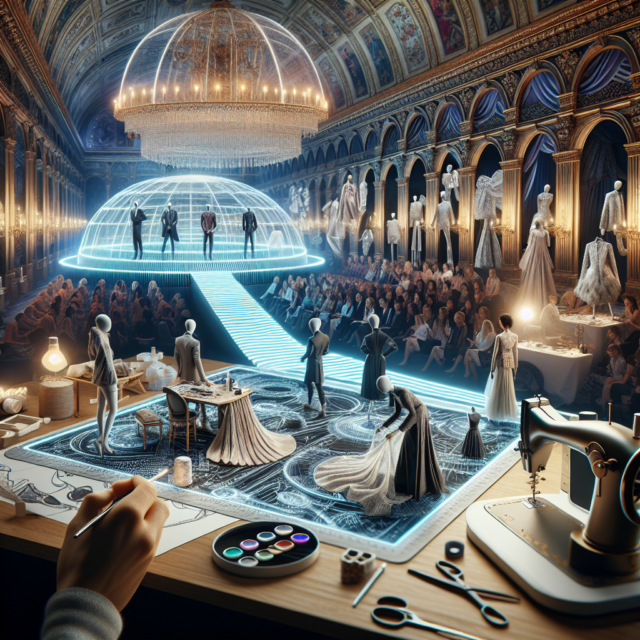
In the ever-evolving landscape of creativity and innovation, the worlds of fashion and entertainment are increasingly intertwining to offer audiences unforgettable experiences. As the boundaries between these two domains blur, designers and show producers are pushing the envelope to create immersive spectacles that engage all the senses. This fusion of fashion and shows is not only transforming how collections are presented but also redefining the very essence of what a fashion show can be. This article delves into the intersection of fashion and entertainment, examines the role of new technologies in evolving runway shows, and explores the emergence of immersive experiences as a new era in fashion shows.

The Intersection of Fashion and Entertainment

Fashion and entertainment have long shared a symbiotic relationship, with each influencing the other in myriad ways. From Hollywood’s golden era to contemporary music videos, fashion has played a pivotal role in shaping the aesthetics of entertainment. Conversely, the glamour and drama of entertainment have inspired countless fashion designers to create collections that capture the essence of cinematic storytelling. This intersection has given rise to a cultural phenomenon where fashion shows are no longer just about showcasing clothes but about telling stories and evoking emotions.

In recent years, this relationship has deepened as fashion designers collaborate with directors, musicians, and choreographers to create runway shows that resemble theatrical performances. These collaborations bring a new dimension to fashion presentations, engaging audiences in narratives that transcend the traditional catwalk. By incorporating elements of performance art, dance, and music, designers can convey the mood and theme of their collections more vividly, resulting in a more impactful experience for the audience.

The integration of entertainment into fashion shows also allows designers to reach wider audiences. By tapping into the fan bases of popular musicians or actors, designers can attract viewers who may not typically follow fashion. This cross-pollination of audiences benefits both industries, as it fosters a greater appreciation for the artistry involved in fashion design and creates new opportunities for storytelling within the entertainment realm.

Moreover, the convergence of fashion and entertainment has led to the emergence of new platforms for showcasing collections. Social media, streaming services, and virtual reality have all become integral to fashion presentations, allowing designers to reach global audiences instantaneously. These platforms not only expand the reach of fashion shows but also offer new ways to engage with audiences, from live-streamed events to interactive digital experiences.

The blending of fashion and entertainment also reflects broader cultural trends towards experiential consumption. Today’s audiences crave experiences that are immersive and memorable, and fashion shows are no exception. By incorporating elements of entertainment, designers can create shows that resonate on a deeper level, leaving a lasting impression on attendees and viewers alike.

Ultimately, the intersection of fashion and entertainment is a testament to the power of creativity and collaboration. As these two industries continue to evolve together, the possibilities for innovation are limitless, promising a future where fashion shows are as much about the experience as they are about the clothes themselves.

How Runway Shows Evolve with New Technologies

The evolution of runway shows is inextricably linked to advancements in technology, which have expanded the possibilities for designers to present their collections in innovative ways. From the use of augmented reality to holographic projections, technology is revolutionizing the fashion show experience, allowing for more dynamic and engaging presentations.

One of the most significant technological advancements in recent years has been the incorporation of digital features into physical runway shows. Designers are now using augmented reality (AR) to overlay digital elements onto live models, creating a hybrid experience that combines the real and virtual worlds. This technology allows for endless creativity, as designers can experiment with colors, patterns, and textures that would be impossible to achieve with traditional fabrics.

Virtual reality (VR) is another technology that is transforming the fashion show landscape. VR allows designers to create fully immersive environments that transport viewers to another world. By donning a VR headset, audiences can experience a fashion show from the front row, regardless of their physical location. This technology not only democratizes access to fashion shows but also opens up new possibilities for storytelling and creative expression.

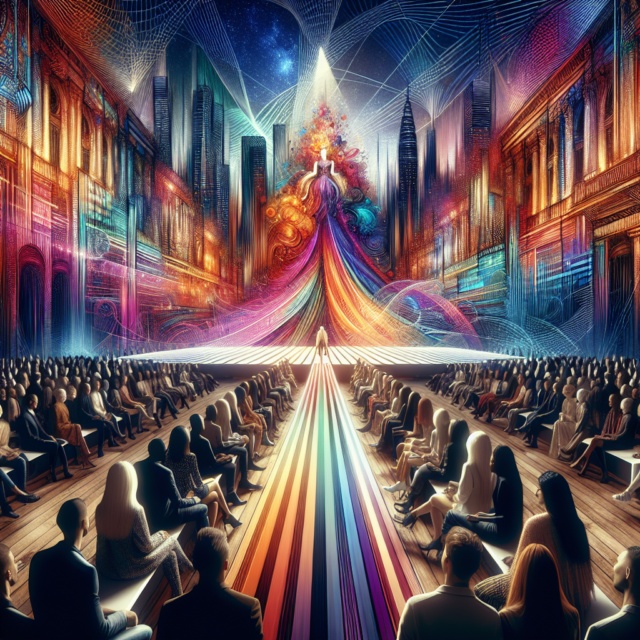
The use of holograms is also gaining traction in the fashion industry, enabling designers to create ethereal, otherworldly presentations. Holographic technology allows for the projection of 3D images that can move and interact with live models, creating a seamless blend of reality and fantasy. This technology has the potential to redefine the traditional runway format, offering audiences an experience that is both visually stunning and technologically sophisticated.

In addition to these immersive technologies, the rise of digital platforms has also transformed how runway shows are produced and consumed. Social media channels like Instagram and TikTok have become essential tools for designers to showcase their collections and engage with audiences in real-time. These platforms offer new ways to interact with fashion shows, from live-streaming events to behind-the-scenes content and interactive polls.

The integration of technology into runway shows also reflects a broader shift towards sustainability in the fashion industry. By embracing digital presentations, designers can reduce the environmental impact of traditional runway shows, which often involve significant travel and resource consumption. Virtual and augmented reality offer a more sustainable alternative, allowing designers to create impactful experiences without the need for physical infrastructure.

As technology continues to advance, the potential for innovation in runway shows is limitless. By embracing new technologies, designers can push the boundaries of creativity and redefine what a fashion show can be, offering audiences experiences that are both cutting-edge and unforgettable.

Immersive Experiences: A New Era in Fashion Shows

In recent years, the concept of immersion has become a focal point in the fashion industry, as designers seek to create experiences that engage audiences on a deeper level. This shift towards immersive experiences marks a new era in fashion shows, where the emphasis is on creating a multisensory journey that captivates and inspires.

Immersive fashion shows go beyond the traditional runway format by incorporating elements that engage all the senses. From the use of scent and soundscapes to tactile installations and interactive performances, these shows aim to create a holistic experience that resonates with audiences long after the event has ended. By appealing to multiple senses, designers can evoke emotions and create a more profound connection with their collections.

One of the key drivers of this trend is the growing demand for experiential consumption. Today’s consumers are seeking experiences that are unique, memorable, and shareable, and immersive fashion shows offer just that. By creating environments that transport audiences to another world, designers can create a sense of wonder and excitement that is difficult to achieve with traditional runway shows.

Immersive experiences also offer new opportunities for storytelling within the fashion industry. By creating a narrative that unfolds throughout the show, designers can convey the inspiration and meaning behind their collections in a more engaging and impactful way. This narrative approach allows for a deeper exploration of themes and concepts, resulting in a more meaningful experience for the audience.

The rise of immersive experiences in fashion shows is also a reflection of broader cultural trends towards personalization and customization. By creating shows that are tailored to individual preferences and interests, designers can offer a more personalized experience that resonates with audiences on a personal level. This approach not only enhances the overall experience but also fosters a stronger connection between the designer and the audience.

As the demand for immersive experiences continues to grow, designers are exploring new ways to push the boundaries of creativity and innovation. From virtual reality installations to interactive performances, the possibilities for creating immersive fashion shows are endless. This new era in fashion shows promises to offer audiences experiences that are not only visually stunning but also emotionally resonant and unforgettable.

Ultimately, the shift towards immersive experiences in fashion shows represents a new frontier in the fashion industry, where the focus is on creating experiences that engage, inspire, and captivate. As designers continue to explore the potential of this new era, the future of fashion shows promises to be more exciting and innovative than ever before.

The fusion of fashion and shows is ushering in a new era of creativity and innovation, where the boundaries of traditional fashion presentations are constantly being redefined. By embracing the intersection of fashion and entertainment, incorporating new technologies, and creating immersive experiences, designers are transforming how audiences engage with fashion. As these trends continue to evolve, the future of fashion shows promises to be more dynamic, inclusive, and unforgettable, offering experiences that captivate and inspire on a global scale. Whether through the lens of technology or the power of storytelling, the fusion of fashion and shows is paving the way for a new chapter in the world of fashion, where the possibilities are as limitless as the imagination itself.

Latest Developments in the World of Couture Shows

Couture shows are the epitome of fashion’s artistry and craftsmanship, showcasing the pinnacle of creativity and luxury. As the world of couture continually evolves, designers are pushing boundaries and setting new standards in fashion. This article delves into the latest developments in couture shows, exploring emerging trends, innovative techniques, and the influence of technology on this exclusive segment of the fashion industry.

Emerging Trends Redefining Couture Runways

Couture runways are experiencing a transformation as designers introduce bold and unexpected trends that challenge traditional fashion norms. One of the most striking trends is the fusion of streetwear aesthetics with haute couture sophistication. This juxtaposition creates a unique visual language that speaks to a younger, more diverse audience, broadening the appeal of couture beyond its classic clientele.

Color palettes are also shifting, with designers embracing vibrant hues and unconventional combinations that defy traditional seasonal norms. From neon accents to pastel blends, these daring color choices inject a sense of youthful exuberance into collections, making them more relatable and accessible to contemporary audiences.

Sustainability has become a pivotal trend in couture fashion, as designers seek to balance luxury with environmental responsibility. This shift is evident in the use of eco-friendly materials, such as organic fabrics and upcycled textiles, alongside innovative design processes that minimize waste. By prioritizing sustainability, couture houses are not only responding to consumer demand but also setting a new standard for ethical luxury.

Inclusivity is another trend reshaping couture runways. Designers are increasingly showcasing collections that celebrate diversity in body shapes, sizes, and ethnic backgrounds, reflecting a more inclusive vision of beauty. This move towards inclusivity not only broadens the appeal of couture fashion but also aligns with a broader cultural shift towards representation and equality.

The influence of cultural heritage and craftsmanship is also gaining prominence in couture trends. Designers are drawing inspiration from their own cultural backgrounds or exploring global influences to create collections that tell unique stories. This approach not only adds depth to the designs but also highlights the importance of preserving traditional artisanal techniques in the modern fashion landscape.

Lastly, the rise of gender-fluid fashion is making waves in the couture industry. Designers are blurring the lines between traditionally masculine and feminine styles, creating collections that celebrate individuality and self-expression. This trend is not only a reflection of changing societal attitudes but also an acknowledgment of the diverse identities within the fashion audience.

Innovative Techniques Transforming Haute Couture

The world of haute couture is synonymous with meticulous craftsmanship and innovation. Designers are continually pushing the boundaries of what is possible through the adoption of innovative techniques that redefine the art of couture. One such technique is the incorporation of 3D printing, which allows designers to create intricate, customized embellishments that were once impossible to achieve by hand.

Embroidery has long been a hallmark of haute couture, and designers are elevating this traditional technique through the use of advanced technology and materials. Laser-cut embroidery, for instance, enables the creation of intricate patterns with precision and speed, while the use of unconventional materials like metallic threads and reflective surfaces adds a modern twist to classic designs.

Fabric manipulation is another area where innovation is thriving. Designers are experimenting with techniques such as pleating, smocking, and draping to create dynamic textures and silhouettes that challenge conventional notions of garment construction. These techniques not only enhance the visual appeal of the garments but also serve as a testament to the designer’s ingenuity and skill.

The integration of technology into textile design is also driving innovation in haute couture. Smart textiles, which can change color or pattern in response to environmental stimuli, are being explored by designers to create garments that are not only visually striking but also interactive. This convergence of fashion and technology is opening up new possibilities for creativity and expression in couture fashion.

Handcrafted techniques are being reimagined with modern sensibilities, as designers seek to preserve traditional craftsmanship while infusing it with contemporary flair. This approach is evident in the revival of techniques such as hand-weaving and beading, which are being used to create intricate, one-of-a-kind pieces that celebrate the artistry of couture.

Finally, the exploration of unconventional materials is redefining the boundaries of haute couture. Designers are experimenting with materials like recycled plastics, metallic foils, and even organic matter to create avant-garde pieces that challenge perceptions of luxury. This exploration not only results in visually arresting designs but also highlights the importance of innovation in maintaining the relevance of couture fashion.

The Influence of Technology on Couture Fashion

Technology is playing an increasingly pivotal role in the evolution of couture fashion, offering designers new tools to enhance creativity, precision, and efficiency. Digital design software is revolutionizing the way designers conceptualize and create collections, allowing for greater experimentation and refinement of ideas before they are brought to life.

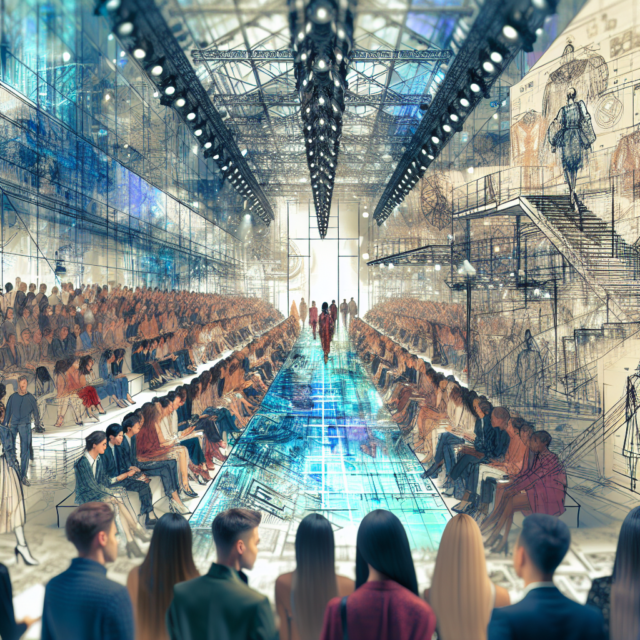
Virtual reality (VR) and augmented reality (AR) are transforming the way couture fashion is presented and experienced. These technologies enable designers to create immersive runway shows that transcend physical limitations, offering audiences a unique and engaging experience. Additionally, VR and AR are being used to create virtual showrooms and fitting rooms, allowing clients to explore and interact with collections in innovative ways.

The use of artificial intelligence (AI) in couture fashion is also gaining traction. AI-powered tools are being used to analyze consumer preferences and predict trends, enabling designers to create collections that resonate with their audience. Moreover, AI is being used to optimize production processes, reducing waste and improving the efficiency of garment creation.

3D printing technology is making a significant impact on the couture industry by enabling the creation of complex, customized designs with precision and speed. This technology allows designers to experiment with new forms and structures, pushing the boundaries of traditional garment construction and opening up new possibilities for creativity.

The rise of digital platforms and social media is reshaping the way couture fashion is marketed and consumed. Designers are leveraging these platforms to reach a global audience, showcasing their collections through innovative digital campaigns and engaging with consumers in real-time. This shift towards digital has democratized access to couture fashion, allowing a broader audience to experience and appreciate its artistry.

Finally, blockchain technology is being explored as a means of enhancing transparency and authenticity in the couture industry. By providing a secure and immutable record of a garment’s provenance, blockchain can help combat counterfeiting and ensure the integrity of luxury fashion. This technological advancement not only protects the value of couture creations but also builds trust with consumers.

As the world of couture continues to evolve, it is clear that designers are embracing change and innovation to redefine the boundaries of fashion. By exploring new trends, techniques, and technologies, couture shows are not only maintaining their relevance but also setting new standards for creativity and luxury. As we look to the future, the fusion of artistry, craftsmanship, and technology promises to shape a dynamic and exciting landscape for couture fashion.

Comprehensive Update on Recent Global Fashion Shows

Fashion shows are the epicenter of style innovation and creativity, where designers unveil their latest collections and set the tone for upcoming trends. From the bustling streets of Paris to the avant-garde platforms of Tokyo, recent global fashion shows have offered a rich tapestry of colors, fabrics, and silhouettes that capture the imagination of fashion enthusiasts worldwide. In this comprehensive update, we delve into the highlights of these illustrious runways, explore emerging trends, and spotlight designers who are redefining the fashion landscape with their groundbreaking collections.

Highlights from the Latest Global Fashion Runways

The recent global fashion shows have been a spectacle of innovation and creativity, with designers pulling out all the stops to create memorable runway experiences. In Paris, the City of Light lived up to its reputation as the fashion capital of the world. The Paris Fashion Week was a celebration of haute couture, with iconic houses like Chanel and Dior presenting collections that paid homage to their storied histories while embracing modernity. Chanel’s show was particularly noteworthy for its breathtaking set design, which transported the audience to a serene, flower-laden garden, perfectly complementing its collection of ethereal, pastel-toned garments.

Meanwhile, in Milan, the emphasis was on bold colors and daring silhouettes. Gucci’s show stood out with its eclectic mix of retro and futuristic pieces, creating a vibrant narrative that resonated with both younger audiences and fashion purists. The Italian fashion house’s use of oversized accessories and eye-catching prints was a testament to its fearless approach to style. Prada, on the other hand, focused on minimalist elegance, with a collection that emphasized clean lines and neutral palettes, offering a stark contrast to Gucci’s maximalism.

New York Fashion Week brought a dynamic blend of street style and high fashion, with designers like Marc Jacobs and Tom Ford leading the charge. Jacobs’ collection was a tribute to the city’s eclectic energy, featuring bold patterns and innovative fabrics that captured the essence of New York’s diversity. Tom Ford, known for his glamorous aesthetic, presented a collection that was both sophisticated and edgy, with metallic fabrics and sleek silhouettes that exuded confidence and power.

London Fashion Week was a celebration of British creativity, with emerging designers taking center stage alongside established names. Burberry’s collection was a highlight, blending traditional British tailoring with contemporary streetwear influences. The show was a nod to the brand’s heritage, yet it felt refreshingly modern, appealing to a global audience. Meanwhile, young designers like Molly Goddard and Simone Rocha showcased their unique visions, with collections that were whimsical yet thought-provoking.

Tokyo Fashion Week, though often overshadowed by its Western counterparts, proved to be a hotbed of innovation and individuality. Japanese designers showcased an impressive range of styles, from avant-garde to minimalist, reflecting the country’s diverse fashion landscape. Brands like Comme des Garçons and Issey Miyake continued to push boundaries with their experimental designs, captivating audiences with their bold use of colors and unconventional silhouettes.

In summary, the latest global fashion runways have been a testament to the industry’s resilience and creativity. Despite the challenges posed by the pandemic, designers have continued to innovate, offering collections that not only reflect current trends but also push the boundaries of fashion. From the opulence of Paris to the eclecticism of New York, these shows have set the stage for a vibrant and dynamic fashion landscape.

Emerging Trends in International Fashion Shows

As the dust settles from the flurry of recent global fashion shows, several emerging trends have begun to crystallize, offering a glimpse into the future of fashion. One of the most prominent trends is the resurgence of bold colors and vibrant prints. Designers across the globe have embraced a palette that is both daring and joyful, with hues ranging from electric blues to fiery reds dominating the runways. This trend reflects a collective desire for optimism and a break from the subdued tones that have characterized fashion in recent years.

Sustainability continues to be a major focus, with more designers incorporating eco-friendly practices into their collections. From the use of organic fabrics to innovative recycling techniques, sustainability has become an integral part of the fashion narrative. Brands like Stella McCartney and Gabriela Hearst have been at the forefront of this movement, demonstrating that fashion can be both stylish and environmentally conscious. This shift towards sustainable fashion is not only a response to consumer demand but also a reflection of the industry’s commitment to addressing environmental challenges.

The influence of streetwear remains strong, with many designers incorporating elements of urban fashion into their collections. Oversized silhouettes, graphic tees, and sneakers have become staples on the runway, blurring the lines between high fashion and street style. This trend speaks to a broader cultural shift towards casual, comfortable clothing, as consumers increasingly prioritize practicality and comfort in their fashion choices.

Gender fluidity is another trend gaining momentum, with designers challenging traditional notions of gender in fashion. Collections featuring unisex designs and androgynous silhouettes have become more prevalent, reflecting a growing acceptance of diverse gender identities. This trend is particularly evident in the work of designers like Alessandro Michele of Gucci, who has consistently championed gender-neutral fashion, creating collections that celebrate individuality and self-expression.

Technology is playing an increasingly significant role in fashion, with digital innovations shaping both the design process and the runway experience. Virtual fashion shows, augmented reality fittings, and digital garments are becoming more commonplace, offering new ways for designers to engage with audiences. This trend is not only a response to the challenges posed by the pandemic but also an indication of the industry’s willingness to embrace change and explore new possibilities.

Finally, there is a renewed focus on craftsmanship and artisanal techniques, with designers paying homage to traditional methods while incorporating modern elements. Handcrafted details, intricate embroidery, and bespoke tailoring have made a comeback, as consumers seek authenticity and quality in their fashion choices. This trend highlights a shift towards slow fashion, where the emphasis is on creating timeless, durable pieces that transcend seasonal trends.

Designers Redefining Style in Recent Collections

In the ever-evolving world of fashion, certain designers have emerged as key figures in redefining style through their recent collections. Alessandro Michele of Gucci continues to be a trailblazer, challenging conventional fashion norms with his eclectic and gender-fluid designs. His latest collection was a testament to his visionary approach, featuring a mix of vintage-inspired pieces and futuristic elements that created a unique, cohesive narrative. Michele’s ability to seamlessly blend different eras and styles has cemented his status as a leading innovator in the fashion industry.

Meanwhile, Maria Grazia Chiuri at Dior has been redefining femininity through her collections, which often draw inspiration from art, history, and social issues. Her recent show was a tribute to the strength and resilience of women, featuring powerful silhouettes and intricate detailing that celebrated the female form. Chiuri’s commitment to crafting thoughtful, meaningful collections has resonated with audiences, further solidifying her reputation as a designer who is not afraid to make a statement.

In the realm of sustainable fashion, Stella McCartney continues to lead the charge with her eco-conscious designs. Her latest collection was a masterclass in sustainable luxury, with pieces crafted from innovative materials like mushroom leather and recycled fabrics. McCartney’s dedication to sustainability has not only influenced her peers but also highlighted the possibilities of creating high-end fashion that is both ethical and stylish.

Emerging designer Marine Serre has been making waves with her avant-garde approach to fashion, characterized by her use of upcycled materials and futuristic designs. Her latest collection was a bold exploration of dystopian themes, featuring garments that were both striking and thought-provoking. Serre’s ability to push boundaries and challenge traditional fashion conventions has positioned her as one of the most exciting new talents in the industry.

Virgil Abloh, known for his work with Off-White and Louis Vuitton, continues to redefine luxury fashion with his streetwear-inspired aesthetic. His latest collections have been a celebration of youth culture, blending high-end craftsmanship with urban influences. Abloh’s innovative approach has not only attracted a younger audience but also redefined what luxury fashion can be, making it more accessible and relevant to today’s consumers.

Lastly, Jonathan Anderson of Loewe has been redefining modern luxury with his imaginative designs that blur the lines between art and fashion. His recent collection was a testament to his creative prowess, featuring sculptural silhouettes and unexpected materials that challenged traditional notions of beauty. Anderson’s ability to create visually arresting pieces that resonate on both an artistic and commercial level has made him a standout figure in the fashion world.

The recent global fashion shows have provided a captivating glimpse into the future of style, with designers pushing boundaries and redefining norms. From the vibrant hues and sustainable practices emerging on the runways to the visionary designers leading the charge, the fashion industry is in a state of dynamic evolution. As these trends and innovations continue to unfold, they not only shape the garments we wear but also influence broader cultural and societal shifts. As we look forward to the next season of fashion shows, one thing is certain: the world of fashion will continue to surprise, inspire, and captivate us with its endless possibilities.

Global Fashion Weeks: A Comprehensive Overview Today

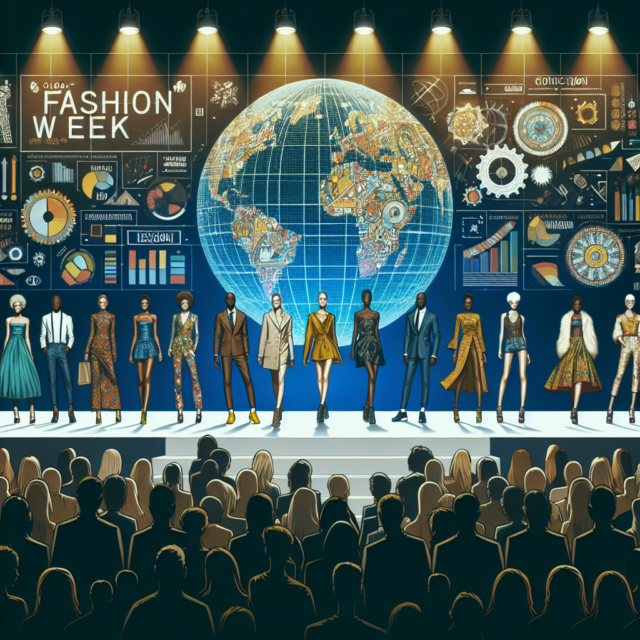
Fashion weeks around the world have become pivotal events in the global fashion calendar, offering a platform for designers to showcase their latest collections and set trends for the upcoming seasons. These events are not just glamorous spectacles but also significant economic drivers, influencing fashion, culture, and commerce. In this article, we explore the evolution of global fashion weeks, highlight recent events, and examine the future trends shaping these dynamic showcases.

Exploring the Evolution of Global Fashion Weeks

Fashion weeks have a rich history that dates back to the early 20th century when Paris emerged as the fashion capital of the world. The first recognized fashion week was held in New York in 1943, during World War II, to shift attention from French fashion. This event laid the groundwork for what would become a global phenomenon, with cities like Milan, London, and Paris establishing their own fashion weeks in the following decades.

As the fashion industry expanded, so did the scope and scale of fashion weeks. Designers began to use these platforms not only to present their collections but also to make bold artistic statements and engage with a wider audience. The inclusion of ready-to-wear collections alongside haute couture allowed fashion weeks to appeal to a broader market, making them essential for retail buyers, journalists, and influencers.

Technological advancements have also played a significant role in the evolution of fashion weeks. The rise of digital media and live-streaming capabilities has democratized access to these events, allowing fashion enthusiasts worldwide to participate virtually. This shift has transformed fashion weeks from exclusive industry events into global spectacles accessible to millions.

Moreover, the geographic expansion of fashion weeks has been noteworthy. Cities like Tokyo, Shanghai, and Mumbai have established their own fashion weeks, showcasing local talent and providing a platform for regional designers to gain international recognition. This diversification has enriched the global fashion landscape, introducing unique cultural perspectives and styles.

Sustainability has become a central theme in the evolution of fashion weeks. As the fashion industry faces increasing scrutiny over its environmental impact, many designers and organizers are adopting eco-friendly practices. From sustainable fabrics to carbon-neutral events, fashion weeks are evolving to meet the demands of a more environmentally conscious audience.

Finally, the COVID-19 pandemic has accelerated changes in the fashion week format. With restrictions on physical gatherings, many events transitioned to digital platforms, offering virtual runway shows and interactive experiences. This shift has prompted a reevaluation of the traditional fashion week model, with a focus on innovation and adaptability.

Key Highlights from Recent Fashion Week Events

Recent fashion weeks have been marked by a blend of tradition and innovation, with designers pushing the boundaries of creativity while staying true to their brand heritage. In Paris, the Spring/Summer collections showcased a return to elegance and simplicity, with many designers opting for minimalist designs and neutral color palettes. This trend was a nod to the post-pandemic desire for timeless, versatile fashion.

In contrast, Milan Fashion Week embraced bold colors and patterns, celebrating individuality and self-expression. Designers like Versace and Prada presented vibrant collections that drew inspiration from the 1970s and 1980s, featuring psychedelic prints and retro silhouettes. This celebration of nostalgia resonated with audiences seeking joy and escapism in uncertain times.

London Fashion Week highlighted the growing influence of technology in fashion. Several designers incorporated digital elements into their collections, such as augmented reality (AR) features that allowed garments to change colors or patterns when viewed through a smartphone app. This fusion of fashion and technology captivated audiences and hinted at future possibilities for interactive fashion experiences.

Sustainability remained a key focus across all fashion weeks, with many designers showcasing eco-friendly collections. In New York, several brands committed to using recycled materials and reducing waste in their production processes. This commitment to sustainability reflects a broader industry trend towards ethical and responsible fashion, appealing to consumers increasingly concerned about the planet.

Tokyo Fashion Week stood out for its celebration of streetwear and youth culture. Japanese designers showcased innovative designs that blurred the lines between high fashion and everyday wear. The emphasis on creativity and individuality resonated with a younger audience, highlighting the growing importance of streetwear in the global fashion landscape.

Finally, the return of physical runway shows was a significant highlight of recent fashion weeks. After a period dominated by digital presentations, designers and audiences alike rejoiced in the opportunity to experience the energy and excitement of live events. The blend of in-person and virtual elements offered a glimpse into the future of hybrid fashion weeks.

The Future Trends Shaping Global Fashion Weeks

As we look to the future, several trends are poised to shape the evolution of global fashion weeks. One of the most significant is the continued integration of technology into the fashion experience. Virtual reality (VR) and AR are expected to play a more prominent role, offering immersive experiences that transcend the limitations of physical runway shows.

Sustainability will remain a central theme, with designers and organizers exploring new ways to reduce the environmental impact of fashion weeks. This could include carbon offset initiatives, zero-waste events, and the use of cutting-edge sustainable materials. As consumers become more eco-conscious, the demand for sustainable fashion will drive innovation in this area.

Inclusivity and diversity are also expected to become more pronounced in future fashion weeks. Designers are increasingly recognizing the importance of representing a wide range of identities and body types on the runway. This shift towards inclusivity is not only socially responsible but also reflects the diverse customer base that the fashion industry serves.

The rise of digital fashion is another trend that could redefine fashion weeks. As virtual clothing and accessories gain popularity, designers may incorporate digital fashion shows into their events. This could open new revenue streams and opportunities for collaboration between fashion and technology companies.

The globalization of fashion weeks is likely to continue, with emerging fashion capitals gaining prominence on the world stage. Cities in Africa, South America, and the Middle East are expected to host more fashion weeks, showcasing local talent and contributing to the rich tapestry of global fashion.

Finally, the hybrid model of fashion weeks, combining physical and digital elements, is likely to become the norm. This approach offers the best of both worlds, allowing designers to reach a global audience while retaining the unique atmosphere of live runway shows. The flexibility of hybrid events will enable fashion weeks to adapt to changing circumstances and audience preferences.

Global fashion weeks are dynamic events that reflect the ever-evolving nature of the fashion industry. From their historical roots to the cutting-edge innovations of today, these showcases continue to captivate audiences and set the stage for future trends. As fashion weeks adapt to the demands of a changing world, they remain a vital platform for creativity, sustainability, and inclusivity. The future of fashion weeks promises to be as exciting and diverse as the collections they present, offering endless possibilities for designers and fashion enthusiasts alike.

Exploring Fashion Trends in the Metaverse This Week

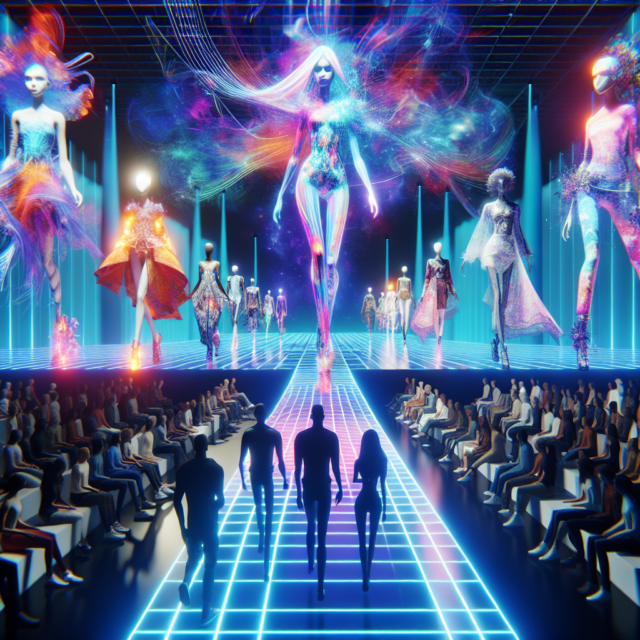
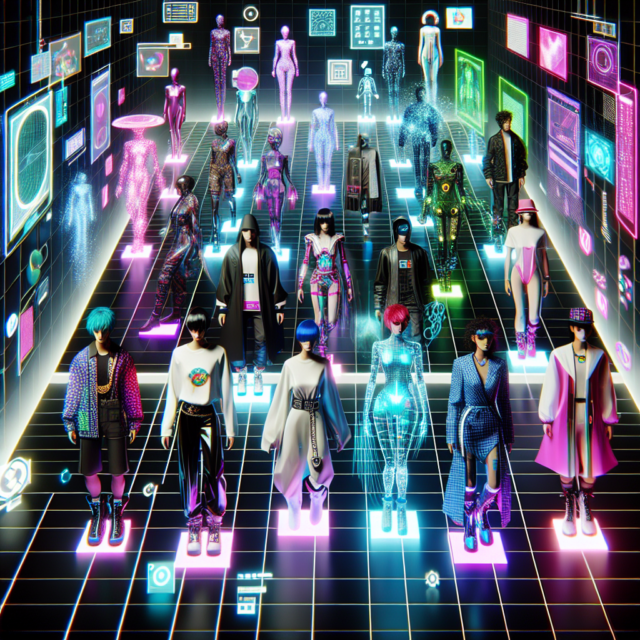
As the metaverse continues to evolve, it is rapidly becoming a hub for fashion innovation and expression. This week, the digital realm is alive with vibrant fashion shows, groundbreaking designs, and avatars that push the boundaries of creativity. With virtual runways, captivating trends, and innovative digital couture, the metaverse is redefining the way we perceive style and self-expression. Let’s delve into the fashion trends making waves in the metaverse this week.

Virtual Runways: This Week’s Metaverse Fashion Shows

This week, the metaverse is buzzing with a series of highly anticipated fashion shows, each offering a unique glimpse into the future of digital fashion. Major fashion houses are collaborating with tech giants to create immersive virtual runways that captivate audiences worldwide. These shows are not just a display of clothing but an experience that engages all the senses, offering audiences an interactive, front-row seat to the latest collections.

One standout event is the Metaverse Fashion Week, where designers from around the globe showcase their digital collections. These virtual runways are a feast for the eyes, featuring everything from avant-garde designs to more traditional pieces reimagined in a digital format. The seamless blending of technology and fashion creates a spectacle that is both futuristic and accessible, allowing viewers to explore every angle of the garments in real-time.

The use of augmented reality (AR) and virtual reality (VR) technologies in these shows adds a layer of interactivity that is not possible in traditional fashion shows. Attendees can walk through the virtual spaces, interact with the environment, and even try on digital outfits using their avatars. This new level of engagement is transforming the way fashion is consumed and experienced in the digital age.

Moreover, the metaverse offers a platform for emerging designers to gain exposure and showcase their talents. This democratization of fashion is enabling a more diverse range of voices and styles to be seen and appreciated. Young designers are making their mark with bold, innovative designs that challenge conventional fashion norms and explore new aesthetic possibilities.

Sustainability is also a key theme in this week’s metaverse fashion shows. With digital fashion, there is no physical waste, and designers are experimenting with eco-friendly virtual textiles and materials. This shift towards sustainable practices is not only a reflection of the industry’s growing environmental consciousness but also an indication of how the metaverse can contribute to a more sustainable future for fashion.

Finally, the sense of community within these virtual fashion shows is palpable. Attendees from all over the world come together to celebrate creativity and innovation, sharing their thoughts and experiences in real-time. This global connectivity is one of the metaverse’s greatest strengths, fostering a sense of inclusivity and collaboration that transcends geographical boundaries.

Avatars and Outfits: Trends Capturing Attention Now

As fashion in the metaverse evolves, avatars are becoming an essential means of self-expression, allowing users to explore and experiment with their personal style in unprecedented ways. This week, several trends have emerged, capturing the attention of fashion enthusiasts and setting the tone for future digital wardrobes.

One of the most prominent trends is the rise of customizable avatars. Users are embracing the ability to personalize their digital personas, choosing from a vast array of body shapes, skin tones, and facial features. This level of customization not only enhances individuality but also promotes inclusivity, allowing people of all backgrounds to see themselves represented in the digital space.

Bold and vibrant colors are dominating the metaverse fashion scene this week. Designers are experimenting with a spectrum of hues that are often impractical in the physical world. Neon shades, holographic patterns, and iridescent materials are being used to create eye-catching outfits that stand out in the virtual environment, offering a sense of freedom and playfulness.

Another trend gaining traction is the incorporation of futuristic elements into avatar outfits. From cyberpunk-inspired ensembles to space-age accessories, these designs are pushing the boundaries of traditional fashion and embracing the limitless possibilities of the digital realm. Users are drawn to these innovative styles, which allow them to express a forward-thinking, avant-garde aesthetic.

Virtual accessories are also playing a significant role in shaping metaverse fashion. Items such as digital handbags, sunglasses, and jewelry are becoming must-have additions to avatar wardrobes. These accessories, often created by digital artists and designers, add a layer of detail and sophistication to virtual outfits, enhancing the overall look and feel of the avatars.

The trend of blending digital fashion with gaming culture is also noteworthy. Many users are incorporating elements from popular video games into their avatar’s attire, creating a unique fusion of fashion and fandom. This crossover is fostering a new subculture within the metaverse, where fashion enthusiasts and gamers alike can express their passions through their digital personas.

Lastly, the concept of limited-edition digital fashion is gaining popularity. Much like in the physical world, exclusive virtual outfits and accessories are becoming status symbols, coveted by users seeking to differentiate themselves in the metaverse. This trend is driving innovation and competition among designers, who are constantly striving to create unique, desirable pieces that capture the imagination of the digital fashion community.

Digital Couture: Innovative Designs in the Spotlight

This week, the spotlight is on digital couture, where designers are pushing the boundaries of creativity and innovation to craft extraordinary virtual garments. These designs are not only redefining what fashion can be but also challenging traditional notions of craftsmanship and artistry.

One of the most exciting aspects of digital couture is the ability to defy the laws of physics. Designers are creating garments with elements that float, glow, or change shape, offering a level of creativity and imagination that is impossible in the physical world. These fantastical designs captivate audiences and inspire a new wave of artistic expression in the metaverse.

The use of cutting-edge technology is also a hallmark of this week’s digital couture. Designers are leveraging 3D modeling, AI, and VR to create intricate, detailed garments that are both visually stunning and technically impressive. This fusion of technology and fashion is opening up new possibilities for design, allowing for the creation of pieces that are both innovative and aesthetically pleasing.

Sustainability continues to be a key focus in digital couture, with designers exploring eco-friendly virtual materials and methods. This commitment to sustainability is not only a reflection of the industry’s growing awareness of environmental issues but also highlights the potential of digital fashion to lead the way towards a more sustainable future.

Collaboration is another driving force behind this week’s innovative designs. Designers are working with digital artists, technologists, and even musicians to create multidimensional fashion experiences that go beyond the garments themselves. These collaborations are resulting in groundbreaking collections that blend fashion, art, and technology in unprecedented ways.

The concept of digital haute couture is also gaining traction, with designers creating one-of-a-kind virtual garments that are tailored to individual avatars. These bespoke pieces offer a level of personalization and exclusivity that is highly sought after in the metaverse, allowing users to express their unique style in a truly distinctive way.

Finally, the rise of digital fashion exhibitions is providing a platform for these innovative designs to be showcased and appreciated. These virtual galleries offer a space for designers to present their work in a curated, immersive environment, allowing audiences to explore and interact with the garments in new and exciting ways. This week, digital couture is not just about fashion; it’s about creating an experience that engages, inspires, and captivates.

As the metaverse continues to expand, it is clear that fashion within this digital realm is not just a passing trend but a significant evolution in the way we express ourselves through style. This week’s events and trends highlight the incredible potential of digital fashion to inspire, innovate, and redefine the boundaries of creativity. From virtual runways to customizable avatars and groundbreaking digital couture, the metaverse is opening up new possibilities for fashion enthusiasts and designers alike. As we look to the future, it is exciting to imagine how these trends will continue to evolve and shape the world of fashion in the digital age.

Exploring This Week’s Fashion Trends in the Metaverse

In the ever-evolving landscape of digital innovation, the metaverse has emerged as a new frontier for fashion enthusiasts and designers alike. This virtual realm offers a platform for creativity and self-expression, unbound by the physical limitations of the real world. This week, we delve into the metaverse’s fashion scene, exploring the latest innovations, key trends, and how these digital styles are shaping our online personas. Whether you’re a seasoned virtual fashionista or a curious newcomer, join us as we navigate the sartorial wonders of the metaverse.

Discover the Latest Virtual Fashion Innovations

The metaverse is a breeding ground for cutting-edge fashion technology, with designers pushing the boundaries of digital craftsmanship. This week, holographic textures have taken center stage, offering wearers an ethereal and futuristic look. These textures, which shimmer and shift with movement, provide a dynamic visual experience that captivates onlookers and wearers alike. As designers experiment with these elements, they are redefining what it means to create and wear clothing in a digital space.

Augmented reality (AR) is another innovation making waves this week, seamlessly blending the virtual and physical worlds. AR fashion allows users to overlay digital garments onto their real-world appearance, creating a hybrid experience that challenges traditional notions of style. This technology is not only transforming personal fashion choices but also revolutionizing virtual fashion shows, where audiences can interact with and manipulate designs in real-time.

Sustainability is a growing concern in the fashion industry, and the metaverse is no exception. Digital fashion houses are pioneering eco-friendly practices by reducing the need for physical materials and minimizing waste. This week, several designers have launched collections that emphasize zero-waste principles, showcasing how virtual fashion can lead the charge in sustainability. By eliminating the need for physical production, these digital garments offer a glimpse into a more sustainable future for fashion.

Customization and personalization are key drivers of the metaverse fashion revolution. This week, platforms are offering enhanced tools for users to design and tweak their virtual wardrobes. From selecting fabric textures to adjusting garment silhouettes, these tools empower individuals to create unique styles that reflect their personal tastes. The rise of user-generated content in the fashion space highlights the metaverse’s role as a democratizing force in design.

Interactivity is another exciting aspect of this week’s virtual fashion innovations. Designers are creating garments that react to the environment or the wearer’s actions, adding a layer of engagement to the digital dressing experience. Whether it’s a dress that changes color based on the weather or shoes that leave a trail of digital sparks, these interactive elements offer a playful and immersive approach to fashion.

Finally, collaboration is a significant theme in the metaverse fashion scene this week. Designers, technologists, and artists are joining forces to create multidisciplinary works that challenge the boundaries of creativity. These collaborations result in innovative collections that blend fashion, technology, and art, offering a holistic and forward-thinking approach to digital style.

Dive Into Metaverse Style: A Weekly Overview

This week in the metaverse, fashion enthusiasts are witnessing a vibrant tapestry of styles that cater to a wide range of tastes and preferences. The virtual fashion landscape is diverse, with influences drawn from various cultures, historical periods, and futuristic visions. This eclectic mix allows users to experiment and explore different aesthetics, fostering a sense of freedom and creativity.

One of the standout features of this week’s metaverse fashion is the resurgence of retro-futurism. This style combines elements from past decades with futuristic motifs, creating a nostalgic yet forward-looking aesthetic. Virtual fashionistas are embracing this trend, donning digital garments that feature bold geometric patterns, metallic fabrics, and space-age silhouettes. This blend of old and new offers a unique perspective on fashion’s evolution.

Minimalism is another trend gaining traction this week, with designers focusing on clean lines, neutral palettes, and understated elegance. In a digital world often characterized by its abundance and excess, minimalist fashion offers a refreshing counterpoint. This style emphasizes simplicity and functionality, appealing to those who appreciate a more refined and sophisticated approach to virtual dressing.

Conversely, maximalism continues to thrive in the metaverse, with bold colors, intricate patterns, and extravagant designs dominating the scene. This week, virtual runways are awash with opulent gowns, oversized accessories, and dramatic makeup looks. Maximalism encourages self-expression and individuality, allowing users to make a statement and stand out in the digital crowd.

Streetwear remains a staple in the metaverse fashion scene, with digital designers drawing inspiration from urban culture and everyday life. This week, virtual streetwear collections feature oversized hoodies, graphic tees, and futuristic sneakers, all reimagined for the digital realm. The casual and accessible nature of streetwear resonates with a broad audience, making it a popular choice for digital wardrobes.

Finally, fantasy-inspired fashion is capturing the imagination of metaverse dwellers this week. Designers are creating whimsical and surreal garments that transport wearers to otherworldly realms. From ethereal gowns adorned with digital flowers to armor-like ensembles fit for virtual warriors, this trend offers an escape from reality and a chance to explore the fantastical side of fashion.

Key Trends Shaping Digital Wardrobe Choices

The metaverse is not only a playground for fashion experimentation but also a space where key trends emerge, influencing how users curate their digital wardrobes. This week, virtual layering is a prominent trend, allowing users to mix and match various garments to create dynamic and versatile looks. Layering in the digital realm offers endless possibilities, as users can experiment with different textures, lengths, and styles without the constraints of physical clothing.

Another trend shaping digital fashion choices this week is the rise of gender-fluid and non-binary styles. The metaverse offers a platform for self-expression without the limitations of traditional gender norms, allowing users to explore fashion that transcends conventional categories. Designers are embracing this inclusivity, offering collections that celebrate diversity and individuality, and encouraging users to express their true selves.

Digital accessories are playing a significant role in this week’s fashion trends, with virtual jewelry, hats, and bags adding flair and personality to digital outfits. These accessories are not bound by physical constraints, allowing for imaginative and extravagant designs that enhance the overall look. From floating halos to holographic handbags, digital accessories offer a new dimension to personal style.

The influence of gaming culture is evident in this week’s metaverse fashion, with many users drawing inspiration from their favorite video games. This trend manifests in the form of digital armor, sci-fi inspired attire, and pixelated patterns. Gaming-inspired fashion not only pays homage to popular culture but also highlights the metaverse’s role as a convergence point for various digital experiences.

Sustainability continues to be a driving force in digital fashion, with users increasingly conscious of their virtual environmental footprint. This week, sustainable fashion choices are at the forefront, with designers offering eco-friendly options that prioritize digital craftsmanship and resource efficiency. The emphasis on sustainability in the metaverse reflects a growing awareness of the impact of fashion, both virtual and physical, on the environment.

Finally, personalization remains a key trend in shaping digital wardrobe choices. Users are seeking unique, customizable pieces that reflect their individual tastes and preferences. This week, platforms are offering advanced customization tools, allowing users to tailor their virtual garments to their liking. Personalization empowers users to take control of their digital style, resulting in a more engaging and meaningful fashion experience.

As we explore this week’s fashion trends in the metaverse, it becomes clear that this digital realm is a vibrant and dynamic space for sartorial innovation. From holographic textures and AR fashion to retro-futurism and fantasy-inspired designs, the metaverse offers a diverse array of styles that cater to every taste and preference. As key trends like sustainability, personalization, and gender-fluid fashion continue to shape digital wardrobe choices, the metaverse stands as a testament to the limitless possibilities of virtual fashion. Whether you’re looking to make a bold statement or explore new styles, the metaverse invites you to express yourself and redefine what fashion means in the digital age.

Global Fashion Week: Highlights and Trends Unveiled

Global Fashion Week is an eagerly anticipated event that draws designers, models, and fashion enthusiasts from around the world to witness the latest in sartorial creativity. As one of the most significant events in the fashion calendar, it provides a platform for both established designers and emerging talents to showcase their collections. This year, the event was a spectacle of innovation, creativity, and sustainability, with designers pushing the boundaries of fashion to new heights. Let’s delve into the highlights and trends that were unveiled during this prestigious event.

Designers Showcase Innovations on the Global Stage

The global stage of Fashion Week saw an array of designers unveiling collections that were nothing short of revolutionary. Renowned designers like Alexander McQueen and Prada showcased lines that fused technology with textiles, creating garments that could change color or texture in response to environmental stimuli. This innovative approach not only highlighted the possibilities of wearable technology but also set a precedent for future collections that blend fashion with functionality.

Emerging designers also made their mark, with many opting for unconventional materials and techniques. From biodegradable fabrics to 3D-printed accessories, these designers demonstrated that innovation is at the heart of fashion’s evolution. Their creations were not only visually stunning but also served as a commentary on the future of fashion, where technology and sustainability intersect.

One of the most talked-about showcases was by a designer who used augmented reality (AR) to enhance the runway experience. Attendees were given AR glasses that transformed the runway into an interactive art installation, where garments appeared to morph and evolve. This blend of digital and physical fashion offered a glimpse into a future where fashion shows transcend traditional boundaries.

The use of digital avatars and virtual models was another notable innovation. Several designers opted for entirely digital runways, where collections were presented by computer-generated models. This not only challenged the norms of fashion presentation but also opened discussions about diversity and representation in the fashion industry.

Designers also explored cultural narratives, incorporating elements from various global traditions into their collections. This fusion of cultures was evident in the eclectic mix of patterns, colors, and silhouettes that graced the runways. It showcased fashion as a universal language that can bridge cultural divides and promote inclusivity.

Finally, collaborations between designers and tech companies were prominent this year. These partnerships resulted in groundbreaking collections that utilized the latest technology to create garments that were not only aesthetically pleasing but also functional. From self-cleaning fabrics to clothes that adapt to the wearer’s body temperature, the innovations on display were a testament to the limitless potential of fashion.

Emerging Trends Captivate Fashion Enthusiasts

Fashion Week is always a precursor to the trends that will dominate the coming seasons, and this year was no different. One of the most prominent trends was the resurgence of bold, vibrant colors. Designers embraced a palette that ranged from electric blues to fiery reds, signaling a shift away from the muted tones of previous seasons. This explosion of color was paired with daring silhouettes, creating a sense of drama and excitement on the runway.

Another trend that captivated audiences was the emphasis on gender-fluid fashion. Many designers showcased collections that blurred the lines between traditional menswear and womenswear, offering garments that could be worn by anyone, regardless of gender. This trend reflects a broader societal shift towards inclusivity and acceptance, and it resonated deeply with fashion enthusiasts.

The return of vintage-inspired fashion was also a significant trend. Designers drew inspiration from past decades, reinventing classic styles with a modern twist. From 70s-inspired flared trousers to 90s grunge aesthetics, these collections offered a nostalgic yet fresh take on fashion, appealing to both older and younger generations.

Layering became a key trend, with designers experimenting with textures and proportions to create visually striking ensembles. This approach allowed for versatility, enabling wearers to adapt their outfits to different occasions and climates. The art of layering was elevated to new heights, with unexpected combinations that challenged traditional fashion norms.

Accessories played a crucial role in defining the trends of the season. Statement pieces such as oversized hats, bold jewelry, and sculptural handbags were prominently featured on the runways. These accessories not only complemented the garments but also served as focal points, drawing attention and adding an extra layer of sophistication to the overall look.

Finally, the trend of personalization and customization emerged as a significant theme. Designers offered bespoke options, allowing consumers to tailor garments to their preferences. This trend highlights a growing desire for individuality in fashion, as consumers seek pieces that reflect their unique identity and style.

Sustainability Takes Center Stage in Fashion Week

Sustainability was a central theme at this year’s Fashion Week, with designers making concerted efforts to minimize the environmental impact of their collections. Many showcased lines made entirely from recycled or upcycled materials, demonstrating that fashion can be both stylish and sustainable. This commitment to eco-friendly practices was applauded by attendees and set a new standard for the industry.

The concept of circular fashion was also prevalent, with designers emphasizing the importance of reducing waste and extending the life cycle of garments. Initiatives such as take-back programs, where consumers can return worn items for recycling or repurposing, were introduced by several brands. This approach not only reduces waste but also encourages consumers to think about the longevity of their fashion choices.

Transparency in the supply chain was another focus, with designers providing detailed information about the sourcing and production of their garments. This transparency allows consumers to make informed decisions and supports ethical practices in the industry. By highlighting the journey of a garment from raw material to finished product, designers are promoting accountability and responsibility.

Several collections featured plant-based dyes and organic fabrics, reducing the reliance on harmful chemicals and synthetic materials. These eco-friendly alternatives not only benefit the environment but also offer a healthier option for consumers, free from the toxins often found in conventional clothing.

The concept of "slow fashion" gained traction, with designers encouraging consumers to invest in high-quality, timeless pieces rather than fast fashion trends. This movement advocates for a more mindful approach to fashion consumption, where quality is prioritized over quantity, and garments are cherished for their craftsmanship and durability.

Finally, collaborations with environmental organizations were a highlight of Fashion Week. Designers partnered with NGOs to raise awareness about pressing environmental issues and to support conservation efforts. These collaborations not only amplify the message of sustainability but also demonstrate the fashion industry’s potential to drive positive change.

Global Fashion Week has once again proven to be a dynamic platform for innovation, creativity, and sustainability in the fashion industry. From groundbreaking designs and emerging trends to a strong focus on eco-conscious practices, this year’s event has set the stage for the future of fashion. As designers continue to push the boundaries and challenge the status quo, the fashion world eagerly anticipates what the next season will bring. Fashion Week not only showcases the latest in style but also reflects the evolving values and aspirations of society, making it a true barometer of change.

Exploring This Week’s Noteworthy Fashion Highlights

Fashion is a dynamic and ever-evolving industry that constantly surprises us with new innovations, trends, and releases. Each week brings a fresh wave of creativity and style that captures the attention of fashion enthusiasts around the globe. This week is no exception, as we delve into some of the most noteworthy highlights that have taken the fashion world by storm. From groundbreaking innovations to defining trends and notable releases, this article explores the key elements shaping the current fashion landscape.

A Glimpse into This Week’s Fashion Innovations

This week, the intersection of technology and fashion has been more prominent than ever, with several brands unveiling cutting-edge innovations that push the boundaries of traditional design. One notable development is the use of AI in fashion design, where designers are leveraging machine learning algorithms to create unique patterns and styles that were previously unimaginable. This fusion of technology and creativity is not only enhancing design capabilities but also paving the way for more sustainable practices by reducing material waste.

Sustainability continues to be a driving force in the fashion industry, and this week, several brands have introduced innovative materials that promise to revolutionize the way we think about clothing. From biodegradable fabrics to textiles made from recycled ocean plastics, these innovations are setting new standards for eco-friendly fashion. Designers are increasingly focusing on creating garments that are not only stylish but also environmentally responsible, appealing to the growing number of consumers who prioritize sustainability.

Another exciting innovation making waves this week is the rise of digital fashion shows. As the world becomes more digitally connected, fashion houses are exploring virtual reality and augmented reality to showcase their collections in immersive and interactive ways. This shift not only allows for broader audience engagement but also reduces the carbon footprint associated with traditional fashion shows. The digital realm is opening up new possibilities for designers to present their work, reaching audiences across the globe without the need for physical travel.

3D printing technology is also gaining traction in the fashion world, with designers experimenting with this method to create intricate and customizable pieces. This week, several collections showcased garments and accessories made entirely through 3D printing, highlighting the versatility and potential of this technology. As 3D printing becomes more accessible, it has the potential to democratize fashion design, allowing emerging designers to bring their visions to life without the need for extensive resources.

Wearable technology is another area where innovation is thriving, with new smart fabrics and accessories hitting the market. This week, we saw the launch of garments that integrate health-monitoring sensors, providing wearers with real-time data on their physical well-being. These innovations not only enhance the functionality of clothing but also offer a glimpse into the future of fashion, where technology and style seamlessly merge to enhance everyday life.

Finally, the concept of circular fashion is gaining momentum, with brands introducing initiatives that promote recycling and upcycling. This week, several companies launched programs that encourage consumers to return used garments in exchange for discounts on new purchases. By closing the loop on fashion production, these initiatives aim to reduce waste and promote a more sustainable approach to fashion consumption.

Key Trends Defining the Fashion Scene Right Now

As we explore the key trends defining the fashion scene this week, bold colors and vibrant patterns are taking center stage. Designers are embracing a more playful and expressive approach to fashion, with collections featuring striking prints and unexpected color combinations. This trend is a refreshing departure from the minimalist styles that have dominated the industry in recent years, offering a sense of optimism and creativity.

Another significant trend is the resurgence of vintage and retro styles, with many designers drawing inspiration from past decades. This week, we saw a revival of ’70s-inspired silhouettes and ’90s grunge aesthetics, reimagined for the modern wardrobe. This nostalgic trend resonates with consumers seeking a connection to the past while still embracing contemporary design elements.

Gender-fluid fashion continues to gain momentum, with more brands introducing collections that blur traditional gender lines. This week, several designers showcased garments that defy conventional gender norms, offering versatile pieces that can be worn by anyone. This trend reflects a broader cultural shift towards inclusivity and diversity, challenging the fashion industry’s historical binary approach to design.

Sustainability remains a key trend, with eco-conscious fashion becoming increasingly mainstream. This week, we observed a growing emphasis on ethical production practices and transparency, as consumers demand more accountability from brands. From organic materials to fair trade certifications, designers are responding to this trend by prioritizing sustainability in their collections.

The influence of streetwear continues to shape the fashion landscape, with casual and comfortable styles dominating this week’s highlights. From oversized silhouettes to athleisure-inspired looks, streetwear’s impact is evident across various collections. This trend speaks to a broader cultural preference for practicality and ease, as consumers prioritize comfort without sacrificing style.

Lastly, personalization is emerging as a significant trend, with brands offering customizable options for consumers. This week, several designers launched collections that allow customers to tailor garments to their preferences, from choosing fabrics and colors to adding personalized details. This trend reflects a shift towards more individualized fashion experiences, catering to the desire for unique and one-of-a-kind pieces.

Notable Releases Shaping the Fashion World

This week, several notable releases have captured the attention of fashion enthusiasts, each contributing to the ever-evolving fashion landscape. One of the most talked-about releases is a collaboration between a high-end luxury brand and a popular streetwear label, resulting in a collection that seamlessly blends elegance with urban edge. This partnership highlights the growing trend of cross-industry collaborations, bringing together diverse creative perspectives to create something truly unique.

Another significant release this week is a capsule collection by an emerging designer who has quickly gained recognition for their innovative approach to fashion. This collection, characterized by its bold use of color and unconventional silhouettes, has been praised for pushing boundaries and challenging traditional norms. The designer’s fresh perspective and fearless creativity are making waves in the industry, signaling the arrival of a new generation of fashion talent.

Sustainable fashion has also taken the spotlight with the launch of a new line by a renowned eco-conscious brand. This collection, made entirely from recycled materials and produced using ethical practices, exemplifies the brand’s commitment to sustainability. With growing consumer demand for environmentally responsible fashion, this release is a timely reminder of the industry’s potential to drive positive change.

In the world of footwear, a limited-edition sneaker release has generated significant buzz this week. Known for its innovative design and collaboration with a famous artist, this sneaker has become a must-have item for collectors and fashion enthusiasts alike. The release highlights the continued influence of sneaker culture and its impact on mainstream fashion, blurring the lines between sportswear and high fashion.

This week also saw the debut of a highly anticipated collection by a renowned fashion house, characterized by its exquisite craftsmanship and attention to detail. The collection, inspired by the natural world, features intricate embroidery and luxurious fabrics, showcasing the brand’s dedication to artistry and quality. This release serves as a testament to the enduring appeal of haute couture and its ability to captivate audiences with timeless elegance.

Finally, a new accessory line launched this week has caught the eye of fashion-forward individuals. Featuring innovative designs and unexpected materials, this collection offers a fresh take on everyday accessories, from statement bags to avant-garde jewelry. These releases not only reflect current trends but also set the stage for future fashion innovations, inspiring creativity and sparking new ideas within the industry.

This week’s fashion highlights offer a fascinating glimpse into the industry’s current landscape, characterized by innovation, creativity, and a commitment to sustainability. From groundbreaking technologies and defining trends to notable releases, the fashion world continues to evolve and adapt to the changing demands of consumers. As designers push the boundaries of traditional design and embrace new possibilities, the future of fashion looks promising and full of potential. Whether you’re a fashion enthusiast or a casual observer, these highlights provide a captivating insight into the ever-changing world of style and design.

Popular Posts

My Favorites

10 Games That Laugh At Your Failures

0
Whether you fail a task, get yourself killed, or just end up in some nonspecific fail state, it’s generally an unpleasant experience to...