Home Blog Page 1174

Current Highlights and Trends from Couture Shows

The world of haute couture is a realm where fashion transcends practicality and ascends into the domain of art. Twice a year, the most prestigious fashion houses unveil their latest collections in a spectacle of creativity and craftsmanship. These couture shows are not just about clothes; they are a celebration of the designer’s vision and an exploration of new fashion frontiers. In this article, we will delve into the current highlights and trends emerging from the couture shows, examining the exquisite designs that have captured the spotlight, the emerging trends that are redefining modern haute couture, and the innovative techniques that showcase the designers’ mastery.

Exquisite Designs Steal the Spotlight at Couture Shows

The recent couture shows have been nothing short of a visual feast, where each garment is a masterpiece that tells a story. Designers have pushed the boundaries of creativity, presenting collections that are both daring and enchanting. From ethereal gowns adorned with intricate embroidery to avant-garde ensembles that challenge conventional aesthetics, the runway was a testament to the limitless imagination of the fashion world.

One of the standout elements of this season’s couture shows is the return to classic elegance, reimagined with a modern twist. Designers have embraced timeless silhouettes, such as the A-line and ball gown, but have infused them with contemporary details like bold color palettes and unexpected textures. This fusion of old and new has resulted in designs that are both nostalgic and forward-thinking.

Texture played a crucial role in capturing the audience’s attention, with designers experimenting with a variety of fabrics and materials. Luxurious silks, delicate lace, and shimmering sequins were expertly layered to create depth and dimension. The tactile quality of these fabrics added a sensory element to the shows, inviting viewers to imagine the feel of the garments against the skin.

Color made a vibrant comeback on the couture runway, with designers opting for bold, eye-catching hues. Rich jewel tones, such as emerald green and sapphire blue, dominated the collections, bringing a sense of opulence and grandeur. These colors were often juxtaposed with softer pastels, creating a dynamic contrast that added visual interest to the designs.

Accessories also played a pivotal role in enhancing the overall impact of the couture collections. Oversized hats, statement jewelry, and elaborate headpieces complemented the garments, adding an extra layer of drama and sophistication. These accessories were not mere afterthoughts but integral components of the designer’s vision, completing the narrative of each collection.

Ultimately, the exquisite designs showcased at the couture shows are a testament to the artistry and skill of the designers. Each piece is a labor of love, meticulously crafted to evoke emotion and admiration. As the models glided down the runway, they brought to life the dreams and fantasies of the fashion world, leaving a lasting impression on all who witnessed the spectacle.

Emerging Trends Redefine Modern Haute Couture

As the fashion landscape continues to evolve, so too does the definition of haute couture. The recent couture shows have highlighted several emerging trends that are reshaping the industry and challenging traditional notions of luxury fashion. These trends reflect a broader cultural shift towards sustainability, inclusivity, and technological innovation.

Sustainability has become a key focus for many designers, with an increasing number of collections featuring eco-friendly materials and production methods. From recycled fabrics to zero-waste patterns, the commitment to reducing the environmental impact of fashion was evident throughout the shows. This trend signifies a growing awareness of the industry’s responsibility to protect the planet and a desire to create fashion that is both beautiful and sustainable.

Inclusivity was another prominent theme, as designers embraced diversity in their casting and design choices. Models of all ages, sizes, and ethnicities graced the runway, reflecting the growing demand for fashion that is accessible and representative of a wider audience. This shift towards inclusivity is redefining the standards of beauty in haute couture, making it more relatable and inspiring for people from all walks of life.

The influence of technology was also apparent in the emerging trends from the couture shows. Designers experimented with innovative techniques such as 3D printing and digital embroidery, creating garments that were both futuristic and exquisite. These technological advancements are opening up new possibilities for design, allowing for greater precision and creativity in the construction of couture pieces.

Minimalism made a surprising appearance on the couture runway, with some designers opting for clean lines and understated elegance. This trend represents a departure from the traditionally opulent and ornate nature of haute couture, offering a fresh perspective on luxury fashion. The simplicity of these designs allows the craftsmanship to shine, highlighting the skill and artistry behind each piece.

Another trend that stood out was the reinterpretation of gender norms in fashion. Designers blurred the lines between masculine and feminine, presenting collections that celebrated fluidity and self-expression. This approach challenges the conventional boundaries of fashion and encourages a more inclusive and accepting view of identity.

These emerging trends are a reflection of the changing values and priorities of the fashion industry. As designers continue to push the boundaries of creativity and innovation, they are redefining what it means to be modern and luxurious in the world of haute couture. The result is a more diverse, sustainable, and forward-thinking fashion landscape that resonates with the contemporary consumer.

Innovative Techniques Showcase Designers’ Mastery

The couture shows are renowned for their display of unparalleled craftsmanship, and this season was no exception. Designers employed a range of innovative techniques to bring their visions to life, showcasing their mastery and pushing the boundaries of what is possible in fashion.

One of the most striking techniques observed on the runway was the use of laser cutting to create intricate patterns and designs. This technology allows for precision and detail that is difficult to achieve by hand, resulting in garments that are both delicate and intricate. The laser-cut patterns added a modern edge to classic silhouettes, demonstrating the potential of technology to enhance traditional craftsmanship.

Embroidery, a staple of haute couture, was elevated to new heights with the incorporation of unconventional materials. Designers experimented with metallic threads, beads, and even feathers, creating textured and multidimensional embellishments. This approach added a tactile quality to the garments, inviting the viewer to appreciate the intricacy and detail of the handiwork.

Another innovative technique that captured attention was the use of fabric manipulation to create sculptural shapes and forms. Designers employed techniques such as pleating, ruching, and draping to transform flat fabrics into three-dimensional works of art. The result was a collection of garments that were both architectural and fluid, showcasing the designer’s ability to manipulate fabric with precision and creativity.

The integration of technology into couture was further exemplified by the use of LED lights and fiber optics in some collections. These elements were woven into the fabric, creating garments that lit up and changed color as the models moved. This futuristic approach added an element of surprise and wonder to the shows, highlighting the potential of technology to revolutionize the way we think about fashion.

Hand-painted fabrics also made a notable appearance, with designers using this technique to create one-of-a-kind pieces. The artistry involved in hand-painting adds a personal touch to each garment, making it truly unique. This technique celebrates the human element of couture, emphasizing the skill and creativity of the designer.

Ultimately, the innovative techniques showcased at the couture shows are a testament to the designers’ mastery and commitment to pushing the boundaries of fashion. By blending traditional craftsmanship with modern technology, they are creating garments that are not only beautiful but also groundbreaking. These techniques highlight the artistry and skill that define haute couture, ensuring its continued relevance and allure in the ever-evolving world of fashion.

The current couture shows have once again demonstrated the extraordinary talent and creativity of the fashion industry’s leading designers. Through exquisite designs, emerging trends, and innovative techniques, they have redefined the boundaries of haute couture, offering a glimpse into the future of fashion. As the industry continues to evolve, these shows serve as a reminder of the artistry and craftsmanship that lie at the heart of couture. Whether through the embrace of sustainability, inclusivity, or technology, the world of haute couture remains a vibrant and dynamic force, inspiring awe and admiration with each new collection.
Exploring MVFW and Fashion Shows: A Comprehensive Guide

Fashion is a dynamic art form that continually evolves, reflecting cultural shifts, technological advancements, and creative innovation. Among the myriad platforms where fashion is celebrated, MVFW (Metaverse Fashion Week) and traditional fashion shows stand out as prominent events that showcase the industry’s latest trends and visionary designs. These events offer a glimpse into the future of fashion, blending the physical and digital realms in unprecedented ways. This comprehensive guide explores the essence of MVFW events, delves into the highlights of recent fashion shows, and provides insights into navigating the world of fashion exhibitions.

Understanding the Essence of MVFW Events

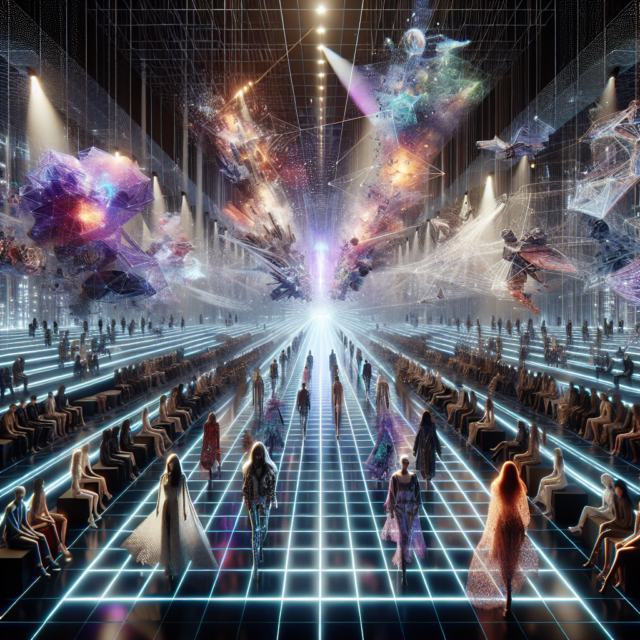
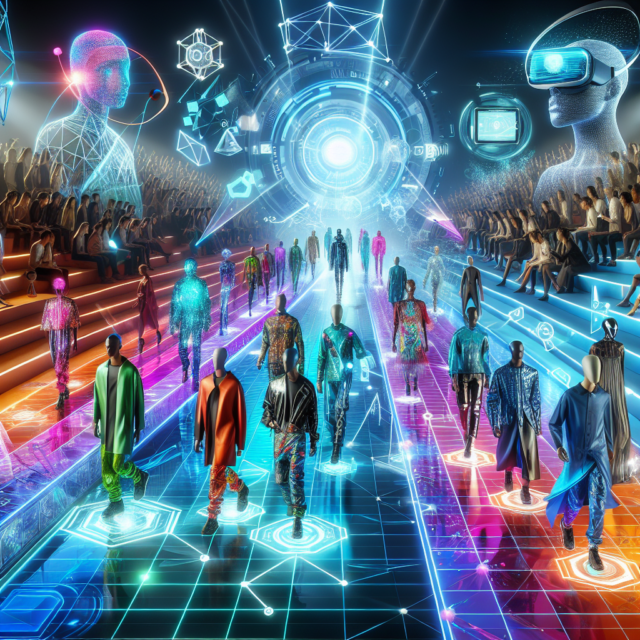
The Metaverse Fashion Week (MVFW) is a groundbreaking event that transcends the limitations of physical spaces by immersing participants in a digital universe. As technology continues to redefine the boundaries of reality, MVFW offers a platform where designers can experiment with virtual garments, augmented reality, and interactive experiences. This fusion of fashion and technology allows for unprecedented creativity, enabling designers to push the limits of traditional design and fabrication. By embracing the metaverse, fashion brands can engage with a global audience in an immersive and innovative way.

One of the defining features of MVFW is its accessibility. Unlike traditional fashion shows, which are often exclusive and limited to a select audience, MVFW democratizes fashion by allowing anyone with an internet connection to participate. This inclusivity not only expands the reach of fashion events but also fosters a diverse community of fashion enthusiasts, designers, and industry professionals. Through virtual platforms, attendees can explore digital showrooms, attend virtual runway shows, and interact with designers, all from the comfort of their own homes.

MVFW also challenges the traditional notions of fashion consumption and sustainability. In the digital realm, there is no need for physical materials, reducing the environmental impact associated with garment production and waste. Virtual fashion items can be tried on digitally, eliminating the need for physical samples and reducing the carbon footprint of fashion shows. This shift towards a more sustainable model reflects the industry’s increasing awareness of environmental issues and the need for sustainable practices.

Another significant aspect of MVFW is its ability to create immersive storytelling experiences. Designers can craft narratives that unfold within the virtual environment, engaging audiences through interactive elements and gamified experiences. This storytelling approach not only captivates audiences but also allows designers to convey their brand’s ethos and vision in a more impactful way. By leveraging the metaverse, fashion becomes a multi-sensory experience that transcends the limitations of traditional runway shows.

The rise of MVFW also opens up new opportunities for collaboration and innovation. Fashion brands can partner with tech companies, digital artists, and developers to create unique virtual experiences. These collaborations result in innovative designs that merge fashion with technology, offering new perspectives on what fashion can be. By embracing these partnerships, the fashion industry can stay at the forefront of technological advancements and continue to evolve in exciting directions.

As MVFW continues to gain momentum, it represents a significant shift in the fashion landscape. While traditional fashion shows remain relevant, the metaverse offers a complementary platform that enhances the fashion experience. By embracing both physical and digital realms, the fashion industry can engage with a broader audience, foster creativity, and drive innovation in a rapidly changing world.

Key Highlights from Recent Fashion Shows

Recent fashion shows have been a testament to the ever-evolving nature of the fashion industry, offering a vibrant mix of innovation, tradition, and cultural commentary. One of the most striking highlights has been the incorporation of technology into runway presentations. From holographic displays to augmented reality experiences, designers are using cutting-edge technology to enhance their showcases and engage audiences in new and exciting ways. These technological advancements not only captivate viewers but also offer a glimpse into the future of fashion presentations.

Sustainability has emerged as a central theme in recent fashion shows, reflecting the industry’s growing commitment to environmental responsibility. Designers are increasingly incorporating eco-friendly materials, upcycling techniques, and sustainable production processes into their collections. This shift towards sustainability is not only a response to consumer demand but also a reflection of the industry’s awareness of its environmental impact. By prioritizing sustainable practices, fashion shows are setting a new standard for responsible design and production.

Diversity and inclusivity have also been prominent themes in recent fashion shows, with designers showcasing collections that celebrate a wide range of body types, ethnicities, and gender identities. This move towards inclusivity is a significant step forward for the industry, challenging traditional beauty standards and promoting a more representative and equitable fashion landscape. By embracing diversity, fashion shows are becoming platforms for social change, highlighting the importance of representation in the industry.

The return to in-person fashion shows has been a notable highlight, bringing back the excitement and energy of live events. After a period of virtual presentations due to the global pandemic, the return of physical shows has been met with enthusiasm from both designers and audiences. These events provide an opportunity for designers to connect with their audience on a personal level, offering a tactile experience that cannot be replicated in the digital realm. The blend of physical and digital elements in recent shows reflects the industry’s adaptability and resilience.

Collaboration has been a key trend in recent fashion shows, with designers partnering with artists, musicians, and other creatives to bring their visions to life. These collaborations result in unique and innovative presentations that push the boundaries of traditional fashion shows. By working with creatives from different disciplines, designers can create multi-dimensional experiences that resonate with audiences on a deeper level. This trend towards collaboration reflects the industry’s embrace of interdisciplinary approaches to design and presentation.

Finally, recent fashion shows have highlighted the importance of storytelling in fashion. Designers are using their collections to convey narratives that reflect their brand’s identity and values. These stories are often rooted in cultural, historical, or personal themes, offering audiences a deeper understanding of the designer’s vision. By weaving storytelling into their presentations, designers can create a more engaging and memorable experience for their audience, reinforcing the emotional connection between fashion and its consumers.

Navigating the World of Fashion Exhibitions

Fashion exhibitions offer a unique opportunity to explore the artistry and craftsmanship behind the creations we see on runways and in stores. These exhibitions provide an in-depth look at the history, evolution, and cultural significance of fashion, offering insights into the creative processes of designers and the impact of fashion on society. For fashion enthusiasts and industry professionals alike, navigating these exhibitions can be an enriching and inspiring experience.

When visiting a fashion exhibition, it is important to approach it with an open mind and a willingness to explore. Exhibitions often feature a diverse range of garments, accessories, and multimedia installations, each telling a unique story. By taking the time to engage with each piece, visitors can gain a deeper understanding of the designer’s vision and the context in which the work was created. This exploration can provide valuable insights into the creative process and the cultural influences that shape fashion.

Many fashion exhibitions also offer interactive elements that allow visitors to engage with the exhibits in a more immersive way. These elements can include digital displays, virtual reality experiences, and hands-on workshops, providing an opportunity to learn about the technical aspects of fashion design and production. By participating in these activities, visitors can gain a greater appreciation for the skill and craftsmanship involved in creating fashion.

Fashion exhibitions often highlight the work of specific designers, movements, or periods, offering a focused exploration of particular themes. These curated exhibitions provide an opportunity to delve deeper into the work of influential designers or to explore the evolution of fashion trends over time. By focusing on specific aspects of fashion, exhibitions can offer a more nuanced understanding of the industry’s history and development.

For those interested in the future of fashion, exhibitions can also provide insights into emerging trends and innovations. Many exhibitions feature the work of up-and-coming designers, showcasing new ideas and experimental approaches to fashion. By exploring these forward-thinking exhibits, visitors can gain a glimpse into the future of the industry and the directions it may take.

Finally, fashion exhibitions offer a chance to connect with other fashion enthusiasts and professionals. Many exhibitions host talks, panel discussions, and networking events, providing an opportunity to engage with experts and peers in the field. These events can offer valuable insights and foster connections that can be beneficial for those looking to deepen their involvement in the fashion industry.

The world of fashion is a vibrant and ever-evolving landscape, where creativity, innovation, and cultural expression converge. MVFW and traditional fashion shows provide platforms for designers to showcase their work, engage with audiences, and push the boundaries of what fashion can be. Meanwhile, fashion exhibitions offer a deeper exploration of the artistry and history behind the industry. By understanding the essence of these events, recognizing their key highlights, and learning how to navigate them, fashion enthusiasts and professionals alike can gain a richer appreciation for the multifaceted world of fashion. Whether in the physical or digital realm, these events continue to shape the future of fashion, offering new perspectives and opportunities for creative expression.

Exploring Emerging Opportunities in the Web3 Landscape

The digital world is undergoing a seismic shift with the advent of Web3, a new era that promises to transform how we interact with the internet. Moving beyond the limitations of Web 2.0, Web3 introduces a decentralized, user-centric approach that empowers individuals with greater control over their data and digital assets. This article delves into the fundamentals of Web3 technology, explores the key innovations shaping its future, and examines the emerging investment opportunities in this dynamic landscape.

Understanding the Fundamentals of Web3 Technology

Web3 technology represents a paradigm shift from the centralized models of Web 2.0 to a decentralized framework. At its core, Web3 leverages blockchain technology, enabling peer-to-peer interactions without intermediaries. This decentralization fosters increased transparency, security, and trust, as users can independently verify transactions and data integrity. The fundamental components of Web3 include decentralized applications (dApps), smart contracts, and digital currencies, which collectively redefine online interactions.

Decentralized applications (dApps) are a cornerstone of Web3, offering functionalities similar to traditional applications but without centralized control. Built on blockchain platforms like Ethereum, dApps operate autonomously, with their code and data distributed across a network of nodes. This structure ensures resilience against censorship and downtime, enhancing user autonomy and freedom.

Smart contracts are another pivotal element, enabling automated, self-executing agreements without the need for intermediaries. These contracts execute predefined conditions coded into blockchain systems, ensuring that all parties adhere to the terms. By eliminating the need for middlemen, smart contracts streamline processes, reduce costs, and minimize the potential for disputes or fraud.

Digital currencies, or cryptocurrencies, are integral to the Web3 ecosystem, facilitating transactions and incentivizing network participation. Cryptocurrencies like Bitcoin and Ethereum serve as digital assets that users can trade, invest, or use within dApps. These digital currencies empower users with financial sovereignty, reducing reliance on traditional banking systems.

Interoperability is a critical factor in the Web3 paradigm, enabling seamless communication between different blockchain networks. As Web3 evolves, the ability of diverse platforms to interact and share information will enhance the ecosystem’s robustness and usability. Protocols and standards are continuously being developed to facilitate this interoperability, paving the way for a more connected and efficient decentralized internet.

Finally, Web3 emphasizes user data ownership, shifting control from centralized entities to individuals. In this new model, users have the ability to manage and monetize their data, deciding who can access it and under what conditions. This empowerment fosters a more equitable digital environment, aligning with the broader ethos of decentralization and user-centricity.

Key Innovations Shaping the Future of Web3

Several key innovations are driving the evolution of Web3, each contributing to its potential to revolutionize the internet. One significant development is the rise of decentralized finance (DeFi), which aims to recreate traditional financial systems such as lending, insurance, and trading on decentralized platforms. DeFi eliminates the need for intermediaries, offering users direct access to financial services while potentially lowering costs and increasing transparency.

Non-fungible tokens (NFTs) are another groundbreaking innovation, representing unique digital assets authenticated on the blockchain. NFTs have gained immense popularity in art, gaming, and entertainment, allowing creators to monetize their work and engage with audiences in novel ways. The NFT market’s rapid growth underscores its potential to redefine ownership and value in the digital realm.

The metaverse, a virtual reality space where users can interact within a computer-generated environment, is being reimagined through Web3 principles. By integrating blockchain technology, the metaverse can offer decentralized ownership of digital assets and experiences, creating new economic models and opportunities for social interaction. This shift promises to blur the lines between physical and digital realities, expanding the scope of online engagement.

Decentralized autonomous organizations (DAOs) represent a new form of governance, enabling communities to make decisions collectively without centralized leadership. DAOs operate through smart contracts, allowing members to propose, vote on, and implement changes democratically. This model fosters transparency and inclusivity, potentially revolutionizing organizational structures across various sectors.

Layer 2 scaling solutions are critical to addressing the scalability challenges faced by blockchain networks. These solutions, which operate on top of existing blockchains, aim to increase transaction throughput and reduce fees, making blockchain applications more practical and accessible for everyday use. As Web3 adoption grows, layer 2 solutions will play a vital role in ensuring the ecosystem’s performance and scalability.

Privacy-preserving technologies are becoming increasingly important in the Web3 landscape, as users demand greater control over their personal information. Innovations such as zero-knowledge proofs and homomorphic encryption offer ways to protect user data while maintaining transparency and security. These technologies are crucial for building trust and encouraging broader adoption of Web3 applications.

Navigating Investment Opportunities in Web3

Investing in the Web3 landscape presents a unique set of opportunities and challenges, as the sector is still in its nascent stages. One of the most accessible entry points for investors is through cryptocurrencies, which serve as the foundation of the Web3 ecosystem. By investing in established cryptocurrencies like Bitcoin and Ethereum or promising altcoins, investors can gain exposure to the growth potential of decentralized technologies.

Another area of investment is in blockchain infrastructure, which underpins the entire Web3 ecosystem. Companies developing blockchain platforms, layer 2 scaling solutions, and interoperability protocols are poised for growth as demand for decentralized applications increases. Investing in these foundational technologies offers the potential for substantial returns as the Web3 landscape continues to expand.

The DeFi sector presents a wealth of investment opportunities, with platforms offering decentralized lending, borrowing, and trading services. By investing in DeFi projects, investors can benefit from the disruption of traditional financial systems and the creation of new economic models. However, the DeFi space is also characterized by high volatility and risk, necessitating careful due diligence.

NFTs have emerged as a popular investment avenue, with collectors and speculators purchasing digital art, collectibles, and virtual real estate. The NFT market’s rapid growth has attracted significant attention, but investors should be mindful of the speculative nature of this space and the potential for market corrections. Diversifying NFT investments and focusing on projects with strong communities and use cases can mitigate some risks.

Venture capital is increasingly flowing into Web3 startups, as investors seek to capitalize on the innovation and disruption occurring in this space. By investing in early-stage companies developing dApps, DAOs, and other Web3 technologies, venture capitalists can gain exposure to the next wave of internet evolution. Identifying promising startups with strong teams and innovative solutions is key to successful investment in this sector.

Finally, staking and yield farming offer alternative investment strategies within the Web3 ecosystem. By participating in staking, investors can earn rewards for validating transactions on proof-of-stake blockchains. Yield farming, on the other hand, involves providing liquidity to DeFi protocols in exchange for interest or tokens. Both strategies require a deep understanding of the underlying technologies and associated risks.

As Web3 continues to evolve, it promises to reshape the internet landscape, offering new possibilities for decentralization, user empowerment, and innovation. Understanding the fundamentals of Web3 technology is crucial for navigating this rapidly changing environment. With key innovations driving its growth and a range of investment opportunities emerging, stakeholders must remain informed and adaptable to harness the full potential of this transformative era. Whether as developers, investors, or users, engaging with the Web3 ecosystem offers a chance to be part of the next chapter in the digital revolution.

Exploring Web3 Innovations in Design, Art, and Fashion

The advent of Web3 technologies is charting a new course across various industries, reshaping the realms of design, art, and fashion in unprecedented ways. As decentralized platforms and blockchain innovations gain momentum, creative sectors are discovering novel opportunities for expression and engagement. This article delves into how Web3 is influencing design, art, and fashion, ushering in an era of transformative possibilities.

The Intersection of Web3 and Design Innovations

Web3 technologies are redefining the design landscape by offering decentralized platforms that encourage collaboration and innovation. Designers now have access to blockchain-based tools and networks that facilitate secure sharing and co-creation of digital assets. This decentralization allows for a more inclusive and transparent design process, where creators from around the world can contribute and gain recognition for their work. Moreover, the integration of smart contracts ensures that intellectual property rights are respected, providing a fair and equitable environment for designers. This shift not only democratizes the design process but also fosters a culture of innovation, where creativity knows no bounds.

How Web3 is Transforming the Art Landscape

The art world is undergoing a radical transformation, driven by the capabilities of Web3 technologies. Artists are increasingly turning to blockchain and non-fungible tokens (NFTs) to authenticate and monetize their work. This digital revolution offers artists a more direct connection with their audience, bypassing traditional gatekeepers like galleries and auction houses. NFTs provide a unique way to establish provenance and ownership, ensuring that artists receive fair compensation for their creations. Furthermore, decentralized platforms allow for the creation of digital art communities where artists can collaborate, share, and sell their work in a secure and transparent environment. This transformation is not only redefining the concept of art ownership but also expanding the horizons of what art can be in the digital age.

Fashion Forward: Web3’s Role in Modern Style

In the world of fashion, Web3 technologies are paving the way for a new era of creativity and consumer engagement. Blockchain solutions are being employed to enhance supply chain transparency, ensuring ethical sourcing and production practices. Additionally, fashion designers are leveraging NFTs to create digital fashion items, allowing consumers to own unique virtual garments that can be worn in digital spaces. This fusion of fashion and technology is giving rise to a new market for virtual fashion, where digital collections can be showcased and traded on decentralized platforms. The ability to trace the origin and authenticity of fashion items through blockchain is also fostering a more sustainable and responsible fashion industry. As Web3 continues to evolve, it promises to redefine how fashion is created, consumed, and experienced.

Web3 innovations are reshaping the creative industries, offering unprecedented opportunities for designers, artists, and fashion enthusiasts. By embracing decentralization and blockchain technology, these sectors are experiencing a democratization of creativity, where transparency, authenticity, and collaboration take center stage. As Web3 continues to develop, it holds the potential to unlock new realms of possibility, revolutionizing how we design, create, and experience art and fashion in the digital age.

Exploring Recent Innovations in the Metaverse Realm

The concept of the Metaverse has evolved from a speculative vision to a burgeoning reality, driven by rapid advancements in technology and a growing interest in digital experiences. As a collective virtual shared space, the Metaverse is a convergence of virtually enhanced physical reality and persistent virtual reality, providing an immersive environment where users can interact, create, and transact. This article delves into the recent innovations shaping the Metaverse, focusing on cutting-edge technologies, the rise of virtual economies and digital assets, and the enhancement of user experiences through immersive design.

Unveiling Cutting-Edge Technologies in the Metaverse

The Metaverse is witnessing a technological evolution, with several cutting-edge innovations paving the way for a more interconnected and immersive digital universe. One of the most significant advancements is the integration of blockchain technology, which provides a decentralized and secure platform for transactions and asset ownership within the Metaverse. This technology underpins the creation and exchange of non-fungible tokens (NFTs), enabling users to own unique digital assets that can be traded or monetized.

Augmented reality (AR) and virtual reality (VR) technologies are also central to the Metaverse’s development, offering users an immersive experience that blurs the line between the digital and physical worlds. Recent improvements in AR and VR hardware, such as lighter and more comfortable headsets, have made these technologies more accessible to a broader audience. Additionally, advancements in haptic feedback and motion tracking have enhanced the realism of these experiences, allowing users to interact with their virtual environments in a more tactile and intuitive manner.

Artificial intelligence (AI) plays a crucial role in the Metaverse by enabling more dynamic and responsive virtual environments. AI algorithms can generate realistic avatars, simulate complex environments, and facilitate interactions between users and virtual entities. These capabilities allow for personalized experiences and adaptive content that responds to the user’s actions and preferences, making the Metaverse a more engaging platform for both leisure and professional activities.

The integration of 5G technology is another pivotal development, offering faster internet speeds and lower latency, which are essential for seamless interactions within the Metaverse. With 5G, users can experience high-quality streaming of virtual content and participate in real-time multiplayer environments without the lag and buffering issues that have plagued earlier virtual worlds. This technological leap enhances the overall user experience and supports the scalability of Metaverse platforms.

Moreover, advancements in cloud computing have significantly impacted the Metaverse by providing the necessary infrastructure to support vast, complex virtual environments. Cloud services enable the storage and processing of large amounts of data, allowing for the creation of expansive virtual worlds that can accommodate millions of users simultaneously. This scalability is crucial for the Metaverse’s growth, as it aims to become a global platform for social interaction, commerce, and entertainment.

Finally, edge computing is emerging as a vital component of the Metaverse’s technological framework. By processing data closer to the user’s location, edge computing reduces latency and improves the performance of real-time applications. This technology is particularly beneficial for AR and VR applications, where low latency is crucial for maintaining immersion and preventing motion sickness. As the Metaverse continues to expand, edge computing will play a key role in delivering high-quality, responsive experiences to users worldwide.

The Rise of Virtual Economies and Digital Assets

The Metaverse is rapidly becoming a hub for virtual economies, where digital assets hold significant value and can be exchanged for real-world currency. This burgeoning economic ecosystem is largely driven by the proliferation of cryptocurrencies and NFTs, which have transformed the way users perceive and engage with digital content. Cryptocurrencies provide a decentralized medium of exchange, enabling secure and transparent transactions within the Metaverse without the need for intermediaries.

NFTs have emerged as a cornerstone of the Metaverse’s virtual economy, allowing users to buy, sell, and trade unique digital assets such as art, music, and virtual real estate. These tokens are stored on blockchain networks, ensuring their scarcity and authenticity, which in turn drives their value. As a result, NFTs have opened up new revenue streams for creators and artists, who can now monetize their work in a digital format and reach a global audience.

Virtual real estate is another significant aspect of the Metaverse’s economy, with users investing in digital land and properties that they can develop, lease, or sell. Platforms like Decentraland and The Sandbox have seen a surge in demand for virtual land, driven by the potential for social experiences, commerce, and advertising opportunities. This trend mirrors the real-world real estate market, where location and scarcity play a crucial role in determining value.

The rise of play-to-earn gaming models has further fueled the growth of the Metaverse’s economy, allowing users to earn real-world income by participating in virtual activities. These games reward players with cryptocurrencies or NFTs, which can be traded or converted into fiat currency. This innovative approach has transformed gaming from a leisure activity into a viable source of income, attracting a diverse range of participants, from casual gamers to professional players.

The Metaverse’s virtual economy also includes decentralized finance (DeFi) applications, which offer financial services such as lending, borrowing, and yield farming without the need for traditional banks. DeFi platforms leverage smart contracts to automate transactions and provide users with greater control over their assets. This democratization of financial services has the potential to disrupt traditional banking systems and empower individuals in the Metaverse with new economic opportunities.

As the Metaverse continues to evolve, the integration of digital assets and virtual economies will play an increasingly important role in shaping its future. These innovations not only offer new ways for users to engage with digital content but also challenge traditional notions of ownership and value. By embracing these developments, the Metaverse is poised to become a thriving economic ecosystem that transcends the boundaries of the physical world.

Enhancing User Experience Through Immersive Design

Immersive design is at the heart of the Metaverse, creating engaging and interactive environments that captivate users and enhance their experience. One of the key elements of immersive design is the use of realistic graphics and visuals, which transport users into vibrant and detailed virtual worlds. Recent advancements in rendering technologies, such as ray tracing and real-time graphics, have elevated the quality of visuals, providing a more lifelike representation of digital environments.

Sound design also plays a crucial role in creating immersive experiences, with spatial audio technology enabling realistic soundscapes that adapt to the user’s movements and interactions. This technology enhances the sense of presence and immersion, allowing users to experience virtual environments as if they were physically present. By combining high-quality visuals with dynamic audio, immersive design can create a multisensory experience that engages users on multiple levels.

User interface (UI) and user experience (UX) design are essential components of the Metaverse, ensuring that users can navigate and interact with virtual environments intuitively and effortlessly. Recent innovations in UI/UX design focus on creating seamless and responsive interfaces that adapt to the user’s needs and preferences. Gesture-based controls, voice commands, and eye-tracking technologies are among the tools being used to streamline interactions and reduce friction within the Metaverse.

Social interaction is a fundamental aspect of the Metaverse, and immersive design aims to facilitate meaningful connections between users. Avatars serve as digital representations of users, and advancements in avatar customization and animation allow for more expressive and realistic interactions. By enabling users to personalize their avatars and convey emotions and gestures, immersive design fosters a sense of identity and community within the Metaverse.

Narrative design is another critical element of the Metaverse, providing users with compelling stories and experiences that drive engagement. By incorporating interactive storytelling and branching narratives, designers can create dynamic and personalized experiences that respond to user choices and actions. This approach not only enhances immersion but also encourages users to explore and interact with the virtual environment, leading to a deeper and more meaningful experience.

Finally, accessibility is a key consideration in the design of immersive experiences, ensuring that the Metaverse is inclusive and welcoming to all users. Developers are increasingly focusing on creating environments that accommodate diverse needs and abilities, such as incorporating adjustable settings for visual and auditory elements, providing alternative input methods, and ensuring compatibility with assistive technologies. By prioritizing accessibility, immersive design can create a Metaverse that is truly open and accessible to everyone.

As the Metaverse continues to expand and evolve, it is clear that recent innovations are shaping its trajectory in profound ways. From cutting-edge technologies that enhance connectivity and realism to the emergence of vibrant virtual economies and the focus on immersive design, these developments are transforming the Metaverse into a dynamic and multifaceted digital ecosystem. As users, creators, and businesses increasingly engage with this virtual realm, the Metaverse promises to redefine the boundaries of interaction, creativity, and commerce, offering endless possibilities for exploration and growth.

Exploring Digital Innovations in Fashion and Art

The worlds of fashion and art have always been intertwined, each influencing and inspiring the other. As digital technology continues to evolve at a rapid pace, it is reshaping these industries in unprecedented ways. From virtual reality runways to digital art installations, the fusion of creativity and technology is creating new possibilities and experiences. This article explores how digital innovations are transforming fashion and art, examining their intersection, artistic expressions in the digital era, and the cutting-edge innovations that are shaping the future.

The Intersection of Fashion and Digital Technology

Digital technology is revolutionizing the fashion industry, creating new opportunities for designers and consumers alike. Through the use of advanced software, designers can now create intricate patterns and designs with remarkable precision. This shift not only enhances creativity but also reduces waste by allowing for more efficient production processes. With digital tools, the fashion industry is moving towards a more sustainable future, where innovation and environmental consciousness go hand in hand.

The rise of e-commerce platforms has transformed the way fashion is consumed. Consumers can now access a global marketplace from the comfort of their homes, exploring diverse styles and trends with just a few clicks. This digital shift has democratized fashion, allowing emerging designers to reach a broader audience without the need for a physical storefront. As a result, the industry is witnessing a surge in unique and diverse fashion offerings that cater to a wide range of tastes and preferences.

Virtual and augmented reality are also making their mark on fashion. Virtual fashion shows and digital fitting rooms offer consumers immersive experiences that were once unimaginable. These technologies allow fashion enthusiasts to engage with brands in new and exciting ways, from attending virtual runway shows to trying on clothes in a digital environment. This blend of fashion and technology is enhancing the consumer experience, making it more interactive and personalized.

Social media platforms have become crucial channels for fashion brands to engage with their audience. Influencers and bloggers leverage these platforms to showcase the latest trends, creating a dynamic and ever-evolving fashion landscape. Digital technology enables brands to connect with consumers on a personal level, fostering a sense of community and loyalty. Through social media, fashion becomes a shared experience, where individuals can express their unique styles and inspirations.

The integration of artificial intelligence (AI) is another significant development in the fashion industry. AI-driven algorithms analyze consumer preferences and trends, allowing brands to tailor their offerings to meet the demands of their audience. This technology aids in predicting fashion trends, optimizing supply chains, and enhancing customer service. As AI continues to advance, it is poised to play an even more critical role in shaping the future of fashion.

In conclusion, the intersection of fashion and digital technology is reshaping the industry in profound ways. From sustainable design practices to immersive virtual experiences, the fusion of these two worlds is creating a dynamic and innovative landscape. As technology continues to evolve, the possibilities for fashion are limitless, promising a future where creativity and technology harmoniously coexist.

Artistic Expressions in the Digital Age

The digital age has ushered in a new era of artistic expression, where traditional boundaries are continually being challenged and redefined. Artists are now leveraging digital tools to create works that are both innovative and reflective of contemporary society. With the advent of digital art, creators can experiment with new mediums, pushing the limits of their imagination and expanding the possibilities of artistic expression.

One of the most significant impacts of digital technology on art is the democratization of creativity. Digital platforms have provided artists with unprecedented access to audiences worldwide, allowing them to share their work with a global community. This shift has empowered artists from diverse backgrounds to showcase their talents and gain recognition, fostering a more inclusive and diverse art world.

Digital art forms, such as digital painting, 3D modeling, and virtual reality installations, offer artists new avenues for exploration. These mediums allow for the creation of immersive and interactive experiences that engage audiences in unique ways. Artists can now create environments that transcend the physical world, inviting viewers to explore and interact with their creations in a digital realm.

The rise of non-fungible tokens (NFTs) has further transformed the art landscape, offering artists new opportunities for monetization and ownership. NFTs provide a way to authenticate digital artworks, allowing artists to sell their creations as unique, collectible items. This technology has opened up new revenue streams for artists and has sparked a digital art revolution, attracting both traditional and digital artists to explore this new frontier.

Collaboration has become a hallmark of the digital art scene. Artists are increasingly working together across disciplines, merging technology and creativity to produce groundbreaking works. These collaborations often result in innovative projects that challenge conventional notions of art, blending elements of music, film, and interactive media to create multisensory experiences.

In conclusion, the digital age has revolutionized artistic expression, enabling artists to push the boundaries of creativity and reach global audiences. Through digital tools and platforms, artists can explore new mediums, collaborate across disciplines, and engage with audiences in innovative ways. As technology continues to evolve, the future of art promises to be even more dynamic and inclusive, where creativity knows no bounds.

Innovations Shaping the Future of Fashion and Art

The future of fashion and art is being shaped by a host of innovative technologies that promise to redefine the way we create, consume, and experience these industries. One of the most promising developments is the use of blockchain technology, which is enhancing transparency and security in the fashion supply chain. By providing a verifiable record of a garment’s journey from production to sale, blockchain is fostering trust and accountability in an industry often criticized for its lack of transparency.

In the realm of art, artificial intelligence is opening up new possibilities for creativity and collaboration. AI-powered tools are enabling artists to explore new styles and techniques, generating works that are both innovative and reflective of the digital age. These tools are also facilitating collaborations between artists and machines, resulting in unique and thought-provoking pieces that challenge traditional notions of authorship and creativity.

Sustainability is a key focus for both fashion and art, with digital innovations playing a crucial role in promoting eco-friendly practices. In fashion, 3D printing is revolutionizing the production process, allowing designers to create garments with minimal waste. This technology enables the creation of intricate designs that would be impossible to achieve through traditional methods, offering a more sustainable alternative to mass production.

The rise of virtual and augmented reality is transforming the way we experience fashion and art. Virtual reality fashion shows offer immersive experiences that transcend the limitations of physical space, allowing designers to showcase their collections to a global audience. Similarly, augmented reality art installations provide interactive experiences that engage viewers in new and exciting ways, blurring the lines between the physical and digital worlds.

The integration of wearable technology is another innovation shaping the future of fashion. Smart fabrics and garments equipped with sensors are enabling new forms of expression and functionality, from clothing that changes color in response to environmental stimuli to accessories that track fitness and health metrics. These innovations are redefining the relationship between fashion and technology, offering new possibilities for personalization and self-expression.

In conclusion, the future of fashion and art is being shaped by a confluence of digital innovations that are redefining the boundaries of creativity and experience. From blockchain and AI to virtual reality and wearable technology, these advancements promise to transform the way we engage with fashion and art, offering new possibilities for sustainability, collaboration, and personalization. As these technologies continue to evolve, the future holds exciting potential for both industries, heralding a new era of creativity and innovation.

The digital revolution is transforming the worlds of fashion and art, offering new tools and platforms for creativity and expression. As we explore the intersection of these industries with digital technology, it is clear that the possibilities are endless. From sustainable practices and immersive experiences to innovative collaborations and new revenue streams, the fusion of fashion and art with digital technology is creating a dynamic and inclusive landscape. As we look to the future, the continued evolution of technology promises to push the boundaries of creativity even further, heralding a new era of innovation and inspiration.

Abstract Chain Explained: Bridging Web2 and Web3

0
Abstract Chain Explained: Bridging Web2 and Web3


Blockchain technology has come a long way, yet it still feels intimidating to many. That’s where Abstract Web3, having just launched its mainnet, enters the scene. Built as an Ethereum Layer 2 (L2) solution, Abstract could bring blockchain into the mainstream by focusing on ease of use. Think of it as the missing bridge between traditional online experiences—often called Web2—and the more advanced but sometimes confusing world of Web3.

In this article, we’ll look at Abstract’s backstory, examine its technical foundations, explore its features, and discuss real-world applications. We’ll also share simple steps for getting started and consider how Abstract might reshape the future of consumer-facing crypto.

The Genesis of Abstract

Crypto adoption has often been stunted by high transaction fees, complicated onboarding steps, and clunky user interfaces. Abstract aims to simplify all of that. By offering a smoother experience, it hopes to attract a broader audience and unlock the full potential of Web3—no specialized knowledge or technical hoops required.

Who Is Behind Abstract?

Abstract is a project from Igloo Inc., best known for its Pudgy Penguins NFT collection and related memecoin. The team includes celebrated Web3 developers like Cygaar, 0xbeans, and StinkyPablo. Co-inventors Michael Lee, Luca Netz, and Lorenzo Melendez envisioned a blockchain that’s approachable for both crypto enthusiasts and total newcomers.

In June 2024, Igloo Inc. announced an $11 million fundraise led by Founders Fund, with additional support from 1kx and Fenbushi Capital.

Igloo Inc. saw how popular Pudgy Penguins became among everyday people, and recognized a need to create a user-friendly chain. Their mission is to help more people experience the benefits of crypto by focusing on simplicity, speed, and cultural relevance.

Source Abstract

Technical Foundations of Abstract

To keep things efficient, Abstract uses Zero-Knowledge (ZK) rollups under the hood. Imagine packing lots of items into one box so you can ship them all at once. ZK rollups do something similar with transactions, helping reduce congestion and fees.

Abstract also runs on the ZKsync Stack, giving it top-tier speed and security. On top of that, it’s EVM-compatible, meaning most Ethereum apps can move over without heavy rewriting—a big plus for developers eager to reach new users.

Since it’s a Layer 2 solution on Ethereum, Abstract taps into the main network’s tried-and-true safety.

Key Features and User-Centric Design

Account Abstraction for User-Friendly Wallets

Account abstraction allows wallets to function as smart contracts with extra perks. Instead of fumbling with long seed phrases, users can log in using an email or social account, recover lost credentials more easily, and even enable passkey support, similar to modern passwordless methods.

The Portal: Abstract’s “Digital Theme Park of Fun”

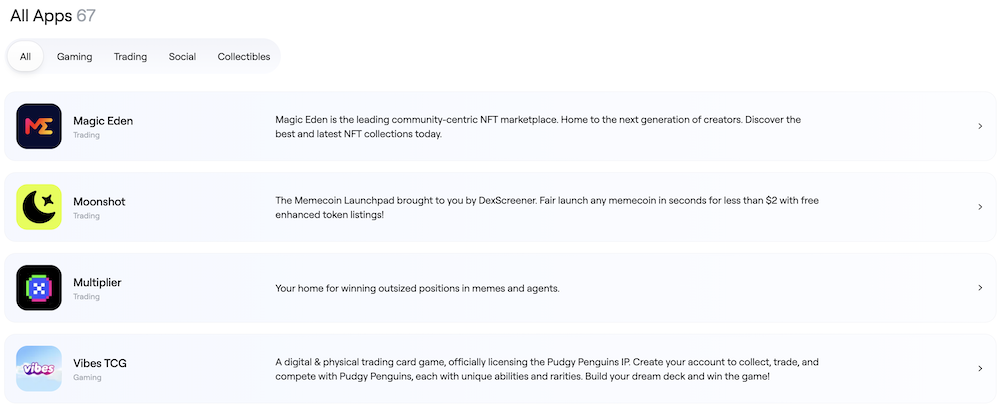
At the heart of Abstract is The Portal, a curated hub of over 100 onchain apps designed for casual users. Sign up with an email address, and you’re ready to explore gaming, social platforms, and more—all without wrestling with confusing interfaces.

Easy Onboarding and Familiar UX

Abstract borrows the smooth design principles from popular websites, so everything feels pretty intuitive. This approach helps newcomers stick around instead of running away the moment they hit a technical roadblock.

App Discoverability & Ecosystem Curation

The Portal organizes apps by category, popularity, and user reviews. That means you won’t waste hours sifting through obscure listings. It’s all about guiding you to the best of what’s on offer.

Panoramic Governance

Abstract introduces a governance model called “Panoramic Governance,” which incentivizes active voting and rewards protocols that contribute the most value. By sharing fees with voters and letting them decide which projects receive additional support, Abstract aligns developer and consumer interests and fosters a more engaged community.

Reward System (XP)

Abstract plans to reward users, builders, and creators with “XP” (experience points) for on-chain activity. Over time, XP may unlock perks, levels, or even potential token benefits—fostering a game-like sense of progress for active participants.

Source Abstract

Focus on Community, Culture, and Mainstream Adoption

Abstract targets consumer crypto, defined by three stages of spending—discretionary, necessary, and essential. The first wave includes entertainment, gaming, and social dApps that draw users in through fun and familiarity.

Similar to how Pudgy Penguins built a vibrant following, Abstract invests in cultural relevance. Communities naturally form around shared interests, memes, and social experiences, which fuels faster growth.

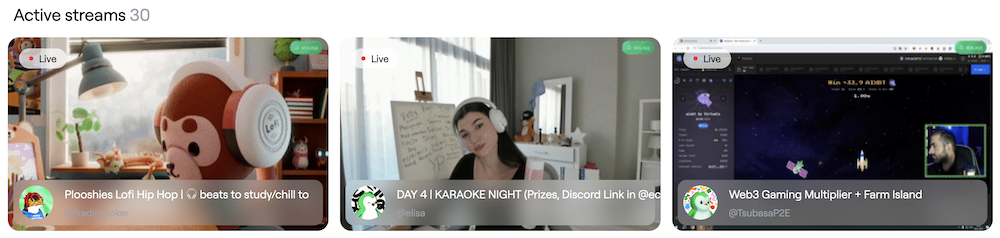
Abstract also supports live streaming, so creators can connect directly with audiences. This interactive twist makes blockchain feel more like a social hub than a complicated database.

Real-World Use Cases and Early Successes

Gaming, NFTs, and Social dApps

From online games to NFTs, Abstract hosts projects that blend real ownership with entertaining experiences. These dApps highlight how crypto can boost engagement without complicated interfaces.

Some early partners include RealGo, a treasure-hunt-based discovery game, and Duper—a blend of poker and strategy. Onchain Heroes, an idle RPG, is also expected to leverage Abstract’s low fees and fast transactions.

Alongside gaming and social products, Abstract will integrate with Magic Eden for NFT trading. Moreover, brands can integrate loyalty programs or digital collectibles, introducing Web3 to everyday life in a way that feels natural.

Decentralized Finance (DeFi) Expansions

While the focus is on consumer products, DeFi projects can also join Abstract for lower fees and improved accessibility. This synergy benefits both culture-driven apps and financial tools.

Source Abstract

How To Get Started With Abstract

Creating Your Abstract Global Wallet

Simply visit The Portal, enter your email, and let Abstract generate a wallet. Thanks to account abstraction, you won’t have to memorize complex recovery phrases.

Once inside, explore the curated list of dApps. Check ratings, join live streams, or play games—no specialized knowledge is required.

Abstract will expand. Keep an eye on upcoming features, fresh partnerships, and community events to stay updated on its evolving ecosystem.

Editor’s note: Written with the assistance of AI – Edited and fact-checked by Jason Newey.

Jason Newey

Jason Newey is a seasoned journalist specializing in NFTs, the Metaverse, and Web3 technologies. With a background in digital media and blockchain technology, he adeptly translates complex concepts into engaging, informative articles.

View all posts


Source link

Exploring Cutting-Edge Innovations in Web3 Technology

Web3 technology, often heralded as the next evolution of the internet, is transforming how we interact with digital platforms by decentralizing control and empowering users. Unlike the traditional Web2 model, which is dominated by centralized platforms, Web3 leverages blockchain technology to offer a more democratic, secure, and user-centric internet experience. As this nascent field continues to evolve, several cutting-edge innovations are shaping its development and paving the way for a new era of digital interactions. This article explores the latest trends in Web3 development, the key innovations driving this transformation, and how these technologies are redefining our digital landscape.

Unveiling the Latest Trends in Web3 Development

Web3 development is witnessing a surge in interest as developers and entrepreneurs seek to harness the potential of blockchain technology to create decentralized applications (dApps). One of the most significant trends is the rise of decentralized finance (DeFi), which aims to recreate and enhance traditional financial systems using blockchain technology. By eliminating intermediaries, DeFi platforms offer users increased control over their assets and financial transactions, promoting transparency and reducing costs.

Another trend gaining traction is non-fungible tokens (NFTs), which have revolutionized the way digital art and collectibles are bought, sold, and owned. NFTs leverage blockchain to provide a verifiable proof of ownership, enabling artists and creators to monetize their work in previously unimaginable ways. This trend is expanding beyond art into sectors like gaming, music, and virtual real estate, highlighting the versatility of Web3 technology.

Interoperability is a crucial focus in Web3 development, as developers strive to create seamless interactions between different blockchain networks. Cross-chain solutions and protocols are emerging to address this challenge, enabling assets and data to move freely between disparate blockchains. This trend is essential for realizing the full potential of Web3, as it fosters a more connected and efficient decentralized ecosystem.

Decentralized Autonomous Organizations (DAOs) are another burgeoning trend in the Web3 space. DAOs leverage smart contracts to facilitate collective decision-making and governance without the need for centralized authority. This innovation is empowering communities to self-organize and manage projects, funds, and resources democratically, offering a glimpse into the future of organizational structures.

The integration of artificial intelligence (AI) with Web3 technologies is also gaining momentum. AI-driven dApps can enhance user experiences by providing personalized services and automating complex processes. This synergy between AI and blockchain is expected to drive innovation in areas such as predictive analytics, fraud detection, and automated financial services.

Finally, privacy and security are paramount in Web3 development. As users become more aware of data privacy concerns, developers are focusing on creating solutions that prioritize user control over personal information. Zero-knowledge proofs and privacy-preserving protocols are emerging as essential tools for ensuring secure and private transactions in the decentralized web.

Key Innovations Driving the Future of Decentralized Web

At the heart of Web3’s transformative potential are several key innovations that are reshaping the digital landscape. Smart contracts, for instance, are self-executing contracts with the terms of the agreement directly written into code. These contracts automate and enforce agreements without the need for intermediaries, reducing costs and increasing efficiency across various industries.

Blockchain scalability is another critical innovation driving Web3 forward. As the demand for decentralized applications grows, so does the need for blockchains that can handle high transaction volumes. Layer 2 solutions, such as rollups and sidechains, are being developed to enhance scalability by processing transactions off the main blockchain while maintaining security and decentralization.

The concept of Web3 identity is revolutionizing how users manage their digital identities. Decentralized identity solutions use blockchain to give individuals control over their personal data, allowing them to share information selectively and securely. This innovation is crucial for fostering trust and privacy in the digital world, as it mitigates the risks associated with centralized data storage.

Tokenization is another key innovation, enabling the representation of real-world assets as digital tokens on a blockchain. This process facilitates fractional ownership, liquidity, and accessibility, opening up new investment opportunities and democratizing access to assets like real estate, art, and commodities.

Decentralized storage solutions are addressing the limitations of traditional cloud storage by distributing data across a network of nodes. This approach enhances data redundancy, security, and resistance to censorship, making decentralized storage a cornerstone of the Web3 infrastructure.

Finally, the development of user-friendly interfaces and tools is crucial for the widespread adoption of Web3 technologies. Innovations in this area aim to simplify the onboarding process for new users, making decentralized applications more accessible and intuitive. By lowering the barrier to entry, these tools are essential for driving mainstream adoption of Web3.

How Web3 Technology is Transforming Digital Interactions

Web3 technology is fundamentally altering the way we interact with digital platforms by decentralizing control and empowering users. One of the most profound changes is the shift towards user ownership of data and digital assets. In the Web3 paradigm, users have greater control over their personal information and can choose how and with whom they share it, addressing longstanding data privacy concerns.

Decentralized social networks are emerging as alternatives to traditional platforms, offering users more control over their content and interactions. These networks prioritize user privacy and data ownership, enabling individuals to engage in online communities without the interference of centralized authorities or algorithms.

The gaming industry is experiencing a transformation through Web3 technologies, with blockchain-based games offering play-to-earn models that allow players to earn real-world value for their in-game activities. This shift is creating new economic opportunities for gamers and fostering more engaging and rewarding gaming experiences.

Web3 technology is also revolutionizing content creation and monetization. Decentralized platforms enable creators to bypass traditional gatekeepers and monetize their work directly through tokenized assets and NFTs. This democratization of content creation is empowering artists, musicians, and writers to reach global audiences and earn fair compensation for their work.

Digital identity management is being transformed by Web3 solutions, which offer users more secure and private ways to authenticate themselves online. By eliminating the need for centralized identity providers, Web3 technologies reduce the risk of identity theft and data breaches, enhancing trust in digital interactions.

Finally, Web3 is fostering a more inclusive internet by enabling access to financial services for unbanked and underbanked populations. Decentralized finance platforms provide individuals with the tools to save, invest, and transact without the need for traditional banking infrastructure, promoting financial inclusion and economic empowerment.

Web3 technology represents a paradigm shift in how we interact with the digital world, offering innovative solutions that prioritize decentralization, user empowerment, and privacy. As the field continues to mature, the trends and innovations explored in this article are likely to play a crucial role in shaping the future of the internet. By redefining digital interactions and fostering a more inclusive and equitable online environment, Web3 has the potential to transform not only technology but also society at large. As we stand on the brink of this new era, the possibilities are as vast as they are exciting, promising a more connected and democratized digital future.

Sony Launches Soneium Conquest to Simplify Web3 Onboarding

    0
    Sony Launches Soneium Conquest to Simplify Web3 Onboarding


    Sony Block Solutions Labs has introduced Soneium Conquest, a four-week initiative designed to familiarise users with web3 technologies through practical, hands-on learning.

    The campaign, hosted on the Galxe platform, is aimed at creators, developers, and newcomers to blockchain, offering a structured introduction to dApps, NFTs, and other blockchain-based interactions.

    By engaging participants with interactive tasks and challenges, Soneium Conquest intends to break down the barriers to understanding web3, making the transition to blockchain technology more accessible.

    What is Soneium? Source: Soneium

    What is Soneium Conquest?

    Soneium Conquest is an educational program launched by Sony Block Solutions Labs to help users explore the Soneium blockchain, an Ethereum Layer-2 solution.

    Over the course of four weeks, participants engage with different aspects of web3 by completing structured tasks and challenges. The campaign is designed to teach participants about blockchain technologies, including NFTs, tokenized assets, and dApps, with the goal of helping users become familiar with these concepts in a practical way.

    Each week focuses on a different element of the web3 ecosystem, offering an in-depth look at how Soneium can be used for content creation, community building, and gaming. The initiative encourages interaction with web3 applications, aiming to provide a comprehensive learning experience for both beginners and those familiar with blockchain.

    Sony Launches Soneium Conquest to Simplify Web3 Onboarding
    Sony Launches Soneium Conquest to Simplify Web3 Onboarding Source: Soneium

    How will it simplify web3 onboarding?

    One of its key features is The Portal, which allows users to create a blockchain wallet using just an email address, eliminating the need for private keys. This aims to reduce the barriers to entry for new users who may find traditional blockchain systems too complex.

    The Soneium Conquest campaign is divided into four weeks, each focusing on a different aspect of web3:

    Week 1: Creativity – This week covers how Soneium can be used to create NFTs and digital assets.Week 2: Connection – Focuses on how Web3 technologies enable decentralized communication and community building.Week 3: Joy – Introduces blockchain gaming, exploring how Web3 is changing interactive experiences.Week 4: Immersion – Provides an in-depth look at Web3-powered gaming and entertainment applications.

    Throughout each week, participants complete tasks, engage with web3 applications, and interact with other users. Rewards are offered as part of the program, encouraging continued engagement and learning.


    Source link

    Surging Popularity and Demand Boosts Global Meat, Poultry And Seafood Market Growth: A Comprehensive Outlook of Market Size, Key Players, and Trends | Web3Wire

    0
    Surging Popularity and Demand Boosts Global Meat, Poultry And Seafood Market Growth: A Comprehensive Outlook of Market Size, Key Players, and Trends | Web3Wire


    Meat, Poultry And Seafood Market Share

    “The Rapid Growth in Meat, Poultry and Seafood Market Underpinned by Rising Disposable Income, Health Awareness, and Emerging Markets

    What Is The Projected Market Size Of The Global Meat, Poultry And Seafood Market And Its Growth Rate?The global meat, poultry and seafood market has seen steady growth, exhibiting considerable potential for future expansion:– The market value was recorded at $1613.94 billion in 2024 and is expected to rise to $1712.35 billion in 2025, reflecting a compound annual growth rate (CAGR) of 6.1%.– Multiple factors have propelled this growth, including a rise in disposable income, increasing popularity of seafood products, favourable interest rates, and growth in emerging markets.– The market size is projected to reach an impressive $2170.79 billion in 2029, growing at the same CAGR of 6.1%.– The surge in the forecast period can be attributed to increased awareness about health benefits, population growth, and heightened demand for quality and sustainability.

    What Is Driving The Growth In The Meat, Poultry And Seafood Market?The fundamental driver of this market’s growth is the expected increase in world population, forecasted to hit 10 billion by 2050. More people necessitate more food, creating burgeoning demand for meat, poultry, and seafood products. Similarly, a rise in crop production, farming activities, and trade volumes will contribute significantly to this trend. The growing population provides a promising landscape for companies in the market by increasing demand for their products.

    Request A Free Sample Copy: https://www.thebusinessresearchcompany.com/sample.aspx?id=1901&type=smp

    Who Are the Key Players Driving Meat, Poultry And Seafood Market Growth?The key players in the global meat, poultry and seafood market include:– JBS S.A– Tyson Foods Inc– WH Group Limited– Marfrig Foods S.A.– Pilgrim’s Pride Corporation– Hormel Foods Corp– Maple Leaf Foods Inc– Thai Union Group– Vion Holding– Danish Crown A/S– Pescafresh, Godaco Seafood– Grand Wynn Enterprises– NH Foods Ltd– Charoen Pokphand Group– Suguna Foods– Doyoo Group– New Hope Liuhe– Wen’s Food Group– Bell & Evans– Fosters Farm– Cargill meat solutions– Riverford Organic Farms– Capestone Organic Poultry Farm– Underrwood Meat Company– Springfield Poultry– Yorkshire Valley Farms– Rossdown Farms & Natural Foods– Beretta Farms– Smithfield Foods Inc– Pjsc– F.L.G. Srl– Scorilo Srl– Enpi Lake Fishing SRL– Cherkizovo– MHP– Gap Resurs– AO Prioskolie– Sadia– Seara Foods– Perdigao SA– Minerva Foods.

    What Are The Key Trends In The Meat, Poultry And Seafood Market?The meat, poultry and seafood market is set to see the following major trends in the coming years:– Increased awareness about health benefits.– Population growth.– Growing demand for quality and sustainability.

    What Are The Segments Of The Global Meat, Poultry And Seafood Market?The global meat, poultry and seafood market can be segmented as follows:– By Type: Meat Products, Poultry, Seafood– By Distribution Channel: Supermarkets/Hypermarkets, Convenience Stores, E-Commerce, Other Distribution Channel– By Nature: Organic, Conventional

    Which Region Leads The Meat, Poultry And Seafood Market?Asia-Pacific held the largest share in the meat, poultry, and seafood market in 2024. Western Europe followed closely, securing the second-largest market share. The regions covered in the report include Asia-Pacific, Western Europe, Eastern Europe, North America, South America, Middle East, and Africa.

    Pre-book the Report for Swift Delivery: https://www.thebusinessresearchcompany.com/report/meat-poultry-and-seafood-global-market-report

    What Is Covered In The Meat, Poultry And Seafood Market Global Market Report?– Market Size Analysis: Analyze the Meat, Poultry And Seafood Market size by key regions, countries, product types, and applications.– Market Segmentation Analysis: Identify various subsegments within the Meat, Poultry And Seafood Market for effective categorization.– Key Player Focus: Focus on key players to define their market value, share, and competitive landscape.– Growth Trends Analysis: Examine individual growth trends and prospects in the Market.– Market Contribution: Evaluate contributions of different segments to the overall Meat, Poultry And Seafood Market growth.– Growth Drivers: Detail key factors influencing market growth, including opportunities and drivers.– Industry Challenges: Analyze challenges and risks affecting the Meat, Poultry And Seafood Market.– Competitive Developments: Analyze competitive developments, such as expansions, agreements, and new product launches in the market.

    Request Customization for This Report: https://www.thebusinessresearchcompany.com/customise?id=1901&type=smp

    Learn More About The Business Research CompanyLearn More About the Business Research Company. With over 15,000+ reports from 27 industries covering 60+ geographies, The Business Research Company has built a reputation for offering comprehensive, data-rich research and insights. Armed with 1,500,000 datasets, the optimistic contribution of in-depth secondary research, and unique insights from industry leaders, you can get the information you need to stay ahead.Our flagship product, the Global Market Model (GMM), is a premier market intelligence platform delivering comprehensive and updated forecasts to support informed decision-making.

    Contact Us:The Business Research CompanyEurope: +44 207 1930 708Asia: +91 88972 63534Americas: +1 315 623 0293Email: info@tbrc.info

    Follow Us On:LinkedIn: https://in.linkedin.com/company/the-business-research-companyTwitter: https://twitter.com/tbrc_infoFacebook: https://www.facebook.com/TheBusinessResearchCompanyYouTube: https://www.youtube.com/channel/UC24_fI0rV8cR5DxlCpgmyFQBlog: https://blog.tbrc.info/Healthcare Blog: https://healthcareresearchreports.com/Global Market Model: https://www.thebusinessresearchcompany.com/global-market-model

    Learn More About The Business Research Company

    The Business Research Company (http://www.thebusinessresearchcompany.com) is a leading market intelligence firm renowned for its expertise in company, market, and consumer research. With a global presence, TBRC’s consultants specialize in diverse industries such as manufacturing, healthcare, financial services, chemicals, and technology, providing unparalleled insights and strategic guidance to clients worldwide.

    This release was published on openPR.

    About Web3Wire Web3Wire – Information, news, press releases, events and research articles about Web3, Metaverse, Blockchain, Artificial Intelligence, Cryptocurrencies, Decentralized Finance, NFTs and Gaming. Visit Web3Wire for Web3 News and Events, Block3Wire for the latest Blockchain news and Meta3Wire to stay updated with Metaverse News.


    Source link

    Popular Posts

    My Favorites

    Kailyn Lowry: I’ve Spent Over $1 Million on Custody!

    0
    Reading Time: 4 minutes Having kids is expensive. Going to court is expensive. The combination can cost a small fortune. Especially if you’re...