Home Blog Page 1173

A Complete Guide to Pudgy Penguins in 2024 Copy – NFT Plazas

    0
    A Complete Guide to Pudgy Penguins in 2024 Copy – NFT Plazas


    The NFT landscape is awash with tales of incredible debuts and disastrous falls – but no collection has stooped so low, only to rise like a phoenix quite like this one.

    That NFT collection is Pudgy Penguins.

    From popular outrage and the ousting of the original founders, to a revival unlike any other we’ve seen to date, Pudgy Penguins now sits as one of the most coveted NFT collections in the world. What is Pudgy Penguins, how did they achieve their comeback, and what may await them in future?

    Here’s our complete 2024 guide to Pudgy Penguins

    A Complete Guide to Pudgy Penguins in 2024 Copy – NFT Plazas

    What is Pudgy Penguins?

    Pudgy Penguins is a collection of 8,888 penguin NFTs on Ethereum. Each NFT combines of over 150 hand-drawn traits, including hairstyles, clothing, accessories and more, which creates a diverse assortment of friendly characters.

    The collection was created by four college students – Cole Villemain (@ColeThereum), Clayton Patterson (@mrtubby), MickyJ and Jonah –  with three initial goals: to create a educational kids book on NFTs, a video game, and an ecosystem token.

    When Luca Netz acquired Pudgy Penguins in April 2022, its goals shifted to “spreading positivity and joy to as many people as possible”, with the core Pudgy character at the centre of a global collectibles brand.

    Holders – known as Huddlers – are given full commercial rights to their Pudgy NFT, as well as exclusive access to events, merchandise, ecosystem products and much more.

    Pudgy Penguins Guide 2024 - RoadmapPudgy Penguins Guide 2024 - Roadmap

    The history of Pudgy Penguins

    The Pudgy Penguins collection was minted on July 22, 2021, priced at 0.03 ETH each, with the 8,888-piece NFT collection selling out in just 20 minutes.

    This high-profile debut created rabid trading on secondary markets, with the floor price of Pudgy’s quickly rising to almost 100x their mint price. Some rare Pudgy NFTs went even further, fetching sums of over $750,000 USD.

    Post-launch however, activity slowed. Despite the minting of partner collection Lil Pudgys in December 2021, planned promises around the book, game and token failed to come together, and allegations began to surface that the founders had misappropriated the funds raised from the initial mint.

    As frustration grew, the founders began taking offers to sell the management of the collection. April 2022 saw entrepreneur Luca Netz lead a group of investors in acquiring Pudgy Penguins for 750 ETH, with the goal of rebuilding trust and fulfilling the potential held within the Pudgy brand.

    Pudgy Penguins Guide 2024 - Pudgy ToysPudgy Penguins Guide 2024 - Pudgy Toys

    Luca’s first move was to refresh the Pudgy Penguins brand, giving it a fresh lick of paint and bolstering its social media presence with engaging content that appealed to mainstream audiences.

    Next, Luca began fulfilling the original goals of the project. August 2022 saw a partnership with Green Kids Club to create the promised educational NFT book, chalking off the first of the three stated goals.

    December 2022 saw full commercial rights be given to each Pudgy holder, with a February 2023 partnership with Hologram Labs allowing collectors to become their Pudgy through the use of VR filters on TikTok, Twitch and more.

    By this point, Pudgy Penguins had gone from a sub-1 ETH price to trading above 5 ETH each – but this was just the start.

    Pudgy Penguins Guide 2024 - WalmartPudgy Penguins Guide 2024 - Walmart

    February 2023 also saw a partnership with Retail Monster to distribution Pudgy merchandise. This led to the May 2023 reveal of Pudgy Toys and Pudgy World – the debut line of Pudgy plushies, and an online platform with which they could be scanned and interacted with.

    These toys exploded in popularity. By September 2023, Pudgy Toys were in 2,000 Walmart stores across the U.S. – and today, Pudgy Toys are available across the United States via Walmart, Walgreens and Target, in the UK via Selfridges and Argos, and via many other retailers around the world.

    The success of these toys, their exploding social presence, and a flagship moment with streaming personality Kai Cenat helped Pudgy Penguins continue to rise.

    December 2023 saw the re-announcement of Pudgy World – now as a metaverse platform for Pudgy holders to interact, play games, and explore the Pudgy universe. November 2024 saw the announcement of Pudgy Party and Pudgy Life, two upcoming games, which will fulfil the second of the three original goals.

    Only one goal remains: the ecosystem token. As of writing, Igloo Inc., the parent company of Pudgy Penguins, have not revealed any plans for a token – even though many other top collections (Bored Ape Yacht Club, Azuki and more) have pursued their own tokens

    Today, the floor price of Pudgy Penguins sits above 13 ETH, making them the third most valuable NFT collection in the world.

    Pudgy Penguins Guide 2024 - TargetPudgy Penguins Guide 2024 - Target

    What’s next for Pudgy Penguins?

    With a hugely-successful toy line, a social media presence that continues to grow, one of the top NFT collections in the world and more, the future looks bright for the Pudgy Penguins brand.

    Looking ahead to 2025, we’re looking forward to the full release of Pudgy World – bringing Pudgy NFT collectors and fans of the character together in all-new ways.

    Igloo Inc. continues to strike partnerships, with Mythical Games developing Pudgy World, Playember working on Pudgy Life, and Unstoppable Domains recently debuting the .PUDGY domain for use by the community.

    The story of Pudgy Penguins truly like no other. From its high-profile debut and crushing decline, to a comeback that nobody could have predicted, all eyes are on the Pudgy brand to see what’s next.

    Pudgy Penguins have everything lined up to continue its success – and with the support of Luca, their investors and their fans around the world, 2025 is sure to be the most exciting year for the Pudgy ecosystem to date.




    Source link

    Tesla Reports Huge Bitcoin Profit Thanks to New Accounting Rule

    0
    Tesla Reports Huge Bitcoin Profit Thanks to New Accounting Rule


    In Brief

    The Financial Accounting Standards Board (FASB) has allowed businesses to record digital assets at market value, enabling Tesla to claim a $600 million gain from its Bitcoin holdings in Q4 2024.

    Tesla Reports Huge Bitcoin Profit Thanks to New Accounting Rule

    A new regulation by the Financial Accounting Standards Board (FASB) that permits businesses to record digital assets at market value allowed Tesla to claim a $600 million gain from its Bitcoin holdings in the fourth quarter of 2024 in its most recent earnings report. A better understanding of the financial effect of corporate crypto assets is now possible thanks to this development, which represents a major shift in accounting practices.

    Tesla’s Crypto Holdings and the Effect of New Accounting Standards

    The way companies report cryptocurrency assets has changed significantly due to the FASB’s revised regulations, which went into effect in mid-December 2024. Companies were required to regard digital assets as intangible, indefinite-lived assets under the prior criteria, which meant they could only declare losses when the asset’s value decreased. Financial statements did not show the gains, even if the price of Bitcoin rose until the assets were sold.

    The new regulations allow businesses to represent the fair market value of their digital assets in their financial reports. This implies that instead of being limited by the lower historical value reported in previous quarters, Tesla was allowed to claim a $600 million gain in Q4 2024.

    Despite the increase in the market price of Bitcoin, Tesla’s financial statements would still have shown the $184 million previously impaired worth of its Bitcoin assets in the absence of this rule change. Its holdings are currently valued at almost more than $1 billion, which is in line with its current market worth.

    The change eliminates the drawbacks that businesses had while storing digital assets and gives investors a clearer and more transparent picture of Tesla’s financial situation.

    How Much Bitcoin Does Tesla Hold?

    Since its first entrance into cryptocurrency in 2021, Tesla’s holdings of 9,720 BTC have fluctuated according to Bitcoin Treasuries. In February 2021, it bought $1.5 billion worth of Bitcoin for the first time. Tesla made around $936 million by July 2022 after selling about 75% of its stock.

    Tesla is still among the biggest publicly listed businesses that are exposed to Bitcoin. According to recent statistics from Arkham Intelligence, Tesla has 11,509 Bitcoin. It is worth around $1.19 billion at the current exchange rate. The disparity in reported ownership results from Tesla’s financial report’s restricted disclosure, which simply mentions a $600 million gain on “digital assets.” All without mentioning the precise quantity of Bitcoin it owns.

    Over time, Tesla’s approach to Bitcoin has changed in response to changes in the market, changes in regulations, and the company’s overall financial plan. Elon Musk, the CEO, has had various opinions about Bitcoin. At times, praising it as a worthwhile investment, and sometimes voicing worries about its effects on the environment.

    Financial Performance of Tesla in Q4 2024: Bitcoin Gains vs. Business Fundamentals

    Tesla’s total financial performance in Q4 2024 fell short of Wall Street estimates, even with the notable boost from the revaluation of Bitcoin.

    Despite a little 2% year-over-year rise, the company’s reported total revenues of $25.71 billion fell short of analysts’ projections of $27.22 billion. Additionally, Tesla reported $0.73 earnings per share (EPS), which was less than the $0.76 consensus forecast.

    At $2.59 billion, the quarter’s total operating costs represented a more than 9% rise over the prior quarter. Even while Tesla is still profitable, these growing costs show how difficult it will be to scale its business while keeping margins.

    The revaluation of Tesla’s Bitcoin assets was a major factor in increasing its reported net profits in spite of these earnings shortfalls. Investors would have been more concerned about Tesla’s core business performance if it hadn’t made the $600 million gain from Bitcoin in Q4.

    The increases in Bitcoin helped Tesla’s GAAP income for the fourth quarter, which came to $2.3 billion. The announcement elicited conflicting reactions from the financial markets; Tesla’s stock (TSLA) fell 2.26% on January 29 but then rose 4.44% in after-hours trading to close at $406.36.

    The Impact of Bitcoin and Tesla Stock on Business Valuations

    The shift in Tesla’s stock price after the Q4 release highlights how digital asset values are becoming a bigger factor in company financials. Tesla’s stock price has risen 103.79% over the last 12 months, reaching an all-time high of $479 on December 17, 2024. However, rather than short-term profit performance, investor confidence about Tesla’s long-term potential has been a major driver of this rise.

    The part that Bitcoin plays in Tesla’s financials also begs more general considerations about how investors need to assess businesses that have a lot of cryptocurrency exposure. Other companies, such as MicroStrategy, Semler Scientific, and Rumble, have also included Bitcoin into their financial strategy, thus Tesla is not the first one employing it as a corporate treasury asset.

    With over 471,000 BTC, or almost $48 billion, MicroStrategy is still the biggest publicly traded company that owns Bitcoin. Bitcoin’s fluctuations have been strongly linked to the company’s stock price, and Tesla’s most recent Bitcoin-related increases raise the possibility that other companies holding digital assets may see similar trends.

    MicroStrategy, which sees Bitcoin as a major treasury reserve asset, has a different stance on the cryptocurrency than Tesla. In contrast, Tesla has taken a more opportunistic approach to its Bitcoin holdings, selling a sizeable amount in 2022 to raise funds. It’s unclear if Tesla will change its approach or stick to Bitcoin in the long run.

    Consequences for Financial Reporting and Corporate Crypto Adoption

    Other businesses thinking about investing in cryptocurrencies may be influenced by Tesla’s experience with Bitcoin and the effects of the new FASB rule. Due to the possibility of reporting financial results that did not fairly represent market reality due to impairment losses, the prior accounting regulations discouraged many businesses from holding Bitcoin.

    Companies now have greater freedom to put digital assets on their balance sheets in a manner consistent with conventional financial instruments according to the revised requirements. Increased corporate use of Bitcoin and other cryptocurrencies may result from this.

    Nevertheless, the new regulation also makes financial reporting more volatile. Businesses that own cryptocurrency assets will have quarterly financial results that are impacted by market circumstances, much as businesses with sizable equities portfolios, since the price of Bitcoin swings a lot.

    Disclaimer

    In line with the Trust Project guidelines, please note that the information provided on this page is not intended to be and should not be interpreted as legal, tax, investment, financial, or any other form of advice. It is important to only invest what you can afford to lose and to seek independent financial advice if you have any doubts. For further information, we suggest referring to the terms and conditions as well as the help and support pages provided by the issuer or advertiser. MetaversePost is committed to accurate, unbiased reporting, but market conditions are subject to change without notice.

    About The Author


    Victoria is a writer on a variety of technology topics including Web3.0, AI and cryptocurrencies. Her extensive experience allows her to write insightful articles for the wider audience.

    More articles


    Victoria d’Este


    Victoria is a writer on a variety of technology topics including Web3.0, AI and cryptocurrencies. Her extensive experience allows her to write insightful articles for the wider audience.


    Source link

    Kelsey Parker in shocking ‘secret feud’ with Max George three years after Tom Parker’s tragic death

      0
      Kelsey Parker in shocking ‘secret feud’ with Max George three years after Tom Parker’s tragic death


      Kelsey Parker and Max George are allegedly locked in a feud, three years on after losing Tom Parker. Tom died aged 33, following a battle with brain cancer.

      Since then, Kelsey is said to have been “deeply hurt” by Max George, who performed alongside Tom in their band, The Wanted.

      Kelsey Parker has apparently been left “hurt” by Max George (Credit: ITV)

      Kelsey Parker’s secret ‘feud’ with Max George

      A source has claimed to MailOnline how Max and Kelsey are embroiled in a secret feud due to Max’s lacklustre antics in wake of Tom’s tragic death.

      They alleged to Katie Hind: “When Tom died, Max was quick to tell everyone how he planned to always be there for Tom’s wife and children, that he would take care of them and look after them.

      “There was no reason to think he didn’t mean it and Kelsey was so grateful. But recently he has disappeared. He doesn’t visit her and the kids and isn’t involved in their lives.

      “Actions speak louder than words. To put it quite simply, there’s no love lost between them at all anymore. Kelsey is very hurt that he’s cut himself off. Things are strained.”

      Max hasn’t been having the easiest time recently…

      Max George on This Morning

      The Wanted star Max has had a tough time recently (Credit: ITV / This Morning)

      The star suffered a shock health scare before Christmas and he was hospitalised due to an undiagnosed heart condition.

      He required emergency surgery and subsequently had a pacemaker fitted. Max has since kept his followers up to date as he navigates his recovery. This period was so shocking, the star even admitted he wrote his will from his hospital bed.

      Kelsey Parker pregnancy

      Meanwhile, Kelsey recently announced that she is expecting her first child with her new boyfriend Will Lindsay. She even hinted that wedding bells may chime for the pair in the near future after attending Married At First Sight star April Banbury’s bridal event.

      She said: “I would love to wear one of April’s wedding dresses in a couple of years’ time, there are some gorgeous designs.”

      Kelsey shares two children with Tom Parker, Aurelia, five, and Bodhi, four.

      In a chat with OK! magazine she said of her pregnancy: “I’ve felt every emotion under the sun. I’m still getting my head around it but I’m so excited. And I know I’m putting myself out there, telling people. I just want everyone to be as happy as I am.”

      She continued: “I’m just trying to find joy. I love my children – they’ve got me through the worst times. So I feel like I’ve been blessed with another.

      “If I dwelled on everything that’s happened, I wouldn’t be here. Tom was my soulmate. I’m still angry he’s gone. But I can’t live in sadness. Tom wouldn’t want that.”

      ED! has contacted Kelsey’s representatives for comment.

      Read more: Kelsey Parker pregnant with new boyfriend three years after Tom’s death: ‘Amazing but also bittersweet’

      YouTube video player

      So, what do you think? Should Max be more hands on in Kelsey’s life? Tell us on our Facebook page @EntertainmentDailyFix.

      Emily loves to write about the latest trending news, whether it’s reality TV chaos or Royal drama. She also has a passion for translating editorial content into share-worthy social media posts after spending two years as a social media manager and marketing executive.


      Source link

      Days of our Lives Early Weekly Spoilers: Chanel & Johnny Reunite – Plan Baby

        0
        Days of our Lives Early Weekly Spoilers: Chanel & Johnny Reunite – Plan Baby


        Days of our Lives early weekly spoilers divulge that Chanel Dupree and Johnny DiMera get back together. After being apart for some time, the couple reunites. Further, Johnny forgives her for kissing Shawn Brady, and she finally forgives him for making out with Joy Wesley. Johnny and Chanel decide to work on their relationship. Plus, they decide it’s time to try for another baby. Next, crazy Nurse Whitely King returns to Salem. The woman has been locked up in the mental hospital, Bayview, ever since she got busted for holding Abe Carver hostage. Is she the curse Body and Soul has been contending with since the tainted cupcakes? Finally, Rafe Hernandez crashes his own wedding. Will he make it on time to stop Arnold Feniger from marrying Jada Hunter? The wild wedding continues the week of February 3-7, 2025, on the NBC Peacock exclusive.

        Days of our Lives Early Weekly Spoilers: Johnny DiMera & Chanel Dupree Kiss and Make Up

        DOOL early weekly spoilers indicate that Johnny DiMera (Carson Boatman) and his wife Chanel Dupree (Raven Bowens) decide to work on their marriage. He knows he made a huge mistake when he made out with Joy Wesley (AlexAnn Hopkins) and lied about it. But it wasn’t until Chanel got drunk and kissed Shawn Brady (Brandon Beemer) that they decided to reconcile.

        After all, neither Chanel nor Johnny actually slept with another person on Days of our Lives. Of course, Johnny’s actions hurt Chanel, and for good reason. Further, Chanel Dupree and Johnny DiMera must now work on trust and communication. And the married couple is willing to work on their relationship.

        Days of Our Lives Spoilers: Johnny DiMera (Carson Boatman) - Chanel Dupree (Raven Bowens)
        Days of Our Lives Spoilers: Johnny DiMera – Chanel Dupree

        Next week on Days, Chanel Dupree and Johnny DiMera are still in love on the sudser. Plus, the couple decides that it’s time to try for a baby. Fans may recall that Chanel miscarried their surprise pregnancy last year. However, now they are ready to make that baby. Stay tuned for more of Johnny DiMera and Chanel Dupree in February.

        DOOL Early Weekly Spoilers: Nurse Whitley King Returns!

        Days of our Lives early weekly spoilers report that Nurse Whitley King (Kim Coles) returns to Salem. Viewers may remember that she’s the disturbed woman who kept Abe Carver (James Reynolds) a prisoner in her cat-decorated apartment. But after she was caught, Whitley went to Bayview to get help for her mental illness.

        Further, DOOL recaps show that while she held Abe hostage, she made him watch old episodes of her favorite soap, Body and Soul, on VHS to prevent him from remembering what happened to him. The plan was elaborate, and she did stay one step ahead of the cops for a while. But now she ventures back to Salem.

        Is Whitley King responsible for the string of events surrounding the soap within a soap? Without a doubt, she’s responsible for the poisoned cupcakes on Days of our Lives. Plus, she targeted actress Bonnie Kiriakis (Judi Evans), and her stepson Alex Kiriakis (Robert Scott Wilson) is next.

        Days Weekly Spoilers: Rafe Hernandez Crashes His Own Wedding

        DOOL early weekly spoilers reveal that Rafe Hernandez (Galen Gerring) breaks out of the cellar and crashes his wedding to Jada Hunter (Elia Cantu). He must stop his doppelganger, Arnold Feniger, before he ties the knot with his beautiful bride-to-be. The villain took his place while he was tied up in EJ DiMera’s (Dan Feuerriegel) basement.

        But will Rafe get to the ceremony before Jada says I do and Arnold kisses the bride? Days of our Lives watchers hope so. Rafe deserves happiness, but she needs to realize the deception that’s taking place on the sudser. Of course, the bride will have many questions and could feel guilty that she didn’t see the ruse even though her spidey senses were tingling.

        Be on the lookout for Rafe’s great escape the week of February 3-7, 2025. Get ready for another crazy Salem wedding. Speaking of crazy, Nurse Whitley King makes her way back to town. Finally, Johnny DiMera and Chanel Dupree get back together. Will they finally get the happy ending they deserve on DOOL?

        Return to Soap Dirt for the latest Days of our Lives spoilers and news.


        Source link

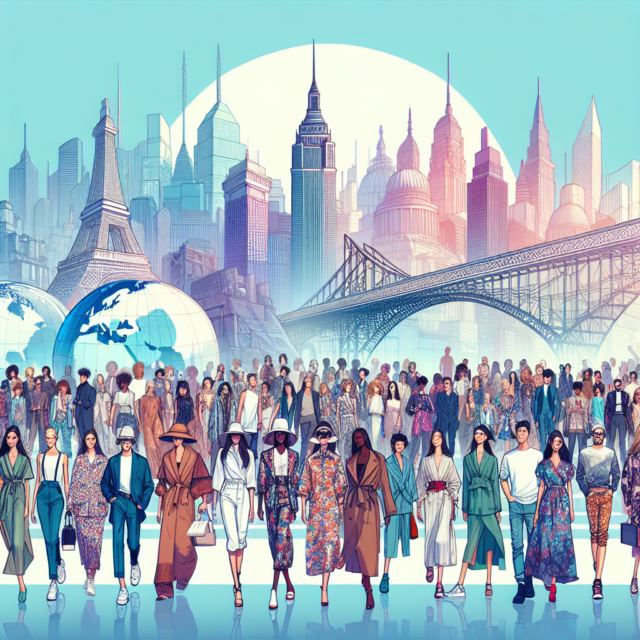
        Future Fusion: Transforming Fashion Shows into Experiences

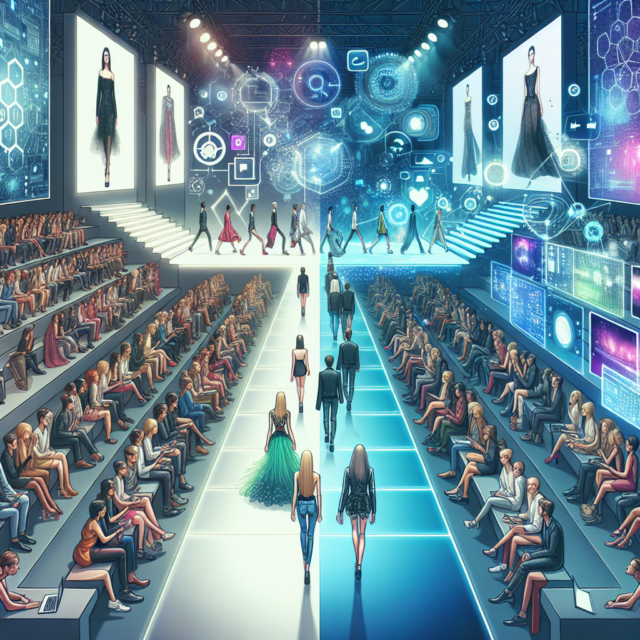
        Fashion shows have long served as the pinnacle of design innovation and creativity, offering a stage where the imagination of designers meets the expectations of audiences. However, the traditional runway paradigm is evolving. With the integration of cutting-edge technologies, fashion shows are transforming into immersive experiences that engage multiple senses and redefine the concept of an event. This article explores how immersive technologies, sensory engagement, and artificial intelligence are reshaping the future of fashion shows.

        Immersive Technologies Redefining Fashion Shows

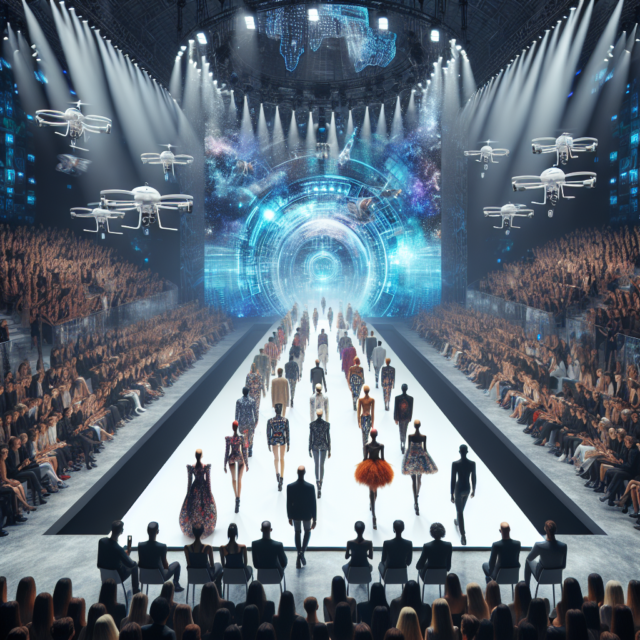
        Immersive technologies are at the forefront of transforming traditional fashion shows into futuristic spectacles. Virtual Reality (VR) and Augmented Reality (AR) are leading this charge, offering audiences an unprecedented level of engagement. With VR headsets, attendees can step into a designer’s world, experiencing collections in a virtual environment that transcends physical limitations. AR, on the other hand, allows for digital overlays on real-world settings, enhancing the visual narrative of a fashion show.

        The integration of 3D holographic projections is another significant advancement. Holograms can bring to life concepts that would be impossible to realize on a physical runway. They allow designers to experiment with form and space, presenting clothing that defies gravity or changes in real-time. These holograms can interact with models, creating a dynamic and ever-evolving presentation that captivates the audience.

        Projection mapping technology is also being leveraged to transform fashion show venues. By projecting visuals onto surfaces, designers can create immersive environments that complement their collections. This technology allows for the seamless blending of digital and physical worlds, crafting an atmosphere that enhances the storytelling aspect of a show. It also provides designers with the freedom to alter the ambiance and aesthetics instantaneously.

        Beyond visuals, immersive audio technologies are redefining how sound complements fashion shows. Binaural audio and spatial soundscapes can create a 360-degree audio experience that immerses audiences in the narrative. This level of audio intricacy ensures that every element of the show is synchronized, enhancing the overall sensory experience and drawing the audience deeper into the performance.

        The use of haptic feedback devices is an emerging trend that adds a tactile dimension to fashion shows. These devices can simulate touch sensations, allowing audiences to "feel" the textures and movements of fabrics virtually. While still in its infancy, this technology holds promise in making fashion shows more interactive and engaging, offering a new layer of sensory involvement.

        The convergence of these technologies signifies a shift from passive viewing to active participation. As designers and tech innovators continue to collaborate, fashion shows are evolving beyond mere presentations, becoming immersive experiences that are as innovative as the collections they showcase.

        From Runways to Multi-Sensory Experiences

        The transformation from traditional runways to multi-sensory experiences marks a new era in the fashion industry. This evolution is driven by the desire to create more engaging and memorable events that resonate with audiences on multiple levels. By appealing to all the senses, fashion shows become immersive narratives that leave lasting impressions.

        Visual elements remain crucial, but they are now complemented by other sensory stimuli. The use of scent, for instance, can evoke emotions and memories, adding depth to the narrative. By infusing venues with specific fragrances, designers can create an olfactory backdrop that enhances the thematic elements of their collections. This multisensory approach ensures that the audience experiences the show in a more holistic manner.

        Tactile elements are being introduced through interactive installations and fabric samples, allowing attendees to physically engage with the materials. This hands-on experience fosters a deeper connection between the audience and the designs, making the fashion show more personal and tangible. By encouraging touch, designers can convey the craftsmanship and quality of their work in a direct and impactful way.

        Culinary experiences are also being integrated into fashion shows, with curated menus that reflect the themes and aesthetics of the collections. This gastronomic approach aligns with the concept of multi-sensory engagement, offering attendees a taste of the designer’s vision. By pairing visuals with flavors, fashion shows become a feast for the senses, enriching the overall experience.

        Light and sound are meticulously orchestrated to complement each other, enhancing the emotional impact of a show. Dynamic lighting can transform a venue’s atmosphere, while synchronized soundtracks emphasize the rhythm and mood of the presentation. This careful coordination ensures that every element of the show works in harmony, creating a cohesive and immersive experience.

        The shift towards multi-sensory experiences is also driven by the need to stand out in a saturated market. As digital media offers endless streams of fashion content, live events must offer something unique to capture attention. By engaging multiple senses, fashion shows can differentiate themselves, offering an experience that cannot be replicated online. This approach not only enhances audience engagement but also elevates the artistry and creativity of the fashion industry.

        The Role of AI in Crafting Future Fashion Events

        Artificial Intelligence (AI) is playing a pivotal role in shaping the future of fashion events, offering tools and insights that enhance creativity and execution. From design to production, AI is streamlining processes and opening new avenues for innovation in the fashion industry.

        One of the most significant contributions of AI is in data analysis and audience engagement. By analyzing vast amounts of data, AI can identify trends and preferences, allowing designers to tailor their shows to meet audience expectations. This data-driven approach ensures that fashion shows are not only creative but also relevant, resonating with contemporary tastes and styles.

        AI-powered design tools are enabling designers to experiment with new forms and materials. Machine learning algorithms can generate unique patterns and silhouettes, offering fresh perspectives and ideas. This collaborative approach between human creativity and machine intelligence is pushing the boundaries of fashion design, resulting in collections that are both innovative and inspiring.

        In the realm of event management, AI is optimizing logistics and operations. From seating arrangements to lighting configurations, AI algorithms can manage complex variables, ensuring that fashion shows run smoothly and efficiently. This level of precision reduces the risk of errors and enhances the overall quality of the event.

        AI is also enhancing the interactive aspects of fashion shows through the use of chatbots and virtual assistants. These AI-driven tools can engage with audiences before, during, and after the event, providing information, answering questions, and offering personalized recommendations. This interaction fosters a deeper connection between the brand and the audience, enhancing the overall experience.

        The use of AI in creating virtual models and avatars is another groundbreaking development. These digital representations can wear and showcase collections, offering a futuristic alternative to traditional models. This technology not only expands creative possibilities but also addresses inclusivity and diversity by allowing for a wider range of body types and appearances.

        As AI continues to evolve, its impact on fashion shows will only grow. By offering innovative solutions and enhancing creative processes, AI is transforming fashion events into dynamic and engaging experiences that captivate audiences and set new standards for the industry.

        The transformation of fashion shows into immersive experiences marks a significant evolution in the industry, driven by technological advancements and a desire for deeper audience engagement. By leveraging immersive technologies, multi-sensory elements, and artificial intelligence, fashion shows are becoming more than just presentations—they are becoming experiences that resonate on multiple levels. As these trends continue to develop, the future of fashion events promises to be as dynamic and innovative as the designs they showcase, offering audiences a new way to experience and appreciate the art of fashion.

        Comprehensive Update on the Latest Fashion Shows

        Fashion weeks around the world are pivotal events that dictate the upcoming trends and showcase the creativity of designers. They are a celebration of artistry and innovation, setting the stage for what’s next in the fashion industry. This article delves into the highlights from the most recent fashion week events, explores emerging trends and designers to watch, and examines the impact of technology on runway shows. The landscape of fashion is ever-evolving, and these insights offer a glimpse into the future of style and design.

        Highlights from the Most Recent Fashion Week Events

        The recent fashion weeks across major cities such as Paris, Milan, New York, and London have been nothing short of spectacular. Each city brought its own unique flair to the runway. In Paris, the emphasis was on haute couture, with designers like Chanel and Dior presenting collections that were both timeless and innovative. The use of intricate embroidery and luxurious fabrics highlighted the craftsmanship that is synonymous with Parisian fashion.

        Milan showcased its reputation for bold and vibrant designs. Versace and Gucci led the charge with collections that featured daring patterns and vivid colors. The Italian influence was palpable, with a focus on opulence and glamour. Accessories played a significant role, with oversized jewelry and statement bags accentuating the ensembles.

        New York Fashion Week was a melting pot of diversity and inclusivity. Designers like Prabal Gurung and Tommy Hilfiger emphasized the importance of representation, featuring models of different ethnicities and body types. The collections were a blend of streetwear and high fashion, reflecting the eclectic nature of New York City.

        London Fashion Week was a celebration of avant-garde and experimental fashion. Designers such as Vivienne Westwood and Alexander McQueen pushed the boundaries with their daring silhouettes and unconventional materials. Sustainability was also a key theme, with many designers opting for eco-friendly fabrics and ethical production processes.

        The presence of celebrity designers added an extra layer of excitement to the fashion weeks. Rihanna’s Fenty collection and Kanye West’s Yeezy line drew significant attention, blending high fashion with pop culture. These collections not only highlighted the designers’ unique perspectives but also emphasized the growing intersection of fashion and entertainment.

        Overall, the recent fashion weeks were a testament to the industry’s resilience and adaptability. Despite the challenges posed by the global pandemic, designers and brands managed to put forth collections that were inspiring and forward-thinking. The events set a positive tone for the future, with a focus on creativity, inclusivity, and sustainability.

        Emerging Trends and Designers to Watch This Season

        This season, several trends have emerged that are likely to dominate the fashion landscape. One of the most notable is the resurgence of 90s-inspired fashion. From slip dresses to chunky sneakers, the nostalgia for this era is evident in many collections. Designers are reimagining classic 90s pieces with a modern twist, creating a sense of familiarity with a fresh perspective.

        Another trend gaining traction is the use of bold, vibrant colors. Neon hues and striking patterns have been prevalent across runways, signaling a shift towards more expressive and daring fashion choices. This trend is reflective of a desire for optimism and exuberance, offering a stark contrast to the subdued tones of previous seasons.

        Sustainability continues to be a major focus, with designers experimenting with innovative materials and eco-friendly practices. Recycled fabrics, biodegradable materials, and zero-waste production methods are becoming increasingly common. This trend is not only environmentally conscious but also highlights the fashion industry’s commitment to responsible and ethical practices.

        In terms of designers to watch, several new talents have emerged this season. Nensi Dojaka, known for her delicate and intricate designs, has captivated audiences with her fresh take on femininity. Thea Bregazzi and Justin Thornton of Preen by Thornton Bregazzi are also gaining recognition for their unique blend of romanticism and modernity.

        In addition, designers like Kenneth Ize and Priya Ahluwalia are making waves with their culturally inspired collections. Ize, with his vibrant use of traditional Nigerian fabrics, and Ahluwalia, with her focus on multiculturalism and sustainability, are redefining contemporary fashion.

        These trends and designers not only reflect the current zeitgeist but also offer a glimpse into the future of fashion. As the industry continues to evolve, these elements will likely play a significant role in shaping the next chapter of style and design.

        Analyzing the Impact of Technology on Runway Shows

        The integration of technology into runway shows has transformed the fashion industry, offering new ways to engage with audiences and present collections. Virtual and augmented reality have become increasingly popular, allowing designers to create immersive experiences that transcend traditional runway formats. These technologies enable viewers to explore collections in a more interactive and personalized manner.

        Live streaming has also become a staple of fashion weeks, democratizing access to these exclusive events. Audiences from around the world can now watch shows in real-time, breaking down geographical barriers and expanding the reach of designers. This has also led to an increase in digital engagement, with social media platforms playing a crucial role in amplifying the impact of runway shows.

        Artificial intelligence is being utilized to enhance various aspects of fashion shows, from personalized recommendations to virtual fitting rooms. AI-driven analytics provide designers with valuable insights into consumer preferences, enabling them to tailor their collections more effectively. This data-driven approach is revolutionizing the way designers conceptualize and present their work.

        3D printing is another technological advancement that is making waves in the fashion industry. Designers are experimenting with 3D-printed garments and accessories, offering a new level of customization and innovation. This technology not only allows for more sustainable production methods but also pushes the boundaries of traditional design.

        The rise of digital fashion is also noteworthy, with designers creating virtual garments that exist solely in the digital realm. This trend is particularly appealing to the younger, tech-savvy generation, who are increasingly engaging with fashion through digital platforms. Digital fashion offers endless possibilities for creativity and expression, challenging the conventional notions of clothing and style.

        Overall, technology is reshaping the fashion industry, providing new opportunities for creativity and innovation. As these advancements continue to evolve, they will undoubtedly play a pivotal role in defining the future of runway shows and the fashion industry as a whole.

        In conclusion, the recent fashion weeks have highlighted the dynamic and ever-changing nature of the fashion industry. From the captivating collections showcased on runways to the emerging trends and designers making their mark, the world of fashion is brimming with creativity and innovation. The integration of technology has further enhanced the way fashion is presented and consumed, offering new possibilities for engagement and expression. As the industry continues to evolve, it remains a powerful force of change and inspiration, shaping the way we perceive and interact with style and design.

        Global Fashion Week Highlights: A Contemporary Overview

        Global Fashion Week Highlights: A Contemporary Overview

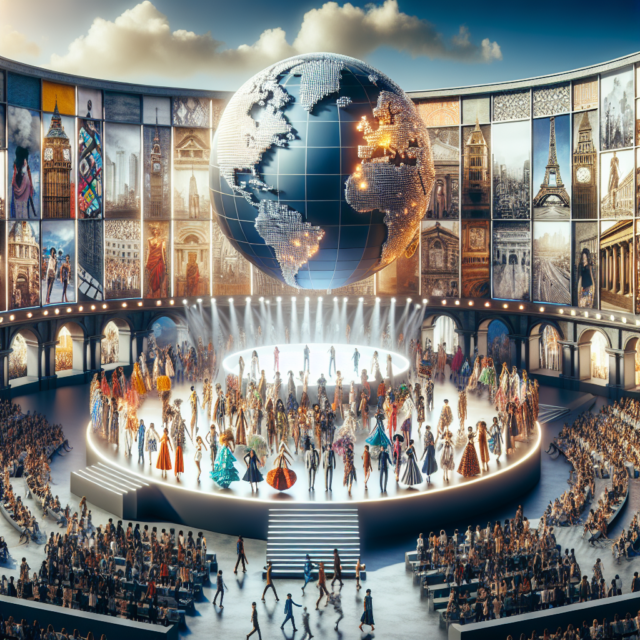
        Global Fashion Week is more than just a parade of beautiful clothing; it is a grand stage where creativity, innovation, and cultural shifts converge. Every year, designers, models, and fashion enthusiasts from around the world gather in major cities like New York, Paris, London, and Milan to showcase and witness the latest trends and groundbreaking designs. This year’s fashion weeks have been no exception, dazzling audiences with new styles, iconic designers, and cutting-edge technology. Let’s delve into the highlights of this year’s Global Fashion Week through the lenses of emerging trends, iconic designers, and innovative technologies.

        Emerging Trends on the Global Fashion Stage

        This season, the runways were a testament to the resurgence of retro aesthetics, as designers looked back to past decades for inspiration. The 70s, 80s, and 90s made strong comebacks, with flared trousers, bold prints, and oversized silhouettes dominating the collections. Designers have seamlessly blended these nostalgic elements with modern twists, creating a sense of familiarity yet freshness in their pieces.

        Sustainability continues to be a pivotal trend, with eco-friendly materials and ethical production methods taking center stage. Many designers showcased collections that emphasized the use of recycled fabrics, organic materials, and innovative dyeing techniques. This conscious approach is not just a trend but a movement towards a more sustainable future in fashion, resonating well with environmentally conscious consumers.

        Gender fluidity in fashion also marked a significant presence this season. Designers broke traditional gender norms, presenting collections that blurred the lines between menswear and womenswear. The emphasis was on individuality and self-expression, with clothing that defied conventional gender categories, offering a more inclusive and diverse fashion landscape.

        The influence of streetwear remains strong, with urban-inspired designs making their way into high fashion. Hoodies, sneakers, and oversized jackets were paired with luxurious fabrics and intricate detailing, elevating casual wear to haute couture status. This fusion of street style and luxury fashion reflects the ongoing shift towards comfort and practicality without compromising on style.

        Bright colors and bold patterns were prominent, with many designers opting for vibrant palettes and eye-catching prints. This vivacious approach to color and design was a refreshing departure from the muted tones of previous seasons, injecting energy and optimism into the collections. Such bold choices suggest a desire to inspire positivity and resilience through fashion.

        Lastly, the influence of global cultures was evident in the diverse range of designs. From African prints to Asian-inspired silhouettes, designers drew from a wide array of cultural references, celebrating diversity and fostering cross-cultural understanding. This global perspective not only enriches the fashion industry but also reflects the interconnectedness of our world.

        Iconic Designers Redefining Modern Style

        Among the standout designers this season, Alessandro Michele of Gucci continued to challenge fashion conventions with his eclectic and maximalist approach. Known for his whimsical designs and bold use of color, Michele’s latest collection was a celebration of individuality and self-expression, pushing the boundaries of traditional fashion norms.

        Donatella Versace made waves with a collection that paid homage to the brand’s rich heritage while embracing modernity. Versace’s signature opulence was evident in the luxurious fabrics and intricate detailing, yet there was a clear nod to contemporary trends with a focus on sustainability and gender inclusivity.

        Virgil Abloh, at the helm of Louis Vuitton’s menswear, once again demonstrated his ability to blend streetwear with high fashion. Abloh’s innovative approach to design was evident in his use of bold graphics and unexpected materials, creating a collection that was both forward-thinking and deeply rooted in cultural commentary.

        Phoebe Philo’s return to the fashion scene was highly anticipated, and she did not disappoint. Her collection showcased her signature minimalist aesthetic, with clean lines and understated elegance. Philo’s designs remain timeless, yet she infused a contemporary edge that resonated with modern sensibilities.

        In the realm of avant-garde fashion, Rei Kawakubo of Comme des Garçons continued to defy expectations with her boundary-pushing designs. Known for her conceptual approach, Kawakubo’s latest collection was a thought-provoking exploration of form and structure, challenging conventional notions of beauty and style.

        Lastly, the duo behind Proenza Schouler, Jack McCollough and Lazaro Hernandez, impressed with their innovative use of textiles and textures. Their collection was a masterclass in craftsmanship, with each piece meticulously constructed to create a harmonious blend of art and fashion. Their ability to balance creativity with wearability remains a hallmark of their design philosophy.

        Innovative Technologies Shaping Fashion’s Future

        Tech innovations were a major highlight of this year’s Global Fashion Week, showcasing how the industry is embracing the digital age. Virtual and augmented reality played a significant role, with many designers offering immersive experiences that allowed audiences to interact with collections in novel ways. This not only enhanced the fashion show experience but also broadened accessibility, reaching a global audience.

        3D printing technology continues to revolutionize the fashion industry, with designers using it to create intricate designs that would be impossible to achieve through traditional methods. This season saw an array of 3D-printed garments and accessories, highlighting the technology’s potential to transform the way fashion is conceptualized and produced.

        Smart textiles were another focal point, with garments embedded with technology that can monitor health metrics or change color based on environmental factors. These innovations are not just about aesthetics but also about functionality, offering a glimpse into the future of wearable technology in fashion.

        The integration of artificial intelligence is becoming increasingly prevalent, with AI being used to predict trends and personalize shopping experiences. This technology allows designers and brands to better understand consumer preferences and tailor their offerings accordingly, creating a more efficient and personalized fashion industry.

        Blockchain technology is also making waves, particularly in the realm of luxury fashion. By providing a secure and transparent way to verify the authenticity of products, blockchain is helping to combat counterfeiting and build trust with consumers. This technology is set to redefine how fashion brands manage supply chains and protect their intellectual property.

        Lastly, the rise of digital fashion and non-fungible tokens (NFTs) is challenging traditional notions of ownership and fashion consumption. Designers are creating digital-only collections and virtual garments, offering new ways for consumers to engage with fashion. This shift not only opens up new revenue streams for designers but also addresses issues of sustainability by reducing physical production waste.

        The Global Fashion Week has once again proven to be a melting pot of creativity, innovation, and cultural expression. From the resurgence of retro trends to the influence of iconic designers, the fashion world continues to evolve, reflecting broader societal changes. As technology advances, it is reshaping the fashion landscape, offering new possibilities for design, production, and consumer engagement. This year’s fashion weeks have not only showcased the industry’s current state but also hinted at its future directions, emphasizing sustainability, inclusivity, and technological integration. As we look forward to the next season, it is clear that fashion will continue to be a powerful medium for storytelling and transformation, bringing new ideas and perspectives to the forefront.

        Exploring Fashion Trends in the Metaverse This Week

        The metaverse, a burgeoning digital universe, is rapidly becoming a playground for fashion enthusiasts and designers alike. As technology evolves, so do the opportunities for creativity and expression within these virtual spaces. This week, we delve into the dynamic world of digital fashion, exploring the latest trends and innovations that are shaping virtual wardrobes, avatar outfits, and the intersection of style and technology.

        Virtual Wardrobes: Innovating Digital Fashion

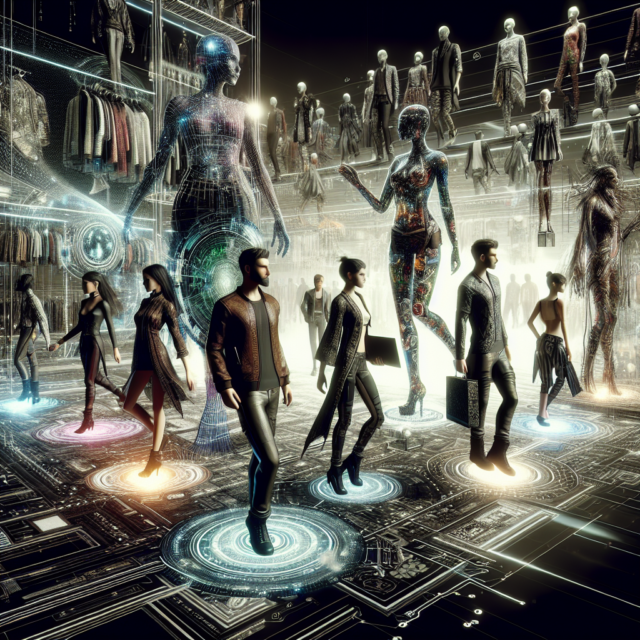
        In the metaverse, virtual wardrobes are redefining how individuals express their personal style. Unlike traditional fashion, digital garments are not bound by the constraints of physical materials, allowing designers to push the boundaries of creativity. This week, we are witnessing an influx of avant-garde designs that challenge conventional fashion norms. From gravity-defying gowns to color-shifting suits, virtual wardrobes offer a glimpse into a future where imagination knows no bounds.

        The rise of blockchain technology has also introduced the concept of digital ownership, giving fashionistas the ability to purchase and trade unique, non-fungible token (NFT) garments. This development is not only transforming how we perceive value in fashion but also fostering a new economy where digital clothing can appreciate over time. This week, several high-profile fashion houses have released limited-edition NFT collections, sparking a frenzy among collectors and enthusiasts.

        Moreover, the environmental implications of digital fashion are becoming increasingly significant. With sustainability at the forefront of global consciousness, virtual wardrobes offer an eco-friendly alternative to fast fashion. This week, several digital fashion brands have launched campaigns highlighting the reduced carbon footprint of virtual garments compared to their physical counterparts.

        Customization is another key trend in the world of virtual wardrobes. This week, platforms are offering users unprecedented levels of personalization, allowing them to tailor their digital attire to reflect their unique identities. From choosing fabric textures to modifying garment silhouettes, the possibilities for customization are virtually limitless.

        Collaboration between fashion designers and tech companies is driving innovation in digital fashion. This week, several partnerships have emerged, combining cutting-edge technology with creative design to produce groundbreaking virtual collections. These collaborations are not only enhancing the quality and aesthetic of digital fashion but also expanding its reach to a broader audience.

        Lastly, virtual fashion shows have become a staple in the metaverse, providing a platform for designers to showcase their creations to a global audience. This week, several high-profile events have taken place, featuring immersive experiences that blur the line between reality and the digital world. These shows are not only revolutionizing the way fashion is presented but also democratizing access to high fashion.

        Avatars and Outfits: Latest Metaverse Trends

        Avatars, the digital representations of users in the metaverse, are at the forefront of fashion innovation this week. With advancements in technology, avatars can now wear outfits that are as intricate and detailed as those found in the physical world. This week, the trend is leaning towards hyper-realistic designs that mimic real-world fabrics and textures, offering users an enhanced sense of presence and identity.

        One of the most exciting developments this week is the integration of AI-driven fashion advisors within metaverse platforms. These virtual stylists provide personalized outfit recommendations based on users’ preferences and activities. By analyzing data and trends, AI advisors help users curate looks that are not only stylish but also aligned with the latest fashion movements in the metaverse.

        The concept of "phygital" fashion, which blends physical and digital elements, is gaining traction this week. Brands are experimenting with hybrid outfits that can be worn both in the metaverse and the real world. This trend is blurring the lines between digital and physical fashion, offering users a seamless transition between their online and offline personas.

        Inclusivity and diversity are also major themes in avatar fashion this week. Platforms are expanding their offerings to include a wider range of body types, skin tones, and cultural attire. This move towards inclusivity ensures that users from all backgrounds can find outfits that resonate with their personal identity, fostering a more welcoming and representative metaverse.

        Augmented reality (AR) is playing a significant role in avatar fashion this week. By overlaying digital garments onto real-world environments, users can experiment with different looks and styles before committing to a purchase. This interactive approach to fashion not only enhances user engagement but also provides a novel way to experience digital fashion.

        Finally, community-driven fashion is making waves in the metaverse. This week, platforms are empowering users to design and share their own outfits, creating a vibrant ecosystem of creativity and collaboration. By giving users the tools to become designers themselves, the metaverse is becoming a hub for innovation and self-expression.

        The Intersection of Style and Technology Today

        Today, the intersection of style and technology is more pronounced than ever, with the metaverse serving as a catalyst for this convergence. This week, we are witnessing how technological advancements are influencing fashion design, production, and consumption. From 3D modeling software to virtual reality (VR) environments, technology is reshaping the fashion landscape in unprecedented ways.

        One of the key innovations this week is the use of digital twins in fashion design. These virtual replicas of physical garments allow designers to experiment with different styles, colors, and materials without the need for physical prototypes. This not only speeds up the design process but also reduces waste, aligning with the industry’s push towards sustainability.

        The role of artificial intelligence (AI) in fashion is expanding this week, with algorithms being used to predict trends and consumer preferences. By analyzing vast amounts of data, AI is helping designers create collections that resonate with audiences in the metaverse. This data-driven approach is not only enhancing creativity but also ensuring that fashion remains relevant and responsive to changing consumer demands.

        Virtual reality (VR) is revolutionizing the way we experience fashion this week. VR fashion shows and immersive shopping experiences are becoming more common, allowing users to explore collections in a fully interactive environment. This technology is providing a new dimension to fashion, making it more accessible and engaging for audiences worldwide.

        The rise of wearable technology is another significant trend at the intersection of style and technology. This week, we are seeing an increase in smart garments that integrate sensors and connectivity features. These outfits not only enhance the user’s experience in the metaverse but also offer practical applications, such as health monitoring and personalized feedback.

        Lastly, the convergence of gaming and fashion is creating new opportunities for collaboration and innovation. This week, popular game developers are partnering with fashion brands to create exclusive in-game outfits and accessories. This trend is not only expanding the reach of fashion brands but also enriching the gaming experience for players.

        As we navigate the ever-evolving landscape of the metaverse, the fusion of fashion and technology continues to forge new paths for creativity and expression. This week’s trends highlight the limitless potential of digital fashion, from virtual wardrobes and avatar outfits to the cutting-edge intersection of style and technology. As the metaverse grows, so too will the opportunities for individuals to explore and define their unique identities in this digital realm.

        Global Fashion Week Highlights: This Week’s Top Trends

        Global Fashion Week has once again dazzled the world with an array of innovative designs and groundbreaking trends. As designers, models, and fashion enthusiasts gather in style capitals across the globe, the event not only showcases the latest in sartorial creativity but also sets the tone for the upcoming seasons. This week, the runways were abuzz with a mix of emerging talent, eco-conscious initiatives, and vibrant aesthetics. Let’s delve into the standout trends that have captivated the fashion industry.

        Emerging Designers Steal the Spotlight Globally

        The global fashion scene has witnessed a remarkable influx of emerging designers who are redefining sartorial boundaries. This year’s Fashion Week was no exception, with fresh talent from diverse backgrounds taking center stage. These designers brought a breath of fresh air to the runways, infusing their collections with unique cultural influences and innovative silhouettes. From the streets of Seoul to the ateliers of Paris, new voices in fashion are being celebrated for their ability to blend tradition with modernity.

        In New York, a cohort of young designers presented collections that challenged conventional norms. Their work often featured deconstructed garments and asymmetrical cuts, reflecting a desire to break free from traditional fashion structures. This rebellious spirit was met with enthusiasm, as audiences embraced the bold statements made by these newcomers. The support for emerging talent underscores a growing appetite for originality and the importance of nurturing the next generation of fashion leaders.

        London, known for its avant-garde approach, showcased a diverse range of designers who are pushing the envelope with their experimental styles. The city’s fashion week was a testament to creativity, with collections that incorporated unexpected materials and futuristic designs. These designers are not only influencing the current fashion landscape but are also shaping the future of the industry by challenging the status quo and encouraging dialogue around fashion’s role in society.

        In Milan, the spotlight was on the fusion of art and fashion, as emerging designers collaborated with artists to create wearable masterpieces. This synergy resulted in collections that were both visually stunning and conceptually rich, highlighting the potential of interdisciplinary collaboration. These designers are redefining the boundaries of fashion, proving that it can be a powerful medium for artistic expression and cultural commentary.

        Paris, the epicenter of haute couture, embraced a new wave of talent that brought a fresh perspective to the city’s storied fashion heritage. These designers paid homage to classic French style while introducing contemporary elements that resonated with a modern audience. Their collections were a testament to the enduring appeal of Parisian fashion, combined with a forward-thinking approach that promises to keep the city at the forefront of global fashion.

        Finally, Tokyo’s fashion week was a celebration of innovation, with emerging designers showcasing their ability to merge technology with traditional craftsmanship. This blend of old and new resulted in collections that were both technologically advanced and deeply rooted in cultural heritage. As these designers continue to gain recognition on the global stage, they are proving that the future of fashion is one that embraces diversity and innovation.

        Sustainability Takes Center Stage in Fashion Week

        This year’s Fashion Week was marked by a significant shift towards sustainability, as designers and brands embraced eco-friendly practices and materials. The fashion industry, long criticized for its environmental impact, is now making strides towards a more sustainable future. This commitment was evident across the runways, with collections that prioritized ethical sourcing, reduced waste, and innovative recycling techniques.

        In New York, several designers made bold statements by incorporating sustainable materials into their collections. From recycled fabrics to biodegradable textiles, these designers showcased the potential of eco-friendly fashion without compromising on style. The emphasis on sustainability reflects a growing awareness among consumers and designers alike about the need to protect the planet while still enjoying the art of fashion.

        London’s fashion week took sustainability a step further by highlighting the importance of circular fashion. Designers focused on creating garments that could be easily recycled or repurposed, promoting a closed-loop system that minimizes waste. This approach not only addresses environmental concerns but also encourages consumers to rethink their relationship with clothing, emphasizing quality over quantity.

        In Milan, luxury brands took on the challenge of sustainability by exploring alternative materials that are both luxurious and environmentally friendly. From lab-grown leather to plant-based dyes, these innovations demonstrate that sustainability and luxury can coexist harmoniously. This shift is a positive sign that the fashion industry is committed to finding solutions that align with both environmental and aesthetic values.

        Paris, often seen as the pinnacle of fashion, embraced sustainability by showcasing collections that celebrated craftsmanship and longevity. Designers focused on creating timeless pieces that transcend seasonal trends, encouraging consumers to invest in quality garments that can be cherished for years. This approach not only reduces waste but also fosters a deeper appreciation for the artistry involved in fashion design.

        Tokyo’s fashion week highlighted the role of technology in advancing sustainability, with designers using digital tools to reduce waste and improve efficiency. From virtual fashion shows to 3D-printed garments, these innovations are paving the way for a more sustainable future. By embracing technology, designers are able to create fashion that is both cutting-edge and environmentally responsible.

        Overall, the emphasis on sustainability during Fashion Week is a promising sign that the industry is moving towards a more ethical and responsible future. As designers continue to innovate and prioritize eco-friendly practices, the potential for a sustainable fashion industry becomes increasingly attainable.

        Bold Colors and Patterns Dominate the Runways

        This year’s Fashion Week was a vibrant celebration of color and pattern, as designers embraced bold hues and intricate designs to make a statement on the runways. From electric blues to fiery reds, the collections were a feast for the eyes, showcasing the power of color to evoke emotion and convey a message.

        In New York, designers played with a spectrum of colors, using them to create dynamic and energetic collections. Bold patterns, such as geometric prints and abstract motifs, added an extra layer of excitement to the garments. This fearless approach to color and pattern signals a departure from minimalist trends, inviting fashion enthusiasts to embrace individuality and self-expression.

        London’s fashion week was a riot of color, with designers experimenting with unexpected combinations and clashing patterns. This playful approach resulted in collections that were both whimsical and sophisticated, capturing the essence of British eccentricity. The use of color as a tool for storytelling was evident, as designers used their palettes to convey narratives and evoke emotions.

        In Milan, the focus was on opulence, with designers using rich jewel tones and luxurious fabrics to create collections that exuded elegance and sophistication. Patterns were equally lavish, with intricate embroidery and ornate detailing that added depth and texture to the garments. This celebration of color and pattern reflects a desire for escapism and indulgence, offering a welcome respite from the challenges of the modern world.

        Paris, known for its timeless elegance, embraced color and pattern in a way that felt both classic and contemporary. Designers used color to highlight the beauty of their silhouettes, creating collections that were both visually striking and impeccably crafted. The interplay of pattern and texture added a modern twist to traditional Parisian style, proving that color can be both bold and refined.

        Tokyo’s fashion week was a testament to the city’s reputation for innovation, with designers pushing the boundaries of color and pattern. From neon brights to digital prints, the collections were a celebration of creativity and experimentation. This fearless approach to design reflects Tokyo’s status as a global fashion hub, where anything is possible and creativity knows no bounds.

        The dominance of bold colors and patterns on the runways is a clear indication that fashion is moving towards a more expressive and vibrant future. As designers continue to explore the possibilities of color and pattern, the potential for innovation and creativity in fashion remains limitless.

        As Global Fashion Week comes to a close, the trends that have emerged offer a glimpse into the future of fashion. From the rise of emerging designers to the industry’s commitment to sustainability, and the vibrant celebration of color and pattern, this year’s event has set the stage for a dynamic and exciting year ahead. As the fashion world continues to evolve, these trends serve as a reminder of the industry’s endless capacity for reinvention and creativity. Whether through groundbreaking designs or eco-conscious initiatives, the future of fashion promises to be as inspiring as it is innovative.

        Exploring the Latest Trends and Highlights in Fashion

        Fashion is a dynamic tapestry that continually weaves together the threads of tradition and innovation, creating a vibrant canvas that reflects cultural shifts, technological advancements, and individual expression. As we delve into the current fashion landscape, we witness an array of trends and highlights that not only define the present but also pave the way for the future. This article explores the season’s most compelling fashion trends, the key highlights from global runways, and the innovative styles that are reshaping modern wardrobes.

        Unveiling the Season’s Hottest Fashion Trends

        The fashion world is buzzing with excitement as designers unveil the season’s hottest trends, each capturing the essence of contemporary style with a unique twist. One of the standout trends is the resurgence of bold, vibrant colors, which are making a strong statement across various collections. From electric blues to fiery reds, these hues are not just limited to clothing but are also influencing accessories, makeup, and even footwear, creating a cohesive and energetic look that resonates with the boldness of modern fashion.

        Sustainability continues to be a crucial trend, with designers increasingly focusing on eco-friendly materials and ethical production processes. This season, we see an emphasis on recycled fabrics, organic materials, and zero-waste designs that appeal to the environmentally conscious consumer. The trend is not just about the materials used but also encompasses the entire lifecycle of the garment, promoting longevity and reducing fashion’s ecological footprint.

        Another significant trend is the fusion of comfort and style, as the boundaries between workwear and loungewear continue to blur. With the rise of hybrid work environments, there is a growing demand for versatile clothing that offers both comfort and sophistication. This has led to the popularity of elevated athleisure, chic knitwear, and tailored pieces that can seamlessly transition from home to office, allowing individuals to maintain a polished appearance without compromising on comfort.

        The fashion landscape is also embracing a renewed appreciation for craftsmanship and artisanal techniques. This trend sees a return to intricate embroidery, handwoven fabrics, and bespoke tailoring, highlighting the value of skilled artisanship in an era dominated by fast fashion. These elements add a layer of authenticity and individuality to garments, appealing to consumers who seek unique pieces that tell a story.

        In contrast to the maximalism of bold colors and intricate details, minimalism is also making a strong impact this season. Clean lines, monochromatic palettes, and understated elegance define this trend, offering a refreshing simplicity that stands out amidst the noise of more extravagant styles. Minimalist fashion champions the idea of "less is more," focusing on quality, fit, and timeless appeal.

        Finally, gender-fluid fashion is gaining momentum, challenging traditional norms and expanding the boundaries of self-expression. Designers are increasingly creating collections that transcend gender, offering pieces that are versatile and inclusive. This trend not only reflects a shift in societal attitudes towards gender but also encourages individuals to explore fashion as a means of expressing their true selves, free from conventional constraints.

        Key Highlights from Global Fashion Runways

        The global fashion runways are a spectacle of creativity and innovation, showcasing the vision of designers from around the world. This season, one of the most talked-about highlights is the incorporation of technology into fashion presentations. Virtual runways, augmented reality experiences, and digital fashion shows have become integral parts of the fashion week calendar, allowing designers to reach a broader audience and push the boundaries of traditional presentations.

        Another highlight from the runways is the celebration of diverse body types and identities. Designers are increasingly casting models of all shapes, sizes, and backgrounds, reflecting a more inclusive approach to fashion. This shift not only broadens the industry’s appeal but also sends a powerful message about the importance of representation and the beauty of diversity.

        The runways also spotlight a return to nostalgic aesthetics, with many designers drawing inspiration from past decades. From the glamorous silhouettes of the 1920s to the bold prints of the 1970s, these retro influences are reimagined with a modern twist, creating collections that feel both familiar and fresh. This nostalgic trend resonates with consumers who seek a sense of comfort and continuity in an ever-changing world.

        Sustainability takes center stage on the runways, with many designers using their platforms to advocate for environmental responsibility. From upcycled collections to eco-friendly materials, the emphasis on sustainability is not just a trend but a commitment to a more ethical future. This focus on sustainability is further amplified by collaborations between fashion brands and environmental organizations, highlighting the industry’s role in driving positive change.

        The influence of streetwear is unmistakable on the global runways, as high fashion continues to draw inspiration from urban culture. This season, we see a fusion of luxury and street style, with oversized silhouettes, graphic prints, and bold accessories dominating the catwalks. Streetwear’s impact on high fashion reflects a democratization of style, where the lines between luxury and everyday wear are increasingly blurred.

        Finally, the runways are a testament to the power of storytelling in fashion. Designers are using their collections to convey narratives, whether it’s a personal journey, a cultural commentary, or a vision for the future. This storytelling approach adds depth and meaning to the garments, transforming them from mere objects of desire into vehicles for expression and connection.

        Innovative Styles Shaping Modern Wardrobes

        The modern wardrobe is undergoing a transformation, influenced by innovative styles that redefine how we dress and express ourselves. One of the most significant innovations is the rise of smart textiles, which incorporate technology into the very fabric of clothing. From temperature-regulating materials to garments with built-in sensors, these smart textiles offer functionality and convenience, making fashion more adaptable to the demands of contemporary life.

        Customization is another innovation shaping modern wardrobes, as consumers seek clothing that reflects their individuality. Advances in technology have made it easier than ever to personalize garments, whether through custom prints, tailored fits, or unique color combinations. This trend towards customization empowers individuals to curate a wardrobe that is truly their own, enhancing the emotional connection to their clothing.

        The concept of modular fashion is gaining traction, offering versatility and sustainability in one package. Modular garments are designed to be mixed and matched, allowing wearers to create multiple looks from a single piece. This innovation not only maximizes the utility of each garment but also encourages a more mindful approach to consumption, aligning with the growing emphasis on sustainable fashion practices.

        The integration of digital fashion into modern wardrobes is an exciting development, as virtual clothing and accessories become more prevalent. Digital fashion offers an opportunity to experiment with styles and trends without the environmental impact of physical production. This innovation also opens up new avenues for creativity and self-expression, allowing individuals to explore fashion in the digital realm.

        Another innovative style shaping modern wardrobes is the emphasis on multifunctional clothing. As lifestyles become more dynamic, there is a growing demand for garments that can adapt to various settings and occasions. From reversible jackets to transformable dresses, multifunctional clothing offers flexibility and convenience, catering to the needs of the modern consumer.

        Finally, the rise of rental and subscription-based fashion services is revolutionizing how we approach our wardrobes. These services provide access to a rotating selection of high-quality clothing, allowing individuals to enjoy the latest trends without committing to ownership. This innovative approach to fashion consumption aligns with the desire for variety and sustainability, offering a practical solution to the challenges of fast fashion.

        As we explore the latest trends and highlights in fashion, it becomes evident that the industry is in a state of evolution, driven by creativity, technology, and a growing awareness of social and environmental issues. The season’s hottest trends, the key highlights from global runways, and the innovative styles shaping modern wardrobes all point towards a future where fashion is more inclusive, sustainable, and expressive. As we embrace these changes, we are reminded that fashion is not just about clothing—it’s a reflection of our values, our aspirations, and our ever-evolving world.

        Popular Posts

        My Favorites

        MetalCore Moves to Solana for Enhanced User Experience

        0
        Studio369, the developer behind the mech shooter MetalCore, has announced a move to the Solana blockchain aimed at enhancing gameplay performance and accessibility.The...