Home Blog Page 1164

Exploring the Rise and Impact of Digital Fashion
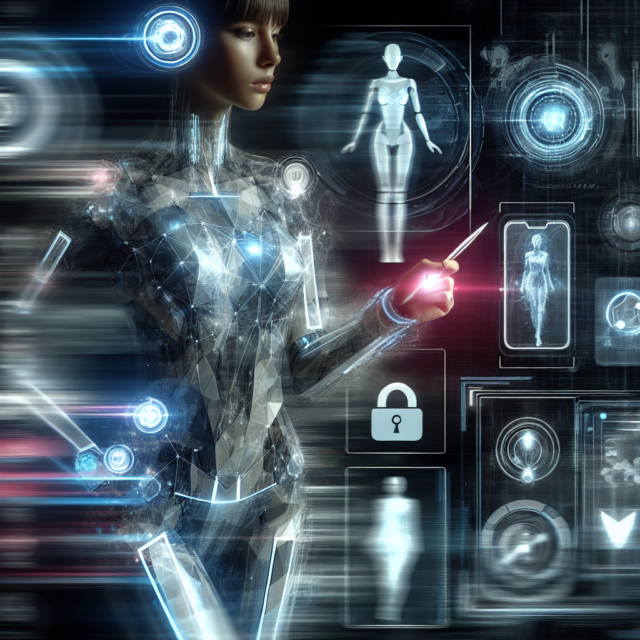
In an era where technology continues to redefine the boundaries of creativity and commerce, digital fashion emerges as a groundbreaking trend. This novel intersection of fashion and technology is not only reshaping the industry but also challenging our perceptions of clothing and self-expression. As we delve into the rise and impact of digital fashion, we explore its emergence, the technological advancements driving it, and the transformative effects of virtual clothing markets on the global fashion landscape.

The Emergence of Digital Fashion Trends

The advent of digital fashion marks a significant shift in how we perceive and engage with clothing. Unlike traditional fashion, digital fashion exists purely in the virtual realm, allowing designers to experiment without the constraints of fabric and physical production. This freedom fuels creativity, resulting in avant-garde designs that push the boundaries of imagination. As a result, digital fashion trends are characterized by bold colors, intricate patterns, and futuristic aesthetics that captivate a global audience.

The rise of digital fashion can be attributed to the increasing influence of social media and digital platforms. Influencers, fashion enthusiasts, and brands are leveraging these channels to showcase digital collections, reaching audiences worldwide without the limitations of physical showrooms. Platforms like Instagram and TikTok have become vital in popularizing digital fashion, allowing consumers to engage with these trends through virtual try-ons and augmented reality experiences.

Another driving force behind digital fashion is the growing awareness of sustainability issues within the industry. As consumers become more environmentally conscious, the demand for sustainable alternatives increases. Digital fashion offers a solution by eliminating waste associated with traditional garment production. Virtual clothing collections can be created and consumed without the environmental impact, appealing to eco-conscious consumers and brands.

Collaboration between fashion designers and tech companies is also fostering the growth of digital fashion. By combining artistic vision with technological expertise, these partnerships are producing innovative digital garments that blur the lines between reality and virtuality. This synergy is not only enhancing the quality of digital fashion but also expanding its scope and accessibility.

Digital fashion is also gaining traction due to its potential for personalization and customization. Unlike traditional clothing, which often requires mass production, digital garments can be tailored to individual preferences with ease. This capability allows consumers to express their unique style and identity in ways that were previously unimaginable, driving the popularity of digital fashion among younger, tech-savvy demographics.

Lastly, the emergence of digital fashion is closely linked to the evolution of gaming and virtual reality. As these industries continue to grow, the demand for virtual clothing and accessories within digital environments increases. Gamers and virtual world inhabitants seek unique digital attire to enhance their avatars and online personas, further fueling the digital fashion trend.

How Technology Shapes the Fashion Industry

Technology is a pivotal force reshaping the fashion industry, bridging the gap between the physical and digital worlds. One of the most significant technological advancements is the development of 3D modeling and design software, which enables designers to create intricate digital garments with precision and efficiency. These tools allow for rapid prototyping and experimentation, reducing the time and cost associated with traditional fashion design processes.

Augmented reality (AR) and virtual reality (VR) technologies are revolutionizing how consumers interact with fashion. AR applications enable virtual try-ons, allowing customers to visualize how garments will look and fit without physically wearing them. This innovation enhances the online shopping experience, reducing the uncertainty associated with purchasing clothing without trying it on first and decreasing return rates.

Blockchain technology is also making waves in the fashion industry by providing a secure and transparent method for verifying the authenticity and provenance of digital fashion items. Through blockchain, consumers can be assured of the uniqueness and ownership of their digital garments, addressing concerns about counterfeiting and intellectual property theft. This technology is particularly valuable in virtual clothing markets where exclusivity and rarity add value to digital fashion pieces.

The integration of artificial intelligence (AI) is transforming fashion design and production. AI algorithms analyze consumer data to predict trends, enabling designers to create collections that resonate with target audiences. Additionally, AI-powered tools automate various aspects of the design process, such as pattern creation and color selection, streamlining operations and boosting productivity.

Technology is also facilitating greater inclusivity within the fashion industry. Virtual fashion shows and digital platforms democratize access to fashion, allowing independent designers and small brands to showcase their work alongside established names. This inclusivity fosters diversity and innovation, enriching the fashion landscape with fresh perspectives and ideas.

Finally, wearable technology is merging fashion with functionality, creating garments that not only look stylish but also offer practical benefits. From smart fabrics that monitor health metrics to clothing that adapts to environmental conditions, the fusion of fashion and technology is leading to the development of multifunctional apparel that enhances the wearer’s lifestyle.

Analyzing the Effects of Virtual Clothing Markets

The advent of virtual clothing markets is revolutionizing the way consumers purchase and interact with fashion. These platforms provide a space for buying, selling, and trading digital garments, offering a new dimension of commerce that transcends physical limitations. Virtual clothing markets are particularly appealing to the digital-native generation, who value unique and customizable fashion experiences.

One of the most significant effects of virtual clothing markets is the democratization of fashion. These platforms allow independent designers and small brands to reach a global audience without the need for physical retail space. By eliminating traditional barriers to entry, virtual clothing markets foster creativity and innovation, enabling a diverse array of styles and aesthetics to flourish.

Virtual clothing markets also contribute to the sustainability of the fashion industry. By focusing on digital garments, these platforms reduce the need for physical production, minimizing waste and environmental impact. Furthermore, consumers can experiment with different styles and trends without the repercussions of fast fashion, promoting a more sustainable approach to fashion consumption.

The rise of virtual clothing markets is changing consumer behavior and expectations. As digital fashion becomes more prevalent, consumers are increasingly seeking personalized and immersive shopping experiences. Virtual try-ons, customizable avatars, and interactive environments are becoming standard features of these platforms, enhancing user engagement and satisfaction.

The economic impact of virtual clothing markets is substantial, with significant revenue potential for both creators and platforms. Digital fashion items are often sold as limited editions or exclusive releases, creating a sense of scarcity and driving demand. This model not only generates income for designers but also opens up new revenue streams for brands and retailers.

Finally, virtual clothing markets are influencing the cultural perception of fashion. As digital garments gain popularity, the definition of fashion is expanding to include virtual expressions of style. This shift challenges traditional notions of clothing and identity, encouraging a more fluid and dynamic understanding of fashion in the digital age.

The rise of digital fashion is a testament to the transformative power of technology and innovation within the fashion industry. As digital garments and virtual clothing markets continue to evolve, they offer exciting possibilities for creativity, sustainability, and inclusivity. While challenges remain, such as intellectual property concerns and the need for technological literacy, the impact of digital fashion is undeniable. As we move forward, embracing this digital frontier will not only redefine fashion but also shape the way we express ourselves in an increasingly interconnected world.
Exploring Emerging Trends in the World of Digital Art

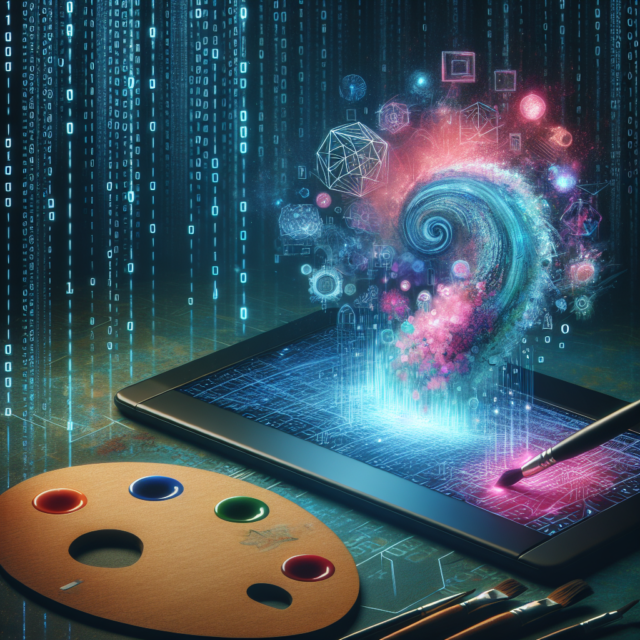
In recent years, the world of digital art has undergone a transformative evolution, marking a significant shift in how art is created, consumed, and appreciated. This metamorphosis is fueled by technological advancements and new platforms that have democratized access to art creation and distribution. As we delve into this fascinating domain, we will explore the rise of digital art as a new creative era, the innovative tools shaping the art landscape, and the profound impact of NFTs on digital art markets.

The Rise of Digital Art: A New Creative Era

Digital art has emerged as a formidable force in the art world, breaking traditional boundaries and offering artists unprecedented opportunities for creativity and expression. This new creative era is characterized by the fusion of technology and artistry, allowing creators to explore new dimensions in their work. Unlike traditional art forms, digital art is not confined to physical mediums, enabling artists to experiment with vibrant colors, dynamic compositions, and interactive elements that captivate audiences in novel ways.

The accessibility of digital art tools has played a pivotal role in this revolution, making it easier for aspiring artists to enter the field. Software programs and applications offer intuitive interfaces and a wide array of features that empower artists to bring their visions to life without the need for expensive materials or studio spaces. This democratization of art creation has led to an explosion of diverse artistic voices and styles, enriching the cultural tapestry of the digital art world.

Moreover, digital art has redefined the way audiences engage with art. Online platforms and social media have become virtual galleries, where artists can showcase their work to a global audience instantaneously. This shift has not only expanded the reach of artists but also fostered a sense of community and collaboration among creators and art enthusiasts. The interactive nature of digital art, with its potential for virtual reality and augmented reality experiences, further enhances viewer engagement, offering immersive encounters that traditional art forms may not provide.

In educational settings, digital art is gaining recognition as an essential component of contemporary art education. Institutions are incorporating digital art courses into their curricula, acknowledging its significance in the modern art landscape. This integration not only equips students with the technical skills needed to thrive in the digital age but also encourages them to think critically about the intersection of technology and creativity.

The rise of digital art is also influencing the commercial art market. Galleries and auction houses are increasingly featuring digital works, recognizing their growing appeal and investment potential. This shift reflects a broader acceptance of digital art as a legitimate and valuable form of artistic expression, challenging longstanding perceptions of what constitutes "real" art.

As we stand on the cusp of this new creative era, it is clear that digital art is not just a fleeting trend but a profound evolution in the art world. Its rise signals a future where technology and creativity continue to intertwine, offering endless possibilities for artists and audiences alike.

Innovative Tools Shaping the Art Landscape

The digital art landscape is continuously evolving, driven by innovative tools and technologies that are reshaping how artists create and interact with their work. One of the most significant developments in this domain is the advent of advanced software programs that offer a wide range of capabilities. These tools provide artists with the freedom to experiment with different styles and techniques, from hyper-realistic digital paintings to abstract generative art.

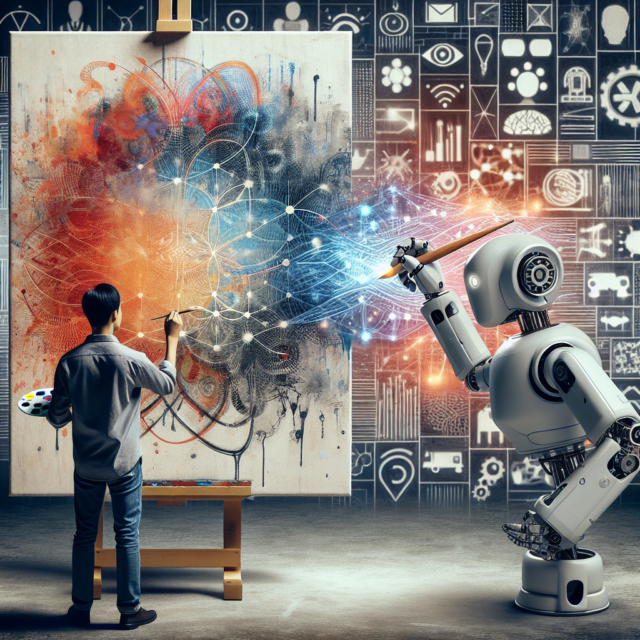
Artificial intelligence (AI) is playing an increasingly prominent role in digital art, offering new possibilities for creativity and collaboration. AI-powered tools enable artists to generate unique compositions, enhance their creative processes, and even collaborate with machines to produce artworks that blend human intuition with algorithmic precision. This fusion of human and machine creativity is pushing the boundaries of what is possible in art, opening up new avenues for exploration and expression.

Virtual reality (VR) and augmented reality (AR) technologies are also making significant inroads into the digital art world, offering immersive experiences that transform how art is perceived and interacted with. Artists are using VR to create three-dimensional spaces that viewers can explore, while AR allows for the integration of digital elements into the physical world, creating interactive experiences that engage audiences in unprecedented ways.

The rise of 3D modeling and animation software has further expanded the digital art toolkit, enabling artists to create complex, lifelike representations and animations. These tools are not only enhancing the aesthetic possibilities of digital art but are also being used in industries such as gaming, film, and advertising, where visual storytelling is paramount.

Blockchain technology is another innovation that is influencing the digital art landscape, particularly in terms of authenticity and provenance. By using blockchain, artists can securely register their works, ensuring that ownership and originality are verifiable. This technology is addressing longstanding issues of art forgery and theft, offering new levels of security and trust for digital art transactions.

Overall, the innovative tools shaping the digital art landscape are empowering artists to push the boundaries of creativity and redefine the possibilities of art. As technology continues to advance, the potential for new forms of artistic expression will only grow, offering exciting opportunities for both creators and audiences.

The Impact of NFTs on Digital Art Markets

The emergence of non-fungible tokens (NFTs) has had a profound impact on digital art markets, revolutionizing how digital artworks are bought, sold, and valued. NFTs are unique digital assets that represent ownership and authenticity of a specific piece of digital content, stored securely on a blockchain. This innovation has created a new paradigm for digital art ownership, offering artists and collectors a novel way to engage with art.

One of the most significant impacts of NFTs on digital art markets is the establishment of a new economic model for artists. By minting their artworks as NFTs, artists can directly sell their creations to collectors, bypassing traditional intermediaries such as galleries and auction houses. This direct-to-collector model not only provides artists with greater financial returns but also fosters a closer connection between creators and their audience.

NFTs have also introduced a new level of transparency and traceability in the art market. Each NFT is linked to a specific artwork and contains metadata that verifies its provenance and ownership history. This transparency reduces the risk of fraud and forgery, offering collectors confidence in the authenticity of their acquisitions. As a result, the digital art market has become more accessible and trustworthy, attracting a broader audience of collectors and investors.

The NFT boom has also led to a reevaluation of the value of digital art. Traditional art markets have often undervalued digital works due to their intangible nature and perceived lack of scarcity. NFTs address this issue by creating a sense of scarcity and exclusivity, as each token is unique and cannot be replicated. This shift has resulted in a surge in demand for digital art, with some NFT artworks fetching multimillion-dollar prices at auction.

However, the rise of NFTs is not without controversy. Critics argue that the environmental impact of blockchain technology, particularly the energy-intensive process of minting NFTs, poses significant sustainability challenges. Additionally, the speculative nature of the NFT market has raised concerns about potential market volatility and the risk of financial losses for both artists and collectors.

Despite these challenges, NFTs have undeniably transformed digital art markets, offering new opportunities for artists and reshaping how digital art is perceived and valued. As the technology evolves and matures, it will be crucial for stakeholders to address these concerns and ensure that the benefits of NFTs are realized in a sustainable and equitable manner.

The world of digital art is in the midst of a dynamic evolution, driven by technological innovations and new market paradigms. As we explore the rise of digital art, the innovative tools shaping the art landscape, and the impact of NFTs on digital art markets, it becomes clear that this is a time of unprecedented change and opportunity. While challenges remain, the potential for creativity, collaboration, and connection in the digital art realm is boundless. As artists, collectors, and audiences continue to navigate this exciting terrain, the future of digital art promises to be as diverse and vibrant as the digital canvas itself.

Exploring the Intersection of Art and Technology

In recent years, the intersection of art and technology has become a dynamic field of exploration, offering new possibilities for both artists and audiences. As technology continues to evolve, it reshapes the ways in which art is created, experienced, and interpreted. This article delves into three key aspects of this intersection: the historical evolution of art through technological advances, the rise of digital art as a medium that marries creativity with innovation, and the emergence of interactive installations that engage modern viewers in novel ways.

The Evolution of Art Through Technological Advances

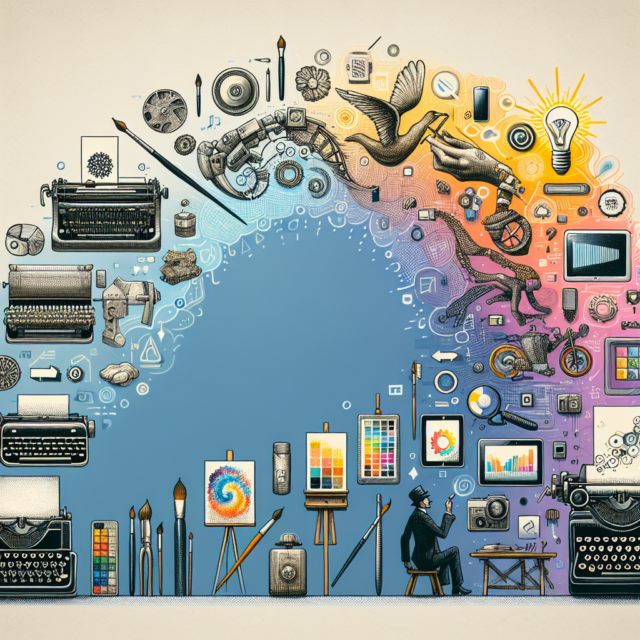
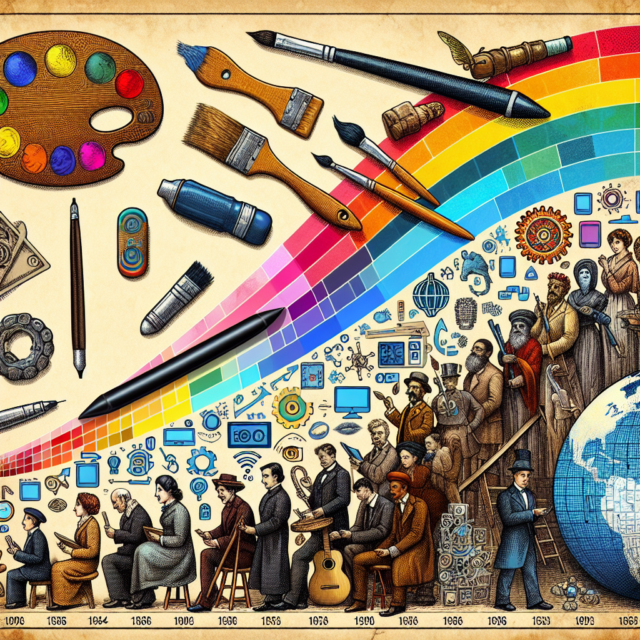
Art has always been influenced by the technological advancements of its time, with each era bringing new tools and techniques that expand the boundaries of artistic expression. From the invention of the paintbrush to the development of photography, technology has continuously transformed the art world. The Renaissance, for instance, saw the introduction of linear perspective, a breakthrough that allowed artists to create more realistic and three-dimensional works. This period also witnessed the spread of oil paints, which offered artists a new medium with rich colors and longer drying times.

The Industrial Revolution marked another significant turning point, as it introduced mass production techniques and new materials like steel and glass. These innovations not only influenced the content of art but also its form, leading to the emergence of new movements such as Impressionism and Cubism. Artists began to experiment with these materials and techniques to challenge traditional notions of beauty and representation, paving the way for modern art.

In the 20th century, the advent of photography and film further revolutionized the art world. These mediums offered new ways to capture and depict reality, prompting artists to explore concepts like time, motion, and narrative in their work. The rise of digital technology in the late 20th and early 21st centuries has continued this trend, offering artists new tools like computer software, digital cameras, and virtual reality to push the boundaries of what is possible.

Today, technology continues to shape the evolution of art, with innovations like 3D printing, artificial intelligence, and blockchain opening up new possibilities for creation and distribution. Artists are now able to create works that are interactive, immersive, and even programmable, challenging traditional definitions of art and expanding its potential impact.

As technology advances, it also democratizes the art world, making it more accessible to a wider audience. Online platforms and social media allow artists to share their work with a global audience, while digital tools enable anyone with a computer or smartphone to create and share their own art. This democratization has led to a more diverse and inclusive art world, where voices that were previously marginalized can now be heard.

The evolution of art through technological advances is a testament to the enduring power of creativity and innovation. As artists continue to explore new tools and techniques, they push the boundaries of what is possible, creating works that challenge, inspire, and engage audiences in new and exciting ways.

Digital Art: Bridging Creativity and Innovation

Digital art represents a fusion of creativity and technology, offering artists a new medium through which to express their ideas and visions. Unlike traditional art forms, digital art is created using digital technology, such as computer software, tablets, and digital cameras. This allows for a level of precision and flexibility that is difficult to achieve with traditional tools, enabling artists to experiment with form, color, and composition in innovative ways.

One of the key advantages of digital art is its accessibility. With the proliferation of affordable software and devices, more people than ever before can create digital art, regardless of their background or experience. This has led to an explosion of creativity, with artists from all over the world sharing their work online and collaborating across borders. Digital art platforms and communities have emerged, fostering a sense of connection and collaboration among artists.

Digital art also offers new possibilities for interactivity and engagement. Artists can create works that respond to the viewer’s actions or change over time, creating a dynamic and immersive experience. This interactivity challenges traditional notions of art as a static object, inviting the audience to participate in the creation and interpretation of the work.

The rise of digital art has also led to new forms of artistic expression, such as virtual reality, augmented reality, and generative art. These mediums allow artists to create immersive environments and experiences that engage all the senses, pushing the boundaries of what art can be. Generative art, for example, uses algorithms and code to create complex and intricate patterns that would be impossible to achieve by hand.

Despite its many advantages, digital art also raises questions about authenticity and originality. The ease with which digital works can be copied and shared challenges traditional notions of ownership and value in the art world. However, technologies like blockchain are beginning to address these issues, offering new ways to authenticate and monetize digital art.

Overall, digital art represents a powerful convergence of creativity and innovation, offering new possibilities for artistic expression and engagement. As technology continues to evolve, it will undoubtedly continue to shape the future of digital art, opening up new avenues for exploration and experimentation.

Interactive Installations: Engaging the Modern Viewer

Interactive installations represent a transformative approach to art, where the viewer becomes an active participant rather than a passive observer. These installations use technology to create immersive environments that engage the senses and invite interaction, offering a dynamic and multi-layered experience. By blurring the lines between art and audience, interactive installations challenge traditional notions of art and create new opportunities for engagement.

One of the key features of interactive installations is their ability to respond to the viewer’s presence or actions. This can be achieved through sensors, cameras, or other technologies that detect and react to movement, sound, or touch. The result is an art experience that is personalized and unique to each viewer, creating a sense of connection and engagement that is difficult to achieve with traditional art forms.

Interactive installations often incorporate elements of sound, light, and motion to create a multi-sensory experience. This can transform a simple gallery space into an immersive environment that transports the viewer to another world. By engaging multiple senses, these installations can evoke powerful emotions and create a deeper connection with the audience.

The rise of interactive installations has been fueled by advancements in technology, such as virtual reality, augmented reality, and artificial intelligence. These technologies allow artists to create complex and dynamic environments that challenge the viewer’s perceptions and expectations. For example, virtual reality installations can transport viewers to entirely new worlds, while augmented reality can overlay digital elements onto the physical world, creating a seamless blend of reality and imagination.

Interactive installations also offer new opportunities for collaboration and community engagement. Artists can work with technologists, scientists, and other experts to create installations that explore complex themes and ideas. These collaborations can result in works that are not only visually stunning but also thought-provoking and educational, offering new insights into the world around us.

As technology continues to evolve, the potential for interactive installations is limitless. Artists are constantly exploring new ways to engage and challenge their audiences, creating works that are both innovative and impactful. By inviting viewers to become active participants in the art experience, interactive installations offer a new way to engage with art and the world around us.

The intersection of art and technology represents a dynamic and ever-evolving field of exploration, with each new advancement offering fresh possibilities for creativity and engagement. From the historical evolution of art through technological advances to the rise of digital art and the emergence of interactive installations, this intersection continues to push the boundaries of what is possible. As artists and technologists continue to collaborate and innovate, the future of art promises to be more diverse, inclusive, and engaging than ever before, offering new opportunities for connection and exploration in an increasingly digital world.

Exploring the Evolution and Impact of Digital Art

Digital art, a vibrant and dynamic form of creative expression, has revolutionized the way art is perceived, created, and consumed. As technology continues to evolve, so does the realm of digital art, offering endless possibilities for artists and audiences alike. This article delves into the historical roots of digital art, examines the technological advancements that have shaped its development, and evaluates its profound impact on modern culture.

The Historical Roots of Digital Art’s Emergence

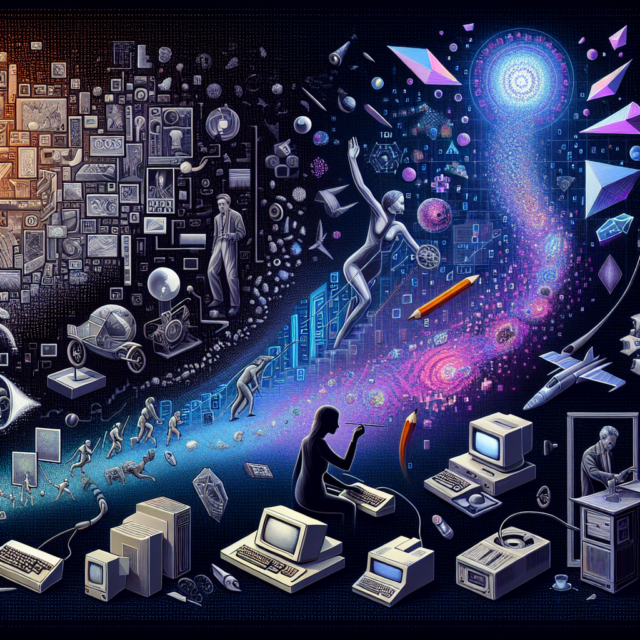
The emergence of digital art can be traced back to the mid-20th century, a period marked by rapid technological advancements and an evolving artistic landscape. The post-war era saw the rise of computers, which began to capture the imagination of artists and engineers alike. In the 1960s, pioneers like Frieder Nake and Harold Cohen started experimenting with computer algorithms to create visual art, laying the groundwork for what would later be recognized as digital art.

During the 1970s, the development of early computer graphics software and hardware provided artists with new tools to explore their creativity. The introduction of the first personal computers enabled a broader audience to engage with digital media, making art more accessible and democratizing its creation. This period also saw the rise of video art and the use of television screens as canvases, further expanding the boundaries of traditional art forms.

In the 1980s, the advent of digital photography and image editing software like Adobe Photoshop revolutionized the art world. These tools allowed artists to manipulate images with unprecedented precision and creativity. The ability to create, edit, and distribute art digitally opened up new avenues for artistic expression and collaboration, fostering a sense of community among artists worldwide.

The 1990s marked a significant milestone in the evolution of digital art with the rise of the internet. Artists began to explore the possibilities of this new medium, creating web-based art and interactive installations that engaged audiences in novel ways. The internet also facilitated the global dissemination of digital art, enabling artists to reach a wider audience and participate in international dialogues.

As the new millennium approached, digital art continued to evolve, incorporating emerging technologies such as virtual reality and augmented reality. These innovations allowed artists to create immersive experiences that challenged traditional notions of art and its consumption. The boundaries between the physical and digital worlds began to blur, leading to the rise of hybrid art forms that integrated both realms.

Today, digital art has become an integral part of the contemporary art landscape, with artists pushing the boundaries of technology and creativity. The historical roots of digital art’s emergence reveal a rich tapestry of innovation and experimentation, setting the stage for its continued evolution in the years to come.

Technological Advancements Shaping Digital Creations

The evolution of digital art has been closely intertwined with technological advancements that have continually expanded the horizons of artistic creation. One of the most significant developments has been the enhancement of computer processing power, which has enabled artists to create more complex and detailed artworks. High-performance graphics processors have allowed for the rendering of intricate designs and animations, pushing the limits of what is possible in digital art.

The introduction of sophisticated software has also played a crucial role in shaping digital creations. Programs like Adobe Creative Suite, Blender, and Procreate have provided artists with powerful tools to manipulate images, create 3D models, and design interactive experiences. These software advancements have democratized the creation of digital art, allowing artists of all skill levels to experiment and innovate.

The rise of the internet and social media platforms has further transformed the digital art landscape by providing artists with new avenues for sharing their work and engaging with audiences. Platforms like Instagram, DeviantArt, and Behance have become virtual galleries where artists can showcase their creations to a global audience. This digital connectivity has fostered a sense of community and collaboration, enabling artists to learn from one another and push the boundaries of their craft.

Technological advancements in display technology have also influenced digital art. The development of high-resolution screens, 4K and 8K displays, and virtual reality headsets has enhanced the viewing experience, allowing audiences to engage with digital art in immersive and interactive ways. These technologies have opened up new possibilities for artists to create multisensory experiences that captivate and inspire.

The advent of blockchain technology and non-fungible tokens (NFTs) has introduced a new dimension to digital art, providing artists with a means to authenticate and monetize their work. NFTs have created a digital marketplace where artists can sell their creations directly to collectors, challenging traditional notions of art ownership and distribution. This technological innovation has sparked debates about the value and permanence of digital art, reshaping the art market and its dynamics.

As technology continues to advance, the possibilities for digital art are seemingly endless. Artificial intelligence and machine learning are beginning to play a role in the creation of art, with algorithms generating artworks and assisting artists in their creative processes. These technological advancements promise to further transform the landscape of digital art, offering new tools and opportunities for artists to explore and express their creativity.

Assessing Digital Art’s Influence in Modern Culture

Digital art has had a profound impact on modern culture, influencing the way we create, consume, and interact with art. One of the most significant aspects of this influence is the democratization of art creation, allowing individuals from diverse backgrounds to express themselves and share their work with a global audience. This accessibility has led to a more inclusive art world, where voices that were previously marginalized can now be heard and appreciated.

The rise of digital art has also challenged traditional notions of art and its boundaries. By blurring the lines between different mediums, digital art has expanded the definition of what art can be. This has led to the emergence of new genres and forms, such as digital installations, interactive art, and virtual reality experiences, which engage audiences in novel and immersive ways.

Digital art has also played a significant role in shaping contemporary visual culture. The prevalence of digital imagery in advertising, media, and entertainment has influenced aesthetic trends and visual communication. Artists and designers draw inspiration from digital art, incorporating its elements into mainstream culture and creating a feedback loop that continually evolves the visual landscape.

In addition to its aesthetic impact, digital art has also influenced the way we think about art ownership and distribution. The rise of NFTs and digital marketplaces has challenged traditional art market structures, offering artists new ways to monetize their work and engage with collectors. This shift has sparked discussions about the value and permanence of digital art, as well as its potential to disrupt established art institutions.

The impact of digital art extends beyond the art world, influencing other fields such as education, technology, and social activism. Digital art is increasingly being used as a tool for education and outreach, helping to communicate complex ideas and engage audiences in meaningful ways. Artists are also using digital platforms to raise awareness about social and environmental issues, leveraging their work to inspire change and action.

As digital art continues to evolve, its influence on modern culture is likely to grow, shaping the way we perceive and interact with the world around us. The integration of digital art into everyday life has transformed it from a niche interest into a mainstream phenomenon, reflecting and shaping the cultural zeitgeist in ways that are both profound and far-reaching.

The evolution and impact of digital art are testament to the transformative power of technology and creativity. From its historical roots to the technological advancements that continue to shape it, digital art has redefined the boundaries of artistic expression and cultural engagement. As we look to the future, the possibilities for digital art are boundless, promising new avenues for creativity, innovation, and cultural dialogue. Whether through immersive experiences, new forms of artistic collaboration, or the reimagining of art ownership, digital art remains at the forefront of cultural evolution, inspiring artists and audiences alike.

Exploring the Evolution and Impact of AI-Generated Art

Artificial Intelligence (AI) has permeated numerous facets of human life, reshaping industries and reimagining possibilities. One of the most intriguing developments is the intersection of AI and art, where algorithms and neural networks are now creators alongside humans. This convergence raises questions about creativity, authorship, and the future of art. In this article, we delve into the evolution of AI-generated art, its transformative effects on the art world, and its broader implications for society.

The Emergence of AI in Artistic Creation

AI’s entry into the realm of artistic creation is a relatively recent phenomenon, spurred by advancements in machine learning and computer vision. Initially, AI’s role in art was more supportive, assisting artists with tasks such as image recognition and enhancement. As AI technologies evolved, they began to take on more creative roles, generating original pieces of art that challenge traditional notions of authorship and creativity. The development of algorithms capable of learning from vast datasets of artistic works has enabled AI to produce art that mimics human styles or creates entirely new ones.

The emergence of AI in art can be traced back to early experiments with computer-generated graphics in the mid-20th century. Artists and technologists began to explore the potential of computers to create visual art, leading to the development of generative art techniques. These early efforts laid the groundwork for the sophisticated AI models we see today, which can autonomously generate complex artworks. The advent of deep learning and neural networks has been particularly transformative, allowing AI systems to analyze and recreate artistic styles with remarkable accuracy.

AI’s capabilities in artistic creation have been further enhanced by the availability of large datasets and increased computational power. These resources allow AI to learn from a diverse array of artistic styles and techniques, resulting in more nuanced and sophisticated outputs. As a result, AI-generated art has gained recognition in prestigious art venues, challenging traditional boundaries and sparking debates about the nature of creativity and the role of the artist.

One of the most significant milestones in AI-generated art was the sale of an AI-created artwork at auction for a substantial sum. This event marked a shift in the perception of AI art, elevating it from a technological novelty to a legitimate form of artistic expression. It also highlighted the potential for AI-generated art to disrupt the traditional art market, as collectors and galleries begin to explore the value and uniqueness of AI-created works.

Despite its growing prominence, AI-generated art has faced criticism and skepticism from some quarters. Detractors argue that AI lacks the emotional depth and intentionality that characterize human creativity, and that AI-generated art is merely a reflection of the data it is trained on. However, proponents contend that AI brings a new dimension to art, offering novel perspectives and expanding the possibilities of creative expression.

The emergence of AI in artistic creation raises profound questions about the nature of art and creativity. As AI continues to evolve, it challenges us to reconsider our definitions of art and the role of the artist. It also prompts us to explore new ways of collaborating with technology, as artists and AI systems work together to push the boundaries of creative expression.

Transformations in Art Through AI Technology

AI technology has brought about significant transformations in the art world, altering how art is created, perceived, and distributed. One of the most notable changes is the democratization of art creation, as AI tools become more accessible to a wider range of artists. With AI-driven platforms and applications, artists without formal training can experiment with complex techniques and produce professional-quality artworks, broadening the scope of artistic expression.

AI has also enabled new forms of interactive and immersive art experiences. Artists are using AI to create dynamic installations that respond to viewer interactions, incorporating elements such as sound, movement, and real-time data. These experiences blur the line between creator and audience, inviting viewers to become active participants in the artistic process. As a result, art becomes a collaborative and evolving experience, shaped by both human and machine input.

The integration of AI in art has led to the exploration of new aesthetic possibilities. AI algorithms can generate patterns, shapes, and colors that are difficult or impossible for humans to conceive, resulting in unique and innovative artworks. This has inspired artists to experiment with hybrid forms of art, combining traditional techniques with AI-generated elements to create pieces that reflect the intersection of human and machine creativity.

AI’s impact on the art world extends to the realm of art curation and critique. AI-driven analytics tools can assess artworks based on various criteria, providing insights into artistic trends and preferences. These tools can assist curators in selecting and organizing exhibits, as well as offer new perspectives on the interpretation of art. However, the use of AI in this context raises questions about the objectivity and subjectivity of art evaluation, and the extent to which machines can truly understand or appreciate art.

The rise of AI-generated art has also prompted discussions about intellectual property and authorship. As AI becomes more involved in the creative process, questions arise about who owns the rights to AI-generated works. Legal frameworks are still evolving to address these issues, as stakeholders grapple with the implications of AI’s growing role in art creation. These discussions highlight the need for new models of collaboration and compensation in the art world, as artists, technologists, and AI systems work together to create innovative works.

AI technology has transformed not only the creation of art but also its distribution and consumption. Digital platforms and online marketplaces have made it easier for artists to share and sell their AI-generated works, reaching global audiences with unprecedented speed. This shift has disrupted traditional art markets, challenging established norms and opening up new opportunities for artists and collectors alike. As AI continues to evolve, it will likely further reshape the art world, driving innovation and inspiring new forms of creative expression.

Understanding AI’s Influence on Art and Society

AI’s influence on art and society is multifaceted, touching on cultural, ethical, and philosophical dimensions. Culturally, AI-generated art reflects the growing intersection of technology and creativity, challenging traditional boundaries and encouraging dialogue about the role of machines in human expression. This dialogue is essential as society navigates the implications of AI’s increasing presence in creative fields, prompting us to rethink our understanding of art and its impact on culture.

Ethically, the rise of AI-generated art raises questions about the role of machines in creative processes and the potential consequences of AI’s involvement in art. Issues such as bias in AI algorithms, the devaluation of human creativity, and the potential for AI to produce harmful or controversial content are central to discussions about the ethical implications of AI-generated art. Addressing these concerns requires a nuanced understanding of AI’s capabilities and limitations, as well as a commitment to responsible and transparent AI practices.

Philosophically, AI-generated art challenges our notions of creativity and authorship, prompting us to reconsider what it means to be an artist in the age of AI. As AI systems become more adept at producing art, they blur the line between human and machine creativity, raising questions about the nature of inspiration and the role of the artist. These philosophical inquiries encourage us to explore new frameworks for understanding creativity, as we grapple with the implications of AI’s growing role in artistic expression.

AI’s influence on society extends beyond the art world, shaping broader conversations about the relationship between humans and machines. As AI-generated art becomes more prevalent, it serves as a catalyst for discussions about the potential of AI to augment human capabilities and enhance our understanding of the world. These discussions are crucial as society navigates the challenges and opportunities presented by AI, encouraging us to consider how technology can be harnessed for the greater good.

In education, AI-generated art offers new opportunities for learning and exploration. By exposing students to AI-driven creative processes, educators can foster an appreciation for the intersection of art and technology, encouraging students to think critically about the role of AI in society. This interdisciplinary approach can inspire a new generation of artists and technologists, equipping them with the skills and knowledge needed to navigate a rapidly changing world.

The impact of AI-generated art on society is a dynamic and evolving phenomenon, reflecting the broader shifts occurring as technology becomes increasingly integrated into our lives. As AI continues to shape the art world and society at large, it challenges us to reconsider our definitions of creativity and expression, and to explore new possibilities for collaboration and innovation. By engaging with these questions, we can better understand the transformative potential of AI and its implications for the future of art and society.

The evolution of AI-generated art marks a significant chapter in the history of artistic expression, as technology and creativity converge in unprecedented ways. From its emergence as a novel tool for artistic creation to its transformative impact on the art world and society, AI has redefined our understanding of art and its possibilities. As we continue to explore the implications of AI’s growing role in creative fields, we are challenged to reconsider traditional notions of creativity, authorship, and the relationship between humans and machines. Ultimately, AI-generated art invites us to embrace new forms of expression and collaboration, as we navigate the complexities of a rapidly changing world.

Exploring the Evolution and Impact of Digital Art

Digital art, once a niche field, has burgeoned into a dynamic and influential component of the contemporary art scene. Its evolution mirrors the rapid technological advancements of the digital age, reshaping how art is created, perceived, and consumed. This article delves into the journey of digital art, examining its rise, the technological innovations that have shaped it, and its impact on modern creative industries.

The Rise and Transformation of Digital Art

Digital art’s emergence can be traced back to the 1960s when artists began experimenting with computers as tools for creation. Initially, these digital artworks were simple and often viewed as mere extensions of traditional art forms. However, as technology evolved, so did the capabilities and complexity of digital art, leading to its recognition as a legitimate and distinct art form. This transformation was marked by the increasing use of software and digital tools, enabling artists to explore new possibilities and push the boundaries of creativity.

The democratization of technology in the late 20th century played a pivotal role in the rise of digital art. As personal computers and graphic software became more accessible, a new generation of artists emerged, unencumbered by the limitations of traditional media. This accessibility allowed for a more diverse range of artistic expressions and fostered a vibrant online community where artists could share and collaborate on digital projects.

The internet has been instrumental in the proliferation of digital art, providing a platform for artists to showcase their work to a global audience. Online galleries, social media, and digital marketplaces have expanded the reach of digital artists, allowing them to connect with audiences and collectors worldwide. This global exposure has not only increased the visibility of digital art but also sparked discussions about its role and value in the broader art world.

Digital art has also undergone a significant transformation in terms of its aesthetic and thematic scope. Initially focused on abstract and experimental forms, digital art now encompasses a wide range of styles and subjects, from hyperrealistic digital paintings to interactive installations. This diversity reflects the versatility of digital tools and the artists’ ability to adapt and innovate within the digital realm.

The evolution of digital art has challenged conventional notions of authorship and ownership. The ease of reproduction and distribution has led to debates about intellectual property and the commodification of digital works. These discussions have prompted artists, collectors, and institutions to reconsider how digital art is valued and preserved, leading to new models for distribution and ownership.

As digital art continues to evolve, it is increasingly being integrated into traditional art institutions. Museums and galleries are recognizing the significance of digital art, dedicating exhibitions and collections to its exploration. This institutional acceptance marks a critical step in the ongoing transformation and legitimization of digital art as a vital part of the contemporary art landscape.

Technological Advancements Shaping Digital Art

The development of sophisticated software and hardware has been a driving force behind the evolution of digital art. Programs like Adobe Photoshop and Illustrator have become staples for digital artists, providing powerful tools for creating and manipulating images. These programs have continually evolved, incorporating features such as layers, filters, and 3D capabilities that offer artists unprecedented control over their work.

The advent of digital tablets and styluses has revolutionized the way artists interact with their digital canvases. Devices like the Wacom tablet and Apple’s iPad Pro, coupled with applications such as Procreate, have made digital drawing and painting more intuitive and natural. These tools mimic the tactile experience of traditional media while offering the flexibility and precision of digital technology.

Virtual reality (VR) and augmented reality (AR) have opened new dimensions for digital art, allowing artists to create immersive and interactive experiences. VR platforms enable artists to construct three-dimensional environments that viewers can explore, while AR applications overlay digital elements onto the physical world. These technologies have expanded the possibilities for storytelling and engagement, offering audiences a more participatory role in the art experience.

Artificial intelligence (AI) has emerged as a transformative force in digital art, enabling the creation of works that challenge human creativity. AI algorithms can generate art based on specific parameters or learn from existing artworks to produce novel compositions. This collaboration between human and machine raises intriguing questions about the nature of creativity and the role of the artist in the digital age.

Blockchain technology and non-fungible tokens (NFTs) have introduced a new paradigm for digital art ownership and distribution. NFTs provide a mechanism for verifying the authenticity and provenance of digital artworks, addressing concerns about reproduction and piracy. This technology has opened new avenues for artists to monetize their work and has sparked a surge of interest and investment in the digital art market.

The continuous evolution of technology ensures that digital art remains a dynamic and ever-changing field. As new tools and platforms emerge, artists are constantly exploring innovative ways to express their ideas and engage with audiences. This ongoing technological advancement promises to shape the future of digital art in ways that are as yet unforeseen.

Digital Art’s Influence on Modern Creative Industries

Digital art has significantly impacted the entertainment industry, particularly in film, animation, and video games. The ability to create detailed digital environments and characters has revolutionized visual storytelling, allowing for more immersive and visually stunning experiences. Digital artists play a crucial role in conceptualizing and executing the visual elements that define these media.

In the realm of advertising and marketing, digital art has become an essential tool for creating compelling and engaging content. Brands leverage digital art to craft visually striking campaigns that capture the attention of consumers. The flexibility of digital tools allows for rapid iteration and adaptation, enabling marketers to respond to trends and audience feedback in real-time.

The fashion industry has also embraced digital art, using it to design and visualize clothing and accessories. Digital tools enable designers to experiment with patterns, textures, and colors in a virtual space before committing to physical production. This capability not only streamlines the design process but also fosters innovation by allowing designers to push creative boundaries without the constraints of traditional methods.

Digital art has transformed the publishing industry, particularly in the realm of graphic novels and digital comics. Artists and writers can collaborate seamlessly across digital platforms, producing content that is both visually and narratively rich. The digital format allows for interactive elements, such as animations and sound, enhancing the reader’s experience and offering new storytelling possibilities.

The music industry has seen the influence of digital art in the creation of album covers, music videos, and stage designs. Digital artists collaborate with musicians to craft visual identities that complement and enhance the auditory experience. The integration of digital art in live performances, through projections and interactive installations, has redefined the concept of the concert experience.

As digital art continues to permeate various creative industries, it fosters cross-disciplinary collaborations and innovations. Artists, technologists, and creatives from different fields come together to explore new possibilities and redefine the boundaries of their respective disciplines. This synergy not only enriches the artistic landscape but also drives the evolution of creative industries as a whole.

Digital art stands at the intersection of technology and creativity, embodying the spirit of innovation that characterizes the modern era. Its evolution from a niche pursuit to a mainstream artistic expression reflects the transformative power of digital tools and platforms. As digital art continues to influence and reshape creative industries, it challenges artists and audiences to reconsider the possibilities of art in the digital age. The journey of digital art is far from over, promising new developments and opportunities for exploration in the years to come.

Enhancing Engagement Through Digital Customer Experiences

In today’s fast-paced digital landscape, businesses are increasingly focusing on enhancing customer engagement through digital experiences. As consumers spend more time online, the need for seamless, interactive, and personalized digital interactions has never been more critical. This article delves into the dynamics of digital customer engagement, explores strategic approaches to boost online interactions, and examines how businesses can measure the impact of these enhanced digital experiences.

Understanding Digital Customer Engagement Dynamics

Digital customer engagement refers to the myriad ways in which businesses interact with their customers through digital channels. This can include websites, social media platforms, mobile apps, email, and more. Understanding the dynamics of digital engagement involves recognizing the various touchpoints where customers interact with a brand and how these interactions can be optimized for better engagement. In the digital realm, customer expectations are high, and they seek not just products or services but memorable experiences that are convenient, personalized, and consistent across all platforms.

The shift to digital has transformed how businesses communicate with their customers. Traditional face-to-face interactions have been supplemented or even replaced by digital communication, necessitating a deeper understanding of digital behavior. Customers today are empowered with information and choices, making it crucial for businesses to engage them effectively to build loyalty and drive conversions. This dynamic nature of digital engagement requires businesses to be agile, responsive, and in tune with the evolving needs and preferences of their audience.

Personalization is a cornerstone of digital customer engagement. By leveraging data analytics, businesses can gain insights into customer preferences and behaviors, allowing them to tailor their interactions and offerings. This level of personalization not only enhances the customer experience but also fosters a sense of connection and loyalty. However, businesses must balance personalization with privacy concerns, ensuring they maintain customer trust while providing relevant and meaningful interactions.

Another critical aspect of digital engagement is the user experience (UX). A seamless, intuitive, and aesthetically pleasing digital environment can significantly enhance engagement. Businesses must focus on optimizing their digital platforms to ensure easy navigation, quick loading times, and mobile responsiveness. A poor UX can lead to frustration and disengagement, driving customers to competitors. Therefore, investing in UX design is essential for retaining customer attention and fostering long-term engagement.

Social media has become a vital tool for digital engagement. It offers businesses a platform to interact with customers in real-time, gather feedback, and build communities. By actively engaging on social media, businesses can humanize their brand, create meaningful connections, and enhance customer loyalty. Additionally, social media analytics provide valuable insights into customer sentiment and engagement levels, helping businesses refine their strategies.

Finally, the dynamics of digital customer engagement are continually evolving with technological advancements. Innovations such as artificial intelligence (AI), augmented reality (AR), and chatbots are transforming how businesses engage with their customers. These technologies offer new opportunities for personalization, interactivity, and efficiency, making it imperative for businesses to stay abreast of trends and integrate relevant technologies into their digital engagement strategies.

Key Strategies for Boosting Online Interaction

To boost online interaction, businesses must first ensure that their digital platforms are user-friendly and accessible. This involves optimizing websites for both desktop and mobile devices, as well as ensuring that navigation is intuitive and content is easy to find. A seamless digital experience encourages users to spend more time on a platform, increasing the likelihood of interaction and engagement. Regularly updating and refreshing content can also keep users engaged and returning for more.

Content marketing is a powerful strategy for enhancing digital engagement. By creating valuable, relevant, and consistent content, businesses can attract and retain a clearly defined audience. Blog posts, videos, infographics, and interactive content such as quizzes and polls can engage users and encourage them to interact with the brand. High-quality content not only drives engagement but also establishes the brand as a thought leader in its industry, building credibility and trust with the audience.

Leveraging social media platforms is another effective strategy for boosting online interaction. Businesses can use social media to engage with customers in real-time, respond to inquiries, and participate in conversations. Hosting live events, webinars, or Q&A sessions on social media can also enhance interaction by providing a platform for direct communication. Additionally, user-generated content campaigns can encourage customers to share their experiences with the brand, fostering a sense of community and belonging.

Implementing a robust email marketing strategy can also drive digital engagement. Personalized email campaigns that cater to individual customer preferences can increase open rates and encourage interaction. Offering exclusive content, promotions, or discounts through email can incentivize customers to engage with the brand. Additionally, segmenting the email list based on customer behavior and preferences ensures that the content is relevant and targeted, further enhancing engagement.

Gamification is an innovative strategy that can significantly boost online interaction. By incorporating game-like elements such as points, badges, and leaderboards into digital platforms, businesses can create engaging and rewarding experiences for users. Gamification taps into the competitive and achievement-oriented nature of humans, encouraging them to interact more frequently and for longer durations. This strategy can also enhance customer loyalty by offering rewards for continued engagement.

Finally, businesses must continuously measure and analyze their digital engagement efforts to refine their strategies. Using analytics tools, businesses can track key performance indicators (KPIs) such as click-through rates, conversion rates, and engagement metrics. These insights can help identify which strategies are effective and which need improvement, allowing businesses to optimize their digital engagement efforts for maximum impact.

Measuring the Impact of Enhanced Digital Experiences

Measuring the impact of enhanced digital experiences is crucial for understanding the effectiveness of engagement strategies and making informed decisions. One of the primary metrics to track is customer satisfaction, which can be gauged through surveys, feedback forms, and Net Promoter Scores (NPS). High levels of customer satisfaction indicate that digital experiences are meeting or exceeding customer expectations, leading to increased loyalty and retention.

Another important metric is the customer engagement rate, which measures the level of interaction customers have with digital content. This can include likes, shares, comments, and time spent on a website or app. A high engagement rate signifies that customers find the content valuable and are willing to interact with it. By analyzing engagement rates, businesses can identify which types of content or platforms resonate most with their audience and adjust their strategies accordingly.

Conversion rates are a key indicator of the effectiveness of digital engagement efforts. This metric measures the percentage of users who take a desired action, such as making a purchase, signing up for a newsletter, or filling out a contact form. A high conversion rate suggests that digital experiences are effectively guiding users through the customer journey and prompting them to take action. Businesses can use A/B testing and other optimization techniques to improve conversion rates and enhance digital experiences.

Customer retention rates are also essential for measuring the impact of digital experiences. Retention rates indicate the percentage of customers who continue to engage with a brand over time. High retention rates suggest that digital experiences are fostering loyalty and long-term relationships with customers. By tracking retention rates, businesses can identify areas for improvement and implement strategies to enhance customer loyalty and satisfaction.

Return on investment (ROI) is a critical metric for evaluating the financial impact of enhanced digital experiences. By comparing the costs associated with digital engagement efforts to the revenue generated, businesses can assess the profitability of their strategies. A positive ROI indicates that digital experiences are driving revenue growth and providing value to the business. By analyzing ROI, businesses can allocate resources more effectively and prioritize initiatives that deliver the greatest impact.

Finally, tracking brand sentiment is essential for understanding the overall impact of digital experiences on brand perception. Sentiment analysis tools can analyze customer reviews, social media mentions, and other forms of feedback to gauge public perception of the brand. Positive sentiment suggests that digital experiences are enhancing the brand’s reputation and fostering positive associations. By monitoring brand sentiment, businesses can identify potential issues and address them proactively to maintain a positive brand image.

Enhancing engagement through digital customer experiences is a multifaceted endeavor that requires a deep understanding of customer dynamics, strategic planning, and continuous measurement. By optimizing digital touchpoints, personalizing interactions, and leveraging innovative technologies, businesses can create memorable experiences that resonate with their audience. Measuring the impact of these efforts is crucial for refining strategies and ensuring that digital experiences drive meaningful engagement and business growth. As the digital landscape continues to evolve, businesses must remain agile and responsive to meet the ever-changing expectations of their customers.

Luxury Brands Embrace Technology for Modern Elegance

Luxury Brands Embrace Technology for Modern Elegance

In the ever-evolving landscape of fashion and luxury, the integration of technology has emerged as a pivotal force redefining what it means to be elegant in the modern age. Luxury brands, known for their heritage and timeless appeal, are now embracing cutting-edge technologies to enhance their offerings and connect with a new generation of consumers. This article explores how luxury brands are weaving technology into their fabric, merging tradition with innovation, and ushering in a new era of modern elegance.

How Luxury Brands Integrate Cutting-Edge Technology

Luxury brands have always been synonymous with craftsmanship and exclusivity, but the digital age has prompted an evolution in their approach. One of the most significant ways these brands integrate technology is through personalized shopping experiences. Utilizing data analytics and artificial intelligence, brands can now offer tailored recommendations, ensuring that each customer feels uniquely valued. This approach not only enhances customer satisfaction but also fosters a more profound brand loyalty.

Another area where luxury brands are leveraging technology is in the realm of virtual and augmented reality. By creating immersive experiences, brands allow customers to explore products in a virtual environment before making a purchase. For example, virtual try-ons enable customers to see how a piece of jewelry or clothing would look on them without having to visit a physical store. This technological innovation not only offers convenience but also opens up new avenues for creativity and engagement.

Blockchain technology is also making waves in the luxury industry, particularly in the authentication of products. Given the prevalence of counterfeit goods, ensuring the authenticity of luxury items is paramount. Blockchain provides a secure and transparent way to track the provenance of products, thereby instilling confidence in consumers. This technology not only protects brand integrity but also reinforces the value proposition of owning genuine luxury items.

Sustainability is another critical area where technology is playing a transformative role. Luxury brands are increasingly adopting eco-friendly practices, using technology to track and reduce their carbon footprint. From sourcing sustainable materials to optimizing supply chains, technology helps brands meet the growing consumer demand for ethical and sustainable luxury. This shift not only benefits the environment but also aligns with the values of a more conscious consumer base.

The integration of technology extends to the manufacturing process as well. Advanced techniques such as 3D printing allow for greater precision and customization in product design. This technology enables brands to experiment with new forms and materials while maintaining the high standards of quality and craftsmanship that define luxury. By adopting these innovative methods, brands can push the boundaries of design and create truly unique pieces.

Finally, technology is revolutionizing customer service in the luxury sector. Through chatbots and AI-driven customer support, brands can offer 24/7 assistance, providing immediate responses to inquiries and facilitating seamless transactions. This level of service is essential in maintaining the high expectations associated with luxury, ensuring that every interaction reflects the brand’s commitment to excellence.

The Fusion of Tradition and Innovation in Fashion

The fashion industry has always been a realm where tradition and innovation coexist, and luxury brands are at the forefront of this dynamic interplay. The fusion of heritage craftsmanship with modern technology allows brands to maintain their storied legacies while appealing to contemporary tastes. This blend is evident in the way traditional techniques are being enhanced by technological advancements, creating pieces that are both timeless and forward-thinking.

One striking example of this fusion is the use of digital design tools in the creation of haute couture. Designers can now experiment with complex patterns and intricate details that would be challenging to achieve by hand alone. These tools enable a level of precision and creativity that elevates traditional craftsmanship to new heights, resulting in garments that are both innovative and steeped in history.

Moreover, technology is enabling luxury brands to tell their stories in more engaging ways. Through digital platforms and social media, brands can share their heritage and values with a global audience. This storytelling is enriched by multimedia content, such as videos and virtual tours, that bring the brand’s history and craftsmanship to life. By connecting with consumers on an emotional level, brands can reinforce their identity and strengthen their cultural relevance.

The collaboration between artisans and technologists is another facet of this fusion. By working together, they can explore new materials and techniques that marry the best of both worlds. For instance, the integration of smart textiles into traditional designs allows for garments that not only look exquisite but also offer functional benefits, such as temperature regulation or connectivity. This collaboration ensures that luxury fashion remains at the cutting edge of innovation while honoring its roots.

In addition, the fusion of tradition and innovation is evident in the way luxury brands are reimagining classic pieces. By incorporating modern elements such as LED lighting or interactive features, brands can breathe new life into iconic designs. This approach not only appeals to tech-savvy consumers but also demonstrates the brand’s ability to adapt and evolve with the times, ensuring its continued relevance in a rapidly changing world.

Finally, the synergy between tradition and innovation is reflected in the way luxury brands approach sustainability. By combining age-old practices with modern technology, brands can create sustainable luxury items that honor both the environment and their heritage. This approach not only meets the demands of eco-conscious consumers but also reinforces the brand’s commitment to preserving the planet for future generations.

Modern Elegance: A New Era for Luxury Brands

As luxury brands embrace technology, they are redefining what it means to be elegant in the modern world. This new era of modern elegance is characterized by a seamless blend of form and function, where technology enhances the aesthetic and experiential qualities of luxury products. Brands are no longer just purveyors of beautiful items; they are creators of experiences that resonate with the values and aspirations of today’s consumers.

One of the hallmarks of modern elegance is the emphasis on personalization. By harnessing the power of technology, luxury brands can offer bespoke experiences that cater to the individual preferences of each customer. This level of personalization is achieved through data-driven insights that inform everything from product recommendations to marketing strategies. As a result, consumers feel a deeper connection to the brand, elevating their overall experience.

Another aspect of modern elegance is the focus on sustainability and ethical practices. Today’s consumers are increasingly conscious of the impact their purchases have on the environment and society. Luxury brands that embrace sustainable practices and transparent supply chains are seen as more elegant and desirable. By aligning their values with those of their customers, these brands can build lasting relationships that transcend mere transactions.

The concept of modern elegance also extends to the way luxury brands interact with their customers. In this digital age, brands must be accessible and responsive across multiple channels. Whether through social media, mobile apps, or in-store experiences, luxury brands are finding new ways to engage with their audience. This omnichannel approach ensures that every interaction is seamless and consistent, reflecting the brand’s commitment to excellence.

Furthermore, modern elegance is about embracing change and innovation while staying true to the brand’s core identity. Luxury brands that successfully navigate this balance are able to maintain their heritage while appealing to a new generation of consumers. By continuously evolving and adapting to new trends and technologies, these brands remain relevant and influential in the ever-changing fashion landscape.

Ultimately, the new era of modern elegance is a testament to the power of technology to transform the luxury industry. By integrating cutting-edge innovations, luxury brands can create products and experiences that are not only beautiful but also meaningful and impactful. As they continue to embrace this evolution, luxury brands will undoubtedly shape the future of fashion and redefine what it means to be elegant in the modern age.

In conclusion, the embrace of technology by luxury brands marks a significant shift in the industry, blending tradition with innovation to create a new standard of modern elegance. As brands continue to integrate cutting-edge technologies, they are redefining the luxury experience, making it more personalized, sustainable, and engaging than ever before. This evolution not only reflects the changing preferences of consumers but also highlights the enduring appeal of luxury in a digital world. As we look to the future, it is clear that the fusion of technology and luxury will continue to shape the industry, offering exciting possibilities for both brands and consumers alike.

Exploring the Timeless Elegance of Couture Fashion

Couture fashion, often synonymous with luxury and exclusivity, represents the pinnacle of high fashion. Rooted in a rich history and characterized by meticulous craftsmanship, couture fashion has continually evolved while maintaining its timeless elegance. This article delves into the origins and evolution of couture fashion, highlights the iconic designers who have shaped its history, and explores the intricate craftsmanship behind these exquisite creations.

The Origins and Evolution of Couture Fashion

Couture fashion traces its origins back to the mid-19th century, a time when Paris was establishing itself as the heart of the fashion world. The term "haute couture" itself originates from the French language, meaning "high sewing" or "high dressmaking." It was Charles Frederick Worth, an Englishman living in Paris, who is often credited as the father of haute couture. In 1858, he opened the first couture house, where he introduced the concept of presenting collections to clients through fashion shows, thus revolutionizing the fashion industry.

As the concept of couture fashion gained momentum, it began to evolve, reflecting the societal changes and artistic movements of the times. The Belle Époque era saw designers like Paul Poiret pushing boundaries with more relaxed silhouettes, while the Roaring Twenties brought about the flapper dress, embodying a newfound spirit of freedom and rebellion. Each decade introduced new styles and techniques, reflecting the ever-changing tastes and preferences of society’s elite.

The mid-20th century marked a golden age for couture fashion, with designers like Christian Dior and Coco Chanel leading the charge. Dior’s "New Look" in 1947, characterized by its cinched waists and full skirts, redefined femininity and elegance, while Chanel’s timeless tweed suits offered a sophisticated yet comfortable alternative. This period solidified couture fashion’s reputation as a symbol of luxury and exclusivity, attracting clients from around the globe.

Despite its exclusive nature, couture fashion has not remained stagnant. The latter half of the 20th century saw designers like Yves Saint Laurent and Pierre Cardin challenging conventions and introducing ready-to-wear lines, making high fashion more accessible. However, true couture has remained an art form, with each piece crafted to perfection and tailored to the individual client.

The evolution of couture fashion has also been shaped by technological advancements and globalization. Designers now incorporate innovative materials and techniques, pushing the boundaries of traditional couture. Additionally, the rise of digital media and international fashion weeks has brought couture to a global audience, expanding its influence and appeal.

Today, couture fashion continues to thrive as a testament to creativity, craftsmanship, and the enduring allure of luxury. While it may have evolved over the years, its essence remains unchanged: a celebration of artistry and an expression of individuality, reserved for those who appreciate the finer things in life.

Iconic Designers Who Shaped Couture History

The history of couture fashion is adorned with the contributions of visionary designers whose creativity and innovation have left an indelible mark on the industry. Charles Frederick Worth, often hailed as the father of haute couture, was the first to establish a fashion house and introduce the concept of seasonal collections. His legacy paved the way for future designers to explore new realms of creativity and set new standards of elegance.

Coco Chanel, a name synonymous with timeless style, revolutionized couture fashion with her introduction of the little black dress and the iconic Chanel suit. Chanel’s designs emphasized simplicity and comfort, breaking away from the restrictive garments of the past. Her influence extended beyond her lifetime, as her brand continues to be a cornerstone of luxury fashion, epitomizing sophistication and modernity.

Christian Dior’s impact on couture fashion is undeniable, with his "New Look" redefining post-war fashion and reintroducing opulence and femininity. Dior’s vision of elegance and his meticulous attention to detail set a new standard for couture design. His legacy is carried on by the House of Dior, which continues to be a leader in the fashion world, blending tradition with contemporary innovation.

Yves Saint Laurent, a protégé of Dior, brought a fresh perspective to couture fashion with his daring and avant-garde designs. He introduced the concept of androgynous fashion, challenging traditional gender norms with his iconic tuxedo suit for women. Saint Laurent’s ability to merge art and fashion has left a lasting impact, inspiring generations of designers to push boundaries and explore new possibilities.

The late 20th century saw the rise of designers like Valentino Garavani and Karl Lagerfeld, who each brought their unique vision to couture fashion. Valentino, known for his romantic and glamorous designs, captivated audiences with his use of luxurious fabrics and intricate detailing. Lagerfeld, with his work at Chanel and Fendi, reimagined classic designs for the modern era, ensuring their relevance in contemporary fashion.

In the 21st century, designers like Alexander McQueen and John Galliano have continued to shape the landscape of couture fashion. McQueen’s theatrical and boundary-pushing creations captivated audiences, while Galliano’s flamboyant and imaginative designs brought a sense of drama to the runway. These designers, along with many others, have contributed to the ongoing evolution of couture fashion, ensuring its place as a symbol of creativity and innovation.

The Craftsmanship Behind Couture Creations

Couture fashion is distinguished by its unparalleled craftsmanship, where each garment is a testament to the artistry and skill of the artisans who bring designs to life. The creation of a couture piece is an intricate process, involving countless hours of labor and meticulous attention to detail. From the initial sketch to the final fitting, every step is executed with precision, ensuring that each garment is a masterpiece.

The process begins with the designer’s vision, which is translated into a sketch and then brought to life through the creation of a toile, a prototype made from muslin. This allows the designer to experiment with shapes and proportions, making adjustments before the final fabric is cut. The toile is a crucial step in the couture process, allowing for refinement and ensuring that the final garment meets the designer’s exacting standards.

Once the toile is perfected, the garment is crafted using the finest materials, often sourced from around the world. Fabrics such as silk, satin, and lace are meticulously selected for their quality and suitability for the design. Couture houses work with specialized artisans, including embroiderers, beaders, and pleaters, who contribute their expertise to create intricate embellishments and details that elevate the garment to a work of art.

The construction of a couture piece involves techniques that have been passed down through generations, preserving the tradition of handcraftsmanship. Seamstresses and tailors work tirelessly to ensure that each stitch is flawless, often employing techniques such as hand-rolled hems, hand-sewn linings, and intricate draping. The dedication to craftsmanship is evident in the final product, where every detail is executed to perfection.

Fittings are an essential part of the couture process, with multiple sessions required to ensure that the garment fits the client like a second skin. Each piece is tailored to the individual’s measurements, allowing for adjustments that enhance the wearer’s silhouette and ensure comfort. The personal attention given to each client is a hallmark of couture fashion, offering a bespoke experience that is unmatched in the fashion world.

The craftsmanship behind couture creations is a celebration of artistry and a testament to the dedication of the artisans who bring designs to life. It is this commitment to excellence that sets couture fashion apart, ensuring its status as the epitome of luxury and elegance. In a world where fast fashion dominates, couture remains a symbol of timeless beauty, where tradition and innovation coexist in perfect harmony.

Couture fashion stands as a beacon of timeless elegance, its history rich with innovation and artistry. From its origins in the ateliers of Paris to its global influence today, couture fashion continues to captivate with its exquisite craftsmanship and visionary designs. The iconic designers who have shaped its history and the skilled artisans who bring these creations to life are a testament to the enduring allure of couture. As we look to the future, couture fashion remains a celebration of creativity and individuality, a reminder of the beauty that can be achieved through dedication and passion.

Revolutionizing the Experience: Smoothie Bar Infusions’ Latest Product Launch | Web3Wire

0
Revolutionizing the Experience: Smoothie Bar Infusions’ Latest Product Launch | Web3Wire


Image: https://www.abnewswire.com/upload/2025/02/5eb234d090ace9b79eb0a1ce51555e30.jpg

Smoothie Bar Infusions [https://smoothiebarinfusions.com/] continues to lead the industry by combining advanced technology with intuitive, user-focused design. With a strong emphasis on compliance, quality, and creativity, the company is redefining the way consumers experience innovative consumption devices across California.

The launch of Smoothie Bar [https://smoothiebarinfusions.com/] Infusions’ 2025 brand campaign signals a transformative step forward for the company. This initiative centers on innovation, sustainability, and community engagement, highlighting the brand’s commitment to delivering premium products that inspire trust and satisfaction. With a growing community of users, the campaign underscores the importance of meaningful connections and shared values.

At the core of Smoothie Bar Infusion [https://smoothiebarinfusions.com/%5Ds‘ mission is a dedication to enhancing user experiences through state-of-the-art technology and a community-driven approach. All products are designed to meet the highest safety and compliance standards in California, empowering consumers to enjoy with confidence. By blending quality, safety, and sustainability, Smoothie Bar Infusions ensures that every moment is elevated with purpose and precision.

The campaign introduces groundbreaking innovations, such as the Blend Digital device, which features a high-definition screen for real-time battery monitoring and precision heat control. This smart device also includes a battery indicator to guide optimal usage and deliver consistent performance. These advancements ensure every session is tailored to deliver superior flavor and reliability, embodying the brand’s commitment to technological excellence.

Smoothie Bar Infusions also offers enhanced versatility, with devices designed for seamless integration into daily life. The ability to mix and match flavors ensures a personalized experience, while sleek, discrete designs make the devices ideal for any setting. This focus on practicality and style reinforces the brand’s dedication to meeting modern consumer needs.

Sustainability plays a vital role in the 2025 campaign, with Smoothie Bar Infusions adopting eco-friendly materials to reduce environmental impact. By utilizing recyclable packaging and minimizing waste, the brand prioritizes environmental stewardship without compromising product quality or performance. These sustainable practices reflect Smoothie Bar Infusions’ commitment to building a greener future.

Community input remains a cornerstone of the brand’s approach. Through active engagement at events, trade shows, and partnerships, Smoothie Bar Infusions fosters trust and connection with its audience. By listening to customer feedback and collaborating with the community, the company ensures its products reflect the aspirations and diverse experiences of its users.

Smoothie Bar Infusions believes in the power of technology to connect and empower people. The 2025 campaign celebrates this belief by emphasizing inclusivity, collaboration, and innovation. By offering premium, sustainable solutions and fostering meaningful engagement, Smoothie Bar Infusions continues to build a legacy that goes beyond products, inspiring individuals to live fully and confidently every day.

Media ContactCompany Name: Smoothie Bar InfusionsContact Person: Melissa M MurphyEmail:Send Email [https://www.abnewswire.com/email_contact_us.php?pr=revolutionizing-the-experience-smoothie-bar-infusions-latest-product-launch]Phone: (323)809-4658City: Los AngelesCountry: United StatesWebsite: https://smoothiebarinfusions.com/

This release was published on openPR.

About Web3Wire Web3Wire – Information, news, press releases, events and research articles about Web3, Metaverse, Blockchain, Artificial Intelligence, Cryptocurrencies, Decentralized Finance, NFTs and Gaming. Visit Web3Wire for Web3 News and Events, Block3Wire for the latest Blockchain news and Meta3Wire to stay updated with Metaverse News.


Source link

Popular Posts

My Favorites

Lone River And Dimaond Cross Ranch Join Forces For Après Ski...

0
The best days start outdoors and end together—at least that's what Lone River and Diamond Cross Ranch are declaring with their latest collaboration.Built...