Home Blog Page 1163

Top NFT Collections – February 4, 2025

0
Top NFT Collections – February 4, 2025


Top NFT Collections (Last 24h)

Here are the hottest NFT Collections of the day.

Rank

Name
Volume
Transactions
Chains
URL

1

Pudgy Penguins
1,677.01 ETH
157
ethereum
View

2
CryptoPunks
CryptoPunks
483.93 ETH
11
ethereum
View

3
Lil Pudgys
Lil Pudgys
463.84 ETH
426
ethereum
View

4
Azuki
Azuki
461.21 ETH
147
ethereum
View

5
Fluid VaultFluid Vault
Fluid Vault
400.14 ETH
2
ethereum
View

6
Uniswap v4 Positions NFT
373.93 ETH
9
ethereum
View

7
Bored Ape Yacht Club
319.61 ETH
24
ethereum
View

8
Milady Maker
Milady Maker
301.85 ETH
65
ethereum
View

9
Doodles
Doodles
190.24 ETH
48
ethereum
View

10
Mutant Ape Yacht Club
182.16 ETH
86
ethereum
View


Source link

Crypto Prices Recover Following Temporary Tariff Pause

0
Crypto Prices Recover Following Temporary Tariff Pause


Crypto Markets Rebound After Tariff Pause Announcement

Crypto markets saw a sharp rebound after US President Donald Trump decided to pause proposed tariffs on Canada and Mexico. This temporary hold followed a phone call between Trump and Canadian Prime Minister Justin Trudeau. The decision brought relief to traders and investors who had been bracing for the impact of higher trade barriers.

In a statement on X, Trudeau confirmed that the 25% tariffs would be on hold for at least 30 days. Canada plans to strengthen coordination with the US through a $1.3 billion border plan. This includes appointing a Fentanyl czar, labeling cartels as terrorist organizations, and increasing security with helicopters and additional personnel at the US-Canada border.

Mexico also secured a one-month pause on tariffs. President Claudia Sheinbaum stated that the US and Mexico reached several agreements focused on security and trade. Both nations will start working on these issues immediately, with a commitment to reinforce their shared land border.

Uncertainty Remains with Trump’s Comments

Despite these announcements, Trump told Bloomberg TV that the US and Mexico haven’t finalized an agreement on tariffs. He indicated that tariffs could still take effect, adding some uncertainty to the situation.

While tariffs on Canada and Mexico are paused, the 10% tariff imposed on China remains active. According to the Wall Street Journal, China is prepared to negotiate. Sources suggest that China’s initial offer includes reviving the Phase 1 trade deal from 2020, which required Beijing to boost US exports by $200 billion over two years.

Source: CNN

On the crypto-based prediction platform Polymarket, bettors give Trump a 24% chance of removing tariffs on Mexico before March. The odds for Canada’s tariff removal stand at 22%, while China’s chances are much lower at 9%.

Crypto prices had dropped sharply a day before the announcements, following Trump’s initial tariff threats. Estimates suggested around $10 billion in capital was liquidated from the markets. However, the latest updates from world leaders have reversed this trend.

Bitcoin and Ether Show Strong Recovery

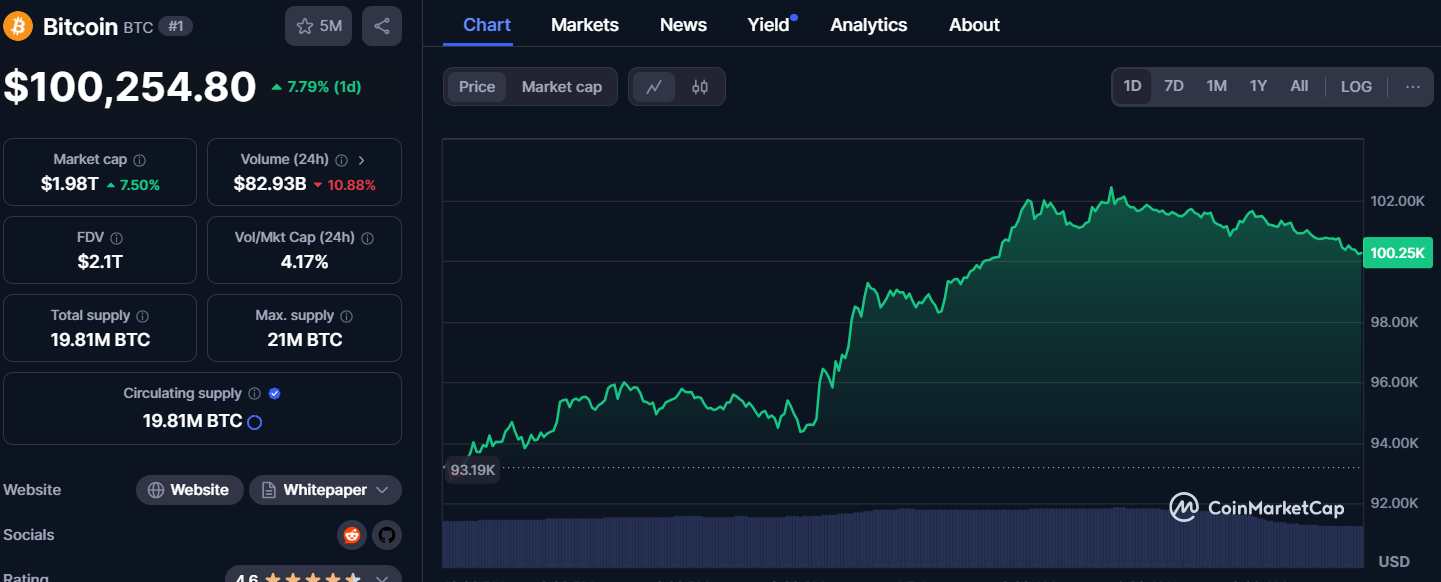
CoinMarketCap data shows that Bitcoin has risen above $100,000, hitting $101,731 after falling to $92,000 the day before. Ether bounced back as well, rising from $2,451 to $2,880. This demonstrates the investor’s newfound faith in the cryptocurrency market.

Bitcoin and Ether Show Strong Recovery

Source: CoinMarketCap

The investor attitude indicator, the Crypto Fear & Greed Index, has changed dramatically. It scored 72 out of 100, crossing the line from fear to greed. This change reflects growing optimism among traders following the recent policy updates.


Source link

PEPETO to Replace PEPE? All the Market Signs to Watch

0
PEPETO to Replace PEPE? All the Market Signs to Watch


PEPETO to Replace PEPE? All the Market Signs to Watch

Meta title: PEPETO to Replace PEPE? All the Market Signs to Watch

Meta description: PEPE drops as bearish sentiment grows, while PEPETO gains traction with staking rewards and liquidity solutions. Is PEPETO set to replace PEPE in the meme coin market?

Pepe (PEPE) is facing mounting pressure as its price continues to slide, while a new rival, PEPETO, is positioning itself as a more sustainable alternative. With PEPE down nearly 5% in the past 24 hours and 20% over the past week, traders are watching closely to see whether the once-popular meme coin can recover, or if PEPETO is poised to take its place.

PEPE Struggles as Bearish Sentiment Grows

#Pepe is currently trading at approximately $0.00001389, marking a steady decline from its all-time high. The meme coin’s market cap remains stable at $5.8 billion, but trading activity has slowed, with a moderate 24-hour volume of $1.3 million. Key technical indicators suggest continued bearish momentum, with the MACD trending negatively and the RSI hovering near oversold levels.

Support is critical near the $0.0000115 level, a psychological barrier that, if broken, could lead to further losses. Resistance remains weak near recent highs, meaning the price has room to rise if buying pressure returns. However, with Bollinger Bands tightening and volume declining, traders anticipate an impending breakout—either upwards or further down.

Some analysts suggest that a price move above resistance with strong volume could signal a reversal, making it a potential entry point for traders. A stop-loss below support is recommended to limit downside risk, while a profit target of 10-15% above entry accounts for PEPE’s volatility.

PEPETO: A Sustainable Alternative?

PEPETO to Replace PEPE? All the Market Signs to Watch

While #Pepe struggles to revert back to highs seen in December 2024, PEPETO is emerging as a new player in the meme coin market, branding itself as a more stable and valuable alternative. The token is designed with long-term growth in mind, incorporating features such as a staking mechanism with a 362% annual return. Investors who stake PEPETO earn passive income while supporting the token’s ecosystem.

A key advantage of PEPETO is its interoperability bridge, which enables seamless transactions between different cryptocurrencies. This enhances liquidity and trading efficiency, potentially giving it an edge over other meme tokens. Additionally, the project is set to launch PepetoSwap, a dedicated exchange aimed at addressing fragmentation in the meme coin market.

PEPETO’s total supply of 420 trillion tokens ensures accessibility while maintaining an element of scarcity. To boost adoption, the presale includes listings on five major exchanges, increasing visibility and liquidity. The project also plans to distribute 32 million #Pepeto tokens per Ethereum block over the next two years as staking rewards.

Can PEPETO Overtake PEPE?

With PEPE’s price declining and technical indicators signalling bearish momentum, investors are exploring alternatives. PEPETO has structured incentives, staking rewards, and liquidity solutions that present a compelling case for long-term adoption. As market conditions evolve, traders will be watching whether #Pepeto gains enough traction to challenge PEPE’s dominance in the meme coin space.

PEPETO to Replace PEPE? All the Market Signs to Watch

About Pepeto

Pepeto is a cutting-edge cryptocurrency project blending the playful spirit of memecoins with a powerful utility-driven ecosystem. It features a zero-fee exchange, a cross-chain bridge for seamless swaps, and staking rewards designed to support the next generation of tokens.

Website: https://pepeto.io/ 

X (Twitter): https://x.com/Pepetocoin 

YouTube Channel: https://www.youtube.com/@Pepetocoin 

Telegram Channel: https://t.me/pepeto_channel 

Instagram: https://www.instagram.com/pepetocoin/ 

TikTok: https://www.tiktok.com/@pepetocoin 

Contact Details

Contact: TokenWire Team

Email: [email protected]

Disclaimer

In line with the Trust Project guidelines, please note that the information provided on this page is not intended to be and should not be interpreted as legal, tax, investment, financial, or any other form of advice. It is important to only invest what you can afford to lose and to seek independent financial advice if you have any doubts. For further information, we suggest referring to the terms and conditions as well as the help and support pages provided by the issuer or advertiser. MetaversePost is committed to accurate, unbiased reporting, but market conditions are subject to change without notice.

About The Author


Gregory, a digital nomad hailing from Poland, is not only a financial analyst but also a valuable contributor to various online magazines. With a wealth of experience in the financial industry, his insights and expertise have earned him recognition in numerous publications. Utilising his spare time effectively, Gregory is currently dedicated to writing a book about cryptocurrency and blockchain.

More articles


Gregory, a digital nomad hailing from Poland, is not only a financial analyst but also a valuable contributor to various online magazines. With a wealth of experience in the financial industry, his insights and expertise have earned him recognition in numerous publications. Utilising his spare time effectively, Gregory is currently dedicated to writing a book about cryptocurrency and blockchain.


Source link

‘The Bachelor’ Recap: Who Did Grant Ellis Send Home In Week 2?

    0
    ‘The Bachelor’ Recap: Who Did Grant Ellis Send Home In Week 2?


    Reading Time: 5 minutes

    Things are heating up on Grant Ellis’nseason of The Bachelor!

    As more roses are handed out and more tears are shed, Grant’s roster of eligible bachelorettes keeps getting smaller and smaller.

    The former basketball phenom might be excited to find his future wife, but he’s been forced to acquaint himself with the messy side of the process as he thins the herd and says farewell to potential future wives.

    Grant Ellis has been named the Bachelor for the show's 29th season.
    Grant Ellis has been named the Bachelor for the show’s 29th season. (ABC)

    Who Got Sent Home on ‘The Bachelor’ Week 2?

    In week two, Grant parted ways with another four women.

    Allyshia, Ella, Rebekah, and Vicky all got sent home following a very emotional rose ceremony.

    Ella, a luxury travel host from Los Angeles, seemed to take the news the hardest.

    After reassuring herself that she would get a rose, she seemed genuinely shocked when Grant chose to go in a different direction.

    Ella is a Luxury Travel Host from Los Angeles who prefers glamping over camping. (Disney/Matt Sayles)

    The rest of the cast probably would’ve preferred to see Zoe pack her bags. But hey, this wouldn’t be a season of The Bachelor without a good villain!

    Let’s take a look back at how we got to this point:

    Who Got Sent Home on ‘The Bachelor’ Week 1?

    In week one, the casualties included at least one cast member whom X commenters predicted would make it through to the final rounds.

    But it wouldn’t be a season of The Bachelor without a whole bunch of surprises.

    And even the No-Drama Llama couldn’t save these 25 women from the pain of being left roseless at the end of the night.

    Welcome to Bachelor Nation, Grant Ellis! (Disney/John Fleenor)

    It was a cocktail party with consequences as Grant’s journey to the altar got underway in frantic fashion.

    As usual, the women lobbied for one-on-one time, and some first impressions just weren’t strong enough to earn a ticket to night two.

    So without further ado, let’s check out the full list of women who did not receive roses on Grant’s first night as Bachelor.

    Kyleigh in a promotional photo taken ahead of The Bachelor Season 29. (Disney/Matt Sayles)

    Kyleigh is a Retail Manager from Wilmington, N.C. who loves line dancing.

    Sadly, she wasn’t able to dance her way into Grant’s heart.

    She left the show with grace and dignity, however, wishing the new Bachelor luck on her way out the door.

    Savannah in a promotional photo taken ahead of The Bachelor Season 29. (Disney/Matt Sayles)

    Savannah is a Wedding Planner from Charlottesville, Virginia. who loves a competitive game of charades.

    She brought a wedding cake to night one, and she fought hard for Grant’s attention.

    Alas, it seems Grant just couldn’t imagine himself picking out a wedding cake with Savannah. And that’s gotta sting. No matter how you slice it.

    Kelsey in a promotional photo taken ahead of The Bachelor Season 29. (Disney/Matt Sayles)

    Kelsey is an Interior Designer from Brooklyn, New York who wants to study “empire building” under the queen of all momagers, Kris Jenner.

    Unfortunately, Kelsey won’t be building an empire with Grant.

    She was able to score some one-on-one time with him at the cocktail party, but she still wound up empty-handed at the end of the night.

    Neicey in a promotional photo from The Bachelor Season 29. (Disney/Matt Sayles)

    Next up is Neicey, a pediatrician from Blythewood, South Carolina.

    She arrived in a lab coat and pointed out that her medical degree is a sign that she’s not afraid of commitment.

    Sadly, it seems this doctor just couldn’t find her way to Grant’s heart.

    Bachelor fans on X picked Neicey as an early frontrunner. But it wasn’t meant to be.

    Radhika in a promotional photo for The Bachelor Season 29. (Disney/Matt Sayles)

    Radhika is an Attorney from New York City who is a self-proclaimed Harry Potter nerd.

    She may one day receive a letter from Hogwarts, but she did not get a rose from Grant on night one.

    And that’s a shame, as we were looking forward to seeing more of her Bollywood-inspired dance moves.

    J’Nae in a promotional photo for The Bachelor Season 29. (Disney/Matt Sayles)

    Next we have J’Nae, an Account Coordinator from Colorado Springs, Colorado who says her love language is FaceTime.

    Alas, J’Nae wasn’t able to score much facetime with Grant on night one.

    As a result, she climbed right back into the limo at the end of the evening.

    Christina in a promotional photo for The Bachelor Season 29. (Disney/Matt Sayles)

    Finally, there’s Christina, a Marketing Director from Fargo, North Dakota who says her biggest career goal is to start a clothing line inspired by her grandparents.

    We suppose the silver lining is that she’ll have more time to devote to that project after not receiving a rose from Grant on night one.

    So there you have it, folks. The pool of contestants has already been winnowed down from 25 to 18.

    And if all goes according to plan, Grant will be popping the question to one lucky lady in his season finale.

    Keep it locked on THG as we continue to update you on all of this season’s triumphs and tears.


    Source link

    Killer Mike Sues Over Grammys Arrest, Blames Private Security

      0
      Killer Mike Sues Over Grammys Arrest, Blames Private Security


      Killer Mike
      Grammys Security Embarrassed Me …
      I Got Arrested for No Reason!!!

      Published February 3, 2025 5:54 PM PST

      Killer Mike is suing over last year’s arrest at the Grammys … and he’s laying the blame on the private security services hired to work the event.

      In a new lawsuit, obtained by TMZ, the rapper says he was stopped by security on his way to the red carpet for photos and media interviews despite winning a bunch of awards and having all the necessary credentials to access the secured area.

      Play video content

      020424-killer-mike-arrest-kal
      2/4/24

      TMZ.com

      Killer Mike says the two companies the Grammys hired to do security at the 2024 show — S&S Labor Force Inc. and JRM Private Security — gave their employees way too much power … which led to him being unlawfully placed under citizen’s arrest.

      Mike says security physically assaulted and battered him by putting their hands on him and restraining him in full view of onlookers … with Mike saying they caused him emotional distress and public humiliation.

      KILLER MIKE GRAMMYS

      In the docs, Mike says he was unlawfully detained when security put him under citizen’s arrest under false pretenses … and he says it led to cops eventually arresting him and holding him in a nearby jail for hours, causing him to miss out on presenting a Grammy award for a huge TV audience.

      As we reported, Killer Mike was ultimately released from police custody after the award show … and a couple months later, prosecutors declined to pursue criminal charges against him.

      Play video content

      020624_tmz_live_killer_mike_kal

      TMZ.com

      Mike says the whole saga caused him unnecessary public embarrassment, distress and professional harm … and he’s going after the security companies for damages.

      We reached out to the companies … so far, no word back.


      Source link

      Exploring the Rise of Digital Influencers and Models

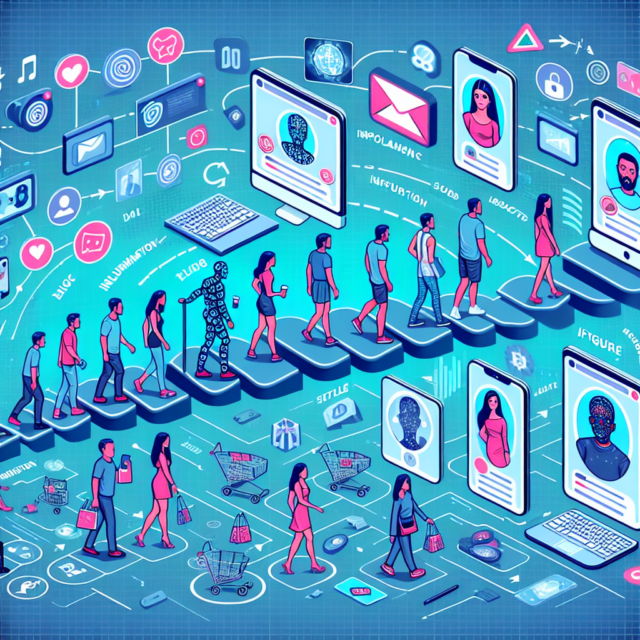
      In recent years, the digital landscape has experienced a significant transformation, largely driven by the rise of digital influencers and models. These individuals and avatars have become pivotal in shaping consumer behavior and marketing strategies, bridging the gap between brands and their target audiences. As technology continues to evolve, so does the influence of these digital personas, making it crucial to explore their evolution, impact, and future trends.

      The Evolution of Digital Influencers and Models

      The concept of digital influencers and models has evolved dramatically over the past decade. Initially, influencers were primarily bloggers and social media enthusiasts who shared personal experiences and lifestyle tips. With the advent of platforms like Instagram, YouTube, and TikTok, individuals gained the ability to reach vast audiences, transforming from casual content creators to influential figures with the power to shape public opinion and consumer trends.

      As the demand for authentic content grew, so did the diversity of digital influencers. Today, they range from micro-influencers with niche audiences to mega-influencers and celebrities commanding millions of followers. This evolution has been fueled by the growing importance of social media in everyday life, providing a platform for influencers to thrive and for brands to capitalize on their reach.

      Parallel to the rise of human influencers, digital models have emerged, leveraging advancements in technology to create virtual personas. These computer-generated models, like Lil Miquela and Shudu, have captivated audiences with their lifelike appearances and distinct personalities. They offer brands a unique opportunity to innovate their marketing strategies, blending reality with digital artistry.

      The evolution of digital influencers and models is also marked by the integration of artificial intelligence and machine learning. These technologies enable the creation of more sophisticated and realistic digital personas, blurring the lines between human and virtual influencers. As AI continues to advance, the potential for digital models to mimic human behavior and emotions becomes more feasible.

      Furthermore, the evolution of digital influencers is not limited to their technological aspects but also includes the changing dynamics of influencer marketing. Brands are increasingly turning to influencers for authentic storytelling and engagement, moving away from traditional advertising methods. This shift has led to the creation of more strategic partnerships between influencers and brands, fostering long-term collaborations that benefit both parties.

      In essence, the evolution of digital influencers and models reflects a broader trend towards personalization and authenticity in marketing. As these digital personas continue to grow in prominence, they challenge conventional marketing approaches and offer new avenues for brands to connect with their audiences.

      Understanding Their Impact on Modern Marketing

      Digital influencers and models have revolutionized modern marketing by reshaping how brands communicate with their audiences. Their impact is profound, as they provide a direct and personal connection between brands and consumers, often bypassing traditional advertising channels. This shift has led to the emergence of influencer marketing as a dominant force in the advertising landscape.

      One of the most significant impacts of digital influencers is their ability to build trust and credibility with their audiences. Unlike traditional advertisements, which are often perceived as impersonal, influencers offer authentic and relatable content that resonates with their followers. This authenticity translates into higher engagement rates and increased brand loyalty, as consumers are more likely to trust recommendations from influencers they admire.

      Digital models, on the other hand, offer brands a unique way to push the boundaries of creativity and innovation. By using virtual personas, brands can create captivating and immersive campaigns that capture the imagination of their target audiences. These digital models can be customized to fit specific brand aesthetics and narratives, offering unparalleled flexibility in marketing strategies.

      Moreover, the rise of digital influencers and models has democratized the marketing industry. Brands of all sizes can now leverage influencer marketing to reach specific demographics and niche markets, leveling the playing field for smaller businesses. This democratization has led to a more diverse and inclusive marketing landscape, where creativity and authenticity are valued over sheer advertising budgets.

      The impact of digital influencers and models extends beyond consumer engagement; it also influences product development and innovation. Brands often collaborate with influencers to gain insights into consumer preferences and trends, using this information to tailor their products and services to meet evolving demands. This collaborative approach fosters a deeper understanding of consumer needs, driving business growth and innovation.

      Finally, the rise of digital influencers and models has prompted a reevaluation of marketing metrics and success indicators. Traditional metrics like reach and impressions are being replaced by engagement, sentiment, and conversion rates, reflecting a shift towards more meaningful and impactful marketing strategies. This change underscores the importance of understanding and leveraging the unique strengths of digital influencers and models in modern marketing.

      Future Trends in the Digital Influence Landscape

      As the digital influence landscape continues to evolve, several key trends are emerging that will shape the future of influencer marketing. One of the most notable trends is the increasing integration of technology, particularly artificial intelligence and augmented reality, in the creation and management of digital influencers and models. These technologies will enable more personalized and interactive experiences for consumers, enhancing the effectiveness of influencer marketing campaigns.

      Another trend is the growing importance of authenticity and transparency in influencer marketing. As consumers become more discerning, they demand genuine and honest interactions from influencers. This shift is prompting influencers to prioritize authenticity in their content, fostering deeper connections with their audiences. Brands are also becoming more selective in their partnerships, seeking influencers who align with their values and ethos.

      The rise of niche and micro-influencers is another trend that is gaining momentum. As brands recognize the value of targeted marketing, they are increasingly turning to influencers with smaller, more engaged audiences. These micro-influencers often have higher engagement rates and stronger community ties, making them valuable partners for brands looking to connect with specific demographics.

      The future of digital influence will also see a greater emphasis on sustainability and social responsibility. Influencers and brands are becoming more conscious of the environmental and social impact of their campaigns, leading to a rise in purpose-driven marketing. This trend reflects a broader societal shift towards sustainability and ethical consumption, with influencers playing a key role in promoting these values.

      Additionally, the expansion of virtual influencers and models is set to continue, driven by advancements in technology and changing consumer preferences. These digital personas offer brands a unique opportunity to experiment with new forms of storytelling and engagement, paving the way for more innovative and immersive marketing experiences.

      In conclusion, the future of the digital influence landscape is poised for continued growth and transformation. As technology and consumer expectations evolve, digital influencers and models will remain at the forefront of marketing innovation, offering brands new ways to connect with their audiences and drive business success.

      The rise of digital influencers and models has undeniably transformed the marketing landscape, offering brands innovative ways to engage with consumers. As these digital personas continue to evolve, their impact on marketing strategies and consumer behavior will only deepen. By understanding their evolution, impact, and future trends, brands can harness the power of digital influencers and models to stay ahead in an ever-changing digital world. As we move forward, the importance of authenticity, creativity, and technology will remain central to the success of influencer marketing, shaping the future of brand-consumer interactions.

      Exploring Emerging Trends in the Digital Fashion World

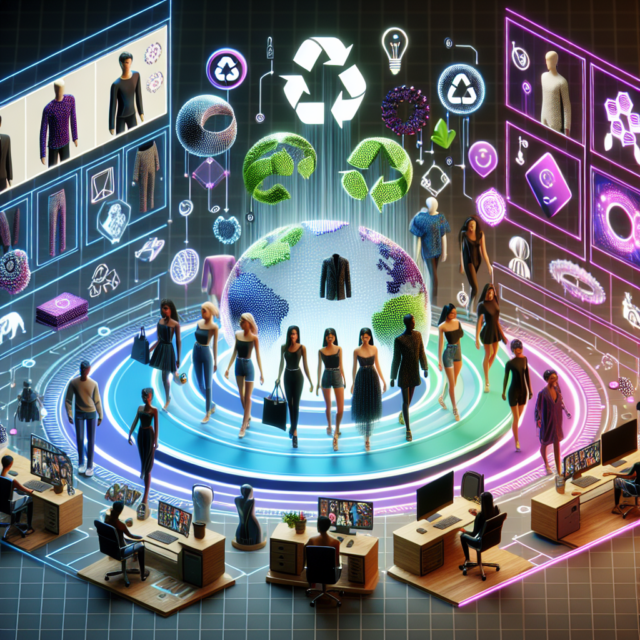
      The digital fashion world is rapidly evolving, reshaping how we perceive and interact with clothing. As technology continues to advance, the traditional boundaries of fashion are being expanded, offering new opportunities for creativity, sustainability, and accessibility. This article delves into the emerging trends shaping the digital fashion landscape, examining the rise of virtual fashion platforms, innovations in digital clothing design, and the integration of sustainability and technology.

      The Rise of Virtual Fashion Platforms

      Virtual fashion platforms have emerged as a significant force in the digital fashion world, offering a new realm for designers and consumers alike. These platforms provide a space where fashion can be experienced in a wholly digital format, bypassing the need for physical garments. This shift has been driven by advancements in technology, such as augmented reality (AR) and virtual reality (VR), which allow users to interact with digital clothing in immersive environments.

      One of the most notable aspects of virtual fashion platforms is their ability to democratize fashion. By eliminating the constraints of physical production, these platforms enable designers from all backgrounds to showcase their work to a global audience. This has led to an explosion of creativity and diversity in fashion, as emerging designers can now compete on equal footing with established brands.

      Moreover, virtual fashion platforms are transforming the consumer experience. Shoppers can now try on outfits virtually, using AR technology to see how garments will look on their bodies before making a purchase. This not only enhances convenience but also reduces the likelihood of returns, as consumers can make more informed decisions about their purchases.

      In addition to enhancing the shopping experience, virtual fashion platforms are also fostering new forms of social interaction. Virtual fashion shows and events are becoming increasingly popular, allowing designers to reach audiences worldwide without the logistical challenges of physical runway shows. These events are often more inclusive and accessible, as they can be attended from anywhere with an internet connection.

      The rise of virtual fashion platforms is also influencing how brands approach marketing and branding. Digital fashion allows for more dynamic and interactive content, engaging consumers in innovative ways. Brands can now create digital campaigns that are highly personalized and immersive, capturing the attention of tech-savvy audiences.

      As virtual fashion platforms continue to evolve, they are likely to play an increasingly important role in the fashion industry. By offering new opportunities for creativity, accessibility, and engagement, these platforms are reshaping how we experience and interact with fashion in the digital age.

      Innovations in Digital Clothing Design

      Digital clothing design is at the forefront of the fashion industry’s technological revolution, pushing the boundaries of what is possible in garment creation. With the help of cutting-edge software and tools, designers are able to experiment with shapes, textures, and colors in ways that were previously unimaginable. This has led to a wave of innovation that is transforming the fashion landscape.

      One of the key innovations in digital clothing design is the use of 3D modeling software. This technology allows designers to create intricate and detailed garment designs in a virtual environment, providing a level of precision and flexibility that is difficult to achieve with traditional methods. 3D modeling also enables designers to visualize how a garment will drape and move, allowing for more refined and accurate designs.

      In addition to 3D modeling, advancements in fabric simulation software have also played a crucial role in digital clothing design. These tools allow designers to experiment with different materials and textures, creating realistic representations of how fabrics will behave in the real world. This not only enhances the design process but also reduces the need for physical prototypes, saving time and resources.

      Augmented reality (AR) is another innovation that is changing the landscape of digital clothing design. AR technology allows designers to overlay digital garments onto real-world environments, providing a new perspective on how clothing can be integrated into everyday life. This has opened up new possibilities for design, as digital garments can be customized and personalized in real-time.

      The use of artificial intelligence (AI) in digital clothing design is also gaining traction. AI algorithms can analyze vast amounts of data to identify trends and preferences, providing designers with valuable insights into consumer behavior. This information can be used to create more targeted and relevant designs, enhancing the overall appeal of digital fashion.

      Collaborative design platforms are also emerging as a significant trend in digital clothing design. These platforms allow designers from different disciplines and locations to work together in a virtual environment, fostering innovation and creativity. By breaking down geographical barriers, collaborative design platforms are enabling the exchange of ideas and techniques on a global scale.

      As digital clothing design continues to evolve, it is likely to have a profound impact on the fashion industry. By embracing new technologies and approaches, designers can push the boundaries of creativity and redefine what is possible in fashion.

      Sustainability and Technology in Fashion

      The intersection of sustainability and technology is becoming increasingly important in the fashion industry, as brands and consumers alike seek to reduce their environmental impact. Digital fashion offers a unique opportunity to address sustainability challenges, as it eliminates the need for physical production and reduces waste.

      One of the primary ways that technology is enhancing sustainability in fashion is through the use of digital prototyping. By creating virtual prototypes, designers can experiment with different designs and materials without the need for physical samples. This not only reduces waste but also allows for more efficient and sustainable production processes.

      In addition to digital prototyping, technology is also enabling more sustainable supply chains. Blockchain technology, for example, is being used to increase transparency and traceability in the fashion industry. By providing a secure and immutable record of a garment’s journey from production to sale, blockchain can help ensure that ethical and sustainable practices are being followed.

      Another area where technology is driving sustainability in fashion is through the development of new materials. Advances in material science are leading to the creation of innovative fabrics that are both sustainable and high-performing. These materials often incorporate recycled or biodegradable components, reducing their environmental impact.

      The use of digital platforms is also promoting more sustainable consumer behavior. By providing detailed information about the environmental impact of garments, these platforms enable consumers to make more informed purchasing decisions. Additionally, digital fashion allows for more personalized and on-demand production, reducing overproduction and excess inventory.

      Virtual fashion platforms are also playing a role in promoting sustainability by offering digital alternatives to physical garments. By allowing consumers to experiment with digital clothing, these platforms can reduce the demand for fast fashion and encourage more sustainable consumption patterns.

      As sustainability becomes an increasingly important consideration in the fashion industry, the integration of technology will be crucial in driving positive change. By leveraging digital tools and innovations, the fashion industry can move towards a more sustainable and environmentally friendly future.

      The digital fashion world is at the cusp of a transformative era, driven by the convergence of technology, creativity, and sustainability. Virtual fashion platforms are redefining the way we experience clothing, while innovations in digital clothing design are pushing the boundaries of creativity. At the same time, the integration of sustainability and technology is paving the way for a more responsible and environmentally conscious fashion industry. As these trends continue to evolve, they will undoubtedly shape the future of fashion, offering new opportunities and challenges for designers, brands, and consumers alike.

      Exploring the Future of Personal Shopping Online

      The digital landscape of retail has undergone a profound transformation over the past two decades. Online shopping, once a novel concept, is now a staple of modern consumerism. As we look towards the future, the focus is increasingly on personalization—tailoring the shopping experience to meet individual preferences and needs. This article delves into the evolution of personalized online shopping, the emerging technologies driving this change, and the challenges and opportunities that lie ahead for digital retail.

      The Evolution of Personalized Online Shopping

      Personalized online shopping has come a long way from its early days, where recommendations were based on rudimentary algorithms. Initially, personalization was limited to simple suggestions based on past purchases or frequently bought items. As technology evolved, so did the complexity and accuracy of these systems, moving towards more sophisticated models that consider a user’s browsing history, location, and even social media activity.

      The introduction of big data analytics marked a significant milestone in personalization. Retailers began leveraging vast amounts of data to gain insights into consumer behavior, enabling them to create more targeted marketing strategies. This shift allowed for a more customized shopping experience, with recommendations that felt intuitive and relevant to the consumer’s needs and preferences.

      Another key development was the rise of AI and machine learning in e-commerce. These technologies enabled a deeper understanding of customer preferences, allowing for dynamic personalization that adapts in real-time. This meant that personalization was no longer static but could evolve alongside the consumer’s changing tastes and behaviors.

      Subscription services and curated shopping experiences have also played a pivotal role in the evolution of personalized online shopping. These models offer consumers a tailored selection of products based on their preferences, often with the assistance of AI-driven curation. This approach not only enhances the shopping experience but also fosters brand loyalty by creating a sense of exclusivity and personal connection.

      Social media platforms have increasingly influenced personalized shopping by serving as a bridge between retailers and consumers. Platforms like Instagram and Pinterest have become integral in shaping shopping habits, offering personalized ads and shoppable posts that cater to individual interests. This integration of social media and e-commerce has blurred the lines between browsing and buying, making the shopping experience more seamless and personal.

      Finally, the evolution of personalized online shopping has been driven by the demand for convenience and efficiency. Consumers now expect a shopping experience that is not only tailored to their preferences but also frictionless and time-saving. This demand has pushed retailers to continuously innovate and refine their personalization strategies to meet the ever-evolving expectations of the modern consumer.

      Emerging Technologies Shaping the Experience

      Artificial Intelligence (AI) and machine learning are at the forefront of the technological advancements shaping personalized online shopping. These technologies enable retailers to analyze consumer data with unprecedented precision, allowing for highly targeted recommendations and a more engaging shopping experience. AI-powered chatbots and virtual assistants further enhance personalization by providing real-time customer support and tailored product suggestions.

      Augmented Reality (AR) and Virtual Reality (VR) are revolutionizing the way consumers interact with products online. AR applications allow shoppers to visualize products in their own environment, such as trying on clothes virtually or seeing how furniture looks in their home. This immersive experience bridges the gap between physical and digital shopping, providing a level of personalization that was previously unattainable.

      Blockchain technology is emerging as a tool for enhancing transparency and trust in online shopping. By providing a secure and immutable record of transactions, blockchain can help ensure product authenticity and traceability. This technology also has the potential to enhance personalization by securely storing and managing consumer data, allowing for more accurate and trustworthy recommendations.

      The Internet of Things (IoT) is another technology that is shaping the future of personalized shopping. IoT devices, such as smart home assistants and wearable tech, collect valuable data on consumer habits and preferences. This data can be used to deliver personalized shopping experiences, such as automatic reordering of household items or tailored fashion recommendations based on daily activity levels.

      Voice commerce is gaining traction as a new channel for personalized shopping. With the proliferation of smart speakers and voice-activated assistants, consumers can now make purchases using voice commands. This hands-free shopping experience is not only convenient but also allows for a more personalized interaction, as voice assistants can learn and adapt to the user’s preferences over time.

      Finally, advancements in data analytics and predictive modeling are enabling more refined personalization strategies. By analyzing patterns in consumer behavior, retailers can anticipate future needs and preferences, offering personalized promotions and recommendations before the consumer even realizes they need them. This proactive approach to personalization is set to redefine the online shopping experience, making it more intuitive and aligned with individual expectations.

      Challenges and Opportunities in Digital Retail

      Despite the advancements in personalized online shopping, several challenges remain. Data privacy concerns are at the forefront, as consumers become increasingly aware of how their personal information is used. Retailers must navigate the delicate balance between offering personalized experiences and respecting consumer privacy, ensuring compliance with regulations such as GDPR and CCPA.

      The complexity of integrating new technologies into existing systems presents another challenge. Retailers must invest in infrastructure and expertise to effectively implement AI, AR, and other emerging technologies. This can be a significant barrier for smaller businesses, which may lack the resources to compete with larger, tech-savvy competitors.

      Consumer trust is another critical challenge in digital retail. With the rise of fake reviews and counterfeit products, building and maintaining trust is more important than ever. Retailers must prioritize transparency and authenticity in their personalization strategies to foster consumer confidence and loyalty.

      On the opportunity side, the rise of mobile commerce presents a significant growth area for personalized shopping. With more consumers shopping via mobile devices, retailers have the chance to create seamless, personalized experiences that cater to on-the-go lifestyles. Mobile apps and responsive websites can offer tailored recommendations and promotions, enhancing the shopping experience and driving engagement.

      The global reach of online shopping offers retailers the opportunity to tap into new markets and demographics. By leveraging data and insights, retailers can tailor their offerings to meet the unique preferences and needs of consumers in different regions. This localization of personalization can help retailers expand their customer base and increase market share.

      Finally, the future of personalized online shopping presents an opportunity for retailers to differentiate themselves in a crowded marketplace. By offering unique and tailored shopping experiences, retailers can stand out from competitors and build lasting relationships with consumers. As technology continues to evolve, the possibilities for personalization are endless, paving the way for a new era of digital retail.

      The future of personal shopping online is poised for transformative change, driven by technological advancements and evolving consumer expectations. As retailers navigate the challenges and opportunities of digital retail, the focus will remain on delivering personalized experiences that resonate with individual consumers. By embracing emerging technologies and prioritizing transparency and trust, retailers can create a shopping experience that is not only convenient and efficient but also deeply personal and engaging. As we look ahead, the potential for innovation in personalized online shopping is limitless, promising a future where the digital shopping experience is more intuitive, immersive, and aligned with the needs of each consumer.

      Enhancing Customer Experience with Virtual Reality

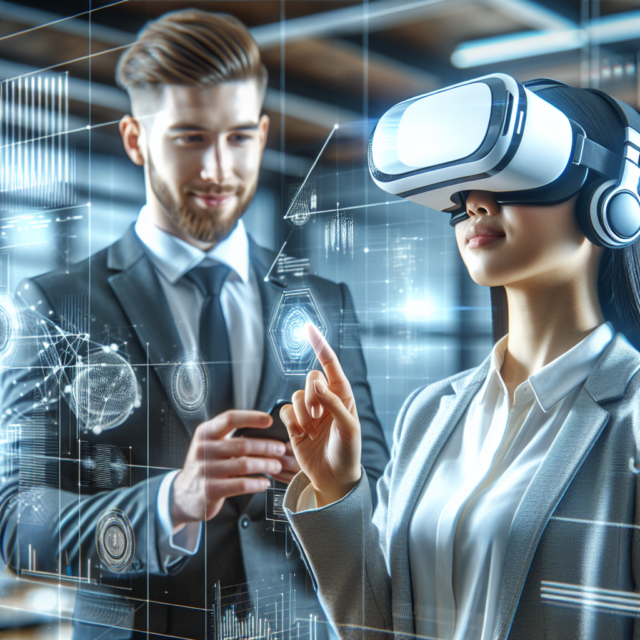
      In an era where customer experience is pivotal to business success, companies are continuously seeking innovative ways to engage their clientele. Virtual Reality (VR) has emerged as a powerful tool, promising to revolutionize how businesses interact with customers. By offering immersive and interactive experiences, VR not only enhances customer engagement but also transforms the way services are delivered. This article explores the transformative potential of VR technologies in customer engagement, the future of customer service through immersive experiences, and the role of VR in bridging the gap within retail spaces.

      Transforming Customer Engagement with VR Technologies

      Virtual Reality has the unique capability to transform conventional customer engagement strategies by offering a more interactive and personalized experience. Unlike traditional methods that rely heavily on static content, VR provides dynamic environments where customers can actively participate and engage with a brand’s offerings. This interactivity fosters a deeper connection, allowing consumers to explore products and services in a simulated environment that closely mimics real life.

      The integration of VR technologies into customer engagement strategies enables businesses to create memorable experiences that resonate with consumers long after the interaction has ended. By immersing customers in a brand story or showcasing a product in a virtual setting, companies can evoke emotional responses that are often difficult to achieve through other media. This emotional engagement is crucial, as it can significantly influence purchasing decisions and brand loyalty.

      Moreover, VR allows businesses to tailor experiences based on individual customer preferences. Through data analytics and feedback mechanisms, companies can customize virtual environments to suit the unique tastes and needs of each user. This personalization not only enhances the user experience but also increases the likelihood of customer satisfaction and retention.

      In addition to personalizing experiences, VR technologies can bridge geographical barriers, making it possible for businesses to reach a global audience without the limitations of physical presence. Customers from different parts of the world can explore a virtual store, attend a product launch, or participate in a virtual event, all from the comfort of their homes. This accessibility broadens market reach and fosters inclusivity.

      Furthermore, VR can serve as a powerful tool for training and educating customers about complex products or services. Through immersive tutorials and simulations, users can gain a comprehensive understanding of a product’s functionality and benefits, leading to more informed purchasing decisions. This educational aspect not only empowers customers but also reduces the burden on customer service teams.

      Lastly, the use of VR in customer engagement aligns with the growing trend of experiential marketing. As consumers increasingly seek experiences over material goods, VR offers a medium through which brands can deliver unique and memorable experiences that align with this consumer shift. By embracing VR technologies, businesses can position themselves at the forefront of this experiential revolution, enhancing their competitive edge in the market.

      Immersive Experiences: The Future of Customer Service

      The future of customer service is poised for a dramatic shift with the advent of immersive Virtual Reality experiences. By leveraging VR, companies can redefine how they interact with customers, moving away from traditional phone or chat support to more engaging and visually stimulating support systems. This transition not only enhances the customer service experience but also improves efficiency and satisfaction.

      One of the key benefits of incorporating VR into customer service is the ability to provide real-time, hands-on assistance. Customers can be guided through troubleshooting processes or product installations in a virtual environment, where they can visually follow instructions and receive immediate feedback. This approach minimizes misunderstandings and reduces the time needed to resolve issues, leading to higher customer satisfaction rates.

      In addition to troubleshooting, VR can be used to simulate real-world scenarios, allowing customer service representatives to better understand and empathize with customer needs. By stepping into the customer’s shoes through VR simulations, service agents can develop a deeper understanding of the challenges faced by consumers, leading to more empathetic and effective support.

      Virtual Reality also offers the potential for proactive customer service, where businesses can anticipate and address potential issues before they arise. By analyzing data from VR interactions, companies can identify patterns and trends that may indicate a problem, allowing them to take preventive measures. This proactive approach not only enhances customer satisfaction but also demonstrates a commitment to customer care.

      Moreover, VR can facilitate training and development for customer service teams. Through immersive training programs, representatives can practice handling various customer scenarios in a controlled environment, improving their skills and confidence. This training method is particularly beneficial for complex or high-stress situations, where traditional training methods may fall short.

      As VR technology continues to advance, the possibilities for customer service are boundless. From virtual showrooms to interactive product demonstrations, the integration of VR into customer service strategies will continue to evolve, setting new standards for customer interaction and satisfaction. By embracing these immersive technologies, businesses can not only meet but exceed customer expectations, ensuring long-term success in a competitive market.

      Bridging the Gap: Virtual Reality in Retail Spaces

      The retail industry is undergoing a significant transformation, with Virtual Reality playing a pivotal role in bridging the gap between physical and digital shopping experiences. By integrating VR into retail spaces, companies can create engaging and interactive environments that offer the best of both worlds, enhancing the overall shopping experience for consumers.

      One of the primary benefits of VR in retail is the ability to create virtual showrooms and stores. These virtual spaces allow customers to explore products in a 3D environment, where they can view items from different angles, examine details, and even try on products virtually. This immersive experience closely replicates the in-store experience, providing customers with a convenient and engaging alternative to traditional online shopping.

      In addition to virtual showrooms, VR can enhance the in-store experience by offering augmented reality (AR) overlays that provide additional information about products. Customers can use VR headsets or AR-enabled devices to access detailed product specifications, customer reviews, and personalized recommendations, all while browsing the physical store. This integration of digital content into the physical shopping experience creates a seamless and informative journey for consumers.

      Furthermore, VR can be used to create unique and memorable in-store experiences that drive foot traffic and increase customer engagement. By hosting virtual events, product launches, or interactive displays, retailers can attract customers to their physical locations, offering experiences that cannot be replicated online. These events not only boost sales but also strengthen brand loyalty and community engagement.

      For retailers looking to expand their market reach, VR offers the opportunity to create pop-up virtual stores in various locations around the world. These temporary virtual spaces can be used to test new markets, launch limited-edition products, or engage with international customers, all without the logistical challenges of setting up a physical store. This flexibility allows retailers to adapt quickly to changing market conditions and consumer preferences.

      Moreover, VR can provide valuable insights into customer behavior and preferences through data analytics. By tracking interactions within virtual environments, retailers can gather data on customer preferences, shopping habits, and product popularity. This information can be used to optimize product offerings, improve store layouts, and develop targeted marketing strategies, ultimately enhancing the overall retail experience.

      As the retail landscape continues to evolve, the integration of Virtual Reality into retail spaces offers a promising avenue for growth and innovation. By embracing VR technologies, retailers can create immersive and personalized shopping experiences that not only meet but exceed customer expectations, ensuring a competitive edge in the ever-changing market.

      In conclusion, Virtual Reality stands as a transformative force in the realm of customer experience, offering unparalleled opportunities for engagement, service, and retail innovation. As businesses continue to explore the potential of VR technologies, they are poised to redefine the way they connect with customers, delivering immersive and personalized experiences that resonate in today’s digital age. By harnessing the power of VR, companies can not only enhance customer satisfaction but also drive business growth and success in an increasingly competitive landscape. As VR technology continues to advance, its role in shaping the future of customer experience will only become more pronounced, making it an essential consideration for forward-thinking businesses.

      Exploring the Digital Evolution of Fashion’s Future

      The fashion industry, long celebrated for its creativity and innovation, is experiencing a transformative shift driven by digital technologies. As the world becomes increasingly interconnected, the intersection of fashion and technology is ushering in a new era of possibilities that promise to redefine the way we perceive and engage with clothing. From virtual fashion shows to AI-driven design processes, the digital evolution of fashion is a fascinating journey that reflects the industry’s adaptability and forward-thinking mindset. This article delves into the key aspects of this evolution, exploring the intersection of fashion and technology, the innovations shaping the future, and the crucial role of sustainability in digital fashion trends.

      Unveiling the Intersection of Fashion and Technology

      The confluence of fashion and technology is not a recent phenomenon, but its acceleration in recent years is noteworthy. This intersection has given rise to a new paradigm where creativity meets technical prowess, resulting in innovations that were once confined to the realm of science fiction. The integration of technology into fashion is not merely about adding digital elements to garments but about reimagining the entire fashion experience. From smart textiles that monitor health metrics to augmented reality (AR) applications that allow consumers to ‘try on’ clothes virtually, the boundaries of fashion are being pushed beyond traditional limits.

      One of the most significant developments at this intersection is the rise of digital fashion shows. The COVID-19 pandemic accelerated the adoption of virtual platforms, leading to a redefinition of how fashion collections are presented to the world. Designers and brands have embraced digital mediums to showcase their work, creating immersive experiences that engage a global audience. This shift not only democratizes fashion by making it accessible to a broader audience but also reduces the environmental impact associated with traditional fashion shows.

      Artificial intelligence (AI) is another technological advancement that is reshaping the fashion industry. AI algorithms are being employed to analyze consumer preferences, predict trends, and even create designs. This data-driven approach allows for more personalized and efficient production processes, catering to the demands of modern consumers who seek individuality and uniqueness in their fashion choices. Furthermore, AI-powered chatbots and virtual assistants are enhancing customer service, offering personalized styling advice and improving the overall shopping experience.

      The rise of wearable technology is further blurring the lines between fashion and function. Smartwatches, fitness trackers, and other wearable devices are becoming fashion statements in their own right, combining style with utility. These devices not only track health and fitness metrics but also integrate seamlessly into everyday fashion, creating a new category of accessories that appeal to tech-savvy consumers. As technology continues to evolve, so too will the capabilities and aesthetics of wearable fashion.

      Blockchain technology is also making waves in the fashion industry by addressing issues of transparency and authenticity. By providing a secure and immutable record of a garment’s journey from creation to consumer, blockchain enhances traceability and combats counterfeit products. This technological advancement is particularly significant in the luxury fashion sector, where authenticity and provenance are paramount. Blockchain also opens up new possibilities for digital ownership and fashion NFTs, further expanding the digital fashion landscape.

      As the intersection of fashion and technology continues to evolve, it brings with it a host of opportunities and challenges. While technology offers unprecedented possibilities for creativity and innovation, it also raises questions about privacy, data security, and the human touch in fashion design. Balancing these elements will be crucial as the industry navigates the digital future, ensuring that technology enhances rather than diminishes the artistry and craftsmanship that define fashion.

      Innovations Shaping Tomorrow’s Fashion Landscape

      The fashion industry is on the brink of a technological revolution, with innovations that promise to shape its future in unprecedented ways. One of the most exciting developments is the use of 3D printing technology in fashion design. This technology allows designers to create intricate and complex structures that would be impossible to achieve through traditional methods. 3D printing not only opens up new avenues for creativity but also offers the potential for on-demand manufacturing, reducing waste and promoting sustainability.

      Virtual and augmented reality (VR and AR) technologies are also playing a pivotal role in shaping the future of fashion. These immersive technologies are transforming the way consumers interact with brands and products. Virtual fitting rooms, for example, allow consumers to try on clothes digitally, enhancing the online shopping experience and reducing the likelihood of returns. AR applications are also being used in retail environments to create interactive and engaging experiences, bridging the gap between the physical and digital worlds.

      The concept of digital fashion is gaining traction, with designers creating garments that exist solely in the digital realm. These digital garments, often sold as NFTs, offer a new form of self-expression in online spaces and gaming environments. Digital fashion eliminates the constraints of physical materials, allowing for boundless creativity and experimentation. As virtual worlds become more integral to our social interactions, digital fashion is poised to become a significant aspect of personal identity and style.

      Sustainable fashion is receiving a technological boost through innovations such as biofabrication and eco-friendly materials. Biofabrication involves the use of living organisms to grow materials, offering a sustainable alternative to traditional textiles. Companies are also exploring the use of recycled and biodegradable materials, leveraging technology to minimize the environmental impact of fashion production. These innovations are not only addressing the industry’s sustainability challenges but also paving the way for a more ethical and responsible fashion future.

      The integration of AI and machine learning in fashion design is revolutionizing the creative process. AI-powered design tools can generate patterns, suggest color combinations, and even predict future trends based on data analysis. This technology enables designers to streamline their workflow and focus on the artistic aspects of fashion creation. Additionally, AI is being used to optimize supply chain operations, ensuring efficient production and distribution processes that align with consumer demand.

      As these innovations continue to shape the fashion landscape, they are redefining the industry’s boundaries and creating new possibilities for designers, brands, and consumers alike. The fusion of fashion and technology is not only enhancing the aesthetic and functional aspects of clothing but also driving a cultural shift towards a more inclusive, sustainable, and interconnected fashion ecosystem. The future of fashion is undoubtedly digital, and the innovations on the horizon are set to transform the way we perceive and engage with style.

      The Role of Sustainability in Digital Fashion Trends

      Sustainability has become a central theme in the fashion industry, and digital technologies are playing a crucial role in advancing sustainable practices. The fashion sector is notorious for its environmental impact, from resource-intensive production processes to vast amounts of waste generated by fast fashion. However, digital innovations are offering solutions to these challenges, paving the way for a more sustainable fashion future.

      The rise of digital fashion is one of the most promising developments in the pursuit of sustainability. By creating garments that exist only in the digital realm, designers can eliminate the need for physical production and the associated environmental impact. Digital fashion allows for limitless creativity without the constraints of traditional materials, offering a sustainable alternative to fast fashion. As consumers increasingly engage with digital platforms and virtual worlds, the demand for digital fashion is expected to grow, reducing the industry’s reliance on physical production.

      Blockchain technology is enhancing transparency and traceability in the fashion supply chain, addressing issues of ethical sourcing and production. By providing a secure and immutable record of a garment’s journey, blockchain allows consumers to verify the authenticity and sustainability of their purchases. This technology empowers consumers to make informed choices and supports brands in their efforts to uphold ethical standards. As transparency becomes a key driver of consumer behavior, blockchain is set to play a vital role in promoting sustainability in the fashion industry.
      The use of AI and data analytics is optimizing supply chain operations, reducing waste, and promoting efficient resource management. By analyzing consumer data and predicting trends, AI enables brands to produce garments that align with demand, minimizing overproduction and excess inventory. This data-driven approach not only enhances sustainability but also improves profitability, creating a win-win scenario for brands and the environment. As AI technology continues to evolve, its potential to drive sustainable practices in fashion will only grow.

      Innovations in textile technology are also contributing to the sustainability movement in fashion. The development of eco-friendly materials, such as bio-fabricated textiles and recycled fabrics, is reducing the industry’s reliance on resource-intensive materials. These sustainable textiles are being integrated into digital fashion trends, offering consumers eco-conscious options that do not compromise on style or quality. As technology advances, the range and accessibility of sustainable materials are expected to expand, further driving the industry’s sustainability goals.

      As digital technologies continue to shape the future of fashion, they are also redefining the industry’s approach to sustainability. By leveraging innovations such as digital fashion, blockchain, AI, and sustainable materials, the fashion sector is making strides towards a more ethical and environmentally responsible future. The integration of sustainability into digital fashion trends is not only a response to consumer demand but also a reflection of the industry’s commitment to creating a more sustainable world. As the digital evolution of fashion unfolds, sustainability will remain a guiding principle in shaping the industry’s future.

      The digital evolution of fashion is a dynamic and multifaceted journey that is transforming the industry in profound ways. As fashion and technology continue to intersect, new innovations are emerging that promise to shape the future of style and self-expression. From digital fashion shows and AI-driven design processes to sustainable practices and eco-friendly materials, the possibilities are endless. While challenges remain, particularly in balancing technological advancements with the artistry and craftsmanship that define fashion, the industry’s adaptability and commitment to sustainability are paving the way for a brighter future. As we look ahead, the digital evolution of fashion is set to redefine not only what we wear but also how we engage with and experience fashion in an increasingly interconnected world.

      Popular Posts

      My Favorites