Published: March 11, 2025 at 11:08 am Updated: March 11, 2025 at 11:09 am
by Ana
Edited and fact-checked:
March 11, 2025 at 11:08 am
To improve your local-language experience, sometimes we employ an auto-translation plugin. Please note auto-translation may not be accurate, so read original article for precise information.
In Brief
Impossible Cloud Network has announced that its Node Sale will close tomorrow, March 12th, and encouraged interested participants to join.
Decentralized cloud platform Impossible Cloud Network (ICN) has announced that its Node Sale will close tomorrow, March 12th, and encourages interested participants to join before the sale ends.
As of now, ICN has sold over 28,000 nodes, generating a total of $12 million in funding. According to the platform, the upcoming months are expected to bring more developments, and participating in this provides users with a chance to contribute to ICN’s growth.
Setting up and running a node does not require advanced technical skills. For those seeking a more streamlined experience, Node-as-a-Service (NaaS) providers within the ICN ecosystem, such as EaseFlow, offer management solutions to handle the technical aspects. Once the mainnet launches—currently projected for the end of Q1—users will be able to activate the nodes.
Initially, 100,000 nodes were made available for sale. Each purchase includes a non-transferable non-fungible token (NFT), which is sent directly to the buyer’s wallet.
There are minimal requirements for participating beyond completing the KYC verification. However, to join the whitelist sale, buyers must complete a registration process.
HyperNode Responsibilities, Incentives, And Rewards
HyperNodes play a vital role in the operation of the ICN by overseeing the performance of Hardware Providers (HPs) and ensuring they adhere to the standards outlined in the Service Level Agreements (SLAs). Their primary function is to continuously evaluate whether HPs meet the network’s operational requirements. This includes verifying uptime to confirm that HPs remain active and accessible and assessing performance to ensure that the quality and speed of services are maintained as expected. By carrying out these responsibilities, HyperNodes contribute to the overall reliability of the network, helping to ensure that HPs fulfill their commitments to service providers.
In order to encourage consistent monitoring and performance, HyperNodes receive ICNT token rewards. These incentives are designed to promote active participation and long-term engagement. However, to maintain accountability, penalties may be imposed for non-compliance. If a HyperNode fails to meet its obligations, the duration of its associated ICN Links may be reduced, which can affect its standing within the network.
The rewards system for HyperNodes is structured to provide compensation through ICNT tokens allocated from the Node Sale token pool. The distribution follows a front-loaded model, meaning that a larger portion of the total rewards is provided in the early stages. This approach is intended to motivate early participation and ensure that monitoring duties are effectively fulfilled from the start. The rewards are issued over a 48-month period, with a higher percentage allocated at the beginning. Specifically, 18.4% of the total reward is distributed in the first month. From the second month onward, the percentage gradually declines from 3.40% to 0.43% by the 48th month. These rewards are directly tied to a HyperNode’s ability to meet its monitoring obligations. If a node does not comply with its responsibilities, its rewards may be reduced, and the duration of its ICN Link may be shortened.
As outlined in the sale structure, the initial token supply for the ICN ecosystem is set at 700,000,000 tokens. Of this total supply, 20% has been allocated specifically for buyers participating in the Node Sale, providing them with a dedicated share of the ecosystem’s resources. Additionally, a separate pool of 140,000,000 tokens has been designated for node rewards, which will be distributed as incentives for node operators over time.
Our public node sale shuts down this Wednesday, March 12, at 12 PM UTC.This is your last chance (for now) to secure an ICN node. ☁️ pic.twitter.com/VsCALJ7zdn
— Impossible Cloud Network (@ICN_Protocol) March 10, 2025
The ICN utilizes blockchain technology to provide enterprise-grade cloud services. Developed as an alternative to traditional cloud providers, ICN offers scalable, secure, and efficient solutions by linking hardware providers with cloud services while ensuring high-performance standards through SLA oracle nodes.
The ICN protocol operates by sourcing cloud resources from a decentralized network of hardware providers that meet enterprise-grade performance standards. These resources are then made available to service providers, who can access them in exchange for rewards. To uphold the integrity of the network, SLA oracle nodes play a crucial role in verifying and enforcing the availability of hardware providers. This system helps protect service providers by ensuring that they do not rely on underperforming hardware resources, ultimately contributing to the overall stability and efficiency of the network.
Disclaimer
In line with the Trust Project guidelines, please note that the information provided on this page is not intended to be and should not be interpreted as legal, tax, investment, financial, or any other form of advice. It is important to only invest what you can afford to lose and to seek independent financial advice if you have any doubts. For further information, we suggest referring to the terms and conditions as well as the help and support pages provided by the issuer or advertiser. MetaversePost is committed to accurate, unbiased reporting, but market conditions are subject to change without notice.
About The Author
Alisa, a dedicated journalist at the MPost, specializes in cryptocurrency, zero-knowledge proofs, investments, and the expansive realm of Web3. With a keen eye for emerging trends and technologies, she delivers comprehensive coverage to inform and engage readers in the ever-evolving landscape of digital finance.
More articles
Alisa Davidson
Alisa, a dedicated journalist at the MPost, specializes in cryptocurrency, zero-knowledge proofs, investments, and the expansive realm of Web3. With a keen eye for emerging trends and technologies, she delivers comprehensive coverage to inform and engage readers in the ever-evolving landscape of digital finance.
Published: March 11, 2025 at 10:12 am Updated: March 11, 2025 at 10:12 am
by Ana
Edited and fact-checked:
March 11, 2025 at 10:12 am
To improve your local-language experience, sometimes we employ an auto-translation plugin. Please note auto-translation may not be accurate, so read original article for precise information.
In Brief
SKALE’s gas-free, high-performance blockchain is revolutionizing Web3 by enhancing scalability, accessibility, and adoption across gaming, AI, and DeFi while eliminating barriers for developers and users.
Scalability and accessibility remain critical challenges for developers and users of Web3. SKALE, a leading blockchain network, is tackling these issues head-on with its gas-free, high-performance infrastructure. In this interview, we sit down with Andrew Saunders, Chief Growth and Marketing Officer at SKALE, to discuss the latest innovations, trends, and opportunities shaping the future of Web3.
Andrew shares insights on SKALE’s groundbreaking partnership with Unity, the role of AI in blockchain development, and how eliminating gas fees is transforming industries like gaming and DeFi. He also sheds light on the biggest pain points for Web3 developers, upcoming features in SKALE’s roadmap, and his vision for the blockchain ecosystem in the next five years.
What are some of the most exciting developer tools or SDKs available for those looking to build on SKALE?
One of the tools I’m most excited about is the Unity SDK. SKALE is actually the only blockchain that has a formal partnership with Unity. In a way, we incubate Web3 games together on an annual basis.
SKALE’s integration with Unity really empowers game developers to build and scale games without gas fees while leveraging best-in-class tools. When we think about top-tier blockchain gaming, not every component of a game needs to be on-chain. Unity, as one of the best gaming engines, enables incredible gaming experiences that are both fun and entertaining.
What’s the most exciting dApp built on SKALE right now?
While SKALE is widely known as a leading gaming blockchain, we also have a robust AI ecosystem. One of the dApps I’m particularly excited about is called Exorde. Unlike many AI dApps in the Web3 space, we actually have AI dApps that are building fully on-chain. Exorde is a decentralized information marketplace that scans and analyzes global public data sources, such as news and social forums.
It performs real-time data processing, collecting global information in a decentralized manner while eliminating censorship and bias. It also provides AI-driven insights, using machine learning to detect sentiment, trends, and even misinformation in real time. Thanks to SKALE’s zero-fee model, Exorde can run complex data processing and frequent transactions on-chain at no cost, making it highly scalable and efficient. In fact, Exorde has its own dedicated chain on SKALE.
SKALE focuses heavily on eliminating gas fees. How does this impact industries like Web3 gaming?
One of the key advantages of Web2 is the ability to create familiar and user-friendly front-end experiences. Blockchain, on the other hand, still presents a lot of friction and barriers to entry, such as setting up wallets and processing transactions. With SKALE, being gas-free allows us to effectively hide the complexity of blockchain technology.
That’s why we call ourselves the “gas-free invisible blockchain.” For game developers, this is a game-changer. Many developers use Unity’s engine to build games that are distributed on platforms like the Epic Games Store, where players can simply download and start playing—without the usual Web3 barriers like setting up wallets or worrying about transaction fees.
What are some of the biggest pain points Web3 developers face today?
One of the biggest challenges is user onboarding. There is still significant friction for the average user when entering the crypto space. SKALE’s gas-free model not only benefits developers by eliminating high and unpredictable costs but also allows them to create seamless, invisible experiences that make onboarding much easier.
Another major pain point is scalability. SKALE is a high-throughput blockchain, meaning that if a dApp has 10,000 users today but expects to grow to 20 million users in the future, the network can support that growth without congestion, slow transactions, or lag. Many blockchains that lack high throughput struggle with crashes or long transaction processing times, which isn’t an issue with SKALE.
What’s your take on the role of AI in blockchain development? Do you see SKALE integrating with AI-driven technologies, such as AI agents?
I actually come from the AI and machine learning space at Amazon, so I’ve been working in AI for years. One major development we’ll see is AI-powered smart contracts—models integrated with smart contracts that enable automated, dynamic on-chain decisions.
Another area is AI-driven NPCs in gaming, which can adapt to a player’s skill level and behavior, creating a more immersive experience. Some of our developers on SKALE are already working on AI-driven NPCs that act more like real players, enhancing the overall gaming experience.
How can non-technical users benefit from SKALE? What are the biggest use cases they should be paying attention to?
First and foremost, SKALE’s gas-free model makes blockchain and crypto much more accessible. We frequently hear from users that SKALE was significantly easier to onboard compared to other blockchains. Gas fees are another major factor. In many parts of the world, gas fees can be a meaningful expense, making blockchain usage less accessible.
SKALE removes that barrier, making blockchain available to everyone. This impacts various use cases—gaming, DeFi, staking, and NFTs. Players can enjoy games without transaction fees, DeFi users can swap and provide liquidity without paying gas fees, and NFT users can mint and trade assets without additional costs.
What Web3 trends can we expect this year, and how do they differ from last year’s?
AI is becoming a dominant trend, and rightfully so. We’ll see more convergence between AI and blockchain, leading to AI-powered apps and decentralized AI models. Another key trend is mass adoption. Gaming, in particular, has the potential to bring a significant number of users on-chain.
As regulatory clarity improves, we’ll likely see major gaming studios experimenting with blockchain technology. Additionally, institutional adoption is increasing. More institutions are exploring crypto, and as regulations become clearer, we’ll see even greater participation.
What new features or innovations can the community expect in SKALE’s roadmap this year?
We’ll be launching a new roadmap soon. One of the biggest upcoming developments is SKALE V4, which will introduce significant upgrades. If you look at our previous upgrade, it made SKALE even faster and more cost-efficient. We also plan to expand beyond gaming, exploring new sectors that can benefit both users and developers. Expect some exciting announcements in the near future.
Where do you see SKALE in five years, and how do you think the blockchain ecosystem will evolve by then?
I see SKALE as one of the best consumer-facing blockchains. As more large Web2 businesses look to move on-chain or integrate blockchain elements, SKALE’s gas-free and seamless experience will be highly attractive. Take Amazon, for example—if they wanted to bring their Prime membership program on-chain, SKALE would be the ideal platform because it eliminates friction for users.
AI-driven blockchain automation will also continue to grow, with more AI agents, predictive smart contracts, and autonomous dApps emerging. Gaming will remain a major driver, and we expect to see more Web2 developers and studios transitioning into Web3. Finally, regulatory clarity will play a crucial role in driving mainstream adoption, helping Web3 become a fundamental part of global commerce, entertainment, and technological infrastructure.
Disclaimer
In line with the Trust Project guidelines, please note that the information provided on this page is not intended to be and should not be interpreted as legal, tax, investment, financial, or any other form of advice. It is important to only invest what you can afford to lose and to seek independent financial advice if you have any doubts. For further information, we suggest referring to the terms and conditions as well as the help and support pages provided by the issuer or advertiser. MetaversePost is committed to accurate, unbiased reporting, but market conditions are subject to change without notice.
About The Author
Victoria is a writer on a variety of technology topics including Web3.0, AI and cryptocurrencies. Her extensive experience allows her to write insightful articles for the wider audience.
More articles
Victoria d’Este
Victoria is a writer on a variety of technology topics including Web3.0, AI and cryptocurrencies. Her extensive experience allows her to write insightful articles for the wider audience.
Published: March 11, 2025 at 9:33 am Updated: March 11, 2025 at 9:33 am
by Ana
Edited and fact-checked:
March 11, 2025 at 9:33 am
To improve your local-language experience, sometimes we employ an auto-translation plugin. Please note auto-translation may not be accurate, so read original article for precise information.
In Brief
Bitget’s new Transparency Report highlights its growth, securing a Forbes ranking as a top trusted exchange, achieving a $20 billion daily trading volume, expanding under EU regulations with a new VASP license, and more.
Cryptocurrency exchange Bitget announced that it has released its February 2025 transparency report, highlighting its ongoing growth and recognition within the cryptocurrency industry. The platform’s expansion has been driven by innovation, strategic decisions, and a strong demand for trustworthy services.
In February, Bitget ranked #8 on Forbes’ list of Top Trusted Crypto Exchanges, reaffirming its commitment to security and transparency. This recognition is a result of Bitget’s consistent efforts to build a secure and reliable platform for users. The company also made strides in expanding its global presence by obtaining the Virtual Asset Service Provider (VASP) license in Bulgaria, allowing it to operate under the European Union’s MiCA regulatory framework.
In addition to these accomplishments, Bitget rewarded its employees with a record $70 million in bonuses, reflecting the company’s growth and the team’s role in driving this success. The platform also launched a new round of Bitget Builders, led by COO Vugar Usi Zade, further emphasizing its commitment to community-driven innovation.
February also saw a major hack in the cryptocurrency industry, with Bybit losing $1.5 billion. In response, Bitget demonstrated solidarity by providing funds to assist with Bybit’s withdrawal process. The platform remains focused on reinforcing trust through strong security measures and industry collaboration.
Bitget’s user base now exceeds 100 million globally, with a daily trading volume of $20 billion, marking notable engagement in both spot and futures markets. The platform maintains a Protection Fund of $600 million to ensure a secure trading environment for its users. Additionally, Bitget introduced several new features, such as integration with Callpay for South African users to make ZAR deposits, a USDT staking program, and BGB on-chain staking.
The company also received recognition for its liquidity management, ranking highly in a study examining how centralized exchange liquidity affects user experience. Bitget has further focused on improving its hiring practices by publishing a report on its AI-powered recruitment initiatives.
In terms of corporate social responsibility, Bitget launched the Bitget Graduate Program, aimed at nurturing the next generation of web3 talent. With its continued strategic advancements, regulatory compliance efforts, and user-driven innovation, Bitget remains dedicated to accelerating the growth of the global cryptocurrency ecosystem while fostering a secure, transparent, and inclusive environment for users worldwide.
Bitget: Leading Global Crypto Exchange Empowering Over 100M Users With Smart Trading Solutions
Bitget is a prominent cryptocurrency exchange and Web3 platform, serving more than 100 million users across over 150 countries and regions. The exchange aims to empower users with smarter trading tools, including its innovative copy trading feature and various other trading solutions, while providing real-time access to prices of Bitcoin, Ethereum, and other cryptocurrencies.
Recently, Bitget launched the Blockchain4Her Mentorship Program, created to connect aspiring female entrepreneurs in Web3 with experienced mentors who can offer valuable guidance and support.
Disclaimer
In line with the Trust Project guidelines, please note that the information provided on this page is not intended to be and should not be interpreted as legal, tax, investment, financial, or any other form of advice. It is important to only invest what you can afford to lose and to seek independent financial advice if you have any doubts. For further information, we suggest referring to the terms and conditions as well as the help and support pages provided by the issuer or advertiser. MetaversePost is committed to accurate, unbiased reporting, but market conditions are subject to change without notice.
About The Author
Alisa, a dedicated journalist at the MPost, specializes in cryptocurrency, zero-knowledge proofs, investments, and the expansive realm of Web3. With a keen eye for emerging trends and technologies, she delivers comprehensive coverage to inform and engage readers in the ever-evolving landscape of digital finance.
More articles
Alisa Davidson
Alisa, a dedicated journalist at the MPost, specializes in cryptocurrency, zero-knowledge proofs, investments, and the expansive realm of Web3. With a keen eye for emerging trends and technologies, she delivers comprehensive coverage to inform and engage readers in the ever-evolving landscape of digital finance.
Xbox has not been quiet about its plans to enter the handheld space lately. While it hasn’t revealed concrete plans about what form the handheld will take or when it might come out, Xbox head-honcho Phil Spencer has openly discussed the idea, although at the time he indicated they were still years away from launching it.
However, a new report suggests an Xbox handheld device might be launching as early as this year.
Jez Corden from Window’s Central has the pertinent information. He reveals that Xbox is working with a third-party to launch an Xbox branded handheld, with a release date pencilled in for this year.
Asking AI to predict what an Xbox handheld could look like is always fun.
“Codename ‘Keenan,’ this gaming handheld will look unmistakably ‘Xbox’ we’re told, complete with an official Xbox guide button, and Xbox design sensibilities,” said Jez.
He goes on to explain that the device will likely be more PC orientated, along the lines of a Steam Deck or Asus ROG Ally.
“Given that this is a partner device, similar to Lenovo’s SteamOS partnership with Valve, I expect this handheld to be more PC-oriented. It’ll most likely run full Windows, putting the Microsoft Store and PC Game Pass front and center, alongside the ability to install things like Steam,” Jez says.
This ties in with previous Windows Central reporting by Samuel Tolbert, who wrote in December of 2024 that Microsoft was apparently considering 3rd parties to make Xbox branded devices.
“We’ve even heard that Microsoft is exploring options around letting third-parties build Xbox-branded devices, something that could extend as far as letting them directly use the Xbox operating system,” wrote Tolbert.
It’s not just Xbox, either, as Sony is also reportedly working on a handheld based on their Portal streaming device.
Naturally, the report by Jez seems to conflict with what Phil Spencer said, but in his reporting Jez comments on this year’s planned handheld as being a different device to Xbox’x own internally developed machine.
“For now, I understand that Microsoft’s next-gen hardware plans include a premium successor to the powerful Xbox Series X, alongside its own Xbox gaming handheld, and several new controller options,” said Jez. “Tentatively, these new console devices are slated for 2027.”
Jez is, of course, also openly discussing Xbox’s plans for a new generation console as well, something which the company has openly confirmed it’s already working on. Usually news that a company is working on its next console is barely worth talking about because it’s a given – hardware developement is a near-continous thing, after all – but with Xbox shifting over to third-party publishing on multiple platforms, there’s a lot of questions about what the future of Xbox is going to be. Jez’s reports might help alleviate some fears that Xbox will abandon the hardware space entirely.
Some Call of Duty: Black Ops 6 fans have strong opinions about how Zombies mode reuses assets from previous titles.
The COD Zombies franchise has been through more than a few evolutions since its debut in 2008’s World at War.
To date, there have been over 35 maps for players to enjoy, as well as frequent re-releases of popular round-based experiences.
But despite Zombies mode regularly bringing back familiar maps throughout its long history, Black Ops 6 fans are taking issue with just how much content they believe is recycled.
Black Ops 6 Zombies Fans Tired of Reused Content
Black Ops 6 fans are growing restless waiting for next season’s Zombies map – despite the fact that one is yet to be confirmed!
Recent leaks indicate that we’ll be heading to the Liberty Falls mansion alongside the recently delayed launch of Season 3, and we already have a full list of all content dropping alongside the new update.
But fans are frustrated to see just how much of the new content is being recycled from older titles.
Not only are we heading back to Liberty Falls, but dataminers discovered references to the Double Tap Perk, the Frost Blast Field Upgrade, and the Shatter Blast Ammo Mod in the game’s files.
All of these items are returning content from previous COD Zombies titles, and the upcoming Wonder Weapon allegedly isn’t a unique one either.
As seen in the Liberty Falls intro cinematic, it appears that the Wunderwaffe DG-2 will be featured in the mansion map.
That’s Enough Old Wonder Weapons
Since appearing in Shi No Numa back in World at War, the Wunderwaffe DG-2 has cropped up again in Call of Duty: Black Ops 1, 3 & 4, as well as Vanguard and Modern Warfare 3.
“If the wunderwaffe comes back then at this point we’ll have 3 maps with reused wonder weapons and only 2 with original ones,” Reddit user Wooden_Gas1064 complains.
It’s safe to say that fans are more than a little tired of seeing it – and it’ll be the fourth returning Wonder Weapon in Black Ops 6! The Beamsmasher and Bastard Swords were excellent new additions to the Wonder Weapon roster, and fans would no doubt like to see more creativity from Treyarch in the future.
It’s not just the Wunderwaffe that players can look forward to either, as the Ray Gun Mark II (which first appeared in Black Ops 2 Zombies) has also been found in the game files.
On top of that, Black Ops 6 repeatedly reuses Special and Elite enemies in each of its maps.
Players are sick of Amalgams in particular, and it appears that Manglers could be returning in the upcoming mansion map too!
But Black Ops 6 can’t afford a sub-par update right now. After all, Call of Duty just hit a record-low player count on Steam, and it needs an exciting season to bring the players back.
Of course, the return of Verdansk to Warzone will definitely be the highlight of the season. But many COD fans who don’t care for the battle royale title are already rooting for Verdank’s return to fail.
The cryptocurrency market is evolving rapidly, with increasing institutional interest in altcoin ETFs and blockchain innovations. REX and Osprey’s MOVE ETF filing marks a significant step for the Move ecosystem, potentially driving greater adoption and investment. However, regulatory hurdles and competition remain key challenges. Will Move and altcoins seize this opportunity, or will obstacles slow their growth?
Rex Share and Osprey Fund File for MOVE ETF Approval
Asset management firms REX and Osprey have filed for U.S. Securities and Exchange Commission (SEC) approval of the MOVE ETF. This fund will track the performance of the MOVE token, the native asset of the Movement Network, before accounting for fees and management expenses.
Source: REX & Osprey
REX Advisors, a subsidiary of REX, will oversee the fund’s portfolio management. According to the SEC filing, REX Advisors has committed to covering the fund’s operational expenses, excluding advisory fees, interest, taxes, and certain other costs. Meanwhile, Osprey will co-sponsor the fund, assisting with its listing and market distribution.
By entering the altcoin ETF market, REX and Osprey highlight traditional investors’ growing interest in cryptocurrencies. Currently, the SEC has only approved ETFs for Bitcoin and Ethereum, but several asset managers, including Bitwise and Grayscale, are awaiting approval for ETFs holding altcoins such as Aptos, Polkadot, and Solana. If approved, the MOVE ETF will offer investors a new way to gain exposure to blockchain technology without directly holding MOVE tokens.
The Future of Move and Altcoins
Institutional interest is driving a significant shift in the future of Move and altcoins. The Move programming language, developed by Meta, is gaining traction in blockchain networks like Sui, Aptos, and Movement Network due to its security and efficiency. Meanwhile, the rise of altcoin ETFs, including the recently proposed MOVE ETF by REX and Osprey, could unlock significant institutional capital, boosting liquidity and adoption. However, regulatory challenges and competition from established blockchain technologies remain obstacles. If Move-based projects continue to expand and ETF approvals materialize, Move and altcoins could see substantial long-term growth.
Source: TradingView
In reality, this news had a noticeable impact on MOVE’s price at the time of release. However, with the overall market facing negative news, the D1 timeframe does not show strong buying demand from the financial market. The news about the MOVE ETF may not have an immediate effect on the coin.
Read more: Global Markets Tumble Amid Inflation Fears
Move, a programming language developed by Meta, is gaining traction through its adoption on Sui, Aptos, and the Movement Network. With its high security and transaction optimization, Move has the potential to become the standard for Layer-1 and Layer-2 blockchains. Meanwhile, the rise of altcoin ETFs presents a significant opportunity, as the SEC considers applications for funds holding Solana, Polkadot, and Aptos. If approved, these ETFs will attract institutional capital, increasing liquidity and driving growth for MOVE and the broader altcoin market.
Obstacles on the Path to Growth
Despite its strong potential, Move and altcoins face several challenges. Stricter SEC regulations could delay ETF approvals, slowing institutional adoption. Additionally, competition from blockchains using other programming languages, such as Ethereum’s Solidity, poses a challenge for Move’s ecosystem expansion.
The future of Move and altcoins depends on multiple factors, from regulatory policies to market adoption. If altcoin ETFs receive approval and the Move ecosystem continues to grow, MOVE could emerge as one of the most noteworthy blockchain assets in the near future.
Published: March 11, 2025 at 7:10 am Updated: March 11, 2025 at 7:10 am
by Ana
Edited and fact-checked:
March 11, 2025 at 7:10 am
To improve your local-language experience, sometimes we employ an auto-translation plugin. Please note auto-translation may not be accurate, so read original article for precise information.
In Brief
Bubblemaps plans to distribute BMT tokens to V2 users, with the eligibility checker for the airdrop now available.
Blockchain data visualization platform, Bubblemaps announced plans to distribute BMT tokens to users of Bubblemaps V2, with the eligibility checker for the airdrop now available. According to the announcement, winners were chosen through a lottery system from among the top-ranking users, with a sybil detection algorithm applied to prevent spam and bot activity.
Following the private beta launch of V2, Bubblemaps introduced a leaderboard to track user activity. Users who rank higher on the leaderboard have a greater chance of qualifying for the exclusive V2 user airdrop. To accumulate points, users must actively engage with V2 and its features, as well as invite others to join the platform, ensuring those invited become active users themselves.
The distribution of the airdrop was organized as follows: the top 10 users received the highest allocation, the top 100 received a medium allocation, and 900 winners from the top 5000 were selected through the lottery system, with the sybil detection algorithm and real usage activity taken into account, as many instances of spam and bot behavior were detected.
Eligible users can now link their Solana address to the Claiming Portal and claim their tokens at the Token Generation Event (TGE).
What Are Bubblemaps And The BMT Token?
Bubblemaps transforms blockchain data into a visual format, making it easier for users to analyze tokenomics. Its tools help identify tokens with misleading supply data and historical distributions in real time. Currently, Bubblemaps has 500,000 monthly active users and collaborates with blockchain platforms such as Solana, Avalanche, Arbitrum, and Polygon.
Intel Desk, a Bubblemaps’ community-driven investigative platform, is designed to be fully operational from the outset. The platform empowers users to submit cases they want investigated, vote on cases that hold the most importance, and allocate on-chain sleuthing resources to assist with investigations.
In order to support this, a considerable portion of the total supply has been set aside for an airdrop, which will be distributed in two primary categories: V2 users and Moonlight BNB Chain-based token holders.
BMT, will serve as the platform’s utility and governance token and grant holders access to advanced features such as cross-chain analytics, AI-driven cluster interpretation, profit-loss tracking, and the ability to participate in key decisions regarding the platform’s development. The total supply of BMT will be 1,000,000,000, and it will be launched on the Solana blockchain.
Disclaimer
In line with the Trust Project guidelines, please note that the information provided on this page is not intended to be and should not be interpreted as legal, tax, investment, financial, or any other form of advice. It is important to only invest what you can afford to lose and to seek independent financial advice if you have any doubts. For further information, we suggest referring to the terms and conditions as well as the help and support pages provided by the issuer or advertiser. MetaversePost is committed to accurate, unbiased reporting, but market conditions are subject to change without notice.
About The Author
Alisa, a dedicated journalist at the MPost, specializes in cryptocurrency, zero-knowledge proofs, investments, and the expansive realm of Web3. With a keen eye for emerging trends and technologies, she delivers comprehensive coverage to inform and engage readers in the ever-evolving landscape of digital finance.
More articles
Alisa Davidson
Alisa, a dedicated journalist at the MPost, specializes in cryptocurrency, zero-knowledge proofs, investments, and the expansive realm of Web3. With a keen eye for emerging trends and technologies, she delivers comprehensive coverage to inform and engage readers in the ever-evolving landscape of digital finance.
A high-end purse epitomizes more luxury than any accessory, it denotes sophistication, craftsmanship, and timeless elegance. The luxury handbag scene is vast and ever-evolving, ranging from heritage houses with decades of legacy to contemporary designers seeking to reinvent opulence. When you seek the classic icons of Hermès Birkin or this season’s latest trend-setting portfolios, this list of the top 40 luxury purse brands will lead you through a roster that every fashion cognizant must possess in their luxury wardrobe.
Here’s a list of 40 high-end purse brands that every luxury lover should know:
1.Hermès
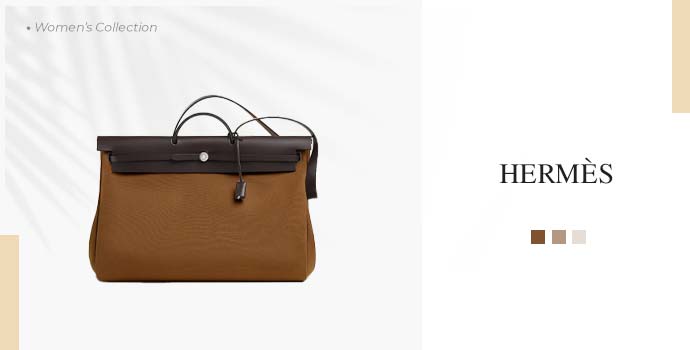
Hermès was founded in 1837 and is the ultimate luxury destination, recognized for its exemplary craftsmanship and exclusivity. Iconic handbags like the Birkin, Kelly, and Constance have all been lovingly hand-crafted from leather and other rare materials. Less produced than in demand, these are more than mere fashion statements, they are proper investment pieces. Apart from handbags, all Hermès items are infused with artistry, tradition, and prestige, and they are among the most coveted objects of sophistication in the world.
2.Chanel
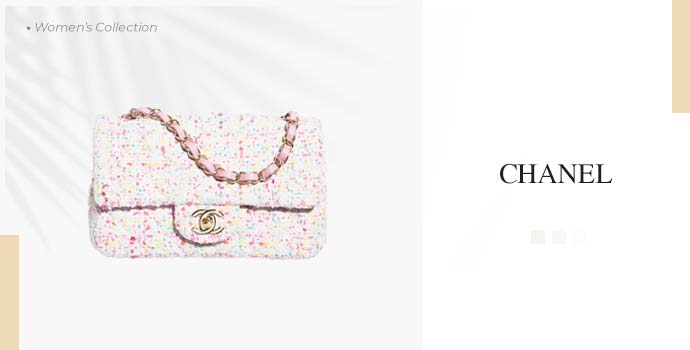
Chanel was created by Gabrielle “Coco” Chanel in 1910 and now defines classic sophistication and contemporary femininity. It has altered the aesthetics of modernity in fashion with several simple ideals down the line. The handbags, especially the Classic Flap and 2.55 Reissue, are among the most sought-after luxury accessories with their signature quilted leather, subtle chain-link strap, and trademark CC lock. The Boy Bag, introduced by Karl Lagerfeld, offers a more structured, edgy appeal. Chanel stands tall with accessories known as sealed investments for a lifetime.
3.Louis Vuitton
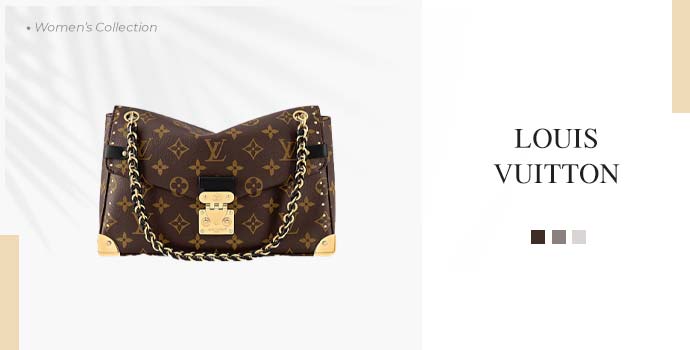
Louis Vuitton was founded in 1854 and has become the epitome of grandeur, construction, and ingenuity. Beginning with its trunks and travel accessories, it has transformed into one of the biggest luxury houses in the world. Signature Monogram Canvas and Damier prints adorn iconic bags including Speedy, Neverfull, Alma, and Capucines, blending old-world charm with contemporary appeal. With some of its daring partnerships, Louis Vuitton continues to breathe new life into the classics, crafting modern-daywear.
4.Dior
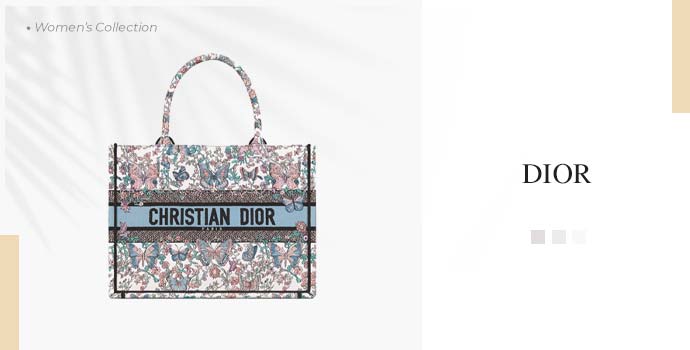
Founded in 1946 by Christian Dior, it embodies the best of luxurious refinement, femininity, and timeless sophistication. Artisan-crafted bags such as the ever-popular Lady Dior, Saddle Bag, and Book Tote are celebrated for their mastery in design execution and signature details such as cannage stitching, gold charms, and bold monogram prints. The ever-elegant Lady Dior, which was carried by Princess Diana, is still today’s beacon of grace. Dior is a purveyor of avant-garde, yet stalwartly Parisian elegance that transpires accessories, and leather goods.
5.Gucci
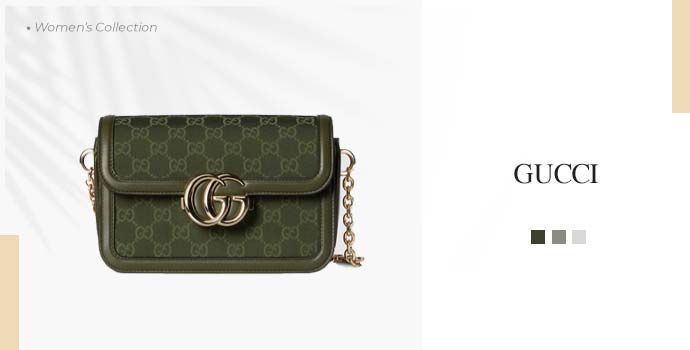
Founded in 1921 by Guccio Gucci, this global name combines Italian craftsmanship with daring contemporary innovation in its leather creations. Since then, every Gucci handbag, with its GG monogram, bamboo handles, and horsebit hardware, the Jackie, Dionysus, Marmont, and Bamboo 1947, epitomizes the creation of rare leather. Under the creative direction of big names such as Tom Ford and Alessandro Michele, the brand has continued to redefine luxury, weaving boldness and eclecticism into modern designs.
6.Prada
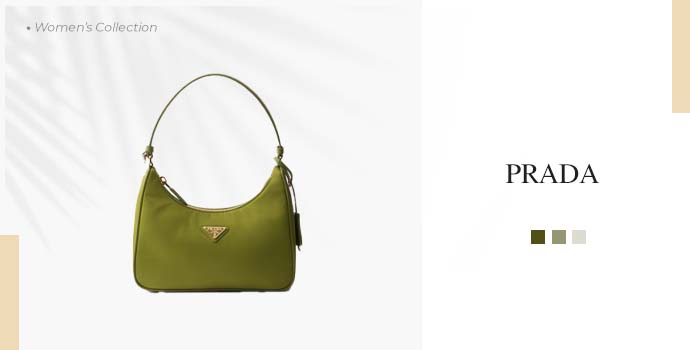
Directly from the pen of designer Mario Prada founded in 1913, Prada represents minimalistic taste, cutting-edge style, and impeccable craftsmanship. The luxury fashion division pioneered and changed the perception around luxury bags by introducing nylon into handbags, more specifically with the Re-Edition 2000 and 2005 ranges. Often featuring structured silhouettes and subtle branding quintessential to the Saffiano leather, signature bags like Galleria, Cleo, and Cahier embody a timeless aesthetic. A bold modern luxury underlies Prada’s appeal for ease, simplicity, and highly relatable fashion.
7.Fendi
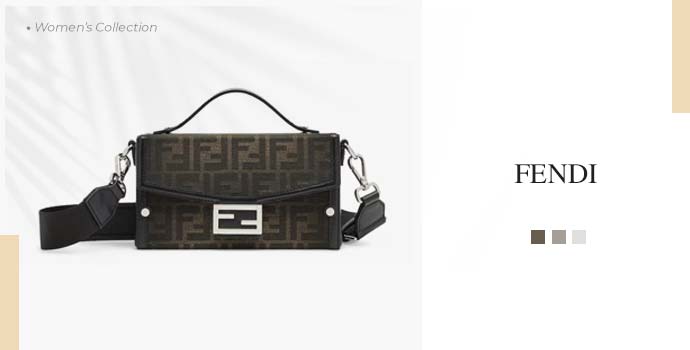
Fendi was established in 1925 in Rome and has been brought to fame for its craftsmanship, creative designs, and luxurious materials. The Fendi Baguette bag set the course for the It-bag era, it, among several others, ushers in a new wave of bold, audacious self-expression in the wider world of fashion. Notables include the Peekaboo, Sunshine Tote, and First Bag which have the Fendi monogram prints, Selleria stitching, and design features. Combining tradition with modernity, Fendi specializes in the field of bags and accessories, challenging the standards with unique textures and avant-garde styles. Wearing a brand like Fendi is not only about just fashion but is rather a pronounced proclamation of luxury and artistry.
8.Givenchy
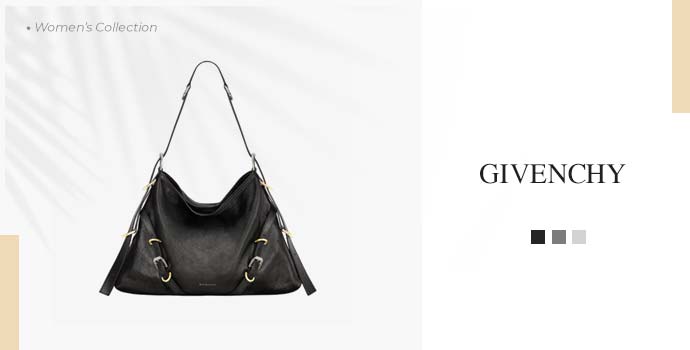
Since its inception in 1952 through the present, Givenchy has always been one of the most luxurious brands to grab attention. Structures characterized by clean lines and chic finishes allow Antigona, Cut-Out, and Voyou to establish their presence among some of the finest bag designers. Fusing timeless elegance and current-day, modern trends adored by trendsetters, Givenchy is not a label confined to bags but extends to bag accessories as well, stitching a regular bag into fancy and contemporary curves acting as the regular chic essence.
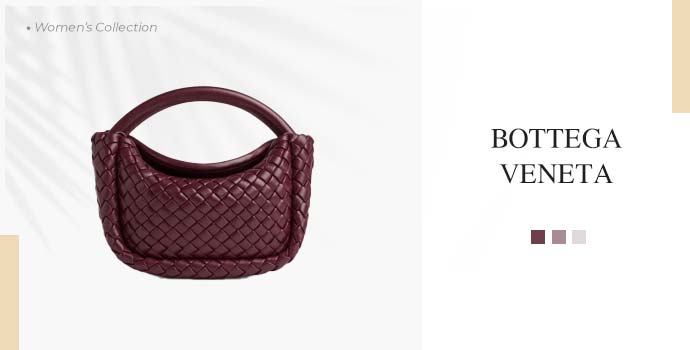
9.Bottega Veneta
Established in 1966, in Italy, Bottega Veneta became known for its discreet yet elegant style, artisanal craftsmanship, and signature Intrecciato weave. The brand endorses a “no logo” philosophy, allowing the impeccable design and quality to speak for itself. Iconic handbags include Jodie, Cassette, Andiamo, and Arco, with their bold textures, modern silhouettes, and the finest leather. Development continues under the active supervision of creative forces at Bottega, which strives to design with pure abstraction on the Western current practice. A Bottega Veneta piece defines quiet luxury with timeless appeal.
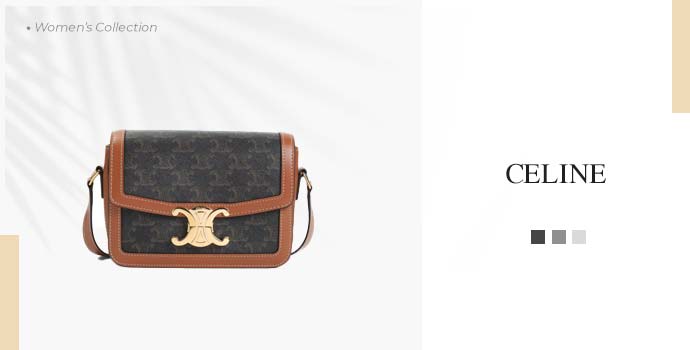
10.Celine
Founded in 1945 by Céline Vipiana, Celine is known for its sleek, minimalist designs that epitomize modern sophistication. The brand’s handbags are effortlessly chic, from the Triomphe to the Classic Box, Belt, and 16 Bag, showcasing refreshing lines, cleaner silhouettes, and luxurious leather. Brought to excellence first by creative director Phoebe Philo, and later by Hedi Slimane, Celine remains a brand rooted in an understated yet modern elegance. This label possesses modern edge bags with simple lines and subdued colors that showcase an unmistakable dose of femininity.
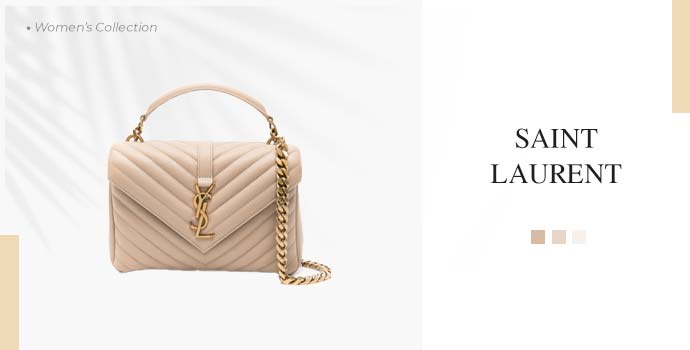
11.Saint Laurent
Founded in 1961 by Yves Saint Laurent, Saint Laurent (YSL) is synonymous with edgy sophistication and timeless glamour. The brand’s handbags include Sac de Jour, LouLou, Solferino, and Kate, with polished silhouettes, rare leather, and the now-iconic YSL monogram. A fabled label where classic Parisian elegance meets a modern rebellious spirit, Saint Laurent makes bold and refined designs presenting stylishly effortless garments that carry authority and reminiscence of what a rock ‘n’ roll attitude could be. Saint Laurent bags exude confidence, sophistication, and unmistakable style.
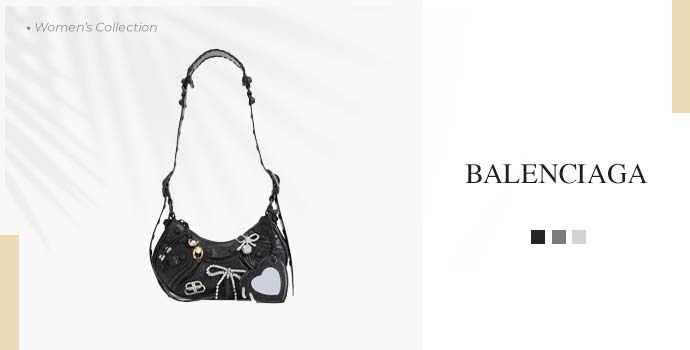
12.Balenciaga
Established in 1917 by Cristóbal Balenciaga, the iconic fashion house is reputed for its daring designs and innovations in handloom creation. The Le Cagole, Hourglass, Neo Classic, and City Bag have stylized elements, rebellious detailing, and oversized hardware. Embracing a fusion of luxury with street-style sketches, Balenciaga continually reinvents fashion through experimental textures and unconventional shapes, thus fortifying its image as the pioneer of avant-garde style. A Balenciaga bag isn’t merely an accessory; it’s a modern luxury statement.
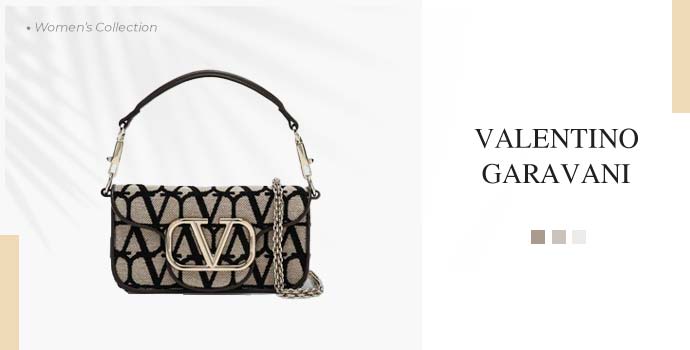
13.Valentino Garavani
Founded in 1960 by Valentino Garavani, Valentino is synonymous with Italian elegance, combining classic sophistication with contemporary flair. The brand’s handbags include the Rockstud, Locò, Roman Stud, and VLogo Signature bags, which feature luxurious leathers, bold and sturdy embellishments, and signature pyramid studs. Valentino has integrated timeless craftsmanship into its offerings, merging the glamorous with the preachy, striking the right chord for people who like subtlety.
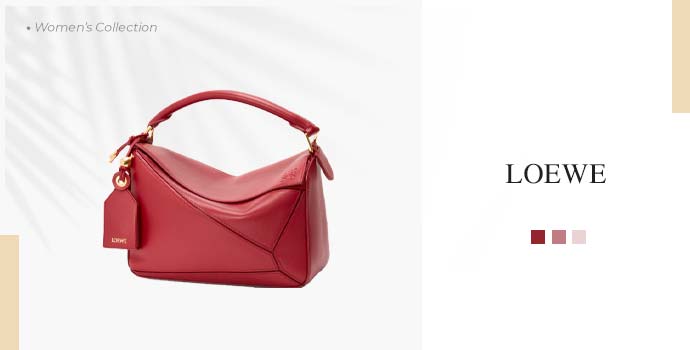
14.Loewe
Founded in 1846 in Madrid, Loewe is renowned for its exceptional leather craftsmanship and modern, artistic approach to luxury. Geometric designs, supple leather, and inventive construction characterize the brand’s handbags: Puzzle, Hammock, Flamenco, and Amazona. Under the creative direction of Jonathan Anderson, Loewe has magically blended heritage craftsmanship with a contemporary, trend-sensitive look. A Loewe bag signifies subtle luxury addressed to those valuing tradition and original creativity.
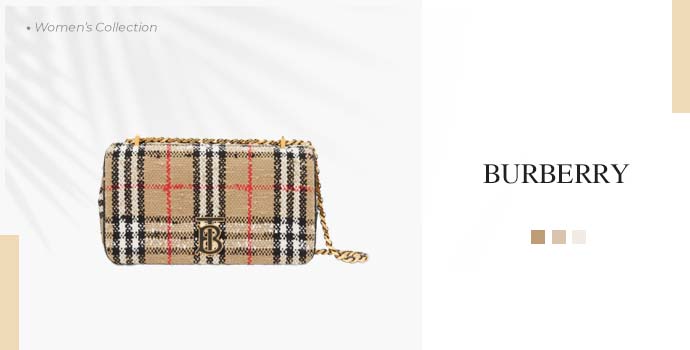
15.Burberry
Burberry is an iconic British high-end brand founded by Thomas Burberry in 1856. The fashion house is popular for its trench coats with the iconic check pattern, their line of handbags are Olympia, Pocket, Title, and Lola, which combine traditional designs with structured silhouettes and modern cuts. The Burberry bags are the personification of heritage blended with a contemporary style for modern glam.
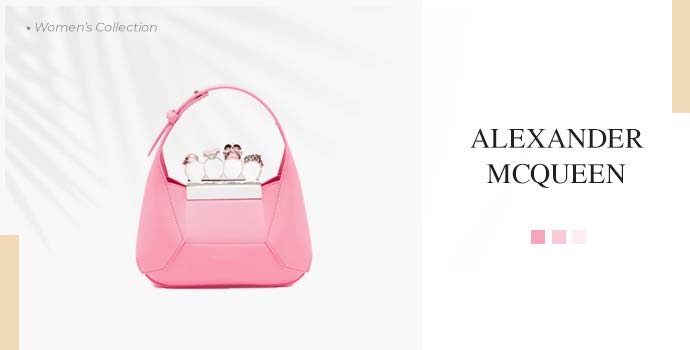
16.Alexander McQueen
The brand was founded in 1992 by Lee Alexander McQueen with dramatic, cutting-edge designs, merging elegance with rebellion. The Skull Clutch, Curve Bag, Jewelled Satchel, and Peak Bag are some of the very well-known products of the brand thriving in the Gothic drama of the occult-stand for the dark-romance aesthetics of the label. In essence, a McQueen bag is not merely an accessory, but a powerful statement that exuberantly flaunts imperfect construction just for those who have an appetite for loud-edge luxury.
17.Tom Ford
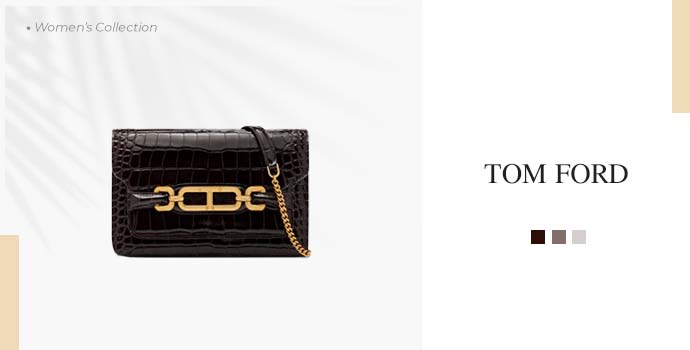
When someone talks about bold glamour, sensuality, and modernity, they talk about Tom Ford. This luxury fashion house was established in 2005 and from that time the brand is popular for presenting streamlined silhouettes, highly polished finishes, and statement hardware with bags like Natalia, Alix, Jennifer, and Tara exuding refined glamour. Signature details can be seen in its products and especially in bags such as oversized zippers, polished gold hardware, and structured shapes that make Tom Ford bags stand out. A Tom Ford bag was meant for those who view confidence, power, and unapologetic opulence as intertwined.
18.Jimmy Choo
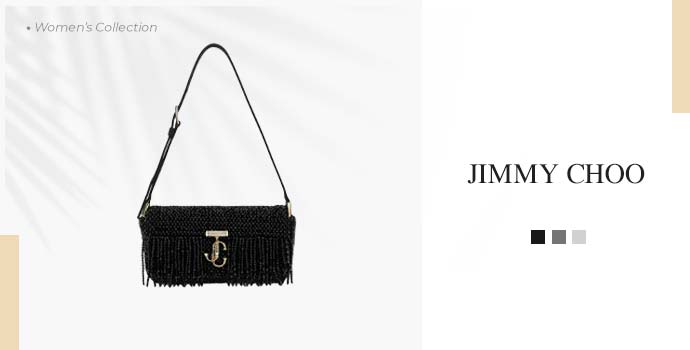
Founded in 1996 by Jimmy Choo and Tamara Mellon, Jimmy Choo is considered a luxury brand worldwide and a high-profile name when it comes to red-carpet accessories. Although it is primarily a shoe brand, it has a line of handbags with sleek silhouettes, beautiful crystal accents, and high craftsmanship, such as Bon Bon, Callie, Diamond, and Varenne. The handbag marks the reunion between glamour and modern sophistication as it adds sparkle to evening elegance and day-to-day chic for someone who loves glamour, sophistication, and effortless grace.
19.Stella McCartney
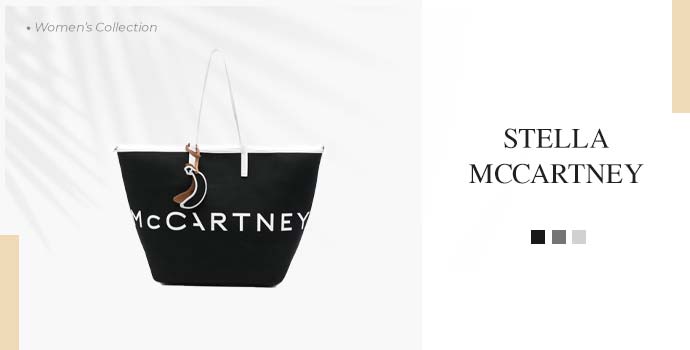
Founded in 2001 by Stella McCartney, the brand is a pioneer ethically and sustainably, being luxury with no compromise. Almost all Stella McCartney handbags, including Falabella, Frayme, S-Wave, and Logo Tote bags, are made of vegan leather, recycled materials, and eco-friendly innovations. The Falabella tote bag, which became an icon with its signature chain detailing and slouchy silhouette, remains a highlight of the brand. With the effortless chic combination of consciousness in craftsmanship, Stella runs a great name in the bags for those who love style, innovational calling, and sustainability within the realm of high fashion.
20.Mulberry
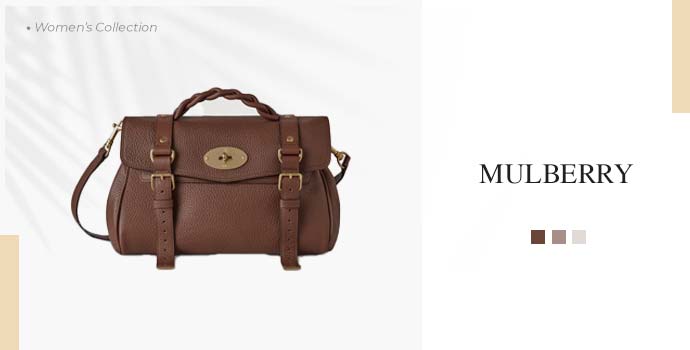
Shortly after its founding in 1971 in England, Mulberry was identified as a brand known for its traditional designs, immaculate workmanship in leather goods, and understated elegance. Signature handbags like the Bayswater, Alexa, Amberley, and Lily feature classic silhouettes, rich leathers, and signature Postman’s Lock hardware. Built on a background of British tradition, Mulberry blends rich craftsmanship with modern functionality, establishing a perfect balance between fashion and function. Sustainable practices, ethical sourcing, and eco-conscious manufacturing are values embedded in the DNA of the brand. A Mulberry bag embodies British luxury and is a natural essence of sophistication.
21.The Row
Launched in 2006 by Mary-Kate and Ashley Olsen, The Row has earned recognition and accolades for its understated elegance, superb craftsmanship, and minimalist aesthetic. The brand’s handbags include Margaux, Sofia, Half Moon, and N/S Park Tote. Crafted from exquisite leather with sharp lines and refined detail, this quiet luxury ethos embodies The Row’s statement. The Row bags are designed for discerning luxury shoppers seeking tasteful, high-caliber products without excessive branding.
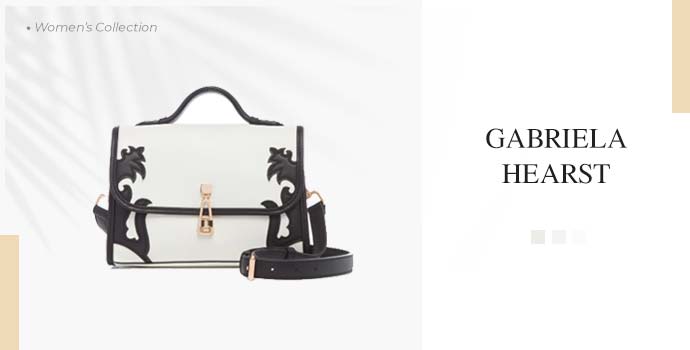
22.Gabriela Hearst
In 2015, Gabriela Hearst founded the brand, which is known for sustainability, impeccable craftsmanship, and refined minimalism. Signature handbags such as Nina, Demi, Diana, and Baez flaunt sculptural silhouettes, indulgent materials, and a modern yet timeless look. Each Gabriela Hearst bag is made of ethically sourced leather using sustainable practices, merging eco-conscious innovation with high luxury. A Gabriela Hearst bag was made for those who appreciate sustainability, elegance, and exclusivity in luxury.
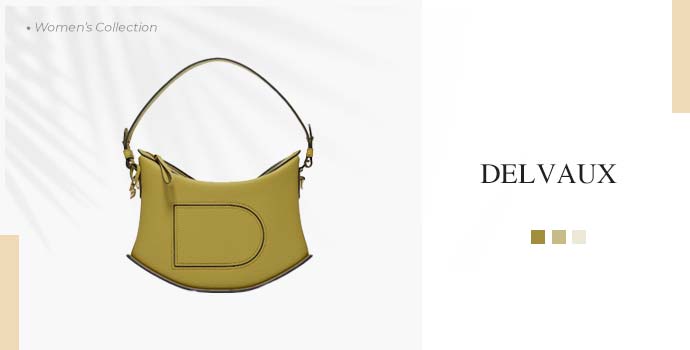
23.Delvaux
Delvaux is the oldest operating luxury leather brand in the world, founded in 1829 in Belgium, and valued for its quality craftsmanship, timeless elegance, and muted heft. The signature bags include Brillant, Tempête, Lingot, and Cool Box, characterized by structured silhouettes, luxury leathers, and exquisite detailing where old heritage converges with modern sophistication. Every Delvaux bag is made by hand and in very limited quantities, providing a feeling of a work of art steeped in heritage. A Delvaux bag represents heritage and prestige and typifies discreet European luxury.
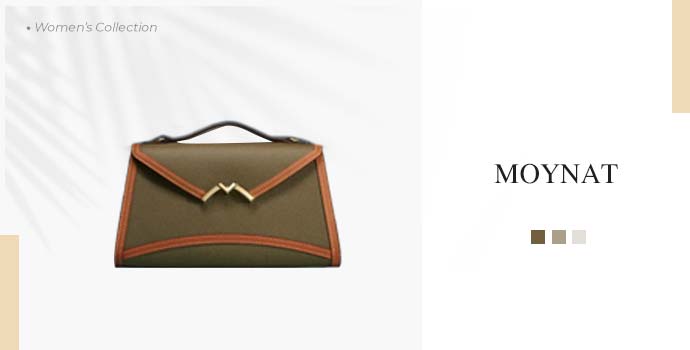
24.Moynat
In Paris in the year 1849, Moynat began to be featured among one of the oldest luxury leather goods houses, praised for its meticulous craftsmanship, subtlety, and deep heritage of expertise in trunk-making. Signature handbags such as Réjane, Gabrielle, Mini Vanity, and Flori have structured silhouettes made of fine leather with a choice of hand-painted personalization that one can identify with French sophistication. Strongly artisan-oriented, the house produces bags in limited quantities, respecting the exclusivity and rarity of its pieces, making such a brand indeed a collector’s piece.
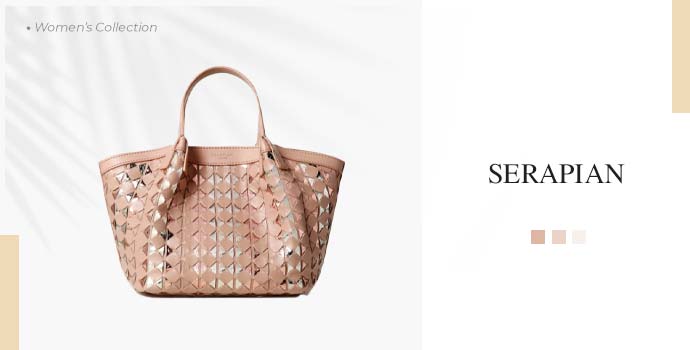
25.Serapian
Founded in 1928 in Milan, Serapian is a boutique luxury leather goods brand known for exceptional Italian craftsmanship, subtle luxury, exclusive materials, and understated elegance. Signature handbags such as the Meline, Secret, and Luna bags have sleek silhouettes, soft leathers, and the house’s own signature, Mosaico weaving technique handcrafted pattern unique to Serapian. The brand prides itself on discreet luxury and bespoke service, in limited production, its bags inevitably grow even more desirable to those who savor fine artisanal luxury with a Milanese touch.
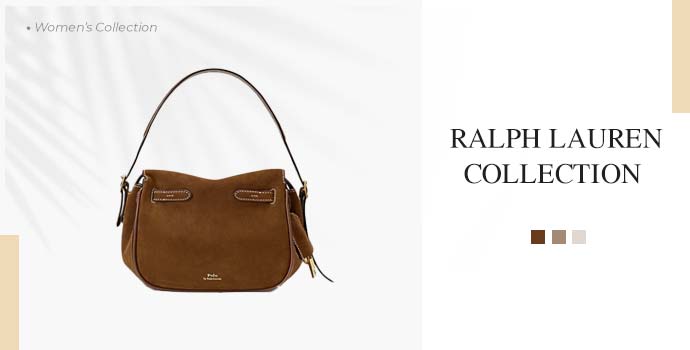
26.Ralph Lauren Collection
It was Ralph Lauren Collection himself who had set up the firm in 1967, and it represents the epitome of all the luxury craftsmanship, combining classic Americana with well-cut, refined sophistication. Signature handbags such as Ricky, RL50, and Wellington bags present structured silhouettes made from the highest leather that date back to the horse represented during the brand’s timeless design heritage. Cut with Italian artisanship, these bags are functional and chic, showing discreet yet powerful luxury. The Ralph Lauren Collection bag is a perfect personification of classic, effortless sophistication with modern contours.
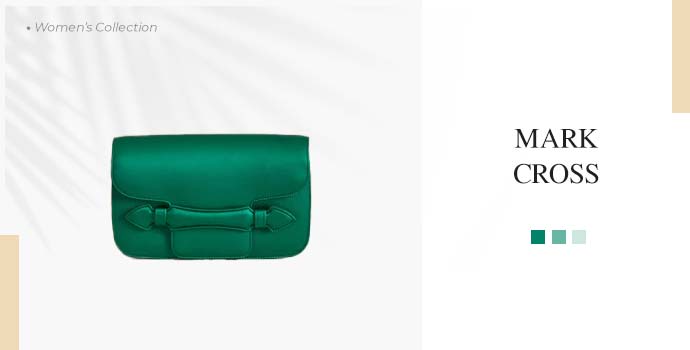
27.Mark Cross
Dating back to 1845, Mark Cross ranks among the oldest luxury leather goods brands in the country and has built a reputation for its classical craftsmanship, vintage-inspired designs, and understated sophistication. Signature handbags-the Grace Box, Madeline, and Benchley bags-have shape, structure, polished hardware, and luxurious leathers, drawn from the rich history of the brand. Blending tradition and modern refinement, Mark Cross handles handcrafted leather goods and accessories like no one else, making Mark Cross bags a symbol of both timeless luxury and effortless elegance.
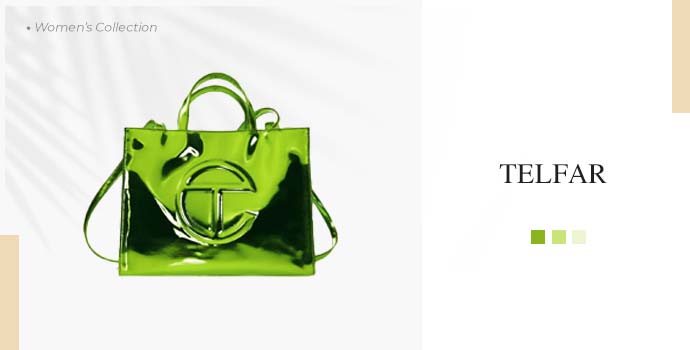
28.Telfar
Founded in 2005, Telfar is a New York-based brand that upended luxury with a blend of affordable, genderless, and accessible fashion. Known for its sleek, structured design, embossed T logo, and vegan leather construction, the brand’s signature Shopping Bag is often referred to as the “Bushwick Birkin.” Available in multiple sizes and vibrant colors, Telfar bags have become a hot commodity, frequently selling out as soon as they drop. Blending street style with luxury under its motto, “Not for You, For Everyone,” Telfar has made a Telfar bag into a statement on modern inclusivity and cultural impact.
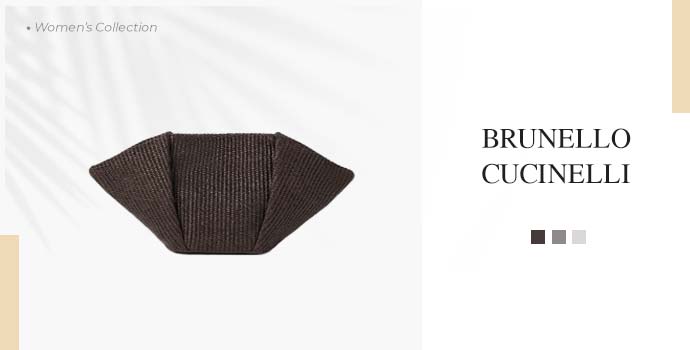
29.Brunello Cucinelli
Founded in Italy in 1978, Brunello Cucinelli stands for understated elegance, ethical craftsmanship, and the best materials you could find. Minimalist in design and ultra-luxurious in cashmere, bags such as the Bucket Bag, Leather Tote, and Crossbody Pouch are favored in soft neutrals, supple leather, and refined styling. More timeless than trendy, Brunello Cucinelli handbags incorporate a commitment to care and sustainability into innumerable and exquisite details. A Brunello Cucinelli bag is a favorite of people who appreciate luxury that is discreet enough and aristocratic.
30.Aspinal of London
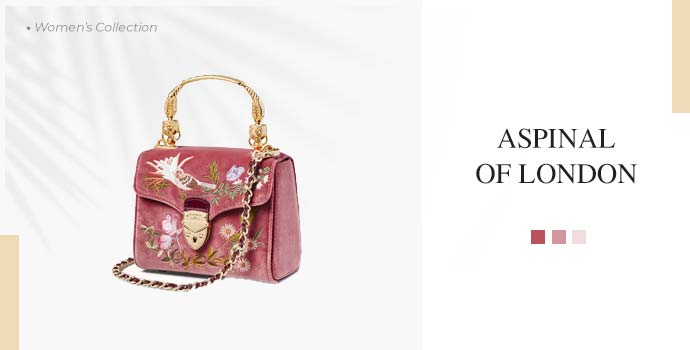
In 2011, Aspinal of London embodied classic British chic, immaculate craftsmanship, and structured designs. From gorgeous handbags such as the Mayfair, Lottie, London Tote, and Midi Marylebone, these fashion bags are made from quality leathers often featuring heritage-inflected details, top-handle silhouettes, and elegant hardware. Their combination of accessible luxury has positioned Aspinall as a blend of classical craftsmanship meets modern refinement– bags that are just as perfect as they are chic for any day out or a night at an elegant soiree. The brand is also a player in small leather goods and accessories, providing pieces of timeless beauty, made distinctly British.
31.Goyard
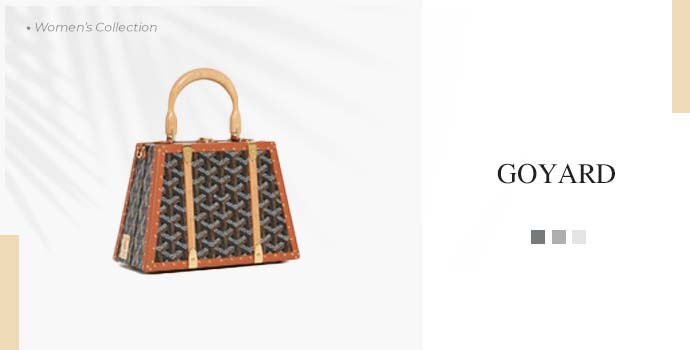
Goyard was founded in Paris in 1853 and has a long history as one of the most earnestly prestigious and discreet luxury leather houses, with its trunks, luggage, and handbags being handmade. Its signature Goyardine canvas tracing a unique chevron pattern makes it instantly recognizable while remaining quite subdued and logo-free. Iconic bags such as the Saint Louis Tote, Artois, and Saïgon are lightweight, durable, and exhibit an impeccable level of craftsmanship. Goyard is not a mainstream luxury brand, there is no advertisement or online selling, just an air of exclusivity. So owning a Goyard bag expresses heritage and a rarity that is quite distinct to timeless Parisian luxury.
32.Judith Leiber
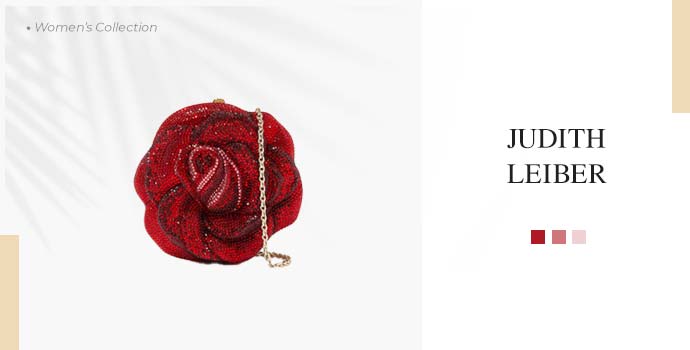
Founded in 1963, Judith Leiber is synonymous with excess, craftsmanship, and artistic flair. Most known for its crystal-encrusted minaudières, Leiber handbags are miniature sculptures often in the shape of animals, food, and a fun assortment of objects. Iconic designs include the Cupcake, Precious Rose, and Fabergé Egg clutches keenly crafted by hand with Austrian crystals, intricate metalwork, and sumptuous detailing. Judith Leiber bags have been red-carpet favorites, as well as among collectors, and will blend glamour with creativity. The brand also offers evening accessories that position a Judith Leiber clutch as a statement of luxury and individuality.
33.Oscar de la Renta
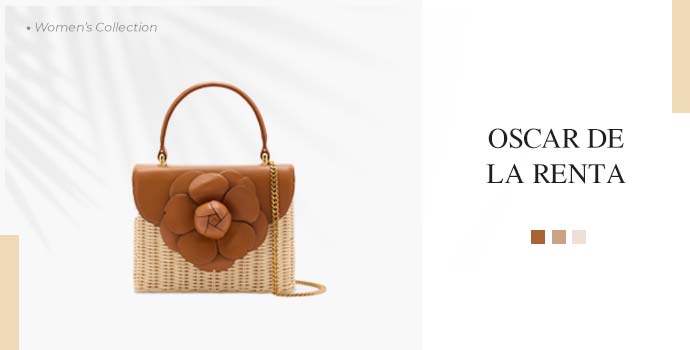
Established in 1965, Oscar de la Renta is recognized for the refinement and femininity of its designs as well as the exquisite craftsmanship that goes into each of its handbags. While most often known for its haute couture and eveningwear, the brand captures the same elegant and chic spirit of all its designs. Iconic designs like the Tro Bag, Alibi Clutch, and Oath Bag represent glamorous nights in luxurious materials with dainty embellishments and structured silhouettes.
34.Chloé
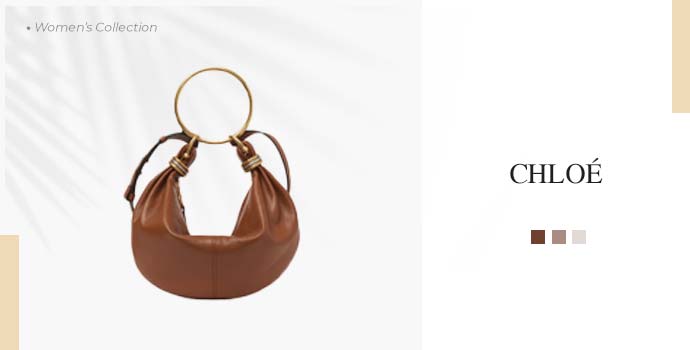
Founded in 1952 by Gaby Aghion, Chloé is a name synonymous with bohemian elegance, feminine designs, and relaxed luxury. The bags, from Marcie, Faye, Drew, and Woody Tote, are made out of supple leather and usually feature soft silhouettes accented with signature hardware and artisanal detailing. A bag with the ultimate Chloé heart is indeed for you if you find boho-chic luxury mixed with an edgy twist absolutely irresistible.
35.Proenza Schouler
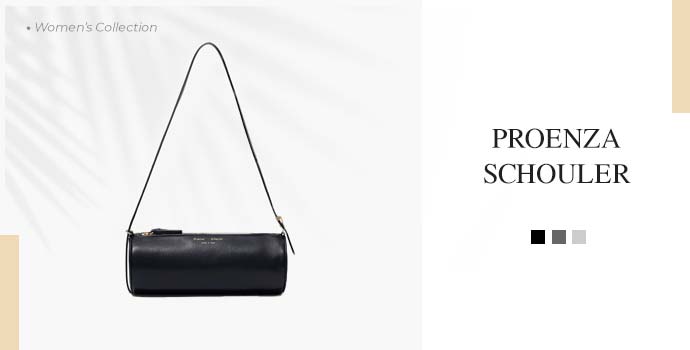
Proenza Schouler was founded in 2002 as an exercise in metropolitan sleek and contemporary design with innovative craftsmanship by Jack McCollough and Lazaro Hernandez. The hand-assembled bags themselves (PS1, PS11, Courier) won praise for their decidedly structured silhouettes with utilitarian details, made with modern minimalism in mind. The PS1 quickly became an icon by packing in effortless cool and practicality. A Proenza Schouler bag is for that discerning woman who likes her modern elegance with an edgy, downtown feel.
36.JW Anderson
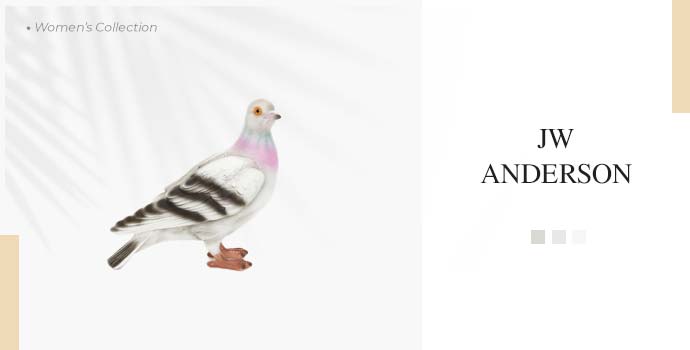
Founded in 2008 by Jonathan Anderson, JW Anderson is most notable in avant-garde, sculptural designs that combine British heritage with contemporary edge. JW Anderson’s handbags, including the Cap Bag, Chain Hobo, Twister, and Anchor Bag, are instantly recognized for their distinctive designs, oversized chain details, and experimental materials use. While pushing boundaries on modern luxury, JW Anderson’s exquisite mix of textures, gender-fluid fashions, and artistic references are created to reflect the brilliance of the new age in modern luxury.
37.Maison Margiela
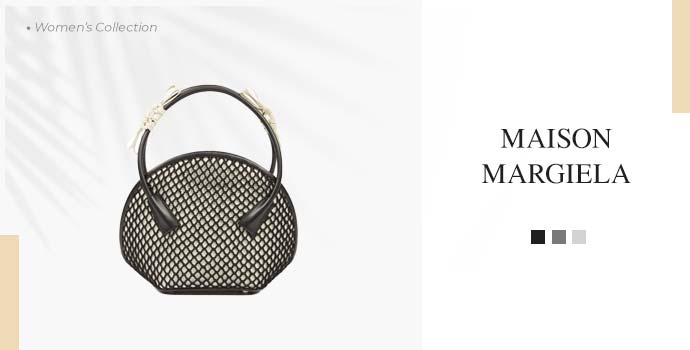
Founded in 1988 by Martin Margiela, Maison Margiela is known for its cutting-edge experimental designs, unusual craftsmanship elements, and deconstructed approach to fashion. The brand’s handbags, like Glam Slam bags, 5AC, Snatched, and New Lock Bags, feature unique shapes, minimalist branding, exposed stitching, and industrial elements. Margiela’s aesthetic merges high fashion and conceptual artistry, and thus the bags make an ideal option for people who appreciate modernity with understated luxury.
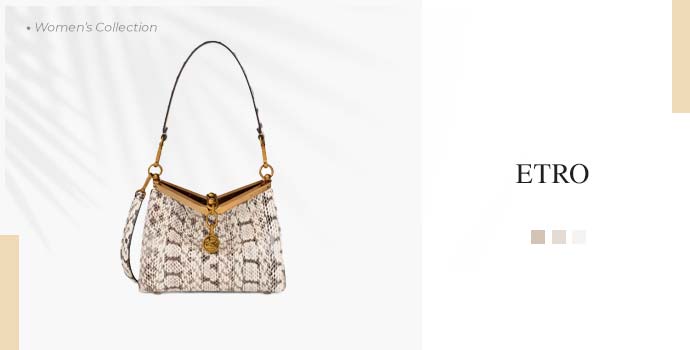
38.Etro
Founded in 1968 in Milan, Etro is known for rich textiles, elaborate prints, and a free-spirited elegance. The brand’s handbags, such as the Vela, Crown Me, and Pegaso bags, often feature signature paisley patterns, superb leather construction, and artisanal embroidery complete with a boho-chic trademark touch. Known for mixing heritage with contemporary fashion, Etro accessories radiate vibrant eclectic charm. An Etro bag fits well with those who see the touch of luxury with an artistically inspired effect.
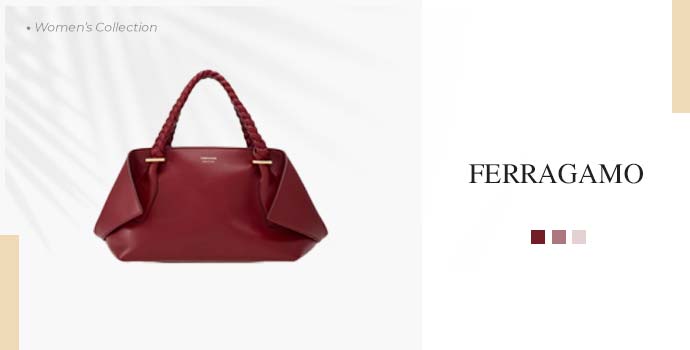
39.Ferragamo
Founded in 1927 by Salvatore Ferragamo, Ferragamo is known for its luxurious craftsmanship, innovative designs, and fine aesthetics. The popular handbags are Studio, Trifolio, and Vara Bow bags, which boast sleek lines, premium leathers, and signature details like the Gancini clasp and Vara bow. Inspired by Florentine craftsmanship, Ferragamo effortlessly blends tradition with contemporary sophistication, making bags timeless and versatile. Ferragamo is the ideal bag brand for those who admire classic luxury enhanced with modern design.
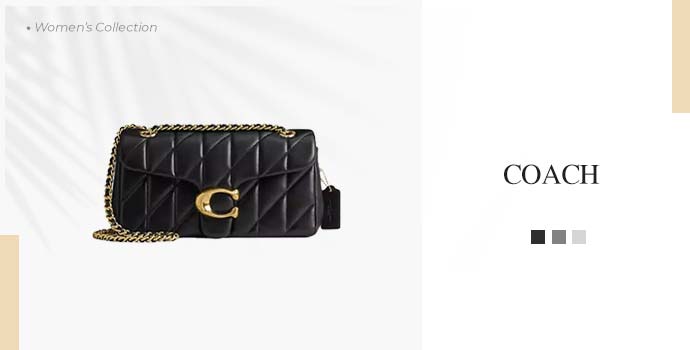
40.Coach
Founded in 1941, Coach creates high-quality leather goods with a timeless design and accessible luxury. Bagged styles within the brand include the Tabby, Rogue, Pillow, and Willow Tote, with buttery-smooth leathers, timeless silhouettes, and trademark hardware. Where artisan craftsmanship continues, Coach mixes its legacy with modern fashion for a stylish yet practical finish. A Coach bag is good for any admirer of quality, craftsmanship, and outdoor casual American luxury.
Luxury handbags are more than accessories, they are the symbols of craftsmanship, heritage, and timeless style. Whether you want a classic investment piece or a bold fashion statement, these 40 high-end purse brands will have something for every luxurious soul. Carrying a handbag from any of these luxury houses is more than mere fashion, it embodies an appreciation for artistry, legacy, and personal style in its purest form.
AI Revolution in the Frontend Developer’s Workshop
In today’s world, programming without AI support means giving up a powerful tool that radically increases a developer’s productivity and efficiency. For the modern developer, AI in frontend automation is not just a curiosity, but a key tool that enhances productivity. From automatically generating components, to refactoring, and testing – AI tools are fundamentally changing our daily work, allowing us to focus on the creative aspects of programming instead of the tedious task of writing repetitive code. In this article, I will show how these tools are most commonly used to work faster, smarter, and with greater satisfaction.
This post kicks off a series dedicated to the use of AI in frontend automation, where we will analyze and discuss specific tools, techniques, and practical use cases of AI that help developers in their everyday tasks.
AI in Frontend Automation – How It Helps with Code Refactoring
One of the most common uses of AI is improving code quality and finding errors. These tools can analyze code and suggest optimizations. As a result, we will be able to write code much faster and significantly reduce the risk of human error.
How AI Saves Us from Frustrating Bugs
Imagine this situation: you spend hours debugging an application, not understanding why data isn’t being fetched. Everything seems correct, the syntax is fine, yet something isn’t working. Often, the problem lies in small details that are hard to catch when reviewing the code.
At first glance, the code looks correct. However, upon running it, no data is retrieved. Why? There’s a typo in the URL – “htts” instead of “https.” This is a classic example of an error that could cost a developer hours of frustrating debugging.
When we ask AI to refactor this code, not only will we receive a more readable version using newer patterns (async/await), but also – and most importantly – AI will automatically detect and fix the typo in the URL:
How AI in Frontend Automation Speeds Up UI Creation
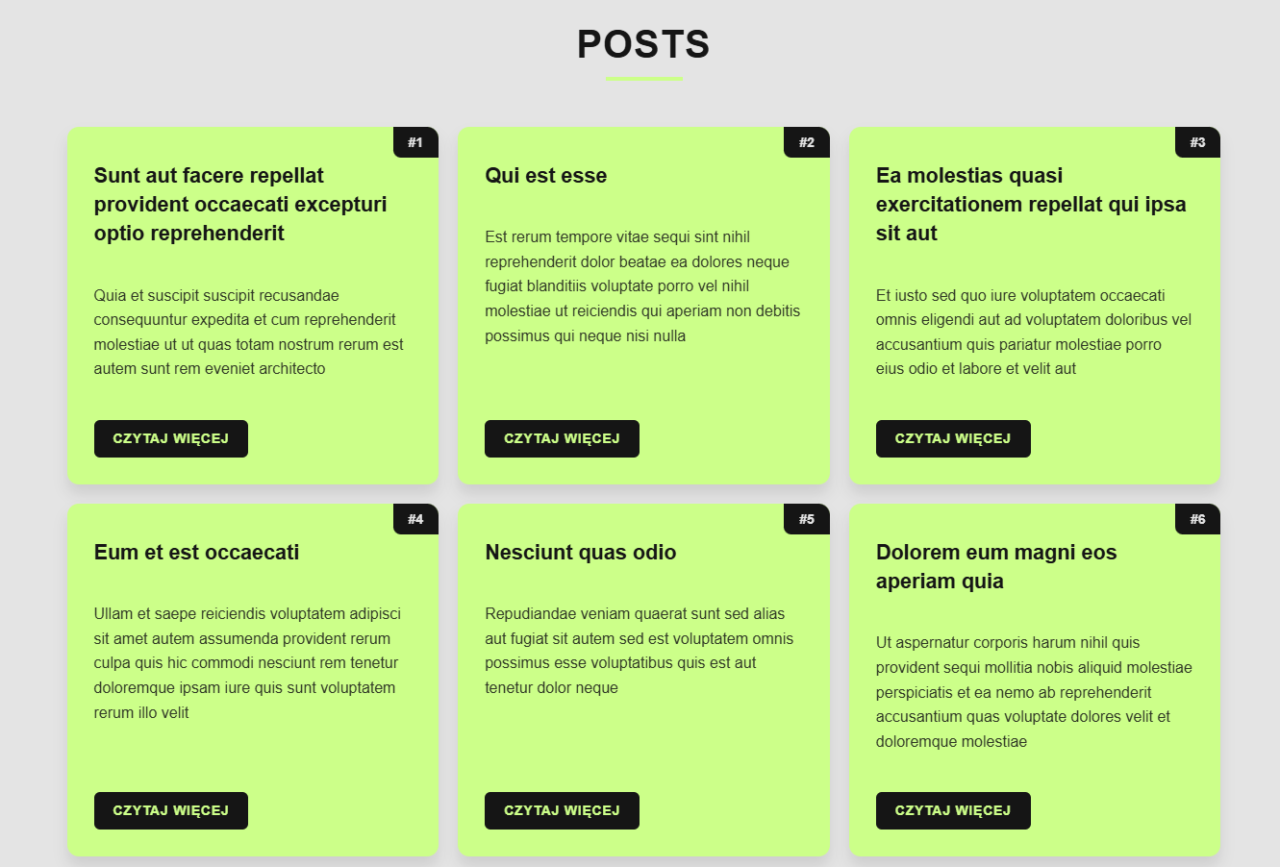
One of the most obvious applications of AI in frontend development is generating UI components. Tools like GitHub Copilot, ChatGPT, or Claude can generate component code based on a short description or an image provided to them.
With these tools, we can create complex user interfaces in just a few seconds. Generating a complete, functional UI component often takes less than a minute. Furthermore, the generated code is typically error-free, includes appropriate animations, and is fully responsive, adapting to different screen sizes. It is important to describe exactly what we expect.
Here’s a view generated by Claude after entering the request: “Based on the loaded data, display posts. The page should be responsive. The main colors are: #CCFF89, #151515, and #E4E4E4.”
AI in Code Analysis and Understanding
AI can analyze existing code and help understand it, which is particularly useful in large, complex projects or code written by someone else.
Example: Generating a summary of a function’s behavior
Let’s assume we have a function for processing user data, the workings of which we don’t understand at first glance. AI can analyze the code and generate a readable explanation:
function processUserData(users) {
return users
.filter(user => user.isActive) // Checks the `isActive` value for each user and keeps only the objects where `isActive` is true
.map(user => ({
id: user.id, // Retrieves the `id` value from each user object
name: `${user.firstName} ${user.lastName}`, // Creates a new string by combining `firstName` and `lastName`
email: user.email.toLowerCase(), // Converts the email address to lowercase
}));
}
In this case, AI not only summarizes the code’s functionality but also breaks down individual operations into easier-to-understand segments.
AI in Frontend Automation – Translations and Error Detection
Every frontend developer knows that programming isn’t just about creatively building interfaces—it also involves many repetitive, tedious tasks. One of these is implementing translations for multilingual applications (i18n). Adding translations for each key in JSON files and then verifying them can be time-consuming and error-prone.
However, AI can significantly speed up this process. Using ChatGPT, DeepSeek, or Claude allows for automatic generation of translations for the user interface, as well as detecting linguistic and stylistic errors.
Example:
We have a translation file in JSON format:
{
“welcome_message”: “Welcome to our application!”,
“logout_button”: “Log out”,
“error_message”: “Something went wrong. Please try again later.”
}
AI can automatically generate its Polish version:
{
“welcome_message”: “Witaj w naszej aplikacji!”,
“logout_button”: “Wyloguj się”,
“error_message”: “Coś poszło nie tak. Spróbuj ponownie później.”
}
Moreover, AI can detect spelling errors or inconsistencies in translations. For example, if one part of the application uses “Log out” and another says “Exit,” AI can suggest unifying the terminology.
This type of automation not only saves time but also minimizes the risk of human errors. And this is just one example – AI also assists in generating documentation, writing tests, and optimizing performance, which we will discuss in upcoming articles.
Summary
Artificial intelligence is transforming the way frontend developers work daily. From generating components and refactoring code to detecting errors, automating testing, and documentation—AI significantly accelerates and streamlines the development process. Without these tools, we would lose a lot of valuable time, which we certainly want to avoid.
In the next parts of this series, we will cover topics such as:
How does AI speed up UI component creation? A review of techniques and tools
Automated frontend code refactoring – how AI improves code quality
Code review with AI – which tools help analyze code?
The 1950s marked a golden era for musical cinema, with iconic films that continue to captivate audiences with their timeless charm and unforgettable melodies. From lavish productions to heartfelt performances, these movies represent the pinnacle of Hollywood’s musical legacy. Let’s take a journey through the top 10 Best 1950s Musicals that have left an indelible mark on the genre.
The Evolution of Musicals: A Brief History
The concept of movies accompanied by music has roots dating back to the silent film era. Even in the absence of spoken dialogue, theaters would employ theater organists and orchestras to provide live accompaniment to enhance the cinematic experience. However, it was in the 1950s that musicals truly flourished, becoming a cornerstone of Hollywood’s entertainment landscape. These films became must-see events, drawing audiences away from their television sets and into the enchanting world of cinema.
10. ‘Gigi’ (1958)
Director: Vincente Minnelli
“Gigi” is an enchanting French period piece that garnered acclaim for its captivating storyline and impeccable performances. Set in the aristocratic circles of Paris, the film revolves around a bored aristocrat who finds himself drawn to a spirited young commoner named Gigi. Leslie Caron’s portrayal of the titular character is nothing short of mesmerizing, breathing life into the role with her irresistible charm.
At its core, “Gigi” transcends the conventional love story, delving into themes of authenticity and individuality. Through Gigi’s journey, the film challenges societal norms and preconceived notions about love and romance, delivering a message that remains relevant to this day.
9. ‘Oklahoma!’ (1955)
Director: Fred Zinnemann
Based on the acclaimed stage play, “Oklahoma!” is a delightful romp through the American heartland, complete with memorable songs and quirky characters. The film follows the romantic entanglements of two cowboys vying for the affections of a farm girl, set against the backdrop of the Oklahoma Territory.
What sets “Oklahoma!” apart is its whimsical charm and offbeat humor, embodied by the endearing performances of Shirley Jones and Gordon MacRae. From lively dance numbers to surreal dream sequences, the film offers a captivating blend of romance and whimsy that continues to enthrall audiences.
8. ‘White Christmas’ (1954)
Director: Michael Curtiz
“White Christmas” is a heartwarming tale of camaraderie and holiday cheer, set against the backdrop of a picturesque Vermont inn. Bing Crosby and Danny Kaye shine as a pair of entertainers who team up to save their former commanding officer’s struggling lodge.
Filled with classic songs and memorable performances, “White Christmas” has cemented its status as a perennial holiday favorite. From the infectious chemistry between Crosby and Kaye to the timeless appeal of songs like “White Christmas,” the film captures the magic of the season in all its glory.
7. ‘High Society’ (1956)
Director: Charles Walters
A musical adaptation of the classic comedy “The Philadelphia Story,” “High Society” is a delightful romp through the world of high society romance and intrigue. Grace Kelly dazzles as the socialite torn between her wealthy fiancé and her charismatic ex-husband, played by Bing Crosby and Frank Sinatra, respectively.
With its stellar cast and infectious charm, “High Society” is a testament to the enduring appeal of classic Hollywood glamour. From witty banter to toe-tapping musical numbers, the film offers a delightful escape into a world of luxury and romance.
6. ‘The Band Wagon’ (1953)
Director: Vincente Minnelli
“The Band Wagon” is a dazzling showcase of song and dance, featuring the legendary talents of Fred Astaire and Cyd Charisse. The film follows a struggling actor who reluctantly agrees to star in a Broadway show, only to find himself at odds with the eccentric director and his enigmatic leading lady.
What sets “The Band Wagon” apart is its breathtaking choreography and lavish production design. From elaborate dance numbers to whimsical set pieces, the film is a visual feast for the senses, capturing the magic of Broadway in all its splendor.
5. ‘Funny Face’ (1957)
Director: Stanley Donen
“Funny Face” is a stylish romantic comedy that oozes sophistication and charm, thanks in no small part to the magnetic performances of Audrey Hepburn and Fred Astaire. Set against the backdrop of the fashion world, the film follows a photographer who transforms a shy bookstore clerk into a glamorous model.
With its vibrant color palette and infectious energy, “Funny Face” is a visual delight from start to finish. From iconic fashion moments to show-stopping musical numbers, the film remains a timeless classic that continues to inspire audiences to this day.
4. ‘Gentlemen Prefer Blondes’ (1953)
Director: Howard Hawks
“Gentlemen Prefer Blondes” is a sassy and irreverent comedy that showcases Marilyn Monroe at the height of her star power. The film follows two showgirls as they navigate the pitfalls of love and romance, all while being pursued by a determined private eye.
With its iconic musical numbers and witty dialogue, “Gentlemen Prefer Blondes” is a celebration of female empowerment and camaraderie. Monroe’s dazzling performance and unforgettable rendition of “Diamonds Are a Girl’s Best Friend” have solidified the film’s status as a timeless classic.
3. ‘A Star Is Born’ (1954)
Director: George Cukor
“A Star Is Born” is a poignant tale of love and sacrifice, anchored by Judy Garland’s powerhouse performance. The film follows an aspiring singer who rises to fame under the guidance of a troubled movie star, only to see their relationship tested by the pressures of stardom.
Garland delivers a tour-de-force performance that is equal parts heartbreaking and inspiring. With its memorable musical numbers and gripping storyline, “A Star Is Born” remains a cinematic masterpiece that continues to resonate with audiences to this day.
2. ‘An American in Paris’ (1951)
Director: Vincente Minnelli
“An American in Paris” is a visual masterpiece that combines breathtaking choreography with George Gershwin’s timeless music. The film follows an American artist who falls in love with a French woman against the backdrop of post-war Paris.
Gene Kelly’s electrifying performance and innovative choreography elevate “An American in Paris” to new heights of cinematic splendor. From its dazzling dance sequences to its sumptuous production design, the film is a testament to the power of music and dance to transcend cultural boundaries.
1. ‘Singin’ In The Rain’ (1952)
Directors: Gene Kelly, Stanley Donen
“Singin’ In The Rain” is a cinematic masterpiece that celebrates the magic of Hollywood’s golden age. Directed by Gene Kelly and Stanley Donen, the film tells the story of a silent film star grappling with the transition to talkies, all while navigating the ups and downs of love and fame.
With its iconic musical numbers and timeless performances, “Singin’ In The Rain” has become a cultural touchstone that continues to captivate audiences of all ages. From Gene Kelly’s iconic dance routines to Debbie Reynolds’ infectious charm, the film is a testament to the enduring power of song and dance in cinema.
Conclusion: A Legacy of Song and Dance
The 1950s produced some of the most beloved and enduring musicals in cinematic history. From lavish productions to intimate character dramas, these films have left an indelible mark on popular culture and continue to enchant audiences to this day. As we celebrate the legacy of these timeless classics, let us remember the magic of song and dance that continues to inspire generations of moviegoers around the world.