Metaverse

Home Metaverse Page 80

OpenAI Expands ChatGPT With Group Chat Feature, Allowing Up To 20 Users To Interact Simultaneously

0
OpenAI Expands ChatGPT With Group Chat Feature, Allowing Up To 20 Users To Interact Simultaneously


In Brief

OpenAI just rolled out its group chat feature across all subscription tiers, allowing up to 20 users to simultaneously collaborate with each other and with ChatGPT in the same thread.

OpenAI Expands ChatGPT With Group Chat Feature, Allowing Up To 20 Users To Interact Simultaneously

AI research organisation OpenAI announced that it has launched a group chat feature across all ChatGPT subscription tiers, allowing up to twenty users to collaborate together and interact with ChatGPT within the same conversation thread. 

This feature enables participants to plan activities, organize projects, or make group decisions while receiving real-time assistance from ChatGPT. Examples include coordinating travel plans, designing spaces, choosing art, or selecting dining options, as well as working on school or professional tasks by sharing articles, notes, and research while ChatGPT helps summarize and structure the information.

In order to create a group chat, users can tap the people icon in any chat. Adding someone to an existing conversation generates a new group thread, keeping the original conversation separate. Invitations can be shared via a link, which can be passed to additional participants, and new users are prompted to set up a profile including a name, username, and photo. Group chats are accessible from a dedicated section in the sidebar.

Group chats operate similarly to standard ChatGPT conversations, with responses powered by GPT‑5.1 Auto, which selects the most appropriate model based on the prompt and the user’s subscription tier. The feature supports search, image and file uploads, image generation, and dictation, with rate limits applying only to ChatGPT responses, not to messages exchanged between participants.

ChatGPT has been adapted to follow the flow of group conversations, responding selectively based on context. Users can mention ChatGPT to prompt a response, and it can react to messages with emojis or reference participants’ profile photos to generate personalized content. Group settings allow for naming the chat, adding or removing participants, muting notifications, and setting custom instructions to guide ChatGPT’s tone, style, or response behavior for each conversation.

ChatGPT’s Group Chat Controls To Enhance Collaboration And Safety

Group chats are distinct from individual conversations, and personal ChatGPT memory is not applied within these shared threads; ChatGPT also does not generate new memories from interactions in group chats. Future updates may include more detailed controls, allowing users to determine if and how memory is utilized in group conversations.

Participation in a group chat requires accepting an invitation, and all members can see who is part of the chat and leave at any time. Participants can remove others, though the group creator can only exit by leaving the chat themselves.

For users under 18, ChatGPT automatically limits exposure to sensitive content for everyone in the group, and guardians have the option to disable group chats entirely through parental controls.

Group chats are intended to serve as a collaborative space for sharing ideas, making decisions, and fostering creativity with others. As the feature is refined, OpenAI plans to use user feedback to enhance ChatGPT’s role as a collaborative partner in group settings.

Disclaimer

In line with the Trust Project guidelines, please note that the information provided on this page is not intended to be and should not be interpreted as legal, tax, investment, financial, or any other form of advice. It is important to only invest what you can afford to lose and to seek independent financial advice if you have any doubts. For further information, we suggest referring to the terms and conditions as well as the help and support pages provided by the issuer or advertiser. MetaversePost is committed to accurate, unbiased reporting, but market conditions are subject to change without notice.

About The Author


Alisa, a dedicated journalist at the MPost, specializes in cryptocurrency, zero-knowledge proofs, investments, and the expansive realm of Web3. With a keen eye for emerging trends and technologies, she delivers comprehensive coverage to inform and engage readers in the ever-evolving landscape of digital finance.

More articles


Alisa, a dedicated journalist at the MPost, specializes in cryptocurrency, zero-knowledge proofs, investments, and the expansive realm of Web3. With a keen eye for emerging trends and technologies, she delivers comprehensive coverage to inform and engage readers in the ever-evolving landscape of digital finance.


More articles


Source link

New 7.2 GW Nuclear Power Plant from China | Metaverse Planet

0
New 7.2 GW Nuclear Power Plant from China | Metaverse Planet


China General Nuclear Power Group (CGN) has officially started the construction of a giant energy project in East China’s Shandong Province. The Zhaoyuan Nuclear Power Plant, once completed, will generate approximately 50 billion kilowatt-hours of electricity annually, meeting the residential energy needs of 5 million people.

The facility will save 15.27 million tons of coal annually and reduce carbon dioxide emissions by 46.2 million tons. Experts evaluate the environmental benefit of this reduction as equivalent to planting over 110,000 hectares of forest. A total of six Hualong One reactors are planned for the plant site, and the facility’s total installed capacity will be approximately 7.2 GW.

Innovative Cooling Tower Active for the First Time

Concrete pouring for the first unit of construction began last Tuesday. This process symbolizes the first use of a 203-meter high natural draft cooling tower for the Hualong One reactor model.

The 16,800 square meter spraying area allows the facility to shift its primary cooling source from the sea to the atmosphere. Shandong Zhaoyuan Nuclear Power Company Executive Director Yu Xiangdong stated that this innovation reduces energy consumption and enables the reuse of water resources. As is known, traditional plant designs typically require installation in coastal regions since seawater is available there. However, China’s new design represents a strategic departure from seawater-based cooling systems. “Secondary circuit cooling technology” increases the facility’s flexibility by utilizing the atmospheric heat sink effect.

The power plant is also equipped with a “natural + mechanical” dual-layer safety system. CGN Power Engineering‘s Deputy General Manager Yang Yazhang explained that the natural draft tower could maintain operations for at least two hours even if the external water supply is cut off, providing sufficient time for a safe shutdown. Additionally, the facility will be equipped with a large water tank. This tank will be able to sustain reactor cooling for 30 days without water replenishment.

Nuclear Breakthrough in China

Meanwhile, Hualong One is a third-generation pressurized water reactor (PWR) developed with China’s completely domestic design. With a design life of 60 years, the reactor operates on an 18-month fuel cycle and can provide around 1100 MW of net electricity generation. Today, 41 Hualong One units are in the construction or operation phase.

According to the China National Energy Administration, the country has approved an average of 10 new nuclear units per year since 2022, and currently, 59 units are in operation, while 53 units are under construction. The total installed capacity has exceeded 125 million kilowatts, ranking first globally.

You Might Also Like;

Follow us on TWITTER (X) and be instantly informed about the latest developments…


Source link

Satellites With Never-Ending Batteries Are Coming | Metaverse Planet

0
Satellites With Never-Ending Batteries Are Coming | Metaverse Planet


A new system eliminating dependence on traditional fuels generates propulsion by collecting sparse air in VLEO and converting it into plasma. The SabreSat, only 100 cm long, can theoretically remain at an altitude of 150 km for up to seven years, multiplying surveillance capacity. The US Department of Defense‘s research arm, DARPA, is pushing boundaries in space by moving the Very Low Earth Orbit (VLEO) Otter satellite program to the production stage. Florida-based company Redwire announced it won a $44 million contract to transition to Phase 2 of the Otter program.

Redwire had also won the prime contract for Otter last year, tasked with developing a VLEO satellite capable of using an air-breathing electric propulsion system to stay in orbit without relying on a fixed amount of fuel.

VLEO covers altitudes between 90 and 450 kilometers. This region is relatively uncrowded compared to Low Earth Orbit and geosynchronous orbit altitudes, primarily because there is much more atmospheric drag on objects at that height. This necessitates more frequent use of propulsion systems to maintain orbit, which limits the lifespan of satellite missions in VLEO.

A System Generating Energy from Air

According to the explanation on DARPA‘s Otter program webpage, “Otter aims to enable extended satellite operations at VLEO altitudes by harvesting ambient low-density air, ionizing and accelerating the resulting ion flow, thus using a nearly limitless source of propellant.”

Redwire states that this system uses the very scarce air existing at VLEO altitudes to convert it into plasma in an ionization chamber. Charged particles can then be ejected from the spacecraft as a propulsive force without the need for onboard gas. Since there is no need for onboard fuel, such satellites can be built smaller and lighter, theoretically lasting much longer than the lifespan of a device dependent on traditional fuels.

However, building such systems is not easy. If successful, Redwire‘s design will be the first of its kind to reach orbit.

As Redwire notes, VLEO missions have certain advantages due to being closer to the ground, such as improved sensor perception, lower latency, and increased ability to revisit specific points on Earth. Additionally, VLEO operations offer an ideal environment for used satellites and space debris at the lowest altitudes to de-orbit in just hours or days rather than remaining in space for years.

SabreSat Preparing for Flight

The design selected for the Otter program is a surprisingly small, drone-like device named SabreSat by Redwire, measuring only 100 cm in length. As designed, this device is expected to last up to seven years at altitudes of approximately 150 km. SabreSat is designed for various missions such as intelligence gathering, surveillance and reconnaissance, communication, navigation, and scientific research.

However, it is not clear whether Redwire has yet built a functional SabreSat or VLEO air-breathing electric thruster. DARPA also mentions on the Otter program page that recreating VLEO conditions in ground test facilities is difficult. Therefore, the launch of a functional SabreSat will be the first moment the company has the opportunity to test its design in the field.

According to DARPA, the Otter program will conclude with an “orbiting wind tunnel” demonstration of SabreSat‘s electric propulsion technology lasting more than a year. Ground tests of Redwire‘s thruster and air intake technology must also be conducted so that the obtained data can be compared with information gathered from orbital operations.

In addition to developing SabreSat for DARPA‘s Otter program, Redwire is also working with the European Space Agency (ESA) to develop its own VLEO platform, Phantom. However, unlike the drone-style device designed for DARPA, Phantom resembles a more traditional satellite, has a shorter lifespan, and lacks air-breathing capability.

Furthermore, Redwire is working with Deepsat to develop a network of VLEO Earth observation satellites. This contract was signed just this July, and it is unclear at what stage the project is.

It is also not yet clear when DARPA intends to launch Redwire‘s Otter spacecraft. According to solicitation documents from 2023, DARPA envisions the program lasting four years. Considering Redwire received its initial contract in 2024, Otter may not take to the skies before 2027.

You Might Also Like;

Follow us on TWITTER (X) and be instantly informed about the latest developments…


Source link

Citi Completes Landmark Trial Of Fiat-To-Digital Currency Payment Settlement Workflow In Partnership With Swift

0
Citi Completes Landmark Trial Of Fiat-To-Digital Currency Payment Settlement Workflow In Partnership With Swift


In Brief

Citi and Swift completed a trial demonstrating the feasibility of settling payments between fiat and digital currencies using a hybrid model.

Citi Completes Landmark Trial Of Fiat-To-Digital Currency Payment Settlement Workflow In Partnership With Swift

Citi and Swift have announced the successful completion of a groundbreaking trial that demonstrates the viability of settling payments between fiat and digital currencies within a Payment-versus-Payment (PvP) framework.

This trial showcases an effective hybrid model that enables interoperability between traditional financial systems and Distributed Ledger Technology (DLT) networks. It was made possible by enhancing existing Swift infrastructure with advanced blockchain connectors, orchestrators, and smart contracts designed for institutional use.

The initiative highlights Citi’s dedication to providing innovative, scalable, and client-focused solutions within the digital asset sector. These trials represent a step forward in the development of market-ready solutions that are designed to be scalable, standardized, and seamlessly integrated into global financial systems.

Advancing Digital Asset Interoperability And Mitigating Settlement Risks

Fast expansion of digital currencies, including tokenized deposits and stablecoins, offers a unique opportunity to transform cross-border payments and financial systems. According to Citi GPS, the market for stablecoins could reach USD 1.9 trillion by 2030, driven by growing use cases and clearer regulatory frameworks. The report also notes that stablecoin transaction volumes are nearing USD 1 trillion per month, though they primarily function as intermediaries. As a result, many recipients of stablecoins—most of which are denominated in US dollars—often opt to convert them into local fiat currencies.

Despite the growing demand for stablecoins, settling payments between fiat and digital currencies remains complex due to their inherent differences. While fiat currencies are typically held in accounts at correspondent banks, digital currencies are stored in user wallets across various blockchains and generally do not permit reversible transactions. Although FX messaging standards like MT30X have been developed to identify digital assets and confirm foreign exchange deals, they are not designed to facilitate synchronized settlements between fiat and digital currencies. The collaboration between Citi and Swift seeks to address these challenges.

New Messaging Standard To Enable Seamless Fiat-Digital Currency Settlements With Escrow And Orchestration

Citi and Swift developed a comprehensive messaging standard designed to track the entire process, from trade initiation to settlement confirmation. This standard was specifically tailored to address the unique data fields and characteristics of transactions involving both fiat and digital currencies. The solution also incorporated an escrow mechanism to tackle the challenge posed by the irreversibility of blockchain transactions, ensuring Payment-versus-Payment (PvP) settlement and mitigating settlement risks for both parties involved.

A central orchestrator played a key role in managing the coordinated exchange of messages, facilitating synchronization and finality between the fiat and DLT components of the transaction. During the trial, Citi used test USDC tokens from Circle on the Ethereum Sepolia testnet to create a simulated near-production environment. Citi and Swift plan to continue refining this approach in collaboration with the wider financial industry, working to establish the messaging and operational standards required for scalable, institutional-grade digital asset transactions.

Disclaimer

In line with the Trust Project guidelines, please note that the information provided on this page is not intended to be and should not be interpreted as legal, tax, investment, financial, or any other form of advice. It is important to only invest what you can afford to lose and to seek independent financial advice if you have any doubts. For further information, we suggest referring to the terms and conditions as well as the help and support pages provided by the issuer or advertiser. MetaversePost is committed to accurate, unbiased reporting, but market conditions are subject to change without notice.

About The Author


Alisa, a dedicated journalist at the MPost, specializes in cryptocurrency, zero-knowledge proofs, investments, and the expansive realm of Web3. With a keen eye for emerging trends and technologies, she delivers comprehensive coverage to inform and engage readers in the ever-evolving landscape of digital finance.

More articles


Alisa, a dedicated journalist at the MPost, specializes in cryptocurrency, zero-knowledge proofs, investments, and the expansive realm of Web3. With a keen eye for emerging trends and technologies, she delivers comprehensive coverage to inform and engage readers in the ever-evolving landscape of digital finance.


More articles


Source link

Remittix (RTX) Explained: PayFi Crypto for Fast, Low-Fee Cross-Border Payments | NFT News Today

0
Remittix (RTX) Explained: PayFi Crypto for Fast, Low-Fee Cross-Border Payments | NFT News Today


Remittix (RTX) is a PayFi (payments + finance) protocol that aims to make cross-border transfers feel as simple as sending a message. The project combines blockchain rails with traditional banking so you can send crypto from your wallet and the recipient sees local currency in their bank account, often within minutes and with fees under 1%.

This guide walks through how Remittix works, what RTX is used for, how the presale is structured, and where the risks sit, so you can judge the project on more than hype.

Why Remittix (RTX) Exists

The problem with traditional remittances

Sending money across borders still hurts:

Fees often sit in the 6–8% range for many corridors.

Transfers can take 3–5 business days.

Intermediary banks nibble at the amount through FX spreads and additional charges.

For migrant workers, freelancers, and small businesses, that isn’t just an annoyance. It means less money in the hands of families and tighter margins for companies that already operate on thin spreads.

How PayFi changes the picture

PayFi sits between DeFi and banking. You interact with crypto, but the other side gets fiat in their bank account:

You send BTC, ETH, USDT or another supported coin.

The protocol converts it using live FX rates.

Money lands in local currency through existing rails like SEPA, ACH, and local payout partners.

Remittix positions itself as a PayFi network targeting high-friction remittance corridors in Asia, Africa, and Latin America, while competing indirectly with XRP and Stellar as a payment-focused asset.

What Is Remittix (RTX)?

Short definition

Remittix is a cross-border payment protocol that lets users pay fiat into any supported bank account by sending crypto from a non-custodial wallet. The team brands this approach as PayFi and focuses heavily on real-world remittance users rather than only traders.

The native asset, RTX, powers fees, staking, liquidity, and governance.

Core mission

The stated mission is straightforward:

Bridge digital assets and traditional banking.

Reduce costs for remittances and small cross-border payments.

Provide an option for unbanked and underbanked users, freelancers, and SMEs who can’t easily access low-fee global transfers.

Instead of forcing people to move through centralized exchanges and multiple intermediaries, Remittix wants the path to look like this:

Wallet → Remittix PayFi protocol → Local payment rails → Recipient bank/card

Key facts at a glance

Project type: PayFi, cross-border crypto-to-fiat network

Launch / inception: Concept and company in 2024; presale started 19 December 2024

Token: RTX (ERC-20 with Solana bridge)

Max supply: 1.5 billion RTX (fixed cap, no inflation; based on project docs you supplied)

Presale: Ongoing through multiple phases, with more than $26.5–28M raised and over 669–680M tokens sold, depending on the report date

Security: CertiK audit completed; Skynet Score around 80+ with an “A” grade and KYC Bronze for four core members

How Remittix Works

This part matters if you’re trying to evaluate whether RTX has more substance than marketing.

Hybrid infrastructure: Ethereum + Solana + L2

Remittix uses a mixed architecture:

Ethereum-compatible smart contracts power the main protocol and token.

Solana integration helps handle high-volume, low-fee payment flows.

Layer-2 rollups (on the Ethereum side) support higher throughput and cheaper gas for users, especially for smaller remittances, as described in the research you provided.

This hybrid design lets the project balance security, decentralization, and performance instead of relying on a single chain.

The PayFi protocol

At the core sits a set of smart contracts that:

Orchestrate atomic swaps between crypto assets.

Route liquidity through pools to reduce slippage.

Apply zk-proofs for privacy while still enabling audits and compliance checks when needed (as per project documentation).

Funds pass through the protocol and into integrated fiat rails. Oracles feed price and FX data to keep conversions aligned with current markets.

Crypto-to-fiat bridge

The protocol supports more than 40 digital assets and 30+ fiat currencies, according to public partner coverage.

A typical flow looks like this:

Sender chooses a coin, e.g., USDT on Ethereum.

The app shows estimated local currency amount, including fees.

Smart contracts lock the crypto and swap it to the appropriate settlement asset.

A fiat partner uses SEPA, ACH, or local rails to deliver money into the recipient’s account.

Fees in the PayFi model are reported in the 0.1%–0.5% range for many routes, far below the typical 6–8% charged by legacy remittance providers.

Throughput and latency

Because the protocol leans on rollups and Solana’s throughput, it targets thousands of transactions per second, with transfers completing in seconds to a few minutes for most corridors.

That speed matters less for a one-off remittance and far more for recurring flows:

User tools and experience

Remittix doesn’t limit itself to a single app:

Mobile wallet & web app – non-custodial wallet where you hold keys, initiate transfers, and track history. The beta went live in mid-September 2025 and has processed live user tests in multiple countries.

Merchant APIs – integration points for e-commerce stores and SaaS platforms that want crypto payments settled in fiat.

AI-driven risk checks – models scan for suspicious behavior patterns, large anomalous transactions, and known fraud indicators (described in project materials and partner blogs).

This combination allows Remittix to target retail users, merchants, and fintech partners at the same time.

The RTX Token: Utility and Economics

What RTX is used for

RTX functions as the fuel of the ecosystem:

Transaction fees: Discounts or routing priority for payments settled with RTX.

Staking: Validators and liquidity providers can stake RTX to secure infrastructure and earn rewards.

Liquidity provision: Pools pairing RTX with stablecoins or majors earn a share of protocol fees.

Governance: Token holders can vote on fee schedules, new corridors, and feature priorities.

This format is fairly typical in DeFi, but here it’s tied directly to remittance volume rather than pure trading.

Supply and allocation

According to the tokenomics you shared, RTX has a fixed cap of 1.5 billion tokens. No inflation is planned.

A simplified breakdown:

Presale / ICO

50%

750M

Linear over 12 months after TGE

Marketing & partnerships

15%

225M

6-month cliff, then monthly unlock

Exchange liquidity

12%

180M

Available at TGE for initial liquidity

Ecosystem reserves

10%

150M

24-month vesting for development and incentives

Team & advisors

9%

135M

12-month cliff, then 24-month linear vesting

Rewards & staking

4%

60M

Ongoing airdrops based on ecosystem participation

At TGE, roughly 20% of the total supply is expected to circulate, with the rest unlocking under these schedules to try to reduce early sell pressure.

Deflationary design

The tokenomics introduce several sinks:

1–2% of protocol fees burned each quarter, reducing total supply over time.

Potential buybacks funded from protocol revenue, then burned or locked in treasury.

If payment volume scales, these sinks can tighten supply, assuming demand for crossing RTX remains strong. That’s a big “if”, and investors should treat it as a scenario rather than a guarantee.

Price and valuation snapshots

Public articles and press releases show a price climb from early presale levels around $0.015 to roughly $0.1166 in later stages, backed by more than $27–28M in commitments.

Some marketing pieces pitch 100x+ upside and price targets above $5 by 2030 if adoption meets aggressive targets. Those scenarios rely on:

Large remittance volumes flowing through Remittix

Sustained fee volume and burns

Successful exchange listings and deep liquidity

Treat those projections as promotional; they’re not neutral forecasts.

Presale and Funding Structure

Multi-stage presale

The project chose a direct presale model instead of a classic IDO:

Users buy RTX directly on the official Remittix site with ETH, USDT or bank card through Ramp Network.

No KYC is required for smaller contributions under roughly $1,000, depending on jurisdiction.

This format lowers friction. It also means buyers need to be extra careful to access only official links, as presales attract phishing campaigns.

Fundraising progress

Different sources highlight how the raise evolved:

February 2025: around $11–12M raised.

July–September 2025: totals pass $26.5M with more than 669M tokens sold.

Later updates and your data point toward $28M+ and 40,000+ investors.

That scale places RTX among the larger 2025 pre-launch token sales.

Bonuses and referrals

To incentivize early buyers, Remittix uses stacked incentives:

Stage-based price increases and bonuses reportedly up to 50% for very early allocations.

Referral rewards around 20%, credited to the inviter.

These structures drive growth but can also create sell pressure as bonus recipients take profits later. Any lockup terms matter a lot here.

Distribution after TGE

Tokens will be delivered automatically to participant wallets a few days after TGE, according to official communication. The team stresses that users won’t need to claim tokens through manual interaction, precisely to reduce scam risk where fake “claim” sites drain wallets.

Team, Governance, and Partnerships

Team profile and KYC

The core contributors keep a low public profile:

Founders use pseudonyms and haven’t published traditional LinkedIn profiles.

Background claims reference experience at major fintech and crypto firms, including PayPal, Ripple, and Ethereum contributions, though third-party verification is limited.

Four core members went through CertiK KYC, earning a Bronze badge after interviews and OSINT checks.

Anonymity is common in crypto, but it remains one of the biggest sources of concern flagged by critics.

Advisors and contributors

Advisors with experience in DeFi infrastructures (Aave, Chainlink and others) are mentioned in marketing materials. At a high level, their job is to:

Guide risk management and smart contract design.

Help structure liquidity programs.

Open doors with exchanges and institutional partners.

The team size sits above 20 people, working remotely with ties to Singapore as an operational base.

Partnerships and integrations

Several integrations help Remittix behave like a payment network rather than a stand-alone coin:

Chainlink oracles for FX pricing and asset feeds.

Ramp Network for card payments and on-ramps.

Solana support to process high-volume transactions with low fees.

Confirmed CEX listings on at least two large exchanges, with more reportedly queued, as per recent coverage.

Press releases also note that Remittix has appeared as #1 pre-launch token on CertiK Skynet’s leaderboard, which gives additional visibility and some social proof for security-focused investors.

Community and marketing

Community numbers reflect heavy outreach:

Around 20,000+ followers on X with high activity according to CertiK Skynet metrics.

Active Telegram and Discord communities.

Giveaways valued at hundreds of thousands of dollars, influencer coverage, and frequent mentions in “top ICO” lists.

That level of promotion helps drive a presale. It also attracts criticism for being hype-heavy, which we’ll cover shortly.

Security, Audits, and Compliance

CertiK audit and Skynet score

Remittix completed a security audit with CertiK in July 2025. The Remittix.sol contract went through manual review, static analysis, and formal verification.

Key points:

Six findings, all classified as informational or low-severity, reported as resolved or partially addressed.

Skynet Score around 80+ / A rating, with strong scores in code and operational metrics, but lower marks for “maturity” due to the project’s young age.

An A-rated audit doesn’t remove all risk, but it does show the smart contracts have been through a serious third-party review.

KYC and monitoring

CertiK’s KYC Bronze badge confirms that:

Four core team members went through identity checks.

Interviews and OSINT reviews took place.

Ongoing re-evaluation is scheduled.

On top of that, Skynet monitoring supplies on-chain alerts, score updates, and community feedback scores, giving investors another layer of insight into changes over time.

User risk

For users, risk doesn’t end with code quality:

You still hold private keys in a non-custodial wallet. Losing seed words means losing funds.

Crypto-to-fiat flows depend on banking partners and regulations; corridors can change or close.

Smart contracts can behave differently at scale than in test phases, especially with complex liquidity logic.

Remittix has had no public smart contract exploits reported as of late 2025 in the sources surveyed.

Risks, Criticisms, and Red Flags

An honest assessment needs both the upside and the downside.

Anonymous or semi-anonymous founders

Skeptics point to the lack of public, fully doxxed founders and traditional corporate disclosures:

Some Reddit threads label RTX as a potential scam, highlighting private WHOIS records and the then-missing KYC before Bronze was awarded.

Privacy-shielded domains are common in crypto, but combined with heavy marketing they raise suspicion.

KYC Bronze and the CertiK spotlight reduce that concern but don’t eliminate it. Investors still need to decide how much they trust anonymous leadership.

Heavy marketing and hype

Media pieces and sponsored content refer to RTX as “XRP 2.0” or a potential “next 100x”.

That framing creates expectations that may be hard to meet. Any presale that promises life-changing multiples deserves extra scrutiny:

Check whether partners are truly confirmed or simply “in talks”.

Follow through on roadmap milestones rather than headlines.

Watch for aggressive influencer campaigns without balanced risk discussion.

Regulatory and banking risk

Remittix touches:

Frameworks like MiCA in the EUand similar rules in other regions can change how easy it is to maintain fiat corridors and stablecoin integrations. Projects in this zone need strong compliance planning and flexible partner networks.

If a key partner loses banking access, some routes may pause or become more expensive.

Execution risk

CertiK’s maturity metric is still low, reflecting a young project without a long track record.

To justify presale valuations, Remittix must:

Deliver and scale its PayFi app.

Hit user targets (1M+ users, growing TVL).

Keep security clean as volume increases.

Missing those targets doesn’t automatically mean failure, but it would likely pressure price and sentiment.

Real-World Use Cases and Examples

Migrant workers sending money home

Imagine a nurse working in Germany sending money to family in the Philippines:

She buys USDT on an exchange or already holds crypto.

She connects a wallet to the Remittix app.

She enters her mother’s bank details and the amount in PHP.

The app quotes how much USDT she’ll spend, including a fee under 1%.

Her mother receives pesos in a local bank account in under an hour, instead of waiting several days and losing 7% in fees.

If Remittix delivers reliably on this kind of flow across many corridors, the appeal becomes obvious.

Freelancers and remote workers

A developer in Nigeria working for a client in the UK can:

Invoice in USDC or ETH.

Ask the client to pay to a wallet address.

Swap and withdraw through Remittix into NGN at local rates, bypassing poor FX deals and long SWIFT chains.

In practice, the experience lives or dies on spread, fees, and uptime, but the concept fits clear demand.

Merchants and online platforms

E-commerce shops that sell globally face card chargebacks, payment holds, and opaque FX fees. With the Remittix API:

Customers can pay in crypto.

The merchant chooses to settle in USDC, EUR, or local fiat.

Settlement time and chargeback risk may improve.

This kind of integration takes work, yet it can create sticky volume once embedded in platforms.

How to Get Involved (Safely)

Nothing here is financial advice. That said, if you’re researching RTX, here’s a structured way to think about next steps.

10.1 For potential users

If your main interest is cheaper remittances or payouts:

Check whether your corridor is supported on the official site (countries, currencies, banks).

Start with small amounts to test speed and reliability.

Keep backups of your wallet seed phrase offline and secure.

Bookmark the real site (remittix.io) and social channels to avoid fake airdrop or claim pages.

For potential investors

If you’re evaluating RTX as an investment:

Read the audit and Skynet page directly, not just marketing snippets.

Compare presale FDV with other payment tokens and similar projects.

Map your own risk tolerance: treat ICO allocations as high-risk, high-variance bets.

Size positions accordingly and avoid over-concentration.

Crypto markets move fast. No audit, partnership, or buzz guarantees upside.

12. Final Thoughts

Remittix (RTX) sits at the intersection of crypto and international payments, aiming to turn crypto wallets into global remittance tools with near-instant settlement and much lower fees than traditional services.

On the positive side, there’s a clear problem, a plausible technical approach, a completed CertiK audit, and a presale that has attracted real capital. On the negative side, anonymity, strong marketing language, and regulatory uncertainty all raise valid questions.

If you’re considering using Remittix for payments, start small, test corridors, and measure your experience. If you’re considering RTX as an investment, treat it as a high-risk bet on PayFi adoption and do deeper research across audits, token flows, and competing solutions.

As with any crypto project, cautious curiosity beats blind enthusiasm.

Frequently Asked Questions

Here are some frequently asked questions about this topic:

Is Remittix (RTX) legit or a scam?

Evidence in favor of legitimacy:

Completed CertiK audit with an A rating. Team KYC Bronze status and active monitoring. Meaningful presale funds raised and visible community activity. 

Concerns:

Leadership remains partially anonymous.Marketing can feel hype-driven.Some community members on Reddit and other forums continue to flag red flags. 

Reality likely sits in the middle: a serious PayFi attempt with genuine traction and real risk, rather than a guaranteed win or obvious scam.

How does RTX compare to XRP or Stellar (XLM)?

XRP and XLM have years of infrastructure, regulatory debates, and institutional trials behind them. Remittix:

Uses Ethereum / Solana instead of a proprietary L1.Focuses strongly on direct wallet-to-bank flows and a retail-friendly PayFi brand.Sits much earlier in its lifecycle, which means more upside potential if it succeeds but far higher risk. 

Do I need KYC to use Remittix?

Presale participation under roughly $1,000 can proceed without full identity checks through Ramp. Larger fiat flows and certain corridors may require KYC under partner and regulatory rules. 

Always expect compliance thresholds to increase over time as regulators focus more on PayFi projects.

Which exchanges will list RTX?

Several articles and press releases mention confirmed listings on at least two major centralized exchanges, with more partnerships lined up for after TGE. Names like Binance and KuCoin appear in coverage, though users should look for official announcements and live trading pairs before assuming anything. 

What’s the biggest risk with RTX?

From a security point of view, audited contracts and monitoring help. From an investment standpoint, the main risks are:

Execution failure: The app may not achieve meaningful user adoption.Regulatory friction: Banking partners could restrict fiat routes.Token economics: Large allocations unlocking into thin liquidity can pressure price.

These aren’t unique to Remittix; they apply to most pre-launch tokens.



Source link

How to Stake LINK and Claim Tokens in Chainlink Rewards Season 1 | NFT News Today

0
How to Stake LINK and Claim Tokens in Chainlink Rewards Season 1 | NFT News Today


If you staked LINK before November 3, 2025 in Chainlink Staking v0.1 or v0.2, you’re eligible for Chainlink Rewards Season 1—a program that lets long-term supporters claim project tokens from leading teams in Web3. This guide walks through how Cubes work, how to allocate them, and what you can expect during the reward period. For newcomers, it also outlines how to prepare for future reward opportunities.

Key Takeaways

Chainlink staking strengthens the network and grants access to reward opportunities from Build projects.

Season 1 introduces Cubes, a point-based system tied to historical staking activity.

Nine Build projects are distributing part of their token supply to eligible LINK stakers.

Allocations take place offchain, letting participants choose which projects they want rewards from.

A 90-day unlock schedule and optional Early Unlock create additional incentives for patient stakers.

Understanding Chainlink and Its Growing Ecosystem

I’ve watched Chainlink grow from a simple oracle provider into a full infrastructure network that connects blockchains to real-world data, payments, and cross-chain communication. Its technology now powers areas like AI-driven analytics, tokenized real-world assets, gaming, DePIN, lending markets, and institutional finance.

This growth has turned Chainlink into a backbone of Web3 reliability. As more protocols rely on Chainlink services—such as CCIP for cross-chain messaging or Automation for onchain logic—the need for security increases. That’s where staking enters the picture.

What Chainlink Staking Actually Does

Chainlink staking allows LINK holders to contribute to the network’s integrity. By locking up their tokens, stakers signal long-term commitment and help secure oracle operations.

Here’s what staking offers:

Network security: Staked LINK helps protect against misreported data.

Stronger reputation: Long-term stakers earn credibility and influence in the ecosystem.

Access to Rewards: Historical staking in v0.1 and v0.2 determines eligibility for Season 1 Cubes.

Staking isn’t just a passive action. It’s a way of supporting many of the protocols that rely on Chainlink for accurate price feeds, automation triggers, cross-chain transfers, and more.

Introducing Chainlink Rewards Season 1

Season 1 builds on the success of the pilot phase—Season Genesis—where Space and Time allocated 100 million SXT tokens to eligible LINK stakers. Season 1 expands far beyond that.

This time, nine Build projects are involved:

Dolomite

Space and Time

XSwap

Brickken

Folks Finance

Mind Network

Suku

Truflation

bitsCrunch

These teams represent a wide spectrum of Web3 activity, from lending and tokenized assets to encrypted computation and onchain analytics.

How Cubes Work — The Core of the Rewards System

Cubes act like loyalty points for past staking activity. They’re not tokens, they can’t be traded, and they carry no cash value. Instead, they represent your share of potential rewards.

Here’s what determines your Cube balance:

All balances were recorded during a snapshot on November 3, 2025. No new Cubes are generated during Season 1.

Think of Cubes as your personal claim allocation across participating projects.

Allocating Your Cubes

Starting November 11, 2025, eligible stakers can access rewards.chain.link to see their Cube balance. Before allocating Cubes to a project, users complete a short quiz. This encourages participants to understand each project’s purpose and technology.

Allocation works like this:

Allocate Cubes to any combination of projects.

Spread them thin or put everything into one.

Adjust as often as you like until December 9.

All actions occur offchain with no gas fees.

Once the final snapshot is taken, Cube allocations become locked, and the redemption rates for each project are set.

Claiming Rewards in Season 1

Token claims begin on December 16, 2025, using a 90-day linear unlock schedule. Users can:

Claim tokens gradually as they unlock, or

Wait until the end of the period to save gas.

Tokens unlock automatically in each block, so participants can choose their timing.

Chainlink also introduced an Early Unlock mechanic. It lets users claim a portion of their locked tokens ahead of schedule but forfeits the rest. Forfeited tokens then move into the Loyalty Pool, which rewards patient participants at the end of the cycle.

This mechanism incentivizes planning and rewards thoughtful participation.

A Closer Look at Season 1 Build Projects

Each Build project contributes something different to the Chainlink landscape. Here’s a snapshot of what they offer:

Dolomite – DeFi money market using Chainlink Automation, Data Feeds, and CCIP

Space and Time – Decentralized data warehouse with Chainlink Functions and CCIP

XSwap – Cross-chain trading ecosystem using CCIP and AI analytics

Brickken – Institutional platform for tokenized assets using Proof of Reserve and CCIP

Folks Finance – Lending protocol with Chainlink Data Feeds and CCIP

Mind Network – FHE-enabled encrypted computation with Chainlink CCIP

Suku – Consumer Web3 tools with Functions, Automation, and CCIP

Truflation – Real-time index provider using Data Streams and Automation

bitsCrunch – AI blockchain analytics using Chainlink VRF

Can You Still Earn Cubes?

No. Cubes were assigned based on historical participation before the snapshot. However, participating in Season 1 still gives users exposure to some of the most active Web3 projects through token distribution.

How to Earn Value Through Chainlink

Here are the main ways to engage with the ecosystem:

Stake LINK to support the network and gain access to Rewards

Allocate Cubes strategically in Season 1

Hold project tokens earned through participation

Support ecosystem growth through long-term engagement

Chainlink doesn’t offer traditional yield. Instead, it offers participatory rewards and early access to new Web3 technologies.

Final Thoughts

Chainlink Rewards Season 1 demonstrates a practical model for distributing project tokens based on user participation and long-term commitment. By linking historical staking activity to real utility within the Chainlink ecosystem, the program encourages sustained involvement from LINK holders.

Whether you’re looking to support emerging Web3 infrastructure or diversify your exposure through token distributions, Season 1 offers a structured, transparent way to engage with Chainlink-powered projects.

Frequently Asked Questions

Here are some frequently asked questions about this topic:

How do I make money with Chainlink?

You can earn value by staking LINK and participating in Rewards seasons, which distribute tokens from Build projects. These tokens may have market value depending on the project’s adoption.

Will Chainlink reach $100?

Price predictions aren’t possible, but growth in the Build ecosystem, cross-chain adoption, and enterprise integrations continue to strengthen demand for Chainlink services.

Who can join Chainlink Rewards Season 1?

Anyone who staked LINK in v0.1 or v0.2 before the November 3, 2025 snapshot.


Source link

VerifiedX Partners with Crypto.com for Institutional Custody and Liquidity Solution

0
VerifiedX Partners with Crypto.com for Institutional Custody and Liquidity Solution


In Brief

Crypto.com will provide institutional custody and trading support for $1.5 billion in assets on the VerifiedX network.

VerifiedX Partners with Crypto.com for Institutional Custody and Liquidity Solution

Crypto.com and the VerifiedX (VFX) Network (VerifiedX.io), the people’s network and a global leader in self-custody and Web3 wallet infrastructure, today announced that Crypto.com will provide VerifiedX secure institutional-grade custody and liquidity support for $1.5 billion in assets, as well as OTC trading capabilities.

Through this partnership, eligible institutions using VerifiedX can securely store, manage, and transact digital currencies using Crypto.com’s regulated, institutional-grade custody platform. Crypto.com’s custody service offers multi-user permissions, customizable governance workflows, and insured custody solutions, meeting growing demand for scalable, low-cost, and compliant blockchain infrastructure.

“Crypto.com Custody is specifically designed with expectations of institutional-grade clients,” said Eric Anziani, President and COO of Crypto.com. “We are pleased to be selected by VerifiedX, a leader in self-custody and digital asset wallet capabilities, to further enhance an established custody offering for all client needs.”

“As the people’s network, the mission is clear – to make custody seamless, secure, and globally accessible. Partnering with Crypto.com significantly elevates that very ethos with best in-class custody and liquidity infrastructure,” said The VerifiedX Foundation. “By incorporating Crypto.com’s world class regulated custody and OTC trading capabilities, the network reinforces its commitment to providing users and institutions the safest, most scalable path to interact with digital assets across the VFX ecosystem. This partnership further advances a global infrastructure with liquidity and custody options, supporting a new generation of builders and users for payments, savings, commerce, and utility on the VerifiedX network.”

This is the latest initiative between Crypto.com and VerifiedX, following their initial partnership to integrate Crypto.com Pay, Crypto.com’s payment solution, and on-ramp services directly into VerifiedX’s Switchblade Wallets to deliver a seamless, secure, and scalable experience for everyday users and developers alike.

Crypto.com Custody offers custody services to eligible institutions and high-net-worth clients through a comprehensive, end-to-end solution with safety and security at its core. Prospective clients interested in Crypto.com’s custody offering can submit contact requests at crypto.com/custody.

About Crypto.com

Founded in 2016, Crypto.com is trusted by millions of users worldwide and is the industry leader in regulatory compliance, security and privacy. Our vision is simple: Cryptocurrency in Every Wallet™. Crypto.com is committed to accelerating the adoption of cryptocurrency through innovation.

Learn more at https://crypto.com.

About VerifiedX

VFX (VerifiedX.IO) is the people’s network. VFX is the first fully open-source decentralized network that is both a universal layer 1 and a Bitcoin specific sidechain / reliever chain, for the purpose of tokenized self-custody, on-chain storage, and peer-to-peer commerce of both digital & physical assets. The network’s native coin (VFX) can be accessed directly in-wallet, and enables minting of Verified Bitcoin Tokens (vBTC) with a 1:1 evergreen self-custodial peg coupled with smart contract utility and full asset recovery features for funds. 

Providing robust in-wallet and self-custodial options for everyday users to plan, transact, save, spend, borrow, and vault Bitcoin, VFX funds, and digital assets are the cornerstone of the VerifiedX ethos. As the first universal layer 1 and Bitcoin reliever chain, the network dramatically reduces costs of ownership and frictions for everyday users and integrators around the world and provides multiple layers of convenience, security, and self-custodial empowerment.

Learn more at VerifiedX.io.

Contact

[email protected] 

Disclaimer

In line with the Trust Project guidelines, please note that the information provided on this page is not intended to be and should not be interpreted as legal, tax, investment, financial, or any other form of advice. It is important to only invest what you can afford to lose and to seek independent financial advice if you have any doubts. For further information, we suggest referring to the terms and conditions as well as the help and support pages provided by the issuer or advertiser. MetaversePost is committed to accurate, unbiased reporting, but market conditions are subject to change without notice.

About The Author


Gregory, a digital nomad hailing from Poland, is not only a financial analyst but also a valuable contributor to various online magazines. With a wealth of experience in the financial industry, his insights and expertise have earned him recognition in numerous publications. Utilising his spare time effectively, Gregory is currently dedicated to writing a book about cryptocurrency and blockchain.

More articles


Gregory, a digital nomad hailing from Poland, is not only a financial analyst but also a valuable contributor to various online magazines. With a wealth of experience in the financial industry, his insights and expertise have earned him recognition in numerous publications. Utilising his spare time effectively, Gregory is currently dedicated to writing a book about cryptocurrency and blockchain.


Source link

New Trailer Released for the Sci-Fi Movie Project Hail Mary | Metaverse Planet

0
New Trailer Released for the Sci-Fi Movie Project Hail Mary | Metaverse Planet


A new trailer has been released for Project Hail Mary, the film adaptation of the novel of the same name by Andy Weir, known as the author of The Martian. Ryan Gosling stars in the leading role.

One of the most noteworthy films that will meet moviegoers next year is Project Hail Mary. Adapted from the award-winning novel by Andy Weir, the author of The Martian, the film is set to premiere on March 20, 2026.

As the release date approaches, Amazon MGM has ramped up its promotional efforts and today released yet another new trailer for the film. However, we must warn you from the start: this new trailer spoils a significant surprise in the film. This situation has indeed drawn criticism on social media. Many people seem to be upset that an important surprise from the movie was revealed in the trailer.

📅 Project Hail Mary Premieres on March 20, 2026

Like The Martian, Project Hail Mary tells a science fiction story with an entertaining tone. The story centers on Ryland Grace, an American middle school science teacher. Ryland, who was once a promising scientist but was forced to leave his academic career behind after clashing with key figures, one day wakes up in a spaceship with amnesia. As Ryland’s memories gradually return, the readers/audience begin to learn the details of this journey that will affect the fate of the Earth.

The famous actor Ryan Gosling (Barbie, Blade Runner 2049) portrays the character Ryland Grace in the film. He is accompanied by names like Sandra Hüller, Ken Leung, and Milana Vayntrub in the cast. However, much like The Martian, Project Hail Mary is fundamentally a single-character-focused film. Project Hail Mary is directed by the duo Phil Lord and Christopher Miller, who previously helmed films such as The LEGO Movie, 21 Jump Street, and Spider-Man: Into the Spider-Verse. The screenplay was written by Drew Goddard, who was also the screenwriter for The Martian.

🚀 Project Hail Mary Movie Overview

CategoryDetailOriginal Novel AuthorAndy Weir (The Martian)GenreScience Fiction, AdventureDirector(s)Phil Lord & Christopher MillerScreenwriterDrew GoddardStarringRyan Gosling (as Ryland Grace)Supporting CastSandra Hüller, Ken Leung, Milana VayntrubProduction StudioAmazon MGM StudiosRelease DateMarch 20, 2026Core Plot SummaryRyland Grace, an astronaut, wakes up on a spaceship with amnesia. He slowly piece together his identity and the critical mission he is on to save Earth from a global catastrophe.Key ThemesSurvival, amnesia, solving complex scientific puzzles under pressure, human connection in isolation.

You may also like this content

Follow us on TWITTER (X) and be instantly informed about the latest developments…


Source link

Amazon Automation & AI Threat: 600,000 Unskilled Jobs at Risk | Metaverse Planet

0
Amazon Automation & AI Threat: 600,000 Unskilled Jobs at Risk | Metaverse Planet


Amazon plans to transition all “unskilled” jobs to robots and automation in the very near future. This situation alone could lead to the elimination of up to 600,000 jobs at Amazon.

The fact that the explosion in the field of artificial intelligence (AI) will cause a massive unemployment crisis is a long-standing concern for experts. However, the fierce competition at both the national and corporate level in this area is largely causing this approaching danger to be ignored. Moreover, the public does not seem to have reached sufficient awareness on this matter.

Yet, it may become impossible to overlook this problem in the near future. We are now on the verge of a reality where millions of people are losing their jobs to automation. A critical statement from Amazon this week indicates that this impending transformation has now evolved into concrete plans.

📉 600,000 Jobs Will Be Eliminated at Amazon Alone

Tye Brady, the chief technologist of Amazon Robotics, summarized the company’s workforce strategy clearly during his speech at Web Summit 2025: “We want to eliminate all forms of routine, repetitive, and monotonous work. That is our vision.” Brady’s statement signifies that all “unskilled” jobs at Amazon will be eliminated in the near future.

It is predicted that 600,000 potential hiring opportunities at Amazon alone will be canceled due to artificial intelligence and robots. Internal communications reveal that 160,000 potential hires in the US could become unnecessary by 2027, and this number could exceed 600,000 by 2033.

Amazon’s new 650,000-square-meter robotic fulfillment center in Florida stands out as a concrete example of this workforce transformation. This facility will handle a large portion of the processes for picking, packing, and shipping products using robots. Next-generation robots like Blue Jay and Vulcan can automatically perform approximately 75% of warehouse tasks. Furthermore, the Project Eluna AI model optimizes decision-making processes in real-time, minimizing human intervention.

Amazon has launched the Future Ready 2030 initiative to offset job losses. This $2.5 billion program aims to provide training and upskilling to 50 million people by 2030.

It is argued that this could create new opportunities for people whose jobs are eliminated. However, experts note that current training programs may be insufficient to compensate for job losses, considering the speed of mass automation.

The more alarming part is that this transformation is not limited to Amazon, or even the logistics and retail sector in general. It seems inevitable that this ongoing shift will create a serious unemployment problem across almost all lines of work. The real question now is whether governments will take precautions before this leads to much greater problems.

You may also like this content

Follow us on TWITTER (X) and be instantly informed about the latest developments…


Source link

Stellar’s Mission to Move Money Seamlessly for Everyone

0
Stellar’s Mission to Move Money Seamlessly for Everyone


In Brief

Raja Chakravorti sees Stellar as an invisible blockchain infrastructure powering real-world financial inclusion, enabling billions to move money safely and instantly through seamless institutional partnerships.

Stellar’s Mission to Move Money Seamlessly for Everyone

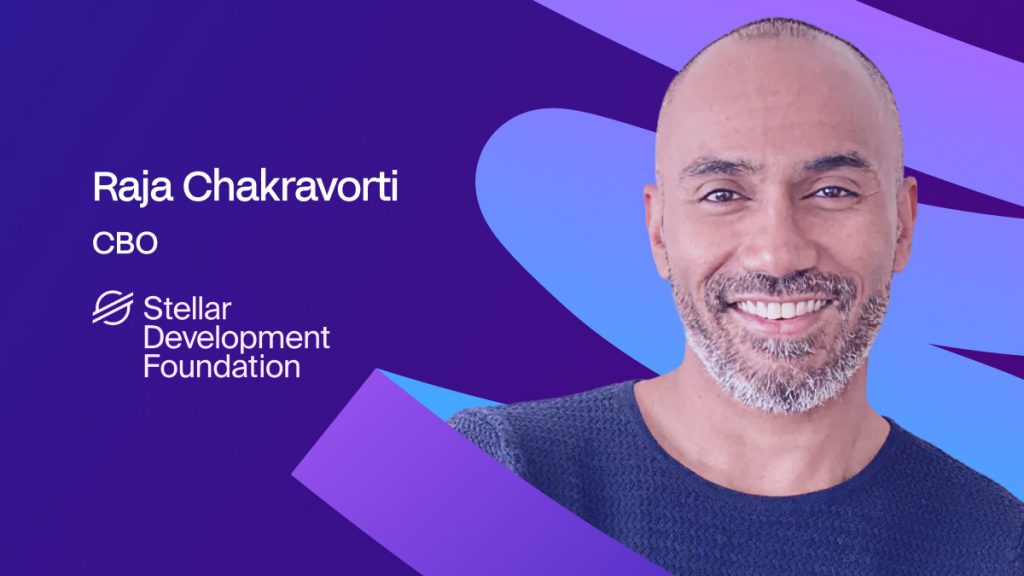
Raja Chakravorti, Chief Business Officer at the Stellar Development Foundation, sees blockchain not as a replacement for the financial system, but as an invisible infrastructure that powers it. Stellar is designed to integrate seamlessly with existing financial networks, making it the blockchain of choice for institutions like Franklin Templeton and MoneyGram. 

Through real-world partnerships, like MoneyGram’s 430K locations across 175+ countries offering crypto-to-cash services, Stellar is turning financial inclusion from a promise into tangible access, enabling billions of people to move money safely and instantly, often without even realizing they’re using blockchain.

Stellar’s goal is to make money more accessible around the world. What does that mission mean to you personally?

For me, it’s about making blockchain fade into the background – shifting it from a buzzword into infrastructure that actually works for people. The mission to make money more accessible is about delivering real, usable financial tools that integrate with the systems people already trust. Success means billions of people can move money instantly, safely, and affordably without even realizing they’re using blockchain. 

How do you think blockchain can really help people who don’t have access to traditional banking?

Access comes from distribution. Stellar’s infrastructure already moves billions, and through MoneyGram’s global footprint of 430K locations across 175+ countries, people are empowered to convert value in places banks don’t reach. When the rails align with how the real world works, the unbanked get entry.

In your opinion, what makes Stellar different from other blockchain projects?

Stellar stands out because it delivers. Institutions like Franklin Templeton and MoneyGram are using Stellar at scale because it fits the financial system as it exists, and moves real value for real people.

What are the Foundation’s biggest priorities for 2026 and beyond?

We’re focused on scale and real world utility. That means growing real world distribution, deepening institutional integrations, and continuing to build infrastructure that billions can rely on without ever needing to know it’s blockchain. That’s the north star: everyday financial services delivered at global scale.

How does SDF balance growing the Stellar network with maintaining decentralization and openness?

Stellar stays open by design and useful by intention. We expand the network by adding real distribution and integrations, and then get out of the way. The network grows stronger when more people rely on it, not when one entity tries to steer it.

How do you attract developers, startups, and institutions to build within the Stellar ecosystem?

Builder interest doesn’t follow promises, it follows proof. Stellar has become a home for developers and institutions because it delivers: global reach, enterprise-grade integrations, and a track record of moving real value for real people. Utility is the best incentive.

What types of partnerships have had the biggest real-world impact so far?

The partnerships that matter the most are the ones that expand access. MoneyGram unlocked real distribution across 430K physical locations, and institutions like Franklin Templeton proved how familiar assets can move on-chain at scale. It’s relationships like these that translate blockchain’s capabilities into real-world reach.

How does SDF work with traditional financial institutions and regulators to build trust?

Trust comes from usability. When institutions see that Stellar integrates cleanly with their compliance, their systems, and their workflows, the credibility follows.

Can you talk about some of the most successful integrations or case studies from emerging markets?

Emerging markets see the clearest value when blockchain meets distribution. MoneyGram’s 430K+ location network has opened entirely new corridors to the un- and under-banked, enabling people to convert value instantly and safely. This utility is a huge unlock that is actively shifting economic realities.

What are the biggest challenges the Foundation faces right now — technical, regulatory, or adoption-related?

Our momentum is strong – billions in payments, institutional deployments, and 37% growth in full-time developers – but the real challenge is turning that traction into ever-wider distribution. Adoption requires working hand-in-hand with regulators and financial institutions so the infrastructure fits how the real world works.

Looking ahead five years, what does success look like for Stellar and the broader ecosystem?

Success is Stellar becoming invisible infrastructure – the rails that move everyday value for billions of people who never need to know they’re using blockchain. If we’re powering real payments, real assets, and real access at global scale, we have done our job.

Raja Chakravorti Speaks on Stellar Development Foundation’s Vision

Stellar is the only blockchain that truly reflects the real world—built to integrate seamlessly with existing financial infrastructure rather than replace it. That’s why we’ve become the blockchain of choice for major institutions like Franklin Templeton and MoneyGram. Stellar delivers practical, scalable solutions that work today.

Our focus remains constant: continue to grow and deliver everyday financial services to everyday people—whether individuals or institutions. We’re seeing tremendous momentum with 37% growth in full-time developers and billions in payments processed and named #4 most used blockchain in the industry. We’ll keep building on that foundation, expanding access and utility across the network.

MoneyGram is a perfect example of that utility. This partnership has been a huge unlock—430 locations across 175+ countries offering crypto-to-cash services. We’re not just talking about financial access; we’re actively delivering it, opening new markets and creating genuine access where it didn’t exist before.

We meet institutions where they are. Our partnerships with companies like Franklin Templeton and MoneyGram demonstrate our commitment to working within established frameworks. We’ve built a blockchain that institutions can actually use—one that aligns with their compliance needs and integrates with their existing systems.

Success means Stellar becomes invisible infrastructure—the rails that power everyday financial transactions for billions of people who never need to know they’re using blockchain. It means continuing to unlock access through partnerships like MoneyGram, seeing billions more in transaction volume, and being the clear first choice when institutions want to bring real-world assets and services on-chain. We’re building the future of money that works for everyone.

Disclaimer

In line with the Trust Project guidelines, please note that the information provided on this page is not intended to be and should not be interpreted as legal, tax, investment, financial, or any other form of advice. It is important to only invest what you can afford to lose and to seek independent financial advice if you have any doubts. For further information, we suggest referring to the terms and conditions as well as the help and support pages provided by the issuer or advertiser. MetaversePost is committed to accurate, unbiased reporting, but market conditions are subject to change without notice.

About The Author


Victoria is a writer on a variety of technology topics including Web3.0, AI and cryptocurrencies. Her extensive experience allows her to write insightful articles for the wider audience.

More articles


Victoria d’Este


Victoria is a writer on a variety of technology topics including Web3.0, AI and cryptocurrencies. Her extensive experience allows her to write insightful articles for the wider audience.


Source link

Popular Posts

My Favorites