Metaverse

Home Metaverse Page 189

Microsoft Accelerates in Cybersecurity: AI Now Takes the Lead in Protection! – Metaverseplanet.net

Microsoft Accelerates in Cybersecurity: AI Now Takes the Lead in Protection! – Metaverseplanet.net


Microsoft has announced the expansion of its Security Copilot platform with six new artificial intelligence tools and introduced enhanced security measures for Microsoft Teams.

The tech giant is stepping up its efforts in the field of cybersecurity, unveiling AI-powered solutions designed to make security operations more automated and efficient. Building upon the foundation laid by the Security Copilot platform introduced last year, Microsoft is now integrating tools that will significantly streamline threat detection and response.

The newly announced six tools are designed to detect and assess threats such as phishing attacks and data breaches, prioritize them based on urgency, track vulnerabilities, and swiftly respond to incidents. These tools are fully integrated with Microsoft’s existing security infrastructure, enabling AI-driven autonomous operations for high-volume security tasks.

In addition to bolstering its own systems, Microsoft is also expanding its third-party integrations. The company revealed new collaborations with industry leaders such as OneTrust, Aviatrix, BlueVoyant, Tanium, and Fletch. Through these partnerships, Microsoft has developed five new tools tailored to various cybersecurity scenarios, aiming to ensure compatibility across diverse security ecosystems.

But the upgrades don’t stop there. Microsoft is also bringing new security enhancements to Teams. Starting in April, updates to Microsoft Defender for Office 365 will be rolled out, offering Teams users improved protection against phishing attacks and malicious links.

All the latest advancements and tools will be detailed at the upcoming Microsoft Secure event, scheduled for April 9.

You May Also Like

Follow us on TWITTER (X) and be instantly informed about the latest developments…

Copy URL


Source link

Why GUNZ Network Could Be the Next Big Thing in Web3 Gaming | NFT News Today

Why GUNZ Network Could Be the Next Big Thing in Web3 Gaming | NFT News Today


The GUNZ Network is positioning itself as a force in Web3 gaming future with its impressive technical infrastructure and innovative gameplay mechanics. As the developer of Off the Grid, a groundbreaking title coming to mainstream consoles, GUNZ is leveraging Avalanche’s technology to create a blockchain gaming experience that could finally bridge the gap between traditional AAA gaming and Web3.

Key Takeaways:

Superior performance with 50,000 TPS on Avalanche gaming blockchain, outpacing competitors Immutable X and Ronin

First blockchain game on PlayStation/Xbox with Off the Grid’s 750,000+ early access sign-ups

Fixed supply of 10B GUN tokens with deflationary mechanics, avoiding inflation issues seen in other projects

Creator-focused economy with 100% of primary NFT proceeds going to content creators

Strategic partnerships with Avalanche, OpenSea, and Binance driving mainstream adoption

Building the Ultimate Web3 Gaming Infrastructure

The GUNZ Network analysis reveals an impressive technical foundation that addresses many of the shortcomings that have held back blockchain gaming. Operating as an app-specific subnet on the Avalanche blockchain, GUNZ achieves a remarkable 50,000 transactions per second with near-zero gas fees. This performance far exceeds what competitors offer – Immutable X manages 9,000 TPS while Ronin reaches only 1,200 TPS.

For players, this means gameplay that feels as smooth and responsive as traditional gaming, with transaction finality under one second. The network also implements gasless transactions for players, with gas fees paid in $GUN tokens behind the scenes, removing a major friction point for mainstream gamers.

Developers benefit from comprehensive tools that make Web3 integration straightforward:

GUNZ SDK for rapid blockchain integration

White-label marketplace solutions

Custom minting applications

Cross-game asset interoperability

Off The Grid: The Console Breakthrough Web3 Needs

The Off the Grid GUN token ecosystem is being tested in what might be Web3’s most ambitious gaming project to date. As the first blockchain game coming to PlayStation and Xbox consoles, Off The Grid has already secured over 750,000 Early Access sign-ups, demonstrating significant mainstream interest.

The game itself is a hybrid experience combining a 60-player battle royale with extraction mechanics. Players can choose from 21+ weapon types and 13 cyberlimb abilities, including invisibility and missile launchers, creating varied tactical gameplay. This complexity goes far beyond the simplistic gameplay that has characterized many previous blockchain games.

Early metrics have been impressive:

Ranked in the top 3 most-streamed games at launch

12 million hours watched in Q4 2024

30-day player retention of 63% (comparable to successful traditional games)

The creative direction benefits from partnerships with renowned director Neill Blomkamp and writer Richard Morgan, bringing cinematic quality to the storytelling and world-building that’s often lacking in the Web3 space.

The $GUN Token

Unlike many blockchain games that have struggled with token inflation, GUNZ has implemented a fixed supply of 10 billion tokens. This stands in stark contrast to projects like Axie Infinity, where uncapped token emission contributed to economic collapse.

The token distribution has been carefully structured:

400 million tokens (4%) allocated to Binance Launchpool stakers

Only 6.05% circulating at launch, limiting initial sell pressure

Deflationary mechanics through NFT upgrade burns

Within the game ecosystem, $GUN serves multiple functions. Players can use it for in-game purchases, stake it for governance rights, and pay marketplace fees. The play-to-earn mechanics center around extracting “Hexes” – in-game resource NFTs that can be converted to $GUN tokens, creating a sustainable economic loop.

Creating a Creator-First Ecosystem

GUNZ Network has made a bold commitment to content creators, allocating 100% of primary NFT proceeds to the creators themselves. This creator-centric approach extends to secondary sales, where 70% of revenue goes to asset creators and 30% to the GUNZ Foundation.

OpenSea integration facilitates secondary sales with royalty enforcement, ensuring creators continue to benefit from the trading of their digital assets. Players can express themselves by customizing characters with NFT-based cyberlimbs and weapons, creating a vibrant marketplace for digital goods.

This economic model incentivizes user-generated content in ways that traditional gaming platforms can’t match, potentially creating a self-sustaining ecosystem where creators, players, and developers all benefit.

Strategic Partnerships Driving Mainstream Adoption

The Avalanche gaming blockchain partnership provides GUNZ with crucial technical support for subnet customization and cross-chain asset bridging. This collaboration ensures that the network can scale to meet demand while maintaining compatibility with the broader blockchain ecosystem.

Other key partnerships include:

These strategic alliances deliver liquidity, technical support, and marketplace accessibility – three critical factors for mainstream blockchain adoption. The Binance partnership, in particular, ensures that the $GUN token has sufficient liquidity from launch, avoiding the market issues that have plagued many gaming tokens.

Scalability That Enables True AAA Web3 Gaming

Perhaps the most impressive technical achievement of GUNZ Network is its ability to support 60-player battle royale matches with real-time NFT integration. This level of performance has been elusive in blockchain gaming, with most projects sacrificing either gameplay complexity or blockchain functionality.

The GUNZ SDK enables true cross-game asset interoperability, allowing players to maintain digital ownership across multiple titles. This creates the potential for a connected universe of games where assets have persistent value and utility.

By maintaining AAA game performance while incorporating blockchain elements, GUNZ may have solved the technical puzzle that has limited Web3 gaming adoption. The network is built to handle complex in-game economies with dynamic NFT functionality without compromising the gameplay experience.

Addressing Centralization and Competition Challenges

Despite its promising position, GUNZ Network faces challenges. Gunzilla Games currently controls subnet validation, creating a balance between performance requirements and decentralization concerns. The GUNZ Foundation has planned a transition to community governance by 2026, which should address some of these centralization issues.

Market competition is another significant challenge. Immutable X currently holds 38% market share in blockchain gaming, while Ronin boasts 1.8 million daily users. Breaking into this established market will require flawless execution of GUNZ’s technical and marketing strategies.

Fortunately, Avalanche’s track record in balancing speed and decentralization provides a solid foundation for GUNZ’s approach. The network’s technical advantages may be sufficient to overcome existing market leaders if the gameplay experience meets player expectations.

The Future Roadmap: What’s Next for GUNZ Network

Looking ahead, GUNZ has ambitious plans that extend beyond Off The Grid. The network aims to support multiple AAA titles, creating an ecosystem of high-quality blockchain games. Developer ecosystem growth through wider SDK adoption will be crucial to this expansion.

Token utility is expected to expand beyond initial use cases, potentially incorporating new governance mechanisms and economic models. Cross-chain functionality will connect GUNZ with the broader Web3 gaming ecosystem, creating interoperability between different blockchain platforms.

For investors, developers, and players, GUNZ Network represents an opportunity to participate in what could become a leading platform in the next generation of gaming. If the team can execute on their vision, the GUNZ Network could indeed be the next big thing in Web3 gaming.

Sources

[rootdata.com – GUNZ Project Details

https://www.rootdata.com/Projects/detail/GUNZ?k=MTY5NDg%3D  

centaur.reading.ac.uk – Metaverse Societal Impacts Analysis

https://centaur.reading.ac.uk/112529/1/s10796-023-10400-x.pdf  

[binance.com – Binance Launchpool GUN

https://www.binance.com/ar/square/hashtag/BinanceLaunchpoolGUN 

[blog.morningstar.ventures – Web3 Gaming on Avalanche]https://blog.morningstar.ventures/research/web3-gaming-avalanche


[cnet.com – Off The Grid Gameplay Review]https://www.cnet.com/tech/gaming/why-you-should-be-playing-off-the-grid-a-new-battle-royale-right-now/



Source link

The Best NFT Games that Let You Make Real Money | NFT News Today

The Best NFT Games that Let You Make Real Money | NFT News Today


The crypto world offers some unique opportunities to combine pleasure and profit. One way these two seemingly disparate goals can come together is through the use of NFTs in various types of games. Non-fungible tokens are used in games to facilitate trading between players and associate financial value with in-game items and accomplishments. There are numerous examples of innovative games that let players earn real money if they manage their assets the right way. 

We will present some of the most interesting blockchain-based games that offer a sustainable way to make cash through playing or NFT trading and other activities.

Axie Infinity

By far the most prominent play-to-earn game so far, Axie has a large population of players from around the world and a complex economy with its ups and downs. It’s a simple tactical battler that runs on the Ethereum blockchain and requires players to purchase NFT creatures that can be used to win battles or breed new creatures. By completing certain actions, players can earn a crypto token that can be cashed out. Another way to make money is by breeding new creatures and selling those NFTs to other players. The value of NFTs and the game token can vary, which adds an element of unpredictability and opens space for speculation, albeit with some risk involved.

Sorare

A game themed around sports fits well with the concept of collectibles, which is why Sorare looks very promising in this niche. Similarly to fantasy sports, the game lets players put together a team of real-life players from top soccer leagues, with the condition that each player must be acquired as an NFT card. Some cards are awarded for free, while players can invest money to purchase those of greater rarity and consequently higher value on the marketplace. Strong cards can be put to good use by participating in tournaments and winning prizes, or traded at the peak of their value to recoup the investment depending on the player’s priorities.

God Unchained

This is another game where card trading is a key mechanic, but this time it’s all about mythical beings and incredible powers. Players try to grow their card collection and put together a strong set to win battles with, earning in-game currency and new cards in the process. It takes some time to master the tactical side and build up a decent collection of cards, but the investment of time and money pays off once you level up. One of the good sides of this NFT game is that playing skill affects the earning power, which means it attracts real gamers rather than just investors.

CoinPoker/Coin Casino

For those who like classic casino games, there are plenty of websites that let you win NFTs or bet them against others. Probably the best game of this type is CoinPoker, which allows poker players to anonymously take part in virtual tournaments and win crypto assets. This blockchain game runs with two crypto currencies – USDT which is a stable coin immune to value fluctuations, and its internal CHB coin which is used to award bonuses. Inspired by the success of the poker site, the same company launched its sister CoinCasino platform where you can play thousands of games including casino slots for real money, roulette, bingo, etc.

Alien World

The entire universe is your playground in this complex strategy game. You can colonize new planets, mine them for resources, and take part in space battles, so it takes quite a lot of focus and attention to detail to get good results in Alien World. To accomplish key tasks, you need to acquire NFT tools that represent the primary economic engine in the game. These tools allow you to mine in-game currency, which you need for all upgrades, land purchases, etc. Once the land is developed, it can be sold at a nice profit that can be converted into real money.

Decentraland

In this open-world metaverse game, players can do a lot of different things that revolve around NFTs. They can acquire plots of virtual land and develop their property into a business or even an art gallery. The game merges creativity with profitability in a unique way, as it allows players to sell cosmetic items for avatars or host their own mini games. Like many games of this type, Decentraland uses an in-game currency that is convertible into other crypto coins or cash. Overall, it’s an impressive ecosystem that offers multiple opportunities to cash in on your dedication and creative skill.

Illuvium

If you enjoy playing RPG adventures that let you explore an open-world map, this game could be perfect for you. In Illuvium players can own and capture NFT creatures with lots of unique abilities, which can be combined to form formidable teams. By deploying their creatures strategically in battles against computer or human-controlled opponents, players can earn rewards that allow them to keep growing and customising their teams. Those who want to move up the ladder faster can purchase already developed creatures as NFTs, creating a stable in-game economy. This game is exciting to play, but is considerably more complex than some of the other crypto-gaming options out there.


Source link

Beyond NFTs: Mintify’s Expanding Cross-Chain Economy | NFT News Today

Beyond NFTs: Mintify’s Expanding Cross-Chain Economy | NFT News Today


Mintify is an advanced on-chain trading platform designed to provide users with a new experience for trading digital assets across multiple blockchain networks. Mintify has surpassed $100 million in trading volume, connected over 350,000 registered wallets, and expanded beyond NFTs into fungible tokens and utility coins.

We’ll look at key features—such as MintAI for simplifying transactions—the platform’s multi-chain support, the role of the $MINT token, and future plans.

Key Takeaways

Mintify integrates features for cross-chain discovery and trading, aiming to reduce friction across multiple blockchain networks.

The platform has processed over $100 million in trading volume and supports 350,000+ wallets.

MintAI provides natural language trading prompts that help users execute transactions.

The $MINT token facilitates settlement across different blockchains, aiming to simplify multi-chain transactions.

Recent acquisitions—Magically and Eat Collective—allow Mintify to offer additional digital asset classes beyond NFTs.

Recent Growth and Strategic Expansion

Mintify has focused on enhancing its platform amid renewed interest in digital assets. Central to this expansion has been the acquisition of Magically and Eat Collective, which broadens the platform’s reach beyond NFTs to include fungible tokens and utility coins.

By integrating more networks and asset classes, Mintify aims to position itself as a comprehensive marketplace for digital assets of various types.

Source Mintify

MintAI: Simplifying Complex Transactions

Although Mintify is not an AI-driven platform overall, it will feature MintAI, which streamlines on-chain trading via natural language commands.

These prompts can reduce the complexities of cross-chain operations, making transactions more approachable. MintAI also draws on user preferences and on-chain data to provide customized asset feeds and recommendations.

Mintify plans to launch a closed beta of MintAI in late March 2025, followed by a public launch in the summer of 2025. They are also developing integrations with X and Telegram, which could allow users to manage wallets and initiate trades within those social platforms. These steps may create a more streamlined user experience.

Multi-Chain Support and Analytical Insights

Mintify works with multiple networks, including Ethereum, Solana, and Bitcoin, giving traders access to a broad range of digital assets. This cross-chain capability supports both NFT and fungible token transactions, potentially expanding trading opportunities.

The platform’s proprietary algorithms analyze market conditions and can highlight assets or NFT traits that may be underpriced relative to scarcity or rarity. By offering these insights, Mintify seeks to help traders—new and experienced—make more informed decisions.

The $MINT Token: Cross-Chain Utility

The $MINT token underpins much of Mintify’s multi-chain functionality, serving as a settlement layer across different blockchains and reducing the need to hold multiple native tokens. Integrated on ecosystems such as Solana, Wormhole, Base, Optimism, Arbitrum, Apechain, Abstract, and more, the token launched on March 25th, 2025.

Mintify believes onchain trading should be easily accessible and intuitive, and its next-gen app and new token make this a reality. It is building the Mintify Economy, a cross-chain ecosystem of products that embed onchain finance directly into blockchains and decentralized applications.

The token will initially be available on Solana, and will allow users to:

Access core functionality and assets on Mintify

Enjoy cheaper and faster settlement across Mintify’s ecosystem of supported blockchains and applications.

Gain exclusive access to Mintify Launchpad Projects and ecosystem projects.

Source Mintify

Mintify seeks to make it easy for the next wave of digital asset consumers to discover the millions of assets across blockchain networks—assets often not listed on centralized exchanges. By opening this infrastructure to the public, Mintify could bring advanced trading technology to a broader audience of developers via trading APIs, digital asset orderbooks, and a developer SDK.

Token allocations include:

27.23% allocated to investors

39.1% for the community (with portions for activity rewards and NFT holders)

25.17% for ecosystem development

By acting as a unified transaction token, $MINT aims to simplify multi-chain trading and settlement.

As the platform evolves, it focuses on reducing friction for digital asset trading. By integrating new networks, fostering community engagement through the $MINT token, and offering developer tools, Mintify is positioning itself as a resource in a continually expanding market for digital assets.


Source link

Protecting ZK Systems with Continuous and Automated Security

Protecting ZK Systems with Continuous and Automated Security


In Brief

Protecting ZK systems requires continuous, automated security with formal verification to address evolving vulnerabilities and ensure long-term resilience.

Protecting ZK Systems with Continuous and Automated Security The use of zero-knowledge proofs in blockchain and cryptographic systems has surged, opening up new possibilities for privacy-preserving applications. However, as these systems grow, so will the potential security issues. Traditional security measures, such as periodic audits, are unable to keep up with quickly changing technological developments. A more dynamic approach—continuous and verifiable verification—is required to assure long-term dependability and resilience to threats. Limitations of Static Security Audits. ZK systems rely on elaborate mathematical proofs to validate calculations without disclosing the underlying facts. These proofs are contained in circuits that specify how computations should operate. Circuits, on the other hand, are not static; they are always being modified to increase efficiency, cut costs, or adapt to new use cases. Each change introduces the possibility of new vulnerabilities, making one-time audits obsolete almost as soon as they are completed. Security audits are generally used as a snapshot in time. While they can discover weaknesses at the time of evaluation, they cannot ensure long-term security as a system grows. The gap between audits creates a risk window in which previously identified vulnerabilities can be exploited. To narrow the gap, ZK security must transition from periodic reviews to automated, continuous verification that runs alongside development cycles. The Hidden Threat of Underconstrained Bugs The underconstrained problem is a major vulnerability in ZK circuits. These issues occur when a circuit fails to adequately restrict available inputs, allowing malevolent actors to provide faulty proofs that seem authentic. Unlike usual software faults, underconstrained vulnerabilities do not generate obvious failures, making them difficult to identify using standard testing methods. An in-depth analysis of ZK security events revealed that the bulk of serious concerns arise from circuit-layer flaws. Many of these flaws come when developers implement optimizations without adequately checking that limitations are preserved. Once implemented, these vulnerabilities can be exploited in ways that are undetected by users and many security tools. Why Formal Verification Is Essential To avoid underconstrained flaws and other hidden weaknesses, formal verification offers a mathematically rigorous approach to assuring circuit correctness. Unlike traditional testing, which focuses on executing test cases, formal techniques evaluate a system's logic to ensure that it satisfies tight accuracy requirements. This strategy is especially appropriate for ZK circuits, where even tiny deviations from predicted behavior could threaten security. Continuous formal verification incorporates these approaches throughout the development process by automatically examining circuit modifications for potential security issues. This proactive strategy enables teams to identify vulnerabilities as they emerge rather than after an attack happens. Teams may maintain provable security without compromising development by integrating formal verification tools right into their workflow. Real-World Applications of Continuous ZK Security A recent shift in the blockchain security landscape can be seen in the partnership between Veridise, a company specializing in blockchain security with a focus on ZK security, and RISC Zero, the creators of a zero-knowledge virtual machine (zkVM) built on the RISC-V architecture. Rather than relying solely on conventional audits, Veridise helped RISC Zero integrate continuous, formal verification into their workflow, utilizing their proprietary tool, Picus, for ZK bug detection. The primary focus was on verifying determinism across their zkVM circuits—an essential method for defending against underconstrained vulnerabilities. RISC Zero’s modular architecture and the use of a readable Domain Specific Language (DSL) for circuit design, Zirgen, made it possible to incorporate Picus effectively. This allowed for automatic scanning and verification of individual components. As a result, Picus identified and helped mitigate several vulnerabilities. This integration had significant implications: a proven deterministic circuit ensures the absence of underconstrained bugs. In RISC Zero's own words, “ZK security isn’t just stronger—it’s provable,” as stated in their announcement article. The Future of ZK Security As ZK technology advances, so will the need for provable security guarantees. Regulators, developers, and consumers will all want systems to give ongoing assurance rather than one-time assurances of security. Automated verification will become a critical component of every successful ZK deployment, ensuring that these systems stay reliable over time. The sector must prioritize security as a continuous process rather than a one-time checkpoint. ZK developers may establish stronger and more transparent security assurances by adopting continuous, provable verification. The transition from static audits to dynamic security models will define the next stage of ZK adoption, guaranteeing that privacy and accuracy are protected in a constantly shifting digital sector.

The use of zero-knowledge proofs in blockchain and cryptographic systems has surged, opening up new possibilities for privacy-preserving applications. However, as these systems grow, so will the potential security issues. Traditional security measures, such as periodic audits, are unable to keep up with quickly changing technological developments. A more dynamic approach—continuous and verifiable verification—is required to assure long-term dependability and resilience to threats.

Limitations of Static Security Audits

ZK systems rely on elaborate mathematical proofs to validate calculations without disclosing the underlying facts. These proofs are contained in circuits that specify how computations should operate. Circuits, on the other hand, are not static; they are always being modified to increase efficiency, cut costs, or adapt to new use cases. Each change introduces the possibility of new vulnerabilities, making one-time audits obsolete almost as soon as they are completed.

Security audits are generally used as a snapshot in time. While they can discover weaknesses at the time of evaluation, they cannot ensure long-term security as a system grows. The gap between audits creates a risk window in which previously identified vulnerabilities can be exploited. To narrow the gap, ZK security must transition from periodic reviews to automated, continuous verification that runs alongside development cycles.

The Hidden Threat of Underconstrained Bugs

The underconstrained problem is a major vulnerability in ZK circuits. These issues occur when a circuit fails to adequately restrict available inputs, allowing malevolent actors to provide faulty proofs that seem authentic. Unlike usual software faults, underconstrained vulnerabilities do not generate obvious failures, making them difficult to identify using standard testing methods.

An in-depth analysis of ZK security events revealed that the bulk of serious concerns arise from circuit-layer flaws. Many of these flaws come when developers implement optimizations without adequately checking that limitations are preserved. Once implemented, these vulnerabilities can be exploited in ways that are undetected by users and many security tools.

Why Formal Verification Is Essential

To avoid underconstrained flaws and other hidden weaknesses, formal verification offers a mathematically rigorous approach to assuring circuit correctness. Unlike traditional testing, which focuses on executing test cases, formal techniques evaluate a system’s logic to ensure that it satisfies tight accuracy requirements. This strategy is especially appropriate for ZK circuits, where even tiny deviations from predicted behavior could threaten security.

Continuous formal verification incorporates these approaches throughout the development process by automatically examining circuit modifications for potential security issues. This proactive strategy enables teams to identify vulnerabilities as they emerge rather than after an attack happens. Teams may maintain provable security without compromising development by integrating formal verification tools right into their workflow.

Real-World Applications of Continuous ZK Security

A recent shift in the blockchain security landscape can be seen in the partnership between Veridise, a company specializing in blockchain security with a focus on ZK security, and RISC Zero, the creators of a zero-knowledge virtual machine (zkVM) built on the RISC-V architecture.

Rather than relying solely on conventional audits, Veridise helped RISC Zero integrate continuous, formal verification into their workflow, utilizing their proprietary tool, Picus, for ZK bug detection. The primary focus was on verifying determinism across their zkVM circuits—an essential method for defending against underconstrained vulnerabilities.

RISC Zero’s modular architecture and the use of a readable Domain Specific Language (DSL) for circuit design, Zirgen, made it possible to incorporate Picus effectively. This allowed for automatic scanning and verification of individual components. As a result, Picus identified and helped mitigate several vulnerabilities.

This integration had significant implications: a proven deterministic circuit ensures the absence of underconstrained bugs. In RISC Zero’s own words, “ZK security isn’t just stronger—it’s provable,” as stated in their announcement article.

The Future of ZK Security

As ZK technology advances, so will the need for provable security guarantees. Regulators, developers, and consumers will all want systems to give ongoing assurance rather than one-time assurances of security. Automated verification will become a critical component of every successful ZK deployment, ensuring that these systems stay reliable over time.

The sector must prioritize security as a continuous process rather than a one-time checkpoint. ZK developers may establish stronger and more transparent security assurances by adopting continuous, provable verification. The transition from static audits to dynamic security models will define the next stage of ZK adoption, guaranteeing that privacy and accuracy are protected in a constantly shifting digital sector.

Disclaimer

In line with the Trust Project guidelines, please note that the information provided on this page is not intended to be and should not be interpreted as legal, tax, investment, financial, or any other form of advice. It is important to only invest what you can afford to lose and to seek independent financial advice if you have any doubts. For further information, we suggest referring to the terms and conditions as well as the help and support pages provided by the issuer or advertiser. MetaversePost is committed to accurate, unbiased reporting, but market conditions are subject to change without notice.

About The Author


Victoria is a writer on a variety of technology topics including Web3.0, AI and cryptocurrencies. Her extensive experience allows her to write insightful articles for the wider audience.

More articles


Victoria d’Este


Victoria is a writer on a variety of technology topics including Web3.0, AI and cryptocurrencies. Her extensive experience allows her to write insightful articles for the wider audience.


Source link

Best NFT Wallets 2025 – Secure & Convenient Wallets

Best NFT Wallets 2025 – Secure & Convenient Wallets


🔥 Zengo

Rating: 5.0

Supported Coins: ETH, BTC, POLYGON, DOGE, USDC, SHIB, 120+ cryptocurrencies

Wallet Type: Software Wallet

Price: Free

🔐 Security: Zengo is the first Web3 wallet secured with encrypted biometrics that eliminates private key exposure – a vulnerability that has led to millions lost or stolen in NFTs.

🛡️ It employs a 3-factor authentication process, ensuring that your crypto remains solely under your control. Even if you lose your phone, recovery is a simple two-step verification.

👥 Support: 24/7 live in-app customer service for over 120 assets including Bitcoin, Ethereum, and Tezos.

Pros: Advanced MPC encryption, no private key exposure, 24/7 live support.

Cons: Only supports access to Ethereum NFTs.

Visit Zengo

🚀 Crypto.com

Supported Coins: Over 1800 cryptocurrencies including BTC, ETH, DOT, TRX, etc.

Wallet Type: Software Wallet

Price: Free

💡 Offers a versatile NFT platform featuring a curated NFT gallery, low network fees, and high-speed NFT transactions.

💰 Earn interest via a savings account linked to your NFTs and enjoy staking plus metaverse access.

Pros: NFT spotlight feature, interest-earning mechanism, wide crypto ecosystem.

Cons: Limited NFT variety; no access to Binance Chain cryptocurrencies.

Visit Crypto.com

🌐 Binance

Supported Coins: Over 1000 cryptocurrencies including BTC, ETH, XRP, etc.

Wallet Type: Hot Wallet

Price: Free

💼 Features a browser extension wallet with a user-friendly interface, integrated with the Binance NFT Marketplace.

🔄 Supports staking, metaverse access, and advanced security with 2FA and smart contract integration.

Pros: High NFT volume, liquidity, and quick fiat withdrawals.

Cons: Limited NFT gallery and only supports NFTs from Binance Chain via a web browser extension.

Visit Binance

🎮 Enjin

Supported Coins: BTC, ETH, LTC, DOGE, etc.

Wallet Type: Hot Wallet

Price: Free

🛡️ Popular among gamers and collectors, Enjin offers an intuitive interface for seamless navigation between NFT and DeFi applications.

🔒 Provides dual encryption, anti-keylogging, and advanced security features.

Pros: Customizable NFT designs, robust security measures.

Cons: Lacks support for commodity or asset trading; not open source.

Visit Enjin

🦊 MetaMask

Wallet Type: Browser-based & Mobile Wallet

Price: Free (0.875% fee on NFT transactions)

🔄 One of the most popular NFT wallets, MetaMask provides access to top NFT collections and decentralized applications (dApps).

📚 Ideal for beginners with integrated guides and real-time market notifications.

Pros: Easy access to NFT markets, extensive dApp integration.

Cons: Limited to Ethereum NFTs; may experience slower transaction speeds.

Visit MetaMask

🔢 Math Wallet

Supported Chains: Up to 70 blockchains including Ethereum, Filecoin, Solana, Polkadot, and more

Wallet Type: Multi-chain Wallet

Price: Free (minimal fee when switching between cloud and main wallets)

💱 Generate multiple public addresses with an integrated dApp store to explore top NFT collections.

💡 Supports staking and metaverse access with robust security measures such as 2FA and mnemonic phrases.

Pros: Cloud access, multiple wallet support, direct staking.

Cons: Slow customer support response; fees when switching between wallets.

Visit Math Wallet

🔒 Trust Wallet

Supported Coins: Various tokens including ERC1155 & ERC721 NFTs on Ethereum, plus assets on Binance Smart Chain

Wallet Type: Multi-functional Wallet

Price: Free

🛡️ Features an intuitive interface with an integrated dApp browser for seamless NFT trading and staking.

🔑 Enhanced security via private key management and 2FA.

Pros: Supports diverse assets (e.g., TRX, BNB), smooth dApp integration.

Cons: Token swapping can be costly; occasional inaccurate price alerts.

Visit Trust Wallet

🔗 Kukai Wallet

Blockchain: Tezos-based

Wallet Type: Web-based Wallet

Price: Free

🔐 Allows you to import NFTs from other wallets (via Google, Reddit, or Twitter) and supports both hot and cold storage.

📲 Offers offline login options and 2FA for enhanced security.

Pros: One-click access via major social accounts, active community.

Cons: Weak user interface; limited to Tezos tokens.

Visit Kukai Wallet


Source link

Animoca Brands And Soneium Collaborate On Moca Network’s Identity Layer And San FranTokyo’s Anime Initiatives

Animoca Brands And Soneium Collaborate On Moca Network’s Identity Layer And San FranTokyo’s Anime Initiatives


In Brief

Animoca Brands has collaborated with Soneium to develop an identity layer on its blockchain, enhancing user engagement and enabling Soneium partners to issue and verify data credentials.

Animoca Brands and Soneium Collaborate on Moca Network’s Identity Layer and San FranTokyo’s Anime Initiatives

Game software and venture capital firm, Animoca Brands announced a strategic partnership with Soneium, an Ethereum Layer 2 open blockchain developed by Sony and powered by Optimism’s Superchain technology. 

Through this collaboration, Moca Network, Animoca Brands’ flagship platform for digital identity infrastructure in the open internet, will develop a leading identity layer on the Soneium blockchain. This will begin with Anime ID, a decentralized identifier (DID) and reputation layer led by San FranTokyo, a key contributor to the Anime Foundation. The partnership aims to enhance user engagement and allow Soneium partners to issue and verify data credentials.

Soneium is developed by Sony Block Solutions Labs (SBSL), a collaborative initiative formed by Sony Group Corporation and Startale Group, aimed at pushing the boundaries of the open internet. Sony Group has created a broad spectrum of businesses with the mission of “filling the world with emotion through the power of creativity and technology.” The company’s goal is rooted in the fundamental human desire to share emotions and excitement, as well as to stay connected with others, regardless of distance.

Soneium To Integrate AIR SDK And Launch Anime-Themed Cultural Campaigns

As part of a partnership, Moca Network’s Account, Identity, and Reputation SDK (AIR SDK) will be integrated into the Soneium blockchain, allowing users to manage embedded accounts, unique identities, and credentials as they interact with various decentralized applications (dApps) on Soneium. San FranTokyo’s Anime ID will be the first DID and reputation layer to adopt the AIR SDK, enhancing user engagement in anime-related experiences on the Soneium platform.

In partnership with Animoca Brands, San FranTokyo will also launch anime-themed cultural campaigns on Soneium, aiming to bring anime fans onto Sony’s blockchain and introduce them to new, anime-inspired experiences.

Animoca Brands, a leader in digital entertainment, blockchain, and gamification, is focused on providing consumers with digital property rights through tokenization and blockchain technology. 

Recently, its subsidiary, Animoca Brands Japan, formed a partnership with XANA, the company behind the Web3 metaverse platform. As part of this collaboration, Animoca Brands Japan will support the global development of XANA BreakingDown, a Web3 game currently in closed alpha.

Disclaimer

In line with the Trust Project guidelines, please note that the information provided on this page is not intended to be and should not be interpreted as legal, tax, investment, financial, or any other form of advice. It is important to only invest what you can afford to lose and to seek independent financial advice if you have any doubts. For further information, we suggest referring to the terms and conditions as well as the help and support pages provided by the issuer or advertiser. MetaversePost is committed to accurate, unbiased reporting, but market conditions are subject to change without notice.

About The Author


Alisa, a dedicated journalist at the MPost, specializes in cryptocurrency, zero-knowledge proofs, investments, and the expansive realm of Web3. With a keen eye for emerging trends and technologies, she delivers comprehensive coverage to inform and engage readers in the ever-evolving landscape of digital finance.

More articles


Alisa Davidson


Alisa, a dedicated journalist at the MPost, specializes in cryptocurrency, zero-knowledge proofs, investments, and the expansive realm of Web3. With a keen eye for emerging trends and technologies, she delivers comprehensive coverage to inform and engage readers in the ever-evolving landscape of digital finance.


More articles


Source link

10 Best NFT Sites to Explore in 2025 – Metaverseplanet.net

10 Best NFT Sites to Explore in 2025 – Metaverseplanet.net


Non-Fungible Tokens (NFTs) have rapidly evolved into a major force in the digital art, gaming, and collectibles world. As interest grows, the number of best NFT sites also increases, making it challenging for newcomers to choose the right platform. Below, we’ve compiled the top 10 platforms worth exploring based on user experience, transaction volume, and community engagement.

1. OpenSea

10 Best NFT Sites to Explore in 2025

Often recognized as the first and largest NFT marketplace, OpenSea supports a variety of digital assets—from art and music to collectibles and in-game items. It offers a simple user interface, making it an excellent choice for beginners. Notably, you only pay a one-time gas fee before listing your first NFT, and then buyers cover the subsequent costs.

Key Features:

Wide range of NFT categories

User-friendly interface

One-time gas fee for minting

2. Rarible

10 Best NFT Sites to Explore in 2025

Rarible stands out for its vibrant community and fun, pop-art-inspired interface. Many artists and celebrities have minted NFTs on Rarible, making it a bustling hub for creative expression. You have the flexibility to set higher royalty fees—up to 30%—if you believe your NFTs can retain value over time.

Key Features:

Energetic, community-driven platform

High royalty percentage options

Great for marketing and visibility

3. Foundation

10 Best NFT Sites to Explore in 2025

A curated NFT site, Foundation relies on community votes to decide which artists get featured. This peer-to-peer approach aims to put power in the hands of creators and collectors. While it may lead to a somewhat uniform aesthetic over time, the platform’s sleek, futuristic interface and high-selling NFTs make it a top choice.

Key Features:

Community-based curation

High-value sales

Minimalist, modern interface

4. SuperRare

Established in 2017, SuperRare is one of the original curated NFT marketplaces, focusing on single-edition digital artworks. Each piece on SuperRare is unique, giving collectors a feeling of exclusivity. They also provide editorial content to highlight the stories behind the art and its creators.

Key Features:

Strict curation for high-quality art

Editorial spotlight on artists

Strong sense of community and exclusivity

5. Nifty Gateway

Known for featuring top celebrities and musicians, Nifty Gateway boasts some of the highest sales figures among curated NFT platforms. Its user-friendly approach—accepting credit cards—bridges the gap between traditional finance and the crypto space. If you’re looking for a platform that has mainstream appeal, this is it.

Key Features:

Accepts credit card payments

Hosts major artists and celebrities

High visibility for drops and auctions

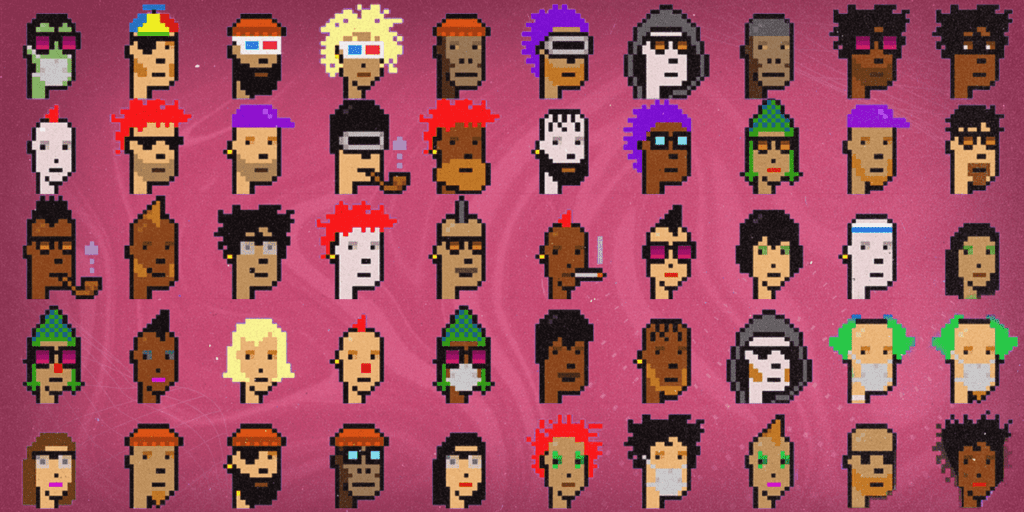
6. CryptoPunks

CryptoPunks is one of the earliest NFT projects on Ethereum. With only 10,000 punks ever created, these pixelated portraits are highly sought-after for their historical value. While secondary markets like OpenSea also list punks, the official CryptoPunks site by LarvaLabs organizes them in a neat, collectible format.

Key Features:

Pioneer NFT collection

Limited supply of 10,000 punks

Historical significance on the Ethereum blockchain

7. NBA Top Shot

Launched in late 2020, NBA Top Shot has quickly become a fan favorite with more than 300,000 users. It allows collectors to buy, sell, and trade NBA highlights in a digital format. Its user-friendly design and major brand backing have led to substantial transaction volumes, making it one of the best NFT sites for sports fans.

Key Features:

Officially licensed NBA moments

Large, active user base

High trading volume and strong brand

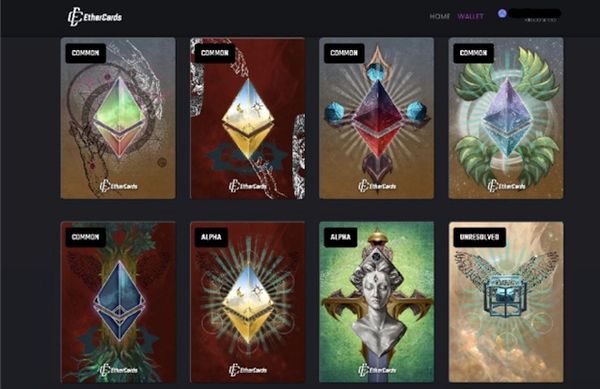
8. Ether Cards

Blending art and trading cards, Ether Cards offers “gamified” NFT experiences where each card has unique attributes. Collectors can unlock special features by holding certain cards or complete full sets for additional perks. The platform features top-quality artists, professional design, and innovative ways to engage collectors.

Key Features:

Unique gamification system

High-quality artwork and artist bios

Bonus features for set completion

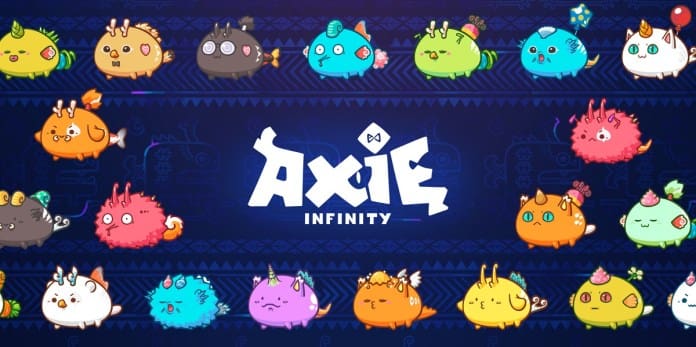
A leading NFT gaming platform, Axie Infinity lets you breed, collect, and battle cute monster-like creatures known as Axies. Each Axie is an NFT with its own stats and attributes. The marketplace includes creatures, items, and virtual land plots, all integral to the game’s ecosystem and economy.

Key Features:

Play-to-earn mechanics

Engaging monster-breeding system

Active community and ongoing development

A pioneering virtual reality platform, Decentraland offers a metaverse experience where you can buy NFT land parcels and build whatever you imagine—be it art galleries, games, or marketplaces. Users can monetize their digital plots through interactive content and even advertising, making it a top spot for creative entrepreneurs.

Key Features:

User-owned virtual land

Sandbox-like creative freedom

Growing community and virtual economy

Whether you’re new to the NFT space or a seasoned collector, these best NFT sites cater to various needs—be it buying exclusive digital art, trading unique collectibles, or exploring next-generation gaming and metaverse experiences. Platforms like OpenSea and Rarible offer open marketplaces with broad categories, while Foundation and SuperRare provide a curated experience for serious art enthusiasts. For gaming and virtual worlds, Axie Infinity and Decentraland stand out as innovators in the NFT landscape.

By understanding the unique features and communities of each marketplace, you can make informed decisions and find the right home for your digital assets. As the NFT ecosystem continues to evolve, staying updated on these platforms will help you navigate this exciting new frontier in digital ownership.

You May Also Like

Follow us on TWITTER (X) and be instantly informed about the latest developments…

Copy URL


Source link

Ripple-SEC Lawsuit Ends with Settlement – Metaverseplanet.net

Ripple-SEC Lawsuit Ends with Settlement – Metaverseplanet.net


The long-standing legal battle between Ripple and the U.S. Securities and Exchange Commission (SEC) is finally reaching its conclusion. After years of intense legal disputes, it has been officially announced that an agreement has been reached between the two parties.

The case, which has been a focal point for the entire cryptocurrency world, revolved around the SEC’s allegation that Ripple conducted unregistered securities transactions, raising over $1.3 billion through the sale of XRP.

In a major development today, Ripple’s Chief Legal Officer, Stuart Alderoty, issued a statement via the company’s official X (formerly Twitter) account. In his post, he confirmed that the lawsuit will be terminated, marking his final update on the Ripple-SEC saga.

According to Alderoty, the SEC decided last week to unconditionally withdraw its appeal. Following this move, Ripple also agreed to withdraw its cross-appeal. The mutual withdrawal of legal actions will officially bring the case to an end.

As part of the settlement, it was reported that Ripple will receive a partial refund. Of the $125 million initially imposed as a fine, $75 million will be returned to Ripple, while the SEC will retain $50 million. It was also stated that the SEC will apply to the court to lift the ongoing injunction related to the case.

This outcome is expected to have significant implications for the broader crypto market, especially for XRP holders and enthusiasts. At the time of writing, Bitcoin is trading at approximately $87,800, while XRP has surged to around $2.45.

The closure of this lawsuit marks a potential turning point for regulatory clarity in crypto, and the coming days will reveal how this decision will impact market sentiment and investor confidence.

You May Also Like

Follow us on TWITTER (X) and be instantly informed about the latest developments…

Copy URL


Source link

How to Play Legend of Ymir: Complete Guide to Features and Gameplay | NFT News Today

How to Play Legend of Ymir: Complete Guide to Features and Gameplay | NFT News Today


Legend of Ymir combines Norse mythology with futuristic sci-fi elements in a visually stunning MMORPG built with Unreal Engine 5 by WeMade XR. This comprehensive guide walks through every aspect of gameplay, from mastering combat mechanics to engaging with the game’s unique blockchain economy and seasonal content.

Key Takeaways

*   Choose from four distinct classes, including the close-combat Berserker and support-focused Skald, each with unique skill trees

*   Participate in guild-based territory control and large-scale PvP battles with up to 20 players

*   Take advantage of the game’s blockchain integration for trading rare materials and items

*   Master both manual and automatic combat mechanics to succeed in battles

*   Explore seamless environments with dynamic weather systems that affect gameplay

Introduction to Legend of Ymir

Legend of Ymir is an ambitious MMORPG developed by WeMade XR, a subsidiary of South Korean gaming giant WeMade. Built using Unreal Engine 5, the game creates a unique fusion of Norse mythology and futuristic sci-fi elements, resulting in a visually stunning gaming experience. Following its February 2025 launch in Korea, the game quickly topped the Google Play Store charts, with a global release planned for the near future.

At its core, Legend of Ymir offers a player-driven narrative where your choices influence faction alliances and story outcomes. The game’s dynamic combat system, blockchain-integrated economy, and regular seasonal content updates keep gameplay fresh and engaging for both casual and hardcore gamers.

World of Ymir

The game’s world features seamless, diverse environments rendered in Unreal Engine 5’s photorealistic detail. Players can explore icy tundras, volcanic regions, and mystical forests as part of a connected open world. Dynamic systems, including day-night cycles and weather impacts, add depth to exploration – for example, blizzards can reduce visibility in certain areas, changing how you approach challenges.

Hidden throughout the world are lore locations that reveal more about the game’s unique mythology. The branching narrative allows your choices to shape not just the story but also which factions you’ll align with. Quest types include:

Main storyline quests that drive the central narrative

Side quests offering resource rewards and character development

Epic raid-based missions requiring team coordination

Combat System and Classes

Legend of Ymir features an action-oriented combat system that balances manual controls with automatic options for accessibility. The manual control system rewards skill with post-judgment evasion mechanics, while automatic options help newer players enjoy the game without feeling overwhelmed.

Players can choose from four distinct classes, each with unique playstyles and abilities:

Berserker: Wields axes for close combat with charged swings that deal area damage

Skald: Support class using runes and healing abilities to assist allies

Völva: Magic user deploying elemental spells for ranged combat dominance

Warlord: Specializes in spears for crowd control and battlefield management

The combat features 14 fixed paylines for skill activation and combo-based attack systems that reward mastery and timing. Each class has specific skill trees that allow for customization – for instance, Skalds can focus on healing runes while Warlords might specialize in spear combos for maximum battlefield control.

Character Progression and Customization

Legend of Ymir offers extensive appearance options including hairstyles, facial features, tattoos, and armor dyes. These cosmetic choices do more than just affect how you look – they can influence NPC interactions. An intimidating appearance might even earn you discounts from blacksmiths who respect strength.

The game’s Mastery System rewards repeated actions with specialized perks. For example, mining the same resource types regularly will gradually increase your yield, making resource-gathering more efficient over time.

The crafting system allows players to gather materials throughout the world to forge top-tier gear. Major hubs feature crafting stations where you can create weapons, armor, and consumables to support your adventures.

Multiplayer Features and PvP

The guild system forms the backbone of Legend of Ymir’s social experience, with territory control mechanics allowing guilds to compete for zones that provide resource bonuses. Cooperative play includes 10-20 player raids with traditional role-based mechanics (tank, healer, DPS) requiring coordination and strategy.

PvP options are varied and cater to different playstyles:

Arena Matches ranging from 1v1 duels to 10v10 team battles with ranking systems

Open-World Conflict where factions battle in contested zones using siege weapons

Large-scale PvP sieges focusing on territorial dominance

These battles create a dynamic player ecosystem where alliances and rivalries develop organically, adding depth to the game world beyond scripted content.

Economy and Seasonal Content

Legend of Ymir stands out with its blockchain integration, using Ymir’s Coin Economy to ensure item scarcity and transparency through distributed ledger technology. This system creates a player-driven marketplace where rare materials and items have real value.

The game maintains freshness through seasonal resets that bring new battlefields, enemies, and story arcs. Limited-time events offer exclusive gear that can’t be obtained through normal gameplay, encouraging regular participation.

The blockchain marketplace allows players to trade rare materials and items, creating an economy where skilled crafters and resource gatherers can specialize and thrive.

Technical Requirements and Platform Support

Built on Unreal Engine 5, Legend of Ymir delivers photorealistic textures and physics that push mobile gaming boundaries. The game supports cross-platform play between Android and iOS devices, with controller compatibility for those who prefer physical controls.

Storage requirements vary by platform:

The game’s engine optimization allows for scalable graphics settings, making it playable on a wide range of devices from mid-range phones to high-end gaming PCs.

Essential Tips for New Players

If you’re just starting your journey in Legend of Ymir, these tips will help you progress efficiently:

Prioritize story quests early to unlock fast travel points and essential combat skills

Join a guild as soon as possible to access group dungeons and valuable crafting blueprints

Take full advantage of seasonal events to farm limited-time rewards that may not return

Learn to manage resources efficiently by using the blockchain marketplace

Experiment with different classes to find the playstyle that suits you best

Start with Arena Matches before jumping into large-scale PvP conflicts

By focusing on these fundamental strategies, you’ll build a solid foundation for your Legend of Ymir adventure and avoid common early-game mistakes.

Sources

[exitlag.com – Legend of Ymir Game – https://www.exitlag.com/blog/legend-of-ymir-game/ 

[chaosleague.org – Eclipse LARP Guide] – https://chaosleague.org/eclipse-larp-guide/    

[asamigames.com – The Upcoming Legend of Ymir MMORPG Release] – https://asamigames.com/the-upcoming-legend-of-ymir-mmorpg-release/ 

[gamespress.com – WEMADE’s Legend of Ymir Dominates Korea] – https://www.gamespress.com/pt/WEMADEs-Legend-of-Ymir-Dominates-Korea-Tops-Google-Play-Store-Populari


Source link

Popular Posts

My Favorites