Metaverse

Home Metaverse Page 146

BlockDown Festival Kicks Off World’s First AI-led Music Experience With Pudgy Penguins At Istanbul Blockchain Week 2025

BlockDown Festival Kicks Off World’s First AI-led Music Experience With Pudgy Penguins At Istanbul Blockchain Week 2025


In Brief

BlockDown Festival returns during Istanbul Blockchain Week 2025 as the first AI agent-led music event, blending AI, electronic music, and Web3 culture in partnership with Pudgy Penguins.
BlockDown Festival Kicks Off World’s First AI-led Music Experience With Pudgy Penguins At Istanbul Blockchain Week 2025

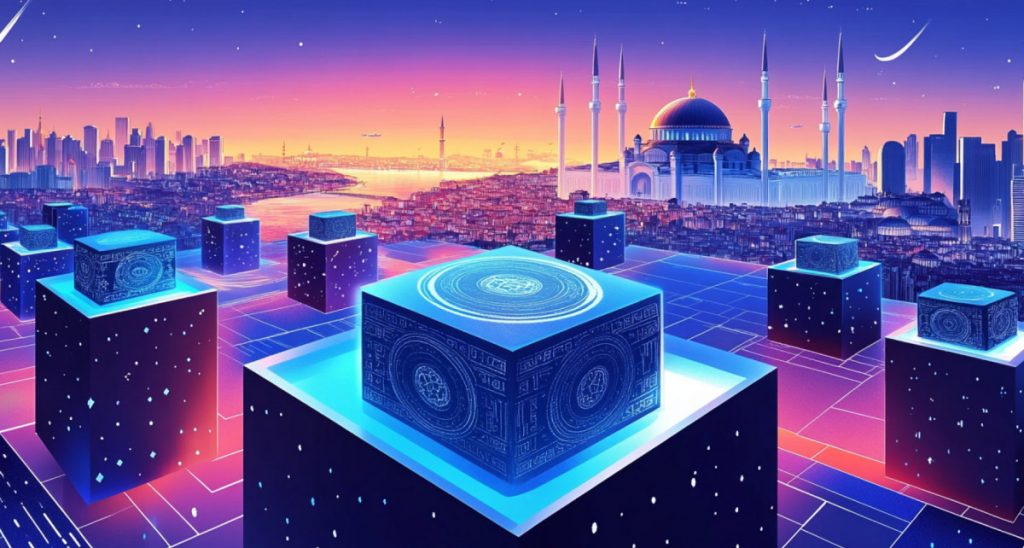
Flagship cultural experience of Web3, BlockDown Festival announced its upcoming return, positioning itself as the first music festival led by AI agents. The event is scheduled to take place on June 26th, at Klein Phönix in Maslak, a prominent electronic music venue in Istanbul, during the Istanbul Blockchain Week. The festival is being organized in collaboration with Pudgy Penguins, a widely recognized Web3 brand. It aims to merge artificial intelligence, electronic music performances, and Web3 culture to deliver an immersive and interactive environment that reflects the convergence of technology, entertainment, and digital culture.

Launched initially as a virtual event during the global pandemic, BlockDown Festival established its reputation through seven metaverse editions and two physical events hosted in Portugal and Croatia. Previous editions featured appearances from notable figures and organizations including Akon, McLaren F1, PSG FC, and Bored Ape Yacht Club, reinforcing the festival’s role in linking emerging technologies with cultural expression. In this latest iteration, BlockDown seeks to further evolve by integrating AI-driven components into the festival experience.

This year’s edition is expected to feature AI-powered interactions that contribute to personalized and dynamic moments for participants. These include real-time immersive visuals and performances enhanced through artificial intelligence, offering attendees an opportunity to engage with technological creativity in a live setting. The inclusion of such elements is intended to create a hybrid environment that blends digital and physical dimensions in novel ways.

The event will also serve as the official launch of Pudgy Penguins Turkiye, presenting the brand to a regional audience for the first time. The debut will be staged within the broader framework of Istanbul Blockchain Week, emphasizing the expanding relevance of Web3 culture in Turkey and the wider region.

BlockDown Festival At Istanbul Blockchain Week 2025: Harnessing AI To Transform Web3 Culture And Digital Entertainment

“While the world is talking about AI’s potential, we’re focused on its emotional impact. At Pudgy Penguins, we see AI not as a gimmick, but as a tool to amplify human connection,” said Cheryl Law, Head of Asia at Pudgy Penguins, in a written statement. “BlockDown Festival gives us a chance to explore how technology can be used not to replace people, but to bring them closer together through play, music, and cultural expression,” she added.

“This collaboration marks a major step forward in how we experience Web3 culture,” said Erhan Korhaliller, founder of Istanbul Blockchain Week, in a written statement. “By teaming up with Pudgy Penguins and harnessing the power of AI, we’re creating a one-of-a-kind experience that blurs the lines between technology, storytelling, and community,” he added.

“BlockDown Festival is redefining the future of digital entertainment, and we’re proud to be part of this moment,” said Aaron Teng, APAC CEO of Igloo Asia, in a written statement. “It’s exciting to see this kind of innovation debut in a region as vibrant and fast-growing as Turkiye, where creative technology can shape the future of community-driven entertainment and unlock new ways for people to connect and express themselves,” he added.

With the upcoming Istanbul Blockchain Week 2025, BlockDown Festival is positioned to introduce a new benchmark for immersive entertainment within the Web3 ecosystem. Through the integration of AI-driven experiences, a globally recognized music program, and active participation from the digital culture community, the festival is structured to reflect emerging trends at the intersection of technology and cultural expression. Scheduled for June 26th at Klein Phönix in Istanbul, the event is expected to offer a multifaceted exploration of music and digital innovation.

Disclaimer

In line with the Trust Project guidelines, please note that the information provided on this page is not intended to be and should not be interpreted as legal, tax, investment, financial, or any other form of advice. It is important to only invest what you can afford to lose and to seek independent financial advice if you have any doubts. For further information, we suggest referring to the terms and conditions as well as the help and support pages provided by the issuer or advertiser. MetaversePost is committed to accurate, unbiased reporting, but market conditions are subject to change without notice.

About The Author


Alisa, a dedicated journalist at the MPost, specializes in cryptocurrency, zero-knowledge proofs, investments, and the expansive realm of Web3. With a keen eye for emerging trends and technologies, she delivers comprehensive coverage to inform and engage readers in the ever-evolving landscape of digital finance.

More articles


Alisa Davidson


Alisa, a dedicated journalist at the MPost, specializes in cryptocurrency, zero-knowledge proofs, investments, and the expansive realm of Web3. With a keen eye for emerging trends and technologies, she delivers comprehensive coverage to inform and engage readers in the ever-evolving landscape of digital finance.


More articles


Source link

Elon Musk’s ‘Mind-Reading Chip’ User Shares One-Year Experience: “My Life Has Changed…”

Elon Musk’s ‘Mind-Reading Chip’ User Shares One-Year Experience: “My Life Has Changed…”


Imagine having a chip inside your brain that can translate your thoughts into computer commands. You might think, “That only happens in movies,” but for Noland Arbaugh, this is a reality.

Arbaugh, 30, was paralyzed from the shoulders down eight years ago due to an accident. However, last January, he entered a brand new phase of his life with a brain chip developed by Neuralink, a company founded by Elon Musk. This chip allows him to control a computer simply by thinking. Noland Arbaugh can use his computer with his mind.

The fact that this was the first human use of Neuralink’s chip, with Elon Musk as its founder, garnered significant attention. However, for Arbaugh, neither he nor Elon Musk is what’s important. Regarding his experience, Arbaugh states, “I wanted to be a part of this because I want to contribute to science.”

Describing his feelings the first time he moved the cursor after the surgery, Arbaugh said, “I didn’t know what to expect, but I felt something would change.”

How Does a Brain-Computer Interface (BCI) Work?

This technology, known as a Brain-Computer Interface (BCI), works by translating neural activity into digital commands. In Arbaugh’s case, this means he can play games just by using his mind. Arbaugh, who previously had to give up one of his favorite activities, gaming, can now play again.

Of course, it hasn’t all been smooth sailing. One day, the chip lost its connection, and Arbaugh could no longer control his computer. Neuralink engineers intervened promptly and managed to fix the issue quickly.

Experts Concerned About Privacy Implications

Neuralink isn’t the only company aiming to transfer our brain power to the digital world. There are also companies developing less invasive methods. However, experts emphasize that it’s crucial not to forget the significant privacy questions these technologies raise.

Arbaugh, for his part, looks to the future with hope. He believes

You Might Also Like;

Follow us on TWITTER (X) and be instantly informed about the latest developments…

Copy URL


Source link

Honda Achieves Successful First Launch and Landing Test of Reusable Rocket

Honda Achieves Successful First Launch and Landing Test of Reusable Rocket


Honda has successfully completed the maiden launch and landing test of its reusable rocket project with a 6.3-meter experimental rocket. The Honda rocket ascended to an altitude of 271.4 meters and landed within 37 centimeters of its target, enabling the collection of crucial data during the test. The company aims to achieve sub-orbital flight capability by 2029.

Honda has taken another significant step forward in its space travel ambitions. The company’s self-developed experimental rocket reached an altitude of approximately 300 meters before successfully landing back on the ground. This test demonstrates Honda’s progress in reusable rocket technology, showing a seamless launch and landing process.

This test, conducted with Honda’s 6.3-meter rocket, marked the company’s first evaluation of both vertical takeoff and vertical landing procedures. After reaching a height of 271.4 meters, the rocket landed a mere 37 centimeters from its intended target. Data on flight stability and landing accuracy were collected throughout the test, with both the launch and landing phases proceeding without issue.

Safety Measures Implemented for the Test

For safety, a 1-kilometer radius area was restricted. An automatic safety system was employed to ensure the rocket remained within its designated flight corridor. Additional safety distances were established, considering areas where debris might spread in the event of a motor malfunction or explosion.

Honda’s Vision for Space Technology

In line with its space technologies vision announced in 2021, Honda is actively researching robotic systems, energy solutions, and rocket technologies for space applications. The company is continuing its fundamental research in this field, with the goal of developing technology capable of sub-orbital flight by 2029.

Following the successful completion of the test, Honda stated that it would continue its fundamental research into reusable rocket technologies, emphasizing that these efforts could form the infrastructure for various future services.

You Might Also Like;

Follow us on TWITTER (X) and be instantly informed about the latest developments…

Copy URL


Source link

What Does a ChatGPT Membership Cost? (2025 Current Prices)

What Does a ChatGPT Membership Cost? (2025 Current Prices)


Artificial intelligence technologies are becoming increasingly integral to our lives. Generative AI tools like ChatGPT, in particular, offer significant convenience for both daily use and professional tasks. But is there a price to access these advanced AI systems? What does a ChatGPT membership cost, and how does pricing work globally?

In this content, we’ll delve into the plans offered by ChatGPT, their global pricing, and the differences between subscription types. Let’s explore the details without further ado. What are the ChatGPT membership types, and what are the differences between them?

Developed by OpenAI, ChatGPT offers three main membership options tailored to different user needs. We can explain these membership options as follows:

Free Plan

This plan aims to demonstrate how AI can assist with daily tasks. OpenAI outlines the prominent features of this package as:

Access to GPT-4o mini and reasoning capabilities.

Standard voice mode.

Real-time data from the web via search.

Limited access to GPT-4o and o4-mini.

Limited access to file uploads, advanced data analysis, and image generation.

Ability to use Custom GPTs.

ChatGPT Plus

This tier enhances productivity with expanded access rights. The prominent features of a ChatGPT Plus subscription include:

All features of the free plan.

Increased limits for messaging, file uploads, advanced data analysis, and image generation.

Standard and advanced voice mode.

Access to deep research, multi-reasoning models (o4-mini, o4-mini-high, and o3), and GPT-4.5 research preview.

Ability to create and use tasks, projects, and custom GPTs.

Limited access to Sora video generation.

Opportunities to test new features.

ChatGPT Pro

This is the most expensive and most advanced version of ChatGPT. Naturally, its features are also comprehensive:

All features of the Plus plan.

Unlimited access to all reasoning models and GPT-4o.

Unlimited access to advanced voice.

More comprehensive access to deep research for complex tasks, which conducts multi-step online research.

Access to GPT-4.5 and Operator research previews.

Access to o1 pro mode, which uses more computing power for the best answers to the most difficult questions.

Extended access to Sora video generation.

Access to the Codex agent research preview.

When Is a ChatGPT Plus Membership Necessary?

While the free version of ChatGPT is sufficient for most basic uses, a Plus membership can make a significant difference in certain situations. Especially if you have the following needs, the paid version might be much more efficient for you:

Professional Use: For intensive tasks like writing code, analyzing data, or generating content, the accuracy and speed advantages provided by GPT-4 are noticeable.

Uninterrupted Access: Not being able to connect to ChatGPT during peak hours can be frustrating. A Plus membership eliminates this problem.

Advanced Tools: Tools like plugin support, file reading, and analysis are more developed.

Reasoning: GPT Plus subscribers are granted broader access to OpenAI’s reasoning models such as o3 and o4-mini.

How to Get a ChatGPT Membership

Here’s a step-by-step guide on how to sign up for ChatGPT and subscribe to a paid plan:

Signing Up for ChatGPT (Free)

Access ChatGPT: Open your web browser and go to the ChatGPT website, or download the ChatGPT mobile app on your device.

Sign Up: Create an account using your email address, or sign up quickly with your Google or Apple account.

Verify and Start: Complete any necessary verification steps. Once verified, you can start using the free version of ChatGPT.

Subscribing to a Paid ChatGPT Plan

Make Payment: Proceed to make your payment using a credit card to activate your chosen plan.

Go to the Plan Page: After logging in, navigate to the “Plan” page. You can usually find this by clicking on a menu icon in the bottom-left corner or by clicking on your profile picture.

Select Your Package: Browse the available subscription packages and choose the one that best suits your needs.

ChatGPT Membership Fees

PackagePriceFreeFreePlus$24Pro$240

If you use ChatGPT lightly for your daily tasks and occasionally want to ask questions, the free version will be sufficient for you. However, if you require professional use, rapid responses, the power of GPT-4, and advanced features, a ChatGPT Plus or Pro membership will make a significant difference for you.

You Might Also Like;

Follow us on TWITTER (X) and be instantly informed about the latest developments…

Copy URL


Source link

Doodles NFT Sticker Launch on Telegram Sells Out in 24 Hours | NFT News Today

Doodles NFT Sticker Launch on Telegram Sells Out in 24 Hours | NFT News Today


The Doodles NFT sticker collection sold out in under 24 hours. On June 18, 2025, 3,333 limited-edition packs were released on Telegram’s new Sticker Pack mini-app, and over 101,000 eager buyers rushed in. Only 2,295 wallets managed to secure a pack before the “sold out” sign went up.

This wasn’t a one-off event. Azuki’s Telegram drop weeks earlier saw 112,000 users compete for the same supply. Both cases highlight the growing demand for digital collectibles that blend utility with easy access.

Unlike traditional NFT platforms that often require multiple steps, Telegram’s setup is seamless, users buy directly in-app using Stars, the platform’s native currency, backed by the TON blockchain.

Doodles didn’t end up here by chance. The brand has steadily evolved from a profile-picture NFT into a broader entertainment IP. Telegram provides something unique: reach. With over a billion monthly users, it offers Doodles a new distribution channel that bypasses the crypto learning curve. For casual users, the pastel sticker art simply makes their chats more fun. For collectors, it’s another rare digital asset with real trade value.

Simplicity Meets Blockchain

The technical side may fly under the radar for most, but it plays a big role. These stickers aren’t just animated files—they’re tokenized assets on the TON blockchain. TON processes blocks in about three seconds and uses a parallel architecture that scales up when activity spikes. That’s what allows a $1.50 sticker to settle almost instantly on-chain.

What’s smart here is how Doodles and Telegram turned blockchain ownership into a feature users don’t have to think about. No wallet installs. No seed phrases. Just tap, buy, and own. Telegram handles the backend, and TON ensures verifiability and transferability.

That accessibility has massive implications. For someone who’s never touched a crypto wallet before, buying a sticker may be their first on-chain experience. And because the asset lives in Telegram, it becomes part of their daily use, not just another JPEG stored away.

On the secondary market, prices are already rising. Bots like @palacenftbot show Doodles stickers being listed at multiples of their mint price. Like other Telegram NFT stickers such as Pudgy Penguins, Bored Ape Yacht Club, and Azuki rare packs tend to move fast. Scarcity drives value, and early collectors are already seeing returns.

The Bigger Picture for Web3 Adoption

This drop isn’t just a moment for Doodles; it’s a moment for the entire Web3 space. Telegram has made it possible for NFTs to move from niche marketplaces into everyday conversations. With over $26 million in primary NFT sticker sales so far, the numbers speak clearly: digital ownership, when embedded inside familiar platforms, scales faster than through dedicated crypto apps.

For creators, the playbook is changing. Smaller supply drops keep demand high. Tying stickers to future perks, early access to merchandise, token airdrops, or exclusive game content turns collectors into long-term fans. And as more users discover how easy it is to own digital assets on Telegram, expect more brands to follow suit.

Doodles has hinted at follow-up sticker drops and deeper integrations with its broader ecosystem, including their DOOD token and upcoming mini-games. Telegram, meanwhile, plans to roll out features like one-click NFT minting, meaning today’s stickers could become tomorrow’s fully tradable NFTs across marketplaces.

For anyone who missed the initial drop, the secondary market remains active but is changing quickly. These stickers have shown they are more than just novelties; they serve as onboarding tools, collectibles, and entry points into a broader digital experience that is both accessible and verified on the blockchain.

This isn’t the future of NFTs, it’s already here, embedded in chats, traded by the thousands, and powered by systems most users won’t even notice. And that’s exactly why it works.

Frequently Asked Questions

Here are some frequently asked questions about this topic:

How can I buy Doodles stickers now?

Use Telegram bot @palacenftbot or @mrkt to bid on secondary listings.

Are they real NFTs?

Yes. Each pack mints on TON with a unique token ID.

Which wallet works with TON?

TON Wallet, Tonkeeper, and Trust Wallet (TON plugin) display the assets.

Will there be more Doodles packs?

Team members teased seasonal drops; follow @doodles on X and Telegram channels for dates.

Can I upgrade a sticker to a full NFT?

Telegram says a “mint to NFT” button is coming, letting you lift the asset into any TON marketplace.


Source link

Top Web3 and Crypto Events of June 2025 Take Over the Heart of Istanbul

Top Web3 and Crypto Events of June 2025 Take Over the Heart of Istanbul


In Brief

Istanbul, a hub for culture, trade, and innovation, is reshaping its role as a hub for blockchain and cryptocurrency users in June 2025.

Top Web3 and Crypto Events of June 2025 Take Over the Heart of Istanbul

Istanbul, the worldwide center for culture, trade, and innovation, is reasserting its position as a crucial hotspot for blockchain and cryptocurrency users. The second half of June 2025 is building up to be a high-energy convergence of developers, founders, investors, and regulators, all working together to define the next wave of the decentralized web. From exclusive networking events to in-depth technical courses, Istanbul is the place to be if you’re interested in Web3.

Turkey’s main Web3 event —”where Web3 meets scale, strategy, and serious opportunity.” IBW, held on June 26-27 at the Hilton Bomonti Hotel and supported by EAK Digital, provides a comprehensive experience with keynotes, panel discussions, hands-on workshops, and an immersive exhibition floor, bringing together builders in blockchain, DeFi, and AI.

Since its start in 2020, the conference has attracted over 8,000 people and included 180+ world-class speakers, resulting in a compelling venue for conversations that actively transform into real-world outcomes and global partnerships.

After hosting more than ten successful conferences, Hack Seasons is launching a new and highly anticipated format at Istanbul Blockchain Week — a curated networking breakfast tailored for builders who value authentic, lasting connections over hype. Following breakfast, guests will dive into thought-provoking discussions on market trends, infrastructure, AI, and other key topics driving the blockchain space. 

The gathering will feature insights from prominent industry leaders, including executives from Mythical Games, Pudgy Penguins, Sui Foundation, Avail, Manta Network, TON, BitMart, and DATS. 

An exclusive evening gathering atop a rooftop in Beyoğlu, this event invites Web3 builders, investors, and community leaders for a casual yet high-energy networking session. Set against panoramic Istanbul skyline views, the cocktail-style meetup fosters idea-sharing, introductions, and collaboration in a laid-back setting. Hosted by Emir, Loop, and Sheej Koul, the event is already fully booked, highlighting its appeal to Web3 insiders.  

Staged at the elegant Feriye Palace along the Bosphorus, the Stellar Sunset Party is an evening social mixer highlighting the Stellar ecosystem’s community and projects. This stylish, garden-style gathering offers a relaxed setting for Stellar developers, enthusiasts, and partners to connect and celebrate under the sunset with scenic views and vibrant conversation.

Hosted at Nacht İstanbul and led by İlknur Gubel, this meetup provides a focused forum for Oppi Wallet users and developers to discuss the latest features, integrations, and user experiences. With a strong turnout (waitlist nearing 100+), it creates a hands-on environment for feedback, networking, and project showcase within the wallet’s rapidly growing community  .

DefaiCon Istanbul, taking place on June 26 at the Hilton Istanbul Bomonti, delves deeply into the convergence of decentralized finance and autonomous AI agents, coining the new “DeFAI” environment. Following its debut at Token2049 in Dubai, it brings keynote speeches, panel discussions with DeFAI pioneers, live demos of agent-based solutions, builder-focused workshops, and exclusive dealroom networking to the global stage.

Hosted at The Roof, Ritz‑Carlton by Sui & Walrus, this sleek ecosystem meetup is geared toward Sui developers, node operators, and ecosystem partners. It offers curated discussions on protocol updates, integration opportunities, and community building, all against a luxurious rooftop backdrop overlooking central Istanbul, combining technical depth with elite networking. 

Disclaimer

In line with the Trust Project guidelines, please note that the information provided on this page is not intended to be and should not be interpreted as legal, tax, investment, financial, or any other form of advice. It is important to only invest what you can afford to lose and to seek independent financial advice if you have any doubts. For further information, we suggest referring to the terms and conditions as well as the help and support pages provided by the issuer or advertiser. MetaversePost is committed to accurate, unbiased reporting, but market conditions are subject to change without notice.

About The Author


Victoria is a writer on a variety of technology topics including Web3.0, AI and cryptocurrencies. Her extensive experience allows her to write insightful articles for the wider audience.

More articles


Victoria d’Este


Victoria is a writer on a variety of technology topics including Web3.0, AI and cryptocurrencies. Her extensive experience allows her to write insightful articles for the wider audience.


Source link

How Mobile Apps Are Quietly Adopting Web3 Tech | NFT News Today

How Mobile Apps Are Quietly Adopting Web3 Tech | NFT News Today


The rapid pace of development is clearly reflected in the digital world, especially with the rise of revolutionary Web3 technology. Simply hearing the term is often associated with a hacker’s mysterious excitement behind a crypto wallet, but it doesn’t capture its full meaning. What’s less obvious is how Web3 is quietly making its way into the everyday apps we use, from gaming and social media to finance. This shift is changing the way we fundamentally interact with technology. Learn how Web3 could signal the end of traditional mobile apps and why it matters to users like you.

What Is Web3, and Why Mobile Apps?

Web3 is the next step for the internet, using decentralized tech like blockchain, smart contracts, and token systems. Unlike Web2, which depends on central servers and big companies, Web3 focuses on users owning their data, being open, and trusting the system without middlemen. Since most people use mobile apps to get online, these apps are a great way to bring Web3 ideas to everyone. With over 6.6 billion people using smartphones, apps can easily introduce decentralized tech, often without users even noticing. 

For instance, some mobile betting apps are harnessing blockchain technology to deliver secure, transparent transactions that are recorded on a public ledger, ensuring fairness and building trust among players. Curious about how these apps are revolutionizing online gambling with Web3 innovations? Find more information here.

Developers are adding Web3 features to apps to make them more secure, give users better control over their data, and create new ways to earn money. Whether it’s a game that rewards players with digital items or a social app that lets people trade directly, Web3 is becoming a natural part of the mobile experience.

The Subtle Integration of Web3 in Mobile Apps

The beauty of Web3’s adoption in mobile apps lies in its subtlety. Developers are prioritizing user experience, ensuring that blockchain-based features feel intuitive rather than disruptive. Here’s how this integration is happening across various app categories:

Gaming Apps: Play-to-Earn and Digital Ownership

Mobile gaming is a big reason why more people are using Web3. Play-to-earn (P2E) games let players earn digital items like NFTs or cryptocurrencies, which they can trade or sell. Games like Axie Infinity and The Sandbox made this popular, and now smaller apps are doing the same. Even casual mobile games are starting to give players tokenized rewards, such as unique skins or in-game money, that have real value.

What’s exciting is the move to real digital ownership. Unlike regular games where your purchases stay on one platform, Web3 apps let players truly own their items on the blockchain. So, you could sell your rare in-game sword to someone else or move it to another game, all without needing a middleman.

Social Media: Decentralized Communities

Social media apps are starting to explore Web3 technology. Platforms like Lens Protocol and Steemit use blockchain to build decentralized social networks where users own their data and content. Instead of companies making money from your posts, Web3 social apps reward creators with tokens for engagement or let users tip each other directly. These apps are still small but growing, with mobile designs that feel similar to Instagram or TikTok.

This change gives users more control, moving away from centralized platforms where algorithms decide what you see. Decentralized social apps focus on being open and putting users in charge of content, making them a good option for people who care about privacy.

Finance and Payments: Wallets in Your Pocket

Mobile finance apps are embracing Web3 through decentralized finance (DeFi) and crypto wallets. Some apps let users manage cryptocurrencies, interact with DeFi protocols, and even purchase NFTs—all from their phones. Traditional fintech apps are also integrating Web3 features. For instance, some mobile banking apps now allow users to buy and hold Bitcoin or Ethereum alongside their regular savings.

This convergence of Web3 and mobile finance is democratizing access to decentralized economies. Users can lend, borrow, or stake assets directly from their phones, bypassing traditional financial institutions. It’s a quiet revolution that’s making finance more inclusive.

Other Industries: From Betting to Health

Web3 goes beyond just gaming and finance. Even health apps are getting involved, using blockchain to safely store medical records or giving users tokens as rewards for hitting fitness goals. These examples show how flexible Web3 can be when combined with mobile technology.

Benefits of Web3 in Mobile Apps

The integration of Web3 into mobile apps brings tangible benefits for users and developers alike. Here’s a quick rundown:

Enhanced Security: Blockchain’s immutable ledger ensures data integrity, reducing the risk of hacks or tampering.

User Empowerment: Users gain control over their data and digital assets, moving away from corporate gatekeepers.

New Revenue Streams: Developers can create tokenized economies, while users can earn or trade digital assets.

Transparency: Decentralized systems make transactions and processes visible, fostering trust.

Interoperability: Web3 assets can often be used across different apps or platforms, creating a more connected digital ecosystem.

Challenges to Overcome

Even though Web3 has a lot of potential, using it in mobile apps still has some challenges. Scalability is a big issue because blockchains like Ethereum can get slow or expensive when many transactions happen at once. Also, many people don’t understand things like crypto wallets or gas fees, which makes Web3 apps feel confusing. On top of that, unclear rules around cryptocurrencies and NFTs can slow down their use in some places.

To fix these problems, developers are working on making blockchains faster with solutions like Polygon and designing apps that are easier to use by hiding the complex parts. Over time, these issues should get better as the technology improves.

The Future of Web3 in Mobile Apps

Looking ahead, Web3 is becoming a bigger part of mobile apps. With 5G growing and smartphones getting stronger, the tools for Web3 apps will get better too. Soon, users will enjoy smooth experiences, using decentralized systems without needing to know how they work. Imagine your fitness app giving you tokens for hitting 10,000 steps, or your music app letting you own a part of an artist’s new album as an NFT.

The key to Web3’s success in mobile apps is making it easy to use. Developers who make these features feel as simple as swiping through a feed or tapping to pay will attract more users. This change is already happening, faster than most people think.

Conclusion

Web3 isn’t just an idea for the future anymore because it’s quietly changing the mobile apps we use every day. From games to finance to social media, decentralized tech is giving users more control, security, and chances to benefit. There are still challenges like scaling and teaching users, but the path is clear: Web3 is here to stay, and mobile apps are the way it will reach most people. As this tech grows, watch how your favorite apps might already be joining the Web3 movement.


Source link

Location-Based Gaming NFTs: How GPS and Blockchain Are Changing the Way We Play | NFT News Today

Location-Based Gaming NFTs: How GPS and Blockchain Are Changing the Way We Play | NFT News Today


What if your next walk through the city could earn you a digital collectible—one that’s tied to your exact location and secured on the blockchain? That’s the promise of location-based NFTs. By combining GPS tracking, augmented reality, and decentralised rewards, these technologies are transforming how we explore, play, and earn.

This article breaks down how location-based gaming NFTs work, highlights real-world examples, and explores what they mean for gamers, brands, and the future of play-to-earn.

Key Takeaways

Location-based NFTs require players to physically visit GPS-tagged spots to unlock or mint digital rewards.

These NFTs blend blockchain, GPS, and AR technologies to deliver immersive, on-the-go, play-to-earn experiences.

Projects like StepN are proving the real-world potential of this model.

Businesses are integrating location-based NFTs into marketing and community engagement strategies.

The market for NFT-based games is growing fast, projected to expand at 24.8% CAGR through 2034.

What Are Location-Based NFTs?

At their core, location-based NFTs are digital assets tied to specific physical places. To access one, you need to be there—literally. This model creates a hybrid between digital gaming and real-world movement, rewarding users who actively explore their surroundings.

Unlike standard NFTs that can be bought from a marketplace, these collectibles are geofenced. Players must physically go to mapped coordinates, where GPS confirms their presence.

This physical presence is often validated through blockchain protocols and hardware solutions designed to prevent spoofing. Some games enhance this moment with AR overlays, making the experience feel like a digital treasure hunt.

Blockchain helps keep everything secure, making sure each NFT is authentic and belongs to the right person. Once you’ve unlocked one, you can hang onto it, trade it, or use it for special bonuses in-game. It’s a little bit of gaming, a bit of fitness, some exploration, and a dose of collecting—all mixed together in one experience.

In many ways, it mirrors the popularity of titles like Pokémon GO but adds value through tokenized rewards and ownership.

How Location-Based NFTs Work

Location-based NFTs use a layered tech stack:

GPS & Geofencing: Anchors NFTs to specific real-world coordinates.

Augmented Reality (AR): Adds visual elements, guiding players as they reach their destination.

Proof-of-Presence Tools: Devices like IoTeX’s Pebble Tracker confirm physical location and help prevent spoofing.

Smart Contracts: These self-executing contracts automate the minting and transfer of NFTs once location data is authenticated.

Developers need to manage real-time GPS data, integrate it with user-friendly mobile interfaces, and sync everything with blockchain transactions—no small feat, as it requires coordination between multiple technologies.

Source: StepN

Real-World Examples Driving the Trend

Several platforms have already embraced the model, each offering a different spin on location-based gaming.

StepN rewards players for walking or running, tracked through GPS. It’s one of the first successful “move-to-earn” models, converting everyday motion into blockchain-based incentives.

GeoNFT gamifies local travel with AR-based scavenger hunts. Players follow clues, visit marked locations, and collect digital items.

Kryptomon combines virtual pet games with real-world movement. Players search neighborhoods to discover and capture blockchain-backed creatures.

Proof-of-Travel NFTs can act as digital badges or souvenirs tied to visited locations—useful for tourism, events, or commemorating unique experiences.

While these platforms offer engaging new interactions, they also raise challenges, including potential privacy concerns (since constant location tracking is involved) and technical vulnerabilities such as GPS spoofing—despite the use of anti-fraud mechanisms.

How Brands Are Getting Involved

Businesses are increasingly using location-based NFTs to connect with audiences in new ways.

Some retailers drop exclusive NFTs at select store locations. Customers who visit and scan a code can unlock limited-edition items or future discounts.

At events and festivals, organizers distribute NFTs tied to activities or areas—encouraging attendees to explore more of the venue.

Larger campaigns are also emerging.

A tourism board, for instance, could deploy collectible NFTs at major landmarks, offering travelers a digital passport of their journey that doubles as a promotional tool.

Market Growth and Innovation

The NFT gaming market reached $4.8 billion in 2024 and is projected to grow through 2034. Location-based mechanics are a key part of that growth, offering fresh value to both players and developers.

What’s next? Expect:

Dynamic NFTs that evolve based on movement or actions.

Cross-platform compatibility, allowing NFTs to be used in multiple games.

AI-driven experiences that adapt quests and rewards to player behavior.

As blockchain and mobile technology advance, location-based gaming is likely to expand into sectors such as education, outdoor recreation, and even wellness.

Conclusion

Location-based NFTs could mark an intriguing evolution in Web3 gaming by connecting digital ownership with real-world activity. Even though the model offers exciting opportunities for immersive engagement and creative marketing, it also introduces challenges.

Privacy, GPS accuracy, accessibility, and hardware reliability must all be managed for these systems to scale sustainably.

As brands and developers explore new applications, striking a balance between innovation and responsibility will be key. Whether you’re exploring your neighborhood or designing new campaigns, location-based NFTs highlight the growing intersection between our physical and digital lives—with both potential and pitfalls worth considering.


Source link

Crypto Casinos Made Over $80 Billion in 2024 | NFT News Today

Crypto Casinos Made Over  Billion in 2024 | NFT News Today


The online gambling industry has entered a new era, and crypto casinos are at the center of this revolution. These platforms have opened a new chapter in the world of gambling, and this is not surprising. They come with many advantages, offering fast, anonymous transactions, with usually lower fees and easy access worldwide. 

The revenue from online casinos in 2024 surged to $81.4 billion in gross gaming revenue (GGR). This is according to data from the anti-online-crime research group Yield Sec. That is a five-times increase since 2022 and clear evidence of a change and preference in consumer behavior.

Many critics express concerns about the potential risks associated with these platforms, and their websites remain blocked in regions such as the US, China, the EU, and the UK. However, these platforms can be accessed legally through VPNs, allowing users to avoid geo-restrictions.

How Online Gambling Is Changing

The rapid growth of crypto casinos shows changes in the digital habits of consumers. First of all, most of the users today are younger and tech-savvy. They opt for speed, privacy, and autonomy online. While traditional gambling can feel slow and restrictive, crypto casinos align with the digital lifestyles of consumers. They include 24/7 access, instant transactions, and more control over personal data.

Consumers are also attracted to platforms that operate outside conventional financial systems. Using cryptocurrency in online gambling gives a feeling of financial independence and decentralization. Blockchain technology with advanced encryption fosters privacy, helping users protect their personal and financial information. Players use these platforms confidently, feeling anonymous and safe.

How Players Still Access Crypto Casinos Despite the Rules?

While crypto casinos have experienced rapid growth, regulatory restrictions remain in key markets, such as the United States, China, the European Union, and the United Kingdom. Laws in these regions often block access to these platforms due to banking controls, currency limitations, or gambling legislation. However, many users avoid these geo-blocking measures via VPNs. They mask their locations and grant access to the otherwise restricted websites. 

Critics have raised concerns about the use of VPNs, arguing that they may undermine regulatory efforts aimed at protecting consumers. Despite this, many players see these tools as essential to maintaining their privacy and access in a digital world. Users who value independence, inclusion, and privacy are attracted to these core principles of cryptocurrencies, and they can get more control over what they do online. 

The Role of Blockchain in Responsible Gambling

While concerns remain about the potential misuse of crypto casinos, blockchain technology introduces tools that are designed to support responsible gambling. Some of them include smart contract-enforced deposit limits that help players stay within defined spending boundaries. Self-exclusion mechanisms are also available, and when necessary, they would allow individuals to restrict their access to gambling platforms.

In addition, many crypto casinos are beginning to implement know-your-customer (KYC) procedures. This way, platforms can verify the identity of their users, to prevent any misuse, and to comply with regulations in many countries. As the industry continues to grow, these strategies will play an important role in building trust with regulators and users.

What is Next for Crypto Casinos

The rapid revenue growth, reaching over $81 billion in 2024 demonstrates that crypto casinos became a popular and significant force in the global gambling industry. The growth of these platforms is expected to continue, due to many advantages. 

Many crypto casinos are now investing in high-profile marketing strategies. These involve partnerships with influencers, streamers, and even sports teams to broaden their reach. Together, these trends suggest that crypto casinos aren’t just growing in popularity; they are here to stay and will become a regular way of online gambling.


Source link

If History Repeats, Bitcoin Could Reach $205,000 in 2025

If History Repeats, Bitcoin Could Reach 5,000 in 2025


Recent analyses of Bitcoin’s price movements indicate a strong potential for a significant surge in 2025.

According to historical data, the cryptocurrency market’s sharpest increases typically occur in the third year of a four-year cycle, and 2025 could be part of this rhythm.

The Third Year: The Strongest Period

According to evaluations by CryptoQuant, since 2011, Bitcoin‘s price performance has followed a four-year pattern: three years of a bull run followed by one year of consolidation. Therefore, after the positive trend observed in 2023 and 2024, 2025 could be the strongest year of this cycle.

The analysis suggests that if the historical trend continues, Bitcoin could gain 120 percent by the end of the year, reaching approximately $205,097. The current average price is around $93,226. Experts state that this increase coincides with the final phase of the current bull cycle for BTC, and investors should exercise caution in their strategies.

While indicators frequently used in on-chain analyses, such as the MVRV ratio, UTXO bands, and SOPR, reflect short-term movements, CryptoQuant emphasizes that long-term trends are more decisive. In particular, the “Realized Cap” data reaching new records within the year indicates that the market’s overall strength is maintained.

Institutional Investments Remain Strong

Long-term expectations are also reflected in institutional investment behavior. Capital inflow into Spot Bitcoin ETFs continues despite market corrections. According to SoSoValue data, on June 17th, a net inflow of $216 million was recorded for these products. This marked seven consecutive days of positive inflows.

In just the last five trading days, the total investment directed towards ETFs exceeded $1.46 billion. This is considered a significant indicator that institutional investors maintain their confidence in Bitcoin.

Follow us on TWITTER (X) and be instantly informed about the latest developments…

Copy URL


Source link

Popular Posts

My Favorites

Zendaya Pregnant? The Video, The Rumor, & The Truth

0
Reading Time: 3 minutes Is Zendaya pregnant? Sometimes, rumors about Zendaya and Tom Holland are just wishful thinking. Or thirst. Or both. That said,...