It is the start of a new year which means one thing! That thing is the annual ceremony of an NBA 2K servers being switched off. From now on, January 1st 2026, all online functionality for NBA 2K24 has been switched off. That means no more multiplayer, MyCareer or MyTeam but modes that don’t require an internet connection like MyNBA and Play Now are still playable. NBA 2K24 was released on September 8th, 2023 and was removed from sale in October 2025.
NBA 2K’s support page states, “As of January 1, 2026, you’ll no longer be able to play multiplayer games or access any online game modes. MyCAREER and MyTEAM will no longer be available, and it will no longer be possible to earn Virtual Currency (VC). While you will still be able to enjoy Play Now, MyNBA, The W, and MyWNBA, any features that require a connection to 2K servers will be unavailable. This includes multiplayer, Online Leagues, and community sharing. We thank you for being a part of our community and hope you continue to enjoy NBA 2K!”
In our NBA 2K24 review I wrote, “Regardless of what this review says, NBA 2K24 will sell millions of copies, and generate millions of dollars through VC. That is because basketball fans who want to play a basketball game have nowhere else to go. The on court action is really good, but without competition to keep them honest, 2K’s monetisation has got out of hand and made modes like MyCareer near unplayable without extra investment from players.”
2026 is upon us, friends, and while that’s a scary thought, it also means we have another month of free PlayStation Plus Essential monthly games to add to our library. Now, what’s fascinating is PlayStation was supposed to be enacting the promise it made at the beginning of 2025 to stop putting PS4 games into the monthly freebies. Yet somehow, there’s a PS4 game in this month’s selection. So what’s going on?
Putting that mystery aside, let’s delve into the games. These three titles will be available to download and keep from January 6, and will be playable so long as you have an active PlayStation Plus subscription.
Leading the pack this month is the newest game in the Need For Speed franchise, Need For Speed: Unbound for PS5. I reviewed this one back when it released in 2022 and found it to be a solid game. The street racing is fun, the handling solid, customisation is decent and it’s all held together by a story that makes you want to strangle some people. Classic Need For Speed, in other words.
Here’s blurb: “Start at the bottom, race to the top in the latest entry in the iconic Need for Speed franchise. With separate single and multiplayer campaigns, this latest edition in the Need for Speed franchise from Criterion Games delivers hours of electric, adrenaline-pumping racing action. Race against time, outsmart the cops, and take on weekly qualifiers to reach The Grand, Lakeshore’s ultimate street racing challenge. Pack your garage with precision-tuned, custom rides and light up the streets with your style, exclusive fits, and a vibrant global soundtrack that bumps in every corner of the world.”
Disney Epic Mickey: Rebrushed (PS4, PS5) is up next and is my personal pick of the month simply because I’ve been wanting to play it. As an update to the 2010 game, it reviewed pretty well, holding a solid 77 on Opencritic and a “Very Positive” user rating on Steam. But really, I just don’t want to say anything bad in case Disney kicks down my front door and drags me off to one of their secret underground lairs. Am I kidding? Maybe.
“Play as Mickey Mouse and embark on an epic journey through Wasteland, a realm of forgotten Disney characters. Disney Epic Mickey: Rebrushed brings the magic of Disney to life in a vibrant 3D platformer. This beautiful remake sends Mickey into a fantastical world where you use paint and thinner to shape your adventure and the fate of this alternate world. Every stroke of your magic brush matters! Use paint to restore beauty and harmony or thinner to alter your environment and uncover hidden secrets. Encounter iconic characters like Oswald the Lucky Rabbit, Walt Disney’s first creation. Collect virtual Disney pins and tackle creative challenges while exploring classic platforming levels inspired by animated films and shorts.”
Last but certainly not least, we have Core Keeper (PS4, PS5), a game I know almost nothing about, so here’s the blurb instead: “Awaken as an explorer in a long-forgotten cavern teeming with untold secrets. In this award-winning, 1-8 player mining sandbox adventure, your choices shape an epic journey. Harvest relics and resources, craft advanced tools, build your base, and explore a dynamically evolving world waiting to be unearthed. Level up your skills, defeat legendary Titans, and unveil the power of the Core. Grow your garden, fish in mysterious waters, master a vast array of recipes, raise and care for animals, encounter the Cavelings, and carve out your own unique world in an enchanting underground adventure.”
Overall, this is a meh month for me, but I am pretty happy to play Disney Epic Mickey: Rebrushed, so that’s nice. Let know what you think about this month’s lineup in the comments below.
In a June interview with Rolling Stone, the musician Woodkid spoke about working with Hideo Kojima to create the soundtrack for this year’s Death Stranding 2. Asked what he’s learned from his time with the veteran game director, Woodkid shares an illuminating anecdote about a time when Kojima approached him with a concern. According to the singer-songwriter, Kojima said, “I’m going to be very honest, we have been testing the game with players and the results are too good. They like it too much. That means something is wrong; we have to change something…If everyone likes it, it means it’s mainstream. It means it’s conventional. It means it’s already pre-digested for people to like it.”
I’ve been thinking about this quote now for months. As a player, as a reader, as a movie lover, I value work that has some integrity to it. I don’t like it when I’m playing a game and I can feel the designers straining to make it all as convenient and frictionless and pleasant as possible. That doesn’t mean that I like having my time wasted either, or that I don’t value good design. I just don’t like it when things feel focus-tested, sanded down, made all glossy for the masses. Sometimes I will think a popular, mainstream work is very good, but it won’t be because of the ways in which I sense it calibrating itself for mass appeal. It will be in spite of them.
This year, I played a number of games I thought were fine, and a few I didn’t like very much. I didn’t play many that I found really special or exciting, so this list is a top five, not a top ten. That’s not a commentary on the overall quality of the year’s games. It’s just a reflection of the fact that I played fewer games overall this year than I sometimes do–I’m trying to make more time for books, movies, and so on than I have in the past, and to spend more time with people I care about, too–and that, of the games I happened to play in my limited time, not all of them were winners. But I did still play some very good games this year. Let’s get on with it, shall we?
Honorable Mention: Death Stranding 2
Man, what a frustrating game for me to grapple with. The original Death Stranding is an all-time favorite of mine, a bold, bracing experience that was truly unlike anything I had played and that has only become more strangely resonant in the years since its release. This sequel, despite that secondhand Kojima quote I shared above about him apparently not wanting it to be too “mainstream,” felt to me very safe, leaning into conventional combat and away from the kinds of environmental friction that made forming connections in the first game so rewarding. It also, as Maddy Myers so effectively noted in a piece for The A.V. Club, exemplifies Kojima’s tiresome tendency toward gender essentialism.
But amidst the typical AAA gunfights and deeply disappointing narrative decisions, there were still some cool discoveries and memorable moments. I loved it when I hopped in a hot spring only to find that taking a bath in one can transport you to another; this felt to me not like another “quality of life”-oriented fast-travel option, something non-diegetic you select in a menu, but a feature of the world, the way Warp Zones used to be. And as I wrote about in our piece on the year’s best moments, the game’s big reveal near the end is goofy, exuberant, and audacious, a reminder of what Kojima can do when he’s truly willing to take risks.
Honorable Mention: Avowed
Obsidian’s first-person fantasy RPG was refreshingly distinctive, with a world recalling that of Morrowind in its originality rather than more traditional swords-and-sorcery settings. I enjoyed wandering around and seeing who and what I would find more than I have in a game like this in a long time. It also tells a tale in which, depending on your actions, some pretty major events can happen or not happen, and I appreciated that it found ways to confront some pretty big themes and incorporate some impactful choices while working within some clear limitations of budget and scope. Avowed punches above its weight and proves that big mid-budget adventures still deserve a place in today’s gaming landscape.
2020’s Streets of Rage 4 was the best damn beat ‘em up I’d played in a long time. With it, co-developer Guard Crush demonstrated a real knack for the fundamentals of the genre, delivering clobbering action that was accessible, nuanced, and so, so satisfying. This year’s Absolum sees them take all that savoir-faire and apply it to fantasy beat ‘em up action with roguelike elements, and it works as well as ever.
I really dig a good fantasy beat ‘em up (Capcom’s D&D games of the ‘90s are particular favorites), and Absolum makes great use of its setting, peppering in just enough lore to tell us what we need to know about its central conflict and to understand the personalities of its four terrific playable characters. It also benefits from a striking art style that had me feeling like I was playing a lush fantasy cartoon from the 1970s. Random events and hidden secrets keep the world feeling lively, and going toe-to-toe with its terrific bosses is as enjoyable on your 20th run as it is on your first.
When you have a passion for something, especially when you’re young, it stays with you everywhere. It’s with you when you’re wandering the halls of your school, when you’re hanging out with your friends, when you’re lying in bed at night. Some passions separate you from others; my high school obsession with Peter Gabriel wasn’t something I could really share with my friends who were into Nirvana and Pearl Jam, for instance. But sometimes, a passion binds you with others. Sometimes, it binds a whole nation together.
Despelote is a slice-of-life game about an Ecuadorian boy named Julián and the weeks surrounding the country’s qualifying run for the 2002 World Cup. Julián loves soccer. At home, his parents make dinner and talk about the changing state of the world and the latest challenges in their careers, but Julián just wants to play the soccer game on his console and hog the family TV. During recess at school, he and his classmates immediately seize the opportunity to kick the ball around. Everywhere you go in Despelote, soccer is woven seamlessly into life. People are still going on dates and exercising and walking their dogs, but soccer is in the air, inescapable. The game doesn’t need to didactically explain to you what qualifying for the World Cup would mean to the country, to these people. Thanks to Despelote’s brilliant blend of realism and surrealism, you’re there, in that space, living it. You can feel it yourself.
There’s a common misconception about “relatability” which says that the more generic a work is, the more relatable it is because it means that we’ll all be more readily able to project ourselves onto its characters and connect to its situations. I find it’s almost always the opposite that is true. The more specific something is, the more precisely it captures an experience that is not my own, the better I’m able to feel connected to it as well, to appreciate both how it differs from my own experience and how it reflects the things that bind us all together. I’m not a soccer fan, and I’m sorry to say that I know woefully little about the history of Ecuador. But when I reached the game’s incredible climactic moment, which I wrote about here, I practically stood up and cheered. I get it now. Sometimes, soccer really is life.
Finally, we have the game that James Cameron’s seminal sci-fi flick has always deserved, a game that truly captures the movie’s pulse-pounding action and distinctive visual sensibilities. More than just a good licensed game (which is rare enough in itself), No Fate immediately establishes itself as one of the best arcade-style run-and-gun action games of all time.
I’ve heard a few people criticize the game for its brevity. It certainly is short, but I wouldn’t want it to be longer. A full playthrough of Contra III: The Alien Wars, one of the other greats in the genre, takes maybe 30 minutes, but it’s so jam-packed with showstopping setpieces and memorable moments that half an hour feels like a perfect length to me; after that, I’m ready to try for a higher score or tackle a tougher difficulty. The same principle applies here; a runthrough of No Fate might take 45 minutes or so (there are three possible routes through the game and some are longer than others), and when it’s over, I’m ready to catch my breath and then give it another shot. No Fate makes repeated attempts rewarding with a scoring system that sees you keep building up a multiplier as long as you don’t take damage; I’ve already seen some amazing efforts to get high scores that show off some really skilled, high-level play. No Fate also makes harder difficulty options worthwhile, changing enemy placement and behavior to make the game tougher in an interesting way rather than just going the route of giving enemies more health.
But ultimately it’s the stage design, pixel art, and wonderfully precise controls that make this game a masterpiece. It constantly keeps you on your toes, tossing you from future war run-and-gun scenarios to breathless vehicle chases to stealthy prison escapes, all animated beautifully and moving along at an exhilarating pace. A number of fairly high-profile games this year tried to recapture and build on the excitement offered by some of the best 2D sidescrollers of the ‘80s and ‘90s, but for my money, this is the only one that really knocked it out of the park. It’s a total banger.
I watched some crap on TV when I was young of course, He-Man and Knight Rider and whatnot, but TV also often felt like a way to broaden my horizons. In the ‘90s, I think channel surfing and stumbling on cool, random shit was a pretty common experience for people, and it was certainly one I had time and again. I liked venturing into the world of TV without consulting a Guide and just seeing what I’d find. Maybe Huell Howser would show me some aspect of California history I was unfamiliar with, or I might catch the end of an R-rated movie, all the swears hilariously dubbed over for broadcast TV, that blew my mind. TV was a gateway to learning about nature, being exposed to art, and sometimes just seeing human beings doing weird and interesting things.
Blippo+ recaptures that feeling of just flipping through the channels and stumbling on good stuff. Its varied assortment of programs–ostensibly signals from an alien planet much like our own–includes game shows, talk shows, cooking shows, science shows, news programs, and more, each with its own distinct vibe, yet united by a cohesive aesthetic that gives the whole thing the fuzzy warmth and genuine humanity of, say, old Bob Ross episodes or other PBS programming funded by viewers like you. But Blippo+ is more than just a collection of TV shows, it’s also a fascinating narrative experience that immerses us in a culture on the brink of potentially radical change. A better world is possible, and the revolution just might be televised.
Okay, I need you to understand something. I was very young when Pac-Man became the world’s first video game superstar, but I do remember it. And look, Pac-Man was everywhere; in cartoons, on t-shirts and magazine covers, in hit pop songs. But here’s the thing: there was no one singular image of Pac-Man. On arcade cabinets, he looked like an armless yellow blob. In the box art for the Atari 5200 version, he looked like a sleek floating sphere. In this stunning envisioning by Japanese artist Hiro Kimura, apparently rejected by Atari due to its terrifying rendition of the ghosts, Pac-Man is a little metallic robot man gobbling wafers and wearing track shorts and a Pac-Man t-shirt.
Nowadays, established video game characters often have their appearance totally standardized, and every incarnation of them has to be “on-model.” Earlier this year, for instance, when Donkey Kong started sporting a slightly altered look, we all took notice, and knew that this decision had been made and approved by Nintendo on high. But when I was young, video game characters were in flux. I was free to imagine Pac-Man in any number of ways, none of them “canonically” accurate but all of them feeling like they reflected, in some way, the strange, abstract experience of playing Pac-Man. I miss the feeling that game characters exist as much in the realm of the imagination as they do on the screen.
Now I need you to understand something else. When I was young, the world was just trying to figure out what video games meant, how they might function as part of our society and our artistic landscape. TRON, a formative viewing experience for me, imagined worlds within our computers in which these games actually played out, while The Last Starfighter suggested that an arcade cabinet could be an intergalactic test of skill, a way to find the fighter pilot who could accomplish in real life what the game asked them to do onscreen. And I was a kid with a very overactive imagination. My home life was, shall we say, not great, and at school I mostly felt like a weirdo who didn’t really understand how to interact with the world around me. But in games, I could be capable, heroic even. And so, at six or seven, I would sometimes imagine that, as in TRON, whatever I was seeing on my screen was actually happening in some other realm somewhere, and that maybe my actions were making a difference.
When you first fire up Shadow Labyrinth, the start menu screen shows a figure in a city on a rainy night, sitting on a bench and playing a gaming handheld. As soon as you launch the game, the figure disappears, their device abandoned on the ground. The game’s intro, a cavalcade of over-the-top anime nonsense, shows a human soul being summoned from beyond into the body that will serve as the game’s player character. To me, the implication seemed clear: the game is suggesting that we and the player character are literally one, that we have been summoned into the world of the game to help right whatever might be wrong in this strange world. And though I no longer give myself over to my imagination the way I did when I was six, I enjoyed the imaginative playfulness of this choice, the way it seemed to ask me to remember that part of myself that once believed that video games were one part technology, one part magic. Games don’t always activate that part of me anymore. It’s a nice surprise when they do.
From that point on, Shadow Labyrinth continued to surprise me. I went in expecting a modest game, one that might take me 12 hours or so and offer some standard Metroidvania enjoyment. Instead, its world kept expanding beyond my expectations, surprising me both with its scale and its strangeness. Not since my first time playing Symphony of the Night has a game’s world impressed and bewildered me so much.
And now I want to go back to that Kojima quote I kicked things off with. At no point, in any way, did Shadow Labyrinth ever feel “pre-digested” for my enjoyment. Its moment-to-moment gameplay felt fine, but it didn’t have that luscious quality that so many games strive for. And I like this about it. If you transport me to some other world, I’m not gonna be some badass ninja. It felt like some situation I had stumbled into and was making the best of; what I never felt was the concern of the developers, obsessing over some need to make the game feel the way games like Hades or Hollow Knight do. It felt as if the controls simply…were.
Similarly, Shadow Labyrinth never seemed concerned with me understanding exactly what I needed to do next, or with me being able to conveniently find a save spot, or with me understanding its strange story. It all felt, top to bottom, like a true journey of discovery, in ways that games, in my experience, so rarely do these days. I loved simply stumbling upon references to Bandai Namco properties other than Pac-Man. (The first time I found myself in an area with the enemies from Dig Dug, I gasped in delight.) I loved needing to remember for myself where I might find some type of enemy I needed to fight to acquire some item. I loved figuring out for myself how to hunt down and defeat a boss who looked like a physical manifestation of Pac Man’s famous killscreen glitch.
I’m very well aware that Shadow Labyrinth was made by developers. But I admire this game so much more because they worked so hard to make it feel as if it wasn’t, as if this really is just a strange, hostile world that we’ve been thrust into. I never once felt them looking over my shoulder, worrying about whether I was getting frustrated or finding it all “well-designed” enough. The part of my imagination that this game reawakened likes to think that perhaps this game is the “true story,” the real place where games like Pac Man and Galaga and Dig Dug all come from, and those arcade games were little echoes of this world, little dreamlike manifestations of it, brought into our world by the Namco game designers of the 1980’s.
With Shadow Labyrinth, Bandai Namco eschewed the tendency toward safety and standardization that sometimes limits games themselves and how we allow ourselves to imagine them. I never once felt the developers looking over my shoulder, worrying about whether I was getting frustrated or finding it all “well-designed” enough. This is a game in which the rules that say a character needs to be a certain thing or look a certain way don’t apply at all, an expression of that wild range of possibility that surrounds games when we set them free from specific ideas of appearance or genre and let them coalesce into something strange, risky, and new.
Honey Glazed Carrots is one of the 3-star Entrée Meals added with the Wishblossom Ranch expansion. Players can make this meal for themselves to restore energy or gift it to villagers to increase their Friendship Level. However, this recipe is exclusive to the owners of the expansion. In this guide, we will tell you how to cook Honey Glazed Carrots in Disney Dreamlight Valley.
Ingredients for Honey Glazed Carrots in Disney Dreamlight Valley
Players can cook the Honey Glazed Carrots entrée meal with the following ingredients.
Honey Coral is a sweet ingredient that players can fish out of the white ripples in the Pixie Acres biome of Wishblossom Mountains. There are several fishing spots around Pixie Acres. Explore the spots to locate any white ripples and start fishing in them to catch Honey Coral. Carrots are a vegetable that you can grow on your own using Carrot Seeds. It takes 15 minutes for the Carrot Seeds to grow to maturity. Moreover, you can purchase the carrots from Goofy’s Stall in the Peaceful Meadow biome. It will cost 66 Star Coins each for a carrot.
Lastly, Dill is a spice-type ingredient that grows in the wild. It only spawns in the Wishing Alps biome. Look for the green spice growing on the ground while exploring the areas of the Wishing Alps.
How to Cook Honey Glazed Carrots in Disney Dreamlight Valley
After gathering all the ingredients for Honey Glazed Carrots, go to any Cooking Station to start making it. Visit any cooking station in the Valley, Eternity Isle, Storybook Vale, or Wishblossom Mountains and interact with it. Then, put the ingredients into the Cooking Pot one by one, and select the “Start Cooking” option to prepare the Honey Glazed Carrots Entree Meal. It will cost 1 Coal Ore to finish cooking Honey Glazed Carrots. When you make Honey Glazed Carrots for the first time, you will learn the recipe. Next time, you can autofill the ingredients when making Honey Glazed Carrots.
Use of Honey Glazed Carrots
Players can choose to eat Honey Glazed Carrots to restore 944 Energy. Moreover, they can gift it to other villagers to increase their Friendship Level. Lastly, they can sell it to Goofy for 362 Star Coins.
At first glance, it seems like a bit of an odd choice from Square Enix to release DRAGON QUEST III HD-2D Remake first before I & II, but chronologically it makes sense. III is the prequel to both games, and releasing them now completes the Erdrick trilogy remakes.
And it makes sense to release DRAGON QUEST I & II HD-2D Remake in the one package too. II has received several updates, more in-line with what was added to III. I, not so much, in comparison, but there are good reasons for that. It doesn’t take anything away from it though; these remakes are still among the best RPGs you’ll play this year.
“I’m going on an adventure!”
Set many generations after the events of Dragon Quest III, Dragon Quest I sees you playing as a descendent of Erdrick. The world of Alefgard has known peace for a long time but now the Dragonlord has returned and, in turn, kidnapped the princess. Your timely arrival at the Castle sets the main story going. In order to defeat the Dragonlord you will need to recover various artifacts, rescue the princess and help out throughout the world.
A Primitive But Excellent First Game
What was surprising when first starting Dragon Quest I is that you are the sole protagonist. There is no party to accompany you; just you on a solo quest to save the world. It makes the first game feel a bit primitive as a result, but that is by no means a bad thing. If anything, it showcases that the remake has nailed the feel of the first game by not filling it with bloat.
It is a much shorter experience too, with you able to wrap the main story up in less than 15 hours. A short time for a JRPG indeed.
Both games come with a few difficulty options; the standard difficulty is still quite the challenge. But even if the easiest difficulty is still too challenging, you can turn invincibility mode on. This means you never drop lower than one HP.
The second game takes place many years later. Spoilers, but after you save the world in the first game, future descendants of your hero decide to start their own kingdoms. Unlike almost every other story containing adjacent kingdoms, these three actually get on quite harmoniously.
Their bond comes to the forefront when one of the kingdoms is attacked and their castle is destroyed. Because each of the princes and princesses in their respective kingdoms are cousins – many, many times removed – they party up to take on this new evil that is threatening their world.
Just look at that. Stunning.
More Improvements In The Second Game
It is in the second game that you can feel where most of the work has gone into. Visuals aside – which I will wax lyrical about shortly – that are the same across both games. But the UI, which is again identical across both games, feels more suited to a party situation. There are options for healing all members quickly, or selecting which party member should learn the new magical ability from a scroll. These options are redundant in the first game, but make much more sense in the second.
And then we get to the voice acting, which feels much more prevalent in the second game too. It is, fine. Arguably unnecessary, but fine nonetheless. Would I prefer these old-school JRPGs to just be text-based? Yes. But the voice acting is at least used sparingly, only saved for cutscenes and other major moments.
The second game does also come with some new features from the original release. There is a new party member to recruit later down the line, along with a brand-new area beneath the waves to explore. These take a bit of time to get to however, particularly if you play through the first game first. But they are incorporated into the game well enough that they do not feel tacked on for returning players.
Even returning players from DRAGON QUEST III HD-2D REMAKE will be given a treat in the form of dog and cat suits for these two games. These outfits not only humourously change the wearers appearance in the game, but is a valuable piece of armour to get you through the first few hours of each game.
Even the lighting is fantastic
Looks And Sounds Stunning
Both games in the DRAGON QUEST I & II HD-2D Remake have been given the HD-2D love though, and once again, this artstyle looks utterly beautiful. Square Enix have used this on a number of titles now – Octopath Traveler, TRIANGLE STRATEGY etc. – but it shines best on the Dragon Quest titles. Getting out on the world map to see the rolling green fields is never not a sight for your eyes.
Similar too for the redone soundtrack, if you replace your ears for your eyes. There aren’t that many tracks that you would maybe expect from two sprawling JRPGs, but what is there has once again been re-recorded by the Tokyo Metropolitan Symphony Orchestra. And it matches the visuals, sounding as great as it looks. Which, if it isn’t obvious, is stellar.
A Remake Done Right
DRAGON QUEST I & II HD-2D REMAKE on Xbox may be a remake of games nearly 40 years old, but the work gone into their re-creation makes them instantly playable. They are rooted in turn-based random encounters, which if you aren’t a fan of, may be a problem.
But, if you are new to turn-based play, particularly after the renaissance of the battle mechanics in 2025, these two games showcase the early machinations of it in a modern package that looks sublime.
Important Links
The Erdrick Trilogy is Finally Complete as DRAGON QUEST I & II HD-2D Remake is NOW AVAILABLE – https://www.thexboxhub.com/the-erdrick-trilogy-is-finally-complete-as-dragon-quest-i-ii-hd-2d-remake-is-now-available/
DRAGON QUEST I & II HD-2D Remake Confirmed for October 2025 Release – https://www.thexboxhub.com/dragon-quest-i-ii-hd-2d-remake-confirmed-for-october-2025-release/
Buy from the Xbox Store – https://www.xbox.com/en-GB/games/store/dragon-quest-i-ii-hd-2d-remake/9NF2KMV0RTPP/0010
The Erdrick Trilogy Collection is available too – https://www.xbox.com/en-GB/games/store/dragon-quest-hd-2d-erdrick-trilogy-collection/9NP5H2FRHQ5N/0010
UPDATE: Sony has announced the free PS Plus Essential games for January 2026, but despite what they said, it includes two PS4 games. This contradicts what Sony announced, so I can only assume they’ve either quietly abandoned the idea, or it will take effect in the next wave of titles in February.
ORIGINAL STORY:2026 is rapidly approaching like a cruise missile over the horizon, and with it comes an important reminder: PS4 games will no longer be included in the monthly PlayStation Plus Essential freebies.
Ok, before we go any further, let me dispel any fears: PS4 games are not being removed from PlayStation or anything insane like that. And there will still be PS4 titles in the game catalogue which is available on the more expensive PlayStation Plus Extra tier.
But what is happening is that beginning in January 2026, the “free” games that PlayStation gives out every month to everyone who has PlayStation Plus Essential will no longer have PS4 titles – it’ll be PS5 games only. So if you have a PS4 and have been subscribed to the lowest tier purely for the monthly games, it might be time to ditch it completely or even move up to the next tier.
In fairness to PlayStation, this change was actually announced at the beginning of 2025, giving us an entire year to get used to the idea.
‘As many of our players are currently playing on PS5 and have shifted toward redeeming and accessing PS5 titles from the Monthly Games and Game Catalog benefit, PlayStation Plus is also evolving with this trend and will focus on offering PS5 titles through the Monthly Games and Game Catalog benefit starting January 2026,” said Sony at the time.
Mind you, despite what Sony says, there’s actually a lot of people still on PS4. Back in May of 2024, for example, Sony’s own numbers showed that their monthly active consoles were evenly split between PS4 and PS5. Since then, Sony has stopped giving exact numbers, sadly. Their latest chart from June of this year shows 124m monthly users, and it appears that the PS4 still makes up roughly a third of them, so that’s around 40m.
So, why the change? It’s actually hard to say. With so many people on PS4, it’s clear that people are less inclined than ever to upgrade to the latest generation. But that’s also exactly why Sony is doing this: an attempt to push people onto PS5, although I highly doubt this would really drive anyone to the PS5 at this point.
The yearly awards season is always a great time to look back and reflect on the highs of the video games industry of the previous twelve months, and there really have been a lot of highlights! There’s been unexpected hits in the likes of Clair Obscur: Expedition 33, there’s been long-awaited sequels like Hollow Knight: Silksong that actually manage to live up to the expectations… but to focus only on the highs is to overlook the troubles and major failings that continue to plague the industry through the past half decade.
Once again it’s studio closures and layoffs that are the biggest disappointment of our year, and while job losses were nowhere near the extent of what we saw in 2024, they were still hugely impactful.
One of the biggest examples of this was Warner Bros. Games Studios closing Monolith, Player First Games and WB Games San Diego in one fell swoop, cancelling the long-in-development Wonder Woman game in the process. It was another super hero game involved when EA cancelled their Black Panther game and closed Cliffhanger Games, we also saw Ubisoft Leamington closing its doors, Avalanche’s Liverpool studio, Microsoft’s The Initiative, and job losses at King of Meat developer Glowmade, People Can Fly, Jagex, Don’t Nod, Crytek, and so many more.
It certainly feels more difficult than ever to manage to bring a game to release and then get it the notice and attention that it needs to survive (not least when a live service is planned around it), but there’s too many instances where very profitable companies are making cuts with some handwaving about AI to sweeten their investor, or where some degree of mismanagement has led to a game’s development drifting and sliding to the point it’s unsalvageable.
Here’s hoping that 2026 can see us turning a corner.
EA’s Saudi-funded Buyout – Also Disappointing
It’s not just financial bankruptcy that we have to worry about in the games industry, but a moral bankruptcy as well. With Electronic Arts announcing that they had agreed to sell their company entirely to private investment, with the cash coming from Silver Lake Management, which is Saudi Arabia’s Public Investment Fund, and a much smaller stake going to Affinity Partners, the company of Trump’s son-in-law Jared Kushner’s… which is also backed by the PIF.
Saudi money has been flooding out of the oil-rich country and its fellow Gulf states for a long time, most commonly seen as various acts of “sports washing” to distract from and diminish the impact of things like the country’s stance on women’s rights, LGBTQ+ rights, the assassination of outspoken Saudi journalist Jamal Khashoggi, and other human rights violations. PIF money has gone towards buying up football teams, founding golf tournaments, securing motorsports races, and more. However, it’s also been a part of gaming for a long time, and the Public Investment Fund already owned 10% of Electronic Arts and all of Niantic., It also has stakes in Riot Games, Activision Blizzard, Nintendo, Take Two, Capcom, Embracer, Nexon, and Koei Tecmo. They’ve also taken ownership of SNK and the Esports World Cup.
Buying up EA is their biggest move yet for the games industry, and it’s deeply concerning on so many levels for how this is inevitably getting the green light from the US government, for what this means for EA’s workforce when there’s talk of widespread use of generative AI, and obviously on a moral and cultural level. Will this see LGBTQ+ positive campaigns be sidelined in EA’s football games, and more significantly, the impact this will have on The Sims ability to represent its community.
Whatever it is that Xbox is doing… – Also Disappointing
Having spent so long rebuilding and expanding their gaming business through the trying times of the Xbox One generation, to see Microsoft meander and slide through the 2020s has just been a bit sad. Sad and confusing.
2025 was another year in which we felt the way that the Xbox business is shifting away from being a direct competitor to Sony and Nintendo and towards just being another publisher on their platforms. More Microsoft-published games were confirmed and released for PS5, and that has led to significant points in time where the majority of the best-selling games on PlayStation have been Microsoft games – Forza Horizon 5’s port was a big success, for example, and there’s the Halo remake announcement too.
And that cross-platform shift could be a solid direction for Microsoft to take, if didn’t also feel like they were sacrificing everything else they had built up. The Xbox Series consoles have become ludicrously expensive through more price hikes, almost as if they’re being priced to fail, there’s the massive price increases for Xbox Game Pass Ultimate thinly veiled behind added services and content that I doubt many people want.
Of course there were also the mass layoffs in the middle of the year that saw The Initiative shutdown and its Perfect Dark reboot cancelled, the cancellation of Rare’s Everwild, the end of support for the Forza Motorsport franchise (in favour of Forza Horizon), and more.
Part of the undercurrent to all of this are Microsoft’s two biggest bets of the last couple years. The company is all-in on generative AI, needing to show a growing install base, and wanting its employees to be dogfooding while developing, and there’s Activision needing to keep churning out Call of Duty games every single year, which has led to Black Ops 7 fumbling the FPS crown to Battlefield for the first time.
Where will Xbox end up in a few years time? It’s difficult to say, but we want to see it still be relevant outside of being a third party publisher and an increasingly expensive subscription service.
We’ll be back to the lighter and brighter side of gaming tomorrow with our overall Game of the Year winner, but in the meantime, let’s catch up on all the awards so far.
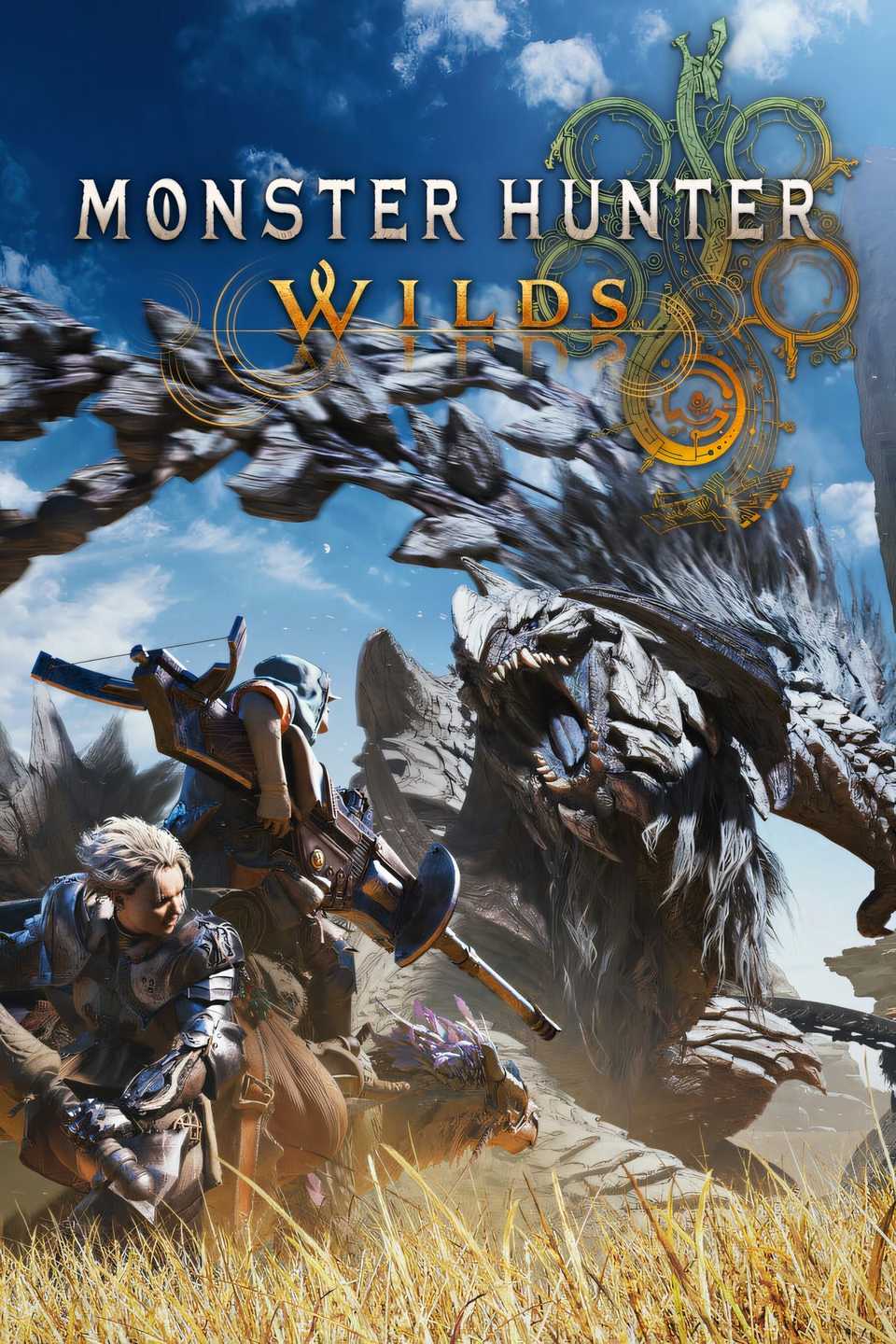
Monster Hunter Wilds has had a rough time keeping its player count high, and that’s for good reason. Not that Monster Hunter Wilds is a bad game, because it’s not, but it has been facing some serious issues that are turning its playerbase away. Some examples include balancing problems, not enough monsters, PC performance problems, and more.
However, the Title 4 update for Monster Hunter Wilds brings a whole plethora of improvements that aim to keep current players engaged longer and bring back other players that may have moved on. It’s, without a doubt, the best title update for the game so far and may be the turning point it needed.
There are six key reasons as to why the Title 4 update is so important to Monster Hunter Wilds. Read further to learn the reasons as to why the title 4 update could be the turning point for Monster Hunter WIlds.
6
The Monster Roster Feels Complete
It Finally Feels Like a Full House
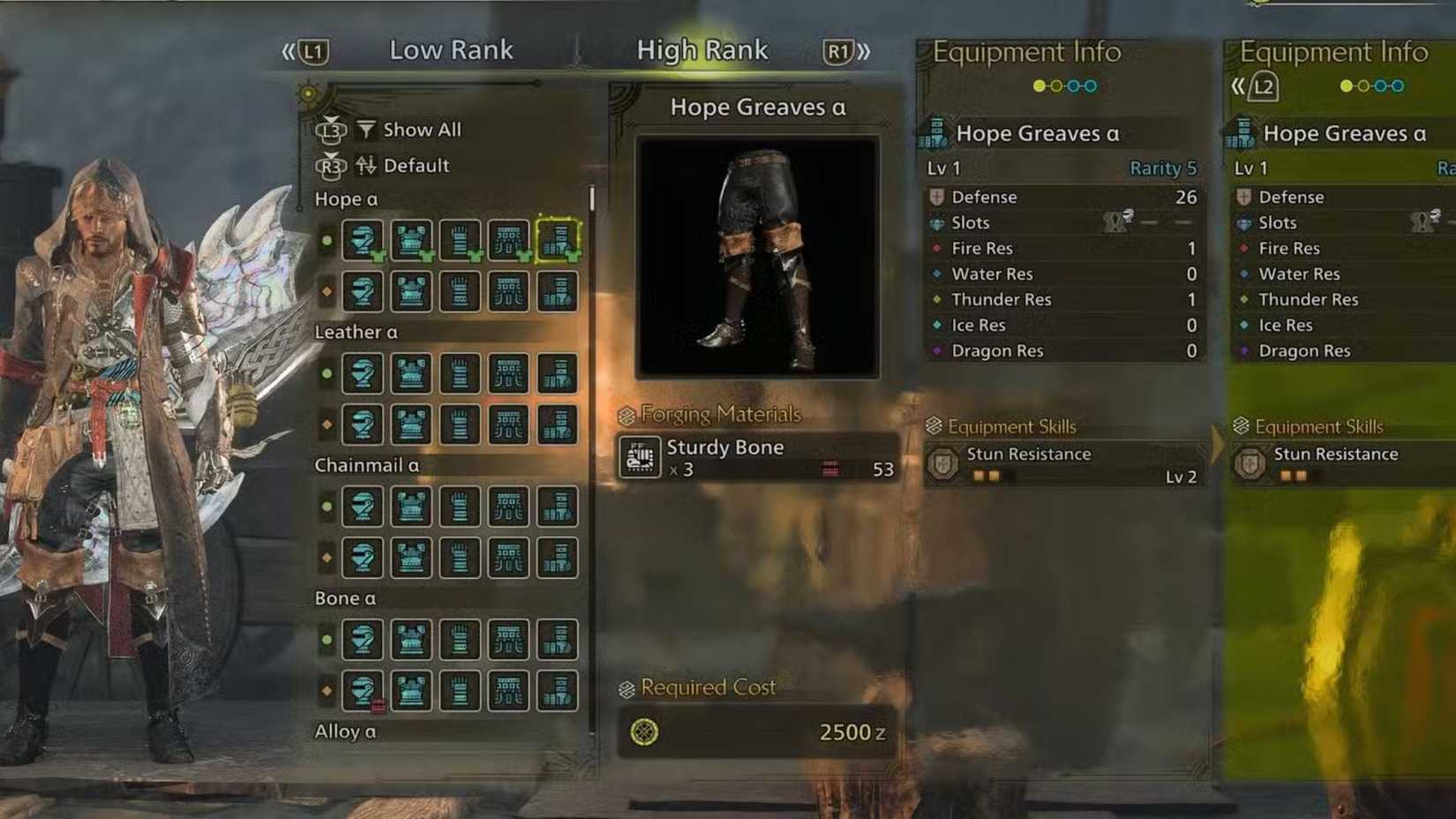
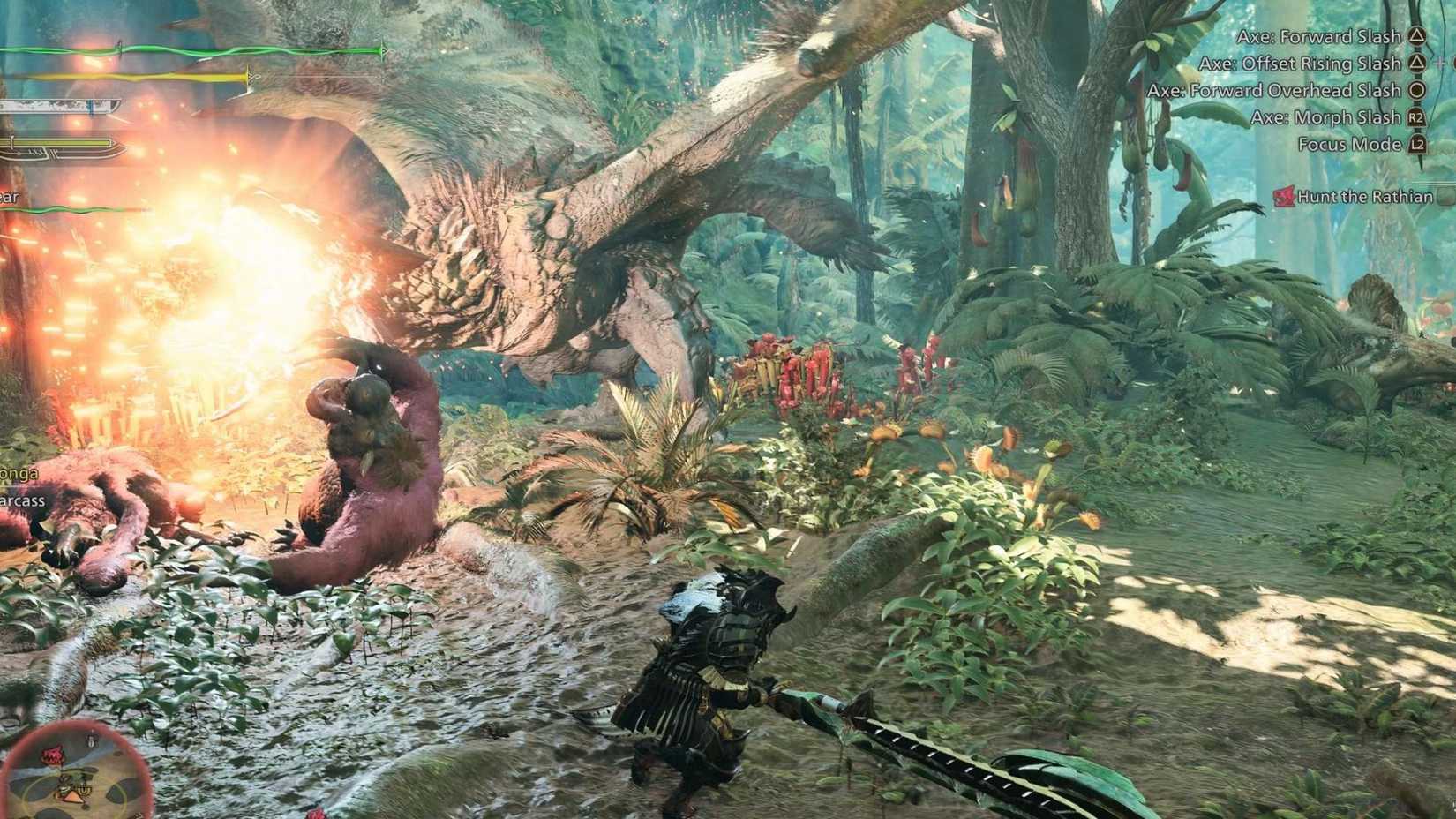
While Monster Hunter Wilds was fantastic at launch, there was one major problem: it didn’t have a ton of monsters to hunt. Even though everyone knew that Capcom was going to be adding more monsters throughout the year, the starting roster was still shockingly low (lower than Monster Hunter World). However, with the Title 4 update adding more monsters, we are finally reaching the point where it feels like we have a sufficient number.
In addition to the monsters added in previous title updates, Title 4 has added additional 9-star monsters to hunt down, adding a new layer of challenge. Additionally, Arch-Tempered Jin Dihaad is now available, so one of the most cinematic fights has just gotten much more challenging. Lastly, Gogmazios is now available, an Elder Dragon that was first introduced in Monster Hunter 4. As you can see, there is now way more to hunt in Monster Hunter Wilds, which is a big turning point for the game.
5
Transcending
New Feature
Title update 4 in Monster Hunter Wilds has brought a whole new feature called “Transcending.” This mechanic allows players to upgrade armor pieces even further than before, by increasing the maximum Armor Sphere limit. This is a great addition as it makes the endgame actually worth it, since it will now take longer to reach the highest level of armor players can earn. The worst part about Monster Hunter games is reaching a point where hunting doesn’t really feel worth it anymore due to reaching maximum potential. Transcending fixes that.
Related
Monster Hunter Wilds Review
Monster Hunter Wilds is an evolution for the series and the best Monster Hunter game to date.
Additionally, Transcending also enhances decoration slots for rarity 5 and 6 armor pieces. Overall, this makes hunters stronger for endgame content, giving players a better chance against 9-star monsters. In other words, having this feature is a huge turning point for Monster Hunter Wilds, since now players have a reason to constantly grind for Armor Spheres and decorations for Transcending, adding to the overall endgame loop.
4
Weapon Buffs and Balancing
More Fair Across the Board
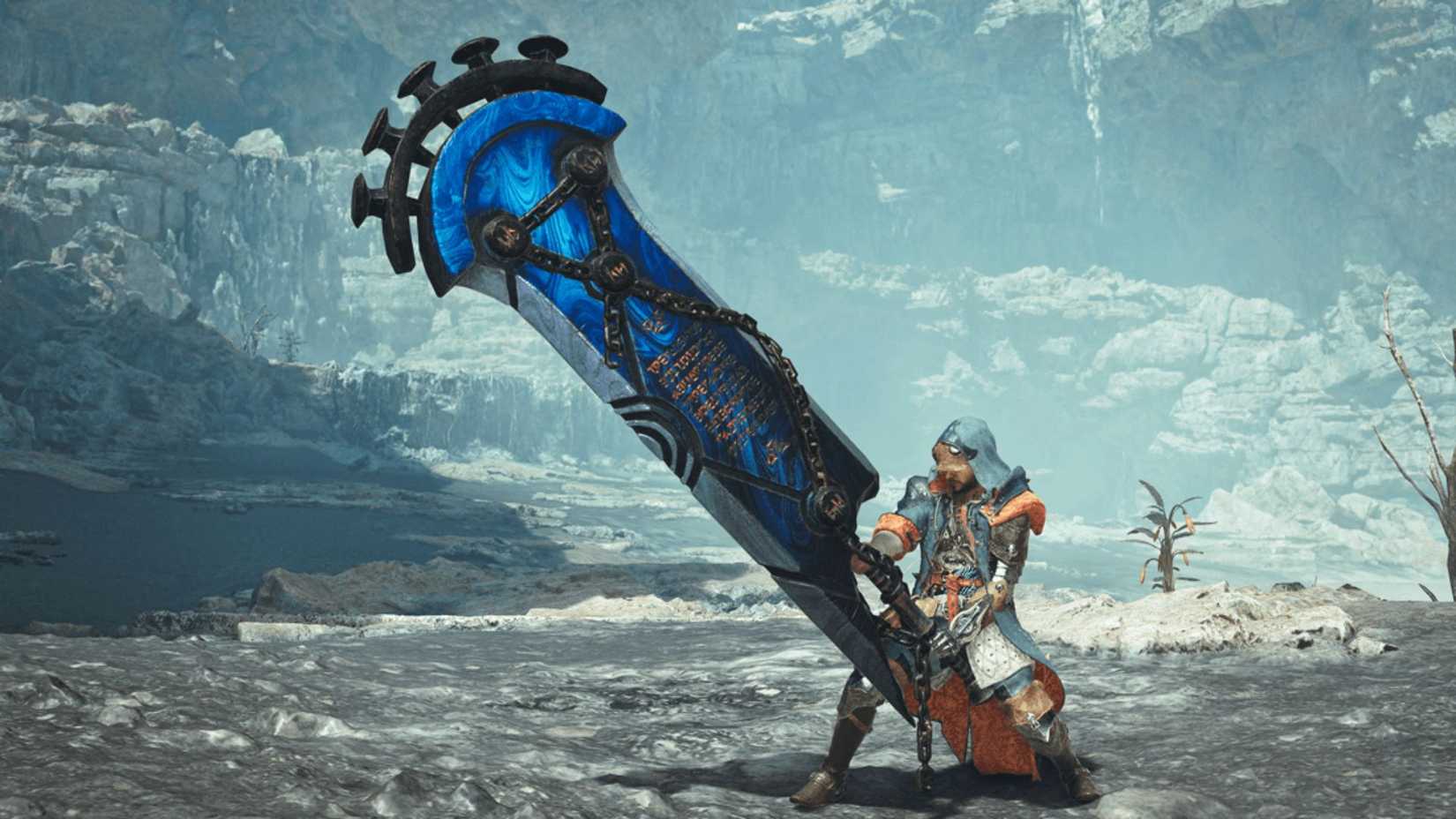
The great part about Monster Hunter games is that there is a weapon for everyone, and each player can create pretty unique builds. However, Monster Hunter Wilds has had some major issues with balancing across weapons, where some weapons were way too weak and were pretty much useless compared to other options. This is a problem, considering that having unbalanced weapons will lead to some players having a major disadvantage when picking their favorite weapon type.
The latest title update in Monster Hunter Wilds has made changes to some weapons and buffed them so they are more in line with higher-performing options. This is a great adjustment, as now all players can stick to their preferred playstyle and not have to make any changes to their arsenal. It ensures that players can play the way they want to. Weapon balancing is extremely important in a game like Monster Hunter Wilds, and it’s great to see that the title 4 update had a focus on it.
3
Gogma Artian Weapons
Artian Weapons Have Never Felt So Good
The Artian Weapons are a great feature of Monster Hunter Wilds. However, they felt very limited, and it felt like they could never reach their full potential. Luckily, with Title update 4, Capcom has added Gogma Artian Weapons, which are essentially stronger versions of the base Artian Weapons. These weapons can be crafted with Gogmazios parts and level 8 Artian Weapons, which both take a good amount of time to acquire. This gives players a whole new reason to grind more and a new objective to work toward.
Related
Monster Hunter Wilds: 7 Best Primary & Secondary Weapon Combinations
Two is always better than one.
Even better is that Gogma Artian Weapons actually have style, unlike the plain white and silver color of the base Artian Weapons. This allows players to add more personality to their hunters. Gogma Weapons come equipped with one Set Bonus Skill and one Group Skill, which are chosen at random when crafting. Fortunately, if you aren’t a fan of the bonuses on your weapon, you can amend fully reinforced Gogma Weapons to reset their skills.
2
Quality of Life Improvements
Slight Adjustments Do Wonders
The most important addition to any Monster Hunter game is quality-of-life improvements. Since each Monster Hunter game is intended to last for years until the next one is released, improvements that enhance the overall feel of the game can contribute to its longevity. Luckily, the Title 4 update in Monster Hunter Wilds has added some great quality-of-life improvements that will make you want to play even longer.
For starters, the Title 4 update added new sorting tools for both the Quest Counter and Artian Weapons, making the menu easier to navigate quickly. Some other examples include adjusted monster icons for visibility, an increase in the amount of smelting points you receive at the Smelting Foundry, and even raising the time limit for quests that require hunting multiple targets. These are all very welcome additions.
1
Performance Improvements
It’s About Time
The biggest complaint by PC players is Monster Hunter Wilds’ atrocious performance on Steam. While Wilds runs perfectly fine for me on PlayStation 5, I couldn’t play very long on Steam due to the terrible stuttering, frame rate dips, and screen tearing. The good news is that Capcom finally addressed this issue with some conviction in a Title update 4 video on YouTube, mentioning that it’s their focus to improve PC performance.
While performance on PC isn’t perfect now with the Title 4 update, it is definitely better than before. Since terrible performance is the main roadblock to players really loving this game on Steam, this patch was a must, and it’s nice to see that Capcom is finally trying harder at fixing it. Still, Capcom has plenty of work ahead of it, and there are still fixes that need to be addressed. So, if you have a choice between PC and Console, I recommend the latter for now.
Next
Monster Hunter Wilds: 10 Things The Game Doesn’t Tell You
After running the digital storefront since its founding in 2008, CD Projekt Red has announced that it is selling Good Old Games (GOG) to Michał Kiciński, the co-founder of CD Projekt Red.
The sale price is reported to be $25.2 million USD, which will make Kiciński the sole owner of GOG.
“GOG and Michał Kiciński are aligned by a shared belief that games should live forever,” said Maciej Gołębiewski, Managing Director of GOG. “In a market that’s getting more crowded, more locked-in, and forgets classic games at an increasing pace, we’re doubling down on what only GOG does: reviving classics, keeping them playable on modern PCs, and helping great games find their audience over time”
Kiciński was keen to emphasise GOG’s original mission. “When Marcin Iwiński and I came up with the idea for GOG, the vision was simple: bring classic games back to players and ensure that once you buy a game, it truly belongs to you — forever.”
One of GOG’s biggest selling points has always been that all games sold on the platform are DRM-free. In practical terms, that means you’re free to move, install, and play your games wherever you like, without having to constantly verify ownership or stay online.
Kiciński’s funding for the purchase comes in part from his 10% stake in CD Projekt Red, but also from Mudita, a company he owns and operates that focuses on minimalist technology. Mudita is best known for devices like an E-ink phone with no internet access, and was founded with the goal of combating digital addiction, information overload, and smartphone radiation.
For Kiciński, then, this acquisition feels very much like a return to his roots. After co-founding both CD Projekt Red and GOG, he suffered burnout after 13 years of work and stepped away to focus on Mudita instead. Buying back GOG completes a full-circle journey — one that also ties into his ongoing involvement with several indie game projects.
“I am personally involved in the development of a few games like that and they will certainly make their strong appearance on GOG in 2026,” Kiciński said. It was also confirmed that all future CD Projekt Red titles will continue to launch on GOG as well.
As for CD Projekt Red, the company says the decision to sell GOG is about focus. Spinning off the storefront allows the studio to put all of its energy into delivering on its ambitious development roadmap.
GOG, meanwhile, has had a tough few years. The platform currently holds around a 1.2% market share and operates on slim margins, while also dealing with relatively high operating costs. Just the other year, it posted a sharp revenue decline. A recent push toward preserving older titles — an admirable goal — has only added to those expenses.
Even so, GOG has continued to keep going, and it would be a real shame to see it disappear. With one of its original founders back at the helm, there’s hope that Kiciński can keep the platform afloat while staying true to the ideals that made GOG special in the first place.
Ryan Coogler’s revival of The X-Files is happening, and it’s happening before the writer-director’s next Black Panther movie. Coogler said so during an appearance on the Happy Sad Confused with Josh Horowitz podcast, offering an explanation of why he’s all in on X-Files and a loose plan about what his reboot will look like.
For Coogler, a big reason for revisiting X-Files is nostalgia. “That show is what I used to watch with my mom,” Coogler told Horowitz. “It’s one of the most beautiful American television shows ever made. Chris Carter will tell you, he was trying to make Kolchak: The Night Stalker, and for me that’s what it’s all about: When you as an artist [are] trying to capture something that you were influenced by and make something totally new.”
Coogler apparently loves the formula of “a skeptic paired with a believer” who are trying to solve a case, à la True Detective season 1. Plus, Coogler points out, The X-Files is the show that put Vince Gilligan on the map. Would we have Breaking Bad, Better Call Saul, and Pluribus in a world with no X-Files? That’s a case that I’m sure Scully and Mulder could solve.
As for what his take on The X-Files might look like, “We intend on having both monsters of the week and also the overarching conspiracy,” Coogler said, just like the original series. Coogler adds that he received some “advice about how to make television” from Gilligan himself, so hopefully the writer-producer-director on the original X-Files had some good tips.
While we’re still waiting on some important when-and-where details on the new X-Files, it’s “what I’m doing now,” Coogler said. “Black Panther comes after that. I’m blessed to be working on things this cool. It’s also nice to have something that has the pressure of the fans, [and] a lot of really smart people that I don’t want to let down.”
But Coogler expertly dodged more specific details about his X-Files revival. When obliquely asked about returning cast members, Coogler told Horowitz, “I’m a big fan of [Gillian Anderson], big fan of David [Duchovny]. That’s all I can say.”
The X-Files originally ran on Fox from 1993 to 2002 across nine seasons spanning 202 episodes. A 10th season of six episodes brought the sci-fi franchise back in 2016, with an 11th season of 10 episodes following in 2018. Two stand-alone feature films were released in 1998 and 2008. All 11 seasons of The X-Files, including the two reboot seasons, will be streaming on-demand on Pluto TV beginning Jan. 1, 2026. The show will also have a dedicated channel, which will first air a complete linear run of the entire series.