An Affair of Style, Luxury, and Audacious Design with Karl Lagerfeld and Chrome Hearts.
This luxury jewelry brand, cherished by the maestro himself, defined a new era in personal accessories. The mutual obsession between Lagerfeld and Chrome Hearts was profound, contributing significantly to the fashion industry’s narrative and the designer’s personal style.
Origins and Rise of Chrome Hearts
Born in Hollywood’s heart in 1988, Chrome Hearts was the brainchild of a creative husband-wife duo, Richard and Laurie Lynn Stark. The brand championed a unique blend of biker and haute-goth aesthetics, instantly appealing to rappers, heiresses, and icons with attitude. However, among its ardent patrons, one stood out—Karl Lagerfeld. His design preferences were as distinct as his personality. Lagerfeld would choose a design movement and immerse himself in it fully, transforming his spaces and style into living embodiments of that aesthetic. His obsession with Chrome Hearts was no different.
Lagerfeld’s Affinity for Chrome Hearts
Chrome Hearts’ pieces dominated Lagerfeld’s jewelry collection. He adorned nearly every finger with their rings, frequently wore their sunglasses, and sported their necklaces—each piece adding to his inimitable style. His fascination for the brand was not merely capricious; it mirrored his vision of merging traditional luxury with contemporary design. Lagerfeld’s commitment to the Chrome Hearts aesthetic had a profound influence on popularizing the brand, a sentiment that Chrome Hearts reciprocated by featuring him on their magazine cover in 2013.
Collaborations and Influences
Lagerfeld’s relationship with Chrome Hearts birthed memorable collaborations, the most notable being the creation of a limited-edition series of chairs in 2015. This project showcased the shared vision between Lagerfeld and Chrome Hearts—blending functionality with unrivaled aesthetic appeal. Lagerfeld’s unique visual signature—a mix of haute couture sophistication and rocker-chic attitude—was heavily influenced by Chrome Hearts. The brand’s chunky silver rings, sterling silver chains, and precious stone ornaments added an edge to his couture creations.
Accessing Chrome Hearts Today
In today’s world, Chrome Hearts remains a beacon of luxurious audacity. Their pieces are available in high-end boutiques worldwide and through their online store. Must-haves from Chrome Hearts include their signature .925 sterling silver jewelry, leather bags, and eyewear collections, all encapsulating their legacy of superior craftsmanship and innovative design.
In the realm of style, luxury, and design, the fusion of Karl Lagerfeld and Chrome Hearts stands as a rock-and-roll symphony, an anthem to the unconventional and the audacious. The bond between the designer and the brand was more than a simple affinity—it was a riveting dance of transformation and defiance against the predictable and the ordinary. This partnership was a saga of bold visions, enduring commitments, and the pursuit of an uncommon luxury that shook the foundations of fashion norms.
Together, Lagerfeld and Chrome Hearts embarked on a sartorial journey that continues to inspire, reminding us that true style is as unique as the rhythm of our individual pulses. Their alliance, painted on the grand canvas of luxury fashion, has left a resounding echo—a call to embrace our aesthetics, challenge the status quo, and discover the beautiful paradox of unconventional luxury.
Reflecting on his own journey and persona, Lagerfeld once said in The World According to Karl: The Wit and Wisdom of Karl Lagerfeld, “When I was younger, I wanted to be a caricaturist. In the end, I’ve become a caricature.” This self-aware humor and perspective underline his understanding of the dynamic, transformative nature of style, as seen through his personal evolution and his partnership with Chrome Hearts.
Their shared journey, rooted in the rock-and-roll spirit of rebellion and distinctive elegance, serves as a testament to the power of individuality. It continues to reverberate through the corridors of style and design, inspiring us to craft our unique fashion anthem. This is the legacy of Lagerfeld and Chrome Hearts—a timeless ballad of audacious style and undaunted luxury, and a tribute to the rock-and-roll soul of fashion.
BECOME A PURSUITIST VIP!
Sign up for our Free Insider Enewsletter. Get exclusive access. No ads, ever!Rated ⭐⭐⭐⭐⭐ from Forbes, The New York Times & The Wall Street Journal.
Christopher Parr
Christopher Parr, is the Editor and Chief Content Creator for Pursuitist, and a contributing writer to USA Today, Business Insider — and the on-air host of Travel Tuesday on Live at 4 CBS. He is an award-winning luxury marketing veteran, writer, a frequent speaker at luxury and interactive marketing conferences and a pioneer in web publishing. Named a “Top 10 Luxury Travel Blogger” by USA Today, Parr has also been selected as the official winner in Luxury Lifestyle Awards’ list of the “Top 50 Best Luxury Influencers and Bloggers in the World.”
2024 marked a seismic shift in the fashion industry as several prominent creative directors departed from their respective houses, including Virginie Viard at Chanel, Matthew M. Williams at Givenchy, and John Galliano at Maison Margiela. When it comes to eponymous labels, recent years have seen Tom Ford and Raf Simons step back, while this year, Peter Hawkings and Dries Van Noten unexpectedly bowed out of their maisons.
Prior to Julian Klausner stepping up as a successor at Dries Van Noten, Van Noten had embraced the possibility of his replacement veering away from the codes he’s established over 38 years at his eponymous brand. “No, I absolutely don’t want them to do it the way that I do,” the member of the Antwerp Six told Business of Fashion’s Tim Blanks in an interview, explaining that he’d prefer them to approach his brand with a “new eye”.
Read More: Speculation Swirls of Hedi Slimane Heading to Chanel as Michael Rider Replaces Him at Celine
Visionaries like Dries Van Noten, Tom Ford, and Raf Simons have left behind a legacy that has marked the industry over decades. Their exits not only symbolise the end of an era but also usher in a dynamic transition, with creative directors vying for dominance in a fashion landscape. As the torch passes in the ongoing shake-up, it remains to be seen if these changes will affect these legendary Maisons’ bottom line. Successors face the daunting task of honouring a brand’s legacy while forging a path forward. For instance, when Tom Ford exited his eponymous label, questions arose about how the brand would sustain its identity without his distinct vision. Similarly, Raf Simons’ departure leaves his brand at a crossroads, with fans and critics alike pondering its future direction.
Read More: Marc Jacobs Sets His Sights on Chanel’s Creative Director Role
Pressure Cooker Roles
Marc Jacobs at the 2024 CFDA Fashion Awards held at the American Museum of Natural History on October 28, 2024 in New York, New York. (Photo by Lexie Moreland/WWD via Getty Images)
It is no secret that luxury fashion brands, especially eponymous ones like Donna Karan, Zac Posen, Marc Jacobs, and Michael Kors, have faced significant financial challenges in recent years. Donna Karan, for instance, faced widespread backlash due to controversial statements regarding convicted sex offender Harvey Weinstein, damaging her reputation and business. Zac Posen experienced a harsh reality in the luxury retail industry. In 2019, The Lexington Online reported that Posen’s label, House of Z, struggled to attract buyers or investors. The precarious state of the industry led Yucaipa Companies — an investment firm holding a 50 percent stake in Posen’s company — to withdraw their support. This decision forced Posen to lay off 60 staff members and shut down his business immediately.
Michael Kors has also faced significant setbacks. John D. Idol — chairman and chief executive officer of Capri Holdings, which owns Michael Kors, Versace, and Jimmy Choo — openly acknowledged the difficulties, stating they were “disappointed” as performance continued to suffer due to softening global demand for luxury fashion goods. Capri Holdings’ Q1 fiscal 2025 results highlighted these struggles, reporting a 13.2 percent decline in revenue on a reported basis. At Michael Kors, revenue dropped by 14.2 percent to USD 675 million. Retail sales declined by low double digits, while wholesale revenue fell by high double digits. All regions recorded decreases, with revenue down 10 percent in the Americas, 21 percent in EMEA, and 23 percent in Asia.
It is therefore not unexpected that the roles of creative directors at major fashion houses are increasingly likened to pressure cookers. The relentless demand for innovation — coupled with the expectation to produce collections at breakneck speed — has contributed to burnout among designers. This phenomenon echoes the earlier exits of designers like Raf Simons and Phoebe Philo, whose departures also signalled dissatisfaction with the current pace of the industry.
The industry’s ecosystem depends on the delicate balance of creative expression and commercial viability. However, financial restraints and enduring house codes often stifle designers’ abilities to create revolutionary designs. Instead, they are compelled to look back at archival work, reinterpreting classics rather than pioneering new aesthetics. While this approach pays homage to history, it limits opportunities for genuine innovation — a reality that only intensifies the pressure on creative leads.
The Rise and Fall of Independent Visionaries
The exodus of prominent designers underscores the urgent need for structural changes to support independent brands. Solutions such as strategic partnerships, innovative financing models, and collaborative ventures could help level the playing field. Additionally, the rise of digital platforms offers new opportunities for smaller brands to reach global audiences without relying on traditional retail networks.
As the industry evolves, the question remains: Can independent brands thrive in an ecosystem dominated by conglomerates? The answer may lie in their ability to embrace adaptability while staying true to their core values. Founding designers have historically been the lifeblood of their brands, infusing personal artistry and identity into each collection. However, maintaining independence in a fiercely competitive market has become increasingly challenging. The pressures of scaling globally, maintaining relevance, and adapting to shifting consumer preferences often prove overwhelming for standalone brands.
Designers like Dries Van Noten — who once epitomised the triumph of independence — now face an industry dominated by conglomerates such as LVMH and Kering. These corporate giants not only command immense financial resources but also exert significant influence over market trends, distribution channels, and media narratives. For many independent designers, the decision to step down reflects an acknowledgement of these insurmountable challenges.
The Growing Role of Business Executives
Today’s fashion consumer is more informed and discerning than ever. Sustainability and authenticity are no longer optional — they are expected. Gabriela Hearst’s leadership at Chloé was a textbook example of how a brand can embody these values. Her departure raises concerns about whether others can replicate her success in seamlessly blending high fashion with environmental responsibility. While reimagining archival designs has its merits, the industry’s over-reliance on this approach risks stagnation. As Wong notes, “While the creations are works of art, it is nothing new.”
Interestingly, as creative leads vacate their positions, there is a growing reliance on business executives to steer brands. The emphasis is increasingly shifting from creative artistry to profitability and market share. While this approach ensures financial stability, it risks diluting the very creativity that differentiates luxury fashion from mass-market apparel. For emerging designers, the challenges are even more acute. Financial constraints hinder their ability to stage high-profile runway shows or invest in innovative materials. Without substantial resources or backing, young talent struggles to compete with established houses that dominate the media and consumer attention.
The Role of Conglomerates in Shaping the New Guard
Conglomerates play a crucial role in the fashion industry by providing young designers with the financial backing and resources needed to scale their brands. For emerging talents, these corporate giants offer stability, global reach, and the ability to invest in high-quality materials, marketing, and runway shows that would otherwise be out of reach. In return, conglomerates gain access to fresh, innovative perspectives that help reinvigorate established brands. A prime example is Matthieu Blazy. Prior to his appointment at Chanel, he was the creative director at Bottega Veneta under the Kering group. Blazy — known for his distinctive and forward-thinking design approach — was given the platform to elevate Bottega’s status while receiving the support necessary to experiment with new materials and techniques, a luxury independent designers often lack. This symbiotic relationship allows both the designer and the conglomerate to thrive, but it also raises questions about the impact of corporate influence on artistic freedom in fashion.
The dominance of conglomerates in fashion is undeniable, with their ability to attract and nurture fresh talent playing a decisive role in reshaping leadership. One could similarly argue that Chanel’s appointment of Blazy signals a trend of established houses seeking younger, more experimental voices to rejuvenate their brands. This strategy leverages the allure of a fresh perspective while ensuring that the house’s legacy remains intact.
Read More: Here’s Your Recap of Fashion’s Great Creative Director Reshuffle
However, this trend raises concerns about the homogenisation of fashion. With conglomerates prioritising profitability, creative directors often face constraints that limit artistic freedom. While these corporate-backed brands thrive financially, the industry risks losing the unique voices that have historically defined fashion’s avant-garde.
What is Next for Fashion Leadership?
2024’s designer exodus marks a turning point in the fashion industry, challenging traditional notions of leadership and creativity. As founding designers step aside, the onus falls on successors and corporate entities to preserve the essence of these legendary brands. While the influence of conglomerates continues to grow, the enduring appeal of independent artistry reminds us of the importance of diversity in fashion’s creative tapestry. The future of the industry hinges on its ability to balance innovation with legacy, ensuring that the next generation of leaders can sustain the spirit of individuality that defines fashion.
Read More: Matthieu Blazy Is Named Chanel Artistic Director: A Recap Of Fashion’s Great Creative Director Reshuffle
The departures in 2024 highlight an urgent need to re-evaluate the structure of leadership in fashion. Brands must address the unsustainable pace of the industry and create environments where creativity can thrive without compromising mental health. Equally, they must ensure that sustainability and authenticity remain at the forefront of their values — not just as buzzwords, but as guiding principles. As we move into 2025, the challenge for fashion houses will be to strike a balance between innovation and stability, ensuring that the next generation of leaders is prepared to navigate an industry in flux. Whether 2024 will signal a crisis or herald a renaissance in fashion leadership depends largely on how the industry responds to these pivotal changes.
Read More: Opinion: Fashion Industry’s Creative Expression is Impeded by a Broken Ecosystem
India’s burgeoning luxury market has experienced a major shift to fashion behemoths globally that have etched out their segments among the fashion police over the years. From eternally classy external designs to the most innovative, international clothing brands have not only drawn the Indian audience but also changed themselves according to their needs. Hence, it is a wonderful mix of foreign attractiveness and local significance.
Whether it is the vibrant streets of Mumbai or the elegant fashion weeks of Delhi, these brands represent exclusivity, sophistication, and aspirational living. Here is a look at the top 10 luxury international fashion clothing brands that have made their mark in India providing global fashion right at your doorstep.
1. Gucci
Gucci is Italy’s most powerfully curated brand and is known for a contemporary style that is characterized by courage, imagination, and unconventional elegance. Guccio Gucci was the one who set the benchmark upon which this house was built in 1921, and gradually it has become one of the leading names in the world of fashion. Well-loved for their beautiful prints, green-and-red stripes, and GG monogram, they have the hearts of Indian luxury shoppers in their pockets.
Why Gucci Stands Out in India
A unique blend of heritage and modernity has provided the key to the success of Gucci among India’s style-conscious consumers. From quirky graphic tees to elaborate dresses, Gucci offers a variety that caters to both traditional and contemporary tastes. Bollywood stars and influencers give the brand a further boost in India. Kareena Kapoor Khan, Ranveer Singh, and Priyanka Chopra have often been seen showcasing Gucci. Together, they make it a house name for luxury enthusiasts.
Gucci Stores and Online Presence in India
Luxury houses such as Gucci have flagship stores across Indian metros, including in Mumbai and Delhi, and are accessible online through luxury websites, allowing Indian buyers to browse and purchase their favorite collections from the comfort of their homes.
2. Louis Vuitton
Louis Vuitton or LV, has been a synonym for luxury, heritage, and innovation. This Paris-based house was founded in 1854. Today it is a global icon known for impeccable craftsmanship and groundbreaking designs. Associated with monogrammed patterns and an exclusivity legacy, Louis Vuitton occupies an important place in the Indian luxury shopper’s mind, where tradition blends with modern appeal.
Why Louis Vuitton Resonates in India
Louis Vuitton’s heritage of 160 years appeals to India’s affluent class who value heritage and timelessness. Louis Vuitton’s Monogram Canvas and Damier patterns are the instantly recognizable logos of status. Louis Vuitton understands the nuanced tastes of Indian luxury buyers. The brand offers versatile pieces, including saree-inspired scarves and smaller handbags, catering to India’s preference for a blend of tradition and functionality.
Louis Vuitton’s Presence in India
Louis Vuitton flagship stores in Mumbai, Delhi, and Bangalore offer an international shopping experience to its Indian customers. Also, Louis Vuitton collections are available on certain luxury e-commerce platforms, making it easy to shop for the new-age tech-savvy shopper.
3. Prada
Prada, the epitome of understated luxury, is a name that resonates with those who value elegance, innovation, and modernity. Founded in 1913 by Mario Prada, the Italian brand has established itself as the leader in high-fashion clothing, celebrated for minimalist designs, avant-garde aesthetics, and unmatched craftsmanship. With a range that embodies an impeccable balance between sophistication and bold individuality, Prada is one of the most sought-after luxury brands in India.
Why Prada Wins Indian Hearts
Prada’s designs are characterized by clean lines, mellow tones, and effortless chic that impress the Indian buyer who likes subtle elegance over loud opulence. Prada caters to the diverse lifestyle needs of India, ranging from casual style to high-end formal clothes. This makes it relevant for India’s modern, cosmopolitan audience. Bollywood actors such as Alia Bhatt and Sonam Kapoor are often spotted wearing Prada clothing, thereby increasing the desirability of this brand among Indian luxury shoppers.
Prada’s Presence in India
Prada has made its presence felt in the land through exclusive retail counters in cities like Mumbai and Delhi, as well as with high-end multi-brand retailers, and online. These outlets ensure effortless access to this luxury brand for Indian consumers seeking its coveted collections.
4. Burberry
Burberry is a quintessentially British luxury brand for its timeless designs, heritage craftsmanship, and iconic trench coats. Thomas Burberry founded the company in 1856, and the brand has since epitomized subtle sophistication and classic style. With its ability to infuse a rich heritage with modern innovation, it is no wonder that Burberry has easily become a favorite in India’s thriving luxury market, in which traditional elegance and modern fashion go effortlessly hand in hand.
Why Burberry Resonates with Indian Consumers
Burberry’s signature trench coat, crafted with precision and innovation, is a global fashion symbol. Its lightweight yet luxurious appeal makes it perfect for India’s varied climates, especially during cooler months and monsoon seasons. The instantly identifiable Burberry check stands for class and exclusivity in accessories, scarves, and outerwear and is a huge seller of India’s love for signature styles.
Presence of Burberry in India
Burberry has flagship stores in key cities such as Mumbai and Delhi to provide the high street with an exclusive shopping experience, while it remains accessible on premium online luxury platforms for the tech-savvy Indian shopper.
5. Versace
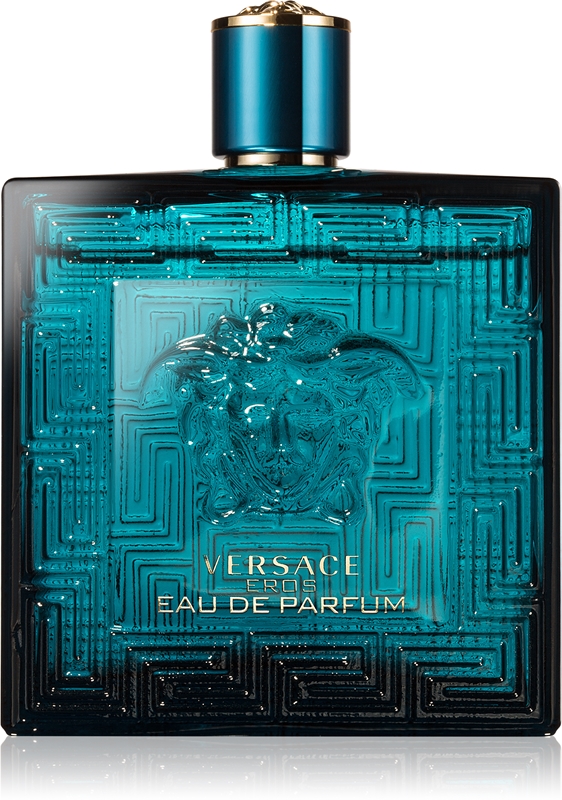
Versace epitomizes Italian opulence and flamboyance with its audacious designs, vibrant aesthetics, and unapologetic glamour for carving a niche in the luxury market in India. Founded by Gianni Versace in 1978, this brand is a global symbol of high fashion, marked by the iconic Medusa logo and daring prints. The brand’s collections, a fusion of classic and contemporary elements, provide exactly what Indians love to indulge in bold, statement-making luxury.
Why Versace Flourishes in India
Baroque prints by Versace, detailing, and bursting colors resonate with the Indian preference for rich and artistic expressions in fashion. Versace-rich designs find perfect harmony with Indian ones in terms of grandeur, thus being immensely popular during marriage ceremonies, festivals, and other high-profile gatherings. Known for pushing boundaries, Versace’s bold silhouettes and contemporary cuts appeal to India’s younger, experimental luxury shoppers who seek to stand out.
Versace’s Footprint in India
Versace sells through standalone stores in select cities such as Mumbai and Delhi and multi-brand luxury department stores. Utilizing online platforms, Versace is reaching India’s increasingly digitally demanding luxury consumers.
6. Dior
Dior is known to be a brand that epitomizes refinement, innovation, and the classics. Founded by Christian Dior in 1946, the group revolutionized the world of women’s fashion in the iconic “New Look” and thus has been establishing boundaries in style and elegance for years. The Dior collections, characterized by a timeless sense of sophistication and cutting-edge design, have found their following in India, where luxury, craftsmanship, and good taste are considered highly valued.
Why Dior Resonates with Indian Consumers
Dior adheres to the rich, elegant designs that luxury buyers prefer in India, from elegantly tailored suits to dresses beautifully constructed, Dior epitomizes refined taste. Bollywood celebrities such as Deepika Padukone and Kareena Kapoor Khan are often spotted in Dior, hence enhancing the icon status of the brand in India. The cooperation of the label with international stars and royalties further adds to its allure. Bags from Dior, such as the Lady Dior and the Dior Book Tote, are iconic and have a special place in the wardrobes of Indian luxury buyers who are attracted to them because of their craftsmanship, elegance, and exclusivity.
Dior in India
Dior operates through selective high-end boutiques in cities like Mumbai and Delhi, offering a very distinctive shopping experience for India’s elite. The presence of the brand is also growing on luxury e-commerce platforms, allowing customers across India to access its exclusive collections.
7. Balenciaga
Balenciaga, the fashion house founded by Cristóbal Balenciaga in 1917 in Spain, is a luxury symbol of the avant-garde that pushed boundaries with its unique blend of couture craftsmanship and influences of streetwear. Balenciaga, under the creative direction of Demna, has evolved to be a leader of modernist fashion, famous for its bold, often provocative designs. In India, Balenciaga has garnered a great following, particularly among the fashion-conscious and liberal young minds seeking a mix of luxury, and innovation, as well as an edgy type.
Why Balenciaga Resonates with Indian Luxury Shoppers
Balenciaga has been a trendsetter for the streetwear-legit high fashion model, attracting India’s more edgy, fashionable young generation who enjoy bold, unusual looks. Pieces of Balenciaga have been spotted on celebrities like Ranveer Singh and Priyanka Chopra, making it a favorite among Indian style icons.
Presence of Balenciaga in India
Balenciaga has strategically expanded its footprint in India, offering its collections through exclusive multi-brand luxury boutiques in key cities like Mumbai, Delhi, and Bangalore. The brand also benefits from its presence on select luxury e-commerce platforms, catering to India’s digitally inclined luxury shoppers.
8. Chanel
Chanel, the epitome of timeless elegance and Parisian sophistication, stands as one of the most iconic luxury fashion houses in the world. Founded by the legendary Coco Chanel in 1910, the brand has become synonymous with refined femininity, classic designs, and revolutionary ideas that reshaped women’s fashion. When it comes to India, there is an overwhelming demand for this brand as elites seek classic items demonstrating status and sophistication.
Why Chanel Fascinates Indian Luxury Shoppers
Chanel’s designs exude a sense of refined simplicity that appeals to India’s luxury clientele, who value craftsmanship, timeless beauty, and understated style. One of the most demanded luxury goods items globally, the Chanel handbag to be specific, the classic 2.55 and Boy Bag, hasn’t missed its mark in India either. These bags have become the status symbol and epitome of class, an object of desire among India’s elite.
Chanel’s Presence in India
Chanel makes a selective presence in India through exclusive boutiques in key luxury retail destinations. Even though global popularity has created much demand for it, the brand ensures exclusivity to make its pieces available only to the most discerning patrons.
9. Armani
Armani, established by Giorgio Armani in 1975, is one of the most well-known luxury fashion houses in Italy. Known for its minimalist, sleek designs along with craftsmanship of utmost quality, Armani symbolizes refinement and modern sophistication. In India, Armani’s collections resonate with those who value understated style, precision tailoring, and contemporary flair.
Why Armani Appeals to Indian Luxury Shoppers
Versatility is offered by Armani collections and it appeals to Indians the most, perfect for various occasions ranging from formal events to casual luxury. Armani often attracts celebrities like Bollywood’s Shah Rukh Khan, and Hrithik Roshan, and international figures such as David Beckham and Leonardo DiCaprio, all of whom raise the allure of the brand for India’s prosperous potential market.
Armani’s Presence in India
Exclusive shopping destinations in Delhi and Mumbai stock Armani, giving the brand an affluent and handpicked bouquet of customers. Armani is also quite strong on luxury e-commerce sites to cater to the tech-savvy customer in India.
10. Hermès
Founded in 1837, Hermès is synonymous with exquisite craftsmanship, timeless style, and unparalleled quality. Over the years, Hermès has justifiably become synonymous with ultimate luxury – a symbol that attracts a loyal following of discerning customers across the globe. Hermès continues to charm the elite in India with the most diverse range of luxury goods that embody sophistication, heritage, and artisanal mastery.
Why Hermès Appeals to Indian Luxury Shoppers
Hermès’ history and commitment to master craftsmanship appeal deeply to Indian high-net-worth consumers, who appreciate the art and perfection in each piece. Every piece of handbags, leather goods, and accessories crafted by its skilled artisans is truly unique and highly desirable. This exclusivity is synonymous with Hermès in the contemporary era, its products are usually released in limited quantities and sold merely in a few prestigious boutiques.
Hermès in India
Hermès also has exclusive boutiques in some luxury malls and shopping districts in Mumbai and Delhi. These boutique stores create an experience of shopping, which lets the clients realize and explore the entire product range of Hermès. The brand stays unique and exclusive by offering personalized services as well as limited edition items so every purchase comes across as special and unique.
Conclusion
India’s luxury fashion has dramatically changed so much that international design clothes are delivering the best to the most discerning tastes of Indian consumers. Brands provide not just timeless elegance and scrupulous craftsmanship but also design innovations that appeal to the modern, style-conscious luxury shopper.
The appeal of these brands in India lies in their ability to blend heritage with contemporary sensibilities, creating pieces that are not just fashion statements but long-term investments. These luxury brands now transcend the prerequisites of high-end fashion, they symbolize success, sophistication, and refined taste for India’s wealthy consumers.
Amidst the sea of revered luxury brands and generational fashion houses is a name that many have known and loved for decades now. That celebrated name is Elisabetta Franchi, the Italian designer who has made a notable impact with her eponymous brand that caters to women. Over the years, her unique blend of aesthetics has included sophisticated elegance with modern femininity, which has captured the hearts of fashionistas worldwide. With a keen eye for detail and a passion for creating timeless pieces, she has successfully managed to maintain the balance of using house codes with current trends. Her creations have graced the red carpets of global events, adorning Hollywood celebrities and influencers with their distinctive allure.
Inspired by her doll Betty, Franchi realized very early on that fashion and dressing women was what she truly loved. Pursuing this dream, she opened her first atelier in 1995 and in 2012, she decided to design under her own name and set up her brand. The year 2015 saw her showcasing her first collection at the prestigious Milan Fashion Week. This debut range included sleek dresses and evening wear, perfectly tailored skirts, and pant sets, with a mix of prints and neutral colors. She received widespread acclaim for her impactful yet ultra-feminine designs and impeccable craftsmanship, laying a strong foundation for the label’s future success.
One of the defining characteristics of the Elisabetta Franchi brand is the ability to infuse classical elegance with a contemporary twist. Right from the suits and two-piece sets to the dresses and shirts, all exude a sense of refined style, featuring clean lines, exquisite tailoring, and luxurious fabrics. Franchi’s deep understanding of the female form is evident in her creations, as she effortlessly accentuates the natural beauty and grace of women through her work. There is something for every woman and every occasion, covering casual, formal, and semi-formal apparel. Picture animal prints, chain detailing, fringes, cutouts, and of course, the clever use of the EF monogram often seen near the waist or the shoulder and neckline.
Today, the designer’s legacy continues to flourish, as her label remains a shining example of excellent workmanship. With each collection, she continues to captivate everyone with her simple yet distinctive aesthetic. Her ability to redefine Italian fashion for the modern woman still stands strong in the suits, flowy dresses, beautiful evening gowns and in all of the other chic styles.
Below you can find some gorgeous clothing from the Elisabetta Franchi brand, all available at The Luxury Closet.
Samikshya Borse
Samikshya is an ambivert who loves all things fashion, dance, and food. She believes in communication and the power of words and visuals to inspire people. A dreamer and a thinker, you can find her consuming digital content (incessantly) when not working.
Are you looking to start the New Year off on the right foot? Planning is a great way to ensure that you make the most of your time and achieve your goals. In this article, we’ll discuss some New Year planning tips for planning for the New Year. These tips will help you get organised and achieve your goals. So read on to learn more!
Planning for the New Year ahead can be daunting, but here are some ways to make it easier.
Set aside some time on your own or with your partner to assess what has worked well for you in the past year. Also consider what could be improved and how you could do things differently next year.
Putting all of these goals down on paper will make them feel more real and achievable. If you have trouble sticking to your goals, try setting smaller ones that you can achieve in a shorter time period. Happy New Year! May it be the best year yet!
No matter how well we plan, unexpected events can still occur in our lives. It’s important to have a contingency plan in place in case something unexpected happens during the upcoming year.
This could include having emergency savings or backup plans for major events or projects.
2. Prioritize Self Care
In addition to setting goals, it’s important to prioritize self-care in the New Year. Make time for activities that bring you joy and relaxation, such as reading, spending time with loved ones, or practicing mindfulness.
Taking care of yourself will give you the energy and motivation needed to achieve your goals.
3. Take Stock of Relationships
Think about your romantic and friendship goals. What do you want to achieve with the people in your life? How can you improve those relationships in the new year?
Do you want more friends this year than last year? Are there some existing friends that you’d like to see more of? Do you need to phase out some friends who are judgemental or too unreliable?
Maybe your New Year’s resolution is to date more? Whatever your relationship goals are, write them down.
Input important dates into a digital calendar on a recurring basis so that you never forget a birthday again!
4. Financial Planning
First, think about your finances and what you want to do with them at the start of a new year. Plan your finances for the upcoming year by making a budget and sticking to it.
Decide how much money you want to allocate to different areas such as groceries, transportation, eating out and entertainment. This will keep you focused on your goals while helping you stay within your limits.
This will help you stay on top of what you have going out, as well as what is coming in. If you use cash, make sure that there are enough bills available so that spending cannot continue without replenishing funds from somewhere else (i.e., your bank account).
Lastly, look for ways to save money where possible by making smarter decisions about spending or learning to negotiate better on major purchases. Doing so can add up over time and give you a cushion for larger purchases or future investments.
Set a financial goal and work out an action plan to accomplish it. Start a savings account and make transfers to it automatic.
Keep track of your investments with a calendar or spreadsheet. Do you need a new credit card? How about investing in stocks or bonds?
5. Apply the Pareto Principle
According to the Pareto Principle, 20% of your activities will give you 80% of your satisfaction. It’s also known as the 80/20 rule and holds that 20% of efforts give 80% of results.
You might be wondering how this applies to things to do for the New Year – well, the rule can be applied to almost any element of your life. You can even apply the Pareto Principle to friendships. Spend the most time with those who make you the happiest.
We’re not advocating cutting all those who don’t fall into this category. Simply focus on those who are the most enthusiastic about meeting up with you and who contribute equally to the friendship.
6. Cultivate Productive Habits and Time Management Strategies
Identify time-wasting habits and develop strategies to eliminate them. Create a schedule that prioritizes important tasks and activities
Use technology and productivity tools to improve efficiency.
7. Stay Flexible
While it’s good to have a plan in place, it’s also important to be flexible and adapt as needed throughout the year. Life can throw unexpected challenges our way, so be prepared to adjust your plans if necessary.
Remember that progress is not always linear and setbacks are a natural part of growth. Stay positive and keep pushing forward towards your goals.
8. Make a Realistic New Year Resolutions List
It’s tricky changing a bad habit and sticking to a new one. If you simply write a list of negatives that you’re not allowed to do, such as eating sugar then you may be setting yourself up for failure.
Instead, create a list of good habits and positives that you want to achieve such as drinking a glass of water 30 minutes before meal times. Try to make smart goals – i.e. those that are Specific, Measurable, Achievable, Relevant and Timely.
Tell a few close friends or family members about big goals. Studies have shown that we’re far more likely to stick to New Year’s resolutions when we have an accountability partner.
The best way is generally to set one New Year resolution only and to stick to that rather than a whole host of new goals. Reward yourself when you reach certain milestones so that you stay motivated (i.e., if you write 10 pages in one night, reward yourself with an hour of TV).
Get organized – declutter your home, office, or workspace and create a system that works for you. Clearing the clutter is one of the best ways to improve productivity and overall well being.
Whether you’re clearing out physical items or digital files, organization can help make traditional and remote work easier, more pleasurable, and more efficient. Start with small steps – set aside some time each week to review and discard unwanted items, or pare down digital files so you can use them in a logical way.
Create a storage system that works for you – think desk drawers, bookshelves, color-coded folders – whatever will best support maintaining a clutter-free environment. A little bit of effort expended now pays off in long-term efficiency gains. It helps keep your space working for you instead of against you.
Carry out an assessment of how often you use each item in your possession. For example, you probably wear around 20% of your wardrobe most of the time.
Think about decluttering your closet and keeping only the most frequently worn items. It’s a similar principle for your home. If you find getting rid of things difficult, ask yourself whether an item is beautiful or useful. If it’s neither and you haven’t used it in at least six months, then let it go.
Objects that are in good condition will be welcomed by charity shops and old CDs or books can usually be donated to a local library.
Also, are there things around your home that need fixing up? Are there any big ticket items that you need to invest in for the New Year such as a laptop or flat-screen TV?
Good sleep is key to achieving any weight loss goals and optimizing general health. Keep your bedroom free of any electronic devices. Try to wind down 1-2 hours before bedtime by reading a book, taking a warm bath, listening to music or meditating.
If you find it hard to resist temptation when eating out, go to restaurants that only serve healthy food until you’ve achieved your ideal weight. Some places are even alcohol free.
Are you getting your five a day – the minimum recommended intake of fruit and vegetables? It can be challenging to fit so many in but we have a few suggestions that may help.
Rustle up healthy and delicious juice drinks to start the day right. Why not try a new fruit or vegetable every so often too. Jerusalem artichokes, Romanesco broccoli or dragonfruit are just a few examples.
Also, make sure to schedule regular optician and dentist appointments.
Are you planning to lose weight or gain muscle in the new year? You need a plan for that, too!
It’s a popular time of year to join a gym but first ask yourself if that’s your favourite form of exercise. You’re more likely to stick to something that you really enjoy.
Dance classes such as zumba are another good option for getting fit and they burn a lot of calories too. If you like being in the great outdoors then consider cycling, running or a bootcamp.
Break your goal down into small, achievable steps for the best chance of success. For example, if you’ve always dreamed of running a marathon, start by alternating walking and running over short distances before working your way up to hill sprints to build up endurance. A series of small wins adds up in the long run.
High intensity workouts are extremely effective. Try our favourite plyometrics exercises if you want to see rapid improvement.
Seize the New Year by planning to learn a new skill. There are lots of resources online, such as this list of virtual art museum tours.
Whether it’s a musical instrument, language or a sporting skill, trying something new will energize you for the whole year. There may well be additional benefits like making new friends and getting fitter, or increasing your level of concentration.
The start of a new year is the perfect time to make positive changes in your life. Self-help books can offer lots of guidance and advice on how to attain this. People interested in mental health can find many beneficial texts that discuss strategies for mindfulness and self-care.
It is also a good time to plan your travel for the year. If you want to go on a couple of trips, make sure that you save up now. There are many great deals to be had if you book in advance, and some airlines offer significant discounts when tickets are bought well in advance.
Do you have any trips planned already? You’ll also want to consider if there are any places that might be off limits because of political unrest or travel restrictions.
Whether you prefer to use a paper planner or online calendar, we suggest that you input key dates first like national vacations and school holidays.
With careful planning, you can maximize your time away by booking off dates either side of some national holidays. Just make sure to reserve the flights and accommodation as soon as possible, since they’re likely to be expensive at these peak periods.
Think about the trips that you’d like to make in the next couple of months – skiing is a must for all fans of Winter sports. If there’s a bucket list destination that you’re keen to travel to, start saving all articles about it that you can find online.
One of the best ways to do so is on Pinterest, which is a mine of information for travel planning. Alternatively, create a vision board of your dream destination and include vacation rentals or hotels, cool restaurants and interesting excursions.
Write down your goals so you can refer back to them throughout the year. By putting pen to paper and recording our goals, you create a blueprint for success that can be referred back to throughout the year for encouragement if needed.
Whether it be 5-year plan milestones or short-term targets, setting goals is an important part of growth that allows us to track our progress from day one. Writing down ambitions also helps formulate a routine that, with discipline, has proven effective in achieving said objectives. Treat yourself to some stylish stationery for a bit of extra motivation!
Each evening, jot down your to-do list for the next day. It definitely helps to focus the mind.
Try not to add more than 3 items, as a long list can be off-putting. Don’t beat yourself up if your goals slip from time to time but give yourself a small reward each time you achieve one.
In addition, write out your goals for the next 12 months and post them somewhere visible so you’ll be reminded of them every day. Wealth affirmations are another good way of regularly focusing on your finances.
Give yourself small rewards when you hit an important goal.
Setting and achieving goals is a process that takes time, effort, and planning. But it’s worth it! By taking the steps outlined above, you can set yourself up for success in the new year.
The New Year isn’t the only time to make resolutions and a fresh start. It should be a year-round process of taking stock of your life and planning how you want things to go. You don’t have to do all these important tasks at once – take one step at a time.
Set aside time each week to review your progress and adjust your plans accordingly. Having a plan for success is essential to achieving any goal. If you don’t set aside time each week to review your progress and adjust plans accordingly, you could find yourself in an unhelpful cycle of self-sabotage.
And remember that it’s okay if things don’t go according to plan – just stay organized and keep moving forward! Also, be patient – it takes time to achieve our goals!
We hope you’ve found these suggestions of how to plan for the New Year helpful. Here’s to a fantastic year ahead. What are you planning for the New Year?
Pin these New Year planning tips for later or share with friends.
Couture Week is a biannual spectacle that showcases the pinnacle of fashion artistry and innovation. This year’s shows were no exception, with designers from around the globe gathering to present their latest collections. From emerging trends that are set to influence the fashion landscape to boundary-pushing designs that challenge conventional norms, Couture Week offered a feast for the eyes and an inspiration for the senses. In this article, we delve into the standout moments and emerging trends from the latest couture presentations.
Emerging Trends from Couture Week Unveiled
The latest Couture Week was a treasure trove of emerging trends that are set to redefine the fashion narrative for the upcoming seasons. One of the most striking trends was the resurgence of opulent embellishments. Designers embraced maximalism, adorning their creations with lavish embroidery, sequins, and intricate beadwork, creating garments that shimmered with every movement. This return to extravagance marks a departure from the minimalist aesthetics that have dominated recent years.
Sustainability took center stage, with several designers incorporating eco-friendly materials and ethical practices into their collections. This shift towards mindful fashion was evident in the use of recycled fabrics, organic textiles, and innovative materials like biodegradable sequins. The emphasis on sustainability reflects a growing awareness within the industry, highlighting a commitment to reducing its environmental impact.
Another notable trend was the exploration of gender fluidity in fashion. Designers blurred the lines between traditional menswear and womenswear, presenting collections that celebrated androgyny and inclusivity. Silhouettes were reimagined, with tailored suits and flowing gowns being presented in unisex forms, emphasizing the fluid nature of modern fashion.
Bold color palettes were a defining feature of this season’s couture shows. Vibrant hues such as electric blue, fiery red, and neon green dominated the runways, injecting a sense of energy and optimism into the collections. These daring color choices were often paired with unexpected combinations, showcasing the designers’ fearless approach to color theory.
The influence of technology was evident in several collections, with designers experimenting with digital prints, 3D-printed accessories, and garments that incorporated smart textiles. This fusion of fashion and technology not only showcased innovation but also hinted at the future possibilities of couture design, where digital and physical realms converge.
The revival of vintage motifs also made a significant impact on the runway. Designers drew inspiration from past decades, reinterpreting classic styles with a contemporary twist. From 1920s flapper dresses to 1980s power suits, these nostalgic references were modernized with fresh silhouettes and innovative fabrics, bridging the gap between past and present.
Designers Push Boundaries with Innovative Designs
Couture Week is synonymous with pushing the boundaries of design, and this season’s shows were a testament to the creative prowess of the designers involved. One standout collection featured garments that transformed as models walked the runway. Using hidden mechanisms and layered fabrics, these designs morphed in shape and color, captivating audiences with their dynamic nature and the seamless integration of movement into fashion.
Another designer made waves with an avant-garde collection inspired by architectural forms. Dresses with sharp angles and sculptural silhouettes challenged traditional notions of garment construction. These pieces, resembling wearable art, highlighted the fluid relationship between fashion and architecture, inviting viewers to reconsider clothing as a form of spatial expression.
In a bold exploration of texture, several designers incorporated unconventional materials such as metal mesh, plastic, and even paper into their creations. These unexpected choices added depth and intrigue to the collections, inviting tactile engagement and offering a fresh perspective on materiality in fashion design.
The use of augmented reality (AR) in runway presentations was another groundbreaking development. One designer integrated AR technology into their show, allowing attendees to experience additional visual layers through their smartphones. This interactive element not only enhanced the viewing experience but also demonstrated the potential for technology to transform traditional fashion showcases.
Designers also experimented with scale, presenting oversized silhouettes that played with proportions and challenged conventional ideas of fit and form. These voluminous creations, ranging from ballooning skirts to exaggerated sleeves, emphasized fashion as a medium of self-expression and individuality.
Finally, the integration of cultural narratives added depth and richness to the collections. Designers drew from diverse cultural heritages, incorporating traditional techniques and motifs into their modern designs. This celebration of global culture not only enriched the visual storytelling of the collections but also underscored the importance of inclusivity and representation in the fashion industry.
Stunning Highlights Captured from the Runway
The runway at Couture Week was a dazzling spectacle, with each show offering its own unique highlights. One unforgettable moment was the unveiling of a gown adorned with thousands of hand-sewn crystals. As the model walked, the dress caught the light, creating a mesmerizing display of sparkle and elegance that left the audience in awe.
In another show, a designer created a dramatic finale with a series of garments that featured cascading layers of tulle in a rainbow of colors. The ethereal effect was akin to watching clouds float across the sky, captivating the audience with its dreamlike beauty and showcasing the designer’s mastery of fabric manipulation.
A standout performance was delivered by a designer who incorporated live music into their presentation. Models walked to the rhythm of a live orchestra, creating a multisensory experience that elevated the fashion on display. This fusion of music and fashion underscored the emotional impact of the runway show, creating a memorable and immersive experience for attendees.
The use of unconventional venues also added to the allure of Couture Week. One designer chose a historic cathedral as the backdrop for their show, with the grandeur of the setting complementing the opulence of the collection. This choice of venue not only elevated the presentation but also created a dialogue between fashion and architecture.
A designer’s exploration of narrative storytelling through fashion was another highlight. Models moved through the runway in a choreographed sequence that told a cohesive story, blurring the lines between fashion show and theatrical performance. This innovative approach engaged the audience on a deeper level, transforming the runway into a stage for storytelling.
Lastly, the inclusion of diverse models was a significant highlight of this season’s couture shows. Designers embraced models of different ages, sizes, and ethnicities, reflecting a more inclusive and realistic representation of beauty. This commitment to diversity not only enriched the visual tapestry of the runway but also sent a powerful message about the evolving standards of the fashion industry.
Couture Week once again proved to be a platform for innovation, creativity, and expression. From emerging trends that set the tone for future fashion directions to designers pushing the boundaries of what’s possible, the shows offered a glimpse into the artistry and vision that define haute couture. The stunning highlights captured from the runway served as a testament to the transformative power of fashion, celebrating its ability to inspire, challenge, and delight. As the curtains close on this season’s couture presentations, the fashion world eagerly anticipates the ripple effects these groundbreaking shows will have on the industry at large.
Digital art has rapidly evolved from a niche interest to a significant cultural and economic force. This transformation has been driven by technological advancements and changing societal attitudes towards art and creativity. In this article, we delve into the history, technological evolution, and societal impacts of digital art, providing a comprehensive overview of its journey from inception to present-day prominence.
Tracing the Roots of Digital Artistry
Digital art’s origins can be traced back to the 1960s when artists and computer scientists began experimenting with computers to create art. During this period, pioneers like Frieder Nake and Harold Cohen explored the potential of algorithms and computer programming in generating visual art. These early experiments laid the foundation for a new form of artistic expression, challenging traditional notions of art-making.
As technology advanced, so did the tools and techniques available to digital artists. The introduction of personal computers in the 1980s democratized access to digital art creation, allowing a broader range of artists to explore and innovate. Software like Adobe Photoshop, introduced in 1988, revolutionized the way artists approached digital creation, offering unprecedented control and flexibility.
The 1990s witnessed a significant shift as the internet emerged as a new platform for showcasing and distributing digital art. Artists could now share their work with a global audience, breaking down geographical barriers and fostering a vibrant online art community. This period also saw the rise of digital installations and multimedia art, further expanding the scope and impact of digital art.
Throughout the early 2000s, digital art continued to gain legitimacy within the art world. Major galleries and museums began to exhibit digital works, recognizing their artistic value and cultural significance. This era also saw the emergence of digital art collectives and collaborative projects, highlighting the community-driven nature of this evolving art form.
In recent years, digital art has experienced exponential growth, fueled by advancements in technology such as virtual reality, augmented reality, and blockchain. These innovations have opened new possibilities for artistic expression and ownership, allowing artists to create immersive experiences and secure their work through digital certificates of authenticity.
Today, digital art is a vibrant and diverse field encompassing a wide range of styles and mediums. From digital painting and animation to interactive installations and virtual reality experiences, digital artists continue to push the boundaries of what is possible, challenging our perceptions of art and creativity.
Digital Art: A Canvas Transformed by Technology
The transformation of digital art is closely tied to technological advancements that have expanded the possibilities of artistic creation. With each new development, artists have been able to explore new mediums, techniques, and concepts, redefining what art can be in the digital age.
One of the most significant technological influences on digital art is the rise of software and tools specifically designed for artistic creation. Programs like Adobe Illustrator and Corel Painter have provided artists with a digital canvas that mimics traditional painting and drawing techniques, while also offering unique features that are impossible to achieve with physical media.
The proliferation of digital devices, such as tablets and smartphones, has further democratized access to digital art creation. These devices, equipped with powerful processors and high-resolution screens, allow artists to create and edit artwork on the go, making the process more accessible and convenient than ever before.
Advancements in 3D modeling and animation software have also had a profound impact on digital art, enabling artists to create complex, lifelike representations of objects and characters. This has opened up new possibilities for storytelling and visual communication, allowing artists to create immersive worlds and experiences.
Virtual reality (VR) and augmented reality (AR) have introduced entirely new dimensions to digital art, offering artists the ability to create interactive and immersive experiences that engage audiences in novel ways. These technologies have expanded the definition of digital art, blurring the lines between the digital and physical worlds and challenging our understanding of art and reality.
Blockchain technology has emerged as a transformative force in the digital art world, particularly with the advent of non-fungible tokens (NFTs). This innovation allows artists to tokenize their work, providing a new way to authenticate and monetize digital creations. NFTs have sparked a global conversation about the value and ownership of digital art, highlighting the ongoing evolution of the art market in the digital age.
The Societal Influence of Digital Art Evolution
The evolution of digital art has had a profound impact on society, influencing how we create, consume, and perceive art. As digital art has gained prominence, it has challenged traditional notions of artistic value and legitimacy, prompting a reevaluation of what constitutes art in the modern era.
Digital art has democratized artistic expression, providing individuals from diverse backgrounds with the tools and platforms to share their creativity with a global audience. This inclusivity has fostered a more diverse and representative art world, amplifying voices and perspectives that were previously marginalized or overlooked.
The rise of digital art has also influenced the way we consume art, with online platforms and social media playing a significant role in art discovery and appreciation. These platforms have made art more accessible to the general public, allowing people to engage with and support artists directly, without the need for intermediaries like galleries or auction houses.
Digital art has also played a role in shaping cultural and social discourse, often serving as a medium for commentary and critique on contemporary issues. Artists use digital platforms to address topics such as climate change, social justice, and technological ethics, leveraging their art to raise awareness and inspire action.
The integration of digital art into education has transformed the way art is taught and learned, providing students with new tools and techniques to explore their creativity. Digital art programs and workshops have become increasingly popular, equipping the next generation of artists with the skills needed to thrive in a digital world.
As digital art continues to evolve, it will undoubtedly shape the future of artistic expression and cultural engagement. By challenging conventions and embracing innovation, digital art has established itself as a vital and dynamic component of the contemporary art landscape, influencing how we understand and interact with the world around us.
The journey of digital art from its nascent stages to its current status as a major cultural and economic force is a testament to the transformative power of technology and creativity. As digital art continues to evolve, it will undoubtedly push the boundaries of artistic expression, shaping our cultural landscape and influencing how we perceive and interact with art. By tracing its roots, exploring its technological advancements, and examining its societal impacts, we gain a deeper understanding of digital art’s significance and potential in the modern world.
Elevate your comfort with the finest men’s most expensive slippers in the world of 2025. Combining style, craftsmanship, and exclusivity, these 30 options redefine casual elegance for the modern man. From premium materials to sleek designs, each pair offers unmatched sophistication for your off-duty moments.
1. Gucci Horsebit Mule
The Horsebit Mule perfectly blends style and comfort while reflecting the heritage of the company’s horse-bit signature. Exclusive leather has been used in making this mule, making it very comfortable and fashionable and suitable for formal and casual dressing.
The soft leather sole provides comfort throughout the day, and since it has a slip-on style, it is comfortable when put on. These mules are perfectly complemented with fitted trousers or jeans and look inherently elegant. To keep good craftsmanship, which is seen from every nook and corner, these Gucci mules are a perfect wardrobe accessory.
2. Louis Vuitton Miami Mule
The Louis Vuitton Miami Mule fits perfectly with the modern look and has a sporty feel to it. The straps feature a monogram print to remind of the brand’s legacy, and a padded construction to provide maximum comfort. A slim cresting that offers sharp stabilization means it is comfortable to use for several hours.
This shoe features a stylish design that allows it to be worn in and out of water, from sunbeds to shopping. Made with attention to all details, it embodies Louis Vuitton’s pursuit of using high-quality materials and following the line of classy, stylish design. This statement piece would not only add a fashionable layer to your summer outfits but also serve its practical purpose.
3. Prada Patent Leather Slippers
Prada patent leather slippers are minimalistic and look elegant, but at the same time they are modern. You can wear these slippers at fancy night events; they are made of iconic patent leather that gives them a shining look. The shoe’s streamlined design makes for practicality since you can readily wear it with both corporate trousers and business-casual chinos.
Finally, a solid sole ensures that the slippers are comfortable, and quality workmanship from Prada promises that the slippers will be long-lasting. Especially recommended to people who appreciate simplicity and elegance, these slippers are a great example of chic and class. With such designs, incorporate them into your collection, for they are timeless to give your feet a perfect upgrade.
4. Hermès Chypre Sandal
The shoe has the elegance of the brand, and yet it is suitable for everyday wear. The straps are secure and fully adjustable and are manufactured from fine leather, and the ‘H’ emblem adds the required flair. Boasting a soft footbed and an ultra-thin midsole, this sandal is fit for the entire summer’s wear.
Perfect for a beach outing or a leisurely walk around town, it adds a touch of elegance to any look. The beauty of design and elegance are embedded into the skin of Chypre Sandal, which has been created with the finest craftsmanship.
5. Christian Dior Axis Sandals
The Christian Dior Axis Sandals are daring but sleek and perfect for trend-savvy fashion lovers. With utilitarian metal loops covered with technical fabric straps embellished with the signature Dior logo, these sandals are stylish and practical to wear. Crafted with a thick, cushioned rubber outsole that added durability, they are best for walks around the city.
Thus, they are perfect for combination with comfortable clothing styles and sporty looks. Returning to the principle that Dior is a brand for innovation and sophisticated manufacturing, the Atlas Sandals are a symbol of postmodern luxury Slippers. These are some of the best sandals that all individuals should actually have in their wardrobes.
6. Rick Owens Tractor Chunky Leather Sandals
Rick Owens Tractor Chunky Leather Sandals are the ultimate bold statement you need in your shoe wardrobe. These sandals are designed with some prominent thick soles, which transform the modern trend. The outsole is made of high quality, and accompanied by a premium leather upper material that is designed to be durable and comfortable in equal measure, and the flexibility of the adjustable straps keeps the individual feeling good.
Ideal for those who love the action of daring accessories, these sandals are great when worn with streetwear looks. Rick Owens employs the brand’s distinctive design principles in the selection of its futuristic design and excellent workmanship, making them suitable for the sophisticated consumer.
7. Versace Logo Sandals
Versace logo sandals are perfect for a casual luxury look and give you that minimalistic feel. With clear Versace branding across the top of the sandals, they are guaranteed to turn heads. The outsole is made of rubber, so it turned out to be useful and provide comfort for the foot; it has a contoured footbed to increase its functionality.
These handy sandals are great for trips to the shore, time by the pool, or walking around town. Due to the excellent design, their outfit is unique proof that Versace is good at merging fashion and utility. Put a classy twist on this classic: these versatile sandals are forever pieces for summer dressing.
8. Balenciaga Furry Slide Sandals
Balenciaga’s Furry Slide Sandals embody comfort with a faux fur upper and utmost luxury with another faux fur lining. The combination of bold colors is used in the design, which gives it a playful feel. These are very light and long-lasting shoes especially designed for slides with soft soles.
Ideal for wearing while walking around the town, they can also be great accessories for everyday wear; these sandals again prove Balenciaga’s penchant for remarkable footwear designs. Experience the elegance of everyday luxury with these amazing slides, a testament to the company’s creat.>ivity in today’s shoes.
9. Valentino Garavani VLogo Signature slides
Valentino Garavani VLogo Signature Slides are a perfect combination of simplicity and sophistication. These interesting slides from the iconic brand are made of quality materials that help you to stay comfortable during the day. A pre-shaped footbed provides comfort for the foot while its sophistication shows the class it carries.
These slides are very comfortable and can be worn on almost every occasion. It could also be seen that Valentino is a brand that works with luxury craftsmanship throughout, which is why they are both functional and stylish.
10. Bottega Veneta Intrecciato leather slippers
When it comes to elegance, Black Slippers by Bottega Veneta stuck to the subtlety of a luxurious taste. Its minimal lines applied to the upper give it a classy look. While soles are made of top-quality leather and are emblematic of its stylish philosophy. This is coupled with a textured rubber sole, making the shoe long-lasting, and a soft insole provides the required comfort.
Whether going out for a shopping trip or sitting down together for Sunday brunch, the pair looks airy and chic. Emphasizing the sophistication of the tailoring tradition, Bottega Veneta presents an all-season slipper that is practical and stylish. Chic up your collection and feet with these timeless designs of slipper shoes.
11. Fendi Feel Sandals
Fendi Feel Sandals are modern classics that are made of a supreme quality material. These sandals bear the FF jacquard emblem, an emblem that brings out a blend of daring and elegance. The straps can be adjusted for the perfect fit, and the sole of the sandals allows comfort all day. They are perfect for everyday use and even for business-casual events, as they look good with nearly everything.
12. Salvatore Ferragamo Double-strap sandal
The Colly Sandals by Salvatore Ferragamo are quite classic with a contemporary outlook. Made of fine materials, these are stylish sandals with clean lines and very little ornamentation. They have a cushioned footbed for maximum comfort and also have an adjustable strap for maximum support.
Ideal for experimental wear, they adapt well to come-and-go occasions as well as informal dinners. The craftsmanship that has gone behind the production of Colly Sandals can be gauged from the finesse and the finishing of the Salvatore Ferragamo style.
13. Saint Laurent Nichols slides in smooth leather
Saint Laurent is the epitome when it comes to luxury brands. The brand is to create pieces for the elites. These slides perfectly define the brand core design. If we talk about the material used, then it comes in black color with lambskin leather used.
It’s made in Italy, and the special aspect about these slides is that it comes with a thick archband and toeband, which makes it comfortable to wear the entire day. If you are looking for something that is minimal yet speaks luxury itself, Saint Laurent is made for you.
14. Miu Miu Leather Slippers
Miu Miu leather slippers come in black color straight from the runway. These leather-made slippers are designed to provide the best class comfort with that edgy look everyone craves. The golden color Miu Miu logo on the front adds an extra premium look.
These slippers are perfect for both casual or fancy outings, depending on how you like to carry it. The leather material complements the entire design and looks glamorous. If you are looking for a classy slipper with a modern touch, you can go with these Miu Miu slippers.
15. Tod’s Slipper Loafers in leather
Tod’s is a popular name in the world of fashion; with its iconic design and sturdy approach, this brand is creating a mark of its own. Tod’s leather slippers are no exception.If we talk about the material used, it comes in 8 colors with subtle Tod’s branding; the material used is deerskin with leather soles inside. These slippers are minimalistic in design. If you are looking to buy something that looks classy as well as gives you that stylish look, you can go with Tod’s.
16. Givenchy Voyou flat mules in grained leather
This masterpiece from Givenchy is Italian-made with an adjustable strap with a Givenchy-engraved metal buckle. The bag is made with calfskin leather and comes in black color. The mules come with silvery-finish metal details. And the important thing is that these mules are not only designed to be focused but also comfortable to wear with a rubber outsole and a soft leather insole with the Givenchy signature; it adds to the comfort and stands out. You can go with this pair of mules if you like all things fine in life.
17. Dolce & Gabbana Calfskin sandals
These new DG Light sandals come in calfskin with the metal DG logo. Dolce & Gabbana is not just about luxury but is also very popular among fashion enthusiasts around the world. These calfskin sandals speak luxury itself; these sandals come in brown with the DG logo on the upper side of the sandals, adding to their elegance.
These sandals come with a leather sole and a separate branded dust bag, which keeps your sandals safe and increases their durability. They are not just stylish but also practical at the same time. Pairing it with a good pair of shorts on a sunny day can elevate your outfit.
18. Tom Ford Grain Leather Perston Sandal
Tom Ford is known for its bold design and exceptional craftsmanship and quality. The upper of the sandal has beveled edges applied, which make it sturdy, and the black leather piping along the crossband gives it an elegant finish. The upper of the sandal is made with leather and brass with a rubber sole. The hardware used is brass galvanization. This Italian-made masterpiece is made for those who like sleek products and like to stand out from the crowd.
19. Burberry Suede and Shearling Chubby Mules
Burberry has something to warm the heart and feet with its Suede and Shearling Chubby Mules. These mules are guaranteed to provide great comfort and elegance. They are made of soft suede and have an interior lining of soft shearling. Designed for relaxation or everyday wear, they boast the timeless elegance of the brand in every aspect.
20. Jimmy Choo Etta Mules in Embossed Leather
Jimmy Choo’s Etta Mules redefines casual elegance. Designed in striking caper green embossed leather, they feature a sleek, minimalist silhouette with subtle branding. Perfect for sophisticated men, these mules are a stylish choice for versatile wear, effortlessly blending comfort and high-end fashion.
21. Loro Piana Classic Slippers
The Loro Piana Classic Slippers give you the experience of comfort that stays timeless. Made from high-quality fabric and materials, these slippers look elegant but are built to last. Probably one of the best quality shoes that are made in Italy, they boast of a comfortable interior that makes them suitable for casual or relaxed moments or even to upgrade the class of your shoes.
22. Loewe Toy Slipper in Goatskin
Loewe’s Toy Slipper in Goatskin is an excellent example of shoes that people would love to wear. Made out of soft goat skin, the look and style have the perfect switch of comfort and style. It is advisable for fashionable women with high standards for simplicity, elegance, and comfort of a shoe; then these slippers are perfect for you.
23. Manolo Blahnik Otawi Slipper
Introducing the elegant Manolo Blahnik Otawi Slipper to perfect your fashion sense and add style to your wardrobe. These exquisite pieces feature the finest concept that uses superior material in constructing the device. Regardless of whether worn together with business attire or everyday outfits, they are the epitome of classy, which must always be in any stylish person’s wardrobe.
24. Alexander McQueen Arc Clog in Khaki
Arc Clog by Alexander McQueen is a brilliant design that generally cannot go unnoticed. Updating from a chic design for sculpture and functionality to a contemporary design, it comes with a tough sole. Especially suitable for those consumers who prefer the experimental concept of formal attire, this clog is one of the many iconic styles of this particular brand.
25. Maison Margiela Split Toe Slippers
Maison Margiela slip-toe slippers are one of a kind. They are sleek, shiny, and stylish. The leather used in the making of these slippers is calf leather with a leather sole inside. The special feature of this sole is the split toe, which adds to the comfort. These slippers are made from top-quality material. They are suitable for people who love to be different.
26. Marni Fussbett Sabot calf-hair slippers
Go for modern innovation and elegant style with Marni’s Fussbett Sabot Slippers. Sold on the basis of luxury calf leather, these slippers are adorned with the brand’s bold design. The slippers are designed with ergonomic features that make it possible for you to wear them as long as you want, making them perfect for today’s man who loves the extra flair that comes with being stylish.
27. UGG Gallery Dept Tasman slippers
UGG’s Gallery Dept. Tasman Slippers are a casual luxury. These slippers are designed in a playful manner and are built upon the concept of Tasman silhouette-inspired art. It can be worn on any occasion as casual wear slippers, as they offer comfort with a stylish look.
28. Off-White black bookish sliders
Off-White labelled its latest footwear Black Bookish Sliders which can be referred to as street-style casual shoes. They are great for everyday wear and have a raw branding while having an aerodynamic look and structure for easy style. These are perfect for those individuals who love to blend comfort and style in fashion.
29. Fear of God Moc Knit low-top wool slipper
Fear of God Moc Knit Slipper combines comfort and casual wear with quality and elegance. Crafted from soft wool, these low-top slippers are perfect for daily use. Truly something for those who appreciate a minimalistic look, they are elegant and practical at the same time.
30. Ralph Lauren Brenan Polo Bear Suede Slipper
The Brenan Slipper at Ralph Lauren Purple Label is a classic with a touch of casual and glamour. Accompanied by the stylish Polo Bear graphic on the slipper’s fabric, the use of soft suede on this slipper is packed full of luxury. Great for enhancing the modes of informal dressing, they symbolize classic workmanship.
Conclusion:
Luxury slippers in 2025 redefine what it means to relax in style, offering a seamless blend of comfort and sophistication. From opulent materials to iconic designs, these exclusive options cater to the discerning tastes of modern men. Whether for home or casual outings, they make a bold statement of refined elegance. Elevate your downtime with slippers that embody pure luxury and timeless appeal.
Q&A:
1. What makes luxury slippers exclusive?
Premium materials, exceptional craftsmanship, and limited designs set them apart.
2. Are luxury slippers only for home use?
No, many designs are versatile enough for casual outings.
3. Which brands dominate men’s luxury slippers in 2025?
Brands like Gucci, Louis Vuitton, and Tom Ford lead the way.
As we glide in to 2025, most of us are busy looking for a New Year’s resolution that we can actually stick to. Forget about the diet and/or exercise pledge (only to crap out after a month). Why not get yourself (and someone you love to do it with you) a discounted yearly or monthly subscription to University of Fashion’s fashion education library?
Benefits of a University of Fashion Subscription
A University of Fashion subscription offers a comprehensive online learning experience for aspiring fashion designers and industry professionals. Here are some of the key benefits:
Extensive Video Library: Access to a vast library of video lessons covering various aspects of fashion design, from pattern making and draping to fashion illustration and business skills.
Expert Instruction: Learn from experienced fashion industry professionals and educators who share their knowledge and insights.
Flexible Learning: Enjoy the flexibility to learn at your own pace and on your own schedule.
Community and Support: Connect with other fashion enthusiasts and get support from the University of Fashion community.
Career Advancement: Gain the skills and knowledge needed to advance your career in the fashion industry.
Cost-Effective: Compared to traditional fashion education, a subscription to the University of Fashion is a more affordable option.
Certificate of Completion: Earn a certificate for each and every lesson you complete to hang on your wall, include in your portfolio or use when applying to fashion school.
Take advantage of our once yearly sale which expires on January 2, 2025.
Here’s Some of Things You Will Learn
If you are an aspiring designer, current fashion student, someone already in the fashion biz who needs to upskill, or one of those people that we call ‘fashion curious’, then you are going to love your full access, 24/7 to our video lessons. You’ll learn all about what it takes to be a men’s, women’s and/or children’s wear fashion designer, a fashion retailer, a fashion museum curator, visual merchandiser and a fashion-entrepreneur. Even if you’re not interested in working with their hands, you can curl up on your couch with your laptop or tablet, pop some popcorn, sit back and just watch how it’s done!
UoF was founded in 2008 by Francesca Sterlacci, a fashion designer/entrepreneur/author and former chairperson at the Fashion Institute of Technology. University of Fashion is the first & largest online fashion education resource in the world serving thousands of individuals, high schools, colleges, associations and libraries around the world.
Are You Currently a Monthly Subscriber or Free Member?
If you are already a monthly subscriber or a free member to University of Fashion, you can also take advantage of our promo sale. Just login as usual, then look to the left and click “Upgrade to monthly (or Yearly) Subscription (Special Holiday Rate)”, and use our promo code.
Here’s How to Purchase a Gift Certificate
The best way to create a gift subscription for someone else is to buy the subscription for yourself and then simply give the other person your subscription’s login credentials. Here’s the process in more detail:
Click the “Sign-up” button at the top of any page at https://www.UniversityofFashion.com, then click “Order Now” under either “ Monthly” or “ Yearly”.
Fill out the order form that appears using your own name, email and address. However, when the form asks you to choose a username and password, choose a username appropriate for the gift recipient. For example, if you’re giving the gift subscription to someone named, Sally Jones, create a username like “sjones”.
Use your credit card or PayPal to pay for the subscription.
Now for the fun part! Give your gift recipient the username and password you created and tell them to login. Once logged in, tell them to look to their left on the screen, click “Edit Profile” (under Membership Management) and change their account’s name, email address and/or password to whatever they want.
Take a screen shot of the gift certificate template below. Print it out, fill in your gift certificate details and voila! Easy peasy!Happy New Year to All
Choosing the right cologne can be a game-changer for your date night. The perfect scent can boost your confidence and create a memorable olfactory experience. Here are ten of the best date night fragrances for men that are sure to make you stand out:
10 Irresistible Fragrances to Impress on Your Next Date Night
In the world of dating, first impressions matter, and your scent can be the most powerful, yet subtle, weapon in your romantic arsenal. A carefully chosen cologne does more than just make you smell good; it’s a silent communicator of confidence, personality, and allure.
From sophisticated and mysterious to fresh and playful, we’ve curated a definitive list of the ten best date night fragrances for men that are guaranteed to help you make a lasting impact.
1. Dior Sauvage Eau de Parfum
Dior Sauvage is a modern classic that balances sophistication with raw masculinity. Its blend of bergamot, pepper, and woody notes creates a magnetic presence that’s perfect for evening dates.
The fragrance opens with a fresh, slightly spicy top note and settles into a deep, sensual base that’s both refined and appealing.
Dior Sauvage Elixir stands as a masterful intensification of the original Sauvage, crafted for those unforgettable evening encounters. This rich concentration opens with a spicy blast of cinnamon and nutmeg before melting into an intoxicating heart of lavender essence, amplified far beyond the original’s interpretation.
Dior Sauvage Elixir
2. Tom Ford Noir Extreme
Mysterious and alluring, Tom Ford Noir Extreme is the ultimate date night fragrance. With rich notes of black pepper, vanilla, and amber, it exudes a sense of luxury and intrigue.
The scent is warm and inviting, making it ideal for intimate evening settings – whether it’s a romantic dinner or a late-night cocktail.
Tom Ford Noir Extreme – best date night fragrances for men
3. Yves Saint Laurent La Nuit de L’Homme
A seductive fragrance that lives up to its name – “The Night of the Man.” Cardamom and cedar create a spicy, woody profile that’s both sophisticated and sensual.
La Nuit de L’Homme is particularly effective for those looking to create an air of mystery and attraction.
La Nuit de L’Homme Eau de Parfum
4. Creed Aventus
Often considered the king of date night colognes, Creed Aventus combines fruity and woody notes in a way that’s absolutely captivating. Pineapple, birch, and musk create a complex scent profile that’s both bold and refined.
It’s a statement fragrance that suggests confidence and success.
Creed Aventus EDP
5. Bleu de Chanel Eau de Parfum
A versatile fragrance that works perfectly for date nights. Bleu de Chanel strikes a balance between freshness and depth, with notes of citrus, woods, and incense.
The result is a clean, sophisticated scent that’s neither too light nor too heavy. The Bleu de Chanel Travel Refill is particularly handy for frequent travelers. It includes 1 refillable and 2 refills, each measuring 20 ml.
Bleu de Chanel eau de parfum
6. Giorgio Armani Acqua di Gio Profondo
For those who prefer a more aquatic, sophisticated scent, Acqua di Gio Profondo combines marine notes with lavender and patchouli, creating a unique fragrance that’s both fresh and intense.
This versatile men’s fragrance is perfect for Summer date nights or casual evening outings.
Acqua Di Gio Profondo Parfum Gift Set
7. Versace Eros
Versace Eros is a bold choice for those who want to make a statement. With notes of mint, green apple, and vanilla, Eros is passionate and provocative.
It’s ideal for younger men or those looking to showcase a more playful, energetic side.
Versace Eros Eau de Parfum
8. Maison Francis Kurkdjian Baccarat Rouge 540
A luxury fragrance that has gained a cult following. Its unique blend of saffron, amberwood, and cedar creates a warm, inviting scent that’s both sweet and woody.
This distinctive scent is particularly effective for those looking to leave a memorable impression.
Baccarat Rouge EDP
9. Dolce & Gabbana The One
A classic choice that never fails to impress. With notes of tobacco, amber, and ginger, Dolce & Gabbana The One is a warm, sophisticated fragrance that speaks of elegance and refinement.
The One works well for more formal date nights or sophisticated evening events.
Dolce & Gabanna The One
10. Raw Chemistry for Him
For those who prefer a direct, attention-grabbing approach, try Raw Chemistry for Him. This natural cologne is a proprietary blend of pheromone infused scents and oils.
Purchasers report that they receive multiple compliments about this best-selling scent. Handcrafted in the USA, it is alcohol free.
Raw Chemistry Pheromone Cologne
Pro Tips for Date Night Fragrances
Less is more: Apply sparingly – you want to intrigue, not overwhelm
Consider the venue and occasion when selecting your scent
Test the fragrance on your skin before the date to ensure it works with your personal chemistry
Apply to pulse points: wrists, neck, and behind the ears
Remember, the best fragrance is one that makes you feel confident and comfortable. These options provide a range of styles and personalities, so you’re sure to find one that suits your personal taste and date night vibe.
Whether you’re heading out for a first date, a romantic dinner, or a spontaneous evening adventure, the right fragrance can elevate your presence, leaving a memorable and enticing impression that lingers long after you’ve said goodbye.
In brief
Bitcoin rose 3.5% over the weekend to $115,400 as optimism grew over easing U.S.–China trade tensions.
Officials from both countries reached a preliminary...



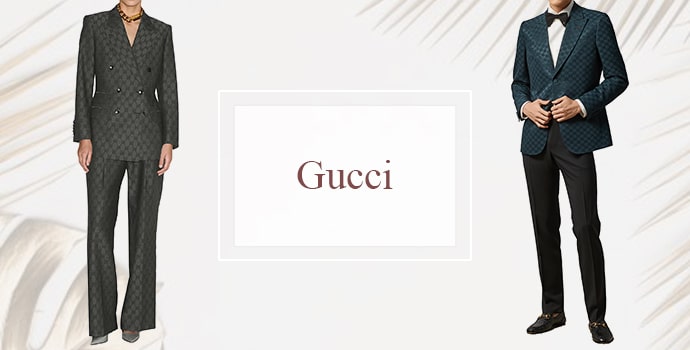
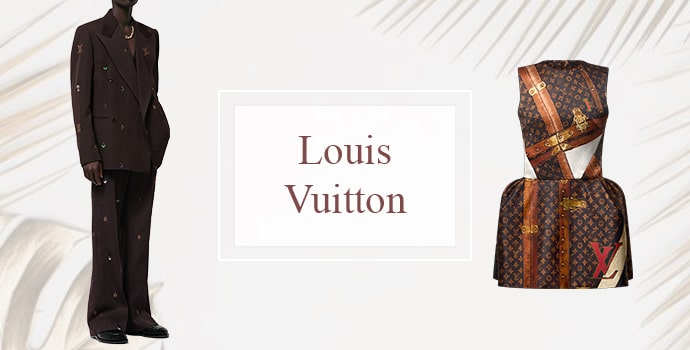
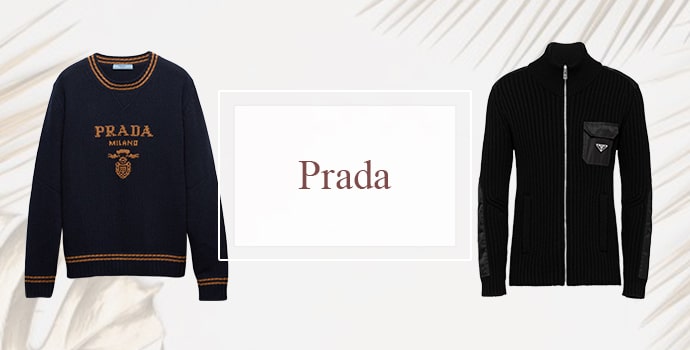
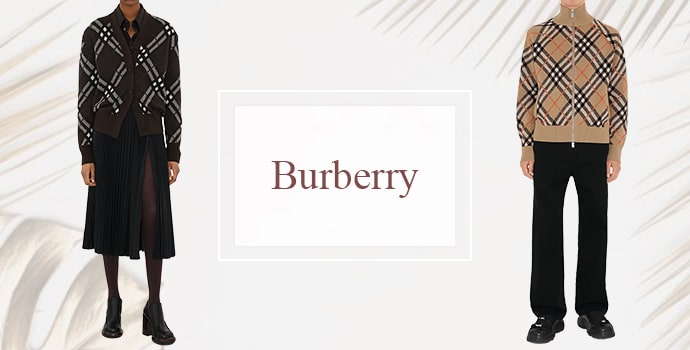
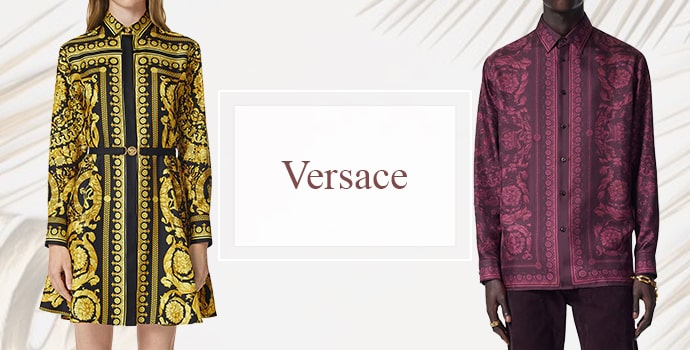
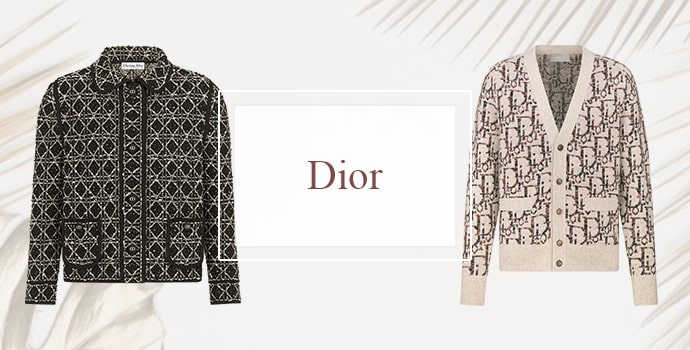
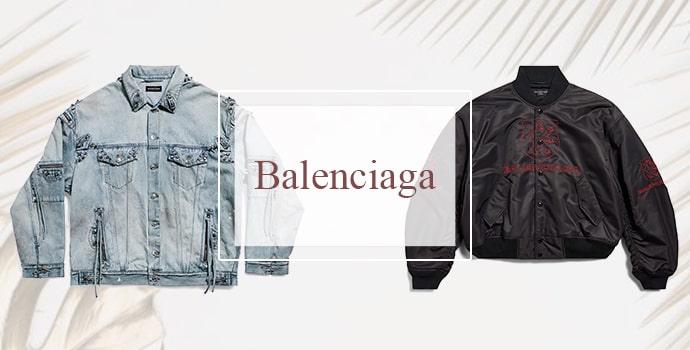
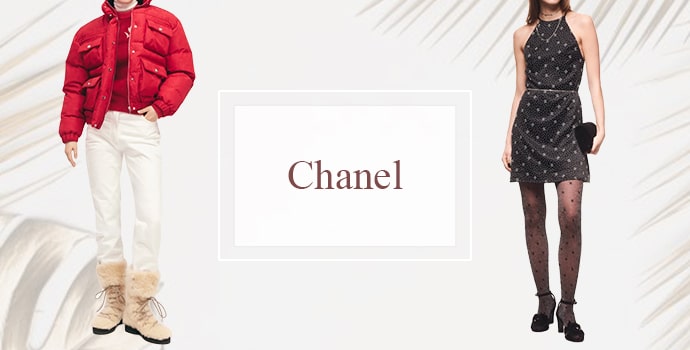
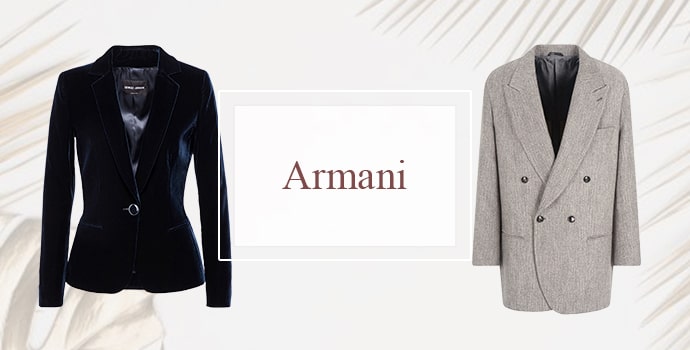
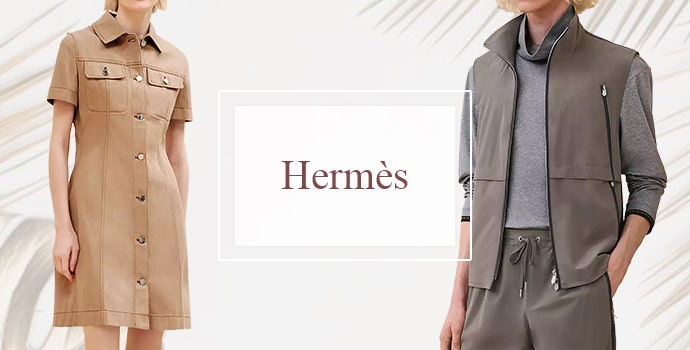

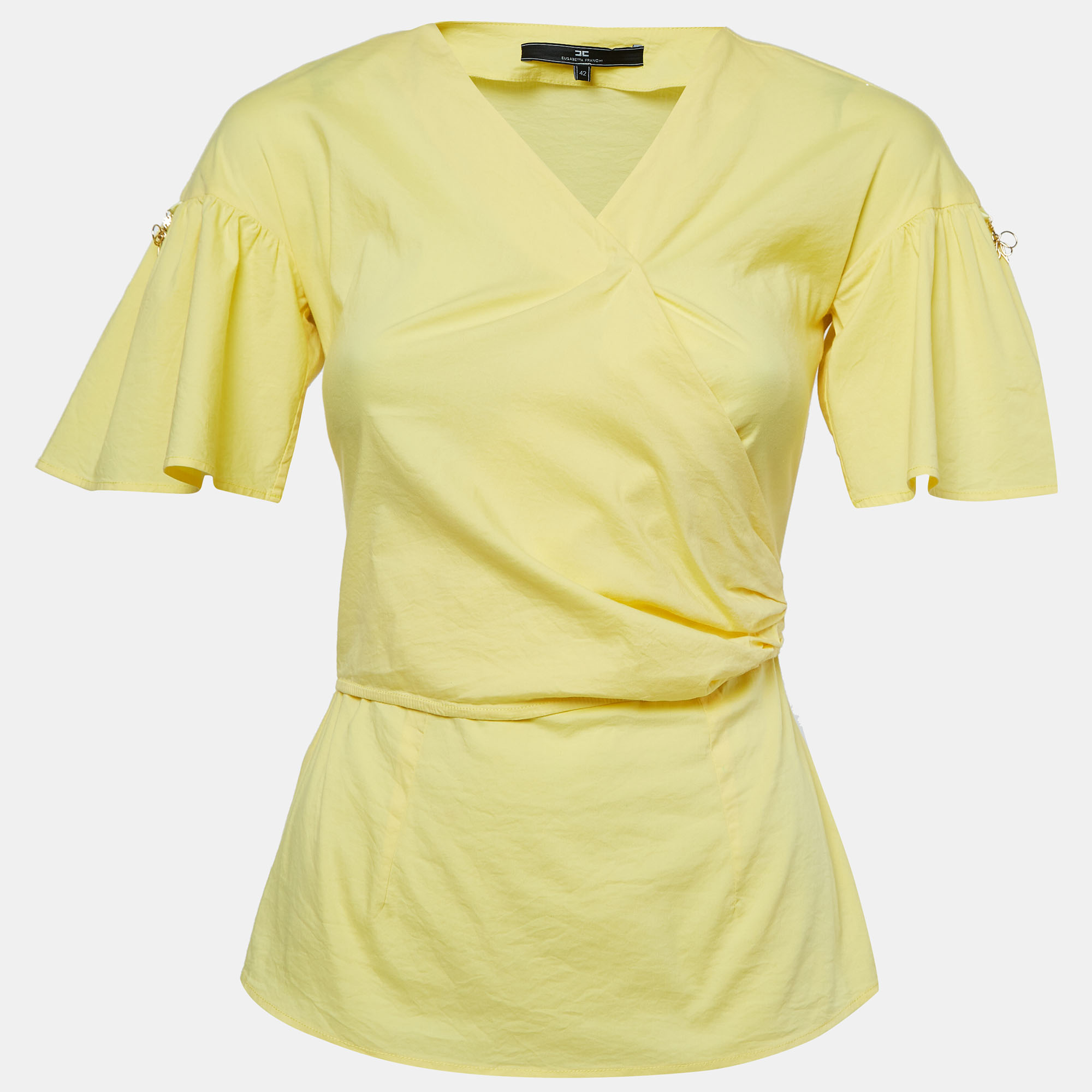
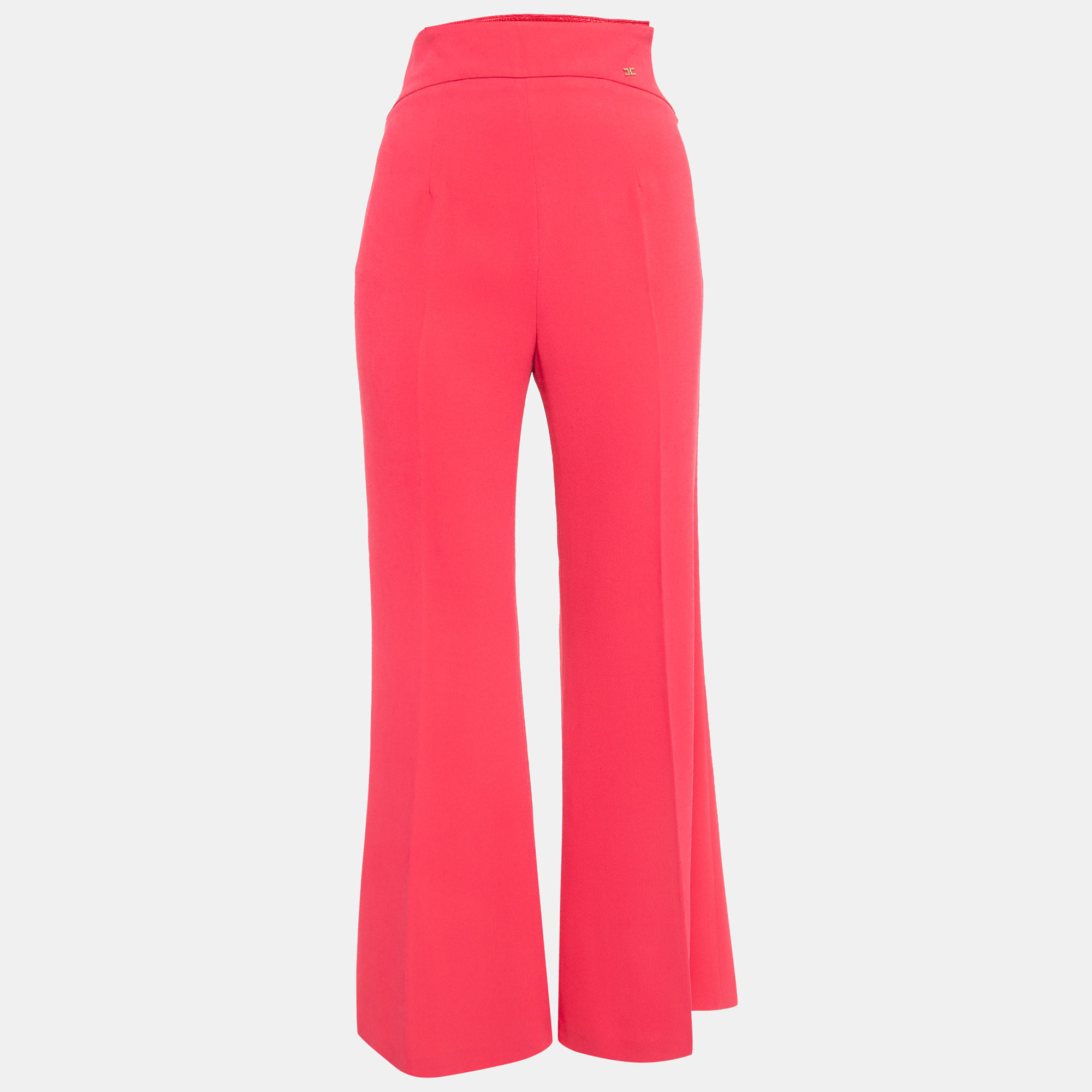
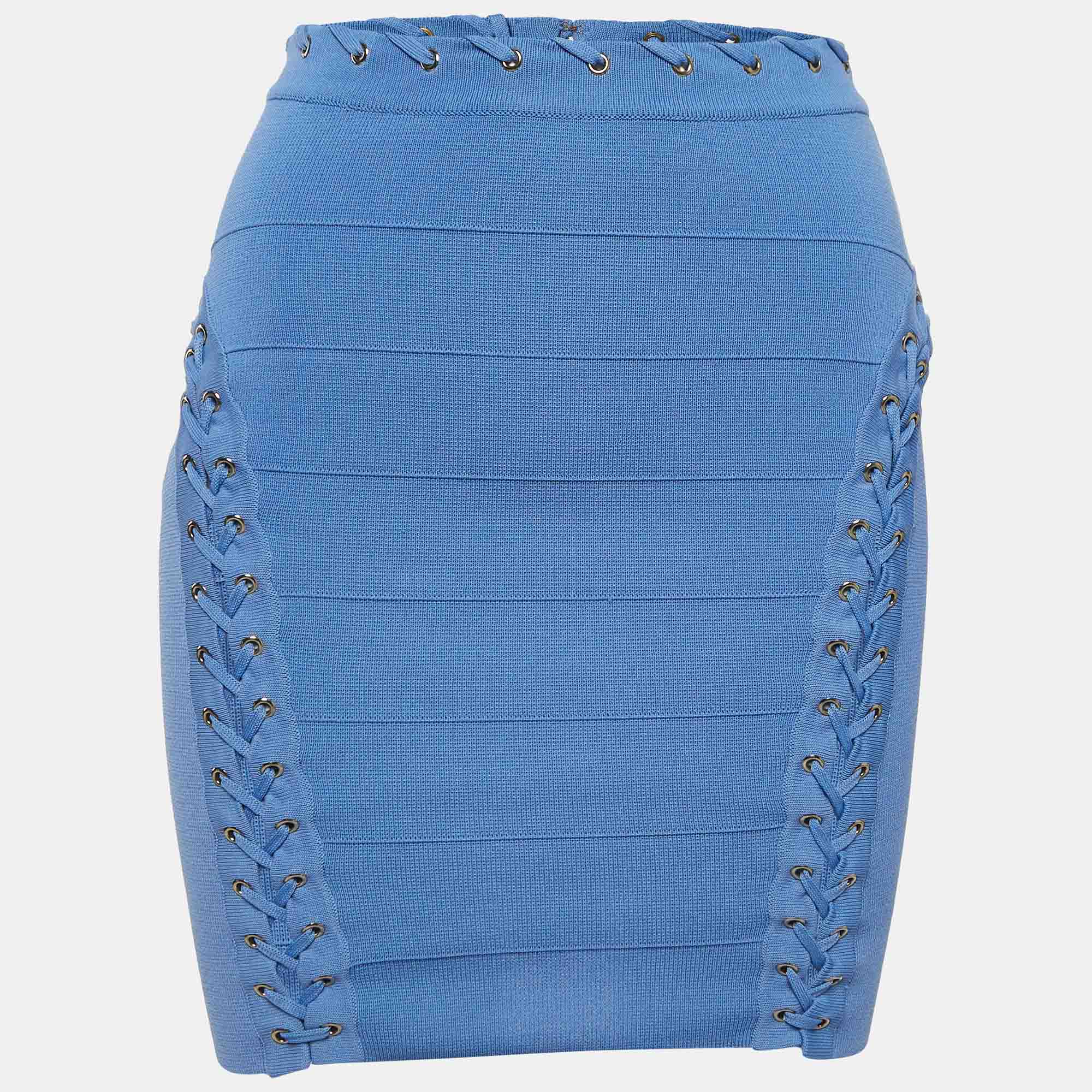
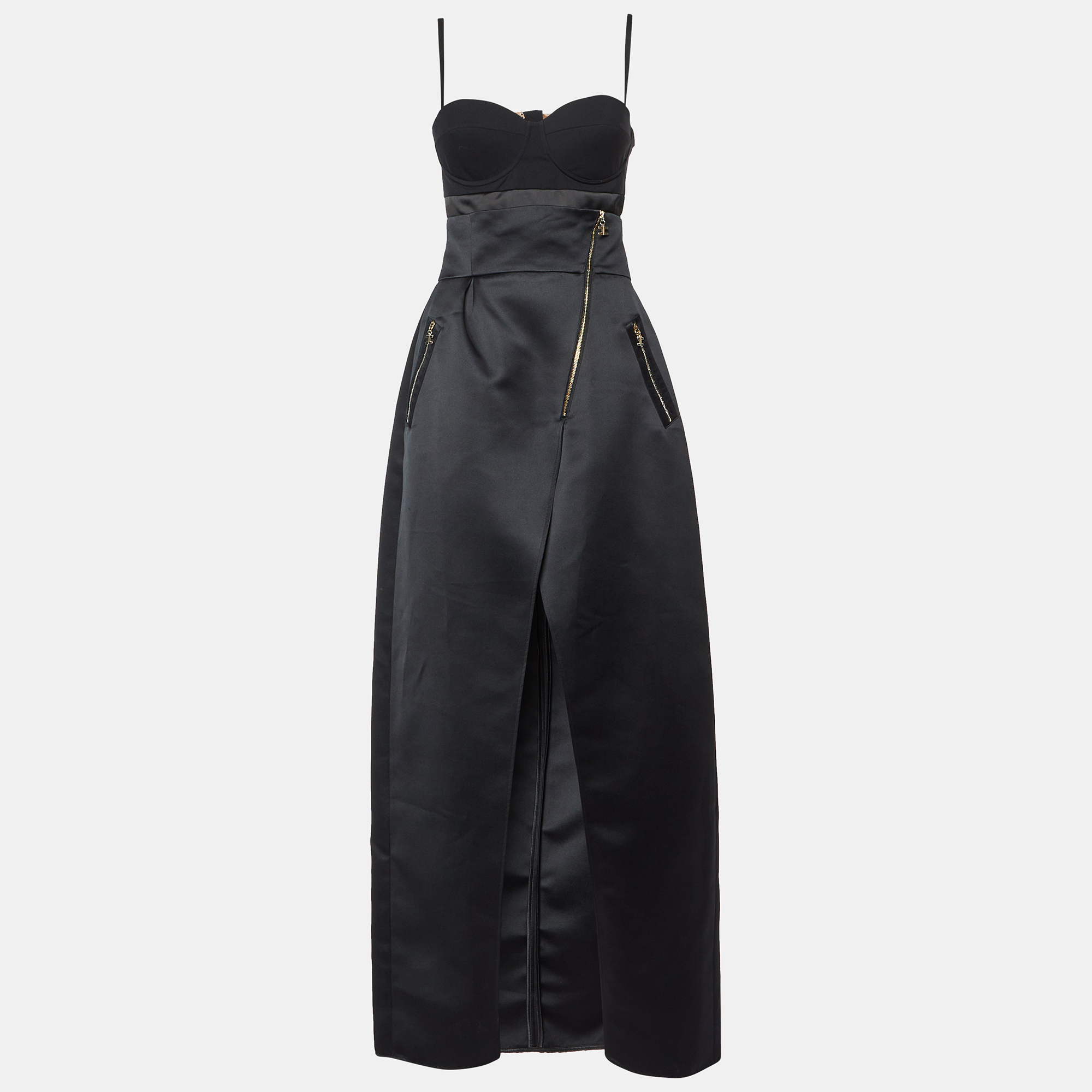
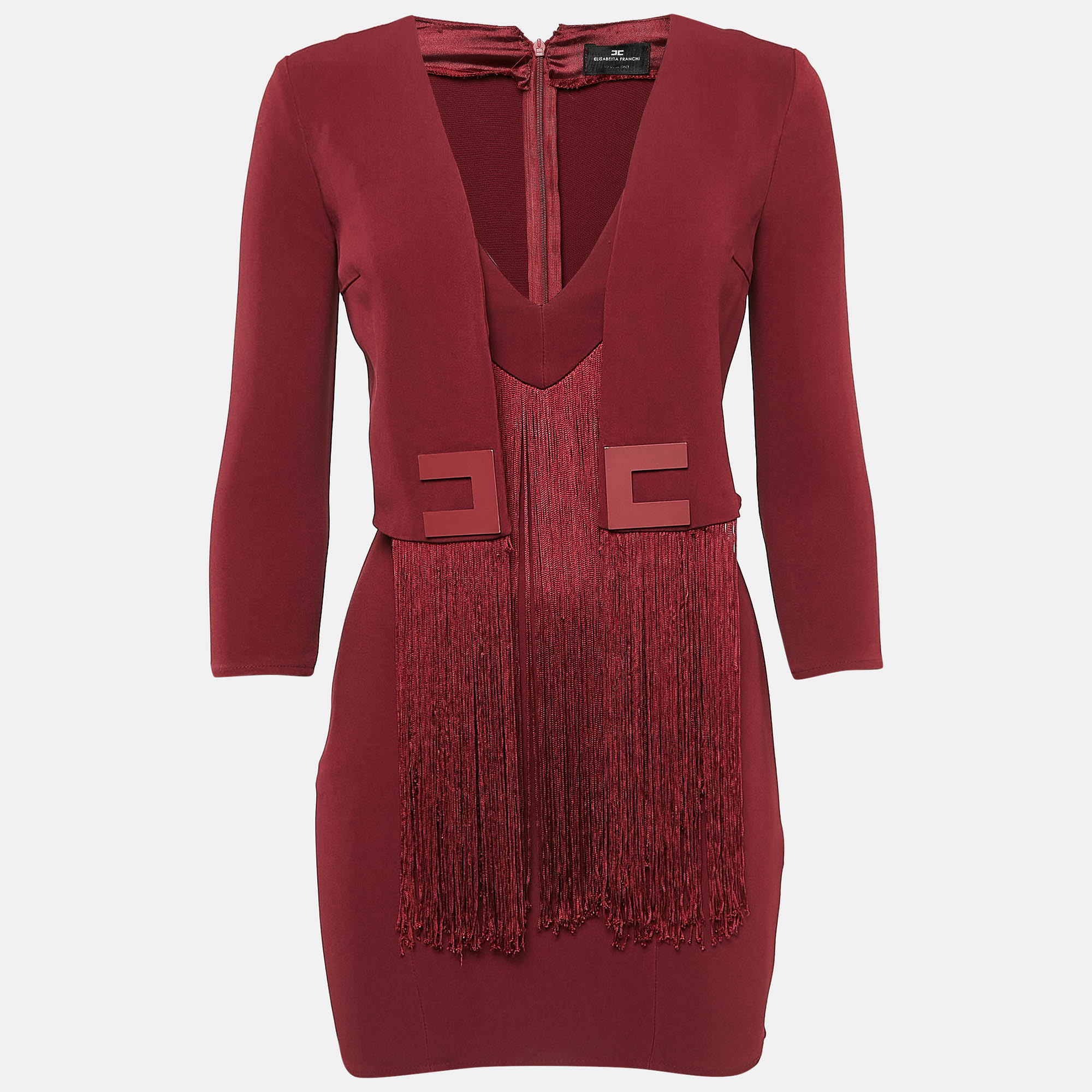
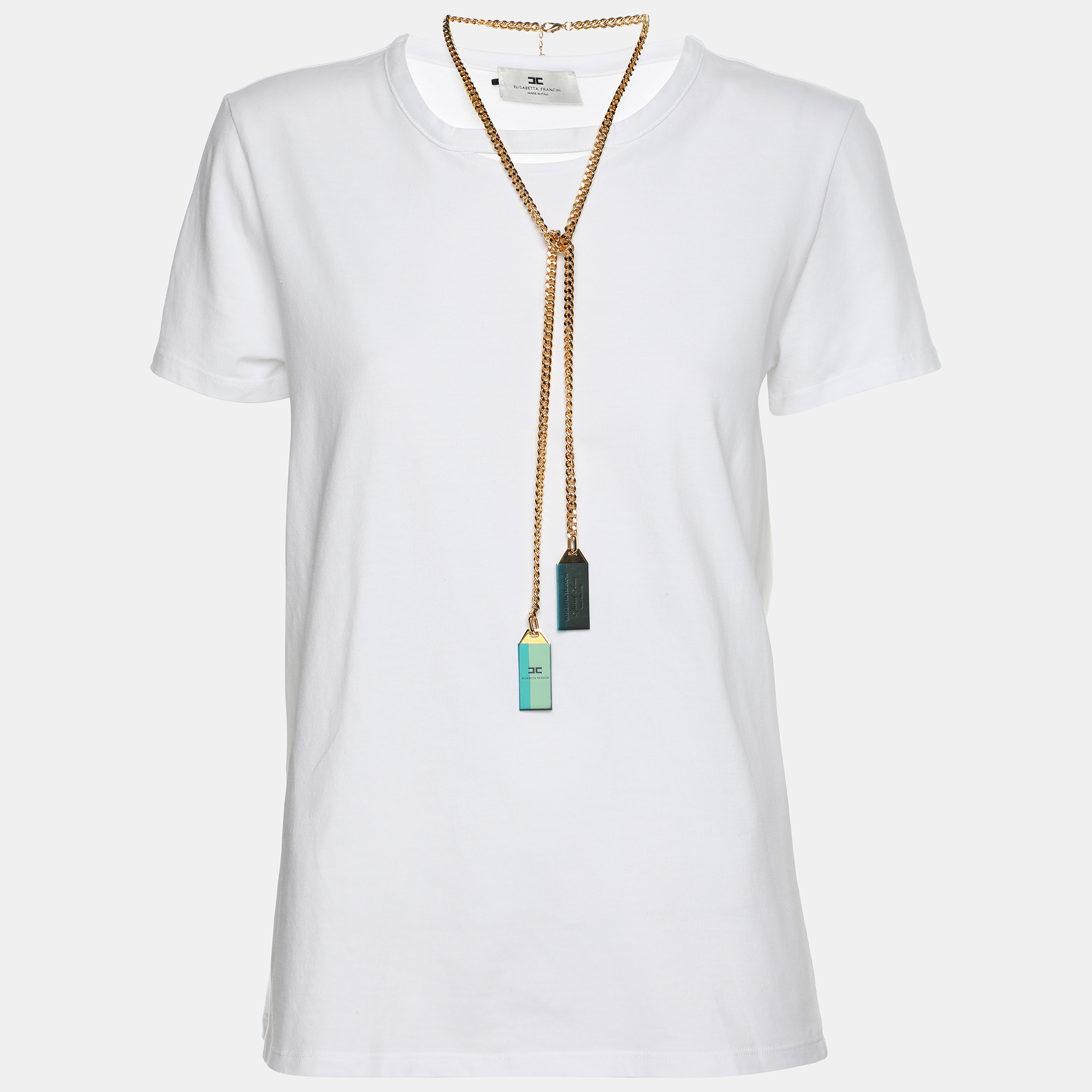
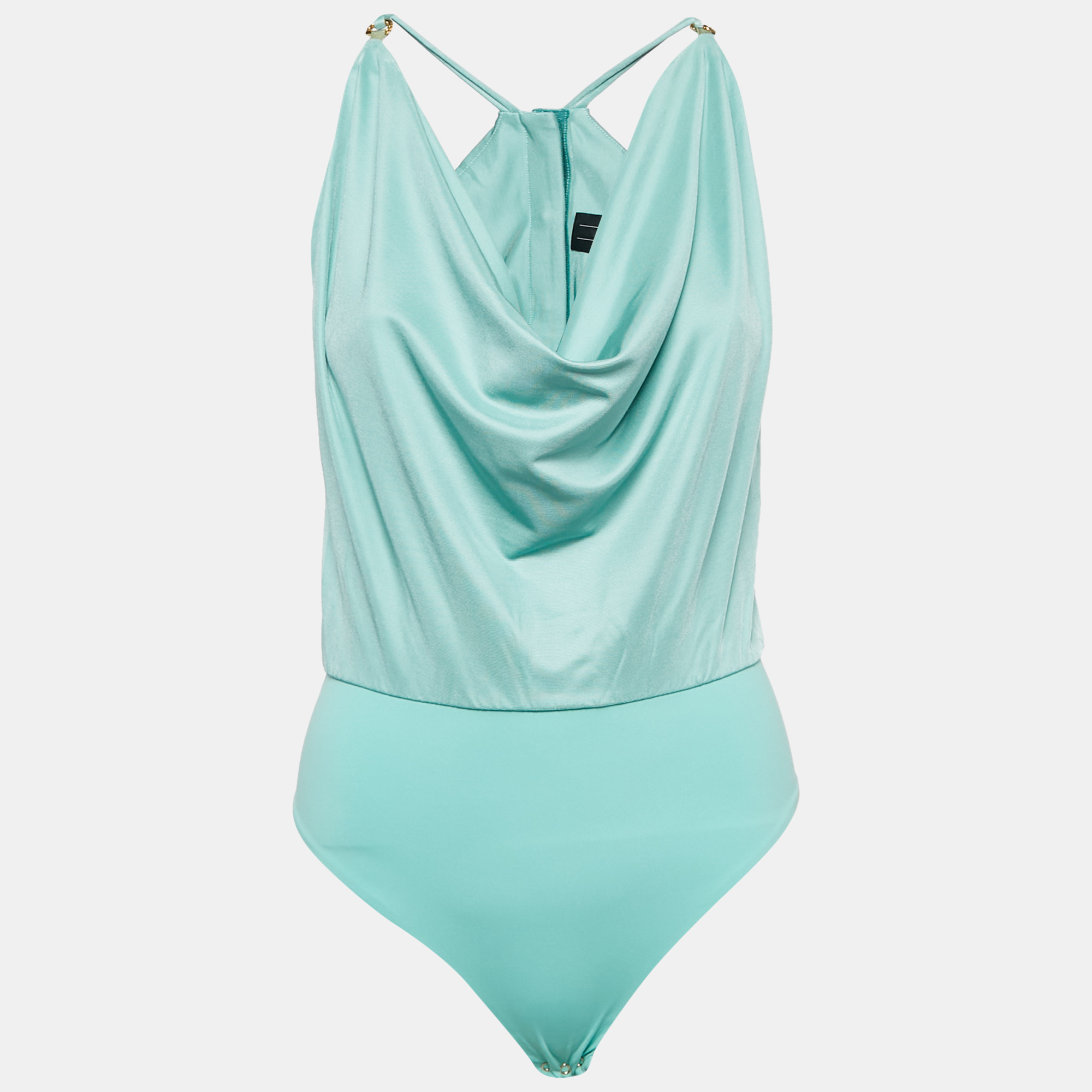
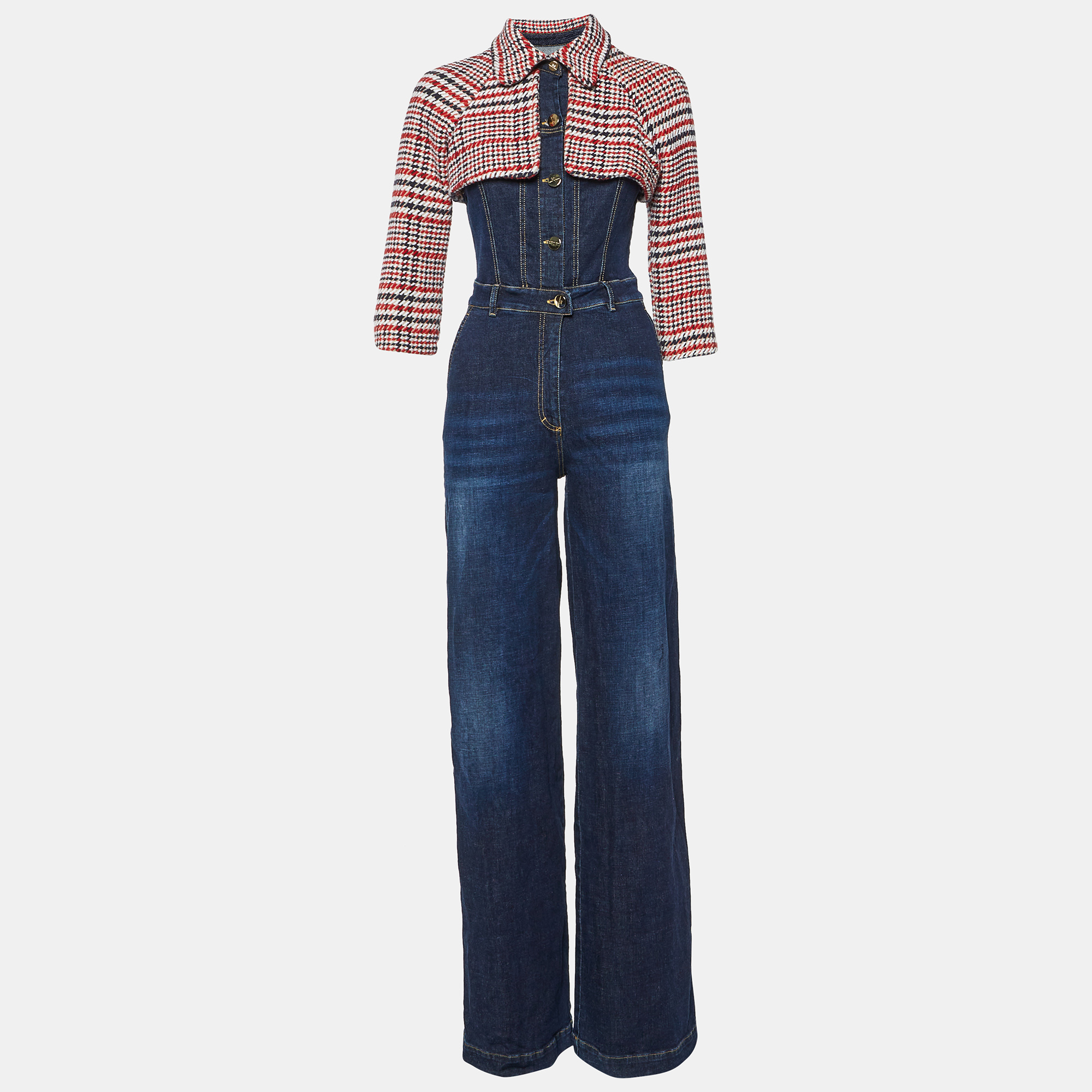
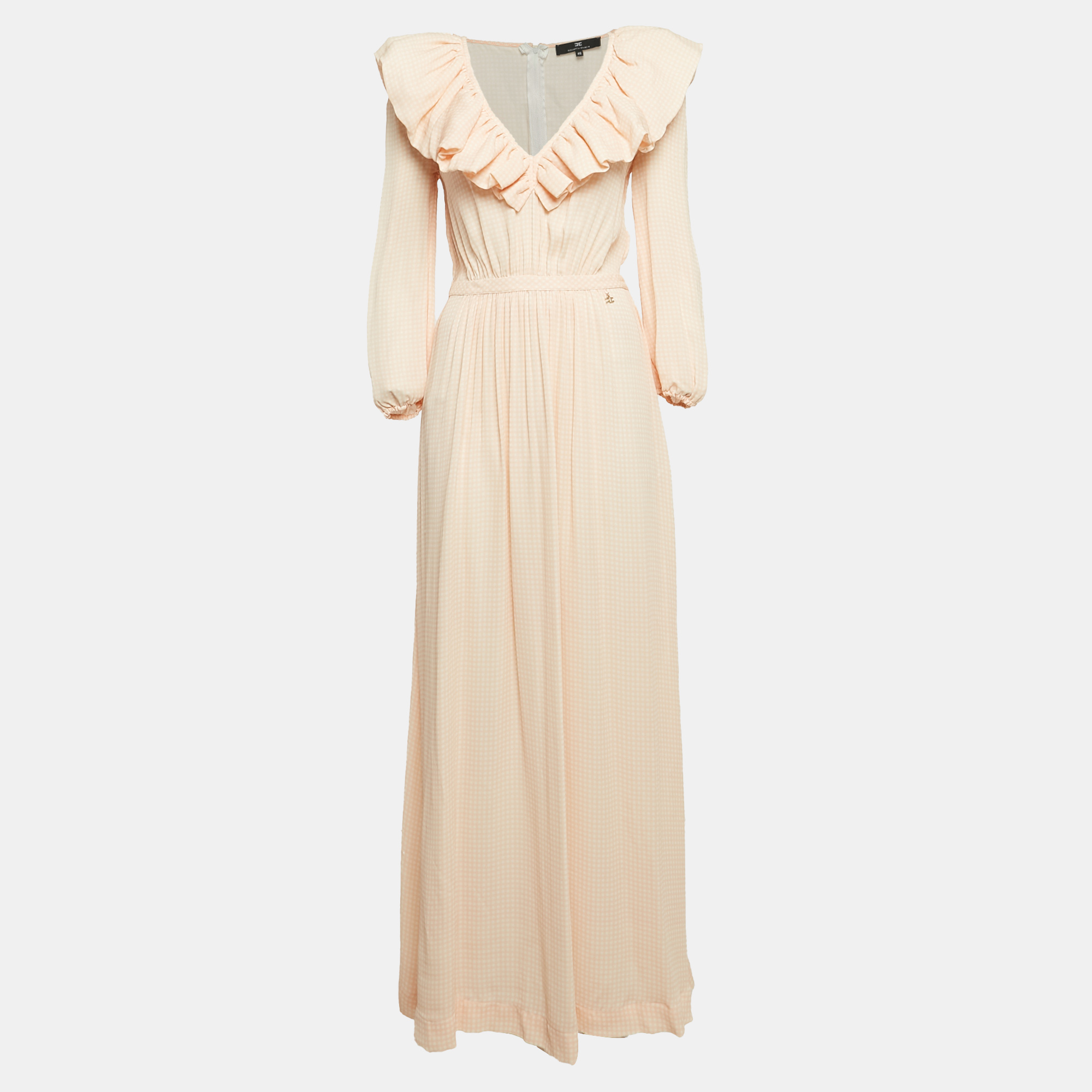





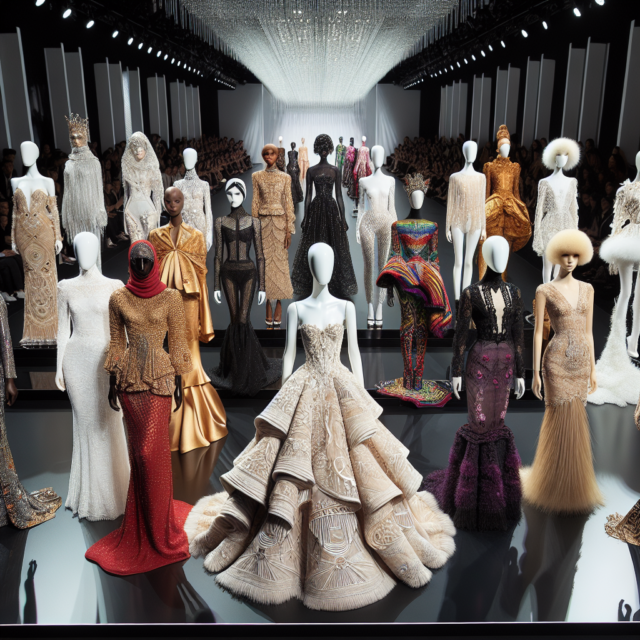


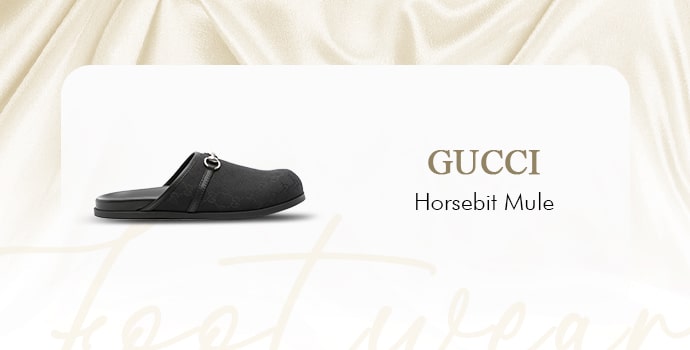
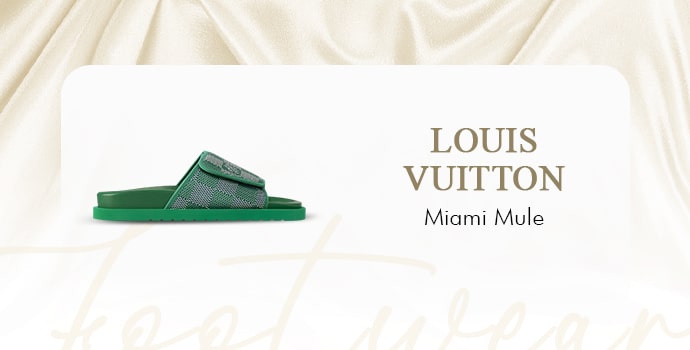
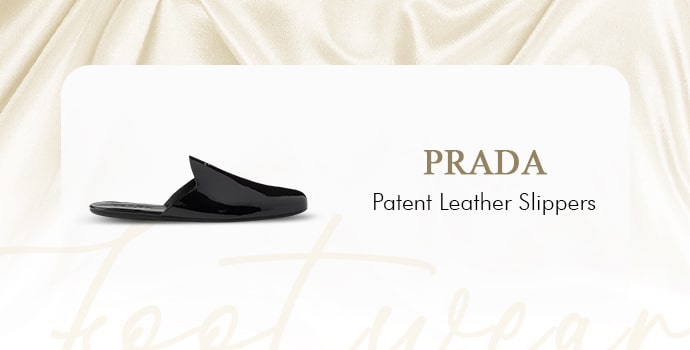
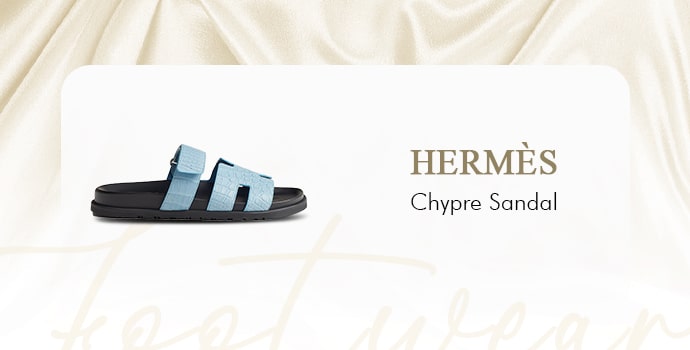
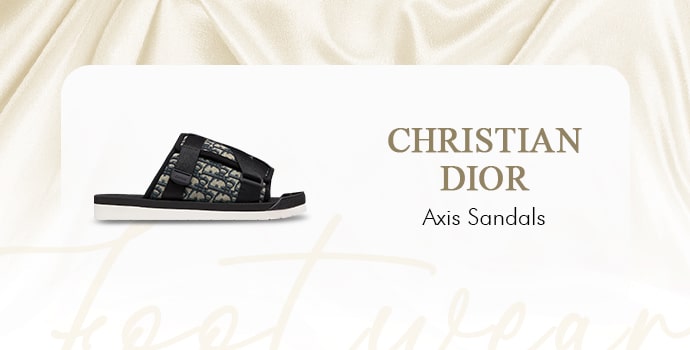
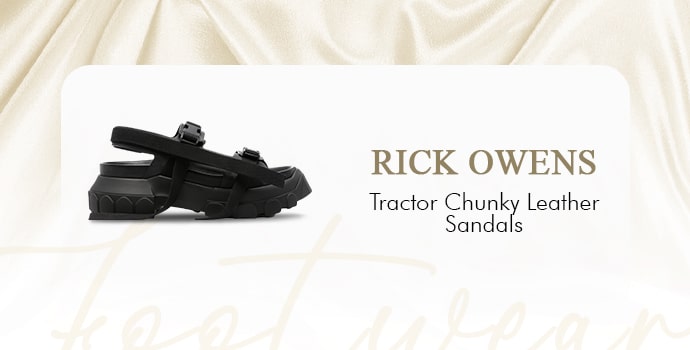
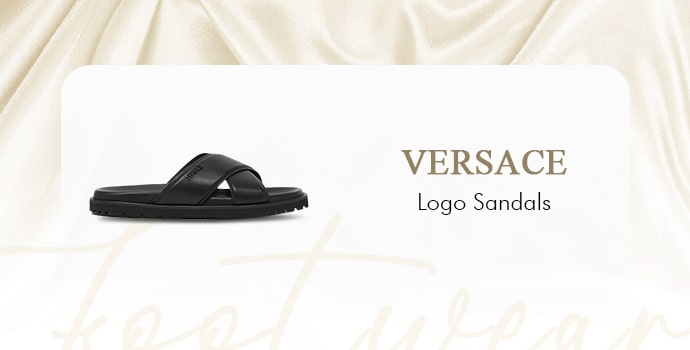
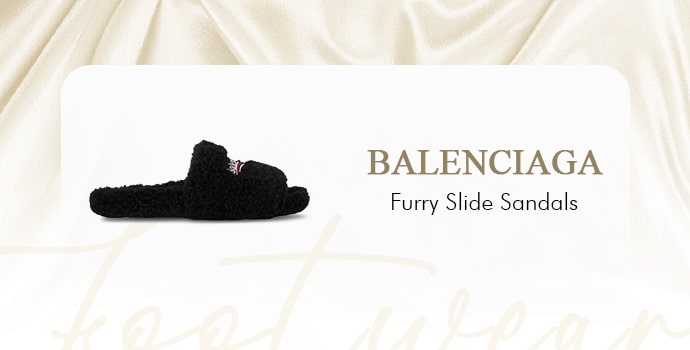
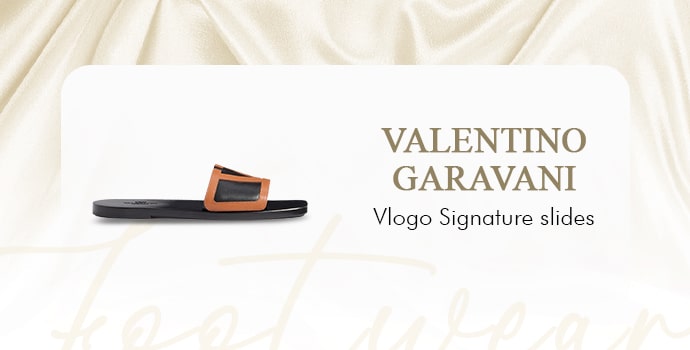
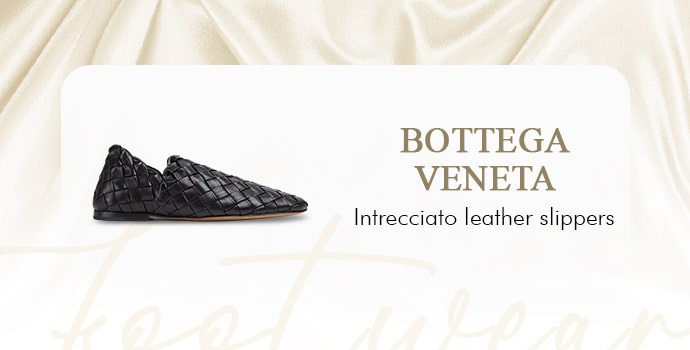
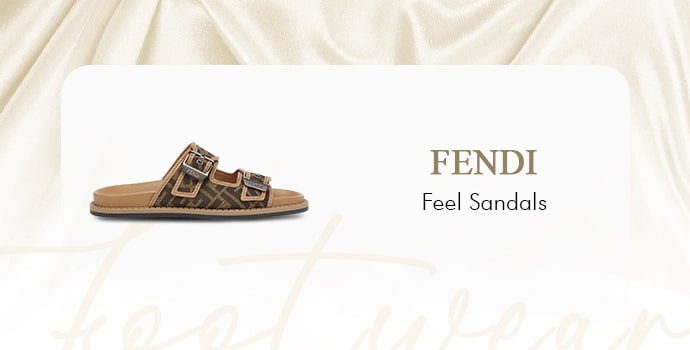
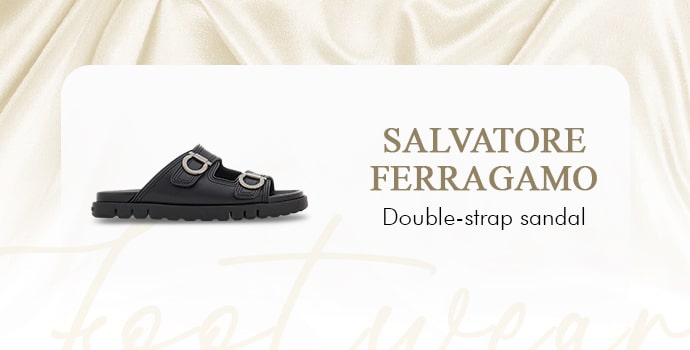
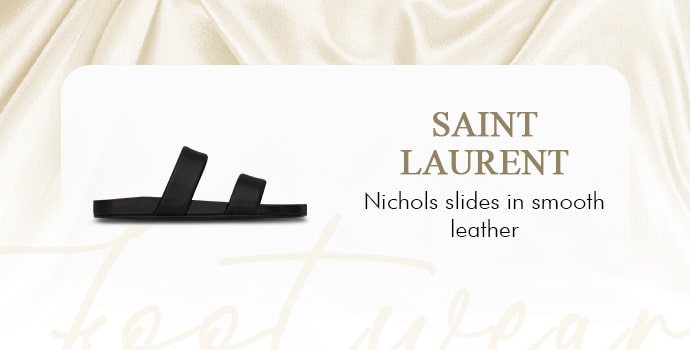
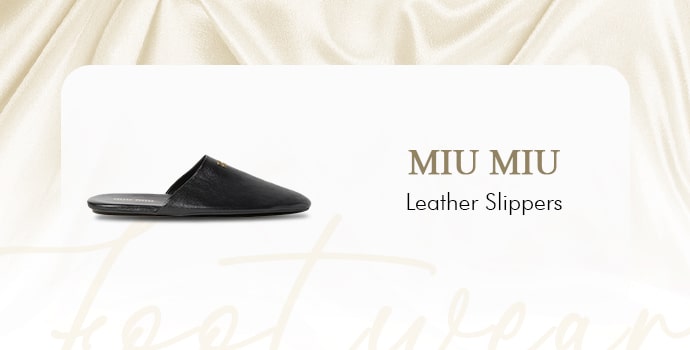
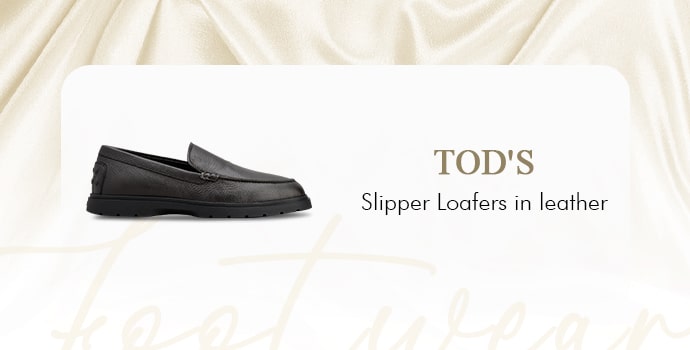
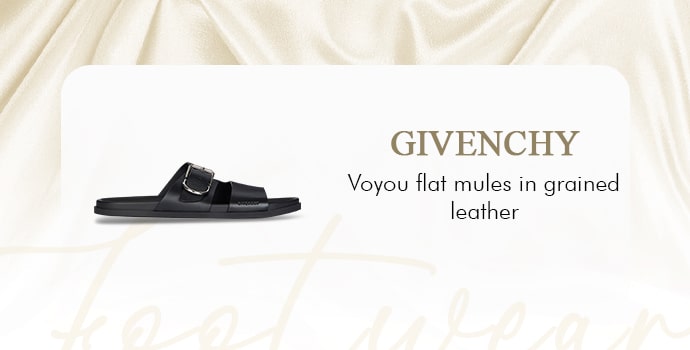
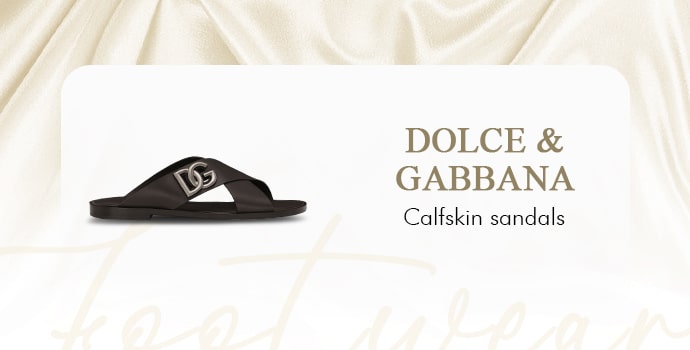
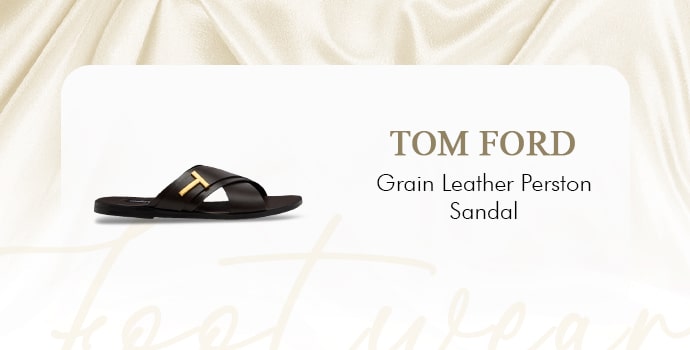
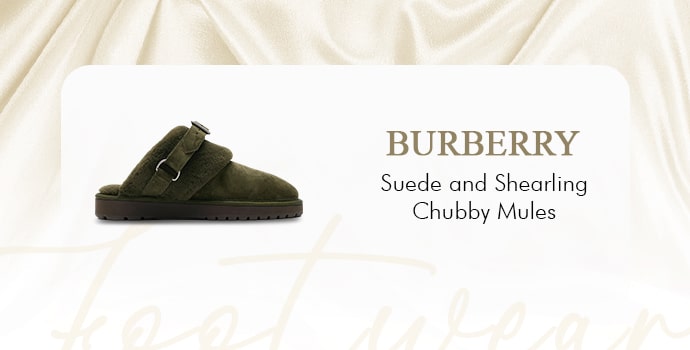
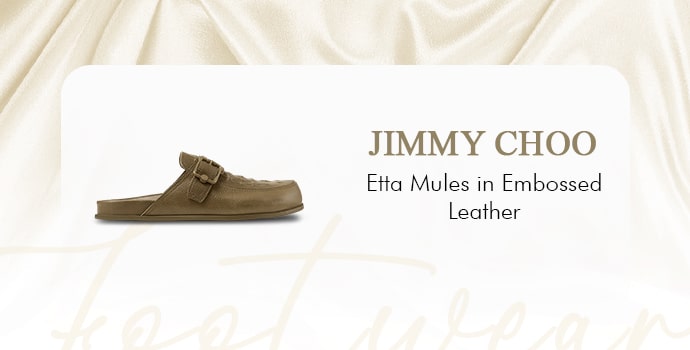
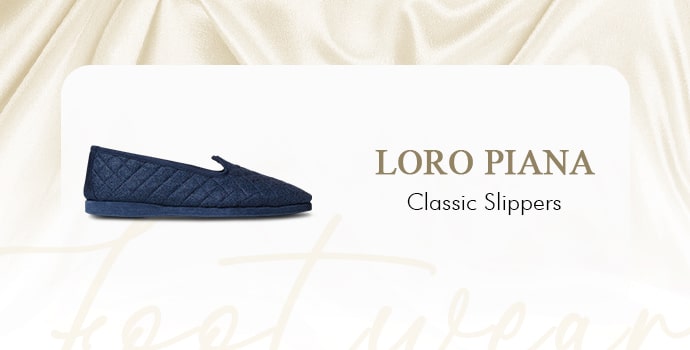
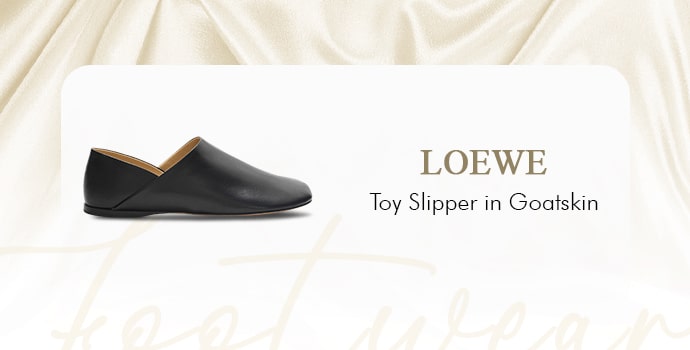
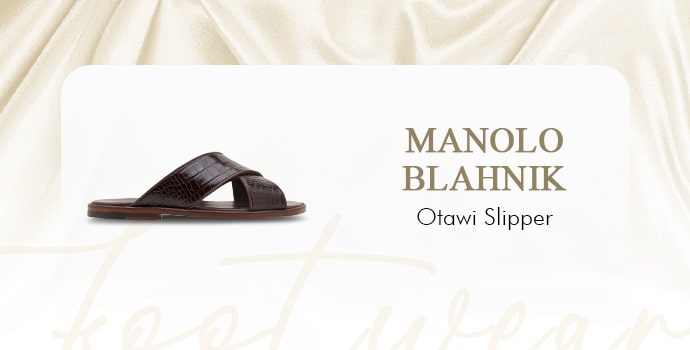
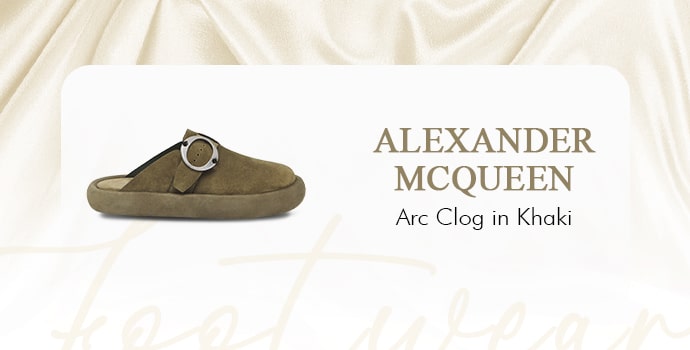
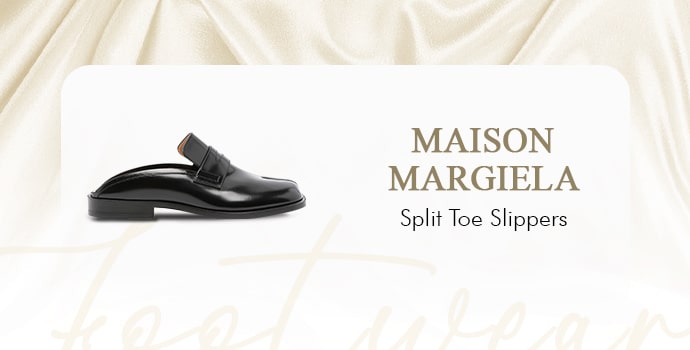
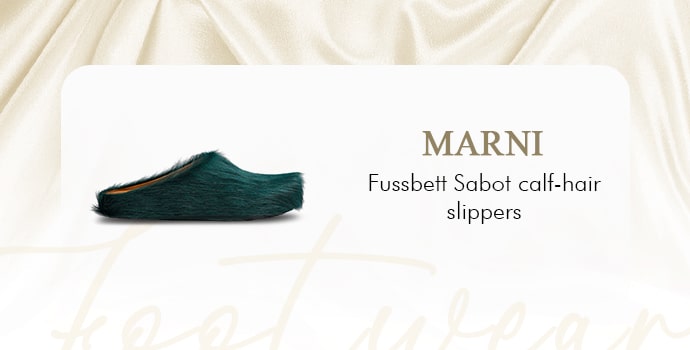
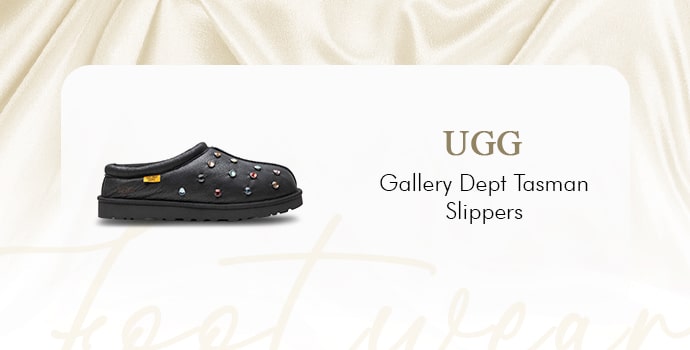
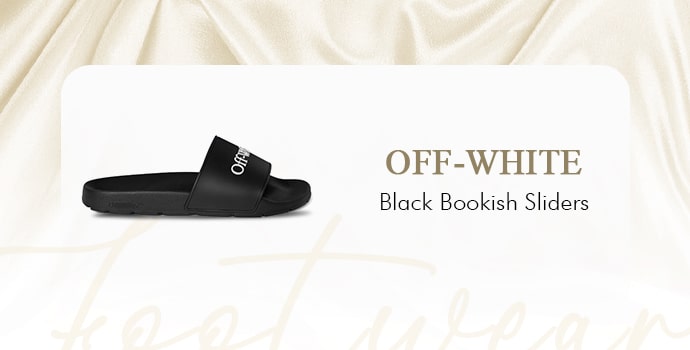
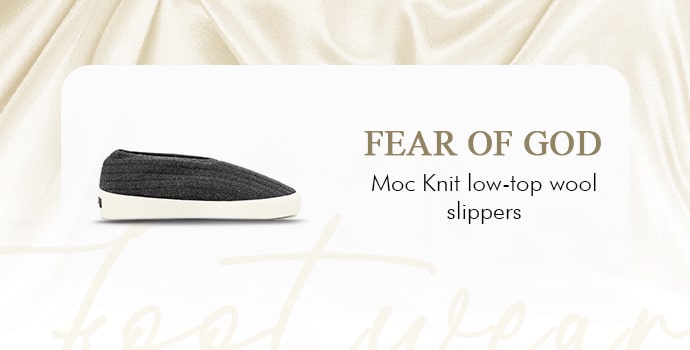
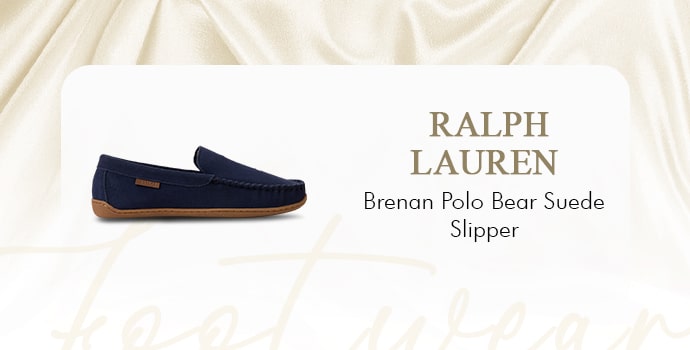


 Happy New Year to All