The Timeless Allure of Chanel: A Legacy of Elegance and Innovation
Chanel is more than a fashion house; it is a cultural phenomenon that has redefined luxury and elegance for over a century. From the groundbreaking vision of Gabrielle “Coco” Chanel to its current innovations under Virginie Viard, Chanel continues to captivate the world with its timeless appeal. This article delves into the legacy, iconic creations, and modern innovations that make Chanel a beacon of style.
In her latest article for Pursuitist, style and design journalist Ava Parr takes us on a captivating journey inside the House of Chanel, delving into its storied past, illuminating its groundbreaking present, and charting the future of this iconic fashion legacy.
A Glimpse into Chanel’s Storied Heritage
Gabrielle “Coco” Chanel: The Vision Behind the Brand
Gabrielle Chanel, affectionately known as Coco, founded Chanel in 1910 with a mission to liberate women from the constraints of corsets. Her designs championed comfort and simplicity, pioneering a new era of women’s fashion.
Chanel’s Revolutionary Impact on Women’s Fashion
Coco Chanel’s creations, such as the iconic jersey suit and the “little black dress,” broke traditional norms. She embraced practicality and elegance, creating a modern wardrobe that resonated with women globally.
Evolution of the Brand Under Karl Lagerfeld
In 1983, Karl Lagerfeld revitalized Chanel, blending its rich heritage with contemporary flair. His genius transformed the brand, making it synonymous with innovation while preserving its classic essence.
Hallmarks of Chanel: Iconic Creations That Define Luxury
The Little Black Dress: Redefining Simplicity
Introduced by Coco Chanel in 1926, the “little black dress” became a universal symbol of sophistication. Its versatility and elegance remain unmatched.
Chanel No. 5: The Scent of Timeless Sophistication
Launched in 1921, Chanel No. 5 was revolutionary for its complex, floral-aldehyde composition. This fragrance continues to embody femininity and luxury.
Quilted Handbags: Functional Luxury
Coco Chanel designed the quilted handbag in 1955, merging practicality with luxury. Featuring a chain strap for hands-free convenience, it became a must-have accessory for modern women.
Chanel in the Modern Era: Creative Leadership and Innovation
Virginie Viard’s Leadership
After Lagerfeld’s passing in 2019, Virginie Viard took the helm, steering Chanel with a focus on subtle elegance and fresh interpretations of classic designs.
Sustainability Initiatives
Chanel is embracing sustainability by incorporating eco-friendly materials and practices. Recent collections showcase a commitment to reducing environmental impact.
Expanding Horizons
Beyond apparel, Chanel’s high jewelry and watches highlight the brand’s versatility and craftsmanship, expanding its influence in luxury.
Recent Highlights and Innovations in 2025
Latest Fashion Collections
Chanel’s Spring/Summer 2025 collection draws inspiration from French Riviera aesthetics, blending classic silhouettes with modern textures.
Collaborative Ventures
The brand has collaborated with contemporary artists to infuse art into fashion, creating limited-edition pieces that resonate with younger audiences.
Tech-Savvy Luxury
Chanel’s digital transformation includes immersive online campaigns and virtual reality showrooms, offering customers an elevated shopping experience.
Chanel’s Enduring Cultural Influence
A Symbol of Empowerment and Elegance
Chanel is a beacon of empowerment, emphasizing that elegance comes from confidence. This philosophy continues to inspire generations of women.
Impact on Pop Culture and Cinema
From Marilyn Monroe’s iconic declaration of wearing “just a few drops of Chanel No. 5” to its appearances in countless films, Chanel’s presence in pop culture is unparalleled.
Celebrity Endorsements
Chanel ambassadors like Kristen Stewart and Margot Robbie embody the brand’s ethos, making headlines with stunning red-carpet looks.
The Future of Chanel: What’s Next?
Strategic Goals for the Next Decade
Chanel is focusing on global expansion, particularly in emerging markets, while enhancing its online presence and sustainability efforts.
Upcoming Collections and Innovations
Predictions suggest a stronger focus on gender-neutral designs and tech-integrated luxury wear, keeping pace with evolving customer preferences.
Balancing Tradition with Modernity
Chanel’s ability to honor its heritage while embracing innovation ensures its continued relevance in a dynamic fashion landscape.
Chanel’s journey from a small Parisian atelier to a global luxury powerhouse is a testament to its timeless allure. The brand’s ability to blend tradition with innovation, paired with its unwavering commitment to quality, ensures that it remains an icon of elegance and sophistication.
Chanel FAQs
What made Chanel No. 5 a revolutionary fragrance?Chanel No. 5 was the first fragrance to combine complex aldehydes with floral notes, creating a unique and lasting scent.
How has Chanel maintained its relevance in modern fashion?By balancing its rich heritage with contemporary designs and embracing innovation in marketing and sustainability.
Who is currently leading Chanel’s creative direction?Virginie Viard, who succeeded Karl Lagerfeld in 2019, is leading Chanel’s creative vision.
What are some recent sustainability initiatives by Chanel?The brand has incorporated eco-friendly materials in its collections and is committed to reducing its carbon footprint.
How does Chanel balance tradition with innovation?Through a thoughtful approach that respects its classic elements while exploring modern trends and technologies.
The Timeless Allure of the “It Bag.” Redefining Luxury and Sustainability in 2025. For decades, the “It bag” has symbolized fashion’s apex, blending utility with status. From Fendi’s iconic Baguette to Hermes’ timeless Birkin, these luxury staples have transcended trends to define eras. Today, the “It bag” has evolved, reflecting new consumer values: sustainability, versatility,…
The post The New “It Bag” appeared first on Pursuitist.
Glossier was founded in 2014 by Emily Weiss, who envisioned a beauty and skincare company built on a skin-focused, positive philosophy. The brand quickly gained recognition for its refreshing approach to beauty, focusing on inclusivity, transparency, and a customer-first mentality. As Emily Weiss puts it, “Being honest and authentic pays off.”
A Customer-Centric Approach to Beauty
Glossier has redefined the beauty industry by leveraging the power of its community and word-of-mouth recommendations. By emphasizing simplicity and self-expression, the brand has cultivated a loyal fanbase. Their products celebrate natural beauty and are designed to enhance, not mask, the wearer’s features.
Locations and Availability
Glossier operates two flagship stores in Los Angeles and New York City, offering immersive, Instagram-worthy shopping experiences. In addition to these permanent locations, the brand frequently opens pop-up stores in various cities, creating unique opportunities for customers to engage with Glossier’s ethos. For those unable to visit in person, Glossier’s online store at glossier.com is always open, making their full range of beauty and skincare products accessible worldwide.
Commitment to Sustainability and Ethics
Glossier proudly upholds a cruelty-free and fair trade ethos, striving to ensure their practices align with ethical and sustainable values. In recent years, the company has made significant strides toward becoming more environmentally responsible.
Emily Weiss emphasizes, “As a company, we’re making an ongoing commitment to the environment, our customers, and our team that we will always seek to improve and innovate when it comes to our products, packaging, and operations.”
Here are some key initiatives:
Sustainable Packaging: Glossier has reduced single-use plastics and introduced refillable options for select products.
Carbon Footprint Reduction: The brand works on lowering emissions across their supply chain.
Eco-Friendly Ingredients: They prioritize responsibly sourced and biodegradable ingredients.
What Makes Glossier Unique
Glossier’s products are recognized for their lightweight, easy-to-apply formulas that deliver a “your skin but better” finish. The brand has become synonymous with its signature millennial pink hue, a symbol of modern minimalism and playful elegance.
Their offerings cater to a wide range of skin tones and types, making beauty more inclusive. Some of their best-loved products include:
Boy Brow: A grooming pomade that effortlessly shapes brows.
Cloud Paint: A gel-cream blush with a natural, buildable tint.
Milky Jelly Cleanser: A gentle yet effective face wash suitable for all skin types.
A Digital-First Experience
Since its inception, Glossier has embraced a digital-first approach, leveraging social media to foster a global community. Their online presence is bolstered by user-generated content, allowing customers to share their experiences and amplify the brand’s authenticity.
Glossier Today
As of 2025, Glossier continues to thrive as an industry leader in innovation, inclusivity, and customer engagement. Their mission to empower individuals to celebrate their unique beauty remains at the heart of everything they do.
For the latest in skincare and beauty, visit Glossier’s online store. Whether you’re a longtime fan or new to the brand, you’re sure to find something that resonates with your personal style and skincare needs.
My Glossier Favorites: Here are some everyday Glossier essentials I recommend:
Boy Brow – A light, fluffy pomade that adds definition and fills out your brows in a few swipes.
Balm Dot Com – In eight different flavors, the Balm DotCom is a staple lip balm that leaves your lips healthy and hydrated.
Futuredew – The final part of your skincare routine that adds moisture and gives you an effortless glow without making you seem oily.
What was at one point just a beauty blog has now evolved into a bold and innovative 2.1 billion dollar business that works to empower women through beauty.
BECOME A PURSUITIST VIP!
Sign up for our Free Insider Enewsletter. Get exclusive access. No ads, ever!Rated ⭐⭐⭐⭐⭐ from Forbes, The New York Times & The Wall Street Journal.
Ava Parr
Ava Parr is a beauty, style & design, and travel writer for Pursuitist. Based in Chicago, Illinois, Ava is a Loyola University Chicago student with a focus on Marketing and Brand Strategy.
Genesis is a Korean brand that branched off from its Hyundai in 2015 and has taken the international automotive market by storm. As the only luxury brand born from a Korean company, Genesis is proud of its distinctive heritage and infuses much of its culture into the purchasing experience and customer relationship.
Genesis is experiencing a very rapid pace of sales growth. In July of this year, the company marked its best-ever monthly U.S. sales achievement with 6,300 units vehicles, representing a 22% increase over July of last year. In 2023 alone, the company says it has already hit a sales record in terms of cars sold for the first half of the year.
Among its different models are the G70 sport sedan, G80 executive sedan, the flagship G90 sedan, all-electric GV60 SUV, GV70 SUV and GV80 SUV. The GV60 is its first, fully-dedicated electric vehicle although it offers all-electric models of the G80 and GV70. Here are five reasons why Genesis vehicles are worth exploring if you are looking for a new luxury vehicle.
The design
Genesis had the opportunity to essentially build a new brand from scratch by rethinking what they wanted in a high-performance, luxury market vehicle.
The most popular model in the U.S. is the G70 SUV with its sweptback, coupe-like roof line showing off a level of athletic elegance. An immediately noticeable feature of many Genesis vehicles are the dual-line head and tail lamps that give it an almost sportscar-like look. The crest-style grille makes it instantly recognizable, and this is where the hidden charging point is on the electrified G70, which can reach 429 horsepower in no time (push the “boost” button if you really want to floor it!). The car also comes in a twin V6 engine that can reach 375 horsepower.
Inside, the vehicle relies on a simplistic, yet functional, design. A variety of pairings is available for the leather and dashboard accents, many of which bear color names influenced by global destinations. The inspiration for the look actually comes from athletic leisure wear, underlining the brand’s commitment to being a more casual style of luxury vehicle and appeal to a broader audience.
Air vents are slim, yet powerful, and the heads up display behind the steering wheel (within view) provides an alternative to the GPS capability from the main screen in the center console. Expect heated or cooling leather seats, massage features, Bang & Olufsen stereo systems and detailed finishes throughout the vehicle.
Genesis also has its place in the sedan market showcasing its latest iteration of the G90, considered to be its flagship, which was totally redesigned with new driver systems and two new V6 engines instead of one V8. It comes in both standard and electric models, but the latter adds both horsepower (from 375 to 409) as well as better air suspension to avoid extra bumps on the road.
Pioneering technology
Genesis cars are renowned for their attention to detail, but also the level of sophistication that goes into every aspect of the vehicle. A surround-view mirror uses side-facing radar technology and a blind spot alert system that kicks in when you use the turn signal. It also uses a remote spot park assist system to make parking both safer and easier. All of the safety mechanisms of a Genesis vehicle come standard; there is no need to pay extra for particular features the way other car manufacturers may price vehicles with add-on services.
As part of the Prestige model in the U.S., even the noise level from inside the car was carefully considered. A system carefully measures the noise and sound frequency to create an inverted frequency (some might call it one level above your standard white noise) to make the drive even quieter.
Another unique feature in the all-electric GV60 SUV is the crystal sphere that illuminates when the car is not in driving mode. Inside the sphere is a laser-engraved version of the Genesis G-Matrix design signature.
The car is so quiet, in fact, that it can sometimes be hard to know if it is even on. Once the ignition is pressed and the foot is on the brake pedal, it revolves to reveal drive-mode features. It’s a snazzy addition, for sure.
Front-facing cameras are always looking out for road imperfections, like bumps or potholes, to prepare the vehicle for a smoother ride. Face Connect is another world’s first feature, which allows users to unlock the vehicle using their face (similar to what you may do on a smartphone using biometric data) rather than carrying a key around with you.
For now, it is only available in the all-electric GV60 SUV with innovative biometric technology so that owners can rev up their cars without even using a key. Just by scanning their face, the user’s profile prepares the car for that specific driver including settings for the steering wheel, the driver’s seat and head-up-display positioning.
In the G90 flagship sedan, a “mood curator” design system adjusts the lighting, seat features and massage functions, and fragrance emission at the touch of a button.
The sales process
The company sells cars in its Genesis Studios, a modern take on what others may consider to be a car dealership. But, there’s a major difference in the layout and design focus of the space. These sales spaces put the cars front and center as showpieces on the floor with living room-style areas and even entertainment space in some in the rest of the area. Visitors can peruse the vehicle, ask questions or schedule a test drive. The latest opening is in Edinburgh, Scotland with another new location in the Atlanta area.
More than 50 of them are expected to open within the next year around the United States. They embody the Korean philosophy of “son-nim,” meaning “honored guest,” offering an experience that is quite different from what other automotive brands do in the sales process. According to Genesis, this allows for a more transparent vehicle purchase and avoids the typical, high-pressure (and sometimes uncomfortable) dealership visit.
Genesis can also send people to someone’s home to help them in the decision-making and sales process. When a customer purchases a new Genesis vehicle, they receive access to a 30-minute fast charging service, the Electrify America network, on a complimentary basis for three years. Even after that, Genesis electric vehicles use an 800 volt architecture that allows you to go from 10 to 80% charging in just 18-22 minutes, depending on the model, so it’s not like you need a lot of time to power up a car.
In New York, the brand has its own Korean restaurant, which sits atop the Genesis House showroom. In the basement, additional entertainment space is available for rent. It’s no coincidence that Genesis sees its brand as one that intermingles with lifestyle and fashion. The New York space even has a tea pavilion, library and rooftop terrace.
Eco-friendly commitment
As of 2025, Genesis has committed to becoming all electric with its new cars, and by 2030, it sees its entire production line to be 100% electric. And as part of its power transformation, it is adopting a dual electrification strategy using fuel cells and battery EVs. It is also focused on developing better technology that involves lithium-ion batteries to be used in its vehicles.
This aligns with the general shift of the global economy as more North Americans look to lower their carbon footprint while also taking advantage of tax breaks along the way. Genesis is proud of the fact that it has re-engineered the body structure with more aluminum to make it more lightweight than a gas-fueled car.
Along its own value chain, Genesis wants to be entirely carbon neutral when it comes to how it sources its materials to the way it builds each vehicle from scratch. Hyundai itself has plans to provide hydrogen fuel cell versions for its own commercial vehicles; these will be available by 2028.
Genesis sees itself as more than just a car manufacturer. In fact, its eco-friendly ethos extends beyond vehicles. The brand team can come to a buyer’s home to help them set up onsite charging stations while also installing solar panels for their home. Known as Genesis Home, this helps owners with car charging, but also by saving electricity on a broader scale to continue their “electrification journey” into other parts of their life.
Its Korean distinction
The brand sees itself as a beacon of Korean hospitality across the globe. In Genesis retail venues, the car company has created a signature fragrance and a scent diffuser using soothing notes. North American customers receive a custom scent blend to also use in their home.
It also serves a variety of bespoke tea blends (its headquarters has a team of tea sommeliers that blend them from scratch) in retail venues and gifts them to customers. This brand leans heavily into its Korean heritage, which teaches humility as a core value. For a luxury car brand, the juxtaposition could not be more stark, but when owners rave about the brand itself, it becomes as real as it gets.
Genesis is a Korean brand that branched off from its Hyundai in 2015 and has taken the international automotive market by storm. As the only luxury brand born from a Korean company, Genesis is proud of its distinctive heritage and infuses much of its culture into the purchasing experience and customer relationship.
Genesis is experiencing a very rapid pace of sales growth. In July of this year, the company marked its best-ever monthly U.S. sales achievement with 6,300 units vehicles, representing a 22% increase over July of last year. In 2023 alone, the company says it has already hit a sales record in terms of cars sold for the first half of the year.
Among its different models are the G70 sport sedan, G80 executive sedan, the flagship G90 sedan, all-electric GV60 SUV, GV70 SUV and GV80 SUV. The GV60 is its first, fully-dedicated electric vehicle although it offers all-electric models of the G80 and GV70. Here are five reasons why Genesis vehicles are worth exploring if you are looking for a new luxury vehicle.
The design
Genesis had the opportunity to essentially build a new brand from scratch by rethinking what they wanted in a high-performance, luxury market vehicle.
The most popular model in the U.S. is the G70 SUV with its sweptback, coupe-like roof line showing off a level of athletic elegance. An immediately noticeable feature of many Genesis vehicles are the dual-line head and tail lamps that give it an almost sportscar-like look. The crest-style grille makes it instantly recognizable, and this is where the hidden charging point is on the electrified G70, which can reach 429 horsepower in no time (push the “boost” button if you really want to floor it!). The car also comes in a twin V6 engine that can reach 375 horsepower.
Inside, the vehicle relies on a simplistic, yet functional, design. A variety of pairings is available for the leather and dashboard accents, many of which bear color names influenced by global destinations. The inspiration for the look actually comes from athletic leisure wear, underlining the brand’s commitment to being a more casual style of luxury vehicle and appeal to a broader audience.
Air vents are slim, yet powerful, and the heads up display behind the steering wheel (within view) provides an alternative to the GPS capability from the main screen in the center console. Expect heated or cooling leather seats, massage features, Bang & Olufsen stereo systems and detailed finishes throughout the vehicle.
Genesis also has its place in the sedan market showcasing its latest iteration of the G90, considered to be its flagship, which was totally redesigned with new driver systems and two new V6 engines instead of one V8. It comes in both standard and electric models, but the latter adds both horsepower (from 375 to 409) as well as better air suspension to avoid extra bumps on the road.
Pioneering technology
Genesis cars are renowned for their attention to detail, but also the level of sophistication that goes into every aspect of the vehicle. A surround-view mirror uses side-facing radar technology and a blind spot alert system that kicks in when you use the turn signal. It also uses a remote spot park assist system to make parking both safer and easier. All of the safety mechanisms of a Genesis vehicle come standard; there is no need to pay extra for particular features the way other car manufacturers may price vehicles with add-on services.
As part of the Prestige model in the U.S., even the noise level from inside the car was carefully considered. A system carefully measures the noise and sound frequency to create an inverted frequency (some might call it one level above your standard white noise) to make the drive even quieter.
Another unique feature in the all-electric GV60 SUV is the crystal sphere that illuminates when the car is not in driving mode. Inside the sphere is a laser-engraved version of the Genesis G-Matrix design signature.
The car is so quiet, in fact, that it can sometimes be hard to know if it is even on. Once the ignition is pressed and the foot is on the brake pedal, it revolves to reveal drive-mode features. It’s a snazzy addition, for sure.
Front-facing cameras are always looking out for road imperfections, like bumps or potholes, to prepare the vehicle for a smoother ride. Face Connect is another world’s first feature, which allows users to unlock the vehicle using their face (similar to what you may do on a smartphone using biometric data) rather than carrying a key around with you.
For now, it is only available in the all-electric GV60 SUV with innovative biometric technology so that owners can rev up their cars without even using a key. Just by scanning their face, the user’s profile prepares the car for that specific driver including settings for the steering wheel, the driver’s seat and head-up-display positioning.
In the G90 flagship sedan, a “mood curator” design system adjusts the lighting, seat features and massage functions, and fragrance emission at the touch of a button.
The sales process
The company sells cars in its Genesis Studios, a modern take on what others may consider to be a car dealership. But, there’s a major difference in the layout and design focus of the space. These sales spaces put the cars front and center as showpieces on the floor with living room-style areas and even entertainment space in some in the rest of the area. Visitors can peruse the vehicle, ask questions or schedule a test drive. The latest opening is in Edinburgh, Scotland with another new location in the Atlanta area.
More than 50 of them are expected to open within the next year around the United States. They embody the Korean philosophy of “son-nim,” meaning “honored guest,” offering an experience that is quite different from what other automotive brands do in the sales process. According to Genesis, this allows for a more transparent vehicle purchase and avoids the typical, high-pressure (and sometimes uncomfortable) dealership visit.
Genesis can also send people to someone’s home to help them in the decision-making and sales process. When a customer purchases a new Genesis vehicle, they receive access to a 30-minute fast charging service, the Electrify America network, on a complimentary basis for three years. Even after that, Genesis electric vehicles use an 800 volt architecture that allows you to go from 10 to 80% charging in just 18-22 minutes, depending on the model, so it’s not like you need a lot of time to power up a car.
In New York, the brand has its own Korean restaurant, which sits atop the Genesis House showroom. In the basement, additional entertainment space is available for rent. It’s no coincidence that Genesis sees its brand as one that intermingles with lifestyle and fashion. The New York space even has a tea pavilion, library and rooftop terrace.
Eco-friendly commitment
As of 2025, Genesis has committed to becoming all electric with its new cars, and by 2030, it sees its entire production line to be 100% electric. And as part of its power transformation, it is adopting a dual electrification strategy using fuel cells and battery EVs. It is also focused on developing better technology that involves lithium-ion batteries to be used in its vehicles.
This aligns with the general shift of the global economy as more North Americans look to lower their carbon footprint while also taking advantage of tax breaks along the way. Genesis is proud of the fact that it has re-engineered the body structure with more aluminum to make it more lightweight than a gas-fueled car.
Along its own value chain, Genesis wants to be entirely carbon neutral when it comes to how it sources its materials to the way it builds each vehicle from scratch. Hyundai itself has plans to provide hydrogen fuel cell versions for its own commercial vehicles; these will be available by 2028.
Genesis sees itself as more than just a car manufacturer. In fact, its eco-friendly ethos extends beyond vehicles. The brand team can come to a buyer’s home to help them set up onsite charging stations while also installing solar panels for their home. Known as Genesis Home, this helps owners with car charging, but also by saving electricity on a broader scale to continue their “electrification journey” into other parts of their life.
Its Korean distinction
The brand sees itself as a beacon of Korean hospitality across the globe. In Genesis retail venues, the car company has created a signature fragrance and a scent diffuser using soothing notes. North American customers receive a custom scent blend to also use in their home.
It also serves a variety of bespoke tea blends (its headquarters has a team of tea sommeliers that blend them from scratch) in retail venues and gifts them to customers. This brand leans heavily into its Korean heritage, which teaches humility as a core value. For a luxury car brand, the juxtaposition could not be more stark, but when owners rave about the brand itself, it becomes as real as it gets.
Investing in the right Chanel bag is an important decision for a savvy collector or fashion enthusiast seeking both luxury and stability in their investment portfolio. Known for their timeless elegance and unparalleled craftsmanship, Chanel bags epitomize luxury fashion.
Chanel is a famous French brand, founded by Coco Chanel in Paris in 1910. She developed a distinct aesthetic characterized by clean lines, minimal embellishments, and the use of iconic materials like tweed and pearls.
Chanel’s iconic accessories have a proven track record of increasing in value over time, making them a potentially profitable investment. Selecting the best Chanel bags to invest in requires careful consideration of their design, rarity, and historical price performance.
Among the pantheon of Chanel’s offerings, certain models stand out for their enduring appeal and consistent demand. The Chanel Classic Flap bag, with its signature quilted leather and interlocking CC clasp, is considered a cornerstone investment.
Similarly, the Chanel Boy bag, known for its structured aesthetic and chain strap, has carved out a place as a modern icon in the brand’s lineup. These pieces not only serve as representative samples of the brand’s heritage but have also demonstrated stable appreciation in the secondary market.
Evaluating Chanel Bags as Investments
When considering Chanel bags as part of a financial investment portfolio, it’s essential to understand the factors that contribute to their investment-worthiness. Price stability and appreciation are key considerations. Chanel bags, especially iconic models, often experience a price increase over time, making them potentially profitable assets.
Potential investors should be aware of the resale market dynamics. Chanel bags tend to retain their value and, in some cases, can resell at a price higher than the original purchase. This is particularly true for limited editions or discontinued styles that become collectibles.
Investors are advised to keep a close eye on the secondary market, which offers insights into current valuation trends. Rarity, condition, and demand are significant variables affecting resale value. Below is a table illustrating the potential investment outcomes based on these factors:
FactorImpact on Chanel Bag Resale ValueRarityHigher rarity usually increases valueConditionExcellent condition ensures better returnMarket DemandHigh demand can significantly drive up pricesChanel Handbag Resale Value Factors
It’s important to note that not all Chanel bags will yield the same return on investment. Hence, individuals should perform due diligence before adding a Chanel bag to their investment collection. Authenticity is crucial; therefore, purchasing from reputable sources is recommended to ensure the bag’s value is preserved.
Best Chanel Bags to Invest In
Investing in a Chanel bag is synonymous with acquiring a piece of fashion history. Each iconic bag listed here resonates with Chanel’s heritage and represents a potential smart acquisition for long-term value.
1. 2.55 Bag
The Chanel 2.55 is a revolutionary accessory first introduced in February 1955. This famous Chanel bag takes its name from the month and year in which it was created.
Known for its quilted leather and distinctive lock, this classic style epitomizes the fusion of comfort and luxury.
3 different Chanel 2.55 handbags
2. Boy Bag
Inspired by hunting cartridge bags, the Chanel Boy Bag offers an edgier look with straight lines and bold hardware. Karl Lagerfeld designed this stylish bag as a tribute to Boy Capel, Gabrielle Chanel’s lover.
Its unique charm ensures it stands out as a modern addition to the Chanel lineage.
Gold Chanel Boy Bag
3. Classic Flap Bag
An evolution of the 2.55, the Chanel Classic Flap Bag embodies the brand’s core aesthetics with the iconic CC turnlock. It was designed by Karl Lagerfeld in 1983.
Since its debut, the Chanel flap bag has stood as a symbol of sophistication and timeless style. Also known as the 11.12 handbag, it comes in several variants such as the CC Clasp and the Double Flap.
This iconic Chanel bag is available in many different materials such as velvet and patent leather, and a wide range of sizes.
Black Chanel bag – best Chanel bags to invest in
4. Wallet on Chain (WOC)
Compact yet practical, the Wallet on Chain (WOC) features slots and zip compartments for essentials. Designed as a shoulder bag, it confidently doubles as a small clutch, providing versatility alongside its iconic Chanel attributes.
Chanel purse with double C leather crossbody bag
5. Coco Handle Bag
The Coco Handle Bag is celebrated for its elegant structure and handle design. The versatile design makes it perfect for every occasion, whether it’s running errands or attending a high-society event.
This particular bag offers a modern twist on a classic Chanel design, adding a sleek and elegant touch to any outfit. With its timeless appeal and quality craftsmanship, the Coco Handle bag is a good investment that should retain its value for years to come.
Pink Coco Handle leather handbag
6. Grand Shopping Tote
With a generous size and structured shape, the Grand Shopping Tote (GST) catered to those seeking a luxury bag with ample space, marked by the unmistakable Chanel charm. Discontinued in 2015, it was available in a wide range of colors and in materials such as patent leather, caviar leather and lambskin.
Originally priced at $2,900 with an XL version at $3,500, the basic GST often now fetches more than $3,600.
A black leather Chanel Grand Shopping Tote
7. 19 Bag
Introduced in 2019, the Chanel 19 bag is characterized by its oversized quilting and chain elements. With a more relaxed silhouette, it is an instant classic and a nod to the future of Chanel handbags.
Chanel 19 shoulder bag in khaki quilted canvas
8. CC Camera Bag
The Chanel CC Camera Bag distinguishes itself with a convenient design for daily use. Its shape is conducive to both organization and accessibility, while maintaining Chanel’s aesthetic standards.
Black leather Chanel CC camera bag
9. Shipping Container Clutch
If you’re looking for a unique Chanel bag, the Shipping Container Bag from the 2018 Metiers D’arts Paris-Hamburg collection should be at the top of your list. This sophisticated and elegant bag boasts a unique rectangular shape resembling a shipping container.
It is a statement piece that will turn heads wherever you go. The Chanel Shipping Container Bag will appeal to fashion-savvy individuals who appreciate the finer things in life.
Chanel Shipping Container Clutch
10. Perfume Bottle
A true collector’s item, the Perfume Bottle Bag is fashioned after Chanel’s iconic fragrance. This novel clutch makes a bold statement in the form of wearable art.
Chanel Perfume Bottle Bag
11. 22 Bag
Named after its launch year, the Chanel 22 Bag brings a fresh perspective with its high-grade leather and seamless appearance. This bag is shaping up to be another timeless testimony to Chanel’s evolving but ever-iconic arsenal.
The Trendy CC Top Handle Bag is perfect for those who value sophistication and elegance in their accessories, and its versatility makes it a must-have in any fashion lover’s collection. As well as the handle, there is a removable chain shoulder strap.
Introduced in 2014, this popular Chanel bag is available in a range of sizes and colors. It features a metal plate with “Chanel” engraved under the handle.
Trendy CC Top Handle leather handbag by Chanel
13. Raffia Rattan Filigree Vanity Bag
For those who seek something unique and luxurious, the Raffia Rattan Filigree Vanity Bag from Chanel is a great choice. Its intricate woven pattern combined with the signature Chanel CC logo creates a stunning blend of elegance and artisanal craftsmanship.
This chic accessory is perfect for individuals looking to express their personal style. The woven raffia material adds a subtle texture to the bag, making it an excellent choice for casual outings and more formal events.
As a timeless piece, this bag will remain a valuable addition to any wardrobe for years to come.
Raffia Rattan Filigree Vanity Bag – best Chanel bags to invest in
14. Deauville Tote
It’s surprising how well the resale value holds up on this Chanel tote bag. Secondhand canvas examples often fetch more than $2,000 while leather versions can cost over $4,000.
Chanel Deauville Tote bag
15. Gabrielle Bag
The Gabrielle bag is a more recent addition to the Chanel lineup, introduced in 2017. Its unique, slouchy shape and versatile design have made it a popular Chanel bag, and it can be a solid investment.
Vintage Chanel Bags and Rarity
Vintage Chanel bags are a testament to the enduring legacy of the luxury fashion house. The rarity of these items is often due to limited production runs, discontinuation of certain models, or unique designs that were available for a short period. Collectors and fashion enthusiasts are particularly drawn to pieces from eras that marked significant moments in this upscale clothing brand’s history.
Notable Vintage Chanel Pieces:
Chanel 2.55 Flap Bag: Classic design that has been highly sought-after since its creation in 1955.
Chanel Classic Wallet: A versatile piece that adds a touch of luxury to everyday functionality.
Vintage Chanel items, including the iconic first Chanel bag ever created, often come with a higher price point due to their scarcity. The materials used and the craftsmanship involved in these pieces contribute to their value and make them a worthwhile investment.
Rarity FactorsChanel Bag DetailsProduction YearBags from certain eras or specific years can be less common.DesignUnique patterns or hardware increase rarity.ConditionWell-preserved items are rarer and more valuable.AvailabilityDiscontinued designs are harder to find and more in demand.Vintage Chanel bags
Prospective investors should note that a bag’s condition affects its rarity and potential value. Bags kept in immaculate condition with minimal signs of wear are increasingly rare and thus, more desirable among collectors.
Authentication is key; genuine vintage Chanel bags will retain their value far better than replicas. Patience and due diligence are crucial for anyone looking to invest in these luxury items.
Pink leather Chanel 22 bag
Chanel Market Trends and Resale Value
In recent years, Chanel bags have exemplified a robust investment with substantial returns on the secondary market. The luxury accessory market has witnessed a notable upswing, outpacing traditional investments like the stock market in certain aspects. Analysts attribute this French brand’s performance to the combination of timeless style and enduring demand.
The iconic Chanel Classic Flap and the Chanel Boy Bag have retained and even increased their value over time, particularly for classic colors and hardware combinations. They often command prices on the secondary market that exceed their original retail price, especially in various sizes that may be discontinued or limited in production.
Resale Value Indicators:
Chanel Classic Flap: Prices have risen by approximately 15% last year, with vintage pieces appreciating further.
Chanel Boy Bag: Smaller sizes tend to hold their value better, with resale prices often 20% above retail.
Differentiating factors that influence resale value include:
Condition: Bags in pristine condition fetch higher prices.
Rarity: Limited editions or discontinued styles surge in demand.
Size: Specific sizes that are either too large or too small for practical use tend to depreciate.
It’s important to note that while many Chanel bags appreciate, not all will yield positive returns. Buyers would do well to focus on classic styles and avoid overly trendy pieces that may not have the same lasting appeal on the secondary market.
Future Outlook for Chanel Investments
The allure of Chanel bags as investment pieces is grounded in their historical price appreciation and iconic status among designer bags. Chanel handbags, renowned for their timelessness and craftsmanship, have seen a consistent uptick in resale value over the years.
Price Points: Investors should note that prices may continue to rise due to increased demand and periodic price adjustments by Chanel. While this can lead to high entry points, the potential for long-term growth remains attractive.
Classic Flap Bag: Often sees steady appreciation.
Boy Bag: Holds value due to popularity and design.
Gabrielle and Chanel 19: Emerging as new classics with promising investment potential.
Design & Exclusivity: The unique combination of high-quality materials, intricate detailing, and limited availability often results in a lucrative secondary market. Bags with rare leathers or distinctive hardware tend to fetch higher resale prices due to their exclusivity.
Better Investment?: Investors generally consider the Chanel Classic Flap and the Boy Bag as better investment choices compared to more trend-driven models. The continued reverence for these styles helps ensure their desirability and resale value.
Strategic Approach: One should adopt a strategic approach to investing in Chanel bags, aiming to acquire pieces with the potential to become collector’s items. Monitoring market trends and staying informed about Chanel’s offerings will bolster investment decisions.
Note: While investing in Chanel bags can be financially rewarding, it is not without risk and should be done with careful consideration and research.
When the weather is warm, there’s no greater pleasure than dining al fresco. These outdoor table settings will give you inspiration for your next gathering in the garden.
Outdoor Table Settings Ideas
Whether you’re entertaining a group, dining solo or with a loved one, a stylish garden table setting makes eating outdoors so much more pleasurable.
Here’s our pick of the best al fresco tablescapes, as well as some handy outdoor dining tips.
Ideas for outdoor table settings
Outdoor Table Settings Tips
Tableware – ideally choose unbreakable tableware for outdoor entertaining, such as melamine, bamboo and tin plates. The styles have improved a lot in recent years and there are many attractive designs available. Have napkins to hand for mopping up any spillages.
Location – pick a spot that’s close to your kitchen if possible. Invest in a lightweight tray, which will be very handy for bringing food and tableware to the outdoor area. Have a drinks station where guests can help themselves to a top up!
Protect from the elements – a combination of shade and sun is ideal when eating in the fresh air. Put up a patio umbrella or consider investing in an awning or sun shade sail.
Style it up – there are lots of ways to create a stylish outdoor table centrepiece. Try freshly picked flowers, berries, herbs or grasses in small vases. You could even use decorative cabbages for a quirky look or shells for a beachside theme. Space your table decorations out so that you can still see each guest easily!
Comfort is key – place colorful padded cushions on each chair. If the weather is chilly, provide lightweight blankets for your guests, set up a patio heater or position the table close to a fire pit. An outdoor fan will keep everyone cool when the weather heats up.
Protect from insects – use a citronella candle to keep bugs away. Cover any food when it’s not being served.
Prepare a music playlist – include a mix of instrumental pieces or ballads for dining and party anthems for later!
The best outdoor table settings
Outdoor Table Accessories
Choose colorful and fun accessories to brighten up your Summer table or luxury picnic. There are some very good acrylic wine glasses and water glasses these days.
Paper napkins can also look stylish if matched to your decor. However, for a touch of class, we like to use linen napkins. These blue goldfish embroidered linen napkins are a great addition to any table.
Stylish embroidered linen napkins
Even if you’re keen to have a casual table, you can’t beat real table cloths or table runners. Feel free to mix beautiful patterns with stripes, as long as the color scheme matches.
An embroidered pure cotton table cloth works equally well for Summer or festive entertaining.
A stylish star motif table cloth
If all the guests don’t know each other, include their name on place holders. Decorate napkin rings with fresh flower sprigs for a special touch.
A wine cooler is ideal for keeping drinks at the right temperature. If you don’t have one to hand, use a galvanized bucket and fill it with ice cubes. A steel beer bucket is another essential for keeping drinks such as Hahn Super Dry beer bottles ice cold.
The blockprint tablecloth below conjures up images of Italian Summers, with its gorgeous lemon vine pattern. Gold flatware complements the pattern, while recycled glass tumblers add to the casual vibe.
Limon blockprint tablecloth
Outdoor Table Centerpieces
When considering different table setting ideas, think about incorporating a centerpiece in your outdoor decor. Freshly cut flowers are the obvious choice, although you could use repeat flowers spaced around the table.
We like this handcrafted wood and melamine cocktails board by designer and illustrator Katie Cardew. It’s ideal for prepping and serving drinks. A tiered tray laden with candies and fruit is another nice option.
Outdoor dining centerpieces
Tealight holders make a dramatic candlelit dinner centerpiece. In the daytime, you can swap the tea lights for a succulent or flower.
This geometric tealight holder is part of the Spring subscription box by Bonnie Hame. The stylish box is packed with the latest design-led home trends.
There’s also a set of two gold and marbled ceramic coasters, and a set of 4 nesting geometric trays which make a perfect centerpiece for snacks. We don’t want to spoil the surprise, but there are 5 other beautiful home decor items in the subscription box!
Summer dining centerpieces
Outdoor Lighting
With the right lighting, your Summer entertaining can carry on effortlessly from daytime to evening. Outdoor lanterns, glass hurricanes and string lights will all help to create a magical atmosphere.
When buying outdoor lighting, look for one of each of the following types: accent, ambient and task. Accent lights for outdoors will place emphasis on particular areas and are generally three times stronger than normal lights.
Ambient outdoor lighting is all about creating a relaxing effect, and can be achieved with fairy lights or outdoor lanterns. Some of these come with a dimmer switch to give a soft glow.
You can now get solar torch lights with flickering flame effects. These tiki lights look great and don’t need any electricity. LEDs are another low energy option for outdoor lights.
Task lighting will help to illuminate paths and entrances. A pendant light can be an accent, ambient or task light depending on how low it’s placed and how strong the bulb is. When choosing lights for outdoors, take a look at your garden from inside and choose weather-resistant materials.
Lighting for outdoor table settings
Outdoor Furniture
Similarly, when purchasing furniture for your garden, look for high-quality items that will resist the elements. Zoning your outdoor space is a good idea. Placing your outdoor dining table and garden furniture in particular areas is one of the easiest ways to do this.
You could have an outdoor dining area, another section with comfortable outdoor lounge sofas and another area with the barbecue or outdoor kitchen. It’s always good to keep this away from the dining table as backyard barbecues can be quite smoky!
Chairs or illuminated seating cubes around a fire pit are increasingly popular. If you have space, you could even have an outdoor games section with a giant toppling tower, croquet set or ring toss.
Add a pop of color to your outdoor dining area with vibrant cushions in shades of turquoise, orange or pink. Place Turkish towels in a wicker basket for guests to dry off after a dip in the pool.
An outdoor rug is a great option if your patio flooring is looking a bit tired. For shade, a cantilevered umbrella, pergola like this lime embroidered garden parasol is ideal. Other good options are a sliding canopy or an outdoor gazebo with mosquito netting.
A vibrant parasol from Faro Home
Best Food to Serve Outdoors
Prep as much as you can in advance. Clean and chop up vegetables and store them in air-tight containers. Think bite-size portions such as mini quiches, deviled eggs and bruschetta.
If your guests have a sweet tooth, you could set up a candy bar where they can help themselves to treats.
Set up a candy bar for a fun outdoor dining experience
Here are some Summer desserts ideas that are easy to serve outdoors:
Make sure to have plenty of ice to hand for drinks. These Summer cocktails are ideal for an outdoor gathering:
Delicious Summer drinks
If you like these outdoor table settings, you might also enjoy:
Pin these outdoor table settings for later or share with friends.
If you’re interested in art, then you should definitely know about some of the most famous Asian painters. This list includes painters from all over Asia, including countries like China, India, and Japan. Each of these painters has their own unique style and approach to painting that has earned them a place in history. If you’re looking to learn more about Asian art, or if you’re just looking for some inspiration, then be sure to check out this list!
Introduction to Asian Art
Asian art has a long history, with some of the earliest known examples dating back to around 8,000 BCE.
Asian cultures have long been celebrated for their intricate paintings, detailed mosaics, and delicate carvings. In recent years, Asian art has become increasingly popular outside of Asia, with many museums and galleries now featuring dedicated Asian art collections.
Asian art encompasses a wide range of artistic styles and influences from various cultures. For example, Japanese art is heavily influenced by the country’s long history of Buddhism. Modern and contemporary Asian art often includes interactive elements and multimedia displays.
The Asian Art Scene
The Asian art scene is vibrant, diverse, and rapidly gaining prominence on the global stage. The buying power for Asian art has expanded exponentially, with Hong Kong emerging as a hub and Asia’s affluent new collectors driving up sales at auction houses worldwide.
Ambitious contemporary art festivals like the Singapore Biennale, Shanghai Biennale, and Gwangju Biennale in South Korea command large audiences and provide exposure for new talent across Asia and beyond. Major museums devoted to modern and contemporary Asian art have sprouted up, especially in China, Japan and Taiwan. A couple of examples are the Long Museum in Shanghai and the iconic National Taiwan Museum of Fine Arts.
Famous Asian Painters
Many Asian artists seek to create a sense of harmony between their work and the natural world. This focus on balance and harmony is one of the things that makes Asian art so unique and beautiful.
So, without further ado, here are some of the most famous Asian painters that you should know about! We’ve placed them in rough chronological order with the oldest painters first.
1. Gu Kaizhi
Gu Kaizhi lived in China during the fourth century AD, and is considered by many to be the founder of traditional Chinese painting. He is renowned for his portrait paintings, with a particular focus on the eyes of his subjects.
Gu Kaizhi was also a skilled calligrapher, poet and author of books about painting theory. His work was characterized by its rich colors and intricate details. It was highly prized by the Emperors of his day.
Today, Gu’s work is considered to be some of the finest examples of Six Dynasties art, and his legacy continues to inspire artists around the world. One of his most famous artworks, The Admonitions of the Instructress to the Court Ladies, is on display at the British Museum, minus three missing scenes.
Section of Godess of Luo River by Gu Kaizhi – Wikimedia
2. Fan Kuan
One of the most famous Asian painters of the Song dynasty, Fan Kuan was known for his large-scale landscapes. Born in 960 in Shaanxi Province, China, Fan Kuan was something of an eccentric and drinker.
His original name was Fan Zhongzheng. In the Shaanxi dialect, kuan meant down-and-out. Rather than being offended, Fan adopted this new name!
His most famous painting, Travelers among Mountains and Streams, is a massive artwork based on the idea of becoming at one with nature. The painting depicts a group of travelers on horseback making their way through a mountainous landscape.
Travelers among Mountains and Streams
3. Zhao Mengfu
One of the most famous Chinese artists was Zhao Mengfu. He was highly influential in the development of Chinese landscape painting.
Zhao Mengfu lived during the Yuan Dynasty in the 13th century. He was born into a wealthy and aristocratic family, and he had access to the best education and artistic training available at the time.
Known for his horse paintings, Zhao’s work is characterized by its graceful lines and intricate details. His paintings are highly prized by collectors and are displayed in some of the world’s most prestigious museums.
A Man and His Horse in the Wind – Wikimedia Commons
4. Wang Meng
Wang Meng was a famous Chinese painter during the Yuan Dynasty. He was born in 1308 in Zhejiang Province. His style of painting is considered to be part of the Literati tradition.
Wang Meng’s work is known for its use of dense brushstrokes to create a mass of texture. He favored painting on paper rather than silk, and focused on landscapes.
Forest Grotto at Juqu – Wikimedia
5. Shen Zhou
Shen Zhou (1427-1509) was a Chinese painter during the Ming Dynasty. He was born in Jiangsu Province.
Shen was known for his landscapes and his use of ink and color. He was also a poet and calligrapher.
A specialist of Chinese ink painting, his works are characterized by their naturalistic style and their focus on the beauty of the countryside.
Shen Zhou self portrait at age 80 – Wikimedia
6. Tang Yin
Tang Yin was a Chinese painter of the Ming Dynasty. He was born in 1470 in Jiangsu Province.
Tang Yin studied under Shen Zhou and was known for his meticulous painting style. One of Tang Yin’s early works is Clearing After Snow on a Mountain Pass, an intricate ink and wash painting.
Whispering Pines by Tang Yin – Wikimedia
7. Katsushika Hokusai
Japanese painter Katsushika Hokusai lived during the Edo period. He is best known for his woodblock prints, which were very popular in Japan. His famous series, the “Thirty-Six Views of Mount Fuji”, includes the iconic “The Great Wave off Kanagawa” print.
Hokusai was born in Edo (now Tokyo) in 1760, and he began working as an artist when he was just a child. He studied under a number of different painters, and eventually developed his own unique style.
Hokusai’s art is characterized by its depiction of everyday people and striking landscapes. His use of light and darkness helped to create a sense of movement and action in his paintings.
Hokusai’s work has inspired many famous artists, including Vincent van Gogh and the French Impressionist Claude Monet.
Another famous Asian painter is Hiroshige, a 19th century Japanese artist who is considered one of the masters of ukiyo-e, a type of woodblock printing. Hiroshige’s work often depicted landscapes and scenes from daily life, and his use of bold lines and bright colors made him one of the most distinctive artists of his time.
Hiroshige was born in Tokyo in 1797, and began his career as a apprentice to the artist Toyohiro. Hiroshige quickly gained recognition for his own work, and soon became one of the most sought-after painters in Japan.
His work frequently featured scenes of famous places in Japan, such as Mount Fuji and the The Tōkaidō road. Hiroshige produced over 8,000 works in all.
A woodcut by Utagawa Hiroshige – Wikimedia
9. Zhang Daqian
One of the most famous Asian painters is Zhang Daqian, also known as Chang Dai-chien. Born in 1899 in Sichuan Province, China, Zhang is considered one of the greatest Chinese painters of the 20th century. He was known for his “splashed-ink” or pocai painting style, in which he would fling or drip ink onto the canvas to create dramatic images.
Zhang Daqian was one of the most prolific and successful artists of the 20th century. He was particularly well-known for his landscape paintings, which captured the beauty of the Chinese countryside.
Zhang’s artwork inspired artists like Pablo Picasso, who met and exchanged paintings with him. As well as his own original artworks, Zhang was a master forger, imitating famous Chinese paintings with aplomb.
Detail of Figure in a Splashed-Ink Landscape – Wikimedia
10. Raja Ravi Varma
Sometimes referred to as the Father of modern Indian art, Raja Ravi Varma was born in 1848 in Kilimanoor, India. He is best known for his realistic and dramatic style, as well as his ability to capture the essence of Indian culture in his work.
Varma was exposed to a wide variety of art styles from an early age. He soon gained recognition for his paintings of Hindu deities and famous moments from Indian history.
Varma’s work can be found in many major museums across India, such as The Maharaja Fateh Singh Museum, located within the Lakshmi Vilas Palace in Vadodara.
There Comes Papa – Wikimedia
11. Yayoi Kusama
Another famous Asian painter is Yayoi Kusama. Born in 1929 in Matsumoto, Japan, Kusama is a contemporary artist who is known for her use of repetitive patterns, bold colors and infinity mirror rooms.
Her signature style has earned her the nickname The Polka Dot Princess. She doesn’t limit herself to painting canvases – her work often spreads all over walls and everyday objects.
Kusama’s art is often seen as a commentary on mental illness, as she has battled with anxiety and depression throughout her life. In 1977, she even checked herself into a psychiatric hospital, where she still lives today.
Kusama’s work has been exhibited at solo and group exhibitions at museums and galleries all over the world. She is widely considered to be one of the most important living artists.
Yayoi Kusama exhibition in Shanghai, China
12. Takashi Murakami
One of the most famous contemporary Japanese artists, Takashi Murakami was born in Tokyo in 1962 and graduated from the Tokyo University of the Arts. His work is often categorized as Superflat, a post-modern art movement that is influenced by manga and anime.
Murakami uses oil and acrylic paint in his work. Some of his most famous artworks include Flowers and Mr. DOB.
In addition to his paintings, Murakami has also designed album covers for famous musicians like Kanye West and produced sculptures for Louis Vuitton. This prolific artist currently lives and works in both Tokyo and New York City.
Takashi Murakami exhibition
13. Ai Weiwei
Ai Weiwei is an influential contemporary Chinese artist and activist. He is known for using a wide range of mediums, from sculpture and installation to photography and social media, to address political and social issues.
One of his most famous installations was Sunflower Seeds at the Tate Modern in 2010-2011. It featured millions of porcelain sunflower seeds hand-painted by artisans from China. This artwork addressed mass consumerism and globalized production.
Many works, like his Serpentine Gallery Pavilion in 2012 featuring elevated platforms, incorporate unique architecture and design to make political statements.
He Xie by Ai Wewei – Helenneven, Wikimedia
14. Christine Ay Tjoe
Christine Ay Tjoe is an acclaimed Indonesian abstract painter known for her textured, vivid paintings that fuse Eastern and Western painting traditions. Born in 1973 in Jakarta, she comes from a family of collectors and artists that encouraged her creative development from a young age.
She often works on unstretched canvas tacked directly to the wall, evoking scroll paintings and allowing the fabric to move, and uses gold and silver leaf accents. Signature elements in her works involve layering vibrant colors, creating impasto texture using palette knives, and letting backgrounds peek through her dynamic brushstrokes.
Her pieces explore themes of spirituality, nature, feminine power and Indonesian heritage with a contemporary global perspective through abstraction. Auction prices for Ay Tjoe’s works have exceeded $100,000 USD, cementing her as one of Indonesia’s most successful living artists with an international following.
15. Nam June Paik
Nam June Paik was an innovative Korean-American artist known as the “father of video art.” Born in 1932 in Korea, he later immigrated to the US and is considered the first pioneering video artist.
He is best known as a video and installation artist who worked extensively with television sets and electronic mediums. However, he did create some traditional paintings and drawings early in his career before transitioning to focus more on video art.
One of his early known paintings is called Homage to Hofmann (1958). It captures his abstract, spontaneous style as a tribute to his instructor at the time, abstract expressionist Hans Hofmann.
Bakelite Robot, Nam June Paik – Fred Romero, Wikimedia
In Conclusion: Famous Asian Painters
There is no doubt that these famous Asian painters have had a profound impact on the development of Asian art, and their influence can still be seen in contemporary artists.
However, there is more to these painters than just their art. They also provide us with a valuable insight into the culture and history of Asia.
By taking the time to learn about the Asian art world, we can gain a greater appreciation for the richness and diversity of the world of art.
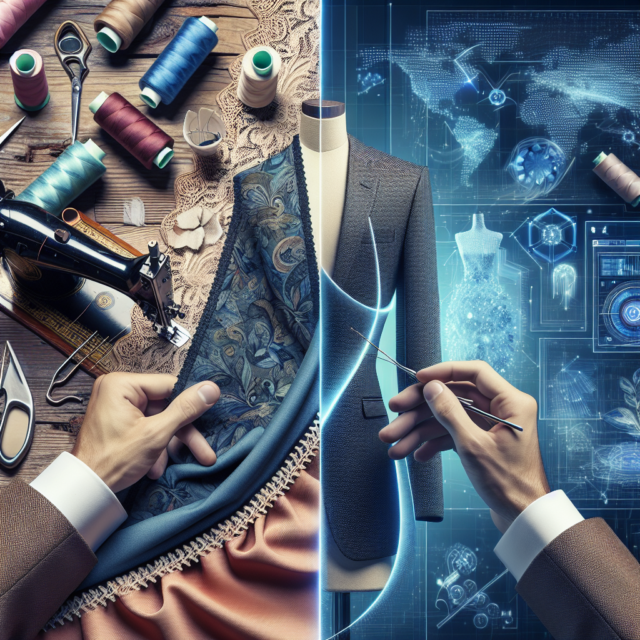
The fashion industry, an ever-evolving landscape of creativity and innovation, has experienced a significant transformation with the advent of digital technology. Digital couture, a burgeoning frontier in the fashion world, melds the artistry of traditional garment-making with the limitless possibilities of digital tools. This article explores the rise and impact of digital couture fashion, delving into its evolution, the craftsmanship involved, and its influence on the broader fashion industry.
The Evolution of Fashion in the Digital Age
The fashion industry has always been a reflection of the times, and the digital age is no exception. With the rapid advancement of technology, fashion has undergone a seismic shift, embracing digital tools and platforms to create, showcase, and sell designs. This evolution has opened up new avenues for creativity, allowing designers to experiment with forms and concepts previously unimaginable. The rise of digital couture is a testament to this transformation, as it redefines the boundaries of fashion design and presentation.
Digital couture represents a fusion of traditional fashion techniques with cutting-edge technology. The use of 3D modeling software, virtual reality, and artificial intelligence in design processes has become increasingly prevalent. These tools enable designers to visualize and manipulate their creations in a virtual space, offering unprecedented precision and flexibility. The digital realm also allows for the exploration of unconventional materials and structures, pushing the envelope of what constitutes fashion.
The democratization of fashion through digital platforms has further accelerated the evolution of the industry. Social media and e-commerce have provided designers with direct access to global audiences, bypassing traditional gatekeepers like fashion editors and buyers. This shift has empowered independent designers and smaller fashion houses, promoting diversity and innovation within the industry. Digital couture, with its emphasis on individuality and customization, aligns perfectly with this new paradigm.
As the fashion industry continues to embrace sustainability, digital couture offers promising solutions. By reducing the need for physical samples and minimizing waste, digital design processes contribute to a more sustainable fashion ecosystem. Virtual fashion shows and digital garments also reduce the carbon footprint associated with traditional fashion events and manufacturing. This alignment with sustainability goals is likely to drive further adoption of digital couture practices.
The rise of digital couture is also reshaping consumer expectations. In an era where personalization and instant gratification are paramount, digital couture caters to the demand for unique, customizable fashion experiences. Consumers are increasingly seeking pieces that reflect their individuality, and digital tools offer the means to create bespoke designs efficiently. This shift in consumer behavior is prompting fashion brands to rethink their strategies and embrace digital couture to stay relevant.
While digital couture is still in its nascent stages, its potential to revolutionize the fashion industry is undeniable. As technology continues to evolve, so too will the possibilities for digital couture. The integration of augmented reality, blockchain, and other emerging technologies promises to further enhance the digital fashion experience, paving the way for a new era of creativity and innovation in the industry.
Unveiling the Craftsmanship Behind Digital Couture
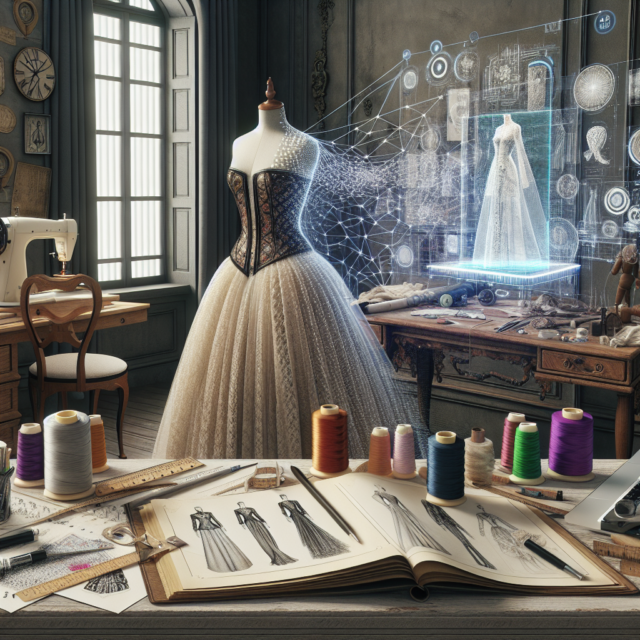
Despite its digital nature, the craftsmanship involved in digital couture is as meticulous and intricate as traditional fashion design. The process begins with conceptualization, where designers draw inspiration from various sources, just as they would in conventional fashion. However, instead of sketching on paper, designers utilize digital tools to create detailed 3D models, allowing them to visualize complex designs with precision.
The use of 3D modeling software is a cornerstone of digital couture craftsmanship. Designers can manipulate virtual garments in real-time, experimenting with different shapes, textures, and colors. This level of flexibility enables the creation of avant-garde designs that challenge traditional fashion norms. The digital environment also allows for rapid prototyping, with designers able to iterate on their designs quickly, refining details to perfection.
Another critical aspect of digital couture craftsmanship is the integration of technology into the design process. Artificial intelligence and machine learning algorithms can analyze vast amounts of data, providing designers with insights into trends, consumer preferences, and material properties. This data-driven approach enhances the design process, enabling the creation of garments that are not only aesthetically pleasing but also functional and sustainable.
The craftsmanship of digital couture extends to the virtual presentation of garments. Virtual fashion shows and digital runways have become platforms for designers to showcase their creations to a global audience. These events require a unique blend of fashion design, digital artistry, and technical expertise. Designers collaborate with digital artists and developers to create immersive experiences that captivate and engage viewers, pushing the boundaries of traditional fashion presentations.
Digital couture also involves the exploration of innovative materials and construction techniques. Designers experiment with digital fabrics, which can mimic the properties of physical materials or create entirely new textures and patterns. The use of digital fabrication techniques, such as 3D printing and laser cutting, further enhances the craftsmanship of digital couture, allowing for the creation of intricate, custom-made pieces that were once impossible to achieve.
The craftsmanship behind digital couture is a testament to the convergence of art and technology. It requires a deep understanding of both fashion design principles and digital tools, fostering a new breed of designers who are as comfortable in the digital realm as they are in the physical world. This fusion of skills is driving the evolution of the fashion industry, as digital couture continues to gain prominence and influence.
Assessing Digital Couture’s Influence on the Industry
The influence of digital couture on the fashion industry is multifaceted, impacting everything from design processes to consumer experiences. One of the most significant changes is the shift towards more sustainable practices. Digital couture reduces the need for physical samples and minimizes waste, aligning with the industry’s growing emphasis on sustainability. This shift is encouraging fashion brands to adopt digital tools and rethink their production methods, fostering a more environmentally conscious industry.
Digital couture is also democratizing fashion, providing opportunities for independent designers and smaller fashion houses to compete on a global scale. The accessibility of digital tools and platforms enables designers to reach audiences worldwide, bypassing traditional industry gatekeepers. This democratization is fostering diversity and innovation within the industry, as a broader range of voices and perspectives are represented in fashion.
The rise of digital couture is reshaping consumer expectations and experiences. In an age where personalization and instant gratification are key, digital couture offers consumers the ability to customize and personalize their fashion choices. This shift is prompting fashion brands to embrace digital tools and offer more bespoke, individualized products and experiences to meet evolving consumer demands.
The impact of digital couture extends to the retail landscape, where virtual and augmented reality are transforming the shopping experience. Virtual try-ons and digital showrooms allow consumers to interact with fashion in new and immersive ways, bridging the gap between online and offline shopping. This integration of technology into the retail experience is enhancing customer engagement and driving sales, as brands leverage digital couture to create unique, memorable experiences.
Digital couture is also influencing the way fashion is marketed and consumed. Social media platforms and digital influencers are playing a pivotal role in promoting digital fashion, reaching vast audiences with engaging content. The visual nature of digital couture makes it particularly suited to online platforms, where striking, innovative designs can capture the attention of consumers and drive trends.
As digital couture continues to gain traction, its influence on the fashion industry is set to grow. The integration of emerging technologies, such as blockchain for authentication and augmented reality for enhanced consumer interactions, promises to further revolutionize the industry. Digital couture is not only redefining fashion design and presentation but also shaping the future of the industry, as it adapts to the ever-changing digital landscape.
Digital couture is a testament to the power of technology to transform art and industry. Its rise is reshaping the fashion landscape, offering new possibilities for creativity, sustainability, and consumer engagement. As designers and brands continue to embrace digital tools and techniques, the influence of digital couture will only grow, paving the way for a more innovative, inclusive, and sustainable fashion industry. The future of fashion is digital, and digital couture is leading the charge into this exciting new era.
The realm of couture fashion, long revered for its exquisite craftsmanship and timeless elegance, is experiencing a remarkable transformation as it embraces the digital age. The fusion of technology with couture is not merely a fleeting trend but a profound evolution that is reshaping how designers conceptualize, create, and present their collections. This article delves into the dynamic intersection of fashion and technology, exploring how innovations are revolutionizing couture design processes and the impact digital tools have on fashion craftsmanship. Through this exploration, we uncover how the traditional world of haute couture is being redefined for a new era.
Exploring the Intersection of Fashion and Technology
The intersection of fashion and technology is a burgeoning frontier where creativity meets innovation. As designers seek new ways to push the boundaries of traditional couture, technology offers a plethora of tools and techniques that can be harnessed to enhance and expand their creative visions. From 3D printing to virtual reality, the possibilities are seemingly endless, allowing designers to experiment with new forms, textures, and materials that were once unimaginable.
One of the most significant technological advancements impacting couture fashion is the rise of digital fabric printing. This technology allows for intricate patterns and designs to be directly printed onto fabrics, offering a level of precision and detail that hand-painting or traditional methods cannot achieve. Designers can now create bespoke fabrics that perfectly align with their artistic vision, transforming their sketches into tangible works of art with unparalleled accuracy.
Moreover, the use of artificial intelligence (AI) in fashion design is gaining traction, offering designers predictive insights and trend analysis that can inform their creative decisions. By analyzing vast amounts of data from social media, fashion shows, and consumer behavior, AI can help designers anticipate future trends and tailor their collections to meet the evolving demands of the market. This data-driven approach not only enhances creativity but also ensures that designers remain relevant in a rapidly changing industry.
Augmented reality (AR) is another technology making waves in the couture world. By overlaying digital information onto the physical world, AR allows designers and consumers to interact with fashion in entirely new ways. Virtual fitting rooms, for instance, enable customers to try on clothing digitally, offering a personalized shopping experience that bridges the gap between online and offline retail. This technology not only enhances customer engagement but also reduces the need for physical inventory, making the fashion industry more sustainable.
The integration of smart textiles into couture fashion is yet another exciting development. These advanced materials can change color, emit light, or even monitor physiological data, adding a dynamic element to fashion design. Designers can now create garments that respond to environmental stimuli or the wearer’s movements, offering an interactive experience that blurs the line between fashion and technology.
Finally, the rise of blockchain technology is set to revolutionize the way couture fashion is authenticated and distributed. By providing a secure and transparent way to track the provenance of luxury garments, blockchain ensures the authenticity of designer pieces and protects against counterfeiting. This technology not only safeguards the intellectual property of designers but also enhances consumer confidence in the authenticity of couture fashion.
Innovations Transforming Couture Design Processes
The design processes within couture fashion are undergoing a radical transformation, driven by technological innovations that streamline and enhance creativity. Traditionally, couture design has been a labor-intensive process, requiring meticulous attention to detail and countless hours of skilled craftsmanship. However, with the advent of digital tools, designers can now conceptualize and execute their visions with unprecedented efficiency and precision.
One of the most transformative innovations in couture design is the use of 3D modeling software. This technology allows designers to create detailed digital prototypes of their garments, enabling them to visualize and refine their designs before they are ever physically produced. By manipulating virtual garments in a three-dimensional space, designers can experiment with different silhouettes, fabrics, and embellishments, making informed decisions that reduce waste and optimize the use of resources.
In addition to 3D modeling, the use of laser cutting technology is revolutionizing the way couture garments are constructed. This precise and efficient method allows designers to cut intricate patterns and shapes with unparalleled accuracy, reducing the time and labor required for traditional hand-cutting techniques. Laser cutting not only enhances the precision of garment construction but also opens up new possibilities for innovative designs that push the boundaries of traditional couture.
The integration of digital embroidery machines is another innovation transforming couture design processes. These machines can produce intricate and detailed embroidery patterns at a fraction of the time it would take to do so by hand. Designers can input their designs into the machine, which then executes the embroidery with precision and consistency. This technology allows for greater experimentation with embroidery patterns and techniques, enabling designers to create bespoke embellishments that elevate their collections.
Moreover, the use of virtual reality (VR) in the design process is providing designers with new ways to conceptualize and present their collections. By creating immersive virtual environments, designers can showcase their garments in a fully interactive and engaging manner, allowing stakeholders to experience the collection in a dynamic and innovative way. This technology not only enhances the presentation of couture collections but also allows designers to experiment with different settings and themes, offering a new dimension to fashion shows.
Digital sketching tools are also playing a pivotal role in transforming couture design processes. These tools allow designers to create and manipulate their sketches on digital platforms, offering a level of flexibility and precision that traditional paper sketches cannot match. By using digital sketching tools, designers can easily make edits, experiment with colors and textures, and collaborate with team members in real time, streamlining the design process and fostering creativity.
Finally, the adoption of collaborative design platforms is facilitating greater collaboration and communication among design teams. These platforms allow designers, pattern makers, and seamstresses to work together seamlessly, sharing ideas and feedback in real time. This collaborative approach not only enhances the efficiency of the design process but also fosters a sense of community and shared vision among team members, leading to more cohesive and innovative couture collections.
The Impact of Digital Tools on Fashion Craftsmanship
While technology offers numerous benefits to the world of couture fashion, it also raises important questions about the preservation of traditional craftsmanship. The precision and efficiency of digital tools have undoubtedly enhanced the design process, but they also challenge the artisanal skills that have long been the hallmark of haute couture. As the industry evolves, it is crucial to find a balance between embracing technological advancements and preserving the artistry and craftsmanship that define couture fashion.
One of the key impacts of digital tools on fashion craftsmanship is the shift in skill sets required by designers and artisans. As technology becomes more integrated into the design process, there is a growing demand for designers who are proficient in digital tools and software. This shift necessitates a reevaluation of traditional training methods, as aspiring designers must now acquire skills in both traditional craftsmanship and digital design techniques to succeed in the industry.
Despite the growing influence of technology, the importance of traditional craftsmanship in couture fashion cannot be overstated. The meticulous attention to detail and the skilled handiwork that characterize haute couture remain integral to its allure and exclusivity. While digital tools offer new possibilities for design and construction, the human touch is still essential in creating garments that embody the artistry and elegance synonymous with couture fashion.
Moreover, the use of digital tools in fashion craftsmanship has opened up new avenues for experimentation and innovation. Designers can now combine traditional techniques with digital technologies to create hybrid garments that blend the best of both worlds. This fusion of old and new allows for greater creativity and innovation, as designers can explore new forms, textures, and embellishments that were previously unattainable.
The impact of digital tools on fashion craftsmanship also extends to the production and distribution of couture garments. With the rise of digital platforms, designers can now reach a global audience, showcasing their collections to consumers around the world. This increased accessibility not only expands the market for couture fashion but also challenges designers to maintain the exclusivity and allure that define their creations.
Finally, the integration of digital tools into fashion craftsmanship is driving a more sustainable approach to couture fashion. By optimizing design processes and reducing waste, technology is helping designers create garments that are not only beautiful but also environmentally conscious. This shift towards sustainability is becoming increasingly important in the fashion industry, as consumers demand greater transparency and accountability from designers and brands.
The integration of technology into the world of couture fashion is a testament to the industry’s ability to evolve and adapt to changing times. As designers continue to explore the intersection of fashion and technology, they are redefining what it means to create couture, blending traditional craftsmanship with cutting-edge innovations to craft garments that are as innovative as they are exquisite. This evolution is not only transforming the design processes and craftsmanship of couture fashion but also challenging the industry to remain relevant and sustainable in an increasingly digital world. As we look to the future, the fusion of technology and couture will undoubtedly continue to shape the landscape of fashion, offering new possibilities for creativity, innovation, and artistry.



 Balm Dot Com – In eight different flavors, the Balm DotCom is a staple lip balm that leaves your lips healthy and hydrated.
 Futuredew – The final part of your skincare routine that adds moisture and gives you an effortless glow without making you seem oily.

 Inside, the vehicle relies on a simplistic, yet functional, design. A variety of pairings is available for the leather and dashboard accents, many of which bear color names influenced by global destinations. The inspiration for the look actually comes from athletic leisure wear, underlining the brand’s commitment to being a more casual style of luxury vehicle and appeal to a broader audience.
 Genesis also has its place in the sedan market showcasing its latest iteration of the G90, considered to be its flagship, which was totally redesigned with new driver systems and two new V6 engines instead of one V8. It comes in both standard and electric models, but the latter adds both horsepower (from 375 to 409) as well as better air suspension to avoid extra bumps on the road.
 Genesis cars are renowned for their attention to detail, but also the level of sophistication that goes into every aspect of the vehicle. A surround-view mirror uses side-facing radar technology and a blind spot alert system that kicks in when you use the turn signal. It also uses a remote spot park assist system to make parking both safer and easier. All of the safety mechanisms of a Genesis vehicle come standard; there is no need to pay extra for particular features the way other car manufacturers may price vehicles with add-on services.
 Front-facing cameras are always looking out for road imperfections, like bumps or potholes, to prepare the vehicle for a smoother ride. Face Connect is another world’s first feature, which allows users to unlock the vehicle using their face (similar to what you may do on a smartphone using biometric data) rather than carrying a key around with you.
 The company sells cars in its Genesis Studios, a modern take on what others may consider to be a car dealership. But, there’s a major difference in the layout and design focus of the space. These sales spaces put the cars front and center as showpieces on the floor with living room-style areas and even entertainment space in some in the rest of the area. Visitors can peruse the vehicle, ask questions or schedule a test drive. The latest opening is in Edinburgh, Scotland with another new location in the Atlanta area.
 In New York, the brand has its own Korean restaurant, which sits atop the Genesis House showroom. In the basement, additional entertainment space is available for rent. It’s no coincidence that Genesis sees its brand as one that intermingles with lifestyle and fashion. The New York space even has a tea pavilion, library and rooftop terrace.
 As of 2025, Genesis has committed to becoming all electric with its new cars, and by 2030, it sees its entire production line to be 100% electric. And as part of its power transformation, it is adopting a dual electrification strategy using fuel cells and battery EVs. It is also focused on developing better technology that involves lithium-ion batteries to be used in its vehicles.
 Genesis sees itself as more than just a car manufacturer. In fact, its eco-friendly ethos extends beyond vehicles. The brand team can come to a buyer’s home to help them set up onsite charging stations while also installing solar panels for their home. Known as Genesis Home, this helps owners with car charging, but also by saving electricity on a broader scale to continue their “electrification journey” into other parts of their life.
 It also serves a variety of bespoke tea blends (its headquarters has a team of tea sommeliers that blend them from scratch) in retail venues and gifts them to customers. This brand leans heavily into its Korean heritage, which teaches humility as a core value. For a luxury car brand, the juxtaposition could not be more stark, but when owners rave about the brand itself, it becomes as real as it gets.