Kimono coat, jumpsuit, mask and earrings, DIOR MEN(ALFREDO PIOLA)
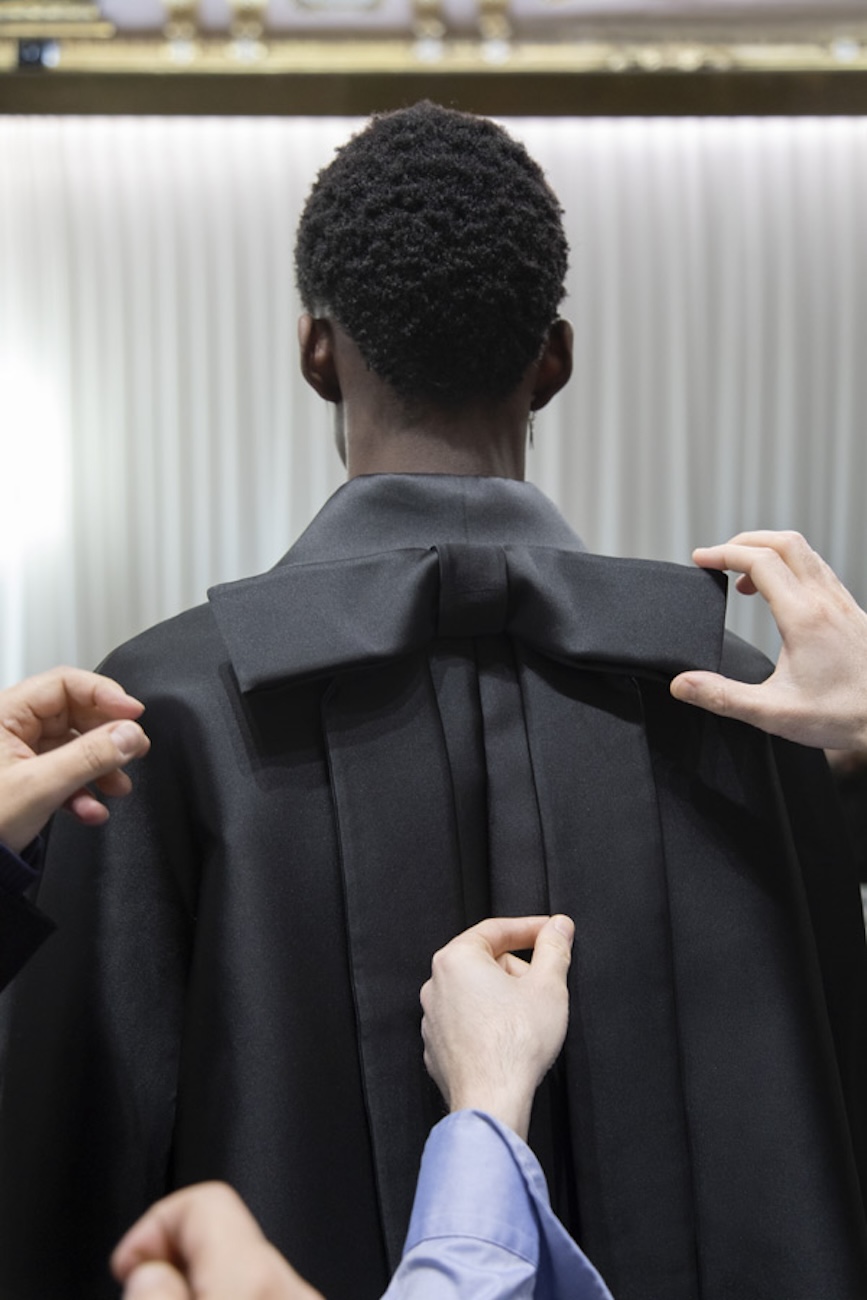
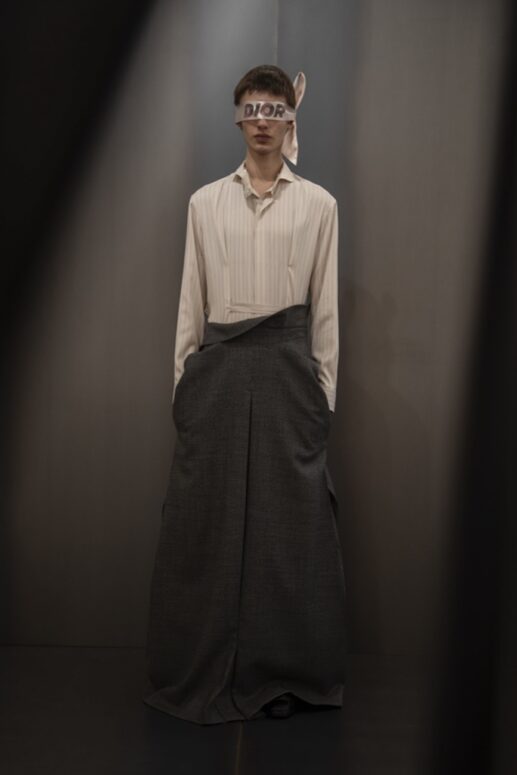
There was mystery from the very first look in the Dior Men Winter 2025 runway show. Dressed entirely in black—turtleneck worn with trousers constructed with draped precision—the model appeared to be blindfolded with a satin bow to the side. The bow turned out to be a recurring element throughout the collection, a nod to the haute couture icon of Dior. While the couture bow blindfolds were instant style standouts (including one branded with “DIOR”), bows were also employed to adorn the backs of coats, fasten detachable sleeves, and cover toe caps of a range of footwear.
Coat with removable bow, DIOR MEN(ALFREDO PIOLA)
“Mr Dior’s Ligne H was in our heads even before going into the archive this season,” says Kim Jones in the collection’s notes. “It has elements that are graphic and angular, which felt eminently transferable into the men’s world. We believed it was time to focus on Mr Dior again. We wanted to go back to the roots and concentrate on the quintessence of the House. There is a sense of fashion history, particularly the history of menswear, running through this collection. The shift from something quite ornate and extravagant in the 18th century to something more linear and utilitarian in the 19th, with the beginnings of modern menswear. Yet, while a lot refers to the history of fashion, this is not historical fashion. Ultimately, in this collection, we wanted to say something about now.”
Coat, shirt, trousers, mask, earrings and boots, DIOR MEN (ALFREDO PIOLA)
To those of us who have been following Jones’ work at Dior, “now” can also be considered as the culmination of his time at the House. From his very first Dior Men collection, Jones has not only meticulously pored through the House’s archives and heritage for references, he has also reiterated a sense of elegance that is closely associated to Dior as a fashion house. The Dior Men Winter 2025 collection takes it up a notch by embodying the Casanova theme but interpreted as the duality of a “ladies’ man”. Feminine nuances derived from women’s haute couture have either been masculinised or, like that of the aforementioned first look, adapted and styled with more masculine ready-to-wear pieces.
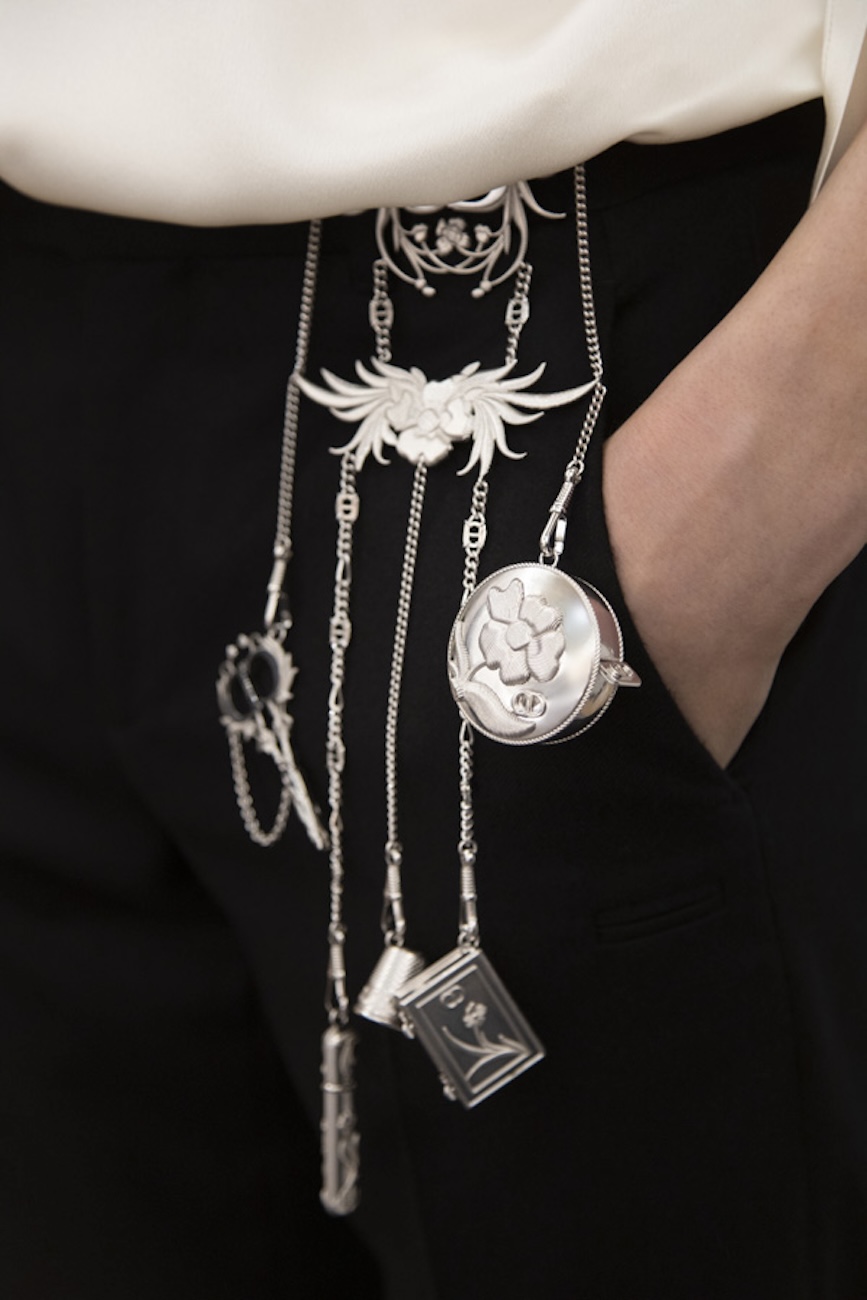
Top, trousers and chatelaine, DIOR MEN (ALFREDO PIOLA)
Elegance comes in many forms throughout the collection. Voluminous constructions (once more, inspired by women’s haute couture) are juxtaposed with streamlined pieces as a way of introducing drama while exuding a touch of the excesses of 18th-century fashion. Robes and opera coats, for example, are belted to further emphasise their decadent use of materials. Silks and satins are used for their noble finish and luxurious sheen, especially on the collection’s more pared back silhouettes. Embroidery taken from the Dior Spring/Summer 1948 haute couture collection is recreated on the collection’s closing look—an impressive pink kimono coat with matching mask—and informs the embellishments seen in the rest of the pieces. A sterling silver chatelaine borrows motifs from the archival embroidery, while collar inserts on shirting feature embroidered trims.
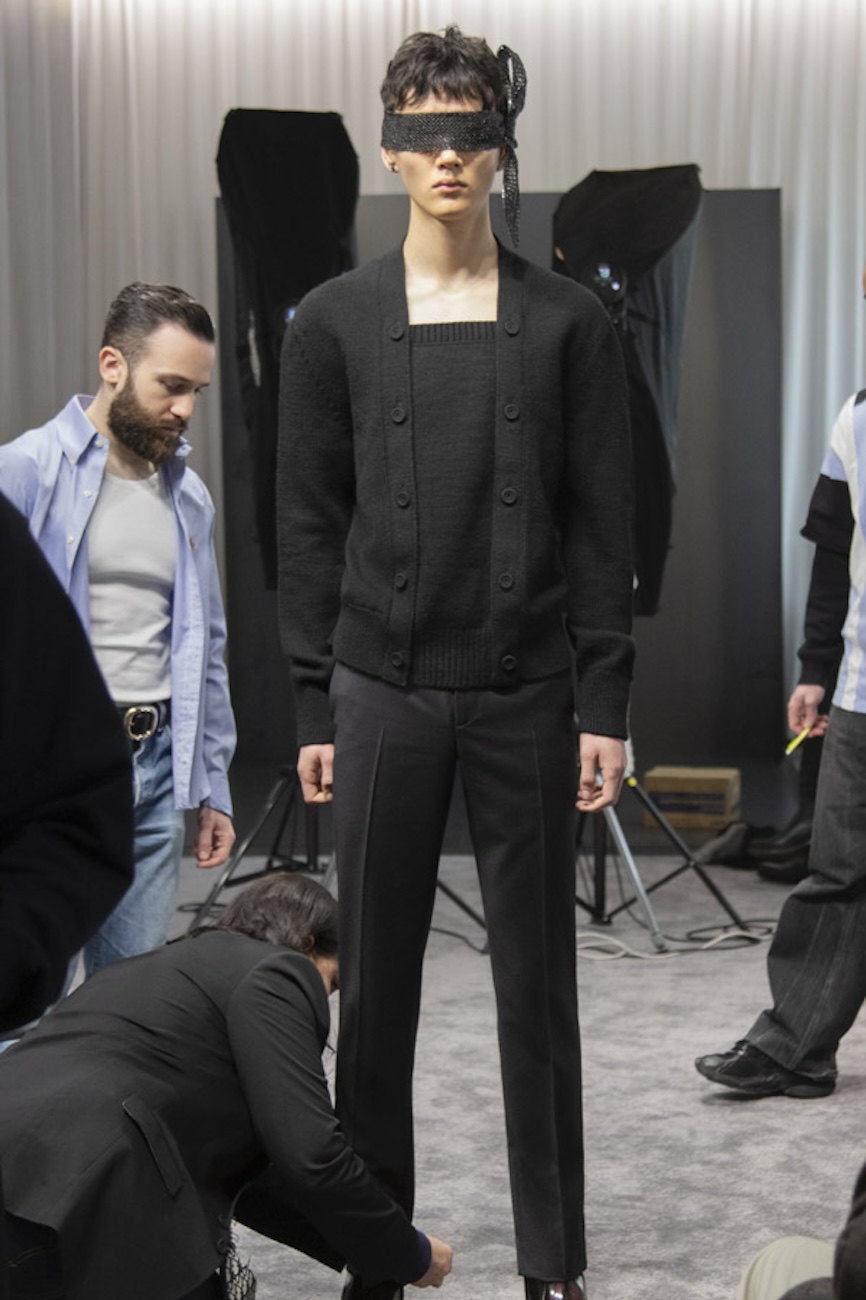
Cardigan, trousers, mask, earrings and boots, DIOR MEN
(ALFREDO PIOLA)
The Dior Men Winter 2025 show may have started with a mysterious dramatic flair, but the next day at the collection’s resee, there was a palpable excitement as editors and clients fawned over the looks up close. Jones, intentionally or not, managed to tap into what we all want in menswear: unrestrained elegance brought about by simply beautiful fashion. And it’s something that he has continuously brought forth at Dior Men; but with this collection, even more so.
This article was first seen on Esquire SG
For more on the latest in luxury fashion and style reads, click here.
Three eyewear brands recommended by Astrologo Ottica
Share
Share this post
Subscribe
52 Comments
Friday, August 15th 2025Tags: AccessoriesGlasses and jewelleryastrologo otticagastlunetterie generalematsudaophypersolpresstejesta
||- Begin Content -||
By Manish Puri.
While on holiday in Italy a few years ago, I wanted to find some beautiful sunglasses, because is there any country that’s done more for the accessory? Both in terms of manufacturing and cultural positioning.
Was it too much to hope I too could swan about the boot looking like Marcello Mastroianni in La Dolce Vita (above)? (The answer to that question turns out to be yes; the reasons why are numerous and entirely unconnected to eyewear.)
You can imagine my disheartenment upon finding that everywhere in Italy seemed to sell the same designer-branded rubbish I could have bought at Heathrow. I abandoned my fantasy and headed to Schostal in Rome to buy some pyjamas to soothe myself.
As I approached along Via della Fontanella di Borghese, just a few doors from Schostal, I passed another shop’s window display: gleaming white with a small selection of glasses artfully arranged. The absence of decals promoting Tom Ford and Gucci and Ray-Ban was promising. I stepped inside.
The shop was Astrologo Ottica, and while its glossy counters, minimalist styling and cosmic-sounding name all seemed futuristic, the service and the product proved to be steeped in old-fashioned values: stylish, handcrafted goods sold by knowledgeable people.
The business is run by Fabrizio Russo (above with his mother Paola and father Francesco, all opticians), but was started in 1932 by his grandfather (another optician). In 2006, the shop moved to its current location near the Spanish Steps; Fabrizio couldn’t immediately recall the year, but cheerily notes: “It was when Italy won the World Cup”.
Astrologo Ottica stocks over 30 eyewear brands from around the world, most of whom are personally scouted by Fabrizio – either at optical fairs like SILMO in Paris and MIDO in Milan or through online channels. It’s a deliberately eclectic selection, a rejoinder to the homogeneous supremacy of behemoths like Safilo and EssilorLuxottica.
“The brands under Luxottica use the same factory, same mindset, same product,” says Fabrizio. “And a lot of the frames are [cheaper] plastic, which has no weight or strength and is more likely to break than quality acetate. The frames of the brands we sell are much more durable.”
But, in such a competitive and aggressively marketed industry, convincing customers to buy eyewear from small, obscure artisans isn’t easy. “The big brands don’t have to explain anything. I have to sell through my knowledge, through explanation. I might not make a sale today, but I’ve planted a seed.”
It’s that combination of expertise and diversity of offering that keeps me coming back to Astrologo Ottica.
On my first visit, Fabrizio instantly spotted I had a pinguecula (a small benign growth) on my left eye and reminded me of the importance of protective eyewear in the sun. I’ve had countless eye exams, and this was the first time anyone had mentioned it.
I’ve now visited three times in total, and on each occasion I’ve left with a new, very different pair of sunglasses (all above). And in a trajectory that will be all too familiar to PS readers, each one was more expensive than the last.
On my last visit in June, I sat down with Fabrizio and asked him to show me a few of his favourite brands to share with you. We’ve focused on sunglasses as these are less risky to buy remotely, but the brands mentioned all sell eyeglasses too.
Astrologo Ottica has a webshop that ships abroad. And, I’m sure readers vacationing in Rome will appreciate knowing that the Tax Refund office is just a few doors away from the physical store – which makes purchases that much more tempting. Please note though, the shop is currently closed until August 28th, and any web orders placed now will be processed on that date.
I’ve also included links to the individual brand’s websites where you’ll be able to purchase directly or enquire about local stockists.
Press eyewear
AO link / Brand link
Model above is Birth in Forever colour ($725)
A new brand (launched in 2024) from New York designer Jeff Press. The Press frames are almost exclusively made in Japan from Italian acetate, but their buffalo horn frames are handcrafted in Germany where “the best [horn] artisans” reside, according to Fabrizio.
The collection is fitted with Zeiss lenses – mostly bio-nylon or LightPro. The former delivers the lightness and durability of standard nylon lenses, but is more environmentally-friendly as it’s plant-based rather than petroleum-based.
The latter offers the same anti-glare benefits of polarised lenses, but is more selective in what light it filters, making it easier to see shadow and contrast, and read digital devices.
If there’s one thing that Fabrizio imprinted on me, it’s the importance of good lenses.
“When I buy brands, the frame’s design and material is important. But, I am an optician, and the lens is the number one most important. It’s what protects your eyes,” says Fabrizio. “The lenses in our glasses are made from reputable brands: Leica, Zeiss, Divel, Hoya.”
Of course, what makes a good lens would require a whole other article. Fabrizio is happiest when talking about UVA and UVB, spherical and chromatic aberration, anti-glare and anti-reflection, organic and mineral; I won’t pretend to know what all of these terms mean, let alone why they’re important, but I’m confident taking his advice.
Ophy eyewear
AO link / Brand link
Model above is Gropius in Polished Black (€315)
Ophy’s collection is Italian through and through: a Sicilian designer (Placido Minissale), Italian lenses (Divel) and Italian made using Italian acetate – specifically Mazzucchelli, the world’s oldest and largest manufacturer.
Of the glasses we looked at, the Ophy glasses were the boldest with strong frames made up of sharp angles and straight, almost architectural lines – clearly a formative inspiration given the names of some of the models: Gropius, Gehry and Mies.
The colour options help make these glasses more approachable and wearable – most of Ophy’s frames are black or very dark Havana brown. And, I can see them balancing out rounder faces or complementing structured tailoring.
Fabrizio proceeded to show me a brand new capsule that Ophy had made in collaboration with renowned Italian hatmaker, Borsalino.
The collection is inspired by four cinematic icons: Marcello Mastroianni, Ingrid Bergman, Jean-Paul Belmondo and Alain Delon. (The latter pair worked together on a 1970 French gangster film Borsalino, which helped repopularise the fedora-style hat.)
The Marcello (above) is a shallow-lensed frame with thick arms that (although not identical) clearly nods to the glasses worn by Mastroianni in Fellini’s 8 ½ (below). Generally, Fabrizio is wary of shallow lenses (“they can let too much sun in under your eyes when you lie back on a sunlounger”), but I’m ok with that – my Mastroianni fantasy can only be thwarted so many times, Fabrizio!
The only thing I wasn’t keen on was the Borsalino logo on the left arm – one of the few overtly branded frames in the shop.
Lunetterie Générale
AO link / Brand link
Model above is Hello Roméo in Vintage Crystal (€625)
A Canadian brand started by Julien Couture in 2018, Lunetterie Générale’s eyewear is handmade in Japan. Fabrizio tells me: “The Japanese have a strong optical culture, which might be because they have quite a high rate of myopia among their population.”
The acetate used for the frames is also Japanese, which tends to be denser and stiffer than the Italian variety due to an extended curing process – making it more expensive. Japanese acetate has a sharper, more glassy finish to it. “The way it’s brushed, it almost looks like marble,” adds Fabrizio.
Fabrizio describes Lunetterie Générale’s models as “more classical and elegant – especially the men’s designs”. With surgical precision he identifies my achilles heel and adds: “They look very nice with tailoring.”
Having eyed the brand on each of my three visits, that nudge from Fabrizio was all I needed to take the leap from Browser’s Bluff into Buyer’s Bay.
And, having previously purchased thicker acetate frames from Ottica Astrologo, I opted for the Cavalier Seul (above): a 4mm-thick frame made from beta-titanium (an alloy with a higher weight to strength ratio than pure titanium).
The relative simplicity of the mid-century style is subtly embellished with a few details like the gold-plated nose pads and end tips, and the etched finishing on the bridge and frame (see below). The lenses (a blue-green gradient) have a rounded-hexagon shape; the Mirage model offers similar details with a more typical rounded shape.
A few other notable brands:
The two other sunglasses I’ve purchased from Fabrizio are:
A pretty classic dark brown Wayfarer (Tazi €119) from Milanese brand Gast A dark blue pair with a keyhole-bridge (Geronimo $375) from Miami brand Tejesta, whotake inspiration from the American West – I love the cactus pins on the front
Astrologo Ottica stocks a collection of exquisite and intricate frames from Japanese brand Matsuda (€625 to €1650, above is the M3148 at €800), all of which are made in their dedicated workshop in Sabae, Japan.
And, finally, they’re not stocked by Astrologo Ottica, but I know readers will ask: The La Dolce Vita glasses are PO3260S fromPersol. I couldn’t find a definitive source for the glasses in 8 ½, but quite a few people reckon they’re Prada SPR07F.
Manish is @the_daily_mirror on Instagram
Related posts
My glasses: A journey in eyewear
August 2nd 2019 – 95 Comments
Read More
Designing bespoke glasses – General Eyewear, London
April 19th 2017 – 31 Comments
Read More
General Eyewear: bespoke and ready-made glasses, Camden
March 7th 2017 – 22 Comments
Read More
<!–
Subscribe to this post
You can follow the discussion on Three eyewear brands recommended by Astrologo Ottica by entering your email address in the box below. You will then receive an email every time a new comment is added. These will also contain a link to a page where you can stop the alerts, and remove all of your related data from the site.
Gone are the days of baggy hoodies and messy buns on airport runways. Now is the time when airports are unofficial fashion runways for celebrities, Instagram influencers, and fashionistas who never miss a chance to flaunt their fashionable travel looks. If you’ve ever scrolled through paparazzi shots of your favorite stars looking put together and thought to yourself, “How do they do that?” you’re in good company.
In this blog, we’ll explore more about how to look luxurious at the airport, curated airport outfit ideas featuring iconic luxury brands, timeless style tips for your airport looks that shout sophistication.
Why Airport Style Matters
Airport attire is not about being vain; it exudes confidence, comfort, and personal branding. Business class or economy: your attire to the airport sets the tone for your trip. Being classy makes an intimidation without saying a word. When you look luxurious, you automatically have grace, posture, and are feeling elegant turning what might feel like travel fatigue into travel chic.
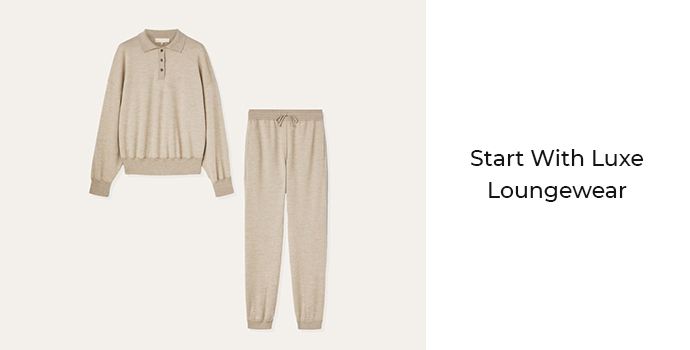
1. Start With Luxe Loungewear
There is no question you will be flying comfortable, and you can be stylish at the same time! Instead of wearing those old sweatpants, look for high-end loungewear that allows for quality comfort on your body, while still identifying with couture-type aesthetics:
Recommended Luxury Brands:
Loro Piana: Synonymous with ultra-soft cashmere joggers and cashmere sweaters that are great for long-haul flight.Brunello Cucinelli: They have coordinated sets which make sweats look runway-ready.Totême: Minimalist, elevated lounge wear for that first-class feel.
Style Tip:
Pick neutrals (think beige, camel or charcoal grey) for an easy and luxe effect, then layer in gold-tone accessories.
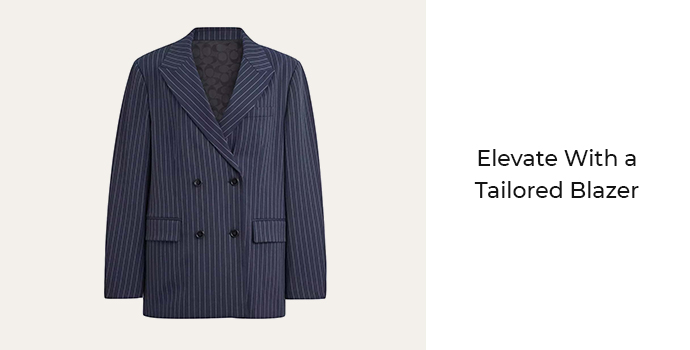
2. Elevate With a Tailored Blazer
A fitted blazer will be your secret weapon to look luxe in travel wear. Just throw it over your loungewear or each piece alone with jeans and a silk top for an easy power look.
Recommended Luxury Brands:
Balmain: Structured blazers with their signature gold buttons are a red carpet go-to for celebrities.Saint Laurent: Their fitted, structured blazers exude understated glamour.The Row: This New York City represented a stoppage at minimalism, with neutral colour stories and clean lines.
Style Tip:
Choose wrinkle-resistant fabrics and you can look sharp throughout your layovers. Add oversized sunglasses and a low bun and you will look like “the off duty model” look.
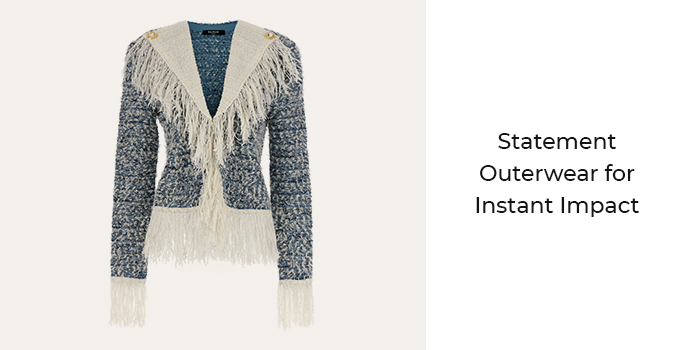
3. Statement Outerwear for Instant Impact
Outerwear can be the difference between a hot mess and elegant airport outfit. A luxe trench coat, oversized coat or shearling coat will not only keep you warm as you’re waiting at the airport gate, but add a lot in the visual presentation department.
Recommended Luxury Brands:
Max Mara: Their wool and cashmere coats are icons in airport fashion.Burberry: A classic trench will elevate your outfit even more.Moncler: For winter flights, you can’t get more luxe than a Moncler puffer.
Style Tip:
Use classic designs that will match practically everything in your bag. Nothing beats classic camel color, ivory, and navy luxury staples.
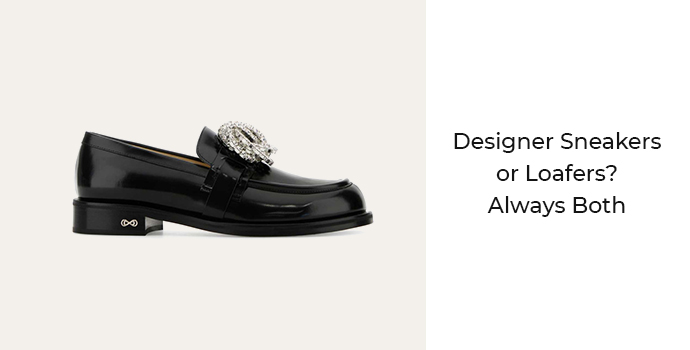
4. Designer Sneakers or Loafers? Always Both
Shoes are typically the first things that people notice. It’s best to choose chic yet comfortable shoes to ground your look, both literally and figuratively.
Recommended Luxury Brands:
Gucci – Ace sneakers and Horsebit loafers are always airport chic.Chanel – Quilted sneakers and espadrilles are beautifully effortless and chic but also comfortable.Bottega Veneta – Chunky loafers and slip-on loafers redefine a level of modern luxury.
Style Tip:
If wearing loafers, then go for the time honored sockless crook, or no show socks for the clean understated finish. It is also advisable to keep your shoes clean and not creased so that you can keep your polished super chic persona well branded.
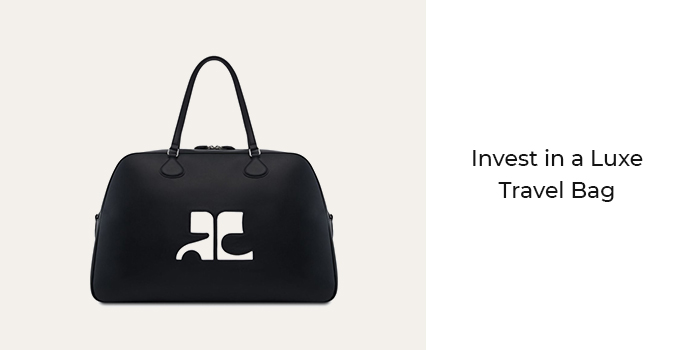
5. Invest in a Luxe Travel Bag
Carrying a luxury handbag or carry-on pieces makes an immediate impression to your stylist at the airport. Consider a designer tote or a designer duffle or structured backpack that will contain your essentials and still catch peoples eyes.
Recommended Luxury Brands:
Louis Vuitton – Keepall duffle and Neverfull tote are the noble class at the airport.Goyard – An elegant understated exclusive that infers chic.
Prada – Nylon or logo totes and backpacks as well as other designer bags inferring utility at the airport.
Style Tip:
Remember to co-ordinate your handbag or carry-on pieces by your outfit colour palette. The monogram detail certainly adds that immediate luxury pop and a simple leather finish is an instant upgrade leading towards a luxury perception.
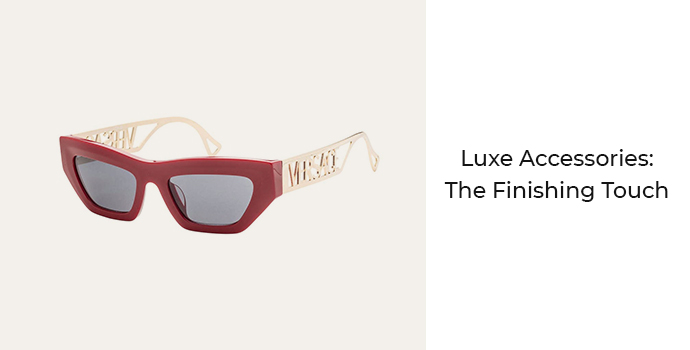
6. Luxe Accessories: The Finishing Touch
What luxury airport look is complete without the accessories? Think oversized sunglasses, cashmere scarf, designer belt etc.
Recommended Luxury Brands:
Oversized sunglasses practically shouting the words Céline or Dior.Cashmere shawl or a silk scarf from Hermès spells instant sophistication.A belt from Fendi or Valentino that pulls in your outfit with panache and glamorizes your basics.
Style Tip:
Simplicity and maybe just a few key accessories are enough to say volumes. Too much designer looks can send off an impression of try-hard rather than taste.
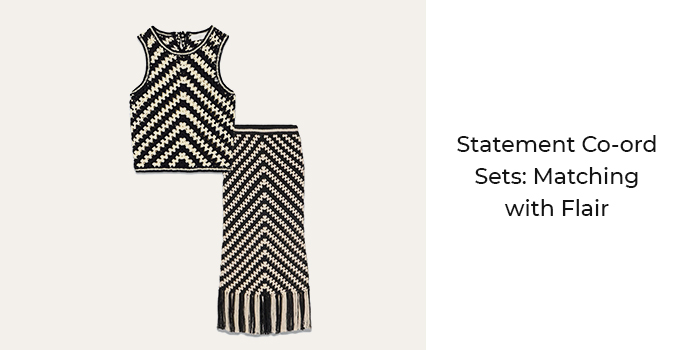
7. Statement Co-ord Sets: Matching with Flair
Matching sets can take everything guesswork out of what to wear while simultaneously looking like you’ve planned it out perfectly. Look for silk, knit, or tailored co-ords from some of the best fashion houses.
Recommended Luxury Brands:
Zimmermann: Their romantic sets are full of feminine elegance. Emilio Pucci: Statement prints, matching separates, and for anybody who likes to travel in style.Jacquemus: Pretty and fun co-ordinates that scream instagram must-haves.
Style Tip:
Style a matching set with understated accessories and tonal shoes for the ultimate monochrome luxury look. Playing with head-to-toe “one color” is the pinnacle of travel luxe.
8. Travel-Ready Makeup & Hair
Of course, looking flashy is not just about what you throw on, it’s equally about how you take it all in.
Tips for Beauty in Transit:
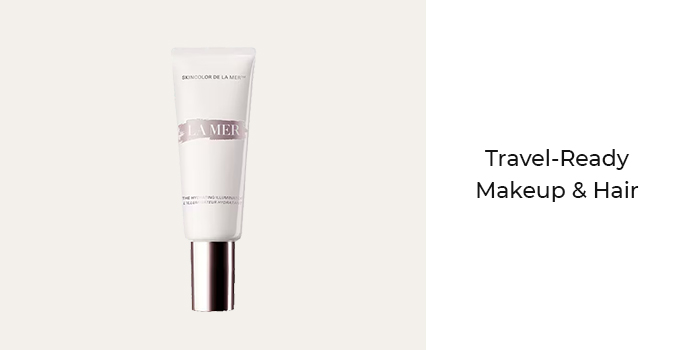
Use a tinted moisturizer (a day cream with a tint like La Mer Skin Tint) for a glowing, fresh face, and Always keep your lips hydrated with a nice glossy touch of Dior Lip Glow or Chanel Rouge Coco Balm.Finish your look by softly tying the hair back into a loose bun or a sleek ponytail, accessorizing with a silk ribbon or scrunchie for that luxe finish.
Style Tip:
Carry a mini beauty kit in your designer pouch. Refresh your look mid-flight or before landing.
9. Jet-Set Approved Jewelry
Just a little high-quality jewelry will benefit even your most basic outfit for the airport. Simple gold-pieces such as thin gold chains, statement studs, or a classic watch.
Recommended Luxury Brands:
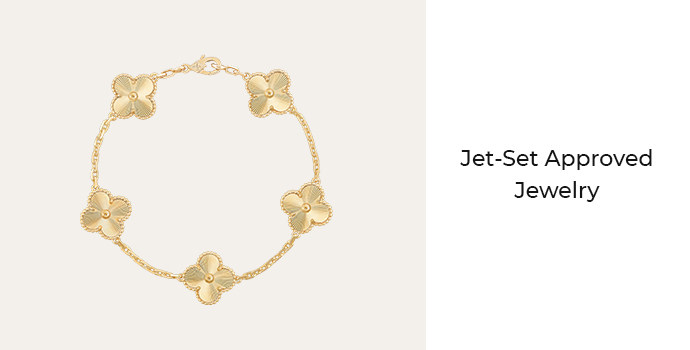
Cartier: Love bracelets or Tank watches -the eternal kind of luxury.Tiffany & Co.: Pretty shine for the day.Van Cleef & Arpels: Refinement that never settles.
Style Tip:
Layer thin necklaces or rings but don’t wear too many pieces at once. It’s best when the tone of metals is the same (gold with gold, silver with silver).
10. The Ultimate Jetsetter Uniform
Want an airport go-to-travel-capsule wardrobe that has you looking luxurious every time you fly? Here’s your packing-list, must-haves checklist:
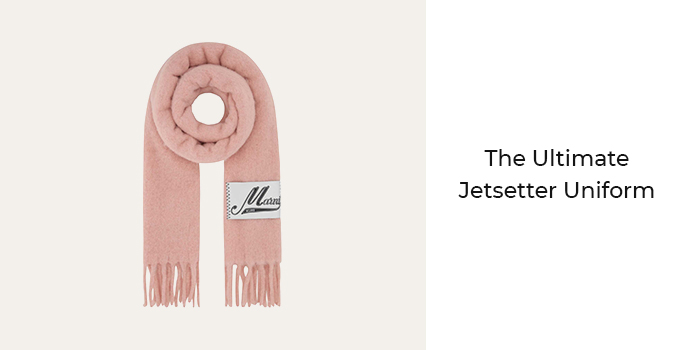
Neutral cashmere joggers or wide-leg trousers.Silk or crisp cotton blouse.Oversized blazer or trench.Designer hi-top or loafers (sneakers).Structured tote or monogram duffle (gucci).Oversized shades.A statement watch.Light scarf (silk).
Style Tip:
Use these essentials in your favorite luxury brands so you never have to stress to look stylish, or get on the plane in style every time.
11. Seasonal Luxury: Dressing for Different Climates
The weather must be the inspiration for your choice of airplane sartorials while still being smart and cute.
For Summer Destinations:
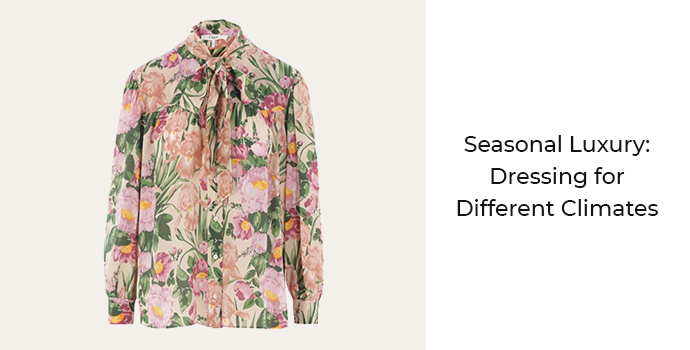
Have a look at breezy linen twin sets or cotton blends from Zimmermann, Chloé, or ETRO.Layer it with a light kimono or designer denim jacket from Isabel Marant.Or go all out in strappy cactus sandals from Hermès or The Row paired with a matching mini crossbody for that resort-ready vibe.
For Winter Destinations:
Luxurious knits from Missoni, puffer coats or shearling from Chanel, and some cashmere leggings from Theory will surely keep you warm.Add leather gloves from Bottega Veneta and a slouchy beanie from Burberry.And include thermal, base-layer wear from Uniqlo— luxury begins with comfort.
Style Tip:
Be thoughtful about your layer in case of changing airport temperatures. A silk camisole worn under a sweater, worn under a coat, keeps you flexible while you travel.
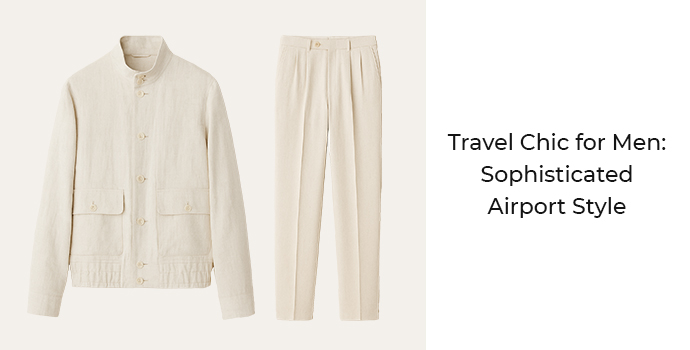
12. Travel Chic for Men: Sophisticated Airport Style
Luxury travel looks aren’t gender-exclusive. Men can pull off luxurious looks while traveling, as long as assembled in polished and structured essentials.
Recommended Outfit Ideas:
Blazer + Polo + Tailored Joggers. Look at Tom Ford, Zegna or Ralph Lauren Purple Label for men’s elevated travel-wear.Knit Hoodie + Wool Coat + Chelsea Boots achieves the effortlessly-casual luxury with good help from Brunello Cucinelli or Ami Paris.Travel Set + White Sneakers + Cross-body Bag. Look at Loro Piana or Officine Générale if you are looking to be elegantly minimal.
Accessories:
Repping a luxury leather backpack from MontblancRepping a wrist chronograph or wrist minimalist from IWC or Cartier.
Rep sunglasses from Dior Homme or Persol.
Style Tip:
Try to keep the colors street earthy, and monochrome palettes. Luxury looks are often looked down because they focus on singular logos that can be loud, when a more subtle or refined expression can be interpreted as lavish.
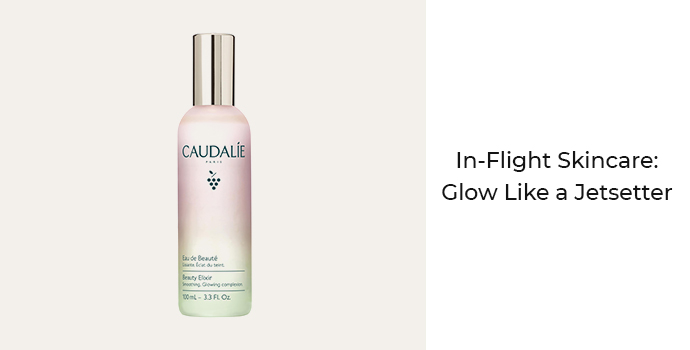
13. In-Flight Skincare: Glow Like a Jetsetter
Long flights can take a toll on your skin but having an in-flight beauty routine can help you land fresh and dewy.
Jetsetter Skincare Must-Haves:
Facial Mist: Caudalie Beauty Elixir or Tatcha Luminous Dewy MistUnder Eye Patches: Peter Thomas Roth or 111SkinHand lotion: Chanel La Crème Main or Byredo Hand CreamLip Balm: La Mer or Fresh Sugar Lip Treatment
Keep these essentials in a stylish little pouch by Dior, Louis Vuitton, or Céline for easy access.
Style Tip:
If you want to look fabulous and well-rested (even after a red-eye flight) hydrated skin and a dewy look is a must.
Final Thoughts: Confidence is Key
The luxury is really in the belief in yourself, whether you are in Balenciaga sneakers or a Max Mara coat. Your attitude with your appearance comes together to create the outfit. Fashion is not just about what you’re wearing, it’s about how you feel in your outfit, and what you’re stepping into as you begin your travel stories.
So next time you go to the airport, think twice about just wearing basic sweat outfits. Get into a jet-setting mood. With the right outfit and luxurious accessories, you can hopefully transform the airport terminal into your runway.
The reputation of Calvin Klein and Armani Exchange is extremely good, and they stand as trademarks for world fashion. Both are well-instituted and known brands with a style for the trendy populace of different regions. However, when you are about to spend your money on a new outfit, accessory, or statement piece, the question arises: Which one to choose, Calvin Klein or Armani Exchange?
This detailed guide will try to answer the question of Calvin Klein versus Armani Exchange on the basis of history, style aesthetics, quality and durability, pricing, and brand target market. By the time you finish this blog, you will find which one hits the personal fashion marks in any occasion for you.
A Brief History of Both Brands
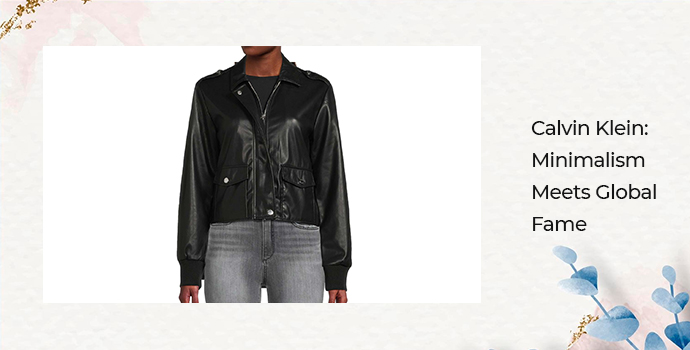
Calvin Klein: Minimalism Meets Global Fame
Founded in 1968 by American designer Calvin Klein, the brand has long stood for an ultramodern, minimalistic style. Their clothes are extremely minimalistic with straight cuts, neutral colors, and modern elegance. Originally, Calvin Klein was purely a clothing brand; over the years, however, it has grown to encompass fragrances, accessories, underwear, and home lines. Due to some of its most remarkable campaigns graced by the greatest of models and celebrities alike, Calvin Klein branding is almost equally recognized as the clothing itself.
During the last fifty years, Calvin Klein managed to gain itself as a brand of sleekness, beauty, and able to be both a statement piece, or an everyday look. It is appealing in that it’s fashion-forward, but not overly challenging, and has an impact on a much wider target audience.
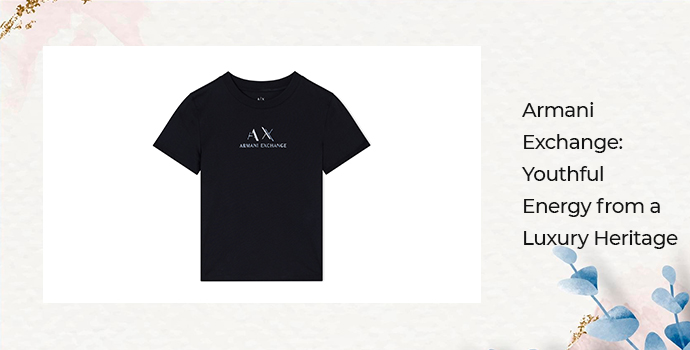
Armani Exchange: Youthful Energy from a Luxury Heritage
Armani Exchange (A|X) is a label under the parent brand of Giorgio Armani that started in the year 1991. Giorgio Armani is luxury; A|X was meant to be for a younger urban consumer. They provide elevated products with the Armani signature influence, but also deliver very trendy collections that are more accessible for all consumers.
A|X collections are typically more logo driven, more functional & more edgy than products from Armani’s mainline. A|X products offer affordable luxury influence for consumers.
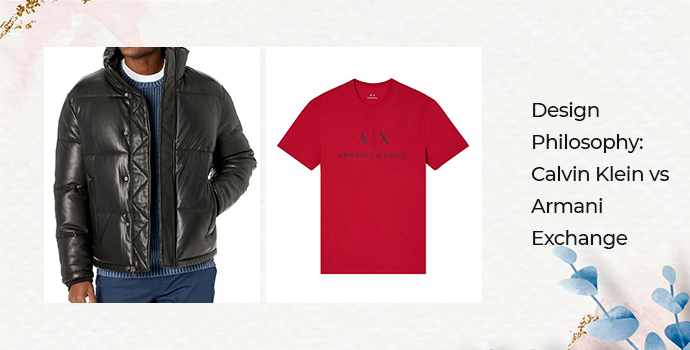
Design Philosophy: Calvin Klein vs Armani Exchange
When considering Calvin Klein vs Armani Exchange, it’s important to understand the design DNA.
Calvin Klein: Known for minimalism, CK is based on clean, refined, black and white styles. CK primarily includes elevated basics, elevated workwear, and elevated casualwear. CK is more timeless than chasing trends.Armani Exchange: A|X is energetic and modern. It seeks fashion first, influenced by urban street style. A|X is often very logo-driven, uses bright colour and plays with exaggerated alternate cuts and shapes as influences. A|X is often more expressive as it relies on the seasonal collections to influence their style direction and embrace current street-style trends in the collections.
Target Audience and Lifestyle Fit
Lifestyle needs for the two brands overlap to some extent.
Calvin Klein: an ideal spot for those who relish timelessness, elegance, minimalism, and style. It tends to appeal to corporate executives, fashion minimalists, and persons wanting some versatile staples in their wardrobe.Armani Exchange: more youthful, more adventurous. Draws in trendsetters, party-goers, and those looking for some razzle-dazzle with bold urban-inspired styles.
Product Categories and Specialties
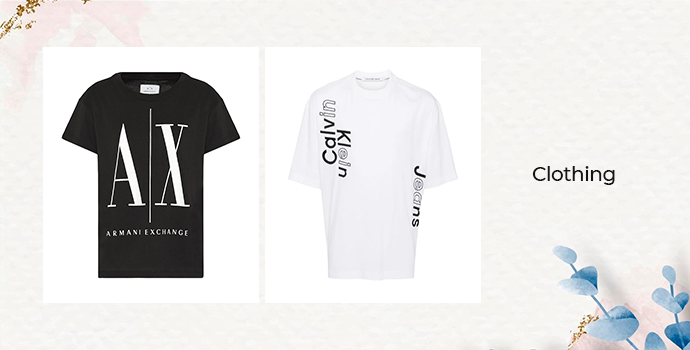
Clothing
Calvin Klein puts a lot of emphasis on everyday basics, premium denim, suits, outerwear, and knitwear. Their underwear line is marketed heavily and is a worldwide best-seller.
Armani Exchange operates in the casualwear category, streetwear, athleisure, and trend-driven seasonal items. Their outerwear and logo tees are the most well-known.
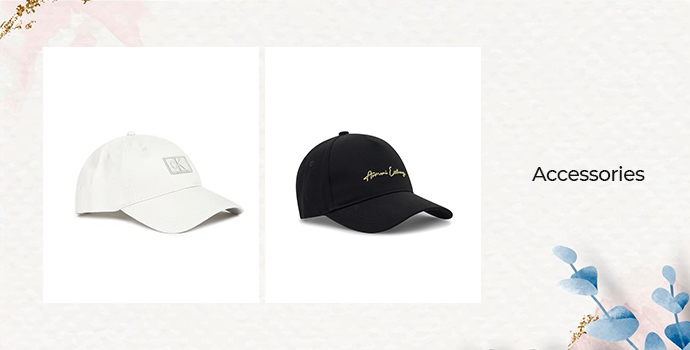
Accessories
Calvin Klein is sleek, understated bags and belts, and minimalist jewelry.Armani Exchange’s accessories are modern; they do bold accessories with logo caps, watches, and trendy backpacks.
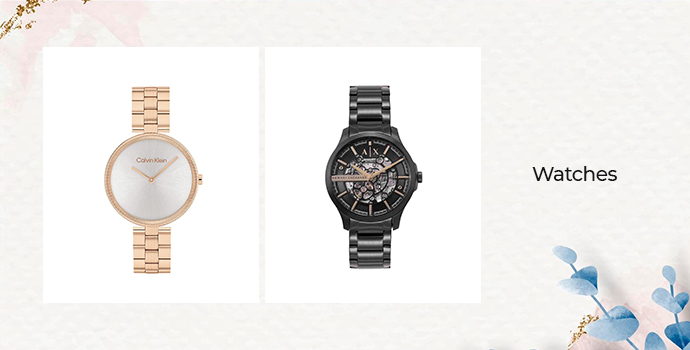
Watches
Calvin Klein and Armani Exchange’s watch collections offer style on a similar style emphasis, but are available at the fashion watch level.
Calvin Klein watches are designed to be elegant and minimal.Armani Exchange watches are bolder, use larger dials, and sportier designs.
Price Comparison: Calvin Klein vs Armani Exchange
Price point is a huge factor in decision-making:
Calvin Klein’s core apparel items are offered at a higher average price, while their accessories and underwear items are offered at a lower price.In terms of pricing, Armani Exchange is approximate close to comparable pricing, but there are occasions where they might be more competitive with certain trend-heavy items because of an inherent turnover on a seasonal basis. However, the A|X pieces could seem to be higher priced compared to high-street pieces (e.g., H&M) because of the “Armani” tag.
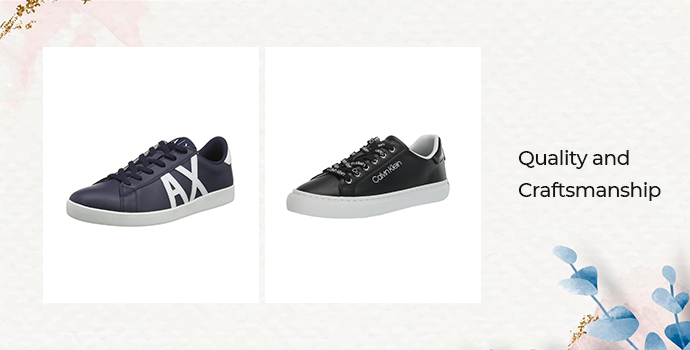
Quality and Craftsmanship
Quality can be tricky when discussing Calvin Klein versus Armani Exchange. It depends on the category of items being considered.
Calvin Klein has been known for fabrics that do well on a few seasons and for clean finishes, etc., especially when it has to do with their underwear, denim, and tailored pieces. Most customers come to learn that Calvin Klein pieces hold up longer for wearing day-to-day.Armani Exchange is great when it comes to the style nuances and is meant to be trendy; however, sometimes this is style over durability (versus Calvin Klein styles). Overall, the quality is still fairly decent (DG in the premium fashion market), but as a consumer, I think that with the fast fashion and trend-driven influence on (A|X), consumers are more likely to be switching items out regularly with new styles.
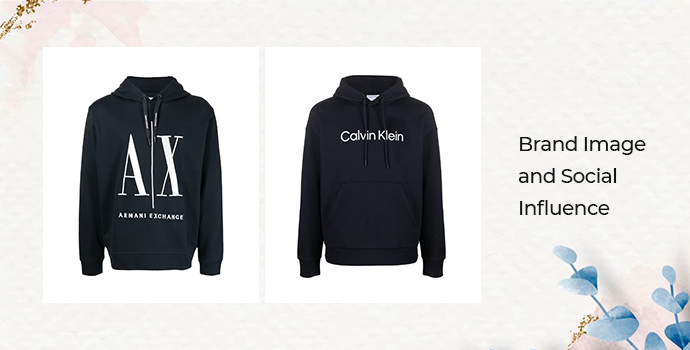
Brand Image and Social Influence
One large consideration in this debate is what kind of image do you want to be projecting when wearing your clothing?
For Calvin Klein, this is chic, intimate, and aspirational sophistication, bordering on a slight minimal-luxury feel.The Armani Exchange, on the other hand, builds a brand around a loud youthful image, drawing heavily from urban culture and nightlife fashion, leaning towards playful and fun.
Sustainability Efforts
Sustainability is becoming an increasingly more important issue in fashion.
Calvin Klein has already been demonstrating its willingness to proactively respond to more sustainable materials, sources that are ethical, and respond to the fast pace of reacting to environmental issues. Armani Exchange has established its own sustainability targets as a member of the Armani Group; however, its fast-trend positioning is often at odds with slow-fashion brands.
Celebrity Endorsements
Celebrity endorsements have been wielded with masterly effect by both brands.
Calvin Klein: The name has been linked to many celebrities, almost from the dawn of time, with the famous campaign by Brooke Shields in the early ’80s, right up to stars such as Kendall Jenner and Justin Bieber in the present day. CK has truly perfected this.Armani Exchange: Works regularly with musicians, DJ’s, and upcoming actors to continue to build its youthful, nightlife inspired identity.
Pros and Cons of Each Brand
Calvin Klein – Pros
Timeless, versatile styles.Dependable quality in basics and fitted lines.Well-known, regarded, and appreciated across the globe.Marketable across all ages.
Cons
Less dabbling option for the bold fashionista.Some core pieces do trend higher priced.
Armani Exchange – Pros
Trend-based and expressive lines.Good access to the brand without the designer price.Strong appeal to consumers 35 and younger.Great for statement and logo-based fashion.
Cons
Moving away from their trend-based lines, they may not age well.Quality is inconsistent across the sub-brands.
Ultimately, it comes down to your fashion values.
Choose Calvin Klein if:
You value timeless and minimalist fashion.You value clothing that serves well for work and casual.You enjoy neutral tones and clean lines.Your clothes are seasonless / withstand seasons as trends are fleeting.
Choose Armani Exchange if:
You like to play with cluttered and trendy fashion.You like youthful, street-inspired styling.You describe your clothing identity as affordable luxury and designer branding
You enjoy a visual statement through logos and/or high contrast colors.
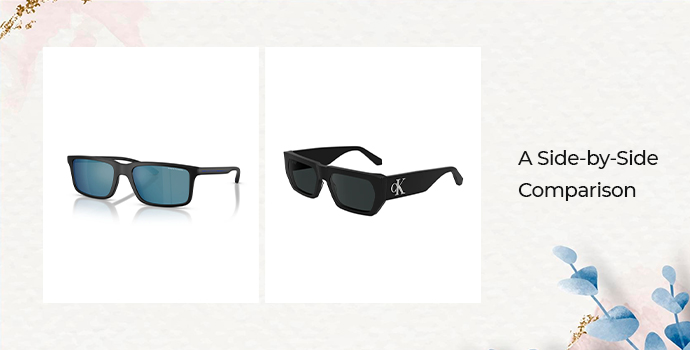
A Side-by-Side Comparison
Calvin Klein was founded in 1968, embraced a minimalist and timeless style and relates to a large population across all ages.
Calvin Klein offers timeless basics that withstand the ever-constant pace of time; minimalistic pieces of class and style appealing to one and all.
Armani Exchange, launched in 1991, embodies a trendy and urban aesthetic targeted toward a younger, fashion-forward audience. Armani Exchange draws on current trends, bold colours, seasonal trends, and street chic fashion to exude an energetic, bold aesthetic. For a shopper pursuing cool but creative seasonal looks, it will be too sparse.
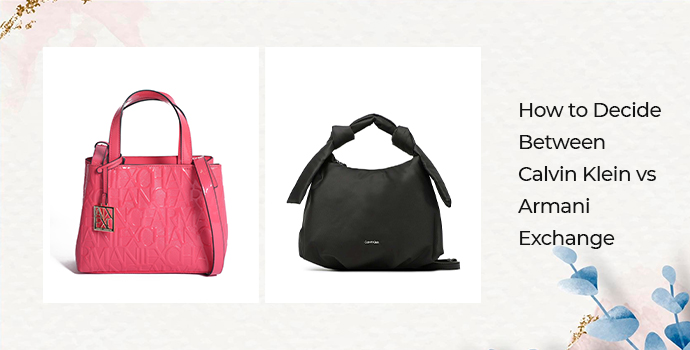
When comparing Calvin Klein vs Armani Exchange, the choice comes down to style personalities, as both brands have similar price points. Who are you? Calvin Klein for a most stylish staple, where evergreen, understated, and basics make the cut; and what about Armani Exchange for someone who loves bold trends, street stylings, and colourful on-trend looks? The likely better question is whether the consumer likes timeless sophistication or actually loves the fashionable reckless abandon of changing looks. If you are a fashion fan, you might be able to mix understated Calvin Klein with bold Armani Exchange for an eclectic combination.
Final Verdict: Which One Should You Choose?
When it comes to Calvin Klein vs Armani Exchange, there is no winner – just personal style and lifestyle needs.
If you want a wardrobe filled with classic, versatile, and long-lasting items, Calvin Klein is the choice for you, as it has such a minimalistic style that your outfits will always look stylish regardless of changing trends. When on the other hand, if you are getting an electric youthful vibe and just want to have fun with clothes, and you like to try new racier styles, then Armani Exchange will satisfy your style fix.
As a whole, these two brands can coexist in your wardrobe. Think of Calvin Klein as your essentials and Armani Exchange as your bravest fashion piece that you can wear for a season, with no limitations.
Quick Tips for Shopping Smart
Mix and Match: Pair a Calvin Klein basic and an Armani Exchange statement piece for a balanced look.Wait for Sales: Both brands have seasonal sales and discounts that make luxury items more affordable through essentials.Try Before You Buy: The feel of fabric and how a clothing item fits can be very different; try items in-store or at least check the online return policy before purchasing.Consider Longevity: If you are thinking about investing in a wardrobe essential, go for Calvin Klein. If you like to change up your fashion every season, go with Armani Exchange.
In the timeless debate of Calvin Klein vs Armani Exchange, your choice is ultimately an expression of your identity. Whether you’re walking into a corporate meeting in crisp Calvin Klein tailoring or hitting a rooftop party in bold Armani Exchange streetwear, the right brand is the one that makes you feel confident.
The ever-popular ME Sitges Terramar resort frames one end of the famous Passeig Maritim. From here, you can walk, jog, cycle or even skate your way to the Old Town of Sitges. Several miles to the southwest of Barcelona, this beachside destination has been charming visitors for decades.
As part of the MeliáRewards program, ME Sitges Terramar is the more social (read: party-time) property of the two in Sitges. If you are deciding between Melia Sitges and ME Sitges Terramar, they sit on opposite sides of the coastline. These are the five reasons that make the more upscale ME Sitges Terramar so special.
The location
There is no beating the location. Just in front of the hotel is a relaxing bay area with minimal waves and a protected area for families to swim. While beaches here are not private, it feels as if this one is just for ME Sitges guests. There are cushioned day beds, umbrellas and towels to enjoy (just don’t forget your towel card that you need to show).
The walk to the Old Town takes about 20 minutes, but the city’s tourist train stops just in front of the hotel. From here, you can ride for around $3 anywhere along its oceanfront path. This is the quietest end of the beach, and for partygoers this can prove a nice respite. Still, there is a lot of fun to be had here.
Once you check-in, staff quickly offer a glass of Cava or chilled water while you complete the sit-down reception. It’s hard not to be wowed by the collection of art and photography, all of which are hallmarks of the ME by Melia brand. And if you like the distinctive fragrance, that’s another link that all ME properties share.
The rooms
Designed in beachy style, the rooms here show off a bright and airy style. This includes polished hardwood floors with white-washed walls and colorful design pieces. Beds are large with easy-access power outlets, including all of the latest USB options. Side tables are often positioned for views, but that matters less since almost every room and suite at the hotel has a furnished balcony.
The entry-level category looks back towards the hotel’s gardens and the cityscape. It’s an entertaining view, but it also works well for most people who tend to spend their time on the beach or out for the day. Other rooms have angled views of the sea and city, but the majority face the water and famous boardwalk.
Open-plan closets make it easy to unpack, and there are modern coffeemakers, minibars stocked with local products from Sitges and laptop-sized safes. All come with bright baths with vanities that open to the guest room to allow for natural light. High-quality Pharmacopia toiletries in large pump bottles, and suite guests receive extra goodies like face cream, face wash and other toiletries.
Families will appreciate the connecting rooms, but there is also a sizable number of suites that start at the junior-style studios. They feature spacious foyers that lead into the bedroom. In between, the gigantic bathrooms have deep soaking tubs, separate rainfall showers and water closets. Some have two bedrooms and tubs positioned by the oceanfront windows for panoramic views.
Larger suites separate the living room completely and come with extra perks, like exclusive access to a private pool on the rooftop.
The dining
Beso is the main dining room here, and is one of the most popular features of the hotel. Foodies are familiar with its famous beach club atmosphere and Spanish menu that encourages lingering for true “sobremesa” (the idea that people gather over great conversation long after a meal). There are two separate meal seatings, and live music is sometimes part of the fun on weekends.
The restaurant opens for three meals a day, which starts with an impressive Cava-fueled breakfast and made-to-order omelets. The al fresco terrace is a popular spot each morning.
Later in the day, the menu switches to authentic paellas, grilled seafood and other seasonal items. There’s also Beso Beach Club where live music entertains and patrons spend just as much time drinking and eating as they might dancing.
Up on the top floor is the adults-only Radio Rooftop. This is the perfect perch from which to survey the entire Sitges coastline and old town center. It is arguably the best of the few rooftop bars and eateries in Sitges. Aside from a range of tempting rinks, there is also a delectable food menu. Especially popular is the Korean barbecue-style options where guests can grill their own food tableside.
The pool, beach and spa
While not enormous, the pool here has perfect beach views and a multi-level terrace. Guests can lounge on chairs by the plunge or purchase access to one of the cabana day beds that come with extra perks like drinks and snacks. Guests that book top suites can also enjoy access to these cabanas.
The beach itself sits in a private cove making it ideal for families as there are fewer crashing waves and a more serene atmosphere to sit and soak. Lounge chairs and umbrellas are available for guests. While the beach itself is not private, its location makes it seem so and there are rarely any crowds. Beso Beach Club staff make the rounds to keep the atmosphere extra lively with flowing drinks and snacks.
Back inside, the hotel has an impressive fitness center with natural light. Regular aerobics and yoga classes take place there or in the gardens. A daily calendar of activities provides all kinds of workout and family-friendly things to do during the warmest months.
The spa has several treatment rooms, including some for couples, and uses a special line of vegan products for its beauty and massage treatments.
The parties
ME is the lifestyle brand of MeliáRewards, and here you will find a lot of entertainment and happening vibes. Its rooftop terrace is home to almost nightly activations, many of them with DJs, and all of them with high demand for a table overlooking the coastline.
The menu includes an Asian-inspired barbecue menu that allows guests to prepare their own meats and veggies tableside. There is nothing else like it in Sitges, and few hotels have their own rooftop terraces. What makes this property so special is its position along the end of the boardwalk giving it the most panoramic of views.
Throughout the year, the resort also hosts a wide range of parties and events. They include everything from New Year’s Eve bashes to private functions that take advantage of the resort’s position. It benefits from waterfront views, but also ballrooms and boardrooms with natural light (many of which open to residential-style garden terraces).
This property used to close during the winter months. Its popularity during the slow beach season has kept it open for the past few years. This is a Sitges favorite for conferences and events. But, no matter when you visit, the food, service and views will win you over.
The cream of the crop: My favourite off-white shirts
Share
Share this post
Subscribe
111 Comments
Wednesday, August 13th 2025Tags: Casual clothingbryceland’sBuck MasonclutchHaversackJ Mueserla bowtiquenew and lingwoodRubatothe anthology
||- Begin Content -||
By Manish Puri.
Readers might have noticed that I’m quite fond of a light shirt.
*Not honest enough. A breakthrough won’t come if you stay in denial*
Readers, if I could be any animal I’d be a cat, the cat that got the cream…shirt.
*What the hell are you jibbering about man?! Stop pussyfooting around and be direct!*
Readers…I’m obsessed with off-white shirts. I sit around all day fantasising about the cute little outfits I can make with them. I draw doodles about them on my ring binder. There’s a Parisian bridge with a padlock on it that has “MP 4 OWS” engraved on it. I’m hopeless.
But I’m not oblivious – I know I have a problem. The pale white trail of breadcrumbs leading to this ivory tower is a long one. As far back as 2023 I wrote, “I seem to have developed a slightly out-of-control fetish for cream/ecru shirts”. (Yes, I have the world’s dullest fetish).
And now, every time I open my wardrobe it looks like a Farrow & Ball colour chart. All White, Skimming Stone, Pointing, Slipper Satin; you name the shade, I’ve got the shirt. I’ve seen Greek yoghurts with more colour variation.
But how did I get to this state? Well, you know that my preference for darker trousers dictates a lighter top to create contrast. And I just find cream tends to be warmer, more flattering and less clinical than white. It’s the difference between 35mm and 4K. It’s why romance occurs by the light of a candle and not the glare of a bulb.
It’s too late for me to change my ways; the spirit is willing but the flesh is weak. Just today, even though I have more cream than a French dairy, I was eyeing up The Anthology’s off-white cotton, silk, merino shirt in incognito mode on my phone.
But I want to save you from the same obsessive fate dear reader. In this article, I’ve highlighted two of my favourite off-white shirts – one formal and one casual – that I think are all most readers will ever need, and I’ve listed some alternative options along the way. As always, I’d love to hear about your favourites in the comments section.
The silk dress shirt
This sand washed silk dress shirt – an MTM purchase from La Bowtique (£450) – is actually the last cream shirt I bought, and has proved so successful that it prompted this reevaluation of my entire wardrobe of light-coloured shirts.
It’s a luxurious option without appearing overtly flashy or luxe; the epitome of what the ideology of ‘quiet luxury’ (if we really must use that term) meant before it became just another aesthetic fad.
That appearance comes from the sandwashing process, which removes a lot of the silk’s natural lustre and gives it a soft, matte, almost suede-like handle. In fact, the closest comparison is with Solbiati’s Art du Lin – an Art du Soie, if you will.
(Speaking of Art du Lin, the brown suit shown here is from The Anthology in their exclusive cappuccino colour – available in RTW, it’s a versatile shade that would fit perfectly into my cream-and-brown holiday capsule. The tie is from Speciale).
As you’d expect for a dress shirt, it works great with a silk tie, and I think it’s even smart enough to wear with black tie – as I did one evening in Florence this summer (above, wearing a pink linen MTM jacket from New & Lingwood and photographed by Lorenzo Sodi).
It drapes fantastically, despite being a relatively light 3.5oz, so I’d caution against getting one that’s too slim and allow that beautiful silk to flow from the chest into the waistband of your trousers. For that same reason, I also think a silk shirt makes a more elegant option than cotton for those tailored outfits that forego a tie entirely.
I’ve worn this shirt a lot more than I anticipated, which has also meant I’ve had to take the plunge and wash it at home. So far, I’ve had no issues doing so using a cool, delicate cycle that finishes on a low spin setting. The silk does feel compact and tight when it dries, but ironing it at a low heat quickly restores its natural ease.
Other options:
The best RTW option I’ve found in this category is the New & Lingwood ivory sandwash silk shirt (£275).
Readers looking for a more dramatic style might like this silk spearpoint collar model from Edward Sexton (£475).
I continue to recommend LEJ’s silk 1-Pocket Officer’s Shirt (£395, above), which I wrote about a couple of years ago. However, it’s undeniably a more casual option than any of the shirts above, with a softer collar, a chest pocket and larger buttons.
The utility shirt
I’ve bracketed this type of shirt as a ‘utility’ shirt, by which I really just mean one that is most useful to you. How that’s determined will (as always) depend on what you already have in your wardrobe, what best suits your lifestyle and what climate you live in.
But, for many of us, I suspect it’s a casual, relaxed shirt that can be worn tucked in or left loose, has at least one pocket, and comes in an interesting fabric – maybe something with a little texture, or a weight that’s not typical of your other shirts. It’s a bonus if you can wear it with both jeans and some form of tailored trouser.
The shirt that ticks most of those boxes for me is the Rubato ecru chambray work shirt (£275), which is made from a 5oz Japanese chambray that’s been pre-rinsed to soften it up a touch. I’m wearing a medium – which is what I wear across the entire Rubato range. It’s a minor point, but that consistency isn’t as common as one might expect, and enables consumers to buy with confidence.
During Rubato’s recent PS pop-up in London, Oliver expressed surprise at how much more popular the ecru was than the classic light blue. I wonder if that’s partly due to the ubiquity of the light blue; the ecru is a nice point of difference and notionally easier to pair with denim.
I also think a lot of light blue chambrays on the market require a bit of wear and tear to get them to their optimal state, whereas what you see is what you get with an ecru.
The front of the shirt has two asymmetrical ‘covenience’ pockets; one patch, one bigger patch-flap and both secured with buttons, which I always find very practical when travelling or on those days out when you want to carry a few small valuables without lugging a bag everywhere.
Other options:
If I lived somewhere with a more dependably hot summer, I’d want to maximise the utility of my light shirts by opting for a lighter, breezier style. Readers that followed my adventures in Thailand won’t be surprised to hear that The Anthology’s off-white Bigman shirt ($325, above) would be my choice here.
The J. Mueser team have expanded their RTW significantly in the last 12 months and this ivory work shirt in Tencel ($245) is one of my favourite new designs from them.
Buck Mason’s Palomino ($168) shirt is a good western-inspired option made in a cotton/wool blend. It’s described as a white shirt, but you can see in their shop images that it’s a softer warm white.
An Oxford cloth button down fits most of my criteria for a utility shirt, and could even be swapped with the dress shirt for some outfits. They have a lovely vintage quality in cream, but they’re not as easy to find as most retailers stock them in white. However, Drake’s currently has a nice cream OCBD (£195).
A more casual option would be this Haversack band collar shirt (£325) in a cotton/linen blend. The shirt is designed to be worn untucked which I think is an easier way to wear a collarless style.
To bring us full circle, and bridge the silk dress shirt and the utility shirt, readers might want to look at Bryceland’s Hollywood silk sports shirt (£489).
Manish is @the_daily_mirror on Instagram
Photos by @adnatt
I’ve added a few shots of some of the shirts mentioned above for a little styling inspiration. From top to bottom they are: J. Mueser, Bryceland’s, Haversack (via Clutch Cafe) and Buck Mason.
Related posts
A guide to knitted T-shirts
June 13th 2025 – 117 Comments
Read More
Spring/Summer Top 10 ’23: Shirts, shorts and a hairy cardigan
April 28th 2023 – 107 Comments
Read More
Summer Top 10: Polos, more polos, and espadrilles
July 6th 2022 – 166 Comments
Read More
<!–
Subscribe to this post
You can follow the discussion on The cream of the crop: My favourite off-white shirts by entering your email address in the box below. You will then receive an email every time a new comment is added. These will also contain a link to a page where you can stop the alerts, and remove all of your related data from the site.
For the discerning traveler, packing the perfect wardrobe is an art form. Whether jetting off to a cosmopolitan city, a sun-drenched coastal getaway, or a countryside retreat, the right pieces ensure you step off the plane—or out of your luxury villa—looking effortlessly polished. This season, we’re highlighting luxury travel essentials that blend sophistication, versatility, and wanderlust-worthy appeal to your travel wardrobe.
The Bottega Veneta Cassette Crossbody in buttery intrecciato leather is the perfect travel companion. Its compact yet spacious design fits all your essentials while adding instant polish to any outfit. The adjustable strap allows for multiple carrying options – crossbody for hands-free exploring or shoulder-carry for evening elegance.
Daytime: Pair with jeans and a crisp white shirt for café-hopping
Evening: Style with your Generation Love dress for dinner under the stars
The Row Oversized Leather Tote: The Carryall of Dreams
For those who travel with their entire wardrobe (or just like to pretend they might need it), The Row’s Oversized Leather Tote is the ultimate in understated luxury. Made from the finest pebbled leather, it’s roomy enough for a weekend’s worth of essentials yet structured enough to maintain its elegant shape.
Perfect for: Stashing that extra cashmere wrap, a hardcover book, and your beauty essentials
Style it with: Everything from travel day leggings to your resort evening wear
Bonus: The buttery leather develops a gorgeous patina with use
Generation Love Floral Dress: The Ultimate Travel Staple
A dreamy, feminine dress is a travel must-have, and the Generation Love Floral Dress delivers both style and ease. Its lightweight, wrinkle-resistant fabric makes it ideal for packing, while the romantic silhouette transitions effortlessly from daytime to evening.
City Escape? Layer with a tailored blazer and sleek loafers for museum-hopping in Paris.
Tropical Getaway? Pair with strappy sandals and a woven tote for a breezy lunch by the sea.
Wine Country Retreat? Add ankle boots and a wide-brimmed hat for vineyard-chic appeal.
With its timeless print and flattering cut, this dress is a passport to endless outfit possibilities.
Hat Country Laredo Maddie Cowgirl Boot: The Unexpected Travel Hero
For those who crave a touch of Western romance in their travels, the Hat Country Laredo Maddie Cowgirl Boot is a game-changer. Handcrafted from supple leather with beautiful scrolls, these boots are as comfortable as they are stylish—perfect for cobblestone streets, countryside strolls, or even a night out in Nashville. Maddie is the boot for you if you are looking for classic, simple, and beautiful.
European Adventure? Style with a midi skirt and a tucked-in blouse for a polished yet eclectic look.
Desert Escape? Pair with high-waisted shorts and a linen shirt for rugged elegance.
Mountain Retreat? Layer with cozy knits and jeans for après-ski charm.
Durable, distinctive, and undeniably chic, these boots prove that travel footwear doesn’t have to sacrifice flair for function.
One With Swim Bellows Plunge High-Cut One Piece: Resort-Ready Glamour
No luxury getaway is complete without swimwear that makes a statement. The One With Swim Bellows Plunge High-Cut One Piece is the epitome of elevated beach style—sculpting, sleek, and designed to turn heads. Its high-cut legs and deep V-neck create a leg-lengthening effect, while the premium fabric ensures both comfort and durability.
Riviera Retreat? Throw on a sheer kaftan and oversized sunglasses for poolside lounging.
Tropical Paradise? Pair with a sarong and statement earrings for sunset cocktails.
Private Yacht Excursion? Layer under a linen shirt for effortless cover-up style.
Whether you’re diving into the Amalfi Coast’s turquoise waters or soaking up the sun in St. Barts, this one-piece is a vacation in itself.
The Art of Travel Dressing: Less Luggage, More Luxury
The key to stress-free, stylish travel? Investing in versatile, high-quality pieces that work across destinations.
BECOME A PURSUITIST VIP!
Sign up for our Free Insider Enewsletter. Get exclusive access. No ads, ever!Rated ⭐⭐⭐⭐⭐ from Forbes, The New York Times & The Wall Street Journal.
Kimberly Fisher
Kimberly Fisher is a Pursuitist contributor, freelance writer and luxury expert that has been published in over 50 publications including Huffington Post, Just Luxe, Sherman’s Travel, Ocean View, Luxury Lifestyles UK, USA Today and more.
Youth culture has always been a powerful force driving shifts in music, fashion, art and social movements. Each generation redefines what it means to be young in its own way. From 70s Soul Train to 90s skateboarding, or 60s anti-war flower power to 80s graffiti tags, youth expression has long shaped global culture. Today, Gen Z is evolving the notion of youth culture once again — this time as a fluid, digital-native subculture with growing economic and creative clout. As each generation has reframed what youth means in its time, the rise of Gen Z’s ideals and “radical movements” now signals a shift in how youth culture is commodified, communicated and capitalised on.
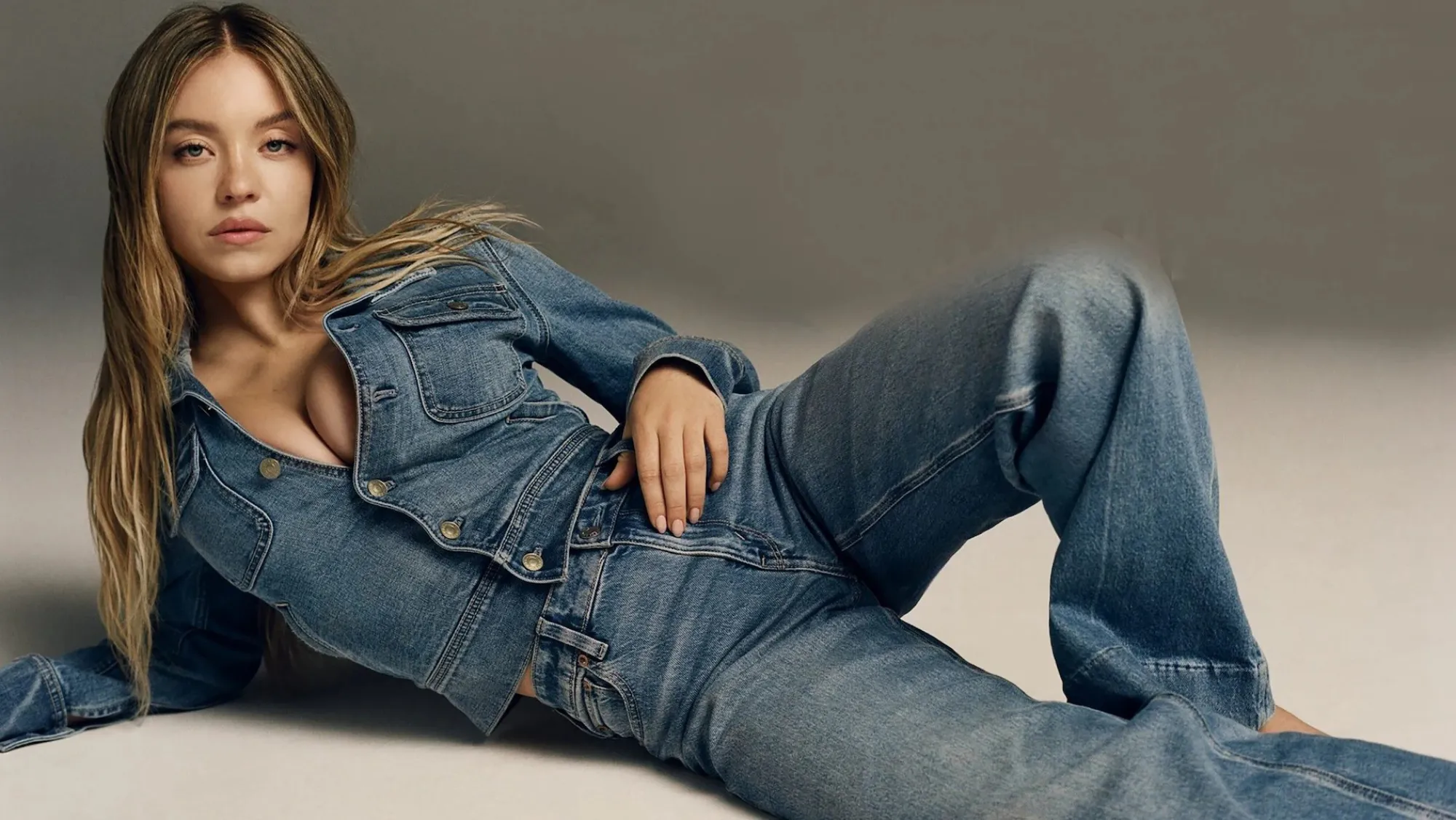
Youth culture today is more than a series of trends; it is a powerful movement shaping how brands communicate and connect. Yet, navigating this evolving landscape is not without controversy. Take American Eagle’s recent campaign featuring Sydney Sweeney, which sparked controversy not for the jeans themselves, but for a play on words in the ads. One version shows Sweeney in front of a banner reading “Sydney Sweeney has great genes,” with the word “genes” painted over to read “jeans.” Critics argued the subtle reference touched on sensitive cultural and political tensions in America, with some interpreting it as echoing divisive nationalist themes.
Despite the uproar, the ads have driven significant sales, with many jean sizes sold out and proceeds supporting mental health charities — yet the debate highlights how fraught marketing to Gen Z has become. Interestingly, reports also showcase how the campaign negatively impacted the brand’s foot traffic. Data shows a notable nine percent year-over-year decline in store visits during the week beginning 3 August, following the campaign’s launch on 27 July. This downturn contrasts sharply with the weeks prior, which saw traffic gains of nearly six percent.
Millennials Vs Gen Z Subcultures
One could argue that millennials carved their identity largely through physical rebellion and distinct subcultures that often took years to reach the mainstream. In contrast, Gen Z’s cultural imprint is immediate, digital, and decentralised. Millennials typically had to make noise to be noticed. Their subcultures were forged in physical spaces — concerts, clubs or street culture — expressed through fashion ensembles, music genres and political ideologies. This was a slower build, with trends taking years to become widely accepted. Gen Z’s subculture, however, thrives on digital platforms where personal likes, dislikes and values are shared instantly via social media. Trends erupt overnight and rapidly become normalised through widespread digital broadcasting. This organic growth is less about rebellion and more about authentic self-expression shared on a global scale without physical or geographic limitations.
So why is Gen-Z subculture so elusive? The reason one does not “see” Gen Z’s subculture is that it grows rapidly online, often overnight, and eventually becomes a norm through digital broadcasting — a more streamlined, less confrontational way of creating and sharing a subculture.
Gen Z’s Digital Subculture(s)
@brycekicks As always wear what you like? What trends do you think will be big in 2025? #mensfashion #fallfashion #outofstyle #2025 #fashiontrends ♬ UNSTOPPABLE EVENING – finetune
Several digital-first movements now define Gen Z’s values and aesthetics. Slow fashion and thrift culture have emerged as key examples, with today’s youth curating wardrobes from secondhand finds as a response to sustainability concerns and rejection of fast fashion, especially on platforms like Depop, as Gen Z rejects fast fashion and leans into eco-conscious curation. This movement aligns with broader environmental values and recycling culture — drawing profit from nostalgia while reducing waste, and fueling vintage Y2K revivals on marketplaces and TikTok.
When it comes to how brands market their campaigns, diversity and inclusivity have become central components, particularly in the beauty and fashion industries, with demand for broader makeup shade ranges, extended fashion sizes and media representation reflecting a commitment to equity and acceptance. Eco-conscious minimalism embraces a clean, simple aesthetic tied to low-waste living and environmental awareness. Meanwhile, vulnerability and mental health awareness are openly shared online in selective, intentional ways that foster empathy and safe digital spaces. Gen Z also revitalises nostalgic fashion eras such as Y2K or Cottagecore, blending past aesthetics with fresh perspectives to create hybrid and constantly evolving subcultures.
How Brands Commodify Gen Z Subculture
Gen Z’s online subcultures — like Cottagecore’s nature-inspired nostalgia, Y2K Maximalists’ bold retro revival and Goblincore’s embrace of chaotic, anti-glam aesthetics — have reshaped youth culture and consumer trends. Brands tapping into these movements succeed by adapting their products and marketing to reflect these niche styles and values. For example, fast fashion labels like Urban Outfitters and Zara have launched thrift-inspired collections catering to thriftcore and Goblincore fans, blending “ugly” aesthetics with supposedly “sustainable” materials. Meanwhile, beauty brands such as Fenty Beauty have expanded diverse shade ranges and playful packaging that resonate with Gen Z’s demand for inclusivity and self-expression. Even luxury brands like Dior have capitalised on viral social media trends by releasing limited-edition lip glosses and accessories that tap into the Y2K craze. By collaborating with creators and influencers within these subcultures, brands gain cultural credibility and drive sales through social commerce and viral campaigns. Ultimately, this approach turns grassroots cultural movements into profitable, market-ready products without alienating Gen Z’s demand for genuine connection.
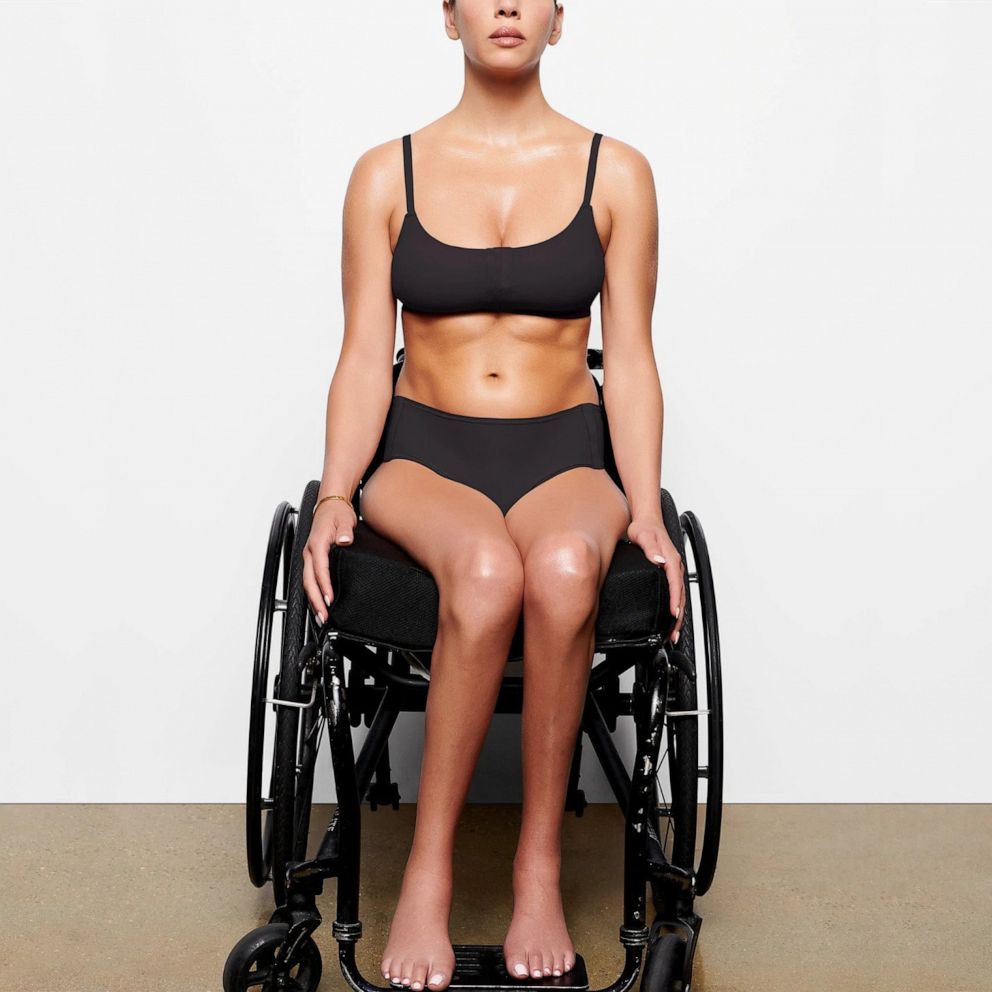
However, much of this marketing remains a farce — brands often resort to greenwashing, promoting sustainability without rigorous efficacy studies to back their claims. Initially, many tried simply changing their look to mimic Gen Z subcultures, but when that failed to build lasting trust, they dug deeper by talking up sustainability. Consumers quickly saw through superficial efforts, prompting brands to add yet another layer: performative inclusivity, exemplified by campaigns like Skims featuring plus-size models. Still, Gen Z pursues a lifestyle rooted in authenticity and values that fast fashion’s fleeting trends can’t truly capture.
Controversy Does Not Equal Cultural Cache
As Gen Z reshapes consumer culture, brands have a prime opportunity to reinvent themselves by revisiting their roots. Embracing vintage logos, packaging, and classic product lines allows companies to tap into nostalgia while modernising these elements for today’s market. This trend of redesigning heritage styles not only fuels successful comebacks but also positions brands to connect authentically with a generation that is now leading the industry’s direction. For businesses, blending legacy with innovation is proving to be a winning strategy in capturing Gen Z’s loyalty and driving growth.
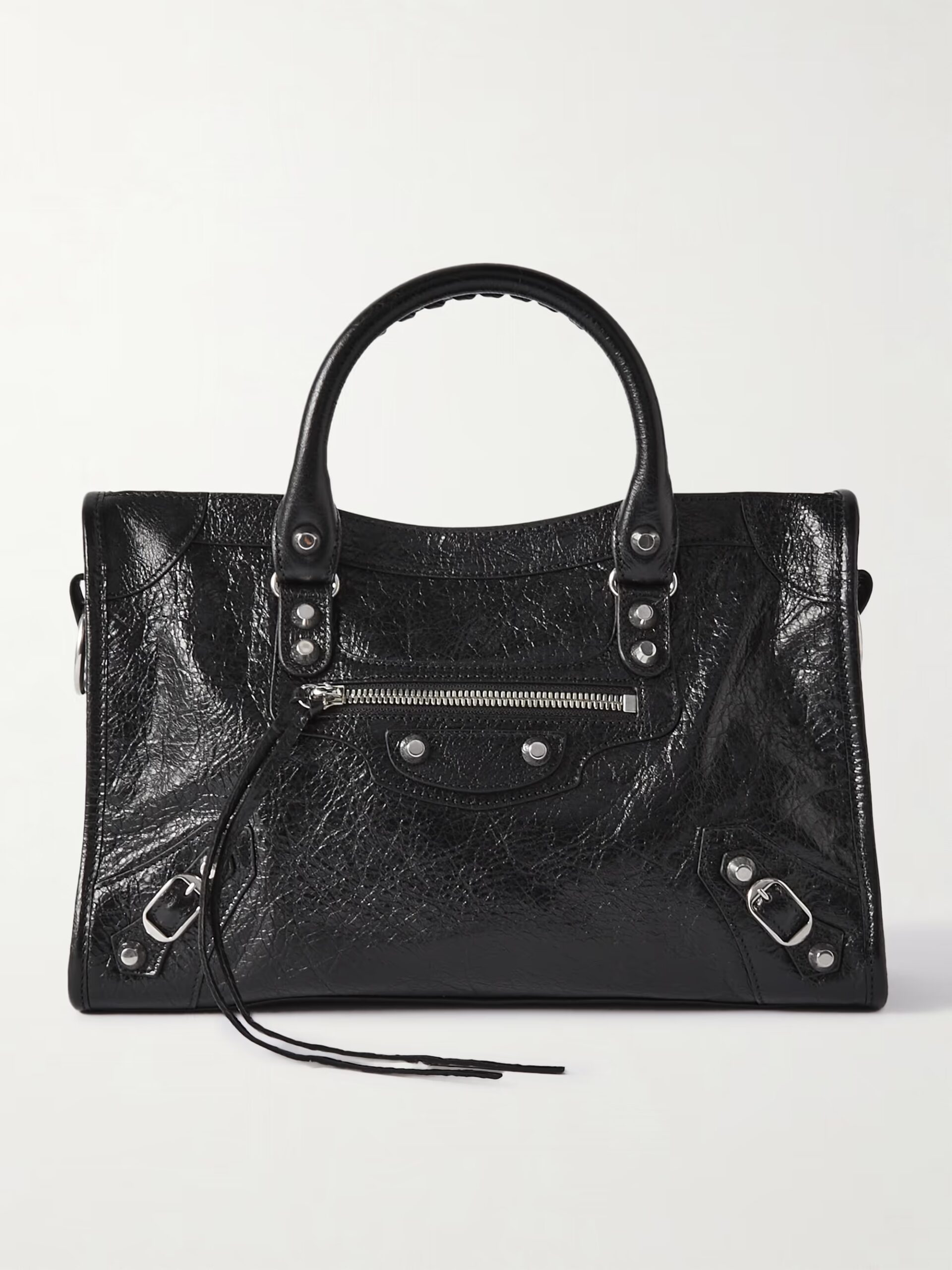
However, controversy no longer guarantees cultural cachet. Where American Eagle’s recent ad campaign sparked debate but yielded mixed results, luxury Maisons like Balenciaga have succeeded by authentically embracing subcultures such as motorcycle and biker styles, proving that genuine connection — not controversy — is key to winning consumer loyalty and driving sustainable growth.
For more on the latest in luxury fashion and style reads, click here.
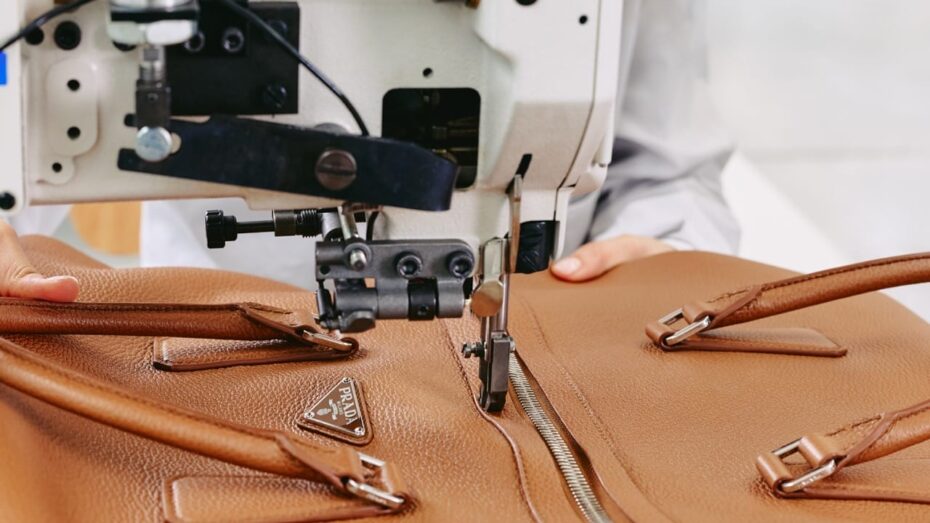
Rather than clothes and accessories that are meant to conjure a air of immediacy and reflect the dynamism of your self-expression, what you use to carry them from door to door, flight to flight would require a sense of steadiness — something you can rely on, never be sick of and fall in love with it even more with every use. The Prada Duffel Bag is not about doing too much, but doing just enough.
First impression through the eyes, then followed by the first interaction with the hands — soft, supple and tactile is the deerskin-effect calf leather. The irregularity in its grain imbues each piece with a unique flair, crafted to wear nicely with time. Do not let the clean lines and a starkly minimal silhouette suggest a sterile personality. Functioning as a spacious, trusty vessel for the endless escapades ahead, its double handles, central zip and adjustable shoulder straps all work in harmony to create a user experience that keeps your mind on the road.
Where personal belongings are kept safe, the slight slouch in this structured duffle evokes a Summery flair, the ease of getting ready for a vacation. Just throw in a few tank tops, your favourite board shorts, sunscreen, sunglasses and go. Trust the purveyors of travel accessories like Prada to create a duffle bag that feels sturdy, yet relaxed at the same time.
Already spotted on the likes of Kai from EXO, the Prada Duffel Bag possesses a timeless charm that invites you to reach for it again and again — appropriate for the weekend golf tournament, short business trips or your next workout class. More than just the emblematic Prada triangle, what makes the bag unmistakably Prada comes down to its immaculate craftsmanship. Just as legendary industrial designer Dieter Rams once put it, “good design is as little design as possible.”
This article was first seen on Men’s-Folio SG.
For more on the latest in luxury fashion and style reads, click here.
University of Fashion’s 3 book series – Beginner Techniques: Draping, Pattern Making & Sewing. Available on Amazon
Once upon a time, in a land filled with fabric scraps and tangled threads, National Book Lover’s Day arrived! All the books in the world gathered around, boasting about their genres—some had wizard duels, others had swoony billionaires. But in walked three proud volumes, Draping: Beginner Techniques, Pattern Making: Beginner Techniques and Sewing: Beginner Techniques from the University of Fashion. The other books raised their spines in curiosity. What could be so special about these—surely, sewing was just threading needles and hoping for the best? But the trio were ready to show their stuff.
These step-by-step guides give aspiring designers clear and concise draping, pattern making and sewing instruction. For established designers, these guides are a must-add to any resource library. Written by UoF F founder, Francesca Sterlacci, edited by two of UoF’s best instructors, Barbara Arata-Gavere and Barbara Seggio (also FIT professors) and published by Laurence King Publishing, each guide works in tandem with University of Fashion videos. Students, designers and home sewers keep these guides open on drafting tables, next to dress forms and alongside sewing machines for constant reference.
We make learning easy! Every step in pictures and words
Draping: Beginner Techniques
Our books cover our most popular beginner lessons. They faithfully depict what our instructors demonstrate in the videos on our website, set-by-step, so that you can create the exact same garments and projects by yourself. All of our books contain hundreds of pages of pictures and text. They are printed in an extra large formant and every page opens flat for easy viewing while you work. We make learning fashion design fun, affordable and easy.
Pattern Making: Beginner Techniques
Each book contain extras, like historical references and inspiring runway shots Every lesson contains a tools & supply list, applicable charts, diagrams and forms designed to assist with that lesson. Learning objectives and self evaluation checklists reinforce the learning process at the end of every chapter.
Sewing: Beginner Techniques
So, for National Book Lover’s Day, pick up a volume from University of Fashion’s surprisingly runway-worthy trio. Because nothing says “celebrating stories” like draping, patterning or sewing a happily ever after—one stylish page at a time!
Oh, be sure to check out Francesca’s other books:Historical Dictionary of the Fashion Industry, Second Edition, Roman & Littlefield Publishers














 Once you check-in, staff quickly offer a glass of Cava or chilled water while you complete the sit-down reception. It’s hard not to be wowed by the collection of art and photography, all of which are hallmarks of the ME by Melia brand. And if you like the distinctive fragrance, that’s another link that all ME properties share.
 Designed in beachy style, the rooms here show off a bright and airy style. This includes polished hardwood floors with white-washed walls and colorful design pieces. Beds are large with easy-access power outlets, including all of the latest USB options. Side tables are often positioned for views, but that matters less since almost every room and suite at the hotel has a furnished balcony.
 Open-plan closets make it easy to unpack, and there are modern coffeemakers, minibars stocked with local products from Sitges and laptop-sized safes. All come with bright baths with vanities that open to the guest room to allow for natural light. High-quality Pharmacopia toiletries in large pump bottles, and suite guests receive extra goodies like face cream, face wash and other toiletries.
 Families will appreciate the connecting rooms, but there is also a sizable number of suites that start at the junior-style studios. They feature spacious foyers that lead into the bedroom. In between, the gigantic bathrooms have deep soaking tubs, separate rainfall showers and water closets. Some have two bedrooms and tubs positioned by the oceanfront windows for panoramic views.
 Larger suites separate the living room completely and come with extra perks, like exclusive access to a private pool on the rooftop.
 Beso is the main dining room here, and is one of the most popular features of the hotel. Foodies are familiar with its famous beach club atmosphere and Spanish menu that encourages lingering for true “sobremesa” (the idea that people gather over great conversation long after a meal). There are two separate meal seatings, and live music is sometimes part of the fun on weekends.
 Later in the day, the menu switches to authentic paellas, grilled seafood and other seasonal items. There’s also Beso Beach Club where live music entertains and patrons spend just as much time drinking and eating as they might dancing.
 Up on the top floor is the adults-only Radio Rooftop. This is the perfect perch from which to survey the entire Sitges coastline and old town center. It is arguably the best of the few rooftop bars and eateries in Sitges. Aside from a range of tempting rinks, there is also a delectable food menu. Especially popular is the Korean barbecue-style options where guests can grill their own food tableside.
 While not enormous, the pool here has perfect beach views and a multi-level terrace. Guests can lounge on chairs by the plunge or purchase access to one of the cabana day beds that come with extra perks like drinks and snacks. Guests that book top suites can also enjoy access to these cabanas.
 The beach itself sits in a private cove making it ideal for families as there are fewer crashing waves and a more serene atmosphere to sit and soak. Lounge chairs and umbrellas are available for guests. While the beach itself is not private, its location makes it seem so and there are rarely any crowds. Beso Beach Club staff make the rounds to keep the atmosphere extra lively with flowing drinks and snacks.
 Back inside, the hotel has an impressive fitness center with natural light. Regular aerobics and yoga classes take place there or in the gardens. A daily calendar of activities provides all kinds of workout and family-friendly things to do during the warmest months.
 The menu includes an Asian-inspired barbecue menu that allows guests to prepare their own meats and veggies tableside. There is nothing else like it in Sitges, and few hotels have their own rooftop terraces. What makes this property so special is its position along the end of the boardwalk giving it the most panoramic of views.
 This property used to close during the winter months. Its popularity during the slow beach season has kept it open for the past few years. This is a Sitges favorite for conferences and events. But, no matter when you visit, the food, service and views will win you over.






 Historical Dictionary of the Fashion Industry, Second Edition, Roman & Littlefield Publishers
 Leather Fashion Design, Laurence King Publishing


