Couture

Home Couture Page 33

Wearing shoes a shade lighter than trousers

0
Wearing shoes a shade lighter than trousers


Wearing shoes a shade lighter than trousers

Wednesday, October 1st 2025
Share

Subscribe
20 Comments
||- Begin Content -||

When I wore this new linen jacket from Sartoria Salino for the first time, I initially paired it with dark-brown loafers. The trousers were a dark grey/brown after all, and the default for sartorial dressing is generally to have shoes that are darker than the trousers. 

But that looked a little dull. Without a tie or a pocket square, or a stronger colour or pattern in the jacket or shirt, there just wasn’t much going on. So I tried a pair of lighter-brown shoes instead, and the contrast created a pleasing point of interest. 

This is not to say that it was a new discovery. But in the same way as you might try on one or two neckties before settling on one for the day, I tried a couple of shoe options, this was the more satisfying, and I thought it was worth relating as we haven’t covered it specifically on PS before. 

I have written about the traditional rule of shoes being darker than trousers, and as with all such guidelines, it contains some useful truth. A darker shoe is smarter and more formal, and so it’s a good choice with suit and tie for example. 

But with a sports jacket and trousers, the rule is less applicable. It’s usually what I start with – the default – but it’s also an option to play with. And of course once we get into more casual clothes like jeans, the rule is barely relevant.

As with many rules it’s also best thought of as a spectrum rather than a binary choice. Small contrasts between shoes and trousers can be interesting, but big ones are often garish. 

To describe that spectrum:

A black shoe would have been clearly darker than the trousers (though not really in keeping with the warm browns in the jacket). 
A dark-brown shoe would have been about the same as the trouser (with a little contrast created by the difference between shiny leather shoe and matte wool trouser). 
A mid-brown shoe like the one I chose is just one shade lighter than the dark brown, and works well. 
A much lighter brown, approaching tan, would probably be too great a contrast and could look garish. 

So it’s a range. Start with just one shade lighter and see what you think. Remember it’s always a question of your own choice – these thoughts and conventions are simply useful advice: information than can inform a decision rather than the decision itself.  

Another example I like of a shoe that’s lighter than the trouser is dark-brown suede under charcoal trousers. Perhaps flannels, with a boot or a loafer. 

Oddly I can’t find an example of this on PS – although readers, you often have a better memory than me so let me know if you can think of one. The effect is similar to the combination above however, of the faded black jeans with brown-suede boots. 

Only wearing black with charcoal trousers would be rather limiting, and a dark-brown suede can be a nice point of interest in the same way as the first example. Keep in mind that texture is relevant as well – brown suede shoes are easier with casual flannel trousers than smart worsted. 

The jacket is my second from the Florentine tailor Vittorio Salino, who is actually about to come to London for the first time – he’s asked to use the PS showroom, and will be there from October 31 to November 2. 

I’m pleased with the jacket, which Vittorio now cuts a little slimmer than the first one he made for me. We had one fitting in Florence back in June, and that was strong enough to go straight to the finished piece. 

Oddly when the jacket arrived the sleeves were both about 2cm too long, but everything else was perfect. Still, not a hard thing to fix and clearly a result of some small miscommunication rather than a technical fault. 

Vittorio is a very good tailor, and I think his style will suit people looking for something less structured than most English houses, but not quite as soft and round as the Neapolitans. 

The material, meanwhile, is the ‘Mildmay’ linen from Maison Hellard, part of their Carnet de Voyage bunch in which the different cloths were designed with various friends. This one was designed by Manish

I really liked the cloth when Manish showed it to me – a nice biscuity linen that’s like option five in our ‘If you only had five jackets’ piece. It’s the kind of colour I wear more than paler ‘oatmeal’ these days, although oatmeal is arguably smarter. 

The Mildmay actually has a pink thread weaving through it, and my only concern was that the pink might be too unusual. Made up, though, it’s barely noticeable. 

The linen does have a little bit of a sheen, and I think this makes it a touch smarter – I’m not sure I’d wear it with jeans, even in a more casual make. I had thought of the jacket as a summer equivalent of my Campbell’s tweed, and in many ways it is, but it’s not quite as casual as that one. 

This is actually one of the hardest areas for tailoring materials – summer cloths that go with very casual things like jeans. Coarser linens can be good, but they’re usually not offered by mills. Cottons can be good too, but they’re quite particular. It’s why my J Mueser jacket gets so much interest I think. 

This Hellard linen is fairly soft and creases quite easily, but in my experience so far I still wouldn’t say it’s a solution there. Perhaps it’s not helped by the fact most of the colours in the bunch are quite dark or cold. If anyone’s tried another option that they like in this regard, please do shout.

Clothes shown:

Sartoria Salino bespoke jacket in Maison Hellard ‘Mildmay’ cloth
Simone Abbarchi bespoke shirt in Thomas Mason beige/white stripe ‘Journey’ cotton
High-twist grey/brown trousers from Perro (now defunct)
Charcoal over-the-calf socks from Anderson & Sheppard
Belgravia loafers from Edward Green (more on them here)
‘California’ sunglasses from EB Meyrowitz

Sartoria Salino UK prices:

Jacket: £3,750 (all inc VAT)
Trouser: £950
Suit: £4,700

UK dates:

October 31st to November 2nd
PS Showroom, 37 Harley Street
Planning to visit four times a year
Contact sartoriasalino@gmail.com

<!–

–>


Source link

Spring/Summer 2026 Fashion Weeks in Focus

0
Spring/Summer 2026 Fashion Weeks in Focus


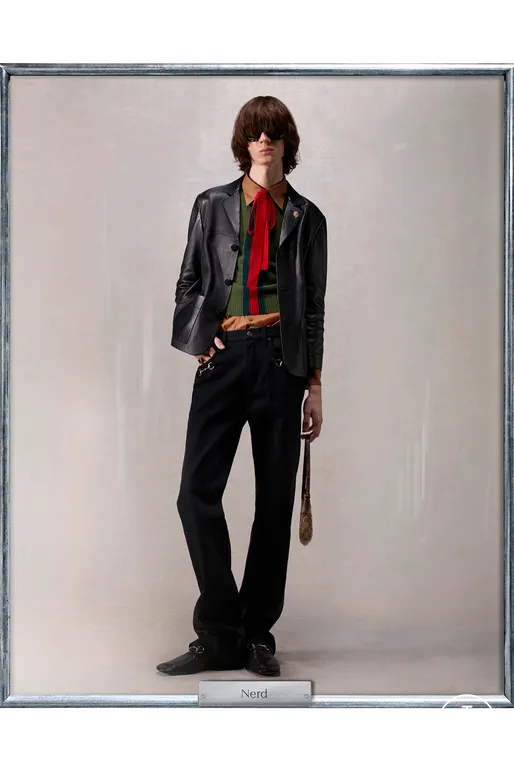
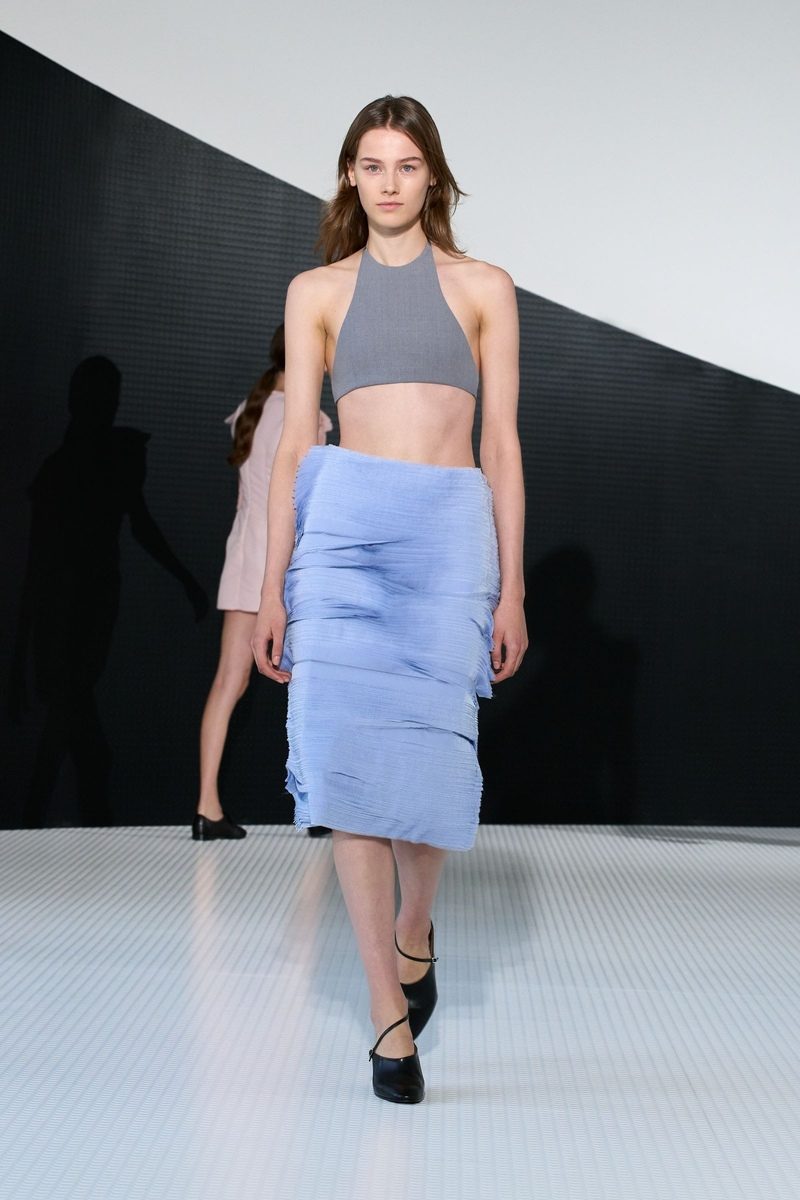
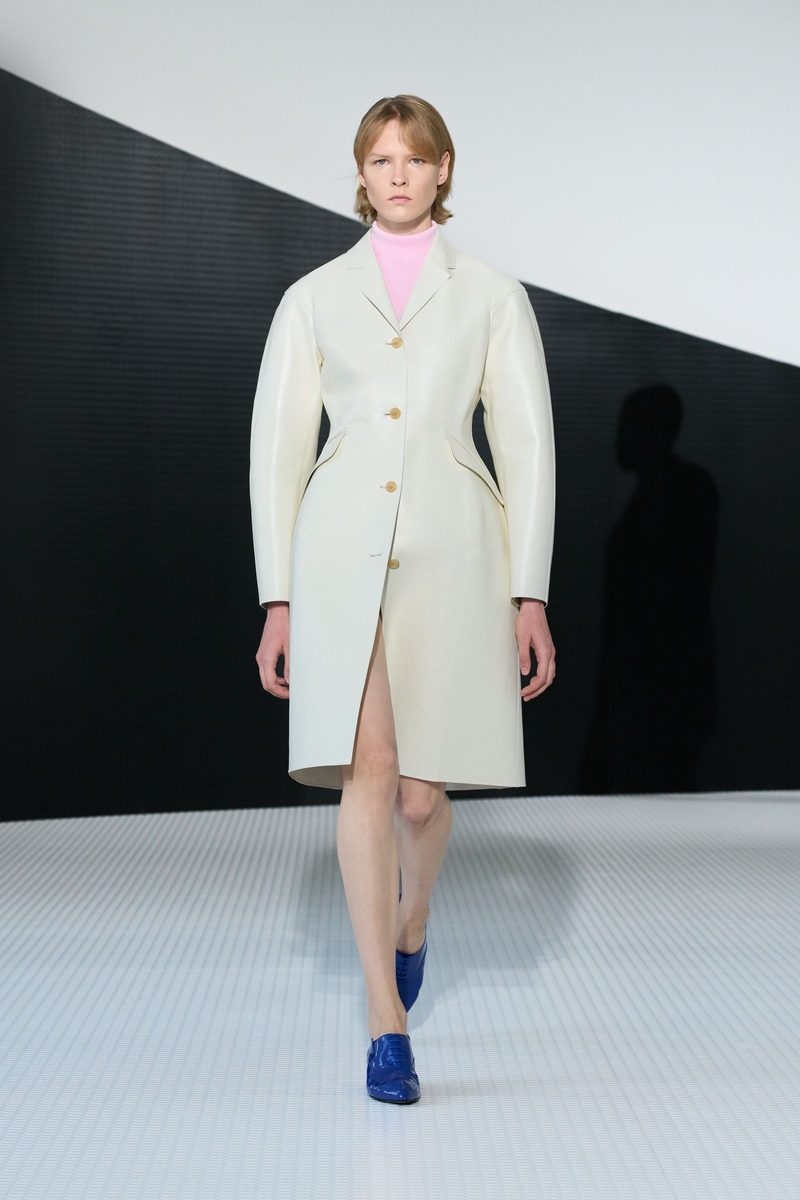
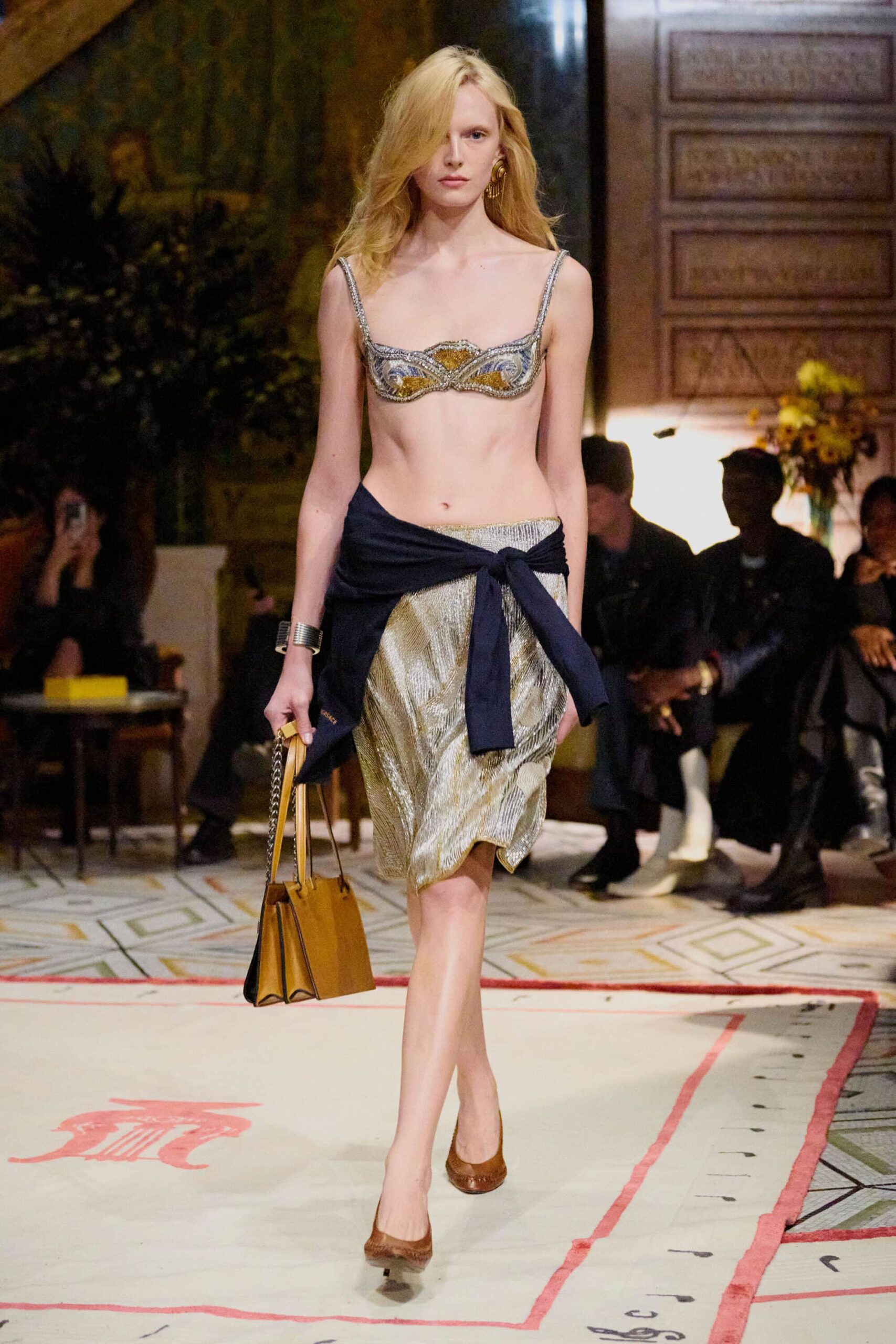
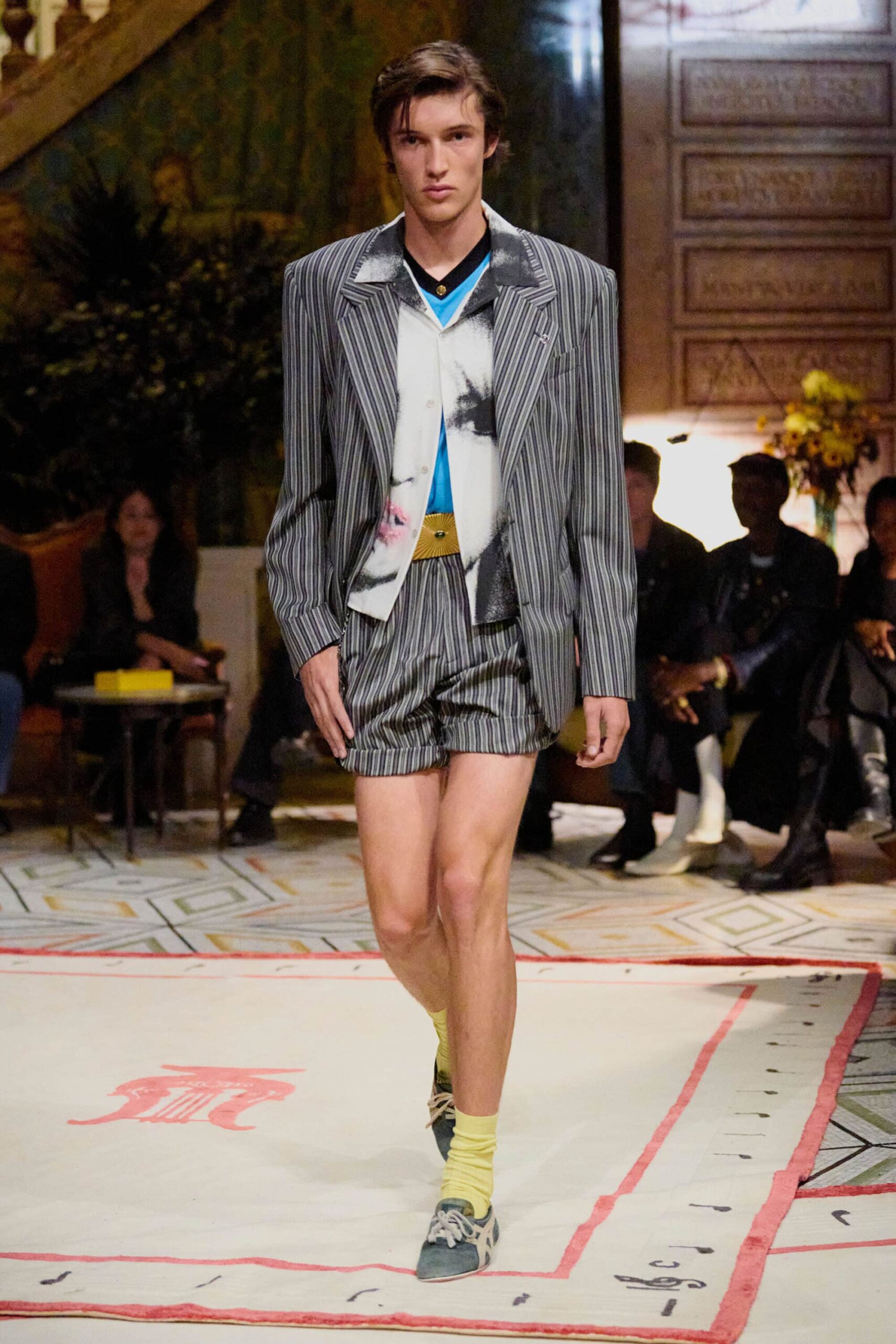
The Spring/Summer 2026 runways in New York, London and Milan — alongside the upcoming collections in Paris — offer a glimpse into how fashion houses are adapting to economic headwinds. With new creative directors debuting under heightened scrutiny, the season revealed both cautious recalibrations and bold risks — underscoring a designer’s first collection at the helm of a storied Maison cannot guarantee success in what some may describe as a contracting luxury market. The season was also marked by institutional shifts, with Fendi announcing Silvia Venturini Fendi’s appointment as Honorary President. Following decades of shaping accessories, menswear and most recently women’s collections, her new role reflects a consolidation of heritage at a moment when the industry is more turbulent than ever.

Fashion Week as a Litmus Test

Fashion weeks have become a barometer for how global brands navigate economic uncertainty. Amid rising costs, stagnant consumer spending and volatile markets, the debut collections of newly appointed designers are under intense scrutiny. Gucci, Loewe, Dior and Chanel all introduced new visions this season, each facing the dual challenge of honouring brand heritage while signalling relevance to a world of shifting priorities.

The spotlight falls on a wave of designers whose first collections carry outsized expectations but offer few certainties. While some have embraced cautious reinvention, others have taken bolder risks — a reflection of the broader industry reckoning. Demna’s decision to forgo a traditional runway show in favour of a digital lookbook for Gucci underscored a recalibrated approach, where spectacle is no longer sufficient to guarantee attention or sales. At Gucci, Demna’s La Famiglia collection exemplifies this balance: an unapologetically exuberant reinvention of “Gucciness” that celebrates the House’s codes, heritage motifs and theatricality while laying the foundation for a future vision. Portraits of the brand’s imagined extended family, a revival of archival handbags, and a playful mix of maximalism and neo-minimal sensuality illustrate how narrative and heritage can coexist in a modern context.

Navigating Change in a Declining Market

The Spring/Summer 2026 season marks a pivotal moment in a year already defined by unprecedented creative turnover. Givenchy, Tom Ford, Dries Van Noten, Dior Men’s, Celine and Margiela have all launched new creative directions, and the autumn schedule will continue this trend with Chanel, Dior, Balenciaga, Loewe, Versace and Mugler. Bottega Veneta, however, has already showcased under Louise Trotter, whose debut arrived at the intersection of legacy and renewal.

Trotter used Bottega Veneta’s 60th anniversary as a framework, grounding her collection in the house’s foundational idea of Intrecciato as a metaphor for collaboration and continuity. Classic bags such as the Lauren and the Cabat were reimagined with structural shifts, while tailoring took cues from the rigour of Italian menswear workshops. Crucially, the show was staged with an audio artwork by Oscar-winning director Steve McQueen, who wove together the voices of Nina Simone and David Bowie in a sonic Intrecciato. It was a clear signal that the brand’s re-positioning rests not only on craft but also on cultural resonance. In a season dominated by questions of risk and restraint, Bottega Veneta’s strategy combined heritage with experimentation in ways that suggested durability beyond the initial buzz of a debut.

The pressure on new directors is immense. Luxury consumers are demanding freshness, but spending is tightening. A debut collection may generate buzz, yet the translation into sustainable commercial success — across marketing, retail and digital channels — is far from guaranteed. Brands must balance creativity with financial prudence, crafting innovations that reinforce brand equity rather than novelty for its own sake.

Reinvention Without Losing Identity

In an era where “the fashion industry is boring” is a recurring critique, these designer transitions offer a rare opportunity for excitement. Yet the season revealed that reinvention requires more than runway spectacle. Heritage brands must find ways to make their history feel current, aligning with cultural debates and evolving consumer identities. This is innovation anchored in equity, not experimentation for its own sake. The aftermath of New York fashion week had critics calling the showcase “unmemorable”.

The key lesson of Spring/Summer 2026 is clear: a single collection is rarely a silver bullet. The first season under a new creative director may ignite interest, but meaningful change — in brand narrative, product strategy and market positioning — unfolds over time. Fashion weeks remain a stage for spectacle, but they are increasingly also a mirror — reflecting how luxury houses confront economic realities, shifting identities and the relentless demand for relevance in a contracting global market.

For more on the latest in luxury fashion and style reads, click here.


Source link

Top 10 Designer Hobo Bags of 2025 Style Meets Functionality

0
Top 10 Designer Hobo Bags of 2025 Style Meets Functionality


September 30, 2025


The hobo bag— once known for the perfect loose, easy shape— is coming back strong in 2025. Maker͏s are changing this well-known design with new looks, better craft, different features and thoughtful stuff. Whether you hold your daily needs, dress up for a night out or search for something in between a good hobo bag now mixes trendy style with use. Here are the top 10 designer hobo bags of 2025, each one an example of style meet functionality. 

What Makes a Great Hobo Bag in 2025

Form & Design: Hobo bags are droopy by nature but makers are adding form, like tough bottoms, gentle edges, or soft bits that give both shape and bendability.Straps and Carry Choices: Take off or change straps, side carry choices, or two handles make a hobo bag easier to use. Materials: Gentle leathers, nappa, suede, even green/eco conscious or reused materials are in the use. Finishes like shiny, raised or mixed textures boost the look.Storage and rooms: Bags (inside and outside), safe ends (zips, snaps that stick), stretchiness, and places for gadgets (phones, tablets) are more and more asked.Pretty things & Brand mark: Logo parts, special sewing/threads, gathered grips, color mixes, stamping— all of this gives identity, setting one designer apart from another.

With these rules, here are ten best designer hobo bags to consider in 2025.

The Top 10 Designer Hobo Bags of 2025

These are listed kind of by the mix between popularity, stylishness, and useful things.

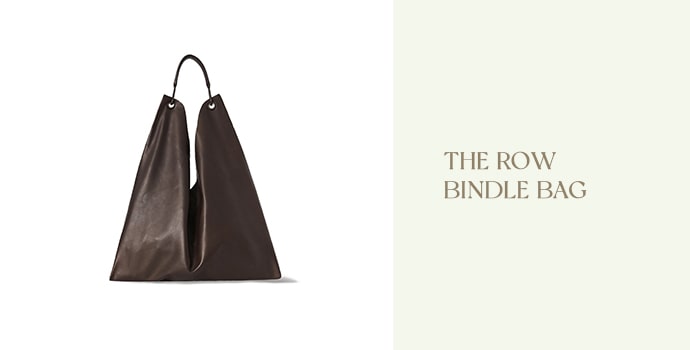
1. The Row Bindle Bag

The Row Bindle Bag

Why it stands apart: The Row has long been linked with simple luxury; the Bindle bag is a top example of this. It gives a laid-back shape in soft leather, with no clear logo but the quality talks for itself. 

Functional traits: The droopy form lets for simple packing of must-haves; plain colors brought in 2025 (sand pale, olive gray) makes it flexible to use with any outfit. The handle/strap style leans towards comfy carrying. 

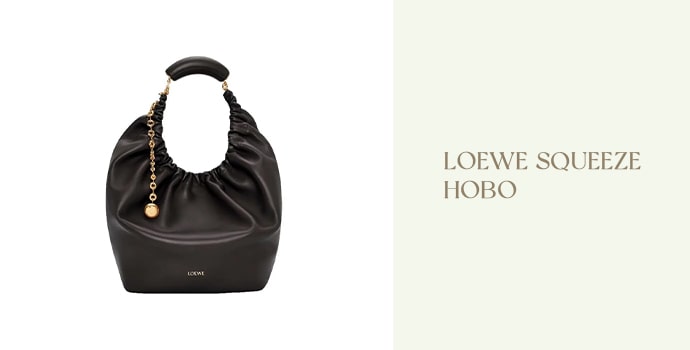
2. Loewe Squeeze Hobo

Loewe Squeeze Hobo

Why it is different: If you enjoy a turn or really a “turn” in style, the Loewe Squeeze bag is for you. The bunched handle and gentle Nappa leather give it shape appeal.

Useful traits: New for 2025 are bright shades (orange, green) and a big size good for people who want more room in their bags. The comfy leather helps it be easy to carry even when it’s full.

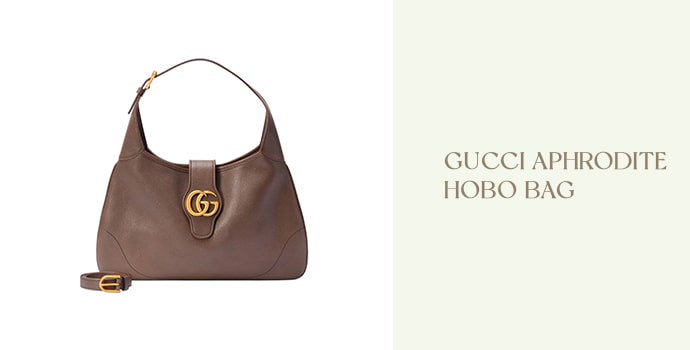
3. Gucci Aphrodite Hobo Bag

Gucci Aphrodite Hobo Bag

Why it is special: This bag links old-time shine (’90s shapes, golden bits) with new twists. The Aphrodite changes gentle forms with nice class.

Functioning parts: Take off chain strap choices make it changeable; different feels (like snake-style leather) let for both fancy and daily use. A big inside holds needs.

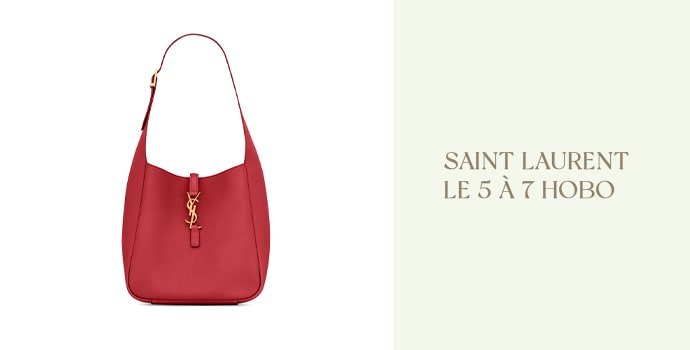
4. Saint Laurent Le 5 à 7 Hobo

Saint Laurent Le 5 à 7 Hobo

Why it is a special: Saint Laurent skill is all about stylish Paris fancy. The Le 5 à 7 hobo bag is made for that evening snack time, a bag that moves from day to night. 

Functional traits: The bag has choices like top-handle kinds crossbody straps and strong form to keep shape. It balances style with use well. 

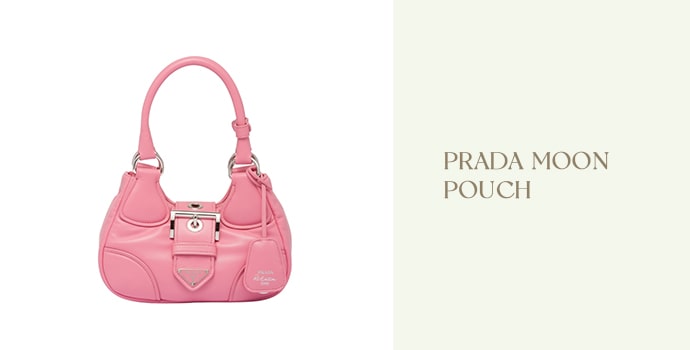
5. Prada Moon Pouch

Prada Moon Pouch

Why it stands out: A moon shape that mixes both old & future style and Prada’s past looks. The three-point mark makes a quiet point.

The 2025 change has re-nylon kinds (light, maybe more friendly to nature) and chainlink bands. It’s great for people who like function (light, tough) with style.

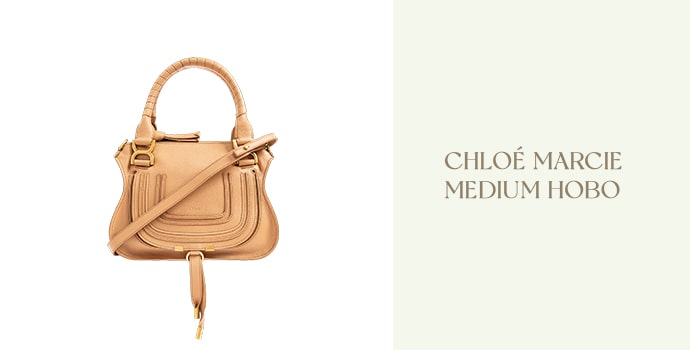
6. Chloé Marcie Medium Hobo

Chloé Marcie Medium Hobo

Why it is noticeable: Chloé’s horse riding past always adds heat and history to their bags. The Marcie keeps main traits (sewn tabs round edges) but in a more laid-back (boho-chic) bag shape.

Functional traits: New brown shades and the use of soft skin and good sourced hide are key. Nice space comfy to carry yet gentle enough to feel day friendly. 

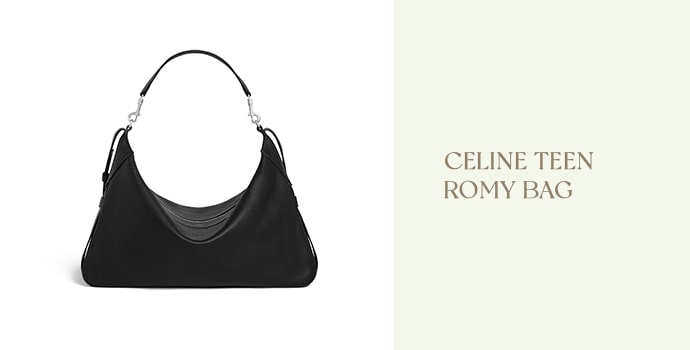
7. Celine Teen Romy Bag

Celine Teen Romy Bag

Why it stands out: Under Hedi Slimane, Celine put focus on curves simplicity and high polish. The Teen Romy is small but has a presence, curvy lines, high-quality leather finish and design that feel luxuriously without being loud. 

Useful traits: The size is easy to handle, the styles in 2025 have fancy leather looks (croc-prints) and soft shiny colors which make strong for outside clothing and fight scratches.

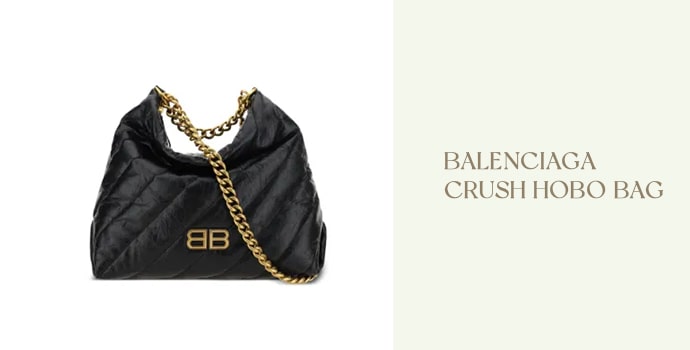
8. Balenciaga Crush Hobo Bag

Balenciaga Crush Hobo Bag

Why it stands out: For people who want sharpness, gentleness and a statement in one the Crush hobo mixes huge droop, soft touch and different tools. It’s more stylish, more “look at me” but still easy to wear. 

Useful traits: In 2025, there’s a “Crush Mini” choice, some changes to the tools, and shiny skins so the bag looks good in many lights. Even though it’s soft, it usually keeps enough shape so things don’t bend too much. 

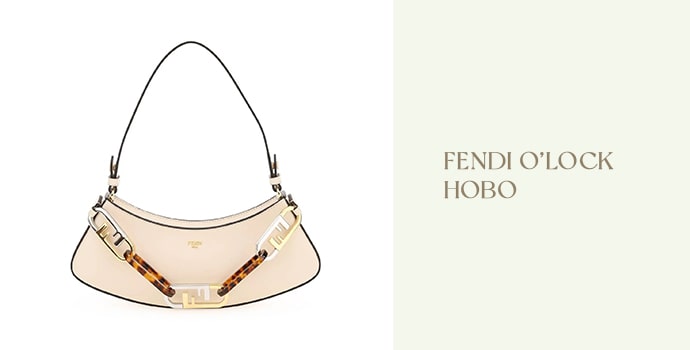
9. Fendi O’Lock Hobo

top 10 designer hobo bags- Fendi O’Lock Hobo

Why it stands out: Fendi’s special tools (“O”-lock), skillful work, and logo history give this bag a big brand charm. The design works with fancy bits but stays easy to wear.

Functional n͏ew traits in 2025 have changeable straps so you can switch them for comfort or style and sides that can grow for more space when needed. The canvas with leather mix also fights wear and tear. 

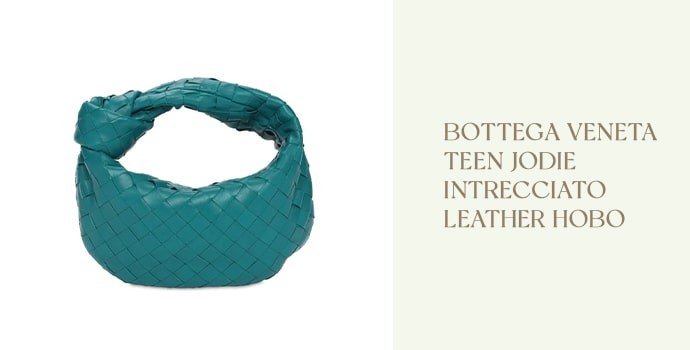
10. Bottega Veneta Teen Jodie Intrecciato Leather Hobo

top 10 designer hobo bags- Bottega Veneta Teen Jodie Intrecciato Leather Hobo

Why it shines: Bottega Veneta keeps the feel and simple sign with its special Intrecciato weave. The Teen Jodie bag is both stunning, and smart. 

Useful traits: The cloth made of leather gives strength and bend; a tied strap for shoulder spreads load nicely. The space is big and the zip top keeps things safe, a good mix of skill and function.  

Honorable Mentions

Gucci Jackie 1961 bag – old charm, handy shape.  Miu Miu’s Wander / Matelassé Hobo Styles – for fans of feel and nice leather; small carry sizes that still feel fancy.

Style Tips: How to Choose & How to Wear

Here are some ideas to help you choose ͏your best drifter and style it well. 

Match size to your routine: If you travel or bring a laptop/tablet, you will need a bigger bag with a strong base and maybe wear it across your body. For evenings out or little stuff, a tinier (small or medium) type works. Consider strap comfort: Slouchy sacks can droop and feel bad on the shoulder. Soft straps or chain-leather mixes, or bags that have two handles can help.Colour & finish: 

Colors like black, brown, cream and tan stay useful.

Earth tones are trending (suede or leather).

Pops of hue or shiny things can be the touch of your outfit.

Different feels— like leather and soft cloth, or smooth and raised— bring more to the look but don’t go too far for variety.

Functional closures & compartments: Zippers or tough magnets guard your things. Inside bags or sections help you keep tidy. Expandable parts (side flaps or folds) let you change size without getting fattened up forever.Brand vs design personality: Some folks want strong logos or tools; others like calm style. Both ways are fine. Choose what suits you – if you use it a lot, the bag must feel like “you” not “a sign that makes you stressed out.”

Why Hobo Bags are Having a Moment in 2025

Why Hobo Bags are Having a Moment in 2025

Retro Comebacks: Many makers are digging into old-2000s / ‘90s forms, gentle lines, and loose bags. Remembering the past is important.Wish for Easy Comfort: After many years of tight and square bags being in charge, there’s a change to more easy shapes— luxury that feels useful, cozy and flexible.Function & Lasting Use: Shoppers like bags that do job: for trips, daily use, outside, travel. Plus, there is more focus on good sources, lighter stuff, and tougher ends.Text with Nuance: Instead of shouting logos, lots of designer folks are giving hints through tools, feels, handle shapes, etc., instead of big monogram walls. These softer details are simpler to use across times.

Which One Should You Go For?

If you’re looking for an everyday bag with large capacity and buttery-soft leather, the Loewe Squeeze Hobo (XL) or the Bottega Veneta Teen Jodie are your best bets. For something dressy yet functional that can transition seamlessly from day to evening, the Gucci Aphrodite or the Saint Laurent Le 5 à 7 are excellent choices. If you prefer understated luxury and a more minimal aesthetic, you can’t go wrong with The Row Bindle or the Celine Teen Romy. On the other hand, if bold, statement-making fashion is what excites you, the Balenciaga Crush or the Fendi O’Lock hobo will give you the edge you’re looking for. And for those who prioritize sustainability and responsibly sourced materials, the Chloé Marcie or the re-nylon versions of Prada’s Moon Pouch make for thoughtful, eco-conscious picks.

Final Thoughts

The comeback of the hobo bag in 2025 isn’t only about memory— it’s about change. Creators are using what made the style liked (gentle forms, relaxed charm) and changing them with more strong shape, nicer stuff, useful details, and a clearer look at what buyers truly need.

When you choose a hobo sack, think for the future— it should hold your basics safely, feel nice over time, and still look good as seasons shift. If you spend on a good design item that fits your style well, the hobo sack can be one of the most clever accessories in your clothes.  


Source link

Gucci Vs Louis Vuitton: Which is Better Brand To Invest?

0
Gucci Vs Louis Vuitton: Which is Better Brand To Invest?


September 30, 2025


When it comes to fancy clothes, two names rule the talks around the world: Gucci and Louis Vui͏tton. Both brands are linked with high status, good quality, and lasting style but they give very different feelings to their buyers. Whether you’re thinking about buying your first designer item or growing your fancy collection it is normal to ask: Gucci or Louis Vuitton – which is the best? 

The reply isn’t as simple as picking one instead of the other. These clothing giants have special identities, pasts, and ways to create. Gucci, with its bright and mixed style, often attracts fashion daring people who enjoy being different. Meanwhile, Louis Vuitton grows on low-key grace, giving well-known logos and classic shapes that show richness and class.

In this clear look, we will check all parts— from past and name to cost, skill, choice of items, and social effect— so you can pick which brand fits best with your own way and wants.

The History and Legacy

Gucci

Gucci- The History and Legacy

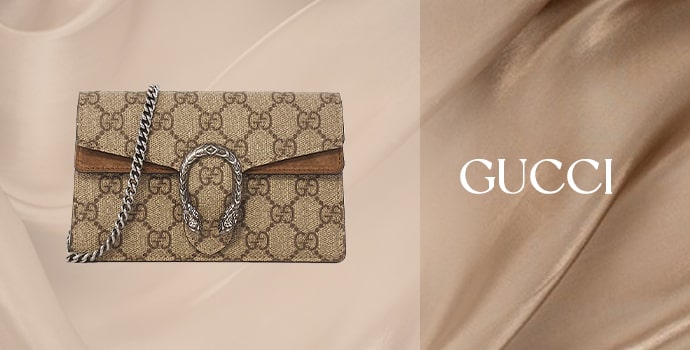
Set up in Florence, Italy, in 1921 by Guccio Gucci, the brand began as a leather company inspired by his job at fancy hotels. The label is about artistry, beauty and horse aesthetics. Thus, the horsebit pattern is perhaps one of the most famous ones. Due to its ever-changing fashion, the house of Gucci kept changing countless times, particularly in the 1990s under Tom Ford and into the 2010s with Alessandro Michele, providing the house arrogantly luxe new looks. Today it is a gutsy legendary house with pop prints, huge logos and ostentatious designs.

Louis Vuitton

LV- The History and Legacy

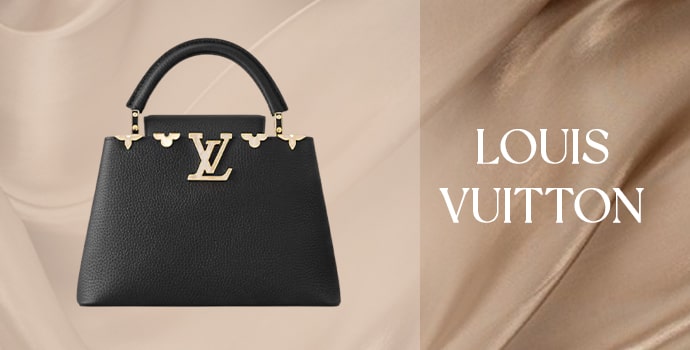
Louis Vuitton was established in Paris in 1854 by its founder, who first made strong, flat-topped boxes— a new idea back then. The brand’s heart is travel, and even now, LV holds its name as the top luxury travel friend. Its famous LV sign and Damier cloth are well-known across the globe. While Gucci focuses on change, Louis Vuitton stays a mark of lasting style and custom, changing with trends without giving up its simple luxury.

Decision: If you value new ideas and brave change, Gucci is more attractive. If background and lasting honor count, Louis Vuitton is without equal.

Design Aesthetic and Style

Design Aesthetic and Style

Gucci is best described as daring, fancy, and trying new things. With new leadership the brand has a new major design aesthetic— large logos, vibrant colors, embroidery, and mixing prints. Gucci is for people to wear to make a statement— it’s for discerning people who do not mind making heads turn for their own fashion sense.

Louis Vuitton, on the other hand, goes for soft luxury. Its styles focus on simple lines, plain colors, and old patterns like the LV mark. The label is usually chosen by those who appreciate sophistication over ostentatious labels. A Louis Vuitton bag can subtly adorn an outfit without truly drawing attention to itself.

Verdict: Gucci wins on creativity and loud design, while Louis Vuitton wins on quiet elegance and timeless design.

Craftsmanship and Quality

Craftsmanship and Quality

Gucci and Louis Vuitton ͏are known for great skill but their ways are not the same. 

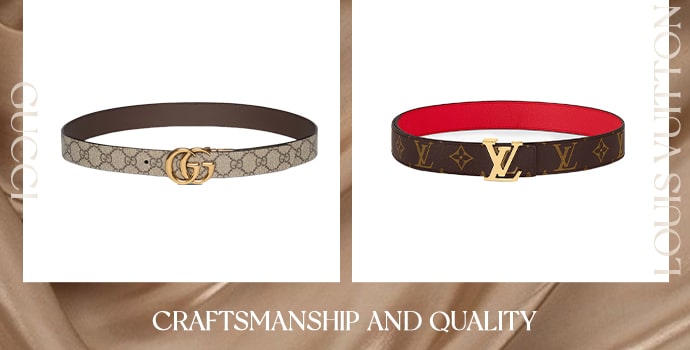
Gucci is famous for high-quality hides, detailed stitching, and fresh cloth use. Gucci items often seem creative and trendy. But some say that Gucci’s quick changes sometimes lose out on lasting style.Louis Vuitton: LV has made its name on unmatched strength. Their covered cloth is light but almost unbreakable, while their skin edges and focus on detail make sure things stay for years. Many Louis Vuitton bags turn into treasures, handed down through families.

Louis Vuitton is a bit better in lasting power, but Gucci shines in skills and new design.

Product Range and Variety

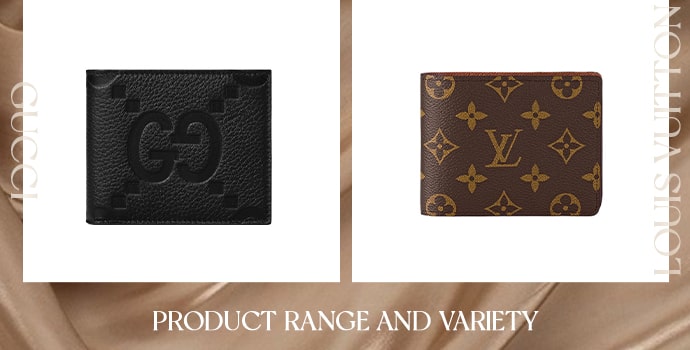
gucci vs louis vuitton which is better in terms of Product Range and Variety

Gucci

Gucci has a large range of things— from bags, shoes and clothes to makeup and even home stuff. Its partnerships, like with Adidas and The North Face, keeps the brand popular and stylish; attracting younger people.

Louis Vuitton

Louis Vuitton puts much weight on leather items, travel gear, and clothes you wear. Even if it doesn’t have the same type of partnerships, LV keeps a strong grip on fancy travel stuff and famous bags like Speedy, Neverfull and Keepall.

Decision: Gucci gives more trendy choices, but Louis Vuitton is the best in travel stuff and classic bags.

You may also read: Which is Better for Your First Luxury Purchase: Gucci or YSL?

Popularity and Cultural Influence

Popularity and Cultural Influence

Gucci’s fame shot up in the 2010s due to its strong remake with Alessandro Michele. It turned into the top fancy brand for young people and Gen Z, setting its spot in popular culture through songs, movies, and famous people backing it. The word “Gucci” even turned into slang for “good” or “cool.”

Louis Vuitton, but holds a more old-fashioned type of cultural impact. As one of the world’s most prized fancy brands LV always sits at the top of brand worth lists. Famous people, royals and influencers still carry Louis Vuitton as a sign of status. Unlike Gucci’s style-focused charm, LV keeps a feeling of classic luxury.

Decision: Gucci rules today’s pop scene, but Louis Vuitton is still the top sign of old luxury.

Pricing and Accessibility

gucci vs louis vuitton which is better in terms of Pricing and Accessibility

Gucci bags usually begin at about $1,200 to $2,500, based on size and kind. Accessories like belts and wallets give easier ways to style the looks. Louis Vuitton bags start around $1,500 and can reach more than $5,000 for bigger or special edition items.

Louis Vuitton hardly ever goes on sale, but Gucci sometimes has seasonal deals or stores with lower prices making Gucci easier for more people to buy.

Judgment: The greater availability of Gucci works in favor of it, while LV’s restricted availability through high costs and fewer sales contributes to its mystique.

Resale Value and Investment Potential

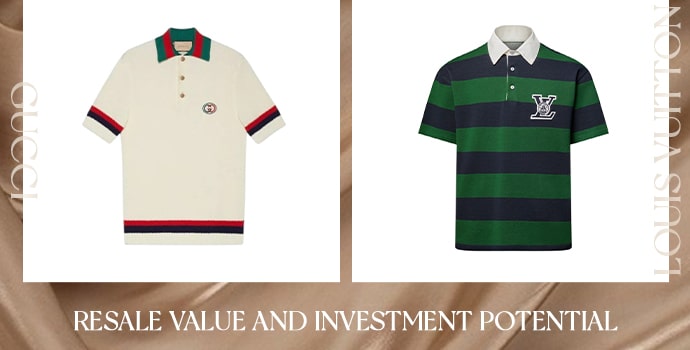
gucci vs louis vuitton which is better in terms of Resale Value and Investment Potential

When it talks about resale worth, Louis Vuitton always does better. Bags such as the Speedy, Neverfull and Keepall hold a big part of their shop value, at times even going up if they get stopped or rare.

Gucci things can also keep worth, mainly items like the Marmont bag or Dionysus line.͏ But, because of Gucci’s quick fashion changes some designs can seem old faster which affects resale prices. 

Louis Vuitton is the better brand for investment if selling again matters to you.

Celebrity Endorsements and Influence

Celebrity Endorsements and Influence

Both brands have a long list of famous personalities endorsing them.

Gucci – Known for loud youthful ads featuring stars such as Harry Styles, Jared Leto and Billie Eilish. Gucci connects well with young, trendsetting famous people.If you’re searching for a daily bag, Louis Vuitton could be the better pick. Bags such as the Neverfull and Alma are light, strong, and flexible enough for job travel and simple wear.

Gucci bags, on the other hand, often lean toward trendy designs. While they can be used every day their bold looks may not fit all times or clothes. However Gucci shines in statement pieces – good when you want to stand out! 

Louis Vuitton is often linked to grace and style, LV ads show famous people like Emma Stone, Alicia Vikander and Léa Seydoux. LV also has deep ties in fancy travel and high-class groups.

Judgment: Gucci gets the hip, stylish group; but Louis Vuitton draws the old-time Hollywood grace.

Everyday Use and Versatility

Everyday Use and Versatility

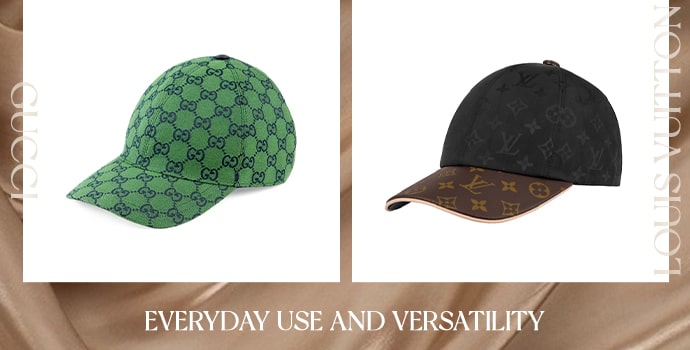
If ever the task of getting a handbag for daily use enters your mind, possibly going with Louis Vuitton would be the most practical choice for you. For instance, Neverfull and Alma are light-weight and structured enough to use for work, travel or casual wear.

Conversely, Gucci is also centered on trend-driven styles even in accessories. While they can be used daily, their bold aesthetics may not match every occasion or outfit. However, Gucci shines in statement pieces— perfect when you want to stand out.

Decision: Louis Vuitton is great for many uses but Gucci is good for big, stylish times.

Sustainability and Innovation

gucci vs louis vuitton which is better in terms of Sustainability and Innovation

Staying green is getting more and more key in fancy clothes.

Gucci: The name has taken steps with earth-friendly actions like the Gucci Off The Grid set, which uses reused and natural items. Gucci also became carbon neutral in 2019 showing its promise to green clothing. Louis Vuitton: LV has been a little slow to change but has brought in green packing and hopes to cut its harm on nature by 2030. Its aim is to make strong items that cut waste because they last long.

Ruling: Gucci is in front with green ideas, but Louis Vuitton’s long-lasting items also help a bit.

Final Thoughts

So, Gucci or Louis Vuitton— what is better? The answer is situational and depends on what you value more in a luxury brand.

If you are looking for a bright, eye-catching, and trendy item that represents the current style and offers a narrative point of view, Gucci is your brand. Gucci’s audacity and engagement with popular culture create an enticing brand presence that attracts and engages young people, and a distinct superficiality guarantees that your clothing will represent your identity.

If you prefer classic, stylish, heritage-based, and investment-worthy luxury fashion that will last for many decades— some might say, bag for a lifetime— Louis Vuitton reigns supreme. Louis Vuitton bags hold their value over time, their designs do not change or go out of style, and the durability of the designs and materials guarantees satisfaction over the long haul.

To conclude, neither Gucci or Louis Vuitton is “better” across the board— it pulls down to your style preferences, budget, and lifestyle. Gucci offers more options and a fresher (more trendy) aesthetic, while Louis Vuitton expresses a timeless sophistication that will garner a higher likelihood of maintained investment.

For many fashion lovers, a perfect scenario is not finding a choice between Gucci and Louis Vuitton, but how to round out a wardrobe of options from both brands—- to pursue a level of dress creativity and style while balancing classic luxury the Louis Vuitton type of way. After all, luxury fashion is a means of self-expression, and both Gucci and Louis Vuitton provide the resource to wardrobe roundings to achieve a balance of creativity, and classic elegant options. 


Source link

Bespoke watch straps: Atelier du Bracelet Parisien (ABP) in Paris

0
Bespoke watch straps: Atelier du Bracelet Parisien (ABP) in Paris


Bespoke watch straps: Atelier du Bracelet Parisien (ABP) in Paris

Monday, September 29th 2025
Share

Subscribe
0 Comments
||- Begin Content -||

I have rather small wrists, to the extent that most watch straps are far too large for me. It’s usually OK with metal straps where links can be removed, but standard leather straps end up with a very long tail. 

I’ve had bespoke straps consistently made at Jean Rousseau in London as a result, and generally I’ve been pleased with the service. It’s not cheap – usually around £350 for crocodile – but still cheaper than getting one from the watchmaker itself. 

My last strap, however, Jean Rousseau made a small error on. The holes on the strap were placed slightly wrongly, and as a result the whole of the point doesn’t protrude through the keeper on larger settings. This didn’t occur to me until I tried to use those settings, and by that point it was too late to change them. 

I therefore considered an alternative, and a few readers had suggested the shop Atelier du Bracelet Parisien (usually abbreviated to ABP) in Paris. The website was a little offputting to be honest, but as we were going to Paris anyway I decided to have a look.

The shop itself is actually rather impressive. It’s two shops – or rather a shop and a workshop – next to each other on the Place du Marché Saint-Honoré, near to Vendôme. 

The retail shop has rather the same feeling as the website – perhaps a little cheap, certainly not luxe. There are iPhone covers, key fobs and other leather accessories, often in gaudy colours. 

But that shouldn’t put you off. The range of leathers, in particular alligator, is huge, and they’re all being made in the workshop next door. At the back of the shop there are several big boxes of skins organised by colour and you can easily get lost sorting through the various different shades of blue, navy and teal. 

I had in mind to get a blue or a green as an alternative to the tan strap I have for my Cartier Tank (below). So I spent a good half hour looking through all the options, often making use of ABP’s strap template to see more specifically what that colour would look like when cut out. 

In the end I decided to go for green, as it would be more casual – and I don’t have that many casual options. Above you can see me with three green options to pick from, standing outside the shop this time in order to try to separate the different shades. 

The one on the right is a dark, deep green; the one on the left a brighter, grassy colour; and the one in the middle more a classic British racing green. The fact I made that automobile connection with the middle colour is probably what swung it for me, but it also seemed like quite a safe choice. 

You can often pick which part of the skin you want – bigger, squarer scales down the belly being more expensive, smaller, rounder ones at the side being cheaper – before then also deciding:

the style of stitching
the colour of stitching
the material of the backing
the colour of the backing
the colour of the inking (on the sides)
a flat or domed shape

Pictured below are the stitching options, but while I have seen and liked the middle one (only stitched at the ends, glued along the length) I’ve had enough of these made now to know that I prefer the most classic, subtle options, certainly on a dress watch like this. 

Having laid out the templates exactly where I wanted them on the skin, I was then allowed to cut them out myself with a big iron press, which was fun. The rest of the making process was going to take a few days, so in the meantime we went next door to see the work. 

It was very nicely done, with all the lack of pretension that often attaches to this kind of craft. Paint-splattered table tops, piles of thread waiting to be stitched, chatter bouncing around the room. 

We spent a few minutes talking to the lady doing the inking about her jewellery, which included a watch-ring (below). The senior leather specialist can also make pretty much anything in leather, so takes bespoke, niche orders. In the main shop he wrapped the two front columns in leather. 

ABP can’t do patina painting on leather, however, which is a bit of a shame. The reason my existing Tank strap looks so nice is that it was patinated by The Valet back when they did that service, and then it’s been worn and worn. I’d also look to shoemakers if I wanted an alternative. 

I received the strap about three weeks after the visit, and it is nice. The strap was a little snug fitting between the lugs of the watch, and after a few wears it still doesn’t move completely smoothly, but it’s got a lot better and it’s a minor issue now. 

The sewing and work elsewhere was also good, though I’d still not quite as fine as the Jean Rousseau work. Perhaps that what you should expect, but I’d also say ABP has the advantage of a really big range of colours, and some more innovative options (eg a mass of different NATO straps). 

The green colour works very nicely with denim, I’ve found, as well as warmer, more rural colours in tailoring – a tan or mid-brown jacket perhaps, as well as yellows and blues. 

A darker green or subtler colour generally would have been more versatile, perhaps that darker green or a very dark blue. But I will certainly wear this one and enjoy it as an alternative to the normal tan. 

The ABP straps all come with quick release mechanisms on the thick end, allowing you to swap them onto the watch easily. But they can’t do anything similar on the clasp end, so there you have to use a tool to take off the original clasp and swap it round, which can be very fiddly. Or you have a second clasp – fortunately I found one in a vintage store quite cheaply, but you can also get them on eBay or get cheap brass equivalents. 

My strap cost £285 for crocodile, square belly scales; smaller round scales would have cost £190. Lucas also picked up a ready-made lizard strap in sky blue for £105 that was very nice. 

abpconcept.paris

30, Place du Marché Saint-Honoré 75001 Paris

<!–

–>


Source link

Hotel Review: Park Hyatt Marrakech

0
Hotel Review: Park Hyatt Marrakech


In the serene and quiet desert just outside of the famous medina and central Marrakech, Park Hyatt Marrakech offers a luxurious escape. More like a desert oasis, this sprawling resort has three pools, decadent dining and the well-known hospitality for which the top-tier Park Hyatt brand is famous. These are the top five reasons that a stay here is worth it.

The design

The resort features numerous low-rise buildings holding rooms and suites with separate main buildings housing reception and the restaurant. Tree-lined sidewalks interconnect them and make for a pleasant walk to discover the surrounding area. The way the sun’s shadows dance across the buildings and landscape creates the perfect opportunity for snapping artistic photos. All of this is within a gated complex that is part of the highly respected Al Maaden Golf Resort.

Don’t miss a visit to the resort’s impressive garden that grows all kinds of fruits, vegetables and herbs. It’s more than succulent lettuce and tomatoes for salads. You’ll also see huge corn stalks, mint bushes where leaves are plucked right before brewing fresh Moroccan tea and vibrant lemons all in one space.

Magnificent archways in the main building lead you through a maze of walkways as you discover different restaurants and small sitting nooks. Moroccan art and design books cover most lounge tables, and the candlelit evening light casts a seductive glow across the entire place. If this is not your first visit to town, you would not be alone if you chose to spend your entire visit in this lush palace away from the crowds.

The pools

Let’s start with the obvious. An oasis in the desert is surrounded by palm trees and refreshing swimming pools. When the weather outside is scorching a dip in these pools is a treat. And when temperatures lower a bit later in the year, they become a lovely way to round out a day of exploring souks and the Atlas Mountains.

The main pool has an infinity edge with water spilling off the side as if it were irrigating the whole desert. Plush lounge chairs line both sides, and the doting staff sets them up with towels, chilled buckets of water and umbrellas. Every so often, the staff comes around with trays filled with treats like ice cream or sliced fruit. A second pool, reserved for adults, meanders in its own private garden with lots of coves where guests can sit in the shade or sun or linger in shallow water.

At the spa, a luxurious indoor pool is great for lap swimming or taking a dip before or after a treatment without needing to apply sunscreen.

The health club and spa is enormous and complete with a long roster of massage, beauty and workout experiences. There are three separate gym spaces, including a well-equipped cardio area, weight lifting and boxing equipment, and a separate room for fitness classes. Local membership to the facilities affirms the high quality here. It is also possible to book a day pass to use the health club and pool amenities although the hotel limits the number available per day.

The rooms

Moroccan design details continue in the rooms, which are all in individual riad-like buildings that have their own central courtyards with local art pieces. Elegant fabrics pair beautifully with the tiled floors and attractive accent pieces. Plush beds are wrapped in fine linens and duvets.

Behind bespoke cabinet doors, there is an espresso machine, tea facilities and a minibar with complimentary refreshments, including Moroccan cookies, soda and water.

Attention to detail is nothing new for Park Hyatt, and this recently opened hotel follows through. Power outlets of every kind are available on either side of the bed and at the dining table (that doubles as a desk if you can move aside the delicious array of dried fruits and Arabic sweets left for arrivals).

Bathrooms stock Le Labo toiletries in large pump bottles and feature separate soaking tubs with bath salts and massive glass rainfall showers. Dual vanities also feature makeup counters with a flip-up mirror and jewelry storage spaces. The Japanese toilets are another nice surprise.

Outdoor terraces add plush day beds and a place to enjoy the peaceful grounds away from the brisk indoor air conditioning.

The cuisine

If you choose to make this your home base in Marrakech, you will not go hungry here. For starters, the poolside menus include all kinds of burgers, salads and sandwiches to appeal to every taste. And the Living Room menu has a distinct Nikkei twist for its menu, combining Peruvian and Asian flavors together. It has everything from curries to sushi and all kinds of Latin recipes, too.

Be sure to come by when the sun sets because this Art Deco lounge serves a wide range of wine (including numerous Moroccan labels) and cocktails. The ambiance alone is worth stopping in for a tipple.

Many guests choose to dine on the terrace, especially in the evening when it gets cooler. The gentle breeze, sound of the pool water splashing over the infinity edge fountains and Moroccan background music create a magical atmosphere.

Tfaya is where a decadent breakfast spread awaits each morning. The buffet features fresh berries and fruit, beautiful salads, Arabic spreads like labneh, hummus and muhammara, all kinds of cheeses, olives and nuts, dried fruit prepared onsite, and hot egg and veggie options.

A chef prepares eggs and crepes on the spot. A separate a la carte menu adds more than a dozen options to the already abundant buffet. My favorites were the Moroccan breakfast dishes. They include harsha (a semolina pastry eaten with butter or jam), harira soup or baghrir (a type of Moroccan pancake). Sunday brunch here is a local favorite.

All of this comes with the most warm and hospitable service (no surprise for Morocco). Each morning when ordering mint tea, the server would head for the garden to pluck the leaves fresh before preparing it.

For dinner, Tfaya transforms into a lavish Moroccan feast where the menu draws outsiders, too. The general manager swears by the incredible Moroccan rack of lamb, and my Moroccan-style mezze was a visual and tasty treat. Recently launched during my visit was a huge vegetarian and vegan menu that offered non-meat versions of well-known local cuisine.

The service

From the moment you arrive through the dramatic arches of the reception building, it becomes instantly clear that Park Hyatt standards are at their highest. Name recognition is on point. The lobby’s marble floors are always polished perfectly (difficult in an arid and sandy climate).

By the pool, you won’t wait more than a minute for someone to take your order. The housekeeping team is so inconspicuous, you’ll wonder where they are. Yet your room is always clean when you return. In the evening, the lights are dimmed with little treats at turndown service.

In the spa, there are complimentary activities for guests like different workout and yoga classes each day of the week. As you are walked to your room after check-in, the staff is eager to point out all of the different amenities. This includes the activities available for everyone at the health club. No matter what you choose to do here, you can expect traditional Moroccan friendliness with Park Hyatt touches.


Source link

Announcing Our Newest Lesson: Drafting a Cowl Neckline for Knits – University of Fashion Blog

0
Announcing Our Newest Lesson: Drafting a Cowl Neckline for Knits – University of Fashion Blog


Our knit series continues with our latest cut & sew knit lesson, Drafting a Cowl Neck for Knits. (Image credit: UniversityofFashion.com)

If you have been putting off working with knits because you think it’s just too hard, well, fear no more. With over 35 lessons in our knit series, we are your one-stop shop for learning how to work with “cut & sew” knit fabric. From understanding knit structure and how to chose the right knit fabric for a particular design, to learning how to draft a set of knit slopers so you’ll be able to design hundreds of different knit garments, to learning the various machines used when sewing knit seams, knit necklines and knit hems, we’ve got you covered.

image of UoF's lesson: Intro to Knit Fabrics & Knit Fabric Principles

Before you get started, we recommend that you view our knit fabric lectures, Introduction to Knit Fabrics and Knit Fabric Principles 

In our latest lesson, Drafting a Cowl Neckline for Knits, we will demo how to draft a cowl neckline using the knit sloper that you drafted in our lesson, Drafting a Women’s Fitted Stable Knit T-Shirt from Measurements. Taking the desired knit fabric choice into consideration, you will learn how to determine the height of your cowl and then how to draft this type of neckline. The results will inspire many other creative variations.

front & back illustration of a cowl necklineFront & back view of UoF’s Drafting a Cowl Neckline for Knits lesson  (Image credit: UniversityofFashion.com)


Cowl Inspiration

Madelaine Vionnet cowl images

Madelaine Vionnet cowls during the 1920s and 1930s, inspired by Greek & Roman classical dress. (ImageCredit: Pinterest.com)

The cowl neckline has a rich history dating back to ancient Greece, where it was known as the “kredemnon”. Originally made of wool and draped over the head and shoulders, it was worn by both men and women, often paired with a himation (a type of cloak). During the Middle Ages, cowl necks were a common feature of monastic robes with monks and nuns wearing long, flowing robes with cowls that could be pulled up over the head.

French designer Madeleine Vionnet popularized this style in dresses and tops during the 1920s and 1930s with Hollywood stars like Greta Garbo, helping to make cowl necks synonymous with glamour and sophistication.

Comtemporary hooded cowl

An example of a contemporary hooded cowl. (Image credit: Pinterest.com)

Today, cowl necks are versatile elements in fashion, appearing in various garments from casual wear to formal attire and even bridal gowns.


Source link

Hermès Retail vs. Resale: Handbags in Focus – Price Comparison

0
Hermès Retail vs. Resale: Handbags in Focus – Price Comparison


If you thought Hermès bags were just shiny trophies for wannabe Kardashians or props for Instagram brags, you’re only half right. Yes, they can be social flexers—but that’s not why Hermès is Hermès. The gravity-defying demand and ever-soaring prices of these handbags attest to their status as cultural icons.  Woven with heritage, craftsmanship, and exclusivity, their power extends beyond boutiques—they rule the resale market, too.

Take the Birkin and the Kelly: handbags that have transcended fashion to become investment assets. Their prices reach stratospheric levels, yet collectors, connoisseurs, and the world’s elite still lust after them—cementing their status as the undisputed queens of the handbag universe. They’re queued for in retail, pined for in resale, and worshipped everywhere in between.

Which brings us to the real dilemma: do you play the long game at retail, navigating the infamous “pre-spend” ritual, or dive straight into resale for instant gratification (at a premium)? Let’s unpack both worlds—with 2025 pricing updates, insider insights, and a side-by-side comparison to help you decide where your Hermès journey should begin.

Hermès Retail vs. Resale: Which is More Rational

Hermès isn’t just selling handbags—it’s selling a paradox. On one hand, the brand deliberately keeps supply under lock and key, turning Birkins and Kellys into near-mythical objects. On the other hand, this scarcity has cracked open a resale market so powerful it sometimes makes Wall Street look tame.

The result? A two-track universe: some buyers chase the boutique ritual (velvet ropes, whispered offers, the elusive “pre-spend”), while others head straight for resale, where instant access comes at a premium. To understand Hermès in 2025, you need to see how these two worlds feed off each other—and why the secondary market is not just thriving, but reshaping the rules of luxury ownership.


Retail Buying: Scarcity, Store Experience, Pricing, and Pre-Spend

Purchasing a Hermès handbag directly from a boutique is the traditional route, steeped in prestige but not without hurdles.


Scarcity

Hermès deliberately limits production to maintain exclusivity. Bags like the Birkin or Kelly are rarely available off-the-shelf. Clients often need to build a purchase history—buying other Hermès products like scarves or jewelry—to be offered a coveted bag. Waitlists can last years, and even then, specific colors, sizes, or leathers may not be guaranteed.

2025 update: stricter eligibility and revised store policies further tighten access, preserving Hermès’ aura of unattainability.


Store Experience

The Hermès boutique experience is unparalleled. Personalized service, luxurious store environments, and the thrill of being offered a bag create a sense of exclusivity. For many, the ritual is as alluring as the handbag itself. But it demands patience, persistence, and often, purchases beyond the bag.

Pricing

Retail prices for Hermès handbags are high but fixed, with annual increases. In 2025, Hermès raised U.S. prices twice: approximately 7% in January and another 5-10% in May to offset new tariffs. For example:

A Birkin 25 in Togo leather now starts around $12,700 (up from $12,100 pre-May).
A Kelly 25 in Epsom leather is about $12,600.
Larger or exotic versions can exceed $30,000.

These prices exclude taxes or the additional costs associated with building a purchase history.

Purchase Restrictions

Even loyal clients can face caps on what and how much they can purchase. The experience is collaborative, highly curated, and designed to reinforce the sense of privilege.


The Concept of Pre-Spend

To secure highly desirable bags, clients often engage in “pre-spend”—purchasing other Hermès items (e.g., accessories, ready-to-wear, or jewelry) to demonstrate loyalty and increase the chances of being offered a quota bag like a Birkin or Kelly. This isn’t an official policy, but it’s a well-known practice influenced by factors such as:

Bag Desirability: Trends affect demand; mini sizes and rare colors/leathers require more pre-spend.
Client Relationship: Long-term ties with a sales associate (SA) and boutique can lower the threshold.
Purchase Variety: Spending across departments (e.g., high-ticket items like fine jewelry) is favored.

Pre-spend amounts vary widely— from 1x to 5x the bag’s retail price (e.g., $12,000–$60,000 for a $12,000 bag)—depending on the boutique’s client base and current demand. This effectively inflates the true cost of retail buying, making resale premiums seem less extreme in comparison.


Resale Market: Trusted Platforms, Pricing Trends, and Availability

If retail feels like a fortress, resale is the secret passageway. What started as a niche market has exploded into a global powerhouse, driven by key factors:


Professionalization of Resale 

The luxury resale market, once unregulated, is now sophisticated—authentication, condition grading, and guarantees offer peace of mind for buyers and sellers. Hermès’ exceptional craftsmanship ensures that well-maintained pieces retain, or even increase, in value over time.


Trusted Platforms

Reputable resale platforms like The Luxury Closet, The RealReal, Vestiaire Collective, Sotheby’s, and Christie’s have transformed the market. These platforms authenticate every bag, ensuring buyers receive genuine Hermès products. Specialist resellers like Madison Avenue Couture or Privé Porter focus exclusively on luxury handbags, offering detailed condition reports and white-glove service. Authentication processes often include expert inspections, serial number verification, and documentation, giving buyers confidence.


Pricing Trends

Resale prices for Hermès handbags often exceed retail due to demand and scarcity, with premiums ranging from 25% to over 400% for in-demand models. Prices fluctuate based on condition, leather type, hardware (gold or palladium), and market trends. For 2025:

A Birkin 25 in Togo leather might sell for $30,000–$32,000 in giftable/excellent condition (vs. retail $12,700).
Rare models, like Himalayan or diamond-encrusted Birkins, can fetch $100,000+ at auction.
Some Kelly models now average a resale value of $37,548 in 2025—far surpassing retail for specific colors, leathers, and rarities.
Updated data shows continued upward pressure, with mini and exotic leathers commanding the highest markups.


Rarity & Range

Unlike retail’s limited choices, resale is a treasure trove: discontinued leathers, vintage Kellys, rare colorways. Instant gratification, yes—but also access to heritage pieces that boutiques no longer carry.

On platforms like The Luxury Closet, in-demand pieces can fetch 1.5–2× current boutique prices due to their scarcity, instant availability, and unique features (rare hardware, discontinued colors, or sought-after sizes).


Retail vs. Resale Price Comparison (2025 Update)

Here’s a snapshot of current boutique vs. resale prices across platforms.


Bag Model
Retail Prices 2023(USD)
Retail Prices 2024(USD)
Retail Prices 2025(USD)
The Luxury Closet (2024-2025, Giftable/Pristine)
Fashionphile (Recent Listings, Excellent/ giftable
The RealReal (Recent Listings, Pristine/ Excellent)
Auctions (Christie’s/Sotheby’s, 2024-2025)

Birkin 25 Togo
$10,400
$11,400
$12,700
Black GHW: $31,995

Craie GHW: $30,295–$30,895

Black GHW: $30,295–$31,995

Craie GHW: $29,900–$31,500

2025 Togo: $31,000 (Condition NS)
Etain GHW (2024): $28,000–$32,000 est.

Birkin 30 Togo
$11,600
$12,500
$13,900
Gris Neve GHW (2024): $25,885Vert Yucca PHW (2025): $24,145
Craie GHW: $25,600–$27,995

Crevette (Wear): $13,385 (shows wear)

Etoupe GHW: $23,900–$25,000
Nata GHW (2024): $26,000

Kelly 25 Epsom Seller
$11,300
$11,800
$12,600
Etoupe GHW: $28,750–$29,995
Etoupe GHW: $27,000–$28,500
Blue Epsom: $26,000–$27,500

Vert Fizz PHW (2024): $26,000

Vert Fizz PHW (2024): $26,000

Kelly Mini Epsom
$8,700
$9,400
$10,000
Gold GHW (2025): $34,970

Black GHW (2024): $33,500

Black GHW (2024): $29,500

Gold GHW (2024): $29,200

Black GHW (2024): $28,000

Constance, 18 Epsom
$8,750
$8,950
$9,500
Vert Criquet GHW (2025): $11,945

Gold GHW (2024): $13,995

Nata GHW (2024): $14,000

Etoupe GHW (2024): $13,000

Gris Meyer PHW (2024): $13,000

Lindy Mini Clemence
$6,650
$7,300
$7,800
Bleu Pale GHW (2024): $12,280

New White GHW (2024): $10,075

Trench GHW (2024): $9,800

Black GHW (2024): $9,950

Lime PHW (2024): $10,500

Evelyne TPM 16 Clemence
$2,050
$2,200
$2,350
New White PHW (2024): $4,405

Craie GHW (2024): $4,615

Vermillion PHW (2024): $3,900

Gold PHW (2024): $3,700

Nata GHW (2024): $3,500


The Luxury Closet tends to list on the upper end for “giftable/pristine” or rare colorways, especially just-arrived pieces.
Fashionphile has a wider range, with some lower-priced listings reflecting more wear, and top prices for new or rare finds.
The RealReal may price slightly less aggressively or take conditions more seriously in valuation.
Prices vary by color, hardware, and condition. 


Sources: www.sothebys.com, www.purseblog.com, www.madisonavenuecouture.com, www.therealreal.com, www.fashionphile.com, and www.christies.com. All data is current as of August 20, 2025, and reflects U.S. market conditions.


Pros and Cons: Retail vs. Resale

Value Retention

Retail: Brand-new bags maximize long-term value, especially for classics. Pre-spend inflates costs.
Resale: Pre-loved bags retain strong value, with rare models appreciating. Condition impacts resale potential.

Authenticity

Retail: Guaranteed authenticity with pristine condition and packaging.
Resale: Trusted platforms like The Luxury Closet have rigorous authentication that mitigates risks, offering peace of mind to both sellers and buyers. 

Immediacy

Retail: Waitlists and pre-spend can delay acquisition by years.
Resale: Offers instant access to a vast selection, delivering bags in days.

Other Considerations

Retail Pros: Prestige, brand-new condition, relationship-building for future offers.
Retail Cons: High barriers (pre-spend, scarcity), limited selection, time-intensive.
Resale Pros: Immediate availability, unique finds, sustainability, and no pre-spend.
Resale Cons: Higher prices, potential condition issues, authenticity risks with lesser platforms.

When Each Route Makes Sense

Choose Retail If:

You crave the boutique experience and a brand-new bag.
You’re building a long-term Hermès relationship, willing to navigate pre-spend.
You prioritize classics at retail prices (despite 2025 increases).

Choose Resale If:

You want immediate access to your dream Birkin or Kelly without pre-spend.
You’re seeking rare, vintage, or limited-edition models.
You value sustainability and trust The Luxury Closet’s authentication process.
You’re investing in a bag with strong resale potential.

Enjoy the Thrill of Instant Access to a Hermes Bag @ The Luxury Closet

The choice between retail and resale is ultimately about lifestyle: patience and tradition, or speed and access. Both paths lead to a Hermès bag—but if your story calls for immediacy, rare editions, or the kind of colorway that never waits, The Luxury Closet is where that chapter begins.

Explore The Luxury Closet’s curated Hermès collection today at theluxurycloset.com. Find your perfect bag—authenticated, sustainable, and ready to own. For the boutique experience, visit Hermès stores, but for speed, variety, and value, The Luxury Closet is your trusted destination. 

FAQs: When In Doubt, Ask It Out! 

1. Why are Hermès bags so hard to buy at retail?

Hermès keeps Birkin and Kelly bags scarce by limiting production and offering them only to loyal clients with strong purchase histories. Buyers often must spend on accessories, jewelry, or ready-to-wear before being offered a quota bag, making retail access highly exclusive and competitive.

2. What is Hermès’ pre-spend, and how much is it in 2025?

Pre-spend is the unofficial requirement to buy Hermès products beyond handbags—like scarves, jewelry, or home goods—to build loyalty before being offered a Birkin or Kelly. In 2025, pre-spend can range from one to five times the bag’s price, meaning $12,000–$60,000 for a $12,000 bag.


3. How much is a Birkin bag retail vs resale in 2025?

In 2025, a Birkin 25 in Togo leather retails for about $12,700. On the resale market, the same model can sell for $30,000–$32,000 depending on condition, color, and hardware. Rare editions, like Himalayan or diamond Birkins, can exceed $100,000 at auction.


4. Is it smarter to buy a Birkin or a Kelly retail or resale?

Retail is cheaper but requires patience, pre-spend, and boutique loyalty. Resale is more expensive but offers instant access, rare editions, and investment potential. Buyers who value immediacy and unique finds often choose resale, while long-term collectors may prefer retail for prestige and relationship-building.


5. Do Hermès bags hold their value?

Yes. Hermès bags consistently retain or appreciate in value due to craftsmanship, scarcity, and global demand. Models like the Birkin and Kelly often outperform traditional investments, with resale prices climbing 25% to 400% above retail depending on rarity, leather, and condition.


6. Which platforms are safe to buy Hermès bags from?

Trusted Hermès resale platforms include The Luxury Closet, The RealReal, Vestiaire Collective, Sotheby’s, and Christie’s. Specialist boutiques like Madison Avenue Couture also focus on authentic, high-value handbags. These sellers provide authentication, condition reports, and guarantees, protecting buyers from counterfeits in the secondary market.


7. What’s the difference between retail and resale Hermès bags?

Retail Hermès bags are brand-new, come with complete packaging, and are priced lower; however, access requires pre-purchase and long waits. Resale bags cost more but offer immediate availability, wider selection, rare models, and investment upside. Both markets feed into each other, reinforcing Hermès’ exclusivity.

8. Which countries offer the best prices for Hermès bags?

Hermès bag prices are generally lower in Europe, especially France, because retail costs exclude import duties, and VAT refunds are available for tourists. Paris remains the most affordable place to buy a Birkin or Kelly. In contrast, U.S., Middle East, and Asia boutiques often price higher due to taxes and demand.



Source link

Introducing: The Cashmere Vest

0
Introducing: The Cashmere Vest


Introducing: The Cashmere Vest

Friday, September 26th 2025
Share

Subscribe
4 Comments
||- Begin Content -||

I used to have a particular navy vest (or tank top, or sleeveless sweater, depending on where you are) that I wore all the time in my late twenties. It was the perfect thing to put on when I got home, replacing the suit jacket or blazer that I then hung up. 

Pleasingly, it was equally nice with an oxford shirt and jeans at the weekend, and unusually it was something my wife thought very flattering. It seemed to me look both broader and taller. 

Spurred by the appearance of such pieces in shop windows last year, I thought it would be a nice piece to recreate. Like most high-street menswear, the ones I saw weren’t very thoughtfully designed. They had a very high ‘V’ at the neck, were small in the shoulders, and looked almost round in the body. 

I think a deeper V is more flattering. Not necessarily as deep as a Rubato one, but rather deeper than average – so it follows the lines of an open-necked shirt, rather than cutting it short; and so a tie has room to breathe if you want to wear one. 

I also prefer a wider shoulder. There is a practical argument for a narrow one, in that it’s a little easier under a tailored jacket (like a waistcoat). But once tailoring is more casual the difference fades, and this piece is something I think readers will wear just as much, if not more, with a casual jacket or on its own. 

So the cut of our cashmere vest is deliberately wide in the shoulder, with ribbing just overlapping the ends. It’s fairly wide and comfortable in the chest, and then has a normal taper into the waist, so it sits nicely on the waistband. 

The result is flattering shape I think, more akin to that of a shawl-collared cardigan or even a tailored jacket in terms of what it’s look.

We made our version in a mid-weight cashmere in Scotland, with a lovely soft finish. There’s fine ribbing on the neckline, and then a thicker one at the shoulders and the waist. 

The cashmere has a natural stretch to it, which is great for a piece like this as it’s something that should fit fairly close to the body, but then give and soften where it needs to.

In terms of sizing this means going for your normal size, even if the measurements look a bit small. I’m wearing a medium here, but that only measures 40 inches in the chest, one inch more than my actual chest. I could size up to large and it wouldn’t look wrong, just more relaxed, but this size works well on me.

Anyone who’s worn a vest or sleeveless sweater knows how practical something like this is. It’s a light layer of warmth on the body when you don’t want to climb into a full long-sleeved sweater; the Scottish mills call the style a ‘slipover’ for that reason.

It’s also good as a layering piece, under a blazer (I’ll do some shots/video of that later) and under a casual jacket (like the jungle jacket pictured higher up). It folds easily into a bag (like the Finest Crewneck in that way) but is warm enough to keep off the chill of an airplane cabin. 

I also think a fair few office workers among the readership will find it useful. Many wear gilets as it is, and prioritise ease and simplicity. This has both of those qualities – and even shades of that old old PS idea, the logical waistcoat theory

In the images here, as ever I’ve shown it with a smart and a casual option – smart with tailored high-twist trousers and black loafers, and casual with an oxford shirt and jeans at a weekend cafe. That was also it I was wearing in the shoot for the Wool Walker (above). 

I’ve been wearing my vest in just the same way as my old (lower quality) piece many years ago, to much satisfaction. It came with me to Zurich (where these pictures were taken) and then to Scotland. It’ll be great seeing readers try it on at the London and New York pop-ups in the coming weeks. 

The cashmere vest is both luxurious and practical – something PS products always strive for – and I think more stylish than most vests/slipovers/tank tops – which is what most pieces like this usually lack. 

I hope you like it. It’s available on the PS Shop now, and will be at:

The London pop-up, 37 Harley Street, October 2-4
The New York pop-up, 14 Christopher Street, October 16-18

Product details:

Pure cashmere vest, knitted and hand-linked in Scotland
Two-ply cashmere yarn with a soft finish
Slightly extended shoulders and V-neck

Sizing:

Simon is wearing a medium. He has a 39-inch chest
Take your usual size, knit will stretch a little to fit
Though between sizes, take the size up
Measurements below are flat widths and lengths
Chest measured from bottom of armhole, shoulder between seams, not including rib
Depth of V-neck is 26cm throughout (measured from top of ribbing to bottom of ribbing)

Size chart:

Small
Medium
Large
X-Large
XX-Large

Shoulder
40.75cm
42
43.25
44.5
45.5

Chest
48.5
51
53.5
56
58.5

Length
61.75
63
64.25
65.5
66.75


<!–

–>


Source link

How To Choose A Suit – 5 Important Rules

0
How To Choose A Suit – 5 Important Rules


When it comes to suiting up, many men feel like they are lost in a sea of choices. With so many different styles, fabrics and colors to choose from, how to choose a suit can be a difficult decision.

In this comprehensive guide, you will discover how to choose a suit for every occasion. We’ll start by discussing the different body types and how to pick the best suit style for your physique.

Then we’ll move on to choosing a suit for special occasions and business wear. Finally, we’ll give you some tips on taking your measurements, accessorizing your suit, and avoiding common mistakes. By following our advice, you’ll be able to find the perfect suit for any event!

Picking the right suit

How To Choose A Suit For Your Body Type

With so many different styles of suits available, it is important to take the time to find the one that best flatters your body type.

There are three main body types: ectomorph, mesomorph and endomorph. Each one has its own unique set of characteristics that should be taken into account when choosing a suit.

Ectomorphs are typically thin and have difficulty gaining weight. They have long limbs and a small frame.

When choosing a suit, ectomorphs should look for something that is slim-fitting and tailored to their body shape. Avoid boxy or baggy styles as they will only make you look larger.

Mesomorphs are the lucky ones! They have a naturally athletic build and can pretty much pull off any type of suit. If you’re a mesomorph, you can afford to experiment with different styles and colors. Just be sure to avoid anything that is too baggy or loose-fitting.

Ideally, look for a slim-fit suit with narrow lapels. This will help to accentuate your muscular shoulders and define your waist.

Endomorphs are larger than ectomorphs and have a harder time losing weight. When picking a suit, endomorphs should look for something that is well-fitted but not too tight. The body can be balanced out with judicious use of shoulder pads.

Avoid suits with lots of excess fabric as they will only make you look larger. Instead, opt for a tailored style that flatters your figure. Check out our article on how to look slimmer and taller for more tips.

Male body types: Ectomorph, Mesomorph and EndomorphMale body types: Ectomorph, Mesomorph and Endomorph
Male body types: Ectomorph, Mesomorph and Endomorph

There are also variants of these body types such as apple and pear shapes. They should favor well-fitting suits with some structure to them. Draw attention to the neck and shoulder line rather than the waist.

Height also comes into the equation when choosing the right suit. If you are on the taller side, pick a suit with longer sleeve length for the suit jacket. This will prevent the fabric from bunching up and making you look shorter. And if you are shorter, go for a two-button jacket which will help to elongate your torso.

Now that you know how to pick a suit based on your body type, let’s move on to choosing a suit for special occasions and business wear.

Choosing a Suit for Special Occasions

When it comes to special occasions, there are a few things you should keep in mind. First, you’ll want to choose a suit that is appropriate for the event. A black tie affair will require a different suit than a summer wedding, for example. In general, if you’re attending a formal event, you’ll want to choose a darker color suit in a classic cut.
Make sure the suit is made of quality fabric. Wool is a good choice for winter events, while linen is ideal for summer weddings. You’ll also want to make sure your suit fits well. Nothing ruins a special occasion like a ill-fitting suit!

Pick a classic style. A single-breasted two-button suit is a good choice for most occasions. Accessorize your look with a dress shirt, tie, and dress shoes.

And finally, you’ll want to choose a suit that makes you feel confident. After all, confidence is key when it comes to looking your best. By following these simple tips, you’ll be sure to look sharp at your next special event.

How to pick a suit for special occasionsHow to pick a suit for special occasions
How to pick a suit for formal occasions

Choosing a Suit for Business Wear

For business wear, there are a few things you should keep in mind. Make sure to choose a suit that is appropriate for the occasion. An informal business meeting necessitates a different suit than one that you’d wear for a job interview.

When you have a work interview, it’s important to choose a suit that conveys confidence and professionalism. First, pick a subtle color such as a dark charcoal or navy suit. These colors are seen as more serious and will give you a more authoritative presence.

Second, make sure the fit is slim but not too tight. You want to look put-together, not like you’re bursting out of your clothes. Third, opt for a classic style for your interview suit like a two-button jacket with notch lapels. This will never go out of style and looks good on most body types.

Fourth, pay attention to the details. Check that the buttons are sewn on securely and that there are no loose threads. Make sure your shoes are polished and your hair is neatly styled.

Following these guidelines will help you pick business suits that make the best impression in an interview setting. However, it’s important to remember that interviews are not the only time you’ll need to wear business attire.

A formal business suitA formal business suit
A formal business suit

For casual business wear, you can typically get away with a sport coat or blazer instead of a full suit. And while you don’t need to be quite as formal, it’s still important to aim for a neat and professional look.

However, it’s still important to avoid anything too casual, like jeans. Overall, the key is to dress in a way that shows you’re taking the meeting seriously without coming across as overly formal.

Accessorizing Your Suit

When you have chosen the perfect suit, it’s time to accessorize! The right accessories can take your suit from ordinary to extraordinary.

Let’s start with ties for suits. When it comes to ties, there are endless possibilities. You can choose a tie that matches your suit or goes against it for a more daring look. You can also choose a patterned tie or a solid color, or even a bow tie. The sky is the limit!

A Venetian silk blue paisley tieA Venetian silk blue paisley tie
A Venetian silk blue paisley tie

Next, let’s move on to shoes. When choosing the right shoes, you’ll want to keep two things in mind: comfort and style. You’ll be spending a lot of time on your feet, so make sure you choose a pair of shoes that are comfortable.

But don’t sacrifice style for comfort. If you have a special event, pick an elegant pair of dress shoes. Black shoes are a safe choice in urban settings, and brown shoes are more commonly worn in the countryside.

Finally, let’s talk about pocket squares. A pocket square is the perfect way to add a pop of color or pattern to your suit. Just be sure to choose a pocket square that compliments your tie.

Accessorize your suits with pocket squares Accessorize your suits with pocket squares
Accessorize with a pocket square

Suit Patterns and Fabrics

You now know how to pick the perfect suit and accessorize it, so it’s time to choose a pattern and fabric. There are a few things you should keep in mind when making your decision.

Suit patterns – The most popular suit patterns are stripes, plaids, and solids. Stripes can be dressed up or down. Plaid is perfect for a more casual look. And solid colors are always in style.

Suit fabrics – The most frequent suit fabrics are wool, cotton, and linen. Wool is a classic fabric that is perfect for colder weather. Cotton is a breathable fabric that works well for warmer weather. Linen is a lightweight fabric that is stylish for summertime.

Picking a suit patternPicking a suit pattern
Picking a suit pattern

Common Suit Mistakes and 5 Important Rules

When picking the perfect suit, avoid these common mistakes and make sure to follow these simple rules:

1. Choosing a suit with a bad fit. Make sure your suit fits properly. It should be comfortable and flattering.

2. Wearing the wrong color suit. Choose a color that compliments your skin tone.

3. Picking the wrong style suit. Choose a style that is appropriate for the occasion.

4. Not accessorizing your suit. The right accessories can take your suit from ordinary to extraordinary.

5. Not paying attention to detail. The little things matter. Make sure your suit is well-tailored and free of wrinkles.

Choose your new suit carefullyChoose your new suit carefully
Choose your new suit carefully

Buy a Suit Online or in Store

As you’ve learnt how to pick the perfect suit, it’s time to put your knowledge to the test! You can either buy a suit online or in store. If you’re buying a suit online, be sure to read the reviews before making your purchase.

If you’re buying a rack suit in a department store, be sure to try it on and to check all angles in a full length mirror before you buy it. For a top notch outfit, check out these bespoke suit tailors who are some of the best in the world.

The main thing is to pick a suit with a perfect fit that makes you feel confident. And don’t forget to accessorize with a well-chosen tie, pocket square, and cufflinks. These small details can really make an outfit stand out.

Choosing a suit in storeChoosing a suit in store
Choosing a suit in store

Taking Your Measurements for a Suit

If you intend to buy a suit online, it’s important to take your measurements. This may seem like a daunting task, but we promise it’s not as difficult as it seems. All you need is a tape measure and someone to help you out.

First, you’ll want to measure your chest. Wrap the tape measure around your back and under your arms, making sure it’s level with the ground. Then, breathe in and out until you find the largest measurement. This is your chest size.

Next, you’ll want to measure your waist. Place the tape measure around your natural waistline. Breathe gently in and out to find the biggest measurement, as this is your waist size.

Finally, you’ll want to measure your hips. Wrap the tape measure around the widest part of your hips. Breathe in and out until you find the largest measurement, which is your hip size.

Once you have your measurements, you can use them to find the perfect-fitting suit. Just be sure to keep them in mind when shopping for suits online.

Get your suit measurements takenGet your suit measurements taken
Get your suit measurements taken

In Conclusion: How to Choose a Suit

We hope our guide has helped demystify the process of choosing a men’s suit and given you some ideas on how to find one that makes you look sharp! Follow these simple rules for a modern look that integrates your personal style.

Do you have any tips on how to pick the perfect suit? Share them in the comments below! And don’t forget to check out our other style guides for more fashion advice. Thanks for reading!

Read next:

Like this guide on how to choose a suit? Pin for later or share with friends.

How to choose a suit that's right for youHow to choose a suit that's right for you
How to choose a suit that’s right for you

Sharing is caring!


Source link

Popular Posts

My Favorites

Edge AI vs Local AI Understanding the Nuances of Decentralized Compute

0
In today’s rapidly advancing technological landscape, both Edge AI and Local AI are emerging as essential computing strategies, providing new capabilities for industries...