Couture

Home Couture Page 26

Why do my flannels keep wearing through?

0
Why do my flannels keep wearing through?


Why do my flannels keep wearing through?

Friday, November 14th 2025
Share

Subscribe
0 Comments
||- Begin Content -||

I was reading a piece in The Times last month which hailed the flannel trouser as the new trend in menswear. It’s funny how the mainstream can sometimes take a long time to catch up – it must be 15 years since the growth of ‘classic menswear’ led to guys embracing flannel as the perfect smart/casual material, halfway between suits and chinos. Or maybe the trend is just going round again.

Of course, many of the brands featured in that article were also ruining the flannel trouser, with elasticated waists and too-light materials. But in the grand scheme of things it’s probably good – it’s all education. Apparently Paul Smith and Corneliani think suits are back too.

It did remind me – more importantly – of a question readers ask about flannel trousers, which is how robust they are: how strong and long-lasting. Every week or two there’s a comment from someone who’s busted through the crotch of theirs, and wants to know if there’s anything they can do about it. 

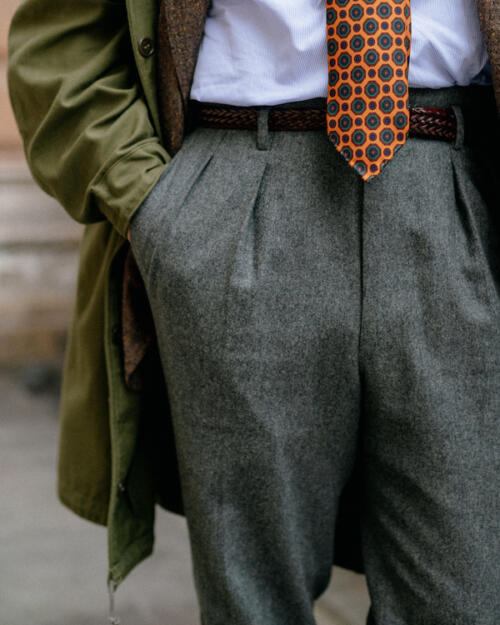
Flannel is not the strongest material in the world. It’s certainly not as strong a denim or most chinos. It’s often not as strong as suit trousers either – the fact they’re worsted rather than woollen helps, although they will often go shiny before they wear through, which is not a great look either. 

But if cared for properly, flannel trousers should be a great servant in your wardrobe, able to be worn for many years. So let’s look at the different issues in turn, beginning with what we mean by ‘cared for properly’.

Care and wear

This is basic stuff really, that applies to most tailoring. But it’s particularly relevant if you’re trying to find ways to protect soft materials. 

Rotation. All wool trousers benefit from not being worn every day. Wool is much weaker when it is damp, and your perspiration can take more than a night to dry out. Wear them every other day at the most. 
After care. Look after your flannels. Hang them up when you take them off in the evening, give them a press every now and again. Don’t leave them scrumpled in the corner. It will keep them looking good and steam helps clean them too. An occasional brush down is also good.
Activity. Smart trousers are not meant for cycling in. Some heavier, tougher materials can be used for that (they were used for riding back in the day, after all) but flannels usually can’t be. If you wear them for active pursuits, it will shorten their life.
Fabric and fit

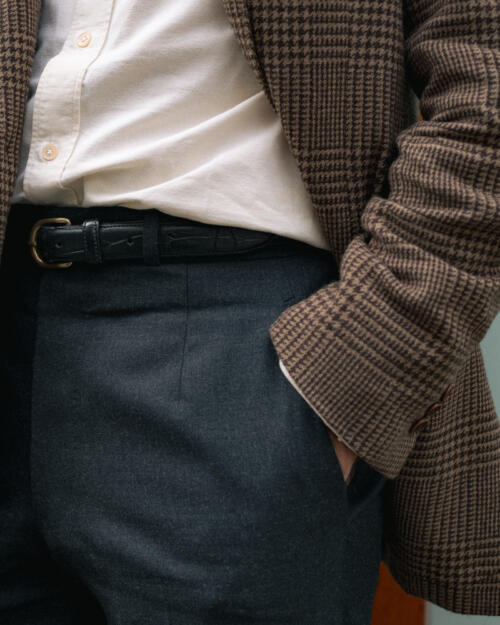
The flannels you actually buy, in terms of fabric and cut and how they fit, will make just as big a difference as how they are worn. All these points will also stop flannels bagging out or losing shape. 

Denser fabric. Flannels that are woven more densely, unsurprisingly, will be stronger. In general, English flannels are woven in this way whereas Italian ones are softer and not as dense. 
Heavier fabric. To an extent, heavier weights are also better. However, there is a point where heavy fabrics create more friction and can even wear out faster. You see this with some heavy denims. So 13-15oz is better than 9-10oz in flannels, but don’t push much heavier. 
Looser fit. I remember one reader asking about flannels wearing fast, but admitted they were tight on the thighs and he wore them cycling. Tight fits put materials under more pressure (though as with all these things, you don’t want super loose either). 
Alternatives

If you follow this advice and your flannel trousers still don’t last very long, you might need to look at alternative materials. In general, what you sacrifice is the fuzzy texture (‘nap’), which is thing that makes them more casual. But there’s a sliding scale. It runs something like this: 

Worsted flannel. The first step is going for a flannel that uses worsted yarn rather than woollen. Often worsted yarn is used for lighter weights, but it doesn’t have to be. I like Fox’s 12/13oz worsted flannel but there is a small sacrifice in terms of the texture. 
Shooting tweeds. Tweeds made for shooting are dense and hardy, and often smoother than normal tweed. Something like Thornproof can be a flannel substitute, in shades of grey, but it is rough and heavy. 
Heavy high-twists. High-twist materials naturally have more texture – different to flannel, but still a texture that separates them from regular suit trousers. The issue is they’re mostly for spring/summer as they’re so breathable, and people mostly wear flannels for autumn/winter. Still, in a heavier weight or warmer location they can be a good option. The best greys for me are in the Spring Ram bunch
Whipcords. Materials like whipcord, cavalry twill and covert are among the toughest out there and not as heavy as the shooting tweeds. They are smoother though, and sometimes have a bit of a sheen, taking them further away from flannel. Something like this from Holland & Sherry for instance. 
Heavy worsteds. If the nap of flannel really isn’t a priority, suit trousers that are heavier and slightly coarser will have more more texture than ones that are lighter and finer. We covered this in detail here, and among those I’d recommend the Universal bunch

Repairs

If all else fails and your flannels need repairing, this is possible, though they’ll never be quite the same. The key is to:

Catch it early. Repairs are a lot easier when the material is thinning but not actually holed through. That way similar flannel can be placed on the inside of the trousers, rather than the outside, making the repair less visible. 
Use an experienced alterations tailor. If there is a hole, a piece of flannel can be stitched on the outside and on a hidden area like the crotch, it won’t necessarily be that noticeable. But use a good tailor – ones we recommend in London here and New York here
Even reinforce in advance. If you know wearing is going to be a problem, or the trousers are precious, patches like this can even be done on the inside in anticipation of future issues. The material will always be a little thicker and perhaps not quite as comfortable though. 

A lot of these points have been mentioned over the years in different posts, but it’s good to gather them together. 

I should re-emphasise that most of them apply to all tailoring as well – patching might be harder on lighter or patterned materials, and you won’t want double thickness on heavier cloths, but the care points should all be kept in mind. 

And to finish, here’s some close-ups of the flannel alternatives. 

Fox worsted flannel
Porter & Harding Thornproof tweed
Spring Ram high twist
Holland & Sherry whipcord
Harrisons Universal worsted
<!–

–>


Source link

Hotel Review: Pan Pacific London

0
Hotel Review: Pan Pacific London


This skyscraper towers over central London assuring beautiful views of the city. Pan Pacific London brings its signature Singaporean hospitality to the United Kingdom and delivers on its promise of luxury. The lower flowers (up to 20) are dedicated to guest rooms with private residences on higher levels. These are the five reasons that a stay here will wow you.

The hospitality

Pan Pacific has hotels mostly in Asia, where guests are familiar with its high service standards and elegant properties. It’s nice to see those small touches like welcome toys for kids as a welcome in London, too. Even pets are pampered as this is a pet-friendly hotel. The onsite pet concierge sees to it that gifts like water bowls and beds are in the room before arrival.

The lobby buzzes with energy and scenes from the pedestrian square outside. If asked for directions, staffers will go out of their way to walk you there rather than point the way. During turndown service, housekeeping addresses guests by name, an extra touch that you rarely see.

The rooms

These rooms are huge for London and feature floor-to-ceiling windows with automatic drapers that open as soon as you enter. This dramatic effect continues with thoughtful touches like a work desk that flips up to reveal an illuminated makeup mirror and hairdryer and easy-to-control air conditioning systems.

Beds are padded for extra comfort and come with plush duvets and a quartet of enormous pillows. I was happy to see power outlets by the desk and on either side of the bed. The views from my room were spectacular and it was hard to decide where to sit: on the bed, by the sofa or at the desk because they all provided different angles.

Bathrooms are also sizeable with excellent lighting (even natural light in some), separate water closets behind frosted glass doors, a vanity stocked with an array of toiletries, J Loves Mango Thai Lime-scented products in large pump bottles and heated towel racks. The shower was large enough for several people and was next to a deep soaking tub with bath salts.

Deluxe rooms are the standard type with the option to choose a room with a higher floor view. Premier and Executive rooms offer an upgrade in space and view. Several suite categories are designed to grow the space by leaps and bounds, including the two-bedroom Bishopsgate Suite.

The wellness floor

This hotel really wows on its Yabu Pushelberg-designed fourth floor, where its wellness offering is among the best in town. When you step off the elevator, you’re greeted by a staff that can point the way to the 24-hour gym (also lined with windows and the latest equipment), the spa, relaxation areas and indoor pool.

Heated, this long pool is also surrounded by windows and cushioned lounge chairs. You can order drinks or a light menu of food to enjoy while taking a dip or enjoying the views of the surrounding buildings. It is entertaining to watch the square in front of the hotel bustle with activity. At night, the lights add another layer of glow to this elegant space.

The spa features numerous massage and beauty treatments as well as a relaxation room with heated lounge chairs and blankets for a post-service decompression. Men’s and women’s locker rooms feature saunas and steam room facilities.

The cuisine

Straits Kitchen is the main restaurant that starts serving with a beautiful breakfast buffet in the morning. Made-to-order coffees and a full menu of Asian and Western dishes are available. This is a popular spot for business breakfasts as many executives from the surrounding office towers make reservations here.

The flow of people coming for lunch or dinner does not stop. That’s partly because of the tasty southeast Asian menu, and also for the posh atmosphere convenient to business offices. An executive, two-course menu, designed to take less than an hour, is especially popular.

On Sundays, there’s a three-course Sunday roast with tempting gravy and Yorkshire pudding. Choose one of the tables by the windows facing Bishopsgate Plaza. It bustles with energy from morning to night as people rush to work or for a night out on the town.

Don’t miss the Ginger Lily Bar & Lounge for a craft cocktail or afternoon tea with a view. There’s also a light menu of tasty sandwiches and finger food.

The location

In Bishopsgate and just a few steps from Liverpool Street tube station, it is simple to explore the entire city by using the underground subway. During my visit, the rain had subsided so I decided to explore the area and stumbled upon Brick Lane, which is known for its eclectic mix of restaurants (like Lebanese, Indian and Chinese among others). Later, I walked over to St. Paul’s Cathedral and then crossed the Thames towards the Tate Modern Museum.

While the area is packed with office buildings (including the famous Gherkin building), I found the mix of restaurants, high-end shopping and convenience to walking around central London to be ideal.

BECOME A PURSUITIST VIP!

Sign up for our Free Insider Enewsletter. Get exclusive access. No ads, ever!Rated ⭐⭐⭐⭐⭐ from Forbes, The New York Times & The Wall Street Journal.

Ramsey Qubein

Ramsey Qubein is a freelance travel journalist covering hotels, cruises, airlines, and loyalty programs from around the globe.


Source link

Christmas drinks in the Piccadilly Arcade – A sartorial feast!

0
Christmas drinks in the Piccadilly Arcade – A sartorial feast!


Christmas drinks in the Piccadilly Arcade – A sartorial feast!

Wednesday, November 12th 2025

Share

Subscribe
0 Comments
||- Begin Content -||

Christmas drinks in the Piccadilly Arcade – A sartorial feast!

I’ve wanted to organise an eveningwear event around Christmas for a long time. Something where everyone who has an excuse to wear that gorgeous black tie they commissioned, but can also wear simply a sharp suit and tie, or anything creative in between. A sartorial feast for the festive season.

This year we’ve managed it, thanks to friends in the Piccadilly Arcade. The event is being held in partnership with Budd, Edward Green, Yard O Led and New & Lingwood, with Justerini & Brooks providing the drinks. It’s on Wednesday, December 3rd, in three weeks.

The event is from 7pm-9pm, though doubtless there will be warm-up drinks somewhere, and I’m sure many people will take the excuse to have a nice dinner nearby afterwards. Like the events we’ve done in the Royal Arcade back in the spring, and the Burlington Arcade last summer, the gates will be closed and a guest list on the door, so RSVP is essential.

Please RSVP using this link or by emailing RSVP@PermanentStyle.com.

We’ll have photography on the night, and have an article afterwards featuring some favourite outfits, so your sartorial efforts will be widely appreciated. We thank you making the effort – when everyone does, it enhances the night for everyone.


<!–

–>


Source link

Amiri Vs Balmain | Which Brand is Better and Why?

0
Amiri Vs Balmain | Which Brand is Better and Why?


November 11, 2025


Fancy clothes have always been about more than just outfits— it’s a way to show style, skill, and being unique. Among the names shaping new fancy streetwear and fine tailoring are Amiri and Balmain which stand tall. Both brands show off a strong look but their beginnings, design ideas, and ways of luxury are very different.

In this post we will look closely at Amiri and Balmain, checking their past, skill in making things, style looks, and items – from pants and coats to shoes and stuff – to see which brand really earns a spot in your fancy closet. 

Brand Background: Amiri’s California Cool vs Balmain’s Parisian Glamour

Before looking at their bunches, it’s key to know where each name comes from because their heart makes all that they make.

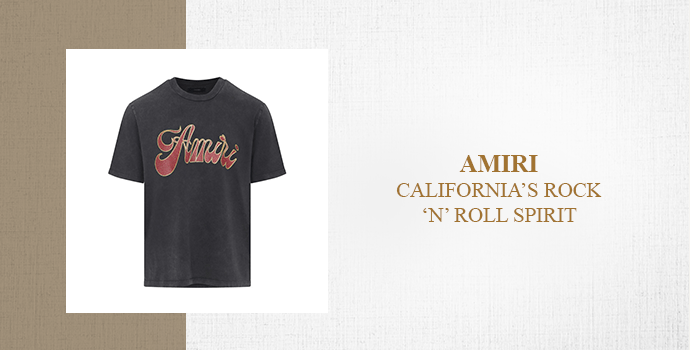
Amiri: California’s Rock ‘n’ Roll Spirit

California’s Rock ‘n’ Roll Spirit

Started by Mike Amiri in 2014, Amiri came from the center of Los Angeles with a bold rock-star style. Influenced by the rough, skate, and punk scenes of California, Amiri mixes casual clothing with fine craft work. Torn jeans, sewn details by hand and sharp shapes show what the brand looks like!

Amiri’s way of thinking is about American skill — many items are made in Los Angeles, mixing careful sewing with a relaxed feel. From torn jeans to bold shoes, Amiri shows the cool self-assurance of a new rebel.

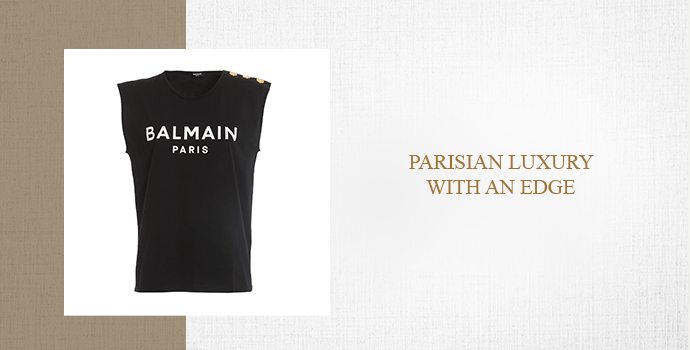
Balmain: Parisian Luxury with an Edge

Parisian Luxury with an Edge

On the other side of a Atlantic, Balmain show Parisian fancy dress charm mixed with rock-cool vibe. Started in 1945 by Pierre Balmain, the house got known for it “Jolie Madame” shape — s͏mart, neat, and very lady-like. 

Today, with Olivier Rousteing’s style lead, Balmain has changed into a sign of strong clothes – think neat jackets, bright decorations, and sure shapes. Balmain’s luxe is big, brave and easy to see!

Amiri is a fancy street in California with a bold feelBalmain is Paris fancy with building exactness

Design Philosophy: Laid-Back Luxury vs Structured Power

When it is about Amiri and Balmain, their style way is where the difference becomes most clear.

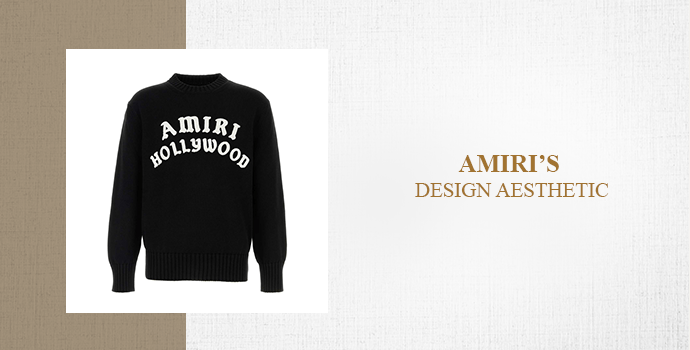
Amiri’s Design Aesthetic

Amiri's Design Aesthetic

Amiri’s things shout easy style. The brand’s special looks have torn jeans, leather coats, checkered shirts and tall sneakers. Each piece has a made-by-hand feel often worn or hand-drawn giving it that used, real vibe. 

Amiri’s fancy outfits have street style touches such as loose fits, new cuts, and slight wear. Its a great pick for person who likes nice things that feel easygoing but still special. 

The label calls to music makers, creators, and style fans who like a sharp, rock star vibe — imagine it as LA chill mixed with fancy work. 

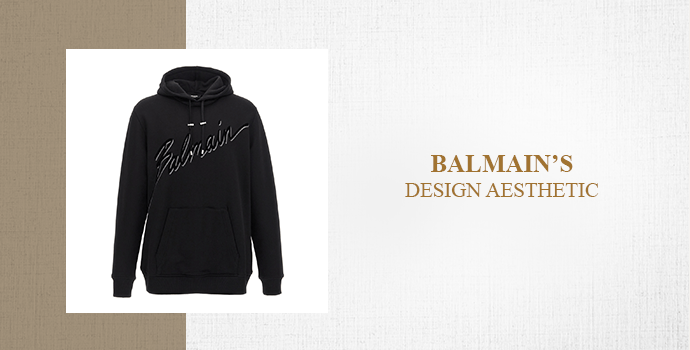
Balmain’s Design Aesthetic

Balmain’s Design Aesthetic

Balmain, on the other hand, welcomes strong fancy. The brand’s styles are all about pointy shoulders, bright metals, army bits, and rich details.

Each Balmain coat or gown shines strength and style – great for people who want to show off.

Balmain’s collections for guys and gals often have gold knobs, jackets with two rows of buttons, and form-fitting shapes that show self-assurance. The making focuses more on neat cutting than worn looks.

In short:

Amiri – Wild, defiant and easy luxuriousBalmain – Firm, strong, and very fancy

Product Comparison: Amiri vs Balmain

Lets look at few of their best goods to see how each brand gives on good, style and cost. 

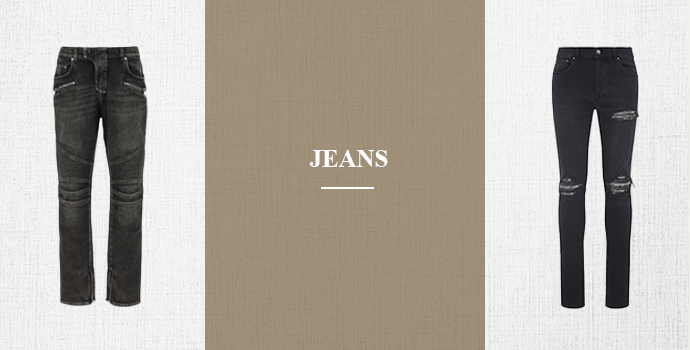
1. Jeans

Jeans

Amiri Jeans:

The label’s jeans are maybe its best known items. Made in LA, each set goes through hand-rubbing, sewing pieces on, and sometimes even bullet hole touches. Amiri jeans like the MX1 or Thrasher styles are made from high-quality Japanese denim with leather parts or tears — mixing tough style with fine quality.

Balmain Jeans:

͏Balmain also rules the high-end jean world with its biker pants, known for ridged sections, zips, and a tight shape. These pants have a more built style, bike-inspired look; great for people who enjoy neatness and smoothness.

Verdict:

If you like a calm, worn-out city look, choose Amiri 

If you like neat, shaped jeans, Balmain is best

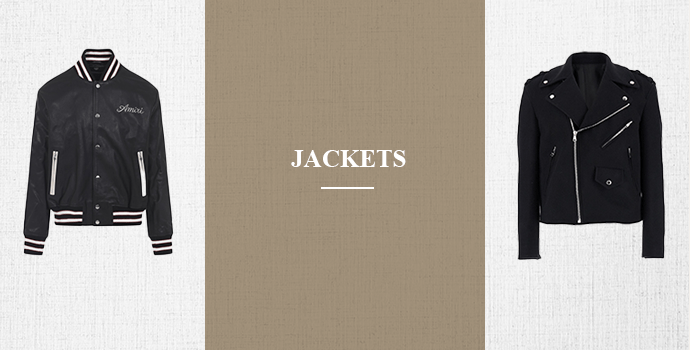
2. Jackets

Jackets

Amiri Jackets:

From skin jackets to school and jean coats, Amiri’s outer clothes show strong character. Each item shows LA skill — hand-made leather, old washes and big stitching.

Balmain Jackets:

Balmain’s coats are famous. Their firm jackets with gold buttons have turned into signs of strong dressing. The brand’s bike and army coats also show a strong look, with careful sewing and fine details.

Verdict:

Amiri = Cool and casual luxury

Balmain = Statement and structure

3. T-Shirts and Hoodies

T-Shirts and Hoodies

Amiri:

Amiri’s graphic shirts and sweatshirts are main parts of today’s street-luxury. They often show strong designs, names, and art based on grunge ideas. The style is loose but nice — a mix of street ease and fancy touch.

Balmain:

Balmain’s shirt and hoods care more about name and simple style. Gold-printed names or plain patterns rule their easy clothes. Even though they are still fancy, Balmain’s basics are neater and more timeless than Amiri’s wild way.

Verdict:

Amiri, if you like big pictures and creative style

Balmain is great if you like fancy names and simple luxury

4. Sneakers

amiri vs balmain - Sneakers

Amiri Sneakers:

Amiri’s shoes, like the Skel-Top or MA-1, are easy to spot. They have bone designs, tall shapes, and a young street feel. They’re made in Italy with top materials but show LA street life.

Balmain Sneakers:

Balmain shoes are smooth, modern, and often have a shaped look. The B-Bold and B-Court styles show fat bottoms, shiny bits, and new shapes – matching with the brand’s building style.

Verdict:

Amiri sneakers – perfect for edgy streetwear lovers

Balmain sneakers – best for bold, futuristic style seekers

5. Accessories

amiri vs balmain - Accessories

Amiri:

Amiri’s add-ons – from straps and caps to trinkets – hold the same wild vibe as its wear. Look for links, bone shapes, and bold leather.

Balmain:

Balmain’s things bend towards forever class. Think of strong bags, gold-touched belts, and logo-rich items that drip style.

Verdict:

Amiri adds attitude to your look

Balmain adds elegance and polish

Craftsmanship & Quality

Both names are at the peak of fancy, but their way of making stuff is different.

Amiri highlights handmade skill in Los Angeles, making sure each item feels special. Every tear, paint drop and stitch is important. Balmain, a designer brand from Paris, aims at careful sewing and fine fabrics. Its items seem shaped and perfect.

Amiri leans on handmade flaws, but Balmain is good at exact perfection. Your choice depends on if you like crafted uniqueness or building luxury.

Celebrities Who Wear Them

Amiri and Balmain has a big group of famous people who like them. 

Amiri is liked by music stars and sports players — from Justin Bieber and Travis Scott to a LeBron James. Balmain draws famous people like Beyoncé, Kim Kardashian, Rihanna and Olivier Rousteing’s group of style experts.

Amiri goes well in a city-chic way of living, while Balmain adds to the fancy red-carpet look.

Price Comparison

amiri vs balmain- Price Comparison

When it is about cost, both Amiri and Balmain belong to luxury group, but Balmain often has a bit higher price due to its fancy background and Parisian skill. Amiri’s jeans usually go from $900 to $1,400 based on how much wear and design they have while Balmain’s well-known biker jeans are priced near $1,000 to $1,700. 

Amiri has coats that cost from $2,000 to $4,000 showing its made-by-hand style and LA skill. Balmain, famous for its well-fitted jackets and army-type coats, usually starts at about $2,500 and can reach up to $5,000 or higher especially for fancy or show items.

When it comes to shoes, Amiri’s Skel-Top and MA-1 types often cost around $600 to $1,200. On the other hand, Balmain’s space-age B-Bold and B-Court shoes are in the $700 to $1,400 area. Even their simple clothes follow this same trend – Amiri’s T-shirts sell for about $350 to $600 while Balmain’s logo shirts can be from $400 to 700$. Amiri goes well in a city chic way of living while balmain adds to the fancy red carpet look. 

In gener͏al, Amiri gives a bit easier way to start in fancy clothing. It attracts people who like handmade art with a daring street style. On the other hand Balmain has higher costs, matching its polished Paris look, careful fitting and high-class elegance.

Final Thoughts: Which Brand is Better?

When it is about Amiri and Balmain, the best brand really relies on your own way of dressing.

If you connect with the California road look, enjoy being unique, and like made-by-hand art – Amiri is your choice. It’s great for folks who want to mix fancy with daily coolness.

If your fashion taste leans toward Parisian power, structured elegance, and statement-making glamour — Balmain is the winner. The brand’s designs are timeless yet bold, ideal for anyone who wants to command attention.

Both brands define modern luxury in their own ways — Amiri through its rebellious authenticity, and Balmain through its refined power. Whichever you choose, you’re not just buying fashion; you’re investing in an attitude.

In the world of Amiri vs Balmain, there’s no wrong choice — only two powerful interpretations of what luxury means today.

Whether you’re drawn to Amiri’s handcrafted denim or Balmain’s commanding blazers, both brands ensure you stand out with confidence, style, and sophistication.


Source link

14 Cult Luxury Perfume Houses Beloved of Men and Women

0
14 Cult Luxury Perfume Houses Beloved of Men and Women


The rarified world of upscale fragrance represents the pinnacle of olfactory craftsmanship, where master perfumers create signature scents using the finest ingredients from across the globe. These luxury perfume houses combine centuries-old traditions with innovative techniques to produce fragrances that transcend mere scent to become expressions of identity and status.

If you’re looking to expand your fragrance collection beyond mainstream offerings, these fourteen prestigious maisons represent the gold standard in luxury perfumery. Each house brings its unique philosophy, heritage, and artistic vision to create compositions worthy of the most discerning connoisseur.

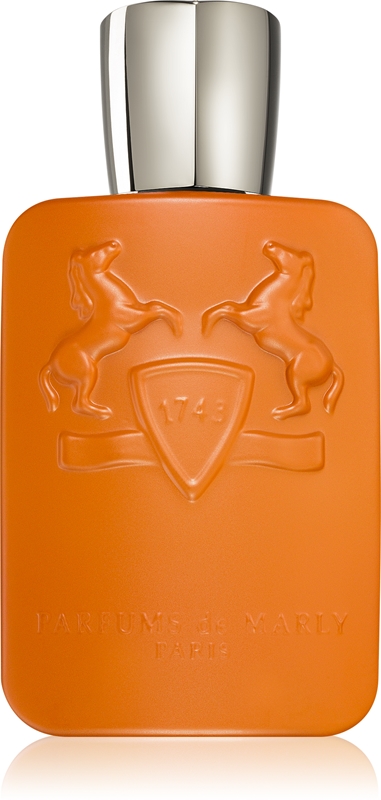
1. Parfums de Marly

Founded in 2009 by Julien Sprecher, this French house draws inspiration from the elegance of 18th century royal perfumery at the Court of Louis XV. Renowned for their sophisticated blends that combine historical inspiration with contemporary techniques, their standout creations include the bestselling Layton, Pegasus, and Greenley.

Each Parfums de Marly fragrance comes housed in their signature ornate bottles that reflect the brand’s royal heritage.

Parfums de Marly - luxury perfume houses
Notino – Parfums de Marly

2. Clive Christian

After acquiring the Crown Perfumery in 1999, this British luxury house revived and expanded the historic brand. Their “No.1” fragrance once held the Guinness World Record as the world’s most expensive perfume.

Known for extraordinary complexity and depth, their perfumes often contain over 200 carefully balanced ingredients. The Imperial Majesty edition, presented in a Baccarat crystal bottle with a 5-carat diamond, epitomizes their commitment to uncompromising luxury.

Clive ChristianClive Christian
Clive Christian – iconic luxury perfume houses

3. Mancera

Established in 2008 by Pierre Montale, Mancera combines French perfumery expertise with exotic ingredients from the East. The house is renowned for its potent, long-lasting compositions with exceptional sillage.

Their Cedrat Boise has gained significant popularity for its fresh yet sophisticated character, while Aoud Lemon Mint showcases their innovative approach to traditional oud. The distinctive bottle designs feature colorful, architectural shapes that stand out in any collection.

Luxury perfume brandsLuxury perfume brands
Mancera – Luxury perfume brands

4. Roja Parfums

Founded by British perfumer Roja Dove in 2004, this ultra-luxury house creates some of the most expensive fragrances in the world. Using the highest quality raw materials without budget constraints, Roja’s creations are the epitome of opulence.

The Parfum de la Nuit collection and Diaghilev showcase his masterful approach to classic perfumery with a contemporary twist. The crystal-topped bottles adorned with Swarovski crystals reflect the precious contents within.

Roja - Enigma pour HommeRoja - Enigma pour Homme
Roja – Enigma pour Homme

5. Maison Francis Kurkdjian

Co-founded by master perfumer Francis Kurkdjian in 2009, this Parisian house has quickly established itself as a contemporary luxury leader. Kurkdjian, the nose behind iconic scents like Jean Paul Gaultier’s Le Male, brings extraordinary technical precision to his own line.

The house is famous for its Baccarat Rouge 540, which has developed a cult following, and the distinctive Oud Satin Mood. Their minimalist aesthetic houses remarkably complex and refined compositions.

Baccarat Rouge EDPBaccarat Rouge EDP
Maison Francis Kurkdjian – Baccarat Rouge EDP

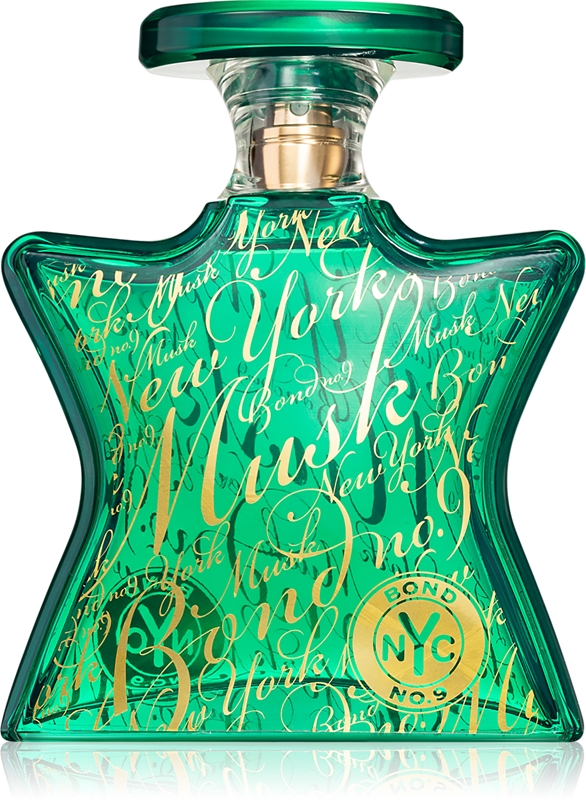
6. Bond No. 9

Founded in 2003 by Laurice Rahme, this New York-based luxury house celebrates the city’s diverse neighborhoods and cultural landmarks through distinctive fragrances. Each scent pays homage to a specific area of New York, from the sophisticated elegance of Saks Fifth Avenue to the bohemian charm of Greenwich Village.

Their colorful, jewel-like bottles have become instantly recognizable status symbols, while fragrances like Scent of Peace and New York Nights showcase the brand’s ability to capture the essence of urban luxury in olfactory form.

Uptown New York MuskUptown New York Musk
Notino – Uptown New York Musk

7. Lanvin

One of the oldest French fashion houses, founded by Jeanne Lanvin in 1889, Lanvin’s fragrance division continues the brand’s legacy of refined elegance. Their classic Arpège, created in 1927, remains an iconic feminine scent.

For men, the Lanvin Collection showcases sophisticated compositions like Avant Garde and L’Homme Sport that reflect the house’s balance of tradition and modernity. Each fragrance embodies the Parisian elegance that has defined the brand for over a century.

Lanvin luxury perfumeLanvin luxury perfume
Unsplash – Lanvin luxury perfume

8. Creed

With over 250 years of history, Creed remains one of the most prestigious family-owned fragrance houses in the world. Founded in London in 1760, this house has created scents for royalty and celebrities alike.

Their iconic Aventus has achieved almost mythical status among collectors, while Green Irish Tweed and Silver Mountain Water continue to define masculine luxury fragrance. Their attention to sourcing the finest natural ingredients and traditional handcrafted production methods set them apart.

Creed is a famous perfume houseCreed is a famous perfume house
Unsplash – Creed is a famous perfume house

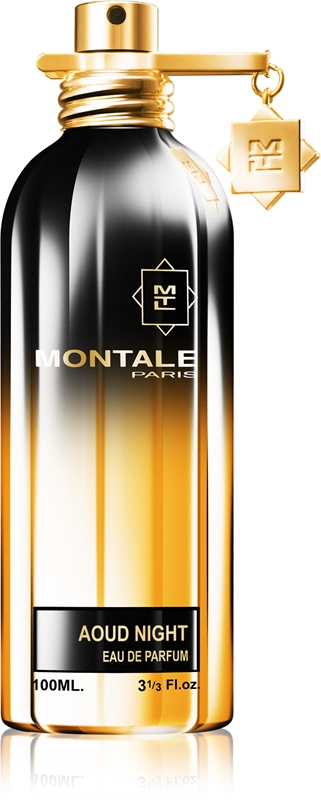
9. Montale

Founded in 2003 by Pierre Montale after years of creating exclusive perfumes for Middle Eastern royalty, this Parisian house specializes in powerful, long-lasting compositions that showcase precious ingredients, particularly oud. The brand’s aluminum bottles are instantly recognizable and protect the precious contents from light and oxidation.

Signature creations like Black Aoud, Intense Café, and Roses Musk demonstrate the house’s expertise in creating bold, distinctive fragrances that maintain exceptional longevity and projection throughout the day.

Montale Aoud NightMontale Aoud Night
Notino – Montale Aoud Night

10. Juliette Has a Gun

Founded in 2006 by Romano Ricci (great-grandson of Nina Ricci), this avant-garde house takes a playful yet sophisticated approach to luxury perfumery. Their provocative name and minimalist black bottles set the stage for creative, often rule-breaking compositions.

Not a Perfume, featuring a single molecule (Ambroxan), exemplifies their innovative spirit, while Lady Vengeance and Midnight Oud showcase their ability to reimagine classic perfume structures with a modern, edgy twist.

Juliette Has a Gun perfumeJuliette Has a Gun perfume
Unsplash – Juliette Has a Gun perfume

11. Louis Vuitton

Though better known for leather goods, Louis Vuitton’s relatively recent re-entry into the fragrance world in 2016 has produced extraordinary results. Master perfumer Jacques Cavallier-Belletrud creates compositions that evoke the spirit of travel central to the house’s heritage.

Their Les Extraits Collection, with its architectural bottle tops designed by Frank Gehry, showcases their dedication to artistry in both scent and presentation. Standouts include Ombre Nomade and Nouveau Monde.

Au Hasard by Louis VuittonAu Hasard by Louis Vuitton
Unsplash – Au Hasard by Louis Vuitton

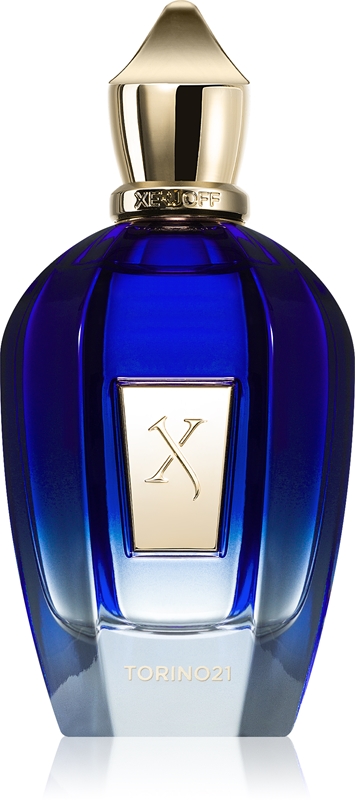
12. Xerjoff

Established in Turin, Italy in 2004 by Sergio Momo, Xerjoff represents the pinnacle of Italian luxury perfumery. Known for using rare and precious materials, their fragrances are presented in handcrafted bottles adorned with gold, crystals, and even meteorite fragments.

The Join the Club collection and Casamorati line showcase their range, from contemporary compositions to historical inspirations. Their Alexandria II and Nio have achieved cult status among fragrance enthusiasts for their extraordinary quality and distinctive character.

Torino21 by XerjoffTorino21 by Xerjoff
Notino – Torino21 by Xerjoff

13. Frédéric Malle

Pioneering the concept of “editions de parfums,” Malle revolutionized luxury fragrance by putting the spotlight on the perfumers themselves. Founded in 2000, the house collaborates with the world’s greatest “noses” to create olfactory masterpieces without creative or budget constraints.

Standouts include Portrait of a Lady by Dominique Ropion and Musc Ravageur by Maurice Roucel, fragrances that demonstrate extraordinary complexity and evolution on the skin.

Editions Frederic Malle perfumeEditions Frederic Malle perfume
Unsplash – Editions Frederic Malle perfume

14. Tom Ford

Launched in 2007, Tom Ford’s exclusive Private Blend collection represents the designer’s uncompromising approach to luxury. These sophisticated compositions include the groundbreaking Tobacco Vanille, Oud Wood, and Tuscan Leather.

Each scent in the collection is developed with remarkable creative freedom and presented in architectural, minimalist bottles that have become status symbols themselves. The newer Signature line has expanded the brand’s reach while maintaining exceptional quality.

Tuscan Leather by Tom FordTuscan Leather by Tom Ford
Unsplash – Tuscan Leather by Tom Ford

Final Thoughts on the Top Luxury Perfume Houses

Exploring these distinguished perfume houses offers an entry into the rarefied world of true olfactory luxury. Beyond mere fragrance, these houses create sensory experiences that tell stories, evoke emotions, and become an extension of personal identity.

For those willing to invest in exceptional quality and artistry, these luxury fragrance maisons represent the pinnacle of perfumery craftsmanship that transcends trends to create timeless olfactory signatures.

Read next:

Sharing is caring!


Source link

Hotel Review: Hotel De L’Europe Amsterdam

0
Hotel Review: Hotel De L’Europe Amsterdam


Considered one of Amsterdam’s finest hotels, this Leading Hotels of the World (LHW) member might surprise you. Despite a historic façade and elegant interior, Hotel de L’Europe boasts some modern features that will appeal to both business travelers and tourists. Pair that with its canal-facing location and easy walking distance to everything in Amsterdam, and you have a luxury hotel that is worth the splurge. These are five of the best reasons to stay at Hotel de L’Europe.

The décor

It’s hard not to begin with the obvious. From the moment the doormen greet you and whisk you through revolving doors, you are surrounded in elegance and panache. The décor is something out of a palace, but the service more modern and refined.

Gilt-framed paintings line the walls (seemingly plucked from the Reijksmuseum), and the tufted armchairs and sofas are as palatial as can be. Even if you arrive early, you might find yourself sitting amid this beautiful space while awaiting your room. Don’t be surprised if the staff offer you a complimentary coffee.

As you move through the hotel, you quickly discover the bar, lounge and restaurants facing the canal itself. During warmer months, you can dine al fresco. What seems like a small hotel is deceiving as there are rooms on either side of the main lobby. There is also a gallery with shops and meeting space. Enormous floral arrangements brighten up every space around.

The cuisine

Home to Flore, the two Michelin-starred restaurant that draws in Amsterdammers and in-the-know foodies, this hotel offers excellent dining options. There is a French brasserie with classic dishes for lunch and dinner as well as an Italian trattoria.

Freddy’s Bar is an authentic Dutch pub where you can sample local brews, bar food, and mix and mingle with interesting locals and guests.

Flore closes on Monday and Tuesday, but opens for dinner the rest of the week as well as lunch on weekends. Prepare for a menu that is guided by the Dutch micro seasons and only using the freshest ingredients. While I didn’t dine there, I appreciated that there is a vegetarian menu (they are interestingly called the omnivore and botanic menus).

The breakfast spread at the Marie brasserie overlooks the canal and features a beautiful array of Dutch and international cheeses, salad, fruit and the option to select from a cooked-to-order menu.

The rooms

Divided between more contemporary and traditional styles, the rooms and suites here vary considerably. That is to be expected in a historic building with some rooms enjoying balconies facing the canals while others have more serene confines looking towards the courtyard.

What unifies them is the sumptuous amenities that start with the bed. Padded mattresses and plush duvets are ideal for a jet lag-induced slumber, and the easy-access controls on either side are appreciated. Power outlets and USB ports of all kinds also are on both sides.

Plush armchairs flank the coffee tables where fruit bowls and chocolate treats await all arrivals. Large cupboards house safes, minibars, robes and umbrellas.

The marble-coated bathrooms are divine with their heated floors, deluxe Dyptique perfumery beauty products (in both take-home tubes and large pump bottles), wide vanities, soaking tubs and glass shower stalls with drenching rain pressure.

Suites add extra living space, and the largest spectacular canal views. The one-bedroom apartment has a separate living room, full kitchen and dining room. It also has a series of specialty suites that range from ultra-modern to Art Deco in style.

The service

This is what truly sets this hotel apart. There are numerous luxury hotels in Amsterdam, but the team here is doting without being overbearing. As you check in, reception offers a glass of bubble and still or sparkling water as you complete your formalities.

If your room is not ready, you are invited to store your luggage, take a dip in the pool, have a shower in the spa or simply relax in the lobby. The concierge team can book reservations that you might not be able to get on your own, and the doormen are like magicians in the way they manage the narrow street in front without disrupting guests that need to unload luggage at the door.

The amenities

One floor below reception is a lovely indoor pool and whirlpool with views out towards the canal. This is rare in the city and certainly something that draws a lot of interest from travelers.

Also with exterior views is a small gym with a decent array of cardio and free weight equipment. Chilled towels, bottles of water, fresh fruit and grain bars are on offer to complete your workout.

The spa here has a lengthy list of massage and beauty treatments that can ease away stress from a long travel or work day. It is well-known among locals, too.

Anyone that joins Leaders Club, the free loyalty program of The Leading Hotels of the World, can take advantage of complimentary breakfast for two each morning plus early check-in or late checkout considerations when available. And the more you stay with LHW, the more points you can earn. Frequent guests can earn elite upgrades to use for a higher room category.

You can earn points for your stay at any LHW hotel when you book through direct channels or a travel advisor to redeem for future travels. Citi ThankYou Rewards is also a transfer partner, which means you can move points from Citi to LHW for redemptions and elite hotels like De L’Europe.

And the newest perk is that anyone with The Platinum Card from American Express gets automatic Sterling status with Leaders Club. That means immediate upgrades to use for future stays. And if one doesn’t clear, you earn 500 points as a consolation! No other loyalty program offers that. Sterling members also earn bonus points when they stay at LHW hotels, which quickly boosts your balance for future redemptions.


Source link

Good things at Dunhill

0
Good things at Dunhill


Good things at Dunhill

Monday, November 10th 2025
Share

Subscribe
0 Comments
||- Begin Content -||

I’ve always had a soft spot for Dunhill – in many ways it should be the flag-bearer for British luxury menswear, but there hasn’t always been something there for me.

Recently, however, things seem to have really improved. I was in the Bourdon House store last month and the quality of the knits, the tailoring and particularly the suede outerwear was exceptional. It felt like what I hope to find at Purple Label, but rarely do. 

There’s a shearling car coat, for example, that looks relatively ordinary in the lookbook – an unusual grey colour, sure, and a slightly unusual length, but nothing to jump out at you. But in person, the shearling is really substantial, almost stiff, and there are great details, like calf-leather trim on the cuffs. 

Design wise the collection seems to sit in the middle of a tricky Venn diagram: pure British traditionalism on one side, defined by someone like Cordings; British fantasy on another, all Polo suede and grey flannel; and that quirky Englishness of florals and bright cords. 

It’s not an easy position to get right, but they seem to be doing it quite well. There’s suede outerwear, for example, but not as lightweight and soft as you’d get from an Italian brand; there are bright cords but they’re dusty pink and citrine, rather than something louder. 

And most interestingly, there are subtle contemporary aspects to a lot of the cuts. Some of the knitwear is a little bigger, a little off the shoulder; some coats are deliberately roomy and flowing. For me this is an area with a lot of potential, because it places Dunhill in a sweet spot between the big fashion brands and the traditional outfitters – a place few people are really occupying. 

Classic menswear often needs a push, but not a big one – and that seems to be what the creative director Simon Holloway is giving it. 

Below are some of my favourites, deliberately selected from different categories. I also got some time to talk to Simon last month, so I’ve added in his comments for detail.

1: Wool pea coat

The material of this pea coat is a thick, English merino, but it’s softer than a more traditional melton, which can get rather board-like. You get the same feeling of substance with the pocket linings, which are done in strong corduroy on the top, hand-warmer set, and with the solid brass buttons.

“The collar on a pea coat has to pop, really stand up, otherwise it’s something else,” said Simon. “We tried so many fabrics, English and Italian, before we got this combination of sturdiness but softness.”

The fit is slightly modernised, with a small drop in the shoulder and big fit in the chest; traditional pea coats are very much straight up-and-down. The only thing I’d change if I could is the Martingale-style belt on the back, but some will probably like that detail. 

2: Cashmere intarsia high-neck jumper

Fit is the first thing I’d focus on here. As soon as you put it on, you realise this is not really a piece of classic menswear – the body is wider and squarer, the shoulders dropped. It’s slouchy yet doesn’t feel overstyled. It’s similar to the kind of thing Connolly do in their shared-wardrobe collection, and the direction Loro Piana has trended more recently with knitwear. 

The colour is real menswear navy, very dark, and the windowpane is satisfyingly unusual yet subtle. It’s also intarsia knitted, so all those checks have been worked in by hand. “This is a slightly more contemporary piece, but it was made in Scotland,” says Simon. 

“I think Dunhill has a freedom in its collections that comes from its varied past. We started with driving clothing and car accessories, but then did ladieswear at one point, were best known for tailoring at another, and starting making in Italy in the early seventies. We’ve sought out the best in different places and tied it to British tradition.”

3: Silk belted evening jacket

This tailored jacket is a case in point, because it has quite a sharp silhouette yet is very light, with soft canvas in the body and very little in the shoulder. The design is a tailored jacket that happens to have a belt. It fastens with regular buttons, but you can put the belt round for a little swagger or even tie it just at the back. 

I’d never really considered silk for evening wear until I tried on this particular printed navy. “That’s an English silk, printed in Macclesfield,” says Simon. “We have fairly subdued colours generally, but I also love how those English prints are more matte than elsewhere.”

The Dunhill tailoring is generally well made: a hand-attached collar, hand-attached lining, one piece of facing around the in-breast pockets. The lapel buttonhole is sewn by hand, which adds a decorative detail, while the rest are by machine. 

4: Wool/cashmere double-breasted coat

“This comes from an archive piece from near the beginning of Dunhill’s history, in the Edwardian era,” says Simon. “The original was in a heavy tweed, but also had a button-out leather lining, to act as a windstopper.”

The modern version is still a big, roomy coat, but the material is much lighter and softer: a fairly loosely woven wool/cashmere blend with Donegal-like flecks in the twill. It’s enveloping but not heavy, and fastens up nicely across the chest and neck. It looks like an archive piece but feels like a contemporary one.

The cut won’t be for everyone, as it’s long and straight and the belt on the back is more decorative than functional. But this is the point in many ways – leaning a little more into fashion means the piece is more distinctive, which also means it’s not everyone’s style.

5: Mount two-piece leather slipper

Grecian slippers have enjoyed a bit of a resurgence both among classic outfitters (eg Bryceland’s) and fashion (eg Lemaire). They fit very well alongside the silk jackets and robes at Dunhill: “A good portion of our evening wear is aimed at the man who doesn’t want to wear a regular tux, so we give lots of different options to play with,” says Simon (below). 

“Again we went looking for the finest in terms of construction and that was more Italian than English – a fine calf, a more flexible construction. We also worked hard on the last shape, to make it comfortable and a little more masculine. 

The padding and construction are certainly very comfortable, and the sole is made to be wearable outdoors as well as in. In fact the one place you get more stiffness than in some makes is in the heel cup, but that makes it sit better around the foot as well. 

The prices of the pieces and exact product names are listed below. It’s all expensive, but that’s what you’d expect from a designer brand. The significant thing for me is that the quality of the products actually lives up to it – this is some of the best-made menswear anywhere.

And the designs are great – I’d love to own all the above, and several more pieces besides. There are very few brands I can say that about today.

Details, full names and prices, in order:

Wool peacoat, £4,100
Cashmere check intarsia high-neck jumper, £2,150
Wool-cashmere twill windowpane archive double-breasted coat, £4,200
Silk printed bourdon double-breasted evening jacket, £3,100
Mount two-piece slipper leather, £775

<!–

–>


Source link

10 Most Innovative Luxury Watch Releases of the Past Decade

0
10 Most Innovative Luxury Watch Releases of the Past Decade


In an industry defined by centuries of tradition, true innovation stands as the rarest and most valuable commodity. While luxury watchmaking often celebrates incremental refinements of established techniques, the past decade has witnessed several timepieces that have genuinely pushed the boundaries of what mechanical watchmaking can achieve. From revolutionary materials to groundbreaking mechanics, these innovative luxury watch releases represent the pinnacle of horological innovation, challenging conventions while respecting the artistry that defines fine watchmaking.

1. Zenith Defy Lab (2017)

The Innovation: Zenith’s Defy Lab introduced the Zenith Oscillator – a monolithic silicon oscillator that replaced the traditional sprung balance system used in mechanical watches for over 300 years. This single component replaced the approximately 30 parts of a standard regulator assembly.

Why It Matters: This fundamental redesign of the watch’s regulating organ achieved unprecedented accuracy (±0.3 seconds per day) while eliminating the need for lubrication and reducing sensitivity to temperature variations, gravity, and magnetic fields. The oscillator’s 15Hz frequency (108,000 vibrations per hour) far exceeded conventional movements, while maintaining a 60-hour power reserve.

The Impact: While production challenges limited its commercial rollout, the Defy Lab demonstrated how thinking beyond three centuries of horological orthodoxy could yield dramatic performance improvements. It signaled Zenith’s return to its innovative roots and inspired subsequent developments in silicon oscillator technology throughout the industry.

Zenith - Defy Lab in Blue Rose Gold
Zenith – Defy Lab in Blue Rose Gold

2. Grand Seiko Spring Drive Caliber 9R86 (2016)

The Innovation: While Spring Drive technology debuted earlier, the evolution of the 9R86 chronograph caliber represented its full maturation as a truly unique timekeeping system. It combined a traditional mainspring power source with an electronic regulator that delivered quartz-like accuracy (±1 second per day) without requiring a battery.

Why It Matters: The Spring Drive represents the only successful hybrid mechanical-electronic system that preserves the endless power flow of a mechanical movement. Its signature perfectly smooth-sweeping seconds hand reflects the absence of the escapement “ticking” found in all conventional mechanical watches, while the chronograph measures elapsed time with perfect accuracy impossible in purely mechanical systems.

The Impact: The Spring Drive demonstrated that technological innovation could come from outside the Swiss establishment, with Japan’s Grand Seiko creating an entirely new category of timekeeping that bridges traditional mechanical and modern electronic approaches. Its commercial success proved that genuine innovation finds appreciative audiences even among traditional collectors.

Grand Seiko - Spring Drive Caliber - most innovative luxury watch releasesGrand Seiko - Spring Drive Caliber - most innovative luxury watch releases
Grand Seiko – Spring Drive Caliber

3. Omega Seamaster Aqua Terra >15,000 Gauss (2015)

The Innovation: Omega’s breakthrough wasn’t just creating a watch resistant to extreme magnetic fields, but achieving this without relying on the traditional soft iron inner case. Instead, the company developed non-magnetic components for the movement itself, including silicon balance springs and nickel-phosphorus escape wheels.

Why It Matters: Magnetism represents one of the greatest threats to mechanical watch accuracy in modern environments filled with electronic devices. Previous antimagnetic watches sacrificed display case backs and limited movement thickness due to their protective inner cases. Omega’s approach enabled slimmer movements with visible mechanics while providing unprecedented protection.

The Impact: This technology, later branded as Master Chronometer certification, has since been rolled out across nearly all Omega product lines, elevating the entire brand’s technical specifications. It pushed the industry toward addressing real-world performance challenges instead of focusing solely on traditional complications, triggering similar developments from competitors.

Omega - Seamaster Aqua TerraOmega - Seamaster Aqua Terra
Omega – Seamaster Aqua Terra

4. MB&F Legacy Machine Sequential EVO (2022)

The Innovation: Master watchmaker Stephen McDonnell created the first chronograph mechanism with two complete chronograph systems that can function fully independently, as a split-seconds chronograph, or in synchronized “lap timer” mode—all controlled through a single dial-mounted pusher.

Why It Matters: The architecture totally rethinks chronograph design rather than iterating on two centuries of established chronograph mechanisms. Its vertical clutch system, standalone energy source for the chronograph, and novel ceramic ball-detent system represent serious advancements in one of watchmaking’s core complications.

The Impact: The LM Sequential EVO demonstrated that even the most mature complications could be fundamentally reimagined through fresh engineering approaches. It reinforced MB&F’s transition from making watches inspired by childhood influences to creating genuinely innovative horological machines with technical significance.

MB&F - Legacy Machine Sequential EVOMB&F - Legacy Machine Sequential EVO
MB&F – Legacy Machine Sequential EVO

5. Bulgari Octo Finissimo Tourbillon Automatic (2018)

The Innovation: Bulgari claimed the world’s thinnest automatic tourbillon watch with a movement just 1.95mm thick and a total case thickness of only 3.95mm. This required fundamental rethinking of movement architecture, including a peripheral rotor and components reduced to minimal possible dimensions.

Why It Matters: Creating an ultra-thin tourbillon is challenging enough; adding automatic winding within such severe constraints represented a triumph of miniaturization and engineering. The watch demonstrated that extreme thinness is its own technical complication, requiring solutions as innovative as any traditional horological function.

The Impact: The Octo Finissimo collection established Bulgari as a serious watchmaking force beyond its jewelry heritage, winning numerous industry awards and setting multiple world records. It triggered a renewed industry focus on ultra-thin watchmaking as a demonstration of technical prowess.

Bulgari - Octo Finissimo Tourbillon AutomaticBulgari - Octo Finissimo Tourbillon Automatic
Bulgari – Octo Finissimo Tourbillon Automatic

6. Greubel Forsey Nano Foudroyante (2017)

The Innovation: Greubel Forsey created a mechanical foudroyante (jumping seconds) complication that operates at an extraordinary scale, with the foudroyante hand making six jumps per second – requiring components so small they push the boundaries of what’s achievable in mechanical watchmaking. The watch combines this ultra-precise jumping seconds display with their signature inclined tourbillon at 25 degrees.

Why It Matters: The foudroyante complication is among the rarest in haute horlogerie, and executing it at this frequency (6 jumps per second) required developing components at near-microscopic dimensions while maintaining reliability. The balance operates at 5Hz (36,000 vibrations per hour), and the foudroyante mechanism must function flawlessly alongside the complex tourbillon system – all within Greubel Forsey’s signature multi-layered architectural movement design.

The Impact: The Nano Foudroyante demonstrated that Greubel Forsey could push mechanical miniaturization to extremes while maintaining their uncompromising standards for hand-finishing and reliability. By combining one of watchmaking’s rarest complications with their tourbillon expertise at this scale, they proved that innovation doesn’t always mean abandoning traditional complications – sometimes it means executing them at levels previously thought impossible.

The watch reinforced Greubel Forsey’s position as one of the few manufactures genuinely advancing the technical frontiers of mechanical watchmaking.

Greubel Forsey - Nano Foudroyante watchGreubel Forsey - Nano Foudroyante watch
Greubel Forsey – Nano Foudroyante watch

7. Rolex Caliber 3255 with Chronergy Escapement (2015)

The Innovation: Rolex developed an entirely new escapement architecture called Chronergy that achieves approximately 15% greater efficiency than traditional Swiss lever escapements. The system uses an optimized geometry for the escape wheel and pallet fork, manufactured from nickel-phosphorus alloy for improved magnetic resistance. Combined with the Paraflex shock absorber and Parachrom hairspring, the movement delivers a 70-hour power reserve – a significant increase from the previous 48 hours.

Why It Matters: The Swiss lever escapement has remained fundamentally unchanged for over 250 years, making any genuine improvement extraordinarily rare. Rolex’s Chronergy escapement represents one of the few successful redesigns of this critical component, achieving measurable performance gains without sacrificing reliability. The movement also introduced the Superlative Chronometer certification (±2 seconds per day after casing), exceeding COSC standards.

The Impact: The Caliber 3255 set a new performance benchmark for luxury watch movements, forcing competitors to reconsider their own chronometer standards. Rolex has since rolled out this technology across multiple collections, demonstrating that innovation in fundamental watchmaking components can deliver tangible benefits to everyday wearers. The extended power reserve and improved accuracy make the watches more practical daily companions, proving that technical advancement doesn’t need to be exotic to be valuable.

Rolex - Day-Date 40 wristwatchRolex - Day-Date 40 wristwatch
Rolex – Day-Date 40 wristwatch

8. TAG Heuer Carrera Heuer 02T (2016)

The Innovation: TAG Heuer created a Swiss-made tourbillon chronograph watch priced under $15,000 approximately one-tenth the price of its closest competitor. This required complete redesign of the tourbillon manufacturing process, including innovative use of automation and new materials.

Why It Matters: The tourbillon had long represented the pinnacle of watchmaking exclusivity, with prices typically exceeding $100,000. TAG Heuer’s achievement democratized access to haute horlogerie’s most prestigious complication while maintaining Swiss production and COSC chronometer certification.

The Impact: The Heuer 02T forced the industry to reconsider pricing structures for high complications, demonstrating that even the most prestigious mechanical features could be produced at more accessible price points through innovative manufacturing. It expanded the potential market for fine mechanical watches and challenged artificial scarcity models.

TAG Heuer - Carrera Heuer 02TTAG Heuer - Carrera Heuer 02T
TAG Heuer – Carrera Heuer 02T

9. Vacheron Constantin Reference 57260 (2015)

The Innovation: Created for a private collector, this pocket watch incorporated 57 complications – the most in any timepiece ever made. Innovations included multiple new complications never previously achieved, such as a double retrograde split-seconds chronograph and Hebraic perpetual calendar.

Why It Matters: Beyond breaking the record for complication count, the 57260 demonstrated that mechanical watchmaking still had unexplored frontiers. Development required eight years and three watchmakers, resulting in 2,826 components working in harmony within a single mechanical system.

The Impact: The 57260 reaffirmed the potential for innovation within classical watchmaking traditions, inspiring other manufacturers to push mechanical complexity to new levels. It also highlighted the continued relevance of the bespoke commission model that drove much historical horological innovation.

Vacheron Constantin - Reference 57260Vacheron Constantin - Reference 57260
Vacheron Constantin – Reference 57260

10. Richard Mille RM 27-01 Rafael Nadal (2015)

The Innovation: Richard Mille created a movement suspended within the case by a network of braided steel cables just 0.35mm thick, attached to tensioners positioned at the case edges. This system isolated the movement from shock while weighing just 3.5 grams.

Why It Matters: This revolutionary suspension system enabled a tourbillon watch to withstand accelerations of up to 5,000 G’s – making it genuinely wearable during professional tennis matches. The complete watch weighed less than 19 grams (including strap), establishing new possibilities for ultra-lightweight, shock-resistant timepieces.

The Impact: The RM 27-01 redefined how luxury watchmakers approach sports performance, proving that even the most delicate complications could function in extreme conditions with innovative engineering. It helped establish Richard Mille’s reputation for genuine technical innovation beneath its distinctive aesthetic.

Richard Mille boutiqueRichard Mille boutique
Depositphotos – Richard Mille boutique

Final Thoughts on the Most Innovative Luxury Watch Releases

True innovation in luxury watchmaking requires balancing respect for centuries of tradition with the courage to challenge fundamental assumptions. These ten timepieces represent different approaches to that challenge -some leveraging cutting-edge materials and manufacturing techniques, others reimagining basic principles of mechanical design, and a few questioning the very nature of how we interact with timekeeping devices.

What unites them is a refusal to accept conventional limitations, instead asking what might be possible when watchmaking’s brightest minds are given freedom to explore. In an industry sometimes overly focused on heritage and incremental improvements, these watches remind us that the mechanical timepiece remains a canvas for genuine innovation – proving that even after centuries of development, the possibilities for reinvention remain limitless.

Read next:

Sharing is caring!


Source link

Untangling the Mysteries of Thread – University of Fashion Blog

0
Untangling the Mysteries of Thread – University of Fashion Blog


University of Fashion’s Intro to Threads lesson (Image credit: University of Fashion)

Whether you’re just learning to thread a needle without stabbing yourself, or a sewing wizard who can thread a machine with your eyes closed, I guarantee there are mysterious thread secrets you don’t know. And let me tell you…the world of thread is deeper than a tangled bobbin. In fact, our Introduction to Threads lesson is over 20 minutes long—because apparently thread has more drama than a reality TV show.

Let’s test your thread knowledge.

For starters:

Do you know the difference between thread and yarn?
Can you name the 3 sources from which sewing threads are made?
Do you know the difference between a spun, core-spun, monofilament, multifilament and textured thread?
Do you know what it means if thread has an “S” twist or a “Z” twist?

 Do you know how threads are sized?

Image of thread sizing systems

Did you know that different countries have different thread sizing systems? And have you ever wondered what all those pesky letters & numbers on a thread spool actually mean, like Ne, NeC, NeB, C Ne? Have you ever asked yourself, “should I care”?

image of Gutterman thread with thread sizing information C Ne 50

Answer: “C” refers to Cotton Count Thread System, “Ne” refers to “Number English” (also known as English Cotton Count), “50” refers to thread weight (ex. Ne 50 is finer than Ne 30). This particular thread is a good example of an all-purpose thread.

Does it matter how thread is wound on a spool?

A stack Spool and a Cross Wound spool

Did you know that there are 2 types of thread winding options? And that each serves a distinct purpose when machine-sewing your project?

Do you know what the term ‘put-up’ refers to?

examples of thread packaging : spool, cop, cone and vicunaThe term ‘put-up’, refers to the way a thread is packaged. Whether it be a spool, cop, cone or vicone, a thread package is chosen based on the type of thread, machine and sewing needs. Do you know which thread package you would use on which sewing machine and why?
But there’s more?

How’s it going so far? Aceing all the questions or just winging it with blind confidence? Either way, welcome to our fabulous threads lesson, where you’ll pick up knowledge that’s sew essential. And because the thread fairy herself, Martha Palaza (aka stitch wizard, needle whisperer, and thread connoisseur), will be your guide, you’ll learn the magical secrets of picking the perfect thread color and calculating just how much you need, among other things. Translation: no more tragic mid-project breakdowns when your bobbin runs dry and your sanity follows.


Source link

The Woman Reframing African Luxury: Inside Blessing Eleh’s Bibi Lawrence Revolution – The Luxury Lifestyle Magazine

0
The Woman Reframing African Luxury: Inside Blessing Eleh’s Bibi Lawrence Revolution – The Luxury Lifestyle Magazine


For Blessing Eleh, every collection is a sacred archive, and she steps into them as a storyteller. Her Lagos studio built Bibi Lawrence into a global luxury brand, incorporating cultural depth with modern design. The label has been featured in Dallas Fashion Week 2025 and in Netflix’s Blood Sisters, and is worn by women who view couture as a language, not a show.

The fact that one sees it on international fashion shows is already symbolic of the shift in the way African luxury is perceived. That Lagos workshop idea has blossomed into life and is now thriving in galleries and boutiques across continents. Each garment, hand-sewn, locally sourced, ethically produced, tells the same narrative: Elegance need not shed its roots.

“Luxury is meaning made visual,” Eleh disclosed in a recent interview. “When someone adorns herself in Bibi Lawrence, she carries history lightly, not heavily.”

Building a House of HeritageEleh’s core is based on Igbo visual storytelling. The Isiagu has been a garment historically reserved for nobility, yet it can be seen in modern textiles today. Uli patterns, which were traditionally painted on the skin of women, have evolved into fine, embroidered lines that track the direction of movement. Every single one of these symbols is not merely ornamentation – they are all communication through Eleh’s hands, and she is creating a new beat for the history of Africa.

Critics have described Eleh’s designs as both minimalist and deliberate; she creates simple shapes, uses raffia to add texture and dimension to fabrics, and manipulates florals on fabrics to create new forms and proportions reminiscent of architecture. Every stitch is intentional, and every fold becomes a silent negotiation between traditional techniques passed down from ancestors and modern precision. Where other brands seek noise, Bibi Lawrence prefers silence – its beauty lives in restraint, in garments that seem to breathe rather than shout.

In addition to the aesthetic of Eleh’s designs, there is also an economic component that supports a larger community. With over sixty artisans working in her Lagos workshop (dyers, embroiderers, raffia weavers) who sustain themselves economically through the production cycle of Eleh’s designs, the atelier is essentially a guild rather than a factory. Not only is Eleh saving what could potentially be dying art forms, but she is also providing economic stability for families in Nigeria. She is designing a high-end house that prioritizes community over exclusivity.

Sustainability as Responsibility

Bibi Lawrence, prior to the global fashion industry’s shift towards sustainability, integrated sustainable practices into every aspect of her design process. She produces each of her collections in small quantities; if there is any leftover fabric, it is used to make accessories or smaller items, and all of her packaging is completely biodegradable. Her sustainable practices are a result of her values and have little to do with marketing.

Eleh discusses sustainability quietly, but takes action quickly. “We do not waste materials,” she says, “because we do not waste stories,” she continues, “Each fabric carries an imprint of someone’s labor, and that deserves respect.”

Eleh’s commitment to the environment has turned her brand into a quiet source of inspiration for young designers. Former students from Yaba College of Technology, where she once taught pattern interpretation, still visit her studio to observe her fitting and cutting processes. Through these informal sessions, they continue to learn how proportion can convey restraint and how traditional craftsmanship can live harmoniously with modern luxury.

The attention generated by her first Dallas Fashion Week show was evidence that authenticity travels. The Oge Ntoju (Full Bloom), which featured silk and raffia intertwined with coral-colored dresses that were reminiscent of Edo royalty, was described in reviews as “a portrait of calm confidence.” It was not a breakthrough for Eleh, but rather a continued expression of the way she has always communicated her ideas: telling African stories through refined craft.

Redefining Modern Luxury

On the international stage, Bibi Lawrence rejects the notion that African couture should depend on a spectacle. Eleh’s strength lies in restraint, the absence of excess supplanted by a technical discipline. The clothes she makes echo architectural clarity: fitted bodices, flowing skirts, movement governed by mathematical proportion. Her outfits are described by observers as serene, although quietly authoritative.

There is pathos in their quietude, meaning in their simplicity. It is, in Eleh’s view, another refracting lens through which couture becomes an expression of cultural responsibility, a living archive where creativity and duty come together.

On the business side, the same accuracy holds. By opting for a small-scale operation and transparent supply chains, Bibi Lawrence strikes a balance between artisanal craftsmanship and quality control, achieving what luxury was at a time before mass production: time, craft, and honesty. The overt success of the label has brought it to the attention of international buyers seeking genuine luxury without appropriation, marking a significant shift for African labels, which are entering the luxury market on their own terms. 

Even with global attention, Eleh remains contained and deliberate – as serene in the public gaze as she is in her studio among fabric and sketches. Her focus never strays far from the essentials: cut, fit, and emotion.

“If my work tells people that Africa is exquisite, intellectual, and elegant,” she says, “then I have achieved what I set out to do.“

Bibi Lawrence exists as both a fashion house and a cultural institution, uniting heritage with modern luxury. Under Blessing Eleh’s vision, African couture advances through discipline and integrity, measured not by spectacle but by purpose.


Source link

Popular Posts

My Favorites