Monday, April 27th 2026Tags: A PresseLemaireStoffa
Share
Share this post
Subscribe
0 Comments
||- Begin Content -||
I’ve found the recent growth of popularity in Japanese brand A Presse quite interesting. Because while there are lots of things I like and admire about the brand, it feels like it’s often misrepresented.
A Presse is sometimes described as heritage menswear. People see the denim jackets, chinos and other pieces created by the founder Kazuma Shigematsu and describe it as a modern take on the familiar idea of a Japanese designer doing Americana.
But A Presse is more a fashion brand than a heritage one – something that’s clearest in the silhouettes.
Yes, Shigematsu is a vintage collector and inspired by a lot of the same pieces as someone like Kinji Teramoto of 35summers or Kentaro Nakagomi of Coherence. And yes, he is obsessed with production details and creates some beautiful, organic and aged fabrics.
But the fits push the brand much more towards fashion, and are the reason most of the clothes don’t work for me.
I’ve tried A Presse clothes a few times in recent years. I’m always interested in menswear brands producing at a high level of quality and would do the same with The Row, Lemaire or Visvim for example. It’s stimulating; it broadens your perspective.
But while I often love aspects of the A Presse clothes – and price wouldn’t be a problem if something felt special – the silhouettes are too exaggerated.
On the most recent visit, I tried several pieces in Selfridge’s after seeing them on our friend Chris Moorby at the PS pre-owned sale. I tried an overshirt, a knit, some chinos and a canvas jacket, getting a good range of pieces.
The knit (above) was made from a gorgeous silk material that felt more like a dry wool, with just a hint of unexpected luxury. The dark olive colour was perfect, and the Henley neckline was something I don’t already have, and looked great over a shirt.
But the sleeves puddled over my hands (as you can see on the model above, in a medium) and the body dropped down to cover my bum completely. They don’t carry smalls, and in any case this was clearly the intended fit.
The bomber jacket (above) was the opposite – short to the point of rising easily above my mid- to high-rise jeans, and with blousing in the back that was more than you see on even the biggest old-school Valstarinos.
There’s nothing wrong with this type of look, and I love it on other people, but these are not classic shapes – they are deliberately exaggerated, deliberately far from the norm, and as a result more fashion.
Fits like these are often the reason a brand is described as being a ‘whole look’. As in, you need to buy the whole look for the clothes to work. That isn’t necessarily the case, but it can feel like that because the exaggerated shapes don’t work with the rest of your wardrobe.
There’s a spectrum here, and brands sit at different places on it.
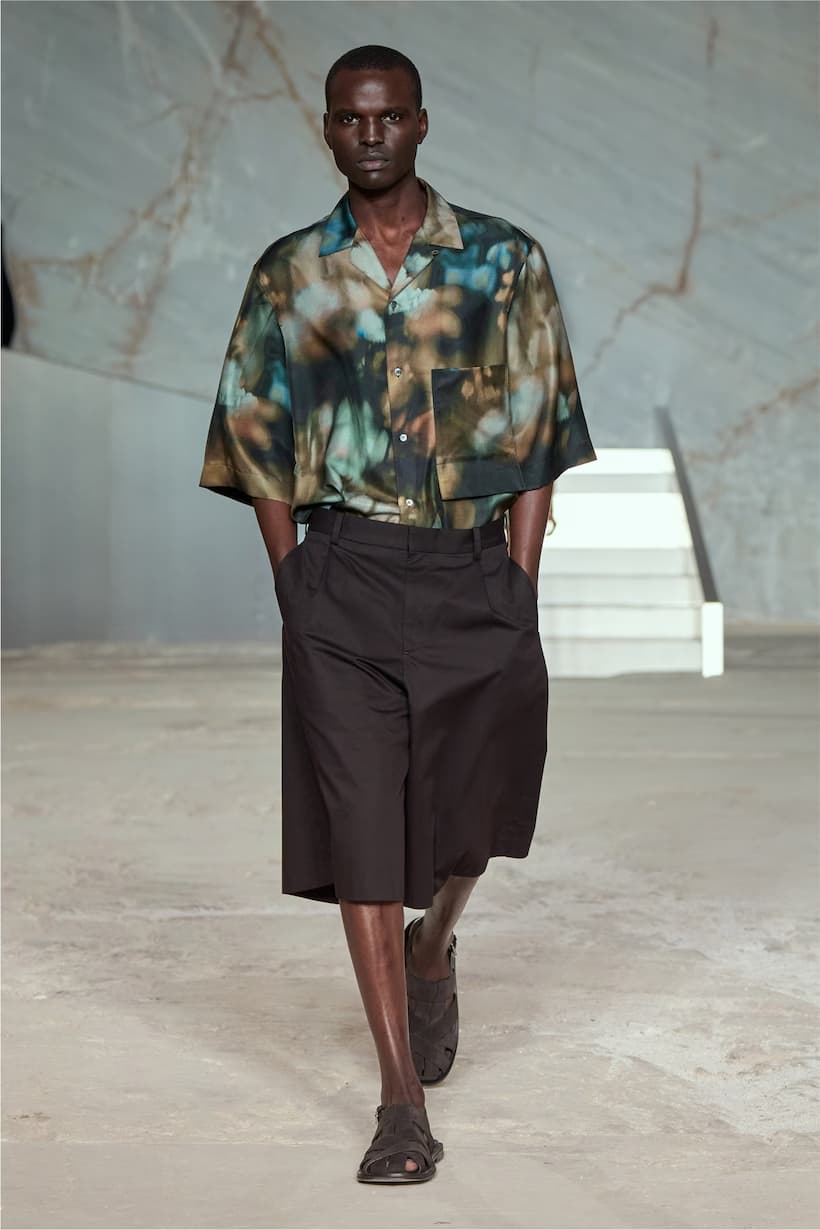
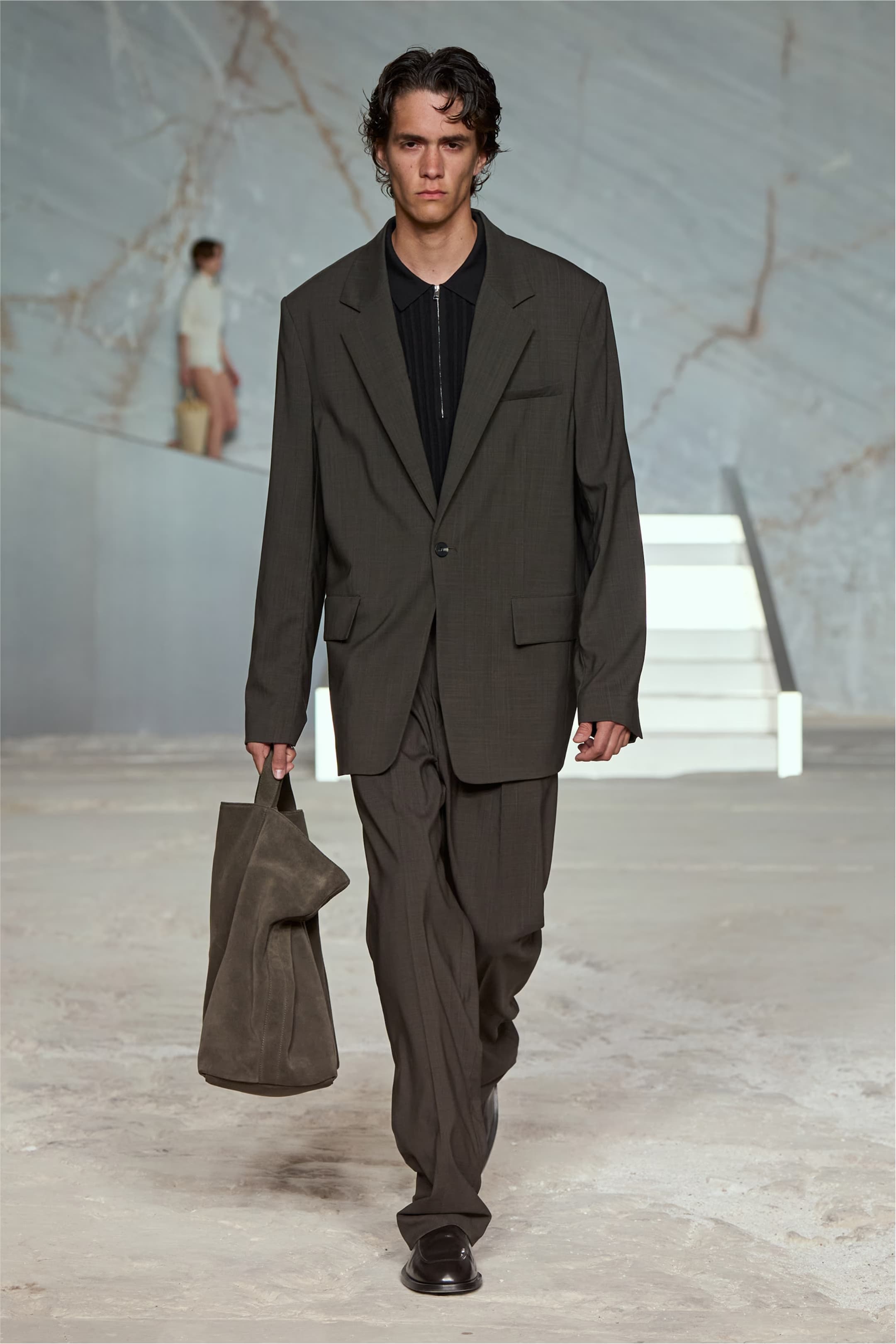
Stoffa (above), for example, is a brand we love and have covered frequently over the years. Agyesh and the team often design clothes with slightly less classic shapes, inventing and playing with them in the same way they do with textiles.
But they’re subtler, and as a result most things work with other parts of my wardrobe. Luke at LEJ plays around with this a little too, but in an even subtler way. And brands like Rubato vary in very small ways – and indeed have become more classic over time, as the knits have got a touch longer, the trousers a bit slimmer.
Now, two other points on exaggerated silhouettes: one, they tend to work on certain shapes of people; and two, they tend to date quicker.
Big, drapey clothes look great on bigger guys – particularly tall and wide. It’s a good look on Chris, and indeed it’s one reason Adret clothes look so good on Adam Rogers (their founder). But they’re not for everyone.
Big looks are also more likely to look dated in, say, 10 or 20 years, than more moderate ones. That’s not a problem if you update your wardrobe that often anyway, but it’s not what most people are after.
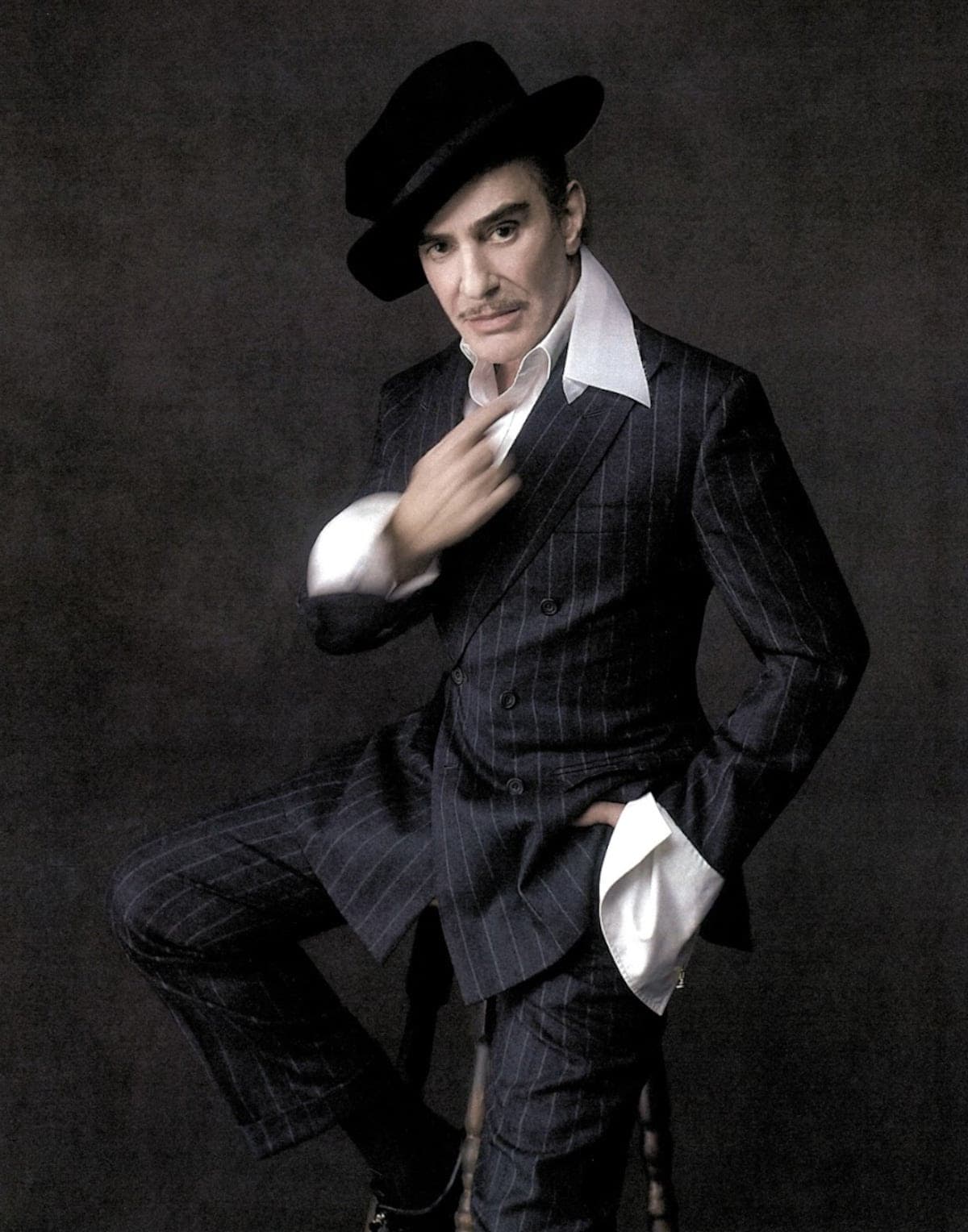
Those two points come together when you consider something like the Hedi Slimane skinny tailoring that dominated menswear looks in the early 2000s (below). They were exaggerated and so dated quicker; and big guys struggled to wear them – the opposite of the fashion today.
I really love A Presse – its fabrics, even tiny things like its tiny label. It feels refreshing compared to a lot of the fashion we’ve had in the past decade.
People that criticise a brand like A Presse based on something like make quality, are also missing most of the point. Unique fabric development is much harder to do, and often more expensive.
Finally, I should say that the fits do vary at A Presse – some are straighter and more classic than others. But a lot of it falls into this bigger category, and the broader point is also more important: that thinking about clothes from the point of view of silhouette is a useful perspective – one we haven’t talked about enough on PS over the years.
Related posts
Thoughts on A Presse (and fashion silhouettes)
April 27th 2026 – 0 Comments
Read More
This is Spring/Summer 2026: Superga, Chan Luu, Patagonia
April 24th 2026 – 18 Comments
Read More
Introducing: The Boat Shoe with August Special
April 22nd 2026 – 70 Comments
Read More
<!–
Subscribe to this post
You can follow the discussion on Thoughts on A Presse (and fashion silhouettes) by entering your email address in the box below. You will then receive an email every time a new comment is added. These will also contain a link to a page where you can stop the alerts, and remove all of your related data from the site.
Our lesson,Drafting a Women’s Fitted Stable Knit T-shirt Sloper from Measurements – is your golden ticket to the magical realm of cut & sew knits. Once you’ve drafted this powerhouse sloper, you’ll unlock a whole wardrobe of possibilities: racerback tanks, camis, body-skimming tees—basically, your dream closet waiting to happen. Oh, and did we mention it’s also the foundation for chic knit dresses and jumpsuits? You’ll be unstoppable (and fabulously comfy) in no time.
UoF’s other knit neckline lessons (Image credit: University of Fashion).
Not only will you master the art of drafting a square neckline knit top (hello, elegant minimalism!), but you’ll also unlock a whole neckline buffet of options. Feeling nautical? Try the boat neck. Want some drama? Go for a cowl. Prefer a sleek, built-up look or a little off-the-shoulder sass? We’ve got you covered—all using the same trusty knit sloper. It’s basically neckline mix-and-match magic!
Reading a Sketch
Reading the sketch to plan the neck drop, the width of square neck and the distance from the neck. (Image credit: University of Fashion).
Once you’ve nailed your knit sloper, you’re officially ready to dive into drafting the square neck knit top—cue the dramatic runway music! Step one: channel your inner designer and read the sketch (yes, like it’s the latest plot twist in your favorite book). Study those proportions—the neck drop, the width across the front neck drop, and how far that neckline sits from the neck.
Sewing Tips
Sewing tip on how to keep the square neckline and armhole from stretching (Image credit: University of Fashion).
Knits have a mind of their own when it comes to necklines and armholes, so think of this as your “behavior management” strategy. Cut a piece of ¼” wide clear flat elastic just ½” shorter than the neckline and armhole circumferences and stitch it in as you sew—like a tiny backstage bouncer keeping everything from stretching out of control.
More About Knits
UoF’s knit lecture lessons: Introduction to Knit Fabrics and Knit Fabric Principles (Image credit: University of Fashion).
Thirsty for more knit know-how? Pull up a chair, because the stretch saga continues.
If you haven’t already untangled the mysterious math of stretch ratios, check out our lessons Introduction to Knit Fabrics and Knit Fabric Principles—they’re like subtitles for what your fabric is trying to tell you. When your knit bounces back like an overcaffeinated bungee cord, you’ll want to plan those design details accordingly, not just cross your fingers and hope for the best.
Finale
And there you have it—your very own square-neck masterpiece, drafted with precision and just the right dose of fashion flair! Remember, every great designer started with a sloper and a little creative courage (plus maybe a few choice words at their ruler). Keep experimenting with shape, proportion, and personality, because once you’ve conquered knits, the world of stretch becomes your oyster—or should we say, your spandex runway.
Shoe culture has grown to be one of the biggest powers in world style and right at the heart of it is the famous Air Jordan line. What began as a playing basketball shoe has turned into a cultural hit that mixes sports, casual wear and a high-end shoe. In 2026, the need for best Air Jordan shoes keeps going up, with fresh releases, old favorites made new again and special drops getting the notice of shoe fans all over.
Air Jordans are more than just shoes— they show past, identity and new ideas. Each shape holds a story based on how well t͏hey work while taking in today’s style that makes it still important in the fashion world. From the famous Air Jordan 1 to newer models with better tech, the brand has always made sneakers that charm both fans and normal users.
One reason Jordans stay so liked is their flexibility. If you are putting on clothes in a simple way, testing street style or aiming for a smarter look – the right shoes from top ten Jordans can boost your outfit quickly. Their ability to blend great looks with comfort makes them a need-have in every updated closet.
With lots of choices out there, picking the best Jordans can seem hard. Every model brings something special, from looks and colors to ease and rarity. That is why a guide is here to help your choice easier by showing the best 10 Air Jordan shoes of 2026, sorted based on style, fame, comfort and overall effect.
If you are an old collector or just starting your shoe way, this best list will help you find the right shoes to match your style and lift your shoe game this year.
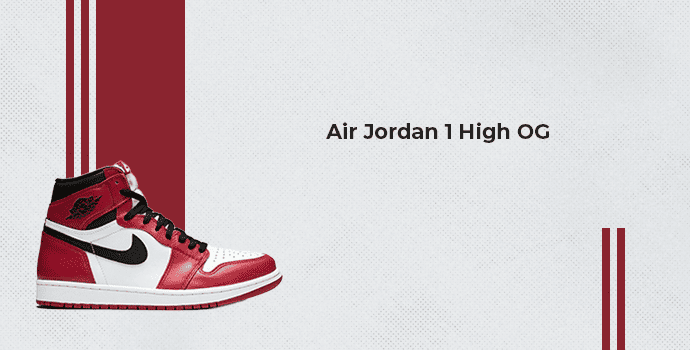
1. Air Jordan 1 High OG
The Air Jordan 1 Retro High OG still rules the shoe world in 2026 showing that real icons don’t fade. As one of the best known designs ever made, this style blends history with modern trends making it a must for both collectors and casual users. Its tall design, neat panels and old-style color mix make it very useful, letting it easily go with many kinds of clothes.
Made with high-quality leather, the shoe gives strength while keeping a neat look. As time goes by, the material grows a natural shine, bringing charm and individuality to every pair. The strong style gives good ankle help, while the gentle bottom makes it cozy for wearing all day long. Even if it comes from basketball past, an Air Jordan 1 has gone beyond games to be a world fashion need! One of the best things about this model is its many colors. From classic mixes like black and red to new takes, there is a type for each style choice. It flexibly lets it go well with jeans, cargo pants or even dressy items for a smart-casual vibe.
The Air Jordan 1 Retro High OG is more than a shoe, it’s a sign of culture and lasting style. For people looking for the best Jordans, this pair stays an important buy that gives both look and history.
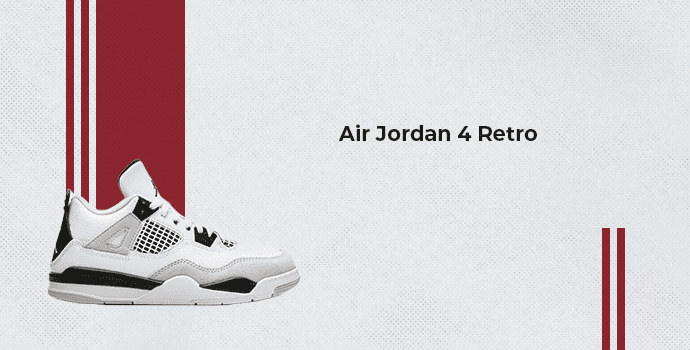
2. Air Jordan 4 Retro
The Air Jordan 4 Retro is one of the more popular and famous shoes in the Jordan line. Its tough design features and sturdy form, this shoe has kept its fame over lots of years while still changing with new styles. In 2026 it stays a top choice among the ten best Jordans, giving a great blend of playing history and casual style.
The key traits of the Air Jordan 4 are its netting, helpful wing holes and clear air padding. These parts not only boost its look but also help with comfort and airflow. The shoe is made to give a tight yet helping fit making it good for both easy wear and active use.
From a look point of view, the Air Jordan 4 is famous for its mix-ability even with its strong shape. It goes very well with loose shapes like big jeans, sweats and large jackets. Its bit heavy style adds more to any getup making it a liked choice among trend-setting persons.
Another cause for its lasting charm is the regular launch of new and rare colors. These changes keep the shape lively while keeping its famous style. Whether you like simple shades or bold patterns, an Air Jordan 4 gives something for all. For people looking for the top Air Jordan shoes that mix history, ease and strong style the Air Jordan 4 Retro is a great pick.
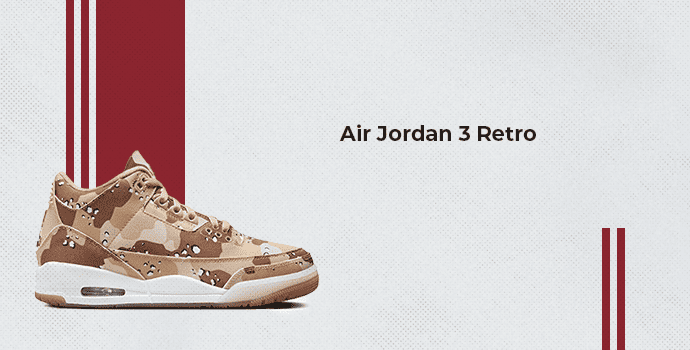
3. Air Jordan 3 Retro
The Air Jordan 3 Retr͏o is a good blend of fresh thoughts and old style, which makes it one of the best liked shoes in the Jordan team. It is known͏ for showing Air cushion and high-quality details, this model has found its spot among best Jordans for comfort and style.
One of the most unique parts of the Air Jordan 3 is its use of rough layers, which give depth and style to the look. Mixed with a good leather build, the shoe gives a fancy feel but keeps strength. The mid-top shape finds a mix between help and bendiness making it great for daily use.
Ease is a big plus of this model. The clear Air part in the bottom gives great softening, lessening shock and making for a nice walk. The stuffed neck and good shape fit make it even better to wear, perfect for long use.
From a view point, the Air Jordan 3 is really bendy. Its plain design helps it fit well with lots of types of clothes, from cozy street wear to fancier outfits. Whether put on with jeans or dress pants and workout clothes; it always brings a tidy style.
The Air Jordan 3 Retro keeps changing with fresh shades and tiny design changes, keeping it popular in 2026. For anyone wanting a shoe that blends comfort, history and simple style this model is a great choice among the top ten Air Jordan shoes.
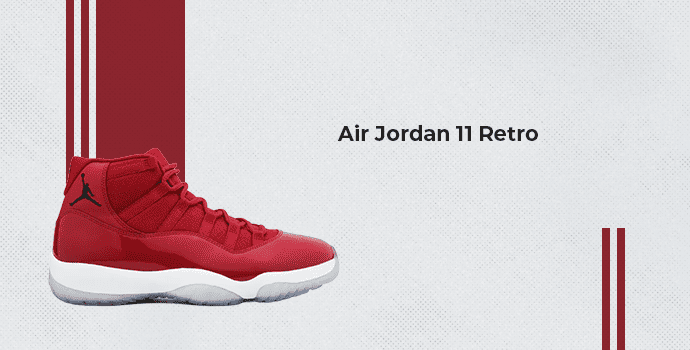
4. Air Jordan 11 Retro
The Air Jordan 11 Retro is seen as a really nice s͏hoe in the Jordan group. Its sleek appearance and fine materials make it stand out, making it a great choice for folks who want style in their footwear. In 2026 it’s still one of the top Air Jordan picks for fashion and strength.
The largest special thing about Air Jordan 11 is its bright patent leather upper which gives a nice and sleek look. This is helped by airy mesh pieces that boost comfort and bendability. The mix of materials makes a one-of-a-kind balance between fancy and use.
Easy is a main good point of this model. The whole-length air padding gives great help, making it perfect for all-day use. The safe fit and light build make it even better, making sure you have a nice time without losing style.
One reason the Air Jordan 11 stays popular is its use. It can switch from casual wear to nicer looks, making it good for many events. Whether worn with jeans, joggers or even some formal dress, it gives a bit of class to any outfit.
With its famous look and steady new ideas, the Air Jordan 11 Retro stays a must-have in the shoe world. For folks wanting to get one of the top ten Jordans this style gives a nice blend of fancy ease and classic appeal.
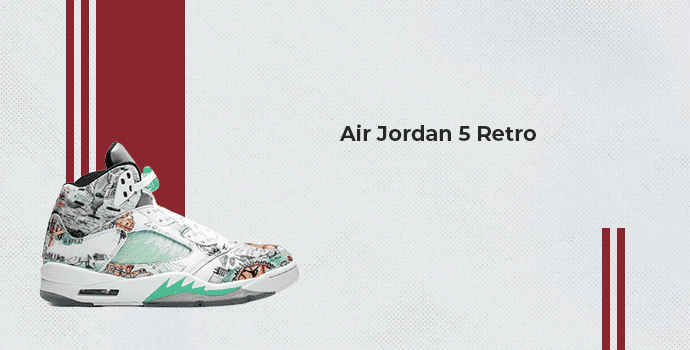
5. Air Jordan 5 Retro
The Air Jordan 5 Retro is a shiny and lively shoe that keeps getting seen in 2026. Known for its bold style bits and sporty look, this kind is liked by folks who enjoy striking shoes. It quickly stands out as one of the top jordans for its special shape and powerful presence.
The shoe has unique parts like shiny bits, shaped bottoms and net sides. These things not only make it look good but also help with airflow and use. The tall style gives great support for the ankle, making it a smart pick for doing stuff.
Ease is another great part of the Air Jordan 5. The soft bottom makes for a smooth and helpful feel, while ͏the stuffed inside adds to total ease. Even with its bright look, the shoe stays light enough for daily wear.
Making the Air Jordan 5 look nice is about liking its strong style. It goes well with outfits that are taken from street wear like loose pants, hoodies and large jackets. Its unique shape gives extra life and character to every outfit.
The Air Jordan 5 Retro keeps changing with new shades and fresh stuff, which helps it stay important in today’s fashion. For people who want a special pair for their collection this shoe is a nice pick in the top 10 Air Jordan sneakers.
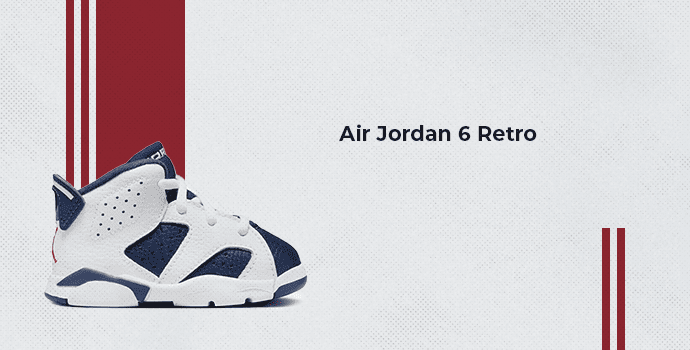
6. Air Jordan 6 Retro
The Air Jordan 6 Retro is a great mix of useful design and smooth looks. Famous for its simple shapes and solid build, this shoe stays a top pick among shoe fans in 2026. It stands out from the best Air Jordan shoes for its mix of ease and style.
The shape has holes for air flow and a strong build that gives great help. The tall look m͏akes it steady, good for easy wearing and sports tasks. The whole make is both tough and light, making it useful.
Ease is a main point of the Air Jordan 6. The soft bottom gives a great shock soak, while the stuffed inside promises a tight fit. This makes it great for long use, if you are on the go or just doing your day.
From a looks point of view the Air Jordan 6 is flexible and simple to match with different clothes. Its smooth shape helps it go well with both everyday and a bit dressier styles. Whether you wear it with jeans, sweatpants or layered clothes it often gives a neat look.
With its classic look and steady function, the Air Jordan 6 Retro stays a good pick in the best ten Jordans. It is a great choice for anyone looking for a trendy but useful shoe.
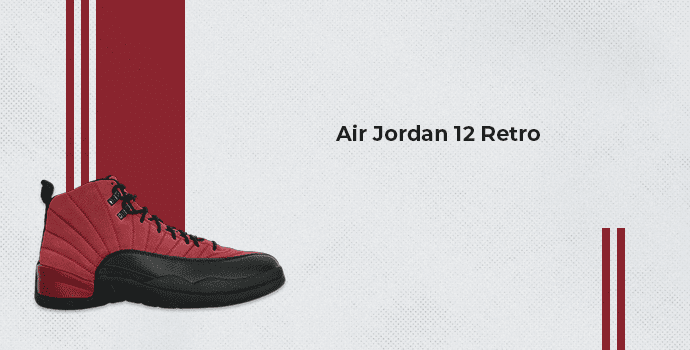
7. Air Jordan 12 Retro
The Air Jordan 12 Retro is known for its special look and great comfort, making it a top choice in 2026. Inspired by quickness and skill, this shoe offers a different style that makes it stand out from other kinds in the best Jordans group.
The look has padded sections and a smooth shape, making it neat and up-to-date. The stuff used is strong and top-notch, making sure it lasts a long time. The whole build gives great help, which makes it good for daily wear.
Ease is one of the best parts of an Air Jordan 12. The soft padding setup is made to give top support and steadiness, making it great for long times of use. The shape helps with motion, making sure you have a nice feel.
Dressing the Air Jordan 12 is quite simple because of its neat and even style. It goes well with everyday clothes, like jeans and sweats, while also matching more fancy street looks. Its special look gives a little flair to any outfit.
The Air Jordan 12 Retro stays a liked choice among shoe fans. For people wanting a mix of ease, performance and unique style, it keeps being a top pick in the 10 Air Jordans sneakers.
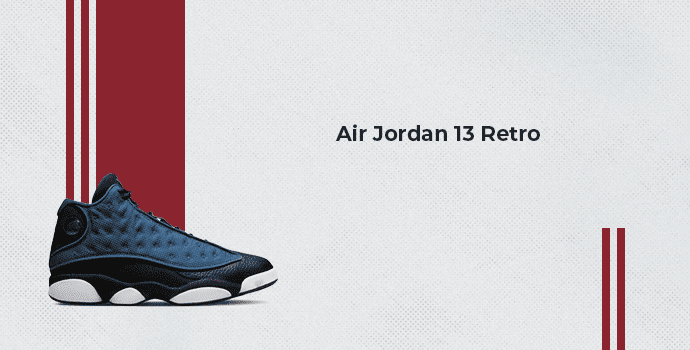
8. Air Jordan 13 Retro
The Air Jordan 13 Retro is a nice and sporty shoe that still stands out as one of the best jordans in 2026. Known for its sleek look and good build, this type gives a classy vibe to sport shoes.
The shape has a firm top with good materials that boost strength and look. The clear edges and simple details make it smooth, fitting for both relaxed and partly formal places.
Comfort is a big point of the Air Jordan 13. The soft stuff gives great help, making sure a nice and easy time. The strong build adds steadiness, making it an okay pick for daily use. From a look point of view, the Air Jordan 13 is handy and ͏simple to fit into many outfits. It matches well with both casual and some fancy clothes, making it a handy piece of any wardrobe.
The Air Jordan 13 Retro keeps being a hit with shoe fans. For folks wanting a blend of style, comfort and strength it still is a good pick in the top ten air jordan shoes.
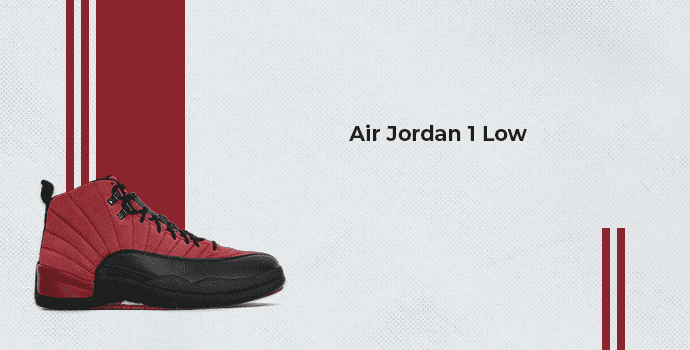
9. Air Jordan 1 Low
The Air Jordan 1 Low gives a new and flexible look to the classic Air Jordan 1 shape. Made for daily use, this type offers a more easy-going and simple choice while keeping the famous charm of the first one. It’s a good pick among the best Air ͏Jordan shoes for casual dress.
The short-top shape boosts ease and bendiness, making it great for everyday use. Made with fine stuff, the shoe gives strength while keeping a light touch. The soft bottom makes sure you feel good all day long.
One of the main benefits of Air Jordan 1 Low is its mix-ability. It goes well with many types of clothes, from relaxed street wear to neat casual looks. Its simple and tidy design makes it easy to match, no matter your taste.
The choice of different colors makes it more appealing, letting users pick what fits their style. If you enjoy gentle colors or bold designs, there’s a form for every type of liking. The Air Jordan 1 Low is good for folks wanting a comfy and nice shoe for everyday wear. It stays a well-liked pick in the best ten Jordans; it gives a mix of tradition and new style.
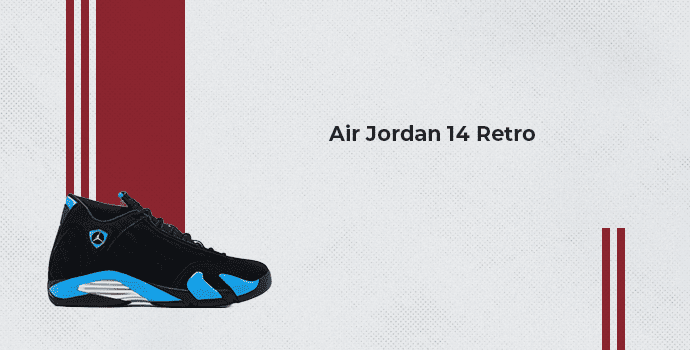
10. Air Jordan 14 Retro
The Air Jordan 14 Retro is a nice and good shoe that stands out for its fresh design and clean style. Based on speed and precision, this model is a unique piece of the best Air Jordan set in 2026.
The view has gentle curves and a smooth form, making it trendy and new. The stuff used is strong and light, giving you lasting use and ease. Ease is a big plus of the Air Jordan 14. The soft pads give great help, making it good for long wear. The comfy shape helps with motion, keeping a nice feel.
Making the Air Jordan 14 look good is easy because of its simple and new look. It fits well with both chill and smart outfits, making it a handy choice for lots of occasions. The Air Jordan 14 Retro stays a popular pick among shoe lovers. For people looking for a smooth and nice-looking shoe with good working traits, it stays as an awesome pick in the top ten Jordans.
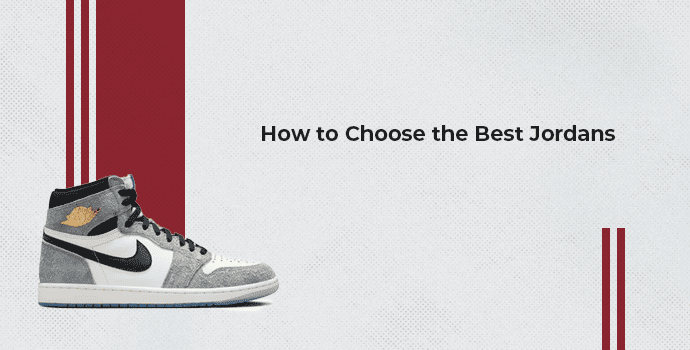
How to Choose the Best Jordans
Picking the best Jordans needs a mix of looks, ease and use. With lots of famous shapes around, the right pair really depends on how you mean to wear them and what suits your style. Whether you’re a shoe saver or just want shoes for daily use, knowing main points can help you make the best pick.
First, think of the goal. If you need shoes for daily wear, bendy kinds like Air Jordan 1 or Air Jordan 1 Low are nice picks. They are easy to match and go well with casual clothes. For a more eye-catching look, larger shapes like Air Jordan 4 or Air Jordan 5 give a strong feel and boost street style. If comfort and performance is important, types like Air Jordan 11 or Air Jordan 13 offer good padding and help.
Ease is another key part. While all Jordans look good, some fit better for long use. Check for things like Air padding, soft collars and airy stuff to make sure you feel your best during the day.
Style and shades also help a lot. Plain colors like black, white and gray give you choices and can go with many outfits while special or bright colors make you noti͏ceable. Your clothes should lead your pick, making sure the shoes match your full look.
At last think about being special and lasting worth. Some Jordans are very collectible and can even grow in value as time goes by. Putting cash in old designs makes sure they will always seem nice which means they are a smart choice for a sneaker crew.
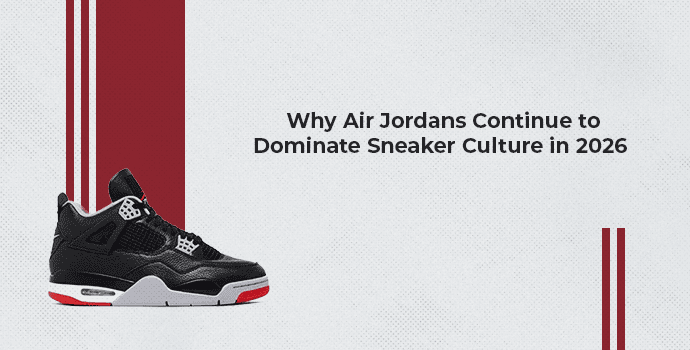
Why Air Jordans Continue to Dominate Sneaker Culture in 2026
The strong fame of Air Jordans in 2026 shows their special social meaning and ability to change with style changes. What started as a sports shoe has turned into a worldwide sign of style, self and rarity. The best ten Jordans still lead not just for their look but for the story they hold. Each launch links today’s buyers to a deep past based in game, new ideas and street life.
One large cause for their continued success is the blend of old and new. Lasting forms are always refreshed with new stuff, bright hues and unique partners which helps them remain key in a fast-changing style world. This way keeps both longtime fans and newcomers interested, making every release seem unique and wanted.
One big thing is how famous people and casual clothes style affect each other. Air Jordans are often shown on sports players, singers and stars, boosting their place as a must-own style piece. This sight helps keep their dreamlike charm while also making them easy to get for more people.
Plus, the range of Jordans is an important part in their success. They mix well into different style types, from easy wear to fancy street look. If you’re getting ready for comfort or want to show a clear message, the top Jordans offer you many choices to dress up.
At last, Air Jordans stay at the top of the shoe scene because they are more than just shoes; they are a way of living. Their ability to change while holding their first appeal means they will keep leading the market for many years to come.
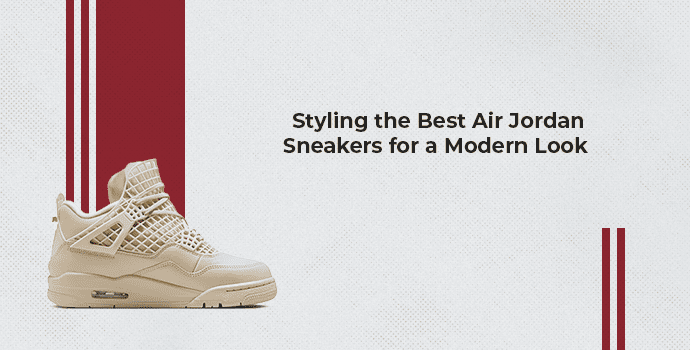
Styling the Best Air Jordan Sneakers for a Modern Look
Dressing the best Air Jordan shoes in 2026 is about finding a blend of comfort, differentness and fresh style trends. With their bright looks and well-known shapes, Jordans have turned into a key part of today’s closets; making them simple to add to many kinds of outfits.
For a laid-back daily look, wearing Jordans with baggy jeans and a plain shirt makes a tidy and simple style. Throwing on extras like hoodies or a bomber jacket makes the whole outfit better while keeping it warm for chilly days. This way works great with old-school styles, letting the shoes stand out without stealing the show.
Clothes that take cues from streetwear keep being a top pick for dressing with the best 10 Air Jordan shoes. Baggy shapes, loose pants and eye-catching jackets go well with the bright look of Jordans making a full and stylish look. This way is great for people who wish to stand out while still feeling at ease.
For a fancier style, Jordans can also be worn with nice clothes. Tight pants, shaped coats and simple accessories make a smart-casual look that mixes fancy with street fashion. Plain colors work well for this classy style since they give choices and elegance.
Paying close attention to little things is important when dressing Jordans. Matching colors, keeping neat shapes and picking the right size can really make the whole outfit better. If you like a relaxed l͏ook or a fancier one, the best Jordans give lots of chances to show your own style with self-assurance.
Are Air Jordans Worth the Investment in 2026?
In 2026, putting money into the best Jordans is more than just getting a nice pair of shoes, it’s about having a part of the fashion past that can last. Air Jordans have shown their value in the shoe market, not only for their well-known looks but also because they sell well later and matter in culture. For collectors and regular buyers alike, they stand for a clever mix of style and investment.
One of the main reasons Jordans keep their worth is their small number. Many drops are made in small amounts, which makes them wanted and special. This short supply often causes higher resale costs, mainly for popular color choices and partnerships. Because of this, some pairs from the best ten Jordans can gain value over time making them a great addition to any collection.
Strongness is one more thing that adds to their worth for money. Made with good stuff and skillful work, Jordans are meant to stay for a long time. Unlike quick fashion shoes they keep their shape and look as time goes by, making sure that your buy stays useful for many years.
Besides money value, Air Jordans also give strong feelings and cultural importance. Each type tells a tale, linking users to times in sports and fashion past. This deeper sense adds to their total charm, making them more than just a useful buy.
In the end, even if styles shift, the mark of great Air Jordan shoes stays the same. If you are getting them for looks, ease or selling later, are Jordans still a good buy in 2026?
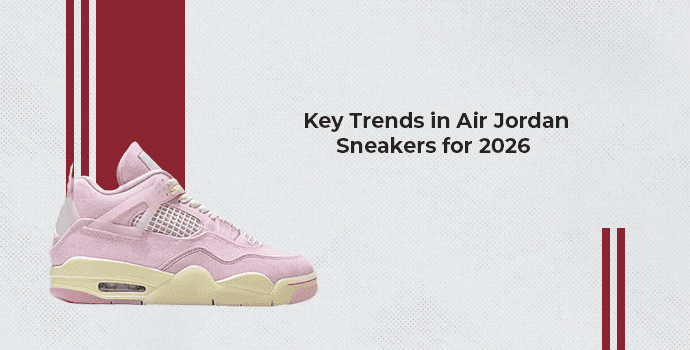
Key Trends in Air Jordan Sneakers for 2026
The change of Air Jordans in 2026 shows wider changes in style, tech and what people want. As shoe culture keeps growing, the best 10 Air Jordan shoes are shaped by trends that focus on both new ideas and personal style.
One of the biggest trends ͏is the look at staying green. Companies are more and more using earth-friendly stuff and careful making ways in their styles. This change lets shoppers wear nice Jordans while also backing better clothing choices.
One big trend is the growth of simple and plain color choices. While bright colors still have their spot, lots of new designs show soft shades like tan, gray and one-color looks. These handy picks help in wearing Jordans with different clothes and times making them more useful every day.
Working together still has a big part in changing the market. Team-ups with makers, creators and famous people give new views on old shapes, making special and sought-after items. These work-togethers often turn out to be quick stars among the best ten Jordans drawing in both gatherers and fashion fans.
Tech is also changing style, with better padding, light stuff and more comfort. New Jordans are not only about looks, they are made for using and daily wear. At last, making things personal is getting more popular. Shoppers want shoes that show who they are, which creates a need for designs you can change and special looks. These trends keep the best Air Jordan shoes fresh, important and much wanted in 2026.
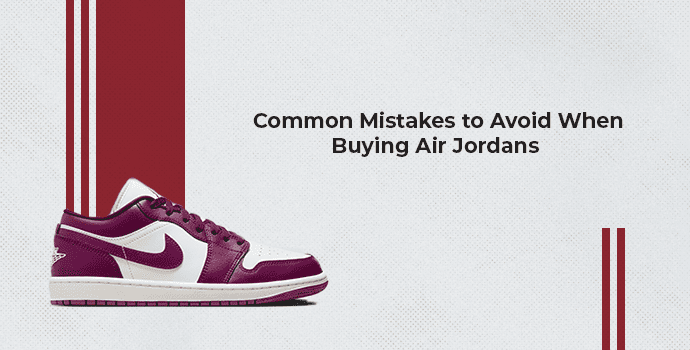
Common Mistakes to Avoid When Buying Air Jordans
Getting the best Jordans is fun but it’s easy to mess up, especially with a lot of choices in 2026. If you are a first-time buyer or an old collector, staying away from mistakes can help you make a smarter and more happy buy.
One of the most common errors is picking looks over ease. While many shoes in the top ten Jordans seem nice, not eve͏ry one gives the same level of comfort for everyday wear. It’s important to think about things like cushion, how it fits and what it’s supposed to be used for before making a choice. A shoe that seems good but feels bad might be used less often͏. Another usual mistake is not noticing size differences. Air Jordan shoes can shift a little in how they fit depending on the kind. Trying them on or checking size guides beforehand can stop pain and make for a good experience.
Lots of shoppers also miss realness. With the fame of the best 10 Air Jordan shoes, fake items have grown more usual. Buying from good sources and really looking at things like sewing, stuff and boxes can help to dodge phony pairs.
Buying on a whim is another slip to look for. Limited drops often spark rush, making buyers choose fast without thinking if the shoe really matches their taste or wants. Taking time to check your closet and likes makes sure a more smart buy.
At last, ignoring care can cut down the life of your shoes. Good upkeep including washing and a safe place to keep, is key to making your Jordans stay fresh. By not making these errors you can trust you are putting money in a good pair of Air Jordan shoes and enjoy their look and lasting worth.
Also, lots of shoppers don’t see how key it is to have flexibility. Picking a pair that only goes with a few looks can limit when you put them on. Going for neutral or flexible styles helps with better use and worth over time. By avoiding these mistakes you can get the best Air Jordan shoes with trust and enjoy both their look and lasting value.
Conclusion
Air Jordans have kept a place at the top of shoe style for lots of years and in 2026, their strength is bigger than ever. The ten best Jordans on this list show a good mix of past, fresh ideas and now style, making them must-have items in any shoe group. From classic favorites to new hits each pair shows how design has changed and the long-lasting effect of the Jordan story.
What makes the finest Air Jordan shoes really shine is their flexibility. These shoes are not just for the basketball court, they smoothly change into daily wear, helping you show your own style with trust. Whether matched with easy-going street clothes, sporty outfits or even smart-casual looks, Jordans can lift any outfit easily.
One main reason for their f͏ame is they can mix good use and looks. While some types care more about ease and backing, others highlight strong style and meaning in culture. This type makes sure there’s a good match for every person, no matter what they enjoy or how they live.
Putting cash in the best Jordans isn’t only about following fads, it’s about owning a piece of the past. Every shape has a tale, making every pair more special than normal shoes. If you are beginning a set or getting your first pair, choosing from the top 10 Air Jordan shoes ensures lasting worth and timeless beauty. At the end, a nice set of Jordans is one that shows who you are, fits what you want and makes your style better. With lots of great choices around, finding your best pair in 2026 is both fun and good.
FAQs
1. Which is the best Air Jordan of all time?
The Air Jordan 1 High OG is often seen as the top because of its history and many uses.
2. Are Air Jordans good for daily wear?
Yes, lots of types are cozy and good for daily use.
3. Why are Jordans so popular?
Their mix of past, style and uniqueness makes them very wanted.
4. Which Jordans are most comfortable?
Air Jordan 11 and 13 are well known for great padding.
This is Spring/Summer 2026: Superga, Chan Luu, Patagonia
Friday, April 24th 2026Tags: BagsJacketsShoesAlessandro GaspariniFratelli Mocchia di CoggiolaHermespatagoniaRalph FitzgeraldStone Islandsuperga
Share
Share this post
Subscribe
5 Comments
||- Begin Content -||
In every issue of the magazine, we include a list of things to team are looking forward to wearing and buying in the season ahead. Here’s the one from this issue, as a little taster. We always include a guest contributor as well, and this time it was the French creator and stylist Cléa Carlier (above).
Manish’s seersucker suit awaiting its owner
Manish Puri, Deputy Editor
Top of the wishlist:
I’m travelling to Japan for the first time this spring and one of the things I’m most excited about (that doesn’t involve food) is visiting shoemaker Seiji McCarthy to hopefully commission a pair of MTM shoes.
Looking forward to wearing:
New York tailor Ralph Fitzgerald has gone from strength to strength since we first met in 2024. My first suit from him, a DB in a vintage navy wool seersucker (above), is nearly ready and will be worn at every occasion this summer.
Favourite spring/summer outfit:
A guayabera from Katab in Mérida, some espadrilles from La Manual Alpargatera in Barcelona and an ice cold beer brewed in whichever country I’m lucky enough to be on holiday in.
Elliot’s favourite travel bag
Elliot Hammer, Creative Director
Top of the wishlist:
A ticket to Spain for a week or two. I’m looking forward to good food and beautiful countryside. I’ll be taking my trusty Patagonia Black Hole Duffel (40L is ample, above). All I need now is a pair of sandals…
Looking forward to wearing:
The Real McCoy’s Cotton Pile Skipper entered my wardrobe in the last days of summer. Roll on the terry cloth days.
Favourite spring/summer outfit:
Living in New York I’ve reached a point in my life, both in terms of age and geography, where dressing like a Soprano’s character makes sense. Step forward the vintage short-sleeved shirt, tailored trousers, one-inch belt and a pair of loafers. Bada bing, bada boom.
Cléa’s preferred DB cut
Cléa Carlier, creator and stylist @classic_nonchalance
Top of the wishlist:
Alessandro Gasparini ‘Mocasso’ loafers in chocolate brown suede. The white stitching on top definitely reminds us of the Native American origins of the shoes and they are, of course, very low-cut because I’ll always find more excuses to show off my socks. To be worn with loose jeans, a nice pink shetland jumper and a film camera filled with pictures of landscapes, blurry.
Looking forward to wearing:
A linen double-breasted suit in lovely tobacco, courtesy of Fratelli Mocchia di Coggiola. With a roped shoulder however, because I want to be able to dress it up, and an adventurously large leg-opening (27cm) because quite frankly, I just like it. It’s currently being made, but you can see some inspiration for the cut above.
Favourite summer outfit:
Springs are quite cool in the morning and evenings, but warm in the afternoon, in my part of France. So I’d love to get my hands on a woollen knit long-sleeved polo from William Crabtree or John Smedley that I could wear, collar up (yeah, we’re criminals around here) with a silk neckerchief, and a good old navy blazer and grey trousers combo (although the grey trousers can easily be replaced by light-wash jeans). Very comfortable, very simple, perfectly adapted for strolling in the sunlit park with a guitar and a wife after work, without throwing a fit because you don’t want to ruin your super 130’s trousers by sitting in the grass.
Top of Lucas’s wishlist from Stone Island
Lucas Nicholson, Publisher
Top of the wishlist:
A light harrington jacket, currently eyeing up a sand-coloured ‘smerigliato’ model from Stone Island. Recycled nylon tera, and garment dyed, as you’d expect from Stone Island. Also potentially a made-to-order one from the Korean brand Jack Fort.
Looking forward to wearing:
In the summer I often add more jewellery to my outfits – I got a red beaded necklace from Chan Luu last summer which I really enjoy using to add some additional colour.
Favourite spring/summer outfit:
People often associate Ivy style with Autumn/Winter, but I think the summer looks are underrated. A pair of wide leg, pleated chino shorts, a boxy oxford shirt with a big pocket, on the feet either white canvas trainers, leather fisherman sandals or deck shoes, and all topped off with a pair of sunnies: one of my favourite summer looks, clean and smart enough to deal with the city and what it throws at you.
The Superga 1925
Simon Crompton, Editor
Top of the wishlist:
A cropped Hermes jacket in wool gabardine. I saw this recently come in for Spring/Summer ‘26, and it is the most perfect summer blouson, in this pale mushroom colour. Expensive of course, but this is called a wishlist for a reason right?
Looking forward to wearing:
Superga 1925 canvas trainers (above). At completely the opposite end of the price spectrum, but this special edition Superga did last year was a beautifully simple trainer in raw canvas, and only £125. Fingers crossed they bring it back for everyone else.
Favourite spring/summer outfit:
Relaxed linen trousers, tailored but fairly wide, with a tee and a PS Linen Overshirt. Chic and simple and cool (as in fresh – I’m English, I’d never presume to say that I looked cool).
Simon’s favourite summer outfit
Related posts
What I’m looking forward to wearing this summer (‘26)
April 10th 2026 – 50 Comments
Read More
My experience with Florentine tailors
February 25th 2026 – 57 Comments
Read More
WW Chan bespoke tweed jacket: Review
December 16th 2020 – 228 Comments
Read More
<!–
Subscribe to this post
You can follow the discussion on This is Spring/Summer 2026: Superga, Chan Luu, Patagonia by entering your email address in the box below. You will then receive an email every time a new comment is added. These will also contain a link to a page where you can stop the alerts, and remove all of your related data from the site.
Winter clothes in 2026 isn’t just about being warm, it’s about creating a strong style look while enjoying new ideas, comfort, and luxury. Now, outer clothing has turned into the key part of a man’s closet during cold mon͏ths and buying the best mens designer winter jackets is important for anyone wanting to mix usefulness with fancy fashion. A good-made designer coat not only guards against tough weather but also shows personal choice, elegance and care for detail.
Fancy clothing brands and sporty names have really raised the bar for winter clothes. From smart down filling that gives lots of heat without extra weight to eco-friendly materials that match today’s beliefs, fancy winter coats now give much more than old-style jackets. The aim has turned toward making useful items that smoothly mix practical use with stylish looks.
Whether it’s a smooth puffer c͏oat for daily city use, a firm wool jacket for special times, or a tough parka made for hard weather, this choice fits many needs and way of life. One more main trend in 2026 is change. Guys are more and more seeking coats that shift easily between different places, like work, travel, or fun. This has caused a growth in different uses styles that care about both looks and function. Plain colors, simple shapes, and classic cuts make sure these coats stay useful year after year.
In this large guide, we share the top 20 best men’s fancy winter coats of 2026, picked to help you move through the world of nice outer clothes. Each item shows a good mix of skill, strength and modern style; making sure you make a smart and stylish buy this winter.
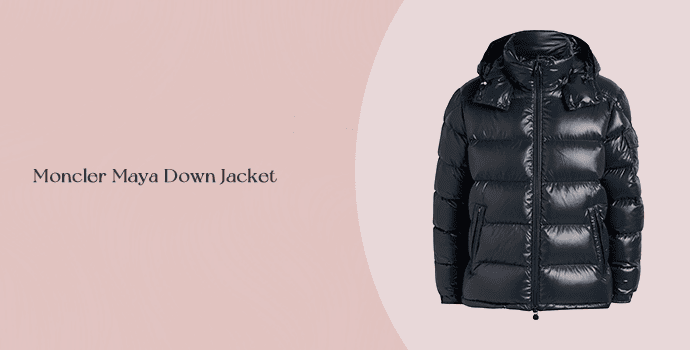
1. Moncler Maya Down Jacket
The Moncler Maya Down Jacket is one of the best-known items in fancy winter wear, showing a great mix of function and stylish look. Easy to spot because of its shiny smooth fabric and special quilted design, the Maya has become a must-have for guys who like both fashion and quality. Its shape is small but well-made, giving a nice fit that improves the body’s shape without looking too big.
What makes the Maya different is its great warmth. Stuffed with top-notch feathers, it gives good heat while still being light, perfect for city winters where moving around and feeling comfy are important. Unlike bulkier coats, the Maya is made for active lives, letting you move easily whether you’re going to work, on a trip or at social events.
The coat also has useful parts like a removable hood, changeable cuffs and safe zipper pockets making sure use is not lost for looks. Its flexibility is another big plus. The Maya shifts easily from relaxed day clothes to dressy evening outfits, going well with jeans and shoes as it does with smart pants and boots. More than its tech parts, the Maya shows standing and lasting charm. It is not a style-driven item but a long-term clothing buy that stays important year after year. For guys looking for a fancy, stylish winter coat that works great in cool to cold weather the Moncler Maya is surely one of the best options around.
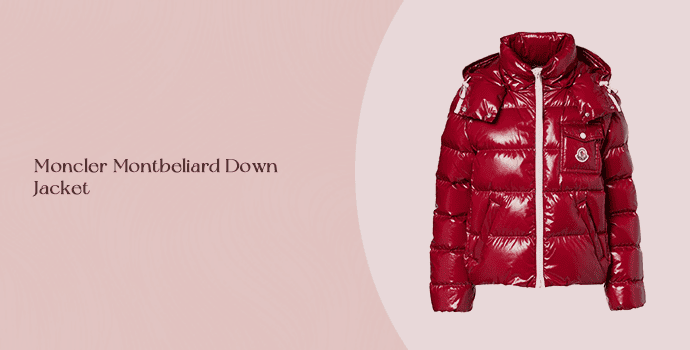
2. Moncler Montbeliard Down Jacket
The Moncler Montbeliard Down Jacket gives a simple take on the usual puffer, made for guys who like quiet style instead of loud fashion. Even though it keeps the key warmth and use you expect from Moncler, the Montbeliard stands out with its smooth build and neat lines.
This coat is made to provide great warmth without losing style. Its filling keeps you warm,͏ while the well-shaped design makes it look neat and works easily in both relaxed and dressy places. Unlike big puffy jackets, the Montbeliard has a slim shape, which makes it good for city areas and work situations.
The look pays a lot of attention to small details. Simple branding, neat stitching, and a good fit add to its rich feel. It’s a coat that doesn’t need the spotlight but gets it from its standard and skill. The hooded style makes it useful, giving extra defense against wind and cold without messing up the coat’s whole style.
Flexibility is where the Montbeliard really shines. It goes well with work-casual clothes, making it a top pick for guys who want a winter coat that matches their everyday outfits. Whether put on over a jacket or worn with sweaters, it fits easily to various style needs.
For those who like calm wealth and lasting style, the Moncler Montbeliard Down Jacket is a great buy. It shows that winter coats can be both useful and classy, giving a smart choice to more casual or big styles.
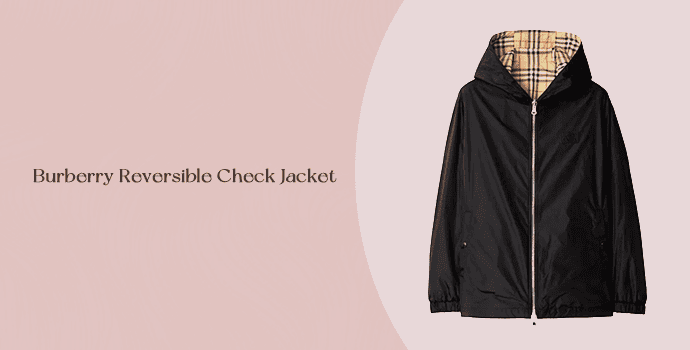
3. Burberry Reversible Check Jacket
The Burberry Flip Check Coat is a great example of old-time fancy mixed with new smart use. Famous for its well-known check design, Burberry has changed this traditional idea into a useful winter item that gives two clear looks in one coat.
One side has the well-known check design, easy to see and strongly tied to British style history. This side gives a strong but classy feel to any outfit, making it great for times when you wish to shine. The other side, though, shows a simpler and more quiet look letting the jacket fit in many places.
Functionality is a key highlight of this jacket. It is made to give heat without too much weight, making it good for daily use in cool to somewhat chilly weather. The build makes sure of comfort and simple movement while the hooded shape gives an extra layer of guard against strange weather.
What really makes this jacket different is its ability to change. It takes away the need for many coats by giving you two styles in one. If you like a strong style choice or a soft and neat look, this jacket works for both tastes easily
When it comes to looks, the Burberry Reversible Check Jacket fits with a lot of outfits. It goes great with casual jeans styles and also more dressed-up clothes. For guys who like classic design but still want useful wear this jacket is a smart and trendy buy.
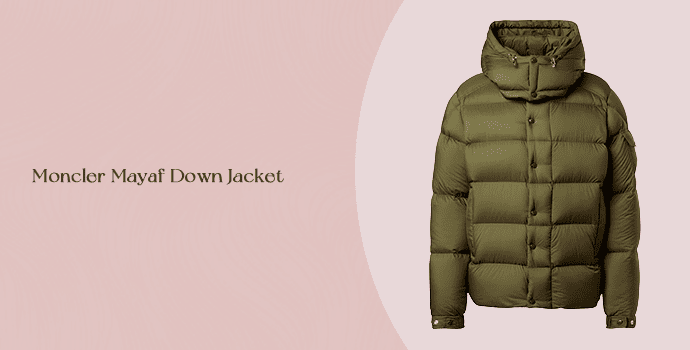
4. Moncler Mayaf Down Jacket
The Moncler Mayaf Down Coat is a fancy change of the brand’s well-known puff jackets, giving better heat and a more shaped look. Made for cold weather, the Mayaf is made to keep you warm while still looking smart and modern.
One of the best things about this coat is its better stuffing, which gives more warmth without being heavy. This makes it great for cold winter days, where keeping warm is important. The shape design helps the coat look sharp, making it good for both casual and fancy places.
The Mayaf also has useful parts like a hood that comes off, features that can be changed, and safe fasteners which make it very handy. Every piece is thought out to boost comfort and use, making it a good pick for daily wearing.
From a look view, the Mayaf gives a more grown-up and polished style than old puffers. Its neat lines and even shapes make it simple to match with lots of clothes, from relaxed street wear to͏ smart winter outfits.
This coat is great for guys who want a good winter jacket but still look nice. It shows the best mix of fancy and useful, making it a top pick among the best mens designer winter jackets in 2026.
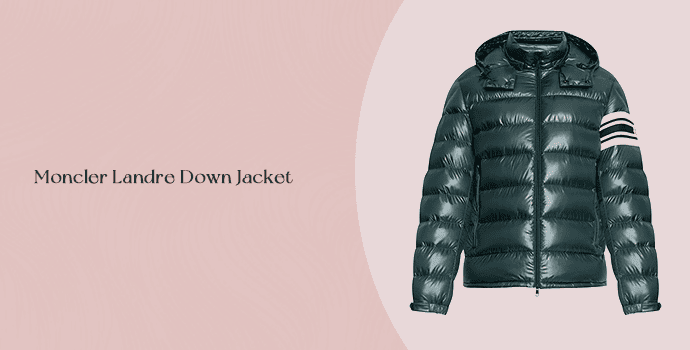
5. Moncler Landre Down Jacket
The Moncler Landre Down Coat is proof of the brand’s skill to make simple but very useful clothing. Made with ease in thought, this coat gives a neat and new look that many men like who want quiet luxury.
Unlike fancier styles, the Landre sticks to basic parts, giving warmth and ease without extra details. It’s light build makes it a great pick for daily use, especially in city places where moving and flexibility are key.
The coat’s soft filling helps hold warmth, making you cozy in chilly weather and still letting air flow. This mix of heat and ease makes it good for many winter things, from everyday trips to relaxed outings.
The smooth shape is one of Landre’s big pluses. It gives a nice fit that goes well with many body types, making it simple to add into different styles. Whether worn with casual clothes or fancier outfits, a jacket fits in easily. Lasting is another key part. Moncler’s promise to fine stuff makes the Landre made to endure, making it a good long-term buy. For guys looking for a flexible, light, and trendy winter coat the Moncler Landre Down Coat gives the best mix of use and style.
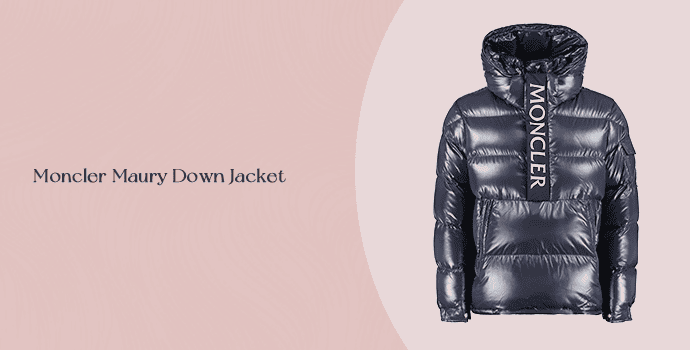
6. Moncler Maury Down Jacket
The Moncler Maury Down Coat is made for folks who want their winter wear to say something bold and sure. Unlike simpler items, the Maury grabs attention with its strong look, high-quality build, and great warmth. It shows Moncler’s way of mixing fancy style with skilled know-how, making a coat tha͏t works well and looks good too.
Made with great down stuffing, the Maury gives a lot of warmth, making it good for cold places where keeping warm is key. Even with its strong build, the jacket keeps a nice weight, so it’s comfy without being too heavy. The outside layer is made to be tough and can resist weather, shielding against wind and little wetness.
One of the main traits of the Maury is its modern shape. It has a firm but easy fit, which allows for adding more layers while keeping a stylish look. The small details like high-quality zippers, well-placed pockets and nice finishing makes it feel luxurious.
Making the Maury look good is easy because of its bold style. It goes great with all-one-color clothes, making the jacket stand out. No matter if you wear it with relaxed street clothes or fancy winter outfits, it adds a feel of confidence and uniqueness.
For guys who seek more than a practical winter coat the Moncler Maury Down Jacket offers a great mix of strong style, high quality making, and steady action.
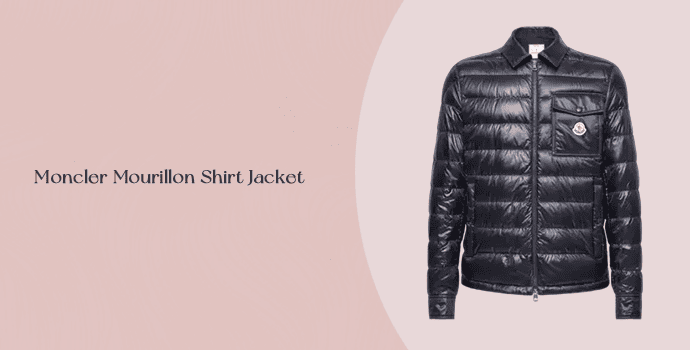
7. Moncler Mourillon Shirt Jacket
The Moncler Mourillon Shirt Jacket shows a new way to dress for cold weather, mixing the shape of shirt with the warmth of jacket. This mixed style is good for men who like light outer clothes that give both ease and looks, especially in changing seasons or softer winters.
Unlike old heavy jackets, the Mourillon is all about being easy to wear. Its light filling gives enough heat without stopping you from moving making it great for daily use. The shirt-style design makes it feel casual and modern which sets it apart from usual winter coats.
One of the main strengths of this item is its ͏flexibility. It can be used as a single jacket in cool weather or put under thicker coats when it’s colder. This ability makes it a useful part of any closet, especially for people who like clothes that serve many purposes.
The shape is simple and plain, with soft logos and nice details that make it feel special. The button or zipper close, along with tidy pockets, helps its use while keeping a neat look.
From a looks point of view, the Mourillon Shirt Jacket goes well with easy outfits like jeans and sweaters but it can also be worn with smart pants for a fancier look. Its ability to fit many styles makes it a top choice for guys who seek comfort and class.
All in all the Moncler Mourillon Shirt Jacket is a great pick for people wanting light fancy with a today twist.
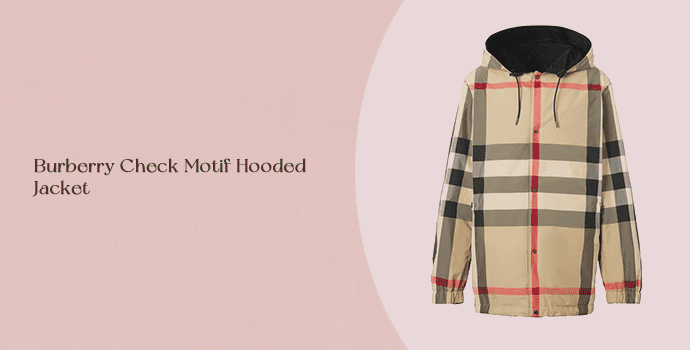
8. Burberry Check Motif Hooded Jacket
The Burberry Check Pattern Hooded Coat is a mix of old style and modern use. Known for its well-known check design, Burberry adds a classic look to today’s winter wear with this handy piece. Its jacket that keeps you warm but also shows strong brand image and classiness.
Made with care, this coat gives good warmth for daily winter use. It might not be made for very cold days, but it works great in mild weather, keeping you cozy and safe from the cold air. The hood adds to its usefulness making it perfect for changes in weather.
The check pattern is the main part of this coat. It brings a unique look that quickly makes any outfit better. Unlike very loud designs, Burberry’s check stays classy and simple, making sure the coat keeps a fancy style.
The shape is made to be comfy and nice-looking, letting you layer it easily without looking big. Its simple lines and fixed fit make it good for many events, from laid-back trips to fancier places. Wearin͏g this coat is easy because it can go with many outfits. It matches well with plain colors, making the check design pop, or it can be used in more layered looks for some extra style.
For guys who like old-school luxury with a new touch, the Burberry Check Design Hooded Coat is a lasting buy that mixes style, ease, and history.
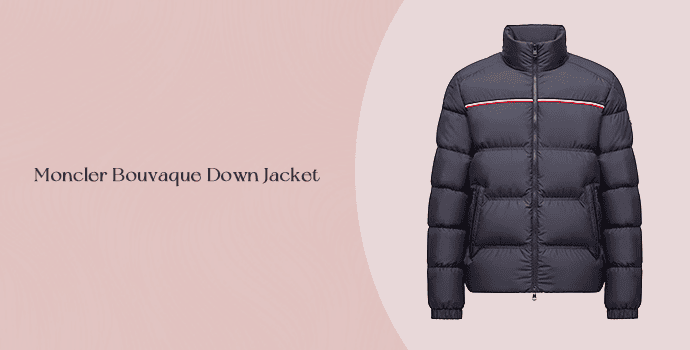
9. Moncler Bouvaque Down Jacket
The Moncler Bouvaque Down Coat is made for daily use while keeping the brand’s fancy look. It is a handy item that fits well into everyday life, providing a great mix of ease, strength, and fashion.
At its heart, the Bouvaque is made for use. Its good down stuffing makes sure of warmness, which makes it fit for chilly city places. The coat is light enough for day by day wear but gives enough guard against cold temps, making it a trusty pick for winter habits.
The style leans to a sporty look, making it great for easy going places. Its smooth shape gives a new vibe, while small details add a bit of class. Different from louder pieces, the Bouvaque aims for quiet charm, letting it mix smoothly with many outfits
Function is the main point of this jacket. Things like safe pockets, strong zippers and comfy fit make it easy to use. It is made to handle everyday use, making it a good choice for people who need a jacket that works well. When it comes to style the Bouvaque goes nicely with easy clothes like jeans, sweatpants, and sports shoes. Its flexibility helps it move smoothly from day fun to chill night events. For guys looking for a reliable and smart winter coat that can meet daily needs, the Moncler Bouvaque Down Jacket is a great pick that mixes usefulness with comfort.
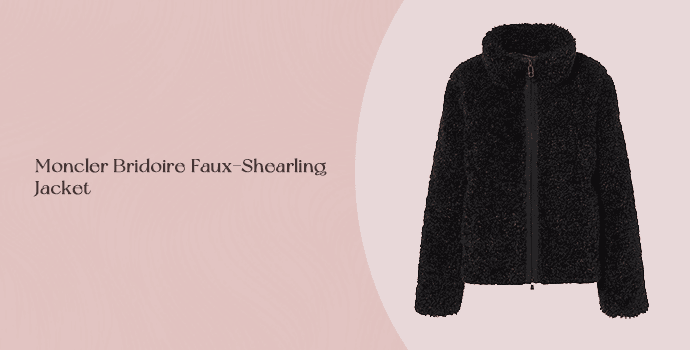
10. Moncler Bridoire Faux-Shearling Jacket
The Moncler Bridoire Fake-Shear Jacket gives a special spin on cold weather coats by mixing the old charm of shearling with new down filling. It is a great item that combines old feels with new style, making it a good pick for people who want something different in their winter clothes.
One of the most eye-catchi͏ng parts of this coat is its fake-shearling surface. It gives a deep, layered look that boosts the whole style, making the coat feel nice and fancy. Also, the inside down stuffing makes sure it keeps you warm like a good winter jacket should.
The building is both neat and useful. The coat gives great warmth, making it good for chilly weather while its smart look makes a nice fit. Unlike usual shearling coats which can be big the Bridoire keeps a good weight offering ease without giving up on heat.
The style parts, with fine fasteners and well-made lines, show Moncler’s promise to be good. Each piece of the coat is planned just right to boost both how it looks and its use.
When you style the Bridoire, it really stands out. It can lift even a plain outfit, which is good for times when you wish to show off. Whether worn with nice pants or loose jeans, it gives a classy and stylish touch.
For guys wanting to buy a unique and fancy winter coat the Moncler Bridoire Faux-Shearling Jacket is a great mix of old ways, new ideas, and looks.
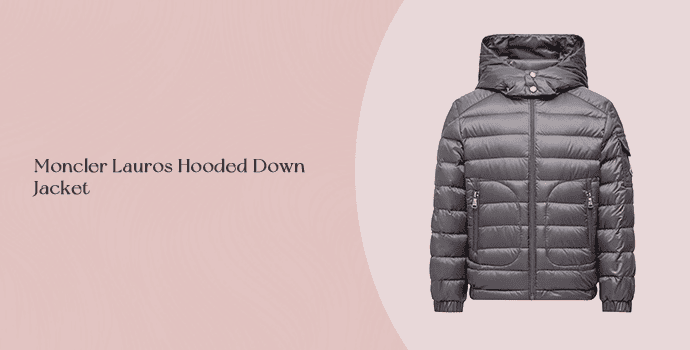
11. Moncler Lauros Hooded Down Jacket
The Moncler Lauros Hooded Down Coat is a great example of how plainness and use can mix to make a really nice winter must-have. Made for daily use this coat aims to give steady performance while keeping a neat and new look. It is perfect for guys who like simple luxury with handy traits that make everyday comfort better.
The heart of the Lauros is its good down filling, which gives great heat without making it too heavy. This makes it a good pick for city winters where moving and comfort are key. The hooded style adds more safety, blocking wind and little rain but keeping the jacket’s simple look.
The shape of the Lauros is smooth and balanced, giving a nice fit that suits varied body shapes. Unlike heavier winter coats, it is made to rest easily on the body, letting you layer over knits or light pullovers without trouble. The details stay mild with little branding and simple touches that boost its top-notch l͏ook.
From a look point, the Lauros is very flexible. It goes well with easy clothes like jeans and shoes, but also matches fancier outfits when placed over neat items. Its plain and clean design means it stays a classic part of any closet.
For guys looking for a trusty, trendy, and all-around winter coat the Moncler Lauros Hooded Down Jacket gives the best mix of use and class.
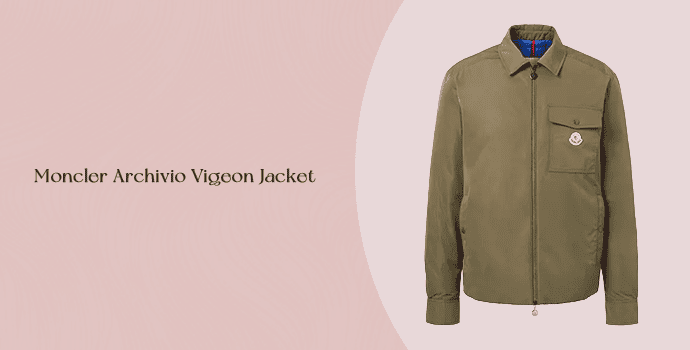
12. Moncler Archivio Vigeon Jacket
The Moncler Archivio Vigeon Jacket is a nod to the brand’s deep past, seen through a new view. Taking ideas from old styles, this jacket mixes classic looks with today’s materials and useful features making it a one of a kind piece for fancy winter coats.
One of the key traits of the Vigeon is its throwback style. It shows old coat shapes that have lasted a long time, while using current ways to build for better ease and strength. This mix of past and present makes a jacket that seems both like a memory and up-to-date.
When it comes to how well it works, the Vigeon does not hold back. It has a good thick covering that gives nice heat in chilly weather making it right for daily use in winter. The stuff used is picked with care to make sure it’s strong so the jacket keeps its shape and looks as time goes by.
The fit is a bit loose, giving a comfy feel but not losing style. This makes it great for wearing casual clothes or dressier outfits. The small details are soft but smart, with design parts that show Moncler’s care for making good stuff.
Making the Archivio Vigeon look good is easy because its style never goes out of fashion. It goes great with simple clothing items, bringing a hint of old-fashioned charm to new outfits.
For people who like the past, skills, and unique style, the Moncler Archivio Vigeon Jacket is a special item that joins old ways and new ideas in an easy way.
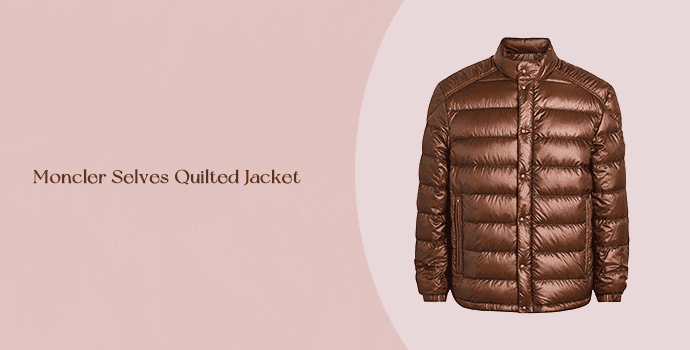
13. Moncler Selves Quilted Jacket
The Moncler Selves Quilted Jacket is an example of fancy style in winter coats. Unlike bigger jackets made just for keeping warm, the Selves aims to give a classy look while still being warm enough for cold days. It is a great pick for guys who want their winter clothes to show off neat and stylish looks.
The stitched pattern is the main part of this coat. It gives a feel and looks while keeping a slim and neat shape. This makes themselves especially attractive for people who like fitted jackets that go well with dressy or half-dressy clothes. The light padding keeps you comfy without losing the smooth look.
Made with care, the coat shows Moncler’s promise to be of good quality. Every part, from the seams to the finish, is done well to boost both strength and looks. The outcome is an item that feels nice while still being useful for daily wear.
One of the main strong points of the Selves Quilted Jacket is its changeability. It moves easily from one place to another, making it good for jobs, fun gatherings and easy outings. It goes really well with smart pants and shoes but can also be worn with jeans for a laid-back look.
For guys who like class and quiet style, the Moncler Selves Padded Coat gives a nice mix of looks and use. It is a piece that boosts cold weather outfits without being too flashy.
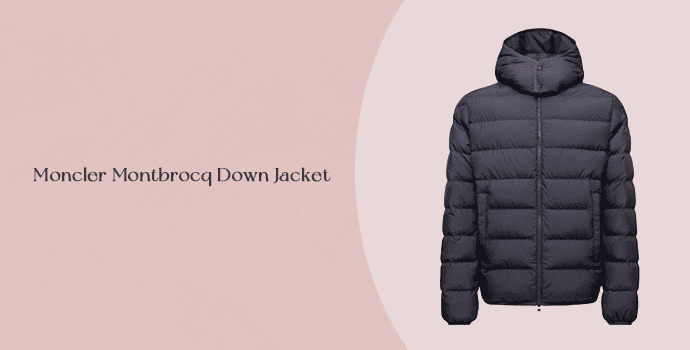
14. Moncler Montbrocq Down Jacket
The Moncler Montbrocq Down Coat is made for today’s city life, giving a nice mix of light comfort and good heat. It’s a handy item that fits guys who want a useful winter coat but don’t want to lose style.
One of the best parts of the Montbrocq is its light build. Even with its small feel, it gives grea͏t warmth, making it good for city colds where temps can change a lot. This mix between heat and weight makes sure that the coat stays comfy for long time use.
The layout is smooth and modern, with neat edges that give it a tidy look. Unlike older puffers, the Montbrocq keeps a slim shape, which makes it simple to match with different clothes. Its plain style helps it blend well into both relaxed and fancy closets.
Usefulness is at the core of this coat. It has handy parts like safe pockets and strong fastenings, making it easy for day to day use. The fabrics are picked for both function and long life, making it a good pick for usual wear.
Styling the Montbrocq is easy because of its many uses. It works well with easy clothes like pants and shoes but can also be dressed up with nice pieces for a more neat look.
For guys looking for a new, light, and cool winter coat the Moncler Montbrocq Down Jacket is a great choice that gives both good use and style.
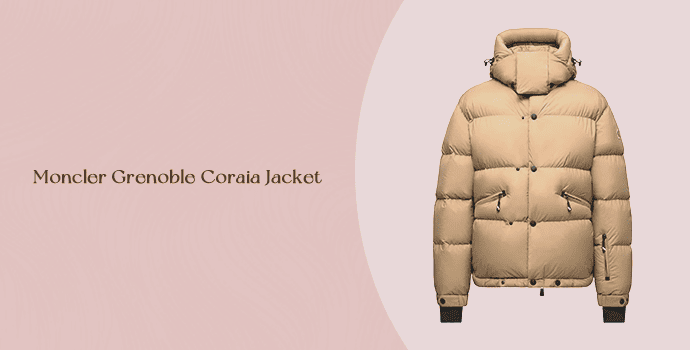
15. Moncler Grenoble Coraia Jacket
The Moncler Grenoble Coraia Jacket is a top-quality item made for tough weather and outside fun. As part of Moncler’s Grenoble collection, it aims for skillful design while keeping the brand’s fancy look. This jacket works great for guys who need smart features but don’t want to give up on good style.
Made for good results, the Coraia has great padding and strong stuff that guard you from tough winter weather. Whether you’re up against snow, wind, or cold temps this jacket is made to help you stay warm and comfy in hard places.
The building is very skilled, using things like strong seams, changeable parts, and special cloth that makes it last longer and work better. Even with its smart use, the jacket keeps a nice and new look making it appear good in the city as it does on slopes.
The shape is made to let you put on layers, making it good for different cold weather fans. It gives both stretch and help, making sure you can move easily while looking tidy.
Styling the Grenoble Coraia goes for a sporty and active look. It matches nicely with winter sports clothes however it can also mix into casual outfits for a bold, usable style.
For guys who care about how well things work and new ideas, the Moncler Grenoble Coraia Jacket is one of the best choices of winter jackets for men in 2026.
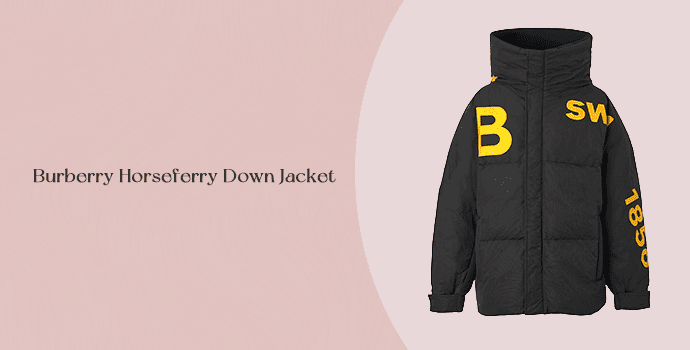
16. Burberry Horseferry Down Jacket
The Burberry Horseferry Down Jacket is a striking and modern item that shows the brand’s new design path. With clear branding and a simple shape, this jacket is great for guys who wish to make a strong style mark. It gives steady down warmth, keeping you cozy during cold times while staying light. The smart design lets it match nicely with both casual wear and street style looks. With its mix of high-quality making and eye-catching look, the Ho͏rseferry jacket works well for people who like trendy winter coats.
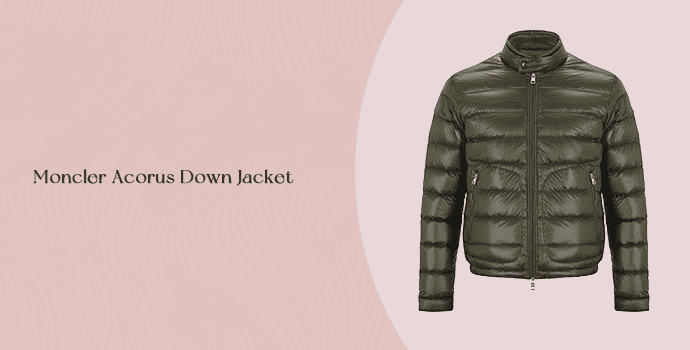
17. Moncler Acorus Down Jacket
The Moncler Acorus Down Jacket is made for use and flexibility, making it a great pick for trips and regular wear. Light and easy to pack, it gives good warmth without needing much room, which is perfect for guys who are busy. Its simple style makes it easy to match with many clothes, from laid-back to smart-casual styles. Even though its small shape, the jacket keeps Moncler’s best quality and toughness. Acorus is great for people looking for a useful but nice winter coat that gives warmth without being heavy.
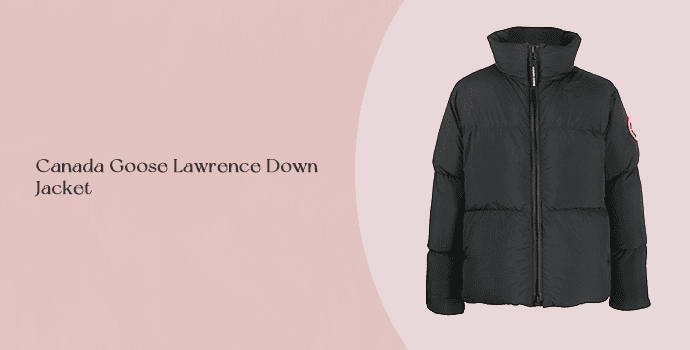
18. Canada Goose Lawrence Down Jacket
The Canada Goose Lawrence Down Jacket is made for very cold and tough winter weather. It is known for its great warmth and strength, this jacket offers best protection from freezing cold, wind and snow. Its strong build gives long-lasting use, making it a good pick for outdoor fun and hard weather. Even though it has heavy-duty use, the style stays neat and flexible, letting it be used in both rough and city places. For men who value heat and trustworthiness the Lawrence jacket is a trustworthy and high-performing winter must-have.
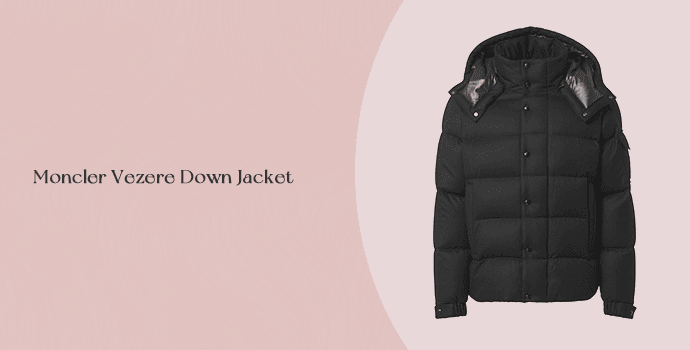
19. Moncler Vezere Down Jacket
The Moncler Vezere Down Coa͏t mixes new looks with great warmth, making it a top choice for today’s winter clothes.
Its smooth shape and neat details give it a classy look; while the top down fill keeps you warm all the time. The coat is light but works well, making it good for everyday wear in cold weather. Its handy fit lets it move easily from relaxed to fancy styles. For guys wanting a trendy and useful winter coat, the Vezere gives just right mix of style and usefulness
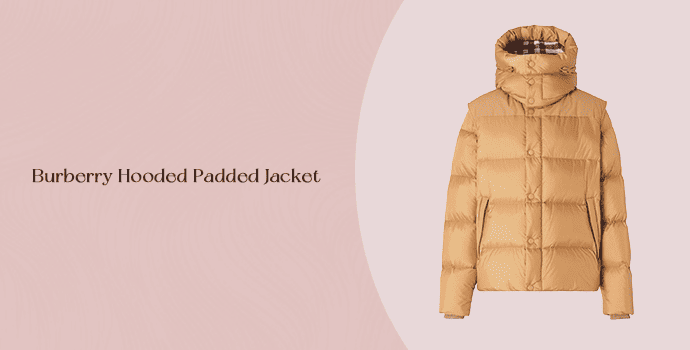
20. Burberry Hooded Padded Jacket
The Burberry hooded jacket with padding is a classic winter must-have that mixes old-style looks with new comfort. Its padded build gives good heat, while the hood offers more cover from chilly weather. The simple and nice shape makes it right for many events, from relaxed get-togethers to fancier places. Faint details and fine materials boost its rich look, making sure it lasts a long time. This jacket is great for guys who like quiet elegance and flexible styles in their winter clothes.
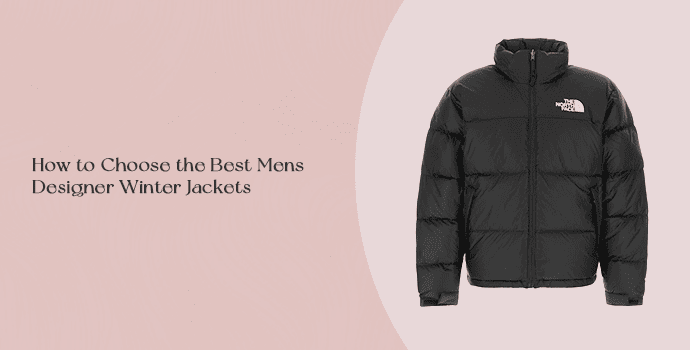
How to Choose the Best Mens Designer Winter Jackets
Choosing the top men’s stylish winter coats needs careful thought of a few things. First, think about the weather you will wear the coat in. For very cold times, pick thick down-filled coats or big jackets that give better warmth. For nicer winters, light quilted coats or wool jackets might be enough
Stuff is very important for finding both ease and strength. Down fill is famous for its great warmth-to-weight mix, while wool and shearling give a more old-style and fancy touch. Also, check for things like water proofness, wind blocking, and air flow to make sure it works its best.
Fit and style are both key. Slim jackets give a new and neat look but loose ones offer ease and ways to wear more layers. Think about your own style, and how the jacket will go with your other clothes?
Flexibility is another main point. A good jacket should fit in many places, from simple trips to fancy occasions. Colors like black, blue, and grey are often the best choices. At last, think about the good and skills. Fashion coats are a buy, and picking a fine item makes sure it lasts long and stays stylish.
Conclusion
As chilly season style keeps changing, buying the top men’s winter coats has turned into more than just a yearly buy, it is a choice for style that lasts. In 2026, fancy outerwear shows the best blend of new ideas, skillful making and personal touch . From strong parkas made for harsh weather to stylish puffers meant for city life , today’s choices fit all kinds of ways people live and look .
What makes fancy winter coats special is how they give both use and comfort at the same ti͏me. Fine stuff, skilled sewing and new heat-blocking tech make sure these coats keep you warm while looking nice. Unlike quick fashion choices, fancy items are made to stay long, making them a wise buy for people who care about good work and style that doesn’t fade.
One more key part is how flexible they are. Today’s man wants clothes that fit many events and the jackets on this list are made for just that. Whether worn with casual jeans for a laid-back style or thrown over smart outfits for a sharp touch these jackets bring great styling choices. Simple colors and neat shapes make them easy to wear all year round.
Also, the rising attention on being green and good fashion is changing the future of fancy jackets. Lots of brands are now using planet-friendly stuff and fair making methods, making sure that style does not come at a price to the earth.
In the end, a good winter coat is one that matches your look, fit͏s your needs and lasts long. By picking from the best men’s designer winter coats of 2026; you are not just improving your winter clothes but also putting money into items that show your style for years to come.
FAQs
1. Which brand offers the best mens designer winter jackets?
Main labels are Moncler, Canada Goose and Burberry known for their good looks and work.
2. Are designer winter jackets worth buying?
Yes, they give great skill, strength, and classic style making them a good long-term spend.
3. What type of jacket is best for extreme winter?
Big thick coats or warm jackets are great for very cold places.
4. How do I maintain a designer winter jacket?
Follow the care rules slowly, try not to wash it too much and keep it safe when not in use.
5. Can designer jackets be worn for formal occasions?
Sure, a lot of nice jackets have simple looks that can be worn for both fancy and easy times.
In the year 2026, designer sunglasses have become more than merely part of your personal style; they are now considered vital indicators of one’s social status and personal taste in terms of fashion worn by other celebrities. The moment a celebrity wears a pair of designer sunglasses, either at an event such as a movie premiere or during their everyday life, has a very strong visual impact to help define and communicate their overall style.
What we have also been noticing this year is that there are both retro-inspired designs as well as bold, branded items and highly advanced designer pieces from some of the top designers in the industry being introduced. Famous people throughout time have balanced wearing vintage-inspired, timeless clothing while trying current trends that showcase their style.
Here is a compilation of many of the most popular pairs of designer sunglasses worn by famous people this year in 2026, which convey luxury, individual expression, and the latest fashion direction, and what’s influencing their wardrobes, and what is going to be the new style trend globally.
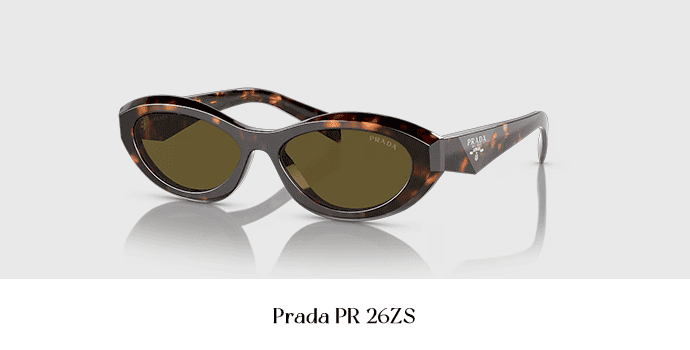
1. Prada PR 26ZS
The Prada PR 26ZS sunglasses have become a fixture in celebrity street style and signify the trend toward more bold architectural sunglasses as of 2026. They are seen on many A-list celebs during fashion weeks and off-duty in large part due to their thick acetate construction and rectangular frame. With the structured design of these frames, they have a futuristic flair but are versatile enough to wear every day. The understated logo of the Prada brand also fits in with the ‘quiet luxury movement’ and thus makes these sunglasses both elegant and bold. Celebrities are styling these sunglasses with their oversized tailored clothing and monochromatic clothes, allowing the frames to pop off their outfits. The PR 26ZS will be the go-to sunglasses through 2026 when wanting to wear fashionable sunglasses with a contemporary aesthetic.
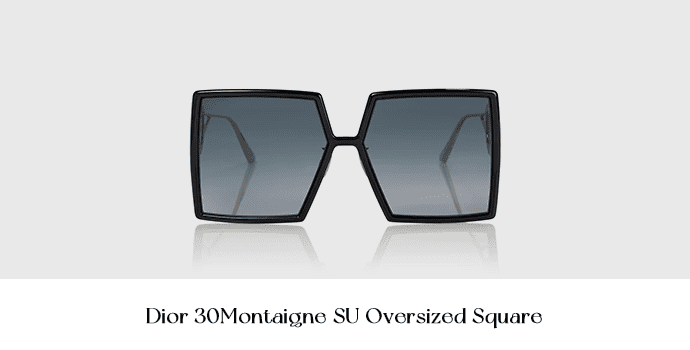
2. Dior 30Montaigne SU Oversized Square
30 Montaigne SU sunglasses by Dior represent the classic idea of a celebrity, and the oversized frames present the illusion of strength and power to the person wearing them; plus, the large design of these sunglasses provides UV protection for the person wearing them as well. Furthermore, the DIOR logo that is on the exterior of the glasses is a statement for luxurious brands and is also very subtle and elegant. Oversized sunglasses will remain stylish in 2026, so this pair of sunglasses will again mark the return of an old trend. One can see celebrities wearing oversized sunglasses when traveling or spending time on vacations or while simply living their lives in an elegant outfit. In 2026, oversized sunglasses will add elegance to whoever wears them.
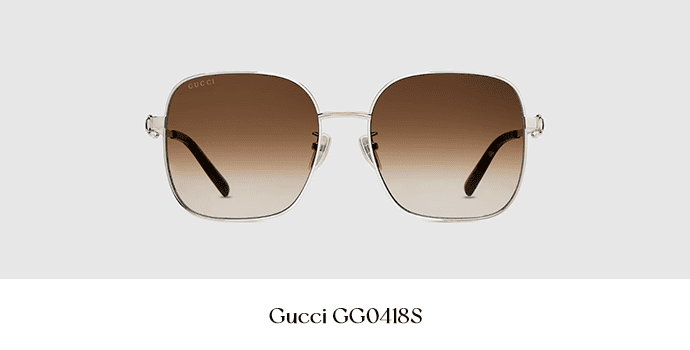
3. Gucci GG0418S
The oversized sunglasses called GG0418S by Gucci would be a splendid accessory for everyone to demonstrate their ability to impress other people using their accessories and fashion style. The 70s oversized GG0418S will look magnificent on anyone and bring some originality to wearing these glasses. Thanks to the presence of a special Gucci logo, which can be used as a frame decoration of GG0418S sunglasses, all people would know that your accessories belong to Gucci. Taking into account the fact that the vintage fashion trend is becoming quite popular nowadays, one can say that most of the celebrities would wear GG0418S sunglasses in 2026. One should keep in mind that there are plenty of celebrities who have chosen colorful outfits and GG0418S sunglasses as the main elements that can help them attract more attention. If someone wants to demonstrate that he/she is wearing something unusual compared to others, the best thing is to wear GG0418S glasses matched with an office outfit.
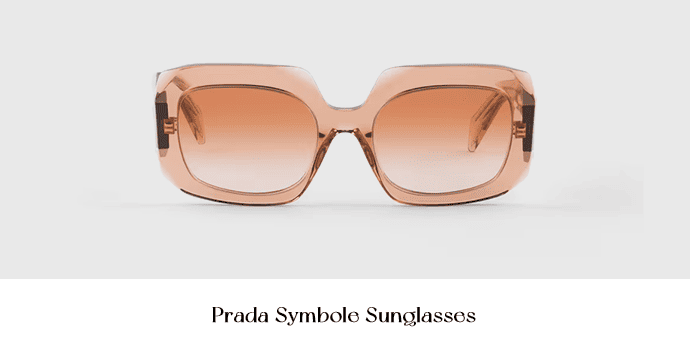
4. Prada Symbole Sunglasses
Symbole sunglasses designed by Prada have been worn by various influential people around the globe, which is perhaps one of the biggest reasons why these glasses are known for being among the most iconic designer eyewear in the industry. These glasses’ designs speak volumes about Prada’s design philosophy, as the signature triangle detail is a fundamental aspect of Prada and lends a sense of sculptural form to the glasses while giving off an avant-garde vibe. In 2026, more and more people (even celebrities) will want to wear structured and fashion-forward glasses; hence, there will definitely be an increase in the production of such glasses by Prada to meet that need. Being designed with a geometric shape, the glasses can be worn in both formal and informal settings. The perfect blend of an eye-catching design with minimal branding lends elegance to the glasses, making them extremely popular among individuals who like elegant yet bold fashion.
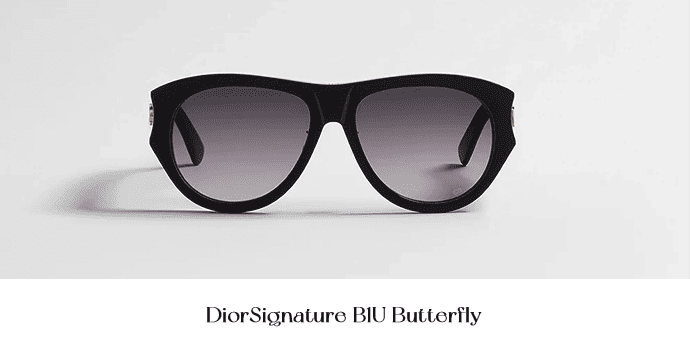
5. DiorSignature B1U Butterfly
The B1U Butterfly Sunglasses have become a leading fashion trend thanks to their trending oversized, stylish way to wear unisex massive sunglasses, which are visually appealing to both men and women on the red carpet and during vacations. These sunglasses are a perfect example of oversized styles that have a feminine design on them, yet will be delivered with an overall impression of softness and strength. With the oversized sunglasses found on Dior’s red carpet and vacation outfits, it makes perfect sense to provide an overall fashionable look to match their outfits when wearing these oversized sunglasses. Particularly during the fall/winter 2026 collection at Dior, you will see an emphasis on their sculptural designs; they create a stunningly beautiful and elegant fashion frame for a jewel-like object. Celebrities have shared with me that these oversized sunglasses significantly improve their facial geometry and give them a vintage look, regardless of whether worn with a flowy dress or a more structured outfit; therefore, Celebrities have stated these sunglasses provide a sophistication and class that result in an elevated look for their entire outfit.
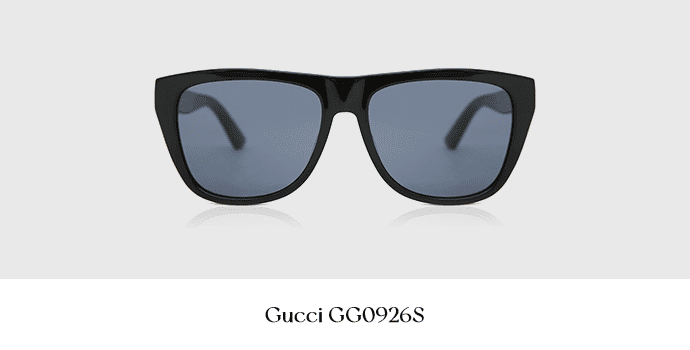
6. Gucci GG0926S
Gucci GG0926S Sunglasses blend traditional features with the latest trends, and hence they are loved by many A-list personalities. Their squared lenses are flexible enough to match all faces, and therefore, it is evident that they have been preferred by many A-list personalities to wear in both official and unofficial gatherings. On the sides of each lens, there is the trademark logo of Gucci that enhances its elegance but discreetly. The retro eyewear will remain trendy throughout the Fall/Winter 2023 season. Besides, their perfect proportions ensure comfort while wearing the Gucci GG0926S Sunglasses every day. For someone who loves the retro design and aims for present-day trends.
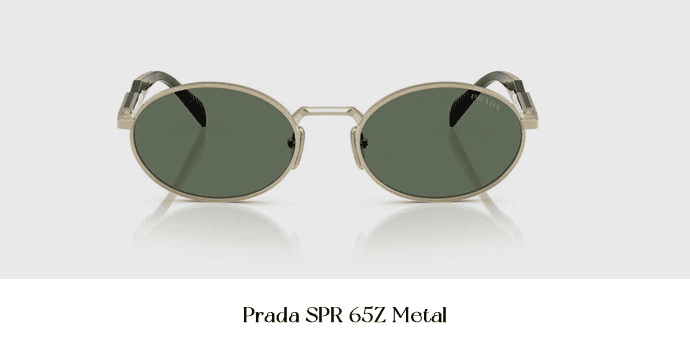
7. Prada SPR 65Z Metal
When looking for understated yet elegant sunglasses that fit into the couture-loving celebrity lifestyle, look no further than the Prada SPR 65Z Metal. These frames feature a minimalist design with a metal frame, making them a great alternative to some of the more bold options (made from acetate) currently available as well. With a featherweight construct (which means they’re comfortable to wear throughout the entire day) and sophisticated texture, these frames will go with every outfit, but not be overwhelming. The quiet luxury trend that has been growing steadily since at least 2026 is as strong as ever, and thus, the PRADA SPR 65Z Metal represents this. A ton of celebrities are regularly seen donning these shades paired with monochrome outfits or tailored looks so that their very simple nature can shine. They are versatile enough to wear both in casual and formal situations. As such, you will find these frames on many celebrities’ daily go-to lists.
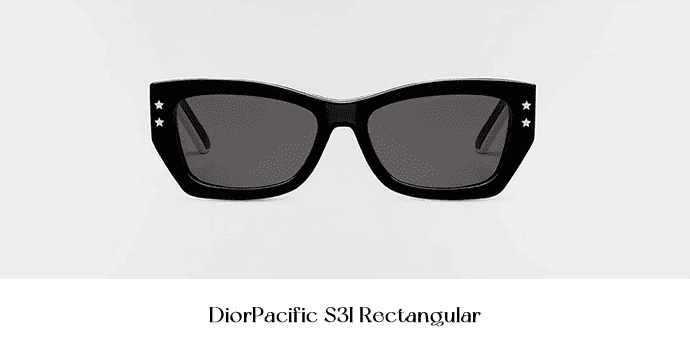
8. DiorPacific S3I Rectangular
Dior Pacific S3I rectangular sunglasses are the ultimate modern twist on a traditional rectangular-style shape. Many beauties love the sleek, smooth lines and streamlined style of this sunglass frame style. Street photography offers endless opportunities for photographers to capture unique sunglasses, and many different degrees of sophistication can be found in street styles of fashion. Because of their minimal design, they pair perfectly with this trend of dressed-up, trendy, polished silhouettes. Celebrities wear these because they are versatile – they can be worn casually or dressed up with different outfits. The combination of style and simplicity makes these sunglasses a wardrobe staple for today’s modern celebrity.
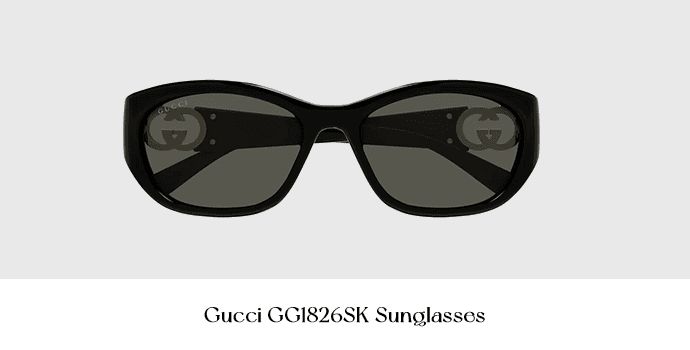
9. Gucci GG1826SK Sunglasses
Gucci GG1826SK Vintage-Inspired but Fashionably Updated Oversized Sunglasses. These oversized, vintage-inspired GUCCI GG1826SK Sunglasses make an excellent choice for celebrities who want to wear sunglasses as a fashion accessory while also being able to conceal themselves from the paparazzi and their fans when out in public or on vacation. Oversized sunglasses are also a fantastic accessory for wearing with casual or resort-style clothing and other casual outfits. Moreover, the fact that these glasses contain the signature Gucci design identifiers creates a juxtaposition, thereby allowing them to be distinguished from other eyewear by being elegant, classic, contemporary, stylish, luxurious, and fashionable, as well as offering a level of comfort and style that would allow them to be used every day while putting some glam into one’s life.
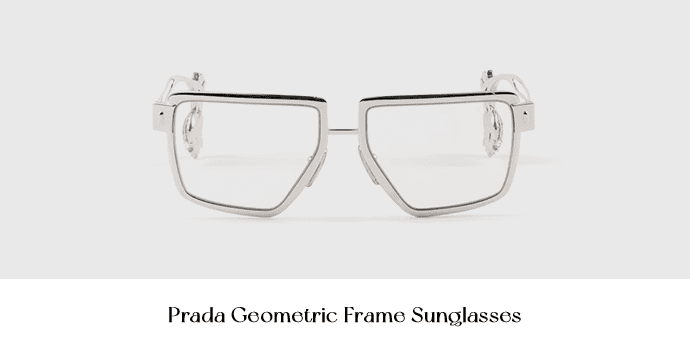
10. Prada Geometric Frame Sunglasses
The geometric frame Prada sunglasses are at the top of celebrity fashion trends in 2026. The fact that these sunglasses can have both unique angles and bold lines at the same time makes them a great example of how current fashion trends can fit into architectural pieces. Because of their architectural design, they are quite commonly used by artists who use architectural designs when creating modern fashion. As well, their creativity and practicality help maintain their popularity with the artist trend-setting population, as their unique design will provide a significant amount of visibility.
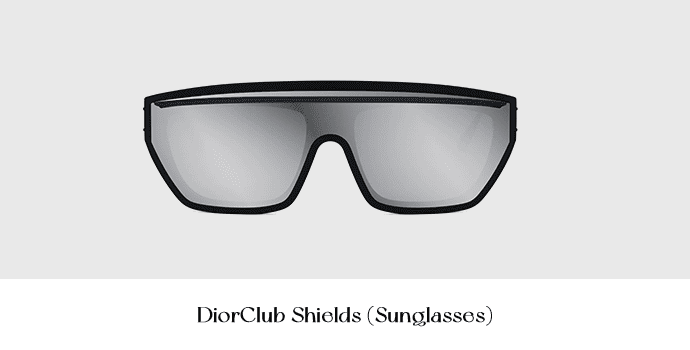
11. DiorClub Shields (Sunglasses)
The year 2026 saw the introduction of the fashionable Dior Club Shields, and the sunglasses were instantly popular with their futuristic design being worn by numerous celebrities within the year. With their daring visor shape covering up the face like in 70’s designs, Dior Club Shield sunglasses make for an interesting mix of sportiness and elegance. These sunglasses can be mostly seen at big fashion events, including Fashion Week and music festivals, where fashion takes precedence over everything else, since celebrities enjoy making statements about themselves with their own personalities. Made from seamless materials combined with highly reflective lenses, they are considered a cutting-edge design by those who are experimental with their personal style through the colour and texture of their clothes. Many use Dior Club Shields in conjunction with athleisure wear, structured outerwear staples, or one colour designs (monochrome). The combination of a modern, timeless silhouette and the point of view of true craftsmanship has made Dior Club Shields today’s leaders in the world of high-end eyewear/luxury eyewear.
12. Ray-Ban Aviator (Luxury Edition)
Ray-Ban aviators are a key trend in fashion that has lasted for several decades and continues to appear on at least one major celebrity each year into 2022. Today’s version of the aviator consists of new materials that are all-new and some never before seen, as well as using the newest technologies, such as a more advanced lens, and a complete redesign for a blend of classic and modern styles that no aviator has ever had before. Given this success and having such a long history of success means that there are many different styles of aviators available to everyone (youthful to seniors), and the standard frame options feature an ultra-lightweight metallic frame (with a teardrop shape) that can fit nearly every outfit, making an aviator essential for every type of activity from traveling to relaxing at home and elevating both you and your outfit to look great! The Ray-Ban Aviators exemplify quality craftsmanship and will never go out of style, making them synonymous worldwide.
13. Saint Laurent SL 276
Saint Laurent SL 276 sunglasses combine minimalist style and understated elegance and are a hit with many celebrities who favour sophistication and minimalism when dressing up. The SL 276 sunglasses feature a very slim rectangular shape and fit well into the ever-popular resurgence of 90’s style coming to the forefront of flight fashion in the year 2026. The contrast between the tapered, sleek design, along with clean lines and monochrome colours of these sunglasses, will provide an effortlessly sophisticated look and feel when worn with a wide variety of attire, from tailored suits to leather jackets to evening wear. It is often said that the SL 276 enhances the overall fashion of whatever the wearer is wearing and allows the wearer to create an effortlessly polished fashion statement. The minimally branded logo is an excellent representation of the subtle luxury that these SL 276s will add to any accessory collection because they represent timeless accessories and true quiet sophistication.
14. Miu Miu Cat-Eye Sunglasses
Miu Miu’s cat-eye sunglasses have become a must-have accessory for celebrities in 2026, thanks to their stylish and classy appearance. They have a splendidly sculpted and feminine shape that will complete the look of any outfit with an added touch of elegance. Celebrities enjoy pairing Miu Miu sunglasses with everything from fun printed fabric to more formal clothing to express themselves with style and glamour. The cat-eye shape of these frames is exaggerated and will help define the angles of a person’s face, and to sharpen the look of the face and features. Each Miu Miu sunglasses has been designed in a new, unique way, so no matter how many times you wear yours, they will always look fresh and contemporary. You can see them worn at numerous events like fashion shows or parties; they are one accessory that combines influences from retro style, with pops of modernity, allowing them to be a truly statement piece within anybody’s wardrobe.
15. Louis Vuitton LV Waimea
Louis Vuitton’s LV Waimea sunglasses have become a desirable luxury/sport accessory for the affluent or celebrity lifestyle; making them a popular choice among high-end street fashion enthusiasts because of their very dramatic oversized wrap-around style and functional coverage These will remain the hottest fashion trend through 2026 as they will continue to be highly fashionable as part of the fashionable and unique matching set; oversized; or athleisure items – allowing for a very cohesive appearance amongst the celebrity and/or affluent community. The strong visual identity and high-quality construction of these models make them a perfect choice for those searching for a unique product while maintaining an appearance of sophistication and high fashion.
16. Tom Ford FT0237 Snowdon
Celebrities keep on sporting them from season to season every year. The design and styling of these sunglasses have made them evergreen in the field of fashion, thereby making it possible for them to be fashionable way beyond seasonal trends. The versatility of the 16. Tom Ford FT0237 Snowdon sunglasses are the reason that makes them perfectly suitable for any occasion, whether it is an office dress code or something more casually cool, as well as something like meeting up with friends on the weekends. This fact shows that the quality of detail and material employed in the manufacturing of these sunglasses is one of the things that speaks volumes about the dedication of Tom Ford towards his product line. The only thing that can be stated about the proportions of the 16. Tom Ford FT0237 Snowdon sunglasses are designed to complement every face without a doubt.
17. Balenciaga Shield Sunglasses
Balenciaga Shield Sunglasses are an avant-garde statement of futuristic fashion; therefore, they are very popular among cutting-edge celebrities. The sunglasses feature a unique wrap-around shape, which gives them a strong and distinctive appearance. You’ll see these sunglasses worn by celebrities regularly, whether they are attending high-end events or sporting their favourite street style look, and they will always be worn with an emphasis on individuality. Not only are their shape oversized and an entirely new look, but they also have a smooth finish, which gives each outfit additional drama. Celebrities are known to style Balenciaga Shield Sunglasses with oversized outerwear, angular silhouettes, or all monochromatic outfits to create an even greater visual force. The fashion-forward nature of Balenciaga’s design philosophy will continue to lead to creative, innovative products such as these sunglasses being produced, which will appeal to consumers who wish to exceed current levels of fashion.
18. Celine Triomphe Sunglasses
Celine Triomphe sunglass collections embody the ideal combination of minimal beauty with effortless style. A classic shape constructed using minimal branding is a reason why these styles are popularized by many celebrities who love the minimalism of these types of styles. Since the fourth quarter of the year, there has been an increased interest in classic or versatile accessories, which include these styles, and because of that, many celebrities are wearing their Celine Triomphe sunglasses paired with neutral colored clothing, tailored clothing, and everyday items for an overall polished appearance. The lightweight construction of the Celine Triomphe sunglass also allows for a comfortable fit and therefore makes them perfect for everyday wear. Due to their timeless elegance as well as their continued popularity, the Celine Triomphe sunglass has also become one of the most recognized items in contemporary celebrity fashion.
19. Fendi First Sunglasses
Celebrity favourites, the Fendi First Sunglasses are extremely luxurious, innovative, and have been designed to be forward-thinking and fashionable. The Fendi First Sunglasses feature uniquely styled frames; the sleek lines and unique style choices also reflect the creative artwork of Fendi’s glasses. Fendi will continue to be a must-have accessory for people looking for an item that can change the way they look in 2026. The Fendi First Sunglasses will create a statement and become the focal point of the person wearing them, and they will do this by having a bold yet stylish look, and fit perfectly with the way designers have developed and designed their clothing. The Fendi First Sunglasses have an overall unique but sophisticated design, but are still very elegant and luxurious, so anyone who likes to try out their own original designs can do so while still maintaining elegance and sophistication.
20. Versace Medusa Biggie
With their chunky frames and bold coloured lenses featuring the iconic Versace Medusa logo on the lenses, it’s hard not to think of them as being HUGE fashion statement pieces! If you want to be noticed when wearing these sunglasses, you’d better wear something VERY disruptive. That’s why so many legendary celebs, as well as other stylish people, are all over them. And as we continue seeing the resurgence of vintage-style fashion, we’re seeing more people than ever before becoming familiar with how to style the Versace Medusa Biggie Sunglasses with new fashions! Whether you’re sporting a new bold print outfit or you’re rocking a super luxe-looking streetwear ensemble, these sunglasses will match up with just about any outfit! The unique design and luxurious materials used in making the Versace Medusa Biggie Sunglasses will create an immediate reaction from whoever is looking at you when you’re wearing them, which makes them perfect for the person who loves to express themselves through what they wear on their body.
21. Bottega Veneta BV1001S
Bottega Veneta BV1001S Sunglasses embody the company’s commitment to creating luxurious yet understated items using fine craftsmanship. Many celebrities are long-time fans of the simple design and sharp lines of these sunglasses, finding them to be much more appealing than large company logos on oversized sunglasses. The understated design provides an endless variety of combinations with both casual and formal clothing. The trend toward subtle elements of design in 2026 remains strong, and Bottega Veneta continues to create products to fit the trend. Celebrities more often create an outfit using these sunglasses by choosing neutral colored clothing and fitted designs, so that the emphasis is on the fine craftsmanship and not on the logo. The classic design and high quality of the Bottega Veneta BV1001S make this product essential to any well-thought-out wardrobe.
22. Loewe Chunky Acetate Sunglasses
Loewe’s fashionable chunky acetate sunglasses have become increasingly popular among trend-setting celebrities for their original artistic design style. With their large frames and quirky geometrical shape, these sunglasses provide a sense of creative flair to any outfit! By 2026, there will be an abundance of expressive accessories, which are known as “statement pieces”; therefore, wearing a pair of these funky sunglasses fits the definition! Many (if not most) celebrities currently wear them with extremely avant-garde clothing made from multiple textures, colours, and styles, thereby demonstrating that one can be fashionable with an experimental approach to style, yet maintain an elegant and chic look through the use of high-quality/elevated materials and the attention to detail involved in their construction! If you want to show off your boldness by wearing sunglasses, but do so in a way that will be considered to have style, then these sunglasses will be a perfect choice.
23. Cartier Première Sunglasses
Cartier Première sunglasses are timelessly elegant luxury products that attract many well-known individuals who favor a traditional aesthetic. They have a beautifully crafted metal framework with fine detail, plus, they feature minimalist exterior embellishments that are very understated in appearance but lend themselves to the overall appearance of sophistication and elegance. These glasses can be worn at formal events (such as red carpet events), plus they will remain a popular choice for people looking for high-end glasses for many years into the future. As we look into the future (to 2026), the heritage brands will remain an important part of the fashion industry, and Cartier will continue to represent a traditional style. Many celebrities are wearing them with fashionable clothing and precious accessories to complete their overall appearance. Thus, these items are valuable products that will remain stylish for many fashion seasons to come.
24. Off-White Virgil Square Sunglasses
Virgil Square Shades created by Off-White combine the aesthetic qualities of streetwear and high-fashion, offering celebrities options for none too contemporary eyeglass choices. The oversized frames and logo of Off-White together provide instant statements for an accessory. Through 2026, this trend continues to evolve based upon an aesthetic fusion of upscale and streetwear fashions, with each of the fashionable/diverse authors attempting to combine both street and upscale fashions when choosing to wear the oversized square shades, oversized hoodies, badass sneakers, and layered fashions with no regard for what others think.
25. Givenchy Giv Cut Sunglasses
The Givenchy Giv Cut is designed with modern, futuristic styles—sharp lines, edges; angular and organic forms reflect architectural style trends. Many celebrities use Giv Cut’s bold yet sophisticated eyeglass style to create a fashionable yet creative pairing with their ensemble choices. As an example, you will create a bold fashion presence when pairing Giv Cut eyeglasses with tailored clothing, and create an edgy presence when wearing them with street gear. Giv Cut’s minimal logos reflect a focus on design rather than brand image, and thus can become part of your understated accessory look.
26. Chloé CH0045S Oversized
Oversized sunglasses from Chloé (CH0045S) have become really popular for famous people who like a softer, more feminine look. They have rounded frames and delicate details that provide a romantic, bohemian style, which can easily be worn during the day and will be in style for many years to come, as relaxed luxury is the leading trend of 2026. They are often paired with flowy dresses, soft neutral colours, and easy layering looks by many famous people as well. They are made from lightweight materials and are very comfortable, and oversized shapes will add some glamour to any outfit while providing an elegant but casual look.
27. Alexander McQueen AM0327S
All Moncler ML0204 shield sunglasses feature unique elements of fashionable and athletic design. The sporty wrap-around silhouette will offer you both a practical and trendy solution for an active lifestyle. Athleisure will become a growing trend for the future, which means that Moncler ML0204 shield sunglasses will fit perfectly for all your active pursuits in 2026. It will become typical for a celebrity to wear Moncler ML0204 shield sunglasses when traveling, participating in outdoor events, going grocery shopping, or simply wearing some sporty and/or street wear. The stylish look of Moncler ML0204 shield sunglasses will appeal to everyone who wants to acquire a cool accessory for any occasion.
28. Jimmy Choo JC4008B
Glasses for celebrities have styles such as the Jimmy Choo JC4008B sunglasses. Such glasses will give you some elegance or rhinestone decorations at a party or formal event setting. By 2026, many celebrities will be wearing such accessories in a bid to embrace them again. They usually wear them with evening dresses or designer clothes so that the decorations on the sunglasses become visible. This makes them add elegance or glamour to your outfit when paired with a designer dress or clothes.
29. Moncler ML0204 Shield Sunglasses
All Moncler ML0204 shield sunglasses combine high-fashion and performance-inspired design elements. The sporty wrap-around silhouette provides both functional and stylish solutions for your active lifestyle. The athleisure trend will continue to influence fashion, and the Moncler ML0204 shield sunglasses will be absolutely on point in 2026 for all of your active endeavors. You will often see a celebrity wearing Moncler ML0204 shield sunglasses while traveling, attending outdoor events, or simply running errands, and pairing them with sporty and/or streetwear outfits. Their lightweight design and contemporary look will provide both functionality and substance, making them appealing to anyone searching for a versatile accessory that will add a great deal of style to all of their outfits!
30. DG Sunglasses by Dolce & Gabbana
Dolce and Gabbana’s DG Logo Sunglasses are an expression of both a bold personality and an extravagant luxury fashion statement, as are almost all of the brand designers today, who create oversized frames for their customers to wear, without brand identification, and advertise their brands at all times, just like celebrities do. These sunglasses are definitely an example of expensive but inexpensive maximalism fashion style that will be very popular in 2026, and therefore are frequently paired with large, bright-coloured prints/matching outfits, and attention-grabbing clothing styles. Due to their bold colour and luxurious materials, DG sunglasses have become staples for many celebrity wardrobe pieces that want to express a very bold, creative fashion through their styling and accessories.
31. Burberry BE4391 Square Sunglasses Accessories
Burberry BE4391 square sunglasses are a modern interpretation of classic British design, an excellent complement to celebrity fashion since they became popular in 2026. The structured square frame design creates an elegant form with a high degree of versatility across different styles. The brand utilizes subtle Burberry design details as a delicately luxurious enhancement of the frame without compromising the overall sophistication of the product. Celebrities frequently wear Burberry BE4391 sunglasses with a trench coat, a tailored outfit, and a casual chic outfit, consistent with Burberry’s traditional design style. The balanced proportions of these sunglasses will fit most face types; therefore, they will work for anyone who appreciates both timelessness and modern design and will become an essential addition to their wardrobe.
32. Tom Ford FT0998 Iris
With the increase in usage of vintage goods, Cazal Legend 607/3 Sunglasses will indeed prove to be a classic pair of sunglasses for many years to come. Cazal Legend 607/3 Sunglasses have been manufactured using quality material to give them a classic appearance. These are also being worn by many celebrities as accessories with their outfits as cool street or fashionable clothes. The amazing design makes it very distinctive, as well as makes one feel good when wearing Cazal Legend 607/3 Sunglasses. As far as the trend of oversized sunglasses up until 2026 goes, the Tom Ford FT0998 Iris sunglasses perfectly fit into the ongoing trend. Since women can match them with fitting dresses, whether in the evening or daytime, these sunglasses will stand out. They are perfect for all those who love elegant but eclectic styles since they are a representation of fashionista Tom Ford’s style of life.
33. Cazal Legends 607/3
Being retro in style, the Cazal Legend 607/3 sunglasses boast a unique and extremely distinctive look that makes them one of the most sought-after items by celebrities who desire a vintage look. The vintage look of these sunglasses and the impact it makes on culture create the uniqueness that is highly distinguishable among similar items used by celebrities. The fact that the Cazal Legend 607/3 sunglasses and their consumers have been predicting the coming trend of vintage statement items that are becoming more and more popular ensures that these sunglasses will become iconic in the near future. With the ever-growing use of vintage items, Cazal Legend 607/3 Sunglasses will definitely be an iconic pair of sunglasses for quite some time to come. The pair is crafted with quality materials to create a classic look. Many famous people wear Cazal Legend 607/3 Sunglasses as fashion accessories, either as trendy streetwear or fashionable clothing. The remarkable design not only makes it easy to recognize the Cazal Legend 607/3 Sunglasses but also gives a person a sense of feeling good while wearing them.
34. Persol PO0649
The latest Persol PO0649 sunglasses from 2026 are made with a classical design that has retained its attraction among celebrities. Having an oversized design like that of an aviator model, they combine modern elegance and vintage charm. Such sunglasses have a reputation for being of good quality manufacture along with Persol arrow ornamentation, and therefore can be considered not only stylish but also useful for celebrities as they wear them at both formal events and informal situations. The quality of lenses and the comfort of wearing contribute to their ability to be used every day.
35. Carrera Flaglab Sunglasses
Carrera Flaglab sunglasses are stylish and strong, which have been very popular with many celebrities who usually wear street wear clothing as their most preferred type since the presence of many professional athletes who wear these sunglasses such as David Beckham, Cristiano Ronaldo, and Lewis Hamilton. Carrera Flaglab sunglasses have an open frame, providing them with a sporty look, hence making them appear like the athleisure style in 2026. Many celebrities prefer wearing Carrera Flaglab sunglasses while on vacation, participating in any outdoor sports, or assembling sportswear/street wear clothing; hence, these Carrera Flaglab sunglasses have become more popular with celebrities of today. The Carrera Flaglab sunglasses are manufactured using thin material, hence very lightweight and comfortable, whereas the peculiar design of the sunglasses makes them unique. The long and proud history of producing sports eyewear by Carrera further enhances its authenticity in terms of functionality as well as beauty. If you wish to own a single item that could perfectly express your love for sports, then you must buy the Carrera Flaglab sunglasses.
From classic looks to daring designs, celebrity-approved designer sunglasses in 2026 symbolize luxury through creativity and fashion.
FAQs
1. What are the various styles of sunglasses depending on the particular shape of a face?
Sunglasses that one should wear entirely depend on the facial form they have. Round faces should use rectangular frames. Square faces should wear round glasses since they suit them. An oval face can fit into any kind of sunglasses since they go with everything.
2. Is it worthwhile to buy designer sunglasses?
Designer sunglasses are considered worth buying due to their quality, longevity, and timeless fashion.
3. Will oversized sunglasses stay fashionable in 2026?
Oversized sunglasses are fashionable in 2026, featuring a classic look with a modern twist.
You notice big changes in fancy custom clothes, especially with the rise of latex fashion latex clothing. Natural latex and other luxury materials are now very popular in the world of latex fashion latex clothing. These materials feel nice to touch and look beautiful, making latex fashion latex clothing more comfortable and stylish. Designers are paying more attention to how latex fashion latex clothing is made, focusing on both sustainability and customer happiness. People want latex fashion latex clothing that looks good and feels good. In 2026, one out of four mattresses uses eco-friendly materials, showing a shift toward sustainability that also influences latex fashion latex clothing. Fashion brands are experimenting with new ideas in latex fashion latex clothing because they know you want clothes that are good for the Earth and look cool.
Evidence TypeDescriptionFabric InnovationsThe fashion world is making new materials, including those used in latex fashion latex clothing. They want to give people clothes that are better for the planet and feel nice.Environmental ImpactMaking clothes, including latex fashion latex clothing, causes 6-8% of the world’s CO₂ pollution. This shows we need better ways to make clothes.Consumer TrendsMore people talk about ‘eco-friendly’ materials after the pandemic, which includes interest in latex fashion latex clothing. This means people care more about the Earth.Tactile ExperiencePeople want clothes that feel special. More clothes now use things like tulle, sequins, and latex fashion latex clothing.
Key Takeaways
1. Natural latex is a popular pick for luxury clothes. It feels soft and lasts a long time.
2. People care about the Earth. Picking natural latex helps stop pollution and helps the planet.
3. Customisation is important. Brands let you change clothes to fit your style.
4. Latex fashion is cool right now. Many luxury brands use latex to make bold and stylish clothes.
5. You can help the Earth by picking eco-friendly materials like natural latex for your clothes.
Luxury Materials 2026
Natural latex is a top choice for fancy products in 2026. It feels smooth and bends easily. Natural latex fits your body well. This gives you a special feeling when you wear it. Designers pick natural latex for latex fashion latex clothing. It looks nice and feels good. You can see how natural latex compares to other luxury materials in the table below:
Material TypeCharacteristicsNuvola SuedeLight and comfy, feels like linen.natural latexGood for the planet and meets luxury needs.Traditional Luxury MaterialsCashmere, silk, and leather last long and are high quality.
Comfort and Durability
You want clothes that feel nice and last a long time. Natural latex gives you both. Latex fashion latex clothing stretches gently. It moves with you and does not break easily. Your custom clothes stay pretty for years. Brands use new tech like digital printing and AI design. This makes latex fashion latex clothing more comfy and strong. Your clothes fit better and keep their shape.
Tip: Pick natural latex for custom clothes if you want comfort and lasting quality.
Sustainability Impact
You care about nature, and natural latex helps. Making natural latex uses safe ways to get rubber. Rubber trees clean the air by taking in carbon dioxide. Natural latex items break down on their own. They do not fill up landfills. Natural latex needs fewer chemicals than fake materials. This keeps your home’s air cleaner. You help the planet when you choose natural latex for your clothes.
1. Natural latex uses less oil.
2. Making it saves energy and cuts pollution.
3. Products break down and make less trash.
4. Fewer chemicals mean better air inside.
Luxury materials in 2026 care about style and the Earth. Natural latex leads, making your choices smarter and greener.
Latex Fashion Trends
Latex Clothing in Luxury
Latex fashion latex clothing is now popular in fancy collections. Designers use latex to make outfits that get noticed. This gives you new ways to show your style. Many top brands pick latex because it shines and bends easily. You see latex fashion latex clothing in shows about different styles and even in special fashion events. This change lets designers try new things and reach people who want something new.
1. Top designers use latex for bold outfits.
2. You see more latex fashion latex clothing in fancy stores.
3. Designers use latex to make new shapes and styles.
Some famous brands have shown how latex can change fancy clothes:
A. Alexander McQueen used shiny latex leggings and skirts in 1999. These pieces showed latex can be part of high fashion.
B. Christian Dior mixed latex with classic fabrics in 2003. This made a new look that got attention.
C. Gareth Pugh used latex in 2016 to show power and strength. You can see how latex fashion latex clothing tells a story.
Latex fashion latex clothing is not just a short trend. It is a new way for you to enjoy fancy fashion.
Unique Textures and Aesthetics
The tactile experience of latex is incomparable to any other fabric. When touching a latex dress, latex bodysuit, or latex catsuit, you immediately notice its ultra-smooth, high-elastic surface. This material is designed to contour perfectly to your silhouette, moving with you while providing a unique sense of comfort and structural support. Beyond its second-skin fit, latex creates sculptural silhouettes that enhance your natural form with a bold, defined look. Whether styled with sophisticated accessories or layered through ‘Material Fusion’ with contrasting fabrics, it allows you to craft an avant-garde aesthetic that is both daring and refined. Natural latex is special because it lets air pass through and lasts long. You stay cool and comfy, even if you wear latex for a long time. The open parts in latex let air move, so you do not get too hot. You also see that latex fashion latex clothing keeps its shape and color. Your clothes look new for a long time.
Tip: Try latex fashion latex clothing if you want a bold and modern look.
Eco-Friendly Appeal
You care about the Earth, and so do many top brands. More designers now pick natural latex instead of fake materials. This helps cut down on pollution and saves energy. You see that natural latex comes from rubber trees. These trees clean the air and need fewer chemicals. Many brands want to show you their clothes are good for the planet.
But some studies say people sometimes think recycled or plant-based materials do not feel as fancy as old luxury fabrics. You might see that some buyers worry about quality when they see eco-friendly labels. Still, more brands work hard to make latex fashion latex clothing that feels both fancy and green.
StudyFindingsAchabou and Dekhili (2013)Using recycled materials in fancy products made people like them less because they did not seem as special.Dekhili et al. (2019)Using vegetable leather made people think the quality was lower.Hemonnet-Goujot et al. (2022)People wanted fewer recycled products from fancy brands than from regular brands.
You want to know where your things come from and how they are made. People who buy fancy items now care about the story behind each thing. You look for brands that tell you about their materials and how they get them.
Transparency in Sourcing
You want to know where your things come from and how they are made. People who buy fancy items now care about the story behind each thing. You look for brands that tell you about their materials and how they get them.
Evidence TypeDescriptionConsumer Research71 percent of luxury buyers want high-quality, well-sourced goods.Fabric Quality62 percent say fabric quality is a big reason for buying.
Luxury shoppers now care about fair sourcing and clear facts. People care less about just the brand name and more about how and where things are made. Brands that share their process and values get your trust and loyalty.
Market Trends
Leading Brands and Adoption
You see many luxury brands now use natural latex in their collections. These brands want to show you that style and eco-friendly choices can go together. For example, Gucci and Stella McCartney have started using natural latex for jackets and dresses. You notice that Prada and Hermès also add latex details to their custom pieces. These brands want to lead the way in green fashion.
1. Gucci uses natural latex for bold jackets.
2. Stella McCartney makes dresses with latex for a soft touch.
3. Prada adds latex to shoes and bags.
4. Hermès uses latex for custom accessories.
You can read more about these trends on luxuo.com, which shares news about luxury brands and their new materials.
Case Studies in Latex Fashion
You can look at real examples to see how latex changes fashion. In 2025, a famous designer made a whole runway show with only natural latex. The show got a lot of attention because the clothes looked shiny and felt smooth. Many people talked about the comfort and fit of these outfits.
BrandProduct ExampleYearResultGucciLatex Jacket2025Sold out in two weeksStella McCartneyLatex Dress2024High demand from young buyersPradaLatex Bag2026Positive reviews for quality
You see that these brands use latex to make new styles and attract more buyers.
Consumer Feedback
You hear many people say they like the feel of natural latex. Buyers say latex clothes fit well and last longer. Some people share that latex feels cool and smooth on their skin. A survey on luxuo.com shows that 68 percent of luxury shoppers want more eco-friendly materials like latex. You also see that some buyers want more colors and styles in latex fashion.
Note: You can help shape the future of fashion by sharing your thoughts about latex clothing with brands.
Challenges and Opportunities
Supply Chain Barriers
You run into problems when you pick luxury materials like natural latex. Many brands have trouble finding enough good latex. Farmers need to grow rubber trees for a long time. They must wait years before they can get latex. This takes careful planning and patience. Moving latex from farms to factories can be slow. Sometimes, shipping causes delays. Some brands pay extra because latex is rare and wanted. Natural latex has the biggest share in mattress materials. This means many companies want latex, but not all can get it fast. High-end mattresses use natural latex because it stretches and bounces back. These qualities make latex special, but also make the supply harder.
Consumer Education
You need simple facts about luxury materials. Many buyers do not know why natural latex is better than fake latex. Brands must teach you about how strong, safe, and green latex is. You learn that natural latex lasts longer and feels softer. It does not cause allergies for most people. Latex breaks down on its own and helps the planet. Brands use websites, tags, and store signs to share these facts. You see more brands explain where they get latex and why it matters. When you know these things, you make better choices.
Tip: Ask brands about their materials and how they help the Earth.
Future of Luxury Materials
You notice big changes coming for luxury materials. The Baroness says latex will be more popular in fancy fashion. Designers now see latex as new and exciting. You see latex clothing move toward classic and neat styles. The market for green luxury grows fast as you and others care more about fair sourcing and helping the planet. Old luxury choices lose importance as you pick greener products.
1. Natural latex is chosen for lasting power and being safe for allergies.
2. The global luxury leather goods market might reach USD 140.55 billion by 2030.
3. The bigger leather goods market could grow to USD 515 billion by 2035.
You help make this change by wanting green, stylish, and well-made products. You shape the future of luxury by picking materials that match your values.
You notice that luxury materials like natural latex are changing custom products. Brands now care more about the Earth, comfort, and cool new looks. Many hotels use latex mattresses to help guests feel better. Science brings new things like biopolymer composites and fabrics that change with heat. Designers choose materials that are safe and last a long time. You help shape what comes next by picking things that fit what you believe.
Key TakeawayDescriptionEco-Friendly PreferenceYou pick natural latex because it breaks down and has no bad chemicals.Demand for PersonalizationBrands let you choose how your items feel and support you.Variety is the spice of lifeThere is an undeniable psychological shift when you slip into premium latex—a fusion of self-assurance and pure delight
1. Biopolymer composites help the planet.
2. Thermoresponsive fabrics make things more comfy.
3. Designers care about using safe and fair materials.
Keep learning about new materials and how they change fancy products.
FAQ
What makes natural latex a luxury material?
Natural latex feels soft and smooth. It fits your body easily. You feel comfortable and your clothes last longer. Designers use it for fancy clothes because it looks nice and stays strong.
Is natural latex safe for people with allergies?
Most people can wear natural latex without problems. It is safe for many people. If you have a latex allergy, talk to your doctor first.
How does natural latex help the environment?
Natural latex comes from rubber trees. These trees clean the air. Latex breaks down by itself. You help stop pollution and waste when you pick latex.
Can you customise latex clothing?
You can choose colors and shapes for latex clothes. Brands (such as Latexsite) use new tech to make special designs. Your clothes match your style and fit your needs.
For more on the latest in luxury fashion and style reads, click here.
Wednesday, April 22nd 2026Tags: ShoesAugust SpecialPermanent style
Share
Share this post
Subscribe
23 Comments
||- Begin Content -||
The shoe will be available to try on in all sizes at the London pop-up, starting tomorrow. All details on that here.
A couple of years ago, in an article about the appeal of Riviera style in the summer, we wrote about the need for a soft but elegant shoe that can accompany everything from tailored linen trousers to shorts.
It’s a category that quite a lot of brands have explored, but they can be a bit too smart (eg Belgians) or too chunky (eg regular boat shoes) to bridge all these uses. It’s something we mentioned to Joseph Pollard – the ex-design head at RRL who now runs shoe brand August Special – and that started a conversation around developing something together.
To fit the brief, the shoe had to be soft enough to wear without socks – to simply slip into at the back door of the summer house – but also elegant enough to wear with our beloved bespoke tailoring.
It would be unlined, in a mouldable veg-tanned leather, but designed to look slim on the feet and made to a high quality, with fine stitching and construction. Inspiration came from traditional boat shoes, but also the kind of low-profile, laid-back shoe Ralph Lauren did particularly well in the nineties (below) and I’ve worn vintage versions of.
The nice thing about those shoes was they were casual in design (leather lacing, hand-stitched apron) but the low vamp and slightly elongated last made them elegant as well.
For our summer version, we took that idea and an old pair of boat shoes I had, and created a new, custom last that emphasised comfort in places like the width at the joints, but used elements like the shape of the apron to push the more refined style.
If you look at the shoe below, it’s interesting to compare the shape of the apron (that ‘U’ of stitching on the front) with the width of the shoe overall. It’s the apron that catches the eye and makes the shoe look elongated, but the shoe itself is actually fairly wide and comfortable.
During the design iterations with the shoemaker in Italy, Joseph helped us push that shape of the apron, to make it slimmer and longer, moving the point of it right to the end of the toe. It wasn’t a standard design but it really helped drive the overall look.
Other aspects we worked on consistently were creating a larger heel cup – wider and roomier but not big at the top – and lowering the toe spring to give it a really flat, laid-back feel.
“There’s a lot in the dynamism of a shoe that comes from these decisions,” Joseph told me. “Trainers are angled forwards, for example, to give the impression of speed. By contrast, I like how low and still this shoe feels, like it’s not in a hurry to go anywhere.”
So, the shoe is an unlined loafer in veg-tanned leather, made in moccasin style with self-tying leather laces. The vamp and counter are hand sewn, and there is a Maine-guide style seam as an extra design detail.
We used a small, family-run shoemaker in Italy that Joseph has worked with in the past, and actually used to make some of the Ralph Lauren shoes we were inspired by.
They make at a higher level than most of the similar shoes you see outside Italy, with finer finishing, more stitches per inch, and details like a rounded edge to the sole through the waist.
The sole is blake-stitched, which for me is the best in this kind of lightweight summer shoe. They can be resoled fairly easily as a result, at least two or three times.
The leather is deliberately left with minimal finish, so it will age quickly and beautifully. The shoes will noticeably acquire scuffs and marks, but these mellow and become part of the patina, making it feel like an old favourite.
Interestingly, the rubbing on the inside of the shoe can also cause the leather to darken slightly with friction, but this fades. You can also use a waterproofing spray if you might wear them in the rain; more generally, a little clear or tan shoe cream will be useful every few months.
Style-wise, we find the shoes can be worn with everything from jeans to tailoring. During our recent trip to LA myself, Lucas and Manish all wore the shoes, and you can see the variety of outfits in the images in this article.
At the top, Lucas is wearing them in a semi-smart outfit with white jeans and a navy cotton sweater (our hand-framed model). Above, Manish is wearing them with a linen suit (Art du Lin from The Anthology) and a white linen shirt, so an elegant summer look.
And I’m wearing the shoes with blue jeans, but with both a very casual look on top (untucked chambray shirt, below) and a smarter one (tailored linen jacket, further above). I’d wear them, personally, with shorts as well.
Fit
I know the first question readers will have will be about sizing. We’ve tried to break this down as fully as possible below, using all three of us as examples, as we all have slightly different shapes of feet.
General advice:
The shoes are listed in US sizing, as per August Special’s other shoes Generally US sizes are a half or full size above UK sizes. These are generally a half size bigger, so a UK 9 or EU 43 equates to a US 9.5 The shape is moderately slim, an E width, but the unlined construction means they mould easily and can expand to wider fits The laces are functional and can be used to tighten the top line of the shoe slightly. We wouldn’t recommend doing so by more than a centimetre, but it does make a difference. If the laces then look a little long they can easily be cut shorter
Our sizing:
Simon is a size 9E in Edward Green and Crockett & Jones, a 43 in European brands, and a 9.5D in Alden. He has a slim, long foot and often struggles to get loafers that fit around the toes but hold the heel in the back
In this shoe he takes a 9.5. He considered a 9 as the heel held a little better, but tightening the laces slightly made a difference and 9.5 was the right choice
Manish has a wider foot so is usually between a 8.5 and 9 depending on width. He wears a 9.5D in Alden’s Aberdeen last and a 9E in their Van last. He wears a 9 in Edward Green and his August Special Augie shoes are US 10.
For the boat shoes, he considered a 10 again but had some heel slippage, so the 9.5 was best overall for him
Lucas is a 10.5E in Edward Green, 45 in most EU brands, 11 in Barrie/Trubalance and 11.5 in Aberdeen last from Alden.
He normally takes an 11.5 from August Special but he took an 11 in these, as he plans on wearing them mainly without socks and found the 11 gave him a snugger heel grip which was his priority, with still room at the front
Care
The boat shoe is made in a soft calf leather with only a light wax finish. It is intended to age noticeably and quickly, creating a personal patina If there is a chance of wearing it in the rain, a waterproofing spray such as Saphir Super Invulner is advised Shoe cream will be useful in the long term to maintain the leather. Perhaps once or twice a year depending on use Use of shoe trees will keep the shoe looking smarter, if that’s desired. The team have not been using them The shoe is blake stitched and so the sole can be replaced at many shoe-repair shops. If done carefully, this can be done two or three times
Product details
Boat shoe made in Italy with hand-stitched apron and counter Italian veg-tanned calf leather Blake-stitched leather sole Unlined, but with full leather sock lining Functional moccasin-style leather laces Made in coordination with the US brand August Special Available only at Shop.PermanentStyle.com
NB: When trying shoes on at home, please only do so on a carpeted floor. Shoes with scuffed soles cannot be accepted on returns or exchanges
Related posts
August Special: Innovative, rugged boots and loafers
Questions about unlined loafers – with my Belgravia
August 18th 2023 – 119 Comments
Read More
<!–
Subscribe to this post
You can follow the discussion on Introducing: The Boat Shoe with August Special by entering your email address in the box below. You will then receive an email every time a new comment is added. These will also contain a link to a page where you can stop the alerts, and remove all of your related data from the site.
Sustainability has become a structural feature of luxury business strategy rather than a standalone communications strategy. Today’s heritage houses are now implementing programmes that address environmental impact across sourcing, production and distribution — with increasing focus on traceability, emissions reduction and circularity. From regenerative materials to ethical sourcing and climate-conscious operations, these actions demonstrate how the luxury industry is integrating environmental and social responsibility into its core business strategies.
Governance-wise, sustainability is operationalised through a multi-layer structure comprising a Sustainable Development Board, a cross-entity directors’ committee (C3D) and local sustainability committees embedded across métiers and subsidiaries, ensuring that Environmental, Social and Governance (ESG) priorities directly inform operational decisions rather than remaining at the reporting level.
Louis Vuitton’s Regeneration 2030
As part of its “Regeneration 2030” roadmap, Louis Vuitton is advancing a structured environmental transition strategy that integrates climate, biodiversity and water into a unified value-chain framework aligned with the Science Based Targets initiative. On climate, the House commits to an ambitious decarbonisation trajectory contributing to a -68 percent reduction in Scope 1 and 2 emissions by 2030 and aligns its broader footprint reduction across Scopes 1, 2 and 3 with the Paris Agreement. On biodiversity, the strategy moves beyond conservation toward ecosystem regeneration, targeting 1 million hectares of habitat restoration or protection by 2030, supported by regenerative sourcing programmes including leather, cotton and wool linked to deforestation-free supply chains and regenerative agriculture systems.
A key external initiative includes its partnership with People For Wildlife, a five-year conservation programme covering 400,000 hectares in Northeastern Australia, focused on habitat restoration and species protection. Water is elevated as a standalone strategic pillar for the first time, with a target to reduce water consumption by 30 percent by 2030 and ensure 100 percent of sites implement sustainable water management systems, alongside efforts to improve water quality and strengthen watershed resilience in supplier regions.
Prada Re-Nylon & SEA BEYOND
Prada’s Re-Nylon initiative continues to position circularity as both a material innovation and a narrative framework for environmental responsibility. Built around regenerated nylon derived from recycled plastic waste, the programme signals a shift away from virgin synthetics towards closed-loop production systems, with the material now progressively integrated across accessories and ready-to-wear. However, its sustainability strategy extends well beyond fabric composition. Central to the initiative is SEA BEYOND, Prada Group’s long-running partnership with the Intergovernmental Oceanographic Commission of UNESCO, which focuses on ocean literacy and environmental education. Since its launch in 2019, the programme has reportedly reached tens of thousands of students globally through workshops, school initiatives and digital learning tools, alongside more localised projects such as outdoor education in Venice’s lagoon ecosystem.
More recently, SEA BEYOND has expanded into broader institutional and advocacy territory, including funding mechanisms designed to support ocean-related research and policy work. A portion of proceeds from the Re-Nylon collection continues to be allocated to the initiative, embedding education and environmental storytelling directly into product-linked commercial activity. The 2026 evolution of the campaign further blurs the boundary between documentary, advertising and activism. Through collaborations with National Geographic CreativeWorks, actors including Benedict Cumberbatch and Letitia Wright appear in filmed narratives set across Japan and Hawai’i, framing the ocean not as backdrop but as subject. The campaign reinforces Prada’s wider positioning of sustainability as a knowledge economy — where environmental responsibility is communicated through cultural production as much as material change.
Dior Parfums x CTAOP: Empowerment and Brand-led Social Infrastructure
Christian Dior Parfums’ long-standing partnership with Charlize Theron Africa Outreach Project (CTAOP) reflects a form of luxury-brand philanthropy increasingly centred on social infrastructure, education and gender equality rather than product-level sustainability. Framed around International Women’s Day, the collaboration positions women’s empowerment as both a social mission and a narrative extension of Dior’s broader brand values around autonomy and opportunity.
Since 2021, Dior Parfums has supported CTAOP’s Youth Leaders Scholarship Programme, which funds students from under-resourced backgrounds in South Africa pursuing studies across fields including health sciences, education, media and gender advocacy. The programme is structured around long-term capacity building rather than short-term aid, with participants positioned as future “community leaders” expected to reinvest skills and knowledge locally.
Beyond scholarships, CTAOP also works through a network of grassroots organisations addressing gender-based violence, youth safety and social inequality. One such partner is Philisa Abafazi Bethu (“Heal Our Women”), a community-led safe space providing emergency shelter, childcare, trauma support and educational programmes in a township heavily affected by structural poverty and violence. The initiative combines immediate welfare services with longer-term social support, including after-school programmes, creative therapies and housing support for vulnerable groups.
While the impact of these programmes is evident at community level — particularly in providing education access and safe spaces — they also illustrate how luxury brands increasingly engage with social sustainability through targeted, partnership-based interventions rather than systemic change within their own supply chains. For Dior, the partnership is presented as an extension of its stated commitment to women’s autonomy and equality of opportunity, aligning brand identity with global conversations around gender equity.
Kering Unveils Its First Dedicated Water Strategy for a Net Positive Impact by 2050
In 2025, Kering became one of the first major luxury groups to formalise a dedicated water-positive strategy, shifting from water reduction targets to a long-term ambition of achieving a net water-positive impact by 2050, with measurable improvements in key high-stress basins by 2035. The strategy is explicitly structured around a Climate–Nature–Water nexus approach, recognising the interdependence of water scarcity, biodiversity loss and climate change. It concentrates action on 10 priority water basins linked to the group’s supply chain, where interventions will focus on improving water quality, availability and ecosystem resilience.
To operationalise this, Kering has defined three programme pillars: Water-Positive Raw Materials, which prioritises recycled textiles and regenerative agriculture to reduce water intensity and pollution at source; a Water-Positive Stewardship Programme, aimed at improving water efficiency and reducing chemical impact in operations and supplier networks, including the use of low-impact tanning technologies and Water Resilience Labs, which will be established in each priority basin by 2035 to coordinate local ecosystem restoration and stakeholder collaboration. The first of these hubs is planned for launch in 2025 in the Arno Basin in Tuscany — a critical industrial region for luxury leather production. This model reflects a broader 2025 to 2026 shift in luxury sustainability strategies, where water is moving from consumption management to active ecosystem regeneration embedded within supply chain geography.
Samsonite’s Trade-in schemes and “Incremental Circularity” in Travel Goods
Samsonite’s annual Luggage Trade-In campaign reflects a growing trend among legacy lifestyle brands attempting to integrate circularity into product categories traditionally defined by durability and long replacement cycles. The initiative allows customers to return suitcases of any brand, condition or age in exchange for discounts on new collections, effectively linking resale logic to new product consumption rather than decoupling use from purchase. Running across a defined seasonal window in 2026, the programme is positioned as a behavioural nudge towards more “mindful” consumption, while still anchoring participation in incentivised purchasing. Returned items are not explicitly positioned as part of a resale stream, but instead function as a catalyst for new sales — reinforcing a model of upgrade-driven replacement rather than extended product life.
The campaign is also paired with a charitable component, with a fixed donation made per trade-in transaction to WWF-Singapore, alongside symbolic in-store actions such as reduced energy usage during Earth Hour. These gestures align the initiative with broader environmental advocacy frameworks, though they remain operationally separate from the core manufacturing system. Alongside the campaign, Samsonite continues to introduce material-level adjustments across key product lines, including the use of recycled PET linings and lightweight polycarbonate or polypropylene shells. Collections such as Minter and Upscape™ highlight incremental improvements in material sourcing and weight reduction, reflecting an industry-wide shift towards efficiency and partial recycled input rather than full circular redesign.
Chaumet’s Sustainability Focus
Chaumet positions itself as a “naturalist jeweller,” with nature as a long-standing source of inspiration. In recent years, the Maison has expanded this relationship into a set of environmental commitments focused on sourcing, biodiversity and emissions reduction. The brand is a partner of WWF in France, Japan and China, supporting projects linked to forest protection and biodiversity. Since 2023, it has also worked with Reforest’Action, funding assisted natural regeneration in the Chantilly forest to help improve its resilience to climate change. As part of the LVMH LIFE 360 programme, Chaumet has set targets across key areas of sustainability. These include ensuring that 100 percent of its strategic raw materials are certified by 2026 to standards that address environmental and water resource protection. On climate, the Maison aims to reduce greenhouse gas emissions from its energy use by 50 percent by 2026 and to transition to 100 percent renewable energy by 2030.
Chaumet is also developing lower-impact retail and display solutions, including eco-designed presentation sets made primarily from cardboard to reduce material use and transport weight. The Maison is a long-standing member of the Responsible Jewellery Council and is regularly audited against its standards. It also follows the Kimberley Process for diamonds and applies sourcing criteria intended to improve traceability across its supply chain. In addition, Chaumet has introduced initiatives around circularity, including collaborations that repurpose textile waste into exhibition materials, such as a project with FabBRICK during Paris Fashion Week.
Porsche: Venture Philanthropy and The “Innovation-led” CSR Model
Porsche’s “Start-up Your Dream” initiative reflects a growing trend among legacy industrial brands adopting venture-style sustainability programmes that blend corporate social responsibility with early-stage innovation funding. Positioned as a global accelerator for startups, the programme supports founders working on solutions related to climate resilience, education and social equity, with a particular focus on the Global South. The first supported venture, Atera Water, develops filtration technology aimed at improving access to clean drinking water in regions affected by scarcity and pollution. Built in collaboration with academic partners, the project is framed around scalable, energy-efficient infrastructure designed for real-world deployment, particularly in Southeast Asia.
Rather than direct product-level intervention, Porsche’s approach is structured around ecosystem building. Selected startups are integrated into a broader support framework that includes mentorship, university-led training, corporate networking and venture facilitation. Partnerships with external innovation platforms further embed the initiative within established startup and investment networks, reflecting a shift towards hybrid models of philanthropy and corporate incubation.
The programme sits under Porsche’s wider “Partner to Society” sustainability strategy, which positions the brand as a facilitator of social progress through education, funding and capacity building initiatives. This framing aligns corporate responsibility with entrepreneurial enablement, emphasising “helping others realise their potential” as a central narrative. However, while the initiative signals engagement with urgent global issues such as water scarcity and climate adaptation, its structure also reflects how corporate sustainability initiatives are expressed through indirect investment in external innovation, rather than the transformation of core manufacturing or mobility systems.
Hermès Sustainable Development Framework
From 2025 to 2026, Hermès has positioned sustainability as an operational system embedded across production, governance and supply chains rather than a standalone CSR agenda. On climate and energy, the group reports 100 percent renewable electricity use globally and 77 percent renewable energy overall, while advancing a Science-Based Targets initiative (SBTi)-aligned pathway to reduce absolute Scope 1 and 2 emissions and Scope 3 intensity in line with a 1.5°C trajectory. This is reinforced by a structured internal climate programme focused on defossilisation, energy efficiency upgrades and the application of its “Harmonie” responsible construction standard for new and renovated sites.
On industrial development, Hermès continues to expand its French manufacturing footprint with concrete capacity investments, including the 25th leather goods workshop inaugurated in Loupes (Gironde, 2026) and a pipeline of future sites planned in Charleville-Mézières (2027), Colombelles (2028) and Les Andelys (2030), explicitly linking production growth to local employment and training. In materials and supply chains, the group strengthens traceability and long-term sourcing partnerships while explicitly advancing regenerative agriculture pilots and stricter environmental and ethical certification requirements, particularly around animal welfare and raw material sourcing.
Socially, the “Hearts & Craft” model formalises commitments across diversity, wellbeing and employability, supported by structured mechanisms for employee development through the École Hermès des savoir-faire, alongside recognised craftsmanship pathways such as MOF (Meilleur Ouvrier de France) and Entreprise du Patrimoine Vivant (EPV) labels. In 2026, value sharing is also made tangible through the distribution of EUR 328 million to employees linked to 2025 results, including profit-sharing and a EUR 3,000 group-wide bonus, reinforcing long-term retention and participation in growth.
For more on the latest in luxury fashion and style reads, click here.
Underneath distinct branding and creative direction, fast fashion operates on a shared industrial model shaped by scale in production, speed to reach the virtual shopfloor and efficiency in global sourcing and distribution. High-volume production, compressed timelines and complex global supply chains underpin the sector, even as individual brands project differing identities. What appears as variation is often a matter of presentation — shaped by design language, retail experience and narrative — rather than a fundamental shift in how these businesses function. While some brands benefit from stronger design language or perceived quality, the underlying model — one that prioritises volume and rapid turnover — remains unchanged. Even as sustainability narratives evolve, the core economics of fast fashion continue to depend on scale. The result is a hierarchy built less on measurable sustainable impact and more on brand storytelling.
Different Faces, Same Framework
Collaborations and the appointment of creative directors have become key tools in reframing fast fashion as an aspirational choice for consumers. H&M, in particular, has helped redefine this model through its “high-low” collaborations — from Karl Lagerfeld and Versace to Balmain — consistently generating global queues, rapid sell-outs and resale market frenzies that have seen the rising desirability of mass retail. Most recently, Zara’s partnership with John Galliano — a designer synonymous with couture — signals a deliberate push upmarket. Positioned as a process of “re-authoring” archival designs, the collaboration suggests an elevated take on Zara’s upcoming collections, particularly with regard to craftsmanship and creative authorship. Yet, the output remains embedded within Zara’s industrial supply chain, where millions of garments are produced annually.
Similarly, H&M’s renewed collaboration with Stella McCartney — long regarded as a pioneer of sustainable luxury — extends a narrative of “conscious design”. The Spring 2026 collection will feature certified and recycled materials, accompanied by the launch of an industry-facing “Insights Board” intended to foster dialogue around circularity and animal welfare. However, McCartney has built her brand on a sustainability-led ethos, while H&M’s core business continues to rely heavily on synthetic fibres and mass production. Capsule collections and advisory boards may signal intent, but they do not fundamentally alter the environmental footprint of a business model driven by volume.
In both cases, collaborations function as strategic brand elevation — reinforcing perceptions of quality, ethics and exclusivity without requiring systemic transformation.
Creative Curation & Algorithmic Replication
Creatively, fast fashion remains largely reactive. Brands such as COS and Zara excel at interpreting and refining luxury aesthetics, but rarely originate them. Instead, their strength lies in constructing (and curating) a distinct visual language — a recognisable “vibe” shaped through styling and cultural cues. This approach has proven commercially effective. COS, for instance, has successfully repositioned itself within a space between luxury and high street, generating significant cultural traction — from viral products like its quilted bag to runway shows that reportedly delivered USD 51.5 million in earned media value. The appeal does not solely lie in the authorship of design but in a brand’s curation and the ability to translate broader fashion movements into a cohesive aesthetic, realised with desirable collections.
At the opposite end of the spectrum, ultra-fast fashion platforms such as Shein and Temu compress this process even further. Leveraging data-driven systems to identify and replicate trends in near real time, they largely bypass curation altogether — prioritising speed and volume over aesthetic coherence. Shein’s on-demand production model, supported by a global logistics network and millions of monthly users, exemplifies a shift toward algorithmic fashion — where design output is increasingly informed by data rather than creative direction. The result is an increasingly homogenised market, where rapid replication erodes meaningful differentiation despite narratives of uniqueness or elevation.
The apparent divergence between curated design and algorithmic replication ultimately converges on the same structural outcome. Both rely on systems designed for rapid turnover, where the acceleration of production outweighs the depth of creative distinction, reinforcing a uniform output logic across the industry.
Positioning Value, Not Just Product
Perception in fast fashion is also shaped by how brands position value. Zara leans on design and cultural relevance. H&M leverages collaborations and sustainability narratives. Uniqlo, by contrast, focuses on functionality — positioning itself as a provider of wardrobe infrastructure rather than trend-led fashion. Its investment in proprietary textiles such as AIRism and HeatTech introduces a different consumption model, centred on utility and repeat wear. This functional emphasis introduces a different consumption pattern. Staple-driven purchases — innerwear, base layers, everyday essentials — may encourage longer wear cycles compared to trend-led pieces designed for short-term relevance. At the same time, Uniqlo’s accessible pricing reflects a practical reality for many consumers where affordability remains the primary in driver of purchasing choices, not sustainability. This can, in theory, extend product lifecycles and reduce per-use environmental impact.
While H&M continues to face scrutiny over the credibility of its sustainability messaging, Uniqlo often engages with broader social initiatives as part of its brand positioning. One example is its “PEACE FOR ALL” project, which invites public figures aligned with the initiative to design T-shirts expressing messages of peace. Proceeds from these products are directed to “international organisations supporting communities affected by violence, discrimination, armed conflict and poverty”.
However, this distinction is largely one of narrative framing rather than structural divergence. Despite its emphasis on functionality and wardrobe essentials, Uniqlo operates at a global scale within the same industrial supply chains that raise ongoing concerns around labour conditions, resource consumption and carbon intensity. Its reliance on technical and synthetic fabrics also introduces additional environmental trade-offs, including microplastic pollution and dependence on fossil fuel-based materials.
Affordability further complicates the equation. For many consumers, price remains the primary constraint — making fast fashion not simply a choice, but a necessity. The result is not a fundamentally different system, but a different expression of the same system. It gives off the impression that it feels more considered and therefore more palatable to consumers.
The Evergreen Nature of Greenwashing in Fast Fashion
Sustainability narratives have become increasingly central to fast fashion’s brand architecture, yet they continue to attract scrutiny over the gap between messaging and measurable impact. Across the sector, environmental positioning is frequently anchored in capsule initiatives, recycled material commitments and partnership-led storytelling, rather than systemic redesign of production models.
Alongside environmental claims, reputational risk is also being shaped by shifting consumer sentiment around labour practices and operational transparency. In early 2026, ASOS, Boohoo and PrettyLittleThing faced widespread consumer backlash following changes to returns policies, with shoppers threatening boycotts and migrating to resale platforms such as Vinted. While framed as operational adjustments to reduce “serial returns”, the changes sparked broader criticism around cost-shifting strategies and declining consumer trust in ultra-accessible fashion models.
Regulatory scrutiny has intensified in parallel with growing concerns around environmental messaging. In August 2025, Shein was fined USD 1.7 million by Italy’s competition authority (AGCM) for making “misleading or omissive” environmental claims across its website, marking the second European penalty against the company in as many months following a USD 47.1 million fine in France for deceptive commercial practices. The Italian regulator found that sustainability-related messaging across sections such as #SHEINTHEKNOW and evoluSHEIN was, in several instances, “vague, generic, and/or overly emphatic”, and in others “misleading or omissive”. Claims relating to product circularity and recyclability were also deemed “false or at least confusing”, particularly where communications suggested garments from its “evoluSHEIN by Design” collection were fully recyclable or made exclusively from sustainable materials — assertions the authority said did not reflect current fibre composition or recycling capabilities。
While Shein stated it had cooperated fully with regulators and strengthened internal review processes, the rulings highlight the increasing gap between sustainability narratives and material reality. As environmental claims become more central to brand positioning, regulators are beginning to challenge not only the accuracy of specific statements, but the framing of sustainability itself within high-volume, low-cost production systems.
These tensions sit alongside ongoing legal and regulatory scrutiny across the ultra-fast fashion segment. Shein and Temu are currently engaged in consolidated litigation in the United States over allegations including intellectual property infringement, misuse of enforcement mechanisms and unfair competitive practices. Although both companies deny wrongdoing, the case highlights growing concern around the platformisation of fashion supply chains, where speed and algorithmic replication intersect with questions of design ownership, labour standards and product authenticity.
A System Defined by Scale
Beyond marketing, one of the fast fashion industry’s most significant structural challenges is scale. Efforts to transition toward circularity are accelerating, but progress is uneven. Polyester — which accounts for a substantial share of global fibre production — remains heavily dependent on recycled plastic bottles, which still make up 98 percent of recycled polyester feedstock, according to Textile Exchange.
This approach — while efficient — was never intended as a long-term solution. Textile-to-textile recycling — widely seen as the end goal — has yet to reach meaningful scale due to technical and economic barriers, including fibre blends and garment complexity. Brands and conglomerates are beginning to respond to this. Inditex has signed multi-year agreements with recyclers such as Ambercycle, while H&M Group has invested approximately USD 600 million into circularity initiatives through ventures like Syre. Industry-wide collaborations — including Circ’s Fiber Club — aim to accelerate the adoption of recycled materials.
At the same time, regulatory pressure is increasing. Extended Producer Responsibility (EPR) laws across Europe and the US are expected to hold brands accountable for post-consumer waste — a shift that could fundamentally reshape cost structures and supply chains. Despite these investments, without scalable recycling infrastructure, even the most progressive commitments remain constrained by operational realities.
Fast fashion’s hierarchy is largely constructed through perception. Campaigns, collaborations and design language create tiers of desirability that suggest meaningful differences between brands. In reality, the distinctions are often superficial but there are some signs of progress. H&M Group reported a 41 percent reduction in Scope 1 and 2 emissions and a 34.6 percent reduction in Scope 3 emissions in 2025, alongside increased investment in renewable energy and material innovation.
A for Effort, E for Accountability
Mounting regulatory pressure and rising consumer awareness are beginning to push the industry toward greater accountability across both environmental and operational practices. This shift is becoming more tangible in legislative form — particularly in the European Union, where new rules under the Ecodesign for Sustainable Products Regulation (ESPR) will, from July 2026, prohibit the destruction of unsold apparel, accessories and footwear. The measure is designed to curb textile waste and reduce associated carbon emissions by encouraging resale, donation or recycling as primary pathways for excess stock, with limited exceptions for safety or product damage. Large companies will be the first to comply, with requirements extending to mid-sized firms in 2030, alongside new obligations to publicly disclose volumes of discarded unsold goods.
Yet, these developments exist within a system still defined by volume. Until production levels, consumption patterns and product lifecycles are fundamentally addressed, sustainability will remain constrained — and aspirational branding will continue to outweigh environmental reality.
For more on the latest in luxury fashion and style reads, click here.
Cryptocurrency mining without hardware is rising in 2025 as investors, both large and small, shift towards sustainable passive income. Cloud mining without complex...