Couture

Home Couture Page 14

Sustainable Luxury Without Greenwash: Why Pre-Owned Wins

0
Sustainable Luxury Without Greenwash: Why Pre-Owned Wins


The Smarter Side of Luxury: How Borrowing, Renting, and Pre-Owned Are Redefining Status

On January 1, 2026, during New York City’s mayoral swearing-in ceremony, fashion made a quiet but telling statement. Mayor Zohran Mamdani and Rama Duwaji chose to borrow and rent their outfits—an intentional departure from the tradition of brand-new, headline-grabbing looks.

The most revealing detail wasn’t what was worn, but how it was sourced.

In the fashion credits for Rama Duwaji’s look, a small note stood out: “On loan.” For the midnight ceremony held in an old subway station, she wore a vintage Balenciaga wool coat rented from the Albright Fashion Library, paired with borrowed shorts from The Frankie Shop, vintage earrings, and Mista Shelley boots—also on loan. Nothing about the look felt temporary or compromised. It was polished, composed, and quietly confident.

That single credit line said more about the future of luxury than any runway manifesto.

At a time when fashion houses are racing to rebrand themselves as sustainable, this choice quietly flipped the script, proving that the most meaningful progress often happens outside the boutique.

What That “On Loan” Credit Really Signals

Borrowing and renting at a mayoral swearing-in isn’t a styling gimmick—it’s a values-based decision.

When public figures choose archival or vintage pieces for moments of visibility, the message is subtle but unmistakable: clothing doesn’t need to be new to feel significant. What gives a garment meaning is the time, skill, and craftsmanship already embedded in it, and the respect shown by allowing it to continue its life rather than replacing it.

Luxury has always been about access: access to craftsmanship, access to rarity, access to objects with cultural weight. What’s changing isn’t the desire for luxury, but the way access is achieved. Ownership is no longer the only marker of status. Increasingly, it’s discernment—knowing when to buy, what to borrow, and how to keep exceptional pieces in circulation.

This is where sustainability stops being abstract and starts becoming practical.

Sustainable Luxury Fashion: The Smarter Way Forward

When a garment is rented, borrowed, or purchased pre-owned, its value isn’t diluted—it’s activated. Each additional wear extracts more return from the same materials, the same labour, the same craftsmanship. That efficiency is what most “sustainable luxury” conversations miss.

Luxury pieces are uniquely suited to this model. They’re built to endure, to be repaired, and to outlive trends. Circulation doesn’t cheapen them; it proves their worth.

Pre-owned luxury works not because it is a compromise, but because it aligns with how high-quality fashion was always meant to function.

Luxury Needs a Reset—Not a Rebrand

This isn’t about decluttering closets or romanticising minimalism. It’s about rethinking how luxury fits into a circular economy.

The shift toward authenticated pre-owned designer fashion isn’t driven by a sudden moral awakening within the industry. It’s driven by consumers who are better informed, more selective, and increasingly unimpressed by vague “eco” claims.

Even among high-net-worth buyers—where luxury is a lifestyle, not an indulgence—pre-owned pieces are reshaping what prestige looks like. Sustainability is no longer positioned against luxury. It’s becoming part of its baseline.

Can Luxury and Sustainability Really Go Hand-in-Hand?

Yes — but not in the way glossy campaigns want you to think.

True sustainability comes from longevity. Luxury craftsmanship already supports that:

Better materials
Smaller batches
Timeless design
Repair-friendly construction

But the real magic happens when these pieces circulate again — through resale, rewearing, and responsible reuse. That’s where luxury suddenly becomes meaningfully sustainable.


Why Luxury Brands Face Extra Pressure

High-end brands aren’t immune to sustainability challenges — in fact, they’re under the microscope more than ever. With external stakeholders expanding their focus beyond fast fashion, luxury labels are being pushed to:

Rethink materials
Modernize production
Improve supply-chain transparency
Treat workers and artisan communities ethically
Reduce their environmental footprint
Innovate without compromising craft

It’s a long to-do list, and invariably, brands sometimes take shortcuts. That’s when the PR machine gets louder than the actual progress.


The Tactics That Mimic Sustainability (But Aren’t)

The infographic you shared summarizes the most common greenwashing tricks — here they are in simple, cut-through language your readers will appreciate:

Fibbing: Claims that sound good but aren’t true.
Vagueness: “Eco-friendly,” “clean,” or “green” with zero specifics.
No Proof: Environmental benefits that can’t be verified.
Lesser Evils: Slapping a halo on a product that’s still fundamentally harmful.
Hidden Trade-Off: Highlighting one “eco” feature to distract from everything else.
Irrelevance: Boasting about avoiding banned or irrelevant materials to appear progressive.

These tactics work because luxury is built on storytelling — and sustainability has become part of that story.


The Greenwashing Problem: When ‘Sustainable Luxury’ Isn’t Sustainable At All

Luxury fashion loves a buzzword, and right now, “sustainable” is the hottest accessory in the room. Brands plaster it everywhere: in campaigns, hangtags, newsletters, and runway speeches. But flashy language doesn’t always match responsible action.

This is when brands turn to greenwashing:

Fashion houses make eco-promises that sound noble but don’t stand up to scrutiny. And consumers, understandably, get swept up because the messaging is seductive — clean, earth-loving, conscious, mindful. The whole vocabulary has become a marketing toolkit.

So What’s Really Happening Behind the Scenes?

Many high-end brands do try to innovate responsibly, through:

regenerative or bio-based textiles,
traceability systems,
reduced-waste ateliers,
long-lasting craftsmanship,
or returning to traditional slow-fashion techniques.

But ensuring the well-being of customers, workers, and supply-chain communities is complex. Brands that can’t meet all the criteria sometimes resort to “performative sustainability” instead — big pledges, vague claims, pretty green packaging, and campaigns that feel more philanthropic than they actually are.

In other words, the marketing outpaces the mission.


How to Protect Yourself as a Conscious Luxury Shopper

Call out the red flags. Look for specifics — materials, certifications, sourcing, repair programs, and real targets with real deadlines.

And, most importantly:

Choose pre-owned whenever possible.

Because no matter how sustainable a brand claims to be, nothing beats extending the life cycle of a piece that already exists.

True sustainability requires both improving existing production (e.g., regenerative materials, reduced waste, ethical supply chains) and extending lifecycles via resale.

Carbon Footprint: A Practical Guide

You don’t need a sustainability diploma — just a few smarter habits:

1. Support Circular and Zero-Waste Labels

Brands that design for longevity, repairability, and full life-cycle reuse instantly slash waste. Circular fashion keeps pieces in circulation longer — which is why pre-owned is such a powerful climate tool.

2. Invest in Labels That Support Real Social & Environmental Causes

Look for brands that back their claims with concrete partnerships — reforestation projects, fair-trade cooperatives, artisan communities, biodiversity initiatives, and transparent impact reporting. Bonus: you’re essentially shopping with your conscience and your wallet.

3. Choose Slower Delivery and Local Pickup

Speedy shipping sounds glamorous, but it’s basically a carbon bomb wrapped in pretty packaging. When possible, go for in-store pickup or slower shipping options. Your clothes will still arrive — just without the environmental chaos.

4. Treat Your Clothes Like They’re Meant to Last

Most garments don’t die — bad laundry habits murder them.

Extend the lifespan of your wardrobe by:

Following the aftercare guides
hand-washing delicate pieces
using eco detergents
storing items properly

The longer a piece lives, the lower its annual carbon footprint becomes—simple math, significant impact.

5. Choose High-Quality, Low-Impact Materials

Prioritize fabrics such as organic cotton, community silk, linen, recycled polyester, and certified eco-fibres. High-quality natural materials tend to outlast synthetics, feel better, and break down more easily at the end of their life cycle.

6. Reduce Consumption — Repair, Upcycle, Repeat

The greenest garment is the one you already own.

Patch it, tailor it, dye it, upcycle it. Turn that “almost perfect” piece into your new signature. Nothing makes a fashion footprint smaller than avoiding unnecessary replacements.

If you’re refreshing your wardrobe, consider buying authenticated second-hand Hermès or pre-owned Chanel in Dubai — a lower footprint, higher craftsmanship, and better value.


Learning Circular Fashion: Where Real Change Starts

Circular fashion means keeping products in use longer — repair, resale, upcycling, and thoughtful end-of-life care. To stay updated:

Follow sustainability reports from luxury houses.
Track circular economy studies
Follow trusted pre-owned platforms, such as The Luxury Closet, that specialise in authentication.
Watch how fashion weeks are incorporating rewearing and archival pieces.

The more you learn, the clearer it becomes: luxury items are made to circulate — and thrive in the circular economy.


A few luxury houses are trying — not perfectly, but progressively.

The point isn’t to buy new; it’s to understand which brands design pieces that hold, last, and resell well. These are the names whose craftsmanship makes them ideal for the pre-owned ecosystem.

Stella McCartney

Stella McCartney Beige Faux Leather Small Puffy Shoulder Bag

A pioneer in eco-luxury with vegetarian leather, recycled textiles, and Clevercare garment education. Member of the Ethical Trading Initiative and partner of Parley for the Oceans.

Gucci (Equilibrium Program)

Gucci Black Equilibrium Embroidered Cotton Crew Neck T-Shirt

Carbon-neutral operations, traceable materials, and sustainable packaging.

Chloé

Chloé Woody Medium Beige/Pink Canvas Tote

The first major luxury house to become B-Corp certified — a massive commitment to ethics and transparency.

Burberry

Burberry Prorsum Beige Embellished Cotton Gabardine Trench Coat

Renewable energy adoption, reduced-waste manufacturing, and traceability upgrades.

Valentino

Valentino Gold Monogram Lurex Jacquard Fringed Scarf

Phasing out fur and improving sourcing and social responsibility.

Vivienne Westwood

Vivienne Westwood Metallic Animal Printed Chiffon Top

A punk-era icon turned sustainability advocate. The house champions slow fashion, responsible sourcing, activism, and its famous philosophy: “Buy less, choose well, make it last.”

Activism-driven fashion, responsible sourcing, and the iconic philosophy: “Buy less, choose well, make it last.” 


Why These Brands Also Matter in the Pre-Owned Context

Because the better the construction, the better the resale value — and the longer each piece can circulate.

They aren’t “alternatives” to pre-owned; they are the fuel that keeps the pre-owned market thriving.

These brands prove one thing: the future of luxury is purposeful, not performative.


Luxury Fashion Scene: Where Pre-Owned Is Becoming the Smart and Sustainable Buy

Luxury lovers used to chase the newest release. Now they chase:

Rare Hermès Birkins
Archive Chanel Flaps
Limited-edition Louis Vuitton pieces
Pre-loved designer bags with investment value

And more often than not, the most interesting finds aren’t in boutiques — they’re in authenticated pre-owned platforms.

If you’re based in the UAE, exploring pre-loved designer bags in Dubai gives you access to styles no longer in stores — often at much better prices.

Sustainability isn’t a sacrifice here. It’s a status symbol with IQ.


Here’s the simple, grounded truth:

As impressive as sustainable initiatives are, nothing beats the environmental power of choosing pre-owned.

Here’s why:

1. No New Carbon Footprint

The most sustainable fashion item is the one that already exists — no fresh production, no new emissions.

2. Extends the Product Life Cycle

A single designer bag or dress can circulate for decades if cared for.

3. Reduces Landfill Waste

By keeping luxury pieces in circulation, we stop premium materials from ending up where they never belonged.

4. Makes Sustainable Luxury Affordable

Get iconic designs at smarter price points — without compromising ethics or craftsmanship.

5. Encourages Better Industry Practices

High resale value forces brands to design for durability rather than disposability.

Pre-owned isn’t a trend; it’s the backbone of circular luxury.

Re-circulating what already exists is always cleaner than manufacturing something new.

Everything else is a bonus.


Shop Authenticated Pre-Owned Luxury at The Luxury Closet

Ready to make luxury smarter?

Louis Vuitton Light Up Keepall Bandouliere 50 Black Monogram Jacquard Duffel Bag

At The Luxury Closet, you’ll find:

Authenticated pre-owned Hermès, Chanel, Dior & Louis Vuitton
Rare, sold-out, and archive pieces unavailable in stores
Pre-loved designer bags in Dubai vetted by specialists
Sustainable alternatives that don’t dilute the luxury experience

Whether you want an investment-grade Birkin, a classic pre-owned Chanel flap, or everyday sustainable staples, you’re choosing a cleaner, more conscious wardrobe — without sacrificing the joy of luxury.

Luxury doesn’t have to cost the planet.

Hermès Blanc Crocodile Niloticus Himalaya Palladium Finish Constance III 24 Bag

Switch to authenticated pre-owned at The Luxury Closet — where sustainability meets true style.


1. Is buying pre-owned luxury more sustainable than buying new?

Yes. Purchasing pre-owned luxury reduces carbon emissions, conserves raw materials, and keeps high-quality designer items in circulation for years longer. Instead of contributing to the production of a brand-new item, you extend the life of an existing one — the simplest and most impactful sustainability win in fashion.

2. How do I know if a pre-owned designer bag is authentic?

Always buy from platforms that provide multi-step authentication, expert verification, and return guarantees. Marketplaces like The Luxury Closet use trained authenticators and specialized tools to examine stitching, serial numbers, heat stamps, hardware, and material quality before listing any item.

3. Is pre-loved luxury accepted in Dubai’s fashion scene?

Absolutely. Dubai’s style-savvy shoppers are embracing the shift toward pre-loved luxury, especially among younger consumers and conscious buyers. With rising environmental awareness — and a strong appetite for limited-edition pieces — authenticated second-hand designer goods are now seen as smart, stylish, and sustainable.

4. Which luxury brands are leading in sustainability?

Brands like Stella McCartney, Vivienne Westwood, Chloé, Gucci (Equilibrium), Prada (Re-Nylon), and Burberry have publicly committed to responsible materials, circularity, and carbon reduction. However, even with these efforts, buying pre-owned remains the more sustainable choice across all labels.

5. How do I reduce my carbon footprint through fashion?

Choose pre-owned luxury, avoid impulse buying, repair and maintain your pieces, opt for high-quality materials, and support brands that invest in circular design. Also, reduce shipping emissions by selecting slower delivery or in-store pickup when possible.

6. Are pre-owned designer bags cheaper than buying new?

Most of the time, yes — especially for brands with frequent price increases like Chanel, Louis Vuitton, Dior, and Hermès. You can often save 20–60% versus boutique prices, and in some cases (e.g., exotic Hermès or rare Chanel pieces), pre-owned even offers access to items that are completely unavailable in-store.

7. Is it worth buying second-hand luxury in the UAE?

Definitely, the UAE resale market is thriving, and platforms like The Luxury Closet offer tax-free pricing, access to rare pieces, and a deeper pool of pristine items thanks to the region’s high-end consumer base. You get authenticated designer items at better prices — with a smaller environmental footprint.

8. Are pre-owned luxury bags hygienic and safe to use?

Yes, when purchased from trusted platforms. Authentic pre-owned marketplaces clean, restore, and carefully inspect items before listing them. You can also request additional cleaning or refurbishment services if you prefer.

9. What is circular fashion, and how does it relate to luxury?

Circular fashion keeps products in use for as long as possible through resale, repair, recycling, and upcycling. Luxury items — because of their craftsmanship and durability — are naturally built for circularity. Pre-owned platforms extend this lifespan even further.

10. Where can I shop for authenticated pre-owned luxury in Dubai?

For verified, quality-checked pieces, The Luxury Closet is the region’s leading marketplace. You can shop pre-loved designer bags, watches, accessories, shoes, and apparel, backed by authentication, easy returns, and exclusive UAE-only deals.


Source link

Double-breasted suit from The Anthology: Review

0
Double-breasted suit from The Anthology: Review


Double-breasted suit from The Anthology: Review

Monday, January 26th 2026

Share

Subscribe
18 Comments
||- Begin Content -||

This recent suit from The Anthology was something I wanted as a casual, easy piece to wear with knits and chambray as much as a shirt and tie. It’s a look I find particularly pleasing in double-breasted styles but casual materials, such as corduroy. 

However, while the suit has certainly achieved that, there are a few idiosyncrasies worth pointing out and running through for readers – from the material to the peak lapels. 

The material is a fine-wale corduroy in a dark brown colour that the Anthology call ‘caviar’. I have to say, material selection is one of the brand’s strongest aspects. The designs might not always be for me, but the cloth choices are very good – tasteful and often a little unusual. 

It was the dark colour of this cord that really caught my eye, and along with the black they released at the same time, it seemed to tell an effective story of how corduroy could look particularly modern and relevant. 

Having worn it for a few weeks, the colour is just as good as I thought. It’s a great partner for both black shoes (as pictured) and brown. The material, though, is also a little lighter and smarter than I had anticipated. 

To a certain extent that’s inevitable with a fine wale like this (‘wales’ being the ribs that run up and down corduroy) but this feels more lightweight and a little more luxurious than other fine wales I’ve tried. 

And compared to a wider wale like my Ciardi single-breasted cord, this feels more like it’s trying to be a suiting-like material, rather than something thicker and more robust. There will be some readers, I’m sure, for whom that removes some of the appeal of corduroy. But there will also be others for whom it will make cord easier to wear. 

Both these brown cords by the way – the Ciardi one and the Anthology one – are not available to buy for use with other tailors unfortunately. The Ciardi was a vintage cloth and the Anthology one is exclusive to them. 

The other unusual aspect of this suit – and one readers have asked about previously – is the peak lapels the Anthology uses. 

They are set a little lower on the body, and point a little more horizontally, than most classic DB lapels. Shapes have of course varied hugely over the decades, but still on average they are on the low, flat side. 

And more unusual is the rounding to the peak, which is the first thing I find most people notice if asked about the style. It’s the most obvious point (pun intended) and inevitably the one that draws attention. 

My feeling is that while I generally prefer a classic point, these lapels do fit with the overall style of the suit and the Anthology as a whole. They would make less sense on a smart suit with a strong shoulder and roped sleevehead, but they sit quite naturally here with the soft material and soft shoulder. 

I see it as a pleasing quirk to the suit – something that gives it a bit of individual character – but not something I’d necessarily want to repeat elsewhere. 

The fit is good, the only small issue being some wrinkling below the collar on the back, suggesting the collar there is a little high. It was suggested this might settle down with wear, but it doesn’t seem to have done. Not a hard thing to change later.  

Importantly, the team have managed to produce a comfortable, relaxed fit, which for me really suits the style and the material. 

Historically The Anthology have tended towards quite close fits, which I usually pushed against during fittings, but they seem to be relaxing that gradually. Actually, I don’t know why I say that – I actually asked Buzz and the team when I saw them in Hong Kong last December, and that’s exactly what they said they were doing. 

For them it’s a question of moving with their own preferences as much as reacting to customers. Compared to most small tailoring operations we cover, they see themselves as more of a design-led brand, which I think comes across in things like the cloth choices as much as the coat and unstructured jacket designs. 

I’ve shown the suit here with a couple of different outfits, reflecting a couple of the ways I wear cord today. The main one is with a grey-checked shirt and black knitted-silk tie, and the other (above) with a knit and scarf. 

The shirt and tie is the smartest I would wear the suit – with a casually patterned, casual-material shirt (brushed cotton) and a knitted tie rather than woven. The knit, on the other hand, is the kind of look I enjoy because it is so casual and relaxed – no collar, but a scarf worn when outside in order to have something around the neck. 

The third regular choice for me would be something in between – a shirt without a tie, in a casual material like denim or chambray (such as the Bryceland’s one covered here).

Between those three looks, the suit adds up to something very versatile. Particularly as the trousers and the jacket can be worn on their own. (A good example of a ‘three-way’ suit.)

That black knit by the way is a new colour of the PS Finest Crewneck, which will go on sale next week. The scarf is an old one from Drake’s – I don’t wear many patterned scarfs, but often reach for this one when there’s no pattern going on anywhere else. And the shoes are vintage Ralph Lauren.

In the other outfit, the tie is from Tie Your Tie (a wider style than most silk knits) and the shirt is from D’Avino, in the Balmoral quality from Thomas Mason (FM69809/40). The coat is the PS Donegal. 

The suit was bespoke from The Anthology, fitted in Hong Kong and during trunk shows in London. It cost £3,200, while bespoke suits in general start from £3,000. An MTM version would be £2,050 and RTW £1,120 (converting from US dollars).  

<!–

–>


Source link

Valentino Garavani: 14 Milestones That Defined a Legacy

0
Valentino Garavani: 14 Milestones That Defined a Legacy


I know what women want. They want to be beautiful – Valentino Garavani

Very few names evoke the sheer opulence and unapologetic romance quite like Valentino Garavani. With his recent passing on January 19, 2026, at the age of 93 in his beloved Rome,  the fashion world bid farewell to a true sovereign of style: a couturier who never apologised for glamour, emotion, or excess.

Valentino did not design clothes to follow moments; he designed them to define them. Draped in silk, tulle, lace, and his now-mythic red, his creations became markers of history, worn at weddings, awards, and turning points of personal and cultural significance.

Valentino Red Gabardine Pleated Belted Shirt Dress
Valentino Red Gabardine Pleated Belted Shirt Dress S

At The Luxury Closet, where we curate enduring pieces from the world’s most iconic fashion houses, Valentino holds a singular place. From haute couture masterpieces to the playful yet powerful expressions under the Red Valentino label, his work continues to captivate and stay relevant, proof that classic elegance never dates, only deepens.

This tribute honors his legacy: a life dedicated to infusing the fashion world with bold color, fearless glamour, and a style that went beyond gender, empowering both men and women to embrace their most elegant selves in the most flamboyant way. 

That said, no celebration of Valentino would be complete without acknowledging the risks he took, the challenges he overcame, and the conviction with which he built a global fashion powerhouse. What follows is a chronological tribute to the 14 defining milestones that shaped the designer—and the legend—we continue to admire.


1. Birth and Early Fascination with Fashion (1932, Voghera, Italy) 

Valentino Garavani was born on May 11, 1932, in the small village of Voghera, outside Milan, into a modest family: his father was a hardware store owner and his mother a homemaker. Young Valentino sketched dresses inspired by Hollywood films and by the glamour of opera. 

Anecdote: As a child, he apprenticed under his aunt Rosa and the local designer Ernestina Salvadeo, altering his sister’s clothes, risking family scoldings, but honing his eye for fit and flair. This early passion set the stage for his bold move to Paris at 17, defying post-war Italy’s economic hardships.
Even as a young boy, my passion was to design, and I have been very lucky to be able to do what I have loved all my life. There can be few greater gifts than that – Valentino Garavani.


2. Arrival in Paris and Formal Training (1949-1950s)

At 17, Valentino relocated to Paris to study at the École des Beaux-Arts and Chambre Syndicale de la Couture Parisienne. This was a risky leap into the unknown, where he faced cultural shock and financial strain but absorbed French elegance. 

Anecdote: He recalled sleeping on benches during lean times and drawing designs on scraps of paper amid the post-war drabness, yet this period sparked his love for intricate embroidery and Balenciaga’s architectural volumes. This milestone marked his transition from amateur sketches to professional discipline, laying the foundation for gender-fluid glamour in later menswear lines.
 There are only three things I can do – make a dress, decorate a house, and entertain people – Valentino Garavani.


3. Apprenticeships with Jacques Fath, Balenciaga, Jean Dessès, and Guy Laroche (1952-1959). 

Sources confirm he apprenticed under Jacques Fath (briefly). Then, Balenciaga, followed by Jean Dessès (for ~5 years, during which he sketched for clients like Jacqueline de Ribes), while also mastering draping and exotic influences. Finally, he worked for Guy Laroche (for ~2 years), where he learned the practicalities of ready-to-wear. There were challenges: intense workloads and low pay, but he took risks by experimenting with bold colors amid grayscale post-war trends. 

Anecdote: At Dessès, he designed a dress for Ava Gardner, his first celebrity touch, igniting his dream of dressing stars. This honed his commitment to empowering women with romantic silhouettes and men with refined tailoring. Risks abounded in pushing vibrant hues against grayscale norms, honing his commitment to empowering silhouettes for all.

I love my beauty. It’s not my fault – Valentino Garavani


4. The Barcelona Opera Revelation and Birth of “Valentino Red” (1950s) 

Valentino Red Crepe Couture with Heavy Lace Pleated Dress

Picture a young Valentino, barely out of his teens, in the opulent darkness of Barcelona’s opera house in the 1950s. He had traveled from his provincial Italian roots, hungry for beauty amid the post-war drabness. As the lights dimmed for Bizet’s Carmen, his eyes fixed not on the stage but on a box seat: an elegant older woman with grey hair, radiant in a red velvet gown that seemed to glow against the night. 

Anecdote: He was “Enthralled,” as he later recalled, he saw her as the perfect image of a heroine. That crimson struck him like lightning—after black and white, no color could compare. It planted the seed for “Rosso Valentino,” a fiery mix of carmine, scarlet, and orange that debuted in his Spring/Summer 1959 collection. A shade so potent (hex #E4002B) it became synonymous with passion, power, and unbridled femininity.

I like things simple. –Valentino Garavani


5. Debut of the “Fiesta” Dress and First Collection (1959). 

He channeled his Barcelona opera inspiration into his first iconic red dress for the spring/summer 1959 collection, aptly named “Fiesta.” It was a celebration of joy and vibrancy. The strapless tulle “Fiesta” dress had hand-embroidered roses cascading over a balloon skirt. Valentino insisted red made a woman unforgettable, a bold declaration of joy and power that he carried into every collection, including vibrant menswear accents that encouraged men to embrace dramatic flair without apology. It was a defiant risk against minimalist rivals like Courrèges. 

Anecdote: Though it sold modestly, it caught Elizabeth Taylor’s attention during her Rome filming, leading to her choice of Valentino for the Spartacus premiere.

I am especially grateful that I have been able to keep my own style over the decades, in spite of the many changes that have taken place in the world of fashion and in its business – Valentino Garavani.


6. Opening His Atelier in Rome and Meeting Giancarlo Giammetti (1960)

Returning to Italy, Valentino opened his Via Condotti atelier with family backing, nearly going bankrupt in the first year amid economic turmoil in post-war Italy. Yet, in that same pivotal year of 1960, fate intervened when he met architecture student Giancarlo Giammetti. What began as a chance encounter in a cafe blossomed into a lifelong partnership—Giammetti brought business acumen, transforming Valentino’s creative vision into a luxury empire spanning ready-to-wear, accessories, and even uniforms for the 1984 Summer Olympics. This synergy allowed Valentino’s artistry to flourish unchecked, turning potential ruin into resounding success.

Anecdote: Giammetti, initially skeptical, restructured finances overnight, allowing Valentino’s creativity to flourish. This partnership turned challenges into triumph, expanding into menswear with glamorous ruffles and prints.

My first year, people were interested in me because I was new. Then the press started to come – Valentino Garavani.

Valentino Red Floral Lace Sleeveless Sheath Dress

7. International Breakthrough at Pitti Palace and Elizabeth Taylor’s Early Endorsement (1962, with roots in 1960)

His international debut at Florence’s Pitti Palace in 1962 was nothing short of electric. The collection, alive with his signature red dresses, sold out amid rave reviews, catapulting him onto the global stage. His Florence debut sold out amid electric reviews for “Valentino red” dresses. British-American actress Elizabeth Taylor chose a pristine white Valentino gown over houses like Dior for the 1960 Rome premiere of Spartacus, marking a worldwide ripple. The next day, she visited his atelier, demanding seven more outfits as thanks for the publicity—cementing lifelong loyalty and proving his designs’ instant star power. 

Anecdote: Buyers queued overnight, and the press dubbed him “Italy’s new star,” boosting exports. This milestone secured his global status, with risks paying off in celebrity endorsements like Taylor’s ongoing loyalty. Even in menswear, he infused the same colorful audacity, creating tailored suits and accessories that blended sophistication with a touch of theatrical flair, proving glamour wasn’t confined to women’s wardrobes.

Valentino Strapless Rosette Detail Silk Gown

I have my favourite fashion decade, yes, yes, yes: ’60s. It was a sort of little revolution; the clothes were amazing but not too exaggerated – Valentino Garavani. 


8. Dressing Jacqueline Kennedy in Mourning and Her Wedding (1964-1968) 

Jackie ordered six monochrome pieces in 1964 for quiet strength during grief, then wore an ivory lace high-neck top and pleated skirt from his all-white 1968 collection for her wedding to Aristotle Onassis. This off-the-rack design became a bridal legend. This milestone solidified his status among American elites.


9. The Radical “White Collection” and “V” Logo Introduction (1968) 


Valentino Boutique Vintage White Crepe Mesh Sleeve Detail Maxi Dress

Amid psychedelic excess, his pure white couture line risked backlash but won the Neiman Marcus Award for exquisite craftsmanship and the debut “V” logo—symbolizing timeless versatility in women’s elegance and men’s refined tailoring. 

Anecdote: Inspired by Jackie Kennedy’s 1968 wedding dress (from an earlier white order of 12 pieces she commissioned), Valentino dedicated the entire “Sfilata Bianca” collection to white as “the lightness of summer, purity”—a radical move celebrating restraint as spectacle, turning his muse’s quiet strength into global triumph.

I hope people will say, ‘Mr. Valentino, he did something for fashion, no?’ – Valentino Garavani


10. Expansion into Global Empire, Red-Carpet Dominance, and Oscar “Luck Charms” (1970s-2000s)

Valentino gowns became red-carpet fixtures from the start. Jessica Lange won her 1983 Oscar in a mint green sequined gown; Sophia Loren accepted her 1991 honorary in eye-catching black sequins. Julia Roberts stunned in 2001 with a black-and-white 1992 couture column—still hailed as one of the best Oscar dresses ever—for her Erin Brockovich win. Jennifer Aniston glowed in an iconic red strapless Valentino at the 2004 UK premiere of Along Came Polly. These moments proved his designs as talismans of success and glamour.

I am like a freight train. Working on the details, twisting them and playing with them over the years, but always staying on the same track – Valentino Garavani.


11. Princess Diana and Valentino: Glamour Through Turbulent Times

Princess Diana’s relationship with Valentino Garavani went far beyond client and couturier. He became a trusted presence during her most fragile years, someone who understood that clothes could communicate resolve when words could not.

In November 1992, amid her separation from Prince Charles, Diana attended Paul McCartney’s Liverpool Oratorio concert in Lille wearing a burgundy velvet and lace Valentino dress. The look marked a turning point: regal yet unmistakably individual. The deep red, so central to Valentino’s aesthetic, signalled passion, confidence, and quiet defiance rather than spectacle.

Valentino continued to dress her through moments of personal transition, balancing elegance with emotional freedom. 

Anecdote: Their bond extended into their private lives, including time aboard the Valentino yacht T.M. Blue One, where Diana found rare calm away from public scrutiny. Even a brief rupture in 1994, when a leaked Valentino gown preceded her decision to wear the now-iconic “revenge dress” by Christina Stambolian, did not undo their connection. It endured as proof of Valentino’s gift: dressing women not as symbols, but as evolving, powerful selves.


12. The Brides of Valentino: Royals, Celebrities, and Timeless Romance (1968 onward)

Beyond red carpets, Valentino dressed dream brides. Jackie Kennedy’s 1968 wedding gown set the tone; Jennifer Lopez walked down the aisle to Cris Judd in 2001 in a white Chantilly lace gown with a plunging neckline and veil. Gwyneth Paltrow chose a lace A-line with sheer details for her 2018 marriage to Brad Falchuk. Nicky Hilton wore a crystal-embellished high-neck lace gown by then-creative directors Maria Grazia Chiuri and Pierpaolo Piccioli in 2015. Other luminaries include Nicola Peltz-Beckham, Anne Hathaway, Princess Madeleine of Sweden, Princess Marie-Chantal of Greece, Courteney Cox, and Elizabeth Taylor (for her 1991 wedding to Larry Fortensky in lemon-yellow lace). His bridal legacy celebrated unabashed romance and empowerment.

An evening dress that reveals a woman’s ankles while walking is the most disgusting thing I have ever seen.- Valentino Garavani


13. Valentino in Popular Culture: Fashion’s Authority, On and Off Screen

Valentino Dark Red Leather Rockstud Pumps

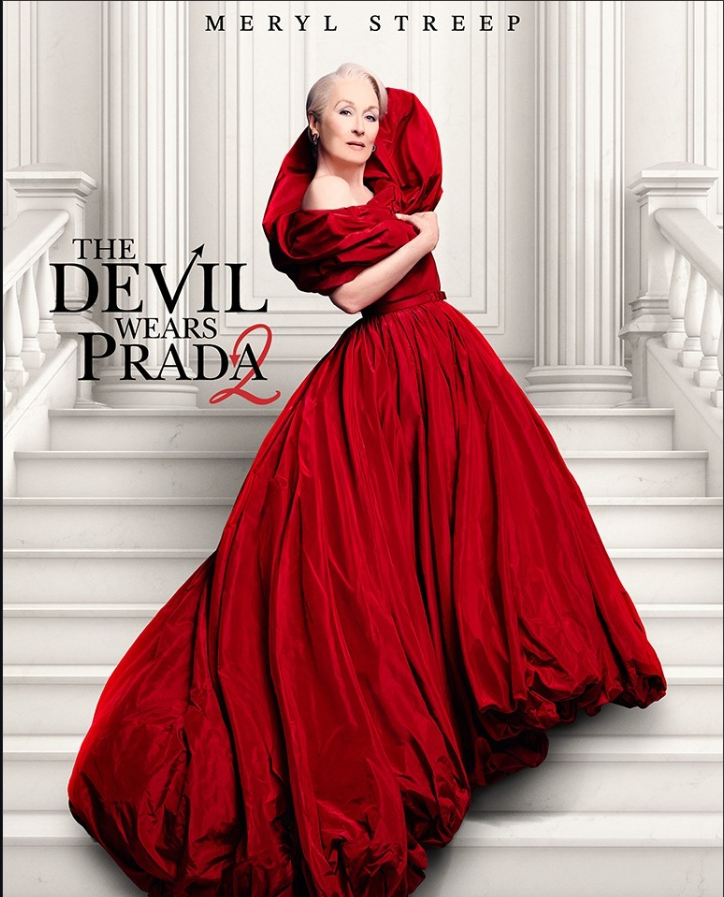
Valentino’s cultural relevance has always extended beyond the runway. In The Devil Wears Prada (2006), he became the only major designer to appear as himself, a subtle but decisive acknowledgment of his real-world authority. His brief exchange with Meryl Streep’s Miranda Priestly was not cameo casting; it was recognition. 

Anecdote: That influence resurfaces in the teaser for The Devil Wears Prada 2 (releasing May 1, 2026), where Miranda strides through New York in lacquered-red Valentino Rockstud stilettos. The choice is intentional. Red, once again, becomes a visual shorthand for power and command.

14. Retirement, Final Honors, and Eternal Legacy (2007-2026)

Valentino V Logo Signature 80 CM Reversible Belt Black/Brown Leather

Retiring after a spectacular 2007 haute couture show, Valentino received the Outstanding Achievement Award at the 2023 British Fashion Awards. Models paraded his famous red dresses, including “Fiesta”; Giancarlo Giammetti accepted on his behalf, presented by longtime friend Gwyneth Paltrow in head-to-toe red—she admitted she “didn’t normally like the hue” until Valentino made her love it. Passing peacefully in Rome on January 19, 2026, at 93, his foundation continues his artisan support. Honors like the Legion of Honour endure, as does his red revolution.

I am happy that thousands of students, young designers and fashion people will be able to see and study my work in every aspect of it – Valentino Garavani.


Valentino, A Trendsetter Not a Follower: Risks, Resilience, and Innovation

Valentino Boutique Vintage Red Raw Silk Long Sleeve Gown

Through the 1970s, when critics lambasted his structured, retro styles and midi skirts, shoulder pads, and asymmetric hems, considering them too stiff against the flowing bohemian trends of the time, Valentino doubled down on his vision and stood firm on his beliefs. His commitment paid off spectacularly: by the 1980s, his brand had become the best-selling Italian fashion export, with international sales reaching US$385 million as reported by Vogue in 1986.

Valentino Beige/Brown Leather and Wicker Embellished V Logo Shoulder Bag

He never shied away from bold moves. In an era when many European fashion houses relied heavily on global craftsmanship, particularly intricate Indian embroidery, without giving proper credit, Valentino stood apart. He openly admired the skill and precision of Indian artisans, incorporating zardozi, aari work, and other techniques into his designs with genuine respect and public acknowledgment. This was a subtle yet powerful rebellion against industry norms, and his 2002 India-inspired couture collection later became a full homage to that enduring influence.

Even in menswear, he challenged conventions, introducing glamorous elements like ruffled shirts, bold prints, and theatrical details that encouraged men to embrace style with the same unabashed flair as his women’s collections, proving glamour had no gender boundaries.

These risks weren’t without peril: financial strains in the early years, shifting cultural tastes, and a flamboyant lifestyle that included driving a bulletproof red Mercedes during Italy’s turbulent Red Brigades era (a defiant choice of color amid threats of kidnapping and violence). Yet these very challenges forged a legacy of resilience and innovation, turning potential setbacks into the foundation of an enduring empire.

I am always locked in my design studio- Valentino Garavani

So, What Makes Valentino Both Enduring and Endearing

Valentino didn’t just create clothes; he crafted moments of joy, power, and beauty. His gowns carried women through grief, celebration, triumph, and transformation, from Oscars to “I dos.” His tailoring softened masculinity without weakening it, and his colours, especially red, gave wearers permission to be seen.

That is why Valentino endures in the world of pre-owned luxury. His creations were never meant to be consumed and discarded; they were meant to be kept, cherished, and passed on. Each piece holds not just craftsmanship, but memory.

At The Luxury Closet, our curated selection of Valentino and Red Valentino pieces continues this legacy—allowing a new generation to own a fragment of fashion history that still feels breathtakingly present. Rest in eternal elegance, Valentino. Your legacy inspires forever.


Source link

Announcing Our Newest Lesson: Drafting a CLO 3D Women’s Trouser Block – University of Fashion Blog

0
Announcing Our Newest Lesson: Drafting a CLO 3D Women’s Trouser Block – University of Fashion Blog


University of Fashion’s newest lesson Drafting a CLO 3D Women’s Trouser Block.

Are you a designer or pattern maker secretly side-eying the world of 3D pattern making, hoping it’ll just… go away? Tired of wrestling with pants patterns that fit your avatar about as well as a potato sack fits a flamingo? It’s time to level up! Our latest lesson shows you how to draft women’s trousers in CLO 3D using your avatar’s exact measurements—no tailor’s chalk, paper cuts, or caffeine-fueled meltdowns required. Pants that actually fit?

Yes, please.

And who doesn’t love a good freebie? To make your life (and your laptop) a little easier, we’re handing you two goodies: a downloadable PDF of our bespoke trouser formula and a CLO file with a ready-to-roll size 8 trouser block. Think of it as your digital starter kit—because great pants should cost you zero tears and zero dollars.

BespokeCuttingTrouserFormula.

University of Fashion’s downloadable formula, block, measurement and calculations charts. (Image credit: University of Fashion).

Our formula works for any set of women’s measurements, so you can create a perfect virtual fit for everyone from size 00 to plus. Once you’ve got your block, you’ll be turning out new trouser designs faster than you can say “grainline.”

Your CLO 3D Instructor

Lane-Odom - CLO 3D instructor

Lane Odom, creator of UoF’s 4-part CLO 3D lesson series (Image credit: Lane Odom)

Lane is a proud graduate of Johns Hopkins University and Parsons—and a bona fide CLO 3D wizard. After launching his own capsule collection, Vane, in 2024, he’s continued to support emerging designers with top-notch technical design services. He’s also the creative force behind our four-part CLO 3D lesson series, where his precision meets digital flair.

CLO 3D Series

CLO 3D 4-part series

Lane breaks it all down — starting with how to purchase CLO 3D software and moving into the magic of drafting your own slopers from scratch, perfectly tailored to your avatar’s measurements. These are rare gems in the 3D fashion world, and we’ve bundled them into a complete learning journey.

Our CLO 3D series includes: Introduction to CLO 3D, How to Construct a Garment with Existing 3D Patterns, How to Draft a CLO 3D Women’s Bodice Block, and our newest addition, Drafting a CLO 3D Women’s Trouser Block.

By the end of the series, you’ll have the digital skills and confidence to bring your garment ideas to life—no muslin required.


Source link

10 Good Investment Jewelry Pieces To Know About in 2026

0
10 Good Investment Jewelry Pieces To Know About in 2026


When it comes to building a collection of stylish accessories that appreciates over time, certain heritage pieces have proven themselves as good investment jewelry items. Recent market analysis reveals which iconic designs have increased most significantly in value, offering both elegance and financial returns for discerning collectors.

A comprehensive study* examining classic jewelry from prestigious maisons like Cartier, Bulgari, Chanel, Van Cleef & Arpels, Hermès, and Tiffany & Co. tracked retail price changes over five years while measuring consumer demand and resale performance. The findings highlight which pieces deliver the strongest appreciation and maintain value in the secondary market.

Investment Disclaimer: Like all investments, jewelry values can fluctuate based on market conditions, precious metal prices, consumer demand, and economic factors. While certain pieces have historically appreciated in value, past performance does not guarantee future results.

The luxury jewelry market will reach an estimated $194.8 billion globally by the end of 2026, but individual pieces may experience varied performance. All jewelry should be purchased primarily for enjoyment, with any appreciation potential considered a secondary benefit.

1. Cartier Trinity Ring

Leading the investment jewelry market, Cartier’s Trinity Ring has experienced remarkable growth, with prices rising 65% over five years – from $1,420 to $2,350. This three-band design demonstrates exceptional staying power, attracting over 204,000 annual searches.

The secondary market remains robust, with pieces typically reselling around $2,000, retaining approximately 85% of retail value. The Trinity’s enduring appeal stems from its 1924 origins and timeless design, where three interlocking bands in yellow, white, and rose gold create a sophisticated statement piece.

Market analysts note that while the ring contains roughly $750 worth of 18k gold, the Cartier name commands an additional $1,600 premium – a testament to century-old heritage. For those interested in learning more about Cartier’s most iconic designs, the maison’s jewelry collection extends far beyond the Trinity.

Cartier Trinity Ring
Fashionphile – Cartier Trinity Ring

2. Bulgari B.Zero1 Ring

Bulgari’s architectural B.Zero1 Ring ranks second with a 41% price increase, climbing from a starting price of $2,700 to $3,800. The bold, contemporary design attracts approximately 67,000 annual searches and maintains strong resale performance at around $2,800, or 75% of current retail pricing.

This piece offers collectors a modern aesthetic with solid investment potential from one of Italy’s most respected jewelry houses. The B.Zero1 Ring comes in several different styles and materials such as rose gold.

Bvlgari B.zero18K ringBvlgari B.zero18K ring
Saks Fifth Avenue – Bvlgari B.zero18K ring

3. Chanel Coco Crush Bracelet

Among the higher-priced investment pieces, Chanel’s Coco Crush Bracelet has appreciated 36%, moving from $11,500 to $15,750. While search volume remains modest compared to other pieces, the bracelet holds impressive resale value at approximately $10,000 – about 63% of store price.

This quilted design translates Chanel’s signature motif into precious metal, offering collectors a wearable piece of fashion history.

Chanel Coco Crush Bracelet Chanel Coco Crush Bracelet
Fashionphile – Chanel Coco Crush Bracelet

4. Chanel Coco Crush Ring

The more accessible Coco Crush Ring provides an entry point into Chanel fine jewelry while delivering strong appreciation. Prices rose 33% from $2,450 to $3,250, with 35,000 annual searches demonstrating consistent demand.

Resale values typically reach $2,500, maintaining about 77% of original investment – an impressive retention rate for those looking to enter the luxury jewelry market.

Chanel Coco Crush ringChanel Coco Crush ring
Fashionphile – Chanel Coco Crush Ring

5. Van Cleef & Arpels Alhambra Necklace

Van Cleef & Arpels’ Alhambra Necklace emerges as the most coveted piece studied, generating 2.6 million annual searches – dramatically outpacing all competitors. Retail prices increased 33% from $4,300 to $5,700, while secondary market values hover around $4,800, retaining 84% of store pricing.

The necklace’s four-leaf clover motif and meticulous craftsmanship make it instantly recognizable.

Mother of pearl Magic Alhambra NecklaceMother of pearl Magic Alhambra Necklace
1st Dibs- Mother of pearl Magic Alhambra Necklace

6. David Yurman Albion Ring

David Yurman’s Albion Ring demonstrates American design house pieces can compete with European heritage brands. Growing 21% from $3,300 to $3,900, this cushion-cut statement ring offers distinctive cable details.

Secondary market prices around $2,200 reflect strong collector interest in Yurman’s signature aesthetic.

David Yurman Albion rings - good investment jewelry piecesDavid Yurman Albion rings - good investment jewelry pieces
LuxuryColumnist – David Yurman Albion rings

7. Hermès Finesse Ring

The Hermès Finesse Ring brings the leather goods house’s refined sensibility to fine jewelry. Appreciating nearly 20% from $7,600 to $9,100, this elegant piece maintains $6,500 resale values.

Hermès’ selective jewelry production creates scarcity that supports long-term value appreciation.

Hermes 18K White Gold Finesse RingHermes 18K White Gold Finesse Ring
Fashionphile – Hermes 18K White Gold Finesse Ring

8. Cartier Love Bracelet

Perhaps the most iconic bangle design, Cartier’s Love Bracelet increased 19% from $4,500 to $5,300. The distinctive screw motif and locking mechanism create both symbolism and security.

Resale values match retail at $4,500, demonstrating the piece’s enduring market position across decades.

Cartier Love Bracelet and boxCartier Love Bracelet and box
Pexels – Cartier Love Bracelet and box

9. Van Cleef & Arpels Butterfly Necklace

Van Cleef’s Butterfly Necklace offers a more accessible entry point at $1,700, up 17% from $1,500. Secondary market pricing around $1,300 represents strong value retention for the whimsical design that showcases the maison’s technical expertise.

The two main types of Van Cleef & Arpels butterfly necklaces are the Sweet Alhambra Butterfly collection and the Two Butterfly collection. Both are available in a range of different materials and colors.

Van Cleef & Arpels Butterfly NecklaceVan Cleef & Arpels Butterfly Necklace
Bloomingdales – 18K Two Butterfly Necklace

10. Cartier Juste un Clou Bracelet

Rounding out the top ten, Cartier’s Juste un Clou (“Just a Nail”) Bracelet grew 16% from $7,500 to $8,700. The provocative nail-inspired design maintains resale values over $7,000, appealing to collectors seeking edgier Cartier pieces alongside classic designs.

Pre-owned Cartier braceletPre-owned Cartier bracelet
Bloomingdales – Pre-owned Cartier bracelet

Additional Investment-Worthy Jewelry Pieces

Beyond the top ten, several other luxury jewelry pieces deserve consideration for collectors building investment portfolios. Rolex watches consistently maintain strong resale values, with certain models appreciating significantly. Similarly, vintage Tiffany & Co. pieces, particularly those from celebrated designers like Elsa Peretti and Paloma Picasso, have demonstrated remarkable staying power.

Much like luxury watches that hold their value, fine jewelry from heritage houses benefits from strong brand recognition and craftsmanship. Limited edition pieces and vintage designs from the Art Deco era through the 1970s often command premiums in the secondary market.

For serious collectors with substantial budgets, colored diamonds represent one of the hottest jewelry investments. Their extreme rarity drives consistent appreciation, with pieces regularly breaking auction records.

Collection-grade natural saltwater pearls, particularly those in antique settings by designers like Cartier or Van Cleef & Arpels, have become increasingly valuable as new sources remain virtually non-existent.

What are fancy colored diamonds?What are fancy colored diamonds?
Depositphotos – Fancy colored diamonds

Understanding the Current Jewelry Investment Market

The BoF-McKinsey State of Fashion 2026 report projects jewelry will record annual unit growth of 4.1% between 2025 and 2028 – four times the rate of clothing. When asked to compare categories for investment potential, consumers rank jewelry highest, 15 percentage points above handbags and other accessories.

However, the market has experienced significant volatility. Gold prices rose 65-67% during 2025 alone, reaching record highs above $4,500 per ounce in early 2026.

JP Morgan forecasts gold could reach $5,055 per ounce by late 2026. While rising precious metal prices increase the baseline value of gold jewelry, they also impact retail pricing and consumer purchasing behavior.

Industry data from Edge Retail Academy shows jewelry sales in 2025 grew primarily through higher prices rather than increased unit sales, with average retail prices up 10.9% while units sold declined 5.6%. This “price-up, units-down” trend reflects both material cost pressures and a shift toward “fewer, better things” among luxury consumers.

Key Factors for Investment-Grade Jewelry

Heritage Brand Recognition – Pieces from established houses like Cartier, Van Cleef & Arpels, Tiffany & Co., and Chanel consistently maintain stronger resale values than unbranded jewelry due to controlled production, quality standards, and cultural cachet.

Timeless Design – Classic pieces that transcend trends demonstrate the most reliable appreciation. The Trinity Ring’s 100-year history and the Alhambra’s 50-year presence prove enduring design outlasts fashion cycles.

Authentication and Provenance – Original packaging, certificates, and documentation significantly impact resale value. Tiffany’s signature blue box, Cartier’s red box, and Van Cleef’s certification can add 10-25% to secondary market prices.

Material Quality – Pieces crafted from 18k gold, platinum, and high-quality diamonds hold intrinsic value independent of brand premiums. As precious metal and diamond prices rise, these materials provide a baseline value floor.

Secondary Market Liquidity – The most investible pieces have established resale channels through auction houses, luxury jewelers, and authenticated resale platforms. Pieces that regularly appear at Sotheby’s, Christie’s, and specialized dealers demonstrate proven market demand.

Summary: Strategic Jewelry Collection Building

Investment-grade jewelry combines heritage brand recognition, timeless design, precious materials, and sustained consumer demand. According to market research, pieces from Cartier, Chanel, Van Cleef & Arpels, Bulgari, and Tiffany & Co. demonstrate the strongest appreciation, particularly designs with decades of history behind them.

When building a collection, consider both retail appreciation potential and secondary market liquidity – the best investments offer both wearability and financial returns. As the research demonstrates, the Trinity Ring’s 65% price increase over five years significantly outpaces many traditional investment vehicles, while the piece’s iconic status ensures continued demand.

For those looking to cultivate a luxury lifestyle through strategic acquisitions, investment jewelry offers both aesthetic pleasure and financial prudence. Whether you’re building a wardrobe of timeless pieces or establishing a jewelry collection, focusing on heritage designs from established maisons provides the strongest foundation for long-term value retention.

However, it’s essential to remember that jewelry values fluctuate with economic conditions, precious metal prices, and fashion trends. The luxury jewelry market experiences cycles of growth and correction.

Pieces should be purchased primarily for personal enjoyment, with any appreciation considered a welcome bonus rather than a guaranteed outcome. As with any alternative investment, diversification and professional guidance remain prudent approaches to building a valuable collection.

*The study by FashioNica, a vintage handbag shop, analyzed iconic jewelry pieces from heritage brands to identify which have increased in price the most since 2020.

Sharing is caring!


Source link

Why Some Magnolia Pearl Garments Are Worth More the Second Time Around – The Luxury Lifestyle Magazine

0
Why Some Magnolia Pearl Garments Are Worth More the Second Time Around – The Luxury Lifestyle Magazine


There is a long American tradition of mistaking newness for value. From postwar abundance to the churn of fast fashion, the country learned to equate the pristine with the precious, the untouched with the desirable. Yet history keeps offering a quieter lesson: what endures – what bears marks, repairs, and memory – often carries the greater worth. In that sense, the rising resale value of Magnolia Pearl garments is less a market anomaly than a cultural correction.

A Different Inheritance

Magnolia Pearl was born not from a runway, but from survival. Its founder, Robin Brown, learned to sew as a child not to follow trends but to endure poverty, to mend what little existed, to find beauty in scraps. That origin matters, because it shaped a design language that refuses concealment. The stitches show. The fabric remembers. These clothes do not pretend to be untouched by life; they insist on having lived.
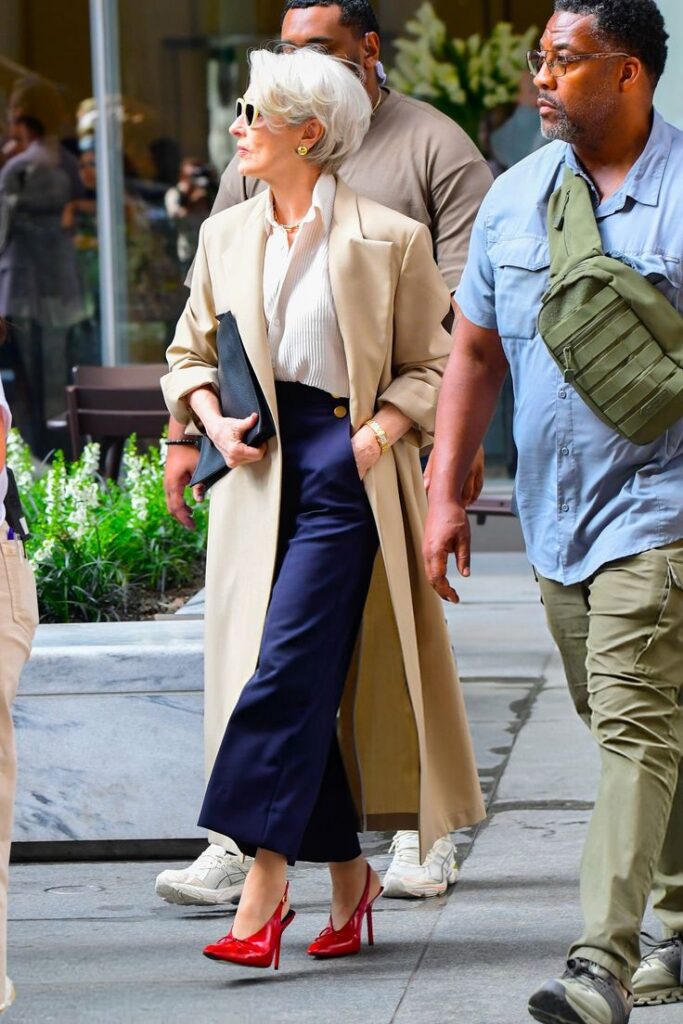
Fashion has long been taught to erase labor and disguise wear. Magnolia Pearl refused that lesson. It made imperfection the point, drawing on an older understanding of value – one that treats care, time, and repair as assets rather than defects.

When Clothing Stops Depreciating

Most garments lose value the moment they leave the store. This is the logic of disposability. Magnolia Pearl pieces have moved in the opposite direction. On resale markets, many command two, three, even five times their original prices. This is not the result of hype cycles or influencer saturation – the brand famously avoided paid placements – but of scarcity, craftsmanship, and narrative coherence.

Each piece is produced in limited batches. Some take weeks to complete. There are no seasons, no clearance racks, no rush to replace what was made yesterday. In economic terms, supply is constrained while demand accumulates. In moral terms, the garment is treated as a thing worth keeping.

The broader market helps explain why this resonates now. The global resale apparel sector has been growing at a pace far outstripping traditional retail, fueled by consumers who are skeptical of waste and weary of churn. Forecasts through the end of the decade point to secondhand becoming a structural pillar of fashion, not a sideline. Magnolia Pearl’s resale success is not an exception to this trend; it is a distilled version of it.

The Meaning of Mending

What makes Magnolia Pearl distinct is not just that its clothes resell well, but that the brand chose to formalize resale itself. With the launch of its own authenticated marketplace, Magnolia Pearl Trade, the company acknowledged what its customers were already doing: treating garments as heirlooms, trading stories stitched into cloth.

That choice carries ethical weight. Authentication protects collectors from counterfeits. Controlled resale preserves price integrity. And crucially, a share of resale proceeds is routed to the brand’s nonprofit foundation, funding housing, medical care, arts education, and disaster relief. In a landscape crowded with vague promises of “impact,” this model ties value retention to material support for others.

Mending, here, is not metaphor alone. It is operational.

Against the Myth of Endless Newness

Fashion’s dominant myth insists that relevance requires constant reinvention. Magnolia Pearl suggests another path: relevance through continuity. The garments age. The value compounds. The story deepens. In Europe, regulators are already pushing the industry toward durability, repairability, and circular design by 2030. Consumers are ahead of that curve, seeking objects that do not ask to be replaced but invite stewardship.

This is where the second life of a Magnolia Pearl garment becomes instructive. Its rising resale price reflects more than scarcity; it reflects trust. Trust that the piece will endure. Trust that it will mean something tomorrow. Trust that value does not vanish when the tag is cut.

What the Market Is Really Saying

To say a garment is worth more the second time around is to say that worth is not exhausted at purchase. It grows through use, through care, through the refusal to discard. In that sense, Magnolia Pearl is not selling nostalgia or luxury in the conventional sense. It is selling permission – to slow down, to keep, to repair, to believe that what is mended can be stronger than what is new.

The market, often caricatured as amoral, is making a moral argument of its own. It is rewarding a brand that remembers how things are made, why they last, and whom they might serve. In the quiet arithmetic of resale, a different definition of value is being tallied =- one that counts time, tenderness, and the courage to let the stitches show.


Source link

The European tour: Bernhard’s sartorial journey part 2

0
The European tour: Bernhard’s sartorial journey part 2


The European tour: Bernhard’s sartorial journey part 2

Friday, January 23rd 2026
Share

Subscribe
14 Comments
||- Begin Content -||

In this second installment of his bespoke journey over the past 37 years, the author of Gentleman tells us how he gave up on Savile Row, but sampled tailors in Germany, Austria, the Czech Republic, Ukraine, Poland, Spain and Italy. 

By Bernhard Roetzel.

In Part 1 of this article I wrote about my first experiences with bespoke tailoring, and my formative years on Savile Row. From 2003 on my enthusiasm for Savile Row and English tailoring dwindled, however, for a couple of reasons. 

One of them was that I got to know Italy better. I started experimenting with several makers of top quality RTW and MTM and was very happy with the suits I got there. My favourites were Belvest and d’Avenza.

The other was that Tobias Tailors closed in 2003, and I hardly visited England after that because I did no more England-related books. John Coggin also stopped doing trunk shows in Frankfurt because the shoe shop he used closed down. 

I didn’t order anything from a tailor for many years because I didn’t need anything, but also because my great first love for bespoke died when Tobias Tailors closed. I still love bespoke tailoring, but never again as much as I did in the first years with them. 

In Europe, I felt torn between the different worlds of tailoring that I discovered. I was often tempted to order something when I liked the craftsman and the atmosphere, but I always stopped myself at the last moment because I didn’t feel like starting all over again with a new tailor.

In 2005, for example, I visited Kathrin Emmer (above) in Berlin while I was there for the Congress of the World Federation of Master Tailors. Kathrin showed me her workroom and I liked her work. She had trained in Munich and worked for Volkmar Arnulf, the most renowned German bespoke tailor of the old generation.

I moved to Berlin in 2007 and visited Kathrin a couple of times for a chat over a cup of coffee. In 2011 I was finally ready to order a jacket, but the fabric that I had picked wasn’t available anymore (a worsted Alsport). A little later I came back because I now wanted a suit. It was a double-breasted made from a grey flannel with a little houndstooth pattern.

I had a very precise I idea of what I wanted: a 1930s-inspired cut with pleated trousers, wider in the leg than I had worn before, no vents and a bit more V-shaped. I showed Kathrin a couple of photos and at the first fitting I saw how well she had understood me and how well she had constructed the pattern. 

There were no sleeves in the coat at that stage. At the next fitting there was hardly anything to correct. I think the sleeves were a bit too long but she could alter that from the shoulder, as the buttonholes were open already.

A little later I had another double-breasted suit made based on the first one. I asked her to replicate the first one, just with the coat a little closer to the body. I picked a light-grey wool with mohair in a medium weight for spring and summer. The fabric was very nice but it turned out to be too heavy – but that was my fault.

At the fitting of the second suit I was pleasantly surprised that Kathrin really had managed to replicate the fit of the first suit – an issue I had found in the past. It fitted a bit closer to the body but the look was very much the same. She explained that she always measures the finished suit and writes the measures in her book.

After the first two double-breasted suits Kathrin made two more single-breasted ones for me. One was in dark blue with a faint overcheck and one was a mid-grey glen check. The latter was supposed to be more Italian and I gave her an Italian RTW suit as a reference. 

She did well but still I learnt the lesson that it is no good to ask tailors to emulate a style from another country. The problem is, even if the suits fits well (as the one from Kathrin does) it will lack identity. 

This is why I also advise readers to get a suit from a tailor who lives or was trained in the country you want (like James Whitfield who is English and trained at Anderson & Sheppard, but lives and works in Berlin).

In 2016 I made the acquaintance of the Viennese tailor Michel Possanner (above). Several friends had recommended him whenever I had asked for tailors other than the usual suspects. He invited me to speak at an event in his shop and I seized the opportunity to order a blazer.

We decided on a blue fabric from Minnis. We agreed on a double-breasted with a classic button configuration. The first fitting took place a couple of weeks afterwards and the fit was already very good. 

Michel unpicked the shoulder sleeve and pinned it following the contour of my figure. At the second fitting I cannot remember any issues and the blazer was finished afterwards without any need for another fitting.

Michel makes a very soft coat with natural shoulders. He trained at Knize and makes a similar silhouette with a fairly low notch. The length of the coat is very classic, similar to the English taste and the chest pocket is lower than most tailors nowadays (which suits my taste). 

According to Michel his tailoring is softer than Knize’s but it does incorporate things he has learned there. For instance the cuffs of the sleeves are made with a bit of linen inside to give them more shape.

Later I ordered a pair of cavalry twills and again Michel did an excellent job. Michel sticks to his own style – he will not deliver anything that he feels is not elegant or flattering. He does have a very good taste and sense of style, something that many tailors lack. 

Two years later I met Zdenek Hartl from Prague (above). He had trained at one of Prague’s most renowned houses in the 1960s, which had been established in the golden pre-war age of tailoring. After 1989 he opened his own business. Since the late 1990s he has been coming to Vienna for trunkshows at the cloth merchant Jungmann & Neffe.

Mr Hartl has a huge number of customers in Vienna because of the value he offers. He charges much less than the local houses, which might explain why many of them look down their noses at him. I think that he is excellent not least because of the huge experience he has gained over decades of making for rather demanding customers.

Many customers show him old Knize suits they had made in the past, or found in second hand stores, and ask him to replicate them. Others use him in addition to other tailors. I met one Brit who lives in London and Vienna; he said he is an Anderson & Sheppard customer but has double-breasted suits made in their style by Mr Hartl while he is in Vienna.

I was hesitant to try Mr Hartl because of the distance to Vienna but he invited me to come to Prague for a fitting. Prague is five hours by train for Berlin so I agreed (as opposed to nine hours to Vienna).

I had a very precise idea of the suit I wanted and I sketched it on a piece of paper after I was measured in the fitting room at Jungmann & Neffe. I picked a heavy British houndstooth tweed from their shelves.

I travelled to Prague and met Mr Hartl in his shop in Verdunska street. Most Viennese customers have never been there and I had heard a couple of strange stories about a dingy workroom somewhere in Prague. 

What I found was a typical tailor’s shop in a quiet residential area. Very tidy and nice, just like any other tailor’s shop in Europe. The workroom is in the back of the building in a small structure in the backyard: also very light and tidy with about six fully employed tailors working there.

My fitting was waiting for me on a dress dummy and it looked promising. I wasn’t disappointed when I first tried on the trousers and then the jacket. Both were spot on.

Mr Hartl suggested that he proceed straightaway to the finished suit. Despite being rather euphoric after the fitting I tried to utter my doubts in the most polite way possible. 

Mr Hartl has such an air of friendly authority that I felt like a schoolboy asking an old teacher if he was sure about what he said.

As an answer he led to the wall and pointed to a photograph that showed Arnold Schwarzenegger with Mr Hartl at the fitting of a sports jacket. In his broken English Mr Hartl said that he did one fitting for this customer too because Arnold Schwarzenegger didn’t stay long enough in Prague for another. This convinced me, so I agreed.

We met a couple of weeks later in Dresden, halfway between Berlin and Prague. We did the fitting in the lobby of a hotel. I was handed the suit in a bag and I put it on in the bathroom. Even before seeing myself in the mirror above the wash basin, I felt that the suit was perfect.

In the lobby I found a bigger mirror and it confirmed my impression. The suit fitted very well after only one fitting and it looked exactly as I had envisioned it before. The heavy tweed probably helped, but I have seen other suits on me made from heavy cloth which clearly showed issues.

After that first successful suit I ordered four more outfits and all were very good. At the subsequent meetings I noticed that Mr Hartl starts at zero every time. He doesn’t seem to use the previous patterns or measurements. I have seen a video of him striking the pattern on the fabric directly without using a paper pattern as a stencil.

So for every new piece since the first one we have done two fittings, even for the trousers. The quality of the making has always been excellent. The two fittings were always necessary because I had changed my weight between ordering and fitting. 

In general Mr Hartl seems to prefer a slightly shorter coat and narrower lapels, if the customer doesn’t ask for something else.

The first English bespoke suit I ordered since 2003 was made by James Whitfield in Berlin (above). He came to Berlin in 2012. He was hired by a German shop called Purwin & Radczun. They couldn’t find a cutter that met their expectations in Germany so they hired James.

I saw the suits he made there and I always liked the idea of a genuine Savile Row tailor working in Berlin. I never got to try James until he started his own business after leaving Purwin & Radczun.

James makes a suit with a long coat, pronounced shoulders and a high waist. As he cannot rely on outworkers like his colleagues in London, he has trained a tailor who works for him fulltime. 

I had found a piece of jacketing in the Scabal warehouse and asked James to make a sportcoat for me. The length was a bit short because I had shared it with a friend but James managed to cut the jacket from it.

James did two fittings and the resulting jacket was very good. When the jacket was made I was very thin; when I put the weight on again later James had to let the jacket out at the side seams to the max. The inlay was smaller than usual because the original length of cloth was a bit short.

I learned from that experience that I’d rather order fabric from a tailor. It is a risk to buy cut lengths unless you know exactly how much is needed. Tailors usually want more of a patterned cloth, for example, so do take care to buy enough.

I have stopped ordering at trunk shows of visiting tailors. It is usually too complicated and time-consuming to meet for the fittings. Pitti Uomo is a popular meeting place for fittings but I find it is stressful for both sides. Usually the fittings take place in a rush, sometimes the tailors cannot concentrate fully or they lose the notes they take. 

In the last seven years I have tried a couple of promising young tailors from Middle Europe, including Tim Fain from Kiev (above) and Dawid Kukliński from Gdansk. Tim used to come to Berlin regularly before the war in Ukraine started and he made two very good suits for me. 

Dawid visits Berlin and Leipzig regularly. He has made a sports jacket for me from linen by Maison Hellard and a suit made of grey covert fabric by Holland & Sherry. Outside Kathrin Emmer I’ve also tried other German tailors, for example Detlev Diehm and Markus Schnurr (below, first and second respectively).

I met both Detlev and Markus a long time ago when I had had suits made by Tobias Tailors. Detlev was then the creative director and designer of the Bavarian maker of handmade suits Regent, often called the ‘German Brioni’. He trained as a tailor initially before he studied design. He went back to his roots a couple of years ago.

Markus trained as a costume tailor, which is not uncommon in Germany. He worked for Dietl in Munich, the most renowned post-war tailor in Germany, and then started his own business in provincial southern Germany, where he offers very good handwork and cutting.

Among the southern European tailors, I have tried Joaquín Fernández Prats (above). I met him at Pitti Uomo. He was still working for the shirtmaker Mariano Langa in Madrid and his boss invited me to Madrid. I was enchanted by the atmosphere of the old-fashioned shop and I got measured by Joaquín. I came back to Madrid for fittings twice. 

Joaquín cuts a very distinctive Spanish style, with a collar and lapel shape which is more French than Italian. I’ve always admired the style of elegant Spanish gentleman and the suits made by tailors from their country, so I was interested to try this.

At the first fitting the suit still showed traces of my style but at the second fitting more of Langa’s and Joaquín’s house style emerged. The finished suit was 100% Spanish, with the exception of the trousers. They were cut very wide in the leg with forward pleats, but even then they had a Spanish accent because I followed Joaquín’s suggestions of a wide waistband and belt that fastens at the side.

The only longer-lasting relationship I’ve had with a tailor sprung from a chance encounter. I met Massimo Pasinato in Milan at an event in the VBC showroom in 2018. Francesco Barberis Canonico made the introduction and the next morning Massimo took my measurements for a three-piece suit. I had chosen a medium weight dark-grey high-twist fabric from VBC.

We met for two fittings in Germany. The first was well cut and I didn’t detect anything to improve at first sight. Massimo then took off the collar and unpicked the shoulder seam. He lifted the left front part just a little bit in order to smoothen out the front.

The second took place a couple of weeks later. I don’t remember how it went, probably because everything was fine. The standard of workmanship was excellent. I wore that suit at Pitti at the cocktail hosted by VBC at Liverano’s shop. When I ran into Anda Rowland she complimented me on the suit. Even if I detected a degree of polite flattery the reaction felt honest.

I wanted to order more from Massimo and sent him another suit length but Covid stopped all progress. We met a couple of times after the pandemic but he never found the time to take new measurements. 

Finally, it happened in September 2025 in Vienna when we met at a trunkshow. We did the first fitting in Milano a month later.

The fabric is a light-grey Prince of Wales with a red overcheck from Draper’s. Massimo somehow managed to give the suit an English air. We had agreed on slanted pockets with flaps and a ticket pocket, trousers with forward pleats and side-adjusters and buttons for braces. 

Writing this piece and its predecessor has brought back many memories of bespoke and caused me to think about the mistakes I have made. The world was very different when I ordered my first suits because there were no smart phones, no social media, no Instagram.

The internet has taken away a lot of the magic of bespoke, but it gives the novice a lot of information. Unfortunately, information cannot replace knowledge or experience. So everybody just has to order his first suit from a tailor, make right or wrong decisions and then learn from the results. 

Ideally, the tailor will be skilled and experienced and based not too far away. This will help with correcting the mistakes. The customer should also know exactly what he wants but leave the tailor enough freedom. Otherwise he might choke the enthusiasm.

Always remember, a tailor is not a magician. Don’t expect too much; there is no perfect suit. Communication is the most important: find out what you want and let the tailor know it. It is your suit so you must like it and feel good wearing it. Finally, if you find a tailor who makes this suit, stick with him!

Which tailor would I use today? Well, the tailors above are all ones I would use again because I was happy with the result. But how many times do we like a meal in restaurant and yet never return?

The tailors that I have been most happy with judging by the number of repeat orders are Zdenek Hartl from Prague, Kathrin Emmer from Potsdam, Massimo Pasinato from Vicenza and Dawid Kukliński (below) from Gdansk.

Mr Hartl offers the best value for money, this is an important factor. But he is also extremely skilled and I like his style. And he is a very nice person even though verbal exchange is limited.

Kathrin Emmer is closest to my home of all, it’s only about a 90 minutes drive to see her. She is the one that gives the smallest amount of input regarding style but she is extremely versed at cutting and she can exacly replicate the suits she makes.

Massimo Pasinato has recently reached another level in his cutting, at least in my observation. His handwork was always excellent, but he seems more mature and relaxed now. He is very reliable and consistent which I find very important.

Dawid Kukliński makes a very nice suit, very middle European in the sense of a quiet and subdued elegance. He admires Savile Row style more than most younger tailors from Middle Europe but he doesn’t try to copy it. His prices are attractive and he comes to Berlin on a regular basis.

If I had to choose one of them as my only tailor it would probably be Mr Hartl.

Part 1 of Bernhard’s journey, talking about using an English and German bespoke tailor in the 1980s and 1990s, can be found here. For more on Bernhard’s writing, especially on shops and tailors to visit in central Europe, see his writing more generally here. 

<!–

–>


Source link

Is Love Moschino a Luxury Brand: The Complete Brand Guide

0
Is Love Moschino a Luxury Brand: The Complete Brand Guide


January 21, 2026

In the changing world of fashion, the meaning of luxury is not just tied to old workshops, fancy skills and very high costs. Today’s shoppers are more interested in brands that show character, familiar style and value they can aim for without being totally unaffordable. This change in how people buy luxury has put brands like Love Moschino in focus making an important question among fashion fans and thoughtful buyers: is Love Moschino a luxury brand? 

Famous for its fun designs, big heart logos, clear messages and lively spirit, Love Moschino is easy to spot in a world often ruled by simple styles and quiet beauty. As an offshoot of the well-known Italian brand Moschino, Love Moschino holds the creative style of a fancy label while being seen as more reachable and fashion-focused. This mix can cause some misunderstanding— does Love Moschino fit with regular luxury brands or is it more like top high-street wear? 

In this full brand guide, we look closely at Love Moschino’s background, ideas about design, pricing plan, skill in making things and how people see it around the world. By looking at how the brand stacks up against fancy luxury brands and modern designer names, this piece seeks to give a simple answer to the question: is Love Moschino a luxury brand? And where does it really sit in today’s fashion world?  

The Origins of Love Moschino: A Brief Brand History

The Origins of Love Moschino

To really get if Love Moschino is a fancy brand, it helps to check the history that it comes from. Love Moschino is a side line of the famous Italian fashion house Moschino; started in 1983 by creative designer Franco Moschino. From its start, Moschino went against the rules of high fashion by mixing fancy work with fun, jokes and strong social comments— this way made the brand stand out fast in the world of luxury.

After Franco Moschino died in 1994, the brand kept changing but stayed loyal to his fun and bold design ideas. Love Moschino came out as a younger and more easy-to-find offshoot of the main Moschino line, made ͏to share the brand’s unique creativity with more people. While Moschino fashion shows often challenge artistic limits, Love Moschino puts attention on stylish, trend-based looks filled with the house’s clear sense of humor.

Over some time, Love Moschino has made its own mark, especially in bags, shoes and clothes. The brand keeps Moschino’s well-known symbols— hearts, bright logos, fun prints while making them more affordable. This smart choice has helped Love Moschino do well around the world, mainly with young buyers looking for real designer style without the high-cost limit of usual luxury.

This smart spot has helped Love Moschino do well around the world, mainly with young buyers looking for real designer clothes without the fancy prices of usual luxury. Based in Italian style past but made for today’s ways, Love Moschino shows a new kind of luxury— one ͏that puts ease, expression and clear brand traits first.

What Is Love Moschino Known For?

What Is Love Moschino Known For

Love Moschino is known for its easy to spot look. The brand is praised for;

Bold heart logos and graphic motifsPlayful typography and statement printsTrendy bags, shoes and clothesA youthful, fun and contemporary appeal

Unlike normal fancy brands that focus on less and old styles, Love Moschino is better. This unique look makes it very liked by young buyers and people who are new to designer style for the first time. 

Is Love Moschino a Luxury Brand?

Is Love Moschino a Luxury Brand

The question is if Love Moschino is a fancy brand, it does not have a clear yes or no answer, since it mostly depends on how fancy is understood in today’s world of fashion. Normally, fancy has been linked to being special, skilled work, limited making numbers and high prices. Although Love Moschino does not completely fit with these old signs; it surely holds strong fancy proof due to its link with the famous Moschino fashion home.

Love Moschino is well placed in the easy luxury or low-level designer section. As a side line, it keeps the creative spirit, brand awareness and Italian style roots of Moschino, while providing more practical, trend-based styles at easier prices. This spot lets more people enjoy designer fashion without the money strain associated with old luxury brands.

From strong logo bags to fun clothing pieces, Love Moschino focuses on looks and modern charm over hand-made uniqueness. Its items are made well, but the main goal is style and branding rather than top-level skill. This makes Love Moschino very appealing to young buyers and newcomers in luxury who want realness and standout design.

In short, Love Moschino changes luxury for a new buyer— where easy access, fun ideas and brand name matter just as much as old ways. Though it might not go head-to-head with famous luxury brands, Love Moschino surely finds its spot in the larger fancy fashion world as a top design label that many people like.

Love Moschino vs Moschino: Understanding the Difference

Love Moschino vs Moschino

A main point in answering is if Love Moschino a fancy brand lies in knowing how it is different from the regular Moschino line.

Moschino (Main Line)

High-fashion runway collectionsPremium materials and craftsmanshipHigher price pointsFashion-forward, conceptual designs

Love Moschino

Diffusion line with commercial appealTrend-driven, wearable designsMore accessible pricingFocus on handbags, shoes and casual wear

Though Moschino is a higher end luxury label, Love Moschino serves as an entrance line, giving designer fashion to more people without losing brand look.  

Pricing: Where Does Love Moschino Stand?

Pricing

Cost is very important in showing the luxury level. Love Moschino items are mu͏ch cheaper than regular Moschino, but still cost more than common street brands. 

Typical price ranges include:

Handbags: ₹15,000 – ₹40,000Sneakers & footwear: ₹18,000 – ₹35,000Apparel: ₹12,000 – ₹45,000

These prices clearly set Love Moschino in the high-end maker or low-tier luxury group. For buyers looking for true designer tags without spending a lot on classic luxury, Love Moschino gives a great mix.

Craftsmanship and Quality: Does Love Moschino Deliver?

Craftsmanship and Quality

When looking at if Love Moschino is a fancy brand, skill and goodness are key things to think about.

Love Moschino items are usually made well, with care to style, sewing and detail. Lots of stuff is made in Europe, keeping a quality level like designer brands. Even if materials may not always fit the high status of top fancy labels, they do better than what you find in mass-made fashion. 

The name pays more attention to look, name and what is popular instead of hand-made skill but this fits well with where it wants to be in the market.

Brand Image and Global Perception

Brand Image and Global Perception

Love Moschino has a big name all over the world especially with young shoppers like millennials and Gen Z. Its bright branding and logo-heavy styles click well in this time of fashion ruled by social media.

In fancy shops and selected online websites, Love Moschino is often shown with other easy to reach luxury brands, which helps its high status without saying it is ultra-luxury.

How Love Moschino Compares to Other Luxury Brands

How Love Moschino Compares to Other Luxury Brands

To make it more clear, is Love Moschino a fancy brand? It helps to look at similar names:

Michael Kors and Coach: Similar in price and easy to find.Versace: High end luxury brand, expensive.  Tory Burch: More classy but still easy to reach luxury.

Compared to these names, Love Moschino is more fun and stylish making it best for big looks rather than simple charm.

Who Should Buy Love Moschino?

Love Moschino is an excellent choice for:

First-time luxury buyersFashion lovers who enjoy bold, expressive designsPeople looking for stylish names at low costs.Trend-seeking buyers instead of tradition gatherers.

If you care for inventiveness, young spirit and well-known names more than lasting simplicity a Love Moschino suits just right in a new fancy closet.

Is Love Moschino Worth the Investment?

Is Love Moschino Worth the Investment

When looking at if a brand is good to put money in, shoppers often think about things like how long the design lasts, how strong the brand is, what the materials are like and if it can be sold again for a good price. For Love Moschino, the query isn’t just “is Love Moschino a fancy brand”— it’s also “does it give a value that makes sense for its cost compared to where it stands in the clothing world?” 

From a simple money view, Love Moschino is different from regular fancy brands in big ways. Unlike names like Hermès or Chanel, whose bags and other items have mostly kept or grown in value over the years, Love Moschino items are not usually seen as good investments in the old way. They seldom appreciate value and resale value usually lines up with bigger designer brands instead of uncommon collector items. 

That mentioned, Love Moschino gives a unique kind of worth: style money, brand fame and daily luxury charm. The label has easy to spot designs often with big pictures, famous heart shapes and logo-heavy details that connect in a fashion world led by being different and social. For buyers who care about creative design, cultural ties and the fun of wearing a favorite brand; Love Moschino offers real happiness. 

Also, the costs of Love Moschino items and clothes are in an easy luxury range. While not as unique as fancy fashion, they are definitely better than cheap clothing in how long they last and their quality. For lots of buyers, this makes Love Moschino a good choice for personal taste instead of just a regular money investment.

In short, if your idea of “worth it” leans more toward comfort, modern style and brand name. Love Moschino gives good value! It may not be a great buy in the usual money way, but it’s surely a great piece to add to a stylish and trendy closet. 

Final Verdict: Is Love Moschino a Luxury Brand?

After looking at its background, style, cost and market place the answer to if Love Moschino is a luxury brand gets clearer when seen through a new view. Love Moschino may not fit old ideas of luxury based on being exclusive, skilled work and lasting history but it clearly has a valued spot in the easy-to-get luxury or starting level designer area.

As an offshoot of the famous Moschino fashion brand, Love Moschino gets real luxury status, Italian style background and strong global fame. Its aim isn’t on high-end skills or pieces for investment but on fun, trendy designs that connect with today’s shoppers. The brand values creativity, bright branding and easy-to-wear styles making it very attractive to young folks and ne͏w luxury buyers. 

Love Moschino made a good link between fancy fashion and daily style, giving you a bit of luxury without the fear or cost tied to usual high-end brands. Even though its items might not go up in value or have the lasting weight of classic names, they give clear style, status and designer charm.

In the end, Love Moschino changes what rich means for a new group – fun, easy to get, showy and boldly clear. For those who see the rich as part of personal self instead of just being special alone, Love Moschino is without doubt a modern rich brand in its own way.  


Source link

How great things don’t age: Cashmere shawl cardigan

0
How great things don’t age: Cashmere shawl cardigan


How great things don’t age: Cashmere shawl cardigan

Wednesday, January 21st 2026
Share

Subscribe
17 Comments
||- Begin Content -||

Most of the time with stories in this series, we’ve celebrated how quality clothing becomes more beautiful with age – unlike the cheap product we see everywhere around us. It always feels like a story worth telling, one few adverts shout about. 

Today’s example is slightly different. Unlike the patina on a pair of good leather shoes, or the fading on a piece of vintage outerwear, this cardigan has hardly aged at all. It’s 16 years old, but doesn’t look it.

The type of ageing we’re celebrating today is how quality knitwear can last many years if cared for properly: through pilling and washing and moths and repairs, this cashmere shawl has stood the test of the time. 

The cardigan was a very kind gift from Michael Drake (above), back in 2009. I was still a full-time journalist, writing the blog in my spare time, and one lunch break I went over to the Drake’s tie factory to interview Michael. 

The factory was a big, open-plan affair back then – this predates Haberdasher Street. The staff were on a long platform raised above the production floor, and people like Michael Hill (now, of course, in charge) and Ann Ryley (who went to Begg & Co) had desks alongside Michael’s own area. 

We talked about many things, including how he preferred the style of the French over the Italians, and the particular delights of a 50oz silk tie. The whole place felt like the epicentre of the craft and understated elegance I aspired to. 

A few days later Michael sent me this cardigan, and it was a most unexpected and generous gift. We saw each other occasionally over the next few years, often at his favourite, the Chelsea Arts Club. 

Perhaps it was because the cardigan was a gift, and so more personal, or because it was connected to that early, formative menswear experience, but this piece has always been precious to me. I’ve looked after it fairly well as a result. 

I remember I washed it a few months in, with much trepidation. I soaked it gently in lukewarm water in the bath, with a little wool detergent. I then wrung it out gently in a towel, as I had heard someone recommend. And finally I dried it flat, slowly, on the rack that sits above our bath. 

It took an age to dry. It was probably only a couple of days, but because the rest of the family’s washing had to replace it more than once, and the cardigan then take its place again, it felt particularly drawn-out. 

As with so much however, the more time I put into it the more precious the cardigan felt. Time is precious.

Darning the thing wasn’t quite so successful. I was horrified – no actually, I was angry – when I found my first moth hole. Mostly angry at myself for not looking after it better. 

I found some similarly coloured grey wool, and I darned the hole fairly loosely. It was rough and stood out a bit, but it secured the hole. 

The next time I found damage, it was a lot worse. The whole cuff had a cut in it about an inch long, where the bastards had been chomping away all summer. Again, I confess I didn’t really do the right thing but simply lived with it for a while. My moth regime improved (tips here) but I didn’t repair the cardigan. 

Finally, the following year, I decided it was worth paying to repair it properly. So I sent it to Cashmere Circle, asking them to wash it, de-pill and repair the holes – the full revive service. The estimated cost was £87.

Unfortunately, when they received the cardigan, they identified a total of 10 holes on various parts of it. The extra cost was £88, brining the total to £175. 

The holes were not possible to hide entirely. Above you can see the echoes of them where the yarn looks the same but the knit of the cardigan changes. They’re scars, but ones I value for the story they suggest.  

It’s always a wrench when you have to spend good money on something you already own (like servicing a watch) but in the long run it’s usually worth it. 

The knit was as good as new, and I’ve continued to wear it in the same way ever since. In fact I’m wearing it right now, as I write this in the airport, preparing to fly to Pitti. I’m wearing it with a knitted T-shirt and cords, though it’s more often partnered with a T-shirt and jeans, as pictured. 

I’ve continued to wash the cardigan but rarely – once a year at the most – and after depilling it once or twice in the first year (tips here) it hasn’t needed that since. I think the knit is slightly softer than it was at the beginning, but it’s really quite hard to remember. 

To me, it feels just like the same thing from 2009, except with layers of experience and meaning on top of it – and of course better value the longer I have it. 

Those old interviews with Michael Drake are worth revisiting by the way. There is one from April 2010 that expounds his opinions on dressing in general, saying things such as: “It’s not a question of having the world’s largest wardrobe, and certainly not an elaborate one. It’s a matter of the right clothes, that illustrate the inspiration and taste of the man wearing them.” Hard to argue with that. 

There’s a brief one with words from Bruce Boyer, and finally a good piece I did a couple of years later which has lines such as: “The French like that old English, school look. The Italians, apart from Naples of course, are much more fitted, more self-conscious and deliberately sharper.”

All good stuff, and nice to have it still available for reference. 

The cardigan is an old model, and a different fit from the current Drake’s cardigans. It also originally had leather football buttons; I replaced them after a few years. 

The other clothes shown are a white PS Tapered T-shirt, old Levi’s Vintage Clothing jeans, Alden LHS snuff-suede loafers and a Frank Clegg tote.

Care links:

How to wash knitwear
How to darn knitwear
How to avoid moths
Looking after knitwear in general (including how to de-pill)
Cashmere Circle

<!–

–>


Source link

40 Best Entry Level Luxury Bags: Most Affordable Luxury Handbags

0
40 Best Entry Level Luxury Bags: Most Affordable Luxury Handbags


January 20, 2026

Fancy bags have been linked with status, skill and lasting style but getting your hands on them no longer needs a big budget. As buyers like change and brands listen to more careful shoppers, low-cost fancy bags have come up as great first options for those wanting to buy designer wear without spending too much. These bags catch the spirit of luxury: high-quality materials, simple designs and brand history while still being fairly cheap and useful for everyday life. 

For new buyers, starter fancy bags give a nice way to enter the world of designer items. They let you feel what really makes luxury different from regular fashion: better leather feel, skilled making, good balance and styles that go beyond quick fads. Instead of just being trendy for a season, these bags are made to last long, making them useful parts of a modern closet. Whether it’s a firm bag for work; a crossbody for everyday use or a small shoulder bag for nights out, starter fancy choices fit many ways of living. 

What makes this category very nice is its mix. From old Europe style shops to new fancy brands, brand names now offer easy shapes that keep their special look. These bags are not “lower” kinds of fancy; instead, they are smart designs that focus on use, comfort and lasting charm. Because of this, beginner fancy bags have grown to be loved by both fresh buyers and͏ older collectors seeking simple, daily items. 

In this guide we look at the top beginner fancy bags that mix style, good make quality and are worth helping you to make a clear and sure pick as you start or grow your fancy bag journey.

What Defines an Entry Level Luxury Bag?

What Defines an Entry Level Luxury Bag

A beginner luxury bag is known for its skill to show the core of a luxury brand while staying fairly easy on the wallet. These bags are made by well-known designer companies and show off the brand’s unique style, craft and quality; just without the high prices linked to their famous or rare items. Though cheaper than main models, beginner luxury bags do not lower standards- they are true luxury goods meant to welcome new shoppers into the brand’s space.

One of the main parts that marks beginner luxury bags is the quality of stuff. They are usually made from top leather, covered canvas or good eco-friendly choices, along with neat stitching, strong hardware and careful finishing. The styles are often classic and flexible, concentrating on simple shapes, soft logos and useful sizes that work for daily use. This helps them last long in both strength and style.

Another key point is placement in the brand’s group. Basic luxury bags are usually smaller, easier to make or belong to seasonal and less expensive lines. This helps brands have lower prices without changing who they are. In the end, what makes basic luxury handbags different is their aim— they serve as a door into luxury by giving new buyers a chance for an easy but real experience based on skill, good design and lasting charm.

40 Best Entry Level Luxury Bags You Can Buy Right Now

1. Coach Tabby Shoulder Bag

Coach Tabby, Michael Kors Soho, Kate Spade Knott

The Coach Tabby Shoulder Bag mixes old style with a fresh, neat shape. Made from soft leather and featuring the brand’s well-known “C” clasp; it’s useful for daily use or night events. Its small but handy design makes it popular among new luxury shoppers.

2. Michael Kors Soho Chain Shoulder Bag

Bold and eye-catching, the Soho Chain Shoulder Bag has padded leather and a big logo design. The thick chain strap gives it a modern touch making it perfect for trendy outfits. It’s a great way to step into logo-focused fancy bags. 

3. Kate Spade Knott Medium Satchel

Bold and eye-catching, the Soho Chain Shoulder Bag has soft leather with big logo designs. The thick chain strap gives it a modern twist making it great for trendy outfits. It is a good start into bags that show off luxury logos. 

4. Tory Burch McGraw Tote

The McGraw Tote is made from a soft bumpy hide and has small logo marks. It’s known for its easy style, mixing use with a neat look. This tote is great for anyone wanting a fancy but useful bag. 

5. Marc Jacobs The Snapshot

Easy to see, a Snapshot is a little bag that gives big style in a small space. With two zips and logo strap, it is fun but high quality! Great for relaxed trips and travel.  

6. Furla Metropolis Mini

The Metropolis Mini is a classic symbol from Furla, known for its firm shape and pretty clasp close. Made of nice Italian leather, it gives quick style to any outfit. A standard starter luxury bag with lasting charm.

7. Longchamp Le Pliage Tote

Easy to carry, collapsible and very useful, the Le Pliage Tote is a popular choice around the globe. Its nylon shape with leather details makes it strong but stylish. It’s often seen as the best starting point for luxury bags. 

8. Polène Numéro Un

Polène’s Numéro Un is known for its shape and great skill in making it. Crafted from top-quality leather, it gives a unique but classic look. Perf͏ect for people who like simple styles with an art touch.

9. Mansur Gavriel Bucket Bag

Mansur Gavriel Bucket, Coccinelle Arlettis,  A.P.C. Demi-Lune

This famous bucket bag helped change modern luxury with its simple shapes and plain look. Made from fine Italian leather, it’s easy to wear and works well with many things. A need for fans of simple style.

10. Coccinelle Arlettis Crossbody

The Arlettis Crossbody shows Italian skill with a fine, lady-like shape. It has a shiny metal hook and soft leather cover, it moves easily from day to night. A fancy daily treat!

11. A.P.C. Demi-Lune Bag

Inspired by Paris’ simple style, the Demi-Lune has a smooth half-moon shape. Made of soft leather with light branding, it goes well with new clothes. Great for people who like calm luxury. 

12. Strathberry East/West Mini

Famous for its special bar clasp, the East/West Mini brings neat style in a small shape. The simple edges and fine leather make even plain clothes look better. A classy pick among beginner luxury bags.

13. See By Chloé Hana Shoulder Bag

The Hana Shoulder Bag mixes artsy style with neat touches. It has twisted leather, shiny gold parts and a loose design; it’s pretty yet useful. Great for easy stylish looks.

14. Zadig & Voltaire Rock Nano

Cool and small, the Rock Nano shows off the brand’s stylish vibe. Soft leather and chain bits make it stand out. A nice choice for bringing flair to daily outfits.

15. JW Pei Gabbi Bag

The Gabbi Bag is a trendy pick with a new, shaped look. Made from fake leather, it attracts eco-friendly style fans. Its cheap cost makes it a common choice in modern fancy bags.

16. Acne Studios Musubi Mini

The Musubi Mini is marked by its tied design and building shape. Made from top-notch leather, it feels fresh and creative. It’s great for folks who like bold style.

17. Stella McCartney Falabella Mini

A symbol of eco-friendly luxury, the Falabella Mini is made without animal hide. Its chain edge and relaxed shape make it easy to spot. A great mix of good morals and fancy style.

18. By Far Este Shoulder Bag

By Far Este, Reformation Vittoria, Vivienne Westwood Derby

Small and smooth, the Este Shoulder Bag is great for night outfits. Its shiny look and small shape give it a modern touch. A trendy first luxury bag for today’s closets. 

19. Reformation Vittoria Tote

The Vittoria Bag joins green choices with easy style. Made for daily use, it has enough room but keeps a nice look. Best for anyone who likes earth-friendly fancy things.

20. Vivienne Westwood Derby Crossbody

With the brand’s well-known round logo, the Derby Crossbody shows Vivienne Westwood’s defiant history. Its small size and firm shape make it both u͏seful and eye-catching. A special addition to luxury fashion.

21. Coach Pillow Madison Shoulder Bag

Soft, comfy hide makes the Pillow Madison Shoulder Bag. Its easy shape and rich touch are great for everyday use. A new look at simple American luxury. 

22. Tory Burch Fleming Soft Convertible Bag

The Fleming bag has soft leather and nice chain straps. You can wear it in different ways, making it more useful. It’s a good pick for moving from day to night time.

23. Michael Kors Manhattan Satchel

Pointy edges and a clear shape make the Manhattan Satchel look neat. Made for jobs and nice places, it brings both looks and use. Perfect for people who want a fancy addition. 

24. Kate Spade Sam Icon Nylon Tote

The Sam Tote is light, tough and stylish. Its simple look makes it great for trips and everyday use. A new classic in the entry level luxury bags. 

25. Furla 1927 Top Handle Bag

Moved by Furla’s past, the 1927 bag has a simple top-handle shape. Smooth leather and refined hardware add timeless appeal. A sophisticated option for formal occasions.

26. Longchamp Box-Trot Crossbody

The Box-Trot lifts Longchamp’s story with a firm leather shape. It gives a nicer choice than the Le Pliage. Good for anyone wanting daily style.

27. Polène Numéro Sept

With its moon shape and artful feel, the Numéro Sept pops out easily. Made from fine leather, it shows skilled work. A trendy but lasting pick. 

28. Mansur Gavriel Mini Zip Bucket

Mansur Gavriel Mini Zip Bucket, A.P.C. Grace, Coccinelle Beat Soft Bag

This small form of the famous bucket bag adds use with a zip close. Its simple look stays the same. Great for easy daily use.

29. A.P.C. Grace Bag

The Grace Bag is a classic shoulder bag with fine size. Its firm shape and soft leather make it a must-have in your closet. Great for fans of simple style.

30. Coccinelle Beat Soft Shoulder Bag

Calm and nice, the Beat Soft Shoulder Bag gives daily ease. Made from soft leather, it’s made for easy use. A good choice for simple fancy looks.

31. Strathberry Crescent Shoulder Bag

The Crescent Shoulder Bag has a special shape. Its fine leather and simple metal parts make it look new. Great for making daily clothes better. 

32. See By Chloé Joan Camera Bag

Small and comfy, the Joan Camera Bag is great for trips and everyday use. Special ring details bring a hint of fun style. A flexible starter fancy choice.

33. Zadig & Voltaire Le Cecilia

Graceful but simple, the Le Cecilia bag has smooth ͏shapes and fine leather. Its low-key label makes it good for many styles. A lasting piece for any closet. 

34. JW Anderson Chain Mini Bag

Bold and stylish, this small bag has big chain details. Its fun style draws in shoppers who follow trends. A great item in affordable luxury. 

35. Stella McCartney Logo Crossbody

New branding shows this smooth crossbody style. Made in a good way, it shows the brand’s fair beliefs! Best for daily use with a modern twist.

36. By Far Rachel Croc-Effect Bag

The Rachel bag has a croc-like style for more feel and class. Its firm shape makes it look fancier. Great for night or eye-catching outfits.

37. Vivienne Westwood Hazel Handbag

The shape is classic but the identity is bold, the Hazel Handbag has a special brand. It mixes old ways with new ideas easily. A good choice for fashion fans who are just starting out. 

38. Coach Swinger Bag

Coach Swinger, Tory Burch Robinson
, Furla Opportunity

Inspired by old Coach styles the Swinger Bag has a small and stylish shape. Made from soft leather it’s great for everyday looks. A popular choice among new luxury bags.

39. Tory Burch Robinson Small Tote

Made from strong Saffiano leather, the Robinson Tote looks neat and smart. Its firm shape makes it great for work clothes. A useful fancy buy.

40. Furla Opportunity Tote

The Chance Bag mixes logo work with a sleek shape. Big and chic, it is great for everyday use. A new look at easy Italian style.

Why Entry Level Luxury Bags Are Worth Buying

Entry level fancy bags are good to buy because they give the right mix of fine skill and fair prices, making fancy things easier to get without losing on quality or style. These bags are made by well-known fashion brands that follow strict rules for picking materials, building and details.

From soft skins to well-made bits, beginner fancy bags give a kind of class that is much better than store bought things. This lets shoppers feel real luxury right from the first buy.

One more reason beginner luxury bags are good is their usefulness. Unlike flashy or only for runway styles, these bags are made with daily use in thought. Smart sizes, useful pockets and strong materials make sure they blend easily into everyday life ͏- for work, trips or simple times out. Their classic shapes also show they won’t seem old after a season giving long-lasting wear and better value-per-use than trendy choices. 

Maybe the best thing is that simple luxury bags are good style buys. Lots of them stay liked as time goes on and a few even keep their worth when sold again, which makes them better buys for the earth. They let fashion lovers try out new brands, learn about making things well and shape their own style before buying more costly luxury items. In short, putting money into simple luxury handbags isn’t just about having a brand name— it’s about enjoying good quality, lasting use and a simple class that keeps giving value every year. 

How to Choose the Right Entry Level Luxury Handbag

How to Choose the Right Entry Level Luxury Handbag

Picking the best first luxury bag is a mix of your own style, usefulness and lasting worth. As this is usually the first move into the luxury world, it’s key to choose a bag that not only appears lovely but also works well in your daily life. Begin by checking what you need for your lifestyle if you need a firm tote for work, a crossbody for tasks each day or a small shoulder bag for nights out. A handbag that fits your regular routine will likely be used more often which raises its total value. 

Stuff is very important when you are buying the first luxury bags. Good leather, covered cloth or eco-friendly fake materials usually give more strength and keep looking good for a long time. Choose plain colors like black tan beige or grey if you want it to last since those colors match easily with many clothes and stay in style over time. Even though bright shades and flashy styles might look nice, simple colors are often smart choices for beginners to buy. 

Another important part is brand image and skill. Each fancy name has a different style— some are known for being simple, others for logo details or new shapes. Picking a brand that matches your look makes sure the bag seems real to your taste. Lastly, think about flexibility and resale value. Many beginner luxury bags keep their worth well and can later be sold again or switched out making them not just a stylish pick but a smart buy in good quality and lasting fashion.  

Why Entry Level Luxury Bags Make Sense for Modern Wardrobes

Why Entry Level Luxury Bags Make Sense for Modern Wardrobes

One of the most missed benefits of buying beginner luxury bags is the feeling of confidence and style they add to daily outfits. A well-made luxury bag can lift even the plainest look, quickly adding shine and purpose to your whole appearance. Whether worn with comfy jeans, job clothes or nightwear, beginner luxury bags serve as flexible statement items that silently show good taste without being overdone. Their careful sizes, high-quality materials and polished touches make sure they stay in fashion through different seasons and styles. 

Also, first-time luxury bags fit well with the rise in careful and green fashion choices. Rather than often buying cheap items, putting money into one good luxury bag helps last longer and buy responsibly. Many of these bags are made to handle daily use while keeping their shape and look over time, making them better choices than quick-fashion picks. As buyers put more value on quality instead of number, first-time luxury handbags shine as items that mix dreams with usefulness- giving lasting style, usable design and long-term worth in a single picked accessory.

Final Thoughts: Starting Your Luxury Journey the Right Way

Luxury is not just for a small group anymore— it has changed into something that more people can enjoy, mindful and full of worth. Buying beginner luxury bags lets you ͏join the world of high-end style without being shocked by price tags that often come with well-known brands. These bags mean more than simply low cost; they are well-made items that show off a brand’s skill, character and promise to quality. For new buyers, they give a chance to see what makes luxury special from better materials and fine touches to lasting shapes that go beyond yearly trends.  

What makes beginner level fancy bags really attractive is their usefulness and lasting nature. Made to fit with today’s way of life, they easily move from daily tasks to jobs, trips and night events. Unlike quick fashion items that soon fade away, these bags are made to last in both quality and look making them a better long-term choice. They also act as key parts in a growing collection of fancy items letting you try out various brands, styles and looks before buying more expensive things. 

In the end, picking the good starter fancy bag is about matching your style with how it works and where it comes from. If you like simple designs, light logo marks or modern standout items, there’s a choice that suits both your clothes and your way of living. By beginning with carefully chosen entry level luxury bags, you’re not just getting an extra piece. 


Source link

Popular Posts

My Favorites